ABC Family Arquivos Brasileiros de Cardiologia International Journal of Cardiovascular Sciences ABC Heart Failure & Cardiomyopathy ABC Imagem Cardiovascular
Português English
ABC Family
Português English
  • About
    • About ABC Family
    • Internal Regulation
    • Editorial Board
    • Brazilian Society of Cardiology (SBC)
  • Issues
  • SBC Guidelines
  • Content
    • Videos
    • Podcasts
    • News
  • About
    • About ABC Family
    • Internal Regulation
    • Editorial Board
    • Brazilian Society of Cardiology (SBC)
  • Issues
  • SBC Guidelines
  • Content
    • Videos
    • Podcasts
    • News

ABC Family

  • ABC Family
  • Arquivos Brasileiros de Cardiologia
  • International Journal of Cardiovascular Sciences
  • ABC Heart Failure & Cardiomyopathy
  • ABC Imagem Cardiovascular
Search in

No content found.

Journals
Ordering
Article types
Others

  1. Home
  2. Keyword: Survival
Is Hypertension a Predictor of Mortality in People Living With HIV/AIDS?
IJCS
Original Article

Is Hypertension a Predictor of Mortality in People Living With HIV/AIDS?

Gustavo Eduardo Fante et al. Pedro Antonio Pagote Dall’Omo Karina Bobato do Valle Arcelio Benetoli … Jean Fernando Sandeski Zuber Camila Marineli Martins Erildo Vicente Muller

Abstract

Background:

Hypertension is a chronic non-communicable disease that increases cardiovascular risk and significantly contributes to mortality. It is one of the most prevalent conditions among people living with human immunodeficiency virus/acquired immunodeficiency syndrome (HIV/AIDS).

Objectives:

The objective of this study was to investigate hypertension as a predictor of mortality in people living with HIV/AIDS, analyzing the association of prior diagnosis of hypertension with morbidity and mortality in this population.

Methods:

This retrospective cohort study evaluated the medical records of 1207 patients receiving treatment at the Specialized Care Service (SAE) of a city in the state of Paraná over 264 months.

Results:

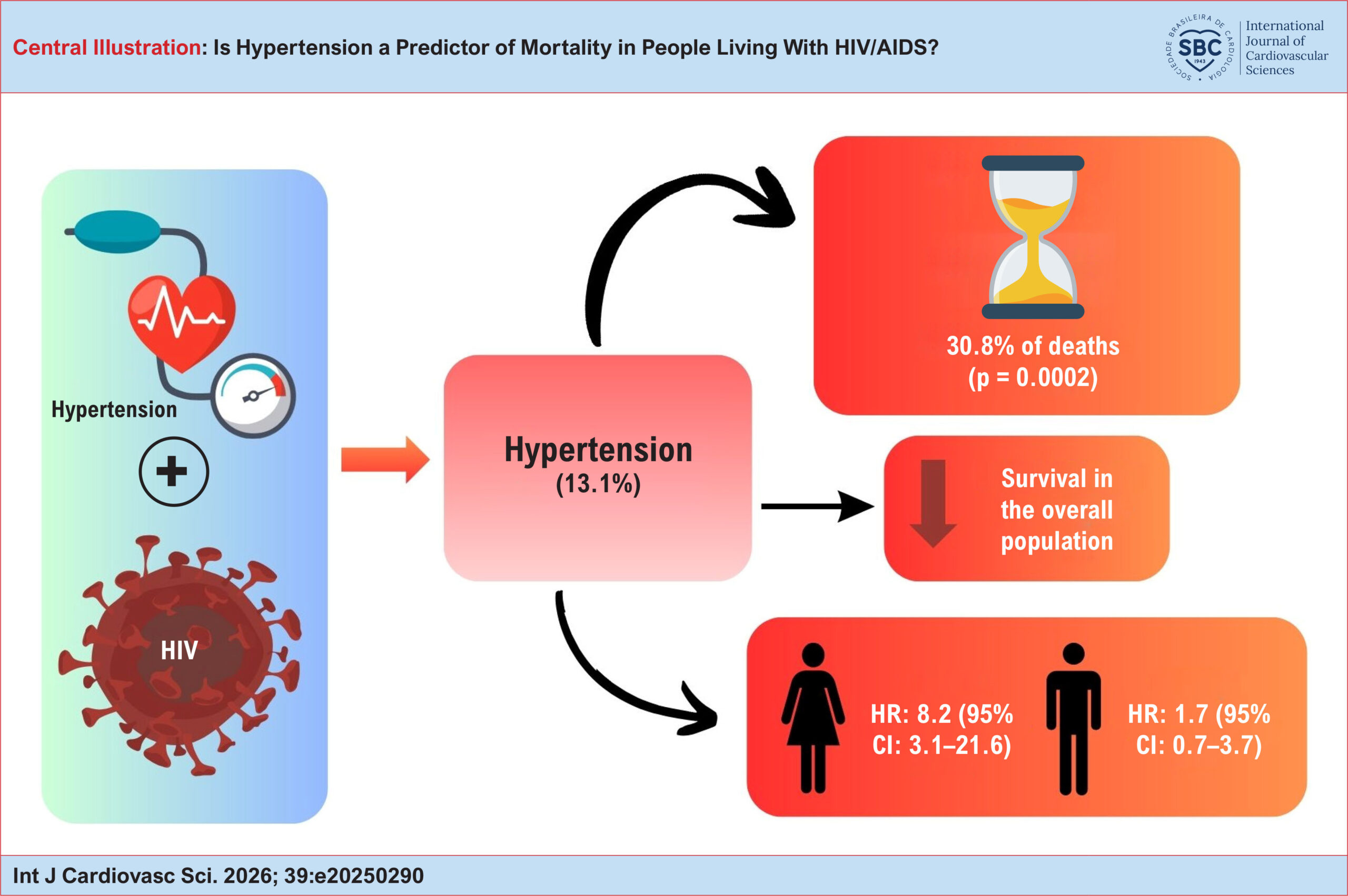
Among patients diagnosed with HIV/AIDS, 13.1% had hypertension. During the analyzed period, 52 deaths were recorded (4.31%), 30.77% of which occurred among patients with hypertension (p = 0.0002). Lower survival was observed among patients with hypertension (p < 0.0001), and mortality was significantly higher among women with hypertension (p < 0.0001). The hazard ratio (HR) for the general population was 3.1 (95% confidence interval [CI]: 1.7–5.6), with an HR of 1.7 for men (95% CI: 0.7–3.7) and 8.2 for women (95% CI: 3.1–21.6).

Conclusions:

Hypertension was a significant predictor of mortality in people living with HIV/AIDS, with a particularly strong impact among women.
  • Acquired Immunodeficiency Syndrome
  • Hypertension
  • Mortality
  • Survival
Read Full Article
Creative Commons Attribution (CC BY) Creative Commons license
07/08/2026 DOI: 10.36660/ijcs.20250290 Views 2
Implantation of Pacemakers in Patients with Chagas disease: A Case-Control Study of Associated Contextual Factors and Prognosis
ABC
Original Article

Implantation of Pacemakers in Patients with Chagas disease: A Case-Control Study of Associated Contextual Factors and Prognosis

Sâmara Fernandes Leite et al. Maria Carmo Pereira Nunes Cesar Augusto Taconeli Mathaus Henrique Reis Silva … Dardiane Santos Cruz Lea Campos Oliveira Ester Cerdeira Sabino Marco Paulo Tomáz Barbosa Antonio Luis Pinho Ribeiro Ariela Mota Ferreira Desirée Sant’Ana Haikal

Abstract

Background

Chronic Chagas cardiomyopathy (CCC) is the most severe manifestation of Chagas disease and may present with bradyarrhythmias requiring pacemaker (PM) implantation.

Objective

1. To identify contextual factors associated with PM implantation among individuals with CCC. 2. To assess the prognosis (death) in these groups over a 4-year follow-up period.

Method

1. Nested case-control study within the SaMi-Trop cohort. We matched cases (patients with CCC who had a PM implanted between waves 1 and 2 of the study) with controls at a 1:3 ratio, considering equivalence in baseline cardiac severity. Independent variables related to the municipal context were considered. Binary logistic regression was conducted. 2. Survival analysis to evaluate the prognosis of these groups, adjusted for clinical variables (Cox regression), considering death as the outcome. Conclusions were based on a significance level of 5%.

Results

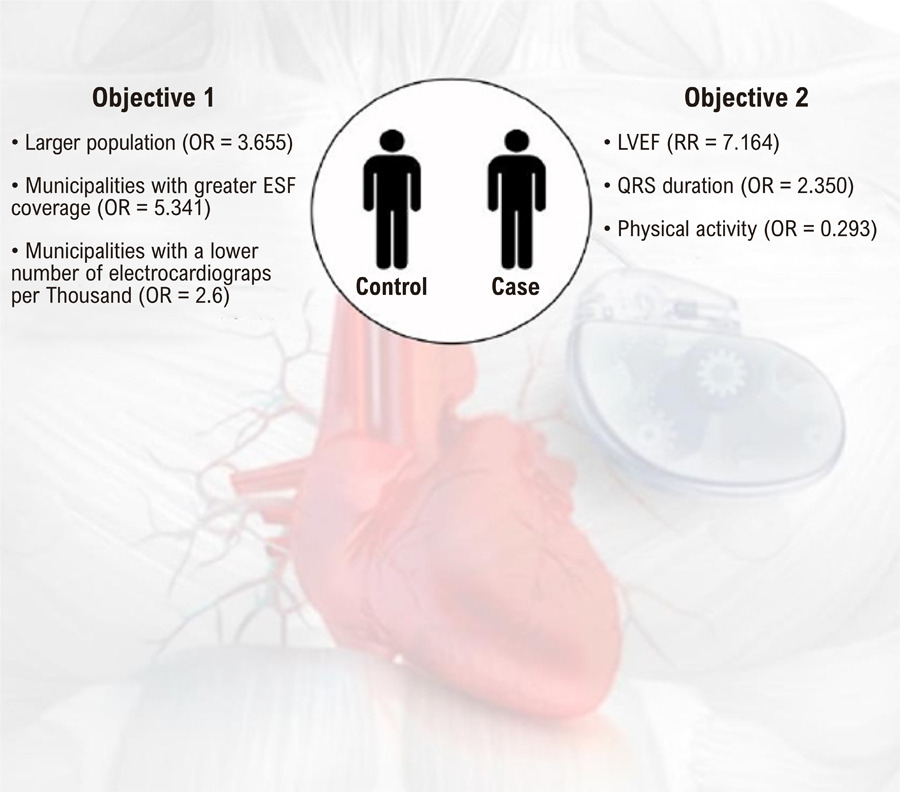
The study included 46 cases and 138 controls. The odds of PM implantation were higher among individuals residing in municipalities with: larger population (odds ratio [OR]: 3.6; 95% confidence interval [CI]: 1.3 to 9.6), higher coverage of the Family Health Strategy (OR: 5.3; 95% CI: 1.8 to 15.8), and with a lower number of electrocardiographs per thousand inhabitants (OR: 2.6; 95% CI: 1.0 to 6.6). Considering 4 years of follow-up, death was observed in 32.6% of cases and 21.2% of controls. Only ejection fraction affected survival (relative risk: 7.2; 95% CI: 3.6 to 14.2).

Conclusion

Contextual factors interfered with PM implantation. However, PM implantation did not influence death over 4 years of follow-up, which was associated only with ejection fraction.

  • Artificial Pacemaker
  • Chagas Cardiomyopathy
  • Chagas disease
  • Mortality
  • Survival
Read Full Article
Creative Commons Attribution (CC BY) Creative Commons license
20/03/2026 DOI: 10.36660/abc.20250003i Views 2
Survival Analysis and Factors Associated with Mortality in Heart Failure Patients in the ELSA-Brasil Cohort
ABC
Original Article

Survival Analysis and Factors Associated with Mortality in Heart Failure Patients in the ELSA-Brasil Cohort

Ana Paula de Oliveira Lédo et al. Sheila Maria Alvim Matos Maria da Conceição Almeida Luciana Pereira Fernandes Roque Aras

Abstract

Background

Heart failure (HF) is one of the leading causes of morbidity and mortality worldwide. Few studies have evaluated the survival and prognostic factors of patients with this condition in light of the therapeutic advances of recent decades.

Objectives

To describe the survival, possible factors associated with mortality, and clinical characteristics of participants with HF in the Brazilian Longitudinal Study of Adult Health (ELSA-Brasil).

Methods

The cohort followed 15105 participants from 2008 to 2023. Sociodemographic variables, laboratory tests, electrocardiogram, two-dimensional echocardiogram, lifestyle habits, comorbidities, and medication use were evaluated. Survival probability was estimated using Kaplan-Meier curves and log-rank tests. Cox regression modeling was used to calculate the crude and adjusted Hazard Ratios (HR) with their respective 95% confidence intervals. The significance criterion was p<0.05.

Results

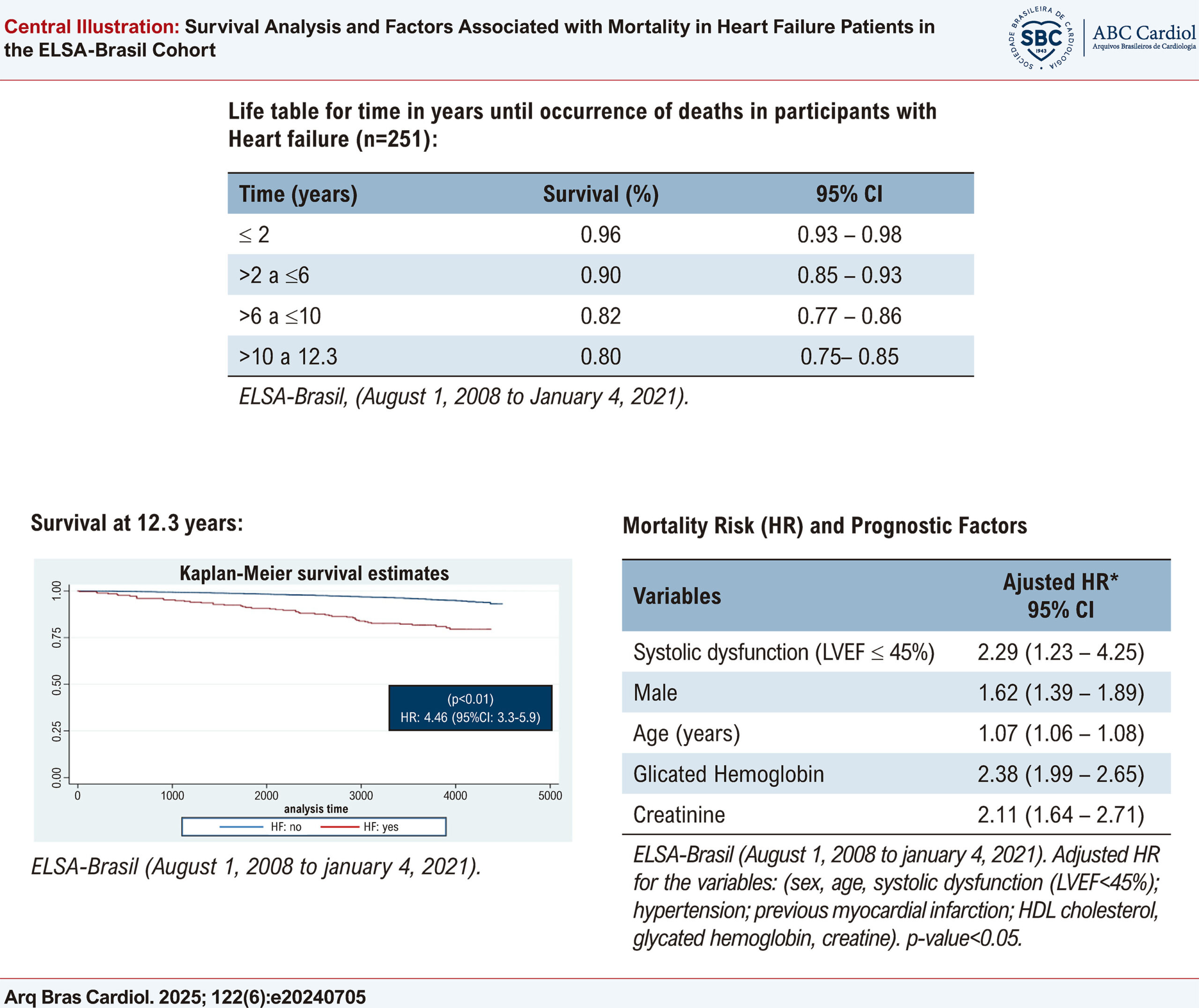
During the inclusion phase, 251 participants with an HF diagnosis were selected (2008-2010). Over approximately 12.3 years of follow-up, 48 (19%) died. The overall survival of participants with HF at 2, 6, 10, and 12.3 years of follow-up was 96%, 89%, 82%, and 80%, respectively. The mortality risk was 4.5 times higher (HR: 4.46; 95% CI: 3.3–5.9) compared to the unaffected group (p<0.01), and even after applying an adjusted model, the mortality risk remained twice as high (HR: 1.77; 95% CI: 1.3–2.4). Variables associated with a worse prognosis included male sex, advanced age, systolic dysfunction (LVEF<45%), hypertension, diabetes mellitus, and chronic kidney disease.

Conclusion

We found high mortality among participants with HF in the ELSA-Brasil cohort.

  • Heart Failure
  • Mortality
  • Prognosis
  • Survival
Read Full Article
Creative Commons Attribution (CC BY) Creative Commons license
06/06/2025 DOI: 10.36660/abc.20240705i Views 1
The Impact of Severe Heart Disease on Causes of Death and Survival after Disability Retirement
ABC
Original Article

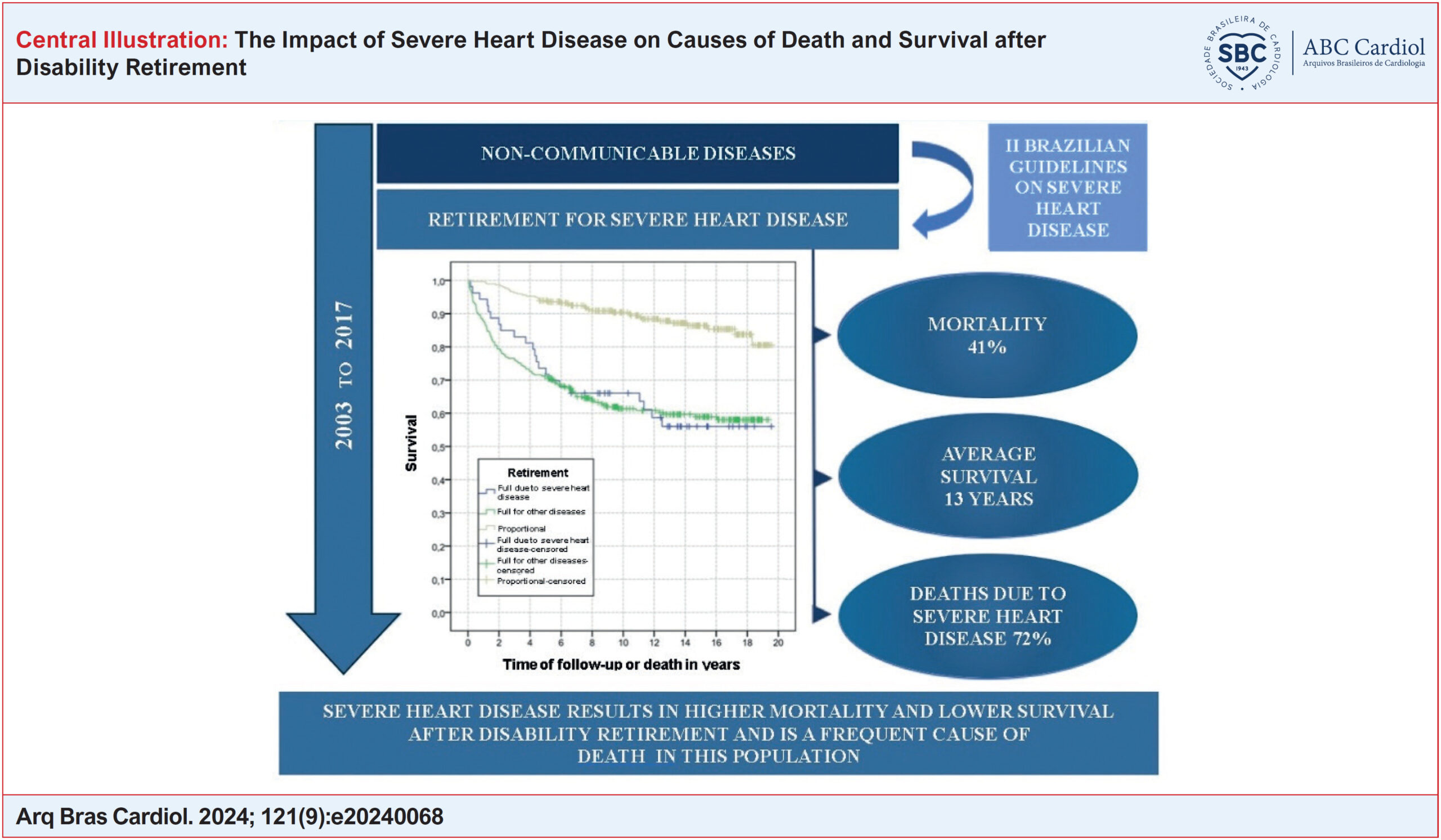
The Impact of Severe Heart Disease on Causes of Death and Survival after Disability Retirement

Cesar Romaro Pozzobon et al. Gabriel Porto Soares Ronir Raggio Luiz Gláucia Maria Moraes de Oliveira

Abstract

Background:

Noncommunicable diseases contribute to premature deaths and limitations. Disability retirement is linked to chronic conditions, particularly cardiovascular diseases. The II Brazilian Guideline for Severe Heart Disease established criteria for cardiovascular disease classification. However, there is a lack of research in this topic within federal institutions.

Objectives:

Evaluate the survival and causes of death among disabled retirees at UFRJ, focusing on the impact of severe heart disease.

Methods:

A retrospective cohort study based on retirement and death records over 15 years. Retirements were categorized into three groups: full retirement due to severe heart disease, full retirement due to other diseases and proportional. Causes of death were obtained from death certificates. Mortality rates, survival and the presence of matching diagnoses between retirement and death were evaluated. Chi-square, log-rank, Cox models, Kaplan-Meier curves were utilized. Statistical significance with a 95% confidence interval, considering p<0.05.

Results:

There were 630 retirements, 368 (51.4%) in females, with an average age of 52.9 (SD=7.8) years, and 169 (26.8%) deaths. Mortality was higher in professors (37.0%; p=0.113), in the age group between 65 and 70 years (48.4%; p=0.004), in males (34.0%; p=0.001), and in full retirements due to severe heart disease (41.5%; p<0.001). Matching diagnoses between retirement and death were more frequent in professors (74.1%; p=0.026) and in full retirements due to severe heart disease (72.7%; p<0.001).

Conclusions:

Severe heart disease diagnosis is associated with higher mortality and shorter survival in disabled retirees. Its frequent occurrence in retirement and death diagnoses underscores its significance in this context.

  • Heart Diseases
  • Mortality
  • Retirement
  • Survival
Read Full Article
Creative Commons Attribution (CC BY) Creative Commons license
23/09/2024 DOI: 10.36660/abc.20240068i
Use of Extracorporeal Membrane Oxygenation in Adult Patients During Cardiac Arrest
IJCS
Review Article

Use of Extracorporeal Membrane Oxygenation in Adult Patients During Cardiac Arrest

Cibelle Alves et al. Sarah Queiroz Pimentel Francine Jomara Lopes

Abstract

Background

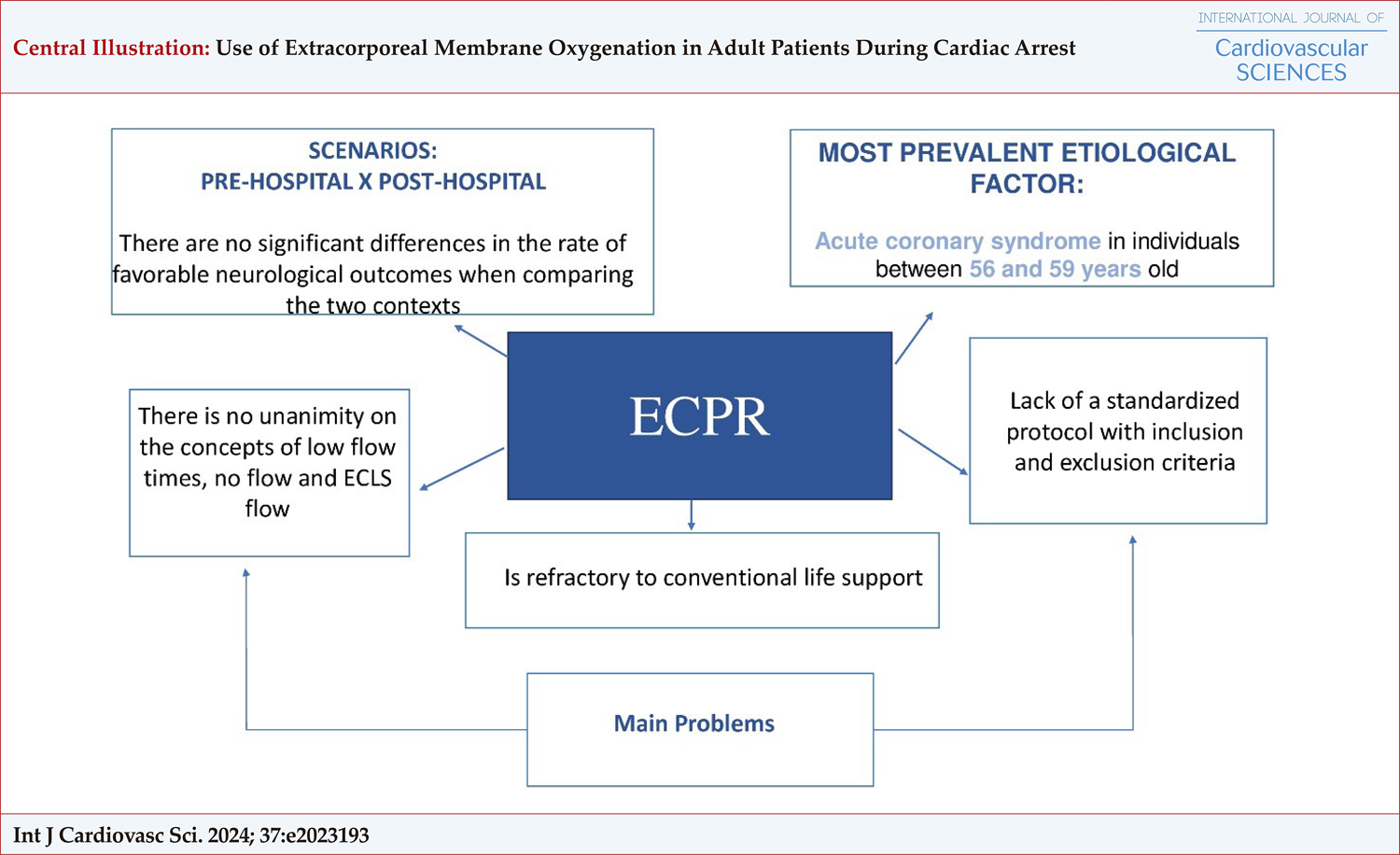
Integrated extracorporeal membrane oxygenation (ECMO) in the treatment of cardiopulmonary resuscitation (CPR) is described as extracorporeal cardiopulmonary resuscitation (ECPR). It is used to ensure recovery of cardiac output when it is not possible to obtain sustained return of spontaneous circulation (ROSC) through conventional CPR methods. The comparison between ECPR and conventional CPR is a dilemma that has been frequently discussed.

Objective

To identify in the literature the use of ECMO in adult patients during cardiac arrest (CA) in and pre- and in-hospital settings.

Method

This is an integrative review using the following guiding question: What is the evidence in the literature on the use of ECMO in adult patients with cardiorespiratory arrest in the pre- and in-hospital setting? It consists of primary studies, published in full and available in Portuguese, English, and Spanish.

Results

The search identified 559 publications in the literature, of which 13 were articles read in full, after applying the inclusion criteria. Of these, 3 were disregarded due to unavailability in the complete format; 7 did not respond to the guiding question, and 3 studies were included. The studies were analyzed according to the 2020 version of the PRISMA Model.

Conclusion

ECPR is a practice adopted when CPR is refractory to conventional life support and concomitantly with this management. There are no significant differences in the rate of favorable neurological outcomes when comparing the pre- and in-hospital scenarios. In short, the development of institutional protocols with selection and exclusion criteria for ECPR is considered relevant.

  • Extracorporeal Membrane Oxygenation
  • Health Care Outcome Assessment
  • Heart Arrest
  • Result of Treatment
  • Survival
Read Full Article
Creative Commons Attribution (CC BY) Creative Commons license
15/07/2024 DOI: 10.36660/ijcs.2023193 Views 1
Survival of Heart Transplant Patients with Chagas’ Disease Under Different Antiproliferative Immunosuppressive Regimens
ABC
Original Article

Survival of Heart Transplant Patients with Chagas’ Disease Under Different Antiproliferative Immunosuppressive Regimens

Silas Ramos Furquim et al. Luana Campoli Galbiati Monica S. Avila Fabiana G. Marcondes-Braga … Julia Fukushima Sandrigo Mangini Luis Fernando Bernal da Costa Seguro Iascara Wozniak de Campos Tania Mara Varejão Strabelli Fernanda Barone Audrey Rose da Silveira Amancio de Paulo Luciana Akutsu Ohe Mariana Cappelletti Galante Fabio Antonio Gaiotto Fernando Bacal

Abstract

Background

Chagas’ disease (CD) is an important cause of heart transplantation (HT). The main obstacle is Chagas’ disease reactivation (CDR), usually associated to high doses of immunosuppressants. Previous studies have suggested an association of mycophenolate mofetil with increased CDR. However, mortality predictors are unknown.

Objectives

To identify mortality risk factors in heart transplant patients with CD and the impact of antiproliferative regimen on survival.

Methods

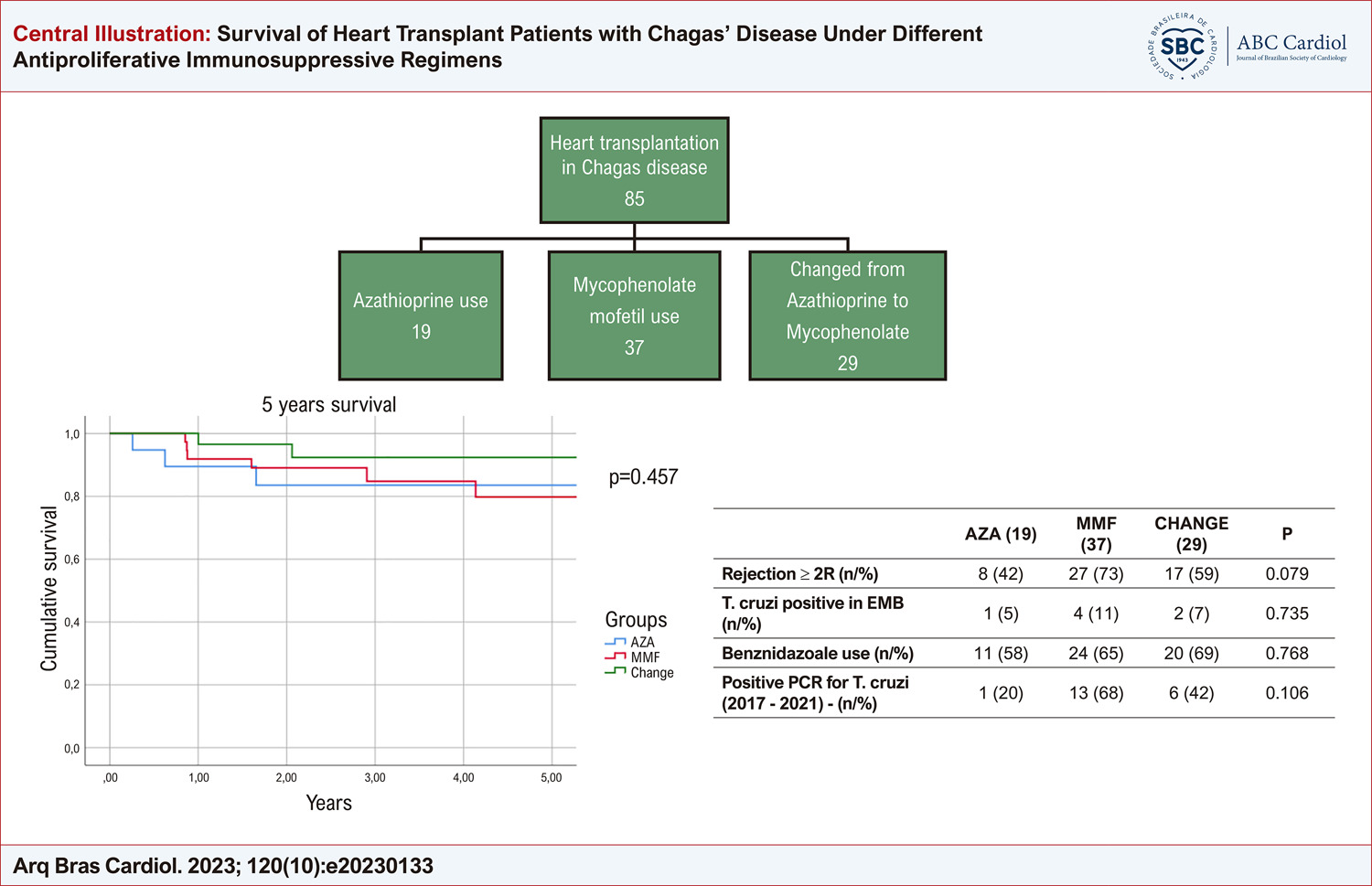
Retrospective study with CD patients who underwent HT between January 2004 and September 2020, under immunosuppression protocol that prioritized azathioprine and change to mycophenolate mofetil in case of rejection. We performed univariate regression to identify mortality predictors; and compared survival, rejection and evidence of CDR between who received azathioprine, mycophenolate mofetil and those who changed from azathioprine to mycophenolate mofetil after discharge (“Change” group). A p-value < 0.05 was considered statistically significant.

Results

Eighty-five patients were included, 54.1% men, median age 49 (39-57) years, and 91.8% were given priority in waiting list. Nineteen (22.4%) used azathioprine, 37 (43.5%) mycophenolate mofetil and 29 (34.1%) switched therapy; survival was not different between groups, 2.9 (1.6-5.0) x 2.9 (1.8-4.8) x 4.2 (2.0-5.0) years, respectively; p=0.4. There was no difference in rejection (42%, 73% and 59% respectively; p=0.08) or in CDR (T. cruzi positive by endomyocardial biopsy 5% x 11% x 7%; p=0.7; benznidazole use 58% x 65% x 69%; p=0.8; positive PCR for T. cruzi 20% x 68% x 42% respectively; p=0.1) rates.

Conclusions

This retrospective study did not show difference in survival in heart transplant patients with CD receiving different antiproliferative regimens. Mycophenolate mofetil was not associated with statistically higher rates of CDR or graft rejection in this cohort. New randomized clinical trials are necessary to address this issue.

  • Chagas disease
  • Heart Transplantation
  • Survival
Read Full Article
Creative Commons Attribution (CC BY) Creative Commons license
27/10/2023 DOI: 10.36660/abc.20230133 Views 1
IJCS
Editorial

Cardiorespiratory Optimal Point: A New Kid in the Block or an Established Star?

Miguel Mendes

Summary

COP researchers have already conducted very important research that must be expanded, including larger and more diverse and better defined populations, with patients around the world, different cardiovascular and non-cardiovascular diseases, tests using a treadmill (more experience with treadmill CPET is needed), and evaluation of the prognostic values of sub-maximal parameters, such as COP and eventually VO 2 at VT1, versus the maximal parameters, such as pVO 2 , VE/VCO 2 slope, and OUES.

A clear answer is needed: Is the information obtained from a submaximal CPET enough, or should it be considered only as an alternative when it is not possible to perform a maximal CPET or when peak VO 2 was not reached?

[…]

  • Cardiopulmonary exercise test
  • Cardiorespiratory Fitness
  • Oxygen Consumption
  • Survival
Read Full Article
Creative Commons Attribution (CC BY) Creative Commons license
20/10/2023 DOI: 10.36660/ijcs.20230124 Views 2
Figure 1
ABC
Research Letter

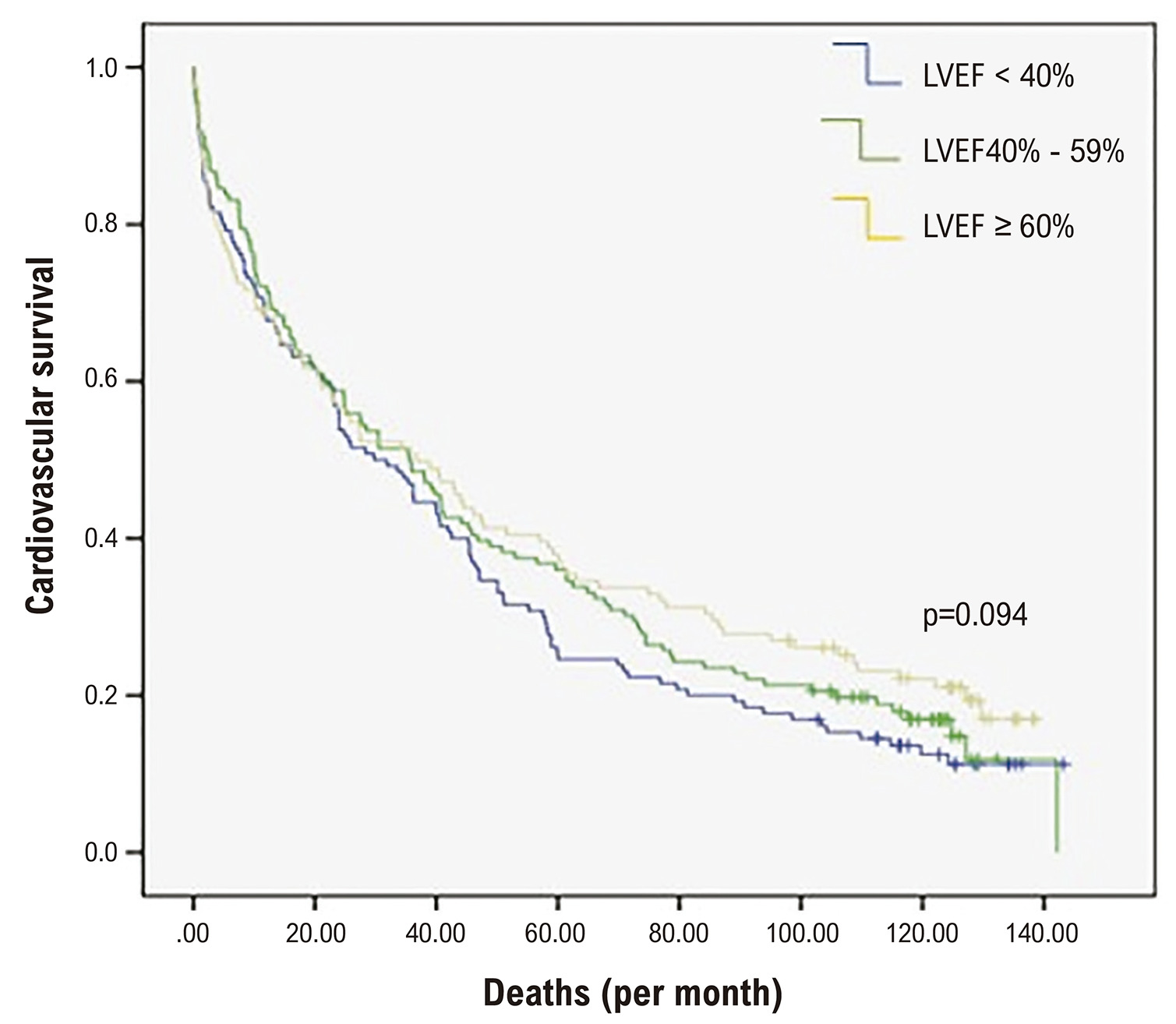
Ten-Year Survival of Heart Failure Patients with Left Ventricular Ejection Fraction of 40-59%: A Potential Phenotypic Classification?

Luiz Claudio Danzmann et al. Luiz Carlos Bodanese Aline Petracco Petzold Anna Paula Tscheika … Ellen Hettwer Magedanz Lucas Celia Petersen Evgeny Belyavskiy Fernanda Lourega Chieza

Abstract

Definitions of left ventricular ejection fraction (LVEF) cut-off values for HF with mildly reduced LVEF (HFmrEF) have been a subject of debate, in the face of evidence that some drugs used in the treatment of HF with LFEV < 40% (HFrEF) are also effective in patients with LVEF < 60%. The aim of this study was to compare overall survival and cardiovascular survival in HF patients with LVEF of 40-59% in patients with HFrEF and HF with LVEF ≥ 60%. Patients with decompensated HF who met the Framingham diagnostic criteria at hospital admission between 2009 and 2011 were included. Patients were divided into HFrEF, HF with LVEF 40-59%, and HF with LVEF ≥ 60%. The Kaplan-Meier was used to determine ten-year overall survival and cardiovascular survival. The statistical significance was established at p<0.05. A total of 400 patients were included, with a mean age of 69 ± 14 years. Cardiovascular survival in patients with HF and LVEF of 40-59% was not significantly different than in patients with HFrEF (adjusted Hazard Ratio [HR] 0.86; 95% Confidence Interval [CI] 0.61-1.22, Ptrend = NS), but was statistically different compared with patients with LVEF ≥ 60% (adjusted HR of 0.64; 95% CI 0.44-0.94, Ptrend = 0.023). No difference was found in 10-year survival between the LVEF groups. Patients with HF and LVEF ≥ 60% had significantly higher cardiovascular survival compared with the other groups.

  • Heart Failure
  • Mortality
  • Stroke Volume
  • Survival
Read Full Article
Creative Commons Attribution (CC BY) Creative Commons license
13/02/2023 DOI: 10.36660/abc.20210772
ABC
Editorial

Treatment Evolution and the Impact of Pre-Surgical Predictors on Outcomes of Patients with Congenital Heart Disease

Maurice Zanini

Congenital heart disease (CHD) is the most common class among malformations. These are important malformations that can compromise the patient’s survival and quality of life. Although there is slight variation among many population-based studies, CHD occurs in approximately 1% of live births (data range from 4 to 10 per 1000 live births), with a similar prevalence worldwide. It is also the main cause of mortality from birth, and its incidence is considered high given its severity. –

Critical CHD is often lethal in the absence of treatment. Since the first repair using cardiopulmonary bypass in 1953, accurate diagnosis and effective treatment have become feasible, even in the case of more complex congenital heart lesions. Effective surgical therapies have increased life expectancy.

[…]

  • Heart Defects,Congenital/surgery
  • Pre-Operative Period
  • Retrospective Studies
  • Risk Assessment
  • Risk Factors
  • Survival
Read Full Article
Creative Commons Attribution (CC BY) Creative Commons license
07/03/2022 DOI: 10.36660/abc.20220020 Views 2
Figure 1
IJCS
Original Article

Congenital Heart Disesase: A Retrospective Analysis from a Tertiary Referral Centre in Portugal

Diogo Faim et al. Joaquim Tiago Rui Castelo Andreia Francisco … Rosa Alves António Pires

Abstract

Background:

Congenital heart disease is the leading cause of mortality among all congenital malformations.

Objectives:

To evaluate the incidence of congenital heart diseases in a central maternity hospital in Portugal from January 2003 to December 2018 and to determine survival in the first year of life.

Methods:

Retrospective analysis of newborns diagnosed with congenital heart diseases within 72 hours after birth. Malformations were divided according to pathophysiology. Cumulative survival analysis was performed by the Kaplan-Meier test. Stastical significance was set at p <0.05.

Results:

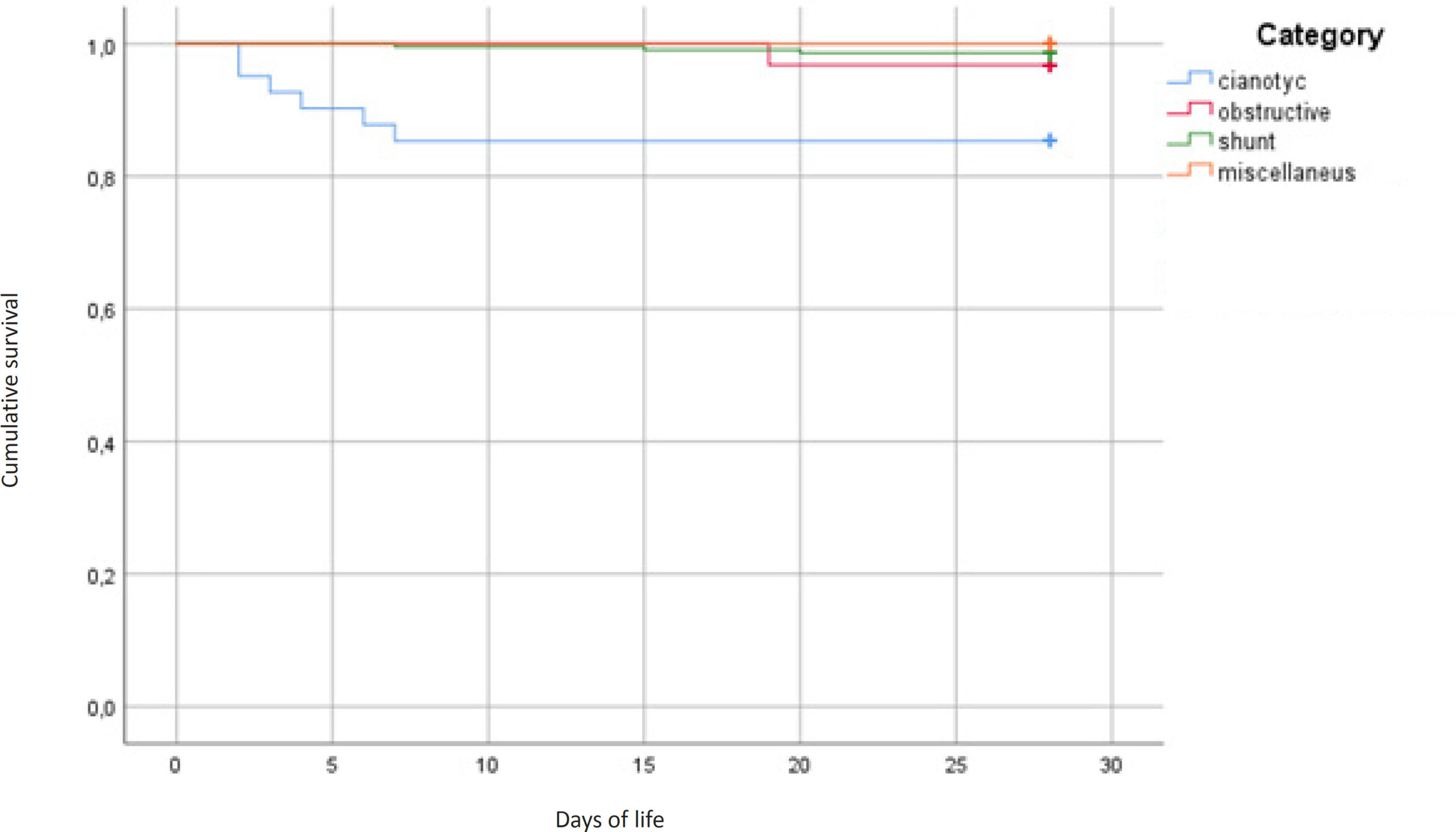
A total of 297 newborns with cardiac malformation was recorded among 47,198 live births (incidence of 6:1000), 16% associated with extra-cardiac disease. The most frequent congenital heart diseases were left-to-right shunt lesions (n = 216), followed by cyanotic (n = 41), acyanotic obstructive (n = 31) and miscellaneous (n = 9). Seventy (24%) patients had prenatal diagnosis, 88% of them cyanotic defects, and a positive association was found between prenatal diagnosis and mortality (p <0.001). Coarctation of the aorta was associated with gestational diabetes (p = 0.014). Atrial septal defect was more common in females (p = 0.02). Mortality rate due to heart disease was 3.4%. Patients with cyanotic disease, 99%, 97%, 97%, respectively, for patients with left-to-right shunt lesions, and 97%, 97%,97% for those with obstructive lesion cases.

Conclusion:

The incidence of congenital heart disease was 6:1000, mostly left-to-right shunt lesions. Heart disease accounted for only half of deaths, and cyanotic diseases have a high nonspecific mortality rate.

  • congenital heart defect
  • Neonatology
  • Newborn Infant
  • Survival
Read Full Article
Creative Commons Attribution (CC BY) Creative Commons license
28/07/2021 DOI: 10.36660/ijcs.20200238 Views 1
ABC
Editorial

Progress in Heart Transplantation in Brazil: is it Time to Build a National Database?

Mônica Samuel Avila et al. Deborah de Sá Pereira Belfort

Heart transplantation (HT) is the therapy of choice for advanced heart failure. Survival has greatly improved since the first heart transplant 50 years ago, especially after the introduction of calcineurin inhibitors and better management of complications related to immunosuppression. In Latin America, Brazil is renowned for the high number of HTs performed annually. Despite its importance, reports on survival, immunosuppression and complications of HT are scarce in Brazil.

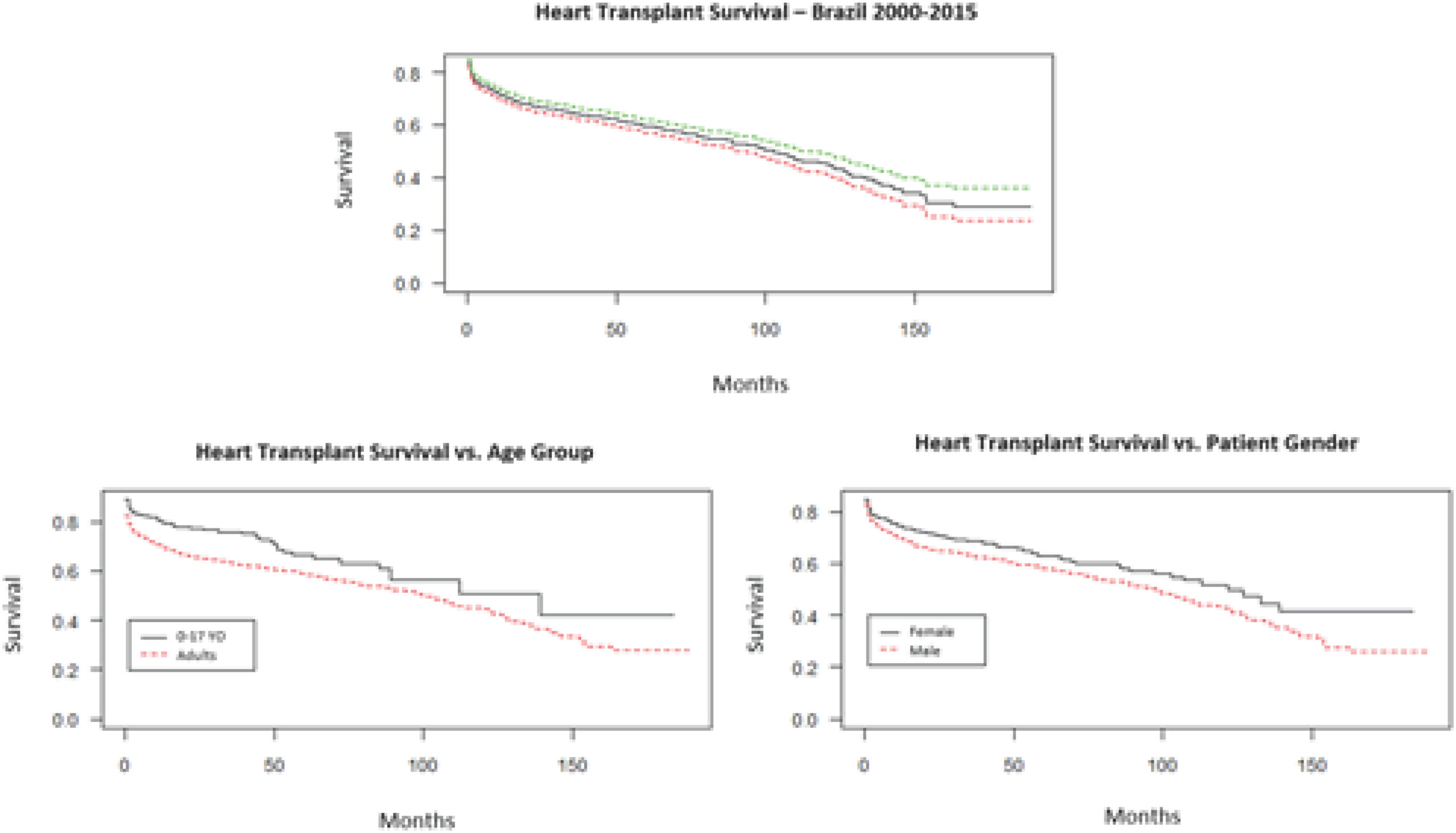
A retrospective open cohort of HT in Brazil is presented in this issue of Arquivos Brasileiros de Cardiologia. The article shows important data regarding epidemiology, survival and complications of HT recipients between 2000 and 2015. Median survival in this cohort was 8.3 years, and one- and 5-year survival rates were 70.9% and 59.5%, respectively. These results are better than those from 1984 to 1999, when the one- and 6-year survival rates were 66% and 54% respectively, suggesting improvement in post-transplant care. However, this median survival is lower than 12.2-year survival and one- and 5-year survival of 81% and 69% reported by the International Society of Heart and Lung Transplantation (ISHLT), probably due to sociodemographic and economic differences between Brazil and developed countries.

[…]

  • Brazil
  • Heart Failure/surgery
  • Heart Transplantation/trends
  • Immunosupression/complications
  • Survival
Read Full Article
Creative Commons Attribution (CC BY) Creative Commons license
16/04/2021 DOI: 10.36660/abc.20210104 Views 1
Figure 1
ABC
Original Article

Sixteen Years of Heart Transplant in an Open Cohort in Brazil: Analysis of Graft Survival of Patients using Immunosuppressants

Natália Cristina Cardoso Freitas et al. Mariangela Leal Cherchiglia Charles Simão Filho Juliana Alvares-Teodoro … Francisco de Assis Acurcio Augusto Afonso Guerra Junior

Abstract

Background:

Heart transplant is the main therapeutic alternative for advanced heart failure patients. Several risk factors affect these patients’ survival; however, few studies about the topic are available in Brazil.

Objectives:

To review the survival rates of heart transplant patients in the Brazilian Public Health System (Sistema Único de Saúde – SUS) between 2000 and 2015.

Methods:

This is a non-concurrent, open cohort study, involving cardiac transplant patients in Brazil. The cumulative survival probability was estimated by the Kaplan-Meier curve, and the curve comparison was done using the Log-Rank test. The Cox model was used to calculate the Hazard-Ratio (HR). Analyses were conducted at the 95% confidence level.

Results:

The heart transplant survival rate median in Brazil, during the period, was 8.3 years. Each additional year in the recipient’s age, the occurrence of infections, and the performance of the surgical procedure in the South Region were associated with a higher risk of graft loss. A higher use ratio of immunosuppressants mycophenolate and azathioprine acted as a protection factor.

Conclusions:

The analyses conducted provide the first information about the median survival time in heart transplant patients in Brazil. The difference noticed among the geographical regions may be related to the different treatment protocols adopted in the country, especially in the early 2000s. The rate of mycophenolate and azathioprine use as a protection factor suggests that, despite the absence of differences among therapeutic strategies, use of these drugs may favor survival of certain patients. The study provides robust epidemiological data, which are relevant for public health.

  • Cyclosporine/therapeutic use
  • Epidemiology
  • Heart Transplantation/trends
  • Immunosuppresive Agents
  • Survival
Read Full Article
Creative Commons Attribution (CC BY) Creative Commons license
16/04/2021 DOI: 10.36660/abc.20200117 Views 1
Figure 1
ABC
Research Letter

COVID-19 Chain of Survival 2020

Sergio Timerman et al. Helio Penna Guimarães Carlos Eduardo Rochitte Thatiane Facholi Polastri Marcelo Antônio Cartaxo Queiroga Lopes

Abstract

The term Chain of Survival provides a useful metaphor for the elements involved in the COVID-19 management. The 5 links of the COVID-19 Chain of Survival are:

A strong Chain of Survival can improve the chances of survival and recovery for victims of COVID-19.

[…]

  • Betacoronavirus, Evidence Based Medicine
  • Coronavirus
  • COVID-19
  • Medical Care
  • Survival
Read Full Article
Creative Commons Attribution (CC BY) Creative Commons license
01/03/2021 DOI: 10.36660/abc.20201171 Views 1
Prognostic determinants of patients with chronic systolic heart failure secondary to systemic arterial hypertension
ABC
Artigo Original

Prognostic determinants of patients with chronic systolic heart failure secondary to systemic arterial hypertension

Dalva M.S. Rolande et al. João Paulo Fantini Augusto Cardinalli Neto José A. Cordeiro Reinaldo B. Bestetti

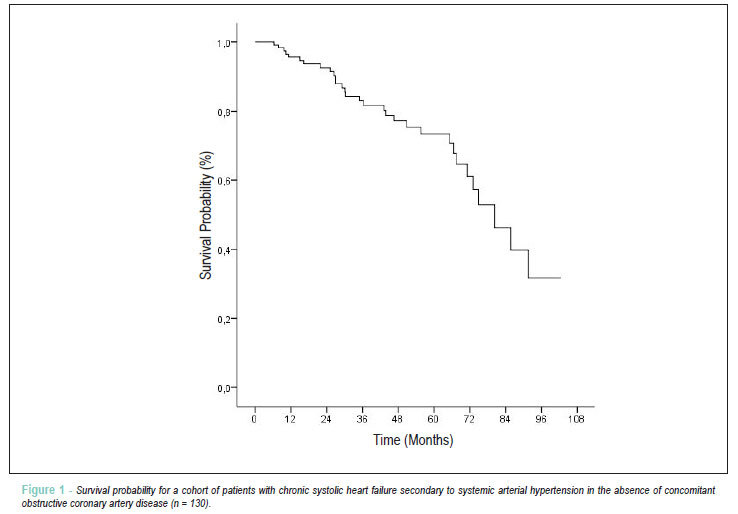
BACKGROUND: Systemic arterial hypertension (SAH) is an important cause of chronic systolic heart failure (CHF) in underdeveloped countries. It would be desirable to know predictors of mortality for patients with this condition in order to provide proper scientific treatment. OBJECTIVE: To determine risk factors for all-cause mortality in patients with CHF secondary to SAH in the current era of heart failure therapy for left ventricular systolic dysfunction. METHODS: All patients routinely and prospectively followed at the Cardiomyopathy Clinic of our Institution from January, 2000 to April, 2008 with the diagnosis of CHF secondary to SAH were screened for the study. Cox proportional hazards model was used to establish independent predictors of all-cause mortality. RESULTS: One hundred thirty patients were included; 74 (57%) were male. Thirty one (24%) patients died, 5 (4%) underwent heart transplantation, and 94 (72%) were alive at study end. Survival probability at 12, 24, 36, 48, and 60 months was 96%, 93%, 84%, 79%, and 76%, respectively. Age (Hazard Ratio=1,05, 95% Confidence Interval 95% 1,01 to 1,08, p value=0,01), left ventricular diastolic dimension (Hazard Ratio=1,08; 95% Confidence Interval 1,02 to 1,09; p value=0,003), and B-Blocker therapy (Hazard Ratio=0,41; 95% Confidence Interval 0,19 to 0,86; p value=0,02) were found to be independent predictors of mortality. CONCLUSION: Age, left ventricular diastolic dimension and underuse of Beta-Blocker therapy were independent predictors of mortality for patients with CHF secondary to SAH in the population studied.

  • Heart failure, systolic
  • Hypertension
  • Prognosis
  • Survival
  • Ventricular Remodeling
Read Full Article
Creative Commons Attribution (CC BY) Creative Commons license
15/12/2011 DOI: 10.1590/S0066-782X2011005000123 Views 1
Optimized approach in cardiocerebral resuscitation
ABC
Point of view

Optimized approach in cardiocerebral resuscitation

Karl B. Kern et al. Sergio Timerman Maria Margarita Gonzalez José Antônio Ramires

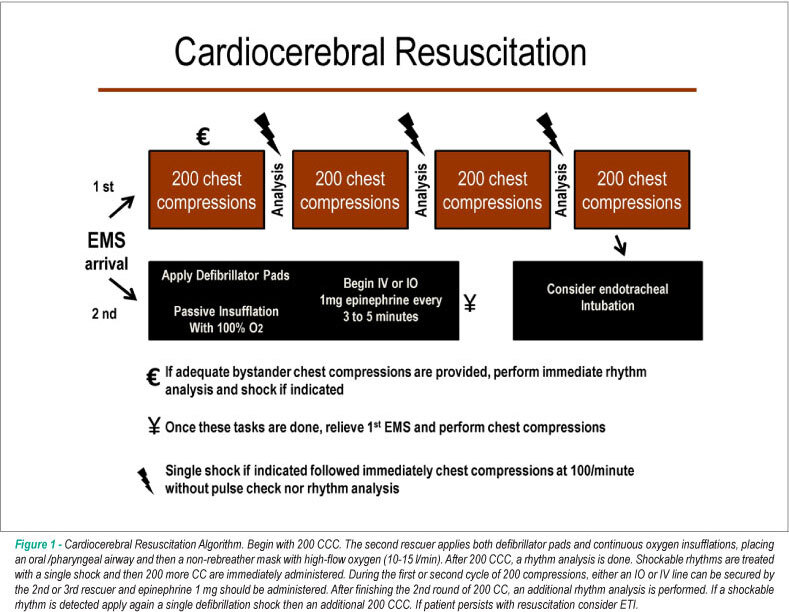
Cardiocerebral Resuscitation (CCR) is a new approach to the resuscitation of patients with out-of-hospital cardiac arrest (OHCA). The first major component of CCR is continuous chest compressions (also referred to as chest compression-only CPR or “hands-only CPR”) advocated as part of CCR for all bystanders who witness a sudden collapse of presumed cardiac origin. The second component of CCR is a new ACLS treatment algorithm for Emergency Medical Services. This algorithm emphasizes uninterrupted chest compressions regardless of other ongoing assignments as part of the rescue effort. A third component has recently been added to CCR, namely aggressive post-resuscitation care. Cardiocerebral resuscitation has increased bystander participation and has improved survival rates in a number of communities. Now is the time for other communities to re-examine their own outcomes with cardiac arrest and consider joining those cities and communities that have doubled and even tripled their survival from OHCA.

  • desfibrillators
  • oxygen inhalation therapy
  • Resuscitation
  • Survival
Read Full Article
Creative Commons Attribution (CC BY) Creative Commons license
02/05/2011 DOI: 10.1590/S0066-782X2011000400020 Views 1
ABC
Review Article

Percutaneous coronary intervention for stable patients: is there any benefit beyond symptom relief?

Goran Stankovic

The indications for percutaneous coronary intervention (PCI) continue to evolve because of the steady improvement in technology, broadened patient and lesion selection criteria, and new evidence from clinical trials. Considerable controversy was generated by the main results from the Clinical Outcomes Utilizing Revascularization and Aggressive Drug Evaluation (COURAGE) trial, in which no difference in long-term outcome was reported for stable patients with coronary disease randomized to an initial strategy of PCI plus optimal medical therapy versus optimal medical therapy alone. In patients with chronic stable angina, medical therapy remains the cornerstone and should be optimized for all patients, while the major achievable goals of PCI are to affect symptoms, either by decreasing or preventing them, reducing the need for subsequent procedures and relieving ischemia. In patients with stable coronary artery disease, however, no reduction in death or myocardial infarction has been observed, and these limitations of PCI in this clinical setting need to be emphasized. The message from the COURAGE trial may be refined based on recently presented nuclear and angiographic sub-studies, such that patients with substantial residual ischemia on optimal medical therapy should be considered for crossover PCI, as it is associated with greater likelihood of death and myocardial infarction. However, those findings need to be confirmed by prospective evaluation before being widely accepted by the interventional community.

  • Angioplasty transluminal percutaneous coronary
  • Drug Therapy
  • Myocardial Revascularization
  • prospective studies
  • Survival
Read Full Article
Creative Commons Attribution (CC BY) Creative Commons license
13/10/2009 DOI: 10.1590/S0066-782X2009000800020
Evaluation of heart failure prognostic factors in patients referred for heart transplantation
ABC
Artigo Original

Evaluation of heart failure prognostic factors in patients referred for heart transplantation

Cleópatra Medina Noronha Areosa et al. Dirceu Rodrigues Almeida Antônio Carlos C. de Carvalho Angelo A. V. de Paola

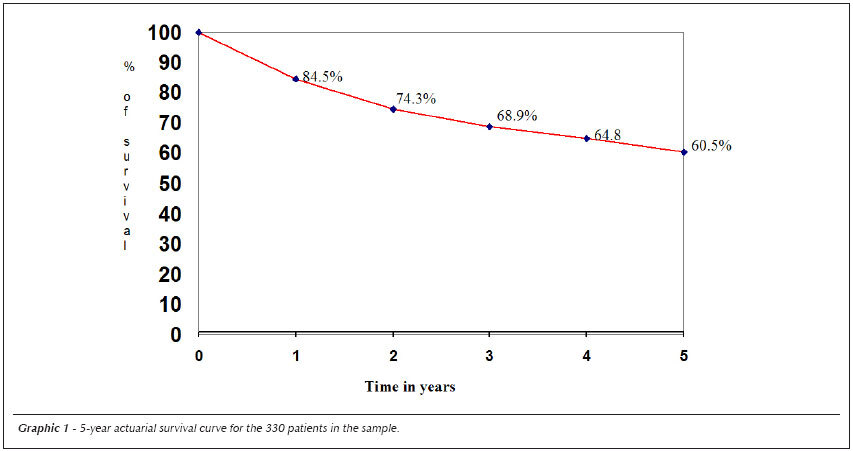
OBJECTIVES: To evaluate the survival of patients with heart failure submitted to cardiac transplantation screening as well as identify poor prognostic factors using a risk score to identify patients with higher death risk. METHODS: 330 male and female patients aged 12 to 74 years old, referred for heart transplantation from January 1986 to November 2001 were evaluated. Clinical, laboratory, electrocardiographic, Holter monitoring, echocardiographic and radionuclide ventriculography data were analyzed. RESULTS: The median follow up period was 5 years; patients’ survival rate was 84.5% in the first year, 74.3% in the second year, 68.9% in the third year and 60.5% in the fifth year. The prognostic variables selected through the univariate analysis were: age, Chagas’ disease etiology for cardiomyopathy, NYHA functional classes III and IV, orthopnea, systolic blood pressure, mean blood pressure, pulse pressure, plasma urea, sodium, glucose, albumin, bilirubin, hemoglobin, and mean heart rate. The prognostic variables at the multivariate analysis were: ejection fraction, blood urea, and hemoglobin. The risk score: RR=exp[(-0.0942401 x ejection fraction) + (0.0105207 x blood urea) + (-0.2974991 x hemoglobin) + (-0.0132898 x age) + (-0.0099115 x blood glucose)] discriminated the population with a higher death risk. CONCLUSION: Patients’ survival was satisfactory despite heart failure severity, suggesting they can be maintained on optimized clinical treatment until persistent clinical deterioration takes place. Ejection fraction, ventricular diameters, and clinical functional class alone should not be used as an indication for heart transplantation. The risk score could help discriminate the population with the poorest prognosis.

  • cardiac transplantation
  • Heart Failure
  • prognostic factors
  • Survival
Read Full Article
Creative Commons Attribution (CC BY) Creative Commons license
23/07/2007 DOI: 10.1590/S0066-782X2007000600007 Views 1
Valve replacement with the Omnicarbon valve prosthesis: a 10-year follow-up
ABC
Artigo Original

Valve replacement with the Omnicarbon valve prosthesis: a 10-year follow-up

Santiago Florez et al. Salvatore Di Stefano Yolanda Carrascal Juan Bustamante … Enrique Fulquet José Ramón Echevarria Casquero Elena Javier Gualis Luis Fiz

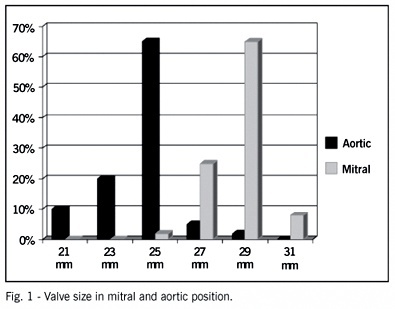
OBJECTIVE: We retrospectively examined the outcomes of 264 patients who underwent consecutive Omnicarbon valve implantation surgery between April 1985 and May 1995. METHODS: At the time of surgery, patients who received this mechanical prosthesis averaged 57±11 years of age. Omnicarbon valves were placed in the aortic position in 36% of the cases, in the mitral position in 44%, and in both positions in 20%. Follow-up was carefully performed, with most patients undergoing physical examination at our clinic. While taking the case history, cardiac physicians specifically questioned the patient about valve-related complications. RESULTS: Accumulated total patient-years is 1291, with a mean follow-up time of 5.4 years. Survival at 10 years is 79.4±3.9%, including all causes of death and early mortality. Complications recorded during the 11-year study include: thromboembolism (0.1%), hemorrhage (0.4%), endocarditis (0.2%), and nonstructural failure (1.2%). No hemolytic anemia, valve thrombosis, or structural failure was detected during this long-term experience. Functional capability of these patients was subjectively assessed by the NYHA classification system. With follow-up time averaging over 5 years, 97% of our Omnicarbon valve patients are in NYHA I or II. CONCLUSION: The Omnicarbon mechanical prosthesis provides a good clinical performance for up to 10 years in both the aortic and mitral positions. Results indicated a low incidence of thromboembolism and of hemorrhagic complications.

  • mechanical heart valve
  • Morbidity
  • Survival
  • Thromboembolism
Read Full Article
Creative Commons Attribution (CC BY) Creative Commons license
24/05/2005 DOI: 10.1590/S0066-782X2005000500004
Major clinical characteristics of patients surviving 24 months or more after hospitalization due to decompensated heart failure
ABC
Artigo Original

Major clinical characteristics of patients surviving 24 months or more after hospitalization due to decompensated heart failure

Mucio Tavares de Oliveira Jr et al. Manoel Fernandes Canesin Robson Tadeu Munhoz Carlos Henrique Del Carlo … Airton Scipioni José Antonio Franchini Ramires Antonio Carlos Pereira Barretto

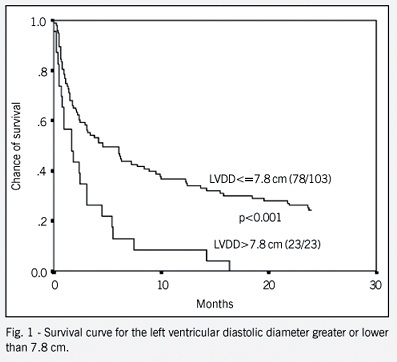
OBJECTIVE: To study the major clinical characteristics of patients with heart failure who survived more than 24 months after hospitalization for compensation. METHODS: The study comprised 126 patients with heart failure in functional class III or IV, with a mean age of 51.7 years. Most patients were men (73%), had a mean ejection fraction (EF) of 0.36 and left ventricular diastolic diameter (DD) of 7.13 cm. The major clinical and laboratory characteristics were assessed, and, on follow-up, 25 (19.8%) patients, who survived more than 24 months after hospital discharge, were identified. Data of survivors (G1) were compared with those of patients who died (G2) before 24 months. RESULTS: In G1, the following levels were greater: serum sodium (138.3±3.4 vs 134.5±5.8 mEq/L; P=0.001); blood pressure levels (120.0 vs 96.7 mm Hg; P=0.003); and LVEF levels (0.40±0.08 vs 0.34±0.09; P=0.004); and the following levels were lower: urea (59.8 vs 76.3 mg/dL; P=0.007); prothrombin time (12.9 vs 14.8 seconds; P=0.001); LVDD (6.78±0.55 vs 7.22±0.91; P=0.003); and LA diameter (4.77 vs 4.99cm; P=0.0003). More survivors were found among patients with idiopathic cardiomyopathy and arterial hypertension than among patients with Chagas’ disease and coronary artery disease. In multivariate analysis, the following variables remained as independent predictors of mortality: LVDD > 7.8 cm (HR 1.95); Na 14 seconds (HR 1.69). CONCLUSION: The study allowed predicting which patients with heart failure will have a good survival after hospital discharge and those with a greater chance of a long survival after discharge.

  • Advanced Heart Failure
  • Hyponatremia
  • Shock
  • Survival
  • ventricular systolic dysfunction
Read Full Article
Creative Commons Attribution (CC BY) Creative Commons license
08/03/2005 DOI: 10.1590/S0066-782X2005000200013
ABC
Original Article

Some predictors of cardiovascular mortality among the elderly population of Botucatu (SP)

Tania Ruiz et al. Mirela D. Sanchís Ana Maria Fioravante Xavier C. Piqué

OBJECTIVE: To detect factors associated with cardiovascular mortality in the elderly of Botucatu. METHODS: We evaluated 29 variables of interest in a cohort of patients aged ³60 using data from a survey conducted between 1983/84. The elderly cohort was analyzed in 1992 to detect the occurrence of cardiovascular deaths. Survival analysis was performed using the Kaplan-Meier method, the log-rank test, and Cox regression analysis. Three models were adapted for each group of variables, and a final model was chosen from those variables selected from each group. RESULTS: We identified predictor for cardiovascular death according to age for elderly males not supporting the family, not possessing a vehicle, and previous cardiovascular disease. In elderly females, the predictor variables were previous cardiovascular disease and diabetes mellitus. CONCLUSION: Socioeconomic indicators (family heading and vehicle ownerrship) may be added to well stabilished medical factors (diabete mellitus and hypertension to select target groups for programs intended to reduce deaths due to cardiovascular diseases in elderly people.

  • Cardiovascular disease
  • Elderly
  • Survival
Read Full Article
Creative Commons Attribution (CC BY) Creative Commons license
28/11/2001 DOI: 10.1590/S0066-782X2001001000004

How to cite this article

EndNote RIS

Electronic Document Format (Vancouver)

Fante GE, Dall’Omo PAP, Valle KB, Benetoli A, Zuber JFS, Martins CM, Muller EV, et al. Is Hypertension a Predictor of Mortality in People Living With HIV/AIDS?. International Journal of Cardiovascular Sciences 2026;39:e20250290.

Electronic Document Format (ABNT)

Fante, Gustavo Eduardo; Dall’Omo, Pedro Antonio Pagote; Valle, Karina Bobato do; Benetoli, Arcelio; Zuber, Jean Fernando Sandeski; Martins, Camila Marineli; Muller, Erildo Vicente. Is Hypertension a Predictor of Mortality in People Living With HIV/AIDS?. International Journal of Cardiovascular Sciences, v. 39, e20250290, Aug. 2026.

Electronic Document Format (APA)

Fante, G. E., Dall’Omo, P. A. P., Valle, K. B. , Benetoli, A., Zuber, J. F. S., Martins, C. M., & Muller, E. V. (2026). Is Hypertension a Predictor of Mortality in People Living With HIV/AIDS?. International Journal of Cardiovascular Sciences, 39, e20250290.

Electronic Document Format (ISO)

Fante, Gustavo Eduardo and Dall’Omo, Pedro Antonio Pagote and Valle, Karina Bobato do and Benetoli, Arcelio and Zuber, Jean Fernando Sandeski and Martins, Camila Marineli and Muller, Erildo Vicente. Is Hypertension a Predictor of Mortality in People Living With HIV/AIDS?. International Journal of Cardiovascular Sciences [online]. 2026, vol. 39, [cited 2026-10-14], e20250290. Available from: <https://journals.cardiol.br/en/article/is-hypertension-a-predictor-of-mortality-in-people-living-with-hiv-aids/>. ISSN 2359-4802

EndNote RIS

Electronic Document Format (Vancouver)

Leite SF, Nunes MCP, Taconeli CA, Silva MHR, Cruz DS, Oliveira LC, Sabino EC, et al. Implantation of Pacemakers in Patients with Chagas disease: A Case-Control Study of Associated Contextual Factors and Prognosis. Arquivos Brasileiros de Cardiologia 2026;123(2):e20250003.

Electronic Document Format (ABNT)

Leite, Sâmara Fernandes; Nunes, Maria Carmo Pereira; Taconeli, Cesar Augusto; Silva, Mathaus Henrique Reis; Cruz, Dardiane Santos; Oliveira, Lea Campos; Sabino, Ester Cerdeira; Barbosa, Marco Paulo Tomáz; Ribeiro, Antonio Luis Pinho; Ferreira, Ariela Mota; Haikal, Desirée Sant’Ana. Implantation of Pacemakers in Patients with Chagas disease: A Case-Control Study of Associated Contextual Factors and Prognosis. Arquivos Brasileiros de Cardiologia, v. 123, n. 2, e20250003, Mar. 2026.

Electronic Document Format (APA)

Leite, S. F., Nunes, M. C. P., Taconeli, C. A., Silva, M. H. R., Cruz, D. S., Oliveira, L. C., Sabino, E. C., Barbosa, M. P. T., Ribeiro, A. L. P., Ferreira, A. M., & Haikal, D. S. (2026). Implantation of Pacemakers in Patients with Chagas disease: A Case-Control Study of Associated Contextual Factors and Prognosis. Arquivos Brasileiros de Cardiologia, 123(2), e20250003.

Electronic Document Format (ISO)

Leite, Sâmara Fernandes and Nunes, Maria Carmo Pereira and Taconeli, Cesar Augusto and Silva, Mathaus Henrique Reis and Cruz, Dardiane Santos and Oliveira, Lea Campos and Sabino, Ester Cerdeira and Barbosa, Marco Paulo Tomáz and Ribeiro, Antonio Luis Pinho and Ferreira, Ariela Mota and Haikal, Desirée Sant’Ana. Implantation of Pacemakers in Patients with Chagas disease: A Case-Control Study of Associated Contextual Factors and Prognosis. Arquivos Brasileiros de Cardiologia [online]. 2026, vol. 123, n. 2, [cited 2026-10-14], e20250003. Available from: <https://journals.cardiol.br/en/article/implantation-of-pacemakers-in-patients-with-chagas-disease-a-case-control-study-of-associated-contextual-factors-and-prognosis/>. ISSN 0066-782X

EndNote RIS

Electronic Document Format (Vancouver)

Lédo APO, Matos SMA, Almeida MC, Fernandes LP, Aras R. Survival Analysis and Factors Associated with Mortality in Heart Failure Patients in the ELSA-Brasil Cohort. Arquivos Brasileiros de Cardiologia 2025;122(6):e20240705.

Electronic Document Format (ABNT)

Lédo, Ana Paula de Oliveira; Matos, Sheila Maria Alvim; Almeida, Maria da Conceição; Fernandes, Luciana Pereira; Aras, Roque. Survival Analysis and Factors Associated with Mortality in Heart Failure Patients in the ELSA-Brasil Cohort. Arquivos Brasileiros de Cardiologia, v. 122, n. 6, e20240705, Jun. 2025.

Electronic Document Format (APA)

Lédo, A. P. O., Matos, S. M. A., Almeida, M. C., Fernandes, L. P., & Aras, R. (2025). Survival Analysis and Factors Associated with Mortality in Heart Failure Patients in the ELSA-Brasil Cohort. Arquivos Brasileiros de Cardiologia, 122(6), e20240705.

Electronic Document Format (ISO)

Lédo, Ana Paula de Oliveira and Matos, Sheila Maria Alvim and Almeida, Maria da Conceição and Fernandes, Luciana Pereira and Aras, Roque. Survival Analysis and Factors Associated with Mortality in Heart Failure Patients in the ELSA-Brasil Cohort. Arquivos Brasileiros de Cardiologia [online]. 2025, vol. 122, n. 6, [cited 2026-10-14], e20240705. Available from: <https://journals.cardiol.br/en/article/survival-analysis-and-factors-associated-with-mortality-in-heart-failure-patients-in-the-elsa-brasil-cohort/>. ISSN 0066-782X

EndNote RIS

Electronic Document Format (Vancouver)

Pozzobon CR, Soares GP, Luiz RR, Oliveira GMM. The Impact of Severe Heart Disease on Causes of Death and Survival after Disability Retirement. Arquivos Brasileiros de Cardiologia 2024;121(9):e20240068.

Electronic Document Format (ABNT)

Pozzobon, Cesar Romaro; Soares, Gabriel Porto; Luiz, Ronir Raggio; Oliveira, Gláucia Maria Moraes de. The Impact of Severe Heart Disease on Causes of Death and Survival after Disability Retirement. Arquivos Brasileiros de Cardiologia, v. 121, n. 9, e20240068, Sep. 2024.

Electronic Document Format (APA)

Pozzobon, C. R., Soares, G. P., Luiz, R. R., & Oliveira, G. M. M. (2024). The Impact of Severe Heart Disease on Causes of Death and Survival after Disability Retirement. Arquivos Brasileiros de Cardiologia, 121(9), e20240068.

Electronic Document Format (ISO)

Pozzobon, Cesar Romaro and Soares, Gabriel Porto and Luiz, Ronir Raggio and Oliveira, Gláucia Maria Moraes de. The Impact of Severe Heart Disease on Causes of Death and Survival after Disability Retirement. Arquivos Brasileiros de Cardiologia [online]. 2024, vol. 121, n. 9, [cited 2026-10-14], e20240068. Available from: <https://journals.cardiol.br/en/article/the-impact-of-severe-heart-disease-on-causes-of-death-and-survival-after-disability-retirement/>. ISSN 0066-782X

EndNote RIS

Electronic Document Format (Vancouver)

Alves C, Pimentel SQ, Lopes FJ. Use of Extracorporeal Membrane Oxygenation in Adult Patients During Cardiac Arrest. International Journal of Cardiovascular Sciences 2024;37:e2023193.

Electronic Document Format (ABNT)

Alves, Cibelle; Pimentel, Sarah Queiroz; Lopes, Francine Jomara. Use of Extracorporeal Membrane Oxygenation in Adult Patients During Cardiac Arrest. International Journal of Cardiovascular Sciences, v. 37, e2023193, Jul. 2024.

Electronic Document Format (APA)

Alves, C., Pimentel, S. Q., & Lopes, F. J. (2024). Use of Extracorporeal Membrane Oxygenation in Adult Patients During Cardiac Arrest. International Journal of Cardiovascular Sciences, 37, e2023193.

Electronic Document Format (ISO)

Alves, Cibelle and Pimentel, Sarah Queiroz and Lopes, Francine Jomara. Use of Extracorporeal Membrane Oxygenation in Adult Patients During Cardiac Arrest. International Journal of Cardiovascular Sciences [online]. 2024, vol. 37, [cited 2026-10-14], e2023193. Available from: <https://journals.cardiol.br/en/article/use-of-extracorporeal-membrane-oxygenation-in-adult-patients-during-cardiac-arrest/>. ISSN 2359-4802

EndNote RIS

Electronic Document Format (Vancouver)

Furquim SR, Galbiati LC, Avila MS, Marcondes-Braga FG, Fukushima J, Mangini S, Seguro LFBC, et al. Survival of Heart Transplant Patients with Chagas’ Disease Under Different Antiproliferative Immunosuppressive Regimens. Arquivos Brasileiros de Cardiologia 2023;120(10):e20230133.

Electronic Document Format (ABNT)

Furquim, Silas Ramos; Galbiati, Luana Campoli; Avila, Monica S.; Marcondes-Braga, Fabiana G.; Fukushima, Julia; Mangini, Sandrigo; Seguro, Luis Fernando Bernal da Costa; Campos, Iascara Wozniak de; Strabelli, Tania Mara Varejão; Barone, Fernanda; Paulo, Audrey Rose da Silveira Amancio de; Ohe, Luciana Akutsu; Galante, Mariana Cappelletti; Gaiotto, Fabio Antonio; Bacal, Fernando. Survival of Heart Transplant Patients with Chagas’ Disease Under Different Antiproliferative Immunosuppressive Regimens. Arquivos Brasileiros de Cardiologia, v. 120, n. 10, e20230133, Oct. 2023.

Electronic Document Format (APA)

Furquim, S. R., Galbiati, L. C., Avila, M. S., Marcondes-Braga, F. G., Fukushima, J., Mangini, S., Seguro, L. F. B. C., Campos, I. W. , Strabelli, T. M. V., Barone, F., Paulo, A. R. S. A. , Ohe, L. A., Galante, M. C., Gaiotto, F. A., & Bacal, F. (2023). Survival of Heart Transplant Patients with Chagas’ Disease Under Different Antiproliferative Immunosuppressive Regimens. Arquivos Brasileiros de Cardiologia, 120(10), e20230133.

Electronic Document Format (ISO)

Furquim, Silas Ramos and Galbiati, Luana Campoli and Avila, Monica S. and Marcondes-Braga, Fabiana G. and Fukushima, Julia and Mangini, Sandrigo and Seguro, Luis Fernando Bernal da Costa and Campos, Iascara Wozniak de and Strabelli, Tania Mara Varejão and Barone, Fernanda and Paulo, Audrey Rose da Silveira Amancio de and Ohe, Luciana Akutsu and Galante, Mariana Cappelletti and Gaiotto, Fabio Antonio and Bacal, Fernando. Survival of Heart Transplant Patients with Chagas’ Disease Under Different Antiproliferative Immunosuppressive Regimens. Arquivos Brasileiros de Cardiologia [online]. 2023, vol. 120, n. 10, [cited 2026-10-14], e20230133. Available from: <https://journals.cardiol.br/en/article/survival-of-heart-transplant-patients-with-chagas-disease-under-different-antiproliferative-immunosuppressive-regimens/>. ISSN 0066-782X

EndNote RIS

Electronic Document Format (Vancouver)

Mendes M. Cardiorespiratory Optimal Point: A New Kid in the Block or an Established Star?. International Journal of Cardiovascular Sciences 2023;36:e20230124.

Electronic Document Format (ABNT)

Mendes, Miguel. Cardiorespiratory Optimal Point: A New Kid in the Block or an Established Star?. International Journal of Cardiovascular Sciences, v. 36, e20230124, Oct. 2023.

Electronic Document Format (APA)

Mendes, M. (2023). Cardiorespiratory Optimal Point: A New Kid in the Block or an Established Star?. International Journal of Cardiovascular Sciences, 36, e20230124.

Electronic Document Format (ISO)

Mendes, Miguel. Cardiorespiratory Optimal Point: A New Kid in the Block or an Established Star?. International Journal of Cardiovascular Sciences [online]. 2023, vol. 36, [cited 2026-10-14], e20230124. Available from: <https://journals.cardiol.br/en/article/cardiorespiratory-optimal-point-a-new-kid-in-the-block-or-an-established-star/>. ISSN 2359-4802

EndNote RIS

Electronic Document Format (Vancouver)

Danzmann LC, Bodanese LC, Petzold AP, Tscheika AP, Magedanz EH, Petersen LC, Belyavskiy E, et al. Ten-Year Survival of Heart Failure Patients with Left Ventricular Ejection Fraction of 40-59%: A Potential Phenotypic Classification?. Arquivos Brasileiros de Cardiologia 2023;120(1):e20210772.

Electronic Document Format (ABNT)

Danzmann, Luiz Claudio; Bodanese, Luiz Carlos; Petzold, Aline Petracco; Tscheika, Anna Paula; Magedanz, Ellen Hettwer; Petersen, Lucas Celia; Belyavskiy, Evgeny; Chieza, Fernanda Lourega. Ten-Year Survival of Heart Failure Patients with Left Ventricular Ejection Fraction of 40-59%: A Potential Phenotypic Classification?. Arquivos Brasileiros de Cardiologia, v. 120, n. 1, e20210772, Feb. 2023.

Electronic Document Format (APA)

Danzmann, L. C., Bodanese, L. C., Petzold, A. P., Tscheika, A. P., Magedanz, E. H., Petersen, L. C., Belyavskiy, E., & Chieza, F. L. (2023). Ten-Year Survival of Heart Failure Patients with Left Ventricular Ejection Fraction of 40-59%: A Potential Phenotypic Classification?. Arquivos Brasileiros de Cardiologia, 120(1), e20210772.

Electronic Document Format (ISO)

Danzmann, Luiz Claudio and Bodanese, Luiz Carlos and Petzold, Aline Petracco and Tscheika, Anna Paula and Magedanz, Ellen Hettwer and Petersen, Lucas Celia and Belyavskiy, Evgeny and Chieza, Fernanda Lourega. Ten-Year Survival of Heart Failure Patients with Left Ventricular Ejection Fraction of 40-59%: A Potential Phenotypic Classification?. Arquivos Brasileiros de Cardiologia [online]. 2023, vol. 120, n. 1, [cited 2026-10-14], e20210772. Available from: <https://journals.cardiol.br/en/article/ten-year-survival-of-heart-failure-patients-with-left-ventricular-ejection-fraction-of-40-59-a-potential-phenotypic-classification/>. ISSN 0066-782X

EndNote RIS

Electronic Document Format (Vancouver)

Zanini M. Treatment Evolution and the Impact of Pre-Surgical Predictors on Outcomes of Patients with Congenital Heart Disease. Arquivos Brasileiros de Cardiologia 2022;118(2):420-1.

Electronic Document Format (ABNT)

Zanini, Maurice. Treatment Evolution and the Impact of Pre-Surgical Predictors on Outcomes of Patients with Congenital Heart Disease. Arquivos Brasileiros de Cardiologia, v. 118, n. 2, p. 420-421, Mar. 2022.

Electronic Document Format (APA)

Zanini, M. (2022). Treatment Evolution and the Impact of Pre-Surgical Predictors on Outcomes of Patients with Congenital Heart Disease. Arquivos Brasileiros de Cardiologia, 118(2), 420-421.

Electronic Document Format (ISO)

Zanini, Maurice. Treatment Evolution and the Impact of Pre-Surgical Predictors on Outcomes of Patients with Congenital Heart Disease. Arquivos Brasileiros de Cardiologia [online]. 2022, vol. 118, n. 2, [cited 2026-10-14], pp. 420-421. Available from: <https://journals.cardiol.br/en/article/treatment-evolution-and-the-impact-of-pre-surgical-predictors-on-outcomes-of-patients-with-congenital-heart-disease/>. ISSN 0066-782X

EndNote RIS

Electronic Document Format (Vancouver)

Faim D, Tiago J, Castelo R, Francisco A, Alves R, Pires A. Congenital Heart Disesase: A Retrospective Analysis from a Tertiary Referral Centre in Portugal. International Journal of Cardiovascular Sciences 2021;34(5 Supl 1):105-13.

Electronic Document Format (ABNT)

Faim, Diogo; Tiago, Joaquim; Castelo, Rui; Francisco, Andreia; Alves, Rosa; Pires, António. Congenital Heart Disesase: A Retrospective Analysis from a Tertiary Referral Centre in Portugal. International Journal of Cardiovascular Sciences, v. 34, n. 5 Supl 1, p. 105-113, Jul. 2021.

Electronic Document Format (APA)

Faim, D., Tiago, J., Castelo, R., Francisco, A., Alves, R., & Pires, A. (2021). Congenital Heart Disesase: A Retrospective Analysis from a Tertiary Referral Centre in Portugal. International Journal of Cardiovascular Sciences, 34(5 Supl 1), 105-113.

Electronic Document Format (ISO)

Faim, Diogo and Tiago, Joaquim and Castelo, Rui and Francisco, Andreia and Alves, Rosa and Pires, António. Congenital Heart Disesase: A Retrospective Analysis from a Tertiary Referral Centre in Portugal. International Journal of Cardiovascular Sciences [online]. 2021, vol. 34, n. 5 Supl 1, [cited 2026-10-14], pp. 105-113. Available from: <https://journals.cardiol.br/en/article/congenital-heart-disesase-a-retrospective-analysis-from-a-tertiary-referral-centre-in-portugal/>. ISSN 2359-4802

EndNote RIS

Electronic Document Format (Vancouver)

Avila MS, Belfort DSP. Progress in Heart Transplantation in Brazil: is it Time to Build a National Database?. Arquivos Brasileiros de Cardiologia 2021;116(4):754-5.

Electronic Document Format (ABNT)

Avila, Mônica Samuel; Belfort, Deborah de Sá Pereira. Progress in Heart Transplantation in Brazil: is it Time to Build a National Database?. Arquivos Brasileiros de Cardiologia, v. 116, n. 4, p. 754-755, Apr. 2021.

Electronic Document Format (APA)

Avila, M. S., & Belfort, D. S. P. (2021). Progress in Heart Transplantation in Brazil: is it Time to Build a National Database?. Arquivos Brasileiros de Cardiologia, 116(4), 754-755.

Electronic Document Format (ISO)

Avila, Mônica Samuel and Belfort, Deborah de Sá Pereira. Progress in Heart Transplantation in Brazil: is it Time to Build a National Database?. Arquivos Brasileiros de Cardiologia [online]. 2021, vol. 116, n. 4, [cited 2026-10-14], pp. 754-755. Available from: <https://journals.cardiol.br/en/article/progress-in-heart-transplantation-in-brazil-is-it-time-to-build-a-national-database/>. ISSN 0066-782X

EndNote RIS

Electronic Document Format (Vancouver)

Freitas NCC, Cherchiglia ML, Simão Filho C, Alvares-Teodoro J, Acurcio FA, Guerra Junior AA. Sixteen Years of Heart Transplant in an Open Cohort in Brazil: Analysis of Graft Survival of Patients using Immunosuppressants. Arquivos Brasileiros de Cardiologia 2021;116(4):744-53.

Electronic Document Format (ABNT)

Freitas, Natália Cristina Cardoso; Cherchiglia, Mariangela Leal; Simão Filho, Charles; Alvares-Teodoro, Juliana; Acurcio, Francisco de Assis; Guerra Junior, Augusto Afonso. Sixteen Years of Heart Transplant in an Open Cohort in Brazil: Analysis of Graft Survival of Patients using Immunosuppressants. Arquivos Brasileiros de Cardiologia, v. 116, n. 4, p. 744-753, Apr. 2021.

Electronic Document Format (APA)

Freitas, N. C. C., Cherchiglia, M. L., Simão Filho, C., Alvares-Teodoro, J., Acurcio, F. A., & Guerra Junior, A. A. (2021). Sixteen Years of Heart Transplant in an Open Cohort in Brazil: Analysis of Graft Survival of Patients using Immunosuppressants. Arquivos Brasileiros de Cardiologia, 116(4), 744-753.

Electronic Document Format (ISO)

Freitas, Natália Cristina Cardoso and Cherchiglia, Mariangela Leal and Simão Filho, Charles and Alvares-Teodoro, Juliana and Acurcio, Francisco de Assis and Guerra Junior, Augusto Afonso. Sixteen Years of Heart Transplant in an Open Cohort in Brazil: Analysis of Graft Survival of Patients using Immunosuppressants. Arquivos Brasileiros de Cardiologia [online]. 2021, vol. 116, n. 4, [cited 2026-10-14], pp. 744-753. Available from: <https://journals.cardiol.br/en/article/sixteen-years-of-heart-transplant-in-an-open-cohort-in-brazil-analysis-of-graft-survival-of-patients-using-immunosuppressants/>. ISSN 0066-782X

EndNote RIS

Electronic Document Format (Vancouver)

Timerman S, Guimarães HP, Rochitte CE, Polastri TF, Lopes MACQ. COVID-19 Chain of Survival 2020. Arquivos Brasileiros de Cardiologia 2021;116(2):351-4.

Electronic Document Format (ABNT)

Timerman, Sergio; Guimarães, Helio Penna; Rochitte, Carlos Eduardo; Polastri, Thatiane Facholi; Lopes, Marcelo Antônio Cartaxo Queiroga. COVID-19 Chain of Survival 2020. Arquivos Brasileiros de Cardiologia, v. 116, n. 2, p. 351-354, Feb. 2021.

Electronic Document Format (APA)

Timerman, S., Guimarães, H. P., Rochitte, C. E., Polastri, T. F., & Lopes, M. A. C. Q. (2021). COVID-19 Chain of Survival 2020. Arquivos Brasileiros de Cardiologia, 116(2), 351-354.

Electronic Document Format (ISO)

Timerman, Sergio and Guimarães, Helio Penna and Rochitte, Carlos Eduardo and Polastri, Thatiane Facholi and Lopes, Marcelo Antônio Cartaxo Queiroga. COVID-19 Chain of Survival 2020. Arquivos Brasileiros de Cardiologia [online]. 2021, vol. 116, n. 2, [cited 2026-10-14], pp. 351-354. Available from: <https://journals.cardiol.br/en/article/covid-19-chain-of-survival-2020/>. ISSN 0066-782X

EndNote RIS

Electronic Document Format (Vancouver)

Rolande DM, Fantini JP, Cardinalli Neto A, Cordeiro JA, Bestetti RB. Prognostic determinants of patients with chronic systolic heart failure secondary to systemic arterial hypertension. Arquivos Brasileiros de Cardiologia 2011;98(1):76-84.

Electronic Document Format (ABNT)

Rolande, Dalva M.S.; Fantini, João Paulo; Cardinalli Neto, Augusto; Cordeiro, José A.; Bestetti, Reinaldo B.. Prognostic determinants of patients with chronic systolic heart failure secondary to systemic arterial hypertension. Arquivos Brasileiros de Cardiologia, v. 98, n. 1, p. 76-84, Dec. 2011.

Electronic Document Format (APA)

Rolande, D. M., Fantini, J. P., Cardinalli Neto, A., Cordeiro, J. A., & Bestetti, R. B. (2011). Prognostic determinants of patients with chronic systolic heart failure secondary to systemic arterial hypertension. Arquivos Brasileiros de Cardiologia, 98(1), 76-84.

Electronic Document Format (ISO)

Rolande, Dalva M.S. and Fantini, João Paulo and Cardinalli Neto, Augusto and Cordeiro, José A. and Bestetti, Reinaldo B.. Prognostic determinants of patients with chronic systolic heart failure secondary to systemic arterial hypertension. Arquivos Brasileiros de Cardiologia [online]. 2011, vol. 98, n. 1, [cited 2026-10-14], pp. 76-84. Available from: <https://journals.cardiol.br/en/article/prognostic-determinants-of-patients-with-chronic-systolic-heart-failure-secondary-to-systemic-arterial-hypertension/>. ISSN 0066-782X

EndNote RIS

Electronic Document Format (Vancouver)

Kern KB, Timerman S, Gonzalez MM, Ramires JA. Optimized approach in cardiocerebral resuscitation. Arquivos Brasileiros de Cardiologia 2011;96(4):e77-80.

Electronic Document Format (ABNT)

Kern, Karl B.; Timerman, Sergio; Gonzalez, Maria Margarita; Ramires, José Antônio. Optimized approach in cardiocerebral resuscitation. Arquivos Brasileiros de Cardiologia, v. 96, n. 4, p. e77-e80, May. 2011.

Electronic Document Format (APA)

Kern, K. B., Timerman, S., Gonzalez, M. M., & Ramires, J. A. (2011). Optimized approach in cardiocerebral resuscitation. Arquivos Brasileiros de Cardiologia, 96(4), e77-e80.

Electronic Document Format (ISO)

Kern, Karl B. and Timerman, Sergio and Gonzalez, Maria Margarita and Ramires, José Antônio. Optimized approach in cardiocerebral resuscitation. Arquivos Brasileiros de Cardiologia [online]. 2011, vol. 96, n. 4, [cited 2026-10-14], pp. e77-e80. Available from: <https://journals.cardiol.br/en/article/optimized-approach-in-cardiocerebral-resuscitation/>. ISSN 0066-782X

EndNote RIS

Electronic Document Format (Vancouver)

Stankovic G. Percutaneous coronary intervention for stable patients: is there any benefit beyond symptom relief?. Arquivos Brasileiros de Cardiologia 2009;93(2):196-9.

Electronic Document Format (ABNT)

Stankovic, Goran. Percutaneous coronary intervention for stable patients: is there any benefit beyond symptom relief?. Arquivos Brasileiros de Cardiologia, v. 93, n. 2, p. 196-199, Oct. 2009.

Electronic Document Format (APA)

Stankovic, G. (2009). Percutaneous coronary intervention for stable patients: is there any benefit beyond symptom relief?. Arquivos Brasileiros de Cardiologia, 93(2), 196-199.

Electronic Document Format (ISO)

Stankovic, Goran. Percutaneous coronary intervention for stable patients: is there any benefit beyond symptom relief?. Arquivos Brasileiros de Cardiologia [online]. 2009, vol. 93, n. 2, [cited 2026-10-14], pp. 196-199. Available from: <https://journals.cardiol.br/en/article/percutaneous-coronary-intervention-for-stable-patients-is-there-any-benefit-beyond-symptom-relief/>. ISSN 0066-782X

EndNote RIS

Electronic Document Format (Vancouver)

Areosa CMN, Almeida DR, Carvalho ACC, Paola AAV. Evaluation of heart failure prognostic factors in patients referred for heart transplantation. Arquivos Brasileiros de Cardiologia 2007;88(6):667-73.

Electronic Document Format (ABNT)

Areosa, Cleópatra Medina Noronha; Almeida, Dirceu Rodrigues; Carvalho, Antônio Carlos C. de; Paola, Angelo A. V. de. Evaluation of heart failure prognostic factors in patients referred for heart transplantation. Arquivos Brasileiros de Cardiologia, v. 88, n. 6, p. 667-673, Jul. 2007.

Electronic Document Format (APA)

Areosa, C. M. N., Almeida, D. R., Carvalho, A. C. C. , & Paola, A. A. V. (2007). Evaluation of heart failure prognostic factors in patients referred for heart transplantation. Arquivos Brasileiros de Cardiologia, 88(6), 667-673.

Electronic Document Format (ISO)

Areosa, Cleópatra Medina Noronha and Almeida, Dirceu Rodrigues and Carvalho, Antônio Carlos C. de and Paola, Angelo A. V. de. Evaluation of heart failure prognostic factors in patients referred for heart transplantation. Arquivos Brasileiros de Cardiologia [online]. 2007, vol. 88, n. 6, [cited 2026-10-14], pp. 667-673. Available from: <https://journals.cardiol.br/en/article/evaluation-of-heart-failure-prognostic-factors-in-patients-referred-for-heart-transplantation/>. ISSN 0066-782X

EndNote RIS

Electronic Document Format (Vancouver)

Florez S, Stefano SD, Carrascal Y, Bustamante J, Fulquet E, Echevarria JR, Elena C, et al. Valve replacement with the Omnicarbon valve prosthesis: a 10-year follow-up. Arquivos Brasileiros de Cardiologia 2005;84(5):371-5.

Electronic Document Format (ABNT)

Florez, Santiago; Stefano, Salvatore Di; Carrascal, Yolanda; Bustamante, Juan; Fulquet, Enrique; Echevarria, José Ramón; Elena, Casquero; Gualis, Javier; Fiz, Luis. Valve replacement with the Omnicarbon valve prosthesis: a 10-year follow-up. Arquivos Brasileiros de Cardiologia, v. 84, n. 5, p. 371-375, May. 2005.

Electronic Document Format (APA)

Florez, S., Stefano, S. D., Carrascal, Y., Bustamante, J., Fulquet, E., Echevarria, J. R., Elena, C., Gualis, J., & Fiz, L. (2005). Valve replacement with the Omnicarbon valve prosthesis: a 10-year follow-up. Arquivos Brasileiros de Cardiologia, 84(5), 371-375.

Electronic Document Format (ISO)

Florez, Santiago and Stefano, Salvatore Di and Carrascal, Yolanda and Bustamante, Juan and Fulquet, Enrique and Echevarria, José Ramón and Elena, Casquero and Gualis, Javier and Fiz, Luis. Valve replacement with the Omnicarbon valve prosthesis: a 10-year follow-up. Arquivos Brasileiros de Cardiologia [online]. 2005, vol. 84, n. 5, [cited 2026-10-14], pp. 371-375. Available from: <https://journals.cardiol.br/en/article/valve-replacement-with-the-omnicarbon-valve-prosthesis-a-10-year-follow-up/>. ISSN 0066-782X

EndNote RIS

Electronic Document Format (Vancouver)

Oliveira Jr MT, Canesin MF, Munhoz RT, Carlo HD, Scipioni A, Ramires JAF, Barretto ACP, et al. Major clinical characteristics of patients surviving 24 months or more after hospitalization due to decompensated heart failure. Arquivos Brasileiros de Cardiologia 2005;84(2):161-6.

Electronic Document Format (ABNT)

Oliveira Jr, Mucio Tavares de; Canesin, Manoel Fernandes; Munhoz, Robson Tadeu; Carlo, s Henrique Del; Scipioni, Airton; Ramires, José Antonio Franchini; Barretto, Antonio Carlos Pereira. Major clinical characteristics of patients surviving 24 months or more after hospitalization due to decompensated heart failure. Arquivos Brasileiros de Cardiologia, v. 84, n. 2, p. 161-166, Mar. 2005.

Electronic Document Format (APA)

Oliveira Jr, M. T. , Canesin, M. F., Munhoz, R. T., Carlo, H. D., Scipioni, A., Ramires, J. A. F., & Barretto, A. C. P. (2005). Major clinical characteristics of patients surviving 24 months or more after hospitalization due to decompensated heart failure. Arquivos Brasileiros de Cardiologia, 84(2), 161-166.

Electronic Document Format (ISO)

Oliveira Jr, Mucio Tavares de and Canesin, Manoel Fernandes and Munhoz, Robson Tadeu and Carlo, s Henrique Del and Scipioni, Airton and Ramires, José Antonio Franchini and Barretto, Antonio Carlos Pereira. Major clinical characteristics of patients surviving 24 months or more after hospitalization due to decompensated heart failure. Arquivos Brasileiros de Cardiologia [online]. 2005, vol. 84, n. 2, [cited 2026-10-14], pp. 161-166. Available from: <https://journals.cardiol.br/en/article/major-clinical-characteristics-of-patients-surviving-24-months-or-more-after-hospitalization-due-to-decompensated-heart-failure/>. ISSN 0066-782X

EndNote RIS

Electronic Document Format (Vancouver)

Ruiz T, Sanchís MD, Fioravante AM, Piqué XC. Some predictors of cardiovascular mortality among the elderly population of Botucatu (SP). Arquivos Brasileiros de Cardiologia 2001;77(4):349-54.

Electronic Document Format (ABNT)

Ruiz, Tania; Sanchís, Mirela D.; Fioravante, Ana Maria; Piqué, Xavier C.. Some predictors of cardiovascular mortality among the elderly population of Botucatu (SP). Arquivos Brasileiros de Cardiologia, v. 77, n. 4, p. 349-354, Nov. 2001.

Electronic Document Format (APA)

Ruiz, T., Sanchís, M. D., Fioravante, A. M., & Piqué, X. C. (2001). Some predictors of cardiovascular mortality among the elderly population of Botucatu (SP). Arquivos Brasileiros de Cardiologia, 77(4), 349-354.

Electronic Document Format (ISO)

Ruiz, Tania and Sanchís, Mirela D. and Fioravante, Ana Maria and Piqué, Xavier C.. Some predictors of cardiovascular mortality among the elderly population of Botucatu (SP). Arquivos Brasileiros de Cardiologia [online]. 2001, vol. 77, n. 4, [cited 2026-10-14], pp. 349-354. Available from: <https://journals.cardiol.br/en/article/some-predictors-of-cardiovascular-mortality-among-the-elderly-population-of-botucatu-sp/>. ISSN 0066-782X

  • About ABC Family
  • Internal Regulation
  • Editorial Board
  • Brazilian Society of Cardiology (SBC)

Issues

SBC Guidelines

  • Videos
  • Podcasts
  • News