Bleeding during oral anticoagulant therapy: warning against a greater hazard
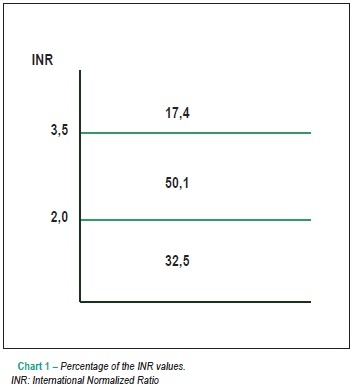
BACKGROUND: Bleeding is one of the main concerns in patients undergoing oral anticoagulation therapy. OBJECTIVE: To investigate the determinant causes of bleeding in patients undergoing oral anticoagulant therapy. METHODS: A total of 360 patients with atrial fibrillation (AF) undergoing oral anticoagulant (ACo) therapy, with a target INR of 2.0-3.5, were followed prospectively for a period of 48 ± 7.2 months. The patients were evaluated on average every 30 days and were investigated regarding the presence of associated pathology that could lead to bleeding. RESULTS: A total of 338 patients participated in the present study. Of these, 210 (62.13%) were females. Mitral stenosis was present in 218 patients (64.4%), a mitral biological prosthesis in 64 (18.9%) and mitral valve failure in 56 (16.5%) patients. Bleeding occurred in 65 patients (19.2%), being severe in 7 (10%) patients. In 38/65 patients, a new associated disease was identified, which facilitated bleeding. An associated disease was identified in 100% of the patients with bleeding within the therapeutic range, against 49.05% of associated disease diagnosis in those with an INR > 3.5 (p=0.001). CONCLUSION: The diagnosis of a local disease associated to the bleeding was frequent among those patients undergoing oral anticoagulant therapy (58.5%). There was an association between bleeding with an INR within the therapeutic range (INR=2.0-3.5) and the diagnosis of a pathology predisposing to bleeding (p<0.001). It is mandatory to investigate the cause of bleeding in patients undergoing oral anticoagulant therapy, especially if the INR is within the therapeutic range.
Images
Image gallery fullscreen viewer
Comments are moderated by the editorial team before publication. Discussions should be evidence-based and use scientific language. Conflicts of interest should be declared.