ABC Family Arquivos Brasileiros de Cardiologia International Journal of Cardiovascular Sciences ABC Heart Failure & Cardiomyopathy ABC Imagem Cardiovascular
Português English
ABC Family
Português English
  • About
    • About ABC Family
    • Internal Regulation
    • Editorial Board
    • Brazilian Society of Cardiology (SBC)
  • Issues
  • SBC Guidelines
  • Content
    • Videos
    • Podcasts
    • News
  • About
    • About ABC Family
    • Internal Regulation
    • Editorial Board
    • Brazilian Society of Cardiology (SBC)
  • Issues
  • SBC Guidelines
  • Content
    • Videos
    • Podcasts
    • News

ABC Family

  • ABC Family
  • Arquivos Brasileiros de Cardiologia
  • International Journal of Cardiovascular Sciences
  • ABC Heart Failure & Cardiomyopathy
  • ABC Imagem Cardiovascular
Search in

No content found.

Journals
Ordering
Article types
Others

  1. Home
  2. Keyword: Cardiac Pacing, Artificial
Figure 1
ABC
Research Letter

Carotid Sinus Syndrome Associated with Carcinoma Ex-Pleomorphic Adenoma: What Is the Role of Artificial Cardiac Stimulation?

Vanessa Sanson Lani et al. Jorge Elias Neto Márcio Augusto Silva Helena Alves de Andrade … Elisama Pimentel Zamian Cotias Fernando Luiz Torres Gomes

Introduction

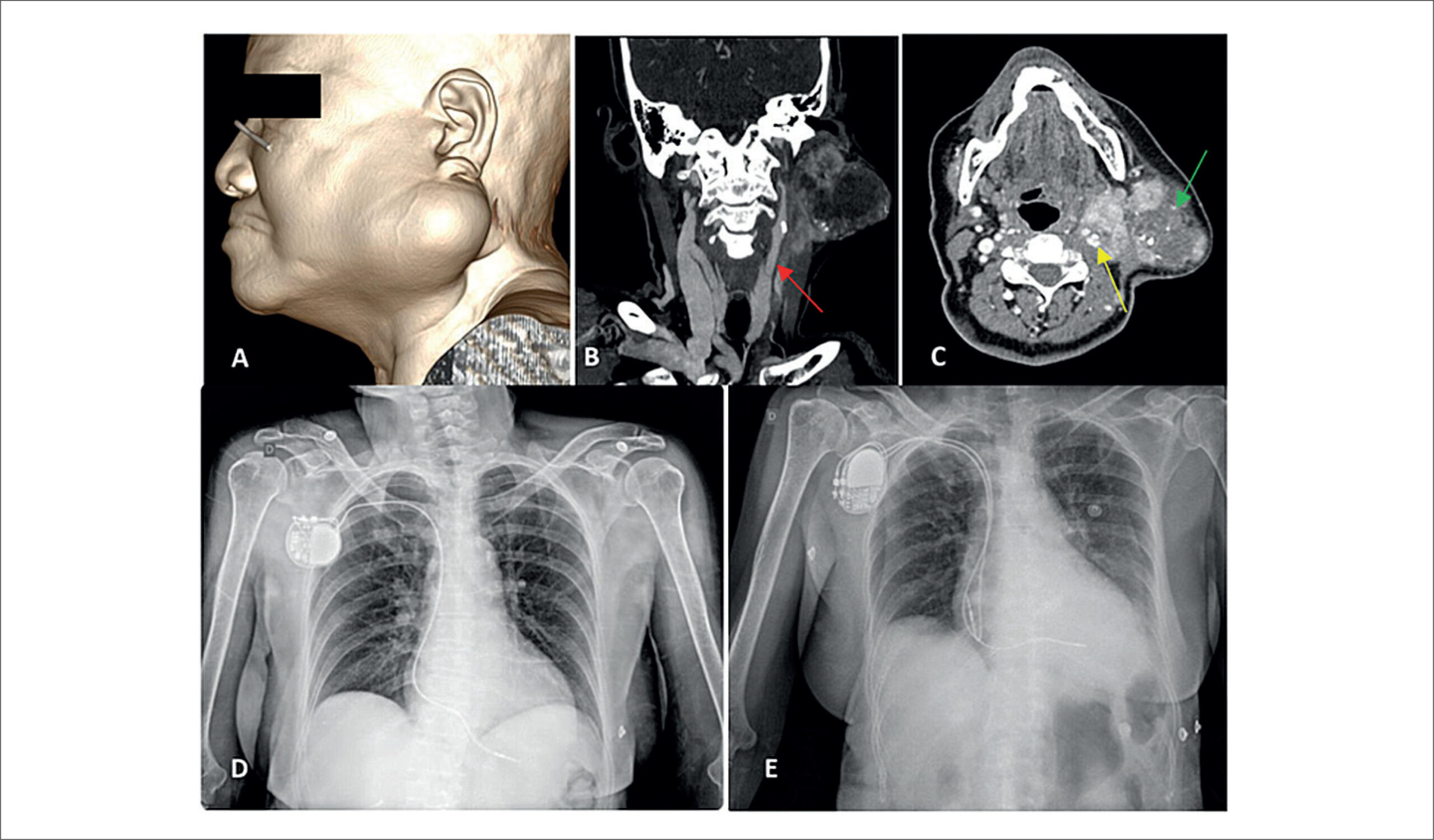
Carotid sinus syndrome (CSS) is defined as syncope or pre-syncope associated with at least 3 seconds of asystole (cardioinhibitory response) and/or a drop of at least 50 mmHg in arterial systolic blood pressure (vasodepressor response) in response to stimulation of the carotid sinus. First recognized by Weiss and Baker in 1933, there have been since then reports of the association between neck masses and the occurrence of syncope. Among its causes is carcinoma ex-pleomorphic adenoma (CXAP), a rare malignant neoplasm that develops from a primary or recurrent pleomorphic adenoma. It represents 3.6% of all salivary gland neoplasms and 11.6% of all malignant neoplasms of these glands. CSS caused by neck masses is due to compression and invasion of the carotid sinus and nerve branches. This syndrome has 3 subtypes: cardioinhibitory, vasodepressor, and the mixed type. A fourth type of “cerebral response” has been previously described in the literature, in which direct compression of the carotid artery causes ipsilateral cerebral ischemia leading to seizures.

[…]
  • Adenoma Pleomorphic
  • Cardiac Pacing, Artificial
  • Carotid sinus
  • Head and Neck Neoplasms
  • Syncope
Read Full Article
Creative Commons Attribution (CC BY) Creative Commons license
12/08/2024 DOI: 10.36660/abc.20240026i Views 2
Figure 1
ABC
Case Report

Left Bundle Branch Area Pacing for Resynchronization in Chagasic Patient and Dependent on Artificial Cardiac Pacing. Case Report

Raoni de Castro Galvão et al. João Paulo Velasco Pucci Ofir Gomes Vieira Edvagner Leite Sérgio de Carvalho … Winder Marconsini Soares Guilherme Cunha dos S. Teles

Introduction

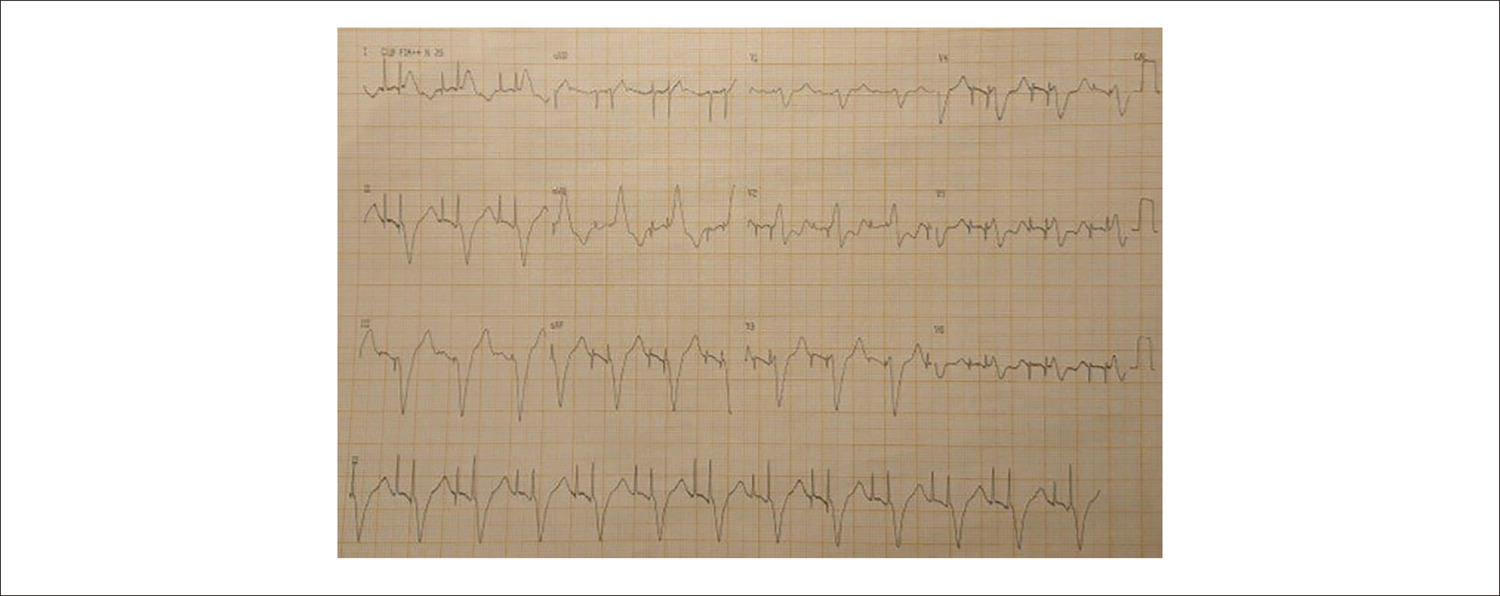
Persistent monosytic pacing of the right ventricle can cause deleterious effects on ventricular function. Patients with Chagas cardiomyopathy (CCM) with ventricular dysfunction, requiring artificial heart stimulation (AHS) may accelerate the progression to heart failure (HF) due to the underlying disease and the consequent ventricular dyssynchrony.

For over 20 years, cardiac resynchronization therapy (CRT) has been an established alternative in cardiology for the treatment of heart failure with reduced ejection fraction (LVEF) with intraventricular conduction disorder (especially LBBB)., However, the effect of CRT on Chagas patients may not be as clear in relation to other heart diseases. The high degree of myocardial fibrosis, especially in the left ventricle (LV) lateral wall or other target regions for electrode placement, may be one of the factors that would explain this poor response to CRT.

[…]

  • Cardiac Pacing, Artificial
  • Cardiac Resynchronization Therapy
  • Chagas Cardiomyopathy
Read Full Article
Creative Commons Attribution (CC BY) Creative Commons license
24/07/2023 DOI: 10.36660/abc.20220464 Views 3
Figure 1
ABC
Research Letter

Impact of the COVID-19 Pandemic on Cardiac Implantable Electronic Devices Procedures in a Tertiary Referral Center

Roberto Costa et al. Katia Regina da Silva Sarah Caroline Martins Saucedo Laisa Arruda Silva … Elizabeth Sartori Crevelari Wagner Tadeu Jurevicius Nascimento Thiago Gonçalves Silveira Alfredo Fiorelli Martino Martinelli Filho Fabio Biscegli Jatene

Introduction

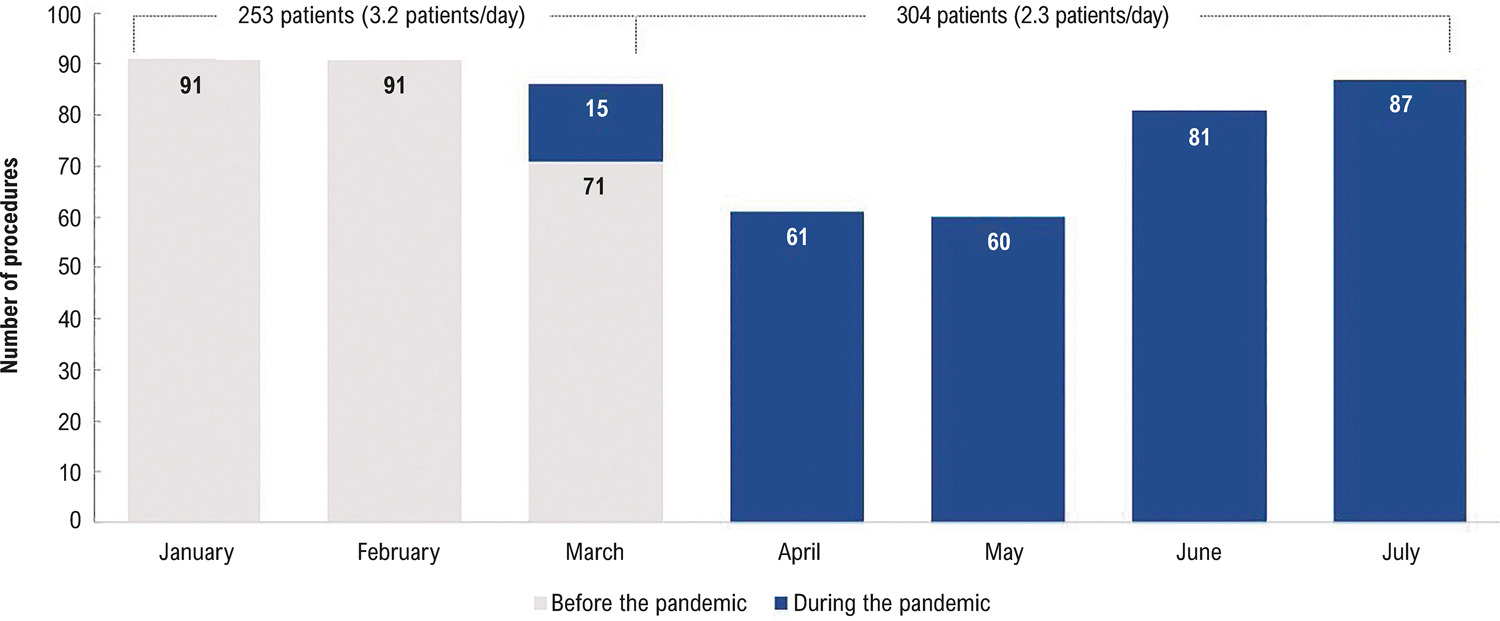
The COVID-19 pandemic has caused a change in the surgical practice of many medical specialties worldwide. – Medical societies have supported changes in cardiac pacing services routines and established new recommendations on the definition of case severity and urgency of surgical procedures. ,

The aim of the present study was to evaluate the impact of the measures implemented in surgical procedures performed for artificial cardiac pacing during the pandemic. We compared the number of patients operated, clinical profile of patients, characteristics of procedures, and the rate of confirmed COVID-19 cases in the peak of the pandemic, and compared them with the period immediately before the pandemic.

[…]

  • Cardiac Pacing, Artificial
  • Contamination
  • COVID-19
  • Defibrillators, Implantable
  • Hospitalization
  • Pacemaker, Artificial
  • Pandemic
  • Quality of Health Care
Read Full Article
Creative Commons Attribution (CC BY) Creative Commons license
25/10/2021 DOI: 10.36660/abc.20201378 Views 2
Figura 1
ABC
Original Article

Effectiveness and Safety of Transvenous Removal of Cardiac Pacing and Implantable Cardioverter-defibrillator Leads in the Real Clinical Scenario

Roberto Costa et al. Katia Regina da Silva Elizabeth Sartori Crevelari Wagner Tadeu Jurevicius Nascimento … Marcia Mitie Nagumo Martino Martinelli Filho Fabio Biscegli Jatene

Abstract

Background

Transvenous lead extraction (TLE) of cardiac implantable electronic devices (CIED) is an uncommon procedure and requires specialized personnel and adequate facilities.

Objectives

To evaluate the effectiveness and safety of the removal of CIED leads and to determine risk factors for surgical complications and mortality in 30 days.

Methods

Prospective study with data derived from clinical practice. From January 2014 to April 2020, we included 365 consecutive patients who underwent TLE, regardless of the indication and surgical technique used. The primary outcomes were: success rate of the procedure, combined rate of major complications and intraoperative death. Secondary outcomes were: risk factors for major intraoperative complications and death within 30 days. Univariate and multivariate analysis were used, with a significance level of 5%.

Results

Procedure success rate was 96.7%, with 90.1% of complete success and 6.6% of clinical success. Major intraoperative complications occurred in 15 (4.1%) patients. Predictors of major complications were: lead dwelling time ≥ 7 years (OR = 3.78, p = 0.046) and change in surgical strategy (OR = 5.30, p = 0.023). Functional class III-IV (OR = 6.98, p <0.001), renal failure (OR = 5.75, p = 0.001), CIED infection (OR = 13.30, p <0.001), number of procedures performed (OR = 77.32, p <0.001) and major intraoperative complications (OR = 38.84, p <0.001) were predictors of 30-day mortality.

Conclusions

The results of this study, which is the largest prospective registry of consecutive TLE procedures in Latin America, confirm the safety and effectiveness of this procedure in the context of real clinical practice. (Arq Bras Cardiol. 2020; 115(6):1114-1124)

  • Cardiac Pacing, Artificial
  • Effectiveness
  • Electrodes, Implanted
  • Infection
  • Mortality
  • Pacemaker
  • Surgical complications
  • Transvenous lead extracion
Read Full Article
Creative Commons Attribution (CC BY) Creative Commons license
18/01/2021 DOI: 10.36660/abc.20200476 Views 1
Figure 1
ABC
Original Article

Long-Term Mortality in Cardioinhibitory Carotid Sinus Hypersensitivity Patient Cohort

Gustavo de Castro Lacerda et al. Andrea Rocha de Lorenzo Bernardo Rangel Tura Marcela Cedenilla dos Santos … Artur Eduardo Cotrim Guimarães Renato Côrtes de Lacerda Roberto Coury Pedrosa

Abstract

Background:

Cardioinhibitory carotid sinus hypersensitivity (CICSH) is defined as ventricular asystole ≥ 3 seconds in response to 5-10 seconds of carotid sinus massage (CSM). There is a common concern that a prolonged asystole episode could lead to death directly from bradycardia or as a consequence of serious trauma, brain injury or pause-dependent ventricular arrhythmias.

Objective:

To describe total mortality, cardiovascular mortality and trauma-related mortality of a cohort of CICSH patients, and to compare those mortalities with those found in a non-CICSH patient cohort.

Methods:

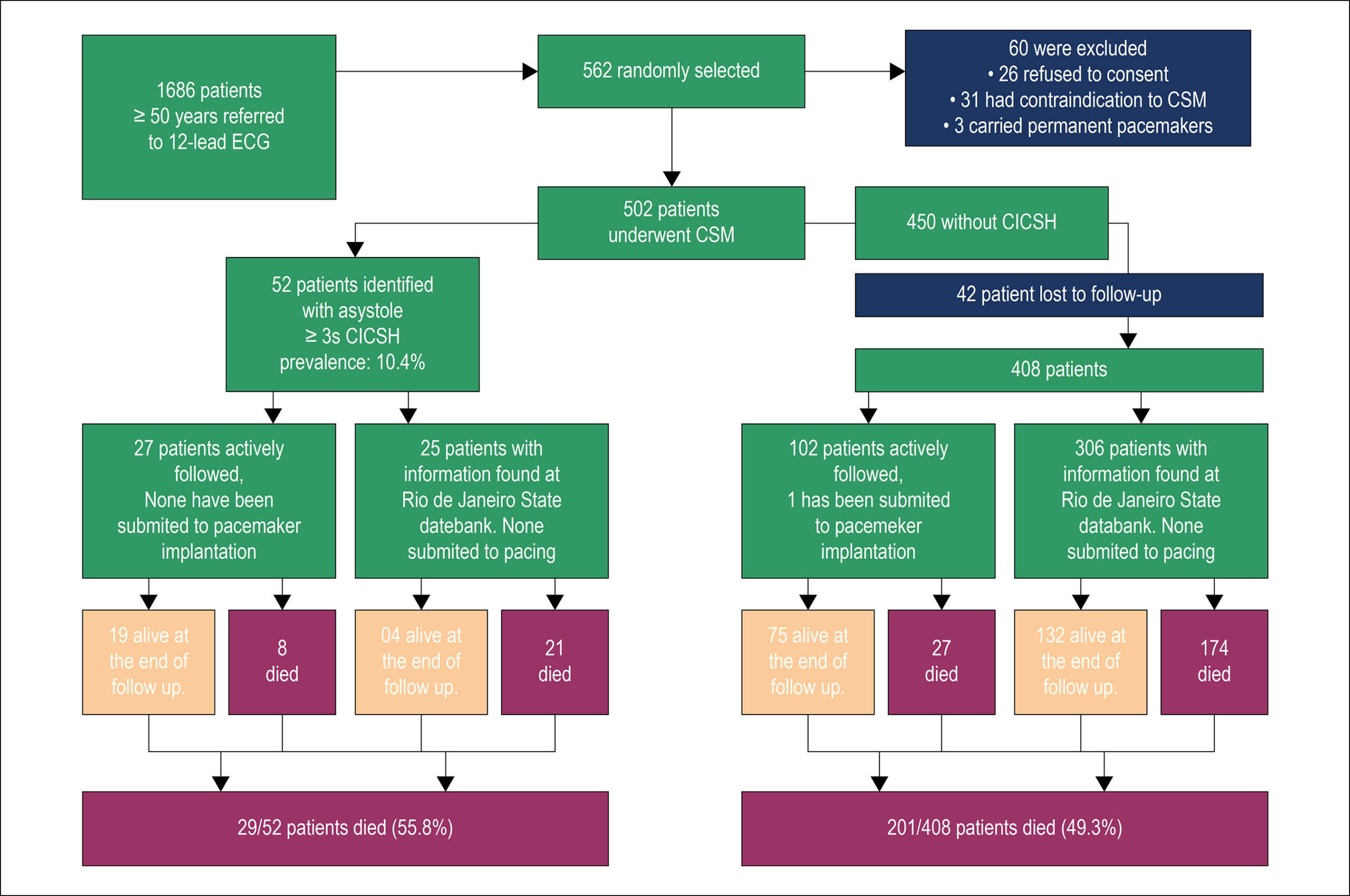
In 2006, 502 patients ≥ 50 years of age were submitted to CSM. Fifty-two patients (10,4%) were identified with CICSH. Survival of this cohort was compared with that of another cohort of 408 non-CICSH patients using Kaplan-Meier curves. Cox regression was used to examine the relation between CICSH and mortality. The level of statistical significance was set at 0.05.

Results:

After a maximum follow-up of 11.6 years, 29 of the 52 CICSH patients (55.8%) were dead. Cardiovascular mortality, trauma-related mortality and the total mortality rate of this population were not statistically different from that found in 408 patients without CICSH. (Total mortality of CICSH patients 55.8% vs. 49,3% of non-CICSH patients; p: 0.38).

Conclusion:

At the end of follow-up, the 52 CICSH patient cohort had total mortality, cardiovascular mortality and trauma-related mortality similar to that found in 408 patients without CICSH.

  • Bradycardia
  • Cardiac Pacing, Artificial
  • Carotid Sinus,Massage/mortality
  • Syncope
Read Full Article
Creative Commons Attribution (CC BY) Creative Commons license
20/03/2020 DOI: 10.36660/abc.20190008 Views 3
ABC
Editorial

What is the Real Clinical Significance of Carotid Sinus Hypersensitivity in Clinical Practice? A Dilemma Still Waiting for Answers

Tan Chen Wu

Carotid sinus hypersensitivity (CSH) is defined by pause ≥ 3 seconds (sinus or atrioventricular block) and/or systolic blood pressure drop ≥ 50mmHg during carotid sinus massage (CSM). The prevalence of CSH varies according to the method and population evaluated in up to 68% of elderly patients with syncope and 35% of asymptomatic individuals over 65 years of age. Therefore, the cause-effect relationship between carotid sinus hypersensitivity and syncope should always be questioned, and may only be a casual finding and not necessarily the carotid sinus syndrome (CSS), one of the causes of syncope seen mainly in elderly patients.

The clinical relevance of CSH obtained with CSM was questioned in a study recently published by Wu et al. The authors compared the response to CSM between 99 patients with syncope to clarify and 66 asymptomatic patients and found similar rates of CSH between the two groups, with cardioinhibitory response in 24.2 and 25.8% and vasodepressor response in 8.1 and 13.6%, in symptomatic and asymptomatic patients respectively (p = 0.466). Therefore, CSH may be a nonspecific response in the evaluation of syncope in these patients with dubious clinical significance, especially in the elderly population with multiple comorbidities, often with the possibility of varying etiologies.

[…]

  • Aged
  • Cardiac Pacing, Artificial
  • Carotid Sinus Massage/physiopathology
  • Hypotension
  • Mortality
  • Syncope
Read Full Article
Creative Commons Attribution (CC BY) Creative Commons license
20/03/2020 DOI: 10.36660/abc.20200005
ABC
Editorial

Unscheduled Return Visits to the Emergency Department after Cardiac Electronic Devices Implantation

Roberto Costa

In recent years, many initiatives have been made to improve the quality and efficiency of healthcare services leading to the creation and standardization of health quality indicators in order to improve the interaction between clinicians, researchers, and healthcare managers, enabling the generation of evidence-based strategies. In this context, the rate of hospital readmissions is one of the most important indicators to measure the quality of healthcare services.

The use of quality indicators to measure healthcare performance across different hospitals has been considered of great value for the improvement of healthcare routines, enhancing the expenditure rationalization of health services. In this scenario, the adoption of the International Consortium for Health Outcomes Measurement (ICHOM) as a strategy to measure outcomes across hospitals has increased worldwide and it is now gaining familiarity among Brazilian hospitals.

[…]

  • Cardiac Pacing, Artificial
  • Defibrillators, Implantable
  • Heart Failure
  • Intraoperative Complications/mortality
  • Pacemaker, Artificial/utilization
Read Full Article
Creative Commons Attribution (CC BY) Creative Commons license
06/06/2019 DOI: 10.5935/abc.20190063 Views 2
Figure 1
ABC
Original Article

Efficacy, Safety, and Performance of Isolated Left vs. Right Ventricular Pacing in Patients with Bradyarrhythmias: A Randomized Controlled Trial

Elizabeth Sartori Crevelari et al. Katia Regina da Silva Caio Marcos de Moraes Albertini Marcelo Luiz Campos Vieira … Martino Martinelli Filho Roberto Costa

Abstract

Background:

Considering the potential deleterious effects of right ventricular (RV) pacing, the hypothesis of this study is that isolated left ventricular (LV) pacing through the coronary sinus is safe and may provide better clinical and echocardiographic benefits to patients with bradyarrhythmias and normal ventricular function requiring heart rate correction alone.

Objective:

To assess the safety, efficacy, and effects of LV pacing using an active-fixation coronary sinus lead in comparison with RV pacing, in patients eligible for conventional pacemaker (PM) implantation.

Methods:

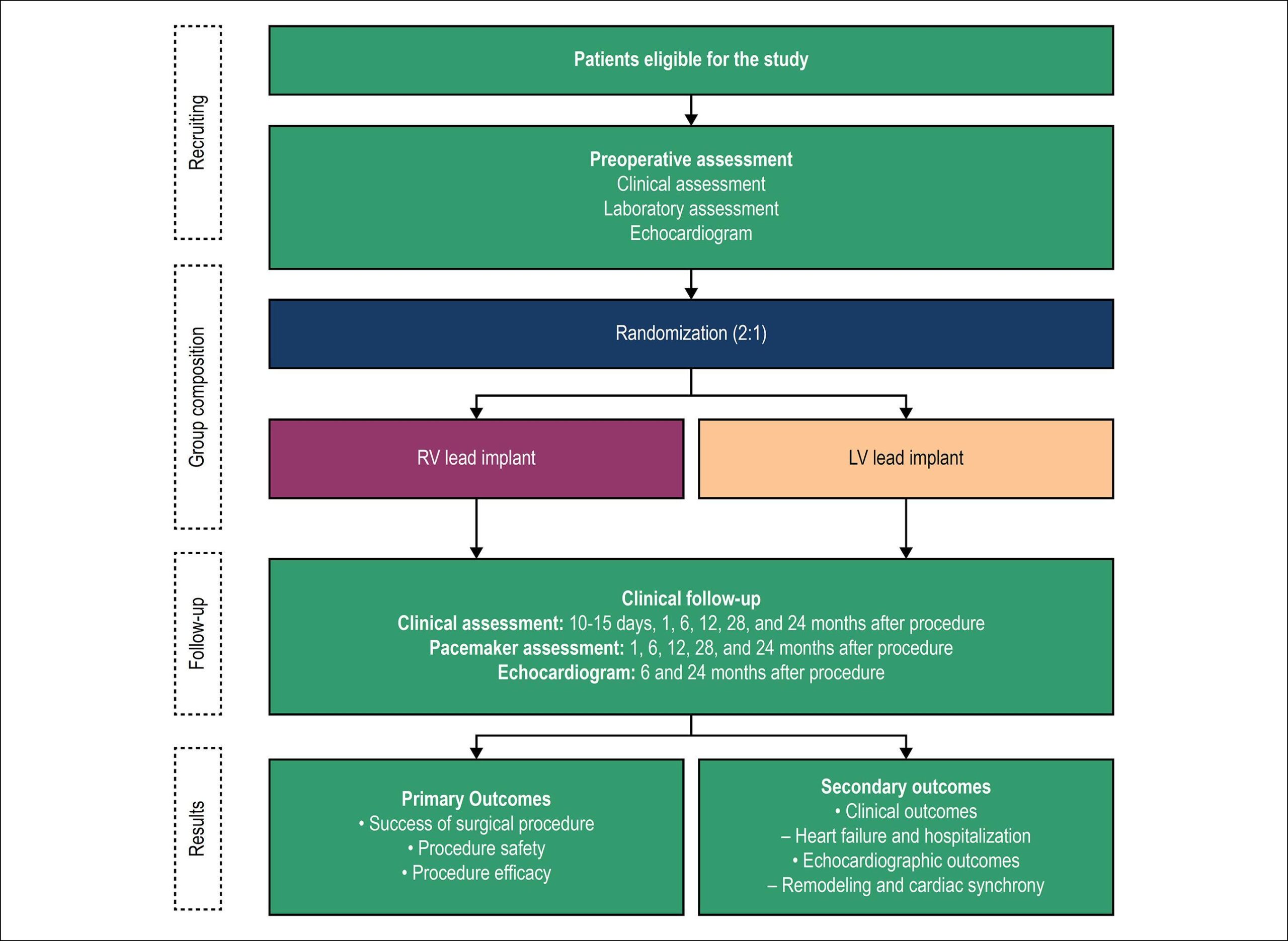
Randomized, controlled, and single-blinded clinical trial in adult patients submitted to PM implantation due to bradyarrhythmias and systolic ventricular function ≥ 0.40. Randomization (RV vs. LV) occurred before PM implantation. The main results of the study were procedural success, safety, and efficacy. Secondary results were clinical and echocardiographic changes. Chi-squared test, Fisher’s exact test and Student’s t-test were used, considering a significance level of 5%.

Results:

From June 2012 to January 2014, 91 patients were included, 36 in the RV Group and 55 in the LV Group. Baseline characteristics of patients in both groups were similar. PM implantation was performed successfully and without any complications in all patients in the RV group. Of the 55 patients initially allocated into the LV group, active-fixation coronary sinus lead implantation was not possible in 20 (36.4%) patients. The most frequent complication was phrenic nerve stimulation, detected in 9 (25.7%) patients in the LV group. During the follow-up period, there were no hospitalizations due to heart failure. Reductions of more than 10% in left ventricular ejection fraction were observed in 23.5% of patients in the RV group and 20.6% of those in the LV group (p = 0.767). Tissue Doppler analysis showed that 91.2% of subjects in the RV group and 68.8% of those in the LV group had interventricular dyssynchrony (p = 0.022).

Conclusion:

The procedural success rate of LV implant was low, and the safety of the procedure was influenced mainly by the high rate of phrenic nerve stimulation in the postoperative period.

  • Arrhythmias Cardiac
  • Bradycardia
  • Cardiac Pacing, Artificial
  • Pacemaker, Artificial
  • Ventricular Remodeling
Read Full Article
Creative Commons Attribution (CC BY) Creative Commons license
15/04/2019 DOI: 10.5935/abc.20180275 Views 1
Figure 1
ABC
Image

Leadless Pacemaker: a New Concept in Cardiac Pacing

Nicodemus Lopes et al. Diogo Cavaco Pedro Carmo Maurício Ibrahim Scanavacca Pedro Adragão

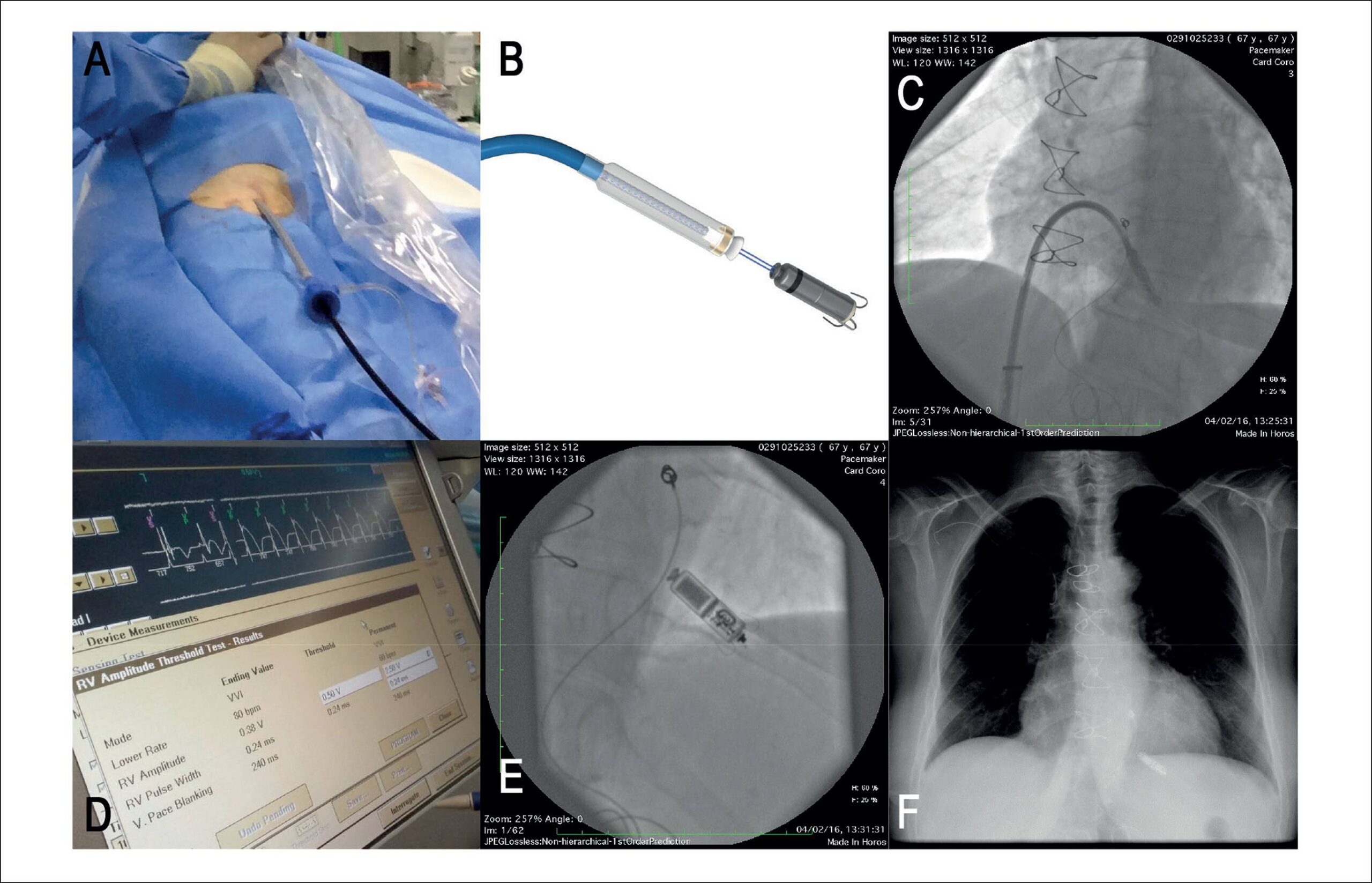
67 year-old female patient, pacemaker user since 1983 due to complete atrioventricular block. Between 1991 and 2004, the patient underwent six surgeries. The first was to replace the batteries, and the others for electrode displacement, generator extrusion, and finally for endocarditis, when surgical extraction of the system and epicardial electrode implantation in the right ventricle (RV) were performed. In the last assessment, in 2015, the patient presented with a very high ventricular stimulation threshold and battery depletion. Due to previous technical problems, implantation of transvenous leadless pacemaker was considered (Micra-Medtronic). This new cardiac stimulation system has, as its main characteristics, reduced generator size (volume of 0.8 cm3) and the absence of electrodes, making it possible to perform the implantation of the system directly in the RV. Implantation was performed at Hospital Santa Cruz, Carnaxide, Portugal. After local anesthesia, a sheath (23F) was introduced through the right femoral vein to take the system to the RV. Once inside the ventricle, the delivery catheter was directed to the septal and apical portion and the capsule was released. Fixation of the system in the right ventricle trabeculae, through its flexible tines, was confirmed by mechanical fixation tests. After that, electronic assessment was performed yielding good parameters. After ensuring that parameters were adequate and the capsule was well fixated, the capsule was released and the delivery system was removed. The patient did not present any immediate complications, and after 45 days of follow-up, electronic parameters were stable.

[…]

  • Atrioventricular block
  • Cardiac Pacing, Artificial
  • Catheterization, Central Venous
  • Pacemaker, Artificial
Read Full Article
Creative Commons Attribution (CC BY) Creative Commons license
01/10/2016 DOI: 10.5935/abc.20160144
Left ventricular synchrony and function in pediatric patients with definitive pacemakers
ABC
Artigo Original

Left ventricular synchrony and function in pediatric patients with definitive pacemakers

Michel Cabrera Ortega et al. Adel Eladio Gonzales Morejón Giselle Serrano Ricardo

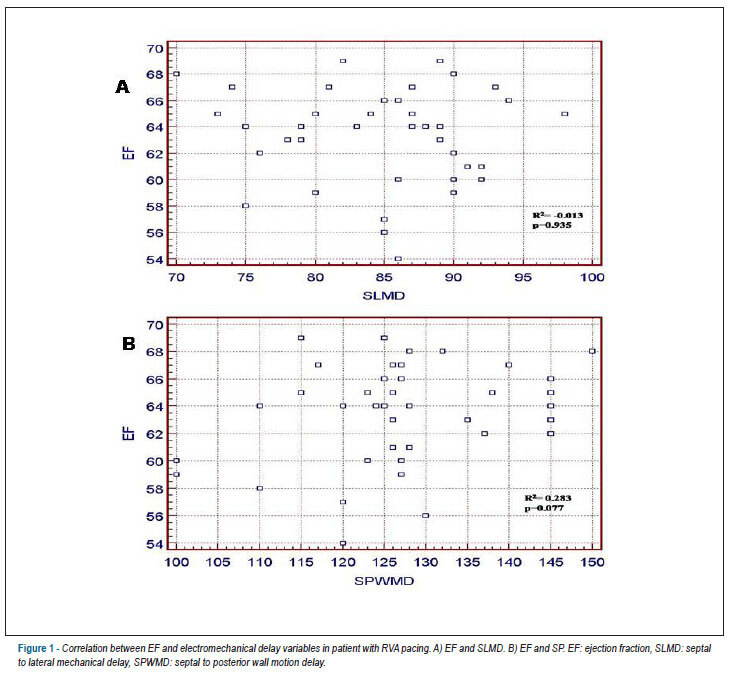
BACKGROUND: Chronic right ventricular pacing (RVP) induces a dyssynchronous contraction pattern,producing interventricular and intraventricular asynchrony. Many studies have shown the relationship of RVP with impaired left ventricular (LV) form and function. OBJECTIVE: The aim of this study was to evaluate LV synchrony and function in pediatric patients receiving RVP in comparison with those receiving LV pacing (LVP). METHODS:LV systolic and diastolic function and synchrony were evaluated in 80 pediatric patients with either nonsurgical or postsurgical complete atrioventricular block, with pacing from either the RV endocardium (n = 40) or the LV epicardium (n = 40). Echocardiographic data obtained before pacemaker implantation, immediately after it, and at the end of a mean follow-up of 6.8 years were analyzed. RESULTS: LV diastolic function did not change in any patient during follow-up. LV systolic function was preserved in patients with LVP. However, in children with RVP the shortening fraction and ejection fraction decreased from medians of 41% ± 2.6% and 70% ± 6.9% before implantation to 32% ± 4.2% and 64% ± 2.5% (p < 0.0001 and p < 0.0001), respectively, at final follow-up. Interventricular mechanical delay was significantly larger with RVP (66 ± 13 ms) than with LVP (20 ± 8 ms). Similarly, the following parameters were significantly different in the two groups: LV mechanical delay (RVP: 69 ± 6 ms, LVP: 30 ± 11 ms, p < 0.0001); septal to lateral wall motion delay (RVP: 75 ± 19 ms, LVP: 42 ± 10 ms, p < 0.0001); and, septal to posterior wall motion delay (RVP: 127 ± 33 ms, LVP: 58 ± 17 ms, p < 0.0001). CONCLUSION: Compared with RV endocardium, LV epicardium is an optimal site for pacing to preserve cardiac synchrony and function.

  • Artificial
  • Cardiac Pacing, Artificial
  • Child
  • Myocardial Contraction
  • Pacemaker
  • Ventricular Function, Left
Read Full Article
Creative Commons Attribution (CC BY) Creative Commons license
24/09/2013 DOI: 10.5935/abc.20130189
Conventional ventricular stimulation effects on patients with normal ventricular function
ABC
Artigo Original

Conventional ventricular stimulation effects on patients with normal ventricular function

Luiz Antonio Batista de Sá et al. Salvador Rassi Márcia Andery Ludovico Batista

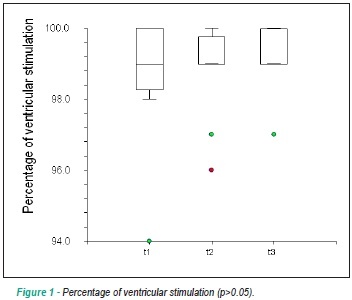
BACKGROUND: The stimulation of the right ventricle (RV) may be deleterious in patients with ventricular dysfunction; however there is little evidence about the impact of this stimulation in patients with normal ventricular function. OBJECTIVES: To assess the clinical and laboratory evolution of patients with normal ventricular function submitted to implant of artificial cardiac pacemaker (PM). METHODS: 16 patients enrolled according to the following inclusion criteria: normal ventricular function defined by echocardiogram and presence of upper ventricular stimulation > 90% (generator telemetry assessment) submitted to a PM implant were prospectively studied. The following parameters were assessed: Functional Class (FC), walk test, BNP levels, echocardiography evaluation (conventional and intraventricular dyssynchrony) and quality of life test (SF36). The patients were assessed after 10 (t1), 120 (t2) and 240 days (t3). Data was compared throughout time according to ANOVA. Multiple comparisons of means were performed through Tukey’s test. RESULTS: Among the assessed data, the following did not present significant statistic variation (p> 0.05): functional class, BNP levels, conventional echocardiographic parameters, intraventricular dyssynchrony (tissue Doppler). The walk test (between t2 and t3) and the time between septal contraction and LV posterior wall showed worsening (p<0.05), although they did not meet the dyssynchrony criteria. The quality of life assessment (SF36) showed improvement in the functional capacity, social aspects, and general status sub-items. CONCLUSION: After 8 months, patients with normal ventricular function did not show clinical (FC and SF36) or laboratory alterations (conventional echocardiography, dyssynchrony parameters and BNP levels); however, there was a worsening in the walk test.

  • Cardiac Pacing, Artificial
  • Echocardiography
  • Pacemaker, Artificial
  • Ventricular Dysfunction
Read Full Article
Creative Commons Attribution (CC BY) Creative Commons license
13/10/2009 DOI: 10.1590/S0066-782X2009000800016
Ventricular resynchronization: comparing biventricular and bifocal right ventricular pacemakers
ABC
Artigo Original

Ventricular resynchronization: comparing biventricular and bifocal right ventricular pacemakers

Eduardo Arrais Rocha et al. Tatiana Pereira Gondim Sebastião Abreu Roberto Farias … Vera Marques Almino Rocha Demóstenes Ribeiro Ricardo Pereira Pedro Negreiros Carlos Roberto M. Rodrigues José Nogueira Paes Júnior

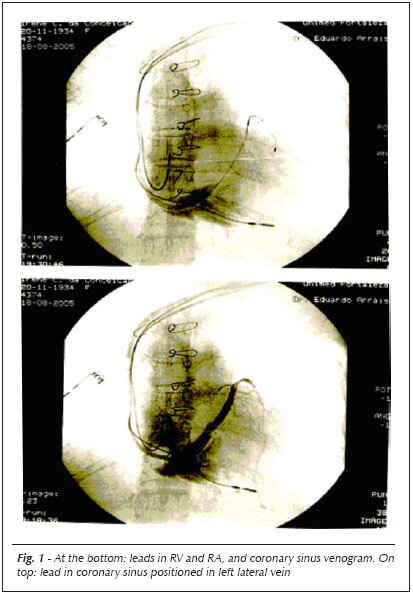
OBJECTIVE:To analyze the conventional biventricular pacing (BV) and the bifocal (BF) right ventricular (RV) pacing, and to perform a comparative analysis of these two techniques in relation to clinical, functional and echocardiographic parameters in a population without the exclusion criteria of the major studies. METHODS:A prospective non-randomized analysis of 36 patients undergoing surgery for multisite pacemaker implantation due to QRS > 130 ms, severe left ventricular dysfunction, and NYHA functional class III or ambulatory class IV congestive heart failure was performed. RESULTS: Favorable results of resynchronization were obtained with both techniques, with no significant differences in the comparison of the two groups, except for a higher QRS narrowing in the BV group, and a trend of a lower number or hospital admissions in the BV group. When the groups were analyzed separately and compared before and after the procedures, we observed that improvement was much more significant in the biventricular group, as were the more statistically relevant rates. CONCLUSION: Cardiac resynchronization therapy proved to be an efficient therapy in both groups analyzed, although with more significant outcomes in the biventricular group.

  • Cardiac Pacing, Artificial
  • heart failure, congestive
  • Pacemaker, Artificial
  • Ventricular resyncronization
Read Full Article
Creative Commons Attribution (CC BY) Creative Commons license
23/07/2007 DOI: 10.1590/S0066-782X2007000600008 Views 1
Ventricular electrical activation in cardiac resynchronization as characterized by body surface potential mapping
ABC
Artigo Original

Ventricular electrical activation in cardiac resynchronization as characterized by body surface potential mapping

Carlos Alberto Pastore et al. Nancy Tobias Nelson Samesima Martino Martinelli Filho … Anisio Pedrosa Silvana Nishioka Roberto A. Douglas Luiz Felipe Pinho Moreira José Franchini Ramires

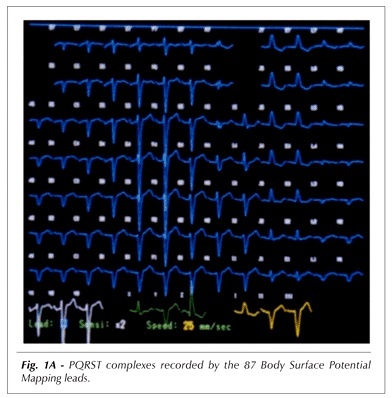
OBJECTIVES: To assess cardiac electrical activation by using body surface potential mapping (BSPM), in patients with congestive heart failure (CHF) and left bundle branch block (LBBB) undergoing cardiac resynchronization therapy (CRT) with biventricular pacemaker (BIV-PM) implantation. METHODS: Mean cardiac electrical activation times were analyzed in the right ventricle (RV) (mean RV activation time = mRV), anteroseptal area (mAS), and left ventricle (mLV) of 28 patients (mean age 61.2 ± 9.5 years; NYHA class III-IV CHF; ejection fraction <40%; LBBB of mean QRS 181.2±19.4ms, SÂQRS -8.5º±68.6º), as shown in their BSPM isochronous maps, before and after implantation of atriobiventricular pacemaker, comparing those with values obtained from a control group of normal individuals [CG], in three situations: (1) native LBBB; (2) RV pacing; and (3) atriobiventricular pacing. RESULTS: Situation (1): mRV and mAS values were similar (41.0±11.8ms x 43.6±13.4ms), with delayed mLV (81.0±12.5ms, p<0.01) and asynchronous with RV and AS areas; situation (2): mRV was greater than in CG (86.8±22.9ms, p<0.001), with greater difference between mAS and mLV (63.4±20.7ms vs. 102.7±20.3ms; p<0,001); situation (3): mLV and mRV were similar (72.0±32.0ms vs. 71.6±32.3ms), mRV was greater than in CG and native LBBB (71.6±32.3ms vs. 35.1±10.9ms and 41.0±11.8ms; p<0.001), and mAS was close to CG and native LBBB values (51.3±32.8ms vs. 50.1±11.4ms and 43.6±13.4ms). CONCLUSION: The body surface potential mapping showed that RV and LV activation times which are similar, and are close to those of the AS area, suggest patterns of synchronized ventricular activation in patients with CHF and LBBB during atriobiventricular pacing.

  • body surface potential mapping
  • Bundle Branch Block
  • Cardiac Pacing, Artificial
  • heart failure, congestive
Read Full Article
Creative Commons Attribution (CC BY) Creative Commons license
21/05/2007 DOI: 10.1590/S0066-782X2007000300001 Views 1

How to cite this article

EndNote RIS

Electronic Document Format (Vancouver)

Lani VS, Elias Neto J, Silva MA, Andrade HA, Cotias EPZ, Gomes FLT. Carotid Sinus Syndrome Associated with Carcinoma Ex-Pleomorphic Adenoma: What Is the Role of Artificial Cardiac Stimulation?. Arquivos Brasileiros de Cardiologia 2024;121(7):e20240026.

Electronic Document Format (ABNT)

Lani, Vanessa Sanson; Elias Neto, Jorge; Silva, Márcio Augusto; Andrade, Helena Alves de; Cotias, Elisama Pimentel Zamian; Gomes, Fernando Luiz Torres. Carotid Sinus Syndrome Associated with Carcinoma Ex-Pleomorphic Adenoma: What Is the Role of Artificial Cardiac Stimulation?. Arquivos Brasileiros de Cardiologia, v. 121, n. 7, e20240026, Aug. 2024.

Electronic Document Format (APA)

Lani, V. S., Elias Neto, J., Silva, M. A., Andrade, H. A. , Cotias, E. P. Z., & Gomes, F. L. T. (2024). Carotid Sinus Syndrome Associated with Carcinoma Ex-Pleomorphic Adenoma: What Is the Role of Artificial Cardiac Stimulation?. Arquivos Brasileiros de Cardiologia, 121(7), e20240026.

Electronic Document Format (ISO)

Lani, Vanessa Sanson and Elias Neto, Jorge and Silva, Márcio Augusto and Andrade, Helena Alves de and Cotias, Elisama Pimentel Zamian and Gomes, Fernando Luiz Torres. Carotid Sinus Syndrome Associated with Carcinoma Ex-Pleomorphic Adenoma: What Is the Role of Artificial Cardiac Stimulation?. Arquivos Brasileiros de Cardiologia [online]. 2024, vol. 121, n. 7, [cited 2026-10-15], e20240026. Available from: <https://journals.cardiol.br/en/article/carotid-sinus-syndrome-associated-with-carcinoma-ex-pleomorphic-adenoma-what-is-the-role-of-artificial-cardiac-stimulation/>. ISSN 0066-782X

EndNote RIS

Electronic Document Format (Vancouver)

Galvão RC, Pucci JPV, Vieira OG, Carvalho ELS, Soares WM, Teles GCS. Left Bundle Branch Area Pacing for Resynchronization in Chagasic Patient and Dependent on Artificial Cardiac Pacing. Case Report. Arquivos Brasileiros de Cardiologia 2023;120(7):e20220464.

Electronic Document Format (ABNT)

Galvão, Raoni de Castro; Pucci, João Paulo Velasco; Vieira, Ofir Gomes; Carvalho, Edvagner Leite Sérgio de; Soares, Winder Marconsini; Teles, Guilherme Cunha dos S.. Left Bundle Branch Area Pacing for Resynchronization in Chagasic Patient and Dependent on Artificial Cardiac Pacing. Case Report. Arquivos Brasileiros de Cardiologia, v. 120, n. 7, e20220464, Jul. 2023.

Electronic Document Format (APA)

Galvão, R. C., Pucci, J. P. V., Vieira, O. G., Carvalho, E. L. S. , Soares, W. M., & Teles, G. C. S. (2023). Left Bundle Branch Area Pacing for Resynchronization in Chagasic Patient and Dependent on Artificial Cardiac Pacing. Case Report. Arquivos Brasileiros de Cardiologia, 120(7), e20220464.

Electronic Document Format (ISO)

Galvão, Raoni de Castro and Pucci, João Paulo Velasco and Vieira, Ofir Gomes and Carvalho, Edvagner Leite Sérgio de and Soares, Winder Marconsini and Teles, Guilherme Cunha dos S.. Left Bundle Branch Area Pacing for Resynchronization in Chagasic Patient and Dependent on Artificial Cardiac Pacing. Case Report. Arquivos Brasileiros de Cardiologia [online]. 2023, vol. 120, n. 7, [cited 2026-10-15], e20220464. Available from: <https://journals.cardiol.br/en/article/left-bundle-branch-area-pacing-for-resynchronization-in-chagasic-patient-and-dependent-on-artificial-cardiac-pacing-case-report/>. ISSN 0066-782X

EndNote RIS

Electronic Document Format (Vancouver)

Costa R, Silva KR, Saucedo SCM, Silva LA, Crevelari ES, Nascimento WTJ, Silveira TG, et al. Impact of the COVID-19 Pandemic on Cardiac Implantable Electronic Devices Procedures in a Tertiary Referral Center. Arquivos Brasileiros de Cardiologia 2021;117(4):765-9.

Electronic Document Format (ABNT)

Costa, Roberto; Silva, Katia Regina da; Saucedo, Sarah Caroline Martins; Silva, Laisa Arruda; Crevelari, Elizabeth Sartori; Nascimento, Wagner Tadeu Jurevicius; Silveira, Thiago Gonçalves; Fiorelli, Alfredo; Martinelli Filho, Martino; Jatene, Fabio Biscegli. Impact of the COVID-19 Pandemic on Cardiac Implantable Electronic Devices Procedures in a Tertiary Referral Center. Arquivos Brasileiros de Cardiologia, v. 117, n. 4, p. 765-769, Oct. 2021.

Electronic Document Format (APA)

Costa, R., Silva, K. R. , Saucedo, S. C. M., Silva, L. A., Crevelari, E. S., Nascimento, W. T. J., Silveira, T. G., Fiorelli, A., Martinelli Filho, M., & Jatene, F. B. (2021). Impact of the COVID-19 Pandemic on Cardiac Implantable Electronic Devices Procedures in a Tertiary Referral Center. Arquivos Brasileiros de Cardiologia, 117(4), 765-769.

Electronic Document Format (ISO)

Costa, Roberto and Silva, Katia Regina da and Saucedo, Sarah Caroline Martins and Silva, Laisa Arruda and Crevelari, Elizabeth Sartori and Nascimento, Wagner Tadeu Jurevicius and Silveira, Thiago Gonçalves and Fiorelli, Alfredo and Martinelli Filho, Martino and Jatene, Fabio Biscegli. Impact of the COVID-19 Pandemic on Cardiac Implantable Electronic Devices Procedures in a Tertiary Referral Center. Arquivos Brasileiros de Cardiologia [online]. 2021, vol. 117, n. 4, [cited 2026-10-15], pp. 765-769. Available from: <https://journals.cardiol.br/en/article/impact-of-the-covid-19-pandemic-on-cardiac-implantable-electronic-devices-procedures-in-a-tertiary-referral-center/>. ISSN 0066-782X

EndNote RIS

Electronic Document Format (Vancouver)

Costa R, Silva KR, Crevelari ES, Nascimento WTJ, Nagumo MM, Martinelli Filho M, Jatene FB, et al. Effectiveness and Safety of Transvenous Removal of Cardiac Pacing and Implantable Cardioverter-defibrillator Leads in the Real Clinical Scenario. Arquivos Brasileiros de Cardiologia 2021;115(6):1114-2.

Electronic Document Format (ABNT)

Costa, Roberto; Silva, Katia Regina da; Crevelari, Elizabeth Sartori; Nascimento, Wagner Tadeu Jurevicius; Nagumo, Marcia Mitie; Martinelli Filho, Martino; Jatene, Fabio Biscegli. Effectiveness and Safety of Transvenous Removal of Cardiac Pacing and Implantable Cardioverter-defibrillator Leads in the Real Clinical Scenario. Arquivos Brasileiros de Cardiologia, v. 115, n. 6, p. 1114-1124, Jan. 2021.

Electronic Document Format (APA)

Costa, R., Silva, K. R. , Crevelari, E. S., Nascimento, W. T. J., Nagumo, M. M., Martinelli Filho, M., & Jatene, F. B. (2021). Effectiveness and Safety of Transvenous Removal of Cardiac Pacing and Implantable Cardioverter-defibrillator Leads in the Real Clinical Scenario. Arquivos Brasileiros de Cardiologia, 115(6), 1114-1124.

Electronic Document Format (ISO)

Costa, Roberto and Silva, Katia Regina da and Crevelari, Elizabeth Sartori and Nascimento, Wagner Tadeu Jurevicius and Nagumo, Marcia Mitie and Martinelli Filho, Martino and Jatene, Fabio Biscegli. Effectiveness and Safety of Transvenous Removal of Cardiac Pacing and Implantable Cardioverter-defibrillator Leads in the Real Clinical Scenario. Arquivos Brasileiros de Cardiologia [online]. 2021, vol. 115, n. 6, [cited 2026-10-15], pp. 1114-1124. Available from: <https://journals.cardiol.br/en/article/effectiveness-and-safety-of-transvenous-removal-of-cardiac-pacing-and-implantable-cardioverter-defibrillator-leads-in-the-real-clinical-scenario/>. ISSN 0066-782X

EndNote RIS

Electronic Document Format (Vancouver)

Lacerda GC, Lorenzo AR, Tura BR, Santos MC, Guimarães AEC, Lacerda RC, Pedrosa RC, et al. Long-Term Mortality in Cardioinhibitory Carotid Sinus Hypersensitivity Patient Cohort. Arquivos Brasileiros de Cardiologia 2020;114(2):245-53.

Electronic Document Format (ABNT)

Lacerda, Gustavo de Castro; Lorenzo, Andrea Rocha de; Tura, Bernardo Rangel; Santos, Marcela Cedenilla dos; Guimarães, Artur Eduardo Cotrim; Lacerda, Renato Côrtes de; Pedrosa, Roberto Coury. Long-Term Mortality in Cardioinhibitory Carotid Sinus Hypersensitivity Patient Cohort. Arquivos Brasileiros de Cardiologia, v. 114, n. 2, p. 245-253, Mar. 2020.

Electronic Document Format (APA)

Lacerda, G. C., Lorenzo, A. R. , Tura, B. R., Santos, M. C. , Guimarães, A. E. C., Lacerda, R. C. , & Pedrosa, R. C. (2020). Long-Term Mortality in Cardioinhibitory Carotid Sinus Hypersensitivity Patient Cohort. Arquivos Brasileiros de Cardiologia, 114(2), 245-253.

Electronic Document Format (ISO)

Lacerda, Gustavo de Castro and Lorenzo, Andrea Rocha de and Tura, Bernardo Rangel and Santos, Marcela Cedenilla dos and Guimarães, Artur Eduardo Cotrim and Lacerda, Renato Côrtes de and Pedrosa, Roberto Coury. Long-Term Mortality in Cardioinhibitory Carotid Sinus Hypersensitivity Patient Cohort. Arquivos Brasileiros de Cardiologia [online]. 2020, vol. 114, n. 2, [cited 2026-10-15], pp. 245-253. Available from: <https://journals.cardiol.br/en/article/long-term-mortality-in-cardioinhibitory-carotid-sinus-hypersensitivity-patient-cohort/>. ISSN 0066-782X

EndNote RIS

Electronic Document Format (Vancouver)

Wu TC. What is the Real Clinical Significance of Carotid Sinus Hypersensitivity in Clinical Practice? A Dilemma Still Waiting for Answers. Arquivos Brasileiros de Cardiologia 2020;114(2):254-5.

Electronic Document Format (ABNT)

Wu, Tan Chen. What is the Real Clinical Significance of Carotid Sinus Hypersensitivity in Clinical Practice? A Dilemma Still Waiting for Answers. Arquivos Brasileiros de Cardiologia, v. 114, n. 2, p. 254-255, Mar. 2020.

Electronic Document Format (APA)

Wu, T. C. (2020). What is the Real Clinical Significance of Carotid Sinus Hypersensitivity in Clinical Practice? A Dilemma Still Waiting for Answers. Arquivos Brasileiros de Cardiologia, 114(2), 254-255.

Electronic Document Format (ISO)

Wu, Tan Chen. What is the Real Clinical Significance of Carotid Sinus Hypersensitivity in Clinical Practice? A Dilemma Still Waiting for Answers. Arquivos Brasileiros de Cardiologia [online]. 2020, vol. 114, n. 2, [cited 2026-10-15], pp. 254-255. Available from: <https://journals.cardiol.br/en/article/what-is-the-real-clinical-significance-of-carotid-sinus-hypersensitivity-in-clinical-practice-a-dilemma-still-waiting-for-answers/>. ISSN 0066-782X

EndNote RIS

Electronic Document Format (Vancouver)

Costa R. Unscheduled Return Visits to the Emergency Department after Cardiac Electronic Devices Implantation. Arquivos Brasileiros de Cardiologia 2019;112(5):499-500.

Electronic Document Format (ABNT)

Costa, Roberto. Unscheduled Return Visits to the Emergency Department after Cardiac Electronic Devices Implantation. Arquivos Brasileiros de Cardiologia, v. 112, n. 5, p. 499-500, Jun. 2019.

Electronic Document Format (APA)

Costa, R. (2019). Unscheduled Return Visits to the Emergency Department after Cardiac Electronic Devices Implantation. Arquivos Brasileiros de Cardiologia, 112(5), 499-500.

Electronic Document Format (ISO)

Costa, Roberto. Unscheduled Return Visits to the Emergency Department after Cardiac Electronic Devices Implantation. Arquivos Brasileiros de Cardiologia [online]. 2019, vol. 112, n. 5, [cited 2026-10-15], pp. 499-500. Available from: <https://journals.cardiol.br/en/article/unscheduled-return-visits-to-the-emergency-department-after-cardiac-electronic-devices-implantation/>. ISSN 0066-782X

EndNote RIS

Electronic Document Format (Vancouver)

Crevelari ES, Silva KR, Albertini CMM, Vieira MLC, Martinelli Filho M, Costa R. Efficacy, Safety, and Performance of Isolated Left vs. Right Ventricular Pacing in Patients with Bradyarrhythmias: A Randomized Controlled Trial. Arquivos Brasileiros de Cardiologia 2019;112(4):410-21.

Electronic Document Format (ABNT)

Crevelari, Elizabeth Sartori; Silva, Katia Regina da; Albertini, Caio Marcos de Moraes; Vieira, Marcelo Luiz Campos; Martinelli Filho, Martino; Costa, Roberto. Efficacy, Safety, and Performance of Isolated Left vs. Right Ventricular Pacing in Patients with Bradyarrhythmias: A Randomized Controlled Trial. Arquivos Brasileiros de Cardiologia, v. 112, n. 4, p. 410-421, Apr. 2019.

Electronic Document Format (APA)

Crevelari, E. S., Silva, K. R. , Albertini, C. M. M., Vieira, M. L. C., Martinelli Filho, M., & Costa, R. (2019). Efficacy, Safety, and Performance of Isolated Left vs. Right Ventricular Pacing in Patients with Bradyarrhythmias: A Randomized Controlled Trial. Arquivos Brasileiros de Cardiologia, 112(4), 410-421.

Electronic Document Format (ISO)

Crevelari, Elizabeth Sartori and Silva, Katia Regina da and Albertini, Caio Marcos de Moraes and Vieira, Marcelo Luiz Campos and Martinelli Filho, Martino and Costa, Roberto. Efficacy, Safety, and Performance of Isolated Left vs. Right Ventricular Pacing in Patients with Bradyarrhythmias: A Randomized Controlled Trial. Arquivos Brasileiros de Cardiologia [online]. 2019, vol. 112, n. 4, [cited 2026-10-15], pp. 410-421. Available from: <https://journals.cardiol.br/en/article/efficacy-safety-and-performance-of-isolated-left-vs-right-ventricular-pacing-in-patients-with-bradyarrhythmias-a-randomized-controlled-trial/>. ISSN 0066-782X

EndNote RIS

Electronic Document Format (Vancouver)

Lopes N, Cavaco D, Carmo P, Scanavacca MI, Adragão P. Leadless Pacemaker: a New Concept in Cardiac Pacing. Arquivos Brasileiros de Cardiologia 2016;107(4):381-2.

Electronic Document Format (ABNT)

Lopes, Nicodemus; Cavaco, Diogo; Carmo, Pedro; Scanavacca, Maurício Ibrahim; Adragão, Pedro. Leadless Pacemaker: a New Concept in Cardiac Pacing. Arquivos Brasileiros de Cardiologia, v. 107, n. 4, p. 381-382, Sep. 2016.

Electronic Document Format (APA)

Lopes, N., Cavaco, D., Carmo, P., Scanavacca, M. I., & Adragão, P. (2016). Leadless Pacemaker: a New Concept in Cardiac Pacing. Arquivos Brasileiros de Cardiologia, 107(4), 381-382.

Electronic Document Format (ISO)

Lopes, Nicodemus and Cavaco, Diogo and Carmo, Pedro and Scanavacca, Maurício Ibrahim and Adragão, Pedro. Leadless Pacemaker: a New Concept in Cardiac Pacing. Arquivos Brasileiros de Cardiologia [online]. 2016, vol. 107, n. 4, [cited 2026-10-15], pp. 381-382. Available from: <https://journals.cardiol.br/en/article/leadless-pacemaker-a-new-concept-in-cardiac-pacing/>. ISSN 0066-782X

EndNote RIS

Electronic Document Format (Vancouver)

Ortega MC, Morejón AEG, Ricardo GS. Left ventricular synchrony and function in pediatric patients with definitive pacemakers. Arquivos Brasileiros de Cardiologia 2013;101(5):410-7.

Electronic Document Format (ABNT)

Ortega, Michel Cabrera; Morejón, Adel Eladio Gonzales; Ricardo, Giselle Serrano. Left ventricular synchrony and function in pediatric patients with definitive pacemakers. Arquivos Brasileiros de Cardiologia, v. 101, n. 5, p. 410-417, Sep. 2013.

Electronic Document Format (APA)

Ortega, M. C., Morejón, A. E. G., & Ricardo, G. S. (2013). Left ventricular synchrony and function in pediatric patients with definitive pacemakers. Arquivos Brasileiros de Cardiologia, 101(5), 410-417.

Electronic Document Format (ISO)

Ortega, Michel Cabrera and Morejón, Adel Eladio Gonzales and Ricardo, Giselle Serrano. Left ventricular synchrony and function in pediatric patients with definitive pacemakers. Arquivos Brasileiros de Cardiologia [online]. 2013, vol. 101, n. 5, [cited 2026-10-15], pp. 410-417. Available from: <https://journals.cardiol.br/en/article/left-ventricular-synchrony-and-function-in-pediatric-patients-with-definitive-pacemakers/>. ISSN 0066-782X

EndNote RIS

Electronic Document Format (Vancouver)

Sá LAB, Rassi S, Batista MAL. Conventional ventricular stimulation effects on patients with normal ventricular function. Arquivos Brasileiros de Cardiologia 2009;93(2):167-73.

Electronic Document Format (ABNT)

Sá, Luiz Antonio Batista de; Rassi, Salvador; Batista, Márcia Andery Ludovico. Conventional ventricular stimulation effects on patients with normal ventricular function. Arquivos Brasileiros de Cardiologia, v. 93, n. 2, p. 167-173, Oct. 2009.

Electronic Document Format (APA)

Sá, L. A. B. , Rassi, S., & Batista, M. A. L. (2009). Conventional ventricular stimulation effects on patients with normal ventricular function. Arquivos Brasileiros de Cardiologia, 93(2), 167-173.

Electronic Document Format (ISO)

Sá, Luiz Antonio Batista de and Rassi, Salvador and Batista, Márcia Andery Ludovico. Conventional ventricular stimulation effects on patients with normal ventricular function. Arquivos Brasileiros de Cardiologia [online]. 2009, vol. 93, n. 2, [cited 2026-10-15], pp. 167-173. Available from: <https://journals.cardiol.br/en/article/conventional-ventricular-stimulation-effects-on-patients-with-normal-ventricular-function/>. ISSN 0066-782X

EndNote RIS

Electronic Document Format (Vancouver)

Rocha EA, Gondim TP, Abreu S, Farias R, Marques V, Rocha A, Ribeiro D, et al. Ventricular resynchronization: comparing biventricular and bifocal right ventricular pacemakers. Arquivos Brasileiros de Cardiologia 2007;88(6):674-82.

Electronic Document Format (ABNT)

Rocha, Eduardo Arrais; Gondim, Tatiana Pereira; Abreu, Sebastião; Farias, Roberto; Marques, Vera; Rocha, Almino; Ribeiro, Demóstenes; Pereira, Ricardo; Negreiros, Pedro; Rodrigues, Carlos Roberto M.; Paes Júnior, José Nogueira. Ventricular resynchronization: comparing biventricular and bifocal right ventricular pacemakers. Arquivos Brasileiros de Cardiologia, v. 88, n. 6, p. 674-682, Jul. 2007.

Electronic Document Format (APA)

Rocha, E. A., Gondim, T. P., Abreu, S., Farias, R., Marques, V., Rocha, A., Ribeiro, D., Pereira, R., Negreiros, P., Rodrigues, C. R. M., & Paes Júnior, J. N. (2007). Ventricular resynchronization: comparing biventricular and bifocal right ventricular pacemakers. Arquivos Brasileiros de Cardiologia, 88(6), 674-682.

Electronic Document Format (ISO)

Rocha, Eduardo Arrais and Gondim, Tatiana Pereira and Abreu, Sebastião and Farias, Roberto and Marques, Vera and Rocha, Almino and Ribeiro, Demóstenes and Pereira, Ricardo and Negreiros, Pedro and Rodrigues, Carlos Roberto M. and Paes Júnior, José Nogueira. Ventricular resynchronization: comparing biventricular and bifocal right ventricular pacemakers. Arquivos Brasileiros de Cardiologia [online]. 2007, vol. 88, n. 6, [cited 2026-10-15], pp. 674-682. Available from: <https://journals.cardiol.br/en/article/ventricular-resynchronization-comparing-biventricular-and-bifocal-right-ventricular-pacemakers/>. ISSN 0066-782X

EndNote RIS

Electronic Document Format (Vancouver)

Pastore CA, Tobias N, Samesima N, Martinelli Filho M, Pedrosa A, Nishioka S, Douglas RA, et al. Ventricular electrical activation in cardiac resynchronization as characterized by body surface potential mapping. Arquivos Brasileiros de Cardiologia 2007;88(3):251-7.

Electronic Document Format (ABNT)

Pastore, Carlos Alberto; Tobias, Nancy; Samesima, Nelson; Martinelli Filho, Martino; Pedrosa, Anisio; Nishioka, Silvana; Douglas, Roberto A.; Moreira, Luiz Felipe Pinho; Ramires, José Franchini. Ventricular electrical activation in cardiac resynchronization as characterized by body surface potential mapping. Arquivos Brasileiros de Cardiologia, v. 88, n. 3, p. 251-257, May. 2007.

Electronic Document Format (APA)

Pastore, C. A., Tobias, N., Samesima, N., Martinelli Filho, M., Pedrosa, A., Nishioka, S., Douglas, R. A., Moreira, L. F. P., & Ramires, J. F. (2007). Ventricular electrical activation in cardiac resynchronization as characterized by body surface potential mapping. Arquivos Brasileiros de Cardiologia, 88(3), 251-257.

Electronic Document Format (ISO)

Pastore, Carlos Alberto and Tobias, Nancy and Samesima, Nelson and Martinelli Filho, Martino and Pedrosa, Anisio and Nishioka, Silvana and Douglas, Roberto A. and Moreira, Luiz Felipe Pinho and Ramires, José Franchini. Ventricular electrical activation in cardiac resynchronization as characterized by body surface potential mapping. Arquivos Brasileiros de Cardiologia [online]. 2007, vol. 88, n. 3, [cited 2026-10-15], pp. 251-257. Available from: <https://journals.cardiol.br/en/article/ventricular-electrical-activation-in-cardiac-resynchronization-as-characterized-by-body-surface-potential-mapping/>. ISSN 0066-782X

  • About ABC Family
  • Internal Regulation
  • Editorial Board
  • Brazilian Society of Cardiology (SBC)

Issues

SBC Guidelines

  • Videos
  • Podcasts
  • News