ABC Family Arquivos Brasileiros de Cardiologia International Journal of Cardiovascular Sciences ABC Heart Failure & Cardiomyopathy ABC Imagem Cardiovascular
Português English
ABC Family
Português English
  • About
    • About ABC Family
    • Internal Regulation
    • Editorial Board
    • Brazilian Society of Cardiology (SBC)
  • Issues
  • SBC Guidelines
  • Content
    • Videos
    • Podcasts
    • News
  • About
    • About ABC Family
    • Internal Regulation
    • Editorial Board
    • Brazilian Society of Cardiology (SBC)
  • Issues
  • SBC Guidelines
  • Content
    • Videos
    • Podcasts
    • News

ABC Family

  • ABC Family
  • Arquivos Brasileiros de Cardiologia
  • International Journal of Cardiovascular Sciences
  • ABC Heart Failure & Cardiomyopathy
  • ABC Imagem Cardiovascular
Search in

No content found.

Journals
Ordering
Article types
Others

  1. Home
  2. Keyword: Lipid Metabolism Disorders
Figure 1
ABC
Original Article

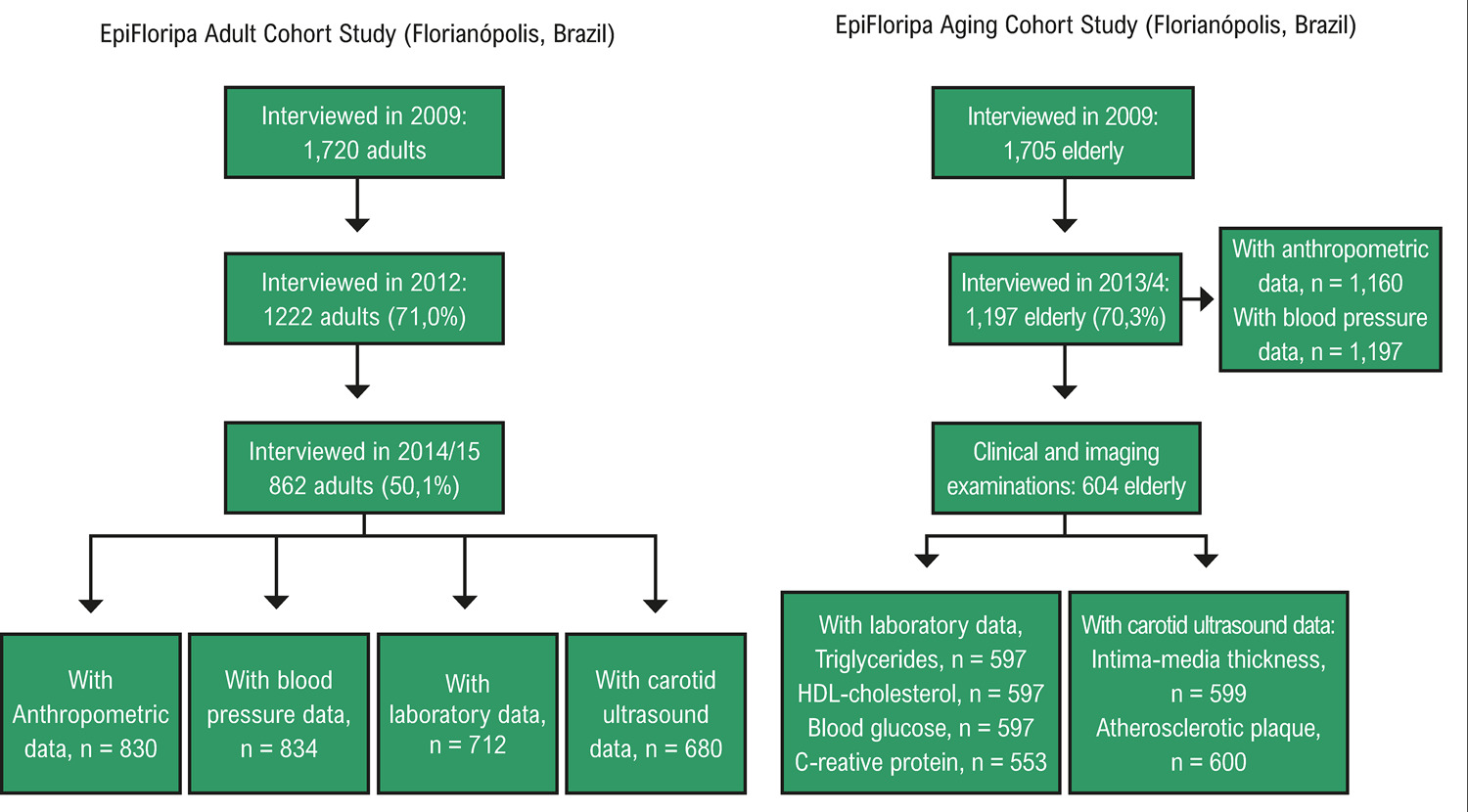
Clusters of Cardiometabolic Risk Factors and Their Association with Atherosclerosis and Chronic Inflammation among Adults and Elderly in Florianópolis, Southern Brazil

Tiago Rodrigues de Lima et al. Diego Augusto Santos Silva Maruí Weber Corseuil Giehl Eleonora D’Orsi David Alejandro González-Chica

Abstract

Background

The significant increase in cardiovascular diseases in developing countries alerts about their impact on underprivileged populations.

Objective

To identify the relationship of clusters of metabolic syndrome (MS) components with atherosclerosis and chronic inflammation among adults and elderly.

Methods

Cross-sectional analysis using data from two population-based cohort studies in Florianópolis, Southern Brazil (EpiFloripa Adult Cohort Study, n = 862, 39.9±11.5 years; EpiFloripa Aging Cohort Study, n = 1197, 69.7±7.1 years). Blood pressure (BP), waist circumference (WC), and lipid and glucose levels were analyzed as individual factors or as clusters (either as the number of components present in an individual or as combinations of components). Outcomes included carotid intima-media thickness (IMT), atherosclerotic plaques, and C-reactive protein (CRP) levels. Multiple linear and logistic regression analyses adjusted for confounding factors were used. The statistical significance adopted was 5%.

Results

Individuals with high BP, elevated WC, dyslipidemia and hyperglycemia (6.1% of the sample) showed higher IMT and CRP than those negatives for all MetS components. Elevated WC was a common determinant of systemic inflammation, while the coexistence of high BP and elevated WC (clusters of two or three factors) was associated with higher IMT (β between +3.2 and +6.1 x 10⁻² mm; p value < 0.05) and CRP (EXPβ between 2.18 and 2.77; p value < 0.05).

Conclusion

The coexistence of high BP and elevated WC was associated with increased IMT and CRP levels, but central obesity affected systemic inflammation either alone or in combination with other risk factors.
  • Adult
  • Aged
  • C-Reactive Protein
  • Cardiovascular Diseases
  • Epidemiology
  • Lipid Metabolism Disorders
  • Metabolic Syndrome
  • Risk Factors
Read Full Article
Creative Commons Attribution (CC BY) Creative Commons license
26/07/2021 DOI: 10.36660/abc.20200230 Views 2
ABC
Editorial

The Unknown Risk of Familial Hypercholesterolemia in the Development of Atherosclerotic Cardiovascular Disease

Elizabeth do Nascimento et al. José Luiz de Brito Alves

Cardiovascular diseases (CVD) are recognized as the main causes of death in adulthood in the world., A number of factors, such as smoking, arterial hypertension, obesity, metabolic syndrome and hypercholesterolemia have been described as important risk factors in the development of CVD and premature death. Hypercholesterolemia can be classified as primary or secondary in origin. Primary hypercholesterolemia is due to genetically determined defects in lipid or lipoprotein metabolism; secondary hypercholesterolemia can be caused by inadequate lifestyle, diseases or medications.

Familial hypercholesterolemia (FH) is an autosomal-dominant disorder characterized by mutations in genes in the encoding of proteins involved in low-density lipoprotein (LDL) metabolism that occur in the presence of high plasma cholesterol and LDL levels associated with clinical signs of tendon xanthoma. FH is responsible for approximately 10% of cardiovascular events in people under 50 years of age.– In FH, mutations may be present in the LDL receptor gene, in the gene-encoding Apoprotein B-100 or in autosomal recessive LDLRAP1 gene and in autosomal dominant familial hypercholesterolemia (HCHOLA3) variant of the PCSK9 gene. These mutations lead to an impairment in the apoprotein-receptor interaction and result in high plasma cholesterol, high LDL levels and risk of development of atherosclerotic disease.,

[…]

  • Atherosclerosis
  • Cardiovascular Diseases, mortality
  • Early diagnosis
  • Hyperlipoproteinemia Type II
  • Lipid Metabolism Disorders
  • Risk Factors
Read Full Article
Creative Commons Attribution (CC BY) Creative Commons license
16/04/2021 DOI: 10.36660/abc.20210168 Views 1
Figure 1
ABC
Case Report

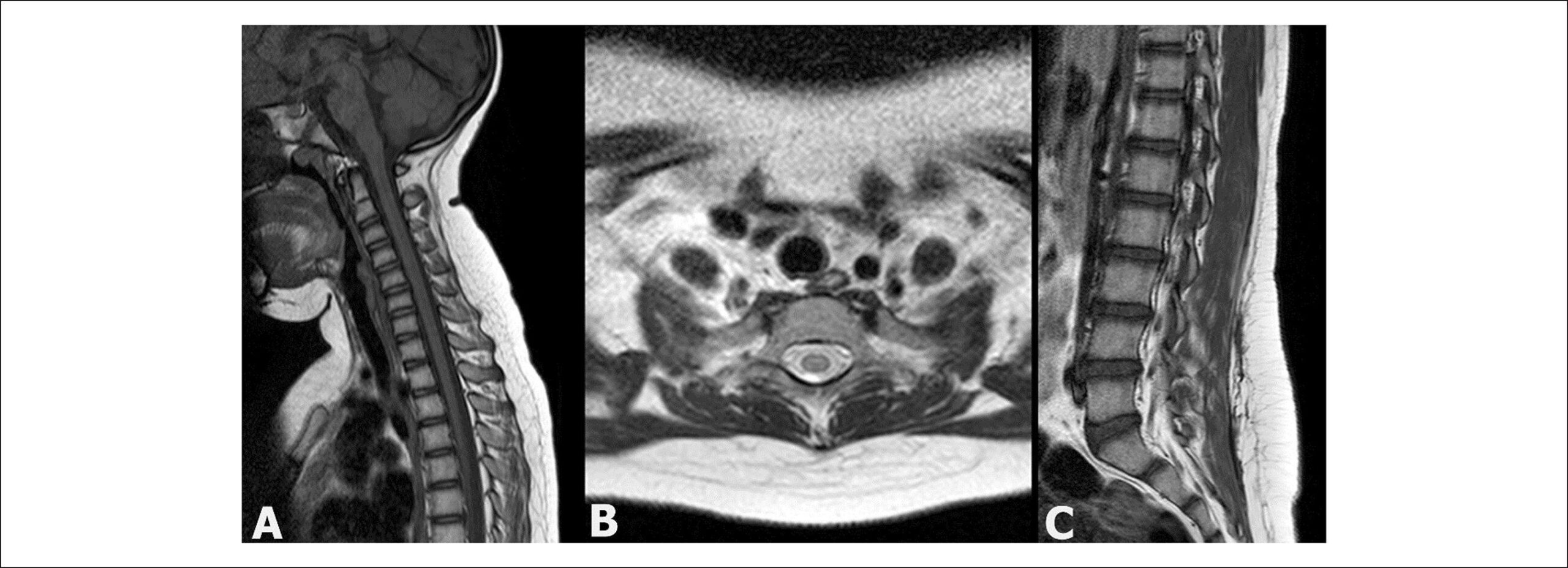
Rare Presentation of Dercum’s Disease in a Child with Abnormalities in Lipoprotein Metabolism

Maria Cristina de Oliveira Izar et al. Henrique Andrade Rodrigues da Fonseca Carolina Nunes França Valéria Arruda Machado … Carlos Eduardo dos Santos Ferreira Francisco Antonio Helfenstein Fonseca

Adiposis dolorosa, or Dercum’s disease, is a subcutaneous accumulation of fat in the body accompanied by intense, chronic, and symmetrical pain, often disabling, and usually not responsive to conventional analgesics. It was first described by Dercum, recognized as a separate disease in 1892, and further reported by White in 1899. Termed in the literature Dercum’s disease, Morbus Dercum, lipomatosis dolorosa, adiposalgia, adiposis dolorosa, and adipose tissue rheumatism, this condition is more prevalent in young women, aged 35 to 50 years, and affects preferably those in the post-menopause phase.–Adiposis dolorosa can also occur in multiple familial lipomatosis, a condition associated with multiple lipomas. Other symptoms and signs include psychiatric (depression, anxiety, sleep disturbances, memory and concentration impairment), cardiovascular (tachycardia), pulmonary (shortness of breath), rheumatological (fatigue, weakness, joint and muscle aches) and gastrointestinal (bloating, constipation) disorders.

Dercum’s disease was described as a general disease of the lymphatic system. In 2014, Rasmussen et al. suggested that this is a lymphovascular disorder with abnormalities in the adipose tissue deposition and lymphatic transport, showing that lipomas appeared to be fed and drained by functional lymphatics. In addition, Huang et al. have reinforced the importance of lymphatic system in cholesterol transport, showing the association with ApoA1, HDL formation, and lymphatic transport to the blood for scavenging by the HDL receptor, or scavenger receptor B1.

[…]

  • Adiposis Dolorosa
  • Child
  • Dyslipidemias
  • Inflammation
  • Lipid Metabolism Disorders
  • Rare Diseases
Read Full Article
Creative Commons Attribution (CC BY) Creative Commons license
01/11/2018 DOI: 10.5935/abc.20180191 Views 1
Figure 1
ABC
Original Article

Elevation of Oxidized Lipoprotein of Low Density in Users of Combined Oral Contraceptives

Alan Carlos Nery dos Santos et al. Jefferson Petto Diego Passos Diogo Candice Rocha Seixas … Lunara Horn de Souza Wagner Santos Araújo Ana Marice Teixeira Ladeia

Abstract

Background:

The use of combined oral contraceptive (COC) has been related to changes in glycemic, lipid metabolism, increased oxidative stress, and systemic blood pressure, which could suggest a higher oxidation of low-density lipoprotein cholesterol (LDL-cholesterol) in women on use of COC.

Objective:

To test the hypothesis that there is a difference in the plasma values of oxidized LDL among women who use and do not use COC, as well as to evaluate the correlation between it and the lipid profile and high-sensitivity C-reactive protein (hs-CRP).

Methods:

Forty-two women with ages between 18 and 35 years old, who were eutrophic, irregularly active, with triglycerides < 150 mg/dL, blood glucose < 100 mg/dL, and who used or did not use COC were selected. These women were allocated in the COC group, formed by 21 women on COC use for at least 1 year; and a control group (CG), consisting of 21 women who had not used any type of hormonal contraceptive for at least 1 year. A significance level of 5% was adopted for statistical analyses.

Results:

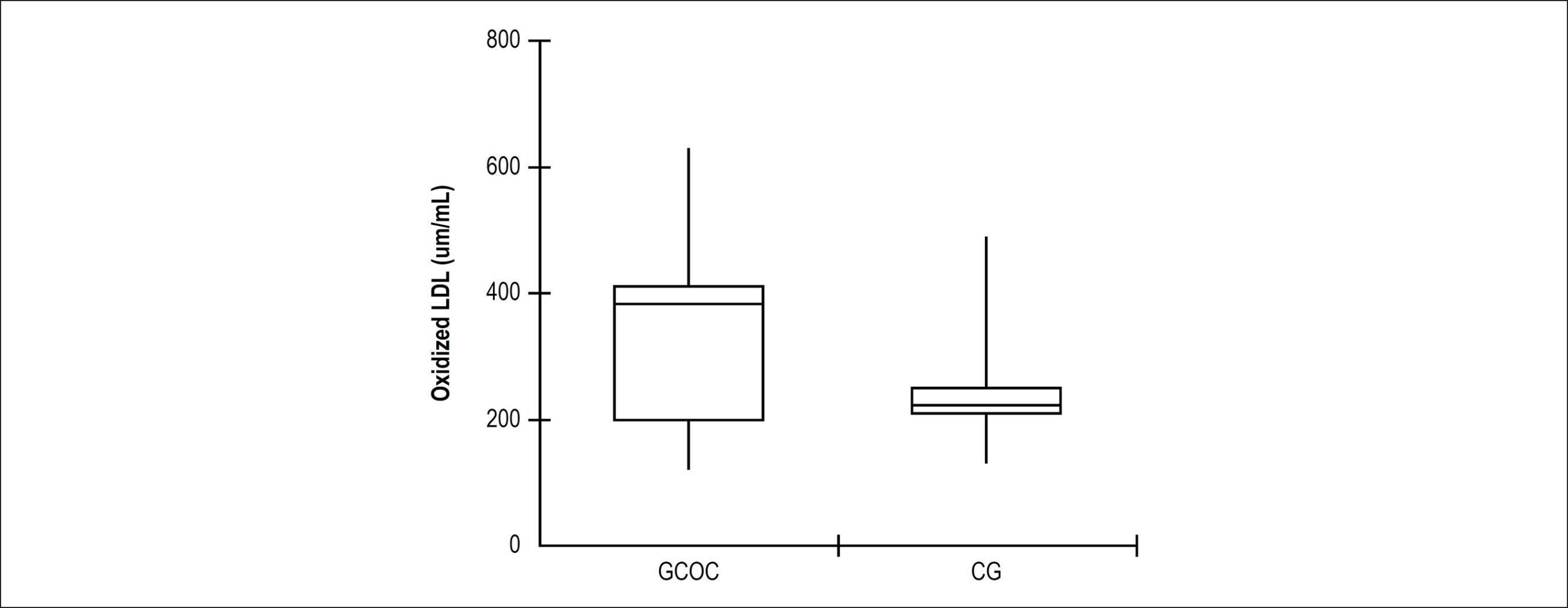
It was observed that GCOC showed higher values of oxidized LDL than the CG, respectively 384 mU/mL versus 283 mU/mL (p < 0.01). A positive correlation between oxidized LDL and LDL-cholesterol (r = 0.3, p < 0.05), with total cholesterol (r = 0.47, p < 0.01) and with triglycerides (r = 0.32, p < 0.03) was observed, and there was no correlation with the hs-CRP. In the categorized analysis of oxidized LDL, 71.4% of GCOC women, and 28.6% of the CG remained above the established cutoff point.

Conclusion:

Women who use COC have higher plasma levels of oxidized LDL, and there is a positive correlation between oxidized LDL and other lipid variables.

  • Atherosclerosis
  • C-Reactive Protein
  • Cardiovascular Diseases/complications
  • Contraceptives, Oral, Combined
  • Lipid Metabolism Disorders
  • Oxidative Stress
Read Full Article
Creative Commons Attribution (CC BY) Creative Commons license
11/10/2018 DOI: 10.5935/abc.20180194
ABC
Editorial

Predictors of Family Recruitment in a Program of Genetic Cascade Screening for Familial Hypercholesterolemia

Maria Cristina de Oliveira Izar et al. Francisco Antonio Helfenstein Fonseca

Familial hypercholesterolemia (FH) is a common inherited disease affecting lipid metabolism; it is associated with lifelong exposure to high levels of LDL-cholesterol, and premature atherosclerotic cardiovascular disease. FH imposes an enormous burden on patients and their relatives, due to years of life lost, and particularly, for not being diagnosed as an entity.

In spite of the high LDL-cholesterol and even after an atherosclerotic event, a large proportion of individuals with FH remains undiagnosed., Criteria for diagnosing FH are based on clinical findings, family history, LDL-cholesterol levels, and genetic testing (Simon Broome or Dutch Lipid Clinic Network), or on the LDL-cholesterol levels alone (US MED PED). However, FH phenotypes can vary, and the lack of physical signs (15-30% of patients with genetic diagnosis of FH present xanthomas or corneal arcus, and 5% have xanthelasma) can contribute for the underdiagnosis of FH. –

[…]

  • Family Health Strategy
  • Hyperlipoproteinemia Type II/genetic
  • Hyperlipoproteinemia/prevention &control
  • Lipid Metabolism Disorders
Read Full Article
Creative Commons Attribution (CC BY) Creative Commons license
01/10/2018 DOI: 10.5935/abc.20180193
ABC
Artigo Original

Lipid profile, cardiovascular risk factors and metabolic syndrome in a group of AIDS patients

Érika Ferrari Rafael da Silva et al. Katia Cristina Bassichetto David Salomão Lewi

BACKGROUND: Since the advent of AIDS, the anti-HIV therapy has developed significantly, including the highly active antiretroviral therapy (HAART) and the disease acquired a chronic characteristic. However, after the introduction of HAART, several metabolic alterations were observed, mainly related to the lipid profile. OBJECTIVES: to evaluate and compare lipid profiles, analyze cardiovascular risk, describe the prevalence of metabolic syndrome in AIDS patients with or without HAART. METHODS: Over an 18-month period, 319 patients treated at outpatient clinics in the city of São Paulo, Brazil were selected. RESULTS: The final sample included 215 patients receiving HAART and 69 HAART-naive patients. The mean age was 39.5 years, and 60.9% were males. The main cardiovascular risk factors were smoking (27%), hypertension (18%) and family history of atherosclerosis (40%). Mean total cholesterol, HDL-cholesterol, triglycerides and glucose were higher in the HAART group than in the non-HAART group (205 vs 180 mg/dl, 51 vs 43 mg/dl, 219 vs 164 mg/dl and 101 vs 93 mg/dl respectively; p < 0.001 for all). According to the Framingham risk score, the cardiovascular risk was moderate to high in 11% of the patients receiving HAART and 4% of the HAART-naïve patients. According to the Adult Treatment Panel III definition, the metabolic syndrome was observed in 13% and 12% of the patients with or without HAART, respectively. CONCLUSIONS: Although the mean values for total cholesterol, HDL-c and triglycerides were higher in the HAART group, a higher cardiovascular risk was not identified in the former. The prevalence of metabolic syndrome was comparable in both groups.

  • Cardiovascular disease
  • highly active antiretroviral therapy
  • Lipid Metabolism Disorders
  • Metabolic Syndrome X
Read Full Article
Creative Commons Attribution (CC BY) Creative Commons license
13/10/2009 DOI: 10.1590/S0066-782X2009000800008 Views 1

How to cite this article

EndNote RIS

Electronic Document Format (Vancouver)

Lima TR, Silva DAS, Giehl MWC, D’Orsi E, González-Chica DA. Clusters of Cardiometabolic Risk Factors and Their Association with Atherosclerosis and Chronic Inflammation among Adults and Elderly in Florianópolis, Southern Brazil. Arquivos Brasileiros de Cardiologia 2021;117(1):39-48.

Electronic Document Format (ABNT)

Lima, Tiago Rodrigues de; Silva, Diego Augusto Santos; Giehl, Maruí Weber Corseuil; D’Orsi, Eleonora; González-Chica, David Alejandro. Clusters of Cardiometabolic Risk Factors and Their Association with Atherosclerosis and Chronic Inflammation among Adults and Elderly in Florianópolis, Southern Brazil. Arquivos Brasileiros de Cardiologia, v. 117, n. 1, p. 39-48, Jul. 2021.

Electronic Document Format (APA)

Lima, T. R. , Silva, D. A. S., Giehl, M. W. C., D’Orsi, E., & González-Chica, D. A. (2021). Clusters of Cardiometabolic Risk Factors and Their Association with Atherosclerosis and Chronic Inflammation among Adults and Elderly in Florianópolis, Southern Brazil. Arquivos Brasileiros de Cardiologia, 117(1), 39-48.

Electronic Document Format (ISO)

Lima, Tiago Rodrigues de and Silva, Diego Augusto Santos and Giehl, Maruí Weber Corseuil and D’Orsi, Eleonora and González-Chica, David Alejandro. Clusters of Cardiometabolic Risk Factors and Their Association with Atherosclerosis and Chronic Inflammation among Adults and Elderly in Florianópolis, Southern Brazil. Arquivos Brasileiros de Cardiologia [online]. 2021, vol. 117, n. 1, [cited 2026-10-14], pp. 39-48. Available from: <https://journals.cardiol.br/en/article/clusters-of-cardiometabolic-risk-factors-and-their-association-with-atherosclerosis-and-chronic-inflammation-among-adults-and-elderly-in-florianopolis-southern-brazil/>. ISSN 0066-782X

EndNote RIS

Electronic Document Format (Vancouver)

Nascimento E, Alves JLB. The Unknown Risk of Familial Hypercholesterolemia in the Development of Atherosclerotic Cardiovascular Disease. Arquivos Brasileiros de Cardiologia 2021;116(4):713-4.

Electronic Document Format (ABNT)

Nascimento, Elizabeth do; Alves, José Luiz de Brito. The Unknown Risk of Familial Hypercholesterolemia in the Development of Atherosclerotic Cardiovascular Disease. Arquivos Brasileiros de Cardiologia, v. 116, n. 4, p. 713-714, Apr. 2021.

Electronic Document Format (APA)

Nascimento, E. , & Alves, J. L. B. (2021). The Unknown Risk of Familial Hypercholesterolemia in the Development of Atherosclerotic Cardiovascular Disease. Arquivos Brasileiros de Cardiologia, 116(4), 713-714.

Electronic Document Format (ISO)

Nascimento, Elizabeth do and Alves, José Luiz de Brito. The Unknown Risk of Familial Hypercholesterolemia in the Development of Atherosclerotic Cardiovascular Disease. Arquivos Brasileiros de Cardiologia [online]. 2021, vol. 116, n. 4, [cited 2026-10-14], pp. 713-714. Available from: <https://journals.cardiol.br/en/article/the-unknown-risk-of-familial-hypercholesterolemia-in-the-development-of-atherosclerotic-cardiovascular-disease/>. ISSN 0066-782X

EndNote RIS

Electronic Document Format (Vancouver)

Izar MCO, Fonseca HAR, França CN, Machado VA, Ferreira CES, Fonseca FAH. Rare Presentation of Dercum’s Disease in a Child with Abnormalities in Lipoprotein Metabolism. Arquivos Brasileiros de Cardiologia 2018;111(5):755-7.

Electronic Document Format (ABNT)

Izar, Maria Cristina de Oliveira; Fonseca, Henrique Andrade Rodrigues da; França, Carolina Nunes; Machado, Valéria Arruda; Ferreira, Carlos Eduardo dos Santos; Fonseca, Francisco Antonio Helfenstein. Rare Presentation of Dercum’s Disease in a Child with Abnormalities in Lipoprotein Metabolism. Arquivos Brasileiros de Cardiologia, v. 111, n. 5, p. 755-757, Oct. 2018.

Electronic Document Format (APA)

Izar, M. C. O., Fonseca, H. A. R. , França, C. N., Machado, V. A., Ferreira, C. E. S., & Fonseca, F. A. H. (2018). Rare Presentation of Dercum’s Disease in a Child with Abnormalities in Lipoprotein Metabolism. Arquivos Brasileiros de Cardiologia, 111(5), 755-757.

Electronic Document Format (ISO)

Izar, Maria Cristina de Oliveira and Fonseca, Henrique Andrade Rodrigues da and França, Carolina Nunes and Machado, Valéria Arruda and Ferreira, Carlos Eduardo dos Santos and Fonseca, Francisco Antonio Helfenstein. Rare Presentation of Dercum’s Disease in a Child with Abnormalities in Lipoprotein Metabolism. Arquivos Brasileiros de Cardiologia [online]. 2018, vol. 111, n. 5, [cited 2026-10-14], pp. 755-757. Available from: <https://journals.cardiol.br/en/article/rare-presentation-of-dercums-disease-in-a-child-with-abnormalities-in-lipoprotein-metabolism/>. ISSN 0066-782X

EndNote RIS

Electronic Document Format (Vancouver)

Santos ACN, Petto J, Diogo DP, Seixas CR, Souza LH, Araújo WS, Ladeia AMT, et al. Elevation of Oxidized Lipoprotein of Low Density in Users of Combined Oral Contraceptives. Arquivos Brasileiros de Cardiologia 2018;111(6):764-70.

Electronic Document Format (ABNT)

Santos, Alan Carlos Nery dos; Petto, Jefferson; Diogo, Diego Passos; Seixas, Candice Rocha; Souza, Lunara Horn de; Araújo, Wagner Santos; Ladeia, Ana Marice Teixeira. Elevation of Oxidized Lipoprotein of Low Density in Users of Combined Oral Contraceptives. Arquivos Brasileiros de Cardiologia, v. 111, n. 6, p. 764-770, Oct. 2018.

Electronic Document Format (APA)

Santos, A. C. N. , Petto, J., Diogo, D. P., Seixas, C. R., Souza, L. H. , Araújo, W. S., & Ladeia, A. M. T. (2018). Elevation of Oxidized Lipoprotein of Low Density in Users of Combined Oral Contraceptives. Arquivos Brasileiros de Cardiologia, 111(6), 764-770.

Electronic Document Format (ISO)

Santos, Alan Carlos Nery dos and Petto, Jefferson and Diogo, Diego Passos and Seixas, Candice Rocha and Souza, Lunara Horn de and Araújo, Wagner Santos and Ladeia, Ana Marice Teixeira. Elevation of Oxidized Lipoprotein of Low Density in Users of Combined Oral Contraceptives. Arquivos Brasileiros de Cardiologia [online]. 2018, vol. 111, n. 6, [cited 2026-10-14], pp. 764-770. Available from: <https://journals.cardiol.br/en/article/elevation-of-oxidized-lipoprotein-of-low-density-in-users-of-combined-oral-contraceptives/>. ISSN 0066-782X

EndNote RIS

Electronic Document Format (Vancouver)

Izar MCO, Fonseca FAH. Predictors of Family Recruitment in a Program of Genetic Cascade Screening for Familial Hypercholesterolemia. Arquivos Brasileiros de Cardiologia 2018;111(4):585-6.

Electronic Document Format (ABNT)

Izar, Maria Cristina de Oliveira; Fonseca, Francisco Antonio Helfenstein. Predictors of Family Recruitment in a Program of Genetic Cascade Screening for Familial Hypercholesterolemia. Arquivos Brasileiros de Cardiologia, v. 111, n. 4, p. 585-586, Sep. 2018.

Electronic Document Format (APA)

Izar, M. C. O., & Fonseca, F. A. H. (2018). Predictors of Family Recruitment in a Program of Genetic Cascade Screening for Familial Hypercholesterolemia. Arquivos Brasileiros de Cardiologia, 111(4), 585-586.

Electronic Document Format (ISO)

Izar, Maria Cristina de Oliveira and Fonseca, Francisco Antonio Helfenstein. Predictors of Family Recruitment in a Program of Genetic Cascade Screening for Familial Hypercholesterolemia. Arquivos Brasileiros de Cardiologia [online]. 2018, vol. 111, n. 4, [cited 2026-10-14], pp. 585-586. Available from: <https://journals.cardiol.br/en/article/predictors-of-family-recruitment-in-a-program-of-genetic-cascade-screening-for-familial-hypercholesterolemia/>. ISSN 0066-782X

EndNote RIS

Electronic Document Format (Vancouver)

Silva FR, Bassichetto KC, Lewi DS. Lipid profile, cardiovascular risk factors and metabolic syndrome in a group of AIDS patients. Arquivos Brasileiros de Cardiologia 2009;93(2):113-8.

Electronic Document Format (ABNT)

Silva, Érika Ferrari Rafael da; Bassichetto, Katia Cristina; Lewi, David Salomão. Lipid profile, cardiovascular risk factors and metabolic syndrome in a group of AIDS patients. Arquivos Brasileiros de Cardiologia, v. 93, n. 2, p. 113-118, Oct. 2009.

Electronic Document Format (APA)

Silva, F. R. , Bassichetto, K. C., & Lewi, D. S. (2009). Lipid profile, cardiovascular risk factors and metabolic syndrome in a group of AIDS patients. Arquivos Brasileiros de Cardiologia, 93(2), 113-118.

Electronic Document Format (ISO)

Silva, Érika Ferrari Rafael da and Bassichetto, Katia Cristina and Lewi, David Salomão. Lipid profile, cardiovascular risk factors and metabolic syndrome in a group of AIDS patients. Arquivos Brasileiros de Cardiologia [online]. 2009, vol. 93, n. 2, [cited 2026-10-14], pp. 113-118. Available from: <https://journals.cardiol.br/en/article/lipid-profile-cardiovascular-risk-factors-and-metabolic-syndrome-in-a-group-of-aids-patients/>. ISSN 0066-782X

  • About ABC Family
  • Internal Regulation
  • Editorial Board
  • Brazilian Society of Cardiology (SBC)

Issues

SBC Guidelines

  • Videos
  • Podcasts
  • News