ABC Family Arquivos Brasileiros de Cardiologia International Journal of Cardiovascular Sciences ABC Heart Failure & Cardiomyopathy ABC Imagem Cardiovascular
Português English
ABC Family
Português English
  • About
    • About ABC Family
    • Internal Regulation
    • Editorial Board
    • Brazilian Society of Cardiology (SBC)
  • Issues
  • SBC Guidelines
  • Content
    • Videos
    • Podcasts
    • News
  • About
    • About ABC Family
    • Internal Regulation
    • Editorial Board
    • Brazilian Society of Cardiology (SBC)
  • Issues
  • SBC Guidelines
  • Content
    • Videos
    • Podcasts
    • News

ABC Family

  • ABC Family
  • Arquivos Brasileiros de Cardiologia
  • International Journal of Cardiovascular Sciences
  • ABC Heart Failure & Cardiomyopathy
  • ABC Imagem Cardiovascular
Search in

No content found.

Journals
Ordering
Article types
Others

  1. Home
  2. Keyword: left
Figure 1
ABCIC
Image

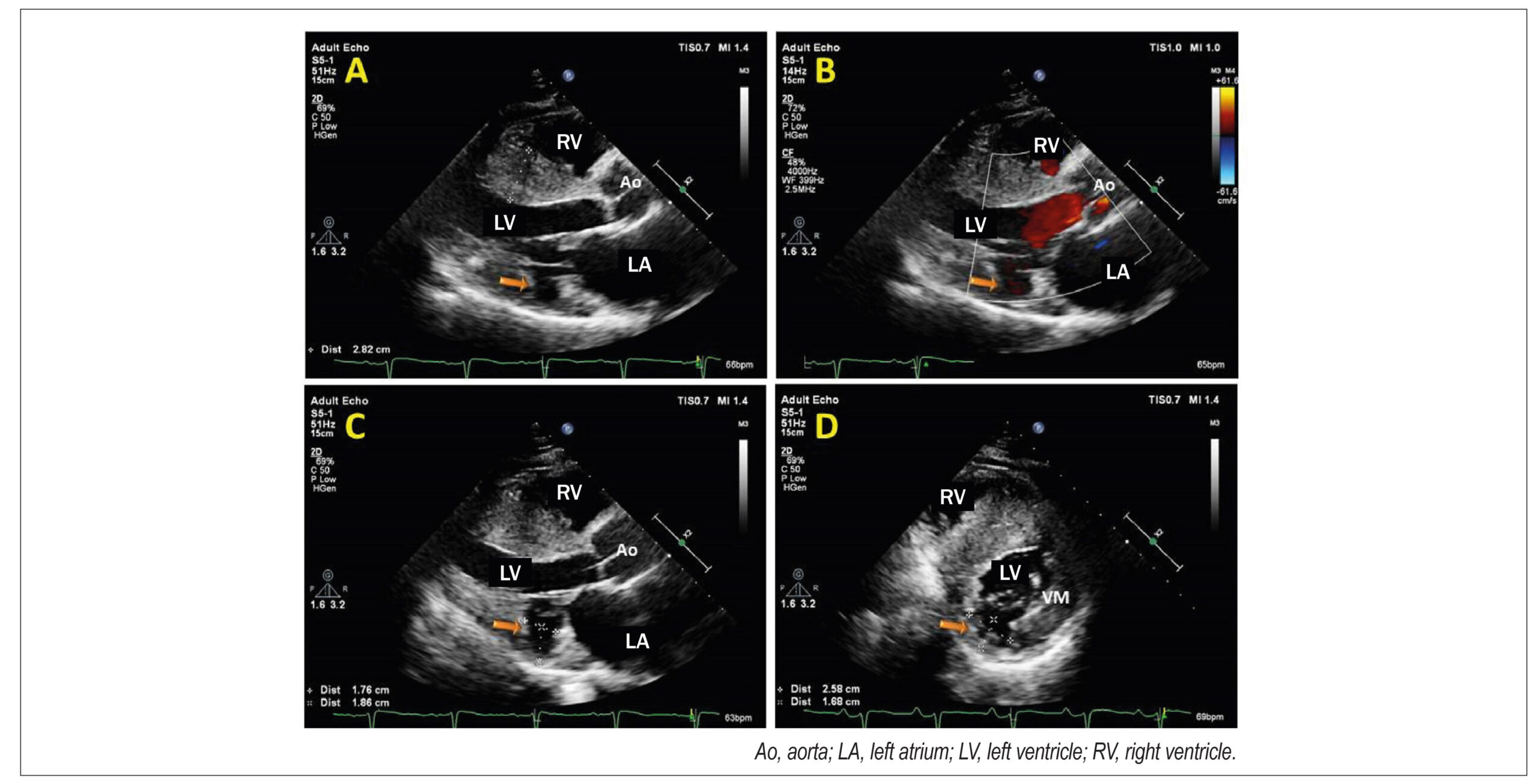
Left Ventricular Diverticulum

Márcio Silva Miguel Lima

A

[…]

  • Cardiomyopathies
  • cardiomyopathy
  • hypertrophic
  • left
  • Ventricular Dysfunction
Read Full Article
Creative Commons Attribution (CC BY) Creative Commons license
26/11/2021 DOI: 10.47593/2675-312X/20213403eabc234
Figure 1
ABC
Original Article

Revascularization Strategies in Patients with Acute Myocardial Infarction and Cardiogenic Shock: Results from the Portuguese Registry on Acute Coronary Syndromes

Sofia Alegria et al. Ana Marques Ana Catarina Gomes Ana Rita F. Pereira … Daniel Sebaiti Gonçalo Morgado Rita Calé Cristina Martins Adriana Belo Inês Rangel Hélder Pereira

Abstract

Background:

In patients with acute myocardial infarction (MI), cardiogenic shock (CS), and multivessel disease (MVD) questions remain unanswered when it comes to intervention on non-culprit arteries.

Objective:

This article aims to 1) characterize patients with MI, CS and MVD included in the Portuguese Registry on Acute Coronary Syndromes (ProACS); 2) compare different revascularization strategies in the sample; 3) identify predictors of in-hospital mortality among these patients.

Methods:

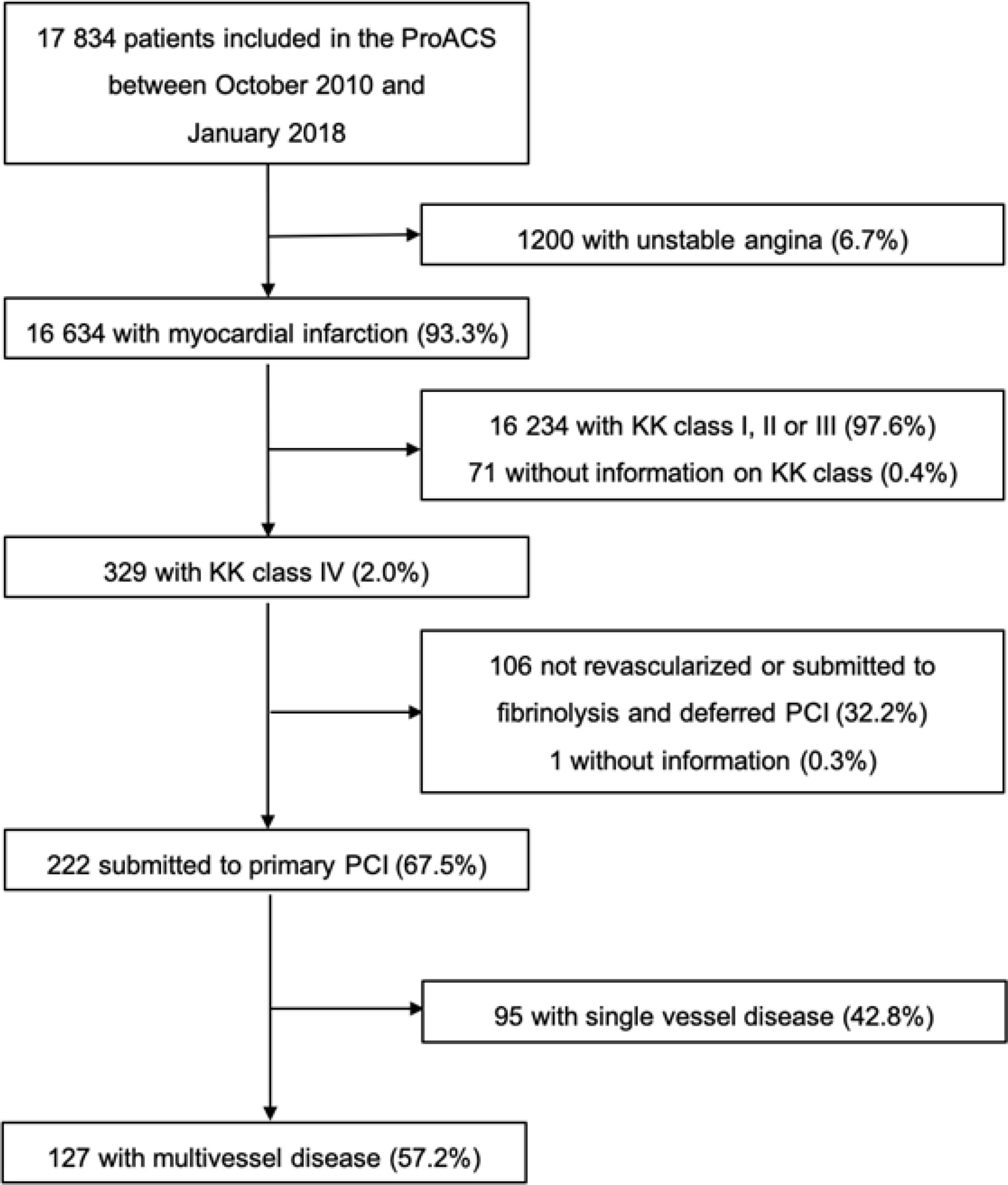
Observational retrospective study of patients with MI, CS and MVD included in the ProACS between 2010 and 2018. Two revascularization strategies were compared: complete during the index procedure (group 1); and complete or incomplete during the index hospitalization (groups 2-3). The primary endpoint was a composite of in-hospital death or MI. Statistical significance was defined by a p-value <0.05.

Results:

We identified 127 patients with MI, CS, and MVD (18.1% in group 1, and 81.9% in groups 2-3), with a mean age of 7012 years, and 92.9% of the sample being diagnosed with ST-segment elevation MI (STEMI). The primary endpoint occurred in 47.8% of the patients in group 1 and 37.5% in group 2-3 (p = 0.359). The rates of in-hospital death, recurrent MI, stroke, and major bleeding were also similar. The predictors of in-hospital death in this sample were the presence of left ventricle systolic dysfunction on admission (OR 16.8), right bundle branch block (OR 7.6), and anemia (OR 5.2) (p ≤ 0.02 for both).

Conclusions:

Among patients with MI, CS, and MVD included in the ProACS, there was no significant difference between complete and incomplete revascularization during the index hospitalization regarding the occurrence of in-hospital death or MI. (Arq Bras Cardiol. 2021; 116(5):867-876)

  • Acute coronary syndrome
  • Biomarkers
  • Cardiogenic
  • Intracranial Hemorrhage
  • left
  • Mortality
  • Myocardial Infarction
  • Myocardial Revascularization
  • Shock
  • Ventricular Dysfunction
Read Full Article
Creative Commons Attribution (CC BY) Creative Commons license
17/05/2021 DOI: 10.36660/abc.20190739
Relationship between left atrial volume and diastolic dysfunction in 500 Brazilian patients
ABC
Artigo Original

Relationship between left atrial volume and diastolic dysfunction in 500 Brazilian patients

Lilia Maria Mameri El Aouar et al. Diana Meyerfreud Pedro Magalhães Sérgio Lamêgo Rodrigues … Marcelo Perim Baldo Yara Brasil Sumaya Mameri El Aouar Nabih Amin El Aouar José Geraldo Mill Orlando Campos Filho

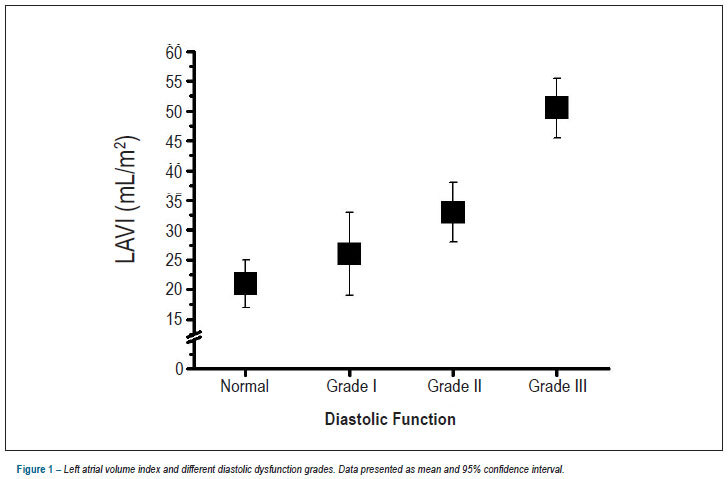
BACKGROUND: Left atrial volume index (LAVI) increase has been associated to left ventricle (LV) diastolic dysfunction (DD), a marker of cardiovascular events (atrial fibrillation, stroke, heart failure, death). OBJECTIVE: To evaluate the relationship between LAVI and diferente grades od DD in Brazilian patients submitted to echocardiogram, studying LAVI increase determinants in this sample. METHODS: We have selected 500 outpatients submitted to echocardiography, after excluding arrhythmia, valvar or congenital cardiopathy, permanent pacemaker or inadequate ecocardiographic window. LAVI was obtained according to Simpson’s method. DD was classified according to current guidelines. The clinical and echocardiographic variables were submitted to linear regression multivariate analysis. RESULTS: Mean age was 52 ± 15 years old, 53% were male, 55% had arterial hypertension, 9% had coronary artery disease, 8% were diabetic, 24% were obese, 47% had LV hypertrophy. The mean ejection fraction of the left ventricle was 69.6 ± 7,2%. The prevalence of DD in this sample was 33.8% (grade I: 66%, grade II: 29% e grade III: 5%). LAVI increased progressively according to DD grade: 21 ± 4 mL/m² (absent), 26 ± 7 mL/m² (grade I), 33 ± 5 mL/m² (grade II), 50 ± 5 mL/m2 (grade III) (p < 0,001). In this sample, LAVI increase independent predictors were age, left ventricular mass, relative wall thickness, LV ejection fraction and E/e' ratio. CONCLUSION: DD contributes to left atrial remodeling. LAVI increases as an expression of DD severity and is independently associated to age, left ventricle hypertrophy, systolic dysfunction and increased LV filling pressures.

  • Atrial Function
  • Brazil
  • left
  • Stroke Volume
  • Ventricular Dysfunction
Read Full Article
Creative Commons Attribution (CC BY) Creative Commons license
24/05/2013 DOI: 10.5935/abc.20130109
ABC
Artigo Original

Impact of ventricular geometric pattern on cardiac remodeling after myocardial infarction

Elaine Farah et al. Daniéliso R. Fusco Paulo R. R. Okumoto Marcos F. Minicucci … Paula S. Azevedo Beatriz B. Matsubara Katashi Okoshi Siméia G. Zanati Sergio A. R. Paiva Leonardo A. M. Zornoff

BACKGROUND: The relevance of left ventricular (LV) geometric pattern after myocardial infarction is not known. OBJECTIVES: To analyze the presence of different LV geometric patterns and teir impact as a predictor of remodeling in patients with myocardial infarction. METHODS: Patients with anterior acute myocardial infarction (n = 80) were divided according to the geometric pattern: normal (normal left ventricular mass index [LVMI] and normal relative wall thickness [RWT]), concentric remodeling (normal LVMI and increased RWT), concentric hypertrophy (increased LVMI and RWT) and eccentric hypertrophy (increased LVMI and normal RWT). After six months, echocardiographic assessment was repeated. RESULTS: Four patients died. Of the survivors, 41 showed remodeling (R +), whereas 39 did not (R-). Considering the geometric pattern, the cases were distributed as follows: 24 patients with normal pattern, 13 with concentric remodeling, 29 with concentric hypertrophy and 14 with eccentric hypertrophy. Patients who showed remodeling had larger infarction sizes analyzed by peak CPK (R + = 4,610 (1,688-7,970), R- = 1,442 (775-4247), p <0.001) and CK-MB (R + = 441 (246 – 666), R- = 183 (101-465), p <0.001), trend towards higher prevalence of concentric remodeling (R+ = 10, R- = 3, p = 0.08) and lower prevalence of eccentric hypertrophy (R + = 2 R- = 12, p = 0.006). In the multivariate regression analysis, infarction size was a predictor (OR = 1.01, p = 0.020) and eccentric hypertrophy was a protective factor (OR = 0.189, p = 0.046) of ventricular remodeling after coronary occlusion. CONCLUSION: The LV geometric pattern of can have an impact on the remodeling process in patients with myocardial infarction.

  • Hypertension
  • left
  • Myocardial Infarction
  • Ventricular Function
  • Ventricular Remodeling
Read Full Article
Creative Commons Attribution (CC BY) Creative Commons license
14/05/2013 DOI: 10.5935/abc.20130104 Views 1
Inferior Vena Cava collapsibility and heart failure signs and symptoms: new insights about possible links
ABC
Artigo Original

Inferior Vena Cava collapsibility and heart failure signs and symptoms: new insights about possible links

Renato De Vecchis et al. Antonio Ciccarelli Carmelina Ariano

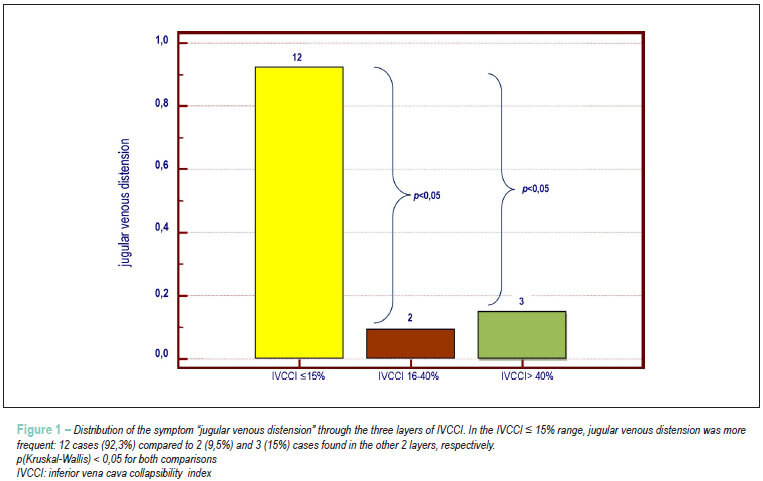
BACKGROUND: In chronic heart failure patients (CHF), ultrasound measurement of inferior vena cava collapsibility index (IVCCI) has been proposed to yield careful assessment and grading of the hemodynamic congestion. OBJECTIVE: The purpose of this study was to correlate the findings of physical examination with IVCCI in CHF patients. METHODS: According to a retrospective cohort design, we analyzed 54 CHF patients with right or biventricular CHF, belonging to III NYHA class. We planned to determine whether any basal IVCCI range would be able to predict persistent or worsening clinical congestion found at the end of subsequent follow up (i.e. after 1-2 months of oral optimized therapy). For this purpose, the patients were subdivided by three groups according to the basal IVCCI value: ≤ 15% (13 pts), 16 – 40% (21 pts) and > 40% (20 pts).Several clinical criteria of congestion were compared across the three groups and subsequently entered in the Cox multivariate model. RESULTS: Multivariate predictors of high congestion score were jugular venous distension (HR: 13,38 95% C.I.: 2,13 – 84 p = 0,0059) and rales (HR: 11 95% C.I : 1,45 – 83,8 p = 0,0213). IVCCI ≤ 15% was always associated with high congestion score at the second visit; but IVCCI ≤ 15% failed to predict high congestion score at the second visit. CONCLUSION: In CHF setting, low IVCCI did not reliably predict high congestion score. Nevertheless, the cluster with IVCCI ≤ 15% was always found associated with signs and symptoms from both right and left-sided decompensated CHF. (Arq Bras Cardiol. 2012; [online].ahead print, PP.0-0).

  • cardiac output, low
  • Heart Failure
  • left
  • Vena cava, inferior
  • Ventricular Dysfunction
Read Full Article
Creative Commons Attribution (CC BY) Creative Commons license
29/05/2012 DOI: 10.1590/S0066-782X2012005000049 Views 2
Intramyocardial adrenergic activation in chagasic cardiomyopathy and coronary artery disease
ABC
Artigo Original

Intramyocardial adrenergic activation in chagasic cardiomyopathy and coronary artery disease

Luciano Nastari et al. Felix Jose Alvarez Ramires Vera Maria Cury Salemi Barbara Maria Ianni … Fábio Fernandes Célia Maria Strunz Edmundo Arteaga Charles Mady

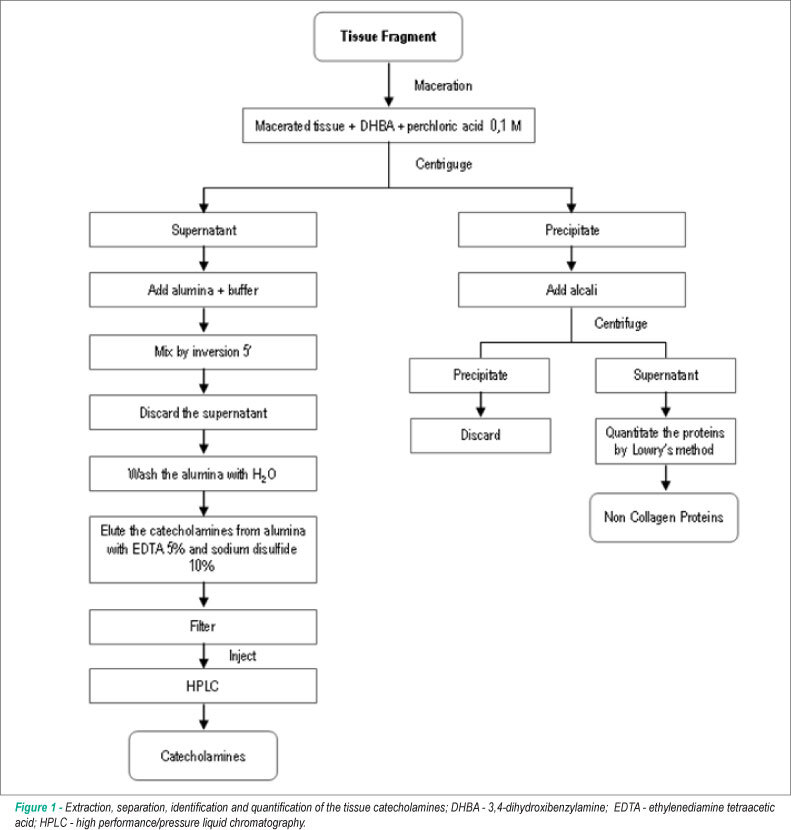
BACKGROUND: Myocardial norepinephrine is altered in left ventricular impairment. In patients with Chagas’ cardiomyopathy (CC), this issue has not been addressed. OBJECTIVE: To determine the level of myocardial norepinephrine in patients with CC and compare it in patients with coronary artery disease, and to relate myocardial norepinephrine to left ventricular ejection fraction (LVEF). METHODS: We studied 39 patients with CC, divided into group 1: 21 individuals with normal LVEF and group 2: 18 individuals with decreased LVEF. Seventeen patients with coronary artery disease were divided into group 3: 12 individuals with normal LVEF and group 4: 5 individuals with decreased LVEF. Two-dimensional echocardiography was used to measure LVEF. Myocardial norepinephrine was determined by high-performance liquid chromatography. RESULTS: Myocardial norepinephrine in CC with and without ventricular dysfunction was 1.3±1.3 and 6.1±4.2 pg/μg noncollagen protein, respectively (p<0.0001); in coronary artery disease with and without ventricular dysfunction, it was 3.3±3.0 and 9.8±4.2 pgμg noncollagen protein, respectively (p<0.0001). A positive correlation was found between LVEF and myocardial norepinephrine concentration in the patients with Chagas' cardiomyopathy (p<0.01, r = 0.57) and also in those with coronary artery disease (p<0.01, r=0.69). A significant difference was demonstrated between norepinephrine concentrations in patients with normal LVEF (groups 1 and 3; p = 0.0182), but no difference was found in patients with decreased LVEF (groups 2 and 4; p = 0.1467). CONCLUSION: In patients with Chagas' cardiomyopathy and normal global ejection fraction there is an early cardiac denervation, when compared to coronary artery disease patients.

  • cardiomyopathy
  • Coronary Artery Disease
  • Heart Failure
  • left
  • Norepinephrine
  • Ventricular Dysfunction
Read Full Article
Creative Commons Attribution (CC BY) Creative Commons license
22/12/2010 DOI: 10.1590/S0066-782X2010005000163
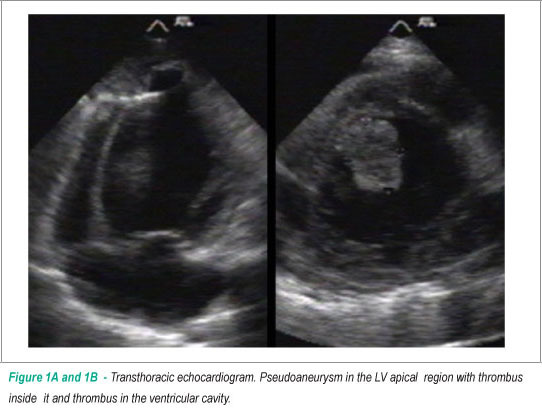
Chronic left ventricular pseudoaneurism of undetermined etiology
ABC
Relato de Caso

Chronic left ventricular pseudoaneurism of undetermined etiology

Guilherme Loureiro Fialho et al. Cláudio Henrique Fischer Adriana Cordovil Orlando Campos Filho

Pseudoaneurysms occur as a rare complication of the myocardial infarction, of which hemorrhagic process is contained by adherences of the visceral or parietal pericardium – or of both – preventing the development of cardiac tamponade. We report the case of a 55-year-old patient, with a chronic left ventricular pseudoaneurysm of undetermined etiology, who was submitted to a conservative treatment.

  • Aneurysm
  • false
  • left
  • Myocardial Infarction
  • Ventricular Dysfunction
Read Full Article
Creative Commons Attribution (CC BY) Creative Commons license
22/09/2010 DOI: 10.1590/S0066-782X2010000100024
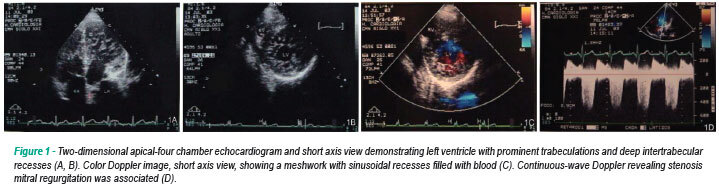
Echocardiographic features of non-compaction cardiomyopathy: missed and misdiagnosed disease
ABC
Case Report

Echocardiographic features of non-compaction cardiomyopathy: missed and misdiagnosed disease

Francisco Martínez-Baca López et al. Rosa Marisol Alonso Bravo Domingo Arturo Rodríguez Huerta

Non-compaction cardiomyopathy is a rare disease, anatomically characterized by a prominent trabecular pattern and deep intertrabecular recesses. Its clinical manifestations include severe left ventricular dysfunction, arrhythmias, systemic embolism, and sudden death. In this report, two cases of patients of different ages with non-compaction cardiomyopathy are described: a male schoolboy whose pathology was associated with mitral stenosis and regurgitation and a 50-year-old female with history of high blood pressure and cardiac failure.

  • Arrhythmias
  • cardiac
  • Cardiomyopathies
  • Death
  • Embolism
  • left
  • sudden
  • Ventricular Dysfunction
Read Full Article
Creative Commons Attribution (CC BY) Creative Commons license
13/10/2009 DOI: 10.1590/S0066-782X2009000800024 Views 1
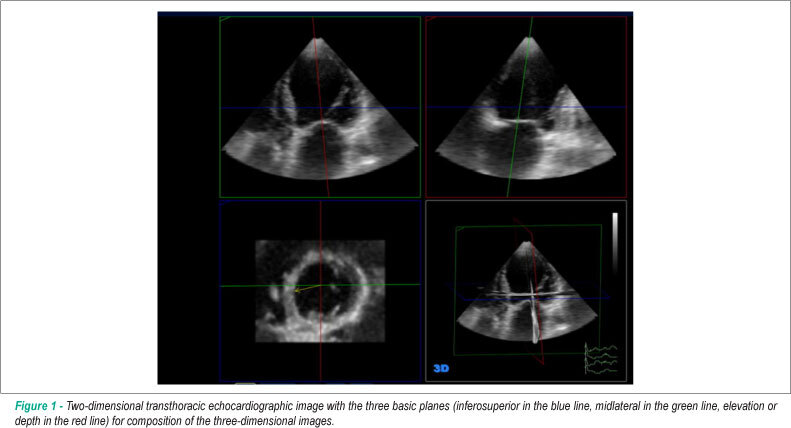
Ventricular dyssynchrony index: comparison with two-dimensional and three-dimensional ejection fraction
ABC
Artigo Original

Ventricular dyssynchrony index: comparison with two-dimensional and three-dimensional ejection fraction

Marcelo L. C. Vieira et al. Alexandre F. Cury Naccarato Gustavo Wercules A. Oliveira … Cláudia G. Monaco Adriana Cordovil Ana C. T. Rodrigues Edgar B. Lira Filho Cláudio H. Fischer Samira S. Morhy

BACKGORUND: Left ventricular (LV) electromechanical coupling (synchrony) is important in the analysis of the systolic performance, especially for the indication of cardiac resynchronization therapy in patients with advanced CHF. OBJECTIVE: To compare LV synchrony as analyzed by real-time three-dimensional (3D) echocardiography (ECHO) with LVEF measurements as obtained with 2D and 3D ECHO. METHODS: Prospective study of 92 individuals (56 men, 47 ± 10 years of age), of which 60 had normal heart structure (ECHO) and ECG (N group), and 32 had dilated cardiomyopathy (DCM group). Using 3D ECHO, LVEF, volumes and dyssynchrony index (%DI) for 16 LV segments were measured. Using 2D ECHO, LVEF (Simpson’s method), and LV systolic and diastolic volumes were measured. Statistical analysis: Pearson’s correlation coefficient, 95% CI, linear regression model, Bland & Altman analysis, p<0.05. RESULTS: %DI ranged from 0.2900 to 28.1000 (5.2014±6.3281), 3D LVEF ranged from 0.17 to 0.81 (0.52±0.17); and 2D LVEF ranged from 0.3 to 0.69 (0.49±0.11). The correlation between DI and 3D LVEF was (r): -0.7432, p<0.0001, CI: -0.8227 to -0.6350, the linear relation between DI (x) and 3D LVEF (y) was y = 19.8124 + (-27.9578) x, p<0.0001. The correlation between DI and 2D LVEF was (r): -0.7012, p<0.0001, CI: -0.7923 to -0.5797. CONCLUSION: In this case series, a good negative correlation was observed between LV electromechanical three-dimensional systolic coupling and LVEF as measured by echocardiography (3D and 2D).

  • Echocardiography
  • left
  • Stroke Volume
  • Systole
  • Ventricular Function
Read Full Article
Creative Commons Attribution (CC BY) Creative Commons license
01/10/2008 DOI: 10.1590/S0066-782X2008001500004 Views 1
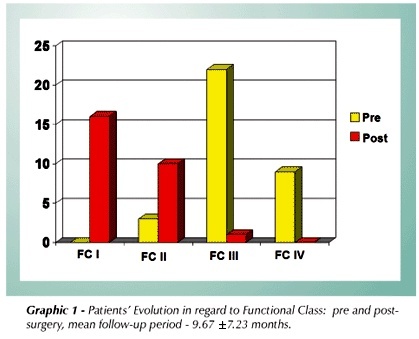
Myocardial revascularization and ventricular restoration through pacopexy
ABC
Artigo Original

Myocardial revascularization and ventricular restoration through pacopexy

João Roberto Breda et al. Luciano Figueiredo Aguiar João Nelson Rodrigues Branco Roberto Catani … Ibraim Pinto Edson Nakano Enio Buffolo

OBJECTIVE: To analyze left ventricle performance after myocardial revascularization associated to ventricular geometrics restoration by “pacopexy” in schemic myocardiopathy patients with significant ventricular dysfunction in whom ventricular restoration was obtained through special technique. METHODS: Myocardial revascularization associated to ventricular geometrics restoration through special technique, with no use of prosthesis or other synthetic materials. RESULTS: Patients’ functional class was shown to have improved 93.10% after surgical procedure. Pre- and post-surgical comparison showed significant increase in left ventricle ejection fraction as well as decrease in left ventricle systolic diameter. No significant change was observed in left ventricle diastolic diameter or systolic volume. Post-surgical follow-up time length ranged from 1 month to 3 years and 4 months. CONCLUSION: Ventricular dysfunction restoration technique through pacopexy showed to be effective for the management of severe ventricular dysfunction from schemic causes. Major impact was observed in the functional class of patients under study.

  • congestive
  • Heart Failure
  • left
  • Myocardial Revascularization
  • Ventricular Function
Read Full Article
Creative Commons Attribution (CC BY) Creative Commons license
20/03/2007 DOI: 10.1590/S0066-782X2007000200007
ABC
Artigo Original

Influence of preload reduction on Tei index and other Doppler echocardiographic parameters of left ventricular function

Silvio Henrique Barberato et al. Roberto Pecoits Filho

OBJECTIVE: To assess the influence of preload reduction by hemodialysis on Doppler Tei Index of myocardial performance and other parameters of cardiac function. METHODS: The Tei index and left ventricular (LV) systolic and diastolic function parameters were estimated, before and after a single hemodialysis session. Only subjects who were in sinus rhythm, without history of coronary artery disease, and no evidence of cardiac valve disease and pericardial effusion were included in the study. RESULTS: Fifteen patients (8 men, mean age 53 ± 14 years) completed the study. After an ultrafiltration of 2,2 ± 1,1 liters, peak mitral E velocity decreased (p< 0,05) and A velocity remained unchanged (p = ns), resulting in reduction of E/A ratio (p< 0,01). The Tei index increased (from 0,57 ± 0,07 to 0,65 ± 0,09, p< 0,01) because of significant prolongations in isovolumetric relaxation time (from 101 ± 14 to 113 ± 17 ms, p< 0,01) and ejection time (from 271 ± 22 to 252 ± 22, p< 0,05). The isovolumetric contraction time did not vary (p = ns). There was no change in diastolic tissue Doppler parameters, while systolic velocities increased (p< 0,05). CONCLUSION: The Tei index was affected by hemodialysis-induced preload alterations, as well as other mitral inflow Doppler-derived parameters. The diastolic parameters of mitral annulus Doppler tissue were independent of preload, while systolic velocities suggested improved systolic function.

  • Doppler
  • Echocardiography
  • left
  • renal dialysis
  • Ventricular Function
Read Full Article
Creative Commons Attribution (CC BY) Creative Commons license
26/06/2006 DOI: 10.1590/S0066-782X2006000600004

How to cite this article

EndNote RIS

Electronic Document Format (Vancouver)

Lima MSM. Left Ventricular Diverticulum. ABC Imagem Cardiovascular 2021;34(3):eabc234.

Electronic Document Format (ABNT)

Lima, Márcio Silva Miguel. Left Ventricular Diverticulum. ABC Imagem Cardiovascular, v. 34, n. 3, eabc234, Nov. 2021.

Electronic Document Format (APA)

Lima, M. S. M. (2021). Left Ventricular Diverticulum. ABC Imagem Cardiovascular, 34(3), eabc234.

Electronic Document Format (ISO)

Lima, Márcio Silva Miguel. Left Ventricular Diverticulum. ABC Imagem Cardiovascular [online]. 2021, vol. 34, n. 3, [cited 2026-10-14], eabc234. Available from: <https://journals.cardiol.br/en/article/left-ventricular-diverticulum/>. ISSN 2318-8219

EndNote RIS

Electronic Document Format (Vancouver)

Alegria S, Marques A, Gomes AC, Pereira ARF, Sebaiti D, Morgado G, Calé R, et al. Revascularization Strategies in Patients with Acute Myocardial Infarction and Cardiogenic Shock: Results from the Portuguese Registry on Acute Coronary Syndromes. Arquivos Brasileiros de Cardiologia 2021;116(5):867-76.

Electronic Document Format (ABNT)

Alegria, Sofia; Marques, Ana; Gomes, Ana Catarina; Pereira, Ana Rita F.; Sebaiti, Daniel; Morgado, Gonçalo; Calé, Rita; Martins, Cristina; Belo, Adriana; Rangel, Inês; Pereira, Hélder. Revascularization Strategies in Patients with Acute Myocardial Infarction and Cardiogenic Shock: Results from the Portuguese Registry on Acute Coronary Syndromes. Arquivos Brasileiros de Cardiologia, v. 116, n. 5, p. 867-876, May. 2021.

Electronic Document Format (APA)

Alegria, S., Marques, A., Gomes, A. C., Pereira, A. R. F., Sebaiti, D., Morgado, G., Calé, R., Martins, C., Belo, A., Rangel, I., & Pereira, H. (2021). Revascularization Strategies in Patients with Acute Myocardial Infarction and Cardiogenic Shock: Results from the Portuguese Registry on Acute Coronary Syndromes. Arquivos Brasileiros de Cardiologia, 116(5), 867-876.

Electronic Document Format (ISO)

Alegria, Sofia and Marques, Ana and Gomes, Ana Catarina and Pereira, Ana Rita F. and Sebaiti, Daniel and Morgado, Gonçalo and Calé, Rita and Martins, Cristina and Belo, Adriana and Rangel, Inês and Pereira, Hélder. Revascularization Strategies in Patients with Acute Myocardial Infarction and Cardiogenic Shock: Results from the Portuguese Registry on Acute Coronary Syndromes. Arquivos Brasileiros de Cardiologia [online]. 2021, vol. 116, n. 5, [cited 2026-10-14], pp. 867-876. Available from: <https://journals.cardiol.br/en/article/revascularization-strategies-in-patients-with-acute-myocardial-infarction-and-cardiogenic-shock-results-from-the-portuguese-registry-on-acute-coronary-syndromes/>. ISSN 0066-782X

EndNote RIS

Electronic Document Format (Vancouver)

Aouar LMME, Meyerfreud D, Magalhães P, Rodrigues SL, Baldo MP, Brasil Y, Aouar SME, et al. Relationship between left atrial volume and diastolic dysfunction in 500 Brazilian patients. Arquivos Brasileiros de Cardiologia 2013;101(1):52-8.

Electronic Document Format (ABNT)

Aouar, Lilia Maria Mameri El; Meyerfreud, Diana; Magalhães, Pedro; Rodrigues, Sérgio Lamêgo; Baldo, Marcelo Perim; Brasil, Yara; Aouar, Sumaya Mameri El; Aouar, Nabih Amin El; Mill, José Geraldo; Campos Filho, Orlando. Relationship between left atrial volume and diastolic dysfunction in 500 Brazilian patients. Arquivos Brasileiros de Cardiologia, v. 101, n. 1, p. 52-58, May. 2013.

Electronic Document Format (APA)

Aouar, L. M. M. E., Meyerfreud, D., Magalhães, P., Rodrigues, S. L., Baldo, M. P., Brasil, Y., Aouar, S. M. E., Aouar, N. A. E., Mill, J. G., & Campos Filho, O. (2013). Relationship between left atrial volume and diastolic dysfunction in 500 Brazilian patients. Arquivos Brasileiros de Cardiologia, 101(1), 52-58.

Electronic Document Format (ISO)

Aouar, Lilia Maria Mameri El and Meyerfreud, Diana and Magalhães, Pedro and Rodrigues, Sérgio Lamêgo and Baldo, Marcelo Perim and Brasil, Yara and Aouar, Sumaya Mameri El and Aouar, Nabih Amin El and Mill, José Geraldo and Campos Filho, Orlando. Relationship between left atrial volume and diastolic dysfunction in 500 Brazilian patients. Arquivos Brasileiros de Cardiologia [online]. 2013, vol. 101, n. 1, [cited 2026-10-14], pp. 52-58. Available from: <https://journals.cardiol.br/en/article/relationship-between-left-atrial-volume-and-diastolic-dysfunction-in-500-brazilian-patients/>. ISSN 0066-782X

EndNote RIS

Electronic Document Format (Vancouver)

Farah E, Fusco DR, Okumoto PRR, Minicucci MF, Azevedo PS, Matsubara BB, Okoshi K, et al. Impact of ventricular geometric pattern on cardiac remodeling after myocardial infarction. Arquivos Brasileiros de Cardiologia 2013;100(6):518-23.

Electronic Document Format (ABNT)

Farah, Elaine; Fusco, Daniéliso R.; Okumoto, Paulo R. R.; Minicucci, Marcos F.; Azevedo, Paula S.; Matsubara, Beatriz B.; Okoshi, Katashi; Zanati, Siméia G.; Paiva, Sergio A. R.; Zornoff, Leonardo A. M.. Impact of ventricular geometric pattern on cardiac remodeling after myocardial infarction. Arquivos Brasileiros de Cardiologia, v. 100, n. 6, p. 518-523, May. 2013.

Electronic Document Format (APA)

Farah, E., Fusco, D. R., Okumoto, P. R. R., Minicucci, M. F., Azevedo, P. S., Matsubara, B. B., Okoshi, K., Zanati, S. G., Paiva, S. A. R., & Zornoff, L. A. M. (2013). Impact of ventricular geometric pattern on cardiac remodeling after myocardial infarction. Arquivos Brasileiros de Cardiologia, 100(6), 518-523.

Electronic Document Format (ISO)

Farah, Elaine and Fusco, Daniéliso R. and Okumoto, Paulo R. R. and Minicucci, Marcos F. and Azevedo, Paula S. and Matsubara, Beatriz B. and Okoshi, Katashi and Zanati, Siméia G. and Paiva, Sergio A. R. and Zornoff, Leonardo A. M.. Impact of ventricular geometric pattern on cardiac remodeling after myocardial infarction. Arquivos Brasileiros de Cardiologia [online]. 2013, vol. 100, n. 6, [cited 2026-10-14], pp. 518-523. Available from: <https://journals.cardiol.br/en/article/impact-of-ventricular-geometric-pattern-on-cardiac-remodeling-after-myocardial-infarction/>. ISSN 0066-782X

EndNote RIS

Electronic Document Format (Vancouver)

Vecchis RD, Ciccarelli A, Ariano C. Inferior Vena Cava collapsibility and heart failure signs and symptoms: new insights about possible links. Arquivos Brasileiros de Cardiologia 2012;98(6):544-52.

Electronic Document Format (ABNT)

Vecchis, Renato De; Ciccarelli, Antonio; Ariano, Carmelina. Inferior Vena Cava collapsibility and heart failure signs and symptoms: new insights about possible links. Arquivos Brasileiros de Cardiologia, v. 98, n. 6, p. 544-552, May. 2012.

Electronic Document Format (APA)

Vecchis, R. D., Ciccarelli, A., & Ariano, C. (2012). Inferior Vena Cava collapsibility and heart failure signs and symptoms: new insights about possible links. Arquivos Brasileiros de Cardiologia, 98(6), 544-552.

Electronic Document Format (ISO)

Vecchis, Renato De and Ciccarelli, Antonio and Ariano, Carmelina. Inferior Vena Cava collapsibility and heart failure signs and symptoms: new insights about possible links. Arquivos Brasileiros de Cardiologia [online]. 2012, vol. 98, n. 6, [cited 2026-10-14], pp. 544-552. Available from: <https://journals.cardiol.br/en/article/inferior-vena-cava-collapsibility-and-heart-failure-signs-and-symptoms-new-insights-about-possible-links/>. ISSN 0066-782X

EndNote RIS

Electronic Document Format (Vancouver)

Nastari L, Ramires FJA, Salemi VMC, Ianni BM, Fernandes F, Strunz CM, Arteaga E, et al. Intramyocardial adrenergic activation in chagasic cardiomyopathy and coronary artery disease. Arquivos Brasileiros de Cardiologia 2010;96(2):99-106.

Electronic Document Format (ABNT)

Nastari, Luciano; Ramires, Felix Jose Alvarez; Salemi, Vera Maria Cury; Ianni, Barbara Maria; Fernandes, Fábio; Strunz, Célia Maria; Arteaga, Edmundo; Mady, Charles. Intramyocardial adrenergic activation in chagasic cardiomyopathy and coronary artery disease. Arquivos Brasileiros de Cardiologia, v. 96, n. 2, p. 99-106, Dec. 2010.

Electronic Document Format (APA)

Nastari, L., Ramires, F. J. A., Salemi, V. M. C., Ianni, B. M., Fernandes, F., Strunz, C. M., Arteaga, E., & Mady, C. (2010). Intramyocardial adrenergic activation in chagasic cardiomyopathy and coronary artery disease. Arquivos Brasileiros de Cardiologia, 96(2), 99-106.

Electronic Document Format (ISO)

Nastari, Luciano and Ramires, Felix Jose Alvarez and Salemi, Vera Maria Cury and Ianni, Barbara Maria and Fernandes, Fábio and Strunz, Célia Maria and Arteaga, Edmundo and Mady, Charles. Intramyocardial adrenergic activation in chagasic cardiomyopathy and coronary artery disease. Arquivos Brasileiros de Cardiologia [online]. 2010, vol. 96, n. 2, [cited 2026-10-14], pp. 99-106. Available from: <https://journals.cardiol.br/en/article/intramyocardial-adrenergic-activation-in-chagasic-cardiomyopathy-and-coronary-artery-disease/>. ISSN 0066-782X

EndNote RIS

Electronic Document Format (Vancouver)

Fialho GL, Fischer CH, Cordovil A, Campos Filho O. Chronic left ventricular pseudoaneurism of undetermined etiology. Arquivos Brasileiros de Cardiologia 2010;94(1):e4-6.

Electronic Document Format (ABNT)

Fialho, Guilherme Loureiro; Fischer, Cláudio Henrique; Cordovil, Adriana; Campos Filho, Orlando. Chronic left ventricular pseudoaneurism of undetermined etiology. Arquivos Brasileiros de Cardiologia, v. 94, n. 1, p. e4-e6, Sep. 2010.

Electronic Document Format (APA)

Fialho, G. L., Fischer, C. H., Cordovil, A., & Campos Filho, O. (2010). Chronic left ventricular pseudoaneurism of undetermined etiology. Arquivos Brasileiros de Cardiologia, 94(1), e4-e6.

Electronic Document Format (ISO)

Fialho, Guilherme Loureiro and Fischer, Cláudio Henrique and Cordovil, Adriana and Campos Filho, Orlando. Chronic left ventricular pseudoaneurism of undetermined etiology. Arquivos Brasileiros de Cardiologia [online]. 2010, vol. 94, n. 1, [cited 2026-10-14], pp. e4-e6. Available from: <https://journals.cardiol.br/en/article/chronic-left-ventricular-pseudoaneurism-of-undetermined-etiology/>. ISSN 0066-782X

EndNote RIS

Electronic Document Format (Vancouver)

López FM, Bravo RMA, Huerta DAR. Echocardiographic features of non-compaction cardiomyopathy: missed and misdiagnosed disease. Arquivos Brasileiros de Cardiologia 2009;93(2):e33-5.

Electronic Document Format (ABNT)

López, Francisco Martínez-Baca; Bravo, Rosa Marisol Alonso; Huerta, Domingo Arturo Rodríguez. Echocardiographic features of non-compaction cardiomyopathy: missed and misdiagnosed disease. Arquivos Brasileiros de Cardiologia, v. 93, n. 2, p. e33-e35, Oct. 2009.

Electronic Document Format (APA)

López, F. M., Bravo, R. M. A., & Huerta, D. A. R. (2009). Echocardiographic features of non-compaction cardiomyopathy: missed and misdiagnosed disease. Arquivos Brasileiros de Cardiologia, 93(2), e33-e35.

Electronic Document Format (ISO)

López, Francisco Martínez-Baca and Bravo, Rosa Marisol Alonso and Huerta, Domingo Arturo Rodríguez. Echocardiographic features of non-compaction cardiomyopathy: missed and misdiagnosed disease. Arquivos Brasileiros de Cardiologia [online]. 2009, vol. 93, n. 2, [cited 2026-10-14], pp. e33-e35. Available from: <https://journals.cardiol.br/en/article/echocardiographic-features-of-non-compaction-cardiomyopathy-missed-and-misdiagnosed-disease/>. ISSN 0066-782X

EndNote RIS

Electronic Document Format (Vancouver)

Vieira MLC, Cury AF, Gustavo N, Oliveira WA, Monaco CG, Cordovil A, Rodrigues ACT, et al. Ventricular dyssynchrony index: comparison with two-dimensional and three-dimensional ejection fraction. Arquivos Brasileiros de Cardiologia 2008;91(3):156-62.

Electronic Document Format (ABNT)

Vieira, Marcelo L. C.; Cury, Alexandre F.; Gustavo, Naccarato; Oliveira, Wercules A.; Monaco, Cláudia G.; Cordovil, Adriana; Rodrigues, Ana C. T.; Lira Filho, Edgar B.; Fischer, Cláudio H.; Morhy, Samira S.. Ventricular dyssynchrony index: comparison with two-dimensional and three-dimensional ejection fraction. Arquivos Brasileiros de Cardiologia, v. 91, n. 3, p. 156-162, Sep. 2008.

Electronic Document Format (APA)

Vieira, M. L. C., Cury, A. F., Gustavo, N., Oliveira, W. A., Monaco, C. G., Cordovil, A., Rodrigues, A. C. T., Lira Filho, E. B., Fischer, C. H., & Morhy, S. S. (2008). Ventricular dyssynchrony index: comparison with two-dimensional and three-dimensional ejection fraction. Arquivos Brasileiros de Cardiologia, 91(3), 156-162.

Electronic Document Format (ISO)

Vieira, Marcelo L. C. and Cury, Alexandre F. and Gustavo, Naccarato and Oliveira, Wercules A. and Monaco, Cláudia G. and Cordovil, Adriana and Rodrigues, Ana C. T. and Lira Filho, Edgar B. and Fischer, Cláudio H. and Morhy, Samira S.. Ventricular dyssynchrony index: comparison with two-dimensional and three-dimensional ejection fraction. Arquivos Brasileiros de Cardiologia [online]. 2008, vol. 91, n. 3, [cited 2026-10-14], pp. 156-162. Available from: <https://journals.cardiol.br/en/article/ventricular-dyssynchrony-index-comparison-with-two-dimensional-and-three-dimensional-ejection-fraction/>. ISSN 0066-782X

EndNote RIS

Electronic Document Format (Vancouver)

Breda JR, Aguiar LF, Branco JNR, Catani R, Pinto I, Nakano E, Buffolo E, et al. Myocardial revascularization and ventricular restoration through pacopexy. Arquivos Brasileiros de Cardiologia 2007;88(2):173-8.

Electronic Document Format (ABNT)

Breda, João Roberto; Aguiar, Luciano Figueiredo; Branco, João Nelson Rodrigues; Catani, Roberto; Pinto, Ibraim; Nakano, Edson; Buffolo, Enio. Myocardial revascularization and ventricular restoration through pacopexy. Arquivos Brasileiros de Cardiologia, v. 88, n. 2, p. 173-178, Mar. 2007.

Electronic Document Format (APA)

Breda, J. R., Aguiar, L. F., Branco, J. N. R., Catani, R., Pinto, I., Nakano, E., & Buffolo, E. (2007). Myocardial revascularization and ventricular restoration through pacopexy. Arquivos Brasileiros de Cardiologia, 88(2), 173-178.

Electronic Document Format (ISO)

Breda, João Roberto and Aguiar, Luciano Figueiredo and Branco, João Nelson Rodrigues and Catani, Roberto and Pinto, Ibraim and Nakano, Edson and Buffolo, Enio. Myocardial revascularization and ventricular restoration through pacopexy. Arquivos Brasileiros de Cardiologia [online]. 2007, vol. 88, n. 2, [cited 2026-10-14], pp. 173-178. Available from: <https://journals.cardiol.br/en/article/myocardial-revascularization-and-ventricular-restoration-through-pacopexy/>. ISSN 0066-782X

EndNote RIS

Electronic Document Format (Vancouver)

Barberato SH, Pecoits Filho R. Influence of preload reduction on Tei index and other Doppler echocardiographic parameters of left ventricular function. Arquivos Brasileiros de Cardiologia 2006;86(6):425-31.

Electronic Document Format (ABNT)

Barberato, Silvio Henrique; Pecoits Filho, Roberto. Influence of preload reduction on Tei index and other Doppler echocardiographic parameters of left ventricular function. Arquivos Brasileiros de Cardiologia, v. 86, n. 6, p. 425-431, Jun. 2006.

Electronic Document Format (APA)

Barberato, S. H., & Pecoits Filho, R. (2006). Influence of preload reduction on Tei index and other Doppler echocardiographic parameters of left ventricular function. Arquivos Brasileiros de Cardiologia, 86(6), 425-431.

Electronic Document Format (ISO)

Barberato, Silvio Henrique and Pecoits Filho, Roberto. Influence of preload reduction on Tei index and other Doppler echocardiographic parameters of left ventricular function. Arquivos Brasileiros de Cardiologia [online]. 2006, vol. 86, n. 6, [cited 2026-10-14], pp. 425-431. Available from: <https://journals.cardiol.br/en/article/influence-of-preload-reduction-on-tei-index-and-other-doppler-echocardiographic-parameters-of-left-ventricular-function/>. ISSN 0066-782X

  • About ABC Family
  • Internal Regulation
  • Editorial Board
  • Brazilian Society of Cardiology (SBC)

Issues

SBC Guidelines

  • Videos
  • Podcasts
  • News