ABC Family Arquivos Brasileiros de Cardiologia International Journal of Cardiovascular Sciences ABC Heart Failure & Cardiomyopathy ABC Imagem Cardiovascular
Português English
ABC Family
Português English
  • About
    • About ABC Family
    • Internal Regulation
    • Editorial Board
    • Brazilian Society of Cardiology (SBC)
  • Issues
  • SBC Guidelines
  • Content
    • Videos
    • Podcasts
    • News
  • About
    • About ABC Family
    • Internal Regulation
    • Editorial Board
    • Brazilian Society of Cardiology (SBC)
  • Issues
  • SBC Guidelines
  • Content
    • Videos
    • Podcasts
    • News

ABC Family

  • ABC Family
  • Arquivos Brasileiros de Cardiologia
  • International Journal of Cardiovascular Sciences
  • ABC Heart Failure & Cardiomyopathy
  • ABC Imagem Cardiovascular
Search in

No content found.

Journals
Ordering
Article types
Others

  1. Home
  2. Keyword: Ventricular Fibrillation
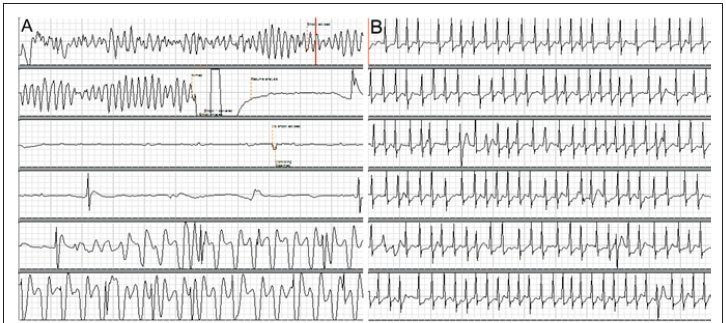
Figure 1
ABC
Case Report

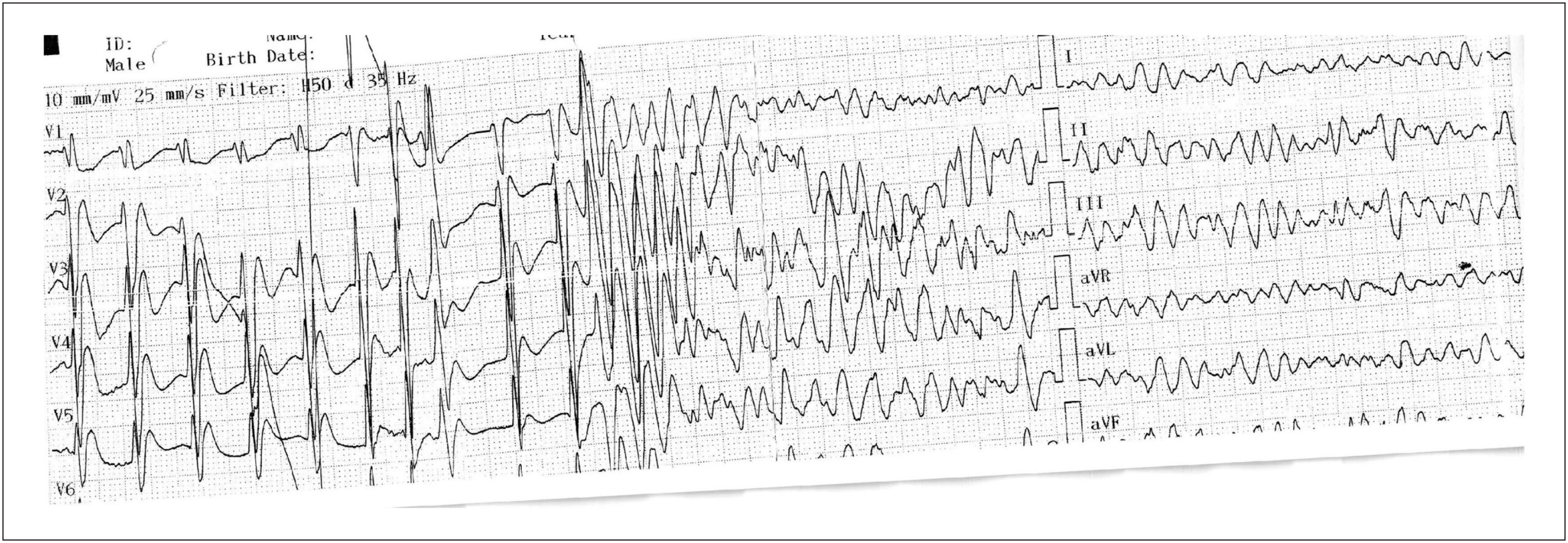
A Rare Cause and Management of Ventricular Fibrillation: 5-Fluorouracil Toxicity

Kutluhan Eren Hazir et al. Cenk Sari

Introduction

5-Fluorouracil (5-FU) is a pyrimidine antimetabolite used to treat solid tumors. 5-FU can cause several cardiovascular side effects with a frequency of 1.2-18%., Among these side effects, angina and myocardial infarction are common. Other rare side effects have also been reported, including myocarditis, pericarditis, arrhythmias including atrial fibrillation, QT prolongation, heart failure, and death. These conditions have been directly associated with vasospasm due to endothelial dysfunction.,

This case report details the diagnosis and management of 5-FU cardiotoxicity upon the development of VF in a patient treated with 5-FU.

[…]

  • Fluorouracil
  • Medical Oncology
  • Ventricular Fibrillation
Read Full Article
Creative Commons Attribution (CC BY) Creative Commons license
08/01/2024 DOI: 10.36660/abc.20230217
Figure 1
ABC
Case Report

Substrate-Based Ablation of Purkinje-Related Ventricular Fibrillation in an Elderly Patient with Ischemic Cardiomyopathy

Nurullah Çetin et al. Mustafa Özcan Soylu Batuhan Özbaş Özgür Bayturan Uğur Kemal Tezcan

Introduction

Fatal ventricular arrhythmias have an increased incidence in the case of structural heart diseases such as ischemic cardiomyopathy. It is known that ventricular premature contractions (PVCs) originating from Purkinje fibers can induce polymorphic ventricular tachycardia (PMVT) and, subsequently, ventricular fibrillation (VF) in patients with ischemic cardiomyopathy., Ventricular arrhythmias associated with Purkinje usually do not respond to conventional antiarrhythmic drugs. Catheter ablation is a favorable and life-saving treatment strategy for VF triggered by Purkinje fibers.

[…]

  • Aged
  • Catheter Ablation
  • Myocardial Ischemia
  • Purkinje Cells
  • Ventricular Fibrillation
Read Full Article
Creative Commons Attribution (CC BY) Creative Commons license
09/10/2023 DOI: 10.36660/abc.20220774
Central Illustration
ABC
Review Article

Brugada Syndrome: 30 Years of Scientific Ventures

Pedro Brugada

Abstract

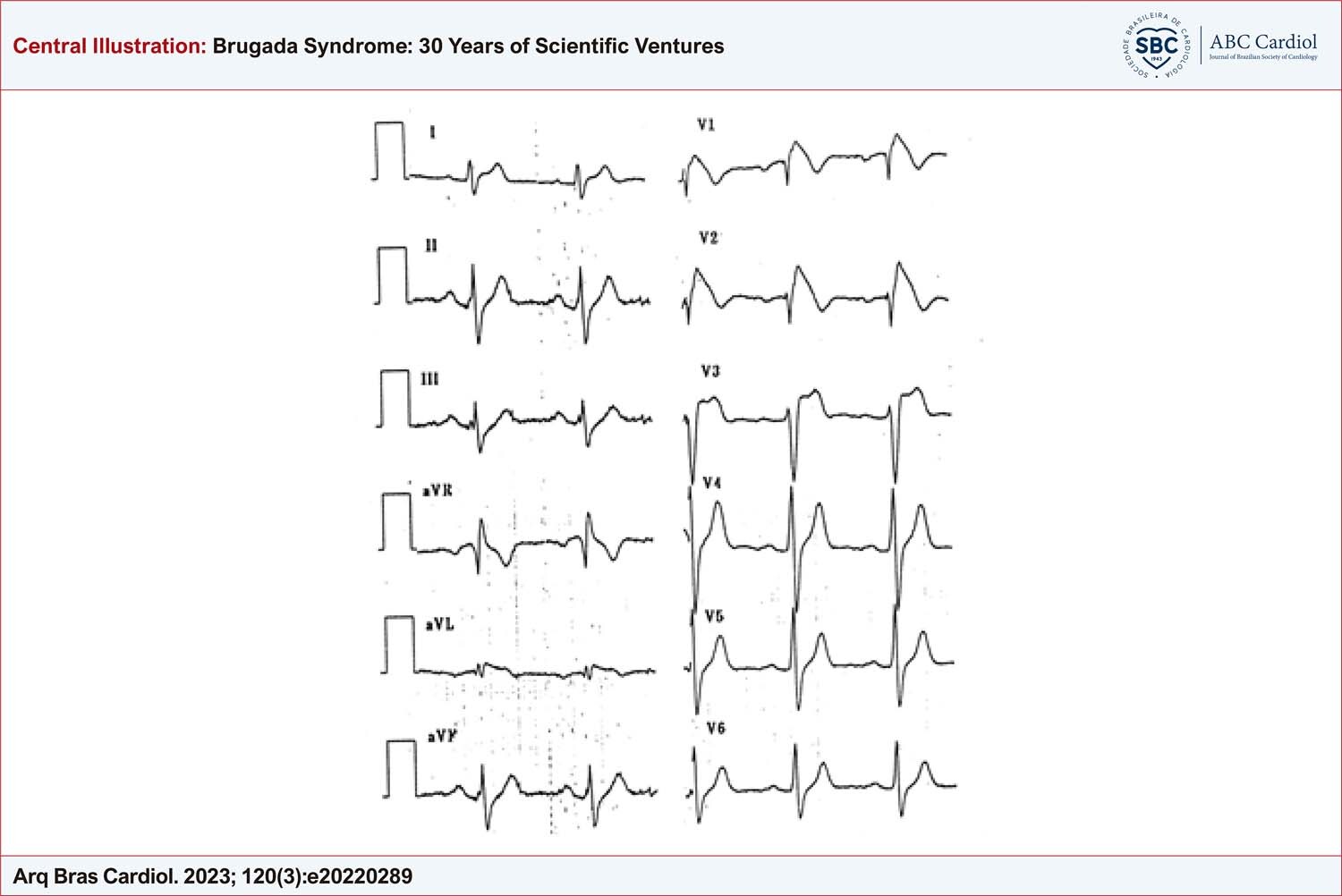
Thirty years ago, a distinctly new clinical-electrocardiographic syndrome was described, today known as Brugada Syndrome (BrS). Typical treatment for this type of syndrome is electrocardiography with ST-segment elevation in the direct precordial derivations. The clinical presentation of the disease is highly variable: the patients can remain completely asymptomatic, but they can also develop episodes of syncope, atrial fibrillation (AF), sinus node dysfunction (SNF), conduction disorders, asystole, and ventricular fibrillation (VF). This disease is caused by mutations in the genes responsible for the potential action of cardiac cells. The most commonly involved gene is SCN5A, which controls the structure and function of the heart’s sodium channel. The description of this new syndrome has shown highly positive implications in all fields of medicine.

  • Atrial Fibrillation
  • Brugada Syndrome
  • Implantable Devices
  • Sudden Death
  • Ventricular Fibrillation
Read Full Article
Creative Commons Attribution (CC BY) Creative Commons license
20/03/2023 DOI: 10.36660/abc.20220289 Views 1
Figure 1
IJCS
Case Report

Cardiocerebral Infarction: A Combination to Prevent

Margarida Cabral et al. Ana Ponciano Beatriz Santos João Morais

Background

The acute complications of myocardial infarction (MI), such as mechanical, arrhythmic, ischemic, and inflammatory sequelae, may be responsible for significant cardiovascular morbimortality.

Life-threatening arrhythmias, namely ventricular fibrillation or tachycardia, may be a challenging complication requiring a prompt approach. In some cases, acute ischemia leads to polymorphic ventricular tachycardia (PVT), and, rarely, to potentially lethal torsades de pointes ventricular tachycardia. –

[…]

  • Arrhythmias Cardiacs
  • Cerebral Infarction/complications
  • Myocardial Infarction
  • Stroke
  • Ventricular Fibrillation
Read Full Article
Creative Commons Attribution (CC BY) Creative Commons license
01/08/2022 DOI: 10.36660/ijcs.20210276
Figure 1
IJCS
Case Report

Commotio Cordis Secondary to Aggression

Luisa Gonçalves et al. Inês Pires João Santos Joana Laranjeira Correia … Davide Moreira Inês Almeida

Case report

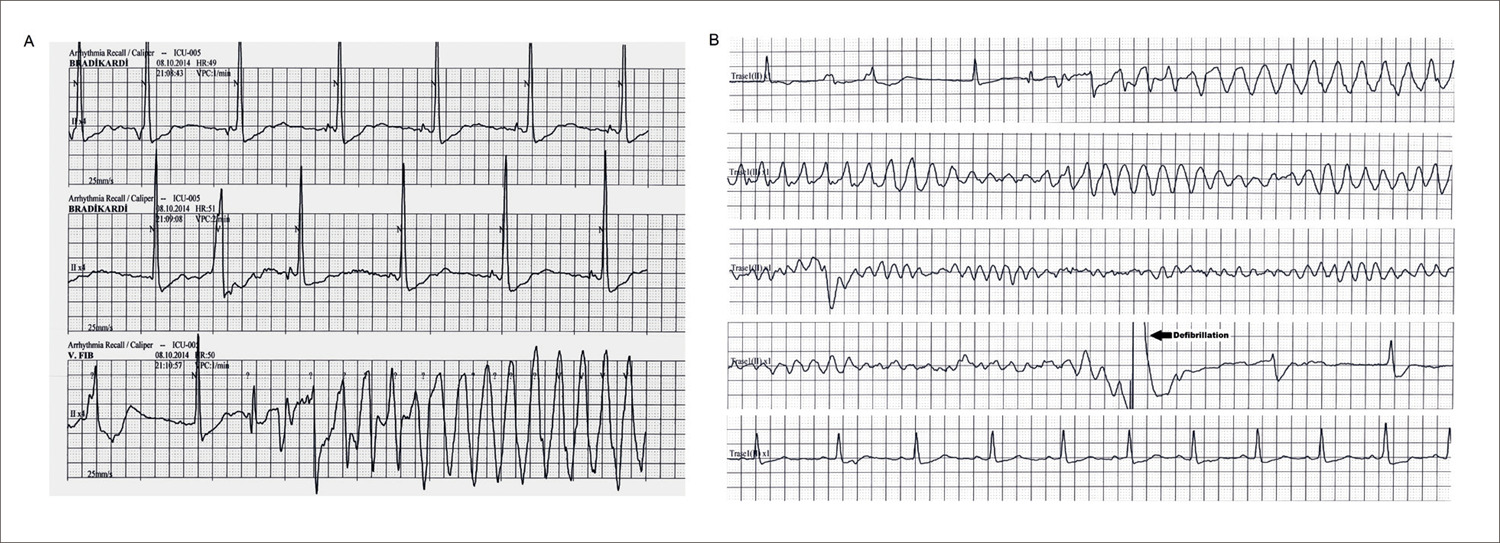
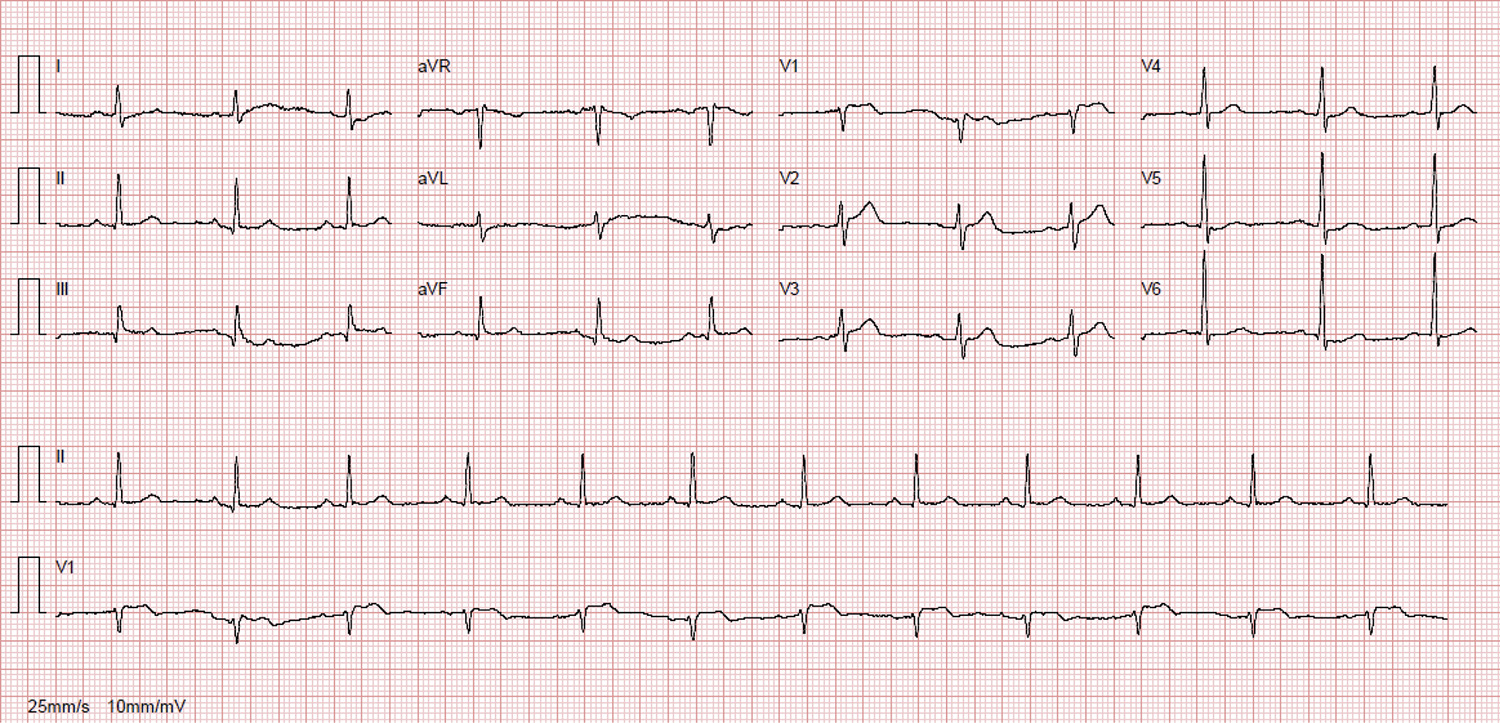
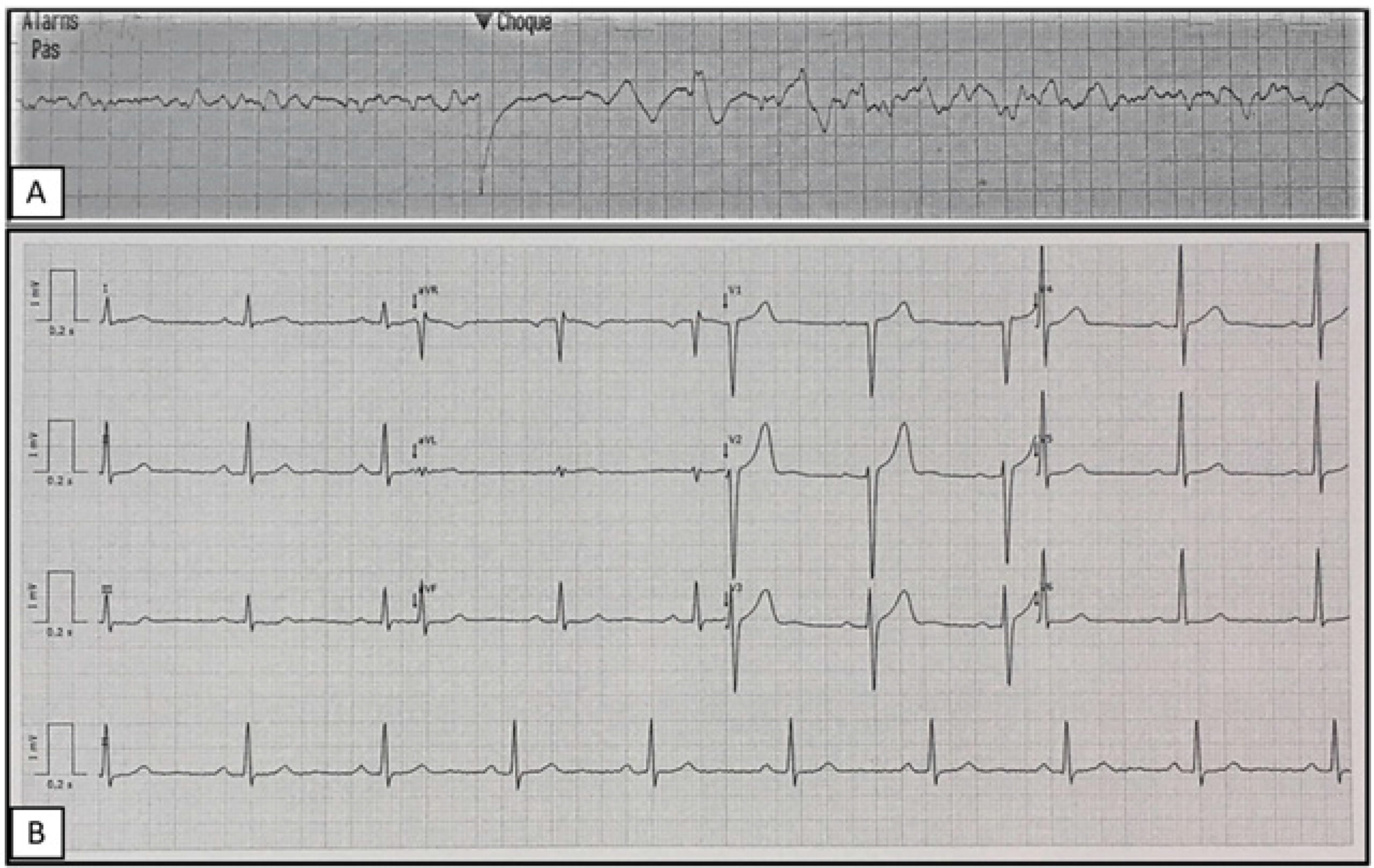
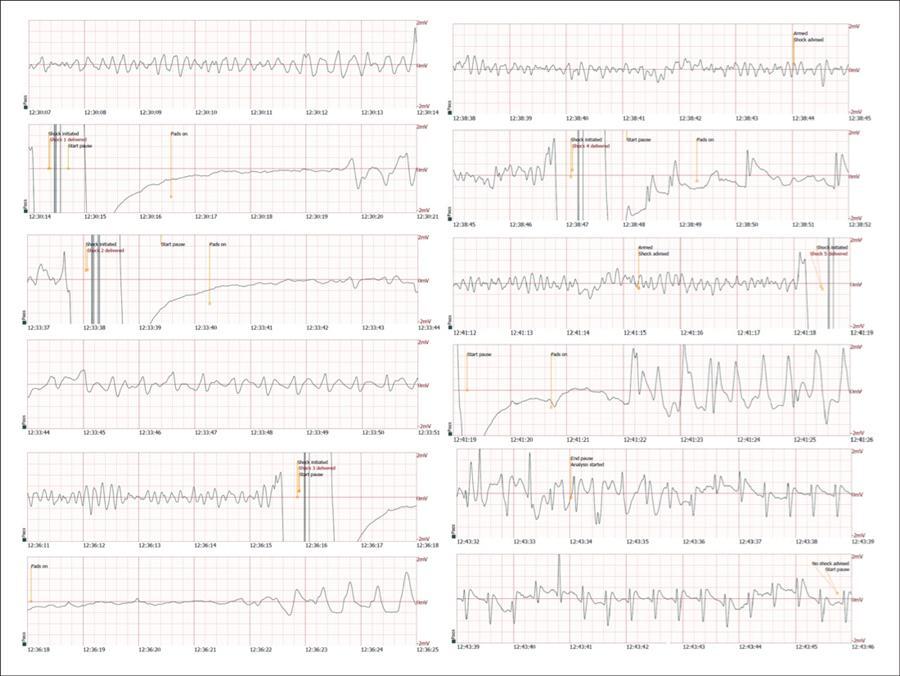
A 35-year-old man was admitted following a recovered cardiorespiratory arrest. He was attacked by another man with multiples blunts by a wood stick in the chest and head. An eyewitness statement indicated that the victim had lost consciousness and collapsed after being hit in the chest. He was in cardiac arrest, and a nearby healthcare professional provided first aid with cardiopulmonary resuscitation. The first electrocardiogram (ECG) rhythm strip, fifteen minutes later, identified ventricular fibrillation (VF) (). Sixteen electrical shocks were delivered, always with VF, before restoration of sinus rhythm and circulation. A 12-lead-ECG revealed sinus rhythm without ST deviations and a corrected QT interval of 414 msec. On admission, he was under ventilatory support, with a heart rate of 80 beats per minute, blood pressure of 121/70mmHg, and no signs of shock. There was no previously known medical condition, besides being an active smoker and a binge drinker, and no family history of early coronary disease, cardiomyopathy, or sudden death. He was under the influence of alcohol, as was confirmed by blood tests (blood alcohol level of 1.31g/L), and had a discretely elevated cardiac troponin-T of 0.9ng/ml (normal range, 0 to 0.08 ng/ml). The remaining analyzes, cranial and cervical CT scan, chest X-ray, and abdominal eco FAST were normal. An initial echocardiogram in the emergency department demonstrated normal-sized chambers and global ventricular systolic dysfunction explained by a prolonged cardiac arrest. He was admitted to the intensive care unit for post-resuscitation care with therapeutic hypothermia and temporary ventilatory support. At 48 hours of admission, there was a normalization of systolic function with a normal ejection fraction by echocardiogram (). Coronary angiography excluded coronary disease (). Serial electrocardiograms were not suggestive of an arrhythmogenic substrate (). The sudden cardiac arrest was assumed secondary to a commotio cordis (CC), and for this reason, the patient was not proposed for an implantable cardioverter-defibrillator (ICD). The clinical outcome was favorable, and the patient was discharged. He remained asymptomatic during three years of follow-up, with normal ECG, echocardiogram with strain-rate imaging, exercise stress test, and 24-hour-Holter. During mid-term follow-up, a cardiac magnetic resonance imaging (MRI) showed normal-sized chambers, global and regional function, and no myocardial edema or myocardial scar by late focal hyperenhancement (-).

[…]

  • Arrhythmias, Cardiac/complications
  • Atrioventricular block
  • Cardiovascular Diseases/complications
  • Commotio Cordis
  • Diagnosis, Dfferential
  • Heart Arrest
  • Ventricular Fibrillation
Read Full Article
Creative Commons Attribution (CC BY) Creative Commons license
09/08/2021 DOI: 10.36660/ijcs.20200356 Views 1
Figure 1
ABCIC
Image

Cardioverter-Defibrillator Implantation Through Persistent Left Superior Vena Cava

Luísa Gonçalves et al. Inês Pires João Santos Joana Correia António Costa

Case

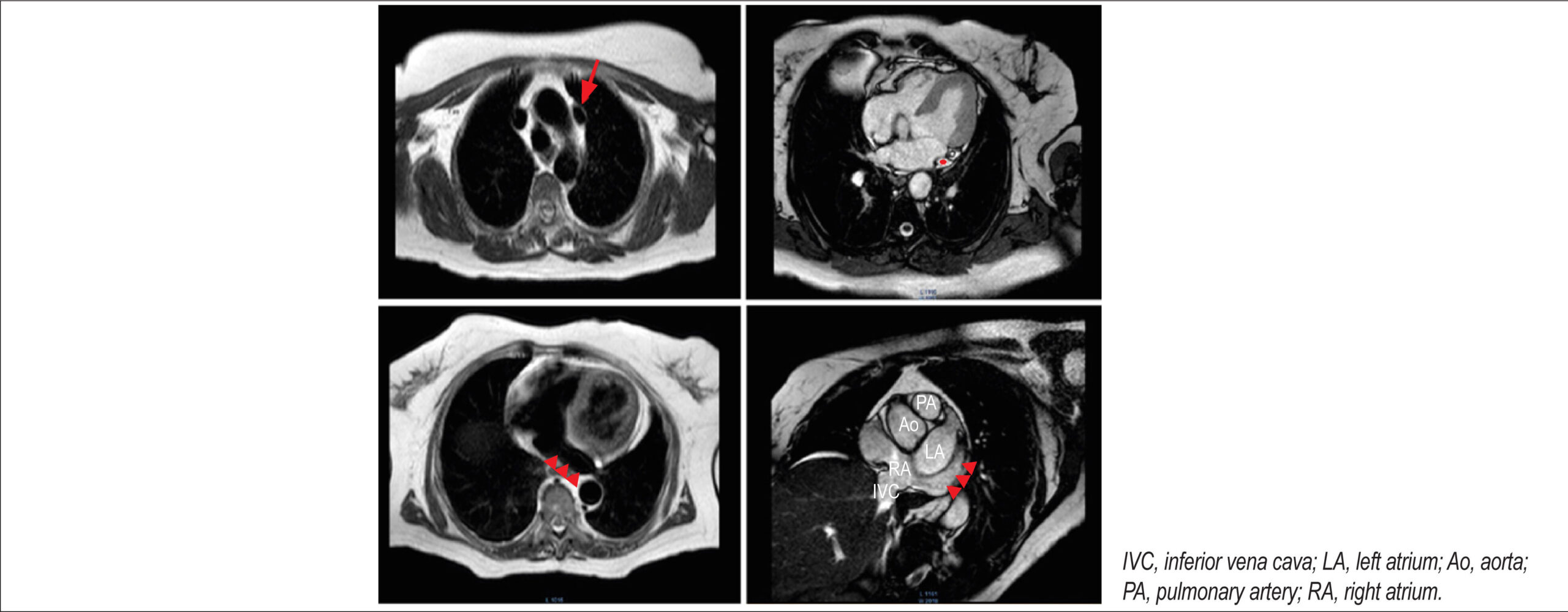
A 72-year-old woman with hypertension was admitted for sudden cardiac arrest secondary to idiopathic ventricular fibrillation. Cardiac magnetic resonance disclosed a persistent left superior vena cava (PLSVC) without other cardiovascular abnormalities for which an implantable cardioverter-defibrillator (ICD) was proposed with left access. Intraoperatively, cephalic vein cannulation placed the wire in the PLSVC that drained in the coronary sinus and subsequently the right atrium. A wide loop maneuver placed the lead tip facing the tricuspid valve, and right ventricle access was obtained with successful positioning of the ventricular lead. Device parameters were checked and considered suitable, and the procedure was finalized with active fixation, a fluoroscopy time of 1.35 minutes, and a radiation dose of 143.12 μGy/cm2. Normal pacing parameters were present at the 3-year follow-up.

PLSVC is a congenital venous anomaly present in 0.5% of the general population that is usually asymptomatic and incidental on invasive procedures or imaging. Although not a contraindication to ICD, lead placement is challenging because it has to negotiate two bends, one at the coronary sinus and the other in the tricuspid valve. Stylet shaping or wide loop techniques are reliable and present good outcomes not affecting pacing parameters on long-term follow-up.

[…]

  • Cardioverter-Defibrillators, Implantable
  • Magnetic Resonance Imaging
  • Ventricular Fibrillation
Read Full Article
Creative Commons Attribution (CC BY) Creative Commons license
11/06/2021 DOI: 10.47593/2675-312X/20213402eabc172
ABC
Editorial

Programmed Ventricular Stimulation in the Management of Brugada Syndrome Patients

Mauricio Ibrahim Scanavacca et al. Denise Tessariol Hachul

Since 1980, the American College of Cardiology (ACC) and the American Heart Association (AHA), by means of a systematic methodology, have incorporated and adapted scientific evidence into practical recommendations aiming to improve preventive and therapeutic measures for cardiovascular diseases. These guidelines have become the current reference for cardiology practices and been adopted by many societies, which adapt them according to local realities.

In 2006, the AHA/ACC, together with the Heart Rhythm Society (HRS), published the first guidelines for the management of patients with ventricular arrhythmias and prevention of sudden death (SD). In 2017, this first document was updated by the same societies and published in October 2018.,

[…]

  • Brugada Syndrome
  • Death, Sudden, Cardiac/prevention & control
  • Defibrilators, Implantable/utilization
  • Risk Factors
  • Tachycardia, Ventricular
  • Ventricular Fibrillation
Read Full Article
Creative Commons Attribution (CC BY) Creative Commons license
01/03/2019 DOI: 10.5935/abc.20190047 Views 1
Figure 1
ABC
Case Report

Primary Ventricular Fibrillation in a Patient with Mild Hypercalcemia

Rita Marinheiro et al. Leonor Parreira Pedro Amador Francisco Sardinha … Sara Gonçalves Sónia Serra

Introduction

An abnormally short QT interval can be caused by several situations such as hypercalcemia, hyperkalemia, acidosis, hyperthermia, effects of drugs like digitalis or congenital short QT syndrome (SQTS). Primary hyperparathyroidism (PHPT) can ultimately cause short QT interval since overproduction of parathyroid hormone (PTH) causes hypercalcemia. However, cardiac arrhythmias are uncommon and electrical storm has been rarely described in patients with hypercalcemia.

Secondary causes of short QT must be ruled out before considering the diagnosis of SQTS. First described in 2000, SQTS is a congenital primary electric disorder characterized by abnormally short corrected QT interval (QTc) on the surface electrocardiogram (ECG) that is associated with sudden cardiac death (SCD) in individuals with structurally normal heart. According to 2015 ESC Guidelines for the management of patients with ventricular arrhythmias, SQTS is diagnosed in the presence of a QTc ≤ 330 msec or it can be diagnosed in the presence of a QTc < 360 ms and one or more of the following factors: pathogenic mutation, family history of SQTS, family history of sudden death before 40 years old and/or survival of a ventricular tacchycardia (VT)/ ventricular fibrillation (VF) episode in the absence of heart disease.

[…]

  • Hypercalcemia
  • Shock, Cardiogenic
  • Syncope
  • Unconsciousness
  • Ventricular Fibrillation
Read Full Article
Creative Commons Attribution (CC BY) Creative Commons license
01/04/2018 DOI: 10.5935/abc.20180059
ABC
Letter to the Editor

An Issue Waiting to be Clarified: Effects of the QT Prolonging Drugs on Tp-e Interval

Omer Yiginer et al. Mehmet Dogan Emrah Erdal

We read the article ‘Impact of Psychotropic Drugs on QT Interval Dispersion in Adult Patients’ by Claudio et al. with great interest. They investigated in this study the effects of psychotropic drugs on QT interval (QTI), corrected QT interval (QTc), and QT dispersion (QTd). They concluded that psychotropic drugs increased QTd and QTc interval.

QTd is the most frequently used non-invasive method to quantify electrical myocardial heterogeneity. However, there are variable results in studies related to QTI due to the technical limitations in measurements. It is well-known that the reproducibility of QTI measurements is low both in manual and automatic measurements. In this study, the measurements were performed digitally by four cardiologists using the Preview software with a magnification of 300%. We appreciated the method used in this study in order to obtain more accurate data. It is recommended that measurements be done digitally at least by two cardiologists.

[…]

  • Cardiovascular Diseases
  • Death, Sudden
  • Electrocardiography
  • Psychotropic /drugs therapeutic
  • Torsades de Pointes
  • Ventricular Fibrillation
Read Full Article
Creative Commons Attribution (CC BY) Creative Commons license
01/06/2015 DOI: 10.5935/abc.20150037 Views 1
Figure 1
ABC
Case Report

Contusio Cordis Associated with Atrioventricular Block and Tricuspid Regurgitation

Giulio Cesare Longo Neto et al. Wolney de Andrade Martins Humberto Villacorta Junior Eduardo Nani da Silva … Paula Maira Alves Haffner Davyson Gerardt de Souza

Introduction

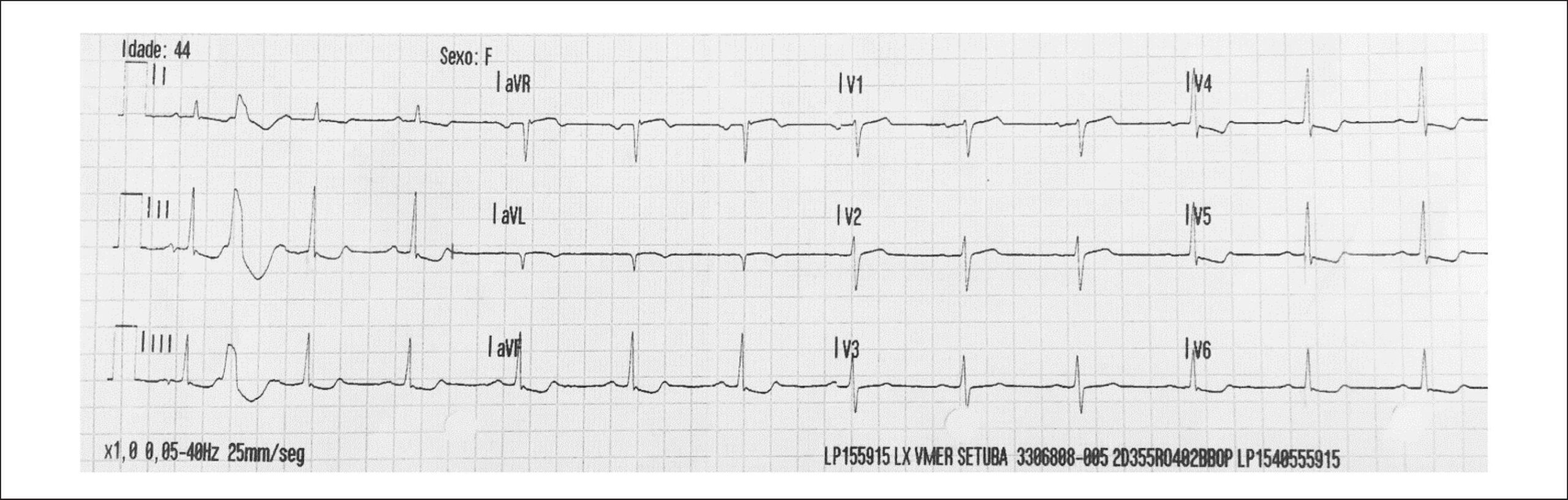
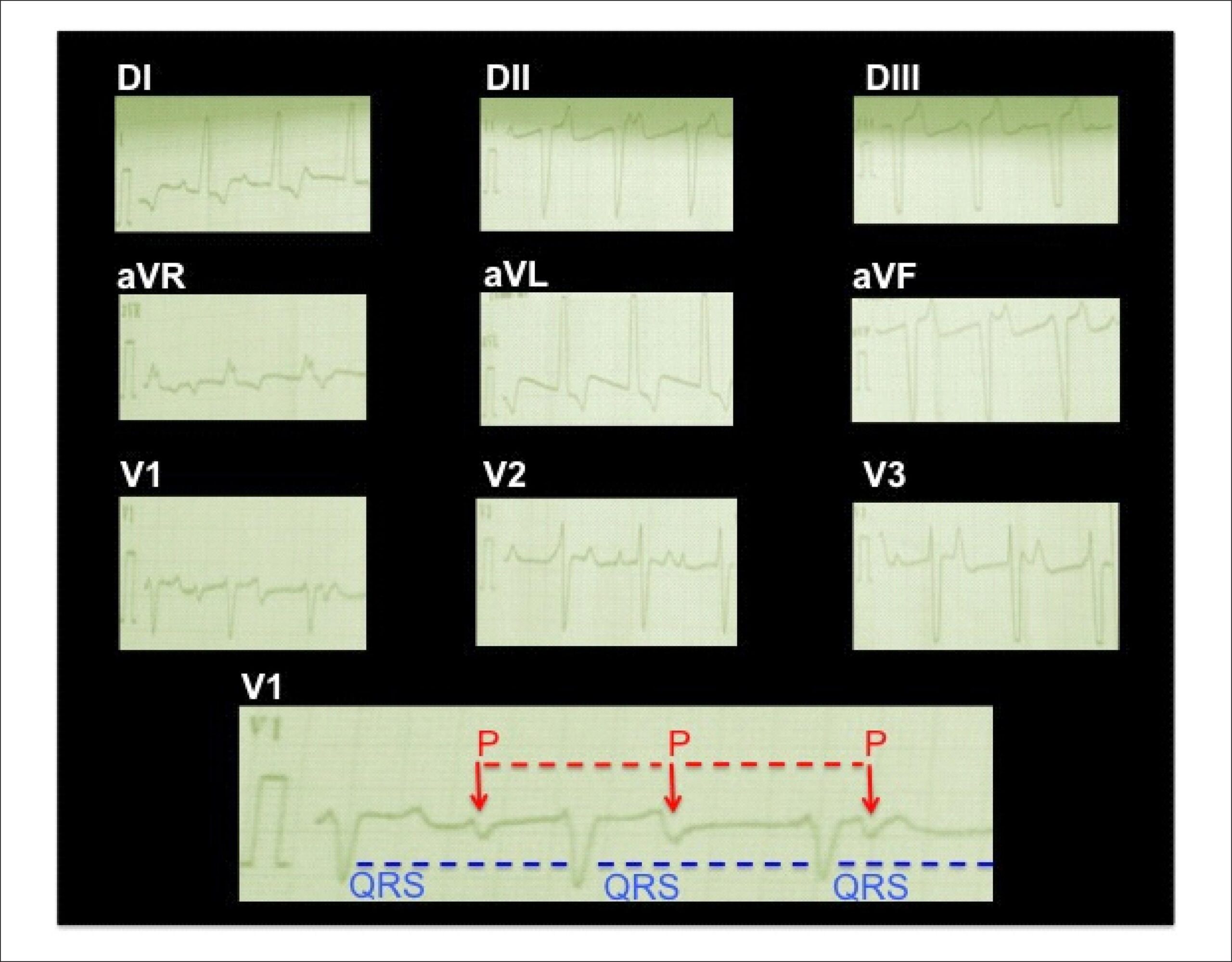
The expression “contusio cordis” defines a lesion of the cardiac myocyte, hemorrhagic or fibrotic, due to the application of violent kinetic force resulting from a blunt trauma to the precordial region. Syncope is almost always the first clinical manifestation observed, and commonly precedes death. Contusio cordis differs from commotio cordis, the latter representing a cardiac electromechanical disorder consequent to a blunt trauma to the precordial region, at a critical moment of the cardiac cycle, which occurs within 10 to 30 ms from the T-wave peak, a period susceptible to the development of ventricular fibrillation – . Both forms are fatal most of the time , , – . Commotio cordis is a form of ventricular fibrillation, rather than a lesion in cardiomyocytes or adjacent organs , . It is a rare condition, leading most cases to death , and being more prevalent among men, because of its relationship to high-impact sports , . The accurate incidence of both entities is unknown, because there is no systematic way to register all cases; however, although rare in the literature, they are believed to be more common than reported , . Contusio cordis associated with complete atrioventricular block (CAVB) is an even rarer condition, with few cases reported. The objective of the present study is to report a case of contusio cordis associated with CAVB and tricuspid regurgitation (TR).

[…]

  • Atrioventricular block
  • Commotio Cordis
  • Myocytes, Cardiac / pathophysiology
  • Tricuspid Valve Insufficiency
  • Ventricular Fibrillation
Read Full Article
Creative Commons Attribution (CC BY) Creative Commons license
01/08/2014 DOI: 10.5935/abc.20140114 Views 1
Chart 1
ABC
Artigo Original

Impact of Psychotropic Drugs on QT Interval Dispersion in Adult Patients

Bruno de Queiroz Claudio et al. Marcelle Azevedo Nossar Costa Filipe Penna Mariana Teixeira Konder … Bruno Miguel Jorge Celoria Luciana Lopes de Souza Roberto Pozzan Roberta Siuffo Schneider Felipe Neves Albuquerque Denilson Campos Albuquerque

Background:

Drug-induced increase in QT dispersion has been associated with potentially fatal ventricular arrhythmias. Little is known about the use of psychotropic substances, alone or in combination with other drugs on QT dispersion.

Objectives:

To evaluate the impact of psychotropic drugs on QT interval dispersion in adults.

Methods:

An observational cohort study was designed involving 161 patients hospitalized from an emergency department at a tertiary hospital, divided into psychotropic users or non-users. Demographic, clinical, laboratory data and drugs used on a regular basis were collected on admission, in addition to 12-lead electrocardiogram with QT dispersion measurement.

Results:

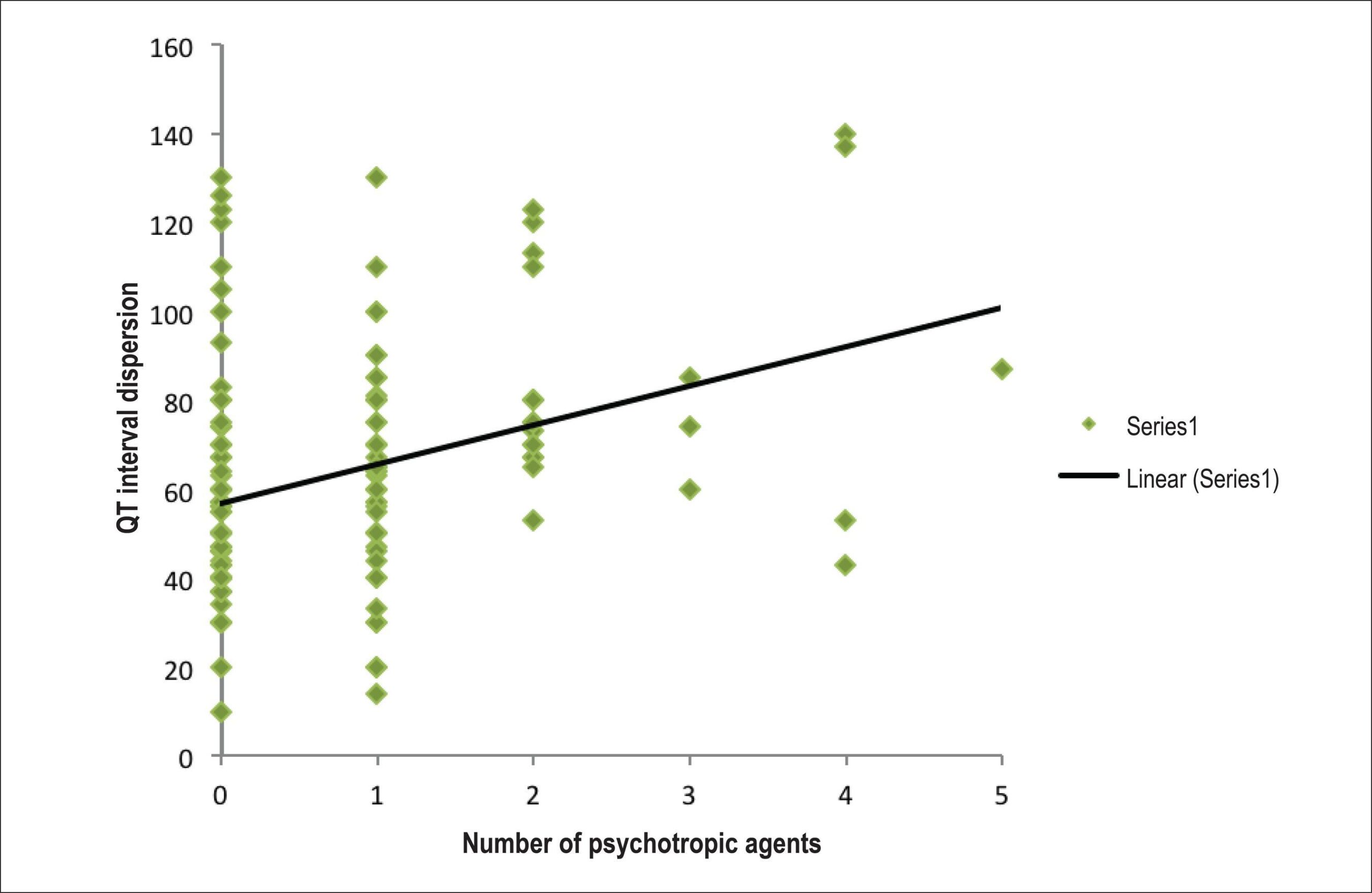
QT dispersion was significantly higher in the psychotropic user group compared to non-users (69.25 ± 25.5 ms vs. 57.08 ± 23.4 ms; p = 0.002). The QT interval corrected by Bazzett formula was also higher in the psychotropic drugs user group, with statistical significance. (439.79 ± 31.14 ms vs. 427.71 ± 28.42 ms; p = 0.011). A regression analysis model showed a positive association between the number of psychotropic drugs used and QT interval dispersion, with r = 0.341 and p < 0.001.

Conclusions:

The use of psychotropic drugs was associated with increased QT dispersion and this increase was accentuated, as the number of psychotropic drugs used was higher.

  • Cardiovascular Diseases
  • Death, Sudden
  • Electrocardiography
  • Torsades de Pointes
  • Ventricular Fibrillation
Read Full Article
Creative Commons Attribution (CC BY) Creative Commons license
09/05/2014 DOI: 10.5935/abc.20140055
Figure 1
ABC
Case Report

Prolonged Cardiopulmonary Arrest Treated Successfully in the São Paulo's Subway

Renan Gianotto-Oliveira et al. Maria Helena Favarato Maria Margarita Gonzalez Thiago Liguori … Sergio Timerman Roberto Kalil Filho

Introduction

In Brazil, circulatory diseases, including CPA (Cardiopulmonary Arrests), were the leading cause of death in 2010. Estimates are that, in Brazil, around 220,000 CPAs happen every year, including ventricular fibrillation, 180,000 in pre-hospital environment and 40,000 in-hospital.

Recent observational studies of victims of CPA in extra-hospital environment revealed that only CCC (Continuous Chest Compressions) – hands-only CPR – were equivalent or higher than conventional CPR (Cardiopulmonary Resuscitation) (using a 30:2 ratio of compressions/ventilations) in adult patients, mainly with regard to neurological benefits – .

[…]

  • Cardiopulmonary Resuscitation
  • Electric Countershock
  • Heart Massage
  • Out-of-Hospital Cardiac Arrest
  • Ventricular Fibrillation
Read Full Article
Creative Commons Attribution (CC BY) Creative Commons license
01/05/2014 DOI: 10.5935/abc.20140058
P wave indices to predict atrial fibrillation recurrences post pulmonary vein isolation
ABC
Artigo Original

P wave indices to predict atrial fibrillation recurrences post pulmonary vein isolation

Ahmed Salah et al. Shenghua Zhou Qiming Liu Hui Yan

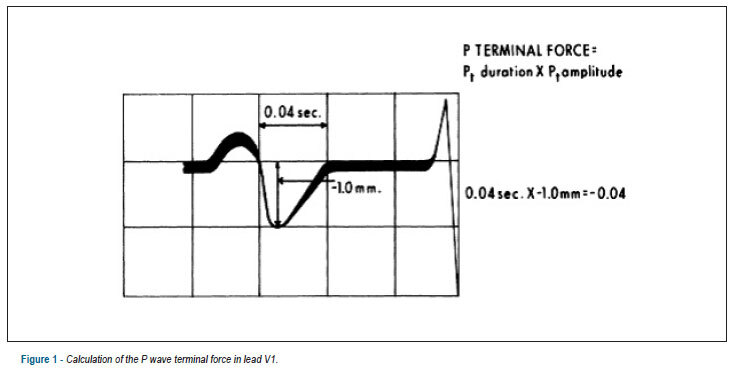
BACKGROUND: P-wave indices are appealing markers for predicting atrial fibrillation (AF) recurrences post ablation. OBJECTIVE: This study evaluates the value of P wave indices to predict recurrences post pulmonary vein isolation (PVI) in patients with paroxysmal AF. METHODS: We selected 198 patients (57 ± 8 years, 150 males) with symptomatic drug-refractory paroxysmal AF undergoing PVI in our hospital. A 12-lead electrocardiogram was used to measure P wave duration in lead II, P wave terminal force (PWTF) in lead V1, P wave axis and dispersion. RESULTS: During a follow-up of 9 ± 3 months, recurrences occurred in 60 (30.3%) patients. The patients that had AF recurrence had longer mean P wave duration (122.9 ± 10.3 vs 104.3 ± 14.2 ms, p < 0.001), larger P wave dispersion (40.7 ± 1.7 ms vs 36.6 ± 3.2 ms, p 125 ms has 60% sensitivity, 90% specificity, positive predictive value (PPV) of 72% and negative predictive value (NPV) of 83.7%, whereas P wave dispersion > 40 ms has 78% sensitivity, 67% specificity, PPV of 51% and NPV of 87.6% 48/66 (72.7%) patients with PWTF -0.04 mm/second showed recurrence of AF (p 125 ms, P wave dispersion > 40 ms and PWTF in V1 < -0.04 mm/sec are good clinical predictors of AF recurrences post PVI in patients with paroxysmal atrial fibrillation; however they were not independent from left atrial size and age.

  • Atrial Fibrillation
  • P Wave
  • Pulmonary Veins
  • Ventricular Fibrillation
Read Full Article
Creative Commons Attribution (CC BY) Creative Commons license
01/11/2013 DOI: 10.5935/abc.20130214
Experimental cardiac arrest treatment with adrenaline, vasopressin, or placebo
ABC
Artigo Original

Experimental cardiac arrest treatment with adrenaline, vasopressin, or placebo

Manoel Ângelo Gomes Palácio et al. Edison Ferreira de Paiva Luciano Cesar Pontes de Azevedo Ari Timerman

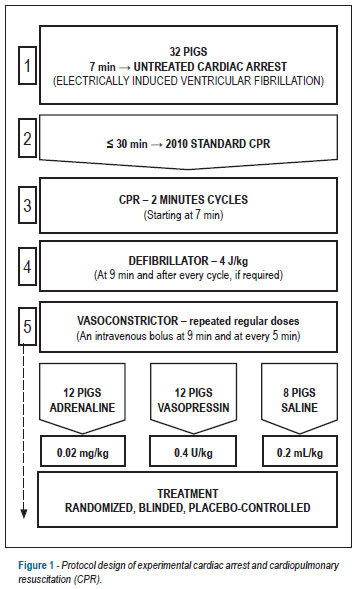
BACKGROUND: The effect of vasoconstrictors in prolonged cardiopulmonary resuscitation (CPR) has not been fully clarified. OBJECTIVES: To evaluate adrenaline and vasopressin pressure effect, and observe the return of spontaneous circulation (ROSC). METHODS: A prospective, randomized, blinded, and placebo-controlled study. After seven minutes of untreated ventricular fibrillation, pigs received two minutes cycles of CPR. Defibrillation was attempted (4 J/kg) once at 9 minutes, and after every cycle if a shockable rhythm was present, after what CPR was immediately resumed. At 9 minutes and every five minutes intervals, 0.02 mg/kg (n = 12 pigs) adrenaline, or 0.4 U/kg (n = 12) vasopressin, or 0.2 mL/kg (n = 8) 0.9% saline solution was administered. CPR continued for 30 minutes or until the ROSC. RESULTS: Coronary perfusion pressure increased to about 20 mmHg in the three groups. Following vasoconstrictors doses, pressure level reached 35 mmHg versus 15 mmHg with placebo (p < 0.001). Vasopressin effect remained at 15-20 mmHg after three doses versus zero with adrenaline or placebo. ROSC rate differed (p = 0.031) among adrenaline (10/12), vasopressin (6/12), and placebo (2/8). Time-to-ROSC did not differ (16 minutes), nor the number of doses previously received (one or two). There was no difference between vasoconstrictors, but against placebo, only adrenaline significantly increased the ROSC rate (p = 0.019). CONCLUSION: The vasoconstrictors initial pressure effect was equivalent and vasopressin maintained a late effect at prolonged resuscitation. Nevertheless, when compared with placebo, only adrenaline significantly increased the ROSC rate.

  • Arginine vasopressin
  • Cardiopulmonary Resuscitation
  • Epinephrine
  • Models, Animal
  • Ventricular Fibrillation
Read Full Article
Creative Commons Attribution (CC BY) Creative Commons license
01/11/2013 DOI: 10.5935/abc.20130213 Views 1
Ventricular fibrillation during sport activity successfully treated
ABC
Case Report

Ventricular fibrillation during sport activity successfully treated

Maria Margarita Gonzalez et al. Flávio Rocha Brito Marques Caio Brito Vianna Carlos Alberto Eid … Gilson Soares Feitosa-Filho Sergio Timerman

Survival after out-of-hospital cardiopulmonary arrest is estimated at less than 5%. We report a case of ventricular fibrillation during sports activity. Cardiopulmonary resuscitation was initiated early by a layperson, and defibrillation was successfully performed within less than three minutes, with an automated external defibrillator. The public access to defibrillation programs has increased the survival after out-of-hospital ventricular fibrillation. We should encourage the training of laypeople in relation to the use of automated external defibrillators and the Basic Life Support program by stimulating their implementation in places where large numbers of people gather or where people are at a high risk of sudden death, as is the case of sports centers.

  • Cardiopulmonary Resuscitation
  • Defibrillators
  • Exercise
  • Ventricular Fibrillation
Read Full Article
Creative Commons Attribution (CC BY) Creative Commons license
13/10/2009 DOI: 10.1590/S0066-782X2009000800022
Characterization of the in vivo cardiac electrophysiologic effects of high-dose cocaine in closed-chest, anesthetized dogs with normal hearts
ABC
Original Article

Characterization of the in vivo cardiac electrophysiologic effects of high-dose cocaine in closed-chest, anesthetized dogs with normal hearts

Guilherme Fenelon et al. Júlio Uchoa José Roberto Otobone Marcos Reis … José Luiz Gomes do Amaral Angelo A. V. De Paola

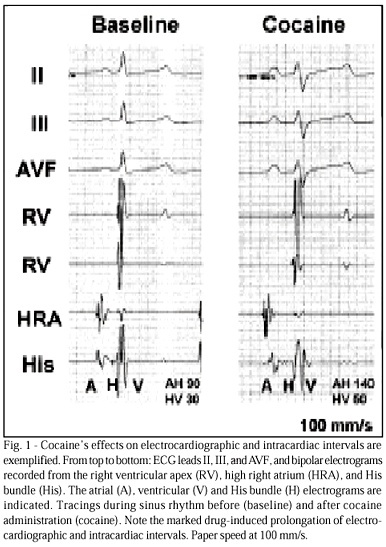
OBJECTIVE: To characterize the cardiac electrophysiologic effects of cocaine. METHODS: In 8 dogs (9-13 kg), electrophysiologic parameters and programmed stimulation were undertaken using transvenous catheters at baseline, and after cocaine intravenous infusion (12 mg/kg bolus followed by 0.22 mg/kg/min for 25 minutes). RESULTS: Cocaine plasma levels (n=5) rose to 6.73± 0.56 mg/mL. Cocaine did not affect sinus cycle length and arterial pressure. Cocaine prolonged P wave duration (54±6 vs 73±4 ms, P<0.001), PR interval (115±17 vs 164±15 ms, P<0.001), QRS duration (62±10 vs 88±14 ms, P<0.001), and QTc interval (344±28 vs 403±62 ms, P=0.03) but not JT interval (193±35 vs 226±53 ms, NS). Cocaine prolonged PA (9±6 vs 23±8 ms, P<0.001), AH (73±16 vs 92±15 ms; P=0.03), and HV (35±5 vs 45±3ms; P<0.001) intervals and Wenckebach point (247±26 vs 280±28 ms, P=0.04). An increase occurred in atrial (138±8 vs 184± 20 ms; P<0.001) and ventricular (160±15 vs 187±25 ms; P=0.03) refractoriness at a cycle length of 300 ms. Atrial arrhythmias were not induced in any dog. Ventricular fibrillation (VF) was induced in 2/8 dogs at baseline and 4/8 dogs after cocaine. CONCLUSION: High doses of cocaine exert significant class I effects and seem to enhance inducibility of VF but not of atrial arrhythmias.

  • cocaine
  • electrophysiology
  • Ventricular Fibrillation
Read Full Article
Creative Commons Attribution (CC BY) Creative Commons license
04/08/2003 DOI: 10.1590/S0066-782X2003000900002 Views 1

How to cite this article

EndNote RIS

Electronic Document Format (Vancouver)

Hazir KE, Sari C. A Rare Cause and Management of Ventricular Fibrillation: 5-Fluorouracil Toxicity. Arquivos Brasileiros de Cardiologia 2024;120(12):e20230217.

Electronic Document Format (ABNT)

Hazir, Kutluhan Eren; Sari, Cenk. A Rare Cause and Management of Ventricular Fibrillation: 5-Fluorouracil Toxicity. Arquivos Brasileiros de Cardiologia, v. 120, n. 12, e20230217, Jan. 2024.

Electronic Document Format (APA)

Hazir, K. E., & Sari, C. (2024). A Rare Cause and Management of Ventricular Fibrillation: 5-Fluorouracil Toxicity. Arquivos Brasileiros de Cardiologia, 120(12), e20230217.

Electronic Document Format (ISO)

Hazir, Kutluhan Eren and Sari, Cenk. A Rare Cause and Management of Ventricular Fibrillation: 5-Fluorouracil Toxicity. Arquivos Brasileiros de Cardiologia [online]. 2024, vol. 120, n. 12, [cited 2026-10-14], e20230217. Available from: <https://journals.cardiol.br/en/article/a-rare-cause-and-management-of-ventricular-fibrillation-5-fluorouracil-toxicity/>. ISSN 0066-782X

EndNote RIS

Electronic Document Format (Vancouver)

Çetin N, Soylu M, Özbaş B, Bayturan , Tezcan UK. Substrate-Based Ablation of Purkinje-Related Ventricular Fibrillation in an Elderly Patient with Ischemic Cardiomyopathy. Arquivos Brasileiros de Cardiologia 2023;120(9):e20220774.

Electronic Document Format (ABNT)

Çetin, Nurullah; Soylu, Mustafa Özcan; Özbaş, Batuhan; Bayturan, Özgür; Tezcan, Uğur Kemal. Substrate-Based Ablation of Purkinje-Related Ventricular Fibrillation in an Elderly Patient with Ischemic Cardiomyopathy. Arquivos Brasileiros de Cardiologia, v. 120, n. 9, e20220774, Oct. 2023.

Electronic Document Format (APA)

Çetin, N., Soylu, M. , Özbaş, B., Bayturan, , & Tezcan, U. K. (2023). Substrate-Based Ablation of Purkinje-Related Ventricular Fibrillation in an Elderly Patient with Ischemic Cardiomyopathy. Arquivos Brasileiros de Cardiologia, 120(9), e20220774.

Electronic Document Format (ISO)

Çetin, Nurullah and Soylu, Mustafa Özcan and Özbaş, Batuhan and Bayturan, Özgür and Tezcan, Uğur Kemal. Substrate-Based Ablation of Purkinje-Related Ventricular Fibrillation in an Elderly Patient with Ischemic Cardiomyopathy. Arquivos Brasileiros de Cardiologia [online]. 2023, vol. 120, n. 9, [cited 2026-10-14], e20220774. Available from: <https://journals.cardiol.br/en/article/substrate-based-ablation-of-purkinje-related-ventricular-fibrillation-in-an-elderly-patient-with-ischemic-cardiomyopathy/>. ISSN 0066-782X

EndNote RIS

Electronic Document Format (Vancouver)

Brugada P. Brugada Syndrome: 30 Years of Scientific Ventures. Arquivos Brasileiros de Cardiologia 2023;120(3):e20220289.

Electronic Document Format (ABNT)

Brugada, Pedro. Brugada Syndrome: 30 Years of Scientific Ventures. Arquivos Brasileiros de Cardiologia, v. 120, n. 3, e20220289, Mar. 2023.

Electronic Document Format (APA)

Brugada, P. (2023). Brugada Syndrome: 30 Years of Scientific Ventures. Arquivos Brasileiros de Cardiologia, 120(3), e20220289.

Electronic Document Format (ISO)

Brugada, Pedro. Brugada Syndrome: 30 Years of Scientific Ventures. Arquivos Brasileiros de Cardiologia [online]. 2023, vol. 120, n. 3, [cited 2026-10-14], e20220289. Available from: <https://journals.cardiol.br/en/article/brugada-syndrome-30-years-of-scientific-ventures/>. ISSN 0066-782X

EndNote RIS

Electronic Document Format (Vancouver)

Cabral M, Ponciano A, Santos B, Morais J. Cardiocerebral Infarction: A Combination to Prevent. International Journal of Cardiovascular Sciences 2022;36:e20210276.

Electronic Document Format (ABNT)

Cabral, Margarida; Ponciano, Ana; Santos, Beatriz; Morais, João. Cardiocerebral Infarction: A Combination to Prevent. International Journal of Cardiovascular Sciences, v. 36, e20210276, Jul. 2022.

Electronic Document Format (APA)

Cabral, M., Ponciano, A., Santos, B., & Morais, J. (2022). Cardiocerebral Infarction: A Combination to Prevent. International Journal of Cardiovascular Sciences, 36, e20210276.

Electronic Document Format (ISO)

Cabral, Margarida and Ponciano, Ana and Santos, Beatriz and Morais, João. Cardiocerebral Infarction: A Combination to Prevent. International Journal of Cardiovascular Sciences [online]. 2022, vol. 36, [cited 2026-10-14], e20210276. Available from: <https://journals.cardiol.br/en/article/cardiocerebral-infarction-a-combination-to-prevent/>. ISSN 2359-4802

EndNote RIS

Electronic Document Format (Vancouver)

Gonçalves L, Pires I, Santos J, Correia JL, Moreira D, Almeida I. Commotio Cordis Secondary to Aggression. International Journal of Cardiovascular Sciences 2021;35(2):293-6.

Electronic Document Format (ABNT)

Gonçalves, Luisa; Pires, Inês; Santos, João; Correia, Joana Laranjeira; Moreira, Davide; Almeida, Inês. Commotio Cordis Secondary to Aggression. International Journal of Cardiovascular Sciences, v. 35, n. 2, p. 293-296, Aug. 2021.

Electronic Document Format (APA)

Gonçalves, L., Pires, I., Santos, J., Correia, J. L., Moreira, D., & Almeida, I. (2021). Commotio Cordis Secondary to Aggression. International Journal of Cardiovascular Sciences, 35(2), 293-296.

Electronic Document Format (ISO)

Gonçalves, Luisa and Pires, Inês and Santos, João and Correia, Joana Laranjeira and Moreira, Davide and Almeida, Inês. Commotio Cordis Secondary to Aggression. International Journal of Cardiovascular Sciences [online]. 2021, vol. 35, n. 2, [cited 2026-10-14], pp. 293-296. Available from: <https://journals.cardiol.br/en/article/commotio-cordis-secondary-to-aggression/>. ISSN 2359-4802

EndNote RIS

Electronic Document Format (Vancouver)

Gonçalves L, Pires I, Santos J, Correia J, Costa A. Cardioverter-Defibrillator Implantation Through Persistent Left Superior Vena Cava. ABC Imagem Cardiovascular 2021;34(2):eabc172.

Electronic Document Format (ABNT)

Gonçalves, Luísa; Pires, Inês; Santos, João; Correia, Joana; Costa, António. Cardioverter-Defibrillator Implantation Through Persistent Left Superior Vena Cava. ABC Imagem Cardiovascular, v. 34, n. 2, eabc172, Jun. 2021.

Electronic Document Format (APA)

Gonçalves, L., Pires, I., Santos, J., Correia, J., & Costa, A. (2021). Cardioverter-Defibrillator Implantation Through Persistent Left Superior Vena Cava. ABC Imagem Cardiovascular, 34(2), eabc172.

Electronic Document Format (ISO)

Gonçalves, Luísa and Pires, Inês and Santos, João and Correia, Joana and Costa, António. Cardioverter-Defibrillator Implantation Through Persistent Left Superior Vena Cava. ABC Imagem Cardiovascular [online]. 2021, vol. 34, n. 2, [cited 2026-10-14], eabc172. Available from: <https://journals.cardiol.br/en/article/cardioverter-defibrillator-implantation-through-persistent-left-superior-vena-cava/>. ISSN 2318-8219

EndNote RIS

Electronic Document Format (Vancouver)

Scanavacca MI, Hachul DT. Programmed Ventricular Stimulation in the Management of Brugada Syndrome Patients. Arquivos Brasileiros de Cardiologia 2019;112(3):217-9.

Electronic Document Format (ABNT)

Scanavacca, Mauricio Ibrahim; Hachul, Denise Tessariol. Programmed Ventricular Stimulation in the Management of Brugada Syndrome Patients. Arquivos Brasileiros de Cardiologia, v. 112, n. 3, p. 217-219, Feb. 2019.

Electronic Document Format (APA)

Scanavacca, M. I., & Hachul, D. T. (2019). Programmed Ventricular Stimulation in the Management of Brugada Syndrome Patients. Arquivos Brasileiros de Cardiologia, 112(3), 217-219.

Electronic Document Format (ISO)

Scanavacca, Mauricio Ibrahim and Hachul, Denise Tessariol. Programmed Ventricular Stimulation in the Management of Brugada Syndrome Patients. Arquivos Brasileiros de Cardiologia [online]. 2019, vol. 112, n. 3, [cited 2026-10-14], pp. 217-219. Available from: <https://journals.cardiol.br/en/article/programmed-ventricular-stimulation-in-the-management-of-brugada-syndrome-patients/>. ISSN 0066-782X

EndNote RIS

Electronic Document Format (Vancouver)

Marinheiro R, Parreira L, Amador P, Sardinha F, Gonçalves S, Serra S. Primary Ventricular Fibrillation in a Patient with Mild Hypercalcemia. Arquivos Brasileiros de Cardiologia 2018;110(4):393-6.

Electronic Document Format (ABNT)

Marinheiro, Rita; Parreira, Leonor; Amador, Pedro; Sardinha, Francisco; Gonçalves, Sara; Serra, Sónia. Primary Ventricular Fibrillation in a Patient with Mild Hypercalcemia. Arquivos Brasileiros de Cardiologia, v. 110, n. 4, p. 393-396, Mar. 2018.

Electronic Document Format (APA)

Marinheiro, R., Parreira, L., Amador, P., Sardinha, F., Gonçalves, S., & Serra, S. (2018). Primary Ventricular Fibrillation in a Patient with Mild Hypercalcemia. Arquivos Brasileiros de Cardiologia, 110(4), 393-396.

Electronic Document Format (ISO)

Marinheiro, Rita and Parreira, Leonor and Amador, Pedro and Sardinha, Francisco and Gonçalves, Sara and Serra, Sónia. Primary Ventricular Fibrillation in a Patient with Mild Hypercalcemia. Arquivos Brasileiros de Cardiologia [online]. 2018, vol. 110, n. 4, [cited 2026-10-14], pp. 393-396. Available from: <https://journals.cardiol.br/en/article/primary-ventricular-fibrillation-in-a-patient-with-mild-hypercalcemia/>. ISSN 0066-782X

EndNote RIS

Electronic Document Format (Vancouver)

Yiginer O, Dogan M, Erdal E. An Issue Waiting to be Clarified: Effects of the QT Prolonging Drugs on Tp-e Interval. Arquivos Brasileiros de Cardiologia 2015;104(6):507-8.

Electronic Document Format (ABNT)

Yiginer, Omer; Dogan, Mehmet; Erdal, Emrah. An Issue Waiting to be Clarified: Effects of the QT Prolonging Drugs on Tp-e Interval. Arquivos Brasileiros de Cardiologia, v. 104, n. 6, p. 507-508, May. 2015.

Electronic Document Format (APA)

Yiginer, O., Dogan, M., & Erdal, E. (2015). An Issue Waiting to be Clarified: Effects of the QT Prolonging Drugs on Tp-e Interval. Arquivos Brasileiros de Cardiologia, 104(6), 507-508.

Electronic Document Format (ISO)

Yiginer, Omer and Dogan, Mehmet and Erdal, Emrah. An Issue Waiting to be Clarified: Effects of the QT Prolonging Drugs on Tp-e Interval. Arquivos Brasileiros de Cardiologia [online]. 2015, vol. 104, n. 6, [cited 2026-10-14], pp. 507-508. Available from: <https://journals.cardiol.br/en/article/an-issue-waiting-to-be-clarified-effects-of-the-qt-prolonging-drugs-on-tp-e-interval/>. ISSN 0066-782X

EndNote RIS

Electronic Document Format (Vancouver)

Longo Neto GC, Martins WA, Villacorta Junior H, Silva EN, Haffner PMA, Souza DG. Contusio Cordis Associated with Atrioventricular Block and Tricuspid Regurgitation. Arquivos Brasileiros de Cardiologia 2014;103(2):e22-5.

Electronic Document Format (ABNT)

Longo Neto, Giulio Cesare; Martins, Wolney de Andrade; Villacorta Junior, Humberto; Silva, Eduardo Nani da; Haffner, Paula Maira Alves; Souza, Davyson Gerardt de. Contusio Cordis Associated with Atrioventricular Block and Tricuspid Regurgitation. Arquivos Brasileiros de Cardiologia, v. 103, n. 2, p. e22-e25, Jul. 2014.

Electronic Document Format (APA)

Longo Neto, G. C., Martins, W. A., Villacorta Junior, H., Silva, E. N. , Haffner, P. M. A., & Souza, D. G. (2014). Contusio Cordis Associated with Atrioventricular Block and Tricuspid Regurgitation. Arquivos Brasileiros de Cardiologia, 103(2), e22-e25.

Electronic Document Format (ISO)

Longo Neto, Giulio Cesare and Martins, Wolney de Andrade and Villacorta Junior, Humberto and Silva, Eduardo Nani da and Haffner, Paula Maira Alves and Souza, Davyson Gerardt de. Contusio Cordis Associated with Atrioventricular Block and Tricuspid Regurgitation. Arquivos Brasileiros de Cardiologia [online]. 2014, vol. 103, n. 2, [cited 2026-10-14], pp. e22-e25. Available from: <https://journals.cardiol.br/en/article/contusio-cordis-associated-with-atrioventricular-block-and-tricuspid-regurgitation/>. ISSN 0066-782X

EndNote RIS

Electronic Document Format (Vancouver)

Claudio BQ, Costa MAN, Penna F, Konder MT, Celoria BMJ, Souza LL, Pozzan R, et al. Impact of Psychotropic Drugs on QT Interval Dispersion in Adult Patients. Arquivos Brasileiros de Cardiologia 2014;102(5):465-72.

Electronic Document Format (ABNT)

Claudio, Bruno de Queiroz; Costa, Marcelle Azevedo Nossar; Penna, Filipe; Konder, Mariana Teixeira; Celoria, Bruno Miguel Jorge; Souza, Luciana Lopes de; Pozzan, Roberto; Schneider, Roberta Siuffo; Albuquerque, Felipe Neves; Albuquerque, Denilson Campos. Impact of Psychotropic Drugs on QT Interval Dispersion in Adult Patients. Arquivos Brasileiros de Cardiologia, v. 102, n. 5, p. 465-472, May. 2014.

Electronic Document Format (APA)

Claudio, B. Q., Costa, M. A. N., Penna, F., Konder, M. T., Celoria, B. M. J., Souza, L. L. , Pozzan, R., Schneider, R. S., Albuquerque, F. N., & Albuquerque, D. C. (2014). Impact of Psychotropic Drugs on QT Interval Dispersion in Adult Patients. Arquivos Brasileiros de Cardiologia, 102(5), 465-472.

Electronic Document Format (ISO)

Claudio, Bruno de Queiroz and Costa, Marcelle Azevedo Nossar and Penna, Filipe and Konder, Mariana Teixeira and Celoria, Bruno Miguel Jorge and Souza, Luciana Lopes de and Pozzan, Roberto and Schneider, Roberta Siuffo and Albuquerque, Felipe Neves and Albuquerque, Denilson Campos. Impact of Psychotropic Drugs on QT Interval Dispersion in Adult Patients. Arquivos Brasileiros de Cardiologia [online]. 2014, vol. 102, n. 5, [cited 2026-10-14], pp. 465-472. Available from: <https://journals.cardiol.br/en/article/impact-of-psychotropic-drugs-on-qt-interval-dispersion-in-adult-patients/>. ISSN 0066-782X

EndNote RIS

Electronic Document Format (Vancouver)

Gianotto-Oliveira R, Favarato MH, Gonzalez MM, Liguori T, Timerman S, Kalil Filho R. Prolonged Cardiopulmonary Arrest Treated Successfully in the São Paulo’s Subway. Arquivos Brasileiros de Cardiologia 2014;102(5):e52-4.

Electronic Document Format (ABNT)

Gianotto-Oliveira, Renan; Favarato, Maria Helena; Gonzalez, Maria Margarita; Liguori, Thiago; Timerman, Sergio; Kalil Filho, Roberto. Prolonged Cardiopulmonary Arrest Treated Successfully in the São Paulo’s Subway. Arquivos Brasileiros de Cardiologia, v. 102, n. 5, p. e52-e54, Apr. 2014.

Electronic Document Format (APA)

Gianotto-Oliveira, R., Favarato, M. H., Gonzalez, M. M., Liguori, T., Timerman, S., & Kalil Filho, R. (2014). Prolonged Cardiopulmonary Arrest Treated Successfully in the São Paulo’s Subway. Arquivos Brasileiros de Cardiologia, 102(5), e52-e54.

Electronic Document Format (ISO)

Gianotto-Oliveira, Renan and Favarato, Maria Helena and Gonzalez, Maria Margarita and Liguori, Thiago and Timerman, Sergio and Kalil Filho, Roberto. Prolonged Cardiopulmonary Arrest Treated Successfully in the São Paulo’s Subway. Arquivos Brasileiros de Cardiologia [online]. 2014, vol. 102, n. 5, [cited 2026-10-14], pp. e52-e54. Available from: <https://journals.cardiol.br/en/article/prolonged-cardiopulmonary-arrest-treated-successfully-in-the-sao-paulos-subway/>. ISSN 0066-782X

EndNote RIS

Electronic Document Format (Vancouver)

Salah A, Zhou S, Liu Q, Yan H. P wave indices to predict atrial fibrillation recurrences post pulmonary vein isolation. Arquivos Brasileiros de Cardiologia 2013;101(6):519-27.

Electronic Document Format (ABNT)

Salah, Ahmed; Zhou, Shenghua; Liu, Qiming; Yan, Hui. P wave indices to predict atrial fibrillation recurrences post pulmonary vein isolation. Arquivos Brasileiros de Cardiologia, v. 101, n. 6, p. 519-527, Oct. 2013.

Electronic Document Format (APA)

Salah, A., Zhou, S., Liu, Q., & Yan, H. (2013). P wave indices to predict atrial fibrillation recurrences post pulmonary vein isolation. Arquivos Brasileiros de Cardiologia, 101(6), 519-527.

Electronic Document Format (ISO)

Salah, Ahmed and Zhou, Shenghua and Liu, Qiming and Yan, Hui. P wave indices to predict atrial fibrillation recurrences post pulmonary vein isolation. Arquivos Brasileiros de Cardiologia [online]. 2013, vol. 101, n. 6, [cited 2026-10-14], pp. 519-527. Available from: <https://journals.cardiol.br/en/article/p-wave-indices-to-predict-atrial-fibrillation-recurrences-post-pulmonary-vein-isolation/>. ISSN 0066-782X

EndNote RIS

Electronic Document Format (Vancouver)

Palácio MG, Paiva EF, Azevedo LCP, Timerman A. Experimental cardiac arrest treatment with adrenaline, vasopressin, or placebo. Arquivos Brasileiros de Cardiologia 2013;101(6):536-44.

Electronic Document Format (ABNT)

Palácio, Manoel Ângelo Gomes; Paiva, Edison Ferreira de; Azevedo, Luciano Cesar Pontes de; Timerman, Ari. Experimental cardiac arrest treatment with adrenaline, vasopressin, or placebo. Arquivos Brasileiros de Cardiologia, v. 101, n. 6, p. 536-544, Oct. 2013.

Electronic Document Format (APA)

Palácio, M. G., Paiva, E. F. , Azevedo, L. C. P. , & Timerman, A. (2013). Experimental cardiac arrest treatment with adrenaline, vasopressin, or placebo. Arquivos Brasileiros de Cardiologia, 101(6), 536-544.

Electronic Document Format (ISO)

Palácio, Manoel Ângelo Gomes and Paiva, Edison Ferreira de and Azevedo, Luciano Cesar Pontes de and Timerman, Ari. Experimental cardiac arrest treatment with adrenaline, vasopressin, or placebo. Arquivos Brasileiros de Cardiologia [online]. 2013, vol. 101, n. 6, [cited 2026-10-14], pp. 536-544. Available from: <https://journals.cardiol.br/en/article/experimental-cardiac-arrest-treatment-with-adrenaline-vasopressin-or-placebo/>. ISSN 0066-782X

EndNote RIS

Electronic Document Format (Vancouver)

Gonzalez MM, Marques FRB, Vianna CB, Eid CA, Feitosa-Filho GS, Timerman S. Ventricular fibrillation during sport activity successfully treated. Arquivos Brasileiros de Cardiologia 2009;93(2):e26-9.

Electronic Document Format (ABNT)

Gonzalez, Maria Margarita; Marques, Flávio Rocha Brito; Vianna, Caio Brito; Eid, Carlos Alberto; Feitosa-Filho, Gilson Soares; Timerman, Sergio. Ventricular fibrillation during sport activity successfully treated. Arquivos Brasileiros de Cardiologia, v. 93, n. 2, p. e26-e29, Oct. 2009.

Electronic Document Format (APA)

Gonzalez, M. M., Marques, F. R. B., Vianna, C. B., Eid, C. A., Feitosa-Filho, G. S., & Timerman, S. (2009). Ventricular fibrillation during sport activity successfully treated. Arquivos Brasileiros de Cardiologia, 93(2), e26-e29.

Electronic Document Format (ISO)

Gonzalez, Maria Margarita and Marques, Flávio Rocha Brito and Vianna, Caio Brito and Eid, Carlos Alberto and Feitosa-Filho, Gilson Soares and Timerman, Sergio. Ventricular fibrillation during sport activity successfully treated. Arquivos Brasileiros de Cardiologia [online]. 2009, vol. 93, n. 2, [cited 2026-10-14], pp. e26-e29. Available from: <https://journals.cardiol.br/en/article/ventricular-fibrillation-during-sport-activity-successfully-treated/>. ISSN 0066-782X

EndNote RIS

Electronic Document Format (Vancouver)

Fenelon G, Uchoa J, Otobone JR, Reis M, Amaral JLG, Paola AAVD. Characterization of the in vivo cardiac electrophysiologic effects of high-dose cocaine in closed-chest, anesthetized dogs with normal hearts. Arquivos Brasileiros de Cardiologia 2003;81(1):29-34.

Electronic Document Format (ABNT)

Fenelon, Guilherme; Uchoa, Júlio; Otobone, José Roberto; Reis, Marcos; Amaral, José Luiz Gomes do; Paola, Angelo A. V. De. Characterization of the in vivo cardiac electrophysiologic effects of high-dose cocaine in closed-chest, anesthetized dogs with normal hearts. Arquivos Brasileiros de Cardiologia, v. 81, n. 1, p. 29-34, Aug. 2003.

Electronic Document Format (APA)

Fenelon, G., Uchoa, J., Otobone, J. R., Reis, M., Amaral, J. L. G. , & Paola, A. A. V. D. (2003). Characterization of the in vivo cardiac electrophysiologic effects of high-dose cocaine in closed-chest, anesthetized dogs with normal hearts. Arquivos Brasileiros de Cardiologia, 81(1), 29-34.

Electronic Document Format (ISO)

Fenelon, Guilherme and Uchoa, Júlio and Otobone, José Roberto and Reis, Marcos and Amaral, José Luiz Gomes do and Paola, Angelo A. V. De. Characterization of the in vivo cardiac electrophysiologic effects of high-dose cocaine in closed-chest, anesthetized dogs with normal hearts. Arquivos Brasileiros de Cardiologia [online]. 2003, vol. 81, n. 1, [cited 2026-10-14], pp. 29-34. Available from: <https://journals.cardiol.br/en/article/characterization-of-the-in-vivo-cardiac-electrophysiologic-effects-of-high-dose-cocaine-in-closed-chest-anesthetized-dogs-with-normal-hearts/>. ISSN 0066-782X

  • About ABC Family
  • Internal Regulation
  • Editorial Board
  • Brazilian Society of Cardiology (SBC)

Issues

SBC Guidelines

  • Videos
  • Podcasts
  • News