| ABC
ABC Family Arquivos Brasileiros de Cardiologia International Journal of Cardiovascular Sciences ABC Heart Failure & Cardiomyopathy ABC Imagem Cardiovascular
Português English
ABC Family | ABC
Português English
  • About
    • About the Journal
    • Internal Regulation
    • Editors Section
    • Editorial Board
    • History
    • SBC Award
  • Instructions to Authors
    • Guidelines for Publication
    • Editorial Policy
    • Ethics Policy
    • Policy on the Use of Artificial Intelligence
    • Mandatory Publication Form
    • Publication Fee
  • Issues
  • SBC Guidelines
  • Abstracts
    • How to Publish an Abstract Supplement?
    • Supplements from the Brazilian Congress of Cardiology
  • About
    • About the Journal
    • Internal Regulation
    • Editors Section
    • Editorial Board
    • History
    • SBC Award
  • Instructions to Authors
    • Guidelines for Publication
    • Editorial Policy
    • Ethics Policy
    • Policy on the Use of Artificial Intelligence
    • Mandatory Publication Form
    • Publication Fee
  • Issues
  • SBC Guidelines
  • Abstracts
    • How to Publish an Abstract Supplement?
    • Supplements from the Brazilian Congress of Cardiology

ABC Family

  • ABC Family
  • Arquivos Brasileiros de Cardiologia
  • International Journal of Cardiovascular Sciences
  • ABC Heart Failure & Cardiomyopathy
  • ABC Imagem Cardiovascular
Search in

No content found.

Journals
Ordering
Article types
Others

  1. Home
  2. ABC
  3. Issues
  4. 2018, Volume 111, Number 5
Editorial

High Intensity Exercises in Heart Failure with Preserved Ejection Fraction

Artur Haddad Herdy et al. Magnus Benetti

Introduction

Heart failure with preserved ejection fraction (HFpEF) comprises several pathologies that present with variable degrees of dyspnea, high filling pressures, structural or diastolic alterations and great limitation to exercise. HFpEF can represent up to 50% of cases of hospital admissions due to decompensated heart failure (HF).

Hypertension and obesity are conditions frequently associated with HFpEF and the adequate management of these two pathologies are essential for the treatment of this syndrome. One of the main characteristics of patients with HFpEF is the intolerance to exercise at different degrees and through diverse mechanisms.

[…]

  • Breating Exercises
  • Exercise
  • Exercise Therapy
  • Heart Failure
  • Obesity
  • Stroke Volume
Read Full Article
Creative Commons Attribution (CC BY) Creative Commons license
01/11/2018 DOI: 10.5935/abc.20180225 Views 1
Figure 1
Image

How Echocardiographic Deformation Indices Can Distinguish Different Types of Left Ventricular Hypertrophy

José Luiz Barros Pena et al. Wander Costa Santos Stanley de Almeida Araújo Glauber Monteiro Dias Eduardo Back Sternick

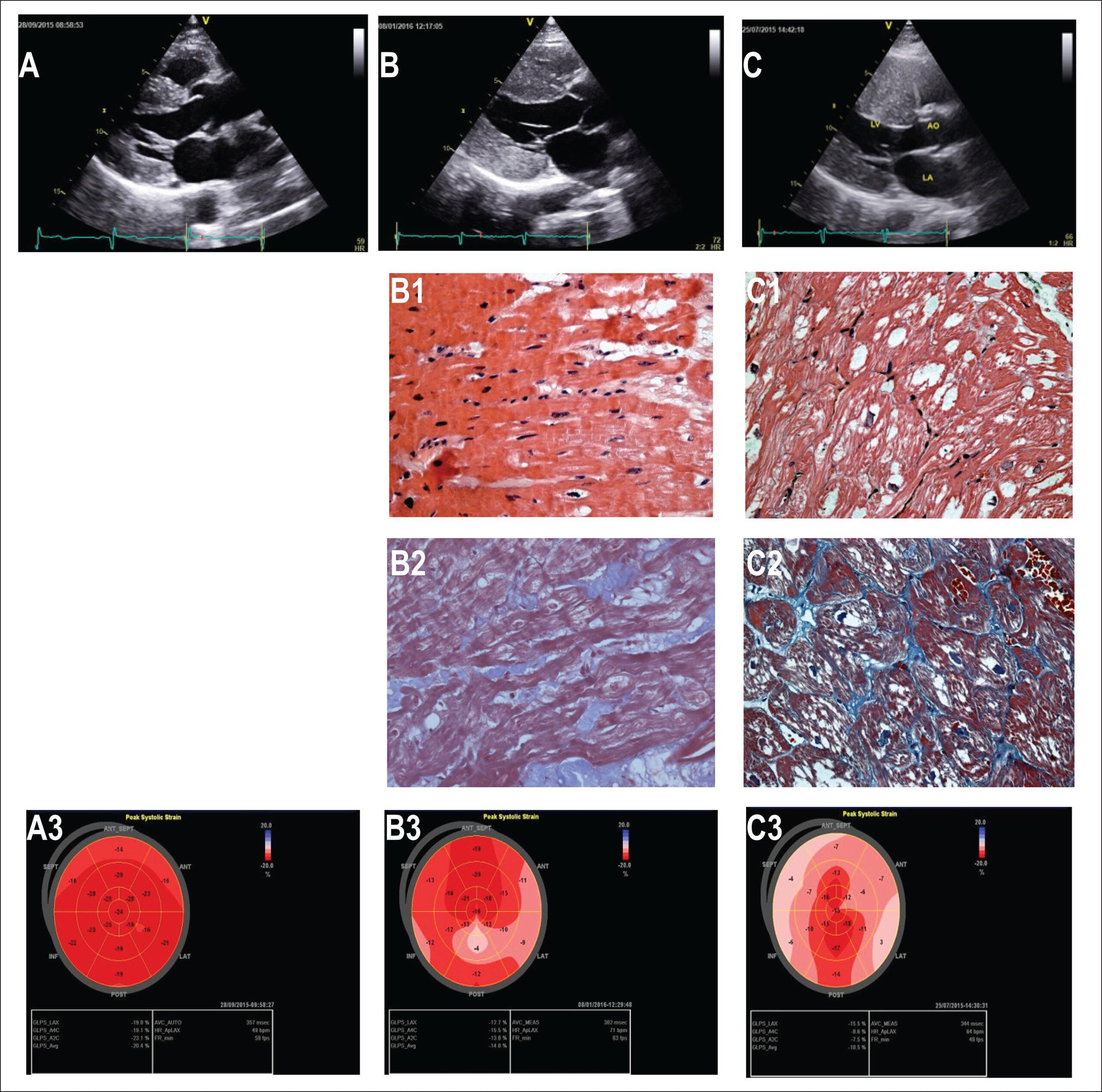
We present cases of athlete’s heart, idiopathic HCM, and glycogen storage cardiomyopathy (PRKAG2).

The two non-athlete patients (Pts) underwent genetic studies and myocardial biopsies.

[…]

  • Deformation Indices
  • Echocardiography, Diagnosis
  • Left Ventricular Hypertrophy, Cardiomegaly
  • PRKAG2 Mutation
  • Speckle Tracking
Read Full Article
Creative Commons Attribution (CC BY) Creative Commons license
01/11/2018 DOI: 10.5935/abc.20180223
Editorial

Cardiovascular Aggression by Doxorubicin: The Search for Mechanisms

Wolney de Andrade Martins

Cardio-oncology is an emerging subject in cardiology events and journals. Increased cancer (CA) incidence and survival rates, easier access to health care and the multiplicity of chemotherapy regimens all contribute to the increase in the diagnosis of cardiovascular complications in patients with CA. The increase in CA prevalence and mortality, as well as its cardiovascular complications, is the price that nations pay for the aging of their populations in an oncogenic environment. Therefore, we are faced with an epidemiological problem and major clinical challenges.

The discovery, in the 1960s, in the Adriatic Sea coast, of a red pigment produced by a fungus with great cytotoxic power has changed paradigms and introduced the concept of cure in clinical cancerology. Reports of toxicity previously presented with other chemotherapeutic agents had also been confirmed with the new class of anthracyclines. The novelty was the real possibility of cure. In the risk-benefit evaluation, adverse effects were neglected on behalf of the decision to use it. Warnings on the cardiotoxicity of doxorubicin (DOXO) came with the description of the classic ‘von Hoff curve’, where the risk of heart failure incidence at cumulative doses above 500 mg/m was demonstrated.

[…]

  • Cardiotoxicity
  • Cardiovascular Diseases/complications
  • Cyclophosphamida
  • Doxorubicin
  • Drug-Related Side Effects and Adverse Reactions
  • Neoplasms
  • Vascular Stiffness
  • Ventricular Dysfunction
Read Full Article
Creative Commons Attribution (CC BY) Creative Commons license
01/11/2018 DOI: 10.5935/abc.20180214 Views 1
Figure 1
Brief Communication

Is it Possible to Easily Identify Metabolically Healthy Obese Women?

Mauara Scorsatto et al. Glorimar Rosa Aline de Castro Pimentel Ronir Raggio Luiz Gláucia Maria Moraes de Oliveira

Abstract

Background: Obesity is recognized as a major risk factor for the development of several metabolic complications. However, some obese individuals have a favorable metabolic profile.

Objective: The aim of this study was to identify an easy parameter for recognizing metabolically healthy obese (MHO) women.

Methods: A total of 292 non-diabetic women with a body mass index (BMI) ≥ 30 kg/m2 were selected, and 239 composed the final cohort. We classified the participants according to their metabolic state determined by homeostasis model assessment (HOMA) into MHO or metabolically unhealthy obese (MUO). Both groups were compared regarding biochemical, anthropometric, and body composition characteristics.

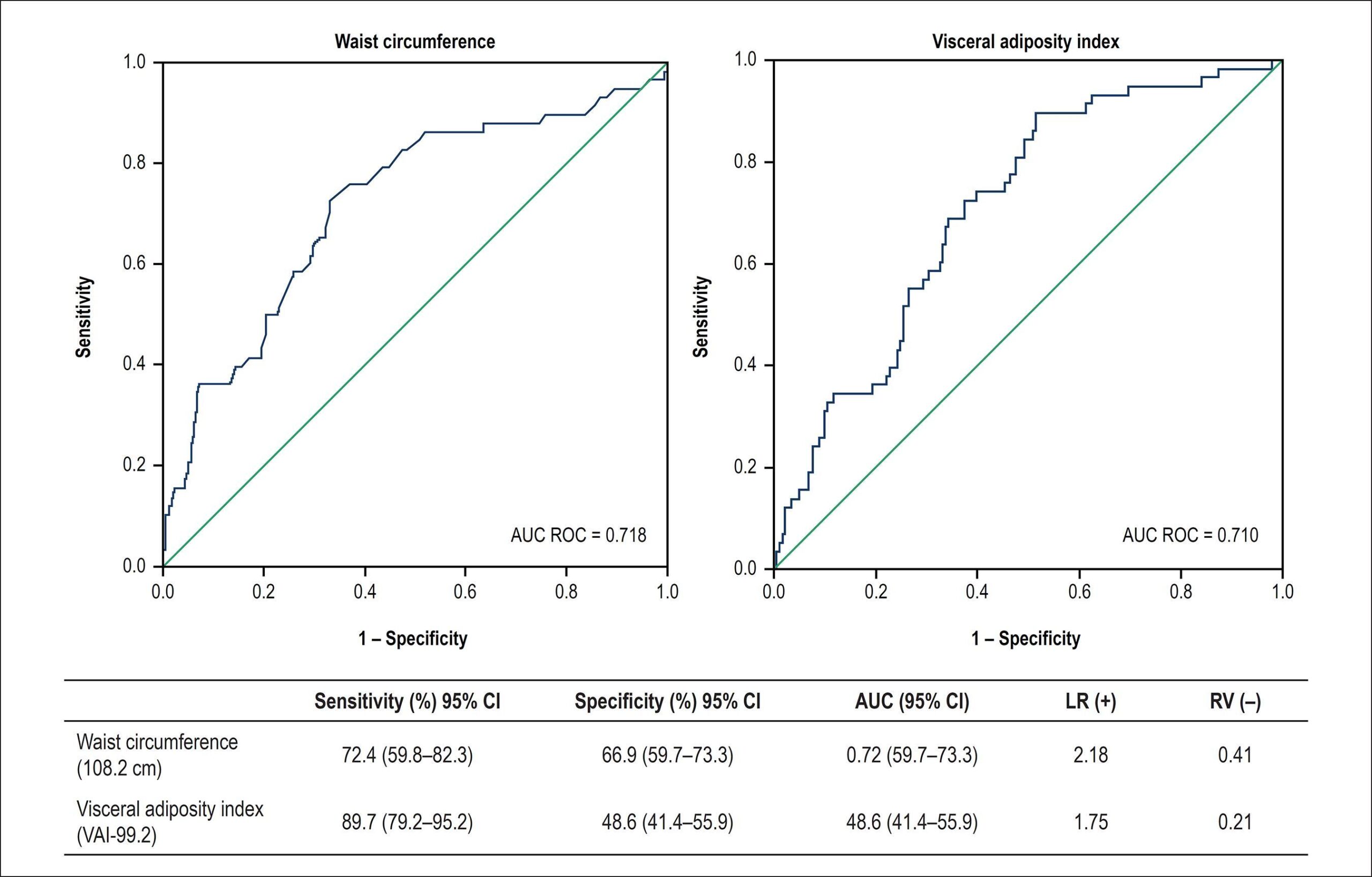
Results: The average age of the cohort was 43.9 ± 10.9 years and the average BMI was 37.2 ± 5.3 kg/m2. In total, 75.7% of the participants were classified as MHO by HOMA. A cutoff of 108.2 cm for waist circumference (WC) identified MHO participants with a sensitivity of 72.4% (95% confidence interval [CI]: 59.8-82.3%), specificity of 66.9% (95% CI: 59.71-73.3%), and negative likelihood ratio of 0.41 (95% CI: 0.36-0.47). Additionally, a visceral adiposity index cutoff value of 99.2 identified MHO women with a sensitivity of 89.7% (95% CI: 79.2-95.2%), specificity of 48.6% (95% CI: 41.4-55.9%), and negative likelihood ratio of 0.21 (95% CI: 0.15-0.30).

Conclusion: Women classified as MHO exhibited smaller WC measurements and lower body fat percentages, as well as lower blood glucose and insulin levels. WC emerged as an easy parameter for identifying MHO women.

  • Cardiovascular Diseases/physiopathology
  • Diabetes Mellitus
  • Dyslipidemias
  • Hypertension
  • Metabolic Syndrome
  • Obesity/prevalence
  • Women
Read Full Article
Creative Commons Attribution (CC BY) Creative Commons license
01/11/2018 DOI: 10.5935/abc.20180228 Views 1
Editorial

Mortality for Critical Congenital Heart Diseases and Associated Risk Factors in Newborns. A Cohort Study

Andressa Mussi Soares

Congenital heart disease (CHD) is any change in the anatomy of the heart and its blood vessels that occurs within the first 8 weeks of gestation. The manifestation of CHD is very variable and may occur soon after birth or appear later in childhood or adolescence.

The incidence of CHD is 8 to 10 per 1000 live births, or one in one hundred births. In Brazil, 28,900 children are born with CHD per year (1% of the total birth), of which about 80% (23,800) need cardiac surgery, and half of them need to be operated in the first year of life.

[…]

  • Health Programs and Plans
  • Heart Defects, Congenital/physiopathology
  • Heart Defects, Congenital/surgery
  • Hypoplastic Left Heart Syndrome
  • Infant,Newborn
  • Maternal and Child Health
  • Mortality
Read Full Article
Creative Commons Attribution (CC BY) Creative Commons license
01/11/2018 DOI: 10.5935/abc.20180203 Views 1
Figure 1
Case Report

Rare Presentation of Dercum’s Disease in a Child with Abnormalities in Lipoprotein Metabolism

Maria Cristina de Oliveira Izar et al. Henrique Andrade Rodrigues da Fonseca Carolina Nunes França Valéria Arruda Machado … Carlos Eduardo dos Santos Ferreira Francisco Antonio Helfenstein Fonseca

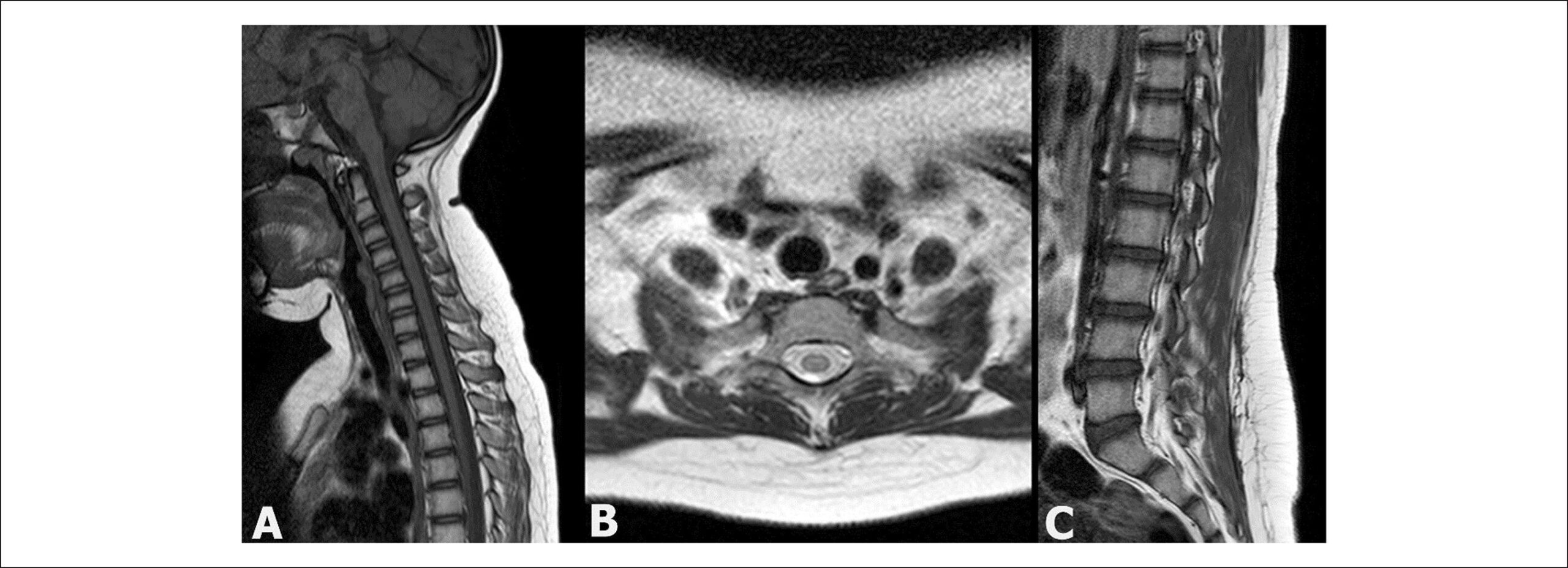
Adiposis dolorosa, or Dercum’s disease, is a subcutaneous accumulation of fat in the body accompanied by intense, chronic, and symmetrical pain, often disabling, and usually not responsive to conventional analgesics. It was first described by Dercum, recognized as a separate disease in 1892, and further reported by White in 1899. Termed in the literature Dercum’s disease, Morbus Dercum, lipomatosis dolorosa, adiposalgia, adiposis dolorosa, and adipose tissue rheumatism, this condition is more prevalent in young women, aged 35 to 50 years, and affects preferably those in the post-menopause phase.–Adiposis dolorosa can also occur in multiple familial lipomatosis, a condition associated with multiple lipomas. Other symptoms and signs include psychiatric (depression, anxiety, sleep disturbances, memory and concentration impairment), cardiovascular (tachycardia), pulmonary (shortness of breath), rheumatological (fatigue, weakness, joint and muscle aches) and gastrointestinal (bloating, constipation) disorders.

Dercum’s disease was described as a general disease of the lymphatic system. In 2014, Rasmussen et al. suggested that this is a lymphovascular disorder with abnormalities in the adipose tissue deposition and lymphatic transport, showing that lipomas appeared to be fed and drained by functional lymphatics. In addition, Huang et al. have reinforced the importance of lymphatic system in cholesterol transport, showing the association with ApoA1, HDL formation, and lymphatic transport to the blood for scavenging by the HDL receptor, or scavenger receptor B1.

[…]

  • Adiposis Dolorosa
  • Child
  • Dyslipidemias
  • Inflammation
  • Lipid Metabolism Disorders
  • Rare Diseases
Read Full Article
Creative Commons Attribution (CC BY) Creative Commons license
01/11/2018 DOI: 10.5935/abc.20180191 Views 1
Editorial

Anxiety and Depression after Myocardial Infarction: Can Inflammatory Factors be Involved?

João Manoel Theotonio dos Santos

This interesting article published by Serpytis et al., evaluated the presence of depression and anxiety disorders after acute myocardial infarction, and the different forms of presentation and prevalence according to patient gender and age.

The authors observed that over a period of up to 31 days after an acute myocardial infarction, more than two-thirds of the patients had depression and /or anxiety disorders. Women had a higher prevalence of these comorbidities when compared to men and also tended to have more severe presentations of both depression and anxiety disorders. Additionally, in men, depression was more severe and anxiety disorder was less severe as they were older; whereas in women these comorbidities showed a linear presentation regarding severity, regardless of the age factor.

[…]

  • Anxiety
  • C-Reactive Protein
  • Depression
  • Gender Identity
  • Myocardial Infarction
  • Risk Factors, Inflammation
Read Full Article
Creative Commons Attribution (CC BY) Creative Commons license
01/11/2018 DOI: 10.5935/abc.20180233 Views 1
Viewpoint

Flexibilization of Fasting for Laboratory Determination of the Lipid Profile in Brazil: Science or Convenience?

Caio Maurício Mendes de Cordova et al. Caroline Galgowski

A statement endorsed by medical specialty associations has been published in our country recommending the flexibilization of fasting before blood drawing for the laboratory determination of the lipid profile encompassing total cholesterol (TC), high-density lipoprotein cholesterol (HDL-c), triglycerides (TG) content and the corresponding calculation of non-HDL-cholesterol (TC – HDL-c). It was considered that non-fasting results do not clinically differ from fasting ones, and prospective studies and meta-analyses have consistently demonstrated that non-HDL-C at a non-fasting state would be at least as good as LDL-c in the prediction of CVD. It was also recommended that when TG > 4.52 mmol/L the formula proposed by Martin et al. should be used for LDL-c estimation.

The statement was based on the European Consensus on the matter published by Nordestgaard et al. However, the automatic application of this approach in Brazil deserves deeper consideration, considering the impact that it may cause on patient care. Furthermore, it is far from a consensus among clinical laboratory scientists and professionals in the country, as it became evident during the 44th Brazilian Congress of Clinical Analysis held last June 11-14th, 2017, and the 51st Brazilian Congress of Clinical Pathology and Laboratory Medicine, held last September 26-29th, 2017.

[…]

  • Cholesterol
  • Cholesterol, HDL
  • Cholesterol, LDL
  • Fasting
  • Lipids
  • Triglycerides
Read Full Article
Creative Commons Attribution (CC BY) Creative Commons license
01/11/2018 DOI: 10.5935/abc.20180174 Views 1
Editorial

Nonfunctioning Adrenal Incidentalomas: The Search for Subclinical Cardiac Alterations

José Luiz Barros Pena

By definition, an adrenal incidentaloma (AI) is an asymptomatic adrenal mass detected incidentally on imaging examination not performed for suspected adrenal diseases. The prevalence of AI has been estimated to be as high as 4.2% upon evaluation of abdomen or thorax by computed tomography (CT) scans. In most cases (85%), AIs are nonfunctioning.

In this issue of Arquivos Brasileiros de Cardiologia, Sokmen et al. selected patients (Pts) following the European Society of Endocrinology Clinical Practice Guideline in collaboration with the European Network for the Study of Adrenal Tumors. After confirming the presence of an adrenal adenoma through imaging tests, computed tomography, or magnetic resonance imaging, they excluded Cushing Syndrome through 1-mg dexamethasone suppression test (DST), pheochromocytoma by urinary fractionated metanephrine test, and primary aldosteronism.

[…]

  • Cohort Studies
  • Diagnostic Imaging
  • Echocardiography, Doppler
  • Hidrocortisone
  • Incidental Findings
  • Metabolic Syndrome
Read Full Article
Creative Commons Attribution (CC BY) Creative Commons license
01/11/2018 DOI: 10.5935/abc.20180234 Views 1
Editorial

Can We Consider PR Interval to Screen Patients for Cardiac Resynchronization Therapy?

Martino Martinelli Filho

The search for response markers to Cardiac Resynchronization Therapy (CRT) remains intensive. Currently, the main criteria for CRT indication are the QRS morphology and the absence of myocardial fibrosis.

The electrocardiogram remains an important tool for selecting CRT candidates, and new parameters, such as the PR interval, are interesting to discriminate the prognosis in this population. On this issue, we have a meta-analysis study concluding that the presence of prolonged PR interval is a marker of poor prognosis at baseline.

[…]

  • Cardiac Resynchronization Therapy
  • Electrocardiology/methods
  • Heart Failure/complications
  • Review
Read Full Article
Creative Commons Attribution (CC BY) Creative Commons license
01/11/2018 DOI: 10.5935/abc.20180224 Views 1
Editorial

Real World of Percutaneous Coronary Interventions in the Public Health System in Rio de Janeiro: How Can It Be Improved?

Stefano Garzon et al. Expedito E. Ribeiro

Cardiovascular diseases (CVD) are currently the leading cause of death in Brazil and in the world, with 80% of the cases occurring in low- and middle-income countries. It impacts these countries economies negatively, with reductions in the Gross Domestic Product (GDP), and increases in the burden on already precarious health care systems. The risk factors associated with CVD are largely preventable, and raising awareness and increasing access to primary health care for prevention are key factors for reducing events.

The present study examined mortality rates in patients who underwent percutaneous coronary interventions (PCI) for both stable coronary disease (SCD) and acute coronary syndromes (ACS) in the State of Rio de Janeiro Public Health System (SUS) from 1999 to 2010. It provides us with interesting data regarding mortality outcomes in such patients, dividing them by gender, age groups, and type of intervention (balloon coronary angioplasty, stenting with bare metal stents and primary PCI for STEMI). It has obvious limitations: it is a retrospective populational cohort; its data were extracted from different databases, and the information had to be paired (hospital admissions versus death certificates, which are not in the same dataset); the mortality outcome was death by any cause, and although the authors cite that the cause of death was divided into two groups (cardiovascular death and any other cause), it is not clear which data was used; there is no information regarding comorbidities, single vessel versus multivessel disease, or medications prescribed; and patients with more than one PCI were excluded.

[…]

  • Coronary Artery Disease
  • Epidemiology
  • Morbidity
  • Mortality
  • Percutaneous Coronary Intervention/economics
  • Unified Health System/economics
Read Full Article
Creative Commons Attribution (CC BY) Creative Commons license
01/11/2018 DOI: 10.5935/abc.20180227 Views 1
Figure 1
Clinicoradiological Correlation

Case 6 / 2018 – Percutaneous Occlusion of a Large Ductus Arteriosus in a Low Weight Infant, with Immediate Clinical and Radiographic Improvement

Pablo Tomé Teixeirense et al. Vanessa de Moraes Sousa João Felipe Barros de Toledo Luiz Antonio Gubolino

Clinical Data

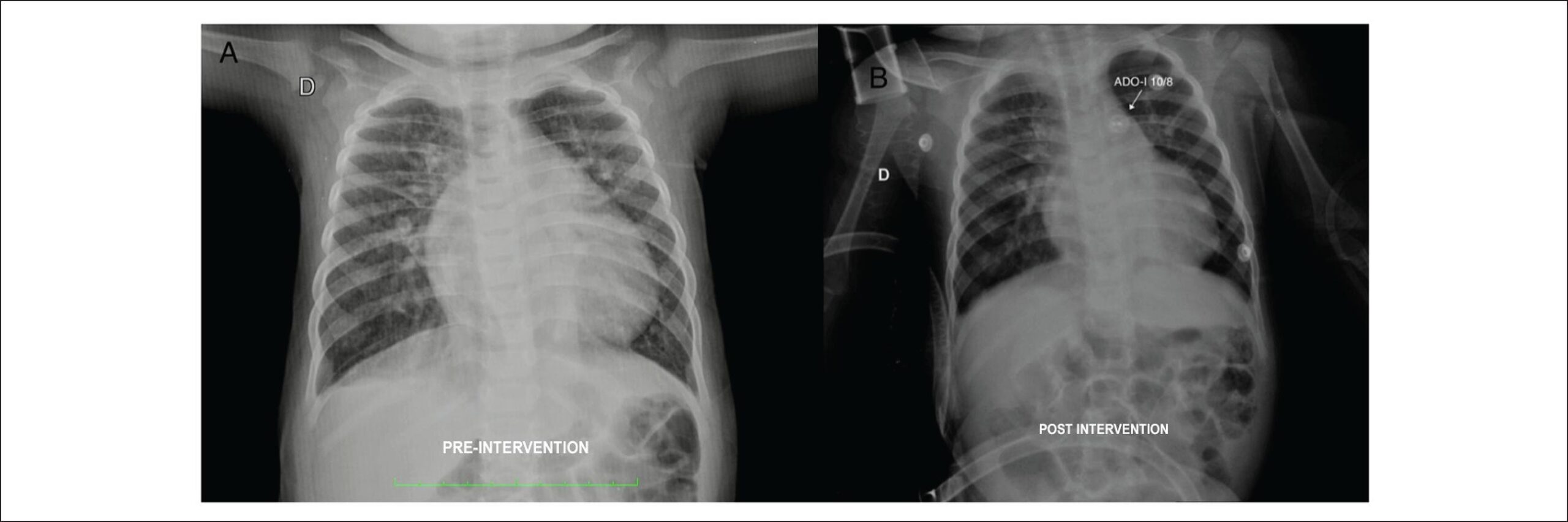
The patient was a one-year-old infant with Down syndrome, and heart murmur auscultated from birth. The child had a difficult clinical course due to failure to thrive, tachypnea, poor suckling due to fatigue and repeated respiratory infections, with pulmonary hypersecretion, and was receiving captopril and furosemide.

[…]

  • Down Syndrome
  • Ductus Arteriosus Patent/surgery
  • Heart Defects, Congenital/surgery
  • Infant
Read Full Article
Creative Commons Attribution (CC BY) Creative Commons license
01/11/2018 DOI: 10.5935/abc.20180219 Views 1
Editorial

Reintervention in Artificial Cardiac Pacing Systems

Silas dos Santos Galvão Filho

Reintervention in artificial cardiac pacing systems that involves lead approach, either for the implantation of a new lead and/or the removal of an old one, is most frequently a difficult procedure, with a high probability of complications. Since the transvenous endocardial route started being used by artificial cardiac pacing systems, lead cables have shown to be more vulnerable to complications; however, when it comes to reintervention, the complications are much more frequent.

The significant prevalence of venous obstruction and the consequent difficulty in obtaining a new venous access, the complexity of percutaneous extraction of old lead cables, in addition to the higher prevalence of surgical infections, constitute some of the complications that determine the greater complexity of reinterventions.

[…]

  • Arrhythmias Cardiac
  • Catheter Ablation
  • Electrodes, Implanted
  • Intraoperative Complications
  • Pacemaker, Artificial/trends
Read Full Article
Creative Commons Attribution (CC BY) Creative Commons license
01/11/2018 DOI: 10.5935/abc.20180222
Figure 1
Review Article

Role of miRNAs on the Pathophysiology of Cardiovascular Diseases

Debora Cristina Pereira da Silva et al. Felipe Demani Carneiro Kelly Costa de Almeida Caroline Fernandes-Santos

Abstract

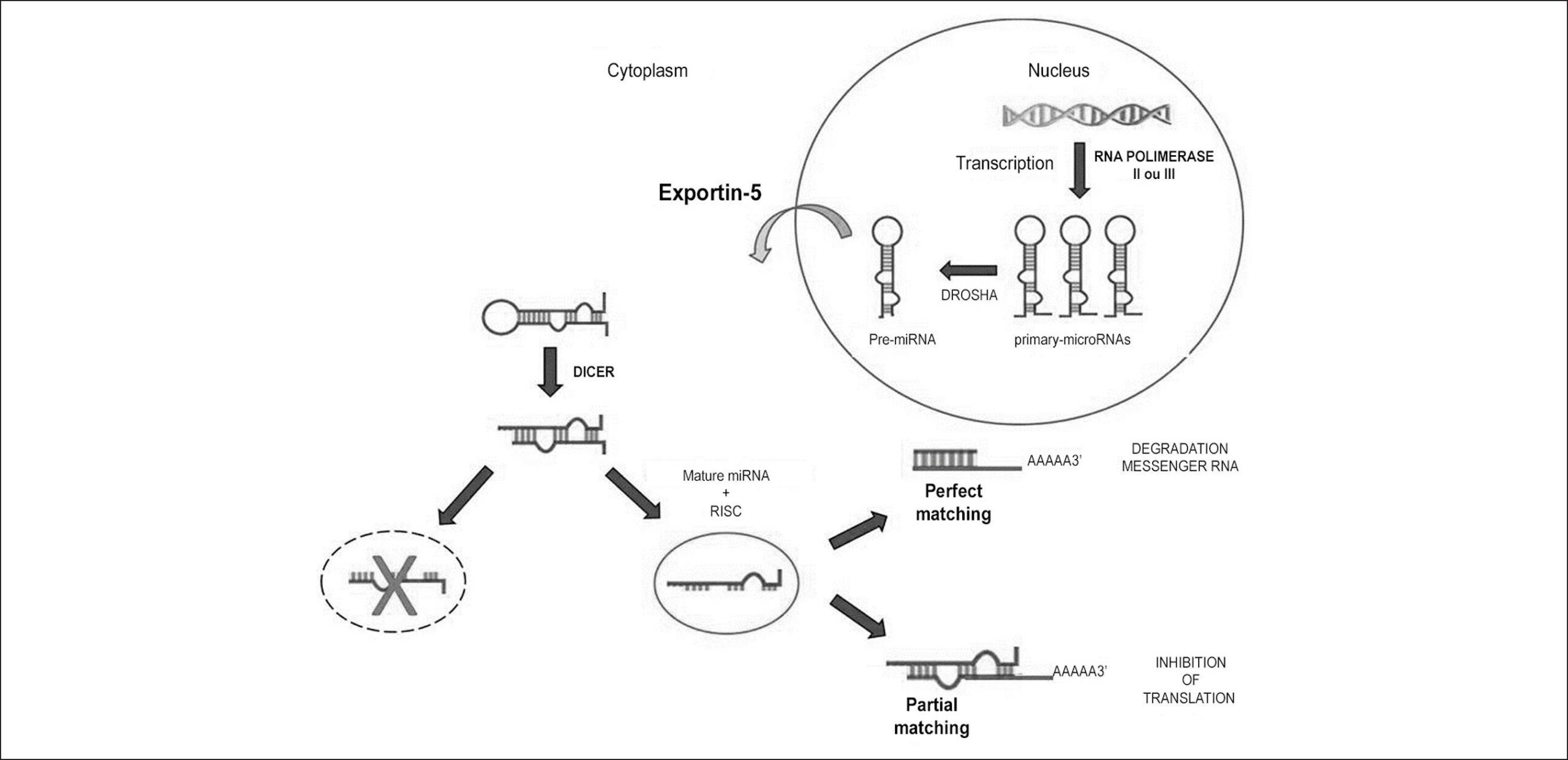
MiRNA (or microRNA) is a subclass of non-coding RNAs that is responsible for post-transcriptional gene regulation. It has approximately 22 nucleotides and regulates gene expression in plants and animals at the post-transcriptional level, by the cleavage of a target mRNA or by suppression of its translation. Although many of the processes and mechanisms have not yet been fully elucidated, there is a strong association between miRNA expression and several diseases. It is known that miRNAs are expressed in the cardiovascular system, but their role in cardiovascular diseases (CVDs) has not been clearly established. In this non-systematic review of the literature, we first present the definition of miRNAs and their action at the cellular level. Afterward, we discuss the role of miRNAs as circulating biomarkers of CVDs, and then their role in cardiac remodeling and atherosclerosis. Despite the complexity and challenges, it is crucial to identify deregulated miRNAs in CVDs, as it allows a better understanding of underlying cellular and molecular mechanisms and helps in the development of more accurate diagnostic and prognostic circulating biomarkers, and new therapeutic strategies for different stages of CVDs.

  • Atherosclerosis
  • Biomarkers/metabolism
  • Cardiac, Remodeling/genetics
  • Cardiovascular Diseases / genetics
  • Cardiovascular Diseases/diagnosis
  • Cardiovascular Diseases/physiopathology
  • MicroRNAs
Read Full Article
Creative Commons Attribution (CC BY) Creative Commons license
01/11/2018 DOI: 10.5935/abc.20180215 Views 1
Counterpoint

Counterpoint: Flexibilization of Fasting for Laboratory Determination of the Lipid Profile in Brazil: Science or Convenience?

Maria Cristina de Oliveira Izar

National and international guidelines for the management of dyslipidemias classically recommend measuring lipid profiles after fasting for at least 8 h.– Lipid targets for assessing cardiovascular risk traditionally rely on plasma total-cholesterol and low-density lipoprotein-cholesterol (LDL-c) levels, with the latter being calculated by the Friedewald equation.

Some imprecision due to low or high triglycerides in calculating LDL-cholesterol may affect cardiovascular risk assessment, the definition of a therapeutic target, and the need to intensify the treatment., Accurate results require triglyceride levels below 400 mg/dL, but above 100 mg/dL the calculated LDL-c starts to be underestimated, when compared to ultracentrifugation measurements. Another limitation to the use of the formula is that samples must not contain beta-VLDL, as in the case of type III hyperlipoproteinemia. When one of these conditions are not satisfied, the equation cannot be used due to imprecision.–

[…]

  • Cholesterol
  • Cholesterol, HDL
  • Cholesterol, LDL
  • Dyslipidemias
  • Fasting
  • Lipids
  • Triglycerides
Read Full Article
Creative Commons Attribution (CC BY) Creative Commons license
01/11/2018 DOI: 10.5935/abc.20180192 Views 1
Editorial

Gender Disparities and Outcomes Of Acute Coronary Syndromes In Brazil

Andrea De Lorenzo

Coronary artery disease (CAD) was considered, for years, a “male disease”, a concept that influenced diagnostic and clinical decision-making processes., However, currently there is consistent evidence showing that CAD is a leading cause of death in women. On the basis of pooled data from studies of the National Heart, Lung and Blood Institute (1995-2012), it is estimated that within one year after a first myocardial infarction, 18% of males and 23% of females will die, and the median survival time is, at ≥ 45 years of age, 8.2 years for males and 5.5 for females. The underestimation of cardiovascular risk among women frequently resulted in a more conservative treatment and contributed to poorer outcomes. In the last decade, several studies have assessed the issue of gender disparities in the diagnosis, treatment, and outcomes of acute coronary syndromes (ACS)., In this context, the study by Soeiro et al. contributes to the understanding of this issue by presenting data from a Brazilian registry of ACS.

In this multicenter registry, the primary endpoint was in-hospital, all-cause mortality, and the secondary endpoint was the combination of cardiogenic shock, death, reinfarction, ischemic stroke and bleeding during a mean follow-up of 8 months. Just like any registry, it has limitations, such as the absence of data on other diseases like cancer, as well as on the differences in post-discharge management, adherence to treatment, among others, all which might influence survival in any group. Nonetheless, it has a large number of patients (2,437 men and 1,308 women) and may offer an interesting view of the Brazilian scenario of gender differences in ACS.

[…]

  • Acute coronary syndrome
  • Aged, Women
  • Gender Identity
  • Myocardial Infarction
  • Percutaneous Coronary Intervention
  • Prognosis
  • Risk Factors
Read Full Article
Creative Commons Attribution (CC BY) Creative Commons license
01/11/2018 DOI: 10.5935/abc.20180210 Views 1
Editorial

Structural Heart Interventional Imagers – The New Face of Cardiac Imaging

João L. Cavalcante et al. Dee Dee Wang

Training in structural heart disease imaging

Although training in multi-modality imaging has been well outlined, there are no specific training guidelines and/or requirements for SHD imagers as demonstrated by the results of a recent European survey. Some of the challenges currently faced by cardiology fellows who look for SHD imaging training include finding training centers with enough high-risk clinical volume and exposure to a variety of high-risk procedures so they can train beyond traditional TAVR procedures. This brings an inevitable question of whether adequate SHD imaging training should therefore be reserved to a small number of centers with sufficient knowledge and experience in these procedures. What should constitute the minimal portfolio of procedures, their degree of complexity, the number of cases performed for procedural planning and for intraprocedural guidance to achieve adequate proficiency are some of the questions whose answers remain unclear.

The majority of high-volume programs can provide comprehensive exposure for adequate training, particularly in TAVR, Atrial Septal Defect (ASD) and Left Atrial Appendage (LAA) closure procedures. Transcatheter mitral valve repair with MitraClip system (Abbott Vascular, Menlo Park, CA) is also becoming increasingly more commonly performed and should become a standard part of the SHD imager training. On the other hand, transcatheter procedures such as paravalvular leak closure, transcatheter mitral valve replacement and percutaneous tricuspid interventions are more complex and less frequently performed, and therefore should involve different expectations for what is considered the minimal requirement to achieve proficiency.

[…]

  • Cardiology/education
  • Cardiology/trends
  • Diffusion of Innovation
  • Education, Medical, Graduate/trends
  • Multimodal Imaging/trends
  • Transcatheter Aortic Valve Replacement/economic
Read Full Article
Creative Commons Attribution (CC BY) Creative Commons license
01/11/2018 DOI: 10.5935/abc.20180232 Views 2
Figure 1
Original Article

Vasodilation and Reduction of Systolic Blood Pressure after One Session of High-Intensity Interval Training in Patients With Heart Failure with Preserved Ejection Fraction

Juliana Beust de Lima et al. Anderson Donelli da Silveira Marco Aurélio Lumertz Saffi Márcio Garcia Menezes … Diogo Silva Piardi Leila Denise Cardoso Ramos Ramm Maurice Zanini Rosane Maria Nery, Ricardo Stein

Abstract

Background:

Heart failure with preserved ejection fraction (HFpEF) is a multifactorial syndrome characterized by a limited exercising capacity. High-intensity interval training (HIIT) is an emerging strategy for exercise rehabilitation in different settings. In patients with HFpEF, HIIT subacute effects on endothelial function and blood pressure are still unknown.

Objective:

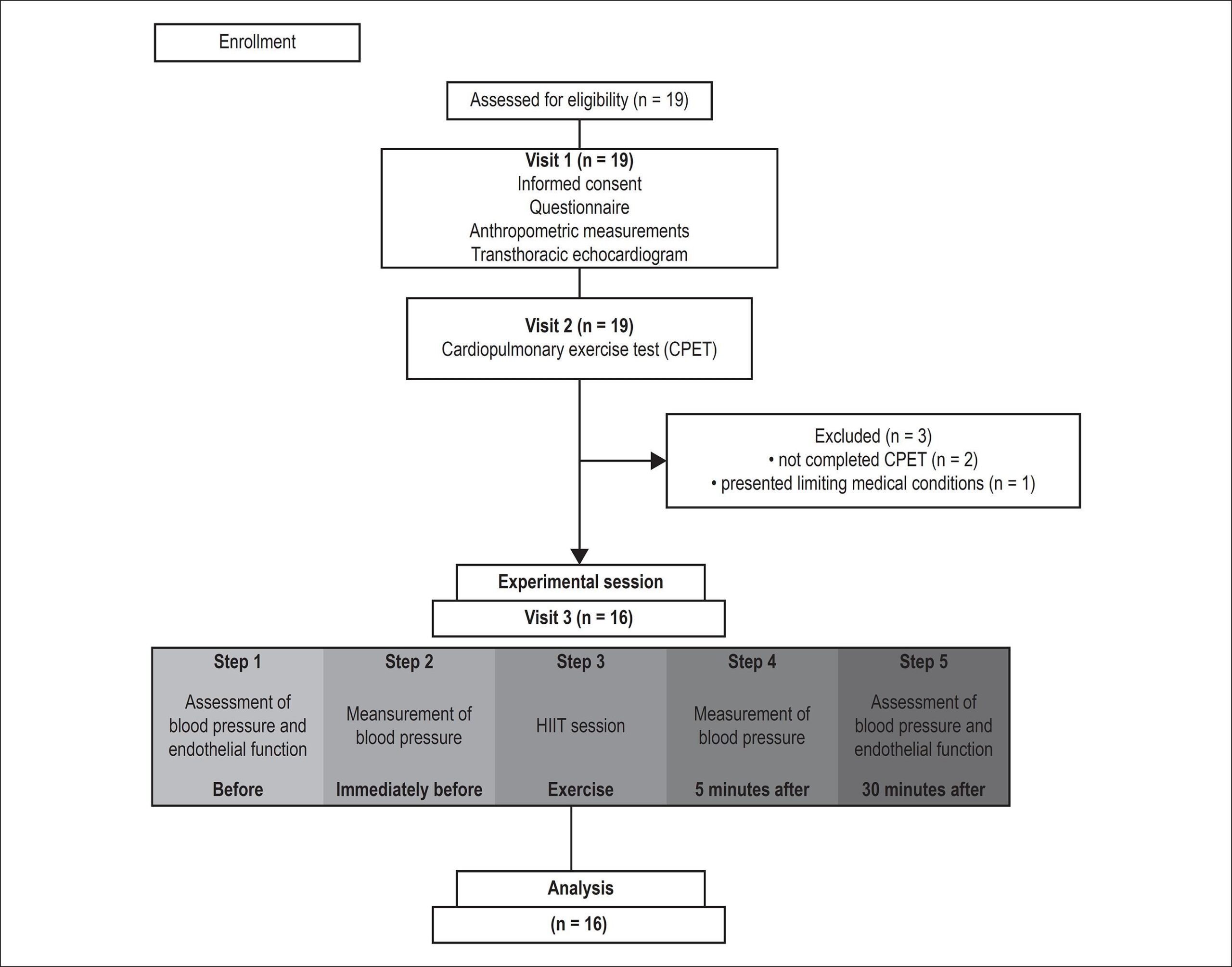
To evaluate the subacute effect of one HIIT session on endothelial function and blood pressure in patients with HFpEF.

Methods:

Sixteen patients with HFpEF underwent a 36-minute session of HIIT on a treadmill, alternating four minutes of high-intensity intervals with three minutes of active recovery. Brachial artery diameter, flow-mediated dilation, and blood pressure were assessed immediately before and 30 minutes after the HIIT session. In all analyses, p <0.05 was considered statistically significant.

Results:

There was an increase in brachial artery diameter (pre-exercise: 3.96 ± 0.57 mm; post-exercise: 4.33 ± 0.69 mm; p < 0.01) and a decrease in systolic blood pressure (pre-exercise: 138 ± 21 mmHg; post-exercise: 125 ± 20 mmHg; p < 0.01). Flow-mediated dilation (pre-exercise: 5.91 ± 5.20%; post-exercise: 3.55 ± 6.59%; p = 0.162) and diastolic blood pressure (pre-exercise: 81 ± 11 mmHg; post-exercise: 77 ± 8 mmHg; p = 1.000) did not change significantly. There were no adverse events throughout the experiment.

Conclusions:

One single HIIT session promoted an increase in brachial artery diameter and reduction in systolic blood pressure, but it did not change flow-mediated dilation and diastolic blood pressure.

  • Arterial Pressure
  • Brachial Artery
  • Endothelium/function
  • Exercise
  • Heart Failure
  • Vasodilatation
Read Full Article
Creative Commons Attribution (CC BY) Creative Commons license
18/10/2018 DOI: 10.5935/abc.20180202 Views 1
Original Article

Assessment of Subclinical Cardiac Alterations and Atrial Electromechanical Delay by Tissue Doppler Echocardiography in Patients with Nonfunctioning Adrenal Incidentaloma

Gulizar Sokmen et al. Murat Sahin Dilek Tuzun Abdullah Sokmen … Hanife Bolat Ayten Oguz Adem Doganer Huseyin Nacar Kamile Gul

Abstract

Background:

Majority of the incidentally discovered adrenal masses, called adrenal incidentaloma (AI), are nonfunctioning adrenal adenomas. The appropriate management of AI is still a matter debate, so it is necessary to investigate their associated morbidity. However, data regarding morphological and functional cardiac alterations are limited in this group.

Objective:

In this study, we aimed to assess cardiac structural and functional characteristics and atrial conduction properties in patients with nonfunctioning AI.

Methods:

Thirty patients with nonfunctioning AI and 46 properly matched control subjects were included in the study. After hormonal and biochemical analysis, all participants underwent transthoracic echocardiography to obtain systolic and diastolic parameters of both ventricles, in addition to atrial conduction times by tissue Doppler echocardiography. Data were analyzed with Statistical Package for the Social Sciences (SPSS, Chicago, IL, United States) statistics, version 17.0 for Windows. P < 0.05 was considered statistically significant.

Results:

Left ventricular (LV) mass index and LV myocardial performance index were significantly increased in AI group. Among atrial conduction times, both intra- and interatrial electromechanical delays were significantly prolonged in patients with nonfunctioning AI. Other laboratory and echocardiographic findings were similar between groups.

Conclusion:

Our study revealed that intra- and inter-atrial conduction times were prolonged, and LV mass index was increased in patients with nonfunctioning AI. These findings may be markers of subclinical cardiac involvement and tendency to cardiovascular complications. Close follow-up is necessary for individuals with nonfunctioning AI for their increased cardiovascular risk.

  • Adrenocortical Adenoma
  • Cardiac Conduction System Disease
  • Diagnostic Imaging
  • Diastole/function
  • Incidental Findings
  • Metabolic Syndrome
Read Full Article
Creative Commons Attribution (CC BY) Creative Commons license
11/10/2018 DOI: 10.5935/abc.20180188 Views 1
Figure 1
Original Article

Baseline Prolonged PR Interval and Outcome of Cardiac Resynchronization Therapy: A Systematic Review and Meta-analysis

Pattara Rattanawong et al. Narut Prasitlumkum Tanawan Riangwiwat Napatt Kanjanahattakij … Wasawat Vutthikraivit Pakawat Chongsathidkiet Ross J Simpson

Abstract

Background:

Recent studies suggest that baseline prolonged PR interval is associated with worse outcome in cardiac resynchronization therapy (CRT). However, a systematic review and meta-analysis of the literature have not been made.

Objective:

To assess the association between baseline prolonged PR interval and adverse outcomes of CRT by a systematic review of the literature and a meta-analysis.

Methods:

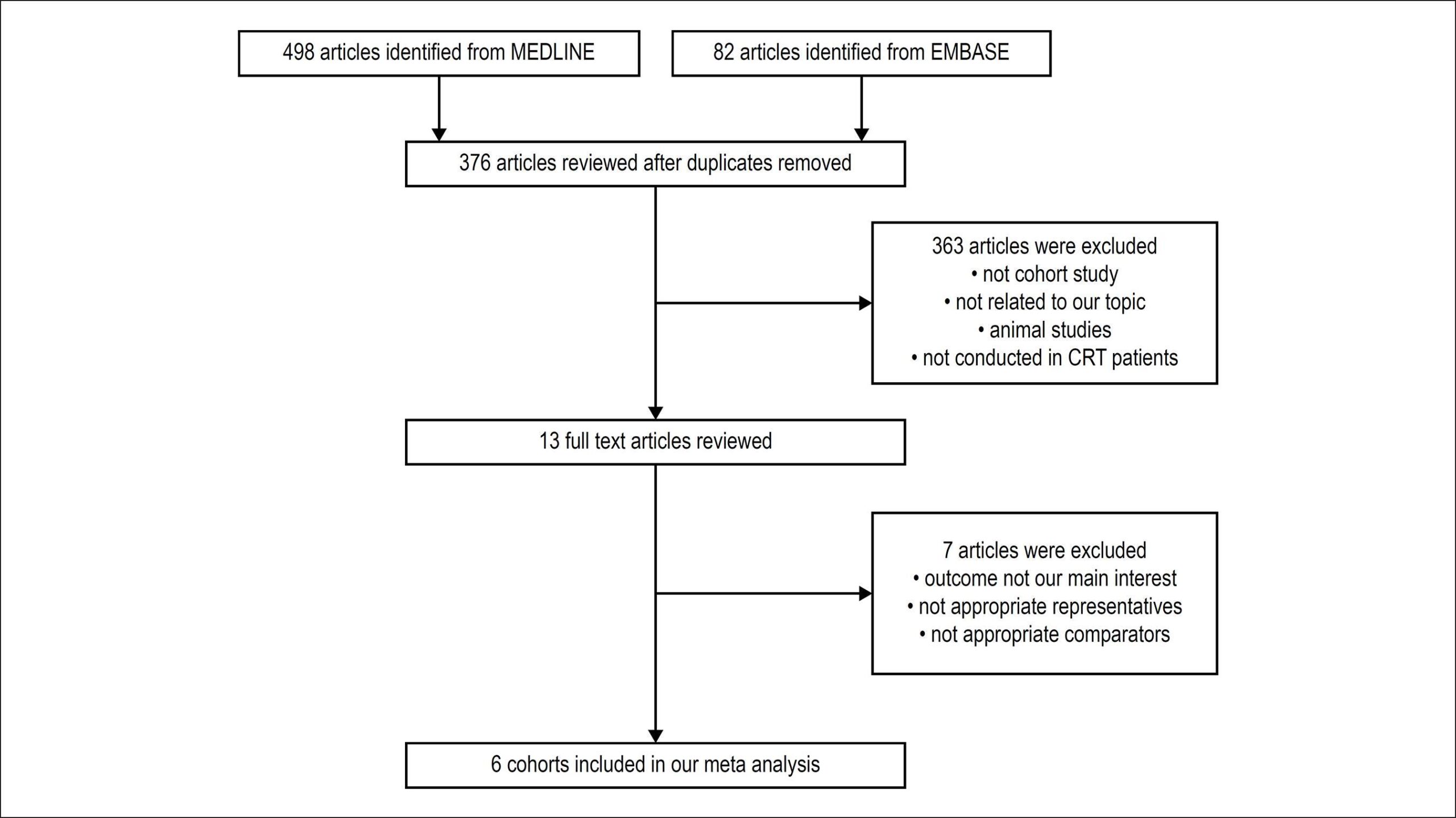
We comprehensively searched the databases of MEDLINE and EMBASE from inception to March 2017. The included studies were published prospective or retrospective cohort studies that compared all-cause mortality, HF hospitalization, and composite outcome of CRT with baseline prolonged PR (> 200 msec) versus normal PR interval. Data from each study were combined using the random-effects, generic inverse variance method of DerSimonian and Laird to calculate the risk ratios and 95% confidence intervals.

Results:

Six studies from January 1991 to May 2017 were included in this meta-analysis. All-cause mortality rate is available in four studies involving 17,432 normal PR and 4,278 prolonged PR. Heart failure hospitalization is available in two studies involving 16,152 normal PR and 3,031 prolonged PR. Composite outcome is available in four studies involving 17,001 normal PR and 3,866 prolonged PR. Prolonged PR interval was associated with increased risk of all-cause mortality (pooled risk ratio = 1.34, 95 % confidence interval: 1.08-1.67, p < 0.01, I2= 57.0%), heart failure hospitalization (pooled risk ratio = 1.30, 95 % confidence interval: 1.16-1.45, p < 0.01, I2= 6.6%) and composite outcome (pooled risk ratio = 1.21, 95% confidence interval: 1.13-1.30, p < 0.01, I2= 0%).

Conclusions:

Our systematic review and meta-analysis support the hypothesis that baseline prolonged PR interval is a predictor of all-cause mortality, heart failure hospitalization, and composite outcome in CRT patients.

  • Cardiac Resynchronization/methods
  • Heart Conduction System/physiopathology
  • Heart Failure/complications
  • Meta-Analysis
  • Review
  • Ventricular Dysfunction/complications
Read Full Article
Creative Commons Attribution (CC BY) Creative Commons license
11/10/2018 DOI: 10.5935/abc.20180198 Views 1
Figure 1
Original Article

Prognostic Differences between Men and Women with Acute Coronary Syndrome. Data from a Brazilian Registry

Alexandre de Matos Soeiro et al. Pedro Gabriel Melo de Barros e Silva Eduardo Alberto de Castro Roque Aline Siqueira Bossa … Bruno Biselli Tatiana de Carvalho Andreucci Torres Leal Maria Carolina Feres de Almeida Soeiro Fábio Grunspun Pitta Carlos V. Serrano Jr. Múcio Tavares Oliveira Jr.

Abstract

Background:

Gender-related differences have been reported in patients with acute coronary syndrome. The description of this comparative finding in a Brazilian registry has not yet been documented.

Objective:

To compare male vs. female patients regarding the baseline characteristics, coronary findings, treatment and in-hospital and long-term prognosis.

Methods:

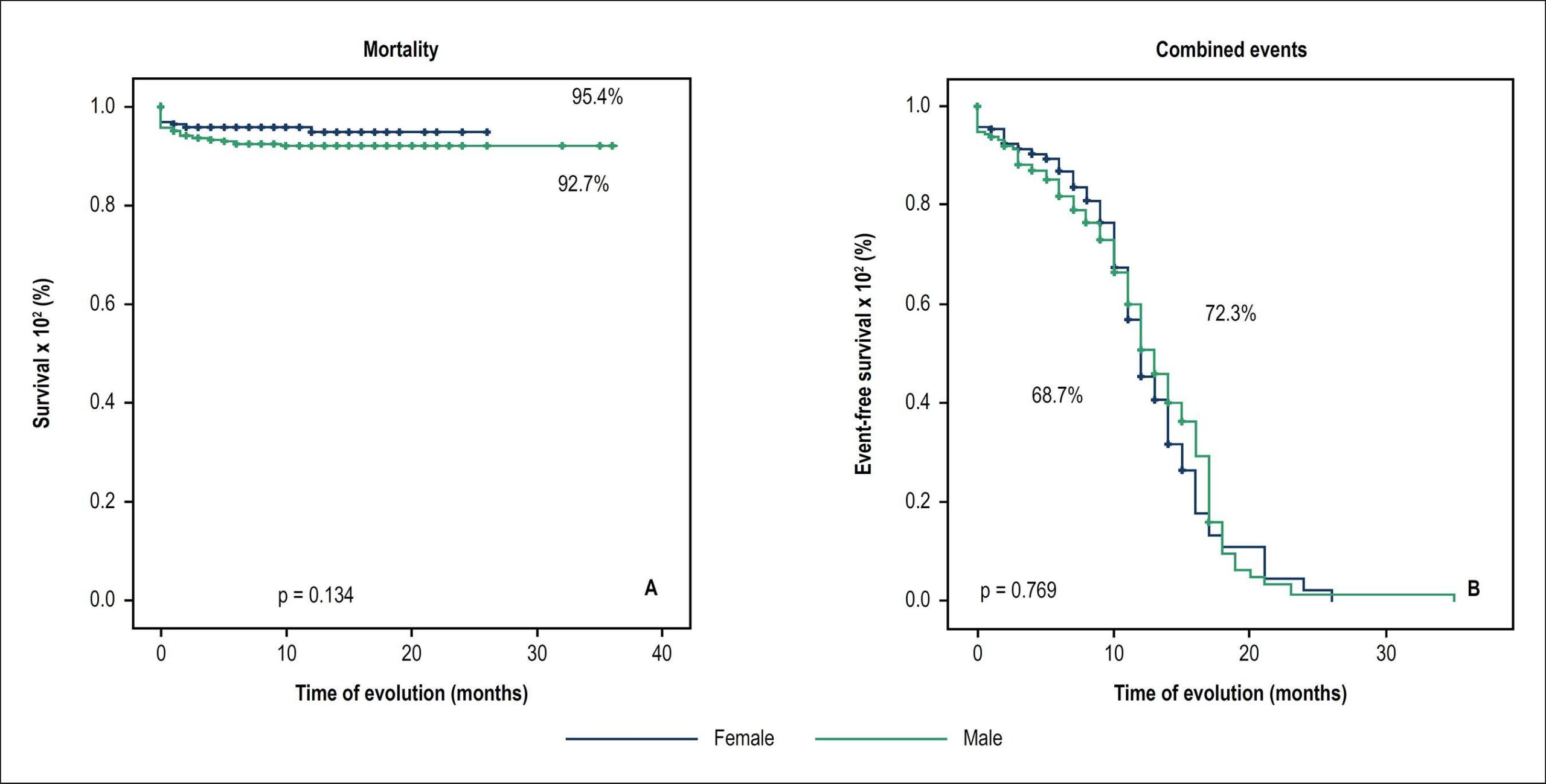
This is a retrospective, multicenter and observational study that included 3,745 patients (2,437 males and 1,308 females) between May 2010 and May 2015. The primary in-hospital outcome was all-cause mortality. The secondary outcome consisted of combined events (cardiogenic shock, reinfarction, death, stroke and bleeding). The comparison between groups was performed using the chi-square and the t test, considering p < 0.05 as significant. In the long term, mortality and combined events were assessed using the Kaplan-Meier method, with a mean follow-up of 8.79 months.

Results:

The mean age was 60.3 years for males and 64.6 for females (p < 0.0001). The most prevalent risk factor was systemic arterial hypertension in 72.9% of the women and 67.8% of the men (p = 0.001). Percutaneous coronary intervention was carried out in 44.9% of the males and 35.4% of the females (p < 0.0001), and coronary artery bypass grafting (CABG) was performed in 17% of the males and 11.8% of females (p < 0.0001), with a higher prevalence of three-vessel coronary artery disease in males (27.3% vs. 16.2%, p < 0.0001). Approximately 79.9% of the female patients received a diagnosis of acute coronary syndrome without ST-segment elevation, while in the male patients, this diagnosis was attained in 71.5% (p < 0.0001). No significant differences were observed between the groups in the short and long term, regarding both mortality and the combined events.

Conclusion:

Several gender-related differences were observed in patients with acute coronary syndrome regarding the demographic characteristics, coronary artery disease pattern and implemented treatment. However, the prognostic evolution was similar between the groups.

  • Acute Coronary Syndrome/epidemiology
  • Gender Indentify
  • Hypertension
  • Mortality
  • Multicenter Study
  • Percutaneous Coronary Intervention
  • Prognosis
Read Full Article
Creative Commons Attribution (CC BY) Creative Commons license
21/09/2018 DOI: 10.5935/abc.20180166 Views 1
Figure 1
Original Article

Mortality for Critical Congenital Heart Diseases and Associated Risk Factors in Newborns. A Cohort Study

Selma Alves Valente do Amaral Lopes et al. Isabel Cristina Britto Guimarães Sofia Fontes de Oliva Costa Angelina Xavier Acosta … Kyoko Abe Sandes Carlos Maurício Cardeal Mendes

Abstract

Background:

Congenital heart diseases are the most common type of congenital defects, and account for more deaths in the first year of life than any other condition, when infectious etiologies are ruled out.

Objectives:

To evaluate survival, and to identify risk factors in deaths in newborns with critical and/or complex congenital heart disease in the neonatal period.

Methods:

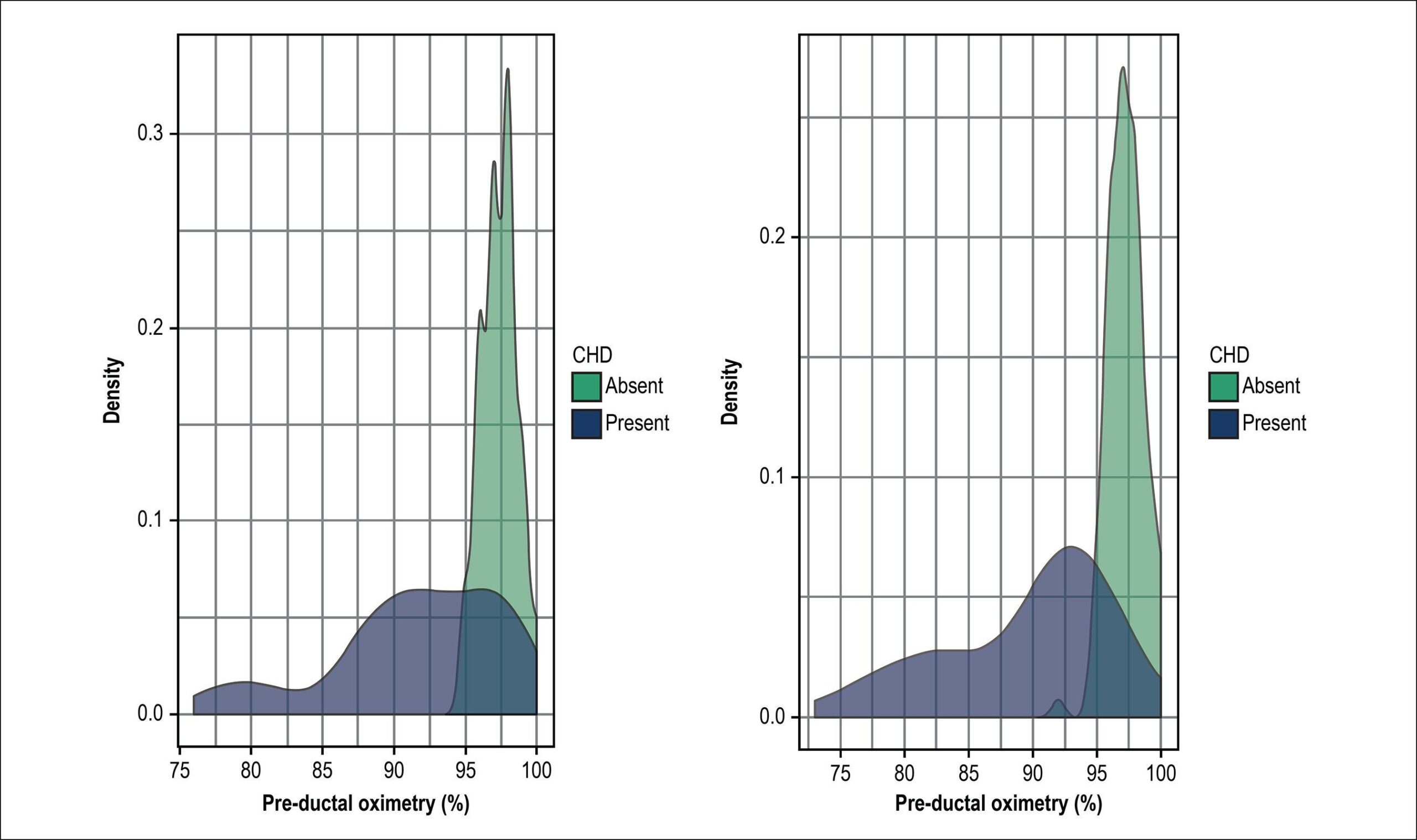
A cohort study, nested to a randomized case-control, was performed, considering the Confidence Interval of 95% (95% CI) and significance level of 5%, paired by gender of the newborn and maternal age. Case-finding, interviews, medical record analysis, clinical evaluation of pulse oximetry (heart test) and Doppler echocardiogram were performed, as well as survival analysis, and identification of death-related risk factors.

Results:

The risk factors found were newborns younger than 37 weeks (Relative Risk – RR: 2.89; 95% CI [1.49-5.56]; p = 0.0015), weight of less than 2,500 grams (RR: 2.33 [; 95% CI 1.26-4.29]; p = 0.0068), occurrence of twinning (RR: 11.96 [95% CI 1.43-99.85]; p = 0.022) and presence of comorbidity (RR: 2.27 [95% CI 1.58-3.26]; p < 0.0001). The incidence rate of mortality from congenital heart disease was 81 cases per 100,000 live births. The lethality attributed to critical congenital heart diseases was 64.7%, with proportional mortality of 12.0%. The survival rate at 28 days of life decreased by almost 70% in newborns with congenital heart disease. The main cause of death was cardiogenic shock.

Conclusion:

Preterm infants with low birth weight and comorbidities presented a higher risk of mortality related to congenital heart diseases. This cohort was extinguished very quickly, signaling the need for greater investment in assistance technology in populations with this profile.

  • Heart Defects Congenital/mortality
  • Infant Newborn/mortality
  • Risk Factors
  • Survival Analysis
Read Full Article
Creative Commons Attribution (CC BY) Creative Commons license
21/09/2018 DOI: 10.5935/abc.20180175
Figure 1
Original Article

Usefulness of preoperative venography in patients with cardiac implantable electronic devices submitted to lead replacement or device upgrade procedures

Caio Marcos de Moraes Albertini et al. Katia Regina da Silva Joaquim Maurício da Motta Leal Filho Elizabeth Sartori Crevelari … Martino Martinelli Filho Francisco Cesar Carnevale Roberto Costa

Abstract

Background:

Venous obstructions are common in patients with transvenous cardiac implantable electronic devices, but they rarely cause immediate clinical problems. The main consequence of these lesions is the difficulty in obtaining venous access for additional leads implantation.

Objectives:

We aimed to assess the prevalence and predictor factors of venous lesions in patients referred to lead reoperations, and to define the role of preoperative venography in the planning of these procedures.

Methods:

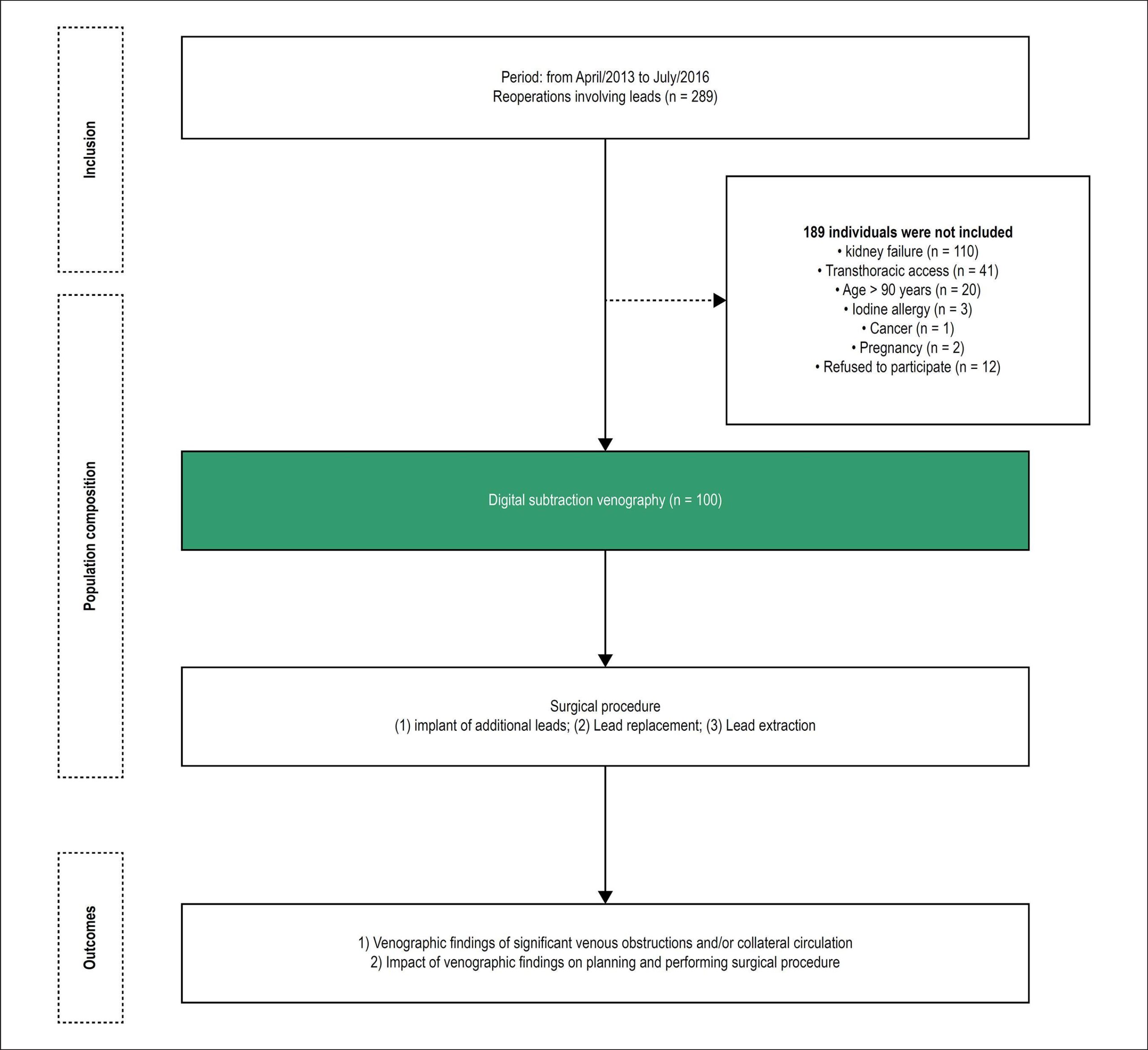
From April 2013 to July 2016, contrast venography was performed in 100 patients referred to device upgrade, revision and lead extraction. Venous lesions were classified as non-significant (< 50%), moderate stenosis (51-70%), severe stenosis (71-99%) or occlusion (100%). Collateral circulation was classified as absent, discrete, moderate or accentuated. The surgical strategy was defined according to the result of the preoperative venography. Univariate analysis was used to investigate predictor factors related to the occurrence of these lesions, with 5% of significance level.

Results:

Moderate venous stenosis was observed in 23%, severe in 13% and occlusions in 11%. There were no significant differences in relation to the device side or the venous segment. The usefulness of the preoperative venography to define the operative tactic was proven, and in 99% of the cases, the established surgical strategy could be performed according to plan.

Conclusions:

The prevalence of venous obstruction is high in CIED recipients referred to reoperations. Venography is highly indicated as a preoperative examination for allowing the adequate surgical planning of procedures involving previous transvenous leads.

  • extraction of leads
  • Implantable Defibrillators
  • Pacemaker
  • Phlebography
  • Risk Factors
  • venous stenosis
Read Full Article
Creative Commons Attribution (CC BY) Creative Commons license
21/09/2018 DOI: 10.5935/abc.20180164 Views 1
Figure 1
Original Article

Arterial Stiffness Use for Early Monitoring of Cardiovascular Adverse Events due to Anthracycline Chemotherapy in Breast Cancer Patients. A Pilot Study

Cláudio Antônio de Souza et al. Ricardo Simões Karina Braga Gomes Borges Angélica Navarro de Oliveira … Juliana Barroso Zogeib Bruno Alves Marcus Vinicius Bolívar Malachias Ana Paula Drummond-Lage Bruno Almeida Rezende

Abstract

Background:

Chemotherapy with doxorubicin and cyclophosphamide, although efficient for treating breast cancer, is associated with cardiovascular complications. Recent studies seek to identify methods that can early detect cardiological and vascular changes as a strategy to decrease the incidence of cardiovascular comorbidities.

Objective:

To evaluate the role of arterial stiffness measurement in the monitoring of doxorubicin and cyclophosphamide-induced cardiotoxicity in breast cancer patients.

Methods:

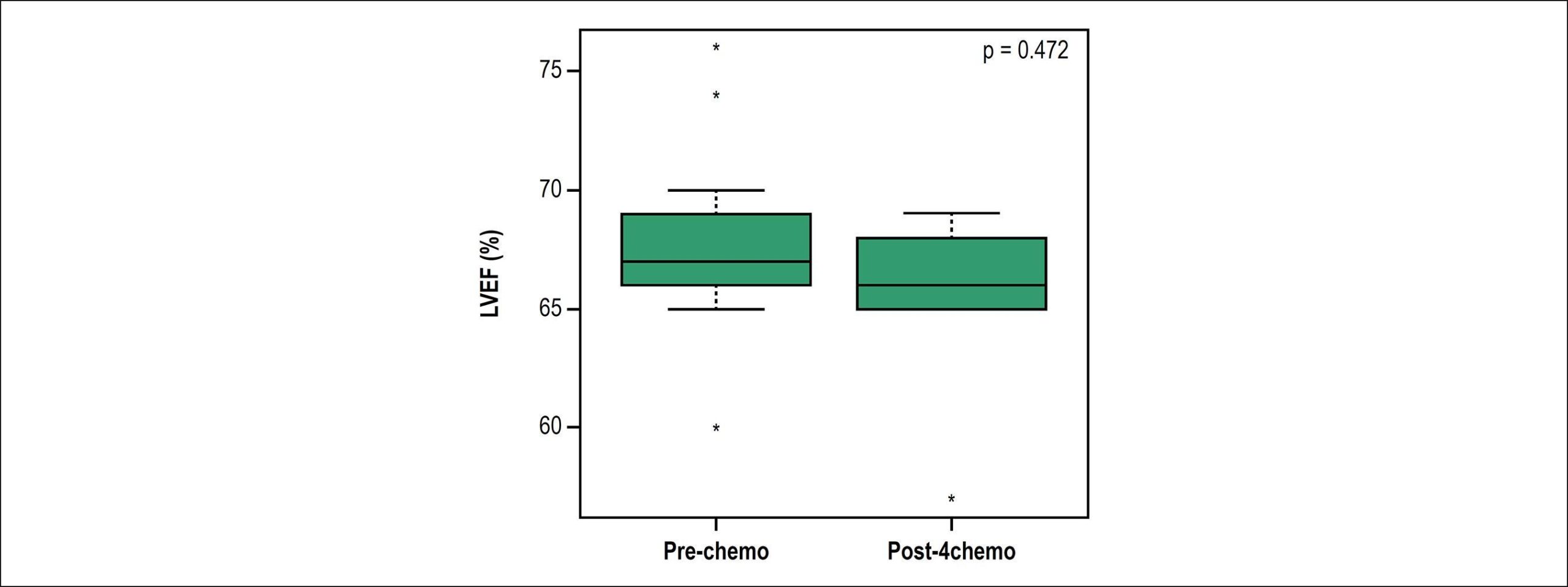
Prospective longitudinal study in 24 breast cancer patients undergoing treatment with doxorubicin and cyclophosphamide. Patients underwent an indirect evaluation of arterial stiffness through non-invasive measurement of hemodynamic parameters such as pulse wave velocity with the Mobil-O-Graph® 24H PWA device at three different times of the chemotherapy treatment (pre-chemotherapy, after the first and the fourth cycle). The left ventricular ejection fraction was also evaluated by Doppler echocardiography (pre-chemotherapy and after the fourth chemotherapy cycle). Data were considered significant when p ≤ 0.05.

Results:

Patients had a mean age of 52.33 ± 8.85 years and body mass index of 31 ± 5.87 kg/m2. There was no significant difference between the hemodynamic parameters evaluated by the oscillometric method or in the left ventricular ejection fraction in the different evaluated periods.

Conclusion:

Evaluations of arterial stiffness by oscillometry and measurement of left ventricular ejection fraction by Doppler echocardiography showed equivalence in the values found, suggesting that the evaluation method of arterial stiffness studied could be used as a marker for cardiovascular adverse events associated with doxorrubicin-based chemotherapy drugs.

  • Breast Neoplasms
  • Cardiotoxicity
  • Cyclophosphamide/adverse effects
  • Doxorubicin/adverse effects
  • Stroke Volume/drug effects
  • Vascular Stiffness
Read Full Article
Creative Commons Attribution (CC BY) Creative Commons license
21/09/2018 DOI: 10.5935/abc.20180168 Views 1

Could not load more articles. Please try again.

How to cite this article

EndNote RIS

Electronic Document Format (Vancouver)

Herdy AH, Benetti M. High Intensity Exercises in Heart Failure with Preserved Ejection Fraction. Arquivos Brasileiros de Cardiologia 2018;111(5):708-9.

Electronic Document Format (ABNT)

Herdy, Artur Haddad; Benetti, Magnus. High Intensity Exercises in Heart Failure with Preserved Ejection Fraction. Arquivos Brasileiros de Cardiologia, v. 111, n. 5, p. 708-709, Oct. 2018.

Electronic Document Format (APA)

Herdy, A. H., & Benetti, M. (2018). High Intensity Exercises in Heart Failure with Preserved Ejection Fraction. Arquivos Brasileiros de Cardiologia, 111(5), 708-709.

Electronic Document Format (ISO)

Herdy, Artur Haddad and Benetti, Magnus. High Intensity Exercises in Heart Failure with Preserved Ejection Fraction. Arquivos Brasileiros de Cardiologia [online]. 2018, vol. 111, n. 5, [cited 2026-10-14], pp. 708-709. Available from: <https://journals.cardiol.br/en/article/high-intensity-exercises-in-heart-failure-with-preserved-ejection-fraction/>. ISSN 0066-782X

EndNote RIS

Electronic Document Format (Vancouver)

Pena JLB, Santos WC, Araújo SA, Dias GM, Sternick EB. How Echocardiographic Deformation Indices Can Distinguish Different Types of Left Ventricular Hypertrophy. Arquivos Brasileiros de Cardiologia 2018;111(5):758-9.

Electronic Document Format (ABNT)

Pena, José Luiz Barros; Santos, Wander Costa; Araújo, Stanley de Almeida; Dias, Glauber Monteiro; Sternick, Eduardo Back. How Echocardiographic Deformation Indices Can Distinguish Different Types of Left Ventricular Hypertrophy. Arquivos Brasileiros de Cardiologia, v. 111, n. 5, p. 758-759, Oct. 2018.

Electronic Document Format (APA)

Pena, J. L. B., Santos, W. C., Araújo, S. A., Dias, G. M., & Sternick, E. B. (2018). How Echocardiographic Deformation Indices Can Distinguish Different Types of Left Ventricular Hypertrophy. Arquivos Brasileiros de Cardiologia, 111(5), 758-759.

Electronic Document Format (ISO)

Pena, José Luiz Barros and Santos, Wander Costa and Araújo, Stanley de Almeida and Dias, Glauber Monteiro and Sternick, Eduardo Back. How Echocardiographic Deformation Indices Can Distinguish Different Types of Left Ventricular Hypertrophy. Arquivos Brasileiros de Cardiologia [online]. 2018, vol. 111, n. 5, [cited 2026-10-14], pp. 758-759. Available from: <https://journals.cardiol.br/en/article/how-echocardiographic-deformation-indices-can-distinguish-different-types-of-left-ventricular-hypertrophy/>. ISSN 0066-782X

EndNote RIS

Electronic Document Format (Vancouver)

Martins WA. Cardiovascular Aggression by Doxorubicin: The Search for Mechanisms. Arquivos Brasileiros de Cardiologia 2018;111(5):729-30.

Electronic Document Format (ABNT)

Martins, Wolney de Andrade. Cardiovascular Aggression by Doxorubicin: The Search for Mechanisms. Arquivos Brasileiros de Cardiologia, v. 111, n. 5, p. 729-730, Oct. 2018.

Electronic Document Format (APA)

Martins, W. A. (2018). Cardiovascular Aggression by Doxorubicin: The Search for Mechanisms. Arquivos Brasileiros de Cardiologia, 111(5), 729-730.

Electronic Document Format (ISO)

Martins, Wolney de Andrade. Cardiovascular Aggression by Doxorubicin: The Search for Mechanisms. Arquivos Brasileiros de Cardiologia [online]. 2018, vol. 111, n. 5, [cited 2026-10-14], pp. 729-730. Available from: <https://journals.cardiol.br/en/article/cardiovascular-aggression-by-doxorubicin-the-search-for-mechanisms/>. ISSN 0066-782X

EndNote RIS

Electronic Document Format (Vancouver)

Scorsatto M, Rosa G, Pimentel AC, Luiz RR, Oliveira GMM. Is it Possible to Easily Identify Metabolically Healthy Obese Women?. Arquivos Brasileiros de Cardiologia 2018;111(5):733-7.

Electronic Document Format (ABNT)

Scorsatto, Mauara; Rosa, Glorimar; Pimentel, Aline de Castro; Luiz, Ronir Raggio; Oliveira, Gláucia Maria Moraes de. Is it Possible to Easily Identify Metabolically Healthy Obese Women?. Arquivos Brasileiros de Cardiologia, v. 111, n. 5, p. 733-737, Oct. 2018.

Electronic Document Format (APA)

Scorsatto, M., Rosa, G., Pimentel, A. C., Luiz, R. R., & Oliveira, G. M. M. (2018). Is it Possible to Easily Identify Metabolically Healthy Obese Women?. Arquivos Brasileiros de Cardiologia, 111(5), 733-737.

Electronic Document Format (ISO)

Scorsatto, Mauara and Rosa, Glorimar and Pimentel, Aline de Castro and Luiz, Ronir Raggio and Oliveira, Gláucia Maria Moraes de. Is it Possible to Easily Identify Metabolically Healthy Obese Women?. Arquivos Brasileiros de Cardiologia [online]. 2018, vol. 111, n. 5, [cited 2026-10-14], pp. 733-737. Available from: <https://journals.cardiol.br/en/article/is-it-possible-to-easily-identify-metabolically-healthy-obese-women/>. ISSN 0066-782X

EndNote RIS

Electronic Document Format (Vancouver)

Soares AM. Mortality for Critical Congenital Heart Diseases and Associated Risk Factors in Newborns. A Cohort Study. Arquivos Brasileiros de Cardiologia 2018;111(5):674-5.

Electronic Document Format (ABNT)

Soares, Andressa Mussi. Mortality for Critical Congenital Heart Diseases and Associated Risk Factors in Newborns. A Cohort Study. Arquivos Brasileiros de Cardiologia, v. 111, n. 5, p. 674-675, Oct. 2018.

Electronic Document Format (APA)

Soares, A. M. (2018). Mortality for Critical Congenital Heart Diseases and Associated Risk Factors in Newborns. A Cohort Study. Arquivos Brasileiros de Cardiologia, 111(5), 674-675.

Electronic Document Format (ISO)

Soares, Andressa Mussi. Mortality for Critical Congenital Heart Diseases and Associated Risk Factors in Newborns. A Cohort Study. Arquivos Brasileiros de Cardiologia [online]. 2018, vol. 111, n. 5, [cited 2026-10-14], pp. 674-675. Available from: <https://journals.cardiol.br/en/article/mortality-for-critical-congenital-heart-diseases-and-associated-risk-factors-in-newborns-a-cohort-study-2/>. ISSN 0066-782X

EndNote RIS

Electronic Document Format (Vancouver)

Izar MCO, Fonseca HAR, França CN, Machado VA, Ferreira CES, Fonseca FAH. Rare Presentation of Dercum’s Disease in a Child with Abnormalities in Lipoprotein Metabolism. Arquivos Brasileiros de Cardiologia 2018;111(5):755-7.

Electronic Document Format (ABNT)

Izar, Maria Cristina de Oliveira; Fonseca, Henrique Andrade Rodrigues da; França, Carolina Nunes; Machado, Valéria Arruda; Ferreira, Carlos Eduardo dos Santos; Fonseca, Francisco Antonio Helfenstein. Rare Presentation of Dercum’s Disease in a Child with Abnormalities in Lipoprotein Metabolism. Arquivos Brasileiros de Cardiologia, v. 111, n. 5, p. 755-757, Oct. 2018.

Electronic Document Format (APA)

Izar, M. C. O., Fonseca, H. A. R. , França, C. N., Machado, V. A., Ferreira, C. E. S., & Fonseca, F. A. H. (2018). Rare Presentation of Dercum’s Disease in a Child with Abnormalities in Lipoprotein Metabolism. Arquivos Brasileiros de Cardiologia, 111(5), 755-757.

Electronic Document Format (ISO)

Izar, Maria Cristina de Oliveira and Fonseca, Henrique Andrade Rodrigues da and França, Carolina Nunes and Machado, Valéria Arruda and Ferreira, Carlos Eduardo dos Santos and Fonseca, Francisco Antonio Helfenstein. Rare Presentation of Dercum’s Disease in a Child with Abnormalities in Lipoprotein Metabolism. Arquivos Brasileiros de Cardiologia [online]. 2018, vol. 111, n. 5, [cited 2026-10-14], pp. 755-757. Available from: <https://journals.cardiol.br/en/article/rare-presentation-of-dercums-disease-in-a-child-with-abnormalities-in-lipoprotein-metabolism/>. ISSN 0066-782X

EndNote RIS

Electronic Document Format (Vancouver)

Santos JMT. Anxiety and Depression after Myocardial Infarction: Can Inflammatory Factors be Involved?. Arquivos Brasileiros de Cardiologia 2018;111(5):684-5.

Electronic Document Format (ABNT)

Santos, João Manoel Theotonio dos. Anxiety and Depression after Myocardial Infarction: Can Inflammatory Factors be Involved?. Arquivos Brasileiros de Cardiologia, v. 111, n. 5, p. 684-685, Oct. 2018.

Electronic Document Format (APA)

Santos, J. M. T. (2018). Anxiety and Depression after Myocardial Infarction: Can Inflammatory Factors be Involved?. Arquivos Brasileiros de Cardiologia, 111(5), 684-685.

Electronic Document Format (ISO)

Santos, João Manoel Theotonio dos. Anxiety and Depression after Myocardial Infarction: Can Inflammatory Factors be Involved?. Arquivos Brasileiros de Cardiologia [online]. 2018, vol. 111, n. 5, [cited 2026-10-14], pp. 684-685. Available from: <https://journals.cardiol.br/en/article/anxiety-and-depression-after-myocardial-infarction-can-inflammatory-factors-be-involved/>. ISSN 0066-782X

EndNote RIS

Electronic Document Format (Vancouver)

Cordova CMM, Galgowski C. Flexibilization of Fasting for Laboratory Determination of the Lipid Profile in Brazil: Science or Convenience?. Arquivos Brasileiros de Cardiologia 2018;111(5):747-9.

Electronic Document Format (ABNT)

Cordova, Caio Maurício Mendes de; Galgowski, Caroline. Flexibilization of Fasting for Laboratory Determination of the Lipid Profile in Brazil: Science or Convenience?. Arquivos Brasileiros de Cardiologia, v. 111, n. 5, p. 747-749, Oct. 2018.

Electronic Document Format (APA)

Cordova, C. M. M. , & Galgowski, C. (2018). Flexibilization of Fasting for Laboratory Determination of the Lipid Profile in Brazil: Science or Convenience?. Arquivos Brasileiros de Cardiologia, 111(5), 747-749.

Electronic Document Format (ISO)

Cordova, Caio Maurício Mendes de and Galgowski, Caroline. Flexibilization of Fasting for Laboratory Determination of the Lipid Profile in Brazil: Science or Convenience?. Arquivos Brasileiros de Cardiologia [online]. 2018, vol. 111, n. 5, [cited 2026-10-14], pp. 747-749. Available from: <https://journals.cardiol.br/en/article/flexibilization-of-fasting-for-laboratory-determination-of-the-lipid-profile-in-brazil-science-or-convenience/>. ISSN 0066-782X

EndNote RIS

Electronic Document Format (Vancouver)

Pena JLB. Nonfunctioning Adrenal Incidentalomas: The Search for Subclinical Cardiac Alterations. Arquivos Brasileiros de Cardiologia 2018;111(5):664-5.

Electronic Document Format (ABNT)

Pena, José Luiz Barros. Nonfunctioning Adrenal Incidentalomas: The Search for Subclinical Cardiac Alterations. Arquivos Brasileiros de Cardiologia, v. 111, n. 5, p. 664-665, Oct. 2018.

Electronic Document Format (APA)

Pena, J. L. B. (2018). Nonfunctioning Adrenal Incidentalomas: The Search for Subclinical Cardiac Alterations. Arquivos Brasileiros de Cardiologia, 111(5), 664-665.

Electronic Document Format (ISO)

Pena, José Luiz Barros. Nonfunctioning Adrenal Incidentalomas: The Search for Subclinical Cardiac Alterations. Arquivos Brasileiros de Cardiologia [online]. 2018, vol. 111, n. 5, [cited 2026-10-14], pp. 664-665. Available from: <https://journals.cardiol.br/en/article/nonfunctioning-adrenal-incidentalomas-the-search-for-subclinical-cardiac-alterations/>. ISSN 0066-782X

EndNote RIS

Electronic Document Format (Vancouver)

Martinelli Filho M. Can We Consider PR Interval to Screen Patients for Cardiac Resynchronization Therapy?. Arquivos Brasileiros de Cardiologia 2018;111(5):720.

Electronic Document Format (ABNT)

Martinelli Filho, Martino. Can We Consider PR Interval to Screen Patients for Cardiac Resynchronization Therapy?. Arquivos Brasileiros de Cardiologia, v. 111, n. 5, p. 720-720, Oct. 2018.

Electronic Document Format (APA)

Martinelli Filho, M. (2018). Can We Consider PR Interval to Screen Patients for Cardiac Resynchronization Therapy?. Arquivos Brasileiros de Cardiologia, 111(5), 720-720.

Electronic Document Format (ISO)

Martinelli Filho, Martino. Can We Consider PR Interval to Screen Patients for Cardiac Resynchronization Therapy?. Arquivos Brasileiros de Cardiologia [online]. 2018, vol. 111, n. 5, [cited 2026-10-14], pp. 720-720. Available from: <https://journals.cardiol.br/en/article/can-we-consider-pr-interval-to-screen-patients-for-cardiac-resynchronization-therapy/>. ISSN 0066-782X

EndNote RIS

Electronic Document Format (Vancouver)

Garzon S, Ribeiro EE. Real World of Percutaneous Coronary Interventions in the Public Health System in Rio de Janeiro: How Can It Be Improved?. Arquivos Brasileiros de Cardiologia 2018;111(5):731-2.

Electronic Document Format (ABNT)

Garzon, Stefano; Ribeiro, Expedito E.. Real World of Percutaneous Coronary Interventions in the Public Health System in Rio de Janeiro: How Can It Be Improved?. Arquivos Brasileiros de Cardiologia, v. 111, n. 5, p. 731-732, Oct. 2018.

Electronic Document Format (APA)

Garzon, S., & Ribeiro, E. E. (2018). Real World of Percutaneous Coronary Interventions in the Public Health System in Rio de Janeiro: How Can It Be Improved?. Arquivos Brasileiros de Cardiologia, 111(5), 731-732.

Electronic Document Format (ISO)

Garzon, Stefano and Ribeiro, Expedito E.. Real World of Percutaneous Coronary Interventions in the Public Health System in Rio de Janeiro: How Can It Be Improved?. Arquivos Brasileiros de Cardiologia [online]. 2018, vol. 111, n. 5, [cited 2026-10-14], pp. 731-732. Available from: <https://journals.cardiol.br/en/article/real-world-of-percutaneous-coronary-interventions-in-the-public-health-system-in-rio-de-janeiro-how-can-it-be-improved/>. ISSN 0066-782X

EndNote RIS

Electronic Document Format (Vancouver)

Teixeirense PT, Sousa VM, Toledo JFB, Gubolino LA. Case 6 / 2018 – Percutaneous Occlusion of a Large Ductus Arteriosus in a Low Weight Infant, with Immediate Clinical and Radiographic Improvement. Arquivos Brasileiros de Cardiologia 2018;111(5):753-4.

Electronic Document Format (ABNT)

Teixeirense, Pablo Tomé; Sousa, Vanessa de Moraes; Toledo, João Felipe Barros de; Gubolino, Luiz Antonio. Case 6 / 2018 – Percutaneous Occlusion of a Large Ductus Arteriosus in a Low Weight Infant, with Immediate Clinical and Radiographic Improvement. Arquivos Brasileiros de Cardiologia, v. 111, n. 5, p. 753-754, Oct. 2018.

Electronic Document Format (APA)

Teixeirense, P. T., Sousa, V. M., Toledo, J. F. B. , & Gubolino, L. A. (2018). Case 6 / 2018 – Percutaneous Occlusion of a Large Ductus Arteriosus in a Low Weight Infant, with Immediate Clinical and Radiographic Improvement. Arquivos Brasileiros de Cardiologia, 111(5), 753-754.

Electronic Document Format (ISO)

Teixeirense, Pablo Tomé and Sousa, Vanessa de Moraes and Toledo, João Felipe Barros de and Gubolino, Luiz Antonio. Case 6 / 2018 – Percutaneous Occlusion of a Large Ductus Arteriosus in a Low Weight Infant, with Immediate Clinical and Radiographic Improvement. Arquivos Brasileiros de Cardiologia [online]. 2018, vol. 111, n. 5, [cited 2026-10-14], pp. 753-754. Available from: <https://journals.cardiol.br/en/article/case-6-2018-percutaneous-occlusion-of-a-large-ductus-arteriosus-in-a-low-weight-infant-with-immediate-clinical-and-radiographic-improvement/>. ISSN 0066-782X

EndNote RIS

Electronic Document Format (Vancouver)

Galvão Filho SS. Reintervention in Artificial Cardiac Pacing Systems. Arquivos Brasileiros de Cardiologia 2018;111(5):697-8.

Electronic Document Format (ABNT)

Galvão Filho, Silas dos Santos. Reintervention in Artificial Cardiac Pacing Systems. Arquivos Brasileiros de Cardiologia, v. 111, n. 5, p. 697-698, Oct. 2018.

Electronic Document Format (APA)

Galvão Filho, S. S. (2018). Reintervention in Artificial Cardiac Pacing Systems. Arquivos Brasileiros de Cardiologia, 111(5), 697-698.

Electronic Document Format (ISO)

Galvão Filho, Silas dos Santos. Reintervention in Artificial Cardiac Pacing Systems. Arquivos Brasileiros de Cardiologia [online]. 2018, vol. 111, n. 5, [cited 2026-10-14], pp. 697-698. Available from: <https://journals.cardiol.br/en/article/reintervention-in-artificial-cardiac-pacing-systems/>. ISSN 0066-782X

EndNote RIS

Electronic Document Format (Vancouver)

Silva DCP, Carneiro FD, Almeida KC, Fernandes-Santos C. Role of miRNAs on the Pathophysiology of Cardiovascular Diseases. Arquivos Brasileiros de Cardiologia 2018;111(5):738-46.

Electronic Document Format (ABNT)

Silva, Debora Cristina Pereira da; Carneiro, Felipe Demani; Almeida, Kelly Costa de; Fernandes-Santos, Caroline. Role of miRNAs on the Pathophysiology of Cardiovascular Diseases. Arquivos Brasileiros de Cardiologia, v. 111, n. 5, p. 738-746, Oct. 2018.

Electronic Document Format (APA)

Silva, D. C. P. , Carneiro, F. D., Almeida, K. C. , & Fernandes-Santos, C. (2018). Role of miRNAs on the Pathophysiology of Cardiovascular Diseases. Arquivos Brasileiros de Cardiologia, 111(5), 738-746.

Electronic Document Format (ISO)

Silva, Debora Cristina Pereira da and Carneiro, Felipe Demani and Almeida, Kelly Costa de and Fernandes-Santos, Caroline. Role of miRNAs on the Pathophysiology of Cardiovascular Diseases. Arquivos Brasileiros de Cardiologia [online]. 2018, vol. 111, n. 5, [cited 2026-10-14], pp. 738-746. Available from: <https://journals.cardiol.br/en/article/role-of-mirnas-on-the-pathophysiology-of-cardiovascular-diseases/>. ISSN 0066-782X

EndNote RIS

Electronic Document Format (Vancouver)

Izar MCO. Counterpoint: Flexibilization of Fasting for Laboratory Determination of the Lipid Profile in Brazil: Science or Convenience?. Arquivos Brasileiros de Cardiologia 2018;111(5):750-2.

Electronic Document Format (ABNT)

Izar, Maria Cristina de Oliveira. Counterpoint: Flexibilization of Fasting for Laboratory Determination of the Lipid Profile in Brazil: Science or Convenience?. Arquivos Brasileiros de Cardiologia, v. 111, n. 5, p. 750-752, Oct. 2018.

Electronic Document Format (APA)

Izar, M. C. O. (2018). Counterpoint: Flexibilization of Fasting for Laboratory Determination of the Lipid Profile in Brazil: Science or Convenience?. Arquivos Brasileiros de Cardiologia, 111(5), 750-752.

Electronic Document Format (ISO)

Izar, Maria Cristina de Oliveira. Counterpoint: Flexibilization of Fasting for Laboratory Determination of the Lipid Profile in Brazil: Science or Convenience?. Arquivos Brasileiros de Cardiologia [online]. 2018, vol. 111, n. 5, [cited 2026-10-14], pp. 750-752. Available from: <https://journals.cardiol.br/en/article/counterpoint-flexibilization-of-fasting-for-laboratory-determination-of-the-lipid-profile-in-brazil-science-or-convenience/>. ISSN 0066-782X

EndNote RIS

Electronic Document Format (Vancouver)

Lorenzo AD. Gender Disparities and Outcomes Of Acute Coronary Syndromes In Brazil. Arquivos Brasileiros de Cardiologia 2018;111(5):654-5.

Electronic Document Format (ABNT)

Lorenzo, Andrea De. Gender Disparities and Outcomes Of Acute Coronary Syndromes In Brazil. Arquivos Brasileiros de Cardiologia, v. 111, n. 5, p. 654-655, Oct. 2018.

Electronic Document Format (APA)

Lorenzo, A. D. (2018). Gender Disparities and Outcomes Of Acute Coronary Syndromes In Brazil. Arquivos Brasileiros de Cardiologia, 111(5), 654-655.

Electronic Document Format (ISO)

Lorenzo, Andrea De. Gender Disparities and Outcomes Of Acute Coronary Syndromes In Brazil. Arquivos Brasileiros de Cardiologia [online]. 2018, vol. 111, n. 5, [cited 2026-10-14], pp. 654-655. Available from: <https://journals.cardiol.br/en/article/gender-disparities-and-outcomes-of-acute-coronary-syndromes-in-brazil/>. ISSN 0066-782X

EndNote RIS

Electronic Document Format (Vancouver)

Cavalcante JL, Wang DD. Structural Heart Interventional Imagers – The New Face of Cardiac Imaging. Arquivos Brasileiros de Cardiologia 2018;111(5):645-7.

Electronic Document Format (ABNT)

Cavalcante, João L.; Wang, Dee Dee. Structural Heart Interventional Imagers – The New Face of Cardiac Imaging. Arquivos Brasileiros de Cardiologia, v. 111, n. 5, p. 645-647, Oct. 2018.

Electronic Document Format (APA)

Cavalcante, J. L., & Wang, D. D. (2018). Structural Heart Interventional Imagers – The New Face of Cardiac Imaging. Arquivos Brasileiros de Cardiologia, 111(5), 645-647.

Electronic Document Format (ISO)

Cavalcante, João L. and Wang, Dee Dee. Structural Heart Interventional Imagers – The New Face of Cardiac Imaging. Arquivos Brasileiros de Cardiologia [online]. 2018, vol. 111, n. 5, [cited 2026-10-14], pp. 645-647. Available from: <https://journals.cardiol.br/en/article/structural-heart-interventional-imagers-the-new-face-of-cardiac-imaging/>. ISSN 0066-782X

EndNote RIS

Electronic Document Format (Vancouver)

Lima JB, Silveira AD, Saffi MAL, Menezes MG, Piardi DS, Ramm LDCR, Zanini M, et al. Vasodilation and Reduction of Systolic Blood Pressure after One Session of High-Intensity Interval Training in Patients With Heart Failure with Preserved Ejection Fraction. Arquivos Brasileiros de Cardiologia 2018;111(5):699-707.

Electronic Document Format (ABNT)

Lima, Juliana Beust de; Silveira, Anderson Donelli da; Saffi, Marco Aurélio Lumertz; Menezes, Márcio Garcia; Piardi, Diogo Silva; Ramm, Leila Denise Cardoso Ramos; Zanini, Maurice; Nery, Rosane Maria; Stein, Ricardo. Vasodilation and Reduction of Systolic Blood Pressure after One Session of High-Intensity Interval Training in Patients With Heart Failure with Preserved Ejection Fraction. Arquivos Brasileiros de Cardiologia, v. 111, n. 5, p. 699-707, Oct. 2018.

Electronic Document Format (APA)

Lima, J. B. , Silveira, A. D. , Saffi, M. A. L., Menezes, M. G., Piardi, D. S., Ramm, L. D. C. R., Zanini, M., Nery, R. M., & Stein, R. (2018). Vasodilation and Reduction of Systolic Blood Pressure after One Session of High-Intensity Interval Training in Patients With Heart Failure with Preserved Ejection Fraction. Arquivos Brasileiros de Cardiologia, 111(5), 699-707.

Electronic Document Format (ISO)

Lima, Juliana Beust de and Silveira, Anderson Donelli da and Saffi, Marco Aurélio Lumertz and Menezes, Márcio Garcia and Piardi, Diogo Silva and Ramm, Leila Denise Cardoso Ramos and Zanini, Maurice and Nery, Rosane Maria and Stein, Ricardo. Vasodilation and Reduction of Systolic Blood Pressure after One Session of High-Intensity Interval Training in Patients With Heart Failure with Preserved Ejection Fraction. Arquivos Brasileiros de Cardiologia [online]. 2018, vol. 111, n. 5, [cited 2026-10-14], pp. 699-707. Available from: <https://journals.cardiol.br/en/article/vasodilation-and-reduction-of-systolic-blood-pressure-after-one-session-of-high-intensity-interval-training-in-patients-with-heart-failure-with-preserved-ejection-fraction/>. ISSN 0066-782X

EndNote RIS

Electronic Document Format (Vancouver)

Sokmen G, Sahin M, Tuzun D, Sokmen A, Bolat H, Oguz A, Doganer A, et al. Assessment of Subclinical Cardiac Alterations and Atrial Electromechanical Delay by Tissue Doppler Echocardiography in Patients with Nonfunctioning Adrenal Incidentaloma. Arquivos Brasileiros de Cardiologia 2018;111(5):656-63.

Electronic Document Format (ABNT)

Sokmen, Gulizar; Sahin, Murat; Tuzun, Dilek; Sokmen, Abdullah; Bolat, Hanife; Oguz, Ayten; Doganer, Adem; Nacar, Huseyin; Gul, Kamile. Assessment of Subclinical Cardiac Alterations and Atrial Electromechanical Delay by Tissue Doppler Echocardiography in Patients with Nonfunctioning Adrenal Incidentaloma. Arquivos Brasileiros de Cardiologia, v. 111, n. 5, p. 656-663, Oct. 2018.

Electronic Document Format (APA)

Sokmen, G., Sahin, M., Tuzun, D., Sokmen, A., Bolat, H., Oguz, A., Doganer, A., Nacar, H., & Gul, K. (2018). Assessment of Subclinical Cardiac Alterations and Atrial Electromechanical Delay by Tissue Doppler Echocardiography in Patients with Nonfunctioning Adrenal Incidentaloma. Arquivos Brasileiros de Cardiologia, 111(5), 656-663.

Electronic Document Format (ISO)

Sokmen, Gulizar and Sahin, Murat and Tuzun, Dilek and Sokmen, Abdullah and Bolat, Hanife and Oguz, Ayten and Doganer, Adem and Nacar, Huseyin and Gul, Kamile. Assessment of Subclinical Cardiac Alterations and Atrial Electromechanical Delay by Tissue Doppler Echocardiography in Patients with Nonfunctioning Adrenal Incidentaloma. Arquivos Brasileiros de Cardiologia [online]. 2018, vol. 111, n. 5, [cited 2026-10-14], pp. 656-663. Available from: <https://journals.cardiol.br/en/article/assessment-of-subclinical-cardiac-alterations-and-atrial-electromechanical-delay-by-tissue-doppler-echocardiography-in-patients-with-nonfunctioning-adrenal-incidentaloma/>. ISSN 0066-782X

EndNote RIS

Electronic Document Format (Vancouver)

Rattanawong P, Prasitlumkum N, Riangwiwat T, Kanjanahattakij N, Vutthikraivit W, Chongsathidkiet P, Simpson RJ, et al. Baseline Prolonged PR Interval and Outcome of Cardiac Resynchronization Therapy: A Systematic Review and Meta-analysis. Arquivos Brasileiros de Cardiologia 2018;111(5):710-9.

Electronic Document Format (ABNT)

Rattanawong, Pattara; Prasitlumkum, Narut; Riangwiwat, Tanawan; Kanjanahattakij, Napatt; Vutthikraivit, Wasawat; Chongsathidkiet, Pakawat; Simpson, Ross J. Baseline Prolonged PR Interval and Outcome of Cardiac Resynchronization Therapy: A Systematic Review and Meta-analysis. Arquivos Brasileiros de Cardiologia, v. 111, n. 5, p. 710-719, Oct. 2018.

Electronic Document Format (APA)

Rattanawong, P., Prasitlumkum, N., Riangwiwat, T., Kanjanahattakij, N., Vutthikraivit, W., Chongsathidkiet, P., & Simpson, R. J. (2018). Baseline Prolonged PR Interval and Outcome of Cardiac Resynchronization Therapy: A Systematic Review and Meta-analysis. Arquivos Brasileiros de Cardiologia, 111(5), 710-719.

Electronic Document Format (ISO)

Rattanawong, Pattara and Prasitlumkum, Narut and Riangwiwat, Tanawan and Kanjanahattakij, Napatt and Vutthikraivit, Wasawat and Chongsathidkiet, Pakawat and Simpson, Ross J. Baseline Prolonged PR Interval and Outcome of Cardiac Resynchronization Therapy: A Systematic Review and Meta-analysis. Arquivos Brasileiros de Cardiologia [online]. 2018, vol. 111, n. 5, [cited 2026-10-14], pp. 710-719. Available from: <https://journals.cardiol.br/en/article/baseline-prolonged-pr-interval-and-outcome-of-cardiac-resynchronization-therapy-a-systematic-review-and-meta-analysis/>. ISSN 0066-782X

EndNote RIS

Electronic Document Format (Vancouver)

Soeiro AM, Silva PGMB, Roque EAC, Bossa AS, Biselli B, Leal TCAT, Soeiro MCFA, et al. Prognostic Differences between Men and Women with Acute Coronary Syndrome. Data from a Brazilian Registry. Arquivos Brasileiros de Cardiologia 2018;111(5):648-53.

Electronic Document Format (ABNT)

Soeiro, Alexandre de Matos; Silva, Pedro Gabriel Melo de Barros e; Roque, Eduardo Alberto de Castro; Bossa, Aline Siqueira; Biselli, Bruno; Leal, Tatiana de Carvalho Andreucci Torres; Soeiro, Maria Carolina Feres de Almeida; Pitta, Fábio Grunspun; Serrano Jr., Carlos V.; Oliveira Jr., Múcio Tavares. Prognostic Differences between Men and Women with Acute Coronary Syndrome. Data from a Brazilian Registry. Arquivos Brasileiros de Cardiologia, v. 111, n. 5, p. 648-653, Sep. 2018.

Electronic Document Format (APA)

Soeiro, A. M., Silva, P. G. M. B. , Roque, E. A. C., Bossa, A. S., Biselli, B., Leal, T. C. A. T., Soeiro, M. C. F. A., Pitta, F. G., Serrano Jr., C. V., & Oliveira Jr., M. T. (2018). Prognostic Differences between Men and Women with Acute Coronary Syndrome. Data from a Brazilian Registry. Arquivos Brasileiros de Cardiologia, 111(5), 648-653.

Electronic Document Format (ISO)

Soeiro, Alexandre de Matos and Silva, Pedro Gabriel Melo de Barros e and Roque, Eduardo Alberto de Castro and Bossa, Aline Siqueira and Biselli, Bruno and Leal, Tatiana de Carvalho Andreucci Torres and Soeiro, Maria Carolina Feres de Almeida and Pitta, Fábio Grunspun and Serrano Jr., Carlos V. and Oliveira Jr., Múcio Tavares. Prognostic Differences between Men and Women with Acute Coronary Syndrome. Data from a Brazilian Registry. Arquivos Brasileiros de Cardiologia [online]. 2018, vol. 111, n. 5, [cited 2026-10-14], pp. 648-653. Available from: <https://journals.cardiol.br/en/article/prognostic-differences-between-men-and-women-with-acute-coronary-syndrome-data-from-a-brazilian-registry/>. ISSN 0066-782X

EndNote RIS

Electronic Document Format (Vancouver)

Lopes SAVA, Guimarães ICB, Costa SFO, Acosta AX, Sandes KA, Mendes CMC. Mortality for Critical Congenital Heart Diseases and Associated Risk Factors in Newborns. A Cohort Study. Arquivos Brasileiros de Cardiologia 2018;111(5):666-73.

Electronic Document Format (ABNT)

Lopes, Selma Alves Valente do Amaral; Guimarães, Isabel Cristina Britto; Costa, Sofia Fontes de Oliva; Acosta, Angelina Xavier; Sandes, Kyoko Abe; Mendes, Carlos Maurício Cardeal. Mortality for Critical Congenital Heart Diseases and Associated Risk Factors in Newborns. A Cohort Study. Arquivos Brasileiros de Cardiologia, v. 111, n. 5, p. 666-673, Sep. 2018.

Electronic Document Format (APA)

Lopes, S. A. V. A., Guimarães, I. C. B., Costa, S. F. O., Acosta, A. X., Sandes, K. A., & Mendes, C. M. C. (2018). Mortality for Critical Congenital Heart Diseases and Associated Risk Factors in Newborns. A Cohort Study. Arquivos Brasileiros de Cardiologia, 111(5), 666-673.

Electronic Document Format (ISO)

Lopes, Selma Alves Valente do Amaral and Guimarães, Isabel Cristina Britto and Costa, Sofia Fontes de Oliva and Acosta, Angelina Xavier and Sandes, Kyoko Abe and Mendes, Carlos Maurício Cardeal. Mortality for Critical Congenital Heart Diseases and Associated Risk Factors in Newborns. A Cohort Study. Arquivos Brasileiros de Cardiologia [online]. 2018, vol. 111, n. 5, [cited 2026-10-14], pp. 666-673. Available from: <https://journals.cardiol.br/en/article/mortality-for-critical-congenital-heart-diseases-and-associated-risk-factors-in-newborns-a-cohort-study/>. ISSN 0066-782X

EndNote RIS

Electronic Document Format (Vancouver)

Albertini CMM, Silva KR, Leal Filho JMM, Crevelari ES, Martinelli Filho M, Carnevale FC, Costa R, et al. Usefulness of preoperative venography in patients with cardiac implantable electronic devices submitted to lead replacement or device upgrade procedures. Arquivos Brasileiros de Cardiologia 2018;111(5):686-9.

Electronic Document Format (ABNT)

Albertini, Caio Marcos de Moraes; Silva, Katia Regina da; Leal Filho, Joaquim Maurício da Motta; Crevelari, Elizabeth Sartori; Martinelli Filho, Martino; Carnevale, Francisco Cesar; Costa, Roberto. Usefulness of preoperative venography in patients with cardiac implantable electronic devices submitted to lead replacement or device upgrade procedures. Arquivos Brasileiros de Cardiologia, v. 111, n. 5, p. 686-696, Sep. 2018.

Electronic Document Format (APA)

Albertini, C. M. M., Silva, K. R. , Leal Filho, J. M. M., Crevelari, E. S., Martinelli Filho, M., Carnevale, F. C., & Costa, R. (2018). Usefulness of preoperative venography in patients with cardiac implantable electronic devices submitted to lead replacement or device upgrade procedures. Arquivos Brasileiros de Cardiologia, 111(5), 686-696.

Electronic Document Format (ISO)

Albertini, Caio Marcos de Moraes and Silva, Katia Regina da and Leal Filho, Joaquim Maurício da Motta and Crevelari, Elizabeth Sartori and Martinelli Filho, Martino and Carnevale, Francisco Cesar and Costa, Roberto. Usefulness of preoperative venography in patients with cardiac implantable electronic devices submitted to lead replacement or device upgrade procedures. Arquivos Brasileiros de Cardiologia [online]. 2018, vol. 111, n. 5, [cited 2026-10-14], pp. 686-696. Available from: <https://journals.cardiol.br/en/article/usefulness-of-preoperative-venography-in-patients-with-cardiac-implantable-electronic-devices-submitted-to-lead-replacement-or-device-upgrade-procedures/>. ISSN 0066-782X

EndNote RIS

Electronic Document Format (Vancouver)

Souza CA, Simões R, Borges KBG, Oliveira AN, Zogeib JB, Alves B, Malachias MVB, et al. Arterial Stiffness Use for Early Monitoring of Cardiovascular Adverse Events due to Anthracycline Chemotherapy in Breast Cancer Patients. A Pilot Study. Arquivos Brasileiros de Cardiologia 2018;111(5):721-8.

Electronic Document Format (ABNT)

Souza, Cláudio Antônio de; Simões, Ricardo; Borges, Karina Braga Gomes; Oliveira, Angélica Navarro de; Zogeib, Juliana Barroso; Alves, Bruno; Malachias, Marcus Vinicius Bolívar; Drummond-Lage, Ana Paula; Rezende, Bruno Almeida. Arterial Stiffness Use for Early Monitoring of Cardiovascular Adverse Events due to Anthracycline Chemotherapy in Breast Cancer Patients. A Pilot Study. Arquivos Brasileiros de Cardiologia, v. 111, n. 5, p. 721-728, Sep. 2018.

Electronic Document Format (APA)

Souza, C. A. , Simões, R., Borges, K. B. G., Oliveira, A. N. , Zogeib, J. B., Alves, B., Malachias, M. V. B., Drummond-Lage, A. P., & Rezende, B. A. (2018). Arterial Stiffness Use for Early Monitoring of Cardiovascular Adverse Events due to Anthracycline Chemotherapy in Breast Cancer Patients. A Pilot Study. Arquivos Brasileiros de Cardiologia, 111(5), 721-728.

Electronic Document Format (ISO)

Souza, Cláudio Antônio de and Simões, Ricardo and Borges, Karina Braga Gomes and Oliveira, Angélica Navarro de and Zogeib, Juliana Barroso and Alves, Bruno and Malachias, Marcus Vinicius Bolívar and Drummond-Lage, Ana Paula and Rezende, Bruno Almeida. Arterial Stiffness Use for Early Monitoring of Cardiovascular Adverse Events due to Anthracycline Chemotherapy in Breast Cancer Patients. A Pilot Study. Arquivos Brasileiros de Cardiologia [online]. 2018, vol. 111, n. 5, [cited 2026-10-14], pp. 721-728. Available from: <https://journals.cardiol.br/en/article/arterial-stiffness-use-for-early-monitoring-of-cardiovascular-adverse-events-due-to-anthracycline-chemotherapy-in-breast-cancer-patients-a-pilot-study/>. ISSN 0066-782X

Sede – Rio de Janeiro
Av. Marechal Câmara, 160
3º andar – Sala: 330 – Centro
Rio de Janeiro – CEP: 20020-907
Tel.: (55 +21) 3478-2700
ou (21) 99386-3961
E-mail: revista@cardiol.br

Sede – São Paulo
Alameda Santos, 705 – 11º andar
Cerqueira César | São Paulo
CEP: 01419-001
Tel.: (55 +11) 3411-5500
E-mail: revista@cardiol.br

  • About the Journal
  • Internal Regulation
  • Editors Section
  • Editorial Board
  • History
  • SBC Award

  • Guidelines for Publication
  • Editorial Policy
  • Ethics Policy
  • Policy on the Use of Artificial Intelligence
  • Mandatory Publication Form
  • Publication Fee

Issues

SBC Guidelines

  • How to Publish an Abstract Supplement?
  • Supplements from the Brazilian Congress of Cardiology