ABC Family Arquivos Brasileiros de Cardiologia International Journal of Cardiovascular Sciences ABC Heart Failure & Cardiomyopathy ABC Imagem Cardiovascular
Português English
ABC Family
Português English
  • About
    • About ABC Family
    • Internal Regulation
    • Editorial Board
    • Brazilian Society of Cardiology (SBC)
  • Issues
  • SBC Guidelines
  • Content
    • Videos
    • Podcasts
    • News
  • About
    • About ABC Family
    • Internal Regulation
    • Editorial Board
    • Brazilian Society of Cardiology (SBC)
  • Issues
  • SBC Guidelines
  • Content
    • Videos
    • Podcasts
    • News

ABC Family

  • ABC Family
  • Arquivos Brasileiros de Cardiologia
  • International Journal of Cardiovascular Sciences
  • ABC Heart Failure & Cardiomyopathy
  • ABC Imagem Cardiovascular
Search in

No content found.

Journals
Ordering
Article types
Others

  1. Home
  2. Keyword: Doxorubicin
Protective Effect of Long Noncoding RNA OXCT1-AS1 on Doxorubicin-Induced Apoptosis of Human Myocardial Cells by the Competitive Endogenous RNA Pattern
ABC
Original Article

Protective Effect of Long Noncoding RNA OXCT1-AS1 on Doxorubicin-Induced Apoptosis of Human Myocardial Cells by the Competitive Endogenous RNA Pattern

Zhen Chen et al. Yijue Liu Rui Ma Mengli Zhang … Xian Wu Huan Pen Feng Gui Yafeng Liu Hao Xia Niandan Hu Bo Ai Jun Xiong Hongxia Xia Wenqiang Li Fen Ai

Abstract

Background:

The anthracycline chemotherapeutic antibiotic doxorubicin (DOX) can induce cumulative cardiotoxicity and lead to cardiac dysfunction. Long non-coding RNAs (lncRNAs) can function as important regulators in DOX-induced myocardial injury.

Objective:

This study aims to investigate the functional role and molecular mechanism of lncRNA OXCT1 antisense RNA 1 (OXCT1-AS1) in DOX-induced myocardial cell injury in vitro.

Methods:

Human cardiomyocytes (AC16) were stimulated with DOX to induce a myocardial cell injury model. OXCT1-AS1, miR-874-3p, and BDH1 expression in AC16 cells were determined by RT-qPCR. AC16 cell viability was measured by XTT assay. Flow cytometry was employed to assess the apoptosis of AC16 cells. Western blotting was used to evaluate protein levels of apoptosis-related markers. Dual-luciferase reporter assay was conducted to verify the binding ability between miR-874-3p and OXCT1-AS1 and between miR-874-3p and BDH1. The value of p<0.05 indicated statistical significance.

Results:

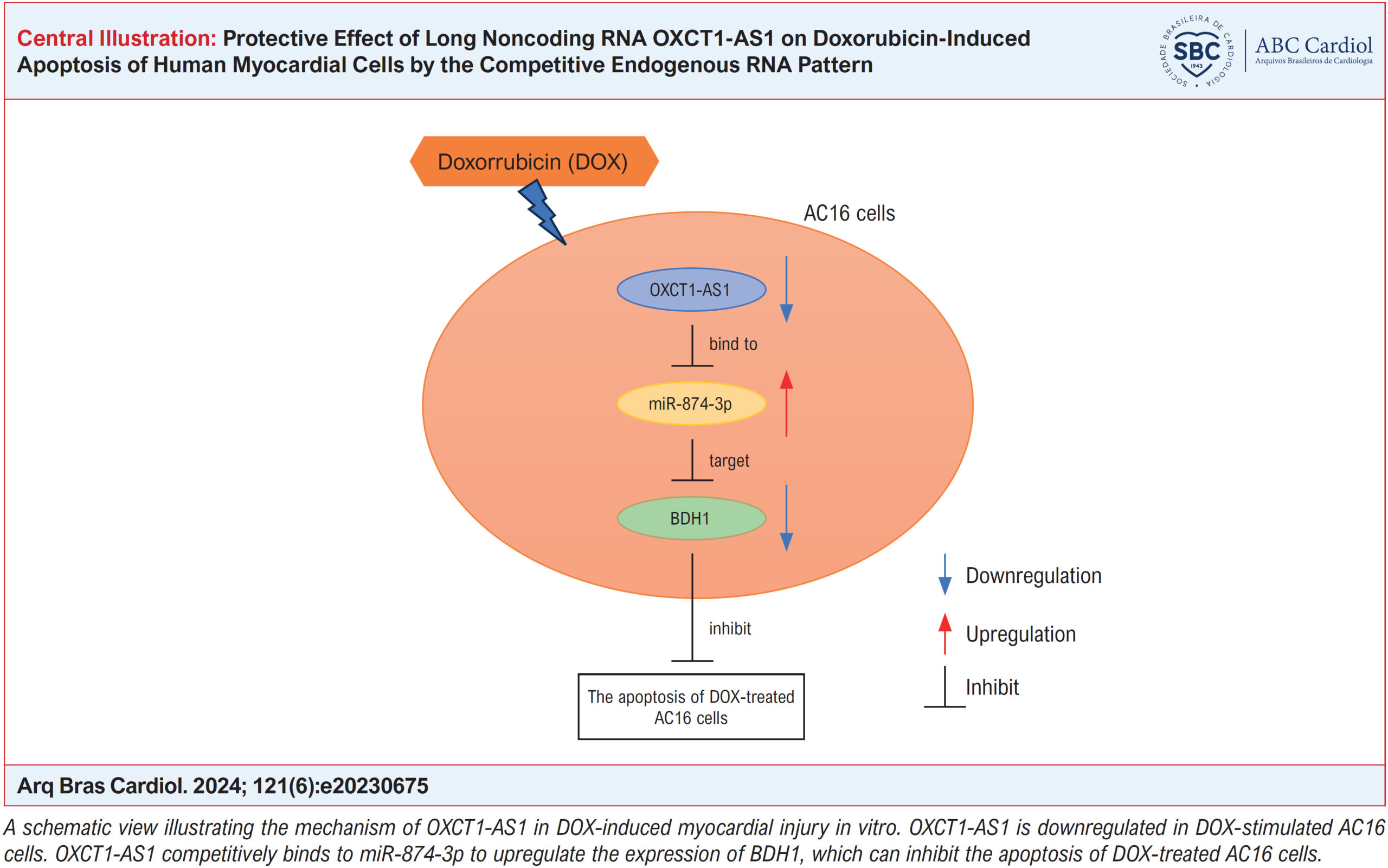
OXCT1-AS1 expression was decreased in DOX-treated AC16 cells. Overexpression of OXCT1-AS1 reversed the reduction of cell viability and promotion of cell apoptosis caused by DOX. OXCT1-AS1 is competitively bound to miR-874-3p to upregulate BDH1. BDH1 overexpression restored AC16 cell viability and suppressed cell apoptosis under DOX stimulation. Knocking down BDH1 reversed OXCT1-AS1-mediated attenuation of AC16 cell apoptosis under DOX treatment.

Conclusion:

LncRNA OXCT1-AS1 protects human myocardial cells AC16 from DOX-induced apoptosis via the miR-874-3p/BDH1 axis.
  • Apoptosis
  • Cardiac Myocytes
  • Doxorubicin
  • RNA
Read Full Article
Creative Commons Attribution (CC BY) Creative Commons license
01/07/2024 DOI: 10.36660/abc.20230675i
Figure 1
ABC
Research Letter

Progression of Myocardial 18F-FDG Uptake in a Patient with Cardiotoxicity

Diego Rafael Freitas Berenguer et al. Monica de Moraes Chaves Becker Roberto de Oliveira Buril Paula Araruna Bertão … Brivaldo Markman Filho Simone Cristina Soares Brandão

Abstract

The objective of this case report was to present the progression of chemotherapy-induced cardiotoxicity in a patient with lymphoma, highlighting the importance of myocardial fluor-18-fluorodeoxyglucose (18F-FDG) uptake by positron emission tomography coupled with computed tomography (PET/CT).

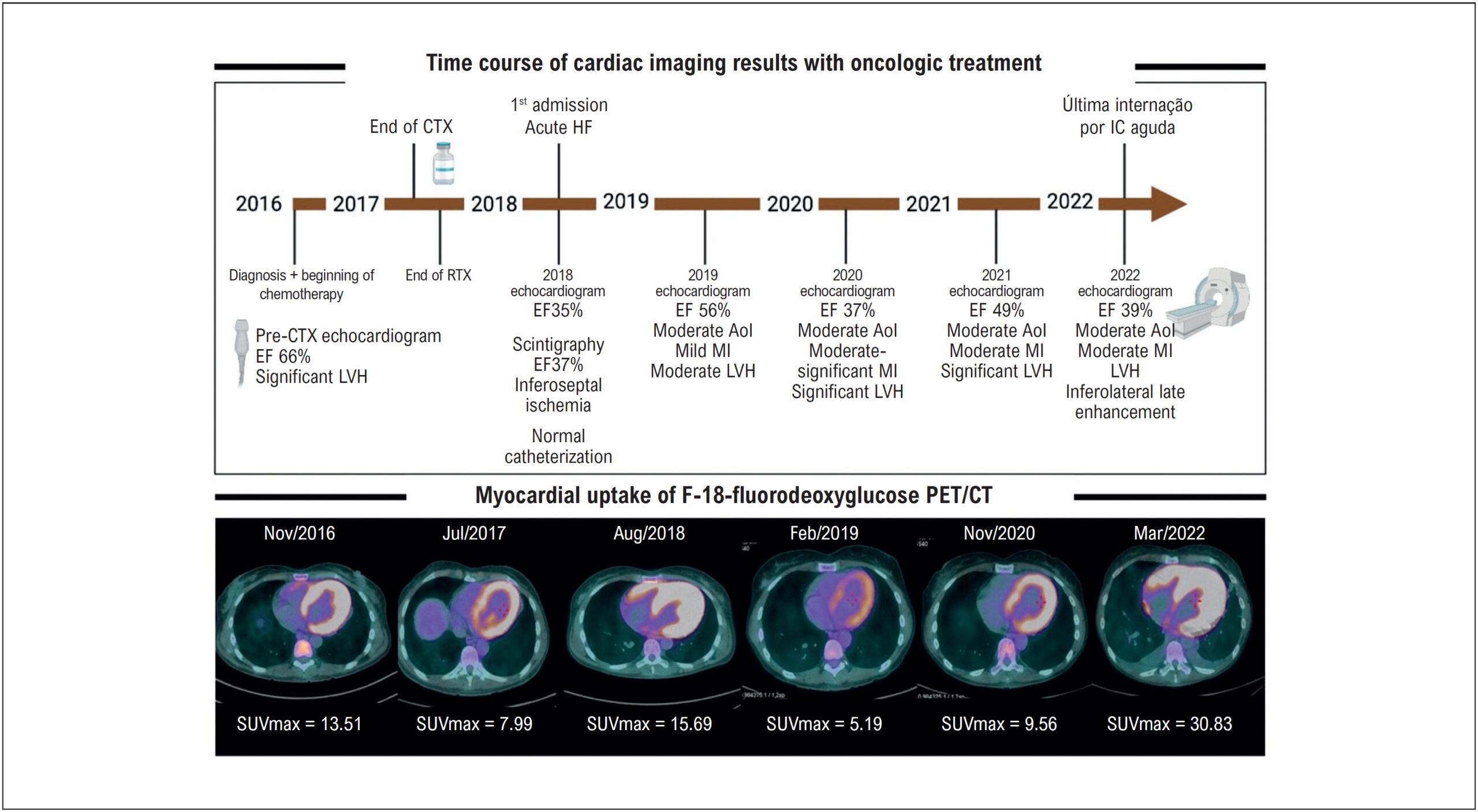
43-year-old female patient with uterine lymphoma, who underwent hysterectomy followed by three chemotherapy regimens and radiotherapy. The patient had episodes of acute heart failure two years after chemotherapy. Echocardiogram revealed a reduction in left ventricular ejection fraction (LVEF). A retrospective analysis of 18F-FDG PET/CT showed an increase in myocardial uptake in all tests performed during oncologic treatment.

Despite disease remission, the patient developed heart failure with reduced LVEF. During chemotherapy, there was a diffuse, significant increase in myocardial 18F-FDG uptake, which preceded the decrease in myocardial performance and seemed to reflect metabolic changes in cardiomyocytes, related to cardiotoxicity. Would an analysis of myocardial 18F-FDG uptake yield a different cardiac outcome in this patient? This question is relevant, considering that other patients may benefit from the use of PET as an early marker of cardiotoxicity.

Imaging tests are essential in the follow-up of patients at risk of cardiotoxicity. Although echocardiography remains the main imaging test in the diagnosis of cardiotoxicity, 18F-FDG PET/CT may be a powerful tool for the early diagnosis of this condition.

  • Cardiotoxicity
  • Doxorubicin
  • Heart Failure
  • Lymphoma
  • Positron Emission Tomography-Computed Tomography
Read Full Article
Creative Commons Attribution (CC BY) Creative Commons license
23/02/2024 DOI: 10.36660/abc.20230276 Views 1
New Cardiovascular Biomarkers in Breast Cancer Patients Undergoing Doxorubicin-Based Chemotherapy
ABC
Original Article

New Cardiovascular Biomarkers in Breast Cancer Patients Undergoing Doxorubicin-Based Chemotherapy

Rodrigo Mendonça Cardoso Pestana et al. Júnea Paolucci Paiva Silvino Angélica Navarro de Oliveira Cintia Esteves Soares … Adriano de Paula Sabino Ricardo Simões Karina Braga Gomes

Abstract

Background

Cardiovascular diseases (CVDs) are relevant to the management of breast cancer treatment since a substantial number of patients develop these complications after chemotherapy.

Objective

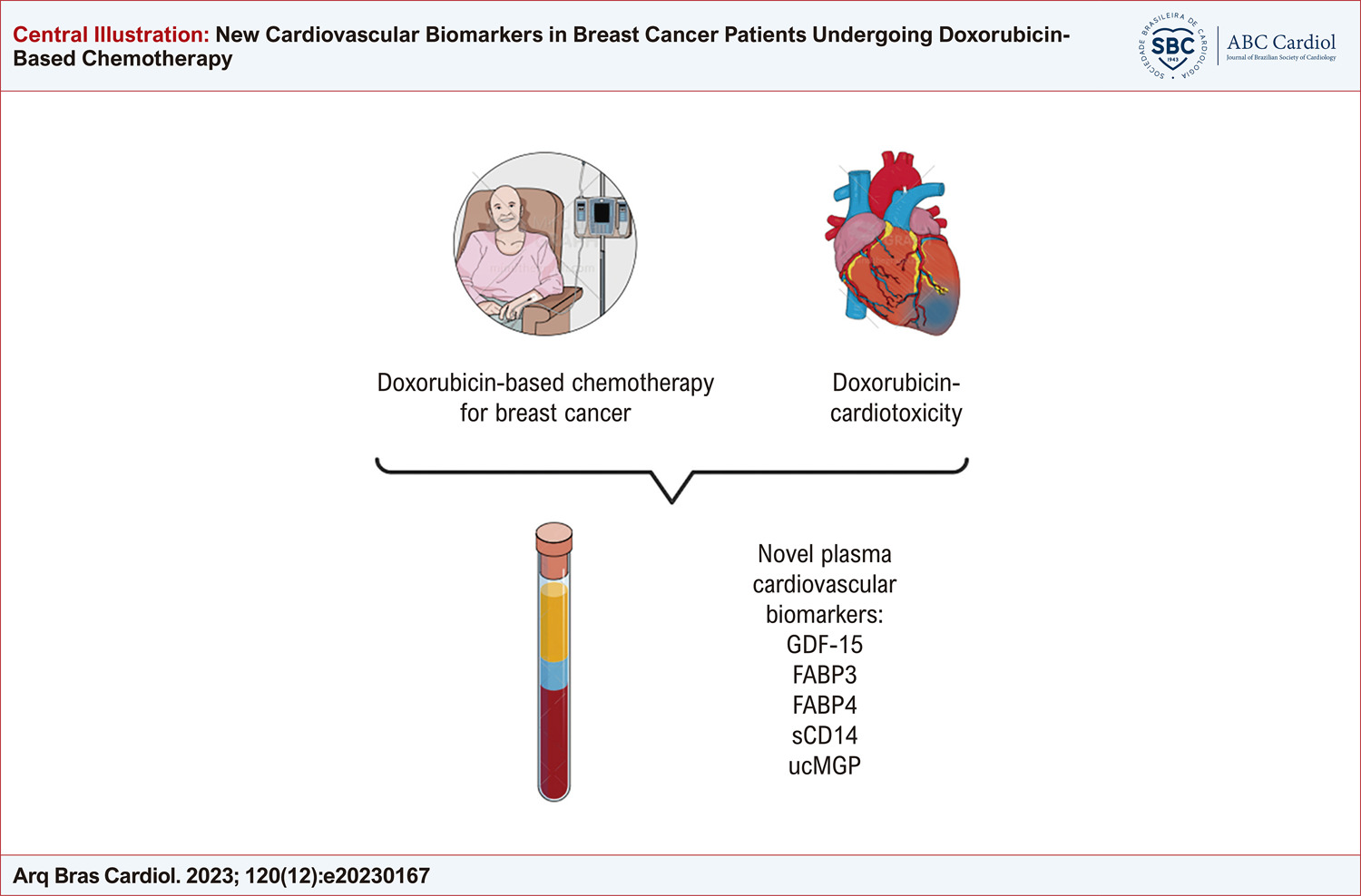
This study aims to evaluate new cardiovascular biomarkers, namely CXCL-16 (C-X-C motif ligand 16), FABP3 (fatty acid binding protein 3), FABP4 (fatty acid binding protein 4), LIGHT (tumor necrosis factor superfamily member 14/TNFS14), GDF-15 (Growth/differentiation factor 15), sCD4 (soluble form of CD14), and ucMGP (uncarboxylated Matrix Gla-Protein) in breast cancer patients treated with doxorubicin (DOXO).

Methods

This case-control study was conducted in an oncology clinic that included 34 women diagnosed with breast cancer and chemotherapy with DOXO and 34 control women without cancer and CVD. The markers were determined immediately after the last cycle of chemotherapy. The statistical significance level adopted was 5%.

Results

The breast cancer group presented higher levels of GDF-15 (p<0.001), while control subjects had higher levels of FABP3 (p=0.038), FABP4 (p=0003), sCD14, and ucMGP (p<0.001 for both). Positive correlations were observed between FABPs and BMI in the cancer group.

Conclusion

GDF15 is an emerging biomarker with potential clinical applicability in this scenario. FABPs are proteins related to adiposity, which are potentially involved in breast cancer biology. sCD14 and ucMGP engage in inflammatory and vascular calcification. The evaluation of these novel cardiovascular biomarkers could be useful in the management of breast cancer chemotherapy with DOXO.

  • Biomarkers
  • Breast Neoplasms
  • Cardiovascular Diseases
  • Doxorubicin
Read Full Article
Creative Commons Attribution (CC BY) Creative Commons license
05/01/2024 DOI: 10.36660/abc.20230167
Figure 1
ABCHF
Original Article

Efficacy of Different Cumulative Doses of Doxorubicin in the Induction of a Dilated Cardiomyopathy Model in Rats

Denise Mayumi Tanaka et al. João Lucas O’Connell Camila Godoy Fabricio Minna Moreira Dias Romano … Erica Carolina Campos Luciano Fonseca Lemos de Oliveira André Schmidt Eduardo Elias Vieira de Carvalho Marcus Vinícius Simões

Abstract

Background:

Doxorubicin (DOXO) has been used to induce dilated cardiomyopathy (DCM) in experimental models.

Objective:

To analyze cardiac changes after DOXO infusion and define the most effective protocol to reproduce an experimental model of DCM.

Methods:

Male Wistar rats were divided into 4 groups and received increasing cumulative doses of DOXO (at a rate of 2 mg/kg/week) or saline solution: the control group (CTR) received saline solution, Group D-8 received a total infusion of 8 mg/kg, Group D-12 received 12 mg/kg, and Group D-16 received 6 mg/kg. All animals underwent echocardiography at baseline and after the end of infusion. The animals were then euthanized and cardiac tissue was collected for histological analysis.

Results:

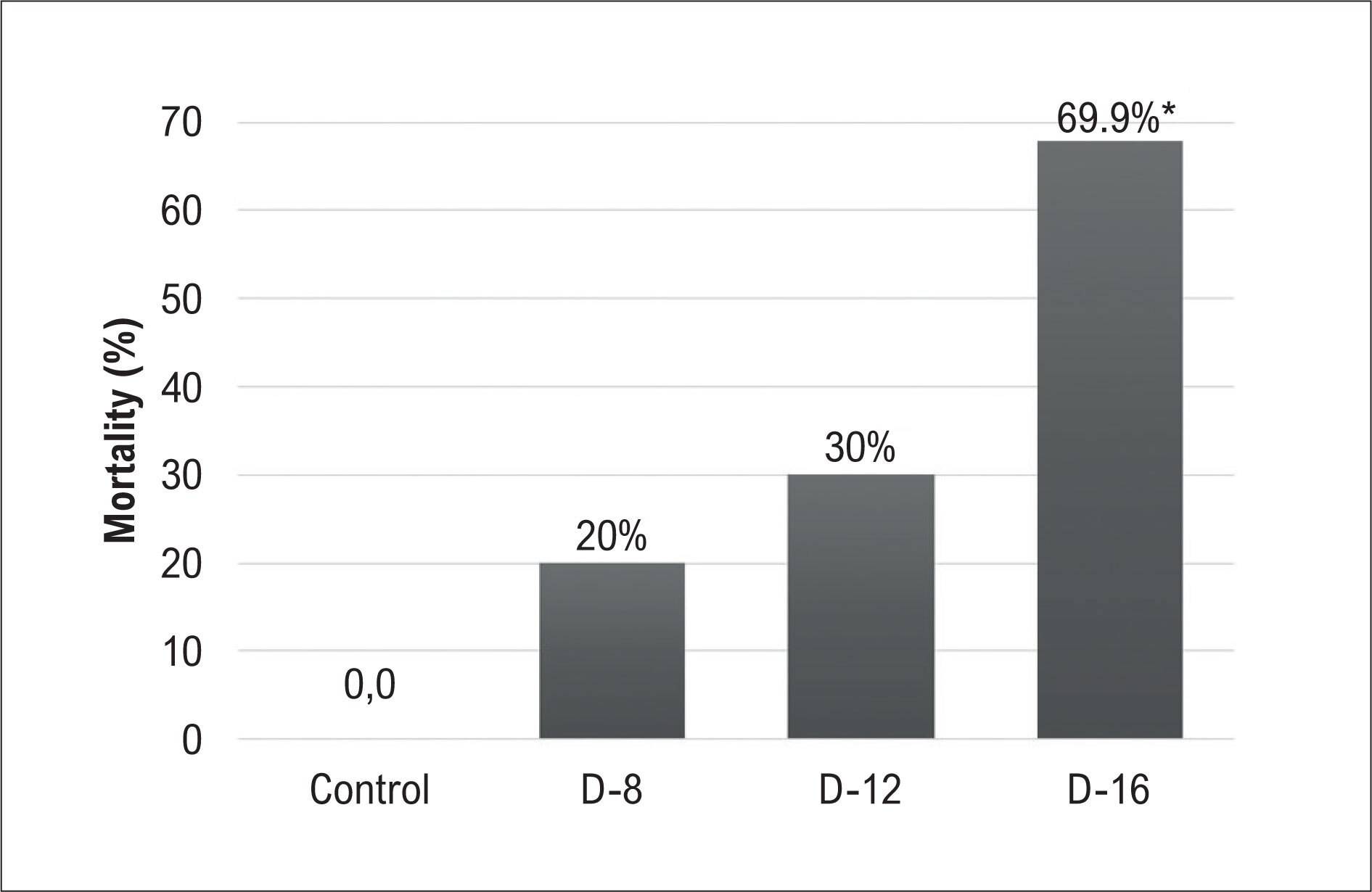
Mortality rates were 20% (D-8), 30% (D-12), and 67.6% (D-16). The 8 mg/kg dose was not associated with a significant reduction in left ventricular ejection fraction (LVEF) or an increase in left ventricular end-diastolic diameter (LVEDD). There was significant LVEF impairment with 12 mg/kg and 16 mg/kg doses compared to the control (68.3±5% vs 58.4±9%, p < 0.01, for CTR-12 vs D-12; and 66.0±6% vs 47.6±15%, p < 0.01, for CTR-16 vs D-16). Histological analyses revealed a greater percentage of fibrosis in D-12 (10.6±3.3%) and D-16 (9.8±2.3%) compared to CTR (2.3±1.0%), p < 0.001.

Conclusions:

The DOXO dose of 16 mg/kg was associated with severe cardiac changes and high mortality. Thus, we propose a DOXO dose of 12 mg/kg as the most appropriate and effective for inducing DCM with an acceptable mortality rate.

  • Cardiotoxicity
  • Dilated Cardiomyopathy
  • Doxorubicin
  • Heart Failure
  • Left Ventricular Dysfunction
Read Full Article
Creative Commons Attribution (CC BY) Creative Commons license
01/12/2022 DOI: 10.36660/abchf.20220074
Figure 1
IJCS
Editorial

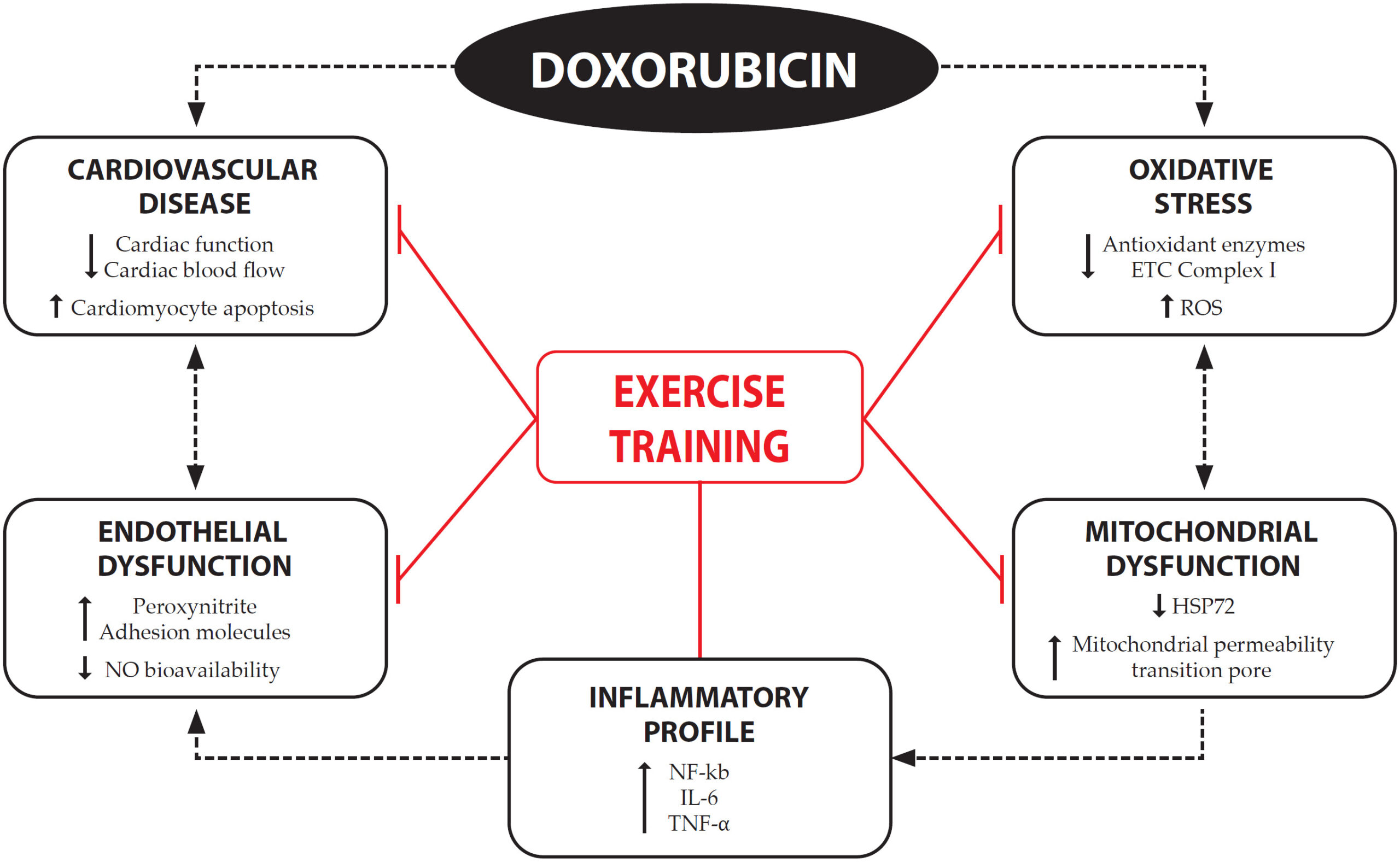
Can Exercise Training Prevent Doxorubicin-induced Cardiomyopathy?

Marcus Vinicius Machado et al. Ronan Chapuis Aline Bomfim Vieira

Doxorubicin (DOX) is a cytotoxic antineoplastic agent of the anthracycline family. It has been used as the first-line chemotherapy drug for treating various types of cancer, such as breast, lung and bladder cancer, and lymphoblastic leukemia. As any anthracycline, DOX is an effective chemotherapeutic drug. However, it holds a potentially lethal dose-dependent cardiovascular toxicity, which can manifest immediately or many years after chemotherapy, limiting its clinical application.

After the discontinuation of DOX treatment, a seven-year follow-up of 1,807 patients reported 33% death from heart diseases. Similarly, a 7.5% incidence of some cardiomyopathies was reported in pediatric sarcoma patients within an average of 34 months post-DOX treatment.

[…]

  • Cardiotoxicity
  • Doxorubicin
  • Exercise
Read Full Article
Creative Commons Attribution (CC BY) Creative Commons license
28/11/2022 DOI: 10.36660/ijcs.20220170 Views 2
Figure 1
ABCIC
Original Article

Is Paclitaxel Less Cardiotoxic in the Treatment of Breast Cancer Before or After Doxorubicin?

André Luiz Cerqueira de Almeida et al. Edval Gomes dos Santos Júnior Aluísio José de Oliveira Monteiro Neto Thyago Monteiro do Espírito Santo … Paulo André A. Almeida Samuel Oliveira Affonseca Caroline de Souza Almeida Matheus Pamponet Freitas Cecília Lopes Viana Santos Vitória Régia Beserra Barbosa Ximenes Mariana Andrade Falcão Israel Costa Reis Suzane Pereira de Souza Maurício Gomes da Silva Serra Ana Beatriz Menezes de Oliveira Tayla Silva Santos Nilson Lima Lopes Marcelo Dantas Tavares de Melo

Abstract

Background:

The combination of doxorubicin (DOX) with paclitaxel (PTX) effectively treats breast cancer (BC). However, DOX-associated cardiotoxicity (CTX) is aggravated by the use of PTX. Consensus is lacking about which drug sequence involves the most CTX.

Objectives:

To evaluate whether DOX followed by PXT or the reverse sequence has the greatest cardiotoxic potential in the treatment of BC.

Methods:

Prospective study of women with primary BC who received four cycles of DOX and 12 infusions of PTX. Participants were divided into Group 1 (G1; PXT before DOX) and Group 2 (G2; DOX before PXT) at the discretion of the oncologist. CTX was defined as an absolute reduction in left ventricular ejection fraction (LVEF) > 10% to a value <53%. Patients underwent clinical evaluations and echocardiography before treatment (Phase 1) and one year after treatment (Phase 2).

Results:

Sixty-nine women were evaluated: 19 in G1 and 50 in G2. The groups had similar clinical characteristics. The doses of radiation, DOX, and PTX used were similar. Eight (11.6%) patients developed CTX: two (10.5%) in G1 and six (12.0%) in G2 (p=0.62). The mean LVEF was similar between groups in Phase 1 (G1=65.1±3.5%; G2=65.2±3.9%; p=0.96), with a significant reduction noted after one year in both groups: G1=61.4±8.1% (p=0.021) and G2=60.8±7.6% (p<0.001). Although lower, mean LVEF remained similar between groups after Phase 2 (p=0.79).

Conclusions:

In women with BC who underwent chemotherapy, the incidence of CTX at the end of the first year of treatment was similar regardless of whether DOX was used before or after PTX.

  • Breast neoplasm
  • Cardiotoxicity
  • Doxorubicin
  • Paclitaxel
Read Full Article
Creative Commons Attribution (CC BY) Creative Commons license
13/06/2022 DOI: 10.47593/2675-312X/20223502eabc289 Views 3
Figure 1
ABC
Original Article

Cardioprotective Effect of Maternal Supplementation with Resveratrol on Toxicity Induced by Doxorubicin in Offspring Cardiomyocytes

Verônica Bidinotto Brito et al. Leopoldo Vinicius Martins Nascimento Dinara Jaqueline Moura Jenifer Saffi

Abstract

Background

Doxorubicin (DOX) is frequently used to treat many types of cancers, despite its dose-dependent cardiotoxicity. Alternatively, resveratrol is a polyphenol that has shown useful cardioprotective effects in many heart dysfunction models.

Objective

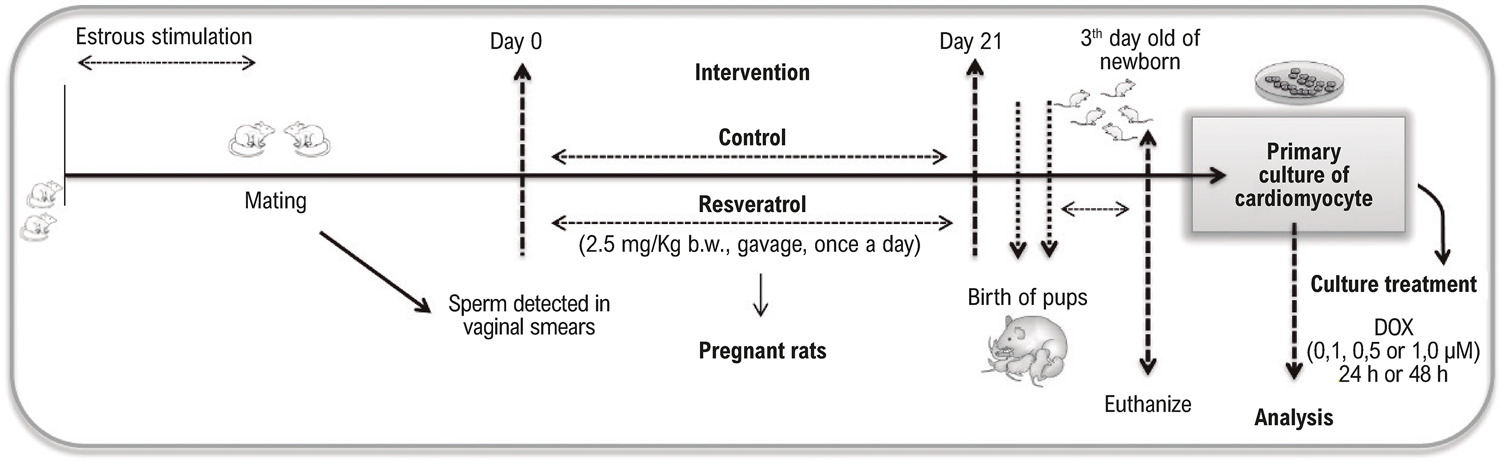
This study investigated whether resveratrol treatment in pregnant rats protects against doxorubicin-induced toxicity in offspring cardiomyocytes.

Methods

Wistar rats (n=8) were supplemented with dietary resveratrol during pregnancy. Upon the offspring’s birth, hearts (9-11) were used to obtain the primary culture of cardiomyocytes. DOX-induced cardiotoxicity and the effects of resveratrol supplementation were evaluated by oxidative stress markers, such as dichlorofluorescein diacetate oxidation, decrease in the activity of antioxidant enzymes, and oxidation of total sulfhydryl content, in addition to cell viability evaluation, DNA damage generation, and DNA damage repair response. A value of p<0.05 was considered statistically significant.

Results

Neonatal cardiomyocytes from resveratrol supplemented rats exhibiting an increase (p<0.01) in cell viability and lower (p<0.0001) apoptotic/necrotic cells after DOX treatment, which correlates with the activities of antioxidant enzymes and dichlorofluorescein production. Moreover, resveratrol protected cardiomyocytes from DOX-induced DNA damage, showing a decrease (p<0.05) in DNA breaks induced by oxidative stress, evaluated by the activity of DNA-repair enzymes endonuclease III and formamidopyrimidine glycosylase. Supplementation with resveratrol increased (p<0.05) the expression of the repair protein Sirt6 in the cardiomyocytes of the pups.

Conclusion

This research indicates that supplementation with resveratrol during the gestational period has a notable cardioprotective effect on the offspring’s heart against DOX-induced toxicity, which may well be due to its antioxidant function, and the increase in the DNA damage repair response.

  • cardiomyocytes
  • DNA Repair Enzymes
  • Doxorubicin
  • Rats
  • Resveratrol
Read Full Article
Creative Commons Attribution (CC BY) Creative Commons license
08/10/2021 DOI: 10.36660/abc.20200752 Views 2
Figure 1
ABC
Original Article

Effects of Doxorubicin on Heme Biosynthesis and Metabolism in Cardiomyocyte

Zuoyan Wang et al. Junyi Gao Haobo Teng Jianjun Peng

Abstract

Background

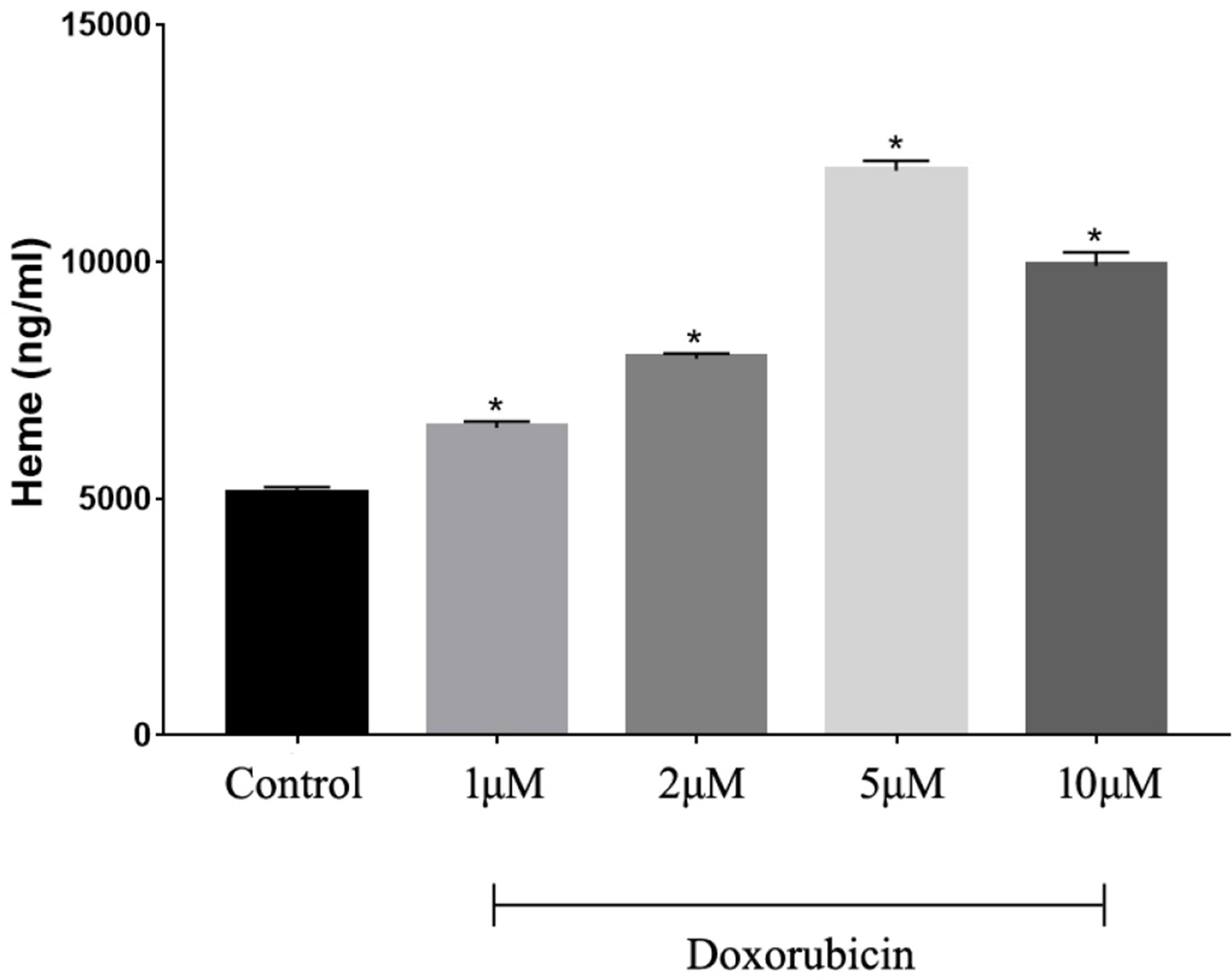
Doxorubicin is associated with cardiotoxicity and late cardiac morbidity. Heme is related to cellular oxidative stress. However, its specific regulation in cardiomyocytes under doxorubicin effects has not yet been documented.

Objective

This study seeks to evaluate the changing profiles of rate-limiting enzymes in the heme metabolism pathway under the effect of doxorubicin.

Methods

H9c2 cardiomyocytes were incubated with doxorubicin at different concentrations (1,2,5,10μM respectively). The real-time PCR and Western Blot were used to determine the mRNA and protein expression for four pivotal enzymes (ALAS1, ALAS2, HOX-1, and HOX-2) regulating cellular heme metabolism, as well as the levels of heme were detected by ELISA. p<0.01 was considered significant.

Results

This study observed a dose-dependent changing pattern in heme levels in H9c2 cells with the highest level at the 5μM concentration for doxorubicin, which occurred synchronously with the highest upregulation level of ALAS1, as well as the degradative enzymes, HOX-1, and HOX-2 in mRNA and protein expression. By contrast, ALAS2, contrary to the increasing concentrations of doxorubicin, was found to be progressively down-regulated.

Conclusion

The increase in ALAS1 expression may play a potential role in the heme level elevation when H9c2 cardiomyocyte was exposed to doxorubicin and may be a potential therapeutic target for doxorubicin-induced myocardial toxicity. (Arq Bras Cardiol. 2021; 116(2):315-322)

  • ALAS
  • Biosynthesis
  • Cardiotoxicity
  • Doxorubicin
  • Heme
  • Myocites, Cardiac
Read Full Article
Creative Commons Attribution (CC BY) Creative Commons license
01/03/2021 DOI: 10.36660/abc.20190437 Views 3
Figure 1
ABC
Original Article

Aerobic Exercise and Cardiac Function of Murines Exposed to Doxorubicin: a Meta-Analysis

Mariana Inocêncio Matos et al. Ercole da Cruz Rubini Frederico de Oliveira Meirelles Elirez Bezerra da Silva

Abstract

Background:

Cardiotoxicity may be a consequence of treatments with doxorubicin (DOX).

Objectives:

To investigate the effect of aerobic exercise on the prevention of cardiac dysfunction in murines exposed to DOX.

Method:

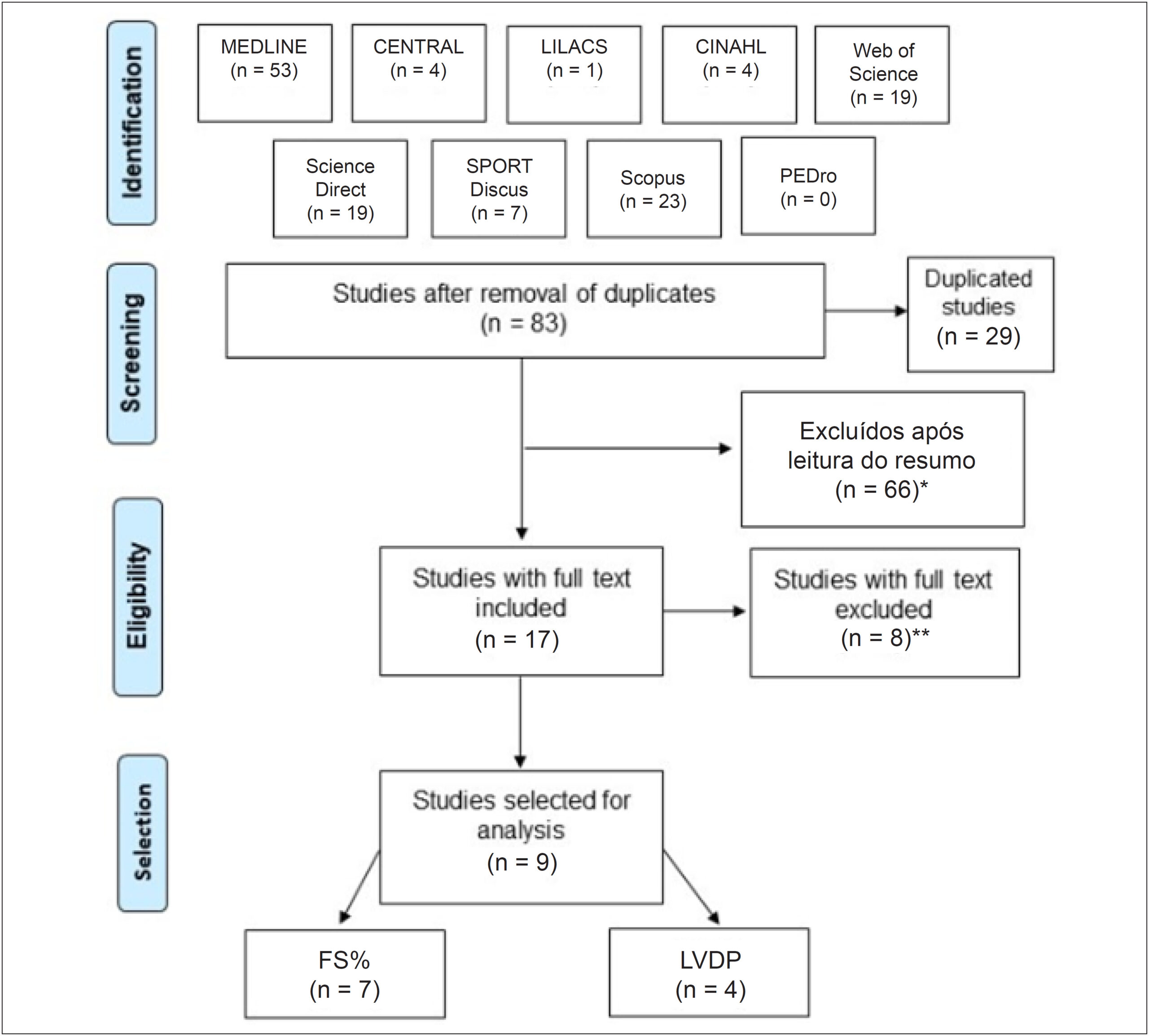
A comprehensive search was conducted in 9 databases in December 2017. Studies that evaluated the cardiac function of murines exposed to DOX were included. The significance level adopted was 5%.

Results:

In a comparison between 230 murines that underwent aerobic exercise plus DOX treatment and 222 control murines (DOX treatment only), fractional shortening showed an improvement of 5.33% in favor of the experimental group (p = 0.00001). Left ventricle developed pressure also showed an increase of 24.84 mm Hg in favor of the group of 153 murines that performed exercise in comparison to the control group of 166 murines (p = 0.00001).

Conclusion:

Preclinical studies included in this meta-analysis indicated that exercise is a good nonpharmacological strategy for preserving post-DOX cardiac function.

  • Anti-Bacterial Agents
  • Doxorubicin
  • Exercise
  • Meta-Analysis
  • Muridae
Read Full Article
Creative Commons Attribution (CC BY) Creative Commons license
07/12/2020 DOI: 10.36660/abc.20190260
ABC
Editorial

Cardiovascular Aggression by Doxorubicin: The Search for Mechanisms

Wolney de Andrade Martins

Cardio-oncology is an emerging subject in cardiology events and journals. Increased cancer (CA) incidence and survival rates, easier access to health care and the multiplicity of chemotherapy regimens all contribute to the increase in the diagnosis of cardiovascular complications in patients with CA. The increase in CA prevalence and mortality, as well as its cardiovascular complications, is the price that nations pay for the aging of their populations in an oncogenic environment. Therefore, we are faced with an epidemiological problem and major clinical challenges.

The discovery, in the 1960s, in the Adriatic Sea coast, of a red pigment produced by a fungus with great cytotoxic power has changed paradigms and introduced the concept of cure in clinical cancerology. Reports of toxicity previously presented with other chemotherapeutic agents had also been confirmed with the new class of anthracyclines. The novelty was the real possibility of cure. In the risk-benefit evaluation, adverse effects were neglected on behalf of the decision to use it. Warnings on the cardiotoxicity of doxorubicin (DOXO) came with the description of the classic ‘von Hoff curve’, where the risk of heart failure incidence at cumulative doses above 500 mg/m was demonstrated.

[…]

  • Cardiotoxicity
  • Cardiovascular Diseases/complications
  • Cyclophosphamida
  • Doxorubicin
  • Drug-Related Side Effects and Adverse Reactions
  • Neoplasms
  • Vascular Stiffness
  • Ventricular Dysfunction
Read Full Article
Creative Commons Attribution (CC BY) Creative Commons license
01/11/2018 DOI: 10.5935/abc.20180214 Views 1
Figure 1
ABC
Original Article

Assessment of Subclinical Doxorubicin-induced Cardiotoxicity in a Rat Model by Speckle-Tracking Imaging

Yu Kang et al. Wei Wang Hang Zhao Zhiqing Qiao … Xuedong Shen Ben He

Abstract

Backgrounds:

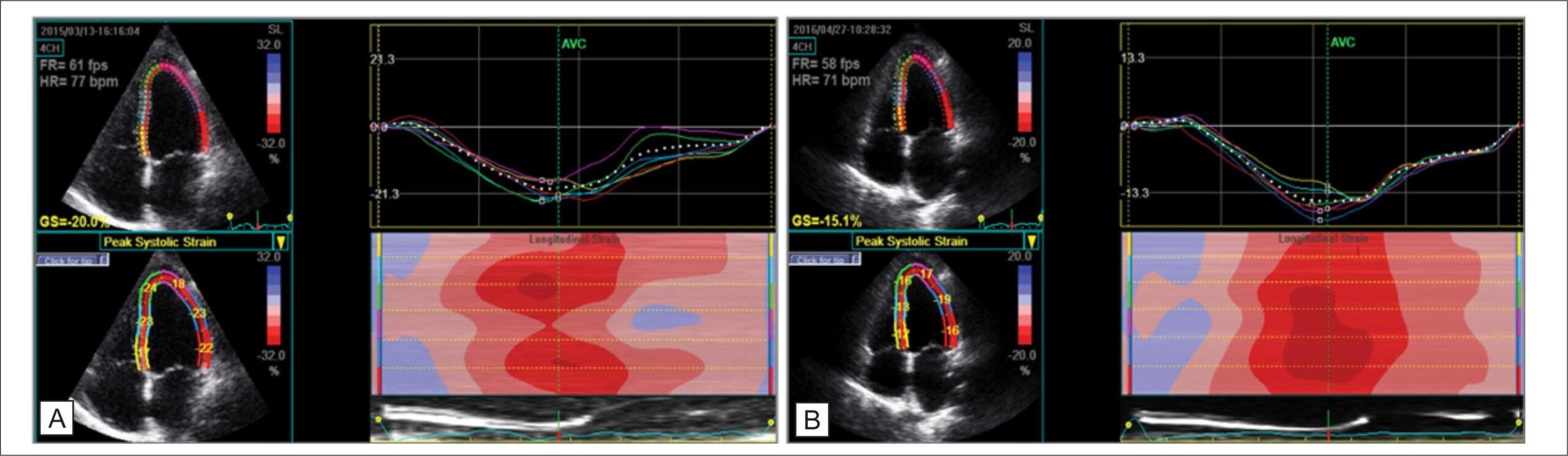
Despite their clear therapeutic benefits, anthracycline-induced cardiotoxicity is a major concern limiting the ability to reduce morbidity and mortality associated with cancers. The early identification of anthracycline-induced cardiotoxicity is of vital importance to assess the cardiac risk against the potential cancer treatment.

Objective:

To investigate whether speckle-tracking analysis can provide a sensitive and accurate measurement when detecting doxorubicin-induced left ventricular injury.

Methods:

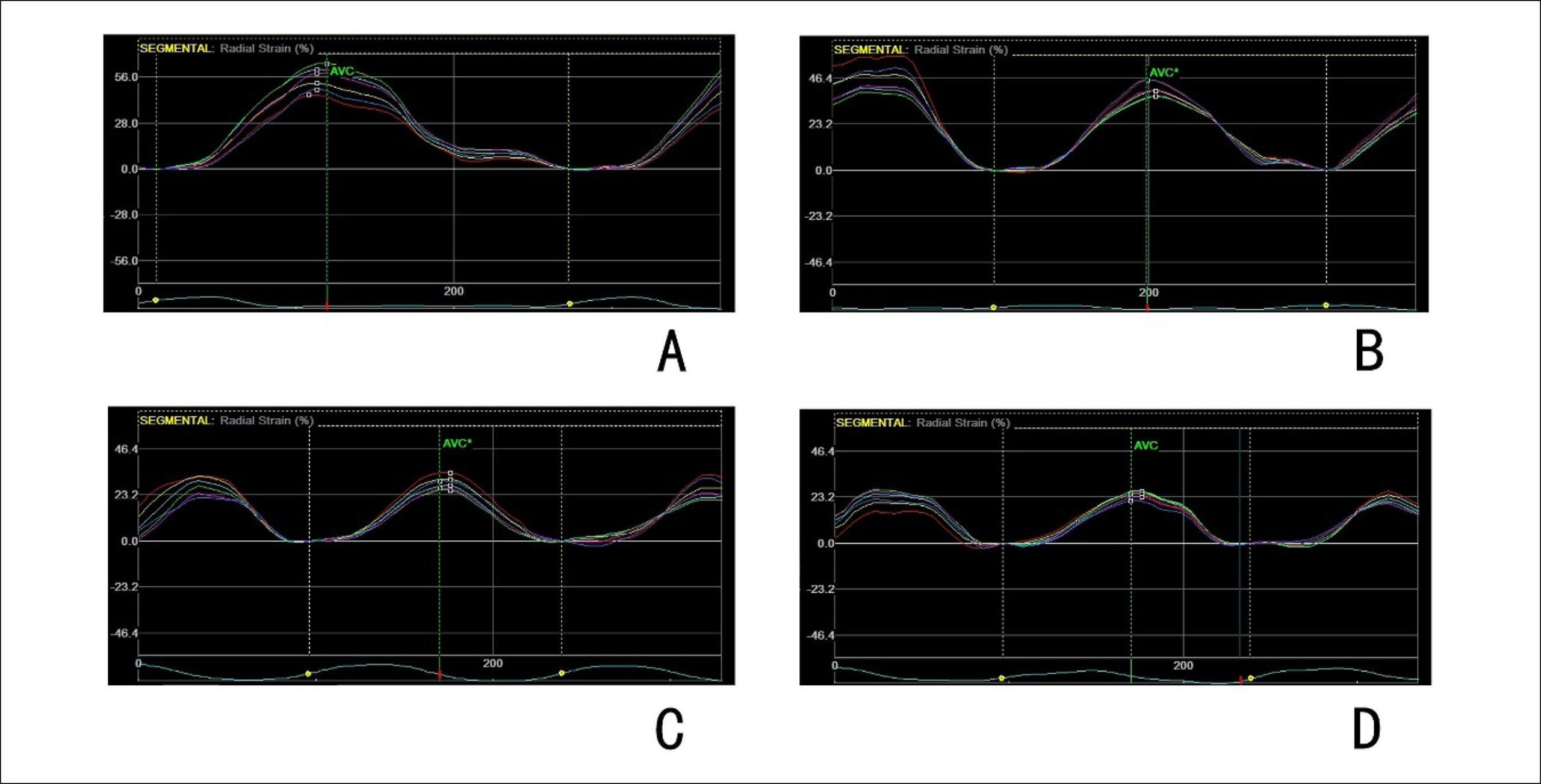
Wistar rats were divided into 4 groups with 8 rats each, given doxorubicin intraperitoneally at weekly intervals for up to 4 weeks. Group 1: 2.5 mg/kg/week; group 2: 3 mg/kg/week; group 3: 3.5mg/kg/week; group 4: 4mg/kg/week. An additional 5 rats were used as controls. Echocardiographic images were obtained at baseline and 1 week after the last dose of treatment. Radial (Srad) and circumferential (Scirc) strains, radial (SRrad) and circumferential (SRcirc) strain rates were analyzed. After the experiment, cardiac troponin I (cTnI) was analyzed and the heart samples were histologically evaluated.

Results:

After doxorubicin exposure, LVEF was significantly reduced in group 4 (p = 0.006), but remained stable in the other groups. However, after treatment, Srads were reduced in groups 2, 3 and 4 (p all < 0.05). The decrease in Srads was correlated with cTnI (rho = -0.736, p = 0.000) and cardiomyopathy scores (rho = -0.797, p = 0.000).

Conclusion:

Radial strain could provide a sensitive and noninvasive index in early detection of doxorubicin-induced myocardial injury. The changes in radial strain had a significant correlation with myocardial lesions and serum cardiac troponin I levels, indicating that this parameter could accurately evaluate cardiotoxicity severity.

  • Cardiotoxicins
  • Doxorubicin
  • Echocardiography, Doppler
  • Oxidative Stress
  • Troponin I
Read Full Article
Creative Commons Attribution (CC BY) Creative Commons license
10/07/2017 DOI: 10.5935/abc.20170097 Views 1
Figure 1
ABC
Original Article

Comparison between Radionuclide Ventriculography and Echocardiography for Quantification of Left Ventricular Systolic Function in Rats Exposed to Doxorubicin

Luciano Fonseca Lemos de Oliveira et al. João Lucas O'Connell Eduardo Elias Vieira de Carvalho Érica Carolina Campos Pulici … Minna Moreira Dias Romano Benedito Carlos Maciel Marcus Vinicius Simões

Abstract

Background:

Radionuclide ventriculography (RV) is a validated method to evaluate the left ventricular systolic function (LVSF) in small rodents. However, no prior study has compared the results of RV with those obtained by other imaging methods in this context.

Objectives:

To compare the results of LVSF obtained by RV and echocardiography (ECHO) in an experimental model of cardiotoxicity due to doxorubicin (DXR) in rats.

Methods:

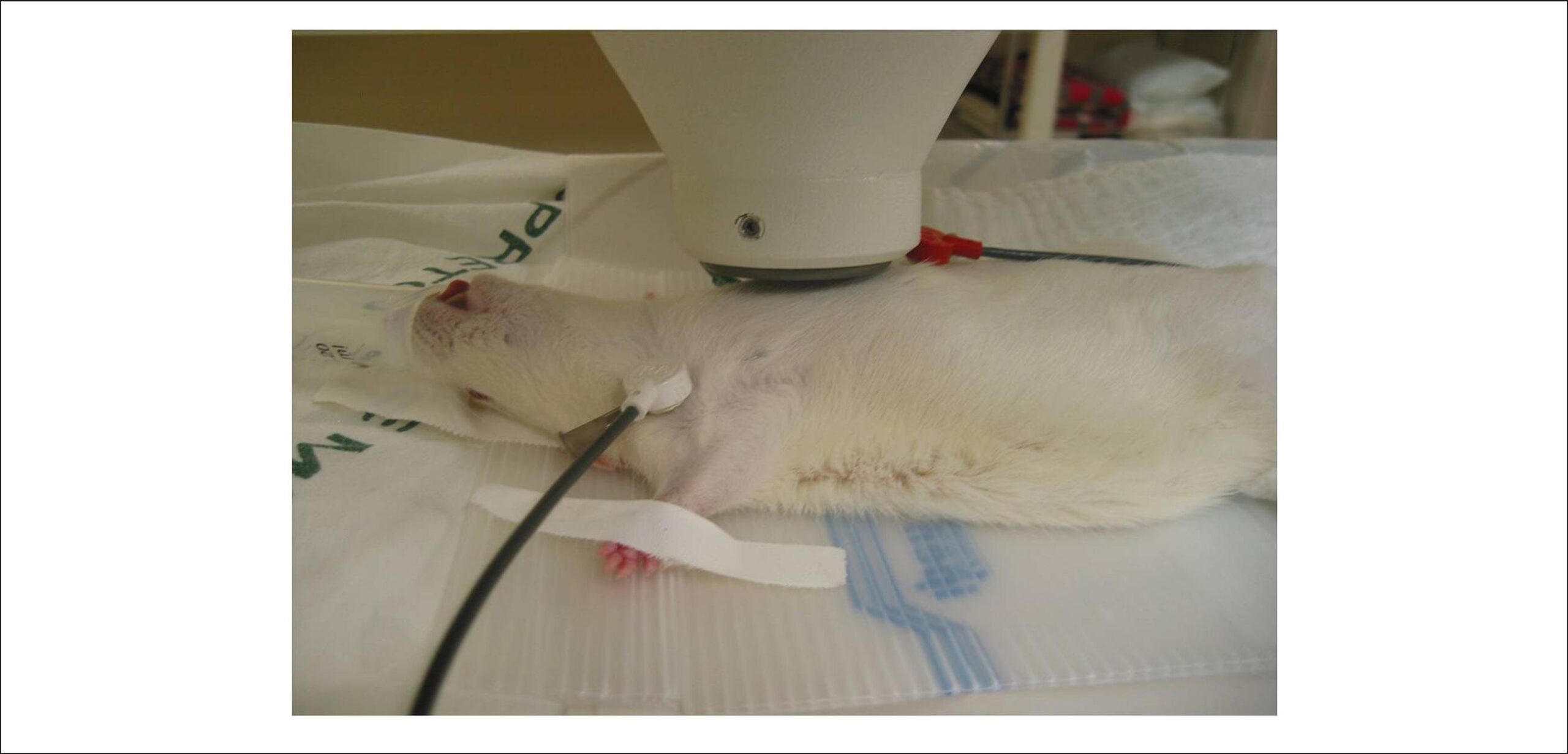
Adult male Wistar rats serving as controls (n = 7) or receiving DXR (n = 22) in accumulated doses of 8, 12, and 16 mg/kg were evaluated with ECHO performed with a Sonos 5500 Philips equipment (12-MHz transducer) and RV obtained with an Orbiter-Siemens gamma camera using a pinhole collimator with a 4-mm aperture. Histopathological quantification of myocardial fibrosis was performed after euthanasia.

Results:

The control animals showed comparable results in the LVSF analysis obtained with ECHO and RV (83.5 ± 5% and 82.8 ± 2.8%, respectively, p > 0.05). The animals that received DXR presented lower LVSF values when compared with controls (p < 0.05); however, the LVSF values obtained by RV (60.6 ± 12.5%) were lower than those obtained by ECHO (71.8 ± 10.1%, p = 0.0004) in this group. An analysis of the correlation between the LVSF and myocardial fibrosis showed a moderate correlation when the LVSF was assessed by ECHO (r = -0.69, p = 0.0002) and a stronger correlation when it was assessed by RV (r = -0.79, p < 0.0001). On multiple regression analysis, only RV correlated independently with myocardial fibrosis.

Conclusion:

RV is an alternative method to assess the left ventricular function in small rodents in vivo. When compared with ECHO, RV showed a better correlation with the degree of myocardial injury in a model of DXR-induced cardiotoxicity.

  • Comparative Study
  • Doxorubicin
  • Echocardiography/methods
  • Radionuclide Ventriculography / methods
  • Rats
  • Ventricular Function, Left
Read Full Article
Creative Commons Attribution (CC BY) Creative Commons license
01/01/2017 DOI: 10.5935/abc.20160194 Views 1
IJCS
Review Article

Cardiotoxicity of Doxorubicin Treatment and Physical Activity: A Systematic Review

Tauan Nunes Maia et al. Gustavo Bento Ribeiro de Araujo José Antônio Caldas Teixeira Edmundo de Drummond Alves Junior Kátia Pedreira Dias

Abstract

The present study investigated whether the practice of exercise has a protective effect against cardiac toxicity induced by doxorubicin (DOX). A systematic review of randomized clinical trials evaluating the role of exercise in the control or prevention of DOX-induced cardiotoxicity was performed in MEDLINE and LILACS databases. Studies that did not address the main subject of this review, did not mention physical exercise or DOX, studies that evaluated other types of anthracycline-induced toxicities only (muscle, hepatic and renal toxicity) or other effects of exercise on DOX toxicity (fatigue) were excluded. With respect to the variables related to aerobic exercise prescription, there was no direct relationship between the frequency of exercise and the results of the studies. Also, intensity of exercise was not decisive for preservation of cardiac function, although a more intense exercise was associated with improvements in the antioxidant system, which was not observed in studies on lower intensity exercises. No significant differences in exercise effects were observed when it was performed before, during or after the treatment. Therefore, aerobic exercise may exert a protective effect of cardiac functions when performed before, during or after treatment with DOX. However, the mechanisms of this effect are still unknown.

  • Anthracyclines
  • Cardiotoxicity
  • Doxorubicin
  • Exercise
  • Physical Exertion
  • Review
Read Full Article
Creative Commons Attribution (CC BY) Creative Commons license
01/01/2017 DOI: 10.5935/2359-4802.20170004 Views 2
Left ventricular systolic function assessed by echocardiography in children and adolescents with osteosarcoma treated with doxorubicin alone or in combination with dexrazoxane
ABC
Artigo Original

Left ventricular systolic function assessed by echocardiography in children and adolescents with osteosarcoma treated with doxorubicin alone or in combination with dexrazoxane

Ranulfo Pinheiro de Matos Neto et al. Antônio Sérgio Petrilli Célia Maria Campos Silva Orlando Campos Filho … Victor Manuel Oporto Lourdes de Fátima Gonçalves Gomes Marcelo Goulart Paiva Antônio Carlos Camargo Carvalho Valdir Ambrósio Moisés

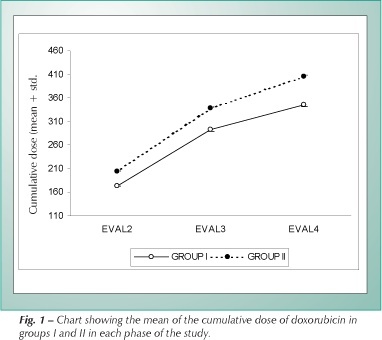
OBJECTIVE: To evaluate left ventricular (LV) systolic function by means of echocardiography in patients with osteosarcoma treated with doxorubicin alone or in combination with dexrazoxane. METHODS: The study analyzed 55 patients with osteosarcoma, with or without metastasis, undergoing a six-cycle chemotherapy regimen of doxorubicin, who were divided into two groups according to dexrazoxane use. Group I: Thirty-seven patients who did not receive dexrazoxane (28 males, average age 15.4 years). Group II: Eighteen patients who did receive dexrazoxane (15 males, average age 15.1 years). Four echocardiographic evaluations were performed: 1) before the beginning of the chemotherapy (initial evaluation); 2) up to two weeks after the third cycle; 3) up to two weeks after the fifth cycle; and 4) up to four weeks after the sixth cycle of chemotherapy (final evaluation). The left ventricular systolic function was assessed by the fractional percentage of systolic shortening (FS%) on echocardiography. Alterations in the contractile function or cardiac toxicity were defined as FS% values equal to or lower than 29%, and/or by a drop in FS% by an absolute value equal to or greater than 10 units of the baseline value of each patient. RESULTS: No significant difference as to age, gender, and race was observed between the groups. The cumulative dose of doxorubicin was significantly higher in group II throughout all phases of the treatment: 174 x 203 mg/m²; 292 x 338 mg/m² and 345 x 405 mg/² (p < 0.0001). According to previously established criteria, the incidence of LV systolic dysfunction was not significantly different (p=0.248) between patients in group I (18.92%) and patients in group II (11.1%). The variance analysis with repeated measurements did not show significant differences in the means of fractional percentage of systolic percentage (FS%) throughout the study (p=0.967). However, a significant difference (p=0.029) was observed between the FS% means in groups I and II at evaluations 2 (35.67 x 37.21%), 3 (34.95 x 38.47%) and 4 (35.26 x 38.22%). CONCLUSION: Data in this study show that in patients with osteosarcoma treated with doxorubicin alone or combined with dexrazoxane, the LV systolic function, as assessed by the fractional percentage of systolic shortening mean, showed a better performance in the group that received dexrazoxane. On the other hand, the occurrence of systolic dysfunction was similar in both groups.

  • dexrazoxane
  • Doxorubicin
  • Echocardiography
  • Left Ventricular Function
  • osteosarcoma
Read Full Article
Creative Commons Attribution (CC BY) Creative Commons license
18/01/2007 DOI: 10.1590/S0066-782X2006001900013 Views 1

How to cite this article

EndNote RIS

Electronic Document Format (Vancouver)

Chen Z, Liu Y, Ma R, Zhang M, Wu X, Pen H, Gui F, et al. Protective Effect of Long Noncoding RNA OXCT1-AS1 on Doxorubicin-Induced Apoptosis of Human Myocardial Cells by the Competitive Endogenous RNA Pattern. Arquivos Brasileiros de Cardiologia 2024;121(6):e20230675.

Electronic Document Format (ABNT)

Chen, Zhen; Liu, Yijue; Ma, Rui; Zhang, Mengli; Wu, Xian; Pen, Huan; Gui, Feng; Liu, Yafeng; Xia, Hao; Hu, Niandan; Ai, Bo; Xiong, Jun; Xia, Hongxia; Li, Wenqiang; Ai, Fen. Protective Effect of Long Noncoding RNA OXCT1-AS1 on Doxorubicin-Induced Apoptosis of Human Myocardial Cells by the Competitive Endogenous RNA Pattern. Arquivos Brasileiros de Cardiologia, v. 121, n. 6, e20230675, Jun. 2024.

Electronic Document Format (APA)

Chen, Z., Liu, Y., Ma, R., Zhang, M., Wu, X., Pen, H., Gui, F., Liu, Y., Xia, H., Hu, N., Ai, B., Xiong, J., Xia, H., Li, W., & Ai, F. (2024). Protective Effect of Long Noncoding RNA OXCT1-AS1 on Doxorubicin-Induced Apoptosis of Human Myocardial Cells by the Competitive Endogenous RNA Pattern. Arquivos Brasileiros de Cardiologia, 121(6), e20230675.

Electronic Document Format (ISO)

Chen, Zhen and Liu, Yijue and Ma, Rui and Zhang, Mengli and Wu, Xian and Pen, Huan and Gui, Feng and Liu, Yafeng and Xia, Hao and Hu, Niandan and Ai, Bo and Xiong, Jun and Xia, Hongxia and Li, Wenqiang and Ai, Fen. Protective Effect of Long Noncoding RNA OXCT1-AS1 on Doxorubicin-Induced Apoptosis of Human Myocardial Cells by the Competitive Endogenous RNA Pattern. Arquivos Brasileiros de Cardiologia [online]. 2024, vol. 121, n. 6, [cited 2026-10-14], e20230675. Available from: <https://journals.cardiol.br/en/article/protective-effect-of-long-noncoding-rna-oxct1-as1-on-doxorubicin-induced-apoptosis-of-human-myocardial-cells-by-the-competitive-endogenous-rna-pattern/>. ISSN 0066-782X

EndNote RIS

Electronic Document Format (Vancouver)

Berenguer DRF, Becker MMC, Buril RO, Bertão PA, Markman Filho B, Brandão SCS. Progression of Myocardial 18F-FDG Uptake in a Patient with Cardiotoxicity. Arquivos Brasileiros de Cardiologia 2024;121(2):e20230276.

Electronic Document Format (ABNT)

Berenguer, Diego Rafael Freitas; Becker, Monica de Moraes Chaves; Buril, Roberto de Oliveira; Bertão, Paula Araruna; Markman Filho, Brivaldo; Brandão, Simone Cristina Soares. Progression of Myocardial 18F-FDG Uptake in a Patient with Cardiotoxicity. Arquivos Brasileiros de Cardiologia, v. 121, n. 2, e20230276, Feb. 2024.

Electronic Document Format (APA)

Berenguer, D. R. F., Becker, M. M. C., Buril, R. O., Bertão, P. A., Markman Filho, B., & Brandão, S. C. S. (2024). Progression of Myocardial 18F-FDG Uptake in a Patient with Cardiotoxicity. Arquivos Brasileiros de Cardiologia, 121(2), e20230276.

Electronic Document Format (ISO)

Berenguer, Diego Rafael Freitas and Becker, Monica de Moraes Chaves and Buril, Roberto de Oliveira and Bertão, Paula Araruna and Markman Filho, Brivaldo and Brandão, Simone Cristina Soares. Progression of Myocardial 18F-FDG Uptake in a Patient with Cardiotoxicity. Arquivos Brasileiros de Cardiologia [online]. 2024, vol. 121, n. 2, [cited 2026-10-14], e20230276. Available from: <https://journals.cardiol.br/en/article/progression-of-myocardial-18f-fdg-uptake-in-a-patient-with-cardiotoxicity/>. ISSN 0066-782X

EndNote RIS

Electronic Document Format (Vancouver)

Pestana RMC, Silvino JPP, Oliveira AN, Soares CE, Sabino AP, Simões R, Gomes KB, et al. New Cardiovascular Biomarkers in Breast Cancer Patients Undergoing Doxorubicin-Based Chemotherapy. Arquivos Brasileiros de Cardiologia 2024;120(12):e20230167.

Electronic Document Format (ABNT)

Pestana, Rodrigo Mendonça Cardoso; Silvino, Júnea Paolucci Paiva; Oliveira, Angélica Navarro de; Soares, Cintia Esteves; Sabino, Adriano de Paula; Simões, Ricardo; Gomes, Karina Braga. New Cardiovascular Biomarkers in Breast Cancer Patients Undergoing Doxorubicin-Based Chemotherapy. Arquivos Brasileiros de Cardiologia, v. 120, n. 12, e20230167, Jan. 2024.

Electronic Document Format (APA)

Pestana, R. M. C., Silvino, J. P. P., Oliveira, A. N. , Soares, C. E., Sabino, A. P., Simões, R., & Gomes, K. B. (2024). New Cardiovascular Biomarkers in Breast Cancer Patients Undergoing Doxorubicin-Based Chemotherapy. Arquivos Brasileiros de Cardiologia, 120(12), e20230167.

Electronic Document Format (ISO)

Pestana, Rodrigo Mendonça Cardoso and Silvino, Júnea Paolucci Paiva and Oliveira, Angélica Navarro de and Soares, Cintia Esteves and Sabino, Adriano de Paula and Simões, Ricardo and Gomes, Karina Braga. New Cardiovascular Biomarkers in Breast Cancer Patients Undergoing Doxorubicin-Based Chemotherapy. Arquivos Brasileiros de Cardiologia [online]. 2024, vol. 120, n. 12, [cited 2026-10-14], e20230167. Available from: <https://journals.cardiol.br/en/article/new-cardiovascular-biomarkers-in-breast-cancer-patients-undergoing-doxorubicin-based-chemotherapy/>. ISSN 0066-782X

EndNote RIS

Electronic Document Format (Vancouver)

Tanaka DM, O’Connell JL, Fabricio CG, Romano MMD, Campos EC, Oliveira LFL, Schmidt A, et al. Efficacy of Different Cumulative Doses of Doxorubicin in the Induction of a Dilated Cardiomyopathy Model in Rats. ABC: Heart Failure & Cardiomyopathy 2022;2(3):242-9.

Electronic Document Format (ABNT)

Tanaka, Denise Mayumi; O’Connell, João Lucas; Fabricio, Camila Godoy; Romano, Minna Moreira Dias; Campos, Erica Carolina; Oliveira, Luciano Fonseca Lemos de; Schmidt, André; Carvalho, Eduardo Elias Vieira de; Simões, Marcus Vinícius. Efficacy of Different Cumulative Doses of Doxorubicin in the Induction of a Dilated Cardiomyopathy Model in Rats. ABC: Heart Failure & Cardiomyopathy, v. 2, n. 3, p. 242-249, Nov. 2022.

Electronic Document Format (APA)

Tanaka, D. M., O’Connell, J. L., Fabricio, C. G., Romano, M. M. D., Campos, E. C., Oliveira, L. F. L. , Schmidt, A., Carvalho, E. E. V. , & Simões, M. V. (2022). Efficacy of Different Cumulative Doses of Doxorubicin in the Induction of a Dilated Cardiomyopathy Model in Rats. ABC: Heart Failure & Cardiomyopathy, 2(3), 242-249.

Electronic Document Format (ISO)

Tanaka, Denise Mayumi and O’Connell, João Lucas and Fabricio, Camila Godoy and Romano, Minna Moreira Dias and Campos, Erica Carolina and Oliveira, Luciano Fonseca Lemos de and Schmidt, André and Carvalho, Eduardo Elias Vieira de and Simões, Marcus Vinícius. Efficacy of Different Cumulative Doses of Doxorubicin in the Induction of a Dilated Cardiomyopathy Model in Rats. ABC: Heart Failure & Cardiomyopathy [online]. 2022, vol. 2, n. 3, [cited 2026-10-14], pp. 242-249. Available from: <https://journals.cardiol.br/en/article/efficacy-of-different-cumulative-doses-of-doxorubicin-in-the-induction-of-a-dilated-cardiomyopathy-model-in-rats/>

EndNote RIS

Electronic Document Format (Vancouver)

Machado MV, Chapuis R, Vieira AB. Can Exercise Training Prevent Doxorubicin-induced Cardiomyopathy?. International Journal of Cardiovascular Sciences 2022;35(6):727-9.

Electronic Document Format (ABNT)

Machado, Marcus Vinicius; Chapuis, Ronan; Vieira, Aline Bomfim. Can Exercise Training Prevent Doxorubicin-induced Cardiomyopathy?. International Journal of Cardiovascular Sciences, v. 35, n. 6, p. 727-729, Nov. 2022.

Electronic Document Format (APA)

Machado, M. V., Chapuis, R., & Vieira, A. B. (2022). Can Exercise Training Prevent Doxorubicin-induced Cardiomyopathy?. International Journal of Cardiovascular Sciences, 35(6), 727-729.

Electronic Document Format (ISO)

Machado, Marcus Vinicius and Chapuis, Ronan and Vieira, Aline Bomfim. Can Exercise Training Prevent Doxorubicin-induced Cardiomyopathy?. International Journal of Cardiovascular Sciences [online]. 2022, vol. 35, n. 6, [cited 2026-10-14], pp. 727-729. Available from: <https://journals.cardiol.br/en/article/can-exercise-training-prevent-doxorubicin-induced-cardiomyopathy/>. ISSN 2359-4802

EndNote RIS

Electronic Document Format (Vancouver)

Almeida ALC, Santos Júnior EG, Monteiro Neto AJO, Santo TME, Almeida PAA, Affonseca SO, Almeida CS, et al. Is Paclitaxel Less Cardiotoxic in the Treatment of Breast Cancer Before or After Doxorubicin?. ABC Imagem Cardiovascular 2022;35(2):eabc289.

Electronic Document Format (ABNT)

Almeida, André Luiz Cerqueira de; Santos Júnior, Edval Gomes dos; Monteiro Neto, Aluísio José de Oliveira; Santo, Thyago Monteiro do Espírito; Almeida, Paulo André A.; Affonseca, Samuel Oliveira; Almeida, Caroline de Souza; Freitas, Matheus Pamponet; Santos, Cecília Lopes Viana; Ximenes, Vitória Régia Beserra Barbosa; Falcão, Mariana Andrade; Reis, Israel Costa; Souza, Suzane Pereira de; Serra, Maurício Gomes da Silva; Oliveira, Ana Beatriz Menezes de; Santos, Tayla Silva; Lopes, Nilson Lima; Melo, Marcelo Dantas Tavares de. Is Paclitaxel Less Cardiotoxic in the Treatment of Breast Cancer Before or After Doxorubicin?. ABC Imagem Cardiovascular, v. 35, n. 2, eabc289, Jun. 2022.

Electronic Document Format (APA)

Almeida, A. L. C. , Santos Júnior, E. G. , Monteiro Neto, A. J. O., Santo, T. M. E., Almeida, P. A. A., Affonseca, S. O., Almeida, C. S., Freitas, M. P., Santos, C. L. V., Ximenes, V. R. B. B., Falcão, M. A., Reis, I. C., Souza, S. P. , Serra, M. G. S., Oliveira, A. B. M. , Santos, T. S., Lopes, N. L., & Melo, M. D. T. (2022). Is Paclitaxel Less Cardiotoxic in the Treatment of Breast Cancer Before or After Doxorubicin?. ABC Imagem Cardiovascular, 35(2), eabc289.

Electronic Document Format (ISO)

Almeida, André Luiz Cerqueira de and Santos Júnior, Edval Gomes dos and Monteiro Neto, Aluísio José de Oliveira and Santo, Thyago Monteiro do Espírito and Almeida, Paulo André A. and Affonseca, Samuel Oliveira and Almeida, Caroline de Souza and Freitas, Matheus Pamponet and Santos, Cecília Lopes Viana and Ximenes, Vitória Régia Beserra Barbosa and Falcão, Mariana Andrade and Reis, Israel Costa and Souza, Suzane Pereira de and Serra, Maurício Gomes da Silva and Oliveira, Ana Beatriz Menezes de and Santos, Tayla Silva and Lopes, Nilson Lima and Melo, Marcelo Dantas Tavares de. Is Paclitaxel Less Cardiotoxic in the Treatment of Breast Cancer Before or After Doxorubicin?. ABC Imagem Cardiovascular [online]. 2022, vol. 35, n. 2, [cited 2026-10-14], eabc289. Available from: <https://journals.cardiol.br/en/article/is-paclitaxel-less-cardiotoxic-in-the-treatment-of-breast-cancer-before-or-after-doxorubicin/>. ISSN 2318-8219

EndNote RIS

Electronic Document Format (Vancouver)

Brito VB, Nascimento LVM, Moura DJ, Saffi J. Cardioprotective Effect of Maternal Supplementation with Resveratrol on Toxicity Induced by Doxorubicin in Offspring Cardiomyocytes. Arquivos Brasileiros de Cardiologia 2021;117(6):1147-58.

Electronic Document Format (ABNT)

Brito, Verônica Bidinotto; Nascimento, Leopoldo Vinicius Martins; Moura, Dinara Jaqueline; Saffi, Jenifer. Cardioprotective Effect of Maternal Supplementation with Resveratrol on Toxicity Induced by Doxorubicin in Offspring Cardiomyocytes. Arquivos Brasileiros de Cardiologia, v. 117, n. 6, p. 1147-1158, Oct. 2021.

Electronic Document Format (APA)

Brito, V. B., Nascimento, L. V. M., Moura, D. J., & Saffi, J. (2021). Cardioprotective Effect of Maternal Supplementation with Resveratrol on Toxicity Induced by Doxorubicin in Offspring Cardiomyocytes. Arquivos Brasileiros de Cardiologia, 117(6), 1147-1158.

Electronic Document Format (ISO)

Brito, Verônica Bidinotto and Nascimento, Leopoldo Vinicius Martins and Moura, Dinara Jaqueline and Saffi, Jenifer. Cardioprotective Effect of Maternal Supplementation with Resveratrol on Toxicity Induced by Doxorubicin in Offspring Cardiomyocytes. Arquivos Brasileiros de Cardiologia [online]. 2021, vol. 117, n. 6, [cited 2026-10-14], pp. 1147-1158. Available from: <https://journals.cardiol.br/en/article/cardioprotective-effect-of-maternal-supplementation-with-resveratrol-on-toxicity-induced-by-doxorubicin-in-offspring-cardiomyocytes/>. ISSN 0066-782X

EndNote RIS

Electronic Document Format (Vancouver)

Wang Z, Gao J, Teng H, Peng J. Effects of Doxorubicin on Heme Biosynthesis and Metabolism in Cardiomyocyte. Arquivos Brasileiros de Cardiologia 2021;116(2):315-22.

Electronic Document Format (ABNT)

Wang, Zuoyan; Gao, Junyi; Teng, Haobo; Peng, Jianjun. Effects of Doxorubicin on Heme Biosynthesis and Metabolism in Cardiomyocyte. Arquivos Brasileiros de Cardiologia, v. 116, n. 2, p. 315-322, Feb. 2021.

Electronic Document Format (APA)

Wang, Z., Gao, J., Teng, H., & Peng, J. (2021). Effects of Doxorubicin on Heme Biosynthesis and Metabolism in Cardiomyocyte. Arquivos Brasileiros de Cardiologia, 116(2), 315-322.

Electronic Document Format (ISO)

Wang, Zuoyan and Gao, Junyi and Teng, Haobo and Peng, Jianjun. Effects of Doxorubicin on Heme Biosynthesis and Metabolism in Cardiomyocyte. Arquivos Brasileiros de Cardiologia [online]. 2021, vol. 116, n. 2, [cited 2026-10-14], pp. 315-322. Available from: <https://journals.cardiol.br/en/article/effects-of-doxorubicin-on-heme-biosynthesis-and-metabolism-in-cardiomyocyte/>. ISSN 0066-782X

EndNote RIS

Electronic Document Format (Vancouver)

Matos MI, Rubini EC, Meirelles FO, Silva EB. Aerobic Exercise and Cardiac Function of Murines Exposed to Doxorubicin: a Meta-Analysis. Arquivos Brasileiros de Cardiologia 2020;115(5):885-93.

Electronic Document Format (ABNT)

Matos, Mariana Inocêncio; Rubini, Ercole da Cruz; Meirelles, Frederico de Oliveira; Silva, Elirez Bezerra da. Aerobic Exercise and Cardiac Function of Murines Exposed to Doxorubicin: a Meta-Analysis. Arquivos Brasileiros de Cardiologia, v. 115, n. 5, p. 885-893, Dec. 2020.

Electronic Document Format (APA)

Matos, M. I., Rubini, E. C., Meirelles, F. O., & Silva, E. B. (2020). Aerobic Exercise and Cardiac Function of Murines Exposed to Doxorubicin: a Meta-Analysis. Arquivos Brasileiros de Cardiologia, 115(5), 885-893.

Electronic Document Format (ISO)

Matos, Mariana Inocêncio and Rubini, Ercole da Cruz and Meirelles, Frederico de Oliveira and Silva, Elirez Bezerra da. Aerobic Exercise and Cardiac Function of Murines Exposed to Doxorubicin: a Meta-Analysis. Arquivos Brasileiros de Cardiologia [online]. 2020, vol. 115, n. 5, [cited 2026-10-14], pp. 885-893. Available from: <https://journals.cardiol.br/en/article/aerobic-exercise-and-cardiac-function-of-murines-exposed-to-doxorubicin-a-meta-analysis/>. ISSN 0066-782X

EndNote RIS

Electronic Document Format (Vancouver)

Martins WA. Cardiovascular Aggression by Doxorubicin: The Search for Mechanisms. Arquivos Brasileiros de Cardiologia 2018;111(5):729-30.

Electronic Document Format (ABNT)

Martins, Wolney de Andrade. Cardiovascular Aggression by Doxorubicin: The Search for Mechanisms. Arquivos Brasileiros de Cardiologia, v. 111, n. 5, p. 729-730, Oct. 2018.

Electronic Document Format (APA)

Martins, W. A. (2018). Cardiovascular Aggression by Doxorubicin: The Search for Mechanisms. Arquivos Brasileiros de Cardiologia, 111(5), 729-730.

Electronic Document Format (ISO)

Martins, Wolney de Andrade. Cardiovascular Aggression by Doxorubicin: The Search for Mechanisms. Arquivos Brasileiros de Cardiologia [online]. 2018, vol. 111, n. 5, [cited 2026-10-14], pp. 729-730. Available from: <https://journals.cardiol.br/en/article/cardiovascular-aggression-by-doxorubicin-the-search-for-mechanisms/>. ISSN 0066-782X

EndNote RIS

Electronic Document Format (Vancouver)

Kang Y, Wang W, Zhao H, Qiao Z, Shen X, He B. Assessment of Subclinical Doxorubicin-induced Cardiotoxicity in a Rat Model by Speckle-Tracking Imaging. Arquivos Brasileiros de Cardiologia 2017;109(2):132-9.

Electronic Document Format (ABNT)

Kang, Yu; Wang, Wei; Zhao, Hang; Qiao, Zhiqing; Shen, Xuedong; He, Ben. Assessment of Subclinical Doxorubicin-induced Cardiotoxicity in a Rat Model by Speckle-Tracking Imaging. Arquivos Brasileiros de Cardiologia, v. 109, n. 2, p. 132-139, Jul. 2017.

Electronic Document Format (APA)

Kang, Y., Wang, W., Zhao, H., Qiao, Z., Shen, X., & He, B. (2017). Assessment of Subclinical Doxorubicin-induced Cardiotoxicity in a Rat Model by Speckle-Tracking Imaging. Arquivos Brasileiros de Cardiologia, 109(2), 132-139.

Electronic Document Format (ISO)

Kang, Yu and Wang, Wei and Zhao, Hang and Qiao, Zhiqing and Shen, Xuedong and He, Ben. Assessment of Subclinical Doxorubicin-induced Cardiotoxicity in a Rat Model by Speckle-Tracking Imaging. Arquivos Brasileiros de Cardiologia [online]. 2017, vol. 109, n. 2, [cited 2026-10-14], pp. 132-139. Available from: <https://journals.cardiol.br/en/article/assessment-of-subclinical-doxorubicin-induced-cardiotoxicity-in-a-rat-model-by-speckle-tracking-imaging/>. ISSN 0066-782X

EndNote RIS

Electronic Document Format (Vancouver)

Oliveira LFL, O’Connell JL, Carvalho EEV, Pulici CC, Romano MMD, Maciel BC, Simões MV, et al. Comparison between Radionuclide Ventriculography and Echocardiography for Quantification of Left Ventricular Systolic Function in Rats Exposed to Doxorubicin. Arquivos Brasileiros de Cardiologia 2017;108(1):12-20.

Electronic Document Format (ABNT)

Oliveira, Luciano Fonseca Lemos de; O’Connell, João Lucas; Carvalho, Eduardo Elias Vieira de; Pulici, Érica Carolina Campos; Romano, Minna Moreira Dias; Maciel, Benedito Carlos; Simões, Marcus Vinicius. Comparison between Radionuclide Ventriculography and Echocardiography for Quantification of Left Ventricular Systolic Function in Rats Exposed to Doxorubicin. Arquivos Brasileiros de Cardiologia, v. 108, n. 1, p. 12-20, Dec. 2016.

Electronic Document Format (APA)

Oliveira, L. F. L. , O’Connell, J. L., Carvalho, E. E. V. , Pulici, C. C., Romano, M. M. D., Maciel, B. C., & Simões, M. V. (2017). Comparison between Radionuclide Ventriculography and Echocardiography for Quantification of Left Ventricular Systolic Function in Rats Exposed to Doxorubicin. Arquivos Brasileiros de Cardiologia, 108(1), 12-20.

Electronic Document Format (ISO)

Oliveira, Luciano Fonseca Lemos de and O’Connell, João Lucas and Carvalho, Eduardo Elias Vieira de and Pulici, Érica Carolina Campos and Romano, Minna Moreira Dias and Maciel, Benedito Carlos and Simões, Marcus Vinicius. Comparison between Radionuclide Ventriculography and Echocardiography for Quantification of Left Ventricular Systolic Function in Rats Exposed to Doxorubicin. Arquivos Brasileiros de Cardiologia [online]. 2017, vol. 108, n. 1, [cited 2026-10-14], pp. 12-20. Available from: <https://journals.cardiol.br/en/article/comparison-between-radionuclide-ventriculography-and-echocardiography-for-quantification-of-left-ventricular-systolic-function-in-rats-exposed-to-doxorubicin/>. ISSN 0066-782X

EndNote RIS

Electronic Document Format (Vancouver)

Maia TN, Araujo GBR, Teixeira JAC, Alves Junior ED, Dias KP. Cardiotoxicity of Doxorubicin Treatment and Physical Activity: A Systematic Review. International Journal of Cardiovascular Sciences 2017;30(1):70-8.

Electronic Document Format (ABNT)

Maia, Tauan Nunes; Araujo, Gustavo Bento Ribeiro de; Teixeira, José Antônio Caldas; Alves Junior, Edmundo de Drummond; Dias, Kátia Pedreira. Cardiotoxicity of Doxorubicin Treatment and Physical Activity: A Systematic Review. International Journal of Cardiovascular Sciences, v. 30, n. 1, p. 70-80, Dec. 2016.

Electronic Document Format (APA)

Maia, T. N., Araujo, G. B. R. , Teixeira, J. A. C., Alves Junior, E. D., & Dias, K. P. (2017). Cardiotoxicity of Doxorubicin Treatment and Physical Activity: A Systematic Review. International Journal of Cardiovascular Sciences, 30(1), 70-80.

Electronic Document Format (ISO)

Maia, Tauan Nunes and Araujo, Gustavo Bento Ribeiro de and Teixeira, José Antônio Caldas and Alves Junior, Edmundo de Drummond and Dias, Kátia Pedreira. Cardiotoxicity of Doxorubicin Treatment and Physical Activity: A Systematic Review. International Journal of Cardiovascular Sciences [online]. 2017, vol. 30, n. 1, [cited 2026-10-14], pp. 70-80. Available from: <https://journals.cardiol.br/en/article/cardiotoxicity-of-doxorubicin-treatment-and-physical-activity-a-systematic-review/>. ISSN 2359-4802

EndNote RIS

Electronic Document Format (Vancouver)

Matos Neto RP, Petrilli AS, Silva CMC, Campos Filho O, Oporto VM, Gomes LFG, Paiva MG, et al. Left ventricular systolic function assessed by echocardiography in children and adolescents with osteosarcoma treated with doxorubicin alone or in combination with dexrazoxane. Arquivos Brasileiros de Cardiologia 2007;87(6):763-71.

Electronic Document Format (ABNT)

Matos Neto, Ranulfo Pinheiro de; Petrilli, Antônio Sérgio; Silva, Célia Maria Campos; Campos Filho, Orlando; Oporto, Victor Manuel; Gomes, Lourdes de Fátima Gonçalves; Paiva, Marcelo Goulart; Carvalho, Antônio Carlos Camargo; Moisés, Valdir Ambrósio. Left ventricular systolic function assessed by echocardiography in children and adolescents with osteosarcoma treated with doxorubicin alone or in combination with dexrazoxane. Arquivos Brasileiros de Cardiologia, v. 87, n. 6, p. 763-771, Jan. 2007.

Electronic Document Format (APA)

Matos Neto, R. P. , Petrilli, A. S., Silva, C. M. C., Campos Filho, O., Oporto, V. M., Gomes, L. F. G., Paiva, M. G., Carvalho, A. C. C., & Moisés, V. A. (2007). Left ventricular systolic function assessed by echocardiography in children and adolescents with osteosarcoma treated with doxorubicin alone or in combination with dexrazoxane. Arquivos Brasileiros de Cardiologia, 87(6), 763-771.

Electronic Document Format (ISO)

Matos Neto, Ranulfo Pinheiro de and Petrilli, Antônio Sérgio and Silva, Célia Maria Campos and Campos Filho, Orlando and Oporto, Victor Manuel and Gomes, Lourdes de Fátima Gonçalves and Paiva, Marcelo Goulart and Carvalho, Antônio Carlos Camargo and Moisés, Valdir Ambrósio. Left ventricular systolic function assessed by echocardiography in children and adolescents with osteosarcoma treated with doxorubicin alone or in combination with dexrazoxane. Arquivos Brasileiros de Cardiologia [online]. 2007, vol. 87, n. 6, [cited 2026-10-14], pp. 763-771. Available from: <https://journals.cardiol.br/en/article/left-ventricular-systolic-function-assessed-by-echocardiography-in-children-and-adolescents-with-osteosarcoma-treated-with-doxorubicin-alone-or-in-combination-with-dexrazoxane/>. ISSN 0066-782X

  • About ABC Family
  • Internal Regulation
  • Editorial Board
  • Brazilian Society of Cardiology (SBC)

Issues

SBC Guidelines

  • Videos
  • Podcasts
  • News