ABC Family Arquivos Brasileiros de Cardiologia International Journal of Cardiovascular Sciences ABC Heart Failure & Cardiomyopathy ABC Imagem Cardiovascular
Português English
ABC Family
Português English
  • About
    • About ABC Family
    • Internal Regulation
    • Editorial Board
    • Brazilian Society of Cardiology (SBC)
  • Issues
  • SBC Guidelines
  • Content
    • Videos
    • Podcasts
    • News
  • About
    • About ABC Family
    • Internal Regulation
    • Editorial Board
    • Brazilian Society of Cardiology (SBC)
  • Issues
  • SBC Guidelines
  • Content
    • Videos
    • Podcasts
    • News

ABC Family

  • ABC Family
  • Arquivos Brasileiros de Cardiologia
  • International Journal of Cardiovascular Sciences
  • ABC Heart Failure & Cardiomyopathy
  • ABC Imagem Cardiovascular
Search in

No content found.

Journals
Ordering
Article types
Others

  1. Home
  2. Keyword: Rare Diseases
My Approach To: Bow Hunter's Syndrome
ABCIC
Review Article

My Approach To: Bow Hunter's Syndrome

Rodrigo Bahiense Visconti

Abstract

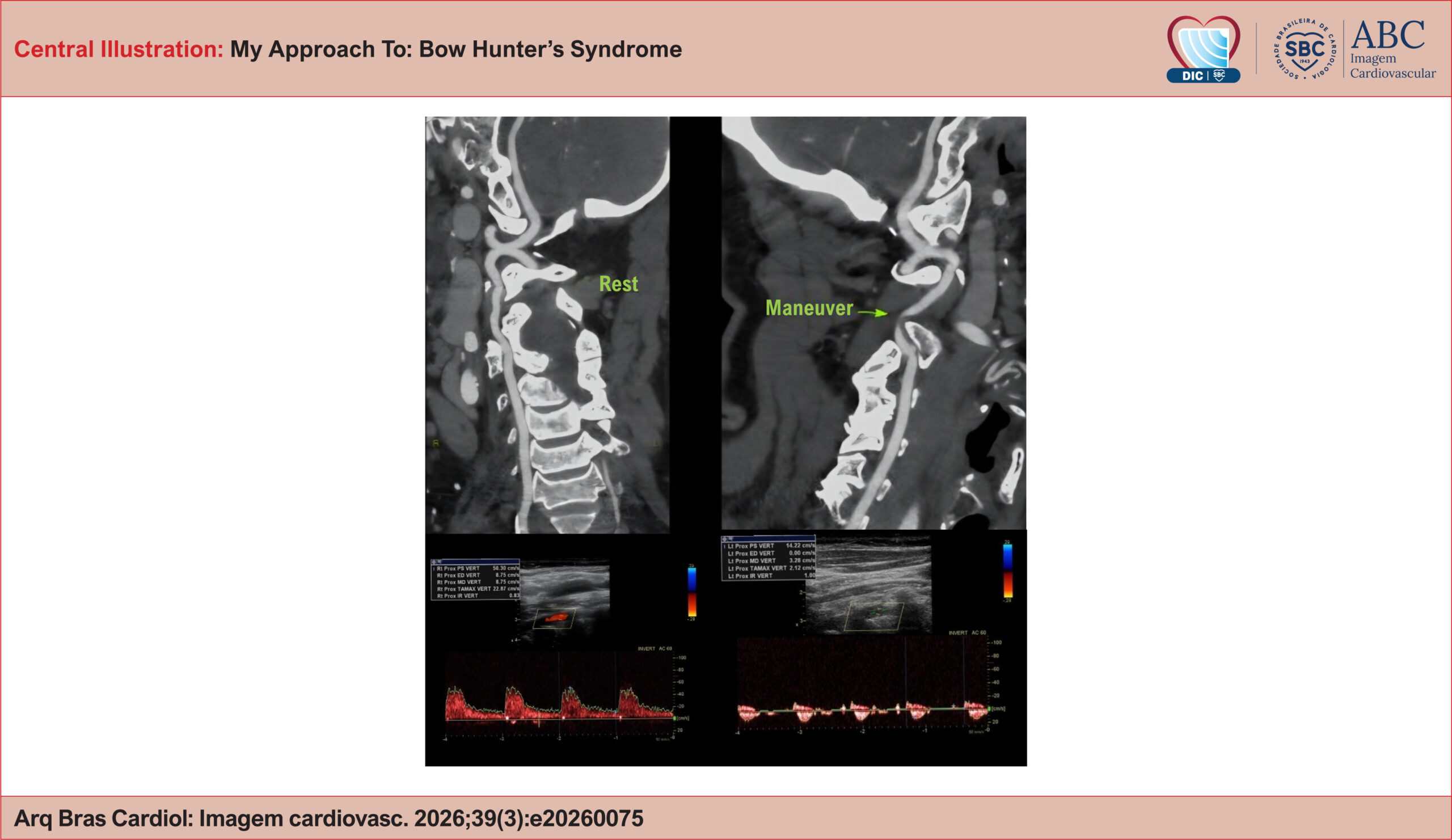
Bow hunter’s syndrome (BHS) is a rare and underdiagnosed condition characterized by mechanical compression or temporary occlusion of the vertebral artery due to lateral rotation or hyperextension of the neck. This mechanical stress occurs predominantly in the V3 segment (C1–C2 level) because of its high degree of mobility.

The pathophysiology involves two main mechanisms – hemodynamic, in which extreme rotation immediately reduces local blood flow and causes paroxysmal symptoms (the triad of vertigo, dizziness, and imbalance) that resolve once the head returns to the neutral position; and thromboembolic, triggered by repeated microtrauma and chronic endothelial injury, which may lead to thrombus formation or dissections and result in cerebellar or brainstem infarctions.

Definitive diagnosis is based on dynamic digital subtraction angiography (DSA) and computed tomography angiography (CTA). However, dynamic vascular Doppler serves as an excellent non-invasive screening method, capable of recording critical real-time hemodynamic changes through positional maneuvers, such as a greater than 50% drop in peak systolic velocity (PSV) or disappearance of diastolic flow.

Therapeutic management varies according to severity. Mild cases are treated conservatively with a cervical collar, behavioral modifications, and antiplatelet therapy. Surgical interventions – such as decompression via osteophytectomy or cervical arthrodesis – and specific endovascular treatments are strictly reserved for patients with refractory symptoms or high risk of stroke.

  • Diagnosis
  • Rare Diseases
  • Vertebral Artery
Read Full Article
Creative Commons Attribution (CC BY) Creative Commons license
03/09/2026 DOI: 10.36660/abcimg.20260075i Views 2
Figure 1
ABCIC
Case Report

Is Wild-type Transthyretin Cardiac Amyloidosis Still Considered a Rare Disease?

Luis Enrique Sanchez Siancas

Introduction

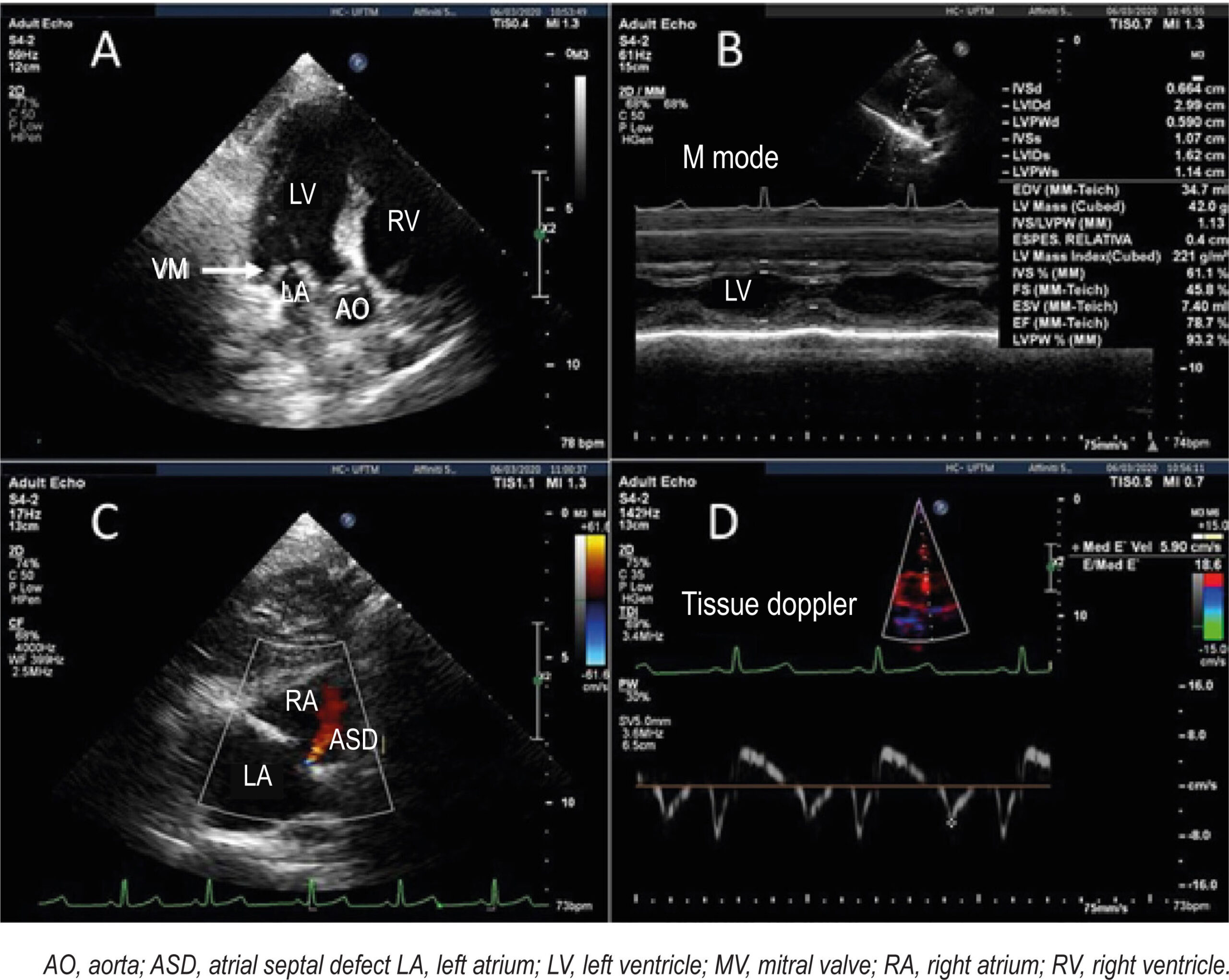
Amyloidosis is a disease characterized by extracellular deposition of insoluble proteins resulting in organ dysfunction. There are more than 30 known proteins capable of aggregating into amyloid fibrils; among these, amyloidosis due to light chain (AL) immunoglobulin and transthyretin amyloidosis (ATTR) represent 98% of cardiac amyloidosis. Transthyretin (TTR) is a tetrameric protein whose function is to transport thyroxine and retinol-binding protein. It is primarily produced in the liver, with smaller quantities found in the choroid plexus and retinal pigment epithelium.

There are two distinct forms of ATTR: hereditary, caused by pathogenic mutations that destabilize the protein, and acquired, also known as wild-type (wtATTR), which results from the accumulation of wtATTR protein. Regarding clinical manifestations of ATTR, in the case of the hereditary type, they depend on the genetic variant involved and can lead to cardiac and extracardiac involvement, including sensory-motor peripheral neuropathies, autonomic neuropathies, gastrointestinal manifestations, among others. In the case of wtATTR, cardiac involvement is the predominant manifestation, characterized by heart failure, conduction disorders, and arrhythmias. The gold standard for diagnosis of cardiac amyloidosis is the demonstration of apple-green birefringence in polarized light microscopy of Congo red-stained tissue. However, confirmatory biopsy is no longer necessary for a diagnosis when the following criteria are met: heart failure with an echocardiogram or cardiac magnetic resonance imaging consistent with amyloidosis, a grade 2 or 3 uptake on radionuclide scintigraphy with 99m-Technetium-labeled 3,3-diphosphono-1,2-propanodicarboxylic acid or pyrophosphate (PYP), and absence of a detectable monoclonal gammopathy. There are currently new disease-modifying therapeutic options available for both hereditary and acquired ATTR. Among the available drugs are selective TTR stabilizers, such as tafamidis, and genetic silencers, such as inotersen or patisiran, which provide the most significant benefit in the early stages of the disease.

[…]

  • Amyloidosis
  • Prealbumin
  • Rare Diseases
Read Full Article
Creative Commons Attribution (CC BY) Creative Commons license
13/09/2024 DOI: 10.36660/abcimg.20240050i Views 2
Figure 1
ABCHF
Review Article

Rare and Ultra-Rare Diseases as Causes of Cardiomyopathy

Diane Xavier Avila et al. Sandra Marques e Silva

Abstract

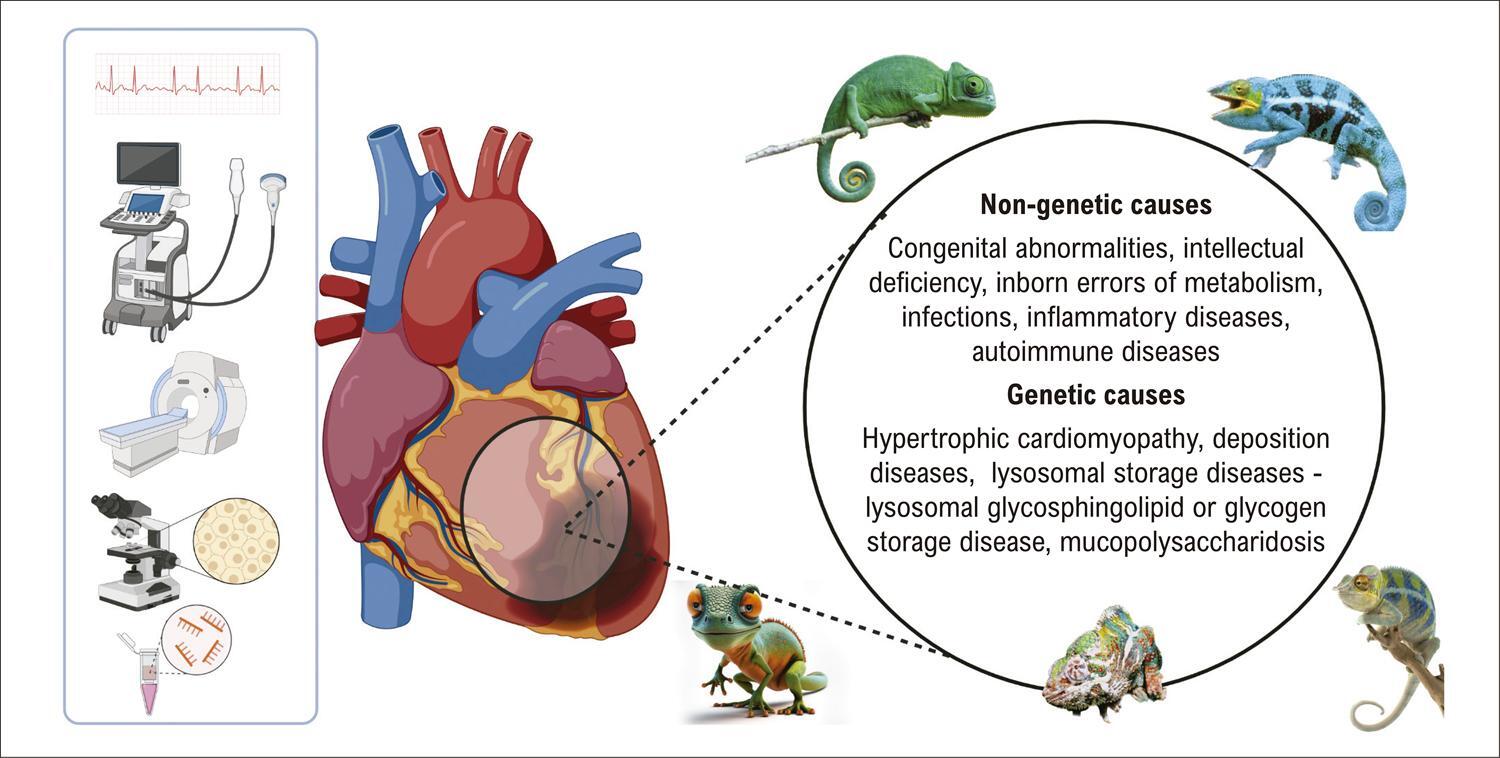
Several definitions of rare disease have emphasized the low prevalence of genetic diseases that can affect cardiac tissues and cause high psychosocial suffering due to the challenging diagnostic process and the high costs of complementary tests and specific therapies. In addition, there is the need for referral centers with different medical specialists, as well as nurses, social workers, psychologists, physiotherapists, among other professionals. With the rapid advances in genetics and precision medicine, associated with the emergence of specific therapeutic molecules (orphan drugs), many rare diseases are no longer “hidden” in pages’ footnotes, and their diagnoses cannot be neglected. The first step is to understand their physiopathogenesis, clinical signs and symptoms, and complementary diagnosis tools including genotyping. This review aims to present objective and important information to contribute to the investigation of the cardiovascular involvement in some of the rare genetic diseases.

  • Cardiomyopathies
  • Mucopolysaccharidoses
  • Rare Diseases
Read Full Article
Creative Commons Attribution (CC BY) Creative Commons license
01/08/2023 DOI: 10.36660/abchf.20230032 Views 1
ABCIC
Editorial

Rare Diseases, Orphan Drugs and the Scenario in 2019

Sandra Marques e Silva et al. José Luís Barros Pena

[…]

  • Cardiology
  • Orphan Drug
  • Rare Diseases
Read Full Article
Creative Commons Attribution (CC BY) Creative Commons license
14/01/2022 DOI: 10.5935/2318-8219.20190045 Views 1
ABCHF
Editorial

ABPAR and the Needs of Patients with Amyloidosis in Brazil

Liana Cláudia Uriarte Ferronato

Revival of the ABPAR in 2011

The first reunion took place at Glaide Mara’s residence, on May 14, 2011, and a commitment was made to start promoting the association and aggregating new members. Several meetings were scheduled, raising contributions to begin with the revival of the association.

On September 18, 2011, the fifth meeting took place, according to the publication in the newspaper O Dia, the new board members of the ABPAR were elected, maintaining Roberto Beltrami as president, and Glaide was elected vice president. The bylaws of the ABPAR were registered in accordance with the new civil code.

[…]

  • ABPAR
  • Amyloidosis
  • Amyloidotic Cardiomyopathy
  • Amyloidotic Neuropathy
  • Hereditary Amyloidosis
  • Hereditary Amyloidosis associated with TTR – PAF – CAF
  • Hereditary Amyloidosis TTP
  • Rare Diseases
Read Full Article
Creative Commons Attribution (CC BY) Creative Commons license
10/12/2021 DOI: 10.36660/abchf.20210018 Views 1
Figure 1
ABCIC
Case Report

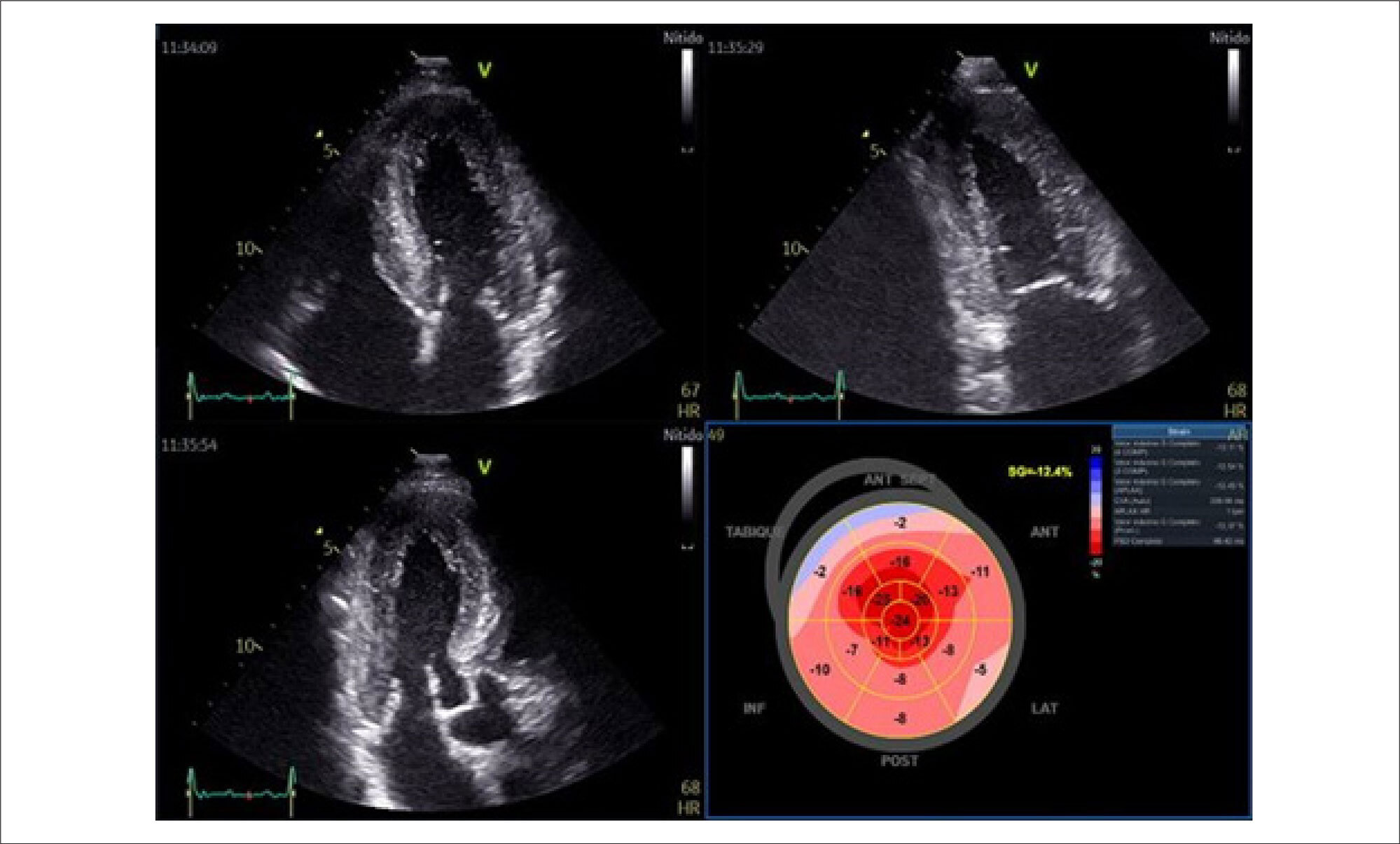
Mucopolysaccharidoses IV and VI: Aspects in Two-dimensional Speckle-tracking Strain Echocardiogram Imaging in a Case Series

João Vitor Tiveron Teodoro et al. Lavínia Ayumi Borges Ribeiro José Marques Ferreira Neto Vinícius Marques Ferreira … Carlos Henrique Paiva Grangeiro Adriana de Nazaré Miziara Oliveira

Introduction

Mucopolysaccharidosis (MPS) belongs to the group of lysosomal storage diseases associated with the partial or total deficiency of 11 different lysosomal hydrolases responsible for glycosaminoglycan (GAG) degradation. GAG accumulation may affect the valves, myocardium, and coronary vessels. The forms that accumulate dermatan sulfate (MPS I, II, VI, and VII) are associated with valvular thickening (L > R). MPS is one of the most common causes of mitral annulus thickening in children. Cardiac involvement also includes hypertrophy, tendinous cord shortening, and papillary muscle thickening. Echocardiography is an essential technique used to assess cardiac involvement in MPS. The study of myocardial strain using two-dimensional speckle-tracking echocardiography (2D-STE) provides a more sensitive evaluation of myocardial fiber strain that can reveal early and subclinical myocardial involvement regardless of left ventricular ejection fraction (LVEF) changes,.

This case series reviews relevant echocardiographic aspects of cardiac involvement complemented by 2D-STE in three patients with MPS during outpatient follow-up and taking enzyme replacement therapy (ERT).

[…]

  • Echocardiography
  • Echocardiography, Doppler
  • Mucopolysaccharidosis IV
  • Mucopolysaccharidosis VI
  • Rare Diseases
Read Full Article
Creative Commons Attribution (CC BY) Creative Commons license
11/06/2021 DOI: 10.47593/2675-312X/20213402eabc159 Views 1
Figure 1
ABC
Case Report

Rare Presentation of Dercum’s Disease in a Child with Abnormalities in Lipoprotein Metabolism

Maria Cristina de Oliveira Izar et al. Henrique Andrade Rodrigues da Fonseca Carolina Nunes França Valéria Arruda Machado … Carlos Eduardo dos Santos Ferreira Francisco Antonio Helfenstein Fonseca

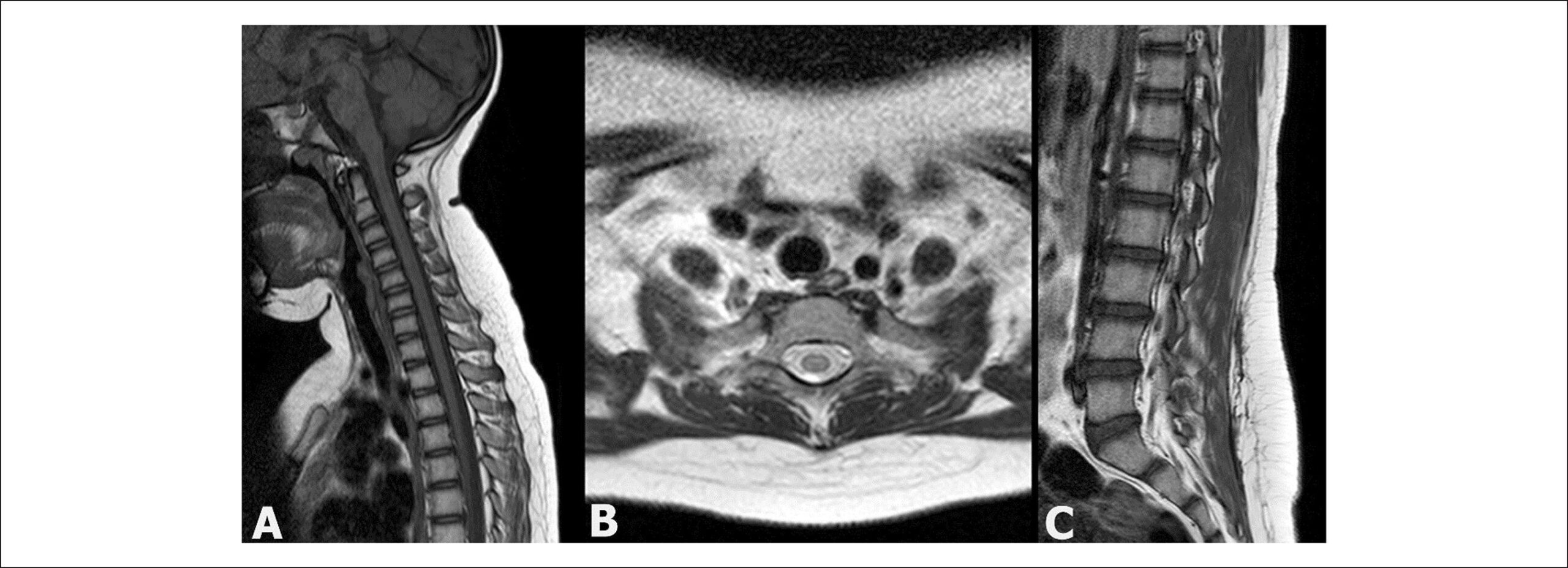
Adiposis dolorosa, or Dercum’s disease, is a subcutaneous accumulation of fat in the body accompanied by intense, chronic, and symmetrical pain, often disabling, and usually not responsive to conventional analgesics. It was first described by Dercum, recognized as a separate disease in 1892, and further reported by White in 1899. Termed in the literature Dercum’s disease, Morbus Dercum, lipomatosis dolorosa, adiposalgia, adiposis dolorosa, and adipose tissue rheumatism, this condition is more prevalent in young women, aged 35 to 50 years, and affects preferably those in the post-menopause phase.–Adiposis dolorosa can also occur in multiple familial lipomatosis, a condition associated with multiple lipomas. Other symptoms and signs include psychiatric (depression, anxiety, sleep disturbances, memory and concentration impairment), cardiovascular (tachycardia), pulmonary (shortness of breath), rheumatological (fatigue, weakness, joint and muscle aches) and gastrointestinal (bloating, constipation) disorders.

Dercum’s disease was described as a general disease of the lymphatic system. In 2014, Rasmussen et al. suggested that this is a lymphovascular disorder with abnormalities in the adipose tissue deposition and lymphatic transport, showing that lipomas appeared to be fed and drained by functional lymphatics. In addition, Huang et al. have reinforced the importance of lymphatic system in cholesterol transport, showing the association with ApoA1, HDL formation, and lymphatic transport to the blood for scavenging by the HDL receptor, or scavenger receptor B1.

[…]

  • Adiposis Dolorosa
  • Child
  • Dyslipidemias
  • Inflammation
  • Lipid Metabolism Disorders
  • Rare Diseases
Read Full Article
Creative Commons Attribution (CC BY) Creative Commons license
01/11/2018 DOI: 10.5935/abc.20180191 Views 1

How to cite this article

EndNote RIS

Electronic Document Format (Vancouver)

Visconti RB. My Approach To: Bow Hunter’s Syndrome. ABC Imagem Cardiovascular 2026;39(3):e20260075.

Electronic Document Format (ABNT)

Visconti, Rodrigo Bahiense. My Approach To: Bow Hunter’s Syndrome. ABC Imagem Cardiovascular, v. 39, n. 3, e20260075, Sep. 2026.

Electronic Document Format (APA)

Visconti, R. B. (2026). My Approach To: Bow Hunter’s Syndrome. ABC Imagem Cardiovascular, 39(3), e20260075.

Electronic Document Format (ISO)

Visconti, Rodrigo Bahiense. My Approach To: Bow Hunter’s Syndrome. ABC Imagem Cardiovascular [online]. 2026, vol. 39, n. 3, [cited 2026-10-14], e20260075. Available from: <https://journals.cardiol.br/en/article/my-approach-to-bow-hunters-syndrome/>. ISSN 2318-8219

EndNote RIS

Electronic Document Format (Vancouver)

Siancas LES. Is Wild-type Transthyretin Cardiac Amyloidosis Still Considered a Rare Disease?. ABC Imagem Cardiovascular 2024;37(3):e20240050.

Electronic Document Format (ABNT)

Siancas, Luis Enrique Sanchez. Is Wild-type Transthyretin Cardiac Amyloidosis Still Considered a Rare Disease?. ABC Imagem Cardiovascular, v. 37, n. 3, e20240050, Sep. 2024.

Electronic Document Format (APA)

Siancas, L. E. S. (2024). Is Wild-type Transthyretin Cardiac Amyloidosis Still Considered a Rare Disease?. ABC Imagem Cardiovascular, 37(3), e20240050.

Electronic Document Format (ISO)

Siancas, Luis Enrique Sanchez. Is Wild-type Transthyretin Cardiac Amyloidosis Still Considered a Rare Disease?. ABC Imagem Cardiovascular [online]. 2024, vol. 37, n. 3, [cited 2026-10-14], e20240050. Available from: <https://journals.cardiol.br/en/article/is-wild-type-transthyretin-cardiac-amyloidosis-still-considered-a-rare-disease/>. ISSN 2318-8219

EndNote RIS

Electronic Document Format (Vancouver)

Avila DX, Silva SM. Rare and Ultra-Rare Diseases as Causes of Cardiomyopathy. ABC Heart Fail Cardiomyop 2023;3(1):e20230032.

Electronic Document Format (ABNT)

Avila, Diane Xavier; Silva, Sandra Marques e. Rare and Ultra-Rare Diseases as Causes of Cardiomyopathy. ABC Heart Fail Cardiomyop, v. 3, n. 1, e20230032, Jul. 2023.

Electronic Document Format (APA)

Avila, D. X., & Silva, S. M. (2023). Rare and Ultra-Rare Diseases as Causes of Cardiomyopathy. ABC Heart Fail Cardiomyop, 3(1), e20230032.

Electronic Document Format (ISO)

Avila, Diane Xavier and Silva, Sandra Marques e. Rare and Ultra-Rare Diseases as Causes of Cardiomyopathy. ABC Heart Fail Cardiomyop [online]. 2023, vol. 3, n. 1, [cited 2026-10-14], e20230032. Available from: <https://journals.cardiol.br/en/article/rare-and-ultra-rare-diseases-as-causes-of-cardiomyopathy/>

EndNote RIS

Electronic Document Format (Vancouver)

Silva SM, Pena JLB. Rare Diseases, Orphan Drugs and the Scenario in 2019. Arquivos Brasileiros de Cardiologia Imagem cardiovascular 2022;32(4):254-5.

Electronic Document Format (ABNT)

Silva, Sandra Marques e; Pena, José Luís Barros. Rare Diseases, Orphan Drugs and the Scenario in 2019. Arquivos Brasileiros de Cardiologia Imagem cardiovascular, v. 32, n. 4, p. 254-255, Jan. 2022.

Electronic Document Format (APA)

Silva, S. M. , & Pena, J. L. B. (2022). Rare Diseases, Orphan Drugs and the Scenario in 2019. Arquivos Brasileiros de Cardiologia Imagem cardiovascular, 32(4), 254-255.

Electronic Document Format (ISO)

Silva, Sandra Marques e and Pena, José Luís Barros. Rare Diseases, Orphan Drugs and the Scenario in 2019. Arquivos Brasileiros de Cardiologia Imagem cardiovascular [online]. 2022, vol. 32, n. 4, [cited 2026-10-14], pp. 254-255. Available from: <https://journals.cardiol.br/en/article/rare-diseases-orphan-drugs-and-the-scenario-in-2019/>. ISSN 2318-8219

EndNote RIS

Electronic Document Format (Vancouver)

Ferronato LCU. ABPAR and the Needs of Patients with Amyloidosis in Brazil. Phenomenology, Humanities and Sciences – Fenomenologia, Humanidades e Ciências 2021;1(2):74-5.

Electronic Document Format (ABNT)

Ferronato, Liana Cláudia Uriarte. ABPAR and the Needs of Patients with Amyloidosis in Brazil. Phenomenology, Humanities and Sciences – Fenomenologia, Humanidades e Ciências, v. 1, n. 2, p. 74-75, Dec. 2021.

Electronic Document Format (APA)

Ferronato, L. C. U. (2021). ABPAR and the Needs of Patients with Amyloidosis in Brazil. Phenomenology, Humanities and Sciences – Fenomenologia, Humanidades e Ciências, 1(2), 74-75.

Electronic Document Format (ISO)

Ferronato, Liana Cláudia Uriarte. ABPAR and the Needs of Patients with Amyloidosis in Brazil. Phenomenology, Humanities and Sciences – Fenomenologia, Humanidades e Ciências [online]. 2021, vol. 1, n. 2, [cited 2026-10-14], pp. 74-75. Available from: <https://journals.cardiol.br/en/article/abpar-and-the-needs-of-patients-with-amyloidosis-in-brazil/>

EndNote RIS

Electronic Document Format (Vancouver)

Teodoro JVT, Ribeiro LAB, Ferreira Neto JM, Ferreira VM, Grangeiro CHP, Oliveira ANM. Mucopolysaccharidoses IV and VI: Aspects in Two-dimensional Speckle-tracking Strain Echocardiogram Imaging in a Case Series. ABC Imagem Cardiovascular 2021;34(2):eabc159.

Electronic Document Format (ABNT)

Teodoro, João Vitor Tiveron; Ribeiro, Lavínia Ayumi Borges; Ferreira Neto, José Marques; Ferreira, Vinícius Marques; Grangeiro, Carlos Henrique Paiva; Oliveira, Adriana de Nazaré Miziara. Mucopolysaccharidoses IV and VI: Aspects in Two-dimensional Speckle-tracking Strain Echocardiogram Imaging in a Case Series. ABC Imagem Cardiovascular, v. 34, n. 2, eabc159, Jun. 2021.

Electronic Document Format (APA)

Teodoro, J. V. T., Ribeiro, L. A. B., Ferreira Neto, J. M., Ferreira, V. M., Grangeiro, C. H. P., & Oliveira, A. N. M. (2021). Mucopolysaccharidoses IV and VI: Aspects in Two-dimensional Speckle-tracking Strain Echocardiogram Imaging in a Case Series. ABC Imagem Cardiovascular, 34(2), eabc159.

Electronic Document Format (ISO)

Teodoro, João Vitor Tiveron and Ribeiro, Lavínia Ayumi Borges and Ferreira Neto, José Marques and Ferreira, Vinícius Marques and Grangeiro, Carlos Henrique Paiva and Oliveira, Adriana de Nazaré Miziara. Mucopolysaccharidoses IV and VI: Aspects in Two-dimensional Speckle-tracking Strain Echocardiogram Imaging in a Case Series. ABC Imagem Cardiovascular [online]. 2021, vol. 34, n. 2, [cited 2026-10-14], eabc159. Available from: <https://journals.cardiol.br/en/article/mucopolysaccharidoses-iv-and-vi-aspects-in-two-dimensional-speckle-tracking-strain-echocardiogram-imaging-in-a-case-series/>. ISSN 2318-8219

EndNote RIS

Electronic Document Format (Vancouver)

Izar MCO, Fonseca HAR, França CN, Machado VA, Ferreira CES, Fonseca FAH. Rare Presentation of Dercum’s Disease in a Child with Abnormalities in Lipoprotein Metabolism. Arquivos Brasileiros de Cardiologia 2018;111(5):755-7.

Electronic Document Format (ABNT)

Izar, Maria Cristina de Oliveira; Fonseca, Henrique Andrade Rodrigues da; França, Carolina Nunes; Machado, Valéria Arruda; Ferreira, Carlos Eduardo dos Santos; Fonseca, Francisco Antonio Helfenstein. Rare Presentation of Dercum’s Disease in a Child with Abnormalities in Lipoprotein Metabolism. Arquivos Brasileiros de Cardiologia, v. 111, n. 5, p. 755-757, Oct. 2018.

Electronic Document Format (APA)

Izar, M. C. O., Fonseca, H. A. R. , França, C. N., Machado, V. A., Ferreira, C. E. S., & Fonseca, F. A. H. (2018). Rare Presentation of Dercum’s Disease in a Child with Abnormalities in Lipoprotein Metabolism. Arquivos Brasileiros de Cardiologia, 111(5), 755-757.

Electronic Document Format (ISO)

Izar, Maria Cristina de Oliveira and Fonseca, Henrique Andrade Rodrigues da and França, Carolina Nunes and Machado, Valéria Arruda and Ferreira, Carlos Eduardo dos Santos and Fonseca, Francisco Antonio Helfenstein. Rare Presentation of Dercum’s Disease in a Child with Abnormalities in Lipoprotein Metabolism. Arquivos Brasileiros de Cardiologia [online]. 2018, vol. 111, n. 5, [cited 2026-10-14], pp. 755-757. Available from: <https://journals.cardiol.br/en/article/rare-presentation-of-dercums-disease-in-a-child-with-abnormalities-in-lipoprotein-metabolism/>. ISSN 0066-782X

  • About ABC Family
  • Internal Regulation
  • Editorial Board
  • Brazilian Society of Cardiology (SBC)

Issues

SBC Guidelines

  • Videos
  • Podcasts
  • News