ABC Family Arquivos Brasileiros de Cardiologia International Journal of Cardiovascular Sciences ABC Heart Failure & Cardiomyopathy ABC Imagem Cardiovascular
Português English
ABC Family
Português English
  • About
    • About ABC Family
    • Internal Regulation
    • Editorial Board
    • Brazilian Society of Cardiology (SBC)
  • Issues
  • SBC Guidelines
  • Content
    • Videos
    • Podcasts
    • News
  • About
    • About ABC Family
    • Internal Regulation
    • Editorial Board
    • Brazilian Society of Cardiology (SBC)
  • Issues
  • SBC Guidelines
  • Content
    • Videos
    • Podcasts
    • News

ABC Family

  • ABC Family
  • Arquivos Brasileiros de Cardiologia
  • International Journal of Cardiovascular Sciences
  • ABC Heart Failure & Cardiomyopathy
  • ABC Imagem Cardiovascular
Search in

No content found.

Journals
Ordering
Article types
Others

  1. Home
  2. Keyword: Depression
Figure 1
ABCIC
Editorial

Beyond Imaging: The Silent Impact of Depression on Coronary Artery Disease

Priscila Cestari Quagliato

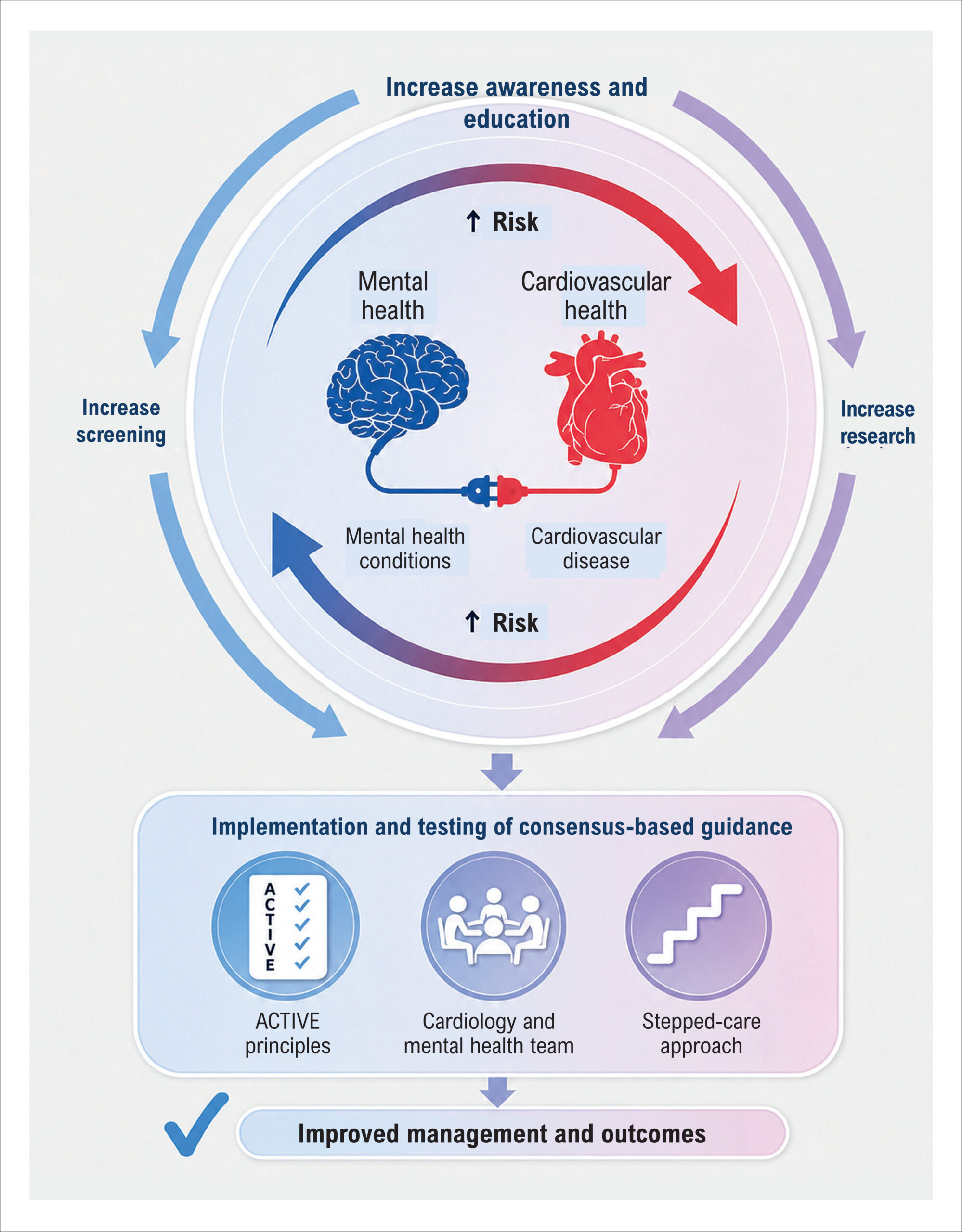
Coronary artery disease (CAD) remains the leading cause of global morbidity and mortality, and its intersection with mental health has received prominent attention in contemporary cardiology discussions. In 2025, the European Society of Cardiology published a guideline specifically addressing the multidirectional association between mental health and cardiovascular disease. Key issues were highlighted, including healthcare professionals’ limited awareness regarding the prevalence of mental disorders and their direct impacts on cardiovascular health, as well as inadequate recognition of severe mental illness and the stigmas associated with these conditions.

Mental disorders play a detrimental role in cardiovascular prevention, affecting treatment adherence and management of acute decompensations. The overlapping symptoms of the two conditions and the difficulties in monitoring chronic disease negatively impact patient prognosis.

[…]

  • Cardiology
  • Coronary Artery Disease
  • Depression
  • Mental Health
Read Full Article
Creative Commons Attribution (CC BY) Creative Commons license
27/07/2026 DOI: 10.36660/abcimg.20260074i Views 1
ABCHF
Case Report

Takotsubo Syndrome and its Relationship with Major Depressive Disorder: Case Report

Wanessa Julia da Silva et al. Gabriel Sembeneli Pedro Petiti Arbex Bueno Rafaela Claro Rodrigues … Fernanda Meirelles Gil Flavia Lima Costa Faldoni Claudia Helena Cury Domingos

Introduction

Takotsubo syndrome (TTS) is a medical condition characterized by reversible regional dysfunction of the left ventricle (LV) and/or right ventricle. TTS is often triggered by situations of acute physical or emotional stress. It presents characteristics similar to an acute coronary syndrome (ACS) event, but without coronary abnormality evidenced by exams such as angiography. Furthermore, upon admission, patients with TTS also manifest substantially lower left ventricular ejection fraction (LVEF) values, when compared to those with ACS. Nonetheless, even with these lower levels, the chances of cardiovascular damage are lower, and the restoration of LVEF is more satisfactory.

Although the pathophysiology of TTS is complex and, in part, unknown, studies suggest that exacerbated sympathetic activation, confirmed by increased levels of plasma catecholamines, and adrenergic drugs may precipitate the condition. It predominantly occurs in postmenopausal women. However, it can affect younger women and men, and it is estimated that 1% to 3% of all patients and 5% to 6% of female patients who undergo coronary angiography due to suspected ACS have TTS. Reproductive and hormonal factors and stressful emotional events are associated with greater occurrence of TTS in women, whereas the physical factor is the most frequent agent in men, as well as in patients undergoing chemotherapy treatment.

[…]

  • Depression
  • Mental Disorders
  • Takotsubo Cardiomyopathy
Read Full Article
Creative Commons Attribution (CC BY) Creative Commons license
07/08/2024 DOI: 10.36660/abchf.20240003i Views 1
Figure 1
ABC
Research Letter

Depression, Cardiovascular Disease, and Female Gender: An Underestimated Triad

Walkiria Samuel Avila et al. Maria Alayde Mendonça Rivera Ivan Romero Rivera

Introduction

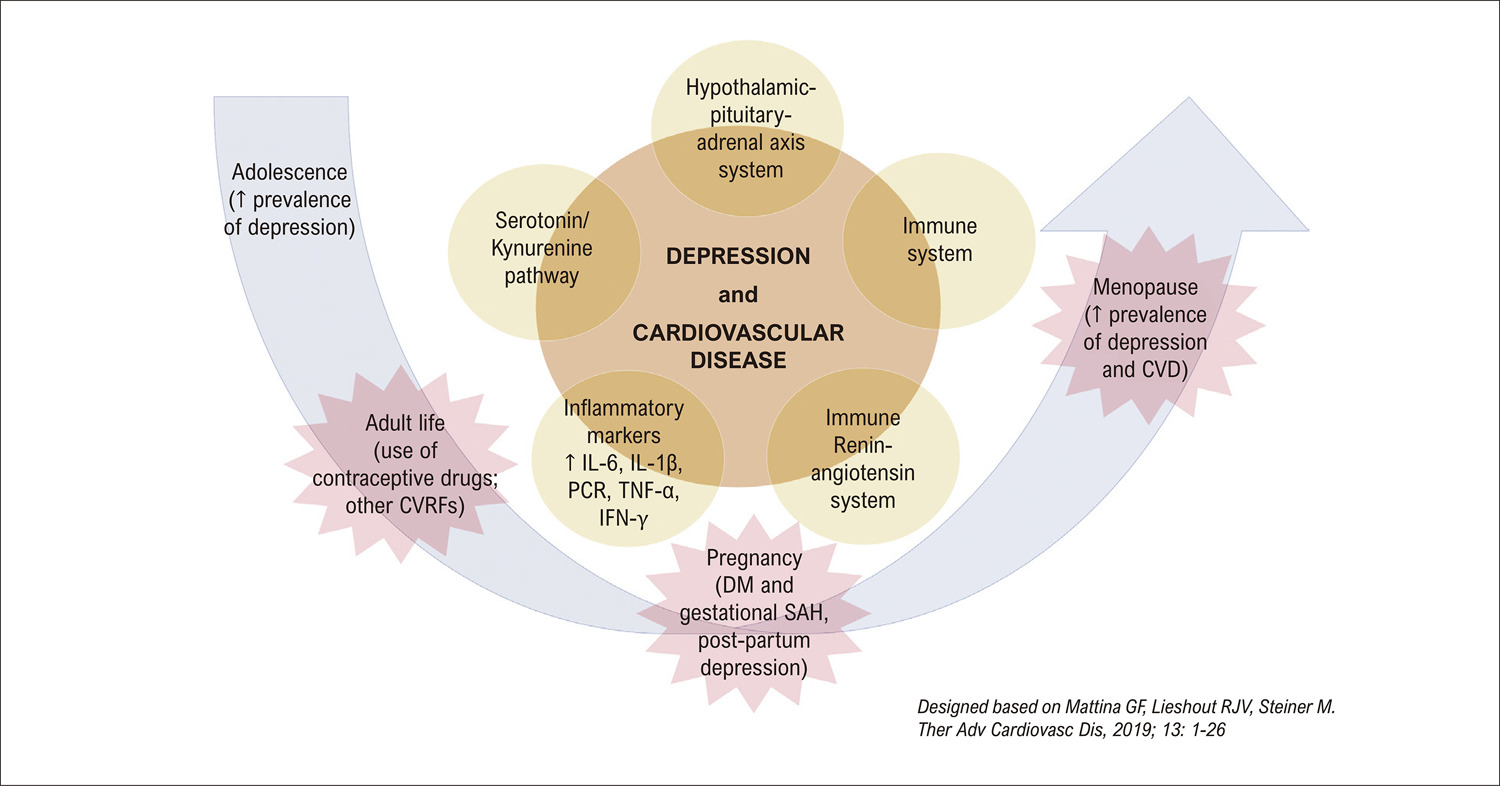
Depression is a global disease affecting around 330 million people, corresponding to 4.4% of the global population, and is the second cause of incapacitation in the USA.In Brazil, it is estimated that 5.8% of the population, 11 million people, suffer from this disease, placing the country first in Latin America and the second in the Americas considering the number of cases.In addition, the data published by the National Health Survey (PNS) conducted in 2013 verified that 78.8% of Brazilian people with significant depressive symptoms were not receiving any treatment.

[…]

  • Cardiovascular Diseases
  • Depression
  • Female Gender
  • Hypothalamo-Hypophyseal System
  • Immune System
  • Renin Angiotrensin Aldosterone System
Read Full Article
Creative Commons Attribution (CC BY) Creative Commons license
17/07/2023 DOI: 10.36660/abc.20220858 Views 1
Central Illustration
ABC
Original Article

Post-COVID-19 Cardiopulmonary Symptoms: Predictors and Imaging Features in Patients after Hospital Discharge

Kalil-Filho Roberto et al. Roberta Saretta André Franci Luciano M. Baracioli … Filomena R. B. G. Galas Juliana S. Gil Amanda Ferino Camilla Giacovone Isabella Oliveira Johnatan Souza Vanessa Batista Augusto Scalabrini Neto Livia do Valle Costa Amanda Danieleto Ruiz Carla B. Ledo Teresa Cristina D. C. Nascimento Luciano F. Drager

Abstract

Background

Most of the evidence about the impact of the post-acute COVID-19 Syndrome (PACS) reports individual symptoms without correlations with related imaging.

Objectives

To evaluate cardiopulmonary symptoms, their predictors and related images in COVID-19 patients discharged from hospital.

Methods

Consecutive patients who survived COVID-19 were contacted 90 days after discharge. The Clinic Outcome Team structured a questionnaire evaluating symptoms and clinical status (blinded for hospitalization data). A multivariate analysis was performed to address the course of COVID-19, comorbidities, anxiety, depression, and post-traumatic stress during hospitalization, and cardiac rehabilitation after discharge. The significance level was set at 5%.

Results

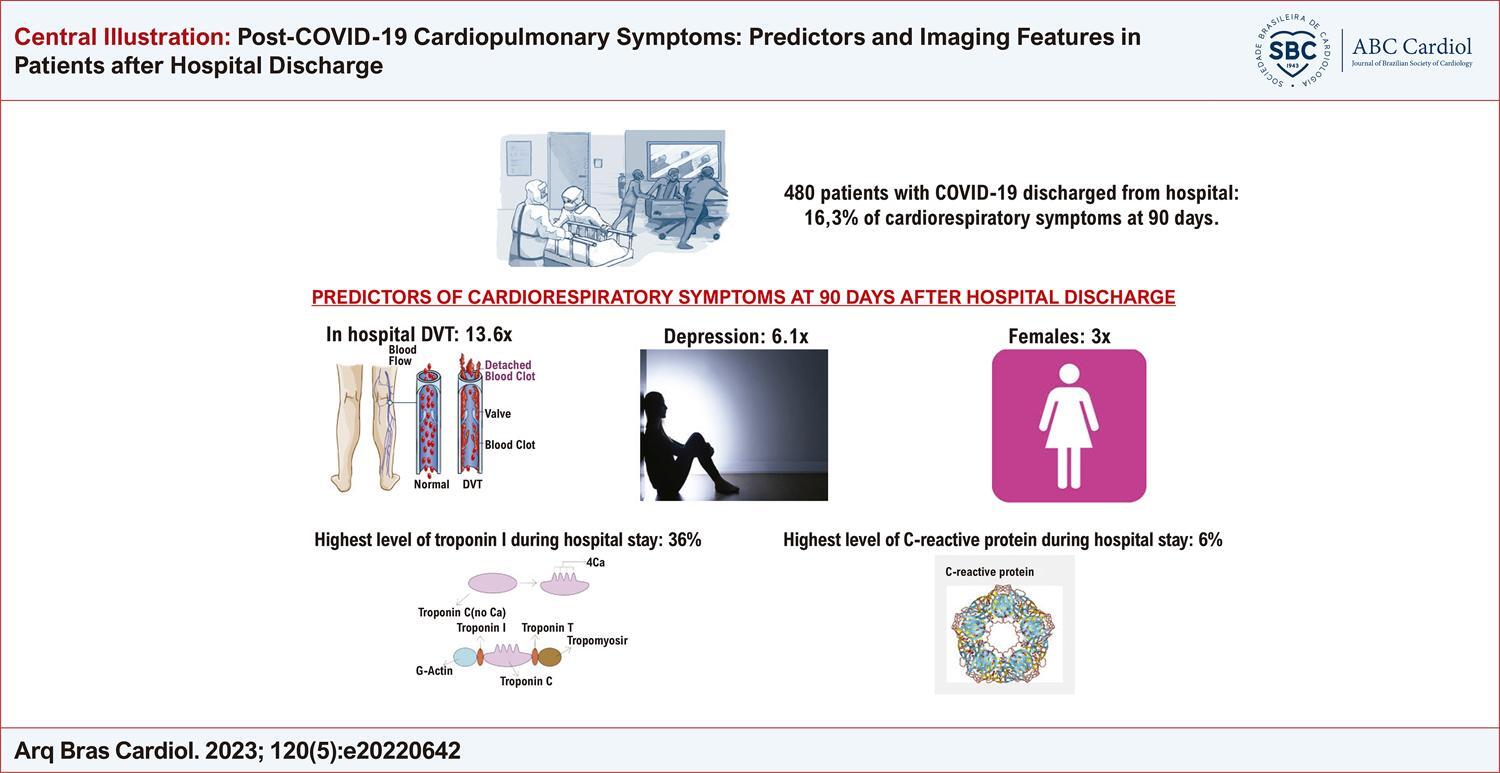
A total of 480 discharged patients with COVID-19 (age: 59±14 years, 67.5% males) were included; 22.3% required mechanical ventilation. The prevalence of patients with PACS-related cardiopulmonary symptoms (dyspnea, tiredness/fatigue, cough, and chest discomfort) was 16.3%. Several parameters of chest computed tomography and echocardiogram were similar in patients with and without cardiopulmonary symptoms. The multivariate analysis showed that PACS-related cardiopulmonary-symptoms were independently related to female sex (OR 3.023; 95% CI 1.319-6.929), in-hospital deep venous thrombosis (OR 13.689; 95% CI 1.069-175.304), elevated troponin I (OR 1.355; 95% CI 1.048-1.751) and C-reactive protein during hospitalization (OR 1.060; 95% CI 1.023-1.097) and depression (OR 6.110; 95% CI 2.254-16.558).

Conclusion

PACS-related cardiopulmonary symptoms 90 days post-discharge are common and multifactorial. Beyond thrombotic and markers of inflammation/myocardial injury during hospitalization, female sex and depression were independently associated with cardiopulmonary-related PACS. These results highlighted the need for a multifaceted approach targeting susceptible patients.

  • COVID-19
  • Depression
  • Sex
  • Signs and Symptoms
Read Full Article
Creative Commons Attribution (CC BY) Creative Commons license
29/05/2023 DOI: 10.36660/abc.20220642
ABC
Editorial

Post-COVID Dysautonomias: The Importance of Early Recognition and Implementation of Recovery Programs

Denise Hachul et al. Tatiana Almeida Mauricio Scanavacca

The international scientific community has devoted all its efforts over the last three years to a better understanding and treatment of the SARS-COV-2 infection, which initially seemed to be limited to a severe acute respiratory syndrome. However, as time goes by, we are faced with a growing number of patients with multisystemic, persistent, intermittent, or late symptoms, which generate significant psycho-functional impairment of those affected and reveal to us the chronic and unpredictable nature of the disease.

The recognized Post-COVID Syndrome courses with a significant number of complaints described in case reports, population studies, and meta-analyses. Myocarditis, myocardial infarction, stroke, heart failure, arrhythmias, genitourinary, gastrointestinal, endocrinological, central, and peripheral neurological disorders of varying severities have been described in the subacute and chronic phases after contact with the virus.–

[…]

  • Depression
  • Dysautonomias/post-covid
  • Exercises
  • Memory/deficiency
  • Physiotherapy
  • Post-Covid/complications
  • Rehabilitation
  • SARS-CoV-2
Read Full Article
Creative Commons Attribution (CC BY) Creative Commons license
03/04/2023 DOI: 10.36660/abc.20230110 Views 1
Figure 1
IJCS
Editorial

The Complex Relationship Between Emotions and the Heart: Should We Care?

Sarah Fagundes Grobe et al. Lídia Zytynski Moura

Knowing how to live with negative emotions is not easy, and developing mechanisms to overcome them can be even more challenging. The attempt to determine the physical effects of emotions and establish their profound influence on the heart has challenged physicians for centuries. Mood disorders, such as depression and anxiety, significantly impact quality of life and increase morbidity and mortality.

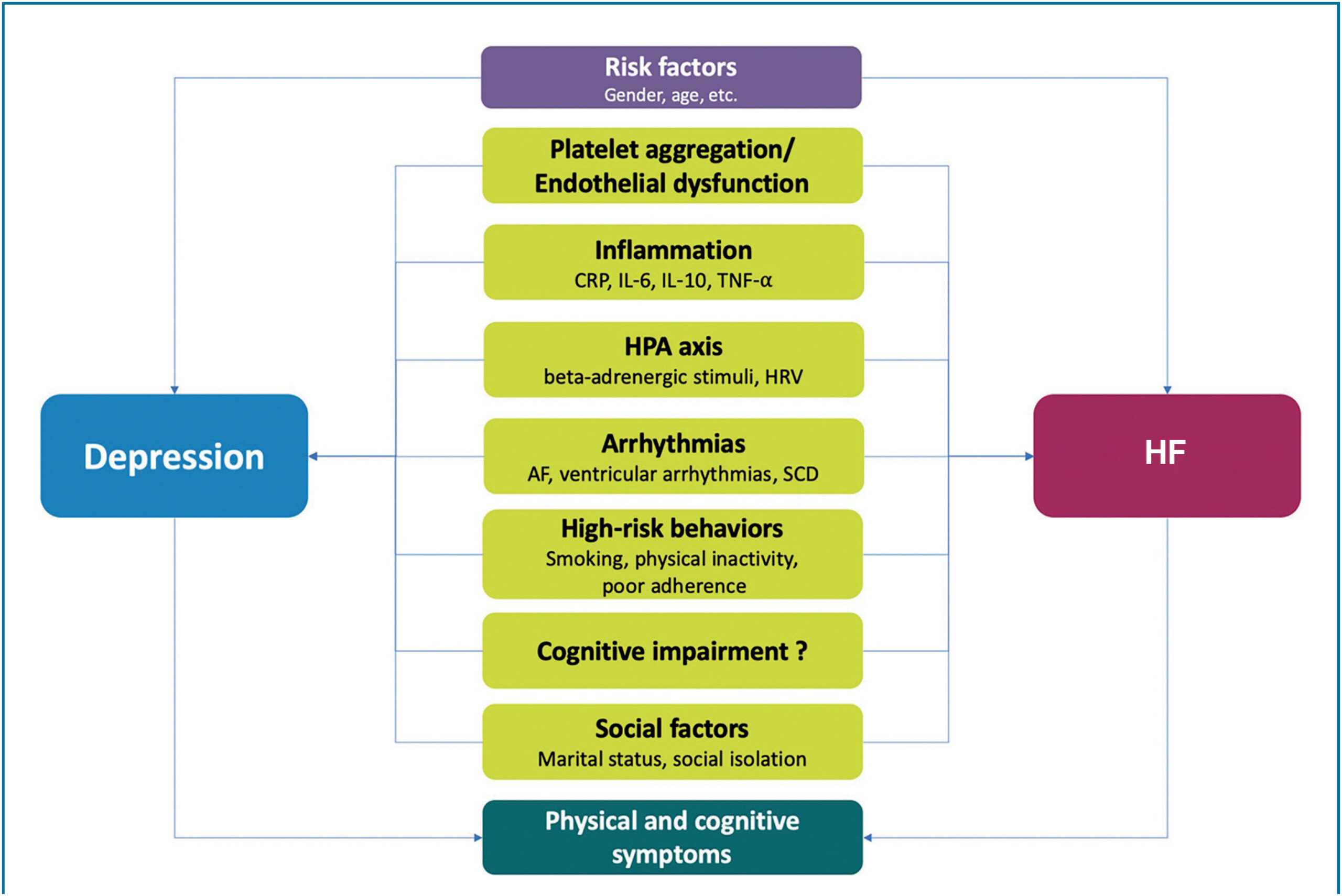
At least 30% of patients diagnosed with heart failure (HF) have depressive symptoms, and these numbers have progressively increased since the 1990s. A meta-analysis found that the rates of mortality and cardiovascular events were twice as high in patients with HF and associated depression, and this was often independent of functional class., Some behavioral patterns contribute to these results, since patients with depression or anxiety often do not adhere to pharmacological treatment, are less active, have poor eating habits, and use tobacco.,

[…]

  • Anxiety
  • Depression
  • Heart Failure
  • Hospitalization
  • Mental Health
  • Psychotherapy
  • Quality of life
Read Full Article
Creative Commons Attribution (CC BY) Creative Commons license
27/01/2023 DOI: 10.36660/ijcs.20220216
IJCS
Original Article

Prevalence and Association Between Cognition, Anxiety, and Depression in Patients Hospitalized with Heart Failure

Vivian L. Soares et al. Carolina Pereira Ana Carla Carvalho Tarsila Perez Mota … Raphaela V. Groehs Fernando Bacal Luciana Diniz Nagem Janot de Matos

Abstract

Background

Cognitive impairment, anxiety, and depression are present in patients with heart failure (HF), but their mutual correlation in hospitalized patients is not well established.

Objectives

The aims of this study were to identify the presence of cognitive impairment and the most affected domain, to investigate possible associations of cognitive impairment with depression and/or anxiety, and to observe whether they correlated with occurrence of readmission within 30 days following hospital discharge.

Methods

This is a prospective observational study including patients with HF from a private hospital. Psychological distress and cognition were evaluated by the Hospital Anxiety and Depression Scale (HADS) and by the Mini Mental State Exam (MMSE), respectively. Clinical data were obtained from the medical record at the time of inclusion, and outpatient follow-up was performed 30 days after discharge via telephone calls.

Results

This study included 71 patients (83% men, 75 ± 11 years). Cognitive impairment was present in 53.5% of the patients, and recall memory was the most altered cognitive domain. The proportion of possible/probable anxiety and depression was 21.1% and 34.2% in patients with cognitive impairment, respectively. However, only depression demonstrated association with cognitive impairment (p = 0.018). Cognitive impairment, anxiety, and depression showed no relationship with the occurrence of readmission within 30 days.

Conclusions

Cognitive impairment and depressive symptoms are prevalent and associated, and recall memory was the most altered cognitive domain in patients hospitalized with HF. However, there was no relationship between these factors and readmission within 30 days.

  • Anxiety
  • Cognitive Dysfunction
  • Depression
  • Heart Failure
Read Full Article
Creative Commons Attribution (CC BY) Creative Commons license
11/11/2022 DOI: 10.36660/ijcs.20210226
IJCS
Original Article

Cognitive Alterations in Elderly Patients with Heart Failure’

Fernanda Guedes Afiune et al. Salvador Rassi Abrahão Afiune Neto

Abstract

Background:

Among the various pathologies that affect the elderly, Heart Failure (HF) stands out. Recently, an attempt has been made to verify the existence of cognitive impairment associated with HF.

Objectives:

To compare the cognitive performance of elderly people with heart failure with that of age-matched individuals without this pathology. Check the existence of marked impairment in some cognitive functions in the clinical group.

Methods:

The sample consisted of 78 elderly people, whose inclusion criterion was the presence of HF and no HF (control group); age over 60 years, both sexes, and any level of education. The control group consisted of 37 individuals (with a median age of 68 years – Interquartile range of 12) and the HF group, with 41 individuals (with a median age of 67 years – Interquartile range of 11). The subjects were matched in terms of education level, with a predominance of elderly people with 0 to 4 years of education (65.9% in the Clinical Group and 59.5% in the Control Group). Eleven neuropsychological tests covering cognitive functions were used: attention, language, memory, mood, and executive function. Statistical analysis was performed using SPSS software, version 23, with a significance level of 5%. The Chi-square test and the Mann-Whitney test were applied.

Results:

The results showed significant differences between the groups, mainly in executive functions, which include the ability to plan, switch, and recall previously stored information.

Conclusion:

Our study showed differences between the cognitive performance of elderly people with HF and elderly people without HF. The main alteration was found in the so-called executive functions, attention, and memory.

  • Aged
  • Anxiety
  • Cardiovascular Diseases
  • Cognition Disorders
  • Depression
  • Heart Failure
  • Neurological Diseases
  • Neuropsychology
  • Stroke Volume
Read Full Article
Creative Commons Attribution (CC BY) Creative Commons license
25/02/2022 DOI: 10.36660/ijcs.20200144 Views 1
ABC
Editorial

Active Assessment of Sleep and Depression for elderly Patients in the Outpatient Cardiology Setting: What Are We Waiting for?

Ana Vitória Vitoreti Martins et al. Luciano F. Drager

The relationships between sleep disturbances, depression and cardiovascular disease have gained growing interest in the last decades. Most evidence available suggests that several sleep disturbances (including sleep deprivation, insomnia and obstructive sleep apnea) are not only innocent bystanders, but may contribute to increase the cardiovascular risk.– The prevalence and impact of sleep disorders may vary depending on some clinical characteristics (for instance: age, gender and comorbidities). Aging is clearly a risk factor for developing sleep disturbances; consistent evidence have shown greater number of complaints associated with sleep with aging, including insomnia and obstructive sleep apnea., The reduction in the number of hours of sleep and poor sleep quality may impair multiple domains related to the quality of life in the elderly.– Similarly, depression is associated with several cognitive and cardiovascular consequences. Based on the biological plausibility linking sleep disorders and depression with cardiovascular risk,, and the high prevalence of cardiovascular diseases among elderly, it is reasonable to assume that sleep disorders add to the high cardiovascular burden observed in this subset of patients.

In this issue of the Arquivos de Brasileiro de Cardiologia, Lopes et al. reported a prospective cohort study of 160 elderly patients (between 60 and 98 years old) aiming to estimate the risk of death and cardiovascular events after eight years of follow-up (from 2009 to 2017) in those who presented insomnia and excessive daytime sleepiness detected at baseline. Excessive daytime sleepiness, sleep quality and presence of depressive symptoms were evaluated by the Epworth Sleepiness scale, the Pittsburgh Sleep Quality Index and the Sheikh and Yesavage Geriatric Depression Scale, respectively.

[…]

  • Depression
  • Elderly
  • Sleep
Read Full Article
Creative Commons Attribution (CC BY) Creative Commons license
20/09/2021 DOI: 10.36660/abc.20210624
ABC
Original Article

Risk of Death in the Elderly with Excessive Daytime Sleepiness, Insomnia and Depression: Prospective Cohort Study in an Urban Population in Northeast Brazil

Johnnatas Mikael Lopes et al. Fábio Dantas Galvão Angelo Giuseppe Roncalli da Costa Oliveira

Abstract

Background

The close relationship between sleep regulation and cardiovascular events is one of the main focuses of research in contemporary medicine. Sleep habits and characteristics interfere with the cardiac rhythm and also with life expectancy, especially in the elderly.

Objective

To estimate the risk of death and cardiovascular events in community-dwelling elderly individuals complaining of insomnia and excessive daytime sleepiness over eight years of follow-up.

Method

A prospective cohort was designed with 160 elderly, with the first wave occurring in 2009 and the second in 2017. Follow-up groups were determined by exposure or not to complaints of primary insomnia and excessive daytime sleepiness with or without snoring. The covariates gender, marital status, depression, hypertension and diabetes were controlled. The primary outcome was death and the secondary outcome was cardio-cerebrovascular events (CCV). Outcome risks were estimated by relative risk (RR) through Poisson regression, adopting α≤0.05.

Results

There were 40 (25.97%: 19.04-32.89) deaths over the period and 48 (30.76%: 23.52-38.01) CCV. Men had a higher risk (RR = 1.88; 1.01-3.50) of death. Depression (RR = 2.04; 1.06-3.89), insomnia severity (RR = 2.39; 1.52-4.56) and sleep latency between 16-30 minutes (RR = 3, 54; 1.26-9.94) and 31-60 minutes (RR = 2.23; 1.12-4.47) increased the risk of death independently in community-dwelling elderly. CCV were predicted only in the hypertensive and / or diabetic elderly (RR = 8.30; 1.98-34.82).

Conclusion

Mortality in the elderly is influenced by the emotional state and difficulty in falling asleep, unlike CCVs, which are conditioned only by arterial and metabolic blood pressure conditions.

  • Aged
  • Depression
  • Mortality
  • Psychological Dysfunction
  • Sleep Wake Disorders/complications
Read Full Article
Creative Commons Attribution (CC BY) Creative Commons license
18/06/2021 DOI: 10.36660/abc.20200059
Figure 1
IJCS
Original Article

The Effect of Psychotherapy on Anxiety, Depression, and Quality of Life of Patients with Heart Failure: A Randomized Clinical Trial

Isaura Rocha et al. Ana Dantas Cavalcanti Lyvia Figueiredo Juliana Pereira … Samara de Oliveira Danilo da Cruz Rodrigo de Freitas Evandro Tinoco Mesquita

Abstract

Background

Patients with heart failure often experience depression, anxiety, and impacts on quality of life. Psychotherapeutic interventions have been used for chronic conditions, including cardiovascular diseases, showing improvement in mental health. However, no studies have assessed the effects of a psychological intervention using psychoanalysis on patients with heart failure.

Objective

To assess the effect of short-term psychotherapy on depressive symptoms, anxiety, and quality of life of patients seen at a specialty clinic.

Method

A randomized clinical trial with scales to assess outcomes before and after psychotherapy, under the perspective of psychoanalysis, with 12 weekly sessions. The Beck Depression Inventory, the Beck Anxiety Inventory, and the Minnesota Living with Heart Failure Questionnaire were used. The mean initial and final scores for quality of life, anxiety, and depression were compared using Student’s t-test for independent samples when distribution was normal, or Mann-Whitney test when distribution was non-normal. A bivariate p-value < 0.05 was considered statistically significant for all analyses.

Results

This study involved 32 patients, 50% were female, mean age was 64.3±11.6, and most participants were New York Heart Association (NYHA) functional class I (56.3%). For anxiety (p = 0.196), there was no statistically significant difference between groups. For quality of life and depression, there was a statistical difference (p = 0.009 and 0.035, respectively), with a medium effect (Cohen’s d = 0.593) on quality of life.

Conclusion

Short-term psychotherapy in outpatients with heart failure showed an impact on depression and quality of life but did not improve anxiety. Int J Cardiovasc Sci. 2020; [online].ahead print, PP.0-0

  • Anxiety
  • Depression
  • Heart Failure
  • Mental Health
  • Psychoanalytic Therapy
  • Psychotherapy
  • Quality of life
Read Full Article
Creative Commons Attribution (CC BY) Creative Commons license
06/11/2020 DOI: 10.36660/ijcs.20190190
ABC
Original Article

Depressive Symptoms are Associated with High Levels of Serum Low-Density Lipoprotein Cholesterol in Older Adults with Type 2 Diabetes Mellitus

Etiene Oliveira da Silva Fittipaldi et al. Armele Dornelas de Andrade Ana Célia Oliveira Santos Shirley Campos … Juliana Fernandes Maria Teresa Jansen de Almeida Catanho

Abstract

Background

Type 2 Diabetes Mellitus (T2DM) is common in older adults, who also present a high level of risk factors for cardiovascular disease (CVD), such as dyslipidemia. However, the role of depression in T2DM patients and its relationship with CVD risk factors are understudied.

Objective

The present study aimed to investigate the relationship between depressive symptoms (DS) and known cardiovascular risk factors in community dwelling older adults with T2DM.

Methods

This is a cross sectional study, in which 85 community-dwelling older adults with T2DM were assessed. DS was assessed using the Yesavage Geriatric Depression Scale – short version (GDS-15). The following cardiovascular risk factors were evaluated: systolic (SBP) and diastolic blood pressure (DBP), fasting plasma glucose (FPG), lipid profile (serum triglycerides – TG, serum total cholesterol – TC, serum low-density lipoprotein cholesterol – LDL-C, and serum high-density lipoprotein cholesterol – HDL-C) and body mass index (BMI). Poisson multiple regression was performed to test the association between DS and each cardiovascular risk factor adjusted by sex, age, time spent in moderate physical activity, and functional status. The significance level adopted for the analysis was 5%.

Results

Among all the analyzed risk factors, only high levels of LDL-C were related to high DS (PR=1.005, CI 95% 1.002-1.008). A significant association was observed between HDL-C levels (PR=0.99, CI 95% 0.98-0.99) and SBP (PR=1.009, CI 95% 1.004-1.014).

Conclusion

In older adults with T2DM, the presence of DS was associated with LDL-C, HDL-C levels and SBP, even after adjusting for sex, age, physical activity level and functional capacity. (Arq Bras Cardiol. 2020; [online].ahead print, PP.0-0)

  • Cardiovascular Diseases
  • Depression
  • Depressive Disorder
  • Diabetes Mellitus
  • Dyslipidemias
  • Hypertension
  • Lipoproteins, LDL
Read Full Article
Creative Commons Attribution (CC BY) Creative Commons license
15/07/2020 DOI: 10.36660/abc.20190404 Views 1
IJCS
Editorial

Anxiety, Depression, Stress and the Heart: When Measurement Matters

Cristiano Tschiedel Belem da Silva et al. Rafaela Doebber Escobar

The interplay between cardiovascular symptoms and stress has been a matter of concern for centuries. The first known scientific description of panic disorder, for example, which would nowadays be considered a mixture of panic disorder itself, post-traumatic-stress disorder, cardiac arrhythmia and congestive heart failure, took place in a cohort of three hundred patients of a military hospital in Philadelphia (USA). The name of the new diagnostic entity that followed (“irritable heart syndrome” or simply “Da Costa Syndrome,” named after the author of the original description) is rather an indicator of the historical overlap between cardiovascular diseases (CVD) and psychosocial conditions than properly an example of scientific rigor in describing the discovery of a new medical syndrome.

About sixteen years after the description of the irritable heart syndrome, Augustus Waller, a British physiologist, published the first human electrocardiogram (EKG) applying a capillary electrometer and placing electrodes in the chest and back of an individual. More than half a century after Waller’s publication, the 12-Lead EKG – as we know it now – was standardized by the American Heart Association. Since then, EKG is the most important test for the interpretation of cardiac rhythm and for the detection of myocardial ischemia. In sharp contrast with diagnostic developments in Cardiology and despite a whole new era in neuroimaging, no single physiological marker has emerged to help detecting anxiety disorders or depression in Psychiatry. Nonetheless, the degree to which mental disorders are realized within the brain or in the rest of the body is still unclear.

[…]

  • Anxiety
  • Cardiovascular Diseases
  • Depression
  • imaging diagnosis
  • Life Style
  • Stress, Psychological
Read Full Article
Creative Commons Attribution (CC BY) Creative Commons license
03/10/2019 DOI: 10.5935/2359-4802.20190082
IJCS
Original Article

The Physical Activity Level, Body Composition and Diabetes Mellitus Influence the Association Between Depression and Hypertension in Community-Dwelling Elders

Carlos Geovane S. Araújo et al. Ivna Vidal Freire Ícaro José Santos Ribeiro Yanne Franca Montino … Cézar Augusto Casotti Rafael Pereira

Abstract

Background:

Depression and hypertension are highly prevalent among elderly people. Although the relationship between these conditions is well recognized, however, the factors that may influence such association are not clearly understood.

Objective:

To analyze the association between depression and hypertension in community-dwelling elders.

Methods:

Two-hundred and thirty-one community-dwelling elders provided information regarding the following variables: sex, age, ethnicity, smoking habit, physical activity level (PA), body mass index (BMI) and diabetes mellitus (DM). These variables can potentially influence depression and hypertension, as well as its relationship. Screening for depression was made using the Geriatric Depression Scale (GDS). The presence of hypertension was defined based on self-reported data and/or the use of antihypertensive drugs. The logistic regression technique was applied, using hypertension as the dependent variable and depressive state as a predictive variable. Logistic regression was applied with and without adjustment for the potential intervening variables.

Results:

The prevalence of depressive state and hypertension in the studied population was 14% and 59%, respectively. The association between depression and hypertension without adjustments was not significant (odds ratio [OR] = 2.28, 95% confidence interval [95%CI] = 0.98 – 5.32; p = 0.06). However, after adjusting for PA, BMI and DM, the strength of association between depression and hypertension significantly increased (OR = 3.08, 95%CI = 1.12 – 8.46; p = 0.03).

Conclusion:

The association between depression and hypertension in the elderly is directly influenced by PA, BMI and DM. This finding may guide strategies to increase the adherence to a healthier lifestyle.

  • Aging, Mood Disorders
  • Depression
  • Diabetes Mellitus
  • Exercise
  • Hypertension
  • Independent Living
  • Lifestyle
  • Obesity, Sedentarism
Read Full Article
Creative Commons Attribution (CC BY) Creative Commons license
12/08/2019 DOI: 10.5935/2359-4802.20190056 Views 1
Figure 1
IJCS
Original Article

Validation of the Brazilian Version of the Screening Tool for Psychosocial Distress (Stop-D) for Cardiac Patients

Isabella Barros Rabelo Gontijo et al. Juciléia Rezende Souza Daniel Fernandes Barbosa Salvador Rassi

Abstract

Background:

Distress has a potentiating effect on complications of heart disease. Early identification of distress and psychosocial management could help patients to deal with the disease and improve their quality of life. However, in Brazil, there is no specific instrument for evaluation of distress in cardiac patients.

Objectives:

To describe the validation process of the Screening Tool for Psychosocial Distress (STOP-D) for the Brazilian population.

Methods:

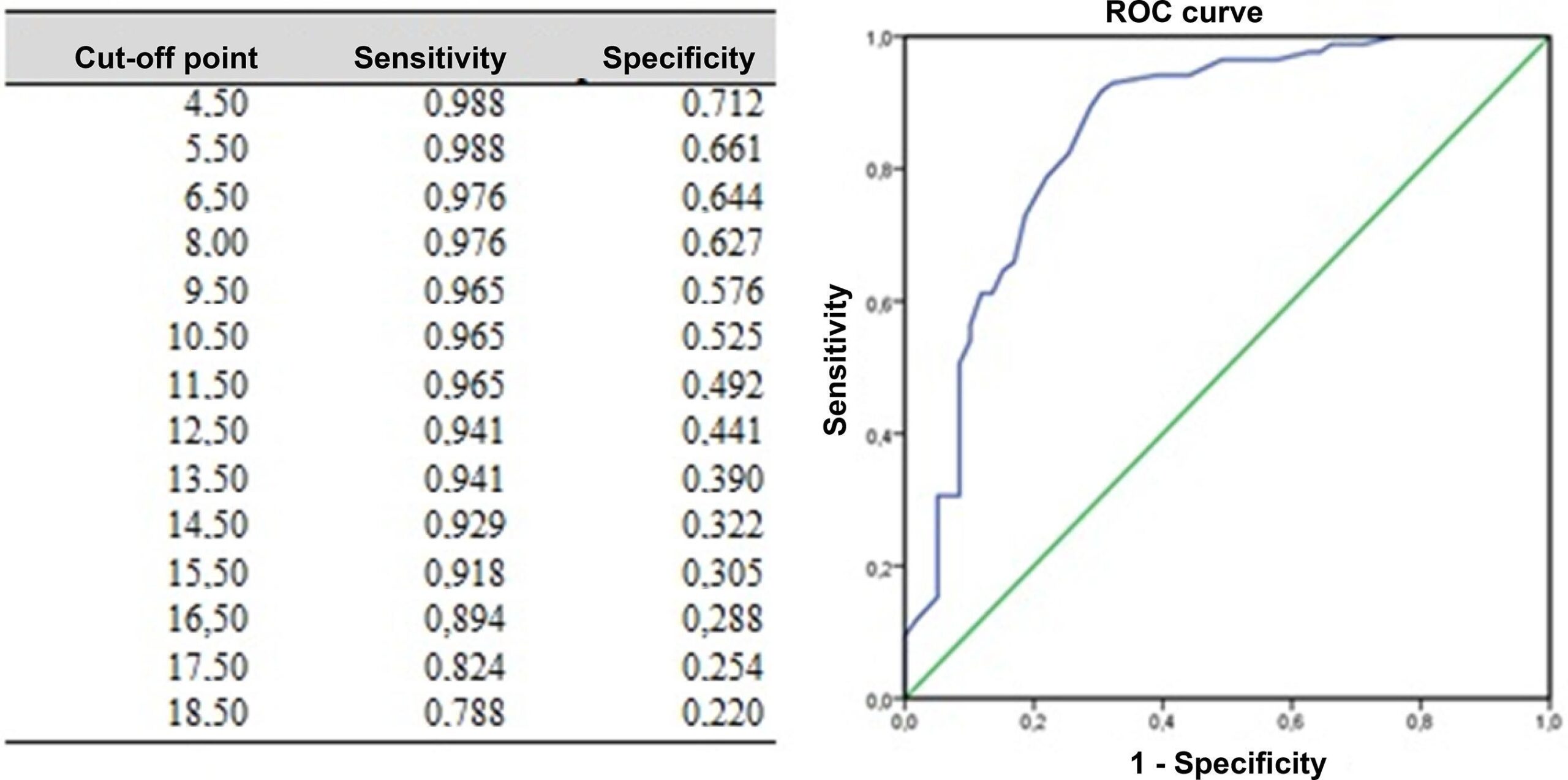
Cross-sectional, observational study with a quantitative approach. A total of 144 patients (including outpatients and inpatients) were interviewed at the waiting room of the outpatient cardiology clinic or in cardiology wards. Sociodemographic and clinical data were collected, and distress was assessed using two instruments – the Brazilian version of the STOP-D and the Hospital Anxiety and Depression Scale (HADS). First, we performed an exploratory factor analysis and analysis of the accuracy of the STOP-D score by the receiver operating characteristic (ROC) curvet.

Results:

The factorability analysis of the correlation matrix did not detect any factor that made the factorial solution unfeasible. The instrument showed a single-factor nature, confirmed by the criterion of eigenvalues, with an 85% accuracy in predicting distress. A cut-off point of 15.5 was chosen for distress using the ROC curve.

Conclusions:

The Brazilian version of the STOP-D is an adequate instrument for the screening of heart disease patient for distress. It can be easily used by any health professional and would contribute to the promotion of a comprehensive support to cardiac patients.

  • Anxiety
  • Cardiovascular Diseases
  • Depression
  • Health Delivery
  • Quality of life
  • Social Conditions
  • Stress,Psychological
Read Full Article
Creative Commons Attribution (CC BY) Creative Commons license
15/04/2019 DOI: 10.5935/2359-4802.20190030 Views 1
Figure 1
IJCS
Original Article

Moderate-Intensity Walking Training Improves Depressive Symptoms and Pain in Older Adults with Good Quality of Life: A Controlled Randomized Trial

Silvio Lopes Alabarse et al. Hélio José Coelho Júnior Ricardo Yukio Asano Braulio Luna Filho … Wagner Correa Santos Japy Angelini Oliveira Filho

Abstract

Background:

Walking training can be an adequate choice to improve physical and psychological conditions in the elderly. Studies have reported positive changes in the quality of life, depressive symptoms and pain. However, baseline characteristics of volunteers have been controlled, and some of previous studies have not investigated these parameters concomitantly.

Objectives:

To assess the effects of moderate-intensity walking on quality of life, depressive symptoms and physical pain in physically active elderly individuals.

Methods:

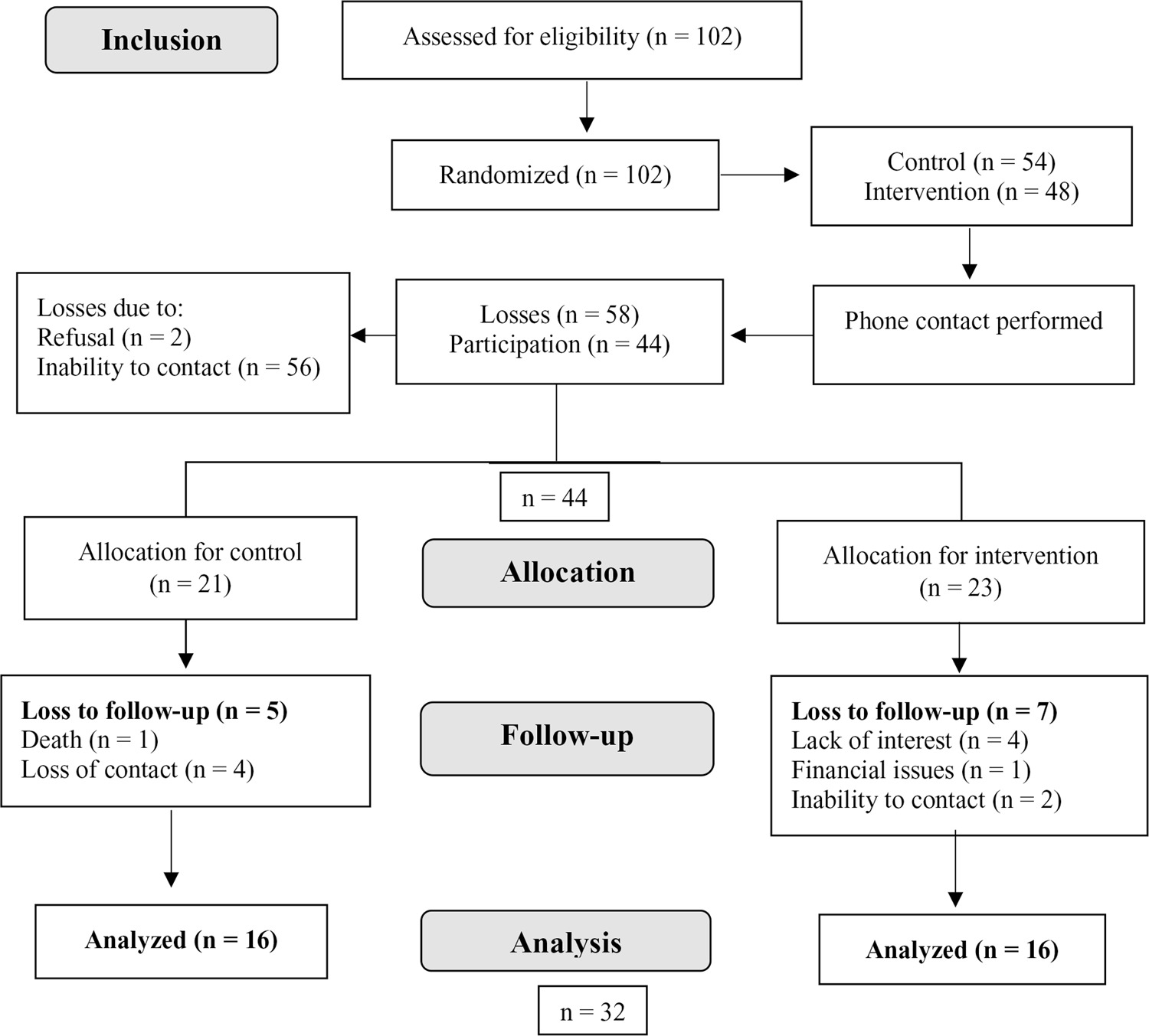
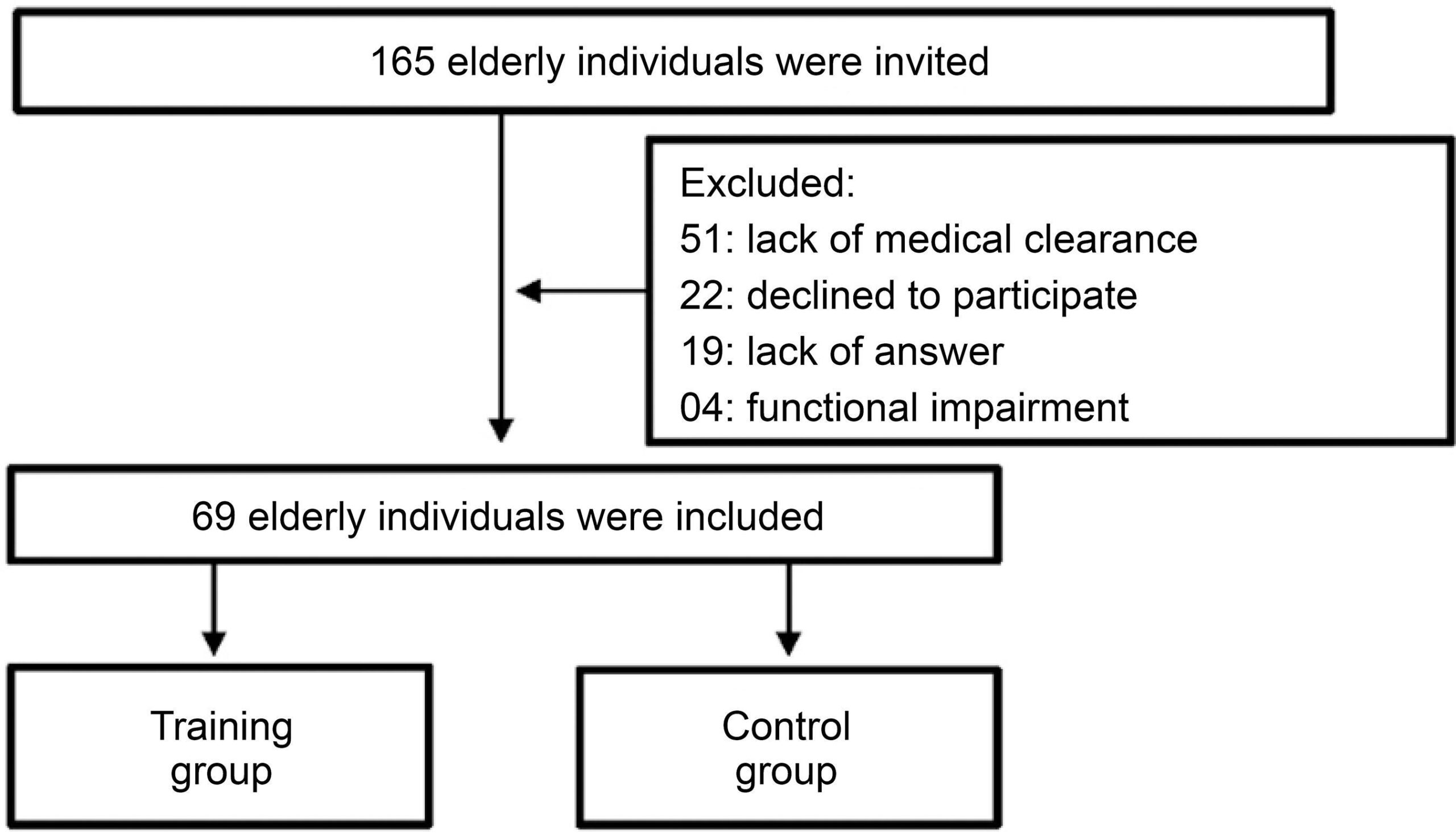
Sixty-nine subjects were recruited and allocated into two groups: training group (n = 40) and control group (n = 29). All were evaluated for quality of life, depressive symptoms and pain. Training group underwent 40 minutes of walking (50-70% of maximum heart rate), 3 days a week for 12 weeks. For statistical analysis, we used the Kolmogorov-Smirnov test, Student’s t-test and Split-Plot ANOVA with Bonferroni post hoc, Pearson correlation. Significance level was set at 5%.

Results:

After 12 weeks of training, depressive symptoms and physical pain significantly reduced in the training group (2.7 ± 2.4 to 1.9 ± 1.8 and 4.3 ± 3.1 to 2.8 ± 2.9, respectively) compared with baseline values, and remained unchanged in the control group. There was a positive, moderate correlation between depressive symptoms and pain (r = 0.30).

Conclusion:

physically active elderly individuals with good quality of life show improved depressive symptoms after a short-term moderate-intensity walking training program.

  • Aged
  • Depression
  • pain
  • Quality of life
  • walking
  • Walking Speed
Read Full Article
Creative Commons Attribution (CC BY) Creative Commons license
01/04/2019 DOI: 10.5935/2359-4802.20190026 Views 1
ABC
Letter to the Editor

Anxiety and Depression and their Association with Low Quality of Life in Patients with Metabolic Syndrome

Mariane Lopes da Silva et al. Mariana Alievi Mari

Dear Editor,

We read the article entitled “Lifestyle Intervention on Metabolic Syndrome and its Impact on Quality of Life: A Randomized Controlled Trial”, by Saboya et al. with great interest and would like to contribute with some suggestions.

[…]

  • Depression
  • Depressive Disorder
  • Metabolic Syndrome
  • Quality of life
  • Stress, Physiological
Read Full Article
Creative Commons Attribution (CC BY) Creative Commons license
01/12/2018 DOI: 10.5935/abc.20180221
ABC
Editorial

Anxiety and Depression after Myocardial Infarction: Can Inflammatory Factors be Involved?

João Manoel Theotonio dos Santos

This interesting article published by Serpytis et al., evaluated the presence of depression and anxiety disorders after acute myocardial infarction, and the different forms of presentation and prevalence according to patient gender and age.

The authors observed that over a period of up to 31 days after an acute myocardial infarction, more than two-thirds of the patients had depression and /or anxiety disorders. Women had a higher prevalence of these comorbidities when compared to men and also tended to have more severe presentations of both depression and anxiety disorders. Additionally, in men, depression was more severe and anxiety disorder was less severe as they were older; whereas in women these comorbidities showed a linear presentation regarding severity, regardless of the age factor.

[…]

  • Anxiety
  • C-Reactive Protein
  • Depression
  • Gender Identity
  • Myocardial Infarction
  • Risk Factors, Inflammation
Read Full Article
Creative Commons Attribution (CC BY) Creative Commons license
01/11/2018 DOI: 10.5935/abc.20180233 Views 1
ABC
Editorial

Anger and Cardiovascular Disease: An Old and Complicated Relationship

Carlos Eduardo Lucena Montenegro et al. Sergio Tavares Montenegro

Negative feelings have long been related to health problems. Buddhism, for example, refers to anger as one of the three “poisons of the mind” (greed, anger and madness). In the first edition of Circulation, there was already an article suggesting the association between stress and cardiovascular disease.

In the last decades, several studies have tried to correlate psychosocial factors, such as anger, anxiety, depression and stress, with coronary artery disease (CAD), demonstrating the increase in the incidence of CAD in patients with a higher incidence of these psychic conditions, for example, with a marked increase in events of acute myocardial infarction (AMI) between 2008 and 2009, in the United States, when there was a stock market crash.– This relationship tends to be significantly more important in women, since factors such as low socioeconomic status and double working hours (conciliation of employment with maternity), among other factors, are more common in the female population. More recently, a longitudinal study of cohort was able to demonstrate the association between the activity of the cerebral amygdala (area involved with the emotions) and the increased risk of cardiovascular events.

[…]

  • Anger/physiology
  • Anxiety Disorders
  • Coronary Artery Disease
  • Depression
  • Stress,Psychological
Read Full Article
Creative Commons Attribution (CC BY) Creative Commons license
01/09/2018 DOI: 10.5935/abc.20180176 Views 1
ABC
Letter to the Editor

Major Depression as a Complicating Factor for Acute Coronary Syndrome

Levent Cerit

Dear Editor,

I have read with great interest the article entitled “Major Depression and Acute Coronary Syndrome-Related Factors” by Figueiredo et al., recently published in journal. The investigators found a 23% prevalence of patients with acute coronary syndrome (ACS) meeting the diagnostic criteria for major depressive disorder (MDD). Women were more susceptible to develop MDD in the sample group of ACS patients, with a three-and-a-half-time greater likelihood than men.

[…]

  • Acute coronary syndrome
  • Depression
  • Seorotin Uptake Inhibitors
Read Full Article
Creative Commons Attribution (CC BY) Creative Commons license
01/09/2017 DOI: 10.5935/abc.20170122 Views 1
ABC
Original Article

Persistent Depressive Symptoms are Independent Predictors of Low-Grade Inflammation Onset Among Healthy Individuals

Fábio Gazelato de Mello Franco et al. Antonio Gabriele Laurinavicius Paulo A. Lotufo Raquel D. Conceição … Fernando Morita Marcelo Katz Maurício Wajngarten José Antonio Maluf Carvalho Hayden B. Bosworth Raul Dias Santos

Abstract

Background:

Depressive symptoms are independently associated with an increased risk of cardiovascular disease (CVD) among individuals with non-diagnosed CVD. The mechanisms underlying this association, however, remain unclear. Inflammation has been indicated as a possible mechanistic link between depression and CVD.

Objectives:

This study evaluated the association between persistent depressive symptoms and the onset of low-grade inflammation.

Methods:

From a database of 1,508 young (mean age: 41 years) individuals with no CVD diagnosis who underwent at least two routine health evaluations, 134 had persistent depressive symptoms (Beck Depression Inventory – BDI ≥ 10, BDI+) and 1,374 had negative symptoms at both time points (BDI-). All participants had been submitted to repeated clinical and laboratory evaluations at a regular follow-up with an average of 26 months from baseline. Low-grade inflammation was defined as plasma high-sensitivity C-Reactive Protein (CRP) concentrations > 3 mg/L. The outcome was the incidence of low-grade inflammation evaluated by the time of the second clinical evaluation.

Results:

The incidence of low-grade inflammation was more frequently observed in the BDI+ group compared to the BDI- group (20.9% vs. 11.4%; p = 0.001). After adjusting for sex, age, waist circumference, body mass index, levels of physical activity, smoking, and prevalence of metabolic syndrome, persistent depressive symptoms remained an independent predictor of low-grade inflammation onset (OR = 1.76; 95% CI: 1.03-3.02; p = 0.04).

Conclusions:

Persistent depressive symptoms were independently associated with low-grade inflammation onset among healthy individuals.

  • Cardiovascular Diseases
  • Depression
  • Inflammation
  • Patient Selection
Read Full Article
Creative Commons Attribution (CC BY) Creative Commons license
29/06/2017 DOI: 10.5935/abc.20170080 Views 1
ABC
Original Article

Anxiety, Depression, and General Psychological Distress in Patients with Coronary Slow Flow

Mehmet Baran Karataş et al. Ebru Şahan Kazım Serhan Özcan Yiğit Çanga … Barış Güngör Tolga Onuk Göktürk İpek Yasin Çakıllı Emre Arugaslan Osman Bolca

Abstract

Background:

The relationship between psychiatric illness and heart disease has been frequently discussed in the literature. The aim of the present study was to investigate the relationship between anxiety, depression and overall psychological distress, and coronary slow flow (CSF).

Methods:

In total, 44 patients with CSF and a control group of 50 patients with normal coronary arteries (NCA) were prospectively recruited. Clinical data, admission laboratory parameters, and echocardiographic and angiographic characteristics were recorded. Symptom Checklist 90 Revised (SCL-90-R), Beck Depression Inventory (BDI), and Beck Anxiety Inventory (BAI) scales were administered to each patient.

Results:

The groups were comparable with respect to age, sex, and atherosclerotic risk factors. In the CSF group, BAI score, BDI score, and general symptom index were significantly higher than controls (13 [18.7] vs. 7.5 [7], p = 0.01; 11 [14.7] vs. 6.5 [7], p = 0.01; 1.76 [0.81] vs. 1.1[0.24], p = 0.01; respectively). Patients with CSF in more than one vessel had the highest test scores. In univariate correlation analysis, mean thrombolysis in myocardial infarction (TIMI) frame counts were positively correlated with BAI (r = 0.56, p = 0.01), BDI (r = 0.47, p = 0.01), and general symptom index (r = 0.65, p = 0.01). The psychiatric tests were not correlated with risk factors for atherosclerosis.

Conclusion:

Our study revealed higher rates of depression, anxiety, and overall psychological distress in patients with CSF. This conclusion warrants further studies.

  • Anxiety Disorders
  • Coronary Artery Disease / psychology
  • coronary circulation
  • Depression
  • Stress, Psychological
Read Full Article
Creative Commons Attribution (CC BY) Creative Commons license
07/08/2015 DOI: 10.5935/abc.20150092
ABC
Original Article

Depression as a Clinical Determinant of Dependence and Low Quality of Life in Elderly Patients with Cardiovascular Disease

Giselle Helena de Paula Rodrigues et al. Otavio Celso Eluf Gebara Catia Cilene da Silva Gerbi Humberto Pierri Mauricio Wajngarten

Background:

The aging process promotes a progressive increase in chronic-degenerative diseases. The effect of these diseases on the functional capacity has been well recognized. Another health parameter concerns “quality of life related to health”. Among the elderly population, cardiovascular diseases stand out due to the epidemiological and clinical impact. Usually, these diseases have been associated with others. This set of problems may compromise both independence and quality of life in elderly patients who seek cardiologic treatment. These health parameters have not been well contemplated by cardiologists.

Objective:

Evaluating, among the elderly population with cardiovascular disease, which are the most relevant clinical determinants regarding dependence and quality of life.

Methods:

This group was randomly and consecutively selected and four questionnaires were applied: HAQ, SF-36, PRIME-MD e Mini Mental State.

Results:

The study included 1,020 elderly patients, 63.3% women. The group had been between 60 and 97 years-old (mean: 75.56 ± 6.62 years-old). 61.4% were independent or mild dependence. The quality of life total score was high (HAQ: 88.66 ± 2.68). 87.8% of patients had a SF-36 total score > 66. In the multivariate analysis, the association between diagnoses and high degrees of dependence was significant only for previous stroke (p = 0.014), obesity (p < 0.001), lack of physical activity (p = 0.016), osteoarthritis (p < 0.001), cognitive impairment (p < 0.001), and major depression (p < 0.001). Analyzing the quality of life, major depression and physical illness for depression was significantly associated with all domains of the SF-36.

Conclusion:

Among an elderly outpatient cardiology population, dependence and quality of life clinical determinants are not cardiovascular comorbidities, especially the depression.

  • Aged
  • Cardiovascular Diseases
  • Depression
  • Frail Elderly
  • Quality of life
Read Full Article
Creative Commons Attribution (CC BY) Creative Commons license
14/04/2015 DOI: 10.5935/abc.20150034
Relationship between parathyroid hormone and depression in heart failure
ABC
Artigo Original

Relationship between parathyroid hormone and depression in heart failure

Hakan Altay et al. Ali Zorlu Halil Tolga Kocum Senol Demircan … Nuryil Yilmaz Mehmet Birhan Yilmaz

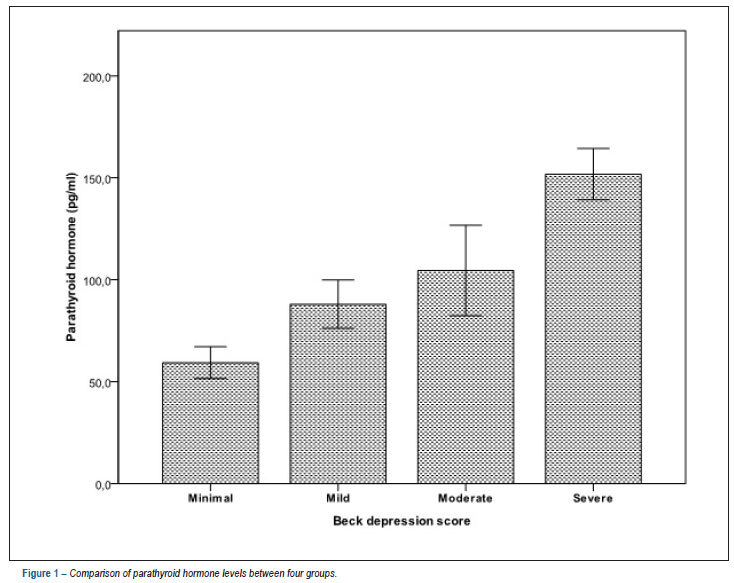
BACKGROUND: Depression has been found to be a predictor of rehospitalization and mortality in heart failure (HF). Parathyroid hormone (PTH) is a novel promising biomarker that can predict hospitalization, functional status and mortality in HF. OBJECTIVE: We aimed to investigate the association of depression with serum PTH levels in patients with systolic HF. METHODS: A total of consecutive 100 outpatients with systolic HF having left ventricular ejection fraction (LVEF) 18). Patients with poor BDI score had significantly higher PTH levels compared to those with good BDIS (133 ± 46 pg/ml vs. 71 ± 26 pg/ml, p < 0.001). In multivariable logistic regression model, PTH level (Odds ratio (OR) = 1.035, p = 0.003), LVEF (OR = 0.854, p = 0.004), NYHA functional class III/IV (OR = 28.022, p = 0.005), C-reactive protein (CRP) (OR = 1.088, p = 0.020), and presence of pretibial edema (OR = 12.341, p = 0.033) were found to be independent predictors of moderate to severe depression after adjustment of other potential confounders. CONCLUSION: Systolic HF patients with moderate to severe depression had higher serum levels of PTH and CRP, poor functional status and lower LVEF. The association of depression with such parameters might explain the contribution of depression to hospitalization and mortality in HF.

  • C-Reactive Protein
  • Depression
  • Heart Failure
  • Parathyroid hormone
Read Full Article
Creative Commons Attribution (CC BY) Creative Commons license
13/09/2012 DOI: 10.1590/S0066-782X2012005000088 Views 1

Could not load more articles. Please try again.

How to cite this article

EndNote RIS

Electronic Document Format (Vancouver)

Quagliato PC. Beyond Imaging: The Silent Impact of Depression on Coronary Artery Disease. ABC Imagem Cardiovascular 2026;39(2):e20260074.

Electronic Document Format (ABNT)

Quagliato, Priscila Cestari. Beyond Imaging: The Silent Impact of Depression on Coronary Artery Disease. ABC Imagem Cardiovascular, v. 39, n. 2, e20260074, Jul. 2026.

Electronic Document Format (APA)

Quagliato, P. C. (2026). Beyond Imaging: The Silent Impact of Depression on Coronary Artery Disease. ABC Imagem Cardiovascular, 39(2), e20260074.

Electronic Document Format (ISO)

Quagliato, Priscila Cestari. Beyond Imaging: The Silent Impact of Depression on Coronary Artery Disease. ABC Imagem Cardiovascular [online]. 2026, vol. 39, n. 2, [cited 2026-10-14], e20260074. Available from: <https://journals.cardiol.br/en/article/beyond-imaging-the-silent-impact-of-depression-on-coronary-artery-disease/>. ISSN 2318-8219

EndNote RIS

Electronic Document Format (Vancouver)

Silva WJ, Sembeneli G, Bueno PPA, Rodrigues RC, Gil FM, Faldoni FLC, Domingos CHC, et al. Takotsubo Syndrome and its Relationship with Major Depressive Disorder: Case Report. ABC Heart Fail Cardiomyop 2024;4(2):e20240003.

Electronic Document Format (ABNT)

Silva, Wanessa Julia da; Sembeneli, Gabriel; Bueno, Pedro Petiti Arbex; Rodrigues, Rafaela Claro; Gil, Fernanda Meirelles; Faldoni, Flavia Lima Costa; Domingos, Claudia Helena Cury. Takotsubo Syndrome and its Relationship with Major Depressive Disorder: Case Report. ABC Heart Fail Cardiomyop, v. 4, n. 2, e20240003, Aug. 2024.

Electronic Document Format (APA)

Silva, W. J. , Sembeneli, G., Bueno, P. P. A., Rodrigues, R. C., Gil, F. M., Faldoni, F. L. C., & Domingos, C. H. C. (2024). Takotsubo Syndrome and its Relationship with Major Depressive Disorder: Case Report. ABC Heart Fail Cardiomyop, 4(2), e20240003.

Electronic Document Format (ISO)

Silva, Wanessa Julia da and Sembeneli, Gabriel and Bueno, Pedro Petiti Arbex and Rodrigues, Rafaela Claro and Gil, Fernanda Meirelles and Faldoni, Flavia Lima Costa and Domingos, Claudia Helena Cury. Takotsubo Syndrome and its Relationship with Major Depressive Disorder: Case Report. ABC Heart Fail Cardiomyop [online]. 2024, vol. 4, n. 2, [cited 2026-10-14], e20240003. Available from: <https://journals.cardiol.br/en/article/takotsubo-syndrome-and-its-relationship-with-major-depressive-disorder-case-report/>

EndNote RIS

Electronic Document Format (Vancouver)

Avila WS, Rivera MAM, Rivera IR. Depression, Cardiovascular Disease, and Female Gender: An Underestimated Triad. Arquivos Brasileiros de Cardiologia 2023;120(7):e20220858.

Electronic Document Format (ABNT)

Avila, Walkiria Samuel; Rivera, Maria Alayde Mendonça; Rivera, Ivan Romero. Depression, Cardiovascular Disease, and Female Gender: An Underestimated Triad. Arquivos Brasileiros de Cardiologia, v. 120, n. 7, e20220858, Jul. 2023.

Electronic Document Format (APA)

Avila, W. S., Rivera, M. A. M., & Rivera, I. R. (2023). Depression, Cardiovascular Disease, and Female Gender: An Underestimated Triad. Arquivos Brasileiros de Cardiologia, 120(7), e20220858.

Electronic Document Format (ISO)

Avila, Walkiria Samuel and Rivera, Maria Alayde Mendonça and Rivera, Ivan Romero. Depression, Cardiovascular Disease, and Female Gender: An Underestimated Triad. Arquivos Brasileiros de Cardiologia [online]. 2023, vol. 120, n. 7, [cited 2026-10-14], e20220858. Available from: <https://journals.cardiol.br/en/article/depression-cardiovascular-disease-and-female-gender-an-underestimated-triad/>. ISSN 0066-782X

EndNote RIS

Electronic Document Format (Vancouver)

Roberto K, Saretta R, Franci A, Baracioli LM, Galas FRBG, Gil JS, Ferino A, et al. Post-COVID-19 Cardiopulmonary Symptoms: Predictors and Imaging Features in Patients after Hospital Discharge. Arquivos Brasileiros de Cardiologia 2023;120(5):e20220642.

Electronic Document Format (ABNT)

Roberto, Kalil-Filho; Saretta, Roberta; Franci, André; Baracioli, Luciano M.; Galas, Filomena R. B. G.; Gil, Juliana S.; Ferino, Amanda; Giacovone, Camilla; Oliveira, Isabella; Souza, Johnatan; Batista, Vanessa; Scalabrini Neto, Augusto; Costa, Livia do Valle; Ruiz, Amanda Danieleto; Ledo, Carla B.; Nascimento, Teresa Cristina D. C.; Drager, Luciano F.. Post-COVID-19 Cardiopulmonary Symptoms: Predictors and Imaging Features in Patients after Hospital Discharge. Arquivos Brasileiros de Cardiologia, v. 120, n. 5, e20220642, May. 2023.

Electronic Document Format (APA)

Roberto, K., Saretta, R., Franci, A., Baracioli, L. M., Galas, F. R. B. G., Gil, J. S., Ferino, A., Giacovone, C., Oliveira, I., Souza, J., Batista, V., Scalabrini Neto, A., Costa, L. V., Ruiz, A. D., Ledo, C. B., Nascimento, T. C. D. C., & Drager, L. F. (2023). Post-COVID-19 Cardiopulmonary Symptoms: Predictors and Imaging Features in Patients after Hospital Discharge. Arquivos Brasileiros de Cardiologia, 120(5), e20220642.

Electronic Document Format (ISO)

Roberto, Kalil-Filho and Saretta, Roberta and Franci, André and Baracioli, Luciano M. and Galas, Filomena R. B. G. and Gil, Juliana S. and Ferino, Amanda and Giacovone, Camilla and Oliveira, Isabella and Souza, Johnatan and Batista, Vanessa and Scalabrini Neto, Augusto and Costa, Livia do Valle and Ruiz, Amanda Danieleto and Ledo, Carla B. and Nascimento, Teresa Cristina D. C. and Drager, Luciano F.. Post-COVID-19 Cardiopulmonary Symptoms: Predictors and Imaging Features in Patients after Hospital Discharge. Arquivos Brasileiros de Cardiologia [online]. 2023, vol. 120, n. 5, [cited 2026-10-14], e20220642. Available from: <https://journals.cardiol.br/en/article/post-covid-19-cardiopulmonary-symptoms-predictors-and-imaging-features-in-patients-after-hospital-discharge/>. ISSN 0066-782X

EndNote RIS

Electronic Document Format (Vancouver)

Hachul D, Almeida T, Scanavacca M. Post-COVID Dysautonomias: The Importance of Early Recognition and Implementation of Recovery Programs. Arquivos Brasileiros de Cardiologia 2023;120(3):e20230110.

Electronic Document Format (ABNT)

Hachul, Denise; Almeida, Tatiana; Scanavacca, Mauricio. Post-COVID Dysautonomias: The Importance of Early Recognition and Implementation of Recovery Programs. Arquivos Brasileiros de Cardiologia, v. 120, n. 3, e20230110, Apr. 2023.

Electronic Document Format (APA)

Hachul, D., Almeida, T., & Scanavacca, M. (2023). Post-COVID Dysautonomias: The Importance of Early Recognition and Implementation of Recovery Programs. Arquivos Brasileiros de Cardiologia, 120(3), e20230110.

Electronic Document Format (ISO)

Hachul, Denise and Almeida, Tatiana and Scanavacca, Mauricio. Post-COVID Dysautonomias: The Importance of Early Recognition and Implementation of Recovery Programs. Arquivos Brasileiros de Cardiologia [online]. 2023, vol. 120, n. 3, [cited 2026-10-14], e20230110. Available from: <https://journals.cardiol.br/en/article/post-covid-dysautonomias-the-importance-of-early-recognition-and-implementation-of-recovery-programs/>. ISSN 0066-782X

EndNote RIS

Electronic Document Format (Vancouver)

Grobe SF, Moura LZ. The Complex Relationship Between Emotions and the Heart: Should We Care?. International Journal of Cardiovascular Sciences 2023;36:e20220216.

Electronic Document Format (ABNT)

Grobe, Sarah Fagundes; Moura, Lídia Zytynski. The Complex Relationship Between Emotions and the Heart: Should We Care?. International Journal of Cardiovascular Sciences, v. 36, e20220216, Jan. 2023.

Electronic Document Format (APA)

Grobe, S. F., & Moura, L. Z. (2023). The Complex Relationship Between Emotions and the Heart: Should We Care?. International Journal of Cardiovascular Sciences, 36, e20220216.

Electronic Document Format (ISO)

Grobe, Sarah Fagundes and Moura, Lídia Zytynski. The Complex Relationship Between Emotions and the Heart: Should We Care?. International Journal of Cardiovascular Sciences [online]. 2023, vol. 36, [cited 2026-10-14], e20220216. Available from: <https://journals.cardiol.br/en/article/the-complex-relationship-between-emotions-and-the-heart-should-we-care/>. ISSN 2359-4802

EndNote RIS

Electronic Document Format (Vancouver)

Soares VL, Pereira C, Carvalho AC, Mota TP, Groehs RV, Bacal F, Matos LDNJ, et al. Prevalence and Association Between Cognition, Anxiety, and Depression in Patients Hospitalized with Heart Failure. International Journal of Cardiovascular Sciences 2022;36:e20210226.

Electronic Document Format (ABNT)

Soares, Vivian L.; Pereira, Carolina; Carvalho, Ana Carla; Mota, Tarsila Perez; Groehs, Raphaela V.; Bacal, Fernando; Matos, Luciana Diniz Nagem Janot de. Prevalence and Association Between Cognition, Anxiety, and Depression in Patients Hospitalized with Heart Failure. International Journal of Cardiovascular Sciences, v. 36, e20210226, Nov. 2022.

Electronic Document Format (APA)

Soares, V. L., Pereira, C., Carvalho, A. C., Mota, T. P., Groehs, R. V., Bacal, F., & Matos, L. D. N. J. (2022). Prevalence and Association Between Cognition, Anxiety, and Depression in Patients Hospitalized with Heart Failure. International Journal of Cardiovascular Sciences, 36, e20210226.

Electronic Document Format (ISO)

Soares, Vivian L. and Pereira, Carolina and Carvalho, Ana Carla and Mota, Tarsila Perez and Groehs, Raphaela V. and Bacal, Fernando and Matos, Luciana Diniz Nagem Janot de. Prevalence and Association Between Cognition, Anxiety, and Depression in Patients Hospitalized with Heart Failure. International Journal of Cardiovascular Sciences [online]. 2022, vol. 36, [cited 2026-10-14], e20210226. Available from: <https://journals.cardiol.br/en/article/prevalence-and-association-between-cognition-anxiety-and-depression-in-patients-hospitalized-with-heart-failure/>. ISSN 2359-4802

EndNote RIS

Electronic Document Format (Vancouver)

Afiune FG, Rassi S, Afiune Neto A. Cognitive Alterations in Elderly Patients with Heart Failure’. International Journal of Cardiovascular Sciences 2022;35(3):364-72.

Electronic Document Format (ABNT)

Afiune, Fernanda Guedes; Rassi, Salvador; Afiune Neto, Abrahão. Cognitive Alterations in Elderly Patients with Heart Failure’. International Journal of Cardiovascular Sciences, v. 35, n. 3, p. 364-372, Feb. 2022.

Electronic Document Format (APA)

Afiune, F. G., Rassi, S., & Afiune Neto, A. (2022). Cognitive Alterations in Elderly Patients with Heart Failure’. International Journal of Cardiovascular Sciences, 35(3), 364-372.

Electronic Document Format (ISO)

Afiune, Fernanda Guedes and Rassi, Salvador and Afiune Neto, Abrahão. Cognitive Alterations in Elderly Patients with Heart Failure’. International Journal of Cardiovascular Sciences [online]. 2022, vol. 35, n. 3, [cited 2026-10-14], pp. 364-372. Available from: <https://journals.cardiol.br/en/article/cognitive-alterations-in-elderly-patients-with-heart-failure/>. ISSN 2359-4802

EndNote RIS

Electronic Document Format (Vancouver)

Martins AVV, Drager LF. Active Assessment of Sleep and Depression for elderly Patients in the Outpatient Cardiology Setting: What Are We Waiting for?. Arquivos Brasileiros de Cardiologia 2021;117(3):455-6.

Electronic Document Format (ABNT)

Martins, Ana Vitória Vitoreti; Drager, Luciano F.. Active Assessment of Sleep and Depression for elderly Patients in the Outpatient Cardiology Setting: What Are We Waiting for?. Arquivos Brasileiros de Cardiologia, v. 117, n. 3, p. 455-456, Sep. 2021.

Electronic Document Format (APA)

Martins, A. V. V., & Drager, L. F. (2021). Active Assessment of Sleep and Depression for elderly Patients in the Outpatient Cardiology Setting: What Are We Waiting for?. Arquivos Brasileiros de Cardiologia, 117(3), 455-456.

Electronic Document Format (ISO)

Martins, Ana Vitória Vitoreti and Drager, Luciano F.. Active Assessment of Sleep and Depression for elderly Patients in the Outpatient Cardiology Setting: What Are We Waiting for?. Arquivos Brasileiros de Cardiologia [online]. 2021, vol. 117, n. 3, [cited 2026-10-14], pp. 455-456. Available from: <https://journals.cardiol.br/en/article/active-assessment-of-sleep-and-depression-for-elderly-patients-in-the-outpatient-cardiology-setting-what-are-we-waiting-for/>. ISSN 0066-782X

EndNote RIS

Electronic Document Format (Vancouver)

Lopes JM, Galvão FD, Oliveira AGRC. Risk of Death in the Elderly with Excessive Daytime Sleepiness, Insomnia and Depression: Prospective Cohort Study in an Urban Population in Northeast Brazil. Arquivos Brasileiros de Cardiologia 2021;117(3):446-54.

Electronic Document Format (ABNT)

Lopes, Johnnatas Mikael; Galvão, Fábio Dantas; Oliveira, Angelo Giuseppe Roncalli da Costa. Risk of Death in the Elderly with Excessive Daytime Sleepiness, Insomnia and Depression: Prospective Cohort Study in an Urban Population in Northeast Brazil. Arquivos Brasileiros de Cardiologia, v. 117, n. 3, p. 446-454, Jun. 2021.

Electronic Document Format (APA)

Lopes, J. M., Galvão, F. D., & Oliveira, A. G. R. C. (2021). Risk of Death in the Elderly with Excessive Daytime Sleepiness, Insomnia and Depression: Prospective Cohort Study in an Urban Population in Northeast Brazil. Arquivos Brasileiros de Cardiologia, 117(3), 446-454.

Electronic Document Format (ISO)

Lopes, Johnnatas Mikael and Galvão, Fábio Dantas and Oliveira, Angelo Giuseppe Roncalli da Costa. Risk of Death in the Elderly with Excessive Daytime Sleepiness, Insomnia and Depression: Prospective Cohort Study in an Urban Population in Northeast Brazil. Arquivos Brasileiros de Cardiologia [online]. 2021, vol. 117, n. 3, [cited 2026-10-14], pp. 446-454. Available from: <https://journals.cardiol.br/en/article/risk-of-death-in-the-elderly-with-excessive-daytime-sleepiness-insomnia-and-depression-prospective-cohort-study-in-an-urban-population-in-northeast-brazil/>. ISSN 0066-782X

EndNote RIS

Electronic Document Format (Vancouver)

Rocha I, Cavalcanti AD, Figueiredo L, Pereira J, Oliveira S, Cruz D, Freitas R, et al. The Effect of Psychotherapy on Anxiety, Depression, and Quality of Life of Patients with Heart Failure: A Randomized Clinical Trial. International Journal of Cardiovascular Sciences 2020;34(2):188-96.

Electronic Document Format (ABNT)

Rocha, Isaura; Cavalcanti, Ana Dantas; Figueiredo, Lyvia; Pereira, Juliana; Oliveira, Samara de; Cruz, Danilo da; Freitas, Rodrigo de; Mesquita, Evandro Tinoco. The Effect of Psychotherapy on Anxiety, Depression, and Quality of Life of Patients with Heart Failure: A Randomized Clinical Trial. International Journal of Cardiovascular Sciences, v. 34, n. 2, p. 188-196, Nov. 2020.

Electronic Document Format (APA)

Rocha, I., Cavalcanti, A. D., Figueiredo, L., Pereira, J., Oliveira, S. , Cruz, D. , Freitas, R. , & Mesquita, E. T. (2020). The Effect of Psychotherapy on Anxiety, Depression, and Quality of Life of Patients with Heart Failure: A Randomized Clinical Trial. International Journal of Cardiovascular Sciences, 34(2), 188-196.

Electronic Document Format (ISO)

Rocha, Isaura and Cavalcanti, Ana Dantas and Figueiredo, Lyvia and Pereira, Juliana and Oliveira, Samara de and Cruz, Danilo da and Freitas, Rodrigo de and Mesquita, Evandro Tinoco. The Effect of Psychotherapy on Anxiety, Depression, and Quality of Life of Patients with Heart Failure: A Randomized Clinical Trial. International Journal of Cardiovascular Sciences [online]. 2020, vol. 34, n. 2, [cited 2026-10-14], pp. 188-196. Available from: <https://journals.cardiol.br/en/article/the-effect-of-psychotherapy-on-anxiety-depression-and-quality-of-life-of-patients-with-heart-failure-a-randomized-clinical-trial/>. ISSN 2359-4802

EndNote RIS

Electronic Document Format (Vancouver)

Fittipaldi EOS, Andrade AD, Santos ACO, Campos S, Fernandes J, Catanho MTJA. Depressive Symptoms are Associated with High Levels of Serum Low-Density Lipoprotein Cholesterol in Older Adults with Type 2 Diabetes Mellitus. Arquivos Brasileiros de Cardiologia 2020;115(3):462-7.

Electronic Document Format (ABNT)

Fittipaldi, Etiene Oliveira da Silva; Andrade, Armele Dornelas de; Santos, Ana Célia Oliveira; Campos, Shirley; Fernandes, Juliana; Catanho, Maria Teresa Jansen de Almeida. Depressive Symptoms are Associated with High Levels of Serum Low-Density Lipoprotein Cholesterol in Older Adults with Type 2 Diabetes Mellitus. Arquivos Brasileiros de Cardiologia, v. 115, n. 3, p. 462-467, Jul. 2020.

Electronic Document Format (APA)

Fittipaldi, E. O. S., Andrade, A. D. , Santos, A. C. O., Campos, S., Fernandes, J., & Catanho, M. T. J. A. (2020). Depressive Symptoms are Associated with High Levels of Serum Low-Density Lipoprotein Cholesterol in Older Adults with Type 2 Diabetes Mellitus. Arquivos Brasileiros de Cardiologia, 115(3), 462-467.

Electronic Document Format (ISO)

Fittipaldi, Etiene Oliveira da Silva and Andrade, Armele Dornelas de and Santos, Ana Célia Oliveira and Campos, Shirley and Fernandes, Juliana and Catanho, Maria Teresa Jansen de Almeida. Depressive Symptoms are Associated with High Levels of Serum Low-Density Lipoprotein Cholesterol in Older Adults with Type 2 Diabetes Mellitus. Arquivos Brasileiros de Cardiologia [online]. 2020, vol. 115, n. 3, [cited 2026-10-14], pp. 462-467. Available from: <https://journals.cardiol.br/en/article/depressive-symptoms-are-associated-with-high-levels-of-serum-low-density-lipoprotein-cholesterol-in-older-adults-with-type-2-diabetes-mellitus/>. ISSN 0066-782X

EndNote RIS

Electronic Document Format (Vancouver)

Silva CTB, Escobar RD. Anxiety, Depression, Stress and the Heart: When Measurement Matters. International Journal of Cardiovascular Sciences 2019;32(5):447-8.

Electronic Document Format (ABNT)

Silva, Cristiano Tschiedel Belem da; Escobar, Rafaela Doebber. Anxiety, Depression, Stress and the Heart: When Measurement Matters. International Journal of Cardiovascular Sciences, v. 32, n. 5, p. 447-448, Oct. 2019.

Electronic Document Format (APA)

Silva, C. T. B. , & Escobar, R. D. (2019). Anxiety, Depression, Stress and the Heart: When Measurement Matters. International Journal of Cardiovascular Sciences, 32(5), 447-448.

Electronic Document Format (ISO)

Silva, Cristiano Tschiedel Belem da and Escobar, Rafaela Doebber. Anxiety, Depression, Stress and the Heart: When Measurement Matters. International Journal of Cardiovascular Sciences [online]. 2019, vol. 32, n. 5, [cited 2026-10-14], pp. 447-448. Available from: <https://journals.cardiol.br/en/article/anxiety-depression-stress-and-the-heart-when-measurement-matters/>. ISSN 2359-4802

EndNote RIS

Electronic Document Format (Vancouver)

Araújo CGS, Freire IV, Ribeiro JS, Montino YF, Casotti CA, Pereira R. The Physical Activity Level, Body Composition and Diabetes Mellitus Influence the Association Between Depression and Hypertension in Community-Dwelling Elders. International Journal of Cardiovascular Sciences 2019;32(4):355-61.

Electronic Document Format (ABNT)

Araújo, Carlos Geovane S.; Freire, Ivna Vidal; Ribeiro, Ícaro José Santos; Montino, Yanne Franca; Casotti, Cézar Augusto; Pereira, Rafael. The Physical Activity Level, Body Composition and Diabetes Mellitus Influence the Association Between Depression and Hypertension in Community-Dwelling Elders. International Journal of Cardiovascular Sciences, v. 32, n. 4, p. 355-361, Aug. 2019.

Electronic Document Format (APA)

Araújo, C. G. S., Freire, I. V., Ribeiro, J. S., Montino, Y. F., Casotti, C. A., & Pereira, R. (2019). The Physical Activity Level, Body Composition and Diabetes Mellitus Influence the Association Between Depression and Hypertension in Community-Dwelling Elders. International Journal of Cardiovascular Sciences, 32(4), 355-361.

Electronic Document Format (ISO)

Araújo, Carlos Geovane S. and Freire, Ivna Vidal and Ribeiro, Ícaro José Santos and Montino, Yanne Franca and Casotti, Cézar Augusto and Pereira, Rafael. The Physical Activity Level, Body Composition and Diabetes Mellitus Influence the Association Between Depression and Hypertension in Community-Dwelling Elders. International Journal of Cardiovascular Sciences [online]. 2019, vol. 32, n. 4, [cited 2026-10-14], pp. 355-361. Available from: <https://journals.cardiol.br/en/article/the-physical-activity-level-body-composition-and-diabetes-mellitus-influence-the-association-between-depression-and-hypertension-in-community-dwelling-elders/>. ISSN 2359-4802

EndNote RIS

Electronic Document Format (Vancouver)

Gontijo IBR, Souza JR, Barbosa DF, Rassi S. Validation of the Brazilian Version of the Screening Tool for Psychosocial Distress (Stop-D) for Cardiac Patients. International Journal of Cardiovascular Sciences 2019;32(5):438-46.

Electronic Document Format (ABNT)

Gontijo, Isabella Barros Rabelo; Souza, Juciléia Rezende; Barbosa, Daniel Fernandes; Rassi, Salvador. Validation of the Brazilian Version of the Screening Tool for Psychosocial Distress (Stop-D) for Cardiac Patients. International Journal of Cardiovascular Sciences, v. 32, n. 5, p. 438-446, Apr. 2019.

Electronic Document Format (APA)

Gontijo, I. B. R., Souza, J. R., Barbosa, D. F., & Rassi, S. (2019). Validation of the Brazilian Version of the Screening Tool for Psychosocial Distress (Stop-D) for Cardiac Patients. International Journal of Cardiovascular Sciences, 32(5), 438-446.

Electronic Document Format (ISO)

Gontijo, Isabella Barros Rabelo and Souza, Juciléia Rezende and Barbosa, Daniel Fernandes and Rassi, Salvador. Validation of the Brazilian Version of the Screening Tool for Psychosocial Distress (Stop-D) for Cardiac Patients. International Journal of Cardiovascular Sciences [online]. 2019, vol. 32, n. 5, [cited 2026-10-14], pp. 438-446. Available from: <https://journals.cardiol.br/en/article/validation-of-the-brazilian-version-of-the-screening-tool-for-psychosocial-distress-stop-d-for-cardiac-patients/>. ISSN 2359-4802

EndNote RIS

Electronic Document Format (Vancouver)

Alabarse SL, Coelho Júnior HJ, Asano RY, Luna Filho B, Santos WC, Oliveira Filho JA. Moderate-Intensity Walking Training Improves Depressive Symptoms and Pain in Older Adults with Good Quality of Life: A Controlled Randomized Trial. International Journal of Cardiovascular Sciences 2019;32(6):553-62.

Electronic Document Format (ABNT)

Alabarse, Silvio Lopes; Coelho Júnior, Hélio José; Asano, Ricardo Yukio; Luna Filho, Braulio; Santos, Wagner Correa; Oliveira Filho, Japy Angelini. Moderate-Intensity Walking Training Improves Depressive Symptoms and Pain in Older Adults with Good Quality of Life: A Controlled Randomized Trial. International Journal of Cardiovascular Sciences, v. 32, n. 6, p. 553-562, Mar. 2019.

Electronic Document Format (APA)

Alabarse, S. L., Coelho Júnior, H. J., Asano, R. Y., Luna Filho, B., Santos, W. C., & Oliveira Filho, J. A. (2019). Moderate-Intensity Walking Training Improves Depressive Symptoms and Pain in Older Adults with Good Quality of Life: A Controlled Randomized Trial. International Journal of Cardiovascular Sciences, 32(6), 553-562.

Electronic Document Format (ISO)

Alabarse, Silvio Lopes and Coelho Júnior, Hélio José and Asano, Ricardo Yukio and Luna Filho, Braulio and Santos, Wagner Correa and Oliveira Filho, Japy Angelini. Moderate-Intensity Walking Training Improves Depressive Symptoms and Pain in Older Adults with Good Quality of Life: A Controlled Randomized Trial. International Journal of Cardiovascular Sciences [online]. 2019, vol. 32, n. 6, [cited 2026-10-14], pp. 553-562. Available from: <https://journals.cardiol.br/en/article/moderate-intensity-walking-training-improves-depressive-symptoms-and-pain-in-older-adults-with-good-quality-of-life-a-controlled-randomized-trial/>. ISSN 2359-4802

EndNote RIS

Electronic Document Format (Vancouver)

Silva ML, Mari A. Anxiety and Depression and their Association with Low Quality of Life in Patients with Metabolic Syndrome. Arquivos Brasileiros de Cardiologia 2018;111(6):867.

Electronic Document Format (ABNT)

Silva, Mariane Lopes da; Mari, ana Alievi. Anxiety and Depression and their Association with Low Quality of Life in Patients with Metabolic Syndrome. Arquivos Brasileiros de Cardiologia, v. 111, n. 6, p. 867-867, Nov. 2018.

Electronic Document Format (APA)

Silva, M. L. , & Mari, A. (2018). Anxiety and Depression and their Association with Low Quality of Life in Patients with Metabolic Syndrome. Arquivos Brasileiros de Cardiologia, 111(6), 867-867.

Electronic Document Format (ISO)

Silva, Mariane Lopes da and Mari, ana Alievi. Anxiety and Depression and their Association with Low Quality of Life in Patients with Metabolic Syndrome. Arquivos Brasileiros de Cardiologia [online]. 2018, vol. 111, n. 6, [cited 2026-10-14], pp. 867-867. Available from: <https://journals.cardiol.br/en/article/anxiety-and-depression-and-their-association-with-low-quality-of-life-in-patients-with-metabolic-syndrome/>. ISSN 0066-782X

EndNote RIS

Electronic Document Format (Vancouver)

Santos JMT. Anxiety and Depression after Myocardial Infarction: Can Inflammatory Factors be Involved?. Arquivos Brasileiros de Cardiologia 2018;111(5):684-5.

Electronic Document Format (ABNT)

Santos, João Manoel Theotonio dos. Anxiety and Depression after Myocardial Infarction: Can Inflammatory Factors be Involved?. Arquivos Brasileiros de Cardiologia, v. 111, n. 5, p. 684-685, Oct. 2018.

Electronic Document Format (APA)

Santos, J. M. T. (2018). Anxiety and Depression after Myocardial Infarction: Can Inflammatory Factors be Involved?. Arquivos Brasileiros de Cardiologia, 111(5), 684-685.

Electronic Document Format (ISO)

Santos, João Manoel Theotonio dos. Anxiety and Depression after Myocardial Infarction: Can Inflammatory Factors be Involved?. Arquivos Brasileiros de Cardiologia [online]. 2018, vol. 111, n. 5, [cited 2026-10-14], pp. 684-685. Available from: <https://journals.cardiol.br/en/article/anxiety-and-depression-after-myocardial-infarction-can-inflammatory-factors-be-involved/>. ISSN 0066-782X

EndNote RIS

Electronic Document Format (Vancouver)

Montenegro CEL, Montenegro ST. Anger and Cardiovascular Disease: An Old and Complicated Relationship. Arquivos Brasileiros de Cardiologia 2018;111(3):417-8.

Electronic Document Format (ABNT)

Montenegro, Carlos Eduardo Lucena; Montenegro, Sergio Tavares. Anger and Cardiovascular Disease: An Old and Complicated Relationship. Arquivos Brasileiros de Cardiologia, v. 111, n. 3, p. 417-418, Aug. 2018.

Electronic Document Format (APA)

Montenegro, C. E. L., & Montenegro, S. T. (2018). Anger and Cardiovascular Disease: An Old and Complicated Relationship. Arquivos Brasileiros de Cardiologia, 111(3), 417-418.

Electronic Document Format (ISO)

Montenegro, Carlos Eduardo Lucena and Montenegro, Sergio Tavares. Anger and Cardiovascular Disease: An Old and Complicated Relationship. Arquivos Brasileiros de Cardiologia [online]. 2018, vol. 111, n. 3, [cited 2026-10-14], pp. 417-418. Available from: <https://journals.cardiol.br/en/article/anger-and-cardiovascular-disease-an-old-and-complicated-relationship/>. ISSN 0066-782X

EndNote RIS

Electronic Document Format (Vancouver)

Cerit L. Major Depression as a Complicating Factor for Acute Coronary Syndrome. Arquivos Brasileiros de Cardiologia 2017;109(3):271-2.

Electronic Document Format (ABNT)

Cerit, Levent. Major Depression as a Complicating Factor for Acute Coronary Syndrome. Arquivos Brasileiros de Cardiologia, v. 109, n. 3, p. 271-272, Aug. 2017.

Electronic Document Format (APA)

Cerit, L. (2017). Major Depression as a Complicating Factor for Acute Coronary Syndrome. Arquivos Brasileiros de Cardiologia, 109(3), 271-272.

Electronic Document Format (ISO)

Cerit, Levent. Major Depression as a Complicating Factor for Acute Coronary Syndrome. Arquivos Brasileiros de Cardiologia [online]. 2017, vol. 109, n. 3, [cited 2026-10-14], pp. 271-272. Available from: <https://journals.cardiol.br/en/article/major-depression-as-a-complicating-factor-for-acute-coronary-syndrome/>. ISSN 0066-782X

EndNote RIS

Electronic Document Format (Vancouver)

Franco FGM, Laurinavicius AG, Lotufo PA, Conceição RD, Morita F, Katz M, Wajngarten M, et al. Persistent Depressive Symptoms are Independent Predictors of Low-Grade Inflammation Onset Among Healthy Individuals. Arquivos Brasileiros de Cardiologia 2017;109(2):103-9.

Electronic Document Format (ABNT)

Franco, Fábio Gazelato de Mello; Laurinavicius, Antonio Gabriele; Lotufo, Paulo A.; Conceição, Raquel D.; Morita, Fernando; Katz, Marcelo; Wajngarten, Maurício; Carvalho, José Antonio Maluf; Bosworth, Hayden B.; Santos, Raul Dias. Persistent Depressive Symptoms are Independent Predictors of Low-Grade Inflammation Onset Among Healthy Individuals. Arquivos Brasileiros de Cardiologia, v. 109, n. 2, p. 103-109, Jun. 2017.

Electronic Document Format (APA)

Franco, F. G. M., Laurinavicius, A. G., Lotufo, P. A., Conceição, R. D., Morita, F., Katz, M., Wajngarten, M., Carvalho, J. A. M., Bosworth, H. B., & Santos, R. D. (2017). Persistent Depressive Symptoms are Independent Predictors of Low-Grade Inflammation Onset Among Healthy Individuals. Arquivos Brasileiros de Cardiologia, 109(2), 103-109.

Electronic Document Format (ISO)

Franco, Fábio Gazelato de Mello and Laurinavicius, Antonio Gabriele and Lotufo, Paulo A. and Conceição, Raquel D. and Morita, Fernando and Katz, Marcelo and Wajngarten, Maurício and Carvalho, José Antonio Maluf and Bosworth, Hayden B. and Santos, Raul Dias. Persistent Depressive Symptoms are Independent Predictors of Low-Grade Inflammation Onset Among Healthy Individuals. Arquivos Brasileiros de Cardiologia [online]. 2017, vol. 109, n. 2, [cited 2026-10-14], pp. 103-109. Available from: <https://journals.cardiol.br/en/article/persistent-depressive-symptoms-are-independent-predictors-of-low-grade-inflammation-onset-among-healthy-individuals/>. ISSN 0066-782X

EndNote RIS

Electronic Document Format (Vancouver)

Karataş MB, Şahan E, Özcan KS, Çanga Y, Güngör B, Onuk T, İpek G, et al. Anxiety, Depression, and General Psychological Distress in Patients with Coronary Slow Flow. Arquivos Brasileiros de Cardiologia 2015;105(4):362-70.

Electronic Document Format (ABNT)

Karataş, Mehmet Baran; Şahan, Ebru; Özcan, Kazım Serhan; Çanga, Yiğit; Güngör, Barış; Onuk, Tolga; İpek, Göktürk; Çakıllı, Yasin; Arugaslan, Emre; Bolca, Osman. Anxiety, Depression, and General Psychological Distress in Patients with Coronary Slow Flow. Arquivos Brasileiros de Cardiologia, v. 105, n. 4, p. 362-370, Aug. 2015.

Electronic Document Format (APA)

Karataş, M. B., Şahan, E., Özcan, K. S., Çanga, Y., Güngör, B., Onuk, T., İpek, G., Çakıllı, Y., Arugaslan, E., & Bolca, O. (2015). Anxiety, Depression, and General Psychological Distress in Patients with Coronary Slow Flow. Arquivos Brasileiros de Cardiologia, 105(4), 362-370.

Electronic Document Format (ISO)

Karataş, Mehmet Baran and Şahan, Ebru and Özcan, Kazım Serhan and Çanga, Yiğit and Güngör, Barış and Onuk, Tolga and İpek, Göktürk and Çakıllı, Yasin and Arugaslan, Emre and Bolca, Osman. Anxiety, Depression, and General Psychological Distress in Patients with Coronary Slow Flow. Arquivos Brasileiros de Cardiologia [online]. 2015, vol. 105, n. 4, [cited 2026-10-14], pp. 362-370. Available from: <https://journals.cardiol.br/en/article/anxiety-depression-and-general-psychological-distress-in-patients-with-coronary-slow-flow/>. ISSN 0066-782X

EndNote RIS

Electronic Document Format (Vancouver)

Rodrigues GHP, Gebara OCE, Gerbi CCS, Pierri H, Wajngarten M. Depression as a Clinical Determinant of Dependence and Low Quality of Life in Elderly Patients with Cardiovascular Disease. Arquivos Brasileiros de Cardiologia 2015;104(6):443-9.

Electronic Document Format (ABNT)

Rodrigues, Giselle Helena de Paula; Gebara, Otavio Celso Eluf; Gerbi, Catia Cilene da Silva; Pierri, Humberto; Wajngarten, Mauricio. Depression as a Clinical Determinant of Dependence and Low Quality of Life in Elderly Patients with Cardiovascular Disease. Arquivos Brasileiros de Cardiologia, v. 104, n. 6, p. 443-449, Apr. 2015.

Electronic Document Format (APA)

Rodrigues, G. H. P., Gebara, O. C. E., Gerbi, C. C. S., Pierri, H., & Wajngarten, M. (2015). Depression as a Clinical Determinant of Dependence and Low Quality of Life in Elderly Patients with Cardiovascular Disease. Arquivos Brasileiros de Cardiologia, 104(6), 443-449.

Electronic Document Format (ISO)

Rodrigues, Giselle Helena de Paula and Gebara, Otavio Celso Eluf and Gerbi, Catia Cilene da Silva and Pierri, Humberto and Wajngarten, Mauricio. Depression as a Clinical Determinant of Dependence and Low Quality of Life in Elderly Patients with Cardiovascular Disease. Arquivos Brasileiros de Cardiologia [online]. 2015, vol. 104, n. 6, [cited 2026-10-14], pp. 443-449. Available from: <https://journals.cardiol.br/en/article/depression-as-a-clinical-determinant-of-dependence-and-low-quality-of-life-in-elderly-patients-with-cardiovascular-disease/>. ISSN 0066-782X

EndNote RIS

Electronic Document Format (Vancouver)

Altay H, Zorlu A, Kocum HT, Demircan S, Yilmaz N, Yilmaz MB. Relationship between parathyroid hormone and depression in heart failure. Arquivos Brasileiros de Cardiologia 2012;99(4):915-23.

Electronic Document Format (ABNT)

Altay, Hakan; Zorlu, Ali; Kocum, Halil Tolga; Demircan, Senol; Yilmaz, Nuryil; Yilmaz, Mehmet Birhan. Relationship between parathyroid hormone and depression in heart failure. Arquivos Brasileiros de Cardiologia, v. 99, n. 4, p. 915-923, Sep. 2012.

Electronic Document Format (APA)

Altay, H., Zorlu, A., Kocum, H. T., Demircan, S., Yilmaz, N., & Yilmaz, M. B. (2012). Relationship between parathyroid hormone and depression in heart failure. Arquivos Brasileiros de Cardiologia, 99(4), 915-923.

Electronic Document Format (ISO)

Altay, Hakan and Zorlu, Ali and Kocum, Halil Tolga and Demircan, Senol and Yilmaz, Nuryil and Yilmaz, Mehmet Birhan. Relationship between parathyroid hormone and depression in heart failure. Arquivos Brasileiros de Cardiologia [online]. 2012, vol. 99, n. 4, [cited 2026-10-14], pp. 915-923. Available from: <https://journals.cardiol.br/en/article/relationship-between-parathyroid-hormone-and-depression-in-heart-failure/>. ISSN 0066-782X

  • About ABC Family
  • Internal Regulation
  • Editorial Board
  • Brazilian Society of Cardiology (SBC)

Issues

SBC Guidelines

  • Videos
  • Podcasts
  • News