ABC Family Arquivos Brasileiros de Cardiologia International Journal of Cardiovascular Sciences ABC Heart Failure & Cardiomyopathy ABC Imagem Cardiovascular
Português English
ABC Family
Português English
  • About
    • About ABC Family
    • Internal Regulation
    • Editorial Board
    • Brazilian Society of Cardiology (SBC)
  • Issues
  • SBC Guidelines
  • Content
    • Videos
    • Podcasts
    • News
  • About
    • About ABC Family
    • Internal Regulation
    • Editorial Board
    • Brazilian Society of Cardiology (SBC)
  • Issues
  • SBC Guidelines
  • Content
    • Videos
    • Podcasts
    • News

ABC Family

  • ABC Family
  • Arquivos Brasileiros de Cardiologia
  • International Journal of Cardiovascular Sciences
  • ABC Heart Failure & Cardiomyopathy
  • ABC Imagem Cardiovascular
Search in

No content found.

Journals
Ordering
Article types
Others

  1. Home
  2. Keyword: Drug-Related Side Effects and Adverse Reactions
Central Illustration
ABCIC
Original Article

Safety of dobutamine stress echocardiography using a modified protocol in a large unselected population

José Sebastião de Abreu et al. Tereza Cristina Pinheiro Diógenes Marília Esther Benevides Abreu Isadora Sucupira Machado Chagas … Sarah Gomes Diógenes Ana Gardenia Liberato Ponte Farias Marcia Maria Carneiro

Abstract

Background

Dobutamine stress echocardiography (DSE) using the conventional protocol (CP-DSE) may lead to important adverse effects.

Objective

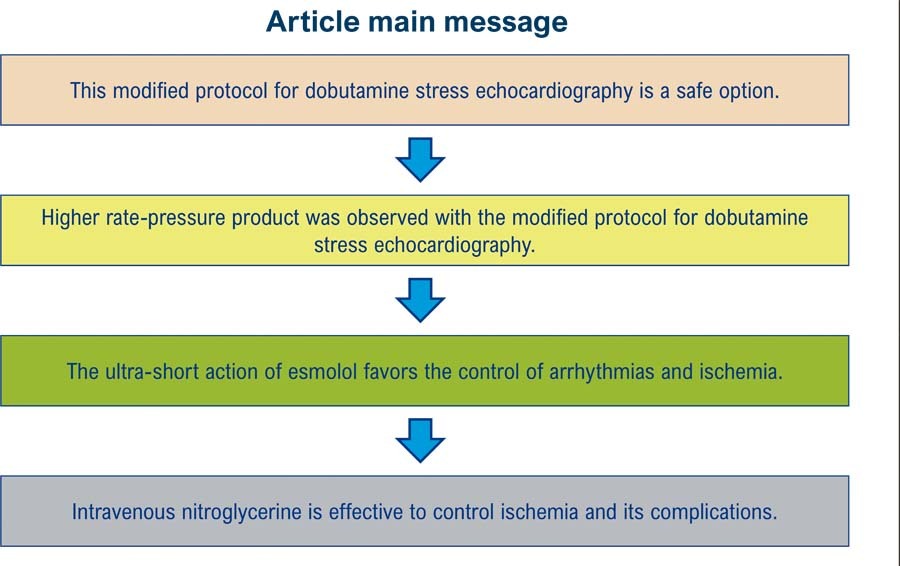
This study was aimed at assessing the safety of DSE using a modified protocol (MP-DSE).

Methods

Data were collected from our institutional database to compare MP-DSE with the CP-DSE. In the CP-DSE, atropine could be administered during the fourth stage or its extension. In the MP-DSE, atropine was initiated at the beginning of the third stage, and there was no stage extension. Upon completion of DSE or for arrhythmia control, metoprolol was administered in the CP-DSE and esmolol in the MP-DSE. In cases of typical angina, nitroglycerin was administered at the examiner’s discretion in the CP-DSE, whereas its use was predetermined in the MP-DSE. A p-value < 0.05 was considered statistically significant.

Results

Of 17,811 tests performed, 9,121 were conducted using the MP-DSE. During DSE, myocardial oxygen consumption, represented by the rate-pressure product, was significantly higher in the MP-DSE group (22,530 ± 4,575 vs 23,037 ± 4,072 bpm.mmHg; p < 0.001). Hypertensive peak (1% vs 0.4%; p = 0.0001) and nonsustained ventricular tachycardia (0.6% vs 0.1%; p = 0.0001) were more frequent in the CP-DSE, while supraventricular tachyarrhythmia (2.1% vs 3.78%; p = 0.0001) and atrial fibrillation (0.8% vs 1.3%; p = 0.003) were more common in the MP-DSE. These arrhythmias resolved spontaneously or with medication. In the CP-DSE, two patients had ventricular fibrillation and one, acute coronary syndrome.

Conclusion

In our study, the modified protocol for DSE proved to be a safe option, with no severe adverse effects observed, despite the presence of an elevated rate-pressure product.
  • Drug-Related Side Effects and Adverse Reactions
  • Safety
  • Stress echocardiography
Read Full Article
Creative Commons Attribution (CC BY) Creative Commons license
16/12/2025 DOI: 10.36660/abcimg.20250054i Views 3
Causality and Severity of Adverse Reactions and Biochemical Changes to Benznidazole Treatment in Patients with Chronic Chagas Disease
ABC
Original Article

Causality and Severity of Adverse Reactions and Biochemical Changes to Benznidazole Treatment in Patients with Chronic Chagas Disease

Alanna Carla da Costa Belmino et al. Emanuela Kelly Silva Sousa José Damião da Silva Filho Eduardo Arrais Rocha … Francisca Mylena Melgaço Nunes Tiago Lima Sampaio Leones Fernandes Evangelista Bruna Ribeiro Duque Isabel Cristina da Silva Araújo José Igor de Oliveira Jacó Maria de Fátima Oliveira

Abstract

Background

Chagas disease (CD) is a serious public health problem in Latin America. Benznidazole (BNZ) is used for the treatment of CD and, despite its wide use, little information is available about its toxicity and mechanisms of adverse drug reactions (ADR).

Objectives

To identify and classify clinical and laboratory adverse reactions caused by BNZ in terms of causality and severity.

Methods

Prospective cohort study from January 2018 to December 2021. Treatment follow-up included visits and biochemical tests (complete blood count, liver and kidney function tests) before, during and after treatment. ADR were classified according to causality and severity. In the statistical analysis, the significance level was set at p<0.05.

Results

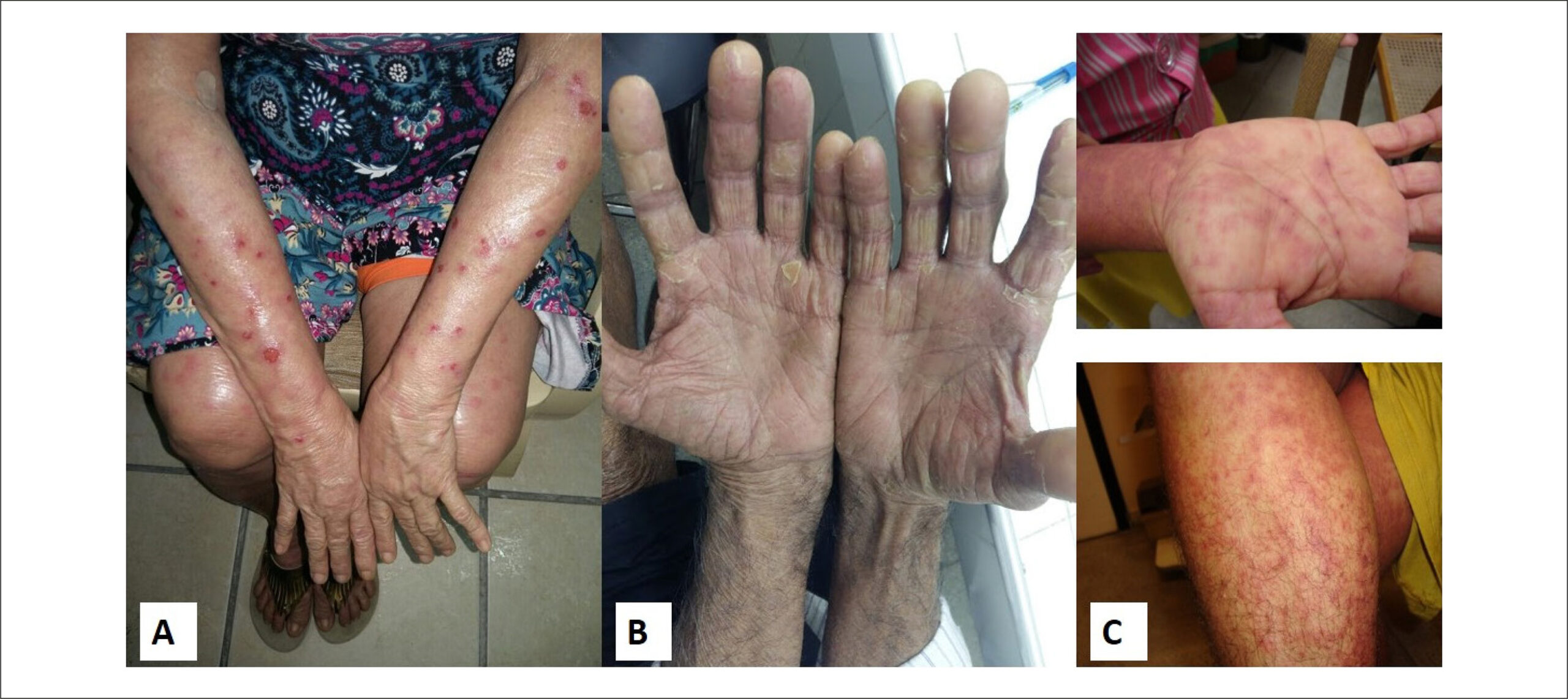
Forty patients with chronic CD were included. A high prevalence of ADR was observed 161 ADR in 30 patients [90%]; of these, 104 (64.6%) were classified as possible and 57 (35.4%) as probable. The ADR were classified as moderate and mild. Of the 40 patients, nine (22.5%) discontinued treatment. ADR associated with treatment discontinuation and interventions were those that affected the dermatological system, central and peripheral nervous system and sense organs such as ageusia. Mild hematological and biochemical changes such as lymphopenia were observed after 30 days of treatment.

Conclusion

Many patients were able to complete the treatment even with ADR, which can be attributed to the successful follow-up strategy with symptomatic treatment and counseling, leading to patient’s awareness of symptoms and treatment adherence.

  • Chagas disease
  • Drug-Related Side Effects and Adverse Reactions
  • Laboratory Examinations and Diagnostics
Read Full Article
Creative Commons Attribution (CC BY) Creative Commons license
16/09/2024 DOI: 10.36660/abc.20230787i Views 2
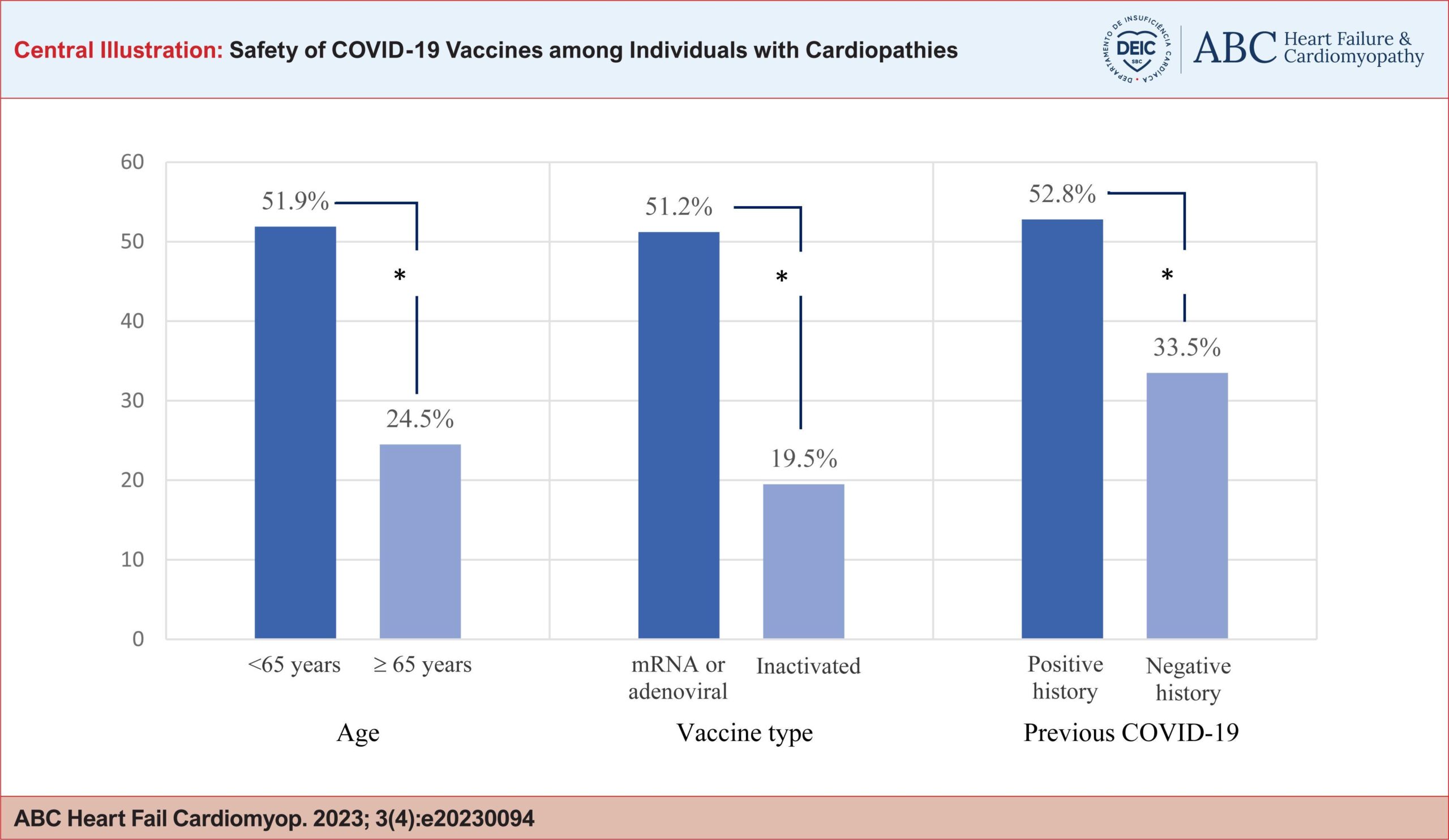
Safety of COVID-19 Vaccines among Individuals with Cardiopathies
ABCHF
Brief Communication

Safety of COVID-19 Vaccines among Individuals with Cardiopathies

Ana Luisa Soares Chiaretti et al. Bianca de Almeida Nunes Lívia Brito Oliveira Fábio Figueiredo Costa Adriana Lopes Latado

Introduction

The first cases of COVID-19 were reported in December of 2019. The SARS-CoV-2 virus has infected over 664 million people and caused over 6,7 million deaths worldwide. Brazil was one of the most affected countries, with over 36 million confirmed cases and nearly 700 thousand reported obits.

Although most cases were characterized as oligosymptomatic and self-limited, people older than 60 years and with comorbidities were at higher risk of presenting with severe forms, including acute respiratory distress syndrome (ARDS), myocarditis, thromboembolic events, sepsis, and shock.

[…]

  • COVID-19
  • Drug-Related Side Effects and Adverse Reactions
  • Heart Diseases
  • Vaccines
Read Full Article
Creative Commons Attribution (CC BY) Creative Commons license
31/12/2023 DOI: 10.36660/abchf.20230094 Views 1
IJCS
Case Report

A Rare Case of Cardiorespiratory Arrest after Metoclopramide Infusion

Cássio Alexandre Oliveira Rodrigues et al. Eduardo Queiroz da Cunha Priscila Ribeiro de Paula Rand Randall Martins

Introduction

Commonly used as an antiemetic and prokinetic agent, especially in critically-ill patients to reverse gastroparesis and increase in gastric emptying, metoclopramide use can result in important adverse reactions, leading the European Medicines Agency to recommend its use at minimum doses and for a short period of time, due to the risk of neurotoxicity.

Although often associated to neurological events, reactions to this drug affecting the cardiovascular system are less frequent when compared to those that affect the central nervous system. There have been reports of total atrioventricular block and sinus arrest, but the occurrence of metoclopramide-induced cardiorespiratory arrest (CRA) is a rare and poorly described event.

[…]

  • Drug Prescriptions/standards
  • Drug-Related Side Effects and Adverse Reactions
  • Heart Arrest
  • Metaclopramide/Adverse effects
  • pharmacokinetics
Read Full Article
Creative Commons Attribution (CC BY) Creative Commons license
01/04/2019 DOI: 10.5935/2359-4802.20190025 Views 1
IJCS
Review Article

Cardiac Disorder in Chronic Hepatitis C

André Gustavo da Silva Rezende et al. Edmundo Pessoa Lopes Brivaldo Markman-Filho

Abstract

Chronic hepatitis C (CHC) has a high prevalence in the world. In addition to hepatic complications with cirrhosis in about 20% of patients and high risk for hepatocarcinoma, extrahepatic manifestations may also occur. Cardiac involvement in patients with CHC is associated with several factors, such as increased risk for coronary artery disease, primary cardiomyopathies, or hemodynamic and electrophysiological changes observed in liver cirrhosis. Furthermore, antiviral treatment may, in rare cases, causes cardiovascular adverse effects. Cardiac arrhythmias are the main form of clinical presentation, and, often, markers of poor prognosis in individuals with advanced liver disease. Although some mechanisms that justify these changes have already been reported, many questions remain unanswered, especially about the true involvement of the hepatitis C virus in the genesis of primary cardiac abnormalities, and the risk factors for cardiac-related complications of antiviral treatment.

  • Arrhytmias, Cardiac
  • Cardiomiopathies
  • drug interactions
  • Drug-Related Side Effects and Adverse Reactions
  • Hepatitis C, Chronic
  • Liver Cirrhosis
Read Full Article
Creative Commons Attribution (CC BY) Creative Commons license
07/03/2019 DOI: 10.5935/2359-4802.20190011
ABC
Editorial

Cardiovascular Aggression by Doxorubicin: The Search for Mechanisms

Wolney de Andrade Martins

Cardio-oncology is an emerging subject in cardiology events and journals. Increased cancer (CA) incidence and survival rates, easier access to health care and the multiplicity of chemotherapy regimens all contribute to the increase in the diagnosis of cardiovascular complications in patients with CA. The increase in CA prevalence and mortality, as well as its cardiovascular complications, is the price that nations pay for the aging of their populations in an oncogenic environment. Therefore, we are faced with an epidemiological problem and major clinical challenges.

The discovery, in the 1960s, in the Adriatic Sea coast, of a red pigment produced by a fungus with great cytotoxic power has changed paradigms and introduced the concept of cure in clinical cancerology. Reports of toxicity previously presented with other chemotherapeutic agents had also been confirmed with the new class of anthracyclines. The novelty was the real possibility of cure. In the risk-benefit evaluation, adverse effects were neglected on behalf of the decision to use it. Warnings on the cardiotoxicity of doxorubicin (DOXO) came with the description of the classic ‘von Hoff curve’, where the risk of heart failure incidence at cumulative doses above 500 mg/m was demonstrated.

[…]

  • Cardiotoxicity
  • Cardiovascular Diseases/complications
  • Cyclophosphamida
  • Doxorubicin
  • Drug-Related Side Effects and Adverse Reactions
  • Neoplasms
  • Vascular Stiffness
  • Ventricular Dysfunction
Read Full Article
Creative Commons Attribution (CC BY) Creative Commons license
01/11/2018 DOI: 10.5935/abc.20180214 Views 1
Figure 1
ABC
Original Article

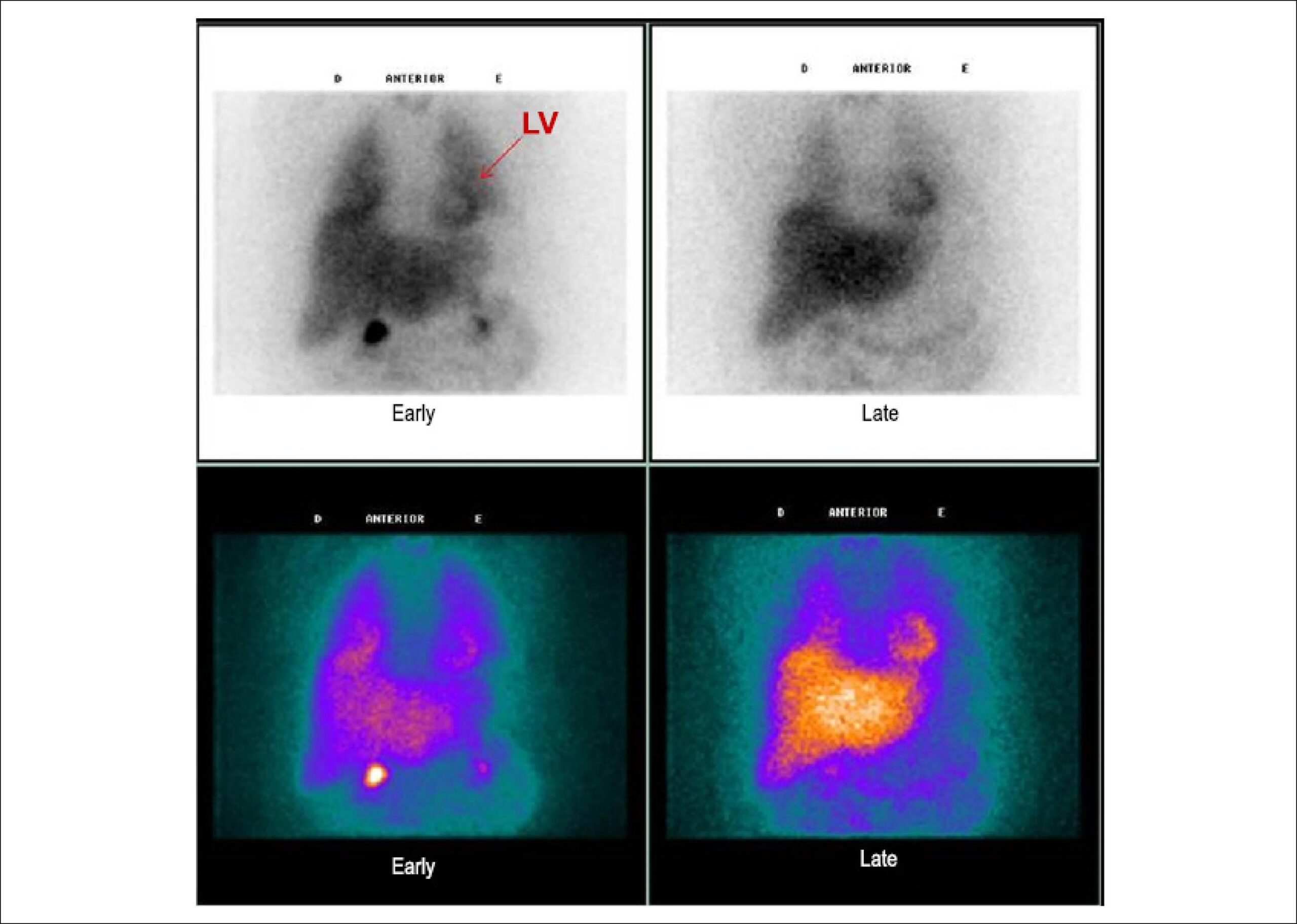
Cardiac Sympathetic Hyperactivity after Chemotherapy: Early Sign of Cardiotoxicity?

Sarita Lígia Pessoa de Melo Machado Guimarães et al. Simone Cristina Soares Brandão Luciana Raposo Andrade Rafael José Coelho Maia Brivaldo Markman Filho

Background:

Chemotherapy with anthracyclines and trastuzumab can cause cardiotoxicity. Alteration of cardiac adrenergic function assessed by metaiodobenzylguanidine labeled with iodine-123 (123I-mIBG) seems to precede the drop in left ventricular ejection fraction.

Objective:

To evaluate and to compare the presence of cardiovascular abnormalities among patients with breast cancer undergoing chemotherapy with anthracyclines and trastuzumab, and only with anthracycline.

Methods:

Patients with breast cancer were analyzed clinical, laboratory, electrocardiographic and echocardiographic and cardiac sympathetic activity. In scintigraphic images, the ratio of 123I-mIBG uptake between the heart and mediastinum, and the washout rate were calculated. The variables were compared between patients who received anthracyclines and trastuzumab (Group 1) and only anthracyclines (Group 2).

Results:

Twenty patients, with mean age 57 ± 14 years, were studied. The mean left ventricular ejection fraction by echocardiography was 67.8 ± 4.0%. Mean washout rate was 28.39 ± 9.23% and the ratio of 123I-mIBG uptake between the heart and mediastinum was 2.07 ± 0.28. Of the patients, 82% showed an increased in washout rate, and the ratio of 123I-mIBG uptake between the heart and mediastinum decreased in 25%. Concerning the groups, the mean washout rate of Group 1 was 32.68 ± 9.30% and of Group 2 was 24.56 ± 7.72% (p = 0,06). The ratio of 123I-mIBG uptake between the heart and mediastinum was normal in all patients in Group 2, however, the Group 1, showed 50% the ratio of 123I-mIBG uptake between the heart and mediastinum ≤ 1.8 (p = 0.02).

Conclusion:

In women with breast cancer undergoing chemotherapy, assessment of cardiac sympathetic activity with 123I-mIBG appears to be an early marker of cardiotoxicity. The combination of chemotherapy showed higher risk of cardiac adrenergic hyperactivity.

  • Breast Neoplasms
  • Drug Therapy
  • Drug-Related Side Effects and Adverse Reactions
  • Sympathetic Nervous System
Read Full Article
Creative Commons Attribution (CC BY) Creative Commons license
03/07/2015 DOI: 10.5935/abc.20150075

How to cite this article

EndNote RIS

Electronic Document Format (Vancouver)

Abreu JS, Diógenes TCP, Abreu MEB, Chagas ISM, Diógenes SG, Farias AGLP, Carneiro MM, et al. Safety of dobutamine stress echocardiography using a modified protocol in a large unselected population. ABC Imagem Cardiovascular 2025;38(3):e20250054.

Electronic Document Format (ABNT)

Abreu, José Sebastião de; Diógenes, Tereza Cristina Pinheiro; Abreu, Marília Esther Benevides; Chagas, Isadora Sucupira Machado; Diógenes, Sarah Gomes; Farias, Ana Gardenia Liberato Ponte; Carneiro, Marcia Maria. Safety of dobutamine stress echocardiography using a modified protocol in a large unselected population. ABC Imagem Cardiovascular, v. 38, n. 3, e20250054, Dec. 2025.

Electronic Document Format (APA)

Abreu, J. S. , Diógenes, T. C. P., Abreu, M. E. B., Chagas, I. S. M., Diógenes, S. G., Farias, A. G. L. P., & Carneiro, M. M. (2025). Safety of dobutamine stress echocardiography using a modified protocol in a large unselected population. ABC Imagem Cardiovascular, 38(3), e20250054.

Electronic Document Format (ISO)

Abreu, José Sebastião de and Diógenes, Tereza Cristina Pinheiro and Abreu, Marília Esther Benevides and Chagas, Isadora Sucupira Machado and Diógenes, Sarah Gomes and Farias, Ana Gardenia Liberato Ponte and Carneiro, Marcia Maria. Safety of dobutamine stress echocardiography using a modified protocol in a large unselected population. ABC Imagem Cardiovascular [online]. 2025, vol. 38, n. 3, [cited 2026-10-14], e20250054. Available from: <https://journals.cardiol.br/en/article/safety-of-dobutamine-stress-echocardiography-using-a-modified-protocol-in-a-large-unselected-population/>. ISSN 2318-8219

EndNote RIS

Electronic Document Format (Vancouver)

Belmino ACC, Sousa EKS, Silva Filho JD, Rocha EA, Nunes FMM, Sampaio TL, Evangelista LF, et al. Causality and Severity of Adverse Reactions and Biochemical Changes to Benznidazole Treatment in Patients with Chronic Chagas Disease. Arquivos Brasileiros de Cardiologia 2024;121(8):e20230787.

Electronic Document Format (ABNT)

Belmino, Alanna Carla da Costa; Sousa, Emanuela Kelly Silva; Silva Filho, José Damião da; Rocha, Eduardo Arrais; Nunes, Francisca Mylena Melgaço; Sampaio, Tiago Lima; Evangelista, Leones Fernandes; Duque, Bruna Ribeiro; Araújo, Isabel Cristina da Silva; Jacó, José Igor de Oliveira; Oliveira, Maria de Fátima. Causality and Severity of Adverse Reactions and Biochemical Changes to Benznidazole Treatment in Patients with Chronic Chagas Disease. Arquivos Brasileiros de Cardiologia, v. 121, n. 8, e20230787, Sep. 2024.

Electronic Document Format (APA)

Belmino, A. C. C., Sousa, E. K. S., Silva Filho, J. D. , Rocha, E. A., Nunes, F. M. M., Sampaio, T. L., Evangelista, L. F., Duque, B. R., Araújo, I. C. S., Jacó, J. I. O., & Oliveira, M. F. (2024). Causality and Severity of Adverse Reactions and Biochemical Changes to Benznidazole Treatment in Patients with Chronic Chagas Disease. Arquivos Brasileiros de Cardiologia, 121(8), e20230787.

Electronic Document Format (ISO)

Belmino, Alanna Carla da Costa and Sousa, Emanuela Kelly Silva and Silva Filho, José Damião da and Rocha, Eduardo Arrais and Nunes, Francisca Mylena Melgaço and Sampaio, Tiago Lima and Evangelista, Leones Fernandes and Duque, Bruna Ribeiro and Araújo, Isabel Cristina da Silva and Jacó, José Igor de Oliveira and Oliveira, Maria de Fátima. Causality and Severity of Adverse Reactions and Biochemical Changes to Benznidazole Treatment in Patients with Chronic Chagas Disease. Arquivos Brasileiros de Cardiologia [online]. 2024, vol. 121, n. 8, [cited 2026-10-14], e20230787. Available from: <https://journals.cardiol.br/en/article/causality-and-severity-of-adverse-reactions-and-biochemical-changes-to-benznidazole-treatment-in-patients-with-chronic-chagas-disease/>. ISSN 0066-782X

EndNote RIS

Electronic Document Format (Vancouver)

Chiaretti ALS, Nunes BA, Oliveira LB, Costa FF, Latado AL. Safety of COVID-19 Vaccines among Individuals with Cardiopathies. ABC Heart Fail Cardiomyop 2023;3(4):e20230094.

Electronic Document Format (ABNT)

Chiaretti, Ana Luisa Soares; Nunes, Bianca de Almeida; Oliveira, Lívia Brito; Costa, Fábio Figueiredo; Latado, Adriana Lopes. Safety of COVID-19 Vaccines among Individuals with Cardiopathies. ABC Heart Fail Cardiomyop, v. 3, n. 4, e20230094, Dec. 2023.

Electronic Document Format (APA)

Chiaretti, A. L. S., Nunes, B. A., Oliveira, L. B., Costa, F. F., & Latado, A. L. (2023). Safety of COVID-19 Vaccines among Individuals with Cardiopathies. ABC Heart Fail Cardiomyop, 3(4), e20230094.

Electronic Document Format (ISO)

Chiaretti, Ana Luisa Soares and Nunes, Bianca de Almeida and Oliveira, Lívia Brito and Costa, Fábio Figueiredo and Latado, Adriana Lopes. Safety of COVID-19 Vaccines among Individuals with Cardiopathies. ABC Heart Fail Cardiomyop [online]. 2023, vol. 3, n. 4, [cited 2026-10-14], e20230094. Available from: <https://journals.cardiol.br/en/article/safety-of-covid-19-vaccines-among-individuals-with-cardiopathies/>

EndNote RIS

Electronic Document Format (Vancouver)

Rodrigues CAO, Cunha EQ, Paula PR, Martins RR. A Rare Case of Cardiorespiratory Arrest after Metoclopramide Infusion. International Journal of Cardiovascular Sciences 2019;33(1):98-101.

Electronic Document Format (ABNT)

Rodrigues, Cássio Alexandre Oliveira; Cunha, Eduardo Queiroz da; Paula, Priscila Ribeiro de; Martins, Rand Randall. A Rare Case of Cardiorespiratory Arrest after Metoclopramide Infusion. International Journal of Cardiovascular Sciences, v. 33, n. 1, p. 98-101, Mar. 2019.

Electronic Document Format (APA)

Rodrigues, C. A. O., Cunha, E. Q. , Paula, P. R. , & Martins, R. R. (2019). A Rare Case of Cardiorespiratory Arrest after Metoclopramide Infusion. International Journal of Cardiovascular Sciences, 33(1), 98-101.

Electronic Document Format (ISO)

Rodrigues, Cássio Alexandre Oliveira and Cunha, Eduardo Queiroz da and Paula, Priscila Ribeiro de and Martins, Rand Randall. A Rare Case of Cardiorespiratory Arrest after Metoclopramide Infusion. International Journal of Cardiovascular Sciences [online]. 2019, vol. 33, n. 1, [cited 2026-10-14], pp. 98-101. Available from: <https://journals.cardiol.br/en/article/a-rare-case-of-cardiorespiratory-arrest-after-metoclopramide-infusion/>. ISSN 2359-4802

EndNote RIS

Electronic Document Format (Vancouver)

Rezende AGS, Lopes EP, Markman-Filho B. Cardiac Disorder in Chronic Hepatitis C. International Journal of Cardiovascular Sciences 2019;32(3):283-9.

Electronic Document Format (ABNT)

Rezende, André Gustavo da Silva; Lopes, Edmundo Pessoa; Markman-Filho, Brivaldo. Cardiac Disorder in Chronic Hepatitis C. International Journal of Cardiovascular Sciences, v. 32, n. 3, p. 283-289, Mar. 2019.

Electronic Document Format (APA)

Rezende, A. G. S., Lopes, E. P., & Markman-Filho, B. (2019). Cardiac Disorder in Chronic Hepatitis C. International Journal of Cardiovascular Sciences, 32(3), 283-289.

Electronic Document Format (ISO)

Rezende, André Gustavo da Silva and Lopes, Edmundo Pessoa and Markman-Filho, Brivaldo. Cardiac Disorder in Chronic Hepatitis C. International Journal of Cardiovascular Sciences [online]. 2019, vol. 32, n. 3, [cited 2026-10-14], pp. 283-289. Available from: <https://journals.cardiol.br/en/article/cardiac-disorder-in-chronic-hepatitis-c/>. ISSN 2359-4802

EndNote RIS

Electronic Document Format (Vancouver)

Martins WA. Cardiovascular Aggression by Doxorubicin: The Search for Mechanisms. Arquivos Brasileiros de Cardiologia 2018;111(5):729-30.

Electronic Document Format (ABNT)

Martins, Wolney de Andrade. Cardiovascular Aggression by Doxorubicin: The Search for Mechanisms. Arquivos Brasileiros de Cardiologia, v. 111, n. 5, p. 729-730, Oct. 2018.

Electronic Document Format (APA)

Martins, W. A. (2018). Cardiovascular Aggression by Doxorubicin: The Search for Mechanisms. Arquivos Brasileiros de Cardiologia, 111(5), 729-730.

Electronic Document Format (ISO)

Martins, Wolney de Andrade. Cardiovascular Aggression by Doxorubicin: The Search for Mechanisms. Arquivos Brasileiros de Cardiologia [online]. 2018, vol. 111, n. 5, [cited 2026-10-14], pp. 729-730. Available from: <https://journals.cardiol.br/en/article/cardiovascular-aggression-by-doxorubicin-the-search-for-mechanisms/>. ISSN 0066-782X

EndNote RIS

Electronic Document Format (Vancouver)

Guimarães SLPMM, Brandão SCS, Andrade LR, Maia RJC, Markman Filho B. Cardiac Sympathetic Hyperactivity after Chemotherapy: Early Sign of Cardiotoxicity?. Arquivos Brasileiros de Cardiologia 2015;105(3):228-34.

Electronic Document Format (ABNT)

Guimarães, Sarita Lígia Pessoa de Melo Machado; Brandão, Simone Cristina Soares; Andrade, Luciana Raposo; Maia, Rafael José Coelho; Markman Filho, Brivaldo. Cardiac Sympathetic Hyperactivity after Chemotherapy: Early Sign of Cardiotoxicity?. Arquivos Brasileiros de Cardiologia, v. 105, n. 3, p. 228-234, Jul. 2015.

Electronic Document Format (APA)

Guimarães, S. L. P. M. M., Brandão, S. C. S., Andrade, L. R., Maia, R. J. C., & Markman Filho, B. (2015). Cardiac Sympathetic Hyperactivity after Chemotherapy: Early Sign of Cardiotoxicity?. Arquivos Brasileiros de Cardiologia, 105(3), 228-234.

Electronic Document Format (ISO)

Guimarães, Sarita Lígia Pessoa de Melo Machado and Brandão, Simone Cristina Soares and Andrade, Luciana Raposo and Maia, Rafael José Coelho and Markman Filho, Brivaldo. Cardiac Sympathetic Hyperactivity after Chemotherapy: Early Sign of Cardiotoxicity?. Arquivos Brasileiros de Cardiologia [online]. 2015, vol. 105, n. 3, [cited 2026-10-14], pp. 228-234. Available from: <https://journals.cardiol.br/en/article/cardiac-sympathetic-hyperactivity-after-chemotherapy-early-sign-of-cardiotoxicity/>. ISSN 0066-782X

  • About ABC Family
  • Internal Regulation
  • Editorial Board
  • Brazilian Society of Cardiology (SBC)

Issues

SBC Guidelines

  • Videos
  • Podcasts
  • News