ABC Family Arquivos Brasileiros de Cardiologia International Journal of Cardiovascular Sciences ABC Heart Failure & Cardiomyopathy ABC Imagem Cardiovascular
Português English
ABC Family
Português English
  • About
    • About ABC Family
    • Internal Regulation
    • Editorial Board
    • Brazilian Society of Cardiology (SBC)
  • Issues
  • SBC Guidelines
  • Content
    • Videos
    • Podcasts
    • News
  • About
    • About ABC Family
    • Internal Regulation
    • Editorial Board
    • Brazilian Society of Cardiology (SBC)
  • Issues
  • SBC Guidelines
  • Content
    • Videos
    • Podcasts
    • News

ABC Family

  • ABC Family
  • Arquivos Brasileiros de Cardiologia
  • International Journal of Cardiovascular Sciences
  • ABC Heart Failure & Cardiomyopathy
  • ABC Imagem Cardiovascular
Search in

No content found.

Journals
Ordering
Article types
Others

  1. Home
  2. Keyword: Implantable Defibrillators
Figure 1
ABC
Image

Positron Emission Tomography Identification of Cardiovascular Implantable Electronic Device Infection

Raquel Montalvão et al. Margarida Matias Marisa Trabulo

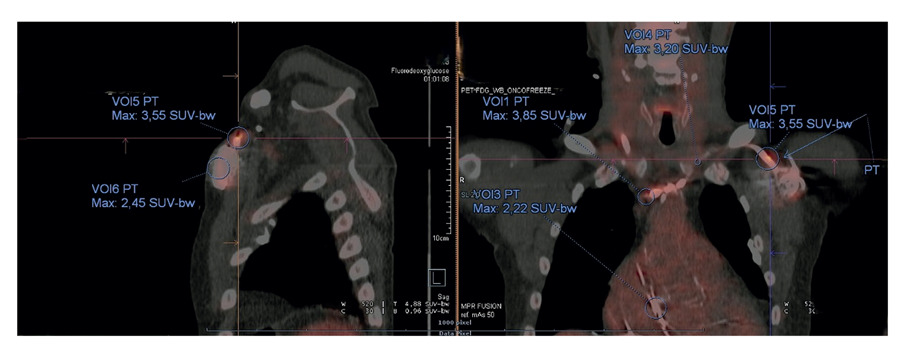
An 84-year-old man with hypertension, dyslipidemia, chronic kidney disease, permanent atrial fibrillation, and a pacemaker implanted for brady-tachy syndrome, with generator and lead replacement one year prior, presented with a 15-day fever, malaise, and fatigue. Physical examination revealed a holosystolic murmur. The skin overlying the pacemaker pocket showed no signs of inflammation. Laboratory testing showed leukocytosis with neutrophilia, C-reactive protein of 9.5 mg/dL, and procalcitonin of 1.3 ng/mL. The rapid respiratory viral panel was negative, and urinalysis was unremarkable. A pair of blood cultures yielded methicillin-susceptible Staphylococcus aureus (MSSA). Transthoracic and transesophageal echocardiography showed no valvular or lead involvement. 18F-fluorodeoxyglucose positron emission tomography /computed tomography (PET/CT) demonstrated increased uptake along the pacemaker lead and generator ( ), confirming cardiac implantable electronic device (CIED) infection. Complete system extraction was performed, and lead cultures confirmed MSSA. Three follow-up blood cultures were obtained, two before extraction and one after extraction, all of which were negative. He received 3 weeks of IV cefazolin pre-extraction and 3 weeks of IV flucloxacillin post-extraction, completing a total of 6 weeks of directed antibiotic therapy. Monitoring revealed permanent atrial fibrillation without pauses, and device reimplantation was not required.

[…]

  • Implantable Defibrillators
  • Positron Emission Tomography-Computed Tomography
Read Full Article
Creative Commons Attribution (CC BY) Creative Commons license
03/08/2026 DOI: 10.36660/abc.20260030i Views 1
ABC
Editorial

Survival with ICD in Heart Failure: Truly Necessary or Just a Selection Bias?

Fernanda Almeida Andrade

Mortality predictors: The role of detailed clinical assessment

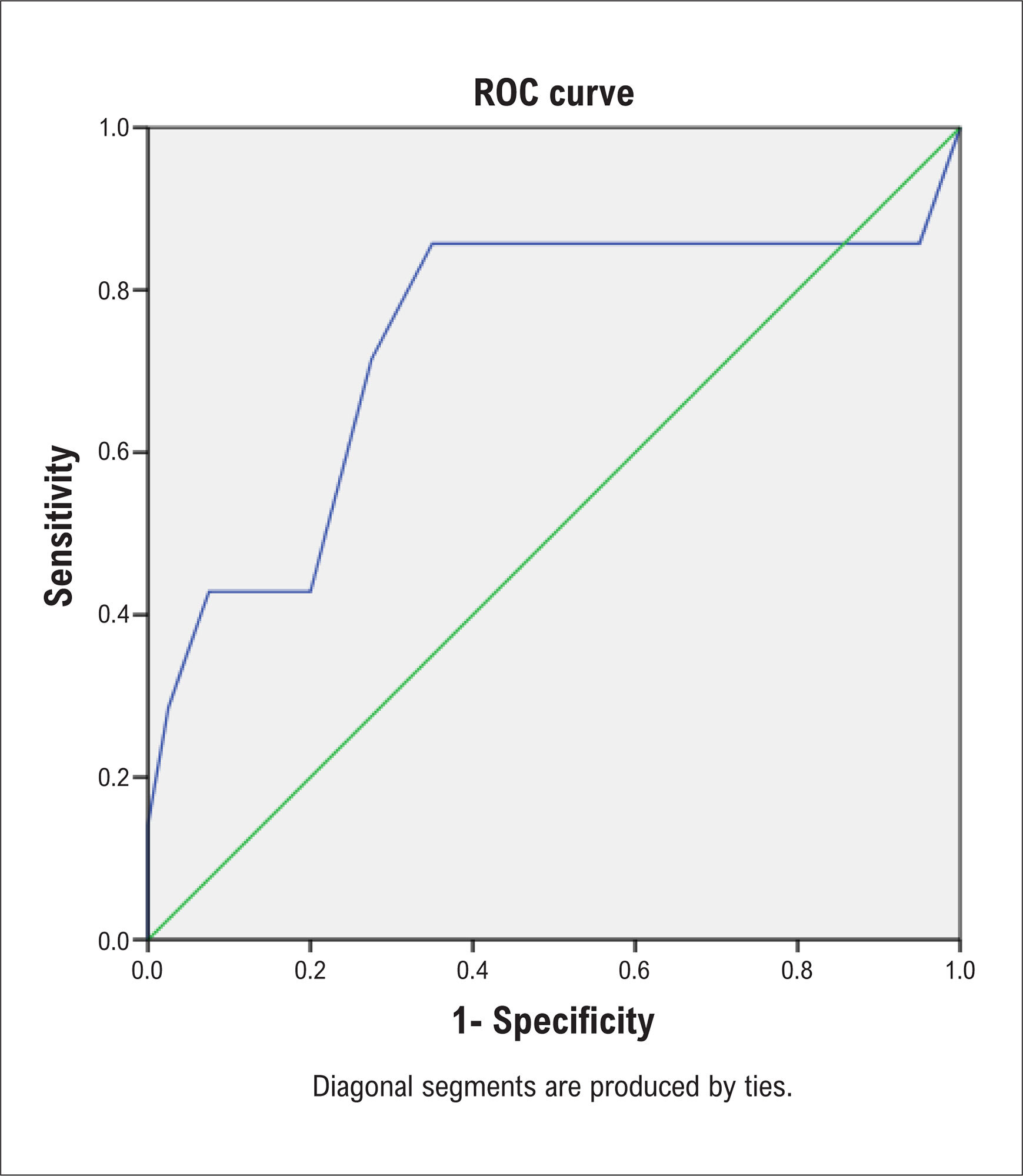
The importance of thorough medical consultations should be emphasized when evaluating these cases. Through anamnesis, potential mortality predictors can be identified, such as age, LVEF, BNP and/or NT-proBNP levels, coronary artery disease (CAD), diabetes mellitus, chronic kidney disease, baseline rhythm, HF-related hospitalizations, and NYHA >2 classification. The study by Başkurt et al. identified BNP > 508.5 pg/mL (ROC: S 69% and E 69%), LVEF 68.5 years (ROC: S 62% and E 62%), and hospitalization due to decompensation as independent predictors of all-cause mortality, whereas CAD was not an independent risk factor., Similar findings were reported in a study by Bilchick et al., which analyzed a large cohort (n = 45,000), demonstrating that critically ill patients with multiple comorbidities have a higher risk of adverse outcomes.

Therefore, the need for a risk score has been discussed and validated over time, with examples including the MADIT-II ICD Risk Stratification Score and the Seattle Heart Failure Score. However, important differences exist between them: the presence of associated cardiac resynchronization therapy (not included in the Seattle model), differences in the definition of severe arrhythmia and arrhythmic death (MADIT-ICD Benefit Score uses potentially fatal arrhythmias as a marker of arrhythmic death, whereas other studies distinguish between sudden and non-sudden death), and updated validation with contemporary cohorts. The MADIT-ICD Benefit Score, proposed in 2021, aims to improve risk stratification by assisting individualized clinical decision-making through the identification of primary ICD implantation candidates with the highest survival benefit, those whose predicted VT/VF risk surpasses the competing risk of non-arrhythmic mortality.

[…]

  • Heart Failure
  • Implantable Defibrillators
  • Primary Prevention
Read Full Article
Creative Commons Attribution (CC BY) Creative Commons license
14/04/2025 DOI: 10.36660/abc.20250142i
Clinical Outcomes and Mortality in Patients with Implantable Cardioverter-Defibrillator for Primary Prevention
ABC
Original Article

Clinical Outcomes and Mortality in Patients with Implantable Cardioverter-Defibrillator for Primary Prevention

Ahmet Anıl Başkurt et al. Sema Güneri Reşit Yiğit Yılancıoğlu Oğuzhan Ekrem Turan Emin Evren Özcan

Abstract

Background

Implantable cardioverter-defibrillator (ICD) is indicated for primary prevention in patients with left ventricular ejection fraction (LVEF) ≤ 35% and New York Heart Association class II or III heart failure despite 3 months of optimal medical therapy. However, studies that support this recommendation are over 20 years old, and they may not reflect modern heart failure patients’ characteristics.

Objectives

Retrospectively evaluate patients who received an ICD for primary prevention.

Methods

All-cause and sudden death rates were compared in patients who received ICD between January 1, 2015 and March 1, 2020 and those who did not accept ICD. Variables were analyzed at a 95% confidence interval, and p < 0.05 was considered as significant.

Results

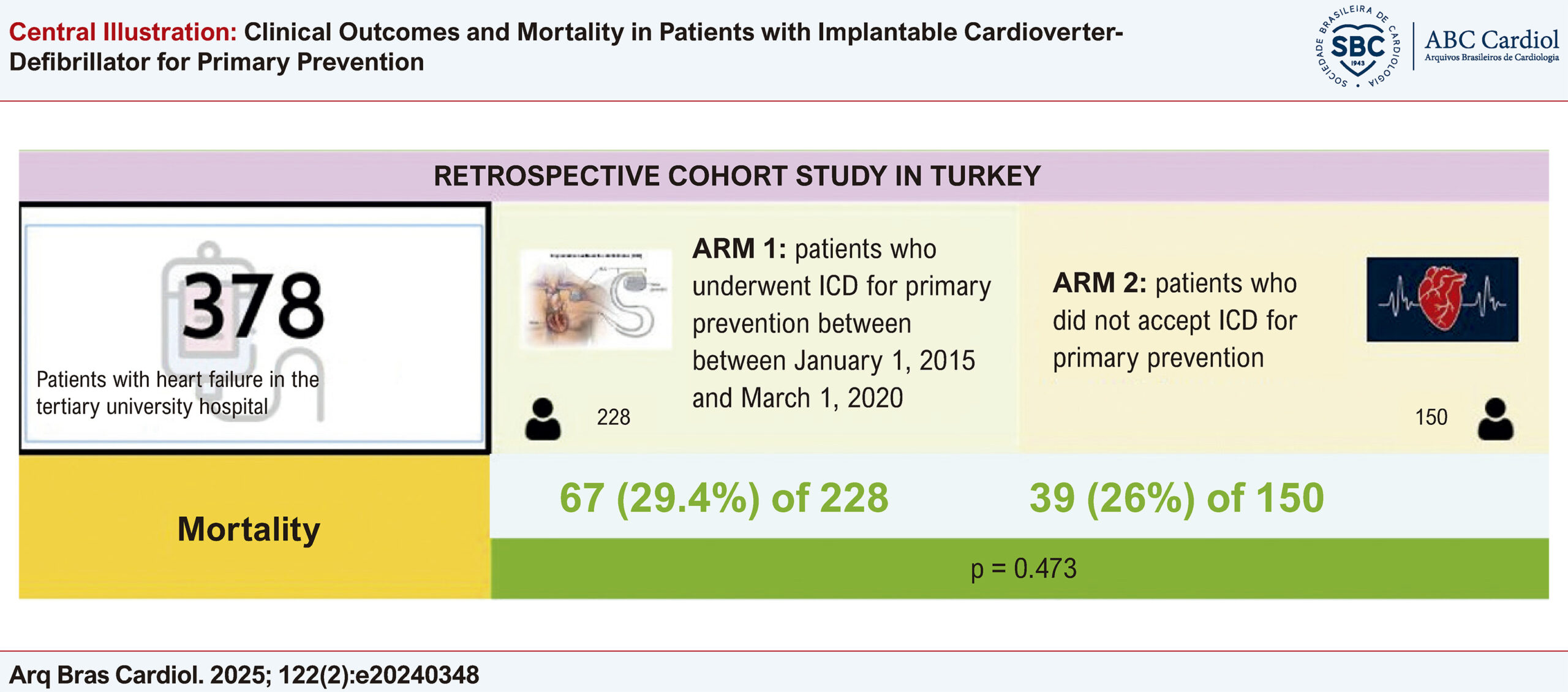
When comparing mortality rates between patients with and without ICD, 67 of 228 patients (29.4%) in the ICD group and 39 of 150 patients (26%) in the control group died from all causes (p = 0.473). Age, LVEF, BNP value, and hospitalization were found to be independent predictors of all-cause mortality. Patients with BNP above 508.5, LVEF below 24.5%, and age over 68.5 years had a 25-fold increased all-cause mortality. Coronary artery disease was not found to be an independent risk factor. Survival in the control group was statistically significantly better in the first months. Although there was no statistical difference in the long term, survival was numerically better in the ICD arm. This could be attributed to the fact that ICD implantations were performed on patients with worse clinical conditions. The higher survival rate observed in patients with ICD may be due to the fact that they came in for device control and remained in follow-up.

Conclusions

With advances in the treatment of heart failure, ICD implantation should be performed in selected patients.

  • Heart Failure
  • Implantable Defibrillators
  • Primary Prevention
Read Full Article
Creative Commons Attribution (CC BY) Creative Commons license
28/02/2025 DOI: 10.36660/abc.20240348i Views 1
Potentially Inappropriate Cardioverter Defibrillator Implants in Secondary Prevention of Death
ABC
Original Article

Potentially Inappropriate Cardioverter Defibrillator Implants in Secondary Prevention of Death

William Neves de Carvalho et al. Tainá Teixeira Viana Clara Salles Figueiredo Fernanda Martins Luiz Carlos Santana Passos

Abstract

Background:

Implantable cardioverter defibrillators (ICDs) are recommended for patients experiencing malignant tachyarrhythmias due to irreversible causes, who are clinically stable, and have a life expectancy exceeding one year. However, adverse socioeconomic and psychosocial conditions can adversely affect short-term survival and may render implantation inappropriate.

Objective:

To assess whether economic and psychosocial markers (EPSM) are associated with higher mortality in the first year (indicating potentially inappropriate implants) following ICD implantation.

Methods:

A prospective cohort study conducted between 2017 and 2021 included patients with heart failure and left ventricular ejection fraction (LVEF) < 50% who underwent ICD implantation for secondary prophylaxis. Prior to the procedure, patients were evaluated by an MDT, which examined four EPSM variables, namely socioeconomic vulnerability, self-care capacity, pharmacological adherence, and mood disorders. The participants were monitored for at least 12 months. Statistical significance was considered to be p-values < 0.05.

Results:

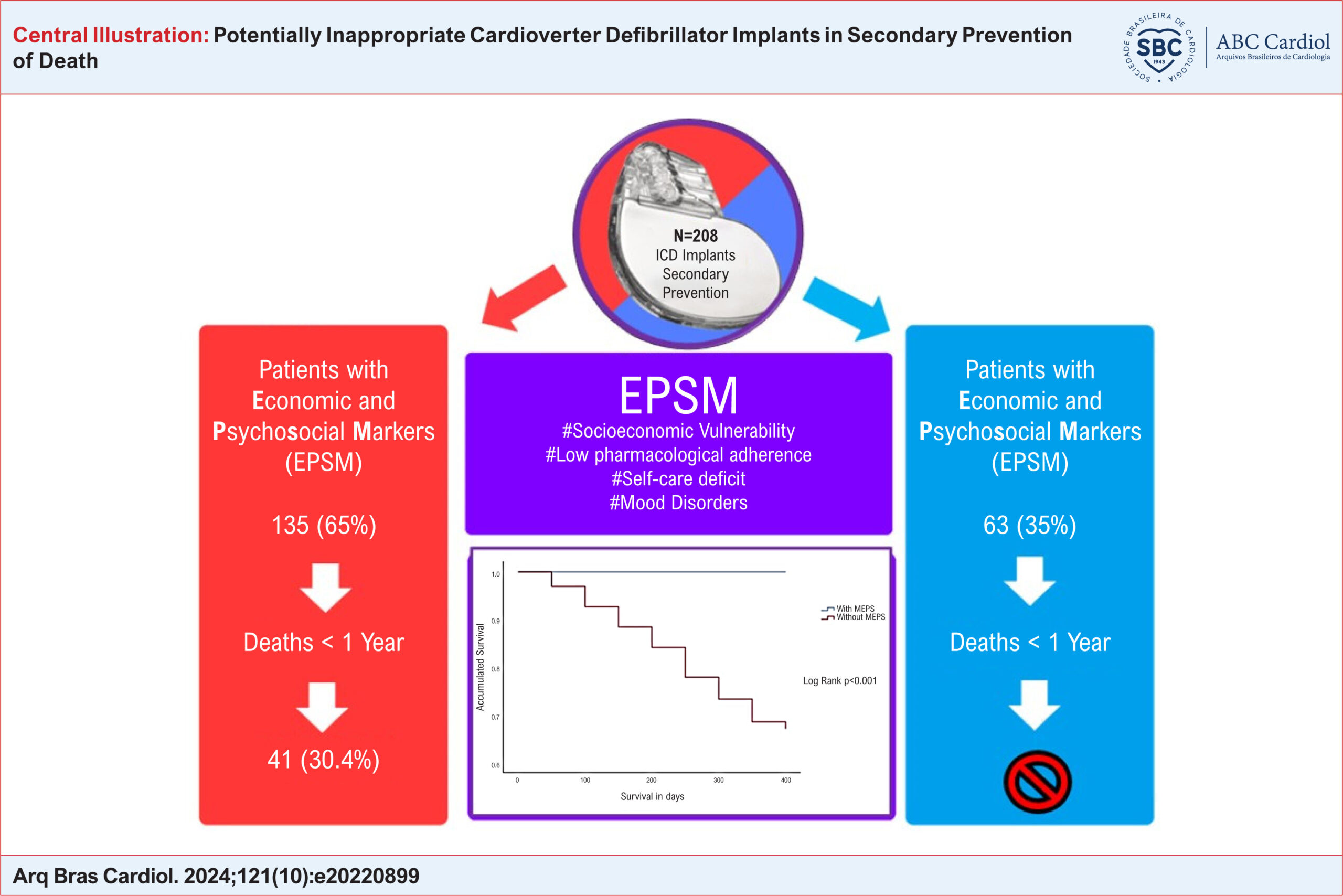
A total of 208 individuals were included, with 144 (68.9%) being male. The mean LVEF was 32% ±9 and 107 (51%) had Chagas disease etiology. The mortality rate in the first year was 54/208 (25.8%). All patients who died had at least one of the EPSM and there no deaths were reported among the 73 (35.4%) who did not have EPSM. In multivariate analysis, having EPSM and LVEF were the only independent predictors of mortality under 1 year: RR 20.48 (2.75 – 52.29); p=0.003 and RR 0.97 (0.93 – 0.99); p=0.047, respectively.

Conclusion:

Socioeconomic and psychosocial conditions should be identified and, where possible, resolved before implantation, as they may make device implantation a potentially inappropriate procedure.

  • Implantable Defibrillators
  • medication adherence
  • Patient Care Team
  • Social Vulnerability
  • Treatment Adherence and Compliance
Read Full Article
Creative Commons Attribution (CC BY) Creative Commons license
11/11/2024 DOI: 10.36660/abc.20220899i
Figure 1
ABCIC
Original Article

New Predictor of Ventricular Arrhythmia After Alcohol Septal Ablation: Preoperative Inferolateral Wall Thickness

Ahmet Anıl Başkurt et al. Ayşe Çolak Zeynep Kumral Reşit Yiğit Yılancıoğlu … Hüseyin Dursun Oğuzhan Ekrem Turan Ebru Özpelit Emin Evren Özcan Özer Badak Özhan Göldeli

Abstract

Introduction:

Predictors of arrhythmias and sudden cardiac death in patients with hypertrophic cardiomyopathy (HCM) have been identified. However, they have not been validated after alcohol septal ablation (ASA). Data to predict the occurrence of arrhythmia after the procedure are not certain.

Objectives:

To retrospectively analyze patients who underwent ASA and to determine the predictors of post-op ventricular arrhythmia.

Patients and Methods:

We retrospectively enrolled 53 consecutive patients with HCM who underwent ASA procedure due to symptomatic left ventricular outflow tract (LVOT) obstruction despite maximally tolerated medical treatment between January 2010 and December 2022. P < 0.05 was considered statistically significant.

Results:

The mean age of the patients was 56.45 years, and 55% were male. Patients underwent successful ASA, and an average of 1.76 cc of alcohol was used. A 70.81% reduction in LVOT gradients was achieved. No pathological LVOT gradient was observed in any patient after the procedure. In the postprocedural follow-up, total atrioventricular block was detected in 12 patients and implantable cardiac defibrillator (ICD) implantation was performed in these patients. When patients with ventricular arrhythmias after successful ASA were compared with those without it, preoperative hypertrophic cardiomyopathy risk of sudden cardiac death (HCMSCD) Score > 6 and left ventricular inferolateral wall thickness were statistically different between the two groups (p: 0.049, p: 0.006, respectively). When multi-logistic regression was performed, basal left ventricular inferolateral wall thickness > 15.5 mm was found to be an independent risk factor for ventricular arrhythmia after ASA (p: 0.027).

Conclusions:

Left ventricular inferolateral wall thickness is an independent predictor of ventricular arrhythmia after ASA. It can be used in postprocedural patient follow-up and ICD decision-making.

  • Cardiac Arrhythmias
  • Hypertrophic Cardiomyopathy
  • Implantable Defibrillators
Read Full Article
Creative Commons Attribution (CC BY) Creative Commons license
13/09/2024 DOI: 10.36660/abcimg.20240013i Views 4
De Novo Versus Upgrade Cardiac Resynchronization Therapy in Patients with Heart Failure: A Cohort Study
ABCHF
Original Article

De Novo Versus Upgrade Cardiac Resynchronization Therapy in Patients with Heart Failure: A Cohort Study

William Carvalho et al. Luíz Carlos Santana Passos Tainá Teixeira Viana Gustavo Pinheiro Santana … Jackson Pedro Barros-Pereira Fernanda Pinheiro Martin Tapioca Caio Rebouças Fonseca Cafezeiro

Abstract

Background:

Cardiac resynchronization therapy (CRT) is beneficial for patients with heart failure (HF) who have left bundle branch block. However, the benefits of CRT in patients with prior cardiac stimulation remain uncertain.

Objective:

Compare short-term mortality between upgrade and de novo CRT implantation.

Methods:

This prospective cohort study included patients with HF indicated for CRT with left ventricular ejection fraction (LVEF) below 35%. Overall survival was assessed using the Kaplan–Meier method, and multivariate analysis was performed using a Cox regression model.

Results:

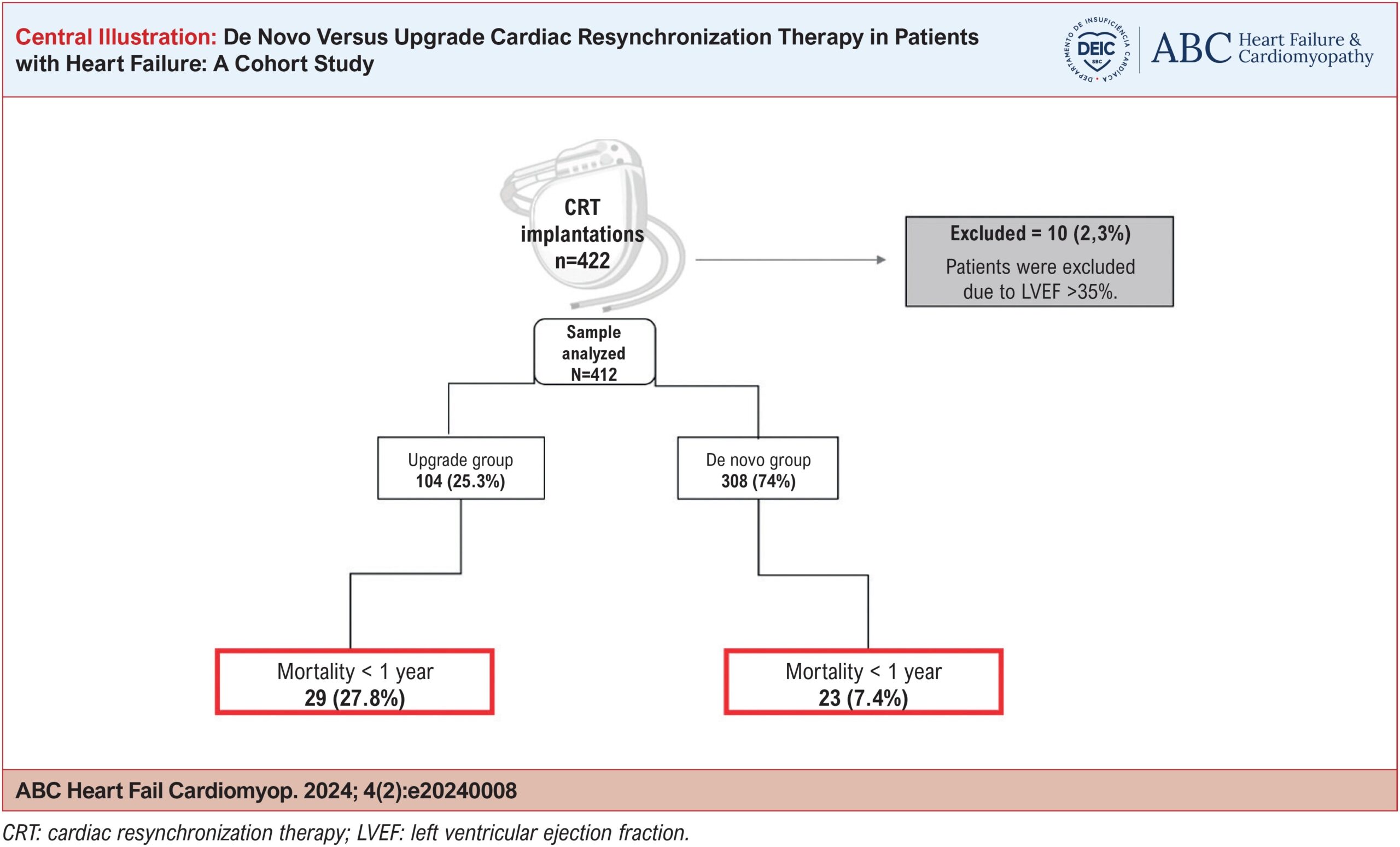
A total of 412 patients were evaluated, with a mean follow-up of 59 ± 8 months. Of these, 104 patients were in the upgrade group, while 308 patients were included in the de novo group. Chagas disease was the most prevalent cause of HF, accounting for 148 cases (36%). While the de novo group progressed with an increase in LVEF (from 25% ± 6.7% to 28% ± 16.3%, p = 0.005), patients who underwent upgrade did not show a statistically significant difference in LVEF at 6 months (from 27.5% ± 6.9% to 27.5% ± 15.5%, p = 0.6). Overall mortality at 1 year was 122 cases (29.6%). In multivariate analysis, only LVEF and CRT upgrade remained independently associated with the outcome (hazard ratio: 0.93, confidence interval: 0.90 to 0.97, p = 0.001 and hazard ratio: 2.90, confidence interval: 1.21 to 7.10, p = 0.002, respectively).

Conclusion:

In this population with HF, the upgrade group was associated with higher 1-year mortality when compared with the de novo group.

  • Chagas Cardiomyopathy
  • Chagas disease
  • Heart Failure
  • Implantable Defibrillators
Read Full Article
Creative Commons Attribution (CC BY) Creative Commons license
31/08/2024 DOI: 10.36660/abchf.20240008i Views 1
Predictors of Appropriate Therapies and Death in Patients with Implantable Cardioverter-Defibrillator and Chronic Chagas Heart Disease
ABC
Original Article

Predictors of Appropriate Therapies and Death in Patients with Implantable Cardioverter-Defibrillator and Chronic Chagas Heart Disease

Francisca Tatiana Moreira Pereira et al. Eduardo Arrais Rocha Davi Sales Pereira Gondim Rosa Livia Freitas de Almeida Roberto da Justa Pires Neto

Abstract

Background:

There are few retrospective and prospective studies on implantable cardioverter-defibrillators (ICD) in primary and secondary prevention of sudden death in chronic Chagas heart disease (CCHD).

Objectives:

To describe the long-term evolution of patients with CCHD and ICD and to identify and analyze predictors of mortality and appropriate device therapy in this population.

Methods:

This was a historical prospective study with 117 patients with ICD and CCHD. Devices were implanted from January 2003 to December 2021. Predictors of appropriate therapies and long-term mortality were identified and analyzed. The level of statistical significance was p < 0.05.

Results:

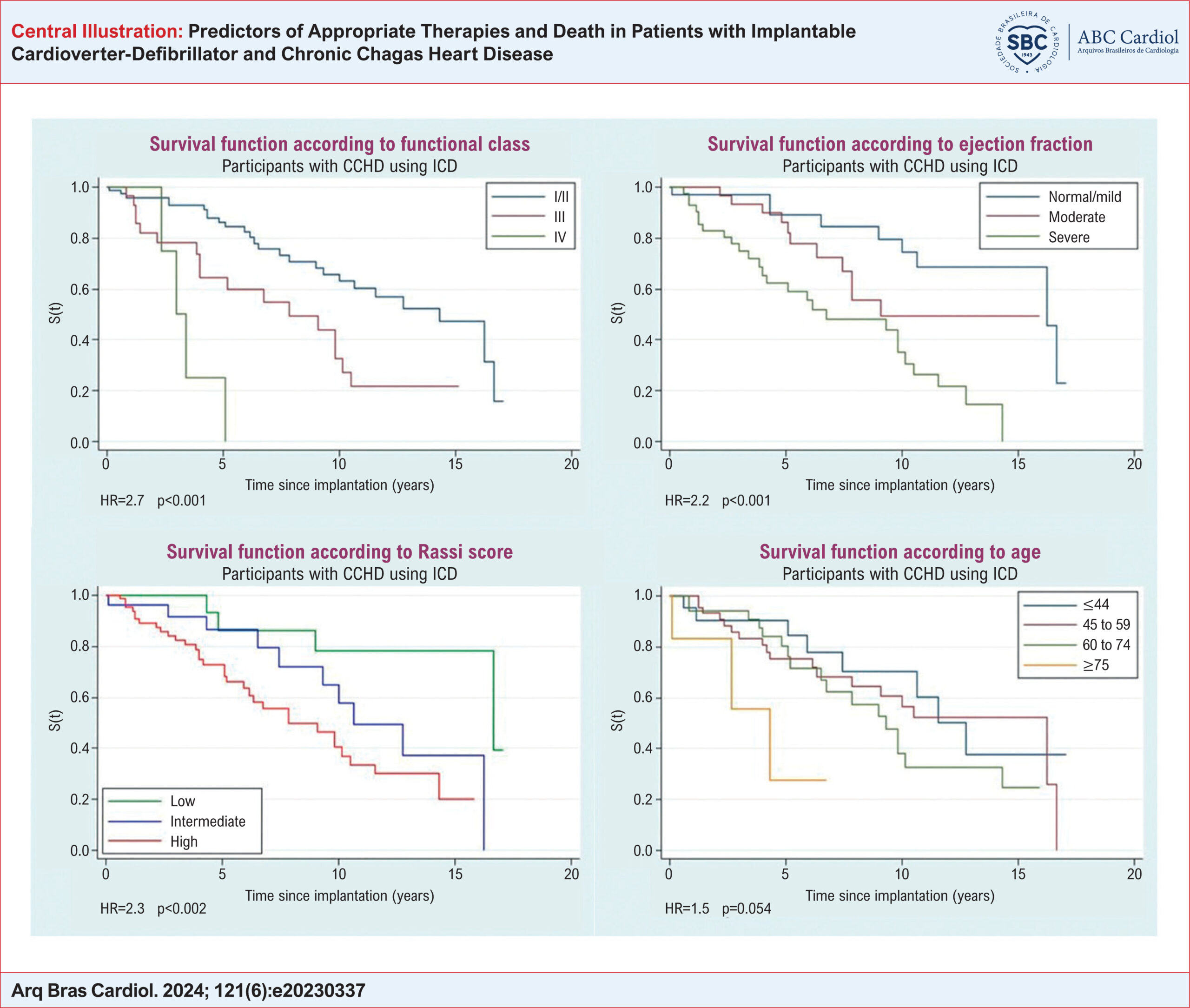
Patients (n = 117) had a median follow-up of 61 months (25 to 121 months); they were predominantly male (74%), with a median age of 55 years (48 to 64 years). There were 43.6% appropriate shocks, 26.5% antitachycardia pacing (ATP), and 51% appropriate therapies. During follow-up, 46 patients (39.7%) died. Mortality was 6.2% person-years (95% confidence interval [CI]: 4.6 to 8.3), with 2 sudden deaths during follow-up. Secondary prevention (hazard ratio [HR] 2.1; 95% CI: 1.1 to 4.3; p = 0.029) and ejection fraction less than 30% (HR 1.8; 95% CI: 1.1 to 3.1; p < 0.05) were predictors of appropriate therapies. Intermediate Rassi score showed a strong association with the occurrence of ATP alone (p = 0.015). Functional class IV (p = 0.007), left ventricular ejection fraction < 30 (p = 0.010), and age above 75 years (p = 0.042) were predictors of total mortality.

Conclusion:

ICDs in CCHD showed a high incidence of appropriate activation, especially in patients with secondary prevention, low left ventricular ejection fraction, and intermediate Rassi score. Patients with congestive heart failure, elevated functional class, and age over 75 years showed elevated mortality.

  • Chagas disease
  • Implantable Defibrillators
  • Sudden Death
Read Full Article
Creative Commons Attribution (CC BY) Creative Commons license
19/08/2024 DOI: 10.36660/abc.20230337i Views 1
Predictors of Quality of Life, Anxiety and Acceptance in Patients with Implantable Cardioverter-Defibrillator
ABC
Original Article

Predictors of Quality of Life, Anxiety and Acceptance in Patients with Implantable Cardioverter-Defibrillator

Laisa Arruda Silva et al. Katia Regina Silva Sarah Caroline Martins Saucedo Roberto Costa

Abstract

Background

An implantable cardioverter-defibrillator (ICD) can cause high levels of anxiety and depression, resulting in negative effects on quality of life.

Objectives

To evaluate the quality of life, anxiety, and acceptance of the ICD using standardized measurement instruments and identify predictors of better responses for each of the outcomes studied.

Method

This is a prospective cohort study with patients undergoing initial ICD implantation or reoperation to maintain the device. The study outcomes included quality of life, anxiety, and acceptance of the ICD. The change in scores (30 and 180 days) was assessed using the minimal important difference (MID). Univariate analysis and the multivariate logistic regression model were used to identify predictors of better responses, adopting a significance level of 5%.

Results

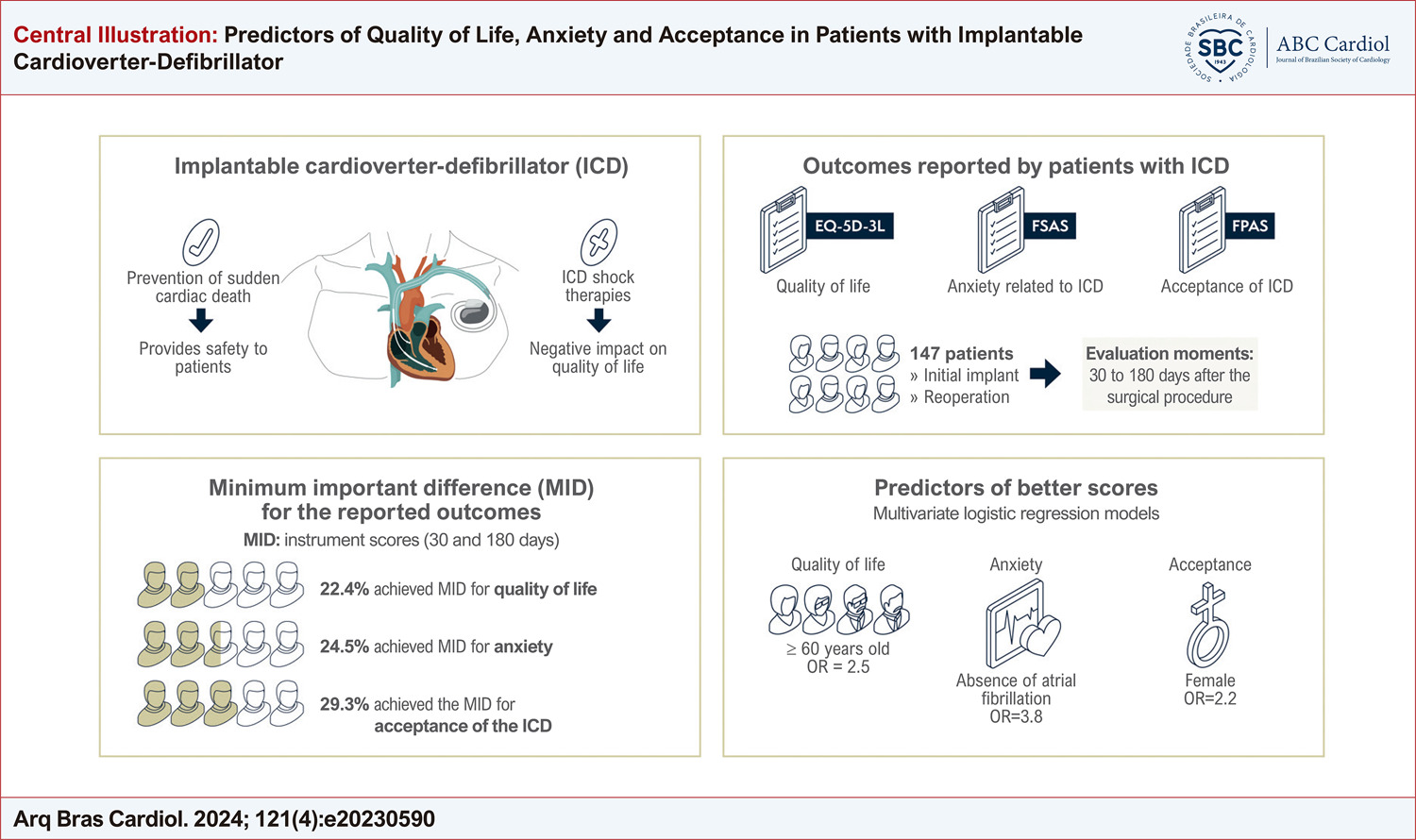
A total of 147 patients were included between January/2020 to June/2021, with a mean age of 55.3 ± 13.4 years and a predominance of males (72.1%). The MID for quality of life, anxiety, and ICD acceptance were observed in 33 (22.4%), 36 (24.5%) and 43 (29.3%) patients, respectively. Age equal to or greater than 60 years (OR=2.5; 95%CI=1.14-5.53; p=0.022), absence of atrial fibrillation (OR=3.8; 95%CI=1.26-11.63; p=0.017) and female gender (OR=2.2; 95%CI=1.02-4.97; p=0.045) were independent predictors of better responses to quality of life, anxiety and acceptance of the ICD, respectively.

Conclusion

The identification of predictors for better quality of life scores, anxiety, and acceptance of the device can support the implementation of specific care for patients with a greater chance of presenting unfavorable results.

  • Anxiety
  • Implantable Defibrillators
  • Quality of life
Read Full Article
Creative Commons Attribution (CC BY) Creative Commons license
26/04/2024 DOI: 10.36660/abc.20230590i Views 1
Percutaneous Strategies in Structural Heart Diseases: Focus on Chronic Heart Failure
ABC
Review Article

Percutaneous Strategies in Structural Heart Diseases: Focus on Chronic Heart Failure

Filippe Barcellos Filippini et al. Henrique Barbosa Ribeiro Edimar Bocchi Fernando Bacal … Fabiana G. Marcondes-Braga Monica S. Avila Janine Daiana Sturmer Mauricio Felippi de Sá Marchi Gabriel Kanhouche Antônio Fernando Freire Renata Cassar Alexandre A. Abizaid Fábio Sândoli de Brito Jr

Abstract

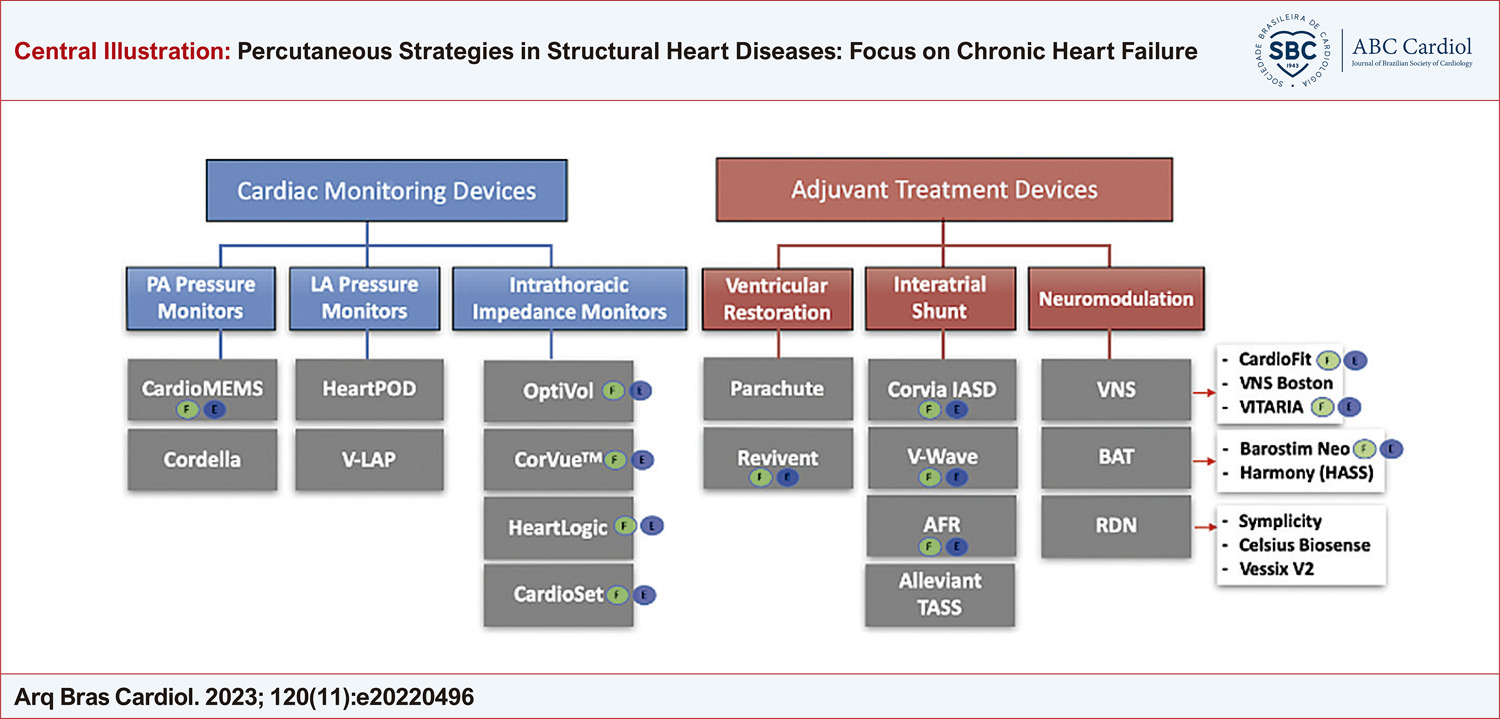
Innovations in devices during the last decade contributed to enhanced diagnosis and treatment of patients with cardiac insufficiency. These tools progressively adapted to minimally invasive strategies with rapid, widespread use. The present article focuses on actual and future directions of device-related diagnosis and treatment of chronic heart failure.

  • Cardiac resynchronization-therapy devices
  • Heart Failure
  • Implantable Defibrillators
Read Full Article
Creative Commons Attribution (CC BY) Creative Commons license
18/12/2023 DOI: 10.36660/abc.20220496 Views 2
Figure 1
ABC
Original Article

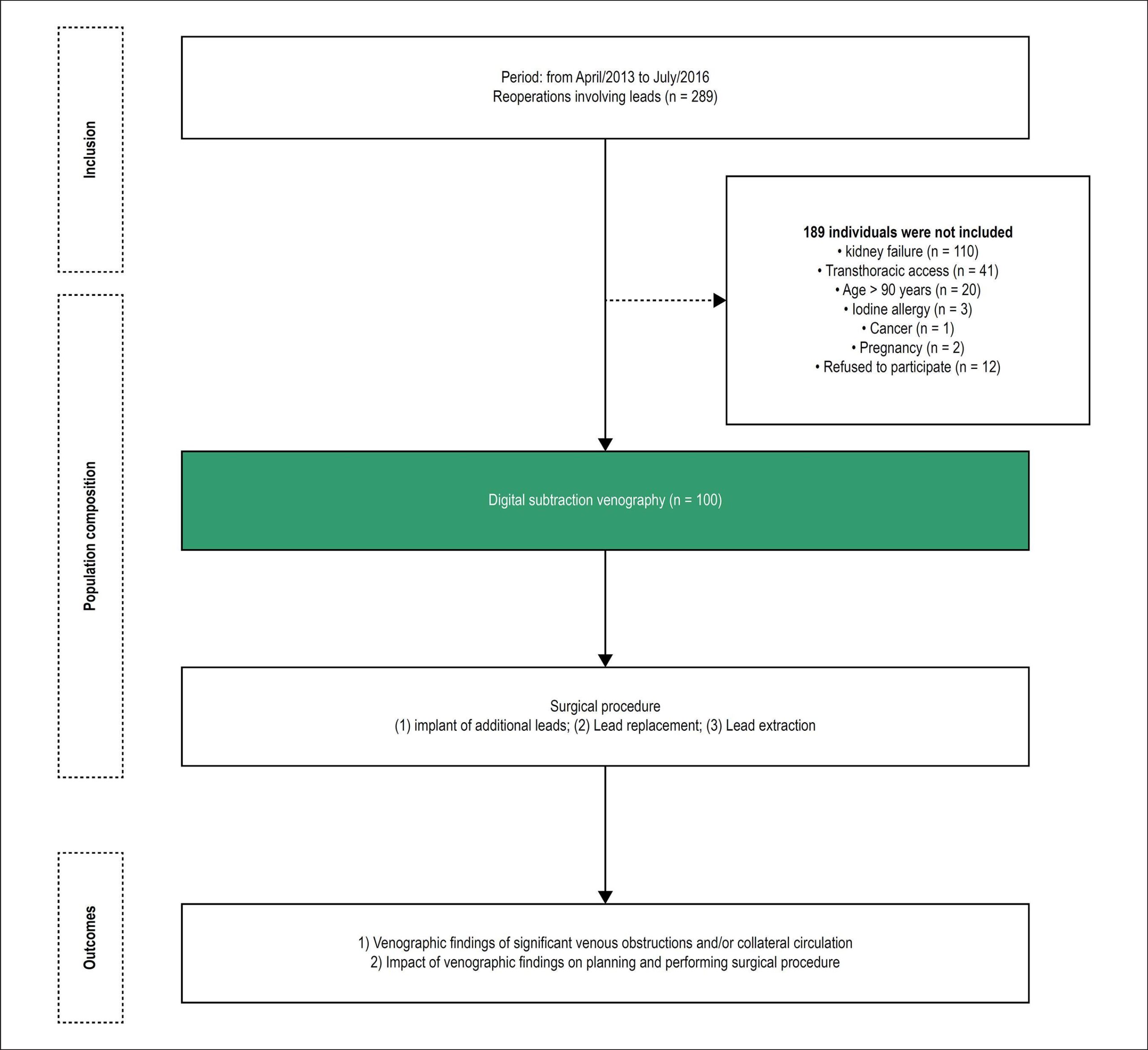
Usefulness of preoperative venography in patients with cardiac implantable electronic devices submitted to lead replacement or device upgrade procedures

Caio Marcos de Moraes Albertini et al. Katia Regina da Silva Joaquim Maurício da Motta Leal Filho Elizabeth Sartori Crevelari … Martino Martinelli Filho Francisco Cesar Carnevale Roberto Costa

Abstract

Background:

Venous obstructions are common in patients with transvenous cardiac implantable electronic devices, but they rarely cause immediate clinical problems. The main consequence of these lesions is the difficulty in obtaining venous access for additional leads implantation.

Objectives:

We aimed to assess the prevalence and predictor factors of venous lesions in patients referred to lead reoperations, and to define the role of preoperative venography in the planning of these procedures.

Methods:

From April 2013 to July 2016, contrast venography was performed in 100 patients referred to device upgrade, revision and lead extraction. Venous lesions were classified as non-significant (< 50%), moderate stenosis (51-70%), severe stenosis (71-99%) or occlusion (100%). Collateral circulation was classified as absent, discrete, moderate or accentuated. The surgical strategy was defined according to the result of the preoperative venography. Univariate analysis was used to investigate predictor factors related to the occurrence of these lesions, with 5% of significance level.

Results:

Moderate venous stenosis was observed in 23%, severe in 13% and occlusions in 11%. There were no significant differences in relation to the device side or the venous segment. The usefulness of the preoperative venography to define the operative tactic was proven, and in 99% of the cases, the established surgical strategy could be performed according to plan.

Conclusions:

The prevalence of venous obstruction is high in CIED recipients referred to reoperations. Venography is highly indicated as a preoperative examination for allowing the adequate surgical planning of procedures involving previous transvenous leads.

  • extraction of leads
  • Implantable Defibrillators
  • Pacemaker
  • Phlebography
  • Risk Factors
  • venous stenosis
Read Full Article
Creative Commons Attribution (CC BY) Creative Commons license
21/09/2018 DOI: 10.5935/abc.20180164 Views 1
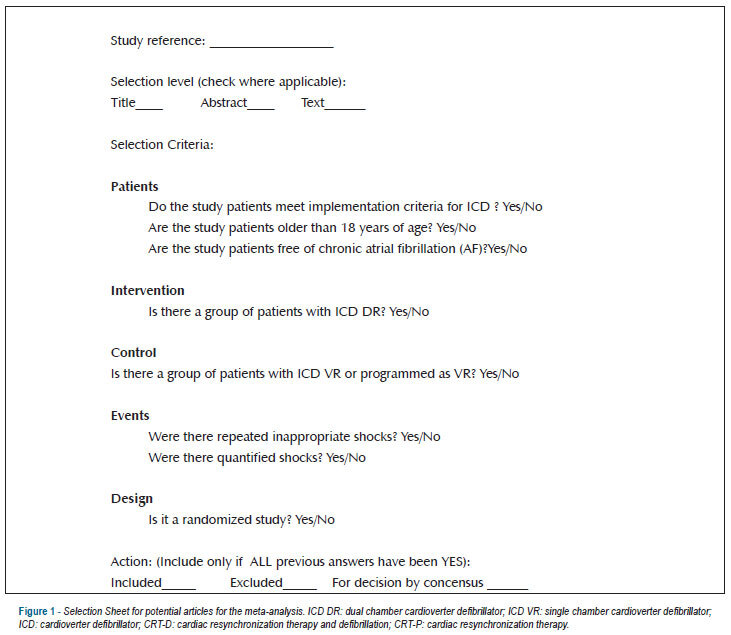
Inappropriate shocks in patients with icds: single chamber versus dual chamber
ABC
Artigo Original

Inappropriate shocks in patients with icds: single chamber versus dual chamber

Juliana Gonçalves et al. Telmo Pereira

BACKGROUND: Despite the technological evolution of the implantable defibrillator, one of the questions that remains is the possible benefit of the dual chamber versus single chamber implantable cardioverter defibrillator (ICD) in reducing inappropriate shocks. OBJECTIVE: To evaluate which type of device provides fewer inappropriate shocks (dual chamber versus single chamber) in patients with implantable cardioverter defibrillators (ICDs). METHODS: Meta-analysis of randomized studies published in the literature comparing dual-chamber implantable cardioverter defibrillators to single chamber devices which have been known to cause, as an evaluated endpoint, inappropriate shocks. RESULTS: The dual-chamber implantable cardioverter showed no benefit in reducing the number of inappropriate shocks. In fact, the opposite was shown. In the analysis of fixed effects, the association tended to favor single-chamber implantable cardioverter defibrillators (OR = 1.53, CI 95%: 0.91-2.57), despite the absence of statistical significance (p = 0.11). We highlight the heterogeneity observed in the results (I² = 53%), which motivated a replication of the analysis using a model of random effects. However, significant differences remained in the occurrence of inappropriate shocks in both groups (OR = 1.1, 95% CI: 0.37-3.31; p = 0.86). To complement the analysis, we proceeded to perform sensitivity analysis, which showed that the exclusion of a study resulted in the lowest heterogeneity observed (I²=24%) and the association with inappropriate shocks significantly favored the single chamber cardiodefibrillator (OR = 1.91; 95% CI: 1.09-3.37; p = 0.27). CONCLUSIONS: It was determined that there was no clear evidence of superiority of any of the devices evaluated.

  • Implantable Defibrillators
  • Meta-Analysis
  • Shock
Read Full Article
Creative Commons Attribution (CC BY) Creative Commons license
02/07/2013 DOI: 10.5935/abc.20130125 Views 2

How to cite this article

EndNote RIS

Electronic Document Format (Vancouver)

Montalvão R, Matias M, Trabulo M. Positron Emission Tomography Identification of Cardiovascular Implantable Electronic Device Infection. Arquivos Brasileiros de Cardiologia 2026;123(7):e20260030.

Electronic Document Format (ABNT)

Montalvão, Raquel; Matias, Margarida; Trabulo, Marisa. Positron Emission Tomography Identification of Cardiovascular Implantable Electronic Device Infection. Arquivos Brasileiros de Cardiologia, v. 123, n. 7, e20260030, Aug. 2026.

Electronic Document Format (APA)

Montalvão, R., Matias, M., & Trabulo, M. (2026). Positron Emission Tomography Identification of Cardiovascular Implantable Electronic Device Infection. Arquivos Brasileiros de Cardiologia, 123(7), e20260030.

Electronic Document Format (ISO)

Montalvão, Raquel and Matias, Margarida and Trabulo, Marisa. Positron Emission Tomography Identification of Cardiovascular Implantable Electronic Device Infection. Arquivos Brasileiros de Cardiologia [online]. 2026, vol. 123, n. 7, [cited 2026-10-14], e20260030. Available from: <https://journals.cardiol.br/en/article/positron-emission-tomography-identification-of-cardiovascular-implantable-electronic-device-infection/>. ISSN 0066-782X

EndNote RIS

Electronic Document Format (Vancouver)

Andrade FA. Survival with ICD in Heart Failure: Truly Necessary or Just a Selection Bias?. Arquivos Brasileiros de Cardiologia 2025;122(2):e20250142.

Electronic Document Format (ABNT)

Andrade, Fernanda Almeida. Survival with ICD in Heart Failure: Truly Necessary or Just a Selection Bias?. Arquivos Brasileiros de Cardiologia, v. 122, n. 2, e20250142, Apr. 2025.

Electronic Document Format (APA)

Andrade, F. A. (2025). Survival with ICD in Heart Failure: Truly Necessary or Just a Selection Bias?. Arquivos Brasileiros de Cardiologia, 122(2), e20250142.

Electronic Document Format (ISO)

Andrade, Fernanda Almeida. Survival with ICD in Heart Failure: Truly Necessary or Just a Selection Bias?. Arquivos Brasileiros de Cardiologia [online]. 2025, vol. 122, n. 2, [cited 2026-10-14], e20250142. Available from: <https://journals.cardiol.br/en/article/survival-with-icd-in-heart-failure-truly-necessary-or-just-a-selection-bias/>. ISSN 0066-782X

EndNote RIS

Electronic Document Format (Vancouver)

Başkurt AA, Güneri S, Yılancıoğlu RY, Turan OE, Özcan EE. Clinical Outcomes and Mortality in Patients with Implantable Cardioverter-Defibrillator for Primary Prevention. Arquivos Brasileiros de Cardiologia 2025;122(2):e20240348.

Electronic Document Format (ABNT)

Başkurt, Ahmet Anıl; Güneri, Sema; Yılancıoğlu, Reşit Yiğit; Turan, Oğuzhan Ekrem; Özcan, Emin Evren. Clinical Outcomes and Mortality in Patients with Implantable Cardioverter-Defibrillator for Primary Prevention. Arquivos Brasileiros de Cardiologia, v. 122, n. 2, e20240348, Feb. 2025.

Electronic Document Format (APA)

Başkurt, A. A., Güneri, S., Yılancıoğlu, R. Y., Turan, O. E., & Özcan, E. E. (2025). Clinical Outcomes and Mortality in Patients with Implantable Cardioverter-Defibrillator for Primary Prevention. Arquivos Brasileiros de Cardiologia, 122(2), e20240348.

Electronic Document Format (ISO)

Başkurt, Ahmet Anıl and Güneri, Sema and Yılancıoğlu, Reşit Yiğit and Turan, Oğuzhan Ekrem and Özcan, Emin Evren. Clinical Outcomes and Mortality in Patients with Implantable Cardioverter-Defibrillator for Primary Prevention. Arquivos Brasileiros de Cardiologia [online]. 2025, vol. 122, n. 2, [cited 2026-10-14], e20240348. Available from: <https://journals.cardiol.br/en/article/clinical-outcomes-and-mortality-in-patients-with-implantable-cardioverter-defibrillator-for-primary-prevention/>. ISSN 0066-782X

EndNote RIS

Electronic Document Format (Vancouver)

Carvalho WN, Viana TT, Figueiredo CS, Martins F, Passos LCS. Potentially Inappropriate Cardioverter Defibrillator Implants in Secondary Prevention of Death. Arquivos Brasileiros de Cardiologia 2024;121(10):e20220899.

Electronic Document Format (ABNT)

Carvalho, William Neves de; Viana, Tainá Teixeira; Figueiredo, Clara Salles; Martins, Fernanda; Passos, Luiz Carlos Santana. Potentially Inappropriate Cardioverter Defibrillator Implants in Secondary Prevention of Death. Arquivos Brasileiros de Cardiologia, v. 121, n. 10, e20220899, Nov. 2024.

Electronic Document Format (APA)

Carvalho, W. N. , Viana, T. T., Figueiredo, C. S., Martins, F., & Passos, L. C. S. (2024). Potentially Inappropriate Cardioverter Defibrillator Implants in Secondary Prevention of Death. Arquivos Brasileiros de Cardiologia, 121(10), e20220899.

Electronic Document Format (ISO)

Carvalho, William Neves de and Viana, Tainá Teixeira and Figueiredo, Clara Salles and Martins, Fernanda and Passos, Luiz Carlos Santana. Potentially Inappropriate Cardioverter Defibrillator Implants in Secondary Prevention of Death. Arquivos Brasileiros de Cardiologia [online]. 2024, vol. 121, n. 10, [cited 2026-10-14], e20220899. Available from: <https://journals.cardiol.br/en/article/potentially-inappropriate-cardioverter-defibrillator-implants-in-secondary-prevention-of-death/>. ISSN 0066-782X

EndNote RIS

Electronic Document Format (Vancouver)

Başkurt AA, Çolak A, Kumral Z, Yılancıoğlu RY, Dursun H, Turan OE, Özpelit E, et al. New Predictor of Ventricular Arrhythmia After Alcohol Septal Ablation: Preoperative Inferolateral Wall Thickness. ABC Imagem Cardiovascular 2024;37:e20240013.

Electronic Document Format (ABNT)

Başkurt, Ahmet Anıl; Çolak, Ayşe; Kumral, Zeynep; Yılancıoğlu, Reşit Yiğit; Dursun, Hüseyin; Turan, Oğuzhan Ekrem; Özpelit, Ebru; Özcan, Emin Evren; Badak, Özer; Göldeli, Özhan. New Predictor of Ventricular Arrhythmia After Alcohol Septal Ablation: Preoperative Inferolateral Wall Thickness. ABC Imagem Cardiovascular, v. 37, e20240013, Sep. 2024.

Electronic Document Format (APA)

Başkurt, A. A., Çolak, A., Kumral, Z., Yılancıoğlu, R. Y., Dursun, H., Turan, O. E., Özpelit, E., Özcan, E. E., Badak, , & Göldeli, (2024). New Predictor of Ventricular Arrhythmia After Alcohol Septal Ablation: Preoperative Inferolateral Wall Thickness. ABC Imagem Cardiovascular, 37, e20240013.

Electronic Document Format (ISO)

Başkurt, Ahmet Anıl and Çolak, Ayşe and Kumral, Zeynep and Yılancıoğlu, Reşit Yiğit and Dursun, Hüseyin and Turan, Oğuzhan Ekrem and Özpelit, Ebru and Özcan, Emin Evren and Badak, Özer and Göldeli, Özhan. New Predictor of Ventricular Arrhythmia After Alcohol Septal Ablation: Preoperative Inferolateral Wall Thickness. ABC Imagem Cardiovascular [online]. 2024, vol. 37, [cited 2026-10-14], e20240013. Available from: <https://journals.cardiol.br/en/article/new-predictor-of-ventricular-arrhythmia-after-alcohol-septal-ablation-preoperative-inferolateral-wall-thickness/>. ISSN 2318-8219

EndNote RIS

Electronic Document Format (Vancouver)

Carvalho W, Passos LCS, Viana TT, Santana GP, Barros-Pereira JP, Tapioca FPM, Cafezeiro CRF, et al. De Novo Versus Upgrade Cardiac Resynchronization Therapy in Patients with Heart Failure: A Cohort Study. ABC Heart Fail Cardiomyop 2024;4(2):e20240008.

Electronic Document Format (ABNT)

Carvalho, William; Passos, Luíz Carlos Santana; Viana, Tainá Teixeira; Santana, Gustavo Pinheiro; Barros-Pereira, Jackson Pedro; Tapioca, Fernanda Pinheiro Martin; Cafezeiro, Caio Rebouças Fonseca. De Novo Versus Upgrade Cardiac Resynchronization Therapy in Patients with Heart Failure: A Cohort Study. ABC Heart Fail Cardiomyop, v. 4, n. 2, e20240008, Nov. 2023.

Electronic Document Format (APA)

Carvalho, W., Passos, L. C. S., Viana, T. T., Santana, G. P., Barros-Pereira, J. P., Tapioca, F. P. M., & Cafezeiro, C. R. F. (2024). De Novo Versus Upgrade Cardiac Resynchronization Therapy in Patients with Heart Failure: A Cohort Study. ABC Heart Fail Cardiomyop, 4(2), e20240008.

Electronic Document Format (ISO)

Carvalho, William and Passos, Luíz Carlos Santana and Viana, Tainá Teixeira and Santana, Gustavo Pinheiro and Barros-Pereira, Jackson Pedro and Tapioca, Fernanda Pinheiro Martin and Cafezeiro, Caio Rebouças Fonseca. De Novo Versus Upgrade Cardiac Resynchronization Therapy in Patients with Heart Failure: A Cohort Study. ABC Heart Fail Cardiomyop [online]. 2024, vol. 4, n. 2, [cited 2026-10-14], e20240008. Available from: <https://journals.cardiol.br/en/article/de-novo-versus-upgrade-cardiac-resynchronization-therapy-in-patients-with-heart-failure-a-cohort-study/>

EndNote RIS

Electronic Document Format (Vancouver)

Pereira FTM, Rocha EA, Gondim DSP, Almeida RLF, Pires Neto RJ. Predictors of Appropriate Therapies and Death in Patients with Implantable Cardioverter-Defibrillator and Chronic Chagas Heart Disease. Arquivos Brasileiros de Cardiologia 2024;121(6):e20230337.

Electronic Document Format (ABNT)

Pereira, Francisca Tatiana Moreira; Rocha, Eduardo Arrais; Gondim, Davi Sales Pereira; Almeida, Rosa Livia Freitas de; Pires Neto, Roberto da Justa. Predictors of Appropriate Therapies and Death in Patients with Implantable Cardioverter-Defibrillator and Chronic Chagas Heart Disease. Arquivos Brasileiros de Cardiologia, v. 121, n. 6, e20230337, Aug. 2024.

Electronic Document Format (APA)

Pereira, F. T. M., Rocha, E. A., Gondim, D. S. P., Almeida, R. L. F. , & Pires Neto, R. J. (2024). Predictors of Appropriate Therapies and Death in Patients with Implantable Cardioverter-Defibrillator and Chronic Chagas Heart Disease. Arquivos Brasileiros de Cardiologia, 121(6), e20230337.

Electronic Document Format (ISO)

Pereira, Francisca Tatiana Moreira and Rocha, Eduardo Arrais and Gondim, Davi Sales Pereira and Almeida, Rosa Livia Freitas de and Pires Neto, Roberto da Justa. Predictors of Appropriate Therapies and Death in Patients with Implantable Cardioverter-Defibrillator and Chronic Chagas Heart Disease. Arquivos Brasileiros de Cardiologia [online]. 2024, vol. 121, n. 6, [cited 2026-10-14], e20230337. Available from: <https://journals.cardiol.br/en/article/predictors-of-appropriate-therapies-and-death-in-patients-with-implantable-cardioverter-defibrillator-and-chronic-chagas-heart-disease/>. ISSN 0066-782X

EndNote RIS

Electronic Document Format (Vancouver)

Silva LA, Silva KR, Saucedo SCM, Costa R. Predictors of Quality of Life, Anxiety and Acceptance in Patients with Implantable Cardioverter-Defibrillator. Arquivos Brasileiros de Cardiologia 2024;121(4):e20230590.

Electronic Document Format (ABNT)

Silva, Laisa Arruda; Silva, Katia Regina; Saucedo, Sarah Caroline Martins; Costa, Roberto. Predictors of Quality of Life, Anxiety and Acceptance in Patients with Implantable Cardioverter-Defibrillator. Arquivos Brasileiros de Cardiologia, v. 121, n. 4, e20230590, Apr. 2024.

Electronic Document Format (APA)

Silva, L. A., Silva, K. R., Saucedo, S. C. M., & Costa, R. (2024). Predictors of Quality of Life, Anxiety and Acceptance in Patients with Implantable Cardioverter-Defibrillator. Arquivos Brasileiros de Cardiologia, 121(4), e20230590.

Electronic Document Format (ISO)

Silva, Laisa Arruda and Silva, Katia Regina and Saucedo, Sarah Caroline Martins and Costa, Roberto. Predictors of Quality of Life, Anxiety and Acceptance in Patients with Implantable Cardioverter-Defibrillator. Arquivos Brasileiros de Cardiologia [online]. 2024, vol. 121, n. 4, [cited 2026-10-14], e20230590. Available from: <https://journals.cardiol.br/en/article/predictors-of-quality-of-life-anxiety-and-acceptance-in-patients-with-implantable-cardioverter-defibrillator/>. ISSN 0066-782X

EndNote RIS

Electronic Document Format (Vancouver)

Filippini FB, Ribeiro HB, Bocchi E, Bacal F, Marcondes-Braga FG, Avila MS, Sturmer JD, et al. Percutaneous Strategies in Structural Heart Diseases: Focus on Chronic Heart Failure. Arquivos Brasileiros de Cardiologia 2023;120(11):e20220496.

Electronic Document Format (ABNT)

Filippini, Filippe Barcellos; Ribeiro, Henrique Barbosa; Bocchi, Edimar; Bacal, Fernando; Marcondes-Braga, Fabiana G.; Avila, Monica S.; Sturmer, Janine Daiana; Marchi, Mauricio Felippi de Sá; Kanhouche, Gabriel; Freire, Antônio Fernando; Cassar, Renata; Abizaid, Alexandre A.; Brito Jr, Fábio Sândoli de. Percutaneous Strategies in Structural Heart Diseases: Focus on Chronic Heart Failure. Arquivos Brasileiros de Cardiologia, v. 120, n. 11, e20220496, Dec. 2023.

Electronic Document Format (APA)

Filippini, F. B., Ribeiro, H. B., Bocchi, E., Bacal, F., Marcondes-Braga, F. G., Avila, M. S., Sturmer, J. D., Marchi, M. F. S., Kanhouche, G., Freire, A. F., Cassar, R., Abizaid, A. A., & Brito Jr, F. S. (2023). Percutaneous Strategies in Structural Heart Diseases: Focus on Chronic Heart Failure. Arquivos Brasileiros de Cardiologia, 120(11), e20220496.

Electronic Document Format (ISO)

Filippini, Filippe Barcellos and Ribeiro, Henrique Barbosa and Bocchi, Edimar and Bacal, Fernando and Marcondes-Braga, Fabiana G. and Avila, Monica S. and Sturmer, Janine Daiana and Marchi, Mauricio Felippi de Sá and Kanhouche, Gabriel and Freire, Antônio Fernando and Cassar, Renata and Abizaid, Alexandre A. and Brito Jr, Fábio Sândoli de. Percutaneous Strategies in Structural Heart Diseases: Focus on Chronic Heart Failure. Arquivos Brasileiros de Cardiologia [online]. 2023, vol. 120, n. 11, [cited 2026-10-14], e20220496. Available from: <https://journals.cardiol.br/en/article/percutaneous-strategies-in-structural-heart-diseases-focus-on-chronic-heart-failure/>. ISSN 0066-782X

EndNote RIS

Electronic Document Format (Vancouver)

Albertini CMM, Silva KR, Leal Filho JMM, Crevelari ES, Martinelli Filho M, Carnevale FC, Costa R, et al. Usefulness of preoperative venography in patients with cardiac implantable electronic devices submitted to lead replacement or device upgrade procedures. Arquivos Brasileiros de Cardiologia 2018;111(5):686-9.

Electronic Document Format (ABNT)

Albertini, Caio Marcos de Moraes; Silva, Katia Regina da; Leal Filho, Joaquim Maurício da Motta; Crevelari, Elizabeth Sartori; Martinelli Filho, Martino; Carnevale, Francisco Cesar; Costa, Roberto. Usefulness of preoperative venography in patients with cardiac implantable electronic devices submitted to lead replacement or device upgrade procedures. Arquivos Brasileiros de Cardiologia, v. 111, n. 5, p. 686-696, Sep. 2018.

Electronic Document Format (APA)

Albertini, C. M. M., Silva, K. R. , Leal Filho, J. M. M., Crevelari, E. S., Martinelli Filho, M., Carnevale, F. C., & Costa, R. (2018). Usefulness of preoperative venography in patients with cardiac implantable electronic devices submitted to lead replacement or device upgrade procedures. Arquivos Brasileiros de Cardiologia, 111(5), 686-696.

Electronic Document Format (ISO)

Albertini, Caio Marcos de Moraes and Silva, Katia Regina da and Leal Filho, Joaquim Maurício da Motta and Crevelari, Elizabeth Sartori and Martinelli Filho, Martino and Carnevale, Francisco Cesar and Costa, Roberto. Usefulness of preoperative venography in patients with cardiac implantable electronic devices submitted to lead replacement or device upgrade procedures. Arquivos Brasileiros de Cardiologia [online]. 2018, vol. 111, n. 5, [cited 2026-10-14], pp. 686-696. Available from: <https://journals.cardiol.br/en/article/usefulness-of-preoperative-venography-in-patients-with-cardiac-implantable-electronic-devices-submitted-to-lead-replacement-or-device-upgrade-procedures/>. ISSN 0066-782X

EndNote RIS

Electronic Document Format (Vancouver)

Gonçalves J, Pereira T. Inappropriate shocks in patients with icds: single chamber versus dual chamber. Arquivos Brasileiros de Cardiologia 2013;101(2):141-8.

Electronic Document Format (ABNT)

Gonçalves, Juliana; Pereira, Telmo. Inappropriate shocks in patients with icds: single chamber versus dual chamber. Arquivos Brasileiros de Cardiologia, v. 101, n. 2, p. 141-148, Jul. 2013.

Electronic Document Format (APA)

Gonçalves, J., & Pereira, T. (2013). Inappropriate shocks in patients with icds: single chamber versus dual chamber. Arquivos Brasileiros de Cardiologia, 101(2), 141-148.

Electronic Document Format (ISO)

Gonçalves, Juliana and Pereira, Telmo. Inappropriate shocks in patients with icds: single chamber versus dual chamber. Arquivos Brasileiros de Cardiologia [online]. 2013, vol. 101, n. 2, [cited 2026-10-14], pp. 141-148. Available from: <https://journals.cardiol.br/en/article/inappropriate-shocks-in-patients-with-icds-single-chamber-versus-dual-chamber/>. ISSN 0066-782X

  • About ABC Family
  • Internal Regulation
  • Editorial Board
  • Brazilian Society of Cardiology (SBC)

Issues

SBC Guidelines

  • Videos
  • Podcasts
  • News