
ABC Family Arquivos Brasileiros de Cardiologia International Journal of Cardiovascular Sciences ABC Heart Failure & Cardiomyopathy ABC Imagem Cardiovascular
Português English
ABC Family
Português English
  • About
    • About ABC Family
    • Internal Regulation
    • Editorial Board
    • Brazilian Society of Cardiology (SBC)
  • Issues
  • SBC Guidelines
  • Content
    • Videos
    • Podcasts
    • News
  • About
    • About ABC Family
    • Internal Regulation
    • Editorial Board
    • Brazilian Society of Cardiology (SBC)
  • Issues
  • SBC Guidelines
  • Content
    • Videos
    • Podcasts
    • News

ABC Family

  • ABC Family
  • Arquivos Brasileiros de Cardiologia
  • International Journal of Cardiovascular Sciences
  • ABC Heart Failure & Cardiomyopathy
  • ABC Imagem Cardiovascular
Search in

No content found.

Journals
Ordering
Article types
Others

  1. Home
  2. Keyword: Breast Neoplasms
Figure 1
IJCS
Editorial

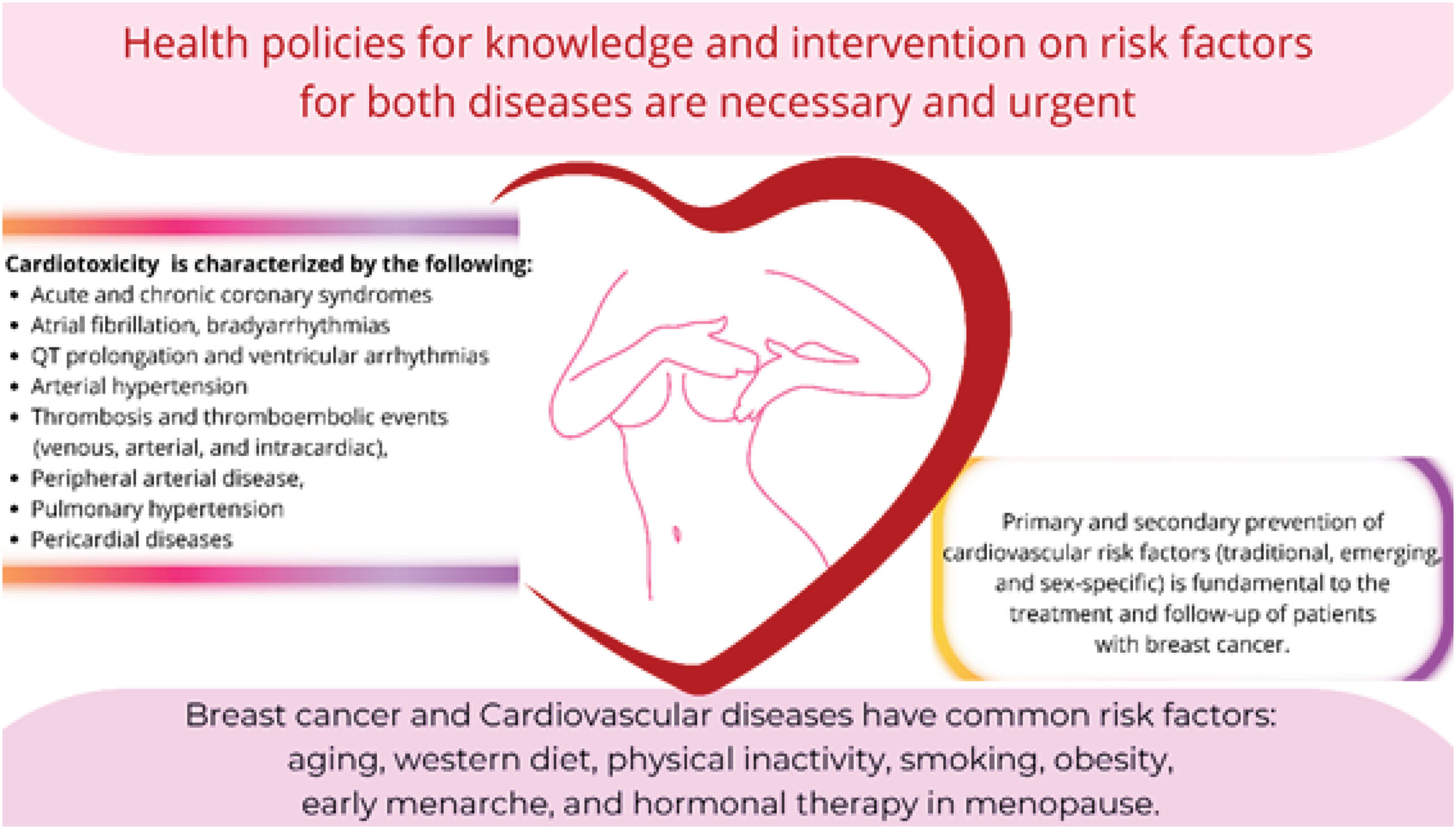
Breast Cancer, Cardiotoxicity and Cardiovascular Disease Prevention: Where Are We in this Knowledge?

Maria Alayde Mendonça Rivera et al. Ivan Romero Rivera Glaucia Maria Moraes de Oliveira

In recent decades, significant advances have been made in the early detection and treatment of different types of cancer, which have led to a significant worldwide increase in the number of survivors of this group of diseases, with estimates that two-thirds of all survivors would be 65 years old or older in 2020.

There are currently more than 32 million cancer survivors worldwide and this number is expected to continue growing, due to efficient screening for the disease and increased patient life expectancy after definitive treatment, as well as increased life expectancy of populations, which increases the incidence of numerous neoplasms and is currently around 73.4 years worldwide for both sexes (70.8 years for men and 76 years for women).

[…]

  • Breast Neoplasms
  • Cardiovascular Diseases
  • Review
Read Full Article
Creative Commons Attribution (CC BY) Creative Commons license
26/04/2024 DOI: 10.36660/ijcs.20240017 Views 1
Cardiovascular Disease in Women With Breast Cancer: A Contemporary Review
IJCS
Review Article

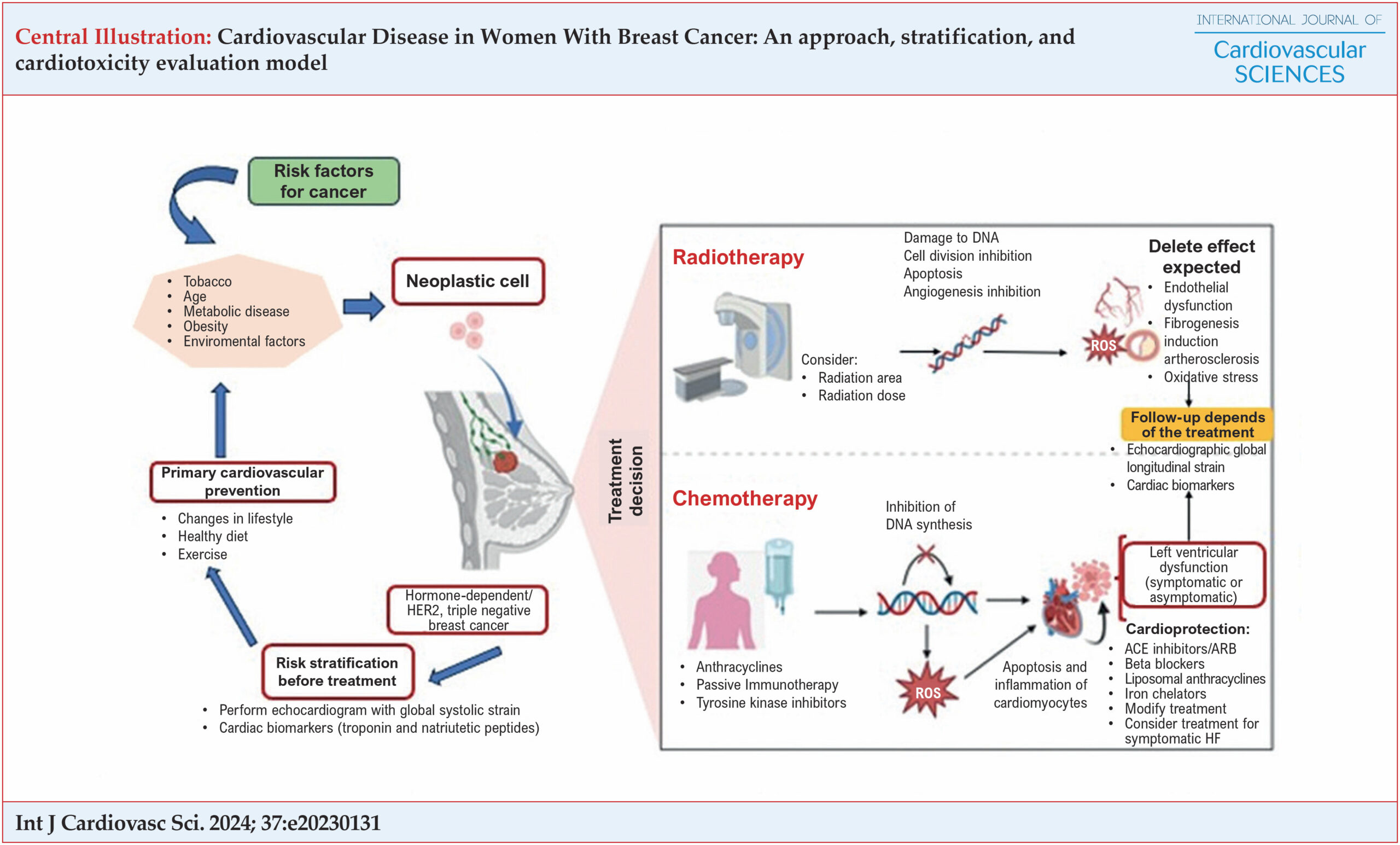
Cardiovascular Disease in Women With Breast Cancer: A Contemporary Review

Adriana Puente Barragán et al. Patricia Nuriulú Escobar Alejandra Madrid Miller Luis Antonio Moreno Ruiz

Abstract

Breast cancer (BC) is the most common malignant neoplasia in women and is responsible for one in six deaths from cancer in the female population. Five years after diagnosis, BC survival rates currently exceed 80%. Cardiovascular disease (CVD) is a frequent cause of morbidity and mortality in BC, mainly in patients receiving cardiotoxic drugs (anthracyclines, immunotherapy) and radiotherapy (RT).

CVD and BC have common risk factors (RF), which are related to aging, traditional and cardiometabolic RFs (obesity, dyslipidemia, consumption of alcoholic beverages), and others associated with sex and reproductive women’s age, such as early menarche, late menopause, nulliparity, use of oral contraceptives, as well as hormone replacement therapy in postmenopause.

Risk stratification and the promotion of an ideal state of cardiovascular (CV) health are fundamental in preventing CVD in survivors. Therapeutic management and follow-up of patients with BC require a multidisciplinary team to reduce complications and mortality of CV origin.

  • Breast Neoplasms
  • Cardiotoxicity
  • Cardiovascular Diseases
  • Women
Read Full Article
Creative Commons Attribution (CC BY) Creative Commons license
12/02/2024 DOI: 10.36660/ijcs.20230131 Views 1
New Cardiovascular Biomarkers in Breast Cancer Patients Undergoing Doxorubicin-Based Chemotherapy
ABC
Original Article

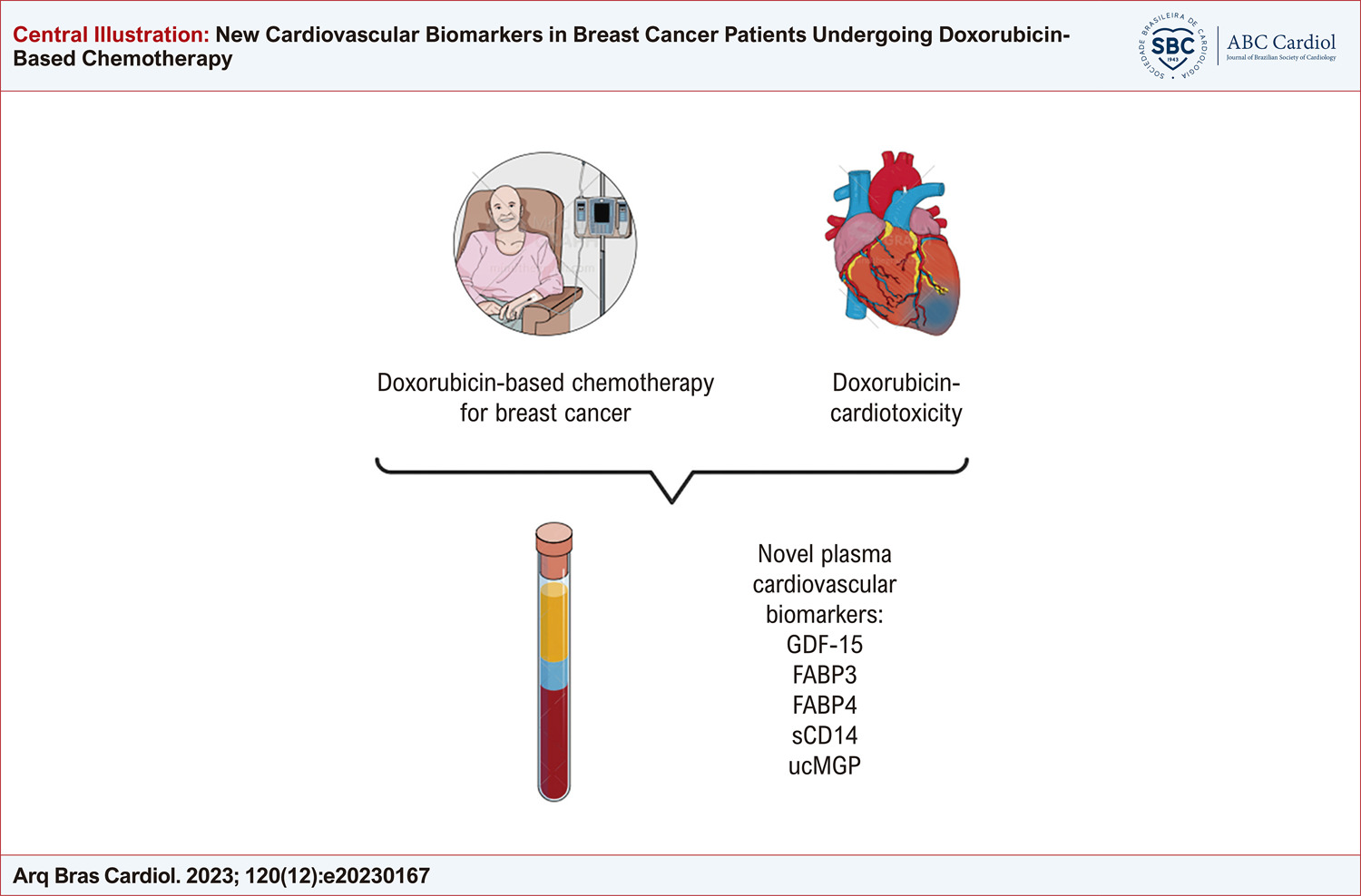
New Cardiovascular Biomarkers in Breast Cancer Patients Undergoing Doxorubicin-Based Chemotherapy

Rodrigo Mendonça Cardoso Pestana et al. Júnea Paolucci Paiva Silvino Angélica Navarro de Oliveira Cintia Esteves Soares … Adriano de Paula Sabino Ricardo Simões Karina Braga Gomes

Abstract

Background

Cardiovascular diseases (CVDs) are relevant to the management of breast cancer treatment since a substantial number of patients develop these complications after chemotherapy.

Objective

This study aims to evaluate new cardiovascular biomarkers, namely CXCL-16 (C-X-C motif ligand 16), FABP3 (fatty acid binding protein 3), FABP4 (fatty acid binding protein 4), LIGHT (tumor necrosis factor superfamily member 14/TNFS14), GDF-15 (Growth/differentiation factor 15), sCD4 (soluble form of CD14), and ucMGP (uncarboxylated Matrix Gla-Protein) in breast cancer patients treated with doxorubicin (DOXO).

Methods

This case-control study was conducted in an oncology clinic that included 34 women diagnosed with breast cancer and chemotherapy with DOXO and 34 control women without cancer and CVD. The markers were determined immediately after the last cycle of chemotherapy. The statistical significance level adopted was 5%.

Results

The breast cancer group presented higher levels of GDF-15 (p<0.001), while control subjects had higher levels of FABP3 (p=0.038), FABP4 (p=0003), sCD14, and ucMGP (p<0.001 for both). Positive correlations were observed between FABPs and BMI in the cancer group.

Conclusion

GDF15 is an emerging biomarker with potential clinical applicability in this scenario. FABPs are proteins related to adiposity, which are potentially involved in breast cancer biology. sCD14 and ucMGP engage in inflammatory and vascular calcification. The evaluation of these novel cardiovascular biomarkers could be useful in the management of breast cancer chemotherapy with DOXO.

  • Biomarkers
  • Breast Neoplasms
  • Cardiovascular Diseases
  • Doxorubicin
Read Full Article
Creative Commons Attribution (CC BY) Creative Commons license
05/01/2024 DOI: 10.36660/abc.20230167
Figure 1
ABCIC
Case Report

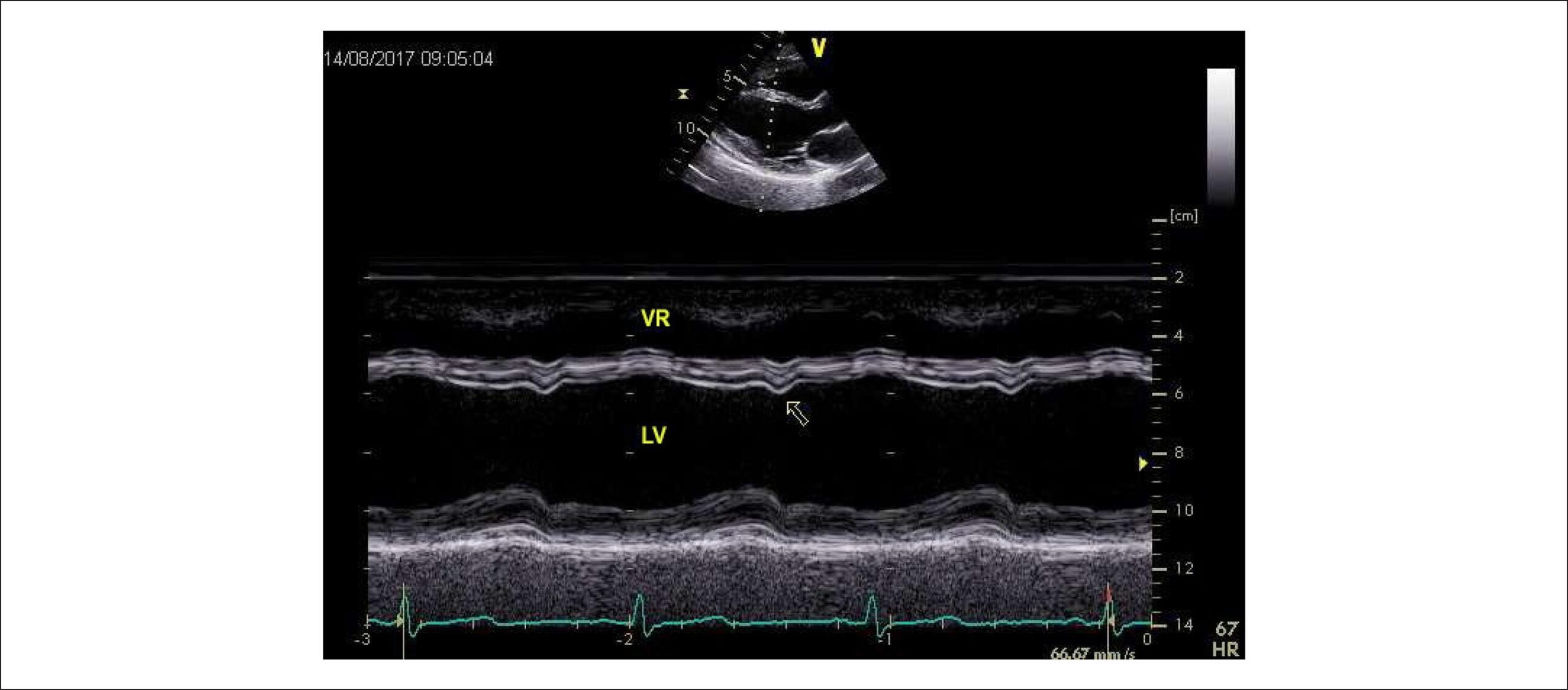
Cardiac Tamponade: Initial Clinical Presentation of Fibrosing Mediastinitis

Aluísio José de O. Monteiro Neto et al. Vitor Medeiros Delgado Filipe Melo A. Leite Álvaro Braga Dutra Marcelo Dantas Tavares de Melo

Introduction

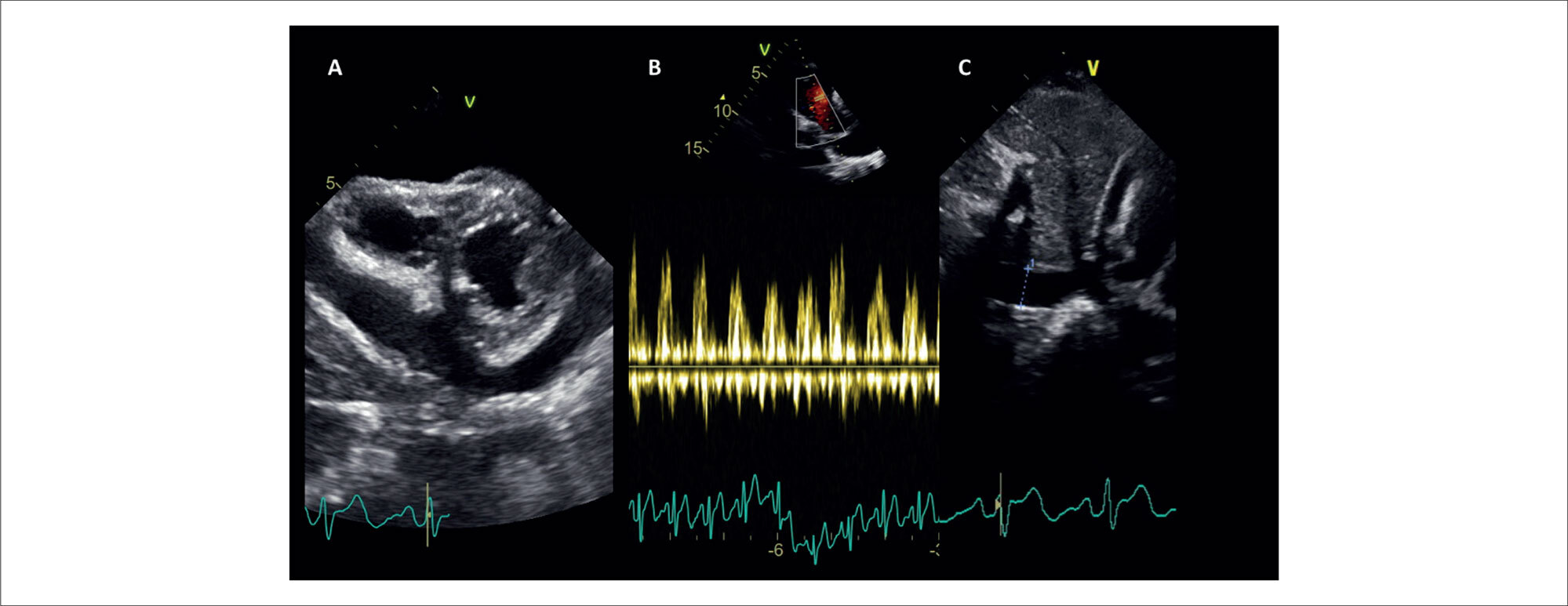
Fibrosing mediastinitis (FM) is a rare condition characterized by the proliferation of fibrotic tissue in the mediastinum, presenting as a concentrated mass or diffuse infiltration., Clinical conditions can range from benignity to obstruction of critical mediastinal structures, such as vessels, airways, and the esophagus. Common complaints are cough, dyspnea, recurrent pulmonary infection, hemoptysis, and pleuritic pain. Pericardial involvement is not frequently reported in the literature. In this article, we describe a rare case of major pericardial effusion with cardiac tamponade as an initial presentation of FM in a patient with cancer.

[…]

  • Breast Neoplasms
  • Cardiac Tamponade
  • Mediastinitis
Read Full Article
Creative Commons Attribution (CC BY) Creative Commons license
02/10/2023 DOI: 10.36660/abcimg.20230038i
Figure 1
ABC
Review Article

The Benefits of Exercise in Breast Cancer

Milena dos Santos Barros Campos et al. Roberta Helena Fernandes Feitosa Carolina Christianini Mizzaci Maria do Rosário Toscano von Flach … Betty Janny Maia Siqueira Luiz Eduardo Mastrocola

Abstract

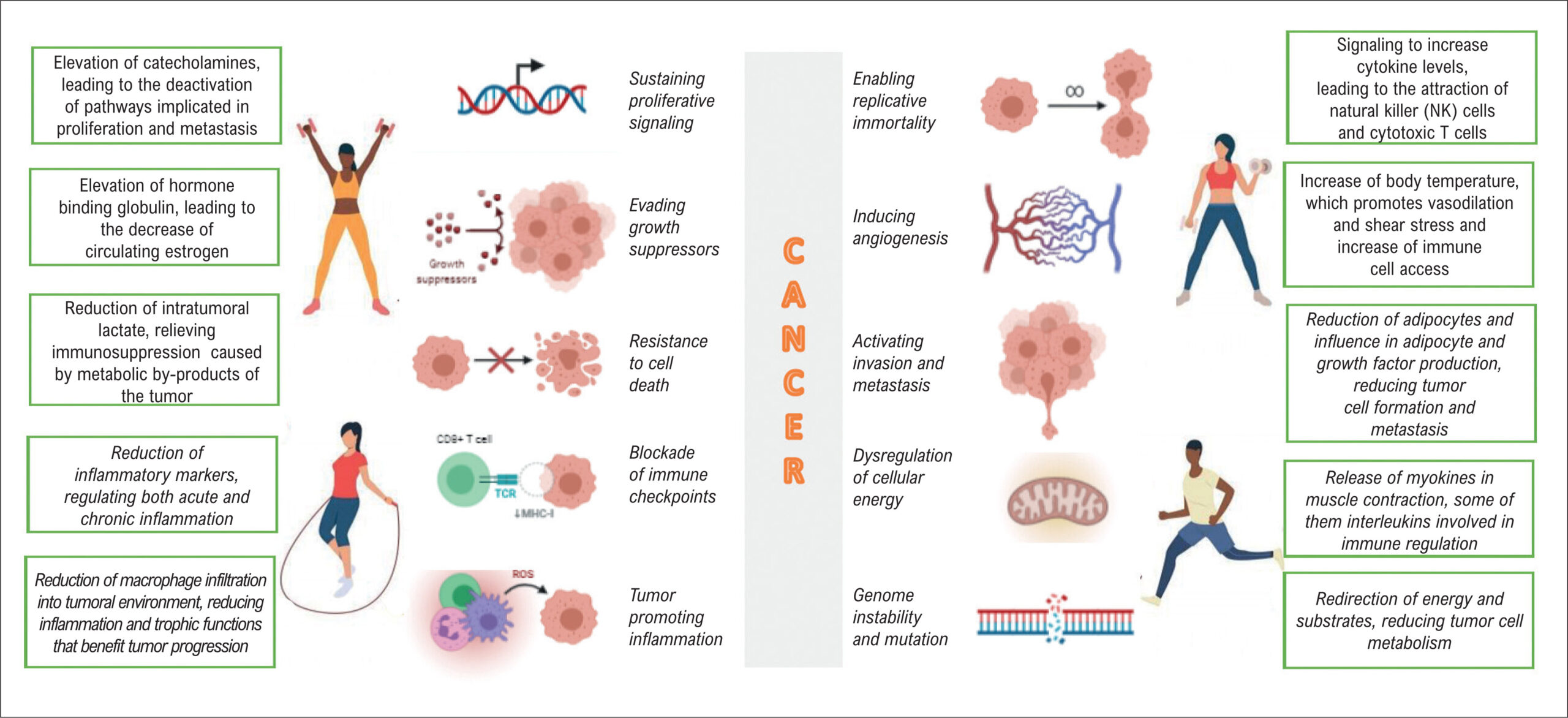
Breast cancer is the most prevalent cancer among women, accounting for nearly 30% of all cancers, while in men, it represents only 1% of cases. Breast cancer is the main cause of death for cancer, and its incidence and mortality vary according to patients’ ethnicity, geographic region, and socioeconomic status. Due to the low prevalence of breast cancer among men and the scarcity of studies in the literature, exercises have been prescribed based on extrapolations from studies on female patients. Scientific evidence has suggested beneficial effects of physical exercises on breast cancer prevention, treatment, and post-treatment. In addition to combatting sedentary behavior, it is essential to maintain a healthy body weight, limit alcohol consumption, and follow a balanced diet, rich in fruit, vegetables, grains and fibers, and limited in red meat. The effects of exercises are not restricted to breast cancer, but extend to controlling modifiable risk factors, and reducing the incidence of cardiovascular diseases, and all-cause and cardiovascular mortality.

  • Breast Neoplasms
  • Diet, Healthy
  • Exercise
  • Exercise Movement Techniques
Read Full Article
Creative Commons Attribution (CC BY) Creative Commons license
19/12/2022 DOI: 10.36660/abc.20220086 Views 1
Figure 1
ABCIC
Original Article

Early Diastolic Dysfunction in Breast Cancer Patients Undergoing Chemotherapy

Geanne Maria Holanda de Menezes Barroso et al. Paulo Victor de Jesus Silva Júlio César Oliveira Costa Teles Vinícius Antônio Santos Aragão … Karin Yasmin Santos Fonsêca Marília Marques Aquino Ullany Maria Lima Amorim Coelho de Albuquerque Enaldo Vieira de Melo Antônio Carlos Sobral Sousa Joselina Luzia Menezes Oliveira

Abstract

Background

Chemotherapy for breast cancer is associated with serious cardiovascular complications such as heart failure. The left ventricular ejection fraction is the main parameter used to assess systolic function in these patients. However, the occurrence of diastolic dysfunction may precede that of systolic dysfunction.

Objectives

To evaluate left ventricle diastolic and systolic functions in women with breast cancer undergoing chemotherapy using anthracyclines.

Methods

This observational, longitudinal, analytical, and prospective study included 62 women with breast cancer aged 21–75 years old who underwent echocardiography at baseline and after three months of treatment. Diastolic function parameters were evaluated, and the patients were classified as diastolic dysfunction type 1, 2, or 3. Systolic dysfunction was defined as a left ventricular ejection fraction ≤ 53%.

Results

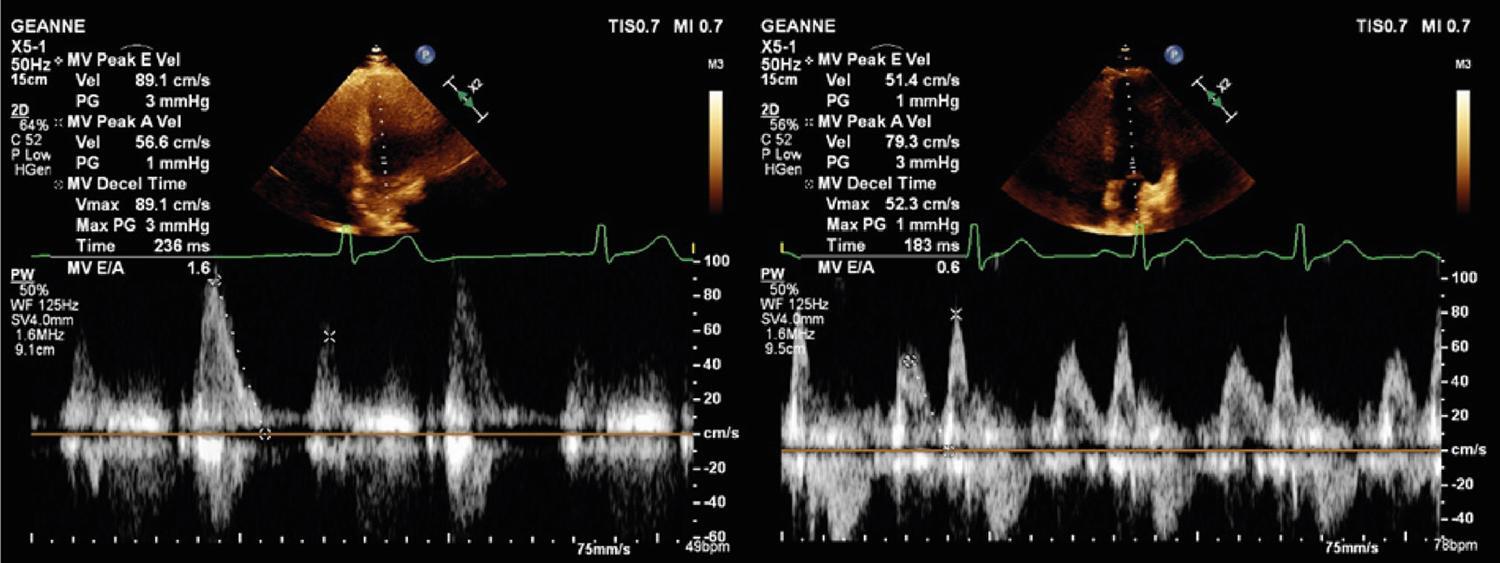
After three months of treatment, 35 patients (56.4%) had type 1 diastolic dysfunction, while one (1.6%) had type 2. Diastolic dysfunction was identified in 26 patients at baseline and developed in 10 patients during treatment. Diastolic function parameters, E wave velocity, and E/A ratio decreased significantly (p < 0.05) with chemotherapy; however, the others showed no significant variations. Only three patients had systolic dysfunction, but there was a greater reduction in left ventricular ejection fraction in the group that developed diastolic dysfunction during treatment versus the group with diastolic dysfunction at baseline (p = 0.04).

Conclusion

Diastolic dysfunction occurs early in women with breast cancer undergoing chemotherapy. Its onset during the course of treatment is associated with a significantly reduced left ventricular ejection fraction.

  • Breast Neoplasms
  • Cardiotoxicity
  • Echocardiography
  • Ventricular Dysfunction
Read Full Article
Creative Commons Attribution (CC BY) Creative Commons license
25/03/2022 DOI: 10.47593/2675-312X/20213404eabc215 Views 2
ABCIC
Case Report

Large Pericardial Effusion and Breast Neoplasia — Case Report

Milton de J. Lago Miranda et al. Priscila Gonçalves Muniz Rômulo Fonseca de Moraes

[…]

  • Breast Neoplasms
  • Cardiac Tamponade
  • Neoplasm Metastasis
  • Pericardial Effusion
Read Full Article
Creative Commons Attribution (CC BY) Creative Commons license
04/02/2022 DOI: 10.5935/2318-8219.20170024
Figure 1
IJCS
Original Article

Subclinical Systolic Dysfunction during Chemotherapy for Breast Cancer

Geanne Maria Holanda de Menezes Barroso et al. Júlio César Oliveira Costa Teles Paulo Victor de Jesus Silva Karin Yasmin Santos Fonseca … Vinícius Antônio Santos Aragão Marília Marques Aquino Enaldo Vieira de Melo Karina Oliveira Ferreira Ronnei José Feitosa de Assis Michel Fabiano Silva Alves Antônio Carlos Sobral Sousa Joselina Luzia Menezes Oliveira

Abstract

Background

Cardiotoxicity is the main complication related to cancer therapy. Studies indicate that global longitudinal strain is an early detector of subclinical dysfunction of the left ventricle, preceding the decline in ejection fraction (EF). However, the reproducibility of such methodology has not been tested outside specialized centers.

Objectives

To assess the frequency of subclinical cardiotoxicity and to compare global longitudinal strain and EF measurements during the clinical course of patients undergoing chemotherapy for breast cancer.

Methods

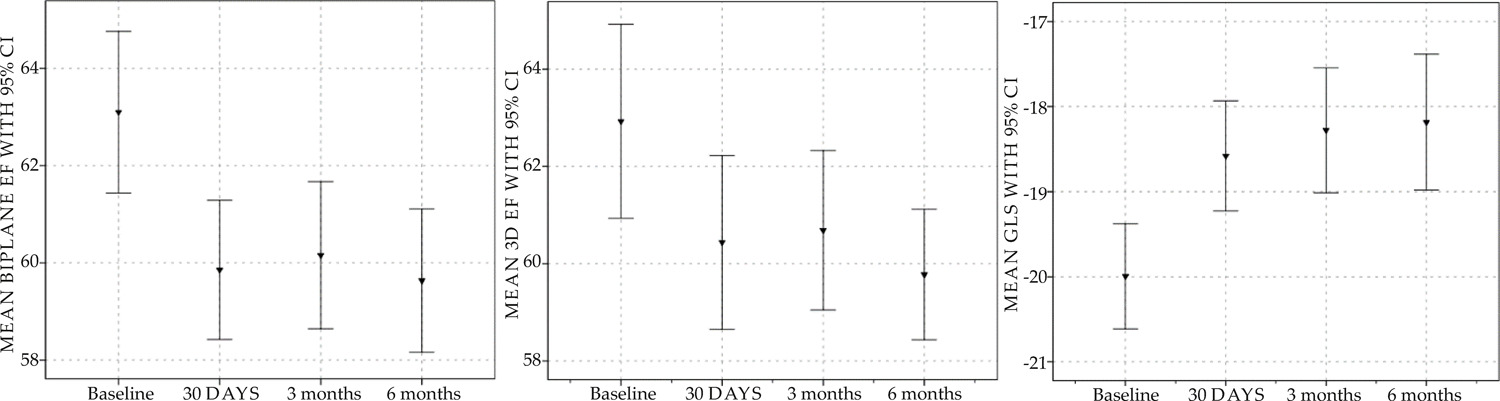
This was an observational prospective study of 78 adult women who underwent serial echocardiograms (baseline and 1, 3, and 6 months after the beginning of chemotherapy), to evaluate biplane and 3D EF and global longitudinal strain. Cardiotoxicity and subclinical dysfunction were defined according to American Society of Echocardiography/European Association of Cardiovascular Imaging criteria. Statistical significance was set at p < 0.05.

Results

The mean age of the patients was 50.1 ± 11.48 years. The frequency of subclinical cardiotoxicity (defined by global longitudinal strain) was 14.9% after 30 days of chemotherapy, 16.7% after 3 months, and 19.7% after 6 months, compared to 4.5%, 3%, and 6.6%, respectively, when clinical cardiotoxicity was determined according to EF. The group that developed subclinical cardiotoxicity by 30 days (group A) had a higher frequency of clinical cardiotoxicity at 3 months (p=0.028) and a lower mean biplane EF after 30 days (p= 0.036) than the group that showed no evidence of subclinical cardiotoxicity (group B).

Conclusion

Subclinical cardiotoxicity was frequent and began early, being associated with a drop in EF during the clinical course.

  • Breast Neoplasms
  • Drug Therapy
  • Echocardiography/methods
  • Strain
  • Ventricular Dysfunction
Read Full Article
Creative Commons Attribution (CC BY) Creative Commons license
13/12/2021 DOI: 10.36660/ijcs.20210089
Metabolic Syndrome and Risk of Cardiovascular Diseases in Female Breast Cancer Survivors
IJCS
Original Article

Metabolic Syndrome and Risk of Cardiovascular Diseases in Female Breast Cancer Survivors

Leandro Marque da Silva et al. José Albuquerque de Figueiredo Neto

Abstract

Background

The implementation of intensive therapy protocols increases the probability of adverse events in patients with breast cancer (BC). Components of metabolic syndrome (MS) are among these events.

Objective

To verify the prevalence of MS and cardiovascular disease (CVD) risk in female BC survivors.

Materials and Methods

This is a descriptive, observational, cross-sectional study. Our sample comprised 60 women without BC (G1) and 60 women who had survived BC (G2). We collected sociodemographic, anthropometric, tumor, and clinical data. After variable analysis, the participants received positive or negative MS diagnoses and a 10-year CVD risk stratification. The significance level adopted for the analyses was 5% ( p < 0.05) and the confidence interval (CI) was 95%. For comparing categorical data, we used the chi-squared, Fisher’s exact, or G tests; for comparing continuous data, we used the parametric Student’s t-test and the non-parametric Mann-Whitney test.

Results

Both groups presented overweight and an increased waist-to-hip ratio. Weight, body mass index, abdominal circumference, hip circumference, and low-density cholesterol were variables that presented statistically significant differences between groups. MS was diagnosed in 32% of women in G1 and 45% of those in G2. Regarding the 10-year risk for CVD, most women were in the low-risk stratum: the mean total risk of CVD occurrences was 7.48% in G1 and 7.70% in G2.

Conclusion

We observed a higher prevalence of MS among women who survived BC, possibly due to overweight, as well as a low 10-year risk for CVD after cancer treatment. Although we did not observe a statistically significant difference, we suggest the adoption of a healthy lifestyle and rigorous control of cardiometabolic risk factors.

  • Breast Neoplasms
  • Heart Diseases
  • Metabolic Syndrome
Read Full Article
Creative Commons Attribution (CC BY) Creative Commons license
07/07/2021 DOI: 10.36660/ijcs.20200411 Views 1
ABC
Editorial

Is There Any Cardiovascular Concern Regarding the Use of Aromatase Inhibitors in Breast Cancer?

Tatiana F. G. Galvão

Breast cancer is the most frequent malignancy in women worldwide, and the second leading cause of cancer mortality. Due to advances in prevention, early detection and treatment, breast cancer mortality has decreased by nearly 40% during the last four decades. However, this optimistic scenario has been counterbalanced by an increasing risk from cardiovascular disease (CVD) in breast cancer survivors. Indeed, CVD is a leading cause of mortality in breast cancer survivors.– The mechanisms by which these patients are at increased cardiovascular risk are multiple ones, including the effects of cancer itself (inflammation, oxidative stress, prothrombotic status, autonomic dysfunction, etc.) or due to the side effects related to chemotherapy and radiotherapy (metabolic dysfunction, cardiotoxicity). Some of these pathways may have prognostic significance: a previous investigation showed that autonomic modulation in breast cancer patients is an independent predictor of cardiovascular risk.

In this issue of the Arquivos Brasileiros de Cardiologia, the study “Changes in Cardiac Autonomic Modulation in Women with Breast Cancer Using Aromatase Inhibitors and the Relation with Biochemical Variables” was aimed to explore not breast cancer but the associations of one of its treatments (namely aromatase inhibitors, AI) with markers of autonomic dysfunction, as well as metabolic and inflammatory parameters in postmenopausal women. The rationale for exploring this specific therapy was based on a recent meta-analysis showing that prolonged AI use had a marginally effect of having a CVD event (odds ratio: 1.18, 95% CI = 1.00-1.40) as compared to placebo.

[…]

  • Aromatase Inhibitors
  • Blood Glicose
  • Breast Neoplasms
  • Cardiovascular Diseases / prevention & control
  • Cholesterol
  • Estrogen Replacement
Read Full Article
Creative Commons Attribution (CC BY) Creative Commons license
06/06/2019 DOI: 10.5935/abc.20190092 Views 2
Figure 1
ABC
Original Article

Changes in Cardiac Autonomic Modulation in Women with Breast Cancer Using Aromatase Inhibitors and the Relation with Biochemical Variables

Luana Almeida Gonzaga et al. Thais Reis Silva de Paulo Juliana Viezel Laís Manata Vanzella … Ismael Forte Freitas Jr. Luiz Carlos Marques Vanderlei

Abstract

Background:

The use of autonomic modulation as a predictor of cardiovascular risk in women with breast cancer is important.

Objective:

To evaluate the cardiac autonomic modulation of postmenopausal women using aromatase inhibitors for breast cancer treatment, as well as its relation with the following biochemical variables.

Methods:

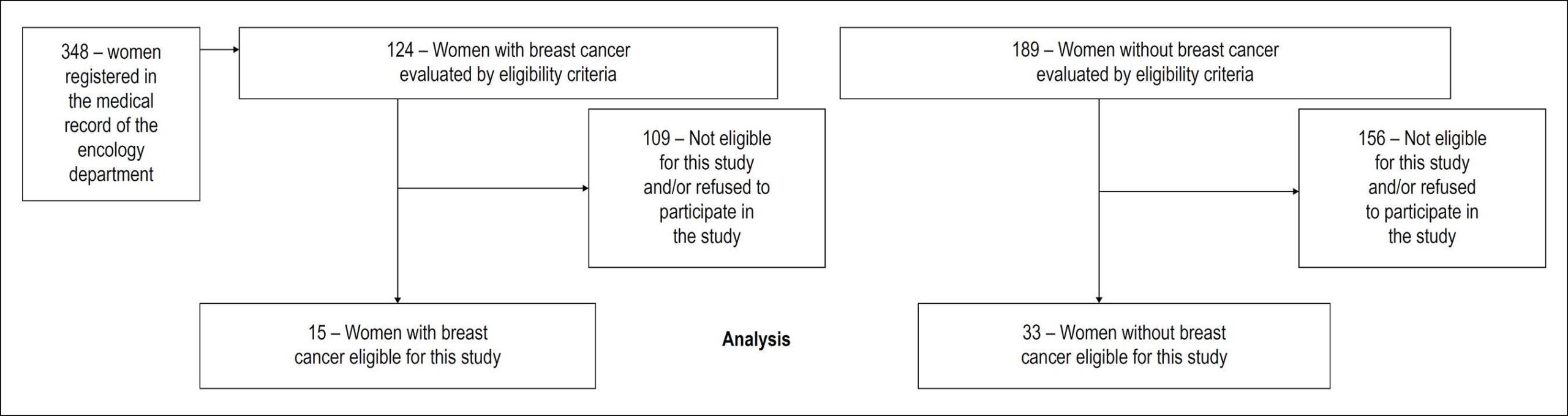
Postmenopausal women who did not have breast cancer (n = 33) and postmenopausal women with breast cancer (n = 15). For evaluation of the autonomic modulation the heart rate was recorded beat-to-beat for 30 minutes and the series of RR intervals obtained were used to calculate the following heart rate variability indices: Mean RR ms, SDNN (standard deviation of all normal RR intervals, expressed in milliseconds) ms, Mean HR, RMSSD (square root of the mean of the squared differences between adjacent normal RR interval) ms, NN50 (number of pairs of successive NNs that differ by more than 50 ms) count, pNN50% (proportion of NN50 divided by total number of NNs), RRtri (RR triangular), TINN (triangular interpolation of NN interval) ms, SD1 ms, SD2 ms, LF ms2, HF ms2, LH/HF ms2. The values of biochemical variables (fasting glycemia, triglycerides, HDL-cholesterol, and C-reactive protein) were analyzed by blood sample.

Results:

Lower values of heart rate variability indices were observed in postmenopausal women with breast cancer in relation to postmenopausal women who did not have breast cancer: Mean RR (p = 0.03); SDNN (p = 0.03); RMSSD (p = 0.03); NN50 count (p = 0.03); pNN50 % (p = 0.03); RRtri (p = 0.02); SD1 (p = 0.01); SD2 (p = 0.02); LF ms2 (p = 0.01); HF ms2 (p = 0.03).There was an inversely proportional correlation between the indices SDNN, SD2, and HFms2 with triglycerides (SDNN p = 0.04; SD2 p = 0.04; HF ms2 p = 0.04). No statistically significant correlations were found between heart rate variability indices and others variables. Statistical significance was set at 5% for all analyses.

Conclusion:

Women with breast cancer present reduced autonomic modulation and in these women of heart rate variability indices are inversely correlated with triglyceride values.

  • Aromatase Inhibitors
  • Blood Glucose
  • Breast Neoplasms
  • Cardiovascular Dieases/prevention and control
  • Cholesterol
  • Estrogen Replacement Therapy/adverse effects
Read Full Article
Creative Commons Attribution (CC BY) Creative Commons license
28/02/2019 DOI: 10.5935/abc.20190036 Views 1
Figure 1
ABC
Original Article

Left Ventricular Regional Wall Motion Abnormality is a Strong Predictor of Cardiotoxicity in Breast Cancer Patients Undergoing Chemotherapy

Márcio Vinícius Lins de Barros et al. Ariane Vieira Scarlatelli Macedo Sebastian Imre Sarvari Monica Hermont Faleiros … Patricia Tavares Felipe Jose Luiz Padilha Silva Thor Edvardsen

Abstract

Background:

Chemotherapeutic agents of anthracyclines class and humanized monoclonal antibodies are effective treatments for breast cancer, however, they present a potential risk of cardiotoxicity. Several predictors have been recognized as predictors in the development of cardiac toxicity, and the evaluation of left ventricular segmental wall motion abnormalities (LVSWMA) has not been studied.

Objective:

To analyze prospectively the role of LVSWMA among echocardiographic parameters in the prediction of development of cardiotoxicity in breast cancer patients undergoing treatment with chemotherapy.

Methods:

Prospective cohort of patients diagnosed with breast cancer and in chemotherapy treatment with potential cardiotoxicity medications including doxorubicin and trastuzumab. Transthoracic echocardiograms including speckle tracking strain echocardiography were performed at standard times before, during and after the treatment to assess the presence (or lack thereof) of cardiotoxicity. Cardiotoxicity was defined by a 10% decrease in the left ventricular ejection fraction, on at least one echocardiogram. Multivariate logistic regression models were used to verify the predictors related to the occurrence of cardiotoxicity over time.

Results:

Of the 112 patients selected (mean age 51,3 ± 12,9 years), 18 participants (16.1%) had cardiotoxicity. In the multivariate analysis using the logistic regression model, those with LVWMA (OR = 6.25 [CI 95%: 1.03; 37.95], p < 0,05), LV systolic dimension (1.34 [CI 95%: 1.01; 1.79], p < 0,05) and global longitudinal strain by speckle tracking (1.48 [CI 95%: 1.02; 2.12], p < 0,05) were strongly associated with cardiotoxicity.

Conclusion:

In the present study, we showed that LVWMA, in addition to global longitudinal strains, were strong predictors of cardiotoxicity and could be useful in the risk stratification of these patients.

  • Anthracyclines
  • Breast Neoplasms
  • Cardiotoxicity
  • Drug Therapy
  • Trastuzumab
  • Ventricular Dysfunction, Left
Read Full Article
Creative Commons Attribution (CC BY) Creative Commons license
13/12/2018 DOI: 10.5935/abc.20180220 Views 1
Figure 1
ABC
Original Article

Arterial Stiffness Use for Early Monitoring of Cardiovascular Adverse Events due to Anthracycline Chemotherapy in Breast Cancer Patients. A Pilot Study

Cláudio Antônio de Souza et al. Ricardo Simões Karina Braga Gomes Borges Angélica Navarro de Oliveira … Juliana Barroso Zogeib Bruno Alves Marcus Vinicius Bolívar Malachias Ana Paula Drummond-Lage Bruno Almeida Rezende

Abstract

Background:

Chemotherapy with doxorubicin and cyclophosphamide, although efficient for treating breast cancer, is associated with cardiovascular complications. Recent studies seek to identify methods that can early detect cardiological and vascular changes as a strategy to decrease the incidence of cardiovascular comorbidities.

Objective:

To evaluate the role of arterial stiffness measurement in the monitoring of doxorubicin and cyclophosphamide-induced cardiotoxicity in breast cancer patients.

Methods:

Prospective longitudinal study in 24 breast cancer patients undergoing treatment with doxorubicin and cyclophosphamide. Patients underwent an indirect evaluation of arterial stiffness through non-invasive measurement of hemodynamic parameters such as pulse wave velocity with the Mobil-O-Graph® 24H PWA device at three different times of the chemotherapy treatment (pre-chemotherapy, after the first and the fourth cycle). The left ventricular ejection fraction was also evaluated by Doppler echocardiography (pre-chemotherapy and after the fourth chemotherapy cycle). Data were considered significant when p ≤ 0.05.

Results:

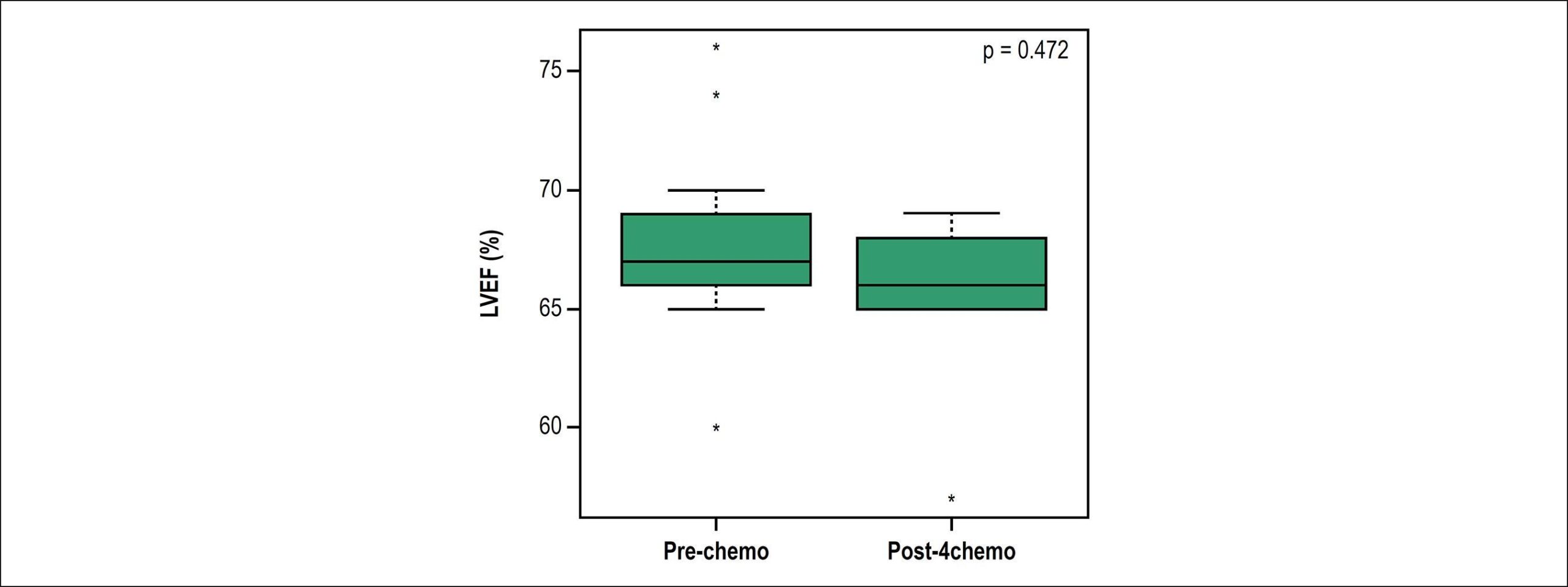
Patients had a mean age of 52.33 ± 8.85 years and body mass index of 31 ± 5.87 kg/m2. There was no significant difference between the hemodynamic parameters evaluated by the oscillometric method or in the left ventricular ejection fraction in the different evaluated periods.

Conclusion:

Evaluations of arterial stiffness by oscillometry and measurement of left ventricular ejection fraction by Doppler echocardiography showed equivalence in the values found, suggesting that the evaluation method of arterial stiffness studied could be used as a marker for cardiovascular adverse events associated with doxorrubicin-based chemotherapy drugs.

  • Breast Neoplasms
  • Cardiotoxicity
  • Cyclophosphamide/adverse effects
  • Doxorubicin/adverse effects
  • Stroke Volume/drug effects
  • Vascular Stiffness
Read Full Article
Creative Commons Attribution (CC BY) Creative Commons license
21/09/2018 DOI: 10.5935/abc.20180168 Views 1
Figure 1
ABC
Original Article

Cardiac Sympathetic Hyperactivity after Chemotherapy: Early Sign of Cardiotoxicity?

Sarita Lígia Pessoa de Melo Machado Guimarães et al. Simone Cristina Soares Brandão Luciana Raposo Andrade Rafael José Coelho Maia Brivaldo Markman Filho

Background:

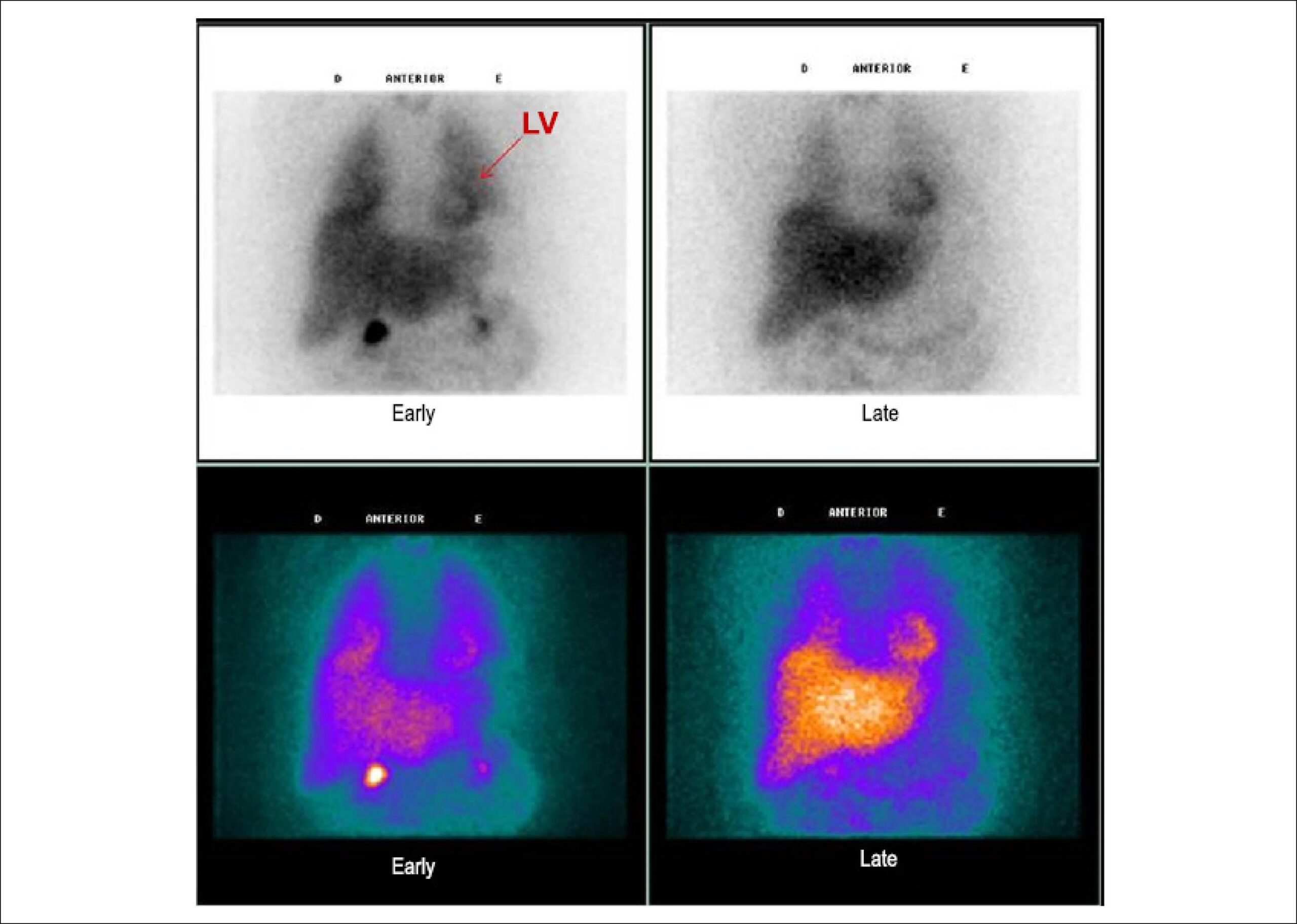
Chemotherapy with anthracyclines and trastuzumab can cause cardiotoxicity. Alteration of cardiac adrenergic function assessed by metaiodobenzylguanidine labeled with iodine-123 (123I-mIBG) seems to precede the drop in left ventricular ejection fraction.

Objective:

To evaluate and to compare the presence of cardiovascular abnormalities among patients with breast cancer undergoing chemotherapy with anthracyclines and trastuzumab, and only with anthracycline.

Methods:

Patients with breast cancer were analyzed clinical, laboratory, electrocardiographic and echocardiographic and cardiac sympathetic activity. In scintigraphic images, the ratio of 123I-mIBG uptake between the heart and mediastinum, and the washout rate were calculated. The variables were compared between patients who received anthracyclines and trastuzumab (Group 1) and only anthracyclines (Group 2).

Results:

Twenty patients, with mean age 57 ± 14 years, were studied. The mean left ventricular ejection fraction by echocardiography was 67.8 ± 4.0%. Mean washout rate was 28.39 ± 9.23% and the ratio of 123I-mIBG uptake between the heart and mediastinum was 2.07 ± 0.28. Of the patients, 82% showed an increased in washout rate, and the ratio of 123I-mIBG uptake between the heart and mediastinum decreased in 25%. Concerning the groups, the mean washout rate of Group 1 was 32.68 ± 9.30% and of Group 2 was 24.56 ± 7.72% (p = 0,06). The ratio of 123I-mIBG uptake between the heart and mediastinum was normal in all patients in Group 2, however, the Group 1, showed 50% the ratio of 123I-mIBG uptake between the heart and mediastinum ≤ 1.8 (p = 0.02).

Conclusion:

In women with breast cancer undergoing chemotherapy, assessment of cardiac sympathetic activity with 123I-mIBG appears to be an early marker of cardiotoxicity. The combination of chemotherapy showed higher risk of cardiac adrenergic hyperactivity.

  • Breast Neoplasms
  • Drug Therapy
  • Drug-Related Side Effects and Adverse Reactions
  • Sympathetic Nervous System
Read Full Article
Creative Commons Attribution (CC BY) Creative Commons license
03/07/2015 DOI: 10.5935/abc.20150075
ABC
Artigo Original

Detection of early sub-clinical trastuzumab-induced cardiotoxicity in breast cancer patients

Helder Dores et al. João Abecasis Maria João Correia Filipa Gândara … Cândida Fonseca José Azevedo Isabel Arroja Ana Martins Miguel Mendes

BACKGROUND: Trastuzumab (TZB) is a recombinant humanized monoclonal antibody, used for the treatment of HER2-positive breast cancer, with recognized associated-cardiotoxicity. The methods for its early sub-clinical detection are not well defined. OBJECTIVE: To evaluate TZB-induced cardiotoxicity in patients (pts) with breast cancer followed for a 3-month period of treatment. METHODS: Prospective study of consecutive pts treated with TZB for advanced HER2-positive breast cancer enrolled between May-September/2010. A comparison of clinical, laboratory and echocardiographic data, prior to and at the 3rd month after starting TZB was performed. Left ventricular systolic function deterioration (Cardiac Review and Evaluation Committee criteria) and diastolic function (American Society of Echocardiography classification) were studied. RESULTS: Data were available for 51 women, mean age = 55.4 ± 14.0y. At the 3rd month, no patient had symptomatic heart failure. Left ventricular ejection fraction (LVEF) did not differ at 3 months (69.3 ± 7.4 vs. 67.1 ± 6.5%, p > 0.05), decreasing in 57.9% pts (only one to LVEF < 55%). There was a significant increase in the E/e' ratio (3.9 ± 0.8 vs. 8.0 ± 1.9, p < 0,001) due to an e' velocity reduction (0.19 ± 0.02 vs. 0.10 ± 0.03, p < 0.001). Other diastolic parameters remained unchanged. Both the left atrial and the left ventricular volumes remained unchanged. N-terminal pro-B type natriuretic peptide levels did not increase. During the follow up period two pts died and two were admitted to the hospital, all for non-cardiovascular causes. CONCLUSIONS: During the first 3 months of TZB treatment none of the pts presented overt heart failure or significant LVEF deterioration. A significant reduction in the E/e' ratio was detected, but neither the loading parameters nor LVEF changed significantly .

  • Antineoplastic Agents
  • Breast Neoplasms
  • Heart Failure
  • Immunosuppresive Agents
  • Ventricular Dysfunction
Read Full Article
Creative Commons Attribution (CC BY) Creative Commons license
22/03/2013 DOI: 10.5935/abc.20130050
Interaction between specialties: dilated cardiomyopathy and HER2-positive breast Cancer
ABC
Clinical Update

Interaction between specialties: dilated cardiomyopathy and HER2-positive breast Cancer

Solange Moraes Sanches et al. Jairo Montemor Augusto Silva

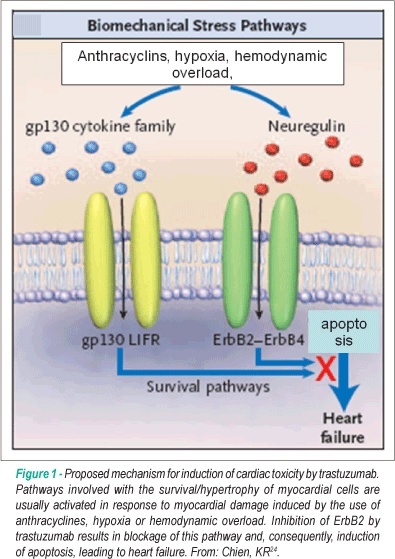
Basic research may result in unexpected benefit in terms of progress in the understanding of mechanisms responsible for different diseases and their potential treatment alternatives. This is seen, for instance, when a specific situation, defined in clinical practice, may be translated into laboratory findings which suggest a new therapy for an unrelated disease, representing the inverse of the more usual bench-to-bedside path. During the past few years, the use of the monoclonal antibody trastuzumab, in the adjuvant and therapeutic context, has become of fundamental importance in the treatment of breast cancer with amplification/overexpression of HER2, resulting in significant increase in survival rates. The observation that trastuzumab also induces cardiotoxicity, and the identification of mechanisms involved in this side effect, have allowed the investigation of these factors as a therapeutic alternative for dilated cardiomyopathy, in a highly interesting fashion.

  • Antibodies, Monoclonal
  • Breast Neoplasms
  • cardiomypathy, dilated
  • Trastuzumab
Read Full Article
Creative Commons Attribution (CC BY) Creative Commons license
22/09/2010 DOI: 10.1590/S0066-782X2010000100026 Views 1

How to cite this article

EndNote RIS

Electronic Document Format (Vancouver)

Rivera MAM, Rivera IR, Oliveira GMM. Breast Cancer, Cardiotoxicity and Cardiovascular Disease Prevention: Where Are We in this Knowledge?. International Journal of Cardiovascular Sciences 2024;37:e20240017.

Electronic Document Format (ABNT)

Rivera, Maria Alayde Mendonça; Rivera, Ivan Romero; Oliveira, Glaucia Maria Moraes de. Breast Cancer, Cardiotoxicity and Cardiovascular Disease Prevention: Where Are We in this Knowledge?. International Journal of Cardiovascular Sciences, v. 37, e20240017, Apr. 2024.

Electronic Document Format (APA)

Rivera, M. A. M., Rivera, I. R., & Oliveira, G. M. M. (2024). Breast Cancer, Cardiotoxicity and Cardiovascular Disease Prevention: Where Are We in this Knowledge?. International Journal of Cardiovascular Sciences, 37, e20240017.

Electronic Document Format (ISO)

Rivera, Maria Alayde Mendonça and Rivera, Ivan Romero and Oliveira, Glaucia Maria Moraes de. Breast Cancer, Cardiotoxicity and Cardiovascular Disease Prevention: Where Are We in this Knowledge?. International Journal of Cardiovascular Sciences [online]. 2024, vol. 37, [cited 2026-10-14], e20240017. Available from: <https://journals.cardiol.br/article/breast-cancer-cardiotoxicity-and-cardiovascular-disease-prevention-where-are-we-in-this-knowledge/>. ISSN 2359-4802

EndNote RIS

Electronic Document Format (Vancouver)

Barragán AP, Escobar PN, Miller AM, Ruiz LAM. Cardiovascular Disease in Women With Breast Cancer: A Contemporary Review. International Journal of Cardiovascular Sciences 2024;37:e20230131.

Electronic Document Format (ABNT)

Barragán, Adriana Puente; Escobar, Patricia Nuriulú; Miller, Alejandra Madrid; Ruiz, Luis Antonio Moreno. Cardiovascular Disease in Women With Breast Cancer: A Contemporary Review. International Journal of Cardiovascular Sciences, v. 37, e20230131, Feb. 2024.

Electronic Document Format (APA)

Barragán, A. P., Escobar, P. N., Miller, A. M., & Ruiz, L. A. M. (2024). Cardiovascular Disease in Women With Breast Cancer: A Contemporary Review. International Journal of Cardiovascular Sciences, 37, e20230131.

Electronic Document Format (ISO)

Barragán, Adriana Puente and Escobar, Patricia Nuriulú and Miller, Alejandra Madrid and Ruiz, Luis Antonio Moreno. Cardiovascular Disease in Women With Breast Cancer: A Contemporary Review. International Journal of Cardiovascular Sciences [online]. 2024, vol. 37, [cited 2026-10-14], e20230131. Available from: <https://journals.cardiol.br/article/cardiovascular-disease-in-women-with-breast-cancer-a-contemporary-review/>. ISSN 2359-4802

EndNote RIS

Electronic Document Format (Vancouver)

Pestana RMC, Silvino JPP, Oliveira AN, Soares CE, Sabino AP, Simões R, Gomes KB, et al. New Cardiovascular Biomarkers in Breast Cancer Patients Undergoing Doxorubicin-Based Chemotherapy. Arquivos Brasileiros de Cardiologia 2024;120(12):e20230167.

Electronic Document Format (ABNT)

Pestana, Rodrigo Mendonça Cardoso; Silvino, Júnea Paolucci Paiva; Oliveira, Angélica Navarro de; Soares, Cintia Esteves; Sabino, Adriano de Paula; Simões, Ricardo; Gomes, Karina Braga. New Cardiovascular Biomarkers in Breast Cancer Patients Undergoing Doxorubicin-Based Chemotherapy. Arquivos Brasileiros de Cardiologia, v. 120, n. 12, e20230167, Jan. 2024.

Electronic Document Format (APA)

Pestana, R. M. C., Silvino, J. P. P., Oliveira, A. N. , Soares, C. E., Sabino, A. P., Simões, R., & Gomes, K. B. (2024). New Cardiovascular Biomarkers in Breast Cancer Patients Undergoing Doxorubicin-Based Chemotherapy. Arquivos Brasileiros de Cardiologia, 120(12), e20230167.

Electronic Document Format (ISO)

Pestana, Rodrigo Mendonça Cardoso and Silvino, Júnea Paolucci Paiva and Oliveira, Angélica Navarro de and Soares, Cintia Esteves and Sabino, Adriano de Paula and Simões, Ricardo and Gomes, Karina Braga. New Cardiovascular Biomarkers in Breast Cancer Patients Undergoing Doxorubicin-Based Chemotherapy. Arquivos Brasileiros de Cardiologia [online]. 2024, vol. 120, n. 12, [cited 2026-10-14], e20230167. Available from: <https://journals.cardiol.br/en/article/new-cardiovascular-biomarkers-in-breast-cancer-patients-undergoing-doxorubicin-based-chemotherapy/>. ISSN 0066-782X

EndNote RIS

Electronic Document Format (Vancouver)

Monteiro Neto AJO, Delgado VM, Leite FMA, Dutra B, Melo MDT. Cardiac Tamponade: Initial Clinical Presentation of Fibrosing Mediastinitis. ABC Imagem Cardiovascular 2023;36(3):e20230038.

Electronic Document Format (ABNT)

Monteiro Neto, Aluísio José de O.; Delgado, Vitor Medeiros; Leite, Filipe Melo A.; Dutra, Álvaro Braga; Melo, Marcelo Dantas Tavares de. Cardiac Tamponade: Initial Clinical Presentation of Fibrosing Mediastinitis. ABC Imagem Cardiovascular, v. 36, n. 3, e20230038, Oct. 2023.

Electronic Document Format (APA)

Monteiro Neto, A. J. O., Delgado, V. M., Leite, F. M. A., Dutra, B., & Melo, M. D. T. (2023). Cardiac Tamponade: Initial Clinical Presentation of Fibrosing Mediastinitis. ABC Imagem Cardiovascular, 36(3), e20230038.

Electronic Document Format (ISO)

Monteiro Neto, Aluísio José de O. and Delgado, Vitor Medeiros and Leite, Filipe Melo A. and Dutra, Álvaro Braga and Melo, Marcelo Dantas Tavares de. Cardiac Tamponade: Initial Clinical Presentation of Fibrosing Mediastinitis. ABC Imagem Cardiovascular [online]. 2023, vol. 36, n. 3, [cited 2026-10-14], e20230038. Available from: <https://journals.cardiol.br/article/cardiac-tamponade-initial-clinical-presentation-of-fibrosing-mediastinitis/>. ISSN 2318-8219

EndNote RIS

Electronic Document Format (Vancouver)

Campos MSB, Feitosa RHF, Mizzaci CC, Flach MRT, Siqueira BJM, Mastrocola LE. The Benefits of Exercise in Breast Cancer. Arquivos Brasileiros de Cardiologia 2022;119(6):981-90.

Electronic Document Format (ABNT)

Campos, Milena dos Santos Barros; Feitosa, Roberta Helena Fernandes; Mizzaci, Carolina Christianini; Flach, Maria do Rosário Toscano von; Siqueira, Betty Janny Maia; Mastrocola, Luiz Eduardo. The Benefits of Exercise in Breast Cancer. Arquivos Brasileiros de Cardiologia, v. 119, n. 6, p. 981-990, Dec. 2022.

Electronic Document Format (APA)

Campos, M. S. B., Feitosa, R. H. F., Mizzaci, C. C., Flach, M. R. T. , Siqueira, B. J. M., & Mastrocola, L. E. (2022). The Benefits of Exercise in Breast Cancer. Arquivos Brasileiros de Cardiologia, 119(6), 981-990.

Electronic Document Format (ISO)

Campos, Milena dos Santos Barros and Feitosa, Roberta Helena Fernandes and Mizzaci, Carolina Christianini and Flach, Maria do Rosário Toscano von and Siqueira, Betty Janny Maia and Mastrocola, Luiz Eduardo. The Benefits of Exercise in Breast Cancer. Arquivos Brasileiros de Cardiologia [online]. 2022, vol. 119, n. 6, [cited 2026-10-14], pp. 981-990. Available from: <https://journals.cardiol.br/en/article/the-benefits-of-exercise-in-breast-cancer/>. ISSN 0066-782X

EndNote RIS

Electronic Document Format (Vancouver)

Barroso GMHM, Silva PVJ, Teles JCOC, Aragão VAS, Fonsêca KYS, Aquino MM, Albuquerque UMLAC, et al. Early Diastolic Dysfunction in Breast Cancer Patients Undergoing Chemotherapy. Arquivos Brasileiros de Cardiologia Imagem cardiovascular 2022;34(4):eabc215.

Electronic Document Format (ABNT)

Barroso, Geanne Maria Holanda de Menezes; Silva, Paulo Victor de Jesus; Teles, Júlio César Oliveira Costa; Aragão, Vinícius Antônio Santos; Fonsêca, Karin Yasmin Santos; Aquino, Marília Marques; Albuquerque, Ullany Maria Lima Amorim Coelho de; Melo, Enaldo Vieira de; Sousa, Antônio Carlos Sobral; Oliveira, Joselina Luzia Menezes. Early Diastolic Dysfunction in Breast Cancer Patients Undergoing Chemotherapy. Arquivos Brasileiros de Cardiologia Imagem cardiovascular, v. 34, n. 4, eabc215, Mar. 2022.

Electronic Document Format (APA)

Barroso, G. M. H. M., Silva, P. V. J., Teles, J. C. O. C., Aragão, V. A. S., Fonsêca, K. Y. S., Aquino, M. M., Albuquerque, U. M. L. A. C. , Melo, E. V. , Sousa, A. C. S., & Oliveira, J. L. M. (2022). Early Diastolic Dysfunction in Breast Cancer Patients Undergoing Chemotherapy. Arquivos Brasileiros de Cardiologia Imagem cardiovascular, 34(4), eabc215.

Electronic Document Format (ISO)

Barroso, Geanne Maria Holanda de Menezes and Silva, Paulo Victor de Jesus and Teles, Júlio César Oliveira Costa and Aragão, Vinícius Antônio Santos and Fonsêca, Karin Yasmin Santos and Aquino, Marília Marques and Albuquerque, Ullany Maria Lima Amorim Coelho de and Melo, Enaldo Vieira de and Sousa, Antônio Carlos Sobral and Oliveira, Joselina Luzia Menezes. Early Diastolic Dysfunction in Breast Cancer Patients Undergoing Chemotherapy. Arquivos Brasileiros de Cardiologia Imagem cardiovascular [online]. 2022, vol. 34, n. 4, [cited 2026-10-14], eabc215. Available from: <https://journals.cardiol.br/en/article/early-diastolic-dysfunction-in-breast-cancer-patients-undergoing-chemotherapy/>. ISSN 2318-8219

EndNote RIS

Electronic Document Format (Vancouver)

Miranda MJL, Muniz PG, Moraes RF. Large Pericardial Effusion and Breast Neoplasia — Case Report. Arquivos Brasileiros de Cardiologia Imagem cardiovascular 2022;30(3):106-9.

Electronic Document Format (ABNT)

Miranda, Milton de J. Lago; Muniz, Priscila Gonçalves; Moraes, Rômulo Fonseca de. Large Pericardial Effusion and Breast Neoplasia — Case Report. Arquivos Brasileiros de Cardiologia Imagem cardiovascular, v. 30, n. 3, p. 106-109, Feb. 2022.

Electronic Document Format (APA)

Miranda, M. J. L., Muniz, P. G., & Moraes, R. F. (2022). Large Pericardial Effusion and Breast Neoplasia — Case Report. Arquivos Brasileiros de Cardiologia Imagem cardiovascular, 30(3), 106-109.

Electronic Document Format (ISO)

Miranda, Milton de J. Lago and Muniz, Priscila Gonçalves and Moraes, Rômulo Fonseca de. Large Pericardial Effusion and Breast Neoplasia — Case Report. Arquivos Brasileiros de Cardiologia Imagem cardiovascular [online]. 2022, vol. 30, n. 3, [cited 2026-10-14], pp. 106-109. Available from: <https://journals.cardiol.br/en/article/large-pericardial-effusion-and-breast-neoplasia-case-report/>. ISSN 2318-8219

EndNote RIS

Electronic Document Format (Vancouver)

Barroso GMHM, Teles JCOC, Silva PVJ, Fonseca KYS, Aragão VAS, Aquino MM, Melo EV, et al. Subclinical Systolic Dysfunction during Chemotherapy for Breast Cancer. International Journal of Cardiovascular Sciences 2021;35(2):220-9.

Electronic Document Format (ABNT)

Barroso, Geanne Maria Holanda de Menezes; Teles, Júlio César Oliveira Costa; Silva, Paulo Victor de Jesus; Fonseca, Karin Yasmin Santos; Aragão, Vinícius Antônio Santos; Aquino, Marília Marques; Melo, Enaldo Vieira de; Ferreira, Karina Oliveira; Assis, Ronnei José Feitosa de; Alves, Michel Fabiano Silva; Sousa, Antônio Carlos Sobral; Oliveira, Joselina Luzia Menezes. Subclinical Systolic Dysfunction during Chemotherapy for Breast Cancer. International Journal of Cardiovascular Sciences, v. 35, n. 2, p. 220-229, Dec. 2021.

Electronic Document Format (APA)

Barroso, G. M. H. M., Teles, J. C. O. C., Silva, P. V. J., Fonseca, K. Y. S., Aragão, V. A. S., Aquino, M. M., Melo, E. V. , Ferreira, K. O., Assis, R. J. F. , Alves, M. F. S., Sousa, A. C. S., & Oliveira, J. L. M. (2021). Subclinical Systolic Dysfunction during Chemotherapy for Breast Cancer. International Journal of Cardiovascular Sciences, 35(2), 220-229.

Electronic Document Format (ISO)

Barroso, Geanne Maria Holanda de Menezes and Teles, Júlio César Oliveira Costa and Silva, Paulo Victor de Jesus and Fonseca, Karin Yasmin Santos and Aragão, Vinícius Antônio Santos and Aquino, Marília Marques and Melo, Enaldo Vieira de and Ferreira, Karina Oliveira and Assis, Ronnei José Feitosa de and Alves, Michel Fabiano Silva and Sousa, Antônio Carlos Sobral and Oliveira, Joselina Luzia Menezes. Subclinical Systolic Dysfunction during Chemotherapy for Breast Cancer. International Journal of Cardiovascular Sciences [online]. 2021, vol. 35, n. 2, [cited 2026-10-14], pp. 220-229. Available from: <https://journals.cardiol.br/en/article/subclinical-systolic-dysfunction-during-chemotherapy-for-breast-cancer/>. ISSN 2359-4802

EndNote RIS

Electronic Document Format (Vancouver)

Silva LM, Figueiredo Neto JA. Metabolic Syndrome and Risk of Cardiovascular Diseases in Female Breast Cancer Survivors. International Journal of Cardiovascular Sciences 2021;34(4):420-3.

Electronic Document Format (ABNT)

Silva, Leandro Marque da; Figueiredo Neto, José Albuquerque de. Metabolic Syndrome and Risk of Cardiovascular Diseases in Female Breast Cancer Survivors. International Journal of Cardiovascular Sciences, v. 34, n. 4, p. 420-430, Jul. 2021.

Electronic Document Format (APA)

Silva, L. M. , & Figueiredo Neto, J. A. (2021). Metabolic Syndrome and Risk of Cardiovascular Diseases in Female Breast Cancer Survivors. International Journal of Cardiovascular Sciences, 34(4), 420-430.

Electronic Document Format (ISO)

Silva, Leandro Marque da and Figueiredo Neto, José Albuquerque de. Metabolic Syndrome and Risk of Cardiovascular Diseases in Female Breast Cancer Survivors. International Journal of Cardiovascular Sciences [online]. 2021, vol. 34, n. 4, [cited 2026-10-14], pp. 420-430. Available from: <https://journals.cardiol.br/en/article/metabolic-syndrome-and-risk-of-cardiovascular-diseases-in-female-breast-cancer-survivors/>. ISSN 2359-4802

EndNote RIS

Electronic Document Format (Vancouver)

Galvão TFG. Is There Any Cardiovascular Concern Regarding the Use of Aromatase Inhibitors in Breast Cancer?. Arquivos Brasileiros de Cardiologia 2019;112(5):489-90.

Electronic Document Format (ABNT)

Galvão, Tatiana F. G.. Is There Any Cardiovascular Concern Regarding the Use of Aromatase Inhibitors in Breast Cancer?. Arquivos Brasileiros de Cardiologia, v. 112, n. 5, p. 489-490, Jun. 2019.

Electronic Document Format (APA)

Galvão, T. F. G. (2019). Is There Any Cardiovascular Concern Regarding the Use of Aromatase Inhibitors in Breast Cancer?. Arquivos Brasileiros de Cardiologia, 112(5), 489-490.

Electronic Document Format (ISO)

Galvão, Tatiana F. G.. Is There Any Cardiovascular Concern Regarding the Use of Aromatase Inhibitors in Breast Cancer?. Arquivos Brasileiros de Cardiologia [online]. 2019, vol. 112, n. 5, [cited 2026-10-14], pp. 489-490. Available from: <https://journals.cardiol.br/en/article/is-there-any-cardiovascular-concern-regarding-the-use-of-aromatase-inhibitors-in-breast-cancer/>. ISSN 0066-782X

EndNote RIS

Electronic Document Format (Vancouver)

Gonzaga LA, Paulo TRS, Viezel J, Vanzella LM, Freitas Jr. IF, Vanderlei LCM. Changes in Cardiac Autonomic Modulation in Women with Breast Cancer Using Aromatase Inhibitors and the Relation with Biochemical Variables. Arquivos Brasileiros de Cardiologia 2019;112(5):555-63.

Electronic Document Format (ABNT)

Gonzaga, Luana Almeida; Paulo, Thais Reis Silva de; Viezel, Juliana; Vanzella, Laís Manata; Freitas Jr., Ismael Forte; Vanderlei, Luiz Carlos Marques. Changes in Cardiac Autonomic Modulation in Women with Breast Cancer Using Aromatase Inhibitors and the Relation with Biochemical Variables. Arquivos Brasileiros de Cardiologia, v. 112, n. 5, p. 555-563, Feb. 2019.

Electronic Document Format (APA)

Gonzaga, L. A., Paulo, T. R. S. , Viezel, J., Vanzella, L. M., Freitas Jr., I. F., & Vanderlei, L. C. M. (2019). Changes in Cardiac Autonomic Modulation in Women with Breast Cancer Using Aromatase Inhibitors and the Relation with Biochemical Variables. Arquivos Brasileiros de Cardiologia, 112(5), 555-563.

Electronic Document Format (ISO)

Gonzaga, Luana Almeida and Paulo, Thais Reis Silva de and Viezel, Juliana and Vanzella, Laís Manata and Freitas Jr., Ismael Forte and Vanderlei, Luiz Carlos Marques. Changes in Cardiac Autonomic Modulation in Women with Breast Cancer Using Aromatase Inhibitors and the Relation with Biochemical Variables. Arquivos Brasileiros de Cardiologia [online]. 2019, vol. 112, n. 5, [cited 2026-10-14], pp. 555-563. Available from: <https://journals.cardiol.br/en/article/changes-in-cardiac-autonomic-modulation-in-women-with-breast-cancer-using-aromatase-inhibitors-and-the-relation-with-biochemical-variables/>. ISSN 0066-782X

EndNote RIS

Electronic Document Format (Vancouver)

Barros MVL, Macedo AVS, Sarvari SI, Faleiros MH, Felipe PT, Silva JLP, Edvardsen T, et al. Left Ventricular Regional Wall Motion Abnormality is a Strong Predictor of Cardiotoxicity in Breast Cancer Patients Undergoing Chemotherapy. Arquivos Brasileiros de Cardiologia 2018;112(1):50-6.

Electronic Document Format (ABNT)

Barros, Márcio Vinícius Lins de; Macedo, Ariane Vieira Scarlatelli; Sarvari, Sebastian Imre; Faleiros, Monica Hermont; Felipe, Patricia Tavares; Silva, Jose Luiz Padilha; Edvardsen, Thor. Left Ventricular Regional Wall Motion Abnormality is a Strong Predictor of Cardiotoxicity in Breast Cancer Patients Undergoing Chemotherapy. Arquivos Brasileiros de Cardiologia, v. 112, n. 1, p. 50-56, Dec. 2018.

Electronic Document Format (APA)

Barros, M. V. L. , Macedo, A. V. S., Sarvari, S. I., Faleiros, M. H., Felipe, P. T., Silva, J. L. P., & Edvardsen, T. (2018). Left Ventricular Regional Wall Motion Abnormality is a Strong Predictor of Cardiotoxicity in Breast Cancer Patients Undergoing Chemotherapy. Arquivos Brasileiros de Cardiologia, 112(1), 50-56.

Electronic Document Format (ISO)

Barros, Márcio Vinícius Lins de and Macedo, Ariane Vieira Scarlatelli and Sarvari, Sebastian Imre and Faleiros, Monica Hermont and Felipe, Patricia Tavares and Silva, Jose Luiz Padilha and Edvardsen, Thor. Left Ventricular Regional Wall Motion Abnormality is a Strong Predictor of Cardiotoxicity in Breast Cancer Patients Undergoing Chemotherapy. Arquivos Brasileiros de Cardiologia [online]. 2018, vol. 112, n. 1, [cited 2026-10-14], pp. 50-56. Available from: <https://journals.cardiol.br/en/article/left-ventricular-regional-wall-motion-abnormality-is-a-strong-predictor-of-cardiotoxicity-in-breast-cancer-patients-undergoing-chemotherapy/>. ISSN 0066-782X

EndNote RIS

Electronic Document Format (Vancouver)

Souza CA, Simões R, Borges KBG, Oliveira AN, Zogeib JB, Alves B, Malachias MVB, et al. Arterial Stiffness Use for Early Monitoring of Cardiovascular Adverse Events due to Anthracycline Chemotherapy in Breast Cancer Patients. A Pilot Study. Arquivos Brasileiros de Cardiologia 2018;111(5):721-8.

Electronic Document Format (ABNT)

Souza, Cláudio Antônio de; Simões, Ricardo; Borges, Karina Braga Gomes; Oliveira, Angélica Navarro de; Zogeib, Juliana Barroso; Alves, Bruno; Malachias, Marcus Vinicius Bolívar; Drummond-Lage, Ana Paula; Rezende, Bruno Almeida. Arterial Stiffness Use for Early Monitoring of Cardiovascular Adverse Events due to Anthracycline Chemotherapy in Breast Cancer Patients. A Pilot Study. Arquivos Brasileiros de Cardiologia, v. 111, n. 5, p. 721-728, Sep. 2018.

Electronic Document Format (APA)

Souza, C. A. , Simões, R., Borges, K. B. G., Oliveira, A. N. , Zogeib, J. B., Alves, B., Malachias, M. V. B., Drummond-Lage, A. P., & Rezende, B. A. (2018). Arterial Stiffness Use for Early Monitoring of Cardiovascular Adverse Events due to Anthracycline Chemotherapy in Breast Cancer Patients. A Pilot Study. Arquivos Brasileiros de Cardiologia, 111(5), 721-728.

Electronic Document Format (ISO)

Souza, Cláudio Antônio de and Simões, Ricardo and Borges, Karina Braga Gomes and Oliveira, Angélica Navarro de and Zogeib, Juliana Barroso and Alves, Bruno and Malachias, Marcus Vinicius Bolívar and Drummond-Lage, Ana Paula and Rezende, Bruno Almeida. Arterial Stiffness Use for Early Monitoring of Cardiovascular Adverse Events due to Anthracycline Chemotherapy in Breast Cancer Patients. A Pilot Study. Arquivos Brasileiros de Cardiologia [online]. 2018, vol. 111, n. 5, [cited 2026-10-14], pp. 721-728. Available from: <https://journals.cardiol.br/en/article/arterial-stiffness-use-for-early-monitoring-of-cardiovascular-adverse-events-due-to-anthracycline-chemotherapy-in-breast-cancer-patients-a-pilot-study/>. ISSN 0066-782X

EndNote RIS

Electronic Document Format (Vancouver)

Guimarães SLPMM, Brandão SCS, Andrade LR, Maia RJC, Markman Filho B. Cardiac Sympathetic Hyperactivity after Chemotherapy: Early Sign of Cardiotoxicity?. Arquivos Brasileiros de Cardiologia 2015;105(3):228-34.

Electronic Document Format (ABNT)

Guimarães, Sarita Lígia Pessoa de Melo Machado; Brandão, Simone Cristina Soares; Andrade, Luciana Raposo; Maia, Rafael José Coelho; Markman Filho, Brivaldo. Cardiac Sympathetic Hyperactivity after Chemotherapy: Early Sign of Cardiotoxicity?. Arquivos Brasileiros de Cardiologia, v. 105, n. 3, p. 228-234, Jul. 2015.

Electronic Document Format (APA)

Guimarães, S. L. P. M. M., Brandão, S. C. S., Andrade, L. R., Maia, R. J. C., & Markman Filho, B. (2015). Cardiac Sympathetic Hyperactivity after Chemotherapy: Early Sign of Cardiotoxicity?. Arquivos Brasileiros de Cardiologia, 105(3), 228-234.

Electronic Document Format (ISO)

Guimarães, Sarita Lígia Pessoa de Melo Machado and Brandão, Simone Cristina Soares and Andrade, Luciana Raposo and Maia, Rafael José Coelho and Markman Filho, Brivaldo. Cardiac Sympathetic Hyperactivity after Chemotherapy: Early Sign of Cardiotoxicity?. Arquivos Brasileiros de Cardiologia [online]. 2015, vol. 105, n. 3, [cited 2026-10-14], pp. 228-234. Available from: <https://journals.cardiol.br/en/article/cardiac-sympathetic-hyperactivity-after-chemotherapy-early-sign-of-cardiotoxicity/>. ISSN 0066-782X

EndNote RIS

Electronic Document Format (Vancouver)

Dores H, Abecasis J, Correia MJ, Gândara F, Fonseca C, Azevedo J, Arroja I, et al. Detection of early sub-clinical trastuzumab-induced cardiotoxicity in breast cancer patients. Arquivos Brasileiros de Cardiologia 2013;100(4):328-32.

Electronic Document Format (ABNT)

Dores, Helder; Abecasis, João; Correia, Maria João; Gândara, Filipa; Fonseca, Cândida; Azevedo, José; Arroja, Isabel; Martins, Ana; Mendes, Miguel. Detection of early sub-clinical trastuzumab-induced cardiotoxicity in breast cancer patients. Arquivos Brasileiros de Cardiologia, v. 100, n. 4, p. 328-332, Mar. 2013.

Electronic Document Format (APA)

Dores, H., Abecasis, J., Correia, M. J., Gândara, F., Fonseca, C., Azevedo, J., Arroja, I., Martins, A., & Mendes, M. (2013). Detection of early sub-clinical trastuzumab-induced cardiotoxicity in breast cancer patients. Arquivos Brasileiros de Cardiologia, 100(4), 328-332.

Electronic Document Format (ISO)

Dores, Helder and Abecasis, João and Correia, Maria João and Gândara, Filipa and Fonseca, Cândida and Azevedo, José and Arroja, Isabel and Martins, Ana and Mendes, Miguel. Detection of early sub-clinical trastuzumab-induced cardiotoxicity in breast cancer patients. Arquivos Brasileiros de Cardiologia [online]. 2013, vol. 100, n. 4, [cited 2026-10-14], pp. 328-332. Available from: <https://journals.cardiol.br/en/article/detection-of-early-sub-clinical-trastuzumab-induced-cardiotoxicity-in-breast-cancer-patients/>. ISSN 0066-782X

EndNote RIS

Electronic Document Format (Vancouver)

Sanches SM, Silva JMA. Interaction between specialties: dilated cardiomyopathy and HER2-positive breast Cancer. Arquivos Brasileiros de Cardiologia 2010;94(1):e11-5.

Electronic Document Format (ABNT)

Sanches, Solange Moraes; Silva, Jairo Montemor Augusto. Interaction between specialties: dilated cardiomyopathy and HER2-positive breast Cancer. Arquivos Brasileiros de Cardiologia, v. 94, n. 1, p. e11-e15, Sep. 2010.

Electronic Document Format (APA)

Sanches, S. M., & Silva, J. M. A. (2010). Interaction between specialties: dilated cardiomyopathy and HER2-positive breast Cancer. Arquivos Brasileiros de Cardiologia, 94(1), e11-e15.

Electronic Document Format (ISO)

Sanches, Solange Moraes and Silva, Jairo Montemor Augusto. Interaction between specialties: dilated cardiomyopathy and HER2-positive breast Cancer. Arquivos Brasileiros de Cardiologia [online]. 2010, vol. 94, n. 1, [cited 2026-10-14], pp. e11-e15. Available from: <https://journals.cardiol.br/en/article/interaction-between-specialties-dilated-cardiomyopathy-and-her2-positive-breast-cancer/>. ISSN 0066-782X

  • About ABC Family
  • Internal Regulation
  • Editorial Board
  • Brazilian Society of Cardiology (SBC)

Issues

SBC Guidelines

  • Videos
  • Podcasts
  • News