ABC Family Arquivos Brasileiros de Cardiologia International Journal of Cardiovascular Sciences ABC Heart Failure & Cardiomyopathy ABC Imagem Cardiovascular
Português English
ABC Family
Português English
  • About
    • About ABC Family
    • Internal Regulation
    • Editorial Board
    • Brazilian Society of Cardiology (SBC)
  • Issues
  • SBC Guidelines
  • Content
    • Videos
    • Podcasts
    • News
  • About
    • About ABC Family
    • Internal Regulation
    • Editorial Board
    • Brazilian Society of Cardiology (SBC)
  • Issues
  • SBC Guidelines
  • Content
    • Videos
    • Podcasts
    • News

ABC Family

  • ABC Family
  • Arquivos Brasileiros de Cardiologia
  • International Journal of Cardiovascular Sciences
  • ABC Heart Failure & Cardiomyopathy
  • ABC Imagem Cardiovascular
Search in

No content found.

Journals
Ordering
Article types
Others

  1. Home
  2. Keyword: Risk Factors/prevention and control
IJCS
Editorial

Abdominal Subcutaneous Adipose Tissue, Diet, and Risk of Cardiovascular Disease: What do we Know?

Camila Weschenfelder et al. Penny M. Kris-Etherton

Excess adiposity increases the risk of cardiovascular disease (CVD) due to dyslipidemia, systemic inflammation and other risk factors. The distribution of body fat depots, and central adiposity in particular, is related to cardiometabolic diseases. The different adipose tissue depots in the body, ie, epicardial adipose tissue, visceral adipose tissue (VAT) and subcutaneous adipose tissue (SAT), have different biochemical characteristics and produce unique biologically active molecules that affect normal and pathological processes related to CVD risk. , Abdominal SAT is classified as superficial or deep. Deep subcutaneous adipose tissue (DSAT) has a higher ratio of saturated to monounsaturated fatty acids, and, consequently, is more saturated than superficial subcutaneous adipose tissue (SSAT). Despite being in the subcutaneous compartment, DSAT differs from VAT because of differences in gene transcription, having different metabolic functions than SSAT.

In Acute Coronary Syndrome (ACS) patients, coronary plaque instability is related to abnormal abdominal fat distribution. Analyses of the abdominal fat distribution of ACS patients have demonstrated that both VAT and SAT are positively correlated with vessel and plaque volumes, but not with plaque tissue components, the fibrous and lipid content of plaque. However, considering coronary plaque characteristics, a higher VAT/SAT ratio was independently associated with a higher percentage of plaque lipid content, with a lower percentage of fibrous volumes and a thinner fibrous cap thickness, characteristics that define greater plaque rupture vulnerability and a high risk for coronary events.

[…]
  • Abdominal Subcutaneous Fat
  • Acute coronary syndrome
  • Diet
  • Inflammation
  • Metabolic Syndrome
  • Obesity, Abdominal
  • Risk Factors/prevention and control
Read Full Article
Creative Commons Attribution (CC BY) Creative Commons license
14/01/2022 DOI: 10.36660/ijcs.20210233 Views 2
Figure 1
ABC
Brief Communication

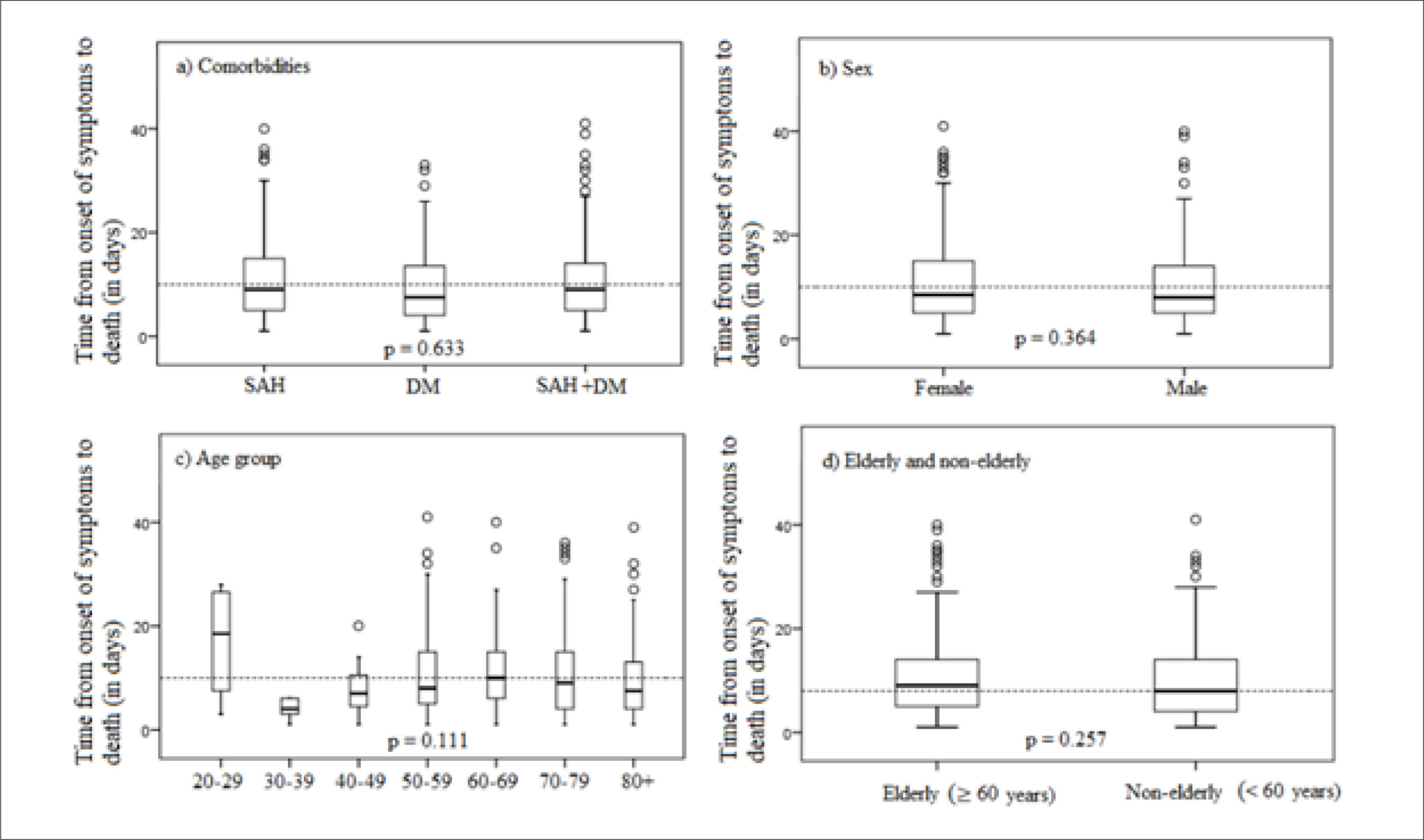
Prevalence of Systemic Arterial Hypertension and Diabetes Mellitus in Individuals with COVID-19: A Retrospective Study of Deaths in Pernambuco, Brazil

Lucas Gomes Santos et al. Jussara Almeida de Oliveira Baggio Thiago Cavalcanti Leal Francisco A. Costa … Tânia Rita Moreno de Oliveira Fernandes Regicley Vieira da Silva Anderson Armstrong Rodrigo Feliciano Carmo Carlos Dornels Freire de Souza

Introduction

In December 2019, health authorities in Hubei province, in the People’s Republic of China, identified and reported to the World Health Organization (WHO) an outbreak of pneumonia with an unknown etiological agent. In early January, the SARS-CoV-2 virus (Severe Acute Respiratory Syndrome Coronavirus 2) was identified and the disease was called COVID-19 (Coronavirus Disease 2019).

On August 4, 2020, the disease has infected 18,316,072 people and caused the death of 694,715. The USA, Brazil and India occupy the first positions in number of infected people. In Brazil, the first case was confirmed on February 26th in the city of São Paulo. Between the first case and August 4, 2020, the country had 2,750,249 people infected and 94,665 deaths.

[…]

  • Aged
  • Coronavirus-19
  • Diabetes Mellitus/complications
  • Hypertension/complications
  • Pandemics
  • Prevalence
  • Risk Factors/prevention and control
  • SARS-CoV-19
Read Full Article
Creative Commons Attribution (CC BY) Creative Commons license
06/09/2021 DOI: 10.36660/abc.20200885 Views 1
ABC
Viewpoint

COVID-19: Updated Data and its Relation to the Cardiovascular System

Filipe Ferrari

Abstract

In December 2019, a new human coronavirus, called severe acute respiratory syndrome coronavirus 2 (SARS-CoV-2) or coronavirus disease 2019 (COVID-19) by the World Health Organization, emerged in the city of Wuhan, China. Spreading globally, it is now considered pandemic, with approximately 3 million cases worldwide at the end of April. Its symptoms include fever, cough, and headache, but the main one is shortness of breath. In turn, it is believed that there is a relationship between COVID-19 and damage to the heart muscle, and hypertensive and diabetic patients, for example, seem to have worse prognosis. Therefore, COVID-19 may worsen in individuals with underlying adverse conditions, and a not negligible number of patients hospitalized with this virus had cardiovascular or cerebrovascular diseases. Systemic inflammatory response and immune system disorders during disease progression may be behind this association. In addition, the virus uses angiotensin-converting enzyme (ACE) receptors, more precisely ACE2, to penetrate the cell; therefore, the use of ACE inhibitor drugs and angiotensin receptor blockers could cause an increase in these receptors, thus facilitating the entry of the virus into the cell. There is, however, no scientific evidence to support the interruption of these drugs. Since they are fundamental for certain chronic diseases, the risk and benefit of their withdrawal in this scenario should be carefully weighed. Finally, cardiologists and health professionals should be aware of the risks of infection and protect themselves as much as possible, sleeping properly and avoiding long working hours.

  • Acute Respiratory Syndrome
  • Cardiovascular Diseases/complications
  • Coronavirus
  • COVID-19
  • Infectious Diseases
  • Myocarditis
  • Risk Factors/prevention and control
Read Full Article
Creative Commons Attribution (CC BY) Creative Commons license
11/05/2020 DOI: 10.36660/abc.20200215
ABC
Editorial

Physical Activity and Healthy Eating Patterns in Public Schools in Brazil: A Strategy to Avert Risk Factors in Adulthood

Maria Cristina de Oliveira Izar et al. Francisco Antonio Helfenstein Fonseca

Cardiovascular disease (CVD) remains the leading cause of death globally, however, 80% of premature heart disease, stroke and diabetes can be prevented. Atherosclerotic cardiovascular disease (ASCVD) can begin in youth, exacerbated by exposure to factors associated with increased cardiovascular risk. There are interventions to prevent risk factors onset (primordial prevention), to identify and treat risk factors in childhood and adolescence (primary prevention) and to address the risk of additional events in those who already have ASCVD or other CVDs (secondary prevention) at a young age. Adolescence presents a prime opportunity to assess risk factors for CVD and to intervene to prevent its development.

The manuscript by Scherr et al. highlights the importance of a school-based program including physical activity (PA) and healthy eating patterns in adolescence for the prevention of cardiovascular risk factors.

[…]

  • Adolescent
  • Exercise
  • Healthy Diet
  • Risk Factors/prevention and control
Read Full Article
Creative Commons Attribution (CC BY) Creative Commons license
15/07/2019 DOI: 10.5935/abc.20190099
ABC
Original Article

Surgical Site Infection Prevention Bundle in Cardiac Surgery

Lilian Silva de Andrade et al. Erci Maria Onzi Siliprandi Larissa Lemos Karsburg Francine Possebon Berlesi … Otávio Luiz da Fontoura Carvalho Darlan Sebastião da Rosa Rodrigo Pires dos Santos

Abstract

Background:

Surgical site infections (SSI) are among the most prevalent infections in healthcare institutions, attributing a risk of death which varies from 33% to 77% and a 2- to 11-fold increase in risk of death. Patients submitted to cardiac surgery are more susceptible to SSI, accounting for 3.5% to 21% of SSI. The mortality rate attributable to these causes is as high as 25%. Prevention of SSI in cardiac surgery is based on a bundle of preventive measures, which focus on modifiable risks.

Objective:

The objective of this study was to identify SSI risk factors in clean cardiac surgery.

Methods:

A retrospective cohort study analyzed 1,846 medical records from patients who underwent clean cardiac surgery. Fisher’s exact test was used for bivariate comparison, and Poisson regression was used for independent analysis of SSI risk, considering a significance level of p < 0.05.

Results:

The results of the study comprised a multivariate analysis. The variables that were associated with the diagnosis of SSI were: surgical risk index (OR: 2.575; CI: 1.224-5.416), obesity (OR: 2.068; CI: 1.457-2.936), diabetes mellitus (OR: 1,678; CI: 1.168-2.409), and blood glucose level (OR: 1.004; CI: 1.001-1.007).

Conclusions:

This study evidenced that complete adherence to the bundle was not associated with a reduction in the risk of surgical infections. Diabetes mellitus, obesity, and surgical risk index assessment were, however, identified to increase association and consequently risk of SSI in cardiac surgery.

  • Adult
  • Anti-Infective Agents
  • Cardiac Surgical Procedures
  • Cross Infection
  • Patient Care Bundles
  • Risk Factors/prevention and control
  • Surgical Wound Infection
Read Full Article
Creative Commons Attribution (CC BY) Creative Commons license
08/04/2019 DOI: 10.5935/abc.20190070

How to cite this article

EndNote RIS

Electronic Document Format (Vancouver)

Weschenfelder C, Kris-Etherton PM. Abdominal Subcutaneous Adipose Tissue, Diet, and Risk of Cardiovascular Disease: What do we Know?. International Journal of Cardiovascular Sciences 2022;35(1):46-7.

Electronic Document Format (ABNT)

Weschenfelder, Camila; Kris-Etherton, Penny M.. Abdominal Subcutaneous Adipose Tissue, Diet, and Risk of Cardiovascular Disease: What do we Know?. International Journal of Cardiovascular Sciences, v. 35, n. 1, p. 46-47, Jan. 2022.

Electronic Document Format (APA)

Weschenfelder, C., & Kris-Etherton, P. M. (2022). Abdominal Subcutaneous Adipose Tissue, Diet, and Risk of Cardiovascular Disease: What do we Know?. International Journal of Cardiovascular Sciences, 35(1), 46-47.

Electronic Document Format (ISO)

Weschenfelder, Camila and Kris-Etherton, Penny M.. Abdominal Subcutaneous Adipose Tissue, Diet, and Risk of Cardiovascular Disease: What do we Know?. International Journal of Cardiovascular Sciences [online]. 2022, vol. 35, n. 1, [cited 2026-10-14], pp. 46-47. Available from: <https://journals.cardiol.br/en/article/abdominal-subcutaneous-adipose-tissue-diet-and-risk-of-cardiovascular-disease-what-do-we-know/>. ISSN 2359-4802

EndNote RIS

Electronic Document Format (Vancouver)

Santos LG, Baggio JAO, Leal TC, Costa FA, Fernandes TRMO, Silva RV, Armstrong A, et al. Prevalence of Systemic Arterial Hypertension and Diabetes Mellitus in Individuals with COVID-19: A Retrospective Study of Deaths in Pernambuco, Brazil. Arquivos Brasileiros de Cardiologia 2021;117(2):416-22.

Electronic Document Format (ABNT)

Santos, Lucas Gomes; Baggio, Jussara Almeida de Oliveira; Leal, Thiago Cavalcanti; Costa, Francisco A.; Fernandes, Tânia Rita Moreno de Oliveira; Silva, Regicley Vieira da; Armstrong, Anderson; Carmo, Rodrigo Feliciano; Souza, Carlos Dornels Freire de. Prevalence of Systemic Arterial Hypertension and Diabetes Mellitus in Individuals with COVID-19: A Retrospective Study of Deaths in Pernambuco, Brazil. Arquivos Brasileiros de Cardiologia, v. 117, n. 2, p. 416-422, Sep. 2021.

Electronic Document Format (APA)

Santos, L. G., Baggio, J. A. O., Leal, T. C., Costa, F. A., Fernandes, T. R. M. O., Silva, R. V. , Armstrong, A., Carmo, R. F., & Souza, C. D. F. (2021). Prevalence of Systemic Arterial Hypertension and Diabetes Mellitus in Individuals with COVID-19: A Retrospective Study of Deaths in Pernambuco, Brazil. Arquivos Brasileiros de Cardiologia, 117(2), 416-422.

Electronic Document Format (ISO)

Santos, Lucas Gomes and Baggio, Jussara Almeida de Oliveira and Leal, Thiago Cavalcanti and Costa, Francisco A. and Fernandes, Tânia Rita Moreno de Oliveira and Silva, Regicley Vieira da and Armstrong, Anderson and Carmo, Rodrigo Feliciano and Souza, Carlos Dornels Freire de. Prevalence of Systemic Arterial Hypertension and Diabetes Mellitus in Individuals with COVID-19: A Retrospective Study of Deaths in Pernambuco, Brazil. Arquivos Brasileiros de Cardiologia [online]. 2021, vol. 117, n. 2, [cited 2026-10-14], pp. 416-422. Available from: <https://journals.cardiol.br/en/article/prevalence-of-systemic-arterial-hypertension-and-diabetes-mellitus-in-individuals-with-covid-19-a-retrospective-study-of-deaths-in-pernambuco-brazil/>. ISSN 0066-782X

EndNote RIS

Electronic Document Format (Vancouver)

Ferrari F. COVID-19: Updated Data and its Relation to the Cardiovascular System. Arquivos Brasileiros de Cardiologia 2020;114(5):823-6.

Electronic Document Format (ABNT)

Ferrari, Filipe. COVID-19: Updated Data and its Relation to the Cardiovascular System. Arquivos Brasileiros de Cardiologia, v. 114, n. 5, p. 823-826, May. 2020.

Electronic Document Format (APA)

Ferrari, F. (2020). COVID-19: Updated Data and its Relation to the Cardiovascular System. Arquivos Brasileiros de Cardiologia, 114(5), 823-826.

Electronic Document Format (ISO)

Ferrari, Filipe. COVID-19: Updated Data and its Relation to the Cardiovascular System. Arquivos Brasileiros de Cardiologia [online]. 2020, vol. 114, n. 5, [cited 2026-10-14], pp. 823-826. Available from: <https://journals.cardiol.br/en/article/covid-19-updated-data-and-its-relation-to-the-cardiovascular-system/>. ISSN 0066-782X

EndNote RIS

Electronic Document Format (Vancouver)

Izar MCO, Fonseca FAH. Physical Activity and Healthy Eating Patterns in Public Schools in Brazil: A Strategy to Avert Risk Factors in Adulthood. Arquivos Brasileiros de Cardiologia 2019;112(6):782-3.

Electronic Document Format (ABNT)

Izar, Maria Cristina de Oliveira; Fonseca, Francisco Antonio Helfenstein. Physical Activity and Healthy Eating Patterns in Public Schools in Brazil: A Strategy to Avert Risk Factors in Adulthood. Arquivos Brasileiros de Cardiologia, v. 112, n. 6, p. 782-783, Jul. 2019.

Electronic Document Format (APA)

Izar, M. C. O., & Fonseca, F. A. H. (2019). Physical Activity and Healthy Eating Patterns in Public Schools in Brazil: A Strategy to Avert Risk Factors in Adulthood. Arquivos Brasileiros de Cardiologia, 112(6), 782-783.

Electronic Document Format (ISO)

Izar, Maria Cristina de Oliveira and Fonseca, Francisco Antonio Helfenstein. Physical Activity and Healthy Eating Patterns in Public Schools in Brazil: A Strategy to Avert Risk Factors in Adulthood. Arquivos Brasileiros de Cardiologia [online]. 2019, vol. 112, n. 6, [cited 2026-10-14], pp. 782-783. Available from: <https://journals.cardiol.br/en/article/physical-activity-and-healthy-eating-patterns-in-public-schools-in-brazil-a-strategy-to-avert-risk-factors-in-adulthood/>. ISSN 0066-782X

EndNote RIS

Electronic Document Format (Vancouver)

Andrade LS, Siliprandi EMO, Karsburg LL, Berlesi FP, Carvalho OLF, Rosa DS, Santos RP, et al. Surgical Site Infection Prevention Bundle in Cardiac Surgery. Arquivos Brasileiros de Cardiologia 2019;112(6):769-74.

Electronic Document Format (ABNT)

Andrade, Lilian Silva de; Siliprandi, Erci Maria Onzi; Karsburg, Larissa Lemos; Berlesi, Francine Possebon; Carvalho, Otávio Luiz da Fontoura; Rosa, Darlan Sebastião da; Santos, Rodrigo Pires dos. Surgical Site Infection Prevention Bundle in Cardiac Surgery. Arquivos Brasileiros de Cardiologia, v. 112, n. 6, p. 769-774, Apr. 2019.

Electronic Document Format (APA)

Andrade, L. S. , Siliprandi, E. M. O., Karsburg, L. L., Berlesi, F. P., Carvalho, O. L. F., Rosa, D. S. , & Santos, R. P. (2019). Surgical Site Infection Prevention Bundle in Cardiac Surgery. Arquivos Brasileiros de Cardiologia, 112(6), 769-774.

Electronic Document Format (ISO)

Andrade, Lilian Silva de and Siliprandi, Erci Maria Onzi and Karsburg, Larissa Lemos and Berlesi, Francine Possebon and Carvalho, Otávio Luiz da Fontoura and Rosa, Darlan Sebastião da and Santos, Rodrigo Pires dos. Surgical Site Infection Prevention Bundle in Cardiac Surgery. Arquivos Brasileiros de Cardiologia [online]. 2019, vol. 112, n. 6, [cited 2026-10-14], pp. 769-774. Available from: <https://journals.cardiol.br/en/article/surgical-site-infection-prevention-bundle-in-cardiac-surgery/>. ISSN 0066-782X

  • About ABC Family
  • Internal Regulation
  • Editorial Board
  • Brazilian Society of Cardiology (SBC)

Issues

SBC Guidelines

  • Videos
  • Podcasts
  • News