ABC Family Arquivos Brasileiros de Cardiologia International Journal of Cardiovascular Sciences ABC Heart Failure & Cardiomyopathy ABC Imagem Cardiovascular
Português English
ABC Family
Português English
  • About
    • About ABC Family
    • Internal Regulation
    • Editorial Board
    • Brazilian Society of Cardiology (SBC)
  • Issues
  • SBC Guidelines
  • Content
    • Videos
    • Podcasts
    • News
  • About
    • About ABC Family
    • Internal Regulation
    • Editorial Board
    • Brazilian Society of Cardiology (SBC)
  • Issues
  • SBC Guidelines
  • Content
    • Videos
    • Podcasts
    • News

ABC Family

  • ABC Family
  • Arquivos Brasileiros de Cardiologia
  • International Journal of Cardiovascular Sciences
  • ABC Heart Failure & Cardiomyopathy
  • ABC Imagem Cardiovascular
Search in

No content found.

Journals
Ordering
Article types
Others

  1. Home
  2. Keyword: Inpatients
Correlation Between Venous Excess Ultrasound and N-Terminal Pro-B-Type Natriuretic Peptide Levels in Patients With Acute Decompensated Heart Failure
ABCIC
Original Article

Correlation Between Venous Excess Ultrasound and N-Terminal Pro-B-Type Natriuretic Peptide Levels in Patients With Acute Decompensated Heart Failure

Marcella Pereira Flores et al. Alexandre Costa Souza Marcus Vinicius Silva Freire de Carvalho Rodrigo Morel Vieira de Melo … Lívia Rodrigues Sampaio Cavalcante Natália Duarte Barroso Yuri Xavier de Carvalho Raisa Mainarte Franco Barros Clara Talita Silva Lobo Adriano Chaves de Almeida Filho

Abstract

Background:

The Venous Excess Ultrasound (VExUS) score has been proposed as an ultrasonographic method for assessing systemic venous congestion in patients with acute decompensated heart failure (ADHF). However, the relationship between VExUS and the biomarker N-terminal pro-B-type natriuretic peptide (NT-proBNP) remains unclear in literature.

Objectives:

To evaluate the correlation between the VExUS score and serum NT-proBNP levels in patients with ADHF.

Methods:

This retrospective observational study included 117 patients hospitalized with ADHF. Systemic venous congestion was assessed using the VExUS score, and serum NT-proBNP levels were obtained from laboratory records. Comparisons between groups were performed using the Kruskal-Wallis test, followed by Dunn’s test for multiple comparisons. The strength of association between variables was analyzed using Spearman’s correlation coefficient.

Results:

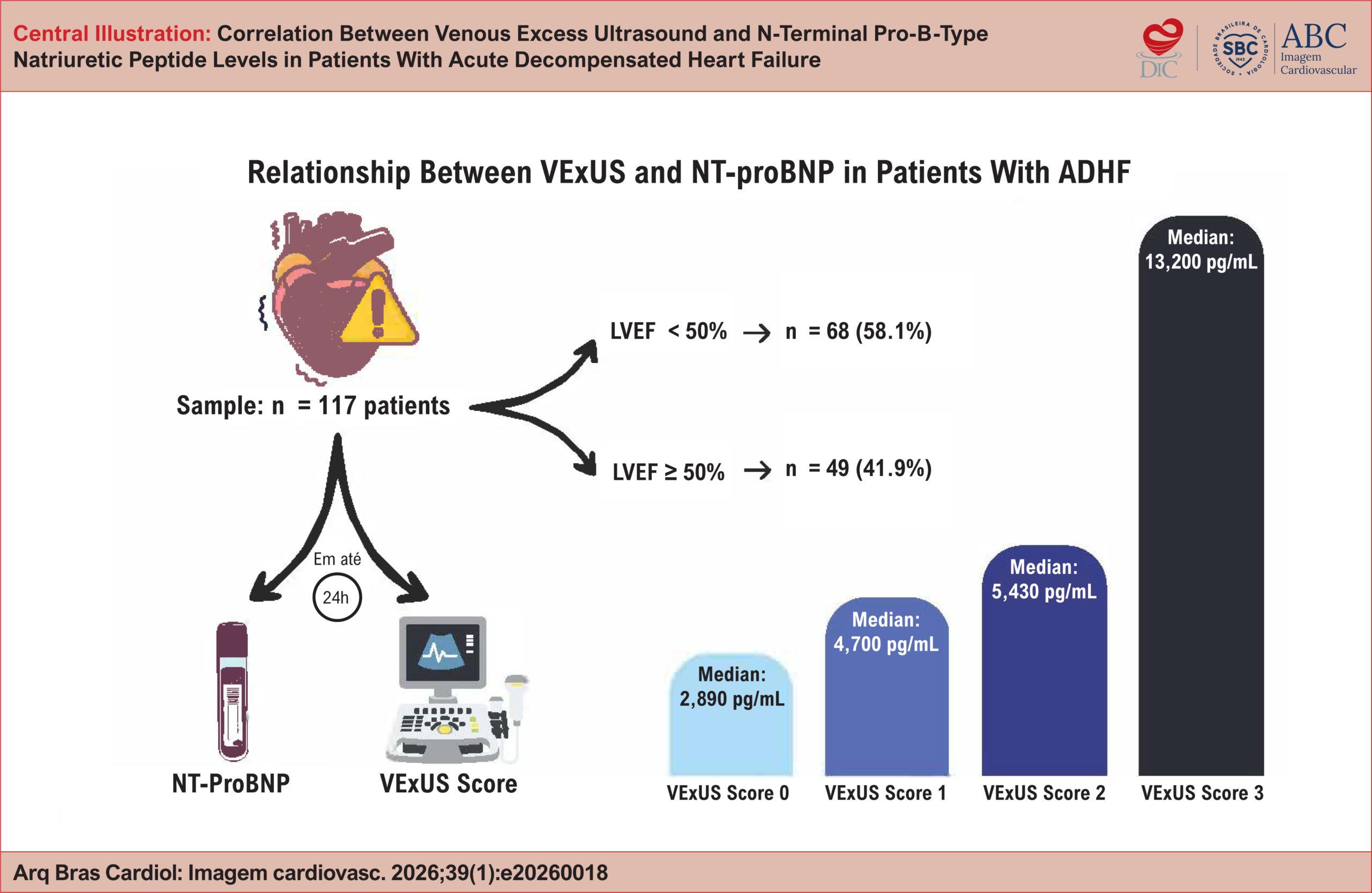
NT-proBNP levels increased progressively with increasing VExUS severity, with median values of 2,890 pg/mL (VExUS 0), 4,700 pg/mL (VExUS 1), 5,430 pg/mL (VExUS 2), and 13,200 pg/mL (VExUS 3). Statistical analysis demonstrated a significant difference between groups (Kruskal-Wallis: χ2 = 39.18; p < 0.0001). Dunn's test indicated that patients with VExUS 3 had significantly higher NT-proBNP levels compared with the other groups (p < 0.01). A moderate positive correlation was observed between the variables (Spearman's coefficient ρ = 0.567; p < 0.0001).

Conclusion:

The results indicate that the VExUS score is associated with NT-proBNP levels and may be integrated into clinical reasoning when assessing venous congestion in patients with ADHF.
  • Heart Failure
  • Inpatients
  • Ultrasonics
Read Full Article
Creative Commons Attribution (CC BY) Creative Commons license
25/05/2026 DOI: 10.36660/abcimg.20260018i Views 1
IJCS
Editorial

You Can Only Improve What You Measure: The Importance of the Rapid Response Team in Improving Patient Care

Sebastian Garcia-Zamora et al. Zain Somani Adrian Baranchuk

Sudden death among hospitalized patients, most often manifesting as in-hospital cardiac arrest, is a global problem that poses major challenges for prediction, timely diagnosis, and expeditious treatment. Incidence and outcomes vary considerably across health systems but remain sobering. Hospitalized patients with acute illness are vulnerable to intercurrent events that can precipitate rapid deterioration. Caring for these patients requires advanced competencies, such as airway management, treatment of arrhythmias, and hemodynamic support, all of which are challenging to acquire and maintain across all medical professionals on general wards. This is why rapid response teams have been utilized as a system-level strategy to recognize early deterioration of patients and bring concentrated expertise to the bedside.

In this issue of the International Journal of Cardiovascular Sciences, Salvadori et al. report a prospective, single-center, five-year evaluation of a rapid response team program in a quaternary Brazilian hospital. Over the study period, the team attended 4,805 emergencies, consisting of 551 cardiac arrests and 4,254 non-arrest deteriorations. Survival among patients with non-arrest emergencies improved significantly (from 57.1% to 64.5%; p = 0.003), whereas survival after cardiac arrest remained low and unchanged. The study has several strengths: it is a large, real-world, prospective analysis that captures process-of-care metrics beyond outcomes, such as time to epinephrine, time to first shock, and time to advanced airway. This level of granularity in the data is crucial in the care of critically ill patients. Outcomes may be unfavorable despite coordinated, appropriate care because of underlying severity, and conversely, occasional survival may occur despite suboptimal response. Measuring processes in detail allows teams to distinguish signal from noise and thereby improve performance over time.

[…]

  • Death, Sudden, Cardiac
  • Heart Arrest
  • Inpatients
Read Full Article
Creative Commons Attribution (CC BY) Creative Commons license
27/04/2026 DOI: 10.36660/ijcs.20250199 Views 1
ABC
Editorial

Score For Prognosis Assessment In Patients With Infective Endocarditis

Alfredo José Mansur

Structured prognostic estimation criteria are a key issue in patient treatment and can be an additional help to guide appropriate patient counseling, as well as support therapeutic decisions for doctors responsible for patients. Prognostic assessment can also be expressed as risk scores; many of them were developed for case series of epidemiological population studies– or a specific group of patients such as patients in intensive care– with suspected or active cardiovascular disease,, or a specific disease such as infective endocarditis.

In the present publication, the authors evaluated in-hospital and post-discharge prognosis estimates using the “Sharpen” score in comparison to the Charlson comorbidity index in 168 patients (179 admissions) with infective endocarditis over sixteen years (2000-2016) based on the review of hospital records. Sharpen is an acronym for seven clinical conditions (Systolic Blood Pressure, Heart Failure, Age, Renal Function, Pneumonia, Elevated C-reactive protein Rate, and Non-Use of Intravenous Drugs – SHARPEN) subjected to multivariate analysis (logistic regression) converting β coefficients into weights.

[…]

  • Electronic Health Records
  • Endocarditis,Bacterial
  • Inpatients
  • Prognosis
Read Full Article
Creative Commons Attribution (CC BY) Creative Commons license
23/08/2024 DOI: 10.36660/abc.20230814
Figure 1
ABC
Original Article

Impact of High Cardiovascular Risk on Hospital Mortality in Intensive Care Patients Hospitalized for COVID-19

Bruno Ferraz de Oliveira Gomes et al. João Luiz Fernandes Petriz Iliana Regina Ribeiro Menezes Anny de Sousa Azevedo … Thiago Moreira Bastos da Silva Valdilene Lima Silva Leticia de Sousa Peres David Fernandes Pedro Pereira Giovanni Possamai Dutra Suzanna Andressa Morais de Paula Bárbara Ferreira da Silva Mendes Plinio Resende do Carmo Junior Basilio de Bragança Pereira Gláucia Maria Moraes de Oliveira

Abstract

Background

Some studies have shown a higher prevalence of deaths in patients with cardiovascular risk factors (CRF) during hospitalization for COVID-19.

Objectives

To assess the impact of high cardiovascular risk in patients hospitalized in intensive care for COVID-19

Methods

Retrospective study with patients admitted to an intensive care unit, with a diagnosis of COVID-19 confirmed by RT-PCR, and with at least one troponin measurement during hospitalization. The criteria for defining high cardiovascular risk (HCR) patients were: history of established cardiovascular disease (myocardial infarction, stroke, or peripheral arterial disease), diabetes, chronic kidney disease with clearance 65 years). The primary outcome of this study is all-cause in-hospital mortality. P<0.05 was considered significant.

Results

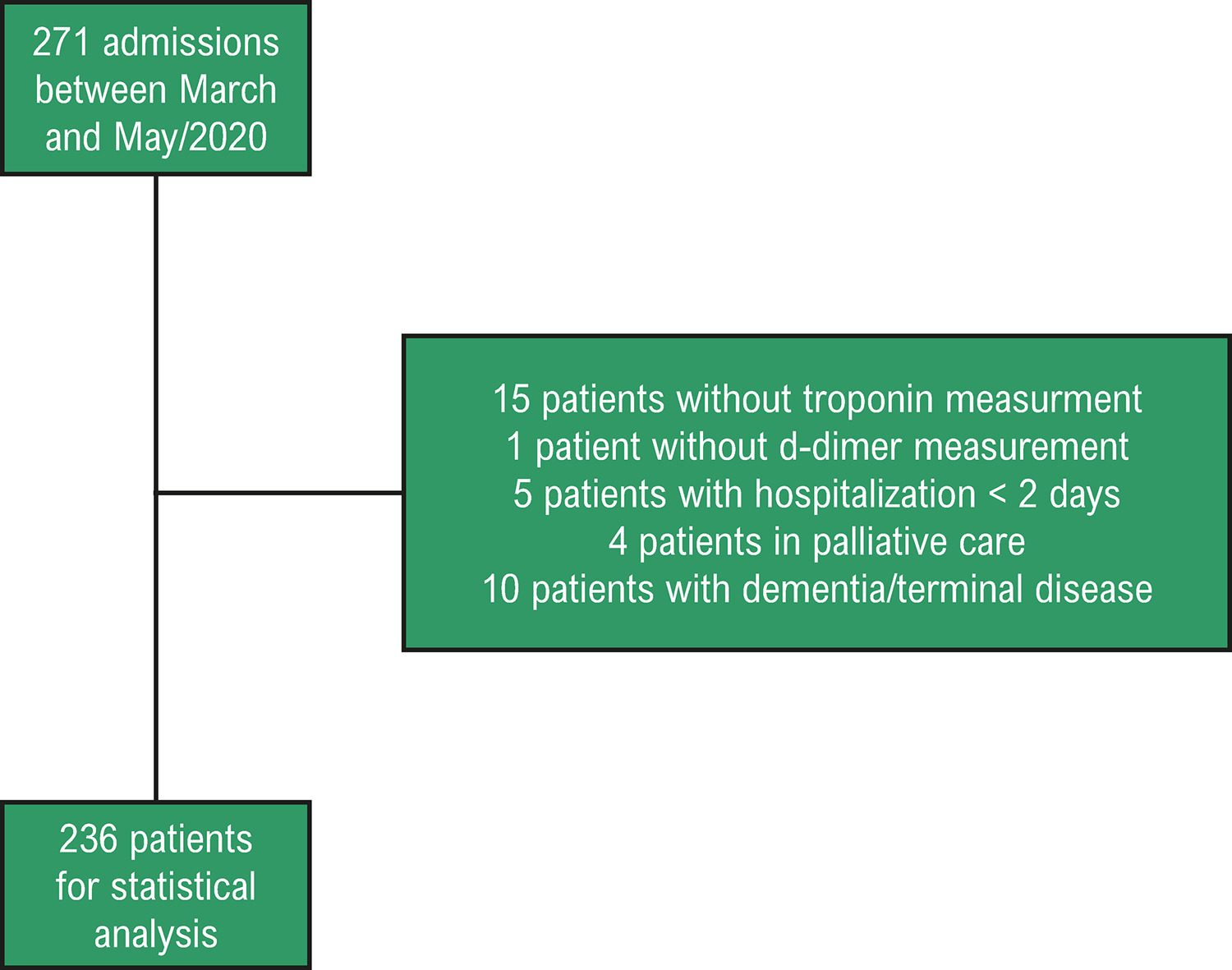
This study included 236 patients, mean age = 61.14±16.2 years, with 63.1% men, 55.5% hypertensive, and 33.1% diabetic; 47.4% of the patients also presented HCR. A significant increase in mortality was observed as the number of risk factors increased (0 FRC: 5.9%; 1 FRC: 17.5%; 2 FRC: 32.2% and ≥3 FRC: 41.2%; p=0.001). In the logistic regression adjusted for severity (SAPS3 score), the HCR and myocardial injury group had a higher occurrence of in-hospital mortality (OR 40.38; 95% CI 11.78-138.39). Patients without HCR but with myocardial injury also exhibited a significant association with the primary outcome (OR 16.7; 95% CI 4.45-62.74).

Conclusion

In patients hospitalized in intensive care for COVID-19, HCR impacts in-hospital mortality only in patients with myocardial injury.

  • Cardiovascular Diseases/complications
  • Cardiovascular risk
  • COVID-19
  • Inpatients
  • Intensive Care
  • Myocardial Injury
  • Ultrasensitivity Troponin
Read Full Article
Creative Commons Attribution (CC BY) Creative Commons license
13/05/2022 DOI: 10.36660/abc.20210349 Views 1
Figure 1
ABC
Original Article

Abnormal Circadian Blood Pressure Variation is Associated with SYNTAX Scores in Hospitalized Patients with Acute Coronary Syndrome

Turhan Turan et al. Ahmet Özderya Sinan Sahin Selim Kul … Ali Hakan Konuş Faruk Kara Gulay Uzun Ali Rıza Akyüz Muhammet Rasit Sayin

Abstract

Background

Blunted nocturnal blood pressure (BP) reduction, referred to as non-dipper hypertension, is a strong predictor of cardiovascular morbidity and mortality.

Objectives

This study aimed to investigate the relationship between non-dipper hypertension and the severity and complexity of coronary artery disease using SYNTAX score in hospitalized patients with acute coronary syndrome.

Methods

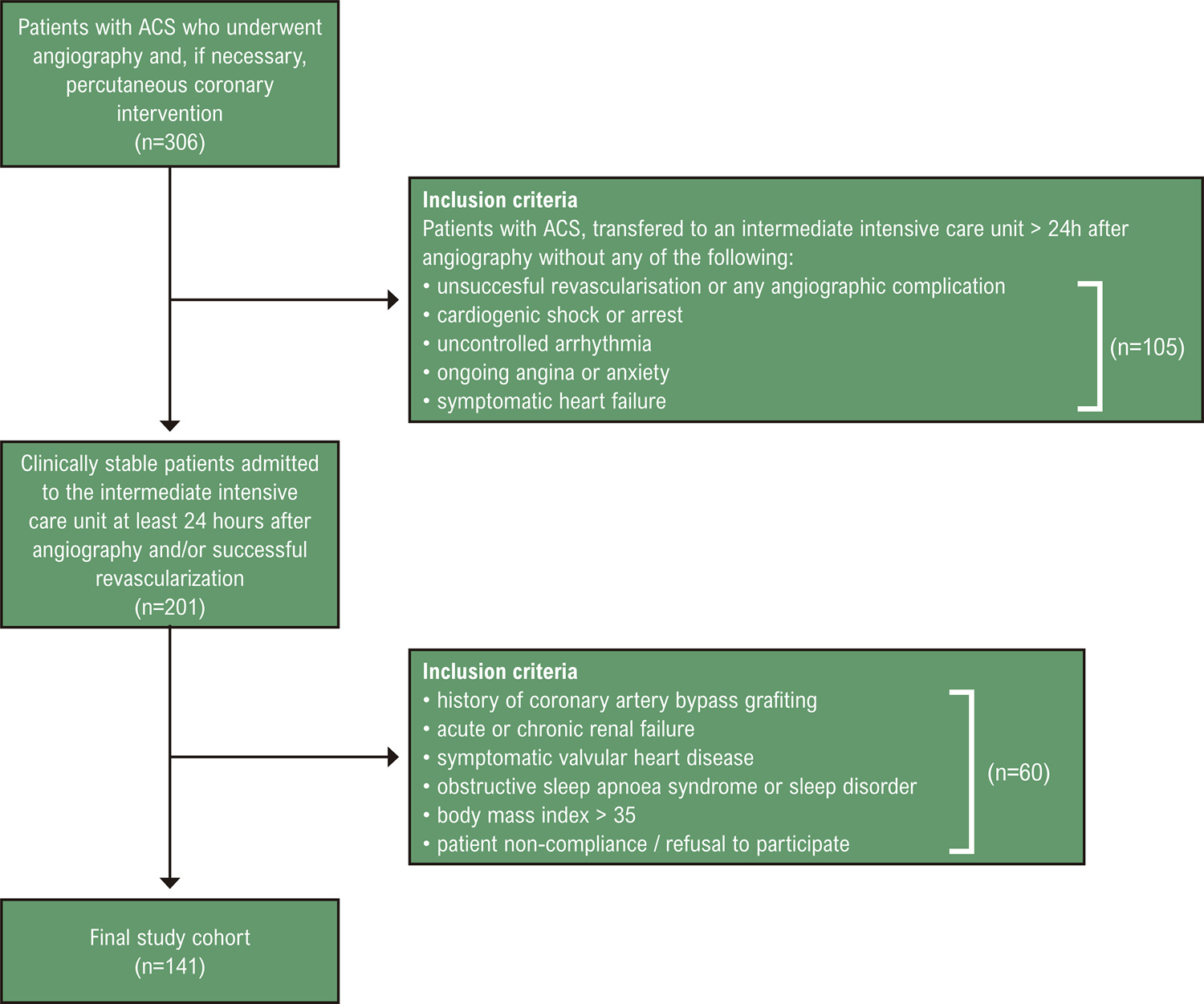
A total of 306 consecutive patients with acute coronary syndrome were screened. Patients who were clinically stable and admitted to the intermediate intensive care unit at least 24 hours after angiography and/or successful revascularization. After the exclusion criteria, 141 patients (34 female and 107 male; mean age 61 ± 11 years) were included. Non-dipper hypertension has been defined as a 0% to 10% decrease in average systolic BP at nighttime compared to daytime, measured at hourly intervals using the same automatic BP measuring device on bedside monitors (Vismo PVM-2701; Nihon Kohden Corp., Tokyo, Japan). SYNTAX score was calculated with an online calculator. The independent predictors of SYNTAX score were assessed using multivariable logistic regression analysis. P < 0.05 was considered statistically significant.

Results

The patients with non-dipper hypertension had higher SYNTAX score than the patients with dipper hypertension (11.12 ± 6.41 versus 6.74 ± 6.45, p < 0.0001). In a multivariable logistic regression model, non-dipper hypertension status (odds ratio: 5.159; 95% confidence interval: 2.246 to 11.852, p < 0.001), sex (p = 0.012) and low-density lipoprotein cholesterol (p = 0.008) emerged as independent predictors of high SYNTAX score.

Conclusions

The results of our study provide a possible additional mechanism linking abnormal circadian BP profile with coronary artery disease severity and complexity in patients with acute coronary syndrome.

  • Acute coronary syndrome
  • Blood Pressure Monitoring, Ambulatory
  • Coronary Artery Disease
  • Hypertension
  • Inpatients
Read Full Article
Creative Commons Attribution (CC BY) Creative Commons license
09/05/2022 DOI: 10.36660/abc.20210546 Views 1
Figure 1
ABC
Original Article

Prognostic Value of Troponin-T and B-Type Natriuretic Peptide in Patients Hospitalized for COVID-19

Gustavo Luiz Gouvêa de Almeida Junior et al. Fabricio Braga José Kezen Jorge Gustavo Freitas Nobre … Marcelo Kalichsztein Paula de Medeiros Pache de Faria Bruno Bussade Guilherme Loures Penna Vitor Oliveira Alves Marcella Alecrim Pereira Paula de Castro Gorgulho Milena Rego dos Santos Espelta de Faria Luis Eduardo Drumond Fabrini Batista Soares Carpinete Ana Carolina Lessa Brandão Neno Augusto César de Araújo Neno

Abstract

Background:

COVID-19 causes severe pulmonary involvement, but the cardiovascular system can also be affected by myocarditis, heart failure and shock. The increase in cardiac biomarkers has been associated with a worse prognosis.

Objectives:

To evaluate the prognostic value of Troponin-T (TNT) and natriuretic peptide (BNP) in patients hospitalized for Covid-19.

Methods:

This was a convenience sample of patients hospitalized for COVID-19. Data were collected from medical records to assess the association of TnT and BNP measured in the first 24 hours of hospital admission with the combined outcome (CO) of death or need for mechanical ventilation. Univariate analysis was used to compare the groups with and without the CO. Cox’s multivariate model was used to determine independent predictors of the CO.

Results:

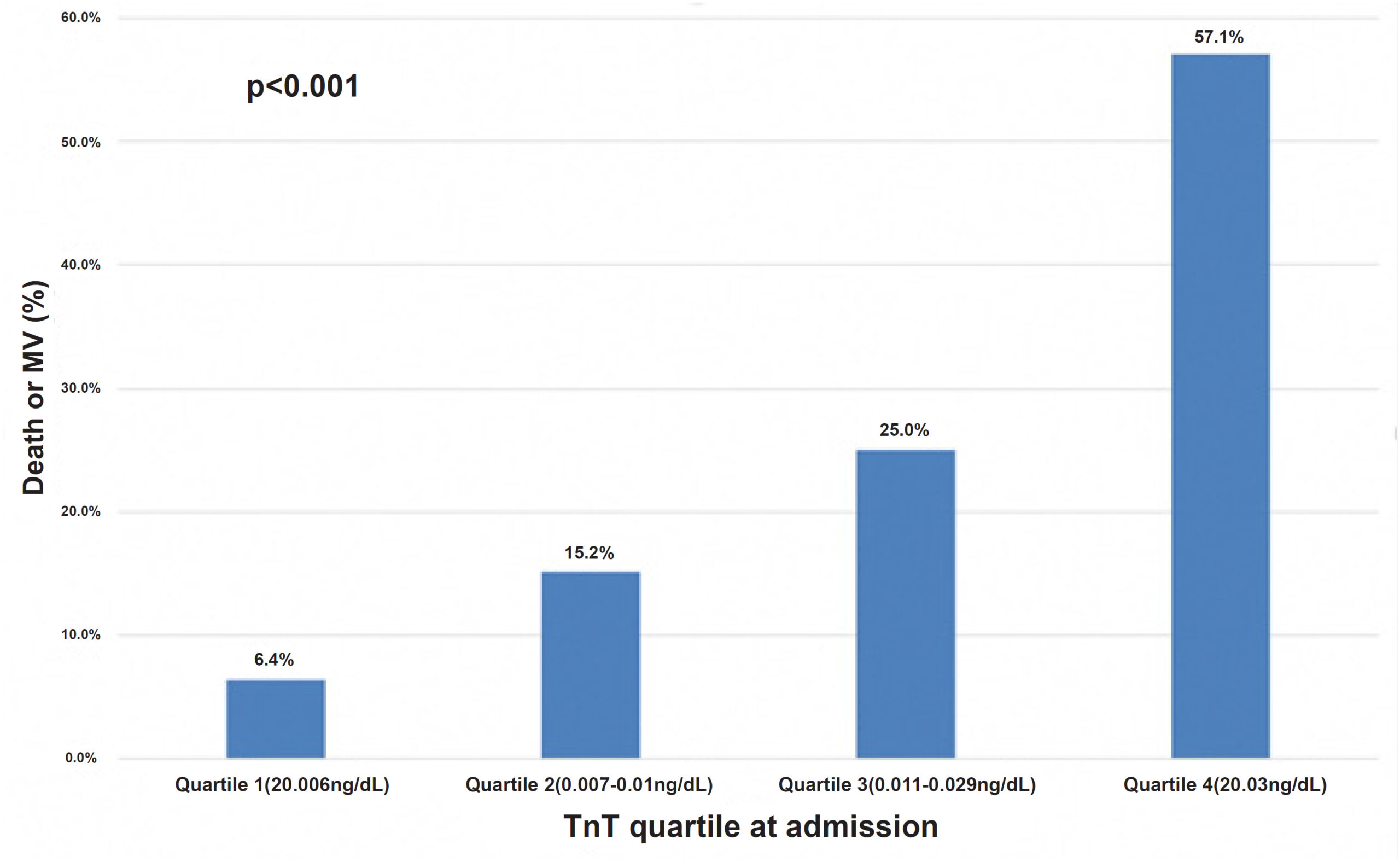
We evaluated 183 patients (age = 66.8±17 years, 65.6% of which were males). The time of follow-up was 7 days (range 1 to 39 days). The CO occurred in 24% of the patients. The median troponin-T and BNP levels were 0.011 and 0.041ng/dL (p <0.001); 64 and 198 pg/dL (p <0.001), respectively, for the groups without and with the CO. In the univariate analysis, in addition to TnT and BNP, age, presence of coronary disease, oxygen saturation, lymphocytes, D-dimer, t-CRP and creatinine, were different between groups with and without outcomes. In the bootstrap multivariate analysis, only TnT (1.12 [95% CI 1.03-1.47]) and t-CRP (1.04 [95% CI 1.00-1.10]) were independent predictors of the CO.

Conclusion:

In the first 24h of admission, TnT, but not BNP, was an independent marker of mortality or need for invasive mechanical ventilation. This finding further reinforces the clinical importance of cardiac involvement in COVID-19. (Arq Bras Cardiol. 2020; 115(4):660-666)

  • Betacoronavirus
  • Biomarkers
  • Cardiovascular Diseases/complications
  • Inpatients
  • Natriuretic Peptide, B-Type
  • Pandemics
  • SARS-CoV-2
  • Troponin T
Read Full Article
Creative Commons Attribution (CC BY) Creative Commons license
23/10/2020 DOI: 10.36660/abc.20200385
ABC
Editorial

The Lack of Nutritional Counseling during Hospitalization

Luiza Antoniazzi

During the nutritional follow-up of hospitalized individuals, the nutritionist has as activities to perform the diagnosis, dietary prescription, supervise the distribution of the diets and evaluate their acceptance, and also perform nutritional counseling so that these individuals understand how a standard specific diet may be more appropriate taking into account their diagnoses and nutritional status. The number of nutritionists issued by Resolution 600 of 2018 of the Federal Council of Nutritionists is 1 professional every 15 beds of high complexity and every 30 beds of medium complexity.

Lima et al. evaluated in an article published in this edition whether nutritional counseling was performed in the hospital environment for patients with Acute Myocardial Infarction (AMI) and the quality of this orientation. The authors found that 57.6% of the individuals hospitalized in the public network and 70.3% private hospitals, both in Sergipe, Brazil, had received in-hospital nutritional counseling.

[…]

  • Dietetics
  • Healthy Diet
  • Hospitalization
  • Inpatients
  • Risk reduction Behavior
Read Full Article
Creative Commons Attribution (CC BY) Creative Commons license
02/09/2019 DOI: 10.5935/abc.20190172 Views 1
Figure 1
ABC
Original Article

Analysis Treatment Guideline versus Clinical Practice Protocol in Patients Hospitalized due to Heart Failure

Alessandra da Graça Corrêa et al. Marcia Makdisse Marcelo Katz Thamires Campos Santana … Paula Kiyomi Onaga Yokota Tatiana de Fatima Gonçalves Galvão Fernando Bacal

Background:

Despite the availability of guidelines for treatment of heart failure (HF), only a few studies have assessed how hospitals adhere to the recommended therapies.

Objectives:

Compare the rates of adherence to the prescription of angiotensin-converting enzyme inhibitor or angiotensin II receptor blockers (ACEI/ARB) at hospital discharge, which is considered a quality indicator by the Joint Commission International, and to the prescription of beta-blockers at hospital discharge, which is recommended by national and international guidelines, in a hospital with a case management program to supervise the implementation of a clinical practice protocol (HCP) and another hospital that follows treatment guidelines (HCG).

Methods:

Prospective observational study that evaluated patients consecutively admitted to both hospitals due to decompensated HF between August 1st, 2006, and December 31st, 2008. We used as comparing parameters the prescription rates of beta-blockers and ACEI/ARB at hospital discharge and in-hospital mortality.

Results:

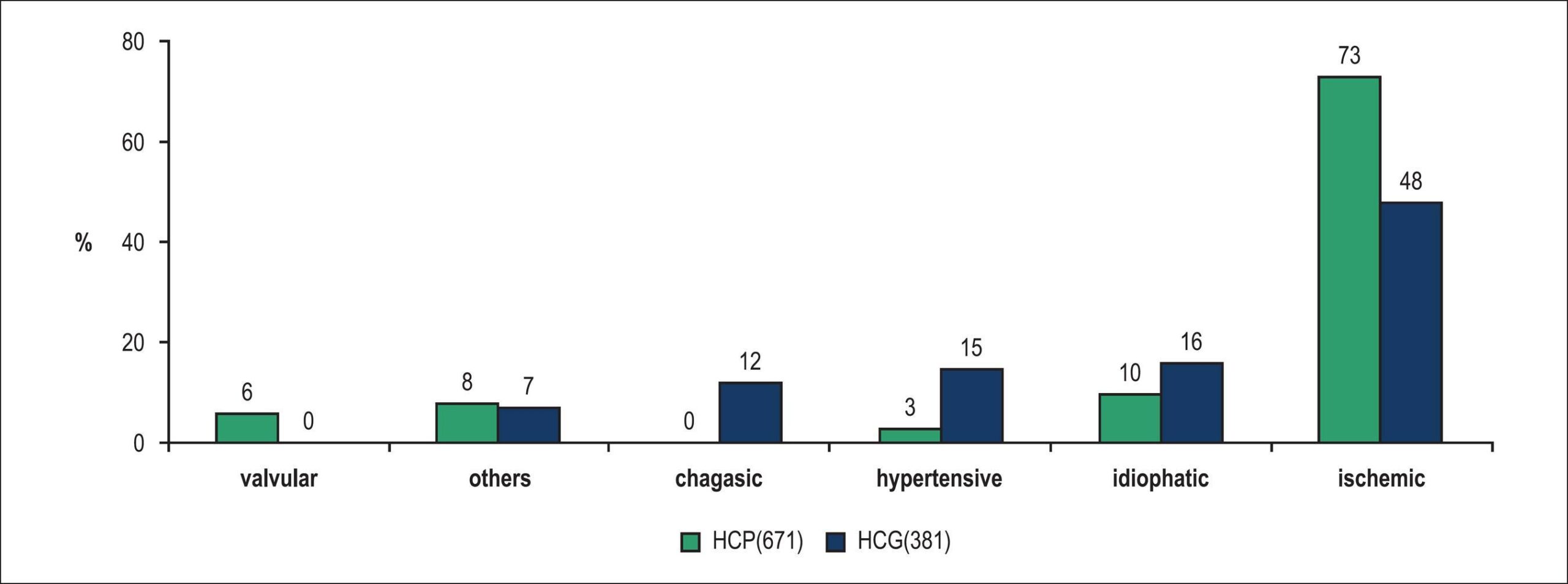
We analyzed 1,052 patients (30% female, mean age 70.6 ± 14.1 years), 381 (36%) of whom were seen at HCG and 781 (64%) at HCP. The prescription rates of beta-blockers at discharge at HCG and HCP were both 69% (p = 0.458), whereas those of ACEI/ARB were 83% and 86%, respectively (p = 0.162). In-hospital mortality rates were 16.5% at HCP and 27.8% at HCG (p < 0.001).

Conclusion:

There was no difference in prescription rates of beta-blocker and ACEI/ARB at hospital discharge between the institutions, but HCP had lower in-hospital mortality. This difference in mortality may be attributed to different clinical characteristics of the patients in both hospitals.

  • Heart Failure /therapy
  • Inpatients
  • Protocol
  • Quality Indicators, Health Care
Read Full Article
Creative Commons Attribution (CC BY) Creative Commons license
26/01/2016 DOI: 10.5935/abc.20160018
Figure 1
ABC
Original Article

Atrial Fibrillation in Decompensated Heart Failure: Associated Factors and In-Hospital Outcome

Fernanda de Souza Nogueira Sardinha Mendes et al. Jacob Atié Marcelo Iorio Garcia Eliza de Almeida Gripp … Andréa Silvestre de Sousa Luiz Augusto Feijó Sergio Salles Xavier

Background:

Studies on atrial fibrillation (AF) in decompensated heart failure (DHF) are scarce in Brazil.

Objectives:

To determine AF prevalence, its types and associated factors in patients hospitalized due to DHF; to assess their thromboembolic risk profile and anticoagulation rate; and to assess the impact of AF on in-hospital mortality and hospital length of stay.

Methods:

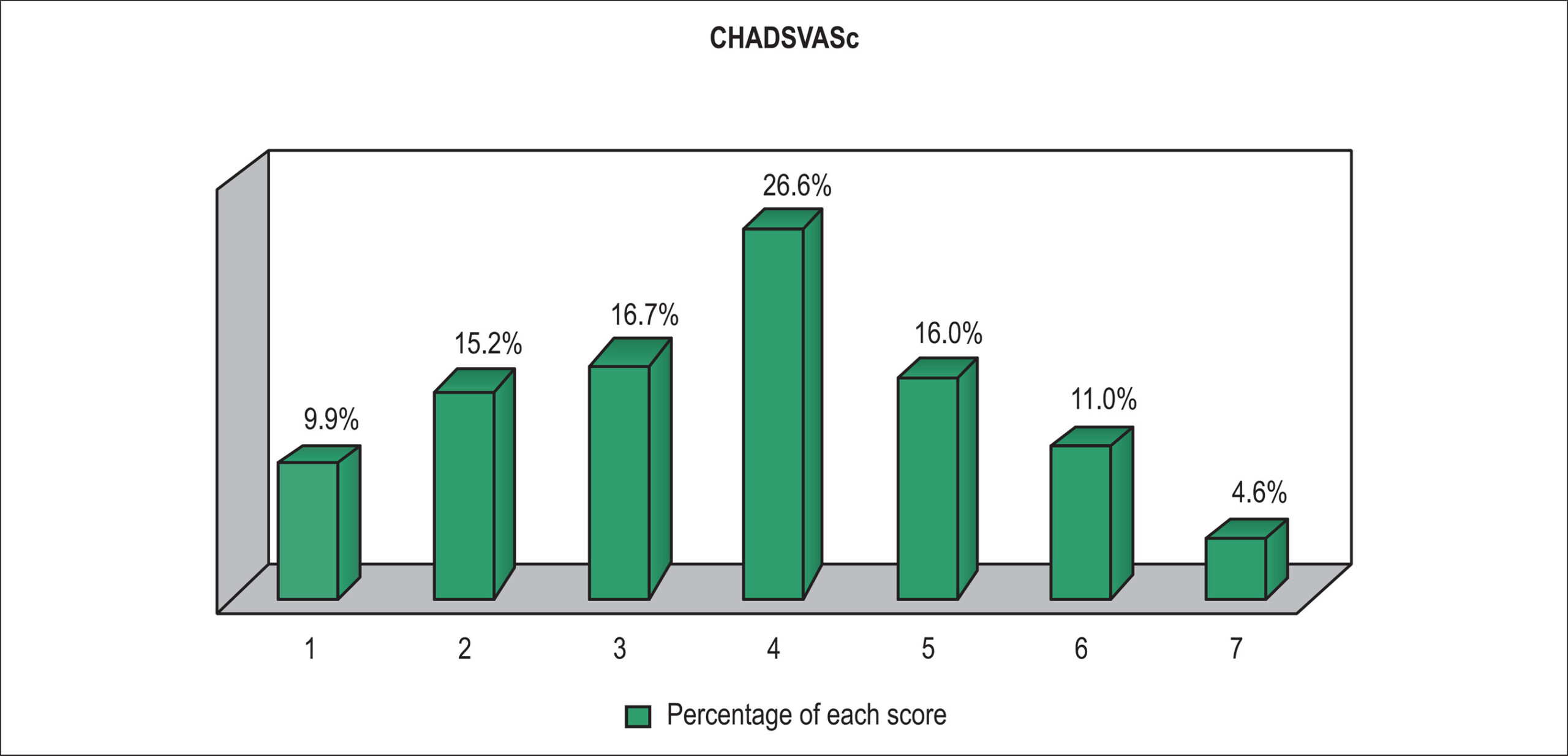
Retrospective, observational, cross-sectional study of incident cases including 659 consecutive hospitalizations due to DHF, from 01/01/2006 to 12/31/2011. The thromboembolic risk was assessed by using CHADSVASc score. On univariate analysis, the chi-square, Student t and Mann Whitney tests were used. On multivariate analysis, logistic regression was used.

Results:

The prevalence of AF was 40%, and the permanent type predominated (73.5%). On multivariate model, AF associated with advanced age (p < 0.0001), non-ischemic etiology (p = 0.02), right ventricular dysfunction (p = 0.03), lower systolic blood pressure (SBP) (p = 0.02), higher ejection fraction (EF) (p < 0.0001) and enlarged left atrium (LA) (p < 0.0001). The median CHADSVASc score was 4, and 90% of the cases had it ≥ 2. The anticoagulation rate was 52.8% on admission and 66.8% on discharge, being lower for higher scores. The group with AF had higher in-hospital mortality (11.0% versus 8.1%, p = 0.21) and longer hospital length of stay (20.5 ± 16 versus 16.3 ± 12, p = 0.001).

Conclusions:

Atrial fibrillation is frequent in DHF, the most prevalent type being permanent AF. Atrial fibrillation is associated with more advanced age, non-ischemic etiology, right ventricular dysfunction, lower SBP, higher EF and enlarged LA. Despite the high thromboembolic risk profile, anticoagulation is underutilized. The presence of AF is associated with longer hospital length of stay and high mortality.

  • Atrial Fibrillation
  • Heart Failure
  • Hospital Mortality
  • Inpatients
  • Ventricular Dysfunction, Left
Read Full Article
Creative Commons Attribution (CC BY) Creative Commons license
29/08/2014 DOI: 10.5935/abc.20140123 Views 1
ABC
Special Article

Rationale and design: BREATHE registry – I brazilian registry of heart failure

BACKGROUND: Several local registries have sought to individually depict clinical characteristics of patients hospitalized with heart failure (HF) in Brazilian hospitals and communities. Overall, the analysis of these data suggests that there are important differences in etiology, decompensation factors, treatment and prognosis of patients with HF in different Brazilian regions. OBJECTIVES: To evaluate the demographic, clinical and prognostic characteristics of 1,200 patients admitted with a clinical diagnosis of decompensated HF in a group of 60 hospitals representative of the different Brazilian regions. METHODS: Transversal observational study (registry) with a longitudinal twelve-month follow-up (admission consultations, hospital discharge, three months, six months and twelve months after inclusion), in which patients admitted to public and private hospitals clinical with a primarily defined HF diagnosis will be studied. RESULTS: The results will be shown soon after data collection completion, quality assessment and statistical analysis. CONCLUSIONS: The results of this multicenter registry will allow for a more appropriate planning of financial, technological and personal resource supply for the health care area, as well as the planning of more effective preventive measures in decompensated HF.

  • Brazil
  • Heart Failure
  • Inpatients
  • Medical Records
Read Full Article
Creative Commons Attribution (CC BY) Creative Commons license
28/05/2013 DOI: 10.5935/abc.20130093 Views 1
Prevalence and predictors of pulmonary embolism in patients with acutely decompensated heart failure
ABC
Artigo Original

Prevalence and predictors of pulmonary embolism in patients with acutely decompensated heart failure

Luís C. L. Correia et al. Creuza Góes Hysla Ribeiro Manuela Cunha … Rogério de Paula J. Péricles Esteves

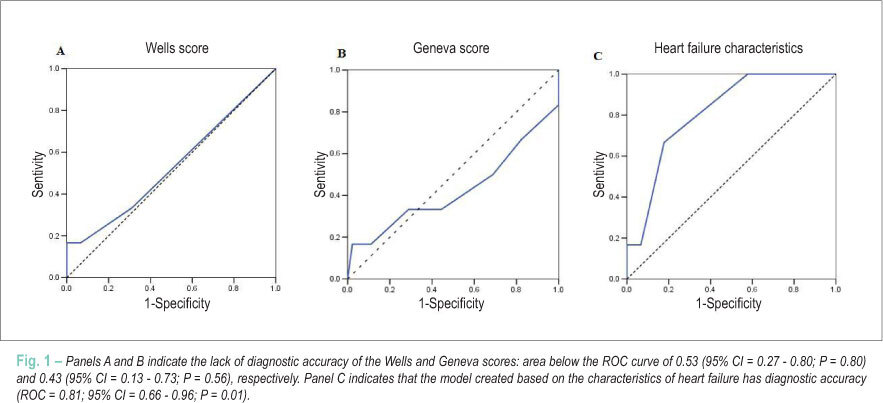
BACKGROUND: The prevalence of pulmonary embolism (PE) has not been reported in patients hospitalized due to classical findings of decompensated heart failure (HF). OBJECTIVE: To describe the prevalence of PE and to assess the diagnostic accuracy of the Wells and Geneva scores in patients hospitalized due to HF. METHODS: Patients hospitalized primarily due to HF underwent systematic ventilation-perfusion lung scan, and PE was defined by a result of high probability. Aiming at interpreting, low clinical probability of PE was defined as prevalence < 5%, according to the literature. When calculating the sample size, 49 patients were required to provide a 95% confidence interval with ±10% accuracy, estimating an a priori prevalence of 15%. RESULTS: Of 51 patients studied, six had a high probability of PE on lung scan, resulting in 12% prevalence (95% CI = 5% – 23%). The Wells and Geneva scores had an area under the ROC curve of 0.53 (95% CI = 0.27 – 0.80; p = 0.80) and 0.43 (95% CI = 0.13 – 0.73; p = 0.56), respectively, indicating lack of accuracy for the diagnosis of PE. Alternatively, variables related to HF showed a tendency towards association with PE, and an exploratory model formed by that type of variable showed diagnostic accuracy for PE (ROC = 0.81; 95% CI = 0.66 – 0.96; p = 0.01). CONCLUSION: (1) Despite the lack of primary suspicion, patients admitted with HF have intermediate clinical probability of concomitant PE; (2) the scores usually used to estimate the clinical probability of PE do not apply to the population with HF, and future predictive models should consider variables related to that syndrome.

  • Heart Failure
  • Inpatients
  • Prevalence
  • Pulmonary embolism
Read Full Article
Creative Commons Attribution (CC BY) Creative Commons license
09/01/2012 DOI: 10.1590/S0066-782X2012005000008 Views 1
ABC
Artigo Original

Coronary artery disease and experiences of losses

Rachel Jurkiewicz et al. Bellkiss Wilma Romano

BACKGROUND: In literature, depression is associated with cardiovascular diseases. From clinical experience, we observed that the psychological category “experience of loss” was associated with the onset and development of coronary heart disease. The experience of loss caused by self-reported significant event(s) leads to grief and the psychosocial factors which predispose the patient to diseases. OBJECTIVE: To study the impact of the experience of loss by investigating the relationship between mourning and depression, in hospitalized patients with coronary heart disease. METHODS: 44 inpatients (50% men and 50% women, aged 33 to 65 years), with a diagnosis of acute myocardial infarction or angina, were evaluated. Two instruments were used: a semi-structured interview, for investigating the experience of loss and evaluating the state of grief; and the Beck Depression Inventory, for measuring the severity of depression. The results were expressed using the computer program Statistical Package for Social Sciences version 11.0. RESULTS: 66% of the patients were in mourning, the relationship between mourning and depression was significant (p<0,05), and we verified that 100% of the patients who had serious depression were in mourning. The most frequent self-reported significant event was death of a family member (47%) and death of a close person (13%), totaling 60% of the events, reported by 84% of the participants. According to the results of Beck Depression Inventory, 48% of them had depression. CONCLUSION: This study suggests that the psychological category "experience of loss" should be used as an indicator of the existence of psychological factors that could predispose the patient to CAD, and also confirms the relationship between a state of mourning and depression.

  • affective symptoms
  • Coronary Artery Diseases
  • Depression
  • Inpatients
Read Full Article
Creative Commons Attribution (CC BY) Creative Commons license
24/11/2009 DOI: 10.1590/S0066-782X2009001000007
ABC
Brief Communication

Analysis of the prescription of captopril to hospitalized patients

Márcio Galvão Oliveira et al. Antônio Carlos Beisl Noblat Lúcia Noblat Luiz Carlos Passos

One of the most common complications of Systemic Arterial Hypertension is the hypertensive crisis¹ characterized by a symptomatic elevation of blood pressure (BP) with or without involvement of target organs, which may lead to immediate or potential risk to life2-4. The hypertensive crisis may manifest itself as hypertensive emergency or urgency. In the emergency there is fast deterioration of target organs and immediate risk to life, a situation that does not occur in hypertensive urgency2-4. On the other hand, situations in which the patient presents elevated BP due to an emotionally charged, painful or uncomfortable event, with no evidence of lesion of target organs or immediate risk to life, characterize the hypertensive pseudo-crisis, a condition that does not require the use of emergency antihypertensive therapy1-3,5. Despite this fact, the practice has become widespread of prescribing antihypertensive medication prior to situations believed to present a risk of abrupt BP elevation, irrespective of the symptoms. This study aims at assessing the frequency of prescription of captopril prior to BP elevation in patients hospitalized in a university hospital. It was also intended to map the places (clinical or surgical wards) where this procedure was more frequent.

  • captopril
  • Hypertension
  • Inpatients
  • Prescriptions
Read Full Article
Creative Commons Attribution (CC BY) Creative Commons license
05/01/2009 DOI: 10.1590/S0066-782X2008001800009 Views 2

How to cite this article

EndNote RIS

Electronic Document Format (Vancouver)

Flores MP, Souza AC, Carvalho MVSF, Melo RMV, Cavalcante LRS, Barroso ND, Carvalho YX, et al. Correlation Between Venous Excess Ultrasound and N-Terminal Pro-B-Type Natriuretic Peptide Levels in Patients With Acute Decompensated Heart Failure. ABC Imagem Cardiovascular 2026;39(1):e20260018.

Electronic Document Format (ABNT)

Flores, Marcella Pereira; Souza, Alexandre Costa; Carvalho, Marcus Vinicius Silva Freire de; Melo, Rodrigo Morel Vieira de; Cavalcante, Lívia Rodrigues Sampaio; Barroso, Natália Duarte; Carvalho, Yuri Xavier de; Barros, Raisa Mainarte Franco; Lobo, Clara Talita Silva; Almeida Filho, Adriano Chaves de. Correlation Between Venous Excess Ultrasound and N-Terminal Pro-B-Type Natriuretic Peptide Levels in Patients With Acute Decompensated Heart Failure. ABC Imagem Cardiovascular, v. 39, n. 1, e20260018, May. 2026.

Electronic Document Format (APA)

Flores, M. P., Souza, A. C., Carvalho, M. V. S. F. , Melo, R. M. V. , Cavalcante, L. R. S., Barroso, N. D., Carvalho, Y. X. , Barros, R. M. F., Lobo, C. T. S., & Almeida Filho, A. C. (2026). Correlation Between Venous Excess Ultrasound and N-Terminal Pro-B-Type Natriuretic Peptide Levels in Patients With Acute Decompensated Heart Failure. ABC Imagem Cardiovascular, 39(1), e20260018.

Electronic Document Format (ISO)

Flores, Marcella Pereira and Souza, Alexandre Costa and Carvalho, Marcus Vinicius Silva Freire de and Melo, Rodrigo Morel Vieira de and Cavalcante, Lívia Rodrigues Sampaio and Barroso, Natália Duarte and Carvalho, Yuri Xavier de and Barros, Raisa Mainarte Franco and Lobo, Clara Talita Silva and Almeida Filho, Adriano Chaves de. Correlation Between Venous Excess Ultrasound and N-Terminal Pro-B-Type Natriuretic Peptide Levels in Patients With Acute Decompensated Heart Failure. ABC Imagem Cardiovascular [online]. 2026, vol. 39, n. 1, [cited 2026-10-14], e20260018. Available from: <https://journals.cardiol.br/en/article/correlation-between-venous-excess-ultrasound-and-n-terminal-pro-b-type-natriuretic-peptide-levels-in-patients-with-acute-decompensated-heart-failure/>. ISSN 2318-8219

EndNote RIS

Electronic Document Format (Vancouver)

Garcia-Zamora S, Somani Z, Baranchuk A. You Can Only Improve What You Measure: The Importance of the Rapid Response Team in Improving Patient Care. International Journal of Cardiovascular Sciences 2026;39:e20250199.

Electronic Document Format (ABNT)

Garcia-Zamora, Sebastian; Somani, Zain; Baranchuk, Adrian. You Can Only Improve What You Measure: The Importance of the Rapid Response Team in Improving Patient Care. International Journal of Cardiovascular Sciences, v. 39, e20250199, Apr. 2026.

Electronic Document Format (APA)

Garcia-Zamora, S., Somani, Z., & Baranchuk, A. (2026). You Can Only Improve What You Measure: The Importance of the Rapid Response Team in Improving Patient Care. International Journal of Cardiovascular Sciences, 39, e20250199.

Electronic Document Format (ISO)

Garcia-Zamora, Sebastian and Somani, Zain and Baranchuk, Adrian. You Can Only Improve What You Measure: The Importance of the Rapid Response Team in Improving Patient Care. International Journal of Cardiovascular Sciences [online]. 2026, vol. 39, [cited 2026-10-14], e20250199. Available from: <https://journals.cardiol.br/en/article/you-can-only-improve-what-you-measure-the-importance-of-the-rapid-response-team-in-improving-patient-care/>. ISSN 2359-4802

EndNote RIS

Electronic Document Format (Vancouver)

Mansur AJ. Score For Prognosis Assessment In Patients With Infective Endocarditis. Arquivos Brasileiros de Cardiologia 2024;120(12):e20230814.

Electronic Document Format (ABNT)

Mansur, Alfredo José. Score For Prognosis Assessment In Patients With Infective Endocarditis. Arquivos Brasileiros de Cardiologia, v. 120, n. 12, e20230814, Aug. 2024.

Electronic Document Format (APA)

Mansur, A. J. (2024). Score For Prognosis Assessment In Patients With Infective Endocarditis. Arquivos Brasileiros de Cardiologia, 120(12), e20230814.

Electronic Document Format (ISO)

Mansur, Alfredo José. Score For Prognosis Assessment In Patients With Infective Endocarditis. Arquivos Brasileiros de Cardiologia [online]. 2024, vol. 120, n. 12, [cited 2026-10-14], e20230814. Available from: <https://journals.cardiol.br/en/article/score-for-prognosis-assessment-in-patients-with-infective-endocarditis/>. ISSN 0066-782X

EndNote RIS

Electronic Document Format (Vancouver)

Gomes BFO, Petriz JLF, Menezes IRR, Azevedo AS, Silva TMB, Silva VL, Peres LS, et al. Impact of High Cardiovascular Risk on Hospital Mortality in Intensive Care Patients Hospitalized for COVID-19. Arquivos Brasileiros de Cardiologia 2022;118(5):927-34.

Electronic Document Format (ABNT)

Gomes, Bruno Ferraz de Oliveira; Petriz, João Luiz Fernandes; Menezes, Iliana Regina Ribeiro; Azevedo, Anny de Sousa; Silva, Thiago Moreira Bastos da; Silva, Valdilene Lima; Peres, Leticia de Sousa; Pereira, David Fernandes Pedro; Dutra, Giovanni Possamai; Paula, Suzanna Andressa Morais de; Mendes, Bárbara Ferreira da Silva; Carmo Junior, Plinio Resende do; Pereira, Basilio de Bragança; Oliveira, Gláucia Maria Moraes de. Impact of High Cardiovascular Risk on Hospital Mortality in Intensive Care Patients Hospitalized for COVID-19. Arquivos Brasileiros de Cardiologia, v. 118, n. 5, p. 927-934, May. 2022.

Electronic Document Format (APA)

Gomes, B. F. O., Petriz, J. L. F., Menezes, I. R. R., Azevedo, A. S., Silva, T. M. B. , Silva, V. L., Peres, L. S., Pereira, D. F. P., Dutra, G. P., Paula, S. A. M. , Mendes, B. F. S., Carmo Junior, P. R. , Pereira, B. B., & Oliveira, G. M. M. (2022). Impact of High Cardiovascular Risk on Hospital Mortality in Intensive Care Patients Hospitalized for COVID-19. Arquivos Brasileiros de Cardiologia, 118(5), 927-934.

Electronic Document Format (ISO)

Gomes, Bruno Ferraz de Oliveira and Petriz, João Luiz Fernandes and Menezes, Iliana Regina Ribeiro and Azevedo, Anny de Sousa and Silva, Thiago Moreira Bastos da and Silva, Valdilene Lima and Peres, Leticia de Sousa and Pereira, David Fernandes Pedro and Dutra, Giovanni Possamai and Paula, Suzanna Andressa Morais de and Mendes, Bárbara Ferreira da Silva and Carmo Junior, Plinio Resende do and Pereira, Basilio de Bragança and Oliveira, Gláucia Maria Moraes de. Impact of High Cardiovascular Risk on Hospital Mortality in Intensive Care Patients Hospitalized for COVID-19. Arquivos Brasileiros de Cardiologia [online]. 2022, vol. 118, n. 5, [cited 2026-10-14], pp. 927-934. Available from: <https://journals.cardiol.br/en/article/impact-of-high-cardiovascular-risk-on-hospital-mortality-in-intensive-care-patients-hospitalized-for-covid-19/>. ISSN 0066-782X

EndNote RIS

Electronic Document Format (Vancouver)

Turan T, Özderya A, Sahin S, Kul S, Konuş AH, Kara F, Uzun G, et al. Abnormal Circadian Blood Pressure Variation is Associated with SYNTAX Scores in Hospitalized Patients with Acute Coronary Syndrome. Arquivos Brasileiros de Cardiologia 2022;119(1):76-84.

Electronic Document Format (ABNT)

Turan, Turhan; Özderya, Ahmet; Sahin, Sinan; Kul, Selim; Konuş, Ali Hakan; Kara, Faruk; Uzun, Gulay; Akyüz, Ali Rıza; Sayin, Muhammet Rasit. Abnormal Circadian Blood Pressure Variation is Associated with SYNTAX Scores in Hospitalized Patients with Acute Coronary Syndrome. Arquivos Brasileiros de Cardiologia, v. 119, n. 1, p. 76-84, May. 2022.

Electronic Document Format (APA)

Turan, T., Özderya, A., Sahin, S., Kul, S., Konuş, A. H., Kara, F., Uzun, G., Akyüz, A. R., & Sayin, M. R. (2022). Abnormal Circadian Blood Pressure Variation is Associated with SYNTAX Scores in Hospitalized Patients with Acute Coronary Syndrome. Arquivos Brasileiros de Cardiologia, 119(1), 76-84.

Electronic Document Format (ISO)

Turan, Turhan and Özderya, Ahmet and Sahin, Sinan and Kul, Selim and Konuş, Ali Hakan and Kara, Faruk and Uzun, Gulay and Akyüz, Ali Rıza and Sayin, Muhammet Rasit. Abnormal Circadian Blood Pressure Variation is Associated with SYNTAX Scores in Hospitalized Patients with Acute Coronary Syndrome. Arquivos Brasileiros de Cardiologia [online]. 2022, vol. 119, n. 1, [cited 2026-10-14], pp. 76-84. Available from: <https://journals.cardiol.br/en/article/abnormal-circadian-blood-pressure-variation-is-associated-with-syntax-scores-in-hospitalized-patients-with-acute-coronary-syndrome/>. ISSN 0066-782X

EndNote RIS

Electronic Document Format (Vancouver)

Almeida Junior GLG, Braga F, Jorge JK, Nobre GF, Kalichsztein M, Faria PMP, Bussade B, et al. Prognostic Value of Troponin-T and B-Type Natriuretic Peptide in Patients Hospitalized for COVID-19. Arquivos Brasileiros de Cardiologia 2020;115(4):660-6.

Electronic Document Format (ABNT)

Almeida Junior, Gustavo Luiz Gouvêa de; Braga, Fabricio; Jorge, José Kezen; Nobre, Gustavo Freitas; Kalichsztein, Marcelo; Faria, Paula de Medeiros Pache de; Bussade, Bruno; Penna, Guilherme Loures; Alves, Vitor Oliveira; Pereira, Marcella Alecrim; Gorgulho, Paula de Castro; Faria, Milena Rego dos Santos Espelta de; Drumond, Luis Eduardo; Carpinete, Fabrini Batista Soares; Neno, Ana Carolina Lessa Brandão; Neno, Augusto César de Araújo. Prognostic Value of Troponin-T and B-Type Natriuretic Peptide in Patients Hospitalized for COVID-19. Arquivos Brasileiros de Cardiologia, v. 115, n. 4, p. 660-666, Oct. 2020.

Electronic Document Format (APA)

Almeida Junior, G. L. G. , Braga, F., Jorge, J. K., Nobre, G. F., Kalichsztein, M., Faria, P. M. P. , Bussade, B., Penna, G. L., Alves, V. O., Pereira, M. A., Gorgulho, P. C., Faria, M. R. S. E. , Drumond, L. E., Carpinete, F. B. S., Neno, A. C. L. B., & Neno, A. C. A. (2020). Prognostic Value of Troponin-T and B-Type Natriuretic Peptide in Patients Hospitalized for COVID-19. Arquivos Brasileiros de Cardiologia, 115(4), 660-666.

Electronic Document Format (ISO)

Almeida Junior, Gustavo Luiz Gouvêa de and Braga, Fabricio and Jorge, José Kezen and Nobre, Gustavo Freitas and Kalichsztein, Marcelo and Faria, Paula de Medeiros Pache de and Bussade, Bruno and Penna, Guilherme Loures and Alves, Vitor Oliveira and Pereira, Marcella Alecrim and Gorgulho, Paula de Castro and Faria, Milena Rego dos Santos Espelta de and Drumond, Luis Eduardo and Carpinete, Fabrini Batista Soares and Neno, Ana Carolina Lessa Brandão and Neno, Augusto César de Araújo. Prognostic Value of Troponin-T and B-Type Natriuretic Peptide in Patients Hospitalized for COVID-19. Arquivos Brasileiros de Cardiologia [online]. 2020, vol. 115, n. 4, [cited 2026-10-14], pp. 660-666. Available from: <https://journals.cardiol.br/en/article/prognostic-value-of-troponin-t-and-b-type-natriuretic-peptide-in-patients-hospitalized-for-covid-19/>. ISSN 0066-782X

EndNote RIS

Electronic Document Format (Vancouver)

Antoniazzi L. The Lack of Nutritional Counseling during Hospitalization. Arquivos Brasileiros de Cardiologia 2019;113(2):270-1.

Electronic Document Format (ABNT)

Antoniazzi, Luiza. The Lack of Nutritional Counseling during Hospitalization. Arquivos Brasileiros de Cardiologia, v. 113, n. 2, p. 270-271, Sep. 2019.

Electronic Document Format (APA)

Antoniazzi, L. (2019). The Lack of Nutritional Counseling during Hospitalization. Arquivos Brasileiros de Cardiologia, 113(2), 270-271.

Electronic Document Format (ISO)

Antoniazzi, Luiza. The Lack of Nutritional Counseling during Hospitalization. Arquivos Brasileiros de Cardiologia [online]. 2019, vol. 113, n. 2, [cited 2026-10-14], pp. 270-271. Available from: <https://journals.cardiol.br/en/article/the-lack-of-nutritional-counseling-during-hospitalization/>. ISSN 0066-782X

EndNote RIS

Electronic Document Format (Vancouver)

Corrêa AG, Makdisse M, Katz M, Santana TC, Yokota PKO, Galvão TFG, Bacal F, et al. Analysis Treatment Guideline versus Clinical Practice Protocol in Patients Hospitalized due to Heart Failure. Arquivos Brasileiros de Cardiologia 2016;106(3):210-7.

Electronic Document Format (ABNT)

Corrêa, Alessandra da Graça; Makdisse, Marcia; Katz, Marcelo; Santana, Thamires Campos; Yokota, Paula Kiyomi Onaga; Galvão, Tatiana de Fatima Gonçalves; Bacal, Fernando. Analysis Treatment Guideline versus Clinical Practice Protocol in Patients Hospitalized due to Heart Failure. Arquivos Brasileiros de Cardiologia, v. 106, n. 3, p. 210-217, Jan. 2016.

Electronic Document Format (APA)

Corrêa, A. G., Makdisse, M., Katz, M., Santana, T. C., Yokota, P. K. O., Galvão, T. F. G., & Bacal, F. (2016). Analysis Treatment Guideline versus Clinical Practice Protocol in Patients Hospitalized due to Heart Failure. Arquivos Brasileiros de Cardiologia, 106(3), 210-217.

Electronic Document Format (ISO)

Corrêa, Alessandra da Graça and Makdisse, Marcia and Katz, Marcelo and Santana, Thamires Campos and Yokota, Paula Kiyomi Onaga and Galvão, Tatiana de Fatima Gonçalves and Bacal, Fernando. Analysis Treatment Guideline versus Clinical Practice Protocol in Patients Hospitalized due to Heart Failure. Arquivos Brasileiros de Cardiologia [online]. 2016, vol. 106, n. 3, [cited 2026-10-14], pp. 210-217. Available from: <https://journals.cardiol.br/en/article/analysis-treatment-guideline-versus-clinical-practice-protocol-in-patients-hospitalized-due-to-heart-failure/>. ISSN 0066-782X

EndNote RIS

Electronic Document Format (Vancouver)

Mendes FSNS, Atié J, Garcia MI, Gripp EA, Sousa AS, Feijó LA, Xavier SS, et al. Atrial Fibrillation in Decompensated Heart Failure: Associated Factors and In-Hospital Outcome. Arquivos Brasileiros de Cardiologia 2014;103(4):315-22.

Electronic Document Format (ABNT)

Mendes, Fernanda de Souza Nogueira Sardinha; Atié, Jacob; Garcia, Marcelo Iorio; Gripp, Eliza de Almeida; Sousa, Andréa Silvestre de; Feijó, Luiz Augusto; Xavier, Sergio Salles. Atrial Fibrillation in Decompensated Heart Failure: Associated Factors and In-Hospital Outcome. Arquivos Brasileiros de Cardiologia, v. 103, n. 4, p. 315-322, Aug. 2014.

Electronic Document Format (APA)

Mendes, F. S. N. S., Atié, J., Garcia, M. I., Gripp, E. A., Sousa, A. S. , Feijó, L. A., & Xavier, S. S. (2014). Atrial Fibrillation in Decompensated Heart Failure: Associated Factors and In-Hospital Outcome. Arquivos Brasileiros de Cardiologia, 103(4), 315-322.

Electronic Document Format (ISO)

Mendes, Fernanda de Souza Nogueira Sardinha and Atié, Jacob and Garcia, Marcelo Iorio and Gripp, Eliza de Almeida and Sousa, Andréa Silvestre de and Feijó, Luiz Augusto and Xavier, Sergio Salles. Atrial Fibrillation in Decompensated Heart Failure: Associated Factors and In-Hospital Outcome. Arquivos Brasileiros de Cardiologia [online]. 2014, vol. 103, n. 4, [cited 2026-10-14], pp. 315-322. Available from: <https://journals.cardiol.br/en/article/atrial-fibrillation-in-decompensated-heart-failure-associated-factors-and-in-hospital-outcome/>. ISSN 0066-782X

EndNote RIS

Electronic Document Format (Vancouver)

. Rationale and design: BREATHE registry – I brazilian registry of heart failure. Arquivos Brasileiros de Cardiologia 2013;100(5):390-4.

Electronic Document Format (ABNT)

. Rationale and design: BREATHE registry – I brazilian registry of heart failure. Arquivos Brasileiros de Cardiologia, v. 100, n. 5, p. 390-394, May. 2013.

Electronic Document Format (APA)

(2013). Rationale and design: BREATHE registry – I brazilian registry of heart failure. Arquivos Brasileiros de Cardiologia, 100(5), 390-394.

Electronic Document Format (ISO)

. Rationale and design: BREATHE registry – I brazilian registry of heart failure. Arquivos Brasileiros de Cardiologia [online]. 2013, vol. 100, n. 5, [cited 2026-10-14], pp. 390-394. Available from: <https://journals.cardiol.br/en/article/rationale-and-design-breathe-registry-i-brazilian-registry-of-heart-failure/>. ISSN 0066-782X

EndNote RIS

Electronic Document Format (Vancouver)

Correia LCL, Góes C, Ribeiro H, Cunha M, Paula R, Esteves JP. Prevalence and predictors of pulmonary embolism in patients with acutely decompensated heart failure. Arquivos Brasileiros de Cardiologia 2012;98(2):120-5.

Electronic Document Format (ABNT)

Correia, Luís C. L.; Góes, Creuza; Ribeiro, Hysla; Cunha, Manuela; Paula, Rogério de; Esteves, J. Péricles. Prevalence and predictors of pulmonary embolism in patients with acutely decompensated heart failure. Arquivos Brasileiros de Cardiologia, v. 98, n. 2, p. 120-125, Jan. 2012.

Electronic Document Format (APA)

Correia, L. C. L., Góes, C., Ribeiro, H., Cunha, M., Paula, R. , & Esteves, J. P. (2012). Prevalence and predictors of pulmonary embolism in patients with acutely decompensated heart failure. Arquivos Brasileiros de Cardiologia, 98(2), 120-125.

Electronic Document Format (ISO)

Correia, Luís C. L. and Góes, Creuza and Ribeiro, Hysla and Cunha, Manuela and Paula, Rogério de and Esteves, J. Péricles. Prevalence and predictors of pulmonary embolism in patients with acutely decompensated heart failure. Arquivos Brasileiros de Cardiologia [online]. 2012, vol. 98, n. 2, [cited 2026-10-14], pp. 120-125. Available from: <https://journals.cardiol.br/en/article/prevalence-and-predictors-of-pulmonary-embolism-in-patients-with-acutely-decompensated-heart-failure/>. ISSN 0066-782X

EndNote RIS

Electronic Document Format (Vancouver)

Jurkiewicz R, Romano BW. Coronary artery disease and experiences of losses. Arquivos Brasileiros de Cardiologia 2009;93(4):352-9.

Electronic Document Format (ABNT)

Jurkiewicz, Rachel; Romano, Bellkiss Wilma. Coronary artery disease and experiences of losses. Arquivos Brasileiros de Cardiologia, v. 93, n. 4, p. 352-359, Nov. 2009.

Electronic Document Format (APA)

Jurkiewicz, R., & Romano, B. W. (2009). Coronary artery disease and experiences of losses. Arquivos Brasileiros de Cardiologia, 93(4), 352-359.

Electronic Document Format (ISO)

Jurkiewicz, Rachel and Romano, Bellkiss Wilma. Coronary artery disease and experiences of losses. Arquivos Brasileiros de Cardiologia [online]. 2009, vol. 93, n. 4, [cited 2026-10-14], pp. 352-359. Available from: <https://journals.cardiol.br/en/article/coronary-artery-disease-and-experiences-of-losses/>. ISSN 0066-782X

EndNote RIS

Electronic Document Format (Vancouver)

Oliveira MG, Noblat ACB, Noblat L, Passos LC. Analysis of the prescription of captopril to hospitalized patients. Arquivos Brasileiros de Cardiologia 2009;91(6):415-7.

Electronic Document Format (ABNT)

Oliveira, Márcio Galvão; Noblat, Antônio Carlos Beisl; Noblat, Lúcia; Passos, Luiz Carlos. Analysis of the prescription of captopril to hospitalized patients. Arquivos Brasileiros de Cardiologia, v. 91, n. 6, p. 415-417, Jan. 2009.

Electronic Document Format (APA)

Oliveira, M. G., Noblat, A. C. B., Noblat, L., & Passos, L. C. (2009). Analysis of the prescription of captopril to hospitalized patients. Arquivos Brasileiros de Cardiologia, 91(6), 415-417.

Electronic Document Format (ISO)

Oliveira, Márcio Galvão and Noblat, Antônio Carlos Beisl and Noblat, Lúcia and Passos, Luiz Carlos. Analysis of the prescription of captopril to hospitalized patients. Arquivos Brasileiros de Cardiologia [online]. 2009, vol. 91, n. 6, [cited 2026-10-14], pp. 415-417. Available from: <https://journals.cardiol.br/en/article/analysis-of-the-prescription-of-captopril-to-hospitalized-patients/>. ISSN 0066-782X

  • About ABC Family
  • Internal Regulation
  • Editorial Board
  • Brazilian Society of Cardiology (SBC)

Issues

SBC Guidelines

  • Videos
  • Podcasts
  • News