ABC Family Arquivos Brasileiros de Cardiologia International Journal of Cardiovascular Sciences ABC Heart Failure & Cardiomyopathy ABC Imagem Cardiovascular
Português English
ABC Family
Português English
  • About
    • About ABC Family
    • Internal Regulation
    • Editorial Board
    • Brazilian Society of Cardiology (SBC)
  • Issues
  • SBC Guidelines
  • Content
    • Videos
    • Podcasts
    • News
  • About
    • About ABC Family
    • Internal Regulation
    • Editorial Board
    • Brazilian Society of Cardiology (SBC)
  • Issues
  • SBC Guidelines
  • Content
    • Videos
    • Podcasts
    • News

ABC Family

  • ABC Family
  • Arquivos Brasileiros de Cardiologia
  • International Journal of Cardiovascular Sciences
  • ABC Heart Failure & Cardiomyopathy
  • ABC Imagem Cardiovascular
Search in

No content found.

Journals
Ordering
Article types
Others

  1. Home
  2. Keyword: HIV
ABC
Editorial

For which HIV Patients Aspirin and Statins are Good?

Théo Pezel et al. Layde R. Paim Otávio R. Coelho-Filho

While advances in antiretroviral treatment have revolutionized the prognosis of human immunodeficiency (HIV)-infected patients, cardiovascular complications remain the leading cause of death in these patients mainly due to an increased cardiovascular risk compared to the general population. Cardiovascular prevention programs have highlighted the importance of controlling traditional risk factors in risk evaluation strategies. However, HIV-infected individuals at low cardiovascular risk have a considerable residual cardiovascular risk for events that may justify additional preventive treatment. Indeed, compared with non-HIV-infected individuals, inflammation levels are higher in HIV-infected patients, even those with viral control, and this inflammation is an important factor in the genesis of atherosclerosis. Therefore, effective cardiovascular prevention strategies targeting HIV population are needed. In the therapeutic arsenal of cardiovascular prevention, aspirin and statins are the cornerstones of the management of HIV-infected patients. Both drugs have pleiotropic effects, including immunomodulatory, anti-thrombogenic, and anti-inflammatory effects, that improve endothelial function and prevent the progression of carotid thickening in these patients. However, the prescription of aspirin and statins in HIV-infected patients remains largely suboptimal, with only 50% of patients adequately treated. Although several studies have investigated the effects of statins and aspirin in decreasing inflammation, the results of these studies are contradictory.,

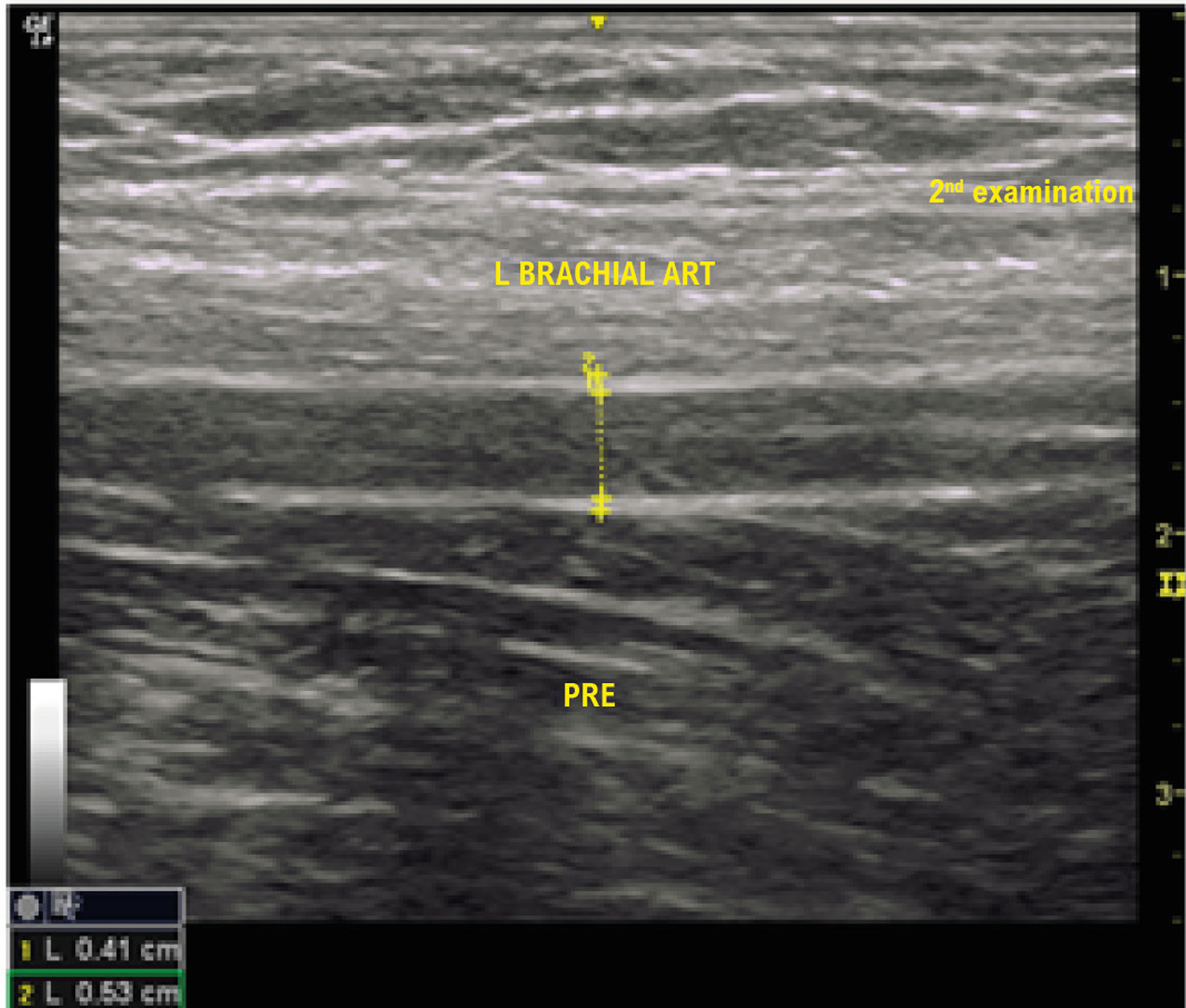
In this issue of the Arquivos Brasileiros de Cardiologia, Santos Jr et al. report the effect of the use of a combination of atorvastatin and aspirin for six months regarding the endothelial function improvement and carotid thickness in a cohort of 38 patients with HIV infection with viral control. Improvement in endothelial function was assessed using the brachial artery flow-mediated dilation. The authors have shown a relationship between treatment response and age; a stronger response was observed in individuals older than 40 years. This result may be explained by the fact that probably older individuals had a longer exposure to inflammation caused by HIV. Several studies have shown that these same patients also have a higher cardiovascular risk due to chronic inflammation. Therefore, this study supports the prescription of a combination of atorvastatin and aspirin for the primary prevention of cardiovascular events in HIV-infected patients, particularly for those over 40 years of age. In addition, some of the findings of this study suggest that HIV-positive women may have a better response to this drug combination than men. Considering that the currently used triple therapy has a significant effect on inflammation, a mechanism intrinsically linked to the progression of atherosclerosis could explain the greater response in women than in men.

[…]
  • Anti-HIV Agents/therapeutic use
  • Aspirin
  • Atherosclerosis
  • Cardiovascular Diseases/complications
  • Endothelium
  • HIV
  • HIV Infection
  • Mortality
  • Risk Factors
  • Statins
Read Full Article
Creative Commons Attribution (CC BY) Creative Commons license
06/09/2021 DOI: 10.36660/abc.20210560
Figure 1
ABC
Original Article

The Effect of Atorvastatin + Aspirin on the Endothelial Function Differs with Age in Patients with HIV: A Case-Control Study

Gerson Gomes dos Santos Junior et al. Paulo Sérgio Ramos Araújo Kaliene Maria Estevão Leite Emmanuelle Tenório Godoi … Adriana Ferraz Vasconcelos Heloisa Ramos Lacerda

Abstract

Background

Patients with HIV are more likely to present with cardiovascular disease when compared to the general population.

Objective

This was a case-control study that aimed to assess which factors were associated with a reduction in the carotid intima-media thickness (IMT) and an increase in the brachial artery flow-mediated dilation (FMD) in HIV patients who received atorvastatin + aspirin during a period of 6 months.

Methods

A secondary analysis of a clinical trial was conducted, which included people living with HIV infection and low cardiovascular risk. A total of 38 patients allocated to the intervention arm and treated for 6 months with a combination of atorvastatin + aspirin were included. All participants underwent a carotid and brachial artery ultrasound, both at the beginning and the end of the study. Cases that responded with an increase of >10% of the brachial dilatation (FMD) and reduction of the carotid intima-media thickness (IMT) were considered cases, and those who did not respond were considered controls. We assessed the factors associated with the positive responses obtained through IMT and FMD.

Results

A reduction in the IMT was not significantly associated with any of the evaluated risk factors: age (p=0.211), gender (p=0.260), smoking (p=0.131) or time since HIV diagnosis (p=0.836). An increase in the FMD was significantly associated with age amongst those in the 40-59 age group, p = 0.015 (OR = 4.37; 95% CI: 1.07-17.79).

Conclusions

Older individuals were more likely to present with an increased FMD after 6 months of treatment with atorvastatin + aspirin.

  • Aspirin
  • Atorvastatin
  • Brachial Artery
  • Carotid Arteries Ultrasonography
  • Carotid Intima-Media Thickness
  • Endothelium, Vascular / physiopathology
  • HIV
  • Risk Factors
Read Full Article
Creative Commons Attribution (CC BY) Creative Commons license
02/07/2021 DOI: 10.36660/abc.20190844 Views 1
ABC
Editorial

Cardiovascular Conditions of Patients on HIV Therapy

Alfredo José Mansur

Successful anti-infective therapy of patients submitted to contemporary HIV treatment decreased mortality between 2007 and 2017 by 51% in association with a decrease in of 17% in incidence; decrease in mortality associated with a smaller decrease in incidence means more people living with HIV disease. In Brazil, annualised rate of change in mortality was -1.2% (-1.4% to -1.0%). In many countries the survival rate of patients increased. Therefore, other non-infectious ailments such as prevalent cardiovascular diseases came to the attention of physicians in charge for the patients.

Prevention is a mainstay in the health care of patients. Patients on successful HIV treatment may incur in either asymptomatic or symptomatic conditions that may be risk factors for cardiovascular diseases or demonstrate metabolic abnormalities that need medical attention. Further, new technologies were studied in order to investigate in more depth vascular health either as screening, or a diagnostic tool or treatment strategies.

[…]

  • Antiretroviral Therapy
  • Atherosclerosis
  • Cardiovascular Diseases
  • Carotid Artery Diseases
  • Epidemiology
  • HIV
  • HIV Infections
  • Risk Factors
Read Full Article
Creative Commons Attribution (CC BY) Creative Commons license
10/02/2020 DOI: 10.36660/abc.20190810
ABC
Editorial

Estimating Cardiovascular Risk in HIV-Infected Patients

Marcio Sommer Bittencourt

From the initial reports of HIV infections in 1981, substantial progress in the prevention, detection and treatment have led to a marked reduction in mortality. Among them, the use of highly active antiretroviral therapy (HAART) with the combination of multiple antiretroviral drugs acting in different phases of the viral cycle resulted in impressive reductions in transmission and infectious complications. This increase in survival led to a large and growing population of persons living with HIV (PLWH) as a chronic condition in a setting where other non-infectious complications became more common.

Among those novel conditions affecting PLWH, cardiovascular complications became the leading cause of morbidity and mortality, at least in countries with adequate access to care and widespread use of HAART. The increase in cardiovascular risk in PLWH is multifactorial. First, studies suggest that PLWH are more likely to be diabetics and smokers. Second, those individuals are more likely to have higher triglycerides and lower HDL-C, though LDL-C and total cholesterol were also reduced. It also seems possible that HIV infection is responsible for increases in blood pressure and glucose levels by different mechanisms. However, considerable evidence supports the concept that traditional risk factors do not fully account for the higher cardiovascular risk in those individuals, as the changes in the cardiovascular system in PWLH is multifactorial and at least partially mediated by inflammation and immune activation, leading to endothelial dysfunction, changes in vascular elasticity, coagulation.

[…]

  • Acquired Immunodeficiency Syndrome/complications
  • Antiretroviral Therapy
  • Carotid Artery Diseases
  • Highly Active
  • HIV
  • Risk Factors
Read Full Article
Creative Commons Attribution (CC BY) Creative Commons license
10/02/2020 DOI: 10.36660/abc.20190747 Views 1
ABC
Editorial

At Last, a Sensitive Method to Detect Incipient Systolic Dysfunction!

Carlos Eduardo Suaide Silva

Left ventricular systolic function evaluation has always been one of the main attributions of echocardiography. The degree of ventricular systolic dysfunction is an important predictor of outcome for a large number of diseases, including ischemic heart disease, cardiomyopathy, valvular heart disease, and congenital heart disease. In this area, the ejection fraction has been sovereign for many decades, but despite being a parameter that can, in most cases, inform the real state of global ventricular function, in many situations it may be normal in the presence of evident systolic or diastolic dysfunction.

Known clinical examples are the several cases of heart failure with preserved ejection fraction (HFpEF) or patients with hypertrophic cardiomyopathy, among others. For this reason, an index that can identify early ventricular dysfunction that is not connected with the ejection fraction has been sought for a long time.

[…]

  • Antiretroviral Therapy Highly Active
  • Cardiomyopathy, Hypertrophic
  • Echocardiography/methods
  • Heart Failure
  • HIV
  • Myocardial Contraction
  • Ventricular Dysfunction, Left
Read Full Article
Creative Commons Attribution (CC BY) Creative Commons license
04/11/2019 DOI: 10.5935/abc.20190198 Views 1
Figure 1
ABC
Original Article

Subclinical Carotid Atherosclerosis and Reduced DAD Score for Cardiovascular Risk Stratification in HIV-Positive Patients

Achilles Gustavo Silva et al. Rafael Vieira Paulo Mario León Silva-Vergara

Abstract

Background:

HIV-positive patients are twice as likely than the general population to have a heart attack and are four times at greater risk of sudden death. In addition to the increased risk, these individuals present with cardiovascular events on average approximately 10 years earlier than the general population.

Objective:

To compare Framingham and reduced DAD (Data Collection on Adverse Effects of Anti-HIV Drugs Cohort) scores for cardiovascular risk assessment in HIV-positive patients and potential impact on clinical decision after evaluation of subclinical carotid atherosclerosis.

Methods:

Seventy-one HIV-positive patients with no history of cardiovascular disease were clinically evaluated, stratified by the Framingham 2008 and reduced DAD scores and submitted to subclinical carotid atherosclerosis evaluation. Agreement between scores was assessed by Kappa index and p < 0.05 was considered statistically significant.

Results:

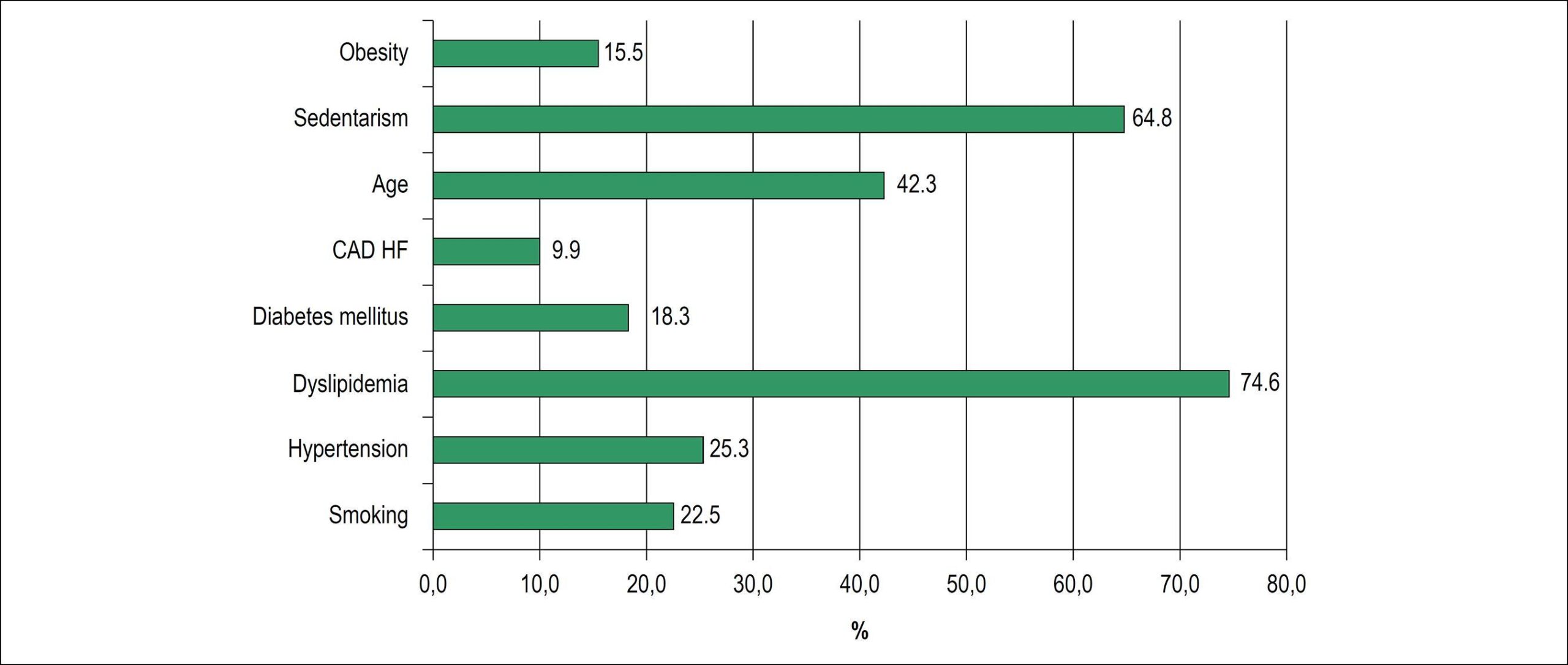
mean age was 47.2 and 53.5% among males. The rate of subclinical atherosclerosis was 39.4%. Agreement between scores was 49% with Kappa of 0.735 in high-risk patients. There was no significant difference between scores by ROC curve discrimination analysis. Among patients with intermediate risk and Framingham and reduced DAD scores, 62.5% and 30.8% had carotid atherosclerosis, respectively.

Conclusion:

The present study showed a correlation between the scores and medium-intimal thickening, besides a high correlation between patients classified as high risk by the Framingham 2008 and reduced DAD scores. The high prevalence of carotid atherosclerosis in intermediate risk patients suggests that most of them could be reclassified as high risk.

  • Acquired Immunodeficiency Syndrome/complications
  • Antiretroviral Therapy Highly Active
  • Carotid Artery Diseases
  • HIV
  • Indicators of Morbidity
  • Risk Factors
Read Full Article
Creative Commons Attribution (CC BY) Creative Commons license
28/10/2019 DOI: 10.5935/abc.20190227 Views 1
ABC
Original Article

Inflammatory Biomarkers and Carotid Thickness in HIV Infected Patients under Antiretroviral Therapy, Undetectable HIV-1 Viral Load, and Low Cardiovascular Risk

Kaliene Maria Estevão Leite et al. Gerson Gomes Santos Júnior Emmanuelle T. A. M Godoi Adriana Ferraz Vasconcelos … Virgínia Maria Barros Lorena Paulo Sérgio Ramos Araújo Kledoaldo Oliveira Lima Heloisa Ramos Lacerda

Abstract

Background:

People living with HIV are at increased risk of cardiovascular disease and carotid thickness, due to the inflammation caused by the virus, the antiretroviral therapy, and other risk factors. However, few studies have observed the occurrence of cardiovascular diseases and carotid thickness in HIV-positive population at low cardiovascular risk and with undetectable viral load.

Objectives:

To evaluate the association between levels of inflammatory markers and carotid thickness in people living with HIV, under antiretroviral therapy and at low cardiovascular risk.

Methods:

To determine low cardiovascular risk in both groups (HIV infected and non-infected individuals), the Framingham Risk Score was used. Inflammatory markers (IFN-γ, TNF-α, IL-1β, IL-6, sVCAM-1, and sICAM-1) were assessed using flow cytometry. Carotid thickness (mm) was measured using Doppler ultrasound. Level of significance was p < 0.05.

Results:

In People living with HIV, age and smoking status were associated with carotid thickness alterations. In the non-HIV group, age, higher total cholesterol, and LDL levels were associated with increased carotid thickness. Using the multivariate analysis, a significant association between TNF-α and IL- 1( levels, and a higher chance of atherosclerosis development in HIV group were observed.

Conclusions:

Both groups have a similar risk for developing cardiovascular disease, therefore our study demonstrates that HIV-positive individuals with undetectable viral load in antiretroviral therapy without protease inhibitors and with low cardiovascular risk do not present differences in carotid thickness in relation to uninfected individuals.

  • Antiretroviral Therapy
  • Atherosclerosis
  • Cardiovascular Diseases
  • Caroti Artery Diseases
  • HIV
  • HIV Infections
  • Risk Factors
Read Full Article
Creative Commons Attribution (CC BY) Creative Commons license
28/10/2019 DOI: 10.5935/abc.20190230
Figure 1
ABC
Original Article

The Use of Two-Dimensional Strain Measured by Speckle Tracking in the Identification of Incipient Ventricular Dysfunction in HIV-Infected Patients on Antiretroviral Therapy, Untreated HIV Patients and Healthy Controls

Ronaldo Campos Rodrigues et al. Katia Martins Lopes de Azevedo Samuel Datum Moscavitch Sergio Setubal Claudio Tinoco Mesquita

Abstract

Background:

Most cardiovascular abnormalities in patients infected with the human immunodeficiency virus (HIV) have been associated with myocardial damage directly caused by the virus. Some cases, however, may be associated with adverse effects from antiretroviral therapy (ART). New ventricular function assessment techniques are capable of detecting early changes in the cardiac function of HIV-infected patients using or not using ART. The usefulness of these techniques has been little employed in these patients.

Objectives:

To investigate the potential influence of antiretroviral therapy (ART) on the occurrence of subclinical left ventricular systolic dysfunction evaluated by myocardial strain rate analysis using two-dimensional speckle tracking echocardiography (2-D Echo) in treated HIV patients compared to untreated patients and healthy individuals.

Methods:

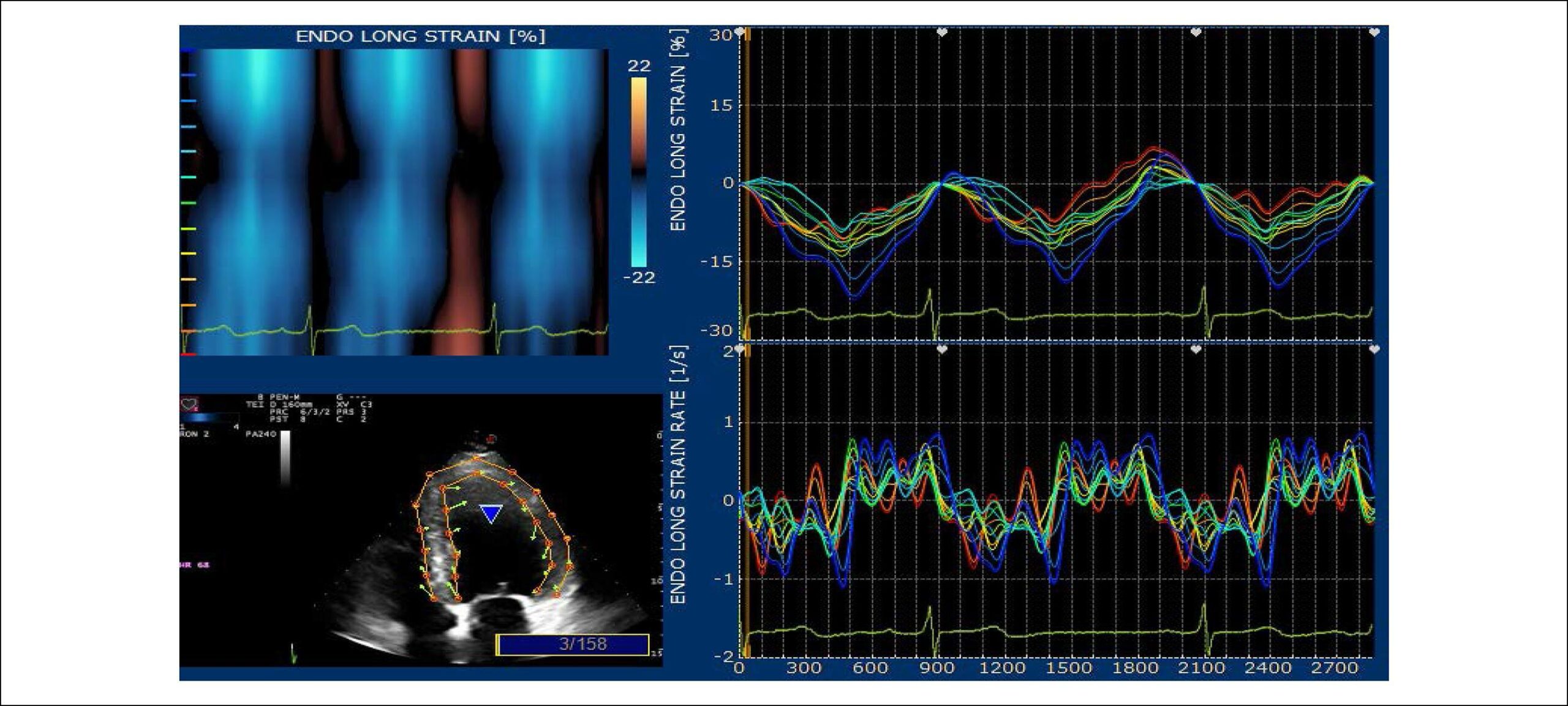
Sixty-eight HIV-infected patients with no cardiovascular symptoms, normal left ventricular (LV) ejection fraction (> 0.55 on 2-D Echo) were divided into three groups: 11 patients not using antiretroviral therapy (NT), 24 using protease inhibitor (PI) and 33 using non-nucleoside reverse transcriptase inhibitor (NNRTI). We also studied 30 normal non-HIV infected individuals (Ctrl). Demographic, clinical, biochemical and anthropometric data were collected. Preliminary transthoracic echocardiography included study of myocardial strain using two-dimensional speckle tracking. We studied strain and strain rate in the seventeen left ventricular (LV) myocardial segments in the longitudinal, circumferential and radial axes. Statistical analysis of the data was done with IBM SPSS – version 20 for Windows. Upon analysis of the data, namely the normality of independent variables in the different groups and the homogeneity of the variances between the groups, Kruskal-Wallis’ non-parametric test was done, followed by Dunn’s multiple comparison tests to test the significance of the differences between the values measured in the study groups. A significance level of 5% was adopted for decision-making on statistical tests.

Results:

The mean age of HIV patients was 40 ± 8.65 years and the mean age of controls was 50 ± 11.6 years (p < 0.001). Median LV global longitudinal strain (GLS) of NT patients (-17.70%), PI patients (-18.27%) and NNRTIs (-18.47%) were significantly lower than that of the Ctrl group (-20.77%; p = 0.001). There was no significant difference in mean SLG between treated patients (PI, NNRTI) and untreated (NT) patients. No significant differences were observed in mean circumferential and radial strain, nor on circumferential and radial strain rates between the NT, PI, NNRTI and Ctrl groups.

Conclusion:

The data suggest that HIV patients present, on myocardial strain measured by speckle tracking, signs of early LV systolic dysfunction that seem to be unrelated to the presence of ART. The prognostic significance of this condition in these patients deserves further studies.

  • Acquired Immunodeficiency Syndrome
  • Antiretroviral Therapy
  • Echocardiography, Doppler
  • Highly Active
  • HIV
  • Speckle Tracking
  • Strain
  • Ventricular Disfunction,Left
Read Full Article
Creative Commons Attribution (CC BY) Creative Commons license
02/09/2019 DOI: 10.5935/abc.20190169
IJCS
Review Article

Cardiovascular Complications of HIV

Hugo Ribeiro Zanetti et al. Leonardo Roever Alexandre Gonçalves Elmiro Santos Resende

Abstract

With the advent of the antiretroviral therapy (ART), people infected with HIV are experiencing a significant increase in life expectancy. However, as this population ages, the morbidity and mortality due to events not related to HIV infection and/or treatment become increasingly clear. Cardiovascular diseases are among the major causes of death, and, thus, understanding the factors that trigger this situation is necessary. This review article will assess how the intrinsic and extrinsic factors related to HIV, ART and the associated risk factors can aid the epidemiological transition of mortality in this population. Moreover, we will present the studies on the epidemiology and pathogenesis of each clinical condition related to HIV-infected individuals, in addition to introducing the major markers of cardiovascular disease in this population. Finally, we will point the main issues to be addressed by health professionals for an adequate prognosis.

  • Acquired Immunodeficiency Syndrome
  • Acute Retroviral Syndrome/therapy
  • Cardiovascular Diseases
  • HIV
  • inflammation mediators
Read Full Article
Creative Commons Attribution (CC BY) Creative Commons license
30/07/2018 DOI: 10.5935/2359-4802.20180049
Figure 1
ABC
Original Article

Frequency of Subclinical Atherosclerosis in Brazilian HIV-Infected Patients

Péricles Sidnei Salmazo et al. Silméia Garcia Zanati Bazan Flávio Gobbis Shiraishi Rodrigo Bazan … Katashi Okoshi João Carlos Hueb

Abstract

Background:

AIDS as well as atherosclerosis are important public health problems. The longer survival among HIV-infected is associated with increased number of cardiovascular events in this population, and this association is not fully understood.

Objectives:

To identify the frequency of subclinical atherosclerosis in HIV-infected patients compared to control subjects; to analyze associations between atherosclerosis and clinical and laboratory variables, cardiovascular risk factors, and the Framingham coronary heart disease risk score (FCRS).

Methods:

Prospective cross-sectional case-control study assessing the presence of subclinical atherosclerosis in 264 HIV-infected patients and 279 controls. Clinical evaluation included ultrasound examination of the carotid arteries, arterial stiffness by pulse wave velocity (PWV) and augmentation index (AIx), laboratory analysis of peripheral blood, and cardiovascular risk according to FCRS criteria. The significance level adopted in the statistical analysis was p < 0.05.

Results:

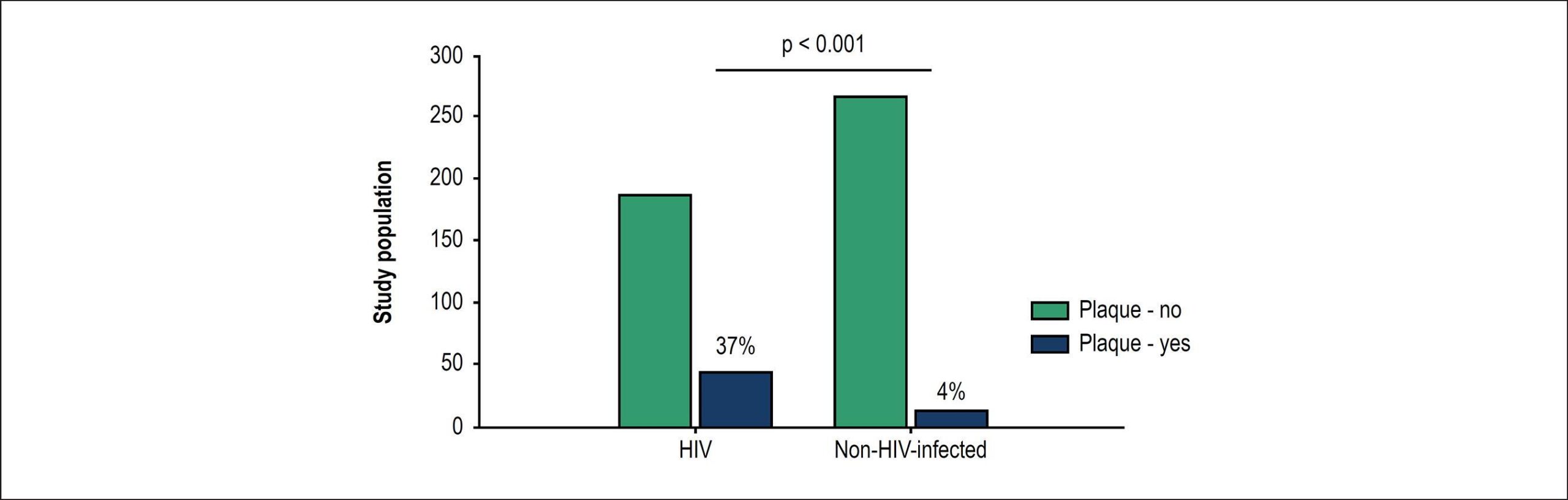
Plaques were found in 37% of the HIV group and 4% of controls (p < 0.001). Furthermore, carotid intima-media thickness was higher in the HIV group than in controls (p < 0.001). Patients with carotid plaque had higher fasting glucose, total cholesterol, low-density lipoprotein cholesterol, and triglycerides than those without plaques. The presence of HIV, adjusted for age, overweight/obesity, and smoking increased by almost fivefold the risk of atherosclerotic carotid plaque (OR: 4.9; 95%CI: 2.5-9.9; p < 0.001). Exposure to protease inhibitors did not influence carotid intima-media thickness, was not associated with carotid plaque frequency, and did not alter the mechanical characteristics of the arterial system (PWV and AIx).

Conclusions:

HIV-infected patients are at increased risk of atherosclerosis in association with classical cardiovascular risk factors. Treatment with protease inhibitors does not promote functional changes in the arteries, and shows no association with increased frequency of atherosclerotic plaques in carotid arteries. The FCRS may be inappropriate for this population.

  • Atherosclerosis / complications
  • Cardiovascular Diseases, mortality
  • Carotid Intima Media-Carotideo
  • HIV
  • Risk Factors
  • Vascular Stiffness
Read Full Article
Creative Commons Attribution (CC BY) Creative Commons license
09/04/2018 DOI: 10.5935/abc.20180058 Views 1
Figure 1
ABC
Original Article

Intima-Media Thickness in the Carotid and Femoral Arteries for Detection of Arteriosclerosis in Human Immunodeficiency Virus-Positive Individuals

Emmanuelle Tenório Albuquerque Madruga Godoi et al. Carlos Teixeira Brandt Heloisa Ramos Lacerda Jocelene Tenório Albuquerque Madruga Godoi … Dinaldo Cavalcanti de Oliveira Gabriela Farias Araujo Sousa Costa Gerson Gomes dos Santos Junior Kaliene Maria Estevão Leite Juannicelle Tenório Albuquerque Madruga Godoi Adriana Ferraz de Vasconcelos

Abstract

Background:

The prevalence of atherosclerosis is higher in HIV-positive people, who also experience it earlier than the general population.

Objectives:

To assess and compare the prevalence of atherosclerosis evaluated by the intima-media thickness of carotid and femoral arteries, and by the ankle-brachial pressure index (ABPI) in HIV patients treated or not treated with protease inhibitors (PIs) and controls.

Methods:

Eighty HIV+ subjects (40 using PIs and 40 not using PIs) and 65 controls were included in the study. Atherosclerosis was diagnosed by (carotid and femoral) ITM measurement and ABPI. Classical risk factors for atherosclerosis and HIV were compared between the groups by statistical tests. A p ≤ 0.05 was considered significant.

Results:

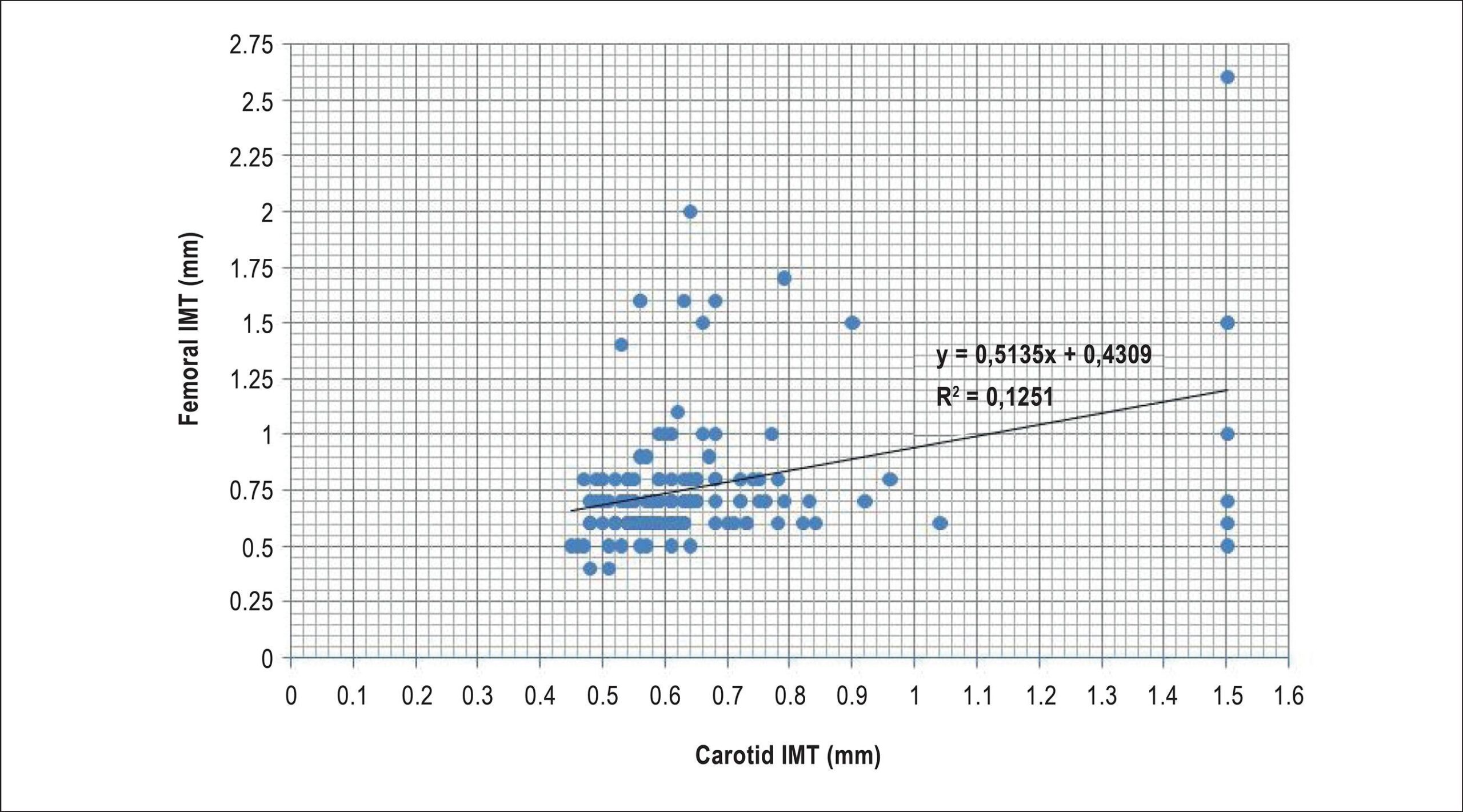
An IMT > P75 or the presence of plaque was higher in the HIV+ than in the control group (37.5% vs 19%, p = 0.04). Comparative analysis showed a significant difference (p=0.014) in carotid IMT between HIV+ with PIs (0.71 ± 0.28 mm), without PIs 0.63 ± 0.11 mm and, and controls (0.59 ± 0.11 mm). There was no significant difference in femoral IMT between the groups or in ABPI between HIV+ subjects and controls. However, a significant difference (p=0.015) was found between HIV+ patients not treated with PIs (1.17 [1.08 – 1.23]), and controls 1.08 [1.07 – 1.17]).

Conclusion:

In HIV patients, atherosclerosis is more prevalent and seems to occur earlier with particular characteristics compared with HIV-negative subjects.

  • Ankle Brachial Index
  • Atherosclerosis
  • Carotid Artery Disease
  • Carotid Intima-Media Thickness
  • HIV
Read Full Article
Creative Commons Attribution (CC BY) Creative Commons license
01/01/2017 DOI: 10.5935/abc.20160197 Views 2
Rosuvastatin and ciprofibrate in the treatment of dyslipidemia in patients with HIV
ABC
Artigo Original

Rosuvastatin and ciprofibrate in the treatment of dyslipidemia in patients with HIV

Hamilton Domingos et al. Rivaldo Venâncio da Cunha Anamaria Mello Miranda Paniago Albert Schiaveto de Souza … Renata London Rodrigues João Américo Domingos

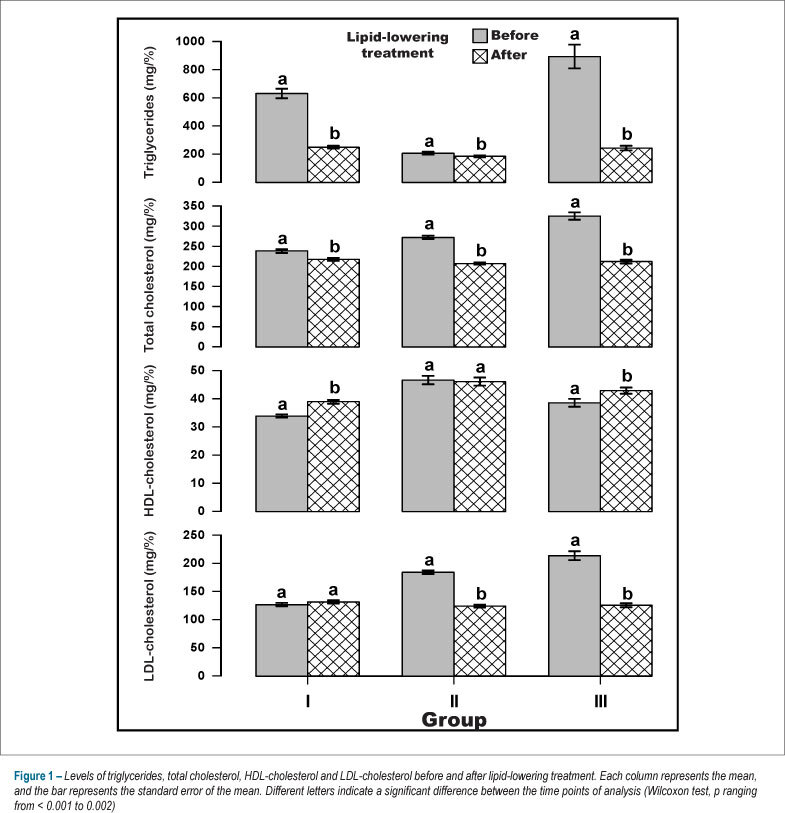
BACKGROUND: Dyslipidemia secondary to highly active antiretroviral therapy in patients with HIV is associated with a significant increase in cardiovascular morbidity and mortality due to atherosclerotic disease, requiring, thus, immediate and effective treatment. OBJECTIVE: To demonstrate the effectiveness and safety of rosuvastatin and ciprofibrate in the treatment of dyslipidemia associated with highly active antiretroviral therapy in patients with HIV. METHODS: Three hundred and forty-six patients with dyslipidemia underwent pharmacological treatment as follows: 200 patients with hypertriglyceridemia received ciprofibrate (Group I); 79 patients with hypercholesterolemia received rosuvastatin (Group II); and 67 patients with mixed dyslipidemia received ciprofibrate associated with rosuvastatin (Group III). The lipid profile was assessed before and after the lipid-lowering treatment, and the Wilcoxon test was used for statistical comparison. Liver transaminases and creatine phosphokinase were measured to assess liver and muscle toxicity. RESULTS: The serum concentrations of triglycerides and total cholesterol were significantly lower than those obtained before the lipid-lowering treatment in the three experimental groups (p < 0.002). A significant increase in HDL-cholesterol was observed in Groups I and III (p < 0.002). In Groups I and II, LDL-cholesterol was significantly lower (p < 0.001). None of the patients experienced elevations in transaminases or creatine phosphokinase to significantly toxic levels. CONCLUSION: The results of this study show that ciprofibrate and rosuvastatin or a combination of both can be considered an effective, safe and well-tolerated lipid-lowering treatment for patients with AIDS on highly active antiretroviral therapy.

  • anticholesteremic agents
  • Antiretroviral Therapy
  • Dyslipidemias
  • fibric acids
  • Highly Active
  • HIV
Read Full Article
Creative Commons Attribution (CC BY) Creative Commons license
30/10/2012 DOI: 10.1590/S0066-782X2012005000096
Association of biomarkers with atherosclerosis and risk for coronary artery disease in patients with HIV
ABC
Artigo Original

Association of biomarkers with atherosclerosis and risk for coronary artery disease in patients with HIV

Maria da Conceição Brandão de Arruda Falcão et al. Josefina Cláudia Zírpoli Valéria Maria de Albuquerque Brivaldo Markman Filho … Nelson Antônio Moura de Araújo Creso Abreu Falcão Demócrito de Barros Miranda-Filho Ricardo Alencar de Arraes Ximenes Maria de Fátima Militão de Albuquerque Heloísa Ramos Lacerda

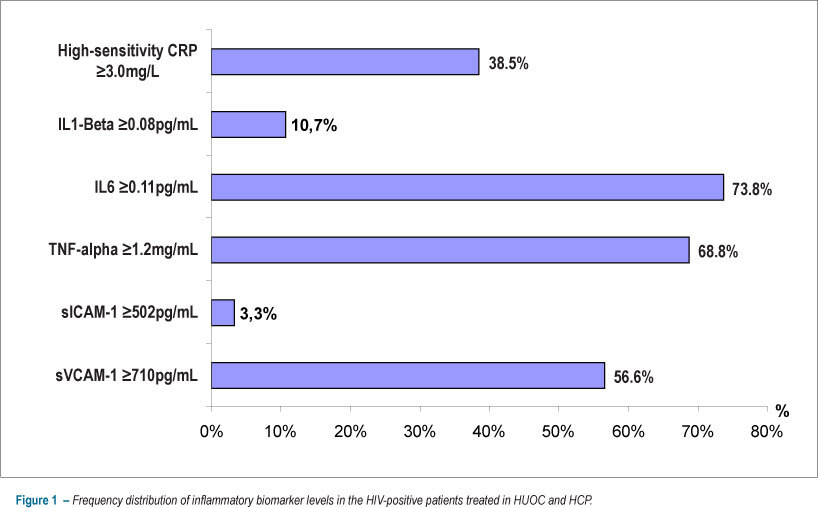
BACKGROUND: The massive use of Highly-Active Antiretroviral Therapy (HAART) in individuals with human immunodeficiency virus (HIV) coincided with an increase in cardiovascular disease, a major cause of morbidity and mortality in this group. OBJECTIVE: To determine the frequency of carotid atherosclerosis and the association between biomarker levels and carotid intimal-medial thickening in HIV-positive individuals treated for HIV at referral centers in Pernambuco. METHODS: This was a cross-sectional study of 122 HIV-positive patients. Subclinical carotid atherosclerosis was considered with the presence of increased intimal-medial thickness of the common carotid artery > 0.8 mm or plaques in the carotid ultrasound. The following inflammatory biomarkers were analyzed: IL6, IL1-β, TNF-α, high-sensitivity CRP, sVCAM-1 and sICAM-1. RESULTS: Of the 122 patients analyzed, most were men (60.7%) aged > 40 years (57.4%) receiving HAART (81.1%). The prevalence of atherosclerosis was 42.6% (52 cases). Patients older than 40 years and intermediate or high Framingham score were more likely to develop atherosclerosis at the univariate analysis. Age older than 40 years (OR = 6.57, 95%CI: 2.66 to 16.2, p = 0.000), male gender (OR = 2.76, 95%CI: 1.12 to 6.79, p = 0.027) and presence of syndrome metabolic (OR = 2.27, 95%CI: 0.94 to 5.50, p = 0.070) were associated with atherosclerosis at the multivariate analysis. Elevated levels of inflammatory cytokines and adhesion molecules were not associated with the presence of atherosclerosis. CONCLUSION: There was no association between inflammatory biomarkers, adhesion molecules and presence of carotid atherosclerosis. However, a higher chance of subclinical atherosclerosis was observed in men, those older than 40 years, with intermediate / high Framingham score or metabolic syndrome.

  • Atherosclerosis
  • Coronary Disease
  • HIV
  • Risk Factors
Read Full Article
Creative Commons Attribution (CC BY) Creative Commons license
18/10/2012 DOI: 10.1590/S0066-782X2012005000093
ABC
Artigo Original

Calcium score in the evaluation of atherosclerosis in patients with HIV/Aids

Verônica Soares Monteiro et al. Heloisa Ramos Lacerda Marly Uellendahl Tien Man Chang … Valéria Maria de Albuquerque Josefina Cláudia Zirpoli Ricardo Araes Ximenes Maria de Fátima Militão de Albuquerque Demócrito de Barros Miranda Filho Dário Sobral Filho

BACKGROUND: Antiretroviral therapy has dramatically increased life expectancy in patients with HIV/AIDS although atherosclerosis has been associated with long-standing therapy. OBJECTIVE: To investigate the prevalence of atherosclerosis in patients with AIDS undergoing antiretroviral therapy and the influence of different schemes and duration of treatment. METHODS: HIV/AIDS patients were approached during routine consultations. Those who had been on antiretroviral therapy for at least two years had their blood collected for analysis of lipid profile and fasting glycemia and underwent cardiac CT for quantification of calcium score within six days at the most. Atherosclerosis was defined as calcium score greater than zero (CAC > 0). Traditional risk factors, metabolic syndrome and Framingham score were analyzed. RESULTS: Fifty-three patients performed cardiac CT. Twenty-seven (50.94%) were male, mean age 43.4 years; 20.00% had hypertension, 3.77% diabetes, 67.92% hypercholesterolemia, 37.74% hypertriglyceridemia and 47.17% low HDL. Thirteen (24.53%) met criteria for metabolic syndrome and 96.23% were classified in Framingham score as “low risk.” Ten patients (18.87%) were smokers. Mean duration of antiretroviral treatment was 58.98 months. Coronary atherosclerosis occurred in 11 (20.75%) patients. Duration of antiretroviral therapy was not related to atherosclerosis (p = 0.41) and there were no significant differences between different antiretroviral regimens (p = 0.71). Among traditional risk factors, smoking (OR = 27.20; p = 0.023) and age (OR = 20.59; p = 0.033) were significant in the presence of atherosclerosis. There was a trend towards a positive association of atherosclerosis with hypercholesterolemia (OR = 8.30; p = 0.0668). CONCLUSION: Factors associated with atherosclerosis were age, smoking and hypercholesterolemia. Duration and type of antiretroviral therapy had no influence on the prevalence of atherosclerosis.

  • Acquired Immunodeficiency Syndrome
  • antiretroviral therapy, higly active
  • Atherosclerosis
  • Calcium
  • HIV
Read Full Article
Creative Commons Attribution (CC BY) Creative Commons license
30/09/2011 DOI: 10.1590/S0066-782X2011005000094 Views 1
Profile of patients with hypertension included in a cohort with HIV/AIDS in the state of Pernambuco, Brazil
ABC
Artigo Original

Profile of patients with hypertension included in a cohort with HIV/AIDS in the state of Pernambuco, Brazil

Evanizio Roque de Arruda Júnior et al. Heloisa Ramos Lacerda Líbia Cristina Rocha Vilela Moura Maria de Fátima Pessoa Militão de Albuquerque … Demócrito de Barros Miranda Filho George Tadeu Nunes Diniz Valéria Maria Gonçalves de Albuquerque Josefina Cláudia Zirpoli Amaral Verônica Soares Monteiro Ricardo Alencar de Arraes Ximenes

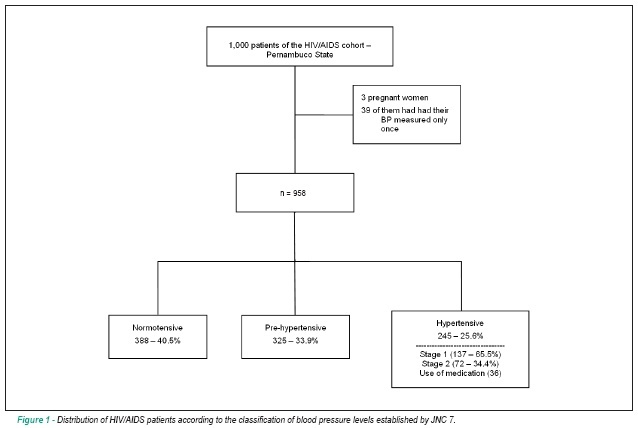
BACKGROUND: Hypertension (HBP) is modifiable risk factor, whose control may reduce cardiovascular disease in patients with human immunodeficiency virus (HIV). OBJECTIVE: To estimate the prevalence of hypertension and describe the characteristics of patients with hypertension infected by HIV/AIDS. METHODS: A cross-sectional study aligned to a cohort of patients with HIV/AIDS. The study considered hypertension at levels > 140/90 mmHg or use of antihypertensive drugs and pre-hypertension at levels > 120/80 mmHg. RESULTS: Out of 958 patients, 388 (40.5%) were normotensive, 325 (33.9%) were pre-hypertensive, and 245 (25.6%) were hypertensive. Out of these 245 patients, 172 (70.2%) were aware of the fact there they were hypertensive, and 36 (14.8%) had blood pressure controlled. Sixty-two (62) patients (54.4%) were diagnosed with hypertension after HIV diagnosis. Lipodystrophy occurred in 95 (46.1%) patients; overweight/obesity in 129 (52.7%). Use of antiretrovirals occurred in 184 (85.9%), 89 (41.6%) with protease inhibitors (PI) and 95 (44.4%) without PI. Out of these patients, 74.7 used antivirals > 24 months. Age, family history of hypertension, waist circumference, body mass index and triglyceride levels were higher among hypertensive patients. Time of HIV infection, CD4 count, viral load, time and type of antiretroviral regimen were similar in hypertensive and prehypertensive patients. CONCLUSION: The high frequency of uncontrolled hypertensive patients and cardiovascular risks in HIV-infected patients point out to the need for preventive and therapeutic measures against hypertension in this group.

  • acquired immunodeficiency syndrome (AIDS)
  • antihypertensive agents
  • HIV
  • Hypertension
  • Life Style
  • Risk Factors
Read Full Article
Creative Commons Attribution (CC BY) Creative Commons license
15/10/2010 DOI: 10.1590/S0066-782X2010005000138 Views 3
ABC
Artigo Original

Study of vascular reactivity in HIV patients whether or not receiving protease inhibitor

Hamilton Nenrod Pereira Teixeira et al. Evandro Tinoco Mesquita Mário Luiz Ribeiro Anna Ricordi Bazin … Cláudio Tinoco Mesquita Manuel Pereira Teixeira Rafael da Cunha Pellegrini Antonio Claudio Lucas da Nóbrega

BACKGROUND: A great number of HIV-infected patients using antiretroviral drugs develop endothelial dysfunction and atherothrombosis, which lead to a high medical and social burden. Thus, it is important to identify pathophysiological mechanisms involved with the endothelial function in these patients, so that early intervention can be made to avoid disease progression. OBJECTIVE: To evaluate endothelial function using endothelium-dependent and independent vasodilation in HIV-positive patients and in a control group. METHODS: A total of 27 HIV-positive patients and 16 controls were evaluated. Endothelium-dependent (reactive hyperemia) and independent (SL nitroglycerine) vasodilation of the brachial artery was used to evaluate the endothelial function. RESULTS: HIV-positive patients receiving protease inhibitors (PI) showed significantly lower endothelium-independent vasodilation than the HIV-negative (p=0.020) and HIV-positive without PI (p=0.034) subgroups. The change in brachial artery diameter during active hyperemia was not statistically significant in any subgroup. Multiple linear regression analysis showed that only PI was associated with the relative delta of brachial reactivity to vasodilator in HIV-positive patients at 60s and 90s. CONCLUSION: HIV-positive patients receiving PI presented endothelium-independent dysfunction when compared to HIV-positive patients not receiving PI and to the control group.

  • Endothelium, Vascular
  • HIV
  • protease inhibitors
Read Full Article
Creative Commons Attribution (CC BY) Creative Commons license
24/11/2009 DOI: 10.1590/S0066-782X2009001000009
Cardiac longitudinal study of children perinatally exposed to human immunodeficiency virus type 1
ABC
Artigo Original

Cardiac longitudinal study of children perinatally exposed to human immunodeficiency virus type 1

Maria Suely Bezerra Diógenes et al. Regina Célia de Menezes Succi Daisy M. Machado Valdir Ambrósio Moisés … Neil Ferreira Novo Antonio Carlos Carvalho

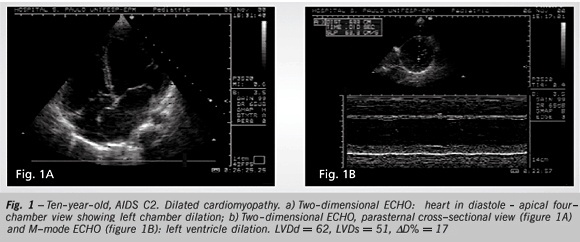
OBJECTIVE: To determine the frequency of cardiac abnormalities and its natural history in children perinatally exposed to HIV-1. METHODS: Eighty-four children exposed to HIV-1 were evaluated by serial clinical, electrocardiographic (ECG), and Doppler-echocardiographic (ECHO) examinations. RESULTS: Group I – (seroreversion) – 43 children (51.2%). Absence of clinical abnormalities. ECG: incomplete right bundle branch block (RBBB) 5 cases. ECHO: atrial septal defect (ASD) and ventricular septal defect (VSD) – 1 case each. Group II – 41 HIV-infected children (48.8%), of whom 51.2% were found to have cardiac abnormalities. Asymptomatic or mildly symptomatic children without immunosuppression: no clinical and echocardiographic abnormalities; ECG: incomplete right bundle branch block (RBBB) – (2 cases). Children with moderate and severe symptoms and immunological impairment: the following abnormalities were found: 1) clinical (31.7%)-isolated tachycardia (1 case), congestive heart failure (12 cases). 2) electrocardiographic (43.9%)- sinus tachycardia associated with other abnormalities (10 cases), incomplete right bundle branch block (5 cases), left anterior hemiblock (1 case), right anterior hemiblock (1 case), changes in ventricular repolarization (11 cases), right ventricular overload (2 cases), left ventricular overload (1 case), right QRS axis deviation (1 case), and arrhythmias (3 cases). 3) echocardiographic (26.8%)- dilated cardiomyopathy (5 cases), pericardial effusion with tamponade (2 cases), pulmonary hypertension (2 cases), and mitral valve prolapse (1 case). CONCLUSION: Cardiac involvement was a characteristic of the HIV-infected group. Higher prevalence of abnormalities was found among children belonging to the most advanced clinical and immunological category. The most commonly observed clinical, electrocardiographic and echocardiographic findings were congestive heart failure (CHF), changes in ventricular repolarization, and dilated cardiomyopathy, respectively. The latter was reversible in one case. Electrocardiogram changes were significantly more frequent than clinical and echocardiographic changes.

  • Echocardiogram
  • electrocardiogram
  • heart disease
  • HIV
  • vertical transmission
Read Full Article
Creative Commons Attribution (CC BY) Creative Commons license
07/11/2005 DOI: 10.1590/S0066-782X2005001700002 Views 1

How to cite this article

EndNote RIS

Electronic Document Format (Vancouver)

Pezel T, Paim LR, Coelho-Filho OR. For which HIV Patients Aspirin and Statins are Good?. Arquivos Brasileiros de Cardiologia 2021;117(2):376-7.

Electronic Document Format (ABNT)

Pezel, Théo; Paim, Layde R.; Coelho-Filho, Otávio R.. For which HIV Patients Aspirin and Statins are Good?. Arquivos Brasileiros de Cardiologia, v. 117, n. 2, p. 376-377, Sep. 2021.

Electronic Document Format (APA)

Pezel, T., Paim, L. R., & Coelho-Filho, O. R. (2021). For which HIV Patients Aspirin and Statins are Good?. Arquivos Brasileiros de Cardiologia, 117(2), 376-377.

Electronic Document Format (ISO)

Pezel, Théo and Paim, Layde R. and Coelho-Filho, Otávio R.. For which HIV Patients Aspirin and Statins are Good?. Arquivos Brasileiros de Cardiologia [online]. 2021, vol. 117, n. 2, [cited 2026-10-14], pp. 376-377. Available from: <https://journals.cardiol.br/en/article/for-which-hiv-patients-aspirin-and-statins-are-good/>. ISSN 0066-782X

EndNote RIS

Electronic Document Format (Vancouver)

Santos Junior GG, Araújo PSR, Leite KME, Godoi ET, Vasconcelos AF, Lacerda HR. The Effect of Atorvastatin + Aspirin on the Endothelial Function Differs with Age in Patients with HIV: A Case-Control Study. Arquivos Brasileiros de Cardiologia 2021;117(2):365-7.

Electronic Document Format (ABNT)

Santos Junior, Gerson Gomes dos; Araújo, Paulo Sérgio Ramos; Leite, Kaliene Maria Estevão; Godoi, Emmanuelle Tenório; Vasconcelos, Adriana Ferraz; Lacerda, Heloisa Ramos. The Effect of Atorvastatin + Aspirin on the Endothelial Function Differs with Age in Patients with HIV: A Case-Control Study. Arquivos Brasileiros de Cardiologia, v. 117, n. 2, p. 365-375, Jul. 2021.

Electronic Document Format (APA)

Santos Junior, G. G. , Araújo, P. S. R., Leite, K. M. E., Godoi, E. T., Vasconcelos, A. F., & Lacerda, H. R. (2021). The Effect of Atorvastatin + Aspirin on the Endothelial Function Differs with Age in Patients with HIV: A Case-Control Study. Arquivos Brasileiros de Cardiologia, 117(2), 365-375.

Electronic Document Format (ISO)

Santos Junior, Gerson Gomes dos and Araújo, Paulo Sérgio Ramos and Leite, Kaliene Maria Estevão and Godoi, Emmanuelle Tenório and Vasconcelos, Adriana Ferraz and Lacerda, Heloisa Ramos. The Effect of Atorvastatin + Aspirin on the Endothelial Function Differs with Age in Patients with HIV: A Case-Control Study. Arquivos Brasileiros de Cardiologia [online]. 2021, vol. 117, n. 2, [cited 2026-10-14], pp. 365-375. Available from: <https://journals.cardiol.br/en/article/the-effect-of-atorvastatin-aspirin-on-the-endothelial-function-differs-with-age-in-patients-with-hiv-a-case-control-study/>. ISSN 0066-782X

EndNote RIS

Electronic Document Format (Vancouver)

Mansur AJ. Cardiovascular Conditions of Patients on HIV Therapy. Arquivos Brasileiros de Cardiologia 2020;114(1):98-9.

Electronic Document Format (ABNT)

Mansur, Alfredo José. Cardiovascular Conditions of Patients on HIV Therapy. Arquivos Brasileiros de Cardiologia, v. 114, n. 1, p. 98-99, Feb. 2020.

Electronic Document Format (APA)

Mansur, A. J. (2020). Cardiovascular Conditions of Patients on HIV Therapy. Arquivos Brasileiros de Cardiologia, 114(1), 98-99.

Electronic Document Format (ISO)

Mansur, Alfredo José. Cardiovascular Conditions of Patients on HIV Therapy. Arquivos Brasileiros de Cardiologia [online]. 2020, vol. 114, n. 1, [cited 2026-10-14], pp. 98-99. Available from: <https://journals.cardiol.br/en/article/cardiovascular-conditions-of-patients-on-hiv-therapy/>. ISSN 0066-782X

EndNote RIS

Electronic Document Format (Vancouver)

Bittencourt MS. Estimating Cardiovascular Risk in HIV-Infected Patients. Arquivos Brasileiros de Cardiologia 2020;114(1):76-7.

Electronic Document Format (ABNT)

Bittencourt, Marcio Sommer. Estimating Cardiovascular Risk in HIV-Infected Patients. Arquivos Brasileiros de Cardiologia, v. 114, n. 1, p. 76-77, Feb. 2020.

Electronic Document Format (APA)

Bittencourt, M. S. (2020). Estimating Cardiovascular Risk in HIV-Infected Patients. Arquivos Brasileiros de Cardiologia, 114(1), 76-77.

Electronic Document Format (ISO)

Bittencourt, Marcio Sommer. Estimating Cardiovascular Risk in HIV-Infected Patients. Arquivos Brasileiros de Cardiologia [online]. 2020, vol. 114, n. 1, [cited 2026-10-14], pp. 76-77. Available from: <https://journals.cardiol.br/en/article/estimating-cardiovascular-risk-in-hiv-infected-patients/>. ISSN 0066-782X

EndNote RIS

Electronic Document Format (Vancouver)

Silva CES. At Last, a Sensitive Method to Detect Incipient Systolic Dysfunction!. Arquivos Brasileiros de Cardiologia 2019;113(4):746-7.

Electronic Document Format (ABNT)

Silva, Carlos Eduardo Suaide. At Last, a Sensitive Method to Detect Incipient Systolic Dysfunction!. Arquivos Brasileiros de Cardiologia, v. 113, n. 4, p. 746-747, Nov. 2019.

Electronic Document Format (APA)

Silva, C. E. S. (2019). At Last, a Sensitive Method to Detect Incipient Systolic Dysfunction!. Arquivos Brasileiros de Cardiologia, 113(4), 746-747.

Electronic Document Format (ISO)

Silva, Carlos Eduardo Suaide. At Last, a Sensitive Method to Detect Incipient Systolic Dysfunction!. Arquivos Brasileiros de Cardiologia [online]. 2019, vol. 113, n. 4, [cited 2026-10-14], pp. 746-747. Available from: <https://journals.cardiol.br/en/article/at-last-a-sensitive-method-to-detect-incipient-systolic-dysfunction/>. ISSN 0066-782X

EndNote RIS

Electronic Document Format (Vancouver)

Silva AG, Paulo RV, Silva-Vergara ML. Subclinical Carotid Atherosclerosis and Reduced DAD Score for Cardiovascular Risk Stratification in HIV-Positive Patients. Arquivos Brasileiros de Cardiologia 2019;114(1):68-75.

Electronic Document Format (ABNT)

Silva, Achilles Gustavo; Paulo, Rafael Vieira; Silva-Vergara, Mario León. Subclinical Carotid Atherosclerosis and Reduced DAD Score for Cardiovascular Risk Stratification in HIV-Positive Patients. Arquivos Brasileiros de Cardiologia, v. 114, n. 1, p. 68-75, Oct. 2019.

Electronic Document Format (APA)

Silva, A. G., Paulo, R. V., & Silva-Vergara, M. L. (2019). Subclinical Carotid Atherosclerosis and Reduced DAD Score for Cardiovascular Risk Stratification in HIV-Positive Patients. Arquivos Brasileiros de Cardiologia, 114(1), 68-75.

Electronic Document Format (ISO)

Silva, Achilles Gustavo and Paulo, Rafael Vieira and Silva-Vergara, Mario León. Subclinical Carotid Atherosclerosis and Reduced DAD Score for Cardiovascular Risk Stratification in HIV-Positive Patients. Arquivos Brasileiros de Cardiologia [online]. 2019, vol. 114, n. 1, [cited 2026-10-14], pp. 68-75. Available from: <https://journals.cardiol.br/en/article/subclinical-carotid-atherosclerosis-and-reduced-dad-score-for-cardiovascular-risk-stratification-in-hiv-positive-patients/>. ISSN 0066-782X

EndNote RIS

Electronic Document Format (Vancouver)

Leite KME, Santos Júnior GG, Godoi ETAM, Vasconcelos AF, Lorena VMB, Araújo PSR, Lima KO, et al. Inflammatory Biomarkers and Carotid Thickness in HIV Infected Patients under Antiretroviral Therapy, Undetectable HIV-1 Viral Load, and Low Cardiovascular Risk. Arquivos Brasileiros de Cardiologia 2019;114(1):90-7.

Electronic Document Format (ABNT)

Leite, Kaliene Maria Estevão; Santos Júnior, Gerson Gomes; Godoi, Emmanuelle T. A. M; Vasconcelos, Adriana Ferraz; Lorena, Virgínia Maria Barros; Araújo, Paulo Sérgio Ramos; Lima, Kledoaldo Oliveira; Lacerda, Heloisa Ramos. Inflammatory Biomarkers and Carotid Thickness in HIV Infected Patients under Antiretroviral Therapy, Undetectable HIV-1 Viral Load, and Low Cardiovascular Risk. Arquivos Brasileiros de Cardiologia, v. 114, n. 1, p. 90-97, Oct. 2019.

Electronic Document Format (APA)

Leite, K. M. E., Santos Júnior, G. G., Godoi, E. T. A. M., Vasconcelos, A. F., Lorena, V. M. B., Araújo, P. S. R., Lima, K. O., & Lacerda, H. R. (2019). Inflammatory Biomarkers and Carotid Thickness in HIV Infected Patients under Antiretroviral Therapy, Undetectable HIV-1 Viral Load, and Low Cardiovascular Risk. Arquivos Brasileiros de Cardiologia, 114(1), 90-97.

Electronic Document Format (ISO)

Leite, Kaliene Maria Estevão and Santos Júnior, Gerson Gomes and Godoi, Emmanuelle T. A. M and Vasconcelos, Adriana Ferraz and Lorena, Virgínia Maria Barros and Araújo, Paulo Sérgio Ramos and Lima, Kledoaldo Oliveira and Lacerda, Heloisa Ramos. Inflammatory Biomarkers and Carotid Thickness in HIV Infected Patients under Antiretroviral Therapy, Undetectable HIV-1 Viral Load, and Low Cardiovascular Risk. Arquivos Brasileiros de Cardiologia [online]. 2019, vol. 114, n. 1, [cited 2026-10-14], pp. 90-97. Available from: <https://journals.cardiol.br/en/article/inflammatory-biomarkers-and-carotid-thickness-in-hiv-infected-patients-under-antiretroviral-therapy-undetectable-hiv-1-viral-load-and-low-cardiovascular-risk/>. ISSN 0066-782X

EndNote RIS

Electronic Document Format (Vancouver)

Rodrigues RC, Azevedo KML, Moscavitch SD, Setubal S, Mesquita CT. The Use of Two-Dimensional Strain Measured by Speckle Tracking in the Identification of Incipient Ventricular Dysfunction in HIV-Infected Patients on Antiretroviral Therapy, Untreated HIV Patients and Healthy Controls. Arquivos Brasileiros de Cardiologia 2019;113(4):737-45.

Electronic Document Format (ABNT)

Rodrigues, Ronaldo Campos; Azevedo, Katia Martins Lopes de; Moscavitch, Samuel Datum; Setubal, Sergio; Mesquita, Claudio Tinoco. The Use of Two-Dimensional Strain Measured by Speckle Tracking in the Identification of Incipient Ventricular Dysfunction in HIV-Infected Patients on Antiretroviral Therapy, Untreated HIV Patients and Healthy Controls. Arquivos Brasileiros de Cardiologia, v. 113, n. 4, p. 737-745, Sep. 2019.

Electronic Document Format (APA)

Rodrigues, R. C., Azevedo, K. M. L. , Moscavitch, S. D., Setubal, S., & Mesquita, C. T. (2019). The Use of Two-Dimensional Strain Measured by Speckle Tracking in the Identification of Incipient Ventricular Dysfunction in HIV-Infected Patients on Antiretroviral Therapy, Untreated HIV Patients and Healthy Controls. Arquivos Brasileiros de Cardiologia, 113(4), 737-745.

Electronic Document Format (ISO)

Rodrigues, Ronaldo Campos and Azevedo, Katia Martins Lopes de and Moscavitch, Samuel Datum and Setubal, Sergio and Mesquita, Claudio Tinoco. The Use of Two-Dimensional Strain Measured by Speckle Tracking in the Identification of Incipient Ventricular Dysfunction in HIV-Infected Patients on Antiretroviral Therapy, Untreated HIV Patients and Healthy Controls. Arquivos Brasileiros de Cardiologia [online]. 2019, vol. 113, n. 4, [cited 2026-10-14], pp. 737-745. Available from: <https://journals.cardiol.br/en/article/the-use-of-two-dimensional-strain-measured-by-speckle-tracking-in-the-identification-of-incipient-ventricular-dysfunction-in-hiv-infected-patients-on-antiretroviral-therapy-untreated-hiv-patients-and/>. ISSN 0066-782X

EndNote RIS

Electronic Document Format (Vancouver)

Zanetti HR, Roever L, Gonçalves A, Resende ES. Cardiovascular Complications of HIV. International Journal of Cardiovascular Sciences 2018;31(5):538-43.

Electronic Document Format (ABNT)

Zanetti, Hugo Ribeiro; Roever, Leonardo; Gonçalves, Alexandre; Resende, Elmiro Santos. Cardiovascular Complications of HIV. International Journal of Cardiovascular Sciences, v. 31, n. 5, p. 538-543, Jul. 2018.

Electronic Document Format (APA)

Zanetti, H. R., Roever, L., Gonçalves, A., & Resende, E. S. (2018). Cardiovascular Complications of HIV. International Journal of Cardiovascular Sciences, 31(5), 538-543.

Electronic Document Format (ISO)

Zanetti, Hugo Ribeiro and Roever, Leonardo and Gonçalves, Alexandre and Resende, Elmiro Santos. Cardiovascular Complications of HIV. International Journal of Cardiovascular Sciences [online]. 2018, vol. 31, n. 5, [cited 2026-10-14], pp. 538-543. Available from: <https://journals.cardiol.br/en/article/cardiovascular-complications-of-hiv/>. ISSN 2359-4802

EndNote RIS

Electronic Document Format (Vancouver)

Salmazo PS, Bazan SGZ, Shiraishi FG, Bazan R, Okoshi K, Hueb JC. Frequency of Subclinical Atherosclerosis in Brazilian HIV-Infected Patients. Arquivos Brasileiros de Cardiologia 2018;110(5):402-10.

Electronic Document Format (ABNT)

Salmazo, Péricles Sidnei; Bazan, Silméia Garcia Zanati; Shiraishi, Flávio Gobbis; Bazan, Rodrigo; Okoshi, Katashi; Hueb, João Carlos. Frequency of Subclinical Atherosclerosis in Brazilian HIV-Infected Patients. Arquivos Brasileiros de Cardiologia, v. 110, n. 5, p. 402-410, Apr. 2018.

Electronic Document Format (APA)

Salmazo, P. S., Bazan, S. G. Z., Shiraishi, F. G., Bazan, R., Okoshi, K., & Hueb, J. C. (2018). Frequency of Subclinical Atherosclerosis in Brazilian HIV-Infected Patients. Arquivos Brasileiros de Cardiologia, 110(5), 402-410.

Electronic Document Format (ISO)

Salmazo, Péricles Sidnei and Bazan, Silméia Garcia Zanati and Shiraishi, Flávio Gobbis and Bazan, Rodrigo and Okoshi, Katashi and Hueb, João Carlos. Frequency of Subclinical Atherosclerosis in Brazilian HIV-Infected Patients. Arquivos Brasileiros de Cardiologia [online]. 2018, vol. 110, n. 5, [cited 2026-10-14], pp. 402-410. Available from: <https://journals.cardiol.br/en/article/frequency-of-subclinical-atherosclerosis-in-brazilian-hiv-infected-patients/>. ISSN 0066-782X

EndNote RIS

Electronic Document Format (Vancouver)

Godoi ETAM, Brandt CT, Lacerda HR, Godoi JTAM, Oliveira DC, Costa GFAS, Santos Junior GG, et al. Intima-Media Thickness in the Carotid and Femoral Arteries for Detection of Arteriosclerosis in Human Immunodeficiency Virus-Positive Individuals. Arquivos Brasileiros de Cardiologia 2017;108(1):3-11.

Electronic Document Format (ABNT)

Godoi, Emmanuelle Tenório Albuquerque Madruga; Brandt, Carlos Teixeira; Lacerda, Heloisa Ramos; Godoi, Jocelene Tenório Albuquerque Madruga; Oliveira, Dinaldo Cavalcanti de; Costa, Gabriela Farias Araujo Sousa; Santos Junior, Gerson Gomes dos; Leite, Kaliene Maria Estevão; Godoi, Juannicelle Tenório Albuquerque Madruga; Vasconcelos, Adriana Ferraz de. Intima-Media Thickness in the Carotid and Femoral Arteries for Detection of Arteriosclerosis in Human Immunodeficiency Virus-Positive Individuals. Arquivos Brasileiros de Cardiologia, v. 108, n. 1, p. 3-11, Dec. 2016.

Electronic Document Format (APA)

Godoi, E. T. A. M., Brandt, C. T., Lacerda, H. R., Godoi, J. T. A. M., Oliveira, D. C. , Costa, G. F. A. S., Santos Junior, G. G. , Leite, K. M. E., Godoi, J. T. A. M., & Vasconcelos, A. F. (2017). Intima-Media Thickness in the Carotid and Femoral Arteries for Detection of Arteriosclerosis in Human Immunodeficiency Virus-Positive Individuals. Arquivos Brasileiros de Cardiologia, 108(1), 3-11.

Electronic Document Format (ISO)

Godoi, Emmanuelle Tenório Albuquerque Madruga and Brandt, Carlos Teixeira and Lacerda, Heloisa Ramos and Godoi, Jocelene Tenório Albuquerque Madruga and Oliveira, Dinaldo Cavalcanti de and Costa, Gabriela Farias Araujo Sousa and Santos Junior, Gerson Gomes dos and Leite, Kaliene Maria Estevão and Godoi, Juannicelle Tenório Albuquerque Madruga and Vasconcelos, Adriana Ferraz de. Intima-Media Thickness in the Carotid and Femoral Arteries for Detection of Arteriosclerosis in Human Immunodeficiency Virus-Positive Individuals. Arquivos Brasileiros de Cardiologia [online]. 2017, vol. 108, n. 1, [cited 2026-10-14], pp. 3-11. Available from: <https://journals.cardiol.br/en/article/intima-media-thickness-in-the-carotid-and-femoral-arteries-for-detection-of-arteriosclerosis-in-human-immunodeficiency-virus-positive-individuals/>. ISSN 0066-782X

EndNote RIS

Electronic Document Format (Vancouver)

Domingos H, Cunha RV, Paniago AMM, Souza AS, Rodrigues RL, Domingos JA. Rosuvastatin and ciprofibrate in the treatment of dyslipidemia in patients with HIV. Arquivos Brasileiros de Cardiologia 2012;99(5):997-1007.

Electronic Document Format (ABNT)

Domingos, Hamilton; Cunha, Rivaldo Venâncio da; Paniago, Anamaria Mello Miranda; Souza, Albert Schiaveto de; Rodrigues, Renata London; Domingos, João Américo. Rosuvastatin and ciprofibrate in the treatment of dyslipidemia in patients with HIV. Arquivos Brasileiros de Cardiologia, v. 99, n. 5, p. 997-1007, Oct. 2012.

Electronic Document Format (APA)

Domingos, H., Cunha, R. V. , Paniago, A. M. M., Souza, A. S. , Rodrigues, R. L., & Domingos, J. A. (2012). Rosuvastatin and ciprofibrate in the treatment of dyslipidemia in patients with HIV. Arquivos Brasileiros de Cardiologia, 99(5), 997-1007.

Electronic Document Format (ISO)

Domingos, Hamilton and Cunha, Rivaldo Venâncio da and Paniago, Anamaria Mello Miranda and Souza, Albert Schiaveto de and Rodrigues, Renata London and Domingos, João Américo. Rosuvastatin and ciprofibrate in the treatment of dyslipidemia in patients with HIV. Arquivos Brasileiros de Cardiologia [online]. 2012, vol. 99, n. 5, [cited 2026-10-14], pp. 997-1007. Available from: <https://journals.cardiol.br/en/article/rosuvastatin-and-ciprofibrate-in-the-treatment-of-dyslipidemia-in-patients-with-hiv/>. ISSN 0066-782X

EndNote RIS

Electronic Document Format (Vancouver)

Falcão MCBA, Zírpoli JC, Albuquerque VM, Markman Filho B, Araújo NAM, Falcão CA, Miranda-Filho DB, et al. Association of biomarkers with atherosclerosis and risk for coronary artery disease in patients with HIV. Arquivos Brasileiros de Cardiologia 2012;99(5):971-8.

Electronic Document Format (ABNT)

Falcão, Maria da Conceição Brandão de Arruda; Zírpoli, Josefina Cláudia; Albuquerque, Valéria Maria de; Markman Filho, Brivaldo; Araújo, Nelson Antônio Moura de; Falcão, Creso Abreu; Miranda-Filho, Demócrito de Barros; Ximenes, Ricardo Alencar de Arraes; Albuquerque, Maria de Fátima Militão de; Lacerda, Heloísa Ramos. Association of biomarkers with atherosclerosis and risk for coronary artery disease in patients with HIV. Arquivos Brasileiros de Cardiologia, v. 99, n. 5, p. 971-978, Oct. 2012.

Electronic Document Format (APA)

Falcão, M. C. B. A., Zírpoli, J. C., Albuquerque, V. M. , Markman Filho, B., Araújo, N. A. M. , Falcão, C. A., Miranda-Filho, D. B., Ximenes, R. A. A., Albuquerque, M. F. M. , & Lacerda, H. R. (2012). Association of biomarkers with atherosclerosis and risk for coronary artery disease in patients with HIV. Arquivos Brasileiros de Cardiologia, 99(5), 971-978.

Electronic Document Format (ISO)

Falcão, Maria da Conceição Brandão de Arruda and Zírpoli, Josefina Cláudia and Albuquerque, Valéria Maria de and Markman Filho, Brivaldo and Araújo, Nelson Antônio Moura de and Falcão, Creso Abreu and Miranda-Filho, Demócrito de Barros and Ximenes, Ricardo Alencar de Arraes and Albuquerque, Maria de Fátima Militão de and Lacerda, Heloísa Ramos. Association of biomarkers with atherosclerosis and risk for coronary artery disease in patients with HIV. Arquivos Brasileiros de Cardiologia [online]. 2012, vol. 99, n. 5, [cited 2026-10-14], pp. 971-978. Available from: <https://journals.cardiol.br/en/article/association-of-biomarkers-with-atherosclerosis-and-risk-for-coronary-artery-disease-in-patients-with-hiv/>. ISSN 0066-782X

EndNote RIS

Electronic Document Format (Vancouver)

Monteiro VS, Lacerda HR, Uellendahl M, Chang TM, Albuquerque VM, Zirpoli JC, Ximenes RA, et al. Calcium score in the evaluation of atherosclerosis in patients with HIV/Aids. Arquivos Brasileiros de Cardiologia 2011;97(5):427-33.

Electronic Document Format (ABNT)

Monteiro, Verônica Soares; Lacerda, Heloisa Ramos; Uellendahl, Marly; Chang, Tien Man; Albuquerque, Valéria Maria de; Zirpoli, Josefina Cláudia; Ximenes, Ricardo Araes; Albuquerque, Maria de Fátima Militão de; Miranda Filho, Demócrito de Barros; Sobral Filho, Dário. Calcium score in the evaluation of atherosclerosis in patients with HIV/Aids. Arquivos Brasileiros de Cardiologia, v. 97, n. 5, p. 427-433, Sep. 2011.

Electronic Document Format (APA)

Monteiro, V. S., Lacerda, H. R., Uellendahl, M., Chang, T. M., Albuquerque, V. M. , Zirpoli, J. C., Ximenes, R. A., Albuquerque, M. F. M. , Miranda Filho, D. B., & Sobral Filho, D. (2011). Calcium score in the evaluation of atherosclerosis in patients with HIV/Aids. Arquivos Brasileiros de Cardiologia, 97(5), 427-433.

Electronic Document Format (ISO)

Monteiro, Verônica Soares and Lacerda, Heloisa Ramos and Uellendahl, Marly and Chang, Tien Man and Albuquerque, Valéria Maria de and Zirpoli, Josefina Cláudia and Ximenes, Ricardo Araes and Albuquerque, Maria de Fátima Militão de and Miranda Filho, Demócrito de Barros and Sobral Filho, Dário. Calcium score in the evaluation of atherosclerosis in patients with HIV/Aids. Arquivos Brasileiros de Cardiologia [online]. 2011, vol. 97, n. 5, [cited 2026-10-14], pp. 427-433. Available from: <https://journals.cardiol.br/en/article/calcium-score-in-the-evaluation-of-atherosclerosis-in-patients-with-hiv-aids/>. ISSN 0066-782X

EndNote RIS

Electronic Document Format (Vancouver)

Arruda Júnior ER, Lacerda HR, Moura LCRV, Albuquerque MFPM, Miranda Filho DB, Diniz GTN, Albuquerque VMG, et al. Profile of patients with hypertension included in a cohort with HIV/AIDS in the state of Pernambuco, Brazil. Arquivos Brasileiros de Cardiologia 2010;95(5):640-7.

Electronic Document Format (ABNT)

Arruda Júnior, Evanizio Roque de; Lacerda, Heloisa Ramos; Moura, Líbia Cristina Rocha Vilela; Albuquerque, Maria de Fátima Pessoa Militão de; Miranda Filho, Demócrito de Barros; Diniz, George Tadeu Nunes; Albuquerque, Valéria Maria Gonçalves de; Amaral, Josefina Cláudia Zirpoli; Monteiro, Verônica Soares; Ximenes, Ricardo Alencar de Arraes. Profile of patients with hypertension included in a cohort with HIV/AIDS in the state of Pernambuco, Brazil. Arquivos Brasileiros de Cardiologia, v. 95, n. 5, p. 640-647, Oct. 2010.

Electronic Document Format (APA)

Arruda Júnior, E. R. , Lacerda, H. R., Moura, L. C. R. V., Albuquerque, M. F. P. M. , Miranda Filho, D. B., Diniz, G. T. N., Albuquerque, V. M. G. , Amaral, J. C. Z., Monteiro, V. S., & Ximenes, R. A. A. (2010). Profile of patients with hypertension included in a cohort with HIV/AIDS in the state of Pernambuco, Brazil. Arquivos Brasileiros de Cardiologia, 95(5), 640-647.

Electronic Document Format (ISO)

Arruda Júnior, Evanizio Roque de and Lacerda, Heloisa Ramos and Moura, Líbia Cristina Rocha Vilela and Albuquerque, Maria de Fátima Pessoa Militão de and Miranda Filho, Demócrito de Barros and Diniz, George Tadeu Nunes and Albuquerque, Valéria Maria Gonçalves de and Amaral, Josefina Cláudia Zirpoli and Monteiro, Verônica Soares and Ximenes, Ricardo Alencar de Arraes. Profile of patients with hypertension included in a cohort with HIV/AIDS in the state of Pernambuco, Brazil. Arquivos Brasileiros de Cardiologia [online]. 2010, vol. 95, n. 5, [cited 2026-10-14], pp. 640-647. Available from: <https://journals.cardiol.br/en/article/profile-of-patients-with-hypertension-included-in-a-cohort-with-hiv-aids-in-the-state-of-pernambuco-brazil/>. ISSN 0066-782X

EndNote RIS

Electronic Document Format (Vancouver)

Teixeira HNP, Mesquita ET, Ribeiro ML, Bazin AR, Mesquita CT, Teixeira MP, Pellegrini RC, et al. Study of vascular reactivity in HIV patients whether or not receiving protease inhibitor. Arquivos Brasileiros de Cardiologia 2009;93(4):367-73.

Electronic Document Format (ABNT)

Teixeira, Hamilton Nenrod Pereira; Mesquita, Evandro Tinoco; Ribeiro, Mário Luiz; Bazin, Anna Ricordi; Mesquita, Cláudio Tinoco; Teixeira, Manuel Pereira; Pellegrini, Rafael da Cunha; Nóbrega, Antonio Claudio Lucas da. Study of vascular reactivity in HIV patients whether or not receiving protease inhibitor. Arquivos Brasileiros de Cardiologia, v. 93, n. 4, p. 367-373, Nov. 2009.

Electronic Document Format (APA)

Teixeira, H. N. P., Mesquita, E. T., Ribeiro, M. L., Bazin, A. R., Mesquita, C. T., Teixeira, M. P., Pellegrini, R. C., & Nóbrega, A. C. L. (2009). Study of vascular reactivity in HIV patients whether or not receiving protease inhibitor. Arquivos Brasileiros de Cardiologia, 93(4), 367-373.

Electronic Document Format (ISO)

Teixeira, Hamilton Nenrod Pereira and Mesquita, Evandro Tinoco and Ribeiro, Mário Luiz and Bazin, Anna Ricordi and Mesquita, Cláudio Tinoco and Teixeira, Manuel Pereira and Pellegrini, Rafael da Cunha and Nóbrega, Antonio Claudio Lucas da. Study of vascular reactivity in HIV patients whether or not receiving protease inhibitor. Arquivos Brasileiros de Cardiologia [online]. 2009, vol. 93, n. 4, [cited 2026-10-14], pp. 367-373. Available from: <https://journals.cardiol.br/en/article/study-of-vascular-reactivity-in-hiv-patients-whether-or-not-receiving-protease-inhibitor/>. ISSN 0066-782X

EndNote RIS

Electronic Document Format (Vancouver)

Diógenes MSB, Succi RCM, Machado DM, Moisés VA, Novo NF, Carvalho AC. Cardiac longitudinal study of children perinatally exposed to human immunodeficiency virus type 1. Arquivos Brasileiros de Cardiologia 2005;85(4):233-40.

Electronic Document Format (ABNT)

Diógenes, Maria Suely Bezerra; Succi, Regina Célia de Menezes; Machado, Daisy M.; Moisés, Valdir Ambrósio; Novo, Neil Ferreira; Carvalho, Antonio Carlos. Cardiac longitudinal study of children perinatally exposed to human immunodeficiency virus type 1. Arquivos Brasileiros de Cardiologia, v. 85, n. 4, p. 233-240, Nov. 2005.

Electronic Document Format (APA)

Diógenes, M. S. B., Succi, R. C. M., Machado, D. M., Moisés, V. A., Novo, N. F., & Carvalho, A. C. (2005). Cardiac longitudinal study of children perinatally exposed to human immunodeficiency virus type 1. Arquivos Brasileiros de Cardiologia, 85(4), 233-240.

Electronic Document Format (ISO)

Diógenes, Maria Suely Bezerra and Succi, Regina Célia de Menezes and Machado, Daisy M. and Moisés, Valdir Ambrósio and Novo, Neil Ferreira and Carvalho, Antonio Carlos. Cardiac longitudinal study of children perinatally exposed to human immunodeficiency virus type 1. Arquivos Brasileiros de Cardiologia [online]. 2005, vol. 85, n. 4, [cited 2026-10-14], pp. 233-240. Available from: <https://journals.cardiol.br/en/article/cardiac-longitudinal-study-of-children-perinatally-exposed-to-human-immunodeficiency-virus-type-1/>. ISSN 0066-782X

  • About ABC Family
  • Internal Regulation
  • Editorial Board
  • Brazilian Society of Cardiology (SBC)

Issues

SBC Guidelines

  • Videos
  • Podcasts
  • News