ABC Family Arquivos Brasileiros de Cardiologia International Journal of Cardiovascular Sciences ABC Heart Failure & Cardiomyopathy ABC Imagem Cardiovascular
Português English
ABC Family
Português English
  • About
    • About ABC Family
    • Internal Regulation
    • Editorial Board
    • Brazilian Society of Cardiology (SBC)
  • Issues
  • SBC Guidelines
  • Content
    • Videos
    • Podcasts
    • News
  • About
    • About ABC Family
    • Internal Regulation
    • Editorial Board
    • Brazilian Society of Cardiology (SBC)
  • Issues
  • SBC Guidelines
  • Content
    • Videos
    • Podcasts
    • News

ABC Family

  • ABC Family
  • Arquivos Brasileiros de Cardiologia
  • International Journal of Cardiovascular Sciences
  • ABC Heart Failure & Cardiomyopathy
  • ABC Imagem Cardiovascular
Search in

No content found.

Journals
Ordering
Article types
Others

  1. Home
  2. Keyword: Cardiovascular risk
ABC
Editorial

Beyond Atherosclerosis: Mind the Valves in Chronic Kidney Disease

Sofia Cabral

Cardiovascular disease (CVD) remains the leading cause of morbidity and mortality among patients with chronic kidney disease (CKD), far surpassing the risk of progression to end-stage renal disease, and accounting for approximately 40% to 50% of all deaths in the advanced stages.– Growing attention has been directed toward the intersection of renal dysfunction and valvular heart disease (VHD), which plays a major role in the cardiovascular complications and adverse outcomes observed in this population., Valvular calcification, particularly affecting the aortic and mitral valves, is the hallmark manifestation of VHD in this setting, representing a highly prevalent, progressive, and prognostically significant process driven by disordered mineral metabolism, its crosstalk with persistent inflammation, and the toxic uremic milieu., Despite growing acknowledgment of its clinical impact, the biological underpinnings remain incompletely understood, even as emerging evidence begins to clarify the processes driving valvular calcification in CKD.

While several mechanistic pathways have been identified, robust clinical and laboratory markers that predict its development remain elusive. In this regard, the study by Conceição et al. offers valuable insight into the factors associated with valvular calcification, helping to address a relevant blind spot in current knowledge and underscoring the need for continued research into its clinical implications and underlying mechanisms in this high-risk population. Their systematic review was based on twenty observational studies involving 13,314 patients from varied geographic contexts, including individuals both on and off dialysis. Most were cross-sectional in design, with fewer cohort studies and a single case-control study, reflecting the predominantly descriptive and observational nature of the available evidence. The breadth of the population analyzed, combined with the methodological rigor adopted, offers a comprehensive overview of the existing body of evidence in this still underexplored domain. Among the thirty-eight risk factors identified, advanced age (tipically above 55 years),was the most consistently associated with valvular calcification, reported in half of the studies reviewed. These findings lend further support to the concept that ageing represents a major determinant in valvular degeneration in CKD, as it does in the broader context of age-related valve disease in the general population.

[…]

  • calcification
  • Cardiovascular risk
  • Chronic Kidney Disease
  • Valvular heart disease
Read Full Article
Creative Commons Attribution (CC BY) Creative Commons license
08/09/2025 DOI: 10.36660/abc.20250376i Views 1
ABC
Editorial

Renal Function and Cardiovascular Risk: An Overlooked Prognostic Ally

Gabriel Porto Soares et al. Thais Rocha Salim

The subanalysis of the Catarina Heart Study brings relevant and timely evidence to a well-known yet often underappreciated clinical relationship: the impact of renal function on cardiovascular outcomes. By showing that lower creatinine clearance at hospital admission independently predicts major adverse cardiovascular events (MACE) and mortality after acute myocardial infarction (AMI), the study reinforces the kidney as an essential prognostic organ in cardiology.

Cardiorenal interaction is not a novel concept. The bidirectional relationship between the heart and kidneys has been documented in large-scale studies like the Chronic Kidney Disease Prognosis Consortium and ARIC. What makes the present analysis relevant is its practical and local applicability: in a Brazilian population, using a simple, widely available tool—creatinine clearance by the Cockcroft-Gault formula—clinicians can identify high-risk patients early in the course of AMI.

[…]

  • Acute coronary syndrome
  • Cardiovascular risk
  • Mortality
  • Renal Function
Read Full Article
Creative Commons Attribution (CC BY) Creative Commons license
25/08/2025 DOI: 10.36660/abc.20250414i Views 1
ABC
Editorial

Sit Less, Move More, and Feel Good, Folks!: Sedentary Behavior May Stake Cardiometabolic Health Through Mental Health Problems Across the Lifespan

Ceren Bicer et al. Yasin Hasan Balcioglu

We read with interest the article titled “Sedentary behavior, dietary habits and cardiometabolic risk in physically active children and adolescents”. In this study, the authors attempted to evaluate the relationship between sedentary behavior, cardiometabolic risk factors, and eating habits in physically active children and adolescents. Their results concluded that there is no association between sedentary behavior and cardiometabolic risk factors in physically active children and adolescents. However, they concluded that sedentary behavior was associated with inappropriate eating habits. Moreover, children and adolescents showing sedentary behavior were more likely to consume food in front of the television regularly and to consume at least one ultra-processed food per day while consuming less fruit. We want to address several issues in this valuable article.

Despite this study providing important findings, studies with cross-sectional design inherently have substantial limitations. Particularly when it comes to diseases such as cardiometabolic disorders, these are the results of the cumulation of risk factors over many years. A cross-sectional design for this age group may overlook the effects of sedentary behavior on cardiometabolic conditions in adulthood, as it most likely will not have enough time to demonstrate its real effect during early life.

[…]

  • adolescence
  • Adulthood
  • Cardiovascular risk
  • Eating Habits
  • Psychiatric Illness
Read Full Article
Creative Commons Attribution (CC BY) Creative Commons license
27/02/2023 DOI: 10.36660/abc.20220894 Views 1
Figure 1
IJCS
Editorial

Oral Contraception: Beyond What Meets the Eye. Sorry, the Ovaries!

Biljana Parapid et al. Snežana Rakić

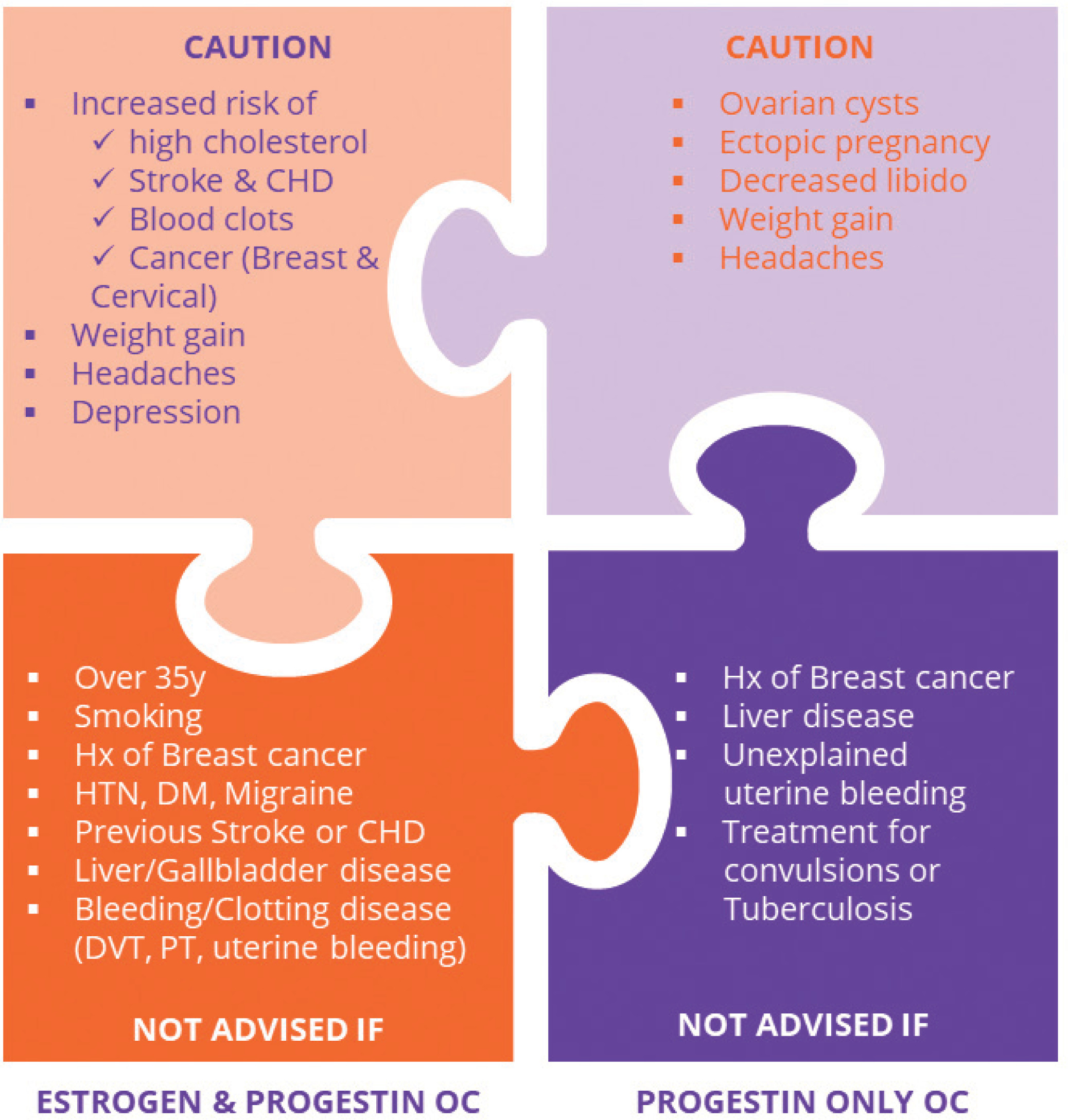
The concept of oral contraception, historically, was supposed to enable control of unwanted pregnancies and facilitate family planning for women of reproductive age in an elegant fashion for everyone needing it. However, the influence of different prescriptions on women’s health during active use, as well as later on in life – beyond the quintessential fear of thromboses lay women worldwide have – has not been studied extensively or meticulously, despite the widespread use. Also, with some countries recently starting to embrace the over-the-counter concept for oral contraceptives in addition to the mechanical ones, a mandatory visit to a physician to get a personalized prescription will become a growing phenomenon and its public health consequences are unforeseeable, evidently.

In the current issue of IJCS, we had the pleasure of reading a paper by Gomes et al, who presented their original article with results of a cross-over study of the influence of high-intensity interval training (HIIT) on the lipid and inflammatory profile of women using combined oral contraceptives (COC) that showed a beneficial effect to the latter, but not the former.

[…]

  • Cardiovascular risk
  • Contraception
  • Oral contraceptives
Read Full Article
Creative Commons Attribution (CC BY) Creative Commons license
13/07/2022 DOI: 10.36660/ijcs.20220085 Views 1
ABCHF
Research Letter

The Impact of Clonal Hematopoiesis of Indeterminate Potential on Advanced Heart Failure

Santiago Alonso Tobar Leitão et al. Fernando Luis Scolari Jefferson Luís Vieira Peter Libby

Introduction

The many processes that contribute to age-related diseases include Harman’s free-radical telomere shortening, inflammaging, and Medewar’s mutation accumulation theory, especially in hematological malignancies., As we age, hematopoietic stem cells may acquire mutations that modulate their function, proliferation, or survival, thus expanding the pool of mutated cells in blood, a process termed clonal hematopoiesis (CH). With the addition of cooperating mutations, CH cells may progress to myelodysplastic syndrome and acute myeloid leukemia at rates ranging from 0.5 to 1% per year. There are dozens of known CH-driver genes, a subset of the known leukemia driver genes, the most frequent of which are DMNT3A, TET2, ASXL1, and JAK2, which account for approximately 80% of all CH mutations. CH increases with age: more than 2% of cells (Variant Allele Fraction [VAF]) will have these mutations in approximately 10% of individuals aged 70 years. Indeed, new and highly sensitive targeted sequencing techniques have shown nearly ubiquitous CH mutations in adults over 30 years of age.

Although the risk of developing a hematologic malignancy is more than 10-fold in individuals with CH, most will have no overt manifestation, hence the term: Clonal Hematopoiesis of Indeterminate Potential (CHIP). Surprisingly, people with CHIP who carry leukocyte clones with mutated leukemia driver genes have a higher risk of developing and/or progressing to non-hematologic conditions of other age-related diseases, such as dementia, osteoporosis, stroke, and cardiovascular diseases. Various mechanisms linked with these diseases are associated with CHIP, including an excessive inflammatory response due to inflammasome activation and enhanced expression of inflammatory cytokines such as IL-1β and IL-6, increased thrombotic potential, and impaired DNA repair.–

[…]

  • Cardiovascular risk
  • CHIP
  • Clonal Hematopoiesis
  • Heart Failure
  • Inflammation
  • Mutations
Read Full Article
Creative Commons Attribution (CC BY) Creative Commons license
29/06/2022 DOI: 10.36660/abchf.20220038 Views 1
Figure 1
ABC
Original Article

Impact of High Cardiovascular Risk on Hospital Mortality in Intensive Care Patients Hospitalized for COVID-19

Bruno Ferraz de Oliveira Gomes et al. João Luiz Fernandes Petriz Iliana Regina Ribeiro Menezes Anny de Sousa Azevedo … Thiago Moreira Bastos da Silva Valdilene Lima Silva Leticia de Sousa Peres David Fernandes Pedro Pereira Giovanni Possamai Dutra Suzanna Andressa Morais de Paula Bárbara Ferreira da Silva Mendes Plinio Resende do Carmo Junior Basilio de Bragança Pereira Gláucia Maria Moraes de Oliveira

Abstract

Background

Some studies have shown a higher prevalence of deaths in patients with cardiovascular risk factors (CRF) during hospitalization for COVID-19.

Objectives

To assess the impact of high cardiovascular risk in patients hospitalized in intensive care for COVID-19

Methods

Retrospective study with patients admitted to an intensive care unit, with a diagnosis of COVID-19 confirmed by RT-PCR, and with at least one troponin measurement during hospitalization. The criteria for defining high cardiovascular risk (HCR) patients were: history of established cardiovascular disease (myocardial infarction, stroke, or peripheral arterial disease), diabetes, chronic kidney disease with clearance 65 years). The primary outcome of this study is all-cause in-hospital mortality. P<0.05 was considered significant.

Results

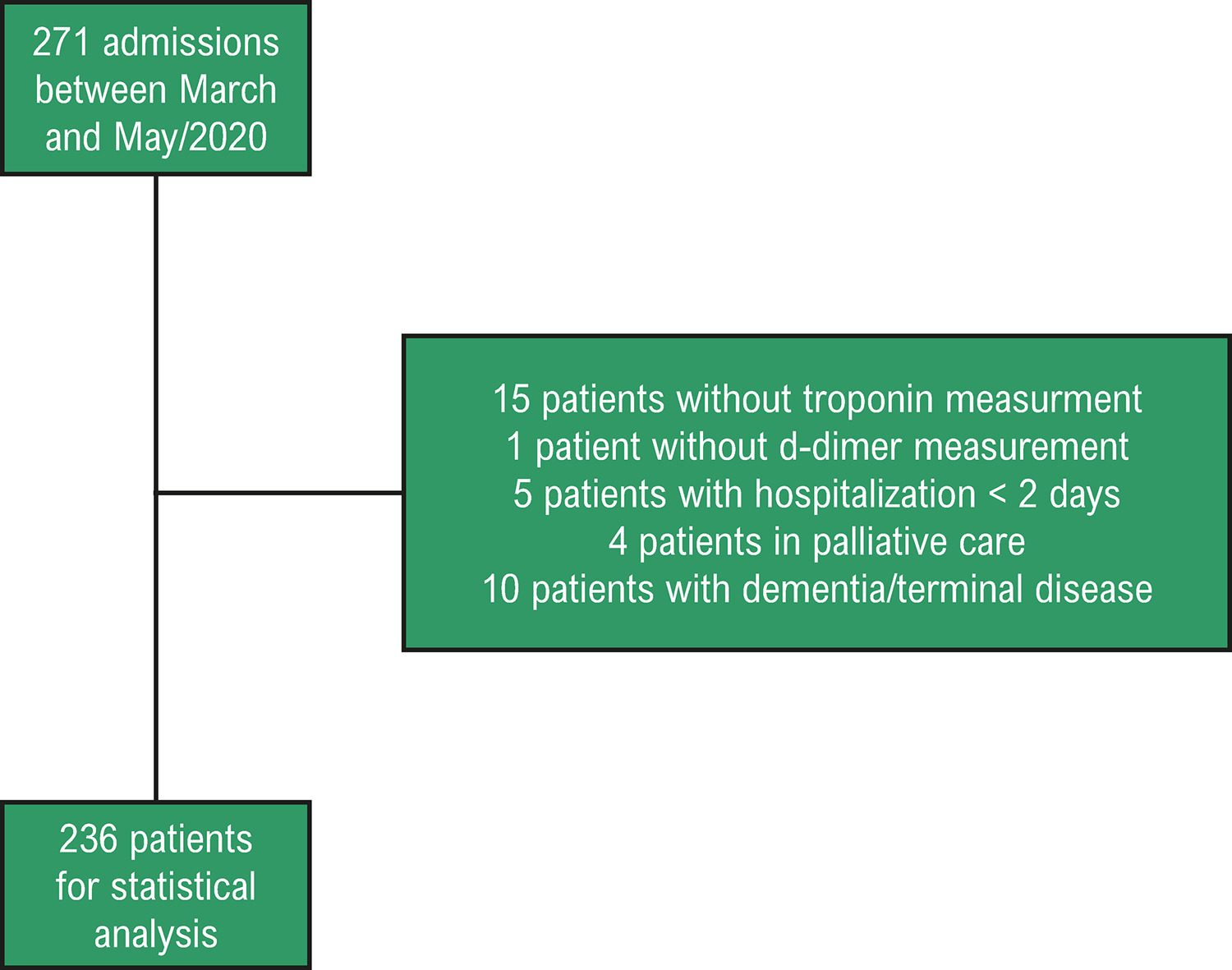
This study included 236 patients, mean age = 61.14±16.2 years, with 63.1% men, 55.5% hypertensive, and 33.1% diabetic; 47.4% of the patients also presented HCR. A significant increase in mortality was observed as the number of risk factors increased (0 FRC: 5.9%; 1 FRC: 17.5%; 2 FRC: 32.2% and ≥3 FRC: 41.2%; p=0.001). In the logistic regression adjusted for severity (SAPS3 score), the HCR and myocardial injury group had a higher occurrence of in-hospital mortality (OR 40.38; 95% CI 11.78-138.39). Patients without HCR but with myocardial injury also exhibited a significant association with the primary outcome (OR 16.7; 95% CI 4.45-62.74).

Conclusion

In patients hospitalized in intensive care for COVID-19, HCR impacts in-hospital mortality only in patients with myocardial injury.

  • Cardiovascular Diseases/complications
  • Cardiovascular risk
  • COVID-19
  • Inpatients
  • Intensive Care
  • Myocardial Injury
  • Ultrasensitivity Troponin
Read Full Article
Creative Commons Attribution (CC BY) Creative Commons license
13/05/2022 DOI: 10.36660/abc.20210349 Views 1
Figure 1
ABCIC
Original Article

Appropriate Use of Myocardial Perfusion Scintigraphy Criteria for Assessing Asymptomatic Patients with High Cardiovascular Risk or Known Coronary Disease

Vinicius Silva Freire Alvarenga et al. Paola Emanuela Poggio Smanio

Abstract

Background:

The use of myocardial perfusion scintigraphy in asymptomatic patients remains restricted to very specific clinical situations, many of which are addressed in the appropriate use criteria (AUC) for myocardial perfusion scintigraphy.

Objective:

To critically analyze the application of these criteria in indicating the tests performed in asymptomatic patients of the Dante Pazzanese Institute of Cardiology, a population that is notably at high cardiovascular risk.

Methods:

The study selected asymptomatic patients undergoing myocardial perfusion scintigraphy to investigate ischemia. Indications for tests were classified as appropriate, inappropriate, or uncertain. A fixed low uptake, transient low uptake, or transient ischemic dilation were considered changed results. The statistical analysis assessed the correlation between the degree of recommendation of indications and the presence of changed test results.

Results:

From an initial selection of 2,999 medical records, 490 were considered asymptomatic and included according to the previously established inclusion criteria. Only 9.8% of the indications were inappropriate, while 61.4% were appropriate and 28.8% were uncertain. Fixed low uptake of the radiopharmaceutical occurred in 43.5% of cases versus transient low uptake in 16.1%. An appropriate or uncertain test request was a predictor of a changed test result in this population.

Conclusion:

The use of AUC for myocardial perfusion scintigraphy proved effective at predicting abnormal test results in an asymptomatic population at high cardiovascular risk, especially patients with uncertain indications, which may mean that some of the indications considered uncertain may be appropriate for a population at high cardiovascular risk.

  • Cardiovascular risk
  • Diagnosis
  • Nuclear Medicine
Read Full Article
Creative Commons Attribution (CC BY) Creative Commons license
26/11/2021 DOI: 10.47593/2675-312X/20213403eabc189
IJCS
Editorial

Climacteric Period and Cardiovascular risk: a Golden Opportunity to Watch and Succeed!

Catarina Sousa

The gradual loss of ovarian function with concomitant decrease in estrogen levels, characteristic of the climacteric period, leads to several metabolic changes and symptoms. Significant effects on the health and quality of life of women occur, and vasomotor symptoms during this transitional period are almost universally recognized. Among physical symptoms, hot flushes and night sweats are very prevalent and may be very disturbing.

However, cardiovascular risk is frequently neglected not only by these women, but surprisingly, also by part of the medical community. Metabolic changes of the climaterium are associated with increased risk of diabetes mellitus, metabolic syndrome and cardiovascular disease. Additionally, the rate of cardiovascular events markedly increases after the age of 45. This is extremely relevant, as cardiovascular disease is the single most frequent cause of death among women.

[…]

  • Cardiovascular risk
  • Climacteric Period
  • Quality of life
Read Full Article
Creative Commons Attribution (CC BY) Creative Commons license
19/07/2021 DOI: 10.36660/ijcs.20210159 Views 1
Overweight and cardiovascular risk among young adults followed-up for 17 years: the Rio de Janeiro study, Brazil
ABC
Artigo Original

Overweight and cardiovascular risk among young adults followed-up for 17 years: the Rio de Janeiro study, Brazil

Flávia Lopes Fonseca et al. Andréa Araújo Brandão Roberto Pozzan Érika Maria Gonçalves Campana … Oswaldo Luiz Pizzi Maria Eliane Campos Magalhães Elizabete Vianna de Freitas Ayrton Pires Brandão

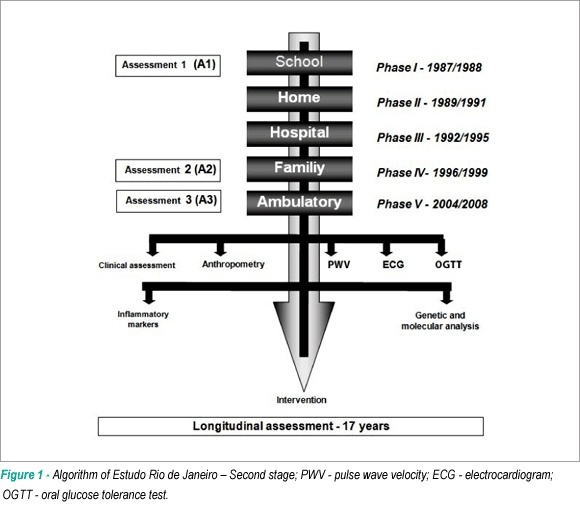
BACKGROUND: The adoption of primary prevention measures among young people has a favorable impact on the context of cardiovascular diseases. OBJECTIVE: To assess blood pressure (BP) and cardiovascular risk variables among young adults stratified according to the body mass index (BMI) behavior obtained along 17 years, since childhood/adolescence (C/A). METHODS: Three assessments were carried out in 115 individuals pertaining to the study cohort of Rio de Janeiro, Brazil. A1: 12.97 ± 1.48 years old; A2: 21.90 ± 1.71 years old; A3: 30.65 ± 2.00 years olds and divided into three groups according to BMI in the three assessments: Group N (always normal BMI; n=46), Group L (varying BMI; n=49) and Group O/O (always increased BMI; n=20). In A1, A2 and A3, BP and BMI were obtained. In A2 and A3, glucose (G) and lipidic profile were dosed. Also in A2, insulin (INS) was dosed and HOMA-IR was calculated. In A3, the measurement of waist circumference (WC), abdomen/hip relation (AHR) and body fat percentage (%BF) were added. RESULTS: 1) Group O/O presented higher mean values of increased BP (p<0.0001) at the three assessments; 2) In A3, Group O/O showed higher mean values for WC, AHR and %BF and prevalence of increased WC and metabolic syndrome (MS) (p<0.0001); 3) higher mean values were observed for INS, HOMA-IR, LDL-c in A2, and G, cholesterol, LDL-c and triglycerides in A3 for Group O/O (p<0.05); 4) masculine sex and O/O at A1 determined higher risk for MS occurrence in adult age. CONCLUSION: The presence of O/O since C/A was associated with higher BP values, anthropometric indexes and higher prevalence of MS in the young adult phase.

  • Adolescents
  • Blood Pressure
  • Body Weights and Measures
  • Cardiovascular risk
Read Full Article
Creative Commons Attribution (CC BY) Creative Commons license
05/05/2010 DOI: 10.1590/S0066-782X2010000200011 Views 2
Cardiovascular risk factors and mortality: long-term follow-up (up to 20 years) in a preventive program carried out by occupational medicine
ABC
Artigo Original

Cardiovascular risk factors and mortality: long-term follow-up (up to 20 years) in a preventive program carried out by occupational medicine

Luiz Alberto de Souza Ciorlia et al. Moacir Fernandes de Godoy

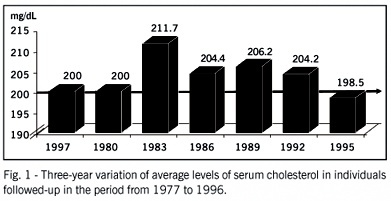
OBJECTIVE: The decrease in mortality due to cardiovascular diseases (CVD) has been achieved in the United States and the same decrease has been happening in developing countries, thanks to favorable changes in lifestyle and risk factors. Despite such consideration, the volume of information available on the distribution and behavior of that type of disease and its risk factors in Brazil is still little. METHODS: The assessment of changes in total cholesterol (TC), levels of blood pressure (BP), body mass index (BMI) and smoking was carried out, besides the occurrence of fatal (F) and non-fatal (NF) cardiovascular events, under dietary and behavioral intervention and long-term follow-up (up to 20 years) in a closed group, consisting of 621 electric power company workers of both sexes, with average age of 29.1±7.1 years old, varying from 15 to 59 years old. Actuarial curves were obtained to analyze the F and NF cardiovascular events. RESULTS: The TC mean showed significant reduction due to dietary guidance. The smoking habit decreased significantly with behavioral changes. The mean of the BPs decreased significantly with a better detection and hygienic measures, and the adhesion by definite hypertensive people to the treatment showed an index of 56.6%. On the other hand, the BMI showed an expressive and gradual increase. The probability for the individuals to remain free of any cardiovascular event was of 98.1%, whereas for the fatal events, it was 99.2%. CONCLUSION: Those results prove that initiatives directed towards the prevention must be priorities, aiming at modifying the morbimortatility rates of CVD.

  • Cardiovascular risk
  • occupational medicine
  • Preventive Medicine
Read Full Article
Creative Commons Attribution (CC BY) Creative Commons license
29/09/2005 DOI: 10.1590/S0066-782X2005001400005
Assessment of the Cardiovascular Risk and Physical Activity of Individuals Exercising at a Public Park in the City of São Paulo
ABC
Original Article

Assessment of the Cardiovascular Risk and Physical Activity of Individuals Exercising at a Public Park in the City of São Paulo

Cláudia L. M. Forjaz et al. Taís Tinucci Teresa Bartholomeu Tiago E. M. Fernandes … Vivian Casagrande José Geraldo Massucato

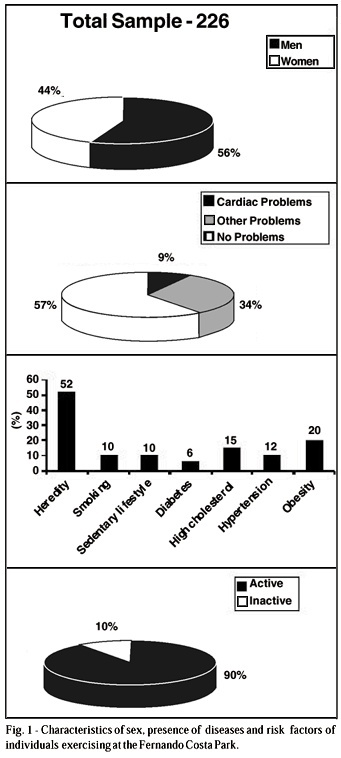
OBJECTIVE: Physical exercise helps to prevent cardiovascular disorders. Campaigns promoting exercise have taken many people to the parks of our city. The most appropriate exercise for preventing cardiovascular disorders is the aerobic modality; inappropriate exercise acutely increases cardiovascular risk, especially in individuals at higher risk. Therefore, assessing the cardiovascular risk of these individuals and their physical activities is of practical value. METHODS: In the Parque Fernando Costa, we carried out the project “Exercício e Coração” (Exercise and Heart) involving 226 individuals. Assessment of the cardiovascular risk and of the physical activity practiced by the individuals exercising at that park was performed with a questionnaire and measurement of the following parameters: blood pressure, weight, height, and waist/hip ratio. The individuals were lectured on the benefits provided by exercise and how to correctly exercise. Each participant received a customized exercise prescription. RESULTS: In regard to risk, 43% of the individuals had health problems and 7% of the healthy individuals had symptoms that could be attributed to heart disorders. High blood pressure was observed in a large amount of the population. In regard to the adequacy of the physical activity, the individuals exercised properly. The project was well accepted, because the participants not only appreciated the initiative, but also reported altering their exercise habits after taking part in the project. CONCLUSION: Data obtained in the current study point to the need to be more careful in assessing the health of individuals who exercise at parks, suggesting that city parks should have a sector designated for assessing and guiding physical activity.

  • Cardiovascular risk
  • Exercise
  • public park
Read Full Article
Creative Commons Attribution (CC BY) Creative Commons license
01/08/2002 DOI: 10.1590/S0066-782X2002001000005 Views 2

How to cite this article

EndNote RIS

Electronic Document Format (Vancouver)

Cabral S. Beyond Atherosclerosis: Mind the Valves in Chronic Kidney Disease. Arquivos Brasileiros de Cardiologia 2025;122(8):e20250376.

Electronic Document Format (ABNT)

Cabral, Sofia. Beyond Atherosclerosis: Mind the Valves in Chronic Kidney Disease. Arquivos Brasileiros de Cardiologia, v. 122, n. 8, e20250376, Sep. 2025.

Electronic Document Format (APA)

Cabral, S. (2025). Beyond Atherosclerosis: Mind the Valves in Chronic Kidney Disease. Arquivos Brasileiros de Cardiologia, 122(8), e20250376.

Electronic Document Format (ISO)

Cabral, Sofia. Beyond Atherosclerosis: Mind the Valves in Chronic Kidney Disease. Arquivos Brasileiros de Cardiologia [online]. 2025, vol. 122, n. 8, [cited 2026-10-14], e20250376. Available from: <https://journals.cardiol.br/en/article/beyond-atherosclerosis-mind-the-valves-in-chronic-kidney-disease/>. ISSN 0066-782X

EndNote RIS

Electronic Document Format (Vancouver)

Soares GP, Salim TR. Renal Function and Cardiovascular Risk: An Overlooked Prognostic Ally. Arquivos Brasileiros de Cardiologia 2025;122(7):e20250414.

Electronic Document Format (ABNT)

Soares, Gabriel Porto; Salim, Thais Rocha. Renal Function and Cardiovascular Risk: An Overlooked Prognostic Ally. Arquivos Brasileiros de Cardiologia, v. 122, n. 7, e20250414, Aug. 2025.

Electronic Document Format (APA)

Soares, G. P., & Salim, T. R. (2025). Renal Function and Cardiovascular Risk: An Overlooked Prognostic Ally. Arquivos Brasileiros de Cardiologia, 122(7), e20250414.

Electronic Document Format (ISO)

Soares, Gabriel Porto and Salim, Thais Rocha. Renal Function and Cardiovascular Risk: An Overlooked Prognostic Ally. Arquivos Brasileiros de Cardiologia [online]. 2025, vol. 122, n. 7, [cited 2026-10-14], e20250414. Available from: <https://journals.cardiol.br/en/article/renal-function-and-cardiovascular-risk-an-overlooked-prognostic-ally/>. ISSN 0066-782X

EndNote RIS

Electronic Document Format (Vancouver)

Bicer C, Balcioglu YH. Sit Less, Move More, and Feel Good, Folks!: Sedentary Behavior May Stake Cardiometabolic Health Through Mental Health Problems Across the Lifespan. Arquivos Brasileiros de Cardiologia 2023;120(2):e20220894.

Electronic Document Format (ABNT)

Bicer, Ceren; Balcioglu, Yasin Hasan. Sit Less, Move More, and Feel Good, Folks!: Sedentary Behavior May Stake Cardiometabolic Health Through Mental Health Problems Across the Lifespan. Arquivos Brasileiros de Cardiologia, v. 120, n. 2, e20220894, Feb. 2023.

Electronic Document Format (APA)

Bicer, C., & Balcioglu, Y. H. (2023). Sit Less, Move More, and Feel Good, Folks!: Sedentary Behavior May Stake Cardiometabolic Health Through Mental Health Problems Across the Lifespan. Arquivos Brasileiros de Cardiologia, 120(2), e20220894.

Electronic Document Format (ISO)

Bicer, Ceren and Balcioglu, Yasin Hasan. Sit Less, Move More, and Feel Good, Folks!: Sedentary Behavior May Stake Cardiometabolic Health Through Mental Health Problems Across the Lifespan. Arquivos Brasileiros de Cardiologia [online]. 2023, vol. 120, n. 2, [cited 2026-10-14], e20220894. Available from: <https://journals.cardiol.br/en/article/sit-less-move-more-and-feel-good-folks-sedentary-behavior-may-stake-cardiometabolic-health-through-mental-health-problems-across-the-lifespan/>. ISSN 0066-782X

EndNote RIS

Electronic Document Format (Vancouver)

Parapid B, Rakić S. Oral Contraception: Beyond What Meets the Eye. Sorry, the Ovaries!. International Journal of Cardiovascular Sciences 2022;35(4):511-3.

Electronic Document Format (ABNT)

Parapid, Biljana; Rakić, Snežana. Oral Contraception: Beyond What Meets the Eye. Sorry, the Ovaries!. International Journal of Cardiovascular Sciences, v. 35, n. 4, p. 511-513, Jul. 2022.

Electronic Document Format (APA)

Parapid, B., & Rakić, S. (2022). Oral Contraception: Beyond What Meets the Eye. Sorry, the Ovaries!. International Journal of Cardiovascular Sciences, 35(4), 511-513.

Electronic Document Format (ISO)

Parapid, Biljana and Rakić, Snežana. Oral Contraception: Beyond What Meets the Eye. Sorry, the Ovaries!. International Journal of Cardiovascular Sciences [online]. 2022, vol. 35, n. 4, [cited 2026-10-14], pp. 511-513. Available from: <https://journals.cardiol.br/en/article/oral-contraception-beyond-what-meets-the-eye-sorry-the-ovaries/>. ISSN 2359-4802

EndNote RIS

Electronic Document Format (Vancouver)

Leitão SAT, Scolari FL, Vieira JL, Libby P. The Impact of Clonal Hematopoiesis of Indeterminate Potential on Advanced Heart Failure. ABC: Heart Failure & Cardiomyopathy 2022;2(2):218-21.

Electronic Document Format (ABNT)

Leitão, Santiago Alonso Tobar; Scolari, Fernando Luis; Vieira, Jefferson Luís; Libby, Peter. The Impact of Clonal Hematopoiesis of Indeterminate Potential on Advanced Heart Failure. ABC: Heart Failure & Cardiomyopathy, v. 2, n. 2, p. 218-221, Jun. 2022.

Electronic Document Format (APA)

Leitão, S. A. T., Scolari, F. L., Vieira, J. L., & Libby, P. (2022). The Impact of Clonal Hematopoiesis of Indeterminate Potential on Advanced Heart Failure. ABC: Heart Failure & Cardiomyopathy, 2(2), 218-221.

Electronic Document Format (ISO)

Leitão, Santiago Alonso Tobar and Scolari, Fernando Luis and Vieira, Jefferson Luís and Libby, Peter. The Impact of Clonal Hematopoiesis of Indeterminate Potential on Advanced Heart Failure. ABC: Heart Failure & Cardiomyopathy [online]. 2022, vol. 2, n. 2, [cited 2026-10-14], pp. 218-221. Available from: <https://journals.cardiol.br/en/article/the-impact-of-clonal-hematopoiesis-of-indeterminate-potential-on-advanced-heart-failure/>

EndNote RIS

Electronic Document Format (Vancouver)

Gomes BFO, Petriz JLF, Menezes IRR, Azevedo AS, Silva TMB, Silva VL, Peres LS, et al. Impact of High Cardiovascular Risk on Hospital Mortality in Intensive Care Patients Hospitalized for COVID-19. Arquivos Brasileiros de Cardiologia 2022;118(5):927-34.

Electronic Document Format (ABNT)

Gomes, Bruno Ferraz de Oliveira; Petriz, João Luiz Fernandes; Menezes, Iliana Regina Ribeiro; Azevedo, Anny de Sousa; Silva, Thiago Moreira Bastos da; Silva, Valdilene Lima; Peres, Leticia de Sousa; Pereira, David Fernandes Pedro; Dutra, Giovanni Possamai; Paula, Suzanna Andressa Morais de; Mendes, Bárbara Ferreira da Silva; Carmo Junior, Plinio Resende do; Pereira, Basilio de Bragança; Oliveira, Gláucia Maria Moraes de. Impact of High Cardiovascular Risk on Hospital Mortality in Intensive Care Patients Hospitalized for COVID-19. Arquivos Brasileiros de Cardiologia, v. 118, n. 5, p. 927-934, May. 2022.

Electronic Document Format (APA)

Gomes, B. F. O., Petriz, J. L. F., Menezes, I. R. R., Azevedo, A. S., Silva, T. M. B. , Silva, V. L., Peres, L. S., Pereira, D. F. P., Dutra, G. P., Paula, S. A. M. , Mendes, B. F. S., Carmo Junior, P. R. , Pereira, B. B., & Oliveira, G. M. M. (2022). Impact of High Cardiovascular Risk on Hospital Mortality in Intensive Care Patients Hospitalized for COVID-19. Arquivos Brasileiros de Cardiologia, 118(5), 927-934.

Electronic Document Format (ISO)

Gomes, Bruno Ferraz de Oliveira and Petriz, João Luiz Fernandes and Menezes, Iliana Regina Ribeiro and Azevedo, Anny de Sousa and Silva, Thiago Moreira Bastos da and Silva, Valdilene Lima and Peres, Leticia de Sousa and Pereira, David Fernandes Pedro and Dutra, Giovanni Possamai and Paula, Suzanna Andressa Morais de and Mendes, Bárbara Ferreira da Silva and Carmo Junior, Plinio Resende do and Pereira, Basilio de Bragança and Oliveira, Gláucia Maria Moraes de. Impact of High Cardiovascular Risk on Hospital Mortality in Intensive Care Patients Hospitalized for COVID-19. Arquivos Brasileiros de Cardiologia [online]. 2022, vol. 118, n. 5, [cited 2026-10-14], pp. 927-934. Available from: <https://journals.cardiol.br/en/article/impact-of-high-cardiovascular-risk-on-hospital-mortality-in-intensive-care-patients-hospitalized-for-covid-19/>. ISSN 0066-782X

EndNote RIS

Electronic Document Format (Vancouver)

Alvarenga VSF, Smanio PEP. Appropriate Use of Myocardial Perfusion Scintigraphy Criteria for Assessing Asymptomatic Patients with High Cardiovascular Risk or Known Coronary Disease. ABC Imagem Cardiovascular 2021;34(3):eabc189.

Electronic Document Format (ABNT)

Alvarenga, Vinicius Silva Freire; Smanio, Paola Emanuela Poggio. Appropriate Use of Myocardial Perfusion Scintigraphy Criteria for Assessing Asymptomatic Patients with High Cardiovascular Risk or Known Coronary Disease. ABC Imagem Cardiovascular, v. 34, n. 3, eabc189, Nov. 2021.

Electronic Document Format (APA)

Alvarenga, V. S. F., & Smanio, P. E. P. (2021). Appropriate Use of Myocardial Perfusion Scintigraphy Criteria for Assessing Asymptomatic Patients with High Cardiovascular Risk or Known Coronary Disease. ABC Imagem Cardiovascular, 34(3), eabc189.

Electronic Document Format (ISO)

Alvarenga, Vinicius Silva Freire and Smanio, Paola Emanuela Poggio. Appropriate Use of Myocardial Perfusion Scintigraphy Criteria for Assessing Asymptomatic Patients with High Cardiovascular Risk or Known Coronary Disease. ABC Imagem Cardiovascular [online]. 2021, vol. 34, n. 3, [cited 2026-10-14], eabc189. Available from: <https://journals.cardiol.br/en/article/appropriate-use-of-myocardial-perfusion-scintigraphy-criteria-for-assessing-asymptomatic-patients-with-high-cardiovascular-risk-or-known-coronary-disease/>. ISSN 2318-8219

EndNote RIS

Electronic Document Format (Vancouver)

Sousa C. Climacteric Period and Cardiovascular risk: a Golden Opportunity to Watch and Succeed!. International Journal of Cardiovascular Sciences 2021;34(4):398-9.

Electronic Document Format (ABNT)

Sousa, Catarina. Climacteric Period and Cardiovascular risk: a Golden Opportunity to Watch and Succeed!. International Journal of Cardiovascular Sciences, v. 34, n. 4, p. 398-399, Jul. 2021.

Electronic Document Format (APA)

Sousa, C. (2021). Climacteric Period and Cardiovascular risk: a Golden Opportunity to Watch and Succeed!. International Journal of Cardiovascular Sciences, 34(4), 398-399.

Electronic Document Format (ISO)

Sousa, Catarina. Climacteric Period and Cardiovascular risk: a Golden Opportunity to Watch and Succeed!. International Journal of Cardiovascular Sciences [online]. 2021, vol. 34, n. 4, [cited 2026-10-14], pp. 398-399. Available from: <https://journals.cardiol.br/en/article/climacteric-period-and-cardiovascular-risk-a-golden-opportunity-to-watch-and-succeed/>. ISSN 2359-4802

EndNote RIS

Electronic Document Format (Vancouver)

Fonseca FL, Brandão AA, Pozzan R, Campana MG, Pizzi OL, Magalhães MEC, Freitas EV, et al. Overweight and cardiovascular risk among young adults followed-up for 17 years: the Rio de Janeiro study, Brazil. Arquivos Brasileiros de Cardiologia 2010;94(2):207-15.

Electronic Document Format (ABNT)

Fonseca, Flávia Lopes; Brandão, Andréa Araújo; Pozzan, Roberto; Campana, Érika Maria Gonçalves; Pizzi, Oswaldo Luiz; Magalhães, Maria Eliane Campos; Freitas, Elizabete Vianna de; Brandão, Ayrton Pires. Overweight and cardiovascular risk among young adults followed-up for 17 years: the Rio de Janeiro study, Brazil. Arquivos Brasileiros de Cardiologia, v. 94, n. 2, p. 207-215, May. 2010.

Electronic Document Format (APA)

Fonseca, F. L., Brandão, A. A., Pozzan, R., Campana, M. G., Pizzi, O. L., Magalhães, M. E. C., Freitas, E. V. , & Brandão, A. P. (2010). Overweight and cardiovascular risk among young adults followed-up for 17 years: the Rio de Janeiro study, Brazil. Arquivos Brasileiros de Cardiologia, 94(2), 207-215.

Electronic Document Format (ISO)

Fonseca, Flávia Lopes and Brandão, Andréa Araújo and Pozzan, Roberto and Campana, Érika Maria Gonçalves and Pizzi, Oswaldo Luiz and Magalhães, Maria Eliane Campos and Freitas, Elizabete Vianna de and Brandão, Ayrton Pires. Overweight and cardiovascular risk among young adults followed-up for 17 years: the Rio de Janeiro study, Brazil. Arquivos Brasileiros de Cardiologia [online]. 2010, vol. 94, n. 2, [cited 2026-10-14], pp. 207-215. Available from: <https://journals.cardiol.br/en/article/overweight-and-cardiovascular-risk-among-young-adults-followed-up-for-17-years-the-rio-de-janeiro-study-brazil/>. ISSN 0066-782X

EndNote RIS

Electronic Document Format (Vancouver)

Ciorlia LAS, Godoy MF. Cardiovascular risk factors and mortality: long-term follow-up (up to 20 years) in a preventive program carried out by occupational medicine. Arquivos Brasileiros de Cardiologia 2005;85(1):20-5.

Electronic Document Format (ABNT)

Ciorlia, Luiz Alberto de Souza; Godoy, Moacir Fernandes de. Cardiovascular risk factors and mortality: long-term follow-up (up to 20 years) in a preventive program carried out by occupational medicine. Arquivos Brasileiros de Cardiologia, v. 85, n. 1, p. 20-25, Sep. 2005.

Electronic Document Format (APA)

Ciorlia, L. A. S., & Godoy, M. F. (2005). Cardiovascular risk factors and mortality: long-term follow-up (up to 20 years) in a preventive program carried out by occupational medicine. Arquivos Brasileiros de Cardiologia, 85(1), 20-25.

Electronic Document Format (ISO)

Ciorlia, Luiz Alberto de Souza and Godoy, Moacir Fernandes de. Cardiovascular risk factors and mortality: long-term follow-up (up to 20 years) in a preventive program carried out by occupational medicine. Arquivos Brasileiros de Cardiologia [online]. 2005, vol. 85, n. 1, [cited 2026-10-14], pp. 20-25. Available from: <https://journals.cardiol.br/en/article/cardiovascular-risk-factors-and-mortality-long-term-follow-up-up-to-20-years-in-a-preventive-program-carried-out-by-occupational-medicine/>. ISSN 0066-782X

EndNote RIS

Electronic Document Format (Vancouver)

Forjaz CLM, Tinucci T, Bartholomeu T, Fernandes TEM, Casagrande V, Massucato JG. Assessment of the Cardiovascular Risk and Physical Activity of Individuals Exercising at a Public Park in the City of São Paulo. Arquivos Brasileiros de Cardiologia 2002;79(1):43-50.

Electronic Document Format (ABNT)

Forjaz, Cláudia L. M.; Tinucci, Taís; Bartholomeu, Teresa; Fernandes, Tiago E. M.; Casagrande, Vivian; Massucato, José Geraldo. Assessment of the Cardiovascular Risk and Physical Activity of Individuals Exercising at a Public Park in the City of São Paulo. Arquivos Brasileiros de Cardiologia, v. 79, n. 1, p. 43-50, Jul. 2002.

Electronic Document Format (APA)

Forjaz, C. L. M., Tinucci, T., Bartholomeu, T., Fernandes, T. E. M., Casagrande, V., & Massucato, J. G. (2002). Assessment of the Cardiovascular Risk and Physical Activity of Individuals Exercising at a Public Park in the City of São Paulo. Arquivos Brasileiros de Cardiologia, 79(1), 43-50.

Electronic Document Format (ISO)

Forjaz, Cláudia L. M. and Tinucci, Taís and Bartholomeu, Teresa and Fernandes, Tiago E. M. and Casagrande, Vivian and Massucato, José Geraldo. Assessment of the Cardiovascular Risk and Physical Activity of Individuals Exercising at a Public Park in the City of São Paulo. Arquivos Brasileiros de Cardiologia [online]. 2002, vol. 79, n. 1, [cited 2026-10-14], pp. 43-50. Available from: <https://journals.cardiol.br/en/article/assessment-of-the-cardiovascular-risk-and-physical-activity-of-individuals-exercising-at-a-public-park-in-the-city-of-sao-paulo/>. ISSN 0066-782X

  • About ABC Family
  • Internal Regulation
  • Editorial Board
  • Brazilian Society of Cardiology (SBC)

Issues

SBC Guidelines

  • Videos
  • Podcasts
  • News