ABC Family Arquivos Brasileiros de Cardiologia International Journal of Cardiovascular Sciences ABC Heart Failure & Cardiomyopathy ABC Imagem Cardiovascular
Português English
ABC Family
Português English
  • About
    • About ABC Family
    • Internal Regulation
    • Editorial Board
    • Brazilian Society of Cardiology (SBC)
  • Issues
  • SBC Guidelines
  • Content
    • Videos
    • Podcasts
    • News
  • About
    • About ABC Family
    • Internal Regulation
    • Editorial Board
    • Brazilian Society of Cardiology (SBC)
  • Issues
  • SBC Guidelines
  • Content
    • Videos
    • Podcasts
    • News

ABC Family

  • ABC Family
  • Arquivos Brasileiros de Cardiologia
  • International Journal of Cardiovascular Sciences
  • ABC Heart Failure & Cardiomyopathy
  • ABC Imagem Cardiovascular
Search in

No content found.

Journals
Ordering
Article types
Others

  1. Home
  2. Keyword: Aspirin
ABC
Editorial

For which HIV Patients Aspirin and Statins are Good?

Théo Pezel et al. Layde R. Paim Otávio R. Coelho-Filho

While advances in antiretroviral treatment have revolutionized the prognosis of human immunodeficiency (HIV)-infected patients, cardiovascular complications remain the leading cause of death in these patients mainly due to an increased cardiovascular risk compared to the general population. Cardiovascular prevention programs have highlighted the importance of controlling traditional risk factors in risk evaluation strategies. However, HIV-infected individuals at low cardiovascular risk have a considerable residual cardiovascular risk for events that may justify additional preventive treatment. Indeed, compared with non-HIV-infected individuals, inflammation levels are higher in HIV-infected patients, even those with viral control, and this inflammation is an important factor in the genesis of atherosclerosis. Therefore, effective cardiovascular prevention strategies targeting HIV population are needed. In the therapeutic arsenal of cardiovascular prevention, aspirin and statins are the cornerstones of the management of HIV-infected patients. Both drugs have pleiotropic effects, including immunomodulatory, anti-thrombogenic, and anti-inflammatory effects, that improve endothelial function and prevent the progression of carotid thickening in these patients. However, the prescription of aspirin and statins in HIV-infected patients remains largely suboptimal, with only 50% of patients adequately treated. Although several studies have investigated the effects of statins and aspirin in decreasing inflammation, the results of these studies are contradictory.,

In this issue of the Arquivos Brasileiros de Cardiologia, Santos Jr et al. report the effect of the use of a combination of atorvastatin and aspirin for six months regarding the endothelial function improvement and carotid thickness in a cohort of 38 patients with HIV infection with viral control. Improvement in endothelial function was assessed using the brachial artery flow-mediated dilation. The authors have shown a relationship between treatment response and age; a stronger response was observed in individuals older than 40 years. This result may be explained by the fact that probably older individuals had a longer exposure to inflammation caused by HIV. Several studies have shown that these same patients also have a higher cardiovascular risk due to chronic inflammation. Therefore, this study supports the prescription of a combination of atorvastatin and aspirin for the primary prevention of cardiovascular events in HIV-infected patients, particularly for those over 40 years of age. In addition, some of the findings of this study suggest that HIV-positive women may have a better response to this drug combination than men. Considering that the currently used triple therapy has a significant effect on inflammation, a mechanism intrinsically linked to the progression of atherosclerosis could explain the greater response in women than in men.

[…]
  • Anti-HIV Agents/therapeutic use
  • Aspirin
  • Atherosclerosis
  • Cardiovascular Diseases/complications
  • Endothelium
  • HIV
  • HIV Infection
  • Mortality
  • Risk Factors
  • Statins
Read Full Article
Creative Commons Attribution (CC BY) Creative Commons license
06/09/2021 DOI: 10.36660/abc.20210560
Figure 1
ABC
Original Article

The Effect of Atorvastatin + Aspirin on the Endothelial Function Differs with Age in Patients with HIV: A Case-Control Study

Gerson Gomes dos Santos Junior et al. Paulo Sérgio Ramos Araújo Kaliene Maria Estevão Leite Emmanuelle Tenório Godoi … Adriana Ferraz Vasconcelos Heloisa Ramos Lacerda

Abstract

Background

Patients with HIV are more likely to present with cardiovascular disease when compared to the general population.

Objective

This was a case-control study that aimed to assess which factors were associated with a reduction in the carotid intima-media thickness (IMT) and an increase in the brachial artery flow-mediated dilation (FMD) in HIV patients who received atorvastatin + aspirin during a period of 6 months.

Methods

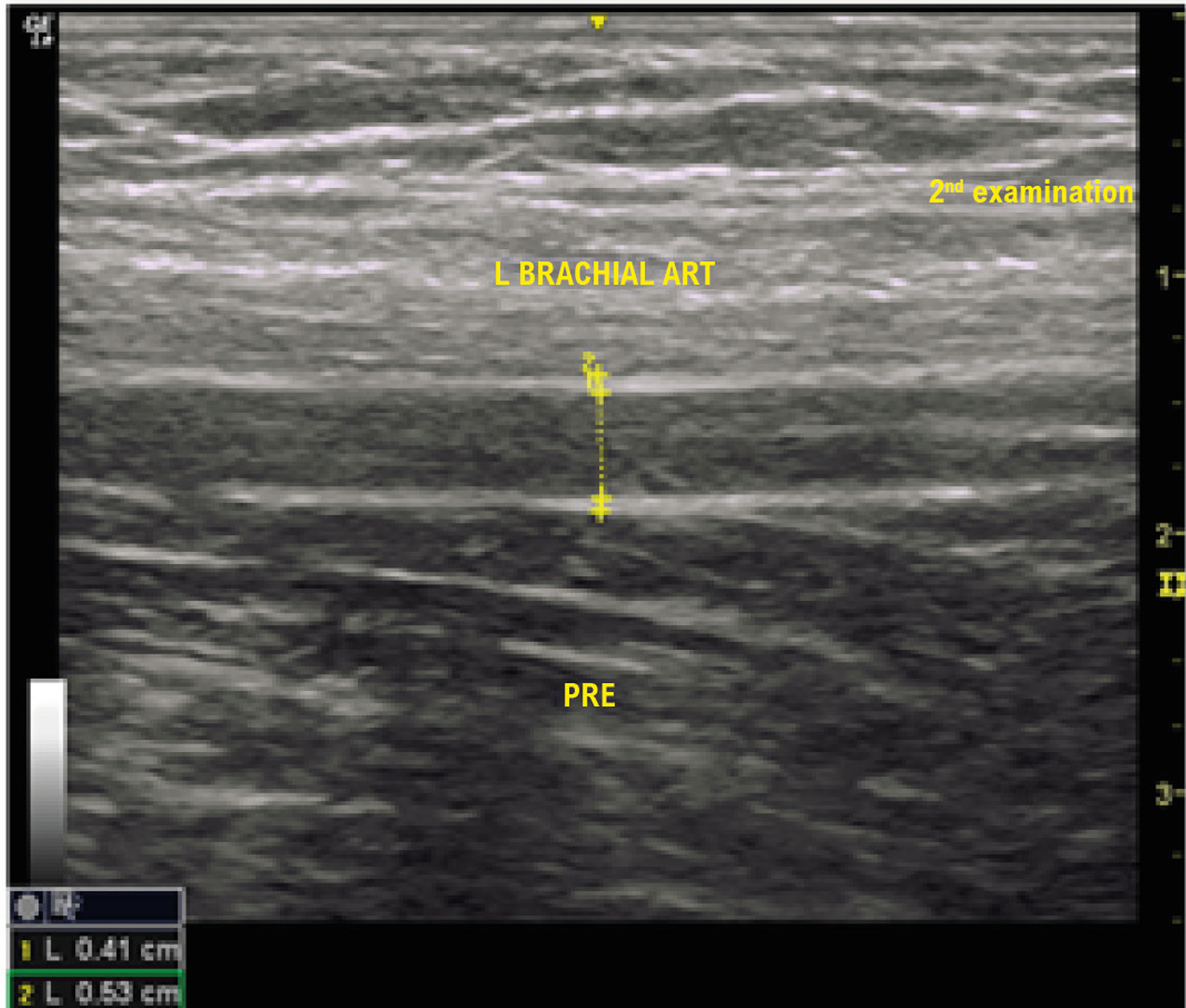
A secondary analysis of a clinical trial was conducted, which included people living with HIV infection and low cardiovascular risk. A total of 38 patients allocated to the intervention arm and treated for 6 months with a combination of atorvastatin + aspirin were included. All participants underwent a carotid and brachial artery ultrasound, both at the beginning and the end of the study. Cases that responded with an increase of >10% of the brachial dilatation (FMD) and reduction of the carotid intima-media thickness (IMT) were considered cases, and those who did not respond were considered controls. We assessed the factors associated with the positive responses obtained through IMT and FMD.

Results

A reduction in the IMT was not significantly associated with any of the evaluated risk factors: age (p=0.211), gender (p=0.260), smoking (p=0.131) or time since HIV diagnosis (p=0.836). An increase in the FMD was significantly associated with age amongst those in the 40-59 age group, p = 0.015 (OR = 4.37; 95% CI: 1.07-17.79).

Conclusions

Older individuals were more likely to present with an increased FMD after 6 months of treatment with atorvastatin + aspirin.

  • Aspirin
  • Atorvastatin
  • Brachial Artery
  • Carotid Arteries Ultrasonography
  • Carotid Intima-Media Thickness
  • Endothelium, Vascular / physiopathology
  • HIV
  • Risk Factors
Read Full Article
Creative Commons Attribution (CC BY) Creative Commons license
02/07/2021 DOI: 10.36660/abc.20190844 Views 1
Figure 1
ABC
Review Article

Antiplatelet Therapy in Breast Cancer Patients Using Hormonal Therapy: Myths, Evidence and Potentialities – Systematic Review

Andréa de Melo Leite et al. Ariane Vieira Scarlatelli Macedo Antonio José Lagoeiro Jorge Wolney de Andrade Martins

Abstract

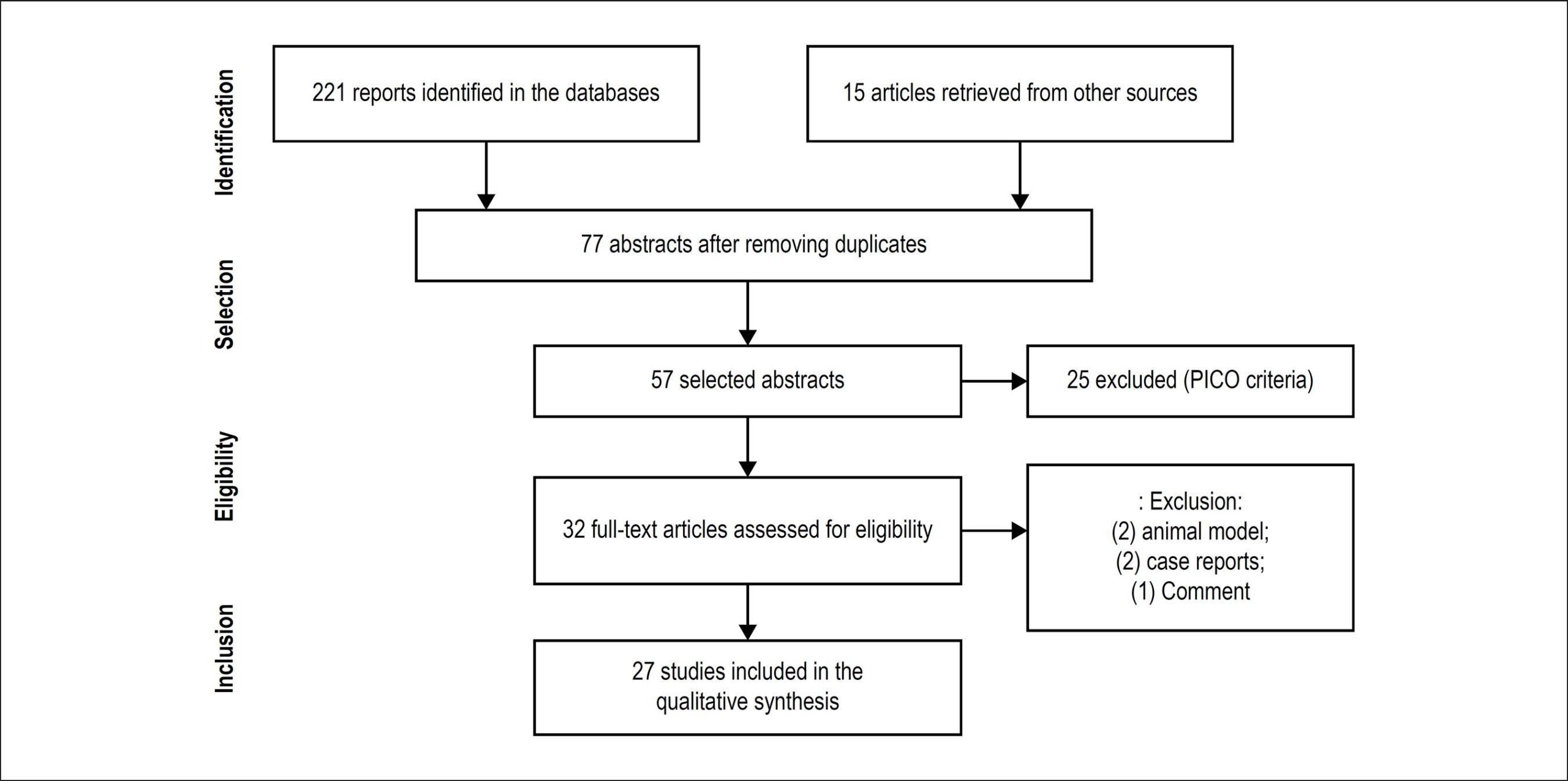
Breast cancer is the most frequently diagnosed tumor in women worldwide, with a significant impact on morbidity and mortality. Chemotherapy and hormone therapy have significantly reduced mortality; however, the adverse effects are significant. Aspirin has been incorporated into clinical practice for over 100 years at a low cost, making it particularly attractive as a potential agent in breast cancer prevention and as an adjunct treatment to endocrine therapy in the prophylaxis of cardiovascular complications. The objective of this study was to evaluate the role of aspirin in reducing the incidence of breast cancer and to evaluate the impact of its use on morbidity and mortality and reduction of cardiovascular events as adjuvant therapy during breast cancer treatment with selective estrogen receptor modulators. A systematic review was performed using the PRISMA methodology and PICO criteria, based on the MEDLINE, EMBASE and LILACS databases. The original articles of clinical trials, cohort, case-control studies and meta-analyses published from January 1998 to June 2017, were considered. Most studies showed an association between the use of selective estrogen receptor modulators and the increase in thromboembolic events. The studies suggest a protective effect of aspirin for cardiovascular events during its concomitant use with selective estrogen receptor modulators and in the prevention of breast cancer. This systematic review suggests that aspirin therapy combines the benefit of protection against cardiovascular events with the potential reduction in breast cancer risk, and that the evaluation of the benefits of the interaction of endocrine therapy with aspirin should be further investigated.

  • Aspirin
  • Breast Neoplasms/drug therapy
  • Cardiovascular Diseases / prevention & control
  • Indicators of Morbidity and Mortality
  • Raloxilene Hydrochloride
  • Selective Estrogen Receptor Modulators
  • Tamoxifen
Read Full Article
Creative Commons Attribution (CC BY) Creative Commons license
01/08/2018 DOI: 10.5935/abc.20180138
Platelet antiaggregants in primary and secondary prevention of atherothrombotic events
ABC
Atualização

Platelet antiaggregants in primary and secondary prevention of atherothrombotic events

Marcos Vinícius Ferreira Silva et al. Luci Maria SantAna Dusse Lauro Mello Vieira Maria das Graças Carvalho

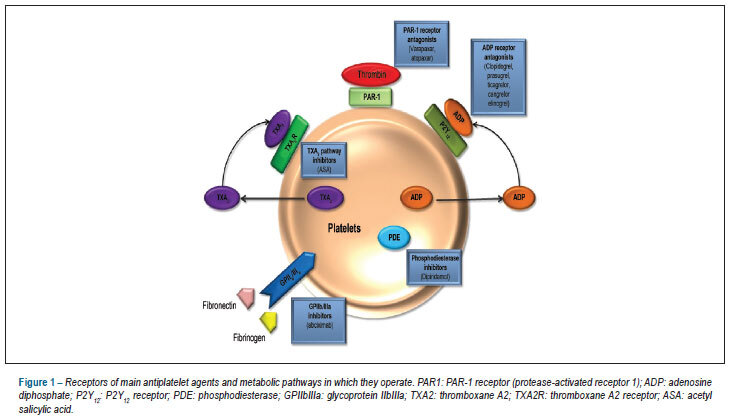
Atherothrombosis and its complications are currently the leading cause of worldwide mortality and its incidence is increasing . Platelets play an essential role in the pathogenesis of atherothrombotic events, justifying the use of antiplatelet agents in their prevention. Thus, it is essential to know the efficacy and safety profile of these drugs in primary and secondary prevention of atherothrombotic events. In this context, this review was performed with the aim of describing and summarizing the outcomes of the main trials involving the use of antiplatelet agents in the two levels of prevention, and evaluating the effectiveness and major adverse events related to therapy.

  • Angina Pectoris
  • Aspirin
  • Coronary Artery Disease
  • Myocardial Infarction
  • Platelet Aggregation Inhibitors
Read Full Article
Creative Commons Attribution (CC BY) Creative Commons license
05/07/2013 DOI: 10.5935/abc.20130122 Views 1
Prevalence of high platelet reactivity in aspirin-treated patients referred for coronary angiography
ABC
Original Article

Prevalence of high platelet reactivity in aspirin-treated patients referred for coronary angiography

André Manica et al. Rogério Sarmento-Leite Clara Manfroi La Hore Rodrigues Jr … Carlos Gottschall Julio F Marchini Kevin Croce

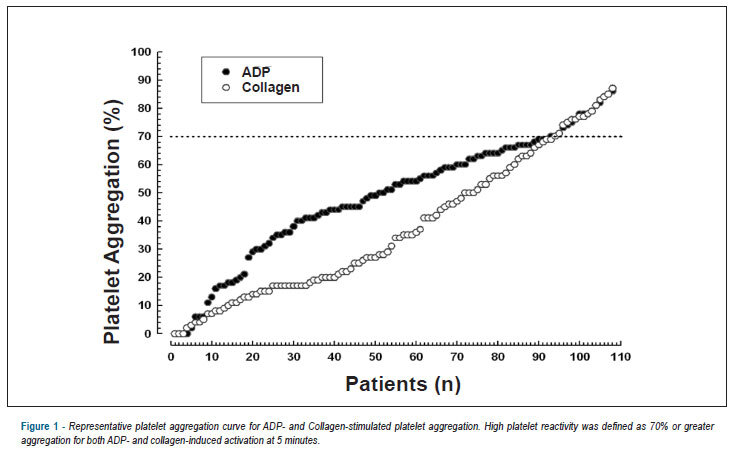
BACKGROUND: Aspirin (ASA) reduces adverse events in coronary artery disease (CAD) patients by inhibiting platelets. Some CAD patients have high platelet reactivity (HPR) despite ASA therapy and these individuals have increased risk of adverse events. OBJECTIVE: The purpose of this study was to determine the prevalence of HPR in ASA-treated patients referred for coronary angiography and to assess whether the HPR correlates with the severity of CAD. METHODS: This single center investigation enrolled 115 consecutive ASA-treated patients with stable CAD. ADP- and collagen-induced platelet reactivity were evaluated by light transmittance aggregometry (LTA). Patients with greater than 70% ADP- and collagen-induced aggregation were determined to have HPR and, in this group, ASA compliance was assessed by examining blood salicylate levels. Mean age was 60.9 years and average ASA dose was 164.2 mg. RESULTS: Smoking and DM were present in 28.7% and 31.5% respectively. HPR was found in 14 patients (13%) however 7 of the 14 patients (50%) with HPR had low serum salicylate levels (< 2.0 µg/mL) suggesting medication noncompliance. Of the entire cohort, 6.5% of patients had HPR and detectable serum salicylate levels suggesting reduced ASA efficacy. HPR correlated with number and severity of coronary stenosis (p = 0.04). CONCLUSION: In a general population of ASA-treated patients referred for coronary angiography, elevated platelet reactivity is prevalent (13%) with 50% related to noncompliance and 50% related to reduced aspirin efficacy.

  • Aspirin
  • Coronary Angiography
  • Coronary Disease
  • Platelet Aggregation
Read Full Article
Creative Commons Attribution (CC BY) Creative Commons license
08/01/2013 DOI: 10.1590/S0066-782X2013005000002
Warfarin or Aspirin in embolism prevention in patients with mitral valvulopathy and atrial fibrillation
ABC
Artigo Original

Warfarin or Aspirin in embolism prevention in patients with mitral valvulopathy and atrial fibrillation

Paulo de Lara Lavitola et al. Roney Orismar Sampaio Walter Amorim de Oliveira Berta Napchan Bôer … Flavio Tarasoutchi Guilherme Sobreira Spina Max Grinberg

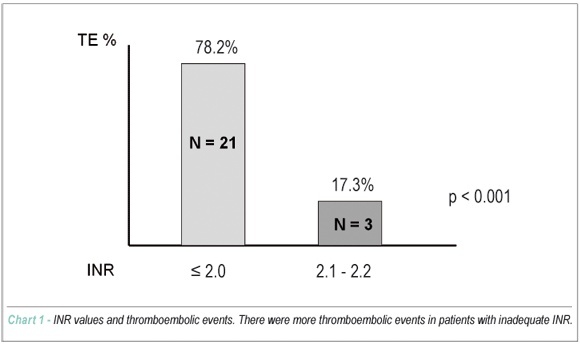
BACKGROUND: Atrial fibrillation (AF) associated to rheumatic mitral valve disease (RMVD) increases the incidence of thromboembolism (TE), with warfarin being the standard therapy, in spite of difficulties in treatment adherence and therapeutic control. OBJECTIVE: To compare the effectiveness of Aspirin vs Warfarin in TE prevention in patients with AF and RMVD. METHODS: A total of 229 patients (pts) with AF and RMVD were followed in a prospective and randomized study. The first group consisted of 110 pts receiving Aspirin – 200 mg/day (Group Aspirin – GA) and the second group consisted of 119 pts receiving Warfarin at individually-adjusted doses (Group Warfarin – GW). RESULTS: There were 15 embolic events in GA and 24 in GW (p = 0.187), of which 21 presented INR < 2.0. Thus, after excluding patients with inadequate INR, there was a higher number of embolic events in GA than in GW (15 vs 3) (p < 0.0061). The GW showed lower treatment adherence (p = 0.001). Neither group presented episodes of major bleeding. Small bleeding episodes were more frequent in the GW (p < 0.01). Increased serum levels of cholesterol and triglycerides constituted a risk factor for a higher number of thromboembolic events in the studied population, with no difference between the groups. CONCLUSION: In patients presenting RMVD with AF for less than a year and no previous embolism, Aspirin is little effective in preventing TE. Patients with lower-risk mitral valvulopathy (mitral regurgitation and mitral biological prosthesis), especially in cases presenting contraindication to or low adherence to Warfarin, Aspirin use can present some benefit in TE prevention.

  • Aspirin
  • Atrial Fibrillation
  • Mitral Valve
  • Tromboembolism
  • Warfarin
Read Full Article
Creative Commons Attribution (CC BY) Creative Commons license
22/10/2010 DOI: 10.1590/S0066-782X2010005000140 Views 2
ABC
Clinical Update

Aspirin resistance: fact or fiction?

Dinaldo Cavalcanti de Oliveira et al. Rogerio Ferreira Silva Diego Jantsk Silva Valter Correia de Lima

A meta-analysis of clinical studies of patients with cardiovascular disease demonstrated that the use of aspirin was associated with a 22% decrease in death rates and relevant ischemic vascular events. However, clinical studies demonstrated that patients that regularly took aspirin presented recurrence of cardiovascular events. Such observation led to the question whether, in some patients, the aspirin was not effective in blocking platelet aggregation and these patients were called unresponsive to aspirin or aspirin-resistant. The clinical aspirin resistance is characterized as the occurrence of cardiovascular events in patients during treatment with aspirin, whereas the laboratory resistance is defined as the persistence of platelet aggregation, documented by laboratory test, in patients regularly taking aspirin. Patients that are aspirin-resistant presented, according to laboratory tests, on average 3.8 times more cardiovascular events when compared to non-resistant ones.

  • Aspirin
  • drug resistance
  • laboratory test
  • Platelet Aggregation
Read Full Article
Creative Commons Attribution (CC BY) Creative Commons license
13/10/2010 DOI: 10.1590/S0066-782X2010001300024
Combined rTPA and aspirin therapy for intracardiac thrombosis in neonates
ABC
Case Report

Combined rTPA and aspirin therapy for intracardiac thrombosis in neonates

Fernanda Almeida Tardin et al. Antônio Carlos Avanza Júnior Marcos Rogério Arantes Andião Sônia Maria Alves Andrade Rabello … Emília de Mattos Gouvêa Cristello Edna Cellis Vaccari Baltan Edelweiss Bussinguer Pereira Pegurin Norma Suely Oliveira

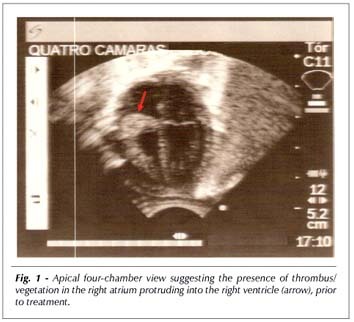
We describe a case of a very low birth weight premature female twin with intracardiac thrombosis. Her condition was consistent with neonatal sepsis, and she was treated with advanced life support, antibiotic therapy, parenteral nutrition, blood transfusion, and central venous catheterization. Infective endocarditis was suspected, and a large intracavitary thrombus was detected by two-dimensional Doppler echocardiography. Surgical procedure was not only technically difficult but also highly lethal, being contraindicated in some cases. Consequently, the use of the thrombolytic recombinant tissue-plasminogen activator (rTPA) associated with aspirin was the treatment of choice, and complete dissolution of the thrombus was achieved without adverse effects.

  • Aspirin
  • Fibrinolytic Agents
  • plasminogen
  • Platelet Aggregation Inhibitors
  • Thrombosis
Read Full Article
Creative Commons Attribution (CC BY) Creative Commons license
15/06/2007 DOI: 10.1590/S0066-782X2007000500026 Views 2

How to cite this article

EndNote RIS

Electronic Document Format (Vancouver)

Pezel T, Paim LR, Coelho-Filho OR. For which HIV Patients Aspirin and Statins are Good?. Arquivos Brasileiros de Cardiologia 2021;117(2):376-7.

Electronic Document Format (ABNT)

Pezel, Théo; Paim, Layde R.; Coelho-Filho, Otávio R.. For which HIV Patients Aspirin and Statins are Good?. Arquivos Brasileiros de Cardiologia, v. 117, n. 2, p. 376-377, Sep. 2021.

Electronic Document Format (APA)

Pezel, T., Paim, L. R., & Coelho-Filho, O. R. (2021). For which HIV Patients Aspirin and Statins are Good?. Arquivos Brasileiros de Cardiologia, 117(2), 376-377.

Electronic Document Format (ISO)

Pezel, Théo and Paim, Layde R. and Coelho-Filho, Otávio R.. For which HIV Patients Aspirin and Statins are Good?. Arquivos Brasileiros de Cardiologia [online]. 2021, vol. 117, n. 2, [cited 2026-10-14], pp. 376-377. Available from: <https://journals.cardiol.br/en/article/for-which-hiv-patients-aspirin-and-statins-are-good/>. ISSN 0066-782X

EndNote RIS

Electronic Document Format (Vancouver)

Santos Junior GG, Araújo PSR, Leite KME, Godoi ET, Vasconcelos AF, Lacerda HR. The Effect of Atorvastatin + Aspirin on the Endothelial Function Differs with Age in Patients with HIV: A Case-Control Study. Arquivos Brasileiros de Cardiologia 2021;117(2):365-7.

Electronic Document Format (ABNT)

Santos Junior, Gerson Gomes dos; Araújo, Paulo Sérgio Ramos; Leite, Kaliene Maria Estevão; Godoi, Emmanuelle Tenório; Vasconcelos, Adriana Ferraz; Lacerda, Heloisa Ramos. The Effect of Atorvastatin + Aspirin on the Endothelial Function Differs with Age in Patients with HIV: A Case-Control Study. Arquivos Brasileiros de Cardiologia, v. 117, n. 2, p. 365-375, Jul. 2021.

Electronic Document Format (APA)

Santos Junior, G. G. , Araújo, P. S. R., Leite, K. M. E., Godoi, E. T., Vasconcelos, A. F., & Lacerda, H. R. (2021). The Effect of Atorvastatin + Aspirin on the Endothelial Function Differs with Age in Patients with HIV: A Case-Control Study. Arquivos Brasileiros de Cardiologia, 117(2), 365-375.

Electronic Document Format (ISO)

Santos Junior, Gerson Gomes dos and Araújo, Paulo Sérgio Ramos and Leite, Kaliene Maria Estevão and Godoi, Emmanuelle Tenório and Vasconcelos, Adriana Ferraz and Lacerda, Heloisa Ramos. The Effect of Atorvastatin + Aspirin on the Endothelial Function Differs with Age in Patients with HIV: A Case-Control Study. Arquivos Brasileiros de Cardiologia [online]. 2021, vol. 117, n. 2, [cited 2026-10-14], pp. 365-375. Available from: <https://journals.cardiol.br/en/article/the-effect-of-atorvastatin-aspirin-on-the-endothelial-function-differs-with-age-in-patients-with-hiv-a-case-control-study/>. ISSN 0066-782X

EndNote RIS

Electronic Document Format (Vancouver)

Leite AM, Macedo AVS, Jorge AJL, Martins WA. Antiplatelet Therapy in Breast Cancer Patients Using Hormonal Therapy: Myths, Evidence and Potentialities – Systematic Review. Arquivos Brasileiros de Cardiologia 2018;111(2):205-12.

Electronic Document Format (ABNT)

Leite, Andréa de Melo; Macedo, Ariane Vieira Scarlatelli; Jorge, Antonio José Lagoeiro; Martins, Wolney de Andrade. Antiplatelet Therapy in Breast Cancer Patients Using Hormonal Therapy: Myths, Evidence and Potentialities – Systematic Review. Arquivos Brasileiros de Cardiologia, v. 111, n. 2, p. 205-212, Jul. 2018.

Electronic Document Format (APA)

Leite, A. M., Macedo, A. V. S., Jorge, A. J. L., & Martins, W. A. (2018). Antiplatelet Therapy in Breast Cancer Patients Using Hormonal Therapy: Myths, Evidence and Potentialities – Systematic Review. Arquivos Brasileiros de Cardiologia, 111(2), 205-212.

Electronic Document Format (ISO)

Leite, Andréa de Melo and Macedo, Ariane Vieira Scarlatelli and Jorge, Antonio José Lagoeiro and Martins, Wolney de Andrade. Antiplatelet Therapy in Breast Cancer Patients Using Hormonal Therapy: Myths, Evidence and Potentialities – Systematic Review. Arquivos Brasileiros de Cardiologia [online]. 2018, vol. 111, n. 2, [cited 2026-10-14], pp. 205-212. Available from: <https://journals.cardiol.br/en/article/antiplatelet-therapy-in-breast-cancer-patients-using-hormonal-therapy-myths-evidence-and-potentialities-systematic-review/>. ISSN 0066-782X

EndNote RIS

Electronic Document Format (Vancouver)

Silva MVF, Dusse LMS, Vieira LM, Carvalho MG. Platelet antiaggregants in primary and secondary prevention of atherothrombotic events. Arquivos Brasileiros de Cardiologia 2013;100(6):e78-84.

Electronic Document Format (ABNT)

Silva, Marcos Vinícius Ferreira; Dusse, Luci Maria SantAna; Vieira, Lauro Mello; Carvalho, Maria das Graças. Platelet antiaggregants in primary and secondary prevention of atherothrombotic events. Arquivos Brasileiros de Cardiologia, v. 100, n. 6, p. e78-e84, Jul. 2013.

Electronic Document Format (APA)

Silva, M. V. F., Dusse, L. M. S., Vieira, L. M., & Carvalho, M. G. (2013). Platelet antiaggregants in primary and secondary prevention of atherothrombotic events. Arquivos Brasileiros de Cardiologia, 100(6), e78-e84.

Electronic Document Format (ISO)

Silva, Marcos Vinícius Ferreira and Dusse, Luci Maria SantAna and Vieira, Lauro Mello and Carvalho, Maria das Graças. Platelet antiaggregants in primary and secondary prevention of atherothrombotic events. Arquivos Brasileiros de Cardiologia [online]. 2013, vol. 100, n. 6, [cited 2026-10-14], pp. e78-e84. Available from: <https://journals.cardiol.br/en/article/platelet-antiaggregants-in-primary-and-secondary-prevention-of-atherothrombotic-events/>. ISSN 0066-782X

EndNote RIS

Electronic Document Format (Vancouver)

Manica A, Sarmento-Leite R, Manfroi C, Rodrigues Jr LH, Gottschall C, Marchini JF, Croce K, et al. Prevalence of high platelet reactivity in aspirin-treated patients referred for coronary angiography. Arquivos Brasileiros de Cardiologia 2013;100(1):29-36.

Electronic Document Format (ABNT)

Manica, André; Sarmento-Leite, Rogério; Manfroi, Clara; Rodrigues Jr, La Hore; Gottschall, Carlos; Marchini, Julio F; Croce, Kevin. Prevalence of high platelet reactivity in aspirin-treated patients referred for coronary angiography. Arquivos Brasileiros de Cardiologia, v. 100, n. 1, p. 29-36, Jan. 2013.

Electronic Document Format (APA)

Manica, A., Sarmento-Leite, R., Manfroi, C., Rodrigues Jr, L. H., Gottschall, C., Marchini, J. F., & Croce, K. (2013). Prevalence of high platelet reactivity in aspirin-treated patients referred for coronary angiography. Arquivos Brasileiros de Cardiologia, 100(1), 29-36.

Electronic Document Format (ISO)

Manica, André and Sarmento-Leite, Rogério and Manfroi, Clara and Rodrigues Jr, La Hore and Gottschall, Carlos and Marchini, Julio F and Croce, Kevin. Prevalence of high platelet reactivity in aspirin-treated patients referred for coronary angiography. Arquivos Brasileiros de Cardiologia [online]. 2013, vol. 100, n. 1, [cited 2026-10-14], pp. 29-36. Available from: <https://journals.cardiol.br/en/article/prevalence-of-high-platelet-reactivity-in-aspirin-treated-patients-referred-for-coronary-angiography/>. ISSN 0066-782X

EndNote RIS

Electronic Document Format (Vancouver)

Lavitola PL, Sampaio RO, Oliveira WA, Bôer BN, Tarasoutchi F, Spina GS, Grinberg M, et al. Warfarin or Aspirin in embolism prevention in patients with mitral valvulopathy and atrial fibrillation. Arquivos Brasileiros de Cardiologia 2010;95(6):749-55.

Electronic Document Format (ABNT)

Lavitola, Paulo de Lara; Sampaio, Roney Orismar; Oliveira, Walter Amorim de; Bôer, Berta Napchan; Tarasoutchi, Flavio; Spina, Guilherme Sobreira; Grinberg, Max. Warfarin or Aspirin in embolism prevention in patients with mitral valvulopathy and atrial fibrillation. Arquivos Brasileiros de Cardiologia, v. 95, n. 6, p. 749-755, Oct. 2010.

Electronic Document Format (APA)

Lavitola, P. L., Sampaio, R. O., Oliveira, W. A. , Bôer, B. N., Tarasoutchi, F., Spina, G. S., & Grinberg, M. (2010). Warfarin or Aspirin in embolism prevention in patients with mitral valvulopathy and atrial fibrillation. Arquivos Brasileiros de Cardiologia, 95(6), 749-755.

Electronic Document Format (ISO)

Lavitola, Paulo de Lara and Sampaio, Roney Orismar and Oliveira, Walter Amorim de and Bôer, Berta Napchan and Tarasoutchi, Flavio and Spina, Guilherme Sobreira and Grinberg, Max. Warfarin or Aspirin in embolism prevention in patients with mitral valvulopathy and atrial fibrillation. Arquivos Brasileiros de Cardiologia [online]. 2010, vol. 95, n. 6, [cited 2026-10-14], pp. 749-755. Available from: <https://journals.cardiol.br/en/article/warfarin-or-aspirin-in-embolism-prevention-in-patients-with-mitral-valvulopathy-and-atrial-fibrillation/>. ISSN 0066-782X

EndNote RIS

Electronic Document Format (Vancouver)

Oliveira DC, Silva RF, Silva DJ, Lima VC. Aspirin resistance: fact or fiction?. Arquivos Brasileiros de Cardiologia 2010;95(3):e91-4.

Electronic Document Format (ABNT)

Oliveira, Dinaldo Cavalcanti de; Silva, Rogerio Ferreira; Silva, Diego Jantsk; Lima, Valter Correia de. Aspirin resistance: fact or fiction?. Arquivos Brasileiros de Cardiologia, v. 95, n. 3, p. e91-e94, Oct. 2010.

Electronic Document Format (APA)

Oliveira, D. C. , Silva, R. F., Silva, D. J., & Lima, V. C. (2010). Aspirin resistance: fact or fiction?. Arquivos Brasileiros de Cardiologia, 95(3), e91-e94.

Electronic Document Format (ISO)

Oliveira, Dinaldo Cavalcanti de and Silva, Rogerio Ferreira and Silva, Diego Jantsk and Lima, Valter Correia de. Aspirin resistance: fact or fiction?. Arquivos Brasileiros de Cardiologia [online]. 2010, vol. 95, n. 3, [cited 2026-10-14], pp. e91-e94. Available from: <https://journals.cardiol.br/en/article/aspirin-resistance-fact-or-fiction/>. ISSN 0066-782X

EndNote RIS

Electronic Document Format (Vancouver)

Tardin FA, Avanza Júnior AC, Andião MRA, Rabello SMAA, Cristello EMG, Baltan ECV, Pegurin EBP, et al. Combined rTPA and aspirin therapy for intracardiac thrombosis in neonates. Arquivos Brasileiros de Cardiologia 2007;88(5):e121-3.

Electronic Document Format (ABNT)

Tardin, Fernanda Almeida; Avanza Júnior, Antônio Carlos; Andião, Marcos Rogério Arantes; Rabello, Sônia Maria Alves Andrade; Cristello, Emília de Mattos Gouvêa; Baltan, Edna Cellis Vaccari; Pegurin, Edelweiss Bussinguer Pereira; Oliveira, Norma Suely. Combined rTPA and aspirin therapy for intracardiac thrombosis in neonates. Arquivos Brasileiros de Cardiologia, v. 88, n. 5, p. e121-e123, Jun. 2007.

Electronic Document Format (APA)

Tardin, F. A., Avanza Júnior, A. C., Andião, M. R. A., Rabello, S. M. A. A., Cristello, E. M. G., Baltan, E. C. V., Pegurin, E. B. P., & Oliveira, N. S. (2007). Combined rTPA and aspirin therapy for intracardiac thrombosis in neonates. Arquivos Brasileiros de Cardiologia, 88(5), e121-e123.

Electronic Document Format (ISO)

Tardin, Fernanda Almeida and Avanza Júnior, Antônio Carlos and Andião, Marcos Rogério Arantes and Rabello, Sônia Maria Alves Andrade and Cristello, Emília de Mattos Gouvêa and Baltan, Edna Cellis Vaccari and Pegurin, Edelweiss Bussinguer Pereira and Oliveira, Norma Suely. Combined rTPA and aspirin therapy for intracardiac thrombosis in neonates. Arquivos Brasileiros de Cardiologia [online]. 2007, vol. 88, n. 5, [cited 2026-10-14], pp. e121-e123. Available from: <https://journals.cardiol.br/en/article/combined-rtpa-and-aspirin-therapy-for-intracardiac-thrombosis-in-neonates/>. ISSN 0066-782X

  • About ABC Family
  • Internal Regulation
  • Editorial Board
  • Brazilian Society of Cardiology (SBC)

Issues

SBC Guidelines

  • Videos
  • Podcasts
  • News