ABC Family Arquivos Brasileiros de Cardiologia International Journal of Cardiovascular Sciences ABC Heart Failure & Cardiomyopathy ABC Imagem Cardiovascular
Português English
ABC Family
Português English
  • About
    • About ABC Family
    • Internal Regulation
    • Editorial Board
    • Brazilian Society of Cardiology (SBC)
  • Issues
  • SBC Guidelines
  • Content
    • Videos
    • Podcasts
    • News
  • About
    • About ABC Family
    • Internal Regulation
    • Editorial Board
    • Brazilian Society of Cardiology (SBC)
  • Issues
  • SBC Guidelines
  • Content
    • Videos
    • Podcasts
    • News

ABC Family

  • ABC Family
  • Arquivos Brasileiros de Cardiologia
  • International Journal of Cardiovascular Sciences
  • ABC Heart Failure & Cardiomyopathy
  • ABC Imagem Cardiovascular
Search in

No content found.

Journals
Ordering
Article types
Others

  1. Home
  2. Keyword: uric acid
ABC
Letter to the Editor

The Relationship between Uric Acid/Albumin Ratio and Carotid Intima-Media Thickness in Patients with Hypertension

Cristian Rodrigues do Nascimento et al. João Luis Matos Ribeiro Rodrigo Mendes Romero Henrique de Almeida Barbosa … Johnnatas Mikael Lopes Pedro Pereira Tenório

To the Editor,

We carefully read the article entitled: “The relationship between the uric acid/albumin ratio and the carotid intima-media thickness in patients with hypertension“, whose objective was to investigate the association of the uric acid/albumin ratio (UAR) and carotid intima-media thickness (CIMT) in hypertensive patients. Although the present study demonstrated a significant correlation between UAR and CIMT, with UAR showing greater discriminatory capacity for increased CIMT values than uric acid and albumin alone and than the other inflammatory markers analyzed in the study, such as the systemic immune inflammation index (III), the neutrophil/lymphocyte ratio (NLR), the platelet/lymphocyte ratio (PLR) and the C-reactive protein/albumin ratio (CAR), some aspects observed, when reading the article, are worthy of note.

[…]
  • Cardiovascular Diseases/complications
  • Carotid Intima-Media Thickness
  • Human Serum Albumin
  • Hypertension
  • uric acid
Read Full Article
Creative Commons Attribution (CC BY) Creative Commons license
08/03/2024 DOI: 10.36660/abc.20230691
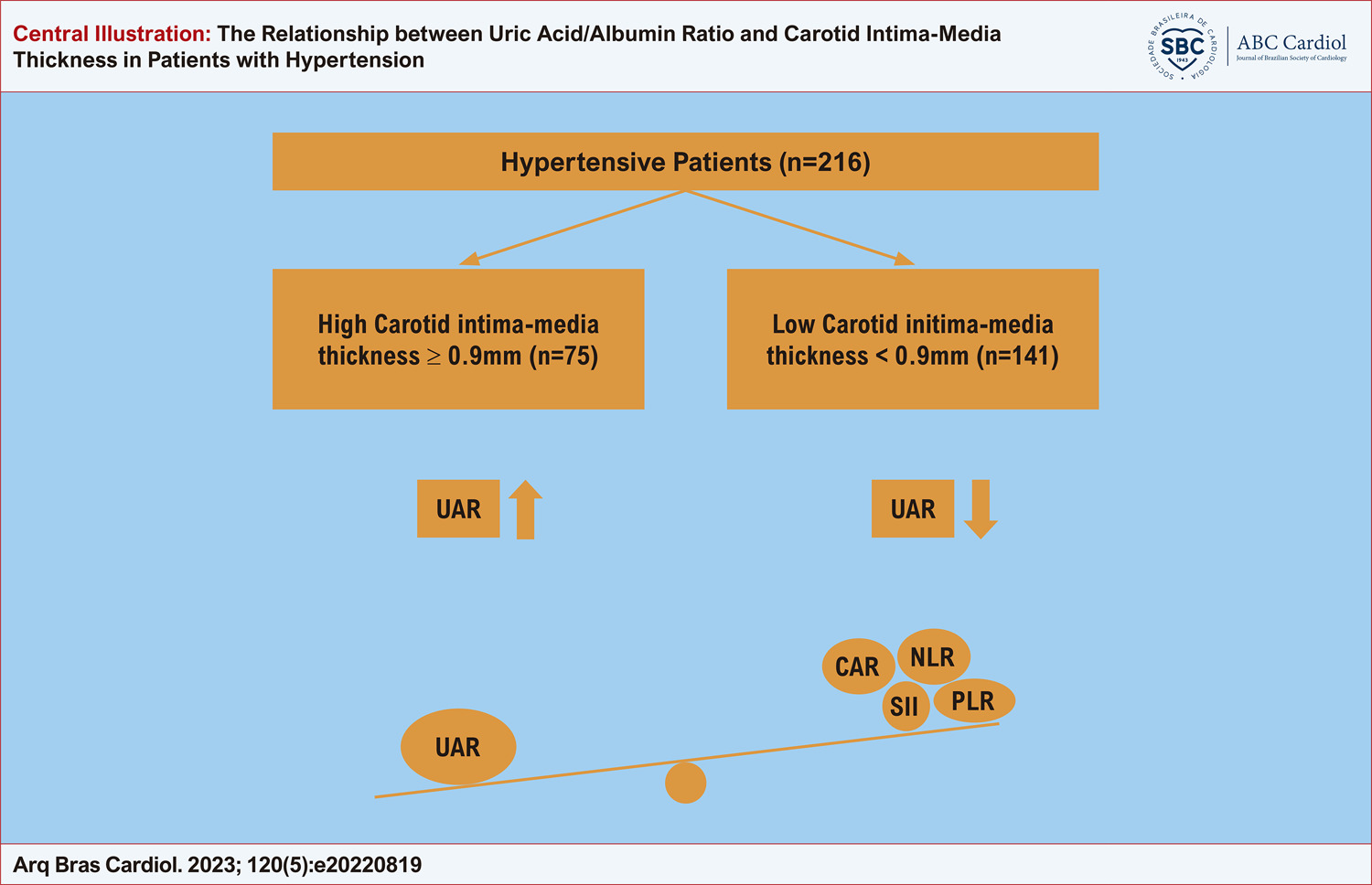
Central Illustration
ABC
Original Article

The Relationship between Uric Acid/Albumin Ratio and Carotid Intima-Media Thickness in Patients with Hypertension

Faysal Şaylık et al. Tufan Çınar Murat Selçuk İbrahim Halil Tanboğa

Abstract

Background

Hypertension causes subendothelial inflammation and dysfunction in resulting atherosclerosis. Carotid intima-media thickness (CIMT) is a useful marker of endothelial dysfunction and atherosclerosis. The uric acid to albumin ratio (UAR) has emerged as a novel marker for predicting cardiovascular events.

Objective

We aimed to investigate the association of UAR with CIMT in hypertensive patients.

Methods

Two hundred sixteen consecutive hypertensive patients were enrolled in this prospective study. All patients underwent carotid ultrasonography to classify low (CIMT < 0.9 mm) and high (CIMT ≥ 0.9 mm) CIMT groups. The predictive ability of UAR for high CIMT was compared with systemic immune inflammation index (SII), neutrophil/lymphocyte ratio (NLR), platelet/lymphocyte ratio (PLR), and C-reactive protein/albumin ratio (CAR). A two-sided p-value <0.05 was accepted as statistically significant.

Results

Patients with high CIMT were older and had higher UAR, SII, NLR, and CAR than low CIMT. Age, UAR, SII, NLR, and CAR, but not PLR, were associated with high CIMT. In multivariable analysis, age, CRP, SII, and UAR were independent predictors of high CIMT. The discrimination ability of UAR was higher than uric acid, albumin, SII, NLR, and CAR, and UAR had a higher model fit than those variables. UAR had higher additive improvement in detecting high CIMT than other variables, as assessed with net-reclassification improvement, IDI, and C-statistics. UAR was also significantly correlated with CIMT.

Conclusion

UAR might be used to predict high CIMT and might be useful for risk stratification in hypertensive patients.

  • Albumins
  • Biomarkers
  • Carotid Intima-Media Thickness
  • Hypertension
  • uric acid
Read Full Article
Creative Commons Attribution (CC BY) Creative Commons license
21/04/2023 DOI: 10.36660/abc.20220819 Views 1
Figure 1
ABC
Original Article

Arterial Hypertension and Serum Uric Acid in Elderly- SEPHAR III Study

Roxana Buzas et al. Vlad-Sabin Ivan Oana-Florentina Gheorghe-Fronea Adina Flavia Morgovan … Melania Ardelean Nicolae Albulescu Maria Dorobantu Daniel Florin Lighezan

Abstract

Background:

Hyperuricemia is a frequent finding in patients with arterial hypertension, and there is increasing evidence that this entity is also a risk factor for cardiovascular disease.

Objective:

In the context of an aging population, this study aims to evaluate serum uric acid levels and arterial hypertension prevalence and control in a subgroup of Romanian adults (>65 years), concerning the influence of age on these parameters.

Method:

The study sample consists of 1,920 adults included in SEPHAR III survey, of whom 447 were elderly patients (>65 years of age). During the two study visits, three blood pressure (BP) measurements were performed at 1-min intervals and serum uric acid levels, kidney function by estimated glomerular filtration rate, blood pressure, and intima media thickness measurements were conducted. Hypertension and controls were defined according to the current guidelines. Intima-media thickness evaluation was assessed by B-mode Doppler ultrasound evaluation. A significance level p < 0.05 was adopted for the statistical analysis.

Results:

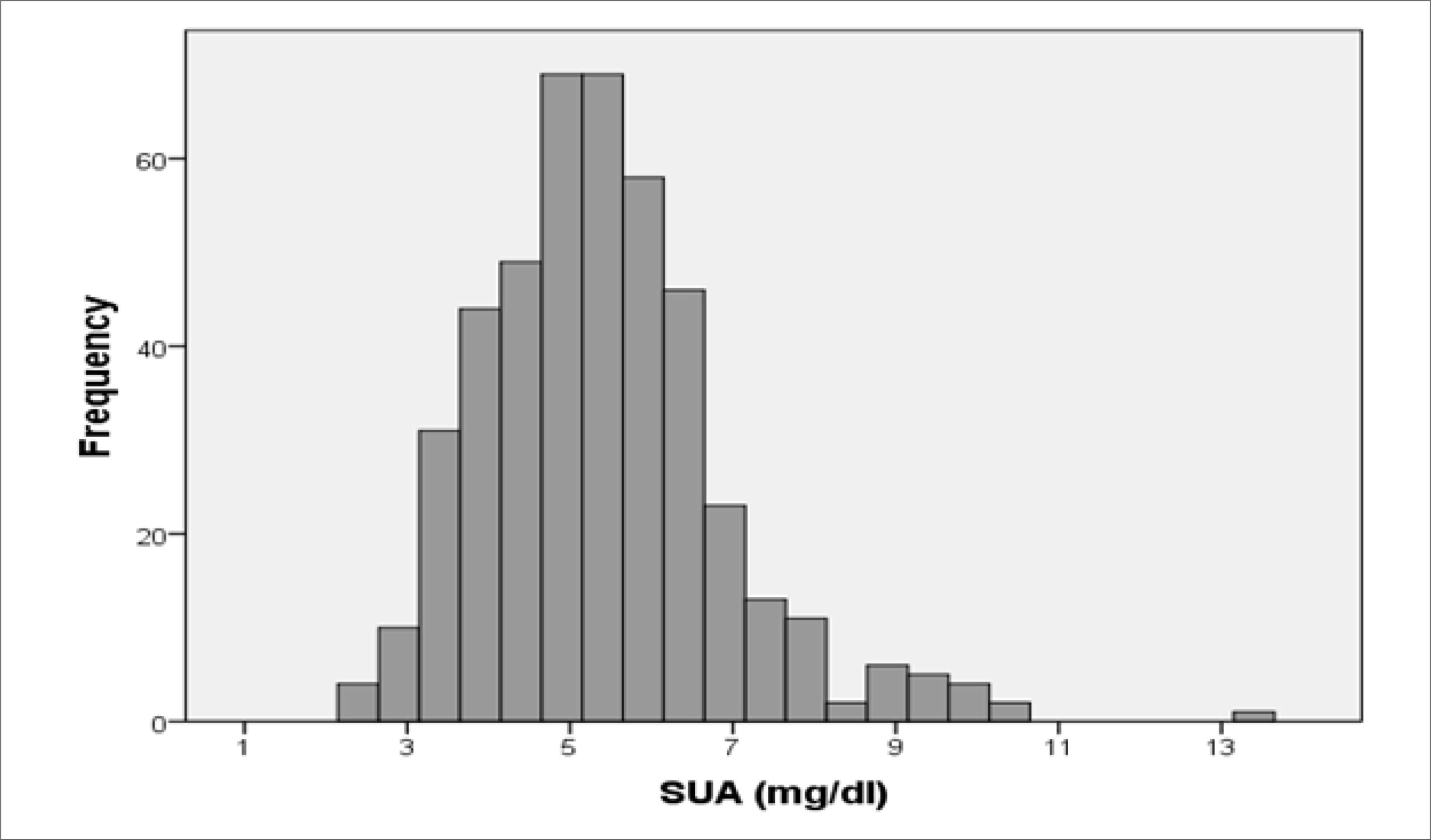
Adult patients had a significant lower serum uric acid levels, compared to elderly patients, regardless of glomerular filtration rate levels. Adult patients showed a significantly lower intima-media thickness levels, when compared to elderly patients.

Conclusion:

Similar to previous studies, in the present study, age represented one of the factors contributing to the increased level of serum uric acid. An increasing prevalence of arterial hypertension with age, together with a poor control of blood pressure, was also obtained.

  • Age-Effect
  • C-Effectardiovascular Diseases
  • Glomerular Filtration
  • Hypertension
  • Hyperuricemia
  • uric acid
Read Full Article
Creative Commons Attribution (CC BY) Creative Commons license
06/09/2021 DOI: 10.36660/abc.20200004
Figure 2
ABC
Original Article

Impact of Serum Uric Acid Concentration on the Risk of Cardiovascular Disease: A Cohort Study Conducted in Northern China

Qian Nie et al. Xuemei Zhang Zhihua Hao Liqin Wang … Huanxin Liu Chenghao Liu Zhongli Wang Guangyao Song

Abstract

Background

The results of previous studies of the relationship between serum uric acid (SUA) and the risk of cardiovascular disease (CVD) have been inconsistent due to confounding factors caused by other known cardiovascular risk factors.

Objectives

This study aimed to evaluate the relationship between SUA and incident CVD in middle-aged and elderly Chinese people, who were stratified according to body mass index (BMI).

Methods

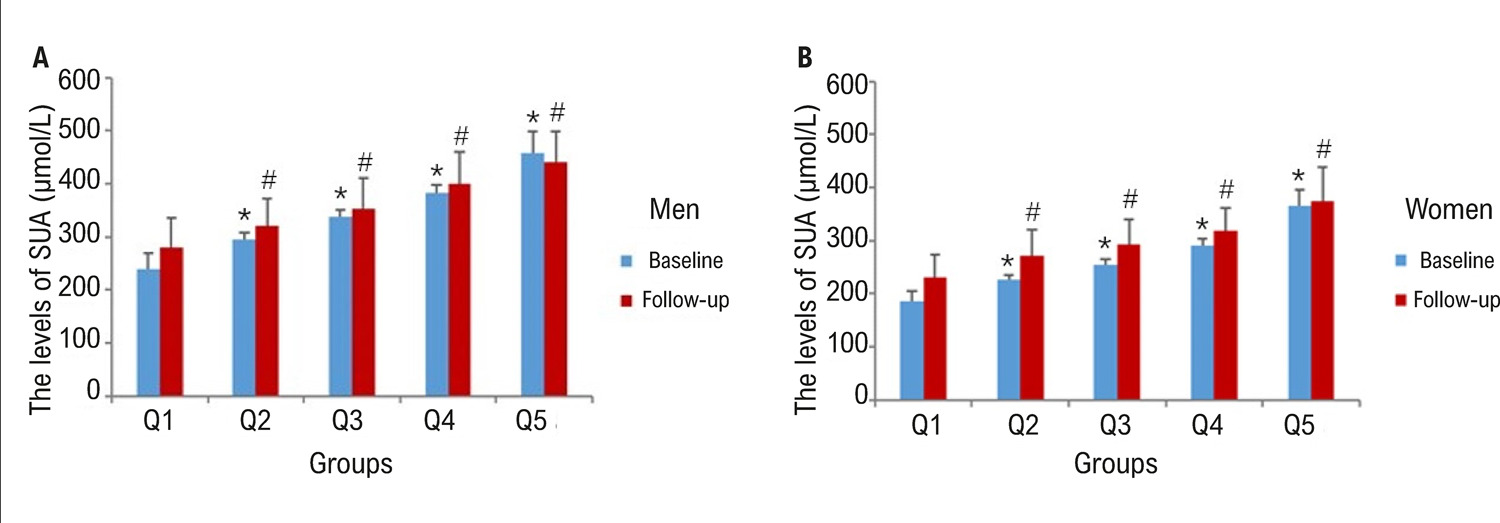
This study recruited 5,721 participants of 40–75 years of age, who were free of CVD at baseline and who underwent follow-up from 2008 to 2017. Participants were categorized in SUA quintiles. Cox proportional hazard and Kaplan-Meier survival analysis were used to compare CVD incidence among the SUA groups. The correlations between SUA and CVD incidence in groups with differing BMI and waist circumference (WC) were also analyzed. A P value <0.05 was considered statistically significant.

Results

During a mean follow-up period of 7.6 years, CVD incidence increased with SUA (log-rank test p<0. 001). Compared with the first quintile, the adjusted hazard ratios (95% confidence interval (CI)) for the development of CVD were 1.08 (0.78–1.65), 1.17 (0.88–1.77), 1.47 (1.12–2.21), and 1.68 (1.28–2.44) for the second to fifth quintiles, respectively. This relationship was clearer in participants with normal BMI and WC. The adjusted hazard ratio for each 100 μmol/L increase in SUA was 1.13 (95% CI: 1.02–1.39) for CVD events.

Conclusions

High SUA is an independent risk factor for CVD in middle-aged and elderly northern Chinese people. This effect is maintained even after stratification according to measures of leanness/obesity.

  • Body weight
  • Cardiovascular Diseases/incidence
  • Hyperuricemia
  • Risk Factors
  • uric acid
Read Full Article
Creative Commons Attribution (CC BY) Creative Commons license
16/07/2021 DOI: 10.36660/abc.20200378
Figure 1
ABC
Original Article

Association between Serum Uric Acid and Pre-hypertension and Hypertension among Chinese Adults

Lijun Zhu et al. Xiaoyu Zhang Zhengmei Fang Yuelong Jin … Weiwei Chang Yan Chen Yingshui Yao

Abstract

Background

Uric acid (UA), the end product of purine nucleotide metabolism, participates in the processes of metabolic and cardiovascular diseases. Experimental evidence suggests it is an important mediator in the physiological response to blood pressure increase.

Objective

To evaluate the association between serum UA levels and pre-hypertension and hypertension in a Chinese population.

Methods

A cross-sectional study was conducted from March to September 2017, and 1,138 participants aged 35 to 75 were enrolled in this study, where 223 normotensive, 316 pre-hypertensive, and 599 hypertensive subjects were selected to evaluate the association between serum UA levels and hypertension. A p-value <0.05 was considered statistically significant.

Results

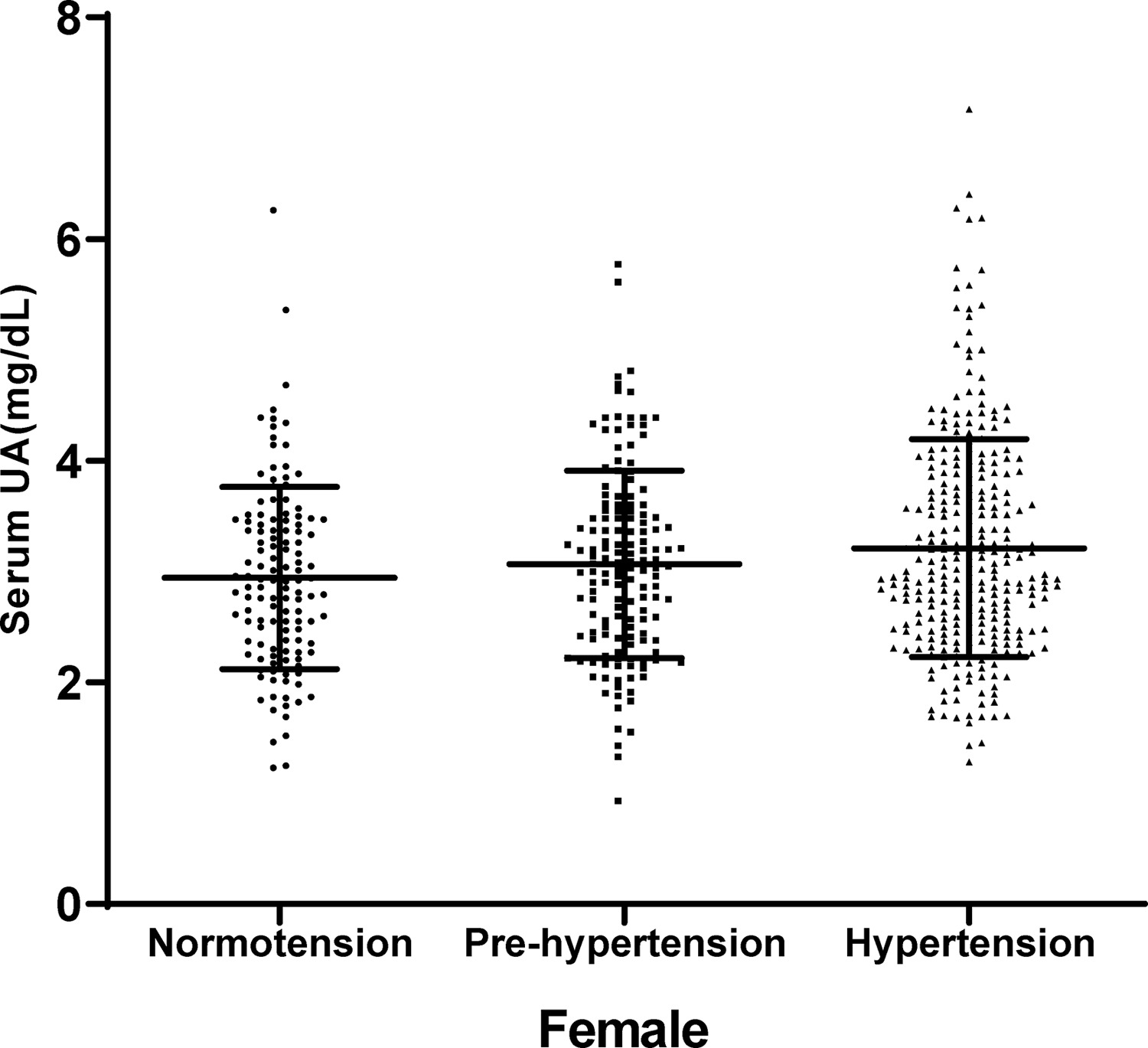
Serum UA levels were significantly higher in the pre-hypertension and hypertension group compared to the control group in the entire population (p<0.05 for all). Quantitative trait analysis indicated that serum UA levels were (2.92±0.81, 3.06±0.85, 3.22±0.98 mg/d) linearly increased in normotensive, pre-hypertensive and hypertensive females, with a p value of 0.008. Serum UA levels in the quartiles were positively correlated with DBP (p<0.05), particularly in females. After adjusting for age, gender, body mass index (BMI), glucose (GLU), total cholesterol (TC), triglycerides (TG), high-density lipoprotein cholesterol (HDL-c), the odds ratios (ORs) and 95% confidence intervals (CIs) of pre-hypertension from the lowest (referent) to the highest levels of serum UA were 1.718 (1.028–2.872), 1.018 (0.627–1.654) and 1.738 (1.003–3.010). Additionally, the second quartile of serum UA levels were significantly associated with hypertension, with an OR (95% CI) of 2.036 (1.256–3.298).

Conclusions

This study suggests that higher serum UA levels are positively associated with pre-hypertension and hypertension among Chinese adults.

  • Blood Arterial
  • Cardiovascular Diseases / epidemiology
  • Hypertension
  • Hyperuricemia
  • Risk Factors
  • uric acid
Read Full Article
Creative Commons Attribution (CC BY) Creative Commons license
14/06/2021 DOI: 10.36660/abc.20200098 Views 1
ABC
Editorial

Still Trying to Understand the Role of Uric Acid in Cardiovascular Diseases

Gilson Soares Feitosa

In this issue of Arquivos Brasileiros de Cardiologia , Zhu et al. report an association between uric acid and the presence of pre-hypertension or hypertension in a cross-sectional study done in a population in North China, bringing about, once more, a possible role of uric acid in the determination of cardiovascular disease. In the study, the authors call our attention to the possibility of a relationship even though the measured uric acid serum level is relatively low as compared to what is referred to as normal in several Western populations, which presents a cutoff value of ≥7.0 mg/dL for men and ≥6.3 mg/dL for women in the United States and also so considered, a cutoff value of ≥7.0 mg/dL for men and ≥ 6.0 mg/dL for women in a Brazilian population of healthy individuals aged 20 to 55, in Rio de Janeiro, whereas in their the cut off values were ≥4.75 mg/dL and ≥4.04 mg/dL for men and women, respectively.

In workers from the Company of Generation and Distribution of Energy in Rio de Janeiro, Brazil, from both sexes, aged predominantly between 50 and 59, the mean uric acid level was 4.7±1.3 mg/dL.

[…]

  • Cardiovascular Diseases
  • Endothelium
  • Hyperurisemia
  • Obesity
  • Oxidative Stress
  • Risk Factors
  • uric acid
Read Full Article
Creative Commons Attribution (CC BY) Creative Commons license
14/06/2021 DOI: 10.36660/abc.20210390
IJCS
Original Article

Are Body Fat and Uric Acid associated with Cardiovascular Risk Scores? Cross-Sectional Analysis in the PROCARDIO-UFV Trial

Juliane Soares Rodrigues et al. Alinne Paula de Almeida Carla de Oliveira Barbosa Rosa Helen Hermana Miranda Hermsdorff

Abstract

Background:

Risk scores are tools used to indicate the probability of occurrence of a certain cardiovascular event and to previously identify individuals at low, medium, and high risk for the development of cardiovascular diseases.

Objective:

To establish the cardiovascular risk of users of a cardiovascular health attention program of a university, and assess its association with lifestyle, clinical, sociodemographic data, and other cardiometabolic risk markers.

Methods:

Cross-sectional study with a sample of 197 participants. Demographic, anthropometric, clinical, and metabolic data, eating habits and lifestyle information were collected using the Global Risk Score and the Framingham Risk Score. P-value < 0,05 was considered statistically significant.

Results:

According to the Framingham Risk Score, 84% of the assessed population was considered low risk and 16% as intermediate/high risk. However, according to the Global Risk Score, 18% of the participants were low risk, 45% were intermediate risk and 37% were high risk for infarction or death from coronary heart disease in 10 years.

Conclusion:

Excess body weight and uric acid serum levels showed to be significant cardiovascular risk markers in addition to those of the score and, consequently, they should be considered in clinical practice.

  • Cardiovascular Diseases, mortality
  • Life Style
  • Obesity
  • Risk Factors
  • uric acid
Read Full Article
Creative Commons Attribution (CC BY) Creative Commons license
01/01/2017 DOI: 10.5935/2359-4802.20170060
Gender distribution of serum uric acid and cardiovascular risk factors: population based study
ABC
Artigo Original

Gender distribution of serum uric acid and cardiovascular risk factors: population based study

Sérgio Lamego Rodrigues et al. Marcelo Perim Baldo Pires Capingana Pedro Magalhães … Eduardo Miranda Dantas Maria del Carmen Bisi Molina Luciane Bresciani Salaroli Renato Lário Morelato José Geraldo Mill

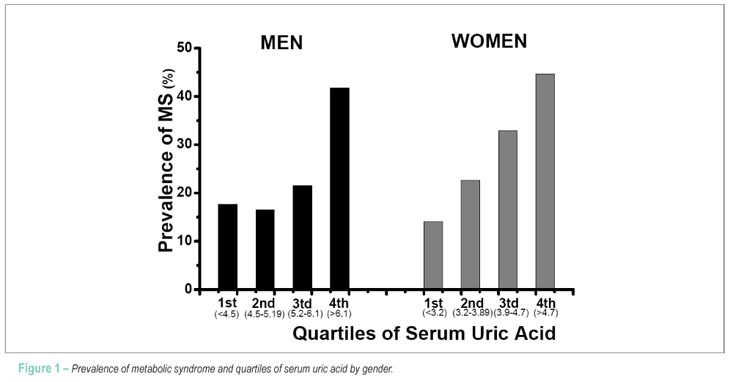
BACKGROUND: There is no data concerning the epidemiology of hyperuricemia in Brazilian population-based studies. OBJECTIVE: To investigate the distribution of serum uric acid and its relationship with demographics and cardiovascular variables. MEHTODS: We studied 1,346 individuals. Hyperuricemia was defined as > 6.8 and > 5.4 mg/dL for men and women, respectively. Metabolic syndrome (MS) was defined with NCEP ATP III criteria. RESULTS: The prevalence of hyperuricemia was 13.2%. The association of serum uric acid (SUA) with cardiovascular risk factors was gender-specific: in women, higher SUA was associated with increasing BMI, even after adjustments for age-systolic blood pressure (SBP). In men, the relationship of SUA with HDLc was mediated by BMI, whereas in women, SUA was similar and dependent on BMI, regardless of glucose levels and presence of hypertension. In men, triglycerides, waist circumference (WC) and SBP explained 11%, 4% and 1% of SUA variability, respectively. In women, WC and triglycerides explained 9% and 1% of SUA variability, respectively. Compared to the first quartile, men and women in the fourth quartile had a 3.29 fold and 4.18 fold increase of MS risk, respectively. Women had almost three fold higher prevalence of diabetes mellitus. Normotensive men with MS presented higher SUA, regardless of BMI. CONCLUSION: Our results seem to justify the need for gender-based evaluation regarding the association of SUA with cardiovascular risk factors, which was more pronounced in women. MS was positively associated with increasing SUA, regardless of gender. Abdominal obesity and hypertriglyceridemia were the main factors associated with hyperuricemia even in normotensive individuals, which may add a higher risk for hypertension.

  • Brazil
  • Cardiovascular Diseases
  • Epidemiology
  • population studies
  • Risk Factors
  • uric acid
Read Full Article
Creative Commons Attribution (CC BY) Creative Commons license
08/12/2011 DOI: 10.1590/S0066-782X2011005000116 Views 1
Association between uric acid and cardiovascular risk variables in a non-hospitalized population
ABC
Artigo Original

Association between uric acid and cardiovascular risk variables in a non-hospitalized population

Monica Cristina Campos Barbosa et al. Andréa Araujo Brandão Roberto Pozzan Maria Eliane Campos Magalhães … Érika Maria Gonçalves Campana Flavia Lopes Fonseca Oswaldo Luiz Pizzi Elizabete Viana de Freitas Ayrton Pires Brandão

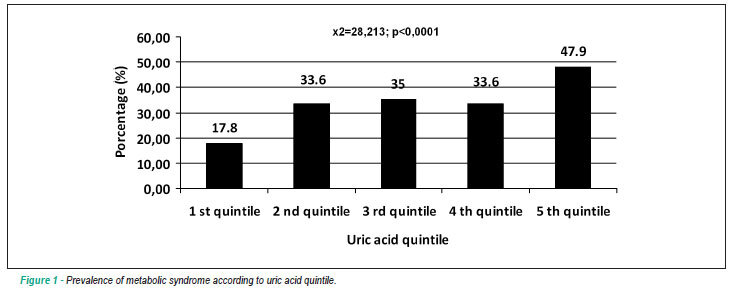
BACKGROUND: The association between uric acid (UA) and cardiovascular risk variables remains a controversial issue in epidemiological studies. OBJECTIVE: To evaluate the association between UA, blood pressure (BP), anthropometric indices and metabolic variables in a non-hospitalized population stratified by UA quintiles. METHODS: A cross-sectional observational study evaluated 756 individuals (369 males), aged 50.3 ± 16.12 years, divided in UA quintiles. BP, body mass index (BMI), abdominal circumference (AC), UA, glucose, insulin, HOMA-IR, total cholesterol (TC), LDL-c, HDL-c, triglycerides (TG) and creatinine (C) levels were obtained. The estimated glomerular filtration rate (eGFR) was calculated and arterial hypertension (AH) was considered when BP > 140×90 mmHg, overweight/obesity (OW/O) was considered when BMI > 25 kg/m² and metabolic syndrome (MS) was established according to the I Brazilian Guideline of MS. RESULTS: 1) There was no difference between the groups regarding the distribution by sex and age range; 2) The highest UA quintiles presented higher mean age (p < 0.01), BMI, AC (p < 0.01), SBP, DBP (p < 0.001), TC, LDL-c, TG (p < 0.01), C and eGFR (p < 0.001) and lower mean HDL-c (p < 0.001); 3) The group with the highest UA quintile showed higher prevalence of AH, OW/O and MS (p < 0.001); 4) Higher percentages of the lowest quintiles of insulin (p < 0.02) and HOMA-IR (p < 0.01) were observed with the lowest quintiles of UA; 5) A logistic regression analysis showed that UA and the variables that compose MS were associated with the occurrence of MS (p < 0.01). CONCLUSION: Higher quintiles of uric acid were associated with a worse cardiovascular risk profile and a worse kidney function profile in the non-hospitalized population sample studied.

  • Cardiovascular Diseases
  • Hypertension
  • Metabolic Syndrome
  • Risk Factors
  • uric acid
Read Full Article
Creative Commons Attribution (CC BY) Creative Commons license
26/01/2011 DOI: 10.1590/S0066-782X2011005000011
Imaging assessment of visceral adipose tissue area and its correlations with metabolic alterations
ABC
Artigo Original

Imaging assessment of visceral adipose tissue area and its correlations with metabolic alterations

Anna Karla Carneiro Roriz et al. Adriana Lima Mello Juliana Fontes Guimarães Fabiana Cajuhy dos Santos … Jairza Maria Barreto Medeiros Lílian Ramos Sampaio

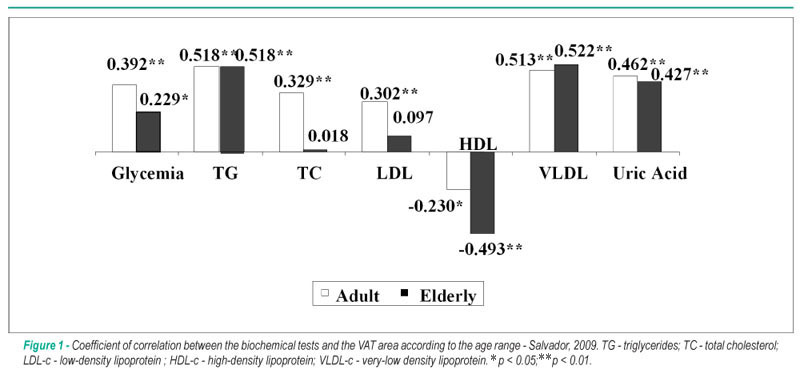
BACKGROUND: Androgenic obesity is associated with a higher risk of metabolic disorders, thus favoring the occurrence of cardiovascular diseases and other morbidities. OBJECTIVE: To verify the influence of the visceral adipose tissue (VAT) area, measured by computed tomography (CT), on the metabolic alterations in adult and elderly individuals. METHODS: CT results and lipoprotein levels, total cholesterol and fractions, triglycerides, glycemia and uric acid levels, were obtained from 194 individuals stratified by sex, age group and body mass and analyzed using the tests of correlation and means. RESULTS: The elderly individuals presented higher VAT area, glycemia, uric acid and total cholesterol levels. The most important correlations were observed between VAT area, triglycerides (TG) and VLDL-c (r > 0.5; p < 0.01), in both age groups. The mean VAT area was always higher when TG and glycemia levels were altered, in both age groups. CONCLUSION: Most tests showed a strong correlation with VAT area, which was considered as risk for metabolic alterations. In elderly individuals, the risk VAT area seems to be higher than that of adult individuals.

  • Abdominal Fat
  • Blood Glucose
  • Computed Tomography
  • Lipoproteins
  • uric acid
Read Full Article
Creative Commons Attribution (CC BY) Creative Commons license
10/12/2010 DOI: 10.1590/S0066-782X2010005000159 Views 1
Circuit weight training vs jogging in metabolic risk factors of overweight/obese women
ABC
Artigo Original

Circuit weight training vs jogging in metabolic risk factors of overweight/obese women

Carlos Alexandre Fett et al. Waléria Christiane Rezende Fett Julio Sérgio Marchini

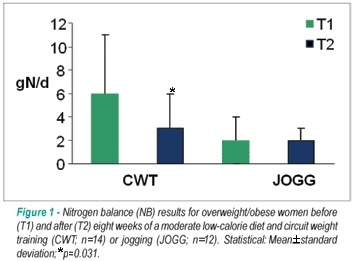
BACKGROUND: Resisted and aerobic exercises are recommended to reduce weight and improve health, but which exercise modality offers the best results is still unclear. OBJECTIVE: The aims of this study were to compare circuit weight training (CWT) with jogging (JOGG) on multiple cardiovascular disease (CVD), metabolic risk factors and fitness of overweight and obese women (body composition, lipid profile, uric acid, glucose, metabolic equivalent (MET), heart rate, blood pressure, flexibility, resting energy expenditure (REE) and nitrogen balance (NB)). METHODS: Fifty women were randomly divided in two groups, but only 26 finished it: CWT (n=14; 36±12 years old; body mass index, BMI=32±7 kg/m²) and JOGG (n=12; 37±9; BMI=29±2). The first month of training consisted of 60 min x 03 days/week and the second month of training consisted of 04 days/week for both protocols and a dietary reeducation. RESULTS: Both groups reduced total body mass, fat body mass, BMI, plasma uric acid and increase in MET (p<0.05); there was no change in lean body mass, REE and resting heart rate. CWT reduced total cholesterol, plasma triglycerides, NB and increased flexibility; JOGG reduced waist/hip ratio, glucose, systolic blood pressure, high-density lipoprotein cholesterol, and increased the total cholesterol/high-density lipoprotein cholesterol ratio (p<0.05). CONCLUSION: Both protocols improved CVD and metabolic risk factors. The CWT presented favorable changes regarding lipid profile and flexibility; JOGG on glucose, waist/hip ratio and blood pressure. These results suggest that resisted exercise combined with aerobics should be considered for obese people. Nevertheless, regarding some basal differences between the groups , it was not possible to conclude that changes were due to exercise type or intra-group variability.

  • Energy metabolism
  • Obesity
  • Overweight
  • physical fitness
  • uric acid
Read Full Article
Creative Commons Attribution (CC BY) Creative Commons license
11/01/2010 DOI: 10.1590/S0066-782X2009001100013 Views 2
Diet and medication in the treatment of hyperuricemia in hypertensive patients
ABC
Original Article

Diet and medication in the treatment of hyperuricemia in hypertensive patients

Maria do Rosário Gondim Peixoto et al. Estelamaris Tronco Monego Paulo César B. Veiga Jardim Magna Maria Carvalho … Ana Luiza Lima Sousa Jonivan Siqueira de Oliveira Otavio Balestra Neto

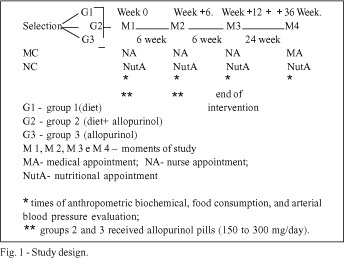
OBJECTIVE: To evaluate the effects of diet and medication, either isolated or associated, on serum levels of uric acid in patients with hyperuricemia. METHODS: We studied patients from the Hypertension Unit of the University of Goias who had hyperuricemia (men > or = 8.5mg/dL and women > or = 7.5mg/dL). We divided the patients into three groups: G1 (low purine diet), G2 (low purine diet + medication), and G3 (medication only). Patients received allopurinol, 150mg/day titrated up to 300mg/dL when necessary. Patients were evaluated with regards to their lifestyles (diet, smoking, physical, activity, alcohol consumption), uric acid, blood pressure, use of medication, body mass index, cholesterol, and triglyceride. Follow-up took place in weeks 0 (M1), 6 (M2), 12 (M3) during the intervention and in week 36(M4) after the study was completed. RESULTS: Fifty-five patients participated in the study, 31 women, mean age 54.4±10.6 years, body mass index 28.6±3.9kg/m². A similar reduction (p<0.001) in uric acid levels occurred in the three intervention groups. In week 36 (M4), after 24 weeks without intervention, a tendency toward elevation of uricemia was noted in G2 and G3, and a continuous drop in uricemia was noted in G1. No significant modifications were observed in the other variables analyzed. CONCLUSION: Considering the cost x benefit relationship, a diet low in purine should be the 1st therapeutic option for controlling hyperuricemia in patients with similar characteristic to the ones presented in this study.

  • arterial hypertension
  • low-purine diet
  • uric acid
Read Full Article
Creative Commons Attribution (CC BY) Creative Commons license
13/06/2001 DOI: 10.1590/S0066-782X2001000600004

How to cite this article

EndNote RIS

Electronic Document Format (Vancouver)

Nascimento CR, Ribeiro JLM, Mendes R, Barbosa RHA, Lopes JM, Tenório PP. The Relationship between Uric Acid/Albumin Ratio and Carotid Intima-Media Thickness in Patients with Hypertension. Arquivos Brasileiros de Cardiologia 2024;121(1):e20230691.

Electronic Document Format (ABNT)

Nascimento, Cristian Rodrigues do; Ribeiro, João Luis Matos; Mendes, Rodrigo; Barbosa, Romero Henrique de Almeida; Lopes, Johnnatas Mikael; Tenório, Pedro Pereira. The Relationship between Uric Acid/Albumin Ratio and Carotid Intima-Media Thickness in Patients with Hypertension. Arquivos Brasileiros de Cardiologia, v. 121, n. 1, e20230691, Mar. 2024.

Electronic Document Format (APA)

Nascimento, C. R. , Ribeiro, J. L. M., Mendes, R., Barbosa, R. H. A., Lopes, J. M., & Tenório, P. P. (2024). The Relationship between Uric Acid/Albumin Ratio and Carotid Intima-Media Thickness in Patients with Hypertension. Arquivos Brasileiros de Cardiologia, 121(1), e20230691.

Electronic Document Format (ISO)

Nascimento, Cristian Rodrigues do and Ribeiro, João Luis Matos and Mendes, Rodrigo and Barbosa, Romero Henrique de Almeida and Lopes, Johnnatas Mikael and Tenório, Pedro Pereira. The Relationship between Uric Acid/Albumin Ratio and Carotid Intima-Media Thickness in Patients with Hypertension. Arquivos Brasileiros de Cardiologia [online]. 2024, vol. 121, n. 1, [cited 2026-10-14], e20230691. Available from: <https://journals.cardiol.br/en/article/the-relationship-between-uric-acid-albumin-ratio-and-carotid-intima-media-thickness-in-patients-with-hypertension/>. ISSN 0066-782X

EndNote RIS

Electronic Document Format (Vancouver)

Şaylık F, Çınar T, Selçuk M, Tanboğa H. The Relationship between Uric Acid/Albumin Ratio and Carotid Intima-Media Thickness in Patients with Hypertension. Arquivos Brasileiros de Cardiologia 2023;120(5):e20220819.

Electronic Document Format (ABNT)

Şaylık, Faysal; Çınar, Tufan; Selçuk, Murat; Tanboğa, İbrahim Halil. The Relationship between Uric Acid/Albumin Ratio and Carotid Intima-Media Thickness in Patients with Hypertension. Arquivos Brasileiros de Cardiologia, v. 120, n. 5, e20220819, Apr. 2023.

Electronic Document Format (APA)

Şaylık, F., Çınar, T., Selçuk, M., & Tanboğa, H. (2023). The Relationship between Uric Acid/Albumin Ratio and Carotid Intima-Media Thickness in Patients with Hypertension. Arquivos Brasileiros de Cardiologia, 120(5), e20220819.

Electronic Document Format (ISO)

Şaylık, Faysal and Çınar, Tufan and Selçuk, Murat and Tanboğa, İbrahim Halil. The Relationship between Uric Acid/Albumin Ratio and Carotid Intima-Media Thickness in Patients with Hypertension. Arquivos Brasileiros de Cardiologia [online]. 2023, vol. 120, n. 5, [cited 2026-10-14], e20220819. Available from: <https://journals.cardiol.br/en/article/the-relationship-between-uric-acid-albumin-ratio-and-carotid-intima-media-thickness-in-patients-with-hypertension-2/>. ISSN 0066-782X

EndNote RIS

Electronic Document Format (Vancouver)

Buzas R, Ivan V, Gheorghe-Fronea O, Morgovan AF, Ardelean M, Albulescu N, Dorobantu M, et al. Arterial Hypertension and Serum Uric Acid in Elderly- SEPHAR III Study. Arquivos Brasileiros de Cardiologia 2021;117(2):378-84.

Electronic Document Format (ABNT)

Buzas, Roxana; Ivan, Vlad-Sabin; Gheorghe-Fronea, Oana-Florentina; Morgovan, Adina Flavia; Ardelean, Melania; Albulescu, Nicolae; Dorobantu, Maria; Lighezan, Daniel Florin. Arterial Hypertension and Serum Uric Acid in Elderly- SEPHAR III Study. Arquivos Brasileiros de Cardiologia, v. 117, n. 2, p. 378-384, Sep. 2021.

Electronic Document Format (APA)

Buzas, R., Ivan, V., Gheorghe-Fronea, O., Morgovan, A. F., Ardelean, M., Albulescu, N., Dorobantu, M., & Lighezan, D. F. (2021). Arterial Hypertension and Serum Uric Acid in Elderly- SEPHAR III Study. Arquivos Brasileiros de Cardiologia, 117(2), 378-384.

Electronic Document Format (ISO)

Buzas, Roxana and Ivan, Vlad-Sabin and Gheorghe-Fronea, Oana-Florentina and Morgovan, Adina Flavia and Ardelean, Melania and Albulescu, Nicolae and Dorobantu, Maria and Lighezan, Daniel Florin. Arterial Hypertension and Serum Uric Acid in Elderly- SEPHAR III Study. Arquivos Brasileiros de Cardiologia [online]. 2021, vol. 117, n. 2, [cited 2026-10-14], pp. 378-384. Available from: <https://journals.cardiol.br/en/article/arterial-hypertension-and-serum-uric-acid-in-elderly-sephar-iii-study/>. ISSN 0066-782X

EndNote RIS

Electronic Document Format (Vancouver)

Nie Q, Zhang X, Hao Z, Wang L, Liu H, Liu C, Wang Z, et al. Impact of Serum Uric Acid Concentration on the Risk of Cardiovascular Disease: A Cohort Study Conducted in Northern China. Arquivos Brasileiros de Cardiologia 2021;117(4):666-75.

Electronic Document Format (ABNT)

Nie, Qian; Zhang, Xuemei; Hao, Zhihua; Wang, Liqin; Liu, Huanxin; Liu, Chenghao; Wang, Zhongli; Song, Guangyao. Impact of Serum Uric Acid Concentration on the Risk of Cardiovascular Disease: A Cohort Study Conducted in Northern China. Arquivos Brasileiros de Cardiologia, v. 117, n. 4, p. 666-675, Jul. 2021.

Electronic Document Format (APA)

Nie, Q., Zhang, X., Hao, Z., Wang, L., Liu, H., Liu, C., Wang, Z., & Song, G. (2021). Impact of Serum Uric Acid Concentration on the Risk of Cardiovascular Disease: A Cohort Study Conducted in Northern China. Arquivos Brasileiros de Cardiologia, 117(4), 666-675.

Electronic Document Format (ISO)

Nie, Qian and Zhang, Xuemei and Hao, Zhihua and Wang, Liqin and Liu, Huanxin and Liu, Chenghao and Wang, Zhongli and Song, Guangyao. Impact of Serum Uric Acid Concentration on the Risk of Cardiovascular Disease: A Cohort Study Conducted in Northern China. Arquivos Brasileiros de Cardiologia [online]. 2021, vol. 117, n. 4, [cited 2026-10-14], pp. 666-675. Available from: <https://journals.cardiol.br/en/article/impact-of-serum-uric-acid-concentration-on-the-risk-of-cardiovascular-disease-a-cohort-study-conducted-in-northern-china/>. ISSN 0066-782X

EndNote RIS

Electronic Document Format (Vancouver)

Zhu L, Zhang X, Fang Z, Jin Y, Chang W, Chen Y, Yao Y, et al. Association between Serum Uric Acid and Pre-hypertension and Hypertension among Chinese Adults. Arquivos Brasileiros de Cardiologia 2021;116(6):1072-8.

Electronic Document Format (ABNT)

Zhu, Lijun; Zhang, Xiaoyu; Fang, Zhengmei; Jin, Yuelong; Chang, Weiwei; Chen, Yan; Yao, Yingshui. Association between Serum Uric Acid and Pre-hypertension and Hypertension among Chinese Adults. Arquivos Brasileiros de Cardiologia, v. 116, n. 6, p. 1072-1078, Jun. 2021.

Electronic Document Format (APA)

Zhu, L., Zhang, X., Fang, Z., Jin, Y., Chang, W., Chen, Y., & Yao, Y. (2021). Association between Serum Uric Acid and Pre-hypertension and Hypertension among Chinese Adults. Arquivos Brasileiros de Cardiologia, 116(6), 1072-1078.

Electronic Document Format (ISO)

Zhu, Lijun and Zhang, Xiaoyu and Fang, Zhengmei and Jin, Yuelong and Chang, Weiwei and Chen, Yan and Yao, Yingshui. Association between Serum Uric Acid and Pre-hypertension and Hypertension among Chinese Adults. Arquivos Brasileiros de Cardiologia [online]. 2021, vol. 116, n. 6, [cited 2026-10-14], pp. 1072-1078. Available from: <https://journals.cardiol.br/en/article/association-between-serum-uric-acid-and-pre-hypertension-and-hypertension-among-chinese-adults/>. ISSN 0066-782X

EndNote RIS

Electronic Document Format (Vancouver)

Feitosa GS. Still Trying to Understand the Role of Uric Acid in Cardiovascular Diseases. Arquivos Brasileiros de Cardiologia 2021;116(6):1079.

Electronic Document Format (ABNT)

Feitosa, Gilson Soares. Still Trying to Understand the Role of Uric Acid in Cardiovascular Diseases. Arquivos Brasileiros de Cardiologia, v. 116, n. 6, p. 1079-1079, Jun. 2021.

Electronic Document Format (APA)

Feitosa, G. S. (2021). Still Trying to Understand the Role of Uric Acid in Cardiovascular Diseases. Arquivos Brasileiros de Cardiologia, 116(6), 1079-1079.

Electronic Document Format (ISO)

Feitosa, Gilson Soares. Still Trying to Understand the Role of Uric Acid in Cardiovascular Diseases. Arquivos Brasileiros de Cardiologia [online]. 2021, vol. 116, n. 6, [cited 2026-10-14], pp. 1079-1079. Available from: <https://journals.cardiol.br/en/article/still-trying-to-understand-the-role-of-uric-acid-in-cardiovascular-diseases/>. ISSN 0066-782X

EndNote RIS

Electronic Document Format (Vancouver)

Rodrigues JS, Almeida AP, Rosa COB, Hermsdorff HHM. Are Body Fat and Uric Acid associated with Cardiovascular Risk Scores? Cross-Sectional Analysis in the PROCARDIO-UFV Trial. International Journal of Cardiovascular Sciences 2017;30(4):313-24.

Electronic Document Format (ABNT)

Rodrigues, Juliane Soares; Almeida, Alinne Paula de; Rosa, Carla de Oliveira Barbosa; Hermsdorff, Helen Hermana Miranda. Are Body Fat and Uric Acid associated with Cardiovascular Risk Scores? Cross-Sectional Analysis in the PROCARDIO-UFV Trial. International Journal of Cardiovascular Sciences, v. 30, n. 4, p. 313-324, Dec. 2016.

Electronic Document Format (APA)

Rodrigues, J. S., Almeida, A. P. , Rosa, C. O. B., & Hermsdorff, H. H. M. (2017). Are Body Fat and Uric Acid associated with Cardiovascular Risk Scores? Cross-Sectional Analysis in the PROCARDIO-UFV Trial. International Journal of Cardiovascular Sciences, 30(4), 313-324.

Electronic Document Format (ISO)

Rodrigues, Juliane Soares and Almeida, Alinne Paula de and Rosa, Carla de Oliveira Barbosa and Hermsdorff, Helen Hermana Miranda. Are Body Fat and Uric Acid associated with Cardiovascular Risk Scores? Cross-Sectional Analysis in the PROCARDIO-UFV Trial. International Journal of Cardiovascular Sciences [online]. 2017, vol. 30, n. 4, [cited 2026-10-14], pp. 313-324. Available from: <https://journals.cardiol.br/en/article/are-body-fat-and-uric-acid-associated-with-cardiovascular-risk-scores-cross-sectional-analysis-in-the-procardio-ufv-trial/>. ISSN 2359-4802

EndNote RIS

Electronic Document Format (Vancouver)

Rodrigues SL, Baldo MP, Capingana P, Magalhães P, Dantas EM, Molina MCB, Salaroli LB, et al. Gender distribution of serum uric acid and cardiovascular risk factors: population based study. Arquivos Brasileiros de Cardiologia 2011;98(1):13-21.

Electronic Document Format (ABNT)

Rodrigues, Sérgio Lamego; Baldo, Marcelo Perim; Capingana, Pires; Magalhães, Pedro; Dantas, Eduardo Miranda; Molina, Maria del Carmen Bisi; Salaroli, Luciane Bresciani; Morelato, Renato Lário; Mill, José Geraldo. Gender distribution of serum uric acid and cardiovascular risk factors: population based study. Arquivos Brasileiros de Cardiologia, v. 98, n. 1, p. 13-21, Dec. 2011.

Electronic Document Format (APA)

Rodrigues, S. L., Baldo, M. P., Capingana, P., Magalhães, P., Dantas, E. M., Molina, M. C. B., Salaroli, L. B., Morelato, R. L., & Mill, J. G. (2011). Gender distribution of serum uric acid and cardiovascular risk factors: population based study. Arquivos Brasileiros de Cardiologia, 98(1), 13-21.

Electronic Document Format (ISO)

Rodrigues, Sérgio Lamego and Baldo, Marcelo Perim and Capingana, Pires and Magalhães, Pedro and Dantas, Eduardo Miranda and Molina, Maria del Carmen Bisi and Salaroli, Luciane Bresciani and Morelato, Renato Lário and Mill, José Geraldo. Gender distribution of serum uric acid and cardiovascular risk factors: population based study. Arquivos Brasileiros de Cardiologia [online]. 2011, vol. 98, n. 1, [cited 2026-10-14], pp. 13-21. Available from: <https://journals.cardiol.br/en/article/gender-distribution-of-serum-uric-acid-and-cardiovascular-risk-factors-population-based-study/>. ISSN 0066-782X

EndNote RIS

Electronic Document Format (Vancouver)

Barbosa MCC, Brandão AA, Pozzan R, Magalhães MEC, Campana MG, Fonseca FL, Pizzi OL, et al. Association between uric acid and cardiovascular risk variables in a non-hospitalized population. Arquivos Brasileiros de Cardiologia 2011;96(3):212-8.

Electronic Document Format (ABNT)

Barbosa, Monica Cristina Campos; Brandão, Andréa Araujo; Pozzan, Roberto; Magalhães, Maria Eliane Campos; Campana, Érika Maria Gonçalves; Fonseca, Flavia Lopes; Pizzi, Oswaldo Luiz; Freitas, Elizabete Viana de; Brandão, Ayrton Pires. Association between uric acid and cardiovascular risk variables in a non-hospitalized population. Arquivos Brasileiros de Cardiologia, v. 96, n. 3, p. 212-218, Jan. 2011.

Electronic Document Format (APA)

Barbosa, M. C. C., Brandão, A. A., Pozzan, R., Magalhães, M. E. C., Campana, M. G., Fonseca, F. L., Pizzi, O. L., Freitas, E. V. , & Brandão, A. P. (2011). Association between uric acid and cardiovascular risk variables in a non-hospitalized population. Arquivos Brasileiros de Cardiologia, 96(3), 212-218.

Electronic Document Format (ISO)

Barbosa, Monica Cristina Campos and Brandão, Andréa Araujo and Pozzan, Roberto and Magalhães, Maria Eliane Campos and Campana, Érika Maria Gonçalves and Fonseca, Flavia Lopes and Pizzi, Oswaldo Luiz and Freitas, Elizabete Viana de and Brandão, Ayrton Pires. Association between uric acid and cardiovascular risk variables in a non-hospitalized population. Arquivos Brasileiros de Cardiologia [online]. 2011, vol. 96, n. 3, [cited 2026-10-14], pp. 212-218. Available from: <https://journals.cardiol.br/en/article/association-between-uric-acid-and-cardiovascular-risk-variables-in-a-non-hospitalized-population/>. ISSN 0066-782X

EndNote RIS

Electronic Document Format (Vancouver)

Roriz AKC, Mello AL, Guimarães JF, Santos FC, Medeiros JMB, Sampaio LR. Imaging assessment of visceral adipose tissue area and its correlations with metabolic alterations. Arquivos Brasileiros de Cardiologia 2010;95(6):698-704.

Electronic Document Format (ABNT)

Roriz, Anna Karla Carneiro; Mello, Adriana Lima; Guimarães, Juliana Fontes; Santos, Fabiana Cajuhy dos; Medeiros, Jairza Maria Barreto; Sampaio, Lílian Ramos. Imaging assessment of visceral adipose tissue area and its correlations with metabolic alterations. Arquivos Brasileiros de Cardiologia, v. 95, n. 6, p. 698-704, Dec. 2010.

Electronic Document Format (APA)

Roriz, A. K. C., Mello, A. L., Guimarães, J. F., Santos, F. C. , Medeiros, J. M. B., & Sampaio, L. R. (2010). Imaging assessment of visceral adipose tissue area and its correlations with metabolic alterations. Arquivos Brasileiros de Cardiologia, 95(6), 698-704.

Electronic Document Format (ISO)

Roriz, Anna Karla Carneiro and Mello, Adriana Lima and Guimarães, Juliana Fontes and Santos, Fabiana Cajuhy dos and Medeiros, Jairza Maria Barreto and Sampaio, Lílian Ramos. Imaging assessment of visceral adipose tissue area and its correlations with metabolic alterations. Arquivos Brasileiros de Cardiologia [online]. 2010, vol. 95, n. 6, [cited 2026-10-14], pp. 698-704. Available from: <https://journals.cardiol.br/en/article/imaging-assessment-of-visceral-adipose-tissue-area-and-its-correlations-with-metabolic-alterations/>. ISSN 0066-782X

EndNote RIS

Electronic Document Format (Vancouver)

Fett CA, Fett WCR, Marchini JS. Circuit weight training vs jogging in metabolic risk factors of overweight/obese women. Arquivos Brasileiros de Cardiologia 2010;93(5):519-25.

Electronic Document Format (ABNT)

Fett, Carlos Alexandre; Fett, Waléria Christiane Rezende; Marchini, Julio Sérgio. Circuit weight training vs jogging in metabolic risk factors of overweight/obese women. Arquivos Brasileiros de Cardiologia, v. 93, n. 5, p. 519-525, Jan. 2010.

Electronic Document Format (APA)

Fett, C. A., Fett, W. C. R., & Marchini, J. S. (2010). Circuit weight training vs jogging in metabolic risk factors of overweight/obese women. Arquivos Brasileiros de Cardiologia, 93(5), 519-525.

Electronic Document Format (ISO)

Fett, Carlos Alexandre and Fett, Waléria Christiane Rezende and Marchini, Julio Sérgio. Circuit weight training vs jogging in metabolic risk factors of overweight/obese women. Arquivos Brasileiros de Cardiologia [online]. 2010, vol. 93, n. 5, [cited 2026-10-14], pp. 519-525. Available from: <https://journals.cardiol.br/en/article/circuit-weight-training-vs-jogging-in-metabolic-risk-factors-of-overweight-obese-women/>. ISSN 0066-782X

EndNote RIS

Electronic Document Format (Vancouver)

Peixoto MRG, Monego ET, Jardim PCBV, Carvalho MM, Sousa ALL, Oliveira JS, Balestra Neto O, et al. Diet and medication in the treatment of hyperuricemia in hypertensive patients. Arquivos Brasileiros de Cardiologia 2001;76(6):468-72.

Electronic Document Format (ABNT)

Peixoto, Maria do Rosário Gondim; Monego, Estelamaris Tronco; Jardim, Paulo César B. Veiga; Carvalho, Magna Maria; Sousa, Ana Luiza Lima; Oliveira, Jonivan Siqueira de; Balestra Neto, Otavio. Diet and medication in the treatment of hyperuricemia in hypertensive patients. Arquivos Brasileiros de Cardiologia, v. 76, n. 6, p. 468-472, Jun. 2001.

Electronic Document Format (APA)

Peixoto, M. R. G., Monego, E. T., Jardim, P. C. B. V., Carvalho, M. M., Sousa, A. L. L., Oliveira, J. S. , & Balestra Neto, O. (2001). Diet and medication in the treatment of hyperuricemia in hypertensive patients. Arquivos Brasileiros de Cardiologia, 76(6), 468-472.

Electronic Document Format (ISO)

Peixoto, Maria do Rosário Gondim and Monego, Estelamaris Tronco and Jardim, Paulo César B. Veiga and Carvalho, Magna Maria and Sousa, Ana Luiza Lima and Oliveira, Jonivan Siqueira de and Balestra Neto, Otavio. Diet and medication in the treatment of hyperuricemia in hypertensive patients. Arquivos Brasileiros de Cardiologia [online]. 2001, vol. 76, n. 6, [cited 2026-10-14], pp. 468-472. Available from: <https://journals.cardiol.br/en/article/diet-and-medication-in-the-treatment-of-hyperuricemia-in-hypertensive-patients/>. ISSN 0066-782X

  • About ABC Family
  • Internal Regulation
  • Editorial Board
  • Brazilian Society of Cardiology (SBC)

Issues

SBC Guidelines

  • Videos
  • Podcasts
  • News