| ABC
ABC Family Arquivos Brasileiros de Cardiologia International Journal of Cardiovascular Sciences ABC Heart Failure & Cardiomyopathy ABC Imagem Cardiovascular
Português English
ABC Family | ABC
Português English
  • About
    • About the Journal
    • Internal Regulation
    • Editors Section
    • Editorial Board
    • History
    • SBC Award
  • Instructions to Authors
    • Guidelines for Publication
    • Editorial Policy
    • Ethics Policy
    • Policy on the Use of Artificial Intelligence
    • Mandatory Publication Form
    • Publication Fee
  • Issues
  • SBC Guidelines
  • Abstracts
    • How to Publish an Abstract Supplement?
    • Supplements from the Brazilian Congress of Cardiology
  • About
    • About the Journal
    • Internal Regulation
    • Editors Section
    • Editorial Board
    • History
    • SBC Award
  • Instructions to Authors
    • Guidelines for Publication
    • Editorial Policy
    • Ethics Policy
    • Policy on the Use of Artificial Intelligence
    • Mandatory Publication Form
    • Publication Fee
  • Issues
  • SBC Guidelines
  • Abstracts
    • How to Publish an Abstract Supplement?
    • Supplements from the Brazilian Congress of Cardiology

ABC Family

  • ABC Family
  • Arquivos Brasileiros de Cardiologia
  • International Journal of Cardiovascular Sciences
  • ABC Heart Failure & Cardiomyopathy
  • ABC Imagem Cardiovascular
Search in

No content found.

Journals
Ordering
Article types
Others

  1. Home
  2. ABC
  3. Issues
  4. 2022, Volume 119, Number 3
Editorial

ST-Elevation Acute Myocardial Infarction Treated with Primary Percutaneous Coronary Intervention: The Importance of Local Data

José C. Nicolau

Castro et al. should be commended for providing the scientific community with a useful publication analyzing predictors of all-cause mortality in patients with ST-elevation acute myocardial infarction (STEMI) who are submitted to primary percutaneous coronary intervention (PPCI).

PPCI is the preferred method of reperfusion for patients with STEMI presenting within 12 hours of evolution from onset of symptoms. To the best of my knowledge, the most recent meta-analysis comparing fibrinolytic therapy with PPCI found odds ratios of 0.73 (p = 0.002), 0.38 (p < 0.001), 0.38 (p < 0.001), and 1.03 (p = 0.86) for all-cause death, reinfarction, stroke, and major bleeding, respectively. However, absence of widespread availability of catheterization laboratories and logistical problems, mainly related to transportation, limit the access of patients with STEMI to this form of treatment. This is highlighted in the present publication, where only 0.26% of the analyzed population was from the vast North Region of Brazil, whereas the majority (58%) was from the Southeast Region. Maybe more importantly, the utilization of reperfusion therapies (fibrinolytics or PPCI) in general is far from ideal in Brazil, and important regional differences have been observed. , Importantly, the previously cited meta-analysis by Fazel et al. found odds ratios of 0.79, 0.53, 0.70, and 1.19 for all-cause deaths, reinfarction, stroke, and major bleeding, respectively, when comparing the pharmacoinvasive approach with fibrinolytic treatment, which can be an option for issues related to access to PPCI.

[…]

  • Epidemiology
  • Fibrinolityc Therapy
  • Mortality
  • Myocardial Reperfusion
  • Percutaneous Coronary Intervention
  • ST Elevation Myocardial Infarction
Read Full Article
Creative Commons Attribution (CC BY) Creative Commons license
05/09/2022 DOI: 10.36660/abc.20220557
Figure 1
Image

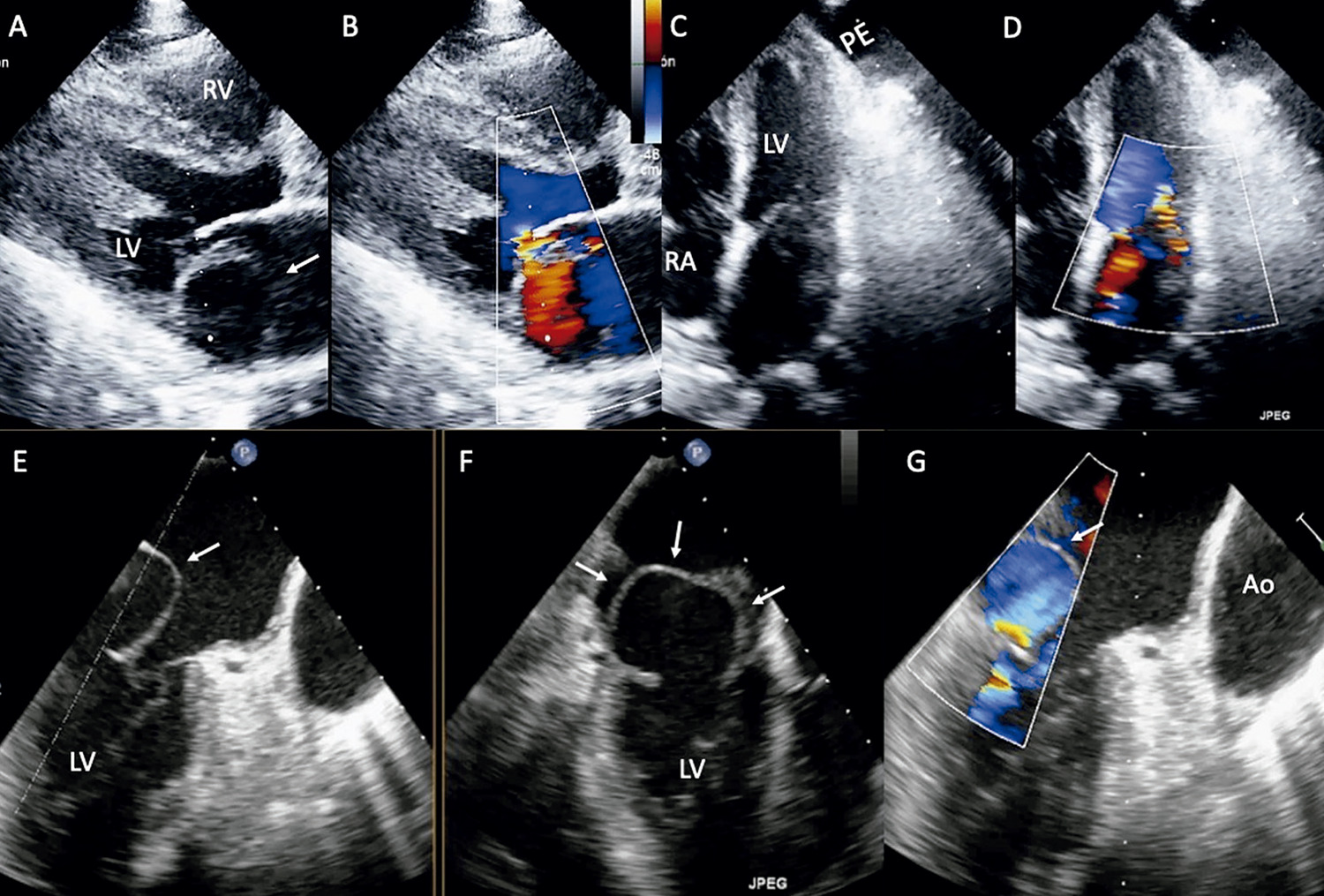
Transesophageal Two- and Three-Dimensional Echocardiographic Assessment of Spontaneous Left Atrial Dissection

Javier Ivan Armenta-Moreno et al. Joaquin Berarducci Abel Mauricio Garcia-Cardenas José Carlos Armendariz-Ferrari … Jorge Luis Bermudez-Gonzalez Juan Ignacio Straface Jose Antonio Luna-Alvarez-Amezquita Nilda Espinola-Zavaleta

A 41-year-old woman was admitted to the emergency room with an onset of acute dyspnea, jugular ingurgitation, and with the first heart sound diminished, followed by a grade III/IV holosystolic murmur that was better heard at the apex and edema of the lower limbs.

The vital signs were heart rate 91 bpm, respiratory rate 21 rpm, blood pressure 110/60 mmHg, and oxygen saturation 91%. The chest x-ray showed cardiomegaly with a cardiothoracic index of 0.62 and pulmonary venocapillary hypertension.

[…]

  • Atrial Function, Left/physiology
  • Diagnostic Imaging/methods
  • Echocardiography, Three Dimensional / methods
  • Heart Failure/physiopathology
  • Shock, Cardiogenic
Read Full Article
Creative Commons Attribution (CC BY) Creative Commons license
05/09/2022 DOI: 10.36660/abc.20210740
Editorial

Atherosclerotic Burden is the Highway to Cardiovascular Events

Tannas Jatene et al. Jordana Pires Mendonça Vinicius Daher Vaz Fabrício Ribeiro Las Casas Rogério Lobo de Andrade Las Casas

Atherosclerotic cardiovascular disease is still a major cause of morbidity and mortality worldwide, and its risk factors have already been identified. Dyslipidemia, high blood pressure, cigarette smoking, diabetes and adiposity are frequently present, mostly in combination, in patients with coronary artery disease (CAD). , Identifying patients at risk for developing CAD and presenting acute coronary syndromes is of great value, and many scores were created with this aim, such as the Framingham risk score, the ASSIGN score and the QRISKR2 risk score.

CHA2DS2VASc score, which comprises congestive heart failure (C), hypertension (H), age ≥ 75 (A2), diabetes (D), stroke or transient ischemic attack (S2), vascular disease (V), age 65-74 years (A) and male gender (Sc), was originally developed to predict stroke risk in patients with atrial fibrillation. Recently, the CHA2DS2VASc score was also associated with major adverse events in patients with ST-segment elevation myocardial infarction (STEMI) non-ST elevation acute coronary syndromes , and in patients with chronic stable ischemic disease. Moreover, Tasolar et al. and Chua et al. demonstrated its association with coronary artery disease severity.

[…]

  • Atherosclerosis
  • Atrial Fibrillation
  • Coronary Artery Disease
  • Myocardial Infarction
  • Percutaneous Coronary Intervention
Read Full Article
Creative Commons Attribution (CC BY) Creative Commons license
05/09/2022 DOI: 10.36660/abc.20220554
Editorial

Are There Alternative Ways to Estimate Atherosclerotic Inflammatory Activity in Patients with Acute Coronary Syndrome?

Alexandre de Matos Soeiro

The theme of inflammation in the atherosclerotic process has been the subject of numerous researches for years. Atherosclerosis is an inflammatory disease since the accumulation of leukocytes in the subendothelium is one of the first processes in plaque formation. Subsequently, other inflammatory cells (monocytes, macrophages, dendritic cells, lymphocytes and mast cells) participate continuously from forming the “fatty groove” until the occurrence of the acute coronary event. –

The orchestrated action of all the pro-inflammatory signals in the plaque increases inflammation and directly affects the structural elements that support its mechanical stability. Various pro-inflammatory messengers are released by immune and vascular endothelial cells, activating cytokines, chemokines, bioactive lipid compounds and adhesion molecules that maintain and accelerate inflammation and the local development of atherosclerotic lesions. ,

[…]

  • Acute coronary syndrome
  • Anti-Inflammatory Agents/therapeutic use
  • Atheroclerosis/prevention and control
  • Inflammation/blood
  • Inflammation/drug therapy
  • Plaque, Atherosclerotic/drug therapy
Read Full Article
Creative Commons Attribution (CC BY) Creative Commons license
05/09/2022 DOI: 10.36660/abc.20220492
Editorial

Can PM20D1 be a New Kid on the Block in Cardiovascular Risk Stratification? Do Not Run before You Can Walk

Ana Teresa Timóteo

Cardiovascular diseases are the leading cause of death worldwide, representing around 30% of all deaths, particularly in developed countries, including cardiovascular and cerebral-vascular diseases. Furthermore, in the analysis of the Global Burden of Diseases 2019 report, cardiovascular risk factors represent 75% of all cardiovascular burden, particularly hypertension, with an important impact on mortality. This is also relevant in Portuguese-speaking countries. Carotid intima-media thickness has long been recognized as a surrogate marker for coronary artery disease and has a relevant prognostic impact. For that reason, it is a useful tool in cardiovascular risk stratification.

N-acyl amino acids (NAAA) are a family of cold-inducible circulating lipids that stimulate thermogenesis, and their biosynthesis in brown adipocytes is mediated by a secreted enzyme called Peptidase M20 domain containing 1 (PM20D1). PM20D1 and NAAA activity regulation in blood plasma is still largely unknown. However, what is already known is that PM20D1 circulates in tight association with both low- and high-density lipoproteins that are powerful co-activators of PM20D1 activity in vitro and NAAA biosynthesis in vivo. Serum albumin is also a physiologic NAAA carrier that separates NAAA away from their sites of production, conferring resistance to hydrolytic degradation and establishing an equilibrium between thermogenic “free” versus inactive “bound” fractions. It has been hypothesized that lipoprotein particles are probably the main extracellular sites of NAAA biosynthesis, and this supports the concept that a lipoprotein-albumin network regulates the activity of circulating thermogenic lipid family.

[…]

  • Alzheimer Diseases
  • Cardiovascular Diseases
  • Carotid Artery Diseases
  • Diabetes Mellitus, Type 2
  • Hypertension
  • Insulin Resistance
  • Metabolic Syndrome
  • Neurodegenerative Diseases
  • Obesity
  • PM20D1
Read Full Article
Creative Commons Attribution (CC BY) Creative Commons license
05/09/2022 DOI: 10.36660/abc.20220462 Views 1
Viewpoint

Guidelines, Position Statements, and Standardizations: Documents to Assist Medical Practice

Antônio Carlos Sobral Sousa et al. Harry Corrêa Filho Bruno Nascimento Aurora Castro Issa … Marcelo Luiz Campos Vieira Brivaldo Markman Filho

Clinical practice guidelines

CPG are made up of systematically developed statements, and they are designed to support decision-making processes in patient care, under specific conditions. Unlike documents that provides guidance, guidelines address a topic where there is moderate to high quality evidence, generally from randomized trials with a satisfactory number of participants, to make the most appropriate clinical practice possible.

In drafting them, a process is used to summarize the evidence and provide a standardized method to express the classes of recommendations with their respective levels of evidence. For a guideline to be reliable, it is advisable to observe the following criteria: a) be based on systematic reviews of the literature; b) be developed by a multidisciplinary and experienced panel of experts; c) consider the values and preferences of patients, as well as their subgroups; d) be based on an explicit and transparent process that minimizes distortions, biases, and conflicts of interest; e) provide a clear explanation of the relationships between alternative care options and clinical outcomes, and f) be updated when important new evidence warrants changes to recommendations.

[…]

  • Cardiovascular Diseases
  • guideline
  • Practice Guideline
Read Full Article
Creative Commons Attribution (CC BY) Creative Commons license
05/09/2022 DOI: 10.36660/abc.20220001 Views 2
Editorial

Anticoagulation Therapy with Warfarin: A Reality of Brazilian Public Health that Lacks Structure for Better Control

Martino Martinelli Filho

The increase in longevity in recent decades has led to a progressive increase in the prevalence of atrial fibrillation (AF) worldwide. ,

As a result, anticoagulation therapy has become increasingly indicated in preventing thromboembolic events. The need for continuous use drove the preference for oral anticoagulants, historically represented by antivitamin K (VKA) drugs and, more recently, by new anticoagulants (anti-factor X). Among these, a VKA, warfarin, is the most prominent for its low cost.

[…]

  • Anticoagulants / therapeutic use
  • Atrial Fibrillation
  • Hemorrhage
  • Stroke
  • Thromboembolism
  • Warfarin/adverse effects
Read Full Article
Creative Commons Attribution (CC BY) Creative Commons license
05/09/2022 DOI: 10.36660/abc.20220504
Letter to the Editor

Impact of Active Helicobacter pylori Infection-related Metabolic Syndrome on Systemic Arterial Hypertension

Jannis Kountouras et al. Apostolis Papaefthymiou Stergios A. Polyzos Evangelos Kazakos … Elisabeth Vardaka Maria Touloumtzi Maria Tzitiridou-Chatzopoulou Christos Liatsos Ioanna-Konstantina Sgantzou Jürg Knuchel Michael Doulberis

To the Editor,

In their meta-analysis, Huang et al. concluded that Helicobacter pylori infection ( H. pylori infection) is positively associated with systemic arterial hypertension, particularly by introducing the diagnostic 13C-urea breath test, signifying current H. pylori infection.

[…]

  • Atherosclerosis
  • Dyslipidemias
  • Helicobacter Pylori
  • Hypertension
  • Metabolic Syndrome
Read Full Article
Creative Commons Attribution (CC BY) Creative Commons license
05/09/2022 DOI: 10.36660/abc.20210931 Views 2
Editorial

Another Player in Increasing Collateral Circulation in the Heart – Another Potential Therapeutic Target in Cardiovascular Medicine?

Luis Henrique Wolff Gowdak

Richard Lower of Amsterdam first called attention to channels connecting the right and left coronary arteries in 1669. The Swiss anatomist Albrecht von Haller demonstrated these anastomoses by dissecting the coronary arteries. So, for centuries now, the presence of a well-developed collateral network providing blood supply to an underperfused myocardium has gained significant interest in physiology and physiopathology, and later, in therapeutics. Many questions kept scientists working restlessly to unravel the key players favoring the development of collateral vessels in the heart.

The coronary collateral circulation is a preformed network of immature anastomoses which connect the territory supplied by one epicardial coronary artery with that supplied by another. In 1959, Pitt et al. studied the prevalence of interarterial coronary anastomoses in seventy-five hearts obtained from an autopsy. Of the 15 normal hearts, only one (6%) was found to have such anastomoses. In those cases with occlusive coronary artery disease, myocardium fibrosis, or infarction, anastomoses were found in 75% to 100% of the cases. It was clear, from the beginning, that the presence of sustained periods of tissue ischemia was a pre-requisite to incite de establishment of collateral circulation.

[…]

  • Adropin
  • Collateral Circulation
  • Coronary Artery Disease
  • Myocardial Ischemia
  • Neovascularization, Physiologc
Read Full Article
Creative Commons Attribution (CC BY) Creative Commons license
05/09/2022 DOI: 10.36660/abc.20220558 Views 1
Video 1
Research Letter

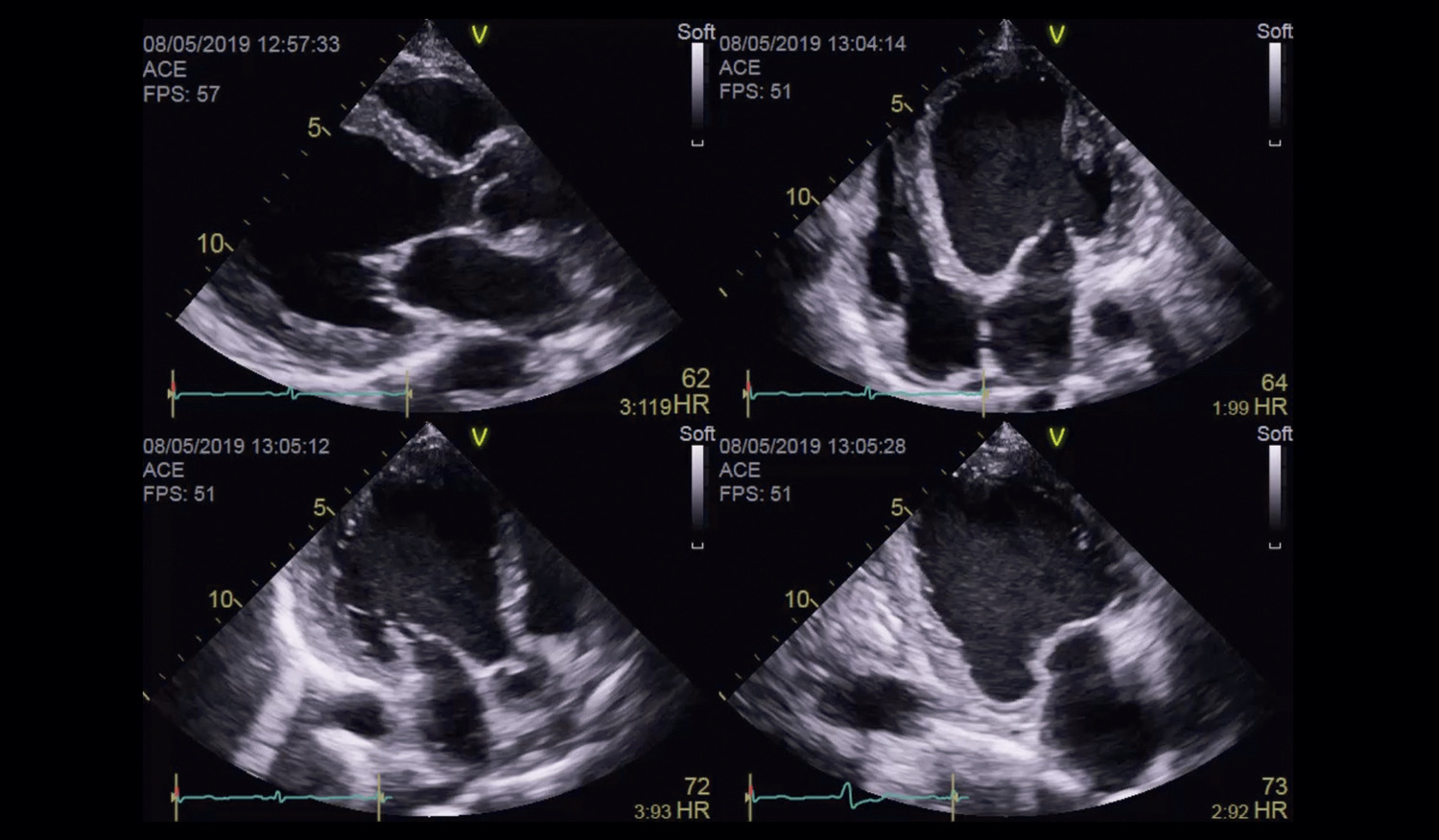
Non-Atherosclerotic Coronary and Vascular Disease Case Report: Searching for a Rare Clinical Entity

Gustavo Sá Mendes et al. António Epifânio Mesquita Bruno Rocha João Abecasis … Sancia Ramos Marisa Trabulo

Introduction

Here we report a challenging case of a rare systemic condition – immunoglobulin G4-related disease (IgG4-RD) – that presented with a rare cardiovascular manifestation. Aortitis due to IgG4-RD is well-documented in the literature, but rarely has it been related to the involvement of the coronary arterial tree. We documented IgG4-RD with diffuse coronary periarteritis, presenting as acute heart failure in this particular case. Despite the initial severity, multidisciplinary teamwork was the key to expeditious diagnosis and initiating tailored life-saving treatment targeting systemic inflammation and autoimmune organ involvement.

[…]

  • Aortitis
  • Coronary Artery Disease
  • Diagnostic,Imaging/methods
  • Heart Failure
  • Immunoglobulin G4-Related Disease
  • Inflammation
  • Multimodal Imaging/methods
  • Ventricular Dysfunction, Left
Read Full Article
Creative Commons Attribution (CC BY) Creative Commons license
05/09/2022 DOI: 10.36660/abc.20210722
Editorial

Measurement of PETCO2 at Anaerobic Threshold: A Best Prognostic Marker in Patients with Cardiac Resynchronization Therapy?

Anderson Donelli da Silveira et al. Maurício Pimentel

The cardiopulmonary exercise test (CPET) is a consolidated tool in the functional and prognostic assessment of patients with heart failure with reduced ejection fraction (HFrRF), being a cornerstone in the evaluation for the indication of advanced therapies in HFrEF. , Cardiac resynchronization therapy (CRT), in addition to reducing mortality, can improve cardiorespiratory fitness, leading to an increase in peak oxygen consumption (VO2peak) and a reduction in the slope of the respiratory equivalent CO2 ratio (VE /VCO2 slope). – In recent years, with the evolution of treatments, general mortality and the risk of the sudden death of patients with HFpEF have been reduced. , In this context, reviewing the prognosis and the values associated with a higher risk among the CPET variables in patients undergoing CRT becomes important.

The measurement of end-tidal carbon dioxide pressure (PETCO2) during CPET, both at rest, and at the first ventilatory threshold or anaerobic threshold (PETCO2LA), has a well-established prognostic value in heart failure. , The increase of dead space ventilation, caused by the impairment of the ventilation/perfusion (V/Q) ratio, for example, in patients with left ventricular dysfunction, leads to a reduction in alveolar CO2 and, consequently, in PETCO2. It is expected that there will be an increase in its measurement up to the anaerobic threshold, which is correlated with an increase in cardiac output.

[…]

  • Cardiac Output, High
  • Cardiac resynchronization Therapy/methods
  • Ergoespyrometry/methods
  • Heart Failure
  • Prognosis
  • Stroke Volume
Read Full Article
Creative Commons Attribution (CC BY) Creative Commons license
05/09/2022 DOI: 10.36660/abc.20220477 Views 1
Editorial

Let’s Keep Pushing the Envelope

Vitor Coimbra Guerra

The Ductus Arteriosus (PDA) was the first congenital heart disease to be treated surgically in 1938 and recently returned to the spotlight of the pediatric cardiology scenario due to the possibility of percutaneous treatment in a very vulnerable population, premature newborns and with low weight. In fact, the topic Arterial Canal and prematurity never went off the radar of Neonatologists and Pediatric Cardiologists, because treatment has always been a challenge and numerous randomized studies have been done to answer questions about the best way to treat and the impact on survival.

Prematurity is one of the world’s greatest public health challenges and has increased incidence worldwide. Recent data show that the incidence of prematurity worldwide was 10.6 per 100 live births. Unfortunately, Brazil is among the 10 countries with the highest incidence of premature births (11.2 per 100 births).

[…]

  • Diagnostic Techniques, Cardiovascular/trends
  • Ductus Arteriosus Patent/abnormalities
  • Epidemiology
  • Heart Defexts, Congenital/complications
Read Full Article
Creative Commons Attribution (CC BY) Creative Commons license
05/09/2022 DOI: 10.36660/abc.20220470
Editorial

Should We “Tweak” Our Approach to Coronary Artery Disease?

Andres Felipe Valencia Rendón

Despite our great advances in medical technology, Cardiovascular Disease remains the leading cause of death worldwide. Coronary Artery Disease (CAD) is one of the hallmarks.

It is believed that the first correlation between coronary flow and angina pectoris was made by William Heberden in 1768, but its anatomical remarks were only described by 1829, when Jean Lobstein introduced the term Arteriosclerosis, reporting an abnormal formation in arterial walls. Later, in 1856, Rudolph Virchow suggested an arterial wall injury mechanism that could explain those findings from a cellular pathology compound. However, it was only until the 20thcentury, in the late 70´s, that the consortium of endothelial damage-wall shear stress-smooth muscle proliferation-thrombogenesis was first elucidated in the “Response to Injury Hypothesis” by Ross et al..

[…]

  • Atherosclerosis
  • Biomarkers
  • Biomedical Technology/trends
  • Cardiovascular Diseases, mortality
  • Coronary Artery Disease
Read Full Article
Creative Commons Attribution (CC BY) Creative Commons license
05/09/2022 DOI: 10.36660/abc.20220572 Views 2
Figure 1
Original Article

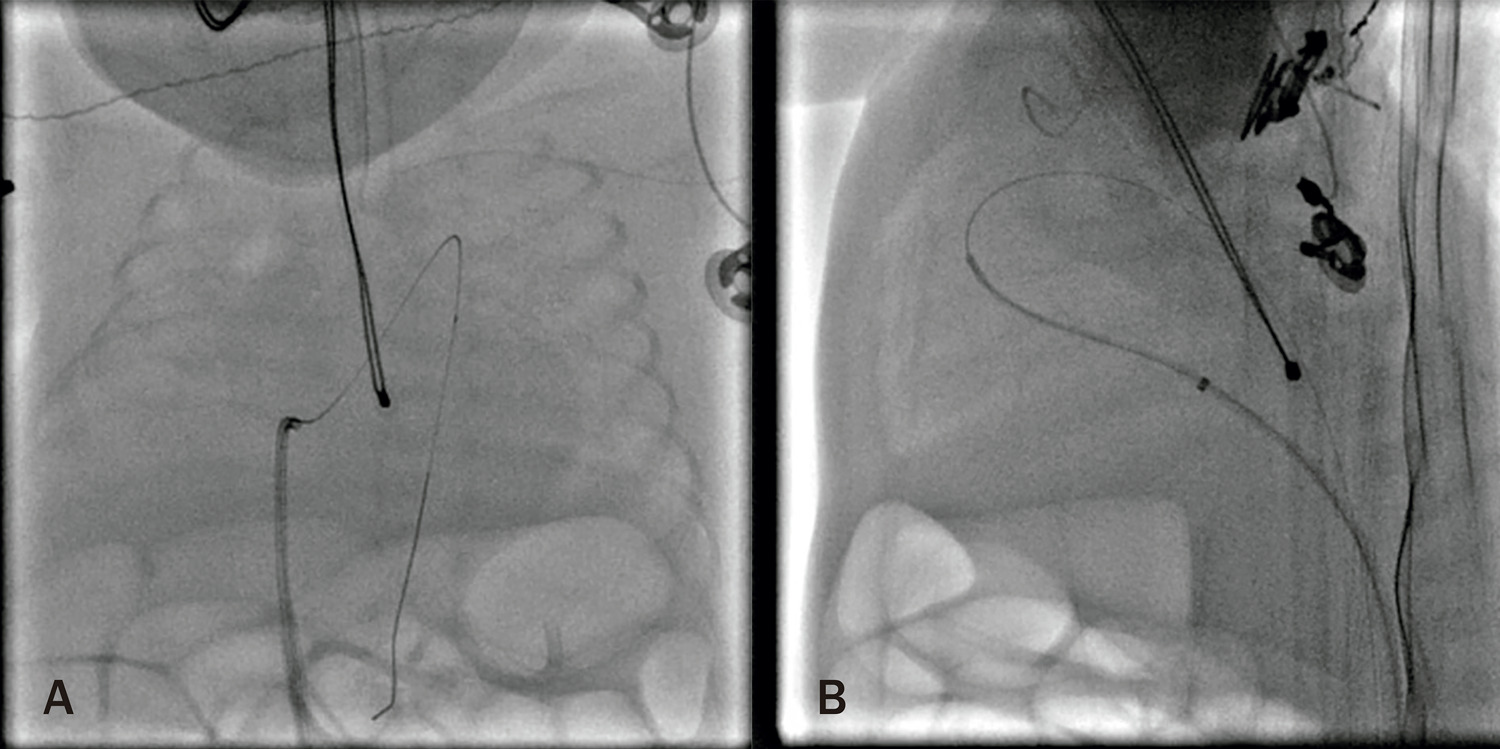
Percutaneous Closure of Ductus Arteriosus in Preterm Babies: The Initial Brazilian Experience

João Luiz Langer Manica et al. Juliana Rodrigues Neves Raul Arrieta Pedro Abujamra … Raul Ivo Rossi Filho Luiz Carlos Giuliano Germana Coimbra Pablo Tomé Teixeirense João Henrique Aramayo Rossi Rodrigo Nieckel da Costa Salvador André Bavaresco Cristóvão Carlos Pedra

Abstract

Background

The presence of patent ductus arteriosus can be as high as 50% in preterm babies. Hemodynamically significant patent ductus arteriosus is a common cause of delayed weaning of respiratory support and an important risk factor of necrotizing enterocolitis, intraventricular hemorrhage, and bronchopulmonary dysplasia in this population.

Objective

The aim of this study is to describe an initial experience of percutaneous closure of the ductus arteriosus in preterm infants weighing less than 2 kg.

Methods

This was a prospective study, comprised of 14 consecutive patients submitted to percutaneous closure of ductus arteriosus between March 2020 and February 2021 in 6 institutions in Brazil.

Results

Mean gestational age was 28.45±3.14 weeks, mean age at the procedure was 38.85±17.35 days and mean weight was 1.41 ±0.41 kg; 79% of the patients were under mechanical ventilation, and 79% had been submitted, on average, to a 1.5 cycle of non-steroidal anti-inflammatory drugs. Most patients were weaned off of mechanical ventilation in a mean of 12.6 ±7.24 days after the procedure. Success rate was 100%. No procedure-related mortality was observed.

Conclusion

This study concluded that percutaneous closure of ductus arteriosus in premature babies below 2 kg has satisfactory results and a low complication rate in this study sample.

  • Catheterization
  • Ductus Arteriosus
  • Heart Defects, Congenital
  • Infant
  • Neonatology
  • Premature
Read Full Article
Creative Commons Attribution (CC BY) Creative Commons license
05/09/2022 DOI: 10.36660/abc.20210818 Views 2
Figure 1
Original Article

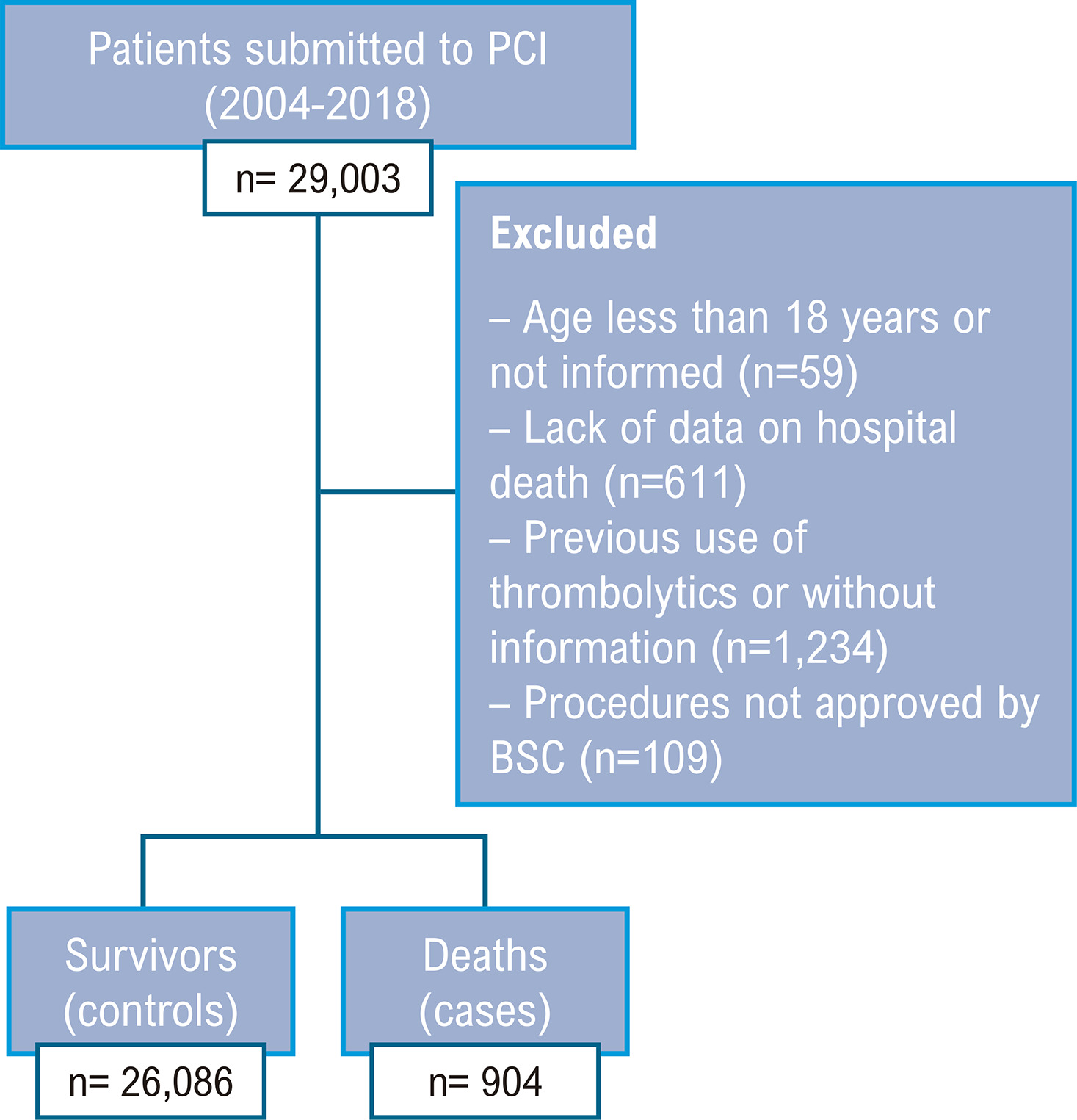
Predictors of Hospital Mortality Based on Primary Angioplasty Treatment: A Multicenter Case-Control Study

Pedro Paulo Neves de Castro et al. Marco Antonio Nazaré Castro Guilherme Abreu Nascimento Isabel Moura José Luiz Barros Pena

Abstract

Background

Identification of high-risk patients undergoing primary angioplasty (PCI) is essential.

Objective

Identify factors related to the causes of death in PCI patients.

Methods

This work consisted of a multicenter case-control study using a Brazilian registry of cardiovascular interventions as the data source. The association between each variable and death was assessed using a binary logistic regression model, p <0.05 was considered significant.

Results

A total of 26,990 records were analyzed, of which 18,834 (69.8%) were male patients, with a median age of 61 (±17) years. In the multivariate analysis, the main variables related to the causes of death with their respective odds ratios and 95%confidence intervals (CI) were advanced age, 70-79 years (2.46; 1.64-3.79) and ≥ 80 years (3.69; 2.38-5.81), p<0.001; the classification of Killip II (2.71; 1.92-3.83), Killip III (8.14; 5.67-11.64), and Killip IV (19.83; 14.85-26.69), p<0.001; accentuated global dysfunction (3.63; 2,39-5.68), p<0.001; and the occurrence of infarction after intervention (5.01; 2.57-9.46), p<0.001. The main protective factor was the post-intervention thrombolysis in myocardial infarction (TIMI) III flow (0.18; 0.13-0.24), p<0.001, followed by TIMI II (0.59; 0.41 -0.86), p=0.005, and male (0.79; 0.64-0.98), p = 0.032; dyslipidemia (0.69; 0.59-0.85), p<0.001; and number of lesions treated (0.86; 0.9-0.94), p<0.001.

Conclusion

The predictors of mortality in patients undergoing PCI were Killip’s classification, reinfarction, advanced age, severe left ventricular dysfunction, female gender, and post-intervention TIMI 0 / I flow.

  • Acute Myocardial Infarction
  • Database
  • Mortality
  • Myocardial Reperfusion
  • Percutaneous Coronary Intervention
Read Full Article
Creative Commons Attribution (CC BY) Creative Commons license
05/08/2022 DOI: 10.36660/abc.20210015
Figure 1
Original Article

Predictive Ability of Cardiopulmonary Exercise Test Parameters in Heart Failure Patients with Cardiac Resynchronization Therapy

João Ferreira Reis et al. António Valentim Gonçalves Pedro Garcia Brás Rita Ilhão Moreira … Pedro Rio Ana Teresa Timóteo Rui M. Soares Rui Cruz Ferreira

Abstract

Background

There is evidence suggesting that a peak oxygen uptake (pVO2) cut-off of 10ml/kg/min provides a more precise risk stratification in cardiac resynchronization therapy (CRT) patients.

Objective

To compare the prognostic power of several cardiopulmonary exercise testing (CPET) parameters in this population and assess the discriminative ability of the guideline-recommended pVO2cut-off values.

Methods

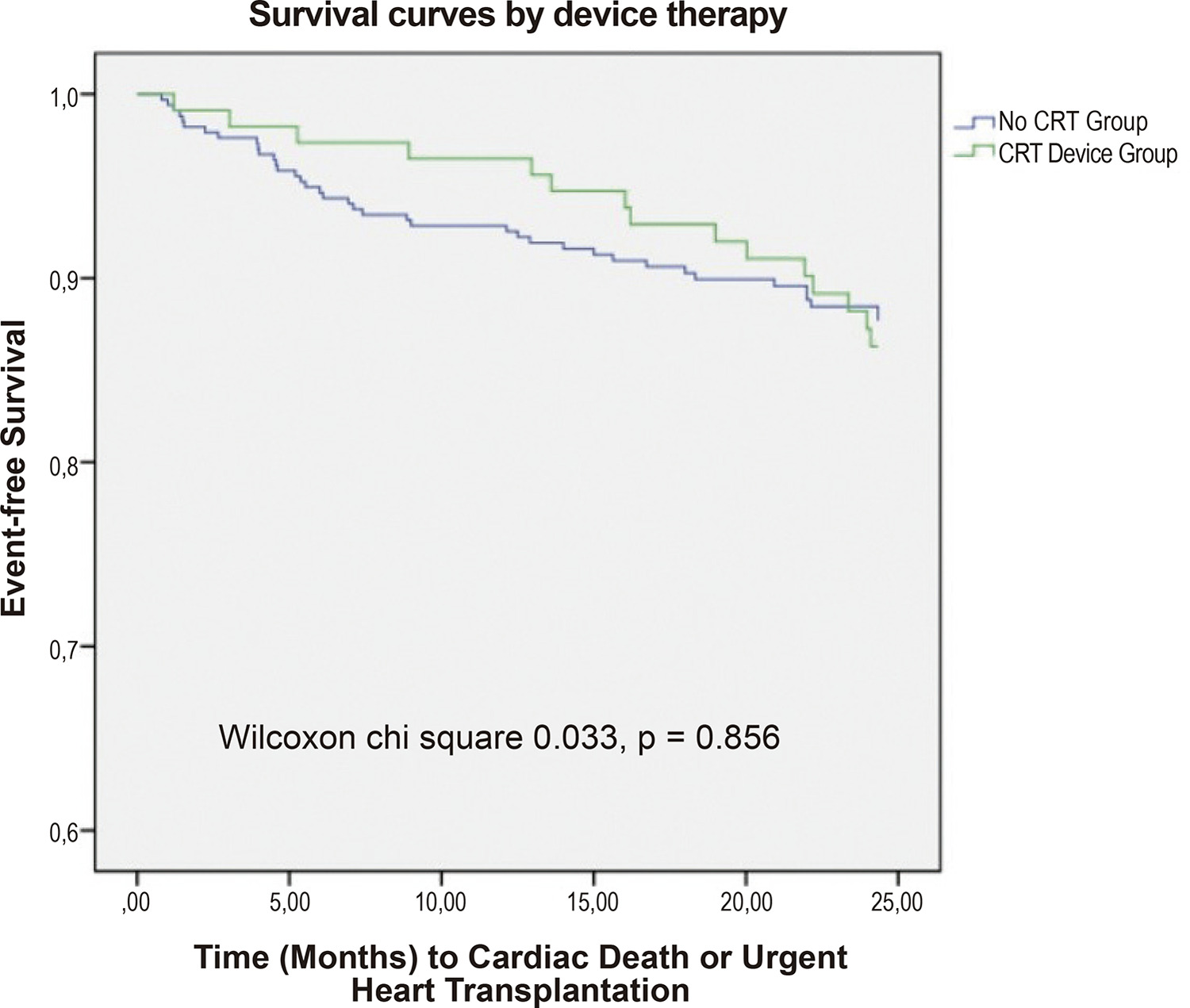
Prospective evaluation of consecutive heart failure (HF) patients with left ventricular ejection fraction ≤40%. The primary endpoint was a composite of cardiac death and urgent heart transplantation (HT) in the first 24 follow-up months, and was analysed by several CPET parameters for the highest area under the curve (AUC) in the CRT group. A survival analysis was performed to evaluate the risk stratification provided by several different cut-offs. p values <0.05 were considered significant.

Results

A total of 450 HF patients, of which 114 had a CRT device. These patients had a higher baseline risk profile, but there was no difference regarding the primary outcome (13.2% vs 11.6%, p =0.660). End-tidal carbon dioxide pressure at anaerobic threshold (PETCO2AT)had the highest AUC value, which was significantly higher than that of pVO2in the CRT group (0.951 vs 0.778, p =0.046). The currently recommended pVO2cut-off provided accurate risk stratification in this setting (p <0.001), and the suggested cut-off value of 10 ml/min/kg did not improve risk discrimination in device patients (p =0.772).

Conclusion

PETCO2ATmay outperform pVO2’s prognostic power for adverse events in CRT patients. The current guideline-recommended pVO2 cut-off can precisely risk-stratify this population.

  • Cardiac resynchronization Therapy/methods
  • Exercise Test/methods
  • Heart Failure
  • Heart Transplantation
  • Oxygen Consumption
Read Full Article
Creative Commons Attribution (CC BY) Creative Commons license
18/07/2022 DOI: 10.36660/abc.20210620 Views 1
Figure 1
Research Letter

Tetralogy of Fallot Associated with Aberrant Right Subclavian Artery. Clinical Implications

Maciej Michałowski et al. Pawel Tyczynski Magdalena Lipczynska Anna Wójcik … Piotr Hoffman Adam Witkowski Ilona Michałowska

Abstract

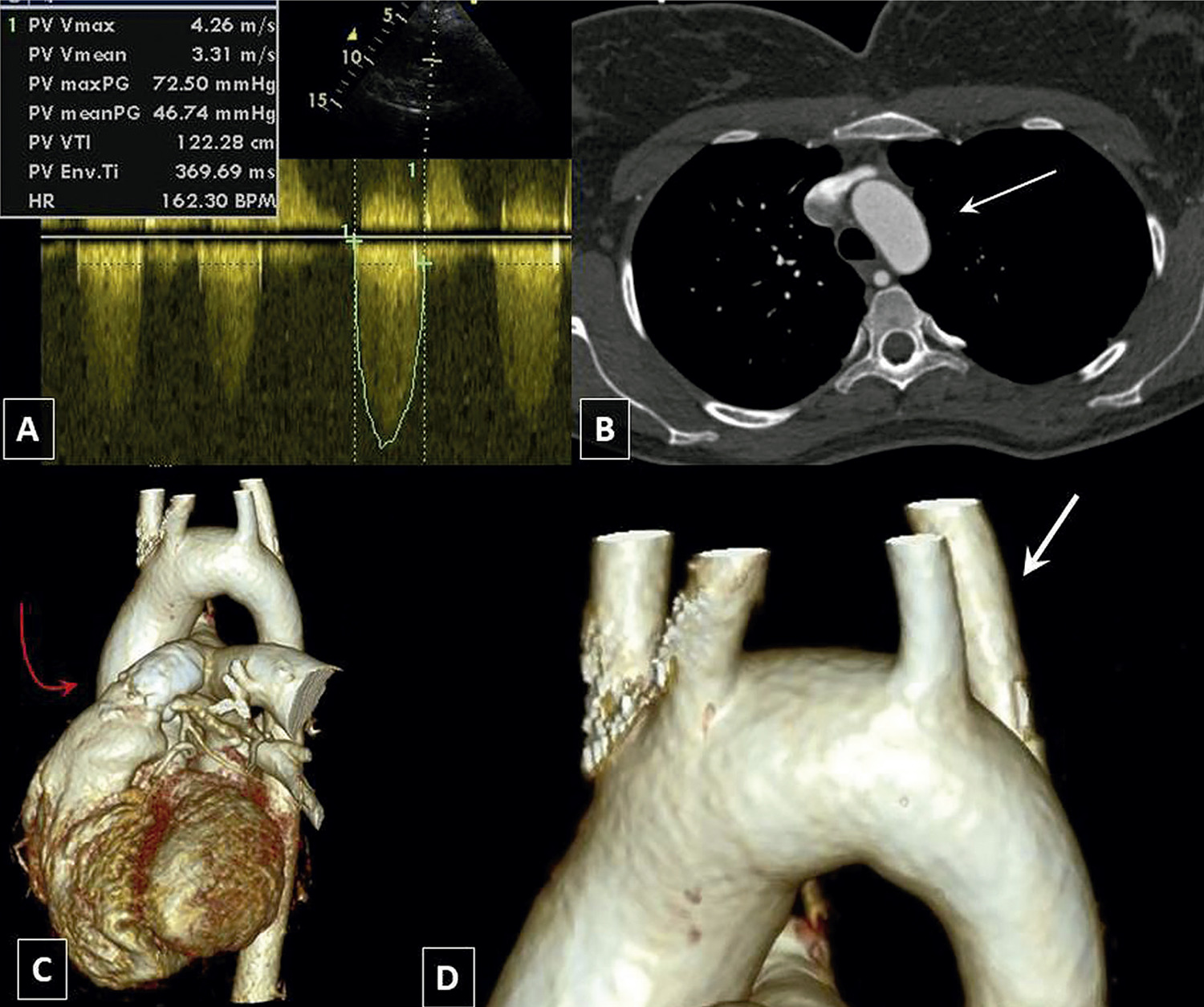
Since the first description of Tetralogy of Fallot (ToF) in 1671 by Niels Stensen and in 1888 by Étienne-Louis Arthur Fallot, numerous papers have reported on this anomaly, along with its variants and concomitant cardiovascular anomalies. Aberrant right subclavian artery (ARSA) is the most common anomaly of the aortic arch. Different from the left aberrant subclavian artery, occurrence of ARSA in ToF-patients has only casuistically been reported so far. The present study reports on two ToF-patients with ARSA. It is important to note that knowledge of the coexistence of both anomalies has highly practical points during surgical or endovascular corrections of congenital heart defects (including ToF).

  • Aorta, Thoracic
  • Esophageal, Obstruction
  • Heart Defects, Congenital
  • Subclavian Artery
  • Tetralogy of Fallot
Read Full Article
Creative Commons Attribution (CC BY) Creative Commons license
18/07/2022 DOI: 10.36660/abc.20210880
Figure 1
Research Letter

COVID-19 Myocarditis Mimicking ST-Segment Elevation Myocardial Infarction

Anthony Medina Conceição et al. César A. C. Pereira Maria Júlia Rahal Walther Yoshiharu Ishikawa Carlos E. Rochitte

Introduction

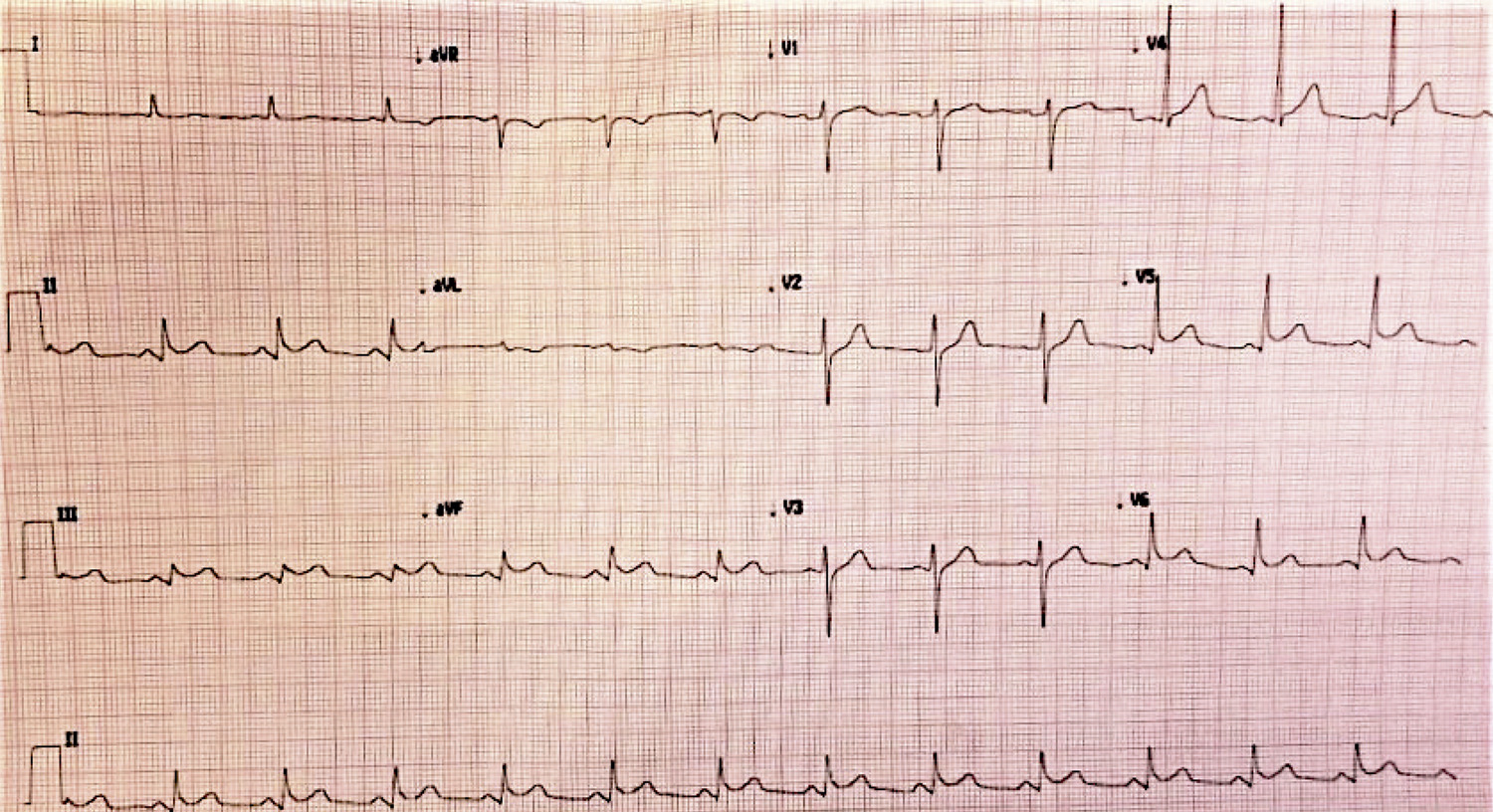
The new SARS-CoV-2, that causes the coronavirus disease 2019 (COVID-19) has proven to be a virus that affect not only the respiratory system, but to cause several systemic manifestations, including cardiovascular ones. , Patients with previous cardiovascular disease who develop myocardial injury usually have worse outcomes, , such as acute coronary syndrome (ACS) , and myocarditis. – Myocarditis is mostly asymptomatic but can manifest with angina, cardiac failure, and arrythmias. –

The clinical diagnosis of myocarditis without the aid of complementary exams is usually difficult to be made. A meta-analysis with 2,866 with myocardial infarction without obstructive coronary artery disease (MINOCA) who underwent cardiac magnetic resonance (CMR) showed a prevalence of myocarditis of 34.5%. In COVID-19, a study carried out in Germany reported that 60% of recently recovered patients had signs of myocardial inflammation at CMR.

[…]

  • Acute coronary syndrome
  • COVID-19
  • Magnetic Resonance Imaging
  • Myocarditis
Read Full Article
Creative Commons Attribution (CC BY) Creative Commons license
18/07/2022 DOI: 10.36660/abc.20210749 Views 1
Figure 1
Review Article

Critical Analysis and Limitations of the Diagnosis of Heart Failure with Preserved Ejection Fraction (HFpEF)

Viviane Tiemi Hotta et al. Daniela do Carmo Rassi José Luiz Barros Pena Marcelo Luiz Campos Vieira … Ana Clara Tude Rodrigues Juliano Novaes Cardoso Felix Jose Alvarez Ramires Luciano Nastari Charles Mady Fábio Fernandes

Abstract

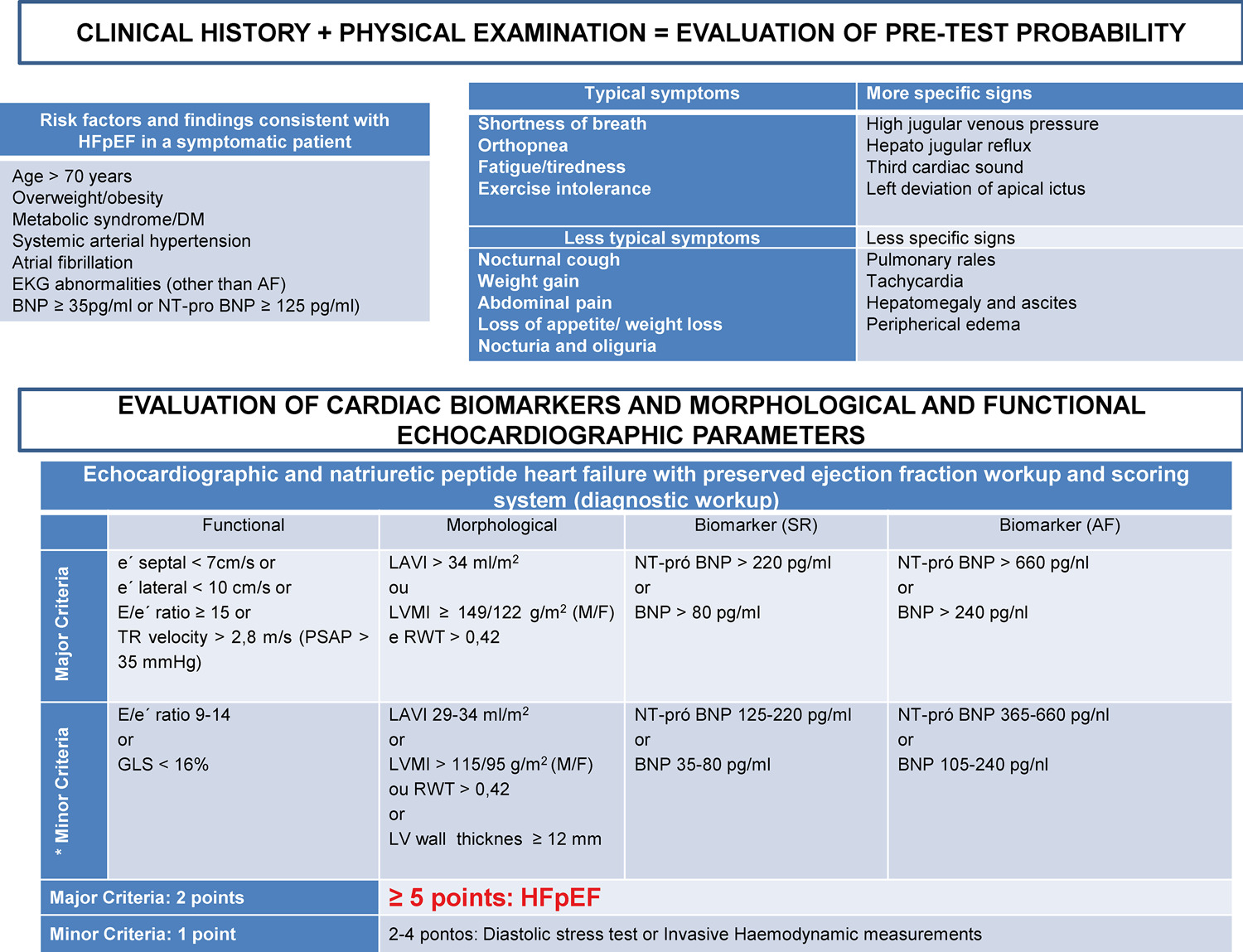
With the increase in the population’s life expectancy and the higher frequency of risk factors such as obesity, hypertension and diabetes, an increase in the prevalence of heart failure with preserved ejection fraction (HFpEF) is expected. However, to date, the diagnosis and treatment of patients with HFpEF remain challenging. The syndromic diagnosis of HFpEF includes several etiologies and diseases with specific treatments but has points in common regarding the clinical presentation, laboratory evaluation related to biomarkers, such as BNP and NT-ProBNP, and echocardiographic evaluation of cardiac remodeling and left ventricular diastolic filling pressures. Extensive randomized clinical trials involving the treatment of this condition have failed to demonstrate benefits to the patient, making it necessary to reflect on the diagnosis, mechanisms of morbidity, mortality and reversibility in this syndrome. In this review, the current concepts, controversies and challenges, especially regarding diagnosis, will be addressed, critically analyzing the European Heart Failure Association score for the diagnosis of HFpEF.

  • Diagnostic,Imaging
  • Echocardiography/methods
  • Heart Failure/physiopathology
  • Natriuretic Peptides
Read Full Article
Creative Commons Attribution (CC BY) Creative Commons license
11/07/2022 DOI: 10.36660/abc.20210052 Views 1
Figure 1
Original Article

The Predictive Value of CHA2DS2-VASc Score on Residual Syntax Score in Patients With ST Segment Elevation Myocardial Infarction

Ali Kemal Kalkan et al. Serkan Kahraman Yalcin Avci Umit Bulut … Recep Gulmez Ayse Beril Turkyilmaz Mehmet Erturk

Abstract

Background

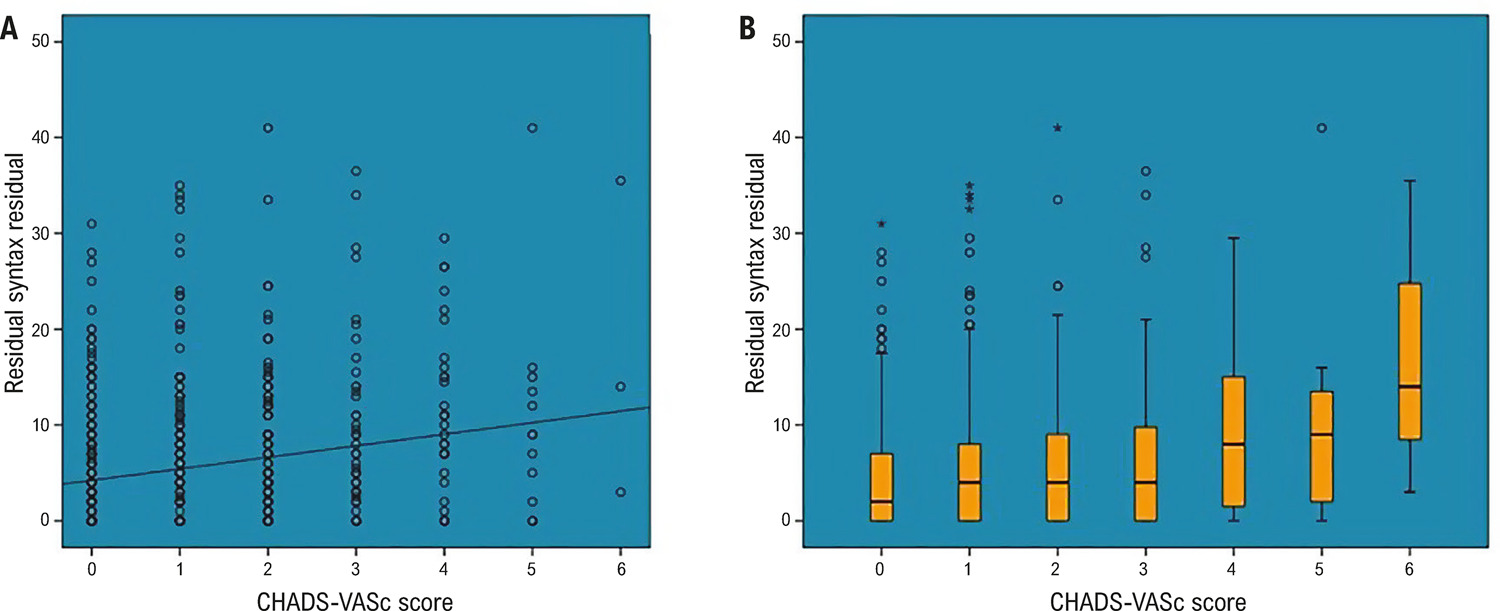
The CHA2DS2-VASc score is associated with adverse clinical outcomes in patients with cardiovascular disease. The residual Syntax score (rSS) is a scoring tool which has prognostic value in patients with ST segment elevation myocardial infarction (STEMI).

Objectives

Our aim in this study is to investigate the predictive value of the CHA2DS2-VASc score on rSS in STEMI patients.

Methods

A total of 688 consecutive patients with STEMI undergoing percutaneous coronary intervention were evaluated. Baseline demographic and clinical variables besides the CHA2DS2-VASc score were assessed. The patients were divided into two groups; patients with rSS of 8 or below as group 1 (509 patients) and more than 8 as group 2 (179 patients). A p-value < 0.05 was considered statistically significant.

Results

The CHA2DS2-VASc score was higher in group 2 [1 (0-2); 1 (1-3), p<0.001] compared to group 1. The incidence of hypertension [151 (29.7%); 73 (40.8%), p=0.006], patients ≥75 years [18 (3.5%); 21 (11.7%), p<0.001], diabetes mellitus [85 (16.7%); 50 (27.9%), p=0.001] and vascular disease [12 (2.4%); 11 (6.1%), p=0.029] were higher in group 2. In multivariate logistic regression analysis, the CHA2DS2-VASc score (OR=1.355; 95%CI=1.171-1.568; p<0.001), age ≥75 years [OR=3.218; 95%CI=1.645-6.295; p=0.001] and diabetes mellitus [OR=1.670; 95%CI=1.091-2.557; p=0.018] were independent predictors of high rSS. The receiver-operating characteristic curve analysis demonstrated that the CHA2DS2-VASc score had good predictive value for high rSS with a cut-off value of 1.5 (area under curve (AUC): 0.611, 95% confidence interval (CI):0.562-0.659, p<0.001).

Conclusions

The CHA2DS2-VASc score has a predictive value on rSS in patients with STEMI. The CHA2DS2-VASc score was also an independent predictor of higher rSS.

  • Atrial Fibrillation
  • Percutaneous Coronary Intervention
  • ST Elevation Myocardial Infarction
Read Full Article
Creative Commons Attribution (CC BY) Creative Commons license
11/07/2022 DOI: 10.36660/abc.20210670 Views 1
Figure 1
Original Article

Quality of Oral Anticoagulation in Atrial Fibrillation Patients at a Tertiary Hospital in Brazil

Karina Nogueira Dias Secco Malagutte et al. Caroline Ferreira da Silva Mazeto Pupo da Silveira Fabrício Moreira Reis Daniele Andreza Antonelli Rossi … João Carlos Hueb Katashi Okoshi Hélio Rubens de Carvalho Nunes Luis Cuadrado Martin Rodrigo Bazan Silméia Garcia Zanati Bazan

Abstract

Background

Atrial fibrillation (AF) affects 0.5% to 2.0% of the general population and is usually associated with cardiac structural diseases, hemodynamic damage, and thromboembolic complications. Oral anticoagulation prevents thromboembolic events and is monitored by the international normalized ratio (INR).

Objectives

To evaluate INR stability in nonvalvular AF patients treated with warfarin anticoagulation, to evaluate thromboembolic or hemorrhagic complications, and to identify the group at higher risk for thromboembolic or hemorrhagic events.

Methods

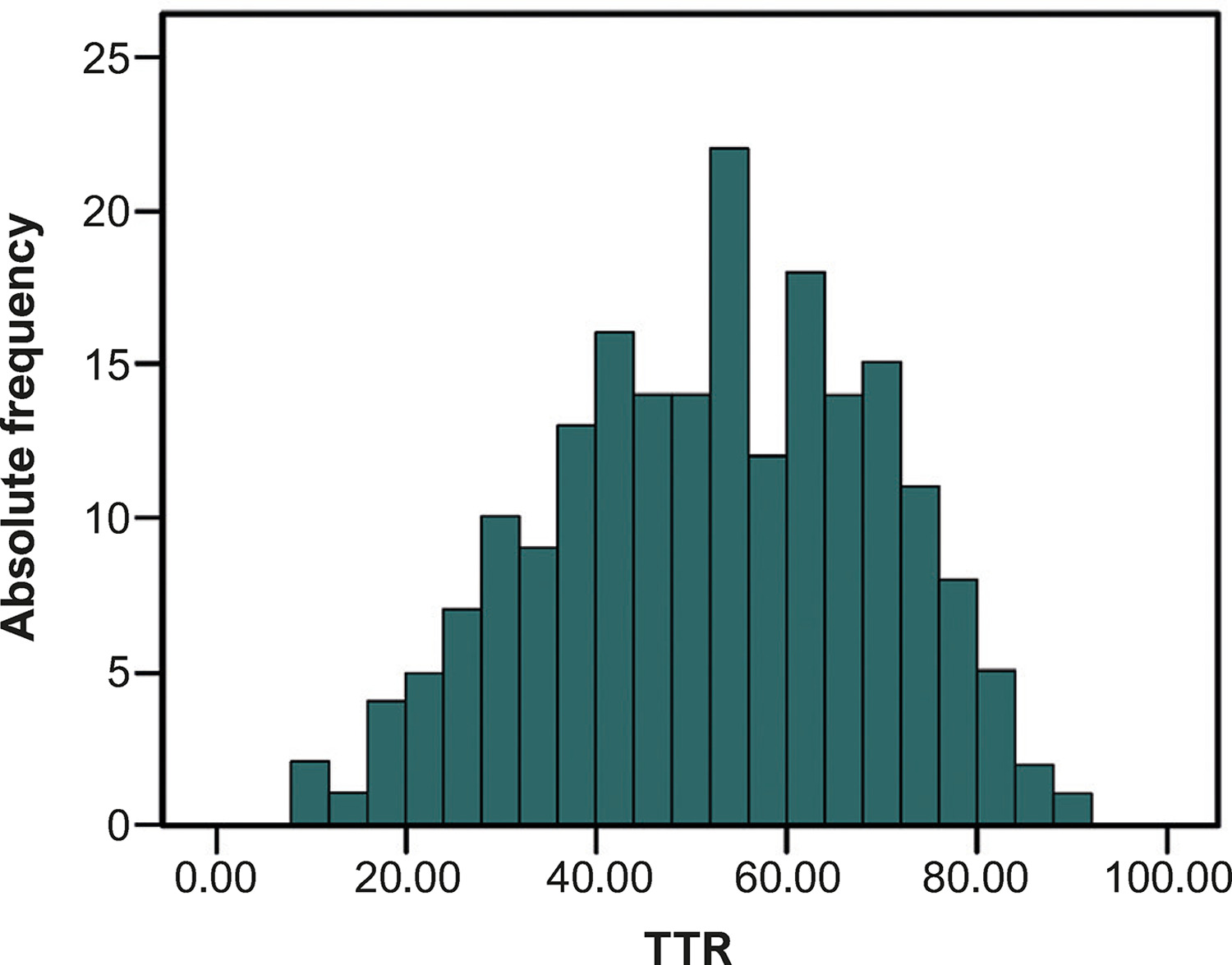
Data from the medical records of 203 patients who received medical care at a tertiary hospital in Brazil were reviewed, and the time in therapeutic range (TTR) was calculated using the Rosendaal method. The possible TTR influencing factors were then analyzed, and the relationship between the TTR and thromboembolic or hemorrhagic events was calculated. The level of significance was 5%.

Results

The mean TTR was 52.2%. Patients with INR instability in the adaptation phase had a lower mean TTR (46.8%) than those without instability (53.9%). Among the studied patients, 6.9% suffered hemorrhagic events, and 8.4% had a stroke. The higher risk group for stroke and bleeding consisted of patients with INR instability in the adaptation phase.

Conclusions

The quality of anticoagulation in this tertiary hospital in Brazil is similar to that in centers in developing countries. Patients with greater INR instability in the adaptation phase evolved to a lower mean TTR during follow-up, had a 4.94-fold greater chance of stroke, and had a 3.35-fold greater chance of bleeding. Thus, for this patient group, individualizing the choice of anticoagulation therapy would be advised, considering the cost-benefit ratio.

  • Atrial Fibrillation
  • Hemorrhage
  • Stroke
  • Warfarin
Read Full Article
Creative Commons Attribution (CC BY) Creative Commons license
27/06/2022 DOI: 10.36660/abc.20210805 Views 2
Figure 1
Original Article

Systemic Immune-Inflammatory Index as a Determinant of Atherosclerotic Burden and High-Risk Patients with Acute Coronary Syndromes

Demet Ozkaramanli Gur et al. Muhammet Mucip Efe Seref Alpsoy Aydın Akyüz … Nurullah Uslu Aliye Çelikkol Ozcan Gur

Abstract

Background

Systemic immune-inflammatory index (SII), which is derived from neutrophil, platelet and lymphocyte counts, represents the homeostatic balance among inflammatory, immune and thrombotic status. The systemic immune-inflammatory index is superior to indices such as neutrophil-lymphocyte ratio in predicting prognosis in various malignancies, while it is shown to predict future cardiac events better than traditional risk factors after coronary intervention.

Objectives

Herein, we aimed to evaluate the relationship of the systemic immune-inflammatory index with atherosclerotic burden and in-hospital complications in acute coronary syndrome patients.

Methods

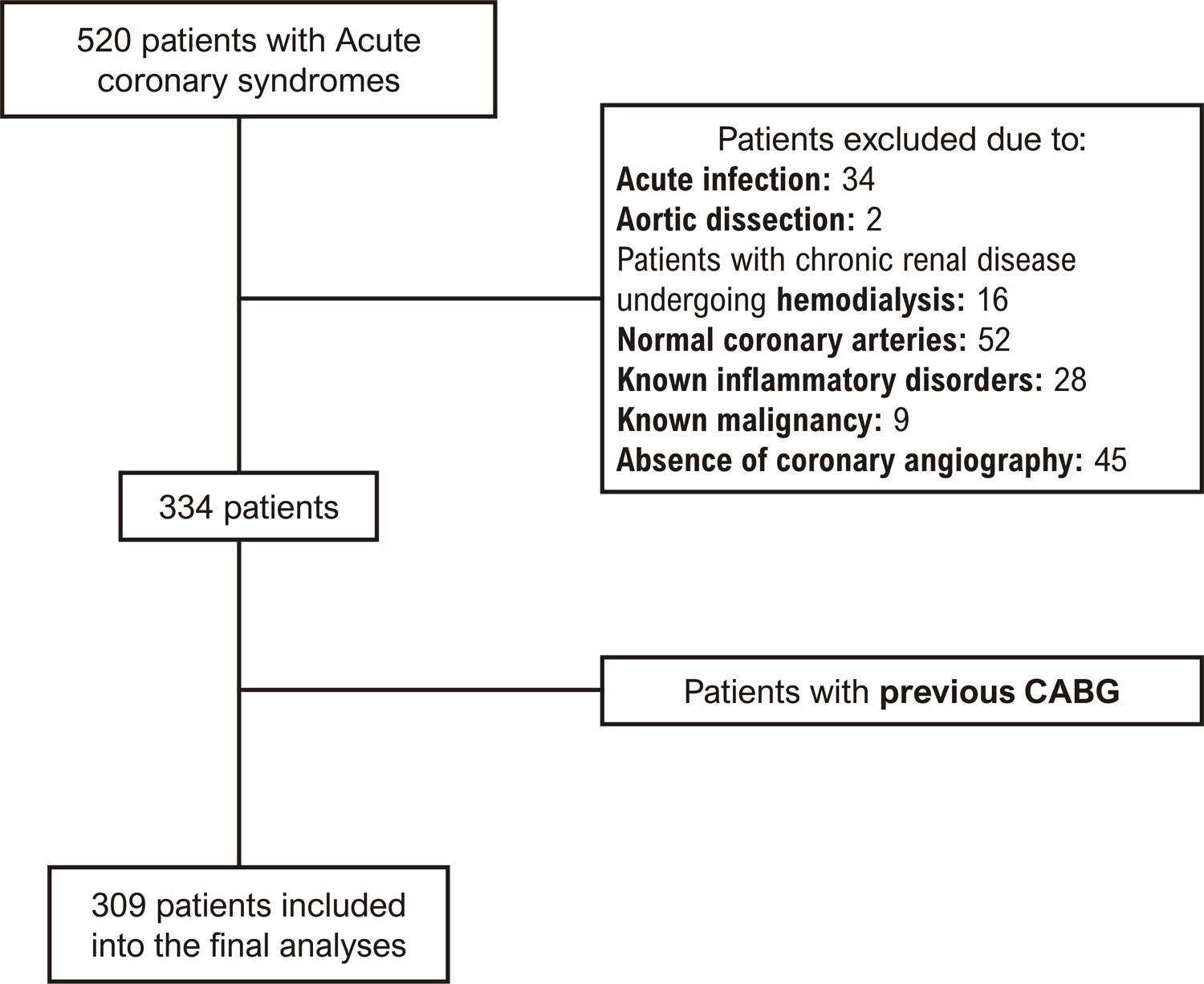
The clinical outcomes, such as extent of myocardial damage, atherosclerotic burden, bleeding, acute kidney injury, duration of hospital stay and in-hospital mortality, were evaluated in a retrospective cohort of 309 consecutive acute coronary syndrome patients. The systemic immune-inflammatory index was calculated as (Platelet X Neutrophil)/Lymphocyte count on admission. Study population was categorized into tertiles with regard to systemic immune-inflammatory index. A p value of <0.05 was considered statistically significant.

Results

The highest systemic immune-inflammatory index values were within ST elevation myocardial infarction patients (641.4 in unstable angina pectoris, 843.0 in non-ST elevation myocardial infarction patients and 996.0 in ST elevation myocardial infarction patients; p=0.004). Maximal troponin concentration (0.94 vs. 1.26 vs. 3; p<0.001), number of diseased vessels (1 vs. 2 vs. 2; p<0.001), the SYNTAX (synergy between percutaneous coronary intervention with taxus and coronary artery bypass grafting) score (9 vs. 14 vs. 17.5; p<0.001) and duration of hospital stay (2 vs. 2 vs. 3; p<0.001) also increased with increasing SIItertile(tertile1 vs. tertile 2 vs. tertile 3). Systemic immune-inflammatory index was an independent predictor of SYNTAX score (ß: 0.232 [0.001 to 0.003]; p<0.001), extent of myocardial damage (ß: 0.152 [0 to 0.001]; p=0.005) and duration of hospital stay (ß: 0.168 [0.0 to 0.001]; p=0.003).

Conclusions

This study has demonstrated that the systemic immune-inflammatory index, a simple hematological index, is a marker of atherosclerotic burden and longer hospital stay on well-known risk factors in high risk acute coronary syndrome patients.

  • Acute coronary syndrome
  • Coronary Artery Disease
  • Inflammation
Read Full Article
Creative Commons Attribution (CC BY) Creative Commons license
27/06/2022 DOI: 10.36660/abc.20210416
Figure 1
Original Article

Assessment of the Relationship Between the Adropin Levels and the Coronary Collateral Circulation in Patients wıth Chronic Coronary Syndrome

Hasan Akkaya et al. Ertuğrul Emre Güntürk Fulya Akkaya Uğur Karabıyık … İnayet Güntürk Samet Yılmaz

Abstract

Background

Coronary collateral circulation (CCC) provides an alternative blood flow to myocardial tissue exposed to ischemia and helps to preserve myocardial functions. Endothelial-derived nitric-oxide (NO) production and vascular endothelial growth factor (VEGF) have been suggested as the most important factors in the development of CCC. Adropin is a peptide hormone responsible for energy hemostasis, and is known for its positive effects on the endothelium through NO and VEGF.

Objective

The aim of this study is to investigate the association between adropin and the presence of CCC in patients with chronic coronary syndrome (CCS).

Methods

A total of 102 patients with CCS, who had complete occlusion of at least one major epicardial coronary artery, were included in the study and were divided into two groups: the group of patients (n:50) with poor CCC (Rentrop 0-1) and the group of patients (n:52) with good CCC (Rentrop 2-3). The level of significance adopted in the statistical analysis was 5%.

Results

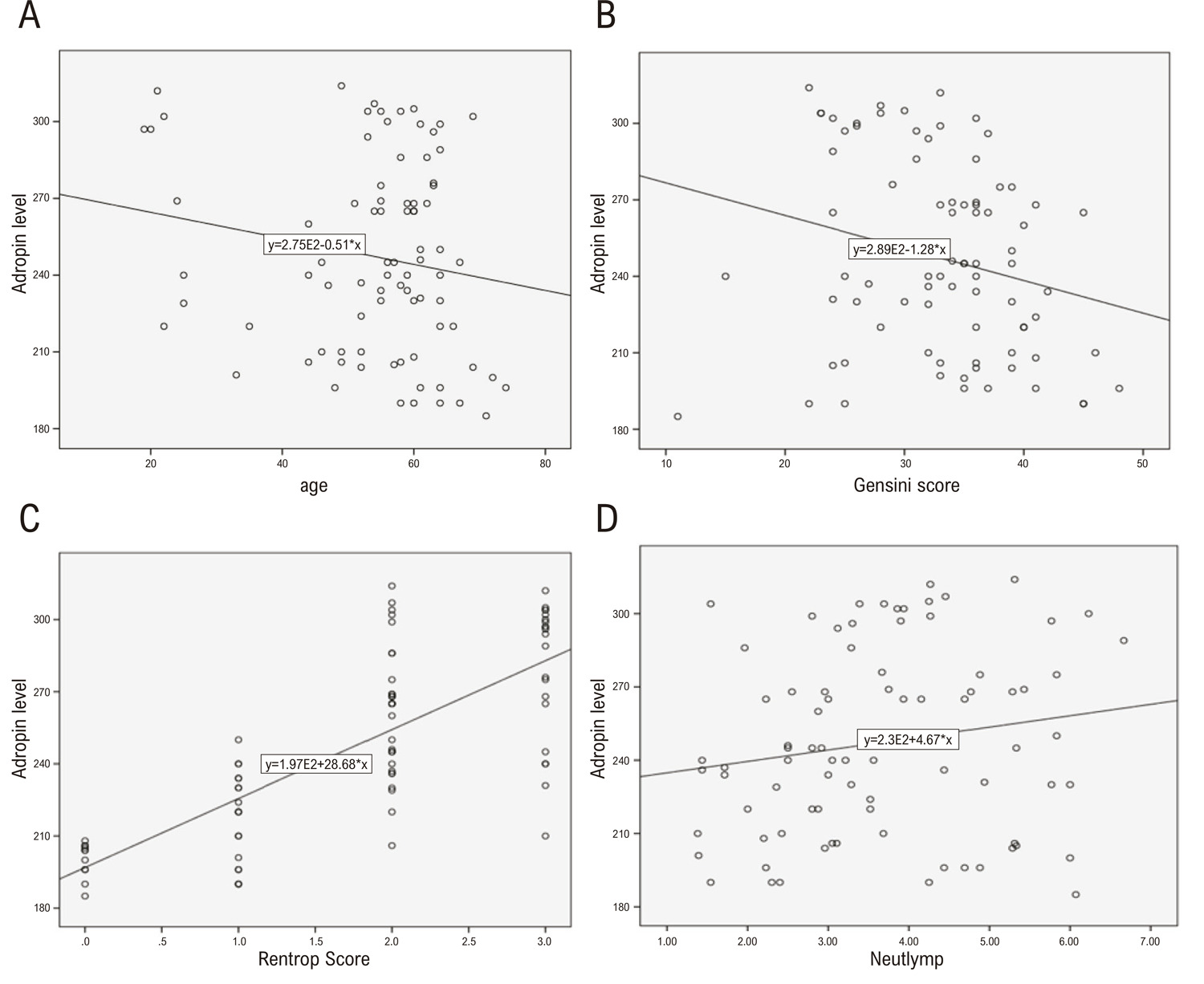
Mean adropine levels were found as 210.83±17.76 pg/mL and 268.25±28.94 pg/mL in the poor and good CCC groups, respectively (p<0.001). Adropin levels proved to be positively correlated with neutrophil-to-lymphocyte ratios (r:0.17, p:0.04) and the rentrop scores (r:0.76, p<0.001), and negatively correlated with age (r:-0.23, p:0.01) and Gensini scores (r:-0.19, p:0.02). Adropin level is a strong independent predictor of good CCC development (OR:1.12, 95% CI:(1.06–1.18), p<0.001).

Conclusion

This study suggests that adropin levels may be a possible factor associated with the presence of CCC in CCS patients.

  • Acute coronary syndrome
  • Adropin
  • Atherosclerosis
  • Coronary Angiography
  • Coronary Artery Diseases
  • Coronary Collateral Circulation
  • Diagnostic Imaging
  • Peptides
Read Full Article
Creative Commons Attribution (CC BY) Creative Commons license
27/06/2022 DOI: 10.36660/abc.20210573 Views 1
Figure 1
Original Article

The Association of TWEAK with Coronary Artery Calcification in Patients with Chronic Kidney Disease

Mustafa Adem Tatlisu et al. Adem Atici Fatma Betul Ozcan Mehmet Çelik … Eray Kirac Omer Faruk Baycan Mustafa Caliskan

Abstract

Background

The soluble tumor necrosis factor-like weak inducer of apoptosis (sTWEAK) is a member of the TNF superfamily that plays a critical role in proliferation and inflammation in the arterial circulation.

Objectives

This prospective study aimed to show the relationship between the sTWEAK levels and coronary artery calcification (CAC) in patients with chronic kidney disease (CKD).

Methods

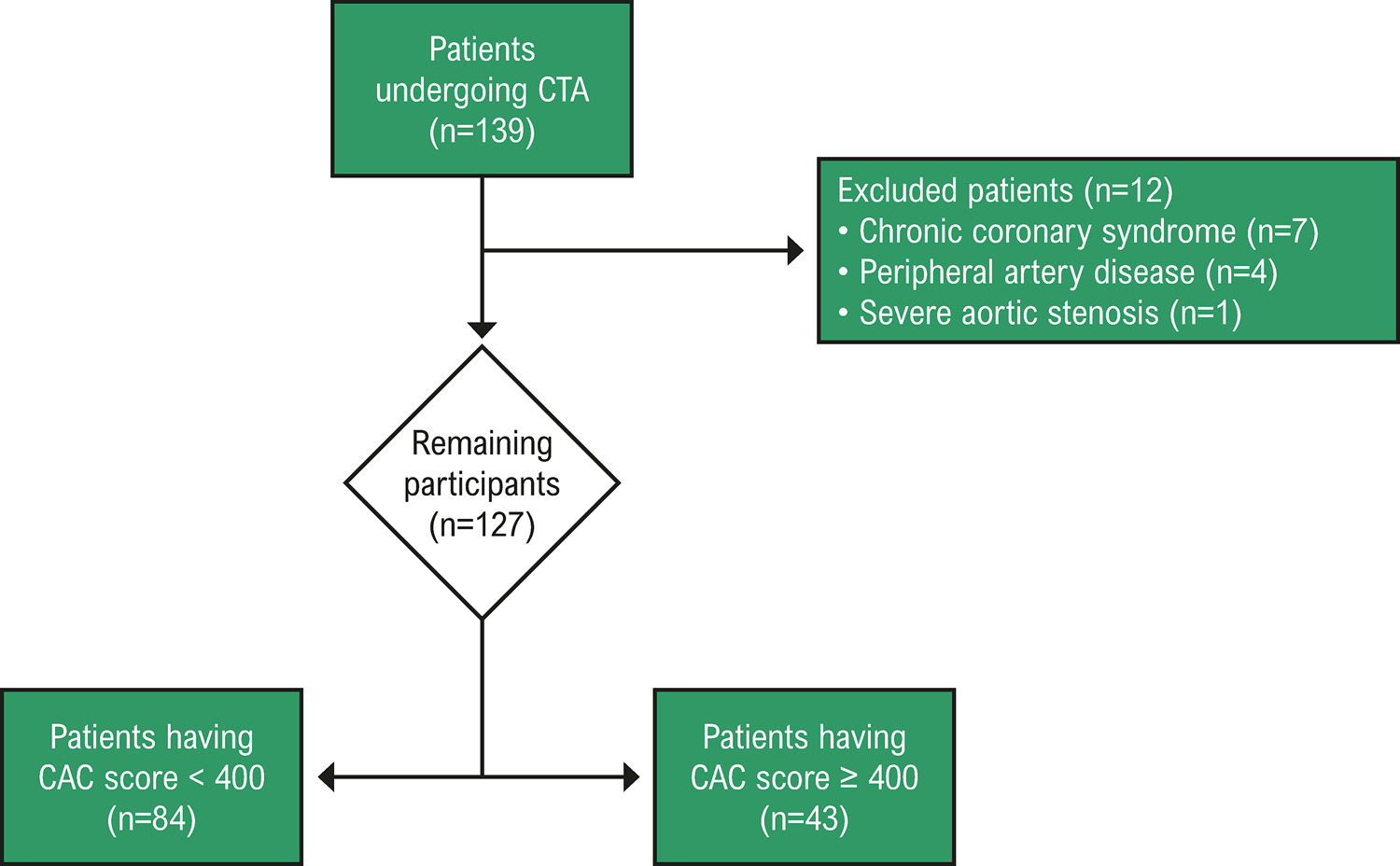
This prospective study included 139 consecutive patients undergoing computed coronary angiography for any reason except for acute coronary syndromes from August 2020 to February 2021. A total of 12 patients were excluded from the study due to exclusion criteria. Patients were divided into two groups with regard to having a CAC score of less than 400 (n=84) and 400 or more (n=43). Significance was assumed at a 2-sided p<0.05.

Results

As the CAC score increased, sTWEAK levels presented a statistically significant decrease, and a strong relationship between sTWEAK levels and the CAC score (r: -0.779, p<0.001) was observed. The ROC analysis revealed that the optimal cut-off level of sTWEAK for predicting the CAC score of 400 was 761 pg/mL with a sensitivity of 71% and a specificity of 73% (AUC: 0.78; 95% CI:0.70-0.85; p < 0.001)

Conclusions

Even though the large-scale studies showed a positive correlation between eGFR and the sTWEAK levels, some studies found the increased sTWEAK levels to be associated with mortality and the severity of the coronary artery system in patients with CKD. Our results support our hypothesis that the sTWEAK level shows coronary calcification rather than other types of atherosclerotic plaques.

  • Atherosclerosis
  • Cardiovascular Diseases
  • Coronary Artery Disease
  • renal Insufficiency,Chronic
  • Vascular Stiffness
Read Full Article
Creative Commons Attribution (CC BY) Creative Commons license
10/06/2022 DOI: 10.36660/abc.20210599

Could not load more articles. Please try again.

How to cite this article

EndNote RIS

Electronic Document Format (Vancouver)

Nicolau JC. ST-Elevation Acute Myocardial Infarction Treated with Primary Percutaneous Coronary Intervention: The Importance of Local Data. Arquivos Brasileiros de Cardiologia 2022;119(3):458-9.

Electronic Document Format (ABNT)

Nicolau, José C.. ST-Elevation Acute Myocardial Infarction Treated with Primary Percutaneous Coronary Intervention: The Importance of Local Data. Arquivos Brasileiros de Cardiologia, v. 119, n. 3, p. 458-459, Sep. 2022.

Electronic Document Format (APA)

Nicolau, J. C. (2022). ST-Elevation Acute Myocardial Infarction Treated with Primary Percutaneous Coronary Intervention: The Importance of Local Data. Arquivos Brasileiros de Cardiologia, 119(3), 458-459.

Electronic Document Format (ISO)

Nicolau, José C.. ST-Elevation Acute Myocardial Infarction Treated with Primary Percutaneous Coronary Intervention: The Importance of Local Data. Arquivos Brasileiros de Cardiologia [online]. 2022, vol. 119, n. 3, [cited 2026-10-14], pp. 458-459. Available from: <https://journals.cardiol.br/en/article/st-elevation-acute-myocardial-infarction-treated-with-primary-percutaneous-coronary-intervention-the-importance-of-local-data/>. ISSN 0066-782X

EndNote RIS

Electronic Document Format (Vancouver)

Armenta-Moreno JI, Berarducci J, Garcia-Cardenas AM, Armendariz-Ferrari JC, Bermudez-Gonzalez JL, Straface JI, Luna-Alvarez-Amezquita JA, et al. Transesophageal Two- and Three-Dimensional Echocardiographic Assessment of Spontaneous Left Atrial Dissection. Arquivos Brasileiros de Cardiologia 2022;119(3):499-501.

Electronic Document Format (ABNT)

Armenta-Moreno, Javier Ivan; Berarducci, Joaquin; Garcia-Cardenas, Abel Mauricio; Armendariz-Ferrari, José Carlos; Bermudez-Gonzalez, Jorge Luis; Straface, Juan Ignacio; Luna-Alvarez-Amezquita, Jose Antonio; Espinola-Zavaleta, Nilda. Transesophageal Two- and Three-Dimensional Echocardiographic Assessment of Spontaneous Left Atrial Dissection. Arquivos Brasileiros de Cardiologia, v. 119, n. 3, p. 499-501, Sep. 2022.

Electronic Document Format (APA)

Armenta-Moreno, J. I., Berarducci, J., Garcia-Cardenas, A. M., Armendariz-Ferrari, J. C., Bermudez-Gonzalez, J. L., Straface, J. I., Luna-Alvarez-Amezquita, J. A., & Espinola-Zavaleta, N. (2022). Transesophageal Two- and Three-Dimensional Echocardiographic Assessment of Spontaneous Left Atrial Dissection. Arquivos Brasileiros de Cardiologia, 119(3), 499-501.

Electronic Document Format (ISO)

Armenta-Moreno, Javier Ivan and Berarducci, Joaquin and Garcia-Cardenas, Abel Mauricio and Armendariz-Ferrari, José Carlos and Bermudez-Gonzalez, Jorge Luis and Straface, Juan Ignacio and Luna-Alvarez-Amezquita, Jose Antonio and Espinola-Zavaleta, Nilda. Transesophageal Two- and Three-Dimensional Echocardiographic Assessment of Spontaneous Left Atrial Dissection. Arquivos Brasileiros de Cardiologia [online]. 2022, vol. 119, n. 3, [cited 2026-10-14], pp. 499-501. Available from: <https://journals.cardiol.br/en/article/transesophageal-two-and-three-dimensional-echocardiographic-assessment-of-spontaneous-left-atrial-dissection/>. ISSN 0066-782X

EndNote RIS

Electronic Document Format (Vancouver)

Jatene T, Mendonça JP, Vaz VD, Casas FRL, Casas RLAL. Atherosclerotic Burden is the Highway to Cardiovascular Events. Arquivos Brasileiros de Cardiologia 2022;119(3):400-1.

Electronic Document Format (ABNT)

Jatene, Tannas; Mendonça, Jordana Pires; Vaz, Vinicius Daher; Casas, Fabrício Ribeiro Las; Casas, Rogério Lobo de Andrade Las. Atherosclerotic Burden is the Highway to Cardiovascular Events. Arquivos Brasileiros de Cardiologia, v. 119, n. 3, p. 400-401, Sep. 2022.

Electronic Document Format (APA)

Jatene, T., Mendonça, J. P., Vaz, V. D., Casas, F. R. L., & Casas, R. L. A. L. (2022). Atherosclerotic Burden is the Highway to Cardiovascular Events. Arquivos Brasileiros de Cardiologia, 119(3), 400-401.

Electronic Document Format (ISO)

Jatene, Tannas and Mendonça, Jordana Pires and Vaz, Vinicius Daher and Casas, Fabrício Ribeiro Las and Casas, Rogério Lobo de Andrade Las. Atherosclerotic Burden is the Highway to Cardiovascular Events. Arquivos Brasileiros de Cardiologia [online]. 2022, vol. 119, n. 3, [cited 2026-10-14], pp. 400-401. Available from: <https://journals.cardiol.br/en/article/atherosclerotic-burden-is-the-highway-to-cardiovascular-events/>. ISSN 0066-782X

EndNote RIS

Electronic Document Format (Vancouver)

Soeiro AM. Are There Alternative Ways to Estimate Atherosclerotic Inflammatory Activity in Patients with Acute Coronary Syndrome?. Arquivos Brasileiros de Cardiologia 2022;119(3):391-2.

Electronic Document Format (ABNT)

Soeiro, Alexandre de Matos. Are There Alternative Ways to Estimate Atherosclerotic Inflammatory Activity in Patients with Acute Coronary Syndrome?. Arquivos Brasileiros de Cardiologia, v. 119, n. 3, p. 391-392, Sep. 2022.

Electronic Document Format (APA)

Soeiro, A. M. (2022). Are There Alternative Ways to Estimate Atherosclerotic Inflammatory Activity in Patients with Acute Coronary Syndrome?. Arquivos Brasileiros de Cardiologia, 119(3), 391-392.

Electronic Document Format (ISO)

Soeiro, Alexandre de Matos. Are There Alternative Ways to Estimate Atherosclerotic Inflammatory Activity in Patients with Acute Coronary Syndrome?. Arquivos Brasileiros de Cardiologia [online]. 2022, vol. 119, n. 3, [cited 2026-10-14], pp. 391-392. Available from: <https://journals.cardiol.br/en/article/are-there-alternative-ways-to-estimate-atherosclerotic-inflammatory-activity-in-patients-with-acute-coronary-syndrome/>. ISSN 0066-782X

EndNote RIS

Electronic Document Format (Vancouver)

Timóteo AT. Can PM20D1 be a New Kid on the Block in Cardiovascular Risk Stratification? Do Not Run before You Can Walk. Arquivos Brasileiros de Cardiologia 2022;119(3):380-1.

Electronic Document Format (ABNT)

Timóteo, Ana Teresa. Can PM20D1 be a New Kid on the Block in Cardiovascular Risk Stratification? Do Not Run before You Can Walk. Arquivos Brasileiros de Cardiologia, v. 119, n. 3, p. 380-381, Sep. 2022.

Electronic Document Format (APA)

Timóteo, A. T. (2022). Can PM20D1 be a New Kid on the Block in Cardiovascular Risk Stratification? Do Not Run before You Can Walk. Arquivos Brasileiros de Cardiologia, 119(3), 380-381.

Electronic Document Format (ISO)

Timóteo, Ana Teresa. Can PM20D1 be a New Kid on the Block in Cardiovascular Risk Stratification? Do Not Run before You Can Walk. Arquivos Brasileiros de Cardiologia [online]. 2022, vol. 119, n. 3, [cited 2026-10-14], pp. 380-381. Available from: <https://journals.cardiol.br/en/article/can-pm20d1-be-a-new-kid-on-the-block-in-cardiovascular-risk-stratification-do-not-run-before-you-can-walk/>. ISSN 0066-782X

EndNote RIS

Electronic Document Format (Vancouver)

Sousa ACS, Corrêa Filho H, Nascimento B, Issa AC, Vieira MLC, Markman Filho B. Guidelines, Position Statements, and Standardizations: Documents to Assist Medical Practice. Arquivos Brasileiros de Cardiologia 2022;119(3):496-8.

Electronic Document Format (ABNT)

Sousa, Antônio Carlos Sobral; Corrêa Filho, Harry; Nascimento, Bruno; Issa, Aurora Castro; Vieira, Marcelo Luiz Campos; Markman Filho, Brivaldo. Guidelines, Position Statements, and Standardizations: Documents to Assist Medical Practice. Arquivos Brasileiros de Cardiologia, v. 119, n. 3, p. 496-498, Sep. 2022.

Electronic Document Format (APA)

Sousa, A. C. S., Corrêa Filho, H., Nascimento, B., Issa, A. C., Vieira, M. L. C., & Markman Filho, B. (2022). Guidelines, Position Statements, and Standardizations: Documents to Assist Medical Practice. Arquivos Brasileiros de Cardiologia, 119(3), 496-498.

Electronic Document Format (ISO)

Sousa, Antônio Carlos Sobral and Corrêa Filho, Harry and Nascimento, Bruno and Issa, Aurora Castro and Vieira, Marcelo Luiz Campos and Markman Filho, Brivaldo. Guidelines, Position Statements, and Standardizations: Documents to Assist Medical Practice. Arquivos Brasileiros de Cardiologia [online]. 2022, vol. 119, n. 3, [cited 2026-10-14], pp. 496-498. Available from: <https://journals.cardiol.br/en/article/guidelines-position-statements-and-standardizations-documents-to-assist-medical-practice/>. ISSN 0066-782X

EndNote RIS

Electronic Document Format (Vancouver)

Martinelli Filho M. Anticoagulation Therapy with Warfarin: A Reality of Brazilian Public Health that Lacks Structure for Better Control. Arquivos Brasileiros de Cardiologia 2022;119(3):370-1.

Electronic Document Format (ABNT)

Martinelli Filho, Martino. Anticoagulation Therapy with Warfarin: A Reality of Brazilian Public Health that Lacks Structure for Better Control. Arquivos Brasileiros de Cardiologia, v. 119, n. 3, p. 370-371, Sep. 2022.

Electronic Document Format (APA)

Martinelli Filho, M. (2022). Anticoagulation Therapy with Warfarin: A Reality of Brazilian Public Health that Lacks Structure for Better Control. Arquivos Brasileiros de Cardiologia, 119(3), 370-371.

Electronic Document Format (ISO)

Martinelli Filho, Martino. Anticoagulation Therapy with Warfarin: A Reality of Brazilian Public Health that Lacks Structure for Better Control. Arquivos Brasileiros de Cardiologia [online]. 2022, vol. 119, n. 3, [cited 2026-10-14], pp. 370-371. Available from: <https://journals.cardiol.br/en/article/anticoagulation-therapy-with-warfarin-a-reality-of-brazilian-public-health-that-lacks-structure-for-better-control/>. ISSN 0066-782X

EndNote RIS

Electronic Document Format (Vancouver)

Kountouras J, Papaefthymiou A, Polyzos SA, Kazakos E, Vardaka E, Touloumtzi M, Tzitiridou-Chatzopoulou M, et al. Impact of Active Helicobacter pylori Infection-related Metabolic Syndrome on Systemic Arterial Hypertension. Arquivos Brasileiros de Cardiologia 2022;119(3):502-4.

Electronic Document Format (ABNT)

Kountouras, Jannis; Papaefthymiou, Apostolis; Polyzos, Stergios A.; Kazakos, Evangelos; Vardaka, Elisabeth; Touloumtzi, Maria; Tzitiridou-Chatzopoulou, Maria; Liatsos, Christos; Sgantzou, Ioanna-Konstantina; Knuchel, Jürg; Doulberis, Michael. Impact of Active Helicobacter pylori Infection-related Metabolic Syndrome on Systemic Arterial Hypertension. Arquivos Brasileiros de Cardiologia, v. 119, n. 3, p. 502-504, Sep. 2022.

Electronic Document Format (APA)

Kountouras, J., Papaefthymiou, A., Polyzos, S. A., Kazakos, E., Vardaka, E., Touloumtzi, M., Tzitiridou-Chatzopoulou, M., Liatsos, C., Sgantzou, I., Knuchel, J., & Doulberis, M. (2022). Impact of Active Helicobacter pylori Infection-related Metabolic Syndrome on Systemic Arterial Hypertension. Arquivos Brasileiros de Cardiologia, 119(3), 502-504.

Electronic Document Format (ISO)

Kountouras, Jannis and Papaefthymiou, Apostolis and Polyzos, Stergios A. and Kazakos, Evangelos and Vardaka, Elisabeth and Touloumtzi, Maria and Tzitiridou-Chatzopoulou, Maria and Liatsos, Christos and Sgantzou, Ioanna-Konstantina and Knuchel, Jürg and Doulberis, Michael. Impact of Active Helicobacter pylori Infection-related Metabolic Syndrome on Systemic Arterial Hypertension. Arquivos Brasileiros de Cardiologia [online]. 2022, vol. 119, n. 3, [cited 2026-10-14], pp. 502-504. Available from: <https://journals.cardiol.br/en/article/impact-of-active-helicobacter-pylori-infection-related-metabolic-syndrome-on-systemic-arterial-hypertension/>. ISSN 0066-782X

EndNote RIS

Electronic Document Format (Vancouver)

Gowdak LHW. Another Player in Increasing Collateral Circulation in the Heart – Another Potential Therapeutic Target in Cardiovascular Medicine?. Arquivos Brasileiros de Cardiologia 2022;119(3):411-2.

Electronic Document Format (ABNT)

Gowdak, Luis Henrique Wolff. Another Player in Increasing Collateral Circulation in the Heart – Another Potential Therapeutic Target in Cardiovascular Medicine?. Arquivos Brasileiros de Cardiologia, v. 119, n. 3, p. 411-412, Sep. 2022.

Electronic Document Format (APA)

Gowdak, L. H. W. (2022). Another Player in Increasing Collateral Circulation in the Heart – Another Potential Therapeutic Target in Cardiovascular Medicine?. Arquivos Brasileiros de Cardiologia, 119(3), 411-412.

Electronic Document Format (ISO)

Gowdak, Luis Henrique Wolff. Another Player in Increasing Collateral Circulation in the Heart – Another Potential Therapeutic Target in Cardiovascular Medicine?. Arquivos Brasileiros de Cardiologia [online]. 2022, vol. 119, n. 3, [cited 2026-10-14], pp. 411-412. Available from: <https://journals.cardiol.br/en/article/another-player-in-increasing-collateral-circulation-in-the-heart-another-potential-therapeutic-target-in-cardiovascular-medicine/>. ISSN 0066-782X

EndNote RIS

Electronic Document Format (Vancouver)

Mendes GS, Mesquita AE, Rocha B, Abecasis J, Ramos S, Trabulo M. Non-Atherosclerotic Coronary and Vascular Disease Case Report: Searching for a Rare Clinical Entity. Arquivos Brasileiros de Cardiologia 2022;119(3):488-95.

Electronic Document Format (ABNT)

Mendes, Gustavo Sá; Mesquita, António Epifânio; Rocha, Bruno; Abecasis, João; Ramos, Sancia; Trabulo, Marisa. Non-Atherosclerotic Coronary and Vascular Disease Case Report: Searching for a Rare Clinical Entity. Arquivos Brasileiros de Cardiologia, v. 119, n. 3, p. 488-495, Sep. 2022.

Electronic Document Format (APA)

Mendes, G. S., Mesquita, A. E., Rocha, B., Abecasis, J., Ramos, S., & Trabulo, M. (2022). Non-Atherosclerotic Coronary and Vascular Disease Case Report: Searching for a Rare Clinical Entity. Arquivos Brasileiros de Cardiologia, 119(3), 488-495.

Electronic Document Format (ISO)

Mendes, Gustavo Sá and Mesquita, António Epifânio and Rocha, Bruno and Abecasis, João and Ramos, Sancia and Trabulo, Marisa. Non-Atherosclerotic Coronary and Vascular Disease Case Report: Searching for a Rare Clinical Entity. Arquivos Brasileiros de Cardiologia [online]. 2022, vol. 119, n. 3, [cited 2026-10-14], pp. 488-495. Available from: <https://journals.cardiol.br/en/article/non-atherosclerotic-coronary-and-vascular-disease-case-report-searching-for-a-rare-clinical-entity/>. ISSN 0066-782X

EndNote RIS

Electronic Document Format (Vancouver)

Silveira AD, Pimentel M. Measurement of PETCO2 at Anaerobic Threshold: A Best Prognostic Marker in Patients with Cardiac Resynchronization Therapy?. Arquivos Brasileiros de Cardiologia 2022;119(3):424-5.

Electronic Document Format (ABNT)

Silveira, Anderson Donelli da; Pimentel, Maurício. Measurement of PETCO2 at Anaerobic Threshold: A Best Prognostic Marker in Patients with Cardiac Resynchronization Therapy?. Arquivos Brasileiros de Cardiologia, v. 119, n. 3, p. 424-425, Sep. 2022.

Electronic Document Format (APA)

Silveira, A. D. , & Pimentel, M. (2022). Measurement of PETCO2 at Anaerobic Threshold: A Best Prognostic Marker in Patients with Cardiac Resynchronization Therapy?. Arquivos Brasileiros de Cardiologia, 119(3), 424-425.

Electronic Document Format (ISO)

Silveira, Anderson Donelli da and Pimentel, Maurício. Measurement of PETCO2 at Anaerobic Threshold: A Best Prognostic Marker in Patients with Cardiac Resynchronization Therapy?. Arquivos Brasileiros de Cardiologia [online]. 2022, vol. 119, n. 3, [cited 2026-10-14], pp. 424-425. Available from: <https://journals.cardiol.br/en/article/measurement-of-petco2-at-anaerobic-threshold-a-best-prognostic-marker-in-patients-with-cardiac-resynchronization-therapy/>. ISSN 0066-782X

EndNote RIS

Electronic Document Format (Vancouver)

Guerra VC. Let’s Keep Pushing the Envelope. Arquivos Brasileiros de Cardiologia 2022;119(3):468-9.

Electronic Document Format (ABNT)

Guerra, Vitor Coimbra. Let’s Keep Pushing the Envelope. Arquivos Brasileiros de Cardiologia, v. 119, n. 3, p. 468-469, Sep. 2022.

Electronic Document Format (APA)

Guerra, V. C. (2022). Let’s Keep Pushing the Envelope. Arquivos Brasileiros de Cardiologia, 119(3), 468-469.

Electronic Document Format (ISO)

Guerra, Vitor Coimbra. Let’s Keep Pushing the Envelope. Arquivos Brasileiros de Cardiologia [online]. 2022, vol. 119, n. 3, [cited 2026-10-14], pp. 468-469. Available from: <https://journals.cardiol.br/en/article/lets-keep-pushing-the-envelope-2/>. ISSN 0066-782X

EndNote RIS

Electronic Document Format (Vancouver)

Rendón AFV. Should We “Tweak” Our Approach to Coronary Artery Disease?. Arquivos Brasileiros de Cardiologia 2022;119(3):446-7.

Electronic Document Format (ABNT)

Rendón, Andres Felipe Valencia. Should We “Tweak” Our Approach to Coronary Artery Disease?. Arquivos Brasileiros de Cardiologia, v. 119, n. 3, p. 446-447, Sep. 2022.

Electronic Document Format (APA)

Rendón, A. F. V. (2022). Should We “Tweak” Our Approach to Coronary Artery Disease?. Arquivos Brasileiros de Cardiologia, 119(3), 446-447.

Electronic Document Format (ISO)

Rendón, Andres Felipe Valencia. Should We “Tweak” Our Approach to Coronary Artery Disease?. Arquivos Brasileiros de Cardiologia [online]. 2022, vol. 119, n. 3, [cited 2026-10-14], pp. 446-447. Available from: <https://journals.cardiol.br/en/article/should-we-tweak-our-approach-to-coronary-artery-disease/>. ISSN 0066-782X

EndNote RIS

Electronic Document Format (Vancouver)

Manica JLL, Neves JR, Arrieta R, Abujamra P, Rossi Filho RI, Giuliano LC, Coimbra G, et al. Percutaneous Closure of Ductus Arteriosus in Preterm Babies: The Initial Brazilian Experience. Arquivos Brasileiros de Cardiologia 2022;119(3):460-7.

Electronic Document Format (ABNT)

Manica, João Luiz Langer; Neves, Juliana Rodrigues; Arrieta, Raul; Abujamra, Pedro; Rossi Filho, Raul Ivo; Giuliano, Luiz Carlos; Coimbra, Germana; Teixeirense, Pablo Tomé; Rossi, João Henrique Aramayo; Costa, Rodrigo Nieckel da; Cristóvão, Salvador André Bavaresco; Pedra, Carlos. Percutaneous Closure of Ductus Arteriosus in Preterm Babies: The Initial Brazilian Experience. Arquivos Brasileiros de Cardiologia, v. 119, n. 3, p. 460-467, Sep. 2022.

Electronic Document Format (APA)

Manica, J. L. L., Neves, J. R., Arrieta, R., Abujamra, P., Rossi Filho, R. I., Giuliano, L. C., Coimbra, G., Teixeirense, P. T., Rossi, J. H. A., Costa, R. N. , Cristóvão, S. A. B., & Pedra, C. (2022). Percutaneous Closure of Ductus Arteriosus in Preterm Babies: The Initial Brazilian Experience. Arquivos Brasileiros de Cardiologia, 119(3), 460-467.

Electronic Document Format (ISO)

Manica, João Luiz Langer and Neves, Juliana Rodrigues and Arrieta, Raul and Abujamra, Pedro and Rossi Filho, Raul Ivo and Giuliano, Luiz Carlos and Coimbra, Germana and Teixeirense, Pablo Tomé and Rossi, João Henrique Aramayo and Costa, Rodrigo Nieckel da and Cristóvão, Salvador André Bavaresco and Pedra, Carlos. Percutaneous Closure of Ductus Arteriosus in Preterm Babies: The Initial Brazilian Experience. Arquivos Brasileiros de Cardiologia [online]. 2022, vol. 119, n. 3, [cited 2026-10-14], pp. 460-467. Available from: <https://journals.cardiol.br/en/article/percutaneous-closure-of-ductus-arteriosus-in-preterm-babies-the-initial-brazilian-experience/>. ISSN 0066-782X

EndNote RIS

Electronic Document Format (Vancouver)

Castro PPN, Castro MAN, Nascimento GA, Moura I, Pena JLB. Predictors of Hospital Mortality Based on Primary Angioplasty Treatment: A Multicenter Case-Control Study. Arquivos Brasileiros de Cardiologia 2022;119(3):448-57.

Electronic Document Format (ABNT)

Castro, Pedro Paulo Neves de; Castro, Marco Antonio Nazaré; Nascimento, Guilherme Abreu; Moura, Isabel; Pena, José Luiz Barros. Predictors of Hospital Mortality Based on Primary Angioplasty Treatment: A Multicenter Case-Control Study. Arquivos Brasileiros de Cardiologia, v. 119, n. 3, p. 448-457, Aug. 2022.

Electronic Document Format (APA)

Castro, P. P. N. , Castro, M. A. N., Nascimento, G. A., Moura, I., & Pena, J. L. B. (2022). Predictors of Hospital Mortality Based on Primary Angioplasty Treatment: A Multicenter Case-Control Study. Arquivos Brasileiros de Cardiologia, 119(3), 448-457.

Electronic Document Format (ISO)

Castro, Pedro Paulo Neves de and Castro, Marco Antonio Nazaré and Nascimento, Guilherme Abreu and Moura, Isabel and Pena, José Luiz Barros. Predictors of Hospital Mortality Based on Primary Angioplasty Treatment: A Multicenter Case-Control Study. Arquivos Brasileiros de Cardiologia [online]. 2022, vol. 119, n. 3, [cited 2026-10-14], pp. 448-457. Available from: <https://journals.cardiol.br/en/article/predictors-of-hospital-mortality-based-on-primary-angioplasty-treatment-a-multicenter-case-control-study/>. ISSN 0066-782X

EndNote RIS

Electronic Document Format (Vancouver)

Reis JF, Gonçalves AV, Brás PG, Moreira RI, Rio P, Timóteo AT, Soares RM, et al. Predictive Ability of Cardiopulmonary Exercise Test Parameters in Heart Failure Patients with Cardiac Resynchronization Therapy. Arquivos Brasileiros de Cardiologia 2022;119(3):413-2.

Electronic Document Format (ABNT)

Reis, João Ferreira; Gonçalves, António Valentim; Brás, Pedro Garcia; Moreira, Rita Ilhão; Rio, Pedro; Timóteo, Ana Teresa; Soares, Rui M.; Ferreira, Rui Cruz. Predictive Ability of Cardiopulmonary Exercise Test Parameters in Heart Failure Patients with Cardiac Resynchronization Therapy. Arquivos Brasileiros de Cardiologia, v. 119, n. 3, p. 413-423, Jul. 2022.

Electronic Document Format (APA)

Reis, J. F., Gonçalves, A. V., Brás, P. G., Moreira, R. I., Rio, P., Timóteo, A. T., Soares, R. M., & Ferreira, R. C. (2022). Predictive Ability of Cardiopulmonary Exercise Test Parameters in Heart Failure Patients with Cardiac Resynchronization Therapy. Arquivos Brasileiros de Cardiologia, 119(3), 413-423.

Electronic Document Format (ISO)

Reis, João Ferreira and Gonçalves, António Valentim and Brás, Pedro Garcia and Moreira, Rita Ilhão and Rio, Pedro and Timóteo, Ana Teresa and Soares, Rui M. and Ferreira, Rui Cruz. Predictive Ability of Cardiopulmonary Exercise Test Parameters in Heart Failure Patients with Cardiac Resynchronization Therapy. Arquivos Brasileiros de Cardiologia [online]. 2022, vol. 119, n. 3, [cited 2026-10-14], pp. 413-423. Available from: <https://journals.cardiol.br/en/article/predictive-ability-of-cardiopulmonary-exercise-test-parameters-in-heart-failure-patients-with-cardiac-resynchronization-therapy/>. ISSN 0066-782X

EndNote RIS

Electronic Document Format (Vancouver)

Michałowski M, Tyczynski P, Lipczynska M, Wójcik A, Hoffman P, Witkowski A, Michałowska I, et al. Tetralogy of Fallot Associated with Aberrant Right Subclavian Artery. Clinical Implications. Arquivos Brasileiros de Cardiologia 2022;119(3):485-7.

Electronic Document Format (ABNT)

Michałowski, Maciej; Tyczynski, Pawel; Lipczynska, Magdalena; Wójcik, Anna; Hoffman, Piotr; Witkowski, Adam; Michałowska, Ilona. Tetralogy of Fallot Associated with Aberrant Right Subclavian Artery. Clinical Implications. Arquivos Brasileiros de Cardiologia, v. 119, n. 3, p. 485-487, Jul. 2022.

Electronic Document Format (APA)

Michałowski, M., Tyczynski, P., Lipczynska, M., Wójcik, A., Hoffman, P., Witkowski, A., & Michałowska, I. (2022). Tetralogy of Fallot Associated with Aberrant Right Subclavian Artery. Clinical Implications. Arquivos Brasileiros de Cardiologia, 119(3), 485-487.

Electronic Document Format (ISO)

Michałowski, Maciej and Tyczynski, Pawel and Lipczynska, Magdalena and Wójcik, Anna and Hoffman, Piotr and Witkowski, Adam and Michałowska, Ilona. Tetralogy of Fallot Associated with Aberrant Right Subclavian Artery. Clinical Implications. Arquivos Brasileiros de Cardiologia [online]. 2022, vol. 119, n. 3, [cited 2026-10-14], pp. 485-487. Available from: <https://journals.cardiol.br/en/article/tetralogy-of-fallot-associated-with-aberrant-right-subclavian-artery-clinical-implications/>. ISSN 0066-782X

EndNote RIS

Electronic Document Format (Vancouver)

Conceição AM, Pereira CAC, Rahal MJ, Ishikawa WY, Rochitte CE. COVID-19 Myocarditis Mimicking ST-Segment Elevation Myocardial Infarction. Arquivos Brasileiros de Cardiologia 2022;119(3):480-4.

Electronic Document Format (ABNT)

Conceição, Anthony Medina; Pereira, César A. C.; Rahal, Maria Júlia; Ishikawa, Walther Yoshiharu; Rochitte, Carlos E.. COVID-19 Myocarditis Mimicking ST-Segment Elevation Myocardial Infarction. Arquivos Brasileiros de Cardiologia, v. 119, n. 3, p. 480-484, Jul. 2022.

Electronic Document Format (APA)

Conceição, A. M., Pereira, C. A. C., Rahal, M. J., Ishikawa, W. Y., & Rochitte, C. E. (2022). COVID-19 Myocarditis Mimicking ST-Segment Elevation Myocardial Infarction. Arquivos Brasileiros de Cardiologia, 119(3), 480-484.

Electronic Document Format (ISO)

Conceição, Anthony Medina and Pereira, César A. C. and Rahal, Maria Júlia and Ishikawa, Walther Yoshiharu and Rochitte, Carlos E.. COVID-19 Myocarditis Mimicking ST-Segment Elevation Myocardial Infarction. Arquivos Brasileiros de Cardiologia [online]. 2022, vol. 119, n. 3, [cited 2026-10-14], pp. 480-484. Available from: <https://journals.cardiol.br/en/article/covid-19-myocarditis-mimicking-st-segment-elevation-myocardial-infarction/>. ISSN 0066-782X

EndNote RIS

Electronic Document Format (Vancouver)

Hotta VT, Rassi DC, Pena JLB, Vieira MLC, Rodrigues ACT, Cardoso JN, Ramires FJA, et al. Critical Analysis and Limitations of the Diagnosis of Heart Failure with Preserved Ejection Fraction (HFpEF). Arquivos Brasileiros de Cardiologia 2022;119(3):470-9.

Electronic Document Format (ABNT)

Hotta, Viviane Tiemi; Rassi, Daniela do Carmo; Pena, José Luiz Barros; Vieira, Marcelo Luiz Campos; Rodrigues, Ana Clara Tude; Cardoso, Juliano Novaes; Ramires, Felix Jose Alvarez; Nastari, Luciano; Mady, Charles; Fernandes, Fábio. Critical Analysis and Limitations of the Diagnosis of Heart Failure with Preserved Ejection Fraction (HFpEF). Arquivos Brasileiros de Cardiologia, v. 119, n. 3, p. 470-479, Jul. 2022.

Electronic Document Format (APA)

Hotta, V. T., Rassi, D. C., Pena, J. L. B., Vieira, M. L. C., Rodrigues, A. C. T., Cardoso, J. N., Ramires, F. J. A., Nastari, L., Mady, C., & Fernandes, F. (2022). Critical Analysis and Limitations of the Diagnosis of Heart Failure with Preserved Ejection Fraction (HFpEF). Arquivos Brasileiros de Cardiologia, 119(3), 470-479.

Electronic Document Format (ISO)

Hotta, Viviane Tiemi and Rassi, Daniela do Carmo and Pena, José Luiz Barros and Vieira, Marcelo Luiz Campos and Rodrigues, Ana Clara Tude and Cardoso, Juliano Novaes and Ramires, Felix Jose Alvarez and Nastari, Luciano and Mady, Charles and Fernandes, Fábio. Critical Analysis and Limitations of the Diagnosis of Heart Failure with Preserved Ejection Fraction (HFpEF). Arquivos Brasileiros de Cardiologia [online]. 2022, vol. 119, n. 3, [cited 2026-10-14], pp. 470-479. Available from: <https://journals.cardiol.br/en/article/critical-analysis-and-limitations-of-the-diagnosis-of-heart-failure-with-preserved-ejection-fraction-hfpef/>. ISSN 0066-782X

EndNote RIS

Electronic Document Format (Vancouver)

Kalkan AK, Kahraman S, Avci Y, Bulut U, Gulmez R, Turkyilmaz AB, Erturk M, et al. The Predictive Value of CHA2DS2-VASc Score on Residual Syntax Score in Patients With ST Segment Elevation Myocardial Infarction. Arquivos Brasileiros de Cardiologia 2022;119(3):393-9.

Electronic Document Format (ABNT)

Kalkan, Ali Kemal; Kahraman, Serkan; Avci, Yalcin; Bulut, Umit; Gulmez, Recep; Turkyilmaz, Ayse Beril; Erturk, Mehmet. The Predictive Value of CHA2DS2-VASc Score on Residual Syntax Score in Patients With ST Segment Elevation Myocardial Infarction. Arquivos Brasileiros de Cardiologia, v. 119, n. 3, p. 393-399, Jul. 2022.

Electronic Document Format (APA)

Kalkan, A. K., Kahraman, S., Avci, Y., Bulut, U., Gulmez, R., Turkyilmaz, A. B., & Erturk, M. (2022). The Predictive Value of CHA2DS2-VASc Score on Residual Syntax Score in Patients With ST Segment Elevation Myocardial Infarction. Arquivos Brasileiros de Cardiologia, 119(3), 393-399.

Electronic Document Format (ISO)

Kalkan, Ali Kemal and Kahraman, Serkan and Avci, Yalcin and Bulut, Umit and Gulmez, Recep and Turkyilmaz, Ayse Beril and Erturk, Mehmet. The Predictive Value of CHA2DS2-VASc Score on Residual Syntax Score in Patients With ST Segment Elevation Myocardial Infarction. Arquivos Brasileiros de Cardiologia [online]. 2022, vol. 119, n. 3, [cited 2026-10-14], pp. 393-399. Available from: <https://journals.cardiol.br/en/article/the-predictive-value-of-cha2ds2-vasc-score-on-residual-syntax-score-in-patients-with-st-segment-elevation-myocardial-infarction/>. ISSN 0066-782X

EndNote RIS

Electronic Document Format (Vancouver)

Malagutte KNDS, Silveira CFSMP, Reis FM, Rossi DAA, Hueb JC, Okoshi K, Nunes HRC, et al. Quality of Oral Anticoagulation in Atrial Fibrillation Patients at a Tertiary Hospital in Brazil. Arquivos Brasileiros de Cardiologia 2022;119(3):363-9.

Electronic Document Format (ABNT)

Malagutte, Karina Nogueira Dias Secco; Silveira, Caroline Ferreira da Silva Mazeto Pupo da; Reis, Fabrício Moreira; Rossi, Daniele Andreza Antonelli; Hueb, João Carlos; Okoshi, Katashi; Nunes, Hélio Rubens de Carvalho; Martin, Luis Cuadrado; Bazan, Rodrigo; Bazan, Silméia Garcia Zanati. Quality of Oral Anticoagulation in Atrial Fibrillation Patients at a Tertiary Hospital in Brazil. Arquivos Brasileiros de Cardiologia, v. 119, n. 3, p. 363-369, Jun. 2022.

Electronic Document Format (APA)

Malagutte, K. N. D. S., Silveira, C. F. S. M. P. , Reis, F. M., Rossi, D. A. A., Hueb, J. C., Okoshi, K., Nunes, H. R. C., Martin, L. C., Bazan, R., & Bazan, S. G. Z. (2022). Quality of Oral Anticoagulation in Atrial Fibrillation Patients at a Tertiary Hospital in Brazil. Arquivos Brasileiros de Cardiologia, 119(3), 363-369.

Electronic Document Format (ISO)

Malagutte, Karina Nogueira Dias Secco and Silveira, Caroline Ferreira da Silva Mazeto Pupo da and Reis, Fabrício Moreira and Rossi, Daniele Andreza Antonelli and Hueb, João Carlos and Okoshi, Katashi and Nunes, Hélio Rubens de Carvalho and Martin, Luis Cuadrado and Bazan, Rodrigo and Bazan, Silméia Garcia Zanati. Quality of Oral Anticoagulation in Atrial Fibrillation Patients at a Tertiary Hospital in Brazil. Arquivos Brasileiros de Cardiologia [online]. 2022, vol. 119, n. 3, [cited 2026-10-14], pp. 363-369. Available from: <https://journals.cardiol.br/en/article/quality-of-oral-anticoagulation-in-atrial-fibrillation-patients-at-a-tertiary-hospital-in-brazil/>. ISSN 0066-782X

EndNote RIS

Electronic Document Format (Vancouver)

Gur DO, Efe MM, Alpsoy S, Akyüz A, Uslu N, Çelikkol A, Gur O, et al. Systemic Immune-Inflammatory Index as a Determinant of Atherosclerotic Burden and High-Risk Patients with Acute Coronary Syndromes. Arquivos Brasileiros de Cardiologia 2022;119(3):382-90.

Electronic Document Format (ABNT)

Gur, Demet Ozkaramanli; Efe, Muhammet Mucip; Alpsoy, Seref; Akyüz, Aydın; Uslu, Nurullah; Çelikkol, Aliye; Gur, Ozcan. Systemic Immune-Inflammatory Index as a Determinant of Atherosclerotic Burden and High-Risk Patients with Acute Coronary Syndromes. Arquivos Brasileiros de Cardiologia, v. 119, n. 3, p. 382-390, Jun. 2022.

Electronic Document Format (APA)

Gur, D. O., Efe, M. M., Alpsoy, S., Akyüz, A., Uslu, N., Çelikkol, A., & Gur, O. (2022). Systemic Immune-Inflammatory Index as a Determinant of Atherosclerotic Burden and High-Risk Patients with Acute Coronary Syndromes. Arquivos Brasileiros de Cardiologia, 119(3), 382-390.

Electronic Document Format (ISO)

Gur, Demet Ozkaramanli and Efe, Muhammet Mucip and Alpsoy, Seref and Akyüz, Aydın and Uslu, Nurullah and Çelikkol, Aliye and Gur, Ozcan. Systemic Immune-Inflammatory Index as a Determinant of Atherosclerotic Burden and High-Risk Patients with Acute Coronary Syndromes. Arquivos Brasileiros de Cardiologia [online]. 2022, vol. 119, n. 3, [cited 2026-10-14], pp. 382-390. Available from: <https://journals.cardiol.br/en/article/systemic-immune-inflammatory-index-as-a-determinant-of-atherosclerotic-burden-and-high-risk-patients-with-acute-coronary-syndromes/>. ISSN 0066-782X

EndNote RIS

Electronic Document Format (Vancouver)

Akkaya H, Güntürk EE, Akkaya F, Karabıyık U, Güntürk , Yılmaz S. Assessment of the Relationship Between the Adropin Levels and the Coronary Collateral Circulation in Patients wıth Chronic Coronary Syndrome. Arquivos Brasileiros de Cardiologia 2022;119(3):402-10.

Electronic Document Format (ABNT)

Akkaya, Hasan; Güntürk, Ertuğrul Emre; Akkaya, Fulya; Karabıyık, Uğur; Güntürk, İnayet; Yılmaz, Samet. Assessment of the Relationship Between the Adropin Levels and the Coronary Collateral Circulation in Patients wıth Chronic Coronary Syndrome. Arquivos Brasileiros de Cardiologia, v. 119, n. 3, p. 402-410, Jun. 2022.

Electronic Document Format (APA)

Akkaya, H., Güntürk, E. E., Akkaya, F., Karabıyık, U., Güntürk, , & Yılmaz, S. (2022). Assessment of the Relationship Between the Adropin Levels and the Coronary Collateral Circulation in Patients wıth Chronic Coronary Syndrome. Arquivos Brasileiros de Cardiologia, 119(3), 402-410.

Electronic Document Format (ISO)

Akkaya, Hasan and Güntürk, Ertuğrul Emre and Akkaya, Fulya and Karabıyık, Uğur and Güntürk, İnayet and Yılmaz, Samet. Assessment of the Relationship Between the Adropin Levels and the Coronary Collateral Circulation in Patients wıth Chronic Coronary Syndrome. Arquivos Brasileiros de Cardiologia [online]. 2022, vol. 119, n. 3, [cited 2026-10-14], pp. 402-410. Available from: <https://journals.cardiol.br/en/article/assessment-of-the-relationship-between-the-adropin-levels-and-the-coronary-collateral-circulation-in-patients-with-chronic-coronary-syndrome/>. ISSN 0066-782X

EndNote RIS

Electronic Document Format (Vancouver)

Tatlisu MA, Atici A, Ozcan FB, Çelik M, Kirac E, Baycan OF, Caliskan M, et al. The Association of TWEAK with Coronary Artery Calcification in Patients with Chronic Kidney Disease. Arquivos Brasileiros de Cardiologia 2022;119(3):436-45.

Electronic Document Format (ABNT)

Tatlisu, Mustafa Adem; Atici, Adem; Ozcan, Fatma Betul; Çelik, Mehmet; Kirac, Eray; Baycan, Omer Faruk; Caliskan, Mustafa. The Association of TWEAK with Coronary Artery Calcification in Patients with Chronic Kidney Disease. Arquivos Brasileiros de Cardiologia, v. 119, n. 3, p. 436-445, Jun. 2022.

Electronic Document Format (APA)

Tatlisu, M. A., Atici, A., Ozcan, F. B., Çelik, M., Kirac, E., Baycan, O. F., & Caliskan, M. (2022). The Association of TWEAK with Coronary Artery Calcification in Patients with Chronic Kidney Disease. Arquivos Brasileiros de Cardiologia, 119(3), 436-445.

Electronic Document Format (ISO)

Tatlisu, Mustafa Adem and Atici, Adem and Ozcan, Fatma Betul and Çelik, Mehmet and Kirac, Eray and Baycan, Omer Faruk and Caliskan, Mustafa. The Association of TWEAK with Coronary Artery Calcification in Patients with Chronic Kidney Disease. Arquivos Brasileiros de Cardiologia [online]. 2022, vol. 119, n. 3, [cited 2026-10-14], pp. 436-445. Available from: <https://journals.cardiol.br/en/article/the-association-of-tweak-with-coronary-artery-calcification-in-patients-with-chronic-kidney-disease/>. ISSN 0066-782X

Sede – Rio de Janeiro
Av. Marechal Câmara, 160
3º andar – Sala: 330 – Centro
Rio de Janeiro – CEP: 20020-907
Tel.: (55 +21) 3478-2700
ou (21) 99386-3961
E-mail: revista@cardiol.br

Sede – São Paulo
Alameda Santos, 705 – 11º andar
Cerqueira César | São Paulo
CEP: 01419-001
Tel.: (55 +11) 3411-5500
E-mail: revista@cardiol.br

  • About the Journal
  • Internal Regulation
  • Editors Section
  • Editorial Board
  • History
  • SBC Award

  • Guidelines for Publication
  • Editorial Policy
  • Ethics Policy
  • Policy on the Use of Artificial Intelligence
  • Mandatory Publication Form
  • Publication Fee

Issues

SBC Guidelines

  • How to Publish an Abstract Supplement?
  • Supplements from the Brazilian Congress of Cardiology