ABC Family Arquivos Brasileiros de Cardiologia International Journal of Cardiovascular Sciences ABC Heart Failure & Cardiomyopathy ABC Imagem Cardiovascular
Português English
ABC Family
Português English
  • About
    • About ABC Family
    • Internal Regulation
    • Editorial Board
    • Brazilian Society of Cardiology (SBC)
  • Issues
  • SBC Guidelines
  • Content
    • Videos
    • Podcasts
    • News
  • About
    • About ABC Family
    • Internal Regulation
    • Editorial Board
    • Brazilian Society of Cardiology (SBC)
  • Issues
  • SBC Guidelines
  • Content
    • Videos
    • Podcasts
    • News

ABC Family

  • ABC Family
  • Arquivos Brasileiros de Cardiologia
  • International Journal of Cardiovascular Sciences
  • ABC Heart Failure & Cardiomyopathy
  • ABC Imagem Cardiovascular
Search in

No content found.

Journals
Ordering
Article types
Others

  1. Home
  2. Keyword: Tetralogy of Fallot
Figure 1
IJCS
Case Report

Left Pulmonary Artery Aneurysm in an Adult Patient With Uncorrected Tetralogy of Fallot and Patent Ductus Arteriosus: A Case Report

Miguel Bernardino Antunes Vicente et al. Elsa Fernandes Roger Dopico Luis Mariano … Odete Mingas Domingos Ramos Lino Gonçalves

Abstract

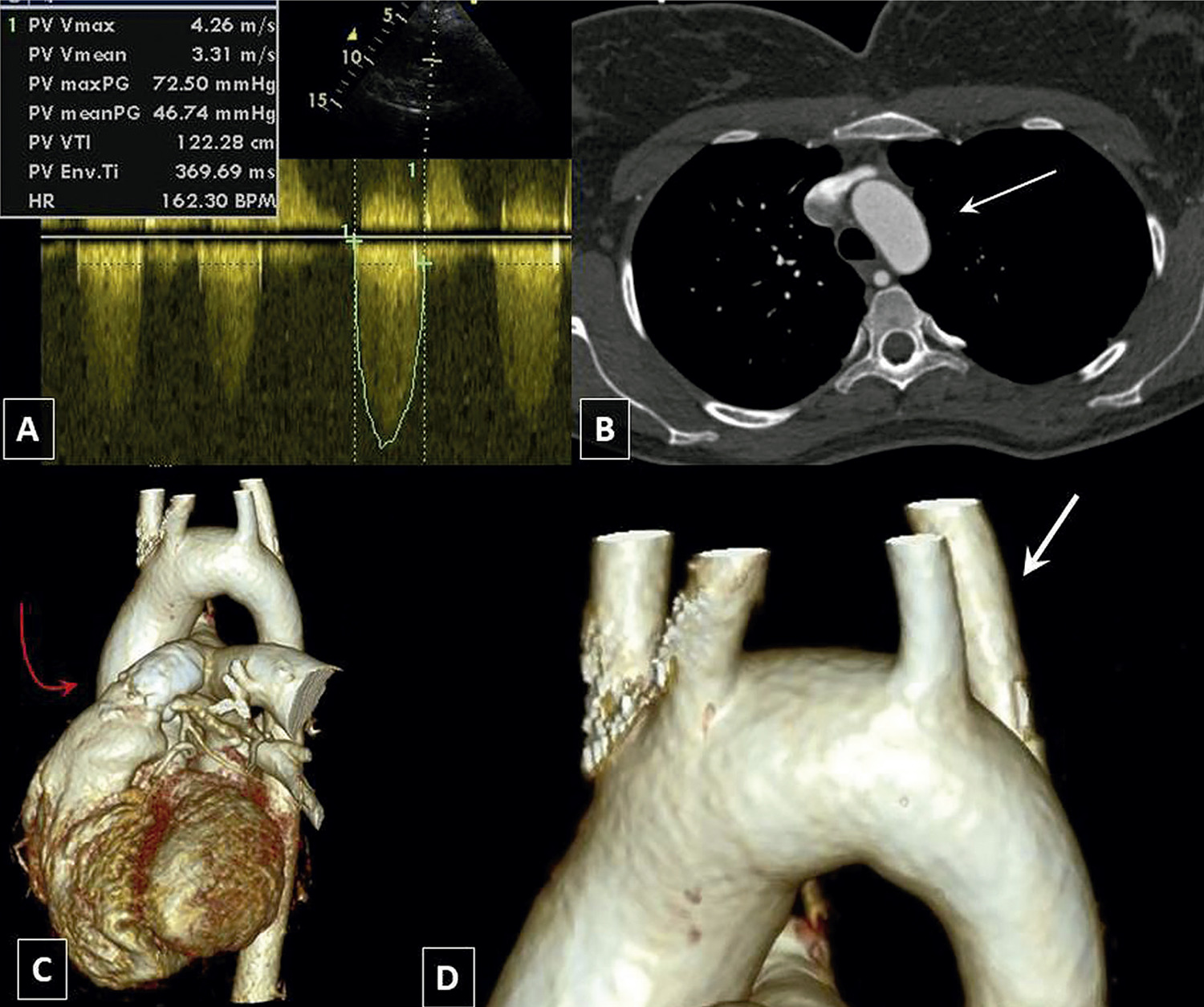
The authors describe a case of an infrequent triple association: left pulmonary artery aneurysm (PAA), uncorrected tetralogy of Fallot (TOF) and patent ductus arteriosus (PDA), diagnosed in a 45-year-old adult patient during a check-up. The patient refused to undergo surgery and is currently being followed clinically.

  • Aneurysm
  • Pulmonary Artery
  • Tetralogy of Fallot
Read Full Article
Creative Commons Attribution (CC BY) Creative Commons license
16/06/2025 DOI: 10.36660/ijcs.20240249
Long-Term Effects of Pulmonary Valve Implantation and Prosthesis Evolution in Patients with Repaired Tetralogy of Fallot
ABC
Original Article

Long-Term Effects of Pulmonary Valve Implantation and Prosthesis Evolution in Patients with Repaired Tetralogy of Fallot

Luiz Fernando Caneo et al. Aida Luiza Ribeiro Turquetto Matheus Negri Boschiero Luciana Patrick Amato … Walther Yoshiharu Ishikawa Fabiana Padilha Hodas Melissa Ganeko Ligeiro Daniela Regina Agostinho Leonardo Augusto Miana Carla Tanamati Rilvani Cavalcante Gonçalves Juliano Gomes Penha Maria Raquel Brigoni Massoti Marcelo Biscegli Jatene Fabio Biscegli Jatene

Abstract

Background

Pulmonary valve regurgitation is a significant long-term complication in patients with tetralogy of Fallot (TOF).

Objective

This study aims to investigate the effects of pulmonary valve implantation (PVI) on the anatomy and function of the right ventricle (RV) and the long-term evolution of the implanted prosthesis in the pulmonary position.

Methods

A single-center retrospective cohort analysis was performed in 56 consecutive patients with TOF who underwent PVI. The study included patients of both sexes, aged ≥ 12 years, and involved assessing clinical and surgical data, pre- and post-operative cardiovascular magnetic resonance imaging, and echocardiogram data more than 1 year after PVI.

Results

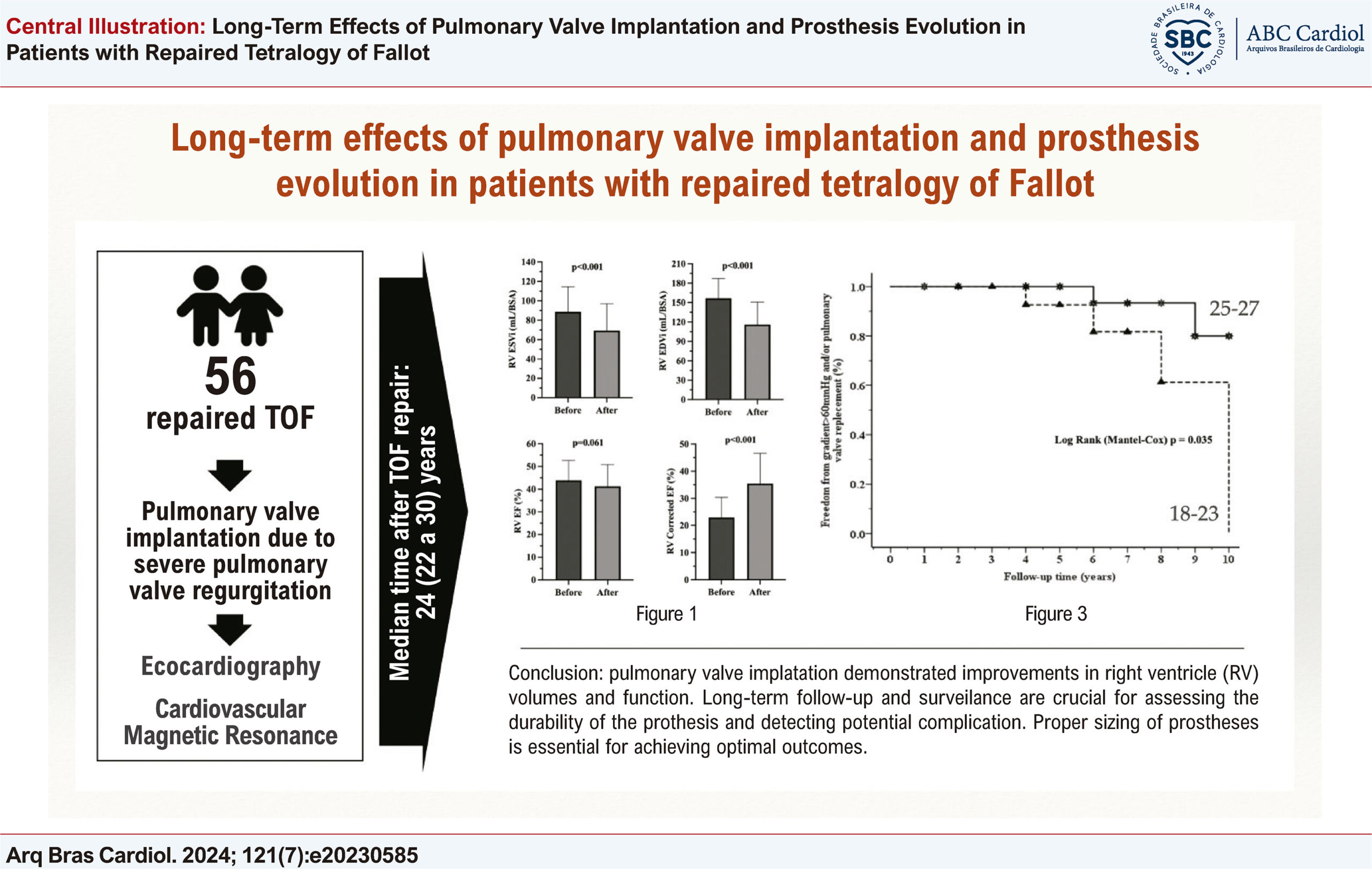
After PVI, there was a significant decrease in RV end-systolic volume indexed by body surface area (BSA), from 89 mL/BSA to 69 mL/BSA (p < 0.001) and indexed RV end-diastolic volume, from 157 mL/BSA to 116 mL/BSA (p < 0.001). Moreover, there was an increase in corrected RV ejection fraction [] from 23% to 35% (p 60 mmHg compared to larger prostheses (sizes 25 to 27; p = 0.029; confidence interval: 1.18 to 17.8).

Conclusion

As expected, PVI demonstrated improvements in RV volumes and function. Long-term follow-up and surveillance are crucial for assessing the durability of the prosthesis and detecting potential complications. Proper sizing of prostheses is essential for improved prosthesis longevity.

  • Biomarkers
  • Genetic Risk Score
  • Right Ventricular Function
  • Tetralogy of Fallot
Read Full Article
Creative Commons Attribution (CC BY) Creative Commons license
26/07/2024 DOI: 10.36660/abc.20230585i Views 1
Figure 1
IJCS
Original Article

Predicting Factors of Surgical Mortality in Children and Adolescents Undergoing Correction of Tetralogy of Fallot

Patrícia de Souza Pinheiro et al. Vitor Manuel Pereira Azevedo Gabrielle Rocha

Abstract

Background

In tetralogy of Fallot, correction surgery is a priority choice, seeing that it is desirable to minimize pulmonary hypoflow and severe hypoxemia, which result in hypoxemic crises, with sudden worsening of cyanosis, tachypnea, and, in some cases, loss of consciousness, seizures, and even death.

Objective

To evaluate the predicting factors of surgical mortality in children and adolescents undergoing correction of tetralogy of Fallot.

Methods

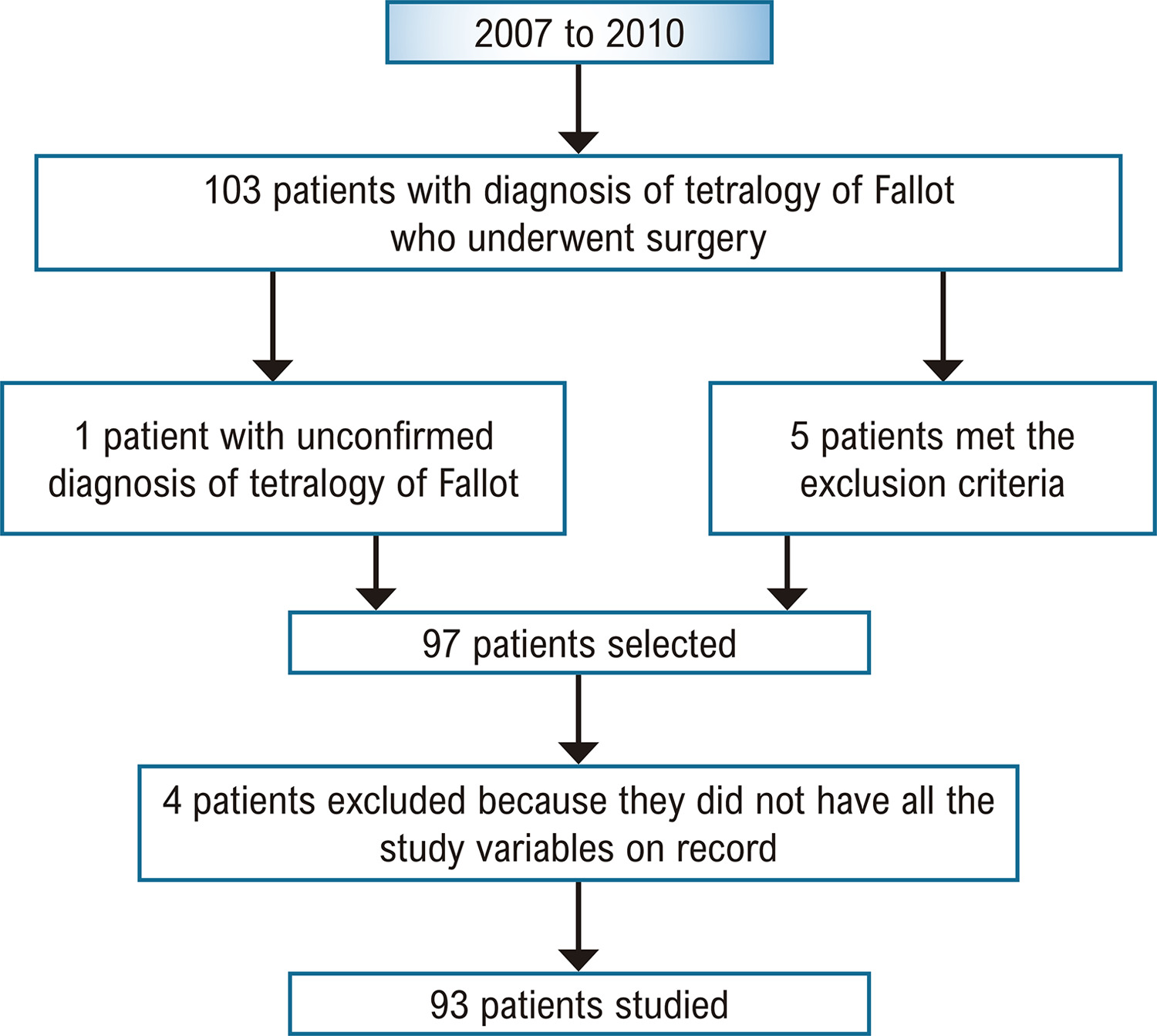
Retrospective cross-sectional study carried out by consulting all surgical records of the Child and Adolescent Cardiology Service of the Brazilian National Institute of Cardiology, during the period from 2007 to 2010. Results with p values < 0.05 were considered significant.

Results

The study evaluated 93 medical records. In relation to the characteristics of the population at the time of surgery, the median age was 3.69 (2.13 to 5.79) years, and 58.06% (n = 54) were male. White was the most common skin color, accounting for 55.43% (n = 51) of cases. In relation to assessment of nutritional status, median weight was 13.25 (10.10 to 17.60) kg, and body mass index was 14.49 (13.44 to 16.28) kg/m2. Down syndrome was present in 11.83% (n = 11) of the patients. All patients underwent correction surgery (n = 93, 100%). Prior cyanotic crisis was found in 53.85% (n = 49) with p = 0.013; surgical procedure duration was 218.83 ± 60.63 minutes, with p = 0.003, and lactate was 1.88 ± 1.33 mg/dL during the immediate postoperative period, with p = 0.009. Regarding the outcome of surgical death, it was found in 15.05% (n = 14) of patients. Mean follow-up lasted 5.68 ± 3.76 years.

Conclusions

According to the factors analyzed, the duration of the surgical procedure, prior cyanotic crisis, and blood lactate level may be relevant to surgical mortality.
  • Mortality
  • Surgery
  • Tetralogy of Fallot
Read Full Article
Creative Commons Attribution (CC BY) Creative Commons license
01/08/2022 DOI: 10.36660/ijcs.20200394
Figure 1
ABC
Research Letter

Tetralogy of Fallot Associated with Aberrant Right Subclavian Artery. Clinical Implications

Maciej Michałowski et al. Pawel Tyczynski Magdalena Lipczynska Anna Wójcik … Piotr Hoffman Adam Witkowski Ilona Michałowska

Abstract

Since the first description of Tetralogy of Fallot (ToF) in 1671 by Niels Stensen and in 1888 by Étienne-Louis Arthur Fallot, numerous papers have reported on this anomaly, along with its variants and concomitant cardiovascular anomalies. Aberrant right subclavian artery (ARSA) is the most common anomaly of the aortic arch. Different from the left aberrant subclavian artery, occurrence of ARSA in ToF-patients has only casuistically been reported so far. The present study reports on two ToF-patients with ARSA. It is important to note that knowledge of the coexistence of both anomalies has highly practical points during surgical or endovascular corrections of congenital heart defects (including ToF).

  • Aorta, Thoracic
  • Esophageal, Obstruction
  • Heart Defects, Congenital
  • Subclavian Artery
  • Tetralogy of Fallot
Read Full Article
Creative Commons Attribution (CC BY) Creative Commons license
18/07/2022 DOI: 10.36660/abc.20210880
Figure 1
ABCIC
Editorial

My Approach to Assessing Right Ventricular Function After Tetralogy of Fallot Repair

Laura Mercer-Rosa

Qualitative assessment

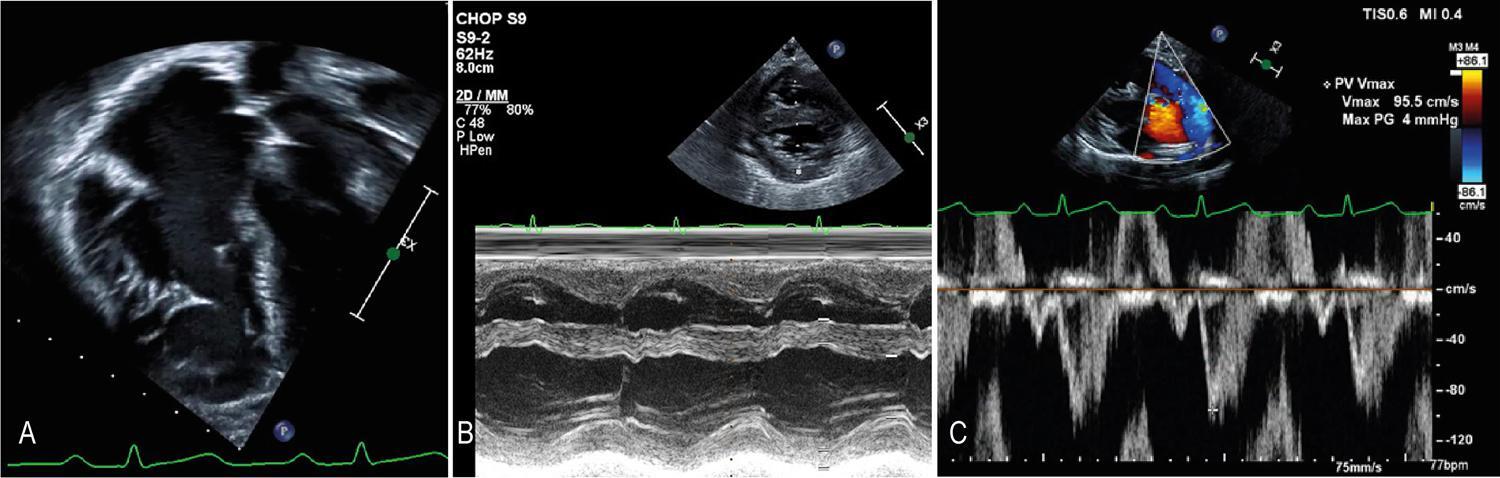
On the apical four-chamber view, I examine the motion of the tricuspid valve toward the apex (measured as the tricuspid annular plane systolic excursion [TAPSE] as detailed below) and the motion of the RV wall toward the septum versus data of prior studies. Likewise, parasternal long- and short-axis views are important. In those with favorable acoustic windows, RV wall shortening can be assessed using M-mode ( ). It is worth noting that the qualitative assessment of RV function should not be the sole parameter. ,

[…]

  • Resonance, Magnetic
  • Tetralogy of Fallot
  • Ventricular Function
Read Full Article
Creative Commons Attribution (CC BY) Creative Commons license
16/12/2021 DOI: 10.47593/2675-312X/20213404ecom17
ABC
Editorial

Transcatheter Palliation for Tetralogy of Fallot

Francisco Chamié

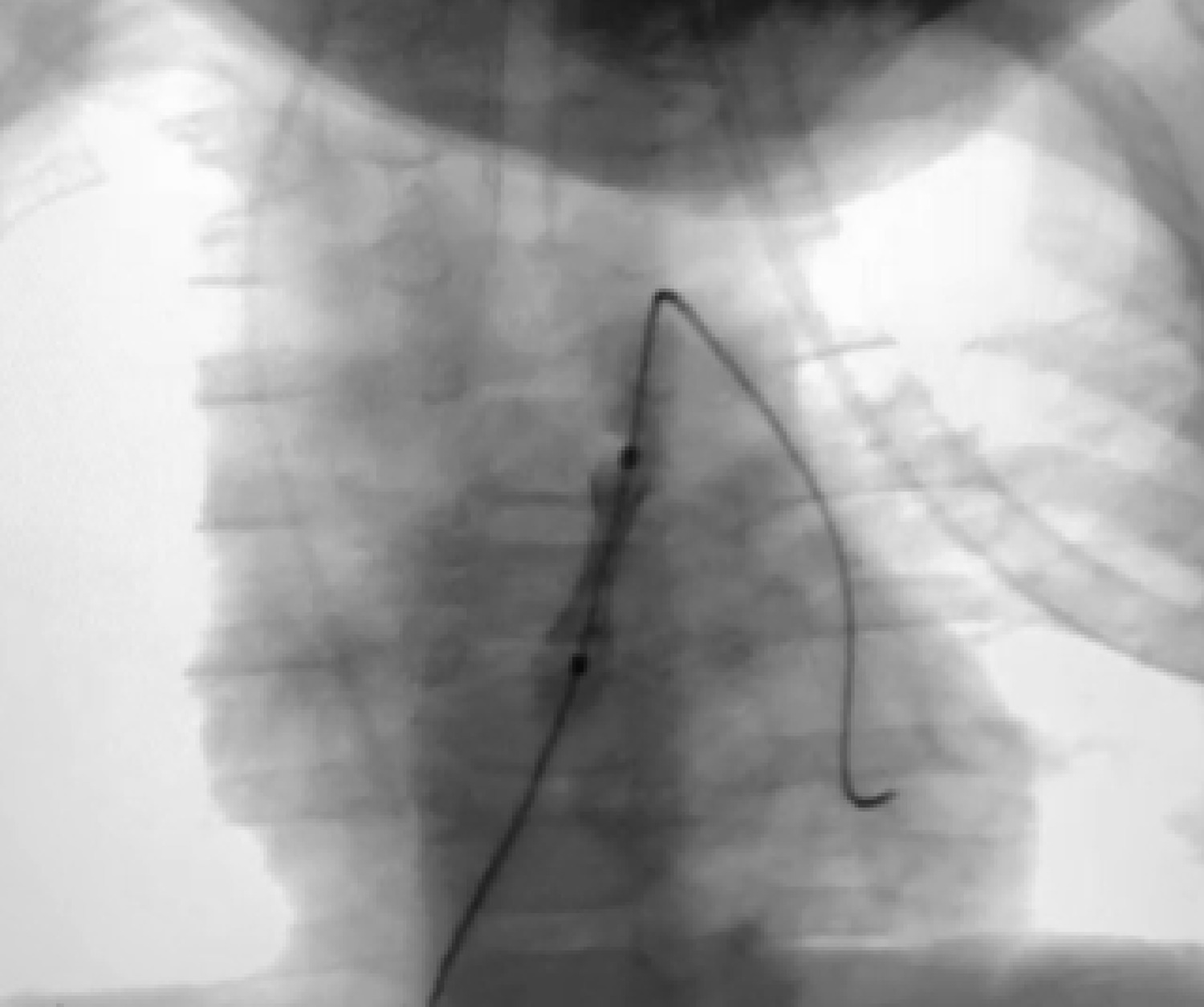
The Tetralogy of Fallot (TOF) is the most common cyanotic congenital heart defect. The morphologic key feature of TOF is the malalignment of the infundibular septum. The infundibular septum malalignment makes the aorta override interventricular septum (dextroposition) over a large ventricular septal defect (VSD) and promotes obstruction to the right ventricular infundibular tract. The pulmonary valve is also stenotic, and the pulmonary trunk and arteries are, to some degree, hypoplastic. Severe obstruction to pulmonary blood flow (PBF) leads to more systemic unsaturation and, thus, prolonged hypoxia.

Open heart surgery is the traditional treatment modality, augmenting the right ventricular outflow tract (RVOT), closing the VSD, thus redirecting the aorta to the left ventricle, correcting the cardiac anatomy, and normalizing systemic flow saturation.

[…]

  • Cardiac Catheterization
  • cyanosis
  • Stents
  • Tetralogy of Fallot
Read Full Article
Creative Commons Attribution (CC BY) Creative Commons license
25/10/2021 DOI: 10.36660/abc.20210735 Views 1
Figure 1
ABC
Original Article

Palliative Endovascular Intervention in Infants with Tetralogy of Fallot: A Case Series

Kerli Dreier Kupas et al. Isabela Oldoni Juliano Mendes Souza

Abstract

Background

Endovascular stent placement in the right ventricular outflow tract (RVOT) has been an alternative to Blalock-Taussig (BT) surgery in the treatment of Tetralogy of Fallot (TOF) in symptomatic infants with low birth weight and complex anatomy.

Objective

To evaluate endovascular stent placement in the RVOT as a primary treatment for infants with TOF who are not candidates for BT surgery, and evaluate medium-term outcomes until the stent is removed during corrective surgery.

Methods

Six infants with TOF were treated with RVOT stenting from October 2015 to April 2018. Hemodynamic parameters were compared between the pre- and post-stenting periods.

Results

At the time of stenting, participants had a median age and weight of 146.5 days and 4.9 kg, respectively. Peak systolic gradient decreased from 63.5 mm Hg to 50.5 mm Hg, while the diameter of the left and right pulmonary arteries increased from 3.5 mm to 4.9 mm and 4.3 mm, respectively. The Nakata index increased from 96.5 mm to 108.3 mm; weight increased from 4.9 kg to 5.5 kg; and oxygen saturation, from 83.5% to 93%. There was one case of stent migration and two deaths, one caused by stent embolization and the other unrelated to study procedures.

Conclusions

RVOT stenting is a promising alternative for the palliative treatment of TOF in infants with low birth weight and complex anatomy.

  • Blalock Taussig Procedure
  • Heart Defects, Congenital
  • Infant
  • Surgical Procedures Operative
  • Tetralogy of Fallot
Read Full Article
Creative Commons Attribution (CC BY) Creative Commons license
16/07/2021 DOI: 10.36660/abc.20200148
Figure 1
ABC
Review Article

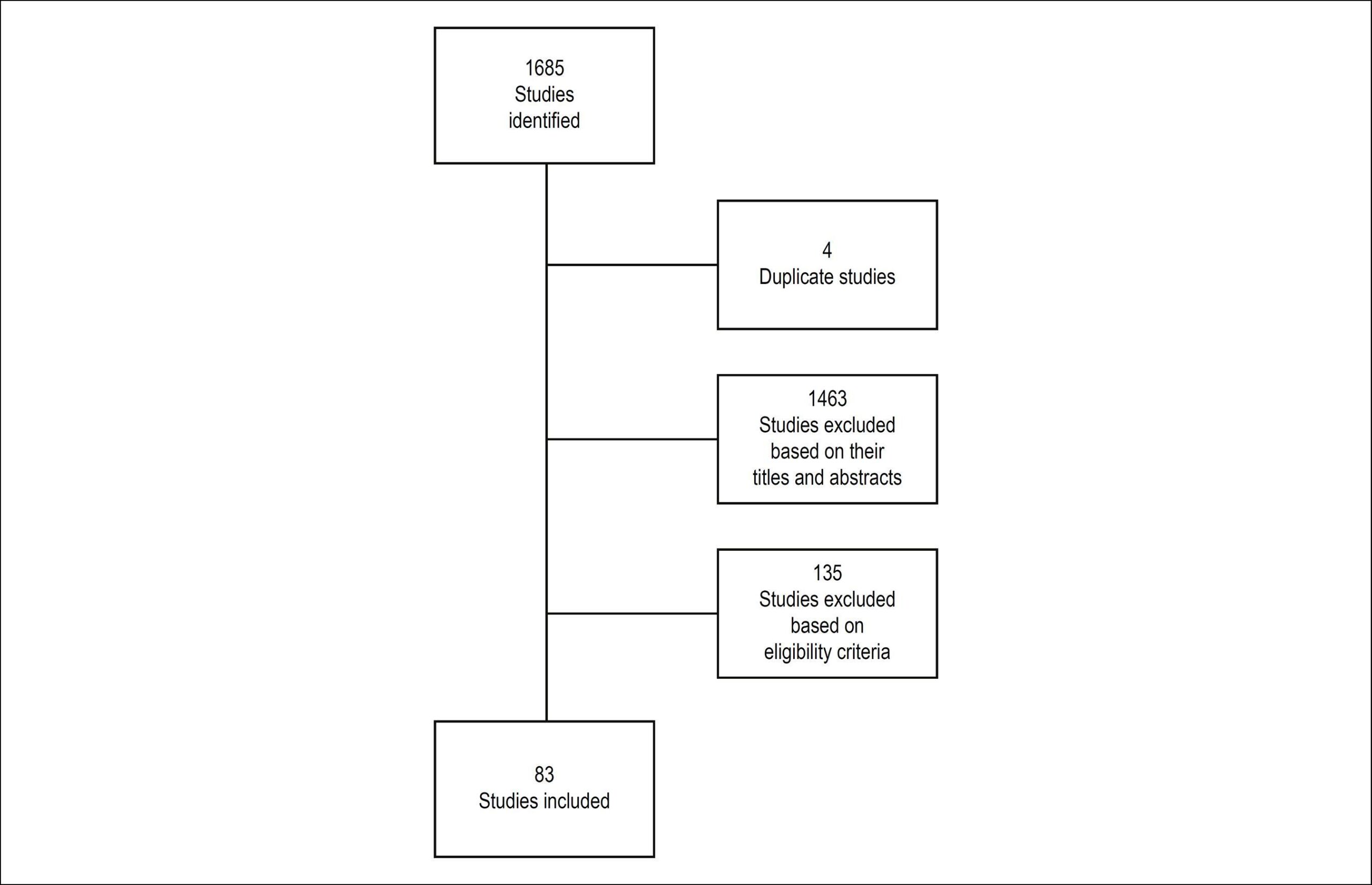
Genetic Syndromes Associated with Congenital Cardiac Defects and Ophthalmologic Changes – Systematization for Diagnosis in the Clinical Practice

Priscila H. A. Oliveira et al. Beatriz S. Souza Eimi N. Pacheco Michele S. Menegazzo … Ivan S. Corrêa Paulo R. G. Zen Rafael F. M. Rosa Claudia C. Cesa Lucia C. Pellanda Manuel A. P. Vilela

Abstract

Background:

Numerous genetic syndromes associated with heart disease and ocular manifestations have been described. However, a compilation and a summarization of these syndromes for better consultation and comparison have not been performed yet.

Objective:

The objective of this work is to systematize available evidence in the literature on different syndromes that may cause congenital heart diseases associated with ocular changes, focusing on the types of anatomical and functional changes.

Method:

A systematic search was performed on Medline electronic databases (PubMed, Embase, Cochrane, Lilacs) of articles published until January 2016. Eligibility criteria were case reports or review articles that evaluated the association of ophthalmic and cardiac abnormalities in genetic syndrome patients younger than 18 years.

Results:

The most frequent genetic syndromes were: Down Syndrome, Velo-cardio-facial / DiGeorge Syndrome, Charge Syndrome and Noonan Syndrome. The most associated cardiac malformations with ocular findings were interatrial communication (77.4%), interventricular communication (51.6%), patent ductus arteriosus (35.4%), pulmonary artery stenosis (25.8%) and tetralogy of Fallot (22.5%).

Conclusion:

Due to their clinical variability, congenital cardiac malformations may progress asymptomatically to heart defects associated with high morbidity and mortality. For this reason, the identification of extra-cardiac characteristics that may somehow contribute to the diagnosis of the disease or reveal its severity is of great relevance.

  • Diagnostic Tevhniques, Ophtalmologic
  • Eye Diseases
  • Heart Defects, Congenital/genetic
  • Heart Septal Defects, Atrial
  • Tetralogy of Fallot
Read Full Article
Creative Commons Attribution (CC BY) Creative Commons license
01/01/2018 DOI: 10.5935/abc.20180013 Views 1
Figure 1
ABC
Original Article

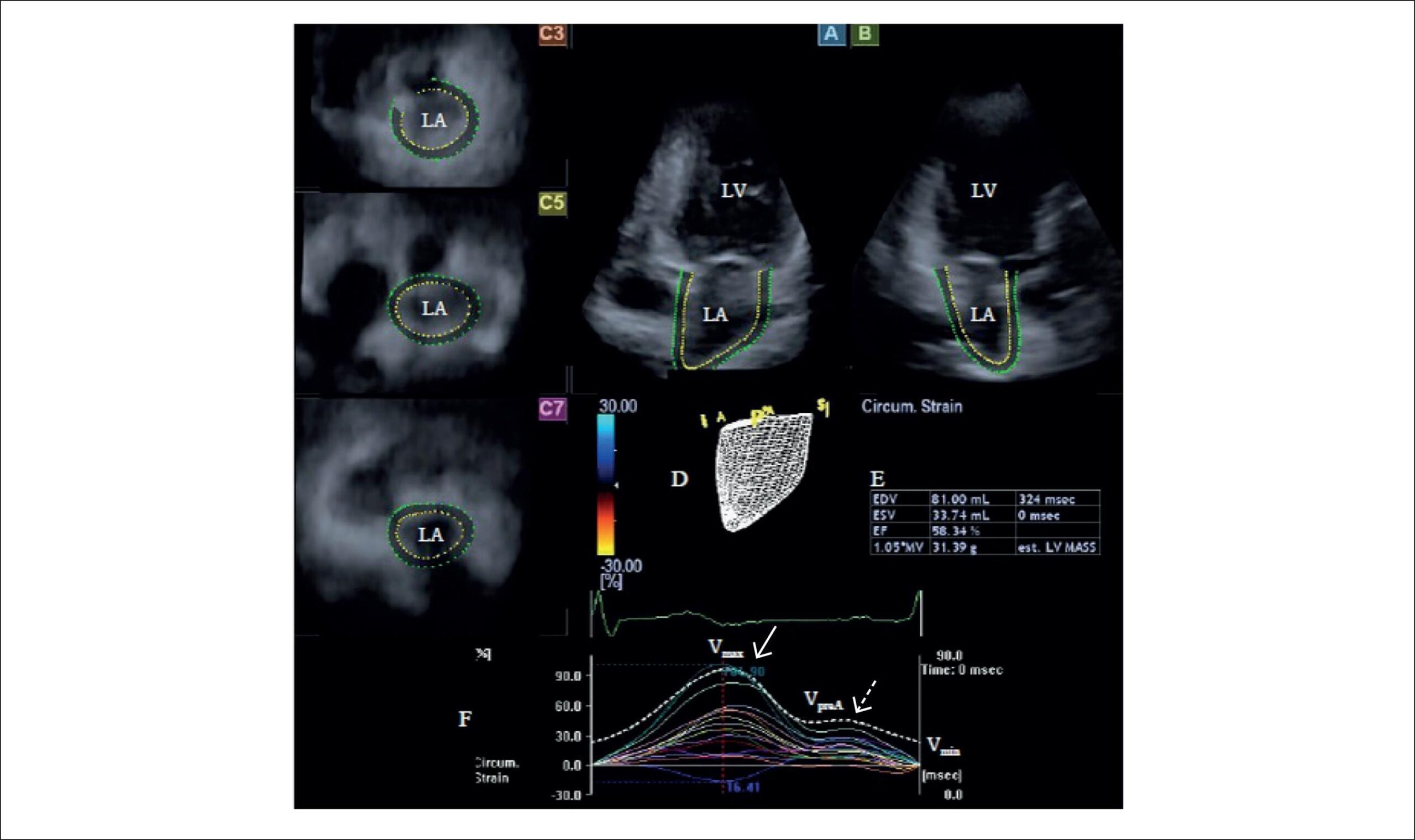
Left Atrial Deformation Analysis in Patients with Corrected Tetralogy of Fallot by 3D Speckle-Tracking Echocardiography (from the MAGYAR-Path Study)

Kálmán Havasi et al. Péter Domsik Anita Kalapos Jackie S. McGhie … Jolien W. Roos-Hesselink Tamás Forster Attila Nemes

Abstract

Background:

Three-dimensional (3D) echocardiography coupled with speckle-tracking echocardiographic (STE) capability is a novel methodology which has been demontrated to be useful for the assessment of left atrial (LA) volumes and functional properties. There is increased scientific interest on myocardial deformation analysis in adult patients with corrected tetralogy of Fallot (cTOF).

Objectives:

To compare LA volumes, volume-based functional properties and strain parameters between cTOF patients and age- and gender-matched healthy controls.

Methods:

The study population consisted of 19 consecutive adult patients with cTOF in sinus rhythm nursing at the University of Szeged, Hungary (mean age: 37.9 ± 11.3 years, 8 men, who had repair at the age of 4.1 ± 2.5 years). They all had undergone standard transthoracic two-dimensional Doppler echocardiographic study extended with 3DSTE. Their results were compared to 23 age- and gender-matched healthy controls (mean age: 39.2 ± 10.6 years, 14 men).

Results:

Increased LA volumes and reduced LA emptying fractions respecting cardiac cycle could be demonstrated in cTOF patients compared to controls. LA stroke volumes featuring all LA functions showed no differences between the 2 groups examined. LA global and mean segmental uni- and multidirectional peak strains featuring LA reservoir function were found to be diminished in adult patients with cTOF as compared to controls. Similarly to peak strains reduced global and mean segmental LA strains at atrial contraction characterizing atrial booster pump function could be demonstrated in cTOF patients as compared to controls.

Conclusions:

Significant deterioration of all LA functions could be demonstrated in adult patients with cTOF late after repair.

  • Echocardiography, Three Dimensional / methods
  • Heart Atria/abnormalities
  • Heart Defects, Congenital
  • Tetralogy of Fallot
Read Full Article
Creative Commons Attribution (CC BY) Creative Commons license
13/02/2017 DOI: 10.5935/abc.20170004 Views 1
The contegra valved bovine conduit: a biomaterial for the surgical treatment of congenital heart defects
ABC
Review Article

The contegra valved bovine conduit: a biomaterial for the surgical treatment of congenital heart defects

Shi-Min Yuan

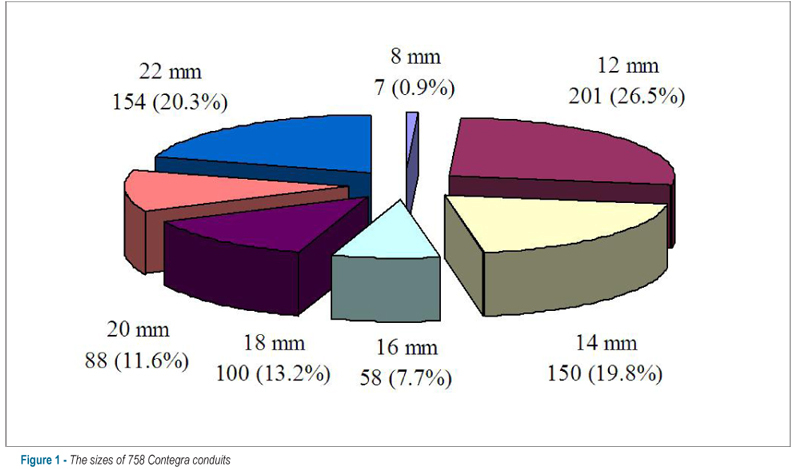
Contegra, a bovine jugular vein graft, has been widely used as a preferable biomaterial in the surgical treatment of congenital heart defects, especially as a conduit for the right ventricular outflow tract reconstruction. This article aims to make a comprehensive review on the clinical outcomes of Contegra. Reports of Contegra published since 2002 were comprehensively retrieved, collected and analyzed. There were 1718 Contegra, applied in 1705 patients. The sizes of the conduits were 8-22 mm. The patients aged from newborn to 74.5 years, prevailed by pediatrics. The primary diagnosis was congenital heart defects in all cases, with Tetralogy of Fallot, truncus arteriosus and pulmonary atresia being the first three diagnoses, representing 25.6%, 16.7%, and 13.1%, respectively. Contegra was used as a tube graft in the pulmonary position in 1635 (95.9%) patients, as a monocuspid patch in 12 (0.7%), as a graft in the position of the pulmonary valve or a monocusps in 40 (2.3%), and as an inferior vena cava-pulmonary artery conduit in the Fontan procedure in 18 (1.1%) patients, respectively. Conduit reimplantation was performed in 141 (8.3%) patients 33.8 ± 37 (8.6-106.8) months after the initial conduit insertion. Conduit plasty was necessary in 6 (0.4%), and reintervention in 83 (4.9%) patients. Indications for conduit reimplantation included severe stenosis of the distal anastomosis, pseudoaneurysm of the proximal anastomosis and severe conduit regurgitation. As for the good performance, availability and longevity, Contegra is a biomaterial suitable for the right ventricular outflow tract reconstruction and for patch repair for ventricular septal defect, but not apt for Fontan procedure.

  • Bioprosthesis
  • Heart Defects, Congenital
  • Tetralogy of Fallot
  • transplantation, heterologous
  • vascular grafting
Read Full Article
Creative Commons Attribution (CC BY) Creative Commons license
16/11/2012 DOI: 10.1590/S0066-782X2012005000105 Views 1
Late clinical and functional assessment of arrhythmias in children after repair of Tetralogy of Fallot
ABC
Artigo Original

Late clinical and functional assessment of arrhythmias in children after repair of Tetralogy of Fallot

Maria Eulália Thebit Pfeiffer et al. Eduardo Machado Andrea Salvador Manoel Serra Claudio Roberto Assumpção Gesmar Volga Haddad Herdy

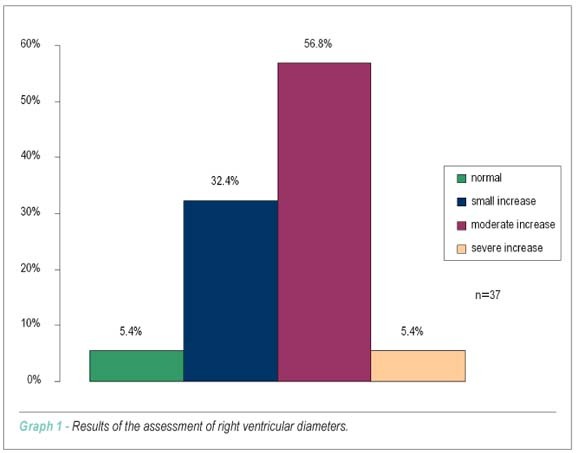
BACKGROUND: Cardiac arrhythmias are the major cause of late sudden death in patients undergoing repair of Tetralogy of Fallot (TF). OBJECTIVE: To evaluate the occurrence of cardiac arrhythmias in children and adolescents undergoing repair of TF, and to associate them with clinical aspects and laboratory tests. METHODS: Cross-sectional study of 37 patients undergoing repair of TF at Instituto Estadual de Cardiologia Aloysio de Castro (Rio de Janeiro). After review of the medical records and clinical assessment, the patients underwent electrocardiography (ECG), echocardiography (Echo), 24-h Holter monitoring and exercise test (ET), whose results were subjected to statistical analysis. RESULTS: A total of 37 patients of whom 54% were males with a mean age of 9.7 ± 3.5 years and mean follow-up period of 4.7 ± 1.9 years were studied. The abnormalities most frequently found were: on ECG: right bundle branch block (89%); Echo: severe pulmonary regurgitation (43%), mild pulmonary stenosis (73%), moderate right ventricular hypertrophy (RVH, 57%); on ET: low exercise capacity (90%), impaired chronotropic response (40%), arrhythmias (20%); on Holter monitoring: arrhythmias (59%, of which 44% were ventricular, 38% supraventricular, and 24% both ventricular and supraventricular, with predominance of infrequent and benign ventricular premature beats). Five patients (15%) presented with multiform ventricular premature beats. There was an association of ventricular arrhythmia with moderate and severe RVH (p=0.026), as well as with right ventricle-to-pulmonary artery gradient (RV/PA) > 45 mmHg (p=0.004). The logistic regression analysis showed that increased RV/PA gradient was an independent predictor of ventricular arrhythmia (p=0.017). CONCLUSION: Cardiac arrhythmia was a common finding in a large proportion of children and adolescents after surgical repair of TF; however, it was infrequent and benign in most of the cases. The RV/PA gradient was considered a strong predictor of ventricular arrhythmia.

  • Arrhythmias Cardiac
  • Child
  • health services evaluation
  • Heart Defects, Congenital
  • Tetralogy of Fallot
Read Full Article
Creative Commons Attribution (CC BY) Creative Commons license
16/07/2010 DOI: 10.1590/S0066-782X2010005000092
Congenital heart disease in adults: outpatient clinic profile at the Hospital das Clínicas of Ribeirão Preto
ABC
Artigo Original

Congenital heart disease in adults: outpatient clinic profile at the Hospital das Clínicas of Ribeirão Preto

Fernando Amaral et al. Paulo Henrique Manso João Antonio Granzotti Walter Villela de Andrade Vicente Andre Schmidt

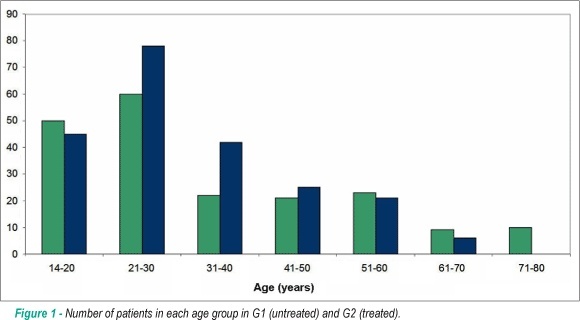
BACKGROUND: Service experiences for adults with congenital heart disease have not been reported in our country. OBJECTIVE: To describe the basic clinical profile of adults with congenital heart disease in an outpatient tertiary care center. METHODS: We compiled data on age, gender, place of residence, primary diagnosis, and secondary diagnoses of 413 patients treated for seven years. RESULTS: G1 (untreated): 195 patients, 51% women, 57% between 14 and 30 years, 80% living in the region. The most frequent heart diseases were ventricular septal defect (VSD) (31%), atrial septal defect (ASD) (29%), and pulmonary stenosis (7%). The predominant secondary diagnoses were hypertension (9%) and arrhythmias (5%). G2 (treated): 218 patients, 56% women, 57% between 14 and 30 years, 81% living in the region. The most frequently treated heart diseases were: ASD (36%), tetralogy of Fallot (14%), coarctation of the aorta (12%), and VSD (11%). Sixty-nine (32%) patients were operated on for congenital heart diseases in adulthood. Sixteen (7%) underwent an interventional catheterization. The predominant secondary diagnoses were hypertension (18%) and arrhythmias (8%). CONCLUSION: In the study, most patients were treated invasively, all of them were residents in the region, and most of them were under 40 years of age. Defects such as ASD, VSD, and pulmonary stenosis predominated in the untreated group, whereas in the treated group, most patients had undergone surgical correction of ASD, tetralogy of Fallot, aortic coarctation, and VSD. Hypertension and arrhythmias were relevant in both groups, and a large variety of other comorbidities were also observed.

  • Brazil
  • Health Profile
  • Heart Defects, Congenital
  • Heart Septal Defects, Atrial
  • Heart Septal Defects, Ventricular
  • outpatients
  • Ribeirão Preto (SP)
  • Tetralogy of Fallot
Read Full Article
Creative Commons Attribution (CC BY) Creative Commons license
21/05/2010 DOI: 10.1590/S0066-782X2010005000053 Views 1
The myocardium in tetralogy of Fallot: a histological and morphometric study
ABC
Artigo Original

The myocardium in tetralogy of Fallot: a histological and morphometric study

Maria Cecília Knoll Farah et al. Cláudia Regina Pinheiro de Castro Valéria Mello Moreira Arlindo de Almeida Riso … Antonio Augusto Barbosa Lopes Vera Demarchi Aiello

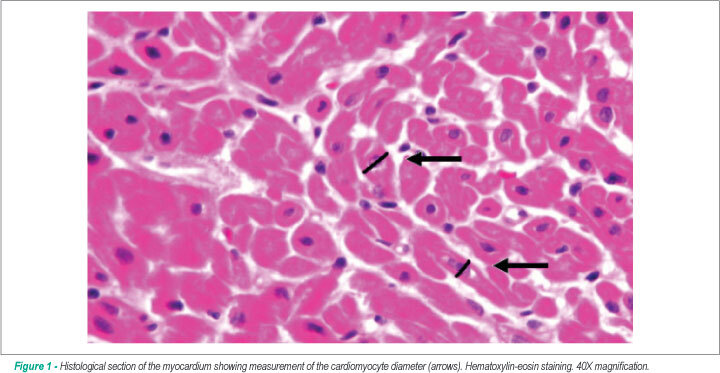
BACKGROUND: Patients with Tetralogy of Fallot frequently develop ventricular dysfunction in the postoperative period. The histological basis of this functional alteration has been scarcely studied. OBJECTIVE: To evaluate myocardial remodeling in anatomical specimens, comparing the subepicardial and subendocardial regions, especially because the subendocardial region is easily approached by means of endomyocardial biopsy. METHODS: Transmural sections of myocardium from the right ventricular (RV) inflow tract, anterior wall and infundibulum, and from the left ventricular (LV) free wall were evaluated regarding the degree of cardiomyocyte hypertrophy, vascularization and interstitial fibrosis were analyzed. RESULTS: The mean diameter of subendocardial cardiomyocytes is similar to that of subepicardial cardiomyocytes in all regions, except for the RV infundibulum, in which subendocardial cardiomyocytes are significantly larger in relation to those of the subepicardium (p=0.007). The amount of interstitial collagen is in the upper limits of normal and was similar in the subendocardial layers in comparison with the subpericardial layer of each region; however, it was greater in the inflow tract and RV anterior wall than in the LV lateral wall. The numerical density of subendocardial capillaries was similar to that of the subepicardium and was lower than the mean minus two standard deviations of normal in all regions and layers, except for the infundibulum, in which the subepicardium showed normal values and the subendocardium showed values lower than the mean minus two standard deviations. CONCLUSION: The postnatal myocardial changes in Tetralogy of Fallot are homogeneously distributed in the subepicardial and subendocardial halves of the ventricular walls, except for the infundibulum, which has peculiar remodeling characteristics and, therefore, is not representative of the other ventricular regions and layers for morphometric studies.

  • Cardiomegaly
  • Heart Defects, Congenital
  • Myocardium
  • Tetralogy of Fallot
Read Full Article
Creative Commons Attribution (CC BY) Creative Commons license
17/04/2009 DOI: 10.1590/S0066-782X2009000300002
Angiographic study of pulmonary circulation in tetralogy of Fallot with pulmonary atresia
ABC
Artigo Original

Angiographic study of pulmonary circulation in tetralogy of Fallot with pulmonary atresia

Marco Aurélio Santos et al. Vitor Manuel Pereira Azevedo

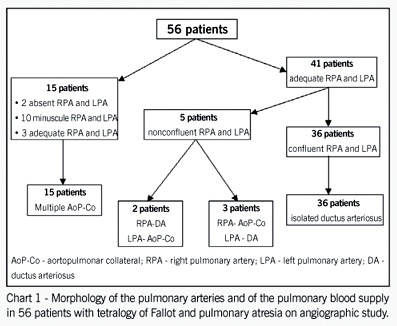
OBJECTIVE: To identify the types of pulmonary vascular blood supply in tetralogy of Fallot with pulmonary atresia by use of hemodynamic study. METHODS: Fifty-six patients with tetralogy of Fallot and pulmonary atresia, and ages ranging from 20 days to 4 years, underwent cineangiocardiographic study with contrast medium injections in the following vascular structures: 1) wedged pulmonary vein; 2) aortopulmonary collaterals; 3) thoracic aorta; and 4) ductus arteriosus or systemic-pulmonary shunt. RESULTS: In the 56 patients studied, pulmonary blood was supplied as follows: in 15, by aortopulmonary collaterals; in 36, only by the ductus arteriosus; and in 5, by the ductus arteriosus and aortopulmonary collaterals. The patients were classified into 6 types depending on the type of pulmonary vascular perfusion and the presence or absence of vascular structures that compose the pulmonary circulation in tetralogy of Fallot with pulmonary atresia. CONCLUSION: This type of approach enables the obtainment of information necessary for the correct clinicosurgical management of patients, due to the great complexity and extreme variability of the pulmonary blood supply in tetralogy of Fallot with pulmonary atresia.

  • angiocardiography
  • aortopulmonary collaterals
  • Pulmonary Atresia
  • Tetralogy of Fallot
Read Full Article
Creative Commons Attribution (CC BY) Creative Commons license
08/03/2005 DOI: 10.1590/S0066-782X2005000200007
Right ventricular structure and function as possible determinants of surgical outcome 30 years after repair of tetralogy of Fallot
ABC
Original Article

Right ventricular structure and function as possible determinants of surgical outcome 30 years after repair of tetralogy of Fallot

Sonia F. Mesquita et al. Raquel Snitcowsky Antonio Augusto Lopes

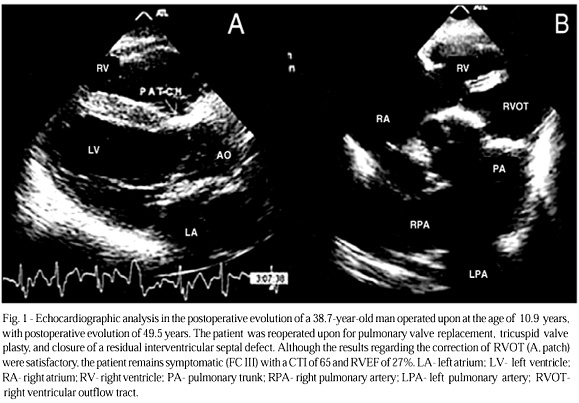
OBJECTIVE: To identify the variables that may be involved in the persistence of symptoms (functional class II, III, or IV vs. I) in patients being followed up for 30 years after surgical repair of tetralogy of Fallot. METHODS: Fifty-three patients (27 women), who underwent corrective surgery for tetralogy of Fallot between 1960 and 1970, were studied. Their ages ranged from 7 months to 26 years. At the end of follow-up, 13 patients were asymptomatic and the remaining were in functional class II (N=24), III (N=15), and IV (N=1). To differentiate asymptomatic from symptomatic patients, the following variables were analyzed: age at surgery, need for widening the pulmonary ring and trunk, need for a second (2nd OP) or 3rd operation, residual defect of the interventricular septum, residual regurgitation of the pulmonary valve, systolic gradient through the right ventricular outflow tract, right ventricular dilation or hypertrophy (RVH), cardiothoracic index (CTI), right and left ventricular ejection fraction (RVEF/LVEF), and arrhythmias. RESULTS: The univariate analysis showed an association between the presence of symptoms and the 2nd OP (P=0.03), an increase in the CTI (P=0.0001), moderate to severe RVH (P=0.002), and dilation (P=0.0003). In the logistic regression model, the combination of the 2nd OP (P=0.008), the RVH (P=0.002), and the reduction in RVEF (P=0.01) determined the presence of symptoms. CONCLUSION: Despite the surgical treatment, right ventricular remodeling and performance were the major determinants in the late follow-up of tetralogy of Fallot.

  • right ventricular structure
  • Surgery
  • Tetralogy of Fallot
Read Full Article
Creative Commons Attribution (CC BY) Creative Commons license
01/12/2003 DOI: 10.1590/S0066-782X2003001300002
ABC
Original Article

Right ventricular diastolic dysfunction in the postoperative period of tetralogy of Fallot

Silvia Meyer Cardoso et al. Nelson Itiro Miyague

OBJECTIVE: To assess right ventricular diastolic function in the intermediate postoperative period of repair of tetralogy of Fallot. METHODS: We carried out a case-control study with 60 patients divided into 2 groups as follows: 1) group I – 30 patients who had undergone repair of tetralogy of Fallot and 2) group II – 30 healthy children. The 2 groups were paired for age, sex, and body surface. The flows in the pulmonary and tricuspid valves were analyzed with Doppler echocardiography. The presence of anterograde flow at the end of diastole in the pulmonary artery defined restrictive right ventricular physiology. Surgical, radiological, electrocardiographic, and echocardiographic variables were analized in the group I. RESULTS: The velocity of the A wave and the E/A ratio for the tricuspid valve showed significant differences between the groups. Cases with E/A < 1.30 predominated in inspiration (group I – 19/30, and group II – 5/30). The duration of the QRS complex on the electrocardiogram was significantly increased in patients with E/A <1.30. Nineteen (63.3%) patients had restrictive right ventricular physiology, which had a longer postoperative period, longer duration of the QRS complex, and a lower E/A ratio in inspiration. The surgical and radiological variables showed no statistical difference. CONCLUSION: Restrictive right ventricular physiology was detected on the intermediate follow-up of most patients undergoing repair of tetralogy of Fallot. The postoperative period and QRS duration were increased in patients with impairment in diastolic function.

  • Congenital Heart Disease
  • Diastolic Function
  • Tetralogy of Fallot
Read Full Article
Creative Commons Attribution (CC BY) Creative Commons license
02/04/2003 DOI: 10.1590/S0066-782X2003000200008

How to cite this article

EndNote RIS

Electronic Document Format (Vancouver)

Vicente MBA, Fernandes E, Dopico R, Mariano L, Mingas O, Ramos D, Gonçalves L, et al. Left Pulmonary Artery Aneurysm in an Adult Patient With Uncorrected Tetralogy of Fallot and Patent Ductus Arteriosus: A Case Report. International Journal of Cardiovascular Sciences 2025;38:e20240249.

Electronic Document Format (ABNT)

Vicente, Miguel Bernardino Antunes; Fernandes, Elsa; Dopico, Roger; Mariano, Luis; Mingas, Odete; Ramos, Domingos; Gonçalves, Lino. Left Pulmonary Artery Aneurysm in an Adult Patient With Uncorrected Tetralogy of Fallot and Patent Ductus Arteriosus: A Case Report. International Journal of Cardiovascular Sciences, v. 38, e20240249, Jun. 2025.

Electronic Document Format (APA)

Vicente, M. B. A., Fernandes, E., Dopico, R., Mariano, L., Mingas, O., Ramos, D., & Gonçalves, L. (2025). Left Pulmonary Artery Aneurysm in an Adult Patient With Uncorrected Tetralogy of Fallot and Patent Ductus Arteriosus: A Case Report. International Journal of Cardiovascular Sciences, 38, e20240249.

Electronic Document Format (ISO)

Vicente, Miguel Bernardino Antunes and Fernandes, Elsa and Dopico, Roger and Mariano, Luis and Mingas, Odete and Ramos, Domingos and Gonçalves, Lino. Left Pulmonary Artery Aneurysm in an Adult Patient With Uncorrected Tetralogy of Fallot and Patent Ductus Arteriosus: A Case Report. International Journal of Cardiovascular Sciences [online]. 2025, vol. 38, [cited 2026-10-14], e20240249. Available from: <https://journals.cardiol.br/en/article/left-pulmonary-artery-aneurysm-in-an-adult-patient-with-uncorrected-tetralogy-of-fallot-and-patent-ductus-arteriosus-a-case-report/>. ISSN 2359-4802

EndNote RIS

Electronic Document Format (Vancouver)

Caneo LF, Turquetto ALR, Boschiero MN, Amato LP, Ishikawa WY, Hodas FP, Ligeiro MG, et al. Long-Term Effects of Pulmonary Valve Implantation and Prosthesis Evolution in Patients with Repaired Tetralogy of Fallot. Arquivos Brasileiros de Cardiologia 2024;121(7):e20230585.

Electronic Document Format (ABNT)

Caneo, Luiz Fernando; Turquetto, Aida Luiza Ribeiro; Boschiero, Matheus Negri; Amato, Luciana Patrick; Ishikawa, Walther Yoshiharu; Hodas, Fabiana Padilha; Ligeiro, Melissa Ganeko; Agostinho, Daniela Regina; Miana, Leonardo Augusto; Tanamati, Carla; Gonçalves, Rilvani Cavalcante; Penha, Juliano Gomes; Massoti, Maria Raquel Brigoni; Jatene, Marcelo Biscegli; Jatene, Fabio Biscegli. Long-Term Effects of Pulmonary Valve Implantation and Prosthesis Evolution in Patients with Repaired Tetralogy of Fallot. Arquivos Brasileiros de Cardiologia, v. 121, n. 7, e20230585, Jul. 2024.

Electronic Document Format (APA)

Caneo, L. F., Turquetto, A. L. R., Boschiero, M. N., Amato, L. P., Ishikawa, W. Y., Hodas, F. P., Ligeiro, M. G., Agostinho, D. R., Miana, L. A., Tanamati, C., Gonçalves, R. C., Penha, J. G., Massoti, M. R. B., Jatene, M. B., & Jatene, F. B. (2024). Long-Term Effects of Pulmonary Valve Implantation and Prosthesis Evolution in Patients with Repaired Tetralogy of Fallot. Arquivos Brasileiros de Cardiologia, 121(7), e20230585.

Electronic Document Format (ISO)

Caneo, Luiz Fernando and Turquetto, Aida Luiza Ribeiro and Boschiero, Matheus Negri and Amato, Luciana Patrick and Ishikawa, Walther Yoshiharu and Hodas, Fabiana Padilha and Ligeiro, Melissa Ganeko and Agostinho, Daniela Regina and Miana, Leonardo Augusto and Tanamati, Carla and Gonçalves, Rilvani Cavalcante and Penha, Juliano Gomes and Massoti, Maria Raquel Brigoni and Jatene, Marcelo Biscegli and Jatene, Fabio Biscegli. Long-Term Effects of Pulmonary Valve Implantation and Prosthesis Evolution in Patients with Repaired Tetralogy of Fallot. Arquivos Brasileiros de Cardiologia [online]. 2024, vol. 121, n. 7, [cited 2026-10-14], e20230585. Available from: <https://journals.cardiol.br/en/article/long-term-effects-of-pulmonary-valve-implantation-and-prosthesis-evolution-in-patients-with-repaired-tetralogy-of-fallot/>. ISSN 0066-782X

EndNote RIS

Electronic Document Format (Vancouver)

Pinheiro PS, Azevedo VMP, Rocha G. Predicting Factors of Surgical Mortality in Children and Adolescents Undergoing Correction of Tetralogy of Fallot. International Journal of Cardiovascular Sciences 2022;36:e20200394.

Electronic Document Format (ABNT)

Pinheiro, Patrícia de Souza; Azevedo, Vitor Manuel Pereira; Rocha, Gabrielle. Predicting Factors of Surgical Mortality in Children and Adolescents Undergoing Correction of Tetralogy of Fallot. International Journal of Cardiovascular Sciences, v. 36, e20200394, Jul. 2022.

Electronic Document Format (APA)

Pinheiro, P. S., Azevedo, V. M. P., & Rocha, G. (2022). Predicting Factors of Surgical Mortality in Children and Adolescents Undergoing Correction of Tetralogy of Fallot. International Journal of Cardiovascular Sciences, 36, e20200394.

Electronic Document Format (ISO)

Pinheiro, Patrícia de Souza and Azevedo, Vitor Manuel Pereira and Rocha, Gabrielle. Predicting Factors of Surgical Mortality in Children and Adolescents Undergoing Correction of Tetralogy of Fallot. International Journal of Cardiovascular Sciences [online]. 2022, vol. 36, [cited 2026-10-14], e20200394. Available from: <https://journals.cardiol.br/en/article/predicting-factors-of-surgical-mortality-in-children-and-adolescents-undergoing-correction-of-tetralogy-of-fallot/>. ISSN 2359-4802

EndNote RIS

Electronic Document Format (Vancouver)

Michałowski M, Tyczynski P, Lipczynska M, Wójcik A, Hoffman P, Witkowski A, Michałowska I, et al. Tetralogy of Fallot Associated with Aberrant Right Subclavian Artery. Clinical Implications. Arquivos Brasileiros de Cardiologia 2022;119(3):485-7.

Electronic Document Format (ABNT)

Michałowski, Maciej; Tyczynski, Pawel; Lipczynska, Magdalena; Wójcik, Anna; Hoffman, Piotr; Witkowski, Adam; Michałowska, Ilona. Tetralogy of Fallot Associated with Aberrant Right Subclavian Artery. Clinical Implications. Arquivos Brasileiros de Cardiologia, v. 119, n. 3, p. 485-487, Jul. 2022.

Electronic Document Format (APA)

Michałowski, M., Tyczynski, P., Lipczynska, M., Wójcik, A., Hoffman, P., Witkowski, A., & Michałowska, I. (2022). Tetralogy of Fallot Associated with Aberrant Right Subclavian Artery. Clinical Implications. Arquivos Brasileiros de Cardiologia, 119(3), 485-487.

Electronic Document Format (ISO)

Michałowski, Maciej and Tyczynski, Pawel and Lipczynska, Magdalena and Wójcik, Anna and Hoffman, Piotr and Witkowski, Adam and Michałowska, Ilona. Tetralogy of Fallot Associated with Aberrant Right Subclavian Artery. Clinical Implications. Arquivos Brasileiros de Cardiologia [online]. 2022, vol. 119, n. 3, [cited 2026-10-14], pp. 485-487. Available from: <https://journals.cardiol.br/en/article/tetralogy-of-fallot-associated-with-aberrant-right-subclavian-artery-clinical-implications/>. ISSN 0066-782X

EndNote RIS

Electronic Document Format (Vancouver)

Mercer-Rosa L. My Approach to Assessing Right Ventricular Function After Tetralogy of Fallot Repair. Arquivos Brasileiros de Cardiologia Imagem cardiovascular 2021;34(4):ecom17.

Electronic Document Format (ABNT)

Mercer-Rosa, Laura. My Approach to Assessing Right Ventricular Function After Tetralogy of Fallot Repair. Arquivos Brasileiros de Cardiologia Imagem cardiovascular, v. 34, n. 4, ecom17, Dec. 2021.

Electronic Document Format (APA)

Mercer-Rosa, L. (2021). My Approach to Assessing Right Ventricular Function After Tetralogy of Fallot Repair. Arquivos Brasileiros de Cardiologia Imagem cardiovascular, 34(4), ecom17.

Electronic Document Format (ISO)

Mercer-Rosa, Laura. My Approach to Assessing Right Ventricular Function After Tetralogy of Fallot Repair. Arquivos Brasileiros de Cardiologia Imagem cardiovascular [online]. 2021, vol. 34, n. 4, [cited 2026-10-14], ecom17. Available from: <https://journals.cardiol.br/en/article/my-approach-to-assessing-right-ventricular-function-after-tetralogy-of-fallot-repair/>. ISSN 2318-8219

EndNote RIS

Electronic Document Format (Vancouver)

Chamié F. Transcatheter Palliation for Tetralogy of Fallot. Arquivos Brasileiros de Cardiologia 2021;117(4):664-5.

Electronic Document Format (ABNT)

Chamié, Francisco. Transcatheter Palliation for Tetralogy of Fallot. Arquivos Brasileiros de Cardiologia, v. 117, n. 4, p. 664-665, Oct. 2021.

Electronic Document Format (APA)

Chamié, F. (2021). Transcatheter Palliation for Tetralogy of Fallot. Arquivos Brasileiros de Cardiologia, 117(4), 664-665.

Electronic Document Format (ISO)

Chamié, Francisco. Transcatheter Palliation for Tetralogy of Fallot. Arquivos Brasileiros de Cardiologia [online]. 2021, vol. 117, n. 4, [cited 2026-10-14], pp. 664-665. Available from: <https://journals.cardiol.br/en/article/transcatheter-palliation-for-tetralogy-of-fallot/>. ISSN 0066-782X

EndNote RIS

Electronic Document Format (Vancouver)

Kupas KD, Oldoni I, Souza JM. Palliative Endovascular Intervention in Infants with Tetralogy of Fallot: A Case Series. Arquivos Brasileiros de Cardiologia 2021;117(4):657-63.

Electronic Document Format (ABNT)

Kupas, Kerli Dreier; Oldoni, Isabela; Souza, Juliano Mendes. Palliative Endovascular Intervention in Infants with Tetralogy of Fallot: A Case Series. Arquivos Brasileiros de Cardiologia, v. 117, n. 4, p. 657-663, Jul. 2021.

Electronic Document Format (APA)

Kupas, K. D., Oldoni, I., & Souza, J. M. (2021). Palliative Endovascular Intervention in Infants with Tetralogy of Fallot: A Case Series. Arquivos Brasileiros de Cardiologia, 117(4), 657-663.

Electronic Document Format (ISO)

Kupas, Kerli Dreier and Oldoni, Isabela and Souza, Juliano Mendes. Palliative Endovascular Intervention in Infants with Tetralogy of Fallot: A Case Series. Arquivos Brasileiros de Cardiologia [online]. 2021, vol. 117, n. 4, [cited 2026-10-14], pp. 657-663. Available from: <https://journals.cardiol.br/en/article/palliative-endovascular-intervention-in-infants-with-tetralogy-of-fallot-a-case-series/>. ISSN 0066-782X

EndNote RIS

Electronic Document Format (Vancouver)

Oliveira PHA, Souza BS, Pacheco EN, Menegazzo MS, Corrêa IS, Zen PRG, Rosa RFM, et al. Genetic Syndromes Associated with Congenital Cardiac Defects and Ophthalmologic Changes – Systematization for Diagnosis in the Clinical Practice. Arquivos Brasileiros de Cardiologia 2018;110(1):84-90.

Electronic Document Format (ABNT)

Oliveira, Priscila H. A.; Souza, Beatriz S.; Pacheco, Eimi N.; Menegazzo, Michele S.; Corrêa, Ivan S.; Zen, Paulo R. G.; Rosa, Rafael F. M.; Cesa, Claudia C.; Pellanda, Lucia C.; Vilela, Manuel A. P.. Genetic Syndromes Associated with Congenital Cardiac Defects and Ophthalmologic Changes – Systematization for Diagnosis in the Clinical Practice. Arquivos Brasileiros de Cardiologia, v. 110, n. 1, p. 84-90, Dec. 2017.

Electronic Document Format (APA)

Oliveira, P. H. A., Souza, B. S., Pacheco, E. N., Menegazzo, M. S., Corrêa, I. S., Zen, P. R. G., Rosa, R. F. M., Cesa, C. C., Pellanda, L. C., & Vilela, M. A. P. (2018). Genetic Syndromes Associated with Congenital Cardiac Defects and Ophthalmologic Changes – Systematization for Diagnosis in the Clinical Practice. Arquivos Brasileiros de Cardiologia, 110(1), 84-90.

Electronic Document Format (ISO)

Oliveira, Priscila H. A. and Souza, Beatriz S. and Pacheco, Eimi N. and Menegazzo, Michele S. and Corrêa, Ivan S. and Zen, Paulo R. G. and Rosa, Rafael F. M. and Cesa, Claudia C. and Pellanda, Lucia C. and Vilela, Manuel A. P.. Genetic Syndromes Associated with Congenital Cardiac Defects and Ophthalmologic Changes – Systematization for Diagnosis in the Clinical Practice. Arquivos Brasileiros de Cardiologia [online]. 2018, vol. 110, n. 1, [cited 2026-10-14], pp. 84-90. Available from: <https://journals.cardiol.br/en/article/genetic-syndromes-associated-with-congenital-cardiac-defects-and-ophthalmologic-changes-systematization-for-diagnosis-in-the-clinical-practice/>. ISSN 0066-782X

EndNote RIS

Electronic Document Format (Vancouver)

Havasi K, Domsik P, Kalapos A, McGhie JS, Roos-Hesselink JW, Forster T, Nemes A, et al. Left Atrial Deformation Analysis in Patients with Corrected Tetralogy of Fallot by 3D Speckle-Tracking Echocardiography (from the MAGYAR-Path Study). Arquivos Brasileiros de Cardiologia 2017;108(2):129-34.

Electronic Document Format (ABNT)

Havasi, Kálmán; Domsik, Péter; Kalapos, Anita; McGhie, Jackie S.; Roos-Hesselink, Jolien W.; Forster, Tamás; Nemes, Attila. Left Atrial Deformation Analysis in Patients with Corrected Tetralogy of Fallot by 3D Speckle-Tracking Echocardiography (from the MAGYAR-Path Study). Arquivos Brasileiros de Cardiologia, v. 108, n. 2, p. 129-134, Feb. 2017.

Electronic Document Format (APA)

Havasi, K., Domsik, P., Kalapos, A., McGhie, J. S., Roos-Hesselink, J. W., Forster, T., & Nemes, A. (2017). Left Atrial Deformation Analysis in Patients with Corrected Tetralogy of Fallot by 3D Speckle-Tracking Echocardiography (from the MAGYAR-Path Study). Arquivos Brasileiros de Cardiologia, 108(2), 129-134.

Electronic Document Format (ISO)

Havasi, Kálmán and Domsik, Péter and Kalapos, Anita and McGhie, Jackie S. and Roos-Hesselink, Jolien W. and Forster, Tamás and Nemes, Attila. Left Atrial Deformation Analysis in Patients with Corrected Tetralogy of Fallot by 3D Speckle-Tracking Echocardiography (from the MAGYAR-Path Study). Arquivos Brasileiros de Cardiologia [online]. 2017, vol. 108, n. 2, [cited 2026-10-14], pp. 129-134. Available from: <https://journals.cardiol.br/en/article/left-atrial-deformation-analysis-in-patients-with-corrected-tetralogy-of-fallot-by-3d-speckle-tracking-echocardiography-from-the-magyar-path-study/>. ISSN 0066-782X

EndNote RIS

Electronic Document Format (Vancouver)

Yuan S. The contegra valved bovine conduit: a biomaterial for the surgical treatment of congenital heart defects. Arquivos Brasileiros de Cardiologia 2012;99(6):1159-66.

Electronic Document Format (ABNT)

Yuan, Shi-Min. The contegra valved bovine conduit: a biomaterial for the surgical treatment of congenital heart defects. Arquivos Brasileiros de Cardiologia, v. 99, n. 6, p. 1159-1166, Nov. 2012.

Electronic Document Format (APA)

Yuan, S. (2012). The contegra valved bovine conduit: a biomaterial for the surgical treatment of congenital heart defects. Arquivos Brasileiros de Cardiologia, 99(6), 1159-1166.

Electronic Document Format (ISO)

Yuan, Shi-Min. The contegra valved bovine conduit: a biomaterial for the surgical treatment of congenital heart defects. Arquivos Brasileiros de Cardiologia [online]. 2012, vol. 99, n. 6, [cited 2026-10-14], pp. 1159-1166. Available from: <https://journals.cardiol.br/en/article/the-contegra-valved-bovine-conduit-a-biomaterial-for-the-surgical-treatment-of-congenital-heart-defects/>. ISSN 0066-782X

EndNote RIS

Electronic Document Format (Vancouver)

Pfeiffer MET, Andrea EM, Serra SM, Assumpção CR, Herdy GVH. Late clinical and functional assessment of arrhythmias in children after repair of Tetralogy of Fallot. Arquivos Brasileiros de Cardiologia 2010;95(3):295-302.

Electronic Document Format (ABNT)

Pfeiffer, Maria Eulália Thebit; Andrea, Eduardo Machado; Serra, Salvador Manoel; Assumpção, Claudio Roberto; Herdy, Gesmar Volga Haddad. Late clinical and functional assessment of arrhythmias in children after repair of Tetralogy of Fallot. Arquivos Brasileiros de Cardiologia, v. 95, n. 3, p. 295-302, Jul. 2010.

Electronic Document Format (APA)

Pfeiffer, M. E. T., Andrea, E. M., Serra, S. M., Assumpção, C. R., & Herdy, G. V. H. (2010). Late clinical and functional assessment of arrhythmias in children after repair of Tetralogy of Fallot. Arquivos Brasileiros de Cardiologia, 95(3), 295-302.

Electronic Document Format (ISO)

Pfeiffer, Maria Eulália Thebit and Andrea, Eduardo Machado and Serra, Salvador Manoel and Assumpção, Claudio Roberto and Herdy, Gesmar Volga Haddad. Late clinical and functional assessment of arrhythmias in children after repair of Tetralogy of Fallot. Arquivos Brasileiros de Cardiologia [online]. 2010, vol. 95, n. 3, [cited 2026-10-14], pp. 295-302. Available from: <https://journals.cardiol.br/en/article/late-clinical-and-functional-assessment-of-arrhythmias-in-children-after-repair-of-tetralogy-of-fallot/>. ISSN 0066-782X

EndNote RIS

Electronic Document Format (Vancouver)

Amaral F, Manso PH, Granzotti JA, Vicente WVA, Schmidt A. Congenital heart disease in adults: outpatient clinic profile at the Hospital das Clínicas of Ribeirão Preto. Arquivos Brasileiros de Cardiologia 2010;94(6):707-13.

Electronic Document Format (ABNT)

Amaral, Fernando; Manso, Paulo Henrique; Granzotti, João Antonio; Vicente, Walter Villela de Andrade; Schmidt, Andre. Congenital heart disease in adults: outpatient clinic profile at the Hospital das Clínicas of Ribeirão Preto. Arquivos Brasileiros de Cardiologia, v. 94, n. 6, p. 707-713, May. 2010.

Electronic Document Format (APA)

Amaral, F., Manso, P. H., Granzotti, J. A., Vicente, W. V. A., & Schmidt, A. (2010). Congenital heart disease in adults: outpatient clinic profile at the Hospital das Clínicas of Ribeirão Preto. Arquivos Brasileiros de Cardiologia, 94(6), 707-713.

Electronic Document Format (ISO)

Amaral, Fernando and Manso, Paulo Henrique and Granzotti, João Antonio and Vicente, Walter Villela de Andrade and Schmidt, Andre. Congenital heart disease in adults: outpatient clinic profile at the Hospital das Clínicas of Ribeirão Preto. Arquivos Brasileiros de Cardiologia [online]. 2010, vol. 94, n. 6, [cited 2026-10-14], pp. 707-713. Available from: <https://journals.cardiol.br/en/article/congenital-heart-disease-in-adults-outpatient-clinic-profile-at-the-hospital-das-clinicas-of-ribeirao-preto/>. ISSN 0066-782X

EndNote RIS

Electronic Document Format (Vancouver)

Farah MCK, Castro CRP, Moreira VM, Riso AA, Lopes AAB, Aiello VD. The myocardium in tetralogy of Fallot: a histological and morphometric study. Arquivos Brasileiros de Cardiologia 2009;92(3):169-77.

Electronic Document Format (ABNT)

Farah, Maria Cecília Knoll; Castro, Cláudia Regina Pinheiro de; Moreira, Valéria Mello; Riso, Arlindo de Almeida; Lopes, Antonio Augusto Barbosa; Aiello, Vera Demarchi. The myocardium in tetralogy of Fallot: a histological and morphometric study. Arquivos Brasileiros de Cardiologia, v. 92, n. 3, p. 169-177, Apr. 2009.

Electronic Document Format (APA)

Farah, M. C. K., Castro, C. R. P. , Moreira, V. M., Riso, A. A., Lopes, A. A. B., & Aiello, V. D. (2009). The myocardium in tetralogy of Fallot: a histological and morphometric study. Arquivos Brasileiros de Cardiologia, 92(3), 169-177.

Electronic Document Format (ISO)

Farah, Maria Cecília Knoll and Castro, Cláudia Regina Pinheiro de and Moreira, Valéria Mello and Riso, Arlindo de Almeida and Lopes, Antonio Augusto Barbosa and Aiello, Vera Demarchi. The myocardium in tetralogy of Fallot: a histological and morphometric study. Arquivos Brasileiros de Cardiologia [online]. 2009, vol. 92, n. 3, [cited 2026-10-14], pp. 169-177. Available from: <https://journals.cardiol.br/en/article/the-myocardium-in-tetralogy-of-fallot-a-histological-and-morphometric-study/>. ISSN 0066-782X

EndNote RIS

Electronic Document Format (Vancouver)

Santos MA, Azevedo VMP. Angiographic study of pulmonary circulation in tetralogy of Fallot with pulmonary atresia. Arquivos Brasileiros de Cardiologia 2005;84(2):130-6.

Electronic Document Format (ABNT)

Santos, Marco Aurélio; Azevedo, Vitor Manuel Pereira. Angiographic study of pulmonary circulation in tetralogy of Fallot with pulmonary atresia. Arquivos Brasileiros de Cardiologia, v. 84, n. 2, p. 130-136, Mar. 2005.

Electronic Document Format (APA)

Santos, M. A., & Azevedo, V. M. P. (2005). Angiographic study of pulmonary circulation in tetralogy of Fallot with pulmonary atresia. Arquivos Brasileiros de Cardiologia, 84(2), 130-136.

Electronic Document Format (ISO)

Santos, Marco Aurélio and Azevedo, Vitor Manuel Pereira. Angiographic study of pulmonary circulation in tetralogy of Fallot with pulmonary atresia. Arquivos Brasileiros de Cardiologia [online]. 2005, vol. 84, n. 2, [cited 2026-10-14], pp. 130-136. Available from: <https://journals.cardiol.br/en/article/angiographic-study-of-pulmonary-circulation-in-tetralogy-of-fallot-with-pulmonary-atresia/>. ISSN 0066-782X

EndNote RIS

Electronic Document Format (Vancouver)

Mesquita SF, Snitcowsky R, Lopes AA. Right ventricular structure and function as possible determinants of surgical outcome 30 years after repair of tetralogy of Fallot. Arquivos Brasileiros de Cardiologia 2003;81(5):458-61.

Electronic Document Format (ABNT)

Mesquita, Sonia F.; Snitcowsky, Raquel; Lopes, Antonio Augusto. Right ventricular structure and function as possible determinants of surgical outcome 30 years after repair of tetralogy of Fallot. Arquivos Brasileiros de Cardiologia, v. 81, n. 5, p. 458-461, Nov. 2003.

Electronic Document Format (APA)

Mesquita, S. F., Snitcowsky, R., & Lopes, A. A. (2003). Right ventricular structure and function as possible determinants of surgical outcome 30 years after repair of tetralogy of Fallot. Arquivos Brasileiros de Cardiologia, 81(5), 458-461.

Electronic Document Format (ISO)

Mesquita, Sonia F. and Snitcowsky, Raquel and Lopes, Antonio Augusto. Right ventricular structure and function as possible determinants of surgical outcome 30 years after repair of tetralogy of Fallot. Arquivos Brasileiros de Cardiologia [online]. 2003, vol. 81, n. 5, [cited 2026-10-14], pp. 458-461. Available from: <https://journals.cardiol.br/en/article/right-ventricular-structure-and-function-as-possible-determinants-of-surgical-outcome-30-years-after-repair-of-tetralogy-of-fallot/>. ISSN 0066-782X

EndNote RIS

Electronic Document Format (Vancouver)

Cardoso SM, Miyague NI. Right ventricular diastolic dysfunction in the postoperative period of tetralogy of Fallot. Arquivos Brasileiros de Cardiologia 2003;80(2):198-201.

Electronic Document Format (ABNT)

Cardoso, Silvia Meyer; Miyague, Nelson Itiro. Right ventricular diastolic dysfunction in the postoperative period of tetralogy of Fallot. Arquivos Brasileiros de Cardiologia, v. 80, n. 2, p. 198-201, Apr. 2003.

Electronic Document Format (APA)

Cardoso, S. M., & Miyague, N. I. (2003). Right ventricular diastolic dysfunction in the postoperative period of tetralogy of Fallot. Arquivos Brasileiros de Cardiologia, 80(2), 198-201.

Electronic Document Format (ISO)

Cardoso, Silvia Meyer and Miyague, Nelson Itiro. Right ventricular diastolic dysfunction in the postoperative period of tetralogy of Fallot. Arquivos Brasileiros de Cardiologia [online]. 2003, vol. 80, n. 2, [cited 2026-10-14], pp. 198-201. Available from: <https://journals.cardiol.br/en/article/right-ventricular-diastolic-dysfunction-in-the-postoperative-period-of-tetralogy-of-fallot/>. ISSN 0066-782X

  • About ABC Family
  • Internal Regulation
  • Editorial Board
  • Brazilian Society of Cardiology (SBC)

Issues

SBC Guidelines

  • Videos
  • Podcasts
  • News