ABC Family Arquivos Brasileiros de Cardiologia International Journal of Cardiovascular Sciences ABC Heart Failure & Cardiomyopathy ABC Imagem Cardiovascular
Português English
ABC Family
Português English
  • About
    • About ABC Family
    • Internal Regulation
    • Editorial Board
    • Brazilian Society of Cardiology (SBC)
  • Issues
  • SBC Guidelines
  • Content
    • Videos
    • Podcasts
    • News
  • About
    • About ABC Family
    • Internal Regulation
    • Editorial Board
    • Brazilian Society of Cardiology (SBC)
  • Issues
  • SBC Guidelines
  • Content
    • Videos
    • Podcasts
    • News

ABC Family

  • ABC Family
  • Arquivos Brasileiros de Cardiologia
  • International Journal of Cardiovascular Sciences
  • ABC Heart Failure & Cardiomyopathy
  • ABC Imagem Cardiovascular
Search in

No content found.

Journals
Ordering
Article types
Others

  1. Home
  2. Keyword: Shock, Cardiogenic
Figure 1
ABC
Image

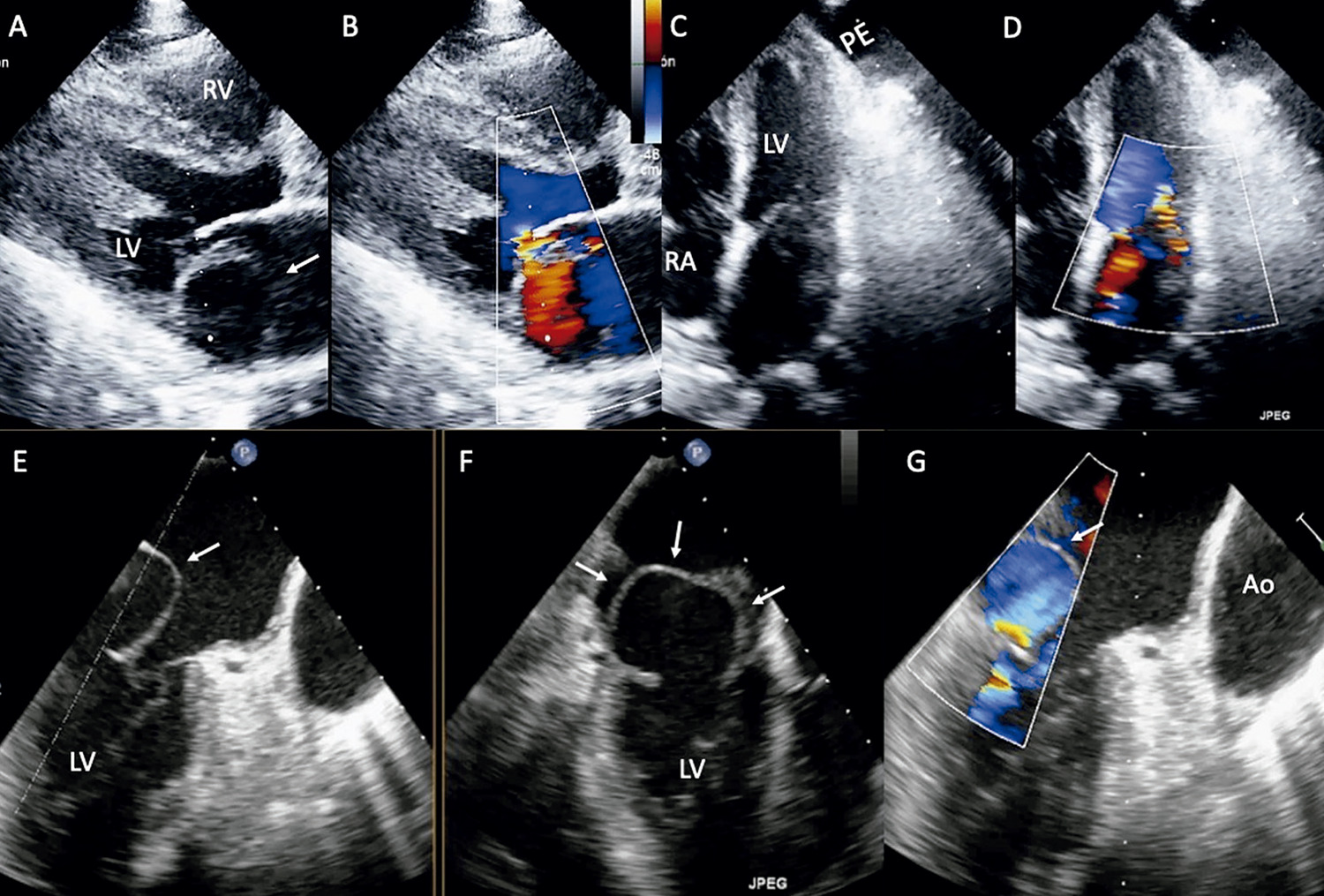
Transesophageal Two- and Three-Dimensional Echocardiographic Assessment of Spontaneous Left Atrial Dissection

Javier Ivan Armenta-Moreno et al. Joaquin Berarducci Abel Mauricio Garcia-Cardenas José Carlos Armendariz-Ferrari … Jorge Luis Bermudez-Gonzalez Juan Ignacio Straface Jose Antonio Luna-Alvarez-Amezquita Nilda Espinola-Zavaleta

A 41-year-old woman was admitted to the emergency room with an onset of acute dyspnea, jugular ingurgitation, and with the first heart sound diminished, followed by a grade III/IV holosystolic murmur that was better heard at the apex and edema of the lower limbs.

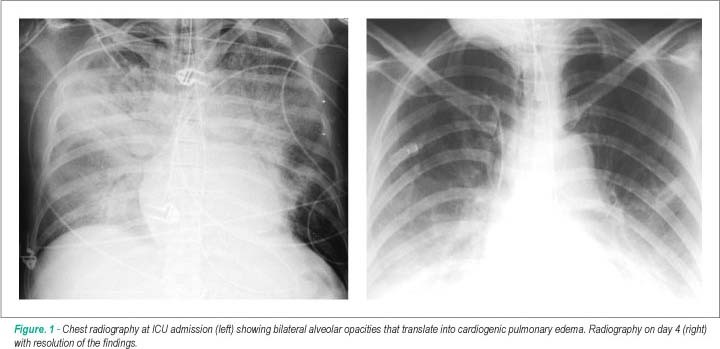
The vital signs were heart rate 91 bpm, respiratory rate 21 rpm, blood pressure 110/60 mmHg, and oxygen saturation 91%. The chest x-ray showed cardiomegaly with a cardiothoracic index of 0.62 and pulmonary venocapillary hypertension.

[…]

  • Atrial Function, Left/physiology
  • Diagnostic Imaging/methods
  • Echocardiography, Three Dimensional / methods
  • Heart Failure/physiopathology
  • Shock, Cardiogenic
Read Full Article
Creative Commons Attribution (CC BY) Creative Commons license
05/09/2022 DOI: 10.36660/abc.20210740
ABC
Editorial

Analysis of Revascularization Strategies in Patients with Acute Myocardial Infarction and Cardiogenic Shock – Results from the Portuguese Registry on Acute Coronary Syndromes

Gabriel Porto Soares

The Portuguese Registry on Acute Coronary Syndromes was drafted in 2002 by the Portuguese Cardiology Society due to the need for a broader knowledge concerning the national approach to Acute Coronary Syndromes (ACS) and created the National Cardiology Data Collection Center (NCDCC) to centralize all of the information and support its analysis, culminating in the creation of its first records: The National Registry of Acute Coronary Syndromes (NRACS) was created simultaneously with the National Register of Interventional Cardiology. The NRACS is a prospective and continuous observational registry. All Portuguese hospital cardiology services and departments were invited to participate voluntarily in this study. The inclusion of patients began on January 1, 2002, and has been maintained to the present day without interruption. Briefly, each center received a request to consecutively include all patients hospitalized with a diagnosis of ACS (including acute ST-elevation myocardial infarction (STEMI), without unstable ST-elevation or angina), based on clinical evaluation, on the electrocardiogram, and on the biomarkers of myocardial necrosis. The collected data include demographic data, baseline characteristics, laboratory evolution, clinical evolution, executed therapy, data on percutaneous intervention, as well as data on hospital discharge and follow-up for six months (in the first stage of the registry) or for one year (in the second stage of the registry). Initially, the data were collected on paper and then transferred to an electronic data base, but since 2004, they are being submitted directly in electronic form. Upon consulting the NRACS e-mail address in February 2021, 62,029 records were found.,

One question arises in the ACS revascularization approach, which evolves with cardiogenic shock: Treat only the culprit blood vessel or treat all of the significant coronary lesions? The study of revascularization strategies in patients with acute myocardial infarction in cardiogenic shock stemming from the results of the Portuguese Registry of Acute Coronary Syndromes sheds light on the issue and aids professionals in decision-making. Currently, the recommendations from the Brazilian Society of Hemodynamics and Interventional Cardiology are as follows: “The invasive strategy seeking to achieve the myocardial revascularization of the culprit blood vessel and, potentially, of the non-culprit blood vessels with significant coronary disease, is recommended in the cases of acute STEMI (IAMCSST) evolving with heart failure and cardiogenic shock, regardless of the time elapsed since its onset.”

[…]

  • Acute coronary syndrome
  • Myocardial Infarction
  • Myocardial Revascularization
  • Shock, Cardiogenic
Read Full Article
Creative Commons Attribution (CC BY) Creative Commons license
17/05/2021 DOI: 10.36660/abc.20210127 Views 1
ABC
Editorial

Inflammation Post-Acute Myocardial Infarction: “Doctor or Monster”

Ricardo Wang et al. Fernando Carvalho Neuenschwander Bruno Ramos Nascimento

As in the short story “The Strange Case of Dr. Jekyll and Mr. Hyde ”, inflammation has a good side, which is the protection against pathogens, and helps in the process of cellular and tissue repair after an injury; on the other hand, it may also perpetuate and worsen the injury and, in the case of acute myocardial infarction (AMI), it may be the trigger of coronary occlusion. In the acute phase of AMI, the immune system is activated in the process of myocardial repair, in which the necrotic tissue is replaced by the scar tissue (fibrosis). From anatomopathological studies, we know that in the first hours after coronary occlusion, neutrophils are mainly recruited to the injury site. The local neutrophil population peaks around the third day, then a progressive decline is observed. From the fifth day, they are replaced by macrophages and both are responsible for clearing non-viable myocytes. In addition to this role, together with smooth muscle cells macrophages are responsible for angiogenesis and collagen production. The scarring process begins at the periphery of the infarcted area and extends to the nucleus, and this repair mechanism is completed in about 4–8 weeks, depending on the infarction size. ,

If we know how the inflammatory process occurs at the cellular level post-AMI, why do we continue to study inflammation? And why concentrating efforts on studies on cytokine expression? Whereas, on the one hand, the inflammatory process is necessary for the repair process, in the context of AMI, inflammation also plays an important role in complications. Such effect is observed in cardiogenic shock (causing vasodilation, vasoplegia and worsening shock), mechanical complications (papillary muscle rupture and ventricular free wall, and interventricular communication), in ventricular remodeling (fibrotic expansion and replacement of the affected wall) and, in the long run, it has been related to new cardiovascular events. Cytokines are molecules that mediate immune and inflammatory reactions and are responsible for activating inappropriate pathways or exaggerated responses (hypersensitivity). Therefore, understanding its kinetics can help to clarify the pathways associated with favorable outcomes and the pathways that, when activated, may lead to an increase in unfavorable events and have the potential to be the target of future therapeutic approaches.

[…]
  • B-Lymphocytes
  • Cytokines
  • Inflammation/complications
  • Myocardial Infarction
  • Shock, Cardiogenic
  • Vasoplegia
Read Full Article
Creative Commons Attribution (CC BY) Creative Commons license
18/01/2021 DOI: 10.36660/abc.20201250 Views 1
Figure 1
IJCS
Original Article

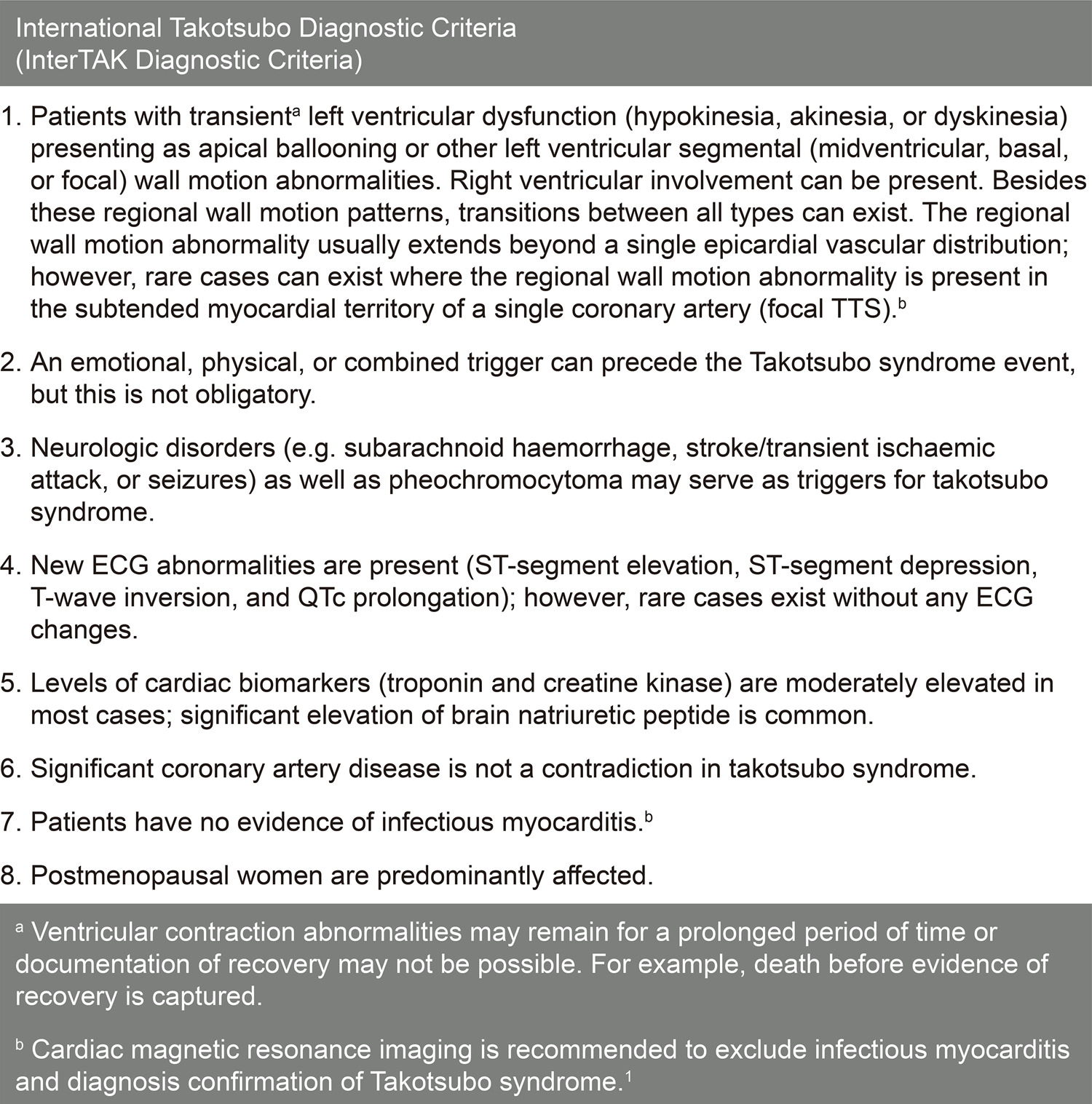
The Clinical Course of Takotsubo Syndrome Diagnosed According to the InterTAK Criteria

Nelson Henrique Fantin Fundão et al. Henrique Barbosa Ribeiro Carlos de Magalhães Campos Vinicius Bocchino Seleme … Alexandre de Matos Soeiro Marcelo Luiz Campos Vieira Wilson Mathias Jr Ludhmilla Abraão Hajjar Expedito E. Ribeiro Roberto Kalil Filho

Abstract

Background

There has been an increase in the number of cases of Takotsubo syndrome (TTS) and of scientific publications on the theme over the last years. However, little is known about the status of this disease in Brazilian hospitals.

Objective

To assess mortality and major adverse cardiovascular events (MACE) during hospitalization and follow-up of TTS patients seen in a tertiary hospital in Brazil.

Methods

This was a retrospective, observational study on 48 patients. Clinical data, signs and symptoms, complementary tests, MACE and all-cause mortality were assessed on admission and during follow-up. Kaplan-Meier curves were used for analysis of all-cause mortality and risk for MACE at median follow-up. The 95% confidence interval was also calculated for a significance level of 5%.

Results

Mean age of patients was 71 years (SD±13 years), and most patients were women (n=41; 85.4%). During hospitalization, four patients (8.3%) died and five (10.4%) developed MACE. At median follow-up of 354.5 days (IQR of 81.5-896.5 days), the risk of all-cause mortality and MACE was 11.1% (95% CI= 1.8-20.3%) and 12.7% (95% CI= 3.3-22.3%), respectively.

Conclusion

TTS was associated with high morbidity and mortality rates in a tertiary hospital in Brazil, which were comparable to those observed in acute coronary syndrome. Therefore, the severity of TTS should not be underestimated, and new therapeutic strategies are required. Int J Cardiovasc Sci. 2020; [online].ahead print, PP.0-0

  • Acute coronary syndrome
  • Heart Failure
  • Shock, Cardiogenic
  • Takotsubo Cardiomyopathy
  • Ventricular Dysfunction
Read Full Article
Creative Commons Attribution (CC BY) Creative Commons license
06/11/2020 DOI: 10.36660/ijcs.20190133
Figure 1
ABC
Anatomopathological Correlation

Case 1/2020 – A 56 Year-Old Woman Developed Heart Failure after a Presumed Diagnosis of Acute Myocardial Infarction and Mitral Valve Regurgitation with Rupture of Chordae Tendineae

Desiderio Favarato et al. Luiz Alberto Benvenuti

Clinical aspects

A 55-year-old patient with arterial hypertension and heart failure for one year and with chest pain, had a cardiorespiratory arrest five months before, developed heart failure and mitral regurgitation due to mitral valve prolapse and rupture of chordae tendineae.

The diagnostic impression is that heart failure due to mitral valve disease preceded the episode of precordial pain and severe dyspnea.

[…]

  • Heart Failure/physiopathology
  • Mitral Valve Prolapse/surgery
  • Myocardial Infarction
  • Postoperative Care
  • Renal Insufficiency
  • Sepsis
  • Shock, Cardiogenic
Read Full Article
Creative Commons Attribution (CC BY) Creative Commons license
18/05/2020 DOI: 10.36660/abc.20200024
IJCS
Editorial

Coarctation of the Aorta: Its Importance for Pediatricians and Cardiologists

Gesmar Volga Haddad Herdy

Coarctation of the aorta is a congenital defect that affects 5-8% of live births, with different degrees of severity. It may remain unnoticed throughout childhood or, in contrast, progress to heart failure and cardiogenic shock.– The most common location for coarctation of the aorta is near the ductal remnant and left subclavian artery.

The main clinical signs of coarctation of the aorta are heart murmur, diminished pulses in lower extremities, arterial hypertension, left ventricular hypertrophy. It is commonly associated with a bicuspid aortic valve. In adults, in addition to hypertension with increased systemic vascular resistance, retinal arteriolar abnormality and lower extremity claudication may also occur.

[…]

  • Aortic, Coarctation/surgery
  • Heart Defects, Congenital
  • Hypetrophy, Left Ventricular
  • Shock, Cardiogenic
Read Full Article
Creative Commons Attribution (CC BY) Creative Commons license
17/02/2020 DOI: 10.36660/ijcs.20190159 Views 2
Another Cause of Acute Cardiogenic Shock
ABC
Anatomopathological Correlation

Another Cause of Acute Cardiogenic Shock

Gonçalo Morgado et al. Filipe Gonzalez Ana Alves Oliveira Antero Fernandes

Clinical Case

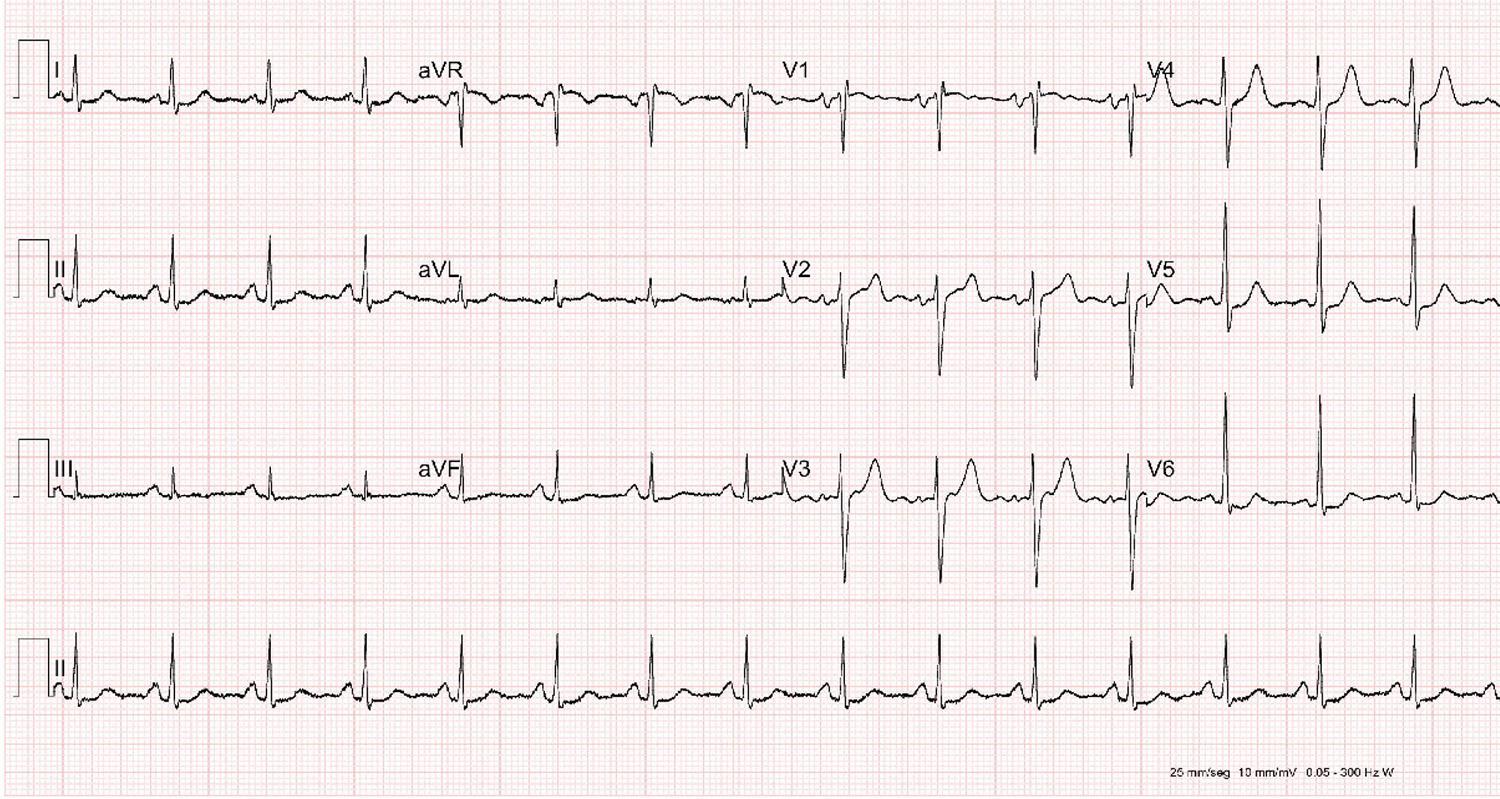
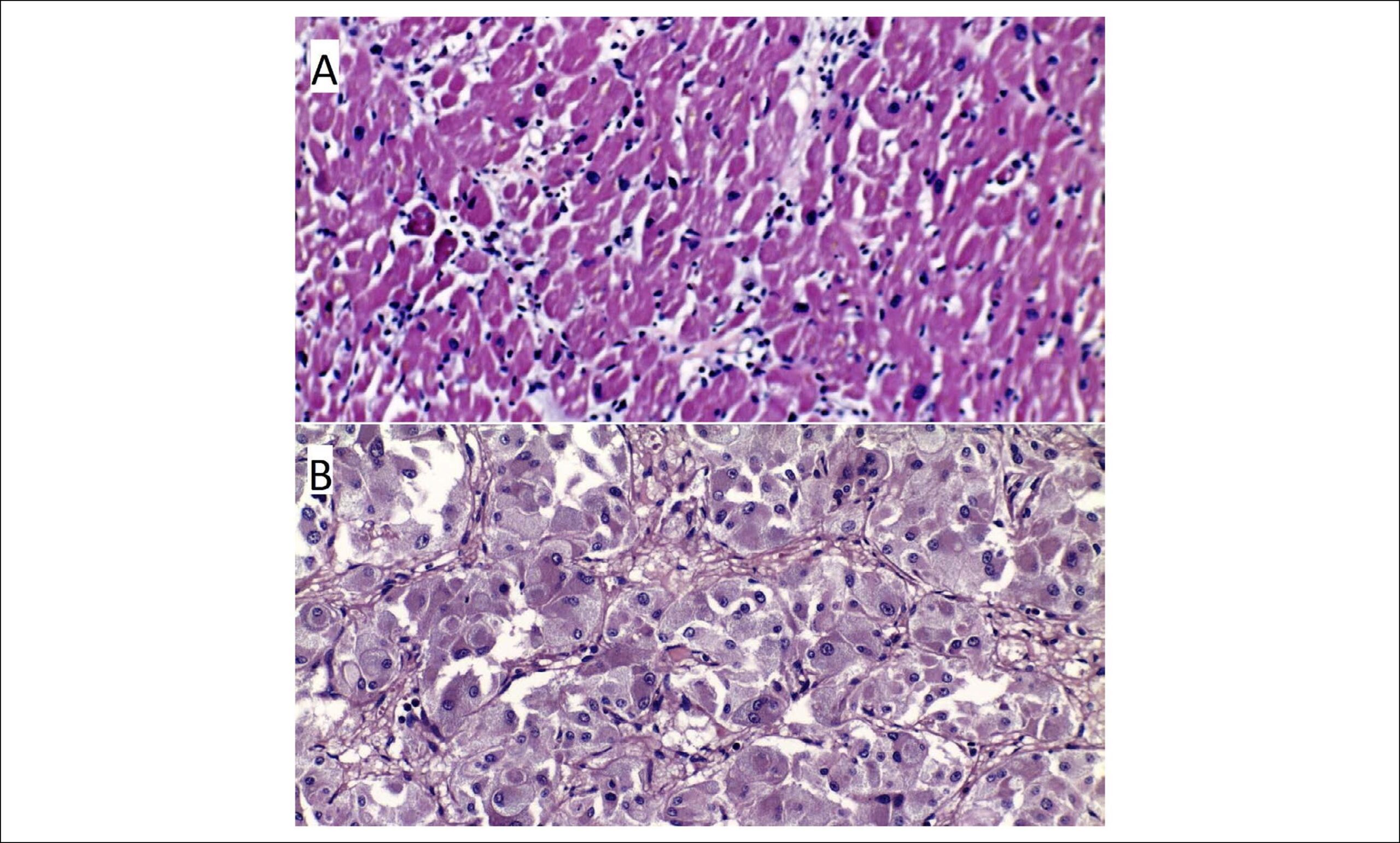
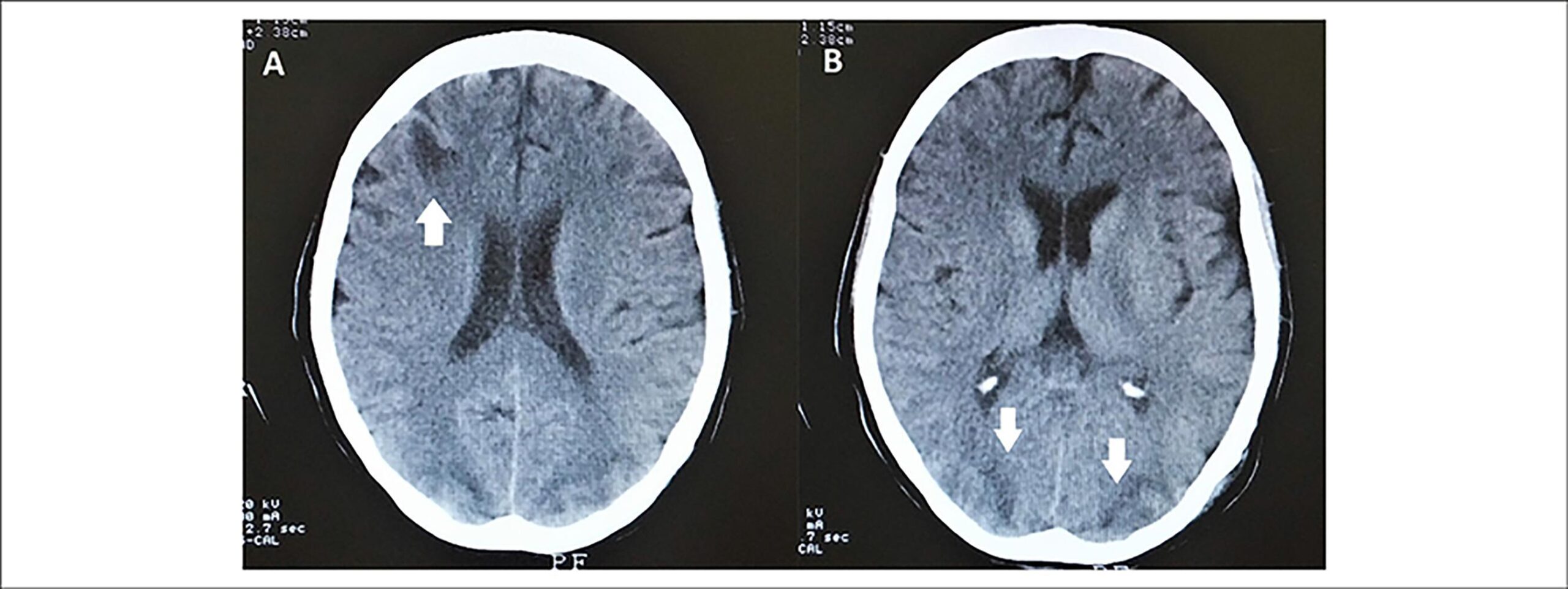
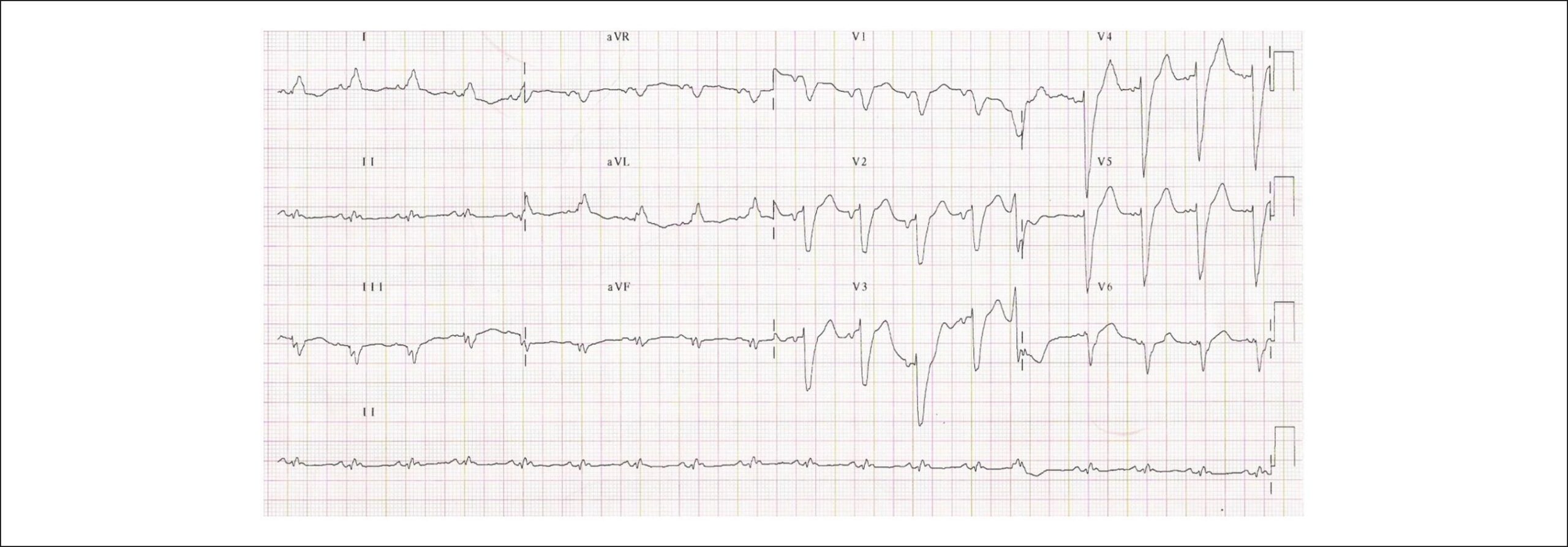
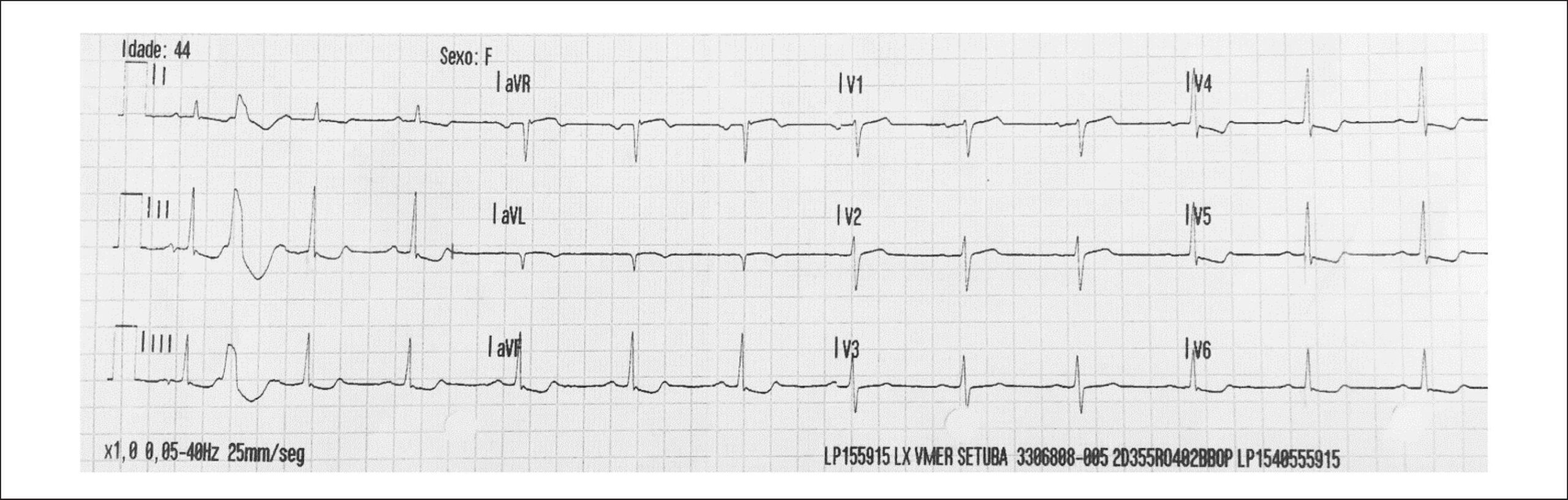
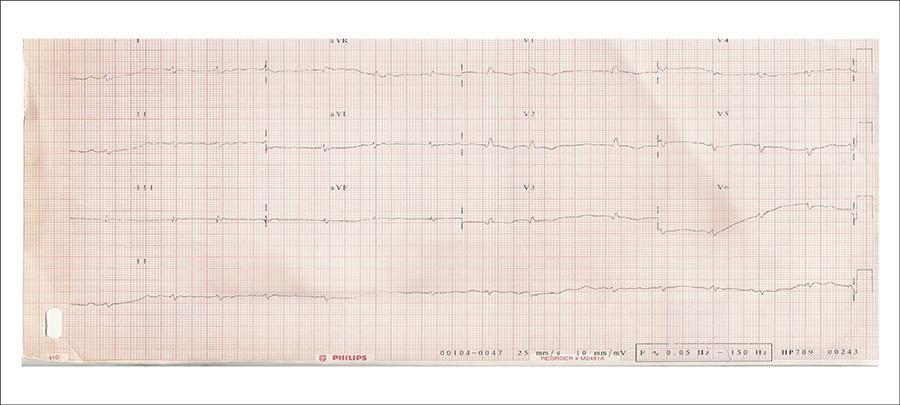
A 64-year-old woman with a history of Diabetes and Hypertension was admitted to the emergency department with acute dyspnea and chest pain. Physical examination revealed hypertension, sinus tachycardia (150 bpm), acute pulmonary edema and poor extremity perfusion. In the context of respiratory failure and hemodynamic instability, she required invasive mechanical ventilation. Blood works showed increased levels of hs-TroponinT (rising from 800 to 1600 ng/L) and the ECG showed poor R wave progression and incomplete right bundle branch block. The echocardiogram revealed a hypertrophied left ventricle, with severe systolic dysfunction and akinetic apical and middle segments. Considering the possibility of acute coronary syndrome, the patient was referred for emergent coronary angiography, which revealed normal coronary arteries. She was admitted to the intensive care unit with the presumed diagnosis of Takotsubo cardiomyopathy. Through the rest of the day, she presented with fluctuating blood pressure and required elevated levels of positive end-expiratory pressure due to pulmonary edema. Despite an apparent favorable evolution, she suddenly developed asystole, refractory to resuscitation efforts, dying less than 24 hours after admission.

[…]

  • Heart Failure
  • Pheochromocytoma
  • Respiratory Insufficiency
  • Shock, Cardiogenic
  • Takotsubo Cardiomyopathy/complications
Read Full Article
Creative Commons Attribution (CC BY) Creative Commons license
02/12/2019 DOI: 10.36660/abc.9453 Views 1
Figure 1
IJCS
Original Article

An Overview of Care Changes in the Last 6 Year in Primary PCI in ST-Elevation Myocardial Infarction in a Tertiary University Brazilian Hospital

Guilherme Pinheiro Machado et al. Fernando Pivatto Junior Rodrigo Wainstein Gustavo Neves de Araujo … Christian Kunde Carpes Mateus Correa Lech Felipe Homem Valle Luiz Carlos Corsetti Bergoli Sandro Cadaval Gonçalves Marco Vugman Wainstein

Abstract

Background:

Although new studies and guidelines can be considered useful tools, it does not necessarily mean they are put into clinical practice.

Objective:

The aim of the current analysis was to assess the changes in primary percutaneous coronary intervention (PCI) and mortality in a tertiary university hospital in southern Brazil during a six-year period.

Methods:

We have included consecutive patients with ST-elevation myocardial infarction (STEMI) who underwent primary PCI between March 2011 and February 2017. Previous clinical history, characteristics of the procedure, and reperfusion strategies were collected. In-hospital, short and long-term mortalities were also evaluated. The significance level adopted for all tests was 5%.

Results:

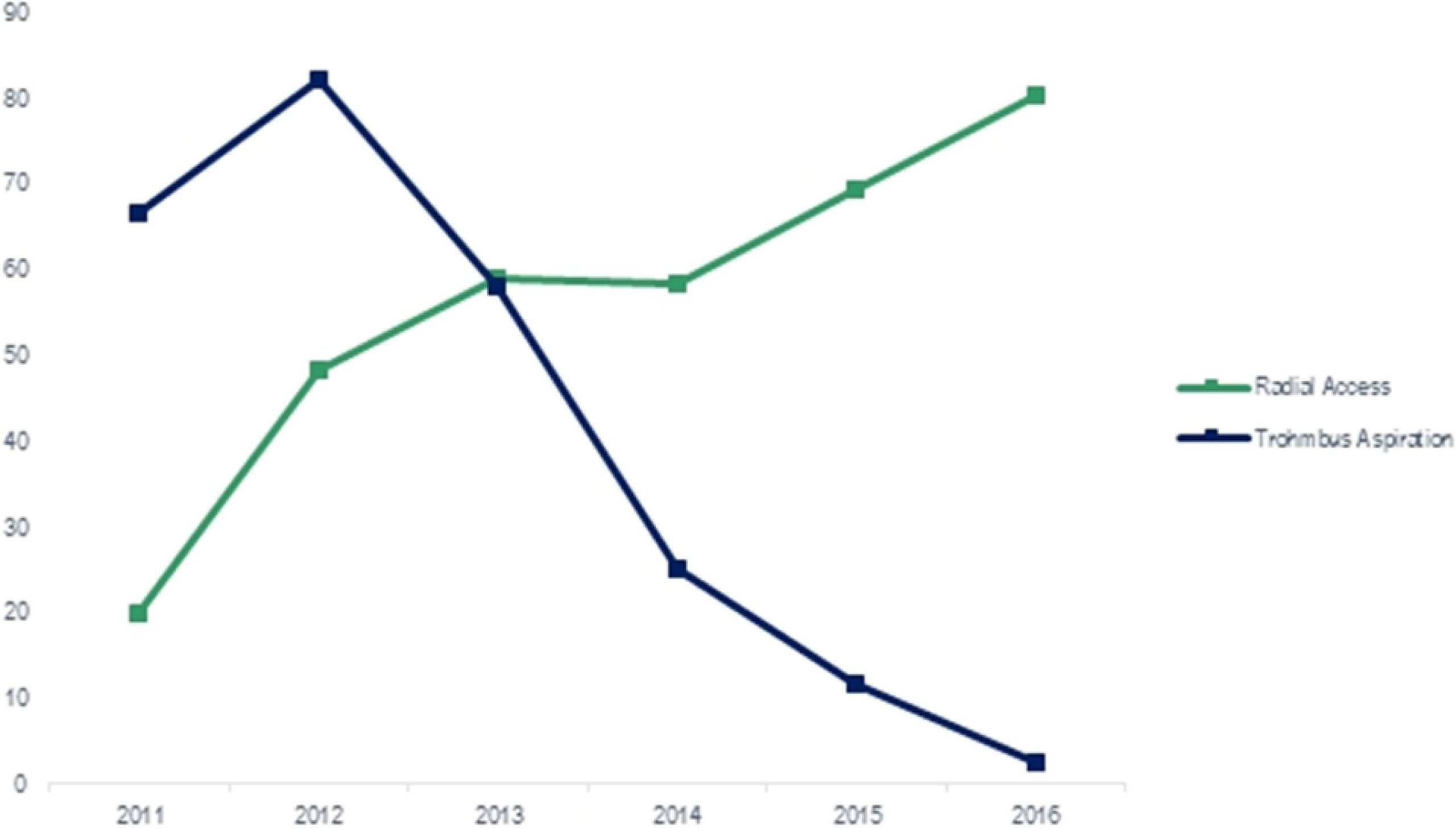
There was an increase in the use of radial access in patients from 20.0% in 2011 to 62.7% in 2016 (ptrend < 0.0001). Moreover, thrombus aspiration decreased significantly from 66.7% in 2011 to less than 3.0% in 2016 (ptrend < 0.0001). In-hospital, short and long-term mortalities remained reasonably stable from 2011 to 2016 (ptrend > 0.05). However, a lower in-hospital mortality was observed in patients treated through radial access (p < 0.001). Cardiogenic shock occurred in 11.1%, without statistical differences in the period (ptrend = 0.39), while long-term mortality rate decreased from 80.0% in 2011 to 27.3% in 2016 in this patient group (ptrend = 0.29).

Conclusions:

During a 6-year follow-up period, primary PCI characteristics underwent important modifications. Radial access became widely used, with a decrease in mortality with the use of this route, while aspiration thrombectomy became a rare procedure. The incidence of cardiogenic shock remained stable, but has shown a reduction in its mortality.

  • Mocardial Infarction/mortality
  • Mortality
  • Percutaneous Coronary Intervention
  • Shock, Cardiogenic
Read Full Article
Creative Commons Attribution (CC BY) Creative Commons license
17/12/2018 DOI: 10.5935/2359-4802.20180090 Views 1
Figure 1
ABC
Case Report

Myocarditis with Cardiogenic Shock as the First Manifestation of Systemic Lupus Erythematosus

Jáder Buzati Rebelato et al. Caroline Ferreira da Silva Mazeto Pupo da Silveira Tainá Fabri Carneiro Valadão Fabrício Moreira Reis … Rodrigo Bazan Silméia Garcia Zanati Bazan

Introduction

Systemic lupus erythematosus (SLE) is a chronic inflammatory disease with multisystemic and autoimmune characteristics. It is the most common systemic autoimmune disease, occurring mainly in women between 20 and 40 years old, with a female-to-male ratio of 10:1. Even though the kidneys are classically considered the main organ affected by SLE, cardiomyopathy is one of the complications more frequently associated with morbidity and mortality in SLE patients. Cardiovascular impairment can be highly variable in terms of the affected structures and, in severe cases, may lead to cardiogenic shock.

In 2012, the Systemic Lupus International Collaborating Clinics (SLICC) published new criteria for SLE classification, aiming to optimize the diagnosis of cardiovascular impairment. However, cardiovascular disturbances are not part of the SLICC, even though there is such a high prevalence of cardiovascular disturbances in this population.

[…]

  • Echocardiography
  • Heart Failure
  • Lupus Erythematosus, System
  • Myocarditis
  • Shock, Cardiogenic
Read Full Article
Creative Commons Attribution (CC BY) Creative Commons license
01/12/2018 DOI: 10.5935/abc.20180216 Views 2
Figure 1
ABC
Anatomopathological Correlation

Case 6 – Woman with Ischemic Heart Disease Admitted due to Chest Pain and Shock

Rafael Amorim Belo Nunes et al. Hilda Sara Montero Ramirez Vera Demarchi Aiello

Clinical aspects

This patient is a 67-year-old woman with cardiovascular risk factors and ischemic cardiomyopathy, with severe left ventricular systolic dysfunction. Cardiac catheterization disclosed multivessel coronary disease and apical akinesis with an intracavitary thrombus. During outpatient follow-up, clinical treatment was chosen, possibly influenced by the patient’s clinical status, as well as the characteristics of the coronary anatomy.

The indication of surgical treatment with myocardial revascularization in patients with coronary heart disease with heart failure and severe left ventricular systolic dysfunction is still debatable, but recent data from the STICH study suggest a long-term survival benefit in patients undergoing myocardial revascularization.

[…]

  • Cardiac Catheterization;Thromboembolism
  • Chest Pain
  • Myocardial Infarction
  • Myocardial Ischemia
  • Shock, Cardiogenic
Read Full Article
Creative Commons Attribution (CC BY) Creative Commons license
01/12/2018 DOI: 10.5935/abc.20180231
Figure 1
ABC
Anatomopathological Correlation

Case 5 / 2018 – Acute Respiratory Failure and Cardiogenic Shock in a Patient in the First Trimester of Pregnancy with Mechanical Mitral Valve Prosthesis Implant

Walkíria Samuel Ávila et al. Vinícius Araújo de Freitas Chagas Caldas Daniel Valente Batista Paulo Sampaio Gutierrez

Clinical aspects

The case reported is of a 36-year-old pregnant woman with repaired complex congenital heart disease, with a mechanical mitral valve prosthesis implanted 28 years before, paroxysmal atrial fibrillation, and a history of thromboembolism, a triad that characterizes a high thromboembolic risk.

Notwithstanding, the patient maintained the adequate anticoagulation goal (INR = 3) until the pregnancy diagnosis, when the anticoagulation regimen of warfarin was replaced by enoxaparin due to the risk of fetal warfarin syndrome, which occurs between the 6th and 12th weeks of gestation (characterized by nasal hypoplasia, dysplasia of the bony epiphyses, limb deformities, neurological and respiratory problems). However, there is less evidence of the erratic bioavailability and distribution of enoxaparin during pregnancy, although it constitutes a current challenge to define the best anticoagulation strategy in this population with high thromboembolic risk.

[…]

  • Heart Defects, Congenital
  • Heart Valve Prosthesis
  • Pregnancy
  • Respiratory Insufficiency
  • Shock, Cardiogenic
Read Full Article
Creative Commons Attribution (CC BY) Creative Commons license
01/10/2018 DOI: 10.5935/abc.20180205 Views 1
Figure 1
ABC
Case Report

Left Ventricular Assist Device as a Bridge to Candidacy in End-stage Chagas Cardiomyopathy

Fernando Antibas Atik et al. Claudio Ribeiro Cunha Renato Bueno Chaves Marcelo Botelho Ulhoa Vitor Salvatore Barzilai

Introduction

Chronic Chagas cardiomyopathy manifests late after Trypanosoma cruzi infection, and it is still one of the major causes of end-stage heart failure in Latin America. Published experiences, with heart transplantation for chronic Chagas disease have shown the feasibility and efficacy of this therapy, being the disease reactivation not a major concern when appropriately diagnosed and timely treated.

Nevertheless, the need for some sort of mechanical circulatory support on the waiting list has progressively increased, according to the International Society for Heart and Lung Transplantation Registry annual report. Since the experience with mechanical circulatory support in Latin America is very limited, and biventricular systolic failure is common in Chagas cardiomyopathy, many unanswered questions regarding modalities of support need to be elucidated.

[…]

  • Chagas Cardiomyopathy
  • Extracorporeal Circulation
  • Heart Failure
  • Hypertension Pulmonary
  • Shock, Cardiogenic
Read Full Article
Creative Commons Attribution (CC BY) Creative Commons license
01/07/2018 DOI: 10.5935/abc.20180095
Figure 1
ABC
Case Report

Primary Ventricular Fibrillation in a Patient with Mild Hypercalcemia

Rita Marinheiro et al. Leonor Parreira Pedro Amador Francisco Sardinha … Sara Gonçalves Sónia Serra

Introduction

An abnormally short QT interval can be caused by several situations such as hypercalcemia, hyperkalemia, acidosis, hyperthermia, effects of drugs like digitalis or congenital short QT syndrome (SQTS). Primary hyperparathyroidism (PHPT) can ultimately cause short QT interval since overproduction of parathyroid hormone (PTH) causes hypercalcemia. However, cardiac arrhythmias are uncommon and electrical storm has been rarely described in patients with hypercalcemia.

Secondary causes of short QT must be ruled out before considering the diagnosis of SQTS. First described in 2000, SQTS is a congenital primary electric disorder characterized by abnormally short corrected QT interval (QTc) on the surface electrocardiogram (ECG) that is associated with sudden cardiac death (SCD) in individuals with structurally normal heart. According to 2015 ESC Guidelines for the management of patients with ventricular arrhythmias, SQTS is diagnosed in the presence of a QTc ≤ 330 msec or it can be diagnosed in the presence of a QTc < 360 ms and one or more of the following factors: pathogenic mutation, family history of SQTS, family history of sudden death before 40 years old and/or survival of a ventricular tacchycardia (VT)/ ventricular fibrillation (VF) episode in the absence of heart disease.

[…]

  • Hypercalcemia
  • Shock, Cardiogenic
  • Syncope
  • Unconsciousness
  • Ventricular Fibrillation
Read Full Article
Creative Commons Attribution (CC BY) Creative Commons license
01/04/2018 DOI: 10.5935/abc.20180059
Figure 1
ABC
Image

Transcatheter Aortic Valve Implantation with Embolic Protection System in a Patient with Left Ventricle Apical Thrombus

João Gonçalves Almeida et al. Sara Ferreira Daniel Caeiro José Ribeiro Vasco Gama Ribeiro

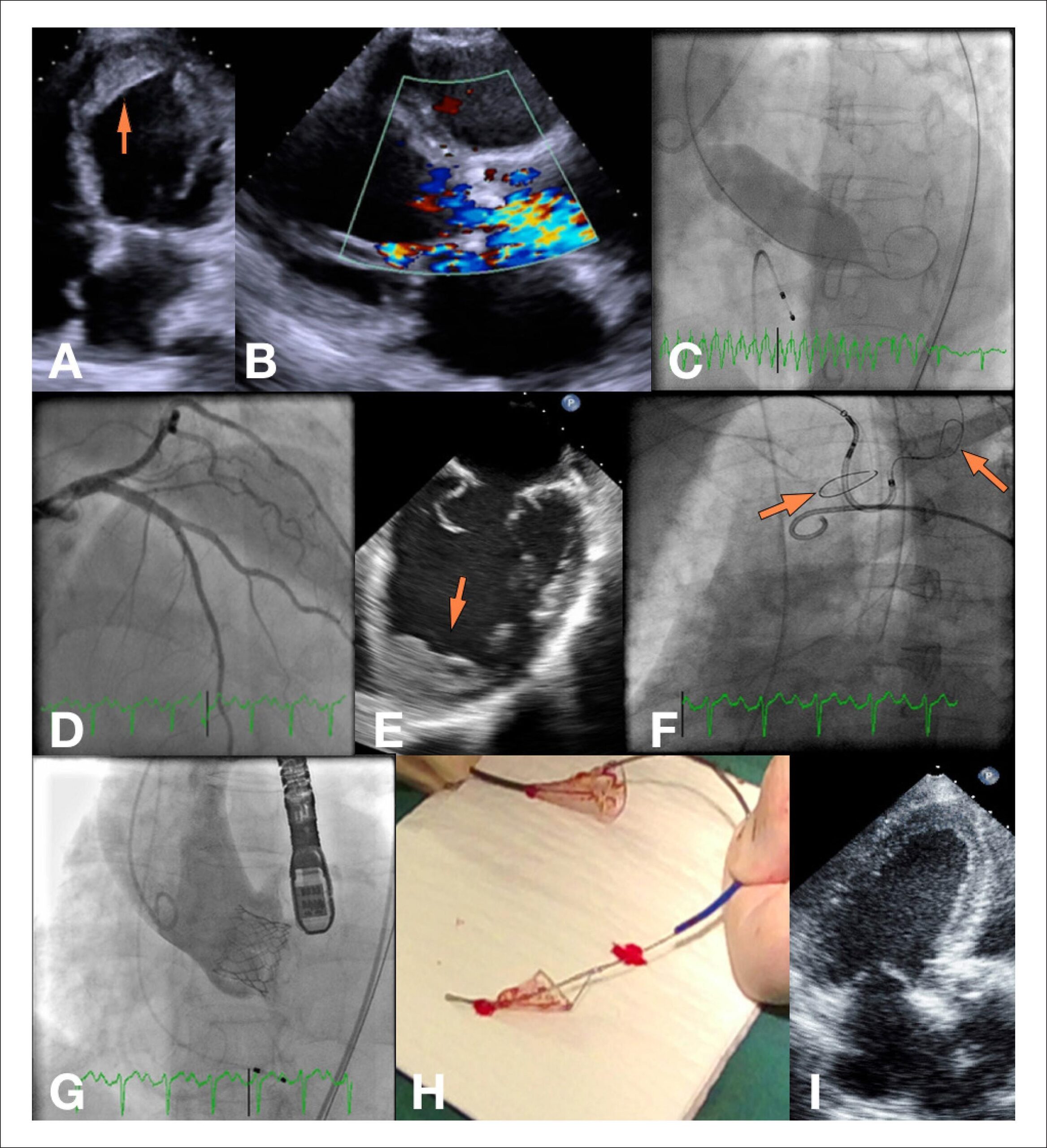
A 68-year-old woman was admitted in our acute cardiac care unit due to cardiogenic shock. The transthoracic echocardiography (TTE) showed severe aortic stenosis, severe left ventricle (LV) systolic dysfunction (ejection fraction 20%) and a large apical thrombus (). We performed an emergent percutaneous aortic balloon valvuloplasty (). During the procedure, the coronary angiography revealed no epicardial coronary disease (). Despite some mild clinical and hemodynamic improvement (mean gradient reduced from 40 to 30 mmHg), she remained in New York Heart Association (NYHA) class IV.

[…]

  • Embolic Protection Devices
  • Heart Valve Prosthesis Implantation
  • Shock, Cardiogenic
Read Full Article
Creative Commons Attribution (CC BY) Creative Commons license
01/11/2017 DOI: 10.5935/abc.20170109 Views 1
Figure 1
ABC
Anatomopathological Session

Case 4 – A 67 Year-Old Man with Aortic Regurgitation Who Presented Syncope Followed by Shock

Desiderio Favarato et al. Luiz Alberto Benvenuti

Clinical aspects

Patient with aortic insufficiency diagnosed at 57 years of age, presenting with several transient ischemic attacks simultaneous to atrial fibrillation. Presented with upper digestive bleeding and, finally, syncope followed by decreased consciousness and complex mixed shock with acute renal failure.

The patient showed normal aortic insufficiency clinical evolution, that is, progressive dilatation of the left ventricle with few cardiovascular symptoms. Generally, aortic insufficiency progression is slow and the left ventricle has time to dilate and handle high regurgitating volumes with normal filling pressure. This good compliance maintenance and low end-diastolic pressure has little repercussion on the left atrium and on the pulmonary venocapillary territory, thus there is no increase in liquid content in the lungs and dyspnea appears as a late symptom.

[…]

  • Aortic Valve Insufficiency
  • Atrial Fibrillation
  • Shock, Cardiogenic
  • Syncope
Read Full Article
Creative Commons Attribution (CC BY) Creative Commons license
01/08/2016 DOI: 10.5935/abc.20160125
Figure 1
ABC
Anatomopathological Session

Case 02/2015 – A 67 Year-Old Woman with Sudden Cardiogenic Shock in the 7th Day after Acute Myocardial Infarction

Bruno Aguiar Pinheiro et al. Alice Tatsuko Yamada Vera Demarchi Aiello

Clinical Details

This is a case of a 67-year-old woman who presented with an initial episode of chest pain with no obvious alterations indicating ischemia in her ECG. Five hours later, she experienced more pain; this time the pain was accompanied with ST elevation in leads II, III, and aVF, and was diagnosed to be acute myocardial infarction with ST elevation in the inferior wall.

Epidemiological studies show that acute coronary syndrome has high rates (approximately 30%) of overall mortality; half of these deaths occur in the first two hours after the event, and 14% of patients die before receiving medical attention. According to data from the Brazilian Ministry of Health, 27,595 deaths resulting from ischemic heart disease in patients older than 40 years were reported in 2011 alone.

[…]

  • Cineangiography/mortality
  • Heart Diseases/ complications
  • Myocardial Infarction
  • Shock, Cardiogenic
Read Full Article
Creative Commons Attribution (CC BY) Creative Commons license
01/07/2015 DOI: 10.5935/abc.20150079
ABC
Case Report

Left Ventricular Assist Device Followed by Heart Transplantation

Bruno Biselli et al. Silvia Moreira Ayub-Ferreira Monica Samuel Avila Fábio Antonio Gaiotto … Fabio Biscegli Jatene Edimar Alcides Bocchi

Introduction

Heart failure (HF) is the major cause of cardiovascular hospitalization in Brazil. It is estimated that approximately 1%–2% of the population present with HF and 50% of these individuals have a decreased ejection fraction.

In the last 30 years, despite the substantial improvement in the treatment of chronic HF, the quality of life and survival rates of affected patients are limited. In addition, most of these patients are refractory to standard treatment and hospitalization, and rates of death or rehospitalization within 6 months are approximately 50%.

[…]

  • Heart Failure
  • Heart Transplantation
  • Heart-Assist Devices
  • Shock, Cardiogenic
Read Full Article
Creative Commons Attribution (CC BY) Creative Commons license
01/03/2015 DOI: 10.5935/abc.20140198 Views 1
Figure 1
ABC
Anatomopathological Session

Case 5/2014 – 41-Year-Old Woman with Rheumatic Disease and Previous Mitral Valve Repair with Pulmonary Embolism and Cardiogenic and Septic Shock

Eduardo Gomes Lima et al. Ricardo D’Oliveira Vieira Paula Bombonati Jussara Bianchi Castelli

Clinical aspects

This is 41-year-old patient with a history of rheumatic disease who developed mitral stenosis and underwent mitral commissurotomy at age 36 due to the presence of incapacitating symptoms. In our country, the combination of mitral stenosis with rheumatic disease is quite common . About 25% of all patients with rheumatic disease have isolated mitral stenosis; 40% have double mitral dysfunction . The mean time interval between the initial acute onset and the appearance of symptoms can vary from a few to more than 20 years.

The presence of symptoms of heart failure (classes III and IV of the New York Heart Association), together with echocardiographic data that confirm significant anatomic lesion, is crucial for intervention indication: balloon valvuloplasty or surgery (commissurotomy or valve replacement). Whenever possible, there is an attempt to correct the valve defect, keeping the patient’s valve system, postponing prosthesis implantation. In this case, commissurotomy was performed, which maintained the patient well for approximately five years, when she started to present symptoms again, when mitral valve repair was performed. This evolution in the rheumatic patient can occur due to repeated episodes of valvulitis, hence the need to maintain secondary prophylaxis with benzathine penicillin in patients with cardiac involvement, preferably throughout life or up to the fifth decade, when it is not possible .

[…]

  • Acinetobacter Infections
  • Mitral Valve Stenosis / serugery
  • Pulmonary embolism
  • Shock, Cardiogenic
  • Shock, Septic
Read Full Article
Creative Commons Attribution (CC BY) Creative Commons license
01/11/2014 DOI: 10.5935/abc.20140180 Views 1
ABC
Case Report

Circulatory support in cardiogenic shock after acute myocardial infarction

Humberto F. G. Freitas et al. Breno A. A. Falcão Rafael C. Silva Jamil C. Ribeiro … Luiz Guilherme C. Velloso Fabio Sandoli de Brito Junior

Mortality is high in patients with acute coronary failure and cardiogenic shock. The most commonly used device for hemodynamic support is the intra-aortic balloon, which, however, may be insufficient in patients with refractory cardiogenic shock. This is a case report of a patient complaining of two days of intense and oppressive chest pain, radiating to the left arm. The ECG showed ST elevation. The patient was submitted to angioplasty and stent implant in the anterior descending artery and developed cardiogenic shock refractory to vasoactive drugs and intra-aortic balloon. Hemodynamic measures were carried out and we chose to use an Impella 2.5 device, by percutaneous route, for circulatory support.

  • Coronary Artery Disease
  • Myocardial Infarction
  • Myocardial Reperfusion
  • Shock, Cardiogenic
Read Full Article
Creative Commons Attribution (CC BY) Creative Commons license
08/08/2012 DOI: 10.1590/S0066-782X2012000600016 Views 1
Summary of the II Brazilian Guideline Update on Acute Heart Failure 2009/2011
ABC
Special Article

Summary of the II Brazilian Guideline Update on Acute Heart Failure 2009/2011

Marcelo Westerlund Montera et al. Sabrina Bernardez Pereira Alexandre Siciliano Colafranceschi Dirceu Rodrigues de Almeida … Evandro Mesquita Tinoco Ricardo Mourilhe Rocha Lídia Ana Zytynski Moura Álvaro Réa-Neto Sandrigo Mangini Fabiana Goulart Marcondes Braga Denilson Campos Albuquerque Edson Stefanini Eduardo Benchimol Saad Fábio Vilas-Boas

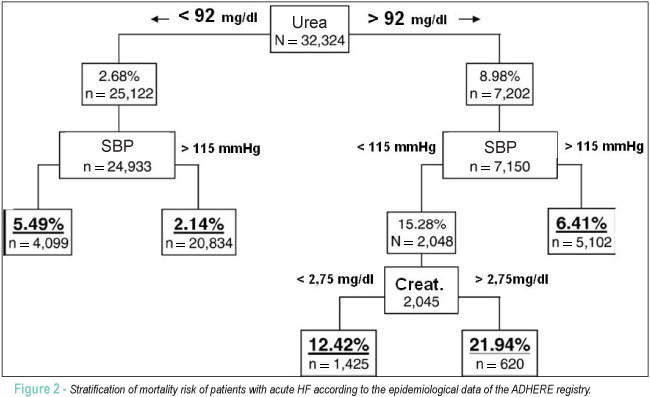
In the past two years we observed several changes in the diagnostic and therapeutic approach of patients with acute heart failure (acute HF), which led us to the need of performing a summary update of the II Brazilian Guidelines on Acute Heart Failure 2009. In the diagnostic evaluation, the diagnostic flowchart was simplified and the role of clinical assessment and echocardiography was enhanced. In the clinical-hemodynamic evaluation on admission, the hemodynamic echocardiography gained prominence as an aid to define this condition in patients with acute HF in the emergency room. In the prognostic evaluation, the role of biomarkers was better established and the criteria and prognostic value of the cardiorenal syndrome was better defined. The therapeutic approach flowcharts were revised, and are now simpler and more objective. Among the advances in drug therapy, the safety and importance of the maintenance or introduction of beta-blockers in the admission treatment are highlighted. Anticoagulation, according to new evidence, gained a wider range of indications. The presentation hemodynamic models of acute pulmonary edema were well established, with their different therapeutic approaches, as well as new levels of indication and evidence. In the surgical treatment of acute HF, CABG, the approach to mechanical lesions and heart transplantation were reviewed and updated. This update strengthens the II Brazilian Guidelines on Acute Heart Failure to keep it updated and refreshed. All clinical cardiologists who deal with patients with acute HF will find, in the guidelines and its summary, important tools to help them with the clinical practice for better diagnosis and treatment of their patients.

  • cardiac outpatient, low
  • Diagnosis
  • Heart Failure
  • Prognosis
  • Pulmonary Edema
  • Shock, Cardiogenic
Read Full Article
Creative Commons Attribution (CC BY) Creative Commons license
31/07/2012 DOI: 10.1590/S0066-782X2012000500001 Views 2
Cardiogenic shock caused by disulfiram
ABC
Case Report

Cardiogenic shock caused by disulfiram

Ana Jerónimo et al. Carla Meira Augusta Amaro Glória Cabral Campello Cristina Granja

Drug intoxication with disulfiram is a rare condition that may lead to severe and potentially fatal cardiovascular manifestations such as cardiogenic shock. We report the case of a female patient with refractory shock after deliberate self-poisoning with disulfiram. Clinical, biochemical and echocardiographic assessment, as well as invasive monitoring confirmed cardiogenic shock associated with this drug. The known mechanisms of action of disulfiram are discussed, and the major collateral effects, especially cardiovascular effects, are described. We underscore the importance of suspecting this diagnosis and of adopting prompt and the most adequate therapeutic approach in this context.

  • adverse effects
  • disulfiram
  • Shock, Cardiogenic
Read Full Article
Creative Commons Attribution (CC BY) Creative Commons license
17/04/2009 DOI: 10.1590/S0066-782X2009000300016
ABC
Artigo Original

Pediatric heart transplantation in refractory cardiogenic shock: a critical analysis of feasibility, applicability and results

Marcelo Biscegli Jatene et al. Leonardo Augusto Miana Alexander John Pessoa Arlindo Riso … Estela Azeka Carla Tanamati Solange Gimenez Antonio Augusto Lopes Miguel Barbero Marcial Noedir Antonio Groppo Stolf

BACKGROUND: In children with dilated cardiomyopathy who are on the waiting list for heart transplantation, we evaluate the seriousness of their hemodynamic conditions. Some develop cardiogenic shock, and the mortality rate is high. Even with inotropic and respiratory support, heart transplantation is considered an extremely grave circumstance. OBJECTIVE: The objective of this study is to report on our experience with children in this condition, in an attempt to analyze the viability, applicability and results of heart transplantation in these children. METHODS: From March 2001 to February 2004, 22 children with dilated cardiomyopathy who were on the waiting list for heart transplantation developed cardiogenic shock, requiring transfer to pediatric intensive care unit (ICU), intubation and inotropic support. Their ages ranged from 11 months to 11 years (mean age: 4.3 years), 55% were males, 14 could be listed as clinical priority, and the remaining 8 were removed from the waiting list due to their unfavorable clinical conditions. RESULTS: Eight heart transplantations were performed, and 6 children died while on the waiting list (42.9%). Two children died (25%) after transplantation and the remaining 6 were discharged from hospital in good clinical condition. The two main complications were organ rejection in 4 cases and infection in 5 cases. Two patients developed neurological complications, and one of them fully recovered. CONCLUSION: Children with cardiomyopathy and cardiogenic shock require immediate heart transplantation; only 57.1% could be transplanted, with an early 25% mortality rate. Those who survived transplantation showed good clinical progress, similar to that of children transplanted on an elective basis.

  • Child
  • Heart Transplantation
  • Shock, Cardiogenic
Read Full Article
Creative Commons Attribution (CC BY) Creative Commons license
27/05/2008 DOI: 10.1590/S0066-782X2008000500010

How to cite this article

EndNote RIS

Electronic Document Format (Vancouver)

Armenta-Moreno JI, Berarducci J, Garcia-Cardenas AM, Armendariz-Ferrari JC, Bermudez-Gonzalez JL, Straface JI, Luna-Alvarez-Amezquita JA, et al. Transesophageal Two- and Three-Dimensional Echocardiographic Assessment of Spontaneous Left Atrial Dissection. Arquivos Brasileiros de Cardiologia 2022;119(3):499-501.

Electronic Document Format (ABNT)

Armenta-Moreno, Javier Ivan; Berarducci, Joaquin; Garcia-Cardenas, Abel Mauricio; Armendariz-Ferrari, José Carlos; Bermudez-Gonzalez, Jorge Luis; Straface, Juan Ignacio; Luna-Alvarez-Amezquita, Jose Antonio; Espinola-Zavaleta, Nilda. Transesophageal Two- and Three-Dimensional Echocardiographic Assessment of Spontaneous Left Atrial Dissection. Arquivos Brasileiros de Cardiologia, v. 119, n. 3, p. 499-501, Sep. 2022.

Electronic Document Format (APA)

Armenta-Moreno, J. I., Berarducci, J., Garcia-Cardenas, A. M., Armendariz-Ferrari, J. C., Bermudez-Gonzalez, J. L., Straface, J. I., Luna-Alvarez-Amezquita, J. A., & Espinola-Zavaleta, N. (2022). Transesophageal Two- and Three-Dimensional Echocardiographic Assessment of Spontaneous Left Atrial Dissection. Arquivos Brasileiros de Cardiologia, 119(3), 499-501.

Electronic Document Format (ISO)

Armenta-Moreno, Javier Ivan and Berarducci, Joaquin and Garcia-Cardenas, Abel Mauricio and Armendariz-Ferrari, José Carlos and Bermudez-Gonzalez, Jorge Luis and Straface, Juan Ignacio and Luna-Alvarez-Amezquita, Jose Antonio and Espinola-Zavaleta, Nilda. Transesophageal Two- and Three-Dimensional Echocardiographic Assessment of Spontaneous Left Atrial Dissection. Arquivos Brasileiros de Cardiologia [online]. 2022, vol. 119, n. 3, [cited 2026-10-14], pp. 499-501. Available from: <https://journals.cardiol.br/en/article/transesophageal-two-and-three-dimensional-echocardiographic-assessment-of-spontaneous-left-atrial-dissection/>. ISSN 0066-782X

EndNote RIS

Electronic Document Format (Vancouver)

Soares GP. Analysis of Revascularization Strategies in Patients with Acute Myocardial Infarction and Cardiogenic Shock – Results from the Portuguese Registry on Acute Coronary Syndromes. Arquivos Brasileiros de Cardiologia 2021;116(5):877-8.

Electronic Document Format (ABNT)

Soares, Gabriel Porto. Analysis of Revascularization Strategies in Patients with Acute Myocardial Infarction and Cardiogenic Shock – Results from the Portuguese Registry on Acute Coronary Syndromes. Arquivos Brasileiros de Cardiologia, v. 116, n. 5, p. 877-878, May. 2021.

Electronic Document Format (APA)

Soares, G. P. (2021). Analysis of Revascularization Strategies in Patients with Acute Myocardial Infarction and Cardiogenic Shock – Results from the Portuguese Registry on Acute Coronary Syndromes. Arquivos Brasileiros de Cardiologia, 116(5), 877-878.

Electronic Document Format (ISO)

Soares, Gabriel Porto. Analysis of Revascularization Strategies in Patients with Acute Myocardial Infarction and Cardiogenic Shock – Results from the Portuguese Registry on Acute Coronary Syndromes. Arquivos Brasileiros de Cardiologia [online]. 2021, vol. 116, n. 5, [cited 2026-10-14], pp. 877-878. Available from: <https://journals.cardiol.br/en/article/analysis-of-revascularization-strategies-in-patients-with-acute-myocardial-infarction-and-cardiogenic-shock-results-from-the-portuguese-registry-on-acute-coronary-syndromes/>. ISSN 0066-782X

EndNote RIS

Electronic Document Format (Vancouver)

Wang R, Neuenschwander FC, Nascimento BR. Inflammation Post-Acute Myocardial Infarction: “Doctor or Monster”. Arquivos Brasileiros de Cardiologia 2021;115(6):1-2.

Electronic Document Format (ABNT)

Wang, Ricardo; Neuenschwander, Fernando Carvalho; Nascimento, Bruno Ramos. Inflammation Post-Acute Myocardial Infarction: “Doctor or Monster”. Arquivos Brasileiros de Cardiologia, v. 115, n. 6, p. 1-2, Jan. 2021.

Electronic Document Format (APA)

Wang, R., Neuenschwander, F. C., & Nascimento, B. R. (2021). Inflammation Post-Acute Myocardial Infarction: “Doctor or Monster”. Arquivos Brasileiros de Cardiologia, 115(6), 1-2.

Electronic Document Format (ISO)

Wang, Ricardo and Neuenschwander, Fernando Carvalho and Nascimento, Bruno Ramos. Inflammation Post-Acute Myocardial Infarction: “Doctor or Monster”. Arquivos Brasileiros de Cardiologia [online]. 2021, vol. 115, n. 6, [cited 2026-10-14], pp. 1-2. Available from: <https://journals.cardiol.br/en/article/inflammation-post-acute-myocardial-infarction-doctor-or-monster/>. ISSN 0066-782X

EndNote RIS

Electronic Document Format (Vancouver)

Fundão NHF, Ribeiro HB, Campos CM, Seleme VB, Soeiro AM, Vieira MLC, Mathias Jr W, et al. The Clinical Course of Takotsubo Syndrome Diagnosed According to the InterTAK Criteria. International Journal of Cardiovascular Sciences 2020;33(6):637-4.

Electronic Document Format (ABNT)

Fundão, Nelson Henrique Fantin; Ribeiro, Henrique Barbosa; Campos, Carlos de Magalhães; Seleme, Vinicius Bocchino; Soeiro, Alexandre de Matos; Vieira, Marcelo Luiz Campos; Mathias Jr, Wilson; Hajjar, Ludhmilla Abraão; Ribeiro, Expedito E.; Kalil Filho, Roberto. The Clinical Course of Takotsubo Syndrome Diagnosed According to the InterTAK Criteria. International Journal of Cardiovascular Sciences, v. 33, n. 6, p. 637-647, Nov. 2020.

Electronic Document Format (APA)

Fundão, N. H. F., Ribeiro, H. B., Campos, C. M., Seleme, V. B., Soeiro, A. M., Vieira, M. L. C., Mathias Jr, W., Hajjar, L. A., Ribeiro, E. E., & Kalil Filho, R. (2020). The Clinical Course of Takotsubo Syndrome Diagnosed According to the InterTAK Criteria. International Journal of Cardiovascular Sciences, 33(6), 637-647.

Electronic Document Format (ISO)

Fundão, Nelson Henrique Fantin and Ribeiro, Henrique Barbosa and Campos, Carlos de Magalhães and Seleme, Vinicius Bocchino and Soeiro, Alexandre de Matos and Vieira, Marcelo Luiz Campos and Mathias Jr, Wilson and Hajjar, Ludhmilla Abraão and Ribeiro, Expedito E. and Kalil Filho, Roberto. The Clinical Course of Takotsubo Syndrome Diagnosed According to the InterTAK Criteria. International Journal of Cardiovascular Sciences [online]. 2020, vol. 33, n. 6, [cited 2026-10-14], pp. 637-647. Available from: <https://journals.cardiol.br/en/article/the-clinical-course-of-takotsubo-syndrome-diagnosed-according-to-the-intertak-criteria/>. ISSN 2359-4802

EndNote RIS

Electronic Document Format (Vancouver)

Favarato D, Benvenuti LA. Case 1/2020 – A 56 Year-Old Woman Developed Heart Failure after a Presumed Diagnosis of Acute Myocardial Infarction and Mitral Valve Regurgitation with Rupture of Chordae Tendineae. Arquivos Brasileiros de Cardiologia 2020;114(4 suppl 1):47-56.

Electronic Document Format (ABNT)

Favarato, Desiderio; Benvenuti, Luiz Alberto. Case 1/2020 – A 56 Year-Old Woman Developed Heart Failure after a Presumed Diagnosis of Acute Myocardial Infarction and Mitral Valve Regurgitation with Rupture of Chordae Tendineae. Arquivos Brasileiros de Cardiologia, v. 114, n. 4 suppl 1, p. 47-56, May. 2020.

Electronic Document Format (APA)

Favarato, D., & Benvenuti, L. A. (2020). Case 1/2020 – A 56 Year-Old Woman Developed Heart Failure after a Presumed Diagnosis of Acute Myocardial Infarction and Mitral Valve Regurgitation with Rupture of Chordae Tendineae. Arquivos Brasileiros de Cardiologia, 114(4 suppl 1), 47-56.

Electronic Document Format (ISO)

Favarato, Desiderio and Benvenuti, Luiz Alberto. Case 1/2020 – A 56 Year-Old Woman Developed Heart Failure after a Presumed Diagnosis of Acute Myocardial Infarction and Mitral Valve Regurgitation with Rupture of Chordae Tendineae. Arquivos Brasileiros de Cardiologia [online]. 2020, vol. 114, n. 4 suppl 1, [cited 2026-10-14], pp. 47-56. Available from: <https://journals.cardiol.br/en/article/case-1-2020-a-56-year-old-woman-developed-heart-failure-after-a-presumed-diagnosis-of-acute-myocardial-infarction-and-mitral-valve-regurgitation-with-rupture-of-chordae-tendineae/>. ISSN 0066-782X

EndNote RIS

Electronic Document Format (Vancouver)

Herdy GVH. Coarctation of the Aorta: Its Importance for Pediatricians and Cardiologists. International Journal of Cardiovascular Sciences 2020;33(1):01-2.

Electronic Document Format (ABNT)

Herdy, Gesmar Volga Haddad. Coarctation of the Aorta: Its Importance for Pediatricians and Cardiologists. International Journal of Cardiovascular Sciences, v. 33, n. 1, p. 01-02, Feb. 2020.

Electronic Document Format (APA)

Herdy, G. V. H. (2020). Coarctation of the Aorta: Its Importance for Pediatricians and Cardiologists. International Journal of Cardiovascular Sciences, 33(1), 01-02.

Electronic Document Format (ISO)

Herdy, Gesmar Volga Haddad. Coarctation of the Aorta: Its Importance for Pediatricians and Cardiologists. International Journal of Cardiovascular Sciences [online]. 2020, vol. 33, n. 1, [cited 2026-10-14], pp. 01-02. Available from: <https://journals.cardiol.br/en/article/coarctation-of-the-aorta-its-importance-for-pediatricians-and-cardiologists/>. ISSN 2359-4802

EndNote RIS

Electronic Document Format (Vancouver)

Morgado G, Gonzalez F, Oliveira AA, Fernandes A. Another Cause of Acute Cardiogenic Shock. Arquivos Brasileiros de Cardiologia 2019;113(6):1150.

Electronic Document Format (ABNT)

Morgado, Gonçalo; Gonzalez, Filipe; Oliveira, Ana Alves; Fernandes, Antero. Another Cause of Acute Cardiogenic Shock. Arquivos Brasileiros de Cardiologia, v. 113, n. 6, p. 1150-1150, Dec. 2019.

Electronic Document Format (APA)

Morgado, G., Gonzalez, F., Oliveira, A. A., & Fernandes, A. (2019). Another Cause of Acute Cardiogenic Shock. Arquivos Brasileiros de Cardiologia, 113(6), 1150-1150.

Electronic Document Format (ISO)

Morgado, Gonçalo and Gonzalez, Filipe and Oliveira, Ana Alves and Fernandes, Antero. Another Cause of Acute Cardiogenic Shock. Arquivos Brasileiros de Cardiologia [online]. 2019, vol. 113, n. 6, [cited 2026-10-14], pp. 1150-1150. Available from: <https://journals.cardiol.br/en/article/another-cause-of-acute-cardiogenic-shock/>. ISSN 0066-782X

EndNote RIS

Electronic Document Format (Vancouver)

Machado GP, Pivatto Junior F, Wainstein R, Araujo GN, Carpes CK, Lech MC, Valle FH, et al. An Overview of Care Changes in the Last 6 Year in Primary PCI in ST-Elevation Myocardial Infarction in a Tertiary University Brazilian Hospital. International Journal of Cardiovascular Sciences 2018;32(2):125-33.

Electronic Document Format (ABNT)

Machado, Guilherme Pinheiro; Pivatto Junior, Fernando; Wainstein, Rodrigo; Araujo, Gustavo Neves de; Carpes, Christian Kunde; Lech, Mateus Correa; Valle, Felipe Homem; Bergoli, Luiz Carlos Corsetti; Gonçalves, Sandro Cadaval; Wainstein, Marco Vugman. An Overview of Care Changes in the Last 6 Year in Primary PCI in ST-Elevation Myocardial Infarction in a Tertiary University Brazilian Hospital. International Journal of Cardiovascular Sciences, v. 32, n. 2, p. 125-133, Dec. 2018.

Electronic Document Format (APA)

Machado, G. P., Pivatto Junior, F., Wainstein, R., Araujo, G. N. , Carpes, C. K., Lech, M. C., Valle, F. H., Bergoli, L. C. C., Gonçalves, S. C., & Wainstein, M. V. (2018). An Overview of Care Changes in the Last 6 Year in Primary PCI in ST-Elevation Myocardial Infarction in a Tertiary University Brazilian Hospital. International Journal of Cardiovascular Sciences, 32(2), 125-133.

Electronic Document Format (ISO)

Machado, Guilherme Pinheiro and Pivatto Junior, Fernando and Wainstein, Rodrigo and Araujo, Gustavo Neves de and Carpes, Christian Kunde and Lech, Mateus Correa and Valle, Felipe Homem and Bergoli, Luiz Carlos Corsetti and Gonçalves, Sandro Cadaval and Wainstein, Marco Vugman. An Overview of Care Changes in the Last 6 Year in Primary PCI in ST-Elevation Myocardial Infarction in a Tertiary University Brazilian Hospital. International Journal of Cardiovascular Sciences [online]. 2018, vol. 32, n. 2, [cited 2026-10-14], pp. 125-133. Available from: <https://journals.cardiol.br/en/article/an-overview-of-care-changes-in-the-last-6-year-in-primary-pci-in-st-elevation-myocardial-infarction-in-a-tertiary-university-brazilian-hospital/>. ISSN 2359-4802

EndNote RIS

Electronic Document Format (Vancouver)

Rebelato JB, Silveira CFSMP, Valadão TFC, Reis FM, Bazan R, Bazan SGZ. Myocarditis with Cardiogenic Shock as the First Manifestation of Systemic Lupus Erythematosus. Arquivos Brasileiros de Cardiologia 2018;111(6):864-6.

Electronic Document Format (ABNT)

Rebelato, Jáder Buzati; Silveira, Caroline Ferreira da Silva Mazeto Pupo da; Valadão, Tainá Fabri Carneiro; Reis, Fabrício Moreira; Bazan, Rodrigo; Bazan, Silméia Garcia Zanati. Myocarditis with Cardiogenic Shock as the First Manifestation of Systemic Lupus Erythematosus. Arquivos Brasileiros de Cardiologia, v. 111, n. 6, p. 864-866, Nov. 2018.

Electronic Document Format (APA)

Rebelato, J. B., Silveira, C. F. S. M. P. , Valadão, T. F. C., Reis, F. M., Bazan, R., & Bazan, S. G. Z. (2018). Myocarditis with Cardiogenic Shock as the First Manifestation of Systemic Lupus Erythematosus. Arquivos Brasileiros de Cardiologia, 111(6), 864-866.

Electronic Document Format (ISO)

Rebelato, Jáder Buzati and Silveira, Caroline Ferreira da Silva Mazeto Pupo da and Valadão, Tainá Fabri Carneiro and Reis, Fabrício Moreira and Bazan, Rodrigo and Bazan, Silméia Garcia Zanati. Myocarditis with Cardiogenic Shock as the First Manifestation of Systemic Lupus Erythematosus. Arquivos Brasileiros de Cardiologia [online]. 2018, vol. 111, n. 6, [cited 2026-10-14], pp. 864-866. Available from: <https://journals.cardiol.br/en/article/myocarditis-with-cardiogenic-shock-as-the-first-manifestation-of-systemic-lupus-erythematosus/>. ISSN 0066-782X

EndNote RIS

Electronic Document Format (Vancouver)

Nunes RAB, Ramirez HSM, Aiello VD. Case 6 – Woman with Ischemic Heart Disease Admitted due to Chest Pain and Shock. Arquivos Brasileiros de Cardiologia 2018;111(6):860-3.

Electronic Document Format (ABNT)

Nunes, Rafael Amorim Belo; Ramirez, Hilda Sara Montero; Aiello, Vera Demarchi. Case 6 – Woman with Ischemic Heart Disease Admitted due to Chest Pain and Shock. Arquivos Brasileiros de Cardiologia, v. 111, n. 6, p. 860-863, Nov. 2018.

Electronic Document Format (APA)

Nunes, R. A. B., Ramirez, H. S. M., & Aiello, V. D. (2018). Case 6 – Woman with Ischemic Heart Disease Admitted due to Chest Pain and Shock. Arquivos Brasileiros de Cardiologia, 111(6), 860-863.

Electronic Document Format (ISO)

Nunes, Rafael Amorim Belo and Ramirez, Hilda Sara Montero and Aiello, Vera Demarchi. Case 6 – Woman with Ischemic Heart Disease Admitted due to Chest Pain and Shock. Arquivos Brasileiros de Cardiologia [online]. 2018, vol. 111, n. 6, [cited 2026-10-14], pp. 860-863. Available from: <https://journals.cardiol.br/en/article/case-6-woman-with-ischemic-heart-disease-admitted-due-to-chest-pain-and-shock/>. ISSN 0066-782X

EndNote RIS

Electronic Document Format (Vancouver)

Ávila WS, Caldas VAFC, Batista DV, Gutierrez PS. Case 5 / 2018 – Acute Respiratory Failure and Cardiogenic Shock in a Patient in the First Trimester of Pregnancy with Mechanical Mitral Valve Prosthesis Implant. Arquivos Brasileiros de Cardiologia 2018;111(4):629-34.

Electronic Document Format (ABNT)

Ávila, Walkíria Samuel; Caldas, Vinícius Araújo de Freitas Chagas; Batista, Daniel Valente; Gutierrez, Paulo Sampaio. Case 5 / 2018 – Acute Respiratory Failure and Cardiogenic Shock in a Patient in the First Trimester of Pregnancy with Mechanical Mitral Valve Prosthesis Implant. Arquivos Brasileiros de Cardiologia, v. 111, n. 4, p. 629-634, Sep. 2018.

Electronic Document Format (APA)

Ávila, W. S., Caldas, V. A. F. C., Batista, D. V., & Gutierrez, P. S. (2018). Case 5 / 2018 – Acute Respiratory Failure and Cardiogenic Shock in a Patient in the First Trimester of Pregnancy with Mechanical Mitral Valve Prosthesis Implant. Arquivos Brasileiros de Cardiologia, 111(4), 629-634.

Electronic Document Format (ISO)

Ávila, Walkíria Samuel and Caldas, Vinícius Araújo de Freitas Chagas and Batista, Daniel Valente and Gutierrez, Paulo Sampaio. Case 5 / 2018 – Acute Respiratory Failure and Cardiogenic Shock in a Patient in the First Trimester of Pregnancy with Mechanical Mitral Valve Prosthesis Implant. Arquivos Brasileiros de Cardiologia [online]. 2018, vol. 111, n. 4, [cited 2026-10-14], pp. 629-634. Available from: <https://journals.cardiol.br/en/article/case-5-2018-acute-respiratory-failure-and-cardiogenic-shock-in-a-patient-in-the-first-trimester-of-pregnancy-with-mechanical-mitral-valve-prosthesis-implant/>. ISSN 0066-782X

EndNote RIS

Electronic Document Format (Vancouver)

Atik FA, Cunha CR, Chaves RB, Ulhoa MB, Barzilai VS. Left Ventricular Assist Device as a Bridge to Candidacy in End-stage Chagas Cardiomyopathy. Arquivos Brasileiros de Cardiologia 2018;111(1):112-4.

Electronic Document Format (ABNT)

Atik, Fernando Antibas; Cunha, Claudio Ribeiro; Chaves, Renato Bueno; Ulhoa, Marcelo Botelho; Barzilai, Vitor Salvatore. Left Ventricular Assist Device as a Bridge to Candidacy in End-stage Chagas Cardiomyopathy. Arquivos Brasileiros de Cardiologia, v. 111, n. 1, p. 112-114, Jun. 2018.

Electronic Document Format (APA)

Atik, F. A., Cunha, C. R., Chaves, R. B., Ulhoa, M. B., & Barzilai, V. S. (2018). Left Ventricular Assist Device as a Bridge to Candidacy in End-stage Chagas Cardiomyopathy. Arquivos Brasileiros de Cardiologia, 111(1), 112-114.

Electronic Document Format (ISO)

Atik, Fernando Antibas and Cunha, Claudio Ribeiro and Chaves, Renato Bueno and Ulhoa, Marcelo Botelho and Barzilai, Vitor Salvatore. Left Ventricular Assist Device as a Bridge to Candidacy in End-stage Chagas Cardiomyopathy. Arquivos Brasileiros de Cardiologia [online]. 2018, vol. 111, n. 1, [cited 2026-10-14], pp. 112-114. Available from: <https://journals.cardiol.br/en/article/left-ventricular-assist-device-as-a-bridge-to-candidacy-in-end-stage-chagas-cardiomyopathy/>. ISSN 0066-782X

EndNote RIS

Electronic Document Format (Vancouver)

Marinheiro R, Parreira L, Amador P, Sardinha F, Gonçalves S, Serra S. Primary Ventricular Fibrillation in a Patient with Mild Hypercalcemia. Arquivos Brasileiros de Cardiologia 2018;110(4):393-6.

Electronic Document Format (ABNT)

Marinheiro, Rita; Parreira, Leonor; Amador, Pedro; Sardinha, Francisco; Gonçalves, Sara; Serra, Sónia. Primary Ventricular Fibrillation in a Patient with Mild Hypercalcemia. Arquivos Brasileiros de Cardiologia, v. 110, n. 4, p. 393-396, Mar. 2018.

Electronic Document Format (APA)

Marinheiro, R., Parreira, L., Amador, P., Sardinha, F., Gonçalves, S., & Serra, S. (2018). Primary Ventricular Fibrillation in a Patient with Mild Hypercalcemia. Arquivos Brasileiros de Cardiologia, 110(4), 393-396.

Electronic Document Format (ISO)

Marinheiro, Rita and Parreira, Leonor and Amador, Pedro and Sardinha, Francisco and Gonçalves, Sara and Serra, Sónia. Primary Ventricular Fibrillation in a Patient with Mild Hypercalcemia. Arquivos Brasileiros de Cardiologia [online]. 2018, vol. 110, n. 4, [cited 2026-10-14], pp. 393-396. Available from: <https://journals.cardiol.br/en/article/primary-ventricular-fibrillation-in-a-patient-with-mild-hypercalcemia/>. ISSN 0066-782X

EndNote RIS

Electronic Document Format (Vancouver)

Almeida JG, Ferreira S, Caeiro D, Ribeiro J, Ribeiro VG. Transcatheter Aortic Valve Implantation with Embolic Protection System in a Patient with Left Ventricle Apical Thrombus. Arquivos Brasileiros de Cardiologia 2017;109(5):495-6.

Electronic Document Format (ABNT)

Almeida, João Gonçalves; Ferreira, Sara; Caeiro, Daniel; Ribeiro, José; Ribeiro, Vasco Gama. Transcatheter Aortic Valve Implantation with Embolic Protection System in a Patient with Left Ventricle Apical Thrombus. Arquivos Brasileiros de Cardiologia, v. 109, n. 5, p. 495-496, Oct. 2017.

Electronic Document Format (APA)

Almeida, J. G., Ferreira, S., Caeiro, D., Ribeiro, J., & Ribeiro, V. G. (2017). Transcatheter Aortic Valve Implantation with Embolic Protection System in a Patient with Left Ventricle Apical Thrombus. Arquivos Brasileiros de Cardiologia, 109(5), 495-496.

Electronic Document Format (ISO)

Almeida, João Gonçalves and Ferreira, Sara and Caeiro, Daniel and Ribeiro, José and Ribeiro, Vasco Gama. Transcatheter Aortic Valve Implantation with Embolic Protection System in a Patient with Left Ventricle Apical Thrombus. Arquivos Brasileiros de Cardiologia [online]. 2017, vol. 109, n. 5, [cited 2026-10-14], pp. 495-496. Available from: <https://journals.cardiol.br/en/article/transcatheter-aortic-valve-implantation-with-embolic-protection-system-in-a-patient-with-left-ventricle-apical-thrombus/>. ISSN 0066-782X

EndNote RIS

Electronic Document Format (Vancouver)

Favarato D, Benvenuti LA. Case 4 – A 67 Year-Old Man with Aortic Regurgitation Who Presented Syncope Followed by Shock. Arquivos Brasileiros de Cardiologia 2016;107(2):176-83.

Electronic Document Format (ABNT)

Favarato, Desiderio; Benvenuti, Luiz Alberto. Case 4 – A 67 Year-Old Man with Aortic Regurgitation Who Presented Syncope Followed by Shock. Arquivos Brasileiros de Cardiologia, v. 107, n. 2, p. 176-183, Jul. 2016.

Electronic Document Format (APA)

Favarato, D., & Benvenuti, L. A. (2016). Case 4 – A 67 Year-Old Man with Aortic Regurgitation Who Presented Syncope Followed by Shock. Arquivos Brasileiros de Cardiologia, 107(2), 176-183.

Electronic Document Format (ISO)

Favarato, Desiderio and Benvenuti, Luiz Alberto. Case 4 – A 67 Year-Old Man with Aortic Regurgitation Who Presented Syncope Followed by Shock. Arquivos Brasileiros de Cardiologia [online]. 2016, vol. 107, n. 2, [cited 2026-10-14], pp. 176-183. Available from: <https://journals.cardiol.br/en/article/case-4-a-67-year-old-man-with-aortic-regurgitation-who-presented-syncope-followed-by-shock/>. ISSN 0066-782X

EndNote RIS

Electronic Document Format (Vancouver)

Pinheiro BA, Yamada AT, Aiello VD. Case 02/2015 – A 67 Year-Old Woman with Sudden Cardiogenic Shock in the 7th Day after Acute Myocardial Infarction. Arquivos Brasileiros de Cardiologia 2015;105(1):86-92.

Electronic Document Format (ABNT)

Pinheiro, Bruno Aguiar; Yamada, Alice Tatsuko; Aiello, Vera Demarchi. Case 02/2015 – A 67 Year-Old Woman with Sudden Cardiogenic Shock in the 7th Day after Acute Myocardial Infarction. Arquivos Brasileiros de Cardiologia, v. 105, n. 1, p. 86-92, Jun. 2015.

Electronic Document Format (APA)

Pinheiro, B. A., Yamada, A. T., & Aiello, V. D. (2015). Case 02/2015 – A 67 Year-Old Woman with Sudden Cardiogenic Shock in the 7th Day after Acute Myocardial Infarction. Arquivos Brasileiros de Cardiologia, 105(1), 86-92.

Electronic Document Format (ISO)

Pinheiro, Bruno Aguiar and Yamada, Alice Tatsuko and Aiello, Vera Demarchi. Case 02/2015 – A 67 Year-Old Woman with Sudden Cardiogenic Shock in the 7th Day after Acute Myocardial Infarction. Arquivos Brasileiros de Cardiologia [online]. 2015, vol. 105, n. 1, [cited 2026-10-14], pp. 86-92. Available from: <https://journals.cardiol.br/en/article/case-02-2015-a-67-year-old-woman-with-sudden-cardiogenic-shock-in-the-7th-day-after-acute-myocardial-infarction/>. ISSN 0066-782X

EndNote RIS

Electronic Document Format (Vancouver)

Biselli B, Ayub-Ferreira SM, Avila MS, Gaiotto FA, Jatene FB, Bocchi EA. Left Ventricular Assist Device Followed by Heart Transplantation. Arquivos Brasileiros de Cardiologia 2015;104(3):e22-4.

Electronic Document Format (ABNT)

Biselli, Bruno; Ayub-Ferreira, Silvia Moreira; Avila, Monica Samuel; Gaiotto, Fábio Antonio; Jatene, Fabio Biscegli; Bocchi, Edimar Alcides. Left Ventricular Assist Device Followed by Heart Transplantation. Arquivos Brasileiros de Cardiologia, v. 104, n. 3, p. e22-e24, Feb. 2015.

Electronic Document Format (APA)

Biselli, B., Ayub-Ferreira, S. M., Avila, M. S., Gaiotto, F. A., Jatene, F. B., & Bocchi, E. A. (2015). Left Ventricular Assist Device Followed by Heart Transplantation. Arquivos Brasileiros de Cardiologia, 104(3), e22-e24.

Electronic Document Format (ISO)

Biselli, Bruno and Ayub-Ferreira, Silvia Moreira and Avila, Monica Samuel and Gaiotto, Fábio Antonio and Jatene, Fabio Biscegli and Bocchi, Edimar Alcides. Left Ventricular Assist Device Followed by Heart Transplantation. Arquivos Brasileiros de Cardiologia [online]. 2015, vol. 104, n. 3, [cited 2026-10-14], pp. e22-e24. Available from: <https://journals.cardiol.br/en/article/left-ventricular-assist-device-followed-by-heart-transplantation/>. ISSN 0066-782X

EndNote RIS

Electronic Document Format (Vancouver)

Lima EG, Vieira RD, Bombonati P, Castelli JB. Case 5/2014 – 41-Year-Old Woman with Rheumatic Disease and Previous Mitral Valve Repair with Pulmonary Embolism and Cardiogenic and Septic Shock. Arquivos Brasileiros de Cardiologia 2014;103(5):e57.

Electronic Document Format (ABNT)

Lima, Eduardo Gomes; Vieira, Ricardo D’Oliveira; Bombonati, Paula; Castelli, Jussara Bianchi. Case 5/2014 – 41-Year-Old Woman with Rheumatic Disease and Previous Mitral Valve Repair with Pulmonary Embolism and Cardiogenic and Septic Shock. Arquivos Brasileiros de Cardiologia, v. 103, n. 5, e57, Oct. 2014.

Electronic Document Format (APA)

Lima, E. G., Vieira, R. D., Bombonati, P., & Castelli, J. B. (2014). Case 5/2014 – 41-Year-Old Woman with Rheumatic Disease and Previous Mitral Valve Repair with Pulmonary Embolism and Cardiogenic and Septic Shock. Arquivos Brasileiros de Cardiologia, 103(5), e57.

Electronic Document Format (ISO)

Lima, Eduardo Gomes and Vieira, Ricardo D’Oliveira and Bombonati, Paula and Castelli, Jussara Bianchi. Case 5/2014 – 41-Year-Old Woman with Rheumatic Disease and Previous Mitral Valve Repair with Pulmonary Embolism and Cardiogenic and Septic Shock. Arquivos Brasileiros de Cardiologia [online]. 2014, vol. 103, n. 5, [cited 2026-10-14], e57. Available from: <https://journals.cardiol.br/en/article/case-5-2014-41-year-old-woman-with-rheumatic-disease-and-previous-mitral-valve-repair-with-pulmonary-embolism-and-cardiogenic-and-septic-shock/>. ISSN 0066-782X

EndNote RIS

Electronic Document Format (Vancouver)

Freitas HFG, Falcão BAA, Silva RC, Ribeiro JC, Velloso LGC, Brito Junior FS. Circulatory support in cardiogenic shock after acute myocardial infarction. Arquivos Brasileiros de Cardiologia 2012;98(6):e96-8.

Electronic Document Format (ABNT)

Freitas, Humberto F. G.; Falcão, Breno A. A.; Silva, Rafael C.; Ribeiro, Jamil C.; Velloso, Luiz Guilherme C.; Brito Junior, Fabio Sandoli de. Circulatory support in cardiogenic shock after acute myocardial infarction. Arquivos Brasileiros de Cardiologia, v. 98, n. 6, p. e96-e98, Aug. 2012.

Electronic Document Format (APA)

Freitas, H. F. G., Falcão, B. A. A., Silva, R. C., Ribeiro, J. C., Velloso, L. G. C., & Brito Junior, F. S. (2012). Circulatory support in cardiogenic shock after acute myocardial infarction. Arquivos Brasileiros de Cardiologia, 98(6), e96-e98.

Electronic Document Format (ISO)

Freitas, Humberto F. G. and Falcão, Breno A. A. and Silva, Rafael C. and Ribeiro, Jamil C. and Velloso, Luiz Guilherme C. and Brito Junior, Fabio Sandoli de. Circulatory support in cardiogenic shock after acute myocardial infarction. Arquivos Brasileiros de Cardiologia [online]. 2012, vol. 98, n. 6, [cited 2026-10-14], pp. e96-e98. Available from: <https://journals.cardiol.br/en/article/circulatory-support-in-cardiogenic-shock-after-acute-myocardial-infarction/>. ISSN 0066-782X

EndNote RIS

Electronic Document Format (Vancouver)

Montera MW, Pereira SB, Colafranceschi AS, Almeida DR, Tinoco EM, Rocha RM, Moura LAZ, et al. Summary of the II Brazilian Guideline Update on Acute Heart Failure 2009/2011. Arquivos Brasileiros de Cardiologia 2012;98(5):375-83.

Electronic Document Format (ABNT)

Montera, Marcelo Westerlund; Pereira, Sabrina Bernardez; Colafranceschi, Alexandre Siciliano; Almeida, Dirceu Rodrigues de; Tinoco, Evandro Mesquita; Rocha, Ricardo Mourilhe; Moura, Lídia Ana Zytynski; Réa-Neto, Álvaro; Mangini, Sandrigo; Braga, Fabiana Goulart Marcondes; Albuquerque, Denilson Campos; Stefanini, Edson; Saad, Eduardo Benchimol; Vilas-Boas, Fábio. Summary of the II Brazilian Guideline Update on Acute Heart Failure 2009/2011. Arquivos Brasileiros de Cardiologia, v. 98, n. 5, p. 375-383, Jul. 2012.

Electronic Document Format (APA)

Montera, M. W., Pereira, S. B., Colafranceschi, A. S., Almeida, D. R. , Tinoco, E. M., Rocha, R. M., Moura, L. A. Z., Réa-Neto, , Mangini, S., Braga, F. G. M., Albuquerque, D. C., Stefanini, E., Saad, E. B., & Vilas-Boas, F. (2012). Summary of the II Brazilian Guideline Update on Acute Heart Failure 2009/2011. Arquivos Brasileiros de Cardiologia, 98(5), 375-383.

Electronic Document Format (ISO)

Montera, Marcelo Westerlund and Pereira, Sabrina Bernardez and Colafranceschi, Alexandre Siciliano and Almeida, Dirceu Rodrigues de and Tinoco, Evandro Mesquita and Rocha, Ricardo Mourilhe and Moura, Lídia Ana Zytynski and Réa-Neto, Álvaro and Mangini, Sandrigo and Braga, Fabiana Goulart Marcondes and Albuquerque, Denilson Campos and Stefanini, Edson and Saad, Eduardo Benchimol and Vilas-Boas, Fábio. Summary of the II Brazilian Guideline Update on Acute Heart Failure 2009/2011. Arquivos Brasileiros de Cardiologia [online]. 2012, vol. 98, n. 5, [cited 2026-10-14], pp. 375-383. Available from: <https://journals.cardiol.br/en/article/summary-of-the-ii-brazilian-guideline-update-on-acute-heart-failure-2009-2011/>. ISSN 0066-782X

EndNote RIS

Electronic Document Format (Vancouver)

Jerónimo A, Meira C, Amaro A, Campello GC, Granja C. Cardiogenic shock caused by disulfiram. Arquivos Brasileiros de Cardiologia 2009;92(3):e43-5.

Electronic Document Format (ABNT)

Jerónimo, Ana; Meira, Carla; Amaro, Augusta; Campello, Glória Cabral; Granja, Cristina. Cardiogenic shock caused by disulfiram. Arquivos Brasileiros de Cardiologia, v. 92, n. 3, p. e43-e45, Apr. 2009.

Electronic Document Format (APA)

Jerónimo, A., Meira, C., Amaro, A., Campello, G. C., & Granja, C. (2009). Cardiogenic shock caused by disulfiram. Arquivos Brasileiros de Cardiologia, 92(3), e43-e45.

Electronic Document Format (ISO)

Jerónimo, Ana and Meira, Carla and Amaro, Augusta and Campello, Glória Cabral and Granja, Cristina. Cardiogenic shock caused by disulfiram. Arquivos Brasileiros de Cardiologia [online]. 2009, vol. 92, n. 3, [cited 2026-10-14], pp. e43-e45. Available from: <https://journals.cardiol.br/en/article/cardiogenic-shock-caused-by-disulfiram/>. ISSN 0066-782X

EndNote RIS

Electronic Document Format (Vancouver)

Jatene MB, Miana LA, Pessoa AJ, Riso A, Azeka E, Tanamati C, Gimenez S, et al. Pediatric heart transplantation in refractory cardiogenic shock: a critical analysis of feasibility, applicability and results. Arquivos Brasileiros de Cardiologia 2008;90(5):360-4.

Electronic Document Format (ABNT)

Jatene, Marcelo Biscegli; Miana, Leonardo Augusto; Pessoa, Alexander John; Riso, Arlindo; Azeka, Estela; Tanamati, Carla; Gimenez, Solange; Lopes, Antonio Augusto; Marcial, Miguel Barbero; Stolf, Noedir Antonio Groppo. Pediatric heart transplantation in refractory cardiogenic shock: a critical analysis of feasibility, applicability and results. Arquivos Brasileiros de Cardiologia, v. 90, n. 5, p. 360-364, May. 2008.

Electronic Document Format (APA)

Jatene, M. B., Miana, L. A., Pessoa, A. J., Riso, A., Azeka, E., Tanamati, C., Gimenez, S., Lopes, A. A., Marcial, M. B., & Stolf, N. A. G. (2008). Pediatric heart transplantation in refractory cardiogenic shock: a critical analysis of feasibility, applicability and results. Arquivos Brasileiros de Cardiologia, 90(5), 360-364.

Electronic Document Format (ISO)

Jatene, Marcelo Biscegli and Miana, Leonardo Augusto and Pessoa, Alexander John and Riso, Arlindo and Azeka, Estela and Tanamati, Carla and Gimenez, Solange and Lopes, Antonio Augusto and Marcial, Miguel Barbero and Stolf, Noedir Antonio Groppo. Pediatric heart transplantation in refractory cardiogenic shock: a critical analysis of feasibility, applicability and results. Arquivos Brasileiros de Cardiologia [online]. 2008, vol. 90, n. 5, [cited 2026-10-14], pp. 360-364. Available from: <https://journals.cardiol.br/en/article/pediatric-heart-transplantation-in-refractory-cardiogenic-shock-a-critical-analysis-of-feasibility-applicability-and-results/>. ISSN 0066-782X

  • About ABC Family
  • Internal Regulation
  • Editorial Board
  • Brazilian Society of Cardiology (SBC)

Issues

SBC Guidelines

  • Videos
  • Podcasts
  • News