ABC Family Arquivos Brasileiros de Cardiologia International Journal of Cardiovascular Sciences ABC Heart Failure & Cardiomyopathy ABC Imagem Cardiovascular
Português English
ABC Family
Português English
  • About
    • About ABC Family
    • Internal Regulation
    • Editorial Board
    • Brazilian Society of Cardiology (SBC)
  • Issues
  • SBC Guidelines
  • Content
    • Videos
    • Podcasts
    • News
  • About
    • About ABC Family
    • Internal Regulation
    • Editorial Board
    • Brazilian Society of Cardiology (SBC)
  • Issues
  • SBC Guidelines
  • Content
    • Videos
    • Podcasts
    • News

ABC Family

  • ABC Family
  • Arquivos Brasileiros de Cardiologia
  • International Journal of Cardiovascular Sciences
  • ABC Heart Failure & Cardiomyopathy
  • ABC Imagem Cardiovascular
Search in

No content found.

Journals
Ordering
Article types
Others

  1. Home
  2. Keyword: Natriuretic Peptides
ABC
Letter to the Editor

Pulmonary Regurgitation in Heart Failure: Causality or a Marker of Disease Severity?

Kayihan Karaman et al. Metin Karayakali

1. Severe Group Imbalance and Statistical Power

The striking disparity in group sizes—272 (No PR) and 162 (Mild PR) versus only 20 (Moderate PR) and 36 (Severe PR)—raises serious concerns about the statistical power of the multivariate models. In a multivariate model featuring five predictors (PR severity, age, LVEF, PASP, and hemoglobin), the reliability of the derived coefficients for the smaller subgroups may be compromised by the lack of statistical power. This imbalance raises additional concerns regarding the precision and stability of the reported regression coefficients (β=0.48 for pro-BNP and β=−0.39 for 6MWT). We urge the authors to report 95% confidence intervals for all beta coefficients and to consider bootstrap-based sensitivity analyses to assess the robustness.

[…]

  • Heart Failure
  • Natriuretic Peptides
  • Walk Test
Read Full Article
Creative Commons Attribution (CC BY) Creative Commons license
10/08/2026 DOI: 10.36660/abc.20260265i Views 1
ABCIC
Editorial

Phenotyping of Congestion in Decompensated Heart Failure: Life-Saving Accuracy

Amanda Fernandes

Diagnosing heart failure (HF) in patients with multiple comorbidities continues to pose a challenge, especially when overlaps with pulmonary disease, obesity, or atypical clinical presentation. In this context, complementary diagnostic tools, such as NT-proBNP and venous excess ultrasound (VExUS) score, enable earlier and more accurate assessment of congestion, reducing adverse effects and fostering timely implementation of guideline-directed medical therapy.

Management of decompensated HF becomes even more complex when there is subclinical fluid retention, a frequently underestimated condition that is associated with higher rates of hospital readmission and a comparable mortality risk to that observed in patients with clinically evident edema., In these scenarios, VExUS has become a central tool in the diagnostic and therapeutic arsenal, both in differentiating the etiology of dyspnea and in managing patients with overt congestion and cardiorenal syndrome, by allowing for safer and more individualized management of diuresis, minimizing the risk of kidney injury.

[…]

  • Heart Failure
  • Natriuretic Peptides
  • ultrasound
Read Full Article
Creative Commons Attribution (CC BY) Creative Commons license
11/05/2026 DOI: 10.36660/abcimg.20260019i
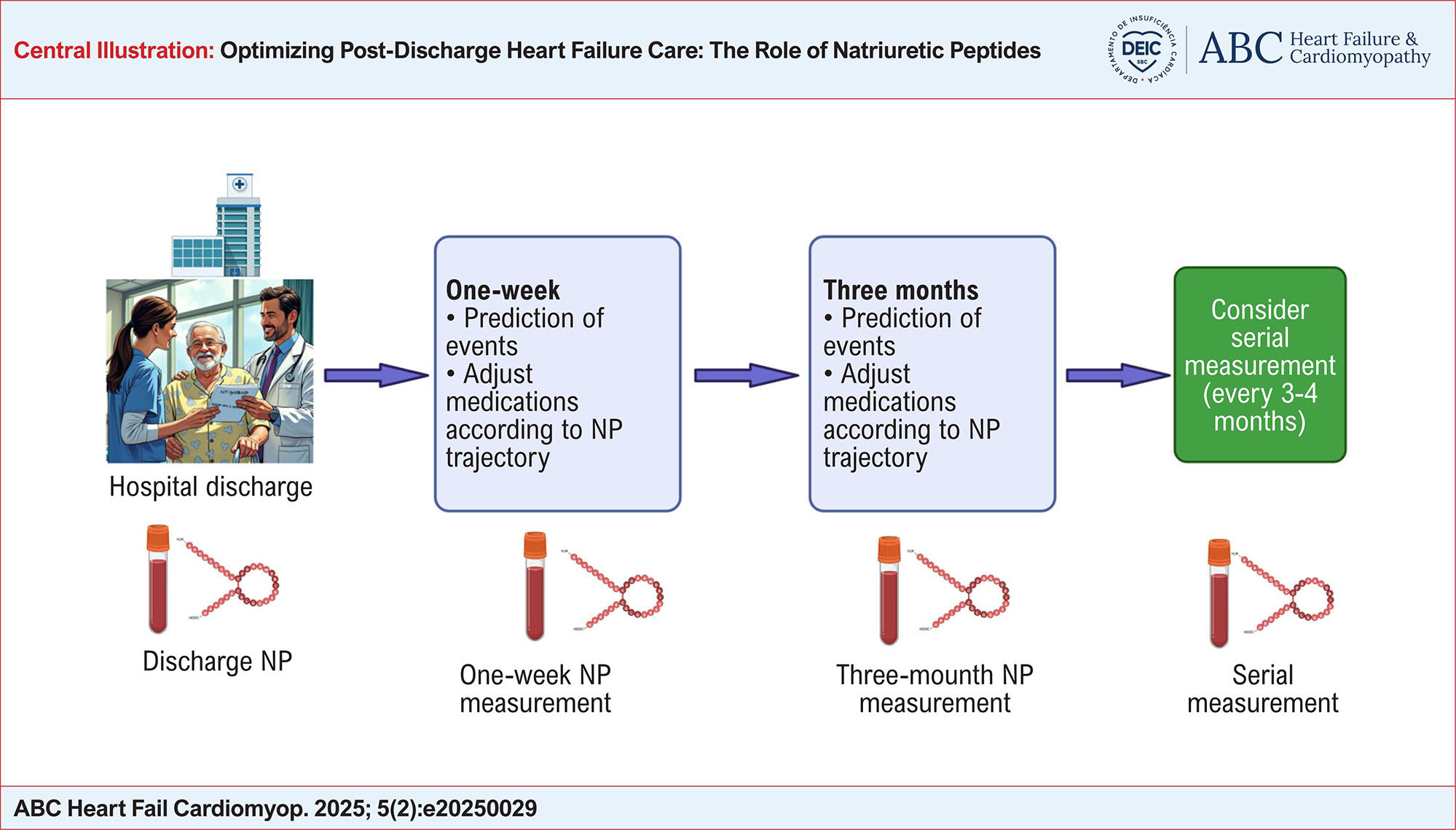
Optimizing Post-Discharge Heart Failure Care: The Role of Natriuretic Peptides
ABCHF
Review Article

Optimizing Post-Discharge Heart Failure Care: The Role of Natriuretic Peptides

Humberto Villacorta et al. Aline Sterque Villacorta

Abstract

Heart failure (HF) remains a leading cause of hospitalization, mortality, and health-care burden worldwide. The post-discharge period following acute decompensated heart failure (ADHF) is characterized by a heightened risk of rehospitalization and death, particularly during the first 90 days, known as the “vulnerable phase.” Effective strategies for risk stratification and therapy optimization during this phase are crucial to improve outcomes.

Natriuretic peptides (NPs), including B-type natriuretic peptide (BNP) and its N-terminal fragment (NT-proBNP), are well-established biomarkers of myocardial stress. Beyond their diagnostic role, NPs have emerged as powerful prognostic tools for post-discharge risk assessment and as potential guides for therapy titration. Elevated NP levels at discharge and persistently high concentrations one week post-discharge strongly predict adverse outcomes. Evidence from the STRONG-HF trial demonstrated that early, intensive follow-up incorporating NP monitoring and rapid guideline-directed medical therapy (GDMT) up-titration significantly reduced mortality and rehospitalization. Serial NP measurements further enhance risk stratification by capturing dynamic changes over time. Although trials such as GUIDE-IT showed mixed results for NP-guided therapy using fixed targets, patients achieving lower NP levels consistently demonstrated better outcomes.

In conclusion, NPs provide incremental prognostic value beyond clinical assessment in the vulnerable post-discharge phase and throughout long-term management. Early and serial NP monitoring can identify high-risk patients and support GDMT optimization. Future research should refine timing, thresholds, and integration of NP-guided strategies into multimodal risk models to enhance personalized HF care and improve global patient outcomes.

  • Diagnosis
  • Dyspnea
  • Emergency Medical Services
  • Heart Failure
  • Natriuretic Peptides
Read Full Article
Creative Commons Attribution (CC BY) Creative Commons license
19/12/2025 DOI: 10.36660/abchf.20250029i Views 1
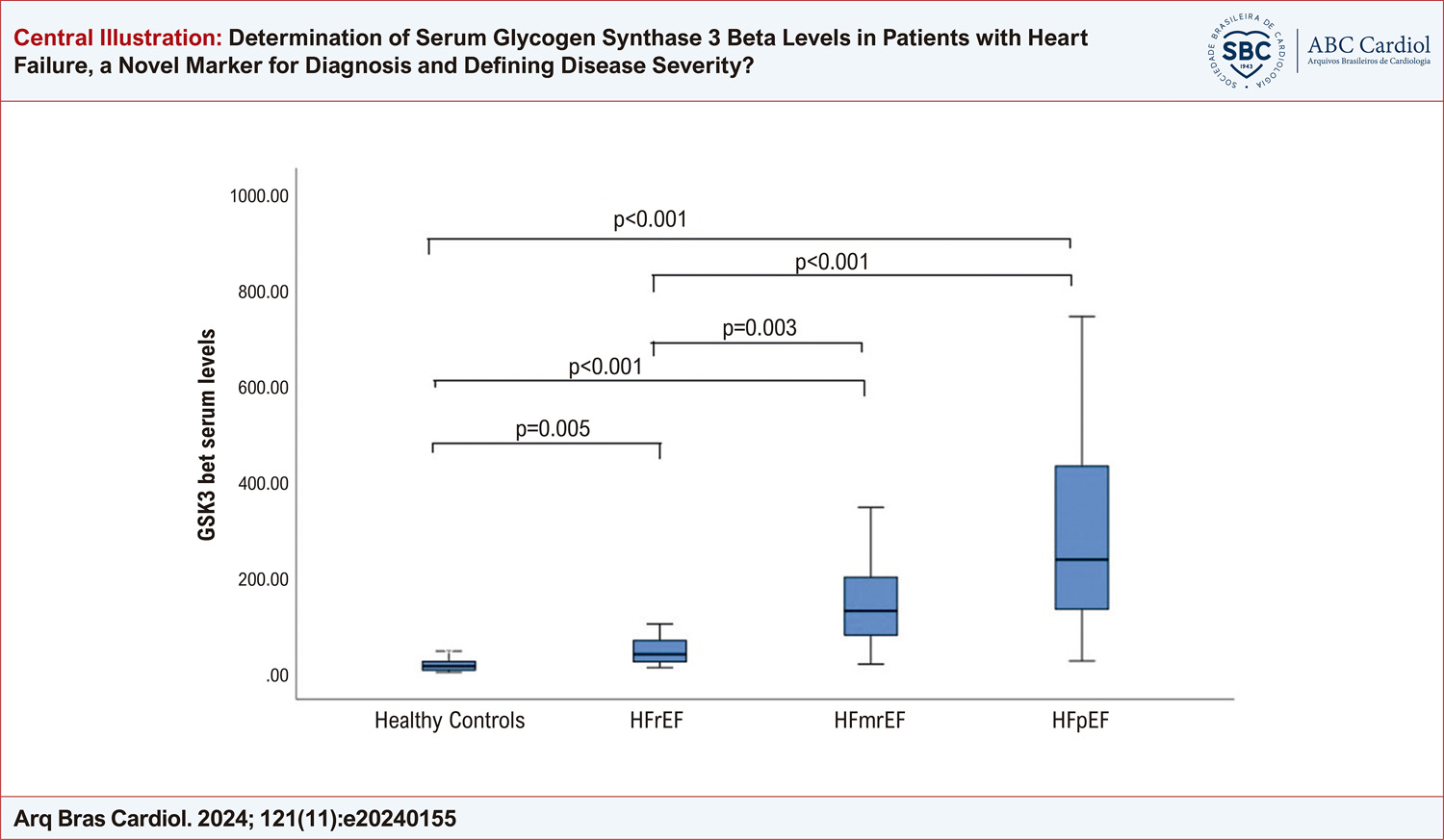
Determination of Serum Glycogen Synthase 3 Beta Levels in Patients with Heart Failure, a Novel Marker for Diagnosis and Defining Disease Severity?
ABC
Original Article

Determination of Serum Glycogen Synthase 3 Beta Levels in Patients with Heart Failure, a Novel Marker for Diagnosis and Defining Disease Severity?

Gokhan Altunbas et al. Mehmet Kaplan Veysel Duzen Emin Erdem Kaya … Hafize Gokce Gokdeniz Seyithan Taysi

Abstract

Background

Glycogen synthase kinase 3β (GSK3β) is an enzyme that has roles in the pathogenesis of heart failure (HF). We try to reveal serum GSK3β levels in types of HF.

Objectives

In this study, we evaluated serum GSK3β levels in HF patients. Also, we tried to elucidate any possible relationship between serum GSK3β levels and disease severity among three different types of HF patients.

Methods

We performed a prospective study and enrolled 112 patients: 50 patients in heart failure with preserved ejection fraction (HFpEF) group, 30 patients in heart failure with mildly reduced ejection fraction (HFmrEF) group, and 32 patients in heart failure with reduced ejection fraction group (HFrEF). We also evaluated 50 healthy controls. Echocardiographic examinations were performed. We measured serum GSK-3β and N-terminal pro-B-type natriuretic peptide (NT-proBNP). We measured highly sensitive C-reactive protein (hs-CRP) levels and calculated neutrophil-lymphocyte ratio (NLR) platelets-to-lymphocyte ratio (PLR) from the hemogram count. Statistical significance was accepted p < 0.05.

Results

Serum GSK3β levels were significantly higher among patients with HF compared to healthy controls (median GSK3β levels; 117.26 (45.39 -223.85) vs 13.91 (5.6 -23.3) ng/mL, p<0.001). Also, GSK3β levels were highest among patients with HFpEF and lowest among patients with HFrEF; 236.44 (132.89 -432) vs. 38.72 (23.15-67.31) ng/mL respectively (p<0.001). Median NT-proBNP levels, as expected, were significantly higher among patients with HF compared to healthy controls (660 (291 -1000) vs. 92 (78 -102) pg/mL, p<0.001). As a marker of systemic inflammation, hsCRP values, NLR, and PLR did not differ significantly among HF patients and controls.

Conclusion

GSK3β levels were significantly higher among patients with HF. Also, as the ejection fraction declines, GSK3β levels also reduce, probably as a protective mechanism to prevent further apoptosis and myocyte death.

  • Glycogen Synthase Kinase 3
  • Heart Failure
  • Natriuretic Peptides
Read Full Article
Creative Commons Attribution (CC BY) Creative Commons license
22/11/2024 DOI: 10.36660/abc.20240155i Views 1
Figure 1
ABC
Viewpoint

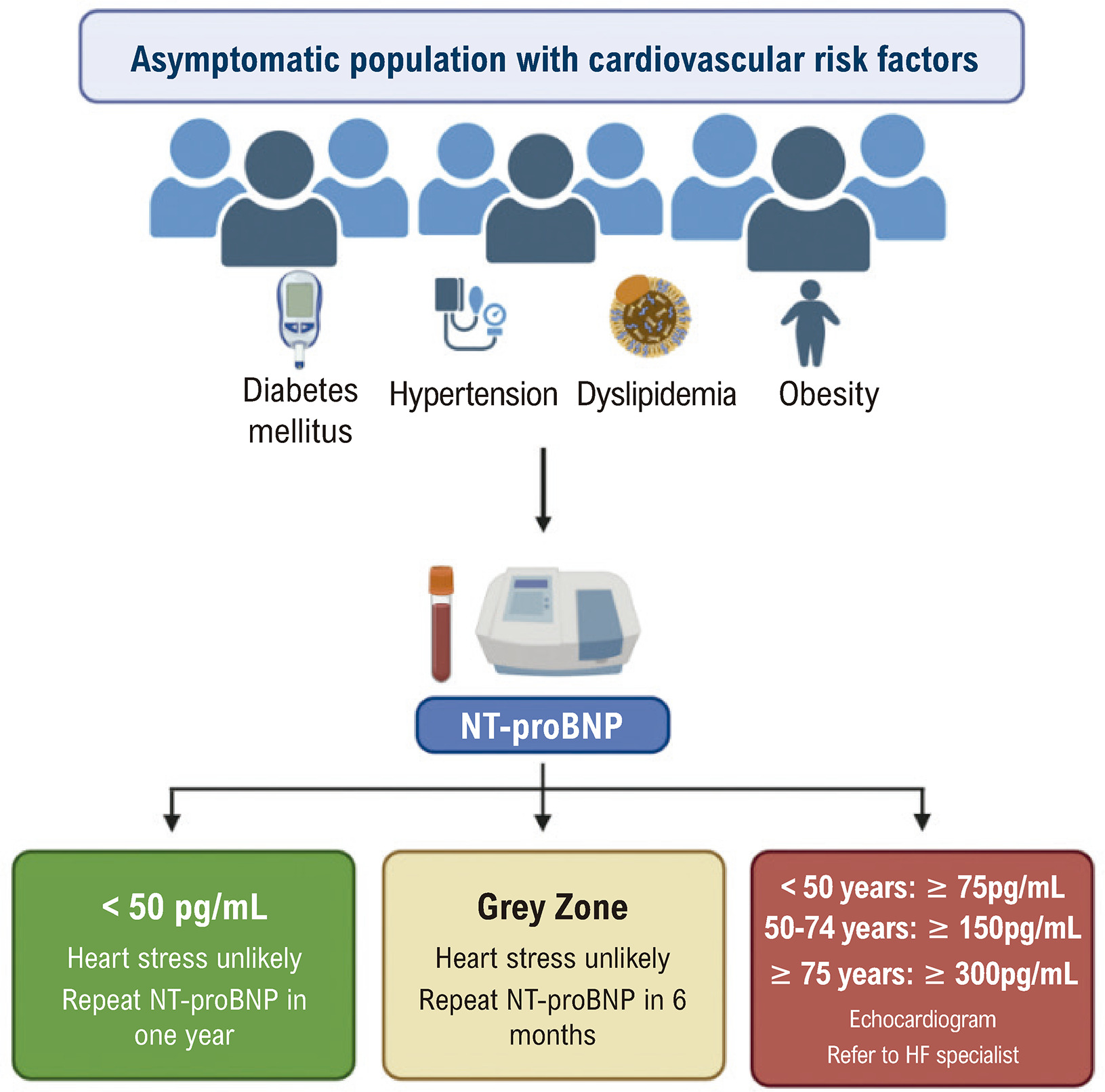
Natriuretic Peptides and Heart Stress: Time to Screen the Asymptomatic High-Risk Population to Prevent Incident Heart Failure?

Humberto Villacorta et al. Davyson Gerhardt de Souza Antonio José Lagoeiro Jorge

Heart failure (HF) is the final common pathway of many cardiac disorders. It is highly prevalent, especially in the elderly, and has high morbidity and mortality if not treated properly.– Although the treatment of HF has evolved, the number of affected individuals is still large and represents a burden on the healthcare system, globally and also in Brazil., The number of cases is expected to increase over the coming decades, due to the aging of the population and increased survival from cardiovascular conditions, such as acute coronary syndromes, valvular heart diseases, arrhythmias, congenital heart diseases, among others. Therefore, it is imperative to prevent HF.

Natriuretic peptides – BNP and NT-proBNP – are the gold standard biomarkers in HF.– It was used to diagnose HF in patients with Acute Dyspnea.– It was soon demonstrated that they were also excellent prognostic markers in patients with acute HF., Its use was then expanded to outpatients with HF, being recommended in the main guidelines for ruling out ambulatory HF in patients with symptoms suggestive of HF and also as a prognostic marker.–

[…]

  • Heart Failure
  • Incidence
  • Natriuretic Peptides
Read Full Article
Creative Commons Attribution (CC BY) Creative Commons license
26/08/2024 DOI: 10.36660/abc.20230910i
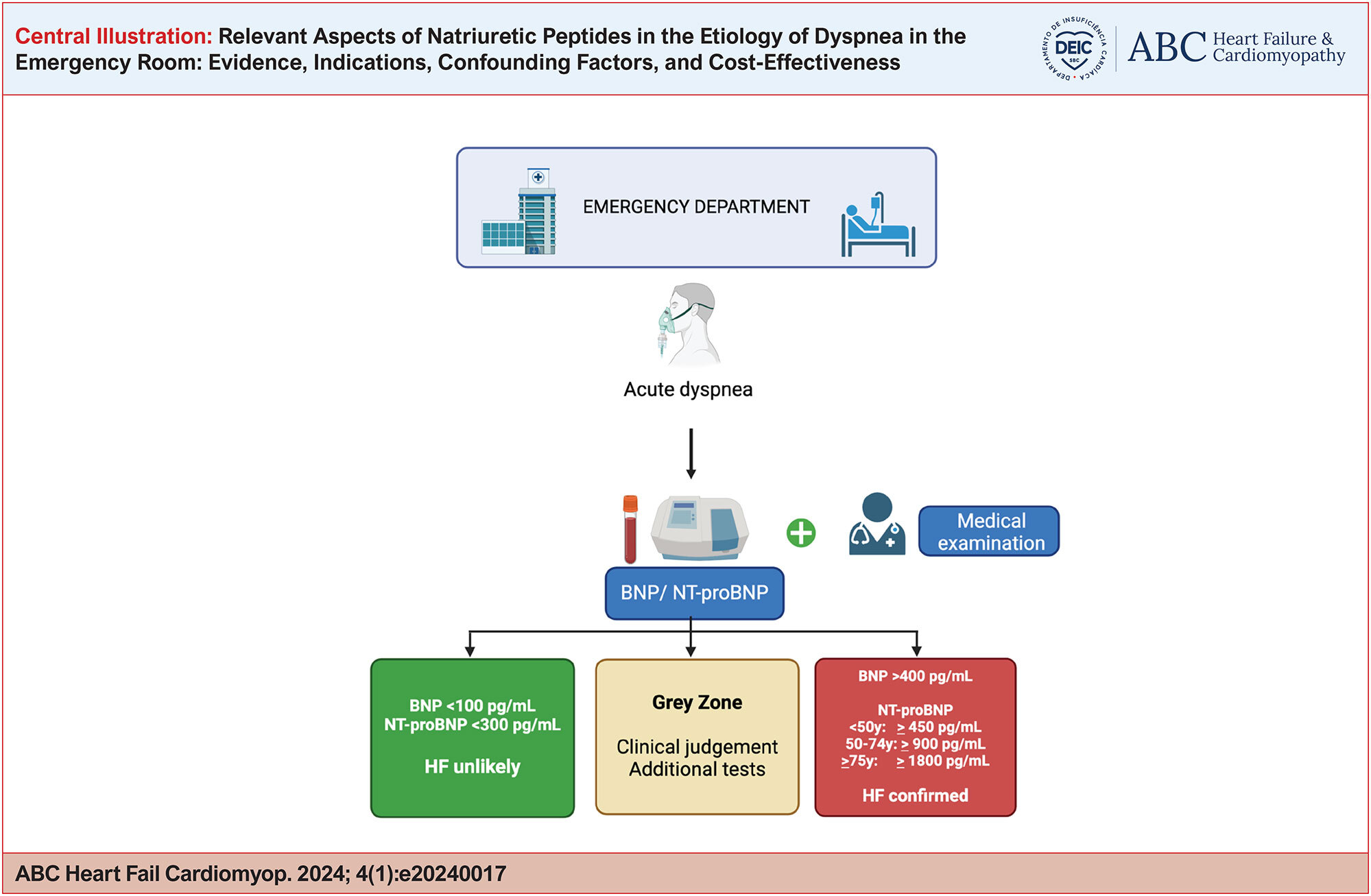
Relevant Aspects of Natriuretic Peptides in the Etiology of Dyspnea in the Emergency Room: Evidence, Indications, Confounding Factors, and Cost-Effectiveness
ABCHF
Review Article

Relevant Aspects of Natriuretic Peptides in the Etiology of Dyspnea in the Emergency Room: Evidence, Indications, Confounding Factors, and Cost-Effectiveness

Humberto Villacorta

Abstract

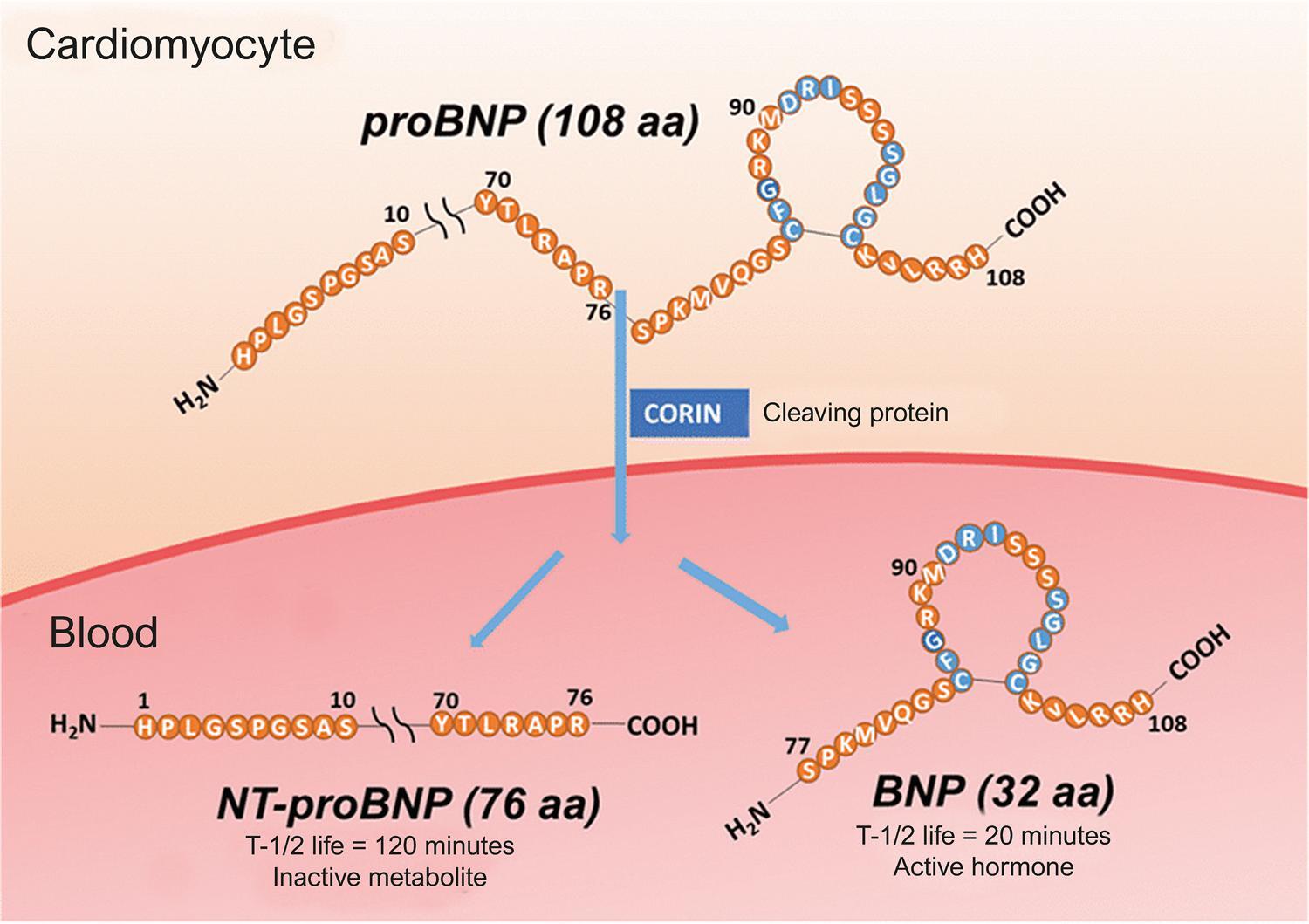
Natriuretic peptides are hormones released by the heart after acute or chronic aggression. They are produced exclusively by the heart and are, therefore, specific cardiac biomarkers. Recent pivotal studies have confirmed that they are useful in the diagnostic assessment of patients with dyspnea in the emergency room, with a high predictive value in ruling out acute heart failure, and they are indicated when there are doubts in clinical examination. They are also useful as prognostic markers and in monitoring response to treatment. Multiple studies have demonstrated that they are cost-effective in the emergency room. However, it is important to underscore that they should always be used in conjunction with clinical examination, and they have the limitation of reduced accuracy in some subgroups, due to the influence of some clinical variables, such as age, renal function, atrial fibrillation, and obesity. The use of cutoff values stratified by age group and machine learning techniques minimize the influence of confounding factors.

  • Diagnosis
  • Dyspnea
  • Emergency Medical Services
  • Heart Failure
  • Natriuretic Peptides
Read Full Article
Creative Commons Attribution (CC BY) Creative Commons license
11/07/2024 DOI: 10.36660/abchf.20240017i Views 2
Figure 1
ABC
Review Article

Critical Analysis and Limitations of the Diagnosis of Heart Failure with Preserved Ejection Fraction (HFpEF)

Viviane Tiemi Hotta et al. Daniela do Carmo Rassi José Luiz Barros Pena Marcelo Luiz Campos Vieira … Ana Clara Tude Rodrigues Juliano Novaes Cardoso Felix Jose Alvarez Ramires Luciano Nastari Charles Mady Fábio Fernandes

Abstract

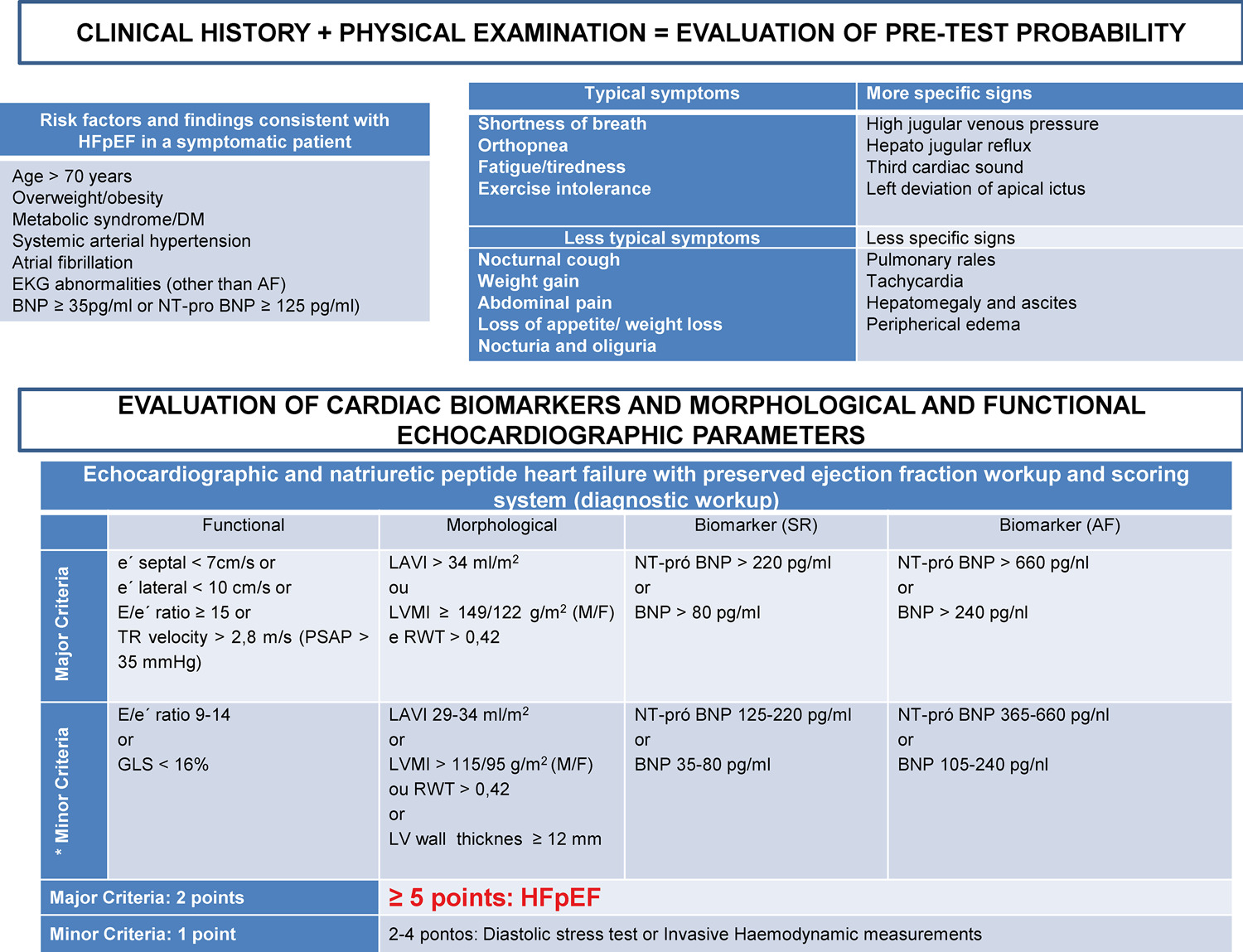
With the increase in the population’s life expectancy and the higher frequency of risk factors such as obesity, hypertension and diabetes, an increase in the prevalence of heart failure with preserved ejection fraction (HFpEF) is expected. However, to date, the diagnosis and treatment of patients with HFpEF remain challenging. The syndromic diagnosis of HFpEF includes several etiologies and diseases with specific treatments but has points in common regarding the clinical presentation, laboratory evaluation related to biomarkers, such as BNP and NT-ProBNP, and echocardiographic evaluation of cardiac remodeling and left ventricular diastolic filling pressures. Extensive randomized clinical trials involving the treatment of this condition have failed to demonstrate benefits to the patient, making it necessary to reflect on the diagnosis, mechanisms of morbidity, mortality and reversibility in this syndrome. In this review, the current concepts, controversies and challenges, especially regarding diagnosis, will be addressed, critically analyzing the European Heart Failure Association score for the diagnosis of HFpEF.

  • Diagnostic,Imaging
  • Echocardiography/methods
  • Heart Failure/physiopathology
  • Natriuretic Peptides
Read Full Article
Creative Commons Attribution (CC BY) Creative Commons license
11/07/2022 DOI: 10.36660/abc.20210052 Views 1
Figure 1
ABCHF
Review Article

Treatment of Heart Failure Based on Natriuretic Peptide Levels: A Question That Has Yet to be Solved?

Carlos Eduardo Lucena Montenegro et al. Taciana Queiroz Medeiros Gomes Ana Carla Alves de Souza Lyra Joyce Santana do Nascimento Luana do Amaral Dias

Trials in chronic HF

Several studies have addressed the hypothesis that therapy guided by BNP or NT-proBNP would improve clinical outcomes in chronic HF. – Even though some of these studies demonstrated a reduction in clinical events, none of them, taken alone, was adequately powered to test the effect of this strategy on all-cause mortality.

One of the first published studies addressing this issue, published in 2000, was promising, suggesting a benefit in terms of mortality and hospitalization due to HF. Troughton et al. demonstrated a reduction in total cardiovascular events (death, hospital admission, or decompensation of HF) (19 versus 54, p = 0.02), but their study had a small number of patients (69 patients) and a short-term follow-up.

[…]

  • Heart Failure
  • Natriuretic Peptide, Brain
  • Natriuretic Peptides
Read Full Article
Creative Commons Attribution (CC BY) Creative Commons license
12/04/2022 DOI: 10.36660/abchf.20220017 Views 1
ABC
Editorial

Is There a Role for Lung Ultrasonography in the Prognosis of Heart Failure Patients?

Mônica Samuel Avila et al. Deborah De Sá Pereira Belfort

Heart failure (HF) hospitalizations are most commonly motivated by systemic and pulmonary congestion, leading to 5–15% of mortality rate and up to 50% of readmission rate in 90 days. Although the usual goal during hospitalization is complete decongestion, 30% of patients have residual congestion at discharge. Signs of congestion, high filling pressures and elevated natriuretic peptides are associated with higher mortality and readmission rates, and residual congestion at discharge is also associated with worse prognosis.,

Congestion assessment is usually difficult given the low sensitivity and/or specificity of physical examination findings. Chest radiography and natriuretic peptides can improve evaluation, but lung ultrasonography (LUS) has been recently used as a sensitive tool in this scenario. It can estimate right atrial pressure using vena cava diameter and variation and evaluate lung congestion by counting B-lines in chest zones. B-lines are hyperechoic artefacts on LUS which appear as vertical lines from the pleural line to the bottom of the screen and represent thickening of interlobular septa. Recent data report association of B-lines in LUS with higher mortality and hospitalization rates.

[…]

  • Heart Failure
  • Hospitalization
  • Lung/ultrasonography
  • Mortality
  • Natriuretic Peptides
  • Prognosis
Read Full Article
Creative Commons Attribution (CC BY) Creative Commons license
23/04/2021 DOI: 10.36660/abc.20201283 Views 1
ABC
Editorial

What is the Role of Two-Dimensional Speckle Tracking Echocardiography in the Diagnosis and Management of Anthracycline-Induced Cardiotoxicity?

Isabela Bispo Santos da Silva Costa et al. Ludhmila Abrahão Hajjar

The increasing number of patients with neoplasms and survivors, has raised the interest of the scientific community in the diagnosis and early management of the effects of neoplasms and/or their treatments on patients. In that scenario, the injury caused to the cardiovascular system belongs to a spectrum and can impair all cardiovascular system structures in a clinically variable way, ranging from asymptomatic forms to cardiovascular death. Most studies on cardiotoxicity have focused on ventricular dysfunction because of its presentation severity and because it is the major cause of late non-oncologic mortality of neoplasm survivors.

In oncologic patients, the drugs most commonly related to ventricular dysfunction are anthracyclines. Recent studies have reported that the damage related to those drugs, if not identified and treated early, evolves continuously from cell injury to ventricular dysfunction. In the past decade, several studies showed that the subclinical detection of cardiotoxicity, by use of biomarkers, such as troponin and BNP, might be an opportunity to prevent cardiovascular injury, allowing for early treatment and more appropriate individualized follow-up.–

[…]

  • Anthracyclines / toxicity
  • Cardiotoxicity
  • Echocardiography
  • Natriuretic Peptides
  • Neoplasms
  • Speckle Tracking
  • Troponin
  • Ventricular Dysfunction
Read Full Article
Creative Commons Attribution (CC BY) Creative Commons license
01/03/2018 DOI: 10.5935/abc.20180047
Figure 1
ABC
Original Article

Endostatin a Potential Biomarker for Heart Failure with Preserved Ejection Fraction

Michael Coll Barroso et al. Philip Boehme Frank Kramer Thomas Mondritzki … Till Koehler Jan-Erik Gülker Martin Karoff Wilfried Dinh

Abstract

Background:

Endostatin is a circulating endogenous angiogenesis inhibitor preventing neovascularization. Previous studies demonstrated the prognostic value of Endostatin among patients with heart failure with reduced ejection fraction (HFrEF). However, the role of Endostatin among patients with heart failure with preserved ejection fraction (HFpEF) remains unclear.

Objective:

This study aimed to investigate the association between serum Endostatin levels, natriuretic peptide levels and the severity of left ventricular diastolic dysfunction and the diagnosis of HFpEF.

Methods:

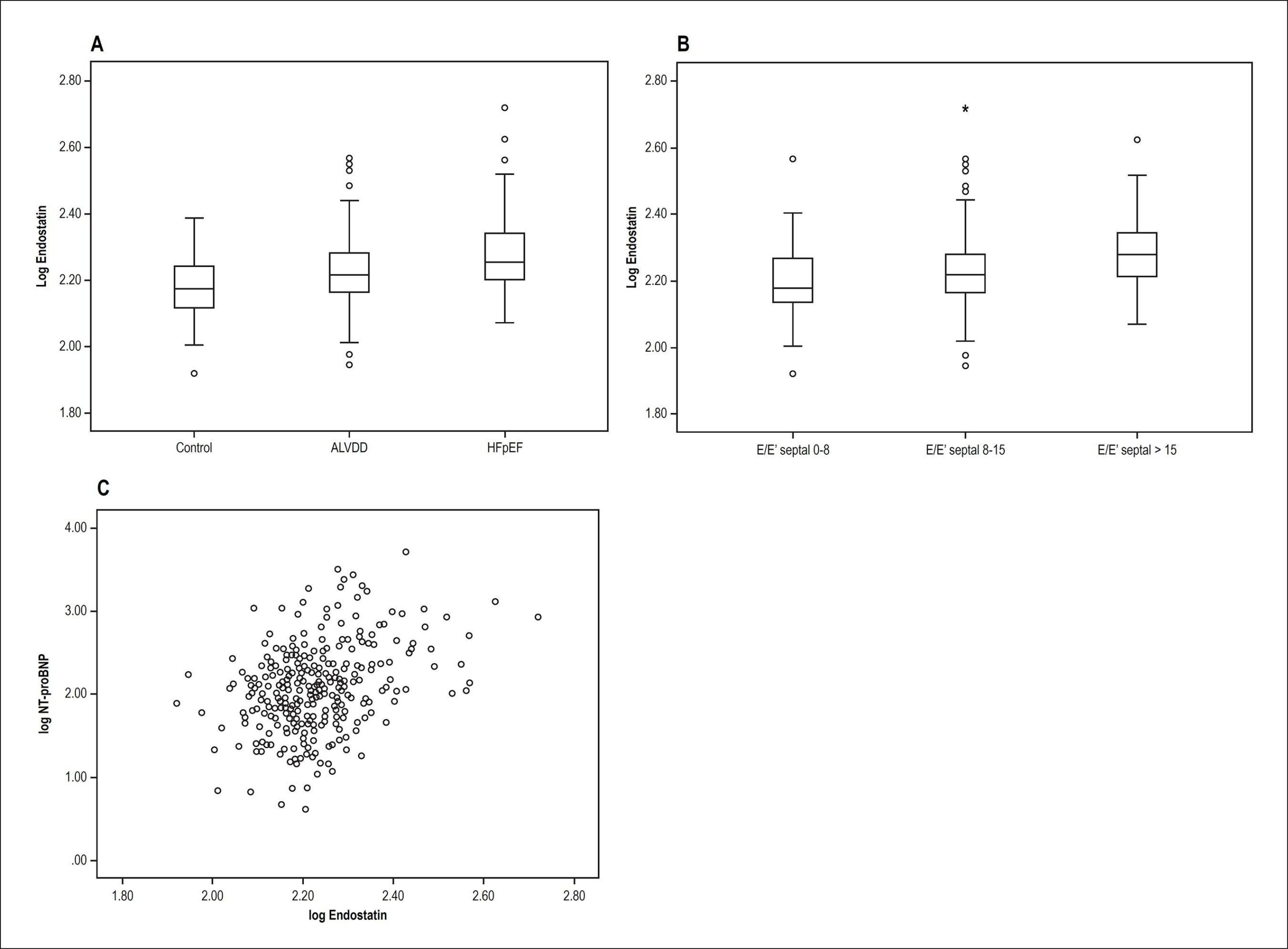
Endostatin serum concentrations were measured in 301 patients comprising 77 HFpEF patients, 169 patients with asymptomatic left ventricular diastolic dysfunction (ALVDD), and 55 controls with normal cardiac function.

Results:

Endostatin serum levels were significantly elevated in patients with HFpEF (median/interquartile range 179.0 [159-220]) and ALVDD (163.8 [145.4-191.3]) compared to controls (149.1 [130.6-176.9]), p < 0.001 and p = 0.004, respectively) and significant correlated with N-terminal pro B-type natriuretic peptide (NT-proBNP).

Conclusions:

This hypothesis-generating pilot study gives first evidence that Endostatin correlates with the severity of diastolic dysfunction and may become a novel biomarker for HFpEF. We hypothesize a rise in Endostatin levels may reflect inhibition of adaptive angiogenesis and adverse cardiac remodeling.

  • Biomarkers
  • Endostatins
  • Heart Failure
  • Natriuretic Peptides
  • Stroke Volume
Read Full Article
Creative Commons Attribution (CC BY) Creative Commons license
28/09/2017 DOI: 10.5935/abc.20170144
Figure 1
ABC
Original Article

Assessing Strategies for Heart Failure with Preserved Ejection Fraction at the Outpatient Clinic

Antonio José Lagoeiro Jorge et al. Maria Luiza Garcia Rosa Mario Luiz Ribeiro Luiz Claudio Maluhy Fernandes … Monica Di Calafiori Freire Dayse Silva Correia Patrick Duarte Teixeira Evandro Tinoco Mesquita

Background:

Heart failure with preserved ejection fraction (HFPEF) is the most common form of heart failure (HF), its diagnosis being a challenge to the outpatient clinic practice.

Objective:

To describe and compare two strategies derived from algorithms of the European Society of Cardiology Diastology Guidelines for the diagnosis of HFPEF.

Methods:

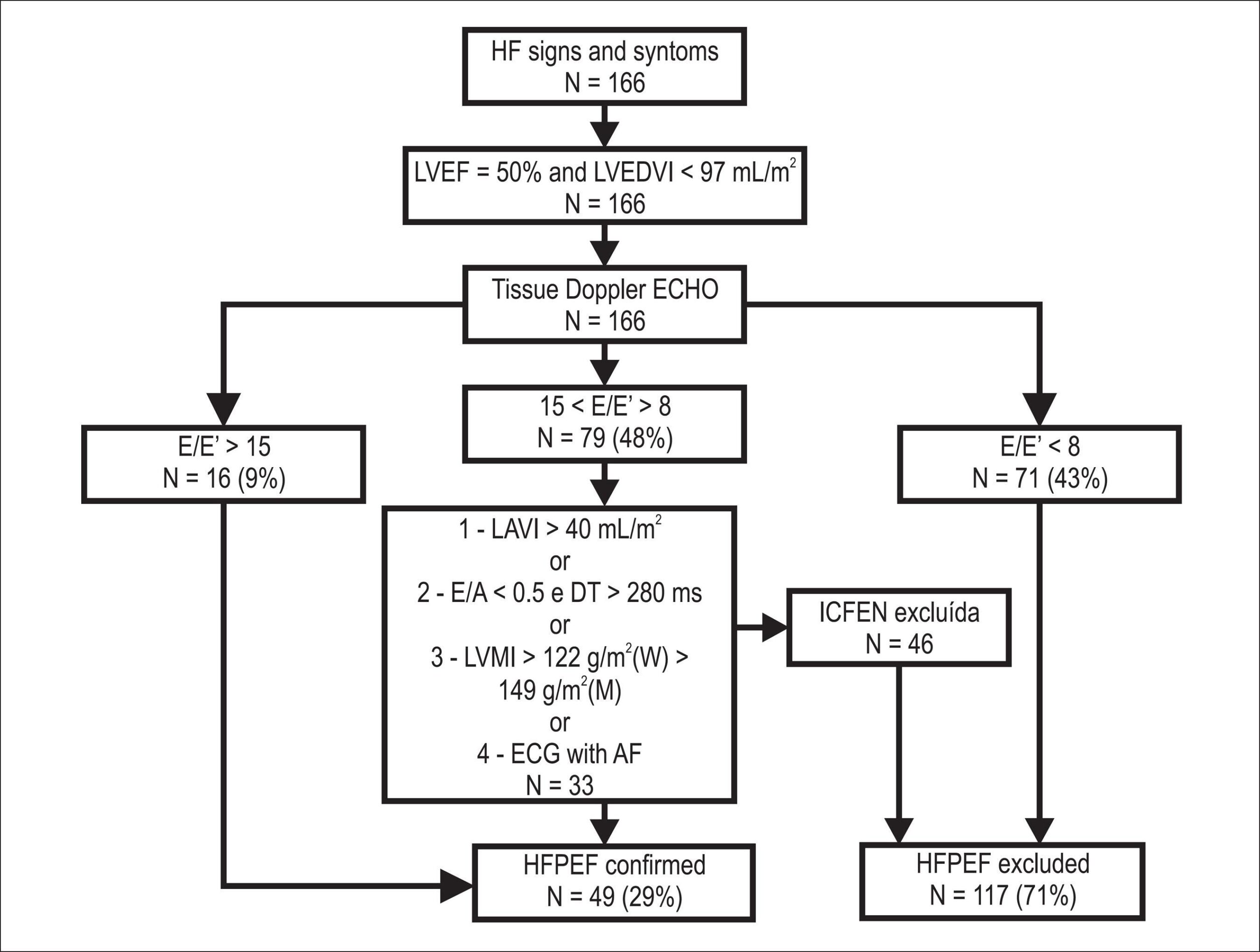
Cross-sectional study with 166 consecutive ambulatory patients (67.9±11.7 years; 72% of women). The strategies to confirm HFPEF were established according to the European Society of Cardiology Diastology Guidelines criteria. In strategy 1 (S1), tissue Doppler echocardiography (TDE) and electrocardiography (ECG) were used; in strategy 2 (S2), B-type natriuretic peptide (BNP) measurement was included.

Results:

In S1, patients were divided into groups based on the E/E’ratio as follows: GI, E/E’> 15 (n = 16; 9%); GII, E/E’8 to 15 (n = 79; 48%); and GIII, E/E'< 8 (n = 71; 43%). HFPEF was confirmed in GI and excluded in GIII. In GII, TDE [left atrial volume index (LAVI) ≥ 40 mL/m2; left ventricular mass index LVMI) > 122 for women and > 149 g/m2 for men] and ECG (atrial fibrillation) parameters were assessed, confirming HFPEF in 33 more patients, adding up to 49 (29%). In S2, patients were divided into three groups based on BNP levels. GI (BNP > 200 pg/mL) consisted of 12 patients, HFPEF being confirmed in all of them. GII (BNP ranging from 100 to 200 pg/mL) consisted of 20 patients with LAVI > 29 mL/m2, or LVMI ≥ 96 g/m2 for women or ≥ 116 g/m2 for men, or E/E’≥ 8 or atrial fibrillation on ECG, and the diagnosis of HFPEF was confirmed in 15. GIII (BNP < 100 pg/mL) consisted of 134 patients, 26 of whom had the diagnosis of HFPEF confirmed when GII parameters were used. Measuring BNP levels in S2 identified 4 more patients (8%) with HFPEF as compared with those identified in S1.

Conclusion:

The association of BNP measurement and TDE data is better than the isolated use of those parameters. BNP can be useful in identifying patients whose diagnosis of HF had been previously excluded based only on TDE findings.

  • Ambulatory Care
  • Doppler
  • Echocardiography
  • Heart Failure
  • Natriuretic Peptides
Read Full Article
Creative Commons Attribution (CC BY) Creative Commons license
13/08/2014 DOI: 10.5935/abc.20140120
ABC
Letter to the Editor

Assessment of Natriuretic Peptides: The Heart Should Be Evaluated as a Whole

Emre Yalcinkaya et al. Murat Celik Galip Buyukturan

Dear Editor,

We read with great interest the article by Rodrigues et al entitled “Right Ventricular Assessment by Tissue-Doppler Echocardiography in Acute Pulmonary Embolism”, which was published of the Arquivos Brasileiros de Cardiologia. The authors aimed to evaluate the right ventricular (RV) systolic function using two-dimensional tissue Doppler echocardiography in patients with acute pulmonary embolism (PE) and to analyze its correlation with atrial natriuretic peptide (BNP) levels. The authors concluded that increased BNP levels (≥ 50 pg/mL) were associated with a higher prevalence of RV systolic dysfunction in patients with PE. Although the current article is well-managed, and we commend the authors for the detailed and valuable information that they have provided, some comments may be beneficial.

[…]

  • Natriuretic Peptides
  • Pulmonary embolism
  • Ventricular Function, Right
Read Full Article
Creative Commons Attribution (CC BY) Creative Commons license
01/03/2014 DOI: 10.5935/abc.20140027 Views 1
Role of BNP levels on the prognosis of decompensated advanced heart failure
ABC
Artigo Original

Role of BNP levels on the prognosis of decompensated advanced heart failure

Antônio Carlos Pereira-Barretto et al. Carlos Henrique Del Carlo Juliano Novaes Cardoso Marcelo Eid Ochiai … Marcelo Villaça Lima Milena Cardoso Curiati Airton Roberto Scipioni José Antônio Franchini Ramires

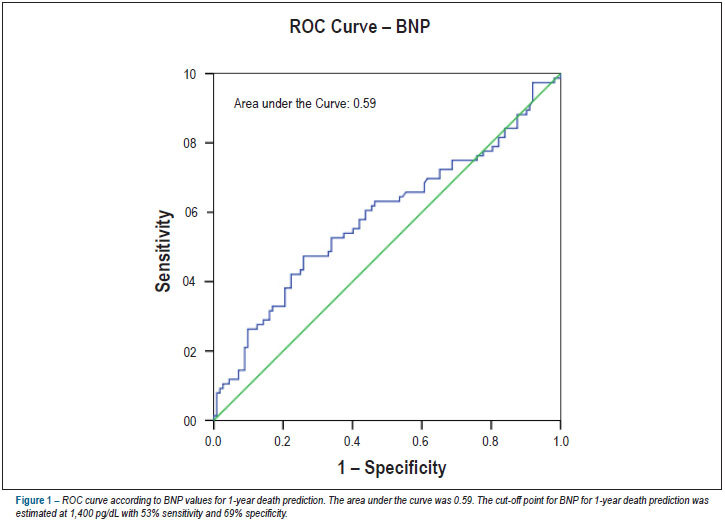
BACKGROUND: Heart failure (HF) is a condition with poor outcome, especially in advanced cases. Determination of B-type natriuretic peptide (BNP) levels is useful in the diagnosis of cardiac decompensation and has also been proving useful in the prognostic evaluation. OBJECTIVES: To verify whether BNP levels are able to identify patients with a poorer outcome and whether it is an independent prognostic factor considering age, gender, cardiac and renal functions, as well as the cause of heart disease. METHODS: 189 patients in functional class III/IV advanced HF were studied. All had systolic dysfunction and had their BNP levels determined during hospitalization. Variables related to mortality were studied using univariate and multivariate analyses. RESULTS: BNP levels were higher in patients who died in the first year of follow-up (1,861.9 versus 1,408.1 pg/dL; p = 0.044) and in chagasic patients (1,985 versus 1,452 pg/mL; p = 0.001); the latter had a higher mortality rate in the first year of follow-up (56% versus 35%; p = 0.010). The ROC curve analysis showed that the BNP level of 1,400 pg/mL was the best predictor of events; high levels were associated with lower LVEF (0.23 versus 0.28; p = 0.002) and more severe degree of renal dysfunction (mean urea 92 versus 74.5 mg/dL; p = 0.002). CONCLUSION: In advanced HF, high BNP levels identified patients at higher risk of a poorer outcome. Chagasic patients showed higher BNP levels than those with heart diseases of other causes, and have poorer prognosis.

  • Heart Failure
  • Natriuretic Peptides
  • Prognosis
  • Survivorship (Public Health)
Read Full Article
Creative Commons Attribution (CC BY) Creative Commons license
16/04/2013 DOI: 10.5935/abc.20130066 Views 2
Prognostic value of B-type natriuretic peptide in the mortality of patients with Acute Coronary Syndrome
ABC
Artigo Original

Prognostic value of B-type natriuretic peptide in the mortality of patients with Acute Coronary Syndrome

Alexandre Vaz Scotti et al. Bernardo Rangel Tura Ronilson Gonçalves Rocha Denilson Campos de Albuquerque

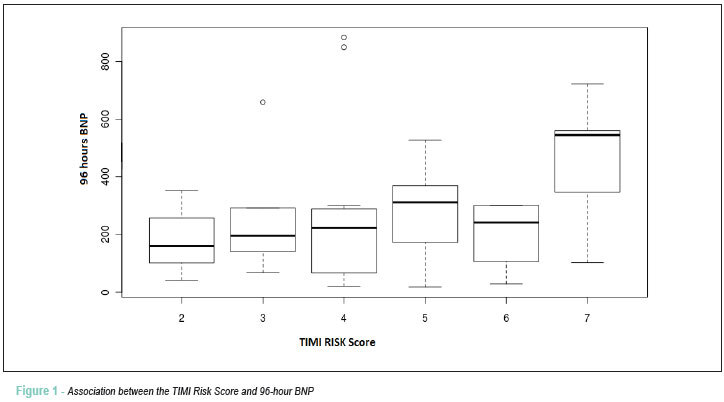
BACKGROUND: The prognostic value of BNP in acute coronary syndrome (ACS) has been repeatedly assessed, but not completely well established. Literature data for establishing the best time for assessing BNP, be it on hospital admission or after coronary intervention, are controversial. OBJECTIVE: To analyze BNP in non-ST segment elevation ACS (NSTE-ACS) in the long term, and to assess the association between BNP (pg/ml), death, coronary anatomy, and TIMI Risk Score. METHODS: Forty patients with NSTE-ACS and troponin>0.50 ng/ml had their BNP levels measured on admission and 96 hours after, and were followed up for four years. The difference between the two measures was assessed by use of Wilcoxon test (p 300 pg/ml (95% CI 1.90 a 29.30 p<0.01). An association between 96-hour BNP and TIMI Risk Score was observed (p<0.01). An association was observed between the increase in 96-hour BNP and multivessel disease (p=0.02). CONCLUSION: In NSTE-ACS with positive troponin, 96-hour BNP can be a tool for risk stratification. (Arq Bras Cardiol. 2012; [online].ahead print, PP.0-0)

  • Acute coronary syndrome
  • Natriuretic Peptides
  • Prognosis
Read Full Article
Creative Commons Attribution (CC BY) Creative Commons license
29/05/2012 DOI: 10.1590/S0066-782X2012005000050 Views 2
NT-proBNP levels in patients with non-ST-segment elevation acute coronary syndrome
ABC
Artigo Original

NT-proBNP levels in patients with non-ST-segment elevation acute coronary syndrome

Luiz Ricardo A. Castro et al. Maria Clara N. Alencar Márcia M. Barbosa Maria do Carmo P. Nunes … José Ronaldo Cardoso Antonio Luiz P. Ribeiro

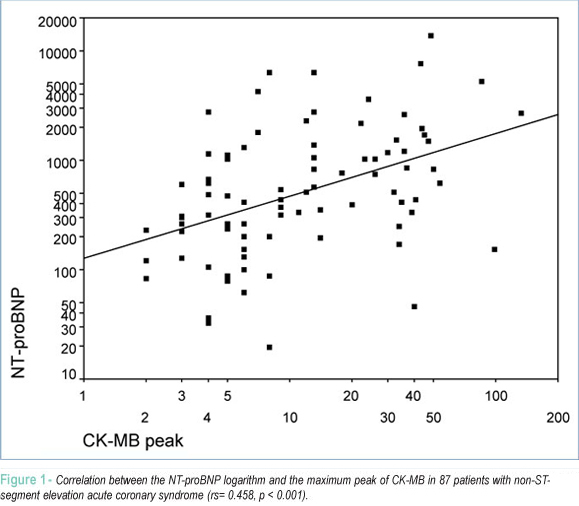
BACKGROUND: Non-ST-segment elevation acute coronary syndrome is associated with elevation of brain natriuretic peptide and markers of myocardial necrosis, although its relationship with the TIMI score and left ventricular function are largely unknown. OBJECTIVE: To evaluate the correlation between plasma N-terminal pro-brain natriuretic peptide (NT-proBNP) and markers of myocardial necrosis [creatine phosphokinase muscle-brain fraction (CK-MB) and troponin I], TIMI risk score and left ventricular ejection fraction in patients with non-ST-segment elevation acute coronary syndrome. METHODS: Eighty-seven patients with non-ST-segment elevation acute coronary syndrome were divided into two groups: 37 (42.5%) with unstable angina and 50 (57.5%) with non-ST-segment elevation myocardial infarction. RESULTS: Left ventricular ejection fraction more than 40% was found in 86.2% of the total sample. Serum levels of NT-proBNP was higher in patients with non-ST elevation myocardial infarction than in those with unstable angina (p<0.001). Increased levels of NT-proBNP were associated with increases in troponin I (rs=0.425, p<0.001), peak CK-MB (rs=0.458, p<0.001) and low left ventricular ejection fraction (rs=-0.345, p=0.002); no correlation was found with the TIMI risk score (rs=0.082, p=0.44). Multivariate analysis revealed that left ventricular ejection fraction and troponin I levels were independently correlated with NT-proBNP levels (p=0.017 and p=0.002, respectively). CONCLUSION: Increased levels of NT-proBNP in patients with non-ST-segment elevation acute coronary syndrome are not related exclusively to low left ventricular ejection fraction, but can also be caused by the presence of myocardial ischemia and necrosis.

  • Acute coronary syndrome
  • Angina, Unstable
  • Myocardial Infarction
  • Natriuretic Peptides
Read Full Article
Creative Commons Attribution (CC BY) Creative Commons license
27/10/2011 DOI: 10.1590/S0066-782X2011005000114
Ventricular dyssynchrony and increased BNP levels in right ventricular apical pacing
ABC
Artigo Original

Ventricular dyssynchrony and increased BNP levels in right ventricular apical pacing

Cláudia Drummond Guimarães Abreu et al. Maria do Carmo Pereira Nunes Márcia Melo Barbosa Manoel Otávio Costa Rocha Antônio Luiz Pinho Ribeiro

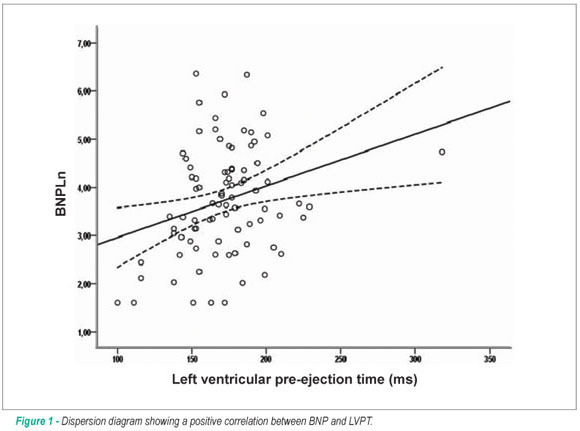
BACKGROUND: Long-term right ventricular apical pacing can cause ventricular dyssynchrony and, secondarily, neurohumoral alterations and increase in cardiac morbimortality. OBJECTIVE: To analyze ventricular dyssynchrony and its effects on BNP levels in patients with pacemakers and long-term right ventricular (RV) apex pacing. METHODS: Cross-sectional study of 85 patients with single or dual chamber pacemaker, NYHA functional class I or II and left ventricular ejection fraction (LVEF) > 35%. The dyssynchrony assessment was carried out using several echocardiographic techniques, including Tissue Synchronization Imaging (TSI), with the analysis of the 12 segments. BNP was measured at the same time when the echocardiogram was performed, but the examiner was blinded to the results. RESULTS: Forty-six women and 39 men, aged 58 ± 12 years, with Chagas’ disease (56%) and controlled hypertensive individuals (62%), were included in the study. LVEF was 52 ± 8% and the mean QRS duration was 139 ms (120-180 ms). BNP levels were altered in 36.5% of the sample (cutoff = 60 pg/ml). At the multivariate linear regression analysis, BNP was correlated with age (p = 0.024), LVEF (p < 0.0001) and left ventricular (LV) pre-ejection time (p = 0.009), which is an intraventricular dyssynchrony index. CONCLUSION: In clinically stable patients receiving conventional cardiac pacing, the intraventricular dyssynchrony was an independent predictor of BNP level increase after adjusted for age and LVEF.

  • Artificial
  • Echocardiography
  • Natriuretic Peptides
  • Pacemaker
  • Ventricular Dysfunction
Read Full Article
Creative Commons Attribution (CC BY) Creative Commons license
10/06/2011 DOI: 10.1590/S0066-782X2011005000070
Relationship between depression, BNP levels and ventricular impairment in heart failure
ABC
Artigo Original

Relationship between depression, BNP levels and ventricular impairment in heart failure

Vera Barretto Aguiar et al. Marcelo Eidi Ochiai Juliano Novais Cardoso Carlos H Del Carlo … Paulo Cesar Morgado Robinson Tadeu Munhoz Antonio Carlos Pereira-Barretto

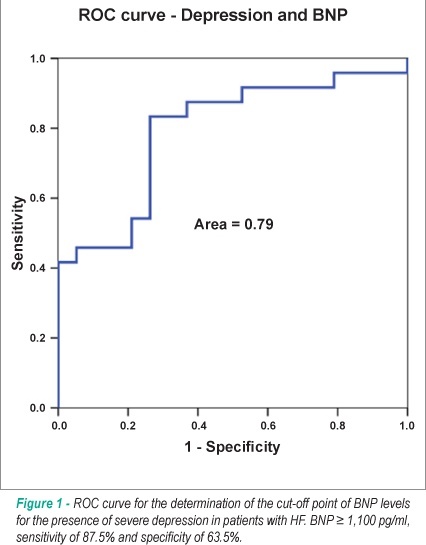
BACKGROUND: Depression is a common comorbidity in heart failure (HF); however, the mechanisms related to a poorer outcome of depressed patients with HF remain unclear. OBJECTIVE: To evaluate the role of severe depression in the outcome of patients with decompensated HF. METHODS: A total of 43 patients with advanced HF, EF < 40.0%, and hospitalized for cardiac compensation were consecutively studied. After history taking and physical examination, the patients underwent laboratory tests including BNP determination. After the diagnosis of depression was made, the Hamilton-D scale was applied. Severe depression was defined by a score equal to or greater than 18. The clinical and laboratory variables according to the presence or absence of severe depression were analyzed using logistic regression. The ROC curve defined the cut-off point for BNP. RESULTS: Severe or very severe depression was identified in 24 (55.8%) patients. Severely depressed patients did not differ from non-depressed patients as regards age, gender and renal function, but showed less cardiac impairment (EF 23.4 ± 7.2% vs 19.5 ± 5.2%; p = 0.046) and higher BNP levels (2,582.8 ± 1,596.6 pg/ml vs 1,206.6 ± 587.0 pg/ml; p < 0.001). However, patients with BNP levels higher than 1,100 pg/ml had a 12.0-fold higher chance (odds ratio [95% CI] = 2.61 – 55.26) of developing severe depression. CONCLUSION: Patients with severe depression showed a higher degree of neurohormonal stimulation despite their lower degree of ventricular dysfunction. The pathophysiological changes related to depression, leading to increased neurohormonal stimulation and cytokines, probably contributed to this more intense clinical manifestation even in the presence of less cardiac damage.

  • Comorbidity
  • Depression
  • Heart Failure
  • Natriuretic Peptides
Read Full Article
Creative Commons Attribution (CC BY) Creative Commons license
17/09/2010 DOI: 10.1590/S0066-782X2010005000125 Views 1
ABC
Artigo Original

Measurement of human brain natriuretic peptide in patients with Chagas' disease

Railton Bezerra de Melo et al. Giordano Bruno de Oliveira Parente Edgar Guimarães Victor

OBJECTIVE: To measure the serum levels of brain natriuretic peptide (BNP) in patients with chronic chagasic heart disease and in individuals with positive serology for Chagas’ disease and no heart impairment, and to correlate the serum BNP levels with the degree of cardiac impairment, cardiac dimensions, presence of a pacemaker, and ejection fraction. METHODS: Serum BNP concentrations were determined by use of the Triage – BNP Test produced by BIOSITE. Serum BNP was assessed in 25 patients from the Chagas’ disease outpatient clinic of the Hospital Universitário Oswaldo Cruz, who were divided into 2 groups as follows: 1) G1 – comprising 13 assymptomatic patients with positive serology for Chagas’ disease and no heart disease detectable on electrocardiography, chest X-ray, and echocardiography; and 2) G2 – comprising 12 patients with Chagas’ disease and heart impairment. RESULTS: Significantly more elevated BNP levels were detected in the chagasic patients with cardiac impairment: (G1=4.4 ±4.4 pg/ml, G2=293.0±460.2 pg/ml); (P<0.01). In the 2 groups, the serum levels of BNP correlated neither with age nor with sex. The levels were directly proportional to functional class and cardiac area on chest X-ray. Although a trend towards an increment in systolic function impairment was observed, no linear correlation with the ejection fraction on echocardiography occurred. The presence of definitive pacemaker and electrocardiographic alterations did not change the serum BNP levels. CONCLUSION: Asymptomatic individuals with a positive serology for Chagas' disease and no evidence of ventricular dysfunction have serum BNP levels similar to those of the general population.

  • cerebral natriuretic peptide
  • Chagas disease
  • congestive heart failure
  • Natriuretic Peptides
Read Full Article
Creative Commons Attribution (CC BY) Creative Commons license
08/03/2005 DOI: 10.1590/S0066-782X2005000200008
Sensitivity and specificity of B-type natriuretic peptide for identifying symptomatic and asymptomatic patients with severe mitral regurgitation
ABC
Artigo Original

Sensitivity and specificity of B-type natriuretic peptide for identifying symptomatic and asymptomatic patients with severe mitral regurgitation

Zilda Machado Meneghelo et al. Hélio M. Magalhães Auristela I. O. Ramos Jorge Eduardo Assef … Davi Costa Le Bihau Nivia A. de Campos Salvarani Angela Tavares Paes Romeu S. Meneghelo

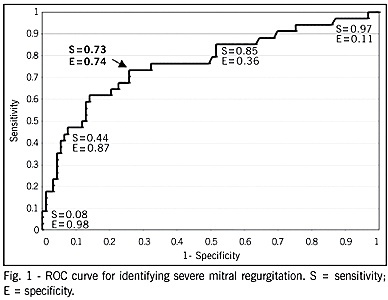
OBJECTIVE: To assess the sensitivity and specificity of B-type natriuretic peptide (BNP) for identifying symptomatic and asymptomatic patients with severe chronic mitral regurgitation followed up on an outpatient care basis. METHODS: A group of patients with mitral regurgitation underwent electrocardiography, chest teleradiography, venous blood withdrawal, and transthoracic echocardiography. Based on an analysis of the echocardiographic variables, 62 patients had mild and moderate mitral regurgitation (GI) and 34 had severe mitral regurgitation (GII). The discriminating capacity of the BNP for detecting patients with severe mitral regurgitation was assessed by use of ROC curves. RESULTS: The patients’ ages ranged from 15 to 63 (mean, 31.7) years, and of the 96 patients, 71 (73%) were females. The BNP values ranged from 0.00 pg/mL to 193 pg/mL. The mean BNP values in GI and GII patients were 18.10 ± 0.74 pg/mL and 50.54 ± 1.46 pg/mL, respectively (P=0.001). The cutoff point for identifying severe mitral regurgitation was 15.40 pg/mL for the best balance between sensitivity and specificity, which were 0.73 and 0.74, respectively. The cutoff point for identifying symptomatic patients with severe mitral regurgitation was 28.40 pg/mL for the best balance between sensitivity and specificity, which were 0.78 and 0.83, respectively. CONCLUSION: The BNP values capable of identifying asymptomatic and symptomatic patients with severe mitral regurgitation are lower than 100 pg/mL, which is considered for the diagnosis of heart failure.

  • BNP
  • mitral regurgitation
  • Natriuretic Peptides
Read Full Article
Creative Commons Attribution (CC BY) Creative Commons license
13/12/2004 DOI: 10.1590/S0066-782X2004001900005
The Role of B-Type Natriuretic Peptide in the Diagnosis of Congestive Heart Failure in Patients Presenting to an Emergency Department with Dyspnea
ABC
Original Article

The Role of B-Type Natriuretic Peptide in the Diagnosis of Congestive Heart Failure in Patients Presenting to an Emergency Department with Dyspnea

Humberto Villacorta et al. Adriana Duarte Neison Marques Duarte Ângela Carrano … Evandro Tinoco Mesquita Hans J. F. Dohmann Francisco Eduardo G. Ferreira

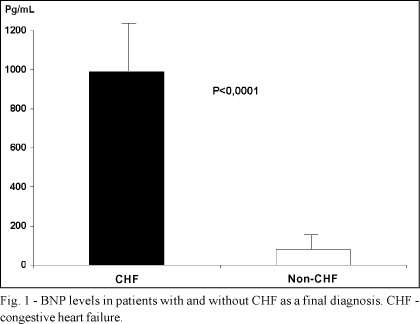
OBJECTIVE: To determine the utility of B-type natriuretic peptide (BNP) in the diagnosis of congestive heart failure (CHF) in patients presenting with dyspnea to an emergency department (ED). METHODS: Seventy patients presenting with dyspnea to an ED from April to July 2001 were included in the study. Mean age was 72±16 years and 33 (47%) were male. BNP was measured in all patients at the moment of admission to the ED. Emergency-care physicians, blinded to BNP values, were required to assign a probable initial diagnosis. A cardiologist retrospectively reviewed the data (blinded to BNP measurements) and assigned a definite diagnosis, which was considered the gold standard for assessing the diagnostic performance of BNP. RESULTS: The mean BNP concentration was higher in patients with CHF (n=36) than in those with other diagnoses (990±550 vs 80±67 pg/mL, p<0.0001). Patients with systolic dysfunction had higher BNP levels than those with preserved systolic function (1,180±641 vs 753±437 pg/mL, p=0.03). At a blood concentration of 200 pg/mL, BNP showed a sensitivity of 100%, specificity of 97.1%, positive predictive value of 97.3%, and negative predictive value of 100%. The application of BNP could have potentially corrected all 16 cases in which the diagnosis was missed by the emergency department physician. CONCLUSION: BNP measurement is a useful tool in the diagnosis of CHF in patients presenting to the ED with dyspnea.

  • emergency medicine
  • Heart Failure
  • Natriuretic Peptides
Read Full Article
Creative Commons Attribution (CC BY) Creative Commons license
09/01/2003 DOI: 10.1590/S0066-782X2002001500002 Views 2

How to cite this article

EndNote RIS

Electronic Document Format (Vancouver)

Karaman K, Karayakali M. Pulmonary Regurgitation in Heart Failure: Causality or a Marker of Disease Severity?. Arquivos Brasileiros de Cardiologia 2026;123(7):e20260265.

Electronic Document Format (ABNT)

Karaman, Kayihan; Karayakali, Metin. Pulmonary Regurgitation in Heart Failure: Causality or a Marker of Disease Severity?. Arquivos Brasileiros de Cardiologia, v. 123, n. 7, e20260265, Aug. 2026.

Electronic Document Format (APA)

Karaman, K., & Karayakali, M. (2026). Pulmonary Regurgitation in Heart Failure: Causality or a Marker of Disease Severity?. Arquivos Brasileiros de Cardiologia, 123(7), e20260265.

Electronic Document Format (ISO)

Karaman, Kayihan and Karayakali, Metin. Pulmonary Regurgitation in Heart Failure: Causality or a Marker of Disease Severity?. Arquivos Brasileiros de Cardiologia [online]. 2026, vol. 123, n. 7, [cited 2026-10-14], e20260265. Available from: <https://journals.cardiol.br/en/article/pulmonary-regurgitation-in-heart-failure-causality-or-a-marker-of-disease-severity/>. ISSN 0066-782X

EndNote RIS

Electronic Document Format (Vancouver)

Fernandes A. Phenotyping of Congestion in Decompensated Heart Failure: Life-Saving Accuracy. ABC Imagem Cardiovascular 2026;39(1):e20260019.

Electronic Document Format (ABNT)

Fernandes, Amanda. Phenotyping of Congestion in Decompensated Heart Failure: Life-Saving Accuracy. ABC Imagem Cardiovascular, v. 39, n. 1, e20260019, May. 2026.

Electronic Document Format (APA)

Fernandes, A. (2026). Phenotyping of Congestion in Decompensated Heart Failure: Life-Saving Accuracy. ABC Imagem Cardiovascular, 39(1), e20260019.

Electronic Document Format (ISO)

Fernandes, Amanda. Phenotyping of Congestion in Decompensated Heart Failure: Life-Saving Accuracy. ABC Imagem Cardiovascular [online]. 2026, vol. 39, n. 1, [cited 2026-10-14], e20260019. Available from: <https://journals.cardiol.br/en/article/phenotyping-of-congestion-in-decompensated-heart-failure-life-saving-accuracy/>. ISSN 2318-8219

EndNote RIS

Electronic Document Format (Vancouver)

Villacorta H, Villacorta AS. Optimizing Post-Discharge Heart Failure Care: The Role of Natriuretic Peptides. ABC Heart Fail Cardiomyop 2025;5(2):e20250029.

Electronic Document Format (ABNT)

Villacorta, Humberto; Villacorta, Aline Sterque. Optimizing Post-Discharge Heart Failure Care: The Role of Natriuretic Peptides. ABC Heart Fail Cardiomyop, v. 5, n. 2, e20250029, Dec. 2025.

Electronic Document Format (APA)

Villacorta, H., & Villacorta, A. S. (2025). Optimizing Post-Discharge Heart Failure Care: The Role of Natriuretic Peptides. ABC Heart Fail Cardiomyop, 5(2), e20250029.

Electronic Document Format (ISO)

Villacorta, Humberto and Villacorta, Aline Sterque. Optimizing Post-Discharge Heart Failure Care: The Role of Natriuretic Peptides. ABC Heart Fail Cardiomyop [online]. 2025, vol. 5, n. 2, [cited 2026-10-14], e20250029. Available from: <https://journals.cardiol.br/en/article/optimizing-post-discharge-heart-failure-care-the-role-of-natriuretic-peptides/>

EndNote RIS

Electronic Document Format (Vancouver)

Altunbas G, Kaplan M, Duzen V, Kaya EE, Gokdeniz HG, Taysi S. Determination of Serum Glycogen Synthase 3 Beta Levels in Patients with Heart Failure, a Novel Marker for Diagnosis and Defining Disease Severity?. Arquivos Brasileiros de Cardiologia 2024;121(11):e20240155.

Electronic Document Format (ABNT)

Altunbas, Gokhan; Kaplan, Mehmet; Duzen, Veysel; Kaya, Emin Erdem; Gokdeniz, Hafize Gokce; Taysi, Seyithan. Determination of Serum Glycogen Synthase 3 Beta Levels in Patients with Heart Failure, a Novel Marker for Diagnosis and Defining Disease Severity?. Arquivos Brasileiros de Cardiologia, v. 121, n. 11, e20240155, Nov. 2024.

Electronic Document Format (APA)

Altunbas, G., Kaplan, M., Duzen, V., Kaya, E. E., Gokdeniz, H. G., & Taysi, S. (2024). Determination of Serum Glycogen Synthase 3 Beta Levels in Patients with Heart Failure, a Novel Marker for Diagnosis and Defining Disease Severity?. Arquivos Brasileiros de Cardiologia, 121(11), e20240155.

Electronic Document Format (ISO)

Altunbas, Gokhan and Kaplan, Mehmet and Duzen, Veysel and Kaya, Emin Erdem and Gokdeniz, Hafize Gokce and Taysi, Seyithan. Determination of Serum Glycogen Synthase 3 Beta Levels in Patients with Heart Failure, a Novel Marker for Diagnosis and Defining Disease Severity?. Arquivos Brasileiros de Cardiologia [online]. 2024, vol. 121, n. 11, [cited 2026-10-14], e20240155. Available from: <https://journals.cardiol.br/en/article/determination-of-serum-glycogen-synthase-3-beta-levels-in-patients-with-heart-failure-a-novel-marker-for-diagnosis-and-defining-disease-severity/>. ISSN 0066-782X

EndNote RIS

Electronic Document Format (Vancouver)

Villacorta H, Souza DG, Jorge AJL. Natriuretic Peptides and Heart Stress: Time to Screen the Asymptomatic High-Risk Population to Prevent Incident Heart Failure?. Arquivos Brasileiros de Cardiologia 2024;121(8):e20230910.

Electronic Document Format (ABNT)

Villacorta, Humberto; Souza, Davyson Gerhardt de; Jorge, Antonio José Lagoeiro. Natriuretic Peptides and Heart Stress: Time to Screen the Asymptomatic High-Risk Population to Prevent Incident Heart Failure?. Arquivos Brasileiros de Cardiologia, v. 121, n. 8, e20230910, Aug. 2024.

Electronic Document Format (APA)

Villacorta, H., Souza, D. G. , & Jorge, A. J. L. (2024). Natriuretic Peptides and Heart Stress: Time to Screen the Asymptomatic High-Risk Population to Prevent Incident Heart Failure?. Arquivos Brasileiros de Cardiologia, 121(8), e20230910.

Electronic Document Format (ISO)

Villacorta, Humberto and Souza, Davyson Gerhardt de and Jorge, Antonio José Lagoeiro. Natriuretic Peptides and Heart Stress: Time to Screen the Asymptomatic High-Risk Population to Prevent Incident Heart Failure?. Arquivos Brasileiros de Cardiologia [online]. 2024, vol. 121, n. 8, [cited 2026-10-14], e20230910. Available from: <https://journals.cardiol.br/en/article/natriuretic-peptides-and-heart-stress-time-to-screen-the-asymptomatic-high-risk-population-to-prevent-incident-heart-failure/>. ISSN 0066-782X

EndNote RIS

Electronic Document Format (Vancouver)

Villacorta H. Relevant Aspects of Natriuretic Peptides in the Etiology of Dyspnea in the Emergency Room: Evidence, Indications, Confounding Factors, and Cost-Effectiveness. ABC Heart Fail Cardiomyop 2024;4(1):e20240017.

Electronic Document Format (ABNT)

Villacorta, Humberto. Relevant Aspects of Natriuretic Peptides in the Etiology of Dyspnea in the Emergency Room: Evidence, Indications, Confounding Factors, and Cost-Effectiveness. ABC Heart Fail Cardiomyop, v. 4, n. 1, e20240017, Jul. 2024.

Electronic Document Format (APA)

Villacorta, H. (2024). Relevant Aspects of Natriuretic Peptides in the Etiology of Dyspnea in the Emergency Room: Evidence, Indications, Confounding Factors, and Cost-Effectiveness. ABC Heart Fail Cardiomyop, 4(1), e20240017.

Electronic Document Format (ISO)

Villacorta, Humberto. Relevant Aspects of Natriuretic Peptides in the Etiology of Dyspnea in the Emergency Room: Evidence, Indications, Confounding Factors, and Cost-Effectiveness. ABC Heart Fail Cardiomyop [online]. 2024, vol. 4, n. 1, [cited 2026-10-14], e20240017. Available from: <https://journals.cardiol.br/en/article/relevant-aspects-of-natriuretic-peptides-in-the-etiology-of-dyspnea-in-the-emergency-room-evidence-indications-confounding-factors-and-cost-effectiveness/>

EndNote RIS

Electronic Document Format (Vancouver)

Hotta VT, Rassi DC, Pena JLB, Vieira MLC, Rodrigues ACT, Cardoso JN, Ramires FJA, et al. Critical Analysis and Limitations of the Diagnosis of Heart Failure with Preserved Ejection Fraction (HFpEF). Arquivos Brasileiros de Cardiologia 2022;119(3):470-9.

Electronic Document Format (ABNT)

Hotta, Viviane Tiemi; Rassi, Daniela do Carmo; Pena, José Luiz Barros; Vieira, Marcelo Luiz Campos; Rodrigues, Ana Clara Tude; Cardoso, Juliano Novaes; Ramires, Felix Jose Alvarez; Nastari, Luciano; Mady, Charles; Fernandes, Fábio. Critical Analysis and Limitations of the Diagnosis of Heart Failure with Preserved Ejection Fraction (HFpEF). Arquivos Brasileiros de Cardiologia, v. 119, n. 3, p. 470-479, Jul. 2022.

Electronic Document Format (APA)

Hotta, V. T., Rassi, D. C., Pena, J. L. B., Vieira, M. L. C., Rodrigues, A. C. T., Cardoso, J. N., Ramires, F. J. A., Nastari, L., Mady, C., & Fernandes, F. (2022). Critical Analysis and Limitations of the Diagnosis of Heart Failure with Preserved Ejection Fraction (HFpEF). Arquivos Brasileiros de Cardiologia, 119(3), 470-479.

Electronic Document Format (ISO)

Hotta, Viviane Tiemi and Rassi, Daniela do Carmo and Pena, José Luiz Barros and Vieira, Marcelo Luiz Campos and Rodrigues, Ana Clara Tude and Cardoso, Juliano Novaes and Ramires, Felix Jose Alvarez and Nastari, Luciano and Mady, Charles and Fernandes, Fábio. Critical Analysis and Limitations of the Diagnosis of Heart Failure with Preserved Ejection Fraction (HFpEF). Arquivos Brasileiros de Cardiologia [online]. 2022, vol. 119, n. 3, [cited 2026-10-14], pp. 470-479. Available from: <https://journals.cardiol.br/en/article/critical-analysis-and-limitations-of-the-diagnosis-of-heart-failure-with-preserved-ejection-fraction-hfpef/>. ISSN 0066-782X

EndNote RIS

Electronic Document Format (Vancouver)

Montenegro CEL, Gomes TQM, Lyra ACAS, Nascimento JS, Dias LA. Treatment of Heart Failure Based on Natriuretic Peptide Levels: A Question That Has Yet to be Solved?. ABC Heart Fail Cardiomyop 2022;2(1):80-5.

Electronic Document Format (ABNT)

Montenegro, Carlos Eduardo Lucena; Gomes, Taciana Queiroz Medeiros; Lyra, Ana Carla Alves de Souza; Nascimento, Joyce Santana do; Dias, Luana do Amaral. Treatment of Heart Failure Based on Natriuretic Peptide Levels: A Question That Has Yet to be Solved?. ABC Heart Fail Cardiomyop, v. 2, n. 1, p. 80-85, Apr. 2022.

Electronic Document Format (APA)

Montenegro, C. E. L., Gomes, T. Q. M., Lyra, A. C. A. S., Nascimento, J. S. , & Dias, L. A. (2022). Treatment of Heart Failure Based on Natriuretic Peptide Levels: A Question That Has Yet to be Solved?. ABC Heart Fail Cardiomyop, 2(1), 80-85.

Electronic Document Format (ISO)

Montenegro, Carlos Eduardo Lucena and Gomes, Taciana Queiroz Medeiros and Lyra, Ana Carla Alves de Souza and Nascimento, Joyce Santana do and Dias, Luana do Amaral. Treatment of Heart Failure Based on Natriuretic Peptide Levels: A Question That Has Yet to be Solved?. ABC Heart Fail Cardiomyop [online]. 2022, vol. 2, n. 1, [cited 2026-10-14], pp. 80-85. Available from: <https://journals.cardiol.br/en/article/treatment-of-heart-failure-based-on-natriuretic-peptide-levels-a-question-that-has-yet-to-be-solved/>

EndNote RIS

Electronic Document Format (Vancouver)

Avila MS, Belfort DDSP. Is There a Role for Lung Ultrasonography in the Prognosis of Heart Failure Patients?. Arquivos Brasileiros de Cardiologia 2021;116(3):393-4.

Electronic Document Format (ABNT)

Avila, Mônica Samuel; Belfort, Deborah De Sá Pereira. Is There a Role for Lung Ultrasonography in the Prognosis of Heart Failure Patients?. Arquivos Brasileiros de Cardiologia, v. 116, n. 3, p. 393-394, Apr. 2021.

Electronic Document Format (APA)

Avila, M. S., & Belfort, D. D. S. P. (2021). Is There a Role for Lung Ultrasonography in the Prognosis of Heart Failure Patients?. Arquivos Brasileiros de Cardiologia, 116(3), 393-394.

Electronic Document Format (ISO)

Avila, Mônica Samuel and Belfort, Deborah De Sá Pereira. Is There a Role for Lung Ultrasonography in the Prognosis of Heart Failure Patients?. Arquivos Brasileiros de Cardiologia [online]. 2021, vol. 116, n. 3, [cited 2026-10-14], pp. 393-394. Available from: <https://journals.cardiol.br/en/article/is-there-a-role-for-lung-ultrasonography-in-the-prognosis-of-heart-failure-patients/>. ISSN 0066-782X

EndNote RIS

Electronic Document Format (Vancouver)

Costa IBSS, Hajjar LA. What is the Role of Two-Dimensional Speckle Tracking Echocardiography in the Diagnosis and Management of Anthracycline-Induced Cardiotoxicity?. Arquivos Brasileiros de Cardiologia 2018;110(3):229-30.

Electronic Document Format (ABNT)

Costa, Isabela Bispo Santos da Silva; Hajjar, Ludhmila Abrahão. What is the Role of Two-Dimensional Speckle Tracking Echocardiography in the Diagnosis and Management of Anthracycline-Induced Cardiotoxicity?. Arquivos Brasileiros de Cardiologia, v. 110, n. 3, p. 229-230, Feb. 2018.

Electronic Document Format (APA)

Costa, I. B. S. S., & Hajjar, L. A. (2018). What is the Role of Two-Dimensional Speckle Tracking Echocardiography in the Diagnosis and Management of Anthracycline-Induced Cardiotoxicity?. Arquivos Brasileiros de Cardiologia, 110(3), 229-230.

Electronic Document Format (ISO)

Costa, Isabela Bispo Santos da Silva and Hajjar, Ludhmila Abrahão. What is the Role of Two-Dimensional Speckle Tracking Echocardiography in the Diagnosis and Management of Anthracycline-Induced Cardiotoxicity?. Arquivos Brasileiros de Cardiologia [online]. 2018, vol. 110, n. 3, [cited 2026-10-14], pp. 229-230. Available from: <https://journals.cardiol.br/en/article/what-is-the-role-of-two-dimensional-speckle-tracking-echocardiography-in-the-diagnosis-and-management-of-anthracycline-induced-cardiotoxicity/>. ISSN 0066-782X

EndNote RIS

Electronic Document Format (Vancouver)

Barroso MC, Boehme P, Kramer F, Mondritzki T, Koehler T, Gülker J, Karoff M, et al. Endostatin a Potential Biomarker for Heart Failure with Preserved Ejection Fraction. Arquivos Brasileiros de Cardiologia 2017;109(5):448-56.

Electronic Document Format (ABNT)

Barroso, Michael Coll; Boehme, Philip; Kramer, Frank; Mondritzki, Thomas; Koehler, Till; Gülker, Jan-Erik; Karoff, Martin; Dinh, Wilfried. Endostatin a Potential Biomarker for Heart Failure with Preserved Ejection Fraction. Arquivos Brasileiros de Cardiologia, v. 109, n. 5, p. 448-456, Sep. 2017.

Electronic Document Format (APA)

Barroso, M. C., Boehme, P., Kramer, F., Mondritzki, T., Koehler, T., Gülker, J., Karoff, M., & Dinh, W. (2017). Endostatin a Potential Biomarker for Heart Failure with Preserved Ejection Fraction. Arquivos Brasileiros de Cardiologia, 109(5), 448-456.

Electronic Document Format (ISO)

Barroso, Michael Coll and Boehme, Philip and Kramer, Frank and Mondritzki, Thomas and Koehler, Till and Gülker, Jan-Erik and Karoff, Martin and Dinh, Wilfried. Endostatin a Potential Biomarker for Heart Failure with Preserved Ejection Fraction. Arquivos Brasileiros de Cardiologia [online]. 2017, vol. 109, n. 5, [cited 2026-10-14], pp. 448-456. Available from: <https://journals.cardiol.br/en/article/endostatin-a-potential-biomarker-for-heart-failure-with-preserved-ejection-fraction/>. ISSN 0066-782X

EndNote RIS

Electronic Document Format (Vancouver)

Jorge AJL, Rosa MLG, Ribeiro ML, Fernandes LCM, Freire MDC, Correia DS, Teixeira PD, et al. Assessing Strategies for Heart Failure with Preserved Ejection Fraction at the Outpatient Clinic. Arquivos Brasileiros de Cardiologia 2014;103(3):231-7.

Electronic Document Format (ABNT)

Jorge, Antonio José Lagoeiro; Rosa, Maria Luiza Garcia; Ribeiro, Mario Luiz; Fernandes, Luiz Claudio Maluhy; Freire, Monica Di Calafiori; Correia, Dayse Silva; Teixeira, Patrick Duarte; Mesquita, Evandro Tinoco. Assessing Strategies for Heart Failure with Preserved Ejection Fraction at the Outpatient Clinic. Arquivos Brasileiros de Cardiologia, v. 103, n. 3, p. 231-237, Aug. 2014.

Electronic Document Format (APA)

Jorge, A. J. L., Rosa, M. L. G., Ribeiro, M. L., Fernandes, L. C. M., Freire, M. D. C., Correia, D. S., Teixeira, P. D., & Mesquita, E. T. (2014). Assessing Strategies for Heart Failure with Preserved Ejection Fraction at the Outpatient Clinic. Arquivos Brasileiros de Cardiologia, 103(3), 231-237.

Electronic Document Format (ISO)

Jorge, Antonio José Lagoeiro and Rosa, Maria Luiza Garcia and Ribeiro, Mario Luiz and Fernandes, Luiz Claudio Maluhy and Freire, Monica Di Calafiori and Correia, Dayse Silva and Teixeira, Patrick Duarte and Mesquita, Evandro Tinoco. Assessing Strategies for Heart Failure with Preserved Ejection Fraction at the Outpatient Clinic. Arquivos Brasileiros de Cardiologia [online]. 2014, vol. 103, n. 3, [cited 2026-10-14], pp. 231-237. Available from: <https://journals.cardiol.br/en/article/assessing-strategies-for-heart-failure-with-preserved-ejection-fraction-at-the-outpatient-clinic/>. ISSN 0066-782X

EndNote RIS

Electronic Document Format (Vancouver)

Yalcinkaya E, Celik M, Buyukturan G. Assessment of Natriuretic Peptides: The Heart Should Be Evaluated as a Whole. Arquivos Brasileiros de Cardiologia 2014;102(3):305-6.

Electronic Document Format (ABNT)

Yalcinkaya, Emre; Celik, Murat; Buyukturan, Galip. Assessment of Natriuretic Peptides: The Heart Should Be Evaluated as a Whole. Arquivos Brasileiros de Cardiologia, v. 102, n. 3, p. 305-306, Feb. 2014.

Electronic Document Format (APA)

Yalcinkaya, E., Celik, M., & Buyukturan, G. (2014). Assessment of Natriuretic Peptides: The Heart Should Be Evaluated as a Whole. Arquivos Brasileiros de Cardiologia, 102(3), 305-306.

Electronic Document Format (ISO)

Yalcinkaya, Emre and Celik, Murat and Buyukturan, Galip. Assessment of Natriuretic Peptides: The Heart Should Be Evaluated as a Whole. Arquivos Brasileiros de Cardiologia [online]. 2014, vol. 102, n. 3, [cited 2026-10-14], pp. 305-306. Available from: <https://journals.cardiol.br/en/article/assessment-of-natriuretic-peptides-the-heart-should-be-evaluated-as-a-whole/>. ISSN 0066-782X

EndNote RIS

Electronic Document Format (Vancouver)

Pereira-Barretto AC, Carlo HD, Cardoso JN, Ochiai ME, Lima MV, Curiati MC, Scipioni AR, et al. Role of BNP levels on the prognosis of decompensated advanced heart failure. Arquivos Brasileiros de Cardiologia 2013;100(3):281-7.

Electronic Document Format (ABNT)

Pereira-Barretto, Antônio Carlos; Carlo, s Henrique Del; Cardoso, Juliano Novaes; Ochiai, Marcelo Eid; Lima, Marcelo Villaça; Curiati, Milena Cardoso; Scipioni, Airton Roberto; Ramires, José Antônio Franchini. Role of BNP levels on the prognosis of decompensated advanced heart failure. Arquivos Brasileiros de Cardiologia, v. 100, n. 3, p. 281-287, Apr. 2013.

Electronic Document Format (APA)

Pereira-Barretto, A. C., Carlo, H. D., Cardoso, J. N., Ochiai, M. E., Lima, M. V., Curiati, M. C., Scipioni, A. R., & Ramires, J. A. F. (2013). Role of BNP levels on the prognosis of decompensated advanced heart failure. Arquivos Brasileiros de Cardiologia, 100(3), 281-287.

Electronic Document Format (ISO)

Pereira-Barretto, Antônio Carlos and Carlo, s Henrique Del and Cardoso, Juliano Novaes and Ochiai, Marcelo Eid and Lima, Marcelo Villaça and Curiati, Milena Cardoso and Scipioni, Airton Roberto and Ramires, José Antônio Franchini. Role of BNP levels on the prognosis of decompensated advanced heart failure. Arquivos Brasileiros de Cardiologia [online]. 2013, vol. 100, n. 3, [cited 2026-10-14], pp. 281-287. Available from: <https://journals.cardiol.br/en/article/role-of-bnp-levels-on-the-prognosis-of-decompensated-advanced-heart-failure/>. ISSN 0066-782X

EndNote RIS

Electronic Document Format (Vancouver)

Scotti AV, Tura BR, Rocha RG, Albuquerque DC. Prognostic value of B-type natriuretic peptide in the mortality of patients with Acute Coronary Syndrome. Arquivos Brasileiros de Cardiologia 2012;99(1):605-12.

Electronic Document Format (ABNT)

Scotti, Alexandre Vaz; Tura, Bernardo Rangel; Rocha, Ronilson Gonçalves; Albuquerque, Denilson Campos de. Prognostic value of B-type natriuretic peptide in the mortality of patients with Acute Coronary Syndrome. Arquivos Brasileiros de Cardiologia, v. 99, n. 1, p. 605-612, May. 2012.

Electronic Document Format (APA)

Scotti, A. V., Tura, B. R., Rocha, R. G., & Albuquerque, D. C. (2012). Prognostic value of B-type natriuretic peptide in the mortality of patients with Acute Coronary Syndrome. Arquivos Brasileiros de Cardiologia, 99(1), 605-612.

Electronic Document Format (ISO)

Scotti, Alexandre Vaz and Tura, Bernardo Rangel and Rocha, Ronilson Gonçalves and Albuquerque, Denilson Campos de. Prognostic value of B-type natriuretic peptide in the mortality of patients with Acute Coronary Syndrome. Arquivos Brasileiros de Cardiologia [online]. 2012, vol. 99, n. 1, [cited 2026-10-14], pp. 605-612. Available from: <https://journals.cardiol.br/en/article/prognostic-value-of-b-type-natriuretic-peptide-in-the-mortality-of-patients-with-acute-coronary-syndrome/>. ISSN 0066-782X

EndNote RIS

Electronic Document Format (Vancouver)

Castro LRA, Alencar MCN, Barbosa MM, Nunes MCP, Cardoso JR, Ribeiro ALP. NT-proBNP levels in patients with non-ST-segment elevation acute coronary syndrome. Arquivos Brasileiros de Cardiologia 2011;97(6):456-61.

Electronic Document Format (ABNT)

Castro, Luiz Ricardo A.; Alencar, Maria Clara N.; Barbosa, Márcia M.; Nunes, Maria do Carmo P.; Cardoso, José Ronaldo; Ribeiro, Antonio Luiz P.. NT-proBNP levels in patients with non-ST-segment elevation acute coronary syndrome. Arquivos Brasileiros de Cardiologia, v. 97, n. 6, p. 456-461, Oct. 2011.

Electronic Document Format (APA)

Castro, L. R. A., Alencar, M. C. N., Barbosa, M. M., Nunes, M. C. P., Cardoso, J. R., & Ribeiro, A. L. P. (2011). NT-proBNP levels in patients with non-ST-segment elevation acute coronary syndrome. Arquivos Brasileiros de Cardiologia, 97(6), 456-461.

Electronic Document Format (ISO)

Castro, Luiz Ricardo A. and Alencar, Maria Clara N. and Barbosa, Márcia M. and Nunes, Maria do Carmo P. and Cardoso, José Ronaldo and Ribeiro, Antonio Luiz P.. NT-proBNP levels in patients with non-ST-segment elevation acute coronary syndrome. Arquivos Brasileiros de Cardiologia [online]. 2011, vol. 97, n. 6, [cited 2026-10-14], pp. 456-461. Available from: <https://journals.cardiol.br/en/article/nt-probnp-levels-in-patients-with-non-st-segment-elevation-acute-coronary-syndrome/>. ISSN 0066-782X

EndNote RIS

Electronic Document Format (Vancouver)

Abreu CDG, Nunes MCP, Barbosa MM, Rocha MOC, Ribeiro ALP. Ventricular dyssynchrony and increased BNP levels in right ventricular apical pacing. Arquivos Brasileiros de Cardiologia 2011;97(2):156-62.

Electronic Document Format (ABNT)

Abreu, Cláudia Drummond Guimarães; Nunes, Maria do Carmo Pereira; Barbosa, Márcia Melo; Rocha, Manoel Otávio Costa; Ribeiro, Antônio Luiz Pinho. Ventricular dyssynchrony and increased BNP levels in right ventricular apical pacing. Arquivos Brasileiros de Cardiologia, v. 97, n. 2, p. 156-162, Jun. 2011.

Electronic Document Format (APA)

Abreu, C. D. G., Nunes, M. C. P., Barbosa, M. M., Rocha, M. O. C., & Ribeiro, A. L. P. (2011). Ventricular dyssynchrony and increased BNP levels in right ventricular apical pacing. Arquivos Brasileiros de Cardiologia, 97(2), 156-162.

Electronic Document Format (ISO)

Abreu, Cláudia Drummond Guimarães and Nunes, Maria do Carmo Pereira and Barbosa, Márcia Melo and Rocha, Manoel Otávio Costa and Ribeiro, Antônio Luiz Pinho. Ventricular dyssynchrony and increased BNP levels in right ventricular apical pacing. Arquivos Brasileiros de Cardiologia [online]. 2011, vol. 97, n. 2, [cited 2026-10-14], pp. 156-162. Available from: <https://journals.cardiol.br/en/article/ventricular-dyssynchrony-and-increased-bnp-levels-in-right-ventricular-apical-pacing/>. ISSN 0066-782X

EndNote RIS

Electronic Document Format (Vancouver)

Aguiar VB, Ochiai ME, Cardoso JN, Carlo HD, Morgado PC, Munhoz RT, Pereira-Barretto AC, et al. Relationship between depression, BNP levels and ventricular impairment in heart failure. Arquivos Brasileiros de Cardiologia 2010;95(6):732-7.

Electronic Document Format (ABNT)

Aguiar, Vera Barretto; Ochiai, Marcelo Eidi; Cardoso, Juliano Novais; Carlo, s H Del; Morgado, Paulo Cesar; Munhoz, Robinson Tadeu; Pereira-Barretto, Antonio Carlos. Relationship between depression, BNP levels and ventricular impairment in heart failure. Arquivos Brasileiros de Cardiologia, v. 95, n. 6, p. 732-737, Sep. 2010.

Electronic Document Format (APA)

Aguiar, V. B., Ochiai, M. E., Cardoso, J. N., Carlo, H. D., Morgado, P. C., Munhoz, R. T., & Pereira-Barretto, A. C. (2010). Relationship between depression, BNP levels and ventricular impairment in heart failure. Arquivos Brasileiros de Cardiologia, 95(6), 732-737.

Electronic Document Format (ISO)

Aguiar, Vera Barretto and Ochiai, Marcelo Eidi and Cardoso, Juliano Novais and Carlo, s H Del and Morgado, Paulo Cesar and Munhoz, Robinson Tadeu and Pereira-Barretto, Antonio Carlos. Relationship between depression, BNP levels and ventricular impairment in heart failure. Arquivos Brasileiros de Cardiologia [online]. 2010, vol. 95, n. 6, [cited 2026-10-14], pp. 732-737. Available from: <https://journals.cardiol.br/en/article/relationship-between-depression-bnp-levels-and-ventricular-impairment-in-heart-failure/>. ISSN 0066-782X

EndNote RIS

Electronic Document Format (Vancouver)

Melo RB, Parente GBO, Victor EG. Measurement of human brain natriuretic peptide in patients with Chagas’ disease. Arquivos Brasileiros de Cardiologia 2005;84(2):137-40.

Electronic Document Format (ABNT)

Melo, Railton Bezerra de; Parente, Giordano Bruno de Oliveira; Victor, Edgar Guimarães. Measurement of human brain natriuretic peptide in patients with Chagas’ disease. Arquivos Brasileiros de Cardiologia, v. 84, n. 2, p. 137-140, Mar. 2005.

Electronic Document Format (APA)

Melo, R. B. , Parente, G. B. O., & Victor, E. G. (2005). Measurement of human brain natriuretic peptide in patients with Chagas’ disease. Arquivos Brasileiros de Cardiologia, 84(2), 137-140.

Electronic Document Format (ISO)

Melo, Railton Bezerra de and Parente, Giordano Bruno de Oliveira and Victor, Edgar Guimarães. Measurement of human brain natriuretic peptide in patients with Chagas’ disease. Arquivos Brasileiros de Cardiologia [online]. 2005, vol. 84, n. 2, [cited 2026-10-14], pp. 137-140. Available from: <https://journals.cardiol.br/en/article/measurement-of-human-brain-natriuretic-peptide-in-patients-with-chagas-disease/>. ISSN 0066-782X

EndNote RIS

Electronic Document Format (Vancouver)

Meneghelo ZM, Magalhães HM, Ramos AIO, Assef JE, Bihau DCL, Salvarani NAC, Paes AT, et al. Sensitivity and specificity of B-type natriuretic peptide for identifying symptomatic and asymptomatic patients with severe mitral regurgitation. Arquivos Brasileiros de Cardiologia 2004;83(spe):21-5.

Electronic Document Format (ABNT)

Meneghelo, Zilda Machado; Magalhães, Hélio M.; Ramos, Auristela I. O.; Assef, Jorge Eduardo; Bihau, Davi Costa Le; Salvarani, Nivia A. de Campos; Paes, Angela Tavares; Meneghelo, Romeu S.. Sensitivity and specificity of B-type natriuretic peptide for identifying symptomatic and asymptomatic patients with severe mitral regurgitation. Arquivos Brasileiros de Cardiologia, v. 83, n. spe, p. 21-25, Dec. 2004.

Electronic Document Format (APA)

Meneghelo, Z. M., Magalhães, H. M., Ramos, A. I. O., Assef, J. E., Bihau, D. C. L., Salvarani, N. A. C., Paes, A. T., & Meneghelo, R. S. (2004). Sensitivity and specificity of B-type natriuretic peptide for identifying symptomatic and asymptomatic patients with severe mitral regurgitation. Arquivos Brasileiros de Cardiologia, 83(spe), 21-25.

Electronic Document Format (ISO)

Meneghelo, Zilda Machado and Magalhães, Hélio M. and Ramos, Auristela I. O. and Assef, Jorge Eduardo and Bihau, Davi Costa Le and Salvarani, Nivia A. de Campos and Paes, Angela Tavares and Meneghelo, Romeu S.. Sensitivity and specificity of B-type natriuretic peptide for identifying symptomatic and asymptomatic patients with severe mitral regurgitation. Arquivos Brasileiros de Cardiologia [online]. 2004, vol. 83, n. spe, [cited 2026-10-14], pp. 21-25. Available from: <https://journals.cardiol.br/en/article/sensitivity-and-specificity-of-b-type-natriuretic-peptide-for-identifying-symptomatic-and-asymptomatic-patients-with-severe-mitral-regurgitation/>. ISSN 0066-782X

EndNote RIS

Electronic Document Format (Vancouver)

Villacorta H, Duarte A, Duarte NM, Carrano , Mesquita ET, Dohmann HJF, Ferreira FEG, et al. The Role of B-Type Natriuretic Peptide in the Diagnosis of Congestive Heart Failure in Patients Presenting to an Emergency Department with Dyspnea. Arquivos Brasileiros de Cardiologia 2003;79(6):569-72.

Electronic Document Format (ABNT)

Villacorta, Humberto; Duarte, Adriana; Duarte, Neison Marques; Carrano, Ângela; Mesquita, Evandro Tinoco; Dohmann, Hans J. F.; Ferreira, Francisco Eduardo G.. The Role of B-Type Natriuretic Peptide in the Diagnosis of Congestive Heart Failure in Patients Presenting to an Emergency Department with Dyspnea. Arquivos Brasileiros de Cardiologia, v. 79, n. 6, p. 569-572, Jan. 2003.

Electronic Document Format (APA)

Villacorta, H., Duarte, A., Duarte, N. M., Carrano, , Mesquita, E. T., Dohmann, H. J. F., & Ferreira, F. E. G. (2003). The Role of B-Type Natriuretic Peptide in the Diagnosis of Congestive Heart Failure in Patients Presenting to an Emergency Department with Dyspnea. Arquivos Brasileiros de Cardiologia, 79(6), 569-572.

Electronic Document Format (ISO)

Villacorta, Humberto and Duarte, Adriana and Duarte, Neison Marques and Carrano, Ângela and Mesquita, Evandro Tinoco and Dohmann, Hans J. F. and Ferreira, Francisco Eduardo G.. The Role of B-Type Natriuretic Peptide in the Diagnosis of Congestive Heart Failure in Patients Presenting to an Emergency Department with Dyspnea. Arquivos Brasileiros de Cardiologia [online]. 2003, vol. 79, n. 6, [cited 2026-10-14], pp. 569-572. Available from: <https://journals.cardiol.br/en/article/the-role-of-b-type-natriuretic-peptide-in-the-diagnosis-of-congestive-heart-failure-in-patients-presenting-to-an-emergency-department-with-dyspnea/>. ISSN 0066-782X

  • About ABC Family
  • Internal Regulation
  • Editorial Board
  • Brazilian Society of Cardiology (SBC)

Issues

SBC Guidelines

  • Videos
  • Podcasts
  • News