ABC Family Arquivos Brasileiros de Cardiologia International Journal of Cardiovascular Sciences ABC Heart Failure & Cardiomyopathy ABC Imagem Cardiovascular
Português English
ABC Family
Português English
  • About
    • About ABC Family
    • Internal Regulation
    • Editorial Board
    • Brazilian Society of Cardiology (SBC)
  • Issues
  • SBC Guidelines
  • Content
    • Videos
    • Podcasts
    • News
  • About
    • About ABC Family
    • Internal Regulation
    • Editorial Board
    • Brazilian Society of Cardiology (SBC)
  • Issues
  • SBC Guidelines
  • Content
    • Videos
    • Podcasts
    • News

ABC Family

  • ABC Family
  • Arquivos Brasileiros de Cardiologia
  • International Journal of Cardiovascular Sciences
  • ABC Heart Failure & Cardiomyopathy
  • ABC Imagem Cardiovascular
Search in

No content found.

Journals
Ordering
Article types
Others

  1. Home
  2. Keyword: Ductus Arteriosus
Figure 1
ABCIC
Case Report

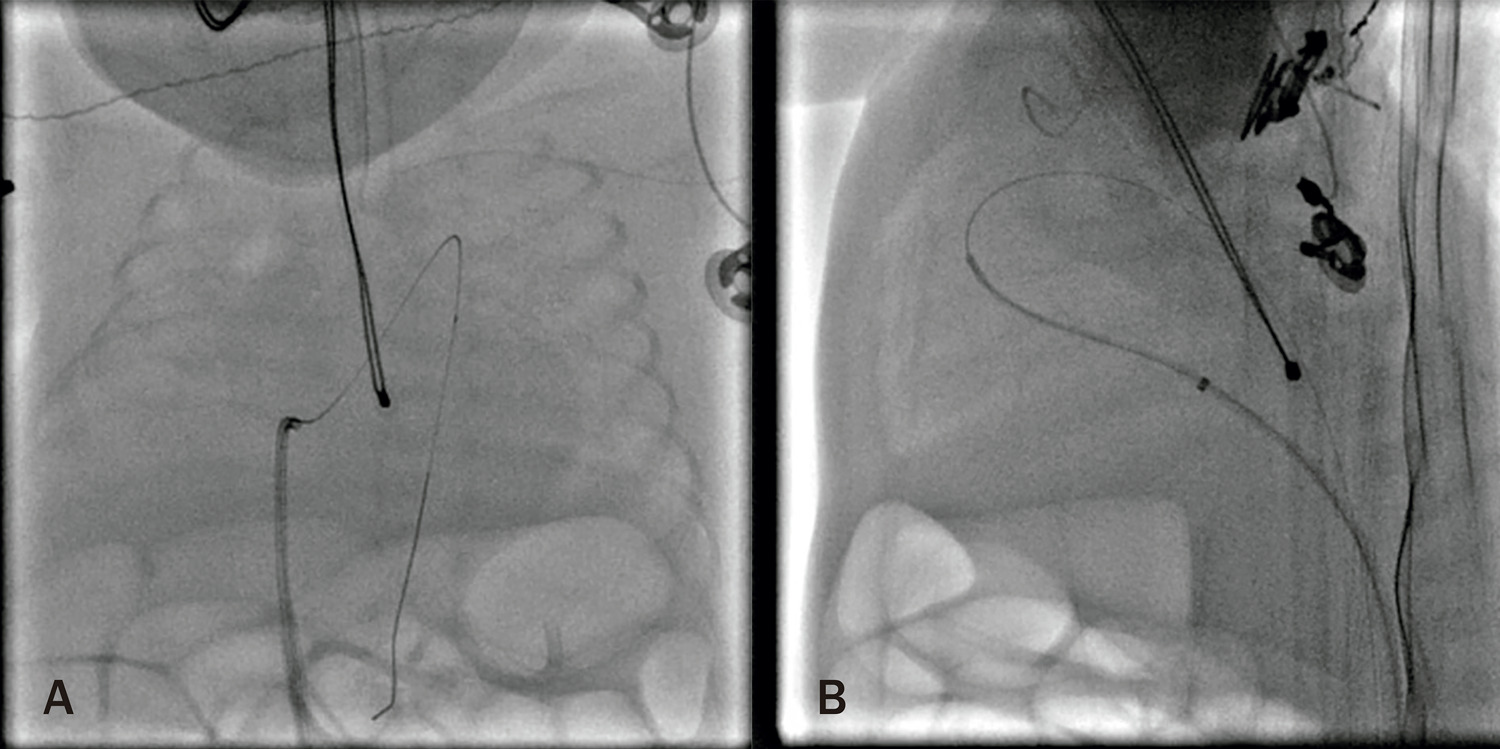
Acute Thrombosis During Ductus Arteriosus Stenting Successfully Treated with Balloon Angioplasty and In Situ Alteplase Infusion: Case Report

Jonathan Guimarães Lombardi et al. Paulo Correia Calamita Mayra Rosana Palmeira Barreto Luiza Silveira Neves Ficht Giulliano Gardenghi

Introduction

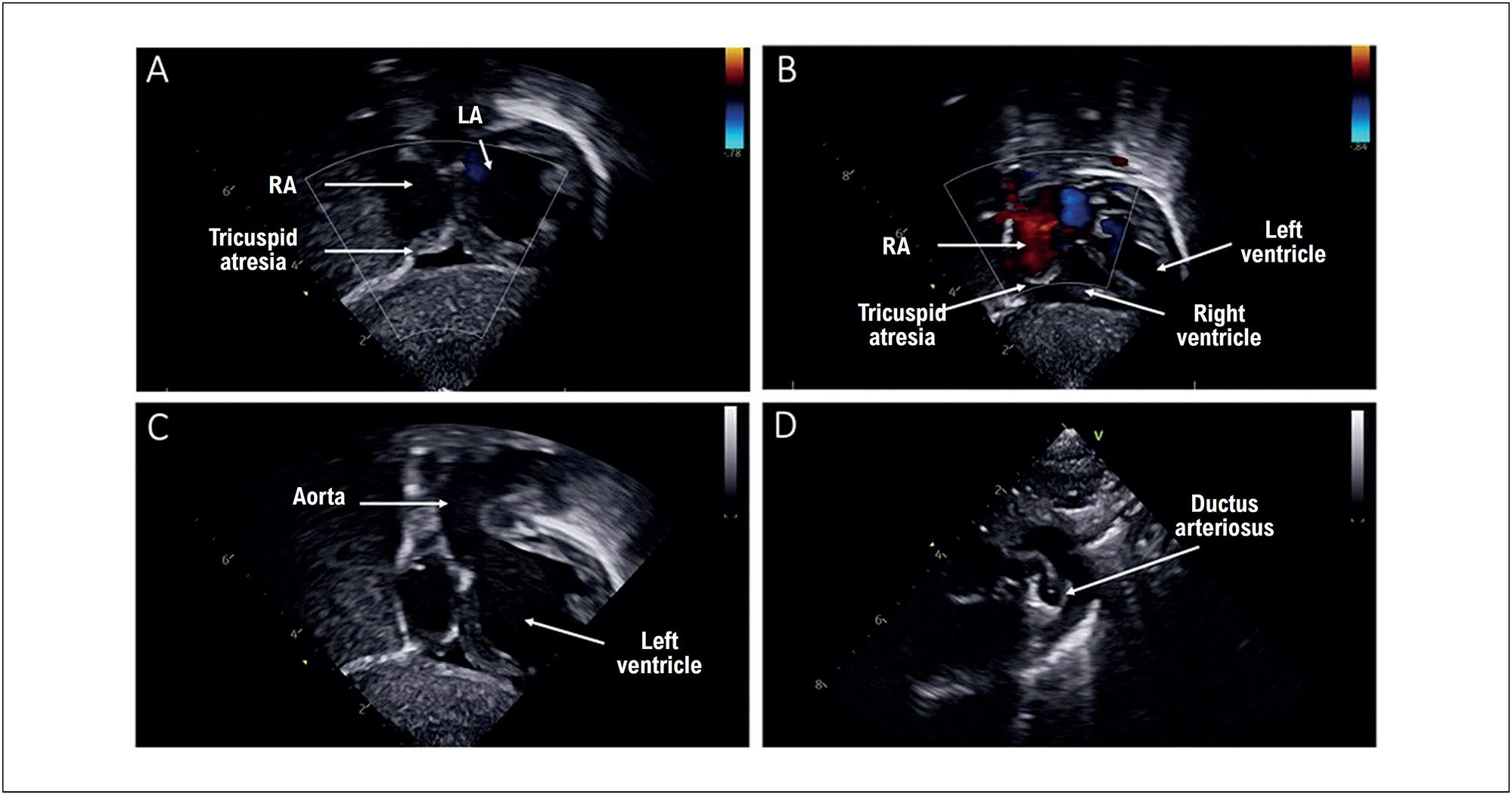
Tricuspid atresia with pulmonary atresia is a rare congenital heart defect, representing about 1% to 3% of all congenital heart diseases. Tricuspid atresia is subdivided into type I (normal position of the great arteries) and type II (transposition of the great arteries), with type 1A characterized by the presence of associated pulmonary atresia or stenosis. Pulmonary blood flow in these patients is dependent on the patency of the ductus arteriosus, making its maintenance essential in the neonatal period.

The treatment of tricuspid atresia follows a staged surgical approach, aiming for a Fontan circulation as the final goal. In the neonatal period, the focus is to ensure adequate pulmonary blood flow through hemodynamic or surgical interventions, including systemic-pulmonary shunts or ductal interventions.

[…]
  • Congenital Heart Defects
  • Ductus Arteriosus
  • Percutaneous Coronary Intervention
  • Thrombosis
  • Tricuspid Atresia
Read Full Article
Creative Commons Attribution (CC BY) Creative Commons license
03/02/2026 DOI: 10.36660/abcimg.20250084i Views 2
Systemic Inflammatory Indices as New Biomarkers for Hemodynamically Significant Ductus Arteriosus
ABC
Original Article

Systemic Inflammatory Indices as New Biomarkers for Hemodynamically Significant Ductus Arteriosus

Ufuk Cakir et al. Cuneyt Tayman

Abstract

Background

Increased oxygen tension and decreased prostaglandin levels cause ductal closure. The diagnostic role of systemic inflammatory indices in hemodynamically significant ductus arteriosus (hsPDA) in premature infants is unknown.

Objectives

We aimed to evaluate the role of systemic inflammatory indices in the predictivity of hsPDA.

Methods

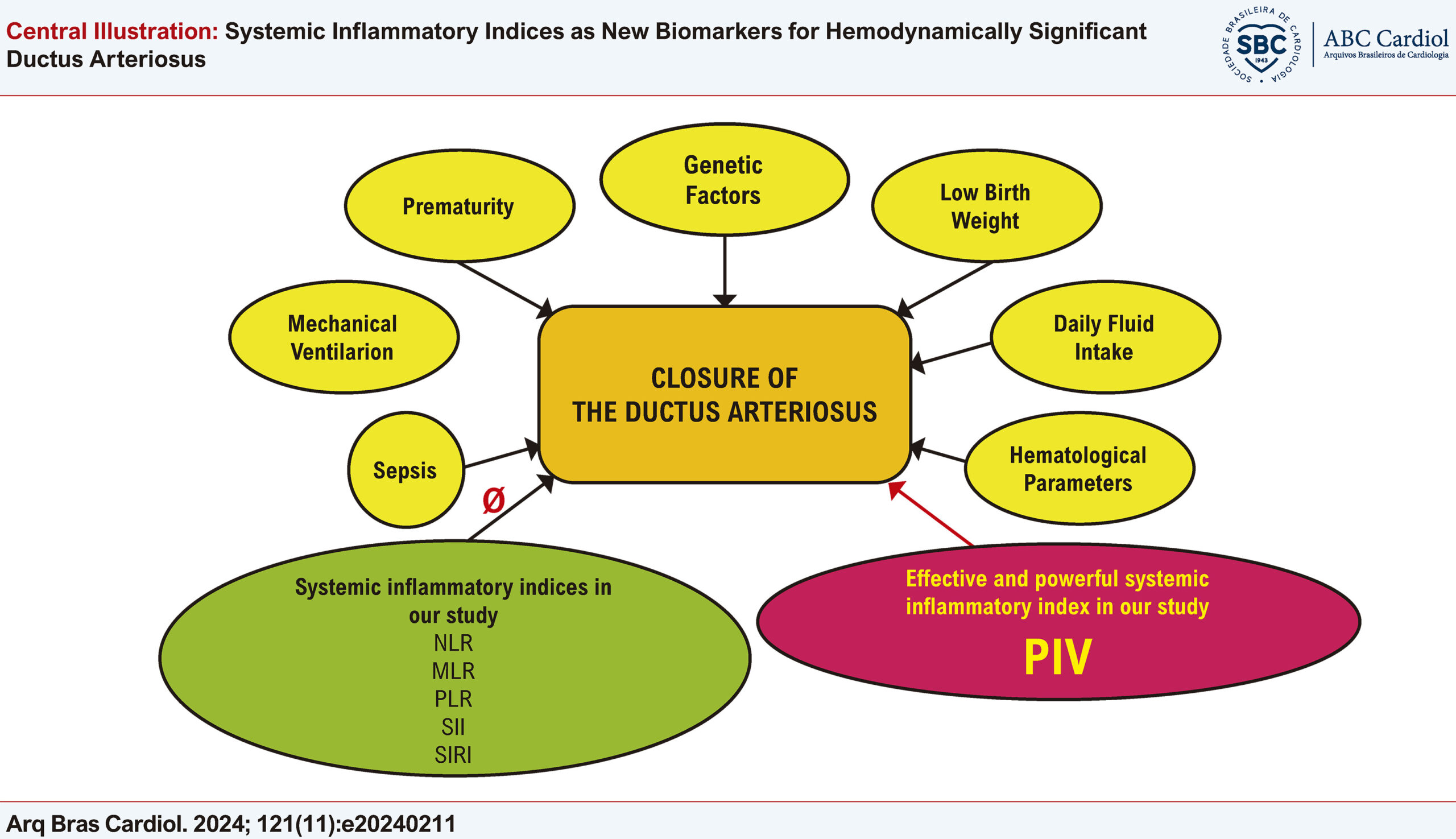
Premature infants with gestational weeks (GW) of <32 weeks were evaluated retrospectively. Systemic inflammatory indices neutrophil-lymphocyte ratio (NLR), monocyte-lymphocyte ratio (MLR), platelet-lymphocyte ratio (PLR), systemic immune-inflammation index (SII), pan-immune- inflammation value (PIV), and systemic inflammation response index (SIRI) were calculated. Systemic inflammatory indices were compared between hsPDA and non-hsPDA groups. A p <0.05 was considered as statistically significant.

Results

A total of 1228 patients were included in the study, including 447 patients in the hsPDA group and 781 patients in the non-hsPDA group. The PIV value [median (Q1 – Q3): 5.18 (2.38-10.42)] in the hsPDA group was statistically significantly higher than the PIV value [median (Q1 – Q3): 3.52 (1.41-6.45)] in the non-hsPDA group (p8.66. After even multiple logistic regression analyses, PIV was shown to be a significant parameter for the diagnosis of hsPDA (OR 1.972, 95% CI 1.114-3.011. p=0.001).

Conclusions

A high PIV value may be a quickly used indicator with low-cost, simple, and easily accessible for the early diagnosis of hsPDA.

  • Ductus Arteriosus
  • Inflammation
  • Newborn Infant
  • Premature Infant
Read Full Article
Creative Commons Attribution (CC BY) Creative Commons license
02/12/2024 DOI: 10.36660/abc.20240211i Views 1
Figure 1
ABCIC
Case Report

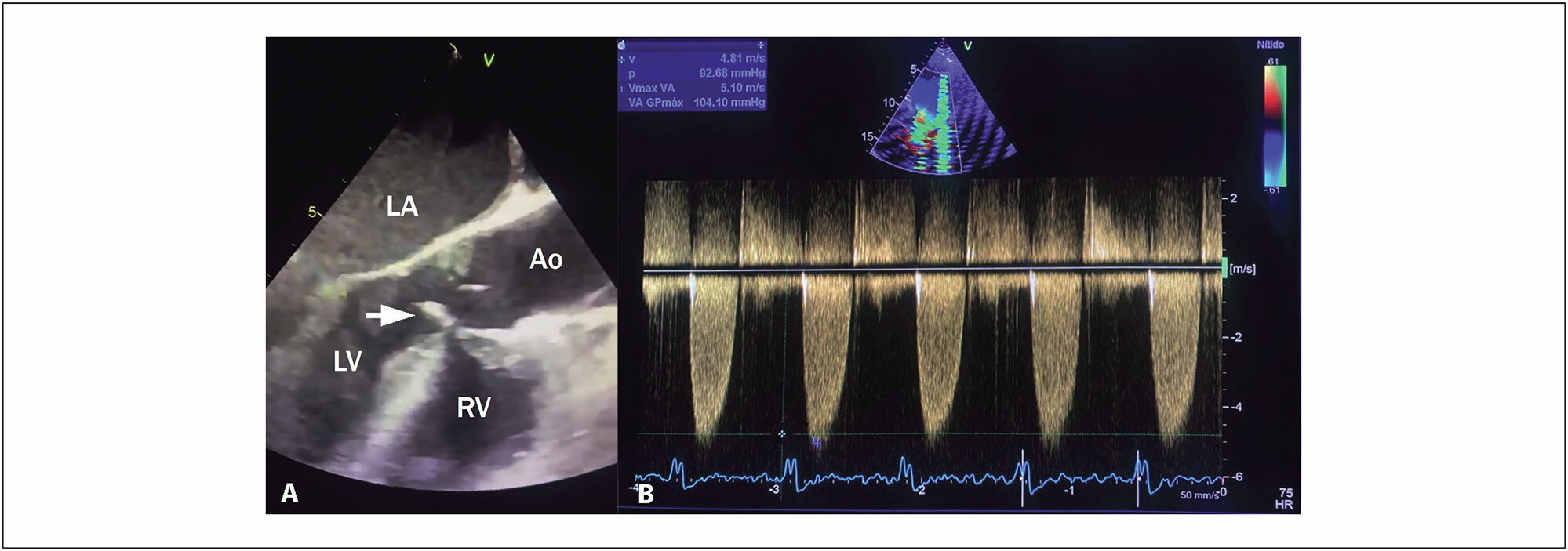
Subaortic Stenosis in Association with Patent Ductus Arteriosus in a Young Woman from the Andes Region

Robert Hernan Sandoval et al. Angela Cachicatari-Beltran Roberto Baltodano-Arellano Gerald Levano-Pachas

Background

Defects affecting the left ventricular outflow tract (LVOT) are considered major congenital heart defects accounting for 6 out of 10,000 live births. Subaortic stenosis accounts for approximately 1% of all congenital heart defects and 15% to 20% of all LVOT obstruction defects. Subaortic membrane stenosis (SMS) is the most common type of subaortic stenosis, although it is a rare condition scarcely reported in the medical literature., Previous studies have reported its association in some cases with other congenital heart defects such as ventricular septal defects and patent ductus arteriosus (PDA)., Its association with PDA is particularly rare, to the extent that a case series published in 2020 mentioned only 3 previous cases. The objective of this article is to report a case of SMS in association with PDA in a woman from the Andes region.

[…]

  • Andean Ecosystem
  • Ductus Arteriosus
  • Patent
  • Subvalvar Aortic Stenosis
Read Full Article
Creative Commons Attribution (CC BY) Creative Commons license
21/12/2023 DOI: 10.36660/abcimg.20230089i Views 1
Figure 1
ABCIC
Review Article

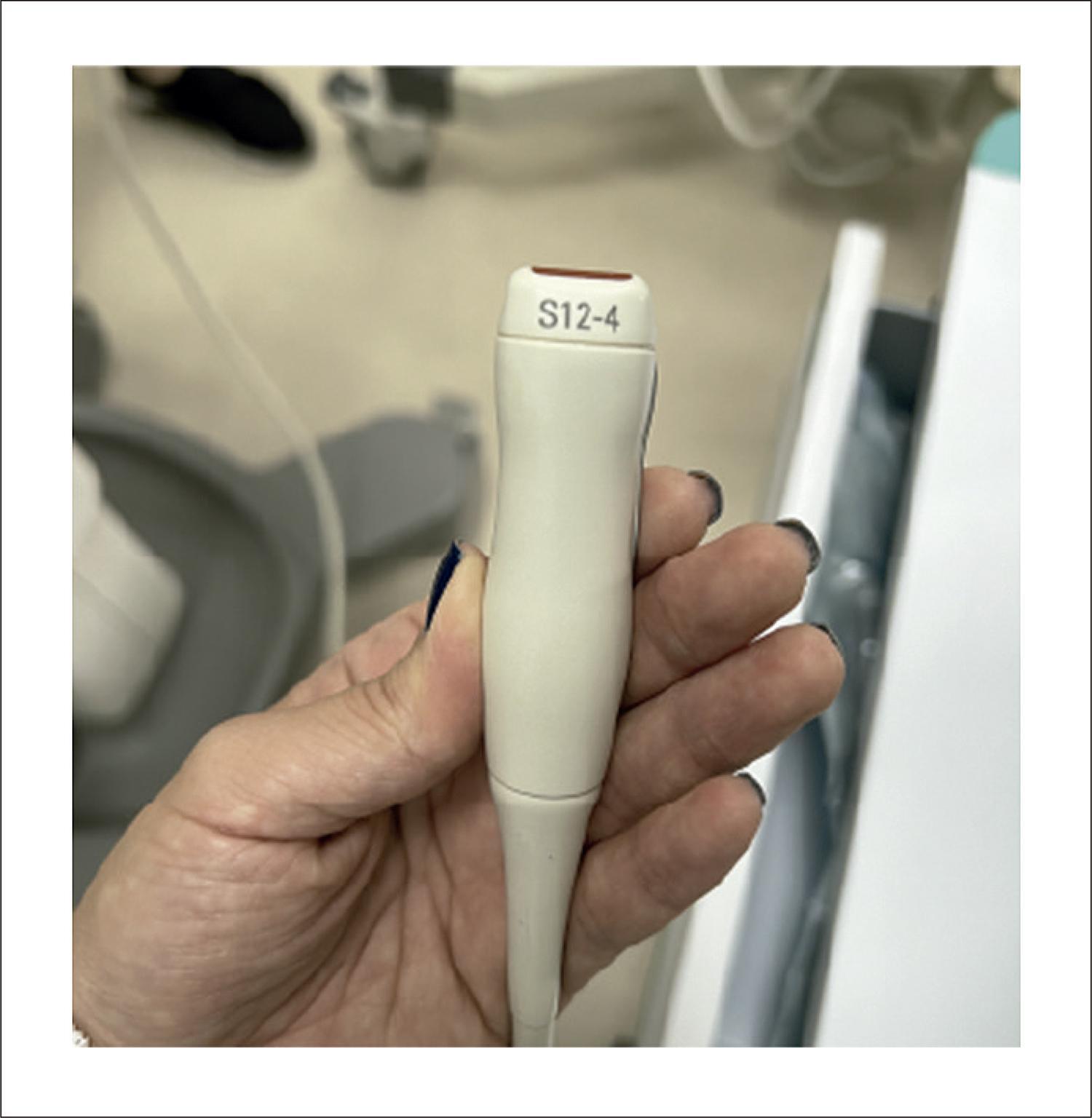
My Approach to Echocardiographic Assessment of the Premature Newborn

Karen Saori Shiraishi Sawamura et al. Márcio Miranda Brito

Abstract

Echocardiographic assessment of preterm infants, why do it? The incidence of premature births has been increasing worldwide and already affects about 10% of live births. Extremely preterm newborns (PTNB) are at increased risk of developing pulmonary immaturity, leading to pulmonary hypertension (PH), in addition to cardiovascular immaturity and patent ductus arteriosus (PDA).Hemodynamic monitoring of this population is challenging and differs from critically ill pediatric patients due to hemodynamic lability. Thus, minimal manipulation is essential to avoid complications. In this context, non-invasive monitoring methods such as transthoracic echocardiography (TTE) gain importance for hemodynamic assessment. It is a low-cost, radiation-free test that offers good anatomical and functional visualization in pediatric patients, making it a useful tool in the clinical management of severe preterm newborns.What you will find in this article:We will take an objective, didactic, and at times humorous approach to the use of echocardiography in premature newborns in the neonatal intensive care unit (NICU), and we will discuss the echocardiographic particularities of premature infants, especially regarding equipment adjustments, PH, and persistence of the ductus arteriosus (DA).

  • Ductus Arteriosus
  • Echocardiography
  • Neonatology
  • Premature Infant
  • Pulmonary Hypertension
Read Full Article
Creative Commons Attribution (CC BY) Creative Commons license
27/06/2023 DOI: 10.36660/abcimg.20230035i Views 1
Figure 1
ABC
Original Article

Percutaneous Closure of Ductus Arteriosus in Preterm Babies: The Initial Brazilian Experience

João Luiz Langer Manica et al. Juliana Rodrigues Neves Raul Arrieta Pedro Abujamra … Raul Ivo Rossi Filho Luiz Carlos Giuliano Germana Coimbra Pablo Tomé Teixeirense João Henrique Aramayo Rossi Rodrigo Nieckel da Costa Salvador André Bavaresco Cristóvão Carlos Pedra

Abstract

Background

The presence of patent ductus arteriosus can be as high as 50% in preterm babies. Hemodynamically significant patent ductus arteriosus is a common cause of delayed weaning of respiratory support and an important risk factor of necrotizing enterocolitis, intraventricular hemorrhage, and bronchopulmonary dysplasia in this population.

Objective

The aim of this study is to describe an initial experience of percutaneous closure of the ductus arteriosus in preterm infants weighing less than 2 kg.

Methods

This was a prospective study, comprised of 14 consecutive patients submitted to percutaneous closure of ductus arteriosus between March 2020 and February 2021 in 6 institutions in Brazil.

Results

Mean gestational age was 28.45±3.14 weeks, mean age at the procedure was 38.85±17.35 days and mean weight was 1.41 ±0.41 kg; 79% of the patients were under mechanical ventilation, and 79% had been submitted, on average, to a 1.5 cycle of non-steroidal anti-inflammatory drugs. Most patients were weaned off of mechanical ventilation in a mean of 12.6 ±7.24 days after the procedure. Success rate was 100%. No procedure-related mortality was observed.

Conclusion

This study concluded that percutaneous closure of ductus arteriosus in premature babies below 2 kg has satisfactory results and a low complication rate in this study sample.

  • Catheterization
  • Ductus Arteriosus
  • Heart Defects, Congenital
  • Infant
  • Neonatology
  • Premature
Read Full Article
Creative Commons Attribution (CC BY) Creative Commons license
05/09/2022 DOI: 10.36660/abc.20210818 Views 2
Maternal restriction of polyphenols and fetal ductal dynamics in normal pregnancy: an open clinical trial
ABC
Artigo Original

Maternal restriction of polyphenols and fetal ductal dynamics in normal pregnancy: an open clinical trial

Paulo Zielinsky et al. Antônio Luiz Piccoli Jr. Izabele Vian Ana Maria Zílio … Alexandre Antônio Naujorks Luiz Henrique Nicoloso Carolina Weiss Barbisan Stefano Busato Mauro Lopes Caroline Klein

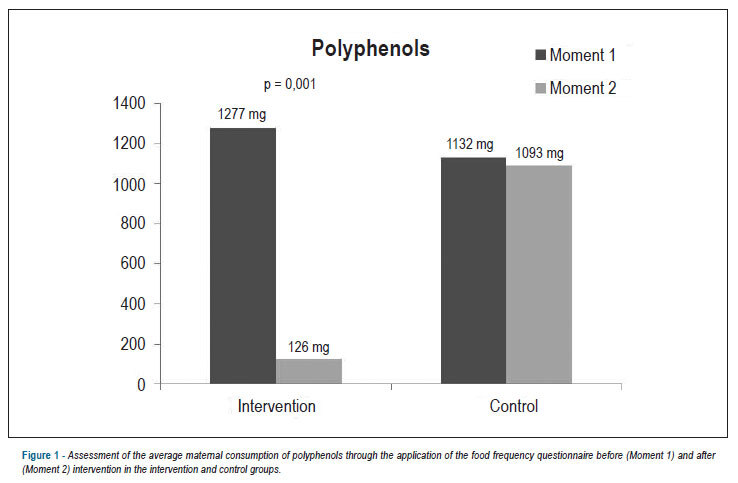
BACKGROUND:We have recently demonstrated reversal of fetal ductal constriction after dietary maternal restriction of polyphenol-rich foods (PRF), due to its inhibitory action on prostaglandin synthesis. OBJECTIVE: To test the hyphotesis that normal third trimester fetuses also improve ductus arteriosus dynamics after maternal restriction of polyphenols. METHODS: Open clinical trial with 46 fetuses with gestational age (GA) > 28 weeks submitted to 2 Doppler echocardiographic studies with an interval of at least 2 weeks, being the examiners blinded to maternal dietary habits. A validated food frequency questionnaire was applied and a diet based on polyphenol-poor foods (<30mg/100mg) was recommended. A control group of 26 third trimester fetuses was submitted to the same protocol. Statistics used t test for independent samples. RESULTS: Mean GA was 33±2 weeks. Mean daily maternal estimated polyphenol intake (DMPI) was 1277mg, decreasing to 126mg after dietary orientation (p=0.0001). Significant decreases in systolic (SDV) and diastolic (DDV) ductal velocities, and RV/LV diameters ratio, as well as increase in ductal PI were observed [DSV=1.2±0.4m/s (0.7-1.6) to 0.9±0.3m/s (0.6-1.3) (p=0.018); DDV=0.21±0.09m/s (0.15-0.32) to 0.18±0.06m/s (0.11-0.25) (p=0.016); RV/LV ratio =1.3±0.2 (0.9-1.4) to 1.1±0.2 (0.8-1.3) (p=0.004); ductal PI=2.2±0.03 (2.0-2.7) to 2.4±0.4(2.2-2.9) (p=0.04)]. In the control group, with GA of 32±4 weeks, there were no significant differences in DMPI, mean SDV, DDV, PI and RV/LV ratio. CONCLUSION: The oriented restriction of third trimester maternal ingestion of polyphenol-rich foods for a period of 2 weeks or more improve fetal ductus arteriosus flow dynamics and right ventricular dimensions.

  • Anti-Inflammatory Agents
  • Constriction
  • Ductus Arteriosus
  • fetal heart
  • Polyphenols
  • Pregnancy
  • Prostaglandins
Read Full Article
Creative Commons Attribution (CC BY) Creative Commons license
14/08/2013 DOI: 10.5935/abc.20130166 Views 3
Angiographic morphologic characteristics in pulmonary atresia with intact ventricular septum
ABC
Artigo Original

Angiographic morphologic characteristics in pulmonary atresia with intact ventricular septum

Marco Aurélio Santos et al. Vitor Manuel Pereira Azevedo

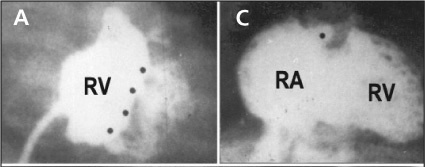
OBJECTIVE: To determine the morphological and functional changes in the right ventricle in pulmonary atresia with intact ventricular septum (PAIVS) for assessing the candidates for the different therapeutic procedures currently available. METHODS: Thirty-one patients underwent cineangiocardiographic study with axial projections. Their ages ranged from 1 to 50 days (x = 9.6), and 28 of them were studied during the first month of life. The statistical analysis comprised the following: chi-square test, Kruskal-Wallis test for the mean and standard deviation, multiple regression, and the 95% confidence interval (95%CI) was calculated. The significance level adopted was alpha < 0.05. RESULTS: The patients were divided into 3 groups according to the angiographic morphology of the right ventricle (RV): group A – tripartite RV (n=16); group B – bipartite RV (n=9); and group C – unipartite RV (n=6). The diameter of the tricuspid valve was 10.28 ± 2.67 mm (A); 7.82 ± 3.41 (B); and 5.27 ± 0.57 (C) (P=0.0005). Pulmonary atresia was of the valvular type in all group A patients and of the infundibular type in all group C patients (P<0.0001). Coronary-cavitary connections were rare (2/16) in group A patients, but occurred in all group C patients (P=0.0006), with retrograde opacity of the aorta (flow from the RV to the aorta) in 2 group A patients and in all group C patients (P=0.0003). Three patients (2 in group C and 1 in group A) had right-ventricular-dependent coronary circulation. Isolated moderate/severe tricuspid regurgitation showed a tendency towards being more frequent in group A (P=0.0525). The angle of the ductus arteriosus with the descending aorta was as follows: 104.06 ± 8.98 in group A; 79.17 ± 33.08 in group B; and 39.0 ± 6.52 in group C (P=0.0016). The correlation between the diameter of the tricuspid valve and the angle of the ductus arteriosus with the descending aorta was 0.6568 (P=0.0002). CONCLUSION: Because of the heterogeneity of the morphology of the RV in patients with pulmonary atresia with intact ventricular septum, knowledge about all these data is required for selecting candidates for the different therapeutic procedures.

  • Congenital Heart Disease
  • Ductus Arteriosus
  • prognostic factors
  • Pulmonary Atresia
  • pulmonary valvotomy
Read Full Article
Creative Commons Attribution (CC BY) Creative Commons license
09/06/2004 DOI: 10.1590/S0066-782X2004000500004

How to cite this article

EndNote RIS

Electronic Document Format (Vancouver)

Lombardi JG, Calamita PC, Barreto MRP, Ficht LSN, Gardenghi G. Acute Thrombosis During Ductus Arteriosus Stenting Successfully Treated with Balloon Angioplasty and In Situ Alteplase Infusion: Case Report. ABC Imagem Cardiovascular 2026;38(4):e20250084.

Electronic Document Format (ABNT)

Lombardi, Jonathan Guimarães; Calamita, Paulo Correia; Barreto, Mayra Rosana Palmeira; Ficht, Luiza Silveira Neves; Gardenghi, Giulliano. Acute Thrombosis During Ductus Arteriosus Stenting Successfully Treated with Balloon Angioplasty and In Situ Alteplase Infusion: Case Report. ABC Imagem Cardiovascular, v. 38, n. 4, e20250084, Feb. 2026.

Electronic Document Format (APA)

Lombardi, J. G., Calamita, P. C., Barreto, M. R. P., Ficht, L. S. N., & Gardenghi, G. (2026). Acute Thrombosis During Ductus Arteriosus Stenting Successfully Treated with Balloon Angioplasty and In Situ Alteplase Infusion: Case Report. ABC Imagem Cardiovascular, 38(4), e20250084.

Electronic Document Format (ISO)

Lombardi, Jonathan Guimarães and Calamita, Paulo Correia and Barreto, Mayra Rosana Palmeira and Ficht, Luiza Silveira Neves and Gardenghi, Giulliano. Acute Thrombosis During Ductus Arteriosus Stenting Successfully Treated with Balloon Angioplasty and In Situ Alteplase Infusion: Case Report. ABC Imagem Cardiovascular [online]. 2026, vol. 38, n. 4, [cited 2026-10-14], e20250084. Available from: <https://journals.cardiol.br/en/article/acute-thrombosis-during-ductus-arteriosus-stenting-successfully-treated-with-balloon-angioplasty-and-in-situ-alteplase-infusion-case-report/>. ISSN 2318-8219

EndNote RIS

Electronic Document Format (Vancouver)

Cakir U, Tayman C. Systemic Inflammatory Indices as New Biomarkers for Hemodynamically Significant Ductus Arteriosus. Arquivos Brasileiros de Cardiologia 2024;121(11):e20240211.

Electronic Document Format (ABNT)

Cakir, Ufuk; Tayman, Cuneyt. Systemic Inflammatory Indices as New Biomarkers for Hemodynamically Significant Ductus Arteriosus. Arquivos Brasileiros de Cardiologia, v. 121, n. 11, e20240211, Dec. 2024.

Electronic Document Format (APA)

Cakir, U., & Tayman, C. (2024). Systemic Inflammatory Indices as New Biomarkers for Hemodynamically Significant Ductus Arteriosus. Arquivos Brasileiros de Cardiologia, 121(11), e20240211.

Electronic Document Format (ISO)

Cakir, Ufuk and Tayman, Cuneyt. Systemic Inflammatory Indices as New Biomarkers for Hemodynamically Significant Ductus Arteriosus. Arquivos Brasileiros de Cardiologia [online]. 2024, vol. 121, n. 11, [cited 2026-10-14], e20240211. Available from: <https://journals.cardiol.br/en/article/systemic-inflammatory-indices-as-new-biomarkers-for-hemodynamically-significant-ductus-arteriosus/>. ISSN 0066-782X

EndNote RIS

Electronic Document Format (Vancouver)

Sandoval RH, Cachicatari-Beltran A, Baltodano-Arellano R, Levano-Pachas G. Subaortic Stenosis in Association with Patent Ductus Arteriosus in a Young Woman from the Andes Region. ABC Imagem Cardiovascular 2023;36(4):e20230089.

Electronic Document Format (ABNT)

Sandoval, Robert Hernan; Cachicatari-Beltran, Angela; Baltodano-Arellano, Roberto; Levano-Pachas, Gerald. Subaortic Stenosis in Association with Patent Ductus Arteriosus in a Young Woman from the Andes Region. ABC Imagem Cardiovascular, v. 36, n. 4, e20230089, Dec. 2023.

Electronic Document Format (APA)

Sandoval, R. H., Cachicatari-Beltran, A., Baltodano-Arellano, R., & Levano-Pachas, G. (2023). Subaortic Stenosis in Association with Patent Ductus Arteriosus in a Young Woman from the Andes Region. ABC Imagem Cardiovascular, 36(4), e20230089.

Electronic Document Format (ISO)

Sandoval, Robert Hernan and Cachicatari-Beltran, Angela and Baltodano-Arellano, Roberto and Levano-Pachas, Gerald. Subaortic Stenosis in Association with Patent Ductus Arteriosus in a Young Woman from the Andes Region. ABC Imagem Cardiovascular [online]. 2023, vol. 36, n. 4, [cited 2026-10-14], e20230089. Available from: <https://journals.cardiol.br/en/article/subaortic-stenosis-in-association-with-patent-ductus-arteriosus-in-a-young-woman-from-the-andes-region/>. ISSN 2318-8219

EndNote RIS

Electronic Document Format (Vancouver)

Sawamura KSS, Brito MM. My Approach to Echocardiographic Assessment of the Premature Newborn. ABC Imagem Cardiovascular 2023;36(2):e20230035.

Electronic Document Format (ABNT)

Sawamura, Karen Saori Shiraishi; Brito, Márcio Miranda. My Approach to Echocardiographic Assessment of the Premature Newborn. ABC Imagem Cardiovascular, v. 36, n. 2, e20230035, Jun. 2023.

Electronic Document Format (APA)

Sawamura, K. S. S., & Brito, M. M. (2023). My Approach to Echocardiographic Assessment of the Premature Newborn. ABC Imagem Cardiovascular, 36(2), e20230035.

Electronic Document Format (ISO)

Sawamura, Karen Saori Shiraishi and Brito, Márcio Miranda. My Approach to Echocardiographic Assessment of the Premature Newborn. ABC Imagem Cardiovascular [online]. 2023, vol. 36, n. 2, [cited 2026-10-14], e20230035. Available from: <https://journals.cardiol.br/en/article/my-approach-to-echocardiographic-assessment-of-the-premature-newborn/>. ISSN 2318-8219

EndNote RIS

Electronic Document Format (Vancouver)

Manica JLL, Neves JR, Arrieta R, Abujamra P, Rossi Filho RI, Giuliano LC, Coimbra G, et al. Percutaneous Closure of Ductus Arteriosus in Preterm Babies: The Initial Brazilian Experience. Arquivos Brasileiros de Cardiologia 2022;119(3):460-7.

Electronic Document Format (ABNT)

Manica, João Luiz Langer; Neves, Juliana Rodrigues; Arrieta, Raul; Abujamra, Pedro; Rossi Filho, Raul Ivo; Giuliano, Luiz Carlos; Coimbra, Germana; Teixeirense, Pablo Tomé; Rossi, João Henrique Aramayo; Costa, Rodrigo Nieckel da; Cristóvão, Salvador André Bavaresco; Pedra, Carlos. Percutaneous Closure of Ductus Arteriosus in Preterm Babies: The Initial Brazilian Experience. Arquivos Brasileiros de Cardiologia, v. 119, n. 3, p. 460-467, Sep. 2022.

Electronic Document Format (APA)

Manica, J. L. L., Neves, J. R., Arrieta, R., Abujamra, P., Rossi Filho, R. I., Giuliano, L. C., Coimbra, G., Teixeirense, P. T., Rossi, J. H. A., Costa, R. N. , Cristóvão, S. A. B., & Pedra, C. (2022). Percutaneous Closure of Ductus Arteriosus in Preterm Babies: The Initial Brazilian Experience. Arquivos Brasileiros de Cardiologia, 119(3), 460-467.

Electronic Document Format (ISO)

Manica, João Luiz Langer and Neves, Juliana Rodrigues and Arrieta, Raul and Abujamra, Pedro and Rossi Filho, Raul Ivo and Giuliano, Luiz Carlos and Coimbra, Germana and Teixeirense, Pablo Tomé and Rossi, João Henrique Aramayo and Costa, Rodrigo Nieckel da and Cristóvão, Salvador André Bavaresco and Pedra, Carlos. Percutaneous Closure of Ductus Arteriosus in Preterm Babies: The Initial Brazilian Experience. Arquivos Brasileiros de Cardiologia [online]. 2022, vol. 119, n. 3, [cited 2026-10-14], pp. 460-467. Available from: <https://journals.cardiol.br/en/article/percutaneous-closure-of-ductus-arteriosus-in-preterm-babies-the-initial-brazilian-experience/>. ISSN 0066-782X

EndNote RIS

Electronic Document Format (Vancouver)

Zielinsky P, Piccoli Jr. AL, Vian I, Zílio AM, Naujorks AA, Nicoloso LH, Barbisan CW, et al. Maternal restriction of polyphenols and fetal ductal dynamics in normal pregnancy: an open clinical trial. Arquivos Brasileiros de Cardiologia 2013;101(3):217-25.

Electronic Document Format (ABNT)

Zielinsky, Paulo; Piccoli Jr., Antônio Luiz; Vian, Izabele; Zílio, Ana Maria; Naujorks, Alexandre Antônio; Nicoloso, Luiz Henrique; Barbisan, Carolina Weiss; Busato, Stefano; Lopes, Mauro; Klein, Caroline. Maternal restriction of polyphenols and fetal ductal dynamics in normal pregnancy: an open clinical trial. Arquivos Brasileiros de Cardiologia, v. 101, n. 3, p. 217-225, Aug. 2013.

Electronic Document Format (APA)

Zielinsky, P., Piccoli Jr., A. L., Vian, I., Zílio, A. M., Naujorks, A. A., Nicoloso, L. H., Barbisan, C. W., Busato, S., Lopes, M., & Klein, C. (2013). Maternal restriction of polyphenols and fetal ductal dynamics in normal pregnancy: an open clinical trial. Arquivos Brasileiros de Cardiologia, 101(3), 217-225.

Electronic Document Format (ISO)

Zielinsky, Paulo and Piccoli Jr., Antônio Luiz and Vian, Izabele and Zílio, Ana Maria and Naujorks, Alexandre Antônio and Nicoloso, Luiz Henrique and Barbisan, Carolina Weiss and Busato, Stefano and Lopes, Mauro and Klein, Caroline. Maternal restriction of polyphenols and fetal ductal dynamics in normal pregnancy: an open clinical trial. Arquivos Brasileiros de Cardiologia [online]. 2013, vol. 101, n. 3, [cited 2026-10-14], pp. 217-225. Available from: <https://journals.cardiol.br/en/article/maternal-restriction-of-polyphenols-and-fetal-ductal-dynamics-in-normal-pregnancy-an-open-clinical-trial/>. ISSN 0066-782X

EndNote RIS

Electronic Document Format (Vancouver)

Santos MA, Azevedo VMP. Angiographic morphologic characteristics in pulmonary atresia with intact ventricular septum. Arquivos Brasileiros de Cardiologia 2004;82(5):413-9.

Electronic Document Format (ABNT)

Santos, Marco Aurélio; Azevedo, Vitor Manuel Pereira. Angiographic morphologic characteristics in pulmonary atresia with intact ventricular septum. Arquivos Brasileiros de Cardiologia, v. 82, n. 5, p. 413-419, Jun. 2004.

Electronic Document Format (APA)

Santos, M. A., & Azevedo, V. M. P. (2004). Angiographic morphologic characteristics in pulmonary atresia with intact ventricular septum. Arquivos Brasileiros de Cardiologia, 82(5), 413-419.

Electronic Document Format (ISO)

Santos, Marco Aurélio and Azevedo, Vitor Manuel Pereira. Angiographic morphologic characteristics in pulmonary atresia with intact ventricular septum. Arquivos Brasileiros de Cardiologia [online]. 2004, vol. 82, n. 5, [cited 2026-10-14], pp. 413-419. Available from: <https://journals.cardiol.br/en/article/angiographic-morphologic-characteristics-in-pulmonary-atresia-with-intact-ventricular-septum/>. ISSN 0066-782X

  • About ABC Family
  • Internal Regulation
  • Editorial Board
  • Brazilian Society of Cardiology (SBC)

Issues

SBC Guidelines

  • Videos
  • Podcasts
  • News