| ABC
ABC Family Arquivos Brasileiros de Cardiologia International Journal of Cardiovascular Sciences ABC Heart Failure & Cardiomyopathy ABC Imagem Cardiovascular
Português English
ABC Family | ABC
Português English
  • About
    • About the Journal
    • Internal Regulation
    • Editors Section
    • Editorial Board
    • History
    • SBC Award
  • Instructions to Authors
    • Guidelines for Publication
    • Editorial Policy
    • Ethics Policy
    • Policy on the Use of Artificial Intelligence
    • Mandatory Publication Form
    • Publication Fee
  • Issues
  • SBC Guidelines
  • Abstracts
    • How to Publish an Abstract Supplement?
    • Supplements from the Brazilian Congress of Cardiology
  • About
    • About the Journal
    • Internal Regulation
    • Editors Section
    • Editorial Board
    • History
    • SBC Award
  • Instructions to Authors
    • Guidelines for Publication
    • Editorial Policy
    • Ethics Policy
    • Policy on the Use of Artificial Intelligence
    • Mandatory Publication Form
    • Publication Fee
  • Issues
  • SBC Guidelines
  • Abstracts
    • How to Publish an Abstract Supplement?
    • Supplements from the Brazilian Congress of Cardiology

ABC Family

  • ABC Family
  • Arquivos Brasileiros de Cardiologia
  • International Journal of Cardiovascular Sciences
  • ABC Heart Failure & Cardiomyopathy
  • ABC Imagem Cardiovascular
Search in

No content found.

Journals
Ordering
Article types
Others

  1. Home
  2. ABC
  3. Issues
  4. 2022, Volume 118, Number 5
Editorial

Can Simple Echocardiographic Parameters Replace The ASCVD Probabilistic Model Calculation?

Tonnison de Oliveira Silva et al. Luiz Eduardo Fonteles Ritt

The study by Fernandes et al. used data from the ELSA-BRASIL Cohort. , It showed that in asymptomatic patients with no history of cardiovascular disease, echocardiographic measurements that are part of the daily routine of any echocardiography service are independently associated with the ASCVD predictor model. A total of 2,973 Brazilian participants without cardiovascular disease were evaluated between 2008 and 2010. The ASCVD score calculation used data produced in 2008-2010 and 2012-2014; echocardiography was performed exclusively at the initial moment (period 1). After multivariate logistic regression analysis, the echocardiographic parameters with statistical significance (controlled for body mass index, hypertriglyceridemia, physical activity, educational level and excessive alcohol consumption) were diastolic dysfunction, left ventricular hypertrophy, and left atrial volume indexed by body surface area. Left ventricular diastolic dysfunction was the strongest predictor of association with a high risk of cardiovascular events (ASCVD > 7.5%).

Diastolic dysfunction is a marker of cardiovascular events, including total mortality and hospitalizations for HF. In the ischemic cascade, diastolic dysfunction, symptomatic or not, is one of the earliest manifestations. It is also useful in identifying those patients with stage B heart failure. Echocardiography is the non-invasive, available and low-cost tool most used to evaluate this alteration. The major obstacle is that ventricular diastole mechanisms are complex, multifactorial, age-related, and subject to both acute and chronic hemodynamic and coronary flow changes. –

[…]
  • Cardiovascular Diseases
  • Diastolic Dysfunction
  • Echocardiography/methods
  • Hospitalization
  • Hypertrophy Left Ventricular
  • Mortality
  • risk stratification
Read Full Article
Creative Commons Attribution (CC BY) Creative Commons license
13/05/2022 DOI: 10.36660/abc.20220270 Views 1
Figure 1
Original Article

Hormone therapy and Hypertension in Postmenopausal Women: Results from the Brazilian Longitudinal Study of Adult Health (ELSA-Brasil)

Luana Ferreira-Campos et al. Ligia Gabrielli Maria da Conceição Chagas Almeida Estela Maria Leão Aquino … Sheila Maria Alvim Matos Rosane Harter Griep Roque Aras

Abstract

Background

Hypertension is a major risk factor for cardiovascular morbidity and mortality in post-menopausal women. Although menopausal hormone therapy (MHT) is a very effective treatment for vasomotor symptoms during this period, the influence of this therapy on blood pressure is not yet clear.

Objective

To evaluate the relationship between the use of MHT and hypertension in participants of the ELSA-Brasil.

Methods

A cross-sectional study using the baseline ELSA-Brasil data in a cohort of 2,138 women who had experienced natural menopause. This study analyzed hypertension, defined as arterial pressure ≥140/90 mmHg or previous antihypertensive use, and use of MHT, with participants being classified into never, past, and current users. Associations were assessed using an adjusted logistic regression model, with statistical significance set at p<0.05.

Results

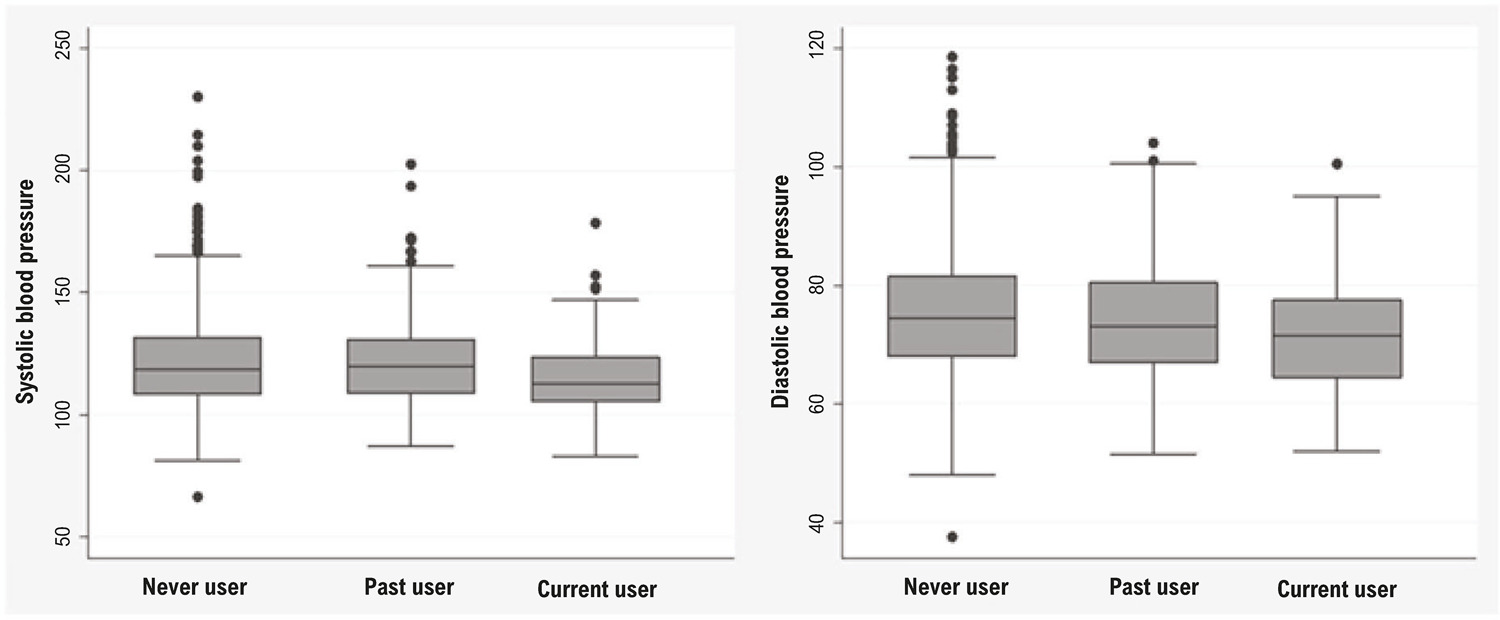
Overall, 1,492 women (69.8%) had never used MHT, 457 (21.4%) had used it in the past, and 189 (8.8%) were current users. The use of MHT was more common in women who had a body mass index (BMI) <25 kg/m2and triglyceride levels <150 mg/dl, and who were physically less inactive, non-smokers, and non-diabetics. Current MHT users were less likely to have hypertension (OR=0.59; 95% CI: 0.41-0.85) compared to those who had never used MHT. In most cases, MHT was started at or before 59 years of age, within 10 years of becoming menopausal, and its use lasted for up to five years.

Conclusion

Current MHT use was not related to hypertension, particularly in healthy women and in those under 60 years of age.

  • hormone replacement therapy
  • Postmenopause
Read Full Article
Creative Commons Attribution (CC BY) Creative Commons license
13/05/2022 DOI: 10.36660/abc.20210218 Views 3
Editorial

Himalayan Salt and Table Salt Intake among Hypertensive Individuals

Mariana de Souza Dorna et al. Marcos Mitsuo Seki

With the involvement of approximately 30% of the Brazilian population, arterial hypertension is listed as one of the main causes of cardiovascular disease. The current WHO recommendation for sodium intake is < 2g/person/day, or 5g salt/person/day. However, it is already known that the salt intake pattern of the Brazilian population reaches up to 12g/day. Although the increase in blood pressure has a multifactorial etiology, excessive sodium intake is among the main causes. ,

This element has important physiological functions such as regulation of extracellular volume, nerve conduction and muscle function. There is little disagreement in the literature about the benefits of reducing sodium intake for the hypertensive population. A strategy widely addressed by social media and in print was the adoption of Himalayan Salt for being rich in iron, zinc, calcium, magnesium and potassium and its supposed benefits over table salt in pressure control on hypertensive patients. – In this context, Loyola IP et al. evaluated the impact of table salt and Himalayan salt intake on blood pressure parameters and urinary sodium concentration in hypertensive individuals.

[…]

  • Hypertension
  • Life Style
  • Physical activity
  • Risk Factors
  • Salt Intake
  • Sodium Chloride, Dietary
  • Urinalysis/methods
Read Full Article
Creative Commons Attribution (CC BY) Creative Commons license
13/05/2022 DOI: 10.36660/abc.20220243 Views 1
Original Article

Simple Echocardiographic Parameters are Strong Predictors of the Cardiovascular Risk in Asymptomatic Individuals: Elsa-Brasil Cohort

Luciana Pereira Fernandes et al. Maria da Conceição Chagas de Almeida Sheila Alvim de Matos Ana Clara Paixão Campos … Edmundo José Nassri Câmara Murilo Foppa Antônio Luiz Pinho Ribeiro Sandhi Maria Barreto Roque Aras Júnior

Abstract

Background

Several studies have evaluated echocardiographic abnormalities as predictors of cardiovascular risk; however, none have associated the global cardiovascular risk with echocardiographic abnormalities in the Brazilian population.

Objective

This study evaluates the association between the global cardiovascular risk (ASCVD score) and three echocardiographic abnormalities: left ventricular hypertrophy (LVH), left ventricular diastolic dysfunction (LVDD), and increased left atrium (LA) volume.

Methods

The study population was composed of participants from ELSA-Brasil who underwent echocardiography between 2008 and 2010 (n = 2973). They were asymptomatic and had no history of cardiovascular disease. The ASCVD score was calculated in two periods: 2008-2010 and 2012-2014. Prevalence ratios (PR) were estimated with 95% confidence intervals (CI).

Results

There is an association between echocardiographic abnormalities and high global cardiovascular risk (ASCVD score ≥ 7.5) in both study periods, separately. The combined global risk (low risk in the first period and high risk in the second period) was significantly associated only with LVDD (PR = 3.68, CI 95% 2.63–5.15) and LVH (PR = 2.20, 95% CI 1.62–3.00).

Conclusion

Echocardiographic abnormalities (LVDD, LVH, and increased LA volume) are independent predictors of cardiovascular risk in Brazilian adults.

  • Atherosclerosis
  • Cardiovascular Diseases
  • Diagnostic Imaging
  • Echocardiography/methods
  • Left Atrial Volume
  • Left Ventricular Diastolic Dysfunction
  • Risk Factors
  • Sedentarism
Read Full Article
Creative Commons Attribution (CC BY) Creative Commons license
13/05/2022 DOI: 10.36660/abc.20210101
Editorial

Ventriculography: When to Choose to Perform It?

Gabriella Cunha Lima

The current guidelines address the indications for left heart catheterization associated with coronary angiography, but most of these instructions do not mention ventriculography, as this test is often at the operator’s discretion. For many years, ventriculography was used as the gold standard method for ventricular function. This mini editorial presents some insights to fill this gap.

Some complications may occur concerning ventriculography, such as contrast-induced nephropathy (CIN) in approximately 1% of patients without predisposing factors and in 10% to 30% of those with risk factors, embolization, arrhythmia, cardiac tamponade, and increased radiation exposure.

[…]

  • Angioplasty
  • Atherosclerosis
  • Contrast Echocardiography
Read Full Article
Creative Commons Attribution (CC BY) Creative Commons license
13/05/2022 DOI: 10.36660/abc.20220137
Figure 1
Research Letter

An Unusual Manifestation of Rejection

Carlos Xavier Correia de Resende et al. Pedro Grilo Diogo Sandra Amorim Gonçalo Pestana … José Pinheiro Torres Filipe Macedo

Introduction

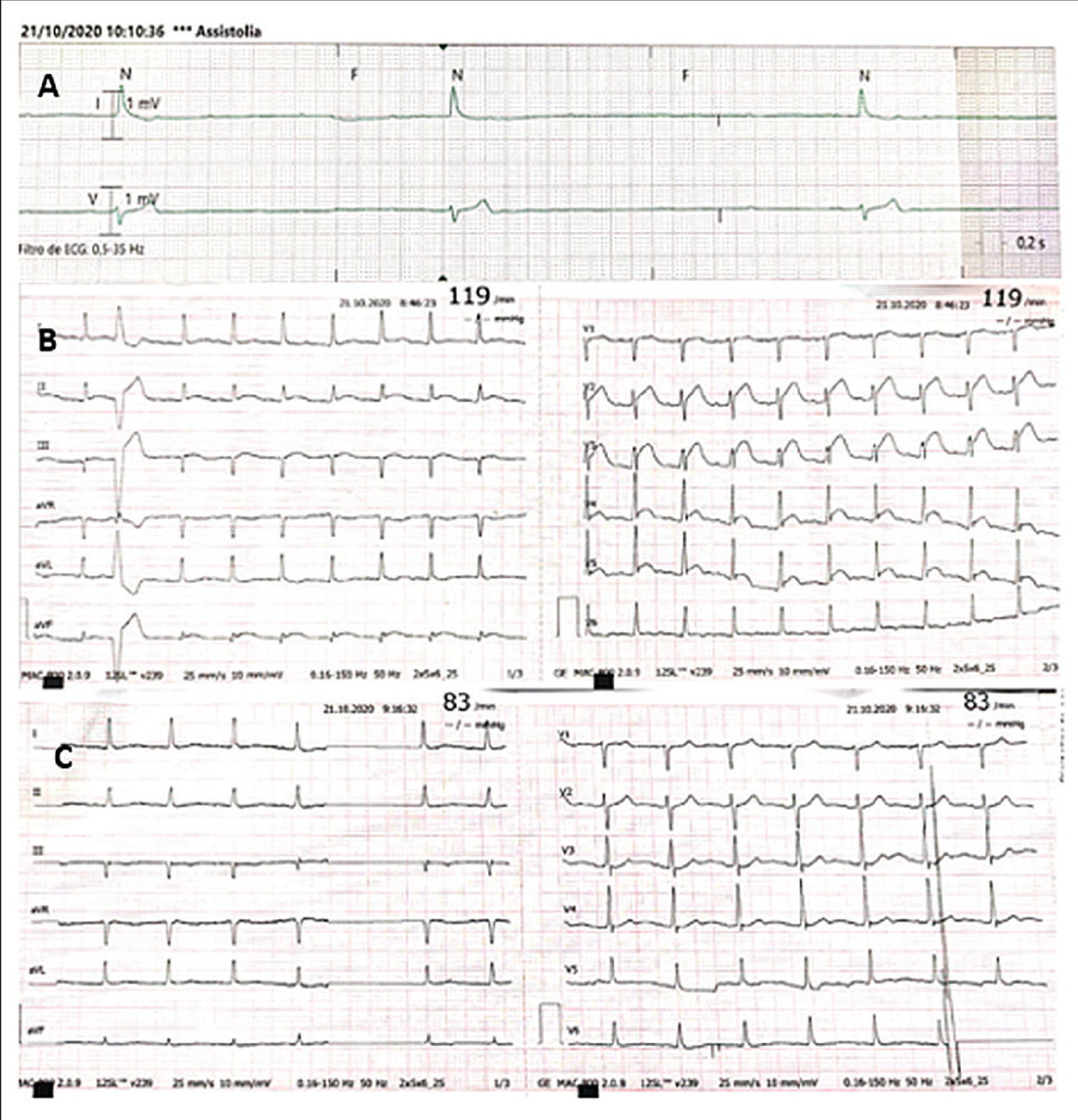
Orthotopic heart transplantation is the current treatment of choice for selected patients with end-stage heart failure. With the improvement of surgical techniques and the efficiency of new immunosuppressive treatments, short-term survival has markedly improved throughout the years. However, these patients still suffer from important comorbidities caused by chronic transplant complications such as rejection, coronary allograft vasculopathy (CAV) and malignancy. Rhythm disorders are common in heart transplant patients and in some circumstances, they can be the first clinical manifestation of rejection. Coronary vasospasm has been recently associated with acute rejection and CAV, but the mechanisms underlying this phenomenon are still speculative.

We present a clinical case of acute heart transplant rejection, manifested by coronary vasospasm and advanced rhythm disorder.

[…]

  • Arrhythmias Cardiac
  • Coronary Vasospasm
  • Diagnostic Imaging
  • Drug Therapy
  • Graft Rejection
  • Heart block
  • Heart Failure, Heart Transplantation
  • Research
Read Full Article
Creative Commons Attribution (CC BY) Creative Commons license
13/05/2022 DOI: 10.36660/abc.20210671
Editorial

Role of Computed Tomography in Excluding Acute Coronary Syndrome: is Anatomy the Way?

Nuno Bettencourt

Chest pain is one of the most common reasons for admission to the emergency room (ER). Although only a small minority of these correspond to an acute coronary syndrome (ACS), the potential severity of a misdiagnosis or a non-diagnosis implies using systematic protocols to confirm or exclude coronary artery disease (CAD) as a cause of symptoms. In recent years, the sequential blood testing of high-sensitive troponin (cTnI-hs) levels has become a safe and effective method in this context and is commonly applied worldwide. – However, this approach is associated with prolonged times in the ER and is not error-free, as some patients with unstable angina may not be correctly identified.

New approaches using imaging methods to exclude CAD gained relevance and have generated interest from the scientific community. Cardiac CT angiography (CTA), due to its high diagnostic performance, is assumed to be the main candidate to change the status-quo of the current approach based on serial blood testing. It is a simple, fast and robust test with a high negative predictive value – which makes it particularly suitable in ER, where it is essential to quickly and effectively exclude the presence of CAD. The ROMICAT studies were among the first to document the advantages of CTA in this context and to emphasize its additive prognostic value concerning the TIMI risk score (TIMI RS). However, like the vast majority of studies that used CTA in the context of hospital ER, their results mostly apply to low-risk populations. ,

[…]

  • Cardiovascular Diseases
  • Chest Pain
  • Diagnostic,Imaging
  • Risk Factors
  • TomographyX-Ray Computed/methods
Read Full Article
Creative Commons Attribution (CC BY) Creative Commons license
13/05/2022 DOI: 10.36660/abc.20220273 Views 1
Editorial

What is the Current Scenario of Cardiac Rehabilitation in Brazil and Portugal?

Ricardo Stein et al. Mauricio Milani Ana Abreu

What is the current scenario of cardiac rehabilitation in Brazil?

The scenario in Brazil is alarming. The number of documented CR programs is extremely insufficient in relation to the clinical need, and this is certainly harmful to the health of the Brazilian population with chronic heart diseases. Let’s look at the evidence: In a study published in 2020, Britto et al. estimated that, in Brazil, there is only 1 spot in a CR service for every 99 patients with ischemic heart disease, meaning that the availability is almost 3 times lower than that observed in another 32 countries evaluated (1 spot for every 32.7 patients). In another study that evaluated the worldwide availability and density of CR, this type of service was identified in 111 out of 203 countries, and the global ratio of spots for each patient with ischemic heart disease was 1 to 11, which demonstrates a sad reality.

Unpublished data on the availability of CR identified the operation of only 59 CR programs in Brazil; most of them (71%) were concentrated in the South (20%) and Southeast (51%) Regions of the country, which demonstrates not only the scarcity, but also the heterogeneity in the national distribution. In relation to available spots, the situation is even more concentrated, since 69% of them are in the Southeast Region, which exposes the large gap in spots and services in other Brazilian regions. Based on these data, the authors also calculated the national availability of CR spots for care after hospital discharge. The number of spots to provide care for these patients after a cardiovascular event represented less than 2% of the need.

[…]

  • Exercise
  • Heart
  • Rehabilitation
  • Secondary Prevention
Read Full Article
Creative Commons Attribution (CC BY) Creative Commons license
13/05/2022 DOI: 10.36660/abc.20220210 Views 1
Figure 1
Editorial

Echocardiography Guiding Percutaneous Treatment of Obstructive Hypertrophic Cardiomyopathy: Navigating (In Known Waters) Is Necessary

Minna Moreira Dias Romano

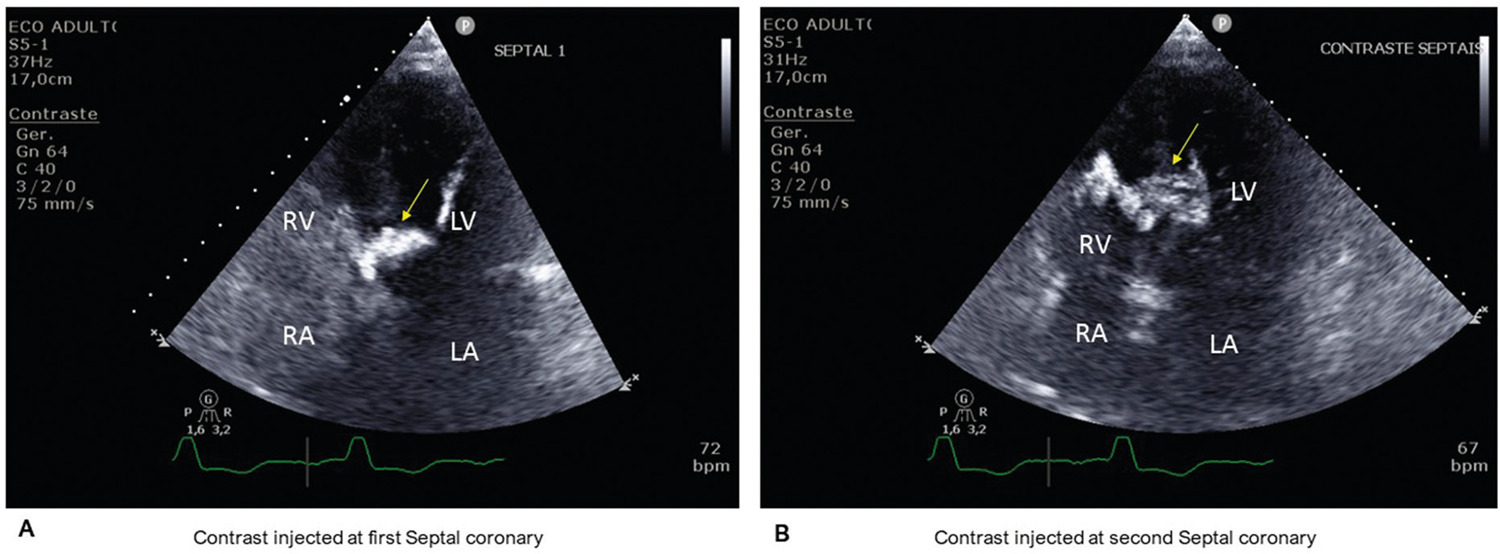
Obstructive hypertrophic cardiomyopathy (HOCM) is the most common cardiac genetic disease and, besides the risk of malignant arrhythmias, it is responsible for symptoms such as palpitations, syncope, or presyncope, exertional dyspnea, and angina pectoris. Ten percent of patients are refractory to clinical treatment with beta-blockers or calcium channel blockers. Treatment alternatives such as surgical myectomy (SM) or non-invasive methods to reduce left ventricle outflow obstruction may be considered in this population. ,

Although surgical myectomy is considered safe and the procedure of choice in experienced centers, it still has a percentage of post-procedure complications such as tamponade, interventricular septal communication, cerebrovascular accident dissection of coronary arteries, and non-fatal cardiac arrest. Controversy still exists about non-surgical hemodynamic treatment options, and the Heart Team’s expertise is an important factor regarding decisions.

[…]

  • Ablation Techniques/methods
  • Alcohol Septal Ablation/methods
  • Cardiomyopathy, Hypertrophic/genetics
  • Gradient
  • Miectomy
Read Full Article
Creative Commons Attribution (CC BY) Creative Commons license
13/05/2022 DOI: 10.36660/abc.20220255
Editorial

Aortic Stiffness by Cardiac Magnetic Resonance: Prognostic tool or Bystander?

Sérgio Figueiredo Câmara et al. Henrique Barbosa Ribeiro

Arterial stiffness increases with age and may relate to higher rates of cardiovascular events, including mortality. – This predictive capacity has been demonstrated in various longitudinal cohorts, including ‘healthy’ community population studies and those with diabetes, hypertension, chronic kidney disease, and established coronary artery disease. , There are several ways to measure arterial stiffness, such as doppler-ultrasound, carotid-femoral tonometer, and cardiac magnetic resonance (CMR). CMR provides information regarding cardiac function, perfusion, and myocardial scarring in a single exam and may also be the preferred method for assessing arterial stiffness using aortic pulse wave velocity (PWV). – While the association between aortic stiffness and myocardial ischemia has been demonstrated, as well as the prognostic value of aortic stiffness using CMR, there is limited data regarding the prognostic value of PWV by CMR in elderly patients in whom cardiovascular diseases (CVD) account for the vast majority of mortality causes.

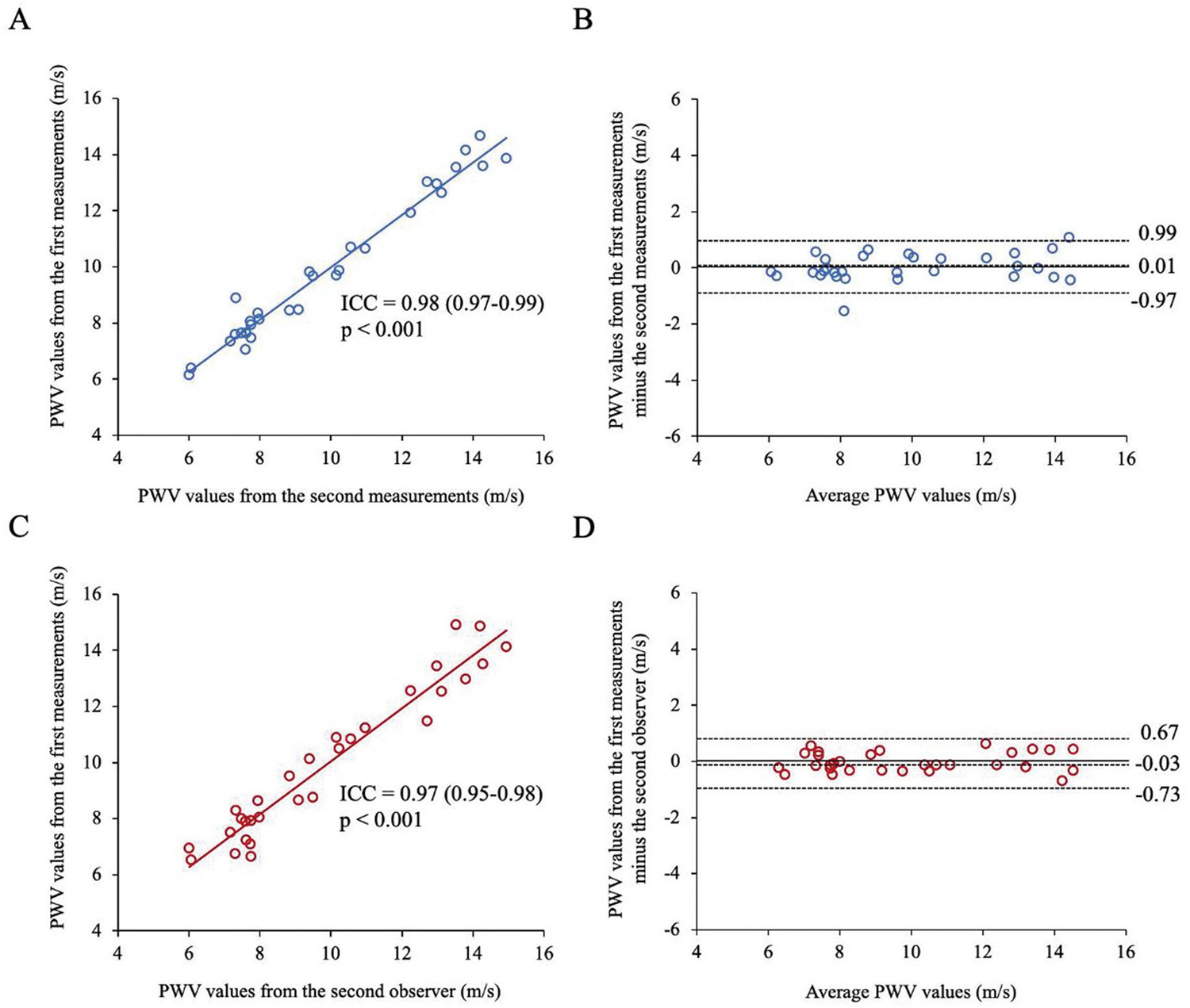
In this issue of the journal, Kaolawanich and Boonyasirinant evaluated the occurrence of major adverse cardiac and cerebrovascular events (MACCE), including cardiac mortality, nonfatal myocardial infarction, hospitalization for heart failure, late revascularization (>180 days after CMR) and ischemic stroke in elderly patients (> 70 years) with suspected or confirmed CAD undergoing adenosine stress CMR including PWV. The main objective was to determine the prognostic value of aortic stiffness using CMR-based PWV in elderly patients with CAD. Two hundred sixty-three consecutive patients (55% female; 77±5 years) between 2010 and 2014 were included with a median follow-up of 59.6 months and a mean PWV of 13.98 ± 9.00 m/s. A higher PWV (>13.98 m/s) was associated with greater MACCE rates (HR 1.75; 95% CI 1.05 – 2.94; p=0.03), as compared to non-elevated PWV (<13.98 m/s). By multivariable analysis, diastolic blood pressure, left ventricular ejection fraction (LVEF), myocardial ischemia and elevated PWV were independent predictors of MACCE at long-term follow-up (p<0.05 for all). PWV had an incremental prognostic value concerning clinical history, LVEF and ischemia (increased global chi-square = 7.25; p=0.01). In this evaluation, elderly patients with elevated PWV also had a higher prevalence of hypertension, diabetes mellitus and higher systolic blood pressure than those with non-elevated PWV, consistent with prior studies in younger populations.

[…]

  • Aortic Stiffness
  • Diagnostic Imaging
  • Magnetic Resonance Imaging/methods
  • Prognosis
  • Pulse Wave Analysis/methods
  • Vascular Stiffness
Read Full Article
Creative Commons Attribution (CC BY) Creative Commons license
13/05/2022 DOI: 10.36660/abc.20220231 Views 1
Figure 1
Research Letter

Mexiletine in a Newborn with Type 3 Long QT Syndrome: When Access is Difficult

Eduardo Nolla Silva Pereira et al. Luciana Sacilotto Gabrielle D’Arezzo Pessente Cinthya Guirao … Mariana Lombardi Peres de Carvalho Alexandre da Costa Pereira Francisco Carlos da Costa Darrieux Maurício Ibrahim Scanavacca

Introduction

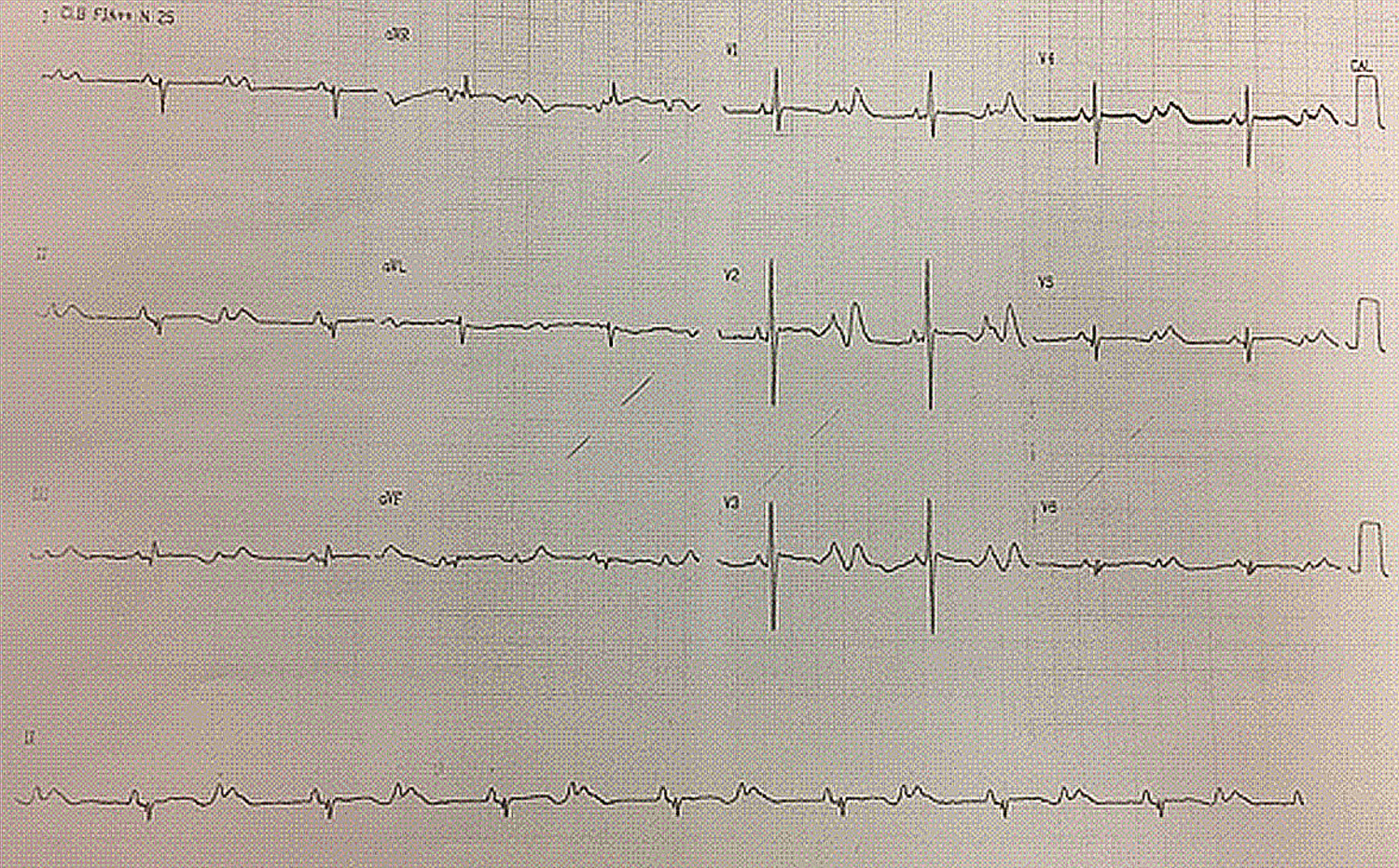
Long QT syndrome type 3 (LQT3) is a highly lethal channelopathy. It is associated with delayed closing of sodium channels, resulting from mutations in the SCN5A gene, with an autosomal dominant pattern, responsible for 7-10% of all long QT syndromes (LQTSs). The initial presentation can have a wide spectrum, from asymptomatic to sudden death in the first year of life. The addition of class IB sodium channel blocker (mexiletine) to propranolol or nadolol is considered a gene-guided treatment, as its benefit is proven in LQT3. In some countries, such as Brazil, it is not feasible to treat patients with LQT3, because of the unavailability of mexiletine.

We present here a severe case of a child with LQT3, who underwent multiple implantable cardioverter-defibrillator (ICD) therapies because of difficult access to mexiletine in Brazil.

[…]

  • Cardiopulmonary Resuscitation
  • Infant, Newborn
  • Long QT Syndrome
  • Mexiletine/therapeutic
  • Tachycardia, Ventricular
  • Torsades de Pointes
Read Full Article
Creative Commons Attribution (CC BY) Creative Commons license
13/05/2022 DOI: 10.36660/abc.20210533 Views 2
Erratum

Erratum

December 2021 Issue, vol. 117(6), pages 1093-1103

In the Original Article “Antihypertensive Activity of Sauromatum guttatum Mediated by Vasorelaxation and Myocardial Depressant Effects”, with DOI: https://doi.org/10.36660/abc.20200055, published in the journal Arquivos Brasileiros de Cardiologia, 117(6):1093-1103, in page 1093, correct the author’s name Rabia Bibi to Bibi Rabia.

[…]

Read Full Article
Creative Commons Attribution (CC BY) Creative Commons license
13/05/2022 DOI: 10.36660/abc.20220302
Original Article

Signs of Cardiac Injury in Critically Ill Paediatric Patients with COVID-19: a Single-Center Experience in Brazil

Marcelo Felipe Kozak et al. Yuri Caldas Pessoa Luciana Oliveira Castro e Silva Manuela Baima Cabral … Barbara Costalonga Pereira Leite Juliana Duarte Diniz Aline Saliba Selma Harue Kawahara

Abstract

Background

Some patients with COVID-19 present myocardial injury.

Objective

To detect myocardial injury in critically ill paediatric patients, and to compare cardiac involvement between children with severe acute respiratory syndrome (SARS) and children with multisystemic inflammatory syndrome (MIS-C).

Methods

All COVID-19 children admitted to a referral intensive care unit were prospectively enrolled and had a two-dimensional echocardiogram (2D-TTE) and a cardiac troponin I (cTnI) assay within the first 72 hours. For statistical analysis, two-sided p < 0.05 was considered significant.

Results

Thirty-three patients were included, of which 51.5% presented elevated cTnI and/or abnormal 2D-TTE and 36.4% needed cardiovascular support, which was more frequent in patients with both raised cTnI and 2D-TTE abnormalities than in patients with normal exams (83.3% and 33.3%, respectively; p 0.006, 95% CI = 0.15-0.73). The most common 2D-TTE findings were pericardial effusion (15.2%) and mitral/tricuspid regurgitation (15.2%). Signs of cardiac involvement were more common in MIS-C than in SARS. MIS-C patients also presented a higher rate of the need for cardiovascular support (66.7% vs 25%, p 0.03, 95% CI = -0.7 to -0.04) and a more frequent rate of raised cTnI (77.8% vs 20.8%; p 0.002, 95% CI = 0.19 to 0.79). The negative predictive values of cTnI for the detection of 2D-TTE abnormalities were 100% for MIS-C patients and 73.7% for SARS patients.

Conclusion

signs of cardiac injury were common, mainly in MIS-C patients. 2D-TTE abnormalities were subtle. To perform a cTnI assay upon admission might help providers to discriminate those patients with a more urgent need for a 2D-TTE.

  • Child
  • COVID-19
  • Heart
Read Full Article
Creative Commons Attribution (CC BY) Creative Commons license
13/05/2022 DOI: 10.36660/abc.20210200 Views 2
Review Article

Infective Endocarditis: Still More Challenges Than Convictions

Catarina Sousa et al. Fausto J. Pinto

Abstract

After fourteen decades of medical and technological evolution, infective endocarditis continues to challenge physicians in its daily diagnosis and management. Its increasing incidence, demographic shifts (affecting older patients), microbiology with higher rates of Staphylococcus infection, still frequent serious complications and substantial mortality make endocarditis a very complex disease. Despite this, innovations in the diagnosis, involving microbiology and imaging, and improvements in intensive care and cardiac surgical techniques, materials and timing can impact the prognosis of this disease. Ongoing challenges persist, including rethinking prophylaxis, improving the diagnosis criteria comprising blood culture-negative endocarditis and prosthetic valve endocarditis, timing of surgical intervention, and whether to perform surgery in the presence of ischemic stroke or in intravenous drug users. A combined strategy on infective endocarditis is crucial, involving advanced clinical decisions and protocols, a multidisciplinary approach, national healthcare organization and health policies to achieve better results for our patients.

  • Diagnosis
  • Epidemiology
  • infective endocarditis
  • Prophylaxis
Read Full Article
Creative Commons Attribution (CC BY) Creative Commons license
13/05/2022 DOI: 10.36660/abc.20200798
Editorial

How Can the Presence of Cardiovascular Diseases Impact Morbidity and Mortality in Patients with COVID-19?

Alexandre de Matos Soeiro

Since the pandemic’s beginning, the disease caused by the SARS-CoV-2 virus, called COVID-19, has shown itself to be a wide-spectrum and unpredictable condition, with patients being practically asymptomatic. In contrast, others had severe pulmonary involvement, the major cause of morbidity and mortality associated with the disease. –

At an early stage, COVID-19 was shown to have a broad and potentially alarming link to the cardiovascular system. Angiotensin-2-converting enzyme receptors have been shown to directly interface with viral pathogenesis and maybe the cellular gateway for type 2 pneumocytes, macrophages and cardiomyocytes. Thus, patients with cardiovascular diseases were more susceptible to severe forms of the disease. Hypertension, arrhythmias, cardiomyopathies and coronary artery disease were among the main comorbidities in critically ill patients with COVID-19. Patients with cardiovascular diseases (particularly those with hypertension) have a morbidity rate of up to 10.5% after infection with COVID-19. In the present study, we can observe a similar relationship. It was clear in this Brazilian series how the presence of atherosclerotic disease and traditional risk factors alone or together were capable of impacting mortality and prognosis. Although the study has a limited series, it includes only high-risk patients with a high rate of outcomes, allowing the evaluation of results to be consistent and following exactly the same line as the international literature.

[…]

  • Cardiovascular Diseases/complications
  • COVID-19
  • Hospital Mortality/trends
  • Pulmonary Heart Disease/mortality
  • Risk Factors
  • SARS-CoV-2
  • Troponin/adverse effects
Read Full Article
Creative Commons Attribution (CC BY) Creative Commons license
13/05/2022 DOI: 10.36660/abc.20220225
Figure 1
Research Letter

Torrent Guasp’s Helicoid Pattern Myocardial Calcification

Maria Marta Abraham-Foscolo et al. Rocío Blanco Juan Guido Chiabrando María Clara Llamedo … Diego Pérez de Arenaza Mariano L Falconi

Clinical case

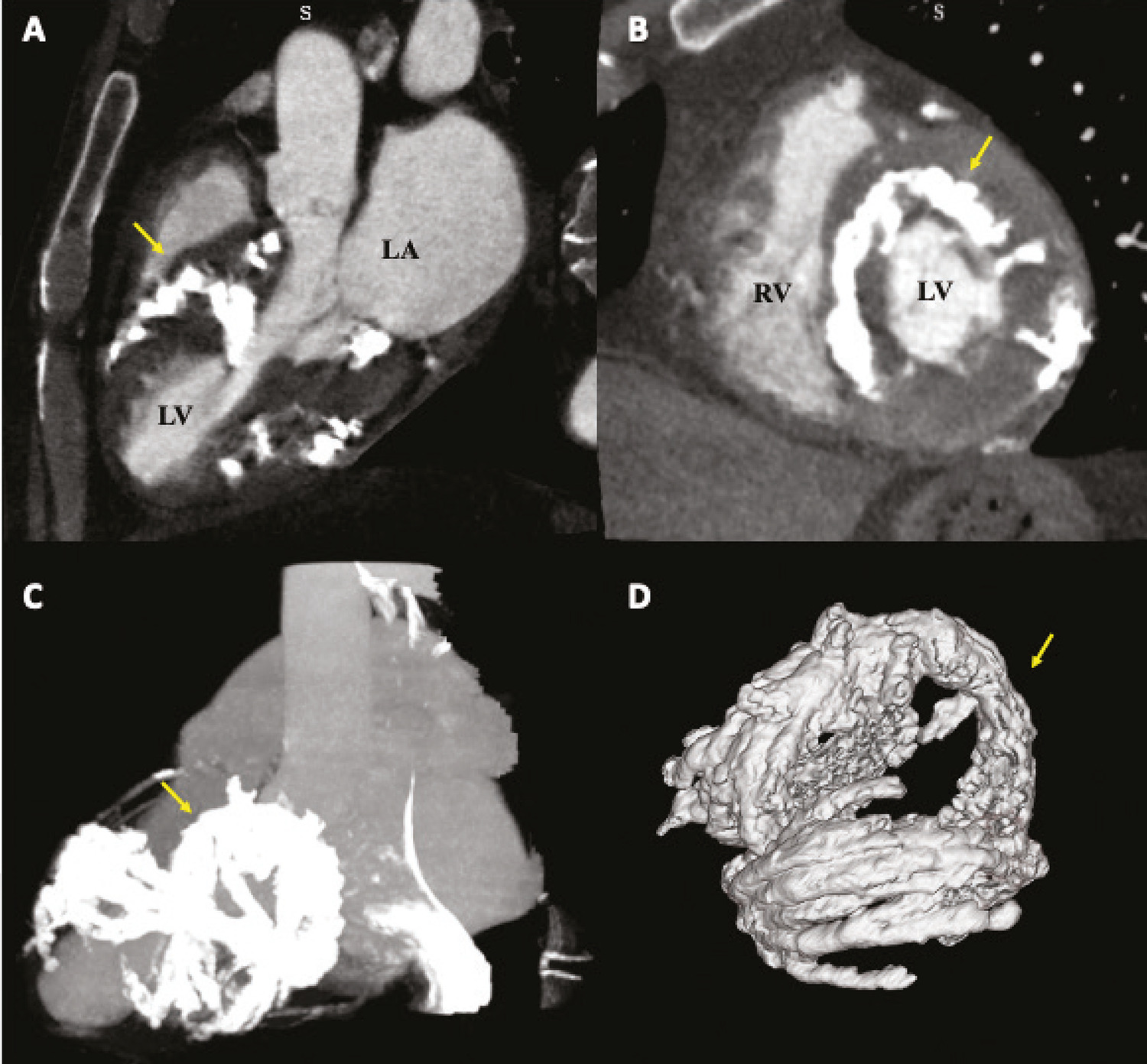
72-year-old male patient with a past medical history of arterial hypertension, non-insulin-dependent diabetes, active tobacco consumption and chronic stable angina (coronary angiography showed severe stenosis in small size obtuse marginal branch). He also had a history of alcohol consumption, pancreatic calcification and renal lithiasis, without a history of Cancer, Sepsis or Tuberculosis to justify these diffuse calcifications.

He presented to the outpatient cardiology clinic complaining of angina and dyspnea New York Heart Association (NYHA) class II. His electrocardiogram (ECG) showed sinus rhythm and suggested left ventricular hypertrophy (LVH) without signs of ischemia.

[…]

  • Cardiac Imaging Techniques
  • Heart Failure
  • Vascular Calcification
Read Full Article
Creative Commons Attribution (CC BY) Creative Commons license
13/05/2022 DOI: 10.36660/abc.20210370
Figure 1
Original Article

Diagnostic Performance of Coronary Tomography Angiography and Serial Measurements of Sensitive Cardiac Troponin in Patients With Chest Pain and Intermediate Risk for Cardiovascular Events

Alexandre de Matos Soeiro et al. Bruno Biselli Tatiana C.A.T. Leal Aline Siqueira Bossa … Maria Cristina César Sérgio Jallad Priscila Gherardi Goldstein Patrícia Oliveira Guimarães Carlos Vicente Serrano Jr Cesar Higa Nomura Débora Nakamura Carlos Eduardo Rochitte Paulo Rogério Soares Múcio Tavares de Oliveira Jr.

Abstract

Background

Coronary tomography angiography (CTA) has been mainly used for chest pain evaluation in low-risk patients, and few data exist regarding patients at intermediate risk.

Objective

To evaluate the performance of serial measures of sensitive troponin and CTA in intermediate-risk patients.

Methods

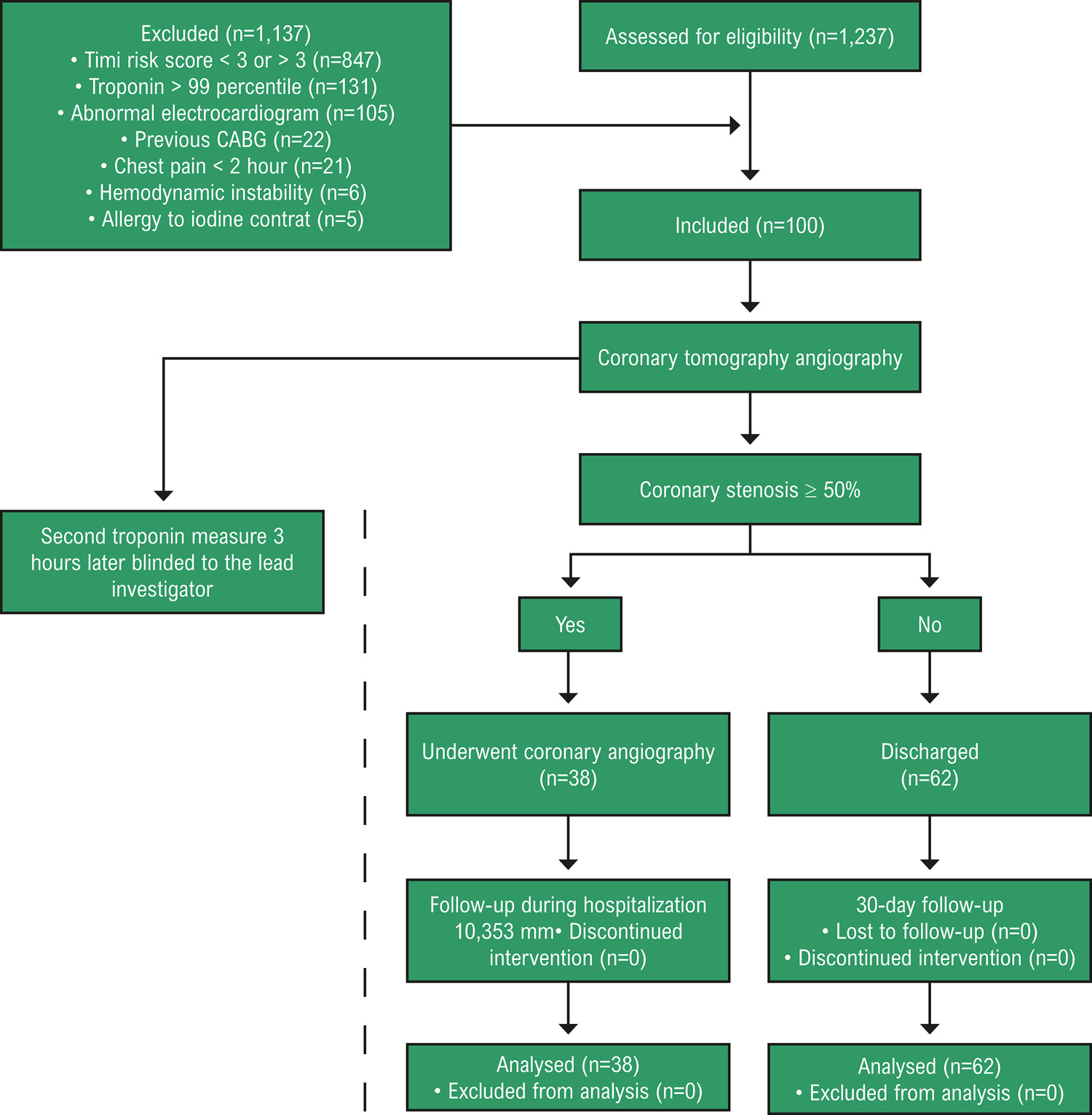
A total of 100 patients with chest pain, TIMI risk scores of 3 or 4, and negative troponin were prospectively included. All patients underwent CTA and those with coronary stenosis ≥ 50% were referred to invasive coronary angiography. Patients with coronary lesions <50% were discharged and contacted 30 days later by a telephone call to assess clinical outcomes. Outcomes were hospitalization, death, and myocardial infarction at 30 days. The comparison between methods was performed by Kappa agreement test. The performance of troponin measures and CTA for detecting significant coronary lesions and clinical outcomes was calculated. Results were considered statistically significant when p < 0.05.

Results

Coronary stenosis ≥ 50% on CTA was found in 38% of patients and significant coronary lesions on coronary angiography were found in 31 patients. Two clinical events were observed. Kappa agreement analysis showed low agreement between troponin measures and CTA in the detection of significant coronary lesions (kappa = 0.022, p = 0.78). The performance of CTA for detecting significant coronary lesions on coronary angiography or for predicting clinical events at 30 days was better than sensitive troponin measures (accuracy of 91% versus 60%).

Conclusion

CTA performed better than sensitive troponin measures in the detection of significant coronary disease in patients with chest pain and intermediate risk for cardiovascular events.

  • Angiotomography Coronary/methods
  • Cardiovascular Diseases
  • Chest Pain
  • Risk Factors
  • Risk Management
  • Tomography, X Ray-Computed/methods
  • Troponin I
  • Troponin T
Read Full Article
Creative Commons Attribution (CC BY) Creative Commons license
13/05/2022 DOI: 10.36660/abc.20210006
Figure 1
Original Article

Impact of High Cardiovascular Risk on Hospital Mortality in Intensive Care Patients Hospitalized for COVID-19

Bruno Ferraz de Oliveira Gomes et al. João Luiz Fernandes Petriz Iliana Regina Ribeiro Menezes Anny de Sousa Azevedo … Thiago Moreira Bastos da Silva Valdilene Lima Silva Leticia de Sousa Peres David Fernandes Pedro Pereira Giovanni Possamai Dutra Suzanna Andressa Morais de Paula Bárbara Ferreira da Silva Mendes Plinio Resende do Carmo Junior Basilio de Bragança Pereira Gláucia Maria Moraes de Oliveira

Abstract

Background

Some studies have shown a higher prevalence of deaths in patients with cardiovascular risk factors (CRF) during hospitalization for COVID-19.

Objectives

To assess the impact of high cardiovascular risk in patients hospitalized in intensive care for COVID-19

Methods

Retrospective study with patients admitted to an intensive care unit, with a diagnosis of COVID-19 confirmed by RT-PCR, and with at least one troponin measurement during hospitalization. The criteria for defining high cardiovascular risk (HCR) patients were: history of established cardiovascular disease (myocardial infarction, stroke, or peripheral arterial disease), diabetes, chronic kidney disease with clearance 65 years). The primary outcome of this study is all-cause in-hospital mortality. P<0.05 was considered significant.

Results

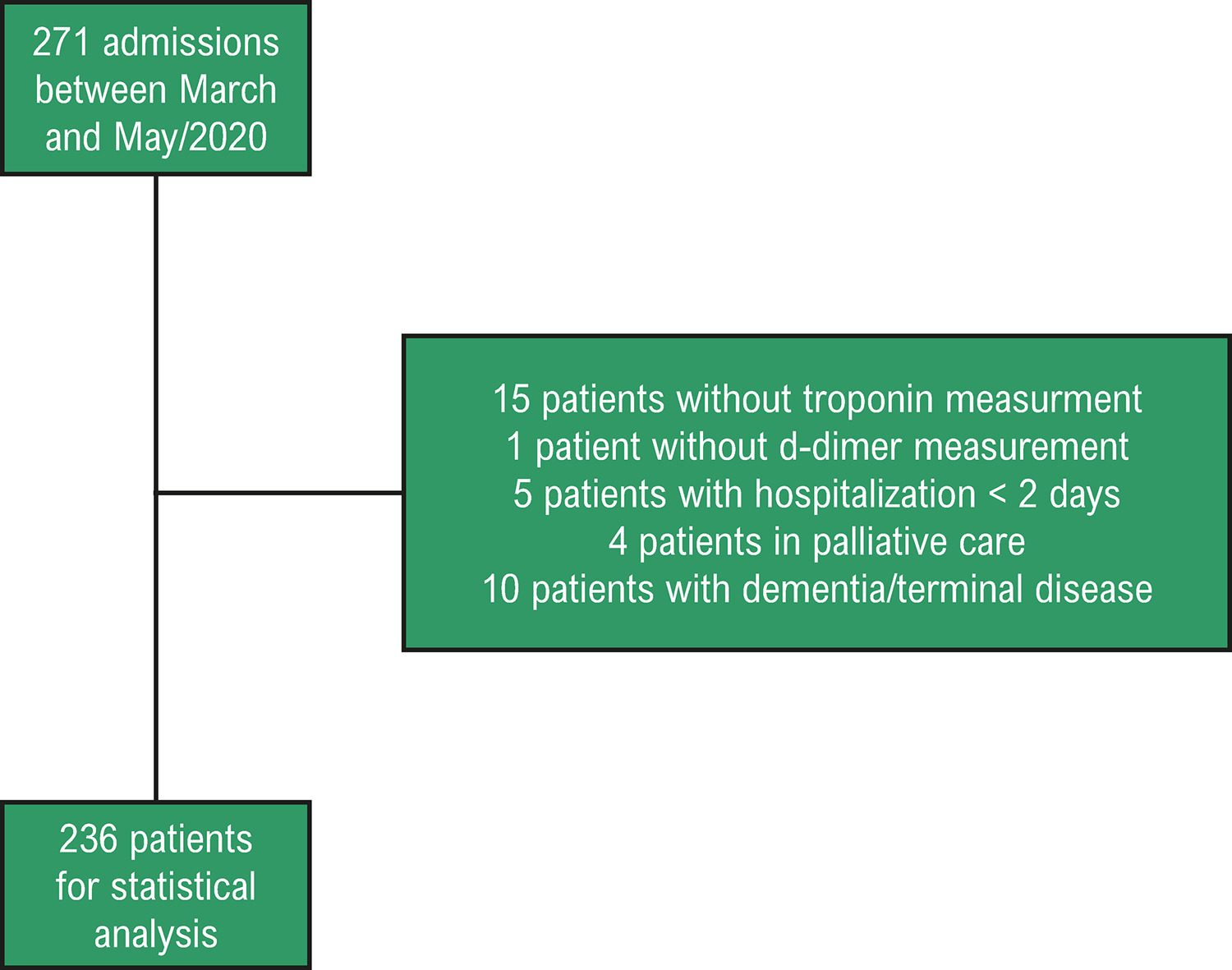
This study included 236 patients, mean age = 61.14±16.2 years, with 63.1% men, 55.5% hypertensive, and 33.1% diabetic; 47.4% of the patients also presented HCR. A significant increase in mortality was observed as the number of risk factors increased (0 FRC: 5.9%; 1 FRC: 17.5%; 2 FRC: 32.2% and ≥3 FRC: 41.2%; p=0.001). In the logistic regression adjusted for severity (SAPS3 score), the HCR and myocardial injury group had a higher occurrence of in-hospital mortality (OR 40.38; 95% CI 11.78-138.39). Patients without HCR but with myocardial injury also exhibited a significant association with the primary outcome (OR 16.7; 95% CI 4.45-62.74).

Conclusion

In patients hospitalized in intensive care for COVID-19, HCR impacts in-hospital mortality only in patients with myocardial injury.

  • Cardiovascular Diseases/complications
  • Cardiovascular risk
  • COVID-19
  • Inpatients
  • Intensive Care
  • Myocardial Injury
  • Ultrasensitivity Troponin
Read Full Article
Creative Commons Attribution (CC BY) Creative Commons license
13/05/2022 DOI: 10.36660/abc.20210349 Views 1
Letter to the Editor

Statin Use Improves Cardiometabolic Protection Promoted By Physical Training in an Aquatic Environment: A Randomized Clinical Trial

Carla Paixão Miranda et al. Fernando Botoni Manoel Rocha

Reply

On 09/29/21 we received notification of a Letter to the Editor of the Arquivos Brasileiros de Cardiologia journal with some criticisms to our article entitled “Statin Use Improves Cardiometabolic Protection Promoted By Physical Training in an Aquatic Environment: A Randomized Clinical Trial”. We would like to thank the editors for the opportunity to respond and would like to clarify some points mentioned in the aforementioned Letter, which, according to our understanding, has serious problems in the interpretation of the scientific methodology processes used in our article.

The authors of the Letter report that a healthy control group was not added to the study. In fact, it was not and we report below the reasons why we made this methodological decision. The objective of the study was to analyze the influence of simvastatin use on the lipid profile adaptations resulting from aerobic and resistance training in aquatic environments in elderly women with dyslipidemia. Considering that the literature is already vast concerning studies of physical training interventions with a healthy population and evaluation of lipid parameters, the focus of our experiment was to study their effects on individuals with dyslipidemia, thus bringing a new result focused on those who need therapeutic interventions the most, aiming at improving the lipid profile. In this context, we did not see the justification for the inclusion of a healthy group. Another reason is the complete lack of intention to compare the effects of using a lipid-lowering medication in healthy individuals versus dyslipidemia patients. Therefore, we did not find any justification for the use of this medication in a healthy population.

[…]

  • Aquatic Environment
  • Diabetes Mellitus
  • Exercise
  • Hypertension
  • Metabolica Syndome/complications
  • Physical activity
  • Statins
Read Full Article
Creative Commons Attribution (CC BY) Creative Commons license
13/05/2022 DOI: 10.36660/abc.20210746 Views 2
Figure 1
Image

Intracavitary Right Coronary Artery: An Incidental Finding with Potential Implications for Invasive Cardiac Procedures

Sara Cristina da Silva Borges et al. Catarina Isabel Ribeiro Carvalho Miguel Eduardo Teixeira Moz Gonçalves Ana Isabel Santos Baptista José Ilídio Moreira

A 66-year-old man with a history of palpitations suggestive of paroxysmal supraventricular tachycardia was referred for CT angiography (CTA) for exertional dyspnea etiology investigation. ECG-gated cardiac CT was performed using the 64-slices dual-source Somatom Go Scanner.

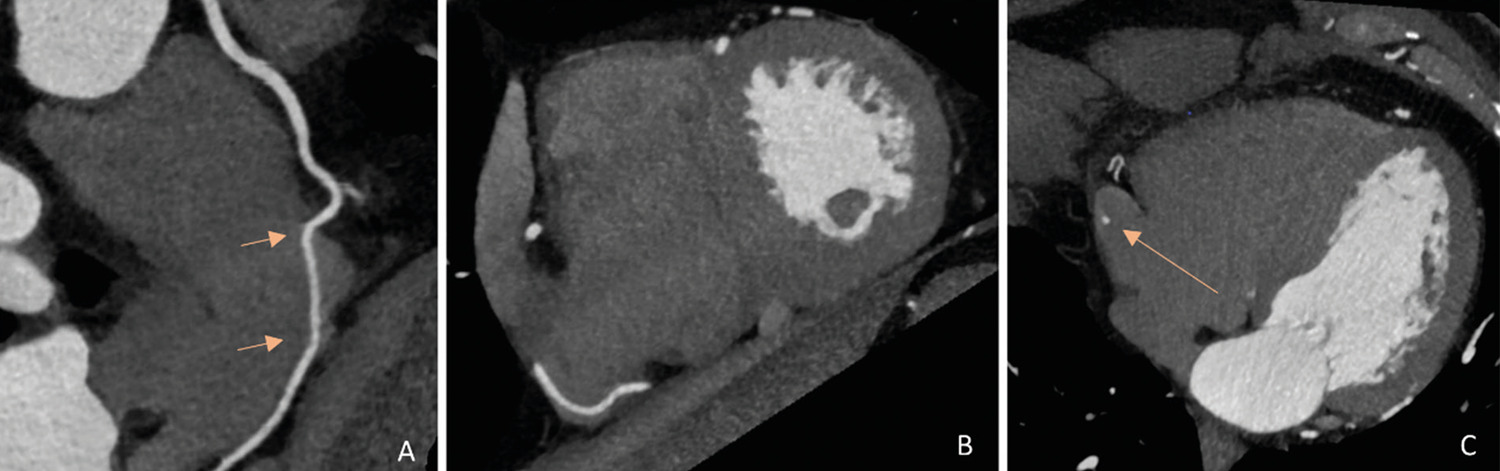
CTA showed the normal origin of the right and left main coronary arteries, and there was no evidence of obstructive coronary artery disease. The proximal right coronary artery (RCA) had a normal epicardial course, but mid-RCA was noted to penetrate the right atrial wall for a 30 mm course within the right atrium, exiting to its usual course in the posterior atrioventricular groove, as demonstrated via the multiplanar reconstruction CT images at maximum intensity projection ( ) as well as 3-dimensional reconstructions ( ).

[…]

  • Anomalous Intracaitary /diagnosis
  • Cardiovascular Abnormalities
  • Coronary Angiography/methods
  • Coronary Vessel Anomalies
  • Tomography, X Ray-Computed/methods
Read Full Article
Creative Commons Attribution (CC BY) Creative Commons license
13/05/2022 DOI: 10.36660/abc.20210819 Views 1
Editorial

Overcoming Women’s Lifelong Hormonal Rollercoaster: A Turning Point for Cardiovascular Prevention

M. Julia Machline-Carrion

Although cardiovascular diseases (CVD), especially coronary artery disease and stroke, are the leading cause of death and disability in Brazil, both in women and men, , addressing cardiovascular (CV) prevention implies a comprehensive approach to the inherent differences related to sex. In this sense, understanding, for instance, the role of hypertension, a major risk factor for coronary artery disease and stroke in Brazilian women, in the context of this population’s specificities is key.

Hypertensive disorders, including pregnancy-induced hypertension (occurring in 6-7% of pregnancies) and preeclampsia/eclampsia (occurring in up to 10% of pregnancies), are important CV risk factors , that should be accounted for when assessing women’s CV risk.

[…]

  • Estrogen Replacement Therapy/adverse effects
  • Menopause
  • Prevention and Control
  • Progestins/adverse effects
  • Risk Factors
  • Women
Read Full Article
Creative Commons Attribution (CC BY) Creative Commons license
13/05/2022 DOI: 10.36660/abc.20220259
Figure 1
Original Article

Prognostic Value of Aortic Stiffness using Cardiovascular Magnetic Resonance in The Elderly with Known or Suspected Coronary Artery Disease

Yodying Kaolawanich et al. Thananya Boonyasirinant

Abstract

Background

Aortic stiffness is established as a marker of cardiovascular disease. Cardiovascular magnetic resonance (CMR) provides a comprehensive assessment of aortic stiffness and myocardial ischemia in a single examination. However, prognostic data concerning aortic stiffness in elderly patients remain limited.

Objective

To determine the prognostic value of aortic stiffness using CMR-based pulse wave velocity (PWV) in elderly patients with known or suspected coronary artery disease (CAD).

Methods

This study enrolled consecutive patients aged >70 referred for adenosine stress perfusion CMR including PWV between 2010 and 2014. Patients were followed up for occurrence of major adverse cardiovascular events (MACE), including cardiac mortality, nonfatal myocardial infarction, hospitalization for heart failure, late revascularization (>180 days after CMR), and ischemic stroke. Univariable and multivariable analyses were performed to determine the predictors of MACE. A p-value of <0.05 is considered statistically significant.

Results

Mean PWV was 13.98±9.00 m/s. After a median follow-up period of 59.6 months in 263 patients (55% female, 77±5 years), 61 MACE occurred. Patients with elevated PWV (>13.98 m/s) had significantly higher rates of MACE (HR 1.75; 95% CI 1.05-2.94; p=0.03) than those with non-elevated PWV (<13.98 m/s). Multivariate analysis demonstrated diastolic blood pressure, left ventricular ejection fraction (LVEF), myocardial ischemia, and elevated PWV as independent predictors for MACE (p<0.05 for all). PWV provided an incremental prognostic value over clinical data, LVEF, and ischemia (increased global chi-square=7.25, p=0.01).

Conclusion

Aortic stiffness using CMR is a strong and independent predictor of cardiovascular events in elderly patients with known or suspected CAD.

  • Aortic Stiffness
  • Cardiovascular Magnetic Resonance
  • Coronary Artery Disease
  • Elderly
  • Prognosis
Read Full Article
Creative Commons Attribution (CC BY) Creative Commons license
13/05/2022 DOI: 10.36660/abc.20210452
Figure 1
Editorial

How Should We Investigate Cardiovascular Injury In Critically Ill COVID-19 Pediatric Patients In A Scenario Of Socioeconomic Vulnerability?

Gabriela Nunes Leal

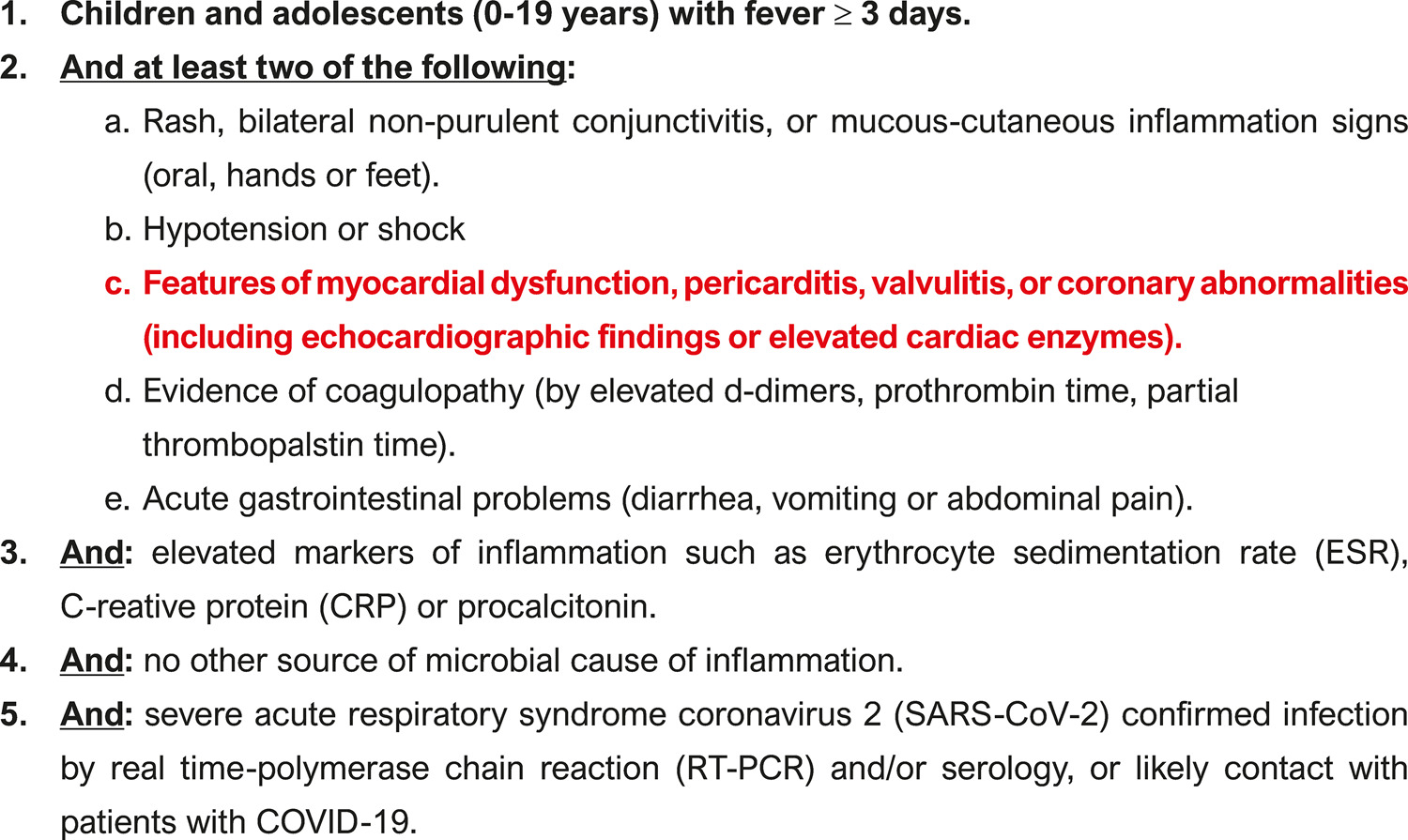
Literature published worldwide has extensively documented cardiovascular injury among COVID-19 critically ill patients. Cardiac involvement appears to be a prominent feature of the disease in adults, occurring in 20% to 30% of hospitalized patients and contributing to 40% of deaths. Children and adolescents are mostly spared by COVID-19, with few having severe symptoms and even fewer deaths. However, the description of the multisystem inflammatory syndrome in children (MIS-c) reinforced that, although rare, severe clinical presentation and death are possible in the pediatric population. Cardiovascular compromise in MIS-c associated with COVID-19 is frequent and is one of the World Health Organization (WHO) diagnostic criteria for this pathologic condition ( ). ,

[…]

  • Cardiovascular Diseases/complications
  • Children
  • Covid-19/complications
  • Hospitalization
  • Inflammation
  • Severe Acute Respiratory Syndrome
Read Full Article
Creative Commons Attribution (CC BY) Creative Commons license
13/05/2022 DOI: 10.36660/abc.20220254 Views 2
Figure 1
Original Article

Perceptions of Cardiac Rehabilitation Participants Regarding their Health Behaviors and Information Needs during the COVID-19 Pandemic in Brazil

Gabriela L.M Ghisi et al. Rafaella Z. Santos Andrea S. Korbes Cícero Augusto de Souza … Marlus Karsten Paul Oh Magnus Benetti

Abstract

Background

COVID-19 has impacted how people receive health care for many conditions, including cardiovascular diseases.

Objectives

To examine perceptions of cardiac rehabilitation (CR) participants regarding their health behaviors and information needs during the COVID-19 pandemic in Brazil.

Methods

In this cross-sectional study, a 27-item questionnaire, developed by the investigators, was administered online to participants from two CR programs. Questions included health literacy (HL; using the Brief Health Literacy Screening Tool), technology use, perceptions before and during the COVID-19 pandemic, and information needs. Pearson correlation coefficients, paired t-tests, and ANOVA were used as appropriate. P < 0.05 was considered statistically significant for all tests.

Results

Overall, 159 (25.5%) CR participants answered the questionnaire. Of these, 89.9% had limited or marginal HL and 96.2% reported having internet access at home. Patients are mainly concerned about their family’s health and their own, as well as how the coronavirus is dangerous to their health and how it has changed their lifestyle. Participants perceived that the quality of their health behaviors significantly decreased during the pandemic. The pandemic also changed information needs of CR participants as new needs emerged, such as the control of anxiety levels, staying motivated to live healthily during a pandemic, and how COVID-19 can impact their health condition. Participants with adequate HL significantly perceived the severity of the disease and having access to information significantly more than those with limited HL.

Conclusions

Our results highlighted the impact of the pandemic on CR participants’ perceptions regarding their health behaviors and information needs, which can be influenced by HL levels.

  • Cardiac Rehabilitation
  • COVID-19
  • Health Literacy
  • Needs Assessment
  • Surveys and Questionnaires
Read Full Article
Creative Commons Attribution (CC BY) Creative Commons license
04/04/2022 DOI: 10.36660/abc.20210447

Could not load more articles. Please try again.

How to cite this article

EndNote RIS

Electronic Document Format (Vancouver)

Silva TO, Ritt LEF. Can Simple Echocardiographic Parameters Replace The ASCVD Probabilistic Model Calculation?. Arquivos Brasileiros de Cardiologia 2022;118(5):925-6.

Electronic Document Format (ABNT)

Silva, Tonnison de Oliveira; Ritt, Luiz Eduardo Fonteles. Can Simple Echocardiographic Parameters Replace The ASCVD Probabilistic Model Calculation?. Arquivos Brasileiros de Cardiologia, v. 118, n. 5, p. 925-926, May. 2022.

Electronic Document Format (APA)

Silva, T. O., & Ritt, L. E. F. (2022). Can Simple Echocardiographic Parameters Replace The ASCVD Probabilistic Model Calculation?. Arquivos Brasileiros de Cardiologia, 118(5), 925-926.

Electronic Document Format (ISO)

Silva, Tonnison de Oliveira and Ritt, Luiz Eduardo Fonteles. Can Simple Echocardiographic Parameters Replace The ASCVD Probabilistic Model Calculation?. Arquivos Brasileiros de Cardiologia [online]. 2022, vol. 118, n. 5, [cited 2026-10-14], pp. 925-926. Available from: <https://journals.cardiol.br/en/article/can-simple-echocardiographic-parameters-replace-the-ascvd-probabilistic-model-calculation/>. ISSN 0066-782X

EndNote RIS

Electronic Document Format (Vancouver)

Ferreira-Campos L, Gabrielli L, Almeida MCC, Aquino EML, Matos SMA, Griep RH, Aras R, et al. Hormone therapy and Hypertension in Postmenopausal Women: Results from the Brazilian Longitudinal Study of Adult Health (ELSA-Brasil). Arquivos Brasileiros de Cardiologia 2022;118(5):905-13.

Electronic Document Format (ABNT)

Ferreira-Campos, Luana; Gabrielli, Ligia; Almeida, Maria da Conceição Chagas; Aquino, Estela Maria Leão; Matos, Sheila Maria Alvim; Griep, Rosane Harter; Aras, Roque. Hormone therapy and Hypertension in Postmenopausal Women: Results from the Brazilian Longitudinal Study of Adult Health (ELSA-Brasil). Arquivos Brasileiros de Cardiologia, v. 118, n. 5, p. 905-913, May. 2022.

Electronic Document Format (APA)

Ferreira-Campos, L., Gabrielli, L., Almeida, M. C. C., Aquino, E. M. L., Matos, S. M. A., Griep, R. H., & Aras, R. (2022). Hormone therapy and Hypertension in Postmenopausal Women: Results from the Brazilian Longitudinal Study of Adult Health (ELSA-Brasil). Arquivos Brasileiros de Cardiologia, 118(5), 905-913.

Electronic Document Format (ISO)

Ferreira-Campos, Luana and Gabrielli, Ligia and Almeida, Maria da Conceição Chagas and Aquino, Estela Maria Leão and Matos, Sheila Maria Alvim and Griep, Rosane Harter and Aras, Roque. Hormone therapy and Hypertension in Postmenopausal Women: Results from the Brazilian Longitudinal Study of Adult Health (ELSA-Brasil). Arquivos Brasileiros de Cardiologia [online]. 2022, vol. 118, n. 5, [cited 2026-10-14], pp. 905-913. Available from: <https://journals.cardiol.br/en/article/hormone-therapy-and-hypertension-in-postmenopausal-women-results-from-the-brazilian-longitudinal-study-of-adult-health-elsa-brasil/>. ISSN 0066-782X

EndNote RIS

Electronic Document Format (Vancouver)

Dorna MS, Seki MM. Himalayan Salt and Table Salt Intake among Hypertensive Individuals. Arquivos Brasileiros de Cardiologia 2022;118(5):883-4.

Electronic Document Format (ABNT)

Dorna, Mariana de Souza; Seki, Marcos Mitsuo. Himalayan Salt and Table Salt Intake among Hypertensive Individuals. Arquivos Brasileiros de Cardiologia, v. 118, n. 5, p. 883-884, May. 2022.

Electronic Document Format (APA)

Dorna, M. S., & Seki, M. M. (2022). Himalayan Salt and Table Salt Intake among Hypertensive Individuals. Arquivos Brasileiros de Cardiologia, 118(5), 883-884.

Electronic Document Format (ISO)

Dorna, Mariana de Souza and Seki, Marcos Mitsuo. Himalayan Salt and Table Salt Intake among Hypertensive Individuals. Arquivos Brasileiros de Cardiologia [online]. 2022, vol. 118, n. 5, [cited 2026-10-14], pp. 883-884. Available from: <https://journals.cardiol.br/en/article/himalayan-salt-and-table-salt-intake-among-hypertensive-individuals/>. ISSN 0066-782X

EndNote RIS

Electronic Document Format (Vancouver)

Fernandes LP, Almeida MCC, Matos SA, Campos ACP, Câmara EJN, Foppa M, Ribeiro ALP, et al. Simple Echocardiographic Parameters are Strong Predictors of the Cardiovascular Risk in Asymptomatic Individuals: Elsa-Brasil Cohort. Arquivos Brasileiros de Cardiologia 2022;118(5):916-24.

Electronic Document Format (ABNT)

Fernandes, Luciana Pereira; Almeida, Maria da Conceição Chagas de; Matos, Sheila Alvim de; Campos, Ana Clara Paixão; Câmara, Edmundo José Nassri; Foppa, Murilo; Ribeiro, Antônio Luiz Pinho; Barreto, Sandhi Maria; Aras Júnior, Roque. Simple Echocardiographic Parameters are Strong Predictors of the Cardiovascular Risk in Asymptomatic Individuals: Elsa-Brasil Cohort. Arquivos Brasileiros de Cardiologia, v. 118, n. 5, p. 916-924, May. 2022.

Electronic Document Format (APA)

Fernandes, L. P., Almeida, M. C. C. , Matos, S. A. , Campos, A. C. P., Câmara, E. J. N., Foppa, M., Ribeiro, A. L. P., Barreto, S. M., & Aras Júnior, R. (2022). Simple Echocardiographic Parameters are Strong Predictors of the Cardiovascular Risk in Asymptomatic Individuals: Elsa-Brasil Cohort. Arquivos Brasileiros de Cardiologia, 118(5), 916-924.

Electronic Document Format (ISO)

Fernandes, Luciana Pereira and Almeida, Maria da Conceição Chagas de and Matos, Sheila Alvim de and Campos, Ana Clara Paixão and Câmara, Edmundo José Nassri and Foppa, Murilo and Ribeiro, Antônio Luiz Pinho and Barreto, Sandhi Maria and Aras Júnior, Roque. Simple Echocardiographic Parameters are Strong Predictors of the Cardiovascular Risk in Asymptomatic Individuals: Elsa-Brasil Cohort. Arquivos Brasileiros de Cardiologia [online]. 2022, vol. 118, n. 5, [cited 2026-10-14], pp. 916-924. Available from: <https://journals.cardiol.br/en/article/simple-echocardiographic-parameters-are-strong-predictors-of-the-cardiovascular-risk-in-asymptomatic-individuals-elsa-brasil-cohort/>. ISSN 0066-782X

EndNote RIS

Electronic Document Format (Vancouver)

Lima GC. Ventriculography: When to Choose to Perform It?. Arquivos Brasileiros de Cardiologia 2022;118(5):974-5.

Electronic Document Format (ABNT)

Lima, Gabriella Cunha. Ventriculography: When to Choose to Perform It?. Arquivos Brasileiros de Cardiologia, v. 118, n. 5, p. 974-975, May. 2022.

Electronic Document Format (APA)

Lima, G. C. (2022). Ventriculography: When to Choose to Perform It?. Arquivos Brasileiros de Cardiologia, 118(5), 974-975.

Electronic Document Format (ISO)

Lima, Gabriella Cunha. Ventriculography: When to Choose to Perform It?. Arquivos Brasileiros de Cardiologia [online]. 2022, vol. 118, n. 5, [cited 2026-10-14], pp. 974-975. Available from: <https://journals.cardiol.br/en/article/ventriculography-when-to-choose-to-perform-it/>. ISSN 0066-782X

EndNote RIS

Electronic Document Format (Vancouver)

Resende CXC, Diogo PG, Amorim S, Pestana G, Torres JP, Macedo F. An Unusual Manifestation of Rejection. Arquivos Brasileiros de Cardiologia 2022;118(5):996-9.

Electronic Document Format (ABNT)

Resende, Carlos Xavier Correia de; Diogo, Pedro Grilo; Amorim, Sandra; Pestana, Gonçalo; Torres, José Pinheiro; Macedo, Filipe. An Unusual Manifestation of Rejection. Arquivos Brasileiros de Cardiologia, v. 118, n. 5, p. 996-999, May. 2022.

Electronic Document Format (APA)

Resende, C. X. C. , Diogo, P. G., Amorim, S., Pestana, G., Torres, J. P., & Macedo, F. (2022). An Unusual Manifestation of Rejection. Arquivos Brasileiros de Cardiologia, 118(5), 996-999.

Electronic Document Format (ISO)

Resende, Carlos Xavier Correia de and Diogo, Pedro Grilo and Amorim, Sandra and Pestana, Gonçalo and Torres, José Pinheiro and Macedo, Filipe. An Unusual Manifestation of Rejection. Arquivos Brasileiros de Cardiologia [online]. 2022, vol. 118, n. 5, [cited 2026-10-14], pp. 996-999. Available from: <https://journals.cardiol.br/en/article/an-unusual-manifestation-of-rejection/>. ISSN 0066-782X

EndNote RIS

Electronic Document Format (Vancouver)

Bettencourt N. Role of Computed Tomography in Excluding Acute Coronary Syndrome: is Anatomy the Way?. Arquivos Brasileiros de Cardiologia 2022;118(5):903-4.

Electronic Document Format (ABNT)

Bettencourt, Nuno. Role of Computed Tomography in Excluding Acute Coronary Syndrome: is Anatomy the Way?. Arquivos Brasileiros de Cardiologia, v. 118, n. 5, p. 903-904, May. 2022.

Electronic Document Format (APA)

Bettencourt, N. (2022). Role of Computed Tomography in Excluding Acute Coronary Syndrome: is Anatomy the Way?. Arquivos Brasileiros de Cardiologia, 118(5), 903-904.

Electronic Document Format (ISO)

Bettencourt, Nuno. Role of Computed Tomography in Excluding Acute Coronary Syndrome: is Anatomy the Way?. Arquivos Brasileiros de Cardiologia [online]. 2022, vol. 118, n. 5, [cited 2026-10-14], pp. 903-904. Available from: <https://journals.cardiol.br/en/article/role-of-computed-tomography-in-excluding-acute-coronary-syndrome-is-anatomy-the-way/>. ISSN 0066-782X

EndNote RIS

Electronic Document Format (Vancouver)

Stein R, Milani M, Abreu A. What is the Current Scenario of Cardiac Rehabilitation in Brazil and Portugal?. Arquivos Brasileiros de Cardiologia 2022;118(5):858-60.

Electronic Document Format (ABNT)

Stein, Ricardo; Milani, Mauricio; Abreu, Ana. What is the Current Scenario of Cardiac Rehabilitation in Brazil and Portugal?. Arquivos Brasileiros de Cardiologia, v. 118, n. 5, p. 858-860, May. 2022.

Electronic Document Format (APA)

Stein, R., Milani, M., & Abreu, A. (2022). What is the Current Scenario of Cardiac Rehabilitation in Brazil and Portugal?. Arquivos Brasileiros de Cardiologia, 118(5), 858-860.

Electronic Document Format (ISO)

Stein, Ricardo and Milani, Mauricio and Abreu, Ana. What is the Current Scenario of Cardiac Rehabilitation in Brazil and Portugal?. Arquivos Brasileiros de Cardiologia [online]. 2022, vol. 118, n. 5, [cited 2026-10-14], pp. 858-860. Available from: <https://journals.cardiol.br/en/article/what-is-the-current-scenario-of-cardiac-rehabilitation-in-brazil-and-portugal/>. ISSN 0066-782X

EndNote RIS

Electronic Document Format (Vancouver)

Romano MMD. Echocardiography Guiding Percutaneous Treatment of Obstructive Hypertrophic Cardiomyopathy: Navigating (In Known Waters) Is Necessary. Arquivos Brasileiros de Cardiologia 2022;118(5):873-4.

Electronic Document Format (ABNT)

Romano, Minna Moreira Dias. Echocardiography Guiding Percutaneous Treatment of Obstructive Hypertrophic Cardiomyopathy: Navigating (In Known Waters) Is Necessary. Arquivos Brasileiros de Cardiologia, v. 118, n. 5, p. 873-874, May. 2022.

Electronic Document Format (APA)

Romano, M. M. D. (2022). Echocardiography Guiding Percutaneous Treatment of Obstructive Hypertrophic Cardiomyopathy: Navigating (In Known Waters) Is Necessary. Arquivos Brasileiros de Cardiologia, 118(5), 873-874.

Electronic Document Format (ISO)

Romano, Minna Moreira Dias. Echocardiography Guiding Percutaneous Treatment of Obstructive Hypertrophic Cardiomyopathy: Navigating (In Known Waters) Is Necessary. Arquivos Brasileiros de Cardiologia [online]. 2022, vol. 118, n. 5, [cited 2026-10-14], pp. 873-874. Available from: <https://journals.cardiol.br/en/article/echocardiography-guiding-percutaneous-treatment-of-obstructive-hypertrophic-cardiomyopathy-navigating-in-known-waters-is-necessary/>. ISSN 0066-782X

EndNote RIS

Electronic Document Format (Vancouver)

Câmara SF, Ribeiro HB. Aortic Stiffness by Cardiac Magnetic Resonance: Prognostic tool or Bystander?. Arquivos Brasileiros de Cardiologia 2022;118(5):972-3.

Electronic Document Format (ABNT)

Câmara, Sérgio Figueiredo; Ribeiro, Henrique Barbosa. Aortic Stiffness by Cardiac Magnetic Resonance: Prognostic tool or Bystander?. Arquivos Brasileiros de Cardiologia, v. 118, n. 5, p. 972-973, May. 2022.

Electronic Document Format (APA)

Câmara, S. F., & Ribeiro, H. B. (2022). Aortic Stiffness by Cardiac Magnetic Resonance: Prognostic tool or Bystander?. Arquivos Brasileiros de Cardiologia, 118(5), 972-973.

Electronic Document Format (ISO)

Câmara, Sérgio Figueiredo and Ribeiro, Henrique Barbosa. Aortic Stiffness by Cardiac Magnetic Resonance: Prognostic tool or Bystander?. Arquivos Brasileiros de Cardiologia [online]. 2022, vol. 118, n. 5, [cited 2026-10-14], pp. 972-973. Available from: <https://journals.cardiol.br/en/article/aortic-stiffness-by-cardiac-magnetic-resonance-prognostic-tool-or-bystander/>. ISSN 0066-782X

EndNote RIS

Electronic Document Format (Vancouver)

Pereira ENS, Sacilotto L, Pessente GD, Guirao C, Carvalho MLP, Pereira AC, Darrieux FCC, et al. Mexiletine in a Newborn with Type 3 Long QT Syndrome: When Access is Difficult. Arquivos Brasileiros de Cardiologia 2022;118(5):989-91.

Electronic Document Format (ABNT)

Pereira, Eduardo Nolla Silva; Sacilotto, Luciana; Pessente, Gabrielle D’Arezzo; Guirao, Cinthya; Carvalho, Mariana Lombardi Peres de; Pereira, Alexandre da Costa; Darrieux, Francisco Carlos da Costa; Scanavacca, Maurício Ibrahim. Mexiletine in a Newborn with Type 3 Long QT Syndrome: When Access is Difficult. Arquivos Brasileiros de Cardiologia, v. 118, n. 5, p. 989-991, May. 2022.

Electronic Document Format (APA)

Pereira, E. N. S., Sacilotto, L., Pessente, G. D., Guirao, C., Carvalho, M. L. P. , Pereira, A. C., Darrieux, F. C. C., & Scanavacca, M. I. (2022). Mexiletine in a Newborn with Type 3 Long QT Syndrome: When Access is Difficult. Arquivos Brasileiros de Cardiologia, 118(5), 989-991.

Electronic Document Format (ISO)

Pereira, Eduardo Nolla Silva and Sacilotto, Luciana and Pessente, Gabrielle D’Arezzo and Guirao, Cinthya and Carvalho, Mariana Lombardi Peres de and Pereira, Alexandre da Costa and Darrieux, Francisco Carlos da Costa and Scanavacca, Maurício Ibrahim. Mexiletine in a Newborn with Type 3 Long QT Syndrome: When Access is Difficult. Arquivos Brasileiros de Cardiologia [online]. 2022, vol. 118, n. 5, [cited 2026-10-14], pp. 989-991. Available from: <https://journals.cardiol.br/en/article/mexiletine-in-a-newborn-with-type-3-long-qt-syndrome-when-access-is-difficult/>. ISSN 0066-782X

EndNote RIS

Electronic Document Format (Vancouver)

. Erratum. Arquivos Brasileiros de Cardiologia 2022;118(5):1005.

Electronic Document Format (ABNT)

. Erratum. Arquivos Brasileiros de Cardiologia, v. 118, n. 5, p. 1005-1005, May. 2022.

Electronic Document Format (APA)

(2022). Erratum. Arquivos Brasileiros de Cardiologia, 118(5), 1005-1005.

Electronic Document Format (ISO)

. Erratum. Arquivos Brasileiros de Cardiologia [online]. 2022, vol. 118, n. 5, [cited 2026-10-14], pp. 1005-1005. Available from: <https://journals.cardiol.br/en/article/erratum-39/>. ISSN 0066-782X

EndNote RIS

Electronic Document Format (Vancouver)

Kozak MF, Pessoa YC, Silva LOC, Cabral MB, Leite BCP, Diniz JD, Saliba A, et al. Signs of Cardiac Injury in Critically Ill Paediatric Patients with COVID-19: a Single-Center Experience in Brazil. Arquivos Brasileiros de Cardiologia 2022;118(5):937-45.

Electronic Document Format (ABNT)

Kozak, Marcelo Felipe; Pessoa, Yuri Caldas; Silva, Luciana Oliveira Castro e; Cabral, Manuela Baima; Leite, Barbara Costalonga Pereira; Diniz, Juliana Duarte; Saliba, Aline; Kawahara, Selma Harue. Signs of Cardiac Injury in Critically Ill Paediatric Patients with COVID-19: a Single-Center Experience in Brazil. Arquivos Brasileiros de Cardiologia, v. 118, n. 5, p. 937-945, May. 2022.

Electronic Document Format (APA)

Kozak, M. F., Pessoa, Y. C., Silva, L. O. C. , Cabral, M. B., Leite, B. C. P., Diniz, J. D., Saliba, A., & Kawahara, S. H. (2022). Signs of Cardiac Injury in Critically Ill Paediatric Patients with COVID-19: a Single-Center Experience in Brazil. Arquivos Brasileiros de Cardiologia, 118(5), 937-945.

Electronic Document Format (ISO)

Kozak, Marcelo Felipe and Pessoa, Yuri Caldas and Silva, Luciana Oliveira Castro e and Cabral, Manuela Baima and Leite, Barbara Costalonga Pereira and Diniz, Juliana Duarte and Saliba, Aline and Kawahara, Selma Harue. Signs of Cardiac Injury in Critically Ill Paediatric Patients with COVID-19: a Single-Center Experience in Brazil. Arquivos Brasileiros de Cardiologia [online]. 2022, vol. 118, n. 5, [cited 2026-10-14], pp. 937-945. Available from: <https://journals.cardiol.br/en/article/signs-of-cardiac-injury-in-critically-ill-paediatric-patients-with-covid-19-a-single-center-experience-in-brazil/>. ISSN 0066-782X

EndNote RIS

Electronic Document Format (Vancouver)

Sousa C, Pinto FJ. Infective Endocarditis: Still More Challenges Than Convictions. Arquivos Brasileiros de Cardiologia 2022;118(5):976-88.

Electronic Document Format (ABNT)

Sousa, Catarina; Pinto, Fausto J.. Infective Endocarditis: Still More Challenges Than Convictions. Arquivos Brasileiros de Cardiologia, v. 118, n. 5, p. 976-988, May. 2022.

Electronic Document Format (APA)

Sousa, C., & Pinto, F. J. (2022). Infective Endocarditis: Still More Challenges Than Convictions. Arquivos Brasileiros de Cardiologia, 118(5), 976-988.

Electronic Document Format (ISO)

Sousa, Catarina and Pinto, Fausto J.. Infective Endocarditis: Still More Challenges Than Convictions. Arquivos Brasileiros de Cardiologia [online]. 2022, vol. 118, n. 5, [cited 2026-10-14], pp. 976-988. Available from: <https://journals.cardiol.br/en/article/infective-endocarditis-still-more-challenges-than-convictions/>. ISSN 0066-782X

EndNote RIS

Electronic Document Format (Vancouver)

Soeiro AM. How Can the Presence of Cardiovascular Diseases Impact Morbidity and Mortality in Patients with COVID-19?. Arquivos Brasileiros de Cardiologia 2022;118(5):935-6.

Electronic Document Format (ABNT)

Soeiro, Alexandre de Matos. How Can the Presence of Cardiovascular Diseases Impact Morbidity and Mortality in Patients with COVID-19?. Arquivos Brasileiros de Cardiologia, v. 118, n. 5, p. 935-936, May. 2022.

Electronic Document Format (APA)

Soeiro, A. M. (2022). How Can the Presence of Cardiovascular Diseases Impact Morbidity and Mortality in Patients with COVID-19?. Arquivos Brasileiros de Cardiologia, 118(5), 935-936.

Electronic Document Format (ISO)

Soeiro, Alexandre de Matos. How Can the Presence of Cardiovascular Diseases Impact Morbidity and Mortality in Patients with COVID-19?. Arquivos Brasileiros de Cardiologia [online]. 2022, vol. 118, n. 5, [cited 2026-10-14], pp. 935-936. Available from: <https://journals.cardiol.br/en/article/how-can-the-presence-of-cardiovascular-diseases-impact-morbidity-and-mortality-in-patients-with-covid-19/>. ISSN 0066-782X

EndNote RIS

Electronic Document Format (Vancouver)

Abraham-Foscolo MM, Blanco R, Chiabrando JG, Llamedo MC, Arenaza DP, Falconi ML. Torrent Guasp’s Helicoid Pattern Myocardial Calcification. Arquivos Brasileiros de Cardiologia 2022;118(5):992-5.

Electronic Document Format (ABNT)

Abraham-Foscolo, Maria Marta; Blanco, Rocío; Chiabrando, Juan Guido; Llamedo, María Clara; Arenaza, Diego Pérez de; Falconi, Mariano L. Torrent Guasp’s Helicoid Pattern Myocardial Calcification. Arquivos Brasileiros de Cardiologia, v. 118, n. 5, p. 992-995, May. 2022.

Electronic Document Format (APA)

Abraham-Foscolo, M. M., Blanco, R., Chiabrando, J. G., Llamedo, M. C., Arenaza, D. P. , & Falconi, M. L. (2022). Torrent Guasp’s Helicoid Pattern Myocardial Calcification. Arquivos Brasileiros de Cardiologia, 118(5), 992-995.

Electronic Document Format (ISO)

Abraham-Foscolo, Maria Marta and Blanco, Rocío and Chiabrando, Juan Guido and Llamedo, María Clara and Arenaza, Diego Pérez de and Falconi, Mariano L. Torrent Guasp’s Helicoid Pattern Myocardial Calcification. Arquivos Brasileiros de Cardiologia [online]. 2022, vol. 118, n. 5, [cited 2026-10-14], pp. 992-995. Available from: <https://journals.cardiol.br/en/article/torrent-guasps-helicoid-pattern-myocardial-calcification/>. ISSN 0066-782X

EndNote RIS

Electronic Document Format (Vancouver)

Soeiro AM, Biselli B, Leal TC, Bossa AS, César MC, Jallad S, Goldstein PG, et al. Diagnostic Performance of Coronary Tomography Angiography and Serial Measurements of Sensitive Cardiac Troponin in Patients With Chest Pain and Intermediate Risk for Cardiovascular Events. Arquivos Brasileiros de Cardiologia 2022;118(5):894-902.

Electronic Document Format (ABNT)

Soeiro, Alexandre de Matos; Biselli, Bruno; Leal, Tatiana C.A.T.; Bossa, Aline Siqueira; César, Maria Cristina; Jallad, Sérgio; Goldstein, Priscila Gherardi; Guimarães, Patrícia Oliveira; Serrano Jr, Carlos Vicente; Nomura, Cesar Higa; Nakamura, Débora; Rochitte, Carlos Eduardo; Soares, Paulo Rogério; Oliveira Jr., Múcio Tavares de. Diagnostic Performance of Coronary Tomography Angiography and Serial Measurements of Sensitive Cardiac Troponin in Patients With Chest Pain and Intermediate Risk for Cardiovascular Events. Arquivos Brasileiros de Cardiologia, v. 118, n. 5, p. 894-902, May. 2022.

Electronic Document Format (APA)

Soeiro, A. M., Biselli, B., Leal, T. C., Bossa, A. S., César, M. C., Jallad, S., Goldstein, P. G., Guimarães, P. O., Serrano Jr, C. V., Nomura, C. H., Nakamura, D., Rochitte, C. E., Soares, P. R., & Oliveira Jr., M. T. (2022). Diagnostic Performance of Coronary Tomography Angiography and Serial Measurements of Sensitive Cardiac Troponin in Patients With Chest Pain and Intermediate Risk for Cardiovascular Events. Arquivos Brasileiros de Cardiologia, 118(5), 894-902.

Electronic Document Format (ISO)

Soeiro, Alexandre de Matos and Biselli, Bruno and Leal, Tatiana C.A.T. and Bossa, Aline Siqueira and César, Maria Cristina and Jallad, Sérgio and Goldstein, Priscila Gherardi and Guimarães, Patrícia Oliveira and Serrano Jr, Carlos Vicente and Nomura, Cesar Higa and Nakamura, Débora and Rochitte, Carlos Eduardo and Soares, Paulo Rogério and Oliveira Jr., Múcio Tavares de. Diagnostic Performance of Coronary Tomography Angiography and Serial Measurements of Sensitive Cardiac Troponin in Patients With Chest Pain and Intermediate Risk for Cardiovascular Events. Arquivos Brasileiros de Cardiologia [online]. 2022, vol. 118, n. 5, [cited 2026-10-14], pp. 894-902. Available from: <https://journals.cardiol.br/en/article/diagnostic-performance-of-coronary-tomography-angiography-and-serial-measurements-of-sensitive-cardiac-troponin-in-patients-with-chest-pain-and-intermediate-risk-for-cardiovascular-events/>. ISSN 0066-782X

EndNote RIS

Electronic Document Format (Vancouver)

Gomes BFO, Petriz JLF, Menezes IRR, Azevedo AS, Silva TMB, Silva VL, Peres LS, et al. Impact of High Cardiovascular Risk on Hospital Mortality in Intensive Care Patients Hospitalized for COVID-19. Arquivos Brasileiros de Cardiologia 2022;118(5):927-34.

Electronic Document Format (ABNT)

Gomes, Bruno Ferraz de Oliveira; Petriz, João Luiz Fernandes; Menezes, Iliana Regina Ribeiro; Azevedo, Anny de Sousa; Silva, Thiago Moreira Bastos da; Silva, Valdilene Lima; Peres, Leticia de Sousa; Pereira, David Fernandes Pedro; Dutra, Giovanni Possamai; Paula, Suzanna Andressa Morais de; Mendes, Bárbara Ferreira da Silva; Carmo Junior, Plinio Resende do; Pereira, Basilio de Bragança; Oliveira, Gláucia Maria Moraes de. Impact of High Cardiovascular Risk on Hospital Mortality in Intensive Care Patients Hospitalized for COVID-19. Arquivos Brasileiros de Cardiologia, v. 118, n. 5, p. 927-934, May. 2022.

Electronic Document Format (APA)

Gomes, B. F. O., Petriz, J. L. F., Menezes, I. R. R., Azevedo, A. S., Silva, T. M. B. , Silva, V. L., Peres, L. S., Pereira, D. F. P., Dutra, G. P., Paula, S. A. M. , Mendes, B. F. S., Carmo Junior, P. R. , Pereira, B. B., & Oliveira, G. M. M. (2022). Impact of High Cardiovascular Risk on Hospital Mortality in Intensive Care Patients Hospitalized for COVID-19. Arquivos Brasileiros de Cardiologia, 118(5), 927-934.

Electronic Document Format (ISO)

Gomes, Bruno Ferraz de Oliveira and Petriz, João Luiz Fernandes and Menezes, Iliana Regina Ribeiro and Azevedo, Anny de Sousa and Silva, Thiago Moreira Bastos da and Silva, Valdilene Lima and Peres, Leticia de Sousa and Pereira, David Fernandes Pedro and Dutra, Giovanni Possamai and Paula, Suzanna Andressa Morais de and Mendes, Bárbara Ferreira da Silva and Carmo Junior, Plinio Resende do and Pereira, Basilio de Bragança and Oliveira, Gláucia Maria Moraes de. Impact of High Cardiovascular Risk on Hospital Mortality in Intensive Care Patients Hospitalized for COVID-19. Arquivos Brasileiros de Cardiologia [online]. 2022, vol. 118, n. 5, [cited 2026-10-14], pp. 927-934. Available from: <https://journals.cardiol.br/en/article/impact-of-high-cardiovascular-risk-on-hospital-mortality-in-intensive-care-patients-hospitalized-for-covid-19/>. ISSN 0066-782X

EndNote RIS

Electronic Document Format (Vancouver)

Miranda CP, Botoni F, Rocha M. Statin Use Improves Cardiometabolic Protection Promoted By Physical Training in an Aquatic Environment: A Randomized Clinical Trial. Arquivos Brasileiros de Cardiologia 2022;118(5):1002-4.

Electronic Document Format (ABNT)

Miranda, Carla Paixão; Botoni, Fernando; Rocha, Manoel. Statin Use Improves Cardiometabolic Protection Promoted By Physical Training in an Aquatic Environment: A Randomized Clinical Trial. Arquivos Brasileiros de Cardiologia, v. 118, n. 5, p. 1002-1004, May. 2022.

Electronic Document Format (APA)

Miranda, C. P., Botoni, F., & Rocha, M. (2022). Statin Use Improves Cardiometabolic Protection Promoted By Physical Training in an Aquatic Environment: A Randomized Clinical Trial. Arquivos Brasileiros de Cardiologia, 118(5), 1002-1004.

Electronic Document Format (ISO)

Miranda, Carla Paixão and Botoni, Fernando and Rocha, Manoel. Statin Use Improves Cardiometabolic Protection Promoted By Physical Training in an Aquatic Environment: A Randomized Clinical Trial. Arquivos Brasileiros de Cardiologia [online]. 2022, vol. 118, n. 5, [cited 2026-10-14], pp. 1002-1004. Available from: <https://journals.cardiol.br/en/article/statin-use-improves-cardiometabolic-protection-promoted-by-physical-training-in-an-aquatic-environment-a-randomized-clinical-trial/>. ISSN 0066-782X

EndNote RIS

Electronic Document Format (Vancouver)

Borges SCS, Carvalho CIR, Gonçalves METM, Baptista AIS, Moreira JI. Intracavitary Right Coronary Artery: An Incidental Finding with Potential Implications for Invasive Cardiac Procedures. Arquivos Brasileiros de Cardiologia 2022;118(5):1000-1.

Electronic Document Format (ABNT)

Borges, Sara Cristina da Silva; Carvalho, Catarina Isabel Ribeiro; Gonçalves, Miguel Eduardo Teixeira Moz; Baptista, Ana Isabel Santos; Moreira, José Ilídio. Intracavitary Right Coronary Artery: An Incidental Finding with Potential Implications for Invasive Cardiac Procedures. Arquivos Brasileiros de Cardiologia, v. 118, n. 5, p. 1000-1001, May. 2022.

Electronic Document Format (APA)

Borges, S. C. S., Carvalho, C. I. R., Gonçalves, M. E. T. M., Baptista, A. I. S., & Moreira, J. I. (2022). Intracavitary Right Coronary Artery: An Incidental Finding with Potential Implications for Invasive Cardiac Procedures. Arquivos Brasileiros de Cardiologia, 118(5), 1000-1001.

Electronic Document Format (ISO)

Borges, Sara Cristina da Silva and Carvalho, Catarina Isabel Ribeiro and Gonçalves, Miguel Eduardo Teixeira Moz and Baptista, Ana Isabel Santos and Moreira, José Ilídio. Intracavitary Right Coronary Artery: An Incidental Finding with Potential Implications for Invasive Cardiac Procedures. Arquivos Brasileiros de Cardiologia [online]. 2022, vol. 118, n. 5, [cited 2026-10-14], pp. 1000-1001. Available from: <https://journals.cardiol.br/en/article/intracavitary-right-coronary-artery-an-incidental-finding-with-potential-implications-for-invasive-cardiac-procedures/>. ISSN 0066-782X

EndNote RIS

Electronic Document Format (Vancouver)

Machline-Carrion MJ. Overcoming Women’s Lifelong Hormonal Rollercoaster: A Turning Point for Cardiovascular Prevention. Arquivos Brasileiros de Cardiologia 2022;118(5):914-5.

Electronic Document Format (ABNT)

Machline-Carrion, M. Julia. Overcoming Women’s Lifelong Hormonal Rollercoaster: A Turning Point for Cardiovascular Prevention. Arquivos Brasileiros de Cardiologia, v. 118, n. 5, p. 914-915, May. 2022.

Electronic Document Format (APA)

Machline-Carrion, M. J. (2022). Overcoming Women’s Lifelong Hormonal Rollercoaster: A Turning Point for Cardiovascular Prevention. Arquivos Brasileiros de Cardiologia, 118(5), 914-915.

Electronic Document Format (ISO)

Machline-Carrion, M. Julia. Overcoming Women’s Lifelong Hormonal Rollercoaster: A Turning Point for Cardiovascular Prevention. Arquivos Brasileiros de Cardiologia [online]. 2022, vol. 118, n. 5, [cited 2026-10-14], pp. 914-915. Available from: <https://journals.cardiol.br/en/article/overcoming-womens-lifelong-hormonal-rollercoaster-a-turning-point-for-cardiovascular-prevention/>. ISSN 0066-782X

EndNote RIS

Electronic Document Format (Vancouver)

Kaolawanich Y, Boonyasirinant T. Prognostic Value of Aortic Stiffness using Cardiovascular Magnetic Resonance in The Elderly with Known or Suspected Coronary Artery Disease. Arquivos Brasileiros de Cardiologia 2022;118(5):961-7.

Electronic Document Format (ABNT)

Kaolawanich, Yodying; Boonyasirinant, Thananya. Prognostic Value of Aortic Stiffness using Cardiovascular Magnetic Resonance in The Elderly with Known or Suspected Coronary Artery Disease. Arquivos Brasileiros de Cardiologia, v. 118, n. 5, p. 961-971, May. 2022.

Electronic Document Format (APA)

Kaolawanich, Y., & Boonyasirinant, T. (2022). Prognostic Value of Aortic Stiffness using Cardiovascular Magnetic Resonance in The Elderly with Known or Suspected Coronary Artery Disease. Arquivos Brasileiros de Cardiologia, 118(5), 961-971.

Electronic Document Format (ISO)

Kaolawanich, Yodying and Boonyasirinant, Thananya. Prognostic Value of Aortic Stiffness using Cardiovascular Magnetic Resonance in The Elderly with Known or Suspected Coronary Artery Disease. Arquivos Brasileiros de Cardiologia [online]. 2022, vol. 118, n. 5, [cited 2026-10-14], pp. 961-971. Available from: <https://journals.cardiol.br/en/article/prognostic-value-of-aortic-stiffness-using-cardiovascular-magnetic-resonance-in-the-elderly-with-known-or-suspected-coronary-artery-disease/>. ISSN 0066-782X

EndNote RIS

Electronic Document Format (Vancouver)

Leal GN. How Should We Investigate Cardiovascular Injury In Critically Ill COVID-19 Pediatric Patients In A Scenario Of Socioeconomic Vulnerability?. Arquivos Brasileiros de Cardiologia 2022;118(5):946-8.

Electronic Document Format (ABNT)

Leal, Gabriela Nunes. How Should We Investigate Cardiovascular Injury In Critically Ill COVID-19 Pediatric Patients In A Scenario Of Socioeconomic Vulnerability?. Arquivos Brasileiros de Cardiologia, v. 118, n. 5, p. 946-948, May. 2022.

Electronic Document Format (APA)

Leal, G. N. (2022). How Should We Investigate Cardiovascular Injury In Critically Ill COVID-19 Pediatric Patients In A Scenario Of Socioeconomic Vulnerability?. Arquivos Brasileiros de Cardiologia, 118(5), 946-948.

Electronic Document Format (ISO)

Leal, Gabriela Nunes. How Should We Investigate Cardiovascular Injury In Critically Ill COVID-19 Pediatric Patients In A Scenario Of Socioeconomic Vulnerability?. Arquivos Brasileiros de Cardiologia [online]. 2022, vol. 118, n. 5, [cited 2026-10-14], pp. 946-948. Available from: <https://journals.cardiol.br/en/article/how-should-we-investigate-cardiovascular-injury-in-critically-ill-covid-19-pediatric-patients-in-a-scenario-of-socioeconomic-vulnerability/>. ISSN 0066-782X

EndNote RIS

Electronic Document Format (Vancouver)

Ghisi GL, Santos RZ, Korbes AS, Souza CA, Karsten M, Oh P, Benetti M, et al. Perceptions of Cardiac Rehabilitation Participants Regarding their Health Behaviors and Information Needs during the COVID-19 Pandemic in Brazil. Arquivos Brasileiros de Cardiologia 2022;118(5):949-60.

Electronic Document Format (ABNT)

Ghisi, Gabriela L.M; Santos, Rafaella Z.; Korbes, Andrea S.; Souza, Cícero Augusto de; Karsten, Marlus; Oh, Paul; Benetti, Magnus. Perceptions of Cardiac Rehabilitation Participants Regarding their Health Behaviors and Information Needs during the COVID-19 Pandemic in Brazil. Arquivos Brasileiros de Cardiologia, v. 118, n. 5, p. 949-960, Apr. 2022.

Electronic Document Format (APA)

Ghisi, G. L., Santos, R. Z., Korbes, A. S., Souza, C. A. , Karsten, M., Oh, P., & Benetti, M. (2022). Perceptions of Cardiac Rehabilitation Participants Regarding their Health Behaviors and Information Needs during the COVID-19 Pandemic in Brazil. Arquivos Brasileiros de Cardiologia, 118(5), 949-960.

Electronic Document Format (ISO)

Ghisi, Gabriela L.M and Santos, Rafaella Z. and Korbes, Andrea S. and Souza, Cícero Augusto de and Karsten, Marlus and Oh, Paul and Benetti, Magnus. Perceptions of Cardiac Rehabilitation Participants Regarding their Health Behaviors and Information Needs during the COVID-19 Pandemic in Brazil. Arquivos Brasileiros de Cardiologia [online]. 2022, vol. 118, n. 5, [cited 2026-10-14], pp. 949-960. Available from: <https://journals.cardiol.br/en/article/perceptions-of-cardiac-rehabilitation-participants-regarding-their-health-behaviors-and-information-needs-during-the-covid-19-pandemic-in-brazil/>. ISSN 0066-782X

Sede – Rio de Janeiro
Av. Marechal Câmara, 160
3º andar – Sala: 330 – Centro
Rio de Janeiro – CEP: 20020-907
Tel.: (55 +21) 3478-2700
ou (21) 99386-3961
E-mail: revista@cardiol.br

Sede – São Paulo
Alameda Santos, 705 – 11º andar
Cerqueira César | São Paulo
CEP: 01419-001
Tel.: (55 +11) 3411-5500
E-mail: revista@cardiol.br

  • About the Journal
  • Internal Regulation
  • Editors Section
  • Editorial Board
  • History
  • SBC Award

  • Guidelines for Publication
  • Editorial Policy
  • Ethics Policy
  • Policy on the Use of Artificial Intelligence
  • Mandatory Publication Form
  • Publication Fee

Issues

SBC Guidelines

  • How to Publish an Abstract Supplement?
  • Supplements from the Brazilian Congress of Cardiology