ABC Family Arquivos Brasileiros de Cardiologia International Journal of Cardiovascular Sciences ABC Heart Failure & Cardiomyopathy ABC Imagem Cardiovascular
Português English
ABC Family
Português English
  • About
    • About ABC Family
    • Internal Regulation
    • Editorial Board
    • Brazilian Society of Cardiology (SBC)
  • Issues
  • SBC Guidelines
  • Content
    • Videos
    • Podcasts
    • News
  • About
    • About ABC Family
    • Internal Regulation
    • Editorial Board
    • Brazilian Society of Cardiology (SBC)
  • Issues
  • SBC Guidelines
  • Content
    • Videos
    • Podcasts
    • News

ABC Family

  • ABC Family
  • Arquivos Brasileiros de Cardiologia
  • International Journal of Cardiovascular Sciences
  • ABC Heart Failure & Cardiomyopathy
  • ABC Imagem Cardiovascular
Search in

No content found.

Journals
Ordering
Article types
Others

  1. Home
  2. Keyword: Long QT Syndrome
QT Prolongation Following Premature Ventricular Contractions: A Potential Marker of Concealed Long QT Syndrome
IJCS
Original Article

QT Prolongation Following Premature Ventricular Contractions: A Potential Marker of Concealed Long QT Syndrome

Khatuna Jalabadze et al. Pavle Machavariani Bachuki Tsiklauri Natalia Garuchava … Ia Avaliani Maya Chigogidze

Abstract

Background:

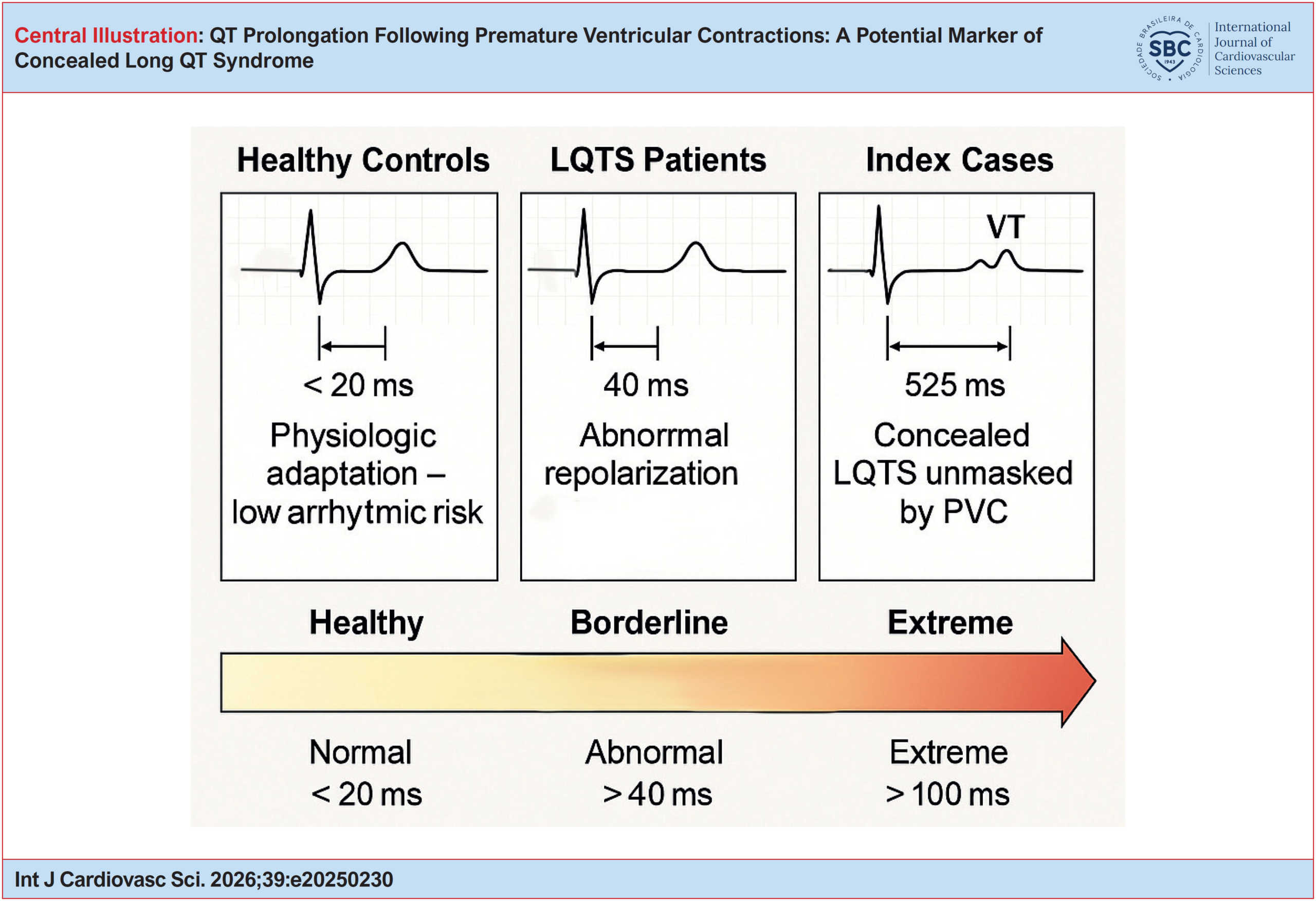
Long QT syndrome (LQTS) predisposes individuals to malignant ventricular arrhythmias and sudden cardiac death; however, diagnosis remains challenging in patients with borderline corrected QT (QTc) values. Premature Ventricular Contractions (PVCs) may unmask concealed abnormalities of ventricular repolarization.

Aim:

To determine whether post-PVC QTc prolongation can differentiate patients with confirmed LQTS, healthy controls, and borderline index cases.

Methods:

In this retrospective study, 24-hour electrocardiography (ECG) recordings from 84 subjects were analyzed, including 10 patients with confirmed LQTS, 72 healthy controls, and 2 index patients with borderline baseline QTc values. QTc intervals before and after PVCs were measured manually and corrected using Bazett’s formula. Between-group differences were evaluated using analysis of covariance (ANCOVA) adjusted for baseline QTc, whereas within-group changes were assessed with paired t-tests. A two-tailed p < 0.05 was considered statistically significant.

Results:

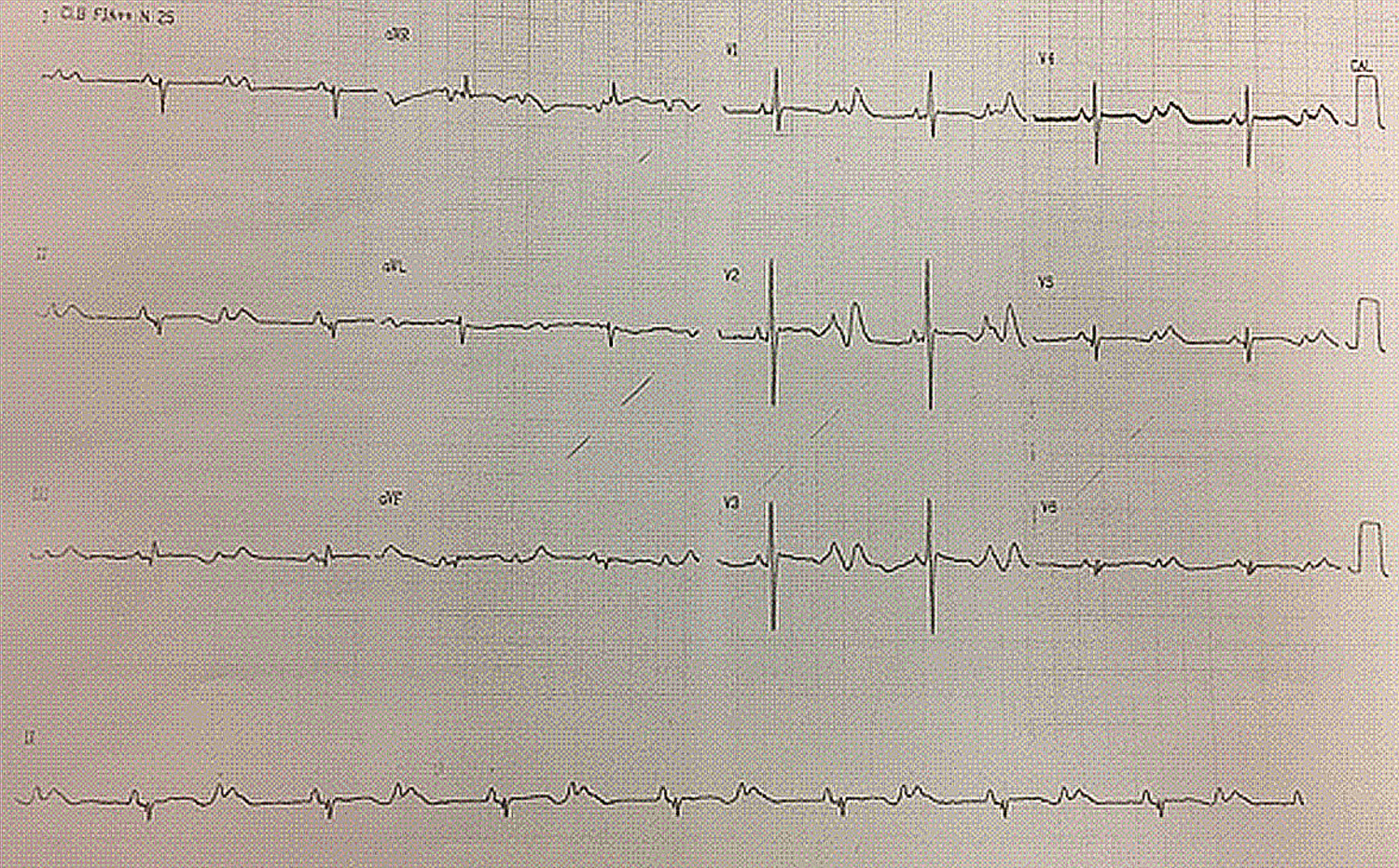
Post-PVC QTc intervals were longer in patients with LQTS than in healthy controls (488 ± 23 ms vs 391 ± 37 ms; adjusted p = 0.066). Overall, PVCs were associated with a mean QTc increase of +15.7 ms (95% CI 7.1–24.3; p = 0.0005), with larger increases observed in LQTS patients (+22.3 ms; p = 0.0019) compared with healthy controls (+10.0 ms; p = 0.0098). The two index patients exhibited marked QTc prolongation, rising from borderline baseline values (360–460 ms) to 540–600 ms (Δ≈165 ms).

Conclusion:

PVC-induced QTc prolongation may help distinguish healthy individuals from patients with overt or borderline LQTS. Whereas healthy controls demonstrated mild physiologic adaptation, patients with confirmed LQTS showed consistent QTc prolongation, and index patients exhibited marked post-PVC increases suggestive of concealed repolarization abnormalities. Assessment of QTc following PVCs may represent a simple bedside approach to improve diagnostic accuracy and risk stratification in LQTS; prospective studies in larger cohorts are warranted to confirm these findings.
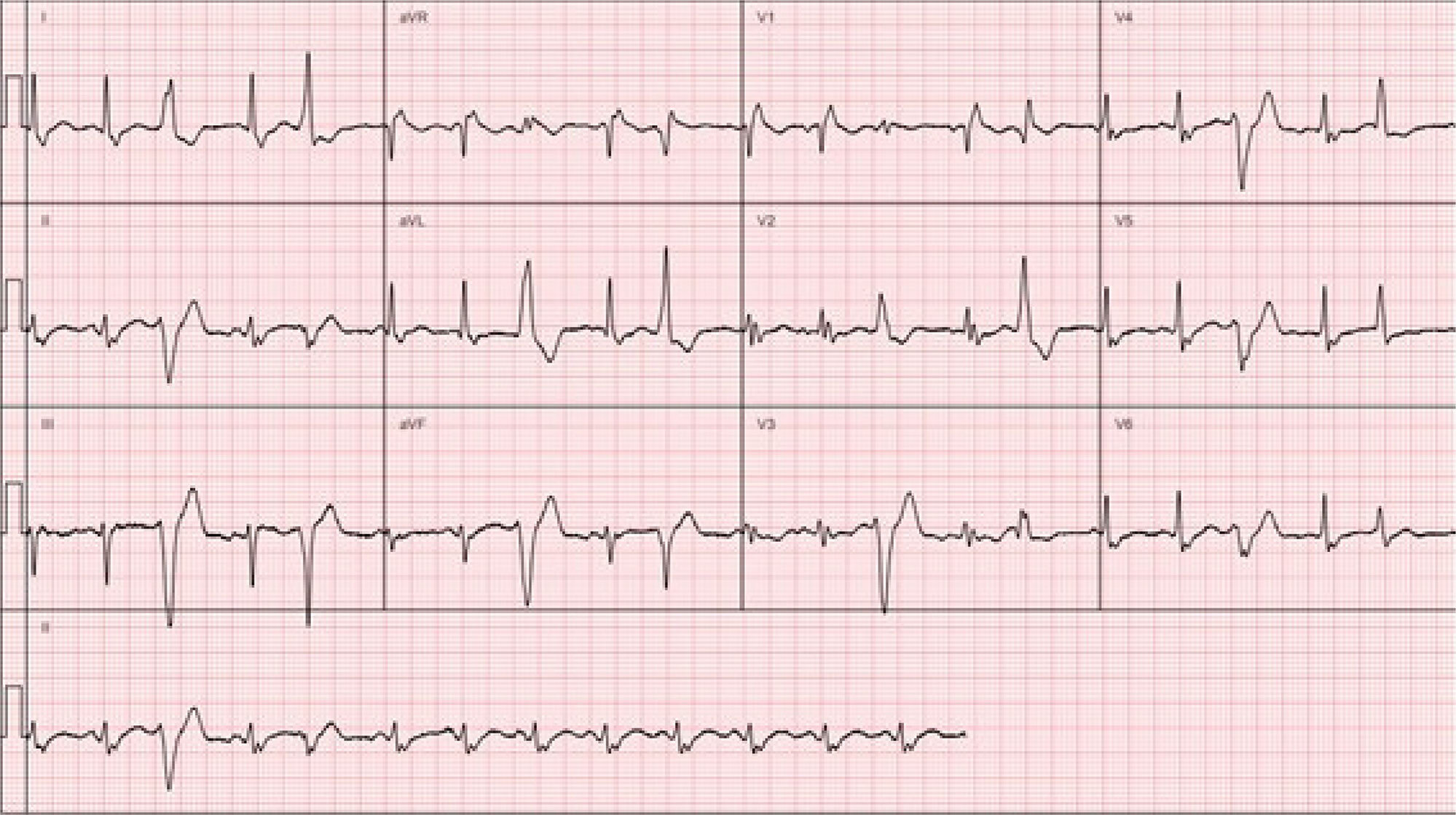
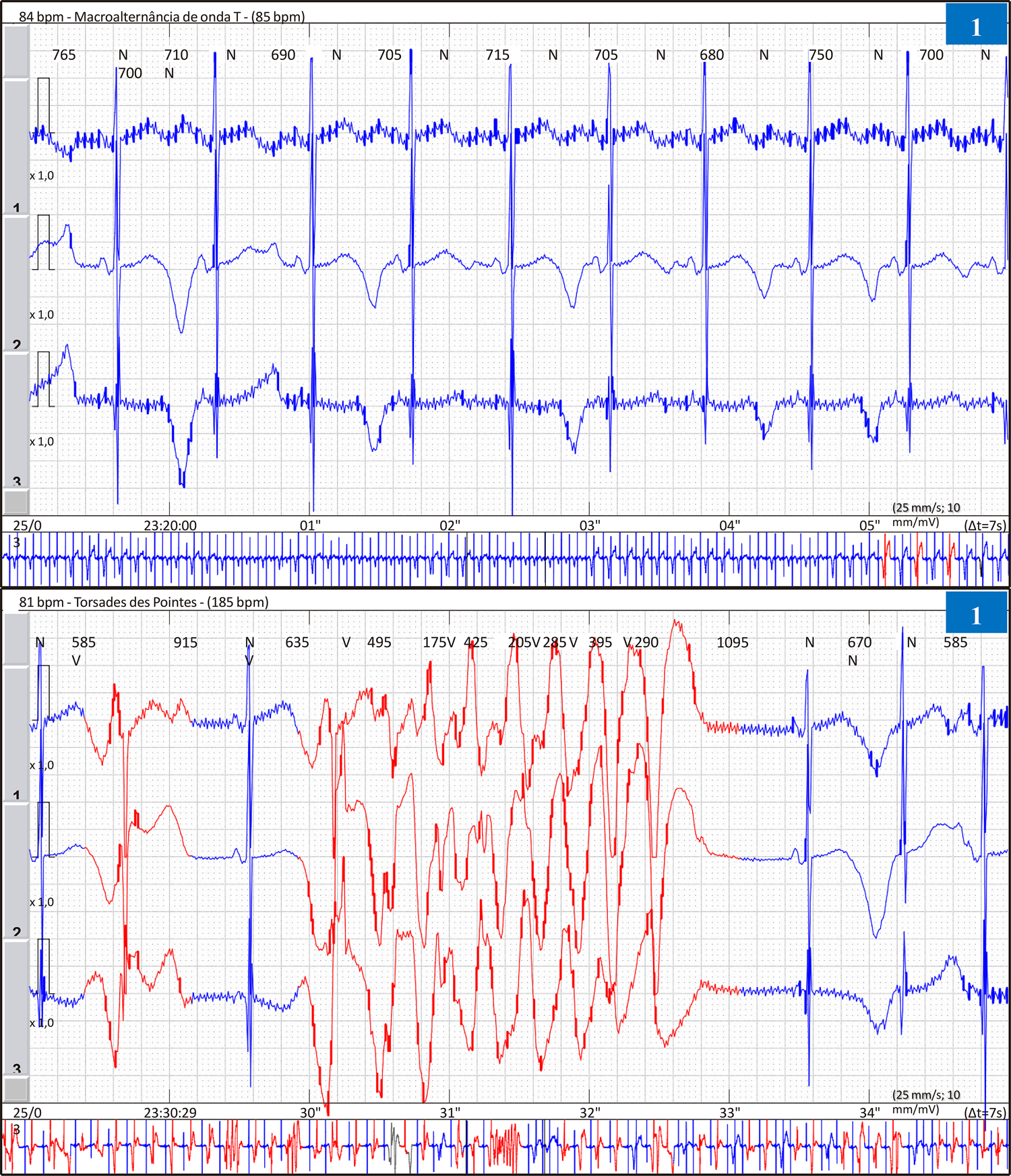
  • Cardiac Arrhythmias
  • Long QT Syndrome
  • Ventricular Premature Complexes
Read Full Article
Creative Commons Attribution (CC BY) Creative Commons license
07/09/2026 DOI: 10.36660/ijcs.20250230 Views 3
ABCIC
Original Article

Association of Noonan Syndrome, Noncompaction of the Myocardium, Hypertrophic Cardiomyopathy, and Long QT Syndrome: A Case Series

Anna Luisa de Melo Lula Lins Pimentel et al. Érika Alves da Silva Marcelo Dantas Tavares de Melo Vera Maria Cury Salemi

Abstract

Background:

The Noonan syndrome (NS) is a rare genetic disorder characterized by manifestations such as short stature, a webbed neck, micrognathia, and hypertelorism. Although NS predisposes to cardiac disorders such as hypertrophic cardiomyopathy (HCM), it has only rarely been associated with noncompaction cardiomyopathy (NCCM), an embryonic anomaly defined by excessive trabeculation and formation of deep myocardial recesses. The clinical presentation of NCCM ranges from asymptomatic to severe thromboembolic events. This study aims to describe cardiovascular changes and outcomes in patients with NS and NCCM followed at the cardiology department of a Brazilian hospital.

Methods:

Observational, longitudinal, prospective follow-up of three adult patients with the NS phenotype. AII underwent echocardiography and cardiac magnetic resonance imaging (CMR). Data such as age, sex, family history, symptom onset, and outcomes of interest, such as thromboembolic events, heart transplantation (HTx), and death, were analyzed.

Results:

All three patients followed (one male-female sibling pair and one unrelated male) had NCCM with ventricular dysfunction. The female patient also had the long QT syndrome (LQTS). All developed apical thrombi, in the left ventricle in two cases. The female patient underwent successful HTx, while the two males died after decompensation of heart failure (HF) progressing to cardiogenic shock.

Conclusion:

This case series highlights the need for early diagnosis and family screening of patients with NS to optimize treatment and improve prognosis. There is no prior record in the literature of the association of all conditions described herein in the same patient.

  • Isolated Noncompaction of the Ventricular Myocardium
  • Long QT Syndrome
  • Noonan Syndrome
Read Full Article
Creative Commons Attribution (CC BY) Creative Commons license
19/03/2025 DOI: 10.36660/abcimg.20240107i Views 1
Figure 1
ABCHF
Case Report

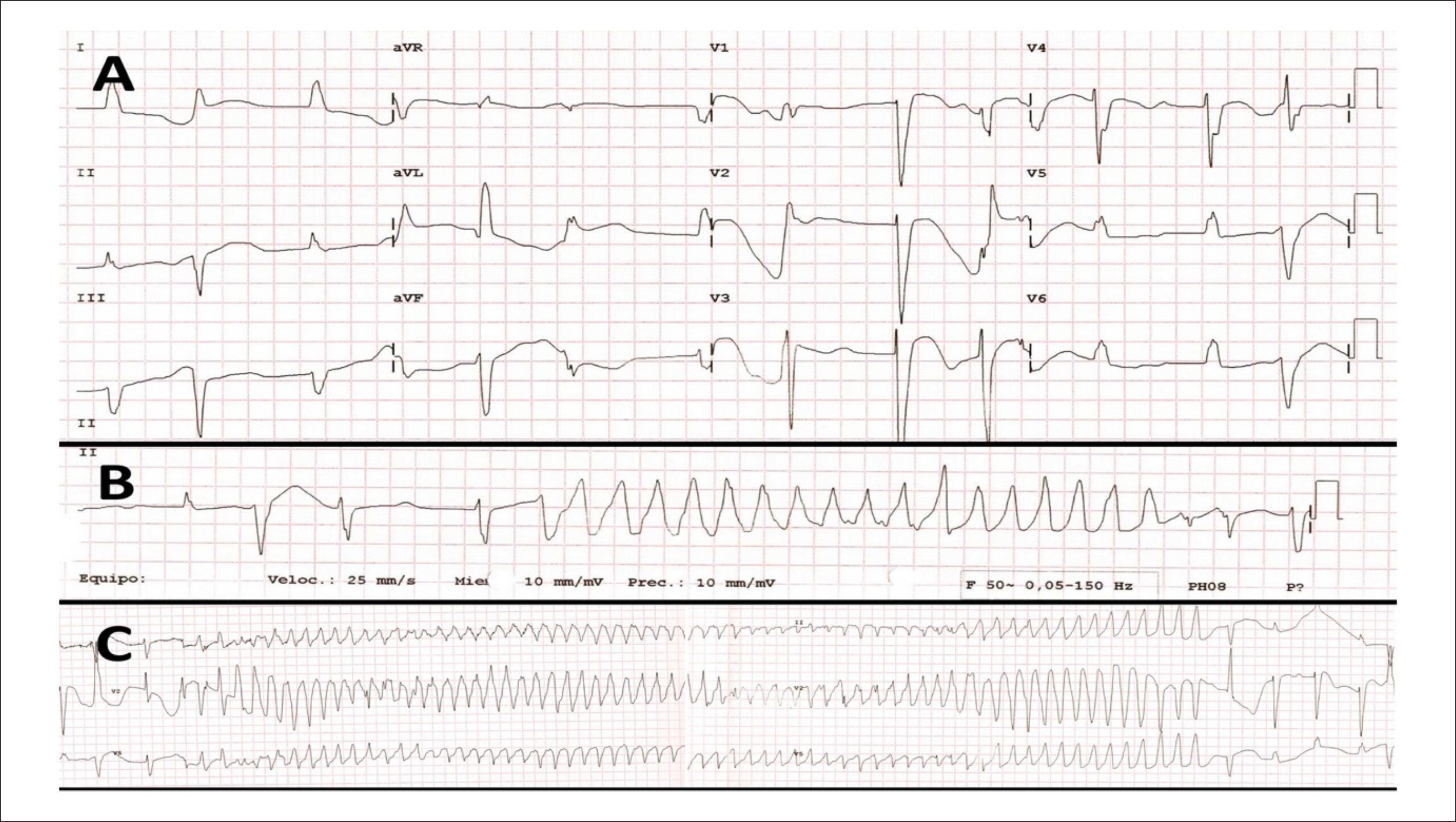
Cardiac Sarcoidosis and Complex Arrhythmias

Anna Luiza Souza et al. Renata dos Santos Oliveira Ana Paula Lindoso Lima Barreiro Mauricio Lopes Prudente … Rodrigo Paashaus de Andrade Giulliano Gardenghi

Introduction

Sarcoidosis is a multisystem inflammatory granulomatous disease of unknown cause, related to genetic factors, with an incidence of 1 to 30 cases/100,000 people, and is more prevalent in women over 50 years of age. The formation of scar tissue characterizes it and can affect any organ, with a predilection for the lungs in approximately 90% of cases. Patients with cardiac involvement are mainly male and, in general, have a worse prognosis, with high mortality rates observed in this population (85% of deaths).,

The scar substrate in the myocardium, which presents as multifocal and heterogeneous, is related to several cardiac manifestations. Among the most common, we can mention left ventricular dysfunctions, atrioventricular conduction abnormalities, and ventricular and supraventricular arrhythmias, such as ventricular tachycardia and atrial fibrillation, which can lead, in some cases, to sudden death. In view of this, the use of antiarrhythmic drugs is necessary in clinical practice in most patients, aiming at the control of arrhythmias, especially those of ventricular origin, and consequently improving the quality of life and reducing mortality. In this work, we report the therapeutic management of a case of cardiac sarcoidosis associated with prolonged QT interval that evolved with complex ventricular tachycardia (VT).

[…]

  • Cardiac Arrhythmias
  • Long QT Syndrome
  • Sarcoidosis
Read Full Article
Creative Commons Attribution (CC BY) Creative Commons license
19/03/2025 DOI: 10.36660/abchf.20240062i Views 1
Mexiletine in The Treatment of Long QT Syndrome Type 2 in Infants: A Case Report
IJCS
Case Report

Mexiletine in The Treatment of Long QT Syndrome Type 2 in Infants: A Case Report

Jessica Laureano Martins et al. Nicole Sarmento Queiroga Fernanda Calumby Nóbrega Guimarães Guilherme Augusto Teodoro Athayde … Halbiege Léa Silva Quirino da Silva Rogério Braga Andalaft

Introduction

Congenital Long QT Syndrome (LQTS) is one of the main causes of sudden cardiac death (SCD) in the pediatric age group, with a prevalence of approximately one case for every 2,000 newborns. The most prevalent inheritance is dominant, with the typical phenotype associated with cardiac manifestations.

The genetic alteration of LQTS is multigenic, with 17 main genes, and in 80% of the cases, it identifies: KCNQ1 (LQTL1), KCNH2 (LQTL2), and SCN5A (LQTL3). The LQTS type 2 (LQTS2) subtype alters the expression of potassium channels in myocytes, causing electrical instability and ventricular arrhythmias. The most common arrhythmia is Torsades de Pointes (TdP), a type of polymorphic ventricular tachycardia, which can lead to syncope, seizures, and sudden death.

[…]

  • Cardiac Arrhythmias
  • Long QT Syndrome
  • Torsades de Pointes
Read Full Article
Creative Commons Attribution (CC BY) Creative Commons license
10/02/2025 DOI: 10.36660/ijcs.20240099 Views 1
ABC
Editorial

Revisiting the QT Interval: An Old Marker for a New Disease?

Luiz Eduardo Montenegro Camanho

The SARS-Cov-2 (Covid-19) infection had its first cases reported in December 2019 in China and quickly spread worldwide, being announced as a pandemic in March 2020 by the World Health Organization. Respiratory manifestations are classic; however, cardiovascular complications can occur due to an indirect cardiac involvement or a direct action of the virus in the myocardial tissue. Consequently, we can find heart failure, myocarditis, arrhythmias, and cardiogenic shock.

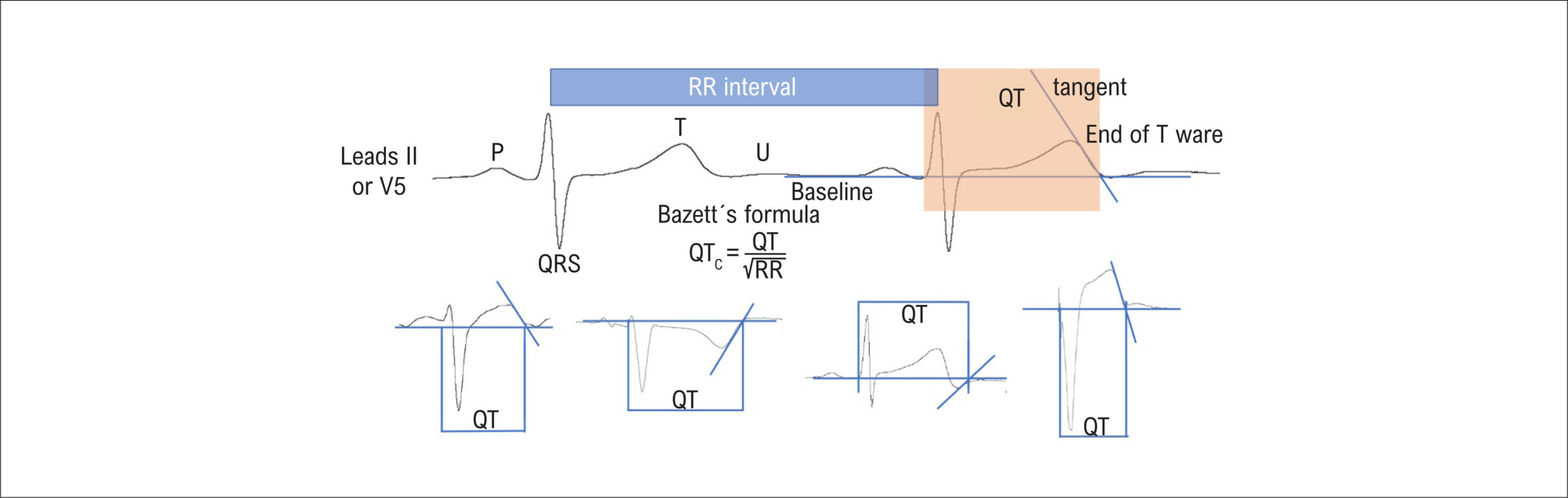
The QT interval, measured from the beginning of the QRS complex to the end of the T wave, represents the process of ventricular depolarization and repolarization and varies with heart rate. Normal values for the corrected QT interval (QTc) would be≥450 ms in men and≥460 ms in women. Prolongation of the QTc interval≥500 ms is strongly associated with the occurrence of malignant arrhythmias and sudden death. Every 10 ms of QTc interval increment, there is a 5 to 7% increase in the risk of torsade de Pointes (TdP); every 20 ms, there is a substantial imminent risk.

[…]

  • Long QT
  • Long QT Syndrome
  • QT interval
Read Full Article
Creative Commons Attribution (CC BY) Creative Commons license
13/02/2023 DOI: 10.36660/abc.20220878 Views 1
Figure 1
ABC
Research Letter

Mexiletine in a Newborn with Type 3 Long QT Syndrome: When Access is Difficult

Eduardo Nolla Silva Pereira et al. Luciana Sacilotto Gabrielle D’Arezzo Pessente Cinthya Guirao … Mariana Lombardi Peres de Carvalho Alexandre da Costa Pereira Francisco Carlos da Costa Darrieux Maurício Ibrahim Scanavacca

Introduction

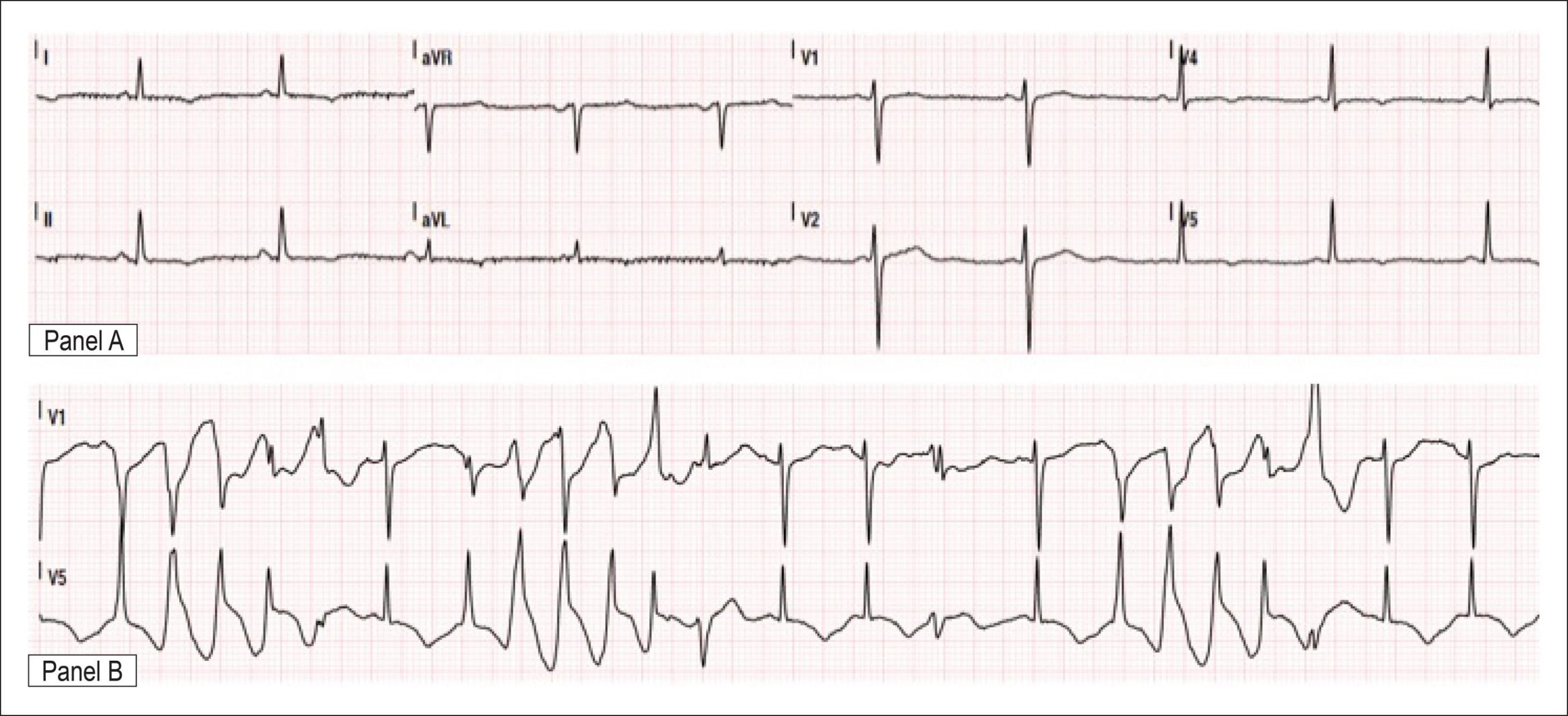
Long QT syndrome type 3 (LQT3) is a highly lethal channelopathy. It is associated with delayed closing of sodium channels, resulting from mutations in the SCN5A gene, with an autosomal dominant pattern, responsible for 7-10% of all long QT syndromes (LQTSs). The initial presentation can have a wide spectrum, from asymptomatic to sudden death in the first year of life. The addition of class IB sodium channel blocker (mexiletine) to propranolol or nadolol is considered a gene-guided treatment, as its benefit is proven in LQT3. In some countries, such as Brazil, it is not feasible to treat patients with LQT3, because of the unavailability of mexiletine.

We present here a severe case of a child with LQT3, who underwent multiple implantable cardioverter-defibrillator (ICD) therapies because of difficult access to mexiletine in Brazil.

[…]

  • Cardiopulmonary Resuscitation
  • Infant, Newborn
  • Long QT Syndrome
  • Mexiletine/therapeutic
  • Tachycardia, Ventricular
  • Torsades de Pointes
Read Full Article
Creative Commons Attribution (CC BY) Creative Commons license
13/05/2022 DOI: 10.36660/abc.20210533 Views 2
Figure 1
ABC
Review Article

Peculiar Aspects of Patients with Inherited Arrhythmias during the COVID-19 Pandemic

Luciana Sacilotto et al. Natalia Quintella Sangiorgi Olivetti Cristiano Faria Pisani Tan Chen Wu … Ludhmila Abrahão Hajjar Sissy Lara de Melo Sávia Christina Pereira Bueno Esteban Wisnivesky Rocca Rivarola Muhieddine Omar Chokr Carina Abigail Hardy Denise Tessariol Hachul Francisco Carlos da Costa Darrieux Mauricio Ibrahim Scanavacca

Abstract

Since December 2019 we have observed the rapid advance of the severe acute respiratory syndrome caused by the new coronavirus (SARS-CoV-2). The impact of the clinical course of a respiratory infection is little known in patients with hereditary arrhythmias, due to the low prevalence of these diseases. Patients who present with infectious conditions may exacerbate hidden or well-controlled primary arrhythmias, due to several factors, such as fever, electrolyte disturbances, drug interactions, adrenergic stress and, eventually, the septic patient’s own myocardial damage. The aim of this review is to highlight the main challenges we may encounter during the Covid 19 pandemic, specifically in patients with hereditary arrhythmias, with emphasis on the congenital long QT syndrome (LQTS), Brugada syndrome (SBr), ventricular tachycardia polymorphic catecholaminergic (CPVT) and arrhythmogenic right ventricular cardiomyopathy.

  • Aarrhythmogenic Right Ventricular Cardiomyopathy
  • Brugada Syndrome
  • Catecholaminergic Polymorphic Ventricular Tachycardia
  • COVID-19
  • Long QT Syndrome
Read Full Article
Creative Commons Attribution (CC BY) Creative Commons license
06/09/2021 DOI: 10.36660/abc.20200391 Views 3
Figure 1
IJCS
Case Report

Aborted Sudden Death Due to Severe Ventricular Arrhythmia in Timothy Syndrome

Erivelton Nascimento et al. Carollina Fernandes Tinoco Camila Diniz Silva Fabiana Ferreira Mitidieri Cortez Renato Kaufman

Abstract

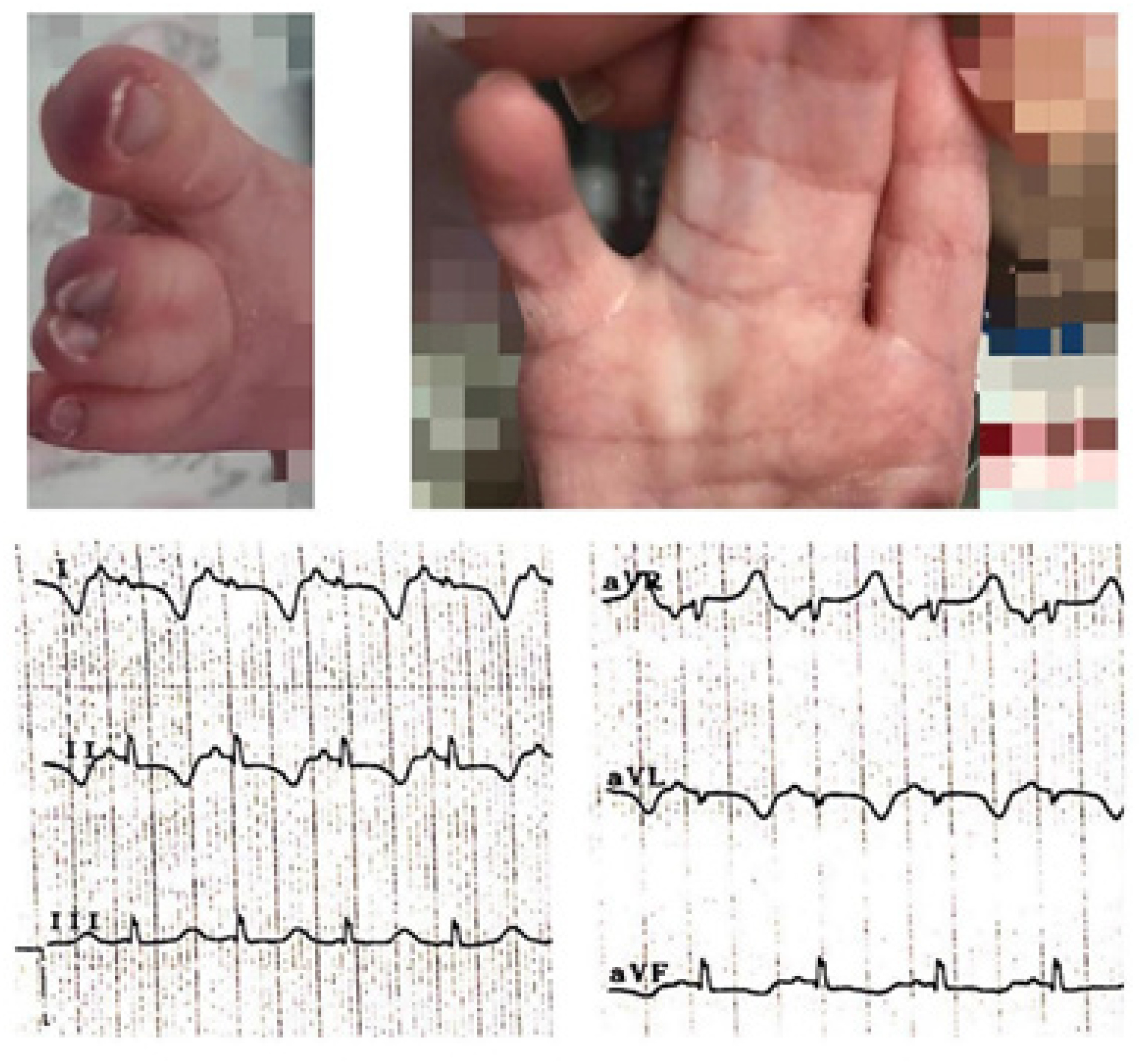
Timothy Syndrome is a rare autosomal dominant multisystem genetic condition. The CACNA1C gene, codifier of the CaV1.2 calcium channel, is affected, resulting in the loss of voltage-dependent calcium channel inactivation. Relevant clinical characteristics: (1) corrected QT interval greater than 480ms; (2) syndactyly. Death often occurs during childhood, and results from ventricular tachyarrhythmias. This study presents the case of a female newborn who suffered a cardiorespiratory arrest, secondary to ventricular arrhythmia. A prolonged QT interval, combined with 2:1 AV block, was also identified, requiring a definitive cardiac pacemaker implant that, during inpatient care, developed pulmonary sepsis, followed by death.

  • Arrhythmias, Cardiac/complications
  • Child
  • Death, Sudden
  • Long QT Syndrome
  • Syndactyly/genetics
Read Full Article
Creative Commons Attribution (CC BY) Creative Commons license
30/04/2021 DOI: 10.36660/ijcs.20200061 Views 1
ABC
Original Article

Effect of Heroin on Electrocardiographic Parameters

Ersin Yildirim et al. Murat Selcuk Faysal Saylik Ferit Onur Mutluer Ozgur Deniz

Abstract

Background

Heroin addiction is currently a significant health problem, and information on the electrocardiographic effects of heroin is limited.

Objetivo

The aim of the present study is to investigate effects of heroin addiction on electrocardiographic parameters.

Methods

A total of 136 individuals, including 66 individuals who smoke heroin as the study group and 70 healthy individuals with no drug addiction as the control group, were included in the study. Individuals who inject heroin were excluded. Electrocardiographic (ECG) evaluation of those using heroin was performed and compared with those of the control group. In addition, pre-treatment and post-treatment ECG of the heroin group were compared. A p-value of <0.05 was accepted as statistically significant.

Results

Heart rate (77.2±12.8 versus 71.4±11.2; p=0.02) were found to be higher in the heroin group compared to the control group. QT (341.50±25.80 versus 379.11±45.23; p=0.01), QTc intervals (385.12±29.11 versus 411.3±51.70; p<0.01), and T peak to end time (Tpe) (65.41±10.82 versus 73.3±10.13; p<0.01) were significantly shorter in the heroin group. No difference was observed between the groups with regard to Tpe/QT and Tpe/QTc ratios. In the subgroup analysis of the heroin group, QT (356.81±37.49 versus 381.18±40.03; p<0.01) and QTc (382.06±26.41 versus 396.06±29.80; p<0.01) intervals were significantly shorter in the pre-treatment period.

Conclusion

Heroin addiction significantly affects the QT, QTc, and Tpe time intervals. The arrhythmia effects of these parameters are well known. More attention to the electrocardiographic parameters of these individuals should be given. (Arq Bras Cardiol. 2020; 115(6):1135-1141)

  • Arrhythmias, Cardiac/adverse effects
  • Heroin
  • Heroin Dependence
  • Leukoencephalopaties
  • Long QT Syndrome
  • Narcotics/toxicity
  • Pulmonary Edema
  • Renal Insufficiency
Read Full Article
Creative Commons Attribution (CC BY) Creative Commons license
18/01/2021 DOI: 10.36660/abc.20190296 Views 1
Figure 1
IJCS
Original Article

Cirrhotic Patients with Child-Pugh C Have Longer QT Intervals

Pedro Gemal Lanzieri et al. Ronaldo Altenburg Gismondi Matheus de Castro Abi-Ramia Chimelli Raíssa Pereira Cysne … Thais Guaraná Cláudio Tinoco Mesquita Luís Otávio Mocarzel

Abstract

Background and aims:

Cirrhotic cardiomyopathy has been used to describe chronic cardiac dysfunction in cirrhotic patients with no previous structural heart disease. Additionally, QT prolongation is one of the most important cardiac alterations related to cirrhosis. Previous studies suggest that QT prolongation is associated with a higher mortality rate among cirrhotic patients. The aim of this study was to analyze QT intervals according to cirrhosis severity as measured by the Child-Pugh classification.

Materials and methods:

In a cross-sectional study, a total of 67 patients with nonalcoholic cirrhosis underwent clinical and electrocardiographic evaluation. Cirrhosis severity was classified according to the Child-Pugh score. The QT interval was measured by a 12-lead electrocardiogram.

Results:

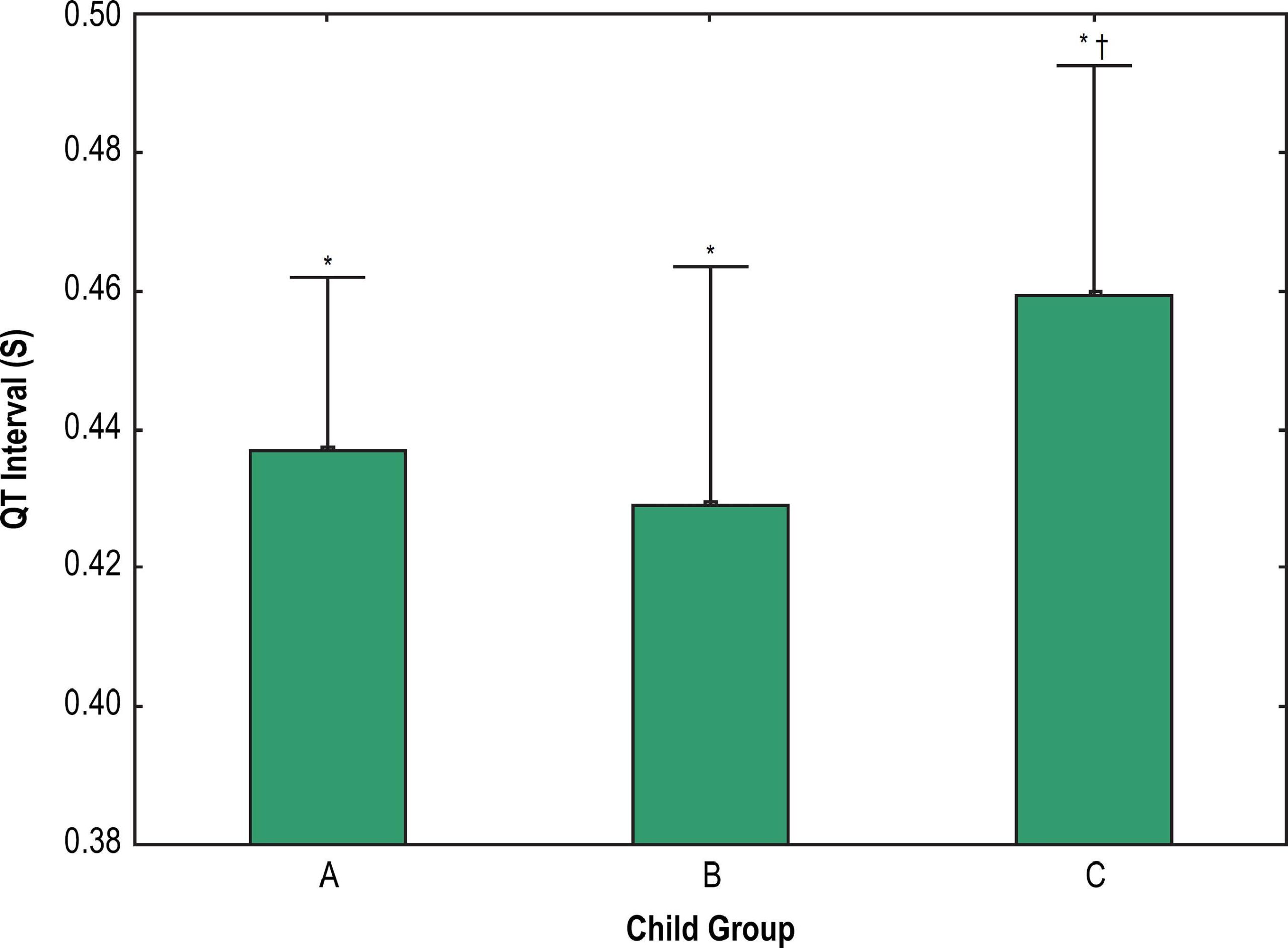
The QT intervals were longer in patients in the Child-Pugh C group than those in the Child-Pugh A and B groups (459 ± 33 vs 436 ± 25 and 428 ± 34 ms, respectively, p = 0.004). There was a positive correlation between the QT interval and the Child-Pugh score in individuals with Child-Pugh scores ≥ 7 (r = 0.50, p < 0.05) and QT intervals ≥ 440 ms (r = 0.46, p < 0.05).

Conclusion:

The present study showed longer QT intervals in patients with Child-Pugh C cirrhosis, which reinforced the relationship between the severity of cirrhosis and electrocardiographic findings of cirrhotic cardiomyopathy. Moreover, this finding emerged in patients with no cardiac symptoms, which highlighted the importance of a simple and noninvasive method (ECG) to identify cirrhotic patients with cardiomyopathy.

  • Cardiomyopathies
  • Electrocardiography/methods
  • Liver Cirrhosis / mortality
  • Long QT Syndrome
Read Full Article
Creative Commons Attribution (CC BY) Creative Commons license
23/10/2017 DOI: 10.5935/2359-4802.20170084 Views 1
Figure 1
ABC
Case Report

Drug-Induced Long-QT and Torsades de Pointes in Elderly Polymedicated Patients

Daniel García-Fuertes et al. Elena Villanueva-Fernández Manuel Crespín-Crespín

Introduction

Polymedication affects one in three patients older than 65 years. Its risks are widely known and are specially related to pharmacological interactions. One of these potential risks is the appearance of malignant ventricular arrhythmias when drugs that prolong QT interval are prescribed, including antibiotics, antidepressants, antiemetics, psychotropic medication or even antiarrhythmic drugs.– The development of ventricular arrhythmias such asTorsades de Pointes (TdP), typically related to QT prolongation, is a potentially lethal complication. It is mandatory to recognize the drugs that can cause it, avoiding their joint use or planning a close monitoring in case their combination cannot be avoided.

[…]

  • Aged
  • Arrhythmias Cardiac
  • Inappropriate Prescribing
  • Long QT Syndrome
  • Torsades de Pointes
Read Full Article
Creative Commons Attribution (CC BY) Creative Commons license
01/02/2016 DOI: 10.5935/abc.20150069 Views 2
Figure 1
ABC
Case Report

Coronary Fistulas in a Patient with a Novel Long QT Syndrome Mutation

Rui Plácido et al. Nuno Cortez-Dias Arminda Veiga Cláudia Jorge … Gábriel Miltenberger-Miltény Fausto Pinto

Introduction

The congenital long QT syndrome (LQTS) is a genetic cardiac channelophathy with variable penetrance characterized by corrected QT (QTc) interval prolongation and predisposition to polymorphic ventricular tachycardia (PVT), which normally presents with syncope or sudden death. It can be caused by mutations in different ion channels, resulting in prolongation of the myocardial repolarization. The clinical course of LQTS throughout a patient’s lifetime is significantly influenced by the genotype and acquired factors that additionally compromise myocardial repolarization, including drug use, serum electrolyte abnormalities, autoimmune diseases, severe bradycardia, acute heart failure decompensation and myocardial ischemia.

This report presents the first description of PVT precipitated by myocardial ischemia secondary to multiple coronary fistulas in a patient with a novel LQTS-causing mutation.

[…]

  • Arteriovenous Fistula
  • Channelopathies
  • Coronary Vessel Anomalies
  • Long QT Syndrome
  • Tachycardia, Ventricular
  • Torsades de Pointes
Read Full Article
Creative Commons Attribution (CC BY) Creative Commons license
01/11/2015 DOI: 10.5935/abc.20150047 Views 1
Investigation of ion channel gene variants in patients with long QT syndrome
ABC
Artigo Original

Investigation of ion channel gene variants in patients with long QT syndrome

Ernesto Curty et al. Fernando Eugênio dos Santos Cruz Fabiane Santos Lima Jorge Luiz Albuquerque Coutinho … Rosane Silva Turán Peter Ürményi Antônio Carlos Campos Carvalho Edson Rondinelli

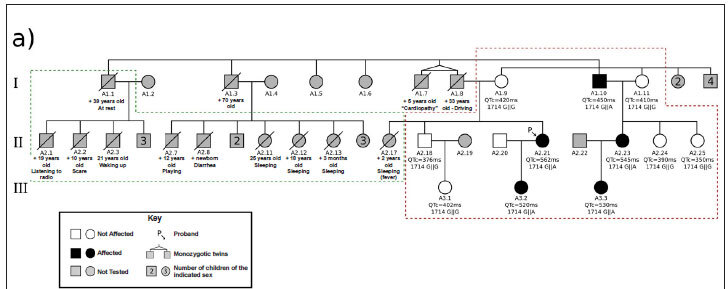
BACKGROUND: The long QT syndrome (LQTS) is an inherited arrhythmia syndrome with increased QT interval and risk of sudden death. Mutations in genes KCNQ1, KCNH2 and SCN5A account for 90% of cases with genotype determined, and genotyping is informative for genetic counseling and better disease management. OBJECTIVE: Molecular investigation and computational analysis of gene variants of KCNQ1, KCNH2 and SCN5A associated with LQTS, in families with the disease. METHODS: The coding regions of genes KCNQ1, KCNH2 and SCN5A in patients with LQTS and their family members were sequenced and analyzed using Geneious ProTM software. RESULTS: Two families with clinical criteria for LQTS were investigated. The proband of Family A had QTC = 562 ms, Schwartz Score = 5.5. The genotyping identified the G1714A mutation in the KCNH2 gene. QTC = 521 ± 42 ms was observed in family members carrying the mutation against QTC = 391 ± 21 ms for non-carriers. The proband of Family B had QTc = 551 ms, Schwartz Score = 5.5. The genotyping identified the G1600T mutation, in the same gene. The analysis of family members revealed QTC = 497 ± 42 ms in mutation carriers, compared with QTC = 404 ± 29 ms in non-carriers. CONCLUSION: Two gene variants previously associated with LQTS were found in two families clinically diagnosed with LQTS. The prolongation of the QT interval was observed in all family members carrying the mutations. A strategy was developed to identify variants of genes KCNQ1, KCNH2 and SCN5A, making it possible to train technical staff for future application to diagnosis routine.

  • Death, Sudden, Cardiac
  • ion channels
  • Long QT Syndrome
  • mutation
Read Full Article
Creative Commons Attribution (CC BY) Creative Commons license
04/02/2011 DOI: 10.1590/S0066-782X2011005000015

How to cite this article

EndNote RIS

Electronic Document Format (Vancouver)

Jalabadze K, Machavariani P, Tsiklauri B, Garuchava N, Avaliani I, Chigogidze M. QT Prolongation Following Premature Ventricular Contractions: A Potential Marker of Concealed Long QT Syndrome. International Journal of Cardiovascular Sciences 2026;39:e20250230.

Electronic Document Format (ABNT)

Jalabadze, Khatuna; Machavariani, Pavle; Tsiklauri, Bachuki; Garuchava, Natalia; Avaliani, Ia; Chigogidze, Maya. QT Prolongation Following Premature Ventricular Contractions: A Potential Marker of Concealed Long QT Syndrome. International Journal of Cardiovascular Sciences, v. 39, e20250230, Sep. 2026.

Electronic Document Format (APA)

Jalabadze, K., Machavariani, P., Tsiklauri, B., Garuchava, N., Avaliani, I., & Chigogidze, M. (2026). QT Prolongation Following Premature Ventricular Contractions: A Potential Marker of Concealed Long QT Syndrome. International Journal of Cardiovascular Sciences, 39, e20250230.

Electronic Document Format (ISO)

Jalabadze, Khatuna and Machavariani, Pavle and Tsiklauri, Bachuki and Garuchava, Natalia and Avaliani, Ia and Chigogidze, Maya. QT Prolongation Following Premature Ventricular Contractions: A Potential Marker of Concealed Long QT Syndrome. International Journal of Cardiovascular Sciences [online]. 2026, vol. 39, [cited 2026-10-14], e20250230. Available from: <https://journals.cardiol.br/en/article/qt-prolongation-following-premature-ventricular-contractions-a-potential-marker-of-concealed-long-qt-syndrome/>. ISSN 2359-4802

EndNote RIS

Electronic Document Format (Vancouver)

Pimentel ALMLL, Silva A, Melo MDT, Salemi VMC. Association of Noonan Syndrome, Noncompaction of the Myocardium, Hypertrophic Cardiomyopathy, and Long QT Syndrome: A Case Series. ABC Imagem Cardiovascular 2025;38(1):e20240107.

Electronic Document Format (ABNT)

Pimentel, Anna Luisa de Melo Lula Lins; Silva, Érika Alves da; Melo, Marcelo Dantas Tavares de; Salemi, Vera Maria Cury. Association of Noonan Syndrome, Noncompaction of the Myocardium, Hypertrophic Cardiomyopathy, and Long QT Syndrome: A Case Series. ABC Imagem Cardiovascular, v. 38, n. 1, e20240107, Mar. 2025.

Electronic Document Format (APA)

Pimentel, A. L. M. L. L., Silva, A. , Melo, M. D. T. , & Salemi, V. M. C. (2025). Association of Noonan Syndrome, Noncompaction of the Myocardium, Hypertrophic Cardiomyopathy, and Long QT Syndrome: A Case Series. ABC Imagem Cardiovascular, 38(1), e20240107.

Electronic Document Format (ISO)

Pimentel, Anna Luisa de Melo Lula Lins and Silva, Érika Alves da and Melo, Marcelo Dantas Tavares de and Salemi, Vera Maria Cury. Association of Noonan Syndrome, Noncompaction of the Myocardium, Hypertrophic Cardiomyopathy, and Long QT Syndrome: A Case Series. ABC Imagem Cardiovascular [online]. 2025, vol. 38, n. 1, [cited 2026-10-14], e20240107. Available from: <https://journals.cardiol.br/en/article/association-of-noonan-syndrome-noncompaction-of-the-myocardium-hypertrophic-cardiomyopathy-and-long-qt-syndrome-a-case-series/>. ISSN 2318-8219

EndNote RIS

Electronic Document Format (Vancouver)

Souza AL, Oliveira RS, Barreiro APLL, Prudente ML, Andrade RP, Gardenghi G. Cardiac Sarcoidosis and Complex Arrhythmias. ABC Heart Fail Cardiomyop 2025;5(1):e20240062.

Electronic Document Format (ABNT)

Souza, Anna Luiza; Oliveira, Renata dos Santos; Barreiro, Ana Paula Lindoso Lima; Prudente, Mauricio Lopes; Andrade, Rodrigo Paashaus de; Gardenghi, Giulliano. Cardiac Sarcoidosis and Complex Arrhythmias. ABC Heart Fail Cardiomyop, v. 5, n. 1, e20240062, Mar. 2025.

Electronic Document Format (APA)

Souza, A. L., Oliveira, R. S., Barreiro, A. P. L. L., Prudente, M. L., Andrade, R. P. , & Gardenghi, G. (2025). Cardiac Sarcoidosis and Complex Arrhythmias. ABC Heart Fail Cardiomyop, 5(1), e20240062.

Electronic Document Format (ISO)

Souza, Anna Luiza and Oliveira, Renata dos Santos and Barreiro, Ana Paula Lindoso Lima and Prudente, Mauricio Lopes and Andrade, Rodrigo Paashaus de and Gardenghi, Giulliano. Cardiac Sarcoidosis and Complex Arrhythmias. ABC Heart Fail Cardiomyop [online]. 2025, vol. 5, n. 1, [cited 2026-10-14], e20240062. Available from: <https://journals.cardiol.br/en/article/cardiac-sarcoidosis-and-complex-arrhythmias/>

EndNote RIS

Electronic Document Format (Vancouver)

Martins JL, Queiroga NS, Guimarães FCN, Athayde GAT, Silva HLQ, Andalaft RB. Mexiletine in The Treatment of Long QT Syndrome Type 2 in Infants: A Case Report. International Journal of Cardiovascular Sciences 2025;38:e20240099.

Electronic Document Format (ABNT)

Martins, Jessica Laureano; Queiroga, Nicole Sarmento; Guimarães, Fernanda Calumby Nóbrega; Athayde, Guilherme Augusto Teodoro; Silva, Halbiege Léa Quirino da; Andalaft, Rogério Braga. Mexiletine in The Treatment of Long QT Syndrome Type 2 in Infants: A Case Report. International Journal of Cardiovascular Sciences, v. 38, e20240099, Feb. 2025.

Electronic Document Format (APA)

Martins, J. L., Queiroga, N. S., Guimarães, F. C. N., Athayde, G. A. T., Silva, H. L. Q. , & Andalaft, R. B. (2025). Mexiletine in The Treatment of Long QT Syndrome Type 2 in Infants: A Case Report. International Journal of Cardiovascular Sciences, 38, e20240099.

Electronic Document Format (ISO)

Martins, Jessica Laureano and Queiroga, Nicole Sarmento and Guimarães, Fernanda Calumby Nóbrega and Athayde, Guilherme Augusto Teodoro and Silva, Halbiege Léa Quirino da and Andalaft, Rogério Braga. Mexiletine in The Treatment of Long QT Syndrome Type 2 in Infants: A Case Report. International Journal of Cardiovascular Sciences [online]. 2025, vol. 38, [cited 2026-10-14], e20240099. Available from: <https://journals.cardiol.br/en/article/mexiletine-in-the-treatment-of-long-qt-syndrome-type-2-in-infants-a-case-report/>. ISSN 2359-4802

EndNote RIS

Electronic Document Format (Vancouver)

Camanho LEM. Revisiting the QT Interval: An Old Marker for a New Disease?. Arquivos Brasileiros de Cardiologia 2023;120(1):e20220878.

Electronic Document Format (ABNT)

Camanho, Luiz Eduardo Montenegro. Revisiting the QT Interval: An Old Marker for a New Disease?. Arquivos Brasileiros de Cardiologia, v. 120, n. 1, e20220878, Feb. 2023.

Electronic Document Format (APA)

Camanho, L. E. M. (2023). Revisiting the QT Interval: An Old Marker for a New Disease?. Arquivos Brasileiros de Cardiologia, 120(1), e20220878.

Electronic Document Format (ISO)

Camanho, Luiz Eduardo Montenegro. Revisiting the QT Interval: An Old Marker for a New Disease?. Arquivos Brasileiros de Cardiologia [online]. 2023, vol. 120, n. 1, [cited 2026-10-14], e20220878. Available from: <https://journals.cardiol.br/en/article/revisiting-the-qt-interval-an-old-marker-for-a-new-disease/>. ISSN 0066-782X

EndNote RIS

Electronic Document Format (Vancouver)

Pereira ENS, Sacilotto L, Pessente GD, Guirao C, Carvalho MLP, Pereira AC, Darrieux FCC, et al. Mexiletine in a Newborn with Type 3 Long QT Syndrome: When Access is Difficult. Arquivos Brasileiros de Cardiologia 2022;118(5):989-91.

Electronic Document Format (ABNT)

Pereira, Eduardo Nolla Silva; Sacilotto, Luciana; Pessente, Gabrielle D’Arezzo; Guirao, Cinthya; Carvalho, Mariana Lombardi Peres de; Pereira, Alexandre da Costa; Darrieux, Francisco Carlos da Costa; Scanavacca, Maurício Ibrahim. Mexiletine in a Newborn with Type 3 Long QT Syndrome: When Access is Difficult. Arquivos Brasileiros de Cardiologia, v. 118, n. 5, p. 989-991, May. 2022.

Electronic Document Format (APA)

Pereira, E. N. S., Sacilotto, L., Pessente, G. D., Guirao, C., Carvalho, M. L. P. , Pereira, A. C., Darrieux, F. C. C., & Scanavacca, M. I. (2022). Mexiletine in a Newborn with Type 3 Long QT Syndrome: When Access is Difficult. Arquivos Brasileiros de Cardiologia, 118(5), 989-991.

Electronic Document Format (ISO)

Pereira, Eduardo Nolla Silva and Sacilotto, Luciana and Pessente, Gabrielle D’Arezzo and Guirao, Cinthya and Carvalho, Mariana Lombardi Peres de and Pereira, Alexandre da Costa and Darrieux, Francisco Carlos da Costa and Scanavacca, Maurício Ibrahim. Mexiletine in a Newborn with Type 3 Long QT Syndrome: When Access is Difficult. Arquivos Brasileiros de Cardiologia [online]. 2022, vol. 118, n. 5, [cited 2026-10-14], pp. 989-991. Available from: <https://journals.cardiol.br/en/article/mexiletine-in-a-newborn-with-type-3-long-qt-syndrome-when-access-is-difficult/>. ISSN 0066-782X

EndNote RIS

Electronic Document Format (Vancouver)

Sacilotto L, Olivetti NQS, Pisani CF, Wu TC, Hajjar LA, Melo SL, Bueno SCP, et al. Peculiar Aspects of Patients with Inherited Arrhythmias during the COVID-19 Pandemic. Arquivos Brasileiros de Cardiologia 2021;117(2):394-403.

Electronic Document Format (ABNT)

Sacilotto, Luciana; Olivetti, Natalia Quintella Sangiorgi; Pisani, Cristiano Faria; Wu, Tan Chen; Hajjar, Ludhmila Abrahão; Melo, Sissy Lara de; Bueno, Sávia Christina Pereira; Rivarola, Esteban Wisnivesky Rocca; Chokr, Muhieddine Omar; Hardy, Carina Abigail; Hachul, Denise Tessariol; Darrieux, Francisco Carlos da Costa; Scanavacca, Mauricio Ibrahim. Peculiar Aspects of Patients with Inherited Arrhythmias during the COVID-19 Pandemic. Arquivos Brasileiros de Cardiologia, v. 117, n. 2, p. 394-403, Sep. 2021.

Electronic Document Format (APA)

Sacilotto, L., Olivetti, N. Q. S., Pisani, C. F., Wu, T. C., Hajjar, L. A., Melo, S. L. , Bueno, S. C. P., Rivarola, E. W. R., Chokr, M. O., Hardy, C. A., Hachul, D. T., Darrieux, F. C. C., & Scanavacca, M. I. (2021). Peculiar Aspects of Patients with Inherited Arrhythmias during the COVID-19 Pandemic. Arquivos Brasileiros de Cardiologia, 117(2), 394-403.

Electronic Document Format (ISO)

Sacilotto, Luciana and Olivetti, Natalia Quintella Sangiorgi and Pisani, Cristiano Faria and Wu, Tan Chen and Hajjar, Ludhmila Abrahão and Melo, Sissy Lara de and Bueno, Sávia Christina Pereira and Rivarola, Esteban Wisnivesky Rocca and Chokr, Muhieddine Omar and Hardy, Carina Abigail and Hachul, Denise Tessariol and Darrieux, Francisco Carlos da Costa and Scanavacca, Mauricio Ibrahim. Peculiar Aspects of Patients with Inherited Arrhythmias during the COVID-19 Pandemic. Arquivos Brasileiros de Cardiologia [online]. 2021, vol. 117, n. 2, [cited 2026-10-14], pp. 394-403. Available from: <https://journals.cardiol.br/en/article/peculiar-aspects-of-patients-with-inherited-arrhythmias-during-the-covid-19-pandemic/>. ISSN 0066-782X

EndNote RIS

Electronic Document Format (Vancouver)

Nascimento E, Tinoco CF, Silva CD, Cortez FFM, Kaufman R. Aborted Sudden Death Due to Severe Ventricular Arrhythmia in Timothy Syndrome. International Journal of Cardiovascular Sciences 2021;34(6):743-6.

Electronic Document Format (ABNT)

Nascimento, Erivelton; Tinoco, Carollina Fernandes; Silva, Camila Diniz; Cortez, Fabiana Ferreira Mitidieri; Kaufman, Renato. Aborted Sudden Death Due to Severe Ventricular Arrhythmia in Timothy Syndrome. International Journal of Cardiovascular Sciences, v. 34, n. 6, p. 743-746, Apr. 2021.

Electronic Document Format (APA)

Nascimento, E., Tinoco, C. F., Silva, C. D., Cortez, F. F. M., & Kaufman, R. (2021). Aborted Sudden Death Due to Severe Ventricular Arrhythmia in Timothy Syndrome. International Journal of Cardiovascular Sciences, 34(6), 743-746.

Electronic Document Format (ISO)

Nascimento, Erivelton and Tinoco, Carollina Fernandes and Silva, Camila Diniz and Cortez, Fabiana Ferreira Mitidieri and Kaufman, Renato. Aborted Sudden Death Due to Severe Ventricular Arrhythmia in Timothy Syndrome. International Journal of Cardiovascular Sciences [online]. 2021, vol. 34, n. 6, [cited 2026-10-14], pp. 743-746. Available from: <https://journals.cardiol.br/en/article/aborted-sudden-death-due-to-severe-ventricular-arrhythmia-in-timothy-syndrome/>. ISSN 2359-4802

EndNote RIS

Electronic Document Format (Vancouver)

Yildirim E, Selcuk M, Saylik F, Mutluer FO, Deniz O. Effect of Heroin on Electrocardiographic Parameters. Arquivos Brasileiros de Cardiologia 2021;115(6):1135-41.

Electronic Document Format (ABNT)

Yildirim, Ersin; Selcuk, Murat; Saylik, Faysal; Mutluer, Ferit Onur; Deniz, Ozgur. Effect of Heroin on Electrocardiographic Parameters. Arquivos Brasileiros de Cardiologia, v. 115, n. 6, p. 1135-1141, Jan. 2021.

Electronic Document Format (APA)

Yildirim, E., Selcuk, M., Saylik, F., Mutluer, F. O., & Deniz, O. (2021). Effect of Heroin on Electrocardiographic Parameters. Arquivos Brasileiros de Cardiologia, 115(6), 1135-1141.

Electronic Document Format (ISO)

Yildirim, Ersin and Selcuk, Murat and Saylik, Faysal and Mutluer, Ferit Onur and Deniz, Ozgur. Effect of Heroin on Electrocardiographic Parameters. Arquivos Brasileiros de Cardiologia [online]. 2021, vol. 115, n. 6, [cited 2026-10-14], pp. 1135-1141. Available from: <https://journals.cardiol.br/en/article/effect-of-heroin-on-electrocardiographic-parameters/>. ISSN 0066-782X

EndNote RIS

Electronic Document Format (Vancouver)

Lanzieri PG, Gismondi RA, Chimelli MCA, Cysne RP, Guaraná T, Mesquita CT, Mocarzel LO, et al. Cirrhotic Patients with Child-Pugh C Have Longer QT Intervals. International Journal of Cardiovascular Sciences 2017;30(6):496-503.

Electronic Document Format (ABNT)

Lanzieri, Pedro Gemal; Gismondi, Ronaldo Altenburg; Chimelli, Matheus de Castro Abi-Ramia; Cysne, Raíssa Pereira; Guaraná, Thais; Mesquita, Cláudio Tinoco; Mocarzel, Luís Otávio. Cirrhotic Patients with Child-Pugh C Have Longer QT Intervals. International Journal of Cardiovascular Sciences, v. 30, n. 6, p. 496-503, Oct. 2017.

Electronic Document Format (APA)

Lanzieri, P. G., Gismondi, R. A., Chimelli, M. C. A., Cysne, R. P., Guaraná, T., Mesquita, C. T., & Mocarzel, L. O. (2017). Cirrhotic Patients with Child-Pugh C Have Longer QT Intervals. International Journal of Cardiovascular Sciences, 30(6), 496-503.

Electronic Document Format (ISO)

Lanzieri, Pedro Gemal and Gismondi, Ronaldo Altenburg and Chimelli, Matheus de Castro Abi-Ramia and Cysne, Raíssa Pereira and Guaraná, Thais and Mesquita, Cláudio Tinoco and Mocarzel, Luís Otávio. Cirrhotic Patients with Child-Pugh C Have Longer QT Intervals. International Journal of Cardiovascular Sciences [online]. 2017, vol. 30, n. 6, [cited 2026-10-14], pp. 496-503. Available from: <https://journals.cardiol.br/en/article/cirrhotic-patients-with-child-pugh-c-have-longer-qt-intervals/>. ISSN 2359-4802

EndNote RIS

Electronic Document Format (Vancouver)

García-Fuertes D, Villanueva-Fernández E, Crespín-Crespín M. Drug-Induced Long-QT and Torsades de Pointes in Elderly Polymedicated Patients. Arquivos Brasileiros de Cardiologia 2016;106(2):156-9.

Electronic Document Format (ABNT)

García-Fuertes, Daniel; Villanueva-Fernández, Elena; Crespín-Crespín, Manuel. Drug-Induced Long-QT and Torsades de Pointes in Elderly Polymedicated Patients. Arquivos Brasileiros de Cardiologia, v. 106, n. 2, p. 156-159, Jan. 2016.

Electronic Document Format (APA)

García-Fuertes, D., Villanueva-Fernández, E., & Crespín-Crespín, M. (2016). Drug-Induced Long-QT and Torsades de Pointes in Elderly Polymedicated Patients. Arquivos Brasileiros de Cardiologia, 106(2), 156-159.

Electronic Document Format (ISO)

García-Fuertes, Daniel and Villanueva-Fernández, Elena and Crespín-Crespín, Manuel. Drug-Induced Long-QT and Torsades de Pointes in Elderly Polymedicated Patients. Arquivos Brasileiros de Cardiologia [online]. 2016, vol. 106, n. 2, [cited 2026-10-14], pp. 156-159. Available from: <https://journals.cardiol.br/en/article/drug-induced-long-qt-and-torsades-de-pointes-in-elderly-polymedicated-patients/>. ISSN 0066-782X

EndNote RIS

Electronic Document Format (Vancouver)

Plácido R, Cortez-Dias N, Veiga A, Jorge C, Miltenberger-Miltény G, Pinto F. Coronary Fistulas in a Patient with a Novel Long QT Syndrome Mutation. Arquivos Brasileiros de Cardiologia 2015;105(5):536-9.

Electronic Document Format (ABNT)

Plácido, Rui; Cortez-Dias, Nuno; Veiga, Arminda; Jorge, Cláudia; Miltenberger-Miltény, Gábriel; Pinto, Fausto. Coronary Fistulas in a Patient with a Novel Long QT Syndrome Mutation. Arquivos Brasileiros de Cardiologia, v. 105, n. 5, p. 536-539, Oct. 2015.

Electronic Document Format (APA)

Plácido, R., Cortez-Dias, N., Veiga, A., Jorge, C., Miltenberger-Miltény, G., & Pinto, F. (2015). Coronary Fistulas in a Patient with a Novel Long QT Syndrome Mutation. Arquivos Brasileiros de Cardiologia, 105(5), 536-539.

Electronic Document Format (ISO)

Plácido, Rui and Cortez-Dias, Nuno and Veiga, Arminda and Jorge, Cláudia and Miltenberger-Miltény, Gábriel and Pinto, Fausto. Coronary Fistulas in a Patient with a Novel Long QT Syndrome Mutation. Arquivos Brasileiros de Cardiologia [online]. 2015, vol. 105, n. 5, [cited 2026-10-14], pp. 536-539. Available from: <https://journals.cardiol.br/en/article/coronary-fistulas-in-a-patient-with-a-novel-long-qt-syndrome-mutation/>. ISSN 0066-782X

EndNote RIS

Electronic Document Format (Vancouver)

Curty E, Cruz FES, Lima FS, Coutinho JLA, Silva R, Ürményi TP, Carvalho ACC, et al. Investigation of ion channel gene variants in patients with long QT syndrome. Arquivos Brasileiros de Cardiologia 2011;96(3):172-8.

Electronic Document Format (ABNT)

Curty, Ernesto; Cruz, Fernando Eugênio dos Santos; Lima, Fabiane Santos; Coutinho, Jorge Luiz Albuquerque; Silva, Rosane; Ürményi, Turán Peter; Carvalho, Antônio Carlos Campos; Rondinelli, Edson. Investigation of ion channel gene variants in patients with long QT syndrome. Arquivos Brasileiros de Cardiologia, v. 96, n. 3, p. 172-178, Feb. 2011.

Electronic Document Format (APA)

Curty, E., Cruz, F. E. S., Lima, F. S., Coutinho, J. L. A., Silva, R., Ürményi, T. P., Carvalho, A. C. C., & Rondinelli, E. (2011). Investigation of ion channel gene variants in patients with long QT syndrome. Arquivos Brasileiros de Cardiologia, 96(3), 172-178.

Electronic Document Format (ISO)

Curty, Ernesto and Cruz, Fernando Eugênio dos Santos and Lima, Fabiane Santos and Coutinho, Jorge Luiz Albuquerque and Silva, Rosane and Ürményi, Turán Peter and Carvalho, Antônio Carlos Campos and Rondinelli, Edson. Investigation of ion channel gene variants in patients with long QT syndrome. Arquivos Brasileiros de Cardiologia [online]. 2011, vol. 96, n. 3, [cited 2026-10-14], pp. 172-178. Available from: <https://journals.cardiol.br/en/article/investigation-of-ion-channel-gene-variants-in-patients-with-long-qt-syndrome/>. ISSN 0066-782X

  • About ABC Family
  • Internal Regulation
  • Editorial Board
  • Brazilian Society of Cardiology (SBC)

Issues

SBC Guidelines

  • Videos
  • Podcasts
  • News