| ABC
ABC Family Arquivos Brasileiros de Cardiologia International Journal of Cardiovascular Sciences ABC Heart Failure & Cardiomyopathy ABC Imagem Cardiovascular
Português English
ABC Family | ABC
Português English
  • About
    • About the Journal
    • Internal Regulation
    • Editors Section
    • Editorial Board
    • History
    • SBC Award
  • Instructions to Authors
    • Guidelines for Publication
    • Editorial Policy
    • Ethics Policy
    • Policy on the Use of Artificial Intelligence
    • Mandatory Publication Form
    • Publication Fee
  • Issues
  • SBC Guidelines
  • Abstracts
    • How to Publish an Abstract Supplement?
    • Supplements from the Brazilian Congress of Cardiology
  • About
    • About the Journal
    • Internal Regulation
    • Editors Section
    • Editorial Board
    • History
    • SBC Award
  • Instructions to Authors
    • Guidelines for Publication
    • Editorial Policy
    • Ethics Policy
    • Policy on the Use of Artificial Intelligence
    • Mandatory Publication Form
    • Publication Fee
  • Issues
  • SBC Guidelines
  • Abstracts
    • How to Publish an Abstract Supplement?
    • Supplements from the Brazilian Congress of Cardiology

ABC Family

  • ABC Family
  • Arquivos Brasileiros de Cardiologia
  • International Journal of Cardiovascular Sciences
  • ABC Heart Failure & Cardiomyopathy
  • ABC Imagem Cardiovascular
Search in

No content found.

Journals
Ordering
Article types
Others

  1. Home
  2. ABC
  3. Issues
  4. 2020, Volume 115, Number 4
Editorial

Cardiopulmonary bypass in Myocardial Revascularization Surgery in the State of São Paulo. The REPLICCAR Study

Paulo Roberto B. Evora

Whether myocardial revascularization should be performed with or without the use of cardiopulmonary bypass, referred to as off-pump and on-pump CABG, is still up for debate. Intuitively, avoidance of cardiopulmonary bypass seems beneficial, as the systemic inflammatory response from extracorporeal circulation is omitted. Even so, no single randomized trial has been able to prove that off-pump CABG is superior to on-pump CABG, as regards the hard outcomes of death, stroke or myocardial infarction.

Nowadays, Off-pump coronary artery bypass grafting (OPCAB) has become a common practice for coronary artery bypass grafting (CABG). Also, it seems that organ dysfunctions (liver, kidney, bowel ischemia, stroke and other kinds of minor dysfunctions) should be definitively differentiated, considering the two myocardial revascularization operations. A limitation associated with the off-pump technique, namely hemodynamic instability, concerns the quality of the anastomosis, the ability to achieve complete revascularization and the on-pump conversion rate, constituting speculative concerns. Therefore, it is still unclear whether OPCAB is superior in terms of graft patency, the incidence of complications, long-term outcomes, and the associated mortality rate- compared with conventional CABG (CCABG).

[…]

  • Epidemioloy
  • Extracorporeal Circulation
  • Myocardial Infarction/surgery
  • Myocardial Revascularization/surgery
  • REPICCAR
Read Full Article
Creative Commons Attribution (CC BY) Creative Commons license
23/10/2020 DOI: 10.36660/abc.20200914 Views 1
Figure 1
Research Letter

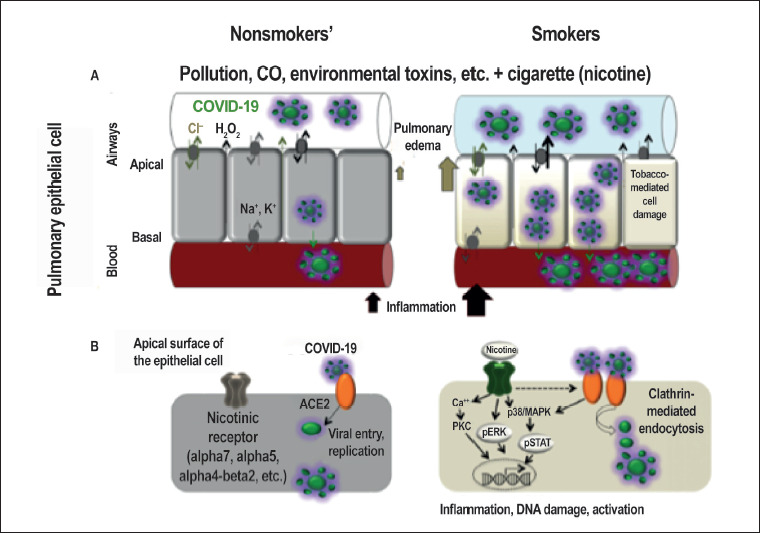
COVID-19, Renin-Angiotensin System, Angiotensin-Converting Enzyme 2, and Nicotine: What is the Interrelation?

Jaqueline Ribeiro Scholz et al. Marcelo Antônio Cartaxo Queiroga Lopes José Francisco Kerr Saraiva Fernanda Consolim Colombo

The World Health Organization (WHO) declared COVID-19, an infection caused by the new Coronavirus (SARS-CoV-2), as a pandemic on March 11, 2020. By the beginning of June, 7 million positive cases and around 400 thousand deaths from the disease had been reported worldwide. In the same period, Brazil accounted for approximately 700 thousand cases and 40 thousand deaths.

Although the virus can infect individuals of any age, so far the most serious cases have been described in people aged 55 and over, with associated comorbidities—many of them related to the cardiovascular system., Therefore, the medical community’s great concern about knowing how to act against COVID-19 is justifiable, especially in this population at higher risk and with many cardiovascular comorbidities, and the aim is reducing morbidity and mortality rates.,

[…]

  • Betacoronavirus, SARS-CoV2
  • Coronavirus/complicações
  • COVID-19
  • SARS-CoV2
  • Syndrome Respiratory Acute
Read Full Article
Creative Commons Attribution (CC BY) Creative Commons license
23/10/2020 DOI: 10.36660/abc.20200653 Views 2
Editorial

Cardiovascular Effects of the Diterpene Manool in Normotensive and Hypertensive Rats

Carlos Henrique Castro et al. Carolina Nobre Ribeiro Pontes

The World Health Organization estimates that cardiovascular diseases (CVD) are the leading cause of death globally, accounting for 17.5 million deaths per year, a number that is expected to grow to more than 23.6 million by 2030. Similarly, in Brazil, diseases of the circulatory system caused 30.68 % of the total deaths in 2014.

Hypertension is quantitatively the most important risk factor for CVD, such as stroke, myocardial infarction, and cardiac failure. The global prevalence of hypertension in adults aged 18 years and over was around 22% in 2014. The high incidence of hypertension and other CVD also generates an important economic problem since they are responsible for high rates of mortality and disability in the economically active population.

[…]

  • Cardiovascular Diseases
  • Diterpenes Manool
  • Hypertension
  • Plants
  • Plants, Medicinal
  • Rats
Read Full Article
Creative Commons Attribution (CC BY) Creative Commons license
23/10/2020 DOI: 10.36660/abc.20200552 Views 1
Figure 1
Atualização

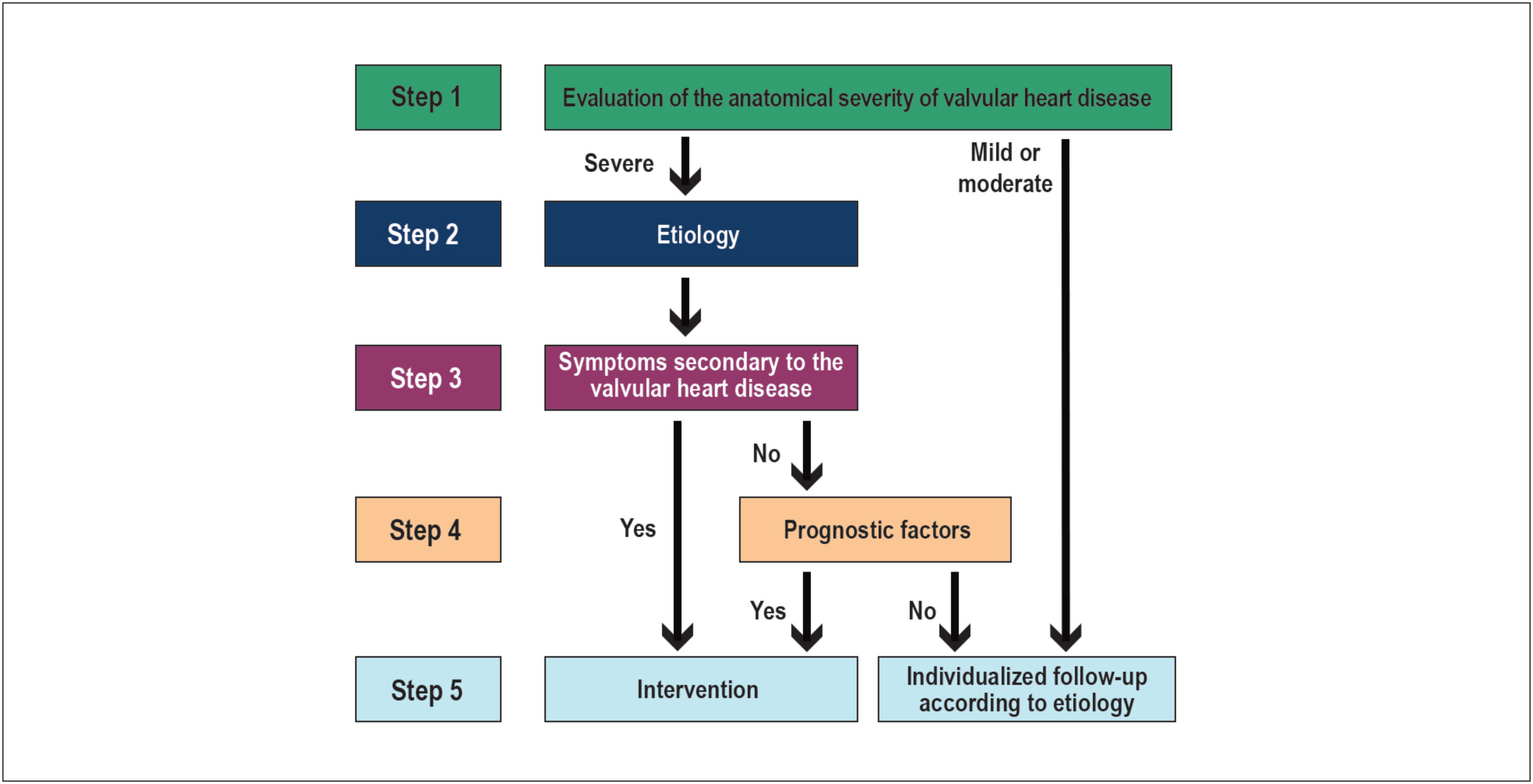
Update of the Brazilian Guidelines for Valvular Heart Disease – 2020

Flavio Tarasoutchi et al. Marcelo Westerlund Montera Auristela Isabel de Oliveira Ramos Roney Orismar Sampaio … Vitor Emer Egypto Rosa Tarso Augusto Duenhas Accorsi Antonio de Santis João Ricardo Cordeiro Fernandes Lucas José Tachotti Pires Guilherme S. Spina Marcelo Luiz Campos Vieira Paulo de Lara Lavitola Walkiria Samuel Ávila Milena Ribeiro Paixão Tiago Bignoto Dorival Júlio Della Togna Evandro Tinoco Mesquita William Antônio de Magalhães Esteves Fernando Atik Alexandre Siciliano Colafranceschi Valdir Ambrósio Moises Alberto Takeshi Kiyose Pablo M. A. Pomerantzeff Pedro A. Lemos Fabio Sandoli de Brito Junior Clara Weksler Carlos Manuel de Almeida Brandão Robinson Poffo Ricardo Simões Salvador Rassi Paulo Ernesto Leães Ricardo Mourilhe-Rocha José Luiz Barros Pena Fabio Biscegli Jatene Márcia de Melo Barbosa Alexandre Abizaid Henrique Barbosa Ribeiro Fernando Bacal Carlos Eduardo Rochitte José Honório de Almeida Palma da Fonseca Samira Kaissar Nasr Ghorayeb Marcelo Antonio Cartaxo Queiroga Lopes Salvador Vicente Spina Ricardo H. Pignatelli José Francisco Kerr Saraiva

1. Introduction

There are currently a wide modalities of interventional strategies – both transcatheter and surgical – which can be indicated for patients with valvular heart diseases (VHD), with the objective of reducing the morbidity and mortality. The correct timing for indication and the type of interventional treatment are linked to the precise anatomical and functional diagnosis of the VHD, and comprehensive global evaluation of the patient. The 2020 Update of the Brazilian Guidelines for VHD, in addition to compiling scientific evidence and expert opinion, continues with the ideal of being useful in supporting decision making for patients with VHD, and has three unique characteristics, namely:

This 2020 edition considers the evaluation process for patients with non-severe VHD, and it emphasizes the need to weigh the possibility of transcatheter intervention in elderly patients, regardless of surgical risk, in addition patients with native or prosthetic valves with high surgical risk. Notwithstanding great advances and increased availability of imaging exams, these guidelines maintain the recommendation of detailed clinical evaluation, which continues to be indispensable to diagnosis, decisions making, and the doctor-patient relationship.

[…]

Read Full Article
Creative Commons Attribution (CC BY) Creative Commons license
23/10/2020 DOI: 10.36660/abc.20201047 Views 1
Figure 1
Original Article

Diastolic Function and Biomarkers of Long-Distance Walking Participants

Maicon Borges Euzebio et al. Priscila Valverde de O. Vitorino Watila Moura Sousa Milena Andrade Melo … Sérgio Henrique Nascente Costa Ana Luiza Lima Sousa Thiago de Souza Veiga Jardim Ana Carolina Arantes Paulo Cesar B. Veiga Jardim Weimar Kunz Sebba Barroso

Abstract

Background:

The effects of long-distance walking on the cardiovascular system have been little studied.

Objectives:

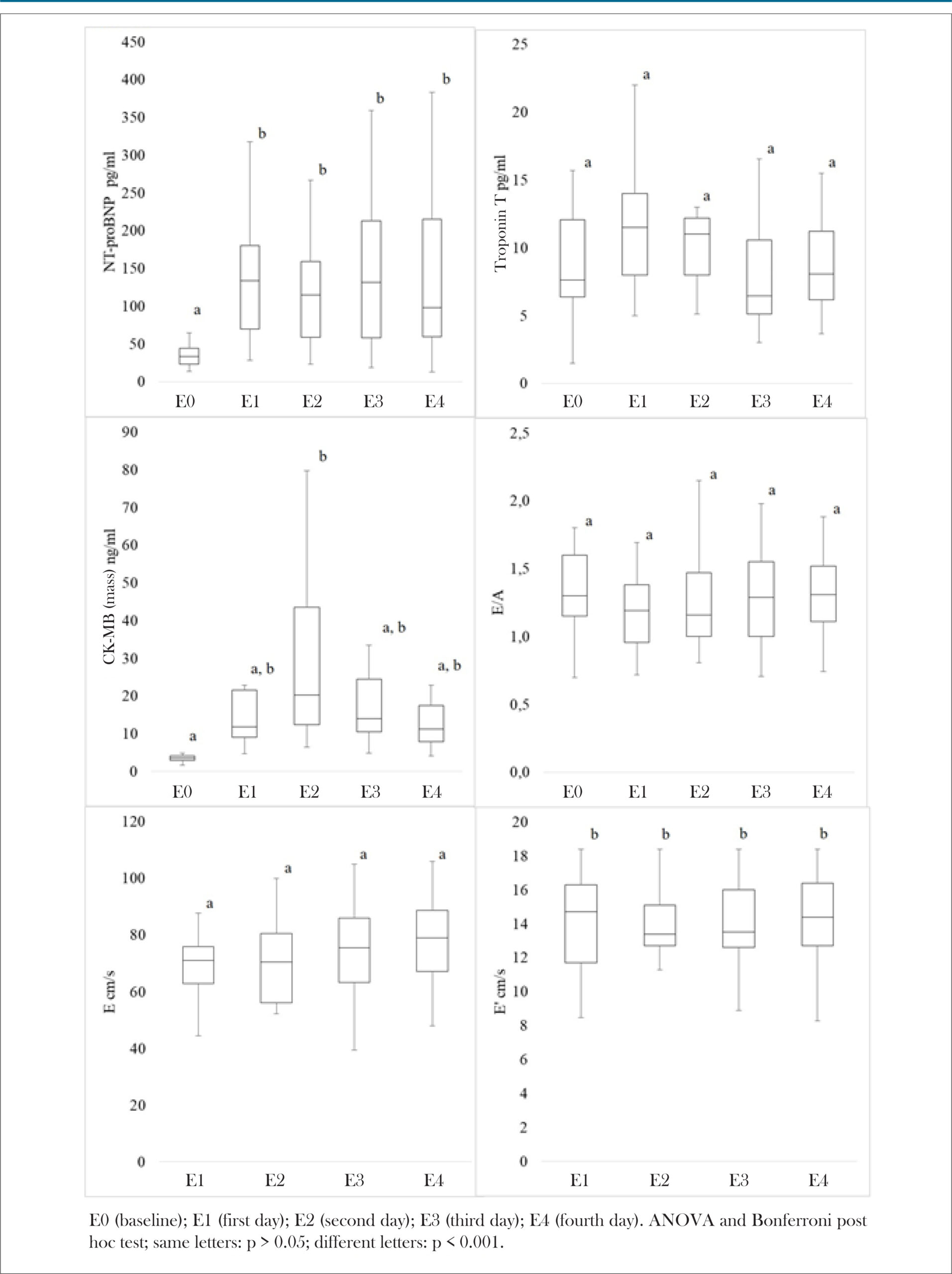
The general objective of this study was to verify these effects on the behavior of diastolic function and the cardiac biomarkers CK-MB (mass), troponin T, and NT-proBNP, in amateur athletes.

Method:

This longitudinal study, conducted in 2015, evaluated participants during the following 5 stages: E0 (baseline) before starting the trajectory and the others, E1, E2, E3, and E4, at the end of each day, totaling 244.7 km. At all stages, the biomarkers NT-proBNP, CK-MB (mass), and troponin T were measured. Echocardiogram was performed to analyze the E, A and E’ waves. P < 0.05 was adopted as significant.

Results:

The study evaluated 25 participants, with an average age of 46 ± 10.5 years and body mass index of 20.2 ± 2.3 kg/m2. Increased values were found for NT-proBNP from E0 to E1, E2, E3, and E4 (p < 0.001), CK-MB (mass) from E0 to E2 (p < 0.001), and E' wave from E0 to E1, E2, E3, and E4 (p < 0.001). Positive correlations were identified between the following: CK-MB (mass) and troponin T (E1: r = 0.524, p = 0.010; E4: r = 0.413, p = 0.044); CK-MB (mass) and NT-proBNP (E4: r = 0.539, p = 0.006); and E/A and E' (E0: r = 0.603, p < 0.001; E1: r = 0.639, p < 0.001; E4: r = 0.593, p = 0.002). A negative correlation was found between CK-MB (mass) and E/A (E1: r = −0.428, p = 0.041).

Conclusion:

The effects of intense, prolonged, and interspersed physical activity were verified based on significant variations in the behavior of CK-MB (mass), NT-proBNP, and the E’ wave. Notwithstanding the alterations found, there were no criteria suggestive of myocardial damage

  • Athletes
  • Biomarkers, Biological
  • Blood Pressure
  • Echocardiography, Doppler/methods
  • Natriuretic Peptide, Brain
  • Troponin T
  • walking
Read Full Article
Creative Commons Attribution (CC BY) Creative Commons license
23/10/2020 DOI: 10.36660/abc.20190271 Views 1
Figure 1
Research Letter

Safety of Interventional Cardiology Procedures in Chronic Coronary Syndrome during the COVID-19 Pandemic

Esmeralci Ferreira et al. Thales Siqueira Alves Ricardo Mourilhe-Rocha Ana Luiza Iannarella Lacerda … Felipe Neves Albuquerque Pedro Pimenta de Mello Spineti Daniel Xavier de Brito Setta Roberto Esporcatte Denilson Campos Albuquerque

Methods

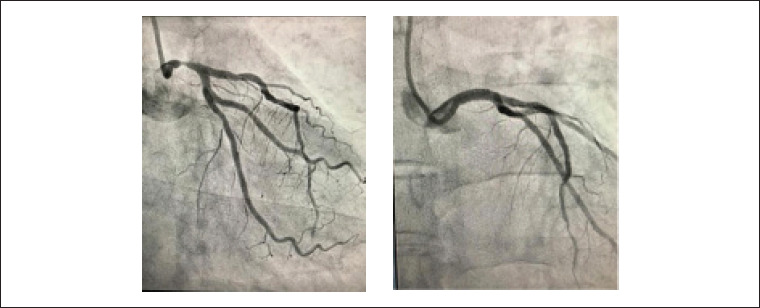
In this prospective study conducted during the COVID-19 pandemic, 105 SUS patients with CCS undergoing elective coronary angiography at a teaching hospital between March and May 2020 were evaluated. Four patients were excluded for not attending the test on the scheduled date. All patients were previously evaluated by a cardiologist in a medical appointment, including data on each patient’s clinical profile. During the appointment and when signing the informed consent form, patients were advised to make social isolation, and the guidance was understood by all. The procedures were performed safely with both staff and patients wearing personal protective equipment (PPE). The approaches were taken based on the coronary lesions. Those above 70% of the lumen in epicardial coronary vessels and those above 50% in the left main coronary artery (LMCA) were considered severe. The lesions were assessed by two or more experienced observers. The assessment of clinical symptoms for presence of COVID-19 was made during the appointment, in the hospital stay, and after 15 days of being at the hospital. The guidance for performing the test was scheduled only in case of suspicion of the disease. The study was approved by the institution’s research ethics committee (registration number: CAAE 31784420.7.0000.5259; opinion number: 4.035.853).

[…]

  • Betacoronavirus
  • Coronary Artery Disease / mortality
  • Health Profile
  • Pandemics
  • Percutaneous Coronary Intervention
  • SARS-CoV-2
Read Full Article
Creative Commons Attribution (CC BY) Creative Commons license
23/10/2020 DOI: 10.36660/abc.20200704 Views 1
Figure 1
Original Article

Prognostic Value of Troponin-T and B-Type Natriuretic Peptide in Patients Hospitalized for COVID-19

Gustavo Luiz Gouvêa de Almeida Junior et al. Fabricio Braga José Kezen Jorge Gustavo Freitas Nobre … Marcelo Kalichsztein Paula de Medeiros Pache de Faria Bruno Bussade Guilherme Loures Penna Vitor Oliveira Alves Marcella Alecrim Pereira Paula de Castro Gorgulho Milena Rego dos Santos Espelta de Faria Luis Eduardo Drumond Fabrini Batista Soares Carpinete Ana Carolina Lessa Brandão Neno Augusto César de Araújo Neno

Abstract

Background:

COVID-19 causes severe pulmonary involvement, but the cardiovascular system can also be affected by myocarditis, heart failure and shock. The increase in cardiac biomarkers has been associated with a worse prognosis.

Objectives:

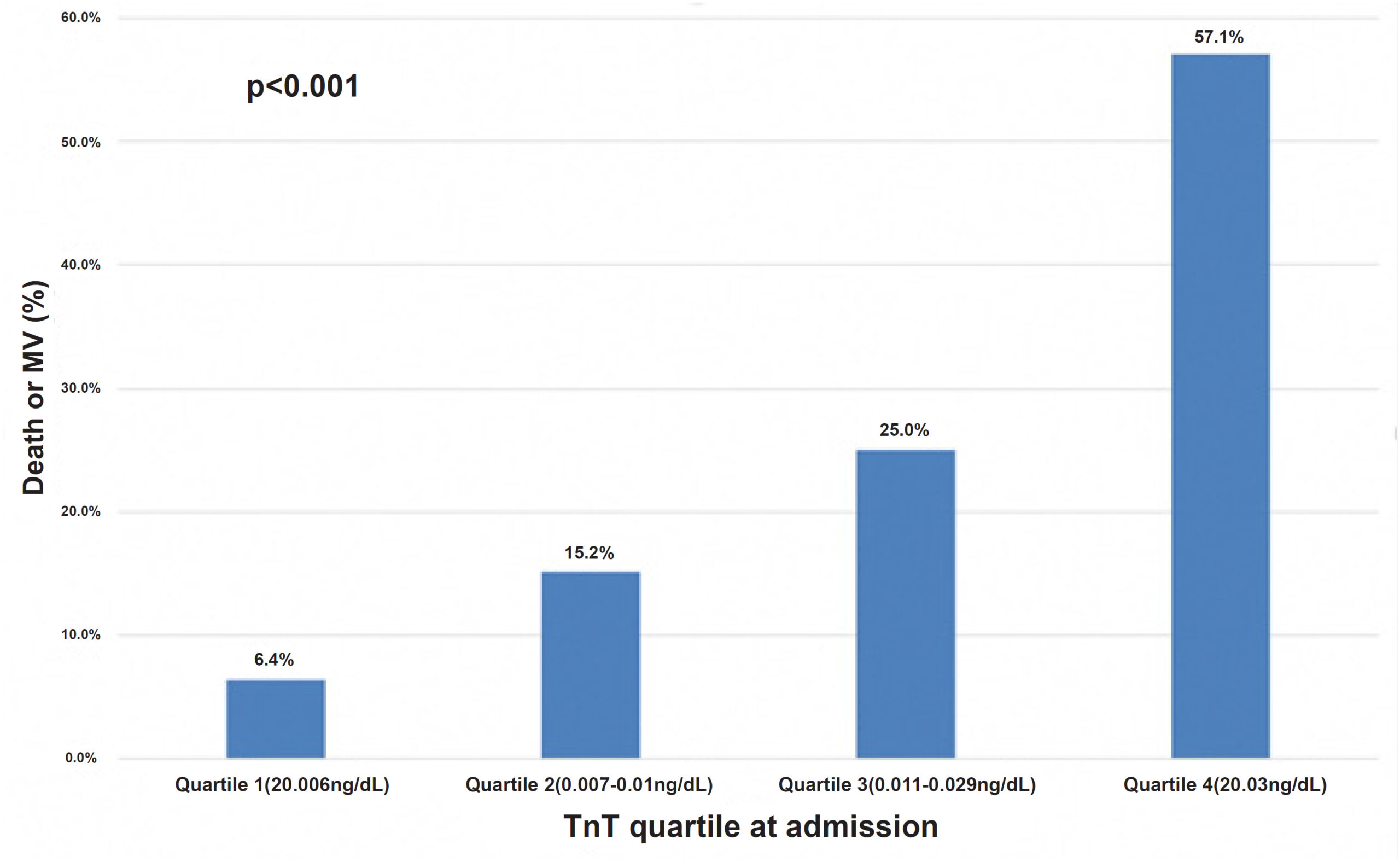
To evaluate the prognostic value of Troponin-T (TNT) and natriuretic peptide (BNP) in patients hospitalized for Covid-19.

Methods:

This was a convenience sample of patients hospitalized for COVID-19. Data were collected from medical records to assess the association of TnT and BNP measured in the first 24 hours of hospital admission with the combined outcome (CO) of death or need for mechanical ventilation. Univariate analysis was used to compare the groups with and without the CO. Cox’s multivariate model was used to determine independent predictors of the CO.

Results:

We evaluated 183 patients (age = 66.8±17 years, 65.6% of which were males). The time of follow-up was 7 days (range 1 to 39 days). The CO occurred in 24% of the patients. The median troponin-T and BNP levels were 0.011 and 0.041ng/dL (p <0.001); 64 and 198 pg/dL (p <0.001), respectively, for the groups without and with the CO. In the univariate analysis, in addition to TnT and BNP, age, presence of coronary disease, oxygen saturation, lymphocytes, D-dimer, t-CRP and creatinine, were different between groups with and without outcomes. In the bootstrap multivariate analysis, only TnT (1.12 [95% CI 1.03-1.47]) and t-CRP (1.04 [95% CI 1.00-1.10]) were independent predictors of the CO.

Conclusion:

In the first 24h of admission, TnT, but not BNP, was an independent marker of mortality or need for invasive mechanical ventilation. This finding further reinforces the clinical importance of cardiac involvement in COVID-19. (Arq Bras Cardiol. 2020; 115(4):660-666)

  • Betacoronavirus
  • Biomarkers
  • Cardiovascular Diseases/complications
  • Inpatients
  • Natriuretic Peptide, B-Type
  • Pandemics
  • SARS-CoV-2
  • Troponin T
Read Full Article
Creative Commons Attribution (CC BY) Creative Commons license
23/10/2020 DOI: 10.36660/abc.20200385
Editorial

Overview of Recent Advances in Experimental Cardiovascular Research

Luana U. Pagan et al. Mariana J. Gomes Marina P. Okoshi

Basic research is essential to generate and expand knowledge in several research areas. In recent decades, cardiology practice has substantially changed in response to advances in experimental research, which have provided a better understanding of the molecular mechanisms involved in cardiovascular diseases. Consequently, new diagnostic evaluation tools have been introduced and new drugs have been indicated for treating cardiovascular diseases.

Recent articles in Arquivos Brasileiros de Cardiologia, also known as ABC Cardiol, have shown great scientific advances in basic research, with studies originating from researchers from Brazil and from other countries. Additionally, knowledge from more diverse areas has been seen in national scientific output. In the last decade, the journal has seen a significant increase in the number of articles from different fields of research such as physical education, physiotherapy, nutrition, biology, biomedicine, etc. This Editorial focuses on basic research articles recently published in ABC Cardiol.

[…]

  • Cardiovascular Diseases / trends
  • Exercise
  • Heart Failure
  • Molecular Mechanisms/trends
  • Scientific and Technical Activities/trends
  • Scientific Domaine
Read Full Article
Creative Commons Attribution (CC BY) Creative Commons license
23/10/2020 DOI: 10.36660/abc.20200835 Views 1
Erratum

Erratum

July 2020 Issue, vol. 115 (1), pages 102-108

In the Original Article “Quercetin Ameliorates Lipid and Apolipoprotein Profile in High-Dose Glucocorticoid Treated Rats”, with DOI number: , published in the periodical Arquivos Brasileiros de Cardiologia, 115(1):102-108, on page 102, add one more affiliation for the author Ahmad Reza Dehpour. Include the institution: Experimental Medicine Research Center, Tehran University of Medical Sciences, Tehran, Iran.

[…]

Read Full Article
Creative Commons Attribution (CC BY) Creative Commons license
23/10/2020 DOI: 10.36660/abc.20201048
Editorial

Can Long-Distance Walking alter Cardiac Biomarkers and Echocardiographic Variables Related to Diastolic Function?

Leandro Franzoni

Walking is one of the most practiced physical activities worldwide. It is also included in physical exercise programs aiming at improving the health-related parameters in different populations., Therefore, the demand for amateur events encompassing walking has been increasing, especially those related to nature and the culture of a specific region. One of the best known amateur events in the world that involves walking is the “Camino de Santiago de la Compostela”. Moreover, here in Brazil, we have the “Rota das Missões”, located in the south of the country. The trajectories can have different distances, reaching nearly 40km of walking on the same day. These are two examples of activities that involve walking and add a cultural experience to the event.

In addition to the two abovementioned events, there are long-distance ecological hikes, where participants experience direct contact with nature, going through different terrain characteristics on the same day, reaching a total walking distance of up to 250 km during a 4-day event. We know that each individual responds differently to a certain stimulus; however, walking more than 50 km in one day going up and down slopes, on rough terrain, can have a negative physiological impact on any individual who undergoes this type of modality. In addition to the physiological damage, we are also concerned with the impact on the cardiovascular system in relation to the volume and intensity of this type of modality.,

[…]

  • Biomarkers
  • Blood Pressure
  • Creatin Kinase
  • Echocardiography/methods
  • Natriuretic Peptide, Brain
  • Physical Exertion
  • Troponin T
  • walking
Read Full Article
Creative Commons Attribution (CC BY) Creative Commons license
23/10/2020 DOI: 10.36660/abc.20200457 Views 2
Editorial

Influence of Atorvastatin on Intimal Hyperplasia in the Experimental Model

Mariana Gatto et al. Luana Urbano Pagan Gustavo Augusto Ferreira Mota

Despite the significant advance in cardiovascular biomedicine in recent years, which provided a better understanding of the pathophysiology of coronary artery disease (CAD) as well as its prevention and treatment, this disease is still responsible for considerable mortality.

The CAD results from the pathological accumulation of atherosclerotic plaques in the coronary arteries that can lead to their occlusion and ischemia of the cardiac tissue. Among the treatments used for CAD, stands out the venous graft (VG), a type of surgical intervention for coronary artery bypass grafting. However, in the long term, there is a high rate of obstruction of VG, with expansive remodeling and increased deposition of low-density lipoprotein (LDL), which can cause intimal hyperplasia (IH), atherosclerosis and thrombosis., The IH is closely related to restenosis of the VG and begins in response to certain stress, which triggers inflammatory process and consequent endothelial dysfunction with proliferation and migration of vascular smooth muscle cells (VSMC).,

[…]

  • Atorvastatin/prevention and control
  • Coronary Artery Dsease/physiopathology
  • Hyperplasia, Rats
  • Models, Animal
  • Muscle, Smooth, Vascular
Read Full Article
Creative Commons Attribution (CC BY) Creative Commons license
23/10/2020 DOI: 10.36660/abc.20200518
Editorial

Short Editorial: Frailty among Non-Elderly Patients Undergoing Cardiac Surgery

Iran Castro et al. Hugo Fontana Filho

Frailty is recognized as a geriatric syndrome characterized by an excess of vulnerability to stressors, with a low ability to maintain or recover homeostasis after a destabilizing event. The analysis of frailty is a well-known and studied subject in elderly patients, having a direct relationship with the prognosis and even with measures to be instituted pre-procedure aiming to improve the quality of life and the outcome of the patients.

Despite the original description restricting the term to patients older than 65 years, the syndrome also affects younger patients., Frailty represents more biological and phenotypic aspects than age itself, and precursors of the syndrome appear at a young age.

[…]

  • Frailty
  • Heart Valves/surgery
  • Myocardial Revascularization/surgery
  • Postoperative Care/mortality
Read Full Article
Creative Commons Attribution (CC BY) Creative Commons license
23/10/2020 DOI: 10.36660/abc.20200970 Views 2
Editorial

Computational Analysis of Fluid Dynamics in the Transcatheter Aortic Valve Replacement

Marco A. Gutierrez

Transcatheter aortic valve replacement (TAVR), a minimally invasive heart surgery, was introduced by Cribier et al. as an alternative to the traditional open-heart surgery in the treatment of individuals with severe aortic valve stenosis and at high surgical risk due to advanced age or the presence of multiple comorbidities. After the first pioneering efforts, the advent of innovative prosthetic valves, and more technologically refined approaches and devices, the use of TAVR for patients with intermediate surgical risk has been a worldwide trend. However, variation in the prosthetic valve positioning and orientation post TAVR procedure can produce significant changes in the aortic hemodynamics and the corresponding stresses in the vessel wall.

Within the aorta, there are two categories of vessel wall stress. The first category of stress is the result of the friction between the moving blood and the vessel wall, which is proportional to the blood speed, moving away from the intimate layer of the vessel wall. This kind of stress is known as wall shear stress (WSS). The second category of stress is due to the variation in pulse pressure generated during the cardiac cycle. In this category, there are circumferential, axial and radial stress transferred to all vessel wall layers. With advancing age, the aorta enlarges, the arch changes shape from a near-perfect semicircle, and the vessel generally becomes more tortuous. Moreover, the change in the natural curvature of the aorta introduces secondary flow dynamics and flow asymmetry, which directly influence WSS distribution and magnitude over the vessel wall.

[…]

  • Flow Mechanics
  • Hemodynamics
  • Regional Flood Flow
  • Transcatheter Aortic Valve Replacement/methods
Read Full Article
Creative Commons Attribution (CC BY) Creative Commons license
23/10/2020 DOI: 10.36660/abc.20201002
Letter to the Editor

Temporal Evolution of the iFR (Instantaneous Wave-Free Ratio) Employment Results Analysis

Maria Cristina Meira Ferreira et al. Gláucia Maria Moraes de Oliveira

Dear Editor,

We read with interest the short editorial written by authors Chamié and Abzaid regarding the paper “Evaluation of Myocardial Ischemia with iFR (instantaneous wave-free ratio) in the catheterization laboratory: a pilot study”. The short editorial clearly translates to us the historical evolution reasoning that we must follow when interpreting coronary physiology studies in therapeutic decision-making. Although medicine is full of binary situations for resolution, such as the presence or absence of fever by the thermometer, it is very clear that different levels of values refer to different diagnoses, prognosis and treatments. With regard to coronary functional assessments, after an enormous amount of binary studies to demonstrate their validity, recent trials cited in the short editorial directed us to a phase where clinical decision-making power has an important weight once again, and the dissertation of this change in direction occurred brilliantly in the editorial. We did not neglect the clinical reasoning and other factors in our study, since the stent placement predictor was iFR < 0.87 in this group, despite the cutoff value established for iFR being 0.89, with a significant reduction in the use of stent.

[…]

  • Coronary Artery Disease
  • Fractional Flow Reserve, Myocardial
  • Myocardial Ischemia
  • Percutaneous Coronary Intervention/methods
  • Stents
Read Full Article
Creative Commons Attribution (CC BY) Creative Commons license
23/10/2020 DOI: 10.36660/abc.20200195 Views 2
Figure 1
Statement

Statement – Protocol for the Reconnection of Cardiology Services with Patients During the COVID-19 Pandemic – 2020

Marcio Sommer Bittencourt et al. Giuliano Generoso Pedro Henrique M. Craveiro de Melo Driele Peixoto … Érique José Farias Peixoto de Miranda Evandro Tinoco Mesquita Andréa Araujo Brandão José Francisco Kerr Saraiva Silvio Henrique Barberato Fernando Bacal Marcelo Antônio Cartaxo Queiroga Lopes

1. Introduction and General Concepts

The pandemic resulting from the novel coronavirus (SARS-CoV-2) infection, named COVID-19, emerged in Wuhan, China, in December 2019., Since then, millions of people around the world have been affected and hundreds of thousands have died.

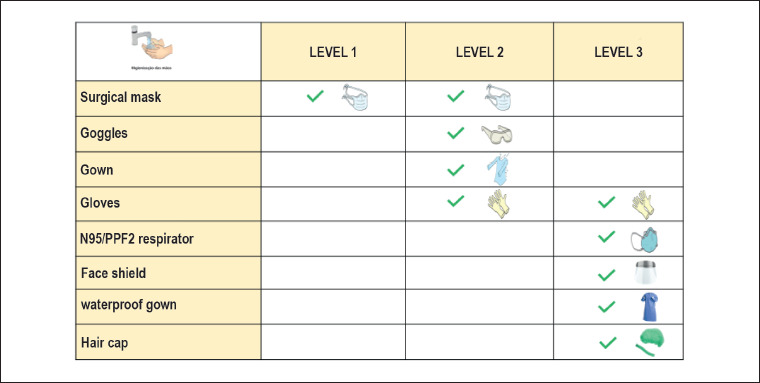
The virus spreads mainly from person to person,, directly via the airways or indirectly through contact with contaminated surfaces and objects. Respiratory infections occur through the transmission of virus-filled droplets (> 5 μm, approximate extension of 1.5 m) or aerosols (≤ 5 μm, approximate extension of 8 m) exhaled by infected individuals., Recent data have suggested the possibility of airborne transmission. The contact of the contaminated respiratory droplets, eliminated when infected persons breath, talk, sneeze and cough, with the ocular, oral and nasal mucosa of susceptible individuals results in SARS-CoV-2 transmission. With the dissemination of COVID-19 and the fast increase in the number of cases, studies have shown the viability of the virus in the environment as well as the role played by contaminated surfaces in SARS-CoV-2 hospital spread. Based on droplet transmission, the Centers for Disease Control and Prevention of the United States have recommended the practice of physical distancing of at least 1.5 m and hand hygiene to reduce viral spread.

[…]

Read Full Article
Creative Commons Attribution (CC BY) Creative Commons license
23/10/2020 DOI: 10.36660/abc.20201004 Views 2
Editorial

Cardiac Troponin as a Predictor of Myocardial Injury and Mortality from COVID-19

Jorge Henrique Paiter Nascimento et al. Bruno Ferraz de Oliveira Gomes Gláucia Maria Moraes de Oliveira

In Brazil, until August 1, 2020, 2,707,877 cases of COVID-19 were diagnosed, with 93,563 deaths. the lethality rate for the country, in this period, was 3.5% with mortality variable mortality depending on the region studied. It is the lowest in the South (11.1 deaths/100,000 inhabitants) and the highest in the North (60.2 deaths/100,000 inhabitants). Up to 20% of infected individuals require hospitalization and, of these, about 25% need to be taken to an intensive care unit (ICU). In severe cases of COVID-19, intense inflammatory response and hypercoagulability enhanced by hypoxemia justify the main clinical and laboratory findings.

In this population, the presence of Myocardial Injury (MI) is not uncommon, and increased cardiac troponin (cTn)I behaves as a predictor of in-hospital mortality. There is also a possibility of direct injury by a virus that could generate myocarditis. A necropsy study that documented the presence of a virus in 61.5% did not observe the inflow of inflammatory cells in the myocardium in the acute phase, and the long-term consequence of this cardiac infection is not yet known. However, the incidence of MI in patients admitted for this disease in Brazil is little known, and its prognostic impact is still poorly elucidated. A multicenter study with cardiac biomarkers is hampered by different laboratory tests between institutions.

[…]

  • Betacoronavirus/complicações
  • Cardiomyopathy, Hypertrophic, Familial
  • Cardiovascular Diseases
  • Covid-19/complications
  • Hospitalization
  • Mortality
  • Troponin T
Read Full Article
Creative Commons Attribution (CC BY) Creative Commons license
23/10/2020 DOI: 10.36660/abc.20200862
Figure 1
Research Letter

ACE2 Expression and Risk Factors for COVID-19 Severity in Patients with Advanced Age

Caio de Assis Moura Tavares et al. Thiago Junqueira Avelino-Silva Gil Benard Francisco Akira Malta Cardozo … Juliana Ruiz Fernandes Adriana Castello Costa Girardi Wilson Jacob Filho

ACE2, SARS-CoV-2 Infection and Aging

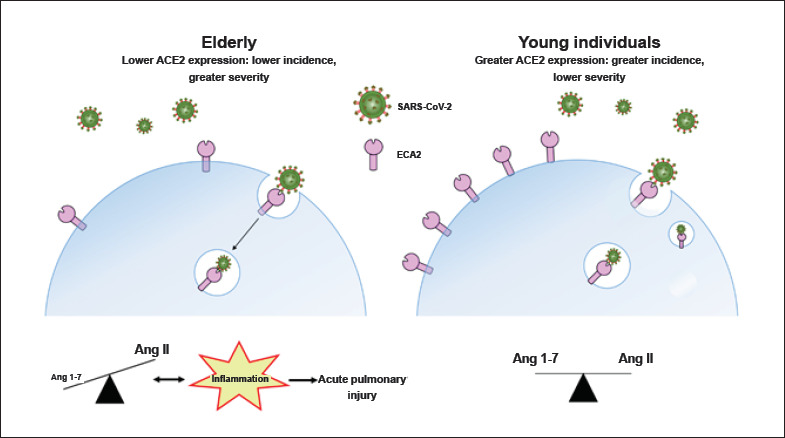
Abnormalities induced by aging in metabolic pathways may partly explain the higher rate of COVID-19 morbidity and mortality in elderly patients. These include those belonging to the renin-angiotensin system (RAS), given the crucial role that this system plays both in viral transmissibility and in the pathogenesis of acute lung injury and its most severe form: acute respiratory distress syndrome (ARDS).

ACE2 is known to act as a receptor for SARS-CoV-2 1 structural protein S (spike), through which the virus gains access to the host cell. This mechanism involves interaction of viral S protein with ACE2 extracellular domain, triggering conformational changes that destabilize the cell membrane, allowing the internalization of SARS-CoV-2 and ACE2, viral replication, and cell-to-cell transmission.,

[…]

  • aging
  • COVID-19
  • Frailty
  • Immunosenescence
  • Multimorbidity
Read Full Article
Creative Commons Attribution (CC BY) Creative Commons license
23/10/2020 DOI: 10.36660/abc.20200487 Views 1
Figure 1
Review Article

Pharmacogenomics and Cardiovascular Disease: Where are We and Where do We go from Here?

Ricardo Stein et al. Thaís Beuren Luis Ramudo Cela Filipe Ferrari

Introduction, the DNA and the Genes

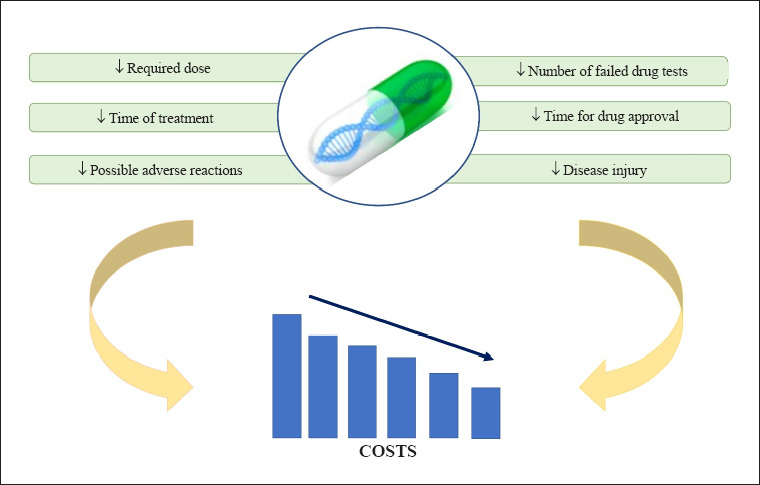
Pharmacogenomics (PGx) is the science of understanding the interaction between genes and drugs. The analysis of specific areas of the DNA provides information about a certain drug metabolism and about the expected response to a certain treatment. PGx also aims to reduce the incidence of adverse drug events (ADEs)., Many studies in this area have focused on the identification of genes that predispose to diseases, modulate drug response, affect drug concentration and correlate with adverse effects of patients exposed to different types of drugs, so the desired therapeutic benefit is achieved.

The causes of individual responses to a same drug dosage include age, genetic and immunological factors, comorbidities and interaction between active principles. Genetic variability may influence not only pharmacodynamics, but also pharmacokinetics, which studies the relationship of the absorption, metabolism and excretion of the drug to its systemic concentration.

[…]

  • Biotransformation
  • Cardiovascular Diseases
  • Drug Therapy/adverse effects
  • Genes
  • Genetic Profile
  • Genome
  • Heredity
  • Pharmacogenetics
  • Public Health
Read Full Article
Creative Commons Attribution (CC BY) Creative Commons license
23/10/2020 DOI: 10.36660/abc.20200151 Views 1
Brief Communication

Thrombocytopenia-Related Problems in Patients with Concomitant Atrial Fibrillation Requiring Antithrombotic Prevention: A Retrospective Cohort Study

Renato De Vecchis et al. Andrea Paccone Silvia Soreca

Abstract

Low-dose edoxaban and enoxaparin sodium have been the subject of a retrospective comparison implemented with the propensity score technique in order to mitigate the effects of the differences in the basal clinical features of two cohorts and minimize the risk of bias.

Subsequently, using a Cox proportional-hazards model, the association of each type of therapy with the risk of the composite of all-cause death, stroke/transient ischemic attack, hospitalizations and major bleeding events was assessed. For this analysis, a p-value < 0.05 was considered statistically significant. Therapy with enoxaparin and liver cirrhosis as causing thrombocytopenia were associated with increased risk of the composite endpoint (enoxaparin: hazard ratio (HR): 3.31; 95% CI: 1.54 to 7.13; p = 0.0023; liver cirrhosis, HR: 1.04; 95% CI: 1.002 to 1.089; p = 0.0410). Conversely, edoxaban therapy was significantly associated with decreased risk of the composite endpoint (HR: 0.071; 95% CI: 0.013 to 0.373; p = 0.0019). Based on this retrospective analysis, edoxaban at low doses would appear as an effective and safe pharmacological tool for the prophylaxis of cardioembolic events in patients with AF and thrombocytopenia.

  • Anticoagulants
  • Atrial Fibrillation
  • Cohort Studies
  • Edoxaban
  • Enoxaparine
  • Hemorrhage
  • Heparin/therapeutic use
  • Liver Cirrhosis
  • Stroke
  • Thrombocytopenia
Read Full Article
Creative Commons Attribution (CC BY) Creative Commons license
23/10/2020 DOI: 10.36660/abc.20190599 Views 2
Original Article

Current Impact of Cardiopulmonary Bypass in Coronary Artery Bypass Grafting in São Paulo State

Gabrielle Barbosa Borgomoni et al. Omar Asdrúbal Vilca Mejia Bianca Maria Maglia Orlandi Maxim Goncharov … Luiz Augusto Ferreira Lisboa Pedro Henrique Conte Marco Antonio Praca Oliveira Alfredo Inácio Fiorelli Orlando Petrucci Junior Marcos Grandim Tiveron Luís Alberto de Oliveira Dallan Fabio Biscegli Jatene

Abstract

Background

Previous results on the use of cardiopulmonary bypass (CPB) have generated difficulties in choosing the best treatment for each patient undergoing myocardial revascularization surgery (CABG) in the current context.

Objective

Evaluate the current impact of CPB in CABG in São Paulo State.

Methods

A total of 2905 patients who underwent CABG were consecutively analyzed in 11 São Paulo State centers belonging to the São Paulo Registry of Cardiovascular Surgery (REPLICCAR) I. Perioperative and follow-up data were included online by trained specialists in each hospital. Associations of the perioperative variables with the type of procedure and with the outcomes were analyzed. The study outcomes were morbidity and operative mortality. The expected mortality was calculated using EuroSCORE II (ESII). The values of p <5% were considered significant.

Results

There were no significant differences concerning the patients’ age between the groups (p=0.081). 72.9% of the patients were males. Of the patients, 542 underwent surgery without CPB (18.7%). Of the preoperative characteristics, patients with previous myocardial infarction (p=0.005) and ventricular dysfunction (p=0.031) underwent surgery with CPB. However, emergency or New York Heart Association (NYHA) class IV patients underwent surgery without CPB (p<0.001). The ESII value was similar in both groups (p=0.427). In CABG without CPB, the radial graft was preferred (p<0.001), and in CABG with CPB the right mammary artery was the preferred one (p<0.001). In the postoperative period, CPB use was associated with reoperation for bleeding (p=0.012).

Conclusion

Currently in the REPLICCAR, reoperation for bleeding was the only outcome associated with the use of CPB in CABG. (Arq Bras Cardiol. 2020; 115(4):595-601)

  • Epidemiology
  • Extracorporeal Circulation
  • Hospital Mortality
  • Morbidity
  • Myocardial Revascularization
  • Postoperative Care
  • Risk Factors
Read Full Article
Creative Commons Attribution (CC BY) Creative Commons license
23/10/2020 DOI: 10.36660/abc.20190145 Views 1
Figure 1
Original Article

Impact of Cardiorespiratory Fitness on the Obesity Paradox in Heart Failure with Reduced Ejection Fraction

Rita Ilhão Moreira et al. Tiago Pereira Silva António Valentim Gonçalves Joana Feliciano … Pedro Rio Rui Soares Rui Cruz Ferreira

Abstract

Background:

Higher body mass index (BMI) has been associated with improved outcomes in heart failure with reduced ejection fraction. This finding has led to the concept of the obesity paradox.

Objective:

To investigate the impact of exercise tolerance and cardiorespiratory capacity on the obesity paradox.

Methods:

Outpatients with symptomatic heart failure and left ventricular ejection fraction (LVEF) ≤ 40%, followed up in our center, prospectively underwent baseline comprehensive evaluation including clinical, laboratorial, electrocardiographic, echocardiographic, and cardiopulmonary exercise testing parameters. The study population was divided according to BMI (< 25, 25 – 29.9, and ≥ 30 kg/m2). All patients were followed for 60 months. The combined endpoint was defined as cardiac death, urgent heart transplantation, or need for mechanical circulatory support. P value < 0.05 was considered significant.

Results:

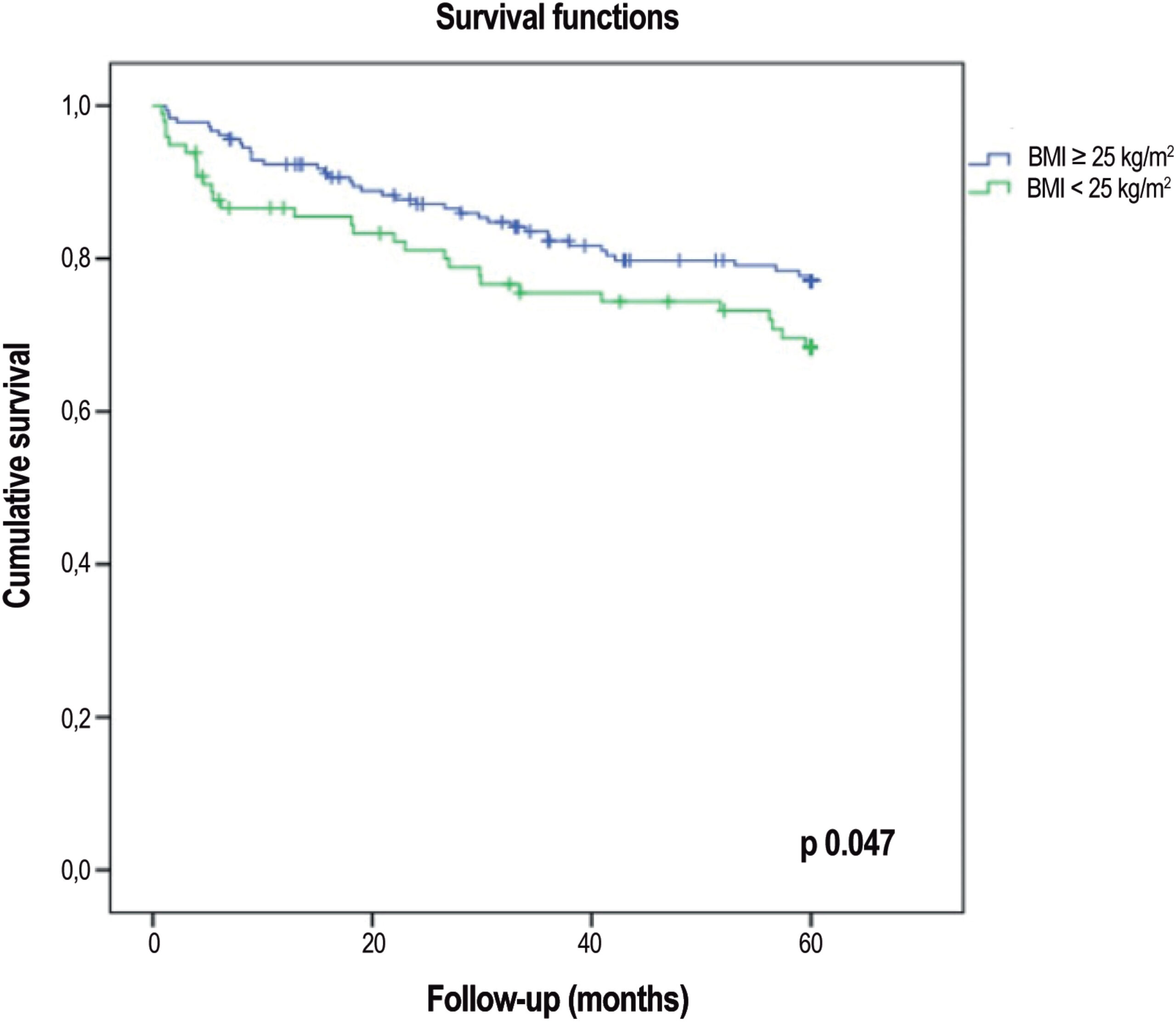
In the 282 enrolled patients (75% male, 54 ± 12 years, BMI 27 ± 4 kg/m2, LVEF 27% ± 7%), the composite endpoint occurred in 24.4% during follow-up. Patients with higher BMI were older, and they had higher LVEF and serum sodium levels, as well as lower ventilatory efficiency (VE/VCO2) slope. VE/VCO2 and peak oxygen consumption (pVO2) were strong predictors of prognosis (p < 0.001). In univariable Cox regression analysis, higher BMI was associated with better outcomes (HR 0.940, CI 0.886 – 0.998, p 0.042). However, after adjusting for either VE/VCO2 slope or pVO2, the protective role of BMI disappeared. Survival benefit of BMI was not evident when patients were grouped according to cardiorespiratory fitness class (VE/VCO2, cut-off value 35, and pVO2, cut-off value 14 mL/kg/min).

Conclusion:

These results suggest that cardiorespiratory fitness outweighs the relationship between BMI and survival in patients with heart failure.

  • body mass index
  • Breathing Exercises
  • Cardiorespiratory Fitness
  • Heart Failure
  • Obesity
  • Respiratory Function Tests
  • Stroke Volume
Read Full Article
Creative Commons Attribution (CC BY) Creative Commons license
23/10/2020 DOI: 10.36660/abc.20190337 Views 1
Editorial

Is the Obesity Paradox in Heart Failure Dependent on Cardiorespiratory Fitness?

Jari A. Laukkanen et al. Setor K. Kunutsor

Heart failure (HF) is a global public health menace which is associated with increased hospitalization, morbidity, mortality and high economic costs. However, HF which has ischemic heart disease as a common underlying disease, is a preventable condition. Cardiorespiratory fitness (CRF) is an index of habitual physical activity levels and is considered the gold standard for aerobic exercise capacity. Cardiorespiratory fitness, an important component of physical fitness and directly measured by peak oxygen uptake (pVO2), and ventilatory efficiency slope (VE/VCO2 slope), has been identified as one of the most important predictors of health outcomes and survival. We have previously reported that directly assessed pVO2 is strongly, independently and inversely related to a lowered risk of cardiometabolic conditions such as HF,, atrial fibrillation,, ventricular fibrillation, diabetes as well as mortality from cardiovascular diseases (CVDs)., Our recent population-based study based on UK Biobank suggests that CRF is a strong risk indicator for mortality and addition of CRF to a conventional risk factor score improved the overall discrimination of mortality risk and, more importantly, the predictive value of CRF varied across levels of some relevant risk factors, including age, sex, and smoking. This is an indicator of the potential of CRF to be a valuable risk assessment tool in clinical practice.

It is well-known that obesity, as measured by body mass index (BMI), is related to the development of cardiovascular outcomes. However, the combined effect of obesity and CRF on the risk of future HF still requires further study. It is of clinical relevance to understand if CRF attenuates the association of obesity with later risk of HF due to other underlying CVDs. The majority of previous studies on higher BMI, other obesity parameters, and HF risk have not taken into account the differences in CRF levels. Though high BMI is a risk factor for HF, there are findings of a non-linear relationship between BMI and CVD outcomes in HF patients which indicates an unusual relationship. In patients with established HF, accumulating evidence suggests that overweight and obese (higher BMI) individuals have improved survival compared to those with normal BMI, a known concept which has been called the “obesity paradox” or “reverse epidemiology”. Some mechanisms have been proposed to explain the HF obesity paradox which includes HF therapy being more effective in obese patients. It has been reported that CRF might play also play a role by either mitigating or negating the “obesity paradox”.,

[…]

  • body mass index
  • Cardiorespiratory Fitness
  • Exercise
  • Heart Failure
  • Hospitalization
  • Morbity and Mortality
  • Obesity
Read Full Article
Creative Commons Attribution (CC BY) Creative Commons license
23/10/2020 DOI: 10.36660/abc.20200522
Figure 1
Original Article

Stress in Women with Acute Myocardial Infarction: A Closer Look

Karine Schmidt et al. Aline da Silva Lima Kelly Rocha Schmitt Maria Antonieta Moraes Marcia Moura Schmidt

Abstract

Background:

Women seem to be more susceptible to psychosocial stress than men, and stress is associated with worse outcomes after acute myocardial infarction (AMI).

Objectives:

To investigate whether the female gender is an independent predictor of risk for stress and to compare stress levels between women and men after AMI.

Methods:

Cross-sectional study of a case series. Patients aged 18 to 65 years who were treated for AMI at the study facility between January 2017 and June 2018 were eligible. The presence of stress was assessed using Lipp’s Stress Symptoms Inventory for Adults (ISSL), which categorizes stress into four phases (alertness, resistance, near-exhaustion, and exhaustion), through a list of physical and psychological symptoms. Data were analyzed using SPSS Version 24.0. The significance level was set at p<0.05.

Results:

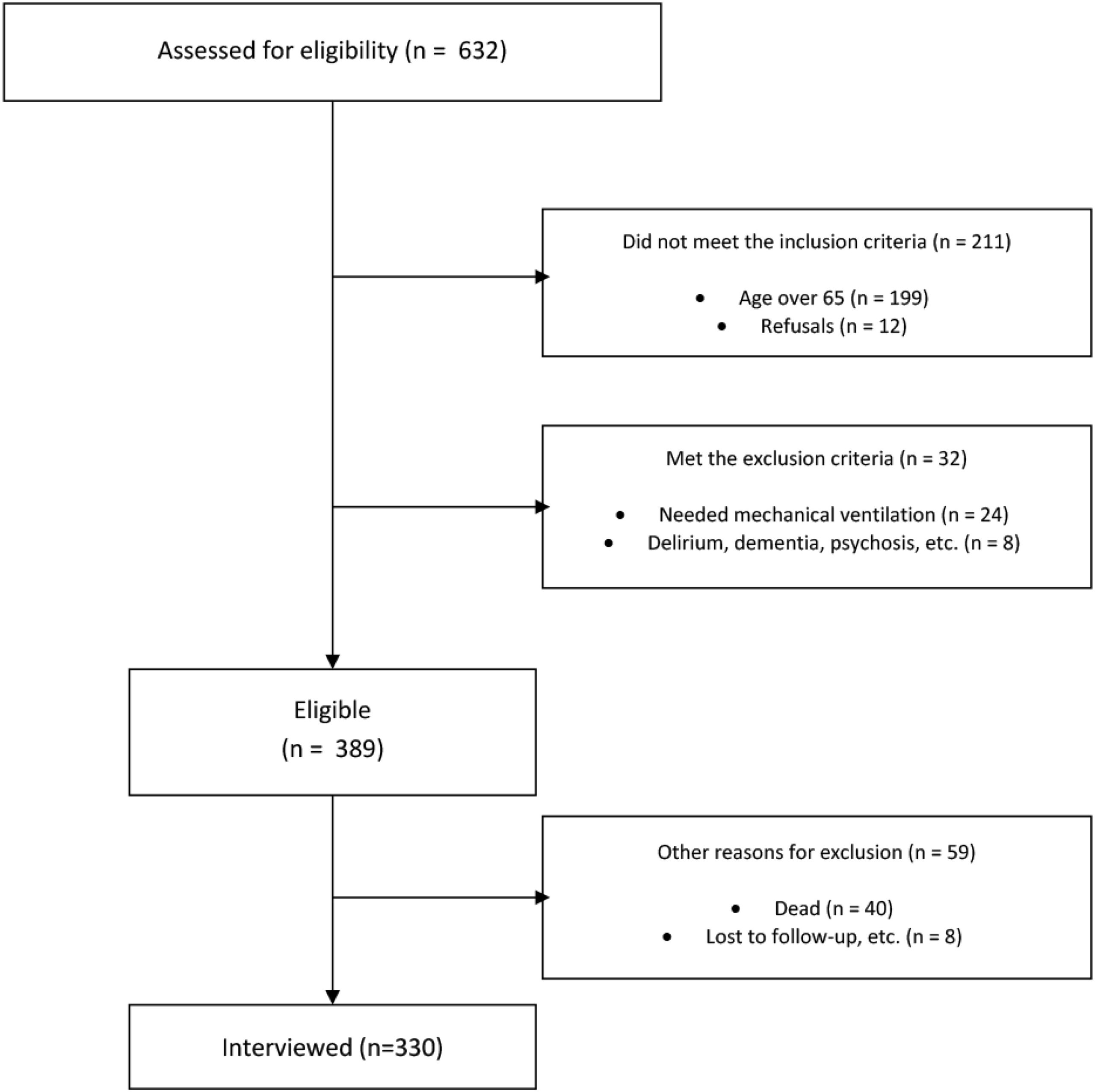
Of the 330 respondents, 89% of women and 70% of men experienced stress. The female gender was associated with nearly threefold higher odds of experiencing stress (EXP (B)2.79, p = 0.02). Regarding the phases of stress, women were more often in the near-exhaustion and exhaustion phases, while men were more often in the resistance phase.

Conclusions:

This study showed that women are most often in the third and fourth phases of stress, i.e., in situations of long-standing psychosocial stress. These findings can assist in the development of gender-specific strategies for health promotion and disease prevention, aiming to minimize the effects of stress in this population.

  • Coronary Artery Disease
  • Myocardial Infarction
  • Risk Factors
  • Stress, Psychological
  • Vascular Diseases
  • Women
Read Full Article
Creative Commons Attribution (CC BY) Creative Commons license
23/10/2020 DOI: 10.36660/abc.20190282
Original Article

Frailty Among Non-Elderly Patients Undergoing Cardiac Surgery

Camila Bottura et al. Livia Arcêncio Hannah Miranda Araújo Chagas Paulo Roberto Barbosa Evora Alfredo José Rodrigues

Abstract

Background:

Usually viewed as a characteristic of old age, frailty may also occur in non-elderly people, primarily in those suffering from chronic disease. Frailty may increase operative risk.

Objectives:

To determine the prevalence of frailty patients undergoing coronary artery bypass (CABG) and/or heart valve replacement or reconstruction and/or heart valve surgery, as well as the influence of frailty on postoperative outcomes.

Methods:

Our study comprised 100 adults who underwent consecutive elective cardiac operations. Frailty was assessed using the Fried scale. Patients also performed a 6-minute walk test, and we measured maximal inspiratory and expiratory pressures. A p value <0.05 was considered significant.

Results:

Of a cohort of 100 patients, based on the Fried frailty criteria, 17 patients (17%) were considered frail, 70 (70%) pre-frail and only 13 (13%) were non-frail. Among patients with valvular heart disease, 11 (18.6%) were considered frail and 43 (73%) pre-frail. Fifty three percent of the patients considered frail were less than 60 years old (median=48 years old). The differences in frailty phenotype between patients with valvular heart disease and coronary artery disease were not statistically significant (p=0.305). A comparison between non-frail, pre-frail, and frail patients showed no significant difference in the distribution of comorbidities and cardiac functional status, regardless of their cardiac disease. However, hospital mortality was significantly higher in frail patients (29.4%, p=0.026) than in pre-frail patients (8.6%) and non-frail patients (0%).

Conclusions:

Frailty is prevalent even among non-elderly patients undergoing CABG or valvular heart surgery and is associated with higher postoperative hospital mortality.

  • Frailty
  • Heart Valves/surgery
  • Myocardial Revascularization/surgery
  • Postoperative Care/mortality
Read Full Article
Creative Commons Attribution (CC BY) Creative Commons license
23/10/2020 DOI: 10.36660/abc.20190082

Could not load more articles. Please try again.

How to cite this article

EndNote RIS

Electronic Document Format (Vancouver)

Evora PRB. Cardiopulmonary bypass in Myocardial Revascularization Surgery in the State of São Paulo. The REPLICCAR Study. Arquivos Brasileiros de Cardiologia 2020;115(4):602-3.

Electronic Document Format (ABNT)

Evora, Paulo Roberto B.. Cardiopulmonary bypass in Myocardial Revascularization Surgery in the State of São Paulo. The REPLICCAR Study. Arquivos Brasileiros de Cardiologia, v. 115, n. 4, p. 602-603, Oct. 2020.

Electronic Document Format (APA)

Evora, P. R. B. (2020). Cardiopulmonary bypass in Myocardial Revascularization Surgery in the State of São Paulo. The REPLICCAR Study. Arquivos Brasileiros de Cardiologia, 115(4), 602-603.

Electronic Document Format (ISO)

Evora, Paulo Roberto B.. Cardiopulmonary bypass in Myocardial Revascularization Surgery in the State of São Paulo. The REPLICCAR Study. Arquivos Brasileiros de Cardiologia [online]. 2020, vol. 115, n. 4, [cited 2026-10-14], pp. 602-603. Available from: <https://journals.cardiol.br/en/article/cardiopulmonary-bypass-in-myocardial-revascularization-surgery-in-the-state-of-sao-paulo-the-repliccar-study/>. ISSN 0066-782X

EndNote RIS

Electronic Document Format (Vancouver)

Scholz JR, Lopes MACQ, Saraiva JFK, Colombo FC. COVID-19, Renin-Angiotensin System, Angiotensin-Converting Enzyme 2, and Nicotine: What is the Interrelation?. Arquivos Brasileiros de Cardiologia 2020;115(4):708-11.

Electronic Document Format (ABNT)

Scholz, Jaqueline Ribeiro; Lopes, Marcelo Antônio Cartaxo Queiroga; Saraiva, José Francisco Kerr; Colombo, Fernanda Consolim. COVID-19, Renin-Angiotensin System, Angiotensin-Converting Enzyme 2, and Nicotine: What is the Interrelation?. Arquivos Brasileiros de Cardiologia, v. 115, n. 4, p. 708-711, Oct. 2020.

Electronic Document Format (APA)

Scholz, J. R., Lopes, M. A. C. Q., Saraiva, J. F. K., & Colombo, F. C. (2020). COVID-19, Renin-Angiotensin System, Angiotensin-Converting Enzyme 2, and Nicotine: What is the Interrelation?. Arquivos Brasileiros de Cardiologia, 115(4), 708-711.

Electronic Document Format (ISO)

Scholz, Jaqueline Ribeiro and Lopes, Marcelo Antônio Cartaxo Queiroga and Saraiva, José Francisco Kerr and Colombo, Fernanda Consolim. COVID-19, Renin-Angiotensin System, Angiotensin-Converting Enzyme 2, and Nicotine: What is the Interrelation?. Arquivos Brasileiros de Cardiologia [online]. 2020, vol. 115, n. 4, [cited 2026-10-14], pp. 708-711. Available from: <https://journals.cardiol.br/en/article/covid-19-renin-angiotensin-system-angiotensin-converting-enzyme-2-and-nicotine-what-is-the-interrelation/>. ISSN 0066-782X

EndNote RIS

Electronic Document Format (Vancouver)

Castro CH, Pontes CNR. Cardiovascular Effects of the Diterpene Manool in Normotensive and Hypertensive Rats. Arquivos Brasileiros de Cardiologia 2020;115(4):678-9.

Electronic Document Format (ABNT)

Castro, Carlos Henrique; Pontes, Carolina Nobre Ribeiro. Cardiovascular Effects of the Diterpene Manool in Normotensive and Hypertensive Rats. Arquivos Brasileiros de Cardiologia, v. 115, n. 4, p. 678-679, Oct. 2020.

Electronic Document Format (APA)

Castro, C. H., & Pontes, C. N. R. (2020). Cardiovascular Effects of the Diterpene Manool in Normotensive and Hypertensive Rats. Arquivos Brasileiros de Cardiologia, 115(4), 678-679.

Electronic Document Format (ISO)

Castro, Carlos Henrique and Pontes, Carolina Nobre Ribeiro. Cardiovascular Effects of the Diterpene Manool in Normotensive and Hypertensive Rats. Arquivos Brasileiros de Cardiologia [online]. 2020, vol. 115, n. 4, [cited 2026-10-14], pp. 678-679. Available from: <https://journals.cardiol.br/en/article/cardiovascular-effects-of-the-diterpene-manool-in-normotensive-and-hypertensive-rats/>. ISSN 0066-782X

EndNote RIS

Electronic Document Format (Vancouver)

Tarasoutchi F, Montera MW, Ramos AIO, Sampaio RO, Rosa VEE, Accorsi TAD, Santis A, et al. Update of the Brazilian Guidelines for Valvular Heart Disease – 2020. Arquivos Brasileiros de Cardiologia 2020;115(4):720-75.

Electronic Document Format (ABNT)

Tarasoutchi, Flavio; Montera, Marcelo Westerlund; Ramos, Auristela Isabel de Oliveira; Sampaio, Roney Orismar; Rosa, Vitor Emer Egypto; Accorsi, Tarso Augusto Duenhas; Santis, Antonio de; Fernandes, João Ricardo Cordeiro; Pires, Lucas José Tachotti; Spina, Guilherme S.; Vieira, Marcelo Luiz Campos; Lavitola, Paulo de Lara; Ávila, Walkiria Samuel; Paixão, Milena Ribeiro; Bignoto, Tiago; Togna, Dorival Júlio Della; Mesquita, Evandro Tinoco; Esteves, William Antônio de Magalhães; Atik, Fernando; Colafranceschi, Alexandre Siciliano; Moises, Valdir Ambrósio; Kiyose, Alberto Takeshi; Pomerantzeff, Pablo M. A.; Lemos, Pedro A.; Brito Junior, Fabio Sandoli de; Weksler, Clara; Brandão, Carlos Manuel de Almeida; Poffo, Robinson; Simões, Ricardo; Rassi, Salvador; Leães, Paulo Ernesto; Mourilhe-Rocha, Ricardo; Pena, José Luiz Barros; Jatene, Fabio Biscegli; Barbosa, Márcia de Melo; Abizaid, Alexandre; Ribeiro, Henrique Barbosa; Bacal, Fernando; Rochitte, Carlos Eduardo; Fonseca, José Honório de Almeida Palma da; Ghorayeb, Samira Kaissar Nasr; Lopes, Marcelo Antonio Cartaxo Queiroga; Spina, Salvador Vicente; Pignatelli, Ricardo H.; Saraiva, José Francisco Kerr. Update of the Brazilian Guidelines for Valvular Heart Disease – 2020. Arquivos Brasileiros de Cardiologia, v. 115, n. 4, p. 720-775, Oct. 2020.

Electronic Document Format (APA)

Tarasoutchi, F., Montera, M. W., Ramos, A. I. O., Sampaio, R. O., Rosa, V. E. E., Accorsi, T. A. D., Santis, A. , Fernandes, J. R. C., Pires, L. J. T., Spina, G. S., Vieira, M. L. C., Lavitola, P. L., Ávila, W. S., Paixão, M. R., Bignoto, T., Togna, D. J. D., Mesquita, E. T., Esteves, W. A. M., Atik, F., Colafranceschi, A. S., Moises, V. A., Kiyose, A. T., Pomerantzeff, P. M. A., Lemos, P. A., Brito Junior, F. S. , Weksler, C., Brandão, C. M. A., Poffo, R., Simões, R., Rassi, S., Leães, P. E., Mourilhe-Rocha, R., Pena, J. L. B., Jatene, F. B., Barbosa, M. M., Abizaid, A., Ribeiro, H. B., Bacal, F., Rochitte, C. E., Fonseca, J. H. A. P. , Ghorayeb, S. K. N., Lopes, M. A. C. Q., Spina, S. V., Pignatelli, R. H., & Saraiva, J. F. K. (2020). Update of the Brazilian Guidelines for Valvular Heart Disease – 2020. Arquivos Brasileiros de Cardiologia, 115(4), 720-775.

Electronic Document Format (ISO)

Tarasoutchi, Flavio and Montera, Marcelo Westerlund and Ramos, Auristela Isabel de Oliveira and Sampaio, Roney Orismar and Rosa, Vitor Emer Egypto and Accorsi, Tarso Augusto Duenhas and Santis, Antonio de and Fernandes, João Ricardo Cordeiro and Pires, Lucas José Tachotti and Spina, Guilherme S. and Vieira, Marcelo Luiz Campos and Lavitola, Paulo de Lara and Ávila, Walkiria Samuel and Paixão, Milena Ribeiro and Bignoto, Tiago and Togna, Dorival Júlio Della and Mesquita, Evandro Tinoco and Esteves, William Antônio de Magalhães and Atik, Fernando and Colafranceschi, Alexandre Siciliano and Moises, Valdir Ambrósio and Kiyose, Alberto Takeshi and Pomerantzeff, Pablo M. A. and Lemos, Pedro A. and Brito Junior, Fabio Sandoli de and Weksler, Clara and Brandão, Carlos Manuel de Almeida and Poffo, Robinson and Simões, Ricardo and Rassi, Salvador and Leães, Paulo Ernesto and Mourilhe-Rocha, Ricardo and Pena, José Luiz Barros and Jatene, Fabio Biscegli and Barbosa, Márcia de Melo and Abizaid, Alexandre and Ribeiro, Henrique Barbosa and Bacal, Fernando and Rochitte, Carlos Eduardo and Fonseca, José Honório de Almeida Palma da and Ghorayeb, Samira Kaissar Nasr and Lopes, Marcelo Antonio Cartaxo Queiroga and Spina, Salvador Vicente and Pignatelli, Ricardo H. and Saraiva, José Francisco Kerr. Update of the Brazilian Guidelines for Valvular Heart Disease – 2020. Arquivos Brasileiros de Cardiologia [online]. 2020, vol. 115, n. 4, [cited 2026-10-14], pp. 720-775. Available from: <https://journals.cardiol.br/en/article/update-of-the-brazilian-guidelines-for-valvular-heart-disease-2020/>. ISSN 0066-782X

EndNote RIS

Electronic Document Format (Vancouver)

Euzebio MB, Vitorino PVO, Sousa WM, Melo MA, Costa SHN, Sousa ALL, Jardim TSV, et al. Diastolic Function and Biomarkers of Long-Distance Walking Participants. Arquivos Brasileiros de Cardiologia 2020;115(4):620-7.

Electronic Document Format (ABNT)

Euzebio, Maicon Borges; Vitorino, Priscila Valverde de O.; Sousa, Watila Moura; Melo, Milena Andrade; Costa, Sérgio Henrique Nascente; Sousa, Ana Luiza Lima; Jardim, Thiago de Souza Veiga; Arantes, Ana Carolina; Jardim, Paulo Cesar B. Veiga; Barroso, Weimar Kunz Sebba. Diastolic Function and Biomarkers of Long-Distance Walking Participants. Arquivos Brasileiros de Cardiologia, v. 115, n. 4, p. 620-627, Oct. 2020.

Electronic Document Format (APA)

Euzebio, M. B., Vitorino, P. V. O., Sousa, W. M., Melo, M. A., Costa, S. H. N., Sousa, A. L. L., Jardim, T. S. V., Arantes, A. C., Jardim, P. C. B. V., & Barroso, W. K. S. (2020). Diastolic Function and Biomarkers of Long-Distance Walking Participants. Arquivos Brasileiros de Cardiologia, 115(4), 620-627.

Electronic Document Format (ISO)

Euzebio, Maicon Borges and Vitorino, Priscila Valverde de O. and Sousa, Watila Moura and Melo, Milena Andrade and Costa, Sérgio Henrique Nascente and Sousa, Ana Luiza Lima and Jardim, Thiago de Souza Veiga and Arantes, Ana Carolina and Jardim, Paulo Cesar B. Veiga and Barroso, Weimar Kunz Sebba. Diastolic Function and Biomarkers of Long-Distance Walking Participants. Arquivos Brasileiros de Cardiologia [online]. 2020, vol. 115, n. 4, [cited 2026-10-14], pp. 620-627. Available from: <https://journals.cardiol.br/en/article/diastolic-function-and-biomarkers-of-long-distance-walking-participants/>. ISSN 0066-782X

EndNote RIS

Electronic Document Format (Vancouver)

Ferreira E, Alves TS, Mourilhe-Rocha R, Lacerda ALI, Albuquerque FN, Spineti PPM, Setta DXB, et al. Safety of Interventional Cardiology Procedures in Chronic Coronary Syndrome during the COVID-19 Pandemic. Arquivos Brasileiros de Cardiologia 2020;115(4):712-6.

Electronic Document Format (ABNT)

Ferreira, Esmeralci; Alves, Thales Siqueira; Mourilhe-Rocha, Ricardo; Lacerda, Ana Luiza Iannarella; Albuquerque, Felipe Neves; Spineti, Pedro Pimenta de Mello; Setta, Daniel Xavier de Brito; Esporcatte, Roberto; Albuquerque, Denilson Campos. Safety of Interventional Cardiology Procedures in Chronic Coronary Syndrome during the COVID-19 Pandemic. Arquivos Brasileiros de Cardiologia, v. 115, n. 4, p. 712-716, Oct. 2020.

Electronic Document Format (APA)

Ferreira, E., Alves, T. S., Mourilhe-Rocha, R., Lacerda, A. L. I., Albuquerque, F. N., Spineti, P. P. M., Setta, D. X. B., Esporcatte, R., & Albuquerque, D. C. (2020). Safety of Interventional Cardiology Procedures in Chronic Coronary Syndrome during the COVID-19 Pandemic. Arquivos Brasileiros de Cardiologia, 115(4), 712-716.

Electronic Document Format (ISO)

Ferreira, Esmeralci and Alves, Thales Siqueira and Mourilhe-Rocha, Ricardo and Lacerda, Ana Luiza Iannarella and Albuquerque, Felipe Neves and Spineti, Pedro Pimenta de Mello and Setta, Daniel Xavier de Brito and Esporcatte, Roberto and Albuquerque, Denilson Campos. Safety of Interventional Cardiology Procedures in Chronic Coronary Syndrome during the COVID-19 Pandemic. Arquivos Brasileiros de Cardiologia [online]. 2020, vol. 115, n. 4, [cited 2026-10-14], pp. 712-716. Available from: <https://journals.cardiol.br/en/article/safety-of-interventional-cardiology-procedures-in-chronic-coronary-syndrome-during-the-covid-19-pandemic/>. ISSN 0066-782X

EndNote RIS

Electronic Document Format (Vancouver)

Almeida Junior GLG, Braga F, Jorge JK, Nobre GF, Kalichsztein M, Faria PMP, Bussade B, et al. Prognostic Value of Troponin-T and B-Type Natriuretic Peptide in Patients Hospitalized for COVID-19. Arquivos Brasileiros de Cardiologia 2020;115(4):660-6.

Electronic Document Format (ABNT)

Almeida Junior, Gustavo Luiz Gouvêa de; Braga, Fabricio; Jorge, José Kezen; Nobre, Gustavo Freitas; Kalichsztein, Marcelo; Faria, Paula de Medeiros Pache de; Bussade, Bruno; Penna, Guilherme Loures; Alves, Vitor Oliveira; Pereira, Marcella Alecrim; Gorgulho, Paula de Castro; Faria, Milena Rego dos Santos Espelta de; Drumond, Luis Eduardo; Carpinete, Fabrini Batista Soares; Neno, Ana Carolina Lessa Brandão; Neno, Augusto César de Araújo. Prognostic Value of Troponin-T and B-Type Natriuretic Peptide in Patients Hospitalized for COVID-19. Arquivos Brasileiros de Cardiologia, v. 115, n. 4, p. 660-666, Oct. 2020.

Electronic Document Format (APA)

Almeida Junior, G. L. G. , Braga, F., Jorge, J. K., Nobre, G. F., Kalichsztein, M., Faria, P. M. P. , Bussade, B., Penna, G. L., Alves, V. O., Pereira, M. A., Gorgulho, P. C., Faria, M. R. S. E. , Drumond, L. E., Carpinete, F. B. S., Neno, A. C. L. B., & Neno, A. C. A. (2020). Prognostic Value of Troponin-T and B-Type Natriuretic Peptide in Patients Hospitalized for COVID-19. Arquivos Brasileiros de Cardiologia, 115(4), 660-666.

Electronic Document Format (ISO)

Almeida Junior, Gustavo Luiz Gouvêa de and Braga, Fabricio and Jorge, José Kezen and Nobre, Gustavo Freitas and Kalichsztein, Marcelo and Faria, Paula de Medeiros Pache de and Bussade, Bruno and Penna, Guilherme Loures and Alves, Vitor Oliveira and Pereira, Marcella Alecrim and Gorgulho, Paula de Castro and Faria, Milena Rego dos Santos Espelta de and Drumond, Luis Eduardo and Carpinete, Fabrini Batista Soares and Neno, Ana Carolina Lessa Brandão and Neno, Augusto César de Araújo. Prognostic Value of Troponin-T and B-Type Natriuretic Peptide in Patients Hospitalized for COVID-19. Arquivos Brasileiros de Cardiologia [online]. 2020, vol. 115, n. 4, [cited 2026-10-14], pp. 660-666. Available from: <https://journals.cardiol.br/en/article/prognostic-value-of-troponin-t-and-b-type-natriuretic-peptide-in-patients-hospitalized-for-covid-19/>. ISSN 0066-782X

EndNote RIS

Electronic Document Format (Vancouver)

Pagan LU, Gomes MJ, Okoshi MP. Overview of Recent Advances in Experimental Cardiovascular Research. Arquivos Brasileiros de Cardiologia 2020;115(4):593-4.

Electronic Document Format (ABNT)

Pagan, Luana U.; Gomes, Mariana J.; Okoshi, Marina P.. Overview of Recent Advances in Experimental Cardiovascular Research. Arquivos Brasileiros de Cardiologia, v. 115, n. 4, p. 593-594, Oct. 2020.

Electronic Document Format (APA)

Pagan, L. U., Gomes, M. J., & Okoshi, M. P. (2020). Overview of Recent Advances in Experimental Cardiovascular Research. Arquivos Brasileiros de Cardiologia, 115(4), 593-594.

Electronic Document Format (ISO)

Pagan, Luana U. and Gomes, Mariana J. and Okoshi, Marina P.. Overview of Recent Advances in Experimental Cardiovascular Research. Arquivos Brasileiros de Cardiologia [online]. 2020, vol. 115, n. 4, [cited 2026-10-14], pp. 593-594. Available from: <https://journals.cardiol.br/en/article/overview-of-recent-advances-in-experimental-cardiovascular-research/>. ISSN 0066-782X

EndNote RIS

Electronic Document Format (Vancouver)

. Erratum. Arquivos Brasileiros de Cardiologia 2020;115(4):800.

Electronic Document Format (ABNT)

. Erratum. Arquivos Brasileiros de Cardiologia, v. 115, n. 4, p. 800-800, Oct. 2020.

Electronic Document Format (APA)

(2020). Erratum. Arquivos Brasileiros de Cardiologia, 115(4), 800-800.

Electronic Document Format (ISO)

. Erratum. Arquivos Brasileiros de Cardiologia [online]. 2020, vol. 115, n. 4, [cited 2026-10-14], pp. 800-800. Available from: <https://journals.cardiol.br/en/article/erratum-32/>. ISSN 0066-782X

EndNote RIS

Electronic Document Format (Vancouver)

Franzoni L. Can Long-Distance Walking alter Cardiac Biomarkers and Echocardiographic Variables Related to Diastolic Function?. Arquivos Brasileiros de Cardiologia 2020;115(4):628-9.

Electronic Document Format (ABNT)

Franzoni, Leandro. Can Long-Distance Walking alter Cardiac Biomarkers and Echocardiographic Variables Related to Diastolic Function?. Arquivos Brasileiros de Cardiologia, v. 115, n. 4, p. 628-629, Oct. 2020.

Electronic Document Format (APA)

Franzoni, L. (2020). Can Long-Distance Walking alter Cardiac Biomarkers and Echocardiographic Variables Related to Diastolic Function?. Arquivos Brasileiros de Cardiologia, 115(4), 628-629.

Electronic Document Format (ISO)

Franzoni, Leandro. Can Long-Distance Walking alter Cardiac Biomarkers and Echocardiographic Variables Related to Diastolic Function?. Arquivos Brasileiros de Cardiologia [online]. 2020, vol. 115, n. 4, [cited 2026-10-14], pp. 628-629. Available from: <https://journals.cardiol.br/en/article/can-long-distance-walking-alter-cardiac-biomarkers-and-echocardiographic-variables-related-to-diastolic-function/>. ISSN 0066-782X

EndNote RIS

Electronic Document Format (Vancouver)

Gatto M, Pagan LU, Mota GAF. Influence of Atorvastatin on Intimal Hyperplasia in the Experimental Model. Arquivos Brasileiros de Cardiologia 2020;115(4):637-8.

Electronic Document Format (ABNT)

Gatto, Mariana; Pagan, Luana Urbano; Mota, Gustavo Augusto Ferreira. Influence of Atorvastatin on Intimal Hyperplasia in the Experimental Model. Arquivos Brasileiros de Cardiologia, v. 115, n. 4, p. 637-638, Oct. 2020.

Electronic Document Format (APA)

Gatto, M., Pagan, L. U., & Mota, G. A. F. (2020). Influence of Atorvastatin on Intimal Hyperplasia in the Experimental Model. Arquivos Brasileiros de Cardiologia, 115(4), 637-638.

Electronic Document Format (ISO)

Gatto, Mariana and Pagan, Luana Urbano and Mota, Gustavo Augusto Ferreira. Influence of Atorvastatin on Intimal Hyperplasia in the Experimental Model. Arquivos Brasileiros de Cardiologia [online]. 2020, vol. 115, n. 4, [cited 2026-10-14], pp. 637-638. Available from: <https://journals.cardiol.br/en/article/influence-of-atorvastatin-on-intimal-hyperplasia-in-the-experimental-model/>. ISSN 0066-782X

EndNote RIS

Electronic Document Format (Vancouver)

Castro I, Fontana Filho H. Short Editorial: Frailty among Non-Elderly Patients Undergoing Cardiac Surgery. Arquivos Brasileiros de Cardiologia 2020;115(4):611-2.

Electronic Document Format (ABNT)

Castro, Iran; Fontana Filho, Hugo. Short Editorial: Frailty among Non-Elderly Patients Undergoing Cardiac Surgery. Arquivos Brasileiros de Cardiologia, v. 115, n. 4, p. 611-612, Oct. 2020.

Electronic Document Format (APA)

Castro, I., & Fontana Filho, H. (2020). Short Editorial: Frailty among Non-Elderly Patients Undergoing Cardiac Surgery. Arquivos Brasileiros de Cardiologia, 115(4), 611-612.

Electronic Document Format (ISO)

Castro, Iran and Fontana Filho, Hugo. Short Editorial: Frailty among Non-Elderly Patients Undergoing Cardiac Surgery. Arquivos Brasileiros de Cardiologia [online]. 2020, vol. 115, n. 4, [cited 2026-10-14], pp. 611-612. Available from: <https://journals.cardiol.br/en/article/short-editorial-frailty-among-non-elderly-patients-undergoing-cardiac-surgery/>. ISSN 0066-782X

EndNote RIS

Electronic Document Format (Vancouver)

Gutierrez MA. Computational Analysis of Fluid Dynamics in the Transcatheter Aortic Valve Replacement. Arquivos Brasileiros de Cardiologia 2020;115(4):688-9.

Electronic Document Format (ABNT)

Gutierrez, Marco A.. Computational Analysis of Fluid Dynamics in the Transcatheter Aortic Valve Replacement. Arquivos Brasileiros de Cardiologia, v. 115, n. 4, p. 688-689, Oct. 2020.

Electronic Document Format (APA)

Gutierrez, M. A. (2020). Computational Analysis of Fluid Dynamics in the Transcatheter Aortic Valve Replacement. Arquivos Brasileiros de Cardiologia, 115(4), 688-689.

Electronic Document Format (ISO)

Gutierrez, Marco A.. Computational Analysis of Fluid Dynamics in the Transcatheter Aortic Valve Replacement. Arquivos Brasileiros de Cardiologia [online]. 2020, vol. 115, n. 4, [cited 2026-10-14], pp. 688-689. Available from: <https://journals.cardiol.br/en/article/computational-analysis-of-fluid-dynamics-in-the-transcatheter-aortic-valve-replacement/>. ISSN 0066-782X

EndNote RIS

Electronic Document Format (Vancouver)

Ferreira MCM, Oliveira GMM. Temporal Evolution of the iFR (Instantaneous Wave-Free Ratio) Employment Results Analysis. Arquivos Brasileiros de Cardiologia 2020;115(4):719.

Electronic Document Format (ABNT)

Ferreira, Maria Cristina Meira; Oliveira, Gláucia Maria Moraes de. Temporal Evolution of the iFR (Instantaneous Wave-Free Ratio) Employment Results Analysis. Arquivos Brasileiros de Cardiologia, v. 115, n. 4, p. 719-719, Oct. 2020.

Electronic Document Format (APA)

Ferreira, M. C. M., & Oliveira, G. M. M. (2020). Temporal Evolution of the iFR (Instantaneous Wave-Free Ratio) Employment Results Analysis. Arquivos Brasileiros de Cardiologia, 115(4), 719-719.

Electronic Document Format (ISO)

Ferreira, Maria Cristina Meira and Oliveira, Gláucia Maria Moraes de. Temporal Evolution of the iFR (Instantaneous Wave-Free Ratio) Employment Results Analysis. Arquivos Brasileiros de Cardiologia [online]. 2020, vol. 115, n. 4, [cited 2026-10-14], pp. 719-719. Available from: <https://journals.cardiol.br/en/article/temporal-evolution-of-the-ifr-instantaneous-wave-free-ratio-employment-results-analysis/>. ISSN 0066-782X

EndNote RIS

Electronic Document Format (Vancouver)

Bittencourt MS, Generoso G, Melo PHMC, Peixoto D, Miranda JFP, Mesquita ET, Brandão AA, et al. Statement – Protocol for the Reconnection of Cardiology Services with Patients During the COVID-19 Pandemic – 2020. Arquivos Brasileiros de Cardiologia 2020;115(4):776-99.

Electronic Document Format (ABNT)

Bittencourt, Marcio Sommer; Generoso, Giuliano; Melo, Pedro Henrique M. Craveiro de; Peixoto, Driele; Miranda, Érique José Farias Peixoto de; Mesquita, Evandro Tinoco; Brandão, Andréa Araujo; Saraiva, José Francisco Kerr; Barberato, Silvio Henrique; Bacal, Fernando; Lopes, Marcelo Antônio Cartaxo Queiroga. Statement – Protocol for the Reconnection of Cardiology Services with Patients During the COVID-19 Pandemic – 2020. Arquivos Brasileiros de Cardiologia, v. 115, n. 4, p. 776-799, Oct. 2020.

Electronic Document Format (APA)

Bittencourt, M. S., Generoso, G., Melo, P. H. M. C. , Peixoto, D., Miranda, J. F. P. , Mesquita, E. T., Brandão, A. A., Saraiva, J. F. K., Barberato, S. H., Bacal, F., & Lopes, M. A. C. Q. (2020). Statement – Protocol for the Reconnection of Cardiology Services with Patients During the COVID-19 Pandemic – 2020. Arquivos Brasileiros de Cardiologia, 115(4), 776-799.

Electronic Document Format (ISO)

Bittencourt, Marcio Sommer and Generoso, Giuliano and Melo, Pedro Henrique M. Craveiro de and Peixoto, Driele and Miranda, Érique José Farias Peixoto de and Mesquita, Evandro Tinoco and Brandão, Andréa Araujo and Saraiva, José Francisco Kerr and Barberato, Silvio Henrique and Bacal, Fernando and Lopes, Marcelo Antônio Cartaxo Queiroga. Statement – Protocol for the Reconnection of Cardiology Services with Patients During the COVID-19 Pandemic – 2020. Arquivos Brasileiros de Cardiologia [online]. 2020, vol. 115, n. 4, [cited 2026-10-14], pp. 776-799. Available from: <https://journals.cardiol.br/en/article/statement-protocol-for-the-reconnection-of-cardiology-services-with-patients-during-the-covid-19-pandemic-2020/>. ISSN 0066-782X

EndNote RIS

Electronic Document Format (Vancouver)

Nascimento JHP, Gomes BFO, Oliveira GMM. Cardiac Troponin as a Predictor of Myocardial Injury and Mortality from COVID-19. Arquivos Brasileiros de Cardiologia 2020;115(4):667-8.

Electronic Document Format (ABNT)

Nascimento, Jorge Henrique Paiter; Gomes, Bruno Ferraz de Oliveira; Oliveira, Gláucia Maria Moraes de. Cardiac Troponin as a Predictor of Myocardial Injury and Mortality from COVID-19. Arquivos Brasileiros de Cardiologia, v. 115, n. 4, p. 667-668, Oct. 2020.

Electronic Document Format (APA)

Nascimento, J. H. P., Gomes, B. F. O., & Oliveira, G. M. M. (2020). Cardiac Troponin as a Predictor of Myocardial Injury and Mortality from COVID-19. Arquivos Brasileiros de Cardiologia, 115(4), 667-668.

Electronic Document Format (ISO)

Nascimento, Jorge Henrique Paiter and Gomes, Bruno Ferraz de Oliveira and Oliveira, Gláucia Maria Moraes de. Cardiac Troponin as a Predictor of Myocardial Injury and Mortality from COVID-19. Arquivos Brasileiros de Cardiologia [online]. 2020, vol. 115, n. 4, [cited 2026-10-14], pp. 667-668. Available from: <https://journals.cardiol.br/en/article/cardiac-troponin-as-a-predictor-of-myocardial-injury-and-mortality-from-covid-19/>. ISSN 0066-782X

EndNote RIS

Electronic Document Format (Vancouver)

Tavares CAM, Avelino-Silva TJ, Benard G, Cardozo FAM, Fernandes JR, Girardi ACC, Jacob Filho W, et al. ACE2 Expression and Risk Factors for COVID-19 Severity in Patients with Advanced Age. Arquivos Brasileiros de Cardiologia 2020;115(4):701-7.

Electronic Document Format (ABNT)

Tavares, Caio de Assis Moura; Avelino-Silva, Thiago Junqueira; Benard, Gil; Cardozo, Francisco Akira Malta; Fernandes, Juliana Ruiz; Girardi, Adriana Castello Costa; Jacob Filho, Wilson. ACE2 Expression and Risk Factors for COVID-19 Severity in Patients with Advanced Age. Arquivos Brasileiros de Cardiologia, v. 115, n. 4, p. 701-707, Oct. 2020.

Electronic Document Format (APA)

Tavares, C. A. M., Avelino-Silva, T. J., Benard, G., Cardozo, F. A. M., Fernandes, J. R., Girardi, A. C. C., & Jacob Filho, W. (2020). ACE2 Expression and Risk Factors for COVID-19 Severity in Patients with Advanced Age. Arquivos Brasileiros de Cardiologia, 115(4), 701-707.

Electronic Document Format (ISO)

Tavares, Caio de Assis Moura and Avelino-Silva, Thiago Junqueira and Benard, Gil and Cardozo, Francisco Akira Malta and Fernandes, Juliana Ruiz and Girardi, Adriana Castello Costa and Jacob Filho, Wilson. ACE2 Expression and Risk Factors for COVID-19 Severity in Patients with Advanced Age. Arquivos Brasileiros de Cardiologia [online]. 2020, vol. 115, n. 4, [cited 2026-10-14], pp. 701-707. Available from: <https://journals.cardiol.br/en/article/ace2-expression-and-risk-factors-for-covid-19-severity-in-patients-with-advanced-age/>. ISSN 0066-782X

EndNote RIS

Electronic Document Format (Vancouver)

Stein R, Beuren T, Cela LR, Ferrari F. Pharmacogenomics and Cardiovascular Disease: Where are We and Where do We go from Here?. Arquivos Brasileiros de Cardiologia 2020;115(4):690-70.

Electronic Document Format (ABNT)

Stein, Ricardo; Beuren, Thaís; Cela, Luis Ramudo; Ferrari, Filipe. Pharmacogenomics and Cardiovascular Disease: Where are We and Where do We go from Here?. Arquivos Brasileiros de Cardiologia, v. 115, n. 4, p. 690-700, Oct. 2020.

Electronic Document Format (APA)

Stein, R., Beuren, T., Cela, L. R., & Ferrari, F. (2020). Pharmacogenomics and Cardiovascular Disease: Where are We and Where do We go from Here?. Arquivos Brasileiros de Cardiologia, 115(4), 690-700.

Electronic Document Format (ISO)

Stein, Ricardo and Beuren, Thaís and Cela, Luis Ramudo and Ferrari, Filipe. Pharmacogenomics and Cardiovascular Disease: Where are We and Where do We go from Here?. Arquivos Brasileiros de Cardiologia [online]. 2020, vol. 115, n. 4, [cited 2026-10-14], pp. 690-700. Available from: <https://journals.cardiol.br/en/article/pharmacogenomics-and-cardiovascular-disease-where-are-we-and-where-do-we-go-from-here/>. ISSN 0066-782X

EndNote RIS

Electronic Document Format (Vancouver)

Vecchis RD, Paccone A, Soreca S. Thrombocytopenia-Related Problems in Patients with Concomitant Atrial Fibrillation Requiring Antithrombotic Prevention: A Retrospective Cohort Study. Arquivos Brasileiros de Cardiologia 2020;115(4):717-8.

Electronic Document Format (ABNT)

Vecchis, Renato De; Paccone, Andrea; Soreca, Silvia. Thrombocytopenia-Related Problems in Patients with Concomitant Atrial Fibrillation Requiring Antithrombotic Prevention: A Retrospective Cohort Study. Arquivos Brasileiros de Cardiologia, v. 115, n. 4, p. 717-718, Oct. 2020.

Electronic Document Format (APA)

Vecchis, R. D., Paccone, A., & Soreca, S. (2020). Thrombocytopenia-Related Problems in Patients with Concomitant Atrial Fibrillation Requiring Antithrombotic Prevention: A Retrospective Cohort Study. Arquivos Brasileiros de Cardiologia, 115(4), 717-718.

Electronic Document Format (ISO)

Vecchis, Renato De and Paccone, Andrea and Soreca, Silvia. Thrombocytopenia-Related Problems in Patients with Concomitant Atrial Fibrillation Requiring Antithrombotic Prevention: A Retrospective Cohort Study. Arquivos Brasileiros de Cardiologia [online]. 2020, vol. 115, n. 4, [cited 2026-10-14], pp. 717-718. Available from: <https://journals.cardiol.br/en/article/thrombocytopenia-related-problems-in-patients-with-concomitant-atrial-fibrillation-requiring-antithrombotic-prevention-a-retrospective-cohort-study/>. ISSN 0066-782X

EndNote RIS

Electronic Document Format (Vancouver)

Borgomoni GB, Mejia OAV, Orlandi BMM, Goncharov M, Lisboa LAF, Conte PH, Oliveira MAP, et al. Current Impact of Cardiopulmonary Bypass in Coronary Artery Bypass Grafting in São Paulo State. Arquivos Brasileiros de Cardiologia 2020;115(4):595-601.

Electronic Document Format (ABNT)

Borgomoni, Gabrielle Barbosa; Mejia, Omar Asdrúbal Vilca; Orlandi, Bianca Maria Maglia; Goncharov, Maxim; Lisboa, Luiz Augusto Ferreira; Conte, Pedro Henrique; Oliveira, Marco Antonio Praca; Fiorelli, Alfredo Inácio; Petrucci Junior, Orlando; Tiveron, Marcos Grandim; Dallan, Luís Alberto de Oliveira; Jatene, Fabio Biscegli. Current Impact of Cardiopulmonary Bypass in Coronary Artery Bypass Grafting in São Paulo State. Arquivos Brasileiros de Cardiologia, v. 115, n. 4, p. 595-601, Oct. 2020.

Electronic Document Format (APA)

Borgomoni, G. B., Mejia, O. A. V., Orlandi, B. M. M., Goncharov, M., Lisboa, L. A. F., Conte, P. H., Oliveira, M. A. P., Fiorelli, A. I., Petrucci Junior, O., Tiveron, M. G., Dallan, L. A. O., & Jatene, F. B. (2020). Current Impact of Cardiopulmonary Bypass in Coronary Artery Bypass Grafting in São Paulo State. Arquivos Brasileiros de Cardiologia, 115(4), 595-601.

Electronic Document Format (ISO)

Borgomoni, Gabrielle Barbosa and Mejia, Omar Asdrúbal Vilca and Orlandi, Bianca Maria Maglia and Goncharov, Maxim and Lisboa, Luiz Augusto Ferreira and Conte, Pedro Henrique and Oliveira, Marco Antonio Praca and Fiorelli, Alfredo Inácio and Petrucci Junior, Orlando and Tiveron, Marcos Grandim and Dallan, Luís Alberto de Oliveira and Jatene, Fabio Biscegli. Current Impact of Cardiopulmonary Bypass in Coronary Artery Bypass Grafting in São Paulo State. Arquivos Brasileiros de Cardiologia [online]. 2020, vol. 115, n. 4, [cited 2026-10-14], pp. 595-601. Available from: <https://journals.cardiol.br/en/article/current-impact-of-cardiopulmonary-bypass-in-coronary-artery-bypass-grafting-in-sao-paulo-state/>. ISSN 0066-782X

EndNote RIS

Electronic Document Format (Vancouver)

Moreira RI, Silva TP, Gonçalves AV, Feliciano J, Rio P, Soares R, Ferreira RC, et al. Impact of Cardiorespiratory Fitness on the Obesity Paradox in Heart Failure with Reduced Ejection Fraction. Arquivos Brasileiros de Cardiologia 2020;115(4):639-45.

Electronic Document Format (ABNT)

Moreira, Rita Ilhão; Silva, Tiago Pereira; Gonçalves, António Valentim; Feliciano, Joana; Rio, Pedro; Soares, Rui; Ferreira, Rui Cruz. Impact of Cardiorespiratory Fitness on the Obesity Paradox in Heart Failure with Reduced Ejection Fraction. Arquivos Brasileiros de Cardiologia, v. 115, n. 4, p. 639-645, Oct. 2020.

Electronic Document Format (APA)

Moreira, R. I., Silva, T. P., Gonçalves, A. V., Feliciano, J., Rio, P., Soares, R., & Ferreira, R. C. (2020). Impact of Cardiorespiratory Fitness on the Obesity Paradox in Heart Failure with Reduced Ejection Fraction. Arquivos Brasileiros de Cardiologia, 115(4), 639-645.

Electronic Document Format (ISO)

Moreira, Rita Ilhão and Silva, Tiago Pereira and Gonçalves, António Valentim and Feliciano, Joana and Rio, Pedro and Soares, Rui and Ferreira, Rui Cruz. Impact of Cardiorespiratory Fitness on the Obesity Paradox in Heart Failure with Reduced Ejection Fraction. Arquivos Brasileiros de Cardiologia [online]. 2020, vol. 115, n. 4, [cited 2026-10-14], pp. 639-645. Available from: <https://journals.cardiol.br/en/article/impact-of-cardiorespiratory-fitness-on-the-obesity-paradox-in-heart-failure-with-reduced-ejection-fraction/>. ISSN 0066-782X

EndNote RIS

Electronic Document Format (Vancouver)

Laukkanen JA, Kunutsor SK. Is the Obesity Paradox in Heart Failure Dependent on Cardiorespiratory Fitness?. Arquivos Brasileiros de Cardiologia 2020;115(4):646-8.

Electronic Document Format (ABNT)

Laukkanen, Jari A.; Kunutsor, Setor K.. Is the Obesity Paradox in Heart Failure Dependent on Cardiorespiratory Fitness?. Arquivos Brasileiros de Cardiologia, v. 115, n. 4, p. 646-648, Oct. 2020.

Electronic Document Format (APA)

Laukkanen, J. A., & Kunutsor, S. K. (2020). Is the Obesity Paradox in Heart Failure Dependent on Cardiorespiratory Fitness?. Arquivos Brasileiros de Cardiologia, 115(4), 646-648.

Electronic Document Format (ISO)

Laukkanen, Jari A. and Kunutsor, Setor K.. Is the Obesity Paradox in Heart Failure Dependent on Cardiorespiratory Fitness?. Arquivos Brasileiros de Cardiologia [online]. 2020, vol. 115, n. 4, [cited 2026-10-14], pp. 646-648. Available from: <https://journals.cardiol.br/en/article/is-the-obesity-paradox-in-heart-failure-dependent-on-cardiorespiratory-fitness/>. ISSN 0066-782X

EndNote RIS

Electronic Document Format (Vancouver)

Schmidt K, Lima AS, Schmitt KR, Moraes MA, Schmidt MM. Stress in Women with Acute Myocardial Infarction: A Closer Look. Arquivos Brasileiros de Cardiologia 2020;115(4):649-57.

Electronic Document Format (ABNT)

Schmidt, Karine; Lima, Aline da Silva; Schmitt, Kelly Rocha; Moraes, Maria Antonieta; Schmidt, Marcia Moura. Stress in Women with Acute Myocardial Infarction: A Closer Look. Arquivos Brasileiros de Cardiologia, v. 115, n. 4, p. 649-657, Oct. 2020.

Electronic Document Format (APA)

Schmidt, K., Lima, A. S., Schmitt, K. R., Moraes, M. A., & Schmidt, M. M. (2020). Stress in Women with Acute Myocardial Infarction: A Closer Look. Arquivos Brasileiros de Cardiologia, 115(4), 649-657.

Electronic Document Format (ISO)

Schmidt, Karine and Lima, Aline da Silva and Schmitt, Kelly Rocha and Moraes, Maria Antonieta and Schmidt, Marcia Moura. Stress in Women with Acute Myocardial Infarction: A Closer Look. Arquivos Brasileiros de Cardiologia [online]. 2020, vol. 115, n. 4, [cited 2026-10-14], pp. 649-657. Available from: <https://journals.cardiol.br/en/article/stress-in-women-with-acute-myocardial-infarction-a-closer-look/>. ISSN 0066-782X

EndNote RIS

Electronic Document Format (Vancouver)

Bottura C, Arcêncio L, Chagas HMA, Evora PRB, Rodrigues AJ. Frailty Among Non-Elderly Patients Undergoing Cardiac Surgery. Arquivos Brasileiros de Cardiologia 2020;115(4):604-10.

Electronic Document Format (ABNT)

Bottura, Camila; Arcêncio, Livia; Chagas, Hannah Miranda Araújo; Evora, Paulo Roberto Barbosa; Rodrigues, Alfredo José. Frailty Among Non-Elderly Patients Undergoing Cardiac Surgery. Arquivos Brasileiros de Cardiologia, v. 115, n. 4, p. 604-610, Oct. 2020.

Electronic Document Format (APA)

Bottura, C., Arcêncio, L., Chagas, H. M. A., Evora, P. R. B., & Rodrigues, A. J. (2020). Frailty Among Non-Elderly Patients Undergoing Cardiac Surgery. Arquivos Brasileiros de Cardiologia, 115(4), 604-610.

Electronic Document Format (ISO)

Bottura, Camila and Arcêncio, Livia and Chagas, Hannah Miranda Araújo and Evora, Paulo Roberto Barbosa and Rodrigues, Alfredo José. Frailty Among Non-Elderly Patients Undergoing Cardiac Surgery. Arquivos Brasileiros de Cardiologia [online]. 2020, vol. 115, n. 4, [cited 2026-10-14], pp. 604-610. Available from: <https://journals.cardiol.br/en/article/frailty-among-non-elderly-patients-undergoing-cardiac-surgery/>. ISSN 0066-782X

Sede – Rio de Janeiro
Av. Marechal Câmara, 160
3º andar – Sala: 330 – Centro
Rio de Janeiro – CEP: 20020-907
Tel.: (55 +21) 3478-2700
ou (21) 99386-3961
E-mail: revista@cardiol.br

Sede – São Paulo
Alameda Santos, 705 – 11º andar
Cerqueira César | São Paulo
CEP: 01419-001
Tel.: (55 +11) 3411-5500
E-mail: revista@cardiol.br

  • About the Journal
  • Internal Regulation
  • Editors Section
  • Editorial Board
  • History
  • SBC Award

  • Guidelines for Publication
  • Editorial Policy
  • Ethics Policy
  • Policy on the Use of Artificial Intelligence
  • Mandatory Publication Form
  • Publication Fee

Issues

SBC Guidelines

  • How to Publish an Abstract Supplement?
  • Supplements from the Brazilian Congress of Cardiology