ABC Family Arquivos Brasileiros de Cardiologia International Journal of Cardiovascular Sciences ABC Heart Failure & Cardiomyopathy ABC Imagem Cardiovascular
Português English
ABC Family
Português English
  • About
    • About ABC Family
    • Internal Regulation
    • Editorial Board
    • Brazilian Society of Cardiology (SBC)
  • Issues
  • SBC Guidelines
  • Content
    • Videos
    • Podcasts
    • News
  • About
    • About ABC Family
    • Internal Regulation
    • Editorial Board
    • Brazilian Society of Cardiology (SBC)
  • Issues
  • SBC Guidelines
  • Content
    • Videos
    • Podcasts
    • News

ABC Family

  • ABC Family
  • Arquivos Brasileiros de Cardiologia
  • International Journal of Cardiovascular Sciences
  • ABC Heart Failure & Cardiomyopathy
  • ABC Imagem Cardiovascular
Search in

No content found.

Journals
Ordering
Article types
Others

  1. Home
  2. Keyword: Physical Exertion
Figure 1
ABC
Original Article

The Use of the Borg Rating of Perceived Exertion Scale in Cardiopulmonary Resuscitation

Lucia Tobase et al. Heloisa Helena Ciqueto Peres Thatiane Facholi Polastri Sandra Helena Cardoso … Dhieizom Rodrigo Souza Debora Gugelmin Almeida Sergio Timerman

Abstract

Background

A cardiopulmonary arrest is a critical event whose survival rate is related to the quality of resuscitation maneuvers combined with the use of technology. It is important to understand the perception of fatigue during this procedure, aiming to improve the effectiveness of compressions to increase the chances of survival.

Objectives

To apply the Borg rating of perceived exertion scale (Borg scale) to analyze the exertion perceived by nurses during cardiopulmonary resuscitation maneuvers using a feedback device.

Methods

Experimental study with a randomized distribution of nurses in a teaching hospital. Perceived exertion during simulated cardiopulmonary resuscitation with/without a feedback device was assessed using the Borg scale. The statistical significance level of 5% was adopted.

Results

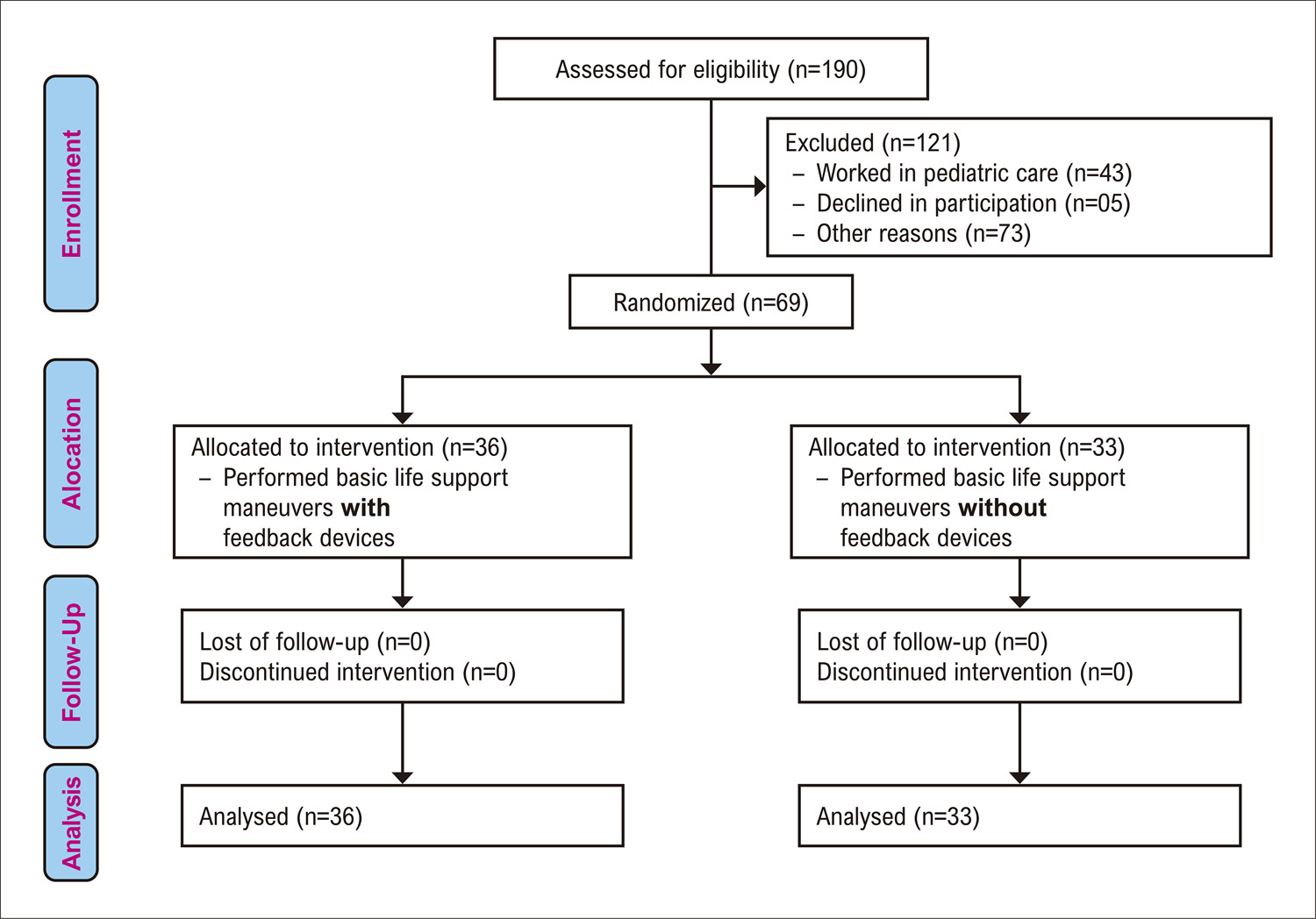
69 nurses working in critical and non-critical adult care units were included. Perceived exertion and heart rate were lower in the intervention group (p<0.001), influenced by the feedback device, with no significant difference between critical and non-critical units.

Conclusions

The Borg scale proved to be adequate for the proposed objectives. The feedback device contributed to lower exertion and heart rate reduction during resuscitation maneuvers. The low cost and ease of application favor its use during training and real-time resuscitation attempts to assess performance using a feedback device to reduce exertion and perception of fatigue. It allows reflection on the intervening factors and resources that can influence the quality of resuscitation attempts and the chances of survival.
  • Cardiopulmonary Resuscitation
  • Emergencies
  • Heart Arrest
  • Nursing Care
  • Physical Exertion
Read Full Article
Creative Commons Attribution (CC BY) Creative Commons license
09/01/2023 DOI: 10.36660/abc.20220240 Views 1
Figure 1
ABC
Original Article

Effects of High-Intensity Interval Training and Continuous Training on Exercise Capacity, Heart Rate Variability and Isolated Hearts in Diabetic Rats

Eduardo Gomes de Souza Neto et al. João Victor Capelli Peixoto Claucio Rank Filho Ricardo Rasmussen Petterle … Rosalvo Tadeu Hochmuller Fogaça Beata Maria Wolska Fernando Augusto Lavezzo Dias

Abstract

Background

High-intensity interval training (HIIT) has been suggested as an alternative for continuous training (CT) in people with diabetes mellitus (DM) due to its short duration and potential to improve adherence to exercise. However, data on its impact on heart rate variability (HRV) are scarce.

Objectives

To assess and compare the effects of HIIT and CT on exercise capacity, HRV and isolated hearts in diabetic rats.

Methods

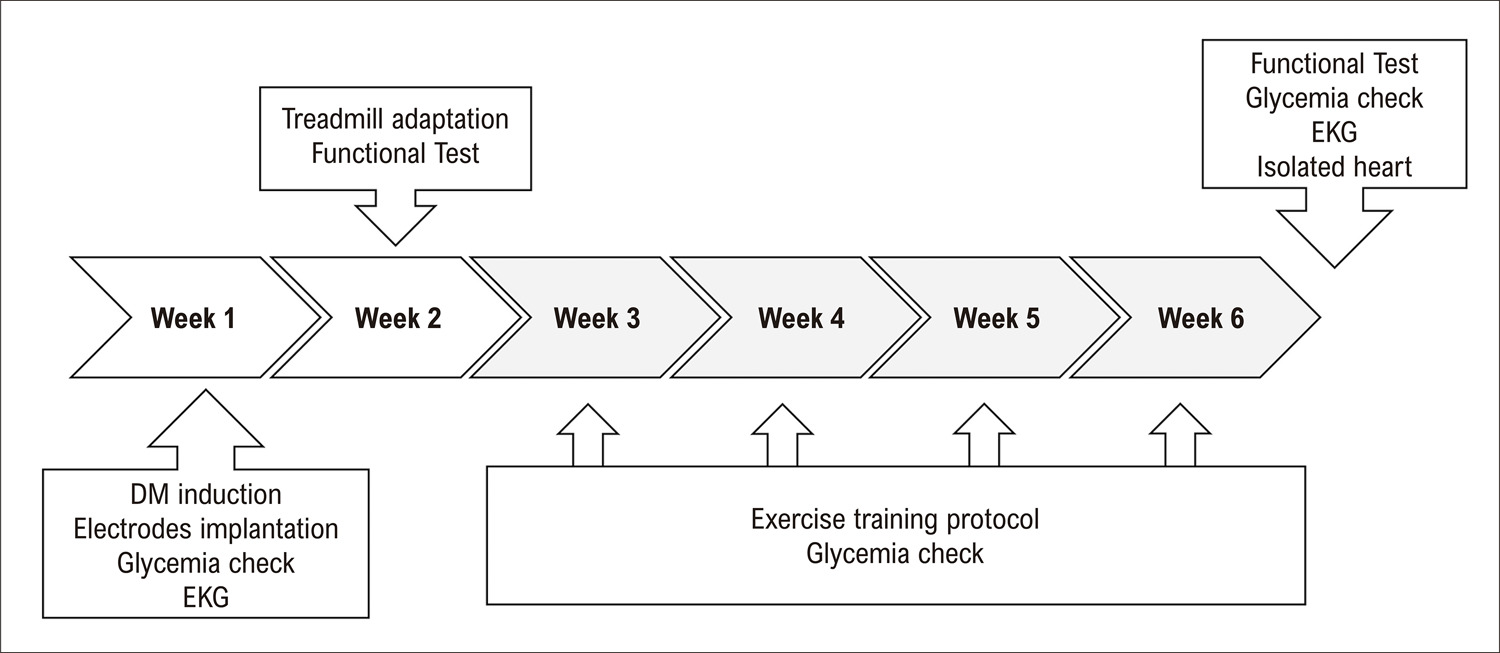
DM (intravenous streptozotocin, 45 mg.kg -1 ) and control (C) animals performed 20 sessions (5 days/week, 50 min, for 4 weeks) of CT on a treadmill (70% of maximal exercise capacity) or HIIT (cycles of 1:1min at 50% and 90% of maximal exercise capacity). HRV was assessed by continuous electrocardiogram, and cardiac function assessed in isolated perfused hearts. For data analysis, we used the framework of the multivariate covariance generalized linear model or one-way ANOVA followed by Tukey’s test, considering p<0.05 as significant.

Results

Higher exercise capacity (m/min) was achieved in HIIT (DM-HIIT: 36.5 [IQR 30.0-41.3]; C-HIIT: 41.5 [37.8-44.5], both n=10) compared to CT (DM-CT: 29.0 [23.8-33.0]; C-CT: 32.0 [29.5-37.0], both n=10) (p<0.001). Heart rate (bpm) was lower in DM compared to controls (p<0.001) both in vivo (DM-HIIT:348±51, C-HIIT:441±66, DM-CT:361±70, C-CT:437±38) and in isolated hearts. There were no differences in HRV between the groups. Maximum and minimal dP/dt were reduced in DM, except +dP/dt in DM-HIIT vs. C-HIIT (mean difference: 595.5±250.3, p=0.190).

Conclusion

Short-term HIIT promotes greater improvement in exercise performance compared to CT, including in DM, without causing significant changes in HRV.

  • Diabetes Mellitus
  • Exercise
  • Heart Rate
  • Physical Exertion
  • Rats
Read Full Article
Creative Commons Attribution (CC BY) Creative Commons license
09/01/2023 DOI: 10.36660/abc.20220396 Views 1
Figure 1
ABC
Research Letter

Physical Exercise and MicroRNAs: Molecular Mechanisms in Hypertension and Myocardial Infarction

Alex Cleber Improta-Caria

Introduction

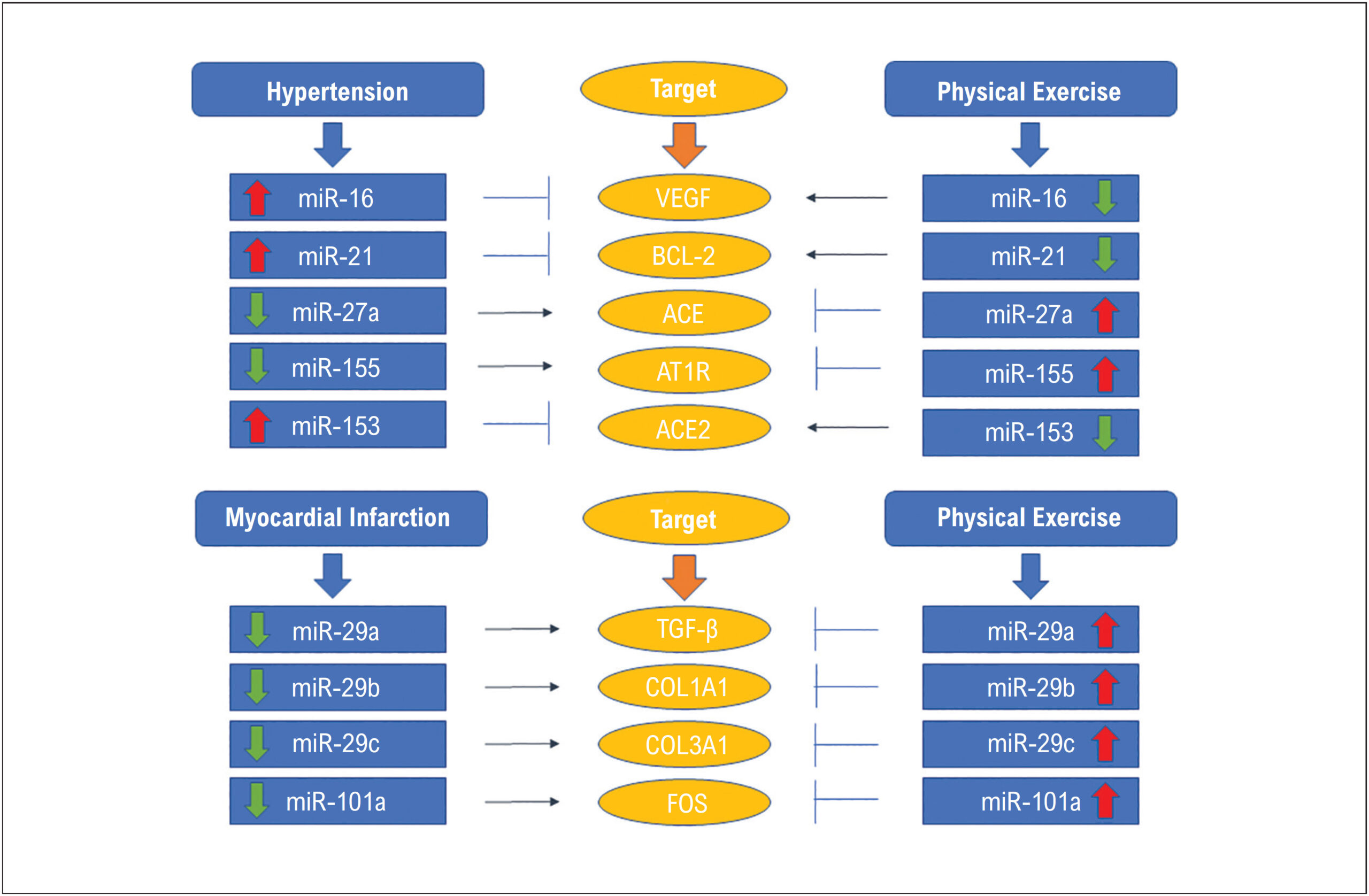
Scientific evidence shows that the regular practice of physical exercise (PE) is beneficial for various organs and systems of the human body, mainly for the heart and cardiovascular system. In both systems, aerobic and strength PE promote physiological cardiac hypertrophy, respectively eccentric and concentric, improving myocardial function.

In addition to the benefits for the heart, PE impacts blood vessels through shear stress and alters long-term vascular function, improving endothelial cell and smooth muscle cell function, generating arterial remodeling and a potential antiatherogenic effect. These benefits on the cardiovascular system occur in both healthy individuals and individuals with cardiovascular diseases, such as systemic arterial hypertension (SAH) and myocardial infarction (MI), for example.

[…]

  • Exercise
  • Hypertension
  • MicroRNAs/genetic
  • Myocardial Infarction
  • Physical Exertion
Read Full Article
Creative Commons Attribution (CC BY) Creative Commons license
10/06/2022 DOI: 10.36660/abc.20210538 Views 2
IJCS
Editorial

Cardiovascular Rehabilitation at Distance: A New Moment

Ricardo Vivacqua Cardoso Costa

Cardiovascular rehabilitation consists of a non-pharmacological intervention process in individuals with metabolic, pulmonary, or cardiovascular disorders, aiming at reducing symptoms, quality of life improvement, and the possible increase in life expectancy.

It consists, predominantly, in the practice of regular, individualized physical exercises, in addition to guidance concerning other risk factors, including physical inactivity, as well as nutritional and psychological support, intending to slow down and cause possible regression of the patient’s pathology.,

[…]

  • Betacoronavirus
  • Cardiac Rehabilitation
  • COVID-1
  • Exercise Tolerance
  • Guidelines
  • Pandemia
  • Physical Exertion
  • physical therapy modalities
  • Telerehabilitation
Read Full Article
Creative Commons Attribution (CC BY) Creative Commons license
12/05/2021 DOI: 10.36660/ijcs.20210022 Views 1
ABC
Editorial

Can Long-Distance Walking alter Cardiac Biomarkers and Echocardiographic Variables Related to Diastolic Function?

Leandro Franzoni

Walking is one of the most practiced physical activities worldwide. It is also included in physical exercise programs aiming at improving the health-related parameters in different populations., Therefore, the demand for amateur events encompassing walking has been increasing, especially those related to nature and the culture of a specific region. One of the best known amateur events in the world that involves walking is the “Camino de Santiago de la Compostela”. Moreover, here in Brazil, we have the “Rota das Missões”, located in the south of the country. The trajectories can have different distances, reaching nearly 40km of walking on the same day. These are two examples of activities that involve walking and add a cultural experience to the event.

In addition to the two abovementioned events, there are long-distance ecological hikes, where participants experience direct contact with nature, going through different terrain characteristics on the same day, reaching a total walking distance of up to 250 km during a 4-day event. We know that each individual responds differently to a certain stimulus; however, walking more than 50 km in one day going up and down slopes, on rough terrain, can have a negative physiological impact on any individual who undergoes this type of modality. In addition to the physiological damage, we are also concerned with the impact on the cardiovascular system in relation to the volume and intensity of this type of modality.,

[…]

  • Biomarkers
  • Blood Pressure
  • Creatin Kinase
  • Echocardiography/methods
  • Natriuretic Peptide, Brain
  • Physical Exertion
  • Troponin T
  • walking
Read Full Article
Creative Commons Attribution (CC BY) Creative Commons license
23/10/2020 DOI: 10.36660/abc.20200457 Views 2
Figure 1
ABC
Original Article

Exercise Intensity during 6-Minute Walk Test in Patients with Peripheral Artery Disease

Breno Quintella Farah et al. Raphael Mendes Ritti-Dias Polly Montgomery Gabriel Grizzo Cucato Andrew Gardner

Abstract

Background

Non-supervised ground walking has been recommended for patients with symptomatic peripheral artery disease (PAD). However, the magnitude of the effort required by this activity and the characteristics of patients whose ground walking is more intense are unclear.

Objectives

To determine whether ground walking exceeds the ventilatory threshold (VT), a recognized marker of exercise intensity, in patients with symptomatic PAD.

Methods

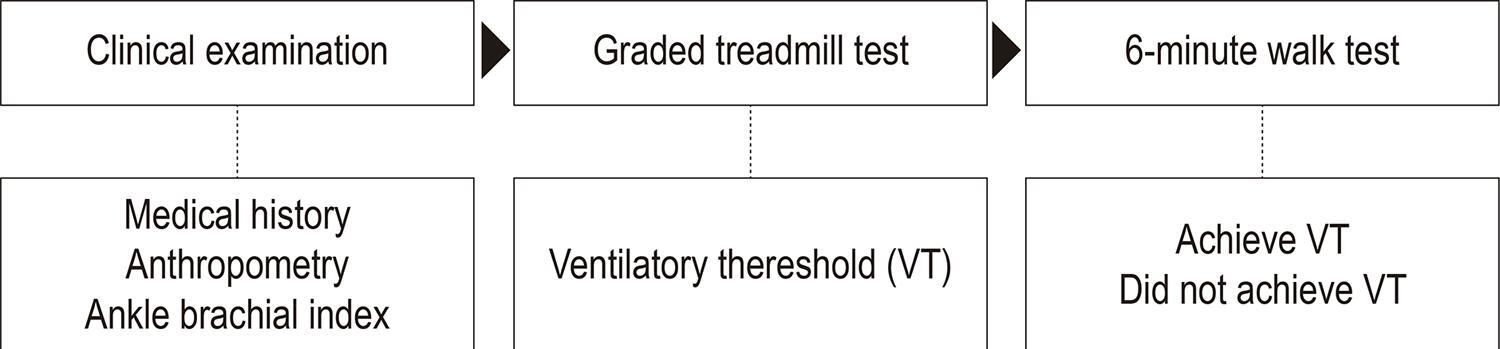
Seventy patients (61.4% male and aged 40 to 85 years old) with symptomatic PAD were recruited. Patients performed a graded treadmill test for VT determination. Then, they were submitted to a 6-minute walk test so the achievement of VT during ground ambulation could be identified. Multiple logistic regression was conducted to identify predictors of VT achievement during the 6-minute walk test. The significance level was set at p < 0.05 for all analyses.

Results

Sixty percent of patients achieved VT during the 6-minute walk test. Women (OR = 0.18 and 95%CI = 0.05 to 0.64) and patients with higher cardiorespiratory fitness (OR = 0.56 and 95%CI = 0.40 to 0.77) were less likely to achieve VT during ground walking compared to men and patients with lower cardiorespiratory fitness, respectively.

Conclusion

More than half of patients with symptomatic PAD achieved VT during the 6-minute walk test. Women and patients with higher cardiorespiratory fitness are less likely to achieve VT during the 6-minute walk test, which indicates that ground walking may be more intense for this group. This should be considered when prescribing ground walking exercise for these patients. (Arq Bras Cardiol. 2020; 114(3):486-492)

  • Exercise
  • Intermittent Claudication
  • Peripheral Arterial Disease/complications
  • Physical Exertion
  • Vital Capacity/physiology
  • Walk Test/methods
Read Full Article
Creative Commons Attribution (CC BY) Creative Commons license
06/04/2020 DOI: 10.36660/abc.20190053 Views 1
Figure 1
ABC
Viewpoint

Spontaneous Exercise-Related Coronary Artery Dissection among Young Patients Without Risk Factors or Atherosclerotic Disease

Pablo de Souza et al. Artur Haddad Herdy

Abstract

Spontaneous coronary artery dissection (SCAD) is considered an often underdiagnosed acute coronary syndrome, with few cases described in literature. Its association with physical exercise among young patients without risk factors or atherosclerotic disease (CAD) is even rarer. For this reason, a study was conducted on the subject, describing the clinical conditions, conduct and evolution regarding the suspicion of spontaneous exercise-related coronary artery dissection in three young patients without risk factors or CAD. Clinical conditions varied, with predominant recurrent chest pain. Age range from 20 to 31 years. All patients underwent coronary angiography, which showed no CAD but suggested SCAD. Investigations concerning other causes of coronary obstruction were negative. The right coronary artery was affected in two cases, and the anterior descending artery was affected in one case. Only one of the three patients had recurrent events within five years from the primary event. Technological advances will enable increased dissection identification in acute coronary syndromes. Improving the knowledge about the related clinical conditions is necessary, as an attempt to provide warnings and improve the suspicion of spontaneous exercise-related coronary artery dissection among those who have symptoms of coronary insufficiency, thus reducing the frequent underdiagnosis. The best treatment and prognosis for this disease remains uncertain.

  • Coronary Artery Disease
  • Death, Sudden, Cardiac
  • Diagnostic Imaging/trends
  • Exercise
  • Myocardial Infarction
  • Physical Exertion
  • Risk Factors
  • Young Adult
Read Full Article
Creative Commons Attribution (CC BY) Creative Commons license
02/12/2019 DOI: 10.36660/abc.20180446 Views 1
Figure 1
ABC
Original Article

Thermoregulation in Hypertensive Rats during Exercise: Effects of Physical Training

Luis Henrique Lobo Silame Gomes et al. Lucas Rios Drummond Helton Oliveira Campos Leonardo Mateus Teixeira de Rezende … Miguel Araújo Carneiro-Júnior Alessandro Oliveira Antônio José Natali Thales Nicolau Prímola-Gomes

Abstract

Background:

Spontaneously hypertensive rats (SHR) show deficit in thermal balance during physical exercise.

Objective:

To assess the effects of low-intensity physical exercise training on thermal balance of hypertensive rats undergoing an acute exercise protocol.

Methods:

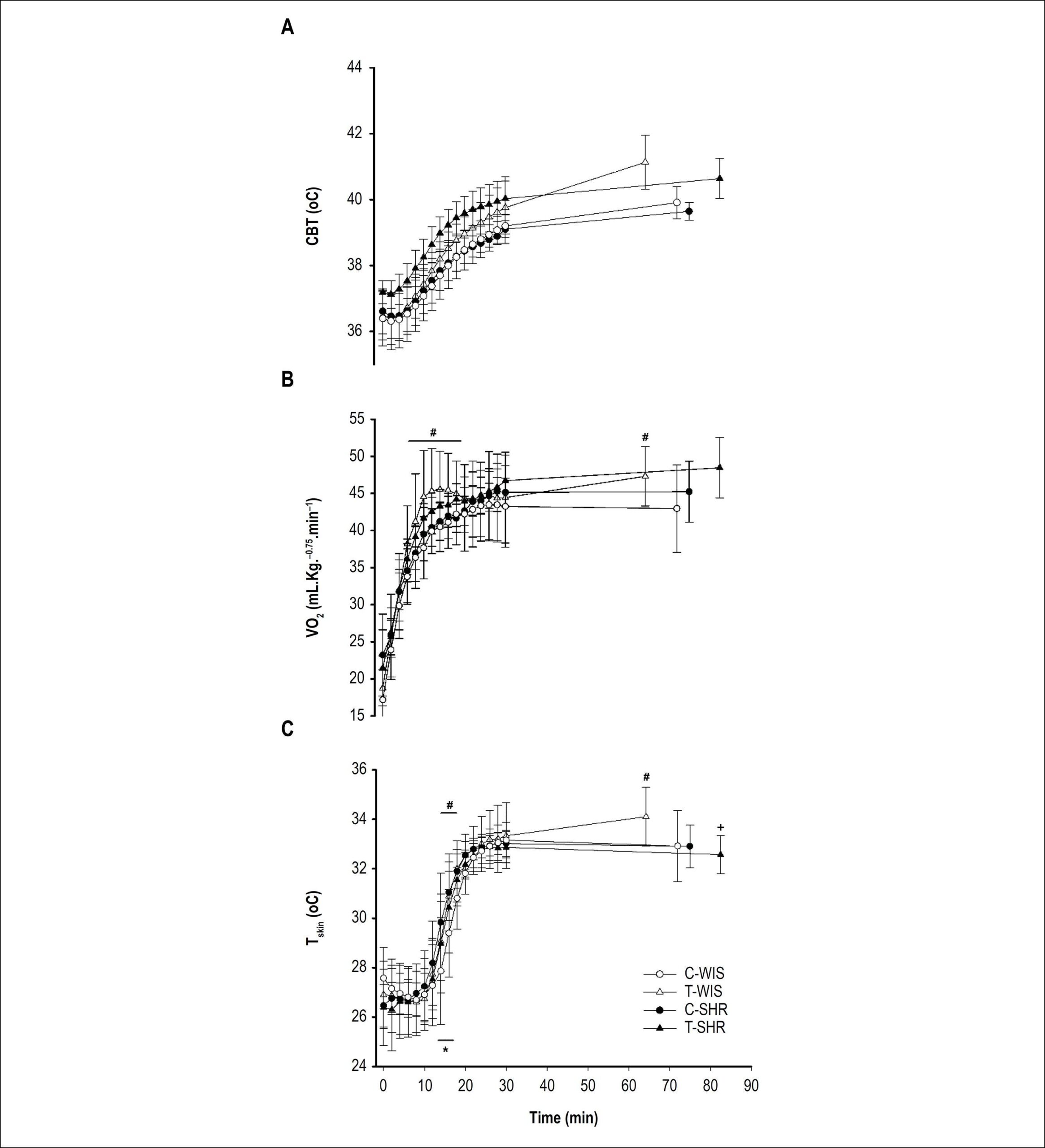
Sixteen-week-old male Wistar rats and SHR were allocated into four groups: control Wistar rats (C-WIS), trained Wistar (T-WIS), control SHR (C-SHR) and trained SHR (T-SHR). Treadmill exercise training was performed for 12 weeks. Blood pressure, resting heart rate and total exercise time was measured before and after the physical exercise program. After the exercise program, a temperature sensor was implanted in the abdominal cavity, and the animals subjected to an acute exercise protocol, during which internal body temperature, tail skin temperature and oxygen consumption until fatigue were continuously recorded. Mechanical efficiency (ME), work, heat dissipation threshold and sensitivity were calculated. Statistical significance was set at 5%.

Results:

Physical training and hypertension had no effect on thermal balance during physical exercise. Compared with C-WIS, the T-WIS group showed higher heat production, which was counterbalanced by higher heat dissipation. Hypertensive rats showed lower ME than normotensive rats, which was not reversed by the physical training.

Conclusion:

Low-intensity physical training did not affect thermal balance in SHR subjected to acute exercise.

  • Body Temperature Changes
  • Exercise/physiology
  • Fatigue
  • Hypertension
  • Physical Exertion
  • Rats
Read Full Article
Creative Commons Attribution (CC BY) Creative Commons license
14/03/2019 DOI: 10.5935/abc.20190050 Views 2
IJCS
Original Article

Comparison betweent the Effects of Swimming and Treadmill-Based Aerobic Training Protocols in Diabetic Rats

Elizabeth de Orleans Carvalho de Moura et al. Kelvin Tanaka Moisés Felipe Pereira Gomes Evandro Nogueira … Ricardo Gomes Debora Estadella Katt Mattos Patrícia Chakur Brum Alessandra Medeiros

Abstract

Background:

Type 1 diabetes mellitus (DM1) can cause damage to several physiological systems.

Objectives:

To compare and characterize the effects of aerobic exercise training (ET) performed by swimming with those of ET performed on a treadmill on the skeletal muscle and heart of rats with DM1.

Methods:

41 male Wistar rats were randomized into four groups: nondiabetic control (CTR), diabetic control (DMC), diabetic trained on the treadmill (DMT), and diabetic trained by swimming (DMS). The trained groups performed aerobic exercise training for 8 weeks, 5 times a week, 60 min per day. Exercise tolerance, blood glucose, body weight, wet weight of the skeletal muscles and left ventricle (LV), muscle glycogen, cross-sectional area of skeletal muscles, and cross-sectional diameter and collagen volume fraction of the LV were evaluated.

Results:

The results were expressed as mean ± standard deviation of the mean and submitted to two-way ANOVA with post-hoc Bonferroni test. Aerobic ET protocols applied to animals with DM1, regardless of the ergometer, showed satisfactory results (p < 0.05) when compared to the control groups: improved exercise tolerance, increased glycogen content of the soleus and extensor digitorum longus (EDL) muscles and increased cross-sectional diameter of the left ventricular cardiomyocytes. In some variables, such as exercise tolerance and cross-sectional area of the soleus and EDL muscles, DMT showed better results than DMS (p < 0.05). On the other hand, DMS showed increased cross-sectional diameter of cardiomyocytes when compared with the DMT group.

Conclusion:

Both aerobic ET protocols offered benefits to animals with diabetes; however, due to the specific characteristics of each modality, different physiological adaptations were observed between the trained groups.

  • Diabetes Mellitus
  • Exercise
  • Exercise Test
  • muscle, skeletal
  • Physical Exertion
  • Rats Wistar
Read Full Article
Creative Commons Attribution (CC BY) Creative Commons license
23/08/2018 DOI: 10.5935/2359-4802.20180058 Views 2
Figure 1
ABC
Original Article

Exercise Training Attenuates Sympathetic Activity and Improves Morphometry of Splenic Arterioles in Spontaneously Hipertensive Rats

Marina de Paiva Lemos et al. Gustavo Ribeiro da Mota Moacir Marocolo Carla Cristina de Sordi … Rosângela Soares Chriguer Octávio Barbosa Neto

Abstract

Background:

Alterations in the structure of resistance vessels contribute to elevated systemic vascular resistance in hypertension and are linked to sympathetic hyperactivity and related lesions in target organs.

Objective:

To assess the effects of exercise training on hemodynamic and autonomic parameters, as well as splenic arteriolar damages in male Wistar Kyoto (WKY) and Spontaneously Hypertensive Rats (SHR).

Methods:

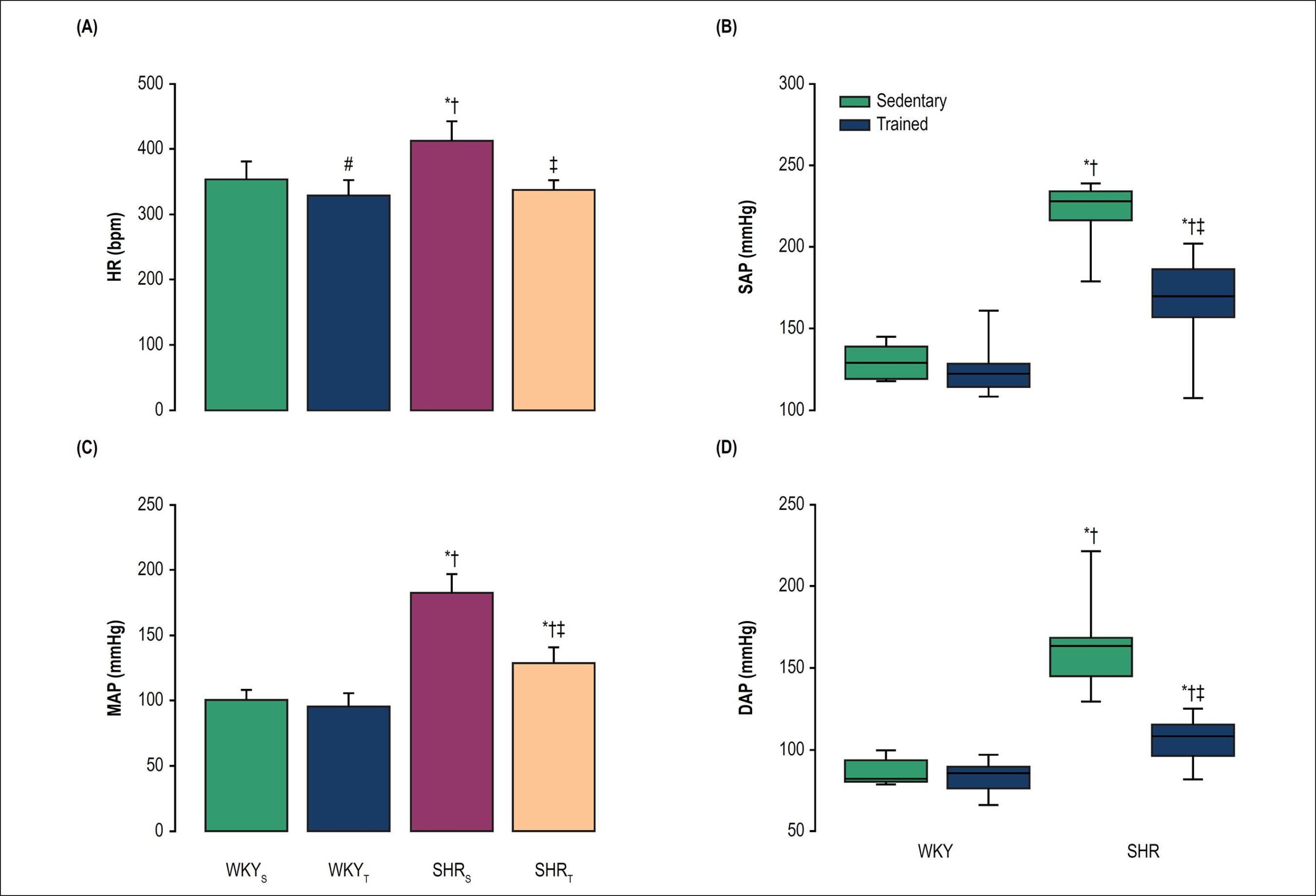
Normotensive sedentary (WKYS) and trained (WKYT) rats, and hypertensive sedentary (SHRS) and trained (SHRT) rats were included in this study. After 9 weeks of experimental protocol (swimming training or sedentary control), arterial pressure (AP) and heart rate (HR) were recorded in freely moving rats. We assessed the autonomic control of the heart by sympathetic and vagal autonomic blockade. Morphometric analyses of arterioles were performed in spleen tissues. The statistical significance level was set at p < 0.05.

Results:

Resting bradycardia was observed in both trained groups (WKYT: 328.0 ± 7.3 bpm; SHRT: 337.0 ± 5.2 bpm) compared with their respective sedentary groups (WKYS: 353.2 ± 8.5 bpm; SHRS: 412.1 ± 10.4 bpm; p < 0.001). Exercise training attenuated mean AP only in SHRT (125.9 ± 6.2 mmHg) vs. SHRS (182.5 ± 4.2 mmHg, p < 0.001). The WKYT showed a higher vagal effect (∆HR: 79.0 ± 2.3 bpm) compared with WKYS (∆HR: 67.4 ± 1.7 bpm; p < 0.05). Chronic exercise decreased sympathetic effects on SHRT (∆HR: -62.8 ± 2.8 bpm) in comparison with SHRS (∆HR: -99.8 ± 9.2 bpm; p = 0.005). The wall thickness of splenic arterioles in SHR was reduced by training (332.1 ± 16.0 µm2 in SHRT vs. 502.7 ± 36.3 µm2 in SHRS; p < 0.05).

Conclusions:

Exercise training attenuates sympathetic activity and AP in SHR, which may be contributing to the morphological improvement of the splenic arterioles.

  • Arterioles
  • Exercise
  • Hypertension
  • Physical Exertion
  • Rats
  • Vascular Resistance
Read Full Article
Creative Commons Attribution (CC BY) Creative Commons license
01/03/2018 DOI: 10.5935/abc.20180053 Views 1
ABC
Original Article

Relationship between Cardiometabolic Parameters and Elevated Resting and Effort Heart Rate in Schoolchildren

Cristiane Fernanda da Silva et al. Miria Suzana Burgos Priscila Tatiana da Silva Leandro Tibiriçá Burgos … Letícia Welser Ana Paula Sehn Jorge André Horta Elza Daniel de Mello Cézane Priscila Reuter

Abstract

Background:

Little has been studied on heart rate and its relationship with metabolic disorders.

Objective:

To identify possible association between heart rate (HR) and metabolic disorders in children and adolescents.

Methods:

This cross-sectional study evaluated 2.098 subjects, aged between 7 and 17 years. The variables evaluated were: HR, systolic (SBP) and diastolic blood pressure (DBP), pulse pressure (PP), double-product (DP), myocardial oxygen consumption (mVO2), lipids, glucose and uric acid levels, body mass index (BMI) and waist circumference (WC). The values of HR at rest and effort were divided into quartiles. The association between continuous values of HR and cardiometabolic indicators was tested by linear regression.

Results:

LDL cholesterol presented a significantly higher mean (p = 0.003) in schoolchildren with resting HR greater or equal to 91 bpm, compared to students with less than 75 bpm. Compared with the quartiles of effort HR, SBP, DBP, glucose and uric acid presented high values when HR was greater or equal than 185 bpm. SBP, glucose and HDL cholesterol demonstrated a significant association with resting HR. Uric acid was observed as a predictor of increased effort HR.

Conclusion:

Schoolchildren with a higher resting HR have higher mean of LDL cholesterol. For effort HR, there was an increase in blood pressure, glucose and uric acid levels. Uric acid has been shown to be a predictor of elevated effort HR.

  • Adolescent Health
  • Child Health
  • Heart Rate
  • Metabolism Syndrome
  • Physical Exertion
  • Rest
Read Full Article
Creative Commons Attribution (CC BY) Creative Commons license
20/07/2017 DOI: 10.5935/abc.20170103 Views 1
IJCS
Review Article

Cardiotoxicity of Doxorubicin Treatment and Physical Activity: A Systematic Review

Tauan Nunes Maia et al. Gustavo Bento Ribeiro de Araujo José Antônio Caldas Teixeira Edmundo de Drummond Alves Junior Kátia Pedreira Dias

Abstract

The present study investigated whether the practice of exercise has a protective effect against cardiac toxicity induced by doxorubicin (DOX). A systematic review of randomized clinical trials evaluating the role of exercise in the control or prevention of DOX-induced cardiotoxicity was performed in MEDLINE and LILACS databases. Studies that did not address the main subject of this review, did not mention physical exercise or DOX, studies that evaluated other types of anthracycline-induced toxicities only (muscle, hepatic and renal toxicity) or other effects of exercise on DOX toxicity (fatigue) were excluded. With respect to the variables related to aerobic exercise prescription, there was no direct relationship between the frequency of exercise and the results of the studies. Also, intensity of exercise was not decisive for preservation of cardiac function, although a more intense exercise was associated with improvements in the antioxidant system, which was not observed in studies on lower intensity exercises. No significant differences in exercise effects were observed when it was performed before, during or after the treatment. Therefore, aerobic exercise may exert a protective effect of cardiac functions when performed before, during or after treatment with DOX. However, the mechanisms of this effect are still unknown.

  • Anthracyclines
  • Cardiotoxicity
  • Doxorubicin
  • Exercise
  • Physical Exertion
  • Review
Read Full Article
Creative Commons Attribution (CC BY) Creative Commons license
01/01/2017 DOI: 10.5935/2359-4802.20170004 Views 2
Figure 1
ABC
Anatomopathological Session

Case 4/2017 – Young Male Marathoner with Heart Failure Due to Dilated Cardiomyopathy

Hilda Sara Montero Ramirez et al. Rafael Amorim Belo Nunes Vera Demarchi Aiello

Clinical aspects

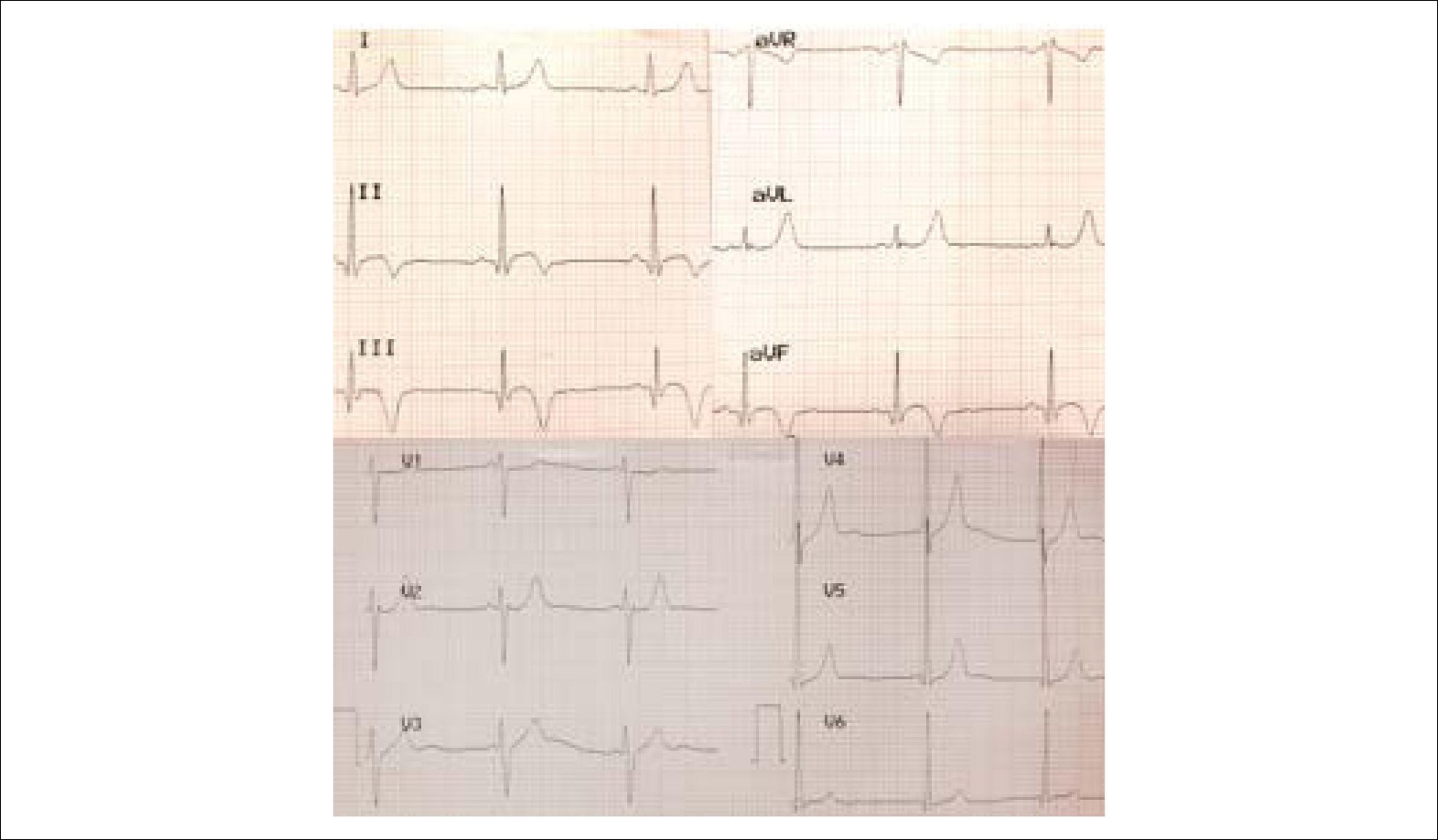
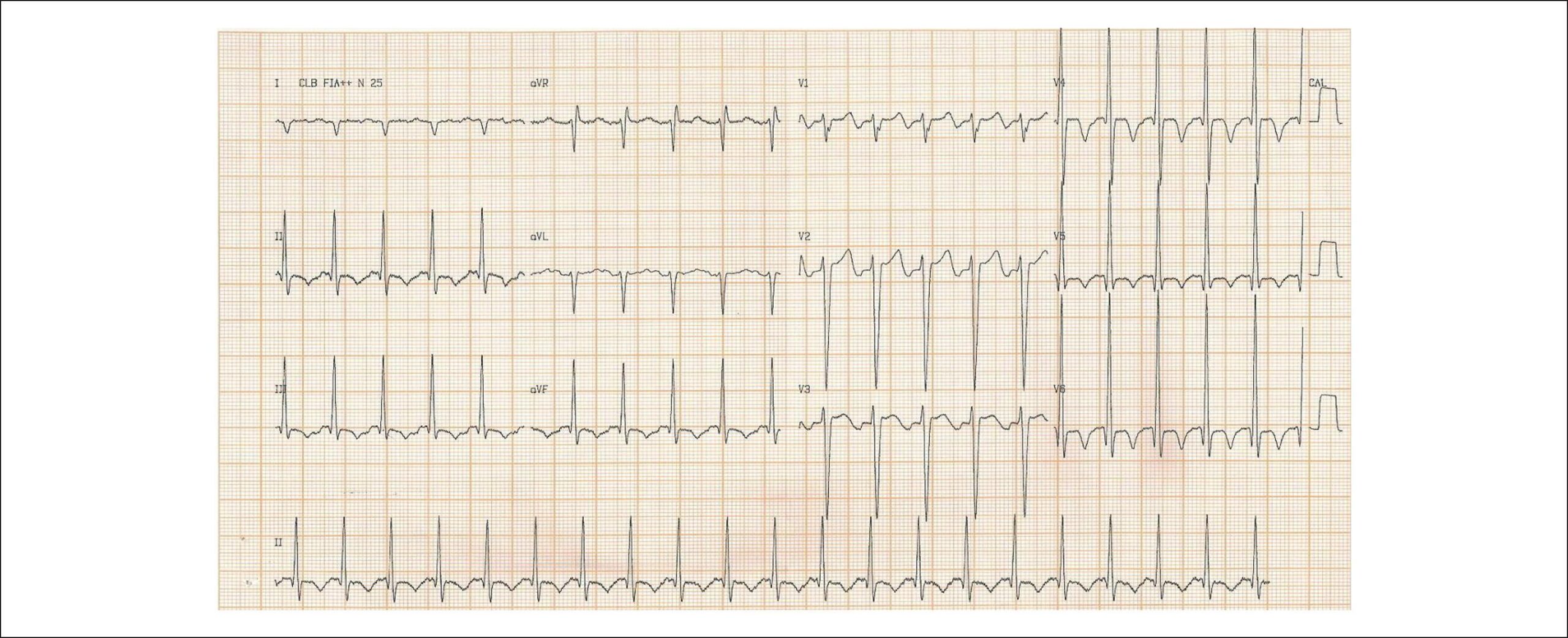
The patient was a 22-year-old male marathoner with fatal heart failure for 1 year. The clinical data reported were dyspnea and precordial discomfort on exertion. The patient maintained his trainings and running practice less intensely due to lower limb pain and weakness in the last months, until he was hospitalized due to chest pain, dyspnea, hemoptysis, mental confusion and syncope. During hospitalization, his clinical findings rapidly and progressively deteriorated. His electrocardiogram on admission revealed signs of right atrial overload, left ventricular overload and secondary ventricular repolarization changes. The left ventricle was diffusely hypokinetic and the diastolic function pattern was restrictive. There was moderate mitral and tricuspid valve regurgitation. These findings suggest cardiomyopathy with important hemodynamic repercussion.

The causes of cardiomyopathy in young individuals are: idiopathic cardiomyopathy, infectious myocarditis and autoimmune myocarditis. Cardiotoxicity can also be observed in exposure to certain agents, such as alcohol, cocaine, heavy metals and antineoplastic drugs, such as anthracyclines and cyclophosphamide.

[…]

  • Athletes
  • Cardiomyopathy, Dilated
  • Heart Failure
  • Physical Exertion
  • Sports
Read Full Article
Creative Commons Attribution (CC BY) Creative Commons license
01/01/2017 DOI: 10.5935/abc.20170124
Figure 1
ABC
Original Article

Cardiac Autonomic Adjustments During Baroreflex Test in Obese and Non-Obese Preadolescents

Mário Augusto Paschoal et al. Aline Carnio Brunelli Gabriela Midori Tamaki Sofia Serafim Magela

Abstract

Background:

Recent studies have shown changes in cardiac autonomic control of obese preadolescents.

Objective:

To assess the heart rate responses and cardiac autonomic modulation of obese preadolescents during constant expiratory effort.

Methods:

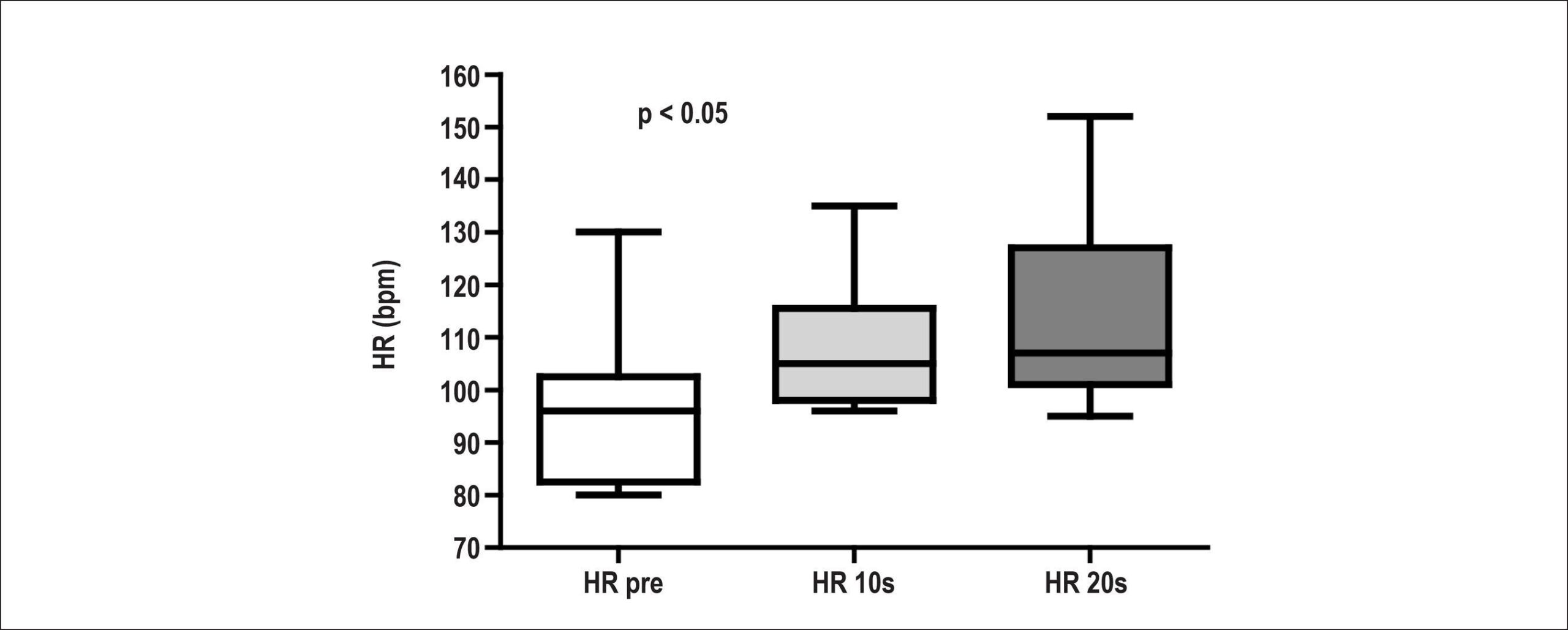
This study assessed 10 obese and 10 non-obese preadolescents aged 9 to 12 years. The body mass index of the obese group was between the 95th and 97th percentiles of the CDC National Center for Health Statistics growth charts, while that of the non-obese group, between the 5th and 85th percentiles. Initially, they underwent anthropometric and clinical assessment, and their maximum expiratory pressures were obtained. Then, the preadolescents underwent a constant expiratory effort of 70% of their maximum expiratory pressure for 20 seconds, with heart rate measurement 5 minutes before, during and 5 minutes after it. Heart rate variability (HRV) and heart rate values were analyzed by use of a software.

Results:

The HRV did not differ when compared before and after the constant expiratory effort intra- and intergroup. The heart rate values differed (p < 0.05) during the effort, being the total variation in non-obese preadolescents of 18.5 ± 1.5 bpm, and in obese, of 12.2 ± 1.3 bpm.

Conclusion:

The cardiac autonomic modulation did not differ between the groups when comparing before and after the constant expiratory effort. However, the obese group showed lower cardiovascular response to baroreceptor stimuli during the effort, suggesting lower autonomic baroreflex sensitivity.

  • Adolescents
  • Autonomic Nervous System/physiopathology
  • Barorreflex
  • Heart Rate/physiology
  • Obesity
  • Physical Exertion
Read Full Article
Creative Commons Attribution (CC BY) Creative Commons license
22/03/2016 DOI: 10.5935/abc.20160040 Views 1
Figure 1
ABC
Original Article

Sex-Specific Equations to Estimate Maximum Oxygen Uptake in Cycle Ergometry

Christina G. de Souza e Silva et al. Claudio Gil S. Araújo

Abstract

Background:

Aerobic fitness, assessed by measuring VO2max in maximum cardiopulmonary exercise testing (CPX) or by estimating VO2max through the use of equations in exercise testing, is a predictor of mortality. However, the error resulting from this estimate in a given individual can be high, affecting clinical decisions.

Objective:

To determine the error of estimate of VO2max in cycle ergometry in a population attending clinical exercise testing laboratories, and to propose sex-specific equations to minimize that error.

Methods:

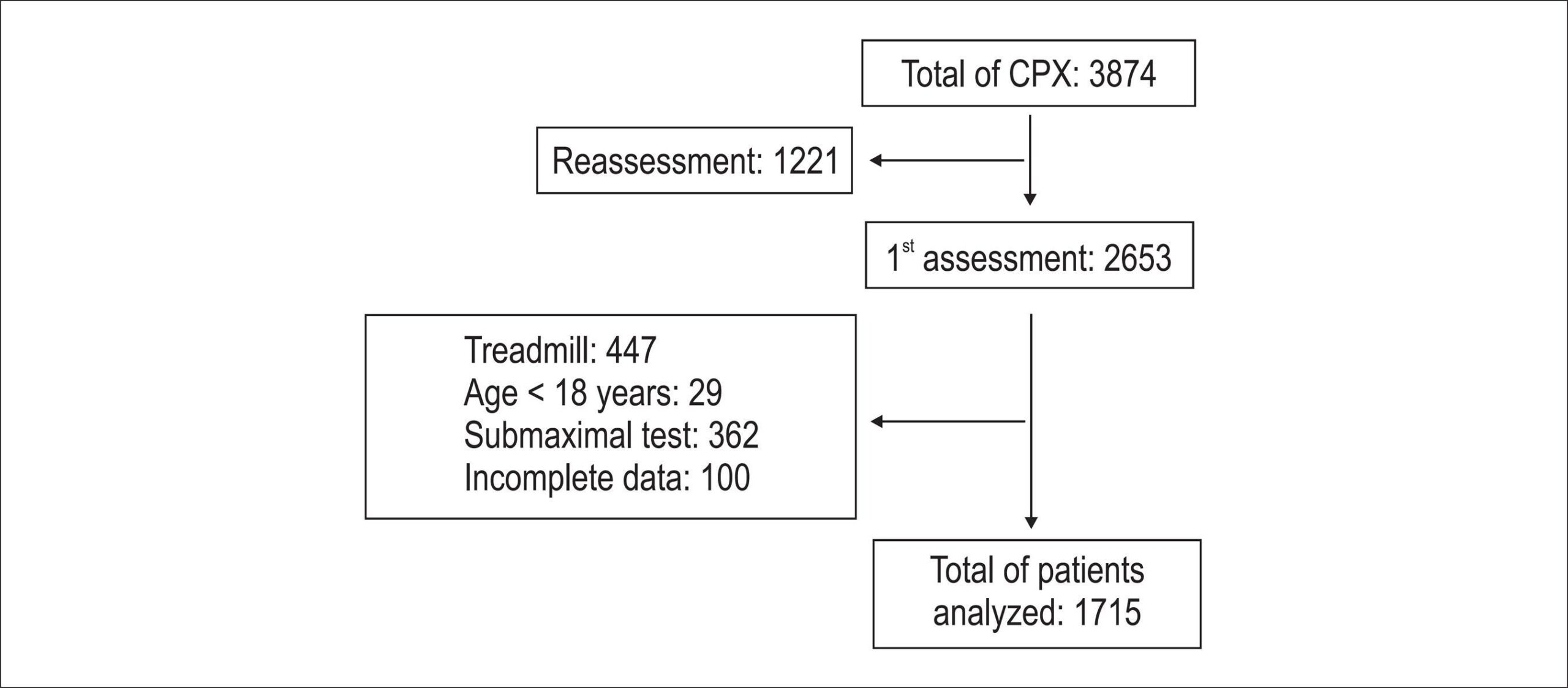
This study assessed 1715 adults (18 to 91 years, 68% men) undertaking maximum CPX in a lower limbs cycle ergometer (LLCE) with ramp protocol. The percentage error (E%) between measured VO2max and that estimated from the modified ACSM equation (Lang et al. MSSE, 1992) was calculated. Then, estimation equations were developed: 1) for all the population tested (C-GENERAL); and 2) separately by sex (C-MEN and C-WOMEN).

Results:

Measured VO2max was higher in men than in WOMEN: -29.4 ± 10.5 and 24.2 ± 9.2 mL.(kg.min)-1 (p < 0.01). The equations for estimating VO2max [in mL.(kg.min)-1] were: C-GENERAL = [final workload (W)/body weight (kg)] x 10.483 + 7; C-MEN = [final workload (W)/body weight (kg)] x 10.791 + 7; and C-WOMEN = [final workload (W)/body weight (kg)] x 9.820 + 7. The E% for MEN was: -3.4 ± 13.4% (modified ACSM); 1.2 ± 13.2% (C-GENERAL); and -0.9 ± 13.4% (C-MEN) (p < 0.01). For WOMEN: -14.7 ± 17.4% (modified ACSM); -6.3 ± 16.5% (C-GENERAL); and -1.7 ± 16.2% (C-WOMEN) (p < 0.01).

Conclusion:

The error of estimate of VO2max by use of sex-specific equations was reduced, but not eliminated, in exercise tests on LLCE.

  • Breathing Exercise / utilization
  • cardiopulmonary exercise testing
  • Demographic Data
  • Ergometry
  • Oxygen Consumption
  • Physical Exertion
Read Full Article
Creative Commons Attribution (CC BY) Creative Commons license
31/07/2015 DOI: 10.5935/abc.20150089 Views 2
Figure 1
ABC
Original Article

Physical Stress Echocardiography: Prediction of Mortality and Cardiac Events in Patients with Exercise Test showing Ischemia

Ana Carla Pereira de Araujo et al. Bruno F. de Oliveira Santos Flavia Ricci Calasans Ibraim M. Francisco Pinto … Daniel Pio de Oliveira Luiza Dantas Melo Stephanie Macedo Andrade Irlaneide da Silva Tavares Antonio Carlos Sobral Sousa Joselina Luzia Menezes Oliveira

Background:

Studies have demonstrated the diagnostic accuracy and prognostic value of physical stress echocardiography in coronary artery disease. However, the prediction of mortality and major cardiac events in patients with exercise test positive for myocardial ischemia is limited.

Objective:

To evaluate the effectiveness of physical stress echocardiography in the prediction of mortality and major cardiac events in patients with exercise test positive for myocardial ischemia.

Methods:

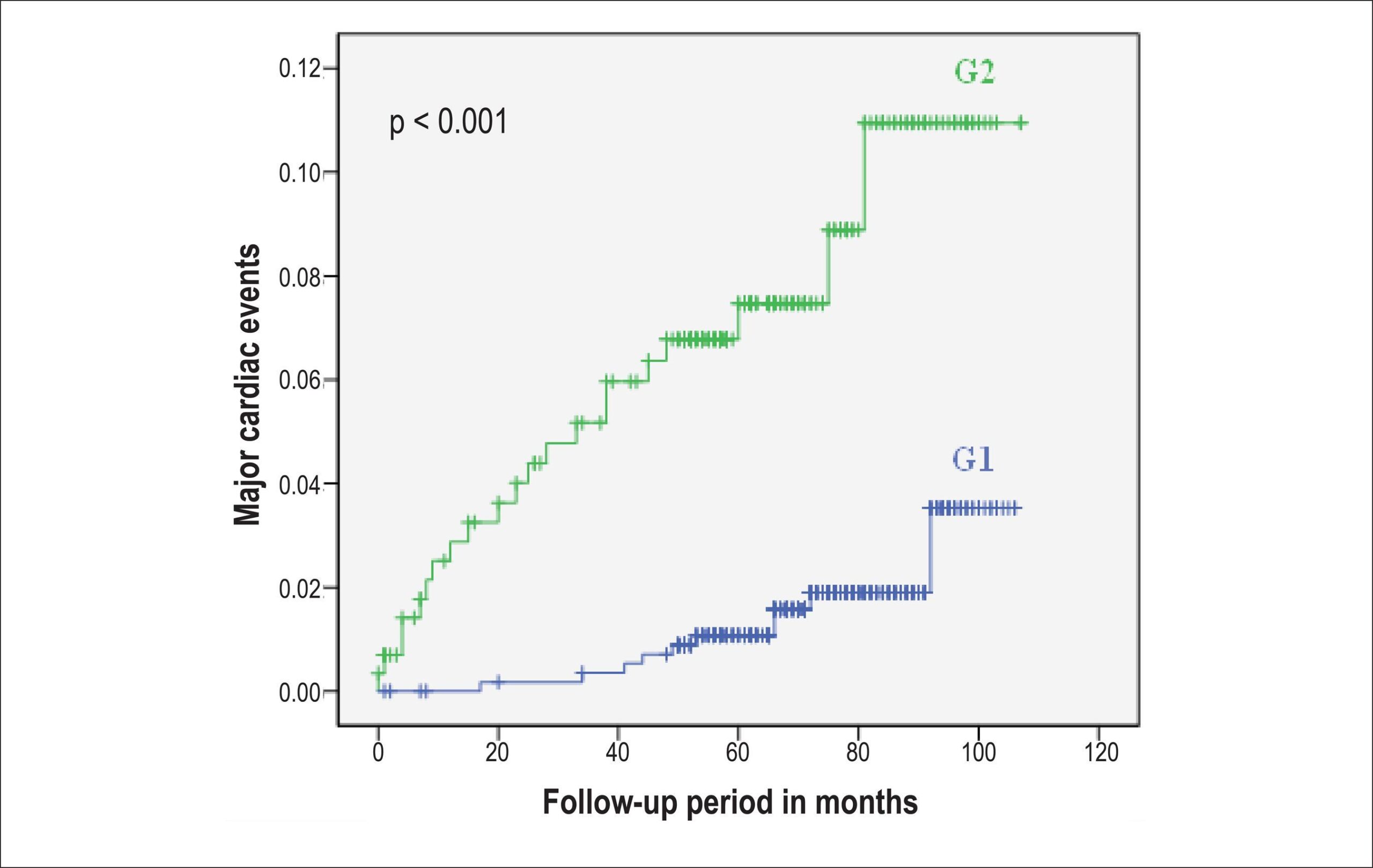
This is a retrospective cohort in which 866 consecutive patients with exercise test positive for myocardial ischemia, and who underwent physical stress echocardiography were studied. Patients were divided into two groups: with physical stress echocardiography negative (G1) or positive (G2) for myocardial ischemia. The endpoints analyzed were all-cause mortality and major cardiac events, defined as cardiac death and non-fatal acute myocardial infarction.

Results:

G2 comprised 205 patients (23.7%). During the mean 85.6 ± 15.0-month follow-up, there were 26 deaths, of which six were cardiac deaths, and 25 non-fatal myocardial infarction cases. The independent predictors of mortality were: age, diabetes mellitus, and positive physical stress echocardiography (hazard ratio: 2.69; 95% confidence interval: 1.20 – 6.01; p = 0.016). The independent predictors of major cardiac events were: age, previous coronary artery disease, positive physical stress echocardiography (hazard ratio: 2.75; 95% confidence interval: 1.15 – 6.53; p = 0.022) and absence of a 10% increase in ejection fraction. All-cause mortality and the incidence of major cardiac events were significantly higher in G2 (p < 0. 001 and p = 0.001, respectively).

Conclusion:

Physical stress echocardiography provides additional prognostic information in patients with exercise test positive for myocardial ischemia.

  • Coronary Artery Disease
  • Echocardiography,Stress/mortality
  • Exercise Test
  • Myocardial Ischemia
  • Physical Exertion
Read Full Article
Creative Commons Attribution (CC BY) Creative Commons license
28/10/2014 DOI: 10.5935/abc.20140144 Views 1
Maximal heart rate: influence of sport practice during childhood and adolescence
ABC
Artigo Original

Maximal heart rate: influence of sport practice during childhood and adolescence

Débora Helena Balassiano et al. Claudio Gil Soares de Araújo

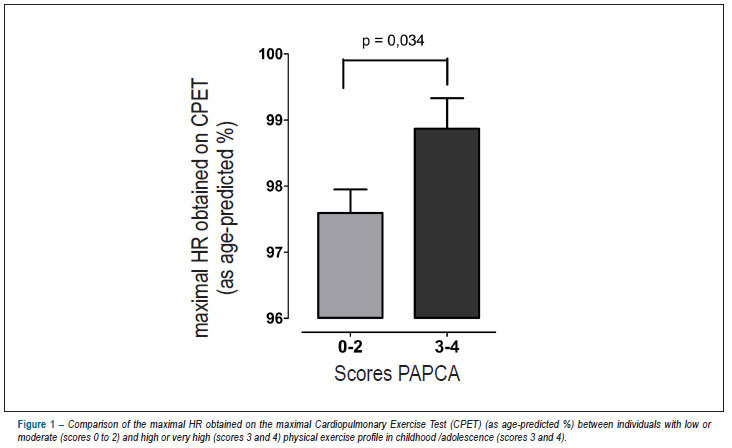
BACKGROUND: The heart rate (HR) achieved at the end of an exercise test (ET) is called maximal HR and is known to have clinical and epidemiological relevance. For its correct measurement, it is necessary that the ET be truly maximal. OBJECTIVE: To evaluate the influence of a history of intense physical activity and/or participation in sports competitions during youth on the maximal HR (% of age-predicted HR) on a clinical cardiopulmonary exercise test (CPET). METHODS: A total of 600 non-athlete individuals (65.8% males) with a mean age of 46 ± 13.7 years, under primary prevention of cardiovascular diseases and who underwent maximal CPET, were retrospectively selected. Their physical activity profile during childhood/adolescence (PAPCA) was classified in scores growing from 0 to 4, with value 2 corresponding to their respective age-predicted levels. RESULTS: None of the 20 individuals with maximal HR values equal to or greater than 200 bpm had been inactive or somewhat active during childhood/adolescence. A significant association was observed between PAPCA scores and maximal HR (% of age-predicted HR) (p = 0.02), with a 7-bpm higher value for PAPCA scores 3-4 (32.9% of the sample) in comparison to PAPCA 0-2. CONCLUSION: Two hypotheses exist to explain these results in individuals who had been more active during youth: a) persistence of chronic adaptations to training on the cardiac chronotropism, or b) higher ability and/or motivation to achieve a truly maximal CPET. Information on the physical activity profile during childhood / adolescence may contribute to the interpretation of maximal HR on ET.

  • Adolescents
  • Child
  • Ergometry
  • Exercise
  • Heart Failure
  • Physical Exertion
  • Sports
Read Full Article
Creative Commons Attribution (CC BY) Creative Commons license
02/04/2013 DOI: 10.5935/abc.20130055 Views 1
Acute effects of prolonged physical exercise: evaluation after a twenty-four-hour ultramarathon
ABC
Original Article

Acute effects of prolonged physical exercise: evaluation after a twenty-four-hour ultramarathon

Daniela Guinther Passaglia et al. Luiz Gustavo Marin Emed Silvio Henrique Barberato Surya Toledo Guerios … Andre Isolani Moser Miguel Morita Fernandes Silva Elissa Ishie Luiz Cesar Guarita-Souza Costantino Roberto Frack Costantini José Rocha Faria-Neto

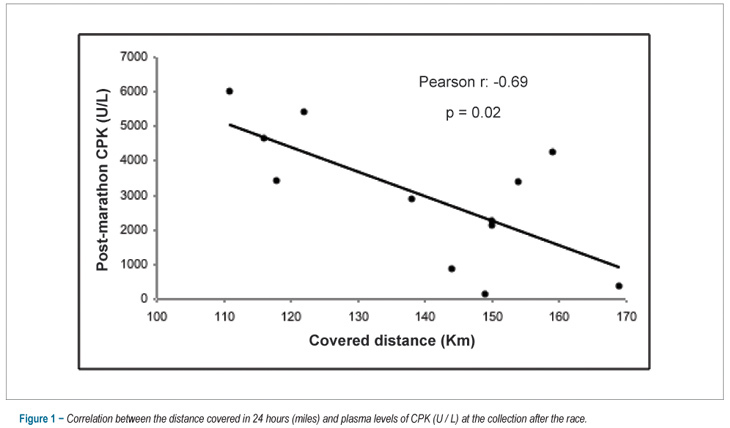
BACKGROUND: The consequences and risks of prolonged physical exercise are not well established. OBJECTIVE: To evaluate the effects of prolonged physical exercise on the participants of a 24-hour ultramarathon race. METHODS: Twenty male runners were selected for evaluation a day before and immediately after the race, where the athletes had to cover the most distance in 24 hours. Clinical, laboratory and echocardiographic data were obtained at both evaluations. RESULTS: Mean distance covered was 140.3 ± 18.7 km. Runners showed weight loss (p < 0.001) and decrease in systolic (p < 0.001) and diastolic (p = 0.004) blood pressure. Hematological changes were compatible with the physiological stress. Plasma levels of creatine phosphokinase strikingly increased post-race (163.4 ± 56.8 vs. 2978.4 ± 1921.9 U/L; p < 0.001) and was inversely correlated with distance covered: those who covered the longest distances showed the lowest CPK levels (Pearson r = 0.69, p = 0.02). After the race, 2 runners showed a slight increase in Troponin levels. One of them also had simultaneous decrease in left ventricular ejection fraction (coronary artery disease was subsequently ruled out). Basal echocardiography assessment had shown LV hypertrophy in one and increased left atrial volume in five runners. After the race, there was a decrease in E/A ratio (p < 0.01). CONCLUSION: Prolonged physical exercise is associated with metabolic and cardiovascular alterations. Cardiac abnormalities found in our study suggest that cardiac fatigue may occur in this specific race modality. The long-term effect of these alterations, while maintaining the routine practice of prolonged strenuous physical activity, is still unknown.

  • Exercise
  • muscle fatigue
  • Physical Exertion
  • Running
Read Full Article
Creative Commons Attribution (CC BY) Creative Commons license
18/12/2012 DOI: 10.1590/S0066-782X2012005000118 Views 1
Clinical and echocardiographic parameters associated with low chronotropic index in non-elderly patients
ABC
Artigo Original

Clinical and echocardiographic parameters associated with low chronotropic index in non-elderly patients

Paulo Fernando Carvalho Secundo et al. Bruno Fernandes de Oliveira Santos José Alves Secundo Júnior Joiciane Bárbara da Silva … Adriana Ribeiro de Souza Gustavo Baptista de Almeida Faro José Augusto Barreto- Filho Antônio Carlos Sobral Sousa Joselina Luzia Menezes Oliveira

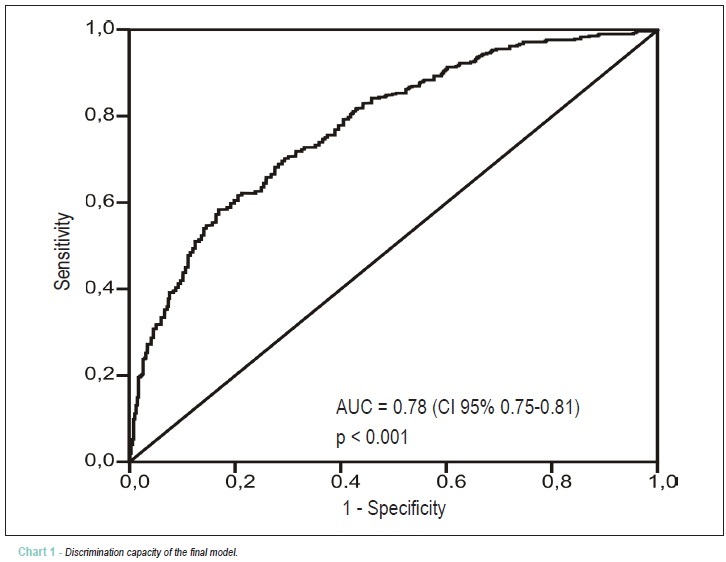
BACKGROUND: Despite abundant evidence of increased morbidity and mortality, chronotropic incompetence (CI) is not a routine diagnosis well defined in protocols of cardiac evaluation and its clinical importance is still underestimated. OBJECTIVE: To evaluate the clinical and echocardiographic parameters associated with HF in non-elderly patients submitted to stress echocardiography (SE). METHODS: One thousand seven hundred ninety-eight patients with a mean age of 48.4 ± 7.5 years, who underwent SE between January/2000 and August/2009 were evaluated. Patients with chronotropic index smaller than 0.8 were considered chronotropic incompetent as compared to competent patients as to clinical and echocardiographic characteristics. RESULTS: The duration of the exercise was 9.3 ± 2.4 minutes on average. Two hundred and seventy (15%) patients were chronotropic incompetent. The chronotropic index of this group was 0.7 ± 0.1 vs. 1.0 ± 0.1 for competent patients. Multivariate logistic regression analysis identified the following parameters as independently associated with HF: dyspnea on examination [odds ratio (OR) = 4.27, p <0.0001], previous chest pain on medical history (OR = 1.51; p = 0.0111), higher left ventricular mass rate in incompetent patients (LVMI) (OR = 1.16, p = 0.0001), metabolic equivalents (METs) (OR = 0.70, p = 0 , 0001), ST segment depression (OR = 0.58, p = 0.0003) and high systolic blood pressure (ΔSBP) (OR = 0.87, p = 0.0011). Myocardial ischemia was not associated with HF. CONCLUSION: HF is associated with functional parameters, such as dyspnea on exertion, history of chest pain and lower METS. It is also associated with structural benchmark index of left ventricular mass. In addition, chronotropic incompetence does not appear to increase the chance of myocardial ischemia in non-elderly patients. (Arq Bras Cardiol. 2012; [online].ahead print, PP.0-0)

  • Echocardiography, Stress
  • Exercise Test
  • Exercise Tolerance
  • Heart Rate
  • Physical Exertion
Read Full Article
Creative Commons Attribution (CC BY) Creative Commons license
05/04/2012 DOI: 10.1590/S0066-782X2012005000033 Views 1
Swimming training attenuates contractile dysfunction in diabetic rat cardiomyocytes
ABC
Artigo Original

Swimming training attenuates contractile dysfunction in diabetic rat cardiomyocytes

Márcia Ferreira da Silva et al. Maria do Carmo Gouveia Pelúzio Paulo Roberto dos Santos Amorim Vitor Neiva Lavorato … Natália Pereira do Santos Luiz Henrique Marchesi Bozi Arlete Rita Penitente Daniel Luciano Falkoski Felipe Gomes Berfort Antonio Jose Natali

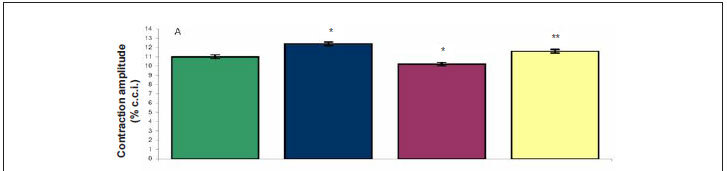
BACKGROUND: Experimental diabetes promotes contractile dysfunction in cardiomyocytes, but the effects of swimming in this disorder are not known. OBJECTIVE: To test the effects of a swimming training program (STP) on cardiomyocyte contractile dysfunction in rats with experimental diabetes. METHODS: Wistar rats (age: 30 days; mean body weight: 84.19 g) with diabetes induced by streptozotocin (60 mg/kg body weight; glucose > 300 mg/dl) were divided into sedentary diabetic rats (SD, n = 10) and exercised diabetic rats (ED, n = 13). Animals of same age and weight served as sedentary controls (SC, n = 10) and exercised controls (EC, n = 06). Animals and ED and EC underwent a STP (05 days/week, 90 min/day) for 08 weeks. Left ventricular (LV) myocytes were isolated and electrically stimulated at 3.0 Hz at room temperature (∼ 25º C). RESULTS: Diabetes reduced contractile function in cardiomyocytes of animals compared to controls (i.e., lower amplitude of contraction, longer duration of contraction and relaxation). The STP attenuated the reduced amplitude of contraction (SC, 11 ± 0.2% vs ED, 11.6 ± 0.2%), time to peak contraction (SC, 319 ± 5.8 ms vs ED, 333 ± 4.8 ms) and time to 50.0% of relaxation (SC, 619 ± 22.2 ms vs ED 698 ± 18.6 ms) of cardiomyocytes of diabetic rats. Diabetes reduced the size of cardiomyocytes, however, the STP minimized the reduction of cell volume and width, without changing length. CONCLUSION: The swimming training program attenuated the contractile dysfunction of the LV myocytes of rats with experimental diabetes.

  • Diabetes Mellitus
  • Myocytes, Cardiac
  • Physical Exertion
  • Rats
  • Swimming
Read Full Article
Creative Commons Attribution (CC BY) Creative Commons license
06/05/2011 DOI: 10.1590/S0066-782X2011005000055 Views 1
Acute effect of resistance exercise intensity in cardiac autonomic modulation after exercise
ABC
Artigo Original

Acute effect of resistance exercise intensity in cardiac autonomic modulation after exercise

Aluísio Henrique Rodrigues de Andrade Lima et al. Cláudia Lúcia de Moraes Forjaz Gleyson Queiroz de Moraes Silva Annelise Lins Menêses … Anderson José Melo Rodrigues Silva Raphael Mendes Ritti-Dias

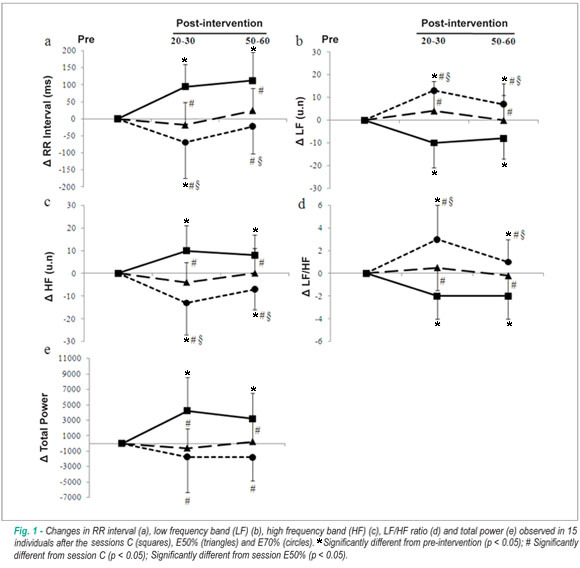
BACKGROUND: Cardiac sympathovagal balance is altered after resistance exercise. However, the impact of the characteristics of resistance training in this response remains unclear. OBJECTIVE: Analyze the acute effect of resistance exercise intensity for trunk and upper limbs in cardiac autonomic modulation after exercise. METHODS: Fifteen young men performed three experimental sessions in random order: control (C), resistance exercise with 50% of 1-RM (E50%) and resistance exercise with 70% of 1-RM (E70%). The sessions included 05 exercises for the trunk and upper limbs performed in three sets of 12, 9 and 6 repetitions, respectively. Before and at 20 and 50 minutes after the interventions, the heart rate was measured for spectral analysis of variability. RESULTS: In comparison to the values before the intervention, the RR interval and the band of high frequency (HF) increased (major changes: + 112 ± 83 ms; +10 ± 11 un, respectively, p < 0.01), while the low frequency band (LF) and LF/HF ratio decreased (major changes: -10 ± 11 pc; -2 ± 2, respectively, p 0.05). Compared to pre-exercise values, the RR interval and the HF band decreased (major changes: -69 ± 105 ms; -13 ± 14 un, respectively, p <0.01), while the LF band and the LF/HF ratio increased (major changes: -13 ± 14 un, 13 ± 3 14 ± 3 and un, respectively, p <0.01) after E70%. CONCLUSION: The higher intensity of resistance exercise for trunk and upper limbs promoted, in an acute manner, greater increase in cardiac sympathovagal balance after exercise.

  • Autonomic Nervous System
  • Exercise
  • Physical Exertion
  • Sympathetic Nervous System
Read Full Article
Creative Commons Attribution (CC BY) Creative Commons license
15/04/2011 DOI: 10.1590/S0066-782X2011005000043 Views 1
Blood pressure reduction in hyper-reactive individuals after aerobic exercise
ABC
Artigo Original

Blood pressure reduction in hyper-reactive individuals after aerobic exercise

Cleusa Maria Richter et al. Tiago Facchini Panigas Daiana Cristine Bündchen Thiago Dipp … Kalyse Claudino Belli Paulo Ricardo Nazário Viecili

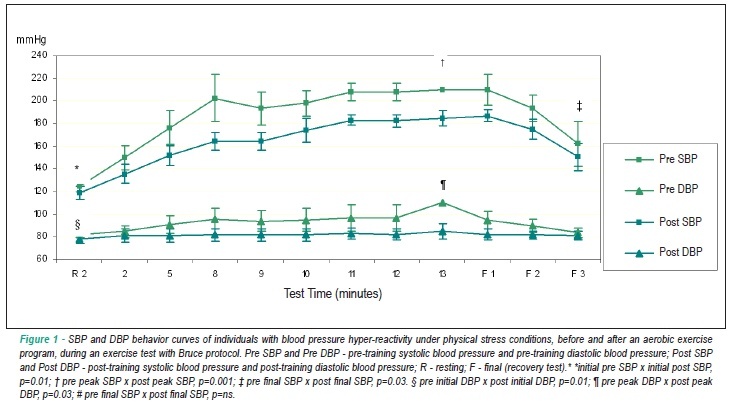
BACKGROUND: Some normotensive sedentary individuals have an exaggerated increase in blood pressure (BP) during physical activity, which is a behavior that is called blood pressure hyper-reactivity. OBJECTIVE: To investigate the effect of an aerobic exercise program (AEP) on blood pressure in individuals with blood pressure hyper-reactivity (BPH). METHODS: Ten male volunteers with BPH, aged 45 ± 10 years, referred to as the experimental group (EG), took part in an AEP on a treadmill, 3 times a week for two months. They were compared to 14 men with BPH, aged 48 ± 8 years, referred to as the control group (CG), who remained sedentary. The subjects were evaluated before and after the AEP by stress test for comparison purposes. We evaluated the initial, peak and test-end heart rates (HR), systolic blood pressure (SBP) and diastolic blood pressure (DBP). RESULTS: There a significant decrease in the initial SBP (-5%; p=0.01), initial DBP (-4.6%; p=0.01), peak SBP (-12.4%; p=0.001), peak DBP (-14.7%; p=0.03), final SBP (-4.6%, p=0.03) in the EG. The CG continued with its hyper-reactive behavior, which evolved to more exaggerated levels when the results before and after the study were compared (p<0.04). In the HR, there was an increase only in the final HR, of 11.3 bpm, after training (p=0.02). The test-peak VO2 increased by 4.4 ml.kg-1 .min-1 in the EG (p=0.01) and remained similar in the CG. CONCLUSION: The AEP normalized the behavior of the blood pressure hyper-reactivity in sedentary men. (Arq Bras Cardiol. 2010; [online]. ahead print, PP.0-0)

  • Blood Pressure
  • Exercise
  • Physical Exertion
  • Risk Factors
Read Full Article
Creative Commons Attribution (CC BY) Creative Commons license
09/07/2010 DOI: 10.1590/S0066-782X2010005000085 Views 2
Equations for predicting aerobic power (VO2) of young Brazilian adults
ABC
Artigo Original

Equations for predicting aerobic power (VO2) of young Brazilian adults

Paula Magrani et al. Fernando Augusto Monteiro Saboia Pompeu

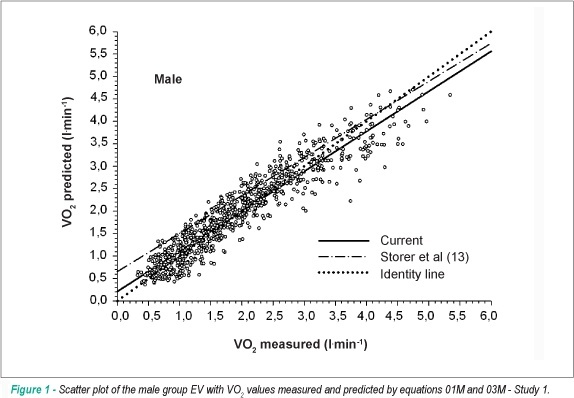
BACKGROUND: VO2 may be predicted with base on anthropometric and physiological parameters for determined populations. OBJECTIVE: To propose models for submaximal and maximal VO2 prediction in young Brazilian adults. METHODS: A total of 137 volunteers (92 men) underwent graded maximal exercise test (GXT) in a cycle ergometer (MonarkTM, Br). Gas exchange and respiratory measurements were performed in an open circuit (AerosportTM TEEM 100, USA). In another group, 13 volunteers underwent GXT and a square wave test (SWT) in order to evaluate the external validity of Neder et al’s formula, ACSM’s formula, and of Åstrand-Ryhming nomogram. The study design chosen was a cross-validation and the significance level was set at p < 0.05. RESULTS: For men during submaximal exercises, a mathematical model was deduced with base on workload, body mass, and age, which explained 89% of the VO2 variation, with SEE (standard error of the estimate) = 0.33 l.min-1. For the maximum load in the male group, another model with the same variables explained 71% of VO2 variation, with SEE = 0.40 l.min-1. For women, 93% of VO2 variation could be explained, with SEE = 0.17 l.min-1, both in submaximal and maximal exercise, with only one equation by use e of the same independent variables. CONCLUSION: The models derived in the present study proved to be accurate to predict submaximal and maximal VO2 in young Brazilian adults. (Arq Bras Cardiol. 2010; [online]. ahead print, PP.0-0)

  • Exercise
  • Exercise Test
  • Maximal voluntary ventilation
  • Physical Exertion
Read Full Article
Creative Commons Attribution (CC BY) Creative Commons license
28/05/2010 DOI: 10.1590/S0066-782X2010005000054 Views 1

How to cite this article

EndNote RIS

Electronic Document Format (Vancouver)

Tobase L, Peres HHC, Polastri TF, Cardoso SH, Souza DR, Almeida DG, Timerman S, et al. The Use of the Borg Rating of Perceived Exertion Scale in Cardiopulmonary Resuscitation. Arquivos Brasileiros de Cardiologia 2023;120(1):e20220240.

Electronic Document Format (ABNT)

Tobase, Lucia; Peres, Heloisa Helena Ciqueto; Polastri, Thatiane Facholi; Cardoso, Sandra Helena; Souza, Dhieizom Rodrigo; Almeida, Debora Gugelmin; Timerman, Sergio. The Use of the Borg Rating of Perceived Exertion Scale in Cardiopulmonary Resuscitation. Arquivos Brasileiros de Cardiologia, v. 120, n. 1, e20220240, Jan. 2023.

Electronic Document Format (APA)

Tobase, L., Peres, H. H. C., Polastri, T. F., Cardoso, S. H., Souza, D. R., Almeida, D. G., & Timerman, S. (2023). The Use of the Borg Rating of Perceived Exertion Scale in Cardiopulmonary Resuscitation. Arquivos Brasileiros de Cardiologia, 120(1), e20220240.

Electronic Document Format (ISO)

Tobase, Lucia and Peres, Heloisa Helena Ciqueto and Polastri, Thatiane Facholi and Cardoso, Sandra Helena and Souza, Dhieizom Rodrigo and Almeida, Debora Gugelmin and Timerman, Sergio. The Use of the Borg Rating of Perceived Exertion Scale in Cardiopulmonary Resuscitation. Arquivos Brasileiros de Cardiologia [online]. 2023, vol. 120, n. 1, [cited 2026-10-14], e20220240. Available from: <https://journals.cardiol.br/en/article/the-use-of-the-borg-rating-of-perceived-exertion-scale-in-cardiopulmonary-resuscitation/>. ISSN 0066-782X

EndNote RIS

Electronic Document Format (Vancouver)

Souza Neto EG, Peixoto JVC, Rank Filho C, Petterle RR, Fogaça RTH, Wolska BM, Dias FAL, et al. Effects of High-Intensity Interval Training and Continuous Training on Exercise Capacity, Heart Rate Variability and Isolated Hearts in Diabetic Rats. Arquivos Brasileiros de Cardiologia 2023;120(1):e20220396.

Electronic Document Format (ABNT)

Souza Neto, Eduardo Gomes de; Peixoto, João Victor Capelli; Rank Filho, Claucio; Petterle, Ricardo Rasmussen; Fogaça, Rosalvo Tadeu Hochmuller; Wolska, Beata Maria; Dias, Fernando Augusto Lavezzo. Effects of High-Intensity Interval Training and Continuous Training on Exercise Capacity, Heart Rate Variability and Isolated Hearts in Diabetic Rats. Arquivos Brasileiros de Cardiologia, v. 120, n. 1, e20220396, Jan. 2023.

Electronic Document Format (APA)

Souza Neto, E. G. , Peixoto, J. V. C., Rank Filho, C., Petterle, R. R., Fogaça, R. T. H., Wolska, B. M., & Dias, F. A. L. (2023). Effects of High-Intensity Interval Training and Continuous Training on Exercise Capacity, Heart Rate Variability and Isolated Hearts in Diabetic Rats. Arquivos Brasileiros de Cardiologia, 120(1), e20220396.

Electronic Document Format (ISO)

Souza Neto, Eduardo Gomes de and Peixoto, João Victor Capelli and Rank Filho, Claucio and Petterle, Ricardo Rasmussen and Fogaça, Rosalvo Tadeu Hochmuller and Wolska, Beata Maria and Dias, Fernando Augusto Lavezzo. Effects of High-Intensity Interval Training and Continuous Training on Exercise Capacity, Heart Rate Variability and Isolated Hearts in Diabetic Rats. Arquivos Brasileiros de Cardiologia [online]. 2023, vol. 120, n. 1, [cited 2026-10-14], e20220396. Available from: <https://journals.cardiol.br/en/article/effects-of-high-intensity-interval-training-and-continuous-training-on-exercise-capacity-heart-rate-variability-and-isolated-hearts-in-diabetic-rats/>. ISSN 0066-782X

EndNote RIS

Electronic Document Format (Vancouver)

Improta-Caria AC. Physical Exercise and MicroRNAs: Molecular Mechanisms in Hypertension and Myocardial Infarction. Arquivos Brasileiros de Cardiologia 2022;118(6):1147-9.

Electronic Document Format (ABNT)

Improta-Caria, Alex Cleber. Physical Exercise and MicroRNAs: Molecular Mechanisms in Hypertension and Myocardial Infarction. Arquivos Brasileiros de Cardiologia, v. 118, n. 6, p. 1147-1149, Jun. 2022.

Electronic Document Format (APA)

Improta-Caria, A. C. (2022). Physical Exercise and MicroRNAs: Molecular Mechanisms in Hypertension and Myocardial Infarction. Arquivos Brasileiros de Cardiologia, 118(6), 1147-1149.

Electronic Document Format (ISO)

Improta-Caria, Alex Cleber. Physical Exercise and MicroRNAs: Molecular Mechanisms in Hypertension and Myocardial Infarction. Arquivos Brasileiros de Cardiologia [online]. 2022, vol. 118, n. 6, [cited 2026-10-14], pp. 1147-1149. Available from: <https://journals.cardiol.br/en/article/physical-exercise-and-micrornas-molecular-mechanisms-in-hypertension-and-myocardial-infarction/>. ISSN 0066-782X

EndNote RIS

Electronic Document Format (Vancouver)

Costa RVC. Cardiovascular Rehabilitation at Distance: A New Moment. International Journal of Cardiovascular Sciences 2021;34(6):642-3.

Electronic Document Format (ABNT)

Costa, Ricardo Vivacqua Cardoso. Cardiovascular Rehabilitation at Distance: A New Moment. International Journal of Cardiovascular Sciences, v. 34, n. 6, p. 642-643, May. 2021.

Electronic Document Format (APA)

Costa, R. V. C. (2021). Cardiovascular Rehabilitation at Distance: A New Moment. International Journal of Cardiovascular Sciences, 34(6), 642-643.

Electronic Document Format (ISO)

Costa, Ricardo Vivacqua Cardoso. Cardiovascular Rehabilitation at Distance: A New Moment. International Journal of Cardiovascular Sciences [online]. 2021, vol. 34, n. 6, [cited 2026-10-14], pp. 642-643. Available from: <https://journals.cardiol.br/en/article/cardiovascular-rehabilitation-at-distance-a-new-moment/>. ISSN 2359-4802

EndNote RIS

Electronic Document Format (Vancouver)

Franzoni L. Can Long-Distance Walking alter Cardiac Biomarkers and Echocardiographic Variables Related to Diastolic Function?. Arquivos Brasileiros de Cardiologia 2020;115(4):628-9.

Electronic Document Format (ABNT)

Franzoni, Leandro. Can Long-Distance Walking alter Cardiac Biomarkers and Echocardiographic Variables Related to Diastolic Function?. Arquivos Brasileiros de Cardiologia, v. 115, n. 4, p. 628-629, Oct. 2020.

Electronic Document Format (APA)

Franzoni, L. (2020). Can Long-Distance Walking alter Cardiac Biomarkers and Echocardiographic Variables Related to Diastolic Function?. Arquivos Brasileiros de Cardiologia, 115(4), 628-629.

Electronic Document Format (ISO)

Franzoni, Leandro. Can Long-Distance Walking alter Cardiac Biomarkers and Echocardiographic Variables Related to Diastolic Function?. Arquivos Brasileiros de Cardiologia [online]. 2020, vol. 115, n. 4, [cited 2026-10-14], pp. 628-629. Available from: <https://journals.cardiol.br/en/article/can-long-distance-walking-alter-cardiac-biomarkers-and-echocardiographic-variables-related-to-diastolic-function/>. ISSN 0066-782X

EndNote RIS

Electronic Document Format (Vancouver)

Farah BQ, Ritti-Dias RM, Montgomery P, Cucato GG, Gardner A. Exercise Intensity during 6-Minute Walk Test in Patients with Peripheral Artery Disease. Arquivos Brasileiros de Cardiologia 2020;114(3):486-92.

Electronic Document Format (ABNT)

Farah, Breno Quintella; Ritti-Dias, Raphael Mendes; Montgomery, Polly; Cucato, Gabriel Grizzo; Gardner, Andrew. Exercise Intensity during 6-Minute Walk Test in Patients with Peripheral Artery Disease. Arquivos Brasileiros de Cardiologia, v. 114, n. 3, p. 486-492, Apr. 2020.

Electronic Document Format (APA)

Farah, B. Q., Ritti-Dias, R. M., Montgomery, P., Cucato, G. G., & Gardner, A. (2020). Exercise Intensity during 6-Minute Walk Test in Patients with Peripheral Artery Disease. Arquivos Brasileiros de Cardiologia, 114(3), 486-492.

Electronic Document Format (ISO)

Farah, Breno Quintella and Ritti-Dias, Raphael Mendes and Montgomery, Polly and Cucato, Gabriel Grizzo and Gardner, Andrew. Exercise Intensity during 6-Minute Walk Test in Patients with Peripheral Artery Disease. Arquivos Brasileiros de Cardiologia [online]. 2020, vol. 114, n. 3, [cited 2026-10-14], pp. 486-492. Available from: <https://journals.cardiol.br/en/article/exercise-intensity-during-6-minute-walk-test-in-patients-with-peripheral-artery-disease/>. ISSN 0066-782X

EndNote RIS

Electronic Document Format (Vancouver)

Souza P, Herdy AH. Spontaneous Exercise-Related Coronary Artery Dissection among Young Patients Without Risk Factors or Atherosclerotic Disease. Arquivos Brasileiros de Cardiologia 2019;113(5):988-9.

Electronic Document Format (ABNT)

Souza, Pablo de; Herdy, Artur Haddad. Spontaneous Exercise-Related Coronary Artery Dissection among Young Patients Without Risk Factors or Atherosclerotic Disease. Arquivos Brasileiros de Cardiologia, v. 113, n. 5, p. 988-998, Dec. 2019.

Electronic Document Format (APA)

Souza, P. , & Herdy, A. H. (2019). Spontaneous Exercise-Related Coronary Artery Dissection among Young Patients Without Risk Factors or Atherosclerotic Disease. Arquivos Brasileiros de Cardiologia, 113(5), 988-998.

Electronic Document Format (ISO)

Souza, Pablo de and Herdy, Artur Haddad. Spontaneous Exercise-Related Coronary Artery Dissection among Young Patients Without Risk Factors or Atherosclerotic Disease. Arquivos Brasileiros de Cardiologia [online]. 2019, vol. 113, n. 5, [cited 2026-10-14], pp. 988-998. Available from: <https://journals.cardiol.br/en/article/spontaneous-exercise-related-coronary-artery-dissection-among-young-patients-without-risk-factors-or-atherosclerotic-disease/>. ISSN 0066-782X

EndNote RIS

Electronic Document Format (Vancouver)

Gomes LHLS, Drummond LR, Campos HO, Rezende LMT, Carneiro-Júnior MA, Oliveira A, Natali AJ, et al. Thermoregulation in Hypertensive Rats during Exercise: Effects of Physical Training. Arquivos Brasileiros de Cardiologia 2019;112(5):534-42.

Electronic Document Format (ABNT)

Gomes, Luis Henrique Lobo Silame; Drummond, Lucas Rios; Campos, Helton Oliveira; Rezende, Leonardo Mateus Teixeira de; Carneiro-Júnior, Miguel Araújo; Oliveira, Alessandro; Natali, Antônio José; Prímola-Gomes, Thales Nicolau. Thermoregulation in Hypertensive Rats during Exercise: Effects of Physical Training. Arquivos Brasileiros de Cardiologia, v. 112, n. 5, p. 534-542, Mar. 2019.

Electronic Document Format (APA)

Gomes, L. H. L. S., Drummond, L. R., Campos, H. O., Rezende, L. M. T. , Carneiro-Júnior, M. A., Oliveira, A., Natali, A. J., & Prímola-Gomes, T. N. (2019). Thermoregulation in Hypertensive Rats during Exercise: Effects of Physical Training. Arquivos Brasileiros de Cardiologia, 112(5), 534-542.

Electronic Document Format (ISO)

Gomes, Luis Henrique Lobo Silame and Drummond, Lucas Rios and Campos, Helton Oliveira and Rezende, Leonardo Mateus Teixeira de and Carneiro-Júnior, Miguel Araújo and Oliveira, Alessandro and Natali, Antônio José and Prímola-Gomes, Thales Nicolau. Thermoregulation in Hypertensive Rats during Exercise: Effects of Physical Training. Arquivos Brasileiros de Cardiologia [online]. 2019, vol. 112, n. 5, [cited 2026-10-14], pp. 534-542. Available from: <https://journals.cardiol.br/en/article/thermoregulation-in-hypertensive-rats-during-exercise-effects-of-physical-training/>. ISSN 0066-782X

EndNote RIS

Electronic Document Format (Vancouver)

Moura EOC, Tanaka K, Gomes MFP, Nogueira E, Gomes R, Estadella D, Mattos K, et al. Comparison betweent the Effects of Swimming and Treadmill-Based Aerobic Training Protocols in Diabetic Rats. International Journal of Cardiovascular Sciences 2018;31(6):610-8.

Electronic Document Format (ABNT)

Moura, Elizabeth de Orleans Carvalho de; Tanaka, Kelvin; Gomes, Moisés Felipe Pereira; Nogueira, Evandro; Gomes, Ricardo; Estadella, Debora; Mattos, Katt; Brum, Patrícia Chakur; Medeiros, Alessandra. Comparison betweent the Effects of Swimming and Treadmill-Based Aerobic Training Protocols in Diabetic Rats. International Journal of Cardiovascular Sciences, v. 31, n. 6, p. 610-618, Aug. 2018.

Electronic Document Format (APA)

Moura, E. O. C. , Tanaka, K., Gomes, M. F. P., Nogueira, E., Gomes, R., Estadella, D., Mattos, K., Brum, P. C., & Medeiros, A. (2018). Comparison betweent the Effects of Swimming and Treadmill-Based Aerobic Training Protocols in Diabetic Rats. International Journal of Cardiovascular Sciences, 31(6), 610-618.

Electronic Document Format (ISO)

Moura, Elizabeth de Orleans Carvalho de and Tanaka, Kelvin and Gomes, Moisés Felipe Pereira and Nogueira, Evandro and Gomes, Ricardo and Estadella, Debora and Mattos, Katt and Brum, Patrícia Chakur and Medeiros, Alessandra. Comparison betweent the Effects of Swimming and Treadmill-Based Aerobic Training Protocols in Diabetic Rats. International Journal of Cardiovascular Sciences [online]. 2018, vol. 31, n. 6, [cited 2026-10-14], pp. 610-618. Available from: <https://journals.cardiol.br/en/article/comparison-betweent-the-effects-of-swimming-and-treadmill-based-aerobic-training-protocols-in-diabetic-rats/>. ISSN 2359-4802

EndNote RIS

Electronic Document Format (Vancouver)

Lemos MP, Mota GR, Marocolo M, Sordi CC, Chriguer RS, Barbosa Neto O. Exercise Training Attenuates Sympathetic Activity and Improves Morphometry of Splenic Arterioles in Spontaneously Hipertensive Rats. Arquivos Brasileiros de Cardiologia 2018;110(3):263-9.

Electronic Document Format (ABNT)

Lemos, Marina de Paiva; Mota, Gustavo Ribeiro da; Marocolo, Moacir; Sordi, Carla Cristina de; Chriguer, Rosângela Soares; Barbosa Neto, Octávio. Exercise Training Attenuates Sympathetic Activity and Improves Morphometry of Splenic Arterioles in Spontaneously Hipertensive Rats. Arquivos Brasileiros de Cardiologia, v. 110, n. 3, p. 263-269, Feb. 2018.

Electronic Document Format (APA)

Lemos, M. P., Mota, G. R. , Marocolo, M., Sordi, C. C. , Chriguer, R. S., & Barbosa Neto, O. (2018). Exercise Training Attenuates Sympathetic Activity and Improves Morphometry of Splenic Arterioles in Spontaneously Hipertensive Rats. Arquivos Brasileiros de Cardiologia, 110(3), 263-269.

Electronic Document Format (ISO)

Lemos, Marina de Paiva and Mota, Gustavo Ribeiro da and Marocolo, Moacir and Sordi, Carla Cristina de and Chriguer, Rosângela Soares and Barbosa Neto, Octávio. Exercise Training Attenuates Sympathetic Activity and Improves Morphometry of Splenic Arterioles in Spontaneously Hipertensive Rats. Arquivos Brasileiros de Cardiologia [online]. 2018, vol. 110, n. 3, [cited 2026-10-14], pp. 263-269. Available from: <https://journals.cardiol.br/en/article/exercise-training-attenuates-sympathetic-activity-and-improves-morphometry-of-splenic-arterioles-in-spontaneously-hipertensive-rats/>. ISSN 0066-782X

EndNote RIS

Electronic Document Format (Vancouver)

Silva CF, Burgos MS, Silva PT, Burgos LT, Welser L, Sehn AP, Horta JA, et al. Relationship between Cardiometabolic Parameters and Elevated Resting and Effort Heart Rate in Schoolchildren. Arquivos Brasileiros de Cardiologia 2017;109(3):191-8.

Electronic Document Format (ABNT)

Silva, Cristiane Fernanda da; Burgos, Miria Suzana; Silva, Priscila Tatiana da; Burgos, Leandro Tibiriçá; Welser, Letícia; Sehn, Ana Paula; Horta, Jorge André; Mello, Elza Daniel de; Reuter, Cézane Priscila. Relationship between Cardiometabolic Parameters and Elevated Resting and Effort Heart Rate in Schoolchildren. Arquivos Brasileiros de Cardiologia, v. 109, n. 3, p. 191-198, Jul. 2017.

Electronic Document Format (APA)

Silva, C. F. , Burgos, M. S., Silva, P. T. , Burgos, L. T., Welser, L., Sehn, A. P., Horta, J. A., Mello, E. D. , & Reuter, C. P. (2017). Relationship between Cardiometabolic Parameters and Elevated Resting and Effort Heart Rate in Schoolchildren. Arquivos Brasileiros de Cardiologia, 109(3), 191-198.

Electronic Document Format (ISO)

Silva, Cristiane Fernanda da and Burgos, Miria Suzana and Silva, Priscila Tatiana da and Burgos, Leandro Tibiriçá and Welser, Letícia and Sehn, Ana Paula and Horta, Jorge André and Mello, Elza Daniel de and Reuter, Cézane Priscila. Relationship between Cardiometabolic Parameters and Elevated Resting and Effort Heart Rate in Schoolchildren. Arquivos Brasileiros de Cardiologia [online]. 2017, vol. 109, n. 3, [cited 2026-10-14], pp. 191-198. Available from: <https://journals.cardiol.br/en/article/relationship-between-cardiometabolic-parameters-and-elevated-resting-and-effort-heart-rate-in-schoolchildren/>. ISSN 0066-782X

EndNote RIS

Electronic Document Format (Vancouver)

Maia TN, Araujo GBR, Teixeira JAC, Alves Junior ED, Dias KP. Cardiotoxicity of Doxorubicin Treatment and Physical Activity: A Systematic Review. International Journal of Cardiovascular Sciences 2017;30(1):70-8.

Electronic Document Format (ABNT)

Maia, Tauan Nunes; Araujo, Gustavo Bento Ribeiro de; Teixeira, José Antônio Caldas; Alves Junior, Edmundo de Drummond; Dias, Kátia Pedreira. Cardiotoxicity of Doxorubicin Treatment and Physical Activity: A Systematic Review. International Journal of Cardiovascular Sciences, v. 30, n. 1, p. 70-80, Dec. 2016.

Electronic Document Format (APA)

Maia, T. N., Araujo, G. B. R. , Teixeira, J. A. C., Alves Junior, E. D., & Dias, K. P. (2017). Cardiotoxicity of Doxorubicin Treatment and Physical Activity: A Systematic Review. International Journal of Cardiovascular Sciences, 30(1), 70-80.

Electronic Document Format (ISO)

Maia, Tauan Nunes and Araujo, Gustavo Bento Ribeiro de and Teixeira, José Antônio Caldas and Alves Junior, Edmundo de Drummond and Dias, Kátia Pedreira. Cardiotoxicity of Doxorubicin Treatment and Physical Activity: A Systematic Review. International Journal of Cardiovascular Sciences [online]. 2017, vol. 30, n. 1, [cited 2026-10-14], pp. 70-80. Available from: <https://journals.cardiol.br/en/article/cardiotoxicity-of-doxorubicin-treatment-and-physical-activity-a-systematic-review/>. ISSN 2359-4802

EndNote RIS

Electronic Document Format (Vancouver)

Ramirez HSM, Nunes RAB, Aiello VD. Case 4/2017 – Young Male Marathoner with Heart Failure Due to Dilated Cardiomyopathy. Arquivos Brasileiros de Cardiologia 2017;109(2):169-74.

Electronic Document Format (ABNT)

Ramirez, Hilda Sara Montero; Nunes, Rafael Amorim Belo; Aiello, Vera Demarchi. Case 4/2017 – Young Male Marathoner with Heart Failure Due to Dilated Cardiomyopathy. Arquivos Brasileiros de Cardiologia, v. 109, n. 2, p. 169-174, Dec. 2016.

Electronic Document Format (APA)

Ramirez, H. S. M., Nunes, R. A. B., & Aiello, V. D. (2017). Case 4/2017 – Young Male Marathoner with Heart Failure Due to Dilated Cardiomyopathy. Arquivos Brasileiros de Cardiologia, 109(2), 169-174.

Electronic Document Format (ISO)

Ramirez, Hilda Sara Montero and Nunes, Rafael Amorim Belo and Aiello, Vera Demarchi. Case 4/2017 – Young Male Marathoner with Heart Failure Due to Dilated Cardiomyopathy. Arquivos Brasileiros de Cardiologia [online]. 2017, vol. 109, n. 2, [cited 2026-10-14], pp. 169-174. Available from: <https://journals.cardiol.br/en/article/case-4-2017-young-male-marathoner-with-heart-failure-due-to-dilated-cardiomyopathy/>. ISSN 0066-782X

EndNote RIS

Electronic Document Format (Vancouver)

Paschoal MA, Brunelli AC, Tamaki GM, Magela SS. Cardiac Autonomic Adjustments During Baroreflex Test in Obese and Non-Obese Preadolescents. Arquivos Brasileiros de Cardiologia 2016;106(4):297-303.

Electronic Document Format (ABNT)

Paschoal, Mário Augusto; Brunelli, Aline Carnio; Tamaki, Gabriela Midori; Magela, Sofia Serafim. Cardiac Autonomic Adjustments During Baroreflex Test in Obese and Non-Obese Preadolescents. Arquivos Brasileiros de Cardiologia, v. 106, n. 4, p. 297-303, Mar. 2016.

Electronic Document Format (APA)

Paschoal, M. A., Brunelli, A. C., Tamaki, G. M., & Magela, S. S. (2016). Cardiac Autonomic Adjustments During Baroreflex Test in Obese and Non-Obese Preadolescents. Arquivos Brasileiros de Cardiologia, 106(4), 297-303.

Electronic Document Format (ISO)

Paschoal, Mário Augusto and Brunelli, Aline Carnio and Tamaki, Gabriela Midori and Magela, Sofia Serafim. Cardiac Autonomic Adjustments During Baroreflex Test in Obese and Non-Obese Preadolescents. Arquivos Brasileiros de Cardiologia [online]. 2016, vol. 106, n. 4, [cited 2026-10-14], pp. 297-303. Available from: <https://journals.cardiol.br/en/article/cardiac-autonomic-adjustments-during-baroreflex-test-in-obese-and-non-obese-preadolescents/>. ISSN 0066-782X

EndNote RIS

Electronic Document Format (Vancouver)

Silva CGS, Araújo CGS. Sex-Specific Equations to Estimate Maximum Oxygen Uptake in Cycle Ergometry. Arquivos Brasileiros de Cardiologia 2015;105(4):381-9.

Electronic Document Format (ABNT)

Silva, Christina G. de Souza e; Araújo, Claudio Gil S.. Sex-Specific Equations to Estimate Maximum Oxygen Uptake in Cycle Ergometry. Arquivos Brasileiros de Cardiologia, v. 105, n. 4, p. 381-389, Jul. 2015.

Electronic Document Format (APA)

Silva, C. G. S. , & Araújo, C. G. S. (2015). Sex-Specific Equations to Estimate Maximum Oxygen Uptake in Cycle Ergometry. Arquivos Brasileiros de Cardiologia, 105(4), 381-389.

Electronic Document Format (ISO)

Silva, Christina G. de Souza e and Araújo, Claudio Gil S.. Sex-Specific Equations to Estimate Maximum Oxygen Uptake in Cycle Ergometry. Arquivos Brasileiros de Cardiologia [online]. 2015, vol. 105, n. 4, [cited 2026-10-14], pp. 381-389. Available from: <https://journals.cardiol.br/en/article/sex-specific-equations-to-estimate-maximum-oxygen-uptake-in-cycle-ergometry/>. ISSN 0066-782X

EndNote RIS

Electronic Document Format (Vancouver)

Araujo ACP, Santos BFO, Calasans FR, Pinto IMF, Oliveira DP, Melo LD, Andrade SM, et al. Physical Stress Echocardiography: Prediction of Mortality and Cardiac Events in Patients with Exercise Test showing Ischemia. Arquivos Brasileiros de Cardiologia 2014;103(5):418-25.

Electronic Document Format (ABNT)

Araujo, Ana Carla Pereira de; Santos, Bruno F. de Oliveira; Calasans, Flavia Ricci; Pinto, Ibraim M. Francisco; Oliveira, Daniel Pio de; Melo, Luiza Dantas; Andrade, Stephanie Macedo; Tavares, Irlaneide da Silva; Sousa, Antonio Carlos Sobral; Oliveira, Joselina Luzia Menezes. Physical Stress Echocardiography: Prediction of Mortality and Cardiac Events in Patients with Exercise Test showing Ischemia. Arquivos Brasileiros de Cardiologia, v. 103, n. 5, p. 418-425, Oct. 2014.

Electronic Document Format (APA)

Araujo, A. C. P. , Santos, B. F. O., Calasans, F. R., Pinto, I. M. F., Oliveira, D. P. , Melo, L. D., Andrade, S. M., Tavares, I. S., Sousa, A. C. S., & Oliveira, J. L. M. (2014). Physical Stress Echocardiography: Prediction of Mortality and Cardiac Events in Patients with Exercise Test showing Ischemia. Arquivos Brasileiros de Cardiologia, 103(5), 418-425.

Electronic Document Format (ISO)

Araujo, Ana Carla Pereira de and Santos, Bruno F. de Oliveira and Calasans, Flavia Ricci and Pinto, Ibraim M. Francisco and Oliveira, Daniel Pio de and Melo, Luiza Dantas and Andrade, Stephanie Macedo and Tavares, Irlaneide da Silva and Sousa, Antonio Carlos Sobral and Oliveira, Joselina Luzia Menezes. Physical Stress Echocardiography: Prediction of Mortality and Cardiac Events in Patients with Exercise Test showing Ischemia. Arquivos Brasileiros de Cardiologia [online]. 2014, vol. 103, n. 5, [cited 2026-10-14], pp. 418-425. Available from: <https://journals.cardiol.br/en/article/physical-stress-echocardiography-prediction-of-mortality-and-cardiac-events-in-patients-with-exercise-test-showing-ischemia/>. ISSN 0066-782X

EndNote RIS

Electronic Document Format (Vancouver)

Balassiano DH, Araújo CGS. Maximal heart rate: influence of sport practice during childhood and adolescence. Arquivos Brasileiros de Cardiologia 2013;100(4):333-8.

Electronic Document Format (ABNT)

Balassiano, Débora Helena; Araújo, Claudio Gil Soares de. Maximal heart rate: influence of sport practice during childhood and adolescence. Arquivos Brasileiros de Cardiologia, v. 100, n. 4, p. 333-338, Apr. 2013.

Electronic Document Format (APA)

Balassiano, D. H., & Araújo, C. G. S. (2013). Maximal heart rate: influence of sport practice during childhood and adolescence. Arquivos Brasileiros de Cardiologia, 100(4), 333-338.

Electronic Document Format (ISO)

Balassiano, Débora Helena and Araújo, Claudio Gil Soares de. Maximal heart rate: influence of sport practice during childhood and adolescence. Arquivos Brasileiros de Cardiologia [online]. 2013, vol. 100, n. 4, [cited 2026-10-14], pp. 333-338. Available from: <https://journals.cardiol.br/en/article/maximal-heart-rate-influence-of-sport-practice-during-childhood-and-adolescence/>. ISSN 0066-782X

EndNote RIS

Electronic Document Format (Vancouver)

Passaglia DG, Emed LGM, Barberato SH, Guerios ST, Moser AI, Silva MMF, Ishie E, et al. Acute effects of prolonged physical exercise: evaluation after a twenty-four-hour ultramarathon. Arquivos Brasileiros de Cardiologia 2012;100(1):21-8.

Electronic Document Format (ABNT)

Passaglia, Daniela Guinther; Emed, Luiz Gustavo Marin; Barberato, Silvio Henrique; Guerios, Surya Toledo; Moser, Andre Isolani; Silva, Miguel Morita Fernandes; Ishie, Elissa; Guarita-Souza, Luiz Cesar; Costantini, Costantino Roberto Frack; Faria-Neto, José Rocha. Acute effects of prolonged physical exercise: evaluation after a twenty-four-hour ultramarathon. Arquivos Brasileiros de Cardiologia, v. 100, n. 1, p. 21-28, Dec. 2012.

Electronic Document Format (APA)

Passaglia, D. G., Emed, L. G. M., Barberato, S. H., Guerios, S. T., Moser, A. I., Silva, M. M. F., Ishie, E., Guarita-Souza, L. C., Costantini, C. R. F., & Faria-Neto, J. R. (2012). Acute effects of prolonged physical exercise: evaluation after a twenty-four-hour ultramarathon. Arquivos Brasileiros de Cardiologia, 100(1), 21-28.

Electronic Document Format (ISO)

Passaglia, Daniela Guinther and Emed, Luiz Gustavo Marin and Barberato, Silvio Henrique and Guerios, Surya Toledo and Moser, Andre Isolani and Silva, Miguel Morita Fernandes and Ishie, Elissa and Guarita-Souza, Luiz Cesar and Costantini, Costantino Roberto Frack and Faria-Neto, José Rocha. Acute effects of prolonged physical exercise: evaluation after a twenty-four-hour ultramarathon. Arquivos Brasileiros de Cardiologia [online]. 2012, vol. 100, n. 1, [cited 2026-10-14], pp. 21-28. Available from: <https://journals.cardiol.br/en/article/acute-effects-of-prolonged-physical-exercise-evaluation-after-a-twenty-four-hour-ultramarathon/>. ISSN 0066-782X

EndNote RIS

Electronic Document Format (Vancouver)

Secundo PFC, Santos BFO, Secundo Júnior JA, Silva JB, Souza AR, Faro GBA, Barreto- Filho JA, et al. Clinical and echocardiographic parameters associated with low chronotropic index in non-elderly patients. Arquivos Brasileiros de Cardiologia 2012;98(5):413-20.

Electronic Document Format (ABNT)

Secundo, Paulo Fernando Carvalho; Santos, Bruno Fernandes de Oliveira; Secundo Júnior, José Alves; Silva, Joiciane Bárbara da; Souza, Adriana Ribeiro de; Faro, Gustavo Baptista de Almeida; Barreto- Filho, José Augusto; Sousa, Antônio Carlos Sobral; Oliveira, Joselina Luzia Menezes. Clinical and echocardiographic parameters associated with low chronotropic index in non-elderly patients. Arquivos Brasileiros de Cardiologia, v. 98, n. 5, p. 413-420, Apr. 2012.

Electronic Document Format (APA)

Secundo, P. F. C., Santos, B. F. O., Secundo Júnior, J. A., Silva, J. B. , Souza, A. R. , Faro, G. B. A., Barreto- Filho, J. A., Sousa, A. C. S., & Oliveira, J. L. M. (2012). Clinical and echocardiographic parameters associated with low chronotropic index in non-elderly patients. Arquivos Brasileiros de Cardiologia, 98(5), 413-420.

Electronic Document Format (ISO)

Secundo, Paulo Fernando Carvalho and Santos, Bruno Fernandes de Oliveira and Secundo Júnior, José Alves and Silva, Joiciane Bárbara da and Souza, Adriana Ribeiro de and Faro, Gustavo Baptista de Almeida and Barreto- Filho, José Augusto and Sousa, Antônio Carlos Sobral and Oliveira, Joselina Luzia Menezes. Clinical and echocardiographic parameters associated with low chronotropic index in non-elderly patients. Arquivos Brasileiros de Cardiologia [online]. 2012, vol. 98, n. 5, [cited 2026-10-14], pp. 413-420. Available from: <https://journals.cardiol.br/en/article/clinical-and-echocardiographic-parameters-associated-with-low-chronotropic-index-in-non-elderly-patients/>. ISSN 0066-782X

EndNote RIS

Electronic Document Format (Vancouver)

Silva MF, Pelúzio MCG, Amorim PRS, Lavorato VN, Santos NP, Bozi LHM, Penitente AR, et al. Swimming training attenuates contractile dysfunction in diabetic rat cardiomyocytes. Arquivos Brasileiros de Cardiologia 2011;97(1):33-9.

Electronic Document Format (ABNT)

Silva, Márcia Ferreira da; Pelúzio, Maria do Carmo Gouveia; Amorim, Paulo Roberto dos Santos; Lavorato, Vitor Neiva; Santos, Natália Pereira do; Bozi, Luiz Henrique Marchesi; Penitente, Arlete Rita; Falkoski, Daniel Luciano; Berfort, Felipe Gomes; Natali, Antonio Jose. Swimming training attenuates contractile dysfunction in diabetic rat cardiomyocytes. Arquivos Brasileiros de Cardiologia, v. 97, n. 1, p. 33-39, May. 2011.

Electronic Document Format (APA)

Silva, M. F. , Pelúzio, M. C. G., Amorim, P. R. S., Lavorato, V. N., Santos, N. P. , Bozi, L. H. M., Penitente, A. R., Falkoski, D. L., Berfort, F. G., & Natali, A. J. (2011). Swimming training attenuates contractile dysfunction in diabetic rat cardiomyocytes. Arquivos Brasileiros de Cardiologia, 97(1), 33-39.

Electronic Document Format (ISO)

Silva, Márcia Ferreira da and Pelúzio, Maria do Carmo Gouveia and Amorim, Paulo Roberto dos Santos and Lavorato, Vitor Neiva and Santos, Natália Pereira do and Bozi, Luiz Henrique Marchesi and Penitente, Arlete Rita and Falkoski, Daniel Luciano and Berfort, Felipe Gomes and Natali, Antonio Jose. Swimming training attenuates contractile dysfunction in diabetic rat cardiomyocytes. Arquivos Brasileiros de Cardiologia [online]. 2011, vol. 97, n. 1, [cited 2026-10-14], pp. 33-39. Available from: <https://journals.cardiol.br/en/article/swimming-training-attenuates-contractile-dysfunction-in-diabetic-rat-cardiomyocytes/>. ISSN 0066-782X

EndNote RIS

Electronic Document Format (Vancouver)

Lima AHRA, Forjaz CLM, Silva GQM, Menêses AL, Silva AJMR, Ritti-Dias RM. Acute effect of resistance exercise intensity in cardiac autonomic modulation after exercise. Arquivos Brasileiros de Cardiologia 2011;96(6):498-503.

Electronic Document Format (ABNT)

Lima, Aluísio Henrique Rodrigues de Andrade; Forjaz, Cláudia Lúcia de Moraes; Silva, Gleyson Queiroz de Moraes; Menêses, Annelise Lins; Silva, Anderson José Melo Rodrigues; Ritti-Dias, Raphael Mendes. Acute effect of resistance exercise intensity in cardiac autonomic modulation after exercise. Arquivos Brasileiros de Cardiologia, v. 96, n. 6, p. 498-503, Apr. 2011.

Electronic Document Format (APA)

Lima, A. H. R. A., Forjaz, C. L. M., Silva, G. Q. M., Menêses, A. L., Silva, A. J. M. R., & Ritti-Dias, R. M. (2011). Acute effect of resistance exercise intensity in cardiac autonomic modulation after exercise. Arquivos Brasileiros de Cardiologia, 96(6), 498-503.

Electronic Document Format (ISO)

Lima, Aluísio Henrique Rodrigues de Andrade and Forjaz, Cláudia Lúcia de Moraes and Silva, Gleyson Queiroz de Moraes and Menêses, Annelise Lins and Silva, Anderson José Melo Rodrigues and Ritti-Dias, Raphael Mendes. Acute effect of resistance exercise intensity in cardiac autonomic modulation after exercise. Arquivos Brasileiros de Cardiologia [online]. 2011, vol. 96, n. 6, [cited 2026-10-14], pp. 498-503. Available from: <https://journals.cardiol.br/en/article/acute-effect-of-resistance-exercise-intensity-in-cardiac-autonomic-modulation-after-exercise/>. ISSN 0066-782X

EndNote RIS

Electronic Document Format (Vancouver)

Richter CM, Panigas TF, Bündchen DC, Dipp T, Belli KC, Viecili PRN. Blood pressure reduction in hyper-reactive individuals after aerobic exercise. Arquivos Brasileiros de Cardiologia 2010;95(2):251-7.

Electronic Document Format (ABNT)

Richter, Cleusa Maria; Panigas, Tiago Facchini; Bündchen, Daiana Cristine; Dipp, Thiago; Belli, Kalyse Claudino; Viecili, Paulo Ricardo Nazário. Blood pressure reduction in hyper-reactive individuals after aerobic exercise. Arquivos Brasileiros de Cardiologia, v. 95, n. 2, p. 251-257, Jul. 2010.

Electronic Document Format (APA)

Richter, C. M., Panigas, T. F., Bündchen, D. C., Dipp, T., Belli, K. C., & Viecili, P. R. N. (2010). Blood pressure reduction in hyper-reactive individuals after aerobic exercise. Arquivos Brasileiros de Cardiologia, 95(2), 251-257.

Electronic Document Format (ISO)

Richter, Cleusa Maria and Panigas, Tiago Facchini and Bündchen, Daiana Cristine and Dipp, Thiago and Belli, Kalyse Claudino and Viecili, Paulo Ricardo Nazário. Blood pressure reduction in hyper-reactive individuals after aerobic exercise. Arquivos Brasileiros de Cardiologia [online]. 2010, vol. 95, n. 2, [cited 2026-10-14], pp. 251-257. Available from: <https://journals.cardiol.br/en/article/blood-pressure-reduction-in-hyper-reactive-individuals-after-aerobic-exercise/>. ISSN 0066-782X

EndNote RIS

Electronic Document Format (Vancouver)

Magrani P, Pompeu FAMS. Equations for predicting aerobic power (VO2) of young Brazilian adults. Arquivos Brasileiros de Cardiologia 2010;94(6):763-70.

Electronic Document Format (ABNT)

Magrani, Paula; Pompeu, Fernando Augusto Monteiro Saboia. Equations for predicting aerobic power (VO2) of young Brazilian adults. Arquivos Brasileiros de Cardiologia, v. 94, n. 6, p. 763-770, May. 2010.

Electronic Document Format (APA)

Magrani, P., & Pompeu, F. A. M. S. (2010). Equations for predicting aerobic power (VO2) of young Brazilian adults. Arquivos Brasileiros de Cardiologia, 94(6), 763-770.

Electronic Document Format (ISO)

Magrani, Paula and Pompeu, Fernando Augusto Monteiro Saboia. Equations for predicting aerobic power (VO2) of young Brazilian adults. Arquivos Brasileiros de Cardiologia [online]. 2010, vol. 94, n. 6, [cited 2026-10-14], pp. 763-770. Available from: <https://journals.cardiol.br/en/article/equations-for-predicting-aerobic-power-vo2-of-young-brazilian-adults/>. ISSN 0066-782X

  • About ABC Family
  • Internal Regulation
  • Editorial Board
  • Brazilian Society of Cardiology (SBC)

Issues

SBC Guidelines

  • Videos
  • Podcasts
  • News