ABC Family Arquivos Brasileiros de Cardiologia International Journal of Cardiovascular Sciences ABC Heart Failure & Cardiomyopathy ABC Imagem Cardiovascular
Português English
ABC Family
Português English
  • About
    • About ABC Family
    • Internal Regulation
    • Editorial Board
    • Brazilian Society of Cardiology (SBC)
  • Issues
  • SBC Guidelines
  • Content
    • Videos
    • Podcasts
    • News
  • About
    • About ABC Family
    • Internal Regulation
    • Editorial Board
    • Brazilian Society of Cardiology (SBC)
  • Issues
  • SBC Guidelines
  • Content
    • Videos
    • Podcasts
    • News

ABC Family

  • ABC Family
  • Arquivos Brasileiros de Cardiologia
  • International Journal of Cardiovascular Sciences
  • ABC Heart Failure & Cardiomyopathy
  • ABC Imagem Cardiovascular
Search in

No content found.

Journals
Ordering
Article types
Others

  1. Home
  2. Keyword: Vascular Diseases
Figure 1
ABC
Case Report

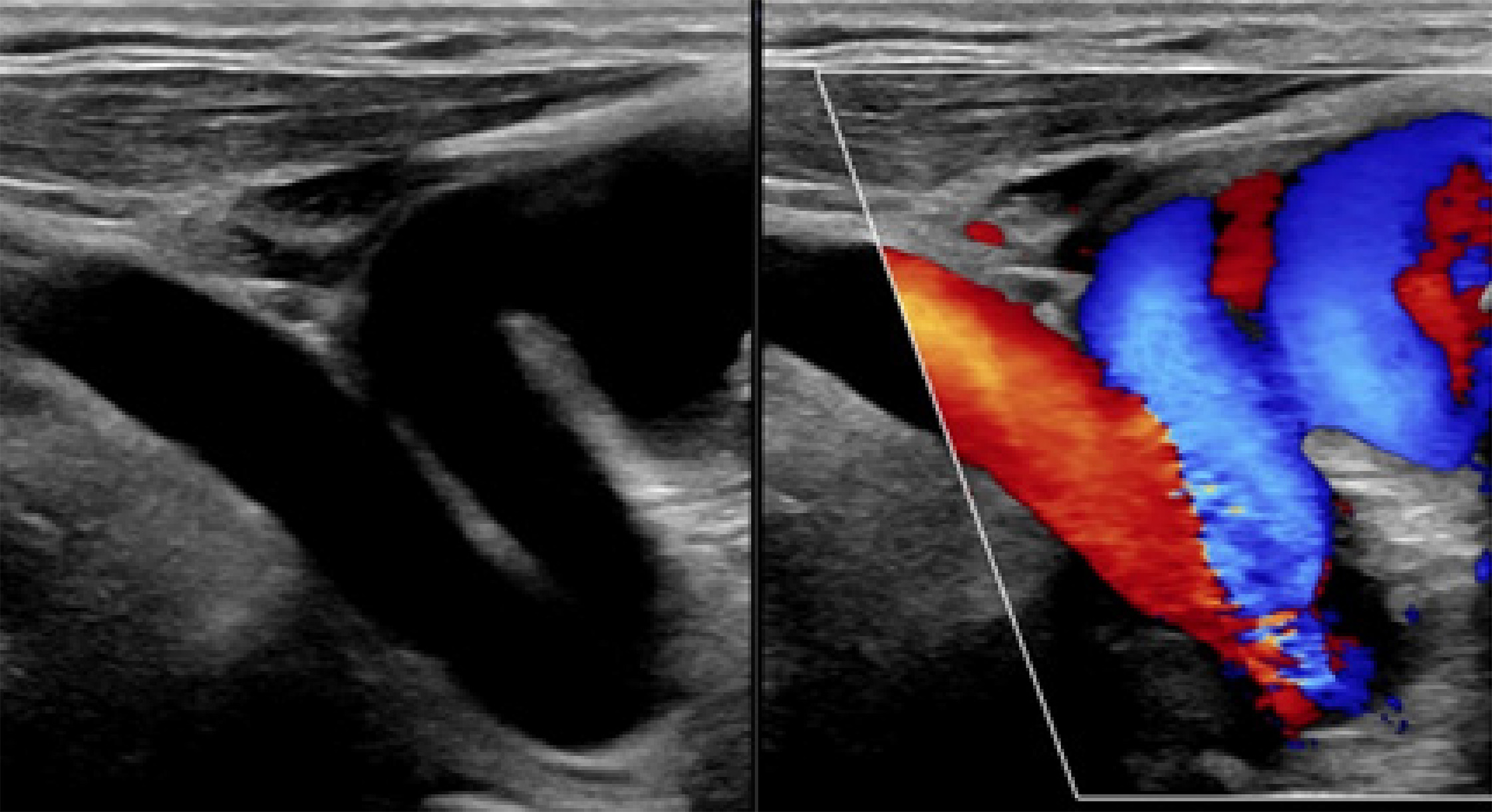
Transient Ischemic Attack in a Patient with Vascular Kinking of the Subclavian and Right Common Carotid Arteries – A Case Report

Katia Gleicielly Frigotto et al. Washington Luiz Batista da Costa Lais Antonucci Ferreira Daniela Roberta Alves Silva … Giovana Salviano Braga Garcia Luciano de Figueiredo Aguiar Bruno de Souza Paolino

Introduction

Vascular kinking is a vascular angular change where an acute angle is formed in an artery. Both embryogenic and acquired causes can lead to this change. Studies indicate that atherosclerosis, hypertension, and aging are significant contributors to carotid abnormalities. Other factors such as trauma, congenital causes, or inflammatory diseases are uncommon and typically associated with atherosclerosis. Congenital factors may manifest clinically later in life, being exacerbated by conditions like systemic arterial hypertension (SAH), diabetes mellitus (DM), dyslipidemia, smoking, rheumatological disorders, and heart diseases.

There are two types of kinking. The first one being congenital, most prevalent in women in their late 40s and early 50s, being clinically significant in advanced age. The second type is linked to atherosclerotic risk factors, such as SAH, dyslipidemia, DM, and smoking. However, determining the exact role of carotid abnormalities in causing ischemic symptoms is challenging due to their frequent association with atherosclerotic lesions in vessel walls.

[…]
  • Cerebrovascular Disorders
  • Transient Ischemic Attack
  • Vascular Diseases
Read Full Article
Creative Commons Attribution (CC BY) Creative Commons license
26/08/2024 DOI: 10.36660/abc.20230520i Views 1
Figure 1
ABC
Original Article

Stress in Women with Acute Myocardial Infarction: A Closer Look

Karine Schmidt et al. Aline da Silva Lima Kelly Rocha Schmitt Maria Antonieta Moraes Marcia Moura Schmidt

Abstract

Background:

Women seem to be more susceptible to psychosocial stress than men, and stress is associated with worse outcomes after acute myocardial infarction (AMI).

Objectives:

To investigate whether the female gender is an independent predictor of risk for stress and to compare stress levels between women and men after AMI.

Methods:

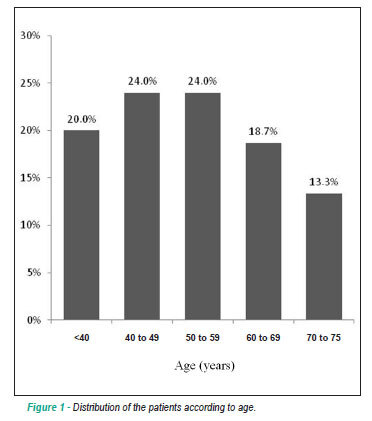
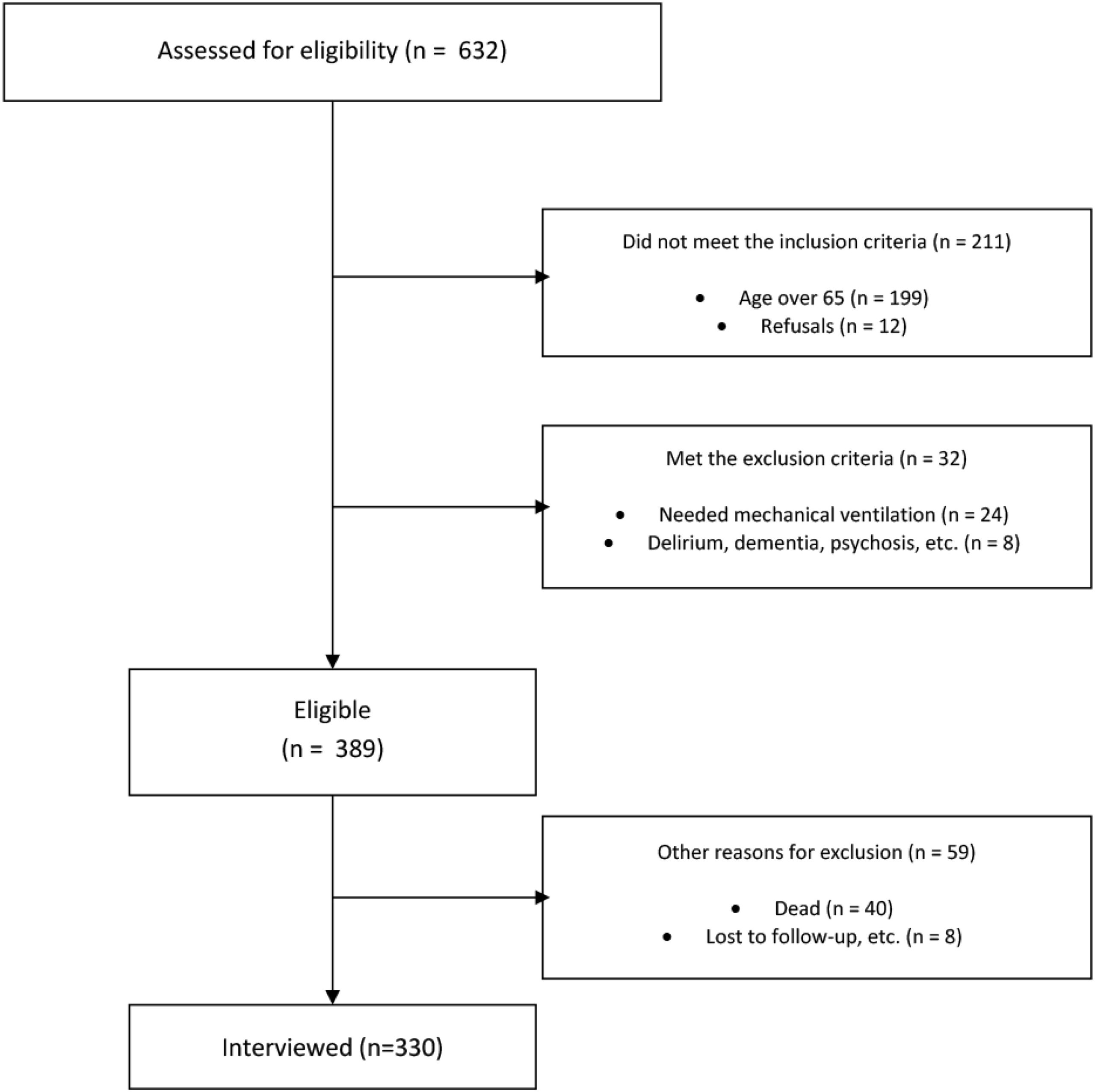
Cross-sectional study of a case series. Patients aged 18 to 65 years who were treated for AMI at the study facility between January 2017 and June 2018 were eligible. The presence of stress was assessed using Lipp’s Stress Symptoms Inventory for Adults (ISSL), which categorizes stress into four phases (alertness, resistance, near-exhaustion, and exhaustion), through a list of physical and psychological symptoms. Data were analyzed using SPSS Version 24.0. The significance level was set at p<0.05.

Results:

Of the 330 respondents, 89% of women and 70% of men experienced stress. The female gender was associated with nearly threefold higher odds of experiencing stress (EXP (B)2.79, p = 0.02). Regarding the phases of stress, women were more often in the near-exhaustion and exhaustion phases, while men were more often in the resistance phase.

Conclusions:

This study showed that women are most often in the third and fourth phases of stress, i.e., in situations of long-standing psychosocial stress. These findings can assist in the development of gender-specific strategies for health promotion and disease prevention, aiming to minimize the effects of stress in this population.

  • Coronary Artery Disease
  • Myocardial Infarction
  • Risk Factors
  • Stress, Psychological
  • Vascular Diseases
  • Women
Read Full Article
Creative Commons Attribution (CC BY) Creative Commons license
23/10/2020 DOI: 10.36660/abc.20190282
ABC
Editorial

Synergy of Rapamycin and Cyanoacrylate in Reducing Intimal Hyperplasia

Marcia Kiyomi Koike

Myocardial revascularization (CABG) surgery remains one of the main therapies for coronary disease. However, vascular disease that follows CABG remains a challenge to medicine. The mechanical, molecular and cellular changes undergone by the venous vascular graft when inserted into the coronary artery flow culminate in thrombosis, intimal hyperplasia, and atherosclerotic process, and end with restenosis.,

CABG experimental models were crucial to the understanding of mechanisms present in the course of vascular disease. The vascular graft model with anastomosis of the external jugular vein with the carotid artery represents an experimental model of vascular disease similar to that occurring after CABG. Pigs, rabbits, and rats may be used in this model because of protocol reproducibility, cost, and benefit.,

[…]

  • Cianoacrilates
  • Coronary Artery Diseases
  • Hyperplasia
  • Imunosupressive Agents
  • Myocardial Revascularization
  • Rats
  • Vascular Diseases
Read Full Article
Creative Commons Attribution (CC BY) Creative Commons license
01/01/2019 DOI: 10.5935/abc.20180269
ABC
Original Article

Pulse wave velocity, blood pressure and adipocytokines in young adults: the Rio de Janeiro study

Oswaldo Luiz Pizzi et al. Andréa Araujo Brandão Roberto Pozzan Maria Eliane Campos Magalhães … Erika Maria Gonçalves Campana Flavia Lopes Fonseca Elizabete Viana de Freitas Ayrton Pires Brandão

BACKGROUND: Data on noninvasive vascular assessment and their association with cardiovascular risk variables are scarce in young individuals. OBJECTIVE: To evaluate the association between pulse wave velocity and blood pressure, anthropometric and metabolic variables, including adipocytokines, in young adults. METHODS: A total of 96 individuals aged 26 to 35 years (mean 30.09 ± 1.92; 51 males) were assessed in the Rio de Janeiro study. Pulse wave velocity (Complior method), blood pressure, body mass index, glucose, lipid profile, leptin, insulin, adiponectin and insulin resistance index (HOMA-IR) were analyzed. Subjects were stratified into three groups according to the PWV tertile for each gender. RESULTS: The group with the highest pulse wave velocity (PWV) tertile showed higher mean systolic and diastolic blood pressure, mean blood pressure, body mass index, insulin, and HOMA-IR, as well as lower mean adiponectin; higher prevalence of diabetes mellitus/glucose intolerance and hyperinsulinemia. There was a significant positive correlation of PWV with systolic blood pressure, diastolic blood pressure, pulse pressure and mean blood pressure, body mass index, and LDL-cholesterol, and a negative correlation with HDL-cholesterol and adiponectin. In the multiple regression model, after adjustment of HDL-cholesterol, LDL-cholesterol and adiponectin for gender, age, body mass index and mean blood pressure, only the male gender and mean blood pressure remained significantly correlated with PWV. CONCLUSION: PWV in young adults showed a significant association with cardiovascular risk variables, especially in the male gender, and mean blood pressure as important determinant variables. The findings suggest that PWV measurement can be useful for the identification of vascular impairment in this age group.

  • Adiponectin
  • Blood Pressure
  • Pulse
  • Risk Factors
  • Vascular Diseases
Read Full Article
Creative Commons Attribution (CC BY) Creative Commons license
11/12/2012 DOI: 10.1590/S0066-782X2012005000116
Assessment of cardiac allograft vasculopathy in cardiac transplantation: experience of a Brazilian center
ABC
Artigo Original

Assessment of cardiac allograft vasculopathy in cardiac transplantation: experience of a Brazilian center

Elide Sbardellotto Mariano da Costa et al. Ricardo Wang Michelle F. Susin Sergio Lopes Veiga … Francisco Costa Diniz Paulo Roberto Slud Brofman Lidia Ana Zytynski Moura

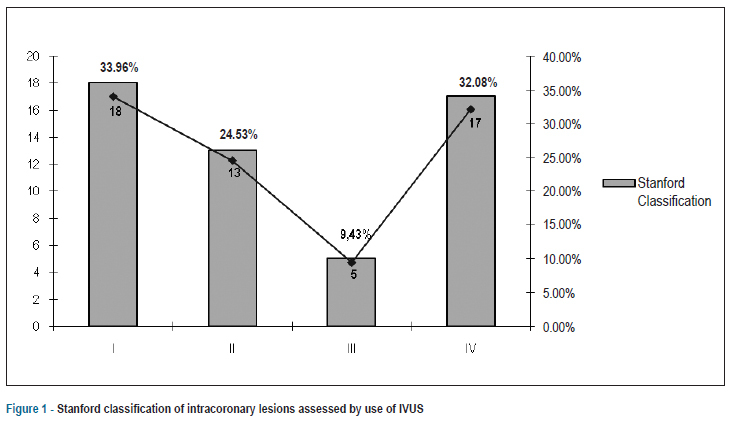
BACKGROUND: Cardiac transplantation continues to be the treatment of choice for heart failure refractory to optimized treatment. Two methods have high sensitivity for diagnosing allograft rejection episodes and cardiac allograft vasculopathy (CAV), important causes of mortality after transplantation. OBJECTIVE: To assess the relationship between intravascular ultrasound (IVUS) results and endomyocardial biopsy (BX) reports in the follow-up of patients undergoing cardiac transplantation in a Brazilian reference service. METHODS: A retrospective epidemiological observational study was carried out with patients undergoing orthotopic cardiac transplantation from 2000 to 2009. The study assessed the medical records of those patients and the results of the IVUS and BX routinely performed in the clinical post-transplant follow-up, as well as the therapy used. RESULTS: Of the 77 patients assessed, 63.63% were males, their ages ranging from 22 to 69 years. Regarding the IVUS results, 33.96% of the patients were classified as Stanford class I, and 32.08%, as Stanford class IV. Of the 143 BX reports, 51.08% were 1R, and 0.69%, 3R. The Quilty effect was described in 14.48% of the BX reports. All patients used antiproliferative agents, 80.51% used calcineurin inhibitors, and 19.48% used proliferation signal inhibitors. CONCLUSION: The assessment of cardiac transplant patients by use of IVUS provides detailed information for the early and sensitive diagnosis of CAV, which is complemented by histological data derived from BX, establishing a possible causal relationship between CAV and humoral rejection episodes.

  • Brazil
  • Evaluation
  • Heart Transplantation
  • Ultrasonography
  • Vascular Diseases
Read Full Article
Creative Commons Attribution (CC BY) Creative Commons license
06/09/2012 DOI: 10.1590/S0066-782X2012005000084 Views 2
Prevalence and correlates of vascular disease at ultrasound examination in patients on hemodialysis
ABC
Artigo Original

Prevalence and correlates of vascular disease at ultrasound examination in patients on hemodialysis

Sebastião Baptista Miguel et al. Jair Baptista Miguel Luis Guilhermo Velarde Elisa de Albuquerque Sampaio … Jorge Paulo Strogoff de Matos Jocemir Ronaldo Lugon

BACKGROUND: Patients on hemodialysis present an increased risk of cardiovascular death. Intimal media thickness (IMT) and presence of arterial calcifications are well-known risk factors for cardiovascular death in hemodialysis patients. OBJECTIVE: To assess the prevalence of IMT and arterial calcifications in HD patients and to correlate image findings with clinical and laboratory data. METHODS: Cross-sectional study involving 75 patients on dialysis for >12 months. Patients underwent B-mode ultrasound scan (US) for determination of IMT of the distal third of the common carotid arteries. Arterial calcifications were assessed by US of carotids, femoral and tibial arteries, and labeled positive if calcification was found in any arterial site. RESULTS: Patients were 52±13 years old, 57% were males and 16% were diabetics. IMT > 0.9 mm was found in 57% of cases and arterial calcifications at US in 48%. Aging (decades) and smoking were associated with both increased IMT (adjusted odds ratio [aOR] = 3.4, p < 0.001; aOR = 4.4, p = 0.045, respectively) and presence of vascular calcifications (aOR = 3.0, p < 0.001; aOR = 6.8, p = 0.011, respectively). High intact parathyroid hormone levels (per each 100 pg/ml) were significantly associated with increased IMT (aOR = 1.7, p = 0.021), but not with vascular calcification. In contrast, Diabetes and time on dialysis (years) were significant determinants for calcifications at US (aOR = 15.0, p = 0.009; aOR = 1.39, p = 0.020), but not for increased IMT. CONCLUSION: Increased IMT and calcifications at US are common findings in hemodialysis patients. Aging and smoking are consistent determinants for both image alterations. Parathyroid hormone elevation is associated with increased IMT. Diabetes and time on dialysis substantially increase the risk for arterial calcification.

  • Calcinosis
  • Doppler ultrasonography
  • Hemodialysis
  • Vascular Diseases
Read Full Article
Creative Commons Attribution (CC BY) Creative Commons license
04/03/2011 DOI: 10.1590/S0066-782X2011005000027 Views 1
Hereditary hemorrhagic telangiectasia: rare cause of pulmonary hypertension?
ABC
Case Report

Hereditary hemorrhagic telangiectasia: rare cause of pulmonary hypertension?

Rui Providência et al. Maria do Carmo Cachulo Gisela Veríssimo Costa Joana Silva … Carlos Graça Lemos A.M. Leitão-Marques

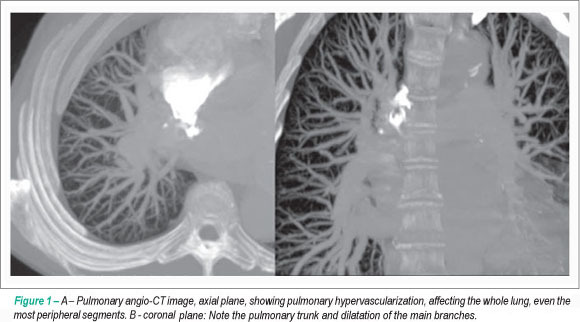
A 73-year-old woman was admitted to the emergency room with predominantly right-sided heart failure and anemia. Following clinical and imagiological evaluation, a diagnosis of pulmonary hypertension (PH) associated with Hereditary Hemorrhagic Telangiectasia (HHT) was confirmed. The initial response to bosentan plus sildenafil was good, including improvement in functional class and reduction of edema, allowing her to be discharged. Unfortunately, the patient died, due to her underlying condition, before the effects of the combination treatment could be fully assessed. PH should be considered in patients with HTT and screening for pulmonary hypertension should be performed in these patients and their relatives.

  • epistaxis
  • Hypertension Pulmonary
  • Telangiectasia, hereditary hemorrhagic
  • Vascular Diseases
Read Full Article
Creative Commons Attribution (CC BY) Creative Commons license
28/04/2010 DOI: 10.1590/S0066-782X2010000300026
Mortality trends due to circulatory system diseases in Brazil: 1950 to 2000
ABC
Artigo Original

Mortality trends due to circulatory system diseases in Brazil: 1950 to 2000

Eduarda Ângela Pessoa Cesse et al. Eduardo Freese de Carvalho Wayner Vieira de Souza Carlos Feitosa Luna

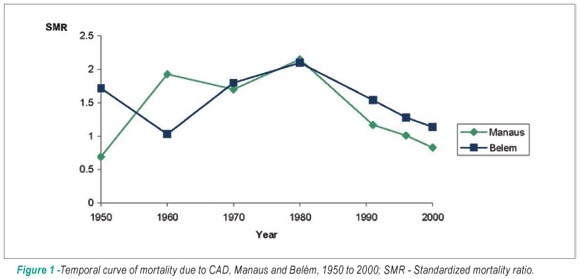
BACKGROUND: The circulatory system diseases (CAD), one of the most important current health problems, have started to show a declining trend in mortality in several countries, although they are still proportionally the number one regarding the statistics of morbimortality. OBJECTIVE: To analyze the mortality trend due to CAD in Brazilian capital cities, during the period of 1950 to 2000. METHODS: Temporal series study, of Standardized Mortality Ratios by CAD. We used secondary data on death from the statistical annual reports from IBGE (the Brazilian Institute of Geography and Statistics) and from the Mortality Information System. We carried out a linear trend analysis of the Standardized Mortality Ratios due to CAD in the Brazilian capital cities that presented complete mortality series, considering the census years during the study period (1950 to 2000). RESULTS: Although proportionally the CAD represent the main cause of death in the Brazilian population, as well as presenting a proportional increase during the period of analysis of this study, the risk of death, represented by the Standardized Mortality Ratios, have been decreasing, particularly from the eighties onward. It is noteworthy the fact that Fortaleza, Salvador, Belo Horizonte, Rio de Janeiro and São Paulo presented elevated Standardized Mortality Ratios, however with a decreasing trend (p<0.05 and p<0.10), since the start of the analyzed period. CONCLUSION: The behavior of the risk of death due to CAD suggests that this group of diseases is the first to be established, following the increase in industrialization observed from the thirties onward and after the Second World War in Brazil, as it occurred in Sao Paulo and Rio de Janeiro, cities that historically experienced a process of development and urbanization earlier and at a higher extent, when compared to the other capital cities.

  • Brazil
  • Cardiovascular Diseases
  • Vascular Diseases
Read Full Article
Creative Commons Attribution (CC BY) Creative Commons license
06/01/2010 DOI: 10.1590/S0066-782X2009001100009 Views 2

How to cite this article

EndNote RIS

Electronic Document Format (Vancouver)

Frigotto KG, Costa WLB, Ferreira LA, Silva DRA, Garcia GSB, Aguiar LF, Paolino BS, et al. Transient Ischemic Attack in a Patient with Vascular Kinking of the Subclavian and Right Common Carotid Arteries – A Case Report. Arquivos Brasileiros de Cardiologia 2024;121(7):e20230520.

Electronic Document Format (ABNT)

Frigotto, Katia Gleicielly; Costa, Washington Luiz Batista da; Ferreira, Lais Antonucci; Silva, Daniela Roberta Alves; Garcia, Giovana Salviano Braga; Aguiar, Luciano de Figueiredo; Paolino, Bruno de Souza. Transient Ischemic Attack in a Patient with Vascular Kinking of the Subclavian and Right Common Carotid Arteries – A Case Report. Arquivos Brasileiros de Cardiologia, v. 121, n. 7, e20230520, Aug. 2024.

Electronic Document Format (APA)

Frigotto, K. G., Costa, W. L. B. , Ferreira, L. A., Silva, D. R. A., Garcia, G. S. B., Aguiar, L. F., & Paolino, B. S. (2024). Transient Ischemic Attack in a Patient with Vascular Kinking of the Subclavian and Right Common Carotid Arteries – A Case Report. Arquivos Brasileiros de Cardiologia, 121(7), e20230520.

Electronic Document Format (ISO)

Frigotto, Katia Gleicielly and Costa, Washington Luiz Batista da and Ferreira, Lais Antonucci and Silva, Daniela Roberta Alves and Garcia, Giovana Salviano Braga and Aguiar, Luciano de Figueiredo and Paolino, Bruno de Souza. Transient Ischemic Attack in a Patient with Vascular Kinking of the Subclavian and Right Common Carotid Arteries – A Case Report. Arquivos Brasileiros de Cardiologia [online]. 2024, vol. 121, n. 7, [cited 2026-10-14], e20230520. Available from: <https://journals.cardiol.br/en/article/transient-ischemic-attack-in-a-patient-with-vascular-kinking-of-the-subclavian-and-right-common-carotid-arteries-a-case-report/>. ISSN 0066-782X

EndNote RIS

Electronic Document Format (Vancouver)

Schmidt K, Lima AS, Schmitt KR, Moraes MA, Schmidt MM. Stress in Women with Acute Myocardial Infarction: A Closer Look. Arquivos Brasileiros de Cardiologia 2020;115(4):649-57.

Electronic Document Format (ABNT)

Schmidt, Karine; Lima, Aline da Silva; Schmitt, Kelly Rocha; Moraes, Maria Antonieta; Schmidt, Marcia Moura. Stress in Women with Acute Myocardial Infarction: A Closer Look. Arquivos Brasileiros de Cardiologia, v. 115, n. 4, p. 649-657, Oct. 2020.

Electronic Document Format (APA)

Schmidt, K., Lima, A. S., Schmitt, K. R., Moraes, M. A., & Schmidt, M. M. (2020). Stress in Women with Acute Myocardial Infarction: A Closer Look. Arquivos Brasileiros de Cardiologia, 115(4), 649-657.

Electronic Document Format (ISO)

Schmidt, Karine and Lima, Aline da Silva and Schmitt, Kelly Rocha and Moraes, Maria Antonieta and Schmidt, Marcia Moura. Stress in Women with Acute Myocardial Infarction: A Closer Look. Arquivos Brasileiros de Cardiologia [online]. 2020, vol. 115, n. 4, [cited 2026-10-14], pp. 649-657. Available from: <https://journals.cardiol.br/en/article/stress-in-women-with-acute-myocardial-infarction-a-closer-look/>. ISSN 0066-782X

EndNote RIS

Electronic Document Format (Vancouver)

Koike MK. Synergy of Rapamycin and Cyanoacrylate in Reducing Intimal Hyperplasia. Arquivos Brasileiros de Cardiologia 2019;112(1):11.

Electronic Document Format (ABNT)

Koike, Marcia Kiyomi. Synergy of Rapamycin and Cyanoacrylate in Reducing Intimal Hyperplasia. Arquivos Brasileiros de Cardiologia, v. 112, n. 1, p. 11-11, Dec. 2018.

Electronic Document Format (APA)

Koike, M. K. (2019). Synergy of Rapamycin and Cyanoacrylate in Reducing Intimal Hyperplasia. Arquivos Brasileiros de Cardiologia, 112(1), 11-11.

Electronic Document Format (ISO)

Koike, Marcia Kiyomi. Synergy of Rapamycin and Cyanoacrylate in Reducing Intimal Hyperplasia. Arquivos Brasileiros de Cardiologia [online]. 2019, vol. 112, n. 1, [cited 2026-10-14], pp. 11-11. Available from: <https://journals.cardiol.br/en/article/synergy-of-rapamycin-and-cyanoacrylate-in-reducing-intimal-hyperplasia/>. ISSN 0066-782X

EndNote RIS

Electronic Document Format (Vancouver)

Pizzi OL, Brandão AA, Pozzan R, Magalhães MEC, Campana EMG, Fonseca FL, Freitas EV, et al. Pulse wave velocity, blood pressure and adipocytokines in young adults: the Rio de Janeiro study. Arquivos Brasileiros de Cardiologia 2012;100(1):60-6.

Electronic Document Format (ABNT)

Pizzi, Oswaldo Luiz; Brandão, Andréa Araujo; Pozzan, Roberto; Magalhães, Maria Eliane Campos; Campana, Erika Maria Gonçalves; Fonseca, Flavia Lopes; Freitas, Elizabete Viana de; Brandão, Ayrton Pires. Pulse wave velocity, blood pressure and adipocytokines in young adults: the Rio de Janeiro study. Arquivos Brasileiros de Cardiologia, v. 100, n. 1, p. 60-66, Dec. 2012.

Electronic Document Format (APA)

Pizzi, O. L., Brandão, A. A., Pozzan, R., Magalhães, M. E. C., Campana, E. M. G., Fonseca, F. L., Freitas, E. V. , & Brandão, A. P. (2012). Pulse wave velocity, blood pressure and adipocytokines in young adults: the Rio de Janeiro study. Arquivos Brasileiros de Cardiologia, 100(1), 60-66.

Electronic Document Format (ISO)

Pizzi, Oswaldo Luiz and Brandão, Andréa Araujo and Pozzan, Roberto and Magalhães, Maria Eliane Campos and Campana, Erika Maria Gonçalves and Fonseca, Flavia Lopes and Freitas, Elizabete Viana de and Brandão, Ayrton Pires. Pulse wave velocity, blood pressure and adipocytokines in young adults: the Rio de Janeiro study. Arquivos Brasileiros de Cardiologia [online]. 2012, vol. 100, n. 1, [cited 2026-10-14], pp. 60-66. Available from: <https://journals.cardiol.br/en/article/pulse-wave-velocity-blood-pressure-and-adipocytokines-in-young-adults-the-rio-de-janeiro-study/>. ISSN 0066-782X

EndNote RIS

Electronic Document Format (Vancouver)

Costa ESM, Wang R, Susin MF, Veiga SL, Diniz FC, Brofman PRS, Moura LAZ, et al. Assessment of cardiac allograft vasculopathy in cardiac transplantation: experience of a Brazilian center. Arquivos Brasileiros de Cardiologia 2012;99(4):886-91.

Electronic Document Format (ABNT)

Costa, Elide Sbardellotto Mariano da; Wang, Ricardo; Susin, Michelle F.; Veiga, Sergio Lopes; Diniz, Francisco Costa; Brofman, Paulo Roberto Slud; Moura, Lidia Ana Zytynski. Assessment of cardiac allograft vasculopathy in cardiac transplantation: experience of a Brazilian center. Arquivos Brasileiros de Cardiologia, v. 99, n. 4, p. 886-891, Sep. 2012.

Electronic Document Format (APA)

Costa, E. S. M. , Wang, R., Susin, M. F., Veiga, S. L., Diniz, F. C., Brofman, P. R. S., & Moura, L. A. Z. (2012). Assessment of cardiac allograft vasculopathy in cardiac transplantation: experience of a Brazilian center. Arquivos Brasileiros de Cardiologia, 99(4), 886-891.

Electronic Document Format (ISO)

Costa, Elide Sbardellotto Mariano da and Wang, Ricardo and Susin, Michelle F. and Veiga, Sergio Lopes and Diniz, Francisco Costa and Brofman, Paulo Roberto Slud and Moura, Lidia Ana Zytynski. Assessment of cardiac allograft vasculopathy in cardiac transplantation: experience of a Brazilian center. Arquivos Brasileiros de Cardiologia [online]. 2012, vol. 99, n. 4, [cited 2026-10-14], pp. 886-891. Available from: <https://journals.cardiol.br/en/article/assessment-of-cardiac-allograft-vasculopathy-in-cardiac-transplantation-experience-of-a-brazilian-center/>. ISSN 0066-782X

EndNote RIS

Electronic Document Format (Vancouver)

Miguel SB, Miguel JB, Velarde LG, Sampaio EA, Matos JPS, Lugon JR. Prevalence and correlates of vascular disease at ultrasound examination in patients on hemodialysis. Arquivos Brasileiros de Cardiologia 2011;96(4):260-5.

Electronic Document Format (ABNT)

Miguel, Sebastião Baptista; Miguel, Jair Baptista; Velarde, Luis Guilhermo; Sampaio, Elisa de Albuquerque; Matos, Jorge Paulo Strogoff de; Lugon, Jocemir Ronaldo. Prevalence and correlates of vascular disease at ultrasound examination in patients on hemodialysis. Arquivos Brasileiros de Cardiologia, v. 96, n. 4, p. 260-265, Mar. 2011.

Electronic Document Format (APA)

Miguel, S. B., Miguel, J. B., Velarde, L. G., Sampaio, E. A., Matos, J. P. S. , & Lugon, J. R. (2011). Prevalence and correlates of vascular disease at ultrasound examination in patients on hemodialysis. Arquivos Brasileiros de Cardiologia, 96(4), 260-265.

Electronic Document Format (ISO)

Miguel, Sebastião Baptista and Miguel, Jair Baptista and Velarde, Luis Guilhermo and Sampaio, Elisa de Albuquerque and Matos, Jorge Paulo Strogoff de and Lugon, Jocemir Ronaldo. Prevalence and correlates of vascular disease at ultrasound examination in patients on hemodialysis. Arquivos Brasileiros de Cardiologia [online]. 2011, vol. 96, n. 4, [cited 2026-10-14], pp. 260-265. Available from: <https://journals.cardiol.br/en/article/prevalence-and-correlates-of-vascular-disease-at-ultrasound-examination-in-patients-on-hemodialysis/>. ISSN 0066-782X

EndNote RIS

Electronic Document Format (Vancouver)

Providência R, Cachulo MC, Costa GV, Silva J, Lemos CG, Leitão-Marques A. Hereditary hemorrhagic telangiectasia: rare cause of pulmonary hypertension?. Arquivos Brasileiros de Cardiologia 2010;94(3):e94-6.

Electronic Document Format (ABNT)

Providência, Rui; Cachulo, Maria do Carmo; Costa, Gisela Veríssimo; Silva, Joana; Lemos, Carlos Graça; Leitão-Marques, A.M.. Hereditary hemorrhagic telangiectasia: rare cause of pulmonary hypertension?. Arquivos Brasileiros de Cardiologia, v. 94, n. 3, p. e94-e96, Apr. 2010.

Electronic Document Format (APA)

Providência, R., Cachulo, M. C., Costa, G. V., Silva, J., Lemos, C. G., & Leitão-Marques, A. (2010). Hereditary hemorrhagic telangiectasia: rare cause of pulmonary hypertension?. Arquivos Brasileiros de Cardiologia, 94(3), e94-e96.

Electronic Document Format (ISO)

Providência, Rui and Cachulo, Maria do Carmo and Costa, Gisela Veríssimo and Silva, Joana and Lemos, Carlos Graça and Leitão-Marques, A.M.. Hereditary hemorrhagic telangiectasia: rare cause of pulmonary hypertension?. Arquivos Brasileiros de Cardiologia [online]. 2010, vol. 94, n. 3, [cited 2026-10-14], pp. e94-e96. Available from: <https://journals.cardiol.br/en/article/hereditary-hemorrhagic-telangiectasia-rare-cause-of-pulmonary-hypertension/>. ISSN 0066-782X

EndNote RIS

Electronic Document Format (Vancouver)

Cesse EP, Carvalho EF, Souza WV, Luna CF. Mortality trends due to circulatory system diseases in Brazil: 1950 to 2000. Arquivos Brasileiros de Cardiologia 2010;93(5):490-7.

Electronic Document Format (ABNT)

Cesse, Eduarda Ângela Pessoa; Carvalho, Eduardo Freese de; Souza, Wayner Vieira de; Luna, Carlos Feitosa. Mortality trends due to circulatory system diseases in Brazil: 1950 to 2000. Arquivos Brasileiros de Cardiologia, v. 93, n. 5, p. 490-497, Jan. 2010.

Electronic Document Format (APA)

Cesse, E. P., Carvalho, E. F. , Souza, W. V. , & Luna, C. F. (2010). Mortality trends due to circulatory system diseases in Brazil: 1950 to 2000. Arquivos Brasileiros de Cardiologia, 93(5), 490-497.

Electronic Document Format (ISO)

Cesse, Eduarda Ângela Pessoa and Carvalho, Eduardo Freese de and Souza, Wayner Vieira de and Luna, Carlos Feitosa. Mortality trends due to circulatory system diseases in Brazil: 1950 to 2000. Arquivos Brasileiros de Cardiologia [online]. 2010, vol. 93, n. 5, [cited 2026-10-14], pp. 490-497. Available from: <https://journals.cardiol.br/en/article/mortality-trends-due-to-circulatory-system-diseases-in-brazil-1950-to-2000/>. ISSN 0066-782X

  • About ABC Family
  • Internal Regulation
  • Editorial Board
  • Brazilian Society of Cardiology (SBC)

Issues

SBC Guidelines

  • Videos
  • Podcasts
  • News