ABC Family Arquivos Brasileiros de Cardiologia International Journal of Cardiovascular Sciences ABC Heart Failure & Cardiomyopathy ABC Imagem Cardiovascular
Português English
ABC Family
Português English
  • About
    • About ABC Family
    • Internal Regulation
    • Editorial Board
    • Brazilian Society of Cardiology (SBC)
  • Issues
  • SBC Guidelines
  • Content
    • Videos
    • Podcasts
    • News
  • About
    • About ABC Family
    • Internal Regulation
    • Editorial Board
    • Brazilian Society of Cardiology (SBC)
  • Issues
  • SBC Guidelines
  • Content
    • Videos
    • Podcasts
    • News

ABC Family

  • ABC Family
  • Arquivos Brasileiros de Cardiologia
  • International Journal of Cardiovascular Sciences
  • ABC Heart Failure & Cardiomyopathy
  • ABC Imagem Cardiovascular
Search in

No content found.

Journals
Ordering
Article types
Others

  1. Home
  2. Keyword: Extracorporeal Circulation
The Systemic Immune-Inflammation Index Predicts In-Hospital Mortality in Patients Who Underwent On-Pump Cardiac Surgery
ABC
Original Article

The Systemic Immune-Inflammation Index Predicts In-Hospital Mortality in Patients Who Underwent On-Pump Cardiac Surgery

İnayet Güntürk et al. Rifat Ozmen Okan Ozocak Ertuğrul Emre Güntürk … Fatma Dagli Cevat Yazici

Abstract

Background:

Systemic immune-inflammation index (SII), a new inflammatory index calculated using platelet, neutrophil, and lymphocyte counts, has been demonstrated to be an independent risk factor for the identification of high-risk coronary artery disease in patients undergoing percutaneous coronary intervention and cardiovascular surgery with cardiopulmonary bypass (CPB). The relationship between SII and CPB-related mortality rates remains unclear.

Objective:

This research was designed to investigate the use of SII to predict in-hospital mortality in patients undergoing cardiac surgery with CPB.

Methods:

Four hundred eighty patients who underwent a cardiac procedure involving CPB over 3 years, were obtained from the hospital’s database. The demographic data, comorbidities, hematological and biochemical profiles, and operative data of the groups were compared. Multiple logistic regression analyses were done to determine independent predictors of mortality. Prognostic factors were assessed by multivariate analysis, and the predictive values of SII, neutrophil-lymphocyte ratio (NLR), and platelet-lymphocyte ratio (PLR) for mortality were compared. A p-value <0.05 was considered significant.

Results:

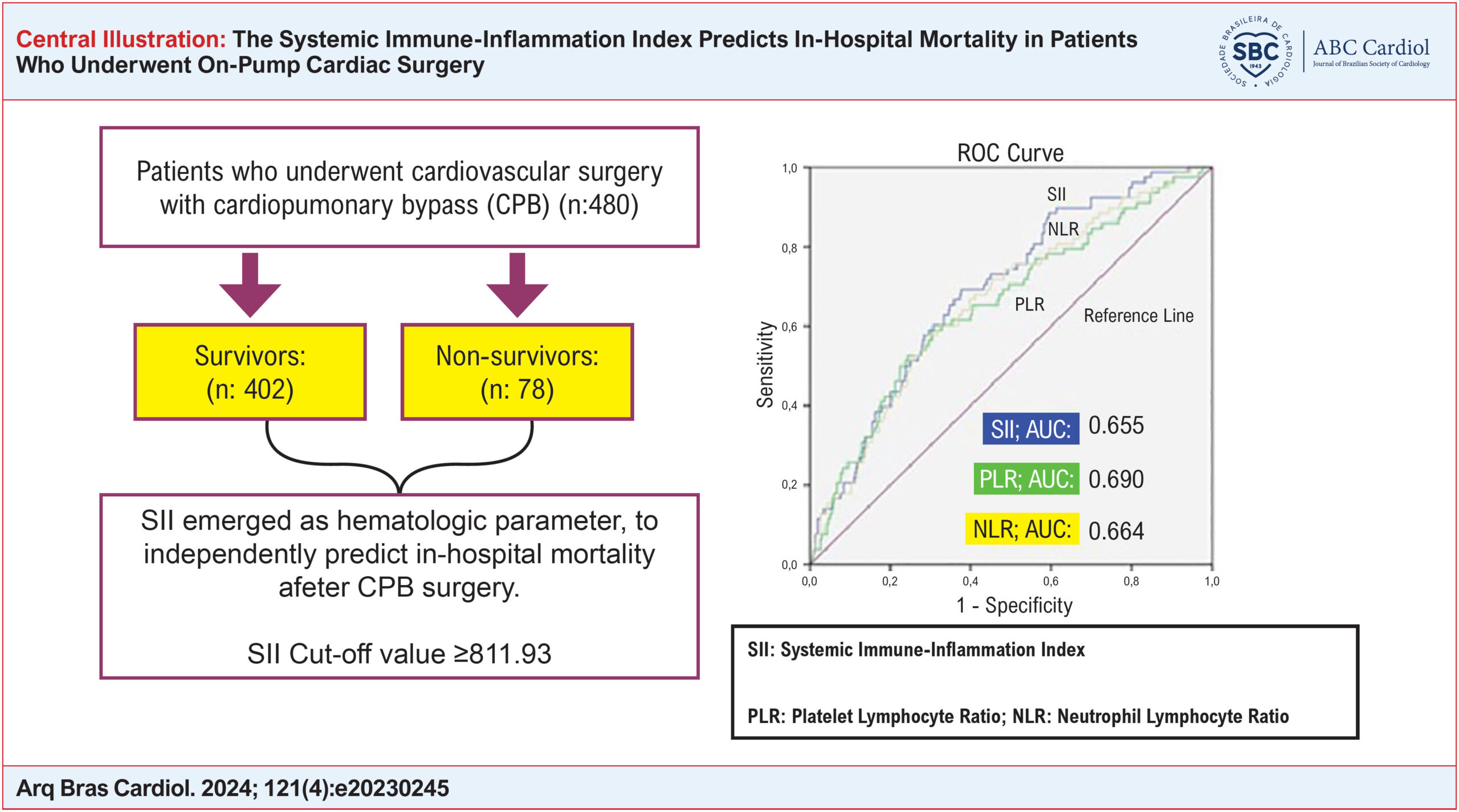
Of 480 patients, 78 developed in-hospital mortality after cardiac surgery. SII was an independent predictor of in-hospital mortality (Odds ratio: 1.003, 95% confidence interval: 1.001-1.005, p811.93 with 65% sensitivity and 65% specificity (area under the curve: 0.690). The predictive values of SII, PLR, and NLR were close to each other.

Conclusion:

High preoperative SII scores can be used for early determination of appropriate treatments, which may improve surgical outcomes of cardiac surgery in the future.
  • Extracorporeal Circulation
  • Hospital Mortality
  • Inflammation
  • Thoracic Surgery
Read Full Article
Creative Commons Attribution (CC BY) Creative Commons license
19/04/2024 DOI: 10.36660/abc.20230245i Views 2
ABC
Original Article

Current Impact of Cardiopulmonary Bypass in Coronary Artery Bypass Grafting in São Paulo State

Gabrielle Barbosa Borgomoni et al. Omar Asdrúbal Vilca Mejia Bianca Maria Maglia Orlandi Maxim Goncharov … Luiz Augusto Ferreira Lisboa Pedro Henrique Conte Marco Antonio Praca Oliveira Alfredo Inácio Fiorelli Orlando Petrucci Junior Marcos Grandim Tiveron Luís Alberto de Oliveira Dallan Fabio Biscegli Jatene

Abstract

Background

Previous results on the use of cardiopulmonary bypass (CPB) have generated difficulties in choosing the best treatment for each patient undergoing myocardial revascularization surgery (CABG) in the current context.

Objective

Evaluate the current impact of CPB in CABG in São Paulo State.

Methods

A total of 2905 patients who underwent CABG were consecutively analyzed in 11 São Paulo State centers belonging to the São Paulo Registry of Cardiovascular Surgery (REPLICCAR) I. Perioperative and follow-up data were included online by trained specialists in each hospital. Associations of the perioperative variables with the type of procedure and with the outcomes were analyzed. The study outcomes were morbidity and operative mortality. The expected mortality was calculated using EuroSCORE II (ESII). The values of p <5% were considered significant.

Results

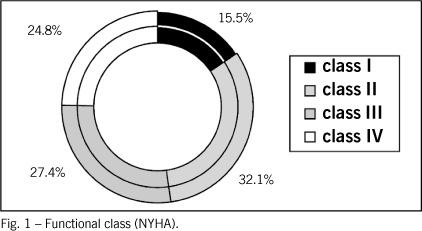
There were no significant differences concerning the patients’ age between the groups (p=0.081). 72.9% of the patients were males. Of the patients, 542 underwent surgery without CPB (18.7%). Of the preoperative characteristics, patients with previous myocardial infarction (p=0.005) and ventricular dysfunction (p=0.031) underwent surgery with CPB. However, emergency or New York Heart Association (NYHA) class IV patients underwent surgery without CPB (p<0.001). The ESII value was similar in both groups (p=0.427). In CABG without CPB, the radial graft was preferred (p<0.001), and in CABG with CPB the right mammary artery was the preferred one (p<0.001). In the postoperative period, CPB use was associated with reoperation for bleeding (p=0.012).

Conclusion

Currently in the REPLICCAR, reoperation for bleeding was the only outcome associated with the use of CPB in CABG. (Arq Bras Cardiol. 2020; 115(4):595-601)

  • Epidemiology
  • Extracorporeal Circulation
  • Hospital Mortality
  • Morbidity
  • Myocardial Revascularization
  • Postoperative Care
  • Risk Factors
Read Full Article
Creative Commons Attribution (CC BY) Creative Commons license
23/10/2020 DOI: 10.36660/abc.20190145 Views 1
ABC
Editorial

Cardiopulmonary bypass in Myocardial Revascularization Surgery in the State of São Paulo. The REPLICCAR Study

Paulo Roberto B. Evora

Whether myocardial revascularization should be performed with or without the use of cardiopulmonary bypass, referred to as off-pump and on-pump CABG, is still up for debate. Intuitively, avoidance of cardiopulmonary bypass seems beneficial, as the systemic inflammatory response from extracorporeal circulation is omitted. Even so, no single randomized trial has been able to prove that off-pump CABG is superior to on-pump CABG, as regards the hard outcomes of death, stroke or myocardial infarction.

Nowadays, Off-pump coronary artery bypass grafting (OPCAB) has become a common practice for coronary artery bypass grafting (CABG). Also, it seems that organ dysfunctions (liver, kidney, bowel ischemia, stroke and other kinds of minor dysfunctions) should be definitively differentiated, considering the two myocardial revascularization operations. A limitation associated with the off-pump technique, namely hemodynamic instability, concerns the quality of the anastomosis, the ability to achieve complete revascularization and the on-pump conversion rate, constituting speculative concerns. Therefore, it is still unclear whether OPCAB is superior in terms of graft patency, the incidence of complications, long-term outcomes, and the associated mortality rate- compared with conventional CABG (CCABG).

[…]

  • Epidemioloy
  • Extracorporeal Circulation
  • Myocardial Infarction/surgery
  • Myocardial Revascularization/surgery
  • REPICCAR
Read Full Article
Creative Commons Attribution (CC BY) Creative Commons license
23/10/2020 DOI: 10.36660/abc.20200914 Views 1
IJCS
Editorial

Is Bovine Heparin, an Old Fellow, a Safe Anticoagulation Approach during Extracorporeal Circulation Inside the Cardiac Operating Room?

Ivis Levy Fernandes Martins et al. Christianne Bretas Vieira Scaramello

Antithrombotic agents include anticoagulants, antiplatelet and fibrinolytic drugs. They are prescribed in several situations related to hemostasis disturbances that favor thrombi formation. Since bleeding is a common adverse effect of these drugs, a cost-benefit analysis of antithrombotic therapy prior to surgery should be performed. In order to consider the preoperative therapy for patients undergoing cardiac surgery, the risk of thrombosis must outweigh the risk of bleeding. Nonetheless, the literature has reported the use of anticoagulant therapy with unfractionated heparin (UFH) during extracorporeal circulation (ECC) inside and outside the cardiac operating room. –

The development of the heart-lung machine made ECC possible. Therefore, heart surgery became a routine practice. The literature describes that complications related to ECC have diminished due to modern monitoring, highly trained staff, special cannulation methods, as well as the latest advances in techniques. However, some authors suggest that guidelines based on more researches would improve the safety of this procedure. During cardiac surgery, ECC preserves the functional characteristics of the heart, provides a clean surgical environment and offers safety to the team.

[…]

  • blood coagulation
  • Cardiac Surgical Prcedures
  • Extracorporeal Circulation
  • Heparin
  • Patient Safety
Read Full Article
Creative Commons Attribution (CC BY) Creative Commons license
29/05/2020 DOI: 10.36660/ijcs.20200077
IJCS
Original Article

A Retrospective Study on Unfractionated Bovine Heparin Safety in On-Pump Cardiac Surgery

Fernando Antonio de Lima Torres et al. Andressa C. B Torres Allinson Ribeiro Cauê O Maia … Fernanda P Almeida João Roceto Jorge A Matkovski Matheus G Kovalski Vanessa A Pizato Tatiana M. G Cordeiro

Abstract

Background:

Heparin decreases the risks of thrombotic phenomena in extracorporeal circulation. However, it must present a robust safety profile itself, especially for bleeding. Contamination of porcine heparin demands an alternative source and consequent assessment of safety.

Objective:

To evaluate the safety of unfractionated bovine heparin during on-pump cardiac surgery.

Methods:

Descriptive, retrospective study, evaluating medical records from all patients who had on-pump cardiac surgery over four years. We observed the occurrence of bleeding, thrombocytopenia, postoperative vasoplegia, activated clotting time values and any other coagulation phenomena as safety profile parameters.

Results:

We evaluated 204 medical records reporting the use of unfractionated bovine heparin. 66.18% of the patients presented thrombocytopenia, 1.04% presented bleeding of more than 2000 mL in the first 24 hours of the postoperative period. One patient presented clots in the surgical field. Median activated clotting time was 137 seconds at baseline, 803 seconds after the first dose of heparin and, after protamine, it returns to similar baseline values, that is, 149.5 seconds.

Conclusion:

Unfractionated bovine heparin did not present unusual adverse effects and can be considered safe for on-pump cardiac surgery.

  • blood coagulation tests
  • Cardiac Surgery
  • Extracorporeal Circulation
  • Heparin/analysis, Heparin/chemistry, Heparin/standards
  • Safety
Read Full Article
Creative Commons Attribution (CC BY) Creative Commons license
03/02/2020 DOI: 10.36660/ijcs.20190043 Views 1
Figure 1
ABC
Case Report

Left Ventricular Assist Device as a Bridge to Candidacy in End-stage Chagas Cardiomyopathy

Fernando Antibas Atik et al. Claudio Ribeiro Cunha Renato Bueno Chaves Marcelo Botelho Ulhoa Vitor Salvatore Barzilai

Introduction

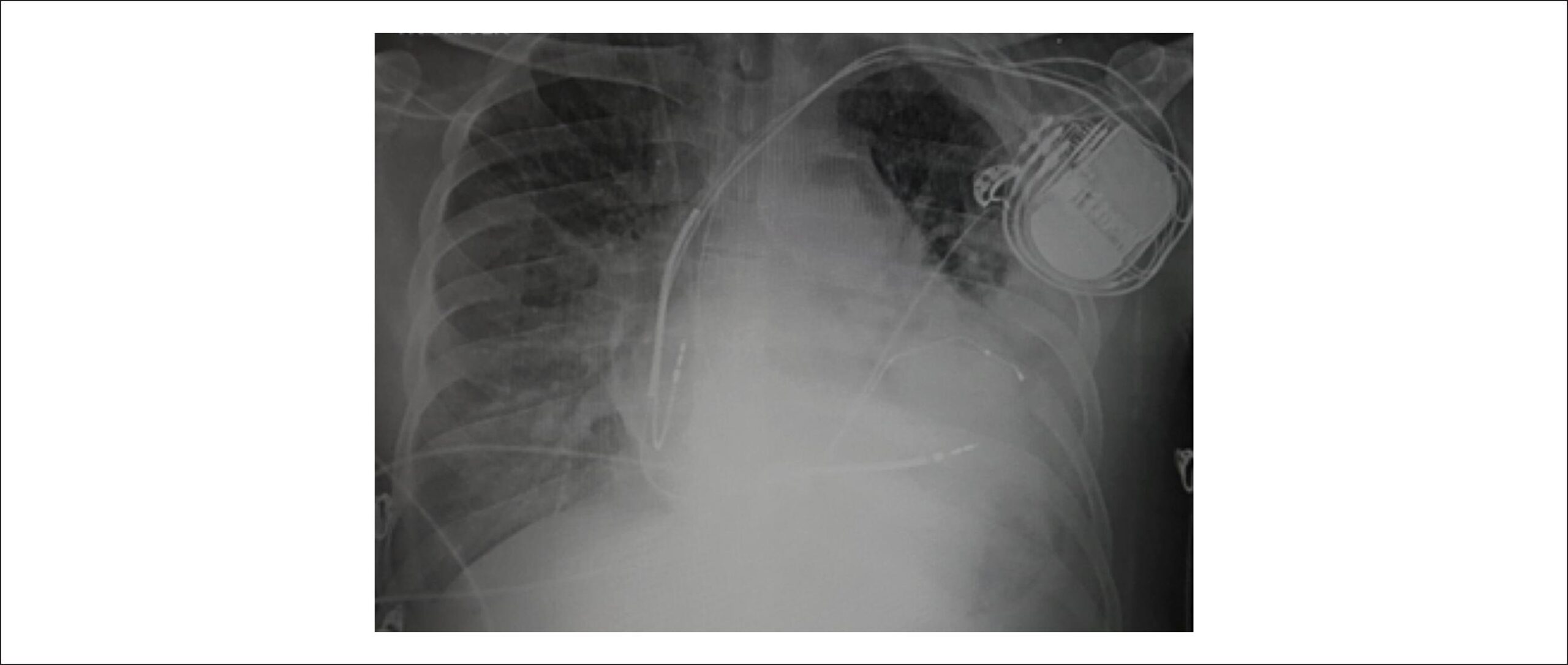
Chronic Chagas cardiomyopathy manifests late after Trypanosoma cruzi infection, and it is still one of the major causes of end-stage heart failure in Latin America. Published experiences, with heart transplantation for chronic Chagas disease have shown the feasibility and efficacy of this therapy, being the disease reactivation not a major concern when appropriately diagnosed and timely treated.

Nevertheless, the need for some sort of mechanical circulatory support on the waiting list has progressively increased, according to the International Society for Heart and Lung Transplantation Registry annual report. Since the experience with mechanical circulatory support in Latin America is very limited, and biventricular systolic failure is common in Chagas cardiomyopathy, many unanswered questions regarding modalities of support need to be elucidated.

[…]

  • Chagas Cardiomyopathy
  • Extracorporeal Circulation
  • Heart Failure
  • Hypertension Pulmonary
  • Shock, Cardiogenic
Read Full Article
Creative Commons Attribution (CC BY) Creative Commons license
01/07/2018 DOI: 10.5935/abc.20180095
Acute kidney injury after on-pump coronary artery bypass graft surgery
ABC
Artigo Original

Acute kidney injury after on-pump coronary artery bypass graft surgery

Maurício de Nassau Machado et al. Rafael Carlos Miranda Isabela Thomaz Takakura Eduardo Palmegiani … Carlos Alberto dos Santos Marcos Aurélio Oliveira Osana M. Mouco Mauro E. Hernandes Maria Angélica Lemos Lília N. Maia

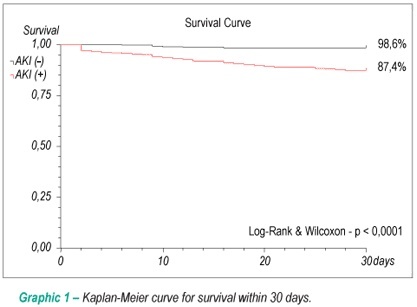
BACKGROUND: The acute kidney injury (AKI) is a complex disease for which there is no accepted standard definition nowadays. The Acute Kidney Injury Network (AKIN) represents an attempt to standardize the criteria for diagnosis and staging of acute renal dysfunction based on recently published RIFLE criteria, that means, (Risk, Injury, Failure, Loss, and End-stage kidney disease). OBJECTIVES: To evaluate the incidence and associated mortality of AKI in patients submitted to on-pump coronary artery bypass graft surgery (on-pump CABG). METHODS: A total of 817 patients were divided into two groups: negative AKI (-), with 421 patients (51.5%), and positive AKI (+), with 396 patients (48.5%). Increase of 0.3 mg/dL in creatinine or of 50% in creatinine’s basal value was considered as AKI. RESULTS: The rate of patient’s mortality with or without AKI within 30 days after cardiac surgery was 12.6% and 1.4%, respectively (p14 days) (14 versus 2%; p=0.0001). CONCLUSION: In the studied population, even a discrete alteration in renal function, based on AKIN criteria, was an independent predictor of death in 30 days after on-pump CABG. (ClinicalTrials.gov Registry: NCT00780845).

  • acute
  • Extracorporeal Circulation
  • Mortality
  • Myocardial Revascularization
  • Renal Insufficiency
Read Full Article
Creative Commons Attribution (CC BY) Creative Commons license
28/01/2010 DOI: 10.1590/S0066-782X2009000900008
ABC
Artigo Original

Comparative costs between myocardial revascularization with or without extracorporeal circulation

Priscyla B. M. A. Girardi et al. Whady Hueb Célia R. S. R. Nogueira Myrthes E. Takiuti … Teryo Nakano Cibele Larrosa Garzillo Felipe da S. Paulitsch Aécio F. T. Góis Neuza H. M. Lopes Noedir A. Stolf

BACKGROUND: Surgical techniques of myocardial revascularization without the use of extracorporeal circulation (ECC) have raised hopes of attaining operative results with less systemic damage, lower occurrence of clinical complications and shorter hospital stay duration, generating expectations of lower hospital costs. OBJECTIVE: To evaluate the hospital costs in patients submitted to myocardial revascularization with and without ECC and in those with stable multiarterial coronary disease with preserved ventricular function. METHODS: The hospital costs were based on the existing governmental reimbursement. The costs included that of ortheses and prostheses and clinical complications. The time and costs of ICU stay and hospital stay duration were considered. RESULTS: Between January 2002 and August 2006, 131 patients were randomized to surgery with ECC (SECC), whereas 128 were randomized to surgery without ECC (WECC). The basal characteristics were similar for both groups. The costs of surgical complications were significantly lower (p < 0.001) in patients from the WECC when compared to the SECC group (606.00 ± 525.00 vs. 945.90 ± 440.00), as well as ICU costs: 432.20 ± 391.70 vs. 717.70 ± 257.70, respectively. The duration of the operating room stay were 4.9 ± 1.1 h vs. 3.9 ± 1.0 h, p < 0.001; at the ICU it was 48.2 ± 17.2 h vs. 29.2 ± 26.1h) (p < 0.001), with intubation time of 9.2 ± 4.5 h vs. 6.4 ± 5.1h, p < 0.001 for patients from the group with and without ECC, respectively. CONCLUSION: The present study allowed us to conclude that the myocardial revascularization surgery without extracorporeal circulation results in the decrease of operational costs and duration of the stay in each section related to the surgical treatment.

  • coronary arteriosclerosis
  • Coronary Artery Bypass
  • Extracorporeal Circulation
  • Hospital Costs
  • Myocardial Revascularization
  • off pump
Read Full Article
Creative Commons Attribution (CC BY) Creative Commons license
05/01/2009 DOI: 10.1590/S0066-782X2008001800003 Views 1
ABC
Artigo Original

Quality of life after on-pump and off-pump coronary artery bypass grafting surgery

Celia R. S. R. Nogueira et al. Whady Hueb Myrthes E. Takiuti Priscyla B. M. A. Girardi … Teryo Nakano Fábio Fernandes Felipe da S. Paulitsch Aécio F. T. Góis Neuza H. M. Lopes Noedir A. Stolf

BACKGROUND: Coronary artery bypass grafting techniques without using cardiopulmonary bypass (off-pump CABG) result in less systemic damage, less clinical complications, less time spent in the intensive care unit, and shorter hospital stays, thereby raising the perspective of improved quality of life (QOL) for patients. OBJECTIVE: To assess quality of life in patients who underwent on-pump and off-pump CABG. METHODS: The Short-Form Health Survey (SF-36) Questionnaire was administered to patients with stable multivessel coronary artery disease (CAD) and preserved ventricular function before and at six and 12 months after surgery. RESULTS: Between January 2002 and December 2006, a total of 202 patients were randomized to either on-pump or off-pump CABG. Demographic, clinical, laboratory, and angiographic characteristics were similar in both groups. One hundred and five patients underwent off-pump CABG and 97 underwent on-pump CABG. In the postoperative course, 22 patients had myocardial infarction, 29 reported angina, one was reoperated, and three experienced stroke. No patient died. Quality of life, as measured by the SF-36 questionnaire, was shown to be similar in both groups regarding physical and mental components. However, male patients showed a significant improvement in physical functioning and role limitations due to physical problems. Also, a large number of patients in both groups returned to work. CONCLUSION: Progressive enhancement in quality of life and early return to work were observed for all patients, regardless of the surgical technique used. Save for a greater improvement in physical functioning and role limitations due to physical problems experienced by male patients, no statistically significant differences were found in the other domains between groups.

  • coronary arteriosclerosis
  • Extracorporeal Circulation
  • Myocardial Revascularization
  • Quality of life
Read Full Article
Creative Commons Attribution (CC BY) Creative Commons license
11/11/2008 DOI: 10.1590/S0066-782X2008001600006 Views 1
Changes in pulmonary function after surgical treatment of congenital heart disease with pulmonary hyperflow
ABC
Artigo Original

Changes in pulmonary function after surgical treatment of congenital heart disease with pulmonary hyperflow

Lilian Goraieb et al. Ulisses Alexandre Croti Suzana Renata Perez Orrico Omar Yesid Prieto Rincon Domingo Marcolino Braile

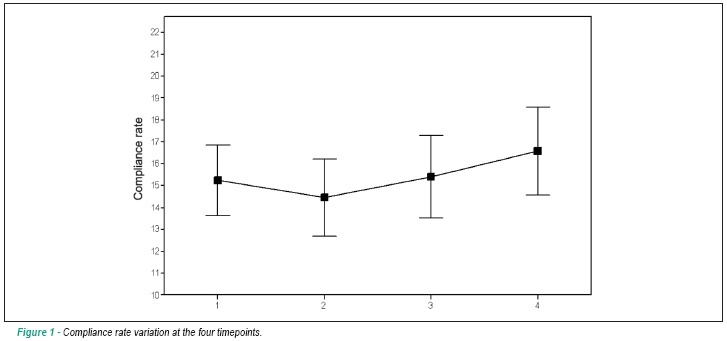
BACKGROUND: Analysis of pulmonary status of pediatric patients in the postoperative phase of cardiac surgery. OBJECTIVE: To assess pulmonary compliance and airway resistance in patients with congenital heart disease and pulmonary hyperflow submitted to surgical treatment with the use of extracorporeal circulation. METHODS: Thirty-five patients were evaluated during surgery with measurements of static compliance and airway resistance at four different timepoints. Pulmonary measurements were performed non-invasively using end-inspiratory airway occlusion and specific mathematical formulas. The variables examined and related to pulmonary changes were: preoperative – age, weight, and relationship between systemic and pulmonary blood flow; intraoperative – perfusion times, anoxia times and minimum temperature; postoperative – time on mechanical ventilation and length of stay in the intensive care unit. RESULTS: Pulmonary compliance in all patients had an immediate and significant increase (P<0.001) at the end of surgery. Patients older than 30 months experienced a greater increase (P=0.0004). Those with more than 10kg also had a greater increase (P=0.0006). In patients on extracorporeal circulation for more than 50 minutes, the increase in pulmonary compliance took longer to occur (P=0.04). Airway resistance was not significantly changed at the end of surgery (P=0.393). CONCLUSION: All patients experienced improved pulmonary compliance at the end of surgery, and this was significantly influenced by age, weight and time on extracorporeal circulation. Airway resistance, however, was not changed.

  • Extracorporeal Circulation
  • Heart Defects, Congenital
  • Lung Compliance
Read Full Article
Creative Commons Attribution (CC BY) Creative Commons license
08/08/2008 DOI: 10.1590/S0066-782X2008001400003
Surgical myocardial revascularization: off-pump use of bilateral internal thoracic artery grafting
ABC
Artigo Original

Surgical myocardial revascularization: off-pump use of bilateral internal thoracic artery grafting

Walter José Gomes et al. Rodrigo P. Paez Francisco A. Alves

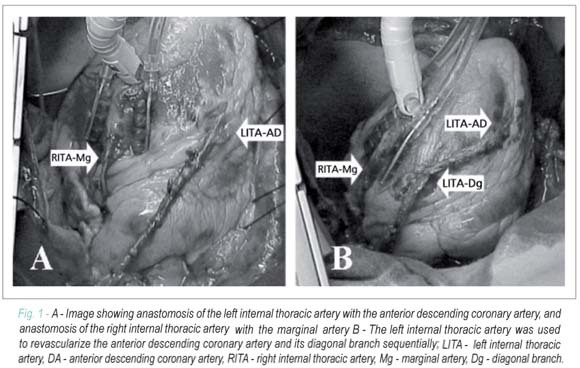
BACKGROUND: Advances in surgical myocardial revascularization (MR) have introduced additional benefits with the off-pump (OP) technique and the use of bilateral internal thoracic artery (ITA) grafting. Off-pump surgical MR has been associated with improved immediate outcomes and reduced incidence of perioperative complications, and the use of bilateral ITA grafts provides increased survival and decreased cardiovascular events in the long term. OBJECTIVE: To present the initial experience with the combined use of these advances in surgical MR. METHODS: A total of 35 consecutive patients undergoing off-pump MR with bilateral ITA grafting were studied; the left ITA was directed toward the anterior descending artery and the right ITA was anastomosed to the circumflex artery branches. The predominant comorbidities were previous myocardial infarction in 71.4% of the patients, diabetes mellitus in 34.2%, and renal failure in 14.2%. RESULTS No patients presented electrocardiographic changes or enzyme elevation in the postoperative period. The number of bypasses per patient ranged from two to four (median of three bypasses/patient). Postoperative hospital stay ranged from three to 12 days (mean of 4.7 + 1.7 days). No cases of sternal dehiscence or infection were observed, but one patient suffered a stroke on the fourth postoperative day and died. Late follow-up lasted from four to 48 months. No late deaths occurred, 31 patients are asymptomatic, and three have residual angina. CONCLUSION: The combination of these technical advances in surgical myocardial revascularization proved efficient and able to contribute to improved benefits in the long term.

  • Extracorporeal Circulation
  • Myocardial Revascularization
  • thoracic arteries
Read Full Article
Creative Commons Attribution (CC BY) Creative Commons license
22/02/2008 DOI: 10.1590/S0066-782X2008000100004 Views 2
Myocardial revascularization without extracorporeal circulation in patients over 75 years of age: analysis of immediate results
ABC
Artigo Original

Myocardial revascularization without extracorporeal circulation in patients over 75 years of age: analysis of immediate results

Rodrigo Milani et al. Paulo Brofman Alexandre Varela Jose Augusto Souza … Maximiliano Guimarães Rafael Pantarolli Alexandre Barbosa Laura Barbosa Thaise Sandri Luiz Gustavo Emed Fernanda Ceccon Francisco Maia

OBJECTIVE: To assess the immediate results of myocardial revascularization surgery without extracorporeal circulation in a group of patients over 75 years of age. METHODS: From January 2001 to December 2003, 193 (121 men and 72 women) patients with ages ranging from 75 to 94 years, corresponding to 100% of the coronary surgeries performed in patients over the age of 75 years, underwent myocardial revascularization without extracorporeal circulation. Their hospitalization data were retrospectively analyzed. RESULTS: Arterial hypertension was present in 174 (90%), dyslipidemia in 115 (59%), smoking in 89 (46%), and diabetes in 57 (29%). Ninety-six (49.7%) patients had had a previous myocardial infarction, 53 of whom (27.4%) had experienced an acute ischemic event in a period < 30 days after surgery. Critical obstructive lesions in 3 or more coronary vessels were present in 156 (80.95%) patients, while 30 (15%) patients had an important obstruction of the left main coronary artery, and 30 (15%) patients had an ejection fraction < 30%. The score obtained according to the EUROSCORE ranged from 3 to 18, with an expected mortality rate for the group of 7.54±2.69%. The total number of distal anastomoses was 639. Seven (3.62%) patients died, 3 due to bronchopneumonia, 1 due to mediastinitis, 1 due to metabolic causes, 1 due to cardiogenic shock, and another died suddenly after refixation of a sternal dehiscence. Reoperation due to bleeding, orotracheal reintubation, and prolonged mechanical ventilation were factors associated with an increase in mortality. CONCLUSION: The surgery adopted for myocardial revascularization was associated with a low mortality rate, a low complication index, and a short length of stay at the hospital.

  • Elderly
  • Extracorporeal Circulation
  • Myocardial Revascularization/surgery
Read Full Article
Creative Commons Attribution (CC BY) Creative Commons license
14/02/2005 DOI: 10.1590/S0066-782X2005000100008
Myocardial revascularization surgery without extracorporeal circulation minimizes postoperative bleeding and the need for transfusion
ABC
Artigo Original

Myocardial revascularization surgery without extracorporeal circulation minimizes postoperative bleeding and the need for transfusion

Fernando Antibas Atik et al. Leonardo Augusto Miana Fábio B. Jatene José Otávio C. Auler Júnior Sérgio Almeida de Oliveira

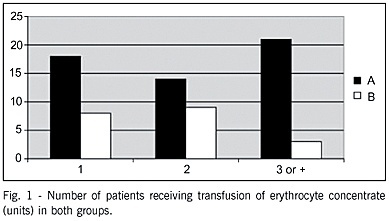
OBJECTIVE: To compare myocardial revascularization (MR) with and without extracorporeal circulation (ECC) in regard to postoperative bleeding and the need for blood and hemoderivate transfusion. METHODS: From November 2001 to February 2002, 186 patients undergoing myocardial revascularization were assessed, excluding those who underwent associated procedures. The patients were divided into 2 groups as follows: group A – comprising 116 patients undergoing MR with ECC; and group B – comprising 69 patients undergoing MR without ECC. Both groups were comparable in regard to pre- and intraoperative characteristics, except for the greater number of distal anastomoses (P=0.0004) in group A, and greater prothrombin activity (P=0.04) and INR (P=0.03) in group B. To avoid discrepancies between the groups, 140 patients with statistically similar characteristics were selected. RESULTS: Studying the paired groups, both the total bleeding volume in 24 hours (P=0.001) and the bleeding volume indexed for body surface (P=0.004) were greater in group A (609.6 ± 395.8 mL; 331.8 ± 225.8 mL/m², respectively) than in group B (437.2 ± 315 mL; 241 ± 173.9 mL/m², respectively). Although the need for transfusion was not significantly different between the groups (P=0.1), the amount of erythrocyte concentrate transfused was greater in group A (P=0.01). No statistical difference was observed in regard to transfusion of other hemocomponents and the need for surgical review of hemostasis. CONCLUSION: Myocardial revascularization without ECC was more advantageous than MR with ECC in regard to smaller postoperative blood loss and a lesser need for transfusion of erythrocyte concentrate. The repercussions of this finding may be innumerable, particularly in regard to minimization of morbid factors and hospital costs.

  • blood transfusion
  • Extracorporeal Circulation
  • mediastinal bleeding
  • Myocardial Revascularization
Read Full Article
Creative Commons Attribution (CC BY) Creative Commons license
22/10/2004 DOI: 10.1590/S0066-782X2004001600008 Views 1
ABC
Artigo Original

Acute renal failure after coronary artery bypass surgery with extracorporeal circulation: incidence, risk factors, and mortality

Fernando Oliveira Santos et al. Marco Antonio Silveira Roberto Barreto Maia Marcelo Dantas Cerqueira Monteiro Reinaldo Martinelli

OBJECTIVE: To identify the incidence, risk factors, and mortality of acute renal failure (ARF) in patients undergoing myocardial coronary artery bypass surgery with extracorporeal circulation. METHODS: All patients undergoing myocardial coronary artery bypass surgery were prospectively studied, and their clinical and laboratory variables were assessed using uni- and multivariate analysis (logistic regression). RESULTS: Acute renal failure occurred in 16.1% of the 223 patients studied; 4.9% of patients required dialysis. Risk factors associated with ARF in the univariate analysis were age > 63 years, OR 3.6 (95% CI=1.6 to 8.3); preoperative serum creatinine > 1.2 mg/dL, OR 5.9 (95% CI=2.4 to 14.6); duration of extracorporeal circulation > 90 min, OR 2.1 (95% CI=1.0 to 4.4); use of intraaortic balloon, OR 2.6 (95% CI=1.2 to 5.5); need for inotropic drugs, OR 4.4 (95% CI=1.9 to 10.2). In the multivariate analysis, independent factors associated with ARF were: age > 63 years, OR 3.0 (95% CI=1.3 to 7.2); preoperative serum creatinine > 1.2 mg/dL, OR 4.3 (95% CI=1.6 to 11.4); need for inotropic drugs, OR 3.2 (95% CI=1.3 to 8.0). Mortality in the patients with ARF was 25.0% compared with 1.1% in those without ARF and 63.6% in those who required dialysis. CONCLUSION: Acute renal failure after myocardial coronary artery bypass surgery is a frequent complication associated with a high mortality rate. The independent risk factors are age, previous renal failure, and the need for inotropic drugs.

  • acute renal failure
  • Cardiac Surgery
  • coronary artery bypass surgery
  • Extracorporeal Circulation
Read Full Article
Creative Commons Attribution (CC BY) Creative Commons license
17/08/2004 DOI: 10.1590/S0066-782X2004001400006 Views 2
Risk factors for acute myocardial infarction during the postoperative period of myocardial revascularization
ABC
Original Article

Risk factors for acute myocardial infarction during the postoperative period of myocardial revascularization

José Ribamar Costa Jr. et al. Dinaldo C. Oliveira Alexei DerBedrossian Enilton T. Egito … Edson R. Romano Marcos O. Barbosa Ieda M. Liguori Jorge Fahran Luis C. B. Souza Adib D. Jatene Leopoldo S. Piegas

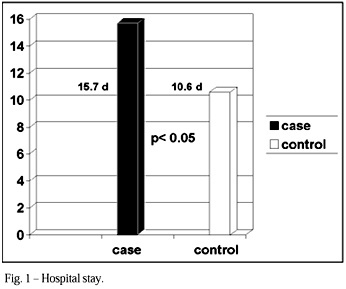
OBJECTIVE: To identify risk factors for acute myocardial infarction during the postoperative period after myocardial revascularization. METHODS: This was a case-control study paired for sex, age, number, type of graft used, coronary endarterectomy, type of myocardial protection, and use of extracorporeal circulation. We assessed 178 patients (89 patients in each group) undergoing myocardial revascularization, and the following variables were considered: dyslipidemia, systemic hypertension, smoking, diabetes mellitus, previous myocardial revascularization surgery, previous coronary angioplasty, and acute myocardial infarction. RESULTS: Baseline clinical characteristics did not differ in the groups, except for previous myocardial revascularization surgery, prevalent in the case group (34 patients vs. 12 patients; p = 0.0002). This was the only independent predictor of risk for acute myocardial infarction in the postoperative period, based on a multivariate logistic regression analysis (p=0.0001). Mortality and the time of hospital stay of the case group were significantly higher (19.1% vs. 1.1%; p<0.001 and 15.7 days vs. 10.6 days; p<0.05 respectively) than those of the control. CONCLUSION: Only previous myocardial revascularization was an independent predictor of acute myocardial infarction in the postoperative period, based on multivariate logistic regression analysis.

  • Acute Myocardial Infarction
  • Extracorporeal Circulation
  • Myocardial Revascularization
Read Full Article
Creative Commons Attribution (CC BY) Creative Commons license
28/03/2003 DOI: 10.1590/S0066-782X2003000300008 Views 1

How to cite this article

EndNote RIS

Electronic Document Format (Vancouver)

Güntürk , Ozmen R, Ozocak O, Güntürk EE, Dagli F, Yazici C. The Systemic Immune-Inflammation Index Predicts In-Hospital Mortality in Patients Who Underwent On-Pump Cardiac Surgery. Arquivos Brasileiros de Cardiologia 2024;121(4):e20230245.

Electronic Document Format (ABNT)

Güntürk, İnayet; Ozmen, Rifat; Ozocak, Okan; Güntürk, Ertuğrul Emre; Dagli, Fatma; Yazici, Cevat. The Systemic Immune-Inflammation Index Predicts In-Hospital Mortality in Patients Who Underwent On-Pump Cardiac Surgery. Arquivos Brasileiros de Cardiologia, v. 121, n. 4, e20230245, Apr. 2024.

Electronic Document Format (APA)

Güntürk, , Ozmen, R., Ozocak, O., Güntürk, E. E., Dagli, F., & Yazici, C. (2024). The Systemic Immune-Inflammation Index Predicts In-Hospital Mortality in Patients Who Underwent On-Pump Cardiac Surgery. Arquivos Brasileiros de Cardiologia, 121(4), e20230245.

Electronic Document Format (ISO)

Güntürk, İnayet and Ozmen, Rifat and Ozocak, Okan and Güntürk, Ertuğrul Emre and Dagli, Fatma and Yazici, Cevat. The Systemic Immune-Inflammation Index Predicts In-Hospital Mortality in Patients Who Underwent On-Pump Cardiac Surgery. Arquivos Brasileiros de Cardiologia [online]. 2024, vol. 121, n. 4, [cited 2026-10-14], e20230245. Available from: <https://journals.cardiol.br/en/article/the-systemic-immune-inflammation-index-predicts-in-hospital-mortality-in-patients-who-underwent-on-pump-cardiac-surgery/>. ISSN 0066-782X

EndNote RIS

Electronic Document Format (Vancouver)

Borgomoni GB, Mejia OAV, Orlandi BMM, Goncharov M, Lisboa LAF, Conte PH, Oliveira MAP, et al. Current Impact of Cardiopulmonary Bypass in Coronary Artery Bypass Grafting in São Paulo State. Arquivos Brasileiros de Cardiologia 2020;115(4):595-601.

Electronic Document Format (ABNT)

Borgomoni, Gabrielle Barbosa; Mejia, Omar Asdrúbal Vilca; Orlandi, Bianca Maria Maglia; Goncharov, Maxim; Lisboa, Luiz Augusto Ferreira; Conte, Pedro Henrique; Oliveira, Marco Antonio Praca; Fiorelli, Alfredo Inácio; Petrucci Junior, Orlando; Tiveron, Marcos Grandim; Dallan, Luís Alberto de Oliveira; Jatene, Fabio Biscegli. Current Impact of Cardiopulmonary Bypass in Coronary Artery Bypass Grafting in São Paulo State. Arquivos Brasileiros de Cardiologia, v. 115, n. 4, p. 595-601, Oct. 2020.

Electronic Document Format (APA)

Borgomoni, G. B., Mejia, O. A. V., Orlandi, B. M. M., Goncharov, M., Lisboa, L. A. F., Conte, P. H., Oliveira, M. A. P., Fiorelli, A. I., Petrucci Junior, O., Tiveron, M. G., Dallan, L. A. O., & Jatene, F. B. (2020). Current Impact of Cardiopulmonary Bypass in Coronary Artery Bypass Grafting in São Paulo State. Arquivos Brasileiros de Cardiologia, 115(4), 595-601.

Electronic Document Format (ISO)

Borgomoni, Gabrielle Barbosa and Mejia, Omar Asdrúbal Vilca and Orlandi, Bianca Maria Maglia and Goncharov, Maxim and Lisboa, Luiz Augusto Ferreira and Conte, Pedro Henrique and Oliveira, Marco Antonio Praca and Fiorelli, Alfredo Inácio and Petrucci Junior, Orlando and Tiveron, Marcos Grandim and Dallan, Luís Alberto de Oliveira and Jatene, Fabio Biscegli. Current Impact of Cardiopulmonary Bypass in Coronary Artery Bypass Grafting in São Paulo State. Arquivos Brasileiros de Cardiologia [online]. 2020, vol. 115, n. 4, [cited 2026-10-14], pp. 595-601. Available from: <https://journals.cardiol.br/en/article/current-impact-of-cardiopulmonary-bypass-in-coronary-artery-bypass-grafting-in-sao-paulo-state/>. ISSN 0066-782X

EndNote RIS

Electronic Document Format (Vancouver)

Evora PRB. Cardiopulmonary bypass in Myocardial Revascularization Surgery in the State of São Paulo. The REPLICCAR Study. Arquivos Brasileiros de Cardiologia 2020;115(4):602-3.

Electronic Document Format (ABNT)

Evora, Paulo Roberto B.. Cardiopulmonary bypass in Myocardial Revascularization Surgery in the State of São Paulo. The REPLICCAR Study. Arquivos Brasileiros de Cardiologia, v. 115, n. 4, p. 602-603, Oct. 2020.

Electronic Document Format (APA)

Evora, P. R. B. (2020). Cardiopulmonary bypass in Myocardial Revascularization Surgery in the State of São Paulo. The REPLICCAR Study. Arquivos Brasileiros de Cardiologia, 115(4), 602-603.

Electronic Document Format (ISO)

Evora, Paulo Roberto B.. Cardiopulmonary bypass in Myocardial Revascularization Surgery in the State of São Paulo. The REPLICCAR Study. Arquivos Brasileiros de Cardiologia [online]. 2020, vol. 115, n. 4, [cited 2026-10-14], pp. 602-603. Available from: <https://journals.cardiol.br/en/article/cardiopulmonary-bypass-in-myocardial-revascularization-surgery-in-the-state-of-sao-paulo-the-repliccar-study/>. ISSN 0066-782X

EndNote RIS

Electronic Document Format (Vancouver)

Martins ILF, Scaramello CBV. Is Bovine Heparin, an Old Fellow, a Safe Anticoagulation Approach during Extracorporeal Circulation Inside the Cardiac Operating Room?. International Journal of Cardiovascular Sciences 2020;33(3):243-4.

Electronic Document Format (ABNT)

Martins, Ivis Levy Fernandes; Scaramello, Christianne Bretas Vieira. Is Bovine Heparin, an Old Fellow, a Safe Anticoagulation Approach during Extracorporeal Circulation Inside the Cardiac Operating Room?. International Journal of Cardiovascular Sciences, v. 33, n. 3, p. 243-244, May. 2020.

Electronic Document Format (APA)

Martins, I. L. F., & Scaramello, C. B. V. (2020). Is Bovine Heparin, an Old Fellow, a Safe Anticoagulation Approach during Extracorporeal Circulation Inside the Cardiac Operating Room?. International Journal of Cardiovascular Sciences, 33(3), 243-244.

Electronic Document Format (ISO)

Martins, Ivis Levy Fernandes and Scaramello, Christianne Bretas Vieira. Is Bovine Heparin, an Old Fellow, a Safe Anticoagulation Approach during Extracorporeal Circulation Inside the Cardiac Operating Room?. International Journal of Cardiovascular Sciences [online]. 2020, vol. 33, n. 3, [cited 2026-10-14], pp. 243-244. Available from: <https://journals.cardiol.br/en/article/is-bovine-heparin-an-old-fellow-a-safe-anticoagulation-approach-during-extracorporeal-circulation-inside-the-cardiac-operating-room/>. ISSN 2359-4802

EndNote RIS

Electronic Document Format (Vancouver)

Torres FAL, Torres ACB, Ribeiro A, Maia CO, Almeida FP, Roceto J, Matkovski JA, et al. A Retrospective Study on Unfractionated Bovine Heparin Safety in On-Pump Cardiac Surgery. International Journal of Cardiovascular Sciences 2020;33(3):235-42.

Electronic Document Format (ABNT)

Torres, Fernando Antonio de Lima; Torres, Andressa C. B; Ribeiro, Allinson; Maia, Cauê O; Almeida, Fernanda P; Roceto, João; Matkovski, Jorge A; Kovalski, Matheus G; Pizato, Vanessa A; Cordeiro, Tatiana M. G. A Retrospective Study on Unfractionated Bovine Heparin Safety in On-Pump Cardiac Surgery. International Journal of Cardiovascular Sciences, v. 33, n. 3, p. 235-242, Feb. 2020.

Electronic Document Format (APA)

Torres, F. A. L., Torres, A. C. B., Ribeiro, A., Maia, C. O., Almeida, F. P., Roceto, J., Matkovski, J. A., Kovalski, M. G., Pizato, V. A., & Cordeiro, T. M. G. (2020). A Retrospective Study on Unfractionated Bovine Heparin Safety in On-Pump Cardiac Surgery. International Journal of Cardiovascular Sciences, 33(3), 235-242.

Electronic Document Format (ISO)

Torres, Fernando Antonio de Lima and Torres, Andressa C. B and Ribeiro, Allinson and Maia, Cauê O and Almeida, Fernanda P and Roceto, João and Matkovski, Jorge A and Kovalski, Matheus G and Pizato, Vanessa A and Cordeiro, Tatiana M. G. A Retrospective Study on Unfractionated Bovine Heparin Safety in On-Pump Cardiac Surgery. International Journal of Cardiovascular Sciences [online]. 2020, vol. 33, n. 3, [cited 2026-10-14], pp. 235-242. Available from: <https://journals.cardiol.br/en/article/a-retrospective-study-on-unfractionated-bovine-heparin-safety-in-on-pump-cardiac-surgery/>. ISSN 2359-4802

EndNote RIS

Electronic Document Format (Vancouver)

Atik FA, Cunha CR, Chaves RB, Ulhoa MB, Barzilai VS. Left Ventricular Assist Device as a Bridge to Candidacy in End-stage Chagas Cardiomyopathy. Arquivos Brasileiros de Cardiologia 2018;111(1):112-4.

Electronic Document Format (ABNT)

Atik, Fernando Antibas; Cunha, Claudio Ribeiro; Chaves, Renato Bueno; Ulhoa, Marcelo Botelho; Barzilai, Vitor Salvatore. Left Ventricular Assist Device as a Bridge to Candidacy in End-stage Chagas Cardiomyopathy. Arquivos Brasileiros de Cardiologia, v. 111, n. 1, p. 112-114, Jun. 2018.

Electronic Document Format (APA)

Atik, F. A., Cunha, C. R., Chaves, R. B., Ulhoa, M. B., & Barzilai, V. S. (2018). Left Ventricular Assist Device as a Bridge to Candidacy in End-stage Chagas Cardiomyopathy. Arquivos Brasileiros de Cardiologia, 111(1), 112-114.

Electronic Document Format (ISO)

Atik, Fernando Antibas and Cunha, Claudio Ribeiro and Chaves, Renato Bueno and Ulhoa, Marcelo Botelho and Barzilai, Vitor Salvatore. Left Ventricular Assist Device as a Bridge to Candidacy in End-stage Chagas Cardiomyopathy. Arquivos Brasileiros de Cardiologia [online]. 2018, vol. 111, n. 1, [cited 2026-10-14], pp. 112-114. Available from: <https://journals.cardiol.br/en/article/left-ventricular-assist-device-as-a-bridge-to-candidacy-in-end-stage-chagas-cardiomyopathy/>. ISSN 0066-782X

EndNote RIS

Electronic Document Format (Vancouver)

Machado MN, Miranda RC, Takakura IT, Palmegiani E, Santos CA, Oliveira MA, Mouco OM, et al. Acute kidney injury after on-pump coronary artery bypass graft surgery. Arquivos Brasileiros de Cardiologia 2010;93(3):247-52.

Electronic Document Format (ABNT)

Machado, Maurício de Nassau; Miranda, Rafael Carlos; Takakura, Isabela Thomaz; Palmegiani, Eduardo; Santos, Carlos Alberto dos; Oliveira, Marcos Aurélio; Mouco, Osana M.; Hernandes, Mauro E.; Lemos, Maria Angélica; Maia, Lília N.. Acute kidney injury after on-pump coronary artery bypass graft surgery. Arquivos Brasileiros de Cardiologia, v. 93, n. 3, p. 247-252, Jan. 2010.

Electronic Document Format (APA)

Machado, M. N., Miranda, R. C., Takakura, I. T., Palmegiani, E., Santos, C. A. , Oliveira, M. A., Mouco, O. M., Hernandes, M. E., Lemos, M. A., & Maia, L. N. (2010). Acute kidney injury after on-pump coronary artery bypass graft surgery. Arquivos Brasileiros de Cardiologia, 93(3), 247-252.

Electronic Document Format (ISO)

Machado, Maurício de Nassau and Miranda, Rafael Carlos and Takakura, Isabela Thomaz and Palmegiani, Eduardo and Santos, Carlos Alberto dos and Oliveira, Marcos Aurélio and Mouco, Osana M. and Hernandes, Mauro E. and Lemos, Maria Angélica and Maia, Lília N.. Acute kidney injury after on-pump coronary artery bypass graft surgery. Arquivos Brasileiros de Cardiologia [online]. 2010, vol. 93, n. 3, [cited 2026-10-14], pp. 247-252. Available from: <https://journals.cardiol.br/en/article/acute-kidney-injury-after-on-pump-coronary-artery-bypass-graft-surgery/>. ISSN 0066-782X

EndNote RIS

Electronic Document Format (Vancouver)

Girardi PBMA, Hueb W, Nogueira CRSR, Takiuti ME, Nakano T, Garzillo CL, Paulitsch FS, et al. Comparative costs between myocardial revascularization with or without extracorporeal circulation. Arquivos Brasileiros de Cardiologia 2009;91(6):369-76.

Electronic Document Format (ABNT)

Girardi, Priscyla B. M. A.; Hueb, Whady; Nogueira, Célia R. S. R.; Takiuti, Myrthes E.; Nakano, Teryo; Garzillo, Cibele Larrosa; Paulitsch, Felipe da S.; Góis, Aécio F. T.; Lopes, Neuza H. M.; Stolf, Noedir A.. Comparative costs between myocardial revascularization with or without extracorporeal circulation. Arquivos Brasileiros de Cardiologia, v. 91, n. 6, p. 369-376, Jan. 2009.

Electronic Document Format (APA)

Girardi, P. B. M. A., Hueb, W., Nogueira, C. R. S. R., Takiuti, M. E., Nakano, T., Garzillo, C. L., Paulitsch, F. S., Góis, A. F. T., Lopes, N. H. M., & Stolf, N. A. (2009). Comparative costs between myocardial revascularization with or without extracorporeal circulation. Arquivos Brasileiros de Cardiologia, 91(6), 369-376.

Electronic Document Format (ISO)

Girardi, Priscyla B. M. A. and Hueb, Whady and Nogueira, Célia R. S. R. and Takiuti, Myrthes E. and Nakano, Teryo and Garzillo, Cibele Larrosa and Paulitsch, Felipe da S. and Góis, Aécio F. T. and Lopes, Neuza H. M. and Stolf, Noedir A.. Comparative costs between myocardial revascularization with or without extracorporeal circulation. Arquivos Brasileiros de Cardiologia [online]. 2009, vol. 91, n. 6, [cited 2026-10-14], pp. 369-376. Available from: <https://journals.cardiol.br/en/article/comparative-costs-between-myocardial-revascularization-with-or-without-extracorporeal-circulation/>. ISSN 0066-782X

EndNote RIS

Electronic Document Format (Vancouver)

Nogueira CRSR, Hueb W, Takiuti ME, Girardi PBMA, Nakano T, Fernandes F, Paulitsch FS, et al. Quality of life after on-pump and off-pump coronary artery bypass grafting surgery. Arquivos Brasileiros de Cardiologia 2008;91(4):238-44.

Electronic Document Format (ABNT)

Nogueira, Celia R. S. R.; Hueb, Whady; Takiuti, Myrthes E.; Girardi, Priscyla B. M. A.; Nakano, Teryo; Fernandes, Fábio; Paulitsch, Felipe da S.; Góis, Aécio F. T.; Lopes, Neuza H. M.; Stolf, Noedir A.. Quality of life after on-pump and off-pump coronary artery bypass grafting surgery. Arquivos Brasileiros de Cardiologia, v. 91, n. 4, p. 238-244, Nov. 2008.

Electronic Document Format (APA)

Nogueira, C. R. S. R., Hueb, W., Takiuti, M. E., Girardi, P. B. M. A., Nakano, T., Fernandes, F., Paulitsch, F. S., Góis, A. F. T., Lopes, N. H. M., & Stolf, N. A. (2008). Quality of life after on-pump and off-pump coronary artery bypass grafting surgery. Arquivos Brasileiros de Cardiologia, 91(4), 238-244.

Electronic Document Format (ISO)

Nogueira, Celia R. S. R. and Hueb, Whady and Takiuti, Myrthes E. and Girardi, Priscyla B. M. A. and Nakano, Teryo and Fernandes, Fábio and Paulitsch, Felipe da S. and Góis, Aécio F. T. and Lopes, Neuza H. M. and Stolf, Noedir A.. Quality of life after on-pump and off-pump coronary artery bypass grafting surgery. Arquivos Brasileiros de Cardiologia [online]. 2008, vol. 91, n. 4, [cited 2026-10-14], pp. 238-244. Available from: <https://journals.cardiol.br/en/article/quality-of-life-after-on-pump-and-off-pump-coronary-artery-bypass-grafting-surgery/>. ISSN 0066-782X

EndNote RIS

Electronic Document Format (Vancouver)

Goraieb L, Croti UA, Orrico SRP, Rincon OYP, Braile DM. Changes in pulmonary function after surgical treatment of congenital heart disease with pulmonary hyperflow. Arquivos Brasileiros de Cardiologia 2008;91(2):77-84.

Electronic Document Format (ABNT)

Goraieb, Lilian; Croti, Ulisses Alexandre; Orrico, Suzana Renata Perez; Rincon, Omar Yesid Prieto; Braile, Domingo Marcolino. Changes in pulmonary function after surgical treatment of congenital heart disease with pulmonary hyperflow. Arquivos Brasileiros de Cardiologia, v. 91, n. 2, p. 77-84, Aug. 2008.

Electronic Document Format (APA)

Goraieb, L., Croti, U. A., Orrico, S. R. P., Rincon, O. Y. P., & Braile, D. M. (2008). Changes in pulmonary function after surgical treatment of congenital heart disease with pulmonary hyperflow. Arquivos Brasileiros de Cardiologia, 91(2), 77-84.

Electronic Document Format (ISO)

Goraieb, Lilian and Croti, Ulisses Alexandre and Orrico, Suzana Renata Perez and Rincon, Omar Yesid Prieto and Braile, Domingo Marcolino. Changes in pulmonary function after surgical treatment of congenital heart disease with pulmonary hyperflow. Arquivos Brasileiros de Cardiologia [online]. 2008, vol. 91, n. 2, [cited 2026-10-14], pp. 77-84. Available from: <https://journals.cardiol.br/en/article/changes-in-pulmonary-function-after-surgical-treatment-of-congenital-heart-disease-with-pulmonary-hyperflow/>. ISSN 0066-782X

EndNote RIS

Electronic Document Format (Vancouver)

Gomes WJ, Paez RP, Alves FA. Surgical myocardial revascularization: off-pump use of bilateral internal thoracic artery grafting. Arquivos Brasileiros de Cardiologia 2008;90(1):18-23.

Electronic Document Format (ABNT)

Gomes, Walter José; Paez, Rodrigo P.; Alves, Francisco A.. Surgical myocardial revascularization: off-pump use of bilateral internal thoracic artery grafting. Arquivos Brasileiros de Cardiologia, v. 90, n. 1, p. 18-23, Feb. 2008.

Electronic Document Format (APA)

Gomes, W. J., Paez, R. P., & Alves, F. A. (2008). Surgical myocardial revascularization: off-pump use of bilateral internal thoracic artery grafting. Arquivos Brasileiros de Cardiologia, 90(1), 18-23.

Electronic Document Format (ISO)

Gomes, Walter José and Paez, Rodrigo P. and Alves, Francisco A.. Surgical myocardial revascularization: off-pump use of bilateral internal thoracic artery grafting. Arquivos Brasileiros de Cardiologia [online]. 2008, vol. 90, n. 1, [cited 2026-10-14], pp. 18-23. Available from: <https://journals.cardiol.br/en/article/surgical-myocardial-revascularization-off-pump-use-of-bilateral-internal-thoracic-artery-grafting/>. ISSN 0066-782X

EndNote RIS

Electronic Document Format (Vancouver)

Milani R, Brofman P, Varela A, Souza JA, Guimarães M, Pantarolli R, Barbosa A, et al. Myocardial revascularization without extracorporeal circulation in patients over 75 years of age: analysis of immediate results. Arquivos Brasileiros de Cardiologia 2005;84(1):34-7.

Electronic Document Format (ABNT)

Milani, Rodrigo; Brofman, Paulo; Varela, Alexandre; Souza, Jose Augusto; Guimarães, Maximiliano; Pantarolli, Rafael; Barbosa, Alexandre; Barbosa, Laura; Sandri, Thaise; Emed, Luiz Gustavo; Ceccon, Fernanda; Maia, Francisco. Myocardial revascularization without extracorporeal circulation in patients over 75 years of age: analysis of immediate results. Arquivos Brasileiros de Cardiologia, v. 84, n. 1, p. 34-37, Feb. 2005.

Electronic Document Format (APA)

Milani, R., Brofman, P., Varela, A., Souza, J. A., Guimarães, M., Pantarolli, R., Barbosa, A., Barbosa, L., Sandri, T., Emed, L. G., Ceccon, F., & Maia, F. (2005). Myocardial revascularization without extracorporeal circulation in patients over 75 years of age: analysis of immediate results. Arquivos Brasileiros de Cardiologia, 84(1), 34-37.

Electronic Document Format (ISO)

Milani, Rodrigo and Brofman, Paulo and Varela, Alexandre and Souza, Jose Augusto and Guimarães, Maximiliano and Pantarolli, Rafael and Barbosa, Alexandre and Barbosa, Laura and Sandri, Thaise and Emed, Luiz Gustavo and Ceccon, Fernanda and Maia, Francisco. Myocardial revascularization without extracorporeal circulation in patients over 75 years of age: analysis of immediate results. Arquivos Brasileiros de Cardiologia [online]. 2005, vol. 84, n. 1, [cited 2026-10-14], pp. 34-37. Available from: <https://journals.cardiol.br/en/article/myocardial-revascularization-without-extracorporeal-circulation-in-patients-over-75-years-of-age-analysis-of-immediate-results/>. ISSN 0066-782X

EndNote RIS

Electronic Document Format (Vancouver)

Atik FA, Miana LA, Jatene FB, Auler Júnior JOC, Oliveira SA. Myocardial revascularization surgery without extracorporeal circulation minimizes postoperative bleeding and the need for transfusion. Arquivos Brasileiros de Cardiologia 2004;83(4):332-7.

Electronic Document Format (ABNT)

Atik, Fernando Antibas; Miana, Leonardo Augusto; Jatene, Fábio B.; Auler Júnior, José Otávio C.; Oliveira, Sérgio Almeida de. Myocardial revascularization surgery without extracorporeal circulation minimizes postoperative bleeding and the need for transfusion. Arquivos Brasileiros de Cardiologia, v. 83, n. 4, p. 332-337, Oct. 2004.

Electronic Document Format (APA)

Atik, F. A., Miana, L. A., Jatene, F. B., Auler Júnior, J. O. C., & Oliveira, S. A. (2004). Myocardial revascularization surgery without extracorporeal circulation minimizes postoperative bleeding and the need for transfusion. Arquivos Brasileiros de Cardiologia, 83(4), 332-337.

Electronic Document Format (ISO)

Atik, Fernando Antibas and Miana, Leonardo Augusto and Jatene, Fábio B. and Auler Júnior, José Otávio C. and Oliveira, Sérgio Almeida de. Myocardial revascularization surgery without extracorporeal circulation minimizes postoperative bleeding and the need for transfusion. Arquivos Brasileiros de Cardiologia [online]. 2004, vol. 83, n. 4, [cited 2026-10-14], pp. 332-337. Available from: <https://journals.cardiol.br/article/myocardial-revascularization-surgery-without-extracorporeal-circulation-minimizes-postoperative-bleeding-and-the-need-for-transfusion/>. ISSN 0066-782X

EndNote RIS

Electronic Document Format (Vancouver)

Santos FO, Silveira MA, Maia RB, Monteiro MDC, Martinelli R. Acute renal failure after coronary artery bypass surgery with extracorporeal circulation: incidence, risk factors, and mortality. Arquivos Brasileiros de Cardiologia 2004;83(2):145-9.

Electronic Document Format (ABNT)

Santos, Fernando Oliveira; Silveira, Marco Antonio; Maia, Roberto Barreto; Monteiro, Marcelo Dantas Cerqueira; Martinelli, Reinaldo. Acute renal failure after coronary artery bypass surgery with extracorporeal circulation: incidence, risk factors, and mortality. Arquivos Brasileiros de Cardiologia, v. 83, n. 2, p. 145-149, Aug. 2004.

Electronic Document Format (APA)

Santos, F. O., Silveira, M. A., Maia, R. B., Monteiro, M. D. C., & Martinelli, R. (2004). Acute renal failure after coronary artery bypass surgery with extracorporeal circulation: incidence, risk factors, and mortality. Arquivos Brasileiros de Cardiologia, 83(2), 145-149.

Electronic Document Format (ISO)

Santos, Fernando Oliveira and Silveira, Marco Antonio and Maia, Roberto Barreto and Monteiro, Marcelo Dantas Cerqueira and Martinelli, Reinaldo. Acute renal failure after coronary artery bypass surgery with extracorporeal circulation: incidence, risk factors, and mortality. Arquivos Brasileiros de Cardiologia [online]. 2004, vol. 83, n. 2, [cited 2026-10-14], pp. 145-149. Available from: <https://journals.cardiol.br/en/article/acute-renal-failure-after-coronary-artery-bypass-surgery-with-extracorporeal-circulation-incidence-risk-factors-and-mortality/>. ISSN 0066-782X

EndNote RIS

Electronic Document Format (Vancouver)

Costa Jr. JR, Oliveira DC, DerBedrossian A, Egito ET, Romano ER, Barbosa MO, Liguori IM, et al. Risk factors for acute myocardial infarction during the postoperative period of myocardial revascularization. Arquivos Brasileiros de Cardiologia 2003;80(3):325-8.

Electronic Document Format (ABNT)

Costa Jr., José Ribamar; Oliveira, Dinaldo C.; DerBedrossian, Alexei; Egito, Enilton T.; Romano, Edson R.; Barbosa, Marcos O.; Liguori, Ieda M.; Fahran, Jorge; Souza, Luis C. B.; Jatene, Adib D.; Piegas, Leopoldo S.. Risk factors for acute myocardial infarction during the postoperative period of myocardial revascularization. Arquivos Brasileiros de Cardiologia, v. 80, n. 3, p. 325-328, Mar. 2003.

Electronic Document Format (APA)

Costa Jr., J. R., Oliveira, D. C., DerBedrossian, A., Egito, E. T., Romano, E. R., Barbosa, M. O., Liguori, I. M., Fahran, J., Souza, L. C. B., Jatene, A. D., & Piegas, L. S. (2003). Risk factors for acute myocardial infarction during the postoperative period of myocardial revascularization. Arquivos Brasileiros de Cardiologia, 80(3), 325-328.

Electronic Document Format (ISO)

Costa Jr., José Ribamar and Oliveira, Dinaldo C. and DerBedrossian, Alexei and Egito, Enilton T. and Romano, Edson R. and Barbosa, Marcos O. and Liguori, Ieda M. and Fahran, Jorge and Souza, Luis C. B. and Jatene, Adib D. and Piegas, Leopoldo S.. Risk factors for acute myocardial infarction during the postoperative period of myocardial revascularization. Arquivos Brasileiros de Cardiologia [online]. 2003, vol. 80, n. 3, [cited 2026-10-14], pp. 325-328. Available from: <https://journals.cardiol.br/en/article/risk-factors-for-acute-myocardial-infarction-during-the-postoperative-period-of-myocardial-revascularization/>. ISSN 0066-782X

  • About ABC Family
  • Internal Regulation
  • Editorial Board
  • Brazilian Society of Cardiology (SBC)

Issues

SBC Guidelines

  • Videos
  • Podcasts
  • News