

| ABC
ABC Family Arquivos Brasileiros de Cardiologia International Journal of Cardiovascular Sciences ABC Heart Failure & Cardiomyopathy ABC Imagem Cardiovascular
Português English
ABC Family | ABC
Português English
  • About
    • About the Journal
    • Internal Regulation
    • Editors Section
    • Editorial Board
    • History
    • SBC Award
  • Instructions to Authors
    • Guidelines for Publication
    • Editorial Policy
    • Ethics Policy
    • Policy on the Use of Artificial Intelligence
    • Mandatory Publication Form
    • Publication Fee
  • Issues
  • SBC Guidelines
  • Abstracts
    • How to Publish an Abstract Supplement?
    • Supplements from the Brazilian Congress of Cardiology
  • About
    • About the Journal
    • Internal Regulation
    • Editors Section
    • Editorial Board
    • History
    • SBC Award
  • Instructions to Authors
    • Guidelines for Publication
    • Editorial Policy
    • Ethics Policy
    • Policy on the Use of Artificial Intelligence
    • Mandatory Publication Form
    • Publication Fee
  • Issues
  • SBC Guidelines
  • Abstracts
    • How to Publish an Abstract Supplement?
    • Supplements from the Brazilian Congress of Cardiology

ABC Family

  • ABC Family
  • Arquivos Brasileiros de Cardiologia
  • International Journal of Cardiovascular Sciences
  • ABC Heart Failure & Cardiomyopathy
  • ABC Imagem Cardiovascular
Search in

No content found.

Journals
Ordering
Article types
Others

  1. Home
  2. ABC
  3. Issues
  4. 2019, Volume 112, Number 4
Figure 1
Case Report

Spontaneous Coronary Artery Dissection – Case Report and Literature Review

Elana Couto de Alencar Daniel et al. João Luiz de Alencar Araripe Falcão

Introduction

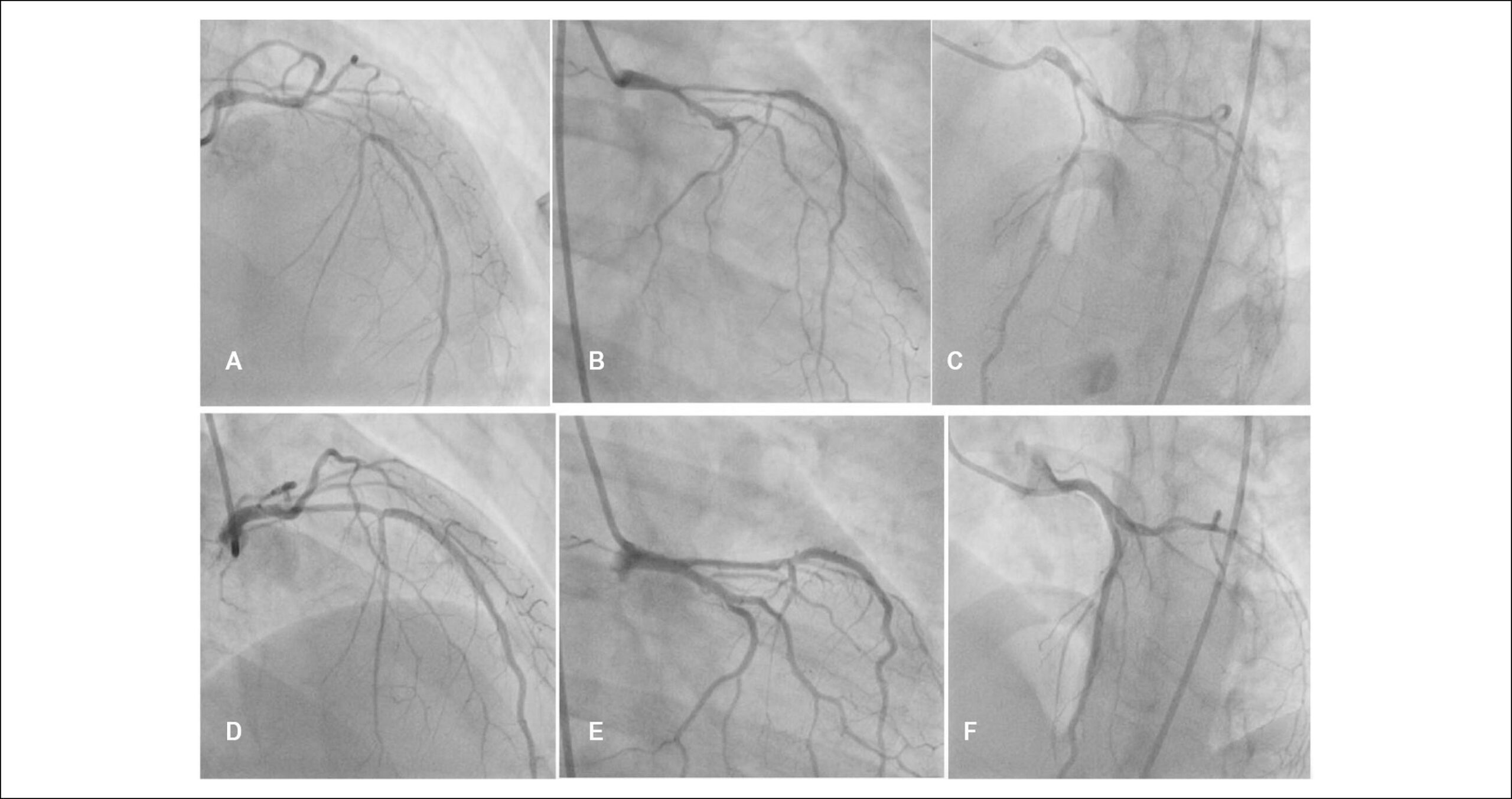
We report three cases of spontaneous coronary artery dissection (SCAD), with literature review and discussion of the procedures employed. All of them occurred in women, with the diagnosis being made by coronary angiography and, in one case, confirmed by intravascular ultrasound (IVUS).

[…]

  • Acute coronary syndrome
  • Cardiac Catheterization
  • Chest Pain
  • Dissection
  • Percutaneous Coronary Intervention
Read Full Article
Creative Commons Attribution (CC BY) Creative Commons license
15/04/2019 DOI: 10.5935/abc.20190057
Editorial

The Radiological Exposure from the Perspective of the Interventional Cardiologist

Pedro Beraldo de Andrade et al. André Labrunie

The interventional cardiology represents an area in constant development and it has advanced considerably in the treatment of both congenital and acquired cardiovascular diseases. It has a safe and effective role in the correction of septal and shunt congenital abnormalities, valve diseases, especially the percutaneous treatment of the aortic stenosis in patients with high or intermediate, surgical risk and, more recently, it has also moved towards the mitral and tricuspid apparatuses.,

The percutaneous coronary intervention has stood out in the treatment of lesions of the left main coronary artery and multivessel coronary artery disease, in the absence of high anatomical complexity, reaching now the frontier of chronic occlusions with consistent results.

[…]

  • Cardiology, Interventional/trends
  • Cardiovascular Diseases/prevention and control
  • Heart Defects, Congenital
  • Percutaneous Coronay Intervention
  • Radiation Exposure/adverse effects
Read Full Article
Creative Commons Attribution (CC BY) Creative Commons license
15/04/2019 DOI: 10.5935/abc.20190052 Views 1
Editorial

Time is Muscle

Luiz Maurino Abreu

Before the 80’s, the treatment of patients with ST–segment elevation myocardial infarction (STEMI) had as main goals the control of pain, arrhythmia and reduction of cardiac work, aiming to limit the extent of myocardial necrosis. These measures were partially effective, but the morbidity and mortality of acute myocardial infarction (AMI) remained high.

From the findings of Dewood, angiographically showing the presence of coronary occlusion by a thrombus in the culprit artery of the STEMI, strategies of reperfusion have emerged both thrombolytic therapy and primary percutaneous transluminal coronary angioplasty (PCI). The treatment of STEMI changes from contemplation to intervention.

[…]

  • Angioplasty
  • Myocardal Infarction/diagnosis
  • Myocardial Infarction/mortality
  • Myocardial Infarction/therapy
  • ST Elevation Myocardial Infarction/physiopathology
  • Survival Rate
  • Thrombolytic Therapy
  • Time Factors
Read Full Article
Creative Commons Attribution (CC BY) Creative Commons license
15/04/2019 DOI: 10.5935/abc.20190059
Figure 1
Original Article

Intra-Atrial Dyssynchrony Using Cardiac Magnetic Resonance to Quantify Tissue Remodeling in Patients with Atrial Fibrillation

Luisa Allen Ciuffo et al. João Lima Henrique Doria de Vasconcellos Muhammad Balouch … Susumu Tao Saman Nazarian David D. Spragg Joseph E. Marine Ronald D. Berger Hugh Calkins Hiroshi Ashikaga

Abstract

Background:

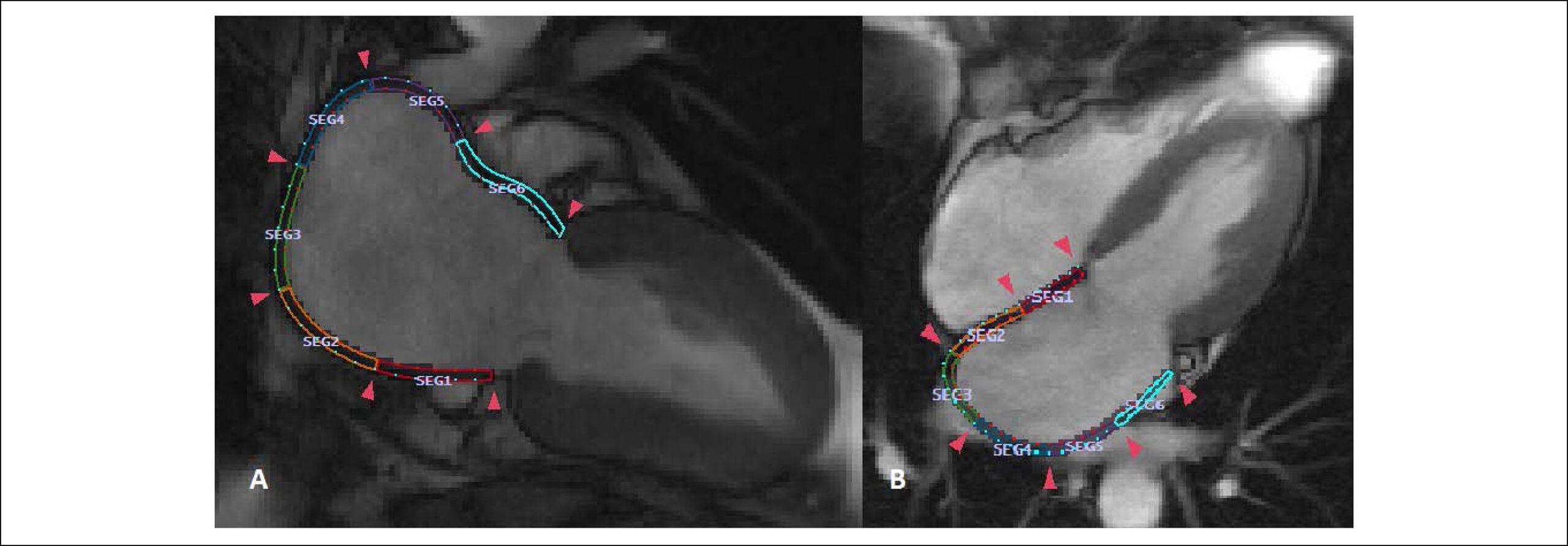
Recent studies suggest that left atrial (LA) late gadolinium enhancement (LGE) can quantify the underlying tissue remodeling that harbors atrial fibrillation (AF). However, quantification of LA-LGE requires labor-intensive magnetic resonance imaging acquisition and postprocessing at experienced centers. LA intra-atrial dyssynchrony assessment is an emerging imaging technique that predicts AF recurrence after catheter ablation. We hypothesized that 1) LA intra-atrial dyssynchrony is associated with LA-LGE in patients with AF and 2) LA intra-atrial dyssynchrony is greater in patients with persistent AF than in those with paroxysmal AF.

Method:

We conducted a cross-sectional study comparing LA intra-atrial dyssynchrony and LA-LGE in 146 patients with a history of AF (60.0 ± 10.0 years, 30.1% nonparoxysmal AF) who underwent pre-AF ablation cardiac magnetic resonance (CMR) in sinus rhythm. Using tissue-tracking CMR, we measured the LA longitudinal strain in two- and four-chamber views. We defined intra-atrial dyssynchrony as the standard deviation (SD) of the time to peak longitudinal strain (SD-TPS, in %) and the SD of the time to the peak pre-atrial contraction strain corrected by the cycle length (SD-TPSpreA, in %). We used the image intensity ratio (IIR) to quantify LA-LGE.

Results:

Intra-atrial dyssynchrony analysis took 5 ± 9 minutes per case. Multivariable analysis showed that LA intra-atrial dyssynchrony was independently associated with LA-LGE. In addition, LA intra-atrial dyssynchrony was significantly greater in patients with persistent AF than those with paroxysmal AF. In contrast, there was no significant difference in LA-LGE between patients with persistent and paroxysmal AF. LA intra-atrial dyssynchrony showed excellent reproducibility and its analysis was less time-consuming (5 ± 9 minutes) than the LA-LGE (60 ± 20 minutes).

Conclusion:

LA Intra-atrial dyssynchrony is a quick and reproducible index that is independently associated with LA-LGE to reflect the underlying tissue remodeling.

  • Atrial Fibrillation
  • Diagnostic Imaging
  • Echocardiography/methods
  • Heart Atria
  • Magnetic Resonance Spectroscopy
Read Full Article
Creative Commons Attribution (CC BY) Creative Commons license
15/04/2019 DOI: 10.5935/abc.20190064 Views 1
Editorial

Ventricular Pacing of Conventional Pacemakers in the Era of CRT

Silas dos Santos Galvão Filho

With the advent of cardiac resynchronization therapy (CRT), and the awareness of the impairment of ventricular systolic function caused by intraventricular conduction disorders, especially left bundle branch block, after more than 50 years of routine use, conventional right univentricular artificial cardiac pacing, particularly in its classical site – the apical region – is now being questioned. In fact, conventional right univentricular pacing usually generates a large QRS (often greater than 150 ms), with electrocardiographic pattern of left bundle branch block – more significant signs for the diagnosis of ventricular dyssynchrony that may require CRT.

Some studies have shown impairment of right univentricular pacing in patients with pacemakers compared to normal ventricular activation,– which prompted the development of algorithms of minimal ventricular pacing, favoring exclusive atrial pacing in currently available dual-chamber pacemakers, which have shown some benefits. However, when the reestablishment of heart rate requires ventricular pacing (in cases of AV blocks), these algorithms cannot be used. Other studies have shown deterioration of ventricular systolic function after initiation of right univentricular pacing., In order to minimize any impairment of right univentricular pacing in cases where it is necessary, multiple pacing sites have been tried: (outflow tract, mid-septal, inferior-septal, etc.) and, although no further evidence has been achieved, today, mid-septal pacing is the most commonly method in conventional pacemaker implants, to the detriment of apical pacing.

[…]

  • Arrhythmias,Cardiac
  • Bradycardia
  • Cardiac Pacing,Artificial/methods
  • Pacemaker, Artificial/utilization
  • Remodeling Atrial
Read Full Article
Creative Commons Attribution (CC BY) Creative Commons license
15/04/2019 DOI: 10.5935/abc.20190074 Views 2
Figure 1
Original Article

Efficacy, Safety, and Performance of Isolated Left vs. Right Ventricular Pacing in Patients with Bradyarrhythmias: A Randomized Controlled Trial

Elizabeth Sartori Crevelari et al. Katia Regina da Silva Caio Marcos de Moraes Albertini Marcelo Luiz Campos Vieira … Martino Martinelli Filho Roberto Costa

Abstract

Background:

Considering the potential deleterious effects of right ventricular (RV) pacing, the hypothesis of this study is that isolated left ventricular (LV) pacing through the coronary sinus is safe and may provide better clinical and echocardiographic benefits to patients with bradyarrhythmias and normal ventricular function requiring heart rate correction alone.

Objective:

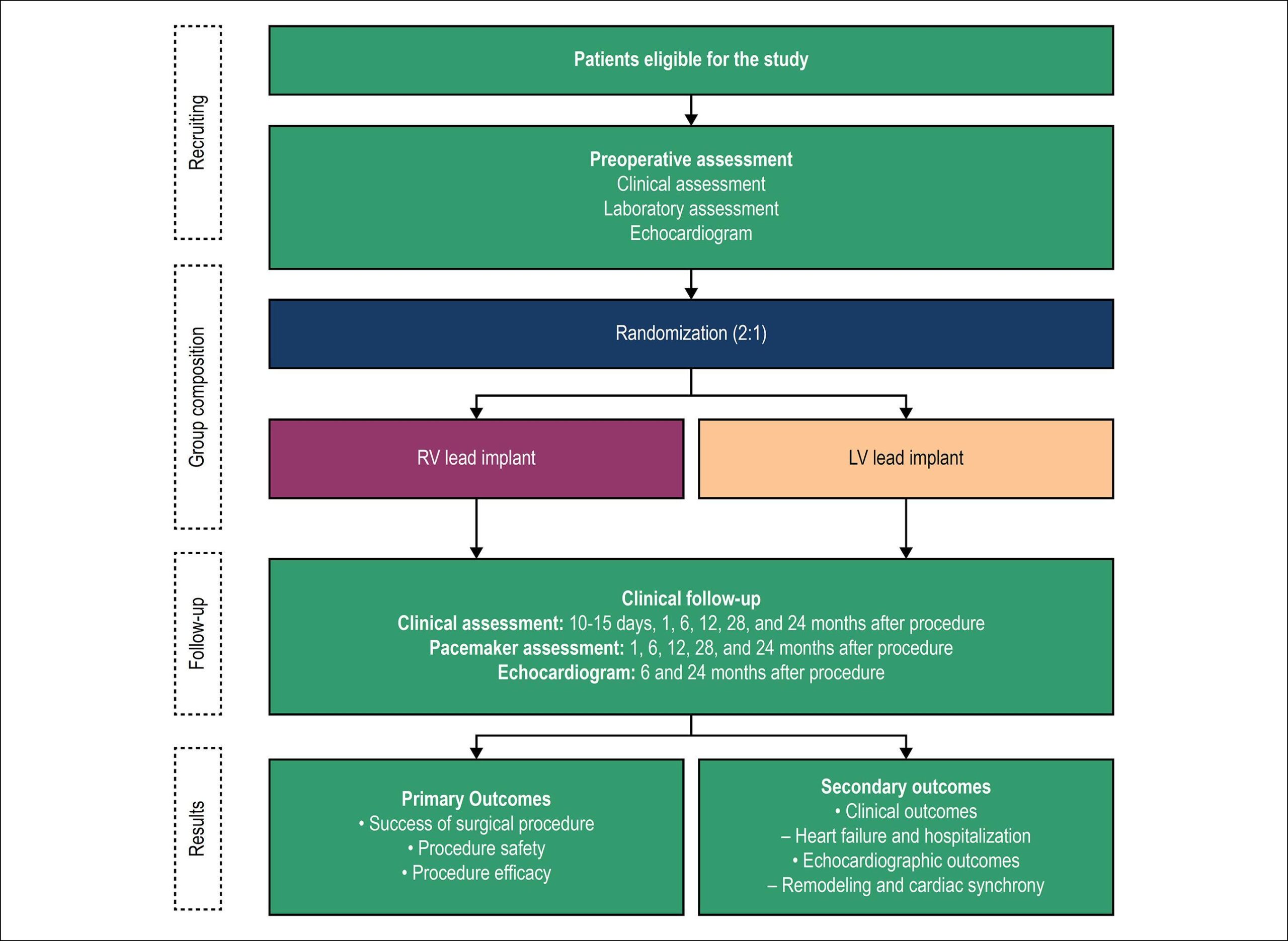
To assess the safety, efficacy, and effects of LV pacing using an active-fixation coronary sinus lead in comparison with RV pacing, in patients eligible for conventional pacemaker (PM) implantation.

Methods:

Randomized, controlled, and single-blinded clinical trial in adult patients submitted to PM implantation due to bradyarrhythmias and systolic ventricular function ≥ 0.40. Randomization (RV vs. LV) occurred before PM implantation. The main results of the study were procedural success, safety, and efficacy. Secondary results were clinical and echocardiographic changes. Chi-squared test, Fisher’s exact test and Student’s t-test were used, considering a significance level of 5%.

Results:

From June 2012 to January 2014, 91 patients were included, 36 in the RV Group and 55 in the LV Group. Baseline characteristics of patients in both groups were similar. PM implantation was performed successfully and without any complications in all patients in the RV group. Of the 55 patients initially allocated into the LV group, active-fixation coronary sinus lead implantation was not possible in 20 (36.4%) patients. The most frequent complication was phrenic nerve stimulation, detected in 9 (25.7%) patients in the LV group. During the follow-up period, there were no hospitalizations due to heart failure. Reductions of more than 10% in left ventricular ejection fraction were observed in 23.5% of patients in the RV group and 20.6% of those in the LV group (p = 0.767). Tissue Doppler analysis showed that 91.2% of subjects in the RV group and 68.8% of those in the LV group had interventricular dyssynchrony (p = 0.022).

Conclusion:

The procedural success rate of LV implant was low, and the safety of the procedure was influenced mainly by the high rate of phrenic nerve stimulation in the postoperative period.

  • Arrhythmias Cardiac
  • Bradycardia
  • Cardiac Pacing, Artificial
  • Pacemaker, Artificial
  • Ventricular Remodeling
Read Full Article
Creative Commons Attribution (CC BY) Creative Commons license
15/04/2019 DOI: 10.5935/abc.20180275 Views 1
Editorial

Biomarker-based Inflammatory Score in Obese Patients with Resistant Hypertension

Cibele Isaac Saad Rodrigues

Resistant arterial hypertension (RAH) is defined, according to the American Heart Association Scientific Position of 2018, as well as observed in the I Brazilian Position of RAH in 2012, when an individual’s blood pressure (BP) remains elevated above the blood pressure target, in spite of the use of three antihypertensive drugs of different therapeutic classes, commonly a long-acting dihydropyridine slow-calcium-channel antagonist drug; a renin-angiotensin-aldosterone system (RAAS) blocker, which may be an angiotensin II converting-enzyme inhibitor or angiotensin II AT1 receptor blocker; and an appropriate diuretic, all administered at the maximum doses or at the highest possible tolerated doses, and in accordance with the prescribed administration intervals. These patients are considered to be at greater risk of cardiovascular and renal morbidity and mortality; more likely to have adverse events in response to drug therapy, usually dose-related; a secondary cause of hypertension should be ruled out in this group of individuals, because its prevalence is significantly higher than in the nonresistant hypertensive population., The controlled RAH is also currently recognized as that in which patients using four or more medications reached the blood pressure target; and refractory AH, an entity that has a different pathophysiology from RAH, when even the four drugs are not enough to control it. According to this new classification, patients with pseudohypertension should be excluded, that is, it is mandatory for diagnostic confirmation to verify adherence and tolerance to medication; to rule out white-coat hypertension; and thus, it is crucial to perform systematized blood pressure measurements outside the office environment through Ambulatory BP Monitoring (ABPM) or Home BP Measurement (HBPM); and finally, the use of a correct and reliable BP measurement technique.,,,

Even in primary AH, the existence of a systemic inflammatory process, albeit a subclinical one, is recognized and this condition has been identified with higher intensity in cardiovascular and renal diseases, such as RAH and chronic kidney disease. Specifically in the case of RAH, which is a multifactorial and polygenic entity, often associated with metabolic diseases that occur with insulin resistance, such as diabetes and obesity, inflammatory processes promoted by mediators may be involved, leading to the important endothelial dysfunction of the microvasculature and increased oxidative stress.

[…]

  • AdipoKynes
  • Biomarkers, Pharmacological
  • CitoKyines
  • Hypertension/adverse effects
  • Hypertension/physiopathology
  • Obesity
Read Full Article
Creative Commons Attribution (CC BY) Creative Commons license
15/04/2019 DOI: 10.5935/abc.20190051
Editorial

Polycystic Ovary Syndrome and Cardiovascular Diseases: Still an Open Door

Marcus Vinicius Bolivar Malachias

This issue of the Brazilian Archives of Cardiology (ABC Cardiol) brings the article “Women with Polycystic Ovarian Syndrome Exhibit Reduced Baroreflex Sensitivity That May Be Associated with Increased Body Fat”, by Philbois, SV et al., which draws attention to this clinical condition that is so prevalent in our country and its many aspects related to cardiometabolism, neuroregulation and cardiovascular risk.

The Polycystic Ovary Syndrome (PCOS) is the most common endocrine disorder in women of reproductive age, with an estimated prevalence of 6 to 10% in this population. According to the Rotterdam criteria, PCOS is diagnosed in the presence of at least two of the three criteria: menstrual disorders or amenorrhea with chronic lack of ovulation, clinical and/or biochemical characteristics of hyperandrogenism and the presence of polycystic ovaries on ultrasonography after exclusion of other endocrine disorders. Overall, SOP has been considered a reproductive disorder; however, it also represents a significantly increased risk for cardiometabolic disorders. The impact on reproduction is predominant during the reproductive years, while cardiometabolic alterations become more important in the later stages of a woman’s life.

[…]

  • Autonomic Nervous System/abnormalities
  • Baroreflex
  • Cardiovascular Diseases/physiopatholog
  • Obesity/metabolism
  • Polycystic Ovary Syndrome
Read Full Article
Creative Commons Attribution (CC BY) Creative Commons license
15/04/2019 DOI: 10.5935/abc.20190062
Figure 1
Original Article

Comparative Analysis between Transferred and Self-Referred STEMI Patients Undergoing Primary Angioplasty

Maurício Balk et al. Henrique Basso Gomes Alexandre Schaan de Quadros Marco Aurélio Lumertz Saffi Tiago Luiz Luz Leiria

Abstract

Background:

Studies have shown the benefits of rapid reperfusion therapy in acute myocardial infarction. However, there are still delays during transport of patients to primary angioplasty.

Objective:

To evaluate whether there is a difference in total ischemic time between patients transferred from other hospitals compared to self-referred patients in our institution.

Methods:

Historical cohort study including patients with acute myocardial infarction treated between April 2014 and September 2015. Patients were divided into transferred patients (group A) and self-referred patients (group B). Clinical characteristics of the patients were obtained from our electronic database and the transfer time was estimated based on the time the e-mail requesting patient’s transference was received by the emergency department.

Results:

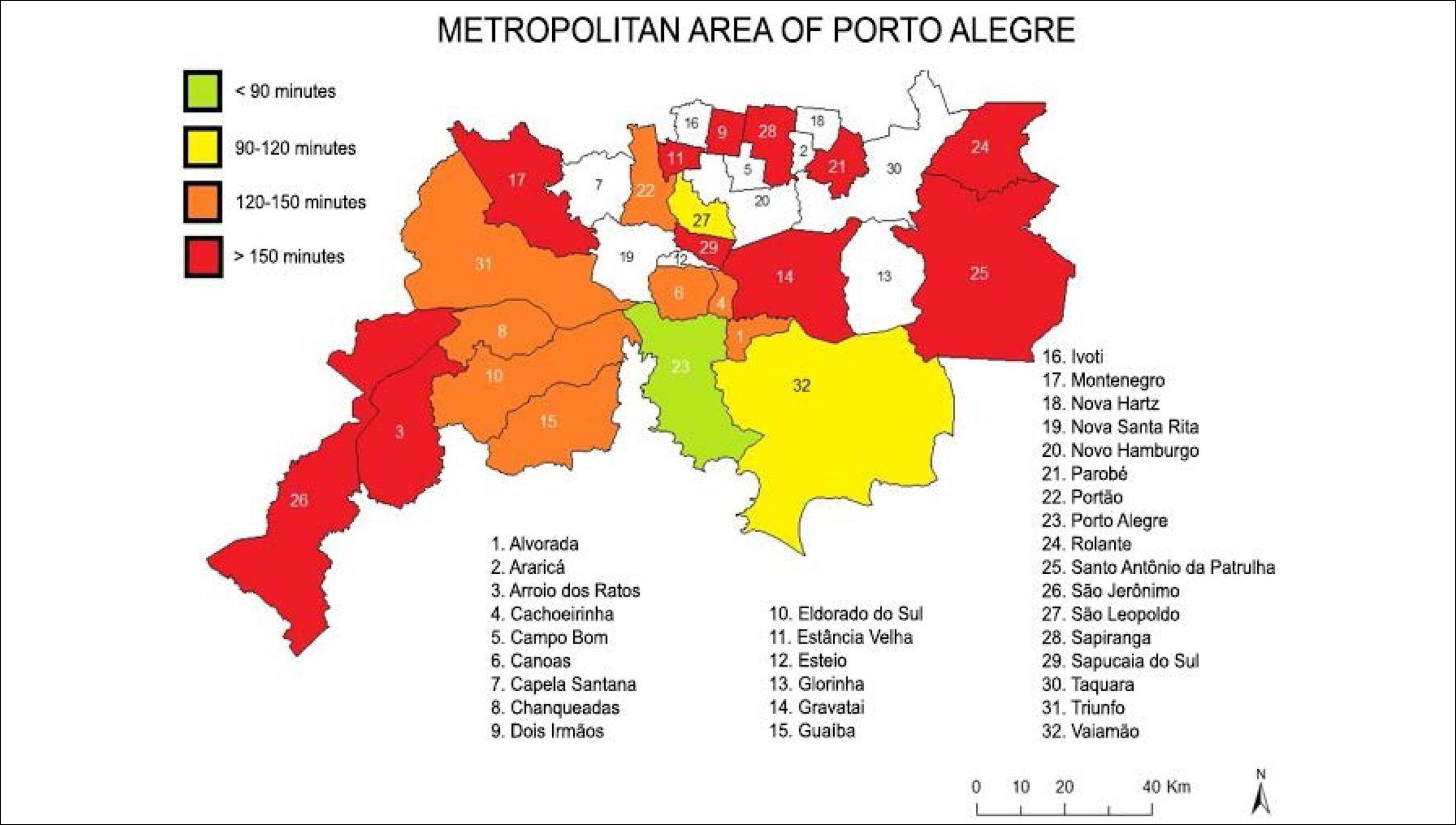
The sample included 621 patients, 215 in group A and 406 in group B. Population characteristics were similar in both groups. Time from symptom onset to arrival at the emergency department was significantly longer in group A (385 minutes vs. 307 minutes for group B, p < 0.001) with a transfer delay of 147 minutes. There was a significant relationship between the travel distance and increased transport time (R = 0.55, p < 0.001). However, no difference in mortality was found between the groups.

Conclusion:

In patients transferred from other cities for treatment of infarction, transfer time was longer than that recommended, especially in longer travel distances.

  • Angioplasty, Balloon, Coronary/methods
  • Fibrinolytic Agents
  • Intensive Care Units
  • Myocardial Reperfusion/methods
  • ST Elevation Myocardial Infarction/complications
Read Full Article
Creative Commons Attribution (CC BY) Creative Commons license
15/04/2019 DOI: 10.5935/abc.20190014 Views 1
Editorial

Septal Ablation in Obstructive Hypertrophic Cardiomyopathy (oHCM)

Dirceu Rodrigues Almeida

Hypertrophic cardiomyopathy (HCM) is the most common genetic heart disease, with a prevalence of 1 case in 500 individuals. The disease is very heterogeneous regarding its phenotype, being the main cause of sudden death in athletes who they die in competitions., Fortunately, most patients are asymptomatic or have few symptoms and will have a life expectancy very close to the individuals without the disease. However, some patients will develop symptoms such as angina, dyspnea, palpitations, syncope and even sudden death, usually caused by ventricular arrhythmia. Approximately 2/3 of patients with HCM have a significant left ventricular outflow tract (LVOT) gradient at rest or during drug or physical exertion provocation tests. The presence of a significant gradient, mainly at rest, characterizes obstructive hypertrophic cardiomyopathy (OHCM) and the presence of the gradient is related to greater symptom intensity and a higher risk of death.–

The standard treatment of symptomatic patients comprise the use of drugs such as beta-blockers and/or calcium channel blockers, which decrease the gradient and improve angina, diastolic function and increase tolerance to physical exertion.– Between 5 and 10% of patients with OHCM are refractory to pharmacological treatment and should be considered for invasive treatment: surgical myomectomy (SM) or septal ablation (SA) (alcoholization) with the aim of reducing septal muscle mass and relieve LVOT obstruction., Since its introduction in 1995 by Sigwart et al., SA has become an alternative to surgical treatment (which was considered the gold standard treatment for patients with OHCM and refractory to clinical treatment). After the introduction of SA, because it was found to be attractive to the patient and to the physician, a rapid and progressive increase in the number of performed procedures was observed, especially in the European countries, which quickly surpassed the number of surgeries performed annually worldwide and with results in the short and medium term that were similar to the results obtained with surgical procedures in centers of excellence, according to data from patient cohorts, registries and meta-analyses,, since there are no randomized trials comparing the two forms of intervention. But despite the significant increase in the number of SA performed and after two decades of experience, some controversy remains about the choice of invasive procedure (SA or SM?).,–

[…]

  • Blood Pressure
  • Cardiomyopathy, Hypertrophic/physiopathology
  • Cardiomyopathy, Hypertrophic/therapy
  • Ethanol/administration & dosage
  • Heart Septum/drug effects
  • Heart Septum/pathology
Read Full Article
Creative Commons Attribution (CC BY) Creative Commons license
15/04/2019 DOI: 10.5935/abc.20190066 Views 1
Editorial

Quantification of Left Atrial Tissue Remodeling Using Intra-Atrial Dyssynchrony by Cardiac Magnetic Resonance Imaging

Patrick T. Bering et al. João L. Cavalcante

Morphological and functional characteristics of the left atrium (LA) play a key role in the pathogenesis of atrial fibrillation (AF), which represents a global health burden as the most common cardiac arrhythmia encountered in clinical practice. For patients with drug-refractory AF, catheter-ablation may aid in a) prolonged restoration of sinus rhythm, b) decreased in total arrhythmic burden, symptomatic improvement, and c) better quality of life. However, catheter-ablation may not have a durable effect for a significant number of patients despite repeated procedures. A variety of innovative procedural technologies aim to improve patient freedom from AF. Scientific progress in the identification of patient characteristics that suggest a favorable or poor likelihood of procedural success may enhance patient selection for catheter-ablation and optimize time utilization for the cardiac electrophysiologist.

Cardiac magnetic resonance (CMR) imaging with late gadolinium enhancement (LGE) has been shown to be a promising, non-invasive tool for the measurement of LA fibrosis, which predicts the recurrence of AF after catheter-ablation., While this tissue characterization of the LA represents a promising technology for patients with AF in whom catheter-ablation is being considered, it remains mostly these days at expert centers, has labor-intensive post-processing and necessitates the use of gadolinium contrast, which may exclude patients who have advanced kidney disease or allergic reactions to gadolinium. Functional assessment with intra-atrial dyssynchrony utilizing tissue-tracking represents an elegant technique to characterize LA mechanics that does not require gadolinium contrast or significant post-processing and was recently shown to correlate with the recurrence of AF after catheter-ablation.

[…]

  • Atrial Dyssynchrony Diagnostic Imaging
  • Atrial Fibrillation
  • Magnetic Resonance Imaging
  • Remodeling Atrial
Read Full Article
Creative Commons Attribution (CC BY) Creative Commons license
15/04/2019 DOI: 10.5935/abc.20190073 Views 1
Statement

2019: Recommendations for Reducing Tobacco Consumption in Portuguese-Speaking Countries – Positioning of the Federation of Portuguese Language Cardiology Societies

Gláucia Maria Moraes de Oliveira et al. Miguel Mendes Oscar Pereira Dutra Aloysio Achutt … Mario Fernandes Vanda Azevedo Maria Beatriz Sena e Costa Santos Ferreira Armando Serra Coelho Miryan Bandeira dos Prazeres Cassandra Soares Mário Alberto Brito Lima Évora Mário Gomes Mariotto João Araujo Morais

Introduction

Depending on the epidemiological perspective of the observer and the extent of his concept of causality, tobacco consumption can be considered the second cause in the world of death attributed to classic cardiovascular risk factors, preceded only by hypertension, and the first cause of premature death and disabilities. When understood as an immediate cause without contextualization in the complex that determines and maintains population behavior, smoking was responsible in the world for about 8.10 (7.79-8.41) million deaths and 213.39 (201.16-226.66) million healthy life years lost (disability-adjusted life-years, DALYs). Although the number of daily smokers (individuals aged 15 years and older who smoke daily) has decreased, the total number of smokers continues to increase, imposing a major global challenge for healthcare systems.

Physicians, who generally deal directly and individually with the patient, tend to consider health/illness limited to the patient’s organic commitment and personal history and are less appreciative of the “causes of the causes” and the psychosocial determinants of the phenomena and behaviors, inseparable from the ecological context and interests. Environmental pollution (which has also a contribution from smoking and is progressively increasing) is currently considered to be the most important cause of morbidity and mortality in the world’s population, extending the spectrum beyond the traditionally valued risk factors. This perspective is very important for an understanding of the resistance to smoking control and planning of strategies that are more effective to approach this issue.

[…]

  • Rural Population
  • Smoking Prevention
  • Socioeconomic Factors
  • Tobacco Smoke Pollution
  • Tobacco Use Disorder/epidemiology
  • Tobacco Use Disorder/mortality
  • Urban Population
Read Full Article
Creative Commons Attribution (CC BY) Creative Commons license
15/04/2019 DOI: 10.5935/abc.20190071 Views 1
Figure 1
Anatomopathological Correlation

Case 2/2019 – Man with Arrhythmogenic Cardiopathy Followed by Rapidly Progressive Heart Failure

Marcella Abunahman Freitas Pereira et al. Wilma Noia Ribeiro Léa Maria Macruz Ferreira Demarchi

Clinical aspects

The patient developed arrhythmia at 26 years of age. At age 33, in 2013, he developed heart failure, which rapidly progressed to functional class IV, with consecutive hospitalizations due to acute decompensation. In 2015, after the last hospitalization, he was placed on the priority list for heart transplantation due to clinical treatment refractoriness. In March 2016 he underwent the procedure and remained asymptomatic, being followed through outpatient clinic consultations since April 2017.

This is a heart failure case with important aspects that must be investigated: etiology and factors for decompensation.

[…]

  • Cardiomyopathy, Dilated
  • Heart Failure
  • Heart Transplantation
  • Myocarditis
  • Stroke Volume
Read Full Article
Creative Commons Attribution (CC BY) Creative Commons license
15/04/2019 DOI: 10.5935/abc.20190065 Views 1
Editorial

Toward a Patient-Centered, Data-Driven Cardiology

Antonio Luiz Ribeiro et al. Gláucia Maria Moraes de Oliveira

Beginning in the 1970s and 1980s, the emergence of randomized clinical trials and studies with large cohorts, associated with the development of the methodology for systematic reviews and meta-analyses, triggered a revolution in the way of thinking and performing healthcare practice. Evidence-based medicine (EBM), defined as the integration of the best research evidence with clinical experience and patient values, has become a new paradigm, orienting medical education and specialized publications. One of the principles of EBM was precisely the primacy of information obtained from randomized clinical trials and meta-analyses, which were placed at the top of an evidence hierarchy, valuing quantitative results more than clinical experience and expert opinion. Indeed, it has always been challenging for EBM to integrate empirical evidence with other types of medical knowledge, such as clinical expertise and pathophysiological rationale, or even with the preferences of individual patients.

The use of EBM in clinical practice also runs into the difficulty of finding robust evidence for all subgroups of clinical situations found in the real world, “gray areas” in which no reliable evidence can be obtained from the scientific literature to guide the physician in caring for his patient. Randomized clinical trials are expensive and generally require large study samples and long-term follow-up. There are several situations without evidence, or situations in which the evidence is inconsistent or of poor quality.

[…]

  • Access Health Technologies
  • Artificial Intelligence
  • Cardiology
  • Clinical Decision – Making
  • Diagnostic Equipment Digital
  • Evidence-Based Medicine/methods
  • Health Manager
  • Machine Learning/trends
  • Patient Centered Care
  • Physician-Patient Relations
Read Full Article
Creative Commons Attribution (CC BY) Creative Commons license
15/04/2019 DOI: 10.5935/abc.20190069 Views 2
Editorial

Alterations Resulting From Exposure to Mercury in Normotensive and Hypertensive Rats

Luana Urbano Pagan et al. Marcelo Diarcadia Mariano Cezar Ricardo Luiz Damatto

Mercury is a chemical element still widely used in industrial processes and present in many appliances used daily by the population. However, mercury can be extremely toxic to our body and lead to the development of several diseases such as blindness, deafness, intellectual disability, paralysis, cancer, renal dysfunction, and it can also induce cardiac alterations.,

Studies have shown that exposure to mercury can cause changes in the cardiovascular system, such as systemic arterial hypertension, coronary dysfunction, cardiac arrhythmia, and increase the risk of myocardial infarction., In humans, high blood mercury levels were correlated with increased systolic and diastolic blood pressure.

[…]

  • Heart Failure
  • Hypertension
  • Mercury Poisoning
  • Oxidative Stress
  • Peptidyl-Dipeptidase A
  • Rats
Read Full Article
Creative Commons Attribution (CC BY) Creative Commons license
15/04/2019 DOI: 10.5935/abc.20190025
Viewpoint

Window to the Future or Door to Chaos?

Marcelo Antônio Cartaxo Queiroga Lopes et al. Gláucia Maria Moraes de Oliveira Alberto Amaral Júnior Eitel Santiago de Brito Pereira

The remarkable advance in technology has caused a new social revolution impacting all areas of knowledge, modifying traditions and practices that were consecrated centuries ago. Advances in informatics and telecommunications with practical application in various sciences are eloquent examples of such transformation.

In medicine, this progress has brought up extraordinary advances in diagnosis and therapy, since the combination of new medical technologies and efficient communication media has bequeathed us telemedicine, which has been practiced for more than two decades with great success, opening the doors for solutions such as a telematic transmission of a simple electrocardiogram to remotely performing robotic surgeries.

[…]

  • Delivery Health Care/legislation & jurisprudence
  • Medicine/trends
  • National Science, Technology and Innovation Policy
  • Precision Medicine/trends
  • Technological Development/ethic
  • Telemedicine/legislation & jurisprudence
Read Full Article
Creative Commons Attribution (CC BY) Creative Commons license
01/04/2019 DOI: 10.5935/abc.20190056 Views 1
Figure 1
Original Article

Retrospective Analysis of Risk Factors for Related Complications of Chemical Ablation on Hypertrophic Obstructive Cardiomyopathy

Cheng-Yang Li et al. Yun-Qi Shi

Abstract

Background:

The analysis of risk factors for predicting related complications has not been reported to date.

Objective:

This study aims to investigate the risk factors of related complications of percutaneous transluminal septal myocardial ablation (PTSMA) for hypertrophic obstructive cardiomyopathy (HOCM) retrospectively.

Method:

Clinical data, and one-year follow-up results of patients with HOCM, who underwent PTSMA between January 2000 and July 2013 in the Department of Cardiology, Liaoning Province People’s Hospital, Liaoning Province, China, were retrospectively analyzed to determine risk factors for operative complications with multiple logistic regression analysis. All p values are two-sided, with values of p < 0.05 being considered statistically significant.

Results:

Among 319 patients with HOCM, PTSMA was performed in 224 patients (120 males and 104 females, mean age was 48.20 ± 14.34 years old). The incidence of PTSMA procedure-related complications was 36.23% (66/224), which included three cardiac deaths, two cardiac shocks, one ST-segment elevated myocardial infarction, two ventricular fibrillations, 20 third-degree atrioventricular (AV) blocks (four patients were implanted with a permanent pacemaker (PPM)), 32 complete right bundle branch blocks, two complete left bundle branch blocks, and four puncture-related complications. After multivariate logistic regression analysis, it was found that age, gender, coronary artery diseases, diabetes, heart rate, cardiac function on admission, the number of septal ablations, and the volume of alcohol were not independent risk factors correlated to the whole complications, except for hypertension (OR: 4.856; 95% CI: 1.732-13.609). Early experience appears to be associated with the occurrence of complications.

Conclusion:

Hypertension was an independent risk factor for PTSMA procedure-related complications. It might be much safer and more efficient if PTSMA procedures are restricted to experienced centers, according to the analysis results for the learning curve.

  • Cardiomyopathy, Hypertrophic/prevention and control
  • Myocardial, Percutaneous Transluminal Septal Myocardial Ablation (PTSMA)
  • Ventricular Dysfunction, Left/Complications
Read Full Article
Creative Commons Attribution (CC BY) Creative Commons license
01/04/2019 DOI: 10.5935/abc.20190060
Figure 1
Original Article

A Proposed Inflammatory Score of Circulating Cytokines/Adipokines Associated with Resistant Hypertension, but Dependent on Obesity Parameters

Ana Paula de Faria et al. Alessandra Mileni Versuti Ritter Carolina Souza Gasparetti Nathália Batista Corrêa … Veridiana Brunelli Aurélio Almeida Nayara Fraccari Pires Rodrigo Modolo Heitor Moreno Junior

Abstract

Background:

There is evidence that subclinical systemic inflammation is present in resistant hypertension (RHTN).

Objective:

The aim of the study was to develop an integrated measure of circulating cytokines/adipokines involved in the pathophysiology of RHTN.

Methods:

RHTN (n = 112) and mild to moderate hypertensive (HTN) subjects (n=112) were studied in a cross-sectional design. Plasma cytokines/adipokines (TNF-alpha, interleukins [IL]-6, -8, -10, leptin and adiponectin) values were divided into tertiles, to which a score ranging from 1 (lowest tertile) to 3 (highest tertile) was assigned. The inflammatory score (IS) of each subject was the sum of each pro-inflammatory cytokine scores from which anti-inflammatory cytokines (adiponectin and IL-10) scores were subtracted. The level of significance accepted was alpha = 0.05.

Results:

IS was higher in RHTN subjects compared with HTN subjects [4 (2-6) vs. 3 (2-5); p = 0.02, respectively]. IS positively correlated with body fat parameters, such as body mass index (r = 0.40; p < 0.001), waist circumference (r = 0.30; p < 0.001) and fat mass assessed by bioelectrical impedance analysis (r = 0.31; p < 0.001) in all hypertensive subjects. Logistic regression analyses revealed that IS was an independent predictor of RHTN (OR = 1.20; p = 0.02), independent of age, gender and race, although it did not remain significant after adjustment for body fat parameters.

Conclusion:

A state of subclinical inflammation defined by an IS including TNF-alpha, IL-6, IL-8, IL-10, leptin and adiponectin is associated with obese RHTN. In addition, this score correlates with obesity parameters, independently of hypertensive status. The IS may be used for the evaluation of conditions involving low-grade inflammation, such as obesity-related RHTN. Indeed, it also highlights the strong relationship between obesity and inflammatory process.

  • Adipokines
  • Cytokines
  • Hypertension/physiopathology
  • Inflammation
  • Obesity
  • Probability
  • Risk Factors
Read Full Article
Creative Commons Attribution (CC BY) Creative Commons license
28/02/2019 DOI: 10.5935/abc.20190032 Views 1
Figure 1
Review Article

PCSK9 Inhibitors: Clinical Relevance, Molecular Mechanisms, and Safety in Clinical Practice

Filipe Ferrari et al. Ricardo Stein Marcelo Trotte Motta Emilio Hideyuki Moriguchi

Abstract

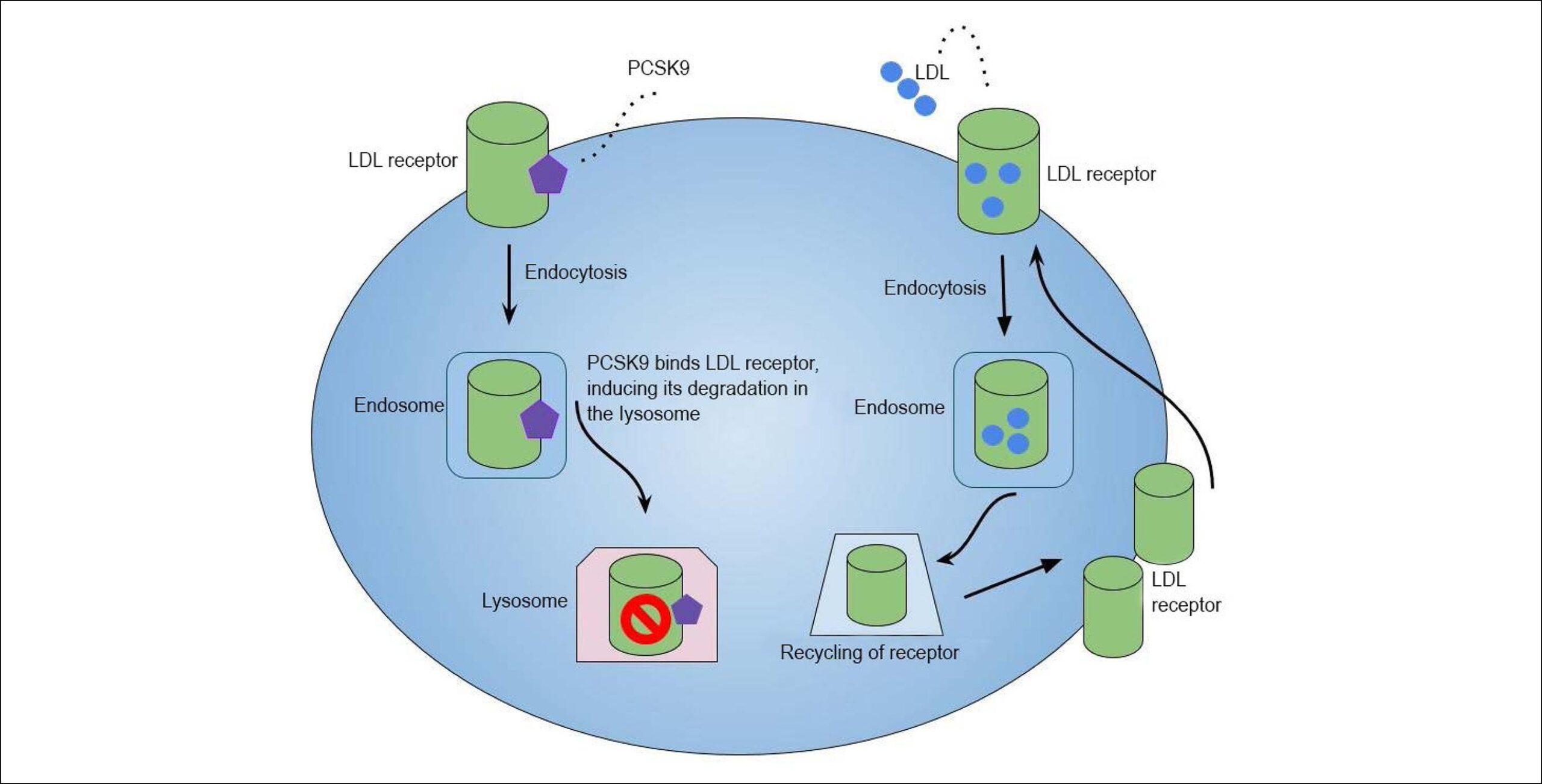
Coronary artery disease (CAD) is one of the leading causes of mortality. High circulating levels of low-density lipoprotein (LDL) in the blood are associated with cardiovascular mortality, whether through an etiological role or through its association with the progression of CAD per se. Randomized clinical trials have shown that, when LDL levels are reduced, cardiovascular risk is also reduced, which reinforces this association. The first major trial involving a hypolipidemic agent of the statin family, the Scandinavian Simvastatin Survival Study (4S), was published in 1994 and found a significant reduction in mortality in patients at high cardiovascular risk. However, even in subsequent studies with different statins, a residual risk persisted, and this seems not to have changed over time; it is speculated that this risk may be due to statin intolerance. In this scenario, the potential exists for novel hypolipidemic agents to drive a true revolution in the therapy of dyslipidemia. The recent discovery of PCSK9 inhibitors (PCSK9i), a class of hypolipidemic monoclonal antibodies, is extremely promising. PCSK9 inhibition is capable of promoting a mean LDL reduction of up to 60%, with potential for very significant clinical repercussions, as every 38 mg/dL reduction in LDL appears to be associated with a 22% reduction in cardiovascular risk. This review addresses a brief history of PCSK9i, major trials of these drugs, cardiovascular outcomes, and aspects related to their efficacy and safety. Finally, the molecular mechanisms and possible pleiotropic effects of PCSK9i are also discussed.

  • Anticholesteromic Agents
  • Cardiovascular Diseases/physiopathology
  • Cholesterol, LDL
  • Coronary Artery Disease / mortality
  • Lipoproteins
  • Proprotein Convertase 9
Read Full Article
Creative Commons Attribution (CC BY) Creative Commons license
28/02/2019 DOI: 10.5935/abc.20190029 Views 1
Original Article

Women with Polycystic Ovarian Syndrome Exhibit Reduced Baroreflex Sensitivity That May Be Associated with Increased Body Fat

Stella Vieira Philbois et al. Ada Clarice Gastaldi Tábata de Paula Facioli Ana Carolina Sanches Felix … Rosana Maria dos Reis Thauane Hanna Fares Hugo Celso Dutra de Souza

Abstract

Background:

Polycystic ovarian syndrome (PCOS) women have a high prevalence of obesity and alterations in cardiovascular autonomic control, mainly modifications in heart rate variability (HRV) autonomic modulation. However, there are few studies about other autonomic control parameters, such as blood pressure variability (BPV) and baroreflex sensitivity (BRS). In addition, there are still doubts about the obesity real contribution in altering autonomic control in these women.

Objective:

To investigate BPV and BRS autonomic modulation alterations in PCOS women, as well as, to evaluate whether these alterations are due PCOS or increased body fat.

Methods:

We studied 30 eutrophic volunteers [body mass index (BMI) < 25 kg/m2] without PCOS (control group) and 60 volunteers with PCOS divided into: eutrophic (BMI < 25 kg/m2, N = 30) and obese women (BMI > 30 kg/m2, N = 30). All volunteers were submitted to anthropometric evaluation, hemodynamic and cardiorespiratory parameters record at rest and during physical exercise, analysis of HRV, BPV and spontaneous BRS. The differences in p less than 5% (p < 0.05) were considered statistically significant.

Results:

Related to eutrophics groups, there were no differences in autonomic parameters evaluated. The comparison between the PCOS groups showed that both PCOS groups did not differ in the BPV analysis. Although, the obese PCOS group presented lower values of spontaneous BRS and HRV, in low frequency and high frequency oscillations in absolute units.

Conclusion:

Our results suggest that obesity did little to alter HRV in women with PCOS, but it may influence the spontaneous BRS.

  • Adiposity
  • Autonomic Nervous System
  • Body Fat Distribution
  • Heart Rate
  • Hypertension
  • Obesity
  • Polycystic Ovary Syndrome/physiopathology
Read Full Article
Creative Commons Attribution (CC BY) Creative Commons license
28/02/2019 DOI: 10.5935/abc.20190031 Views 1
Figure 1
Original Article

Prevalence of Lens Opacity in Interventional Cardiologists and Professional Working in the Hemodynamics in Brazil

Adriano Henrique Pereira Barbosa et al. Regina Bitelli Medeiros Adriana Maria Rodrigues Corpa Fabiana Shinzato Higa … Marco Túlio de Souza Patrícia Lopes Barbosa Antônio Carlos Moreira Alexandre Shaan de Quadros Viviana de Mello Guzzo Lemke Marcelo José de Carvalho Cantarelli

Abstract

Background:

Posterior subcapsular cataract is a tissue reaction commonly found among professionals exposed to ionizing radiation.

Objective:

To assess the prevalence of cataract in professionals working in hemodynamics in Brazil.

Methods:

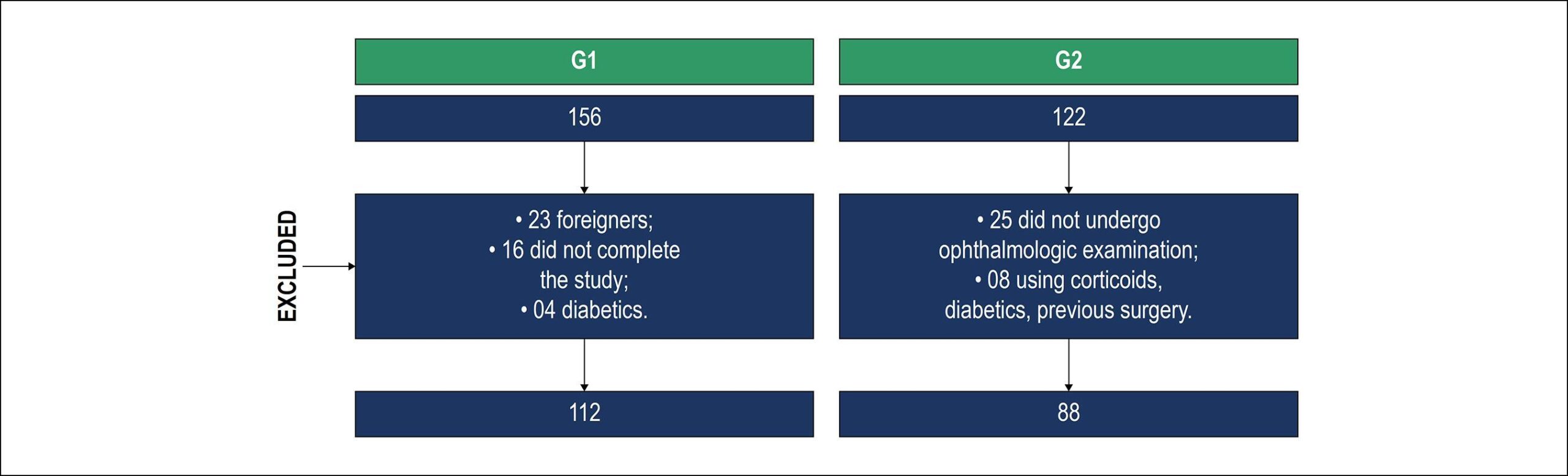
Professionals exposed to ionizing radiation (group 1, G1) underwent slit lamp examination with a biomicroscope for lens examination and compared with non-exposed subjects (group 2, G2). Ophthalmologic findings were described and classified by opacity degree and localization using the Lens Opacities Classification System III. Both groups answered a questionnaire on work and health conditions to investigate the presence of risk factors for cataract. The level of significance was set at 5% (p < 0.05).

Results:

A total of 112 volunteers of G1, mean age of 44.95 (±10.23) years, and 88 volunteers of G2, mean age of 48.07 (±12.18) years were evaluated; 75.2% of G1 and 85.2% of G2 were physicians. Statistical analysis between G1 and G2 showed a prevalence of posterior subcapsular cataract of 13% and 2% in G1 and G2, respectively (0.0081). Considering physicians only, 38% of G1 and 15% of G2 had cataract, with the prevalence of posterior subcapsular cataract of 13% and 3%, respectively (p = 0.0176). Among non-physicians, no difference was found in the prevalence of cataract (by types).

Conclusions:

Cataract was more prevalent in professionals exposed to ionizing radiation, with posterior subcapsular cataract the most frequent finding.

  • Cardiologists
  • Cataract/surgery
  • Hemodynamics
  • Occupational Risks
  • Radiation,Ionizing
  • Radiation,Protection
Read Full Article
Creative Commons Attribution (CC BY) Creative Commons license
21/02/2019 DOI: 10.5935/abc.20190028
Original Article

Effects of Chronic Exposure to Mercury on Angiotensin-Converting Enzyme Activity and Oxidative Stress in Normotensive and Hypertensive Rats

Dalton Valentim Vassallo et al. Maylla Ronacher Simões Karina Giuberti Bruna Fernandes Azevedo … Rogerio Faustino Ribeiro Junior Mercedes Salaices Ivanita Stefanon

Abstract

Background:

Mercury’s deleterious effects are associated with increased cardiovascular risk.

Objective:

To determine whether chronic exposure to inorganic mercury increases the activity of angiotensin-converting enzyme and its relationship with oxidative stress in several organs and tissues.

Methods:

We studied male Wistar and spontaneously hypertensive rats (SHR) (3-month-old) exposed or not to HgCl2 for 30 days. At the end of treatment, we investigated the following: changes in body weight, hemodynamic parameters, angiotensin-converting enzyme (ACE) activity and oxidative stress in the heart, aorta, lung, brain and kidney in hypertensive compared to normotensive animals. A value of p < 0.05 was considered significant.

Results:

Chronic exposure to HgCl2 did not affect weight gain in either group. Systolic blood pressure, measured weekly, did not increase in Wistar rats but showed a small increase in SHR rats. We also observed increases in left ventricular end-diastolic pressure and ACE activity in the plasma and hearts of normotensive rats. In the SHR+Hg group, ACE activity increased in plasma but decreased in kidney, lung, heart, brain and aorta. Oxidative stress was assessed indirectly by malondialdehyde (MDA) production, which increased in Hg-treated rats in both plasma and heart. In the SHR+Hg group, MDA increased in heart and aorta and decreased in lungs and brain.

Conclusion:

These results suggest that chronic exposure to inorganic mercury aggravates hypertension and produces more expressive changes in ACE activity and oxidative stress in SHRs. Such exposure affects the cardiovascular system, representing a risk factor for the development of cardiovascular disorders in normotensive rats and worsening of pre-existing risks for hypertension.

  • Hypertension
  • Mercury Poisoning
  • Oxidative Stress/radiation effects
  • Peptidyl-Dipeptidase A
  • Rats
Read Full Article
Creative Commons Attribution (CC BY) Creative Commons license
07/01/2019 DOI: 10.5935/abc.20180271

How to cite this article

EndNote RIS

Electronic Document Format (Vancouver)

Daniel ECA, Falcão JLAA. Spontaneous Coronary Artery Dissection – Case Report and Literature Review. Arquivos Brasileiros de Cardiologia 2019;112(4):473-6.

Electronic Document Format (ABNT)

Daniel, Elana Couto de Alencar; Falcão, João Luiz de Alencar Araripe. Spontaneous Coronary Artery Dissection – Case Report and Literature Review. Arquivos Brasileiros de Cardiologia, v. 112, n. 4, p. 473-476, Apr. 2019.

Electronic Document Format (APA)

Daniel, E. C. A., & Falcão, J. L. A. A. (2019). Spontaneous Coronary Artery Dissection – Case Report and Literature Review. Arquivos Brasileiros de Cardiologia, 112(4), 473-476.

Electronic Document Format (ISO)

Daniel, Elana Couto de Alencar and Falcão, João Luiz de Alencar Araripe. Spontaneous Coronary Artery Dissection – Case Report and Literature Review. Arquivos Brasileiros de Cardiologia [online]. 2019, vol. 112, n. 4, [cited 2026-10-14], pp. 473-476. Available from: <https://journals.cardiol.br/en/article/spontaneous-coronary-artery-dissection-case-report-and-literature-review/>. ISSN 0066-782X

EndNote RIS

Electronic Document Format (Vancouver)

Andrade PB, Labrunie A. The Radiological Exposure from the Perspective of the Interventional Cardiologist. Arquivos Brasileiros de Cardiologia 2019;112(4):400-1.

Electronic Document Format (ABNT)

Andrade, Pedro Beraldo de; Labrunie, André. The Radiological Exposure from the Perspective of the Interventional Cardiologist. Arquivos Brasileiros de Cardiologia, v. 112, n. 4, p. 400-401, Apr. 2019.

Electronic Document Format (APA)

Andrade, P. B. , & Labrunie, A. (2019). The Radiological Exposure from the Perspective of the Interventional Cardiologist. Arquivos Brasileiros de Cardiologia, 112(4), 400-401.

Electronic Document Format (ISO)

Andrade, Pedro Beraldo de and Labrunie, André. The Radiological Exposure from the Perspective of the Interventional Cardiologist. Arquivos Brasileiros de Cardiologia [online]. 2019, vol. 112, n. 4, [cited 2026-10-14], pp. 400-401. Available from: <https://journals.cardiol.br/en/article/the-radiological-exposure-from-the-perspective-of-the-interventional-cardiologist/>. ISSN 0066-782X

EndNote RIS

Electronic Document Format (Vancouver)

Abreu LM. Time is Muscle. Arquivos Brasileiros de Cardiologia 2019;112(4):408-9.

Electronic Document Format (ABNT)

Abreu, Luiz Maurino. Time is Muscle. Arquivos Brasileiros de Cardiologia, v. 112, n. 4, p. 408-409, Apr. 2019.

Electronic Document Format (APA)

Abreu, L. M. (2019). Time is Muscle. Arquivos Brasileiros de Cardiologia, 112(4), 408-409.

Electronic Document Format (ISO)

Abreu, Luiz Maurino. Time is Muscle. Arquivos Brasileiros de Cardiologia [online]. 2019, vol. 112, n. 4, [cited 2026-10-14], pp. 408-409. Available from: <https://journals.cardiol.br/en/article/time-is-muscle/>. ISSN 0066-782X

EndNote RIS

Electronic Document Format (Vancouver)

Ciuffo LA, Lima J, Vasconcellos HD, Balouch M, Tao S, Nazarian S, Spragg DD, et al. Intra-Atrial Dyssynchrony Using Cardiac Magnetic Resonance to Quantify Tissue Remodeling in Patients with Atrial Fibrillation. Arquivos Brasileiros de Cardiologia 2019;112(4):441-50.

Electronic Document Format (ABNT)

Ciuffo, Luisa Allen; Lima, João; Vasconcellos, Henrique Doria de; Balouch, Muhammad; Tao, Susumu; Nazarian, Saman; Spragg, David D.; Marine, Joseph E.; Berger, Ronald D.; Calkins, Hugh; Ashikaga, Hiroshi. Intra-Atrial Dyssynchrony Using Cardiac Magnetic Resonance to Quantify Tissue Remodeling in Patients with Atrial Fibrillation. Arquivos Brasileiros de Cardiologia, v. 112, n. 4, p. 441-450, Apr. 2019.

Electronic Document Format (APA)

Ciuffo, L. A., Lima, J., Vasconcellos, H. D. , Balouch, M., Tao, S., Nazarian, S., Spragg, D. D., Marine, J. E., Berger, R. D., Calkins, H., & Ashikaga, H. (2019). Intra-Atrial Dyssynchrony Using Cardiac Magnetic Resonance to Quantify Tissue Remodeling in Patients with Atrial Fibrillation. Arquivos Brasileiros de Cardiologia, 112(4), 441-450.

Electronic Document Format (ISO)

Ciuffo, Luisa Allen and Lima, João and Vasconcellos, Henrique Doria de and Balouch, Muhammad and Tao, Susumu and Nazarian, Saman and Spragg, David D. and Marine, Joseph E. and Berger, Ronald D. and Calkins, Hugh and Ashikaga, Hiroshi. Intra-Atrial Dyssynchrony Using Cardiac Magnetic Resonance to Quantify Tissue Remodeling in Patients with Atrial Fibrillation. Arquivos Brasileiros de Cardiologia [online]. 2019, vol. 112, n. 4, [cited 2026-10-14], pp. 441-450. Available from: <https://journals.cardiol.br/en/article/intra-atrial-dyssynchrony-using-cardiac-magnetic-resonance-to-quantify-tissue-remodeling-in-patients-with-atrial-fibrillation/>. ISSN 0066-782X

EndNote RIS

Electronic Document Format (Vancouver)

Galvão Filho SS. Ventricular Pacing of Conventional Pacemakers in the Era of CRT. Arquivos Brasileiros de Cardiologia 2019;112(4):422-3.

Electronic Document Format (ABNT)

Galvão Filho, Silas dos Santos. Ventricular Pacing of Conventional Pacemakers in the Era of CRT. Arquivos Brasileiros de Cardiologia, v. 112, n. 4, p. 422-423, Apr. 2019.

Electronic Document Format (APA)

Galvão Filho, S. S. (2019). Ventricular Pacing of Conventional Pacemakers in the Era of CRT. Arquivos Brasileiros de Cardiologia, 112(4), 422-423.

Electronic Document Format (ISO)

Galvão Filho, Silas dos Santos. Ventricular Pacing of Conventional Pacemakers in the Era of CRT. Arquivos Brasileiros de Cardiologia [online]. 2019, vol. 112, n. 4, [cited 2026-10-14], pp. 422-423. Available from: <https://journals.cardiol.br/en/article/ventricular-pacing-of-conventional-pacemakers-in-the-era-of-crt/>. ISSN 0066-782X

EndNote RIS

Electronic Document Format (Vancouver)

Crevelari ES, Silva KR, Albertini CMM, Vieira MLC, Martinelli Filho M, Costa R. Efficacy, Safety, and Performance of Isolated Left vs. Right Ventricular Pacing in Patients with Bradyarrhythmias: A Randomized Controlled Trial. Arquivos Brasileiros de Cardiologia 2019;112(4):410-21.

Electronic Document Format (ABNT)

Crevelari, Elizabeth Sartori; Silva, Katia Regina da; Albertini, Caio Marcos de Moraes; Vieira, Marcelo Luiz Campos; Martinelli Filho, Martino; Costa, Roberto. Efficacy, Safety, and Performance of Isolated Left vs. Right Ventricular Pacing in Patients with Bradyarrhythmias: A Randomized Controlled Trial. Arquivos Brasileiros de Cardiologia, v. 112, n. 4, p. 410-421, Apr. 2019.

Electronic Document Format (APA)

Crevelari, E. S., Silva, K. R. , Albertini, C. M. M., Vieira, M. L. C., Martinelli Filho, M., & Costa, R. (2019). Efficacy, Safety, and Performance of Isolated Left vs. Right Ventricular Pacing in Patients with Bradyarrhythmias: A Randomized Controlled Trial. Arquivos Brasileiros de Cardiologia, 112(4), 410-421.

Electronic Document Format (ISO)

Crevelari, Elizabeth Sartori and Silva, Katia Regina da and Albertini, Caio Marcos de Moraes and Vieira, Marcelo Luiz Campos and Martinelli Filho, Martino and Costa, Roberto. Efficacy, Safety, and Performance of Isolated Left vs. Right Ventricular Pacing in Patients with Bradyarrhythmias: A Randomized Controlled Trial. Arquivos Brasileiros de Cardiologia [online]. 2019, vol. 112, n. 4, [cited 2026-10-14], pp. 410-421. Available from: <https://journals.cardiol.br/en/article/efficacy-safety-and-performance-of-isolated-left-vs-right-ventricular-pacing-in-patients-with-bradyarrhythmias-a-randomized-controlled-trial/>. ISSN 0066-782X

EndNote RIS

Electronic Document Format (Vancouver)

Rodrigues CIS. Biomarker-based Inflammatory Score in Obese Patients with Resistant Hypertension. Arquivos Brasileiros de Cardiologia 2019;112(4):390-1.

Electronic Document Format (ABNT)

Rodrigues, Cibele Isaac Saad. Biomarker-based Inflammatory Score in Obese Patients with Resistant Hypertension. Arquivos Brasileiros de Cardiologia, v. 112, n. 4, p. 390-391, Apr. 2019.

Electronic Document Format (APA)

Rodrigues, C. I. S. (2019). Biomarker-based Inflammatory Score in Obese Patients with Resistant Hypertension. Arquivos Brasileiros de Cardiologia, 112(4), 390-391.

Electronic Document Format (ISO)

Rodrigues, Cibele Isaac Saad. Biomarker-based Inflammatory Score in Obese Patients with Resistant Hypertension. Arquivos Brasileiros de Cardiologia [online]. 2019, vol. 112, n. 4, [cited 2026-10-14], pp. 390-391. Available from: <https://journals.cardiol.br/en/article/biomarker-based-inflammatory-score-in-obese-patients-with-resistant-hypertension/>. ISSN 0066-782X

EndNote RIS

Electronic Document Format (Vancouver)

Malachias MVB. Polycystic Ovary Syndrome and Cardiovascular Diseases: Still an Open Door. Arquivos Brasileiros de Cardiologia 2019;112(4):430-1.

Electronic Document Format (ABNT)

Malachias, Marcus Vinicius Bolivar. Polycystic Ovary Syndrome and Cardiovascular Diseases: Still an Open Door. Arquivos Brasileiros de Cardiologia, v. 112, n. 4, p. 430-431, Apr. 2019.

Electronic Document Format (APA)

Malachias, M. V. B. (2019). Polycystic Ovary Syndrome and Cardiovascular Diseases: Still an Open Door. Arquivos Brasileiros de Cardiologia, 112(4), 430-431.

Electronic Document Format (ISO)

Malachias, Marcus Vinicius Bolivar. Polycystic Ovary Syndrome and Cardiovascular Diseases: Still an Open Door. Arquivos Brasileiros de Cardiologia [online]. 2019, vol. 112, n. 4, [cited 2026-10-14], pp. 430-431. Available from: <https://journals.cardiol.br/en/article/polycystic-ovary-syndrome-and-cardiovascular-diseases-still-an-open-door/>. ISSN 0066-782X

EndNote RIS

Electronic Document Format (Vancouver)

Balk M, Gomes HB, Quadros AS, Saffi MAL, Leiria TLL. Comparative Analysis between Transferred and Self-Referred STEMI Patients Undergoing Primary Angioplasty. Arquivos Brasileiros de Cardiologia 2019;112(4):402-7.

Electronic Document Format (ABNT)

Balk, Maurício; Gomes, Henrique Basso; Quadros, Alexandre Schaan de; Saffi, Marco Aurélio Lumertz; Leiria, Tiago Luiz Luz. Comparative Analysis between Transferred and Self-Referred STEMI Patients Undergoing Primary Angioplasty. Arquivos Brasileiros de Cardiologia, v. 112, n. 4, p. 402-407, Apr. 2019.

Electronic Document Format (APA)

Balk, M., Gomes, H. B., Quadros, A. S. , Saffi, M. A. L., & Leiria, T. L. L. (2019). Comparative Analysis between Transferred and Self-Referred STEMI Patients Undergoing Primary Angioplasty. Arquivos Brasileiros de Cardiologia, 112(4), 402-407.

Electronic Document Format (ISO)

Balk, Maurício and Gomes, Henrique Basso and Quadros, Alexandre Schaan de and Saffi, Marco Aurélio Lumertz and Leiria, Tiago Luiz Luz. Comparative Analysis between Transferred and Self-Referred STEMI Patients Undergoing Primary Angioplasty. Arquivos Brasileiros de Cardiologia [online]. 2019, vol. 112, n. 4, [cited 2026-10-14], pp. 402-407. Available from: <https://journals.cardiol.br/en/article/comparative-analysis-between-transferred-and-self-referred-stemi-patients-undergoing-primary-angioplasty/>. ISSN 0066-782X

EndNote RIS

Electronic Document Format (Vancouver)

Almeida DR. Septal Ablation in Obstructive Hypertrophic Cardiomyopathy (oHCM). Arquivos Brasileiros de Cardiologia 2019;112(4):439-40.

Electronic Document Format (ABNT)

Almeida, Dirceu Rodrigues. Septal Ablation in Obstructive Hypertrophic Cardiomyopathy (oHCM). Arquivos Brasileiros de Cardiologia, v. 112, n. 4, p. 439-440, Apr. 2019.

Electronic Document Format (APA)

Almeida, D. R. (2019). Septal Ablation in Obstructive Hypertrophic Cardiomyopathy (oHCM). Arquivos Brasileiros de Cardiologia, 112(4), 439-440.

Electronic Document Format (ISO)

Almeida, Dirceu Rodrigues. Septal Ablation in Obstructive Hypertrophic Cardiomyopathy (oHCM). Arquivos Brasileiros de Cardiologia [online]. 2019, vol. 112, n. 4, [cited 2026-10-14], pp. 439-440. Available from: <https://journals.cardiol.br/en/article/septal-ablation-in-obstructive-hypertrophic-cardiomyopathy-ohcm/>. ISSN 0066-782X

EndNote RIS

Electronic Document Format (Vancouver)

Bering PT, Cavalcante JL. Quantification of Left Atrial Tissue Remodeling Using Intra-Atrial Dyssynchrony by Cardiac Magnetic Resonance Imaging. Arquivos Brasileiros de Cardiologia 2019;112(4):451-2.

Electronic Document Format (ABNT)

Bering, Patrick T.; Cavalcante, João L.. Quantification of Left Atrial Tissue Remodeling Using Intra-Atrial Dyssynchrony by Cardiac Magnetic Resonance Imaging. Arquivos Brasileiros de Cardiologia, v. 112, n. 4, p. 451-452, Apr. 2019.

Electronic Document Format (APA)

Bering, P. T., & Cavalcante, J. L. (2019). Quantification of Left Atrial Tissue Remodeling Using Intra-Atrial Dyssynchrony by Cardiac Magnetic Resonance Imaging. Arquivos Brasileiros de Cardiologia, 112(4), 451-452.

Electronic Document Format (ISO)

Bering, Patrick T. and Cavalcante, João L.. Quantification of Left Atrial Tissue Remodeling Using Intra-Atrial Dyssynchrony by Cardiac Magnetic Resonance Imaging. Arquivos Brasileiros de Cardiologia [online]. 2019, vol. 112, n. 4, [cited 2026-10-14], pp. 451-452. Available from: <https://journals.cardiol.br/en/article/quantification-of-left-atrial-tissue-remodeling-using-intra-atrial-dyssynchrony-by-cardiac-magnetic-resonance-imaging/>. ISSN 0066-782X

EndNote RIS

Electronic Document Format (Vancouver)

Oliveira GMM, Mendes M, Dutra OP, Achutt A, Fernandes M, Azevedo V, Ferreira MBSCS, et al. 2019: Recommendations for Reducing Tobacco Consumption in Portuguese-Speaking Countries – Positioning of the Federation of Portuguese Language Cardiology Societies. Arquivos Brasileiros de Cardiologia 2019;112(4):477-86.

Electronic Document Format (ABNT)

Oliveira, Gláucia Maria Moraes de; Mendes, Miguel; Dutra, Oscar Pereira; Achutt, Aloysio; Fernandes, Mario; Azevedo, Vanda; Ferreira, Maria Beatriz Sena e Costa Santos; Coelho, Armando Serra; Soares, Miryan Bandeira dos Prazeres Cassandra; Évora, Mário Alberto Brito Lima; Mariotto, Mário Gomes; Morais, João Araujo. 2019: Recommendations for Reducing Tobacco Consumption in Portuguese-Speaking Countries – Positioning of the Federation of Portuguese Language Cardiology Societies. Arquivos Brasileiros de Cardiologia, v. 112, n. 4, p. 477-486, Apr. 2019.

Electronic Document Format (APA)

Oliveira, G. M. M. , Mendes, M., Dutra, O. P., Achutt, A., Fernandes, M., Azevedo, V., Ferreira, M. B. S. C. S., Coelho, A. S., Soares, M. B. P. C., Évora, M. A. B. L., Mariotto, M. G., & Morais, J. A. (2019). 2019: Recommendations for Reducing Tobacco Consumption in Portuguese-Speaking Countries – Positioning of the Federation of Portuguese Language Cardiology Societies. Arquivos Brasileiros de Cardiologia, 112(4), 477-486.

Electronic Document Format (ISO)

Oliveira, Gláucia Maria Moraes de and Mendes, Miguel and Dutra, Oscar Pereira and Achutt, Aloysio and Fernandes, Mario and Azevedo, Vanda and Ferreira, Maria Beatriz Sena e Costa Santos and Coelho, Armando Serra and Soares, Miryan Bandeira dos Prazeres Cassandra and Évora, Mário Alberto Brito Lima and Mariotto, Mário Gomes and Morais, João Araujo. 2019: Recommendations for Reducing Tobacco Consumption in Portuguese-Speaking Countries – Positioning of the Federation of Portuguese Language Cardiology Societies. Arquivos Brasileiros de Cardiologia [online]. 2019, vol. 112, n. 4, [cited 2026-10-14], pp. 477-486. Available from: <https://journals.cardiol.br/en/article/2019-recommendations-for-reducing-tobacco-consumption-in-portuguese-speaking-countries-positioning-of-the-federation-of-portuguese-language-cardiology-societies/>. ISSN 0066-782X

EndNote RIS

Electronic Document Format (Vancouver)

Pereira MAF, Ribeiro WN, Demarchi LMMF. Case 2/2019 – Man with Arrhythmogenic Cardiopathy Followed by Rapidly Progressive Heart Failure. Arquivos Brasileiros de Cardiologia 2019;112(4):466-72.

Electronic Document Format (ABNT)

Pereira, Marcella Abunahman Freitas; Ribeiro, Wilma Noia; Demarchi, Léa Maria Macruz Ferreira. Case 2/2019 – Man with Arrhythmogenic Cardiopathy Followed by Rapidly Progressive Heart Failure. Arquivos Brasileiros de Cardiologia, v. 112, n. 4, p. 466-472, Apr. 2019.

Electronic Document Format (APA)

Pereira, M. A. F., Ribeiro, W. N., & Demarchi, L. M. M. F. (2019). Case 2/2019 – Man with Arrhythmogenic Cardiopathy Followed by Rapidly Progressive Heart Failure. Arquivos Brasileiros de Cardiologia, 112(4), 466-472.

Electronic Document Format (ISO)

Pereira, Marcella Abunahman Freitas and Ribeiro, Wilma Noia and Demarchi, Léa Maria Macruz Ferreira. Case 2/2019 – Man with Arrhythmogenic Cardiopathy Followed by Rapidly Progressive Heart Failure. Arquivos Brasileiros de Cardiologia [online]. 2019, vol. 112, n. 4, [cited 2026-10-14], pp. 466-472. Available from: <https://journals.cardiol.br/en/article/case-2-2019-man-with-arrhythmogenic-cardiopathy-followed-by-rapidly-progressive-heart-failure/>. ISSN 0066-782X

EndNote RIS

Electronic Document Format (Vancouver)

Ribeiro AL, Oliveira GMM. Toward a Patient-Centered, Data-Driven Cardiology. Arquivos Brasileiros de Cardiologia 2019;112(4):371-3.

Electronic Document Format (ABNT)

Ribeiro, Antonio Luiz; Oliveira, Gláucia Maria Moraes de. Toward a Patient-Centered, Data-Driven Cardiology. Arquivos Brasileiros de Cardiologia, v. 112, n. 4, p. 371-373, Apr. 2019.

Electronic Document Format (APA)

Ribeiro, A. L., & Oliveira, G. M. M. (2019). Toward a Patient-Centered, Data-Driven Cardiology. Arquivos Brasileiros de Cardiologia, 112(4), 371-373.

Electronic Document Format (ISO)

Ribeiro, Antonio Luiz and Oliveira, Gláucia Maria Moraes de. Toward a Patient-Centered, Data-Driven Cardiology. Arquivos Brasileiros de Cardiologia [online]. 2019, vol. 112, n. 4, [cited 2026-10-14], pp. 371-373. Available from: <https://journals.cardiol.br/en/article/toward-a-patient-centered-data-driven-cardiology/>. ISSN 0066-782X

EndNote RIS

Electronic Document Format (Vancouver)

Pagan LU, Cezar MDM, Damatto RL. Alterations Resulting From Exposure to Mercury in Normotensive and Hypertensive Rats. Arquivos Brasileiros de Cardiologia 2019;112(4):381-2.

Electronic Document Format (ABNT)

Pagan, Luana Urbano; Cezar, Marcelo Diarcadia Mariano; Damatto, Ricardo Luiz. Alterations Resulting From Exposure to Mercury in Normotensive and Hypertensive Rats. Arquivos Brasileiros de Cardiologia, v. 112, n. 4, p. 381-382, Apr. 2019.

Electronic Document Format (APA)

Pagan, L. U., Cezar, M. D. M., & Damatto, R. L. (2019). Alterations Resulting From Exposure to Mercury in Normotensive and Hypertensive Rats. Arquivos Brasileiros de Cardiologia, 112(4), 381-382.

Electronic Document Format (ISO)

Pagan, Luana Urbano and Cezar, Marcelo Diarcadia Mariano and Damatto, Ricardo Luiz. Alterations Resulting From Exposure to Mercury in Normotensive and Hypertensive Rats. Arquivos Brasileiros de Cardiologia [online]. 2019, vol. 112, n. 4, [cited 2026-10-14], pp. 381-382. Available from: <https://journals.cardiol.br/en/article/alterations-resulting-from-exposure-to-mercury-in-normotensive-and-hypertensive-rats/>. ISSN 0066-782X

EndNote RIS

Electronic Document Format (Vancouver)

Lopes MACQ, Oliveira GMM, Amaral Júnior A, Pereira ESB. Window to the Future or Door to Chaos?. Arquivos Brasileiros de Cardiologia 2019;112(4):461-5.

Electronic Document Format (ABNT)

Lopes, Marcelo Antônio Cartaxo Queiroga; Oliveira, Gláucia Maria Moraes de; Amaral Júnior, Alberto; Pereira, Eitel Santiago de Brito. Window to the Future or Door to Chaos?. Arquivos Brasileiros de Cardiologia, v. 112, n. 4, p. 461-465, Mar. 2019.

Electronic Document Format (APA)

Lopes, M. A. C. Q., Oliveira, G. M. M. , Amaral Júnior, A., & Pereira, E. S. B. (2019). Window to the Future or Door to Chaos?. Arquivos Brasileiros de Cardiologia, 112(4), 461-465.

Electronic Document Format (ISO)

Lopes, Marcelo Antônio Cartaxo Queiroga and Oliveira, Gláucia Maria Moraes de and Amaral Júnior, Alberto and Pereira, Eitel Santiago de Brito. Window to the Future or Door to Chaos?. Arquivos Brasileiros de Cardiologia [online]. 2019, vol. 112, n. 4, [cited 2026-10-14], pp. 461-465. Available from: <https://journals.cardiol.br/en/article/window-to-the-future-or-door-to-chaos/>. ISSN 0066-782X

EndNote RIS

Electronic Document Format (Vancouver)

Li C, Shi Y. Retrospective Analysis of Risk Factors for Related Complications of Chemical Ablation on Hypertrophic Obstructive Cardiomyopathy. Arquivos Brasileiros de Cardiologia 2019;112(4):432-8.

Electronic Document Format (ABNT)

Li, Cheng-Yang; Shi, Yun-Qi. Retrospective Analysis of Risk Factors for Related Complications of Chemical Ablation on Hypertrophic Obstructive Cardiomyopathy. Arquivos Brasileiros de Cardiologia, v. 112, n. 4, p. 432-438, Mar. 2019.

Electronic Document Format (APA)

Li, C., & Shi, Y. (2019). Retrospective Analysis of Risk Factors for Related Complications of Chemical Ablation on Hypertrophic Obstructive Cardiomyopathy. Arquivos Brasileiros de Cardiologia, 112(4), 432-438.

Electronic Document Format (ISO)

Li, Cheng-Yang and Shi, Yun-Qi. Retrospective Analysis of Risk Factors for Related Complications of Chemical Ablation on Hypertrophic Obstructive Cardiomyopathy. Arquivos Brasileiros de Cardiologia [online]. 2019, vol. 112, n. 4, [cited 2026-10-14], pp. 432-438. Available from: <https://journals.cardiol.br/en/article/retrospective-analysis-of-risk-factors-for-related-complications-of-chemical-ablation-on-hypertrophic-obstructive-cardiomyopathy/>. ISSN 0066-782X

EndNote RIS

Electronic Document Format (Vancouver)

Faria AP, Ritter AMV, Gasparetti CS, Corrêa NB, Brunelli V, Almeida A, Pires NF, et al. A Proposed Inflammatory Score of Circulating Cytokines/Adipokines Associated with Resistant Hypertension, but Dependent on Obesity Parameters. Arquivos Brasileiros de Cardiologia 2019;112(4):383-9.

Electronic Document Format (ABNT)

Faria, Ana Paula de; Ritter, Alessandra Mileni Versuti; Gasparetti, Carolina Souza; Corrêa, Nathália Batista; Brunelli, Veridiana; Almeida, Aurélio; Pires, Nayara Fraccari; Modolo, Rodrigo; Moreno Junior, Heitor. A Proposed Inflammatory Score of Circulating Cytokines/Adipokines Associated with Resistant Hypertension, but Dependent on Obesity Parameters. Arquivos Brasileiros de Cardiologia, v. 112, n. 4, p. 383-389, Feb. 2019.

Electronic Document Format (APA)

Faria, A. P. , Ritter, A. M. V., Gasparetti, C. S., Corrêa, N. B., Brunelli, V., Almeida, A., Pires, N. F., Modolo, R., & Moreno Junior, H. (2019). A Proposed Inflammatory Score of Circulating Cytokines/Adipokines Associated with Resistant Hypertension, but Dependent on Obesity Parameters. Arquivos Brasileiros de Cardiologia, 112(4), 383-389.

Electronic Document Format (ISO)

Faria, Ana Paula de and Ritter, Alessandra Mileni Versuti and Gasparetti, Carolina Souza and Corrêa, Nathália Batista and Brunelli, Veridiana and Almeida, Aurélio and Pires, Nayara Fraccari and Modolo, Rodrigo and Moreno Junior, Heitor. A Proposed Inflammatory Score of Circulating Cytokines/Adipokines Associated with Resistant Hypertension, but Dependent on Obesity Parameters. Arquivos Brasileiros de Cardiologia [online]. 2019, vol. 112, n. 4, [cited 2026-10-14], pp. 383-389. Available from: <https://journals.cardiol.br/en/article/a-proposed-inflammatory-score-of-circulating-cytokines-adipokines-associated-with-resistant-hypertension-but-dependent-on-obesity-parameters/>. ISSN 0066-782X

EndNote RIS

Electronic Document Format (Vancouver)

Ferrari F, Stein R, Motta MT, Moriguchi EH. PCSK9 Inhibitors: Clinical Relevance, Molecular Mechanisms, and Safety in Clinical Practice. Arquivos Brasileiros de Cardiologia 2019;112(4):453-60.

Electronic Document Format (ABNT)

Ferrari, Filipe; Stein, Ricardo; Motta, Marcelo Trotte; Moriguchi, Emilio Hideyuki. PCSK9 Inhibitors: Clinical Relevance, Molecular Mechanisms, and Safety in Clinical Practice. Arquivos Brasileiros de Cardiologia, v. 112, n. 4, p. 453-460, Feb. 2019.

Electronic Document Format (APA)

Ferrari, F., Stein, R., Motta, M. T., & Moriguchi, E. H. (2019). PCSK9 Inhibitors: Clinical Relevance, Molecular Mechanisms, and Safety in Clinical Practice. Arquivos Brasileiros de Cardiologia, 112(4), 453-460.

Electronic Document Format (ISO)

Ferrari, Filipe and Stein, Ricardo and Motta, Marcelo Trotte and Moriguchi, Emilio Hideyuki. PCSK9 Inhibitors: Clinical Relevance, Molecular Mechanisms, and Safety in Clinical Practice. Arquivos Brasileiros de Cardiologia [online]. 2019, vol. 112, n. 4, [cited 2026-10-14], pp. 453-460. Available from: <https://journals.cardiol.br/en/article/pcsk9-inhibitors-clinical-relevance-molecular-mechanisms-and-safety-in-clinical-practice/>. ISSN 0066-782X

EndNote RIS

Electronic Document Format (Vancouver)

Philbois SV, Gastaldi AC, Facioli TP, Felix ACS, Reis RM, Fares TH, Souza HCD, et al. Women with Polycystic Ovarian Syndrome Exhibit Reduced Baroreflex Sensitivity That May Be Associated with Increased Body Fat. Arquivos Brasileiros de Cardiologia 2019;112(4):424-9.

Electronic Document Format (ABNT)

Philbois, Stella Vieira; Gastaldi, Ada Clarice; Facioli, Tábata de Paula; Felix, Ana Carolina Sanches; Reis, Rosana Maria dos; Fares, Thauane Hanna; Souza, Hugo Celso Dutra de. Women with Polycystic Ovarian Syndrome Exhibit Reduced Baroreflex Sensitivity That May Be Associated with Increased Body Fat. Arquivos Brasileiros de Cardiologia, v. 112, n. 4, p. 424-429, Feb. 2019.

Electronic Document Format (APA)

Philbois, S. V., Gastaldi, A. C., Facioli, T. P., Felix, A. C. S., Reis, R. M. , Fares, T. H., & Souza, H. C. D. (2019). Women with Polycystic Ovarian Syndrome Exhibit Reduced Baroreflex Sensitivity That May Be Associated with Increased Body Fat. Arquivos Brasileiros de Cardiologia, 112(4), 424-429.

Electronic Document Format (ISO)

Philbois, Stella Vieira and Gastaldi, Ada Clarice and Facioli, Tábata de Paula and Felix, Ana Carolina Sanches and Reis, Rosana Maria dos and Fares, Thauane Hanna and Souza, Hugo Celso Dutra de. Women with Polycystic Ovarian Syndrome Exhibit Reduced Baroreflex Sensitivity That May Be Associated with Increased Body Fat. Arquivos Brasileiros de Cardiologia [online]. 2019, vol. 112, n. 4, [cited 2026-10-14], pp. 424-429. Available from: <https://journals.cardiol.br/en/article/women-with-polycystic-ovarian-syndrome-exhibit-reduced-baroreflex-sensitivity-that-may-be-associated-with-increased-body-fat/>. ISSN 0066-782X

EndNote RIS

Electronic Document Format (Vancouver)

Barbosa AHP, Medeiros RB, Corpa AMR, Higa FS, Souza MT, Barbosa PL, Moreira AC, et al. Prevalence of Lens Opacity in Interventional Cardiologists and Professional Working in the Hemodynamics in Brazil. Arquivos Brasileiros de Cardiologia 2019;112(4):392-9.

Electronic Document Format (ABNT)

Barbosa, Adriano Henrique Pereira; Medeiros, Regina Bitelli; Corpa, Adriana Maria Rodrigues; Higa, Fabiana Shinzato; Souza, Marco Túlio de; Barbosa, Patrícia Lopes; Moreira, Antônio Carlos; Quadros, Alexandre Shaan de; Lemke, Viviana de Mello Guzzo; Cantarelli, Marcelo José de Carvalho. Prevalence of Lens Opacity in Interventional Cardiologists and Professional Working in the Hemodynamics in Brazil. Arquivos Brasileiros de Cardiologia, v. 112, n. 4, p. 392-399, Feb. 2019.

Electronic Document Format (APA)

Barbosa, A. H. P., Medeiros, R. B., Corpa, A. M. R., Higa, F. S., Souza, M. T. , Barbosa, P. L., Moreira, A. C., Quadros, A. S. , Lemke, V. M. G., & Cantarelli, M. J. C. (2019). Prevalence of Lens Opacity in Interventional Cardiologists and Professional Working in the Hemodynamics in Brazil. Arquivos Brasileiros de Cardiologia, 112(4), 392-399.

Electronic Document Format (ISO)

Barbosa, Adriano Henrique Pereira and Medeiros, Regina Bitelli and Corpa, Adriana Maria Rodrigues and Higa, Fabiana Shinzato and Souza, Marco Túlio de and Barbosa, Patrícia Lopes and Moreira, Antônio Carlos and Quadros, Alexandre Shaan de and Lemke, Viviana de Mello Guzzo and Cantarelli, Marcelo José de Carvalho. Prevalence of Lens Opacity in Interventional Cardiologists and Professional Working in the Hemodynamics in Brazil. Arquivos Brasileiros de Cardiologia [online]. 2019, vol. 112, n. 4, [cited 2026-10-14], pp. 392-399. Available from: <https://journals.cardiol.br/en/article/prevalence-of-lens-opacity-in-interventional-cardiologists-and-professional-working-in-the-hemodynamics-in-brazil/>. ISSN 0066-782X

EndNote RIS

Electronic Document Format (Vancouver)

Vassallo DV, Simões MR, Giuberti K, Azevedo BF, Ribeiro Junior RF, Salaices M, Stefanon I, et al. Effects of Chronic Exposure to Mercury on Angiotensin-Converting Enzyme Activity and Oxidative Stress in Normotensive and Hypertensive Rats. Arquivos Brasileiros de Cardiologia 2019;112(4):374-80.

Electronic Document Format (ABNT)

Vassallo, Dalton Valentim; Simões, Maylla Ronacher; Giuberti, Karina; Azevedo, Bruna Fernandes; Ribeiro Junior, Rogerio Faustino; Salaices, Mercedes; Stefanon, Ivanita. Effects of Chronic Exposure to Mercury on Angiotensin-Converting Enzyme Activity and Oxidative Stress in Normotensive and Hypertensive Rats. Arquivos Brasileiros de Cardiologia, v. 112, n. 4, p. 374-380, Jan. 2019.

Electronic Document Format (APA)

Vassallo, D. V., Simões, M. R., Giuberti, K., Azevedo, B. F., Ribeiro Junior, R. F., Salaices, M., & Stefanon, I. (2019). Effects of Chronic Exposure to Mercury on Angiotensin-Converting Enzyme Activity and Oxidative Stress in Normotensive and Hypertensive Rats. Arquivos Brasileiros de Cardiologia, 112(4), 374-380.

Electronic Document Format (ISO)

Vassallo, Dalton Valentim and Simões, Maylla Ronacher and Giuberti, Karina and Azevedo, Bruna Fernandes and Ribeiro Junior, Rogerio Faustino and Salaices, Mercedes and Stefanon, Ivanita. Effects of Chronic Exposure to Mercury on Angiotensin-Converting Enzyme Activity and Oxidative Stress in Normotensive and Hypertensive Rats. Arquivos Brasileiros de Cardiologia [online]. 2019, vol. 112, n. 4, [cited 2026-10-14], pp. 374-380. Available from: <https://journals.cardiol.br/en/article/effects-of-chronic-exposure-to-mercury-on-angiotensin-converting-enzyme-activity-and-oxidative-stress-in-normotensive-and-hypertensive-rats/>. ISSN 0066-782X

Sede – Rio de Janeiro
Av. Marechal Câmara, 160
3º andar – Sala: 330 – Centro
Rio de Janeiro – CEP: 20020-907
Tel.: (55 +21) 3478-2700
ou (21) 99386-3961
E-mail: revista@cardiol.br

Sede – São Paulo
Alameda Santos, 705 – 11º andar
Cerqueira César | São Paulo
CEP: 01419-001
Tel.: (55 +11) 3411-5500
E-mail: revista@cardiol.br

  • About the Journal
  • Internal Regulation
  • Editors Section
  • Editorial Board
  • History
  • SBC Award

  • Guidelines for Publication
  • Editorial Policy
  • Ethics Policy
  • Policy on the Use of Artificial Intelligence
  • Mandatory Publication Form
  • Publication Fee

Issues

SBC Guidelines

  • How to Publish an Abstract Supplement?
  • Supplements from the Brazilian Congress of Cardiology