ABC Family Arquivos Brasileiros de Cardiologia International Journal of Cardiovascular Sciences ABC Heart Failure & Cardiomyopathy ABC Imagem Cardiovascular
Português English
ABC Family
Português English
  • About
    • About ABC Family
    • Internal Regulation
    • Editorial Board
    • Brazilian Society of Cardiology (SBC)
  • Issues
  • SBC Guidelines
  • Content
    • Videos
    • Podcasts
    • News
  • About
    • About ABC Family
    • Internal Regulation
    • Editorial Board
    • Brazilian Society of Cardiology (SBC)
  • Issues
  • SBC Guidelines
  • Content
    • Videos
    • Podcasts
    • News

ABC Family

  • ABC Family
  • Arquivos Brasileiros de Cardiologia
  • International Journal of Cardiovascular Sciences
  • ABC Heart Failure & Cardiomyopathy
  • ABC Imagem Cardiovascular
Search in

No content found.

Journals
Ordering
Article types
Others

  1. Home
  2. Keyword: Myocardial Infarction/mortality
Figure 1
ABC
Original Article

Hospital Mortality from Myocardial Infarction in Latin America and the Caribbean: Systematic Review and Meta-Analysis

Leonardo Alves et al. Patrícia K. Ziegelmann Victor Ribeiro Carisi Polanczyk

Abstract

Background:

Most cardiovascular deaths occur in low- and middle-income countries and myocardial infarction is one of the main life-threatening conditions.

Objective:

We assessed all-cause in-hospital mortality in patients admitted for myocardial infarction (STEMI and NSTEMI) in Latin America and the Caribbean from 2000 onward.

Methods:

We systematically searched in electronic bibliographic databases for cohort studies which reported in-hospital mortality due to STEMI and NSTEMI. A meta-analysis was performed and a p-value < 0.05 was considered significant.

Results:

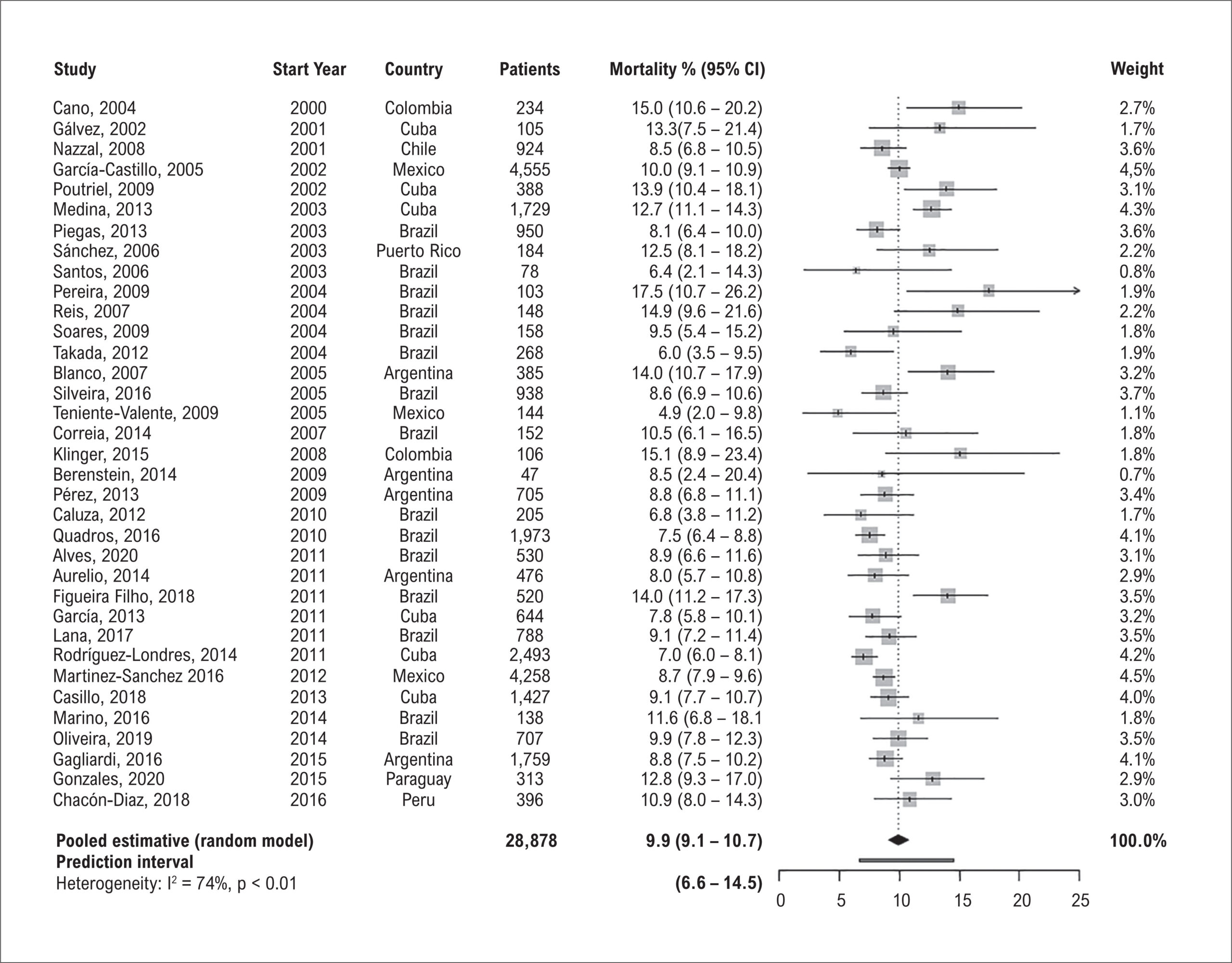
We identified 38 studies (29 STEMI, 3 NSTEMI and 6 both). Pooled STEMI in-hospital mortality was 9.9% (95% CI: 9.1 – 10.7). Heterogeneity was not trivial (I2 = 74% and prediction interval = 6.6 – 14.5). The percentage of reperfusion therapy and decade explain part of the heterogeneity (I2 = 54%). The higher the rate of reperfusion therapy, the lower the in-hospital mortality (coefficient = −0.009, 95% CI: −0.013 to −0.006, p<0.001). This mortality was higher in the first decade as compared with the second (coefficient = −0.14, 95% CI: −0.27 to −0.02, p=0.047). Pooled NSTEMI in-hospital mortality was 6.3% (95% CI: 5.4 – 7.4) and heterogeneity was null.

Conclusion:

Pooled STEMI in-hospital mortality in low- and middle-income countries was high in comparison with rates reported in high income countries. To improve these estimates, higher use of reperfusion therapy must be pursued. Pooled NSTEMI in-hospital mortality was similar to the ones found in high-income countries; however, it was based on few studies and most of them were carried out in two countries.
  • Cardiovascular Diseases, mortality
  • Caribbean Region
  • Latin America
  • Meta-Analysis
  • Myocardial Infarction/mortality
  • Poverty/statistics & Numeral data
  • systematic review
Read Full Article
Creative Commons Attribution (CC BY) Creative Commons license
19/12/2022 DOI: 10.36660/abc.20220194 Views 1
ABC
Editorial

The Importance of Post-Infarction Exercise Programs

José Antônio Caldas Teixeira

Physical activity and exercising are said to reduce the risk of cardiovascular mortality in the general population by 30%–50%, and mortality from any cause by 20%–50%. In cardiac patients, for each 1 Met increment (3.5 mL O2 kg−1 min−1) in functional capacity (FC) obtained in a cardiac rehabilitation program (CRP), we have a reduction in overall mortality of up to 13%., They reduce global hospitalization by 18%, and improve quality of life (QoL) in this population., After an angioplasty, CRP results in a 20% reduction in cardiac events and in the number of hospitalizations compared to individuals who remained sedentary.,,

In this context, CRPs have established themselves as a safe therapeutic strategy, which mitigates the effects of progressive physical deconditioning resulting from cardiovascular diseases (CD). Well-oriented exercise is the cornerstone in handling CD and its main risk factors.– CRPs, especially in post-acute coronary syndrome (ACS) and patients with ventricular dysfunction, bring important benefits of clinical impact, with an evidence level IA in this population, referenced by numerous consensuses, meta analyses and guidelines.–,,

[…]

  • Cardiac Rehabilitation
  • Echocardiography/methods
  • Exercise
  • Myocardial Infarction/mortality
  • Physical activity
  • Rats
  • Ventricular Dysfunction
Read Full Article
Creative Commons Attribution (CC BY) Creative Commons license
16/04/2021 DOI: 10.36660/abc.20210109 Views 1
ABC
Editorial

Analysis of a Population-Based Registry of Hospitalizations for Acute Myocardial Infarction

Gabriel Porto Soares

Ischemic heart disease (IHD) is the leading cause of mortality in the world, being responsible for more than 9 million deaths in 2016. The trend profile of IHD mortality rates varied according to the economic level of countries. Developed nations have experienced a dramatic reduction in IHD mortality rates in recent years, perhaps attributed to a greater focus on primary prevention and better diagnosis and treatment. However, in the so-called developing countries, the reduction was not so accentuated, representing a major challenge for public health.,

Among the IHDs, the most severe form of presentation is acute myocardial infarction with ST-segment elevation (STEMI), which corresponds to approximately one-third of IHD presentations but has higher mortality when compared to non-ST-segment elevation myocardial infarction and unstable angina.,

[…]

  • Cardiovascular Diseases, mortality
  • Hospitalization
  • Morbidity
  • Myocardial Infarction/mortality
  • Myocardial Ischemia
  • Unified Health System
Read Full Article
Creative Commons Attribution (CC BY) Creative Commons license
07/12/2020 DOI: 10.36660/abc.20200611 Views 2
ABC
Editorial

Time is Muscle

Luiz Maurino Abreu

Before the 80’s, the treatment of patients with ST–segment elevation myocardial infarction (STEMI) had as main goals the control of pain, arrhythmia and reduction of cardiac work, aiming to limit the extent of myocardial necrosis. These measures were partially effective, but the morbidity and mortality of acute myocardial infarction (AMI) remained high.

From the findings of Dewood, angiographically showing the presence of coronary occlusion by a thrombus in the culprit artery of the STEMI, strategies of reperfusion have emerged both thrombolytic therapy and primary percutaneous transluminal coronary angioplasty (PCI). The treatment of STEMI changes from contemplation to intervention.

[…]

  • Angioplasty
  • Myocardal Infarction/diagnosis
  • Myocardial Infarction/mortality
  • Myocardial Infarction/therapy
  • ST Elevation Myocardial Infarction/physiopathology
  • Survival Rate
  • Thrombolytic Therapy
  • Time Factors
Read Full Article
Creative Commons Attribution (CC BY) Creative Commons license
15/04/2019 DOI: 10.5935/abc.20190059
Figure 1
IJCS
Original Article

C-reactive Protein is a Predictor of Mortality in ST-segment Elevation Acute Myocardial Infarction

Sibele Sauzem Milano et al. Orlando Victorino de Moura Júnior Arthur Augusto Souza Bordin Gustavo Lenci Marques

Abstract

Background:

Inflammation is a major component of the response to tissue injury caused by myocardial infarction. High-sensitivity C-reactive protein (hs-CRP) levels might be a simple marker of the severity of this inflammatory response, providing prognostic information.

Objective:

To associate hs-CRP level on admission and other clinical characteristics with in-hospital mortality of patients with acute ST-segment elevation myocardial infarction (STEMI).

Methods:

A retrospective cohort study of patients admitted with STEMI was carried out. Patients were analyzed regarding clinical characteristics, reperfusion therapy, hs-CRP on admission and outcomes. Continuous variables were analyzed by non-parametric Mann-Whitney U test and categorical variables by chi-square test. A p value of < 0.05 was considered statistically significant.

Results:

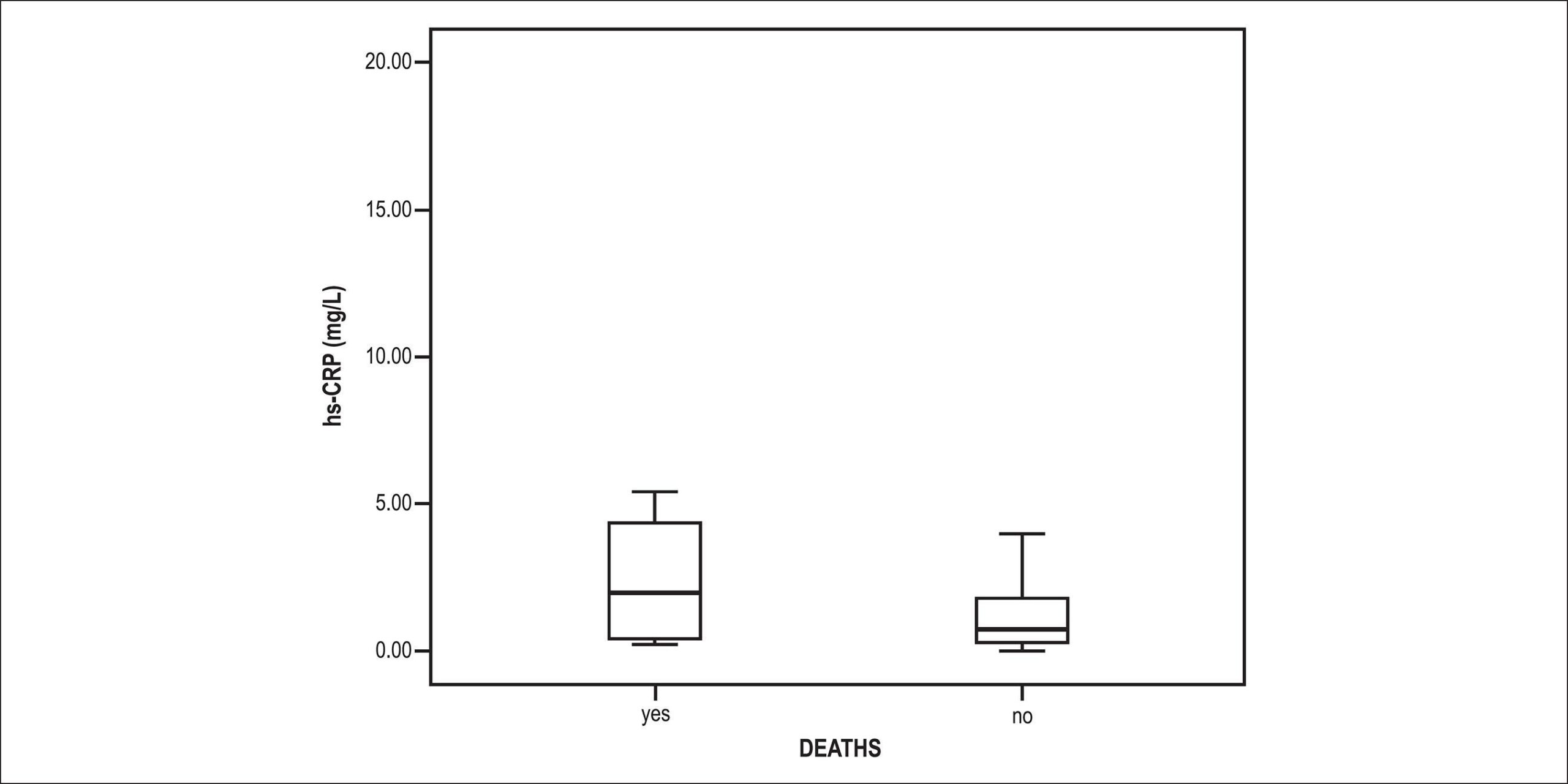
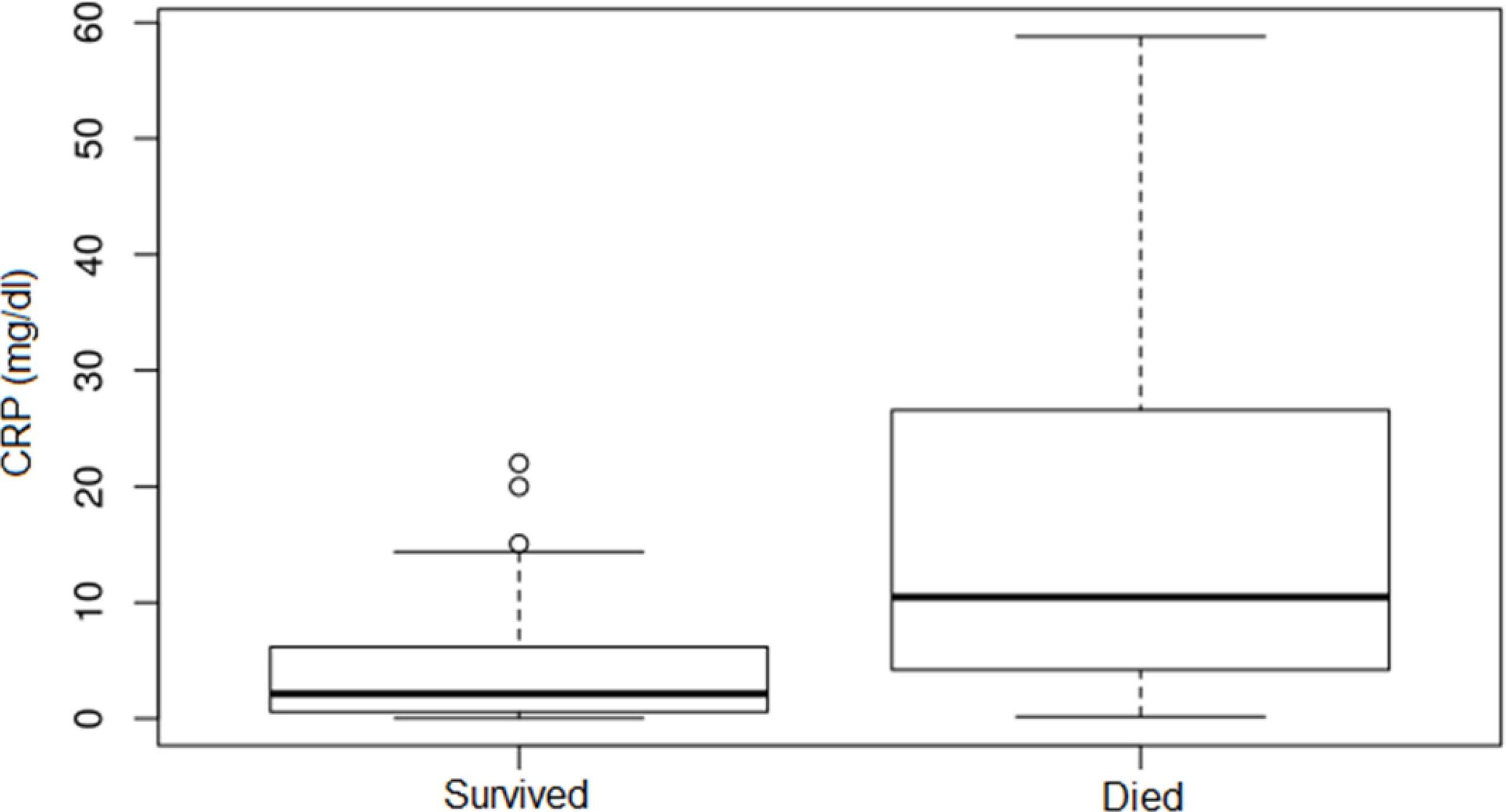
Of the 118 patients analyzed, 20 died during hospitalization. Higher levels of hs-CRP (p = 0.001) and older ages (p = 0.003) were observed among those patients who died. Logistic regression showed that a one unit increase in hs-CRP increased the risk of death by 15% (p = 0.0017), after adjustment for established risk factors. Similarly, each one-year increase in age increases the risk of death by 6.6% (p = 0.003).

Conclusion:

Our results demonstrate a strong association between hs-CRP obtained on admission and in-hospital mortality after STEMI. It suggests that hs-CRP can be a marker of inflammatory response to myocardial ischemia, providing prognostic information regarding the risk of death.

  • Bionarkers
  • C-Reactive Protein
  • Hospital Mortality
  • Inflamation
  • Myocardial Infarction/mortality
Read Full Article
Creative Commons Attribution (CC BY) Creative Commons license
01/11/2018 DOI: 10.5935/2359-4802.20180086 Views 1
Figure 1
ABC
Special Article

SBC Guidelines on Unstable Angina and Non-ST-Elevation Myocardial Infarction: Executive Summary

Gilson Soares Feitosa-Filho et al. Luciano Moreira Baracioli Carlos José Dornas G. Barbosa André Franci … Ari Timerman Leopoldo Soares Piegas José Antônio Marin-Neto José Carlos Nicolau

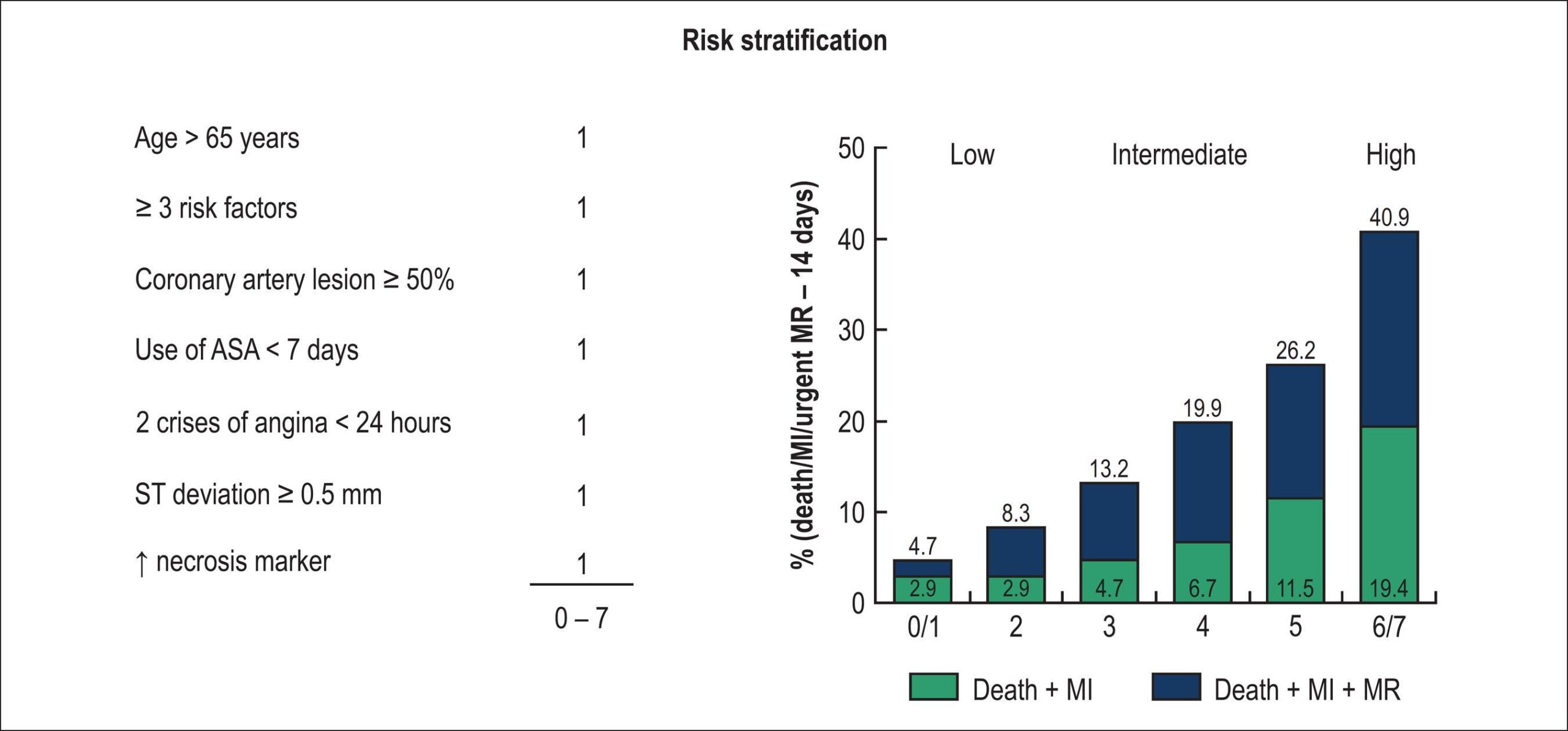
Part I – Risk stratification and management within 12 hours of hospital arrival

[…]

  • Angina, unstable / physiopathology
  • Myocardial Infarction/mortality
  • Troponin/therapeutic use
Read Full Article
Creative Commons Attribution (CC BY) Creative Commons license
01/09/2015 DOI: 10.5935/abc.20150118 Views 1
Figure 1
ABC
Special Article

Executive Summary – Guideline on Telecardiology in the Care of Patients with Acute Coronary Syndrome and Other Cardiac Diseases

Mucio Tavares de Oliveira Jr. et al. Leonardo Jorge Cordeiro de Paula Milena Soriano Marcolino Manoel Fernandes Canesin

Basic concepts

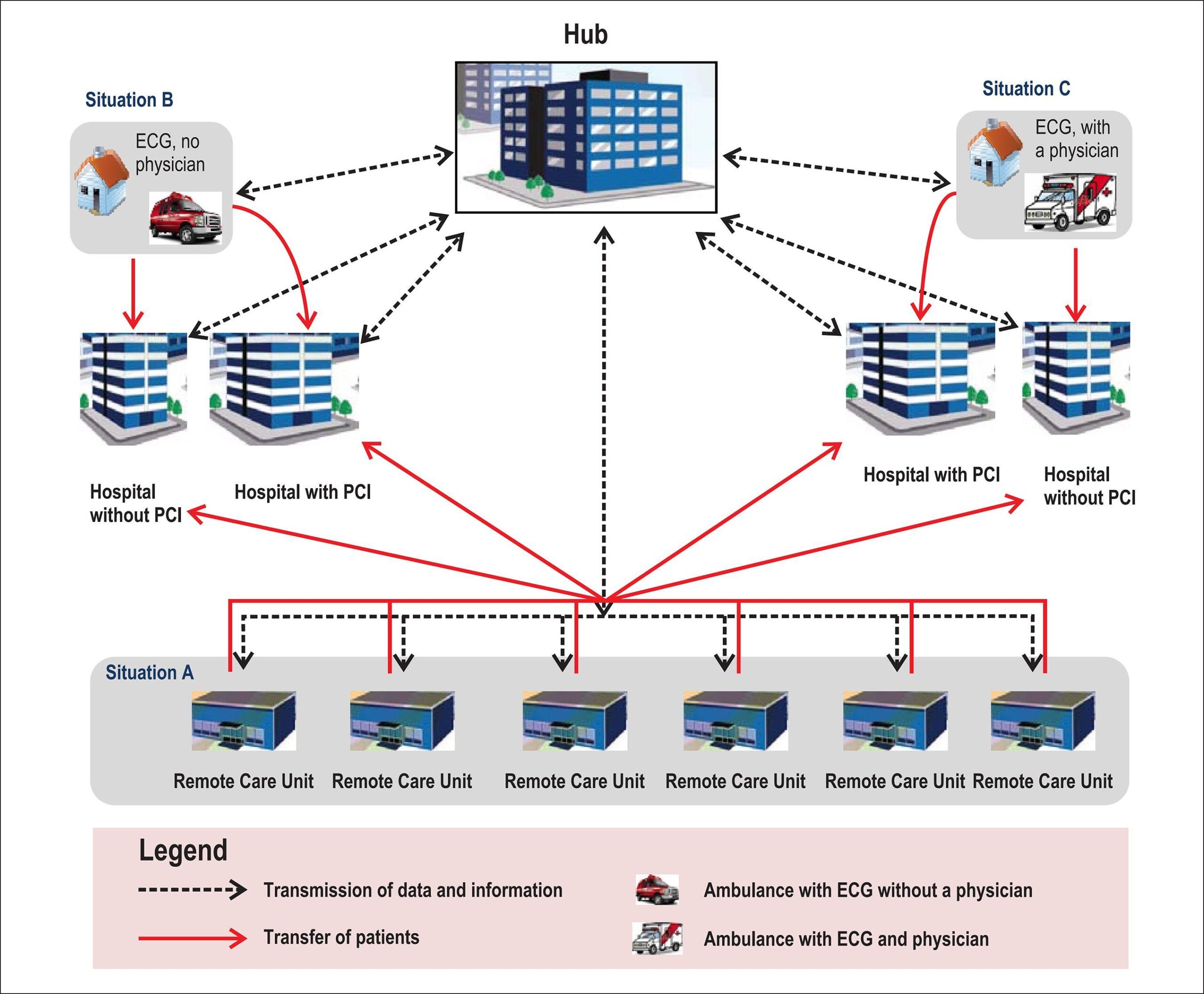
In a health system geographically distributed like the Brazilian system, in which Basic Health Units (Unidades Básicas de Saúde, UBSs), Emergency Care Units (Unidades de Pronto Atendimento, UPAs), secondary hospitals, and ambulances are scattered throughout the country (often in remote locations), and specialized centers are located in advanced care units in large cities (such as tertiary hospitals), telemedicine offers the opportunity to improve the treatment of emergencies. The clinical ability of specialists in tertiary hospitals may be used to improve the care in Remote Care Units (Unidades Remotas de Atendimento, URAs), offering support for early diagnosis and therapy guidance for non‑specialist medical practitioners providing medical care to patients in URAs,.

Communication channels in telemedicine include telephone lines for voice communication and connection to the internet, and for transmission of test results, ECG tracings, and images. Optionally, a video link may be used for visualization of the patient.

[…]

  • Electrocardiography
  • Heart Failure / mortality
  • Mobile Health Units
  • Myocardial Infarction/mortality
  • Telemedicine / utilization
Read Full Article
Creative Commons Attribution (CC BY) Creative Commons license
01/08/2015 DOI: 10.5935/abc.20150104 Views 2
Figure 1
ABC
Original Article

Validation of the Killip-Kimball Classification and Late Mortality after Acute Myocardial Infarction

Bruno Henrique Gallindo de Mello et al. Gustavo Bernardes F. Oliveira Rui Fernando Ramos Bernardo Baptista C. Lopes … Cecília Bitarães S. Barros Erick de Oliveira Carvalho Fabio Bellini P. Teixeira Guilherme D'Andréa S. Arruda Maria Sol Calero Revelo Leopoldo Soares Piegas

Background:

The classification or index of heart failure severity in patients with acute myocardial infarction (AMI) was proposed by Killip and Kimball aiming at assessing the risk of in-hospital death and the potential benefit of specific management of care provided in Coronary Care Units (CCU) during the decade of 60.

Objective:

To validate the risk stratification of Killip classification in the long-term mortality and compare the prognostic value in patients with non-ST-segment elevation MI (NSTEMI) relative to patients with ST-segment elevation MI (STEMI), in the era of reperfusion and modern antithrombotic therapies.

Methods:

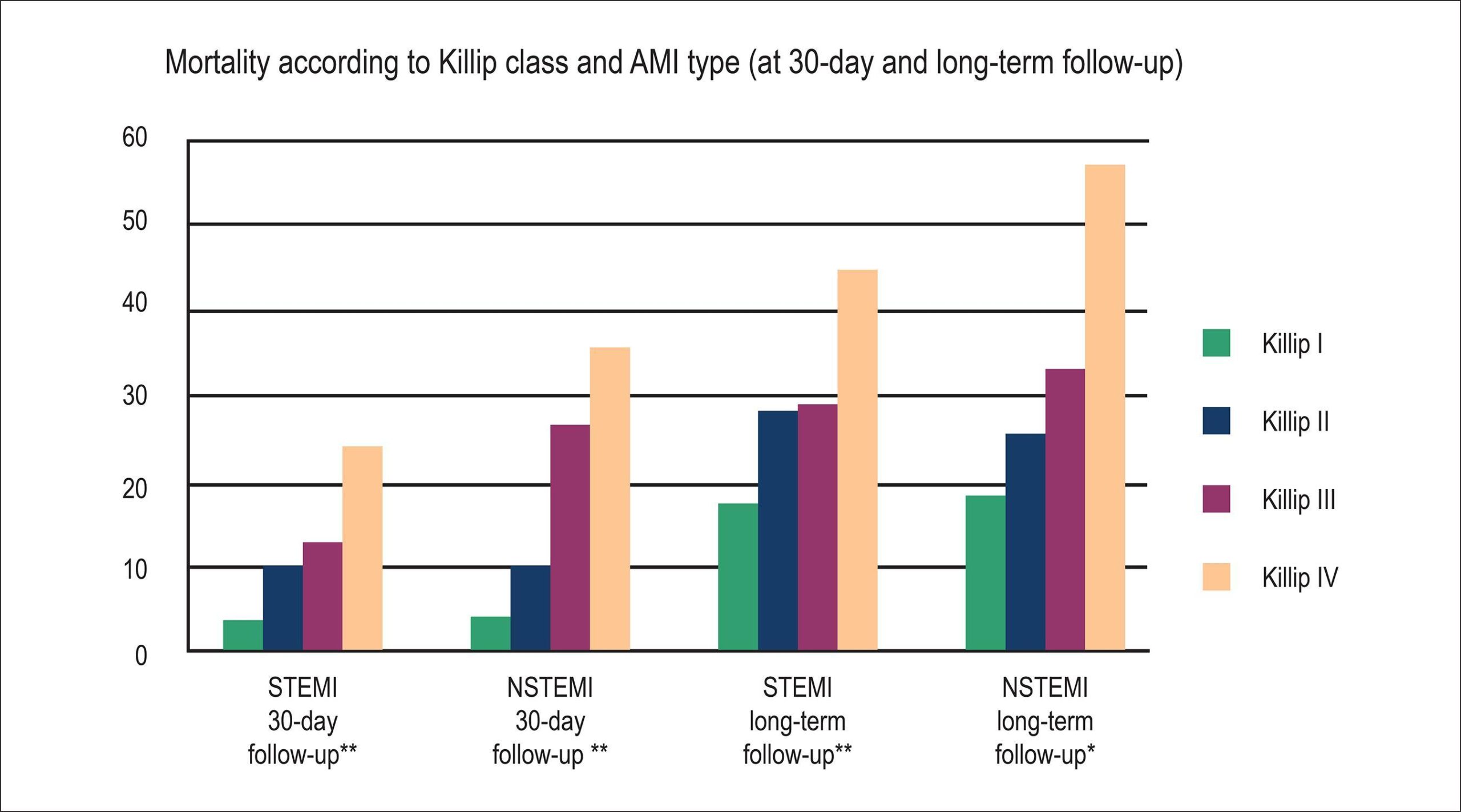
We evaluated 1906 patients with documented AMI and admitted to the CCU, from 1995 to 2011, with a mean follow-up of 05 years to assess total mortality. Kaplan-Meier (KM) curves were developed for comparison between survival distributions according to Killip class and NSTEMI versus STEMI. Cox proportional regression models were developed to determine the independent association between Killip class and mortality, with sensitivity analyses based on type of AMI. Results: The proportions of deaths and the KM survival distributions were significantly different across Killip class >1 (p <0.001) and with a similar pattern between patients with NSTEMI and STEMI. Cox models identified the Killip classification as a significant, sustained, consistent predictor and independent of relevant covariables (Wald χ2 16.5 [p = 0.001], NSTEMI) and (Wald χ2 11.9 [p = 0.008], STEMI).

Conclusion:

The Killip and Kimball classification performs relevant prognostic role in mortality at mean follow-up of 05 years post-AMI, with a similar pattern between NSTEMI and STEMI patients.

  • Heart Failure / mortality
  • Myocardial Infarction/mortality
  • Prognosis
  • Severity of Illness Index
Read Full Article
Creative Commons Attribution (CC BY) Creative Commons license
09/07/2014 DOI: 10.5935/abc.20140091
Figure 1
ABC
Original Article

High-Sensitivity C-Reactive Protein as a Predictor of Cardiovascular Events after ST-Elevation Myocardial Infarction

Daniel Rios Pinto Ribeiro et al. Adriane Monserrat Ramos Pedro Lima Vieira Eduardo Menti … Odemir Luiz Bordin Jr. Priscilla Azambuja Lopes de Souza Alexandre Schaan de Quadros Vera Lúcia Portal

Background:

The association between high-sensitivity C-reactive protein and recurrent major adverse cardiovascular events (MACE) in patients with ST-elevation myocardial infarction who undergo primary percutaneous coronary intervention remains controversial.

Objective:

To investigate the potential association between high-sensitivity C-reactive protein and an increased risk of MACE such as death, heart failure, reinfarction, and new revascularization in patients with ST-elevation myocardial infarction treated with primary percutaneous coronary intervention.

Methods:

This prospective cohort study included 300 individuals aged >18 years who were diagnosed with ST-elevation myocardial infarction and underwent primary percutaneous coronary intervention at a tertiary health center. An instrument evaluating clinical variables and the Thrombolysis in Myocardial Infarction (TIMI) and Global Registry of Acute Coronary Events (GRACE) risk scores was used. High-sensitivity C-reactive protein was determined by nephelometry. The patients were followed-up during hospitalization and up to 30 days after infarction for the occurrence of MACE. Student’s t, Mann-Whitney, chi-square, and logistic regression tests were used for statistical analyses. P values of ≤0.05 were considered statistically significant.

Results:

The mean age was 59.76 years, and 69.3% of patients were male. No statistically significant association was observed between high-sensitivity C-reactive protein and recurrent MACE (p = 0.11). However, high-sensitivity C-reactive protein was independently associated with 30-day mortality when adjusted for TIMI [odds ratio (OR), 1.27; 95% confidence interval (CI), 1.07-1.51; p = 0.005] and GRACE (OR, 1.26; 95% CI, 1.06-1.49; p = 0.007) risk scores.

Conclusion:

Although high-sensitivity C-reactive protein was not predictive of combined major cardiovascular events within 30 days after ST-elevation myocardial infarction in patients who underwent primary angioplasty and stent implantation, it was an independent predictor of 30-day mortality.

  • Diagnosis
  • Electrocardiography
  • Myocardial Infarction/mortality
  • Prognosis
  • Protein C
Read Full Article
Creative Commons Attribution (CC BY) Creative Commons license
27/06/2014 DOI: 10.5935/abc.20140086 Views 1

How to cite this article

EndNote RIS

Electronic Document Format (Vancouver)

Alves L, Ziegelmann PK, Ribeiro V, Polanczyk C. Hospital Mortality from Myocardial Infarction in Latin America and the Caribbean: Systematic Review and Meta-Analysis. Arquivos Brasileiros de Cardiologia 2022;119(6):970-8.

Electronic Document Format (ABNT)

Alves, Leonardo; Ziegelmann, Patrícia K.; Ribeiro, Victor; Polanczyk, Carisi. Hospital Mortality from Myocardial Infarction in Latin America and the Caribbean: Systematic Review and Meta-Analysis. Arquivos Brasileiros de Cardiologia, v. 119, n. 6, p. 970-978, Dec. 2022.

Electronic Document Format (APA)

Alves, L., Ziegelmann, P. K., Ribeiro, V., & Polanczyk, C. (2022). Hospital Mortality from Myocardial Infarction in Latin America and the Caribbean: Systematic Review and Meta-Analysis. Arquivos Brasileiros de Cardiologia, 119(6), 970-978.

Electronic Document Format (ISO)

Alves, Leonardo and Ziegelmann, Patrícia K. and Ribeiro, Victor and Polanczyk, Carisi. Hospital Mortality from Myocardial Infarction in Latin America and the Caribbean: Systematic Review and Meta-Analysis. Arquivos Brasileiros de Cardiologia [online]. 2022, vol. 119, n. 6, [cited 2026-10-14], pp. 970-978. Available from: <https://journals.cardiol.br/en/article/hospital-mortality-from-myocardial-infarction-in-latin-america-and-the-caribbean-systematic-review-and-meta-analysis/>. ISSN 0066-782X

EndNote RIS

Electronic Document Format (Vancouver)

Teixeira JAC. The Importance of Post-Infarction Exercise Programs. Arquivos Brasileiros de Cardiologia 2021;116(4):793-4.

Electronic Document Format (ABNT)

Teixeira, José Antônio Caldas. The Importance of Post-Infarction Exercise Programs. Arquivos Brasileiros de Cardiologia, v. 116, n. 4, p. 793-794, Apr. 2021.

Electronic Document Format (APA)

Teixeira, J. A. C. (2021). The Importance of Post-Infarction Exercise Programs. Arquivos Brasileiros de Cardiologia, 116(4), 793-794.

Electronic Document Format (ISO)

Teixeira, José Antônio Caldas. The Importance of Post-Infarction Exercise Programs. Arquivos Brasileiros de Cardiologia [online]. 2021, vol. 116, n. 4, [cited 2026-10-14], pp. 793-794. Available from: <https://journals.cardiol.br/en/article/the-importance-of-post-infarction-exercise-programs/>. ISSN 0066-782X

EndNote RIS

Electronic Document Format (Vancouver)

Soares GP. Analysis of a Population-Based Registry of Hospitalizations for Acute Myocardial Infarction. Arquivos Brasileiros de Cardiologia 2020;115(5):925-6.

Electronic Document Format (ABNT)

Soares, Gabriel Porto. Analysis of a Population-Based Registry of Hospitalizations for Acute Myocardial Infarction. Arquivos Brasileiros de Cardiologia, v. 115, n. 5, p. 925-926, Dec. 2020.

Electronic Document Format (APA)

Soares, G. P. (2020). Analysis of a Population-Based Registry of Hospitalizations for Acute Myocardial Infarction. Arquivos Brasileiros de Cardiologia, 115(5), 925-926.

Electronic Document Format (ISO)

Soares, Gabriel Porto. Analysis of a Population-Based Registry of Hospitalizations for Acute Myocardial Infarction. Arquivos Brasileiros de Cardiologia [online]. 2020, vol. 115, n. 5, [cited 2026-10-14], pp. 925-926. Available from: <https://journals.cardiol.br/en/article/analysis-of-a-population-based-registry-of-hospitalizations-for-acute-myocardial-infarction/>. ISSN 0066-782X

EndNote RIS

Electronic Document Format (Vancouver)

Abreu LM. Time is Muscle. Arquivos Brasileiros de Cardiologia 2019;112(4):408-9.

Electronic Document Format (ABNT)

Abreu, Luiz Maurino. Time is Muscle. Arquivos Brasileiros de Cardiologia, v. 112, n. 4, p. 408-409, Apr. 2019.

Electronic Document Format (APA)

Abreu, L. M. (2019). Time is Muscle. Arquivos Brasileiros de Cardiologia, 112(4), 408-409.

Electronic Document Format (ISO)

Abreu, Luiz Maurino. Time is Muscle. Arquivos Brasileiros de Cardiologia [online]. 2019, vol. 112, n. 4, [cited 2026-10-14], pp. 408-409. Available from: <https://journals.cardiol.br/en/article/time-is-muscle/>. ISSN 0066-782X

EndNote RIS

Electronic Document Format (Vancouver)

Milano SS, Moura Júnior OV, Bordin AAS, Marques GL. C-reactive Protein is a Predictor of Mortality in ST-segment Elevation Acute Myocardial Infarction. International Journal of Cardiovascular Sciences 2018;32(2):118-24.

Electronic Document Format (ABNT)

Milano, Sibele Sauzem; Moura Júnior, Orlando Victorino de; Bordin, Arthur Augusto Souza; Marques, Gustavo Lenci. C-reactive Protein is a Predictor of Mortality in ST-segment Elevation Acute Myocardial Infarction. International Journal of Cardiovascular Sciences, v. 32, n. 2, p. 118-124, Oct. 2018.

Electronic Document Format (APA)

Milano, S. S., Moura Júnior, O. V. , Bordin, A. A. S., & Marques, G. L. (2018). C-reactive Protein is a Predictor of Mortality in ST-segment Elevation Acute Myocardial Infarction. International Journal of Cardiovascular Sciences, 32(2), 118-124.

Electronic Document Format (ISO)

Milano, Sibele Sauzem and Moura Júnior, Orlando Victorino de and Bordin, Arthur Augusto Souza and Marques, Gustavo Lenci. C-reactive Protein is a Predictor of Mortality in ST-segment Elevation Acute Myocardial Infarction. International Journal of Cardiovascular Sciences [online]. 2018, vol. 32, n. 2, [cited 2026-10-14], pp. 118-124. Available from: <https://journals.cardiol.br/en/article/c-reactive-protein-is-a-predictor-of-mortality-in-st-segment-elevation-acute-myocardial-infarction/>. ISSN 2359-4802

EndNote RIS

Electronic Document Format (Vancouver)

Feitosa-Filho GS, Baracioli LM, Barbosa CJDG, Franci A, Timerman A, Piegas LS, Marin-Neto JA, et al. SBC Guidelines on Unstable Angina and Non-ST-Elevation Myocardial Infarction: Executive Summary. Arquivos Brasileiros de Cardiologia 2015;105(3):214-27.

Electronic Document Format (ABNT)

Feitosa-Filho, Gilson Soares; Baracioli, Luciano Moreira; Barbosa, Carlos José Dornas G.; Franci, André; Timerman, Ari; Piegas, Leopoldo Soares; Marin-Neto, José Antônio; Nicolau, José Carlos. SBC Guidelines on Unstable Angina and Non-ST-Elevation Myocardial Infarction: Executive Summary. Arquivos Brasileiros de Cardiologia, v. 105, n. 3, p. 214-227, Aug. 2015.

Electronic Document Format (APA)

Feitosa-Filho, G. S., Baracioli, L. M., Barbosa, C. J. D. G., Franci, A., Timerman, A., Piegas, L. S., Marin-Neto, J. A., & Nicolau, J. C. (2015). SBC Guidelines on Unstable Angina and Non-ST-Elevation Myocardial Infarction: Executive Summary. Arquivos Brasileiros de Cardiologia, 105(3), 214-227.

Electronic Document Format (ISO)

Feitosa-Filho, Gilson Soares and Baracioli, Luciano Moreira and Barbosa, Carlos José Dornas G. and Franci, André and Timerman, Ari and Piegas, Leopoldo Soares and Marin-Neto, José Antônio and Nicolau, José Carlos. SBC Guidelines on Unstable Angina and Non-ST-Elevation Myocardial Infarction: Executive Summary. Arquivos Brasileiros de Cardiologia [online]. 2015, vol. 105, n. 3, [cited 2026-10-14], pp. 214-227. Available from: <https://journals.cardiol.br/en/article/sbc-guidelines-on-unstable-angina-and-non-st-elevation-myocardial-infarction-executive-summary/>. ISSN 0066-782X

EndNote RIS

Electronic Document Format (Vancouver)

Oliveira Jr. MT, Paula LJC, Marcolino MS, Canesin MF. Executive Summary – Guideline on Telecardiology in the Care of Patients with Acute Coronary Syndrome and Other Cardiac Diseases. Arquivos Brasileiros de Cardiologia 2015;105(2):105-11.

Electronic Document Format (ABNT)

Oliveira Jr., Mucio Tavares de; Paula, Leonardo Jorge Cordeiro de; Marcolino, Milena Soriano; Canesin, Manoel Fernandes. Executive Summary – Guideline on Telecardiology in the Care of Patients with Acute Coronary Syndrome and Other Cardiac Diseases. Arquivos Brasileiros de Cardiologia, v. 105, n. 2, p. 105-111, Jul. 2015.

Electronic Document Format (APA)

Oliveira Jr., M. T. , Paula, L. J. C. , Marcolino, M. S., & Canesin, M. F. (2015). Executive Summary – Guideline on Telecardiology in the Care of Patients with Acute Coronary Syndrome and Other Cardiac Diseases. Arquivos Brasileiros de Cardiologia, 105(2), 105-111.

Electronic Document Format (ISO)

Oliveira Jr., Mucio Tavares de and Paula, Leonardo Jorge Cordeiro de and Marcolino, Milena Soriano and Canesin, Manoel Fernandes. Executive Summary – Guideline on Telecardiology in the Care of Patients with Acute Coronary Syndrome and Other Cardiac Diseases. Arquivos Brasileiros de Cardiologia [online]. 2015, vol. 105, n. 2, [cited 2026-10-14], pp. 105-111. Available from: <https://journals.cardiol.br/en/article/executive-summary-guideline-on-telecardiology-in-the-care-of-patients-with-acute-coronary-syndrome-and-other-cardiac-diseases/>. ISSN 0066-782X

EndNote RIS

Electronic Document Format (Vancouver)

Mello BHG, Oliveira GBF, Ramos RF, Lopes BBC, Barros CBS, Carvalho EO, Teixeira FBP, et al. Validation of the Killip-Kimball Classification and Late Mortality after Acute Myocardial Infarction. Arquivos Brasileiros de Cardiologia 2014;103(2):107-1.

Electronic Document Format (ABNT)

Mello, Bruno Henrique Gallindo de; Oliveira, Gustavo Bernardes F.; Ramos, Rui Fernando; Lopes, Bernardo Baptista C.; Barros, Cecília Bitarães S.; Carvalho, Erick de Oliveira; Teixeira, Fabio Bellini P.; Arruda, Guilherme D’Andréa S.; Revelo, Maria Sol Calero; Piegas, Leopoldo Soares. Validation of the Killip-Kimball Classification and Late Mortality after Acute Myocardial Infarction. Arquivos Brasileiros de Cardiologia, v. 103, n. 2, p. 107-117, Jul. 2014.

Electronic Document Format (APA)

Mello, B. H. G. , Oliveira, G. B. F., Ramos, R. F., Lopes, B. B. C., Barros, C. B. S., Carvalho, E. O., Teixeira, F. B. P., Arruda, G. D. S., Revelo, M. S. C., & Piegas, L. S. (2014). Validation of the Killip-Kimball Classification and Late Mortality after Acute Myocardial Infarction. Arquivos Brasileiros de Cardiologia, 103(2), 107-117.

Electronic Document Format (ISO)

Mello, Bruno Henrique Gallindo de and Oliveira, Gustavo Bernardes F. and Ramos, Rui Fernando and Lopes, Bernardo Baptista C. and Barros, Cecília Bitarães S. and Carvalho, Erick de Oliveira and Teixeira, Fabio Bellini P. and Arruda, Guilherme D’Andréa S. and Revelo, Maria Sol Calero and Piegas, Leopoldo Soares. Validation of the Killip-Kimball Classification and Late Mortality after Acute Myocardial Infarction. Arquivos Brasileiros de Cardiologia [online]. 2014, vol. 103, n. 2, [cited 2026-10-14], pp. 107-117. Available from: <https://journals.cardiol.br/en/article/validation-of-the-killip-kimball-classification-and-late-mortality-after-acute-myocardial-infarction/>. ISSN 0066-782X

EndNote RIS

Electronic Document Format (Vancouver)

Ribeiro DRP, Ramos AM, Vieira PL, Menti E, Bordin Jr. OL, Souza PAL, Quadros AS, et al. High-Sensitivity C-Reactive Protein as a Predictor of Cardiovascular Events after ST-Elevation Myocardial Infarction. Arquivos Brasileiros de Cardiologia 2014;103(1):69-75.

Electronic Document Format (ABNT)

Ribeiro, Daniel Rios Pinto; Ramos, Adriane Monserrat; Vieira, Pedro Lima; Menti, Eduardo; Bordin Jr., Odemir Luiz; Souza, Priscilla Azambuja Lopes de; Quadros, Alexandre Schaan de; Portal, Vera Lúcia. High-Sensitivity C-Reactive Protein as a Predictor of Cardiovascular Events after ST-Elevation Myocardial Infarction. Arquivos Brasileiros de Cardiologia, v. 103, n. 1, p. 69-75, Jun. 2014.

Electronic Document Format (APA)

Ribeiro, D. R. P., Ramos, A. M., Vieira, P. L., Menti, E., Bordin Jr., O. L., Souza, P. A. L. , Quadros, A. S. , & Portal, V. L. (2014). High-Sensitivity C-Reactive Protein as a Predictor of Cardiovascular Events after ST-Elevation Myocardial Infarction. Arquivos Brasileiros de Cardiologia, 103(1), 69-75.

Electronic Document Format (ISO)

Ribeiro, Daniel Rios Pinto and Ramos, Adriane Monserrat and Vieira, Pedro Lima and Menti, Eduardo and Bordin Jr., Odemir Luiz and Souza, Priscilla Azambuja Lopes de and Quadros, Alexandre Schaan de and Portal, Vera Lúcia. High-Sensitivity C-Reactive Protein as a Predictor of Cardiovascular Events after ST-Elevation Myocardial Infarction. Arquivos Brasileiros de Cardiologia [online]. 2014, vol. 103, n. 1, [cited 2026-10-14], pp. 69-75. Available from: <https://journals.cardiol.br/en/article/high-sensitivity-c-reactive-protein-as-a-predictor-of-cardiovascular-events-after-st-elevation-myocardial-infarction/>. ISSN 0066-782X

  • About ABC Family
  • Internal Regulation
  • Editorial Board
  • Brazilian Society of Cardiology (SBC)

Issues

SBC Guidelines

  • Videos
  • Podcasts
  • News