ABC Family Arquivos Brasileiros de Cardiologia International Journal of Cardiovascular Sciences ABC Heart Failure & Cardiomyopathy ABC Imagem Cardiovascular
Português English
ABC Family
Português English
  • About
    • About ABC Family
    • Internal Regulation
    • Editorial Board
    • Brazilian Society of Cardiology (SBC)
  • Issues
  • SBC Guidelines
  • Content
    • Videos
    • Podcasts
    • News
  • About
    • About ABC Family
    • Internal Regulation
    • Editorial Board
    • Brazilian Society of Cardiology (SBC)
  • Issues
  • SBC Guidelines
  • Content
    • Videos
    • Podcasts
    • News

ABC Family

  • ABC Family
  • Arquivos Brasileiros de Cardiologia
  • International Journal of Cardiovascular Sciences
  • ABC Heart Failure & Cardiomyopathy
  • ABC Imagem Cardiovascular
Search in

No content found.

Journals
Ordering
Article types
Others

  1. Home
  2. Keyword: Hypertension/physiopathology
ABCIC
Original Article

Systemic Hypertension and Right Ventricle: Preliminary Echocardiographic Data

Anderson José Argemiro et al. Ana Cristina Camarozano Daniela de Castro Carmo Jerônimo Antonio Fortunato … Rubens Zenóbio Darwich Liz Andréa Villela Baroncini

Summary

Background

Systemic arterial hypertension (SAH) has not yet been directly correlated with right ventricular hypertrophy (RV).

Objective

To assess the correlation between the presence of systemic arterial hypertension and right ventricular thickness, dimensions and function.

Methods

Cross-sectional and observational study. A total of 65 individuals were selected. They underwent echocardiogram with right ventricular evaluation in five aspects: free wall thickness; proximal diameter (RPD), mid diameter (RMD), basal diameter (RBD); tricuspid annular plane systolic excursion; and tissue doppler S’ wave. The subjects were divided into two groups: Control Group, without systemic arterial hypertension, with 24 subjects (17 women) and Study Group, with systemic arterial hypertension, with 41 subjects (29 women).

Results

Study Group presented older individuals in relation to Control Group (67 years ± 12 years and 47 ± 20 years; p < 0.001). In the Control Group, men presented higher values compared to women: proximal diameter (24.1 mm ± 1.3 mm vs. 20.1 mm ± 2.9 mm; p = 0.002), basal diameter (32.9 mm ± 2.7 mm vs. 26.5 mm ± 4.2 mm; p = 0.001), mid diameter (27 mm ± 2.1 mm vs. 21.2m ; p = 0.005); left ventricle diastolic diameter (49.6 mm ± 2.1 mm vs. 45.5 ± 4.3 mm; p = 0.028); left ventricle systolic diameter (30.1 mm ± 3.2 mm vs. 27.1 mm ± 2.9 mm; p = 0.034); and S’ wave (14.9 cm/s ± 2.4 cm/s vs. 13 cm/s ± 1.7 cm/s; p = 0.04). However, in the Study Group there were no significant differences between men and women in the same variables. These findings suggest greater impact of systemic hypertension in women.

Conclusion

The presence of systemic hypertension may cause different structural alterations in geometric ventricular patterns in men and women, possibly determining greater effects on the female sex. However, further studies are needed to confirm these findings. (Arq Bras Cardiol: Imagem cardiovasc. 2018;31(4):241-249)

  • Echocardiography/methods
  • Heart Ventricles/diagnostic imaging
  • Hypertension/physiopathology
  • Hypertrophy, Right Ventricular
Read Full Article
Creative Commons Attribution (CC BY) Creative Commons license
04/02/2022 DOI: 10.5935/2318-8219.20180046
ABC
Editorial

Biomarker-based Inflammatory Score in Obese Patients with Resistant Hypertension

Cibele Isaac Saad Rodrigues

Resistant arterial hypertension (RAH) is defined, according to the American Heart Association Scientific Position of 2018, as well as observed in the I Brazilian Position of RAH in 2012, when an individual’s blood pressure (BP) remains elevated above the blood pressure target, in spite of the use of three antihypertensive drugs of different therapeutic classes, commonly a long-acting dihydropyridine slow-calcium-channel antagonist drug; a renin-angiotensin-aldosterone system (RAAS) blocker, which may be an angiotensin II converting-enzyme inhibitor or angiotensin II AT1 receptor blocker; and an appropriate diuretic, all administered at the maximum doses or at the highest possible tolerated doses, and in accordance with the prescribed administration intervals. These patients are considered to be at greater risk of cardiovascular and renal morbidity and mortality; more likely to have adverse events in response to drug therapy, usually dose-related; a secondary cause of hypertension should be ruled out in this group of individuals, because its prevalence is significantly higher than in the nonresistant hypertensive population., The controlled RAH is also currently recognized as that in which patients using four or more medications reached the blood pressure target; and refractory AH, an entity that has a different pathophysiology from RAH, when even the four drugs are not enough to control it. According to this new classification, patients with pseudohypertension should be excluded, that is, it is mandatory for diagnostic confirmation to verify adherence and tolerance to medication; to rule out white-coat hypertension; and thus, it is crucial to perform systematized blood pressure measurements outside the office environment through Ambulatory BP Monitoring (ABPM) or Home BP Measurement (HBPM); and finally, the use of a correct and reliable BP measurement technique.,,,

Even in primary AH, the existence of a systemic inflammatory process, albeit a subclinical one, is recognized and this condition has been identified with higher intensity in cardiovascular and renal diseases, such as RAH and chronic kidney disease. Specifically in the case of RAH, which is a multifactorial and polygenic entity, often associated with metabolic diseases that occur with insulin resistance, such as diabetes and obesity, inflammatory processes promoted by mediators may be involved, leading to the important endothelial dysfunction of the microvasculature and increased oxidative stress.

[…]

  • AdipoKynes
  • Biomarkers, Pharmacological
  • CitoKyines
  • Hypertension/adverse effects
  • Hypertension/physiopathology
  • Obesity
Read Full Article
Creative Commons Attribution (CC BY) Creative Commons license
15/04/2019 DOI: 10.5935/abc.20190051
Figure 1
ABC
Original Article

A Proposed Inflammatory Score of Circulating Cytokines/Adipokines Associated with Resistant Hypertension, but Dependent on Obesity Parameters

Ana Paula de Faria et al. Alessandra Mileni Versuti Ritter Carolina Souza Gasparetti Nathália Batista Corrêa … Veridiana Brunelli Aurélio Almeida Nayara Fraccari Pires Rodrigo Modolo Heitor Moreno Junior

Abstract

Background:

There is evidence that subclinical systemic inflammation is present in resistant hypertension (RHTN).

Objective:

The aim of the study was to develop an integrated measure of circulating cytokines/adipokines involved in the pathophysiology of RHTN.

Methods:

RHTN (n = 112) and mild to moderate hypertensive (HTN) subjects (n=112) were studied in a cross-sectional design. Plasma cytokines/adipokines (TNF-alpha, interleukins [IL]-6, -8, -10, leptin and adiponectin) values were divided into tertiles, to which a score ranging from 1 (lowest tertile) to 3 (highest tertile) was assigned. The inflammatory score (IS) of each subject was the sum of each pro-inflammatory cytokine scores from which anti-inflammatory cytokines (adiponectin and IL-10) scores were subtracted. The level of significance accepted was alpha = 0.05.

Results:

IS was higher in RHTN subjects compared with HTN subjects [4 (2-6) vs. 3 (2-5); p = 0.02, respectively]. IS positively correlated with body fat parameters, such as body mass index (r = 0.40; p < 0.001), waist circumference (r = 0.30; p < 0.001) and fat mass assessed by bioelectrical impedance analysis (r = 0.31; p < 0.001) in all hypertensive subjects. Logistic regression analyses revealed that IS was an independent predictor of RHTN (OR = 1.20; p = 0.02), independent of age, gender and race, although it did not remain significant after adjustment for body fat parameters.

Conclusion:

A state of subclinical inflammation defined by an IS including TNF-alpha, IL-6, IL-8, IL-10, leptin and adiponectin is associated with obese RHTN. In addition, this score correlates with obesity parameters, independently of hypertensive status. The IS may be used for the evaluation of conditions involving low-grade inflammation, such as obesity-related RHTN. Indeed, it also highlights the strong relationship between obesity and inflammatory process.

  • Adipokines
  • Cytokines
  • Hypertension/physiopathology
  • Inflammation
  • Obesity
  • Probability
  • Risk Factors
Read Full Article
Creative Commons Attribution (CC BY) Creative Commons license
28/02/2019 DOI: 10.5935/abc.20190032 Views 1
Figure 1
IJCS
Review Article

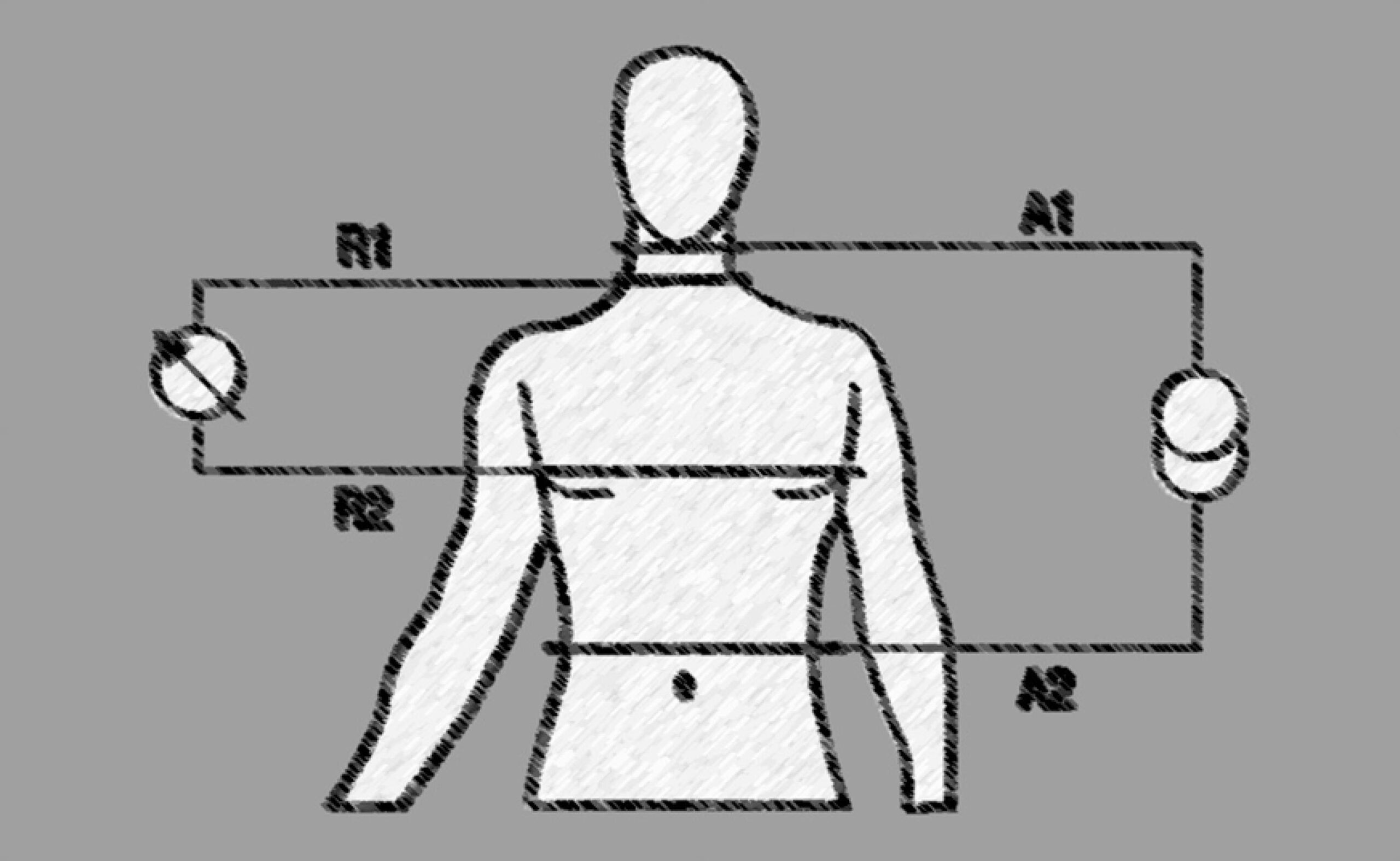
Impedance Cardiography in the Evaluation of Patients with Arterial Hypertension

Rodrigo Nazário Leão et al. Pedro Marques Da Silva

Abstract

Arterial hypertension is responsible for high morbidity and mortality. Despite increasing awareness of the consequences of uncontrolled hypertension and the publication of several recommendations and guidelines, blood pressure control rates are suboptimal, and approximately half of the patients do not reach the targets. Defined as an increase in blood pressure, hypertension is characterized by hemodynamic abnormalities in cardiac output, systemic vascular resistance, or arterial compliance. Therefore, the approach to arterial hypertension can be improved by the knowledge of the hemodynamics underlying the blood pressure increase. Impedance Cardiography has emerged as a new strategy to customize therapy and monitor patients aiming to improve blood pressure control according to the hemodynamic profile, rather than a blind intensive care approach. This is a review of impedance cardiography evidence, its benefits, actual and future applications in the approach and management of arterial hypertension.

  • Blood Pressure
  • cardiography, impedance
  • Hemodynamics
  • Hypertension/physiopathology
Read Full Article
Creative Commons Attribution (CC BY) Creative Commons license
01/01/2019 DOI: 10.5935/2359-4802.20180048 Views 1
IJCS
Editorial

Continuous Aerobic and High-Intensity Interval Exercise: Which one Produces greater Post-Exercise Hypotension?

André L. Teixeira and Lauro C. Vianna

Exercise training is a key recommendation for maintenance of a healthy life style. It is well established that regular physical exercise provides innumerous physiological and psychological benefits not only to young healthy subjects, but also individuals with diabetes, heart failure, Parkinson disease, multiple sclerosis, claudication, autonomic failure, hypertension, among others. A well-documented physiological response to exercise is called post-exercise hypotension (PEH), in which a single bout of exercise leads to a decrease in arterial blood pressure. The first study showing PEH was published in 1898 by Dr. L. Hill. Thereafter, several authors confirmed these results showing that a single bout of exercise can reduce arterial blood pressure below pre-exercise values. However, one question that remains to be answered is which exercise modality produces greater PEH?

Previous studies have shown that continuous aerobic (CONT) exercise, high-intensity interval (HIIE) training, isometric exercise and resistance-based exercise can lead to a PEH. Studies comparing CONT and HIIE showed that the magnitude of PEH was slightly superior following HIIE compared with CONT exercise., However, in these studies, the exercise protocols were not matched by volume. This is important because longer exercise duration and higher-intensity exercise results in greater decreases in arterial blood pressure and longer PEH duration when compared with a short bout of low-intensity exercise.,

[…]

  • Blood Pressure
  • Exercise Therapy
  • Hypertension/diagnosis
  • Hypertension/physiopathology
  • Hypertension/therapy, Physical Endurance
  • Time Factors
  • Treatment Outcome
Read Full Article
Creative Commons Attribution (CC BY) Creative Commons license
01/01/2019 DOI: 10.5935/2359-4802.20180104
ABC
Editorial

The Brazilian Society of Cardiology and Hypertension: It's Time for Action

Paulo César B. Veiga Jardim

The year is 2018 and the level of scientific knowledge is unquestionable.

In medicine in general, and in cardiology, in particular, advances in diagnoses are impressive, just as the therapeutic arsenal is extraordinary, either in clinical or surgical, conventional or alternative treatment.

[…]

  • Antihypertensive Agents/administration & dosage
  • Cardiovascular Diseases / prevention & control
  • Decision/policies
  • Hypertension/drug therapy
  • Hypertension/mortality
  • Hypertension/physiopathology
  • Indicators of Morbidity and Mortality
  • Practice Guidelines as Topic
Read Full Article
Creative Commons Attribution (CC BY) Creative Commons license
01/09/2018 DOI: 10.5935/abc.20180189 Views 1
ABC
Editorial

Hypertension and Exercise: A Search for Mechanisms

Bertha F. Polegato et al. Sergio A. R. de Paiva

Arterial hypertension is a chronic disease that affects approximately 40% of the population, with higher incidence at older ages. Arterial hypertension is a risk factor for other cardiovascular diseases, such as heart failure, stroke, atherosclerosis and also chronic renal disease. It is estimated that more than 50% of deaths from coronary diseases and stroke occur in hypertensive patients; for this reason, hypertension produces high costs in health and constitutes a public health problem. In this context, the development of nonpharmacological therapies is a cost-effective strategy with few side effects, that helps in the prevention of comorbidities, such as diabetes and obesity, and increases the cardiovascular risk of the patient. Among nonpharmacological strategies, physical exercise deserves consideration.

Rodrigues et al., in the study published in this issue of Arquivos Brasileiros de Cardiologia, evaluated the effect of moderate aerobic exercise on a treadmill in spontaneously hypertensive rats. The animals ran at 18-22m/min for 60 minutes, five times a week, for eight weeks. The study confirmed the anti-hypertensive effects of aerobic exercise, as already reported previously. More recently, other types of exercise in addition to aerobic training, such as resistance and interval training, have been shown to be promising in preventing hypertension. Prescription of physical exercise for the treatment and prevention of hypertension is well established, and more recent guidelines for the treatment of hypertension strongly recommend exercise as a therapeutic option.,

[…]

  • Exercise
  • Exercise Therapy
  • Hypertension / prevention & control
  • Hypertension/physiopathology
  • MicroRNAs/genetics
  • Molecular Targeted Therapy
Read Full Article
Creative Commons Attribution (CC BY) Creative Commons license
01/08/2018 DOI: 10.5935/abc.20180146 Views 1
ABC
Original Article

Role Of MMP-2 and MMP-9 in Resistance to Drug Therapy in Patients with Resistant Hypertension

Leandro Lacerda et al. Ana Paula de Faria Vanessa Fontana Heitor Moreno Valéria Sandrim

Abstract

Background:

Despite the increased evidence of the important role of matrix metalloproteinases (MMP-9 and MMP‑2) in the pathophysiology of hypertension, the profile of these molecules in resistant hypertension (RHTN) remains unknown.

Objectives:

To compare the plasma levels of MMP-9 and MMP-2 and of their tissue inhibitors (TIMP-1 and TIMP-2, respectively), as well as their MMP-9/TIMP-1 and MMP-2/TIMP-2 ratios, between patients with controlled RHTN (CRHTN, n=41) and uncontrolled RHTN (UCRHTN, n=35). In addition, the association of those parameters with clinical characteristics, office blood pressure (BP) and arterial stiffness (determined by pulse wave velocity) was evaluate in those subgroups.

Methods:

This study included 76 individuals diagnosed with RHTN and submitted to physical examination, electrocardiogram, and laboratory tests to assess biochemical parameters.

Results:

Similar values of MMP-9, MMP-2, TIMP-1, TIMP-2, and MMP-9/TIMP-1 and MMP-2/TIMP-2 ratios were found in the UCRHTN and CRHTN subgroups (P>0.05). A significant correlation was found between diastolic BP (DBP) and MMP-9/TIMP-1 ratio (r=0.37; P=0.02) and DPB and MMP-2 (r=-0.40; P=0.02) in the UCRHTN subgroup. On the other hand, no correlation was observed in the CRHTN subgroup. Logistic regression models demonstrated that MMP-9, MMP-2, TIMP-1, TIMP-2 and their ratios were not associated with the lack of BP control.

Conclusion:

These findings suggest that neither MMP-2 nor MMP-9 affect BP control in RHTN subjects.

  • Endopeptidases
  • Hyperaldosteronism/ physiopathology
  • Hypertension/physiopathology
  • Matrix Metalllooproteinases
Read Full Article
Creative Commons Attribution (CC BY) Creative Commons license
02/06/2015 DOI: 10.5935/abc.20150060

How to cite this article

EndNote RIS

Electronic Document Format (Vancouver)

Argemiro AJ, Camarozano AC, Carmo DC, Fortunato JA, Darwich RZ, Baroncini LAV. Systemic Hypertension and Right Ventricle: Preliminary Echocardiographic Data. Arquivos Brasileiros de Cardiologia Imagem cardiovascular 2022;31(4):268-76.

Electronic Document Format (ABNT)

Argemiro, Anderson José; Camarozano, Ana Cristina; Carmo, Daniela de Castro; Fortunato, Jerônimo Antonio; Darwich, Rubens Zenóbio; Baroncini, Liz Andréa Villela. Systemic Hypertension and Right Ventricle: Preliminary Echocardiographic Data. Arquivos Brasileiros de Cardiologia Imagem cardiovascular, v. 31, n. 4, p. 268-276, Feb. 2022.

Electronic Document Format (APA)

Argemiro, A. J., Camarozano, A. C., Carmo, D. C., Fortunato, J. A., Darwich, R. Z., & Baroncini, L. A. V. (2022). Systemic Hypertension and Right Ventricle: Preliminary Echocardiographic Data. Arquivos Brasileiros de Cardiologia Imagem cardiovascular, 31(4), 268-276.

Electronic Document Format (ISO)

Argemiro, Anderson José and Camarozano, Ana Cristina and Carmo, Daniela de Castro and Fortunato, Jerônimo Antonio and Darwich, Rubens Zenóbio and Baroncini, Liz Andréa Villela. Systemic Hypertension and Right Ventricle: Preliminary Echocardiographic Data. Arquivos Brasileiros de Cardiologia Imagem cardiovascular [online]. 2022, vol. 31, n. 4, [cited 2026-10-14], pp. 268-276. Available from: <https://journals.cardiol.br/en/article/systemic-hypertension-and-right-ventricle-preliminary-echocardiographic-data/>. ISSN 2318-8219

EndNote RIS

Electronic Document Format (Vancouver)

Rodrigues CIS. Biomarker-based Inflammatory Score in Obese Patients with Resistant Hypertension. Arquivos Brasileiros de Cardiologia 2019;112(4):390-1.

Electronic Document Format (ABNT)

Rodrigues, Cibele Isaac Saad. Biomarker-based Inflammatory Score in Obese Patients with Resistant Hypertension. Arquivos Brasileiros de Cardiologia, v. 112, n. 4, p. 390-391, Apr. 2019.

Electronic Document Format (APA)

Rodrigues, C. I. S. (2019). Biomarker-based Inflammatory Score in Obese Patients with Resistant Hypertension. Arquivos Brasileiros de Cardiologia, 112(4), 390-391.

Electronic Document Format (ISO)

Rodrigues, Cibele Isaac Saad. Biomarker-based Inflammatory Score in Obese Patients with Resistant Hypertension. Arquivos Brasileiros de Cardiologia [online]. 2019, vol. 112, n. 4, [cited 2026-10-14], pp. 390-391. Available from: <https://journals.cardiol.br/en/article/biomarker-based-inflammatory-score-in-obese-patients-with-resistant-hypertension/>. ISSN 0066-782X

EndNote RIS

Electronic Document Format (Vancouver)

Faria AP, Ritter AMV, Gasparetti CS, Corrêa NB, Brunelli V, Almeida A, Pires NF, et al. A Proposed Inflammatory Score of Circulating Cytokines/Adipokines Associated with Resistant Hypertension, but Dependent on Obesity Parameters. Arquivos Brasileiros de Cardiologia 2019;112(4):383-9.

Electronic Document Format (ABNT)

Faria, Ana Paula de; Ritter, Alessandra Mileni Versuti; Gasparetti, Carolina Souza; Corrêa, Nathália Batista; Brunelli, Veridiana; Almeida, Aurélio; Pires, Nayara Fraccari; Modolo, Rodrigo; Moreno Junior, Heitor. A Proposed Inflammatory Score of Circulating Cytokines/Adipokines Associated with Resistant Hypertension, but Dependent on Obesity Parameters. Arquivos Brasileiros de Cardiologia, v. 112, n. 4, p. 383-389, Feb. 2019.

Electronic Document Format (APA)

Faria, A. P. , Ritter, A. M. V., Gasparetti, C. S., Corrêa, N. B., Brunelli, V., Almeida, A., Pires, N. F., Modolo, R., & Moreno Junior, H. (2019). A Proposed Inflammatory Score of Circulating Cytokines/Adipokines Associated with Resistant Hypertension, but Dependent on Obesity Parameters. Arquivos Brasileiros de Cardiologia, 112(4), 383-389.

Electronic Document Format (ISO)

Faria, Ana Paula de and Ritter, Alessandra Mileni Versuti and Gasparetti, Carolina Souza and Corrêa, Nathália Batista and Brunelli, Veridiana and Almeida, Aurélio and Pires, Nayara Fraccari and Modolo, Rodrigo and Moreno Junior, Heitor. A Proposed Inflammatory Score of Circulating Cytokines/Adipokines Associated with Resistant Hypertension, but Dependent on Obesity Parameters. Arquivos Brasileiros de Cardiologia [online]. 2019, vol. 112, n. 4, [cited 2026-10-14], pp. 383-389. Available from: <https://journals.cardiol.br/en/article/a-proposed-inflammatory-score-of-circulating-cytokines-adipokines-associated-with-resistant-hypertension-but-dependent-on-obesity-parameters/>. ISSN 0066-782X

EndNote RIS

Electronic Document Format (Vancouver)

Leão RN, Silva PMD. Impedance Cardiography in the Evaluation of Patients with Arterial Hypertension. International Journal of Cardiovascular Sciences 2019;32(1):61-9.

Electronic Document Format (ABNT)

Leão, Rodrigo Nazário; Silva, Pedro Marques Da. Impedance Cardiography in the Evaluation of Patients with Arterial Hypertension. International Journal of Cardiovascular Sciences, v. 32, n. 1, p. 61-69, Dec. 2018.

Electronic Document Format (APA)

Leão, R. N., & Silva, P. M. D. (2019). Impedance Cardiography in the Evaluation of Patients with Arterial Hypertension. International Journal of Cardiovascular Sciences, 32(1), 61-69.

Electronic Document Format (ISO)

Leão, Rodrigo Nazário and Silva, Pedro Marques Da. Impedance Cardiography in the Evaluation of Patients with Arterial Hypertension. International Journal of Cardiovascular Sciences [online]. 2019, vol. 32, n. 1, [cited 2026-10-14], pp. 61-69. Available from: <https://journals.cardiol.br/en/article/impedance-cardiography-in-the-evaluation-of-patients-with-arterial-hypertension/>. ISSN 2359-4802

EndNote RIS

Electronic Document Format (Vancouver)

Vianna ALTLC. Continuous Aerobic and High-Intensity Interval Exercise: Which one Produces greater Post-Exercise Hypotension?. International Journal of Cardiovascular Sciences 2019;32(1):1-2.

Electronic Document Format (ABNT)

Vianna, André L. Teixeira and Lauro C.. Continuous Aerobic and High-Intensity Interval Exercise: Which one Produces greater Post-Exercise Hypotension?. International Journal of Cardiovascular Sciences, v. 32, n. 1, p. 1-2, Dec. 2018.

Electronic Document Format (APA)

Vianna, A. L. T. L. C. (2019). Continuous Aerobic and High-Intensity Interval Exercise: Which one Produces greater Post-Exercise Hypotension?. International Journal of Cardiovascular Sciences, 32(1), 1-2.

Electronic Document Format (ISO)

Vianna, André L. Teixeira and Lauro C.. Continuous Aerobic and High-Intensity Interval Exercise: Which one Produces greater Post-Exercise Hypotension?. International Journal of Cardiovascular Sciences [online]. 2019, vol. 32, n. 1, [cited 2026-10-14], pp. 1-2. Available from: <https://journals.cardiol.br/en/article/continuous-aerobic-and-high-intensity-interval-exercise-which-one-produces-greater-post-exercise-hypotension/>. ISSN 2359-4802

EndNote RIS

Electronic Document Format (Vancouver)

Jardim PCBV. The Brazilian Society of Cardiology and Hypertension: It’s Time for Action. Arquivos Brasileiros de Cardiologia 2018;111(3):343-4.

Electronic Document Format (ABNT)

Jardim, Paulo César B. Veiga. The Brazilian Society of Cardiology and Hypertension: It’s Time for Action. Arquivos Brasileiros de Cardiologia, v. 111, n. 3, p. 343-344, Aug. 2018.

Electronic Document Format (APA)

Jardim, P. C. B. V. (2018). The Brazilian Society of Cardiology and Hypertension: It’s Time for Action. Arquivos Brasileiros de Cardiologia, 111(3), 343-344.

Electronic Document Format (ISO)

Jardim, Paulo César B. Veiga. The Brazilian Society of Cardiology and Hypertension: It’s Time for Action. Arquivos Brasileiros de Cardiologia [online]. 2018, vol. 111, n. 3, [cited 2026-10-14], pp. 343-344. Available from: <https://journals.cardiol.br/en/article/the-brazilian-society-of-cardiology-and-hypertension-its-time-for-action/>. ISSN 0066-782X

EndNote RIS

Electronic Document Format (Vancouver)

Polegato BF, Paiva SAR. Hypertension and Exercise: A Search for Mechanisms. Arquivos Brasileiros de Cardiologia 2018;111(2):180-1.

Electronic Document Format (ABNT)

Polegato, Bertha F.; Paiva, Sergio A. R. de. Hypertension and Exercise: A Search for Mechanisms. Arquivos Brasileiros de Cardiologia, v. 111, n. 2, p. 180-181, Jul. 2018.

Electronic Document Format (APA)

Polegato, B. F., & Paiva, S. A. R. (2018). Hypertension and Exercise: A Search for Mechanisms. Arquivos Brasileiros de Cardiologia, 111(2), 180-181.

Electronic Document Format (ISO)

Polegato, Bertha F. and Paiva, Sergio A. R. de. Hypertension and Exercise: A Search for Mechanisms. Arquivos Brasileiros de Cardiologia [online]. 2018, vol. 111, n. 2, [cited 2026-10-14], pp. 180-181. Available from: <https://journals.cardiol.br/en/article/hypertension-and-exercise-a-search-for-mechanisms/>. ISSN 0066-782X

EndNote RIS

Electronic Document Format (Vancouver)

Lacerda L, Faria AP, Fontana V, Moreno H, Sandrim V. Role Of MMP-2 and MMP-9 in Resistance to Drug Therapy in Patients with Resistant Hypertension. Arquivos Brasileiros de Cardiologia 2015;105(2):168-75.

Electronic Document Format (ABNT)

Lacerda, Leandro; Faria, Ana Paula de; Fontana, Vanessa; Moreno, Heitor; Sandrim, Valéria. Role Of MMP-2 and MMP-9 in Resistance to Drug Therapy in Patients with Resistant Hypertension. Arquivos Brasileiros de Cardiologia, v. 105, n. 2, p. 168-175, Jun. 2015.

Electronic Document Format (APA)

Lacerda, L., Faria, A. P. , Fontana, V., Moreno, H., & Sandrim, V. (2015). Role Of MMP-2 and MMP-9 in Resistance to Drug Therapy in Patients with Resistant Hypertension. Arquivos Brasileiros de Cardiologia, 105(2), 168-175.

Electronic Document Format (ISO)

Lacerda, Leandro and Faria, Ana Paula de and Fontana, Vanessa and Moreno, Heitor and Sandrim, Valéria. Role Of MMP-2 and MMP-9 in Resistance to Drug Therapy in Patients with Resistant Hypertension. Arquivos Brasileiros de Cardiologia [online]. 2015, vol. 105, n. 2, [cited 2026-10-14], pp. 168-175. Available from: <https://journals.cardiol.br/en/article/role-of-mmp-2-and-mmp-9-in-resistance-to-drug-therapy-in-patients-with-resistant-hypertension/>. ISSN 0066-782X

  • About ABC Family
  • Internal Regulation
  • Editorial Board
  • Brazilian Society of Cardiology (SBC)

Issues

SBC Guidelines

  • Videos
  • Podcasts
  • News