ABC Family Arquivos Brasileiros de Cardiologia International Journal of Cardiovascular Sciences ABC Heart Failure & Cardiomyopathy ABC Imagem Cardiovascular
Português English
ABC Family
Português English
  • About
    • About ABC Family
    • Internal Regulation
    • Editorial Board
    • Brazilian Society of Cardiology (SBC)
  • Issues
  • SBC Guidelines
  • Content
    • Videos
    • Podcasts
    • News
  • About
    • About ABC Family
    • Internal Regulation
    • Editorial Board
    • Brazilian Society of Cardiology (SBC)
  • Issues
  • SBC Guidelines
  • Content
    • Videos
    • Podcasts
    • News

ABC Family

  • ABC Family
  • Arquivos Brasileiros de Cardiologia
  • International Journal of Cardiovascular Sciences
  • ABC Heart Failure & Cardiomyopathy
  • ABC Imagem Cardiovascular
Search in

No content found.

Journals
Ordering
Article types
Others

  1. Home
  2. Keyword: Bradycardia
Figure 1
ABC
Image

Hypothermia-Induced Electrocardiographic Changes

Ana Marques et al. Daniel Caldeira Alexandra Briosa Isabel João Hélder Pereira

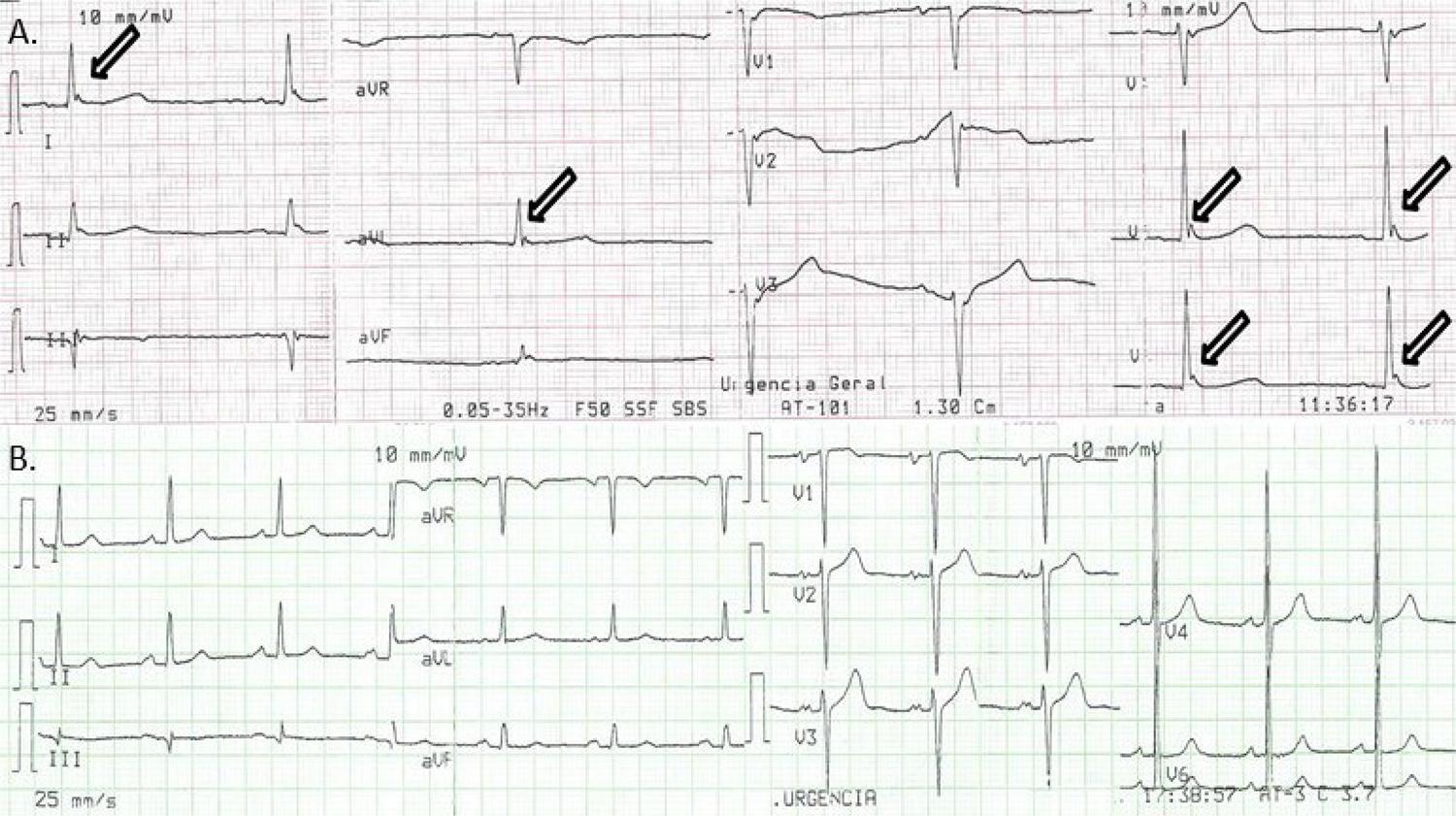
An elderly female patient was brought to the Emergency Department due to loss of consciousness. The past medical history was remarkable for hypercholesterolemia and essential hypertension. The patient was not treated with any negative chronotropic drug. At the admission, the patient’s blood pressure was 90/60 mmHg, she had bradycardia (42/minute), and hypothermia (33ºC). Electrocardiogram (ECG) showed sinus bradycardia, 1st grade atrioventricular block, long corrected QT interval, and Osborn waves at the end of QRS complexes ( , arrowheads). Accordingly, these positive notching deflections were best seen in lateral precordial leads and disappeared after warming the patient to 36ºC ( ). The bradycardia, atrioventricular block, and QT prolongation were also resolved ( ). During the inward stay, head computed tomography scan, 24-hour Holter, and laboratory analysis were unremarkable for pathological findings. Transthoracic echocardiogram only revealed degenerative aortic and mitral valve changes. This case is illustrative of hypothermia-induced electrocardiographic changes, namely prolongation of the PR, RR and QT intervals and particularly the presence of Osborn Waves. ,

[…]
  • Atrioventricular block
  • Bradycardia
  • Electrocardiography/methods
  • hypothermia
  • Osborn Waves
Read Full Article
Creative Commons Attribution (CC BY) Creative Commons license
03/07/2020 DOI: 10.36660/abc.20200081 Views 1
Figure 1
ABC
Original Article

Long-Term Mortality in Cardioinhibitory Carotid Sinus Hypersensitivity Patient Cohort

Gustavo de Castro Lacerda et al. Andrea Rocha de Lorenzo Bernardo Rangel Tura Marcela Cedenilla dos Santos … Artur Eduardo Cotrim Guimarães Renato Côrtes de Lacerda Roberto Coury Pedrosa

Abstract

Background:

Cardioinhibitory carotid sinus hypersensitivity (CICSH) is defined as ventricular asystole ≥ 3 seconds in response to 5-10 seconds of carotid sinus massage (CSM). There is a common concern that a prolonged asystole episode could lead to death directly from bradycardia or as a consequence of serious trauma, brain injury or pause-dependent ventricular arrhythmias.

Objective:

To describe total mortality, cardiovascular mortality and trauma-related mortality of a cohort of CICSH patients, and to compare those mortalities with those found in a non-CICSH patient cohort.

Methods:

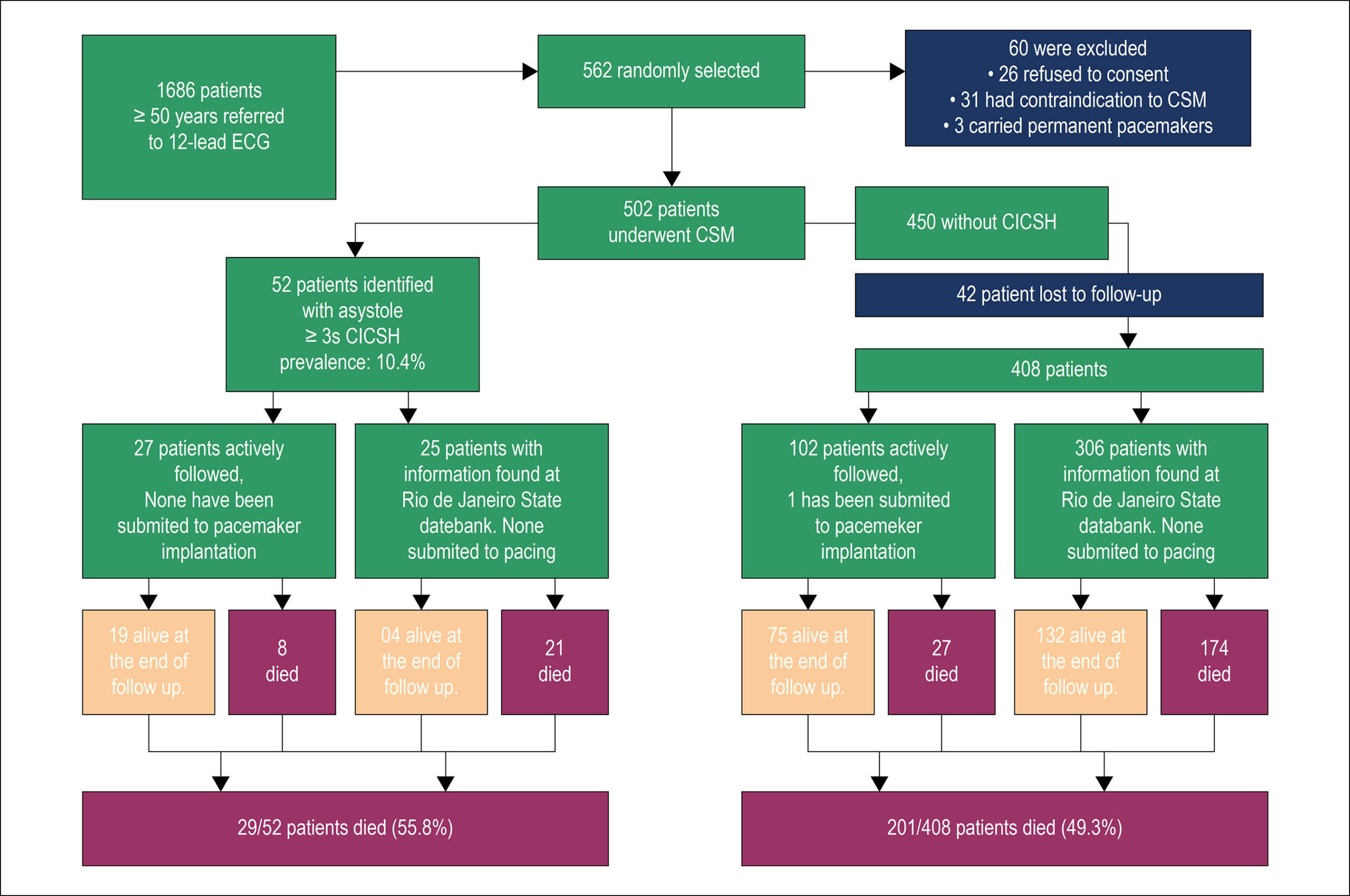
In 2006, 502 patients ≥ 50 years of age were submitted to CSM. Fifty-two patients (10,4%) were identified with CICSH. Survival of this cohort was compared with that of another cohort of 408 non-CICSH patients using Kaplan-Meier curves. Cox regression was used to examine the relation between CICSH and mortality. The level of statistical significance was set at 0.05.

Results:

After a maximum follow-up of 11.6 years, 29 of the 52 CICSH patients (55.8%) were dead. Cardiovascular mortality, trauma-related mortality and the total mortality rate of this population were not statistically different from that found in 408 patients without CICSH. (Total mortality of CICSH patients 55.8% vs. 49,3% of non-CICSH patients; p: 0.38).

Conclusion:

At the end of follow-up, the 52 CICSH patient cohort had total mortality, cardiovascular mortality and trauma-related mortality similar to that found in 408 patients without CICSH.

  • Bradycardia
  • Cardiac Pacing, Artificial
  • Carotid Sinus,Massage/mortality
  • Syncope
Read Full Article
Creative Commons Attribution (CC BY) Creative Commons license
20/03/2020 DOI: 10.36660/abc.20190008 Views 2
ABC
Editorial

D-Limonene: A Promising Molecule with Bradycardic and Antiarrhythmic Potential

Quiara Lovatti Alves et al. Darizy Flávia Silva

It is unquestionable that cardiovascular disease (CVD) is and will continue to be one of the main health problems of modern society. A significant portion of cardiovascular disease-related deaths is a direct or indirect consequence of cardiac arrhythmias.Cardiac arrhythmias are abnormal conditions that refer to any alteration in the normal sequence of cardiac electrical impulses, which can be classified according to frequency, mechanism, duration, and place of origin, resulting in inefficient pumping. More specifically, cardiac arrhythmias indicate alterations in the rate or regularity of the heart rhythm, as well as changes in the conduction sequence of physiological electrical impulses, from their origin in the sinoatrial node to their end, in the His-Purkinje system, and the ventricles.The structural mechanisms that result in cardiac arrhythmias, as well as limitations regarding the safety and efficacy of “classic” antiarrhythmic drugs, make this disease difficult to treat.

The use of medicinal plants for the treatment, cure and prevention of diseases is one of the oldest forms of human medicinal practice. Natural medicinal plant-based products have shown to be an abundant source of biologically active compounds, many of which have been the basis for the development of new chemical products by the pharmaceutical industry.Essential oils, extracted from aromatic plants, are natural products with a variety of biological actions, including cardiovascular properties.Monoterpenes are the most representative molecules, which constitute 90% of essential oils, and also produce relevant effects on measurable cardiovascular parameters, including vasorelaxation and hypotension promotion in anesthetized and non-anesthetized rats., Additionally, monoterpenes may attenuate the development of hypertension in spontaneously hypertensive rats, by decreasing cardiac hypertrophy. Thus, it is evident that monoterpenes are molecules that could be further developed for the prevention and / or treatment of cardiovascular diseases. A study developed by our research group showed that the monoterpene carvacrol has negative chronotropic and inotropic effects on rats, whereas pulegone and geraniol have a negative inotropic effect on mammals.,

[…]

  • Arrhythmia, Agents
  • Bradycardia
  • Limoneno
  • Medicinal Plants
  • Monoterpenes
Read Full Article
Creative Commons Attribution (CC BY) Creative Commons license
02/12/2019 DOI: 10.5935/abc.20190233 Views 1
Figure 1
ABC
Original Article

Bradycardic and Antiarrhythmic Effects of the D-Limonene in Rats

Gildenisson Araújo do Nascimento et al. Diego Santos de Souza Bruno Santos Lima Carla Maria Lins de Vasconcelos … Adriano Antunes de Souza Araújo Aimée Obolari Durço Lucindo José Quintans-Junior Jackson Roberto Guedes da Silva Almeida Aldeída Pereira Oliveira Valter Joviniano de Santana-Filho André Sales Barreto Márcio Roberto Viana dos Santos

Abstract

Background:

D-limonene (DL) is a monoterpene and is the major component in the essential oil of citrus fruit. It presents antihyperglycemic and vasodilatation activities.

Objectives:

This study evaluated the cardiovascular effects and potential antiarrhythmic of DL in rats.

Methods:

Hemodynamic and electrocardiographic (ECG) parameters were measured in male Wistar rats, which under anesthesia had been cannulated in the abdominal aorta and lower vena cava and had electrodes subcutaneously implanted. In the in vitro approach, the heart was removed and perfused using the Langendorff technique. The significance level adopted was 5% (p < 0.05).

Results:

DL, in doses of 10, 20, and 40 mg/kg (i.v), produced intense and persistent bradycardia associated with hypotension. Bradycardia with prolonged QTc was observed in the ECG in vivo recording. In the in vivo model of arrhythmia induced by Bay K8644, DL (10 mg/kg) decreased the arrhythmia score from 15.33 ± 3.52 to 4.0 ± 2.64 u.a (p < 0.05, n = 4). In isolated perfused hearts, DL (10-3 M) promoted significant reductions in heart rate (from 228.6 ± 8.5 ms to 196.0 ± 9.3 bpm; p < 0.05) and left ventricular development pressure (from 25.2 ± 3.4 to 5.9 ± 1.8 mmHg; n = 5, p < 0.05).

Conclusions:

DL produces bradycardia and antiarrhythmic activity in rat heart.

  • Anti-Arrhythmia Agents
  • Antioxidants
  • Arrhythmias Cardiac
  • Bradycardia
  • Limonene
  • Monoterpenes
  • Rats
Read Full Article
Creative Commons Attribution (CC BY) Creative Commons license
02/09/2019 DOI: 10.5935/abc.20190173 Views 1
ABC
Editorial

Ganglionated Plexi Ablation to Treat Patients with Refractory Neurally Mediated Syncope and Severe Vagal-Induced Bradycardia

Mauricio Scanavacca et al. Denise Hachul

Neurally mediated syndrome (NMS) is the most common cause of and transient loss of consciousness and usually causes anxiety and concerns for patients and their families. Clinical investigation and explanations about benignity, in association to lifestyle modifications and teaching methods to abort the vagal reflex are the initial and effective approaches to manage the majority of patients.–

However, in some cases, the loss of consciousness occurs suddenly, without prodromal symptoms and the patient does not have the opportunity to prevent falls, which may lead to severe physical trauma. Specific medications have been proposed trying to control the symptoms and pacemaker implantation has been recommended in the refractory cases of cardioinhibitory reflexes.–

[…]

  • Autonomic Nervous System
  • Bradycardia
  • Catheter Ablation
  • Ganglia, Autonomic
  • Syncope,Vasovagal
Read Full Article
Creative Commons Attribution (CC BY) Creative Commons license
15/07/2019 DOI: 10.5935/abc.20190107 Views 1
Figure 1
ABC
Original Article

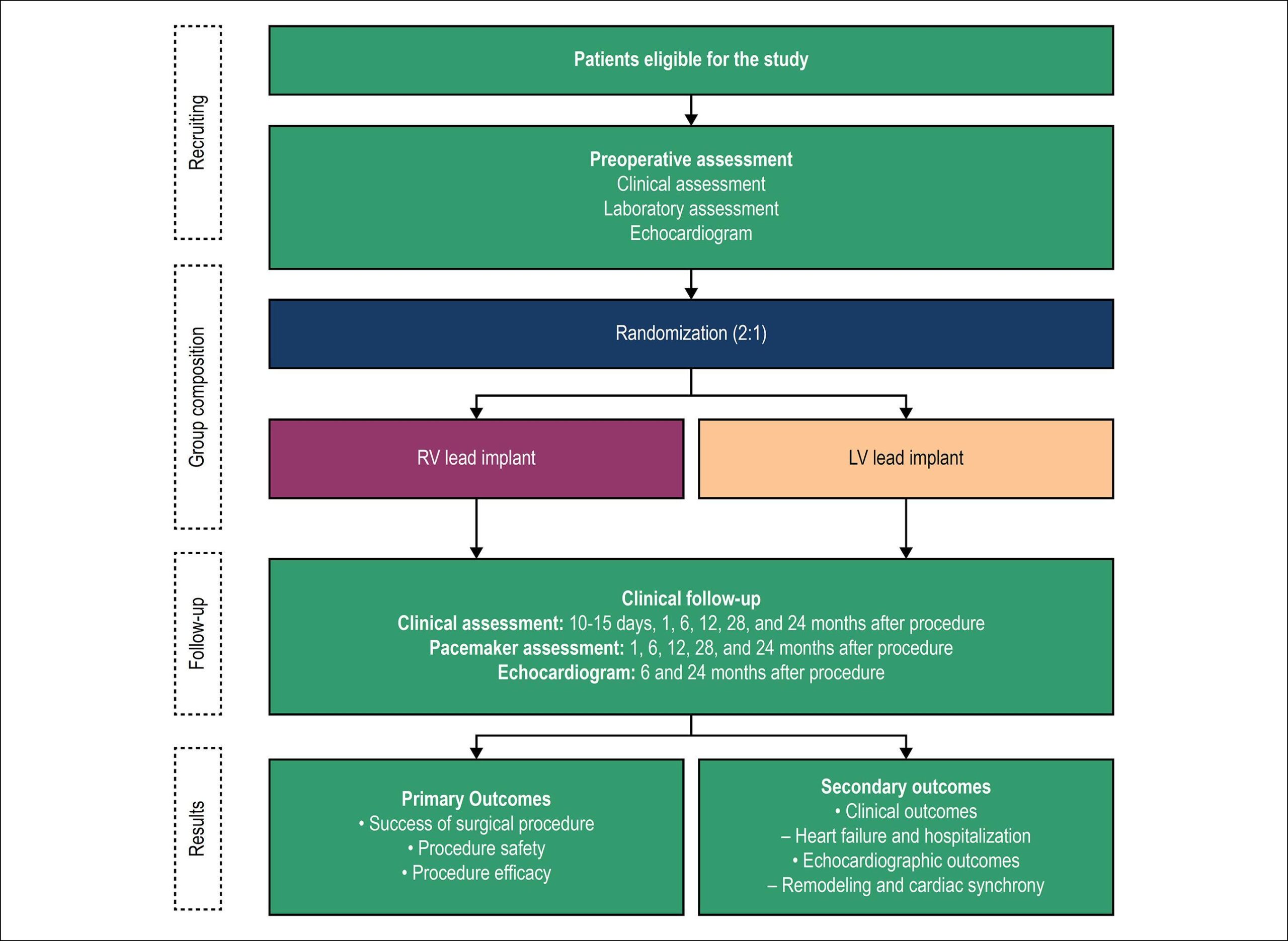
Efficacy, Safety, and Performance of Isolated Left vs. Right Ventricular Pacing in Patients with Bradyarrhythmias: A Randomized Controlled Trial

Elizabeth Sartori Crevelari et al. Katia Regina da Silva Caio Marcos de Moraes Albertini Marcelo Luiz Campos Vieira … Martino Martinelli Filho Roberto Costa

Abstract

Background:

Considering the potential deleterious effects of right ventricular (RV) pacing, the hypothesis of this study is that isolated left ventricular (LV) pacing through the coronary sinus is safe and may provide better clinical and echocardiographic benefits to patients with bradyarrhythmias and normal ventricular function requiring heart rate correction alone.

Objective:

To assess the safety, efficacy, and effects of LV pacing using an active-fixation coronary sinus lead in comparison with RV pacing, in patients eligible for conventional pacemaker (PM) implantation.

Methods:

Randomized, controlled, and single-blinded clinical trial in adult patients submitted to PM implantation due to bradyarrhythmias and systolic ventricular function ≥ 0.40. Randomization (RV vs. LV) occurred before PM implantation. The main results of the study were procedural success, safety, and efficacy. Secondary results were clinical and echocardiographic changes. Chi-squared test, Fisher’s exact test and Student’s t-test were used, considering a significance level of 5%.

Results:

From June 2012 to January 2014, 91 patients were included, 36 in the RV Group and 55 in the LV Group. Baseline characteristics of patients in both groups were similar. PM implantation was performed successfully and without any complications in all patients in the RV group. Of the 55 patients initially allocated into the LV group, active-fixation coronary sinus lead implantation was not possible in 20 (36.4%) patients. The most frequent complication was phrenic nerve stimulation, detected in 9 (25.7%) patients in the LV group. During the follow-up period, there were no hospitalizations due to heart failure. Reductions of more than 10% in left ventricular ejection fraction were observed in 23.5% of patients in the RV group and 20.6% of those in the LV group (p = 0.767). Tissue Doppler analysis showed that 91.2% of subjects in the RV group and 68.8% of those in the LV group had interventricular dyssynchrony (p = 0.022).

Conclusion:

The procedural success rate of LV implant was low, and the safety of the procedure was influenced mainly by the high rate of phrenic nerve stimulation in the postoperative period.

  • Arrhythmias Cardiac
  • Bradycardia
  • Cardiac Pacing, Artificial
  • Pacemaker, Artificial
  • Ventricular Remodeling
Read Full Article
Creative Commons Attribution (CC BY) Creative Commons license
15/04/2019 DOI: 10.5935/abc.20180275 Views 1
ABC
Editorial

Ventricular Pacing of Conventional Pacemakers in the Era of CRT

Silas dos Santos Galvão Filho

With the advent of cardiac resynchronization therapy (CRT), and the awareness of the impairment of ventricular systolic function caused by intraventricular conduction disorders, especially left bundle branch block, after more than 50 years of routine use, conventional right univentricular artificial cardiac pacing, particularly in its classical site – the apical region – is now being questioned. In fact, conventional right univentricular pacing usually generates a large QRS (often greater than 150 ms), with electrocardiographic pattern of left bundle branch block – more significant signs for the diagnosis of ventricular dyssynchrony that may require CRT.

Some studies have shown impairment of right univentricular pacing in patients with pacemakers compared to normal ventricular activation,– which prompted the development of algorithms of minimal ventricular pacing, favoring exclusive atrial pacing in currently available dual-chamber pacemakers, which have shown some benefits. However, when the reestablishment of heart rate requires ventricular pacing (in cases of AV blocks), these algorithms cannot be used. Other studies have shown deterioration of ventricular systolic function after initiation of right univentricular pacing., In order to minimize any impairment of right univentricular pacing in cases where it is necessary, multiple pacing sites have been tried: (outflow tract, mid-septal, inferior-septal, etc.) and, although no further evidence has been achieved, today, mid-septal pacing is the most commonly method in conventional pacemaker implants, to the detriment of apical pacing.

[…]

  • Arrhythmias,Cardiac
  • Bradycardia
  • Cardiac Pacing,Artificial/methods
  • Pacemaker, Artificial/utilization
  • Remodeling Atrial
Read Full Article
Creative Commons Attribution (CC BY) Creative Commons license
15/04/2019 DOI: 10.5935/abc.20190074 Views 2
Figure 1
ABC
Editorial

Yellow Fever and Cardiovascular Disease: An Intersection of Epidemics

Gláucia Maria Moraes de Oliveira et al. Roberto Muniz Ferreira

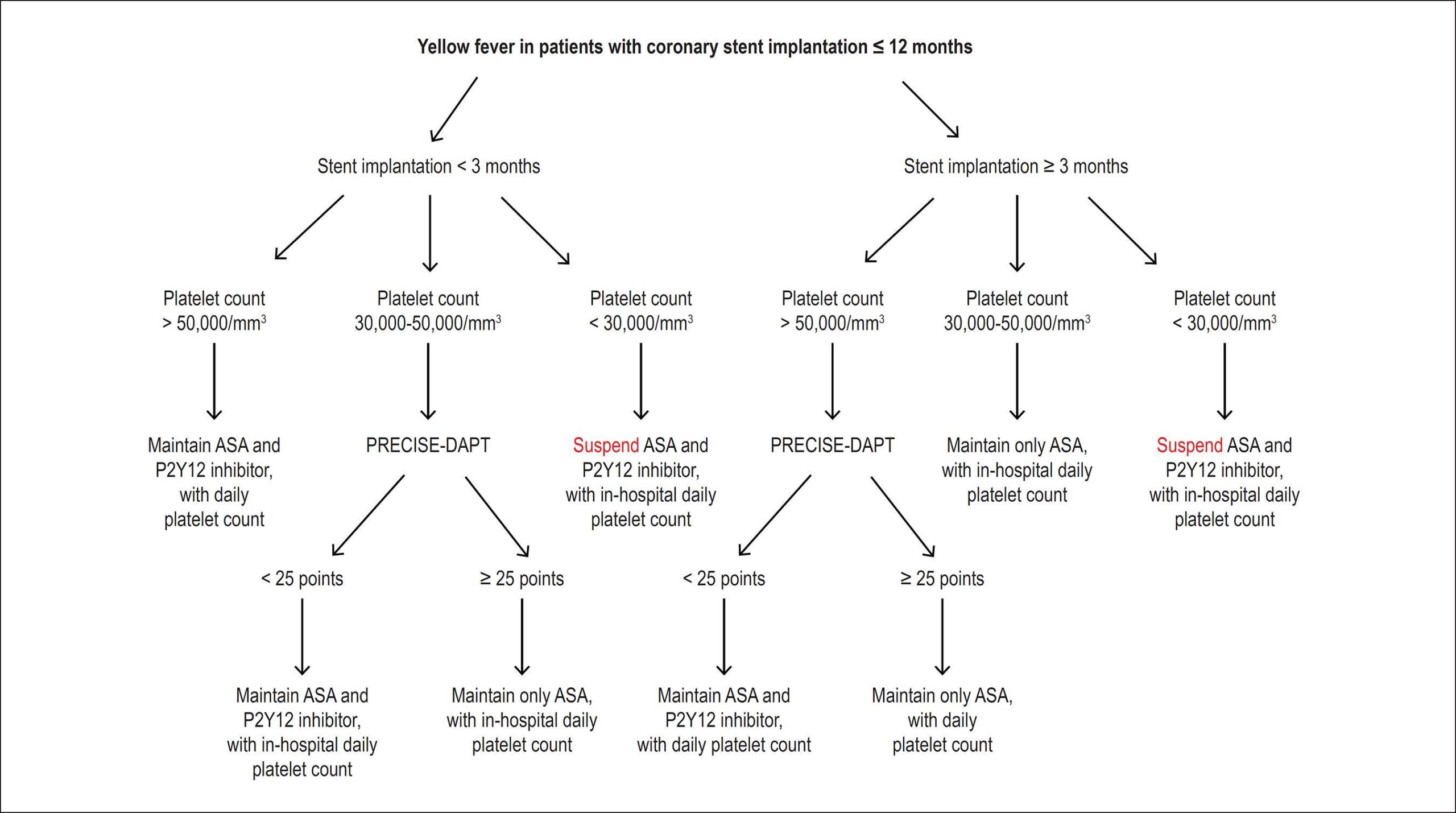
Arboviral diseases are an important public health problem, especially in tropical and subtropical countries, such as Brazil, where viruses of the family Flaviviridae, responsible for dengue fever, zika and yellow fever (YF), and of the family Togaviridae, which cause chikungunya, predominate. In recent years, the number of cases has increased because of several factors, of which environmental changes, such as deforestation and climate changes, disorderly occupation of cities with low hygiene-sanitary conditions, in addition to the increased mobility of international travelers, stand out. Such factors have allowed the colonization of new areas by vectors, mainly Aedes aegypti, which can be found in 80% of the Brazilian territory.,

Dengue virus, which has four different serotypes, has accounted for isolated epidemics or for co-infections in 1984-1985, 1997-1999 and 2004-2007. Chikungunya, whose virus originated in Africa, succeeded the dengue fever in Brazil in 2014, with similar clinical and laboratory presentation, hindering the differential diagnosis. In 2015, the first cases of zika were reported in Brazil. summarizes the clinical manifestations of those arboviral diseases.–

[…]

  • Aedes, Liver Failure
  • Bradycardia
  • Drug-Eluting Stents / adverse effects
  • Hemorrhage
  • Kidney Failure, Chronic
  • Tropical Ecosystem, Arbovirus Infections
  • Yellow Fever
Read Full Article
Creative Commons Attribution (CC BY) Creative Commons license
01/03/2018 DOI: 10.5935/abc.20180041
ABC
Editorial

Cardiac Autonomic Modulation – The Search for an Ultimate Technique

Esteban Rivarola et al. Mauricio Scanavacca

Abnormal parasympathetic activity on the heart has been implicated in several forms of symptomatic bradycardia, especially in young and otherwise healthy individuals. Neurally mediated syncope, sinus arrest and advanced atrioventricular (AV) block have high risk of injury and serious implications on quality of life. Nonetheless, until recently, their clinical management, mainly based on behavioral measures and pacing, have often proved to be ineffective or inadequate. An alternative approach to treat this specific population, avoiding device implants and continuous drug therapy seemed to be required.

Ganglionated plexus (GP) ablation was first described in 2005, with the purpose of targeting the main parasympathetic ganglia and promoting a vagal attenuation. During the last decade, several authors– presented their clinical results, with significant remission of symptoms and electrocardiographic improvement, and autonomic modulation became an established therapeutic modality.

[…]

  • Atrioventricular block
  • Bradycardia
  • Catheter Ablation
  • Ganglia, Autonomic
  • Syncope, Vasovagal
Read Full Article
Creative Commons Attribution (CC BY) Creative Commons license
01/11/2017 DOI: 10.5935/abc.20170166

How to cite this article

EndNote RIS

Electronic Document Format (Vancouver)

Marques A, Caldeira D, Briosa A, João I, Pereira H. Hypothermia-Induced Electrocardiographic Changes. Arquivos Brasileiros de Cardiologia 2020;114(6):1076-7.

Electronic Document Format (ABNT)

Marques, Ana; Caldeira, Daniel; Briosa, Alexandra; João, Isabel; Pereira, Hélder. Hypothermia-Induced Electrocardiographic Changes. Arquivos Brasileiros de Cardiologia, v. 114, n. 6, p. 1076-1077, Jul. 2020.

Electronic Document Format (APA)

Marques, A., Caldeira, D., Briosa, A., João, I., & Pereira, H. (2020). Hypothermia-Induced Electrocardiographic Changes. Arquivos Brasileiros de Cardiologia, 114(6), 1076-1077.

Electronic Document Format (ISO)

Marques, Ana and Caldeira, Daniel and Briosa, Alexandra and João, Isabel and Pereira, Hélder. Hypothermia-Induced Electrocardiographic Changes. Arquivos Brasileiros de Cardiologia [online]. 2020, vol. 114, n. 6, [cited 2026-10-14], pp. 1076-1077. Available from: <https://journals.cardiol.br/en/article/hypothermia-induced-electrocardiographic-changes/>. ISSN 0066-782X

EndNote RIS

Electronic Document Format (Vancouver)

Lacerda GC, Lorenzo AR, Tura BR, Santos MC, Guimarães AEC, Lacerda RC, Pedrosa RC, et al. Long-Term Mortality in Cardioinhibitory Carotid Sinus Hypersensitivity Patient Cohort. Arquivos Brasileiros de Cardiologia 2020;114(2):245-53.

Electronic Document Format (ABNT)

Lacerda, Gustavo de Castro; Lorenzo, Andrea Rocha de; Tura, Bernardo Rangel; Santos, Marcela Cedenilla dos; Guimarães, Artur Eduardo Cotrim; Lacerda, Renato Côrtes de; Pedrosa, Roberto Coury. Long-Term Mortality in Cardioinhibitory Carotid Sinus Hypersensitivity Patient Cohort. Arquivos Brasileiros de Cardiologia, v. 114, n. 2, p. 245-253, Mar. 2020.

Electronic Document Format (APA)

Lacerda, G. C., Lorenzo, A. R. , Tura, B. R., Santos, M. C. , Guimarães, A. E. C., Lacerda, R. C. , & Pedrosa, R. C. (2020). Long-Term Mortality in Cardioinhibitory Carotid Sinus Hypersensitivity Patient Cohort. Arquivos Brasileiros de Cardiologia, 114(2), 245-253.

Electronic Document Format (ISO)

Lacerda, Gustavo de Castro and Lorenzo, Andrea Rocha de and Tura, Bernardo Rangel and Santos, Marcela Cedenilla dos and Guimarães, Artur Eduardo Cotrim and Lacerda, Renato Côrtes de and Pedrosa, Roberto Coury. Long-Term Mortality in Cardioinhibitory Carotid Sinus Hypersensitivity Patient Cohort. Arquivos Brasileiros de Cardiologia [online]. 2020, vol. 114, n. 2, [cited 2026-10-14], pp. 245-253. Available from: <https://journals.cardiol.br/en/article/long-term-mortality-in-cardioinhibitory-carotid-sinus-hypersensitivity-patient-cohort/>. ISSN 0066-782X

EndNote RIS

Electronic Document Format (Vancouver)

Alves QL, Silva DF. D-Limonene: A Promising Molecule with Bradycardic and Antiarrhythmic Potential. Arquivos Brasileiros de Cardiologia 2019;113(5):933-4.

Electronic Document Format (ABNT)

Alves, Quiara Lovatti; Silva, Darizy Flávia. D-Limonene: A Promising Molecule with Bradycardic and Antiarrhythmic Potential. Arquivos Brasileiros de Cardiologia, v. 113, n. 5, p. 933-934, Dec. 2019.

Electronic Document Format (APA)

Alves, Q. L., & Silva, D. F. (2019). D-Limonene: A Promising Molecule with Bradycardic and Antiarrhythmic Potential. Arquivos Brasileiros de Cardiologia, 113(5), 933-934.

Electronic Document Format (ISO)

Alves, Quiara Lovatti and Silva, Darizy Flávia. D-Limonene: A Promising Molecule with Bradycardic and Antiarrhythmic Potential. Arquivos Brasileiros de Cardiologia [online]. 2019, vol. 113, n. 5, [cited 2026-10-14], pp. 933-934. Available from: <https://journals.cardiol.br/en/article/d-limonene-a-promising-molecule-with-bradycardic-and-antiarrhythmic-potential/>. ISSN 0066-782X

EndNote RIS

Electronic Document Format (Vancouver)

Nascimento GA, Souza DS, Lima BS, Vasconcelos CML, Araújo AAS, Durço AO, Quintans-Junior LJ, et al. Bradycardic and Antiarrhythmic Effects of the D-Limonene in Rats. Arquivos Brasileiros de Cardiologia 2019;113(5):925-32.

Electronic Document Format (ABNT)

Nascimento, Gildenisson Araújo do; Souza, Diego Santos de; Lima, Bruno Santos; Vasconcelos, Carla Maria Lins de; Araújo, Adriano Antunes de Souza; Durço, Aimée Obolari; Quintans-Junior, Lucindo José; Almeida, Jackson Roberto Guedes da Silva; Oliveira, Aldeída Pereira; Santana-Filho, Valter Joviniano de; Barreto, André Sales; Santos, Márcio Roberto Viana dos. Bradycardic and Antiarrhythmic Effects of the D-Limonene in Rats. Arquivos Brasileiros de Cardiologia, v. 113, n. 5, p. 925-932, Sep. 2019.

Electronic Document Format (APA)

Nascimento, G. A. , Souza, D. S. , Lima, B. S., Vasconcelos, C. M. L. , Araújo, A. A. S., Durço, A. O., Quintans-Junior, L. J., Almeida, J. R. G. S., Oliveira, A. P., Santana-Filho, V. J. , Barreto, A. S., & Santos, M. R. V. (2019). Bradycardic and Antiarrhythmic Effects of the D-Limonene in Rats. Arquivos Brasileiros de Cardiologia, 113(5), 925-932.

Electronic Document Format (ISO)

Nascimento, Gildenisson Araújo do and Souza, Diego Santos de and Lima, Bruno Santos and Vasconcelos, Carla Maria Lins de and Araújo, Adriano Antunes de Souza and Durço, Aimée Obolari and Quintans-Junior, Lucindo José and Almeida, Jackson Roberto Guedes da Silva and Oliveira, Aldeída Pereira and Santana-Filho, Valter Joviniano de and Barreto, André Sales and Santos, Márcio Roberto Viana dos. Bradycardic and Antiarrhythmic Effects of the D-Limonene in Rats. Arquivos Brasileiros de Cardiologia [online]. 2019, vol. 113, n. 5, [cited 2026-10-14], pp. 925-932. Available from: <https://journals.cardiol.br/en/article/bradycardic-and-antiarrhythmic-effects-of-the-d-limonene-in-rats/>. ISSN 0066-782X

EndNote RIS

Electronic Document Format (Vancouver)

Scanavacca M, Hachul D. Ganglionated Plexi Ablation to Treat Patients with Refractory Neurally Mediated Syncope and Severe Vagal-Induced Bradycardia. Arquivos Brasileiros de Cardiologia 2019;112(6):709-12.

Electronic Document Format (ABNT)

Scanavacca, Mauricio; Hachul, Denise. Ganglionated Plexi Ablation to Treat Patients with Refractory Neurally Mediated Syncope and Severe Vagal-Induced Bradycardia. Arquivos Brasileiros de Cardiologia, v. 112, n. 6, p. 709-712, Jul. 2019.

Electronic Document Format (APA)

Scanavacca, M., & Hachul, D. (2019). Ganglionated Plexi Ablation to Treat Patients with Refractory Neurally Mediated Syncope and Severe Vagal-Induced Bradycardia. Arquivos Brasileiros de Cardiologia, 112(6), 709-712.

Electronic Document Format (ISO)

Scanavacca, Mauricio and Hachul, Denise. Ganglionated Plexi Ablation to Treat Patients with Refractory Neurally Mediated Syncope and Severe Vagal-Induced Bradycardia. Arquivos Brasileiros de Cardiologia [online]. 2019, vol. 112, n. 6, [cited 2026-10-14], pp. 709-712. Available from: <https://journals.cardiol.br/en/article/ganglionated-plexi-ablation-to-treat-patients-with-refractory-neurally-mediated-syncope-and-severe-vagal-induced-bradycardia/>. ISSN 0066-782X

EndNote RIS

Electronic Document Format (Vancouver)

Crevelari ES, Silva KR, Albertini CMM, Vieira MLC, Martinelli Filho M, Costa R. Efficacy, Safety, and Performance of Isolated Left vs. Right Ventricular Pacing in Patients with Bradyarrhythmias: A Randomized Controlled Trial. Arquivos Brasileiros de Cardiologia 2019;112(4):410-21.

Electronic Document Format (ABNT)

Crevelari, Elizabeth Sartori; Silva, Katia Regina da; Albertini, Caio Marcos de Moraes; Vieira, Marcelo Luiz Campos; Martinelli Filho, Martino; Costa, Roberto. Efficacy, Safety, and Performance of Isolated Left vs. Right Ventricular Pacing in Patients with Bradyarrhythmias: A Randomized Controlled Trial. Arquivos Brasileiros de Cardiologia, v. 112, n. 4, p. 410-421, Apr. 2019.

Electronic Document Format (APA)

Crevelari, E. S., Silva, K. R. , Albertini, C. M. M., Vieira, M. L. C., Martinelli Filho, M., & Costa, R. (2019). Efficacy, Safety, and Performance of Isolated Left vs. Right Ventricular Pacing in Patients with Bradyarrhythmias: A Randomized Controlled Trial. Arquivos Brasileiros de Cardiologia, 112(4), 410-421.

Electronic Document Format (ISO)

Crevelari, Elizabeth Sartori and Silva, Katia Regina da and Albertini, Caio Marcos de Moraes and Vieira, Marcelo Luiz Campos and Martinelli Filho, Martino and Costa, Roberto. Efficacy, Safety, and Performance of Isolated Left vs. Right Ventricular Pacing in Patients with Bradyarrhythmias: A Randomized Controlled Trial. Arquivos Brasileiros de Cardiologia [online]. 2019, vol. 112, n. 4, [cited 2026-10-14], pp. 410-421. Available from: <https://journals.cardiol.br/en/article/efficacy-safety-and-performance-of-isolated-left-vs-right-ventricular-pacing-in-patients-with-bradyarrhythmias-a-randomized-controlled-trial/>. ISSN 0066-782X

EndNote RIS

Electronic Document Format (Vancouver)

Galvão Filho SS. Ventricular Pacing of Conventional Pacemakers in the Era of CRT. Arquivos Brasileiros de Cardiologia 2019;112(4):422-3.

Electronic Document Format (ABNT)

Galvão Filho, Silas dos Santos. Ventricular Pacing of Conventional Pacemakers in the Era of CRT. Arquivos Brasileiros de Cardiologia, v. 112, n. 4, p. 422-423, Apr. 2019.

Electronic Document Format (APA)

Galvão Filho, S. S. (2019). Ventricular Pacing of Conventional Pacemakers in the Era of CRT. Arquivos Brasileiros de Cardiologia, 112(4), 422-423.

Electronic Document Format (ISO)

Galvão Filho, Silas dos Santos. Ventricular Pacing of Conventional Pacemakers in the Era of CRT. Arquivos Brasileiros de Cardiologia [online]. 2019, vol. 112, n. 4, [cited 2026-10-14], pp. 422-423. Available from: <https://journals.cardiol.br/en/article/ventricular-pacing-of-conventional-pacemakers-in-the-era-of-crt/>. ISSN 0066-782X

EndNote RIS

Electronic Document Format (Vancouver)

Oliveira GMM, Ferreira RM. Yellow Fever and Cardiovascular Disease: An Intersection of Epidemics. Arquivos Brasileiros de Cardiologia 2018;110(3):207-10.

Electronic Document Format (ABNT)

Oliveira, Gláucia Maria Moraes de; Ferreira, Roberto Muniz. Yellow Fever and Cardiovascular Disease: An Intersection of Epidemics. Arquivos Brasileiros de Cardiologia, v. 110, n. 3, p. 207-210, Feb. 2018.

Electronic Document Format (APA)

Oliveira, G. M. M. , & Ferreira, R. M. (2018). Yellow Fever and Cardiovascular Disease: An Intersection of Epidemics. Arquivos Brasileiros de Cardiologia, 110(3), 207-210.

Electronic Document Format (ISO)

Oliveira, Gláucia Maria Moraes de and Ferreira, Roberto Muniz. Yellow Fever and Cardiovascular Disease: An Intersection of Epidemics. Arquivos Brasileiros de Cardiologia [online]. 2018, vol. 110, n. 3, [cited 2026-10-14], pp. 207-210. Available from: <https://journals.cardiol.br/en/article/yellow-fever-and-cardiovascular-disease-an-intersection-of-epidemics/>. ISSN 0066-782X

EndNote RIS

Electronic Document Format (Vancouver)

Rivarola E, Scanavacca M. Cardiac Autonomic Modulation – The Search for an Ultimate Technique. Arquivos Brasileiros de Cardiologia 2017;109(5):384-6.

Electronic Document Format (ABNT)

Rivarola, Esteban; Scanavacca, Mauricio. Cardiac Autonomic Modulation – The Search for an Ultimate Technique. Arquivos Brasileiros de Cardiologia, v. 109, n. 5, p. 384-386, Oct. 2017.

Electronic Document Format (APA)

Rivarola, E., & Scanavacca, M. (2017). Cardiac Autonomic Modulation – The Search for an Ultimate Technique. Arquivos Brasileiros de Cardiologia, 109(5), 384-386.

Electronic Document Format (ISO)

Rivarola, Esteban and Scanavacca, Mauricio. Cardiac Autonomic Modulation – The Search for an Ultimate Technique. Arquivos Brasileiros de Cardiologia [online]. 2017, vol. 109, n. 5, [cited 2026-10-14], pp. 384-386. Available from: <https://journals.cardiol.br/en/article/cardiac-autonomic-modulation-the-search-for-an-ultimate-technique/>. ISSN 0066-782X

  • About ABC Family
  • Internal Regulation
  • Editorial Board
  • Brazilian Society of Cardiology (SBC)

Issues

SBC Guidelines

  • Videos
  • Podcasts
  • News