| ABC
ABC Family Arquivos Brasileiros de Cardiologia International Journal of Cardiovascular Sciences ABC Heart Failure & Cardiomyopathy ABC Imagem Cardiovascular
Português English
ABC Family | ABC
Português English
  • About
    • About the Journal
    • Internal Regulation
    • Editors Section
    • Editorial Board
    • History
    • SBC Award
  • Instructions to Authors
    • Guidelines for Publication
    • Editorial Policy
    • Ethics Policy
    • Policy on the Use of Artificial Intelligence
    • Mandatory Publication Form
    • Publication Fee
  • Issues
  • SBC Guidelines
  • Abstracts
    • How to Publish an Abstract Supplement?
    • Supplements from the Brazilian Congress of Cardiology
  • About
    • About the Journal
    • Internal Regulation
    • Editors Section
    • Editorial Board
    • History
    • SBC Award
  • Instructions to Authors
    • Guidelines for Publication
    • Editorial Policy
    • Ethics Policy
    • Policy on the Use of Artificial Intelligence
    • Mandatory Publication Form
    • Publication Fee
  • Issues
  • SBC Guidelines
  • Abstracts
    • How to Publish an Abstract Supplement?
    • Supplements from the Brazilian Congress of Cardiology

ABC Family

  • ABC Family
  • Arquivos Brasileiros de Cardiologia
  • International Journal of Cardiovascular Sciences
  • ABC Heart Failure & Cardiomyopathy
  • ABC Imagem Cardiovascular
Search in

No content found.

Journals
Ordering
Article types
Others

  1. Home
  2. ABC
  3. Issues
  4. 2018, Volume 111, Number 6
Figure 1
Viewpoint

Sudden Death in Young Brazilian Athletes: Isn't It Time We Created a Genuinely National Register?

Lucas Helal et al. Filipe Ferrari Ricardo Stein

Abstract

Young competitive athletes (≤ 35 years old) with or without a previous diagnosis of cardiovascular disease may suddenly die in competitive activities, potentially leading to an impact in society through the media. Although the relative risk for sudden death (SD) in athletes is twice as high as for their counterparts, the absolute incidence is low. While there is consensus among medical societies worldwide that early detection of causal factors is highly desirable, there is debate among different screening schemes to that end. In Brazil, the recommendations of the Brazilian Society of Cardiology mirror the guidelines of the European Society of Cardiology (ESC), which indicate a clinical examination combined with a 12-lead resting electrocardiogram, regardless of the presence of risk factors. The possibility of genetic screening is also plausible, since most clinical entities that cause SD in young competitive athletes are related to genotype. Finally, considering the diversity of practiced sports, and the population miscegenation, we emphasize the need to a national registry of cases.
  • Adolescent
  • Athletes
  • Cardiovascular Diseases
  • Death, Sudden, Cardiac
  • Genotype
  • Youth Sports
Read Full Article
Creative Commons Attribution (CC BY) Creative Commons license
01/12/2018 DOI: 10.5935/abc.20180207 Views 1
Figure 1
Original Article

The Prognostic Value and Clinical Use of Myocardial Perfusion Scintigraphy in Asymptomatic Patients after Percutaneous Coronary Intervention

Larissa Franco de Andrade et al. Ana Carolina Souza Thais Peclat Caio Bartholo … Thalita Pavanelo Ronaldo de Souza Leão Lima

Abstract

Background:

The role of myocardial perfusion scintigraphy (MPS) in the follow-up of asymptomatic patients after percutaneous coronary intervention (PCI) is not established.

Objectives:

To evaluate the prognostic value and clinical use of MPS in asymptomatic patients after PCI.

Methods:

Patients who underwent MPS consecutively between 2008 and 2012 after PCI were selected. The MPS were classified as normal and abnormal, the perfusion scores, summed stress score (SSS), and summed difference score (SDS) were calculated and converted into percentage of total perfusion defect and ischemic defect. The follow-up was undertaken through telephone interviews and consultation with the Mortality Information System. Primary endpoints were death, cardiovascular death, and nonfatal acute myocardial infarction (AMI), and secondary endpoint was revascularization. Logistic regression and COX method were used to identify the predictors of events, and the value of p < 0.05 was considered statistically significant.

Results:

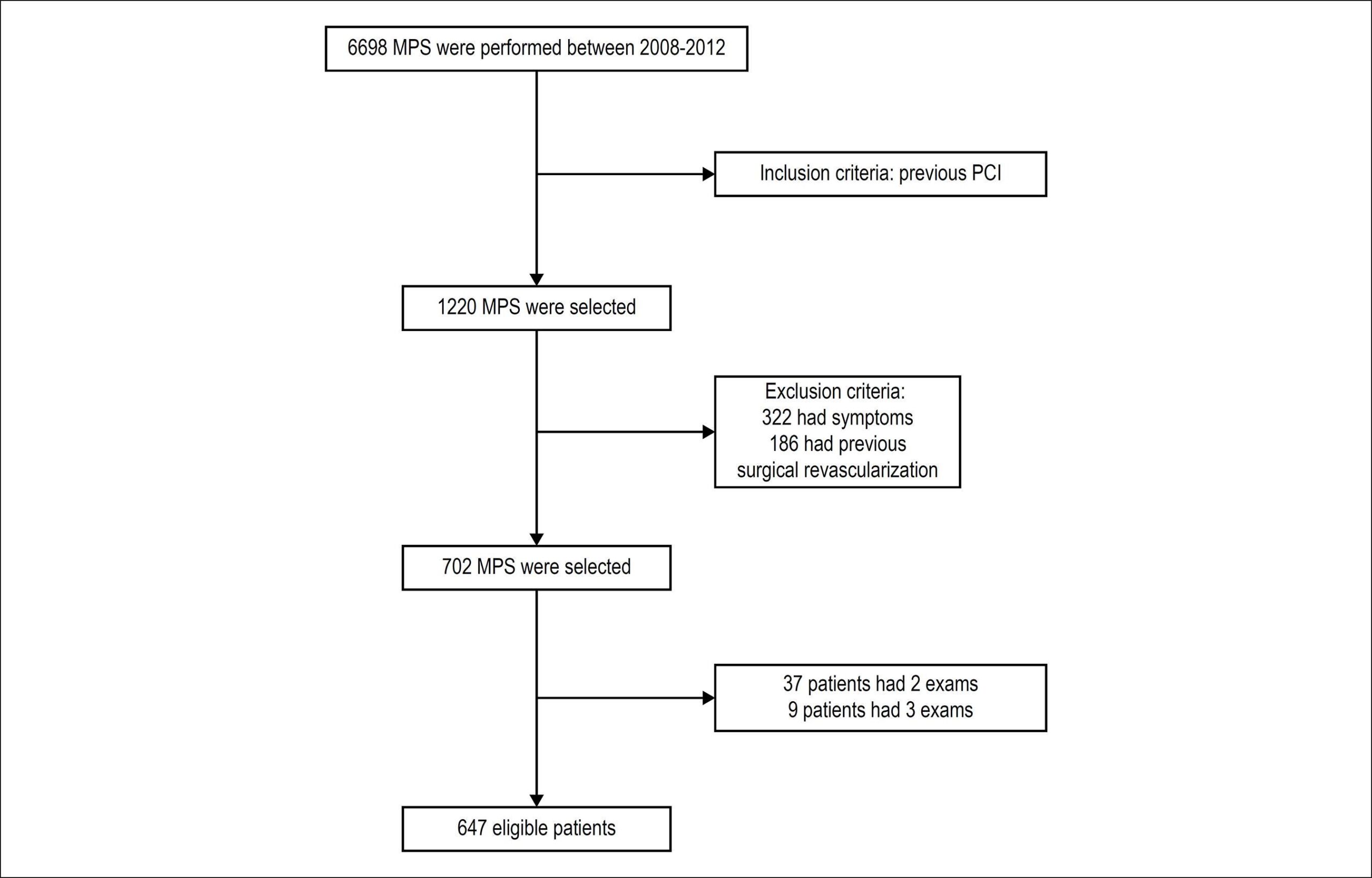
A total of 647 patients were followed for 5.2 ± 1.6 years. 47% of MPS were normal, 30% were abnormal with ischemia, and 23% were abnormal without ischemia. There were 61 deaths, 27 being cardiovascular, 19 non-fatal AMI, and 139 revascularizations. The annual death rate was higher in those with abnormal perfusion without ischemia compared to the groups with ischemia and normal perfusion (3.3% × 2% × 1.2%, p = 0.021). The annual revascularization rate was 10.3% in the ischemia group, 3.7% in those with normal MPS, and 3% in those with abnormal MPS without ischemia. The independent predictors of mortality and revascularization were, respectively, total perfusion defect greater than 6%, and ischemic defect greater than 3%. Forty-two percent of the patients underwent MPS less than 2 years after PCI, and no significant differences were observed in relation to those who underwent it after that period.

Conclusion:

Although this information is not contemplated in guidelines, in this study MPS was able to predict events in asymptomatic after PCI patients, regardless of when they were performed.

  • Coronary Artery Disease
  • Heart/diagnostic imaging
  • Myocardial Infarction
  • Myocardial Revascularization
  • Percutaneous Coronary Intervention
Read Full Article
Creative Commons Attribution (CC BY) Creative Commons license
01/12/2018 DOI: 10.5935/abc.20180199
Figure 1
Anatomopathological Correlation

Case 6 – Woman with Ischemic Heart Disease Admitted due to Chest Pain and Shock

Rafael Amorim Belo Nunes et al. Hilda Sara Montero Ramirez Vera Demarchi Aiello

Clinical aspects

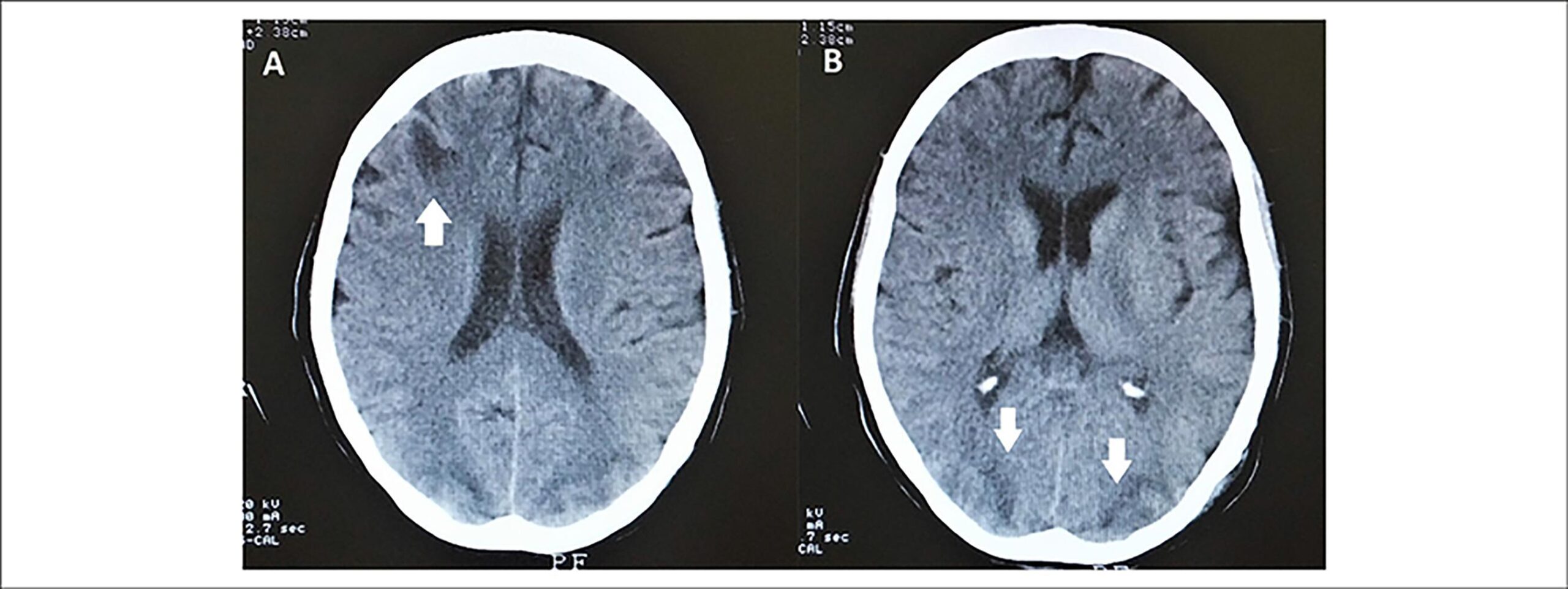
This patient is a 67-year-old woman with cardiovascular risk factors and ischemic cardiomyopathy, with severe left ventricular systolic dysfunction. Cardiac catheterization disclosed multivessel coronary disease and apical akinesis with an intracavitary thrombus. During outpatient follow-up, clinical treatment was chosen, possibly influenced by the patient’s clinical status, as well as the characteristics of the coronary anatomy.

The indication of surgical treatment with myocardial revascularization in patients with coronary heart disease with heart failure and severe left ventricular systolic dysfunction is still debatable, but recent data from the STICH study suggest a long-term survival benefit in patients undergoing myocardial revascularization.

[…]

  • Cardiac Catheterization;Thromboembolism
  • Chest Pain
  • Myocardial Infarction
  • Myocardial Ischemia
  • Shock, Cardiogenic
Read Full Article
Creative Commons Attribution (CC BY) Creative Commons license
01/12/2018 DOI: 10.5935/abc.20180231
Editorial

From Evidence-Based Medicine to Precision Health: Using Data to Personalize Care

Marcio Sommer Bittencourt

The historical practice of medicine has evolved over centuries based on empirical knowledge derived from experience and observation rather than rigorous scientific data. Over the second half of the twentieth century, this form of medical knowledge progress was largely supplanted by rigorous scientific data collection, particularly in the realm of cardiovascular diseases, where virtually every new drug discovery has been thoroughly evaluated in randomized clinical trials (RCT). The impressive improvement in the quality of the information provided by such study design has led to the development of an entirely new field in the medical knowledge which became known as Evidence-Based Medicine (EBM).

EBM soughs to move away from empirical information by providing a structured grading of the epistemological strength of evidence available. It further requires the highest levels of evidence to give strong recommendations for or against the use of any particular therapy. By this approach, RCTs are considered among the highest quality study designs which support those stronger recommendations. Still, despite their capability to avoid confounding and other biases, RCTs conclusions can only be interpreted as an overall averaged benefit for the collective population included in the study. Although such information may suffice to document the effect of any given therapy at the population level, this does not necessarily apply to any individual patient. While some individuals may benefit considerably more than the average population included in the study, other might benefit significantly less, whereas no benefit or even significant harm may occur in some individuals.

[…]

  • Comprehensive Health Care
  • Evidence-Based Medicine/methods
  • Models,Educational
  • Precision Medicine/trends
  • Research
  • Teaching/methods
Read Full Article
Creative Commons Attribution (CC BY) Creative Commons license
01/12/2018 DOI: 10.5935/abc.20180240
Editorial

CADE-Q SV: Practical and Relevant in the Assessment of Patients with Cardiovascular Diseases regarding their Health Condition

Juliana Beust de Lima

Cardiovascular diseases (CVD) remain the leading cause of death worldwide. According to estimates by the World Health Organization (WHO), approximately 17.9 million individuals die per year due to this clinical condition. In Brazil, a registry of the Brazilian Society of Cardiology shows an increase in mortality over the years, affecting 383,961 individuals in 2017.

Considering the strong association of CVD with morbidity and mortality, as well as the impairment of functional capacity and quality of life shown by these patients, strategies aimed at minimizing these impairments and that can be shown to be cost-effective should be implemented. In this scenario, cardiovascular rehabilitation (CVR) is crucial and should be part of the overall treatment of CVD.

[…]

  • Cardiac Rehabilitation
  • Cardiovascular Diseases, mortality
  • Exercise
  • Health Education
  • physical fitness
  • Prevention and Control
  • Survey and Questionnaires
Read Full Article
Creative Commons Attribution (CC BY) Creative Commons license
01/12/2018 DOI: 10.5935/abc.20180236 Views 2
Editorial

Cystatin C as a Candidate Biomarker of Cardiovascular Outcomes: Too Near, but too Far from Reality

Luiz Sérgio F. de Carvalho et al. Thiago Quinaglia AC Silva Otávio Rizzi Coelho-Filho

While the development of novel risk factors for cardiovascular risk assessment is necessary to improve risk stratification, proving its clinical value on top of traditional risk factors is routinely challenging.– Besides all the innovative and straightforward biomarker research published in the last decades, only very few markers of cardiovascular risk have shown clinical significance., Among many of them, cystatin C has emerged some years ago as a candidate for improving cardiovascular risk stratification.

In the Cardiovascular Health Study (CHS), a community-based and longitudinal study with over 4,600 elderly individuals, cystatin C has shown to predict cardiovascular outcomes. As compared with the lowest quintile, the highest quintile of cystatin C was associated with a significantly increased risk of death from cardiovascular causes (hazard ratio [HR] 2.27 [1.73 to 2.97]), myocardial infarction (HR 1.48 [1.08 to 2.02]), and stroke (HR 1.47 [1.09 to 1.96]) after multivariate adjustment. However, cystatin C is typically known as a marker of renal function, being roughly correlated with glomerular filtration rate in early stages of kidney diseases., Reasonably, since glomerular function is a strong surrogate marker of cardiovascular disease, it suggests an obvious association between cystatin C and cardiovascular outcomes. A mechanism to avoid the impact of this inexorable bias was to study only individuals with normal kidney function. Yet, additional studies have shown inconsistent magnitudes of effect between cystatin C and cardiovascular outcomes.

[…]

  • Atherosclerosis
  • Biomarkers
  • Cardiovascular Diseases
  • Cystatin C
  • Glomerular Filtration Rate
Read Full Article
Creative Commons Attribution (CC BY) Creative Commons license
01/12/2018 DOI: 10.5935/abc.20180226
Editorial

Paroxysmal Atrial Fibrillation Catheter Ablation of Pulmonary Veins: does Anatomy Influence the Outcome?

Álvaro Valentim Lima Sarabanda

Atrial fibrillation (AF) is the most common cardiac arrhythmia found in clinical practice and a frequent cause of hospital admission. AF is associated with a 5-fold increased risk of stroke and an approximately 2-fold increased risk of death, in addition to also being associated with heart failure development.

Approximately 20 years ago, the percutaneous radiofrequency ablation of the pulmonary veins (PVs) was described by Haissaguerre et al. as an effective technique and curative treatment of paroxysmal AF (PAF). The initial technique of AF ablation was developed based on the observation that the electrical activity triggers (ectopic foci), responsible for causing PAF, are frequently located in the PVs. As a consequence, the initiation of PAF could be prevented through the ablation of these triggers.

[…]

  • Arrhythmias Cardiac
  • Catheter Ablation
  • Heart Failure
  • Pulmonary Veins
Read Full Article
Creative Commons Attribution (CC BY) Creative Commons license
01/12/2018 DOI: 10.5935/abc.20180229 Views 2
Editorial

Myocardial Perfusion Scintigraphy after Percutaneous Coronary Intervention in Asymptomatic Patients: Useful or Futile?

Gabriel Blacher Grossman

Myocardial perfusion scintigraphy (MPS) is a well-established non-invasive method for the evaluation of patients with suspected ischemic heart disease or with coronary artery disease (CAD). Its major diagnostic indication is in the assessment of patients with intermediate likelihood of CAD, with the diagnostic value being difficult to be dissociated from the prognostic information obtained with the method. Through several criteria validated in the literature, such as the extent of ischemia, the patient’s risk of presenting cardiovascular events in the future can be assessed. In patients with established CAD, MPS has an important role in the evaluation of symptoms suggestive of myocardial ischemia, and can also assess the risk of non-fatal myocardial infarction and cardiac death. Although the value of quantification of ischemia has been the subject of debate in recent years, it is undeniable that in clinical practice it can assist in therapeutic decision-making.,

MPS may be useful in the evaluation of patients undergoing surgical or percutaneous revascularization procedures, especially if the patient has symptoms. Although MPS can be indicated in asymptomatic patients after 2 years of percutaneous coronary intervention (PCI) or 5 years of surgical procedure, few studies in the literature have analyzed the adequate time to perform the functional study in asymptomatic patients, and the clinical impact of this information. Cardiologic practice often contradicts what is recommended, and it is not uncommon to evaluate asymptomatic patients in a shorter period than that suggested in the literature.

[…]

  • Coronary Artery Disease/radionuclide imaging
  • Myocardial Ischemia
  • Myocardial Revascularization
  • Percutaneous Coronary Intervention
Read Full Article
Creative Commons Attribution (CC BY) Creative Commons license
01/12/2018 DOI: 10.5935/abc.20180237
Editorial

The Nature of Cardiac Remodeling Due to Physical Exercise: More Evidence Towards to the Normal Adaptive Responses of the Heart

Lucas Helal et al. Anderson Donelli da Silveira

Cardiac remodeling due to exercise training overload (the so-called “athlete’s heart”) has been widely investigated since the 70’s and is still acknowledged by the scientific community. To differentiate normal adaptive responses (“benign”) from abnormal ones remains a challenge. Here we address some important issues related to the discussion on cardiac remodeling in exercise, recently revisited by Vidaletti-Silva and colleagues in this issue.

In terms of morphological adaptations, the left atrial and ventricular hypertrophy call attention due to their potential association with the onset of supraventricular tachyarrhythmias and also of ventricular arrhythmias, which may result in undesirable events.

[…]

  • Arrhythmias
  • Atrial Remodeling
  • Blood Pressure
  • Cardiac Remodeling
  • Exercise
  • Exercise Movement Techniques
  • Resistance Training
  • Running
  • Ventricular Remodeling
  • Weight Lifting
Read Full Article
Creative Commons Attribution (CC BY) Creative Commons license
01/12/2018 DOI: 10.5935/abc.20180238
Editorial

Can Non-Pharmacological Treatment Promote Additional Benefit for Children with Familial Hypercholesterolemia Treated with Statins?

Luiza Antoniazzi

Familial hypercholesterolemia (FH) is described as an autosomal dominant hereditary disease characterized by elevation of total cholesterol and low density lipoprotein (LDL-c).

FH is considered a major modifiable risk factor for the development of atherosclerosis and cardiovascular disease (CVD). The early institution of lipid-lowering therapy and its lifelong maintenance are important aspects in the prevention of premature CVD and the risk of death in this population, increasing life expectancy in these patients.

[…]

Read Full Article
Creative Commons Attribution (CC BY) Creative Commons license
01/12/2018 DOI: 10.5935/abc.20180235
Editorial

Warning Against Low-Density Lipoprotein Oxidation in Users of Oral Combined Contraceptives

Marcelo Chiara Bertolami

C

a

[…]

  • Cardiovascular Diseases, mortality
  • Contraceptives, Oral
  • Lipoproteins, LDL
  • Oxidation
  • Stroke
Read Full Article
Creative Commons Attribution (CC BY) Creative Commons license
01/12/2018 DOI: 10.5935/abc.20180230
Letter to the Editor

Anxiety and Depression and their Association with Low Quality of Life in Patients with Metabolic Syndrome

Mariane Lopes da Silva et al. Mariana Alievi Mari

Dear Editor,

We read the article entitled “Lifestyle Intervention on Metabolic Syndrome and its Impact on Quality of Life: A Randomized Controlled Trial”, by Saboya et al. with great interest and would like to contribute with some suggestions.

[…]

  • Depression
  • Depressive Disorder
  • Metabolic Syndrome
  • Quality of life
  • Stress, Physiological
Read Full Article
Creative Commons Attribution (CC BY) Creative Commons license
01/12/2018 DOI: 10.5935/abc.20180221
Figure 1
Brief Communication

Cardiovascular Manifestations of Erdheim-Chester's Disease: A Case Series

Isabela Bispo Santos da Silva Costa et al. André Neder Ramires Abdo Cristina Salvadori Bittar Silvia Moulin Ribeiro Fonseca … Aline Sabrina Holanda Teixeira Moraes Roberto Kalil Filho Juliana Pereira Ludhmila Abrahão Hajjar

Abstract

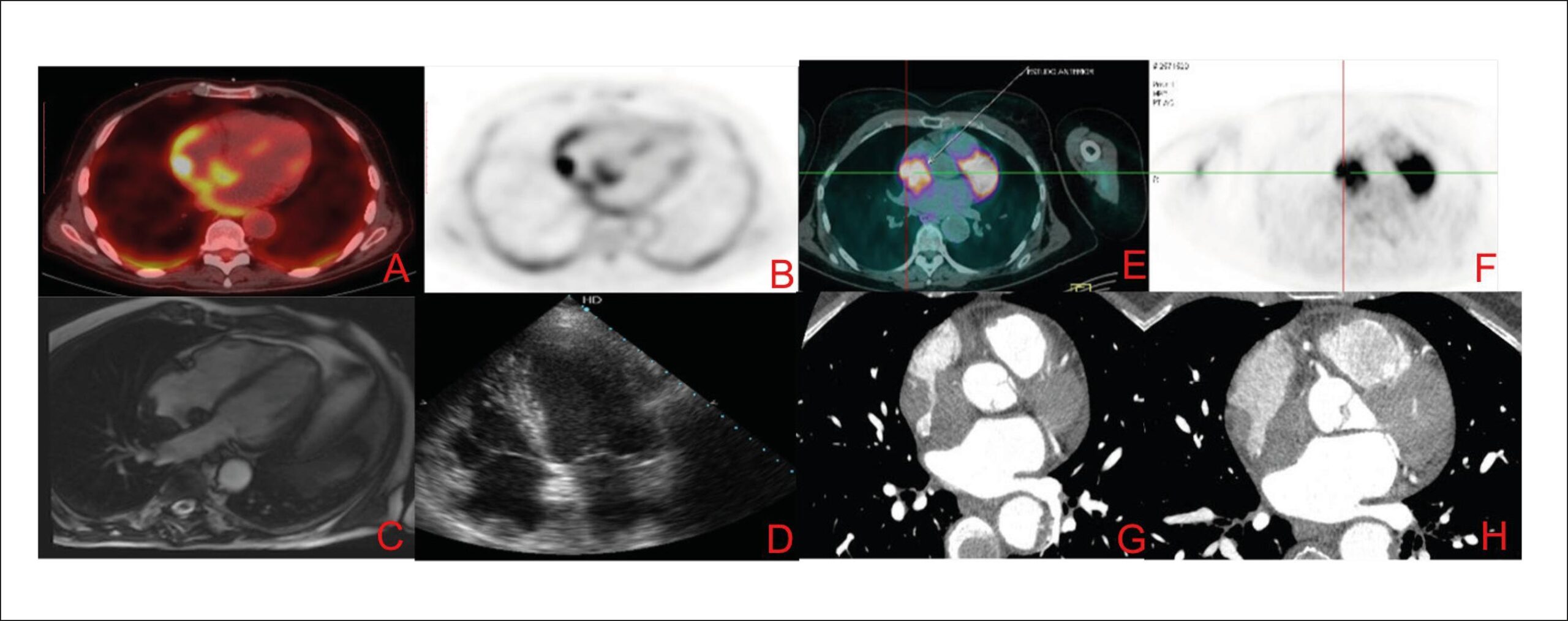
Erdheim-Chester Disease is a rare entity, classified as an inflammatory myeloid neoplasm, with an unknown incidence, occurring preferentially in men after 50 years of age. Classically, it has a multisystemic presentation, with the skeletal system being the most frequently affected (90% of the patients), followed by genitourinary involvement in 60% of cases and central nervous system in the pituitary and diabetes insipidus in 25% of the cases. Cardiovascular manifestations are present in more than half of the patients, with aortic infiltration and atrial pseudotumor being the most common forms.

  • Biopsy
  • Erdheim-Chester Disease/diagnosis
  • Erdheim-Chester Disease/drug therapy
  • Erdheim-Chester Disease/pathology
  • Prognosis
Read Full Article
Creative Commons Attribution (CC BY) Creative Commons license
01/12/2018 DOI: 10.5935/abc.20180218
Figure 1
Case Report

Myocarditis with Cardiogenic Shock as the First Manifestation of Systemic Lupus Erythematosus

Jáder Buzati Rebelato et al. Caroline Ferreira da Silva Mazeto Pupo da Silveira Tainá Fabri Carneiro Valadão Fabrício Moreira Reis … Rodrigo Bazan Silméia Garcia Zanati Bazan

Introduction

Systemic lupus erythematosus (SLE) is a chronic inflammatory disease with multisystemic and autoimmune characteristics. It is the most common systemic autoimmune disease, occurring mainly in women between 20 and 40 years old, with a female-to-male ratio of 10:1. Even though the kidneys are classically considered the main organ affected by SLE, cardiomyopathy is one of the complications more frequently associated with morbidity and mortality in SLE patients. Cardiovascular impairment can be highly variable in terms of the affected structures and, in severe cases, may lead to cardiogenic shock.

In 2012, the Systemic Lupus International Collaborating Clinics (SLICC) published new criteria for SLE classification, aiming to optimize the diagnosis of cardiovascular impairment. However, cardiovascular disturbances are not part of the SLICC, even though there is such a high prevalence of cardiovascular disturbances in this population.

[…]

  • Echocardiography
  • Heart Failure
  • Lupus Erythematosus, System
  • Myocarditis
  • Shock, Cardiogenic
Read Full Article
Creative Commons Attribution (CC BY) Creative Commons license
01/12/2018 DOI: 10.5935/abc.20180216 Views 2
Figure 1
Original Article

Paroxysmal Atrial Fibrillation Catheter Ablation Outcome Depends on Pulmonary Veins Anatomy

Gabriel Odozynski et al. Alexander Romeno Janner Dal Forno Andrei Lewandowski Hélcio Garcia Nascimento André d'Avila

Abstract

Background:

Pulmonary veins (PV) are often the trigger to atrial fibrillation (AF). Occasionally, left PVs converge on a common trunk (LCT) providing a simpler structure for catheter ablation.

Objective:

To compare the clinical characteristics and outcomes of ablation in paroxysmal atrial fibrillation (PAF) of patients with or without LCT.

Methods:

Case-control study of patients undergoing first-ever catheter ablation procedure for drug refractory PAF. The information was taken from patients’ records by means of a digital collection instrument, and indexed to an online database (Syscardio(r)). Clinical characteristics and procedures were compared between patients with or without LCT (LCT x n-LCT), adopting a level of statistical significance of 5%. The primary endpoint associated with efficacy was lack of atrial arrhythmia over the follow-up time.

Results:

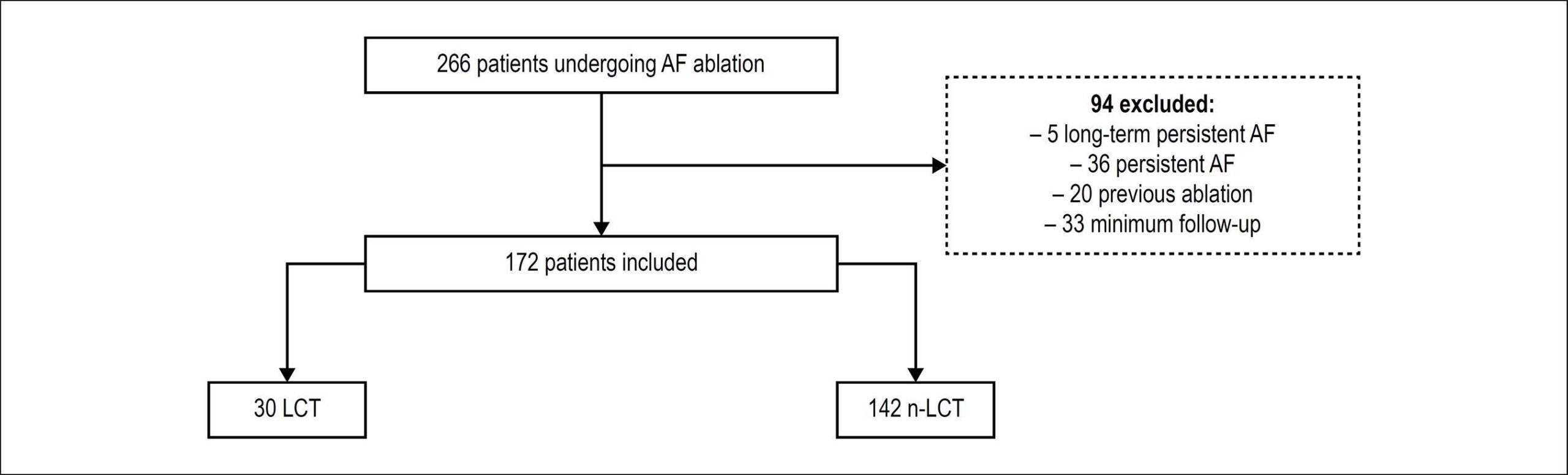
One hundred and seventy two patients with PAF were included in the study, 30 (17%) LCT and 142 (83%) n-LCT. The clinical characteristics, comorbidities, symptoms scale and risk scores did not differ between the groups. There was AF recurrence in 27% of PAF patients in the n-LCT group and only 10% of patients in the LCT group (OR: 3.4 p: 0.04) after a follow-up of 34 ± 17 months and 26 ± 15 months respectively.

Conclusion:

Patients with a LCT have a significantly lower recurrence rate when compared to patients without this structure. It is mandatory to report the results of AF catheter ablation as a PV anatomical variation function.

  • Arrhythmias Cardiac
  • Atrial Fibrillation/physiopathology
  • Catheter Ablation
  • Electrophysiologic Techniques, Cardiac
  • Pulmonary Veins/physiopathology
Read Full Article
Creative Commons Attribution (CC BY) Creative Commons license
18/10/2018 DOI: 10.5935/abc.20180181 Views 1
Figure 1
Original Article

Statin Treatments And Dosages In Children With Familial Hypercholesterolemia: Meta-Analysis

Graciane Radaelli et al. Grasiele Sausen Claudia Ciceri Cesa Francisco de Souza Santos … Vera Lucia Portal Jeruza Lavanholi Neyeloff Lucia Campos Pellanda

Abstract

Background:

Children with familial hypercholesterolemia may develop early endothelial damage leading to a high risk for the development of cardiovascular disease (CVD). Statins have been shown to be effective in lowering LDL cholesterol levels and cardiovascular events in adults. The effect of statin treatment in the pediatric population is not clearly demonstrated.

Objective:

To systematically review the literature to evaluate the effects of different statins and dosages in total cholesterol levels in children and adolescents with familial hypercholesterolemia. We also aimed to evaluate statin safety in this group.

Methods:

PubMed, EMBASE, Bireme, Web of Science, Cochrane Library, SciELO and LILACS databases, were searched for articles published from inception until February 2016. Two independent reviewers performed the quality assessment of the included studies. We performed a meta-analysis with random effects and inverse variance, and subgroup analyses were performed.

Results:

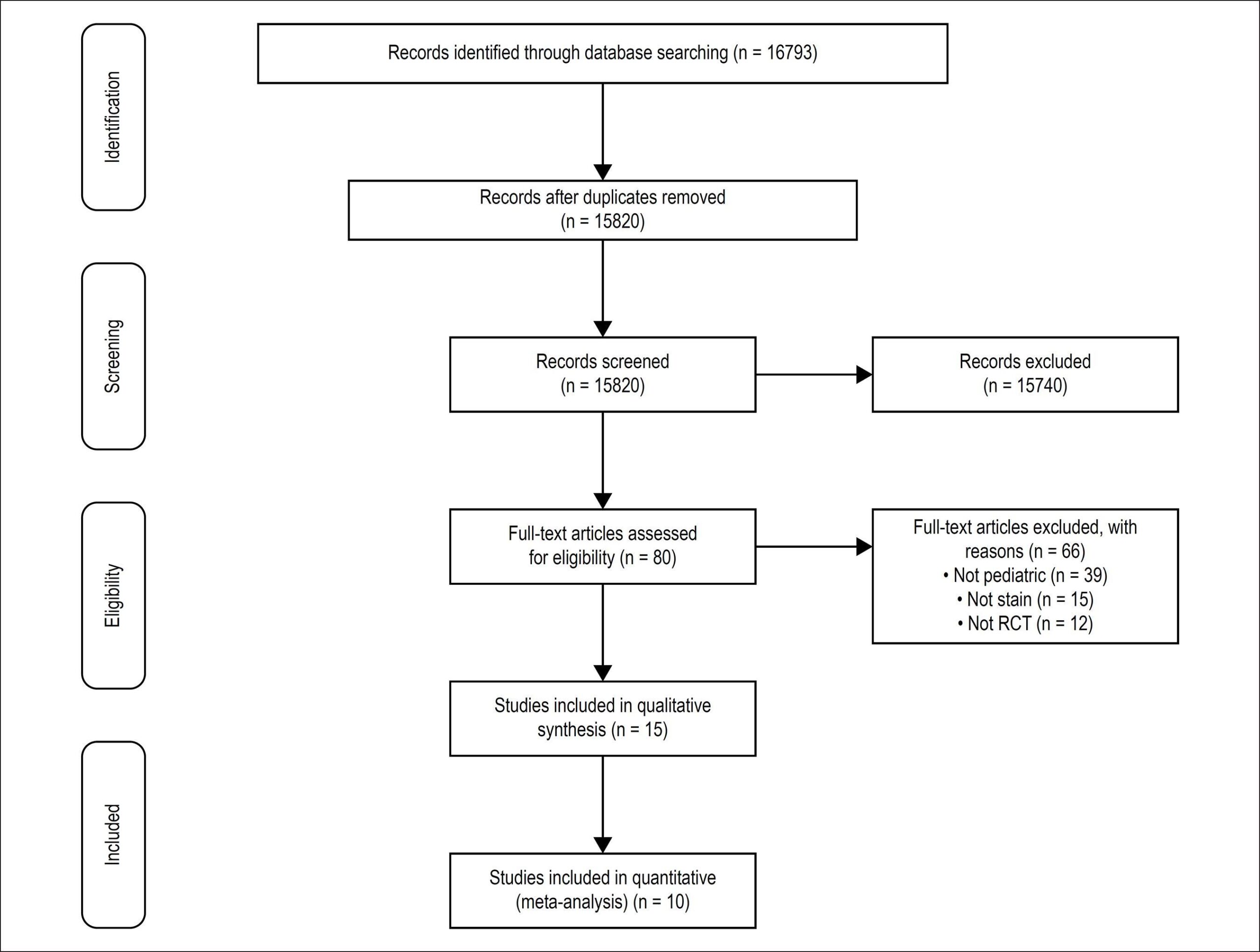
Ten trials involving a total of 1543 patients met the inclusion criteria. Our study showed reductions in cholesterol levels according to the intensity of statin doses (high, intermediate and low): (-104.61 mg/dl, -67.60 mg/dl, -56.96 mg/dl) and in the low-density lipoprotein cholesterol level: [-105.03 mg/dl (95% CI -115.76, -94.30), I2 19.2%], [-67.85 mg/dl (95% CI -83.36, -52.35), I2 99.8%], [-58.97 mg/dl (95% CI -67.83, -50.11), I2 93.8%. The duration of statin therapy in the studies ranged from 8 to 104 weeks, precluding conclusions about long-term effects.

Conclusion:

Statin treatment is efficient in lowering lipids in children with FH. There is need of large, long-term and randomized controlled trials to establish the long-term safety of statins.

  • Children
  • Hydroxymethylglutaryl-CoA Reductase Inhibitors
  • Hypercholesterolemia Type II/genetic
  • Meta-Analysis
  • Statins
Read Full Article
Creative Commons Attribution (CC BY) Creative Commons license
18/10/2018 DOI: 10.5935/abc.20180180 Views 2
Original Article

Serum Uric Acid Levels are Associated with Cardiometabolic Risk Factors in Healthy Young and Middle-Aged Adults

Thaís da Silva Ferreira et al. Julia Freitas Rodrigues Fernandes Luciene da Silva Araújo Lívia de Paula Nogueira … Priscila Mansur Leal Vanessa Parada Antunes Maria de Lourdes Guimarães Rodrigues Debora Cristina Torres Valença Sergio Emanuel Kaiser Márcia Regina Simas Torres Klein

Abstract

Background:

Observational studies have highlighted an association between serum uric acid (SUA) levels and cardiovascular risk factors. Despite the growing body of evidences, several studies were conducted in older individuals or in carriers of diseases susceptible to affect SUA levels and cardiometabolic risk markers.

Objective:

To evaluate the relationship of SUA with body adiposity, metabolic profile, oxidative stress, inflammatory biomarkers, blood pressure and endothelial function in healthy young and middle-aged adults.

Methods:

149 Brazilian adults aged 20-55 years, both sexes, underwent evaluation of body adiposity, SUA, fasting glucose and insulin, lipid profile, malondialdehyde (MDA), high sensitivity C-reactive protein (hs-CRP), adiponectin, blood pressure and endothelial function. Endothelial function was assessed by the reactive hyperemia index (RHI) derived from peripheral arterial tonometry method. Participants were allocated in two groups according to SUA levels: control group (CG; n = 130; men ≤ 7 mg/dL, women ≤ 6 mg/dL) and hyperuricemia group (HG; n = 19; men > 7 mg/dL, women > 6 mg/dL). A P-value < 0.05 was considered statistically significant.

Results:

After adjustment for confounders, participants in HG compared with those in CG displayed higher body mass index (BMI): 34.15(33.36-37.19) vs.31.80 (26.26-34.42) kg/m2,p = 0.008, higher MDA: 4.67(4.03-5.30) vs. 3.53(3.10-4.07) ng/mL, p < 0.0001 and lower RHI: 1.68 ± 0.30 vs. 2.05 ± 0.46, p = 0.03). In correlation analysis adjusted for confounders, SUA was positively associated (p < 0.05) with BMI, waist circumference, LDL-cholesterol, triglycerides and MDA, and negatively associated (p < 0.05) with HDL-cholesterol, adiponectin and RHI.

Conclusions:

This study suggests that in healthy young and middle-aged adults higher SUA levels are associated with higher body adiposity, unfavorable lipid and inflammatory phenotype, higher oxidative stress and impaired endothelial function.

  • Adults
  • Endothelium / dysfunction
  • Inflammation
  • Oxidative Stress
  • Uric Acid/metabolism
Read Full Article
Creative Commons Attribution (CC BY) Creative Commons license
11/10/2018 DOI: 10.5935/abc.20180197 Views 2
Figure 1
Original Article

Elevation of Oxidized Lipoprotein of Low Density in Users of Combined Oral Contraceptives

Alan Carlos Nery dos Santos et al. Jefferson Petto Diego Passos Diogo Candice Rocha Seixas … Lunara Horn de Souza Wagner Santos Araújo Ana Marice Teixeira Ladeia

Abstract

Background:

The use of combined oral contraceptive (COC) has been related to changes in glycemic, lipid metabolism, increased oxidative stress, and systemic blood pressure, which could suggest a higher oxidation of low-density lipoprotein cholesterol (LDL-cholesterol) in women on use of COC.

Objective:

To test the hypothesis that there is a difference in the plasma values of oxidized LDL among women who use and do not use COC, as well as to evaluate the correlation between it and the lipid profile and high-sensitivity C-reactive protein (hs-CRP).

Methods:

Forty-two women with ages between 18 and 35 years old, who were eutrophic, irregularly active, with triglycerides < 150 mg/dL, blood glucose < 100 mg/dL, and who used or did not use COC were selected. These women were allocated in the COC group, formed by 21 women on COC use for at least 1 year; and a control group (CG), consisting of 21 women who had not used any type of hormonal contraceptive for at least 1 year. A significance level of 5% was adopted for statistical analyses.

Results:

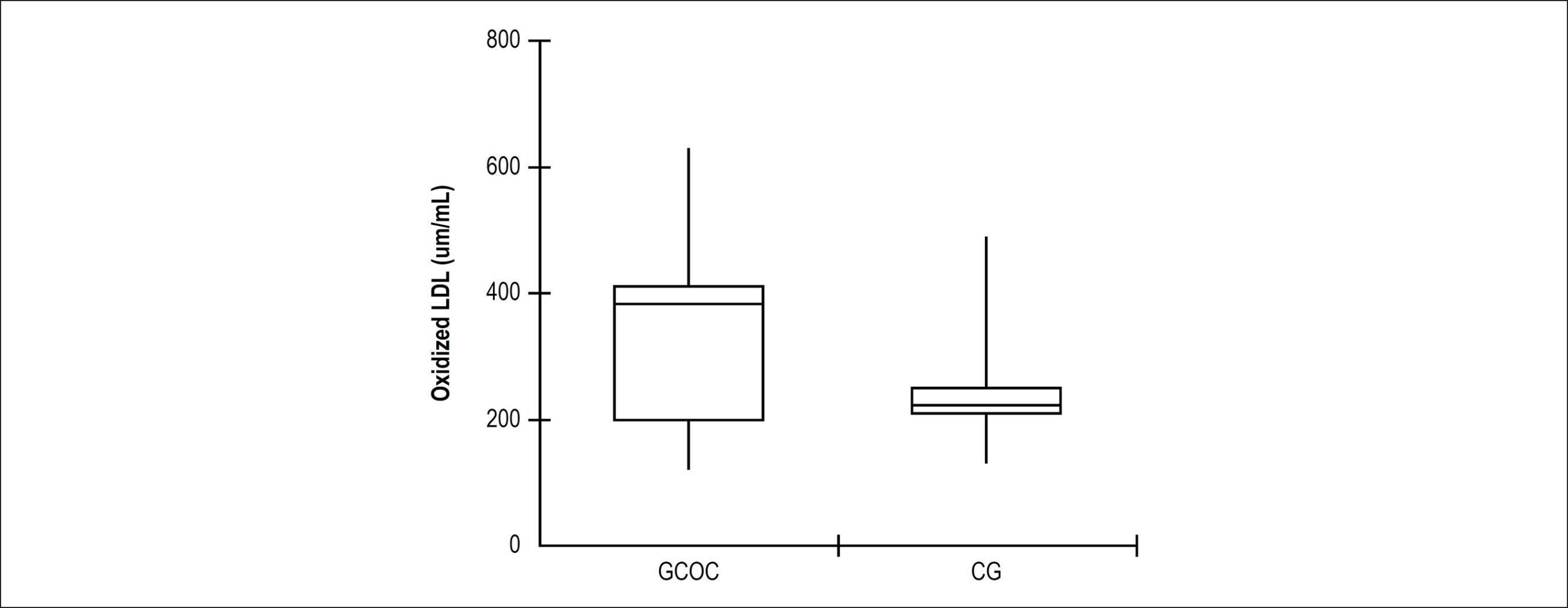
It was observed that GCOC showed higher values of oxidized LDL than the CG, respectively 384 mU/mL versus 283 mU/mL (p < 0.01). A positive correlation between oxidized LDL and LDL-cholesterol (r = 0.3, p < 0.05), with total cholesterol (r = 0.47, p < 0.01) and with triglycerides (r = 0.32, p < 0.03) was observed, and there was no correlation with the hs-CRP. In the categorized analysis of oxidized LDL, 71.4% of GCOC women, and 28.6% of the CG remained above the established cutoff point.

Conclusion:

Women who use COC have higher plasma levels of oxidized LDL, and there is a positive correlation between oxidized LDL and other lipid variables.

  • Atherosclerosis
  • C-Reactive Protein
  • Cardiovascular Diseases/complications
  • Contraceptives, Oral, Combined
  • Lipid Metabolism Disorders
  • Oxidative Stress
Read Full Article
Creative Commons Attribution (CC BY) Creative Commons license
11/10/2018 DOI: 10.5935/abc.20180194
Figure 1
Original Article

Association Between Increased Levels of Cystatin C and the Development of Cardiovascular Events or Mortality: A Systematic Review and Meta-Analysis

Caroline Fuchs Einwoegerer et al. Caroline Pereira Domingueti

Abstract

Background:

Cystatin C seems promising for evaluating the risk of cardiovascular events and mortality.

Objective:

To evaluate the association between high levels of cystatin C and the development of cardiovascular events or mortality.

Methods:

The articles were selected in the Medline/PubMed, Web of Science, and Scielo databases. The eligibility criteria were prospective cohort observational trials that assessed the association of high serum levels of cystatin C with the development of cardiovascular events or mortality in individuals with normal renal function. Only studies that evaluated the mortality outcome compared the fourth with the first quartile of cystatin C and performed multivariate Cox’s proportional hazard regression analysis were included in the meta-analysis. A p value < 0,05 was considered significant.

Results:

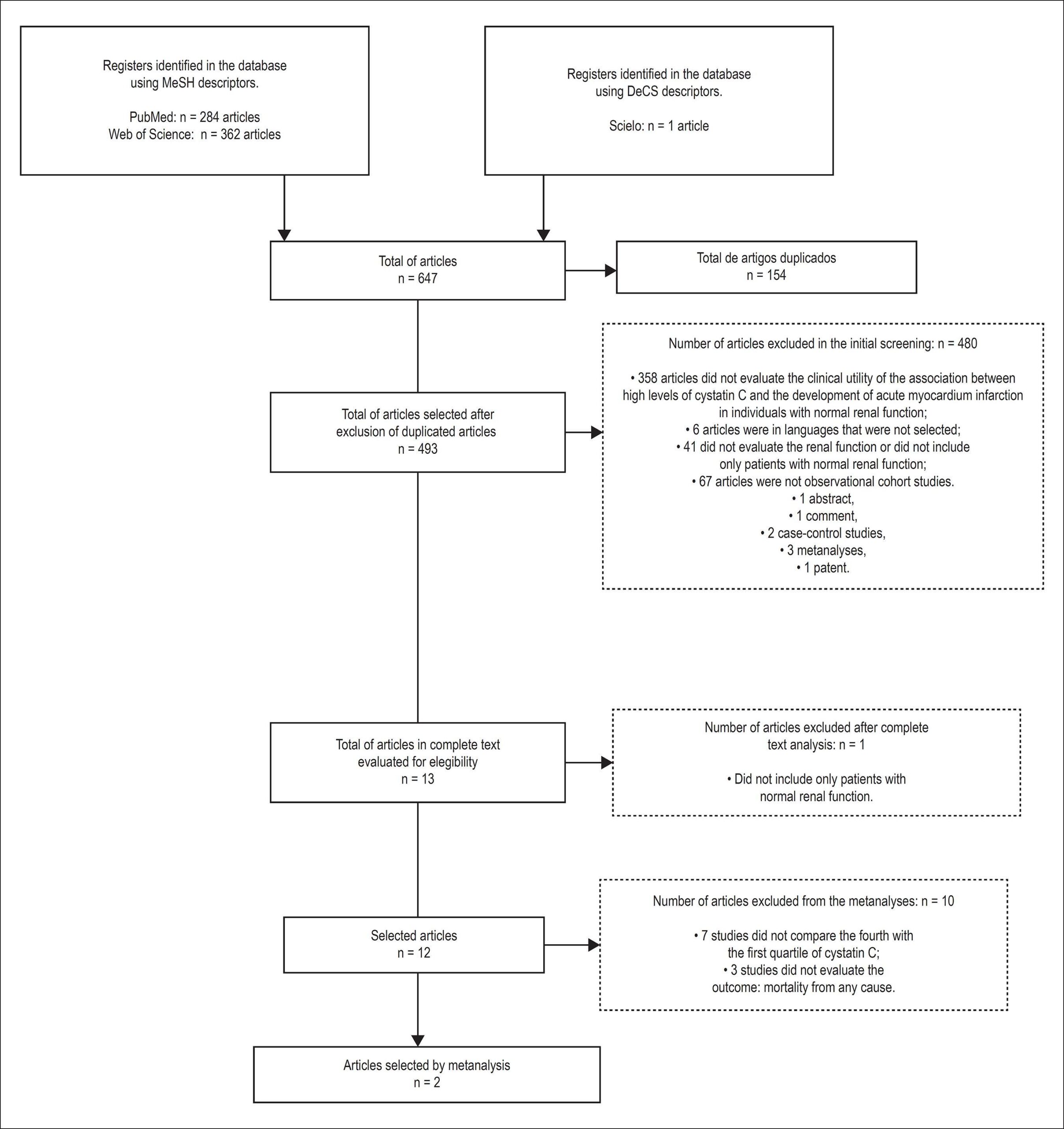
Among the 647 articles found, 12 were included in the systematic review and two in the meta-analysis. The risk of development of adverse outcomes was assessed by eight studies using the hazard ratio. Among them, six studies found an increased risk of cardiovascular events or mortality. The multivariate regression analysis was performed by six studies, and the risk of developing adverse outcomes remained significant after the analysis in four of these studies. The result of the meta-analysis [HR = 2.28 (1.70-3.05), p < 0.001] indicated that there is a significant association between high levels of cystatin C and the risk of mortality in individuals with normal renal function.

Conclusion:

There is a significant association between high levels of cystatin C and the development of cardiovascular events or mortality in individuals with normal renal function.

  • Cardiovascular Diseases, mortality
  • Coronary Artery Disease
  • Cystatin C
  • Meta-Analysis as Topic
  • Myocardial Infarction
  • Renal Insufficiency, Chronic
Read Full Article
Creative Commons Attribution (CC BY) Creative Commons license
21/09/2018 DOI: 10.5935/abc.20180171 Views 1
Original Article

Validation of the Brazilian-Portuguese Version of a Short Questionnaire to Assess Knowledge in Cardiovascular Disease Patients (CADE-Q SV)

Gabriela Lima de Melo Ghisi et al. Gabriela S. S. Chaves Jessica Blanco Loures Gabriela Moreira Bonfim Raquel Britto

Abstract

Background:

Patient education is an essential part of cardiovascular patients’ care targeting self-management behavior to reduce risk factors and subsequent events. Herein, a short and reliable tool to assess patients’ knowledge in Brazil is warranted.

Objectives:

To translate, culturally-adapt and psychometrically validate the Portuguese version of the Coronary Artery Disease Education Questionnaire Short Version (CADE-Q SV).

Methods:

The Portuguese CADE-Q SV – translated and culturally-adapted – was reviewed by five bilingual experts in cardiovascular disease. This version was then pre-tested in 21 patients, and clarity of items was checked using a Likert-type scale ranging from 1 = not clear to 10 = very clear. It was then psychometrically tested in 200 cardiovascular patients (41%women; mean age = 58.4 ± 11.6 years old). The internal consistency was assessed using Kuder-Richardson-20 (KR-20) and Cronbach’s alpha, test-retest reliability through intraclass correlation coefficient (ICC), factor structure using confirmatory factor analysis, and construct validity regarding educational level, family income, and time of diagnosis.

Results:

All questions were considered clear by patients (clarity range:7.8-9.6). KR-20 was 0.70. All ICC values were > 0.70. Factor analysis revealed 6 factors, all internally consistent. Construct validity was supported by significant differences in total scores by educational level and family income (p < 0.001). The overall mean was 13.08 ± 2.61. The area with the highest knowledge was risk factors and the lowest was psychosocial risk.

Conclusions:

The Portuguese CADE-SV was demonstrated to have good validity and reliability. This tool can be applicable in clinical and research settings, assessing cardiovascular patients’ knowledge as part of an education programming.

  • Cardiovascular Diseases
  • Coronary Artery Disease
  • Educational Status
  • Knowledge
  • Patient Education as Topic
  • Surveys and Questionnaires
Read Full Article
Creative Commons Attribution (CC BY) Creative Commons license
21/09/2018 DOI: 10.5935/abc.20180169 Views 1
Figure 1
Original Article

Comparison of Cardiac and Vascular Parameters in Powerlifters and Long-Distance Runners: Comparative Cross-Sectional Study

Diego Vidaletti Silva et al. Gustavo Waclawovsky Ana Beatriz Kramer Cinara Stein … Bruna Eibel Guilherme Brasil Grezzana Maximiliano Isoppo Schaun Alexandre Machado Lehnen

Abstract

Background:

Cardiac remodeling is a specific response to exercise training and time exposure. We hypothesized that athletes engaging for long periods in high-intensity strength training show heart and/or vascular damage.

Objective:

To compare cardiac characteristics (structure and function) and vascular function (flow-mediated dilation [FMD] and peripheral vascular resistance [PVR]) in powerlifters and long-distance runners.

Methods:

We evaluated 40 high-performance athletes (powerlifters [PG], n = 16; runners [RG], n = 24) and assessed heart structure and function (echocardiography), systolic and diastolic blood pressure (SBP/DBP), FMD, PVR, maximum force (squat, bench press, and deadlift), and maximal oxygen uptake (spirometry). A Student’s t Test for independent samples and Pearson’s linear correlation were used (p < 0.05).

Results:

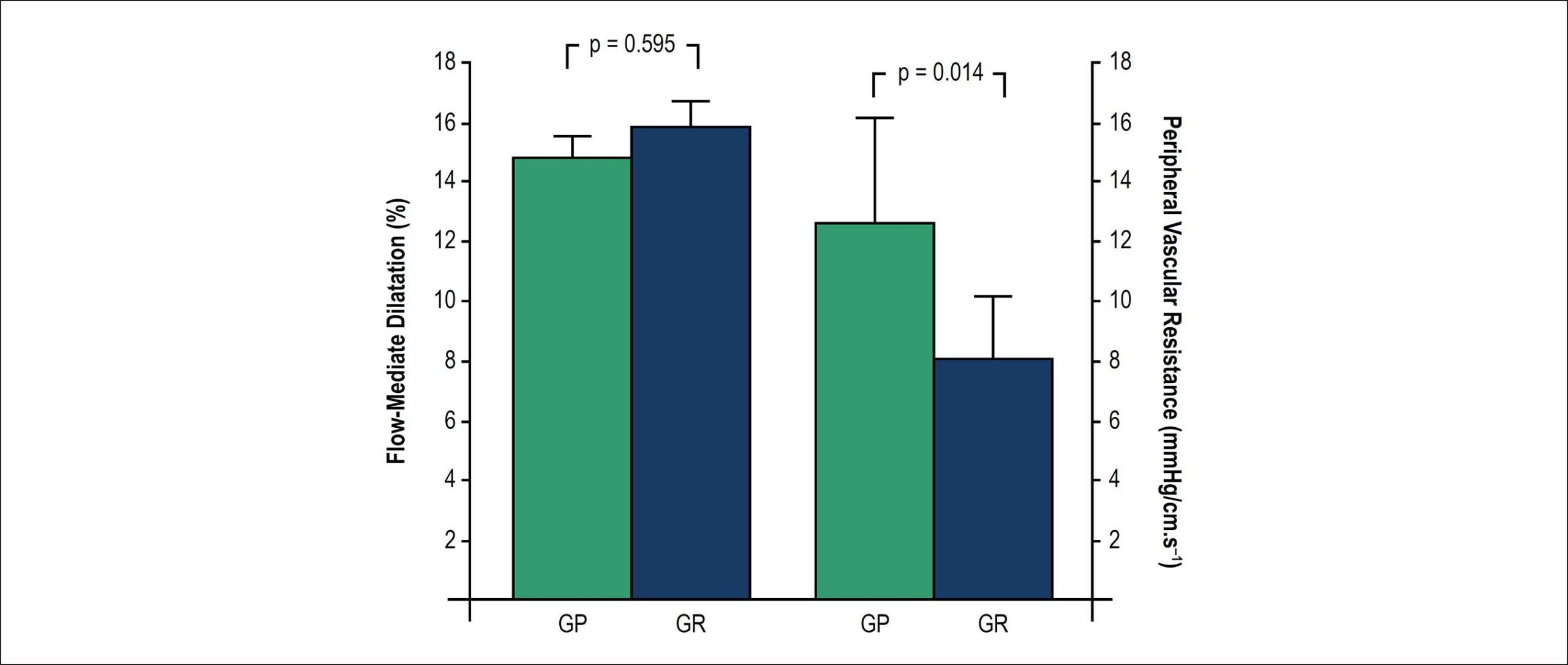
PG showed higher SBP/DBP (p < 0.001); greater interventricular septum thickness (p < 0.001), posterior wall thickness (p < 0.001) and LV mass (p < 0.001). After adjusting LV mass by body surface area (BSA), no difference was observed. As for diastolic function, LV diastolic volume, wave E, wave e’, and E/e’ ratio were similar for both groups. However, LA volume (p = 0.016) and BSA-adjusted LA volume were lower in PG (p < 0.001). Systolic function (end-systolic volume and ejection fraction), and FMD were similar in both groups. However, higher PVR in PG was observed (p = 0.014). We found a correlation between the main cardiovascular changes and total weight lifted in PG.

Conclusions:

Cardiovascular adaptations are dependent on training modality and the borderline structural cardiac changes are not accompanied by impaired function in powerlifters. However, a mild increase in blood pressure seems to be related to PVR rather than endothelial function.

  • Blood Pressure
  • Exercise
  • Exercise MovementTechniques
  • Hypertrohy,Ventricular
  • Resistance Training
  • Running/physiology
Read Full Article
Creative Commons Attribution (CC BY) Creative Commons license
21/09/2018 DOI: 10.5935/abc.20180167

How to cite this article

EndNote RIS

Electronic Document Format (Vancouver)

Helal L, Ferrari F, Stein R. Sudden Death in Young Brazilian Athletes: Isn’t It Time We Created a Genuinely National Register?. Arquivos Brasileiros de Cardiologia 2018;111(6):856-9.

Electronic Document Format (ABNT)

Helal, Lucas; Ferrari, Filipe; Stein, Ricardo. Sudden Death in Young Brazilian Athletes: Isn’t It Time We Created a Genuinely National Register?. Arquivos Brasileiros de Cardiologia, v. 111, n. 6, p. 856-859, Nov. 2018.

Electronic Document Format (APA)

Helal, L., Ferrari, F., & Stein, R. (2018). Sudden Death in Young Brazilian Athletes: Isn’t It Time We Created a Genuinely National Register?. Arquivos Brasileiros de Cardiologia, 111(6), 856-859.

Electronic Document Format (ISO)

Helal, Lucas and Ferrari, Filipe and Stein, Ricardo. Sudden Death in Young Brazilian Athletes: Isn’t It Time We Created a Genuinely National Register?. Arquivos Brasileiros de Cardiologia [online]. 2018, vol. 111, n. 6, [cited 2026-10-14], pp. 856-859. Available from: <https://journals.cardiol.br/en/article/sudden-death-in-young-brazilian-athletes-isnt-it-time-we-created-a-genuinely-national-register/>. ISSN 0066-782X

EndNote RIS

Electronic Document Format (Vancouver)

Andrade LF, Souza AC, Peclat T, Bartholo C, Pavanelo T, Lima RSL. The Prognostic Value and Clinical Use of Myocardial Perfusion Scintigraphy in Asymptomatic Patients after Percutaneous Coronary Intervention. Arquivos Brasileiros de Cardiologia 2018;111(6):784-93.

Electronic Document Format (ABNT)

Andrade, Larissa Franco de; Souza, Ana Carolina; Peclat, Thais; Bartholo, Caio; Pavanelo, Thalita; Lima, Ronaldo de Souza Leão. The Prognostic Value and Clinical Use of Myocardial Perfusion Scintigraphy in Asymptomatic Patients after Percutaneous Coronary Intervention. Arquivos Brasileiros de Cardiologia, v. 111, n. 6, p. 784-793, Nov. 2018.

Electronic Document Format (APA)

Andrade, L. F. , Souza, A. C., Peclat, T., Bartholo, C., Pavanelo, T., & Lima, R. S. L. (2018). The Prognostic Value and Clinical Use of Myocardial Perfusion Scintigraphy in Asymptomatic Patients after Percutaneous Coronary Intervention. Arquivos Brasileiros de Cardiologia, 111(6), 784-793.

Electronic Document Format (ISO)

Andrade, Larissa Franco de and Souza, Ana Carolina and Peclat, Thais and Bartholo, Caio and Pavanelo, Thalita and Lima, Ronaldo de Souza Leão. The Prognostic Value and Clinical Use of Myocardial Perfusion Scintigraphy in Asymptomatic Patients after Percutaneous Coronary Intervention. Arquivos Brasileiros de Cardiologia [online]. 2018, vol. 111, n. 6, [cited 2026-10-14], pp. 784-793. Available from: <https://journals.cardiol.br/en/article/the-prognostic-value-and-clinical-use-of-myocardial-perfusion-scintigraphy-in-asymptomatic-patients-after-percutaneous-coronary-intervention/>. ISSN 0066-782X

EndNote RIS

Electronic Document Format (Vancouver)

Nunes RAB, Ramirez HSM, Aiello VD. Case 6 – Woman with Ischemic Heart Disease Admitted due to Chest Pain and Shock. Arquivos Brasileiros de Cardiologia 2018;111(6):860-3.

Electronic Document Format (ABNT)

Nunes, Rafael Amorim Belo; Ramirez, Hilda Sara Montero; Aiello, Vera Demarchi. Case 6 – Woman with Ischemic Heart Disease Admitted due to Chest Pain and Shock. Arquivos Brasileiros de Cardiologia, v. 111, n. 6, p. 860-863, Nov. 2018.

Electronic Document Format (APA)

Nunes, R. A. B., Ramirez, H. S. M., & Aiello, V. D. (2018). Case 6 – Woman with Ischemic Heart Disease Admitted due to Chest Pain and Shock. Arquivos Brasileiros de Cardiologia, 111(6), 860-863.

Electronic Document Format (ISO)

Nunes, Rafael Amorim Belo and Ramirez, Hilda Sara Montero and Aiello, Vera Demarchi. Case 6 – Woman with Ischemic Heart Disease Admitted due to Chest Pain and Shock. Arquivos Brasileiros de Cardiologia [online]. 2018, vol. 111, n. 6, [cited 2026-10-14], pp. 860-863. Available from: <https://journals.cardiol.br/en/article/case-6-woman-with-ischemic-heart-disease-admitted-due-to-chest-pain-and-shock/>. ISSN 0066-782X

EndNote RIS

Electronic Document Format (Vancouver)

Bittencourt MS. From Evidence-Based Medicine to Precision Health: Using Data to Personalize Care. Arquivos Brasileiros de Cardiologia 2018;111(6):762-3.

Electronic Document Format (ABNT)

Bittencourt, Marcio Sommer. From Evidence-Based Medicine to Precision Health: Using Data to Personalize Care. Arquivos Brasileiros de Cardiologia, v. 111, n. 6, p. 762-763, Nov. 2018.

Electronic Document Format (APA)

Bittencourt, M. S. (2018). From Evidence-Based Medicine to Precision Health: Using Data to Personalize Care. Arquivos Brasileiros de Cardiologia, 111(6), 762-763.

Electronic Document Format (ISO)

Bittencourt, Marcio Sommer. From Evidence-Based Medicine to Precision Health: Using Data to Personalize Care. Arquivos Brasileiros de Cardiologia [online]. 2018, vol. 111, n. 6, [cited 2026-10-14], pp. 762-763. Available from: <https://journals.cardiol.br/en/article/from-evidence-based-medicine-to-precision-health-using-data-to-personalize-care/>. ISSN 0066-782X

EndNote RIS

Electronic Document Format (Vancouver)

Lima JB. CADE-Q SV: Practical and Relevant in the Assessment of Patients with Cardiovascular Diseases regarding their Health Condition. Arquivos Brasileiros de Cardiologia 2018;111(6):850-1.

Electronic Document Format (ABNT)

Lima, Juliana Beust de. CADE-Q SV: Practical and Relevant in the Assessment of Patients with Cardiovascular Diseases regarding their Health Condition. Arquivos Brasileiros de Cardiologia, v. 111, n. 6, p. 850-851, Nov. 2018.

Electronic Document Format (APA)

Lima, J. B. (2018). CADE-Q SV: Practical and Relevant in the Assessment of Patients with Cardiovascular Diseases regarding their Health Condition. Arquivos Brasileiros de Cardiologia, 111(6), 850-851.

Electronic Document Format (ISO)

Lima, Juliana Beust de. CADE-Q SV: Practical and Relevant in the Assessment of Patients with Cardiovascular Diseases regarding their Health Condition. Arquivos Brasileiros de Cardiologia [online]. 2018, vol. 111, n. 6, [cited 2026-10-14], pp. 850-851. Available from: <https://journals.cardiol.br/en/article/cade-q-sv-practical-and-relevant-in-the-assessment-of-patients-with-cardiovascular-diseases-regarding-their-health-condition/>. ISSN 0066-782X

EndNote RIS

Electronic Document Format (Vancouver)

Carvalho LSF, Silva TQA, Coelho-Filho OR. Cystatin C as a Candidate Biomarker of Cardiovascular Outcomes: Too Near, but too Far from Reality. Arquivos Brasileiros de Cardiologia 2018;111(6):808-9.

Electronic Document Format (ABNT)

Carvalho, Luiz Sérgio F. de; Silva, Thiago Quinaglia AC; Coelho-Filho, Otávio Rizzi. Cystatin C as a Candidate Biomarker of Cardiovascular Outcomes: Too Near, but too Far from Reality. Arquivos Brasileiros de Cardiologia, v. 111, n. 6, p. 808-809, Nov. 2018.

Electronic Document Format (APA)

Carvalho, L. S. F. , Silva, T. Q. A., & Coelho-Filho, O. R. (2018). Cystatin C as a Candidate Biomarker of Cardiovascular Outcomes: Too Near, but too Far from Reality. Arquivos Brasileiros de Cardiologia, 111(6), 808-809.

Electronic Document Format (ISO)

Carvalho, Luiz Sérgio F. de and Silva, Thiago Quinaglia AC and Coelho-Filho, Otávio Rizzi. Cystatin C as a Candidate Biomarker of Cardiovascular Outcomes: Too Near, but too Far from Reality. Arquivos Brasileiros de Cardiologia [online]. 2018, vol. 111, n. 6, [cited 2026-10-14], pp. 808-809. Available from: <https://journals.cardiol.br/en/article/cystatin-c-as-a-candidate-biomarker-of-cardiovascular-outcomes-too-near-but-too-far-from-reality/>. ISSN 0066-782X

EndNote RIS

Electronic Document Format (Vancouver)

Sarabanda VL. Paroxysmal Atrial Fibrillation Catheter Ablation of Pulmonary Veins: does Anatomy Influence the Outcome?. Arquivos Brasileiros de Cardiologia 2018;111(6):831-2.

Electronic Document Format (ABNT)

Sarabanda, Álvaro Valentim Lima. Paroxysmal Atrial Fibrillation Catheter Ablation of Pulmonary Veins: does Anatomy Influence the Outcome?. Arquivos Brasileiros de Cardiologia, v. 111, n. 6, p. 831-832, Nov. 2018.

Electronic Document Format (APA)

Sarabanda, V. L. (2018). Paroxysmal Atrial Fibrillation Catheter Ablation of Pulmonary Veins: does Anatomy Influence the Outcome?. Arquivos Brasileiros de Cardiologia, 111(6), 831-832.

Electronic Document Format (ISO)

Sarabanda, Álvaro Valentim Lima. Paroxysmal Atrial Fibrillation Catheter Ablation of Pulmonary Veins: does Anatomy Influence the Outcome?. Arquivos Brasileiros de Cardiologia [online]. 2018, vol. 111, n. 6, [cited 2026-10-14], pp. 831-832. Available from: <https://journals.cardiol.br/en/article/paroxysmal-atrial-fibrillation-catheter-ablation-of-pulmonary-veins-does-anatomy-influence-the-outcome/>. ISSN 0066-782X

EndNote RIS

Electronic Document Format (Vancouver)

Grossman GB. Myocardial Perfusion Scintigraphy after Percutaneous Coronary Intervention in Asymptomatic Patients: Useful or Futile?. Arquivos Brasileiros de Cardiologia 2018;111(6):794-5.

Electronic Document Format (ABNT)

Grossman, Gabriel Blacher. Myocardial Perfusion Scintigraphy after Percutaneous Coronary Intervention in Asymptomatic Patients: Useful or Futile?. Arquivos Brasileiros de Cardiologia, v. 111, n. 6, p. 794-795, Nov. 2018.

Electronic Document Format (APA)

Grossman, G. B. (2018). Myocardial Perfusion Scintigraphy after Percutaneous Coronary Intervention in Asymptomatic Patients: Useful or Futile?. Arquivos Brasileiros de Cardiologia, 111(6), 794-795.

Electronic Document Format (ISO)

Grossman, Gabriel Blacher. Myocardial Perfusion Scintigraphy after Percutaneous Coronary Intervention in Asymptomatic Patients: Useful or Futile?. Arquivos Brasileiros de Cardiologia [online]. 2018, vol. 111, n. 6, [cited 2026-10-14], pp. 794-795. Available from: <https://journals.cardiol.br/en/article/myocardial-perfusion-scintigraphy-after-percutaneous-coronary-intervention-in-asymptomatic-patients-useful-or-futile/>. ISSN 0066-782X

EndNote RIS

Electronic Document Format (Vancouver)

Helal L, Silveira AD. The Nature of Cardiac Remodeling Due to Physical Exercise: More Evidence Towards to the Normal Adaptive Responses of the Heart. Arquivos Brasileiros de Cardiologia 2018;111(6):782.

Electronic Document Format (ABNT)

Helal, Lucas; Silveira, Anderson Donelli da. The Nature of Cardiac Remodeling Due to Physical Exercise: More Evidence Towards to the Normal Adaptive Responses of the Heart. Arquivos Brasileiros de Cardiologia, v. 111, n. 6, p. 782-782, Nov. 2018.

Electronic Document Format (APA)

Helal, L., & Silveira, A. D. (2018). The Nature of Cardiac Remodeling Due to Physical Exercise: More Evidence Towards to the Normal Adaptive Responses of the Heart. Arquivos Brasileiros de Cardiologia, 111(6), 782-782.

Electronic Document Format (ISO)

Helal, Lucas and Silveira, Anderson Donelli da. The Nature of Cardiac Remodeling Due to Physical Exercise: More Evidence Towards to the Normal Adaptive Responses of the Heart. Arquivos Brasileiros de Cardiologia [online]. 2018, vol. 111, n. 6, [cited 2026-10-14], pp. 782-782. Available from: <https://journals.cardiol.br/en/article/the-nature-of-cardiac-remodeling-due-to-physical-exercise-more-evidence-towards-to-the-normal-adaptive-responses-of-the-heart/>. ISSN 0066-782X

EndNote RIS

Electronic Document Format (Vancouver)

Antoniazzi L. Can Non-Pharmacological Treatment Promote Additional Benefit for Children with Familial Hypercholesterolemia Treated with Statins?. Arquivos Brasileiros de Cardiologia 2018;111(6):822-3.

Electronic Document Format (ABNT)

Antoniazzi, Luiza. Can Non-Pharmacological Treatment Promote Additional Benefit for Children with Familial Hypercholesterolemia Treated with Statins?. Arquivos Brasileiros de Cardiologia, v. 111, n. 6, p. 822-823, Nov. 2018.

Electronic Document Format (APA)

Antoniazzi, L. (2018). Can Non-Pharmacological Treatment Promote Additional Benefit for Children with Familial Hypercholesterolemia Treated with Statins?. Arquivos Brasileiros de Cardiologia, 111(6), 822-823.

Electronic Document Format (ISO)

Antoniazzi, Luiza. Can Non-Pharmacological Treatment Promote Additional Benefit for Children with Familial Hypercholesterolemia Treated with Statins?. Arquivos Brasileiros de Cardiologia [online]. 2018, vol. 111, n. 6, [cited 2026-10-14], pp. 822-823. Available from: <https://journals.cardiol.br/en/article/can-non-pharmacological-treatment-promote-additional-benefit-for-children-with-familial-hypercholesterolemia-treated-with-statins/>. ISSN 0066-782X

EndNote RIS

Electronic Document Format (Vancouver)

Bertolami MC. Warning Against Low-Density Lipoprotein Oxidation in Users of Oral Combined Contraceptives. Arquivos Brasileiros de Cardiologia 2018;111(6):771.

Electronic Document Format (ABNT)

Bertolami, Marcelo Chiara. Warning Against Low-Density Lipoprotein Oxidation in Users of Oral Combined Contraceptives. Arquivos Brasileiros de Cardiologia, v. 111, n. 6, p. 771-771, Nov. 2018.

Electronic Document Format (APA)

Bertolami, M. C. (2018). Warning Against Low-Density Lipoprotein Oxidation in Users of Oral Combined Contraceptives. Arquivos Brasileiros de Cardiologia, 111(6), 771-771.

Electronic Document Format (ISO)

Bertolami, Marcelo Chiara. Warning Against Low-Density Lipoprotein Oxidation in Users of Oral Combined Contraceptives. Arquivos Brasileiros de Cardiologia [online]. 2018, vol. 111, n. 6, [cited 2026-10-14], pp. 771-771. Available from: <https://journals.cardiol.br/en/article/warning-against-low-density-lipoprotein-oxidation-in-users-of-oral-combined-contraceptives/>. ISSN 0066-782X

EndNote RIS

Electronic Document Format (Vancouver)

Silva ML, Mari A. Anxiety and Depression and their Association with Low Quality of Life in Patients with Metabolic Syndrome. Arquivos Brasileiros de Cardiologia 2018;111(6):867.

Electronic Document Format (ABNT)

Silva, Mariane Lopes da; Mari, ana Alievi. Anxiety and Depression and their Association with Low Quality of Life in Patients with Metabolic Syndrome. Arquivos Brasileiros de Cardiologia, v. 111, n. 6, p. 867-867, Nov. 2018.

Electronic Document Format (APA)

Silva, M. L. , & Mari, A. (2018). Anxiety and Depression and their Association with Low Quality of Life in Patients with Metabolic Syndrome. Arquivos Brasileiros de Cardiologia, 111(6), 867-867.

Electronic Document Format (ISO)

Silva, Mariane Lopes da and Mari, ana Alievi. Anxiety and Depression and their Association with Low Quality of Life in Patients with Metabolic Syndrome. Arquivos Brasileiros de Cardiologia [online]. 2018, vol. 111, n. 6, [cited 2026-10-14], pp. 867-867. Available from: <https://journals.cardiol.br/en/article/anxiety-and-depression-and-their-association-with-low-quality-of-life-in-patients-with-metabolic-syndrome/>. ISSN 0066-782X

EndNote RIS

Electronic Document Format (Vancouver)

Costa IBSS, Abdo ANR, Bittar CS, Fonseca SMR, Moraes ASHT, Kalil Filho R, Pereira J, et al. Cardiovascular Manifestations of Erdheim-Chester’s Disease: A Case Series. Arquivos Brasileiros de Cardiologia 2018;111(6):852-5.

Electronic Document Format (ABNT)

Costa, Isabela Bispo Santos da Silva; Abdo, André Neder Ramires; Bittar, Cristina Salvadori; Fonseca, Silvia Moulin Ribeiro; Moraes, Aline Sabrina Holanda Teixeira; Kalil Filho, Roberto; Pereira, Juliana; Hajjar, Ludhmila Abrahão. Cardiovascular Manifestations of Erdheim-Chester’s Disease: A Case Series. Arquivos Brasileiros de Cardiologia, v. 111, n. 6, p. 852-855, Nov. 2018.

Electronic Document Format (APA)

Costa, I. B. S. S., Abdo, A. N. R., Bittar, C. S., Fonseca, S. M. R., Moraes, A. S. H. T., Kalil Filho, R., Pereira, J., & Hajjar, L. A. (2018). Cardiovascular Manifestations of Erdheim-Chester’s Disease: A Case Series. Arquivos Brasileiros de Cardiologia, 111(6), 852-855.

Electronic Document Format (ISO)

Costa, Isabela Bispo Santos da Silva and Abdo, André Neder Ramires and Bittar, Cristina Salvadori and Fonseca, Silvia Moulin Ribeiro and Moraes, Aline Sabrina Holanda Teixeira and Kalil Filho, Roberto and Pereira, Juliana and Hajjar, Ludhmila Abrahão. Cardiovascular Manifestations of Erdheim-Chester’s Disease: A Case Series. Arquivos Brasileiros de Cardiologia [online]. 2018, vol. 111, n. 6, [cited 2026-10-14], pp. 852-855. Available from: <https://journals.cardiol.br/en/article/cardiovascular-manifestations-of-erdheim-chesters-disease-a-case-series/>. ISSN 0066-782X

EndNote RIS

Electronic Document Format (Vancouver)

Rebelato JB, Silveira CFSMP, Valadão TFC, Reis FM, Bazan R, Bazan SGZ. Myocarditis with Cardiogenic Shock as the First Manifestation of Systemic Lupus Erythematosus. Arquivos Brasileiros de Cardiologia 2018;111(6):864-6.

Electronic Document Format (ABNT)

Rebelato, Jáder Buzati; Silveira, Caroline Ferreira da Silva Mazeto Pupo da; Valadão, Tainá Fabri Carneiro; Reis, Fabrício Moreira; Bazan, Rodrigo; Bazan, Silméia Garcia Zanati. Myocarditis with Cardiogenic Shock as the First Manifestation of Systemic Lupus Erythematosus. Arquivos Brasileiros de Cardiologia, v. 111, n. 6, p. 864-866, Nov. 2018.

Electronic Document Format (APA)

Rebelato, J. B., Silveira, C. F. S. M. P. , Valadão, T. F. C., Reis, F. M., Bazan, R., & Bazan, S. G. Z. (2018). Myocarditis with Cardiogenic Shock as the First Manifestation of Systemic Lupus Erythematosus. Arquivos Brasileiros de Cardiologia, 111(6), 864-866.

Electronic Document Format (ISO)

Rebelato, Jáder Buzati and Silveira, Caroline Ferreira da Silva Mazeto Pupo da and Valadão, Tainá Fabri Carneiro and Reis, Fabrício Moreira and Bazan, Rodrigo and Bazan, Silméia Garcia Zanati. Myocarditis with Cardiogenic Shock as the First Manifestation of Systemic Lupus Erythematosus. Arquivos Brasileiros de Cardiologia [online]. 2018, vol. 111, n. 6, [cited 2026-10-14], pp. 864-866. Available from: <https://journals.cardiol.br/en/article/myocarditis-with-cardiogenic-shock-as-the-first-manifestation-of-systemic-lupus-erythematosus/>. ISSN 0066-782X

EndNote RIS

Electronic Document Format (Vancouver)

Odozynski G, Forno ARJD, Lewandowski A, Nascimento HG, d’Avila A. Paroxysmal Atrial Fibrillation Catheter Ablation Outcome Depends on Pulmonary Veins Anatomy. Arquivos Brasileiros de Cardiologia 2018;111(6):824-30.

Electronic Document Format (ABNT)

Odozynski, Gabriel; Forno, Alexander Romeno Janner Dal; Lewandowski, Andrei; Nascimento, Hélcio Garcia; d’Avila, André. Paroxysmal Atrial Fibrillation Catheter Ablation Outcome Depends on Pulmonary Veins Anatomy. Arquivos Brasileiros de Cardiologia, v. 111, n. 6, p. 824-830, Oct. 2018.

Electronic Document Format (APA)

Odozynski, G., Forno, A. R. J. D., Lewandowski, A., Nascimento, H. G., & d’Avila, A. (2018). Paroxysmal Atrial Fibrillation Catheter Ablation Outcome Depends on Pulmonary Veins Anatomy. Arquivos Brasileiros de Cardiologia, 111(6), 824-830.

Electronic Document Format (ISO)

Odozynski, Gabriel and Forno, Alexander Romeno Janner Dal and Lewandowski, Andrei and Nascimento, Hélcio Garcia and d’Avila, André. Paroxysmal Atrial Fibrillation Catheter Ablation Outcome Depends on Pulmonary Veins Anatomy. Arquivos Brasileiros de Cardiologia [online]. 2018, vol. 111, n. 6, [cited 2026-10-14], pp. 824-830. Available from: <https://journals.cardiol.br/en/article/paroxysmal-atrial-fibrillation-catheter-ablation-outcome-depends-on-pulmonary-veins-anatomy/>. ISSN 0066-782X

EndNote RIS

Electronic Document Format (Vancouver)

Radaelli G, Sausen G, Cesa CC, Santos FS, Portal VL, Neyeloff JL, Pellanda LC, et al. Statin Treatments And Dosages In Children With Familial Hypercholesterolemia: Meta-Analysis. Arquivos Brasileiros de Cardiologia 2018;111(6):810-21.

Electronic Document Format (ABNT)

Radaelli, Graciane; Sausen, Grasiele; Cesa, Claudia Ciceri; Santos, Francisco de Souza; Portal, Vera Lucia; Neyeloff, Jeruza Lavanholi; Pellanda, Lucia Campos. Statin Treatments And Dosages In Children With Familial Hypercholesterolemia: Meta-Analysis. Arquivos Brasileiros de Cardiologia, v. 111, n. 6, p. 810-821, Oct. 2018.

Electronic Document Format (APA)

Radaelli, G., Sausen, G., Cesa, C. C., Santos, F. S., Portal, V. L., Neyeloff, J. L., & Pellanda, L. C. (2018). Statin Treatments And Dosages In Children With Familial Hypercholesterolemia: Meta-Analysis. Arquivos Brasileiros de Cardiologia, 111(6), 810-821.

Electronic Document Format (ISO)

Radaelli, Graciane and Sausen, Grasiele and Cesa, Claudia Ciceri and Santos, Francisco de Souza and Portal, Vera Lucia and Neyeloff, Jeruza Lavanholi and Pellanda, Lucia Campos. Statin Treatments And Dosages In Children With Familial Hypercholesterolemia: Meta-Analysis. Arquivos Brasileiros de Cardiologia [online]. 2018, vol. 111, n. 6, [cited 2026-10-14], pp. 810-821. Available from: <https://journals.cardiol.br/en/article/statin-treatments-and-dosages-in-children-with-familial-hypercholesterolemia-meta-analysis/>. ISSN 0066-782X

EndNote RIS

Electronic Document Format (Vancouver)

Ferreira TS, Fernandes JFR, Araújo LS, Nogueira LP, Leal PM, Antunes VP, Rodrigues MLG, et al. Serum Uric Acid Levels are Associated with Cardiometabolic Risk Factors in Healthy Young and Middle-Aged Adults. Arquivos Brasileiros de Cardiologia 2018;111(6):833-40.

Electronic Document Format (ABNT)

Ferreira, Thaís da Silva; Fernandes, Julia Freitas Rodrigues; Araújo, Luciene da Silva; Nogueira, Lívia de Paula; Leal, Priscila Mansur; Antunes, Vanessa Parada; Rodrigues, Maria de Lourdes Guimarães; Valença, Debora Cristina Torres; Kaiser, Sergio Emanuel; Klein, Márcia Regina Simas Torres. Serum Uric Acid Levels are Associated with Cardiometabolic Risk Factors in Healthy Young and Middle-Aged Adults. Arquivos Brasileiros de Cardiologia, v. 111, n. 6, p. 833-840, Oct. 2018.

Electronic Document Format (APA)

Ferreira, T. S., Fernandes, J. F. R., Araújo, L. S., Nogueira, L. P., Leal, P. M., Antunes, V. P., Rodrigues, M. L. G., Valença, D. C. T., Kaiser, S. E., & Klein, M. R. S. T. (2018). Serum Uric Acid Levels are Associated with Cardiometabolic Risk Factors in Healthy Young and Middle-Aged Adults. Arquivos Brasileiros de Cardiologia, 111(6), 833-840.

Electronic Document Format (ISO)

Ferreira, Thaís da Silva and Fernandes, Julia Freitas Rodrigues and Araújo, Luciene da Silva and Nogueira, Lívia de Paula and Leal, Priscila Mansur and Antunes, Vanessa Parada and Rodrigues, Maria de Lourdes Guimarães and Valença, Debora Cristina Torres and Kaiser, Sergio Emanuel and Klein, Márcia Regina Simas Torres. Serum Uric Acid Levels are Associated with Cardiometabolic Risk Factors in Healthy Young and Middle-Aged Adults. Arquivos Brasileiros de Cardiologia [online]. 2018, vol. 111, n. 6, [cited 2026-10-14], pp. 833-840. Available from: <https://journals.cardiol.br/en/article/serum-uric-acid-levels-are-associated-with-cardiometabolic-risk-factors-in-healthy-young-and-middle-aged-adults/>. ISSN 0066-782X

EndNote RIS

Electronic Document Format (Vancouver)

Santos ACN, Petto J, Diogo DP, Seixas CR, Souza LH, Araújo WS, Ladeia AMT, et al. Elevation of Oxidized Lipoprotein of Low Density in Users of Combined Oral Contraceptives. Arquivos Brasileiros de Cardiologia 2018;111(6):764-70.

Electronic Document Format (ABNT)

Santos, Alan Carlos Nery dos; Petto, Jefferson; Diogo, Diego Passos; Seixas, Candice Rocha; Souza, Lunara Horn de; Araújo, Wagner Santos; Ladeia, Ana Marice Teixeira. Elevation of Oxidized Lipoprotein of Low Density in Users of Combined Oral Contraceptives. Arquivos Brasileiros de Cardiologia, v. 111, n. 6, p. 764-770, Oct. 2018.

Electronic Document Format (APA)

Santos, A. C. N. , Petto, J., Diogo, D. P., Seixas, C. R., Souza, L. H. , Araújo, W. S., & Ladeia, A. M. T. (2018). Elevation of Oxidized Lipoprotein of Low Density in Users of Combined Oral Contraceptives. Arquivos Brasileiros de Cardiologia, 111(6), 764-770.

Electronic Document Format (ISO)

Santos, Alan Carlos Nery dos and Petto, Jefferson and Diogo, Diego Passos and Seixas, Candice Rocha and Souza, Lunara Horn de and Araújo, Wagner Santos and Ladeia, Ana Marice Teixeira. Elevation of Oxidized Lipoprotein of Low Density in Users of Combined Oral Contraceptives. Arquivos Brasileiros de Cardiologia [online]. 2018, vol. 111, n. 6, [cited 2026-10-14], pp. 764-770. Available from: <https://journals.cardiol.br/en/article/elevation-of-oxidized-lipoprotein-of-low-density-in-users-of-combined-oral-contraceptives/>. ISSN 0066-782X

EndNote RIS

Electronic Document Format (Vancouver)

Einwoegerer CF, Domingueti CP. Association Between Increased Levels of Cystatin C and the Development of Cardiovascular Events or Mortality: A Systematic Review and Meta-Analysis. Arquivos Brasileiros de Cardiologia 2018;111(6):796-807.

Electronic Document Format (ABNT)

Einwoegerer, Caroline Fuchs; Domingueti, Caroline Pereira. Association Between Increased Levels of Cystatin C and the Development of Cardiovascular Events or Mortality: A Systematic Review and Meta-Analysis. Arquivos Brasileiros de Cardiologia, v. 111, n. 6, p. 796-807, Sep. 2018.

Electronic Document Format (APA)

Einwoegerer, C. F., & Domingueti, C. P. (2018). Association Between Increased Levels of Cystatin C and the Development of Cardiovascular Events or Mortality: A Systematic Review and Meta-Analysis. Arquivos Brasileiros de Cardiologia, 111(6), 796-807.

Electronic Document Format (ISO)

Einwoegerer, Caroline Fuchs and Domingueti, Caroline Pereira. Association Between Increased Levels of Cystatin C and the Development of Cardiovascular Events or Mortality: A Systematic Review and Meta-Analysis. Arquivos Brasileiros de Cardiologia [online]. 2018, vol. 111, n. 6, [cited 2026-10-14], pp. 796-807. Available from: <https://journals.cardiol.br/en/article/association-between-increased-levels-of-cystatin-c-and-the-development-of-cardiovascular-events-or-mortality-a-systematic-review-and-meta-analysis/>. ISSN 0066-782X

EndNote RIS

Electronic Document Format (Vancouver)

Ghisi GLM, Chaves GSS, Loures JB, Bonfim GM, Britto R. Validation of the Brazilian-Portuguese Version of a Short Questionnaire to Assess Knowledge in Cardiovascular Disease Patients (CADE-Q SV). Arquivos Brasileiros de Cardiologia 2018;111(6):841-9.

Electronic Document Format (ABNT)

Ghisi, Gabriela Lima de Melo; Chaves, Gabriela S. S.; Loures, Jessica Blanco; Bonfim, Gabriela Moreira; Britto, Raquel. Validation of the Brazilian-Portuguese Version of a Short Questionnaire to Assess Knowledge in Cardiovascular Disease Patients (CADE-Q SV). Arquivos Brasileiros de Cardiologia, v. 111, n. 6, p. 841-849, Sep. 2018.

Electronic Document Format (APA)

Ghisi, G. L. M., Chaves, G. S. S., Loures, J. B., Bonfim, G. M., & Britto, R. (2018). Validation of the Brazilian-Portuguese Version of a Short Questionnaire to Assess Knowledge in Cardiovascular Disease Patients (CADE-Q SV). Arquivos Brasileiros de Cardiologia, 111(6), 841-849.

Electronic Document Format (ISO)

Ghisi, Gabriela Lima de Melo and Chaves, Gabriela S. S. and Loures, Jessica Blanco and Bonfim, Gabriela Moreira and Britto, Raquel. Validation of the Brazilian-Portuguese Version of a Short Questionnaire to Assess Knowledge in Cardiovascular Disease Patients (CADE-Q SV). Arquivos Brasileiros de Cardiologia [online]. 2018, vol. 111, n. 6, [cited 2026-10-14], pp. 841-849. Available from: <https://journals.cardiol.br/en/article/validation-of-the-brazilian-portuguese-version-of-a-short-questionnaire-to-assess-knowledge-in-cardiovascular-disease-patients-cade-q-sv/>. ISSN 0066-782X

EndNote RIS

Electronic Document Format (Vancouver)

Silva DV, Waclawovsky G, Kramer AB, Stein C, Eibel B, Grezzana GB, Schaun MI, et al. Comparison of Cardiac and Vascular Parameters in Powerlifters and Long-Distance Runners: Comparative Cross-Sectional Study. Arquivos Brasileiros de Cardiologia 2018;111(6):772-81.

Electronic Document Format (ABNT)

Silva, Diego Vidaletti; Waclawovsky, Gustavo; Kramer, Ana Beatriz; Stein, Cinara; Eibel, Bruna; Grezzana, Guilherme Brasil; Schaun, Maximiliano Isoppo; Lehnen, Alexandre Machado. Comparison of Cardiac and Vascular Parameters in Powerlifters and Long-Distance Runners: Comparative Cross-Sectional Study. Arquivos Brasileiros de Cardiologia, v. 111, n. 6, p. 772-781, Sep. 2018.

Electronic Document Format (APA)

Silva, D. V., Waclawovsky, G., Kramer, A. B., Stein, C., Eibel, B., Grezzana, G. B., Schaun, M. I., & Lehnen, A. M. (2018). Comparison of Cardiac and Vascular Parameters in Powerlifters and Long-Distance Runners: Comparative Cross-Sectional Study. Arquivos Brasileiros de Cardiologia, 111(6), 772-781.

Electronic Document Format (ISO)

Silva, Diego Vidaletti and Waclawovsky, Gustavo and Kramer, Ana Beatriz and Stein, Cinara and Eibel, Bruna and Grezzana, Guilherme Brasil and Schaun, Maximiliano Isoppo and Lehnen, Alexandre Machado. Comparison of Cardiac and Vascular Parameters in Powerlifters and Long-Distance Runners: Comparative Cross-Sectional Study. Arquivos Brasileiros de Cardiologia [online]. 2018, vol. 111, n. 6, [cited 2026-10-14], pp. 772-781. Available from: <https://journals.cardiol.br/en/article/comparison-of-cardiac-and-vascular-parameters-in-powerlifters-and-long-distance-runners-comparative-cross-sectional-study/>. ISSN 0066-782X

Sede – Rio de Janeiro
Av. Marechal Câmara, 160
3º andar – Sala: 330 – Centro
Rio de Janeiro – CEP: 20020-907
Tel.: (55 +21) 3478-2700
ou (21) 99386-3961
E-mail: revista@cardiol.br

Sede – São Paulo
Alameda Santos, 705 – 11º andar
Cerqueira César | São Paulo
CEP: 01419-001
Tel.: (55 +11) 3411-5500
E-mail: revista@cardiol.br

  • About the Journal
  • Internal Regulation
  • Editors Section
  • Editorial Board
  • History
  • SBC Award

  • Guidelines for Publication
  • Editorial Policy
  • Ethics Policy
  • Policy on the Use of Artificial Intelligence
  • Mandatory Publication Form
  • Publication Fee

Issues

SBC Guidelines

  • How to Publish an Abstract Supplement?
  • Supplements from the Brazilian Congress of Cardiology