ABC Family Arquivos Brasileiros de Cardiologia International Journal of Cardiovascular Sciences ABC Heart Failure & Cardiomyopathy ABC Imagem Cardiovascular
Português English
ABC Family
Português English
  • About
    • About ABC Family
    • Internal Regulation
    • Editorial Board
    • Brazilian Society of Cardiology (SBC)
  • Issues
  • SBC Guidelines
  • Content
    • Videos
    • Podcasts
    • News
  • About
    • About ABC Family
    • Internal Regulation
    • Editorial Board
    • Brazilian Society of Cardiology (SBC)
  • Issues
  • SBC Guidelines
  • Content
    • Videos
    • Podcasts
    • News

ABC Family

  • ABC Family
  • Arquivos Brasileiros de Cardiologia
  • International Journal of Cardiovascular Sciences
  • ABC Heart Failure & Cardiomyopathy
  • ABC Imagem Cardiovascular
Search in

No content found.

Journals
Ordering
Article types
Others

  1. Home
  2. Keyword: Genotype
G Protein Subunit Beta 3 (GNB3) Variant Is Associated with Biochemical Changes in Brazilian Patients with Hypertension
ABC
Original Article

G Protein Subunit Beta 3 (GNB3) Variant Is Associated with Biochemical Changes in Brazilian Patients with Hypertension

Lívia da Cunha Agostini et al. Nayara Nascimento Toledo Silva Ana Cláudia Faria Lopes André Sacramento Melo … Luciana Soares Moreira Bicalho Tamires Cunha Almeida Vanessa de Almeida Belo Wendel Coura-Vital Luiz Fernando de Medeiros Teixeira Angélica Alves Lima Glenda Nicioli da Silva

Abstract

Background

Genes and their variants associated with environmental factors contribute to the development of the hypertensive phenotype. The G protein beta 3 subunit gene (GNB3) is involved in the intracellular signaling process, and its variants have been related to susceptibility to arterial hypertension.

Objective

To determine the association of the GNB3 variant (rs5443:C>T) with arterial hypertension, biochemical parameters, age, and obesity in hypertensive and normotensive individuals from Ouro Preto, Minas Gerais, Brazil.

Method

The identification of variants was performed by real-time PCR, using the TaqMan® system, in 310 samples (155 hypertensive and 155 normotensive). Biochemical analyses (renal function, lipid profile and glycemia) were performed from the serum using UV/Vis spectrophotometry and ion-selective electrode. A multiple logistic regression model was used to identify factors associated with arterial hypertension. The analysis of continuous variables with normal distribution was performed using the unpaired Student’s t test; non-normal data were analyzed using Mann-Whitney. P < 0.05 was considered significant.

Results

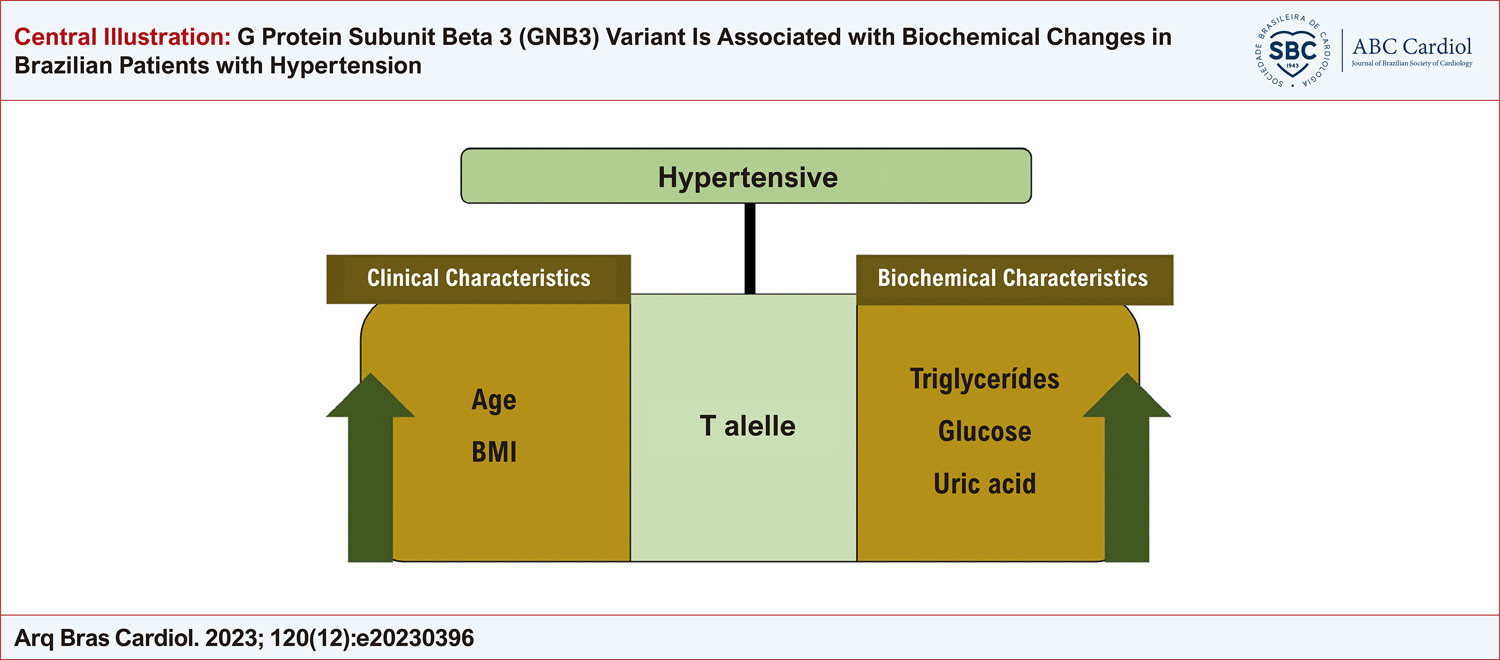
The rs5443:C>T variant was not associated with arterial hypertension in the evaluated population (p = 0.88). Regarding biochemical measures, the T allele was associated with high levels of triglycerides, glucose and uric acid in hypertensive individuals (p < 0.05).

Conclusion

These results show the importance of genetic diagnosis to prevent the causes and consequences of diseases and imply that the GNB3 rs5443:C>T variant may be associated with changes in the biochemical profile in hypertensive individuals.
  • Alleles
  • Biochemical Reactions
  • Genotype
  • Hypertension
Read Full Article
Creative Commons Attribution (CC BY) Creative Commons license
18/12/2023 DOI: 10.36660/abc.20230396 Views 2
Central Illustration
ABCHF
Review Article

Arrhythmogenic Left Ventricular Cardiomyopathy – State of Art: From Genotype to Phenotype

Ana Flavia Malheiros Torbey et al. Erivelton Alessandro do Nascimento Nágela Simão Vinhosa Nunes Adriana Bastos Carvalho … Daniel Gama das Neves Raquel Germer Toja Couto Sandra Vitória Thuler Pimentel Eduarda Corrêa Maia Evandro Tinoco Mesquita

Abstract

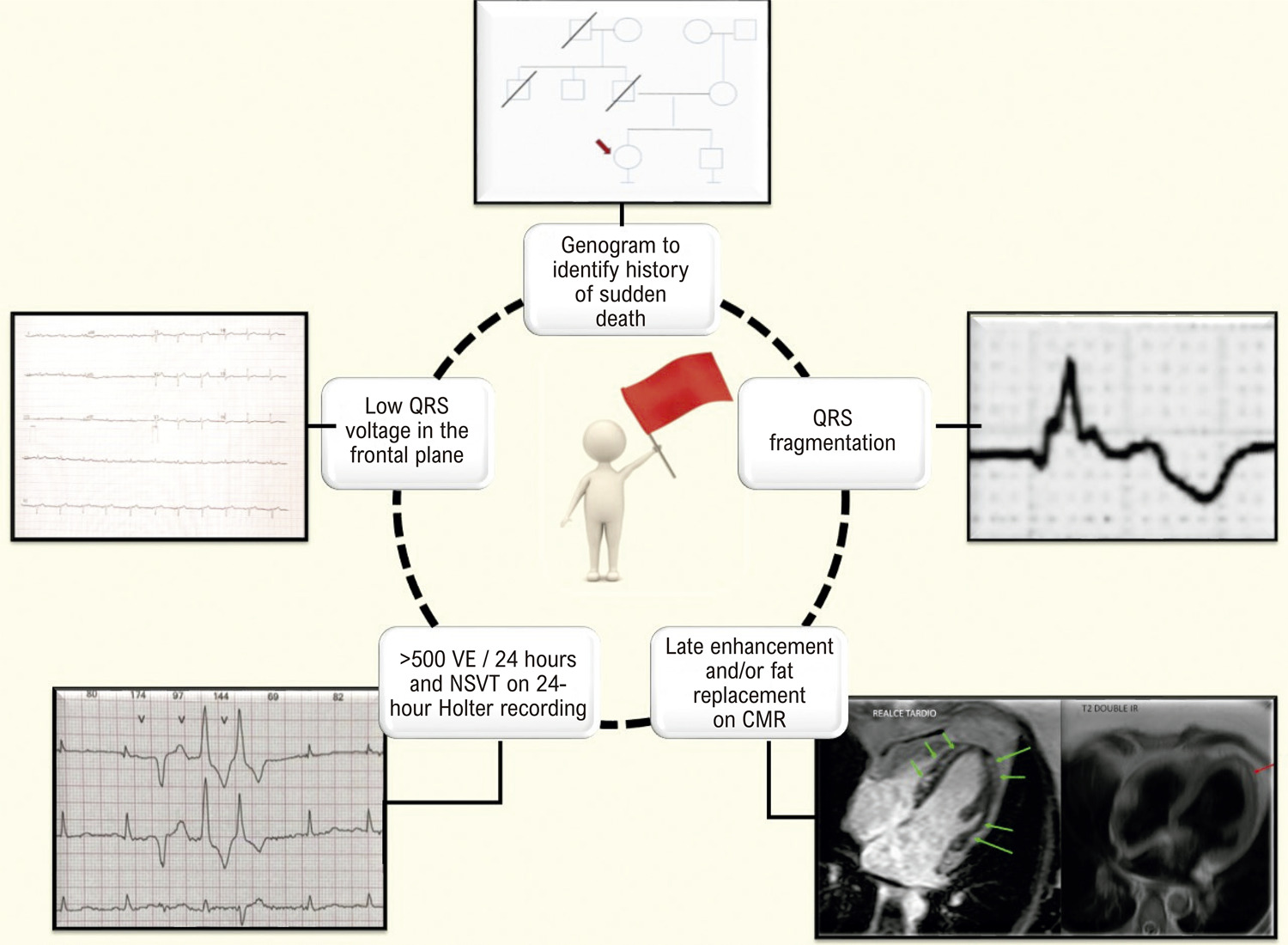
Arrhythmogenic cardiomyopathy with exclusive or predominant involvement of the left ventricle has been described recently. It has a heterogeneous genetic basis with different clinical phenotypes ranging from ventricular arrhythmias and sudden death (SD), symptoms suggestive of acute myocarditis with chest pain and troponin elevation, symptoms of heart failure, to asymptomatic patients. A high level of suspicion is needed for a correct diagnosis and implementation of a genotype-based therapy, to prevent its most feared complication, SD. This review aims to describe arrhythmogenic left ventricular cardiomyopathy as a genetic heart disease, with initial and/or predominant involvement of the left ventricle and its varied phenotypic expression, providing a basis for clinical reasoning and “red-flags” for the diagnosis, as well as for SD risk stratification.

  • Arrhythmias Cardiac
  • Arrhythmogenic right ventricular dysplasia;
  • Death, Sudden
  • Genotype
Read Full Article
Creative Commons Attribution (CC BY) Creative Commons license
29/08/2023 DOI: 10.36660/abchf.20230035 Views 1
Figure 1
ABC
Editorial

Cardiovascular Magnetic Resonance and Cardiovascular Computed Tomography in the Present and Future Cardiology

Carlos E. Rochitte

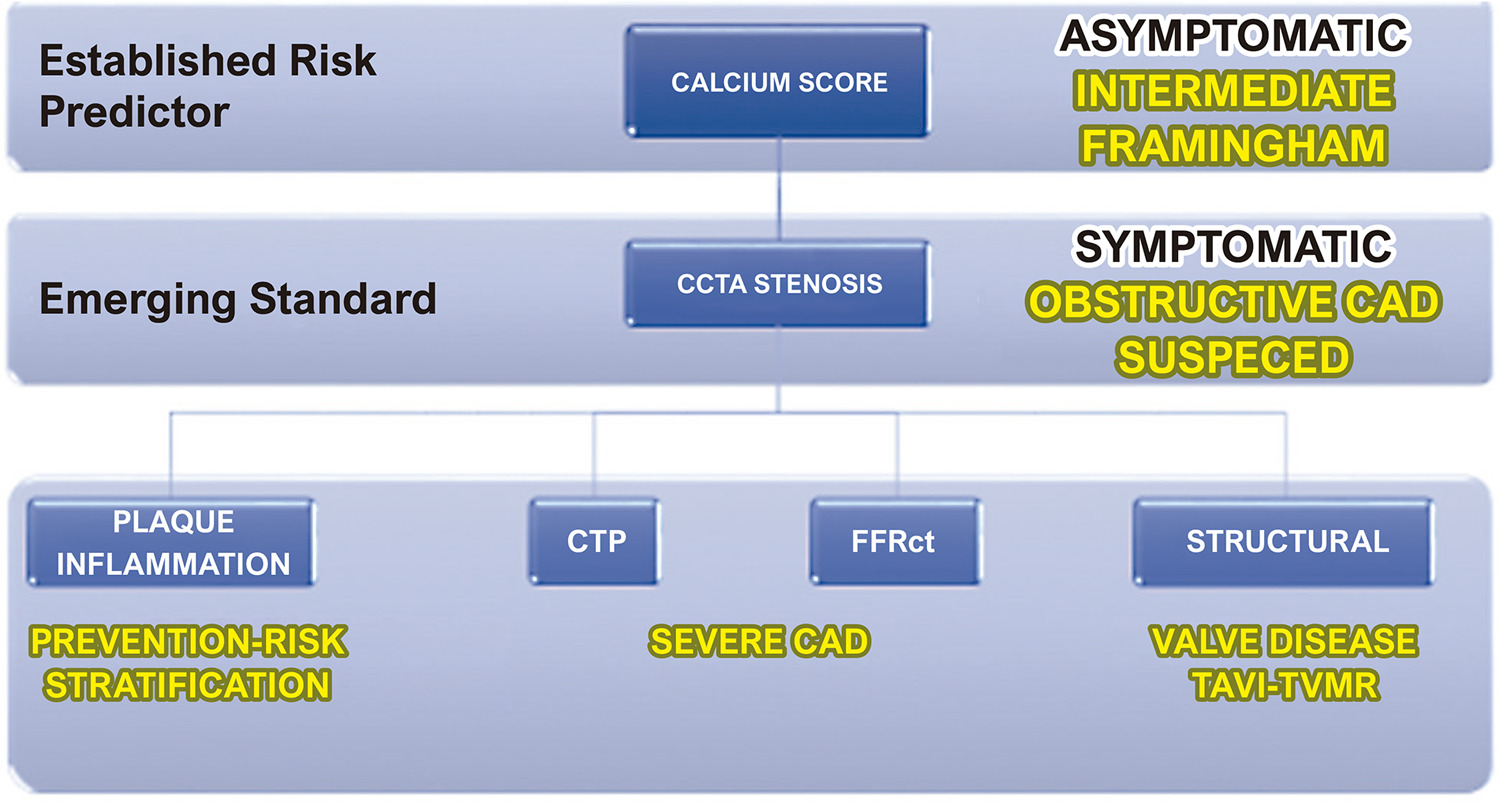
Modern non-invasive imaging techniques like cardiovascular computed tomography (CCT) and cardiovascular magnetic resonance (CMR) can diagnose and monitor a wide range of cardiovascular diseases with unprecedented accuracy and safety. – With advances in the understanding of cardiovascular diseases and increasing availability of new and revolutionary therapies, detailed and quantitative information of disease stage have become crucial for the appropriate decision-making for each patient, which is one of the pillars of personalized medicine.

As an example, we can mention the high accuracy of CCT in the diagnosis and quantification of coronary atherosclerosis and stenosis ( ), and assessment of functional significance by the fractional flow reserve (FFR) technique. Considering recent knowledge of the role of characteristics of the plaque and the global burden of the atherosclerotic plaque involving the coronary tree on the prognosis of coronary artery disease (CAD), CCT has turned out to be a key tool in therapeutic decision making, be it for stenosis revascularization, be it for prevention of adverse cardiovascular events. Another example is the ability of CCT in monitoring the response of atherosclerotic plaques to advanced therapies, like those including PCSK9 inhibition by monoclonal antibodies or RNA interference. – , –

[…]

  • Atherosclerosis
  • Coronary Artery Disease
  • Coronary stenosis
  • Diagnostic Imaging/trends/methods
  • Early diagnosis
  • Fhenotype
  • Genotype
Read Full Article
Creative Commons Attribution (CC BY) Creative Commons license
06/03/2023 DOI: 10.36660/abc.20230021
Figure 1
IJCS
Original Article

Evaluation of Polymorphisms in IL8 and IL16 Genes in Patients with Acute Coronary Syndrome

Lílian Caroliny Amorim Silva et al. Romário Martins Araújo Fábia Carla Silva Soares Roberto Pereira Werkhauser … Sergio Tavares Montenegro Tetsuo Tashiro Viviane do Carmo Vasconcelos Carvalho Silvia Maria Lucena Montenegro

Abstract

Background:

Acute coronary syndrome (ACS) is a cardiovascular disease caused by obstruction of coronary arteries by atheromatous plaque. Susceptibility to this disease may be related to genetic variations, such as single nucleotide polymorphisms (SNPs).

Objective:

In this study, we evaluated the relationship between SNPs in IL8 (rs4073; -251 A/T) and IL16 (rs11556218; T/G) genes and SCA in a Brazilian population.

Materials and Methods:

A sample of 200 patients with ACS and 50 non-ACS patients hospitalized at the Real Hospital Português, Recife – PE, Brazil, and 220 blood donors (donors) was used. Genotyping was carried out by polymerase chain reaction, and DNA sequencing. Statistical analyzes were performed using the Williams G, Chi-square and Kruskal Wallis tests, using the BioEstat 5.0 program, and the data with a value of p < 0.05 were considered significant.

Results:

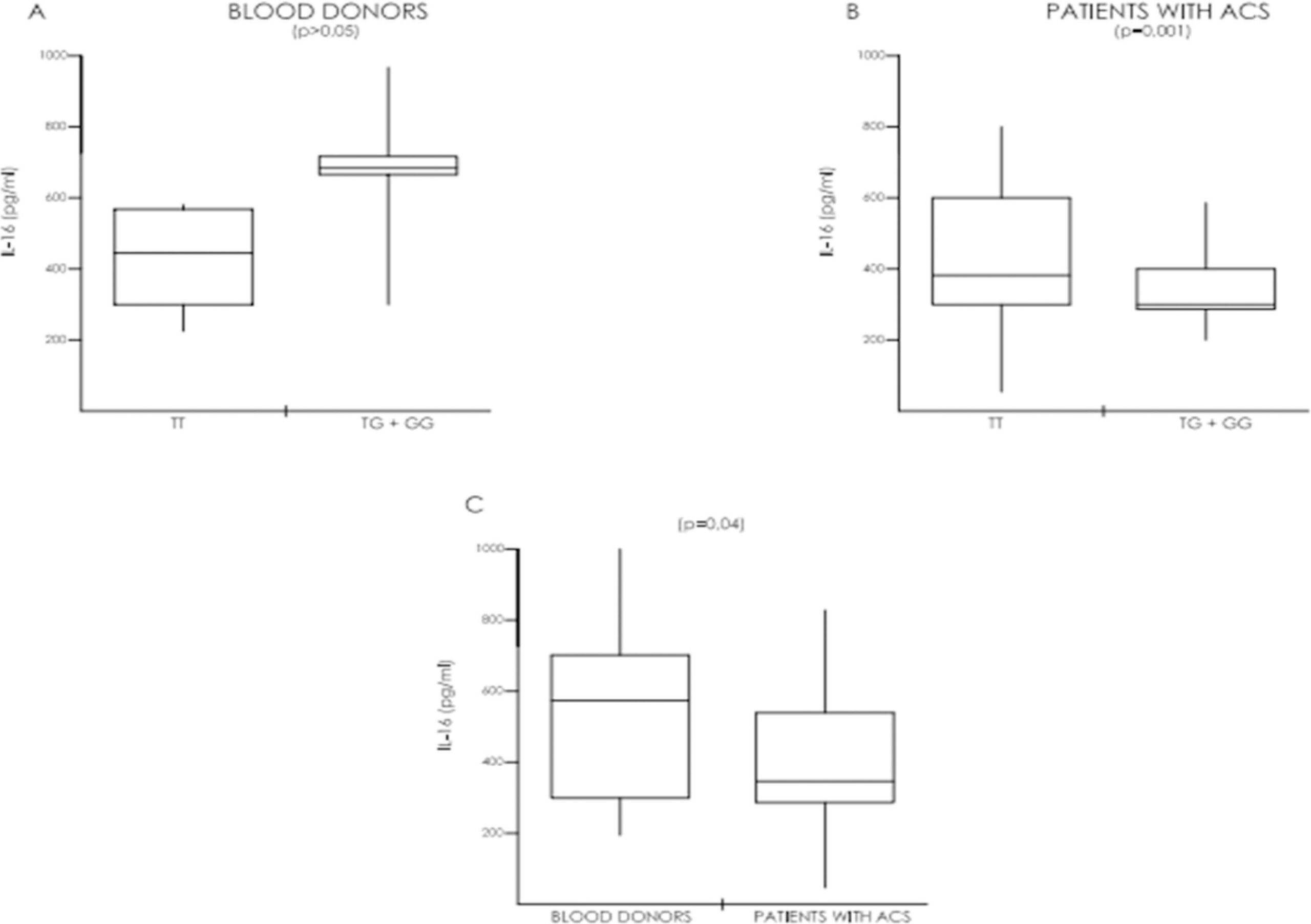
In the IL8 gene, the AT genotype was the most frequent (p > 0.05) in all three groups. In the IL16 gene, genotypic distributions were different between patients with ACS and the donor group (p = 0.002), with the most frequent G allele in the second group (p = 0.0052). The IL-16 cytokine was higher in donors than in patients with ACS (p = 0.04) and the G (TG + GG) allele had higher values of this cytokine (p = 0.01).

Conclusions:

The results demonstrate the important role of the rs11556218 SNP in IL16 gene in SCA, evidencing that the G allele may be associated with a decreased risk of the disease.

  • Acute coronary syndrome
  • Cardiovascular Diseases
  • Diabetes Mellitus
  • Dyslipideia
  • Genotype
  • Obesity
  • Sedentarism
Read Full Article
Creative Commons Attribution (CC BY) Creative Commons license
03/02/2020 DOI: 10.36660/ijcs.201810080 Views 2
Figure 1
ABC
Viewpoint

Sudden Death in Young Brazilian Athletes: Isn't It Time We Created a Genuinely National Register?

Lucas Helal et al. Filipe Ferrari Ricardo Stein

Abstract

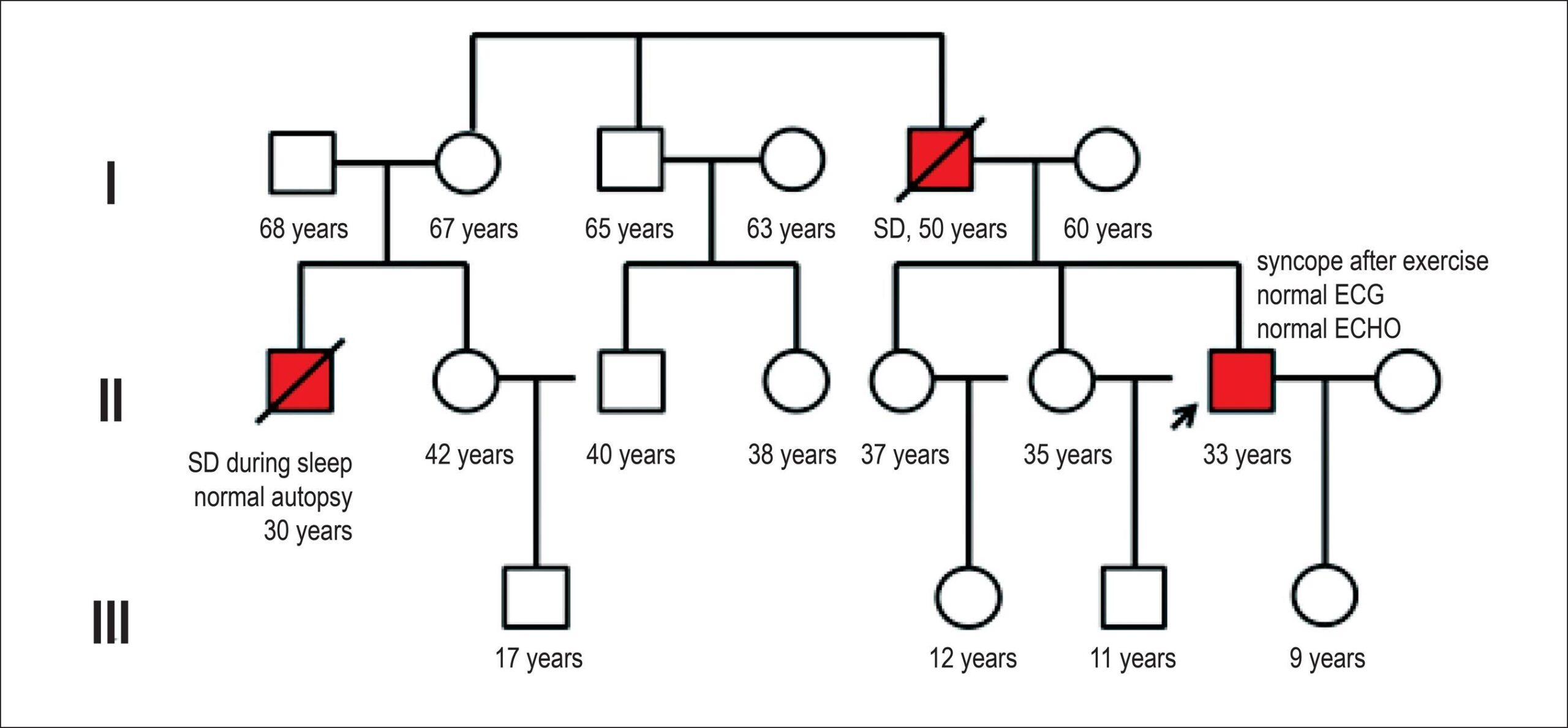
Young competitive athletes (≤ 35 years old) with or without a previous diagnosis of cardiovascular disease may suddenly die in competitive activities, potentially leading to an impact in society through the media. Although the relative risk for sudden death (SD) in athletes is twice as high as for their counterparts, the absolute incidence is low. While there is consensus among medical societies worldwide that early detection of causal factors is highly desirable, there is debate among different screening schemes to that end. In Brazil, the recommendations of the Brazilian Society of Cardiology mirror the guidelines of the European Society of Cardiology (ESC), which indicate a clinical examination combined with a 12-lead resting electrocardiogram, regardless of the presence of risk factors. The possibility of genetic screening is also plausible, since most clinical entities that cause SD in young competitive athletes are related to genotype. Finally, considering the diversity of practiced sports, and the population miscegenation, we emphasize the need to a national registry of cases.

  • Adolescent
  • Athletes
  • Cardiovascular Diseases
  • Death, Sudden, Cardiac
  • Genotype
  • Youth Sports
Read Full Article
Creative Commons Attribution (CC BY) Creative Commons license
01/12/2018 DOI: 10.5935/abc.20180207 Views 1
Figure 1
ABC
Review Article

Genetic Evaluation, Familial Screening and Exercise

Ricardo Stein et al. Juan Pablo Trujillo Anderson Donelli da Silveira Arsonval Lamounier Júnior Lorenzo Monserrat Iglesias

Introduction

Regular physical activity practice benefits individuals of all ages, sexes and ethnicities. If on one hand the practice of moderate exercise is considered a healthy activity that favors the cardiovascular system, on the other, high-intensity exercise for a long period can increase the risk for sudden death (SD). Even considering the huge number of individuals exercising daily, SD in that context is rare. However, the prevention of SD can be difficult and it has significant repercussion, mainly among young practitioners of leisure exercise or athletes. From the epidemiological viewpoint, cardiac SD affects 200,000 to 400,000 individuals in the United States of America (USA) annually. In the sports scenario, around 200 athletes per year are estimated to have a fatal event. In Spain, the national registry of SD in athletes reported 180 cases from 1995 to 2007, suggesting an incidence of 15 to 20 cases per year.

For athletes, preparticipation evaluation (PPE) is indicated, and can be effective in preventing cardiac SD in that context. However, that type of screening has great variability between different countries and entities that perform it. In the sports context, genetic evaluation is performed only in specific cases.

[…]

  • Death, Sudden, Cardiac
  • Exercise
  • Genetics
  • Genotype
  • Heredity
  • Sports Medicine
Read Full Article
Creative Commons Attribution (CC BY) Creative Commons license
06/03/2017 DOI: 10.5935/abc.20170015 Views 3
Figure 1
ABC
Review Article

Hypertrophic Cardiomyopathy: How do Mutations Lead to Disease?

Júlia Daher Carneiro Marsiglia et al. Alexandre Costa Pereira

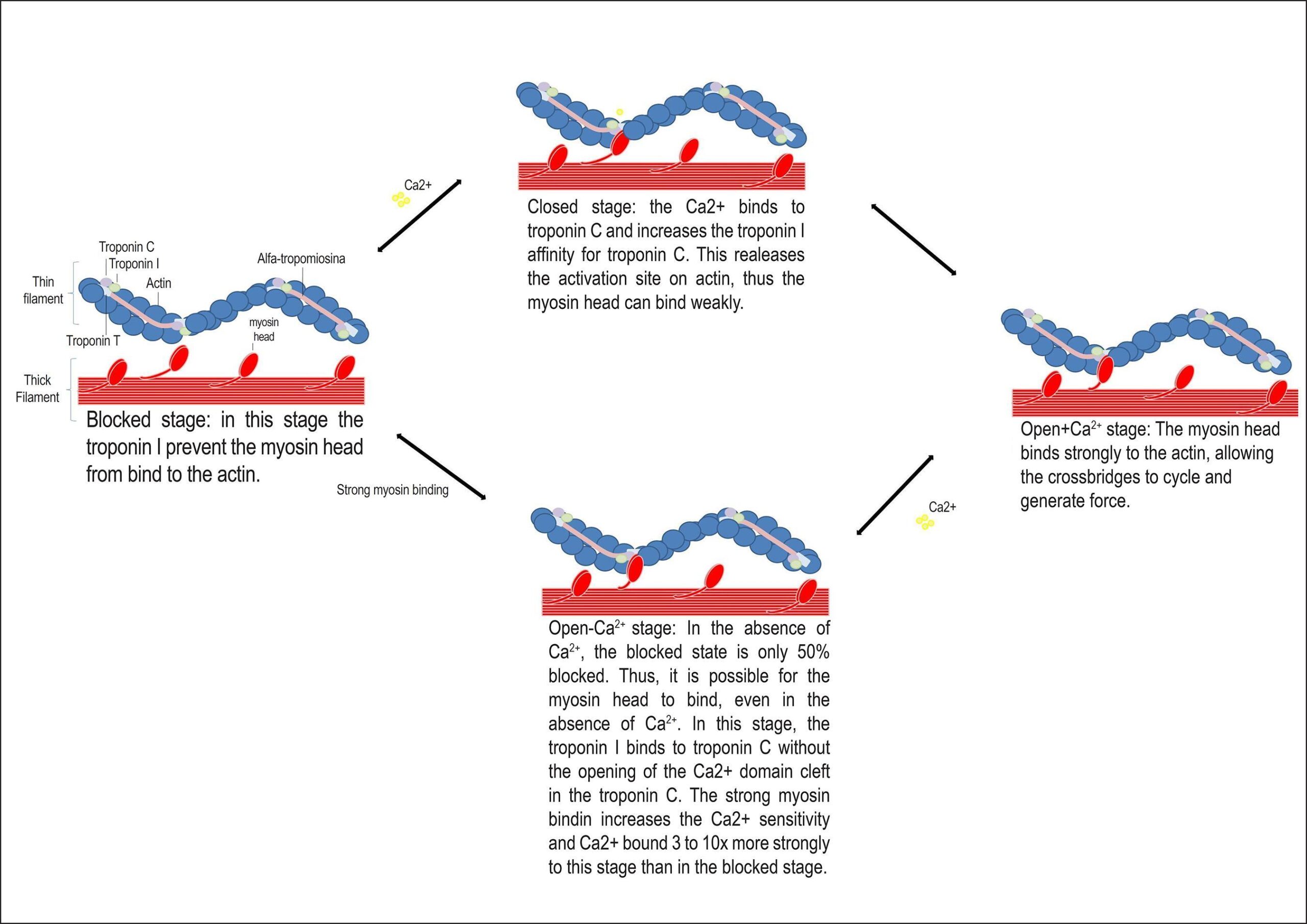
Hypertrophic cardiomyopathy (HCM) is the most common monogenic genetic cardiac disease, with an estimated prevalence of 1:500 in the general population. Clinically, HCM is characterized by hypertrophy of the left ventricle (LV) walls, especially the septum, usually asymmetric, in the absence of any cardiac or systemic disease that leads to a secondary hypertrophy. The clinical course of the disease has a large inter- and intrafamilial heterogeneity, ranging from mild symptoms of heart failure late in life to the onset of sudden cardiac death at a young age and is caused by a mutation in one of the genes that encode a protein from the sarcomere, Z-disc or intracellular calcium modulators. Although many genes and mutations are already known to cause HCM, the molecular pathways that lead to the phenotype are still unclear. This review focus on the molecular mechanisms of HCM, the pathways from mutation to clinical phenotype and how the disease’s genotype correlates with phenotype.

  • Cardiomyopathy, Hypertrophic
  • Genes
  • Genotype
  • Phenotype
  • Sarcomers
Read Full Article
Creative Commons Attribution (CC BY) Creative Commons license
01/03/2014 DOI: 10.5935/abc.20140022
ABC
Artigo Original

Beta1-adrenergic receptor polymorphisms associated with atrial fibrillation in systolic heart failure

Bruno Costa do Nascimento et al. Sabrina Bernardez Pereira Georgina Severo Ribeiro Evandro Tinoco Mesquita

BACKGROUND: The sympathetic nervous system is of great importance in the pathogenesis of atrial fibrillation in systolic heart failure. The identification of polymorphisms in the beta1-adrenergic receptor gene (ADBR1) represents an important step in understanding this pathogenesis. OBJECTIVE: This study assessed the association between the two functional polymorphisms of the beta1-adrenergic receptor gene (ADBR1), Ser49Gly and Arg389Gly, and the presence of atrial fibrillation in patients with systolic heart failure. METHODS: Case-control study with 144 patients with systolic heart failure, including 24 with atrial fibrillation (cases) and 120 without atrial fibrillation (controls). Genomic DNA was extracted from peripheral blood leukocytes and the genotypes of Ser49Gly and Arg389Gly polymorphisms were identified in all individuals by PCR/RFLP (polymerase chain reaction / restriction fragment length polymorphism). RESULTS: Mean age was 59 ± 13 years, 70% of patients were males, 42% had ischemic causes and 74% had hypertension. Genotypes Ser49Ser and Arg389Arg were significantly associated with atrial fibrillation (p = 0.005 and p = 0.01, respectively). After logistic regression, both adjusted for left atrial size and age, the significant association persisted (Arg389Arg – odds ratios: 2.78, 95% confidence interval = 1.02 to 7.56 and Ser49Ser – odds ratios: 8.02, 95% confidence interval = 1.02 to 63.82). CONCLUSION: Both genotypes were associated with atrial fibrillation in patients; however, only Ser49Gly polymorphism was is in Hardy-Weinberg equilibrium.

  • Atrial Fibrillation
  • Genotype
  • Heart Failure
  • Polymorphism, Genetic
Read Full Article
Creative Commons Attribution (CC BY) Creative Commons license
12/04/2012 DOI: 10.1590/S0066-782X2012005000037

How to cite this article

EndNote RIS

Electronic Document Format (Vancouver)

Agostini LC, Silva NNT, Lopes ACF, Melo AS, Bicalho LSM, Almeida TC, Belo VA, et al. G Protein Subunit Beta 3 (GNB3) Variant Is Associated with Biochemical Changes in Brazilian Patients with Hypertension. Arquivos Brasileiros de Cardiologia 2023;120(12):e20230396.

Electronic Document Format (ABNT)

Agostini, Lívia da Cunha; Silva, Nayara Nascimento Toledo; Lopes, Ana Cláudia Faria; Melo, André Sacramento; Bicalho, Luciana Soares Moreira; Almeida, Tamires Cunha; Belo, Vanessa de Almeida; Coura-Vital, Wendel; Teixeira, Luiz Fernando de Medeiros; Lima, Angélica Alves; Silva, Glenda Nicioli da. G Protein Subunit Beta 3 (GNB3) Variant Is Associated with Biochemical Changes in Brazilian Patients with Hypertension. Arquivos Brasileiros de Cardiologia, v. 120, n. 12, e20230396, Dec. 2023.

Electronic Document Format (APA)

Agostini, L. C., Silva, N. N. T., Lopes, A. C. F., Melo, A. S., Bicalho, L. S. M., Almeida, T. C., Belo, V. A., Coura-Vital, W., Teixeira, L. F. M., Lima, A. A., & Silva, G. N. (2023). G Protein Subunit Beta 3 (GNB3) Variant Is Associated with Biochemical Changes in Brazilian Patients with Hypertension. Arquivos Brasileiros de Cardiologia, 120(12), e20230396.

Electronic Document Format (ISO)

Agostini, Lívia da Cunha and Silva, Nayara Nascimento Toledo and Lopes, Ana Cláudia Faria and Melo, André Sacramento and Bicalho, Luciana Soares Moreira and Almeida, Tamires Cunha and Belo, Vanessa de Almeida and Coura-Vital, Wendel and Teixeira, Luiz Fernando de Medeiros and Lima, Angélica Alves and Silva, Glenda Nicioli da. G Protein Subunit Beta 3 (GNB3) Variant Is Associated with Biochemical Changes in Brazilian Patients with Hypertension. Arquivos Brasileiros de Cardiologia [online]. 2023, vol. 120, n. 12, [cited 2026-10-14], e20230396. Available from: <https://journals.cardiol.br/en/article/g-protein-subunit-beta-3-gnb3-variant-is-associated-with-biochemical-changes-in-brazilian-patients-with-hypertension/>. ISSN 0066-782X

EndNote RIS

Electronic Document Format (Vancouver)

Torbey AFM, Nascimento EA, Nunes NSV, Carvalho AB, Neves DG, Couto RGT, Pimentel SVT, et al. Arrhythmogenic Left Ventricular Cardiomyopathy – State of Art: From Genotype to Phenotype. ABC Heart Fail Cardiomyop 2023;3(1):e20230035.

Electronic Document Format (ABNT)

Torbey, Ana Flavia Malheiros; Nascimento, Erivelton Alessandro do; Nunes, Nágela Simão Vinhosa; Carvalho, Adriana Bastos; Neves, Daniel Gama das; Couto, Raquel Germer Toja; Pimentel, Sandra Vitória Thuler; Maia, Eduarda Corrêa; Mesquita, Evandro Tinoco. Arrhythmogenic Left Ventricular Cardiomyopathy – State of Art: From Genotype to Phenotype. ABC Heart Fail Cardiomyop, v. 3, n. 1, e20230035, Aug. 2023.

Electronic Document Format (APA)

Torbey, A. F. M., Nascimento, E. A. , Nunes, N. S. V., Carvalho, A. B., Neves, D. G. , Couto, R. G. T., Pimentel, S. V. T., Maia, E. C., & Mesquita, E. T. (2023). Arrhythmogenic Left Ventricular Cardiomyopathy – State of Art: From Genotype to Phenotype. ABC Heart Fail Cardiomyop, 3(1), e20230035.

Electronic Document Format (ISO)

Torbey, Ana Flavia Malheiros and Nascimento, Erivelton Alessandro do and Nunes, Nágela Simão Vinhosa and Carvalho, Adriana Bastos and Neves, Daniel Gama das and Couto, Raquel Germer Toja and Pimentel, Sandra Vitória Thuler and Maia, Eduarda Corrêa and Mesquita, Evandro Tinoco. Arrhythmogenic Left Ventricular Cardiomyopathy – State of Art: From Genotype to Phenotype. ABC Heart Fail Cardiomyop [online]. 2023, vol. 3, n. 1, [cited 2026-10-14], e20230035. Available from: <https://journals.cardiol.br/en/article/arrhythmogenic-left-ventricular-cardiomyopathy-state-of-art-from-genotype-to-phenotype/>

EndNote RIS

Electronic Document Format (Vancouver)

Rochitte CE. Cardiovascular Magnetic Resonance and Cardiovascular Computed Tomography in the Present and Future Cardiology. Arquivos Brasileiros de Cardiologia 2023;120(1):e20230021.

Electronic Document Format (ABNT)

Rochitte, Carlos E.. Cardiovascular Magnetic Resonance and Cardiovascular Computed Tomography in the Present and Future Cardiology. Arquivos Brasileiros de Cardiologia, v. 120, n. 1, e20230021, Mar. 2023.

Electronic Document Format (APA)

Rochitte, C. E. (2023). Cardiovascular Magnetic Resonance and Cardiovascular Computed Tomography in the Present and Future Cardiology. Arquivos Brasileiros de Cardiologia, 120(1), e20230021.

Electronic Document Format (ISO)

Rochitte, Carlos E.. Cardiovascular Magnetic Resonance and Cardiovascular Computed Tomography in the Present and Future Cardiology. Arquivos Brasileiros de Cardiologia [online]. 2023, vol. 120, n. 1, [cited 2026-10-14], e20230021. Available from: <https://journals.cardiol.br/en/article/cardiovascular-magnetic-resonance-and-cardiovascular-computed-tomography-in-the-present-and-future-cardiology/>. ISSN 0066-782X

EndNote RIS

Electronic Document Format (Vancouver)

Silva LCA, Araújo RM, Soares FCS, Werkhauser RP, Montenegro ST, Tashiro T, Carvalho VCV, et al. Evaluation of Polymorphisms in IL8 and IL16 Genes in Patients with Acute Coronary Syndrome. International Journal of Cardiovascular Sciences 2020;33(3):254-62.

Electronic Document Format (ABNT)

Silva, Lílian Caroliny Amorim; Araújo, Romário Martins; Soares, Fábia Carla Silva; Werkhauser, Roberto Pereira; Montenegro, Sergio Tavares; Tashiro, Tetsuo; Carvalho, Viviane do Carmo Vasconcelos; Montenegro, Silvia Maria Lucena. Evaluation of Polymorphisms in IL8 and IL16 Genes in Patients with Acute Coronary Syndrome. International Journal of Cardiovascular Sciences, v. 33, n. 3, p. 254-262, Feb. 2020.

Electronic Document Format (APA)

Silva, L. C. A., Araújo, R. M., Soares, F. C. S., Werkhauser, R. P., Montenegro, S. T., Tashiro, T., Carvalho, V. C. V., & Montenegro, S. M. L. (2020). Evaluation of Polymorphisms in IL8 and IL16 Genes in Patients with Acute Coronary Syndrome. International Journal of Cardiovascular Sciences, 33(3), 254-262.

Electronic Document Format (ISO)

Silva, Lílian Caroliny Amorim and Araújo, Romário Martins and Soares, Fábia Carla Silva and Werkhauser, Roberto Pereira and Montenegro, Sergio Tavares and Tashiro, Tetsuo and Carvalho, Viviane do Carmo Vasconcelos and Montenegro, Silvia Maria Lucena. Evaluation of Polymorphisms in IL8 and IL16 Genes in Patients with Acute Coronary Syndrome. International Journal of Cardiovascular Sciences [online]. 2020, vol. 33, n. 3, [cited 2026-10-14], pp. 254-262. Available from: <https://journals.cardiol.br/en/article/evaluation-of-polymorphisms-in-il8-and-il16-genes-in-patients-with-acute-coronary-syndrome/>. ISSN 2359-4802

EndNote RIS

Electronic Document Format (Vancouver)

Helal L, Ferrari F, Stein R. Sudden Death in Young Brazilian Athletes: Isn’t It Time We Created a Genuinely National Register?. Arquivos Brasileiros de Cardiologia 2018;111(6):856-9.

Electronic Document Format (ABNT)

Helal, Lucas; Ferrari, Filipe; Stein, Ricardo. Sudden Death in Young Brazilian Athletes: Isn’t It Time We Created a Genuinely National Register?. Arquivos Brasileiros de Cardiologia, v. 111, n. 6, p. 856-859, Nov. 2018.

Electronic Document Format (APA)

Helal, L., Ferrari, F., & Stein, R. (2018). Sudden Death in Young Brazilian Athletes: Isn’t It Time We Created a Genuinely National Register?. Arquivos Brasileiros de Cardiologia, 111(6), 856-859.

Electronic Document Format (ISO)

Helal, Lucas and Ferrari, Filipe and Stein, Ricardo. Sudden Death in Young Brazilian Athletes: Isn’t It Time We Created a Genuinely National Register?. Arquivos Brasileiros de Cardiologia [online]. 2018, vol. 111, n. 6, [cited 2026-10-14], pp. 856-859. Available from: <https://journals.cardiol.br/en/article/sudden-death-in-young-brazilian-athletes-isnt-it-time-we-created-a-genuinely-national-register/>. ISSN 0066-782X

EndNote RIS

Electronic Document Format (Vancouver)

Stein R, Trujillo JP, Silveira AD, Lamounier Júnior A, Iglesias LM. Genetic Evaluation, Familial Screening and Exercise. Arquivos Brasileiros de Cardiologia 2017;108(3):263-70.

Electronic Document Format (ABNT)

Stein, Ricardo; Trujillo, Juan Pablo; Silveira, Anderson Donelli da; Lamounier Júnior, Arsonval; Iglesias, Lorenzo Monserrat. Genetic Evaluation, Familial Screening and Exercise. Arquivos Brasileiros de Cardiologia, v. 108, n. 3, p. 263-270, Mar. 2017.

Electronic Document Format (APA)

Stein, R., Trujillo, J. P., Silveira, A. D. , Lamounier Júnior, A., & Iglesias, L. M. (2017). Genetic Evaluation, Familial Screening and Exercise. Arquivos Brasileiros de Cardiologia, 108(3), 263-270.

Electronic Document Format (ISO)

Stein, Ricardo and Trujillo, Juan Pablo and Silveira, Anderson Donelli da and Lamounier Júnior, Arsonval and Iglesias, Lorenzo Monserrat. Genetic Evaluation, Familial Screening and Exercise. Arquivos Brasileiros de Cardiologia [online]. 2017, vol. 108, n. 3, [cited 2026-10-14], pp. 263-270. Available from: <https://journals.cardiol.br/en/article/genetic-evaluation-familial-screening-and-exercise/>. ISSN 0066-782X

EndNote RIS

Electronic Document Format (Vancouver)

Marsiglia JDC, Pereira AC. Hypertrophic Cardiomyopathy: How do Mutations Lead to Disease?. Arquivos Brasileiros de Cardiologia 2014;102(3):295-304.

Electronic Document Format (ABNT)

Marsiglia, Júlia Daher Carneiro; Pereira, Alexandre Costa. Hypertrophic Cardiomyopathy: How do Mutations Lead to Disease?. Arquivos Brasileiros de Cardiologia, v. 102, n. 3, p. 295-304, Feb. 2014.

Electronic Document Format (APA)

Marsiglia, J. D. C., & Pereira, A. C. (2014). Hypertrophic Cardiomyopathy: How do Mutations Lead to Disease?. Arquivos Brasileiros de Cardiologia, 102(3), 295-304.

Electronic Document Format (ISO)

Marsiglia, Júlia Daher Carneiro and Pereira, Alexandre Costa. Hypertrophic Cardiomyopathy: How do Mutations Lead to Disease?. Arquivos Brasileiros de Cardiologia [online]. 2014, vol. 102, n. 3, [cited 2026-10-14], pp. 295-304. Available from: <https://journals.cardiol.br/en/article/hypertrophic-cardiomyopathy-how-do-mutations-lead-to-disease/>. ISSN 0066-782X

EndNote RIS

Electronic Document Format (Vancouver)

Nascimento BC, Pereira SB, Ribeiro GS, Mesquita ET. Beta1-adrenergic receptor polymorphisms associated with atrial fibrillation in systolic heart failure. Arquivos Brasileiros de Cardiologia 2012;98(5):384-9.

Electronic Document Format (ABNT)

Nascimento, Bruno Costa do; Pereira, Sabrina Bernardez; Ribeiro, Georgina Severo; Mesquita, Evandro Tinoco. Beta1-adrenergic receptor polymorphisms associated with atrial fibrillation in systolic heart failure. Arquivos Brasileiros de Cardiologia, v. 98, n. 5, p. 384-389, Apr. 2012.

Electronic Document Format (APA)

Nascimento, B. C. , Pereira, S. B., Ribeiro, G. S., & Mesquita, E. T. (2012). Beta1-adrenergic receptor polymorphisms associated with atrial fibrillation in systolic heart failure. Arquivos Brasileiros de Cardiologia, 98(5), 384-389.

Electronic Document Format (ISO)

Nascimento, Bruno Costa do and Pereira, Sabrina Bernardez and Ribeiro, Georgina Severo and Mesquita, Evandro Tinoco. Beta1-adrenergic receptor polymorphisms associated with atrial fibrillation in systolic heart failure. Arquivos Brasileiros de Cardiologia [online]. 2012, vol. 98, n. 5, [cited 2026-10-14], pp. 384-389. Available from: <https://journals.cardiol.br/en/article/beta1-adrenergic-receptor-polymorphisms-associated-with-atrial-fibrillation-in-systolic-heart-failure/>. ISSN 0066-782X

  • About ABC Family
  • Internal Regulation
  • Editorial Board
  • Brazilian Society of Cardiology (SBC)

Issues

SBC Guidelines

  • Videos
  • Podcasts
  • News