ABC Family Arquivos Brasileiros de Cardiologia International Journal of Cardiovascular Sciences ABC Heart Failure & Cardiomyopathy ABC Imagem Cardiovascular
Português English
ABC Family
Português English
  • About
    • About ABC Family
    • Internal Regulation
    • Editorial Board
    • Brazilian Society of Cardiology (SBC)
  • Issues
  • SBC Guidelines
  • Content
    • Videos
    • Podcasts
    • News
  • About
    • About ABC Family
    • Internal Regulation
    • Editorial Board
    • Brazilian Society of Cardiology (SBC)
  • Issues
  • SBC Guidelines
  • Content
    • Videos
    • Podcasts
    • News

ABC Family

  • ABC Family
  • Arquivos Brasileiros de Cardiologia
  • International Journal of Cardiovascular Sciences
  • ABC Heart Failure & Cardiomyopathy
  • ABC Imagem Cardiovascular
Search in

No content found.

Journals
Ordering
Article types
Others

  1. Home
  2. Keyword: Pulmonary Veins
Atrial Fibrillation Catheter Ablation: Electroporation Against High-Power Short Duration Radiofrequency
ABC
Original Article

Atrial Fibrillation Catheter Ablation: Electroporation Against High-Power Short Duration Radiofrequency

Rita Reis Santos et al. Rita Amador Pedro Galvão Santos Daniel Matos … Gustavo Rodrigues João Carmo Francisco Costa Pedro Carmo Francisco Morgado Diogo Cavaco Mauricio Scanavacca Pedro Adragão

Abstract

Background

Pulmonary vein isolation (PVI) is crucial in treating symptomatic atrial fibrillation (AF). New ablation technologies, such as pulse-field ablation (PFA) and high-power short-duration (HPSD) have emerged in the electrophysiology lab. However, no study has compared the outcomes of these approaches.

Objective

To compare the efficacy and safety of PFA and HPSD in AF symptomatic patients.

Methods

Single-centre, retrospective study of consecutive patients undergoing PVI with PFA or HPSD between May and December 2022. Demographic data, procedural data, and AF recurrence beyond the blanking period, were analysed. Comparative analysis between both techniques was performed. A P-value of <0.05 was considered statistically significant.

Results

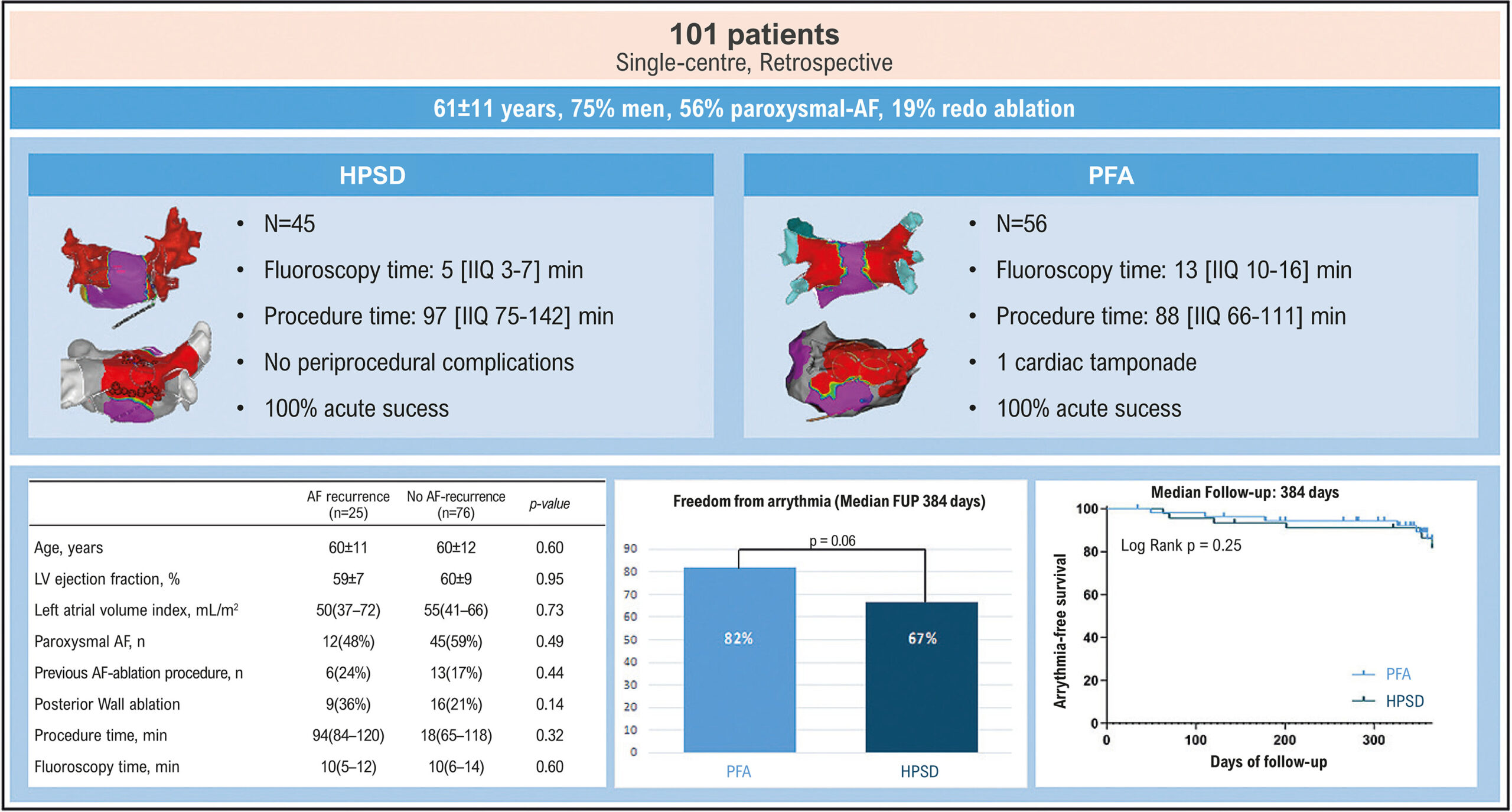
A total 101 patients were included (61±11 years, 75% men); 56% of patients had paroxysmal AF and 19% underwent a redo ablation. Forty-five percent of patients underwent HPSD ablation and 55% PFA. Comparing HPSD and PFA, HPSD had a lower fluoroscopy time (5min [IQR 3-7min]vs 13min [IQR 10-16min], p<0.001), but higher procedure time (97min [IQR 75-142]vs 88min [IQR 66-111], p=0.13). Posterior wall isolation (PWI) was performed in 5 (11%) HPSD vs 20 (36%) PFA patients (p=0.004). There was only one case of major complication, a patient with cardiac tamponade following PFA, who was treated with pericardiocentesis. Over 384 (IQR 341 -545) days of follow-up, 76 patients (75%) were in sinus rhythm, while 25% of patients had AF recurrence: 10 PFA patients and 15 HPSD patients (p=0.06).

Conclusions

Both PFA and HPSD were found to be feasible and safe procedures. PFA resulted in shorter procedure times, and lower AF recurrence rates, mainly when PWI was performed. Although analysis in a real-world scenario is still scarce, both techniques seem to be efficient, with a low AF recurrence rate.
  • Atrial Fibrillation
  • Pulmonary Veins
  • Radiofrequency Ablation
Read Full Article
Creative Commons Attribution (CC BY) Creative Commons license
21/03/2025 DOI: 10.36660/abc.20240542i Views 2
ABC
Editorial

High-power, Short-duration Radiofrequency Ablation of Atrial Fibrillation: Point-by-Point or Catheter Dragging Technique?

Guilherme Fenelon

Pulmonary vein isolation (PVI) is universally accepted as the cornerstone of atrial fibrillation (AF) ablation. Current guidelines recommend electrical isolation of the pulmonary veins in all AF ablation procedures (Class I, level of evidence A). As of today, the most common methods to perform PVI are point-by-point radiofrequency (RF) guided by 3D mapping or the cryoballoon. Both are thermal energies, creating lesions by heating (RF) or freezing (cryoenergy) the tissue. Of note, it has been consistently demonstrated that RF ablation and cryoballoon ablation are equally effective and safe for treating patients with paroxysmal AF. However, cryoballoon ablation is more reproducible within groups than RF ablation. The outcomes of RF ablation are closely related to operator and center volumes. Furthermore, there can be significant variability in the number of ablation lesions created, the force applied by the tip of the catheter to the tissue—known as contact force—and the amount and duration of power delivery.

Ablation protocols have changed significantly during the last decade, particularly with respect to RF parameters. Conventional power settings were 20-35 W over 30-60 seconds. In recent years, high-power, short-duration (HPSD) protocols utilizing RF at power levels of 40-50 W for shorter durations have gained popularity.– Indeed, the HPSD technique is associated with shorter times to achieve PVI and greater freedom from AF recurrences, albeit with a trend towards more asymptomatic cerebral emboli.,

[…]

  • Atrial Fibrillation
  • Pulmonary Veins
  • Radiofrequency Ablation
Read Full Article
Creative Commons Attribution (CC BY) Creative Commons license
14/02/2025 DOI: 10.36660/abc.20240771i Views 2
ABC
Editorial

Reconnection of Pulmonary Veins After Ablation. A Challenge to be Overcome

Silvia Helena Cardoso Boghossian et al. Ricardo Mourilhe-Rocha

Atrial fibrillation (AF) is the most common sustained arrhythmia in the population and its incidence significantly increases with age.As life expectancy rises, it is estimated that AF prevalence will suffer a significant increase, and its adequate control will continue to be a major challenge.

Until the end of the 90s, the therapeutic options available and most used in the reversion and prevention of AF recurrences were antiarrhythmic drugs (AA) and electrical cardioversion; however, clinical treatment with AA drugs has been shown ineffective in maintaining sinus rhythm, with a recurrence rate above 50%.

[…]

  • Ablation
  • Atrial Fibrillation
  • Cryoablation
  • Pulmonary Veins
  • Reconnection
Read Full Article
Creative Commons Attribution (CC BY) Creative Commons license
26/07/2021 DOI: 10.36660/abc.20210438 Views 1
Figure 1
ABCHF
Case Report

Heart Failure Due to Anomalous Pulmonary Vein Connection Associated with Atrial Septal Defect

Marcely Gimenes Bonatto et al. Ana Karyn Ehrenfried de Freitas Letícia dos Santos de Oliveira Rocha Claudinei Collatusso … Rafael de Almeida Torres Gustavo Gavazzoni Blume Lídia Zytynski Moura

Introduction

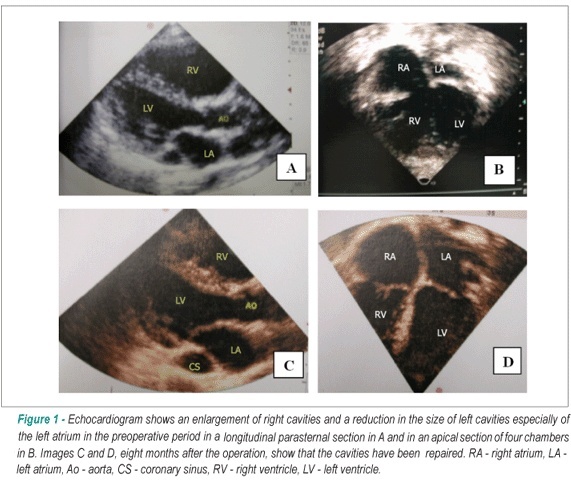
Anomalous pulmonary vein dreinage (APVD) is a rare disease, accounting for nearly 1 to 3% of congenital heart diseases. It may be total, when all PVs are involved, or partial, when only some PVs drain anomalously into one or more systemic veins or directly into the right atrium (RA)., This condition occurs alone or in association with an interatrial septal defect, more often sinus venosus interatrial communication (IAC) (which accounts for nearly 5% of all IAC cases).

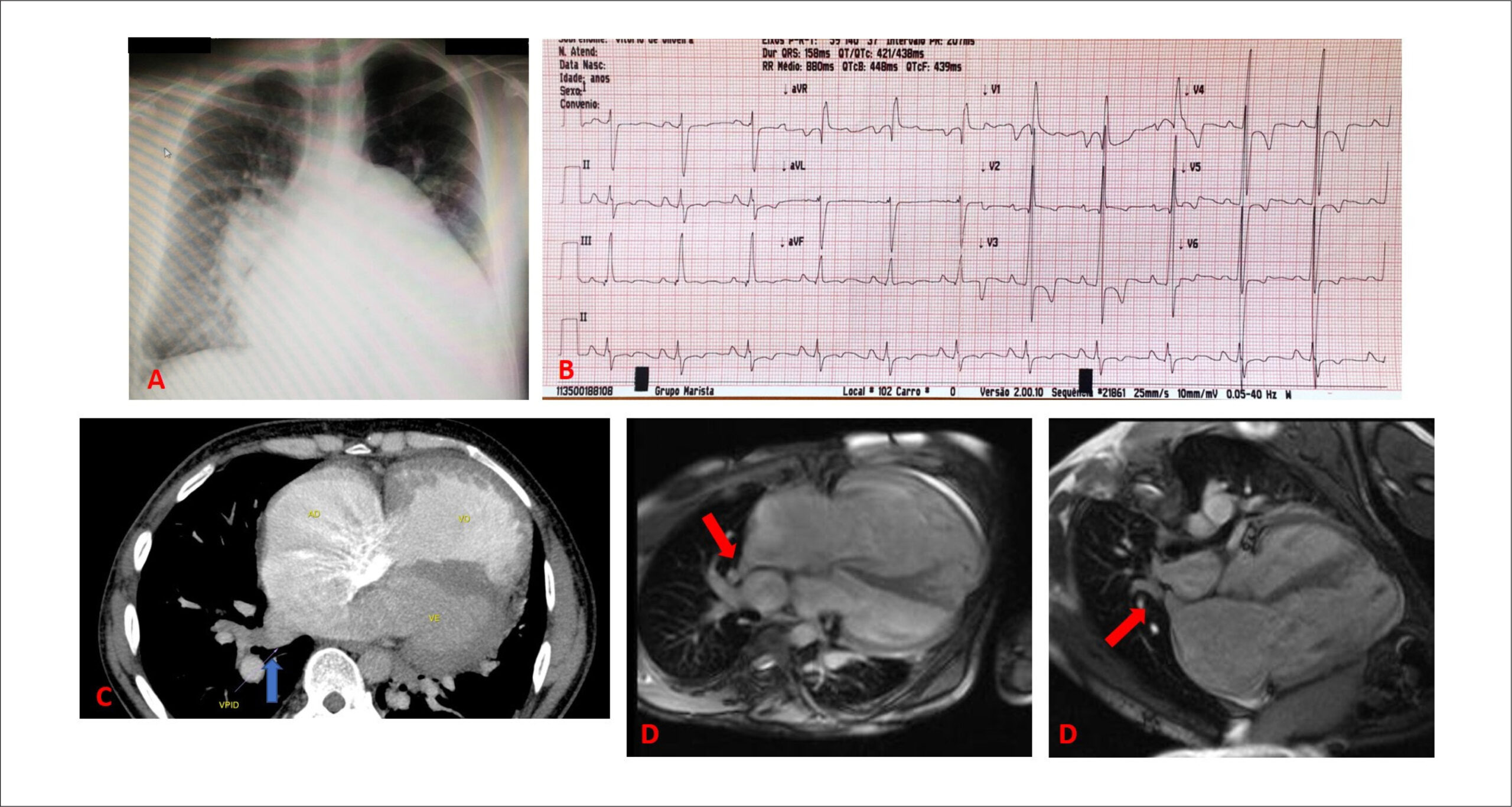
Patients with this condition may remain asymptomatic until adulthood. However, overload of right chambers may trigger symptoms, especially reduced functional capacity and progressive dyspnea, in addition to the development of pulmonary hypertension (PH) and ventricular dysfunction, which is the most severe disease scenario. Recognizing these symptoms and establishing early diagnosis and treatment is crucial to avoid disease progression and its prognostic implications.

[…]

  • Cardiomegaly
  • Darinage
  • Echocardiography/methods
  • Heart Defects,Congenital
  • Heart Failure/physiopathologyu
  • Heart Septal Defects, Atrial
  • Pulmonary Veins
Read Full Article
Creative Commons Attribution (CC BY) Creative Commons license
06/07/2021 DOI: 10.36660/abchf.20210004 Views 1
ABC
Editorial

The Cold Season Begins in the Tropics. Cryoablation for Atrial Fibrillation in Brazil

Nilson Araújo de Oliveira Junior

Pulmonary vein isolation is the cornerstone for atrial fibrillation ablation. The onset of fibrillation episodes by rapid firing of atrial tachycardias originating from these structures is well documented. The elimination of these triggers by electrical isolation of the pulmonary vein antrum is associated with better arrhythmia control and fewer adverse events, in both the paroxysmal and persistent forms of atrial fibrillation. However, this is not the only mechanism involved, especially in more advanced forms of this arrhythmia. An enormous amount of different ablation techniques has been described to address these other mechanisms. Despite the initial promising results, no other approach has shown effectiveness in large multicenter randomized trials until now.

Obtaining durable pulmonary vein isolation is not a simple task. The standard ablation catheters were designed to ablate a small circumscribed area of cardiac tissue, which is desirable for arrhythmia circuits like Wolff-Parkinson White, but it is a challenge when it is necessary to ablate large areas of complex tridimensional structures, such as the pulmonary vein antrum. The development of non-fluoroscopic navigation, irrigated tips and contact force real-time measurement, among other catheter remarkable improvements, were crucial for the adoption of atrial fibrillation ablation as a routine procedure in clinical electrophysiology. However, ablation with these catheters are still performed by point-by-point lesion deployment.

[…]

  • Atrial Fibrillation
  • Cardiac Catheters
  • Cryoablation
  • Freezing
  • Pulmonary Veins
Read Full Article
Creative Commons Attribution (CC BY) Creative Commons license
28/09/2020 DOI: 10.36660/abc.20200658 Views 1
Figure 1
ABC
Original Article

Experience in a Brazilian Center with Cryoablation for Electric Isolation of the Pulmonary Veins in Paroxysmal and Persistent Atrial Fibrillation – Preliminary Results in Brazil

Silvia Helena Cardoso Boghossian et al. Eduardo C. Barbosa Eduardo Boghossian Lucas Rangel … Paulo Roberto Benchimol-Barbosa Mônica Luiza de Alcantara Marcio Fagundes Alex Felix Ricardo Mourilhe-Rocha

Abstract

Background

Electrical isolation of the pulmonary veins is recognized as the cornerstone of non-pharmacological treatment of Atrial Fibrillation (AF), and therefore, has been recommended as the first step in AF ablation according to all guidelines. Even though the cryoballoon technology is widely used in North America and Europe, this experience is still incipient in many developing countries such as Brazil.

Objective

To evaluate initial results regarding success and safety of the new technology in patients with persistent and paroxysmal AF.

Methods

One hundred and eight consecutive patients with symptomatic AF refractory to pharmacological treatment were submitted to cryoablation for isolation of the pulmonary veins. Patients were separated into two groups according to AF classification: persistent (AF for over one week); or paroxysmal (shorter episodes). Recurrence and procedural safety data were analyzed respectively as primary and secondary outcomes. The level of significance was 5%.

Results

One hundred and eight patients, with mean age 58±13 years, 84 males (77.8%), underwent cryoablation. Sixty-five patients had paroxysmal AF (60.2%) and 43 had persistent AF (39.2%). The mean time of the procedure was 96.5±29.3 minutes and the mean fluoroscopy time was 29.6±11.1 minutes. Five (4.6%) complications were observed, none fatal. Considering a blanking period of 3 months, 21 recurrences (19.4%) were observed in a one-year follow-up period. The recurrence-free survival rates of AF in the paroxysmal and persistent groups were 89.2% and 67.4%, respectively.

Conclusion

Cryoablation for electrical isolation of the pulmonary veins is a safe and effective method for the treatment of AF. Our results are consistent with other studies suggesting that this technology can be used as an initial technique even in cases of persistent AF.

  • Atrial Fibrillation
  • Cryoablation
  • Freezing
  • Pulmonary Veins
Read Full Article
Creative Commons Attribution (CC BY) Creative Commons license
06/07/2020 DOI: 10.36660/abc.20190307 Views 2
ABC
Editorial

Paroxysmal Atrial Fibrillation Catheter Ablation of Pulmonary Veins: does Anatomy Influence the Outcome?

Álvaro Valentim Lima Sarabanda

Atrial fibrillation (AF) is the most common cardiac arrhythmia found in clinical practice and a frequent cause of hospital admission. AF is associated with a 5-fold increased risk of stroke and an approximately 2-fold increased risk of death, in addition to also being associated with heart failure development.

Approximately 20 years ago, the percutaneous radiofrequency ablation of the pulmonary veins (PVs) was described by Haissaguerre et al. as an effective technique and curative treatment of paroxysmal AF (PAF). The initial technique of AF ablation was developed based on the observation that the electrical activity triggers (ectopic foci), responsible for causing PAF, are frequently located in the PVs. As a consequence, the initiation of PAF could be prevented through the ablation of these triggers.

[…]

  • Arrhythmias Cardiac
  • Catheter Ablation
  • Heart Failure
  • Pulmonary Veins
Read Full Article
Creative Commons Attribution (CC BY) Creative Commons license
01/12/2018 DOI: 10.5935/abc.20180229 Views 2
P wave indices to predict atrial fibrillation recurrences post pulmonary vein isolation
ABC
Artigo Original

P wave indices to predict atrial fibrillation recurrences post pulmonary vein isolation

Ahmed Salah et al. Shenghua Zhou Qiming Liu Hui Yan

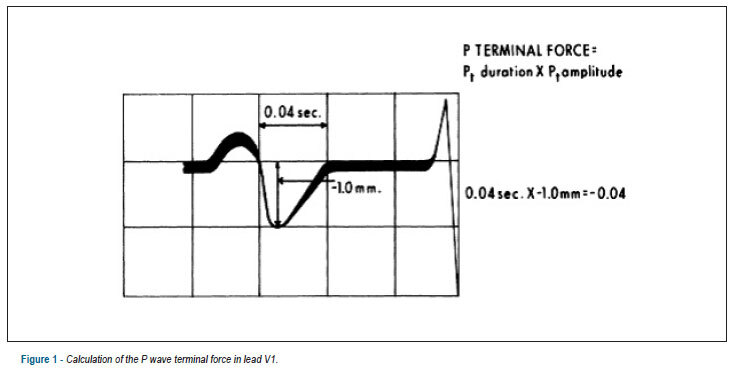
BACKGROUND: P-wave indices are appealing markers for predicting atrial fibrillation (AF) recurrences post ablation. OBJECTIVE: This study evaluates the value of P wave indices to predict recurrences post pulmonary vein isolation (PVI) in patients with paroxysmal AF. METHODS: We selected 198 patients (57 ± 8 years, 150 males) with symptomatic drug-refractory paroxysmal AF undergoing PVI in our hospital. A 12-lead electrocardiogram was used to measure P wave duration in lead II, P wave terminal force (PWTF) in lead V1, P wave axis and dispersion. RESULTS: During a follow-up of 9 ± 3 months, recurrences occurred in 60 (30.3%) patients. The patients that had AF recurrence had longer mean P wave duration (122.9 ± 10.3 vs 104.3 ± 14.2 ms, p < 0.001), larger P wave dispersion (40.7 ± 1.7 ms vs 36.6 ± 3.2 ms, p 125 ms has 60% sensitivity, 90% specificity, positive predictive value (PPV) of 72% and negative predictive value (NPV) of 83.7%, whereas P wave dispersion > 40 ms has 78% sensitivity, 67% specificity, PPV of 51% and NPV of 87.6% 48/66 (72.7%) patients with PWTF -0.04 mm/second showed recurrence of AF (p 125 ms, P wave dispersion > 40 ms and PWTF in V1 < -0.04 mm/sec are good clinical predictors of AF recurrences post PVI in patients with paroxysmal atrial fibrillation; however they were not independent from left atrial size and age.

  • Atrial Fibrillation
  • P Wave
  • Pulmonary Veins
  • Ventricular Fibrillation
Read Full Article
Creative Commons Attribution (CC BY) Creative Commons license
01/11/2013 DOI: 10.5935/abc.20130214
Treatment of pulmonary vein stenosis after percutaneous ablation of atrial fibrillation
ABC
Relato de Caso

Treatment of pulmonary vein stenosis after percutaneous ablation of atrial fibrillation

Alvaro Valentim Lima Sarabanda et al. Leonardo Cogo Beck Luis Gustavo Gomes Ferreira Wagner Luis Gali … Fernando Melo Netto Guilherme Urpia Monte

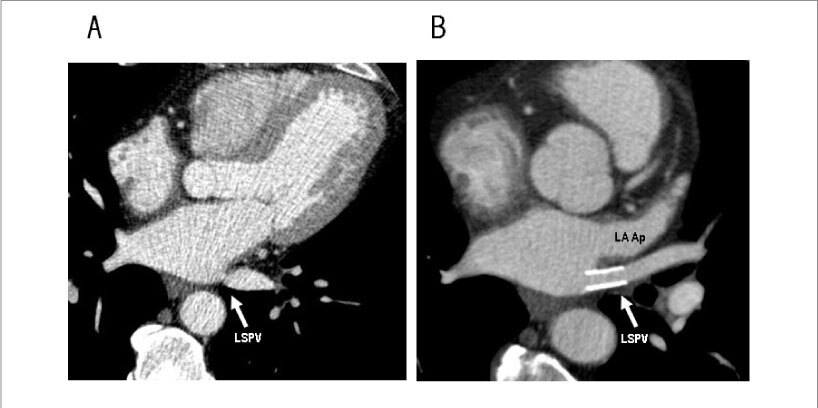
This case report describes a patient with persistent atrial fibrillation (AF) submitted to radiofrequency catheter ablation of AF through the pulmonary vein antrum isolation technique, who developed a severe stenosis of the left superior pulmonary vein (LSPV), without presenting any symptoms. The diagnosis of the PV stenosis was made by a routine postprocedure computed tomography scan of the left atrium, and the patient was subsequently submitted to angioplasty with stenting of the LSPV, resulting in the normalization of pulmonary perfusion, as seen by ventilation/perfusion scan made three months after the LSPV angioplasty.

  • Atrial Fibrillation
  • Catheter Ablation
  • constriction, pathologic
  • Pulmonary Veins
Read Full Article
Creative Commons Attribution (CC BY) Creative Commons license
22/09/2010 DOI: 10.1590/S0066-782X2010000100025 Views 1
Utility of intracardiac ultrasound imaging to guide pulmonary vein ablation using laser balloon catheter
ABC
Artigo Original

Utility of intracardiac ultrasound imaging to guide pulmonary vein ablation using laser balloon catheter

Luiz Leite et al. Wilber Su Susan B. Johnson Mark Milton … Benhur Henz Alvaro Sarabanda Simone N. Santos Douglas L. Packer

BACKGROUND: Pulmonary vein isolation (PVI) with balloon catheter has been used as the endpoint for AF ablation. OBJECTIVE: To determine the usefulness of intracardiac ultrasound (ICUS) to guide PVI using laser balloon catheter. METHODS: 59 PVs were ablated in 27 dogs. Doppler imaging was used to identify blood flow leaks between PV and balloon. After each energy delivery, the circular mapping catheter was repositioned to check if isolation had been achieved. The leak position was then correlated with the gap position at the pathological study. Multivariate logistic regression analysis was undertaken. RESULTS: 59 PV were ablated. Mean burn time was 279±177 sec, mean balloon diameter was 23±3 mm, and mean balloon length was 25±4 mm. Complete isolation was achieved in 38/59 (64%) cases, and it was significantly more common when there was no leak: [30/38 (79%) versus 8/23 (35%), p<0.001]. This occurred regardless of time of laser application (302±223 sec. vs. 266±148 sec., p=ns), laser power (3.5 W/cm, 4.5 W/cm, and 5.5 W/cm), balloon diameter (24± 3 mm vs. 22± 3 mm, p=ns) and length (27±4 mm vs. 24±4mm, p=ns). The positive predictive value for predicting incomplete isolation was 65% and the negative predictive value was 83%. CONCLUSION: An identifiable leak between PV and the LBA device seen at the ICUS is predictive of lower PV isolation rates. ICUS may be useful for leak detection to avoid ineffective energy application during circumferential PV ablation. This could also be helpful when other types of energy are used.

  • balloon dilatation
  • catether ablation
  • Pulmonary Veins
  • Ultrasonography
Read Full Article
Creative Commons Attribution (CC BY) Creative Commons license
05/05/2010 DOI: 10.1590/S0066-782X2009001200017
Partial anomalous return of four pulmonary veins with intact interatrial septum defect: a rare case report
ABC
Case Report

Partial anomalous return of four pulmonary veins with intact interatrial septum defect: a rare case report

Edmar Atik et al. Maria Aparecida Bhering Renato Samy Assad

We report on the rare case of partial anomalous return of four pulmonary veins in the right atrium and superior vena cava with intact interatrial septum in a five-year-old child. There were few symptoms in contrast with the left ventricular output dependent on the flow of the left upper lobe vein and from the lingula. Reduced compliance to the left led to a severe picture of pulmonary venocapillary hypertension in the immediate postoperative period, mitigated by an 8-mm interatrial septal defect. The patient progressed well after the intervention.

  • Heart Defects, Congenital
  • Hypertension Pulmonary
  • Pulmonary Veins
Read Full Article
Creative Commons Attribution (CC BY) Creative Commons license
25/07/2008 DOI: 10.1590/S0066-782X2008001300011 Views 1
Echocardiograph pulmonary venous flow patterns in congenital heart defects with increased pulmonary flow
ABC
Artigo Original

Echocardiograph pulmonary venous flow patterns in congenital heart defects with increased pulmonary flow

Ivan Romero Rivera et al. Maria Alayde Mendonça da Silva Valdir Ambrósio Moises José Lázaro de Andrade … Orlando Campos Filho Ângelo Amato de Paola Antonio Carlos Carvalho

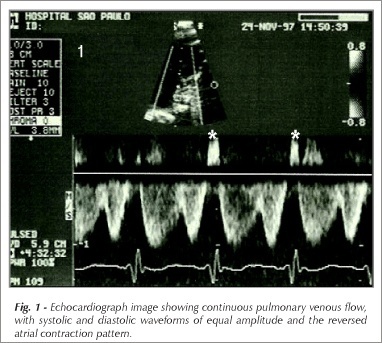
OBJECTIVES: To describe pulmonary venous flow patterns using transthoracic echocardiograms on children suffering from different congenital heart defects with increased pulmonary flow. METHODS: Prospective study and consecutive selection of children suffering from congenital heart defects with increased pulmonary flow. The transthoracic, apical view, Doppler echocardiogram was used, positioning the sample-volume at the lower pulmonary vein, 4mm from its junction with the left atrium. The data analyzed included: dominant systolic or diastolic pulmonary venous flow and atrial contraction waveform characteristics, designated as “A” for absent and “R” for reversed. RESULTS: The study included twenty-nine patients with a mean age of 29.9 ± 58.9 months, suffering from the following congenital heart conditions: interatrial and interventricular communication defects, patent ductus arteriosus, atrioventricular septal defects, total transposition of the great arteries and truncus arteriosus. All the patients presented a continuous pattern of high velocity pulmonary venous flow. Nine patients presented a dominant systolic waveform (31%), eighteen presented a dominant diastolic wave form (62%) and 2 patients had systolic and diastolic wave forms of equal amplitude (7%). Six patients (21%) presented a R atrial contraction waveform and 23 (79%) presented an A atrial contraction waveform. CONCLUSION: Congenital heart diseases with increased pulmonary flow present a continuous pattern of high velocity pulmonary venous flow with alterations mainly in the atrial contraction reversal pattern.

  • Echocardiography
  • Heart Defects, Congenital
  • Pulmonary Veins
Read Full Article
Creative Commons Attribution (CC BY) Creative Commons license
24/05/2007 DOI: 10.1590/S0066-782X2007000400005
Infracardiac total anomalous pulmonary venous drainage: a diagnostic challenge
ABC
Case Report

Infracardiac total anomalous pulmonary venous drainage: a diagnostic challenge

Célia M. C. Silva et al. Victor M. Oporto Patrícia Silveira Ayrton Bertini Junior … Carlos Eduardo Bernini Kapins Antonio Carlos Camargo Carvalho

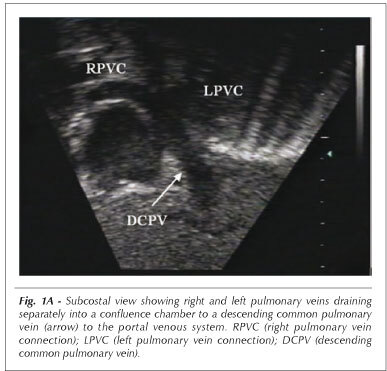
Infracardiac total anomalous pulmonary venous drainage can be erroneously diagnosed as respiratory distress of several different etiologies during the neonatal period. A cross-sectional echocardiography study with Doppler color flow mapping can preoperatively determine the precise drainage site and pulmonary venous return pattern, thereby allowing cardiac surgery to be performed promptly, prior to any clinical deterioration.

  • Echocardiography
  • Heart Defects, Congenital
  • Pulmonary Veins
Read Full Article
Creative Commons Attribution (CC BY) Creative Commons license
24/05/2007 DOI: 10.1590/S0066-782X2007000400026 Views 2
Treatment of atrial fibrillation with radiofrequency ablation and simultaneous multipolar mapping of the pulmonary veins
ABC
Original Article

Treatment of atrial fibrillation with radiofrequency ablation and simultaneous multipolar mapping of the pulmonary veins

Almino C. Rocha Neto et al. Roberto Lima Farias Angelo A. V. de Paola

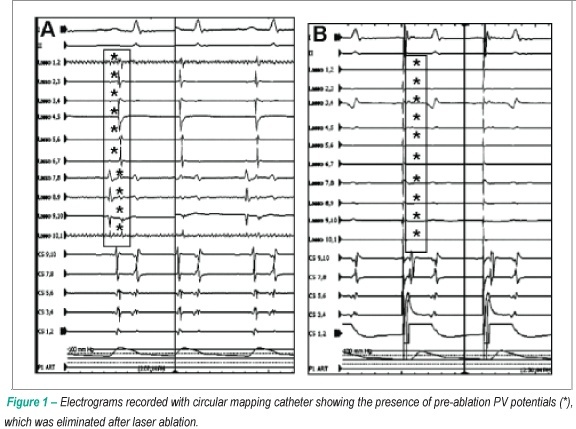
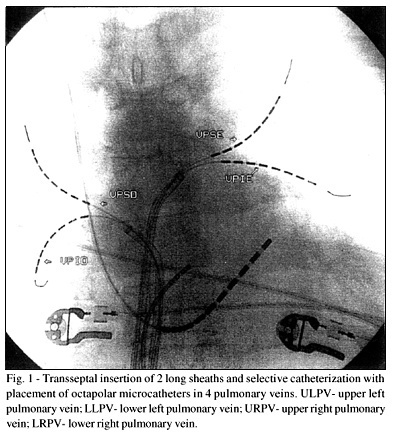
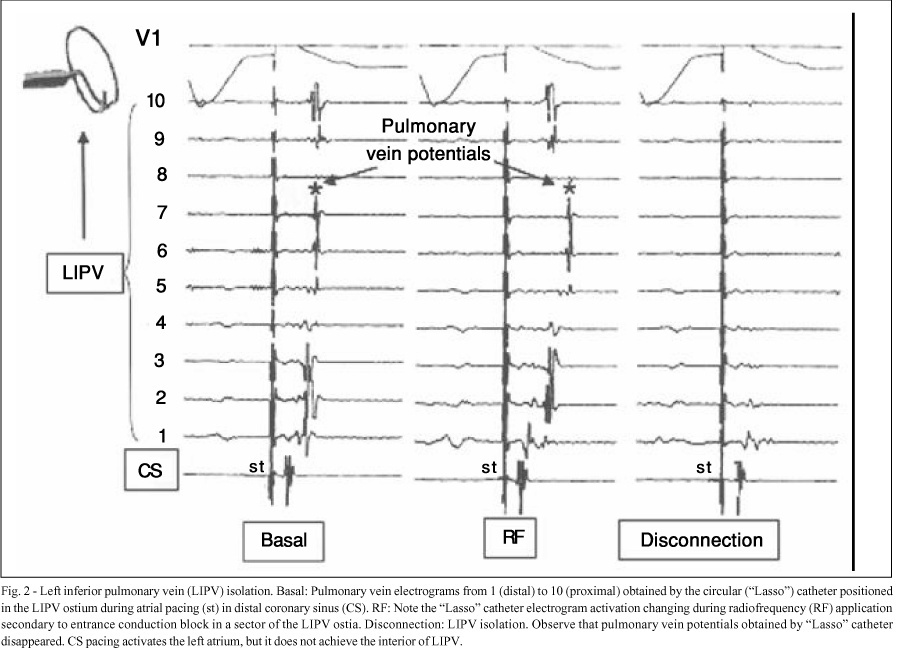
OBJECTIVE: To demonstrate the feasibility and safety of simultaneous catheterization and mapping of the 4 pulmonary veins for ablation of atrial fibrillation. METHODS: Ten patients, 8 with paroxysmal atrial fibrillation and 2 with persistent atrial fibrillation, refractory to at least 2 antiarrhythmic drugs and without structural cardiopathy, were consecutively studied. Through the transseptal insertion of 2 long sheaths, 4 pulmonary veins were simultaneously catheterized with octapolar microcatheters. After identification of arrhythmogenic foci radiofrequency was applied under angiographic or ultrasonographic control. RESULTS: During 17 procedures, 40 pulmonary veins were mapped, 16 of which had local ectopic activity, related or not with the triggering of atrial fibrillation paroxysms. At the end of each procedure, suppression of arrhythmias was obtained in 8 patients, and elimination of pulmonary vein potentials was accomplished in 4. During the clinical follow-up of 9.6±3 months, 7 patients remained in sinus rhythm, 5 of whom were using antiarrhythmic drugs that had previously been ineffective. None of the patients had pulmonary hypertension or evidence of stenosis in the pulmonary veins. CONCLUSION: Selective and simultaneous catheterization of the 4 pulmonary veins with microcatheters for simultaneous recording of their electrical activity is a feasible and safe procedure that may help ablation of atrial fibrillation.

  • Atrial Fibrillation
  • Pulmonary Veins
  • radiofrequency catheter ablation
Read Full Article
Creative Commons Attribution (CC BY) Creative Commons license
31/01/2007 DOI: 10.1590/S0066-782X2001001100003 Views 1
ABC
Artigo Original

Total anomalous pulmonary venous drainage: surgical therapy for the infradiaphragmatic and mixed anatomical types

Fernando Antibas Atik et al. Patricia Egusquiza Irun Miguel Barbero-Marcial Edmar Atik

OBJECTIVE: To study the in-hospital evolution of patients with the infradiaphragmatic and mixed types of total anomalous pulmonary venous drainage (TAPVD), who underwent surgical therapy. METHODS: Of the 65 patients diagnosed with isolated TAPVD and operated on from December 1993 to March 2002, 7 (10.8%) patients with the mixed and infradiaphragmatic forms were retrospectively selected. Their ages ranged from 5 days to 19 months (mean of 7 months), 5 (71.4%) were males, and their clinical diagnosis was established with 2-dimensional echocardiography. Four (57.1%) patients had the mixed form, which was intrinsic obstructive in 1 patient, with mild stenosis of the left inferior vein. The remaining 3 (42.9%) patients had the obstructive infradiaphragmatic form, extrinsic at the level of the diaphragm. All surgeries were performed through median sternotomy with hypothermic extracorporeal circulation, and total circulatory arrest was required in 2 patients. RESULTS: In-hospital death occurred in 1 patient with infradiaphragmatic TAPVD with connection of the inferior vertical vein with the portal vein. The cause of death was related to multisystem organ failure. In 4 (57.1%) patients, the postoperative period was characterized by the presence of low cardiac output and pulmonary hypertension. CONCLUSION: The result of the surgical correction of this anomaly is associated with acceptable morbidity and mortality, depending on early referral and surgery, without progression of the pulmonary vascular hypertension findings.

  • congenital heart defect with increased pulmonary blood flow
  • Pulmonary Veins
  • total anomalous pulmonary venous drainage
Read Full Article
Creative Commons Attribution (CC BY) Creative Commons license
05/04/2004 DOI: 10.1590/S0066-782X2004000300006
Pulmonary veins isolation to treat patients with refractory paroxysmal atrial fibrillation: clinical results after a single procedure
ABC
Artigo Original

Pulmonary veins isolation to treat patients with refractory paroxysmal atrial fibrillation: clinical results after a single procedure

Mauricio Scanavacca et al. Raul Sartini Fernando Tondato André d'Ávila … Denise Hachul Francisco Darrieux Sissy Lara Eduardo Sosa

OBJECTIVE: The purpose of this study was to access the clinical outcome of patients submitted to a single procedure of radiofrequency pulmonary veins (PV) isolation to treat refractory paroxysmal atrial fibrillation (AF). METHODS: This study included 49 consecutive patients (36 male; mean age 54±10 years old) who had frequent symptomatic paroxysmal AF refractory to at least three antiarrhythmic drugs. We used a circular decapolar catheter for mapping PVs – left atrial connections and a 4-mm distal tip catheter for ablation (30 W and 50 C), aiming to achieve electrical isolation of 3 -4 PVs. RESULTS: Twenty-five patients (51%) did not present any AF recurrence in a mean follow-up of 12±5 months. Twenty-four (49%) had at least one recurrence during outcome; twenty (83%) of them within the first month after the procedure and four after two to nine months. After introducing antiarrhythmic drugs 15 (63%) patients were under control, 10 were asymptomatic and five complained of sporadic short duration AF episodes. Nine (37%) patients remained very symptomatic despite the use of antiarrhythmic drugs and were referred to a new procedure of PV isolation. No patient presented major complications. At the end of the follow-up, 35 (71%) patients remained in stable sinus rhythm with no AF recurrences after a single procedure, 50% of them without antiarrhythmic drugs. CONCLUSION: Most patients who present symptomatic paroxysmal AF refractory to antiarrhythmic drugs obtain a good clinical control after a single PV isolation procedure.

  • Atrial Fibrillation
  • Pulmonary Veins
  • radiofrequency catheter ablation
Read Full Article
Creative Commons Attribution (CC BY) Creative Commons license
16/03/2004 DOI: 10.1590/S0066-782X2004000200007
Echocardiographic Assessment of the Pulmonary Venous Flow: An Indicator of Increased Pulmonary Flow in Congenital Cardiac Malformations
ABC
Original Article

Echocardiographic Assessment of the Pulmonary Venous Flow: An Indicator of Increased Pulmonary Flow in Congenital Cardiac Malformations

Ivan Romero Rivera et al. Valdir Ambrósio Moisés Angelo Amato V. de Paola Antonio Carlos Carvalho

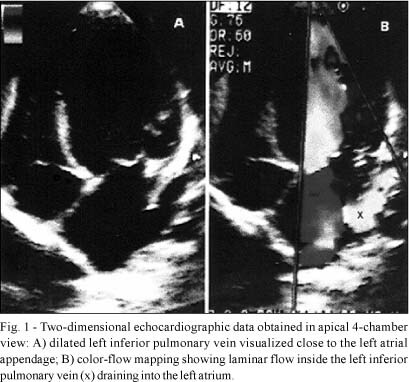
OBJECTIVE: To identify the left inferior pulmonary vein as an indirect marker of increased pulmonary flow in congenital heart diseases.METHODS: We carried out a prospective consecutive study on 40 patients divided into 2 groups as follows: G1 – 20 patients diagnosed with congenital heart disease and increased pulmonary flow; G2 (control group) – 20 patients who were either healthy or had congenital heart disease with decreased or normal pulmonary flow. We obtained the velocity-time integral of the left inferior pulmonary vein flow, excluding the “reverse A” wave, with pulsed Doppler echocardiography.RESULTS: In G1, 19 out of the 20 patients had well-identified dilation of the left inferior pulmonary vein. No G2 patient had dilation of the left inferior pulmonary vein. Dilation of the left inferior pulmonary vein in conditions of increased pulmonary flow had sensitivity of 95%, specificity of 100%, positive predictive value of 100%, and negative predictive value of 95% (1 false-negative case). The integral of time and velocity of the pulmonary venous flow obtained with pulsed Doppler echocardiography was greater in the G1 patients (G1=25.0±4.6 cm versus G2=14.8±2.1 cm, p=0.0001).CONCLUSION: The identification of dilation of the left inferior pulmonary vein suggests the presence of congenital heart disease with increased pulmonary flow. This may be used as an indirect sign of increased flow, mainly in malformations of difficult diagnosis, such as atrial septal defects of the venous sinus or coronary sinus type.

  • congenital heart diseases
  • Echocardiography
  • Pulmonary Veins
Read Full Article
Creative Commons Attribution (CC BY) Creative Commons license
20/09/2002 DOI: 10.1590/S0066-782X2002000600001 Views 1
Morphofunctional study of the junction between the left atrium and the pulmonary veins in patient with pulmonary hypertension
ABC
Original Article

Morphofunctional study of the junction between the left atrium and the pulmonary veins in patient with pulmonary hypertension

Jennecy Sales Cavalcanti et al. Laura Patrícia Ferreira Santos

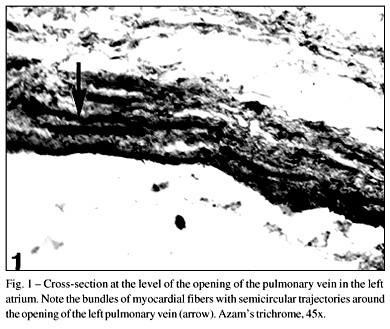
OBJECTIVE: To study the arrangement of the myocardial fiber bundles at the pulmonary venous left atrial junction in patients with pulmonary hypertension, and to discuss the pathophysiological importance of this element in the etiology of acute pulmonary edema. METHODS: We obtained 12 hearts and their pulmonary vein extremities from postmortem examinations of patients with the anatomicopathological diagnosis of acute pulmonary edema. The specimens, which had no grossly visible morphological cardiac alterations, were fixed in 10% formalin, and the muscular arrangement of the pulmonary venous left atrial junctions was analyzed. This material was then isolated, embedded in paraffin, underwent serial cutting (50 µm of thickness), and was stained with Azam’s trichrome. RESULTS: We observed in our specimens that: a) the myocardial fiber bundles that originate in the atrial wall and involve the openings of the pulmonary veins were fewer than those observed in healthy material; b) the myocardial fiber bundles that extend into the pulmonary veins were shorter than those found in material originating from individuals with no pulmonary hypertension. CONCLUSION: Anatomical changes that result in a reduction in the amount of myocardial fiber bundles in the pulmonary venous left atrial junction, isolated or associated with other factors, may be the cause of disorders in pulmonary circulation, leading to an increase in pulmonary venous pressure, and, consequently, to acute pulmonary edema.

  • Left atrium
  • Pulmonary Hypertension
  • Pulmonary Veins
Read Full Article
Creative Commons Attribution (CC BY) Creative Commons license
18/09/2001 DOI: 10.1590/S0066-782X2001000900003 Views 2

How to cite this article

EndNote RIS

Electronic Document Format (Vancouver)

Santos RR, Amador R, Santos PG, Matos D, Rodrigues G, Carmo J, Costa F, et al. Atrial Fibrillation Catheter Ablation: Electroporation Against High-Power Short Duration Radiofrequency. Arquivos Brasileiros de Cardiologia 2025;122(2):e20240542.

Electronic Document Format (ABNT)

Santos, Rita Reis; Amador, Rita; Santos, Pedro Galvão; Matos, Daniel; Rodrigues, Gustavo; Carmo, João; Costa, Francisco; Carmo, Pedro; Morgado, Francisco; Cavaco, Diogo; Scanavacca, Mauricio; Adragão, Pedro. Atrial Fibrillation Catheter Ablation: Electroporation Against High-Power Short Duration Radiofrequency. Arquivos Brasileiros de Cardiologia, v. 122, n. 2, e20240542, Mar. 2025.

Electronic Document Format (APA)

Santos, R. R., Amador, R., Santos, P. G., Matos, D., Rodrigues, G., Carmo, J., Costa, F., Carmo, P., Morgado, F., Cavaco, D., Scanavacca, M., & Adragão, P. (2025). Atrial Fibrillation Catheter Ablation: Electroporation Against High-Power Short Duration Radiofrequency. Arquivos Brasileiros de Cardiologia, 122(2), e20240542.

Electronic Document Format (ISO)

Santos, Rita Reis and Amador, Rita and Santos, Pedro Galvão and Matos, Daniel and Rodrigues, Gustavo and Carmo, João and Costa, Francisco and Carmo, Pedro and Morgado, Francisco and Cavaco, Diogo and Scanavacca, Mauricio and Adragão, Pedro. Atrial Fibrillation Catheter Ablation: Electroporation Against High-Power Short Duration Radiofrequency. Arquivos Brasileiros de Cardiologia [online]. 2025, vol. 122, n. 2, [cited 2026-10-14], e20240542. Available from: <https://journals.cardiol.br/en/article/atrial-fibrillation-catheter-ablation-electroporation-against-high-power-short-duration-radiofrequency/>. ISSN 0066-782X

EndNote RIS

Electronic Document Format (Vancouver)

Fenelon G. High-power, Short-duration Radiofrequency Ablation of Atrial Fibrillation: Point-by-Point or Catheter Dragging Technique?. Arquivos Brasileiros de Cardiologia 2025;121(12):e20240771.

Electronic Document Format (ABNT)

Fenelon, Guilherme. High-power, Short-duration Radiofrequency Ablation of Atrial Fibrillation: Point-by-Point or Catheter Dragging Technique?. Arquivos Brasileiros de Cardiologia, v. 121, n. 12, e20240771, Feb. 2025.

Electronic Document Format (APA)

Fenelon, G. (2025). High-power, Short-duration Radiofrequency Ablation of Atrial Fibrillation: Point-by-Point or Catheter Dragging Technique?. Arquivos Brasileiros de Cardiologia, 121(12), e20240771.

Electronic Document Format (ISO)

Fenelon, Guilherme. High-power, Short-duration Radiofrequency Ablation of Atrial Fibrillation: Point-by-Point or Catheter Dragging Technique?. Arquivos Brasileiros de Cardiologia [online]. 2025, vol. 121, n. 12, [cited 2026-10-14], e20240771. Available from: <https://journals.cardiol.br/en/article/high-power-short-duration-radiofrequency-ablation-of-atrial-fibrillation-point-by-point-or-catheter-dragging-technique/>. ISSN 0066-782X

EndNote RIS

Electronic Document Format (Vancouver)

Boghossian SHC, Mourilhe-Rocha R. Reconnection of Pulmonary Veins After Ablation. A Challenge to be Overcome. Arquivos Brasileiros de Cardiologia 2021;117(1):106-7.

Electronic Document Format (ABNT)

Boghossian, Silvia Helena Cardoso; Mourilhe-Rocha, Ricardo. Reconnection of Pulmonary Veins After Ablation. A Challenge to be Overcome. Arquivos Brasileiros de Cardiologia, v. 117, n. 1, p. 106-107, Jul. 2021.

Electronic Document Format (APA)

Boghossian, S. H. C., & Mourilhe-Rocha, R. (2021). Reconnection of Pulmonary Veins After Ablation. A Challenge to be Overcome. Arquivos Brasileiros de Cardiologia, 117(1), 106-107.

Electronic Document Format (ISO)

Boghossian, Silvia Helena Cardoso and Mourilhe-Rocha, Ricardo. Reconnection of Pulmonary Veins After Ablation. A Challenge to be Overcome. Arquivos Brasileiros de Cardiologia [online]. 2021, vol. 117, n. 1, [cited 2026-10-14], pp. 106-107. Available from: <https://journals.cardiol.br/en/article/reconnection-of-pulmonary-veins-after-ablation-a-challenge-to-be-overcome/>. ISSN 0066-782X

EndNote RIS

Electronic Document Format (Vancouver)

Bonatto MG, Freitas AKE, Rocha LSO, Collatusso C, Torres RA, Blume GG, Moura LZ, et al. Heart Failure Due to Anomalous Pulmonary Vein Connection Associated with Atrial Septal Defect. ABC: Heart Failure & Cardiomyopathy 2021;1(1):70-3.

Electronic Document Format (ABNT)

Bonatto, Marcely Gimenes; Freitas, Ana Karyn Ehrenfried de; Rocha, Letícia dos Santos de Oliveira; Collatusso, Claudinei; Torres, Rafael de Almeida; Blume, Gustavo Gavazzoni; Moura, Lídia Zytynski. Heart Failure Due to Anomalous Pulmonary Vein Connection Associated with Atrial Septal Defect. ABC: Heart Failure & Cardiomyopathy, v. 1, n. 1, p. 70-73, Jul. 2021.

Electronic Document Format (APA)

Bonatto, M. G., Freitas, A. K. E. , Rocha, L. S. O., Collatusso, C., Torres, R. A., Blume, G. G., & Moura, L. Z. (2021). Heart Failure Due to Anomalous Pulmonary Vein Connection Associated with Atrial Septal Defect. ABC: Heart Failure & Cardiomyopathy, 1(1), 70-73.

Electronic Document Format (ISO)

Bonatto, Marcely Gimenes and Freitas, Ana Karyn Ehrenfried de and Rocha, Letícia dos Santos de Oliveira and Collatusso, Claudinei and Torres, Rafael de Almeida and Blume, Gustavo Gavazzoni and Moura, Lídia Zytynski. Heart Failure Due to Anomalous Pulmonary Vein Connection Associated with Atrial Septal Defect. ABC: Heart Failure & Cardiomyopathy [online]. 2021, vol. 1, n. 1, [cited 2026-10-14], pp. 70-73. Available from: <https://journals.cardiol.br/en/article/heart-failure-due-to-anomalous-pulmonary-vein-connection-associated-with-atrial-septal-defect/>

EndNote RIS

Electronic Document Format (Vancouver)

Oliveira Junior NA. The Cold Season Begins in the Tropics. Cryoablation for Atrial Fibrillation in Brazil. Arquivos Brasileiros de Cardiologia 2020;115(3):536-7.

Electronic Document Format (ABNT)

Oliveira Junior, Nilson Araújo de. The Cold Season Begins in the Tropics. Cryoablation for Atrial Fibrillation in Brazil. Arquivos Brasileiros de Cardiologia, v. 115, n. 3, p. 536-537, Sep. 2020.

Electronic Document Format (APA)

Oliveira Junior, N. A. (2020). The Cold Season Begins in the Tropics. Cryoablation for Atrial Fibrillation in Brazil. Arquivos Brasileiros de Cardiologia, 115(3), 536-537.

Electronic Document Format (ISO)

Oliveira Junior, Nilson Araújo de. The Cold Season Begins in the Tropics. Cryoablation for Atrial Fibrillation in Brazil. Arquivos Brasileiros de Cardiologia [online]. 2020, vol. 115, n. 3, [cited 2026-10-14], pp. 536-537. Available from: <https://journals.cardiol.br/en/article/the-cold-season-begins-in-the-tropics-cryoablation-for-atrial-fibrillation-in-brazil/>. ISSN 0066-782X

EndNote RIS

Electronic Document Format (Vancouver)

Boghossian SHC, Barbosa EC, Boghossian E, Rangel L, Benchimol-Barbosa PR, Alcantara ML, Fagundes M, et al. Experience in a Brazilian Center with Cryoablation for Electric Isolation of the Pulmonary Veins in Paroxysmal and Persistent Atrial Fibrillation – Preliminary Results in Brazil. Arquivos Brasileiros de Cardiologia 2020;115(3):528-35.

Electronic Document Format (ABNT)

Boghossian, Silvia Helena Cardoso; Barbosa, Eduardo C.; Boghossian, Eduardo; Rangel, Lucas; Benchimol-Barbosa, Paulo Roberto; Alcantara, Mônica Luiza de; Fagundes, Marcio; Felix, Alex; Mourilhe-Rocha, Ricardo. Experience in a Brazilian Center with Cryoablation for Electric Isolation of the Pulmonary Veins in Paroxysmal and Persistent Atrial Fibrillation – Preliminary Results in Brazil. Arquivos Brasileiros de Cardiologia, v. 115, n. 3, p. 528-535, Jul. 2020.

Electronic Document Format (APA)

Boghossian, S. H. C., Barbosa, E. C., Boghossian, E., Rangel, L., Benchimol-Barbosa, P. R., Alcantara, M. L. , Fagundes, M., Felix, A., & Mourilhe-Rocha, R. (2020). Experience in a Brazilian Center with Cryoablation for Electric Isolation of the Pulmonary Veins in Paroxysmal and Persistent Atrial Fibrillation – Preliminary Results in Brazil. Arquivos Brasileiros de Cardiologia, 115(3), 528-535.

Electronic Document Format (ISO)

Boghossian, Silvia Helena Cardoso and Barbosa, Eduardo C. and Boghossian, Eduardo and Rangel, Lucas and Benchimol-Barbosa, Paulo Roberto and Alcantara, Mônica Luiza de and Fagundes, Marcio and Felix, Alex and Mourilhe-Rocha, Ricardo. Experience in a Brazilian Center with Cryoablation for Electric Isolation of the Pulmonary Veins in Paroxysmal and Persistent Atrial Fibrillation – Preliminary Results in Brazil. Arquivos Brasileiros de Cardiologia [online]. 2020, vol. 115, n. 3, [cited 2026-10-14], pp. 528-535. Available from: <https://journals.cardiol.br/en/article/experience-in-a-brazilian-center-with-cryoablation-for-electric-isolation-of-the-pulmonary-veins-in-paroxysmal-and-persistent-atrial-fibrillation-preliminary-results-in-brazil/>. ISSN 0066-782X

EndNote RIS

Electronic Document Format (Vancouver)

Sarabanda VL. Paroxysmal Atrial Fibrillation Catheter Ablation of Pulmonary Veins: does Anatomy Influence the Outcome?. Arquivos Brasileiros de Cardiologia 2018;111(6):831-2.

Electronic Document Format (ABNT)

Sarabanda, Álvaro Valentim Lima. Paroxysmal Atrial Fibrillation Catheter Ablation of Pulmonary Veins: does Anatomy Influence the Outcome?. Arquivos Brasileiros de Cardiologia, v. 111, n. 6, p. 831-832, Nov. 2018.

Electronic Document Format (APA)

Sarabanda, V. L. (2018). Paroxysmal Atrial Fibrillation Catheter Ablation of Pulmonary Veins: does Anatomy Influence the Outcome?. Arquivos Brasileiros de Cardiologia, 111(6), 831-832.

Electronic Document Format (ISO)

Sarabanda, Álvaro Valentim Lima. Paroxysmal Atrial Fibrillation Catheter Ablation of Pulmonary Veins: does Anatomy Influence the Outcome?. Arquivos Brasileiros de Cardiologia [online]. 2018, vol. 111, n. 6, [cited 2026-10-14], pp. 831-832. Available from: <https://journals.cardiol.br/en/article/paroxysmal-atrial-fibrillation-catheter-ablation-of-pulmonary-veins-does-anatomy-influence-the-outcome/>. ISSN 0066-782X

EndNote RIS

Electronic Document Format (Vancouver)

Salah A, Zhou S, Liu Q, Yan H. P wave indices to predict atrial fibrillation recurrences post pulmonary vein isolation. Arquivos Brasileiros de Cardiologia 2013;101(6):519-27.

Electronic Document Format (ABNT)

Salah, Ahmed; Zhou, Shenghua; Liu, Qiming; Yan, Hui. P wave indices to predict atrial fibrillation recurrences post pulmonary vein isolation. Arquivos Brasileiros de Cardiologia, v. 101, n. 6, p. 519-527, Oct. 2013.

Electronic Document Format (APA)

Salah, A., Zhou, S., Liu, Q., & Yan, H. (2013). P wave indices to predict atrial fibrillation recurrences post pulmonary vein isolation. Arquivos Brasileiros de Cardiologia, 101(6), 519-527.

Electronic Document Format (ISO)

Salah, Ahmed and Zhou, Shenghua and Liu, Qiming and Yan, Hui. P wave indices to predict atrial fibrillation recurrences post pulmonary vein isolation. Arquivos Brasileiros de Cardiologia [online]. 2013, vol. 101, n. 6, [cited 2026-10-14], pp. 519-527. Available from: <https://journals.cardiol.br/en/article/p-wave-indices-to-predict-atrial-fibrillation-recurrences-post-pulmonary-vein-isolation/>. ISSN 0066-782X

EndNote RIS

Electronic Document Format (Vancouver)

Sarabanda AVL, Beck LC, Ferreira LGG, Gali WL, Netto FM, Monte GU. Treatment of pulmonary vein stenosis after percutaneous ablation of atrial fibrillation. Arquivos Brasileiros de Cardiologia 2010;94(1):e7-e10.

Electronic Document Format (ABNT)

Sarabanda, Alvaro Valentim Lima; Beck, Leonardo Cogo; Ferreira, Luis Gustavo Gomes; Gali, Wagner Luis; Netto, Fernando Melo; Monte, Guilherme Urpia. Treatment of pulmonary vein stenosis after percutaneous ablation of atrial fibrillation. Arquivos Brasileiros de Cardiologia, v. 94, n. 1, p. e7-e10, Sep. 2010.

Electronic Document Format (APA)

Sarabanda, A. V. L., Beck, L. C., Ferreira, L. G. G., Gali, W. L., Netto, F. M., & Monte, G. U. (2010). Treatment of pulmonary vein stenosis after percutaneous ablation of atrial fibrillation. Arquivos Brasileiros de Cardiologia, 94(1), e7-e10.

Electronic Document Format (ISO)

Sarabanda, Alvaro Valentim Lima and Beck, Leonardo Cogo and Ferreira, Luis Gustavo Gomes and Gali, Wagner Luis and Netto, Fernando Melo and Monte, Guilherme Urpia. Treatment of pulmonary vein stenosis after percutaneous ablation of atrial fibrillation. Arquivos Brasileiros de Cardiologia [online]. 2010, vol. 94, n. 1, [cited 2026-10-14], pp. e7-e10. Available from: <https://journals.cardiol.br/en/article/treatment-of-pulmonary-vein-stenosis-after-percutaneous-ablation-of-atrial-fibrillation/>. ISSN 0066-782X

EndNote RIS

Electronic Document Format (Vancouver)

Leite L, Su W, Johnson SB, Milton M, Henz B, Sarabanda A, Santos SN, et al. Utility of intracardiac ultrasound imaging to guide pulmonary vein ablation using laser balloon catheter. Arquivos Brasileiros de Cardiologia 2010;93(6):666-71.

Electronic Document Format (ABNT)

Leite, Luiz; Su, Wilber; Johnson, Susan B.; Milton, Mark; Henz, Benhur; Sarabanda, Alvaro; Santos, Simone N.; Packer, Douglas L.. Utility of intracardiac ultrasound imaging to guide pulmonary vein ablation using laser balloon catheter. Arquivos Brasileiros de Cardiologia, v. 93, n. 6, p. 666-671, May. 2010.

Electronic Document Format (APA)

Leite, L., Su, W., Johnson, S. B., Milton, M., Henz, B., Sarabanda, A., Santos, S. N., & Packer, D. L. (2010). Utility of intracardiac ultrasound imaging to guide pulmonary vein ablation using laser balloon catheter. Arquivos Brasileiros de Cardiologia, 93(6), 666-671.

Electronic Document Format (ISO)

Leite, Luiz and Su, Wilber and Johnson, Susan B. and Milton, Mark and Henz, Benhur and Sarabanda, Alvaro and Santos, Simone N. and Packer, Douglas L.. Utility of intracardiac ultrasound imaging to guide pulmonary vein ablation using laser balloon catheter. Arquivos Brasileiros de Cardiologia [online]. 2010, vol. 93, n. 6, [cited 2026-10-14], pp. 666-671. Available from: <https://journals.cardiol.br/article/utility-of-intracardiac-ultrasound-imaging-to-guide-pulmonary-vein-ablation-using-laser-balloon-catheter/>. ISSN 0066-782X

EndNote RIS

Electronic Document Format (Vancouver)

Atik E, Bhering MA, Assad RS. Partial anomalous return of four pulmonary veins with intact interatrial septum defect: a rare case report. Arquivos Brasileiros de Cardiologia 2008;91(1):e1-3.

Electronic Document Format (ABNT)

Atik, Edmar; Bhering, Maria Aparecida; Assad, Renato Samy. Partial anomalous return of four pulmonary veins with intact interatrial septum defect: a rare case report. Arquivos Brasileiros de Cardiologia, v. 91, n. 1, p. e1-e3, Jul. 2008.

Electronic Document Format (APA)

Atik, E., Bhering, M. A., & Assad, R. S. (2008). Partial anomalous return of four pulmonary veins with intact interatrial septum defect: a rare case report. Arquivos Brasileiros de Cardiologia, 91(1), e1-e3.

Electronic Document Format (ISO)

Atik, Edmar and Bhering, Maria Aparecida and Assad, Renato Samy. Partial anomalous return of four pulmonary veins with intact interatrial septum defect: a rare case report. Arquivos Brasileiros de Cardiologia [online]. 2008, vol. 91, n. 1, [cited 2026-10-14], pp. e1-e3. Available from: <https://journals.cardiol.br/en/article/partial-anomalous-return-of-four-pulmonary-veins-with-intact-interatrial-septum-defect-a-rare-case-report/>. ISSN 0066-782X

EndNote RIS

Electronic Document Format (Vancouver)

Rivera IR, Silva MAM, Moises VA, Andrade JL, Campos Filho O, Paola A, Carvalho AC, et al. Echocardiograph pulmonary venous flow patterns in congenital heart defects with increased pulmonary flow. Arquivos Brasileiros de Cardiologia 2007;88(4):396-401.

Electronic Document Format (ABNT)

Rivera, Ivan Romero; Silva, Maria Alayde Mendonça da; Moises, Valdir Ambrósio; Andrade, José Lázaro de; Campos Filho, Orlando; Paola, Ângelo Amato de; Carvalho, Antonio Carlos. Echocardiograph pulmonary venous flow patterns in congenital heart defects with increased pulmonary flow. Arquivos Brasileiros de Cardiologia, v. 88, n. 4, p. 396-401, May. 2007.

Electronic Document Format (APA)

Rivera, I. R., Silva, M. A. M. , Moises, V. A., Andrade, J. L. , Campos Filho, O., Paola, A. , & Carvalho, A. C. (2007). Echocardiograph pulmonary venous flow patterns in congenital heart defects with increased pulmonary flow. Arquivos Brasileiros de Cardiologia, 88(4), 396-401.

Electronic Document Format (ISO)

Rivera, Ivan Romero and Silva, Maria Alayde Mendonça da and Moises, Valdir Ambrósio and Andrade, José Lázaro de and Campos Filho, Orlando and Paola, Ângelo Amato de and Carvalho, Antonio Carlos. Echocardiograph pulmonary venous flow patterns in congenital heart defects with increased pulmonary flow. Arquivos Brasileiros de Cardiologia [online]. 2007, vol. 88, n. 4, [cited 2026-10-14], pp. 396-401. Available from: <https://journals.cardiol.br/en/article/echocardiograph-pulmonary-venous-flow-patterns-in-congenital-heart-defects-with-increased-pulmonary-flow/>. ISSN 0066-782X

EndNote RIS

Electronic Document Format (Vancouver)

Silva CMC, Oporto VM, Silveira P, Bertini Junior A, Kapins CEB, Carvalho ACC. Infracardiac total anomalous pulmonary venous drainage: a diagnostic challenge. Arquivos Brasileiros de Cardiologia 2007;88(4):e81-3.

Electronic Document Format (ABNT)

Silva, Célia M. C.; Oporto, Victor M.; Silveira, Patrícia; Bertini Junior, Ayrton; Kapins, Carlos Eduardo Bernini; Carvalho, Antonio Carlos Camargo. Infracardiac total anomalous pulmonary venous drainage: a diagnostic challenge. Arquivos Brasileiros de Cardiologia, v. 88, n. 4, p. e81-e83, May. 2007.

Electronic Document Format (APA)

Silva, C. M. C., Oporto, V. M., Silveira, P., Bertini Junior, A., Kapins, C. E. B., & Carvalho, A. C. C. (2007). Infracardiac total anomalous pulmonary venous drainage: a diagnostic challenge. Arquivos Brasileiros de Cardiologia, 88(4), e81-e83.

Electronic Document Format (ISO)

Silva, Célia M. C. and Oporto, Victor M. and Silveira, Patrícia and Bertini Junior, Ayrton and Kapins, Carlos Eduardo Bernini and Carvalho, Antonio Carlos Camargo. Infracardiac total anomalous pulmonary venous drainage: a diagnostic challenge. Arquivos Brasileiros de Cardiologia [online]. 2007, vol. 88, n. 4, [cited 2026-10-14], pp. e81-e83. Available from: <https://journals.cardiol.br/en/article/infracardiac-total-anomalous-pulmonary-venous-drainage-a-diagnostic-challenge/>. ISSN 0066-782X

EndNote RIS

Electronic Document Format (Vancouver)

Rocha Neto AC, Farias RL, Paola AAV. Treatment of atrial fibrillation with radiofrequency ablation and simultaneous multipolar mapping of the pulmonary veins. Arquivos Brasileiros de Cardiologia 2007;77(5):418-2.

Electronic Document Format (ABNT)

Rocha Neto, Almino C.; Farias, Roberto Lima; Paola, Angelo A. V. de. Treatment of atrial fibrillation with radiofrequency ablation and simultaneous multipolar mapping of the pulmonary veins. Arquivos Brasileiros de Cardiologia, v. 77, n. 5, p. 418-428, Jan. 2007.

Electronic Document Format (APA)

Rocha Neto, A. C., Farias, R. L., & Paola, A. A. V. (2007). Treatment of atrial fibrillation with radiofrequency ablation and simultaneous multipolar mapping of the pulmonary veins. Arquivos Brasileiros de Cardiologia, 77(5), 418-428.

Electronic Document Format (ISO)

Rocha Neto, Almino C. and Farias, Roberto Lima and Paola, Angelo A. V. de. Treatment of atrial fibrillation with radiofrequency ablation and simultaneous multipolar mapping of the pulmonary veins. Arquivos Brasileiros de Cardiologia [online]. 2007, vol. 77, n. 5, [cited 2026-10-14], pp. 418-428. Available from: <https://journals.cardiol.br/en/article/treatment-of-atrial-fibrillation-with-radiofrequency-ablation-and-simultaneous-multipolar-mapping-of-the-pulmonary-veins/>. ISSN 0066-782X

EndNote RIS

Electronic Document Format (Vancouver)

Atik FA, Irun PE, Barbero-Marcial M, Atik E. Total anomalous pulmonary venous drainage: surgical therapy for the infradiaphragmatic and mixed anatomical types. Arquivos Brasileiros de Cardiologia 2004;82(3):259-63.

Electronic Document Format (ABNT)

Atik, Fernando Antibas; Irun, Patricia Egusquiza; Barbero-Marcial, Miguel; Atik, Edmar. Total anomalous pulmonary venous drainage: surgical therapy for the infradiaphragmatic and mixed anatomical types. Arquivos Brasileiros de Cardiologia, v. 82, n. 3, p. 259-263, Apr. 2004.

Electronic Document Format (APA)

Atik, F. A., Irun, P. E., Barbero-Marcial, M., & Atik, E. (2004). Total anomalous pulmonary venous drainage: surgical therapy for the infradiaphragmatic and mixed anatomical types. Arquivos Brasileiros de Cardiologia, 82(3), 259-263.

Electronic Document Format (ISO)

Atik, Fernando Antibas and Irun, Patricia Egusquiza and Barbero-Marcial, Miguel and Atik, Edmar. Total anomalous pulmonary venous drainage: surgical therapy for the infradiaphragmatic and mixed anatomical types. Arquivos Brasileiros de Cardiologia [online]. 2004, vol. 82, n. 3, [cited 2026-10-14], pp. 259-263. Available from: <https://journals.cardiol.br/en/article/total-anomalous-pulmonary-venous-drainage-surgical-therapy-for-the-infradiaphragmatic-and-mixed-anatomical-types/>. ISSN 0066-782X

EndNote RIS

Electronic Document Format (Vancouver)

Scanavacca M, Sartini R, Tondato F, d’Ávila A, Hachul D, Darrieux F, Lara S, et al. Pulmonary veins isolation to treat patients with refractory paroxysmal atrial fibrillation: clinical results after a single procedure. Arquivos Brasileiros de Cardiologia 2004;82(2):155-9.

Electronic Document Format (ABNT)

Scanavacca, Mauricio; Sartini, Raul; Tondato, Fernando; d’Ávila, André; Hachul, Denise; Darrieux, Francisco; Lara, Sissy; Sosa, Eduardo. Pulmonary veins isolation to treat patients with refractory paroxysmal atrial fibrillation: clinical results after a single procedure. Arquivos Brasileiros de Cardiologia, v. 82, n. 2, p. 155-159, Mar. 2004.

Electronic Document Format (APA)

Scanavacca, M., Sartini, R., Tondato, F., d’Ávila, A., Hachul, D., Darrieux, F., Lara, S., & Sosa, E. (2004). Pulmonary veins isolation to treat patients with refractory paroxysmal atrial fibrillation: clinical results after a single procedure. Arquivos Brasileiros de Cardiologia, 82(2), 155-159.

Electronic Document Format (ISO)

Scanavacca, Mauricio and Sartini, Raul and Tondato, Fernando and d’Ávila, André and Hachul, Denise and Darrieux, Francisco and Lara, Sissy and Sosa, Eduardo. Pulmonary veins isolation to treat patients with refractory paroxysmal atrial fibrillation: clinical results after a single procedure. Arquivos Brasileiros de Cardiologia [online]. 2004, vol. 82, n. 2, [cited 2026-10-14], pp. 155-159. Available from: <https://journals.cardiol.br/en/article/pulmonary-veins-isolation-to-treat-patients-with-refractory-paroxysmal-atrial-fibrillation-clinical-results-after-a-single-procedure/>. ISSN 0066-782X

EndNote RIS

Electronic Document Format (Vancouver)

Rivera IR, Moisés VA, Paola AAV, Carvalho AC. Echocardiographic Assessment of the Pulmonary Venous Flow: An Indicator of Increased Pulmonary Flow in Congenital Cardiac Malformations. Arquivos Brasileiros de Cardiologia 2002;78(6):541-4.

Electronic Document Format (ABNT)

Rivera, Ivan Romero; Moisés, Valdir Ambrósio; Paola, Angelo Amato V. de; Carvalho, Antonio Carlos. Echocardiographic Assessment of the Pulmonary Venous Flow: An Indicator of Increased Pulmonary Flow in Congenital Cardiac Malformations. Arquivos Brasileiros de Cardiologia, v. 78, n. 6, p. 541-544, Sep. 2002.

Electronic Document Format (APA)

Rivera, I. R., Moisés, V. A., Paola, A. A. V. , & Carvalho, A. C. (2002). Echocardiographic Assessment of the Pulmonary Venous Flow: An Indicator of Increased Pulmonary Flow in Congenital Cardiac Malformations. Arquivos Brasileiros de Cardiologia, 78(6), 541-544.

Electronic Document Format (ISO)

Rivera, Ivan Romero and Moisés, Valdir Ambrósio and Paola, Angelo Amato V. de and Carvalho, Antonio Carlos. Echocardiographic Assessment of the Pulmonary Venous Flow: An Indicator of Increased Pulmonary Flow in Congenital Cardiac Malformations. Arquivos Brasileiros de Cardiologia [online]. 2002, vol. 78, n. 6, [cited 2026-10-14], pp. 541-544. Available from: <https://journals.cardiol.br/en/article/echocardiographic-assessment-of-the-pulmonary-venous-flow-an-indicator-of-increased-pulmonary-flow-in-congenital-cardiac-malformations/>. ISSN 0066-782X

EndNote RIS

Electronic Document Format (Vancouver)

Cavalcanti JS, Santos LPF. Morphofunctional study of the junction between the left atrium and the pulmonary veins in patient with pulmonary hypertension. Arquivos Brasileiros de Cardiologia 2001;77(3):232-4.

Electronic Document Format (ABNT)

Cavalcanti, Jennecy Sales; Santos, Laura Patrícia Ferreira. Morphofunctional study of the junction between the left atrium and the pulmonary veins in patient with pulmonary hypertension. Arquivos Brasileiros de Cardiologia, v. 77, n. 3, p. 232-234, Sep. 2001.

Electronic Document Format (APA)

Cavalcanti, J. S., & Santos, L. P. F. (2001). Morphofunctional study of the junction between the left atrium and the pulmonary veins in patient with pulmonary hypertension. Arquivos Brasileiros de Cardiologia, 77(3), 232-234.

Electronic Document Format (ISO)

Cavalcanti, Jennecy Sales and Santos, Laura Patrícia Ferreira. Morphofunctional study of the junction between the left atrium and the pulmonary veins in patient with pulmonary hypertension. Arquivos Brasileiros de Cardiologia [online]. 2001, vol. 77, n. 3, [cited 2026-10-14], pp. 232-234. Available from: <https://journals.cardiol.br/en/article/morphofunctional-study-of-the-junction-between-the-left-atrium-and-the-pulmonary-veins-in-patient-with-pulmonary-hypertension/>. ISSN 0066-782X

  • About ABC Family
  • Internal Regulation
  • Editorial Board
  • Brazilian Society of Cardiology (SBC)

Issues

SBC Guidelines

  • Videos
  • Podcasts
  • News