ABC Family Arquivos Brasileiros de Cardiologia International Journal of Cardiovascular Sciences ABC Heart Failure & Cardiomyopathy ABC Imagem Cardiovascular
Português English
ABC Family
Português English
  • About
    • About ABC Family
    • Internal Regulation
    • Editorial Board
    • Brazilian Society of Cardiology (SBC)
  • Issues
  • SBC Guidelines
  • Content
    • Videos
    • Podcasts
    • News
  • About
    • About ABC Family
    • Internal Regulation
    • Editorial Board
    • Brazilian Society of Cardiology (SBC)
  • Issues
  • SBC Guidelines
  • Content
    • Videos
    • Podcasts
    • News

ABC Family

  • ABC Family
  • Arquivos Brasileiros de Cardiologia
  • International Journal of Cardiovascular Sciences
  • ABC Heart Failure & Cardiomyopathy
  • ABC Imagem Cardiovascular
Search in

No content found.

Journals
Ordering
Article types
Others

  1. Home
  2. Keyword: Stress, Physiological
Figure 1
IJCS
Brief Communication

Takotsubo Syndrome in the Context of Transmural Acute Myocardial Infarction: Prevalence and How to Differentiate?

João Paulo Soares Costa et al. Luiz Eduardo Fonteles Ritt Rafael Modesto Fernandes Felipe Alvarenga Duarte Campos … Queila Borges Eduardo Sahade Darzé

Introduction

Takotsubo syndrome (TTS) is characterized by transient left ventricular dysfunction culminating in acute cardiac dysfunction. It is frequently preceded by emotional or physical stress.,

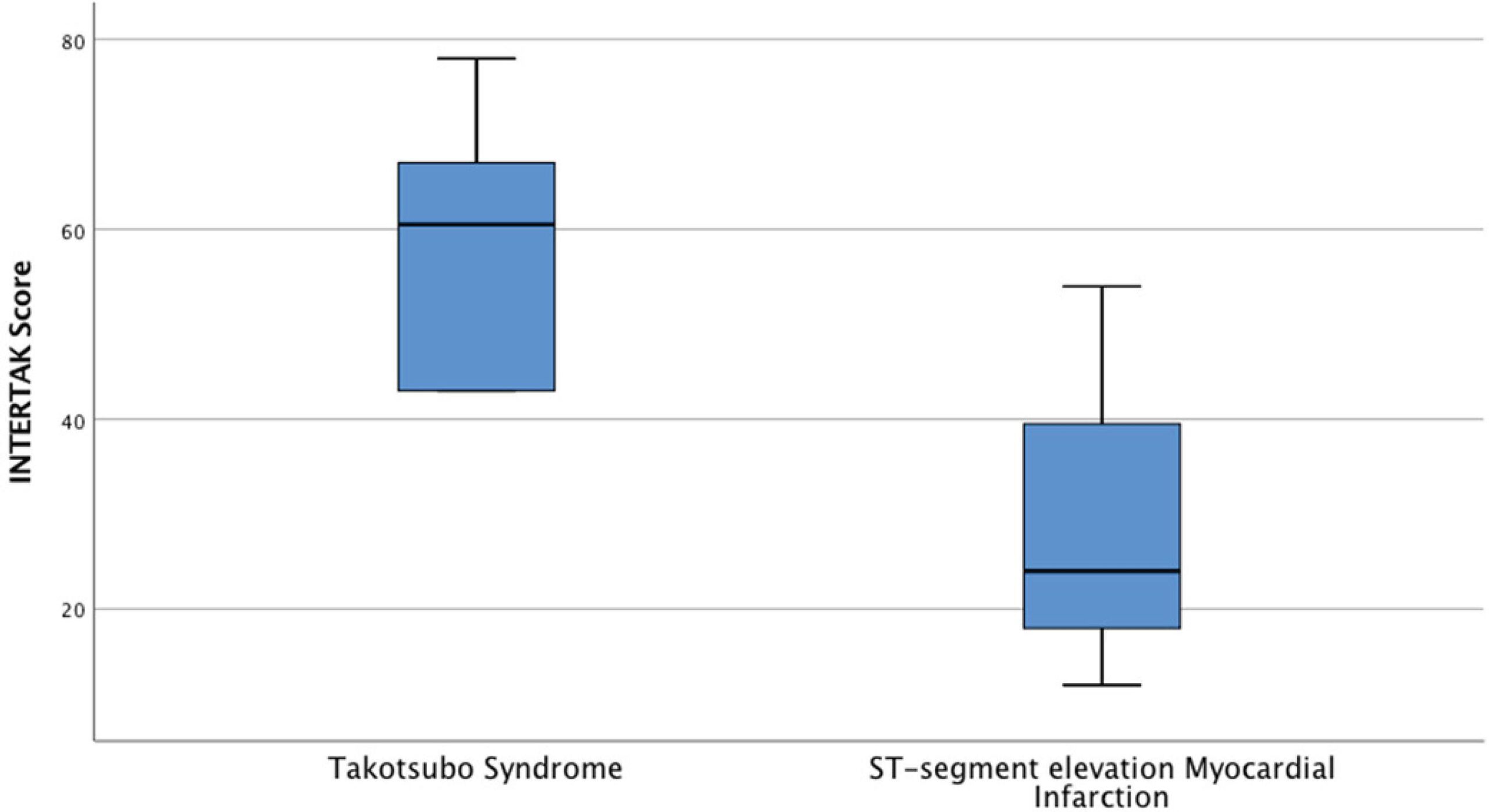
The most common symptoms at presentation are chest pain and dyspnea. Because the presentation of TTS is similar to that of acute coronary syndrome (ACS), the differential diagnosis is difficult, especially from ST-elevation myocardial infarction (STEMI). Absence of coronary artery disease in the affected area must be confirmed to establish the diagnosis of TTS. To facilitate the diagnosis of TTS, the European Society of Cardiology has recently developed the InterTAK diagnostic score, a promising tool that estimates the probability of a TTS event.,

[…]
  • Acute Coronary Syndrome / diagnosis
  • ST Elevation Myocardial Infarction
  • Stress, Physiological
  • Stress, Psychological
  • Takotsubo Cardiomyopathy
  • Ventricular Function, Left
Read Full Article
Creative Commons Attribution (CC BY) Creative Commons license
17/02/2020 DOI: 10.5935/2359-4802.20190080 Views 2
Figure 1
ABC
Original Article

Stress and Food Consumption Relationship in Hypertensive Patients

Aline Lopes Dalmazo et al. Claudia Fetter Silvia Goldmeier Maria Claudia Irigoyen … Lucia Campos Pellanda Eduardo Costa Duarte Barbosa Thais Rodrigues Moreira Denise Ruttke Dillenburg Osório

Abstract

Background:

Stress is a state of threat to the balance of the organism, which can cause biological and psychological changes. In hypertensive patients, stress can interfere with blood pressure levels, influence on food choices and neglect of the diet.

Objective:

This study aims to describe the relationship between stress and dietary intake of hypertensive patients.

Methods:

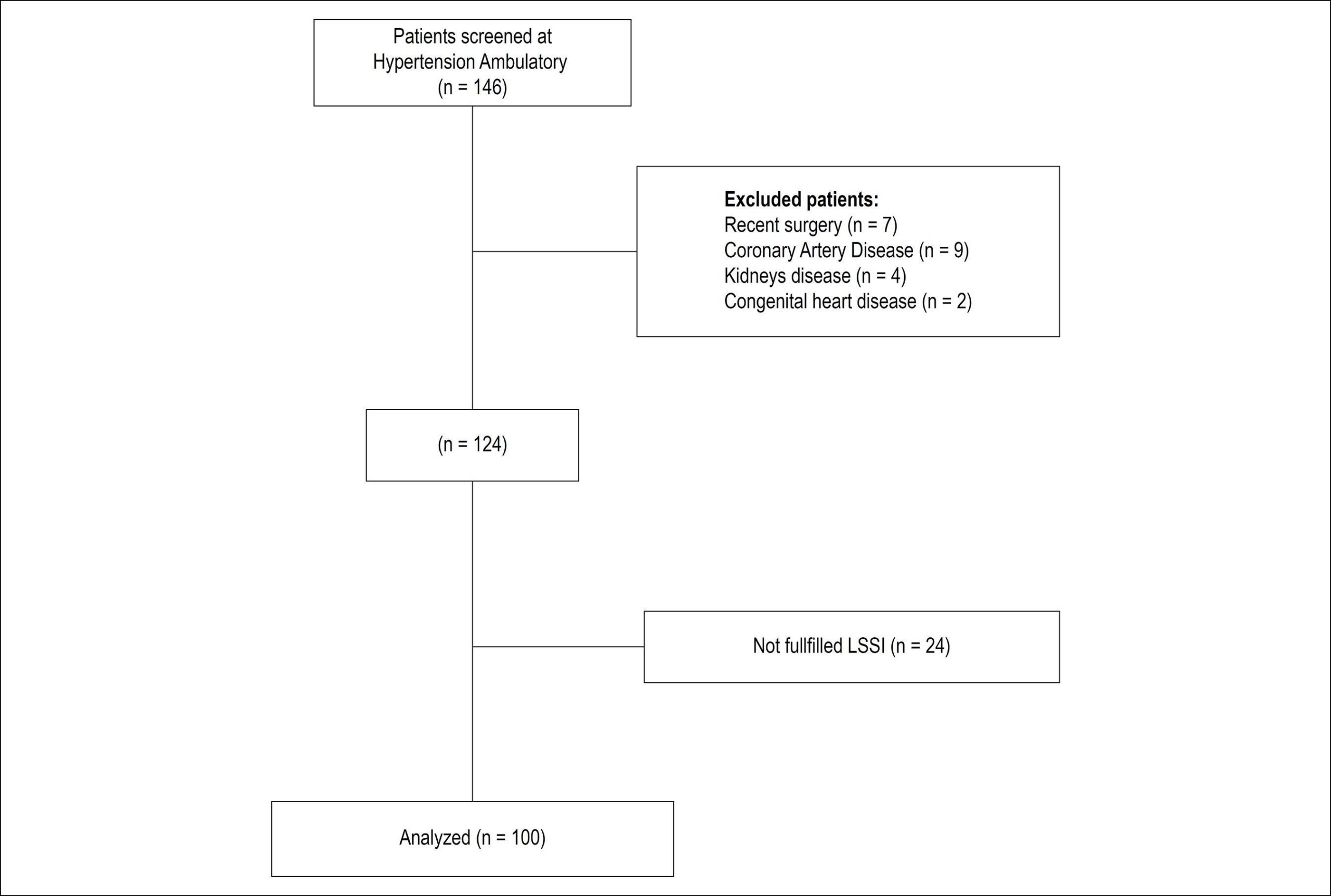
A transversal study was carried out at the Arterial Hypertension Clinic of the Cardiology Institute of Rio Grande do Sul, Brazil. The participants were aged ≥ 18 years and hypertensive. Blood pressure, food consumption and anthropometric measurements were collected. The variables related to stress were evaluated by the Lipp’s Stress Symptoms Inventory (LSSI) for adults. Significance level of 5% has been considered for all analyzed data.

Results:

The number of participants was 100. There was a higher prevalence of the female sex (67%), the mean age of the study population was 55.87 ± 12.55 years. Among the participants, 86% were classified in some of the stress phases, on which 57% were in the resistance phase. It was observed that there was no correlation between the presence of stress (as well as their actions), pressure levels and food consumption. The consumption of foods rich in lipids and individuals with a prevalence of psychological symptoms of stress displayed a significant association.

Conclusions:

Rich in fat dietary has been the first choice in patients with psychological symptoms of stress. Further studies regarding remodeled dietary intake and blood pressure levels in relation to the stress phases are suggested. These findings are important to contribute to the development of prevention and treatment strategies for cardiovascular diseases.

  • Body Weights and Measures
  • Dietary Fats/metabolismo
  • Food Consumption
  • Hypertension
  • Metabolism
  • Stress, Physiological
Read Full Article
Creative Commons Attribution (CC BY) Creative Commons license
02/09/2019 DOI: 10.5935/abc.20190175 Views 1
Figure 1
ABC
Original Article

Sex-Related Effects of Prenatal Stress on Region-Specific Expression of Monoamine Oxidase A and β Adrenergic Receptors in Rat Hearts

Tanja Jevdjovic et al. Tamara Dakic Sonja Kopanja Iva Lakic … Predrag Vujovic Nebojsa Jasnic Jelena Djordjevic

Abstract

Background:

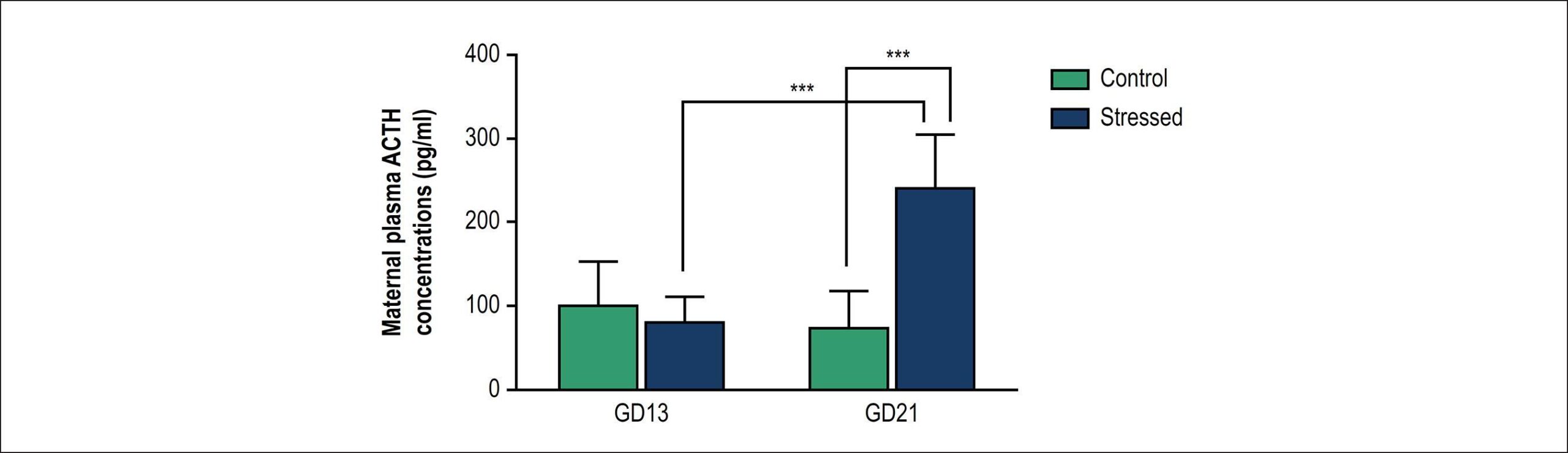
Prenatal stress may increase risk of developing cardiovascular disorders in adulthood. The cardiotoxic effects of catecholamines are mediated via prolonged adrenergic receptor stimulation and increased oxidative stress upon their degradation by monoamine oxidase A (MAO-A).

Objectives:

We investigated long-term effects of prenatal stress on β (1, 2, 3) adrenergic receptors and MAO-A gene expression in the hearts of adult rat offspring.

Methods:

Pregnant rats were exposed to unpredictable mild stress during the third week of gestation. RNA was isolated from left ventricular apex and base of adult offspring. Quantitative PCR was used to measure gene expression in collected ventricular tissue samples. The level of significance was set to p < 0.05.

Results:

β3 adrenergic receptor mRNA was undetectable in rat left ventricle. β1 adrenergic receptor was the predominantly expressed subtype at the apical and basal left ventricular myocardium in the control females. Male offspring from unstressed mothers displayed higher apical cardiac β1 than β2 adrenergic receptor mRNA levels. However, β1 and β2 adrenergic receptor mRNAs were similarly expressed at the ventricular basal myocardium in males. Unlike males, prenatally stressed females exhibited decreased β1 adrenergic receptor mRNA expression at the apical myocardium. Prenatal stress did not affect cardiac MAO-A gene expression.

Conclusions:

Collectively, our results show that prenatal stress may have exerted region- and sex-specific β1 and β2 adrenergic receptor expression patterns within the left ventricle.

  • Adrenergic beta1 beta2 Receptor Antagonists
  • Cardiotoxicity
  • Catecholamines
  • Female
  • Heart
  • Oxidative Stress
  • Pregnancy
  • Rats
  • Sex
  • Stress, Physiological
Read Full Article
Creative Commons Attribution (CC BY) Creative Commons license
13/12/2018 DOI: 10.5935/abc.20190001
ABC
Letter to the Editor

Anxiety and Depression and their Association with Low Quality of Life in Patients with Metabolic Syndrome

Mariane Lopes da Silva et al. Mariana Alievi Mari

Dear Editor,

We read the article entitled “Lifestyle Intervention on Metabolic Syndrome and its Impact on Quality of Life: A Randomized Controlled Trial”, by Saboya et al. with great interest and would like to contribute with some suggestions.

[…]

  • Depression
  • Depressive Disorder
  • Metabolic Syndrome
  • Quality of life
  • Stress, Physiological
Read Full Article
Creative Commons Attribution (CC BY) Creative Commons license
01/12/2018 DOI: 10.5935/abc.20180221
Figure 1
ABC
Viewpoint

Post-Hospital Syndrome: A New Challenge in Cardiovascular Practice

Evandro Tinoco Mesquita et al. Larissa Nascimento Cruz Bruna Melo Mariano Antonio José Lagoeiro Jorge

Abstract

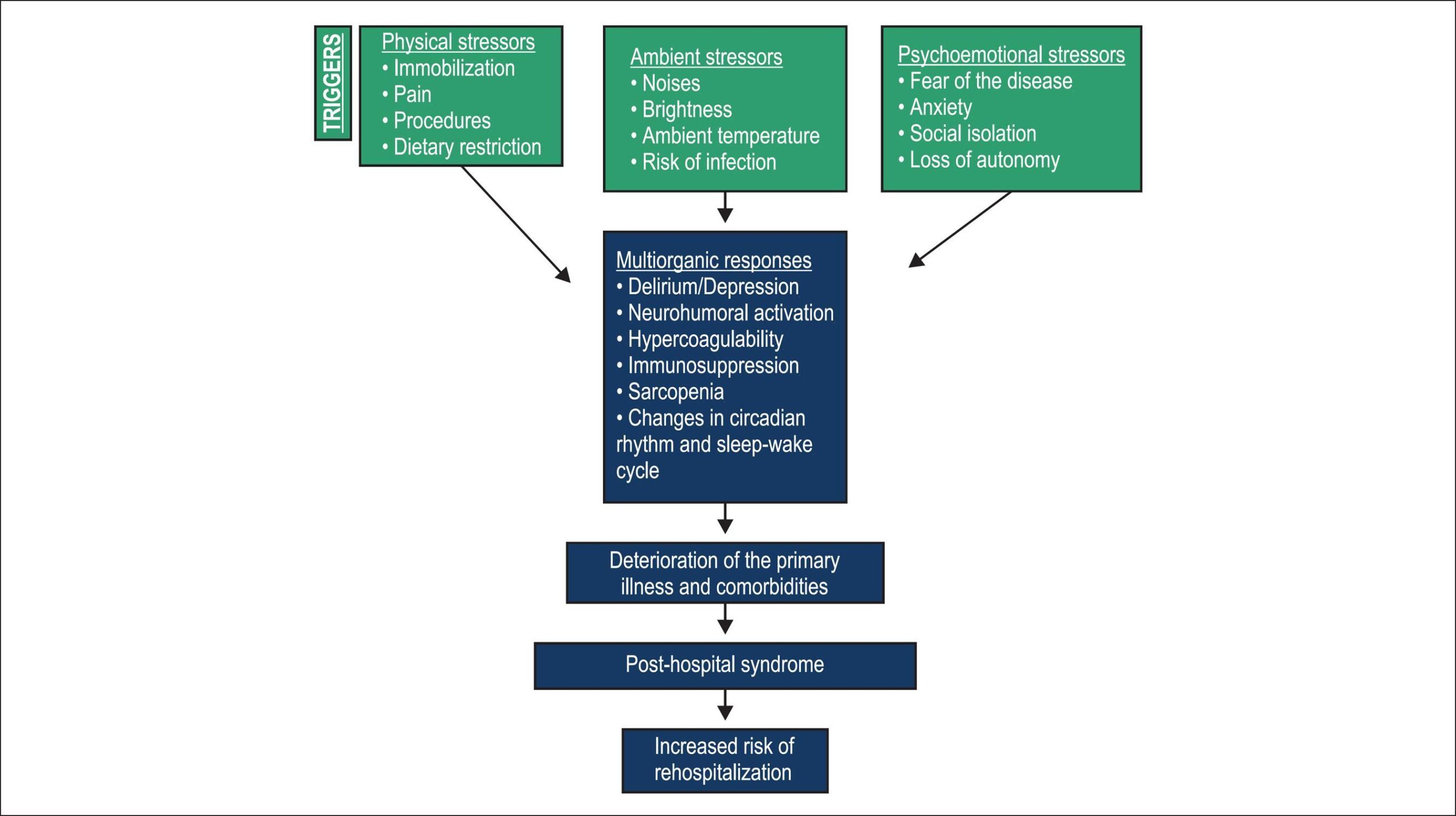
The image of the hospital representing the modern medicine and its diagnostic and therapeutic advances becomes more evident in the face of an aging population and patients with multiple comorbidities requiring highly complex care. However, recent studies have shown a growing number of hospital readmissions within 30 days after discharge. The post-hospital syndrome is a new clinical entity associated with multiple vulnerabilities that contribute to hospital readmissions. During hospitalization, the patient is exposed to different stressors of physical, environmental, and psychosocial natures that trigger pathophysiological and multisystemic responses and increase the risk of complications after hospital discharge. Patients with a cardiac disease have high rates of readmission within 30 days. Therefore, it is important for cardiologists to recognize the post-hospital syndrome since it may impact their daily practice. This review aims at discussing the current scientific evidence regarding predictors and stressors involved in the post-hospital syndrome and the measures that are currently being taken to minimize their effects.

  • Comorbidity / trends
  • Patient Discharge
  • Patient Readmission / trends
  • Stress, Physiological
Read Full Article
Creative Commons Attribution (CC BY) Creative Commons license
01/11/2015 DOI: 10.5935/abc.20150141
Chronic stress improves the myocardial function without altering L-type Ca+2 channel activity in rats
ABC
Artigo Original

Chronic stress improves the myocardial function without altering L-type Ca+2 channel activity in rats

Thiago Bruder-Nascimento et al. Dijon Henrique Salome Campos André Soares Leopoldo Ana Paula Lima-Leopoldo … Katashi Okoshi Sandra Cordellini Antônio Carlos Cicogna

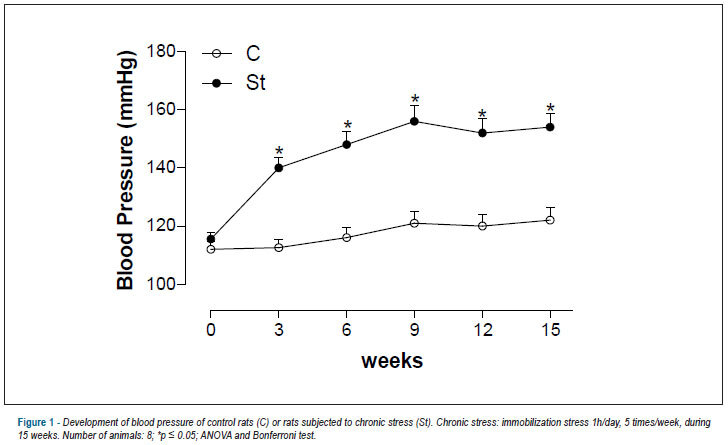
BACKGROUND: Chronic stress is associated with cardiac remodeling; however the mechanisms have yet to be clarified. OBJECTIVE: The purpose of this study was test the hypothesis that chronic stress promotes cardiac dysfunction associated to L-type calcium Ca2+ channel activity depression. METHODS: Thirty-day-old male Wistar rats (70 – 100 g) were distributed into two groups: control (C) and chronic stress (St). The stress was consistently maintained at immobilization during 15 weeks, 5 times per week, 1h per day. The cardiac function was evaluated by left ventricular performance through echocardiography and by ventricular isolated papillary muscle. The myocardial papillary muscle activity was assessed at baseline conditions and with inotropic maneuvers such as: post-rest contraction and increases in extracellular Ca2+ concentration, in presence or absence of specific blockers L-type calcium channels. RESULTS: The stress was characterized for adrenal glands hypertrophy, increase of systemic corticosterone level and arterial hypertension. The chronic stress provided left ventricular hypertrophy. The left ventricular and baseline myocardial function did not change with chronic stress. However, it improved the response of the papillary muscle in relation to positive inotropic stimulation. This function improvement was not associated with the L-type Ca2+ channel. CONCLUSION: Chronic stress produced cardiac hypertrophy; however, in the study of papillary muscle, the positive inotropic maneuvers potentiated cardiac function in stressed rats, without involvement of L-type Ca2+ channel. Thus, the responsible mechanisms remain unclear with respect to Ca2+ influx alterations.

  • Cardiovascular Diseases
  • papillary muscles
  • Rats
  • Stress, Physiological
Read Full Article
Creative Commons Attribution (CC BY) Creative Commons license
04/09/2012 DOI: 10.1590/S0066-782X2012005000082

How to cite this article

EndNote RIS

Electronic Document Format (Vancouver)

Costa JPS, Ritt LEF, Fernandes RM, Campos FAD, Borges Q, Darzé ES. Takotsubo Syndrome in the Context of Transmural Acute Myocardial Infarction: Prevalence and How to Differentiate?. International Journal of Cardiovascular Sciences 2020;33(1):94-7.

Electronic Document Format (ABNT)

Costa, João Paulo Soares; Ritt, Luiz Eduardo Fonteles; Fernandes, Rafael Modesto; Campos, Felipe Alvarenga Duarte; Borges, Queila; Darzé, Eduardo Sahade. Takotsubo Syndrome in the Context of Transmural Acute Myocardial Infarction: Prevalence and How to Differentiate?. International Journal of Cardiovascular Sciences, v. 33, n. 1, p. 94-97, Feb. 2020.

Electronic Document Format (APA)

Costa, J. P. S., Ritt, L. E. F., Fernandes, R. M., Campos, F. A. D., Borges, Q., & Darzé, E. S. (2020). Takotsubo Syndrome in the Context of Transmural Acute Myocardial Infarction: Prevalence and How to Differentiate?. International Journal of Cardiovascular Sciences, 33(1), 94-97.

Electronic Document Format (ISO)

Costa, João Paulo Soares and Ritt, Luiz Eduardo Fonteles and Fernandes, Rafael Modesto and Campos, Felipe Alvarenga Duarte and Borges, Queila and Darzé, Eduardo Sahade. Takotsubo Syndrome in the Context of Transmural Acute Myocardial Infarction: Prevalence and How to Differentiate?. International Journal of Cardiovascular Sciences [online]. 2020, vol. 33, n. 1, [cited 2026-10-14], pp. 94-97. Available from: <https://journals.cardiol.br/en/article/takotsubo-syndrome-in-the-context-of-transmural-acute-myocardial-infarction-prevalence-and-how-to-differentiate/>. ISSN 2359-4802

EndNote RIS

Electronic Document Format (Vancouver)

Dalmazo AL, Fetter C, Goldmeier S, Irigoyen MC, Pellanda LC, Barbosa ECD, Moreira TR, et al. Stress and Food Consumption Relationship in Hypertensive Patients. Arquivos Brasileiros de Cardiologia 2019;113(3):374-80.

Electronic Document Format (ABNT)

Dalmazo, Aline Lopes; Fetter, Claudia; Goldmeier, Silvia; Irigoyen, Maria Claudia; Pellanda, Lucia Campos; Barbosa, Eduardo Costa Duarte; Moreira, Thais Rodrigues; Osório, Denise Ruttke Dillenburg. Stress and Food Consumption Relationship in Hypertensive Patients. Arquivos Brasileiros de Cardiologia, v. 113, n. 3, p. 374-380, Sep. 2019.

Electronic Document Format (APA)

Dalmazo, A. L., Fetter, C., Goldmeier, S., Irigoyen, M. C., Pellanda, L. C., Barbosa, E. C. D., Moreira, T. R., & Osório, D. R. D. (2019). Stress and Food Consumption Relationship in Hypertensive Patients. Arquivos Brasileiros de Cardiologia, 113(3), 374-380.

Electronic Document Format (ISO)

Dalmazo, Aline Lopes and Fetter, Claudia and Goldmeier, Silvia and Irigoyen, Maria Claudia and Pellanda, Lucia Campos and Barbosa, Eduardo Costa Duarte and Moreira, Thais Rodrigues and Osório, Denise Ruttke Dillenburg. Stress and Food Consumption Relationship in Hypertensive Patients. Arquivos Brasileiros de Cardiologia [online]. 2019, vol. 113, n. 3, [cited 2026-10-14], pp. 374-380. Available from: <https://journals.cardiol.br/en/article/stress-and-food-consumption-relationship-in-hypertensive-patients/>. ISSN 0066-782X

EndNote RIS

Electronic Document Format (Vancouver)

Jevdjovic T, Dakic T, Kopanja S, Lakic I, Vujovic P, Jasnic N, Djordjevic J, et al. Sex-Related Effects of Prenatal Stress on Region-Specific Expression of Monoamine Oxidase A and β Adrenergic Receptors in Rat Hearts. Arquivos Brasileiros de Cardiologia 2018;112(1):67-75.

Electronic Document Format (ABNT)

Jevdjovic, Tanja; Dakic, Tamara; Kopanja, Sonja; Lakic, Iva; Vujovic, Predrag; Jasnic, Nebojsa; Djordjevic, Jelena. Sex-Related Effects of Prenatal Stress on Region-Specific Expression of Monoamine Oxidase A and β Adrenergic Receptors in Rat Hearts. Arquivos Brasileiros de Cardiologia, v. 112, n. 1, p. 67-75, Dec. 2018.

Electronic Document Format (APA)

Jevdjovic, T., Dakic, T., Kopanja, S., Lakic, I., Vujovic, P., Jasnic, N., & Djordjevic, J. (2018). Sex-Related Effects of Prenatal Stress on Region-Specific Expression of Monoamine Oxidase A and β Adrenergic Receptors in Rat Hearts. Arquivos Brasileiros de Cardiologia, 112(1), 67-75.

Electronic Document Format (ISO)

Jevdjovic, Tanja and Dakic, Tamara and Kopanja, Sonja and Lakic, Iva and Vujovic, Predrag and Jasnic, Nebojsa and Djordjevic, Jelena. Sex-Related Effects of Prenatal Stress on Region-Specific Expression of Monoamine Oxidase A and β Adrenergic Receptors in Rat Hearts. Arquivos Brasileiros de Cardiologia [online]. 2018, vol. 112, n. 1, [cited 2026-10-14], pp. 67-75. Available from: <https://journals.cardiol.br/en/article/sex-related-effects-of-prenatal-stress-on-region-specific-expression-of-monoamine-oxidase-a-and-%ce%b2-adrenergic-receptors-in-rat-hearts/>. ISSN 0066-782X

EndNote RIS

Electronic Document Format (Vancouver)

Silva ML, Mari A. Anxiety and Depression and their Association with Low Quality of Life in Patients with Metabolic Syndrome. Arquivos Brasileiros de Cardiologia 2018;111(6):867.

Electronic Document Format (ABNT)

Silva, Mariane Lopes da; Mari, ana Alievi. Anxiety and Depression and their Association with Low Quality of Life in Patients with Metabolic Syndrome. Arquivos Brasileiros de Cardiologia, v. 111, n. 6, p. 867-867, Nov. 2018.

Electronic Document Format (APA)

Silva, M. L. , & Mari, A. (2018). Anxiety and Depression and their Association with Low Quality of Life in Patients with Metabolic Syndrome. Arquivos Brasileiros de Cardiologia, 111(6), 867-867.

Electronic Document Format (ISO)

Silva, Mariane Lopes da and Mari, ana Alievi. Anxiety and Depression and their Association with Low Quality of Life in Patients with Metabolic Syndrome. Arquivos Brasileiros de Cardiologia [online]. 2018, vol. 111, n. 6, [cited 2026-10-14], pp. 867-867. Available from: <https://journals.cardiol.br/en/article/anxiety-and-depression-and-their-association-with-low-quality-of-life-in-patients-with-metabolic-syndrome/>. ISSN 0066-782X

EndNote RIS

Electronic Document Format (Vancouver)

Mesquita ET, Cruz LN, Mariano BM, Jorge AJL. Post-Hospital Syndrome: A New Challenge in Cardiovascular Practice. Arquivos Brasileiros de Cardiologia 2015;105(5):540-4.

Electronic Document Format (ABNT)

Mesquita, Evandro Tinoco; Cruz, Larissa Nascimento; Mariano, Bruna Melo; Jorge, Antonio José Lagoeiro. Post-Hospital Syndrome: A New Challenge in Cardiovascular Practice. Arquivos Brasileiros de Cardiologia, v. 105, n. 5, p. 540-544, Oct. 2015.

Electronic Document Format (APA)

Mesquita, E. T., Cruz, L. N., Mariano, B. M., & Jorge, A. J. L. (2015). Post-Hospital Syndrome: A New Challenge in Cardiovascular Practice. Arquivos Brasileiros de Cardiologia, 105(5), 540-544.

Electronic Document Format (ISO)

Mesquita, Evandro Tinoco and Cruz, Larissa Nascimento and Mariano, Bruna Melo and Jorge, Antonio José Lagoeiro. Post-Hospital Syndrome: A New Challenge in Cardiovascular Practice. Arquivos Brasileiros de Cardiologia [online]. 2015, vol. 105, n. 5, [cited 2026-10-14], pp. 540-544. Available from: <https://journals.cardiol.br/en/article/post-hospital-syndrome-a-new-challenge-in-cardiovascular-practice/>. ISSN 0066-782X

EndNote RIS

Electronic Document Format (Vancouver)

Bruder-Nascimento T, Campos DHS, Leopoldo AS, Lima-Leopoldo AP, Okoshi K, Cordellini S, Cicogna AC, et al. Chronic stress improves the myocardial function without altering L-type Ca+2 channel activity in rats. Arquivos Brasileiros de Cardiologia 2012;99(4):907-14.

Electronic Document Format (ABNT)

Bruder-Nascimento, Thiago; Campos, Dijon Henrique Salome; Leopoldo, André Soares; Lima-Leopoldo, Ana Paula; Okoshi, Katashi; Cordellini, Sandra; Cicogna, Antônio Carlos. Chronic stress improves the myocardial function without altering L-type Ca+2 channel activity in rats. Arquivos Brasileiros de Cardiologia, v. 99, n. 4, p. 907-914, Sep. 2012.

Electronic Document Format (APA)

Bruder-Nascimento, T., Campos, D. H. S., Leopoldo, A. S., Lima-Leopoldo, A. P., Okoshi, K., Cordellini, S., & Cicogna, A. C. (2012). Chronic stress improves the myocardial function without altering L-type Ca+2 channel activity in rats. Arquivos Brasileiros de Cardiologia, 99(4), 907-914.

Electronic Document Format (ISO)

Bruder-Nascimento, Thiago and Campos, Dijon Henrique Salome and Leopoldo, André Soares and Lima-Leopoldo, Ana Paula and Okoshi, Katashi and Cordellini, Sandra and Cicogna, Antônio Carlos. Chronic stress improves the myocardial function without altering L-type Ca+2 channel activity in rats. Arquivos Brasileiros de Cardiologia [online]. 2012, vol. 99, n. 4, [cited 2026-10-14], pp. 907-914. Available from: <https://journals.cardiol.br/en/article/chronic-stress-improves-the-myocardial-function-without-altering-l-type-ca2-channel-activity-in-rats/>. ISSN 0066-782X

  • About ABC Family
  • Internal Regulation
  • Editorial Board
  • Brazilian Society of Cardiology (SBC)

Issues

SBC Guidelines

  • Videos
  • Podcasts
  • News