ABC Family Arquivos Brasileiros de Cardiologia International Journal of Cardiovascular Sciences ABC Heart Failure & Cardiomyopathy ABC Imagem Cardiovascular
Português English
ABC Family
Português English
  • About
    • About ABC Family
    • Internal Regulation
    • Editorial Board
    • Brazilian Society of Cardiology (SBC)
  • Issues
  • SBC Guidelines
  • Content
    • Videos
    • Podcasts
    • News
  • About
    • About ABC Family
    • Internal Regulation
    • Editorial Board
    • Brazilian Society of Cardiology (SBC)
  • Issues
  • SBC Guidelines
  • Content
    • Videos
    • Podcasts
    • News

ABC Family

  • ABC Family
  • Arquivos Brasileiros de Cardiologia
  • International Journal of Cardiovascular Sciences
  • ABC Heart Failure & Cardiomyopathy
  • ABC Imagem Cardiovascular
Search in

No content found.

Journals
Ordering
Article types
Others

  1. Home
  2. Keyword: Renal Insufficiency, Chronic
Video 1
ABC
Image

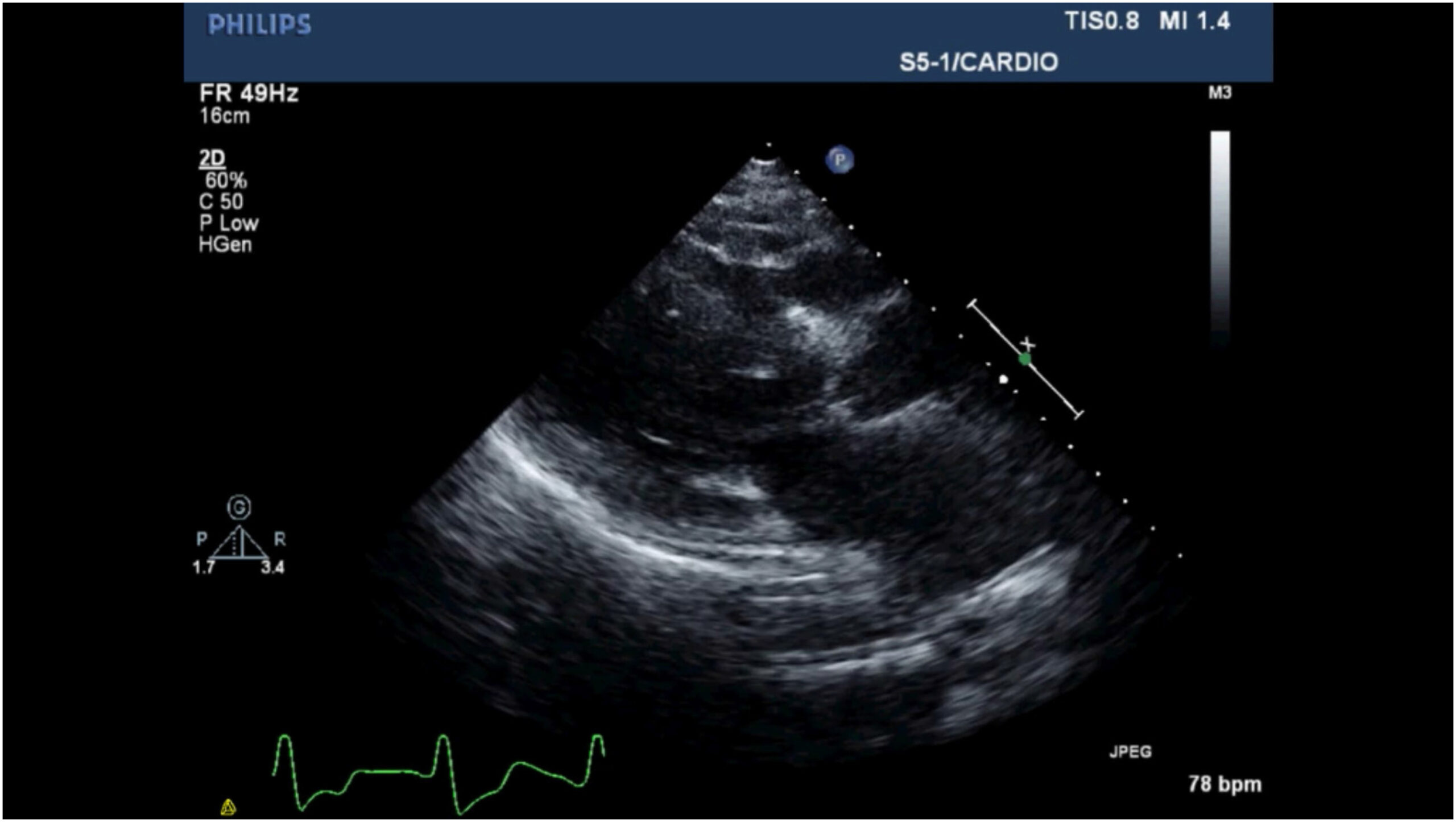
Transthyretin Amyloid Cardiomyopathy Mimicking Hypertrophic Cardiomyopathy in an Older Patient

José Pedro Alves Guimarães et al. Joana Trigo Fernando Gonçalves J. Ilídio Moreira

Wild-type transthyretin amyloid cardiomyopathy (wt-ATTR-CM) is increasingly recognized due to the recognition of the increasing prevalence, advances in diagnostic methods, and the development of effective treatments.

We report the case of an 88-year-old female with history of hypertension, chronic kidney disease (CKD), heart failure with preserved ejection fraction, and no relevant family history. She presented to the emergency department with history of syncope, productive cough, worsening dyspnea, and fever. The auscultation showed a grade III/VI systolic murmur in her left sternal border, no breath sounds in the right lung base and bilateral rhonchi.

[…]

  • Amyloidosis
  • Cardiomyopathy, Hypertrophic
  • Echocardiography/methods
  • Heart Failure
  • Hypertension
  • Renal Insufficiency, Chronic
  • Stroke
Read Full Article
Creative Commons Attribution (CC BY) Creative Commons license
16/04/2021 DOI: 10.36660/abc.20200236 Views 1
IJCS
Original Article

Cardiovascular Risk Factors in Patients with Chronic Kidney Disease Under Conservative Treatment

Cássia Oliveira et al. Priscila Moreira de Lima Pereira Iris Teixeira Soares Melina Gabriela Monteiro … Marcus Gomes Bastos Ana Paula Carlos Cândido

Abstract

Background

Cardiovascular disease (CVD) is commonly associated with chronic kidney disease (CKD). These diseases have a significant impact on life expectancy. Individuals with CKD are more likely to die from CVD than to progress to end-stage kidney disease.

Objective

To assess cardiovascular risk factors of patients with CKD under conservative treatment.

Methods

This was an observational, cross-sectional study. Socioeconomic, anthropometric, biochemical, and physical inactivity data were assessed, and 10-year risk for CVD were estimated using the Framingham Score in patients with CKD under conservative treatment. For statistical analysis, the Student’s t-test and Pearson’s chi-square test were performed.

Results

A total of 172 individuals were evaluated, 57% of whom were male, with an average age of 68.85 ± 11.41 years. The prevalence of hypertension and diabetes were 87.2% and 53.5%, respectively; 62.2% were physically inactive; 9.9% of men were smokers and 12.8% consumed alcohol. According to BMI, 82.4% of adults <60 years old and 60.6% of those older than 60 years were overweight. High waist circumference and a high waist-hip ratio were highly prevalent in females (91.9% and 83.8%, respectively) and males (64.3% and 39.8%, respectively); 92.4% had a high body fat percentage and 73.3% high uric acid levels. According to the Framingham score, 57% have a medium or high risk of developing CVD in 10 years.

Conclusion

There was a high prevalence of cardiovascular risk factors in the population studied. The assessment of cardiovascular risk factors in patients with CKD makes it possible to guide the conduct of health professionals to prevent mortality from cardiovascular causes. Int J Cardiovasc Sci. 2020; [online].ahead print, PP.0-0

  • abdominal circumference
  • Adults
  • Anthropometry
  • Cardiovascular Diseases/complications
  • Diabetes Mellitus
  • Hypertension
  • Renal Insufficiency, Chronic
  • Risk Factors
Read Full Article
Creative Commons Attribution (CC BY) Creative Commons license
06/11/2020 DOI: 10.36660/ijcs.20190195 Views 1
Figure 1
ABC
Original Article

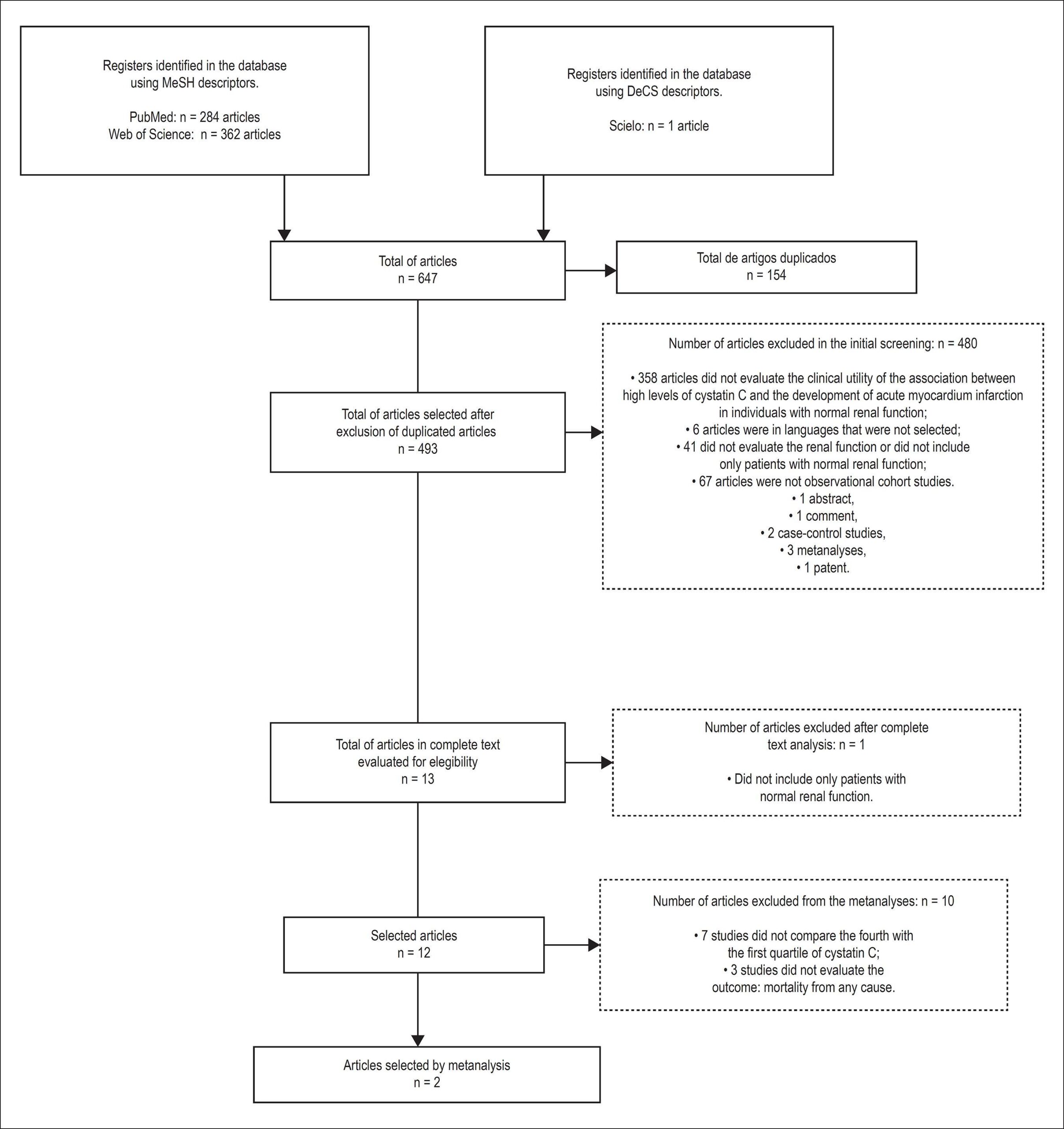
Association Between Increased Levels of Cystatin C and the Development of Cardiovascular Events or Mortality: A Systematic Review and Meta-Analysis

Caroline Fuchs Einwoegerer et al. Caroline Pereira Domingueti

Abstract

Background:

Cystatin C seems promising for evaluating the risk of cardiovascular events and mortality.

Objective:

To evaluate the association between high levels of cystatin C and the development of cardiovascular events or mortality.

Methods:

The articles were selected in the Medline/PubMed, Web of Science, and Scielo databases. The eligibility criteria were prospective cohort observational trials that assessed the association of high serum levels of cystatin C with the development of cardiovascular events or mortality in individuals with normal renal function. Only studies that evaluated the mortality outcome compared the fourth with the first quartile of cystatin C and performed multivariate Cox’s proportional hazard regression analysis were included in the meta-analysis. A p value < 0,05 was considered significant.

Results:

Among the 647 articles found, 12 were included in the systematic review and two in the meta-analysis. The risk of development of adverse outcomes was assessed by eight studies using the hazard ratio. Among them, six studies found an increased risk of cardiovascular events or mortality. The multivariate regression analysis was performed by six studies, and the risk of developing adverse outcomes remained significant after the analysis in four of these studies. The result of the meta-analysis [HR = 2.28 (1.70-3.05), p < 0.001] indicated that there is a significant association between high levels of cystatin C and the risk of mortality in individuals with normal renal function.

Conclusion:

There is a significant association between high levels of cystatin C and the development of cardiovascular events or mortality in individuals with normal renal function.

  • Cardiovascular Diseases, mortality
  • Coronary Artery Disease
  • Cystatin C
  • Meta-Analysis as Topic
  • Myocardial Infarction
  • Renal Insufficiency, Chronic
Read Full Article
Creative Commons Attribution (CC BY) Creative Commons license
21/09/2018 DOI: 10.5935/abc.20180171 Views 1
Figure 1
ABC
Original Article

Sensitive Troponin I Assay in Patients with Chest Pain – Association with Significant Coronary Lesions with or Without Renal Failure

Alexandre de Matos Soeiro et al. Danielle Menosi Gualandro Aline Siqueira Bossa Cindel Nogueira Zullino … Bruno Biselli Maria Carolina Feres de Almeida Soeiro Tatiana de Carvalho Andreucci Torres Leal Carlos Vicente Serrano Jr. Mucio Tavares de Oliveira Junior

Abstract

Introduction:

Despite having higher sensitivity as compared to conventional troponins, sensitive troponins have lower specificity, mainly in patients with renal failure.

Objective:

Study aimed at assessing the sensitive troponin I levels in patients with chest pain, and relating them to the existence of significant coronary lesions.

Methods:

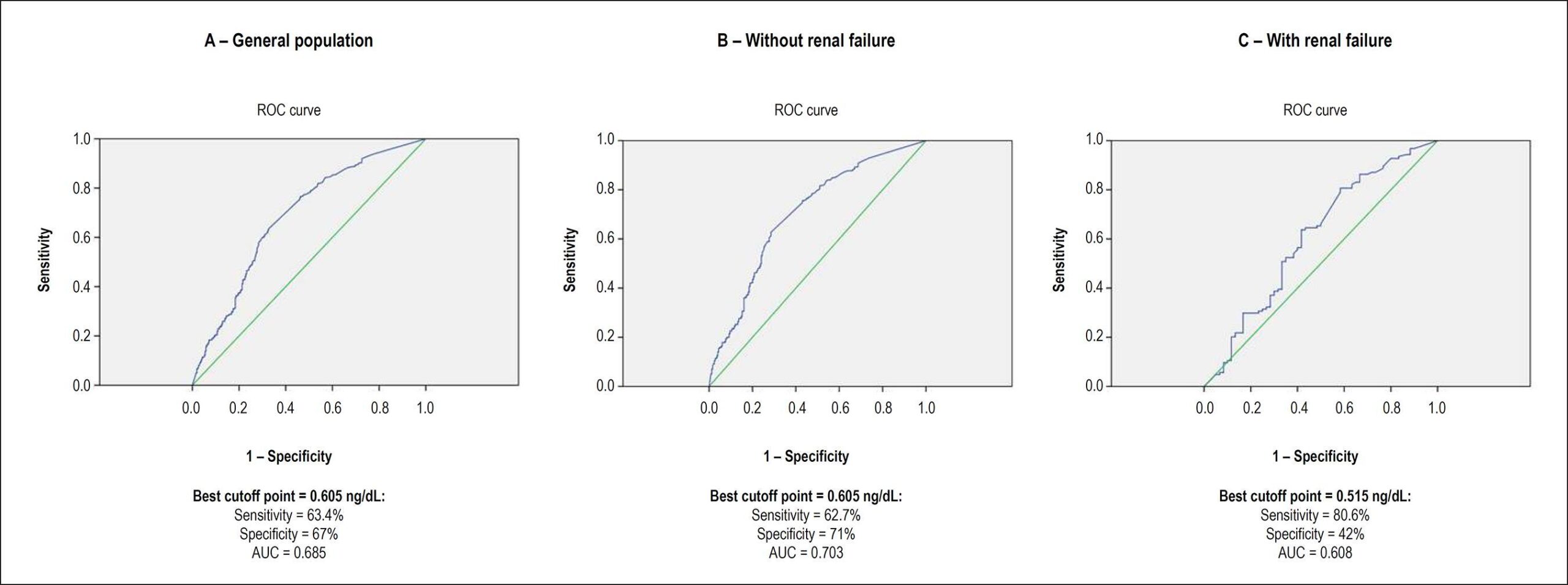
Retrospective, single-center, observational. This study included 991 patients divided into two groups: with (N = 681) and without (N = 310) significant coronary lesion. For posterior analysis, the patients were divided into two other groups: with (N = 184) and without (N = 807) chronic renal failure. The commercial ADVIA Centaur® TnI-Ultra assay (Siemens Healthcare Diagnostics) was used. The ROC curve analysis was performed to identify the sensitivity and specificity of the best cutoff point of troponin as a discriminator of the probability of significant coronary lesion. The associations were considered significant when p < 0.05.

Results:

The median age was 63 years, and 52% of the patients were of the male sex. The area under the ROC curve between the troponin levels and significant coronary lesions was 0.685 (95% CI: 0.65 – 0.72). In patients with or without renal failure, the areas under the ROC curve were 0.703 (95% CI: 0.66 – 0.74) and 0.608 (95% CI: 0.52 – 0.70), respectively. The best cutoff points to discriminate the presence of significant coronary lesion were: in the general population, 0.605 ng/dL (sensitivity, 63.4%; specificity, 67%); in patients without renal failure, 0.605 ng/dL (sensitivity, 62.7%; specificity, 71%); and in patients with chronic renal failure, 0.515 ng/dL (sensitivity, 80.6%; specificity, 42%).

Conclusion:

In patients with chest pain, sensitive troponin I showed a good correlation with significant coronary lesions when its level was greater than 0.605 ng/dL. In patients with chronic renal failure, a significant decrease in specificity was observed in the correlation of troponin levels and severe coronary lesions.
  • Biomarkers
  • Chest Pain
  • Coronary Artery Disease
  • Renal Insufficiency, Chronic
  • Troponin I
Read Full Article
Creative Commons Attribution (CC BY) Creative Commons license
01/01/2018 DOI: 10.5935/abc.20170182
Figure 1
ABC
Original Article

Ankle-Brachial Index as a Predictor of Mortality in Hemodialysis: A 5-Year Cohort Study

Jair Baptista Miguel et al. Jorge Paulo Strogoff de Matos Jocemir Ronaldo Lugon

Abstract

Background:

Abnormal ankle-brachial index (ABI) has been found to be a strong predictor of mortality in some hemodialysis populations in studies with relatively short periods of follow-up, lower than 2 years.

Objective:

This study aimed to assess the predictive value of abnormal ABI as a risk factor for death among patients on maintenance hemodialysis after a 5-year follow-up.

Methods:

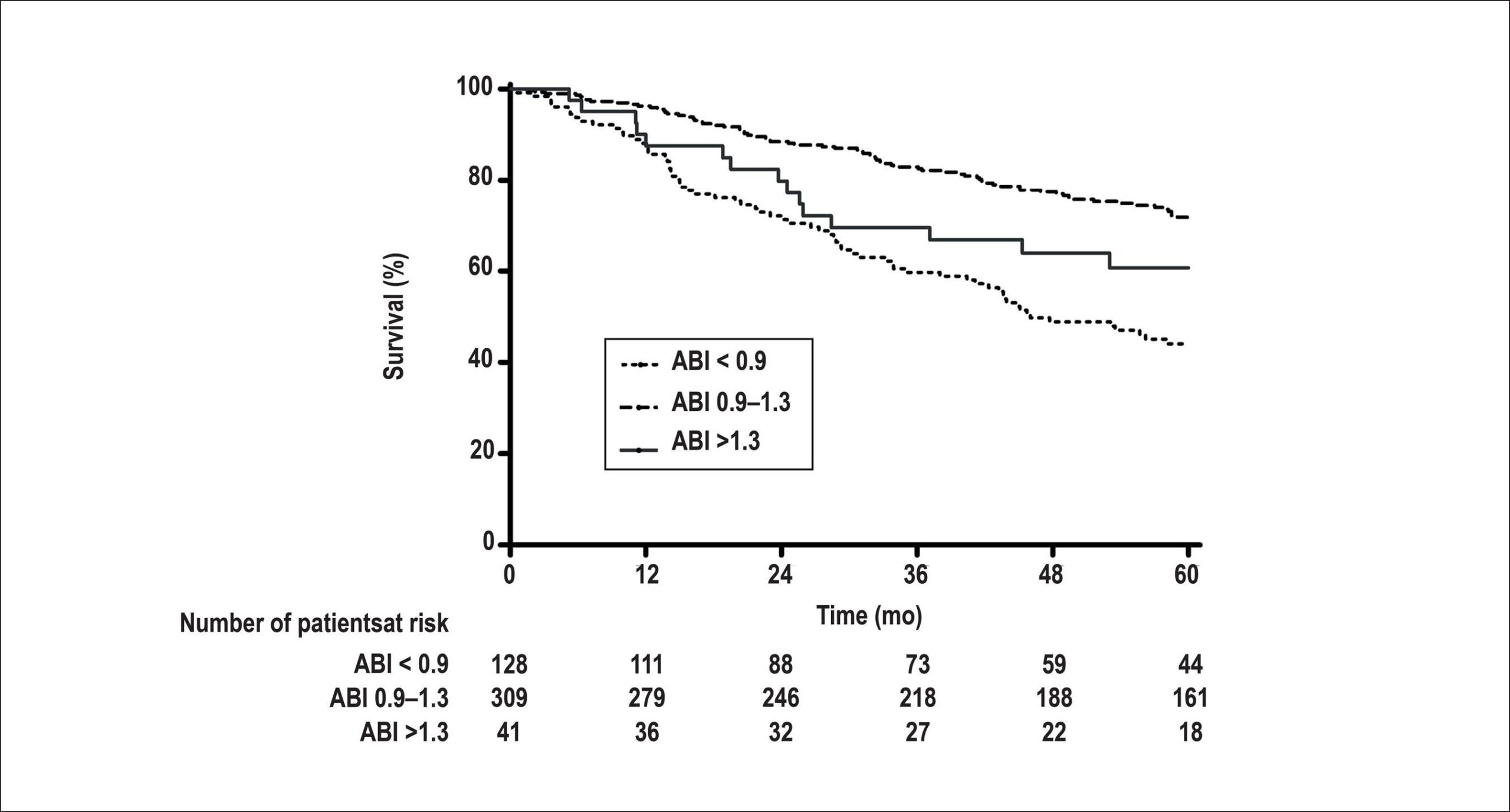
A total of 478 patients on hemodialysis for at least 12 months were included in the study. ABI measurement was performed using a mercury column sphygmomanometer and portable Doppler. Patients were divided into 3 groups according to ABI (low: 1.3) and followed for a 60-month period.

Results:

The prevalence rates of low, normal and high ABI were 26.8%, 64.6% and 8.6%, respectively. The 5-year survival rate was lower in the groups with low ABI (44.1%, P<0.0001) and high ABI (60.8%, P= 0.025) than in the group with normal ABI (71.7%). Cox regression was used to evaluate the association between ABI and mortality, adjusting for potential confounders. Using normal ABI as reference, a low, but not a high ABI was found to be an independent risk factor for all-cause mortality (HR2.57; 95% CI, 1.84-3.57 and HR 1.62; 95% CI, 0.93-2.83, respectively).

Conclusions:

long-term survival rates of patients with either low or high ABI were lower than the one from those with normal ABI. However, after adjustment for potential confounders, only low ABI persisted as an independent risk factor for all-cause mortality among hemodialysis patients.

  • Ankle Brachial Index / mortality
  • Arterial Pressure
  • Cohort Studies
  • Measures
  • renal dialysis
  • Renal Insufficiency, Chronic
Read Full Article
Creative Commons Attribution (CC BY) Creative Commons license
01/03/2017 DOI: 10.5935/abc.20170026 Views 2
Figure 1
IJCS
Case Report

Case Report: Catheter-Related Interatrial Septum Endocarditis Caused by Candida Parapsilosis

Gustavo Neves de Araújo et al. Felipe H. Valle Douglas M. Freitas Felipe Martins Lampa … Miguel Gus Luis E. Rohde

Introduction

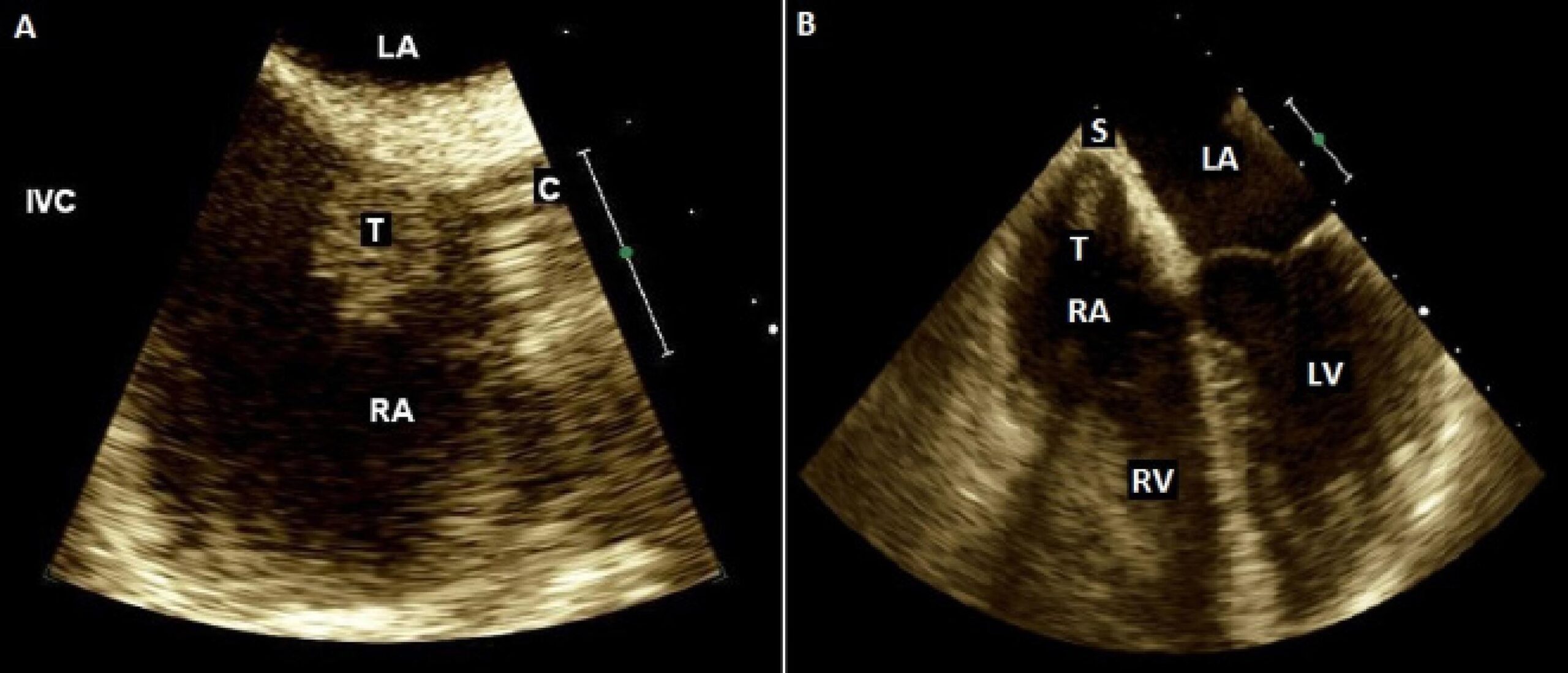
Patients with end-stage chronic kidney disease without mature arteriovenous fistula frequently require central venous access for dialytic therapy. More than 15 percent of patients who receive these catheters have complications such as infection, arterial puncture, thrombosis and pneumothorax. Infective endocarditis (IE) is a rare and serious complication with high morbidity and mortality. Right-sided endocarditis is uncommon due to low hemodynamic pressure, but patients using central venous catheters have an increased risk. The correct therapeutic approach whenever there is no valvar involvement is not well defined. We report a case of interatrial septum endocarditis caused by candida sp., associated to the prolonged use of catheter.

[…]

  • Candida
  • Catheter-Related Infections
  • Endocarditis, bacterial
  • Renal Insufficiency, Chronic
Read Full Article
Creative Commons Attribution (CC BY) Creative Commons license
01/01/2017 DOI: 10.5935/2359-4802.20170030 Views 2
ABC
Letter to the Editor

Subclinical Atherosclerosis in Patients with Chronic Non-Dialytic Renal Disease

Wagner Ramos Borges et al. Roque Aras Junior João Lima

Cardiovascular diseases are currently the major cause of morbidity and mortality. Atherosclerosis alone is their most important cause and is characterized by a progressive multifactorial disease caused by genetic and acquired factors such as lipid accumulation, development of fibrosis and artery obstruction. The risk among patients with chronic renal failure (CRF) is higher than that among the general population, with a high prevalence of coronary artery disease (40%) and mortality from 10 to 20 times higher, especially among those in a hemodialysis program, accounting for 50% of deaths in dialytic patients,. Investigation and assessment of subclinical atherosclerosis using imaging methods (calcium score in coronary CT scan, ultrasonography or angiography) may be used to identify and stratify the atherosclerotic risk, considering that the atherosclerotic plaque burden correlates with the risk of coronary events, especially in patients with chronic dialytic renal failure.

Measurement of the myointimal thickness is a safe, low-cost, easy-access method to identify patients with subclinical or obstructive disease. Groot et al. showed that myointimal thickness of up to 0.8 mm could be considered normal, and higher values would characterize early stages of arterial wall thickening. In patients with non-dialytic CRF, there is a high prevalence of myointimal thickening in the different age ranges, thus showing an active process of subclinical atherosclerosis. However, the lack of a standard reference table for the Brazilian population is a limitation for inferences.

[…]

  • Atherosclerosis
  • Calcium/metabolism
  • Cardiovascular Diseases
  • Renal Insufficiency, Chronic
Read Full Article
Creative Commons Attribution (CC BY) Creative Commons license
01/03/2015 DOI: 10.5935/abc.20150013 Views 1
Study of ventricular electrical systole in patients with end-stage kidney disease on hemodialysis
ABC
Artigo Original

Study of ventricular electrical systole in patients with end-stage kidney disease on hemodialysis

Bruno Valentim et al. Alexandre Pereira Patrícia Coelho Telmo Pereira

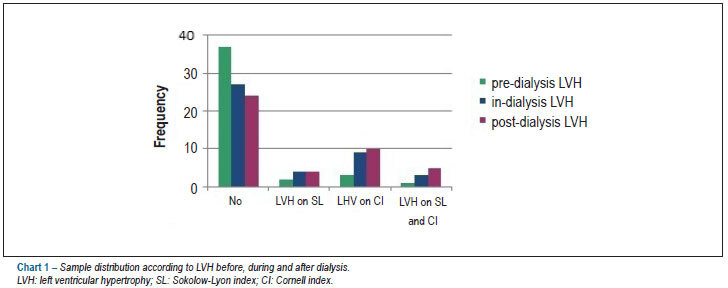
BACKGROUND: Patients with end-stage kidney disease (ESKD) experience elevated cardiac stress because of the repetitive and intermittent character of dialysis. Changes in ventricular electrical systole induced by necessary dialysis significantly contribute to predict sudden death due to arrhythmia in ESKD. OBJECTIVE: The major objective of this study was to assess the behavior of ventricular repolarization in dialysis by analyzing QTc interval and QTc dispersion. METHODS: This study sample consisted of 47 patients undergoing hemodialysis (61.7% males and 38.3% females), whose mean age was 66.79±13.16 years. All of them underwent three electrocardiograms performed before, during and after one dialysis session. Ventricular electrical systole was analyzed later. RESULTS: An increase in maximum QTc interval and QTc dispersion associated with dialysis was observed. In addition, an increase in the number of individuals meeting the electrocardiographic criteria for left ventricular hypertrophy (LVH) was observed. After dialysis, higher means of the maximum QTc interval (473 ± 27.63 mseg) and of the QTc dispersion (58.95 ± 18.87 mseg) were observed in individuals with LVH as compared with those in individuals without LVH (455.21 ± 26.85 mseg and 44 ± 16.41 mseg, respectively). CONCLUSION: This study confirmed an increase in the QTc interval and QTc dispersion associated with dialysis. That emphasizes the dependence of ventricular repolarization on fluid and electrolyte balance, and suggests a profile of higher vulnerability to arrhythmia associated with dialysis .

  • Arrhythmias Cardiac
  • Mortality
  • renal dialysis
  • Renal Insufficiency, Chronic
Read Full Article
Creative Commons Attribution (CC BY) Creative Commons license
15/04/2013 DOI: 10.5935/abc.20130063 Views 1
Echocardiographic parameters as cardiovascular event predictors in hemodialysis patients
ABC
Artigo Original

Echocardiographic parameters as cardiovascular event predictors in hemodialysis patients

Thayse Mayara Aragão Siqueira et al. Pedro Antônio Muniz Ferreira Francisco das Chagas Monteiro Júnior Natalino Salgado Filho … Adalgisa de Souza Paiva Ferreira Eugênio dos Santos Neto Francival Leite de Souza Paulo de Tarso Cardoso

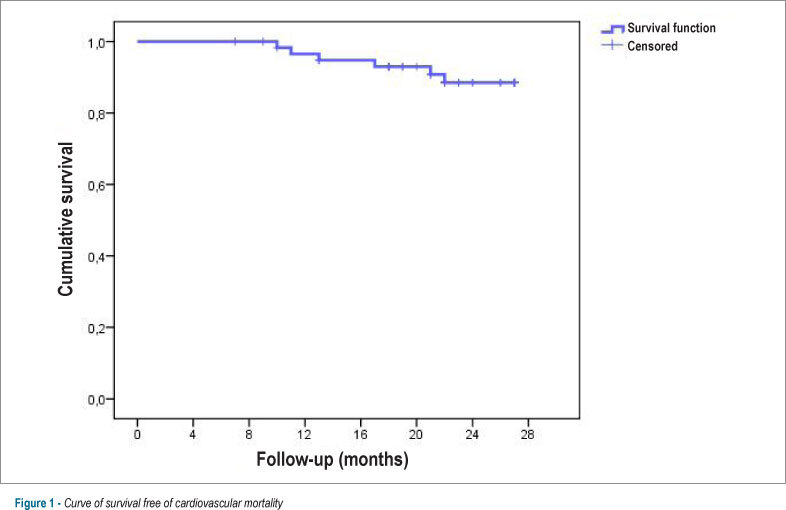
BACKGROUND: Patients with chronic kidney disease (CKD) on hemodialysis have high rates of cardiovascular morbidity and mortality. Although structural and functional echocardiographic alterations in patients undergoing hemodialysis have been the subject of several survival analysis studies, the prognostic value of these alterations is not well established in literature. OBJECTIVE: To determine the prognostic value of echocardiographic parameters in patients with CKD on hemodialysis. METHODS: Sixty consecutive patients with CKD on hemodialysis were clinically evaluated and underwent Doppler echocardiography, being followed for 19 ± 6 months. The outcome measures were fatal and nonfatal cardiovascular events and overall mortality. The predictive value of echocardiographic variables was evaluated by Cox regression model and survival curves were constructed using the Kaplan-Meier method and log rank test to compare them. RESULTS: Rates of survival free of cardiovascular events, of cardiovascular and overall mortality in two years were 79.4%, 88.5% and 83% respectively. Diabetes, previous diagnosis of cardiovascular disease (CVD), ejection fraction, fractional shortening, left ventricular systolic diameter and E/e’ ratio were predictors of cardiovascular outcome at univariate analysis. In the multivariate analysis, previous history of CVD (HR = 6.17, 95%CI: 1.7 – 22.2, p = 0.005) and moderate to severe diastolic dysfunction (HR = 3.76, 95%CI: 1.05 – 13.4, p = 0.042) were independent risk factors for cardiovascular events. CONCLUSION: Moderate to severe diastolic dysfunction is an independent predictor of cardiovascular events in hemodialysis patients.

  • Dialysis
  • Echocardiography, Doppler
  • Prognosis
  • Renal Insufficiency, Chronic
  • Survival Analysis
Read Full Article
Creative Commons Attribution (CC BY) Creative Commons license
05/07/2012 DOI: 10.1590/S0066-782X2012005000065
ABC
Research Article

Impact of renal failure on in-hospital outcomes after coronary artery bypass surgery

Roberto Ramos Barbosa et al. Priscila Feitoza Cestari Julhano Tiago Capeletti Gustavo Magnus T. L. S. R. Peres … Tania L. Pozzo Ibañez Patrícia Viana da Silva Jorge A. Farran Vivian Lerner Amato Pedro Silvio Farsky

BACKGROUND: Chronic kidney disease (CKD) is a predictor of increased mortality in patients undergoing coronary artery bypass surgery (CABG). OBJECTIVE: To evaluate the characteristics and predictors of increased mortality in the CKD population submitted to CABG. To compare in-hospital outcomes between patients with and without CKD, and with and without development of acute renal failure (ARF). METHODS: Retrospective analysis of a prospective database of all isolated CABG performed in a single public tertiary hospital from 1999 to 2007. CKD was considered when creatinine > 1.5 mg/dl. Clinical characteristics, mortality and post-operative complications were evaluated according to renal function. RESULTS: Of 3,890 patients, 362 (9.3%) had CKD. This population was older, presented grater prevalence of hypertension, left ventricular dysfunction, previous stroke, peripheral vascular disease and three-vessel disease. In-hospital outcomes revealed greater incidence of stroke (5.5% vs 2.1%), atrial fibrillation (16 vs 8.3%), low cardiac ouput syndrome (14.4% vs 8.5%), longer stay in intensive care unit (4.04 vs 2.83 days), and greater mortality (10.5% vs 3.8%). Logistic regression: female gender, smoking, diabetes and peripheral vascular disease were associated with higher in-hospital mortality within the CKD group. Patients who did not develop post-operative ARF presented 3.5% mortality; non-dialytic ARF: 35.4%; dialytic ARF: 66.7% mortality. Mortality was directly related to the stage of CKD, according to glomerular filtration rate. CONCLUSION: CKD patients submitted to CABG represent a high risk population, with increased incidence of complications and mortality. Post-operative ARF is a strong in-hospital mortality predictor. Glomerular filtration rate was inversely related to mortality.

  • Intensive Care Units
  • lenght of stay
  • Morbidity
  • Myocardial Revascularization
  • Prognostic
  • Renal Insufficiency, Chronic
Read Full Article
Creative Commons Attribution (CC BY) Creative Commons license
17/06/2011 DOI: 10.1590/S0066-782X2011005000075 Views 2
Subclinical coronary artery disease in patients with type 1 Diabetes Mellitus undergoing hemodialysis
ABC
Artigo Original

Subclinical coronary artery disease in patients with type 1 Diabetes Mellitus undergoing hemodialysis

Dinaldo Cavalcanti de Oliveira et al. Fabio Sandoli de Brito Junior Rosley Weber Alvarenga Fernandes João Roberto de Sa Valter Correia de Lima

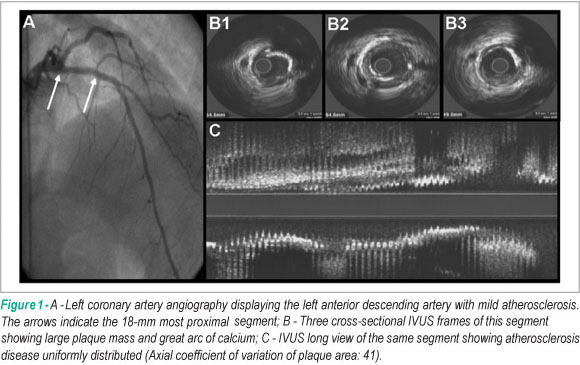
BACKGROUND: In patients with type 1 diabetes mellitus, atherosclerosis occurs earlier in life and coronary artery disease (CAD) constitutes the major cause of death. OBJECTIVE: Evaluate the prevalence and anatomic characteristics of coronary artery disease (CAD) in type 1 diabetic patients with chronic renal failure undergoing hemodialysis. METHODS: This is a descriptive study of 20 patients with type 1 diabetes mellitus undergoing hemodialysis without known CAD. CAD was assessed by quantitative coronary angiography (QCA) and intravascular ultrasound (IVUS). QCA was performed in all lesions >30%, visually. All proximal 18-mm segments of the coronary arteries were analyzed by IVUS. All other coronary segments with stenosis >30% were also analyzed. RESULTS: Angiography detected 29 lesions >30% in 15 patients (75%). Eleven (55%) of the lesions were >50% and 10 (50%) >70%. Thirteen patients had all 3 major arteries interrogated by IVUS. Atherosclerosis was present in all patients and in all 51 proximal 18-mm segments analyzed. The mean vessel diameter of these segments was significantly larger at the IVUS than at the QCA, for all vessels. IVUS images of 25 (86.2%) of the 29 lesions >30% were obtained. Fibrotic plaques were common (48%) and 60% had intermediate vessel remodeling. CONCLUSION: CAD was present in all vessels of all type 1 diabetic patients undergoing hemodialysis. These findings are in agreement with other autopsy, angiography and IVUS studies. Additionally, they indicate the need for additional epidemiological and imaging studies to better understand and treat such a complex and serious clinical condition affecting young people.

  • Coronary Artery Disease
  • Diabetes Mellitus, Type 1
  • Renal Insufficiency, Chronic
  • Ultrasonography, Interventional
Read Full Article
Creative Commons Attribution (CC BY) Creative Commons license
13/10/2009 DOI: 10.1590/S0066-782X2009000700004 Views 1
Coronary artery disease treatment in dialysis patients at the Hospital das Clínicas da Faculdade de Medicina de Botucatu - UNESP
ABC
Artigo Original

Coronary artery disease treatment in dialysis patients at the Hospital das Clínicas da Faculdade de Medicina de Botucatu – UNESP

Paula Ferreiro Vieira et al. Paula Dalsoglio Garcia Edson Antonio Bregagnollo Fábio Cardoso Carvalho … Ana Cláudia Kochi Antonio Sérgio Martins Jaqueline Costa Teixeira Caramori Roberto Jorge da Silva Franco Pasqual Barretti Luis Cuadrado Martin

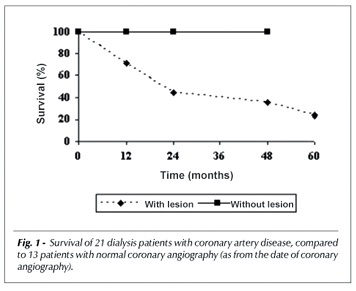
BACKGROUND: Interventional treatment of coronary insufficiency is underemployed among dialysis patients. Studies confirming its efficacy in this set of patients are scarce. OBJECTIVE: To assess the results of interventional treatment of coronary artery disease in patients undergoing dialysis. METHODS: A total of 34 dialysis patients submitted to coronary angiography between September 1995 and October 2004 were divided according to presence or absence of coronary lesion, type of treatment and presence or absence of diabetes mellitus. The groups were compared according to their clinical and survival characteristics. Survival of patients undergoing interventional treatment was compared to overall survival of 146 dialysis patients at the institution in the same period. Interventional treatment was indicated to the same clinical conditions in the general population. RESULTS: Thirteen patients with no angiography coronary lesions presented a survival rate of 100% in 48 months as compared to 35% of 21 patients with coronary artery disease. Diabetic patients had a lower survival rate compared with non-diabetics. Angioplasty had a worse prognosis compared to surgery; however, 80% of patients undergoing angioplasty were diabetic. Seventeen patients submitted to interventional procedures presented a survival rate similar to that of the others 146 hemodialysis patients without clinical evidence of coronary disease. CONCLUSION: This small series shows that myocardial revascularization, whenever indicated, can be performed in dialysis patients. This conclusion is corroborated by similar mortality rates in two groups of patients: coronary patients submitted to revascularization and overall dialysis patients.

  • Coronary Artery Disease
  • Myocardial Revascularization
  • Renal Insufficiency, Chronic
Read Full Article
Creative Commons Attribution (CC BY) Creative Commons license
15/06/2007 DOI: 10.1590/S0066-782X2007000500005 Views 1
Cardiovascular complications in a child with chronic renal failure
ABC
Case Report

Cardiovascular complications in a child with chronic renal failure

Gesmar Volga Haddad Herdy et al. Vânia Gloria Silami Lopes Maria Cecília Olivaes Isabele Coelho Mota Marcio Moacyr Vasconcelos

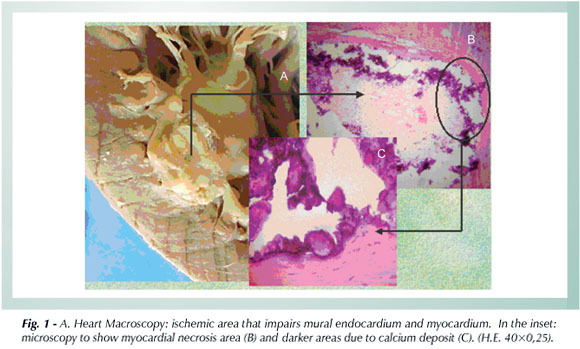
We describe a case 11 year-old boy, in which a chronic renal disease and secondary hyperparathyroidism was treated by dyalisis, calcitriol, and calcium supplementation. He developed dyslipidemia, calcified lesions with thrombus formation in several organs and vessels. Necropsy findings showed ischemic cerebral necrosis, calcification in arteries including coronaries, and myocardial infarction.

  • cerebrovascular accident
  • hyperparathyroidism
  • Renal Insufficiency, Chronic
Read Full Article
Creative Commons Attribution (CC BY) Creative Commons license
20/03/2007 DOI: 10.1590/S0066-782X2007000200020 Views 2

How to cite this article

EndNote RIS

Electronic Document Format (Vancouver)

Guimarães JPA, Trigo J, Gonçalves F, Moreira JI. Transthyretin Amyloid Cardiomyopathy Mimicking Hypertrophic Cardiomyopathy in an Older Patient. Arquivos Brasileiros de Cardiologia 2021;116(4):850-3.

Electronic Document Format (ABNT)

Guimarães, José Pedro Alves; Trigo, Joana; Gonçalves, Fernando; Moreira, J. Ilídio. Transthyretin Amyloid Cardiomyopathy Mimicking Hypertrophic Cardiomyopathy in an Older Patient. Arquivos Brasileiros de Cardiologia, v. 116, n. 4, p. 850-853, Apr. 2021.

Electronic Document Format (APA)

Guimarães, J. P. A., Trigo, J., Gonçalves, F., & Moreira, J. I. (2021). Transthyretin Amyloid Cardiomyopathy Mimicking Hypertrophic Cardiomyopathy in an Older Patient. Arquivos Brasileiros de Cardiologia, 116(4), 850-853.

Electronic Document Format (ISO)

Guimarães, José Pedro Alves and Trigo, Joana and Gonçalves, Fernando and Moreira, J. Ilídio. Transthyretin Amyloid Cardiomyopathy Mimicking Hypertrophic Cardiomyopathy in an Older Patient. Arquivos Brasileiros de Cardiologia [online]. 2021, vol. 116, n. 4, [cited 2026-10-14], pp. 850-853. Available from: <https://journals.cardiol.br/en/article/transthyretin-amyloid-cardiomyopathy-mimicking-hypertrophic-cardiomyopathy-in-an-older-patient/>. ISSN 0066-782X

EndNote RIS

Electronic Document Format (Vancouver)

Oliveira C, Pereira PML, Soares IT, Monteiro MG, Bastos MG, Cândido APC. Cardiovascular Risk Factors in Patients with Chronic Kidney Disease Under Conservative Treatment. International Journal of Cardiovascular Sciences 2020;34(2):170-8.

Electronic Document Format (ABNT)

Oliveira, Cássia; Pereira, Priscila Moreira de Lima; Soares, Iris Teixeira; Monteiro, Melina Gabriela; Bastos, Marcus Gomes; Cândido, Ana Paula Carlos. Cardiovascular Risk Factors in Patients with Chronic Kidney Disease Under Conservative Treatment. International Journal of Cardiovascular Sciences, v. 34, n. 2, p. 170-178, Nov. 2020.

Electronic Document Format (APA)

Oliveira, C., Pereira, P. M. L., Soares, I. T., Monteiro, M. G., Bastos, M. G., & Cândido, A. P. C. (2020). Cardiovascular Risk Factors in Patients with Chronic Kidney Disease Under Conservative Treatment. International Journal of Cardiovascular Sciences, 34(2), 170-178.

Electronic Document Format (ISO)

Oliveira, Cássia and Pereira, Priscila Moreira de Lima and Soares, Iris Teixeira and Monteiro, Melina Gabriela and Bastos, Marcus Gomes and Cândido, Ana Paula Carlos. Cardiovascular Risk Factors in Patients with Chronic Kidney Disease Under Conservative Treatment. International Journal of Cardiovascular Sciences [online]. 2020, vol. 34, n. 2, [cited 2026-10-14], pp. 170-178. Available from: <https://journals.cardiol.br/en/article/cardiovascular-risk-factors-in-patients-with-chronic-kidney-disease-under-conservative-treatment/>. ISSN 2359-4802

EndNote RIS

Electronic Document Format (Vancouver)

Einwoegerer CF, Domingueti CP. Association Between Increased Levels of Cystatin C and the Development of Cardiovascular Events or Mortality: A Systematic Review and Meta-Analysis. Arquivos Brasileiros de Cardiologia 2018;111(6):796-807.

Electronic Document Format (ABNT)

Einwoegerer, Caroline Fuchs; Domingueti, Caroline Pereira. Association Between Increased Levels of Cystatin C and the Development of Cardiovascular Events or Mortality: A Systematic Review and Meta-Analysis. Arquivos Brasileiros de Cardiologia, v. 111, n. 6, p. 796-807, Sep. 2018.

Electronic Document Format (APA)

Einwoegerer, C. F., & Domingueti, C. P. (2018). Association Between Increased Levels of Cystatin C and the Development of Cardiovascular Events or Mortality: A Systematic Review and Meta-Analysis. Arquivos Brasileiros de Cardiologia, 111(6), 796-807.

Electronic Document Format (ISO)

Einwoegerer, Caroline Fuchs and Domingueti, Caroline Pereira. Association Between Increased Levels of Cystatin C and the Development of Cardiovascular Events or Mortality: A Systematic Review and Meta-Analysis. Arquivos Brasileiros de Cardiologia [online]. 2018, vol. 111, n. 6, [cited 2026-10-14], pp. 796-807. Available from: <https://journals.cardiol.br/en/article/association-between-increased-levels-of-cystatin-c-and-the-development-of-cardiovascular-events-or-mortality-a-systematic-review-and-meta-analysis/>. ISSN 0066-782X

EndNote RIS

Electronic Document Format (Vancouver)

Soeiro AM, Gualandro DM, Bossa AS, Zullino CN, Biselli B, Soeiro MCFA, Leal TCAT, et al. Sensitive Troponin I Assay in Patients with Chest Pain – Association with Significant Coronary Lesions with or Without Renal Failure. Arquivos Brasileiros de Cardiologia 2018;110(1):68-73.

Electronic Document Format (ABNT)

Soeiro, Alexandre de Matos; Gualandro, Danielle Menosi; Bossa, Aline Siqueira; Zullino, Cindel Nogueira; Biselli, Bruno; Soeiro, Maria Carolina Feres de Almeida; Leal, Tatiana de Carvalho Andreucci Torres; Serrano Jr., Carlos Vicente; Oliveira Junior, Mucio Tavares de. Sensitive Troponin I Assay in Patients with Chest Pain – Association with Significant Coronary Lesions with or Without Renal Failure. Arquivos Brasileiros de Cardiologia, v. 110, n. 1, p. 68-73, Dec. 2017.

Electronic Document Format (APA)

Soeiro, A. M., Gualandro, D. M., Bossa, A. S., Zullino, C. N., Biselli, B., Soeiro, M. C. F. A., Leal, T. C. A. T., Serrano Jr., C. V., & Oliveira Junior, M. T. (2018). Sensitive Troponin I Assay in Patients with Chest Pain – Association with Significant Coronary Lesions with or Without Renal Failure. Arquivos Brasileiros de Cardiologia, 110(1), 68-73.

Electronic Document Format (ISO)

Soeiro, Alexandre de Matos and Gualandro, Danielle Menosi and Bossa, Aline Siqueira and Zullino, Cindel Nogueira and Biselli, Bruno and Soeiro, Maria Carolina Feres de Almeida and Leal, Tatiana de Carvalho Andreucci Torres and Serrano Jr., Carlos Vicente and Oliveira Junior, Mucio Tavares de. Sensitive Troponin I Assay in Patients with Chest Pain – Association with Significant Coronary Lesions with or Without Renal Failure. Arquivos Brasileiros de Cardiologia [online]. 2018, vol. 110, n. 1, [cited 2026-10-14], pp. 68-73. Available from: <https://journals.cardiol.br/en/article/sensitive-troponin-i-assay-in-patients-with-chest-pain-association-with-significant-coronary-lesions-with-or-without-renal-failure/>. ISSN 0066-782X

EndNote RIS

Electronic Document Format (Vancouver)

Miguel JB, Matos JPS, Lugon JR. Ankle-Brachial Index as a Predictor of Mortality in Hemodialysis: A 5-Year Cohort Study. Arquivos Brasileiros de Cardiologia 2017;108(3):204-11.

Electronic Document Format (ABNT)

Miguel, Jair Baptista; Matos, Jorge Paulo Strogoff de; Lugon, Jocemir Ronaldo. Ankle-Brachial Index as a Predictor of Mortality in Hemodialysis: A 5-Year Cohort Study. Arquivos Brasileiros de Cardiologia, v. 108, n. 3, p. 204-211, Feb. 2017.

Electronic Document Format (APA)

Miguel, J. B., Matos, J. P. S. , & Lugon, J. R. (2017). Ankle-Brachial Index as a Predictor of Mortality in Hemodialysis: A 5-Year Cohort Study. Arquivos Brasileiros de Cardiologia, 108(3), 204-211.

Electronic Document Format (ISO)

Miguel, Jair Baptista and Matos, Jorge Paulo Strogoff de and Lugon, Jocemir Ronaldo. Ankle-Brachial Index as a Predictor of Mortality in Hemodialysis: A 5-Year Cohort Study. Arquivos Brasileiros de Cardiologia [online]. 2017, vol. 108, n. 3, [cited 2026-10-14], pp. 204-211. Available from: <https://journals.cardiol.br/en/article/ankle-brachial-index-as-a-predictor-of-mortality-in-hemodialysis-a-5-year-cohort-study/>. ISSN 0066-782X

EndNote RIS

Electronic Document Format (Vancouver)

Araújo GN, Valle FH, Freitas DM, Lampa FM, Gus M, Rohde LE. Case Report: Catheter-Related Interatrial Septum Endocarditis Caused by Candida Parapsilosis. International Journal of Cardiovascular Sciences 2017;30(3):274-6.

Electronic Document Format (ABNT)

Araújo, Gustavo Neves de; Valle, Felipe H.; Freitas, Douglas M.; Lampa, Felipe Martins; Gus, Miguel; Rohde, Luis E.. Case Report: Catheter-Related Interatrial Septum Endocarditis Caused by Candida Parapsilosis. International Journal of Cardiovascular Sciences, v. 30, n. 3, p. 274-276, Dec. 2016.

Electronic Document Format (APA)

Araújo, G. N. , Valle, F. H., Freitas, D. M., Lampa, F. M., Gus, M., & Rohde, L. E. (2017). Case Report: Catheter-Related Interatrial Septum Endocarditis Caused by Candida Parapsilosis. International Journal of Cardiovascular Sciences, 30(3), 274-276.

Electronic Document Format (ISO)

Araújo, Gustavo Neves de and Valle, Felipe H. and Freitas, Douglas M. and Lampa, Felipe Martins and Gus, Miguel and Rohde, Luis E.. Case Report: Catheter-Related Interatrial Septum Endocarditis Caused by Candida Parapsilosis. International Journal of Cardiovascular Sciences [online]. 2017, vol. 30, n. 3, [cited 2026-10-14], pp. 274-276. Available from: <https://journals.cardiol.br/en/article/case-report-catheter-related-interatrial-septum-endocarditis-caused-by-candida-parapsilosis/>. ISSN 2359-4802

EndNote RIS

Electronic Document Format (Vancouver)

Borges WR, Aras Junior R, Lima J. Subclinical Atherosclerosis in Patients with Chronic Non-Dialytic Renal Disease. Arquivos Brasileiros de Cardiologia 2015;104(3):253-4.

Electronic Document Format (ABNT)

Borges, Wagner Ramos; Aras Junior, Roque; Lima, João. Subclinical Atherosclerosis in Patients with Chronic Non-Dialytic Renal Disease. Arquivos Brasileiros de Cardiologia, v. 104, n. 3, p. 253-254, Feb. 2015.

Electronic Document Format (APA)

Borges, W. R., Aras Junior, R., & Lima, J. (2015). Subclinical Atherosclerosis in Patients with Chronic Non-Dialytic Renal Disease. Arquivos Brasileiros de Cardiologia, 104(3), 253-254.

Electronic Document Format (ISO)

Borges, Wagner Ramos and Aras Junior, Roque and Lima, João. Subclinical Atherosclerosis in Patients with Chronic Non-Dialytic Renal Disease. Arquivos Brasileiros de Cardiologia [online]. 2015, vol. 104, n. 3, [cited 2026-10-14], pp. 253-254. Available from: <https://journals.cardiol.br/en/article/subclinical-atherosclerosis-in-patients-with-chronic-non-dialytic-renal-disease/>. ISSN 0066-782X

EndNote RIS

Electronic Document Format (Vancouver)

Valentim B, Pereira A, Coelho P, Pereira T. Study of ventricular electrical systole in patients with end-stage kidney disease on hemodialysis. Arquivos Brasileiros de Cardiologia 2013;100(3):261-8.

Electronic Document Format (ABNT)

Valentim, Bruno; Pereira, Alexandre; Coelho, Patrícia; Pereira, Telmo. Study of ventricular electrical systole in patients with end-stage kidney disease on hemodialysis. Arquivos Brasileiros de Cardiologia, v. 100, n. 3, p. 261-268, Apr. 2013.

Electronic Document Format (APA)

Valentim, B., Pereira, A., Coelho, P., & Pereira, T. (2013). Study of ventricular electrical systole in patients with end-stage kidney disease on hemodialysis. Arquivos Brasileiros de Cardiologia, 100(3), 261-268.

Electronic Document Format (ISO)

Valentim, Bruno and Pereira, Alexandre and Coelho, Patrícia and Pereira, Telmo. Study of ventricular electrical systole in patients with end-stage kidney disease on hemodialysis. Arquivos Brasileiros de Cardiologia [online]. 2013, vol. 100, n. 3, [cited 2026-10-14], pp. 261-268. Available from: <https://journals.cardiol.br/en/article/study-of-ventricular-electrical-systole-in-patients-with-end-stage-kidney-disease-on-hemodialysis/>. ISSN 0066-782X

EndNote RIS

Electronic Document Format (Vancouver)

Siqueira TMA, Ferreira PAM, Monteiro Júnior FC, Salgado Filho N, Ferreira ASP, Santos Neto E, Souza FL, et al. Echocardiographic parameters as cardiovascular event predictors in hemodialysis patients. Arquivos Brasileiros de Cardiologia 2012;99(2):714-23.

Electronic Document Format (ABNT)

Siqueira, Thayse Mayara Aragão; Ferreira, Pedro Antônio Muniz; Monteiro Júnior, Francisco das Chagas; Salgado Filho, Natalino; Ferreira, Adalgisa de Souza Paiva; Santos Neto, Eugênio dos; Souza, Francival Leite de; Cardoso, Paulo de Tarso. Echocardiographic parameters as cardiovascular event predictors in hemodialysis patients. Arquivos Brasileiros de Cardiologia, v. 99, n. 2, p. 714-723, Jul. 2012.

Electronic Document Format (APA)

Siqueira, T. M. A., Ferreira, P. A. M., Monteiro Júnior, F. C., Salgado Filho, N., Ferreira, A. S. P., Santos Neto, E. , Souza, F. L. , & Cardoso, P. T. (2012). Echocardiographic parameters as cardiovascular event predictors in hemodialysis patients. Arquivos Brasileiros de Cardiologia, 99(2), 714-723.

Electronic Document Format (ISO)

Siqueira, Thayse Mayara Aragão and Ferreira, Pedro Antônio Muniz and Monteiro Júnior, Francisco das Chagas and Salgado Filho, Natalino and Ferreira, Adalgisa de Souza Paiva and Santos Neto, Eugênio dos and Souza, Francival Leite de and Cardoso, Paulo de Tarso. Echocardiographic parameters as cardiovascular event predictors in hemodialysis patients. Arquivos Brasileiros de Cardiologia [online]. 2012, vol. 99, n. 2, [cited 2026-10-14], pp. 714-723. Available from: <https://journals.cardiol.br/en/article/echocardiographic-parameters-as-cardiovascular-event-predictors-in-hemodialysis-patients/>. ISSN 0066-782X

EndNote RIS

Electronic Document Format (Vancouver)

Barbosa RR, Cestari PF, Capeletti JT, Peres GMTLSR, Ibañez TLP, Silva PV, Farran JA, et al. Impact of renal failure on in-hospital outcomes after coronary artery bypass surgery. Arquivos Brasileiros de Cardiologia 2011;97(3):249-53.

Electronic Document Format (ABNT)

Barbosa, Roberto Ramos; Cestari, Priscila Feitoza; Capeletti, Julhano Tiago; Peres, Gustavo Magnus T. L. S. R.; Ibañez, Tania L. Pozzo; Silva, Patrícia Viana da; Farran, Jorge A.; Amato, Vivian Lerner; Farsky, Pedro Silvio. Impact of renal failure on in-hospital outcomes after coronary artery bypass surgery. Arquivos Brasileiros de Cardiologia, v. 97, n. 3, p. 249-253, Jun. 2011.

Electronic Document Format (APA)

Barbosa, R. R., Cestari, P. F., Capeletti, J. T., Peres, G. M. T. L. S. R., Ibañez, T. L. P., Silva, P. V. , Farran, J. A., Amato, V. L., & Farsky, P. S. (2011). Impact of renal failure on in-hospital outcomes after coronary artery bypass surgery. Arquivos Brasileiros de Cardiologia, 97(3), 249-253.

Electronic Document Format (ISO)

Barbosa, Roberto Ramos and Cestari, Priscila Feitoza and Capeletti, Julhano Tiago and Peres, Gustavo Magnus T. L. S. R. and Ibañez, Tania L. Pozzo and Silva, Patrícia Viana da and Farran, Jorge A. and Amato, Vivian Lerner and Farsky, Pedro Silvio. Impact of renal failure on in-hospital outcomes after coronary artery bypass surgery. Arquivos Brasileiros de Cardiologia [online]. 2011, vol. 97, n. 3, [cited 2026-10-14], pp. 249-253. Available from: <https://journals.cardiol.br/en/article/impact-of-renal-failure-on-in-hospital-outcomes-after-coronary-artery-bypass-surgery/>. ISSN 0066-782X

EndNote RIS

Electronic Document Format (Vancouver)

Oliveira DC, Brito Junior FS, Fernandes RWA, Sa JR, Lima VC. Subclinical coronary artery disease in patients with type 1 Diabetes Mellitus undergoing hemodialysis. Arquivos Brasileiros de Cardiologia 2009;93(1):15-21.

Electronic Document Format (ABNT)

Oliveira, Dinaldo Cavalcanti de; Brito Junior, Fabio Sandoli de; Fernandes, Rosley Weber Alvarenga; Sa, João Roberto de; Lima, Valter Correia de. Subclinical coronary artery disease in patients with type 1 Diabetes Mellitus undergoing hemodialysis. Arquivos Brasileiros de Cardiologia, v. 93, n. 1, p. 15-21, Oct. 2009.

Electronic Document Format (APA)

Oliveira, D. C. , Brito Junior, F. S. , Fernandes, R. W. A., Sa, J. R. , & Lima, V. C. (2009). Subclinical coronary artery disease in patients with type 1 Diabetes Mellitus undergoing hemodialysis. Arquivos Brasileiros de Cardiologia, 93(1), 15-21.

Electronic Document Format (ISO)

Oliveira, Dinaldo Cavalcanti de and Brito Junior, Fabio Sandoli de and Fernandes, Rosley Weber Alvarenga and Sa, João Roberto de and Lima, Valter Correia de. Subclinical coronary artery disease in patients with type 1 Diabetes Mellitus undergoing hemodialysis. Arquivos Brasileiros de Cardiologia [online]. 2009, vol. 93, n. 1, [cited 2026-10-14], pp. 15-21. Available from: <https://journals.cardiol.br/en/article/subclinical-coronary-artery-disease-in-patients-with-type-1-diabetes-mellitus-undergoing-hemodialysis/>. ISSN 0066-782X

EndNote RIS

Electronic Document Format (Vancouver)

Vieira PF, Garcia PD, Bregagnollo EA, Carvalho FC, Kochi AC, Martins AS, Caramori JCT, et al. Coronary artery disease treatment in dialysis patients at the Hospital das Clínicas da Faculdade de Medicina de Botucatu – UNESP. Arquivos Brasileiros de Cardiologia 2007;88(5):525-30.

Electronic Document Format (ABNT)

Vieira, Paula Ferreiro; Garcia, Paula Dalsoglio; Bregagnollo, Edson Antonio; Carvalho, Fábio Cardoso; Kochi, Ana Cláudia; Martins, Antonio Sérgio; Caramori, Jaqueline Costa Teixeira; Franco, Roberto Jorge da Silva; Barretti, Pasqual; Martin, Luis Cuadrado. Coronary artery disease treatment in dialysis patients at the Hospital das Clínicas da Faculdade de Medicina de Botucatu – UNESP. Arquivos Brasileiros de Cardiologia, v. 88, n. 5, p. 525-530, Jun. 2007.

Electronic Document Format (APA)

Vieira, P. F., Garcia, P. D., Bregagnollo, E. A., Carvalho, F. C., Kochi, A. C., Martins, A. S., Caramori, J. C. T., Franco, R. J. S., Barretti, P., & Martin, L. C. (2007). Coronary artery disease treatment in dialysis patients at the Hospital das Clínicas da Faculdade de Medicina de Botucatu – UNESP. Arquivos Brasileiros de Cardiologia, 88(5), 525-530.

Electronic Document Format (ISO)

Vieira, Paula Ferreiro and Garcia, Paula Dalsoglio and Bregagnollo, Edson Antonio and Carvalho, Fábio Cardoso and Kochi, Ana Cláudia and Martins, Antonio Sérgio and Caramori, Jaqueline Costa Teixeira and Franco, Roberto Jorge da Silva and Barretti, Pasqual and Martin, Luis Cuadrado. Coronary artery disease treatment in dialysis patients at the Hospital das Clínicas da Faculdade de Medicina de Botucatu – UNESP. Arquivos Brasileiros de Cardiologia [online]. 2007, vol. 88, n. 5, [cited 2026-10-14], pp. 525-530. Available from: <https://journals.cardiol.br/en/article/coronary-artery-disease-treatment-in-dialysis-patients-at-the-hospital-das-clinicas-da-faculdade-de-medicina-de-botucatu-unesp/>. ISSN 0066-782X

EndNote RIS

Electronic Document Format (Vancouver)

Herdy GVH, Lopes VGS, Olivaes MC, Mota IC, Vasconcelos MM. Cardiovascular complications in a child with chronic renal failure. Arquivos Brasileiros de Cardiologia 2007;88(2):e32-5.

Electronic Document Format (ABNT)

Herdy, Gesmar Volga Haddad; Lopes, Vânia Gloria Silami; Olivaes, Maria Cecília; Mota, Isabele Coelho; Vasconcelos, Marcio Moacyr. Cardiovascular complications in a child with chronic renal failure. Arquivos Brasileiros de Cardiologia, v. 88, n. 2, p. e32-e35, Mar. 2007.

Electronic Document Format (APA)

Herdy, G. V. H., Lopes, V. G. S., Olivaes, M. C., Mota, I. C., & Vasconcelos, M. M. (2007). Cardiovascular complications in a child with chronic renal failure. Arquivos Brasileiros de Cardiologia, 88(2), e32-e35.

Electronic Document Format (ISO)

Herdy, Gesmar Volga Haddad and Lopes, Vânia Gloria Silami and Olivaes, Maria Cecília and Mota, Isabele Coelho and Vasconcelos, Marcio Moacyr. Cardiovascular complications in a child with chronic renal failure. Arquivos Brasileiros de Cardiologia [online]. 2007, vol. 88, n. 2, [cited 2026-10-14], pp. e32-e35. Available from: <https://journals.cardiol.br/en/article/cardiovascular-complications-in-a-child-with-chronic-renal-failure/>. ISSN 0066-782X

  • About ABC Family
  • Internal Regulation
  • Editorial Board
  • Brazilian Society of Cardiology (SBC)

Issues

SBC Guidelines

  • Videos
  • Podcasts
  • News