ABC Family Arquivos Brasileiros de Cardiologia International Journal of Cardiovascular Sciences ABC Heart Failure & Cardiomyopathy ABC Imagem Cardiovascular
Português English
ABC Family
Português English
  • About
    • About ABC Family
    • Internal Regulation
    • Editorial Board
    • Brazilian Society of Cardiology (SBC)
  • Issues
  • SBC Guidelines
  • Content
    • Videos
    • Podcasts
    • News
  • About
    • About ABC Family
    • Internal Regulation
    • Editorial Board
    • Brazilian Society of Cardiology (SBC)
  • Issues
  • SBC Guidelines
  • Content
    • Videos
    • Podcasts
    • News

ABC Family

  • ABC Family
  • Arquivos Brasileiros de Cardiologia
  • International Journal of Cardiovascular Sciences
  • ABC Heart Failure & Cardiomyopathy
  • ABC Imagem Cardiovascular
Search in

No content found.

Journals
Ordering
Article types
Others

  1. Home
  2. Keyword: Lipoproteins, LDL
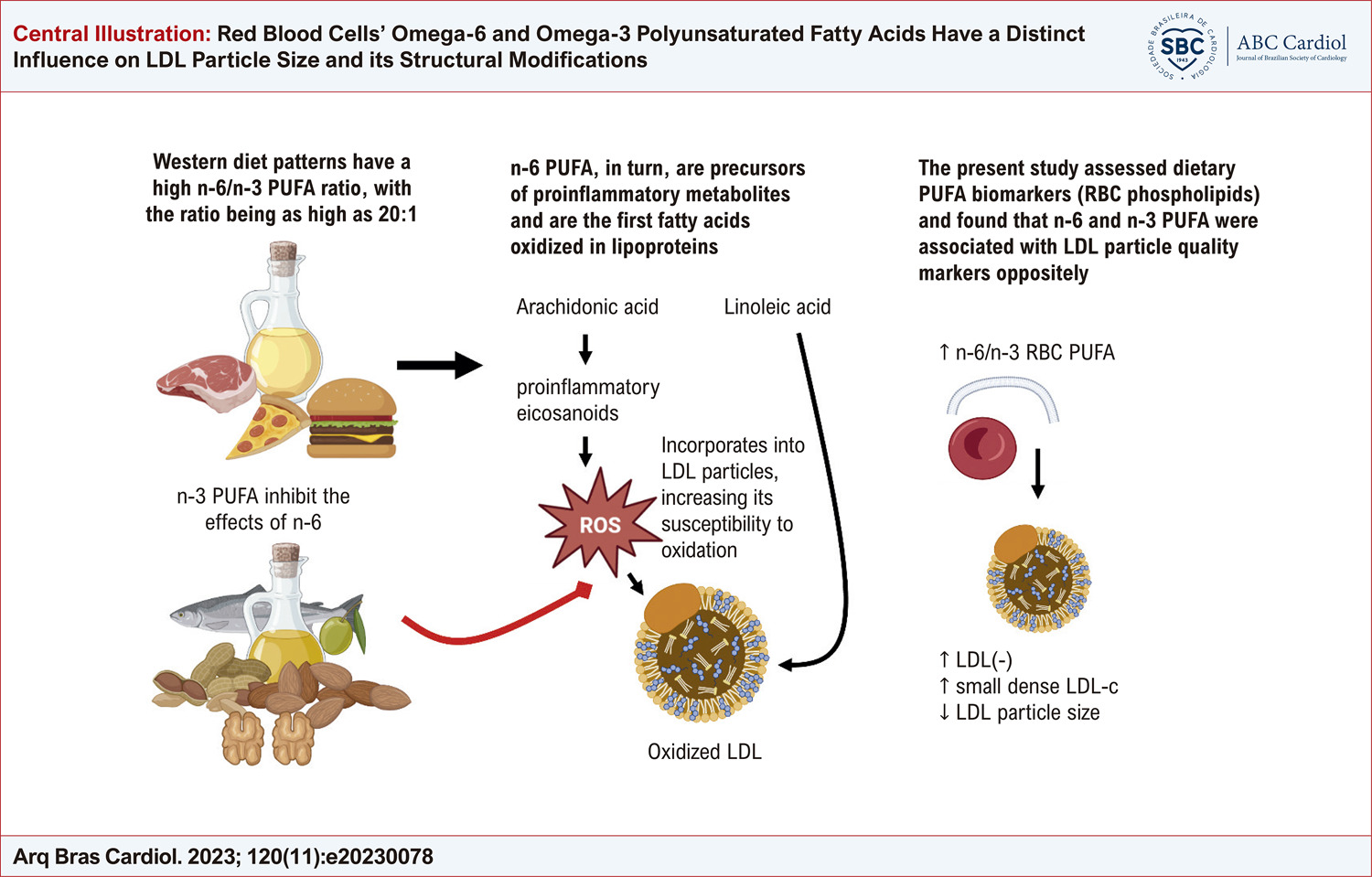
Red Blood Cells’ Omega-6 and Omega-3 Polyunsaturated Fatty Acids Have a Distinct Influence on LDL Particle Size and its Structural Modifications
ABC
Original Article

Red Blood Cells’ Omega-6 and Omega-3 Polyunsaturated Fatty Acids Have a Distinct Influence on LDL Particle Size and its Structural Modifications

Gustavo Henrique Ferreira Gonçalinho et al. Geni Rodrigues Sampaio Rosana Aparecida Manólio Soares-Freitas Nágila Raquel Teixeira Damasceno

Abstract

Background

While Omega-3 and omega-6 polyunsaturated fatty acids (n-3 and n-6 PUFAs) have established effects on cardiovascular disease (CVD) risk factors, little is known about their impacts on LDL quality markers.

Objective

To assess the associations of n-3 and n-6 PUFA within red blood cells (RBC) with LDL particle size, small dense LDL-c (sdLDL-c), and electronegative LDL [LDL(-)] in adults with CVD risk factors.

Methods

Cross-sectional study involving 335 men and women aged 30 to 74 with at least one cardiovascular risk factor. Analyses were conducted on biochemical parameters, such as glucose, insulin, HbA1c, C-reactive protein (CRP), lipid profile, lipoprotein subfractions, electronegative LDL particle [LDL(-)] and its autoantibody, and RBC n-3 and n-6 PUFAs. Independent t-test/Mann-Whitney test, one-way ANOVA/Kruskal-Wallis test, and multiple linear regressions were applied. All tests were two-sided, and a p-value of less than 0.05 was considered statistically significant.

Results

The RBC n-6/n-3 ratio was associated with increased LDL(-) (β = 4.064; 95% CI = 1.381 – 6.748) and sdLDL-c (β = 1.905; 95% CI = 0.863 – 2.947) levels, and reduced LDL particle size (β = -1.032; 95% CI = -1.585 − -0.478). Separately, n-6 and n-3 PUFAs had opposing associations with those parameters, reinforcing the protective effects of n-3 and showing the potential negative effects of n-6 on LDL particle quality.

Conclusion

RBC n-6 PUFA was associated with increased cardiometabolic risk and atherogenicity of LDL particles, while n-3 PUFA was associated with better cardiometabolic parameters and LDL particle quality.
  • Fatty Acids, Unsaturated
  • Lipoproteins, LDL
  • Oxidized LDL Receptors
Read Full Article
Creative Commons Attribution (CC BY) Creative Commons license
20/11/2023 DOI: 10.36660/abc.20230078 Views 1
Figure 1
ABC
Original Article

Comparison of Novel Martin/Hopkins and Sampson Equations for Calculation of Low-Density Lipoprotein Cholesterol in Diabetic Patients

Abdulrahman Naser et al. Khagani Isgandarov Tolga Sinan Güvenç Rengin Çetin Güvenç Müslüm Şahin

Abstract

Background

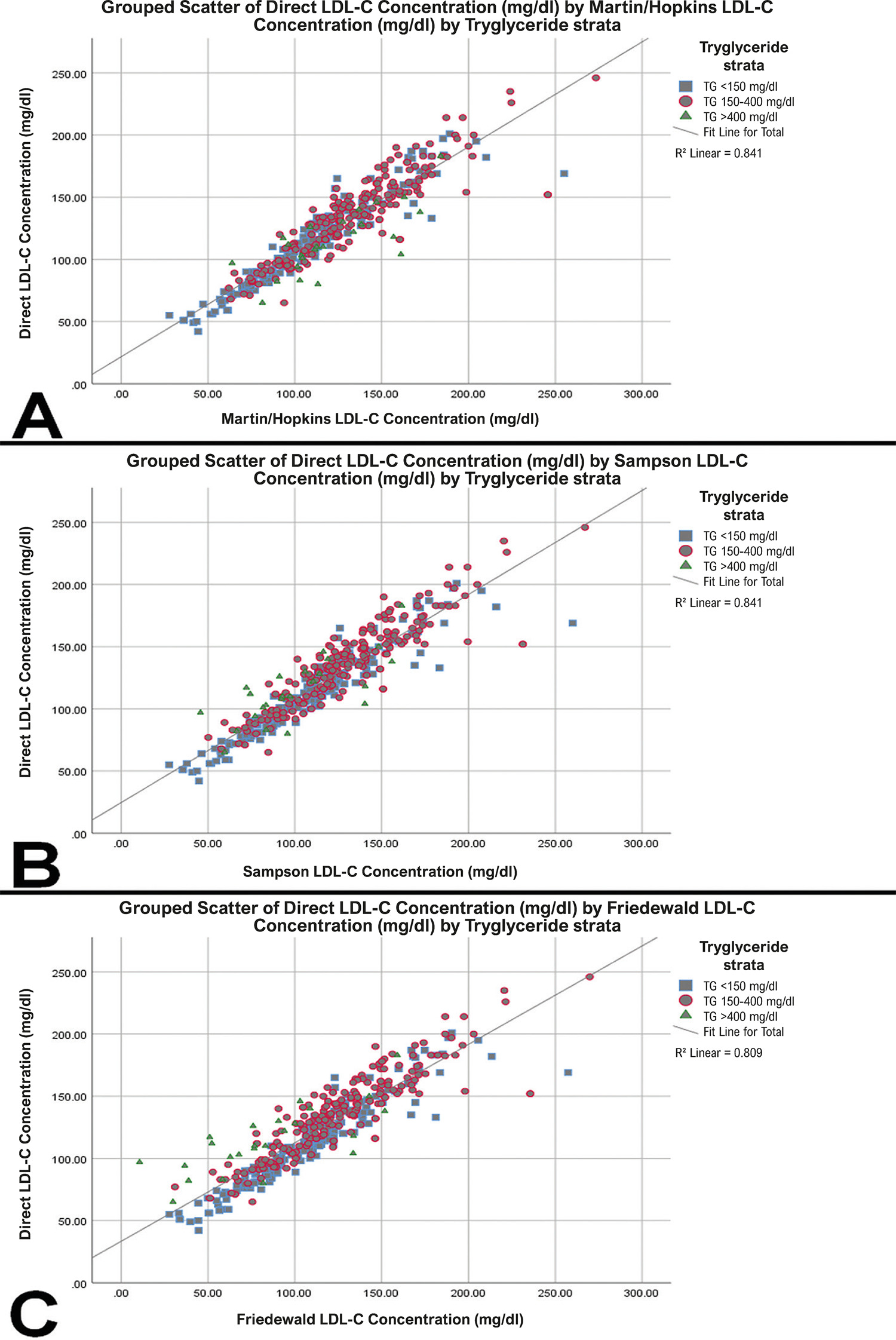
The accurate determination of low-density lipoprotein cholesterol (LDL-C) is important to reach guideline-recommended LDL-C concentrations and to reduce adverse cardiovascular outcomes in diabetic patients. The commonly used Friedewald equation (LDL-Cf), gives inaccurate results in diabetic patients due to accompanying diabetic dyslipidemia. Recently two new equations – Martin/Hopkins (LDL-Cmh) and Sampson (LDL-Cs) – were developed to improve the accuracy of LDL-C estimation, but data are insufficient to suggest the superiority of one equation over the other one.

Objective

The present study compared the accuracy and clinical usefulness of novel Martin/Hopkins and Sampson equations in diabetic patients.

Methods

This study included 402 patients with diabetes. Patients’ cardiovascular risk and LDL-C targets were calculated per European guidelines. Calculated LDL-Cmh, LDL-Cs, and LDL-Cf concentrations were compared with direct LDL-C concentration (LDL-Cd) to test agreement between these equations and LDL-Cd. A p-value <0.05 was accepted as statistically significant.

Results

Both LDL-Cmh and LDL-Cs had a better agreement with LDL-Cd as compared to LDL-Cf, but no statistical differences were found among novel equations for agreement with LDL-Cd (Cronbach’s alpha 0.955 for both, p=1). Likewise, LDL-Cmh and LDL-Cs showed a similar degree of agreement with LDL-Cd in determining whether a patient was in a guideline-recommended LDL-C target (96.3% for LDL-Cmh and 96.0% for LDL-Cs), which were marginally better than LDL-Cf (94.6%). In patients with a triglyceride concentration >400 mg/dl, agreement with LDL-Cd was poor, regardless of the method used.

Conclusion

Martin/Hopkins and Sampson’s equations show a similar accuracy for calculating LDL-C concentrations in patients with diabetes, and both equations were marginally better than the Friedewald equation.

  • Atherosclerosis, Dyslipidemias
  • Cholesterol, LDL
  • Coronary Artery Disease
  • Diabetes Mellitus
  • Lipoproteins, LDL
  • Metabolic Diseases
Read Full Article
Creative Commons Attribution (CC BY) Creative Commons license
27/06/2022 DOI: 10.36660/abc.20210641 Views 2
ABC
Original Article

Depressive Symptoms are Associated with High Levels of Serum Low-Density Lipoprotein Cholesterol in Older Adults with Type 2 Diabetes Mellitus

Etiene Oliveira da Silva Fittipaldi et al. Armele Dornelas de Andrade Ana Célia Oliveira Santos Shirley Campos … Juliana Fernandes Maria Teresa Jansen de Almeida Catanho

Abstract

Background

Type 2 Diabetes Mellitus (T2DM) is common in older adults, who also present a high level of risk factors for cardiovascular disease (CVD), such as dyslipidemia. However, the role of depression in T2DM patients and its relationship with CVD risk factors are understudied.

Objective

The present study aimed to investigate the relationship between depressive symptoms (DS) and known cardiovascular risk factors in community dwelling older adults with T2DM.

Methods

This is a cross sectional study, in which 85 community-dwelling older adults with T2DM were assessed. DS was assessed using the Yesavage Geriatric Depression Scale – short version (GDS-15). The following cardiovascular risk factors were evaluated: systolic (SBP) and diastolic blood pressure (DBP), fasting plasma glucose (FPG), lipid profile (serum triglycerides – TG, serum total cholesterol – TC, serum low-density lipoprotein cholesterol – LDL-C, and serum high-density lipoprotein cholesterol – HDL-C) and body mass index (BMI). Poisson multiple regression was performed to test the association between DS and each cardiovascular risk factor adjusted by sex, age, time spent in moderate physical activity, and functional status. The significance level adopted for the analysis was 5%.

Results

Among all the analyzed risk factors, only high levels of LDL-C were related to high DS (PR=1.005, CI 95% 1.002-1.008). A significant association was observed between HDL-C levels (PR=0.99, CI 95% 0.98-0.99) and SBP (PR=1.009, CI 95% 1.004-1.014).

Conclusion

In older adults with T2DM, the presence of DS was associated with LDL-C, HDL-C levels and SBP, even after adjusting for sex, age, physical activity level and functional capacity. (Arq Bras Cardiol. 2020; [online].ahead print, PP.0-0)

  • Cardiovascular Diseases
  • Depression
  • Depressive Disorder
  • Diabetes Mellitus
  • Dyslipidemias
  • Hypertension
  • Lipoproteins, LDL
Read Full Article
Creative Commons Attribution (CC BY) Creative Commons license
15/07/2020 DOI: 10.36660/abc.20190404 Views 1
Figure 1
ABC
Original Article

Discordance of Low-Density Lipoprotein Cholestrol and Non-High-Density Lipoprotein Cholestrol and Coronary Artery Disease Severity

Ozge Kurmus et al. Aycan Fahri Erkan Berkay Ekici Turgay Aslan Murat Eren

Abstract

Background:

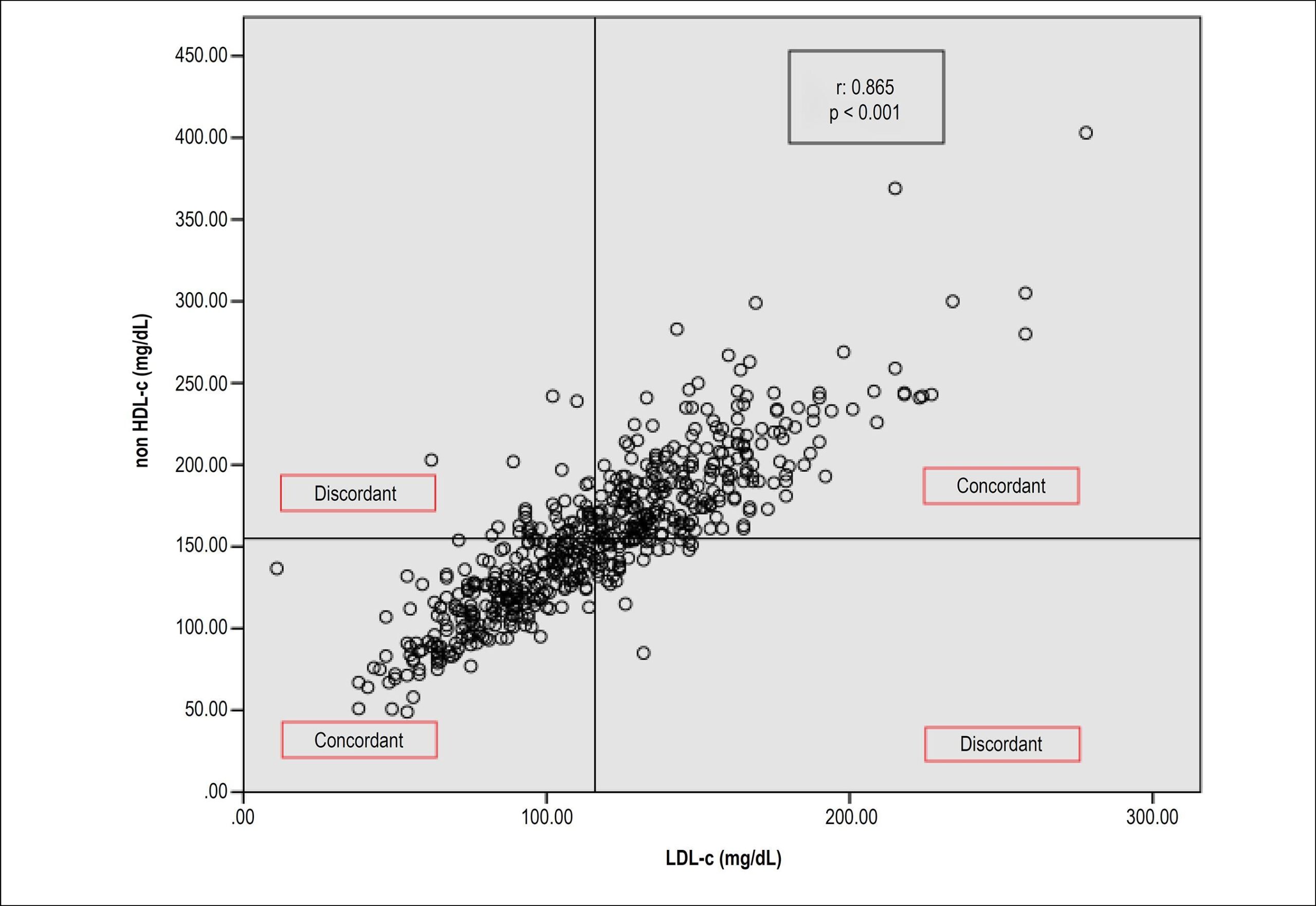
A sizeable proportion of patients have discordant low-density lipoprotein cholesterol (LDL-C) and non-high-density lipoprotein cholesterol (non-HDL-C).

Objectives:

We assessed the relationship between discordance of LDL-C and non-HDL-C and coronary artery disease (CAD) severity.

Methods:

We retrospectively evaluated the data of 574 consecutive patients who underwent coronary angiography. Fasting serum lipid profiles were recorded, SYNTAX and Gensini scores were calculated to establish CAD complexity and severity. We determined the medians for LDL-C and non-HDL-C to examine the discordance between LDL-C and non-HDL-C. Discordance was defined as LDL-C greater than or equal to the median and non-HDL-C less than median; or LDL-C less than median and non-HDL-C greater than or equal to median. A p value < 0.05 was accepted as statistically significant.

Results:

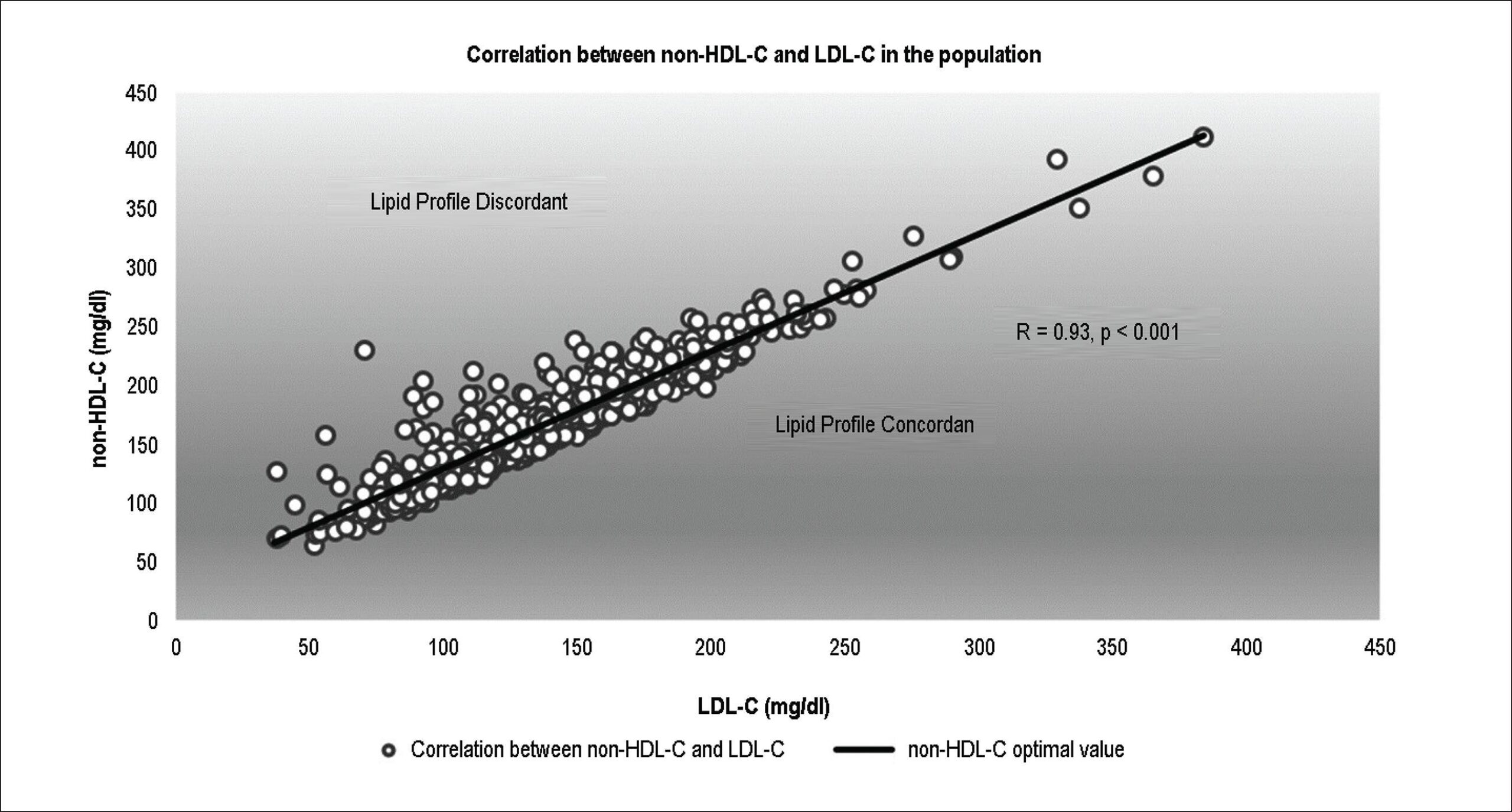
LDL-C levels were strongly and positively correlated with non-HDL-C levels (r = 0.865, p 22 were not different from group to group (p = 0.635, p = 0.733, p = 0.799, p = 0.891, respectively). Also, there was no statistically significant correlation between LDL-C and Gensini or SYNTAX scores in any of the discordant or concordant groups. Additionally, no correlation was found between non-HDL-C and Gensini or SYNTAX score.

Conclusions:

While there was discordance between LDL-C and non-HDL-C (15% of patients), there is no difference regarding CAD severity and complexity between discordant and concordant groups.

  • Atherosclerosis
  • Coronary Artery Disease/physiopathology
  • Discordance
  • Lipoproteins, HDL
  • Lipoproteins, LDL
Read Full Article
Creative Commons Attribution (CC BY) Creative Commons license
07/02/2020 DOI: 10.36660/abc.20190091 Views 1
ABC
Editorial

Warning Against Low-Density Lipoprotein Oxidation in Users of Oral Combined Contraceptives

Marcelo Chiara Bertolami

C

a

[…]

  • Cardiovascular Diseases, mortality
  • Contraceptives, Oral
  • Lipoproteins, LDL
  • Oxidation
  • Stroke
Read Full Article
Creative Commons Attribution (CC BY) Creative Commons license
01/12/2018 DOI: 10.5935/abc.20180230
Figure 1
ABC
Original Article

Is Lipid Accumulation Product Associated with an Atherogenic Lipoprotein Profile in Brazilian Subjects?

Flavia De Conti Cartolano et al. Caroline Pappiani Maria Camila Prupper de Freitas Antonio M. Figueiredo Neto … Antônio Augusto Ferreira Carioca Nágila Raquel Teixeira Damasceno

Abstract

Background:

Lipid accumulation product (LAP), a simple and low-cost tool, is a novel biomarker of central lipid accumulation and represents a potential surrogate marker for atherogenic lipoprotein profile. However, its association with lipoprotein subfractions has not been described in the literature.

Objective:

To determine whether LAP index could be used as a marker of low- and high-density lipoprotein (LDL and HDL) size in Brazilian individuals.

Methods:

This cross-sectional study included patients (n = 351) of both sexes and age between 30-74 years. Clinical and sociodemographic data and family history of diseases were evaluated. Lipoprotein size, and levels of total cholesterol (TC), lipoproteins, apolipoprotein AI and B (APO AI/APO B), glucose, insulin, insulin resistance index (HOMA-IR) and non-esterified fatty acids (NEFA) were assessed in blood samples. LAP was calculated by the formulas [(waist circumference[cm]-58) × (triglycerides[mmol/L]) for women and (waist circumference [cm]-65) × (triglycerides [mmol/L]) for men]. The association between LAP and metabolic parameters were tested by linear trend (general linear model, GLM test) before and after multiple adjustments for potential confounders (sex, age, smoking, statin, fibrate, and hypoglycemic drugs) at significant level p < 0.05.

Results:

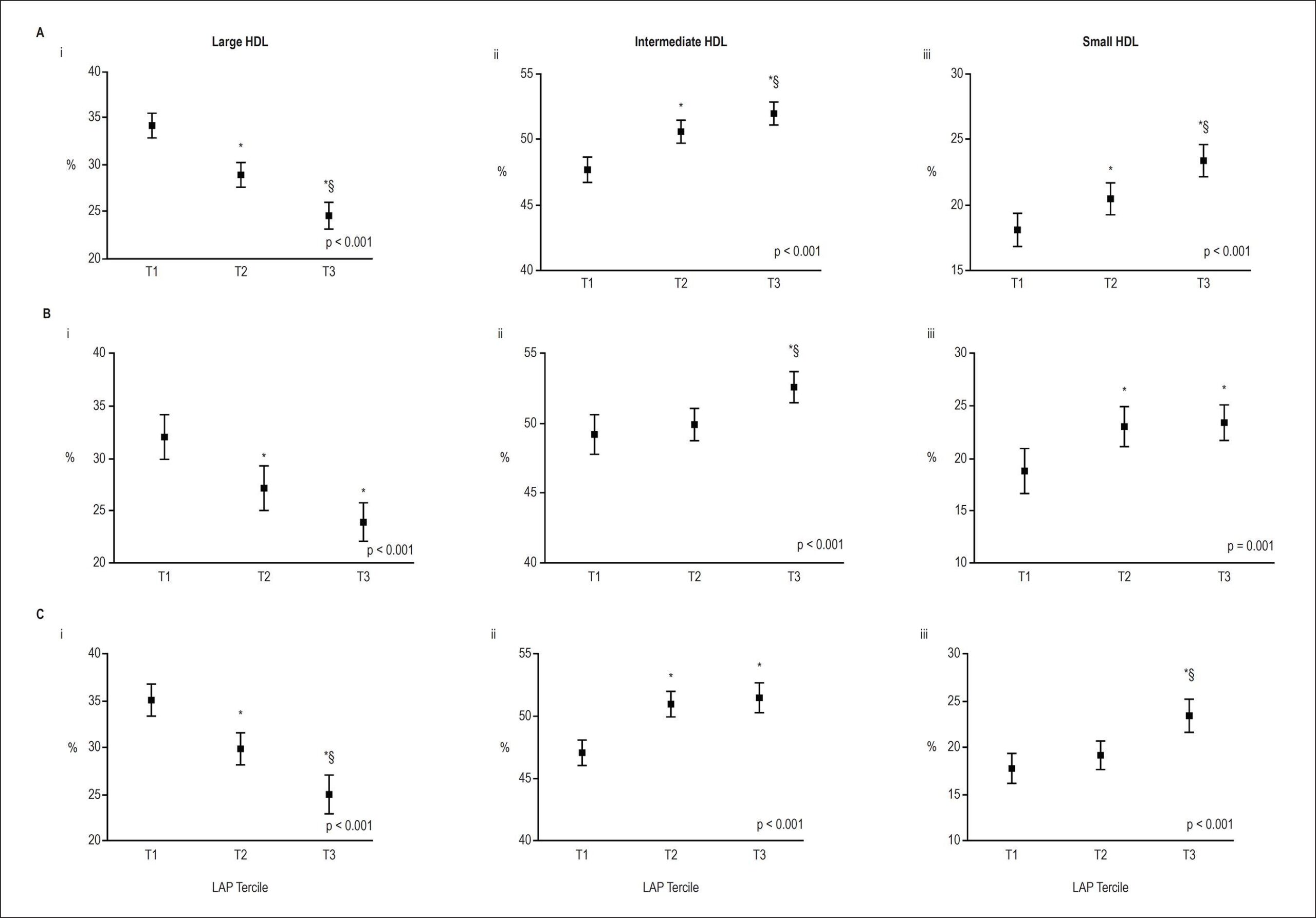
LAP was positively associated with TC, APO B, NEFA, glucose, insulin and HOMA-IR values, and negatively associated with HDL-C. Higher central lipid accumulation was corelated with higher percentage of intermediate HDL and of small LDL and HDL and less amount of large HDL. LDL size was also reduced in greater LAP index values. The negative impact of LAP was maintained after adjustment for multiple variables.

Conclusion:

LAP was robustly associated with atherogenic profile of lipoprotein subfractions, independently of multiple confounders.

  • Adults
  • Cardiovascular Diseases
  • Dyslipidemias
  • Insulin Resistance
  • Lipoproteins, HDL
  • Lipoproteins, LDL
  • Risk Factors
Read Full Article
Creative Commons Attribution (CC BY) Creative Commons license
01/04/2018 DOI: 10.5935/abc.20180054
Figure 1
ABC
Original Article

Discordant Lipid Pattern and Carotid Atherosclerotic Plaque. Importance of Remnant Cholesterol

Walter Masson et al. Martín Lobo Graciela Molinero Daniel Siniawski

Abstract

Background:

Subjects with levels of non-HDL-C 30 mg/dL above those of LDL-C (lipid discordance) or with high remnant cholesterol levels could have a greater residual cardiovascular risk.

Objectives:

Methods:

Primary prevention patients without diabetes or lipid-lowering therapy were included. Regardless of the LDL-C level, we define “lipid discordance” if the non-HDL-C value exceeded 30 mg/dL that of LDL-C. Remnant cholesterol was calculated as total cholesterol minus HDL-C minus LDL-C when triglycerides were < 4.0 mmol/L. Ultrasound was used to assess carotid plaque occurrence. Multiple regression logistic models were performed.

Results:

The study included 772 patients (mean age 52 ± 11 years, 66% women). The prevalence of lipid discordance was 34%. Male sex and body mass index were independently associated with discordant lipid pattern. The prevalence of carotid plaque was higher in subjects with lipid discordance (40.2% vs. 29.2, p = 0.002). The multivariate analysis showed that the discordant lipid pattern was associated with the greater probability of carotid plaque (OR 1.58, 95% CI 1.08-2.34, p = 0.02). Similarly, a significant association between calculated remnant cholesterol and carotid plaque was found.

Conclusion:

Lipid discordance and presence of a higher level of calculated remnant cholesterol are associated with subclinical atherosclerosis. Our findings could be used to improve the residual cardiovascular risk evaluation.

  • Atherosclerosis / complications
  • Carotid Arteries
  • Cholesterol, LDL
  • Cholesterol, VLDL
  • Lipoproteins, LDL
  • Plaque, Atherosclerotic
Read Full Article
Creative Commons Attribution (CC BY) Creative Commons license
01/06/2017 DOI: 10.5935/abc.20170069 Views 1
Figure 1
ABC
Original Article

Association between LDL-C, Non HDL-C, and Apolipoprotein B Levels with Coronary Plaque Regression

Walter Masson et al. Daniel Siniawski Martín Lobo Graciela Molinero … Mariano Giorgi Melina Huerín

Background:

Previous reports have inferred a linear relationship between LDL-C and changes in coronary plaque volume (CPV) measured by intravascular ultrasound. However, these publications included a small number of studies and did not explore other lipid markers.

Objective:

To assess the association between changes in lipid markers and regression of CPV using published data.

Methods:

We collected data from the control, placebo and intervention arms in studies that compared the effect of lipidlowering treatments on CPV, and from the placebo and control arms in studies that tested drugs that did not affect lipids. Baseline and final measurements of plaque volume, expressed in mm3, were extracted and the percentage changes after the interventions were calculated. Performing three linear regression analyses, we assessed the relationship between percentage and absolute changes in lipid markers and percentage variations in CPV.

Results:

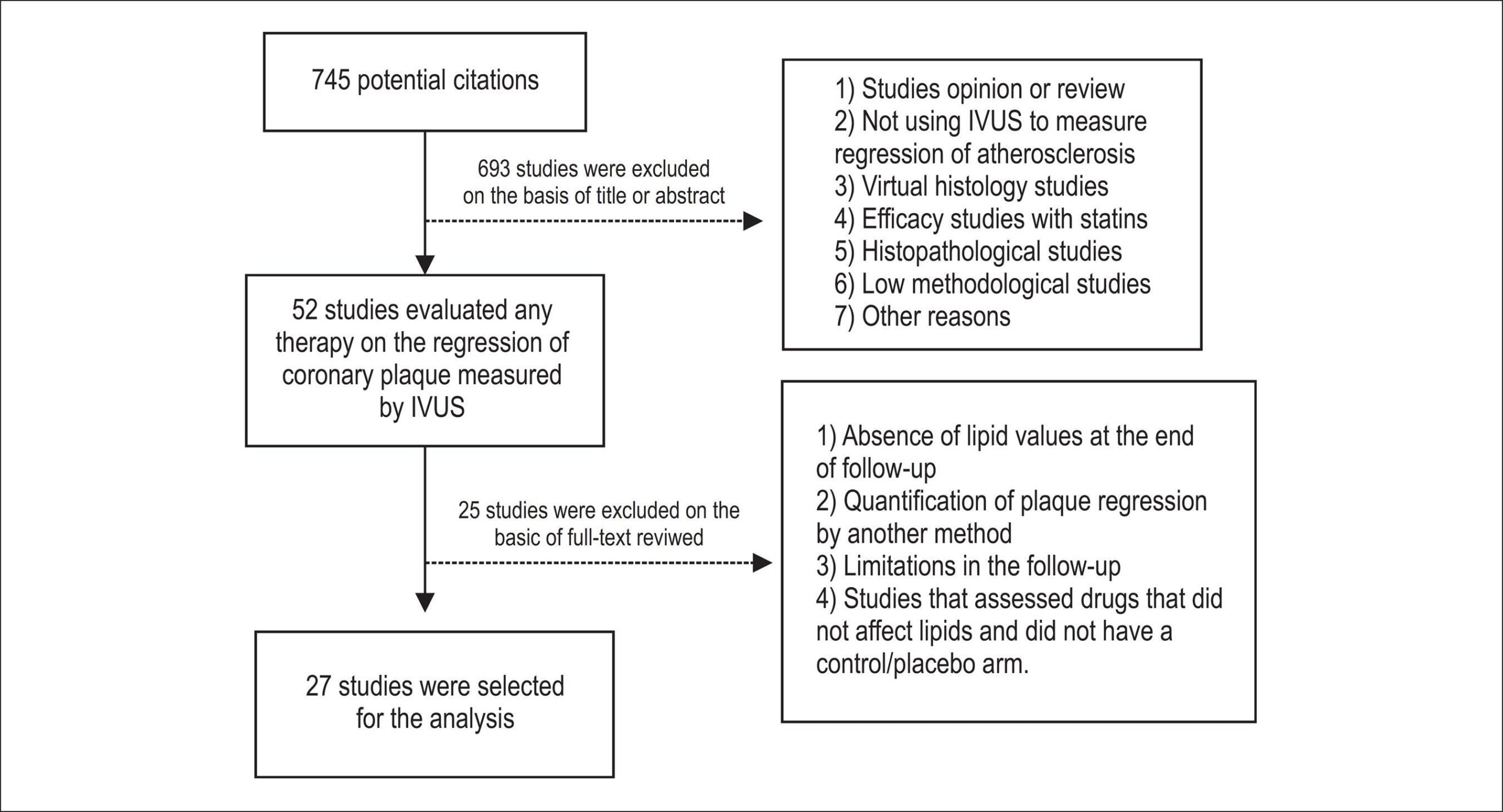
Twenty-seven studies were selected. Correlations between percentage changes in LDL-C, non-HDL-C, and apolipoprotein B (ApoB) and percentage changes in CPV were moderate (r = 0.48, r = 0.47, and r = 0.44, respectively). Correlations between absolute differences in LDL-C, non‑HDL-C, and ApoB with percentage differences in CPV were stronger (r = 0.57, r = 0.52, and r = 0.79). The linear regression model showed a statistically significant association between a reduction in lipid markers and regression of plaque volume.

Conclusion:

A significant association between changes in different atherogenic particles and regression of CPV was observed. The absolute reduction in ApoB showed the strongest correlation with coronary plaque regression.

  • Apolipoprotein B/ therapeutic use
  • Atherosclerosis / physiopathology
  • Cardiovascular Diseases
  • Cholesterol, LDL
  • Lipoproteins, LDL
Read Full Article
Creative Commons Attribution (CC BY) Creative Commons license
19/05/2015 DOI: 10.5935/abc.20150050 Views 1
Antibodies against OxLDL and acute coronary syndrome
ABC
Artigo Original

Antibodies against OxLDL and acute coronary syndrome

Ana Maria Brito Medeiros et al. Carlos Alberto von Mühlen Magnus Ake Gidlund Rodrigo Bodanese … Maria G. V. Gottlieb Luiz C. Bodanese

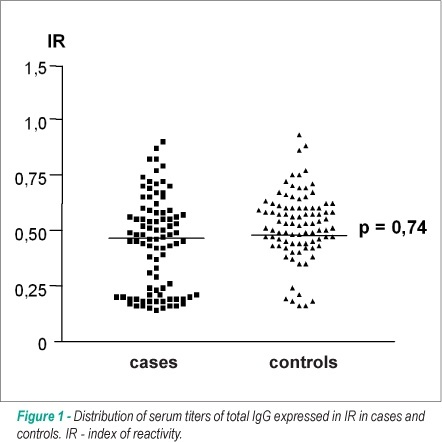
BACKGROUND: The oxidation of low-density lipoprotein (oxLDL) induces the formation of immunogenic epitopes in molecules. The presence of autoantibodies against oxLDL has been demonstrated in the serum of patients with coronary artery disease (CAD). However, the role of these autoantibodies in the pathophysiology of acute coronary syndromes (ACS) and their clinical significance remain undefined. OBJECTIVE: To evaluate the association between antibodies against oxLDL and ACS. METHODS: Titers of IgG autoantibodies against oxLDL by copper (anti-oxLDL) and anti-D synthetic peptide derived from apolipoprotein B (antipeptD) were determined by Enzyme-linked immunosorbent assay (ELISA) in 90 patients, in the first 12 hours of ACS (cases) and in 90 patients with chronic CAD (controls). RESULTS: The results showed that the titers of anti-oxLDL were significantly higher (p = 0.017) in cases (0.40 ± 0.22) than in controls (0.33 ± 0.23). On the other hand, the titers of antipeptD were significantly lower (p < 0.01) in cases (0.28 ± 0.23) than in controls (0.45 ± 0.30). The difference in the titers of both antibodies between the two groups was independent of age, sex, hypertension, diabetes mellitus, dyslipidemia, body mass index, smoking, lipid profile, statin use and family history of CAD. CONCLUSION: The results showed that the titers of anti-oxLDL were significantly higher in patients with acute coronary syndrome as compared to patients with coronary artery disease and may be associated with atherosclerotic plaque instability.

  • Acute coronary syndrome
  • Autoantibodies
  • Lipoproteins, LDL
Read Full Article
Creative Commons Attribution (CC BY) Creative Commons license
11/06/2010 DOI: 10.1590/S0066-782X2010005000063

How to cite this article

EndNote RIS

Electronic Document Format (Vancouver)

Gonçalinho GHF, Sampaio GR, Soares-Freitas RAM, Damasceno NRT. Red Blood Cells’ Omega-6 and Omega-3 Polyunsaturated Fatty Acids Have a Distinct Influence on LDL Particle Size and its Structural Modifications. Arquivos Brasileiros de Cardiologia 2023;120(11):e20230078.

Electronic Document Format (ABNT)

Gonçalinho, Gustavo Henrique Ferreira; Sampaio, Geni Rodrigues; Soares-Freitas, Rosana Aparecida Manólio; Damasceno, Nágila Raquel Teixeira. Red Blood Cells’ Omega-6 and Omega-3 Polyunsaturated Fatty Acids Have a Distinct Influence on LDL Particle Size and its Structural Modifications. Arquivos Brasileiros de Cardiologia, v. 120, n. 11, e20230078, Nov. 2023.

Electronic Document Format (APA)

Gonçalinho, G. H. F., Sampaio, G. R., Soares-Freitas, R. A. M., & Damasceno, N. R. T. (2023). Red Blood Cells’ Omega-6 and Omega-3 Polyunsaturated Fatty Acids Have a Distinct Influence on LDL Particle Size and its Structural Modifications. Arquivos Brasileiros de Cardiologia, 120(11), e20230078.

Electronic Document Format (ISO)

Gonçalinho, Gustavo Henrique Ferreira and Sampaio, Geni Rodrigues and Soares-Freitas, Rosana Aparecida Manólio and Damasceno, Nágila Raquel Teixeira. Red Blood Cells’ Omega-6 and Omega-3 Polyunsaturated Fatty Acids Have a Distinct Influence on LDL Particle Size and its Structural Modifications. Arquivos Brasileiros de Cardiologia [online]. 2023, vol. 120, n. 11, [cited 2026-10-14], e20230078. Available from: <https://journals.cardiol.br/en/article/red-blood-cells-omega-6-and-omega-3-polyunsaturated-fatty-acids-have-a-distinct-influence-on-ldl-particle-size-and-its-structural-modifications/>. ISSN 0066-782X

EndNote RIS

Electronic Document Format (Vancouver)

Naser A, Isgandarov K, Güvenç TS, Güvenç R, Şahin M. Comparison of Novel Martin/Hopkins and Sampson Equations for Calculation of Low-Density Lipoprotein Cholesterol in Diabetic Patients. Arquivos Brasileiros de Cardiologia 2022;119(2):225-33.

Electronic Document Format (ABNT)

Naser, Abdulrahman; Isgandarov, Khagani; Güvenç, Tolga Sinan; Güvenç, Rengin Çetin; Şahin, Müslüm. Comparison of Novel Martin/Hopkins and Sampson Equations for Calculation of Low-Density Lipoprotein Cholesterol in Diabetic Patients. Arquivos Brasileiros de Cardiologia, v. 119, n. 2, p. 225-233, Jun. 2022.

Electronic Document Format (APA)

Naser, A., Isgandarov, K., Güvenç, T. S., Güvenç, R. , & Şahin, M. (2022). Comparison of Novel Martin/Hopkins and Sampson Equations for Calculation of Low-Density Lipoprotein Cholesterol in Diabetic Patients. Arquivos Brasileiros de Cardiologia, 119(2), 225-233.

Electronic Document Format (ISO)

Naser, Abdulrahman and Isgandarov, Khagani and Güvenç, Tolga Sinan and Güvenç, Rengin Çetin and Şahin, Müslüm. Comparison of Novel Martin/Hopkins and Sampson Equations for Calculation of Low-Density Lipoprotein Cholesterol in Diabetic Patients. Arquivos Brasileiros de Cardiologia [online]. 2022, vol. 119, n. 2, [cited 2026-10-14], pp. 225-233. Available from: <https://journals.cardiol.br/en/article/comparison-of-novel-martin-hopkins-and-sampson-equations-for-calculation-of-low-density-lipoprotein-cholesterol-in-diabetic-patients/>. ISSN 0066-782X

EndNote RIS

Electronic Document Format (Vancouver)

Fittipaldi EOS, Andrade AD, Santos ACO, Campos S, Fernandes J, Catanho MTJA. Depressive Symptoms are Associated with High Levels of Serum Low-Density Lipoprotein Cholesterol in Older Adults with Type 2 Diabetes Mellitus. Arquivos Brasileiros de Cardiologia 2020;115(3):462-7.

Electronic Document Format (ABNT)

Fittipaldi, Etiene Oliveira da Silva; Andrade, Armele Dornelas de; Santos, Ana Célia Oliveira; Campos, Shirley; Fernandes, Juliana; Catanho, Maria Teresa Jansen de Almeida. Depressive Symptoms are Associated with High Levels of Serum Low-Density Lipoprotein Cholesterol in Older Adults with Type 2 Diabetes Mellitus. Arquivos Brasileiros de Cardiologia, v. 115, n. 3, p. 462-467, Jul. 2020.

Electronic Document Format (APA)

Fittipaldi, E. O. S., Andrade, A. D. , Santos, A. C. O., Campos, S., Fernandes, J., & Catanho, M. T. J. A. (2020). Depressive Symptoms are Associated with High Levels of Serum Low-Density Lipoprotein Cholesterol in Older Adults with Type 2 Diabetes Mellitus. Arquivos Brasileiros de Cardiologia, 115(3), 462-467.

Electronic Document Format (ISO)

Fittipaldi, Etiene Oliveira da Silva and Andrade, Armele Dornelas de and Santos, Ana Célia Oliveira and Campos, Shirley and Fernandes, Juliana and Catanho, Maria Teresa Jansen de Almeida. Depressive Symptoms are Associated with High Levels of Serum Low-Density Lipoprotein Cholesterol in Older Adults with Type 2 Diabetes Mellitus. Arquivos Brasileiros de Cardiologia [online]. 2020, vol. 115, n. 3, [cited 2026-10-14], pp. 462-467. Available from: <https://journals.cardiol.br/en/article/depressive-symptoms-are-associated-with-high-levels-of-serum-low-density-lipoprotein-cholesterol-in-older-adults-with-type-2-diabetes-mellitus/>. ISSN 0066-782X

EndNote RIS

Electronic Document Format (Vancouver)

Kurmus O, Erkan AF, Ekici B, Aslan T, Eren M. Discordance of Low-Density Lipoprotein Cholestrol and Non-High-Density Lipoprotein Cholestrol and Coronary Artery Disease Severity. Arquivos Brasileiros de Cardiologia 2020;114(3):469-75.

Electronic Document Format (ABNT)

Kurmus, Ozge; Erkan, Aycan Fahri; Ekici, Berkay; Aslan, Turgay; Eren, Murat. Discordance of Low-Density Lipoprotein Cholestrol and Non-High-Density Lipoprotein Cholestrol and Coronary Artery Disease Severity. Arquivos Brasileiros de Cardiologia, v. 114, n. 3, p. 469-475, Feb. 2020.

Electronic Document Format (APA)

Kurmus, O., Erkan, A. F., Ekici, B., Aslan, T., & Eren, M. (2020). Discordance of Low-Density Lipoprotein Cholestrol and Non-High-Density Lipoprotein Cholestrol and Coronary Artery Disease Severity. Arquivos Brasileiros de Cardiologia, 114(3), 469-475.

Electronic Document Format (ISO)

Kurmus, Ozge and Erkan, Aycan Fahri and Ekici, Berkay and Aslan, Turgay and Eren, Murat. Discordance of Low-Density Lipoprotein Cholestrol and Non-High-Density Lipoprotein Cholestrol and Coronary Artery Disease Severity. Arquivos Brasileiros de Cardiologia [online]. 2020, vol. 114, n. 3, [cited 2026-10-14], pp. 469-475. Available from: <https://journals.cardiol.br/en/article/discordance-of-low-density-lipoprotein-cholestrol-and-non-high-density-lipoprotein-cholestrol-and-coronary-artery-disease-severity/>. ISSN 0066-782X

EndNote RIS

Electronic Document Format (Vancouver)

Bertolami MC. Warning Against Low-Density Lipoprotein Oxidation in Users of Oral Combined Contraceptives. Arquivos Brasileiros de Cardiologia 2018;111(6):771.

Electronic Document Format (ABNT)

Bertolami, Marcelo Chiara. Warning Against Low-Density Lipoprotein Oxidation in Users of Oral Combined Contraceptives. Arquivos Brasileiros de Cardiologia, v. 111, n. 6, p. 771-771, Nov. 2018.

Electronic Document Format (APA)

Bertolami, M. C. (2018). Warning Against Low-Density Lipoprotein Oxidation in Users of Oral Combined Contraceptives. Arquivos Brasileiros de Cardiologia, 111(6), 771-771.

Electronic Document Format (ISO)

Bertolami, Marcelo Chiara. Warning Against Low-Density Lipoprotein Oxidation in Users of Oral Combined Contraceptives. Arquivos Brasileiros de Cardiologia [online]. 2018, vol. 111, n. 6, [cited 2026-10-14], pp. 771-771. Available from: <https://journals.cardiol.br/en/article/warning-against-low-density-lipoprotein-oxidation-in-users-of-oral-combined-contraceptives/>. ISSN 0066-782X

EndNote RIS

Electronic Document Format (Vancouver)

Cartolano FDC, Pappiani C, Freitas MCP, Figueiredo Neto AM, Carioca AAF, Damasceno NRT. Is Lipid Accumulation Product Associated with an Atherogenic Lipoprotein Profile in Brazilian Subjects?. Arquivos Brasileiros de Cardiologia 2018;110(4):339-47.

Electronic Document Format (ABNT)

Cartolano, Flavia De Conti; Pappiani, Caroline; Freitas, Maria Camila Prupper de; Figueiredo Neto, Antonio M.; Carioca, Antônio Augusto Ferreira; Damasceno, Nágila Raquel Teixeira. Is Lipid Accumulation Product Associated with an Atherogenic Lipoprotein Profile in Brazilian Subjects?. Arquivos Brasileiros de Cardiologia, v. 110, n. 4, p. 339-347, Mar. 2018.

Electronic Document Format (APA)

Cartolano, F. D. C., Pappiani, C., Freitas, M. C. P. , Figueiredo Neto, A. M., Carioca, A. A. F., & Damasceno, N. R. T. (2018). Is Lipid Accumulation Product Associated with an Atherogenic Lipoprotein Profile in Brazilian Subjects?. Arquivos Brasileiros de Cardiologia, 110(4), 339-347.

Electronic Document Format (ISO)

Cartolano, Flavia De Conti and Pappiani, Caroline and Freitas, Maria Camila Prupper de and Figueiredo Neto, Antonio M. and Carioca, Antônio Augusto Ferreira and Damasceno, Nágila Raquel Teixeira. Is Lipid Accumulation Product Associated with an Atherogenic Lipoprotein Profile in Brazilian Subjects?. Arquivos Brasileiros de Cardiologia [online]. 2018, vol. 110, n. 4, [cited 2026-10-14], pp. 339-347. Available from: <https://journals.cardiol.br/en/article/is-lipid-accumulation-product-associated-with-an-atherogenic-lipoprotein-profile-in-brazilian-subjects/>. ISSN 0066-782X

EndNote RIS

Electronic Document Format (Vancouver)

Masson W, Lobo M, Molinero G, Siniawski D. Discordant Lipid Pattern and Carotid Atherosclerotic Plaque. Importance of Remnant Cholesterol. Arquivos Brasileiros de Cardiologia 2017;108(6):526-32.

Electronic Document Format (ABNT)

Masson, Walter; Lobo, Martín; Molinero, Graciela; Siniawski, Daniel. Discordant Lipid Pattern and Carotid Atherosclerotic Plaque. Importance of Remnant Cholesterol. Arquivos Brasileiros de Cardiologia, v. 108, n. 6, p. 526-532, May. 2017.

Electronic Document Format (APA)

Masson, W., Lobo, M., Molinero, G., & Siniawski, D. (2017). Discordant Lipid Pattern and Carotid Atherosclerotic Plaque. Importance of Remnant Cholesterol. Arquivos Brasileiros de Cardiologia, 108(6), 526-532.

Electronic Document Format (ISO)

Masson, Walter and Lobo, Martín and Molinero, Graciela and Siniawski, Daniel. Discordant Lipid Pattern and Carotid Atherosclerotic Plaque. Importance of Remnant Cholesterol. Arquivos Brasileiros de Cardiologia [online]. 2017, vol. 108, n. 6, [cited 2026-10-14], pp. 526-532. Available from: <https://journals.cardiol.br/en/article/discordant-lipid-pattern-and-carotid-atherosclerotic-plaque-importance-of-remnant-cholesterol/>. ISSN 0066-782X

EndNote RIS

Electronic Document Format (Vancouver)

Masson W, Siniawski D, Lobo M, Molinero G, Giorgi M, Huerín M. Association between LDL-C, Non HDL-C, and Apolipoprotein B Levels with Coronary Plaque Regression. Arquivos Brasileiros de Cardiologia 2015;105(1):11-9.

Electronic Document Format (ABNT)

Masson, Walter; Siniawski, Daniel; Lobo, Martín; Molinero, Graciela; Giorgi, Mariano; Huerín, Melina. Association between LDL-C, Non HDL-C, and Apolipoprotein B Levels with Coronary Plaque Regression. Arquivos Brasileiros de Cardiologia, v. 105, n. 1, p. 11-19, May. 2015.

Electronic Document Format (APA)

Masson, W., Siniawski, D., Lobo, M., Molinero, G., Giorgi, M., & Huerín, M. (2015). Association between LDL-C, Non HDL-C, and Apolipoprotein B Levels with Coronary Plaque Regression. Arquivos Brasileiros de Cardiologia, 105(1), 11-19.

Electronic Document Format (ISO)

Masson, Walter and Siniawski, Daniel and Lobo, Martín and Molinero, Graciela and Giorgi, Mariano and Huerín, Melina. Association between LDL-C, Non HDL-C, and Apolipoprotein B Levels with Coronary Plaque Regression. Arquivos Brasileiros de Cardiologia [online]. 2015, vol. 105, n. 1, [cited 2026-10-14], pp. 11-19. Available from: <https://journals.cardiol.br/en/article/association-between-ldl-c-non-hdl-c-and-apolipoprotein-b-levels-with-coronary-plaque-regression/>. ISSN 0066-782X

EndNote RIS

Electronic Document Format (Vancouver)

Medeiros AMB, Mühlen CA, Gidlund MA, Bodanese R, Gottlieb MGV, Bodanese LC. Antibodies against OxLDL and acute coronary syndrome. Arquivos Brasileiros de Cardiologia 2010;95(1):47-54.

Electronic Document Format (ABNT)

Medeiros, Ana Maria Brito; Mühlen, Carlos Alberto von; Gidlund, Magnus Ake; Bodanese, Rodrigo; Gottlieb, Maria G. V.; Bodanese, Luiz C.. Antibodies against OxLDL and acute coronary syndrome. Arquivos Brasileiros de Cardiologia, v. 95, n. 1, p. 47-54, Jun. 2010.

Electronic Document Format (APA)

Medeiros, A. M. B., Mühlen, C. A. , Gidlund, M. A., Bodanese, R., Gottlieb, M. G. V., & Bodanese, L. C. (2010). Antibodies against OxLDL and acute coronary syndrome. Arquivos Brasileiros de Cardiologia, 95(1), 47-54.

Electronic Document Format (ISO)

Medeiros, Ana Maria Brito and Mühlen, Carlos Alberto von and Gidlund, Magnus Ake and Bodanese, Rodrigo and Gottlieb, Maria G. V. and Bodanese, Luiz C.. Antibodies against OxLDL and acute coronary syndrome. Arquivos Brasileiros de Cardiologia [online]. 2010, vol. 95, n. 1, [cited 2026-10-14], pp. 47-54. Available from: <https://journals.cardiol.br/en/article/antibodies-against-oxldl-and-acute-coronary-syndrome/>. ISSN 0066-782X

  • About ABC Family
  • Internal Regulation
  • Editorial Board
  • Brazilian Society of Cardiology (SBC)

Issues

SBC Guidelines

  • Videos
  • Podcasts
  • News