
ABC Family Arquivos Brasileiros de Cardiologia International Journal of Cardiovascular Sciences ABC Heart Failure & Cardiomyopathy ABC Imagem Cardiovascular
Português English
ABC Family
Português English
  • About
    • About ABC Family
    • Internal Regulation
    • Editorial Board
    • Brazilian Society of Cardiology (SBC)
  • Issues
  • SBC Guidelines
  • Content
    • Videos
    • Podcasts
    • News
  • About
    • About ABC Family
    • Internal Regulation
    • Editorial Board
    • Brazilian Society of Cardiology (SBC)
  • Issues
  • SBC Guidelines
  • Content
    • Videos
    • Podcasts
    • News

ABC Family

  • ABC Family
  • Arquivos Brasileiros de Cardiologia
  • International Journal of Cardiovascular Sciences
  • ABC Heart Failure & Cardiomyopathy
  • ABC Imagem Cardiovascular
Search in

No content found.

Journals
Ordering
Article types
Others

  1. Home
  2. Keyword: renal dialysis
IJCS
Editorial

Coronary Artery Disease In Maintenance Hemodialysis Patients: Are We Acting Too Late?

Jorge Paulo Strogoff de Matos et al. Jocemir Ronaldo Lugon

The study by França et al. confirms the well-known high prevalence of Coronary Artery Disease (CAD) and the high mortality rate among patients with Chronic Kidney Disease (CKD) undergoing maintenance hemodialysis, which is mainly due to cardiovascular causes. The authors also found a significantly higher crude mortality rate among those who were not under statin use. However, this should be cautiously interpreted since no adjustment was made for confounding factors, and a bias cannot be ruled out, for example, that statins were not prescribed to those patients with a very low remaining life expectancy who would likely not benefit from the therapy.

The population undergoing renal replacement therapy is increasing worldwide. In Brazil alone, there are currently more than 150,000 patients on maintenance dialysis. In general, these patients are stratified and treated for CAD based on guidelines derived mainly from evidence from clinical trials in which, due to the study design, patients on dialysis therapy or those with advanced CKD were excluded.

[…]

  • chronic renal insufficiency
  • Coronary Artery Disease
  • renal dialysis
Read Full Article
Creative Commons Attribution (CC BY) Creative Commons license
27/07/2026 DOI: 10.36660/ijcs.20260021 Views 1
Analysis of the Lipid Profile and Prevalence of Cardiovascular Risk Factors in Hemodialysis Patients from an Academic Health Institution in Belo Horizonte
IJCS
Original Article

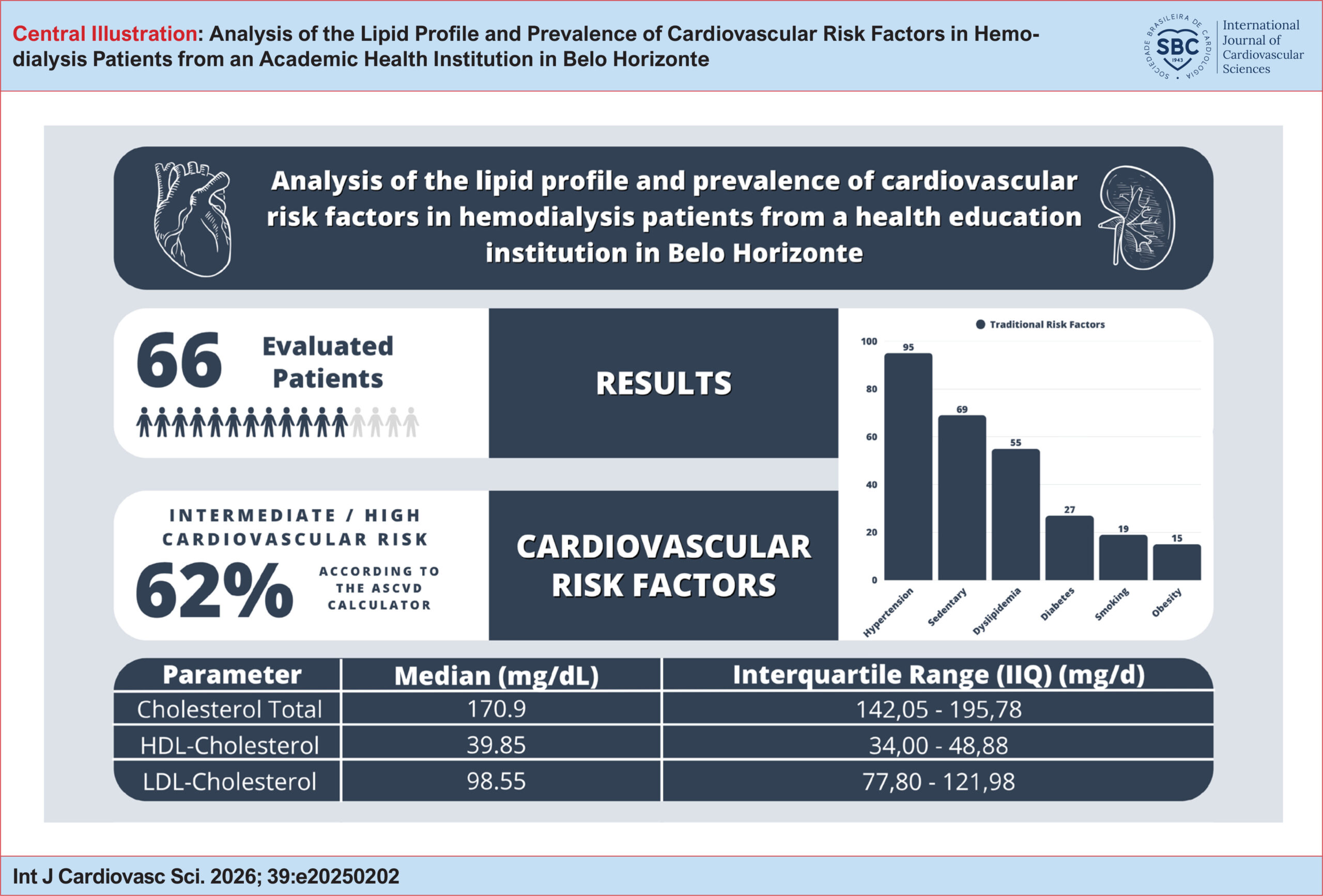
Analysis of the Lipid Profile and Prevalence of Cardiovascular Risk Factors in Hemodialysis Patients from an Academic Health Institution in Belo Horizonte

Sarah Mattos Moraes et al. Matheus Evangelista da Costa Flávia Carvalho Leão Reis Kleisson Antônio Pontes Maia

Abstract

Background:

There is a lack of epidemiological data regarding the cardiovascular risk profile of patients with chronic kidney disease (CKD) undergoing hemodialysis in the Brazilian state of Minas Gerais.

Objective:

To analyze the lipid profile and assess the prevalence of traditional cardiovascular risk factors among patients with CKD on hemodialysis treated at an academic healthcare institution in Belo Horizonte, Minas Gerais, Brazil.

Methods:

This was a cross-sectional, observational, and non-interventional study. The researchers obtained clinical, laboratory, and demographic data from medical records and conducted structured individual interviews with all participants. The chi-square test of independence, Fisher’s exact test, and the Wilcoxon rank-sum test were applied. A significance level of 0.05 was adopted to establish the statistical validity of comparisons.

Results:

A total of 66 patients were included, representing 91.6% of all individuals undergoing hemodialysis at the study center. The mean age was 56 years. Among participants, 59% were male, and 89% self-identified as mixed race. A high prevalence of traditional cardiovascular risk factors was observed, including hypertension (95%), physical inactivity (69%), dyslipidemia (55%), diabetes mellitus (27%), current smoker (19%), and obesity (15%). The lipid profile analysis showed a median total cholesterol level of 170.9 mg/dL (interquartile range: 142.05 to 195.78 mg/dL) and Low-Density Lipoprotein (LDL-cholesterol) of 98.55 mg/dL (interquartile range: 77.80 to 121.98 mg/dL).

Conclusion:

This study demonstrated a high burden of cardiovascular risk factors among hemodialysis patients, with systemic arterial hypertension, dyslipidemia, physical inactivity, and diabetes mellitus being the most prevalent conditions. Furthermore, the lipid profile findings suggest suboptimal control of this lipid fraction in the studied population.

  • chronic renal insufficiency
  • Heart Disease Risk Factors
  • Lipids
  • renal dialysis
Read Full Article
Creative Commons Attribution (CC BY) Creative Commons license
24/07/2026 DOI: 10.36660/ijcs.20250202 Views 1
Evaluation of Different Therapeutic Approaches for Acute Coronary Syndromes in Patients Undergoing Chronic Dialysis: A Retrospective Cohort Study
IJCS
Original Article

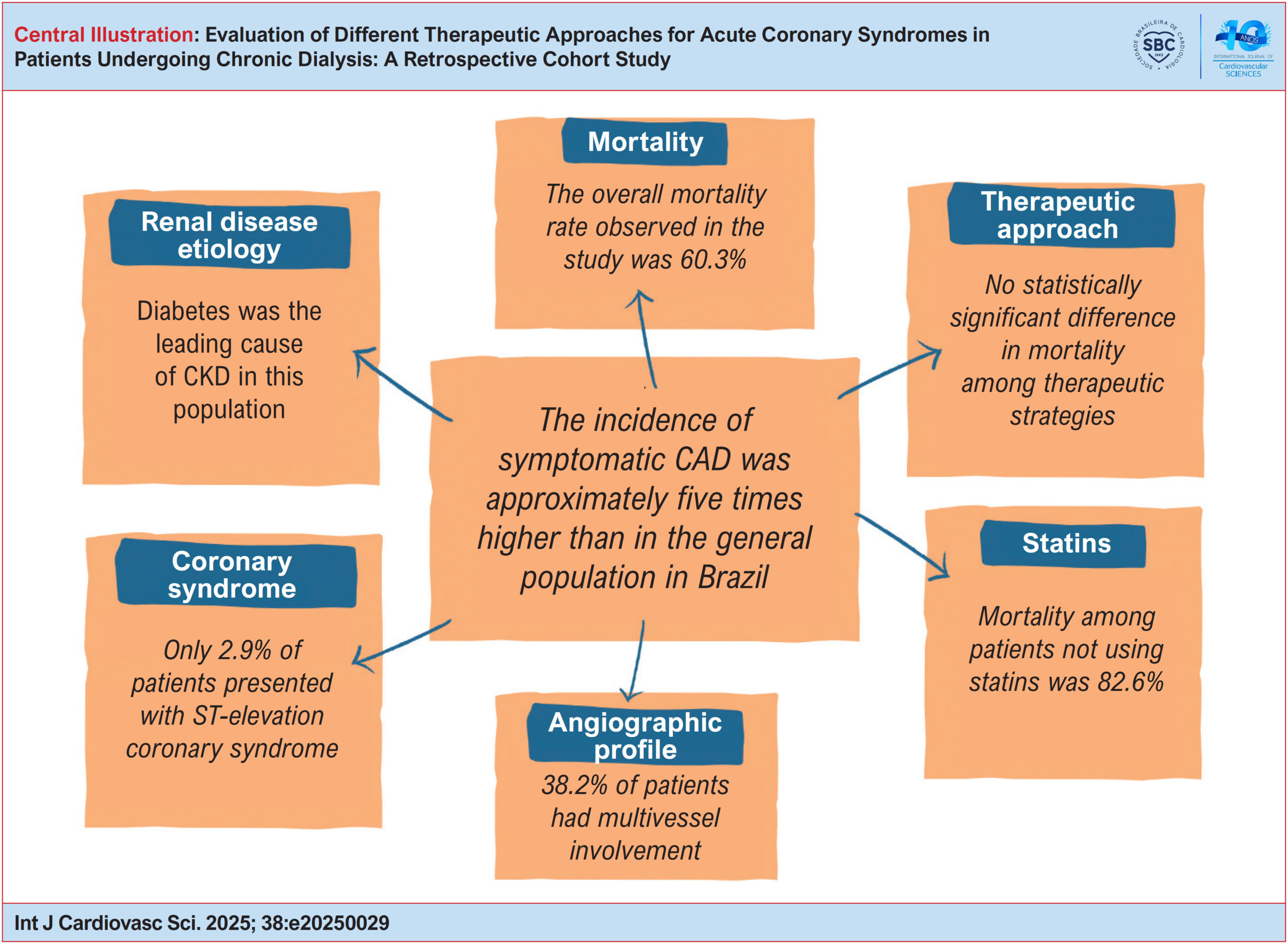
Evaluation of Different Therapeutic Approaches for Acute Coronary Syndromes in Patients Undergoing Chronic Dialysis: A Retrospective Cohort Study

Matheus Eduardo França et al. Ana Luiza de Fragas Franciani Rodrigues da Rocha Leonardo Claudino Ribeiro Silvia R. Froes Toniazzo

Abstract

Background:

Cardiovascular disease (CVD) is the leading cause of death among individuals with chronic kidney disease (CKD), particularly those undergoing dialysis, accounting for approximately 40% of deaths. The prevalence of ischemic coronary disease among patients undergoing hemodialysis over the age of 45 reaches 41%.

Objective:

To analyze outcomes of symptomatic coronary artery disease (CAD) in patients undergoing chronic dialysis, stratified by invasive assessment, and treated with one of three approaches: medical therapy alone (MTA), percutaneous coronary intervention (PCI), or coronary artery bypass grafting.

Methods:

This was a retrospective, analytical, observational cohort study based on data from electronic medical records collected between 2013 and 2023, including a total of 68 patients. Quantitative variables were analyzed using one-way Analysis of Variance (ANOVA), and qualitative variables were assessed using Pearson’s chi-square test. A p-value <0.05 was considered statistically significant.

Results:

The mean age was 60.2 ± 13.1 years, with a male predominance of 42 patients (62.8%). The highest mortality was observed in the MTA group with 25 deaths (69.4%), followed by PCI with 10 deaths (56.6%), and the lowest in the coronary artery bypass grafting group with six deaths (42.9%). Among patients who did not use statins, 19 (82.6%) died (p < 0.01). The lowest rate of readmission due to coronary syndrome occurred in the MTA group (two patients; 18.2%), while the highest was in the PCI group (six patients; 54.5%) (p = 0.02).

Conclusion:

Although no statistically significant difference in mortality was found among the three therapeutic strategies, MTA was associated with lower rates of readmission and repeat cardiac catheterization. In contrast, PCI was linked to a higher risk of readmission due to coronary syndrome.

  • Coronary Artery Bypass
  • Coronary Artery Disease
  • Drug Therapy
  • Percutaneous Coronary Intervention
  • renal dialysis
Read Full Article
Creative Commons Attribution (CC BY) Creative Commons license
17/11/2025 DOI: 10.36660/ijcs.20250029 Views 1
Cardiac Autonomic Neuropathy: An Emerging Cardiovascular Risk to Hemodialysis and Non-Hemodialysis Chronic Kidney Disease Patients of Primary Renal Diagnosis
IJCS
Original Article

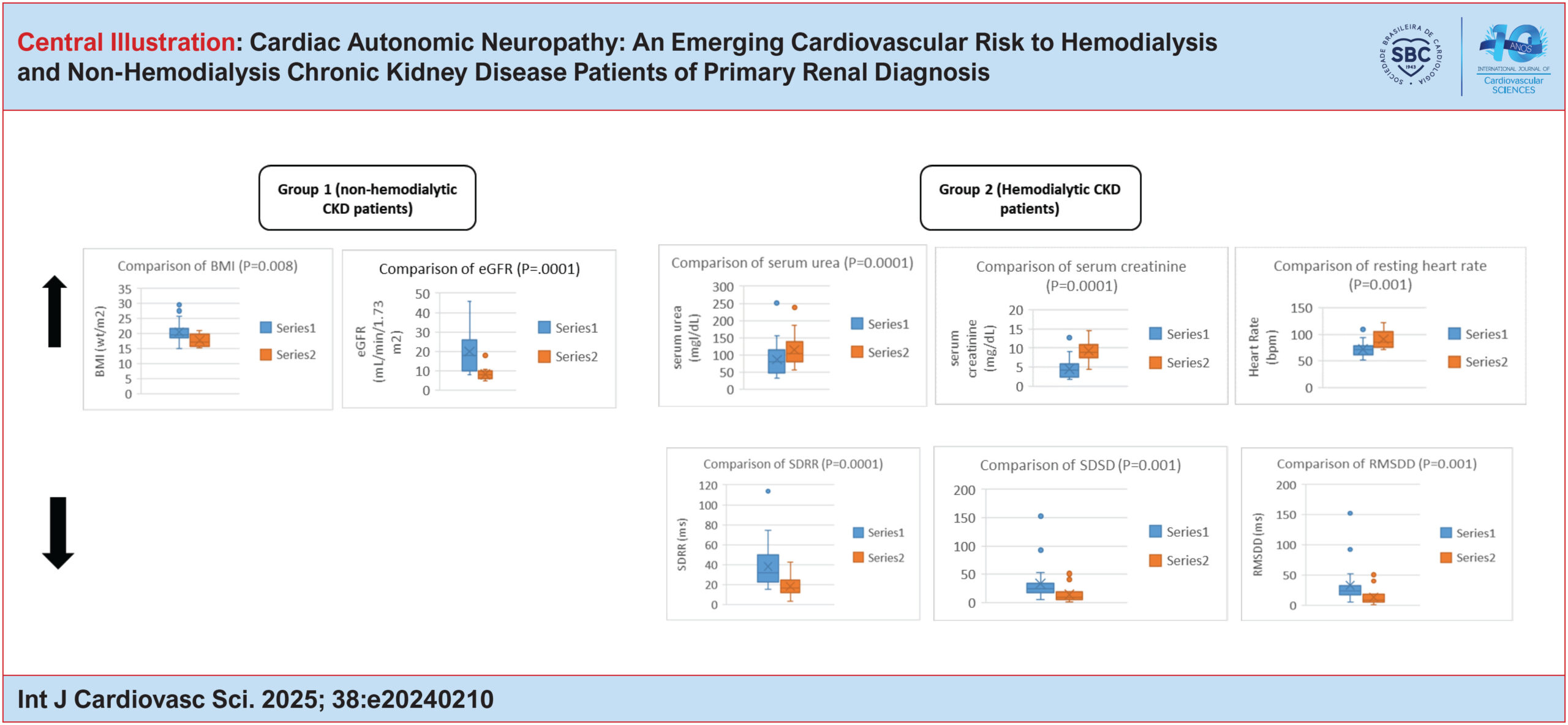
Cardiac Autonomic Neuropathy: An Emerging Cardiovascular Risk to Hemodialysis and Non-Hemodialysis Chronic Kidney Disease Patients of Primary Renal Diagnosis

Aswin PR et al. Sandip Kumar Panda Manisha Kar Pranati Nanda Balakrishnan Kannan

Abstract

Background:

Patients with chronic kidney disease (CKD) are at higher risk of cardiovascular disease. A dysfunctional autonomic nervous system may be the underlying cause. However, very few studies have determined the status of cardiac autonomic neuropathy (CAN) in both non-hemodialysis and hemodialysis CKD patients.

Objectives:

The present study intended to determine and compare CAN in both non-hemodialysis and hemodialysis CKD patients of primary renal diagnosis only and its correlation with the progression of the disease.

Methods:

Non-hemodialysis and hemodialysis CKD patients (n = 23 in each group) of both sexes of 18 to 50 years were recruited in this cross-sectional, observational study. Resting blood pressure and heart rate (HR) were measured, and lead II ECG was recorded for analysis of time- and frequency-domain measures of heart rate variability (HRV). Mann-Whitney U test was applied to compare the variables between the two groups. Spearman correlation was conducted to examine the relationship between variables and the stage of the disease (non-hemodialysis and hemodialysis CKD). A 2-tailed p value < 0.05 was taken as the cutoff level of significance.

Results:

Body mass index (BMI) was significantly higher in non-hemodialysis patients (p = 0.008). Resting HR was significantly higher in the hemodialysis group (p = 0.001). Among HRV measures, standard deviation of RR intervals (SDRR; p = 0.0001), standard deviation of successive differences (SDSD; p = 0.001), and root mean square of successive RR intervals (RMSSD; p = 0.001) were significantly lower in the hemodialysis group. Peripheral blood pressure was not significantly different between the two groups. Resting HR (r = 0.498, p = 0.001) was positively associated with the end-stage renal disease. However, SDRR (r = −0.507, p = 0.001), RMSSD (r = −0.507, p = 0.001), and BMI (r = −0.427, p = 0.004) were negatively associated with end-stage renal disease.

Conclusion:

Altered autonomic function was more profound in hemodialysis patients as evidenced by increased resting HR and decreased HRV measures (SDRR, SDSD, and RMSSD). Moreover, altered autonomic function was associated with end-stage renal disease. Therefore, CKD patients may be screened for CAN for early detection of cardiovascular disease.

  • Cardiac Autonomic Neuropathy
  • chronic renal insufficiency
  • Heart Rate Variability
  • renal dialysis
Read Full Article
Creative Commons Attribution (CC BY) Creative Commons license
16/06/2025 DOI: 10.36660/ijcs.20240210 Views 1
Figure 1
ABC
Research Letter

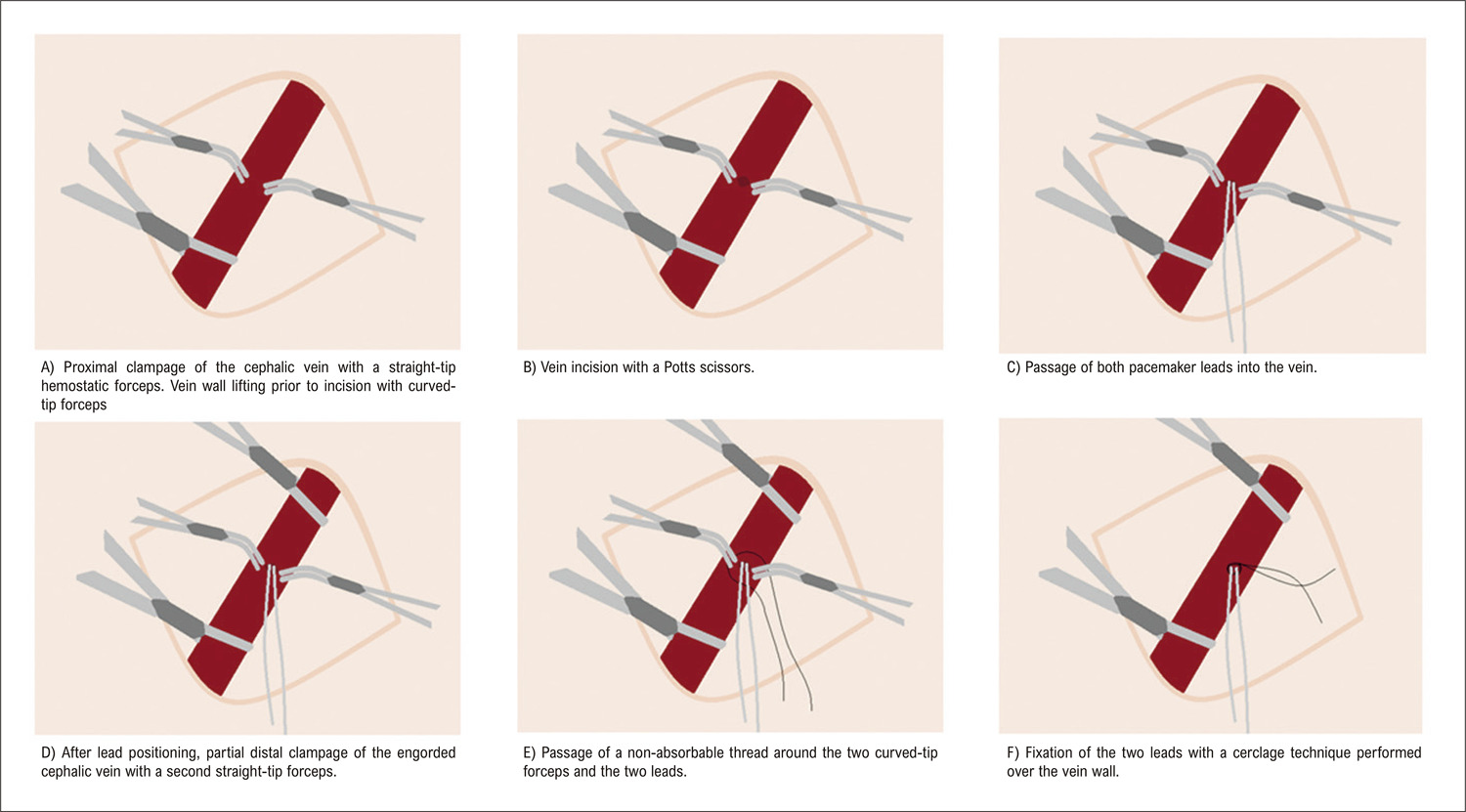
New Technique for Preserving Cephalic Vein Flow in Pacemaker Implantation Ipsilateral to Arteriovenous Fistula

Mafalda Carrington et al. Pedro Silvério António Natacha Rodrigues Afonso Nunes-Ferreira … Ana Bernardes Fausto J. Pinto João de Sousa Pedro Marques

Introduction

Vascular patrimony is a major concern in patients with end-stage renal disease. As patients on chronic hemodialysis programs experience increasing survival rates, they frequently face multiple vascular access failures and may need recurrent central venous catheter insertions and fistula/grafts re-interventions to optimize their arteriovenous accesses. In addition, heart failure and heart rhythm disorders are frequent comorbidities in this population, and pacemaker or implantable cardiac defibrillator (ICD) implantation are frequently indicated. The estimated prevalence of Cardiovascular Electronic Implantable Devices (CIED) implantation in patients on chronic hemodialysis is about 10%. We aimed to describe a new technique for pacemaker implantation, which consisted in preserving cephalic vein ipsilateral to arteriovenous fistula flow, and in evaluating clinical outcomes of this technique over 12 months.

[…]

  • Arteriovenous Fistula, Upper Extremity Deep Vein Thrombosis
  • Pacemaker, Artificial
  • renal dialysis
Read Full Article
Creative Commons Attribution (CC BY) Creative Commons license
23/06/2023 DOI: 10.36660/abc.20220926 Views 1
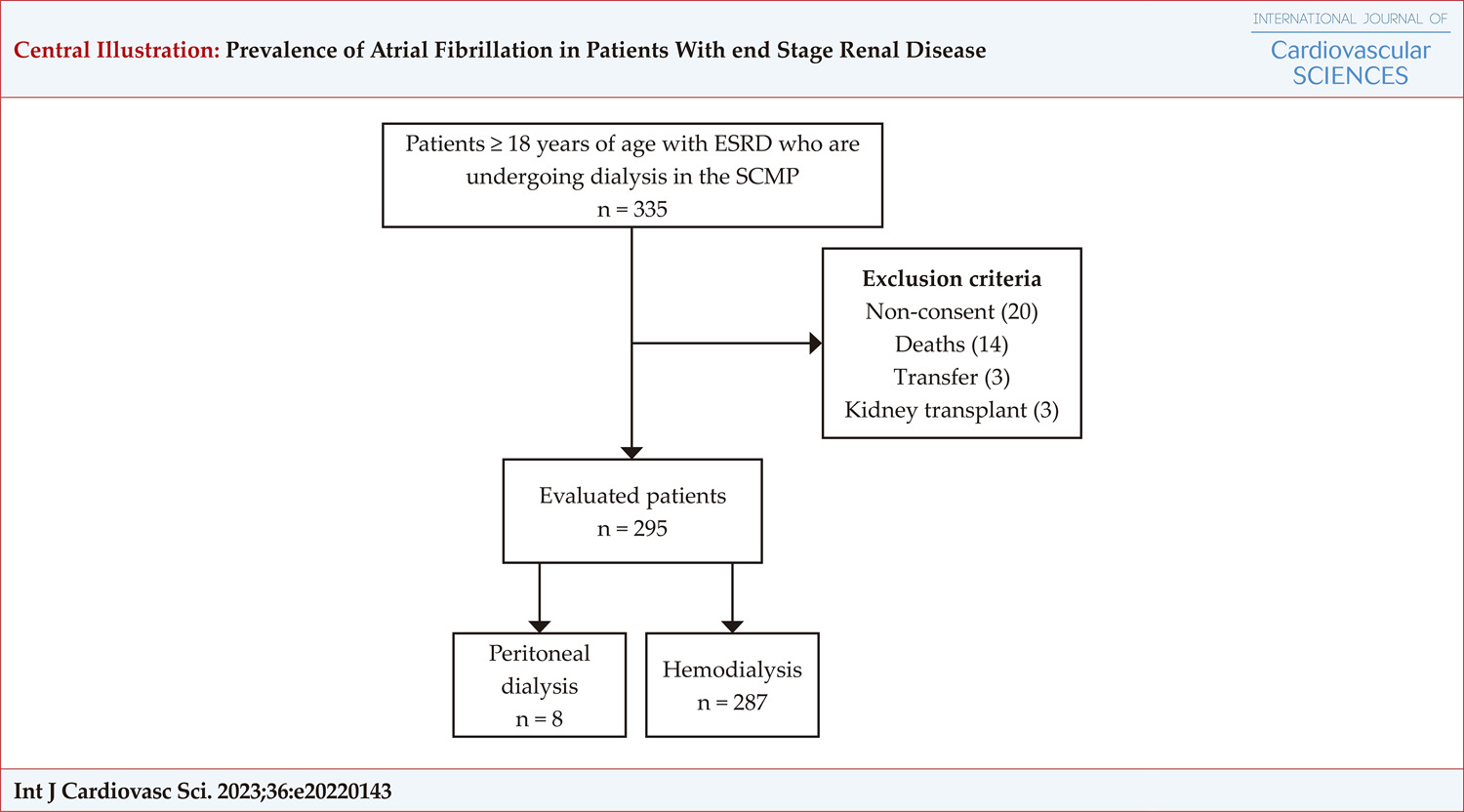
Central Illustration
IJCS
Original Article

Prevalence of Atrial Fibrillation in Patients With end Stage Renal Disease

Maria da Graça Lepre Hawerroth et al. Lucas Yuji Sonoda Jean José Silva Walter Alvarenga de Oliveira

Abstract

Background

Atrial fibrillation (AF) is the most common arrhythmia in patients with end-stage renal disease (ESRD). The coexistence of high thromboembolic and hemorrhagic risks, added to the lack of strong scientific evidence on the safety of anticoagulants in the setting of renal failure, makes this a clinically challenging situation.

Objectives

To describe the clinical-demographic profile and prevalence of AF in the population with ESRD undergoing dialysis. Secondary objectives include the assessment of thromboembolic (CHA2DS2VASC) and bleeding (HASBLED) risk scores.

Methods

Cross-sectional analytical-descriptive study, carried out between January and March 2020. Patients with ESRD were evaluated by means of a medical history questionnaire, physical examination, and 12-lead electrocardiogram. A chi-square (χ2) association test was applied to calculate association between clinical variables and AF, with a significance level of α = 0.05.

Results

This study evaluated 295 patients, most of whom were men (170), elderly (63, IQR 53-71), current smokers (130), with associated cardio-endocrine comorbidities. The prevalence of AF was 6.7% (20). Heart failure (HF) (χ2=15.417; p<0.001), age of 65 years or older (χ2=14.584; p<0.001), and anticoagulation (χ2=5.715; p<0.01) were associated with AF. The median CHA2DS2VASC and HASBLED was 4 and 3, respectively. Eight patients were taking warfarin and five were receiving apixaban.

Conclusion

The prevalence of AF in this study is similar to that reported in other published articles on the subject, and patients were at high risk for cardiovascular outcomes. Non-anticoagulation strategy was commonly adopted due to controversies in the literature as well as the absence of published randomized clinical trials.

  • Atrial Fibrillation
  • chronic renal insufficiency
  • renal dialysis
Read Full Article
Creative Commons Attribution (CC BY) Creative Commons license
15/05/2023 DOI: 10.36660/ijcs.20220143
IJCS
Editorial

Atrial Fibrillation and Hemodialysis – Should we Anticoagulate These Patients? Ischemic Versus Hemorrhagic Risk

Iara Atié Malan

Atrial fibrillation (AF) is the most common sustained arrhythmia worldwide, and it is a very frequent cause of increased morbidity and mortality in adults. This arrhythmia favors the formation of thrombi, which can lead to systemic embolism, such as ischemic stroke.

To identify patients with thromboembolic risk, the most used score is the CHA2DS2VASC, which takes the following factors in consideration: heart failure, arterial hypertension, age, diabetes, previous stroke, vascular disease, and sex. It is worth emphasizing that this score does not take renal function or dialysis treatment into consideration.

[…]

  • Anticoagulants
  • Atrial Fibrillation
  • Heart Disease, Ischemic
  • Hemorrhage
  • renal dialysis
  • Stroke
Read Full Article
Creative Commons Attribution (CC BY) Creative Commons license
28/11/2022 DOI: 10.36660/ijcs.20220171
Figure 1
IJCS
Original Article

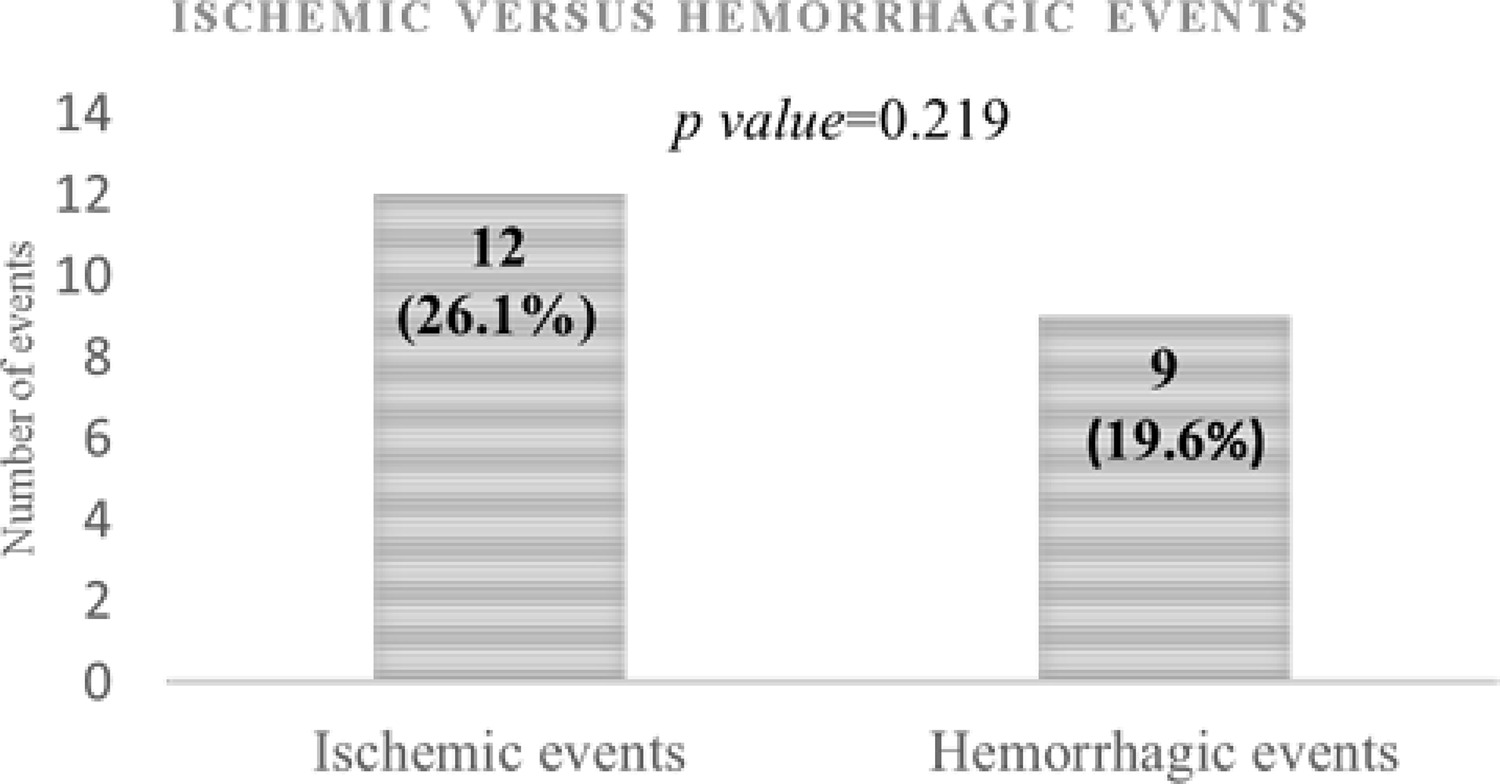
Hemorrhagic Versus Ischemic Risk in Patients with Atrial Fibrillation on Hemodialysis

Mariana Sousa et al. Gonçalo Cruz Sara Vilela Catarina Cardoso … Pedro Bravo José Paulo Santos Cristina Santos Jorge Silva

Abstract

Background

Hemodialysis (HD) patients with atrial fibrillation (AF) have a particularly high risk of stroke and bleeding, but no high-quality evidence-based recommendations exist to properly manage these patients.

Objectives

We aim to evaluate the ischemic versus the hemorrhagic risk in a HD population with AF.

Methods

We selected incident patients that started hemodialysis between 2011 and 2015. All patients that had AF before HD, or developed AF during the follow-up, were included. Both CHA2DS2 -VASC and HAS-BLED scores were calculated at the time of beginning of HD or AF diagnosis and correlated with the outcomes using a logistic regression model. The outcomes were hemorrhagic events, ischemic events and death related to any of these events. A p-value < 0.05 was set as statistically significant.

Results

Forty-six patients were included. Most of them had had AF before they started hemodialysis. Twenty-two patients were on oral anticoagulation (OAC). There was no significant difference between the incidence of ischemic and hemorrhagic events, regardless of the use of OAC. Previous stroke, transient ischemic attack, and thromboembolic event significantly increased the risk of an ischemic event (OR 6.78, p=0.028).

Conclusions

In this population, we did not observe any difference between the incidence of ischemic and hemorrhagic events, which was also true in patients with OAC. Therefore, the benefit of OAC in such patients remains questionable. However, patients with previous stroke, transient ischemic attack, or thromboembolic event seem to have a higher risk of new ischemic events and might benefit from anticoagulation.

  • Atrial Fibrillation
  • Hemorrhage
  • Ischemic
  • renal dialysis
Read Full Article
Creative Commons Attribution (CC BY) Creative Commons license
19/08/2022 DOI: 10.36660/ijcs.20210252
Figure 1
IJCS
Case Report

Cardiac Arrest Due to Hypocalcemia

Fernanda Aburesi Salvadori et al. Eduardo Martelli Moreira Murilo Bacchini Dias Amaro Nunes Duarte-Neto Edison Ferreira de Paiva

Discussion

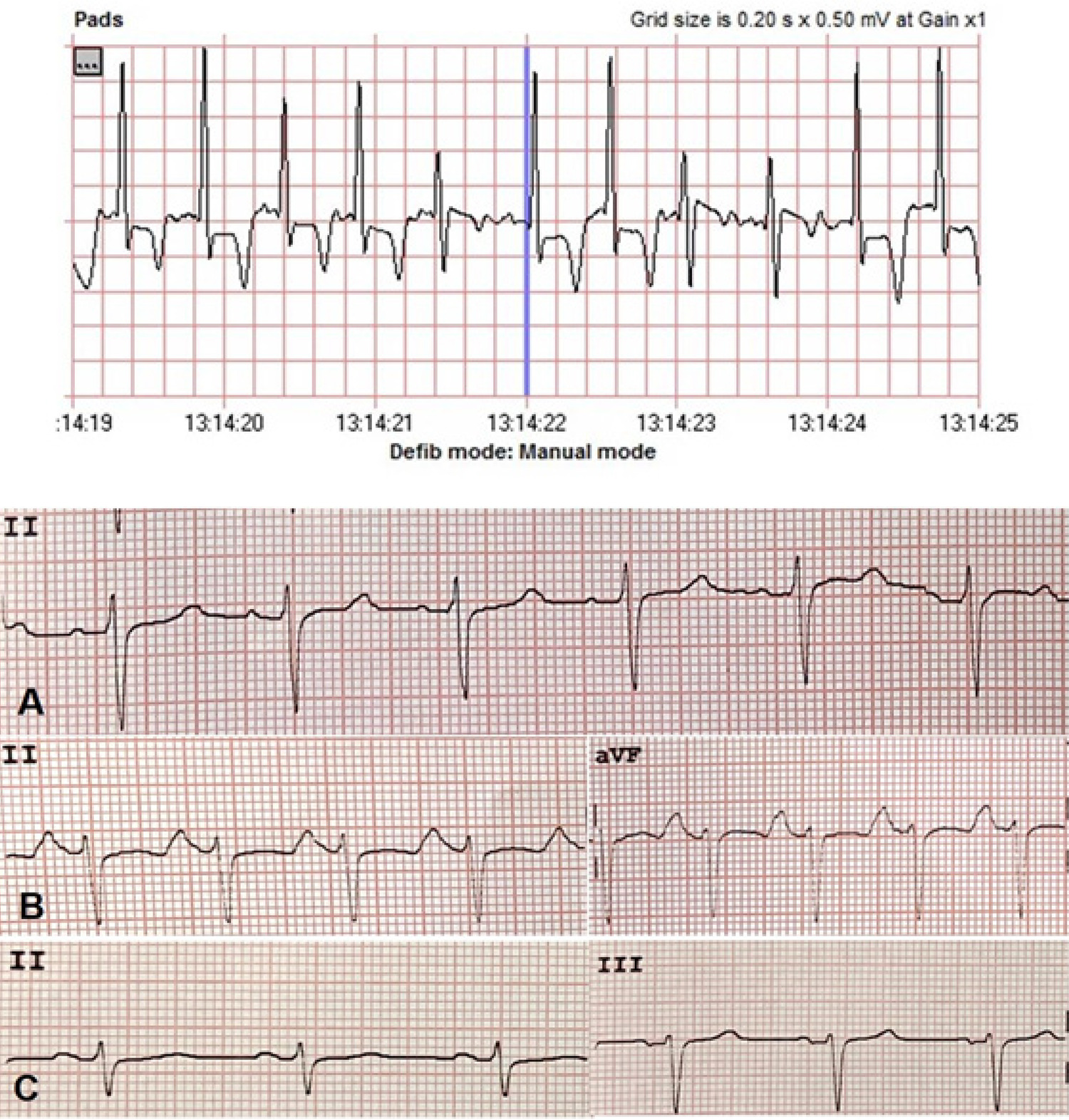
Long QT syndrome (LQTS) can be congenital or acquired. The causes of acquired LQTS include hypocalcemia, due to prolongation of the phase 2 of the action potential (AP), medications (amiodarone, antidepressants and neuroleptics), hypokalemia, hypomagnesemia and severe bradycardia. – LQTS is associated with a specific polymorphic ventricular tachycardia (VT), named as torsades de pointes (TdP), because of the characteristic shift in the QRS axis that gives the impression of a “torsion”.

The QT interval is a marker of the AP duration. In LQTS patients, the AP is prolonged unevenly across the myocardium, so as to cause high dispersion of repolarization. The AP prolongation favors the formation of early afterdepolarization (EAD), which are deformities in the plateau and rapid repolarization phases (2 and 3) capable of inducing ventricular extrasystoles. EADs in the unevenly repolarized myocardium are the cause of TdP. Tachycardia is sustained due to focal electric activity and/or a reentrant mechanism. It may either cease spontaneously or degenerate into ventricular fibrillation and cardiac arrest , .

[…]

  • Cardiopulmonary Resuscitation
  • Heart Arrest
  • Hypertension
  • Hypocalcemia
  • Kidney Transplantation
  • renal dialysis
  • Renal Insufficiency
  • Tachycardia, Ventricular
Read Full Article
Creative Commons Attribution (CC BY) Creative Commons license
23/11/2020 DOI: 10.36660/ijcs.20200034
Figure 1
ABC
Original Article

Impact of Transcatheter Aortic Valve Implantation on Kidney Function

Rita Calça et al. Rui C. Teles Patrícia Branco Augusta Gaspar … João Brito Tiago Nolasco Manuel D. Almeida José P. Neves Miguel Mendes Domingos S. Machado André Weigert

Abstract

Background:

Chronic kidney disease (CKD) is frequently present in patients with aortic valve disease. Decreased kidney perfusion as a consequence of reduced cardiac output may contribute to renal dysfunction in this setting.

Objective:

Given the potential reversibility of kidney hypoperfusion after valve repair, this study aimed to analyze the impact of percutaneous transcatheter aortic valve implantation (TAVI) on kidney function.

Methods:

We performed a retrospective analysis of 233 consecutive patients who underwent TAVI in a single center between November 2008 and May 2016. We assessed three groups according to their baseline estimated glomerular filtration rate (eGFR) (mL/min/1.73 m2): Group 1 with eGFR ≥ 60; Group 2 with 30 ≤ eGFR < 60; and Group 3 with eGFR < 30. We analyzed the eGFR one month and one year after TAVI in these three groups, using the Chronic Kidney Disease Epidemiology Collaboration (CKD-EPI) formula to calculate it.

Results:

Patients from Group 1 had a progressive decline in eGFR one year after the TAVI procedure (p < 0.001 vs. pre-TAVI). In Group 2 patients, the mean eGFR increased one month after TAVI and continued to grow after one year (p = 0.001 vs. pre-TAVI). The same occurred in Group 3, with the mean eGFR increasing from 24.4 ± 5.1 mL/min/1.73 m2 before TAVI to 38.4 ± 18.8 mL/min/1.73 m2 one year after TAVI (p = 0.012).

Conclusions:

For patients with moderate-to-severe CKD, kidney function improved one year after the TAVI procedure. This outcome is probably due to better kidney perfusion post-procedure. We believe that when evaluating patients that might need TAVI, this ‘reversibility of CKD effect’ should be considered.

  • Aortic Valve Stenosis/complications
  • Calcinosis
  • Cardyomyopathies
  • Diabetes Mellitus
  • Hypertension
  • renal dialysis
  • renal Insufficiency,Chronic
Read Full Article
Creative Commons Attribution (CC BY) Creative Commons license
14/11/2019 DOI: 10.36660/abc.20180356 Views 11
Figure 1
ABC
Review Article

Kidney Disease in Diabetes Mellitus: Cross-Linking between Hyperglycemia, Redox Imbalance and Inflammation

Rayne Gomes Amorim et al. Glaucevane da Silva Guedes Sandra Mary Lima Vasconcelos Juliana Célia de Farias Santos

Abstract

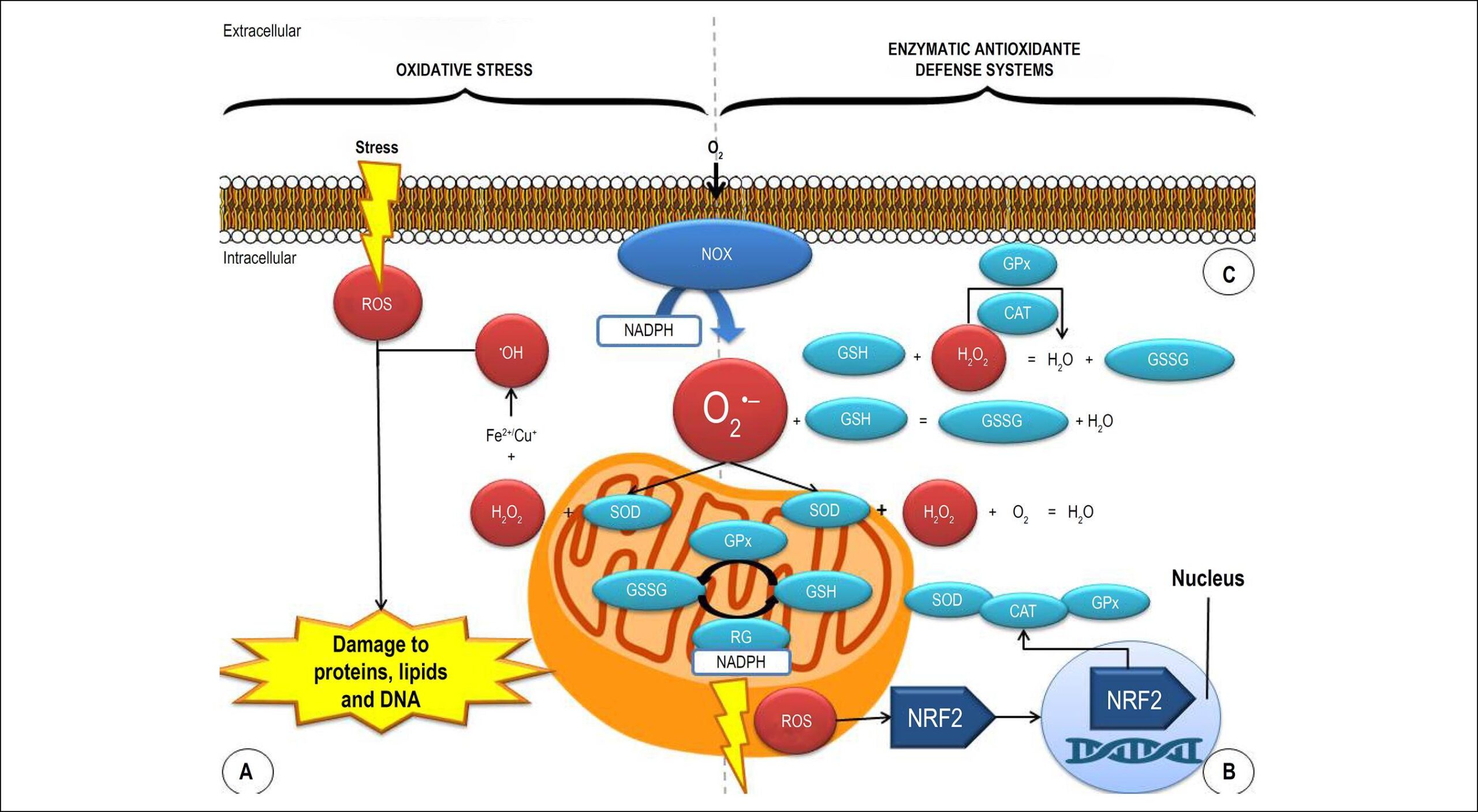
Chronic hyperglycemia is the key point of macro- and microvascular complications associated with diabetes mellitus. Excess glucose is responsible for inducing redox imbalance and both systemic and intrarenal inflammation, playing a critical role in the pathogenesis of diabetic kidney disease, which is currently the leading cause of dialysis in the world. The pathogenesis of the disease is complex, multifactorial and not fully elucidated; many factors and mechanisms are involved in the development, progression and clinical outcomes of the disease. Despite the disparate mechanisms involved in renal damage related to diabetes mellitus, the metabolic mechanisms involving oxidative/inflammatory pathways are widely accepted. The is clear evidence that a chronic hyperglycemic state triggers oxidative stress and inflammation mediated by altered metabolic pathways in a self-perpetuating cycle, promoting progression of cell injury and of end-stage renal disease. The present study presents an update on metabolic pathways that involve redox imbalance and inflammation induced by chronic exposure to hyperglycemia in the pathogenesis of diabetic kidney disease.

  • Diabetes Mellitus/complications
  • Inflammation
  • Kidney, Diseases
  • Oxidation-Reduction
  • Oxidative Stress
  • renal dialysis
Read Full Article
Creative Commons Attribution (CC BY) Creative Commons license
06/06/2019 DOI: 10.5935/abc.20190077 Views 1
ABC
Letter to the Editor

QTc and QTcd Measurements and Their Relationships with Left Ventricular Hypertrophy in Hemodialysis Patients

Sora Yasri et al. Viroj Wiwanitkit

Editor,

We read the publication on “QTc and QTcd Measurements and Their Relationships with Left Ventricular Hypertrophy in Hemodialysis Patients”, which is very interesting. Alonso et al. concluded that “We found that QTc interval, in contrast to QTcd, is a reproducible and reliable measure and had a weak but positive correlation with LVMi in HD patients.” This report used an unmatched control group; hence, the selection bias can be expected. In fact, the hypertrophy might be expected in a hemodialysis patient who might have underlying metabolic syndrome and vascular disease. To test the reproducibility, the repeated analysis is needed and there is a need to assess the within-run and between-run precision. In the present report, one cannot conclude that the test has a good reproducibility.

[…]

  • Electrocardiography
  • Hypertrophy Left Ventricular
  • renal dialysis
Read Full Article
Creative Commons Attribution (CC BY) Creative Commons license
01/06/2018 DOI: 10.5935/abc.20180096 Views 1
Figure 1
ABC
Original Article

Reproducibility and Reliability Of QTc and QTcd Measurements and Their Relationships with Left Ventricular Hypertrophy in Hemodialysis Patients

Maria Angélica Gonçalves Alonso et al. Valentine de Almeida Costa de Castro Lima Maria Angela Magalhães de Queiroz Carreira Jocemir Ronaldo Lugon

Abstract

Background:

Left ventricular hypertrophy (LVH) is very common in hemodialysis patients and an independent risk factor for mortality in this population. The myocardial remodeling underlying the LVH can affect ventricular repolarization causing abnormalities in QT interval.

Objective:

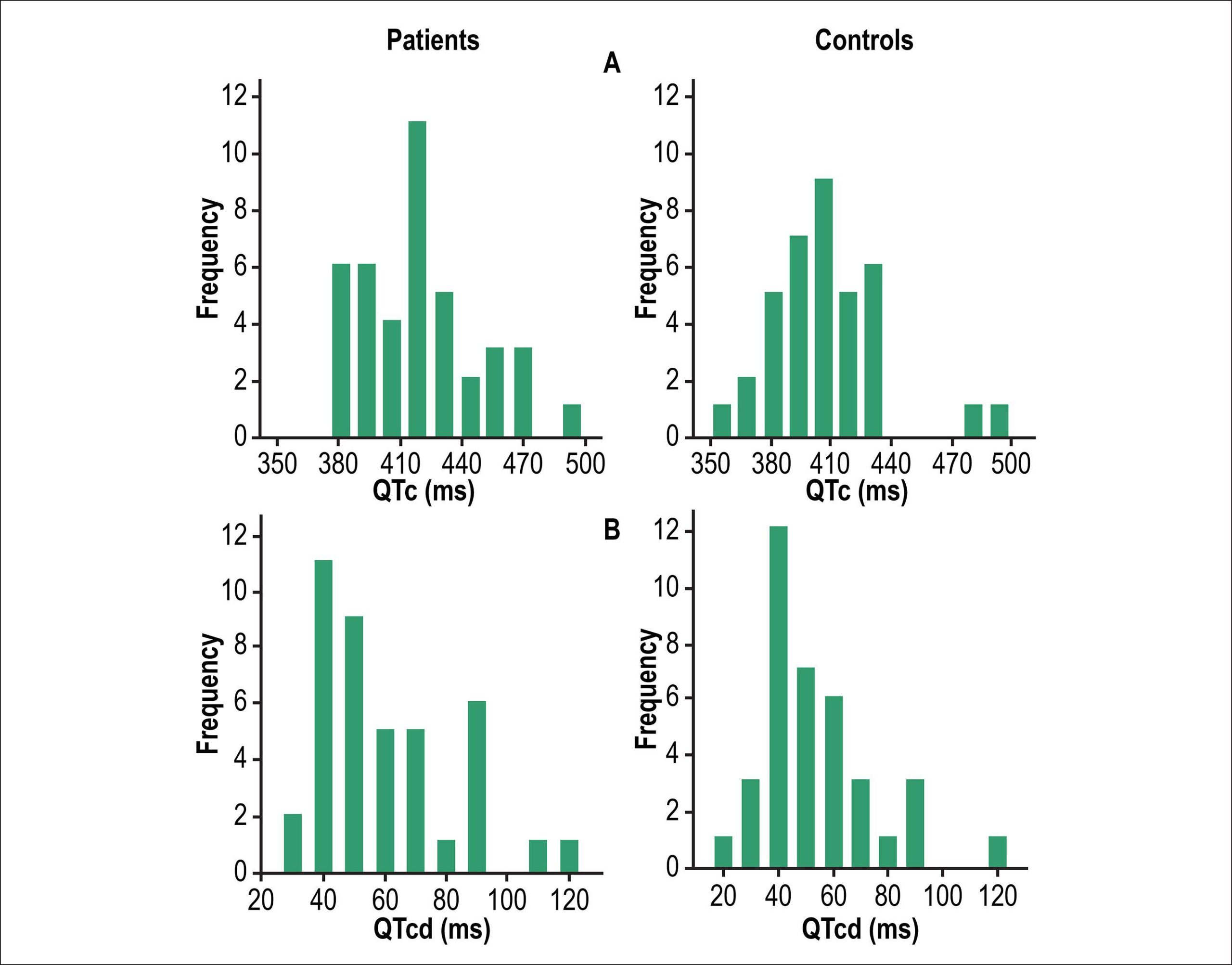
to evaluate the reproducibility and reliability of measurements of corrected QT interval (QTc) and its dispersion (QTcd) and correlate these parameters with LVH in hemodialysis patients.

Methods:

Case-control study involving hemodialysis patients and a control group. Clinical examination, blood sampling, transthoracic echocardiogram, and electrocardiogram were performed. Intra- and interobserver correlation and concordance tests were performed by Pearson´s correlation, Cohen’s Kappa coefficient and Bland Altman diagram. Linear regression was used to analyze association of QTc or QTcd with HVE.

Results:

Forty-one HD patients and 37 controls concluded the study. Hemodialysis patients tended to have higher values of QTc, QTcd and left ventricular mass index (LVMi) than controls but statistical significance was not found. Correlation and concordance tests depicted better results for QTc than for QTcd. In HD patients, a poor but significant correlation was found between QTc and LVMi (R2 = 0.12; p = 0.03). No correlation was found between values of QTcd and LVMi (R2= 0.00; p=0.940). For the control group, the correspondent values were R2= 0.00; p = 0.67 and R2= 0.00; p = 0.94, respectively.

Conclusion:

We found that QTc interval, in contrast to QTcd, is a reproducible and reliable measure and had a weak but positive correlation with LVMi in HD patients.

  • Cardiomyopathy, Hypertrophic
  • Coronary Artery Disease
  • Electrocardiography
  • Hypertrophy Left Ventricular
  • renal dialysis
Read Full Article
Creative Commons Attribution (CC BY) Creative Commons license
07/08/2017 DOI: 10.5935/abc.20170112 Views 1
Figure 1
ABC
Original Article

Ankle-Brachial Index as a Predictor of Mortality in Hemodialysis: A 5-Year Cohort Study

Jair Baptista Miguel et al. Jorge Paulo Strogoff de Matos Jocemir Ronaldo Lugon

Abstract

Background:

Abnormal ankle-brachial index (ABI) has been found to be a strong predictor of mortality in some hemodialysis populations in studies with relatively short periods of follow-up, lower than 2 years.

Objective:

This study aimed to assess the predictive value of abnormal ABI as a risk factor for death among patients on maintenance hemodialysis after a 5-year follow-up.

Methods:

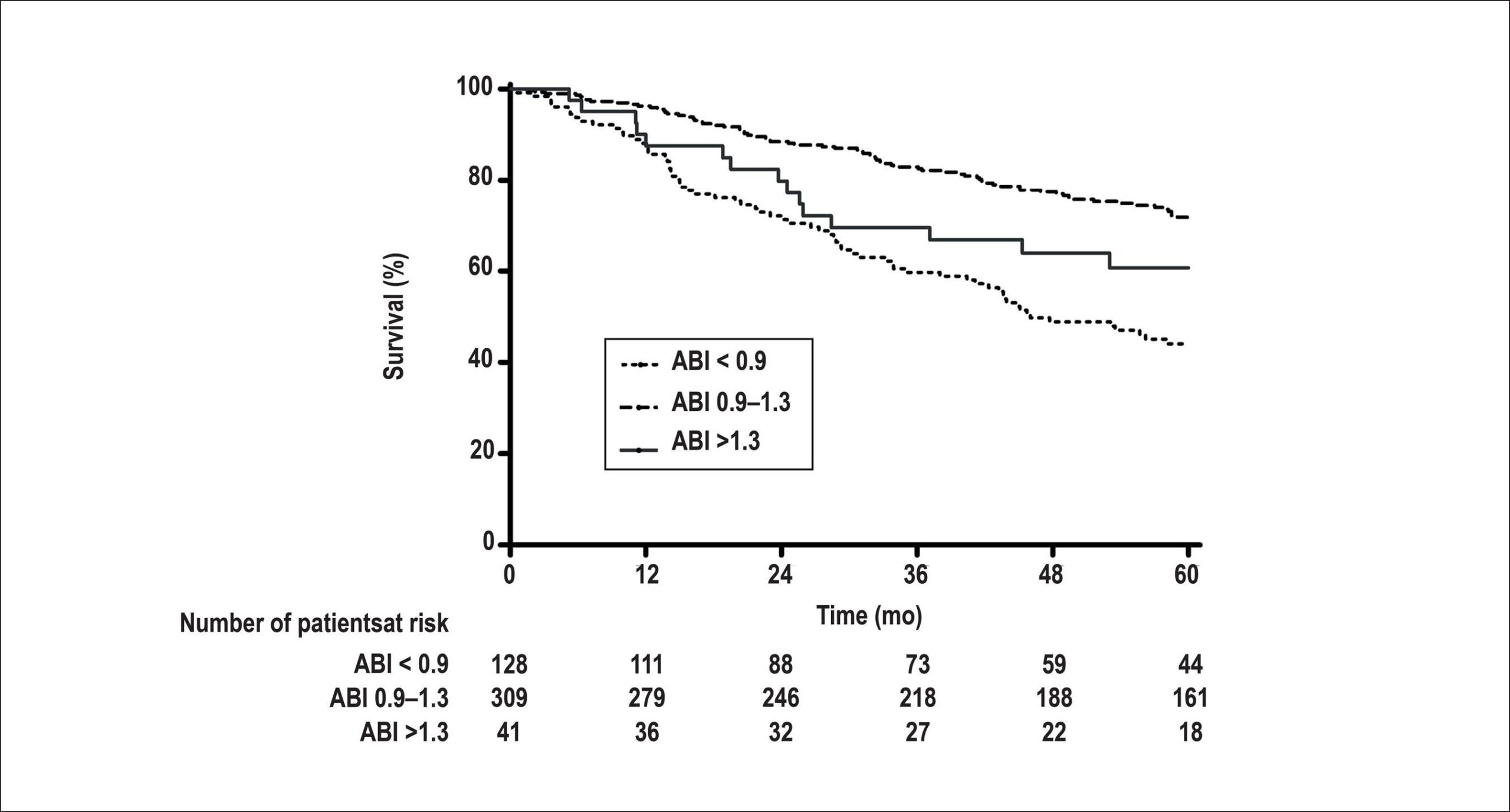
A total of 478 patients on hemodialysis for at least 12 months were included in the study. ABI measurement was performed using a mercury column sphygmomanometer and portable Doppler. Patients were divided into 3 groups according to ABI (low: 1.3) and followed for a 60-month period.

Results:

The prevalence rates of low, normal and high ABI were 26.8%, 64.6% and 8.6%, respectively. The 5-year survival rate was lower in the groups with low ABI (44.1%, P<0.0001) and high ABI (60.8%, P= 0.025) than in the group with normal ABI (71.7%). Cox regression was used to evaluate the association between ABI and mortality, adjusting for potential confounders. Using normal ABI as reference, a low, but not a high ABI was found to be an independent risk factor for all-cause mortality (HR2.57; 95% CI, 1.84-3.57 and HR 1.62; 95% CI, 0.93-2.83, respectively).

Conclusions:

long-term survival rates of patients with either low or high ABI were lower than the one from those with normal ABI. However, after adjustment for potential confounders, only low ABI persisted as an independent risk factor for all-cause mortality among hemodialysis patients.

  • Ankle Brachial Index / mortality
  • Arterial Pressure
  • Cohort Studies
  • Measures
  • renal dialysis
  • Renal Insufficiency, Chronic
Read Full Article
Creative Commons Attribution (CC BY) Creative Commons license
01/03/2017 DOI: 10.5935/abc.20170026 Views 2
ABC
Original Article

Association between Clinical and Doppler Echocardiographic Parameters with Sudden Death in Hemodialysis Patients

Silvio Henrique Barberato et al. Sérgio Gardano Elias Bucharles Marcia Ferreira Alves Barberato Roberto Pecoits-Filho

Abstract

Background:

Sudden cardiac death (SCD) is the leading cause of death in maintenance hemodialysis (HD) patients, but there is little information about underlying risk factors.

Objectives:

Evaluate the association between clinical and echocardiographic variables with SCD on HD patients.

Methods:

Retrospective nested case-control study on chronic HD patients who were prospectively followed. The primary endpoint was SCD. Variables were compared by Student t test, Mann-Whitney or Chi-Square, and independent predictors of SCD were evidenced by multivariate logistic regression.

Results:

We followed 153 patients (50 ± 15 years, 58% men) for 23 ± 14 months and observed 35 deaths, 17 of which were SCD events. When compared to the control group (matched for gender, age, and body mass index) there were no differences regarding time on dialysis, traditional biochemical parameters, blood pressure, smoking, use of cardiovascular protective drugs, ejection fraction, left ventricular dimensions, and diastolic function indices. On the other hand, in the SCD group, we found a higher prevalence of previous heart failure, acute myocardial infarction and diabetes, greater left ventricular mass index, greater left atrial size and lower global myocardial performance. After multivariate logistic regression analysis, diabetes (OR = 2.6; CI = 1.3-7.5; p = 0.023) and left ventricular mass index ≥ 101 g/m2.7 (OR = 1.04; CI = 1.01-1.08; p = 0.028) showed independent association with SCD events.

Conclusions:

HD patients with diabetes mellitus and left ventricular hypertrophy appear to have the highest risk of SCD. Preventive and therapeutic strategies should be encouraged in addressing these risk factors to minimize the occurrence of SCD in HD patients.

  • Death, Sudden, Cardiac
  • Echocardiography, Doppler
  • Hypertrophy Left Ventricular
  • renal dialysis
  • Risk Factors
Read Full Article
Creative Commons Attribution (CC BY) Creative Commons license
11/07/2016 DOI: 10.5935/abc.20160098 Views 1
Figure 1
ABC
Original Article

Heart Rate Variability Correlates to Functional Aerobic Impairment in Hemodialysis Patients

Maria Angela Magalhães de Queiroz Carreira et al. André Barros Nogueira Felipe Montes Pena Marcio Galindo Kiuchi … Ronaldo Campos Rodrigues Rodrigo da Rocha Rodrigues Jorge Paulo Strogoff de Matos Jocemir Ronaldo Lugon

Background:

Autonomic dysfunction (AD) is highly prevalent in hemodialysis (HD) patients and has been implicated in their increased risk of cardiovascular mortality.

Objective:

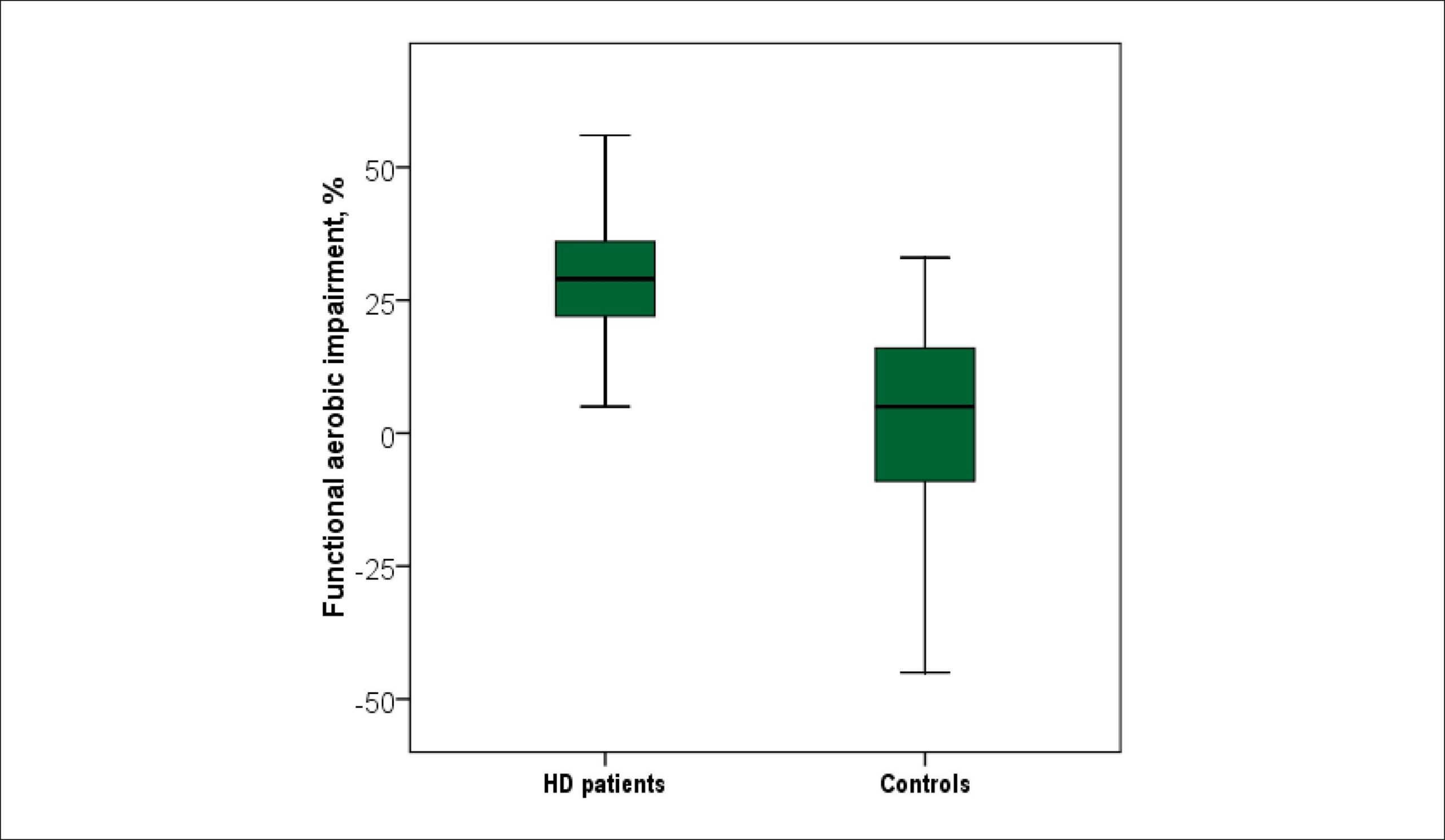
To correlate heart rate variability (HRV) during exercise treadmill test (ETT) with the values obtained when measuring functional aerobic impairment (FAI) in HD patients and controls.

Methods:

Cross-sectional study involving HD patients and a control group. Clinical examination, blood sampling, transthoracic echocardiogram, 24-hour Holter, and ETT were performed. A symptom-limited ramp treadmill protocol with active recovery was employed. Heart rate variability was evaluated in time domain at exercise and recovery periods.

Results:

Forty-one HD patients and 41 controls concluded the study. HD patients had higher FAI and lower HRV than controls (p<0.001 for both). A correlation was found between exercise HRV (SDNN) and FAI in both groups. This association was independent of age, sex, smoking, body mass index, diabetes, and clonidine or beta-blocker use, but not of hemoglobin levels.

Conclusion:

No association was found between FAI and HRV on 24-hour Holter or at the recovery period of ETT. Of note, exercise HRV was inversely correlated with FAI in HD patients and controls. (Arq Bras Cardiol. 2015; [online]. ahead print, PP.0-0)

  • Exercise
  • Exercise Test
  • Mortality
  • renal dialysis
  • Sympathetic Nervous System / physiopathology
Read Full Article
Creative Commons Attribution (CC BY) Creative Commons license
05/05/2015 DOI: 10.5935/abc.20150039 Views 2
Figure 1
ABC
Original Article

Survival and Predictive Factors of Lethality in Hemodyalisis: D/I Polymorphism of The Angiotensin I-Converting Enzyme and of the Angiotensinogen M235T Genes

Mauro Alves et al. Nelson Albuquerque de Souza e Silva Lucia Helena Alvares Salis Basilio de Bragança Pereira … Paulo Henrique Godoy Emília Matos do Nascimento Jose Mario Franco Oliveira

Background:

End-stage kidney disease patients continue to have markedly increased cardiovascular disease morbidity and mortality. Analysis of genetic factors connected with the renin-angiotensin system that influences the survival of the patients with end-stage kidney disease supports the ongoing search for improved outcomes.

Objective:

To assess survival and its association with the polymorphism of renin-angiotensin system genes: angiotensin I-converting enzyme insertion/deletion and angiotensinogen M235T in patients undergoing hemodialysis.

Methods:

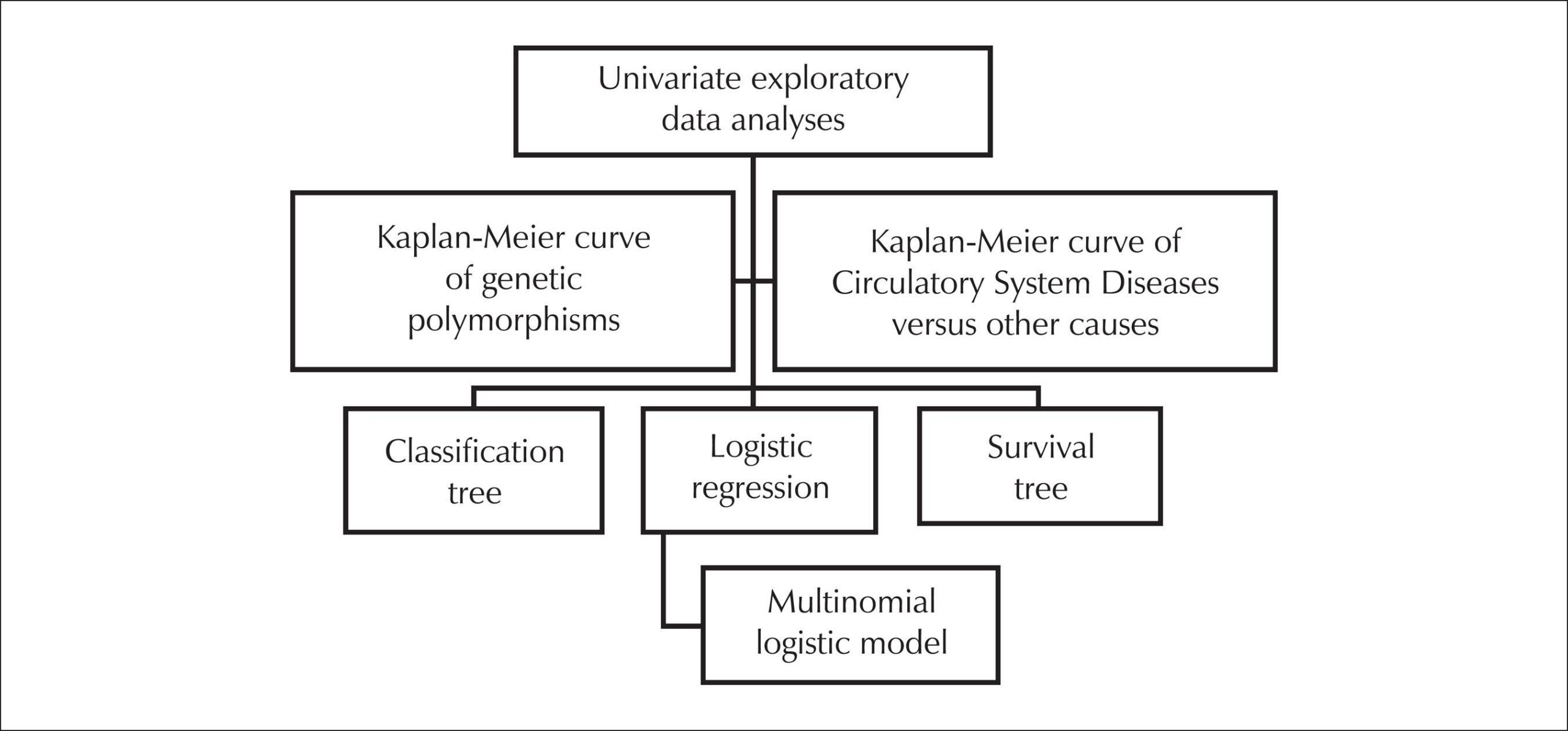
Our study was designed to examine the role of renin-angiotensin system genes. It was an observational study. We analyzed 473 chronic hemodialysis patients in four dialysis units in the state of Rio de Janeiro. Survival rates were calculated by the Kaplan-Meier method and the differences between the curves were evaluated by Tarone-Ware, Peto-Prentice, and log rank tests. We also used logistic regression analysis and the multinomial model. A p value ≤ 0.05 was considered to be statistically significant. The local medical ethics committee gave their approval to this study.

Results:

The mean age of patients was 45.8 years old. The overall survival rate was 48% at 11 years. The major causes of death were cardiovascular diseases (34%) and infections (15%). Logistic regression analysis found statistical significance for the following variables: age (p = 0.000038), TT angiotensinogen (p = 0.08261), and family income greater than five times the minimum wage (p = 0.03089), the latter being a protective factor.

Conclusions:

The survival of hemodialysis patients is likely to be influenced by the TT of the angiotensinogen M235T gene.

  • Kidney Failure, Chronic
  • lethality
  • Peptidyl-Dipeptidase A
  • Polymorphism, Genetic
  • renal dialysis
  • Survival Analysis
Read Full Article
Creative Commons Attribution (CC BY) Creative Commons license
29/07/2014 DOI: 10.5935/abc.20140105 Views 1
ABC
Artigo Original

Prevalence of Cardiovascular Risk Factors in Hemodialysis Patients – The CORDIAL Study

Jayme Eduardo Burmeister et al. Camila Borges Mosmann Veridiana Borges Costa Ramiro Tubino Saraiva … Renata Rech Grandi Juliano Peixoto Bastos Luiz Felipe Gonçalves Guido Aranha Rosito

Background:

There are scarce epidemiological data on cardiovascular risk profile of chronic hemodialysis patients in Brazil.

Objective:

The CORDIAL study was designed to evaluate cardiovascular risk factors and follow up a hemodialysis population in a Brazilian metropolitan city.

Methods:

All patients undergoing regular hemodialysis for chronic renal failure in all fifteen nephrology centers of Porto Alegre were considered for inclusion in the baseline phase of the CORDIAL study. Clinical, laboratory and demographic data were obtained in medical records and in structured individual interviews performed in all patients by trained researchers.

Results:

A total of 1215 patients were included (97.3% of all hemodialysis patients in the city of Porto Alegre). Their average age was 58.3 years old, 59.5% were male and 62.8% were white. The prevalence of cardiovascular risk factors observed was 87.5% for hypertension, 84.7% for dyslipidemia, 73.1% for sedentary lifestyle, 53.7% for tobacco use, and 35.8% for diabetes. In a multivariate adjusted analysis, we found that sedentary lifestyle (p = 0.032, PR 1.08 – 95%CI: 1.01-1.15), dyslipidemia (p = 0.019, PR 1.08 – 95%CI: 1.01-1.14), and obesity (p < 0.001, PR 1.96 – 95%CI: 1.45-2.63) were more frequent in women; and hypertension (p = 0.018, PR 1.06 – 95%CI: 1.01-1.11) and tobacco use (p = 0.006, PR 2.7 – 95%CI: 1.79-4.17) were more often found among patients under 65 years old. Sedentary lifestyle was independently associated with time in dialysis less than 12 months (p < 0.001, PR 1.23 – 95% CI: 1.14-1.33).

Conclusion:

Hemodialysis patients in this southern metropolitan Brazilian city have a high prevalence of cardiovascular risk factors resembling many northern countries.

  • Patients
  • Prevalence
  • renal dialysis
  • Risk Factors
Read Full Article
Creative Commons Attribution (CC BY) Creative Commons license
17/04/2014 DOI: 10.5935/abc.20140048
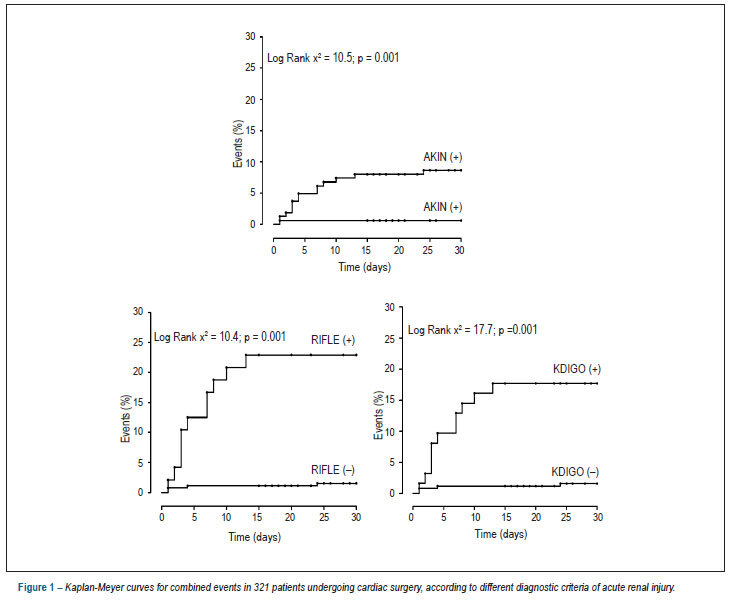
Comparison of diagnostic criteria for acute kidney injury in cardiac surgery
ABC
Artigo Original

Comparison of diagnostic criteria for acute kidney injury in cardiac surgery

Márcio Campos Sampaio et al. Carlos Alberto Gonçalves Máximo Carolina Moreira Montenegro Diandro Marinho Mota … Tatiana Rocha Fernandes Antonio Carlos Mugayar Bianco Celso Amodeo Antonio Carlos Cordeiro

BACKGROUND: There is considerable controversy regarding the diagnosis of Acute Kidney Injury (AKI), and there are over 30 different definitions. OBJECTIVE: To evaluate the incidence and risk factors for the development of AKI following cardiac surgery according to the RIFLE, AKIN and KDIGO criteria, and compare the prognostic power of these criteria. METHODS: Cross-sectional study that included 321 consecutively patients (median age 62 [53-71] years; 140 men) undergoing cardiac surgery between June 2011 and January 2012. The patients were followed for up to 30 days, for a composite outcome (mortality, need for dialysis and extended hospitalization). RESULTS: The incidence of AKI ranged from 15% – 51%, accordingly to the diagnostic criterion adopted. While age was associated with risk of AKI in the three criteria, there were variations in the remaining risk factors. During follow-up, 89 patients developed the outcome and all criteria were associated with increased risk in the univariate Cox analysis and after adjustment for age, gender, diabetes, and type of surgery. However, after further adjustment for extracorporeal circulation and the presence of low cardiac output, only AKI diagnosed by the KDIGO criterion maintained this significant association (HR= 1.89 [95% CI: 1.18 – 3.06]). CONCLUSION: The incidence and risk factors for AKI after cardiac surgery vary significantly according to the diagnostic criteria used. In our analysis, AKI the KDIGO criterion was superior to AKIN and RIFLE with regard its prognostic power.

  • Cardiac Surgical Procedures
  • Chronic
  • Kidney Failure
  • Myocardial Revascularization
  • renal dialysis
Read Full Article
Creative Commons Attribution (CC BY) Creative Commons license
11/06/2013 DOI: 10.5935/abc.20130115
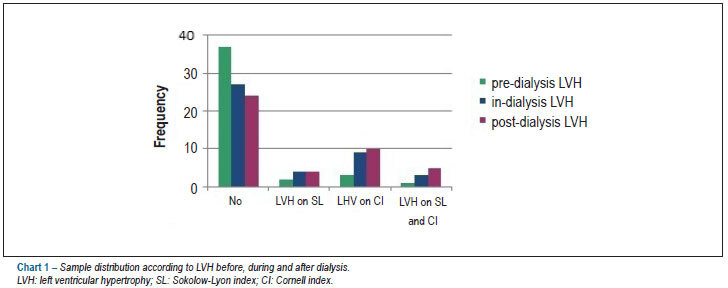
Study of ventricular electrical systole in patients with end-stage kidney disease on hemodialysis
ABC
Artigo Original

Study of ventricular electrical systole in patients with end-stage kidney disease on hemodialysis

Bruno Valentim et al. Alexandre Pereira Patrícia Coelho Telmo Pereira

BACKGROUND: Patients with end-stage kidney disease (ESKD) experience elevated cardiac stress because of the repetitive and intermittent character of dialysis. Changes in ventricular electrical systole induced by necessary dialysis significantly contribute to predict sudden death due to arrhythmia in ESKD. OBJECTIVE: The major objective of this study was to assess the behavior of ventricular repolarization in dialysis by analyzing QTc interval and QTc dispersion. METHODS: This study sample consisted of 47 patients undergoing hemodialysis (61.7% males and 38.3% females), whose mean age was 66.79±13.16 years. All of them underwent three electrocardiograms performed before, during and after one dialysis session. Ventricular electrical systole was analyzed later. RESULTS: An increase in maximum QTc interval and QTc dispersion associated with dialysis was observed. In addition, an increase in the number of individuals meeting the electrocardiographic criteria for left ventricular hypertrophy (LVH) was observed. After dialysis, higher means of the maximum QTc interval (473 ± 27.63 mseg) and of the QTc dispersion (58.95 ± 18.87 mseg) were observed in individuals with LVH as compared with those in individuals without LVH (455.21 ± 26.85 mseg and 44 ± 16.41 mseg, respectively). CONCLUSION: This study confirmed an increase in the QTc interval and QTc dispersion associated with dialysis. That emphasizes the dependence of ventricular repolarization on fluid and electrolyte balance, and suggests a profile of higher vulnerability to arrhythmia associated with dialysis .

  • Arrhythmias Cardiac
  • Mortality
  • renal dialysis
  • Renal Insufficiency, Chronic
Read Full Article
Creative Commons Attribution (CC BY) Creative Commons license
15/04/2013 DOI: 10.5935/abc.20130063 Views 1
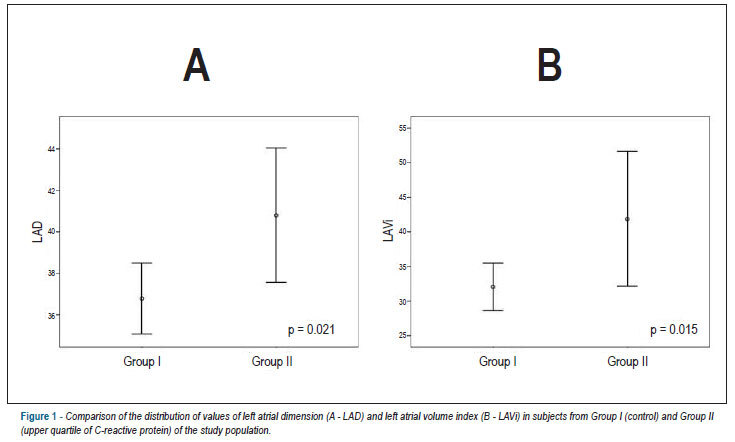
Association between inflammatory markers and left atrial enlargement in patients on hemodialysis
ABC
Artigo Original

Association between inflammatory markers and left atrial enlargement in patients on hemodialysis

Silvio Henrique Barberato et al. Sérgio Gardano Elias Bucharles Admar Moraes de Souza Costantino Ortiz Costantini … Costantino Roberto Frack Costantini Roberto Pecoits-Filho

BACKGROUND: In individuals with concurrent chronic kidney disease (CKD) and cardiovascular disease (CVD), the association between left atrial volume (LAV) and serum levels of C-reactive protein (CRP) is shown. OBJECTIVE: Verify the presence of associations between systemic inflammation and LA dilation in patients on hemodialysis (HD) without clinically evident CVD. METHODS: This was an observational cross-sectional study of a population on HD (> 3 months), which excluded patients with acute or chronic inflammatory diseases (infections, malignancies, autoimmune diseases) hemodynamic instability, use of anti-inflammatory drugs, hyperparathyroidism, arrhythmias, mitral valve disease and prior cardiovascular (CV) events. CRP and interleukin-6 (IL-6) measurements as well as Doppler echocardiography were obtained. Correlation coefficients were determined to evaluate the associations between variables. RESULTS: A total of 58 patients were included (28 men, aged 55 ± 15 years), on HD for 24 ± 16 months, 45% were hypertensive, 26% diabetic, with median CRP of 5.1 mg/dL and IL-6 of 6.1 pg/dL. CRP significantly correlated with LAV (p = 0.040), LAV index (LAVi, p = 0.02) and mitral inflow E wave (p = 0.014). IL-6, despite the strong association with CRP levels (r = 0.75, p < 0.001), did not correlate with echocardiographic indices. Individuals in the top quartile of CRP had significantly higher LAVi than the others (42 ± 17 versus 32 ± 11 mL/m², p = 0.015). CONCLUSIONS: In subjects on HD with no prior CV event, there was an association between elevated CRP levels and LA enlargement. The findings suggest an association between physiopathological processes related to left atrial dilation and systemic inflammatory state of patients on HD.

  • C-Reactive Protein
  • Heart Atria
  • Inflammation
  • renal dialysis
Read Full Article
Creative Commons Attribution (CC BY) Creative Commons license
11/03/2013 DOI: 10.5935/abc.20130027 Views 1
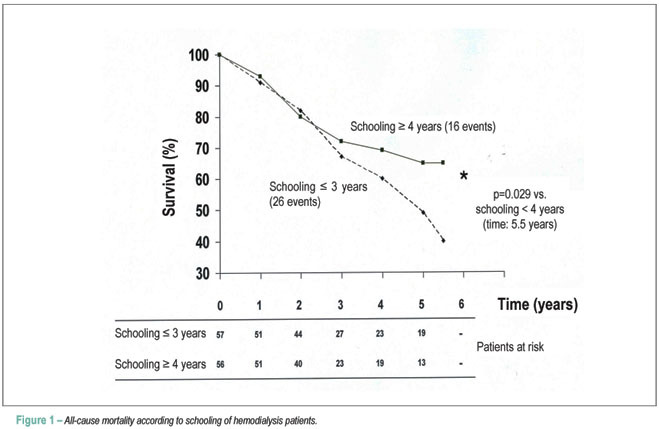
Ventricular hypertrophy and cardiovascular mortality in hemodialysis patients with low educational level
ABC
Artigo Original

Ventricular hypertrophy and cardiovascular mortality in hemodialysis patients with low educational level

Rosana dos Santos e Silva Martin et al. Luis Cuadrado Martin Roberto Jorge da Silva Franco Pasqual Barretti … Jacqueline Costa Teixeira Caramori João Henrique Castro Aline de Araújo Antunes Silméia Garcia Zanati-Basan Beatriz Bojikian Matsubara Antônio Sérgio Martins

BACKGROUND: Left ventricular hypertrophy is a strong predictor of mortality in chronic kidney patients. A previous study of our group has shown that chronic kidney patients with low educational level has more severe ventricular hypertrophy. OBJECTIVE: To extend a previous study and to assess whether left ventricular hypertrophy can explain the association between schooling and cardiovascular mortality in hemodialysis patients. METHODS: This study assessed 113 patients from January 2005 to March 2008 and followed them up until October 2010. Survival curves were built to compare all-cause and cardiovascular mortality of patients with up to three years of schooling (median schooling) and those with schooling of four years and over. Cox multiple models were built and adjusted to confounding variables. RESULTS: Association between educational level and ventricular hypertrophy was observed. Statistical difference in all-cause and cardiovascular mortality between the different educational levels was observed at 5.5 years of follow-up. In the Cox model, ventricular hypertrophy and C-reactive protein associated with all-cause and cardiovascular mortality. The etiology of kidney failure associated with all-cause mortality, and creatinine associated with cardiovascular mortality. The association between educational level and mortality lost statistical significance in the adjusted model. CONCLUSION: The results of this study confirm those of a previous study. In addition, they show that the higher cardiovascular mortality observed in patients with low educational level can be explained by risk factors of biochemical and cardiac morphological origin.

  • Hypertrophy Left Ventricular
  • Kidney, Diseases
  • renal dialysis
  • underachievement
Read Full Article
Creative Commons Attribution (CC BY) Creative Commons license
06/01/2012 DOI: 10.1590/S0066-782X2012005000004
ABC
Artigo Original

Association of ankle-arm index with inflammation and mineral bone disorder in hemodialysis patients

Jair B. Miguel et al. Jorge P. Strogoff de Matos Frederico Ruzany Claudia S. Miguel … Sebastião J. S. Miguel Luiz T. Naveiro Jocemir R. Lugon

BACKGROUND: Reduced ankle-arm index (AAI), inflammation and mineral bone disorder (MBD) are all associated with increased risk of death and cardiovascular complications in patients on hemodialysis (HD), but the association between them deserves clarification. OBJECTIVE: To evaluate the association between abnormal AAI with MBD and inflammation in patients on HD. METHODS: This was a cross-sectional analysis of 478 patients on hemodialysis for at least one year. The AAI was evaluated using a portable Doppler and mercury column manometer. Patients were divided into 3 groups, according to AAI (low: 1.3). C-reactive protein measurement was used as an inflammatory marker, whereas MBD was evaluated by calcium, phosphorus and intact parathyroid hormone levels. RESULTS: Participants were 54 (18 to 75) years old, 56% males, 17% diabetics, and had been on hemodialysis for a mean of 5 (1 to 35) years. The prevalence of low, normal and high AAI was 26.8%, 64.6% and 8.6%, respectively. Using a backward conditional logistic regression model, age (p6 mg/L (p= 0.006) were associated with the presence of low AAI, whereas male gender (p<0.001), diabetes (p= 0.001) and elevated calcium x phosphorus product (p= 0.026) were associated with high AAI. CONCLUSION: In patients on hemodialysis, the presence of diabetes was associated with both low and high AAI. The risk of having low AAI seems to be increased by aging and inflammation, whereas BMD was associated with high AAI.

  • Ankle Brachial Index
  • Calcinosis
  • Inflammation
  • renal dialysis
Read Full Article
Creative Commons Attribution (CC BY) Creative Commons license
18/03/2011 DOI: 10.1590/S0066-782X2011005000031
ABC
Review Article

Echocardiographic alterations in patients with chronic kidney failure undergoing hemodialysis

Silvio Henrique Barberato et al. Roberto Pecoits-Filho

Changes in cardiac structure and function detected by echocardiography are common in patients with chronic kidney disease undergoing hemodialysis, and have been recognized as key outcome predictors. This review attempts to summarize recent evidence pointing to the usefulness of the method in the detection of clinical and subclinical cardiac dysfunction, stratification of cardiovascular risk and assessment of intervention strategies.

  • Doppler
  • Echocardiography
  • renal dialysis
  • Risk Assessment
Read Full Article
Creative Commons Attribution (CC BY) Creative Commons license
22/09/2010 DOI: 10.1590/S0066-782X2010000100021

Could not load more articles. Please try again.

How to cite this article

EndNote RIS

Electronic Document Format (Vancouver)

Matos JPS, Lugon JR. Coronary Artery Disease In Maintenance Hemodialysis Patients: Are We Acting Too Late?. International Journal of Cardiovascular Sciences 2026;39:e20260021.

Electronic Document Format (ABNT)

Matos, Jorge Paulo Strogoff de; Lugon, Jocemir Ronaldo. Coronary Artery Disease In Maintenance Hemodialysis Patients: Are We Acting Too Late?. International Journal of Cardiovascular Sciences, v. 39, e20260021, Jul. 2026.

Electronic Document Format (APA)

Matos, J. P. S. , & Lugon, J. R. (2026). Coronary Artery Disease In Maintenance Hemodialysis Patients: Are We Acting Too Late?. International Journal of Cardiovascular Sciences, 39, e20260021.

Electronic Document Format (ISO)

Matos, Jorge Paulo Strogoff de and Lugon, Jocemir Ronaldo. Coronary Artery Disease In Maintenance Hemodialysis Patients: Are We Acting Too Late?. International Journal of Cardiovascular Sciences [online]. 2026, vol. 39, [cited 2026-10-14], e20260021. Available from: <https://journals.cardiol.br/en/article/coronary-artery-disease-in-maintenance-hemodialysis-patients-are-we-acting-too-late/>. ISSN 2359-4802

EndNote RIS

Electronic Document Format (Vancouver)

Moraes SM, Costa ME, Reis FCL, Maia KAP. Analysis of the Lipid Profile and Prevalence of Cardiovascular Risk Factors in Hemodialysis Patients from an Academic Health Institution in Belo Horizonte. International Journal of Cardiovascular Sciences 2026;39:e20250202.

Electronic Document Format (ABNT)

Moraes, Sarah Mattos; Costa, Matheus Evangelista da; Reis, Flávia Carvalho Leão; Maia, Kleisson Antônio Pontes. Analysis of the Lipid Profile and Prevalence of Cardiovascular Risk Factors in Hemodialysis Patients from an Academic Health Institution in Belo Horizonte. International Journal of Cardiovascular Sciences, v. 39, e20250202, Jul. 2026.

Electronic Document Format (APA)

Moraes, S. M., Costa, M. E. , Reis, F. C. L., & Maia, K. A. P. (2026). Analysis of the Lipid Profile and Prevalence of Cardiovascular Risk Factors in Hemodialysis Patients from an Academic Health Institution in Belo Horizonte. International Journal of Cardiovascular Sciences, 39, e20250202.

Electronic Document Format (ISO)

Moraes, Sarah Mattos and Costa, Matheus Evangelista da and Reis, Flávia Carvalho Leão and Maia, Kleisson Antônio Pontes. Analysis of the Lipid Profile and Prevalence of Cardiovascular Risk Factors in Hemodialysis Patients from an Academic Health Institution in Belo Horizonte. International Journal of Cardiovascular Sciences [online]. 2026, vol. 39, [cited 2026-10-14], e20250202. Available from: <https://journals.cardiol.br/en/article/analysis-of-the-lipid-profile-and-prevalence-of-cardiovascular-risk-factors-in-hemodialysis-patients-from-an-academic-health-institution-in-belo-horizonte/>. ISSN 2359-4802

EndNote RIS

Electronic Document Format (Vancouver)

França ME, Fragas AL, Rocha FR, Ribeiro LC, Toniazzo SRF. Evaluation of Different Therapeutic Approaches for Acute Coronary Syndromes in Patients Undergoing Chronic Dialysis: A Retrospective Cohort Study. International Journal of Cardiovascular Sciences 2025;38:e20250029.

Electronic Document Format (ABNT)

França, Matheus Eduardo; Fragas, Ana Luiza de; Rocha, Franciani Rodrigues da; Ribeiro, Leonardo Claudino; Toniazzo, Silvia R. Froes. Evaluation of Different Therapeutic Approaches for Acute Coronary Syndromes in Patients Undergoing Chronic Dialysis: A Retrospective Cohort Study. International Journal of Cardiovascular Sciences, v. 38, e20250029, Nov. 2025.

Electronic Document Format (APA)

França, M. E., Fragas, A. L. , Rocha, F. R. , Ribeiro, L. C., & Toniazzo, S. R. F. (2025). Evaluation of Different Therapeutic Approaches for Acute Coronary Syndromes in Patients Undergoing Chronic Dialysis: A Retrospective Cohort Study. International Journal of Cardiovascular Sciences, 38, e20250029.

Electronic Document Format (ISO)

França, Matheus Eduardo and Fragas, Ana Luiza de and Rocha, Franciani Rodrigues da and Ribeiro, Leonardo Claudino and Toniazzo, Silvia R. Froes. Evaluation of Different Therapeutic Approaches for Acute Coronary Syndromes in Patients Undergoing Chronic Dialysis: A Retrospective Cohort Study. International Journal of Cardiovascular Sciences [online]. 2025, vol. 38, [cited 2026-10-14], e20250029. Available from: <https://journals.cardiol.br/en/article/evaluation-of-different-therapeutic-approaches-for-acute-coronary-syndromes-in-patients-undergoing-chronic-dialysis-a-retrospective-cohort-study/>. ISSN 2359-4802

EndNote RIS

Electronic Document Format (Vancouver)

PR A, Panda SK, Kar M, Nanda P, Kannan B. Cardiac Autonomic Neuropathy: An Emerging Cardiovascular Risk to Hemodialysis and Non-Hemodialysis Chronic Kidney Disease Patients of Primary Renal Diagnosis. International Journal of Cardiovascular Sciences 2025;38:e20240210.

Electronic Document Format (ABNT)

PR, Aswin; Panda, Sandip Kumar; Kar, Manisha; Nanda, Pranati; Kannan, Balakrishnan. Cardiac Autonomic Neuropathy: An Emerging Cardiovascular Risk to Hemodialysis and Non-Hemodialysis Chronic Kidney Disease Patients of Primary Renal Diagnosis. International Journal of Cardiovascular Sciences, v. 38, e20240210, Jun. 2025.

Electronic Document Format (APA)

PR, A., Panda, S. K., Kar, M., Nanda, P., & Kannan, B. (2025). Cardiac Autonomic Neuropathy: An Emerging Cardiovascular Risk to Hemodialysis and Non-Hemodialysis Chronic Kidney Disease Patients of Primary Renal Diagnosis. International Journal of Cardiovascular Sciences, 38, e20240210.

Electronic Document Format (ISO)

PR, Aswin and Panda, Sandip Kumar and Kar, Manisha and Nanda, Pranati and Kannan, Balakrishnan. Cardiac Autonomic Neuropathy: An Emerging Cardiovascular Risk to Hemodialysis and Non-Hemodialysis Chronic Kidney Disease Patients of Primary Renal Diagnosis. International Journal of Cardiovascular Sciences [online]. 2025, vol. 38, [cited 2026-10-14], e20240210. Available from: <https://journals.cardiol.br/en/article/cardiac-autonomic-neuropathy-an-emerging-cardiovascular-risk-to-hemodialysis-and-non-hemodialysis-chronic-kidney-disease-patients-of-primary-renal-diagnosis/>. ISSN 2359-4802

EndNote RIS

Electronic Document Format (Vancouver)

Carrington M, António PS, Rodrigues N, Nunes-Ferreira A, Bernardes A, Pinto FJ, Sousa J, et al. New Technique for Preserving Cephalic Vein Flow in Pacemaker Implantation Ipsilateral to Arteriovenous Fistula. Arquivos Brasileiros de Cardiologia 2023;120(5):e20220926.

Electronic Document Format (ABNT)

Carrington, Mafalda; António, Pedro Silvério; Rodrigues, Natacha; Nunes-Ferreira, Afonso; Bernardes, Ana; Pinto, Fausto J.; Sousa, João de; Marques, Pedro. New Technique for Preserving Cephalic Vein Flow in Pacemaker Implantation Ipsilateral to Arteriovenous Fistula. Arquivos Brasileiros de Cardiologia, v. 120, n. 5, e20220926, Jun. 2023.

Electronic Document Format (APA)

Carrington, M., António, P. S., Rodrigues, N., Nunes-Ferreira, A., Bernardes, A., Pinto, F. J., Sousa, J. , & Marques, P. (2023). New Technique for Preserving Cephalic Vein Flow in Pacemaker Implantation Ipsilateral to Arteriovenous Fistula. Arquivos Brasileiros de Cardiologia, 120(5), e20220926.

Electronic Document Format (ISO)

Carrington, Mafalda and António, Pedro Silvério and Rodrigues, Natacha and Nunes-Ferreira, Afonso and Bernardes, Ana and Pinto, Fausto J. and Sousa, João de and Marques, Pedro. New Technique for Preserving Cephalic Vein Flow in Pacemaker Implantation Ipsilateral to Arteriovenous Fistula. Arquivos Brasileiros de Cardiologia [online]. 2023, vol. 120, n. 5, [cited 2026-10-14], e20220926. Available from: <https://journals.cardiol.br/en/article/new-technique-for-preserving-cephalic-vein-flow-in-pacemaker-implantation-ipsilateral-to-arteriovenous-fistula/>. ISSN 0066-782X

EndNote RIS

Electronic Document Format (Vancouver)

Hawerroth MGL, Sonoda LY, Silva JJ, Oliveira WA. Prevalence of Atrial Fibrillation in Patients With end Stage Renal Disease. International Journal of Cardiovascular Sciences 2023;36:e20220143.

Electronic Document Format (ABNT)

Hawerroth, Maria da Graça Lepre; Sonoda, Lucas Yuji; Silva, Jean José; Oliveira, Walter Alvarenga de. Prevalence of Atrial Fibrillation in Patients With end Stage Renal Disease. International Journal of Cardiovascular Sciences, v. 36, e20220143, May. 2023.

Electronic Document Format (APA)

Hawerroth, M. G. L., Sonoda, L. Y., Silva, J. J., & Oliveira, W. A. (2023). Prevalence of Atrial Fibrillation in Patients With end Stage Renal Disease. International Journal of Cardiovascular Sciences, 36, e20220143.

Electronic Document Format (ISO)

Hawerroth, Maria da Graça Lepre and Sonoda, Lucas Yuji and Silva, Jean José and Oliveira, Walter Alvarenga de. Prevalence of Atrial Fibrillation in Patients With end Stage Renal Disease. International Journal of Cardiovascular Sciences [online]. 2023, vol. 36, [cited 2026-10-14], e20220143. Available from: <https://journals.cardiol.br/en/article/prevalence-of-atrial-fibrillation-in-patients-with-end-stage-renal-disease/>. ISSN 2359-4802

EndNote RIS

Electronic Document Format (Vancouver)

Malan IA. Atrial Fibrillation and Hemodialysis – Should we Anticoagulate These Patients? Ischemic Versus Hemorrhagic Risk. International Journal of Cardiovascular Sciences 2022;35(6):757-9.

Electronic Document Format (ABNT)

Malan, Iara Atié. Atrial Fibrillation and Hemodialysis – Should we Anticoagulate These Patients? Ischemic Versus Hemorrhagic Risk. International Journal of Cardiovascular Sciences, v. 35, n. 6, p. 757-759, Nov. 2022.

Electronic Document Format (APA)

Malan, I. A. (2022). Atrial Fibrillation and Hemodialysis – Should we Anticoagulate These Patients? Ischemic Versus Hemorrhagic Risk. International Journal of Cardiovascular Sciences, 35(6), 757-759.

Electronic Document Format (ISO)

Malan, Iara Atié. Atrial Fibrillation and Hemodialysis – Should we Anticoagulate These Patients? Ischemic Versus Hemorrhagic Risk. International Journal of Cardiovascular Sciences [online]. 2022, vol. 35, n. 6, [cited 2026-10-14], pp. 757-759. Available from: <https://journals.cardiol.br/en/article/atrial-fibrillation-and-hemodialysis-should-we-anticoagulate-these-patients-ischemic-versus-hemorrhagic-risk/>. ISSN 2359-4802

EndNote RIS

Electronic Document Format (Vancouver)

Sousa M, Cruz G, Vilela S, Cardoso C, Bravo P, Santos JP, Santos C, et al. Hemorrhagic Versus Ischemic Risk in Patients with Atrial Fibrillation on Hemodialysis. International Journal of Cardiovascular Sciences 2022;35(6):749-56.

Electronic Document Format (ABNT)

Sousa, Mariana; Cruz, Gonçalo; Vilela, Sara; Cardoso, Catarina; Bravo, Pedro; Santos, José Paulo; Santos, Cristina; Silva, Jorge. Hemorrhagic Versus Ischemic Risk in Patients with Atrial Fibrillation on Hemodialysis. International Journal of Cardiovascular Sciences, v. 35, n. 6, p. 749-756, Aug. 2022.

Electronic Document Format (APA)

Sousa, M., Cruz, G., Vilela, S., Cardoso, C., Bravo, P., Santos, J. P., Santos, C., & Silva, J. (2022). Hemorrhagic Versus Ischemic Risk in Patients with Atrial Fibrillation on Hemodialysis. International Journal of Cardiovascular Sciences, 35(6), 749-756.

Electronic Document Format (ISO)

Sousa, Mariana and Cruz, Gonçalo and Vilela, Sara and Cardoso, Catarina and Bravo, Pedro and Santos, José Paulo and Santos, Cristina and Silva, Jorge. Hemorrhagic Versus Ischemic Risk in Patients with Atrial Fibrillation on Hemodialysis. International Journal of Cardiovascular Sciences [online]. 2022, vol. 35, n. 6, [cited 2026-10-14], pp. 749-756. Available from: <https://journals.cardiol.br/en/article/hemorrhagic-versus-ischemic-risk-in-patients-with-atrial-fibrillation-on-hemodialysis/>. ISSN 2359-4802

EndNote RIS

Electronic Document Format (Vancouver)

Salvadori FA, Moreira EM, Dias MB, Duarte-Neto AN, Paiva EF. Cardiac Arrest Due to Hypocalcemia. International Journal of Cardiovascular Sciences 2020;34(5 Supl 1):154-7.

Electronic Document Format (ABNT)

Salvadori, Fernanda Aburesi; Moreira, Eduardo Martelli; Dias, Murilo Bacchini; Duarte-Neto, Amaro Nunes; Paiva, Edison Ferreira de. Cardiac Arrest Due to Hypocalcemia. International Journal of Cardiovascular Sciences, v. 34, n. 5 Supl 1, p. 154-157, Nov. 2020.

Electronic Document Format (APA)

Salvadori, F. A., Moreira, E. M., Dias, M. B., Duarte-Neto, A. N., & Paiva, E. F. (2020). Cardiac Arrest Due to Hypocalcemia. International Journal of Cardiovascular Sciences, 34(5 Supl 1), 154-157.

Electronic Document Format (ISO)

Salvadori, Fernanda Aburesi and Moreira, Eduardo Martelli and Dias, Murilo Bacchini and Duarte-Neto, Amaro Nunes and Paiva, Edison Ferreira de. Cardiac Arrest Due to Hypocalcemia. International Journal of Cardiovascular Sciences [online]. 2020, vol. 34, n. 5 Supl 1, [cited 2026-10-14], pp. 154-157. Available from: <https://journals.cardiol.br/en/article/cardiac-arrest-due-to-hypocalcemia/>. ISSN 2359-4802

EndNote RIS

Electronic Document Format (Vancouver)

Calça R, Teles RC, Branco P, Gaspar A, Brito J, Nolasco T, Almeida MD, et al. Impact of Transcatheter Aortic Valve Implantation on Kidney Function. Arquivos Brasileiros de Cardiologia 2019;113(6):1104-11.

Electronic Document Format (ABNT)

Calça, Rita; Teles, Rui C.; Branco, Patrícia; Gaspar, Augusta; Brito, João; Nolasco, Tiago; Almeida, Manuel D.; Neves, José P.; Mendes, Miguel; Machado, Domingos S.; Weigert, André. Impact of Transcatheter Aortic Valve Implantation on Kidney Function. Arquivos Brasileiros de Cardiologia, v. 113, n. 6, p. 1104-1111, Nov. 2019.

Electronic Document Format (APA)

Calça, R., Teles, R. C., Branco, P., Gaspar, A., Brito, J., Nolasco, T., Almeida, M. D., Neves, J. P., Mendes, M., Machado, D. S., & Weigert, A. (2019). Impact of Transcatheter Aortic Valve Implantation on Kidney Function. Arquivos Brasileiros de Cardiologia, 113(6), 1104-1111.

Electronic Document Format (ISO)

Calça, Rita and Teles, Rui C. and Branco, Patrícia and Gaspar, Augusta and Brito, João and Nolasco, Tiago and Almeida, Manuel D. and Neves, José P. and Mendes, Miguel and Machado, Domingos S. and Weigert, André. Impact of Transcatheter Aortic Valve Implantation on Kidney Function. Arquivos Brasileiros de Cardiologia [online]. 2019, vol. 113, n. 6, [cited 2026-10-14], pp. 1104-1111. Available from: <https://journals.cardiol.br/en/article/impact-of-transcatheter-aortic-valve-implantation-on-kidney-function/>. ISSN 0066-782X

EndNote RIS

Electronic Document Format (Vancouver)

Amorim RG, Guedes GS, Vasconcelos SML, Santos JCF. Kidney Disease in Diabetes Mellitus: Cross-Linking between Hyperglycemia, Redox Imbalance and Inflammation. Arquivos Brasileiros de Cardiologia 2019;112(5):577-8.

Electronic Document Format (ABNT)

Amorim, Rayne Gomes; Guedes, Glaucevane da Silva; Vasconcelos, Sandra Mary Lima; Santos, Juliana Célia de Farias. Kidney Disease in Diabetes Mellitus: Cross-Linking between Hyperglycemia, Redox Imbalance and Inflammation. Arquivos Brasileiros de Cardiologia, v. 112, n. 5, p. 577-587, Jun. 2019.

Electronic Document Format (APA)

Amorim, R. G., Guedes, G. S., Vasconcelos, S. M. L., & Santos, J. C. F. (2019). Kidney Disease in Diabetes Mellitus: Cross-Linking between Hyperglycemia, Redox Imbalance and Inflammation. Arquivos Brasileiros de Cardiologia, 112(5), 577-587.

Electronic Document Format (ISO)

Amorim, Rayne Gomes and Guedes, Glaucevane da Silva and Vasconcelos, Sandra Mary Lima and Santos, Juliana Célia de Farias. Kidney Disease in Diabetes Mellitus: Cross-Linking between Hyperglycemia, Redox Imbalance and Inflammation. Arquivos Brasileiros de Cardiologia [online]. 2019, vol. 112, n. 5, [cited 2026-10-14], pp. 577-587. Available from: <https://journals.cardiol.br/en/article/kidney-disease-in-diabetes-mellitus-cross-linking-between-hyperglycemia-redox-imbalance-and-inflammation/>. ISSN 0066-782X

EndNote RIS

Electronic Document Format (Vancouver)

Yasri S, Wiwanitkit V. QTc and QTcd Measurements and Their Relationships with Left Ventricular Hypertrophy in Hemodialysis Patients. Arquivos Brasileiros de Cardiologia 2018;110(6):602.

Electronic Document Format (ABNT)

Yasri, Sora; Wiwanitkit, Viroj. QTc and QTcd Measurements and Their Relationships with Left Ventricular Hypertrophy in Hemodialysis Patients. Arquivos Brasileiros de Cardiologia, v. 110, n. 6, p. 602-602, May. 2018.

Electronic Document Format (APA)

Yasri, S., & Wiwanitkit, V. (2018). QTc and QTcd Measurements and Their Relationships with Left Ventricular Hypertrophy in Hemodialysis Patients. Arquivos Brasileiros de Cardiologia, 110(6), 602-602.

Electronic Document Format (ISO)

Yasri, Sora and Wiwanitkit, Viroj. QTc and QTcd Measurements and Their Relationships with Left Ventricular Hypertrophy in Hemodialysis Patients. Arquivos Brasileiros de Cardiologia [online]. 2018, vol. 110, n. 6, [cited 2026-10-14], pp. 602-602. Available from: <https://journals.cardiol.br/en/article/qtc-and-qtcd-measurements-and-their-relationships-with-left-ventricular-hypertrophy-in-hemodialysis-patients/>. ISSN 0066-782X

EndNote RIS

Electronic Document Format (Vancouver)

Alonso MAG, Lima VACC, Carreira MAMQ, Lugon JR. Reproducibility and Reliability Of QTc and QTcd Measurements and Their Relationships with Left Ventricular Hypertrophy in Hemodialysis Patients. Arquivos Brasileiros de Cardiologia 2017;109(3):222-30.

Electronic Document Format (ABNT)

Alonso, Maria Angélica Gonçalves; Lima, Valentine de Almeida Costa de Castro; Carreira, Maria Angela Magalhães de Queiroz; Lugon, Jocemir Ronaldo. Reproducibility and Reliability Of QTc and QTcd Measurements and Their Relationships with Left Ventricular Hypertrophy in Hemodialysis Patients. Arquivos Brasileiros de Cardiologia, v. 109, n. 3, p. 222-230, Aug. 2017.

Electronic Document Format (APA)

Alonso, M. A. G., Lima, V. A. C. C., Carreira, M. A. M. Q., & Lugon, J. R. (2017). Reproducibility and Reliability Of QTc and QTcd Measurements and Their Relationships with Left Ventricular Hypertrophy in Hemodialysis Patients. Arquivos Brasileiros de Cardiologia, 109(3), 222-230.

Electronic Document Format (ISO)

Alonso, Maria Angélica Gonçalves and Lima, Valentine de Almeida Costa de Castro and Carreira, Maria Angela Magalhães de Queiroz and Lugon, Jocemir Ronaldo. Reproducibility and Reliability Of QTc and QTcd Measurements and Their Relationships with Left Ventricular Hypertrophy in Hemodialysis Patients. Arquivos Brasileiros de Cardiologia [online]. 2017, vol. 109, n. 3, [cited 2026-10-14], pp. 222-230. Available from: <https://journals.cardiol.br/en/article/reproducibility-and-reliability-of-qtc-and-qtcd-measurements-and-their-relationships-with-left-ventricular-hypertrophy-in-hemodialysis-patients/>. ISSN 0066-782X

EndNote RIS

Electronic Document Format (Vancouver)

Miguel JB, Matos JPS, Lugon JR. Ankle-Brachial Index as a Predictor of Mortality in Hemodialysis: A 5-Year Cohort Study. Arquivos Brasileiros de Cardiologia 2017;108(3):204-11.

Electronic Document Format (ABNT)

Miguel, Jair Baptista; Matos, Jorge Paulo Strogoff de; Lugon, Jocemir Ronaldo. Ankle-Brachial Index as a Predictor of Mortality in Hemodialysis: A 5-Year Cohort Study. Arquivos Brasileiros de Cardiologia, v. 108, n. 3, p. 204-211, Feb. 2017.

Electronic Document Format (APA)

Miguel, J. B., Matos, J. P. S. , & Lugon, J. R. (2017). Ankle-Brachial Index as a Predictor of Mortality in Hemodialysis: A 5-Year Cohort Study. Arquivos Brasileiros de Cardiologia, 108(3), 204-211.

Electronic Document Format (ISO)

Miguel, Jair Baptista and Matos, Jorge Paulo Strogoff de and Lugon, Jocemir Ronaldo. Ankle-Brachial Index as a Predictor of Mortality in Hemodialysis: A 5-Year Cohort Study. Arquivos Brasileiros de Cardiologia [online]. 2017, vol. 108, n. 3, [cited 2026-10-14], pp. 204-211. Available from: <https://journals.cardiol.br/en/article/ankle-brachial-index-as-a-predictor-of-mortality-in-hemodialysis-a-5-year-cohort-study/>. ISSN 0066-782X

EndNote RIS

Electronic Document Format (Vancouver)

Barberato SH, Bucharles SGE, Barberato MFA, Pecoits-Filho R. Association between Clinical and Doppler Echocardiographic Parameters with Sudden Death in Hemodialysis Patients. Arquivos Brasileiros de Cardiologia 2016;107(2):124-30.

Electronic Document Format (ABNT)

Barberato, Silvio Henrique; Bucharles, Sérgio Gardano Elias; Barberato, Marcia Ferreira Alves; Pecoits-Filho, Roberto. Association between Clinical and Doppler Echocardiographic Parameters with Sudden Death in Hemodialysis Patients. Arquivos Brasileiros de Cardiologia, v. 107, n. 2, p. 124-130, Jul. 2016.

Electronic Document Format (APA)

Barberato, S. H., Bucharles, S. G. E., Barberato, M. F. A., & Pecoits-Filho, R. (2016). Association between Clinical and Doppler Echocardiographic Parameters with Sudden Death in Hemodialysis Patients. Arquivos Brasileiros de Cardiologia, 107(2), 124-130.

Electronic Document Format (ISO)

Barberato, Silvio Henrique and Bucharles, Sérgio Gardano Elias and Barberato, Marcia Ferreira Alves and Pecoits-Filho, Roberto. Association between Clinical and Doppler Echocardiographic Parameters with Sudden Death in Hemodialysis Patients. Arquivos Brasileiros de Cardiologia [online]. 2016, vol. 107, n. 2, [cited 2026-10-14], pp. 124-130. Available from: <https://journals.cardiol.br/en/article/association-between-clinical-and-doppler-echocardiographic-parameters-with-sudden-death-in-hemodialysis-patients/>. ISSN 0066-782X

EndNote RIS

Electronic Document Format (Vancouver)

Carreira MAMQ, Nogueira AB, Pena FM, Kiuchi MG, Rodrigues RC, Rodrigues RR, Matos JPS, et al. Heart Rate Variability Correlates to Functional Aerobic Impairment in Hemodialysis Patients. Arquivos Brasileiros de Cardiologia 2015;104(6):493-500.

Electronic Document Format (ABNT)

Carreira, Maria Angela Magalhães de Queiroz; Nogueira, André Barros; Pena, Felipe Montes; Kiuchi, Marcio Galindo; Rodrigues, Ronaldo Campos; Rodrigues, Rodrigo da Rocha; Matos, Jorge Paulo Strogoff de; Lugon, Jocemir Ronaldo. Heart Rate Variability Correlates to Functional Aerobic Impairment in Hemodialysis Patients. Arquivos Brasileiros de Cardiologia, v. 104, n. 6, p. 493-500, May. 2015.

Electronic Document Format (APA)

Carreira, M. A. M. Q., Nogueira, A. B., Pena, F. M., Kiuchi, M. G., Rodrigues, R. C., Rodrigues, R. R., Matos, J. P. S. , & Lugon, J. R. (2015). Heart Rate Variability Correlates to Functional Aerobic Impairment in Hemodialysis Patients. Arquivos Brasileiros de Cardiologia, 104(6), 493-500.

Electronic Document Format (ISO)

Carreira, Maria Angela Magalhães de Queiroz and Nogueira, André Barros and Pena, Felipe Montes and Kiuchi, Marcio Galindo and Rodrigues, Ronaldo Campos and Rodrigues, Rodrigo da Rocha and Matos, Jorge Paulo Strogoff de and Lugon, Jocemir Ronaldo. Heart Rate Variability Correlates to Functional Aerobic Impairment in Hemodialysis Patients. Arquivos Brasileiros de Cardiologia [online]. 2015, vol. 104, n. 6, [cited 2026-10-14], pp. 493-500. Available from: <https://journals.cardiol.br/en/article/heart-rate-variability-correlates-to-functional-aerobic-impairment-in-hemodialysis-patients/>. ISSN 0066-782X

EndNote RIS

Electronic Document Format (Vancouver)

Alves M, Silva NAS, Salis LHA, Pereira BB, Godoy PH, Nascimento EM, Oliveira JMF, et al. Survival and Predictive Factors of Lethality in Hemodyalisis: D/I Polymorphism of The Angiotensin I-Converting Enzyme and of the Angiotensinogen M235T Genes. Arquivos Brasileiros de Cardiologia 2014;103(3):209-1.

Electronic Document Format (ABNT)

Alves, Mauro; Silva, Nelson Albuquerque de Souza e; Salis, Lucia Helena Alvares; Pereira, Basilio de Bragança; Godoy, Paulo Henrique; Nascimento, Emília Matos do; Oliveira, Jose Mario Franco. Survival and Predictive Factors of Lethality in Hemodyalisis: D/I Polymorphism of The Angiotensin I-Converting Enzyme and of the Angiotensinogen M235T Genes. Arquivos Brasileiros de Cardiologia, v. 103, n. 3, p. 209-219, Jul. 2014.

Electronic Document Format (APA)

Alves, M., Silva, N. A. S. , Salis, L. H. A., Pereira, B. B., Godoy, P. H., Nascimento, E. M. , & Oliveira, J. M. F. (2014). Survival and Predictive Factors of Lethality in Hemodyalisis: D/I Polymorphism of The Angiotensin I-Converting Enzyme and of the Angiotensinogen M235T Genes. Arquivos Brasileiros de Cardiologia, 103(3), 209-219.

Electronic Document Format (ISO)

Alves, Mauro and Silva, Nelson Albuquerque de Souza e and Salis, Lucia Helena Alvares and Pereira, Basilio de Bragança and Godoy, Paulo Henrique and Nascimento, Emília Matos do and Oliveira, Jose Mario Franco. Survival and Predictive Factors of Lethality in Hemodyalisis: D/I Polymorphism of The Angiotensin I-Converting Enzyme and of the Angiotensinogen M235T Genes. Arquivos Brasileiros de Cardiologia [online]. 2014, vol. 103, n. 3, [cited 2026-10-14], pp. 209-219. Available from: <https://journals.cardiol.br/en/article/survival-and-predictive-factors-of-lethality-in-hemodyalisis-d-i-polymorphism-of-the-angiotensin-i-converting-enzyme-and-of-the-angiotensinogen-m235t-genes/>. ISSN 0066-782X

EndNote RIS

Electronic Document Format (Vancouver)

Burmeister JE, Mosmann CB, Costa VB, Saraiva RT, Grandi RR, Bastos JP, Gonçalves LF, et al. Prevalence of Cardiovascular Risk Factors in Hemodialysis Patients – The CORDIAL Study. Arquivos Brasileiros de Cardiologia 2014;102(5):473-80.

Electronic Document Format (ABNT)

Burmeister, Jayme Eduardo; Mosmann, Camila Borges; Costa, Veridiana Borges; Saraiva, Ramiro Tubino; Grandi, Renata Rech; Bastos, Juliano Peixoto; Gonçalves, Luiz Felipe; Rosito, Guido Aranha. Prevalence of Cardiovascular Risk Factors in Hemodialysis Patients – The CORDIAL Study. Arquivos Brasileiros de Cardiologia, v. 102, n. 5, p. 473-480, Apr. 2014.

Electronic Document Format (APA)

Burmeister, J. E., Mosmann, C. B., Costa, V. B., Saraiva, R. T., Grandi, R. R., Bastos, J. P., Gonçalves, L. F., & Rosito, G. A. (2014). Prevalence of Cardiovascular Risk Factors in Hemodialysis Patients – The CORDIAL Study. Arquivos Brasileiros de Cardiologia, 102(5), 473-480.

Electronic Document Format (ISO)

Burmeister, Jayme Eduardo and Mosmann, Camila Borges and Costa, Veridiana Borges and Saraiva, Ramiro Tubino and Grandi, Renata Rech and Bastos, Juliano Peixoto and Gonçalves, Luiz Felipe and Rosito, Guido Aranha. Prevalence of Cardiovascular Risk Factors in Hemodialysis Patients – The CORDIAL Study. Arquivos Brasileiros de Cardiologia [online]. 2014, vol. 102, n. 5, [cited 2026-10-14], pp. 473-480. Available from: <https://journals.cardiol.br/en/article/prevalence-of-cardiovascular-risk-factors-in-hemodialysis-patients-the-cordial-study/>. ISSN 0066-782X

EndNote RIS

Electronic Document Format (Vancouver)

Sampaio MC, Máximo CAG, Montenegro CM, Mota DM, Fernandes TR, Bianco ACM, Amodeo C, et al. Comparison of diagnostic criteria for acute kidney injury in cardiac surgery. Arquivos Brasileiros de Cardiologia 2013;101(1):18-25.

Electronic Document Format (ABNT)

Sampaio, Márcio Campos; Máximo, Carlos Alberto Gonçalves; Montenegro, Carolina Moreira; Mota, Diandro Marinho; Fernandes, Tatiana Rocha; Bianco, Antonio Carlos Mugayar; Amodeo, Celso; Cordeiro, Antonio Carlos. Comparison of diagnostic criteria for acute kidney injury in cardiac surgery. Arquivos Brasileiros de Cardiologia, v. 101, n. 1, p. 18-25, Jun. 2013.

Electronic Document Format (APA)

Sampaio, M. C., Máximo, C. A. G., Montenegro, C. M., Mota, D. M., Fernandes, T. R., Bianco, A. C. M., Amodeo, C., & Cordeiro, A. C. (2013). Comparison of diagnostic criteria for acute kidney injury in cardiac surgery. Arquivos Brasileiros de Cardiologia, 101(1), 18-25.

Electronic Document Format (ISO)

Sampaio, Márcio Campos and Máximo, Carlos Alberto Gonçalves and Montenegro, Carolina Moreira and Mota, Diandro Marinho and Fernandes, Tatiana Rocha and Bianco, Antonio Carlos Mugayar and Amodeo, Celso and Cordeiro, Antonio Carlos. Comparison of diagnostic criteria for acute kidney injury in cardiac surgery. Arquivos Brasileiros de Cardiologia [online]. 2013, vol. 101, n. 1, [cited 2026-10-14], pp. 18-25. Available from: <https://journals.cardiol.br/en/article/comparison-of-diagnostic-criteria-for-acute-kidney-injury-in-cardiac-surgery/>. ISSN 0066-782X

EndNote RIS

Electronic Document Format (Vancouver)

Valentim B, Pereira A, Coelho P, Pereira T. Study of ventricular electrical systole in patients with end-stage kidney disease on hemodialysis. Arquivos Brasileiros de Cardiologia 2013;100(3):261-8.

Electronic Document Format (ABNT)

Valentim, Bruno; Pereira, Alexandre; Coelho, Patrícia; Pereira, Telmo. Study of ventricular electrical systole in patients with end-stage kidney disease on hemodialysis. Arquivos Brasileiros de Cardiologia, v. 100, n. 3, p. 261-268, Apr. 2013.

Electronic Document Format (APA)

Valentim, B., Pereira, A., Coelho, P., & Pereira, T. (2013). Study of ventricular electrical systole in patients with end-stage kidney disease on hemodialysis. Arquivos Brasileiros de Cardiologia, 100(3), 261-268.

Electronic Document Format (ISO)

Valentim, Bruno and Pereira, Alexandre and Coelho, Patrícia and Pereira, Telmo. Study of ventricular electrical systole in patients with end-stage kidney disease on hemodialysis. Arquivos Brasileiros de Cardiologia [online]. 2013, vol. 100, n. 3, [cited 2026-10-14], pp. 261-268. Available from: <https://journals.cardiol.br/en/article/study-of-ventricular-electrical-systole-in-patients-with-end-stage-kidney-disease-on-hemodialysis/>. ISSN 0066-782X

EndNote RIS

Electronic Document Format (Vancouver)

Barberato SH, Bucharles SGE, Souza AM, Costantini CO, Costantini CRF, Pecoits-Filho R. Association between inflammatory markers and left atrial enlargement in patients on hemodialysis. Arquivos Brasileiros de Cardiologia 2013;100(2):141-6.

Electronic Document Format (ABNT)

Barberato, Silvio Henrique; Bucharles, Sérgio Gardano Elias; Souza, Admar Moraes de; Costantini, Costantino Ortiz; Costantini, Costantino Roberto Frack; Pecoits-Filho, Roberto. Association between inflammatory markers and left atrial enlargement in patients on hemodialysis. Arquivos Brasileiros de Cardiologia, v. 100, n. 2, p. 141-146, Mar. 2013.

Electronic Document Format (APA)

Barberato, S. H., Bucharles, S. G. E., Souza, A. M. , Costantini, C. O., Costantini, C. R. F., & Pecoits-Filho, R. (2013). Association between inflammatory markers and left atrial enlargement in patients on hemodialysis. Arquivos Brasileiros de Cardiologia, 100(2), 141-146.

Electronic Document Format (ISO)

Barberato, Silvio Henrique and Bucharles, Sérgio Gardano Elias and Souza, Admar Moraes de and Costantini, Costantino Ortiz and Costantini, Costantino Roberto Frack and Pecoits-Filho, Roberto. Association between inflammatory markers and left atrial enlargement in patients on hemodialysis. Arquivos Brasileiros de Cardiologia [online]. 2013, vol. 100, n. 2, [cited 2026-10-14], pp. 141-146. Available from: <https://journals.cardiol.br/en/article/association-between-inflammatory-markers-and-left-atrial-enlargement-in-patients-on-hemodialysis/>. ISSN 0066-782X

EndNote RIS

Electronic Document Format (Vancouver)

Martin RSS, Martin LC, Franco RJS, Barretti P, Caramori JCT, Castro JH, Antunes AA, et al. Ventricular hypertrophy and cardiovascular mortality in hemodialysis patients with low educational level. Arquivos Brasileiros de Cardiologia 2012;98(1):52-61.

Electronic Document Format (ABNT)

Martin, Rosana dos Santos e Silva; Martin, Luis Cuadrado; Franco, Roberto Jorge da Silva; Barretti, Pasqual; Caramori, Jacqueline Costa Teixeira; Castro, João Henrique; Antunes, Aline de Araújo; Zanati-Basan, Silméia Garcia; Matsubara, Beatriz Bojikian; Martins, Antônio Sérgio. Ventricular hypertrophy and cardiovascular mortality in hemodialysis patients with low educational level. Arquivos Brasileiros de Cardiologia, v. 98, n. 1, p. 52-61, Jan. 2012.

Electronic Document Format (APA)

Martin, R. S. S., Martin, L. C., Franco, R. J. S., Barretti, P., Caramori, J. C. T., Castro, J. H., Antunes, A. A., Zanati-Basan, S. G., Matsubara, B. B., & Martins, A. S. (2012). Ventricular hypertrophy and cardiovascular mortality in hemodialysis patients with low educational level. Arquivos Brasileiros de Cardiologia, 98(1), 52-61.

Electronic Document Format (ISO)

Martin, Rosana dos Santos e Silva and Martin, Luis Cuadrado and Franco, Roberto Jorge da Silva and Barretti, Pasqual and Caramori, Jacqueline Costa Teixeira and Castro, João Henrique and Antunes, Aline de Araújo and Zanati-Basan, Silméia Garcia and Matsubara, Beatriz Bojikian and Martins, Antônio Sérgio. Ventricular hypertrophy and cardiovascular mortality in hemodialysis patients with low educational level. Arquivos Brasileiros de Cardiologia [online]. 2012, vol. 98, n. 1, [cited 2026-10-14], pp. 52-61. Available from: <https://journals.cardiol.br/en/article/ventricular-hypertrophy-and-cardiovascular-mortality-in-hemodialysis-patients-with-low-educational-level/>. ISSN 0066-782X

EndNote RIS

Electronic Document Format (Vancouver)

Miguel JB, Matos JPS, Ruzany F, Miguel CS, Miguel SJS, Naveiro LT, Lugon JR, et al. Association of ankle-arm index with inflammation and mineral bone disorder in hemodialysis patients. Arquivos Brasileiros de Cardiologia 2011;96(5):405-10.

Electronic Document Format (ABNT)

Miguel, Jair B.; Matos, Jorge P. Strogoff de; Ruzany, Frederico; Miguel, Claudia S.; Miguel, Sebastião J. S.; Naveiro, Luiz T.; Lugon, Jocemir R.. Association of ankle-arm index with inflammation and mineral bone disorder in hemodialysis patients. Arquivos Brasileiros de Cardiologia, v. 96, n. 5, p. 405-410, Mar. 2011.

Electronic Document Format (APA)

Miguel, J. B., Matos, J. P. S. , Ruzany, F., Miguel, C. S., Miguel, S. J. S., Naveiro, L. T., & Lugon, J. R. (2011). Association of ankle-arm index with inflammation and mineral bone disorder in hemodialysis patients. Arquivos Brasileiros de Cardiologia, 96(5), 405-410.

Electronic Document Format (ISO)

Miguel, Jair B. and Matos, Jorge P. Strogoff de and Ruzany, Frederico and Miguel, Claudia S. and Miguel, Sebastião J. S. and Naveiro, Luiz T. and Lugon, Jocemir R.. Association of ankle-arm index with inflammation and mineral bone disorder in hemodialysis patients. Arquivos Brasileiros de Cardiologia [online]. 2011, vol. 96, n. 5, [cited 2026-10-14], pp. 405-410. Available from: <https://journals.cardiol.br/en/article/association-of-ankle-arm-index-with-inflammation-and-mineral-bone-disorder-in-hemodialysis-patients/>. ISSN 0066-782X

EndNote RIS

Electronic Document Format (Vancouver)

Barberato SH, Pecoits-Filho R. Echocardiographic alterations in patients with chronic kidney failure undergoing hemodialysis. Arquivos Brasileiros de Cardiologia 2010;94(1):140-6.

Electronic Document Format (ABNT)

Barberato, Silvio Henrique; Pecoits-Filho, Roberto. Echocardiographic alterations in patients with chronic kidney failure undergoing hemodialysis. Arquivos Brasileiros de Cardiologia, v. 94, n. 1, p. 140-146, Sep. 2010.

Electronic Document Format (APA)

Barberato, S. H., & Pecoits-Filho, R. (2010). Echocardiographic alterations in patients with chronic kidney failure undergoing hemodialysis. Arquivos Brasileiros de Cardiologia, 94(1), 140-146.

Electronic Document Format (ISO)

Barberato, Silvio Henrique and Pecoits-Filho, Roberto. Echocardiographic alterations in patients with chronic kidney failure undergoing hemodialysis. Arquivos Brasileiros de Cardiologia [online]. 2010, vol. 94, n. 1, [cited 2026-10-14], pp. 140-146. Available from: <https://journals.cardiol.br/en/article/echocardiographic-alterations-in-patients-with-chronic-kidney-failure-undergoing-hemodialysis/>. ISSN 0066-782X

  • About ABC Family
  • Internal Regulation
  • Editorial Board
  • Brazilian Society of Cardiology (SBC)

Issues

SBC Guidelines

  • Videos
  • Podcasts
  • News