ABC Family Arquivos Brasileiros de Cardiologia International Journal of Cardiovascular Sciences ABC Heart Failure & Cardiomyopathy ABC Imagem Cardiovascular
Português English
  • ABC Family
  • Arquivos Brasileiros de Cardiologia
  • International Journal of Cardiovascular Sciences
  • ABC Heart Failure & Cardiomyopathy
  • ABC Imagem Cardiovascular
Português English
  • About
    • About ABC Family
    • Internal Regulation
    • Editorial Board
    • Brazilian Society of Cardiology (SBC)
  • Issues
  • SBC Guidelines
  • Content
    • Videos
    • Podcasts
    • News
  • About
    • About ABC Family
    • Internal Regulation
    • Editorial Board
    • Brazilian Society of Cardiology (SBC)
  • Issues
  • SBC Guidelines
  • Content
    • Videos
    • Podcasts
    • News
Search in

No content found.

Journals
Ordering
Article types
Others

  1. Home
  2. Efficacy
Pulsed Field Ablation Versus Very High-Power Short-Duration Radiofrequency Ablation in Atrial Fibrillation: A Systematic Review and Meta-Analysis
ABC
Original Article

Pulsed Field Ablation Versus Very High-Power Short-Duration Radiofrequency Ablation in Atrial Fibrillation: A Systematic Review and Meta-Analysis

Asad Iqbal et al. Wellgner Fernandes Oliveira Amador Martin Cevallos-Cueva Maaz Ahmad … Juan Alejandro Pinilla Alarcón Radamés Vieira Diniz

Abstract

Background

Pulmonary vein isolation (PVI) is a cornerstone treatment for atrial fibrillation (AF). Pulsed-field ablation (PFA) and very high-power short-duration (vHPSD) radiofrequency (RF) ablation are emerging technologies, but their comparative efficacy and safety remain unclear.

Objectives

To assess the efficacy and safety of PFA compared to vHPSD RF ablation for AF.

Methods

A systematic search of PubMed, Embase, Web of Science, and Cochrane databases identified studies comparing PFA and vHPSD ablation. Outcomes included PVI success, skin-to-skin procedure time, fluoroscopy time, freedom from atrial arrhythmias, and complications such as cardiac tamponade, stroke, and vascular access events. Continuous outcomes were analyzed using mean differences (MD), while binary outcomes were assessed with risk ratios (RR) and 95% confidence intervals (CI). A significance threshold of p < 0.05 was considered for statistical analyses. This study is registered in PROSPERO (CRD42024619301).

Results

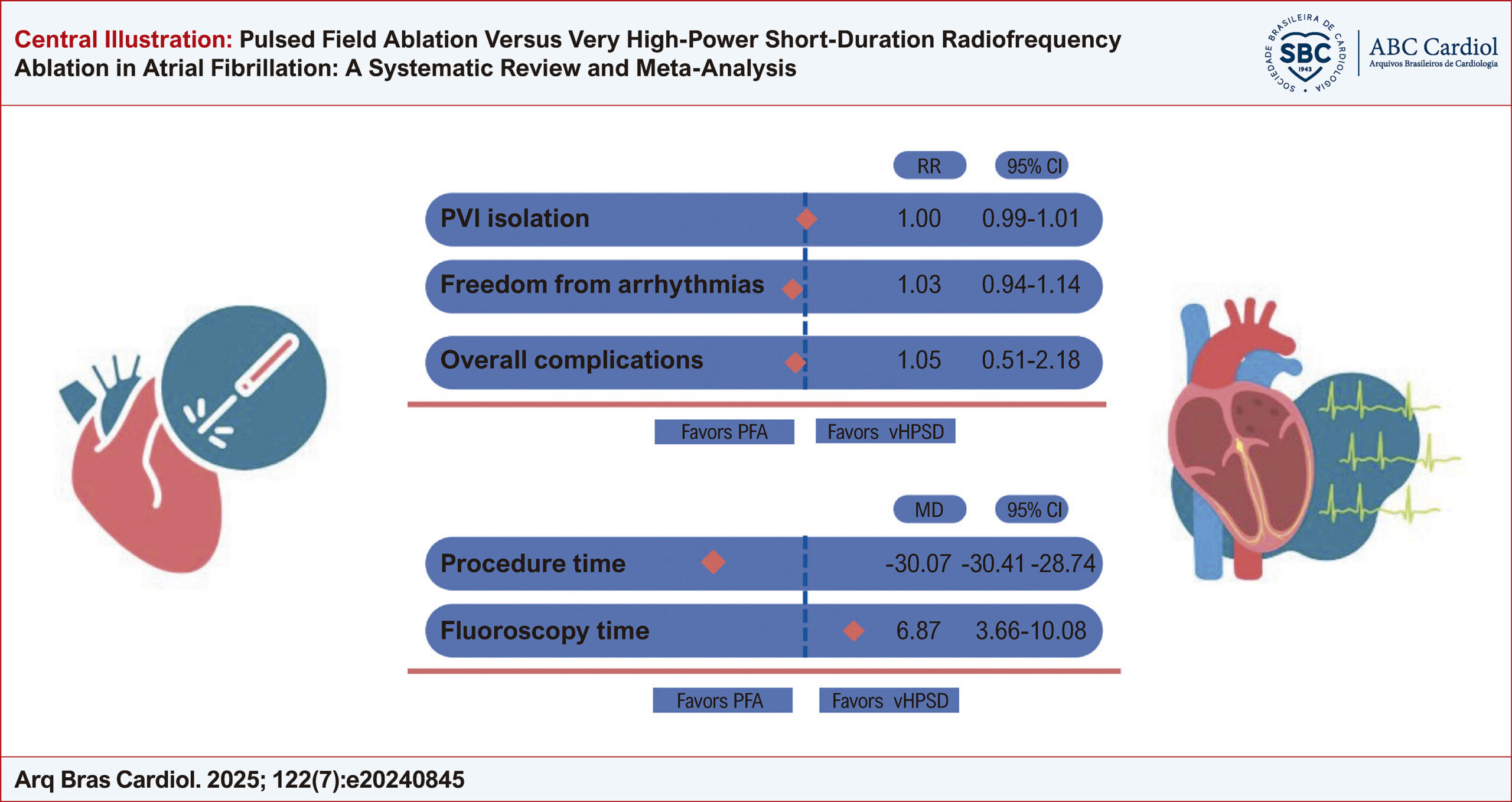
Four observational studies with 605 patients were included, of whom 315 (52%) underwent PFA. PFA and vHPSD achieved similar PVI success (RR 1.00; 95% CI 0.99–1.01; p = 1). PFA reduced procedure time (MD -30.07 min; 95% CI -31.41 to -28.74; p<0.01) but increased fluoroscopy time (MD 6.87 min; 95% CI 3.66–10.08; p<0.01). Freedom from atrial arrhythmias was comparable (RR 1.03; 95% CI 0.94–1.14; p=0.5). Complication rates, including cardiac tamponade, stroke, and vascular access issues, showed no significant differences between groups.

Conclusion

PFA significantly shortens procedure time but requires longer fluoroscopy compared to vHPSD. Both techniques exhibit comparable efficacy for PVI and arrhythmia freedom, with similar safety profiles.
  • Atrial Fibrillation
  • Catheter Ablation
  • Efficacy
  • Safety
Read Full Article
Creative Commons Attribution (CC BY) Creative Commons license
18/08/2025 DOI: 10.36660/abc.20240845i Views 13
Central Illustration
ABCHF
Review Article

New Perspectives in the Treatment of Heart Failure with Preserved Ejection Fraction with SGLT-2 Inhibitors

José Natthananel de Aquino Gomes et al. Milena dos Santos Barros Campos Carlos Aurélio Santos Aragão Antonio Carlos Sousa

Abstract

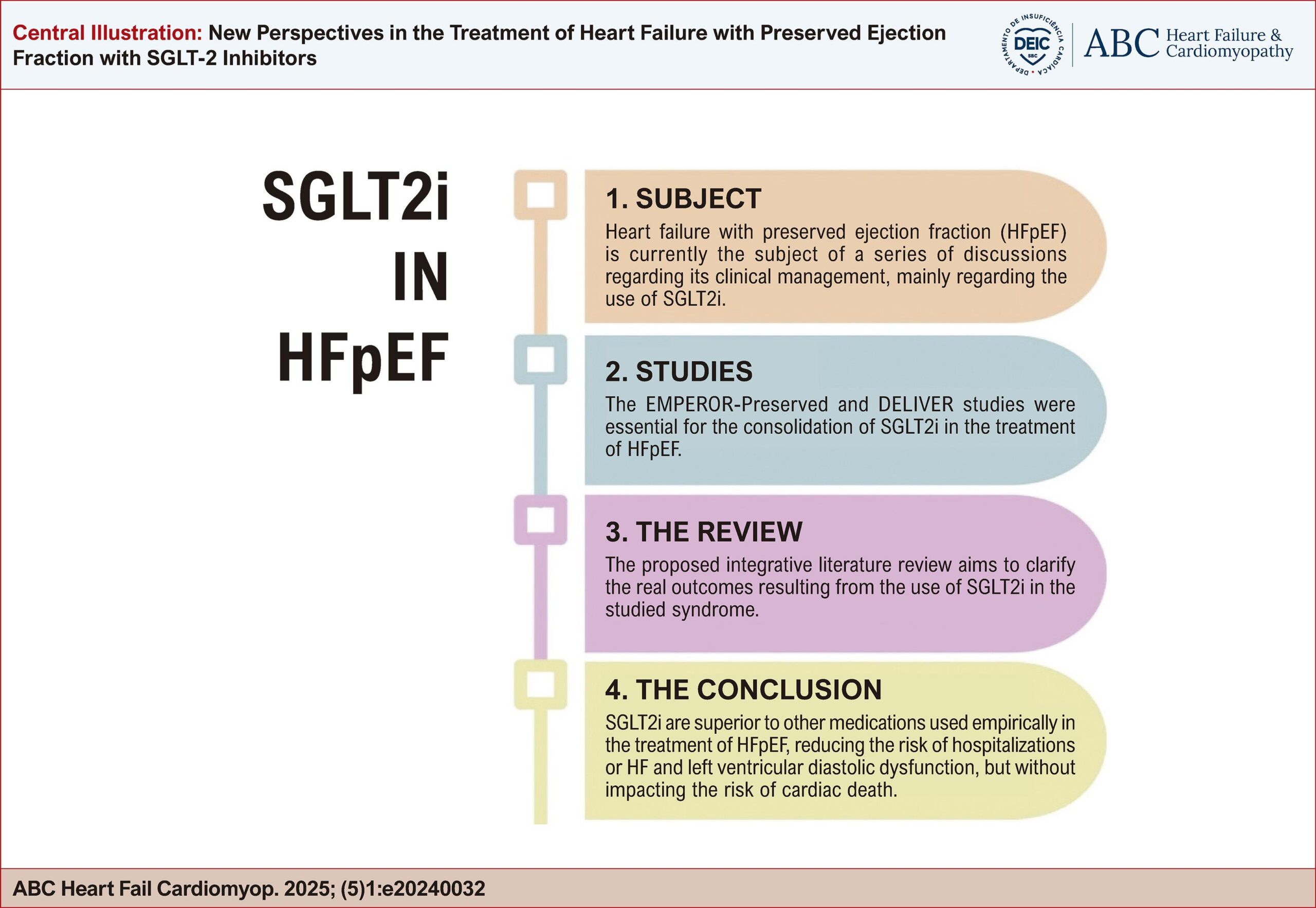
The treatment of heart failure with preserved ejection fraction (HFpEF) has always represented a challenge in clinical management. The discovery of sodium-glucose cotransporter 2 inhibitors (SGLT2i) as efficient cardiac protectors brought the possibility of treating HFpEF, a topic driven by robust studies such as EMPEROR-Preserved and DELIVER. The present work aims to identify the main studies on SGLT2i and primary outcomes in HFpEF.

The qualified search was carried out in the BVS and Pubmed indexed databases, with the inclusion criteria being randomized clinical trials, meta-analyses and analyses of clinical trials, full text available, and publication in the last 5 years.

11 articles were selected to compose the review.

SGLT2i shows efficacy in the treatment of HFpEF, reducing hospitalization for heart failure in this population and improving ventricular diastolic function in these patients, but not altering the risk of cardiac death alone.

  • Diastolic Heart Failure
  • Drug Therapy
  • Efficacy
  • Sodium-Glucose Transporter 2 Inhibitors
Read Full Article
Creative Commons Attribution (CC BY) Creative Commons license
10/04/2025 DOI: 10.36660/abchf.20240032i Views 16
Therapeutic Efficacy and Safety of Paracetamol versus Ibuprofen in Patent Ductus Arteriosus in Newborns: A Systematic Review
ABC
Review Article

Therapeutic Efficacy and Safety of Paracetamol versus Ibuprofen in Patent Ductus Arteriosus in Newborns: A Systematic Review

Halecy Davidson Sousa da Silva et al. Eryvelton de Souza Franco Larissa Caroline de Almeida Sousa Lima Maria Bernadete de Sousa Maia

ABSTRACT

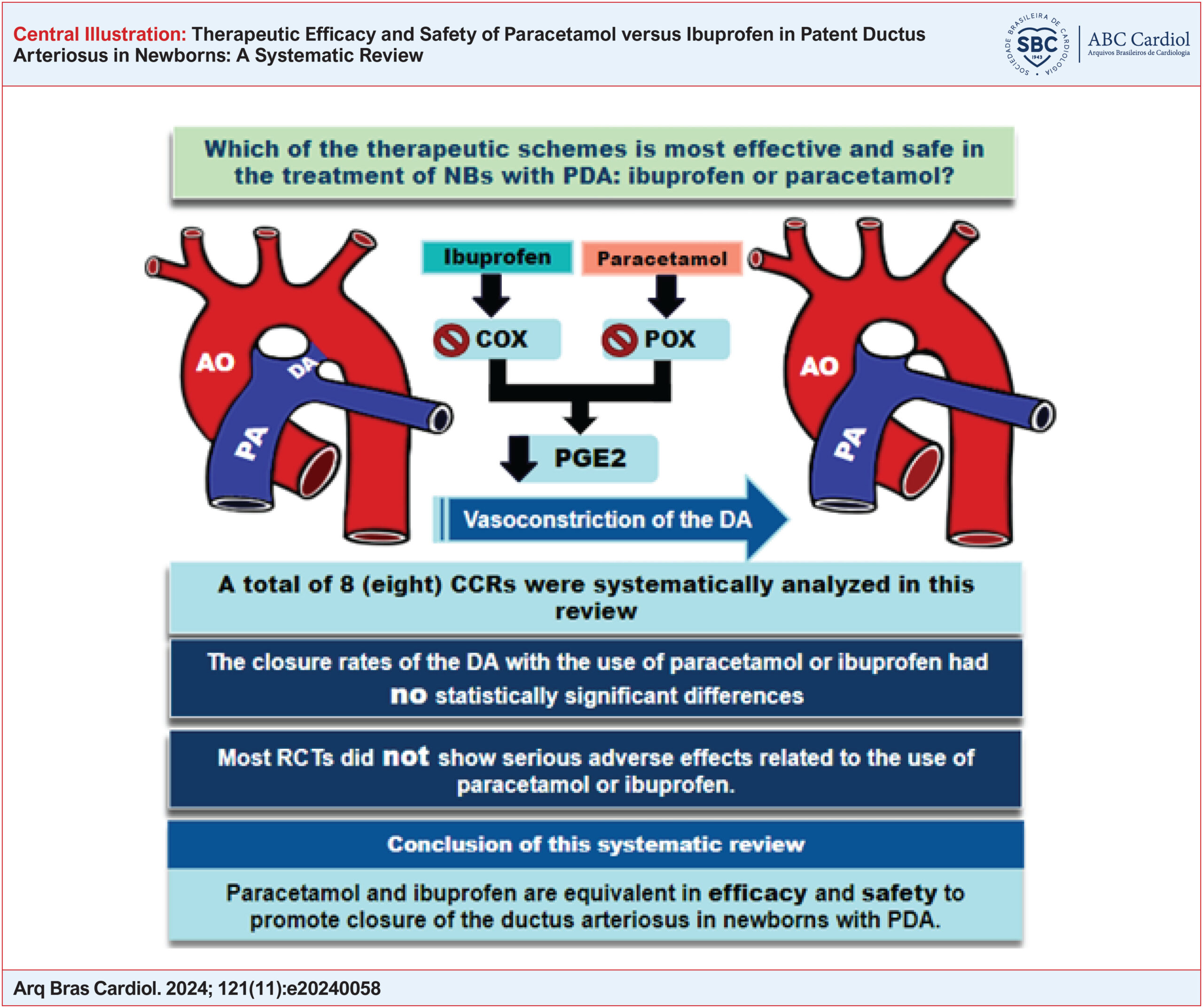
Closure of the ductus arteriosus (DA) using cyclooxygenase (COX) inhibitors is considered the first-line treatment for hemodynamically significant patent ductus arteriosus (PDA). Physiologically, prostaglandins have a recognized role in PDA. Admittedly, the comparative efficacy and safety between ibuprofen and acetaminophen need to be determined for rational choice of drug therapy for closure of the DA in clinical protocols.

This study aims to present the aspects of the efficacy and therapeutic safety of paracetamol versus ibuprofen in the treatment of PDA in premature newborns.

A systematic review of the literature was carried out, following the recommendations of the PRISMA protocol, using the Medline, Pubmed, LILACS, and SciELO databases. Studies from the last 10 years (2013-2023) that analyzed the efficacy and/or safety of acetaminophen compared to ibuprofen in newborns diagnosed with PDA were included.

Eight randomized clinical trials (RCTs) were selected for analysis, resulting in a sample size of 781 newborns with PDA treated with acetaminophen or ibuprofen. The efficacy of acetaminophen for DA closure is comparable to ibuprofen. There is no statistically significant difference in the incidence of related adverse effects between the two drugs in most studies.

There is equivalence in the efficacy and safety of ibuprofen and acetaminophen to promote closure of the DA in premature newborns with hsPDA.

  • Acetaminophen
  • Efficacy
  • Ibuprofen
  • Newborn Infant
  • patent ductus arteriosus
  • Safety
Read Full Article
Creative Commons Attribution (CC BY) Creative Commons license
06/12/2024 DOI: 10.36660/abc.20240058i Views 16
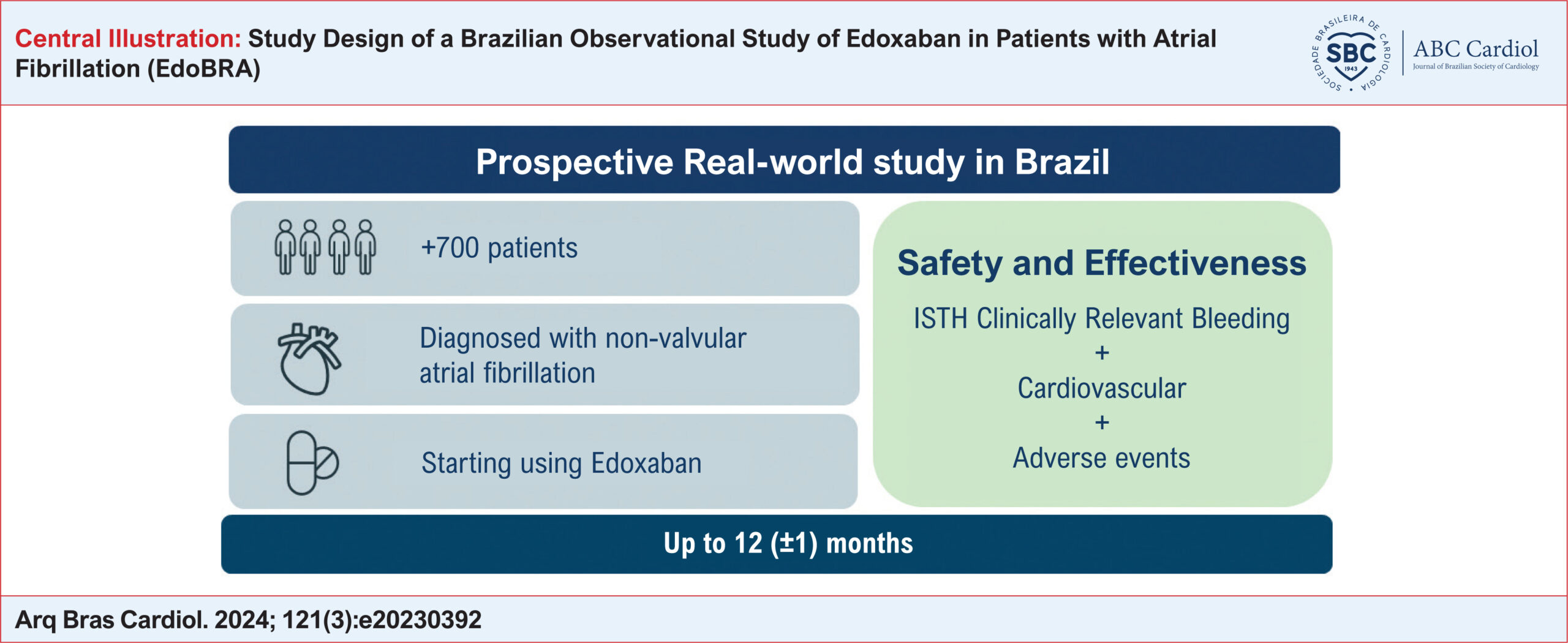
Study Design of a Brazilian Observational Study of Edoxaban in Patients with Atrial Fibrillation (EdoBRA)
ABC
Original Article

Study Design of a Brazilian Observational Study of Edoxaban in Patients with Atrial Fibrillation (EdoBRA)

Dalton Bertolim Précoma et al. Rafael Paletta da Silva Allyson Nakamoto Viviane Mariz Omar … Danilo Lopes José Francisco Kerr Saraiva

Abstract

Background:

Clinical trials showed the safety of Edoxaban, a non-vitamin K-dependent oral anticoagulant (NOAC), and its efficacy to prevent stroke and systemic embolism in non-valvular atrial fibrillation (NVAF) patients and also to prevent and treat venous thromboembolism. However, additional research is needed to evaluate the safety and effectiveness of Edoxaban in a real-world scenario in the Brazilian population.

Objective:

In order to understand the risks and benefits of Edoxaban use in routine clinical settings, the EdoBRA study is being conducted to gain insight into the safety and effectiveness of Edoxaban use in non-preselected patients with NVAF in Brazil.

Methods:

The EdoBRA study is a multicenter, prospective, observational study conducted in 36 sites in Brazil. NVAF patients ≥ 18 years treated with commercially available Edoxaban who initiated treatment for at least 14 days and no longer than 90 days prior to enrollment, and who are not simultaneously participating in any interventional study are eligible for this study. Seven hundred patients are planned to be enrolled and one-year of follow up, with data collections expected at baseline and 3, 6, and 12 months after the study enrollment. The primary safety objective is ISTH Clinically Relevant Bleeding, and the secondary effectiveness objective focuses on relevant cardiovascular outcomes related to NVAF.

Conclusion:

EdoBRA observational study will generate relevant additional information about NOAC Edoxaban on various aspects of patient management in routine care, such as its safety and effectiveness profile in patients with NVAF in Brazil.

  • Edoxaban
  • Efficacy
  • Observational Study
  • Oral Anticoagulants
  • Safety
Read Full Article
Creative Commons Attribution (CC BY) Creative Commons license
26/04/2024 DOI: 10.36660/abc.20230392i Views 15
Figure 1
ABC
Original Article

Catheter Ablation for Treatment of Atrial Fibrillation and Supraventricular Arrhythmias Without Fluoroscopy Use: Acute Efficacy and Safety

Eduardo B. Saad et al. Charles Slater Luiz Antonio Oliveira Inácio Jr Gustavo Vignoli dos Santos … Lucas Carvalho Dias Luiz Eduardo Montenegro Camanho

Abstract

Background

The use of ionizing radiation in medical procedures is associated with significant health risks for patients and the health care team.

Objectives

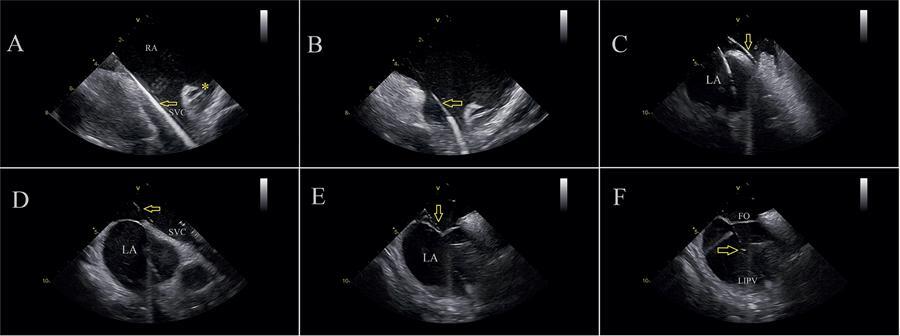
Evaluate the safety and acute efficacy of ablation for atrial fibrillation (AF) and supraventricular arrhythmias (SVTs) using an exclusively non-fluoroscopic approach guided by intracardiac echo (ICE) and 3D-mapping.

Methods

95 pts (mean age 60 ± 18 years, 61% male) scheduled for AF Ablation (69 pts, 45 paroxysmal AF and 24 persistent AF) or non-AF SVT (26 pts – 14 AV node reentry, 6 WPW, 5 right atrial (RA) flutters, 1 atrial tachycardia) underwent zero fluoro procedures. Nine patients (9.5%) had permanent pacemakers or defibrillator resynchronization (CRT-D) devices. Both CARTO (65%) and NAVx (35%) mapping systems were used, as well as Acunav and ViewFlex ICE catheters.

Results

Pulmonary vein isolation (PVI), as well as all other targets that needed ablation in both atria were reached and adequately visualized. No pericardial effusions, thrombotic complications or other difficulties were seen in these series. Difficult transseptal puncture (19 patients – 20%) was managed without fluoroscopy in all cases. No backup fluoroscopy was used, and no lead apparel was needed. Pacemaker interrogations after the procedure did not show any lead damage, dislocation, or threshold changes.

Conclusions

A radiation-free (fluoroless) catheter ablation strategy for AF and other atrial arrhythmias is acutely safe and effective when guided by adequate ICE and 3D-mapping utilization. Multiple different bi-atrial sites were reached and adequately ablated without the need for backup fluoroscopy. No complications were seen. (Arq Bras Cardiol. 2020; 114(6):1015-1026)

  • Arrhythmias Cardiac
  • Atrial Fibrillation
  • Catheter Ablation
  • Efficacy
  • Fluoroscopy
  • radiation
  • Safety
Read Full Article
Creative Commons Attribution (CC BY) Creative Commons license
03/07/2020 DOI: 10.36660/abc.20200096 Views 14
ABC
Editorial

Catheter Ablation Without Use of X-rays to Treat Atrial Fibrillation and Atrial Arrhythmia

Leandro Ioschpe Zimerman

Radiofrequency ablation is a well-established method and is increasingly used in the treatment of tachyarrhythmia. Traditionally, it is done by placing fluoroscopy-guided intracavitary catheters. Over the years, however, a number of problems related to exposure to radiation have become more evident, such as cataracts, genetic mutations, cancer. It is not by chance that the number of tumors in the left cerebral hemisphere, which receives the greatest amount of radiation, is greater than in the right hemisphere, in interventionists. It is important to remember that the risk of cancer is linear with exposure, without a defined threshold, and that there is a cumulative effect. In longer procedures, even severe skin lesions can develop in patients. To reduce these risks to patients and the medical staff, several actions were taken: fluoroscopic devices and methods with less radiation, personal protective equipment, such as an apron, thyroid protection, goggles, cap and even leaded gloves. Protection increased, but at the expense of orthopedic problems due to the weight that was carried, in so many procedures, for so long. New solutions were created, such as suspended lead aprons. But along with this increase in personal protection, the idea of effectively performing the procedure with the least amount of radiation possible gained momentum. For this, the development of three-dimensional mapping systems was the driving force required. This, associated with the use of ablation catheters by contact, made it possible to perform procedures, including complex ones, manipulating catheters and applying energy efficiently and safely, without requiring fluoroscopic imaging. In less complex procedures, especially on the right side of the heart, ablations without fluoroscopy were described. , In pregnant women, it has become a feasible solution. Even for the more complex procedures, “near-zero” fluoroscopy was recommended. “Near-zero” because it was still necessary to use fluoroscopy at times, such as transseptal puncture, for example.

At the same time, ultrasound has been increasingly used in invasive cardiac procedures and, more specifically, in electrophysiology. Vascular ultrasound is used to support vascular punctures and to reduce AV fistulas and pseudoaneurysms. Transesophageal echo is useful to rule out atrial appendage thrombus and to assist transseptal puncture. Even more useful is intracardiac echo, which assists transseptal puncture, shows pulmonary vein ostia, rules out pericardial effusion, shows recesses during cavotricuspid isthmus ablation and confirms adequate catheter contact.

[…]

  • Arteriovenous Fistula
  • Efficacy
  • Fluoroscopy
  • Personal Protective Equipment
  • Radio Waves/adverse effects
  • Radiofrequency Ablation/methods
  • Safety
Read Full Article
Creative Commons Attribution (CC BY) Creative Commons license
03/07/2020 DOI: 10.36660/abc.20200451 Views 11
ABC
Original Article

Efficacy of Patient Selection for Diagnostic Coronary Angiography in Suspected Coronary Artery Disease

Francisco Flávio Costa Filho et al. Áurea Jacob Chaves Lourenço Teixeira Ligabó Eduardo Moreira dos Santos … Danillo Taiguara da Silva Marcelo Aguiar Puzzi Sérgio Luiz Braga Alexandre Abizaid Amanda GMR Sousa

Abstract

Background:

Guidelines recommend that in suspected stable coronary artery disease (CAD), a clinical (non-invasive) evaluation should be performed before coronary angiography.

Objective:

We assessed the efficacy of patient selection for coronary angiography in suspected stable CAD.

Methods:

We prospectively selected consecutive patients without known CAD, referred to a high-volume tertiary center. Demographic characteristics, risk factors, symptoms and non-invasive test results were correlated to the presence of obstructive CAD. We estimated the CAD probability based on available clinical data and the incremental diagnostic value of previous non-invasive tests.

Results:

A total of 830 patients were included; median age was 61 years, 49.3% were males, 81% had hypertension and 35.5% were diabetics. Non-invasive tests were performed in 64.8% of the patients. At coronary angiography, 23.8% of the patients had obstructive CAD. The independent predictors for obstructive CAD were: male gender (odds ratio [OR], 3.95; confidence interval [CI] 95%, 2.70 – 5.77), age (OR for 5 years increment, 1.15; CI 95%, 1.06 – 1.26), diabetes (OR, 2.01; CI 95%, 1.40 – 2.90), dyslipidemia (OR, 2.02; CI 95%, 1.32 – 3.07), typical angina (OR, 2.92; CI 95%, 1.77 – 4.83) and previous non-invasive test (OR 1.54; CI 95% 1.05 – 2.27).

Conclusions:

In this study, less than a quarter of the patients referred for coronary angiography with suspected CAD had the diagnosis confirmed. A better clinical and non-invasive assessment is necessary, to improve the efficacy of patient selection for coronary angiography.

  • Cardiac Catheterization
  • Coronary Artery Disease
  • Efficacy
  • Patient Selection
Read Full Article
Creative Commons Attribution (CC BY) Creative Commons license
25/08/2015 DOI: 10.5935/abc.20150099 Views 12
Impact of chronic kidney disease on the efficacy of drug-eluting stents: long-term follow-up study
ABC
Artigo Original

Impact of chronic kidney disease on the efficacy of drug-eluting stents: long-term follow-up study

Vitor Osório Gomes et al. Patrícia Blaya Ricardo Lasevitch Denise Oliveira … Patrícia Hickmann Luís Smidt Carisi Polanczyk Paulo Caramori

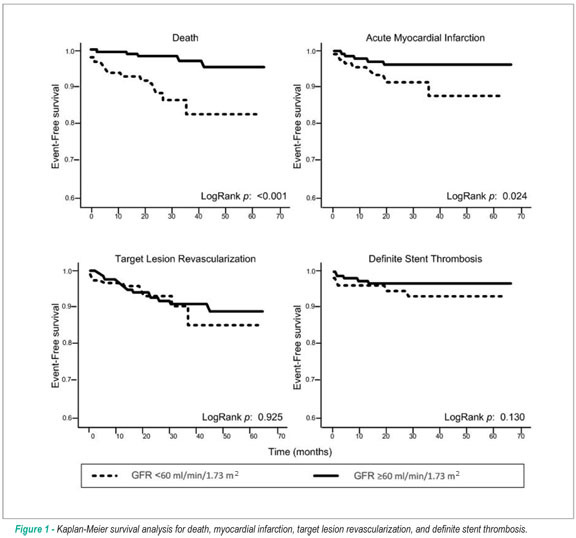
BACKGROUND: Patients with chronic kidney disease (CKD) submitted to coronary angioplasty have higher rates of target lesion revascularization (TLR) and mortality. Drug-eluting stents (DES) are associated with a lower rate of restenosis, compared to bare metal stents (BMS), although data on DES efficacy and safety is limited in patients with CKD. OBJECTIVE: We sought to evaluate the safety and efficacy of DES in patients with significant CKD as compared to patients without normal renal function in a real world registry. METHODS: 504 patients who underwent percutaneous coronary intervention with DES in two centers were included. Outcomes were stratified based on the presence of CKD, defined as a baseline glomerular filtration rate (GFR) < 60 ml/min/1.73 m². RESULTS: The mean follow-up was 22.7 months. CKD was present in 165 patients (32.7%). Patients with CKD were older, had a higher incidence of hypertension and diabetes. CKD patients presented an increased incidence of death (12.3% vs 2.4%, p < 0.001) and myocardial infarction (MI) (7.4% vs 3.3%, p = 0.04) compared to patients without CKD. TLR rates were similar between groups (4.8% vs 5.6%, p = 0.7, CKD and no CKD patients, respectively). Independent predictors of death were CKD (HR 6.93; 2.4 – 19.5, p < 0.001), current smoking (HR 3.66; 1.20 – 11.10, p = 0.02) and diabetes (HR 2.66; 1.03 – 6.60, p = 0.045). CONCLUSION: In this registry, coronary intervention with DES in patients with CKD was associated with similar TLR compared to patients without CKD, demonstrating the efficacy of DES in preventing in-stent restenosis in this patient population. CKD was related to significantly increased MI and mortality rates.

  • Chronic
  • Drug-Eluting Stents
  • Efficacy
  • Follow-Up Studies
  • Renal Insufficiency
Read Full Article
Creative Commons Attribution (CC BY) Creative Commons license
15/04/2011 DOI: 10.1590/S0066-782X2011005000045 Views 14
In comparison to the myocardial perfusion scintigraphy, a treadmill stress test is a viable, efficient and cost effective option to predict cardiovascular events in elderly patients
ABC
Artigo Original

In comparison to the myocardial perfusion scintigraphy, a treadmill stress test is a viable, efficient and cost effective option to predict cardiovascular events in elderly patients

Luciano Janussi Vacanti et al. Andrei Carvalho Sposito Luciano Séspedes Maíra Sarpi … José Antonio F. Ramires Anna E. Bortnick

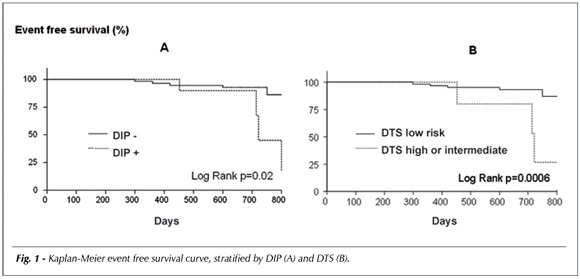
OBJECTIVE: To define the prognostic value and cost-effectiveness of the treadmill stress test (TST) in comparison to the dipyridamole myocardial perfusion scintigraphy (DIP), in individuals >75 years of age. METHODS: Consecutive and prospective assessment of 66 patients (40% male) aged 81 ± 5 years of which 57% were hypertensive, 38% had dyslipidemia and 28% were diabetics. The Bruce protocol was adapted for a tilt treadmill and the TST prognostic value was obtained using the Duke treadmill score. RESULTS: The TST duration, recommended maximum heart rate percentage and double product at peak exercise were respectively: 7 ± 3 minutes, 95 ± 9% and 24,946 ± 4,576 (bpm x mmHg). The TST and DIP presented similar positive results for myocardial ischemia (21% vs 15%, respectively). The correlation between the tests was 88% (Kappa 0.63, p<0.01). During 685 ± 120 days of follow-up, nine major events occurred: 6 deaths, 2 acute coronary syndromes and 1 myocardial revascularization. The variables associated with the major events were: age (83 ± 6 vs 80 ± 4 years; p=0.048), male gender (78% vs 33%; p=0.02), ST segment depression (1 ± 1 mm vs 0.25 ± 0.6 mm; p= 0.01), high or intermediate risk determined by the Duke treadmill score – combined in one group (44% vs 2%; p=0.001) and abnormal DIP (44% vs 10%, p= 0.02). CONCLUSION: For this elderly population, the TST was an efficient and viable option with a similar diagnostic value in comparison to the DIP. However, the TST was more accurate in the prediction of major events and offers a lower cost.

  • Aged, 80 and Over
  • Cardiovascular Diseases
  • costo-benefit analysis
  • Efficacy
  • Exercise Test
  • Radionuclide Imaging
Read Full Article
Creative Commons Attribution (CC BY) Creative Commons license
15/06/2007 DOI: 10.1590/S0066-782X2007000500006 Views 12
The "LOTHAR" study: evaluation of efficacy and tolerability of the fixed combination of amlodipine and losartan in the treatment of essential hypertension
ABC
Artigo Original

The "LOTHAR" study: evaluation of efficacy and tolerability of the fixed combination of amlodipine and losartan in the treatment of essential hypertension

Osvaldo Kohlmann Jr et al. Wille Oigman Décio Mion Jr. João Carlos Rocha … Marco Antonio Mota Gomes Natalino Salgado Gilson Soares Feitosa Ernesto Dallaverde Artur Beltrame Ribeiro

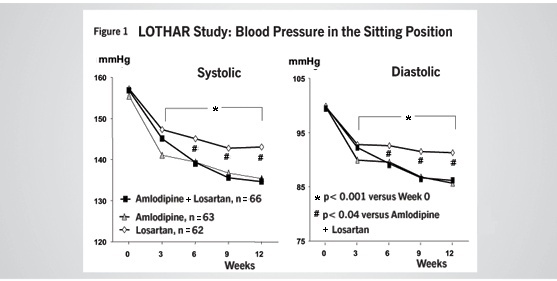
OBJECTIVE: The LOTHAR study evaluated medium and long term (one year) efficacy, tolerability and metabolic effects of the fixed combination of amlodipine and losartan compared to amlodipine or losartan alone. METHODS: Brazilian multicenter, randomized, double-blind and comparative trial performed with 198 patients in stage 1 and 2 essential hypertension. RESULTS: The fixed combination has a high antihypertensive efficacy that is sustained in the long term with very low percentage of loss of blood pressure control. This percentage is incidentally lower than that of the two monotherapy comparative regimens. In the long term, more than 60% of the patients treated with the fixed combination remained with DBP < 85 mmHg, and the antihypertensive effect, when assessed by ABPM persisted for 24 hours with a trough-to-peak ratio of 76.7%. The frequency of adverse events was quite low in this group, and the long-term incidence of leg edema was approximately four-fold lower than that observed with amlodipine alone. The fixed combination did not change glucose and lipid metabolism in the medium or in the long term. CONCLUSION: Based on these results, we can say that the combination of amlodipine and losartan – the first fixed combination of a calcium channel blocker and an angiotensin II receptor blocker available in the pharmaceutical market, is an excellent option for the treatment of a wide range of hypertensive patients.

  • amlodipine
  • Efficacy
  • fixed-combination of antihypertensive drugs
  • glucose and lipids metabolism
  • losartan
  • tolerability
Read Full Article
Creative Commons Attribution (CC BY) Creative Commons license
13/02/2006 DOI: 10.1590/S0066-782X2006000100007 Views 15

How to cite this article

EndNote RIS

Electronic Document Format (Vancouver)

Iqbal A, Amador WFO, Cevallos-Cueva M, Ahmad M, Alarcón JAP, Diniz RV. Pulsed Field Ablation Versus Very High-Power Short-Duration Radiofrequency Ablation in Atrial Fibrillation: A Systematic Review and Meta-Analysis. Arquivos Brasileiros de Cardiologia 2025;122(7):e20240845.

Electronic Document Format (ABNT)

Iqbal, Asad; Amador, Wellgner Fernandes Oliveira; Cevallos-Cueva, Martin; Ahmad, Maaz; Alarcón, Juan Alejandro Pinilla; Diniz, Radamés Vieira. Pulsed Field Ablation Versus Very High-Power Short-Duration Radiofrequency Ablation in Atrial Fibrillation: A Systematic Review and Meta-Analysis. Arquivos Brasileiros de Cardiologia, v. 122, n. 7, e20240845, Aug. 2025.

Electronic Document Format (APA)

Iqbal, A., Amador, W. F. O., Cevallos-Cueva, M., Ahmad, M., Alarcón, J. A. P., & Diniz, R. V. (2025). Pulsed Field Ablation Versus Very High-Power Short-Duration Radiofrequency Ablation in Atrial Fibrillation: A Systematic Review and Meta-Analysis. Arquivos Brasileiros de Cardiologia, 122(7), e20240845.

Electronic Document Format (ISO)

Iqbal, Asad and Amador, Wellgner Fernandes Oliveira and Cevallos-Cueva, Martin and Ahmad, Maaz and Alarcón, Juan Alejandro Pinilla and Diniz, Radamés Vieira. Pulsed Field Ablation Versus Very High-Power Short-Duration Radiofrequency Ablation in Atrial Fibrillation: A Systematic Review and Meta-Analysis. Arquivos Brasileiros de Cardiologia [online]. 2025, vol. 122, n. 7, [cited 2026-11-29], e20240845. Available from: <https://journals.cardiol.br/en/article/pulsed-field-ablation-versus-very-high-power-short-duration-radiofrequency-ablation-in-atrial-fibrillation-a-systematic-review-and-meta-analysis/>. ISSN 0066-782X

EndNote RIS

Electronic Document Format (Vancouver)

Gomes JNA, Campos MSB, Aragão CAS, Sousa AC. New Perspectives in the Treatment of Heart Failure with Preserved Ejection Fraction with SGLT-2 Inhibitors. ABC Heart Fail Cardiomyop 2025;5(1):e20240032.

Electronic Document Format (ABNT)

Gomes, José Natthananel de Aquino; Campos, Milena dos Santos Barros; Aragão, Carlos Aurélio Santos; Sousa, Antonio Carlos. New Perspectives in the Treatment of Heart Failure with Preserved Ejection Fraction with SGLT-2 Inhibitors. ABC Heart Fail Cardiomyop, v. 5, n. 1, e20240032, Apr. 2025.

Electronic Document Format (APA)

Gomes, J. N. A., Campos, M. S. B., Aragão, C. A. S., & Sousa, A. C. (2025). New Perspectives in the Treatment of Heart Failure with Preserved Ejection Fraction with SGLT-2 Inhibitors. ABC Heart Fail Cardiomyop, 5(1), e20240032.

Electronic Document Format (ISO)

Gomes, José Natthananel de Aquino and Campos, Milena dos Santos Barros and Aragão, Carlos Aurélio Santos and Sousa, Antonio Carlos. New Perspectives in the Treatment of Heart Failure with Preserved Ejection Fraction with SGLT-2 Inhibitors. ABC Heart Fail Cardiomyop [online]. 2025, vol. 5, n. 1, [cited 2026-11-29], e20240032. Available from: <https://journals.cardiol.br/en/article/new-perspectives-in-the-treatment-of-heart-failure-with-preserved-ejection-fraction-with-sglt-2-inhibitors/>

EndNote RIS

Electronic Document Format (Vancouver)

Silva HDS, Franco ES, Lima LCAS, Maia MBS. Therapeutic Efficacy and Safety of Paracetamol versus Ibuprofen in Patent Ductus Arteriosus in Newborns: A Systematic Review. Arquivos Brasileiros de Cardiologia 2024;121(11):e20240058.

Electronic Document Format (ABNT)

Silva, Halecy Davidson Sousa da; Franco, Eryvelton de Souza; Lima, Larissa Caroline de Almeida Sousa; Maia, Maria Bernadete de Sousa. Therapeutic Efficacy and Safety of Paracetamol versus Ibuprofen in Patent Ductus Arteriosus in Newborns: A Systematic Review. Arquivos Brasileiros de Cardiologia, v. 121, n. 11, e20240058, Dec. 2024.

Electronic Document Format (APA)

Silva, H. D. S. , Franco, E. S., Lima, L. C. A. S., & Maia, M. B. S. (2024). Therapeutic Efficacy and Safety of Paracetamol versus Ibuprofen in Patent Ductus Arteriosus in Newborns: A Systematic Review. Arquivos Brasileiros de Cardiologia, 121(11), e20240058.

Electronic Document Format (ISO)

Silva, Halecy Davidson Sousa da and Franco, Eryvelton de Souza and Lima, Larissa Caroline de Almeida Sousa and Maia, Maria Bernadete de Sousa. Therapeutic Efficacy and Safety of Paracetamol versus Ibuprofen in Patent Ductus Arteriosus in Newborns: A Systematic Review. Arquivos Brasileiros de Cardiologia [online]. 2024, vol. 121, n. 11, [cited 2026-11-29], e20240058. Available from: <https://journals.cardiol.br/en/article/therapeutic-efficacy-and-safety-of-paracetamol-versus-ibuprofen-in-patent-ductus-arteriosus-in-newborns-a-systematic-review/>. ISSN 0066-782X

EndNote RIS

Electronic Document Format (Vancouver)

Précoma DB, Silva RP, Nakamoto A, Omar VM, Lopes D, Saraiva JFK. Study Design of a Brazilian Observational Study of Edoxaban in Patients with Atrial Fibrillation (EdoBRA). Arquivos Brasileiros de Cardiologia 2024;121(3):e20230392.

Electronic Document Format (ABNT)

Précoma, Dalton Bertolim; Silva, Rafael Paletta da; Nakamoto, Allyson; Omar, Viviane Mariz; Lopes, Danilo; Saraiva, José Francisco Kerr. Study Design of a Brazilian Observational Study of Edoxaban in Patients with Atrial Fibrillation (EdoBRA). Arquivos Brasileiros de Cardiologia, v. 121, n. 3, e20230392, Apr. 2024.

Electronic Document Format (APA)

Précoma, D. B., Silva, R. P. , Nakamoto, A., Omar, V. M., Lopes, D., & Saraiva, J. F. K. (2024). Study Design of a Brazilian Observational Study of Edoxaban in Patients with Atrial Fibrillation (EdoBRA). Arquivos Brasileiros de Cardiologia, 121(3), e20230392.

Electronic Document Format (ISO)

Précoma, Dalton Bertolim and Silva, Rafael Paletta da and Nakamoto, Allyson and Omar, Viviane Mariz and Lopes, Danilo and Saraiva, José Francisco Kerr. Study Design of a Brazilian Observational Study of Edoxaban in Patients with Atrial Fibrillation (EdoBRA). Arquivos Brasileiros de Cardiologia [online]. 2024, vol. 121, n. 3, [cited 2026-11-29], e20230392. Available from: <https://journals.cardiol.br/en/article/study-design-of-a-brazilian-observational-study-of-edoxaban-in-patients-with-atrial-fibrillation-edobra/>. ISSN 0066-782X

EndNote RIS

Electronic Document Format (Vancouver)

Saad EB, Slater C, Inácio Jr LAO, Santos GV, Dias LC, Camanho LEM. Catheter Ablation for Treatment of Atrial Fibrillation and Supraventricular Arrhythmias Without Fluoroscopy Use: Acute Efficacy and Safety. Arquivos Brasileiros de Cardiologia 2020;114(6):1015-26.

Electronic Document Format (ABNT)

Saad, Eduardo B.; Slater, Charles; Inácio Jr, Luiz Antonio Oliveira; Santos, Gustavo Vignoli dos; Dias, Lucas Carvalho; Camanho, Luiz Eduardo Montenegro. Catheter Ablation for Treatment of Atrial Fibrillation and Supraventricular Arrhythmias Without Fluoroscopy Use: Acute Efficacy and Safety. Arquivos Brasileiros de Cardiologia, v. 114, n. 6, p. 1015-1026, Jul. 2020.

Electronic Document Format (APA)

Saad, E. B., Slater, C., Inácio Jr, L. A. O., Santos, G. V. , Dias, L. C., & Camanho, L. E. M. (2020). Catheter Ablation for Treatment of Atrial Fibrillation and Supraventricular Arrhythmias Without Fluoroscopy Use: Acute Efficacy and Safety. Arquivos Brasileiros de Cardiologia, 114(6), 1015-1026.

Electronic Document Format (ISO)

Saad, Eduardo B. and Slater, Charles and Inácio Jr, Luiz Antonio Oliveira and Santos, Gustavo Vignoli dos and Dias, Lucas Carvalho and Camanho, Luiz Eduardo Montenegro. Catheter Ablation for Treatment of Atrial Fibrillation and Supraventricular Arrhythmias Without Fluoroscopy Use: Acute Efficacy and Safety. Arquivos Brasileiros de Cardiologia [online]. 2020, vol. 114, n. 6, [cited 2026-11-29], pp. 1015-1026. Available from: <https://journals.cardiol.br/en/article/catheter-ablation-for-treatment-of-atrial-fibrillation-and-supraventricular-arrhythmias-without-fluoroscopy-use-acute-efficacy-and-safety/>. ISSN 0066-782X

EndNote RIS

Electronic Document Format (Vancouver)

Zimerman LI. Catheter Ablation Without Use of X-rays to Treat Atrial Fibrillation and Atrial Arrhythmia. Arquivos Brasileiros de Cardiologia 2020;114(6):1027-8.

Electronic Document Format (ABNT)

Zimerman, Leandro Ioschpe. Catheter Ablation Without Use of X-rays to Treat Atrial Fibrillation and Atrial Arrhythmia. Arquivos Brasileiros de Cardiologia, v. 114, n. 6, p. 1027-1028, Jul. 2020.

Electronic Document Format (APA)

Zimerman, L. I. (2020). Catheter Ablation Without Use of X-rays to Treat Atrial Fibrillation and Atrial Arrhythmia. Arquivos Brasileiros de Cardiologia, 114(6), 1027-1028.

Electronic Document Format (ISO)

Zimerman, Leandro Ioschpe. Catheter Ablation Without Use of X-rays to Treat Atrial Fibrillation and Atrial Arrhythmia. Arquivos Brasileiros de Cardiologia [online]. 2020, vol. 114, n. 6, [cited 2026-11-29], pp. 1027-1028. Available from: <https://journals.cardiol.br/en/article/catheter-ablation-without-use-of-x-rays-to-treat-atrial-fibrillation-and-atrial-arrhythmia/>. ISSN 0066-782X

EndNote RIS

Electronic Document Format (Vancouver)

Costa Filho FF, Chaves J, Ligabó LT, Santos EM, Silva DT, Puzzi MA, Braga SL, et al. Efficacy of Patient Selection for Diagnostic Coronary Angiography in Suspected Coronary Artery Disease. Arquivos Brasileiros de Cardiologia 2015;105(5):466-71.

Electronic Document Format (ABNT)

Costa Filho, Francisco Flávio; Chaves, Áurea Jacob; Ligabó, Lourenço Teixeira; Santos, Eduardo Moreira dos; Silva, Danillo Taiguara da; Puzzi, Marcelo Aguiar; Braga, Sérgio Luiz; Abizaid, Alexandre; Sousa, Amanda GMR. Efficacy of Patient Selection for Diagnostic Coronary Angiography in Suspected Coronary Artery Disease. Arquivos Brasileiros de Cardiologia, v. 105, n. 5, p. 466-471, Aug. 2015.

Electronic Document Format (APA)

Costa Filho, F. F., Chaves, J., Ligabó, L. T., Santos, E. M. , Silva, D. T. , Puzzi, M. A., Braga, S. L., Abizaid, A., & Sousa, A. G. (2015). Efficacy of Patient Selection for Diagnostic Coronary Angiography in Suspected Coronary Artery Disease. Arquivos Brasileiros de Cardiologia, 105(5), 466-471.

Electronic Document Format (ISO)

Costa Filho, Francisco Flávio and Chaves, Áurea Jacob and Ligabó, Lourenço Teixeira and Santos, Eduardo Moreira dos and Silva, Danillo Taiguara da and Puzzi, Marcelo Aguiar and Braga, Sérgio Luiz and Abizaid, Alexandre and Sousa, Amanda GMR. Efficacy of Patient Selection for Diagnostic Coronary Angiography in Suspected Coronary Artery Disease. Arquivos Brasileiros de Cardiologia [online]. 2015, vol. 105, n. 5, [cited 2026-11-29], pp. 466-471. Available from: <https://journals.cardiol.br/en/article/efficacy-of-patient-selection-for-diagnostic-coronary-angiography-in-suspected-coronary-artery-disease/>. ISSN 0066-782X

EndNote RIS

Electronic Document Format (Vancouver)

Gomes VO, Blaya P, Lasevitch R, Oliveira D, Hickmann P, Smidt L, Polanczyk C, et al. Impact of chronic kidney disease on the efficacy of drug-eluting stents: long-term follow-up study. Arquivos Brasileiros de Cardiologia 2011;96(5):346-52.

Electronic Document Format (ABNT)

Gomes, Vitor Osório; Blaya, Patrícia; Lasevitch, Ricardo; Oliveira, Denise; Hickmann, Patrícia; Smidt, Luís; Polanczyk, Carisi; Caramori, Paulo. Impact of chronic kidney disease on the efficacy of drug-eluting stents: long-term follow-up study. Arquivos Brasileiros de Cardiologia, v. 96, n. 5, p. 346-352, Apr. 2011.

Electronic Document Format (APA)

Gomes, V. O., Blaya, P., Lasevitch, R., Oliveira, D., Hickmann, P., Smidt, L., Polanczyk, C., & Caramori, P. (2011). Impact of chronic kidney disease on the efficacy of drug-eluting stents: long-term follow-up study. Arquivos Brasileiros de Cardiologia, 96(5), 346-352.

Electronic Document Format (ISO)

Gomes, Vitor Osório and Blaya, Patrícia and Lasevitch, Ricardo and Oliveira, Denise and Hickmann, Patrícia and Smidt, Luís and Polanczyk, Carisi and Caramori, Paulo. Impact of chronic kidney disease on the efficacy of drug-eluting stents: long-term follow-up study. Arquivos Brasileiros de Cardiologia [online]. 2011, vol. 96, n. 5, [cited 2026-11-29], pp. 346-352. Available from: <https://journals.cardiol.br/en/article/impact-of-chronic-kidney-disease-on-the-efficacy-of-drug-eluting-stents-long-term-follow-up-study/>. ISSN 0066-782X

EndNote RIS

Electronic Document Format (Vancouver)

Vacanti LJ, Sposito AC, Séspedes L, Sarpi M, Ramires JAF, Bortnick AE. In comparison to the myocardial perfusion scintigraphy, a treadmill stress test is a viable, efficient and cost effective option to predict cardiovascular events in elderly patients. Arquivos Brasileiros de Cardiologia 2007;88(5):531-6.

Electronic Document Format (ABNT)

Vacanti, Luciano Janussi; Sposito, Andrei Carvalho; Séspedes, Luciano; Sarpi, Maíra; Ramires, José Antonio F.; Bortnick, Anna E.. In comparison to the myocardial perfusion scintigraphy, a treadmill stress test is a viable, efficient and cost effective option to predict cardiovascular events in elderly patients. Arquivos Brasileiros de Cardiologia, v. 88, n. 5, p. 531-536, Jun. 2007.

Electronic Document Format (APA)

Vacanti, L. J., Sposito, A. C., Séspedes, L., Sarpi, M., Ramires, J. A. F., & Bortnick, A. E. (2007). In comparison to the myocardial perfusion scintigraphy, a treadmill stress test is a viable, efficient and cost effective option to predict cardiovascular events in elderly patients. Arquivos Brasileiros de Cardiologia, 88(5), 531-536.

Electronic Document Format (ISO)

Vacanti, Luciano Janussi and Sposito, Andrei Carvalho and Séspedes, Luciano and Sarpi, Maíra and Ramires, José Antonio F. and Bortnick, Anna E.. In comparison to the myocardial perfusion scintigraphy, a treadmill stress test is a viable, efficient and cost effective option to predict cardiovascular events in elderly patients. Arquivos Brasileiros de Cardiologia [online]. 2007, vol. 88, n. 5, [cited 2026-11-29], pp. 531-536. Available from: <https://journals.cardiol.br/en/article/in-comparison-to-the-myocardial-perfusion-scintigraphy-a-treadmill-stress-test-is-a-viable-efficient-and-cost-effective-option-to-predict-cardiovascular-events-in-elderly-patients/>. ISSN 0066-782X

EndNote RIS

Electronic Document Format (Vancouver)

Kohlmann Jr O, Oigman W, Mion Jr. D, Rocha JC, Gomes MAM, Salgado N, Feitosa GS, et al. The “LOTHAR” study: evaluation of efficacy and tolerability of the fixed combination of amlodipine and losartan in the treatment of essential hypertension. Arquivos Brasileiros de Cardiologia 2006;86(1):39-51.

Electronic Document Format (ABNT)

Kohlmann Jr, Osvaldo; Oigman, Wille; Mion Jr., Décio; Rocha, João Carlos; Gomes, Marco Antonio Mota; Salgado, Natalino; Feitosa, Gilson Soares; Dallaverde, Ernesto; Ribeiro, Artur Beltrame. The “LOTHAR” study: evaluation of efficacy and tolerability of the fixed combination of amlodipine and losartan in the treatment of essential hypertension. Arquivos Brasileiros de Cardiologia, v. 86, n. 1, p. 39-51, Feb. 2006.

Electronic Document Format (APA)

Kohlmann Jr, O., Oigman, W., Mion Jr., D., Rocha, J. C., Gomes, M. A. M., Salgado, N., Feitosa, G. S., Dallaverde, E., & Ribeiro, A. B. (2006). The “LOTHAR” study: evaluation of efficacy and tolerability of the fixed combination of amlodipine and losartan in the treatment of essential hypertension. Arquivos Brasileiros de Cardiologia, 86(1), 39-51.

Electronic Document Format (ISO)

Kohlmann Jr, Osvaldo and Oigman, Wille and Mion Jr., Décio and Rocha, João Carlos and Gomes, Marco Antonio Mota and Salgado, Natalino and Feitosa, Gilson Soares and Dallaverde, Ernesto and Ribeiro, Artur Beltrame. The “LOTHAR” study: evaluation of efficacy and tolerability of the fixed combination of amlodipine and losartan in the treatment of essential hypertension. Arquivos Brasileiros de Cardiologia [online]. 2006, vol. 86, n. 1, [cited 2026-11-29], pp. 39-51. Available from: <https://journals.cardiol.br/en/article/the-lothar-study-evaluation-of-efficacy-and-tolerability-of-the-fixed-combination-of-amlodipine-and-losartan-in-the-treatment-of-essential-hypertension/>. ISSN 0066-782X

  • About ABC Family
  • Internal Regulation
  • Editorial Board
  • Brazilian Society of Cardiology (SBC)

Issues

SBC Guidelines

  • Videos
  • Podcasts
  • News
Accessibility Adjustments

Powered by OneTap

How long do you want to hide the toolbar?
Hide Toolbar Duration
Select your accessibility profile
Vision Impaired Mode
Enhances website's visuals
Seizure Safe Profile
Clear flashes & reduces color
ADHD Friendly Mode
Focused browsing, distraction-free
Blindness Mode
Reduces distractions, improves focus
Epilepsy Safe Mode
Dims colors and stops blinking
Content Modules
Font Size

Default

Line Height

Default

Color Modules
Orientation Modules