ABC Family Arquivos Brasileiros de Cardiologia International Journal of Cardiovascular Sciences ABC Heart Failure & Cardiomyopathy ABC Imagem Cardiovascular
Português English
ABC Family
Português English
  • About
    • About ABC Family
    • Internal Regulation
    • Editorial Board
    • Brazilian Society of Cardiology (SBC)
  • Issues
  • SBC Guidelines
  • Content
    • Videos
    • Podcasts
    • News
  • About
    • About ABC Family
    • Internal Regulation
    • Editorial Board
    • Brazilian Society of Cardiology (SBC)
  • Issues
  • SBC Guidelines
  • Content
    • Videos
    • Podcasts
    • News

ABC Family

  • ABC Family
  • Arquivos Brasileiros de Cardiologia
  • International Journal of Cardiovascular Sciences
  • ABC Heart Failure & Cardiomyopathy
  • ABC Imagem Cardiovascular
Search in

No content found.

Journals
Ordering
Article types
Others

  1. Home
  2. Keyword: Anemia
Restrictive versus Liberal Transfusion Strategies in Acute Myocardial Infarction and Anemia: A Meta-Analysis and Trial Sequential Analysis
ABC
Original Article

Restrictive versus Liberal Transfusion Strategies in Acute Myocardial Infarction and Anemia: A Meta-Analysis and Trial Sequential Analysis

Ronaldo C. Fabiano et al. Lara Melo Alleh Nogueira Douglas M. Gewehr … Giuliano Generoso Rhanderson Cardoso Marcio S. Bittencourt

Abstract

Background:

The optimal transfusion strategy in acute myocardial infarction (AMI)-associated anemia remains uncertain.

Objectives:

To compare all-cause mortality between liberal versus restrictive transfusion strategies in patients with AMI-associated anemia, using a meta-analytic approach.

Methods:

Pubmed, Embase, and ClinicalTrials.gov were systematically searched for randomized controlled trials (RCTs) comparing liberal and restrictive transfusion strategies in AMI-associated anemia. Random-effects meta-analysis and trial sequential analysis (TSA) were conducted to compare blood use, efficacy, and safety endpoints. The p-values were 2-sided with an α of 0.05.

Results:

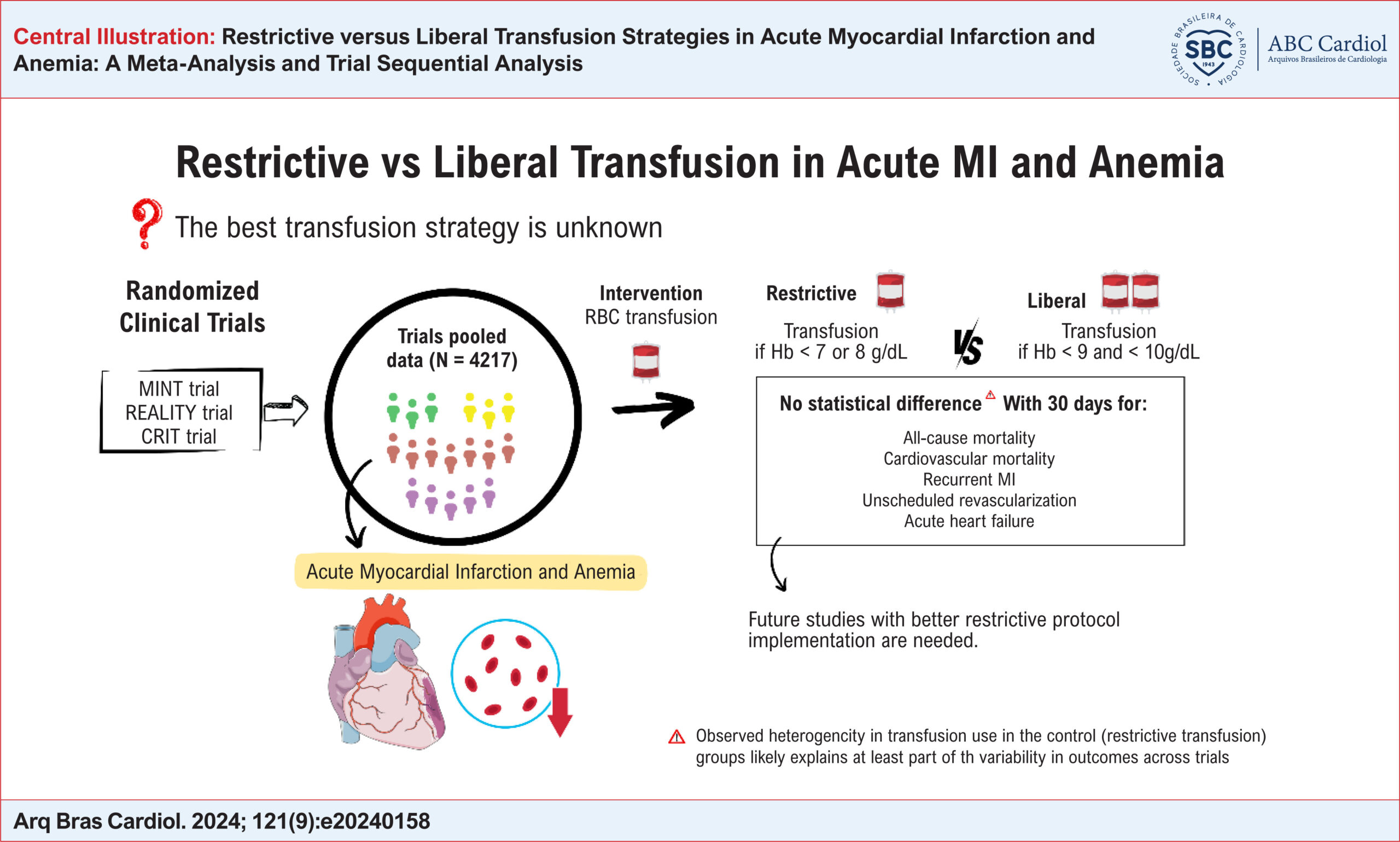
In a pooled analysis involving 4,217 participants from three RCTs followed-up for 30 days, no statistically significant differences emerged between restrictive and liberal strategies in all-cause mortality (RR 1.03; 95% CI 0.67–1.57; p=0.90) and other efficacy endpoints (recurrent AMI, unscheduled revascularization, acute heart failure, stroke, and acute kidney injury), as well as in safety endpoints including allergic reactions, infection, and acute lung injury. TSA did not reach futility boundaries. In patients assigned to restrictive strategy, substantial differences in transfusion use were observed across RCTs, correlating with mortality rates, and likely accounting for between-study heterogeneity in treatment effects.

Conclusions:

In patients with AMI-associated anemia, there is no clear superiority between liberal and restrictive transfusion strategies in all-cause mortality or other major outcomes in 30 days. However, the heterogeneity observed in blood use between the restrictive groups likely explains variable findings across RCTs.
  • Anemia
  • blood transfusion
  • Meta-Analysis
  • Myocardial Infarction
Read Full Article
Creative Commons Attribution (CC BY) Creative Commons license
25/10/2024 DOI: 10.36660/abc.20240158i Views 2
ABC
Editorial

Could Less Be Worth More?

Luiz Maurino Abreu

The use of biologically active products, such as stored blood, in the therapeutic arsenal generates controversy. With the development of hemotherapy, related complications, such as transfusion-transmitted infections, transfusion-related acute lung injury (TRALI), and severe hemolytic reactions, have become rare., However, possible volume overload, with consequent pulmonary edema (transfusion-associated circulatory overload, TACO) and its clinical implications, is associated with a major cause of post-transfusion morbidity and mortality. Predisposing factors for the condition include ischemic cardiomyopathy and chronic kidney disease, often present in the context of acute myocardial infarction (AMI).,

Anemia can worsen myocardial ischemia in AMI, with an impact on mortality. Two main strategies are present in clinical trials in the management of this condition: restrictive transfusion and liberal transfusion. The choice between these approaches remains a controversial topic, with critical implications for clinical practice and patient outcomes.

[…]

  • Anemia
  • blood transfusion
  • Meta-Analysis
  • Myocardial Infarction
Read Full Article
Creative Commons Attribution (CC BY) Creative Commons license
18/10/2024 DOI: 10.36660/abc.20240557i
ABC
Letter to the Editor

Key Points in Estimating Pulmonary Vascular Hemodynamic Parameters

Yusuf Ziya Şener

Dear Editor,

I have read the manuscript comparing the hemodynamic measurements of pulmonary vascular bed obtained from transthoracic echocardiography and invasive right heart catheterization with great interest. The authors reported that although the results of both diagnostic interventions correlate with each other, nearly half of echocardiographic measurements of systolic pulmonary artery pressure and right atrial pressure are accurate.

[…]

  • Anemia
  • Cardiac Catheterization
  • Echocardiography
  • Pulmonary Wedge Pressure
Read Full Article
Creative Commons Attribution (CC BY) Creative Commons license
05/04/2024 DOI: 10.36660/abc.20230579 Views 2
ABC
Brief Communication

Analysis of Iron Metabolism in Chronic Chagasic Cardiomyopathy

Carla Paixão Miranda et al. Fernando Antônio Botoni Maria do Carmo Pereira Nunes Manoel Otávio da Costa Rocha

Abstract

Changes in iron metabolism in heart failure (HF) have been described as an important prognostic marker.

To check if the markers of iron kinetics are related to the morbidity and etiology of chagasic cardiomyopathy.

Patients with Chronic Chagasic Cardiomyopathy (CCC, n = 40), with indeterminate form (IND, n = 40), besides non-chagasic cardiomyopathy (NCh, n = 40).

The mean age was 50.98 ± 5.88 in CCC, 50% were male, 49.68 ± 5.28 in IND, 52.2% were male, and 49.20 ± 10.09 in NCh, 12.5% were male. Lower levels of iron (FeSe) were observed in the CCC groups (93.15 ± 36.53), when compared to IND (125.30 ± 22.79) and NCh (114.77 ± 18.90) (p = 0.0004), lower IST transferrin saturation index in CCC (29.48 ± 6.59), when compared to IND (30.95 ± 7.06) and in the NCh group (39.70 ± 7.54) p = 0.0001), total binding capacity of the lower CTLF iron in the CCC group (297.30 ± 36.46), when compared to the IND group (196.52 ± 56.95) and the NCh group (275.18 ± 33, 48) (p = 0.0001), lower ferritin in the CCC group (134.55, 1.56-42.36), when compared to the IND group (156,25, 1,72-42,20) and the NCh group (112.95, 2.88-42.66) (p = 0.0004). It was also observed that FeSe (95% CI 1.00-1.04, p = 0.0014), IST (95% CI 1.02-1.22) (p = 0.0012) and gender (95% CI 1.07-14.43 p = 0.0038) were independently associated with the degree of ventricular dysfunction in chagasic cardiomyopathy.

CCC patients showed greater change in iron metabolism regarding the indeterminate form and other forms of cariomyopathies.

  • Anemia
  • Chagas Cardiomyopathy
  • Chagas disease
  • Inflammation
  • Iron Metabolism Disorders
Read Full Article
Creative Commons Attribution (CC BY) Creative Commons license
01/02/2019 DOI: 10.5935/abc.20190006 Views 1
ABC
Review Article

Cardiac Cachexia: Perspectives for Prevention and Treatment

Marina Politi Okoshi et al. Rafael Verardino Capalbo Fernando G Romeiro Katashi Okoshi

Abstract

Cachexia is a prevalent pathological condition associated with chronic heart failure. Its occurrence predicts increased morbidity and mortality independent of important clinical variables such as age, ventricular function, or heart failure functional class. The clinical consequences of cachexia are dependent on both weight loss and systemic inflammation, which accompany cachexia development. Skeletal muscle wasting is an important component of cachexia; it often precedes cachexia development and predicts poor outcome in heart failure. Cachexia clinically affects several organs and systems. It is a multifactorial condition where underlying pathophysiological mechanisms are not completely understood making it difficult to develop specific prevention and treatment therapies. Preventive strategies have largely focused on muscle mass preservation. Different treatment options have been described, mostly in small clinical studies or experimental settings. These include nutritional support, neurohormonal blockade, reducing intestinal bacterial translocation, anemia and iron deficiency treatment, appetite stimulants, immunomodulatory agents, anabolic hormones, and physical exercise regimens. Currently, nonpharmacological therapy such as nutritional support and physical exercise are considered central to cachexia prevention and treatment.

  • Anemia
  • Heart Failure
  • Muscle Wasting
  • Nutrition
  • Physical Exercise
  • Prognosis
Read Full Article
Creative Commons Attribution (CC BY) Creative Commons license
27/10/2016 DOI: 10.5935/abc.20160142
ABC
Artigo Original

Effects of levosimendan on TNF-alpha, BNP and MMP-1 in patients with heart failure with anemia

Mutlu Büyüklü et al. Akif Turhan Kürüm Ersan Tatlý Turan Set

BACKGROUND: Levosimendan is known with its two-sided effects of strengthening myofibril contraction without increasing myocardial oxygen demand. Anemia is a deteriorating situation that causes increase of drug dosing in patients with heart failure. OBJECTIVES: In this study, we compared the effectiveness of levosimendan treatment in decompensated heart failure patients with or without anemia. METHODS: Twenty-three anemic patients having class 3 or 4 heart failure according to New York Heart Association (NYHA) and an ejection fraction of below 35% were included to the study. Another 23 patients with the same cardiac diagnosis but without anemia served as control group. Twenty-four hours levosimendan treatment was added to the traditional heart failure treatment of these patients. Samples were taken to measure serum tumor necrotizing factor alpha (TNF-alpha), aminoterminal pro-brain natriuretic peptide (NT-proBNP) and matrix metalloproteinase-1 (MMP-1) levels before and after the administration. RESULTS: There was no significant difference between serum TNF-alpha and MMP-1 levels before and after the treatment (p>0.05). Although NT-proBNP level decreased in both groups after the treatment this was not statistically significant (p=0.531 and p=0.913 for anemia and control groups respectively). Significant restoration of functional capacity was seen in both groups assessed according to NYHA (p<0.001 and p=0.001 for anemia and control groups respectively). CONCLUSION: Levosimendan treatment shows similar effects in heart failure patients with anemia to that of patients without anemia. However, the early effect of this treatment on TNF-alpha, NT-proBNP and MMP-1 levels is not evident. It provides significant improvement in functional capacity without influence from anemia.

  • Anemia
  • Brain
  • factor-alpha
  • Heart Failure
  • matrix metalloproteinase 1
  • Natriuretic Peptide
  • tumor necrosis
Read Full Article
Creative Commons Attribution (CC BY) Creative Commons license
26/06/2012 DOI: 10.1590/S0066-782X2012005000055 Views 1
ABC
Review Article

Gastrointestinal changes associated to heart failure

Fernando G. Romeiro et al. Katashi Okoshi Leonardo A. M. Zornoff Marina P. Okoshi

Over the last decade, several studies were conducted on the gastrointestinal changes associated to chronic heart failure. This article presents a literature review on the physiopathology and clinical consequences of pathological digestive changes of heart failure patients. Structural and functional abnormalities of the gastrointestinal tract, such as edema of absorptive mucosa and intestinal bacterial overgrowth, have been leading to serious clinical consequences. Some of these consequences are cardiac cachexia, systemic inflammatory activation and anemia. These conditions, alone or in combination, may lead to worsening of the pre-existing ventricular dysfunction. Although currently there is no therapy specifically earmarked for gastrointestinal changes associated to heart failure, the understanding of digestive abnormalities is germane for the prevention and management of systemic consequences.

  • abnormalities of the digestive system
  • Anemia
  • Cachexia
  • Heart Failure
  • intestinal absorption
Read Full Article
Creative Commons Attribution (CC BY) Creative Commons license
23/04/2012 DOI: 10.1590/S0066-782X2012000300011
Anemia and heart failure in a community-based cohort: comparison with a specialized outpatient clinic
ABC
Artigo Original

Anemia and heart failure in a community-based cohort: comparison with a specialized outpatient clinic

Eduarda Barcellos dos Santos et al. Bolívar Saenz Tello Humberto Villacorta Ana Luisa Ferreira Sales … Christiane Wiefels Pedro Soares Teixeira Luis Costa Lima Filho Evandro Tinoco Mesquita

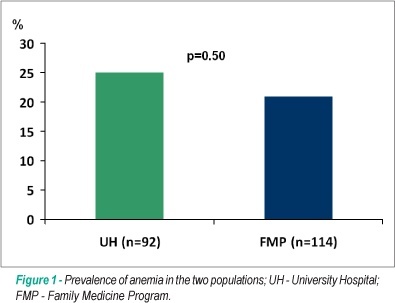
BACKGROUND: Anemia is common in patients with heart failure (HF). Its prevalence in patients with HF from a community-based cohort is unknown in our country. OBJECTIVE: evaluate the prevalence and characteristics of patients with anemia in a non-selected population with HF from a community-based cohort, comparing it with that of a HF population treated at a specialized outpatient clinic. METHODS: This was a transversal, prospective, observational study, carried out from January 2006 to March 2007. The patients with HF met the Boston criteria, with a score > 8. Anemia was defined through the criteria of the World Health Organization as hemoglobin levels < 13 g/dL for men and <12 g/dl for women. Patients treated at a primary care program in the community were randomly selected, as well as patients treated at a Heart Failure Outpatient Clinic in a university hospital. RESULTS: A total of 206 patients were assessed, with a mean age of 61.3±13.1 years, of which 53.4% were females. The prevalence of anemia in the community-based cohort (n=114) was 21% and at the outpatient clinic (n=92), of 25% (p=0.50). The patients from the community-based cohort presented a lower rate of kidney dysfunction (GFR<60 ml/min/1,73-5), predominance of HF with normal ejection fraction and female sex. Kidney function parameters (urea or creatinine) independently correlated with anemia in both populations. CONCLUSION: The prevalence of anemia was similar in the studied populations. Kidney function was the only factor that independently correlated with anemia in both populations.

  • Anemia
  • Comparative Study
  • Heart Failure
  • hospital
  • outpatient clinics
  • Prevalence
Read Full Article
Creative Commons Attribution (CC BY) Creative Commons license
22/09/2010 DOI: 10.1590/S0066-782X2010000100016 Views 2
Anemia in patients with advanced heart failure
ABC
Artigo Original

Anemia in patients with advanced heart failure

Juliano Cardoso et al. Michel Ibrahim Brito Marcelo Eidi Ochiai Milena Novaes … Fabrício Berganin Tatiana Thicon Elaine C Ferreira Kelly Regina Cristina Martins dos Reis Antonio Carlos Pereira Barretto

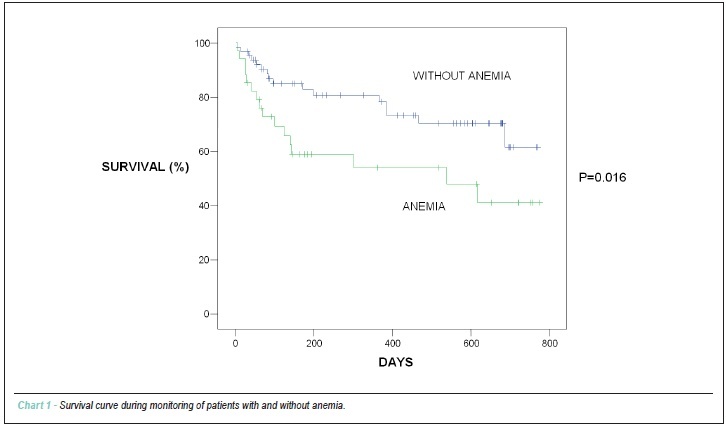
BACKGROUND: Anemia is linked with worsening of progress in patients with heart failure (HF). However, there are few studies of anemia in patients with advanced HF. OBJECTIVE: To evaluate the characteristics of anemia in HF at an advanced stage. METHODS: The study included 99 patients, aged > 18 and LVEF < 45%, who were hospitalized for HF compensation (FC IV/NYHA). Patients with hemoglobin (Hb) levels 12 g/dl. Anemia was an independent marker of poor prognosis in the multivariate analysis (mortality of 47% vs 24.6%, p = 0.016, relative risk of 2.54). CONCLUSION: Anemia affects approximately one third of patients with advanced HF, and iron deficiency is an important etiology. Anemic patients are older their renal function was more deteriorated. The improvement in the congestion was not enough to improve the anemia in most cases. In patients with advanced HF, anemia is an independent marker of poor prognosis.

  • Anemia
  • Comorbidity
  • Heart Failure
  • iron-deficiency
Read Full Article
Creative Commons Attribution (CC BY) Creative Commons license
03/09/2010 DOI: 10.1590/S0066-782X2010005000118 Views 1
ABC
Artigo Original

Anemia, renal dysfunction and malnutrition associated with heart failure in patients with valvulopathy

Wysllenny Nascimento de Souza et al. Cristiane Maria Sá de Araújo Silvia Alves da Silva Marina de Moraes Vasconcelos Petribú

BACKGROUND: Valvular disease can course with heart failure (HF), anemia and renal dysfunction (RD), increasing the nutritional risk and worsening patient prognosis. OBJECTIVE: To evaluate the prevalence of anemia and RD in patients with valvulopathy with or without HF, as well as establish a correlation with the nutritional status. METHODS: A total of 104 patients admitted at the Clinic of Valvulopathy of PROCAPE/UPE, during the period of Aug-Oct/2008. The data were obtained from the nutritional and medical follow-up files. The collected variables were: sex, age, nutritional status according to the body mass index (BMI), presence of HF, anemia and RD. Anemia was considered when hemoglobin values were < 13 g/dl in men and < 12 g/dl in women. RD was established according to the glomerular filtration rate (GFR) and it was calculated through the formula proposed by Cockcroft and Gault. RESULTS: The prevalence of anemia and RD was 71.1% and 68.8%, and 48.1% and 60.0%, in patients with and without HF, respectively, with a statistically significant difference for anemia (p = 0.022). Of the patients, 48.1% were eutrophic, 26.9% had excess weight and 25.0% presented some degree of malnutrition. The patients with HF presented a higher frequency of low weight (p = 0.020). The nutritional status was not associated with anemia (p = 0.117), but it was associated with RD, with renal function being decreased more often in patients with low weight (p = 0.000). CONCLUSION: When the prevalence of malnutrition, anemia and RD was compared between patients with and without HF, it showed statistical significance.

  • Anemia
  • Heart Failure
  • Heart Valve Diseases
  • malnutrition
Read Full Article
Creative Commons Attribution (CC BY) Creative Commons license
07/05/2010 DOI: 10.1590/S0066-782X2010005000048
Renal dysfunction and anemia in patients with heart failure with reduced versus normal ejection fraction
ABC
Artigo Original

Renal dysfunction and anemia in patients with heart failure with reduced versus normal ejection fraction

Humberto Villacorta et al. Bolivar F. Saenz-Tello Eduarda Barcellos dos Santos Ricardo Steffen … Christiane Wiefels Luiz Costa Lima Ana Luíza F. Sales Pedro Soares Evandro Tinoco Mesquita

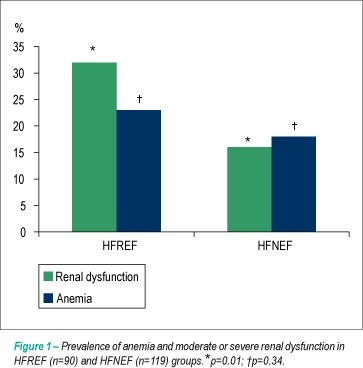
BACKGROUND: The presence of anemia and renal dysfunction grants a bad prognosis for patients with heart failure and reduced ejection fraction (HFREF). The impact on patients with heart failure and normal ejection fraction (HFNEF) is not widely studied. OBJECTIVES: To study the prevalence and the prognosis of anemia and renal dysfunction (RD) in patients with heart failure according to the type of ventricular dysfunction. METHODS: A total of 209 patients with chronic and stable heart failure were prospectively studied. Individuals with ejection fraction <50% were considered as HFREF patients. Anemia was defined, based on WHO criteria, as hemoglobin <13 g/dl for men and <12 g/dl for women. Renal function was calculated by means of the Simplified Modified Diet Renal Disease (sMDRD) formula. Hospitalizations, emergency admittances and obit by cardiac causes were considered as cardiac events. RESULTS: Ninety patients had HFREF and 119 had HFNEF. The glomerular filtration rate (GFR) was smaller in HFREF group (57.6 ± 66.2 versus 94.8 ± 36.6 ml/min/1.73m²; p=0.01). There was no difference in the prevalence of anemia between groups (23.3% versus 18.5%; p=0.34). Moderate to severe RD prevalence was higher in HFREF group (32.2% versus 16.8%; p=0.01). RD was the only factor associated with anemia that was independently associated with cardiac events (HR 2.52; 95%CI=1.27-5.2; p=0.01). CONCLUSION: RD was less prevalent in HFNEF, while the prevalence of anemia did not differ between groups. RD was predictor of cardiac events independently on ejection fraction.

  • Anemia
  • Heart Failure
  • Renal Insufficiency
Read Full Article
Creative Commons Attribution (CC BY) Creative Commons license
28/04/2010 DOI: 10.1590/S0066-782X2010000300016
Prevalence of anemia and renal insufficiency in non-hospitalized patients with heart failure
ABC
Artigo Original

Prevalence of anemia and renal insufficiency in non-hospitalized patients with heart failure

Francisco José Farias Borges dos Reis et al. André Maurício Souza Fernandes Almir Galvão Vieira Bitencourt Flávia Branco Cerqueira Serra Neves … André Yoichi Kuwano Victor Hugo Pinheiro França Cristiano Ricardo Bastos de Macedo Cristiano Gonçalves da Cruz Viviane Sahade Roque Aras Júnior

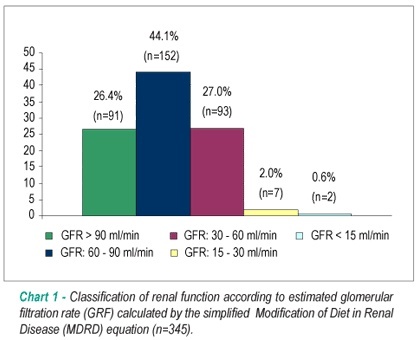
BACKGROUND: Heart Failure (HF) is a common disease with a high rate of mortality. Anemia and renal failure (RF) are often found in patients with HF associated with higher severity of the heart disease and a worse prognosis. OBJECTIVE: To evaluate the prevalence of anemia and RF, as well as the association between these two conditions, in non-hospitalized patients with HF. METHODS: Patients treated at the HF Outpatient Clinic of a university hospital were followed from July 2003 to November 2006. Anemia was defined as hemoglobin levels < 13 mg/dl for men and 12 mg/dl for women. Renal function was assessed by the glomerular filtration rate (GFR), calculated by the simplified formula of the MDRD (Modification of Diet in Renal Disease) study. RESULTS: Of the 345 patients included in this study, 26.4% (n = 91) had anemia and 29.6% had moderate to severe renal failure (GFR < 60 ml/min). The association between anemia and a higher prevalence of renal failure was statistically significant (41.8% vs. 25.2%; p = 0.005). The patients at functional class III and IV presented a higher incidence of anemia (39.0% vs. 19.4%; p <0.001) and renal failure (38.2% vs. 24.8%; p = 0.007). No association was observed between anemia or renal failure and history of hypertension, diabetes, systolic function or etiology of HF. CONCLUSION: The prevalence of anemia and renal failure was high in this population and was associated with the severity of the HF (functional classes III and IV).

  • Anemia
  • Heart Failure
  • Renal Insufficiency
Read Full Article
Creative Commons Attribution (CC BY) Creative Commons license
22/10/2009 DOI: 10.1590/S0066-782X2009000900011
Coronary flow reserve in sickle cell anemia
ABC
Artigo Original

Coronary flow reserve in sickle cell anemia

José Leão de Souza Júnior et al. Ana Clara Tude Rodrigues Paula Cássia Buck Sandra Fátima Menosi Guallandro Charles Mady

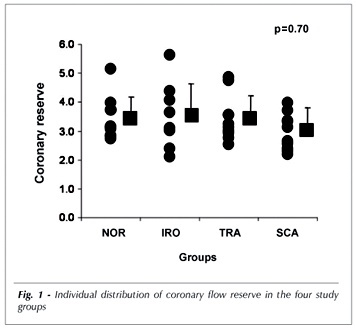
BACKGROUND: Patients with sickle cell anemia (SCA) frequently present with episodes of chest pain, alterations in the resting electrocardiogram, and changes in cardiac structure and functions. OBJECTIVE: To evaluate the effect of recurrent episodes of vaso-occlusion on the coronary microcirculation. METHODS: Coronary flow velocity and coronary flow reserve (CFR) of stable patients with SCA (n=10, 5 females, 24.4±5.4 years) were measured in the anterior descending coronary artery with transesophageal echocardiogram at baseline and after intravenous adenosine-induced maximum hyperemia, and compared to those of patients with sickle cell trait (TRA, n=10, 5 females, 27.7±3.2 years), iron deficiency anemia (IRO, n=8, 8 females, 26.6±5.2 years) and control group (NOR, n=10, 5 females, 26.3±6.3 years). RESULTS: The SCA group presented increased diastolic coronary flow velocities (p<0.01) at baseline and during maximum hyperemia (67.3±14.0 and 198.2±37.9 cm/s, respectively) when compared with the other three groups – TRA (34.4±11.9 and 114.7±36.4 cm/s), IRO (42.4±10.4 and 141.0±18.7 cm/s) and NOR (38.1±10.0 and 126.8±24.6 cm/s). However, CFR was normal in the SCA group (3.0±0.7) and comparable (p=0.70) to the other groups – TRA (3.4±0.8), IRO (3.5±1.2), and NOR (3.4±0.8). CONCLUSION: Despite the higher coronary flow velocities already observed at baseline and also during maximum hyperemia, CFR is normal in SCA, which suggests preserved coronary microcirculation. The episodes of vaso-occlusion are not responsible for the cardiologic findings in this disease.

  • Anemia
  • Echocardiography
  • microcirculation
  • sickle cell
Read Full Article
Creative Commons Attribution (CC BY) Creative Commons license
15/06/2007 DOI: 10.1590/S0066-782X2007000500009
Anemia as a prognostic factor in a population hospitalized due to decompensated heart failure
ABC
Artigo Original

Anemia as a prognostic factor in a population hospitalized due to decompensated heart failure

Ana Luíza F. Sales et al. Humberto Villacorta Leandro Reis Evandro Tinoco Mesquita

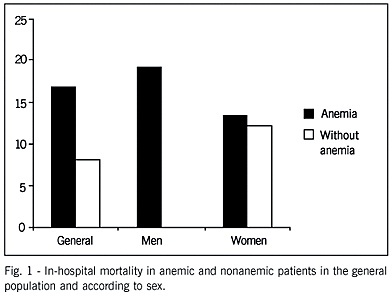
OBJECTIVE: To study the prevalence and prognostic value of anemia in a population hospitalized due to decompensated heart failure. METHOD: From July to September, 2001, 204 patients were included in a multicenter hospital registry of heart failure (EPICA Study _ Niterói). This retrospective analysis comprised 142 patients with data about hematocrit and hemoglobin levels collected on hospital admission. The mean age was 69.5±13.3 years, and 72 (50.7%) patients were men. Hemoglobin levels < 13.5 g/dL for men and < 12 g/dL for women were considered anemia. The relation between anemia and in-hospital mortality was assessed through univariate and multivariate analysis with logistic regression. RESULTS: Anemia was observed in 89 (62.6%) patients, 52 (58%) men and 37 (42%) women. Mortality in anemic patients was 16.8% and, in nonanemic, it was 8% (P=0.11). In both sexes, the mortality rates in anemic and nonanemic patients were, respectively, 19.2% vs 0% (P=0.034) and 13.5% vs 12.2% (P=0.86). Through multivariate analysis, the following variables were found to be independently related to in-hospital mortality: hyponatremia [RR=7.0; 95% confidence interval (95% CI)=6.1 to 8.7; P=0.0001], anemia (RR=3.1, 95% CI=2.4 to 4.3; P=0.024), and presence of NYHA functional class IV (RR=1.9; 95% CI=1.3 to 2.6; P=0.04). CONCLUSION: In the population studied with decompensated heart failure, the presence of anemia was an independent marker of in-hospital mortality. Mortality in the group with anemia was significantly high among men.

  • Anemia
  • Heart Failure
  • Prognosis
Read Full Article
Creative Commons Attribution (CC BY) Creative Commons license
19/08/2005 DOI: 10.1590/S0066-782X2005000300008

How to cite this article

EndNote RIS

Electronic Document Format (Vancouver)

Fabiano RC, Melo L, Nogueira A, Gewehr DM, Generoso G, Cardoso R, Bittencourt MS, et al. Restrictive versus Liberal Transfusion Strategies in Acute Myocardial Infarction and Anemia: A Meta-Analysis and Trial Sequential Analysis. Arquivos Brasileiros de Cardiologia 2024;121(9):e20240158.

Electronic Document Format (ABNT)

Fabiano, Ronaldo C.; Melo, Lara; Nogueira, Alleh; Gewehr, Douglas M.; Generoso, Giuliano; Cardoso, Rhanderson; Bittencourt, Marcio S.. Restrictive versus Liberal Transfusion Strategies in Acute Myocardial Infarction and Anemia: A Meta-Analysis and Trial Sequential Analysis. Arquivos Brasileiros de Cardiologia, v. 121, n. 9, e20240158, Oct. 2024.

Electronic Document Format (APA)

Fabiano, R. C., Melo, L., Nogueira, A., Gewehr, D. M., Generoso, G., Cardoso, R., & Bittencourt, M. S. (2024). Restrictive versus Liberal Transfusion Strategies in Acute Myocardial Infarction and Anemia: A Meta-Analysis and Trial Sequential Analysis. Arquivos Brasileiros de Cardiologia, 121(9), e20240158.

Electronic Document Format (ISO)

Fabiano, Ronaldo C. and Melo, Lara and Nogueira, Alleh and Gewehr, Douglas M. and Generoso, Giuliano and Cardoso, Rhanderson and Bittencourt, Marcio S.. Restrictive versus Liberal Transfusion Strategies in Acute Myocardial Infarction and Anemia: A Meta-Analysis and Trial Sequential Analysis. Arquivos Brasileiros de Cardiologia [online]. 2024, vol. 121, n. 9, [cited 2026-10-14], e20240158. Available from: <https://journals.cardiol.br/en/article/restrictive-versus-liberal-transfusion-strategies-in-acute-myocardial-infarction-and-anemia-a-meta-analysis-and-trial-sequential-analysis/>. ISSN 0066-782X

EndNote RIS

Electronic Document Format (Vancouver)

Abreu LM. Could Less Be Worth More?. Arquivos Brasileiros de Cardiologia 2024;121(9):e20240557.

Electronic Document Format (ABNT)

Abreu, Luiz Maurino. Could Less Be Worth More?. Arquivos Brasileiros de Cardiologia, v. 121, n. 9, e20240557, Oct. 2024.

Electronic Document Format (APA)

Abreu, L. M. (2024). Could Less Be Worth More?. Arquivos Brasileiros de Cardiologia, 121(9), e20240557.

Electronic Document Format (ISO)

Abreu, Luiz Maurino. Could Less Be Worth More?. Arquivos Brasileiros de Cardiologia [online]. 2024, vol. 121, n. 9, [cited 2026-10-14], e20240557. Available from: <https://journals.cardiol.br/en/article/could-less-be-worth-more/>. ISSN 0066-782X

EndNote RIS

Electronic Document Format (Vancouver)

Şener YZ. Key Points in Estimating Pulmonary Vascular Hemodynamic Parameters. Arquivos Brasileiros de Cardiologia 2024;121(3):e20230579.

Electronic Document Format (ABNT)

Şener, Yusuf Ziya. Key Points in Estimating Pulmonary Vascular Hemodynamic Parameters. Arquivos Brasileiros de Cardiologia, v. 121, n. 3, e20230579, Apr. 2024.

Electronic Document Format (APA)

Şener, Y. Z. (2024). Key Points in Estimating Pulmonary Vascular Hemodynamic Parameters. Arquivos Brasileiros de Cardiologia, 121(3), e20230579.

Electronic Document Format (ISO)

Şener, Yusuf Ziya. Key Points in Estimating Pulmonary Vascular Hemodynamic Parameters. Arquivos Brasileiros de Cardiologia [online]. 2024, vol. 121, n. 3, [cited 2026-10-14], e20230579. Available from: <https://journals.cardiol.br/en/article/key-points-in-estimating-pulmonary-vascular-hemodynamic-parameters/>. ISSN 0066-782X

EndNote RIS

Electronic Document Format (Vancouver)

Miranda CP, Botoni FA, Nunes MCP, Rocha MOC. Analysis of Iron Metabolism in Chronic Chagasic Cardiomyopathy. Arquivos Brasileiros de Cardiologia 2019;112(2):189-92.

Electronic Document Format (ABNT)

Miranda, Carla Paixão; Botoni, Fernando Antônio; Nunes, Maria do Carmo Pereira; Rocha, Manoel Otávio da Costa. Analysis of Iron Metabolism in Chronic Chagasic Cardiomyopathy. Arquivos Brasileiros de Cardiologia, v. 112, n. 2, p. 189-192, Jan. 2019.

Electronic Document Format (APA)

Miranda, C. P., Botoni, F. A., Nunes, M. C. P., & Rocha, M. O. C. (2019). Analysis of Iron Metabolism in Chronic Chagasic Cardiomyopathy. Arquivos Brasileiros de Cardiologia, 112(2), 189-192.

Electronic Document Format (ISO)

Miranda, Carla Paixão and Botoni, Fernando Antônio and Nunes, Maria do Carmo Pereira and Rocha, Manoel Otávio da Costa. Analysis of Iron Metabolism in Chronic Chagasic Cardiomyopathy. Arquivos Brasileiros de Cardiologia [online]. 2019, vol. 112, n. 2, [cited 2026-10-14], pp. 189-192. Available from: <https://journals.cardiol.br/en/article/analysis-of-iron-metabolism-in-chronic-chagasic-cardiomyopathy/>. ISSN 0066-782X

EndNote RIS

Electronic Document Format (Vancouver)

Okoshi MP, Capalbo RV, Romeiro FG, Okoshi K. Cardiac Cachexia: Perspectives for Prevention and Treatment. Arquivos Brasileiros de Cardiologia 2016;108(1):74-80.

Electronic Document Format (ABNT)

Okoshi, Marina Politi; Capalbo, Rafael Verardino; Romeiro, Fernando G; Okoshi, Katashi. Cardiac Cachexia: Perspectives for Prevention and Treatment. Arquivos Brasileiros de Cardiologia, v. 108, n. 1, p. 74-80, Oct. 2016.

Electronic Document Format (APA)

Okoshi, M. P., Capalbo, R. V., Romeiro, F. G., & Okoshi, K. (2016). Cardiac Cachexia: Perspectives for Prevention and Treatment. Arquivos Brasileiros de Cardiologia, 108(1), 74-80.

Electronic Document Format (ISO)

Okoshi, Marina Politi and Capalbo, Rafael Verardino and Romeiro, Fernando G and Okoshi, Katashi. Cardiac Cachexia: Perspectives for Prevention and Treatment. Arquivos Brasileiros de Cardiologia [online]. 2016, vol. 108, n. 1, [cited 2026-10-14], pp. 74-80. Available from: <https://journals.cardiol.br/en/article/cardiac-cachexia-perspectives-for-prevention-and-treatment/>. ISSN 0066-782X

EndNote RIS

Electronic Document Format (Vancouver)

Büyüklü M, Kürüm AT, Tatlý E, Set T. Effects of levosimendan on TNF-alpha, BNP and MMP-1 in patients with heart failure with anemia. Arquivos Brasileiros de Cardiologia 2012;99(1):659-64.

Electronic Document Format (ABNT)

Büyüklü, Mutlu; Kürüm, Akif Turhan; Tatlý, Ersan; Set, Turan. Effects of levosimendan on TNF-alpha, BNP and MMP-1 in patients with heart failure with anemia. Arquivos Brasileiros de Cardiologia, v. 99, n. 1, p. 659-664, Jun. 2012.

Electronic Document Format (APA)

Büyüklü, M., Kürüm, A. T., Tatlý, E., & Set, T. (2012). Effects of levosimendan on TNF-alpha, BNP and MMP-1 in patients with heart failure with anemia. Arquivos Brasileiros de Cardiologia, 99(1), 659-664.

Electronic Document Format (ISO)

Büyüklü, Mutlu and Kürüm, Akif Turhan and Tatlý, Ersan and Set, Turan. Effects of levosimendan on TNF-alpha, BNP and MMP-1 in patients with heart failure with anemia. Arquivos Brasileiros de Cardiologia [online]. 2012, vol. 99, n. 1, [cited 2026-10-14], pp. 659-664. Available from: <https://journals.cardiol.br/en/article/effects-of-levosimendan-on-tnf-alpha-bnp-and-mmp-1-in-patients-with-heart-failure-with-anemia/>. ISSN 0066-782X

EndNote RIS

Electronic Document Format (Vancouver)

Romeiro FG, Okoshi K, Zornoff LAM, Okoshi MP. Gastrointestinal changes associated to heart failure. Arquivos Brasileiros de Cardiologia 2012;98(3):273-7.

Electronic Document Format (ABNT)

Romeiro, Fernando G.; Okoshi, Katashi; Zornoff, Leonardo A. M.; Okoshi, Marina P.. Gastrointestinal changes associated to heart failure. Arquivos Brasileiros de Cardiologia, v. 98, n. 3, p. 273-277, Apr. 2012.

Electronic Document Format (APA)

Romeiro, F. G., Okoshi, K., Zornoff, L. A. M., & Okoshi, M. P. (2012). Gastrointestinal changes associated to heart failure. Arquivos Brasileiros de Cardiologia, 98(3), 273-277.

Electronic Document Format (ISO)

Romeiro, Fernando G. and Okoshi, Katashi and Zornoff, Leonardo A. M. and Okoshi, Marina P.. Gastrointestinal changes associated to heart failure. Arquivos Brasileiros de Cardiologia [online]. 2012, vol. 98, n. 3, [cited 2026-10-14], pp. 273-277. Available from: <https://journals.cardiol.br/en/article/gastrointestinal-changes-associated-to-heart-failure/>. ISSN 0066-782X

EndNote RIS

Electronic Document Format (Vancouver)

Santos EB, Tello BS, Villacorta H, Sales ALF, Wiefels C, Teixeira PS, Lima Filho LC, et al. Anemia and heart failure in a community-based cohort: comparison with a specialized outpatient clinic. Arquivos Brasileiros de Cardiologia 2010;94(1):102-8.

Electronic Document Format (ABNT)

Santos, Eduarda Barcellos dos; Tello, Bolívar Saenz; Villacorta, Humberto; Sales, Ana Luisa Ferreira; Wiefels, Christiane; Teixeira, Pedro Soares; Lima Filho, Luis Costa; Mesquita, Evandro Tinoco. Anemia and heart failure in a community-based cohort: comparison with a specialized outpatient clinic. Arquivos Brasileiros de Cardiologia, v. 94, n. 1, p. 102-108, Sep. 2010.

Electronic Document Format (APA)

Santos, E. B. , Tello, B. S., Villacorta, H., Sales, A. L. F., Wiefels, C., Teixeira, P. S., Lima Filho, L. C., & Mesquita, E. T. (2010). Anemia and heart failure in a community-based cohort: comparison with a specialized outpatient clinic. Arquivos Brasileiros de Cardiologia, 94(1), 102-108.

Electronic Document Format (ISO)

Santos, Eduarda Barcellos dos and Tello, Bolívar Saenz and Villacorta, Humberto and Sales, Ana Luisa Ferreira and Wiefels, Christiane and Teixeira, Pedro Soares and Lima Filho, Luis Costa and Mesquita, Evandro Tinoco. Anemia and heart failure in a community-based cohort: comparison with a specialized outpatient clinic. Arquivos Brasileiros de Cardiologia [online]. 2010, vol. 94, n. 1, [cited 2026-10-14], pp. 102-108. Available from: <https://journals.cardiol.br/en/article/anemia-and-heart-failure-in-a-community-based-cohort-comparison-with-a-specialized-outpatient-clinic/>. ISSN 0066-782X

EndNote RIS

Electronic Document Format (Vancouver)

Cardoso J, Brito MI, Ochiai ME, Novaes M, Berganin F, Thicon T, Ferreira EC, et al. Anemia in patients with advanced heart failure. Arquivos Brasileiros de Cardiologia 2010;95(4):524-9.

Electronic Document Format (ABNT)

Cardoso, Juliano; Brito, Michel Ibrahim; Ochiai, Marcelo Eidi; Novaes, Milena; Berganin, Fabrício; Thicon, Tatiana; Ferreira, Elaine C; Regina, Kelly; Reis, Cristina Martins dos; Barretto, Antonio Carlos Pereira. Anemia in patients with advanced heart failure. Arquivos Brasileiros de Cardiologia, v. 95, n. 4, p. 524-529, Sep. 2010.

Electronic Document Format (APA)

Cardoso, J., Brito, M. I., Ochiai, M. E., Novaes, M., Berganin, F., Thicon, T., Ferreira, E. C., Regina, K., Reis, C. M. , & Barretto, A. C. P. (2010). Anemia in patients with advanced heart failure. Arquivos Brasileiros de Cardiologia, 95(4), 524-529.

Electronic Document Format (ISO)

Cardoso, Juliano and Brito, Michel Ibrahim and Ochiai, Marcelo Eidi and Novaes, Milena and Berganin, Fabrício and Thicon, Tatiana and Ferreira, Elaine C and Regina, Kelly and Reis, Cristina Martins dos and Barretto, Antonio Carlos Pereira. Anemia in patients with advanced heart failure. Arquivos Brasileiros de Cardiologia [online]. 2010, vol. 95, n. 4, [cited 2026-10-14], pp. 524-529. Available from: <https://journals.cardiol.br/en/article/anemia-in-patients-with-advanced-heart-failure/>. ISSN 0066-782X

EndNote RIS

Electronic Document Format (Vancouver)

Souza WN, Araújo CMS, Silva SA, Petribú MMV. Anemia, renal dysfunction and malnutrition associated with heart failure in patients with valvulopathy. Arquivos Brasileiros de Cardiologia 2010;94(6):794-8.

Electronic Document Format (ABNT)

Souza, Wysllenny Nascimento de; Araújo, Cristiane Maria Sá de; Silva, Silvia Alves da; Petribú, Marina de Moraes Vasconcelos. Anemia, renal dysfunction and malnutrition associated with heart failure in patients with valvulopathy. Arquivos Brasileiros de Cardiologia, v. 94, n. 6, p. 794-798, May. 2010.

Electronic Document Format (APA)

Souza, W. N. , Araújo, C. M. S. , Silva, S. A. , & Petribú, M. M. V. (2010). Anemia, renal dysfunction and malnutrition associated with heart failure in patients with valvulopathy. Arquivos Brasileiros de Cardiologia, 94(6), 794-798.

Electronic Document Format (ISO)

Souza, Wysllenny Nascimento de and Araújo, Cristiane Maria Sá de and Silva, Silvia Alves da and Petribú, Marina de Moraes Vasconcelos. Anemia, renal dysfunction and malnutrition associated with heart failure in patients with valvulopathy. Arquivos Brasileiros de Cardiologia [online]. 2010, vol. 94, n. 6, [cited 2026-10-14], pp. 794-798. Available from: <https://journals.cardiol.br/en/article/anemia-renal-dysfunction-and-malnutrition-associated-with-heart-failure-in-patients-with-valvulopathy/>. ISSN 0066-782X

EndNote RIS

Electronic Document Format (Vancouver)

Villacorta H, Saenz-Tello BF, Santos EB, Steffen R, Wiefels C, Lima LC, Sales ALF, et al. Renal dysfunction and anemia in patients with heart failure with reduced versus normal ejection fraction. Arquivos Brasileiros de Cardiologia 2010;94(3):378-84.

Electronic Document Format (ABNT)

Villacorta, Humberto; Saenz-Tello, Bolivar F.; Santos, Eduarda Barcellos dos; Steffen, Ricardo; Wiefels, Christiane; Lima, Luiz Costa; Sales, Ana Luíza F.; Soares, Pedro; Mesquita, Evandro Tinoco. Renal dysfunction and anemia in patients with heart failure with reduced versus normal ejection fraction. Arquivos Brasileiros de Cardiologia, v. 94, n. 3, p. 378-384, Apr. 2010.

Electronic Document Format (APA)

Villacorta, H., Saenz-Tello, B. F., Santos, E. B. , Steffen, R., Wiefels, C., Lima, L. C., Sales, A. L. F., Soares, P., & Mesquita, E. T. (2010). Renal dysfunction and anemia in patients with heart failure with reduced versus normal ejection fraction. Arquivos Brasileiros de Cardiologia, 94(3), 378-384.

Electronic Document Format (ISO)

Villacorta, Humberto and Saenz-Tello, Bolivar F. and Santos, Eduarda Barcellos dos and Steffen, Ricardo and Wiefels, Christiane and Lima, Luiz Costa and Sales, Ana Luíza F. and Soares, Pedro and Mesquita, Evandro Tinoco. Renal dysfunction and anemia in patients with heart failure with reduced versus normal ejection fraction. Arquivos Brasileiros de Cardiologia [online]. 2010, vol. 94, n. 3, [cited 2026-10-14], pp. 378-384. Available from: <https://journals.cardiol.br/en/article/renal-dysfunction-and-anemia-in-patients-with-heart-failure-with-reduced-versus-normal-ejection-fraction/>. ISSN 0066-782X

EndNote RIS

Electronic Document Format (Vancouver)

Reis FJFB, Fernandes AMS, Bitencourt AGV, Neves FBCS, Kuwano AY, França VHP, Macedo CRB, et al. Prevalence of anemia and renal insufficiency in non-hospitalized patients with heart failure. Arquivos Brasileiros de Cardiologia 2009;93(3):268-74.

Electronic Document Format (ABNT)

Reis, Francisco José Farias Borges dos; Fernandes, André Maurício Souza; Bitencourt, Almir Galvão Vieira; Neves, Flávia Branco Cerqueira Serra; Kuwano, André Yoichi; França, Victor Hugo Pinheiro; Macedo, Cristiano Ricardo Bastos de; Cruz, Cristiano Gonçalves da; Sahade, Viviane; Aras Júnior, Roque. Prevalence of anemia and renal insufficiency in non-hospitalized patients with heart failure. Arquivos Brasileiros de Cardiologia, v. 93, n. 3, p. 268-274, Oct. 2009.

Electronic Document Format (APA)

Reis, F. J. F. B. , Fernandes, A. M. S., Bitencourt, A. G. V., Neves, F. B. C. S., Kuwano, A. Y., França, V. H. P., Macedo, C. R. B. , Cruz, C. G. , Sahade, V., & Aras Júnior, R. (2009). Prevalence of anemia and renal insufficiency in non-hospitalized patients with heart failure. Arquivos Brasileiros de Cardiologia, 93(3), 268-274.

Electronic Document Format (ISO)

Reis, Francisco José Farias Borges dos and Fernandes, André Maurício Souza and Bitencourt, Almir Galvão Vieira and Neves, Flávia Branco Cerqueira Serra and Kuwano, André Yoichi and França, Victor Hugo Pinheiro and Macedo, Cristiano Ricardo Bastos de and Cruz, Cristiano Gonçalves da and Sahade, Viviane and Aras Júnior, Roque. Prevalence of anemia and renal insufficiency in non-hospitalized patients with heart failure. Arquivos Brasileiros de Cardiologia [online]. 2009, vol. 93, n. 3, [cited 2026-10-14], pp. 268-274. Available from: <https://journals.cardiol.br/en/article/prevalence-of-anemia-and-renal-insufficiency-in-non-hospitalized-patients-with-heart-failure/>. ISSN 0066-782X

EndNote RIS

Electronic Document Format (Vancouver)

Souza Júnior JL, Rodrigues ACT, Buck PC, Guallandro SFM, Mady C. Coronary flow reserve in sickle cell anemia. Arquivos Brasileiros de Cardiologia 2007;88(5):552-8.

Electronic Document Format (ABNT)

Souza Júnior, José Leão de; Rodrigues, Ana Clara Tude; Buck, Paula Cássia; Guallandro, Sandra Fátima Menosi; Mady, Charles. Coronary flow reserve in sickle cell anemia. Arquivos Brasileiros de Cardiologia, v. 88, n. 5, p. 552-558, Jun. 2007.

Electronic Document Format (APA)

Souza Júnior, J. L. , Rodrigues, A. C. T., Buck, P. C., Guallandro, S. F. M., & Mady, C. (2007). Coronary flow reserve in sickle cell anemia. Arquivos Brasileiros de Cardiologia, 88(5), 552-558.

Electronic Document Format (ISO)

Souza Júnior, José Leão de and Rodrigues, Ana Clara Tude and Buck, Paula Cássia and Guallandro, Sandra Fátima Menosi and Mady, Charles. Coronary flow reserve in sickle cell anemia. Arquivos Brasileiros de Cardiologia [online]. 2007, vol. 88, n. 5, [cited 2026-10-14], pp. 552-558. Available from: <https://journals.cardiol.br/en/article/coronary-flow-reserve-in-sickle-cell-anemia/>. ISSN 0066-782X

EndNote RIS

Electronic Document Format (Vancouver)

Sales ALF, Villacorta H, Reis L, Mesquita ET. Anemia as a prognostic factor in a population hospitalized due to decompensated heart failure. Arquivos Brasileiros de Cardiologia 2005;84(3):237-40.

Electronic Document Format (ABNT)

Sales, Ana Luíza F.; Villacorta, Humberto; Reis, Leandro; Mesquita, Evandro Tinoco. Anemia as a prognostic factor in a population hospitalized due to decompensated heart failure. Arquivos Brasileiros de Cardiologia, v. 84, n. 3, p. 237-240, Aug. 2005.

Electronic Document Format (APA)

Sales, A. L. F., Villacorta, H., Reis, L., & Mesquita, E. T. (2005). Anemia as a prognostic factor in a population hospitalized due to decompensated heart failure. Arquivos Brasileiros de Cardiologia, 84(3), 237-240.

Electronic Document Format (ISO)

Sales, Ana Luíza F. and Villacorta, Humberto and Reis, Leandro and Mesquita, Evandro Tinoco. Anemia as a prognostic factor in a population hospitalized due to decompensated heart failure. Arquivos Brasileiros de Cardiologia [online]. 2005, vol. 84, n. 3, [cited 2026-10-14], pp. 237-240. Available from: <https://journals.cardiol.br/en/article/anemia-as-a-prognostic-factor-in-a-population-hospitalized-due-to-decompensated-heart-failure/>. ISSN 0066-782X

  • About ABC Family
  • Internal Regulation
  • Editorial Board
  • Brazilian Society of Cardiology (SBC)

Issues

SBC Guidelines

  • Videos
  • Podcasts
  • News