ABC Family Arquivos Brasileiros de Cardiologia International Journal of Cardiovascular Sciences ABC Heart Failure & Cardiomyopathy ABC Imagem Cardiovascular
Português English
ABC Family
Português English
  • About
    • About ABC Family
    • Internal Regulation
    • Editorial Board
    • Brazilian Society of Cardiology (SBC)
  • Issues
  • SBC Guidelines
  • Content
    • Videos
    • Podcasts
    • News
  • About
    • About ABC Family
    • Internal Regulation
    • Editorial Board
    • Brazilian Society of Cardiology (SBC)
  • Issues
  • SBC Guidelines
  • Content
    • Videos
    • Podcasts
    • News

ABC Family

  • ABC Family
  • Arquivos Brasileiros de Cardiologia
  • International Journal of Cardiovascular Sciences
  • ABC Heart Failure & Cardiomyopathy
  • ABC Imagem Cardiovascular
Search in

No content found.

Journals
Ordering
Article types
Others

  1. Home
  2. Keyword: Pulmonary Edema
ABC
Editorial

The New Frontier of Point-of-Care Ultrasound: Lung Ultrasound in Congenital Heart Disease

Maria Estefânia Bosco Otto

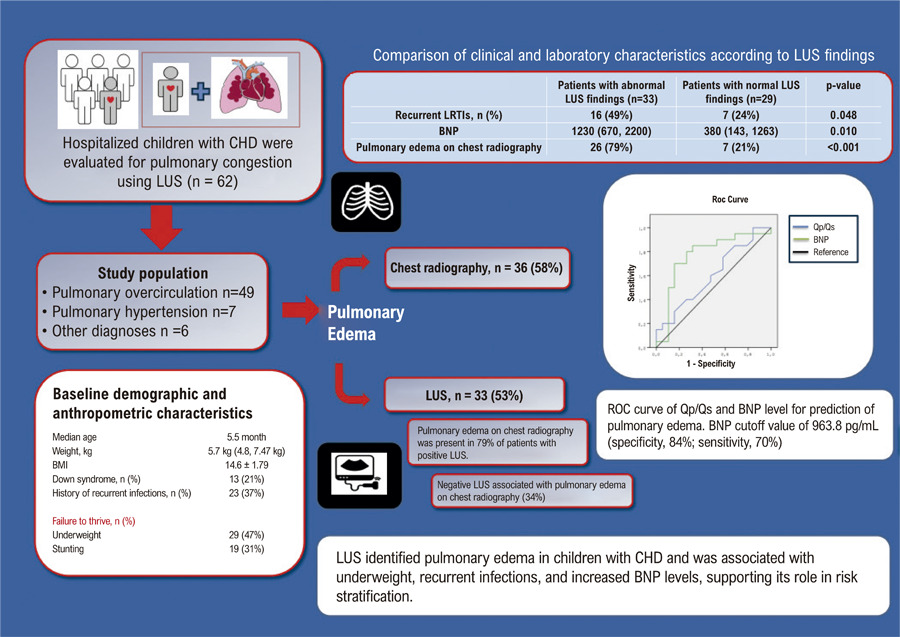
The bedside assessment of pulmonary congestion is undergoing conceptual consolidation: lung ultrasound (LUS) has evolved from being merely an “adjunct” tool to assuming a central role in the identification of extravascular fluid and aeration patterns, with important diagnostic, prognostic, and therapeutic implications. The article by Donmez et al. directly discusses the role of LUS in the assessment of pulmonary edema in children with congenital heart disease (CHD). In a retrospective cohort of 62 children, the study observed pulmonary edema in 53% by LUS and in 58% by radiography. Furthermore, the presence of edema by LUS was associated with clinically relevant variables in the clinical picture, such as recurrent respiratory infections, low weight, and elevated BNP levels. These findings reinforce that LUS adds objective and reproducible information to the care of children, in a context where clinical examination can be hampered by low cooperation and bedside radiography may have reduced accuracy due to positioning limitations and technical quality.

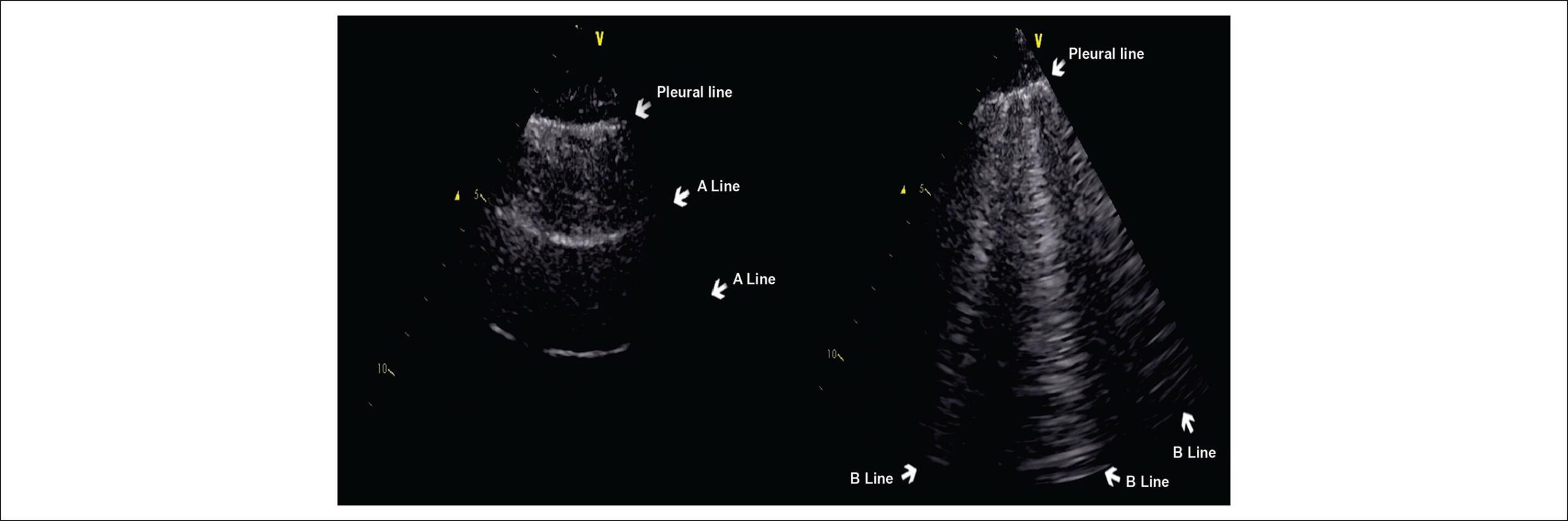
In adults with heart failure, the usefulness of LUS for pulmonary congestion is supported by several clinical studies demonstrating high diagnostic performance and correlation with outcomes. B-lines reflect increased extravascular fluid and, when diffusely present, reclassify the differential diagnosis of dyspnea. Comparison between LUS, biomarkers, and clinical assessment in an outpatient setting has shown that the burden of B-lines can detect subclinical congestion and anticipate the possibility of decompensation., In an acute setting, the systematic implementation of LUS improves diagnostic accuracy for decompensated heart failure, and prognostic studies associate congestion detected by LUS with worse short- and long-term outcomes. Reviews and perspective papers in cardiology have highlighted LUS as a rapid, reproducible, and low-cost diagnostic modality.

[…]

  • Congenital Heart Defects
  • Lung
  • Pediatrics
  • Point-of-Care Systems
  • Pulmonary Edema
  • Ultrasonography
Read Full Article
Creative Commons Attribution (CC BY) Creative Commons license
22/05/2026 DOI: 10.36660/abc.20260163i Views 2
Improving Pulmonary Edema Assessment in Pediatric Congenital Heart Disease: The Role of Lung Ultrasonography
ABC
Original Article

Improving Pulmonary Edema Assessment in Pediatric Congenital Heart Disease: The Role of Lung Ultrasonography

Yasemin Nuran Donmez et al. Derya Bako Safak Alpat Dilek Giray Serdar Epcacan

Abstract

Background

Pulmonary edema is a clinically significant complication in children with congenital heart disease (CHD). It occurs more frequently in complex cases and is associated with prolonged hospital stays. Early identification is essential because of its direct impact on clinical outcomes.

Objectives

To evaluate lung ultrasonography (LUS) as a diagnostic tool for pulmonary edema and to identify associated clinical and laboratory factors in children with CHD.

Methods

Children with CHD who underwent LUS between September 2020 and September 2023 were included. LUS findings were compared with clinical data, chest radiography results, and B-type natriuretic peptide (BNP) levels. Patients were classified according to pathophysiological category (pulmonary overflow, pulmonary hypertension, or other).

Results

A total of 62 children were evaluated, with a median age of 5.5 months (interquartile range, 4-10.1 months). Pulmonary overflow was identified in 49 patients (79%), pulmonary hypertension in seven (11.3%), and other pathophysiological conditions in six (9.7%). The median BNP level was 815.5 pg/mL. Pulmonary edema was detected in 36 patients (58%) by chest radiography and in 33 patients (53%) by LUS. A significant overlap was observed, as 79% of patients with positive LUS findings also demonstrated edema on chest radiography (p < 0.001). In contrast, only 34.5% of patients with negative LUS findings had radiographic evidence of edema. Pulmonary edema was significantly associated with recurrent lower respiratory tract infections, underweight status, body mass index below –2 standard deviations, and increased BNP levels. Multivariate logistic regression analysis identified failure to thrive as an independent predictor of pulmonary edema. Chest radiography findings remained the primary factor associated with pulmonary edema.

Conclusion

LUS is a reliable, radiation-free modality for detecting pulmonary edema in children with CHD. Identification of associated risk factors may facilitate early recognition of vulnerable patients and support timely, appropriate clinical interventions.

  • Congenital Heart Defects
  • Heart Failure
  • Pulmonary Edema
  • Thoracic Radiography
Read Full Article
Creative Commons Attribution (CC BY) Creative Commons license
11/05/2026 DOI: 10.36660/abc.20250322i Views 1
ABCHF
Review Article

Theoretical Concepts of Lung Ultrasound in the Diagnosis of Congestion

Willian Roberto Menegazzo et al. Marina Petersen Saadi Gustavo Paes Silvano Vinícius Leite Gonzalez Anderson Donelli da Silveira

Abstract

Accurate detection of pulmonary congestion remains a challenge in cardiology, despite advances in diagnostic methods. Traditional approaches, such as physical examination and chest radiography, have limitations in real-time assessment and dynamic monitoring of volume status. Lung ultrasound (LUS) has emerged as a promising tool, offering a non-invasive, bedside approach to detect pulmonary congestion with greater diagnostic accuracy, providing valuable information about volume status. In patients with heart failure, LUS has demonstrated high sensitivity and specificity in detecting pulmonary congestion, contributing to more accurate differential diagnosis and streamlining clinical decision-making. In the context of stress echocardiography, LUS improves risk stratification, identifying patients with a greater likelihood of adverse cardiovascular events. Beyond the context of heart failure, LUS has also been applied in other clinical scenarios, such as acute coronary syndrome and assessment of volume status in patients on dialysis. This expanded use reflects the potential of LUS as a versatile and valuable tool in different clinical settings, offering an earlier, more accurate, and more effective approach to cardiology care.

  • Heart Failure
  • Pulmonary Edema
  • Stress echocardiography
  • Ultrasonography
Read Full Article
Creative Commons Attribution (CC BY) Creative Commons license
28/08/2024 DOI: 10.36660/abchf.20240022i Views 1
Contribution of Lung Ultrasound and VExUS in the Diagnosis and Monitoring of Patients with Heart Failure
ABCHF
Review Article

Contribution of Lung Ultrasound and VExUS in the Diagnosis and Monitoring of Patients with Heart Failure

Guilherme Heiden Telo et al. Marina Petersen Saadi Gustavo Paes Silvano Anderson Donelli da Silveira Andreia Biolo

Abstract

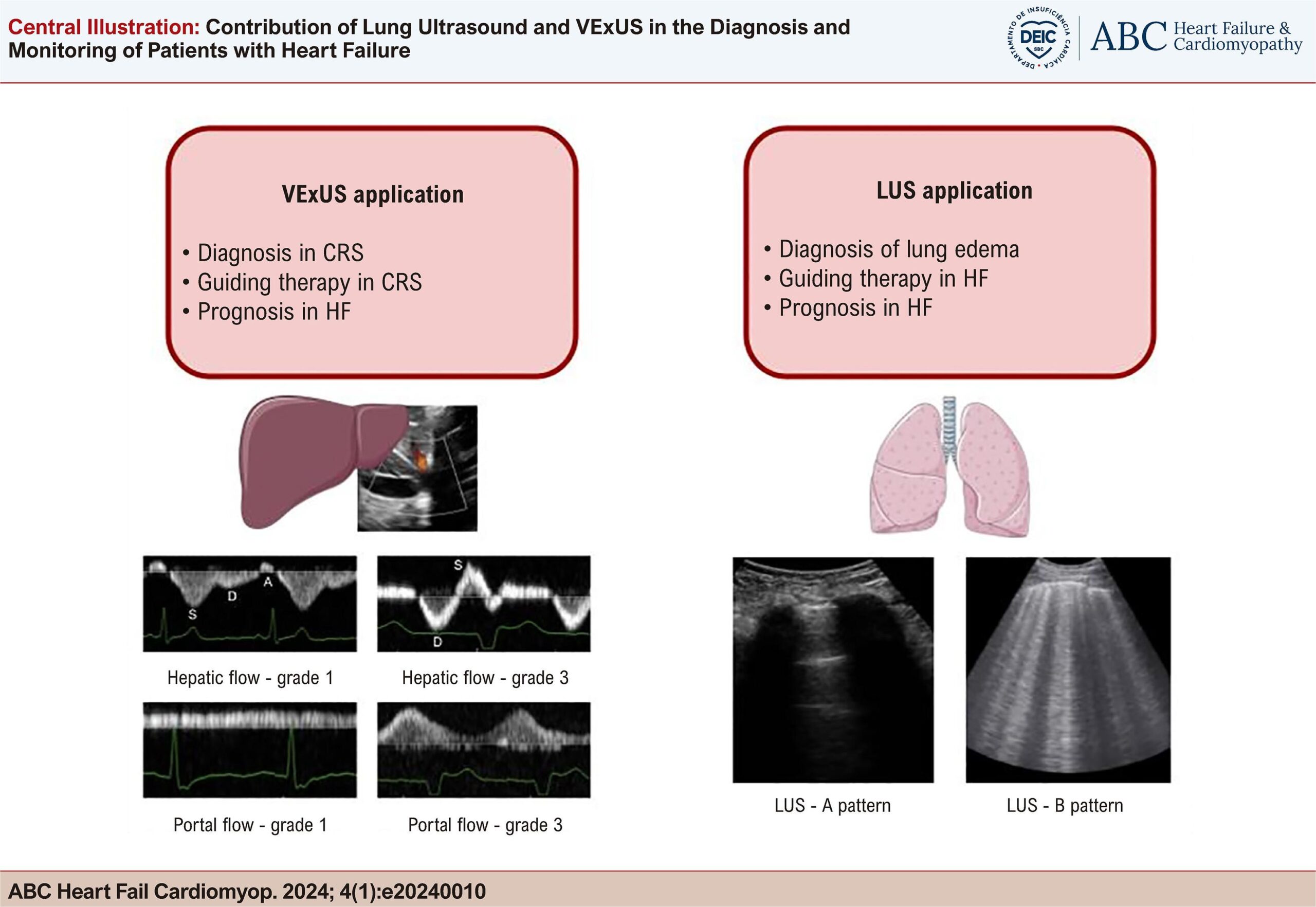
Despite advancements in the treatment of heart failure (HF), accurately assessing and monitoring fluid status and congestion remains a challenge. Traditional methods, including clinical evaluation, biomarker analysis, and imaging techniques, exhibit limitations in their capacity for real-time evaluation and monitoring of venous and pulmonary congestion. Lung ultrasound (LUS) detects B-lines and provides a rapid, sensitive assessment of pulmonary congestion, crucial for both acute and chronic HF management. Venous Excess Ultrasound Score (VExUS) provides a comprehensive assessment of systemic venous congestion by evaluating venous flows in hepatic, portal, and renal veins, alongside the inferior vena cava measurement. This review explores the integration of LUS and VExUS as innovative non-invasive, bedside technologies poised to enhance diagnostic accuracy, predict outcomes, and guide therapeutic decisions, potentially improving patient care. By shedding light on the underlying pathophysiological processes of HF, and offering insights into fluid dynamics, the synergistic application of LUS and VExUS, in conjunction with clinical examination, promises to significantly transform and personalize treatment strategies in both acute and chronic HF scenarios.

  • Heart Failure
  • Pulmonary Edema
  • Ultrasonography
Read Full Article
Creative Commons Attribution (CC BY) Creative Commons license
22/07/2024 DOI: 10.36660/abchf.20240010i Views 2
ABC
Original Article

Effect of Heroin on Electrocardiographic Parameters

Ersin Yildirim et al. Murat Selcuk Faysal Saylik Ferit Onur Mutluer Ozgur Deniz

Abstract

Background

Heroin addiction is currently a significant health problem, and information on the electrocardiographic effects of heroin is limited.

Objetivo

The aim of the present study is to investigate effects of heroin addiction on electrocardiographic parameters.

Methods

A total of 136 individuals, including 66 individuals who smoke heroin as the study group and 70 healthy individuals with no drug addiction as the control group, were included in the study. Individuals who inject heroin were excluded. Electrocardiographic (ECG) evaluation of those using heroin was performed and compared with those of the control group. In addition, pre-treatment and post-treatment ECG of the heroin group were compared. A p-value of <0.05 was accepted as statistically significant.

Results

Heart rate (77.2±12.8 versus 71.4±11.2; p=0.02) were found to be higher in the heroin group compared to the control group. QT (341.50±25.80 versus 379.11±45.23; p=0.01), QTc intervals (385.12±29.11 versus 411.3±51.70; p<0.01), and T peak to end time (Tpe) (65.41±10.82 versus 73.3±10.13; p<0.01) were significantly shorter in the heroin group. No difference was observed between the groups with regard to Tpe/QT and Tpe/QTc ratios. In the subgroup analysis of the heroin group, QT (356.81±37.49 versus 381.18±40.03; p<0.01) and QTc (382.06±26.41 versus 396.06±29.80; p<0.01) intervals were significantly shorter in the pre-treatment period.

Conclusion

Heroin addiction significantly affects the QT, QTc, and Tpe time intervals. The arrhythmia effects of these parameters are well known. More attention to the electrocardiographic parameters of these individuals should be given. (Arq Bras Cardiol. 2020; 115(6):1135-1141)

  • Arrhythmias, Cardiac/adverse effects
  • Heroin
  • Heroin Dependence
  • Leukoencephalopaties
  • Long QT Syndrome
  • Narcotics/toxicity
  • Pulmonary Edema
  • Renal Insufficiency
Read Full Article
Creative Commons Attribution (CC BY) Creative Commons license
18/01/2021 DOI: 10.36660/abc.20190296 Views 1
Figure 1
IJCS
Original Article

Predictors of Coronary Artery Obstructive Disease in Acute Pulmonary Edema of Unclear Origin

Maria das Neves Dantas da Silveira Barros et al. Vander Weyden Batista de Sousa Isabelle Adjanine Borges de Lima Cecília Raquel Bezerra Marinho Nóbrega … Isabelle Conceição Albuquerque Machado Moreira Suzana Marine Martins Dourado Bruna Maria Simões Andrade Virgínia da Silva Batista Maria Cleide Freire Clementino da Silva Luís Cláudio Correia

Abstract

Background:

Cardiogenic Acute Pulmonary Edema (APE) is considered one of the main medical emergencies, and it is the extreme manifestation of acute heart failure. The main etiology of heart failure is ischemic heart disease. To date, the definition of ischemic etiology in acute pulmonary edema was based on criteria such as: clinical history of ischemic heart disease, noninvasive examinations and, in other patients, coronary angiography. Classified as such, ischemic heart disease has been shown to be its main etiology. The high prevalence between these two diseases was evaluated, but not by the exclusive angiographic criterion, the gold standard of this pathology and the reason of this study.

Objective:

To evaluate the predictors of obstructive coronary artery disease in patients with acute pulmonary edema of unclear origin.

Method:

Patients admitted to a cardiovascular disease referral emergency unit were recruited to undergo coronary angiography if the acute pulmonary edema etiology was not adequately elucidated. Obstructive coronary disease was considered if at least one epicardial vessel had 70% of occlusion.

Results:

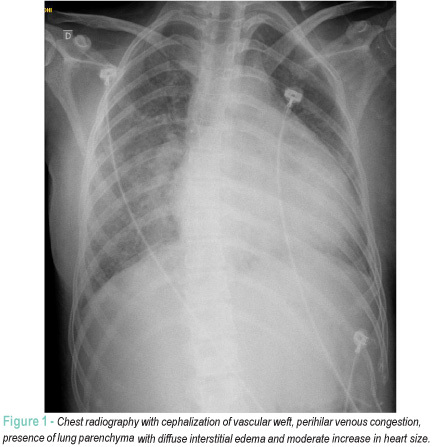
Obstructive coronary disease was classified by coronary angiography in 149 consecutively evaluated patients, and coronary artery obstruction was the outcome variable of the predictor model. Among the variables related to coronary disease, the predictor variables were the history of coronary artery disease (p < 0.001) and myocardium segmental deficit at the echocardiogram (p < 0.02).

Conclusion:

The antecedent of coronary disease and the myocardium segmental deficit at the echocardiogram were able to discriminate patients with acute pulmonary edema associated with obstructive coronary disease. Troponin values classified by two cardiologists as secondary to an acute non-ST-segment elevation myocardial infarction, and chest pain preceding the clinical picture were not able to discriminate patients with or without coronary obstruction and thus, the diagnosis of obstructive coronary disease should not be pursued based on the troponin value and/or chest pain preceding the clinical picture.

  • Coronary Artery Disease
  • Heart Failure
  • Myocardial Ischemia
  • Pulmonary Edema
  • Risk Factors
Read Full Article
Creative Commons Attribution (CC BY) Creative Commons license
01/01/2018 DOI: 10.5935/2359-4802.20180013 Views 2
Figure 1
ABC
Viewpoint

Lung Ultrasound: The Cardiologists' New Friend

Marcelo Haertel Miglioranza et al. Antonio Carlos Sobral Sousa Caroline de Souza Costa Araujo Marcos Antonio Almeida-Santos Luna Gargani

The role of pulmonary congestion in heart failure and the limits of the traditional clinical examination

Pulmonary congestion, such as low cardiac output, is a preponderant element in patients with heart failure (HF), which is considered an important cause of hospital admissions and death., Thus, the identification of pulmonary extravascular fluid in patients with HF can be used as an aid in strategies to optimize clinical therapy.

Traditionally, assessment of pulmonary congestion has been based on the patient’s clinical status and physical examination. However, this evaluation presents limitations even for skilled professionals, showing high specificity, but low sensitivity for the detection of pulmonary congestion., Thus, cases of decompensation are often recognized at a very late stage of clinical congestion, so frequent hospitalizations are not avoided. In the cascade of congestion, the clinical manifestation represents a final stage, different from hemodynamic congestion (increase in left ventricular filling pressure), which is pulmonary and systemic. Pulmonary congestion corresponds specifically to the presence of extravascular pulmonary fluid, which can be evaluated by lung ultrasound.

[…]

  • Diagnosis, Differential
  • Heart Failure
  • Pulmonary Edema
  • Ultrasonography
Read Full Article
Creative Commons Attribution (CC BY) Creative Commons license
01/12/2017 DOI: 10.5935/abc.20170169
Figure 1
ABC
Image

Unusual Form of Heart Failure!

Rita Ferreira et al. Silvia Monteiro Mariano Pego

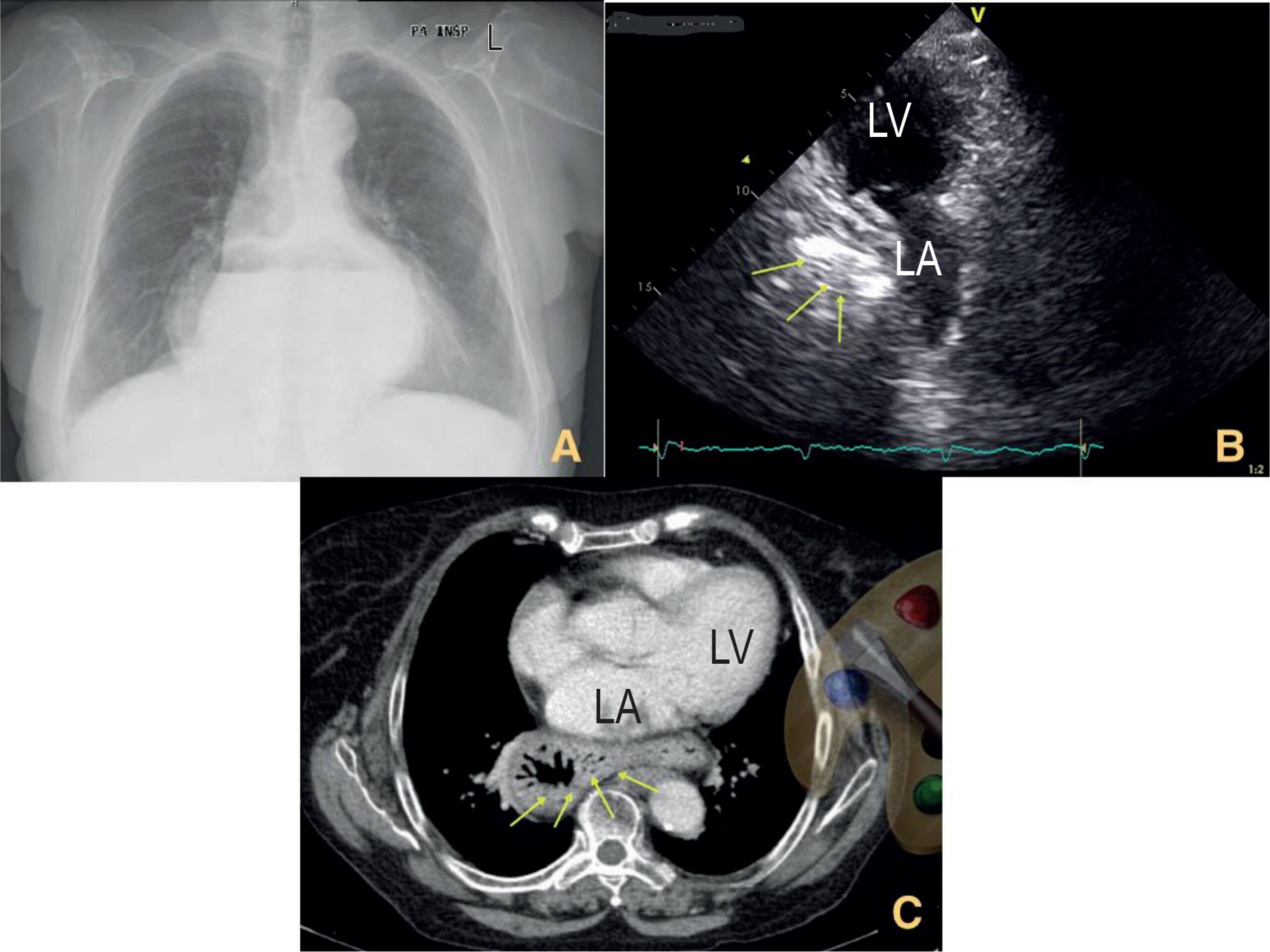
An 80-year old woman was admitted to the emergency room due to severe dyspnea. She had no known history of cardiovascular disease, but in last month she complained to increasing fatigue and shortness of breath. Physical examination was notable for diffuse lungs crackles. The heart sounds were normal and no murmur could be heard. The 12-lead electrocardiogram demonstrated sinus rhythm with non-specific ST-segment changes. The chest radiograph showed congested lung and there was also a round shadow behind the heart (). The patient was admitted to Cardiology department for further investigation.

[…]

  • Hernia, Hiatal / surgery
  • Pulmonary Edema
Read Full Article
Creative Commons Attribution (CC BY) Creative Commons license
01/07/2016 DOI: 10.5935/abc.20160062
Summary of the II Brazilian Guideline Update on Acute Heart Failure 2009/2011
ABC
Special Article

Summary of the II Brazilian Guideline Update on Acute Heart Failure 2009/2011

Marcelo Westerlund Montera et al. Sabrina Bernardez Pereira Alexandre Siciliano Colafranceschi Dirceu Rodrigues de Almeida … Evandro Mesquita Tinoco Ricardo Mourilhe Rocha Lídia Ana Zytynski Moura Álvaro Réa-Neto Sandrigo Mangini Fabiana Goulart Marcondes Braga Denilson Campos Albuquerque Edson Stefanini Eduardo Benchimol Saad Fábio Vilas-Boas

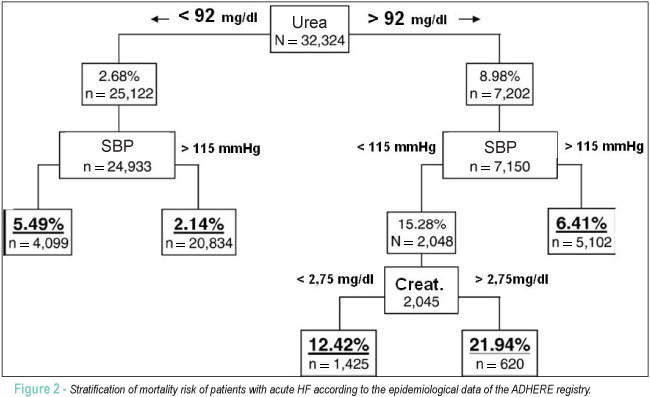
In the past two years we observed several changes in the diagnostic and therapeutic approach of patients with acute heart failure (acute HF), which led us to the need of performing a summary update of the II Brazilian Guidelines on Acute Heart Failure 2009. In the diagnostic evaluation, the diagnostic flowchart was simplified and the role of clinical assessment and echocardiography was enhanced. In the clinical-hemodynamic evaluation on admission, the hemodynamic echocardiography gained prominence as an aid to define this condition in patients with acute HF in the emergency room. In the prognostic evaluation, the role of biomarkers was better established and the criteria and prognostic value of the cardiorenal syndrome was better defined. The therapeutic approach flowcharts were revised, and are now simpler and more objective. Among the advances in drug therapy, the safety and importance of the maintenance or introduction of beta-blockers in the admission treatment are highlighted. Anticoagulation, according to new evidence, gained a wider range of indications. The presentation hemodynamic models of acute pulmonary edema were well established, with their different therapeutic approaches, as well as new levels of indication and evidence. In the surgical treatment of acute HF, CABG, the approach to mechanical lesions and heart transplantation were reviewed and updated. This update strengthens the II Brazilian Guidelines on Acute Heart Failure to keep it updated and refreshed. All clinical cardiologists who deal with patients with acute HF will find, in the guidelines and its summary, important tools to help them with the clinical practice for better diagnosis and treatment of their patients.

  • cardiac outpatient, low
  • Diagnosis
  • Heart Failure
  • Prognosis
  • Pulmonary Edema
  • Shock, Cardiogenic
Read Full Article
Creative Commons Attribution (CC BY) Creative Commons license
31/07/2012 DOI: 10.1590/S0066-782X2012000500001 Views 2
Rare manifestation of acute pulmonary edema associated with acute lupus myocarditis
ABC
Case Report

Rare manifestation of acute pulmonary edema associated with acute lupus myocarditis

Alexandre de Matos Soeiro et al. Fabrício Sanchez Bergamin Maria Carolina Feres de Almeida Carlos Vicente Serrano Jr. … Breno Alencar de Araripe Falcão Fernando Ganem

Systemic Lupus Erythematosus (SLE) is the most common systemic autoimmune disease, occurring more frequently in women, usually aged between 16 and 55 years1,2. Although classically the kidneys are the organs most affected in SLE, cardiopulmonary circulation and the heart may also be affected significantly3. In this context, the occurrence of acute pulmonary edema associated with lupus myocarditis is rare and specific immunosuppressive therapy remains unclear.

  • Lupus Erythematosus
  • Myocarditis
  • Pulmonary Edema
  • Systemic
Read Full Article
Creative Commons Attribution (CC BY) Creative Commons license
31/07/2012 DOI: 10.1590/S0066-782X2012000500016
Assessment of myocardial perfusion and function in victims of scorpion envenomation using Gated-SPECT
ABC
Artigo Original

Assessment of myocardial perfusion and function in victims of scorpion envenomation using Gated-SPECT

Alexandre Baldini de Figueiredo et al. Palmira Cupo Antônio O Pintya Fábio Caligaris … José A Marin-Neto Sylvia E Hering Marcus Vinicius Simões

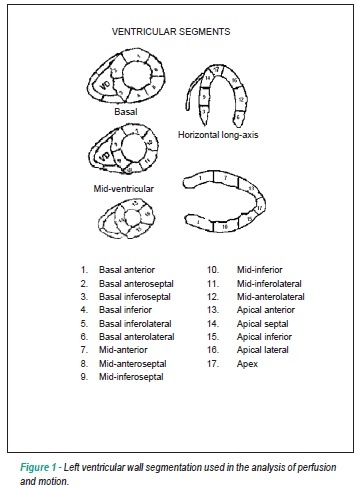
BACKGROUND: Cardiogenic shock and acute pulmonary edema are the major causes of death of patients with scorpion envenomation, whose pathophysiological mechanism remains controversial. OBJECTIVE: To investigate the correlation between myocardial perfusion abnormalities and left ventricular contractile function in victims of scorpion envenomation. METHODS: Fifteen patients underwent ECG-gated myocardial perfusion scintigraphy (gated SPECT) within 72 hours of, and 15 days after scorpion envenomation. Images were analyzed by means of a semi-quantitative visual perfusion score (0 = normal, 4 = absent) and motion score (0 = normal, 4 = akinesia), using the 17-segment model. Summed perfusion (SPS) and summed motion (SMS) scores were calculated for each patient. Ejection fraction (LVEF) was calculated by a commercially available software. RESULTS: At baseline, 12 out of the 15 patients presented abnormal myocardial perfusion and contractility. Mean values of SPS, SMS and LVEF were 12.5 ± 7.3, 17.0 ± 12.8, and 44.6 ± 16.0%, respectively. A positive correlation between SPS and SMS (r = 0.68; p = 0.005) and negative correlation between SPS and LVEF (r = -0.75; p = 0.0021) were found. The follow-up studies showed recovery of global contractility (LVEF of 68.9 ± 9.5, p = 0.0002), segmental contractility (SMS of 2.6 ± 3.1, p = 0.0009) and perfusion (SPS of 3.7 ± 3.3, p = 0.0003). Improvement of LVEF correlated positively with improvement of SPS (r = 0.72; p = 0.0035). CONCLUSIONS: Myocardial perfusion abnormalities are common in scorpion envenomation and correlate topographically with the contractile dysfunction. Recovery of contractility correlates with reversibility of perfusion defects. These findings suggest the participation of myocardial perfusion abnormalities in the pathophysiology of this form of acute ventricular failure. (Arq Bras Cardiol 2010;94(4): 418-425)

  • Perfusion
  • Pulmonary Edema
  • Radionuclide Imaging
  • Scorpions
  • Ventricular Dysfunction
Read Full Article
Creative Commons Attribution (CC BY) Creative Commons license
22/09/2010 DOI: 10.1590/S0066-782X2010000400003

How to cite this article

EndNote RIS

Electronic Document Format (Vancouver)

Otto MEB. The New Frontier of Point-of-Care Ultrasound: Lung Ultrasound in Congenital Heart Disease. Arquivos Brasileiros de Cardiologia 2026;123(3):e20260163.

Electronic Document Format (ABNT)

Otto, Maria Estefânia Bosco. The New Frontier of Point-of-Care Ultrasound: Lung Ultrasound in Congenital Heart Disease. Arquivos Brasileiros de Cardiologia, v. 123, n. 3, e20260163, May. 2026.

Electronic Document Format (APA)

Otto, M. E. B. (2026). The New Frontier of Point-of-Care Ultrasound: Lung Ultrasound in Congenital Heart Disease. Arquivos Brasileiros de Cardiologia, 123(3), e20260163.

Electronic Document Format (ISO)

Otto, Maria Estefânia Bosco. The New Frontier of Point-of-Care Ultrasound: Lung Ultrasound in Congenital Heart Disease. Arquivos Brasileiros de Cardiologia [online]. 2026, vol. 123, n. 3, [cited 2026-10-14], e20260163. Available from: <https://journals.cardiol.br/en/article/the-new-frontier-of-point-of-care-ultrasound-lung-ultrasound-in-congenital-heart-disease/>. ISSN 0066-782X

EndNote RIS

Electronic Document Format (Vancouver)

Donmez YN, Bako D, Alpat S, Giray D, Epcacan S. Improving Pulmonary Edema Assessment in Pediatric Congenital Heart Disease: The Role of Lung Ultrasonography. Arquivos Brasileiros de Cardiologia 2026;123(3):e20250322.

Electronic Document Format (ABNT)

Donmez, Yasemin Nuran; Bako, Derya; Alpat, Safak; Giray, Dilek; Epcacan, Serdar. Improving Pulmonary Edema Assessment in Pediatric Congenital Heart Disease: The Role of Lung Ultrasonography. Arquivos Brasileiros de Cardiologia, v. 123, n. 3, e20250322, May. 2026.

Electronic Document Format (APA)

Donmez, Y. N., Bako, D., Alpat, S., Giray, D., & Epcacan, S. (2026). Improving Pulmonary Edema Assessment in Pediatric Congenital Heart Disease: The Role of Lung Ultrasonography. Arquivos Brasileiros de Cardiologia, 123(3), e20250322.

Electronic Document Format (ISO)

Donmez, Yasemin Nuran and Bako, Derya and Alpat, Safak and Giray, Dilek and Epcacan, Serdar. Improving Pulmonary Edema Assessment in Pediatric Congenital Heart Disease: The Role of Lung Ultrasonography. Arquivos Brasileiros de Cardiologia [online]. 2026, vol. 123, n. 3, [cited 2026-10-14], e20250322. Available from: <https://journals.cardiol.br/en/article/improving-pulmonary-edema-assessment-in-pediatric-congenital-heart-disease-the-role-of-lung-ultrasonography/>. ISSN 0066-782X

EndNote RIS

Electronic Document Format (Vancouver)

Menegazzo WR, Saadi MP, Silvano GP, Gonzalez VL, Silveira AD. Theoretical Concepts of Lung Ultrasound in the Diagnosis of Congestion. ABC Heart Fail Cardiomyop 2024;4(1):e20240022.

Electronic Document Format (ABNT)

Menegazzo, Willian Roberto; Saadi, Marina Petersen; Silvano, Gustavo Paes; Gonzalez, Vinícius Leite; Silveira, Anderson Donelli da. Theoretical Concepts of Lung Ultrasound in the Diagnosis of Congestion. ABC Heart Fail Cardiomyop, v. 4, n. 1, e20240022, Aug. 2024.

Electronic Document Format (APA)

Menegazzo, W. R., Saadi, M. P., Silvano, G. P., Gonzalez, V. L., & Silveira, A. D. (2024). Theoretical Concepts of Lung Ultrasound in the Diagnosis of Congestion. ABC Heart Fail Cardiomyop, 4(1), e20240022.

Electronic Document Format (ISO)

Menegazzo, Willian Roberto and Saadi, Marina Petersen and Silvano, Gustavo Paes and Gonzalez, Vinícius Leite and Silveira, Anderson Donelli da. Theoretical Concepts of Lung Ultrasound in the Diagnosis of Congestion. ABC Heart Fail Cardiomyop [online]. 2024, vol. 4, n. 1, [cited 2026-10-14], e20240022. Available from: <https://journals.cardiol.br/en/article/theoretical-concepts-of-lung-ultrasound-in-the-diagnosis-of-congestion/>

EndNote RIS

Electronic Document Format (Vancouver)

Telo GH, Saadi MP, Silvano GP, Silveira AD, Biolo A. Contribution of Lung Ultrasound and VExUS in the Diagnosis and Monitoring of Patients with Heart Failure. ABC Heart Fail Cardiomyop 2024;4(1):e20240010.

Electronic Document Format (ABNT)

Telo, Guilherme Heiden; Saadi, Marina Petersen; Silvano, Gustavo Paes; Silveira, Anderson Donelli da; Biolo, Andreia. Contribution of Lung Ultrasound and VExUS in the Diagnosis and Monitoring of Patients with Heart Failure. ABC Heart Fail Cardiomyop, v. 4, n. 1, e20240010, Jul. 2024.

Electronic Document Format (APA)

Telo, G. H., Saadi, M. P., Silvano, G. P., Silveira, A. D. , & Biolo, A. (2024). Contribution of Lung Ultrasound and VExUS in the Diagnosis and Monitoring of Patients with Heart Failure. ABC Heart Fail Cardiomyop, 4(1), e20240010.

Electronic Document Format (ISO)

Telo, Guilherme Heiden and Saadi, Marina Petersen and Silvano, Gustavo Paes and Silveira, Anderson Donelli da and Biolo, Andreia. Contribution of Lung Ultrasound and VExUS in the Diagnosis and Monitoring of Patients with Heart Failure. ABC Heart Fail Cardiomyop [online]. 2024, vol. 4, n. 1, [cited 2026-10-14], e20240010. Available from: <https://journals.cardiol.br/en/article/contribution-of-lung-ultrasound-and-vexus-in-the-diagnosis-and-monitoring-of-patients-with-heart-failure/>

EndNote RIS

Electronic Document Format (Vancouver)

Yildirim E, Selcuk M, Saylik F, Mutluer FO, Deniz O. Effect of Heroin on Electrocardiographic Parameters. Arquivos Brasileiros de Cardiologia 2021;115(6):1135-41.

Electronic Document Format (ABNT)

Yildirim, Ersin; Selcuk, Murat; Saylik, Faysal; Mutluer, Ferit Onur; Deniz, Ozgur. Effect of Heroin on Electrocardiographic Parameters. Arquivos Brasileiros de Cardiologia, v. 115, n. 6, p. 1135-1141, Jan. 2021.

Electronic Document Format (APA)

Yildirim, E., Selcuk, M., Saylik, F., Mutluer, F. O., & Deniz, O. (2021). Effect of Heroin on Electrocardiographic Parameters. Arquivos Brasileiros de Cardiologia, 115(6), 1135-1141.

Electronic Document Format (ISO)

Yildirim, Ersin and Selcuk, Murat and Saylik, Faysal and Mutluer, Ferit Onur and Deniz, Ozgur. Effect of Heroin on Electrocardiographic Parameters. Arquivos Brasileiros de Cardiologia [online]. 2021, vol. 115, n. 6, [cited 2026-10-14], pp. 1135-1141. Available from: <https://journals.cardiol.br/en/article/effect-of-heroin-on-electrocardiographic-parameters/>. ISSN 0066-782X

EndNote RIS

Electronic Document Format (Vancouver)

Barros MNDS, Sousa VWB, Lima IAB, Nóbrega CRBM, Moreira ICAM, Dourado SMM, Andrade BMS, et al. Predictors of Coronary Artery Obstructive Disease in Acute Pulmonary Edema of Unclear Origin. International Journal of Cardiovascular Sciences 2018;31(2):133-42.

Electronic Document Format (ABNT)

Barros, Maria das Neves Dantas da Silveira; Sousa, Vander Weyden Batista de; Lima, Isabelle Adjanine Borges de; Nóbrega, Cecília Raquel Bezerra Marinho; Moreira, Isabelle Conceição Albuquerque Machado; Dourado, Suzana Marine Martins; Andrade, Bruna Maria Simões; Batista, Virgínia da Silva; Silva, Maria Cleide Freire Clementino da; Correia, Luís Cláudio. Predictors of Coronary Artery Obstructive Disease in Acute Pulmonary Edema of Unclear Origin. International Journal of Cardiovascular Sciences, v. 31, n. 2, p. 133-142, Dec. 2017.

Electronic Document Format (APA)

Barros, M. N. D. S., Sousa, V. W. B. , Lima, I. A. B. , Nóbrega, C. R. B. M., Moreira, I. C. A. M., Dourado, S. M. M., Andrade, B. M. S., Batista, V. S., Silva, M. C. F. C. , & Correia, L. C. (2018). Predictors of Coronary Artery Obstructive Disease in Acute Pulmonary Edema of Unclear Origin. International Journal of Cardiovascular Sciences, 31(2), 133-142.

Electronic Document Format (ISO)

Barros, Maria das Neves Dantas da Silveira and Sousa, Vander Weyden Batista de and Lima, Isabelle Adjanine Borges de and Nóbrega, Cecília Raquel Bezerra Marinho and Moreira, Isabelle Conceição Albuquerque Machado and Dourado, Suzana Marine Martins and Andrade, Bruna Maria Simões and Batista, Virgínia da Silva and Silva, Maria Cleide Freire Clementino da and Correia, Luís Cláudio. Predictors of Coronary Artery Obstructive Disease in Acute Pulmonary Edema of Unclear Origin. International Journal of Cardiovascular Sciences [online]. 2018, vol. 31, n. 2, [cited 2026-10-14], pp. 133-142. Available from: <https://journals.cardiol.br/en/article/predictors-of-coronary-artery-obstructive-disease-in-acute-pulmonary-edema-of-unclear-origin/>. ISSN 2359-4802

EndNote RIS

Electronic Document Format (Vancouver)

Miglioranza MH, Sousa ACS, Araujo CSC, Almeida-Santos MA, Gargani L. Lung Ultrasound: The Cardiologists’ New Friend. Arquivos Brasileiros de Cardiologia 2017;109(6):606-8.

Electronic Document Format (ABNT)

Miglioranza, Marcelo Haertel; Sousa, Antonio Carlos Sobral; Araujo, Caroline de Souza Costa; Almeida-Santos, Marcos Antonio; Gargani, Luna. Lung Ultrasound: The Cardiologists’ New Friend. Arquivos Brasileiros de Cardiologia, v. 109, n. 6, p. 606-608, Nov. 2017.

Electronic Document Format (APA)

Miglioranza, M. H., Sousa, A. C. S., Araujo, C. S. C., Almeida-Santos, M. A., & Gargani, L. (2017). Lung Ultrasound: The Cardiologists’ New Friend. Arquivos Brasileiros de Cardiologia, 109(6), 606-608.

Electronic Document Format (ISO)

Miglioranza, Marcelo Haertel and Sousa, Antonio Carlos Sobral and Araujo, Caroline de Souza Costa and Almeida-Santos, Marcos Antonio and Gargani, Luna. Lung Ultrasound: The Cardiologists’ New Friend. Arquivos Brasileiros de Cardiologia [online]. 2017, vol. 109, n. 6, [cited 2026-10-14], pp. 606-608. Available from: <https://journals.cardiol.br/en/article/lung-ultrasound-the-cardiologists-new-friend/>. ISSN 0066-782X

EndNote RIS

Electronic Document Format (Vancouver)

Ferreira R, Monteiro S, Pego M. Unusual Form of Heart Failure!. Arquivos Brasileiros de Cardiologia 2016;107(1):81-2.

Electronic Document Format (ABNT)

Ferreira, Rita; Monteiro, Silvia; Pego, Mariano. Unusual Form of Heart Failure!. Arquivos Brasileiros de Cardiologia, v. 107, n. 1, p. 81-82, Jun. 2016.

Electronic Document Format (APA)

Ferreira, R., Monteiro, S., & Pego, M. (2016). Unusual Form of Heart Failure!. Arquivos Brasileiros de Cardiologia, 107(1), 81-82.

Electronic Document Format (ISO)

Ferreira, Rita and Monteiro, Silvia and Pego, Mariano. Unusual Form of Heart Failure!. Arquivos Brasileiros de Cardiologia [online]. 2016, vol. 107, n. 1, [cited 2026-10-14], pp. 81-82. Available from: <https://journals.cardiol.br/en/article/unusual-form-of-heart-failure/>. ISSN 0066-782X

EndNote RIS

Electronic Document Format (Vancouver)

Montera MW, Pereira SB, Colafranceschi AS, Almeida DR, Tinoco EM, Rocha RM, Moura LAZ, et al. Summary of the II Brazilian Guideline Update on Acute Heart Failure 2009/2011. Arquivos Brasileiros de Cardiologia 2012;98(5):375-83.

Electronic Document Format (ABNT)

Montera, Marcelo Westerlund; Pereira, Sabrina Bernardez; Colafranceschi, Alexandre Siciliano; Almeida, Dirceu Rodrigues de; Tinoco, Evandro Mesquita; Rocha, Ricardo Mourilhe; Moura, Lídia Ana Zytynski; Réa-Neto, Álvaro; Mangini, Sandrigo; Braga, Fabiana Goulart Marcondes; Albuquerque, Denilson Campos; Stefanini, Edson; Saad, Eduardo Benchimol; Vilas-Boas, Fábio. Summary of the II Brazilian Guideline Update on Acute Heart Failure 2009/2011. Arquivos Brasileiros de Cardiologia, v. 98, n. 5, p. 375-383, Jul. 2012.

Electronic Document Format (APA)

Montera, M. W., Pereira, S. B., Colafranceschi, A. S., Almeida, D. R. , Tinoco, E. M., Rocha, R. M., Moura, L. A. Z., Réa-Neto, , Mangini, S., Braga, F. G. M., Albuquerque, D. C., Stefanini, E., Saad, E. B., & Vilas-Boas, F. (2012). Summary of the II Brazilian Guideline Update on Acute Heart Failure 2009/2011. Arquivos Brasileiros de Cardiologia, 98(5), 375-383.

Electronic Document Format (ISO)

Montera, Marcelo Westerlund and Pereira, Sabrina Bernardez and Colafranceschi, Alexandre Siciliano and Almeida, Dirceu Rodrigues de and Tinoco, Evandro Mesquita and Rocha, Ricardo Mourilhe and Moura, Lídia Ana Zytynski and Réa-Neto, Álvaro and Mangini, Sandrigo and Braga, Fabiana Goulart Marcondes and Albuquerque, Denilson Campos and Stefanini, Edson and Saad, Eduardo Benchimol and Vilas-Boas, Fábio. Summary of the II Brazilian Guideline Update on Acute Heart Failure 2009/2011. Arquivos Brasileiros de Cardiologia [online]. 2012, vol. 98, n. 5, [cited 2026-10-14], pp. 375-383. Available from: <https://journals.cardiol.br/en/article/summary-of-the-ii-brazilian-guideline-update-on-acute-heart-failure-2009-2011/>. ISSN 0066-782X

EndNote RIS

Electronic Document Format (Vancouver)

Soeiro AM, Bergamin FS, Almeida MCF, Serrano Jr. CV, Falcão BAA, Ganem F. Rare manifestation of acute pulmonary edema associated with acute lupus myocarditis. Arquivos Brasileiros de Cardiologia 2012;98(5):e78-81.

Electronic Document Format (ABNT)

Soeiro, Alexandre de Matos; Bergamin, Fabrício Sanchez; Almeida, Maria Carolina Feres de; Serrano Jr., Carlos Vicente; Falcão, Breno Alencar de Araripe; Ganem, Fernando. Rare manifestation of acute pulmonary edema associated with acute lupus myocarditis. Arquivos Brasileiros de Cardiologia, v. 98, n. 5, p. e78-e81, Jul. 2012.

Electronic Document Format (APA)

Soeiro, A. M., Bergamin, F. S., Almeida, M. C. F. , Serrano Jr., C. V., Falcão, B. A. A., & Ganem, F. (2012). Rare manifestation of acute pulmonary edema associated with acute lupus myocarditis. Arquivos Brasileiros de Cardiologia, 98(5), e78-e81.

Electronic Document Format (ISO)

Soeiro, Alexandre de Matos and Bergamin, Fabrício Sanchez and Almeida, Maria Carolina Feres de and Serrano Jr., Carlos Vicente and Falcão, Breno Alencar de Araripe and Ganem, Fernando. Rare manifestation of acute pulmonary edema associated with acute lupus myocarditis. Arquivos Brasileiros de Cardiologia [online]. 2012, vol. 98, n. 5, [cited 2026-10-14], pp. e78-e81. Available from: <https://journals.cardiol.br/en/article/rare-manifestation-of-acute-pulmonary-edema-associated-with-acute-lupus-myocarditis/>. ISSN 0066-782X

EndNote RIS

Electronic Document Format (Vancouver)

Figueiredo AB, Cupo P, Pintya AO, Caligaris F, Marin-Neto JA, Hering SE, Simões MV, et al. Assessment of myocardial perfusion and function in victims of scorpion envenomation using Gated-SPECT. Arquivos Brasileiros de Cardiologia 2010;94(4):444-51.

Electronic Document Format (ABNT)

Figueiredo, Alexandre Baldini de; Cupo, Palmira; Pintya, Antônio O; Caligaris, Fábio; Marin-Neto, José A; Hering, Sylvia E; Simões, Marcus Vinicius. Assessment of myocardial perfusion and function in victims of scorpion envenomation using Gated-SPECT. Arquivos Brasileiros de Cardiologia, v. 94, n. 4, p. 444-451, Sep. 2010.

Electronic Document Format (APA)

Figueiredo, A. B. , Cupo, P., Pintya, A. O., Caligaris, F., Marin-Neto, J. A., Hering, S. E., & Simões, M. V. (2010). Assessment of myocardial perfusion and function in victims of scorpion envenomation using Gated-SPECT. Arquivos Brasileiros de Cardiologia, 94(4), 444-451.

Electronic Document Format (ISO)

Figueiredo, Alexandre Baldini de and Cupo, Palmira and Pintya, Antônio O and Caligaris, Fábio and Marin-Neto, José A and Hering, Sylvia E and Simões, Marcus Vinicius. Assessment of myocardial perfusion and function in victims of scorpion envenomation using Gated-SPECT. Arquivos Brasileiros de Cardiologia [online]. 2010, vol. 94, n. 4, [cited 2026-10-14], pp. 444-451. Available from: <https://journals.cardiol.br/en/article/assessment-of-myocardial-perfusion-and-function-in-victims-of-scorpion-envenomation-using-gated-spect/>. ISSN 0066-782X

  • About ABC Family
  • Internal Regulation
  • Editorial Board
  • Brazilian Society of Cardiology (SBC)

Issues

SBC Guidelines

  • Videos
  • Podcasts
  • News