ABC Family Arquivos Brasileiros de Cardiologia International Journal of Cardiovascular Sciences ABC Heart Failure & Cardiomyopathy ABC Imagem Cardiovascular
Português English
ABC Family
Português English
  • About
    • About ABC Family
    • Internal Regulation
    • Editorial Board
    • Brazilian Society of Cardiology (SBC)
  • Issues
  • SBC Guidelines
  • Content
    • Videos
    • Podcasts
    • News
  • About
    • About ABC Family
    • Internal Regulation
    • Editorial Board
    • Brazilian Society of Cardiology (SBC)
  • Issues
  • SBC Guidelines
  • Content
    • Videos
    • Podcasts
    • News

ABC Family

  • ABC Family
  • Arquivos Brasileiros de Cardiologia
  • International Journal of Cardiovascular Sciences
  • ABC Heart Failure & Cardiomyopathy
  • ABC Imagem Cardiovascular
Search in

No content found.

Journals
Ordering
Article types
Others

  1. Home
  2. Keyword: Hypercholesterolemia
ABC
Editorial

Detecting Familial Hypercholesterolemia in Adolescents: Universal Screening is Key

Fernando Yue Cesena

Familial hypercholesterolemia (FH) is a genetic disorder characterized by impaired clearance of low-density lipoprotein (LDL) particles from plasma to hepatocytes, resulting in elevated plasma LDL-Cholesterol (LDL-C) levels and a significantly increased risk of premature atherosclerotic cardiovascular disease (ASCVD). Recent meta-analyses indicate an FH prevalence of approximately 1 in 310 individuals in the general population., Importantly, FH remains substantially underdiagnosed, and most affected individuals live with LDL-C levels above recommended targets.

Early identification of FH is critical for preventing ASCVD events. From a pathophysiological perspective, atherosclerosis develops due to cumulative arterial exposure to elevated LDL particles. Both the magnitude of excessive LDL particles in plasma and the duration of exposure are relevant for plaque development and progression. In this regard, FH is of particular concern because affected individuals have very high LDL-C levels since birth/childhood. Early diagnosis and consequent awareness of the problem increase the chance of adopting a healthy lifestyle in the long term. Early LDL-C lowering improves endothelial function, attenuates atherosclerosis progression, and diminishes the risk of coronary events.,,

[…]

  • Adolescent
  • Hypercholesterolemia
  • Mass Screening
Read Full Article
Creative Commons Attribution (CC BY) Creative Commons license
23/05/2025 DOI: 10.36660/abc.20250178i Views 2
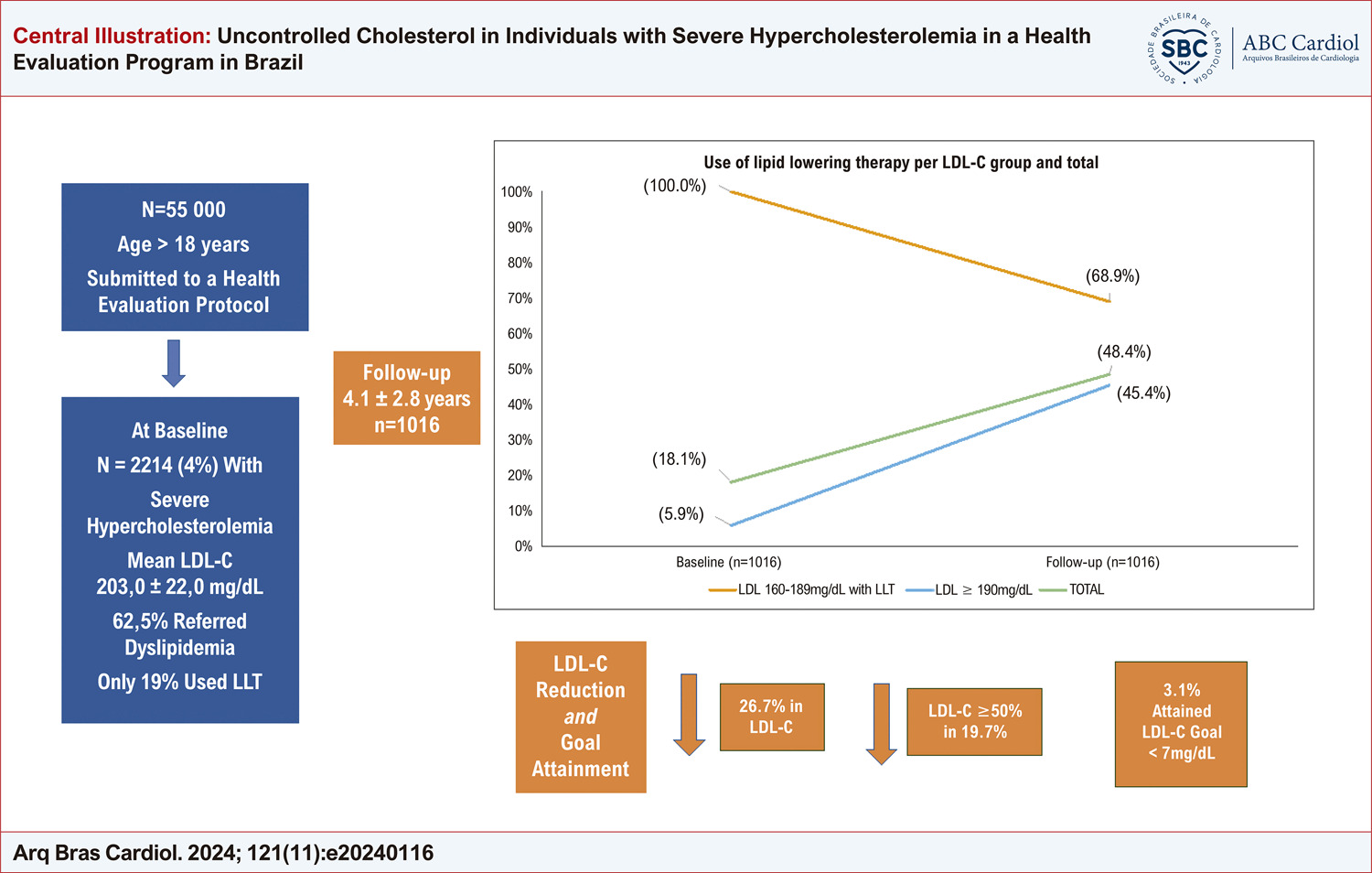
Uncontrolled Cholesterol in Individuals with Severe Hypercholesterolemia in a Health Evaluation Program in Brazil
ABC
Original Article

Uncontrolled Cholesterol in Individuals with Severe Hypercholesterolemia in a Health Evaluation Program in Brazil

Raul D. Santos et al. Nea Miwa Kashiwagi Fernando Yue Cesena Silvia Regina Lamas Assis … Josué Nieri Carlos Andre Minanni Marcelo Franken Otavio Berwanger

Abstract

Background

Individuals with severe hypercholesterolemia (SH) are considered at high atherosclerosis risk and should be intensively treated with lipid-lowering drugs aiming for an LDL-C reduction of≥50% and a goal of <70 mg/dL.

Objectives

This study aimed to evaluate cholesterol control in individuals with SH (LDL-C ≥ 190 mg/dL or 160-189 mg/dL using lipid-lowering drugs) followed in a health evaluation program.

Methods

55,000 individuals were evaluated, of which 2,214 (4%) had SH, and 1,016 (45.8%) had repeated assessments. Achievement of recommended LDL-C goals was the primary study endpoint. A p-value < 0.05 was considered significant.

Results

Mean age (± SD) was 44.9±8.8 years, 84.2% were men, and 0.5% reported previous myocardial infarction. Mean LDL-C was 203.0±22.0 mg/dL, and although 62.5% referred dyslipidemia, only 19% were using lipid-lowering drugs (5.9% in cases with LDL-C ≥ 190 mg/dL). During a 4.1±2.8-year follow-up, use of lipid-lowering drugs increased from 18.1% to 48.4% (p<0.00001), 5.9% to 45.4% in those with LDL-C ≥ 190 mg/dL (p< 0.00001) though 31% of cases with LDL-C 160-189 mg/dL stopped taking medications. Overall, there was a mean 26.7% reduction in LDL-C (p 190 mg/dL and 160-189 mg/dL respectively. Only 3.1% reached LDL-C < 70 mg/dL (2.7% in those with LDL-C ≥ 190 and 5.3% in those with 160-189 mg/dL).

Conclusions

A serious gap was found between treatment recommendations and reality in individuals at high atherosclerosis risk due to SH.

  • Cholesterol
  • Heart Disease Risk Factors
  • Hypercholesterolemia
Read Full Article
Creative Commons Attribution (CC BY) Creative Commons license
22/11/2024 DOI: 10.36660/abc.20240116i Views 1
Figure 1
ABC
Case Report

Alopecia Universalis after Treatment with Simvastatin and Ezetimibe: Affects on Family

Ferhat Ozyurtlu et al. Nurullah Cetin

Abstract

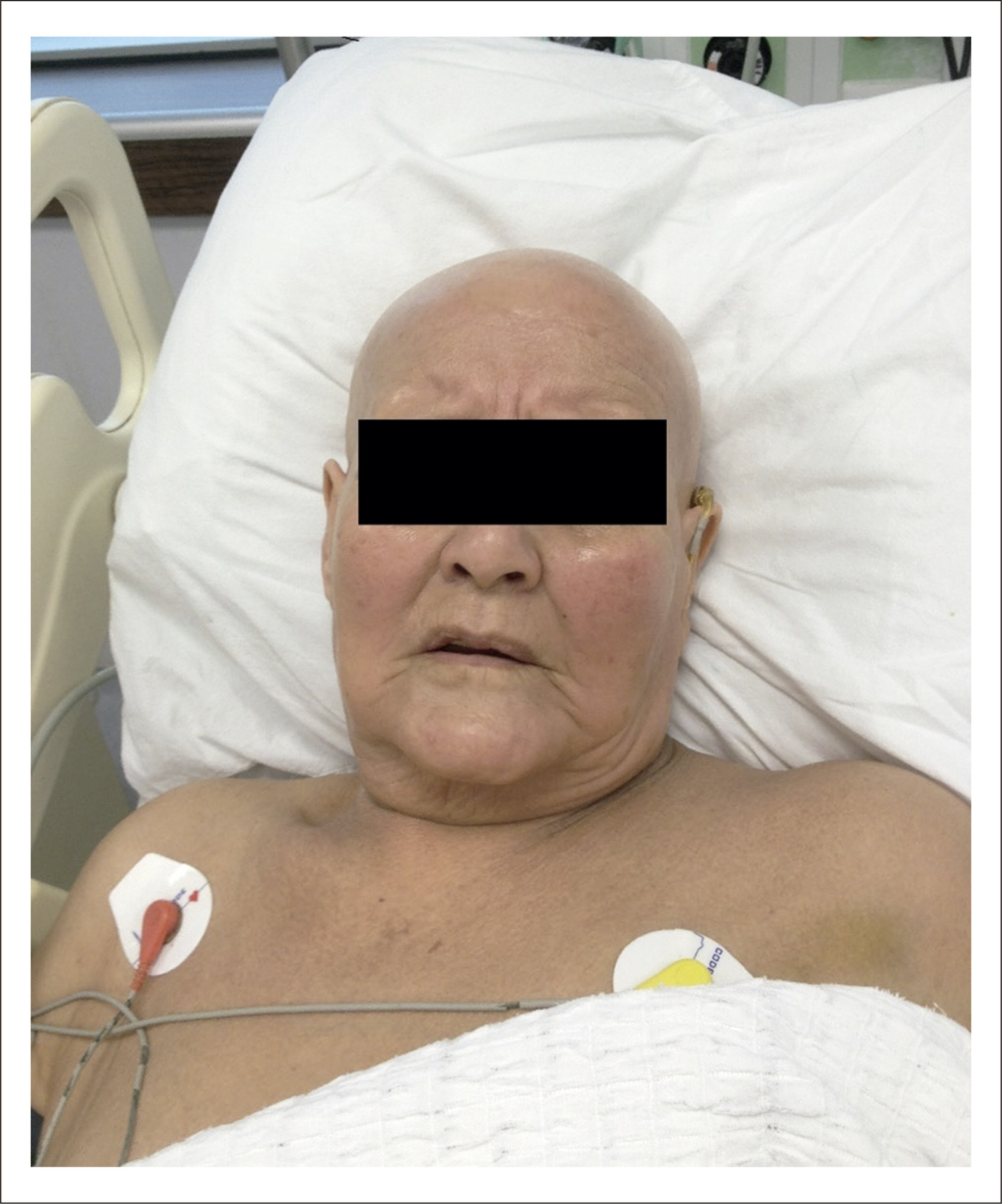
Alopecia areata (AA) is an autoimmune disease that grows in the scalp or in other parts of the body. Alopecia universalis, which is a rare form of alopecia areata, is characterized by a loss of hair that affects the entire body. In the two patients presented in this study, atorvastatin treatment was implemented, with the diagnosis of hypercholesterolemia; however, when the target values were not reached, a combination of simvastatin and ezetimibe was implemented. After a period of simvastatin/ezetimibe treatment, the AA disorder, which began with hair loss on the scalp, spread to the entire body and turned into Alopecia Universalis. Although statins can cause alopecia with autoimmune reactions, they are generally used in the treatment of alopecia due to their immunomodulatory effects.

  • Alopecia
  • Atorvastatin/adverse effects
  • Autoimmune Diseases
  • Ezetimibe, Simvastatin Drug Combination/adverse effects
  • Genetic
  • Hypercholesterolemia
Read Full Article
Creative Commons Attribution (CC BY) Creative Commons license
21/10/2022 DOI: 10.36660/abc.20220187 Views 1
ABC
Editorial

Friedewald, Martin/Hopkins, or Sampson/NIH: Which is the Best Method to Estimate LDL-Cholesterol?

Fernando Cesena

Atherosclerotic cardiovascular disease (ASCVD) is the main cause of death in Brazil and most of the world. Reduction in low-density lipoprotein cholesterol (LDL-c) is the first lipid goal to prevent ASCVD. The decision on the initiation or intensification of LDL-c lowering drug therapy is based on the risk of events and the LDL-c level, so an accurate determination of LDL-c is highly desirable.

The gold standard method to determine the plasma concentration of LDL-c is β-quantification, an expensive, time-consuming procedure based on ultracentrifugation and precipitation. Direct methods that use proprietary chemicals instead of ultracentrifugation are also time-consuming and costly. Moreover, they lack standardization, and the accuracy is not always good.

[…]

  • Cholesterol, LDL
  • Hypercholesterolemia
  • Hyperlipidemias
  • Laboratory Tests/methods
Read Full Article
Creative Commons Attribution (CC BY) Creative Commons license
05/08/2022 DOI: 10.36660/abc.20220455 Views 1
ABC
Editorial

Achievement of LDL-cholesterol Targets: Why do We Fail, and How Can We Improve?

Fernando Cesena

Atherosclerotic cardiovascular disease (ASCVD) remains the first cause of death in the world, and Brazil., Individuals with previous ASCVD are at the highest risk of subsequent events, and guidelines recommend aggressive lowering of low-density lipoprotein cholesterol (LDL-c) levels to prevent bad outcomes.,

However, several reports from around the world indicate a gap between guideline recommendations and clinical practice, and a large proportion of the population, especially in secondary prevention, lives with LDL-c levels above those considered reasonable to prevent events.– Indeed, lack of adherence to guideline-recommended therapies was independently associated with major cardiovascular events in a Brazilian population after acute coronary syndrome.

[…]

  • anticholesteremic agents
  • Cardiovascular Diseases
  • Hypercholesterolemia
  • Practice Guideline
  • Quality of Health Care
Read Full Article
Creative Commons Attribution (CC BY) Creative Commons license
10/06/2022 DOI: 10.36660/abc.20220288 Views 2
Figure 1
ABC
Original Article

Evaluation of Lipid Profiles of Children and Youth from Basic Health Units in Campinas, SP, Brazil: A Cross-Sectional Laboratory Study

Érica Ivana Lázaro Gomes et al. Vanessa Helena de Souza Zago Eliana Cotta de Faria

Abstract

Background:

Among dyslipidemias, hypercholesterolemia is considered the main risk factor for cardiovascular diseases in adults. In childhood and adolescence, elevated total cholesterol (TC) and low-density lipoprotein cholesterol (LDL-C) are positively associated with atherosclerosis markers, however, systematic screening for dyslipidemias in these groups is a controversial topic.

Objective:

To characterize the frequencies, types and severity of dyslipidemias in children and adolescents attended at the Basic Health Units managed by SUS in Campinas/SP.

Methods:

After an agreement with the Municipal Health Department of Campinas, consecutive results of serum lipid profiles (n = 312,650) of individuals of both sexes (n = 62,530) aged between 1 day old and 19 years were obtained, from 2008 to 2015. Age groups and dyslipidemias were classified according to recommendations in the literature. The statistical significance level adopted was the probability value (p) of 0.05 or less.

Results:

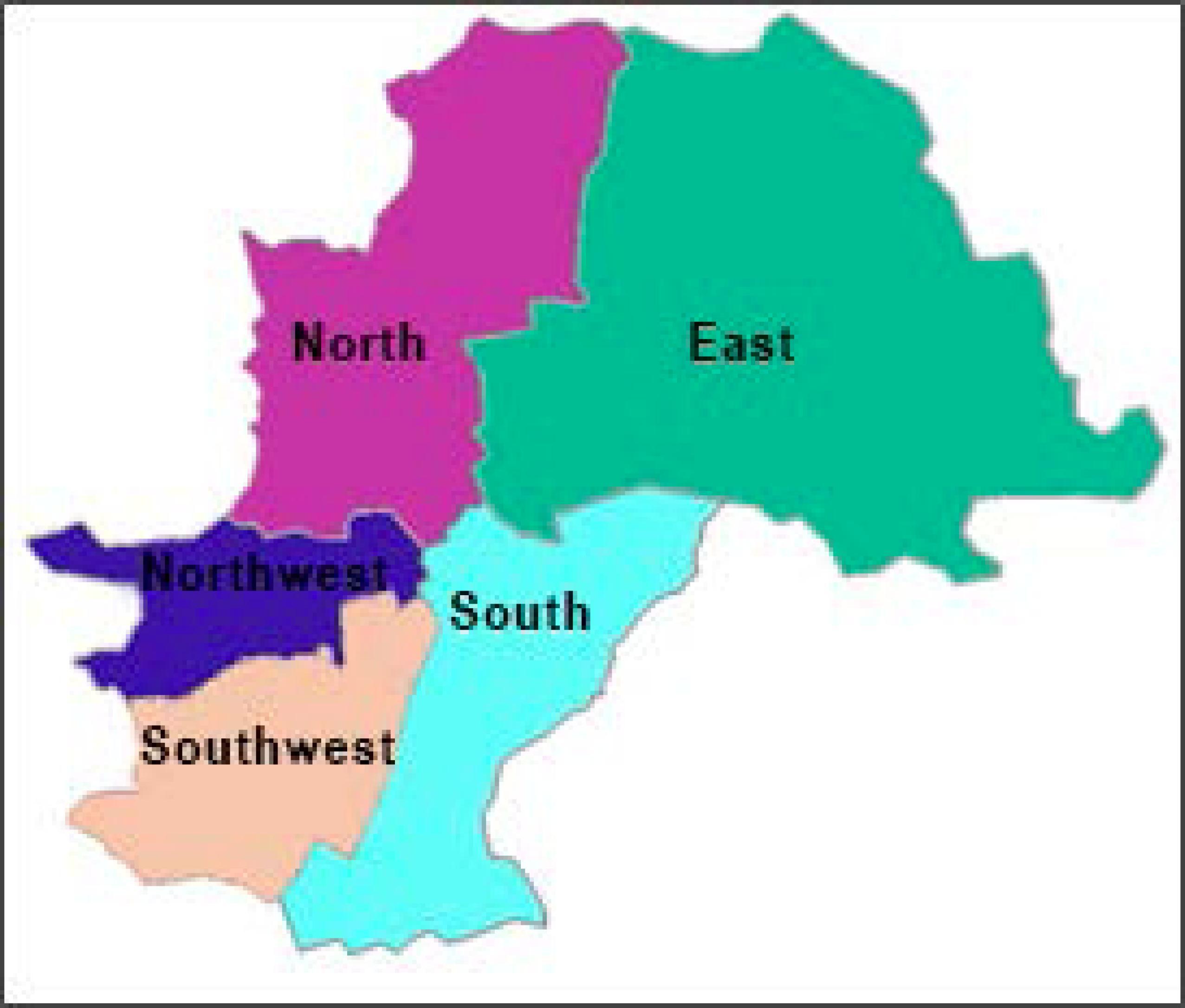
The observed frequencies of increased TC, triglycerides (TG), LDL-C and non-HDL-C (NHDL-C) were 33%, 40%, 29% and 13% respectively, and of reduced high-density lipoprotein cholesterol (HDL-C) the frequency was 39%. The frequencies, in general, were greater in females and in the southwest and south regions of the city, whose populations are more vulnerable from the socioeconomic point of view; on the other hand, in children and adolescents, the frequencies of TG and HDL-C prevailed, respectively.

Conclusions:

The high frequency and regionalization of dyslipidemias in children and adolescents indicate the need for specific actions in the handling and treatment of such diseases by the public health system of Campinas.

  • Adolescent
  • Cardiovascular Diseases
  • Child
  • Dyslipidemias
  • Hypercholesterolemia
  • laboratory test
  • Unified Health System
  • Young Adult
Read Full Article
Creative Commons Attribution (CC BY) Creative Commons license
21/10/2019 DOI: 10.5935/abc.20190209
ABC
Original Article

Cardiovascular Risk in Psoriasis Patients: Clinical, Functional and Morphological Parameters

Angélica Navarro de Oliveira et al. Marcela M. Simões Ricardo Simões Marcus Vinicius Bolivar Malachias Bruno Almeida Rezende

Abstract

Background:

Psoriasis correlates with metabolic disorders, early atheromatosis and increased cardiovascular risk.

Objectives:

To assess markers of cardiovascular disease in psoriatic patients.

Methods:

Cross-sectional, observational study involving 11 psoriatic participants and 33 controls. Anthropometric, biochemical, hemodynamic and imaging parameters were evaluated. Arterial stiffness was assessed by oscillometric measurement of the brachial artery. Intima-media thickness (IMT) and left ventricular diastolic function were assessed by Doppler echography and echocardiography. Between-group comparisons of numerical variables were performed by the Student’s t-test or Wilcoxon Mann-Whitney test for independent samples. Significance level was set at 5%.

Results:

Psoriatic patients showed increased pulse wave velocity (PWV) (9.1 ± 1.8 vs 8.0 ± 2 m/s, p = 0.033), IMT of the left common carotid artery (p = 0.018) and a higher percentage of patients above the 75th percentile according to the ELSA table when compared with controls (54.5 vs 18.2%, p = 0.045). Psoriatic patients also showed an increase in peripheral/central systolic blood pressure (137.1 ± 13.2 vs 122.3 ± 11.6 mmHg, p = 0.004)/(127 ± 13 vs 112.5 ± 10.4 mmHg, p = 0.005), peripheral/central diastolic blood pressure (89.9 ± 8.9 vs 82.2 ± 8, p = 0.022)/(91 ± 9.3 vs 82.2 ± 8.3, p = 0.014), total cholesterol (252 ± 43.5 vs 198 ± 39.8 mg/dL, p < 0.001), LDL cholesterol (167 ± 24 vs 118 ± 40.8 mg/dL, p < 0.001) and C-reactive protein (7.6 ± 35.4 vs 1 ± 1.2 mg/L p < 0.001) compared with controls.

Conclusion:

Psoriasis patients show increased PWV, IMT, peripheral and central blood pressures, and serum cholesterol and C-reactive protein levels, denoting a higher cardiovascular risk.

  • Arterial Stiffness
  • Brachial Artery
  • Cardiovascular Diseases
  • Hypercholesterolemia
  • Hypertension
  • Oscillometry/mehods
  • psoriasis
Read Full Article
Creative Commons Attribution (CC BY) Creative Commons license
18/07/2019 DOI: 10.5935/abc.20190123
Figure 1
ABC
Anatomopathological Correlation

Case 3/2019 – Young Male with Intense Dyspnea, Pulmonary Infiltrate, Normal Cardiac Area and Obliteration of the Apical Portion of the Left Ventricle

Victor Sarli Issa et al. Luiz Alberto Benvenuti

Clinical aspects

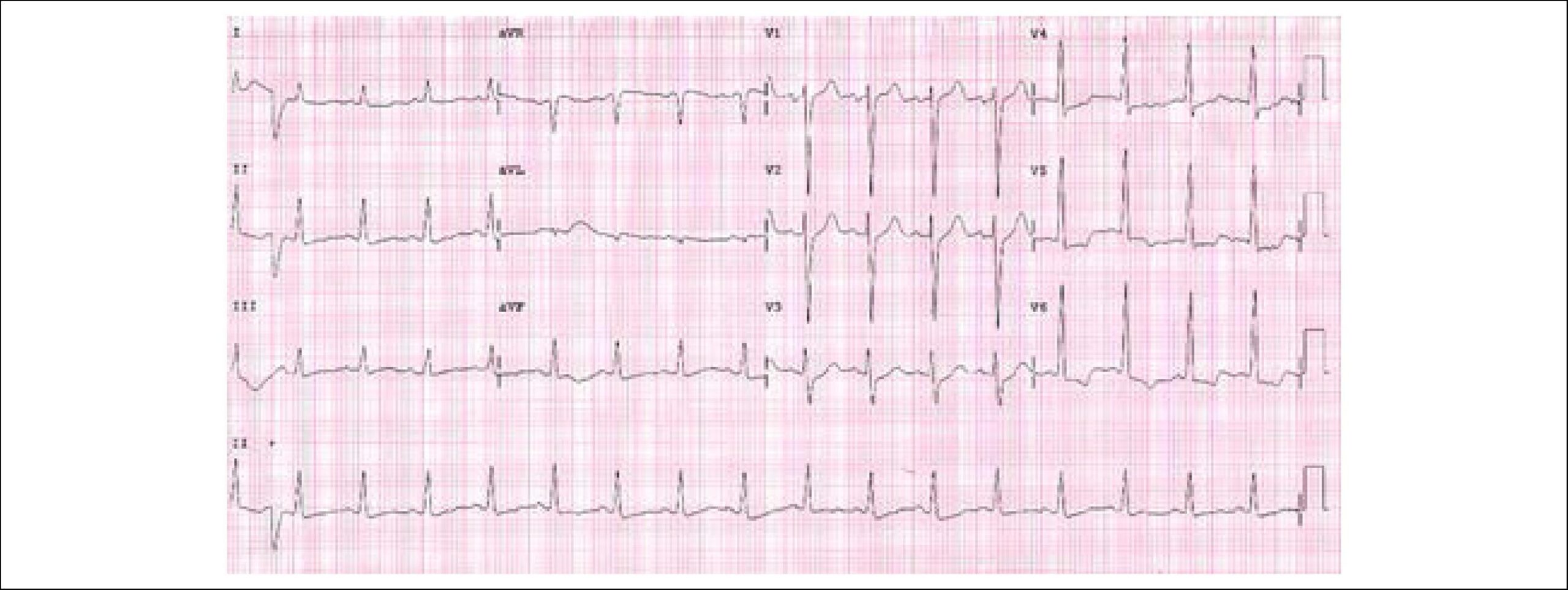
This is the case of a young, male patient, smoker, who had hypothyroidism post-treatment with radioactive iodine, who sought medical care due to symptoms of dyspnea and cough for a week; these complaints had been preceded by chest pain at exertion two weeks before. The medical evaluation at the first consultation was notable for the presence of tachycardia and mild leukocytosis in the whole blood count.

The chest X-ray was normal despite the presence of dyspnea at rest. Interestingly, the ECG performed during a routine medical evaluation 11 months before symptom onset showed signs suggestive of heart disease, with left chamber overload.

[…]

  • Cardiomyopathy, Hypertrophic Tobacco and Disorder
  • Diagnostic Imaging
  • Heart Failure/physiopatology
  • Hypercholesterolemia
  • Hypothyroidism
  • Inflammation
  • Pneumonia
  • Young Adult
Read Full Article
Creative Commons Attribution (CC BY) Creative Commons license
15/07/2019 DOI: 10.5935/abc.20190105 Views 1
Figure 1
ABC
Original Article

Predictors of Family Enrollment in a Genetic Cascade Screening Program for Familial Hypercholesterolemia

Pãmela Rodrigues de Souza Silva et al. Cinthia Elim Jannes Theo G. M. Oliveira Luz Marina Gómez Gómez … José E. Krieger Raul D. Santos Alexandre Costa Pereira

Abstract

Background:

Genetic cascade screening is the most cost-effective method for the identification of individuals with familial hypercholesterolemia (FH), but the best strategies for the enrollment of at-risk individuals in a FH screening program are not fully known.

Objective:

The aim of this study is to identify the best predictors of familial enrollment into genetic screening, using features derived from tested probands.

Methods:

One hundred and eighty-three index-cases (ICs) with a positive genetic result that had relatives screened from 01/2011 to 07/2015 were included. The response variable was the number of relatives for each enrolled IC. All variables in the study were based on ICs’ derived clinical and socioeconomical features. The effect size of predictor variables were obtained through a general linear model using a negative binomial regression link function. Significance was considered with a p < 0.05.

Results:

Mean IC age when enrolling into the program was 50 years old; 78.1% of individuals reported knowledge of relatives with dyslipidemia. Mean baseline LDL-cholesterol level was 316 ± 90 mg/dL. Referral origin through the cascade program website vs. tertiary care, IC LDL-cholesterol and familial history of high LDL-cholesterol levels were independent predictors associated with a higher number of enrolled relatives.

Conclusions:

Our data suggest that FH cascade screening programs can predict family enrollment based on IC features. This information may be useful for devising better and more effective screening approaches for at-risk individuals.

  • Cholesterol
  • Dyslipidemias/genetics
  • Genetic Testing
  • Hypelipoproteinemia Type II/genetics
  • Hypercholesterolemia
  • Mass Screening
Read Full Article
Creative Commons Attribution (CC BY) Creative Commons license
23/08/2018 DOI: 10.5935/abc.20180156 Views 1
ABC
Letter to the Editor

The Need for Sex Hormone Analysis in Addition to Long-Term Follow-Up of Phytosterol Supplementation

Heitor Oliveira Santos

Dear Editor,

I read with great interest the article entitled “Phytosterols in the Treatment of Hypercholesterolemia and Prevention of Cardiovascular Diseases”, by Cabral and Klein, published in the Brazilian Archives of Cardiology. The authors discuss phytosterol doses in the treatment of hypercholesterolemia, showing the current consensus of renowned guidelines and approval by global regulatory agencies.

[…]

  • Cardiovascular Diseases/prevention&control
  • Hypercholesterolemia
  • Phytosterois
  • Steroids
Read Full Article
Creative Commons Attribution (CC BY) Creative Commons license
01/08/2018 DOI: 10.5935/abc.20180132 Views 1
Figure 1
ABC
Original Article

Physical Activity and Lipid Profile in the ELSA- Brasil Study

Raquel Caroline da Silva et al. Maria de Fátima Haueisen Sander Diniz Sheila Alvim Pedro Guatimosim Vidigal … Ligia Maria Giongo Fedeli Sandhi Maria Barreto

Abstract

Background:

Regular physical activity (PA) induces desirable changes in plasma levels of high- and low-density lipoproteins (HDL and LDL, respectively) and triglycerides (TG), important risk factors for cardiometabolic diseases. However, doubts whether intensity and duration have equivalent benefits remain.

Objective:

To assess the association of PA intensity and duration with HDL, LDL and TG levels.

Methods:

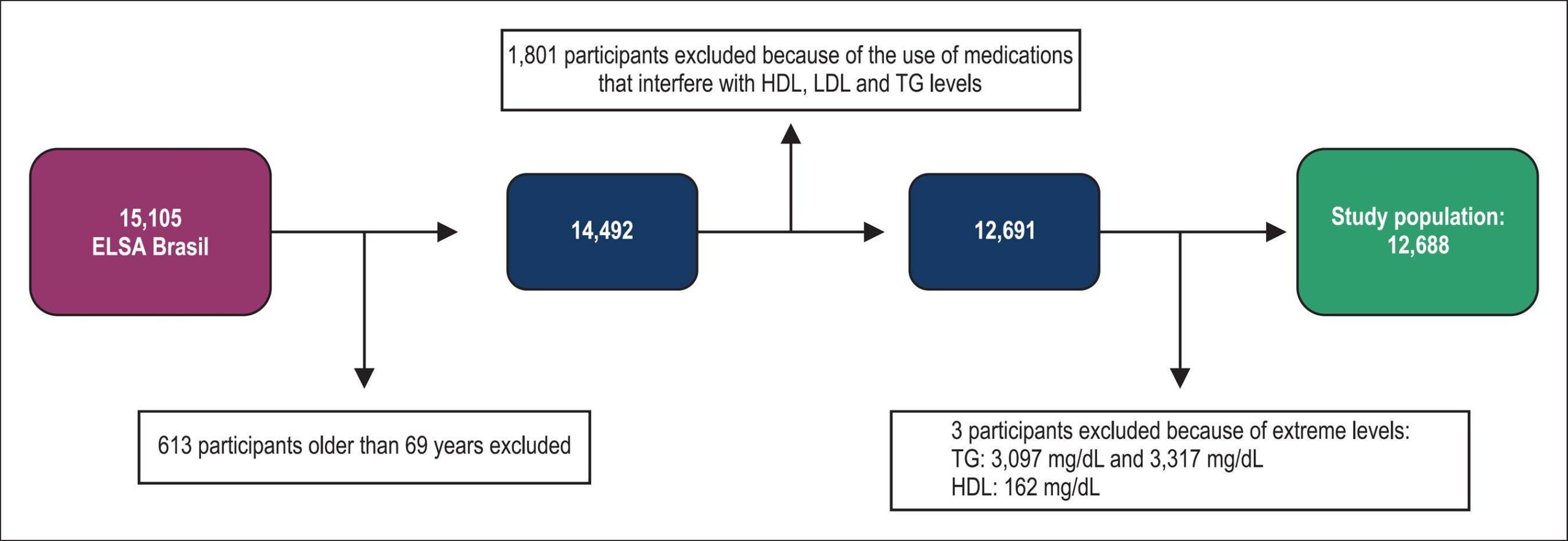
Cross-sectional study with 12,688 participants from the Brazilian Longitudinal Study of Adult Health (ELSA-Brasil) baseline, who were not on lipid-lowering medication. After adjustment for important covariates, multiple linear regression was used to assess the association of PA intensity and duration with HDL, LDL and TG (natural logarithm) levels.

Results:

Both moderate and vigorous PA and PA practice ≥ 150 min/week were significantly associated with higher HDL and lower TG levels. Vigorous PA was associated with lower LDL only on univariate analysis. After adjustments, moderate and vigorous PA increased mean HDL level by 0.89 mg/dL and 1.71 mg/dL, respectively, and reduced TG geometric mean by 0.98 mg/dL and 0.93 mg/dL, respectively. PA practice ≥ 150 min/week increased mean HDL level by 1.05 mg/dL, and decreased TG geometric mean by 0.98 mg/dL.

Conclusion:

Our findings reinforce the benefits of both PA parameters studied on HDL and TG levels, with a slight advantage for vigorous PA as compared to the recommendation based only on PA duration.

  • Cardiovascular Diseases
  • Cholesterol
  • Health Profile
  • Hypercholesterolemia
  • Motor Activity
  • Triglycerides
Read Full Article
Creative Commons Attribution (CC BY) Creative Commons license
23/06/2016 DOI: 10.5935/abc.20160091 Views 2
Figure 1
ABC
Original Article

Effect of Pitavastatin on Vascular Reactivity in Hypercholesterolemic Rabbits

Eros Antonio de Almeida et al. Michiko Regina Ozaki

Background:

Pitavastatin is the newest statin available in Brazil and likely the one with fewer side effects. Thus, pitavastatin was evaluated in hypercholesterolemic rabbits in relation to its action on vascular reactivity.

Objective:

To assess the lowest dose of pitavastatin necessary to reduce plasma lipids, cholesterol and tissue lipid peroxidation, as well as endothelial function in hypercholesterolemic rabbits.

Methods:

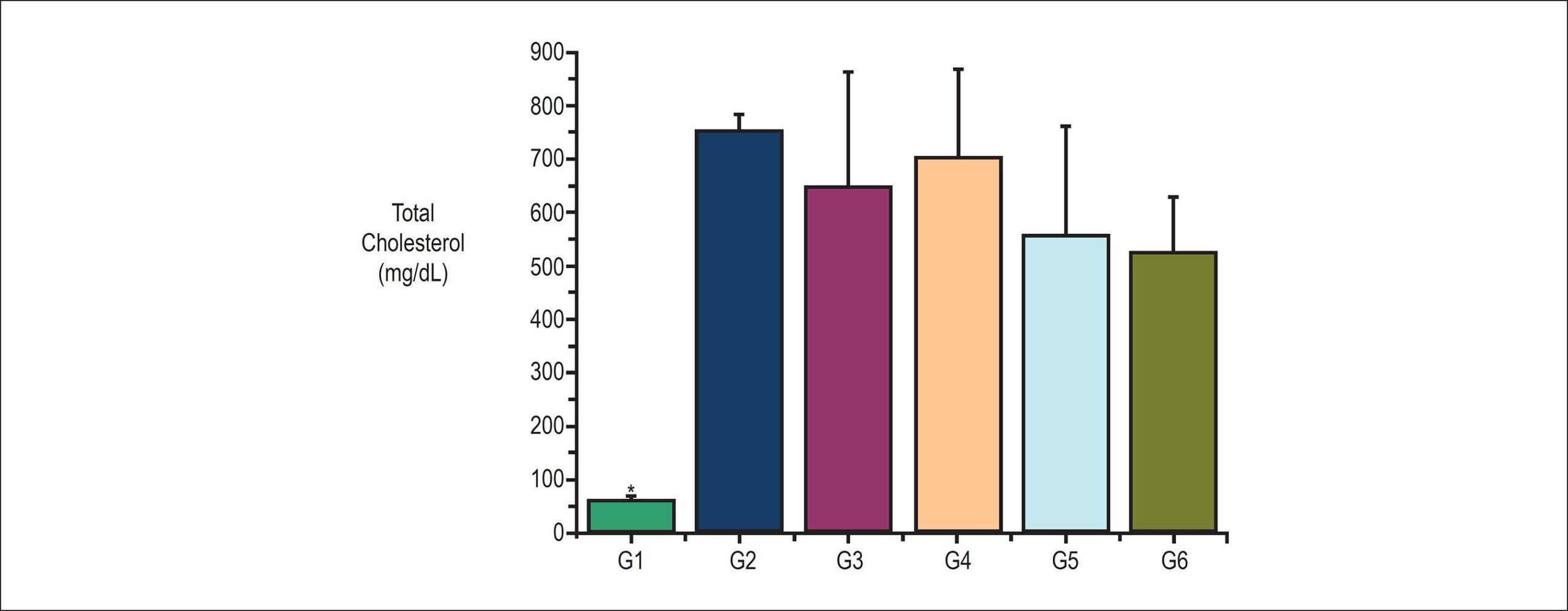
Thirty rabbits divided into six groups (n = 5): G1 – standard chow diet; G2 – hypercholesterolemic diet for 30 days; G3 – hypercholesterolemic diet and after the 16th day, diet supplemented with pitavastatin (0.1 mg); G4 – hypercholesterolemic diet supplemented with pitavastatin (0.25 mg); G5 – hypercholesterolemic diet supplemented with pitavastatin (0.5 mg); G6 – hypercholesterolemic diet supplemented with pitavastatin (1.0 mg). After 30 days, total cholesterol, HDL, triglycerides, glucose, creatine kinase (CK), aspartate aminotransferase (AST), alanine aminotransferase (ALT) were measured and LDL was calculated. In-depth anesthesia was performed with sodium thiopental and aortic segments were removed to study endothelial function, cholesterol and tissue lipid peroxidation. The significance level for statistical tests was 5%.

Results:

Total cholesterol and LDL were significantly elevated in relation to G1. HDL was significantly reduced in G4, G5 and G6 when compared to G2. Triglycerides, CK, AST, ALT, cholesterol and tissue lipid peroxidation showed no statistical difference between G2 and G3-G6. Significantly endothelial dysfunction reversion was observed in G5 and G6 when compared to G2.

Conclusion:

Pitavastatin starting at a 0.5 mg dose was effective in reverting endothelial dysfunction in hypercholesterolemic rabbits.

  • endothelial dysfunction
  • Hydroxymethylglutaryl-CoA Reductase Inhibitors
  • Hypercholesterolemia
  • Rabbits
Read Full Article
Creative Commons Attribution (CC BY) Creative Commons license
09/07/2014 DOI: 10.5935/abc.20140090 Views 2
Associated factors to total cholesterol: school based study in southern Brazil
ABC
Artigo Original

Associated factors to total cholesterol: school based study in southern Brazil

Mauren Lúcia de Araújo Bergmann et al. Gabriel Gustavo Bergmann Ricardo Halpern Ricardo Rodrigo Rech … Cristine Boom Constanzi Lidiane Requia Alli

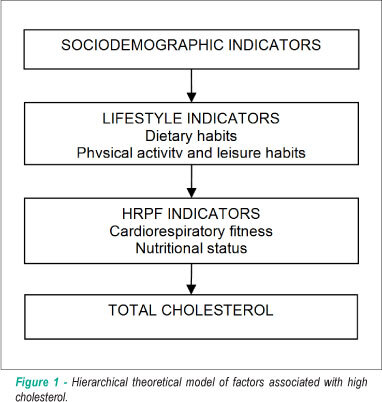
BACKGROUND: Evidence has suggested that a significant proportion of children and adolescents has high levels of total cholesterol. OBJECTIVE: To estimate the prevalence of hypercholesterolemia and associated factors in 07-12 year-old school children. METHODS: School based cross sectional study of a random sample of 1,294 07-12 year-old school children from Caxias do Sul/RS, Brazil. The students answered an interview with information on socioeconomic status, food habits, and physical and leisure activities. Total cholesterol, cardiorespiratory fitness, body mass and height were measured to calculate body mass index. For the data treatment, univariate, bivariate, and multivariate analyzes were used. RESULTS: The multivariate analysis identified that individuals from high socioeconomic level (OR: 1.70; CI: 1.05-2.75), of female gender (OR: 1.32; CI: 1.03-1.67), and overweight (OR: 1.40; IC: 1.10-1.77) had increased chances of having increased total cholesterol (> 3rd tercile). CONCLUSION: High total cholesterol levels on 07-12 year-old school children are associated with high socioeconomic level, female gender, and overweight. Encouraging an active life style and appropriate dietary habits can help control cholesterol levels and reduce risk factors.

  • Adolescent
  • Child
  • Cholesterol
  • Hypercholesterolemia
  • Risk Factors
Read Full Article
Creative Commons Attribution (CC BY) Creative Commons license
27/05/2011 DOI: 10.1590/S0066-782X2011005000065 Views 2
Experimental atherosclerosis in rabbits
ABC
Review Article

Experimental atherosclerosis in rabbits

Waleska C. Dornas et al. Tânia T. de Oliveira Luis E. Franklin Augusto Tanus J. Nagem

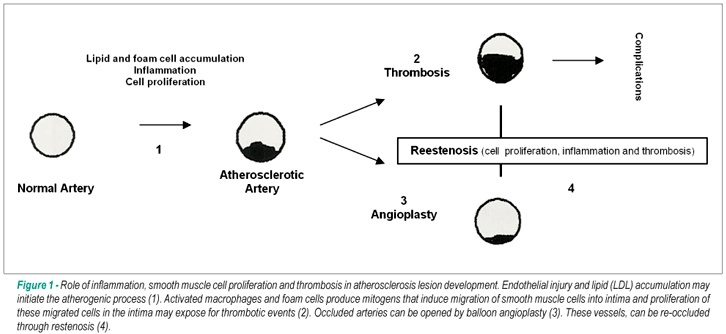
Many researches have been conducted in experimental models in order to study the development of atherosclerosis from hyperlipidemia-inducing diets. Since rabbits are very sensitive to cholesterol-rich diets and accumulate large amounts of cholesterol in their plasma, their use as experimental models to evaluate the development of atherosclerosis is highly relevant and brings information on factors that contribute to the progression and regression of this condition that can be applied to humans. As such, this review includes studies on the atherogenic function of cholesterol based on rabbits as the experimental model, since they have become the most largely used experimental model of atherosclerosis.

  • Atherosclerosis
  • Cholesterol
  • Hypercholesterolemia
  • Rabbits
Read Full Article
Creative Commons Attribution (CC BY) Creative Commons license
10/09/2010 DOI: 10.1590/S0066-782X2010001200020 Views 2
Rosiglitazone and vascular injury in hypercholesterolemic rabbits: neointimal formation assessment
ABC
Artigo Original

Rosiglitazone and vascular injury in hypercholesterolemic rabbits: neointimal formation assessment

Alexandre Alessi et al. Olímpio Ribeiro França Neto Camila Prim Ruy Fernando Kuenzer Caetano da Silva … Lucia de Noronha Paulo Roberto Slud Brofman Liz Andréa Villela Baroncini Dalton Bertolim Précoma

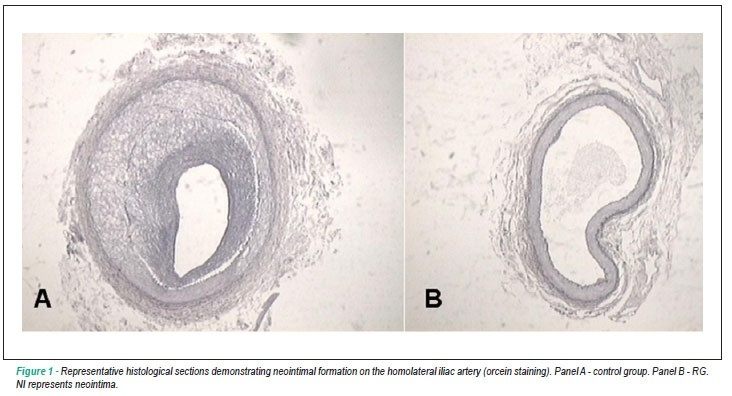
BACKGROUND: Rosiglitazone has been the focus of extensive discussion. OBJECTIVE: To evaluate the effects of rosiglitazone on iliac arteries, both at the injury site and the contralateral artery, of hypercholesterolemic rabbits undergoing balloon catheter injury. METHODS: White male rabbits were fed a hypercholesterolemic diet by oral gavage for 6 weeks and divided into two groups as follows: rosiglitazone group (14 rabbits treated with rosiglitazone during 6 weeks) and the control group (18 rabbits without rosiglitazone). Animals underwent balloon catheter injury of the right iliac artery on the 14th day. RESULTS: In the contralateral iliac artery, there was no significant difference in the intima/media layer area ratio (IMR) between the control and rosiglitazone groups. Rosiglitazone did not reduce the probability of type I, II, or III lesions (72.73% vs 92.31%; p=0.30) and type IV or V lesions (27.27% vs 7.69%; p=0.30). As for the homolateral iliac artery, the intimal area was significantly lower in the rosiglitazone group, as compared to the control group (p = 0.024). The luminal layer area was higher in the rosiglitazone group vs. the control group (p < 0.0001). There was a significant reduction of 65% in the IMR in the rosiglitazone group vs the control group (p = 0.021). None of the histological criteria for type I-V atherosclerotic lesions (American Heart Association) were found in the homolateral iliac artery. CONCLUSION: These findings demonstrate that rosiglitazone given for 6 weeks prevents atherogenesis at the injury site, but not in a vessel distant from the injury site.

  • Atherosclerosis
  • Hypercholesterolemia
  • Rabbits
  • rosiglitazone
Read Full Article
Creative Commons Attribution (CC BY) Creative Commons license
30/07/2010 DOI: 10.1590/S0066-782X2010005000101 Views 1
ABC
Artigo Original

Prevalence of cardiovascular risk factors in adults living in Luzerna, Santa Catarina, in 2006

João Rogério Nunes Filho et al. Daniela Debastiani Alessandra Daros Nunes Karen Glazer Peres

OBJECTIVES: To estimate the prevalence of cardiovascular risk factors in the adult population of Luzerna, in the state of Santa Catarina. METHODS: A cross-sectional study with adults of both genders aged 20 to 59 years (n = 411). The prevalence of hypertension, diabetes, dyslipidemia, obesity, increased waist circumference, and smoking was estimated. Study variables were checked for frequency distribution, and a chi-square test for association was performed. RESULTS: The response rate was 85.9%. The following prevalences were found: hypertension: 14.7%; diabetes: 2.3%; dyslipidemia: 18.7%; obesity: 15.6%; increased waist circumference: 24.1%; and smoking: 15.6%. A total of 52.4% of the subjects had none of the risk factors; 22.4% had one risk factor, and 13.6%, 6.8%, and 4.9% had two, three, and four or more associated risk factors, respectively. CONCLUSION: The study sample showed low prevalence of hypertension and diabetes and less clustering of risk factors in the same individual, as compared with other data reported in the literature.

  • Diabetes Mellitus
  • Hipertension
  • Hypercholesterolemia
  • Obesity
  • Risk Factors
  • smoking
Read Full Article
Creative Commons Attribution (CC BY) Creative Commons license
07/12/2007 DOI: 10.1590/S0066-782X2007001700007 Views 2
Efficacy of atorvastatin when not administered daily
ABC
Artigo Original

Efficacy of atorvastatin when not administered daily

Antonio Edmond Ghattas et al. João Pimenta

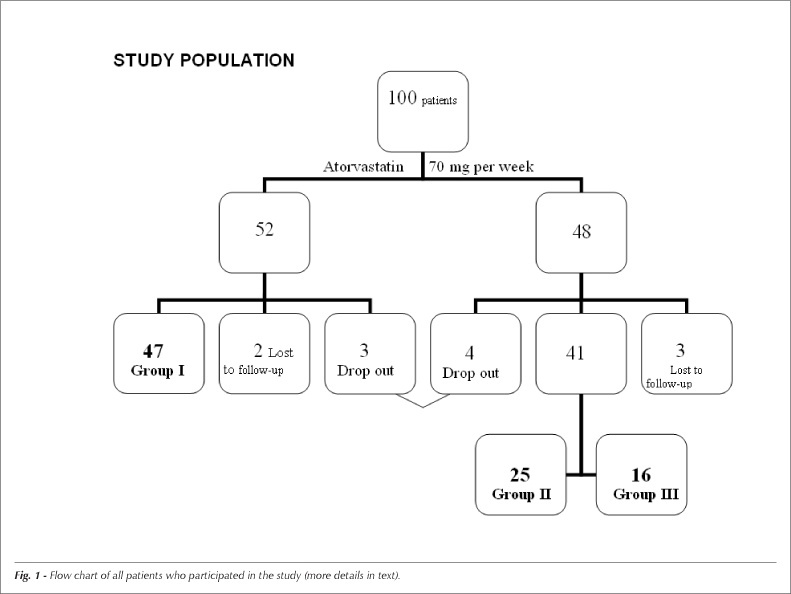
BACKGROUND: Statins are widely used because they reduce cardiac events. Although they are indicated for daily use, some doctorsgive prescriptions for every other day, mainly with the purpose of reducing costs. OBJECTIVE: To evaluate the efficacy of atorvastatin, when not administered everyday, on LDL-cholesterol (LDL-C) levels, and also to evaluate cost reduction. METHODS: A total of 100 patients with hypercholesterolemia in primary (PP) and secondary prevention (SP) were assessed. After a 12-week diet period, atorvastatin was initiated at a dose of 10 mg per day. After six weeks, LDL-C was determined, and if the levels were <80 or <104 mg/dL for SP and PP, respectively, two atorvastatin doses were subtracted per week. If LDL-C remained <80 or <104 mg/dL, a further reduction to three times a week was allowed, and the last determination was performed after six more weeks. The percentage variation in costs was the parameter to evaluate the saving. RESULTS: In 47 out of the 52 patients of this group, a reduction by 32% in LDL-C was observed, and daily atorvastatin was maintained. Forty one patients remained throughout the study and had their weekly dosage reduced. In 25 patients the medication was administered three times a week, and in 16, five times a week, with reductions of 42.4% and 46.1% in LDL-C, respectively. As regards costs, one of the groups had their monthly expense reduced from R$ 106.65 to R$ 74.65, and the other group from R$ 106.65 to R$ 53.33. CONCLUSION: The results suggest that atorvastatin may be administered on a non-daily basis. A cost reduction between 30% and 50% was also observed.

  • Atorvastatin
  • Cholesterol
  • Hypercholesterolemia
  • Statins
Read Full Article
Creative Commons Attribution (CC BY) Creative Commons license
07/12/2007 DOI: 10.1590/S0066-782X2007001700008
Assessment of a short food frequency questionnaire as predictor of hypercholesterolemia in adolescents
ABC
Artigo Original

Assessment of a short food frequency questionnaire as predictor of hypercholesterolemia in adolescents

Márcia Henriques Teixeira et al. Gloria Valeria da Veiga Rosely Sichieri

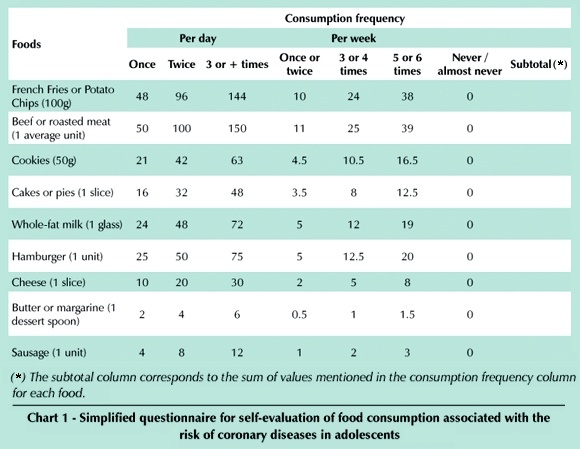
OBJECTIVE: To evaluate a short questionnaire as predictor of serum cholesterol obtained from a probabilistic sample of adolescents. METHODS: A probabilistic sample of 5th to12th grade students from state public schools in Niteroi, state of Rio de Janeiro, Brazil was drawn based on 28 classes. Five hundred seventy-seven subjects had their blood collected, and 539 answered the simplified questionnaire (23.7% of non-respondents). The questionnaire internal consistence was evaluated through Cronbach’s alpha, and agreement between cholesterol levels and food intake was assessed through weighted Kappa (Kw). RESULTS: Weighted Kappa value was very low ( 0.66). CONCLUSION: The results show that the short questionnaire was not a predictor of cholesterol concentration.

  • Adolescent
  • Brazil
  • Food Consumption
  • Hypercholesterolemia
  • Reproducibility of Results
Read Full Article
Creative Commons Attribution (CC BY) Creative Commons license
07/03/2007 DOI: 10.1590/S0066-782X2007000100011 Views 1
Coronary heart disease clinical manifestation and risk factors in Japanese immigrants and their descendents in the city of São Paulo
ABC
Original Article

Coronary heart disease clinical manifestation and risk factors in Japanese immigrants and their descendents in the city of São Paulo

Reynaldo Vicente Amato et al. Luiz Antonio Machado César Antonio de Pádua Mansur Whady Armindo Hueb … José Renato Martines Martins Caio de Brito Vianna José Antonio Franchini Ramires

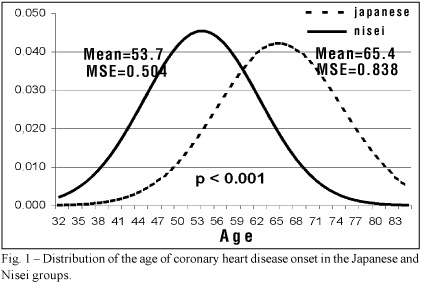
OBJECTIVE: To assess whether a difference exists in coronary heart disease clinical manifestations and the prevalence of risk factors between Japanese immigrants and their descendents in the city of São Paulo. METHODS: Retrospective analysis of coronary artery disease clinical manifestations and the prevalence of risk factors, comparing 128 Japanese immigrants (Japanese group) with 304 Japanese descendents (Nisei group). RESULTS: The initial manifestation of the disease was earlier in the Nisei group (mean = 53 years), a difference of 12 years when compared with that in the Japanese group (mean = 65 years) (P<0.001). Myocardial infarction was the first manifestation in both groups (P = 0.83). The following parameters were independently associated with early coronary events: smoking (OR = 2.25; 95% CI = 1.35-3.77; P<0.002); Nisei group (OR = 10.22; 95% CI = 5.64-18.5; P<0.001); and female sex (OR = 5.04; 95% CI = 2.66-9.52; P<0.001). CONCLUSION: The clinical presentation of coronary heart disease in the Japanese and their descendents in the city of São Paulo was similar, but coronary heart disease onset occurred approximately 12 years earlier in the Nisei group than in the Japanese group.

  • coronary heart disease
  • Diabetes Mellitus
  • Hypercholesterolemia
  • Hypertriglyceridemia
  • systemic arterial hypertension
Read Full Article
Creative Commons Attribution (CC BY) Creative Commons license
09/10/2003 DOI: 10.1590/S0066-782X2003001100003
ABC
Original Article

Prevalence of dyslipidemia and risk factors in Campos dos Goytacazes, in the Brazilian State of Rio de Janeiro

Luiz José de Souza et al. João Tadeu Damian Souto Filho Thiago Ferreira de Souza Aldo Franklin Ferreira Reis … Carlos Gicovate Neto Diogo Assed Bastos Vitor Azevedo Côrtes Félix Elias Barros Chalita Cláudio Luiz Teixeira

OBJECTIVE: To determine the prevalence of dyslipidemias in adults in the city of Campos dos Goytacazes, in the Brazilian state of Rio de Janeiro, and to identify its relation to risk factors. METHODS: Cross-sectional, population-based, observational study with sampling through conglomerates and stratified according to socioeconomic levels, sex, and age, with 1,039 individuals. Risk factors, familial history, blood pressure, anthropometric measurements, glucose, triglycerides and cholesterol were determined. RESULTS: The following prevalences were observed: of dyslipidemias 24.2%; of hypercholesterolemia, 4.2%; of elevated LDL-C, 3.5%; of low HDL-C, 18.3%; and of hypertriglyceridemia, 17.1%. The following mean levels were observed: cholesterol, 187.6± 33.7 mg/dL; LDL-C, 108.7±26.8 mg/dL; HDL-C, 48.5±7.7 mg/dL; and triglycerides, 150.1±109.8 mg/dL. The following variables showed a positive correlation with dyslipidemia: increased age (P<0.001), male sex (P<0.001), low familial income (P<0.001), familial history (P<0.01), overweight/obesity (P<0.001), waist measure (P<0.001), high blood pressure (P<0.001), and diabetes mellitus (P<0.001). The following variables had no influence on dyslipidemias: ethnicity, educational level, smoking habits, and sedentary lifestyle. CONCLUSION: The frequency of lipid changes in the population studied was high, suggesting that measures for the early diagnosis should be taken, in association with implementation of programs for primary and secondary prevention of atherosclerosis.

  • Dyslipidemias
  • Hypercholesterolemia
  • hyperlipidemia
  • Hypertriglyceridemia
  • Prevalence
Read Full Article
Creative Commons Attribution (CC BY) Creative Commons license
09/10/2003 DOI: 10.1590/S0066-782X2003001100005 Views 2
Impact of nutritional counseling in reducing serum cholesterol in public health service patients
ABC
Original Article

Impact of nutritional counseling in reducing serum cholesterol in public health service patients

Maria da Conceição Rosado Batista et al. Sylvia do Carmo Castro Franceschini

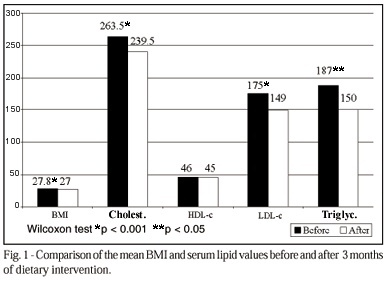
OBJECTIVE: To assess the impact of nutritional attention on the lipid profile and nutritional status of hypercholesterolemic patients attended in health centers of Belo Horizonte. METHODS: Using nutritional attendance patient record cards from two health units, the evolution of the lipid profile and the nutritional state (BMI) was monitored of 96 hypercholesterolemic patients who received diet. The patients were appraised at the following moments: initial (1st consultation), after 3 months (2nd consultation) and last consultation (variable for each patient). RESULTS: On the first attendance, 44,4% of the patients presented not only high total cholesterol and LDL-c, but also hypertriglyceridemia and 70.3% were overweight or obese, but most patients (75.6%) presented adequate HDL-c levels. There was significant reduction in the BMI, total cholesterol, LDL-c values (p < 0.01) and also in the triglyceride levels (p < 0.05) in the first three months, without alteration in the HDL-c levels. A significant reduction (p < 0.01) was observed in the frequency of individuals with high cholesterol (from 89.6% down to 47.9%), high and very high LDL-c (from 82.6% down to 45.7%), as well as high and very high triglyceride (from 43.6% down to 16.7%). The observed reduction in frequency of the low HDL-c was statistically meaningless. CONCLUSION: This study evidences the effect of the nutritional attention on lipid profile in hypercholesterolemic patients, reinforcing the need for a multiprofessional team to attend them at the public health services.

  • Diet
  • Hypercholesterolemia
  • nutritional status
Read Full Article
Creative Commons Attribution (CC BY) Creative Commons license
02/04/2003 DOI: 10.1590/S0066-782X2003000200005 Views 1
Comparison of the effect of two HMG CoA reductase inhibitors on LDL susceptibility to oxidation
ABC
Original Article

Comparison of the effect of two HMG CoA reductase inhibitors on LDL susceptibility to oxidation

Vera Lúcia Portal et al. Emílio H. Moriguchi José Luiz da Costa Vieira Sadi Schio … Eduardo T. Mastalir Fabiana Buffé Eleni Borges Bortolini Ricardo Santalucia Brüch Rubem Rodrigues

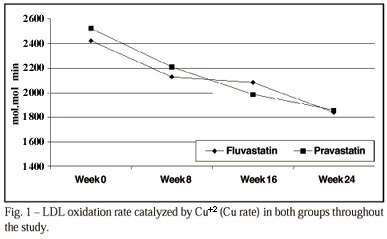
OBJECTIVE: To study the differences between fluvastatin and pravastatin regarding LDL susceptibility to oxidation, plasma levels of total cholesterol (TC), HDL-C, LDL-C and triglycerides (TG) in hypercholesterolemic patients with established coronary heart disease (CHD). METHODS: A double-blind randomized parallel study was conducted that included 41 hypercholesterolemic outpatients with CHD treated at the Instituto de Cardiologia do Rio Grande do Sul. The inclusion criteria were LDL-C above 100 mg/dL and triglycerides below 400 mg/dL based on 2 measures. After 4 weeks on a low cholesterol diet, those patients that fullfilled the inclusion criteria were randomized into 2 groups: the fluvastatin group (fluvastatin 40 mg/day) and the pravastatin group (pravastatin 20 mg/day), for 24 weeks of treatment. LDL susceptibility to oxidation was analyzed with copper-induced production of conjugated dienes (Cu2+) and water-soluble free radical initiator azo-bis (2′-2’amidinopropanil) HCl (AAPH). Spectroscopy nuclear magnetic resonance was used for determination of lipids. RESULTS: After 24 weeks of drug therapy, fluvastatin and pravastatin significantly reduced LDL susceptibility to oxidation as demonstrated by the reduced rate of oxidation (azo and Cu) and by prolonged azo-induced lag time (azo lag). The TC, LDL-C, and TG reduced significantly and HDL-C increased significantly. No differences between the drugs were observed. CONCLUSION: In hypercholesterolemic patients with CHD, both fluvastatin and pravastatin reduced LDL susceptibility to oxidation.

  • Hypercholesterolemia
  • LDL oxidation
  • Statins
Read Full Article
Creative Commons Attribution (CC BY) Creative Commons license
02/04/2003 DOI: 10.1590/S0066-782X2003000200004
Prescription and adherence to statins of patients with coronary artery disease and hypercholesterolemia
ABC
Original Article

Prescription and adherence to statins of patients with coronary artery disease and hypercholesterolemia

Antonio P. Mansur et al. André P. L. Mattar Cristiane E. Tsubo Danielle T. Simão … Fábio R. Yoshi Kuang Daci

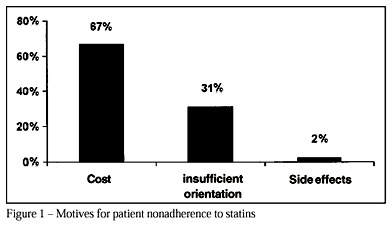
OBJECTIVE: Statins have proved to be safe and effective in the secondary prevention of coronary artery disease, but the level of prescription and the reasons for nonadherence to treatment in many coronariopathy treatment centers has not been determined. The purpose of this study was to identify reasons for nonadherence to statin therapy. METHODS: We analyzed 207 consecutive patients with coronary artery disease and hypercholesterolemia (total cholesterol > or = 200mg/dL or LDL – cholesterol > or = 130mg/dL). Patients’ average age was 61.7±10 year; 111 (53.6%) male were and 94 (46.6%) were female. We analyzed the level of prescription and adherence to treatment with statins. RESULTS: Statins were prescribed for 139 (67%) patients, but only 85 (41%) used the drug. In spite of being indicated, statins were not prescribed in 68 (33%) patients. Of 54 (26%) patients, nonadherent to statins, 67% did not use the drug due to its high cost, 31% due to the lack of instruction, and only 2% due to side effects. Total cholesterol (260.3±42.2 vs 226.4±51.9; p<0.0001) and LDL cholesterol (174.6±38.1 vs 149.6±36.1; p<0.0001) were lower in patients on medication. HDL-cholesterol increased from 37.6±9.6 to 41.5±12.9mg/dL (p=0.02), and triglycerides were not modified in patients using statins. CONCLUSION: The prescription of statins in patients with coronary artery disease and dyslipidemia is high; however, its adherence is far from satisfactory, due to the high cost of the medication. Reduction in total cholesterol and LDL cholesterol levels did not reach the targets recommended by the Brazilian Consensus on Dyslipidemia.

  • adherence
  • Coronary Artery Disease
  • Hypercholesterolemia
  • Statins
Read Full Article
Creative Commons Attribution (CC BY) Creative Commons license
08/01/2002 DOI: 10.1590/S0066-782X2001000200002 Views 1
ABC
Artigo Original

Comparison of hypercholesterolemic men and women at high risk for atherosclerosis. Study of risk factors and response to pravastatin treatment

Raul D. Santos et al. Raul C. Maranhão

PURPOSE: To compare the prevalence of risk factors, and the response to pravastatin treatment between men and women. METHODS: We evaluated 486 men and 386 women, of these 230 men and 187 women received 10mg of pravastatin for three months. RESULTS: There were differences between women and men in respectively: arterial hypertension (45.5% vs 40.8%; p=0.0012), left ventricular hypertrophy (33.0% vs 22.0%; p=0.0041), sedentarism (94.8% vs 87.8%; p=0.0005), smoking (43.0% vs 61.8%; p<0.0001), Framingham scores (20.0±7.1 vs 16.0±7.6 p<0.001), HDL-C (43.0±11.0 vs 38.0±9.0mg/dL; p<0.001), triglycerides- TG (216.0±115.0 vs 271.0±172.0mg/dL; p<0.001) and Castelli's indexes (CI) I and II (7.7±2.6 vs 8.6±3.2; p=0.002 and 5.0±1.5 vs 5.5±2.0; p=0.015). In men under pravastatin treatment there was a greater reduction in TG (32.0 vs 21.0% p<0.05) and CI I (-41.0% vs -37.0%; p<0.05) and II (-40.0 vs -38.0%; p<0.05). CONCLUSION: Men and women differed in risk factors prevalence and response to treatment with pravastatin.

  • Atherosclerosis
  • Hypercholesterolemia
  • Risk Factors
Read Full Article
Creative Commons Attribution (CC BY) Creative Commons license
08/01/2002 DOI: 10.1590/S0066-782X1998000600001 Views 1

Could not load more articles. Please try again.

How to cite this article

EndNote RIS

Electronic Document Format (Vancouver)

Cesena FY. Detecting Familial Hypercholesterolemia in Adolescents: Universal Screening is Key. Arquivos Brasileiros de Cardiologia 2025;122(3):e20250178.

Electronic Document Format (ABNT)

Cesena, Fernando Yue. Detecting Familial Hypercholesterolemia in Adolescents: Universal Screening is Key. Arquivos Brasileiros de Cardiologia, v. 122, n. 3, e20250178, May. 2025.

Electronic Document Format (APA)

Cesena, F. Y. (2025). Detecting Familial Hypercholesterolemia in Adolescents: Universal Screening is Key. Arquivos Brasileiros de Cardiologia, 122(3), e20250178.

Electronic Document Format (ISO)

Cesena, Fernando Yue. Detecting Familial Hypercholesterolemia in Adolescents: Universal Screening is Key. Arquivos Brasileiros de Cardiologia [online]. 2025, vol. 122, n. 3, [cited 2026-10-14], e20250178. Available from: <https://journals.cardiol.br/en/article/detecting-familial-hypercholesterolemia-in-adolescents-universal-screening-is-key/>. ISSN 0066-782X

EndNote RIS

Electronic Document Format (Vancouver)

Santos RD, Kashiwagi NM, Cesena FY, Assis SRL, Nieri J, Minanni CA, Franken M, et al. Uncontrolled Cholesterol in Individuals with Severe Hypercholesterolemia in a Health Evaluation Program in Brazil. Arquivos Brasileiros de Cardiologia 2024;121(11):e20240116.

Electronic Document Format (ABNT)

Santos, Raul D.; Kashiwagi, Nea Miwa; Cesena, Fernando Yue; Assis, Silvia Regina Lamas; Nieri, Josué; Minanni, Carlos Andre; Franken, Marcelo; Berwanger, Otavio. Uncontrolled Cholesterol in Individuals with Severe Hypercholesterolemia in a Health Evaluation Program in Brazil. Arquivos Brasileiros de Cardiologia, v. 121, n. 11, e20240116, Nov. 2024.

Electronic Document Format (APA)

Santos, R. D., Kashiwagi, N. M., Cesena, F. Y., Assis, S. R. L., Nieri, J., Minanni, C. A., Franken, M., & Berwanger, O. (2024). Uncontrolled Cholesterol in Individuals with Severe Hypercholesterolemia in a Health Evaluation Program in Brazil. Arquivos Brasileiros de Cardiologia, 121(11), e20240116.

Electronic Document Format (ISO)

Santos, Raul D. and Kashiwagi, Nea Miwa and Cesena, Fernando Yue and Assis, Silvia Regina Lamas and Nieri, Josué and Minanni, Carlos Andre and Franken, Marcelo and Berwanger, Otavio. Uncontrolled Cholesterol in Individuals with Severe Hypercholesterolemia in a Health Evaluation Program in Brazil. Arquivos Brasileiros de Cardiologia [online]. 2024, vol. 121, n. 11, [cited 2026-10-14], e20240116. Available from: <https://journals.cardiol.br/en/article/uncontrolled-cholesterol-in-individuals-with-severe-hypercholesterolemia-in-a-health-evaluation-program-in-brazil/>. ISSN 0066-782X

EndNote RIS

Electronic Document Format (Vancouver)

Ozyurtlu F, Cetin N. Alopecia Universalis after Treatment with Simvastatin and Ezetimibe: Affects on Family. Arquivos Brasileiros de Cardiologia 2022;119(4):631-3.

Electronic Document Format (ABNT)

Ozyurtlu, Ferhat; Cetin, Nurullah. Alopecia Universalis after Treatment with Simvastatin and Ezetimibe: Affects on Family. Arquivos Brasileiros de Cardiologia, v. 119, n. 4, p. 631-633, Oct. 2022.

Electronic Document Format (APA)

Ozyurtlu, F., & Cetin, N. (2022). Alopecia Universalis after Treatment with Simvastatin and Ezetimibe: Affects on Family. Arquivos Brasileiros de Cardiologia, 119(4), 631-633.

Electronic Document Format (ISO)

Ozyurtlu, Ferhat and Cetin, Nurullah. Alopecia Universalis after Treatment with Simvastatin and Ezetimibe: Affects on Family. Arquivos Brasileiros de Cardiologia [online]. 2022, vol. 119, n. 4, [cited 2026-10-14], pp. 631-633. Available from: <https://journals.cardiol.br/en/article/alopecia-universalis-after-treatment-with-simvastatin-and-ezetimibe-affects-on-family/>. ISSN 0066-782X

EndNote RIS

Electronic Document Format (Vancouver)

Cesena F. Friedewald, Martin/Hopkins, or Sampson/NIH: Which is the Best Method to Estimate LDL-Cholesterol?. Arquivos Brasileiros de Cardiologia 2022;119(2):234-5.

Electronic Document Format (ABNT)

Cesena, Fernando. Friedewald, Martin/Hopkins, or Sampson/NIH: Which is the Best Method to Estimate LDL-Cholesterol?. Arquivos Brasileiros de Cardiologia, v. 119, n. 2, p. 234-235, Aug. 2022.

Electronic Document Format (APA)

Cesena, F. (2022). Friedewald, Martin/Hopkins, or Sampson/NIH: Which is the Best Method to Estimate LDL-Cholesterol?. Arquivos Brasileiros de Cardiologia, 119(2), 234-235.

Electronic Document Format (ISO)

Cesena, Fernando. Friedewald, Martin/Hopkins, or Sampson/NIH: Which is the Best Method to Estimate LDL-Cholesterol?. Arquivos Brasileiros de Cardiologia [online]. 2022, vol. 119, n. 2, [cited 2026-10-14], pp. 234-235. Available from: <https://journals.cardiol.br/en/article/friedewald-martin-hopkins-or-sampson-nih-which-is-the-best-method-to-estimate-ldl-cholesterol/>. ISSN 0066-782X

EndNote RIS

Electronic Document Format (Vancouver)

Cesena F. Achievement of LDL-cholesterol Targets: Why do We Fail, and How Can We Improve?. Arquivos Brasileiros de Cardiologia 2022;118(6):1026-7.

Electronic Document Format (ABNT)

Cesena, Fernando. Achievement of LDL-cholesterol Targets: Why do We Fail, and How Can We Improve?. Arquivos Brasileiros de Cardiologia, v. 118, n. 6, p. 1026-1027, Jun. 2022.

Electronic Document Format (APA)

Cesena, F. (2022). Achievement of LDL-cholesterol Targets: Why do We Fail, and How Can We Improve?. Arquivos Brasileiros de Cardiologia, 118(6), 1026-1027.

Electronic Document Format (ISO)

Cesena, Fernando. Achievement of LDL-cholesterol Targets: Why do We Fail, and How Can We Improve?. Arquivos Brasileiros de Cardiologia [online]. 2022, vol. 118, n. 6, [cited 2026-10-14], pp. 1026-1027. Available from: <https://journals.cardiol.br/en/article/achievement-of-ldl-cholesterol-targets-why-do-we-fail-and-how-can-we-improve/>. ISSN 0066-782X

EndNote RIS

Electronic Document Format (Vancouver)

Gomes IL, Zago VHS, Faria EC. Evaluation of Lipid Profiles of Children and Youth from Basic Health Units in Campinas, SP, Brazil: A Cross-Sectional Laboratory Study. Arquivos Brasileiros de Cardiologia 2019;114(1):47-56.

Electronic Document Format (ABNT)

Gomes, Érica Ivana Lázaro; Zago, Vanessa Helena de Souza; Faria, Eliana Cotta de. Evaluation of Lipid Profiles of Children and Youth from Basic Health Units in Campinas, SP, Brazil: A Cross-Sectional Laboratory Study. Arquivos Brasileiros de Cardiologia, v. 114, n. 1, p. 47-56, Oct. 2019.

Electronic Document Format (APA)

Gomes, I. L., Zago, V. H. S., & Faria, E. C. (2019). Evaluation of Lipid Profiles of Children and Youth from Basic Health Units in Campinas, SP, Brazil: A Cross-Sectional Laboratory Study. Arquivos Brasileiros de Cardiologia, 114(1), 47-56.

Electronic Document Format (ISO)

Gomes, Érica Ivana Lázaro and Zago, Vanessa Helena de Souza and Faria, Eliana Cotta de. Evaluation of Lipid Profiles of Children and Youth from Basic Health Units in Campinas, SP, Brazil: A Cross-Sectional Laboratory Study. Arquivos Brasileiros de Cardiologia [online]. 2019, vol. 114, n. 1, [cited 2026-10-14], pp. 47-56. Available from: <https://journals.cardiol.br/en/article/evaluation-of-lipid-profiles-of-children-and-youth-from-basic-health-units-in-campinas-sp-brazil-a-cross-sectional-laboratory-study/>. ISSN 0066-782X

EndNote RIS

Electronic Document Format (Vancouver)

Oliveira AN, Simões MM, Simões R, Malachias MVB, Rezende BA. Cardiovascular Risk in Psoriasis Patients: Clinical, Functional and Morphological Parameters. Arquivos Brasileiros de Cardiologia 2019;113(2):242-9.

Electronic Document Format (ABNT)

Oliveira, Angélica Navarro de; Simões, Marcela M.; Simões, Ricardo; Malachias, Marcus Vinicius Bolivar; Rezende, Bruno Almeida. Cardiovascular Risk in Psoriasis Patients: Clinical, Functional and Morphological Parameters. Arquivos Brasileiros de Cardiologia, v. 113, n. 2, p. 242-249, Jul. 2019.

Electronic Document Format (APA)

Oliveira, A. N. , Simões, M. M., Simões, R., Malachias, M. V. B., & Rezende, B. A. (2019). Cardiovascular Risk in Psoriasis Patients: Clinical, Functional and Morphological Parameters. Arquivos Brasileiros de Cardiologia, 113(2), 242-249.

Electronic Document Format (ISO)

Oliveira, Angélica Navarro de and Simões, Marcela M. and Simões, Ricardo and Malachias, Marcus Vinicius Bolivar and Rezende, Bruno Almeida. Cardiovascular Risk in Psoriasis Patients: Clinical, Functional and Morphological Parameters. Arquivos Brasileiros de Cardiologia [online]. 2019, vol. 113, n. 2, [cited 2026-10-14], pp. 242-249. Available from: <https://journals.cardiol.br/en/article/cardiovascular-risk-in-psoriasis-patients-clinical-functional-and-morphological-parameters/>. ISSN 0066-782X

EndNote RIS

Electronic Document Format (Vancouver)

Issa VS, Benvenuti LA. Case 3/2019 – Young Male with Intense Dyspnea, Pulmonary Infiltrate, Normal Cardiac Area and Obliteration of the Apical Portion of the Left Ventricle. Arquivos Brasileiros de Cardiologia 2019;112(6):793-802.

Electronic Document Format (ABNT)

Issa, Victor Sarli; Benvenuti, Luiz Alberto. Case 3/2019 – Young Male with Intense Dyspnea, Pulmonary Infiltrate, Normal Cardiac Area and Obliteration of the Apical Portion of the Left Ventricle. Arquivos Brasileiros de Cardiologia, v. 112, n. 6, p. 793-802, Jul. 2019.

Electronic Document Format (APA)

Issa, V. S., & Benvenuti, L. A. (2019). Case 3/2019 – Young Male with Intense Dyspnea, Pulmonary Infiltrate, Normal Cardiac Area and Obliteration of the Apical Portion of the Left Ventricle. Arquivos Brasileiros de Cardiologia, 112(6), 793-802.

Electronic Document Format (ISO)

Issa, Victor Sarli and Benvenuti, Luiz Alberto. Case 3/2019 – Young Male with Intense Dyspnea, Pulmonary Infiltrate, Normal Cardiac Area and Obliteration of the Apical Portion of the Left Ventricle. Arquivos Brasileiros de Cardiologia [online]. 2019, vol. 112, n. 6, [cited 2026-10-14], pp. 793-802. Available from: <https://journals.cardiol.br/en/article/case-3-2019-young-male-with-intense-dyspnea-pulmonary-infiltrate-normal-cardiac-area-and-obliteration-of-the-apical-portion-of-the-left-ventricle/>. ISSN 0066-782X

EndNote RIS

Electronic Document Format (Vancouver)

Silva PRS, Jannes CE, Oliveira TGM, Gómez LM, Krieger JE, Santos RD, Pereira AC, et al. Predictors of Family Enrollment in a Genetic Cascade Screening Program for Familial Hypercholesterolemia. Arquivos Brasileiros de Cardiologia 2018;111(4):578-84.

Electronic Document Format (ABNT)

Silva, Pãmela Rodrigues de Souza; Jannes, Cinthia Elim; Oliveira, Theo G. M.; Gómez, Luz Marina; Krieger, José E.; Santos, Raul D.; Pereira, Alexandre Costa. Predictors of Family Enrollment in a Genetic Cascade Screening Program for Familial Hypercholesterolemia. Arquivos Brasileiros de Cardiologia, v. 111, n. 4, p. 578-584, Aug. 2018.

Electronic Document Format (APA)

Silva, P. R. S., Jannes, C. E., Oliveira, T. G. M., Gómez, L. M., Krieger, J. E., Santos, R. D., & Pereira, A. C. (2018). Predictors of Family Enrollment in a Genetic Cascade Screening Program for Familial Hypercholesterolemia. Arquivos Brasileiros de Cardiologia, 111(4), 578-584.

Electronic Document Format (ISO)

Silva, Pãmela Rodrigues de Souza and Jannes, Cinthia Elim and Oliveira, Theo G. M. and Gómez, Luz Marina and Krieger, José E. and Santos, Raul D. and Pereira, Alexandre Costa. Predictors of Family Enrollment in a Genetic Cascade Screening Program for Familial Hypercholesterolemia. Arquivos Brasileiros de Cardiologia [online]. 2018, vol. 111, n. 4, [cited 2026-10-14], pp. 578-584. Available from: <https://journals.cardiol.br/en/article/predictors-of-family-enrollment-in-a-genetic-cascade-screening-program-for-familial-hypercholesterolemia/>. ISSN 0066-782X

EndNote RIS

Electronic Document Format (Vancouver)

Santos HO. The Need for Sex Hormone Analysis in Addition to Long-Term Follow-Up of Phytosterol Supplementation. Arquivos Brasileiros de Cardiologia 2018;111(2):228-9.

Electronic Document Format (ABNT)

Santos, Heitor Oliveira. The Need for Sex Hormone Analysis in Addition to Long-Term Follow-Up of Phytosterol Supplementation. Arquivos Brasileiros de Cardiologia, v. 111, n. 2, p. 228-229, Jul. 2018.

Electronic Document Format (APA)

Santos, H. O. (2018). The Need for Sex Hormone Analysis in Addition to Long-Term Follow-Up of Phytosterol Supplementation. Arquivos Brasileiros de Cardiologia, 111(2), 228-229.

Electronic Document Format (ISO)

Santos, Heitor Oliveira. The Need for Sex Hormone Analysis in Addition to Long-Term Follow-Up of Phytosterol Supplementation. Arquivos Brasileiros de Cardiologia [online]. 2018, vol. 111, n. 2, [cited 2026-10-14], pp. 228-229. Available from: <https://journals.cardiol.br/en/article/the-need-for-sex-hormone-analysis-in-addition-to-long-term-follow-up-of-phytosterol-supplementation/>. ISSN 0066-782X

EndNote RIS

Electronic Document Format (Vancouver)

Silva RC, Diniz MFHS, Alvim S, Vidigal PG, Fedeli LMG, Barreto SM. Physical Activity and Lipid Profile in the ELSA- Brasil Study. Arquivos Brasileiros de Cardiologia 2016;107(1):10-9.

Electronic Document Format (ABNT)

Silva, Raquel Caroline da; Diniz, Maria de Fátima Haueisen Sander; Alvim, Sheila; Vidigal, Pedro Guatimosim; Fedeli, Ligia Maria Giongo; Barreto, Sandhi Maria. Physical Activity and Lipid Profile in the ELSA- Brasil Study. Arquivos Brasileiros de Cardiologia, v. 107, n. 1, p. 10-19, Jun. 2016.

Electronic Document Format (APA)

Silva, R. C. , Diniz, M. F. H. S., Alvim, S., Vidigal, P. G., Fedeli, L. M. G., & Barreto, S. M. (2016). Physical Activity and Lipid Profile in the ELSA- Brasil Study. Arquivos Brasileiros de Cardiologia, 107(1), 10-19.

Electronic Document Format (ISO)

Silva, Raquel Caroline da and Diniz, Maria de Fátima Haueisen Sander and Alvim, Sheila and Vidigal, Pedro Guatimosim and Fedeli, Ligia Maria Giongo and Barreto, Sandhi Maria. Physical Activity and Lipid Profile in the ELSA- Brasil Study. Arquivos Brasileiros de Cardiologia [online]. 2016, vol. 107, n. 1, [cited 2026-10-14], pp. 10-19. Available from: <https://journals.cardiol.br/en/article/physical-activity-and-lipid-profile-in-the-elsa-brasil-study/>. ISSN 0066-782X

EndNote RIS

Electronic Document Format (Vancouver)

Almeida EA, Ozaki MR. Effect of Pitavastatin on Vascular Reactivity in Hypercholesterolemic Rabbits. Arquivos Brasileiros de Cardiologia 2014;103(1):4-12.

Electronic Document Format (ABNT)

Almeida, Eros Antonio de; Ozaki, Michiko Regina. Effect of Pitavastatin on Vascular Reactivity in Hypercholesterolemic Rabbits. Arquivos Brasileiros de Cardiologia, v. 103, n. 1, p. 4-12, Jul. 2014.

Electronic Document Format (APA)

Almeida, E. A. , & Ozaki, M. R. (2014). Effect of Pitavastatin on Vascular Reactivity in Hypercholesterolemic Rabbits. Arquivos Brasileiros de Cardiologia, 103(1), 4-12.

Electronic Document Format (ISO)

Almeida, Eros Antonio de and Ozaki, Michiko Regina. Effect of Pitavastatin on Vascular Reactivity in Hypercholesterolemic Rabbits. Arquivos Brasileiros de Cardiologia [online]. 2014, vol. 103, n. 1, [cited 2026-10-14], pp. 4-12. Available from: <https://journals.cardiol.br/en/article/effect-of-pitavastatin-on-vascular-reactivity-in-hypercholesterolemic-rabbits/>. ISSN 0066-782X

EndNote RIS

Electronic Document Format (Vancouver)

Bergmann MLA, Bergmann GG, Halpern R, Rech RR, Constanzi CB, Alli LR. Associated factors to total cholesterol: school based study in southern Brazil. Arquivos Brasileiros de Cardiologia 2011;97(1):17-25.

Electronic Document Format (ABNT)

Bergmann, Mauren Lúcia de Araújo; Bergmann, Gabriel Gustavo; Halpern, Ricardo; Rech, Ricardo Rodrigo; Constanzi, Cristine Boom; Alli, Lidiane Requia. Associated factors to total cholesterol: school based study in southern Brazil. Arquivos Brasileiros de Cardiologia, v. 97, n. 1, p. 17-25, May. 2011.

Electronic Document Format (APA)

Bergmann, M. L. A., Bergmann, G. G., Halpern, R., Rech, R. R., Constanzi, C. B., & Alli, L. R. (2011). Associated factors to total cholesterol: school based study in southern Brazil. Arquivos Brasileiros de Cardiologia, 97(1), 17-25.

Electronic Document Format (ISO)

Bergmann, Mauren Lúcia de Araújo and Bergmann, Gabriel Gustavo and Halpern, Ricardo and Rech, Ricardo Rodrigo and Constanzi, Cristine Boom and Alli, Lidiane Requia. Associated factors to total cholesterol: school based study in southern Brazil. Arquivos Brasileiros de Cardiologia [online]. 2011, vol. 97, n. 1, [cited 2026-10-14], pp. 17-25. Available from: <https://journals.cardiol.br/en/article/associated-factors-to-total-cholesterol-school-based-study-in-southern-brazil/>. ISSN 0066-782X

EndNote RIS

Electronic Document Format (Vancouver)

Dornas WC, Oliveira TT, Augusto LEF, Nagem TJ. Experimental atherosclerosis in rabbits. Arquivos Brasileiros de Cardiologia 2010;95(2):272-8.

Electronic Document Format (ABNT)

Dornas, Waleska C.; Oliveira, Tânia T. de; Augusto, Luis E. Franklin; Nagem, Tanus J.. Experimental atherosclerosis in rabbits. Arquivos Brasileiros de Cardiologia, v. 95, n. 2, p. 272-278, Sep. 2010.

Electronic Document Format (APA)

Dornas, W. C., Oliveira, T. T. , Augusto, L. E. F., & Nagem, T. J. (2010). Experimental atherosclerosis in rabbits. Arquivos Brasileiros de Cardiologia, 95(2), 272-278.

Electronic Document Format (ISO)

Dornas, Waleska C. and Oliveira, Tânia T. de and Augusto, Luis E. Franklin and Nagem, Tanus J.. Experimental atherosclerosis in rabbits. Arquivos Brasileiros de Cardiologia [online]. 2010, vol. 95, n. 2, [cited 2026-10-14], pp. 272-278. Available from: <https://journals.cardiol.br/en/article/experimental-atherosclerosis-in-rabbits/>. ISSN 0066-782X

EndNote RIS

Electronic Document Format (Vancouver)

Alessi A, França Neto OR, Prim C, Silva RFKC, Noronha L, Brofman PRS, Baroncini LAV, et al. Rosiglitazone and vascular injury in hypercholesterolemic rabbits: neointimal formation assessment. Arquivos Brasileiros de Cardiologia 2010;95(3):283-8.

Electronic Document Format (ABNT)

Alessi, Alexandre; França Neto, Olímpio Ribeiro; Prim, Camila; Silva, Ruy Fernando Kuenzer Caetano da; Noronha, Lucia de; Brofman, Paulo Roberto Slud; Baroncini, Liz Andréa Villela; Précoma, Dalton Bertolim. Rosiglitazone and vascular injury in hypercholesterolemic rabbits: neointimal formation assessment. Arquivos Brasileiros de Cardiologia, v. 95, n. 3, p. 283-288, Jul. 2010.

Electronic Document Format (APA)

Alessi, A., França Neto, O. R., Prim, C., Silva, R. F. K. C. , Noronha, L. , Brofman, P. R. S., Baroncini, L. A. V., & Précoma, D. B. (2010). Rosiglitazone and vascular injury in hypercholesterolemic rabbits: neointimal formation assessment. Arquivos Brasileiros de Cardiologia, 95(3), 283-288.

Electronic Document Format (ISO)

Alessi, Alexandre and França Neto, Olímpio Ribeiro and Prim, Camila and Silva, Ruy Fernando Kuenzer Caetano da and Noronha, Lucia de and Brofman, Paulo Roberto Slud and Baroncini, Liz Andréa Villela and Précoma, Dalton Bertolim. Rosiglitazone and vascular injury in hypercholesterolemic rabbits: neointimal formation assessment. Arquivos Brasileiros de Cardiologia [online]. 2010, vol. 95, n. 3, [cited 2026-10-14], pp. 283-288. Available from: <https://journals.cardiol.br/en/article/rosiglitazone-and-vascular-injury-in-hypercholesterolemic-rabbits-neointimal-formation-assessment/>. ISSN 0066-782X

EndNote RIS

Electronic Document Format (Vancouver)

Nunes Filho JR, Debastiani D, Nunes AD, Peres KG. Prevalence of cardiovascular risk factors in adults living in Luzerna, Santa Catarina, in 2006. Arquivos Brasileiros de Cardiologia 2007;89(5):319-24.

Electronic Document Format (ABNT)

Nunes Filho, João Rogério; Debastiani, Daniela; Nunes, Alessandra Daros; Peres, Karen Glazer. Prevalence of cardiovascular risk factors in adults living in Luzerna, Santa Catarina, in 2006. Arquivos Brasileiros de Cardiologia, v. 89, n. 5, p. 319-324, Dec. 2007.

Electronic Document Format (APA)

Nunes Filho, J. R., Debastiani, D., Nunes, A. D., & Peres, K. G. (2007). Prevalence of cardiovascular risk factors in adults living in Luzerna, Santa Catarina, in 2006. Arquivos Brasileiros de Cardiologia, 89(5), 319-324.

Electronic Document Format (ISO)

Nunes Filho, João Rogério and Debastiani, Daniela and Nunes, Alessandra Daros and Peres, Karen Glazer. Prevalence of cardiovascular risk factors in adults living in Luzerna, Santa Catarina, in 2006. Arquivos Brasileiros de Cardiologia [online]. 2007, vol. 89, n. 5, [cited 2026-10-14], pp. 319-324. Available from: <https://journals.cardiol.br/en/article/prevalence-of-cardiovascular-risk-factors-in-adults-living-in-luzerna-santa-catarina-in-2006/>. ISSN 0066-782X

EndNote RIS

Electronic Document Format (Vancouver)

Ghattas AE, Pimenta J. Efficacy of atorvastatin when not administered daily. Arquivos Brasileiros de Cardiologia 2007;89(5):325-32.

Electronic Document Format (ABNT)

Ghattas, Antonio Edmond; Pimenta, João. Efficacy of atorvastatin when not administered daily. Arquivos Brasileiros de Cardiologia, v. 89, n. 5, p. 325-332, Dec. 2007.

Electronic Document Format (APA)

Ghattas, A. E., & Pimenta, J. (2007). Efficacy of atorvastatin when not administered daily. Arquivos Brasileiros de Cardiologia, 89(5), 325-332.

Electronic Document Format (ISO)

Ghattas, Antonio Edmond and Pimenta, João. Efficacy of atorvastatin when not administered daily. Arquivos Brasileiros de Cardiologia [online]. 2007, vol. 89, n. 5, [cited 2026-10-14], pp. 325-332. Available from: <https://journals.cardiol.br/en/article/efficacy-of-atorvastatin-when-not-administered-daily/>. ISSN 0066-782X

EndNote RIS

Electronic Document Format (Vancouver)

Teixeira MH, Veiga GV, Sichieri R. Assessment of a short food frequency questionnaire as predictor of hypercholesterolemia in adolescents. Arquivos Brasileiros de Cardiologia 2007;88(1):66-71.

Electronic Document Format (ABNT)

Teixeira, Márcia Henriques; Veiga, Gloria Valeria da; Sichieri, Rosely. Assessment of a short food frequency questionnaire as predictor of hypercholesterolemia in adolescents. Arquivos Brasileiros de Cardiologia, v. 88, n. 1, p. 66-71, Mar. 2007.

Electronic Document Format (APA)

Teixeira, M. H., Veiga, G. V. , & Sichieri, R. (2007). Assessment of a short food frequency questionnaire as predictor of hypercholesterolemia in adolescents. Arquivos Brasileiros de Cardiologia, 88(1), 66-71.

Electronic Document Format (ISO)

Teixeira, Márcia Henriques and Veiga, Gloria Valeria da and Sichieri, Rosely. Assessment of a short food frequency questionnaire as predictor of hypercholesterolemia in adolescents. Arquivos Brasileiros de Cardiologia [online]. 2007, vol. 88, n. 1, [cited 2026-10-14], pp. 66-71. Available from: <https://journals.cardiol.br/en/article/assessment-of-a-short-food-frequency-questionnaire-as-predictor-of-hypercholesterolemia-in-adolescents/>. ISSN 0066-782X

EndNote RIS

Electronic Document Format (Vancouver)

Amato RV, César LAM, Mansur AP, Hueb WA, Martins JRM, Vianna CB, Ramires JAF, et al. Coronary heart disease clinical manifestation and risk factors in Japanese immigrants and their descendents in the city of São Paulo. Arquivos Brasileiros de Cardiologia 2003;81(3):234-8.

Electronic Document Format (ABNT)

Amato, Reynaldo Vicente; César, Luiz Antonio Machado; Mansur, Antonio de Pádua; Hueb, Whady Armindo; Martins, José Renato Martines; Vianna, Caio de Brito; Ramires, José Antonio Franchini. Coronary heart disease clinical manifestation and risk factors in Japanese immigrants and their descendents in the city of São Paulo. Arquivos Brasileiros de Cardiologia, v. 81, n. 3, p. 234-238, Oct. 2003.

Electronic Document Format (APA)

Amato, R. V., César, L. A. M., Mansur, A. P., Hueb, W. A., Martins, J. R. M., Vianna, C. B., & Ramires, J. A. F. (2003). Coronary heart disease clinical manifestation and risk factors in Japanese immigrants and their descendents in the city of São Paulo. Arquivos Brasileiros de Cardiologia, 81(3), 234-238.

Electronic Document Format (ISO)

Amato, Reynaldo Vicente and César, Luiz Antonio Machado and Mansur, Antonio de Pádua and Hueb, Whady Armindo and Martins, José Renato Martines and Vianna, Caio de Brito and Ramires, José Antonio Franchini. Coronary heart disease clinical manifestation and risk factors in Japanese immigrants and their descendents in the city of São Paulo. Arquivos Brasileiros de Cardiologia [online]. 2003, vol. 81, n. 3, [cited 2026-10-14], pp. 234-238. Available from: <https://journals.cardiol.br/article/coronary-heart-disease-clinical-manifestation-and-risk-factors-in-japanese-immigrants-and-their-descendents-in-the-city-of-sao-paulo/>. ISSN 0066-782X

EndNote RIS

Electronic Document Format (Vancouver)

Souza LJ, Souto Filho JTD, Souza TF, Reis AFF, Gicovate Neto C, Bastos DA, Côrtes VA, et al. Prevalence of dyslipidemia and risk factors in Campos dos Goytacazes, in the Brazilian State of Rio de Janeiro. Arquivos Brasileiros de Cardiologia 2003;81(3):257-64.

Electronic Document Format (ABNT)

Souza, Luiz José de; Souto Filho, João Tadeu Damian; Souza, Thiago Ferreira de; Reis, Aldo Franklin Ferreira; Gicovate Neto, Carlos; Bastos, Diogo Assed; Côrtes, Vitor Azevedo; Chalita, Félix Elias Barros; Teixeira, Cláudio Luiz. Prevalence of dyslipidemia and risk factors in Campos dos Goytacazes, in the Brazilian State of Rio de Janeiro. Arquivos Brasileiros de Cardiologia, v. 81, n. 3, p. 257-264, Oct. 2003.

Electronic Document Format (APA)

Souza, L. J. , Souto Filho, J. T. D., Souza, T. F. , Reis, A. F. F., Gicovate Neto, C., Bastos, D. A., Côrtes, V. A., Chalita, F. E. B., & Teixeira, C. L. (2003). Prevalence of dyslipidemia and risk factors in Campos dos Goytacazes, in the Brazilian State of Rio de Janeiro. Arquivos Brasileiros de Cardiologia, 81(3), 257-264.

Electronic Document Format (ISO)

Souza, Luiz José de and Souto Filho, João Tadeu Damian and Souza, Thiago Ferreira de and Reis, Aldo Franklin Ferreira and Gicovate Neto, Carlos and Bastos, Diogo Assed and Côrtes, Vitor Azevedo and Chalita, Félix Elias Barros and Teixeira, Cláudio Luiz. Prevalence of dyslipidemia and risk factors in Campos dos Goytacazes, in the Brazilian State of Rio de Janeiro. Arquivos Brasileiros de Cardiologia [online]. 2003, vol. 81, n. 3, [cited 2026-10-14], pp. 257-264. Available from: <https://journals.cardiol.br/en/article/prevalence-of-dyslipidemia-and-risk-factors-in-campos-dos-goytacazes-in-the-brazilian-state-of-rio-de-janeiro/>. ISSN 0066-782X

EndNote RIS

Electronic Document Format (Vancouver)

Batista MCR, Franceschini SCC. Impact of nutritional counseling in reducing serum cholesterol in public health service patients. Arquivos Brasileiros de Cardiologia 2003;80(2):167-70.

Electronic Document Format (ABNT)

Batista, Maria da Conceição Rosado; Franceschini, Sylvia do Carmo Castro. Impact of nutritional counseling in reducing serum cholesterol in public health service patients. Arquivos Brasileiros de Cardiologia, v. 80, n. 2, p. 167-170, Apr. 2003.

Electronic Document Format (APA)

Batista, M. C. R., & Franceschini, S. C. C. (2003). Impact of nutritional counseling in reducing serum cholesterol in public health service patients. Arquivos Brasileiros de Cardiologia, 80(2), 167-170.

Electronic Document Format (ISO)

Batista, Maria da Conceição Rosado and Franceschini, Sylvia do Carmo Castro. Impact of nutritional counseling in reducing serum cholesterol in public health service patients. Arquivos Brasileiros de Cardiologia [online]. 2003, vol. 80, n. 2, [cited 2026-10-14], pp. 167-170. Available from: <https://journals.cardiol.br/en/article/impact-of-nutritional-counseling-in-reducing-serum-cholesterol-in-public-health-service-patients/>. ISSN 0066-782X

EndNote RIS

Electronic Document Format (Vancouver)

Portal VL, Moriguchi EH, Vieira JLC, Schio S, Mastalir ET, Buffé F, Bortolini EB, et al. Comparison of the effect of two HMG CoA reductase inhibitors on LDL susceptibility to oxidation. Arquivos Brasileiros de Cardiologia 2003;80(2):156-61.

Electronic Document Format (ABNT)

Portal, Vera Lúcia; Moriguchi, Emílio H.; Vieira, José Luiz da Costa; Schio, Sadi; Mastalir, Eduardo T.; Buffé, Fabiana; Bortolini, Eleni Borges; Brüch, Ricardo Santalucia; Rodrigues, Rubem. Comparison of the effect of two HMG CoA reductase inhibitors on LDL susceptibility to oxidation. Arquivos Brasileiros de Cardiologia, v. 80, n. 2, p. 156-161, Apr. 2003.

Electronic Document Format (APA)

Portal, V. L., Moriguchi, E. H., Vieira, J. L. C., Schio, S., Mastalir, E. T., Buffé, F., Bortolini, E. B., Brüch, R. S., & Rodrigues, R. (2003). Comparison of the effect of two HMG CoA reductase inhibitors on LDL susceptibility to oxidation. Arquivos Brasileiros de Cardiologia, 80(2), 156-161.

Electronic Document Format (ISO)

Portal, Vera Lúcia and Moriguchi, Emílio H. and Vieira, José Luiz da Costa and Schio, Sadi and Mastalir, Eduardo T. and Buffé, Fabiana and Bortolini, Eleni Borges and Brüch, Ricardo Santalucia and Rodrigues, Rubem. Comparison of the effect of two HMG CoA reductase inhibitors on LDL susceptibility to oxidation. Arquivos Brasileiros de Cardiologia [online]. 2003, vol. 80, n. 2, [cited 2026-10-14], pp. 156-161. Available from: <https://journals.cardiol.br/en/article/comparison-of-the-effect-of-two-hmg-coa-reductase-inhibitors-on-ldl-susceptibility-to-oxidation/>. ISSN 0066-782X

EndNote RIS

Electronic Document Format (Vancouver)

Mansur AP, Mattar APL, Tsubo CE, Simão DT, Yoshi FR, Daci K. Prescription and adherence to statins of patients with coronary artery disease and hypercholesterolemia. Arquivos Brasileiros de Cardiologia 2002;76(2):115-8.

Electronic Document Format (ABNT)

Mansur, Antonio P.; Mattar, André P. L.; Tsubo, Cristiane E.; Simão, Danielle T.; Yoshi, Fábio R.; Daci, Kuang. Prescription and adherence to statins of patients with coronary artery disease and hypercholesterolemia. Arquivos Brasileiros de Cardiologia, v. 76, n. 2, p. 115-118, Jan. 2002.

Electronic Document Format (APA)

Mansur, A. P., Mattar, A. P. L., Tsubo, C. E., Simão, D. T., Yoshi, F. R., & Daci, K. (2002). Prescription and adherence to statins of patients with coronary artery disease and hypercholesterolemia. Arquivos Brasileiros de Cardiologia, 76(2), 115-118.

Electronic Document Format (ISO)

Mansur, Antonio P. and Mattar, André P. L. and Tsubo, Cristiane E. and Simão, Danielle T. and Yoshi, Fábio R. and Daci, Kuang. Prescription and adherence to statins of patients with coronary artery disease and hypercholesterolemia. Arquivos Brasileiros de Cardiologia [online]. 2002, vol. 76, n. 2, [cited 2026-10-14], pp. 115-118. Available from: <https://journals.cardiol.br/en/article/prescription-and-adherence-to-statins-of-patients-with-coronary-artery-disease-and-hypercholesterolemia/>. ISSN 0066-782X

EndNote RIS

Electronic Document Format (Vancouver)

Santos RD, Maranhão RC. Comparison of hypercholesterolemic men and women at high risk for atherosclerosis. Study of risk factors and response to pravastatin treatment. Arquivos Brasileiros de Cardiologia 2002;70(6):383-7.

Electronic Document Format (ABNT)

Santos, Raul D.; Maranhão, Raul C.. Comparison of hypercholesterolemic men and women at high risk for atherosclerosis. Study of risk factors and response to pravastatin treatment. Arquivos Brasileiros de Cardiologia, v. 70, n. 6, p. 383-387, Jan. 2002.

Electronic Document Format (APA)

Santos, R. D., & Maranhão, R. C. (2002). Comparison of hypercholesterolemic men and women at high risk for atherosclerosis. Study of risk factors and response to pravastatin treatment. Arquivos Brasileiros de Cardiologia, 70(6), 383-387.

Electronic Document Format (ISO)

Santos, Raul D. and Maranhão, Raul C.. Comparison of hypercholesterolemic men and women at high risk for atherosclerosis. Study of risk factors and response to pravastatin treatment. Arquivos Brasileiros de Cardiologia [online]. 2002, vol. 70, n. 6, [cited 2026-10-14], pp. 383-387. Available from: <https://journals.cardiol.br/en/article/comparison-of-hypercholesterolemic-men-and-women-at-high-risk-for-atherosclerosis-study-of-risk-factors-and-response-to-pravastatin-treatment/>. ISSN 0066-782X

  • About ABC Family
  • Internal Regulation
  • Editorial Board
  • Brazilian Society of Cardiology (SBC)

Issues

SBC Guidelines

  • Videos
  • Podcasts
  • News