ABC Family Arquivos Brasileiros de Cardiologia International Journal of Cardiovascular Sciences ABC Heart Failure & Cardiomyopathy ABC Imagem Cardiovascular
Português English
ABC Family
Português English
  • About
    • About ABC Family
    • Internal Regulation
    • Editorial Board
    • Brazilian Society of Cardiology (SBC)
  • Issues
  • SBC Guidelines
  • Content
    • Videos
    • Podcasts
    • News
  • About
    • About ABC Family
    • Internal Regulation
    • Editorial Board
    • Brazilian Society of Cardiology (SBC)
  • Issues
  • SBC Guidelines
  • Content
    • Videos
    • Podcasts
    • News

ABC Family

  • ABC Family
  • Arquivos Brasileiros de Cardiologia
  • International Journal of Cardiovascular Sciences
  • ABC Heart Failure & Cardiomyopathy
  • ABC Imagem Cardiovascular
Search in

No content found.

Journals
Ordering
Article types
Others

  1. Home
  2. Keyword: Mice
Figure 1
ABC
Original Article

Atorvastatin Attenuates Vascular Remodeling in Mice with Metabolic Syndrome

Karine Ferreira da Silva Carvalho et al. Amanda Araújo Marques Ferreira Nayara Carvalho Barbosa Juliano Vilela Alves Rafael Menezes da Costa

Abstract

Background

Metabolic syndrome is characterized by an array of comorbidities. During this syndrome, structural changes are observed in the cardiovascular system, especially vascular remodeling. One of the predisposing causes for these changes is chronic inflammation resulting from changes in the structure and composition of perivascular adipose tissue. Atorvastatin is effective in the treatment of dyslipidemias. However, its pleiotropic effects have not been completely understood. We hypothesize that metabolic syndrome may lead to vascular remodeling and that atorvastatin therapy may be able to attenuate this condition.

Objectives

To assess the effects of atorvastatin therapy on vascular remodeling in an experimental model of metabolic syndrome.

Methods

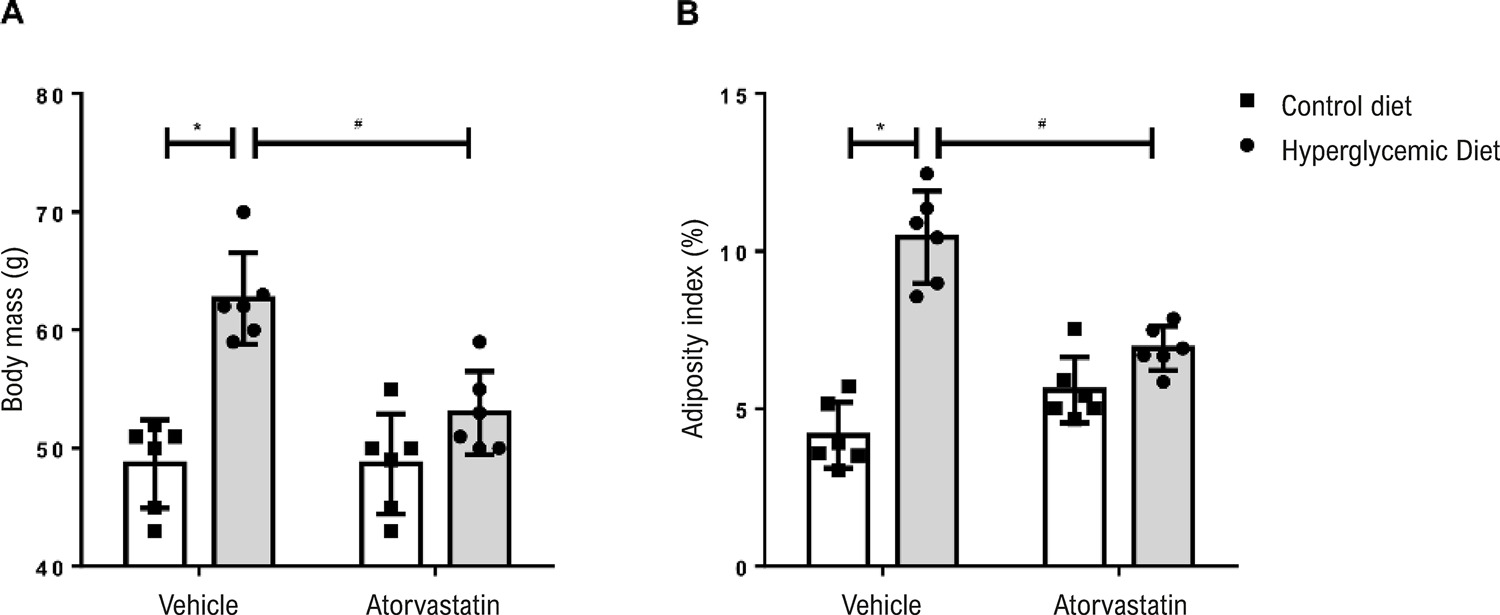
Swiss mice received a control diet or a hyperglicemic diet for 18 weeks. After 14 weeks of diet, mice were treated with vehicle or atorvastatin (20mg/kg) during for 4 weeks. Nutritional and metabolic profiles were assessed by biochemical tests; moreover, a histological assessment of aorta structure was conducted, and cytokine levels were determined by the immunoenzyme assay. The acceptable level of significance for the results was set at p<0.05.

Results

Hyperglicemic diet promoted the development of metabolic syndrome. It indeed culminated in hypertrophic remodeling of vascular smooth muscle and perivascular adipose tissue. Furthermore, there were increases in the levels of circulating TNF-α and IL-6 and in the perivascular adipose tissue. Atorvastatin therapy significantly reduced metabolic damages, vascular remodeling, and cytokine levels.

Conclusion

Atorvastatin attenuate metabolic damages associated with metabolic syndrome induced by hyperglycemic diet, in addition to attenuating vascular remodeling; both effects are associated with reduced levels of pro-inflammatory cytokines.
  • Atorvastatin
  • Dietary Carbohydrates
  • Dyslipidemias
  • Inflammation
  • Metabolic Syndrome
  • Mice
  • Vascular Remodeling
Read Full Article
Creative Commons Attribution (CC BY) Creative Commons license
18/06/2021 DOI: 10.36660/abc.20200322
Figure 1
ABC
Original Article

Evaluation of the Cardiac Effects of a Water-Soluble Lectin (Wsmol) from Moringa Oleifera Seeds

Ainhoa Rodríguez de Yurre et al. José Dayvid Ferreira da Silva Marília Kalinne da Silva Torres Eduarda Lopes Martins … Isalira Peroba Ramos Wênio Sandoval Filho Lima da Silva Jéssica da Silva Sarpa Caio César da Silva Guedes Thiago Henrique Napoleão Luana Cassandra Breitenbach Barroso Coelho Patrícia Maria Guedes Paiva Emiliano Medei

Abstract

Background

Moringa oleifera seeds, which are used for water clarification, contain a lectin named WSMoL which has shown in vitro antibacterial and immunomodulatory activity. Due to their nutritional value and therapeutic potential, the leaves and seeds of this tree are eaten in some communities. Some plant lectins are non-toxic to mammals, but others have been reported to be harmful when ingested or administered by other means.

Objective

As one of the steps needed to define the safety of WSMoL, we evaluated possible cardiotoxic effects of this purified protein. Methods: WSMoL was administered for 21 consecutive days to mice by gavage. Electrophysiological, mechanical, and metabolic cardiac functions were investigated by in vivo and ex vivo electrocardiographic recordings, nuclear magnetic resonance, and high-resolution respirometry.

Results

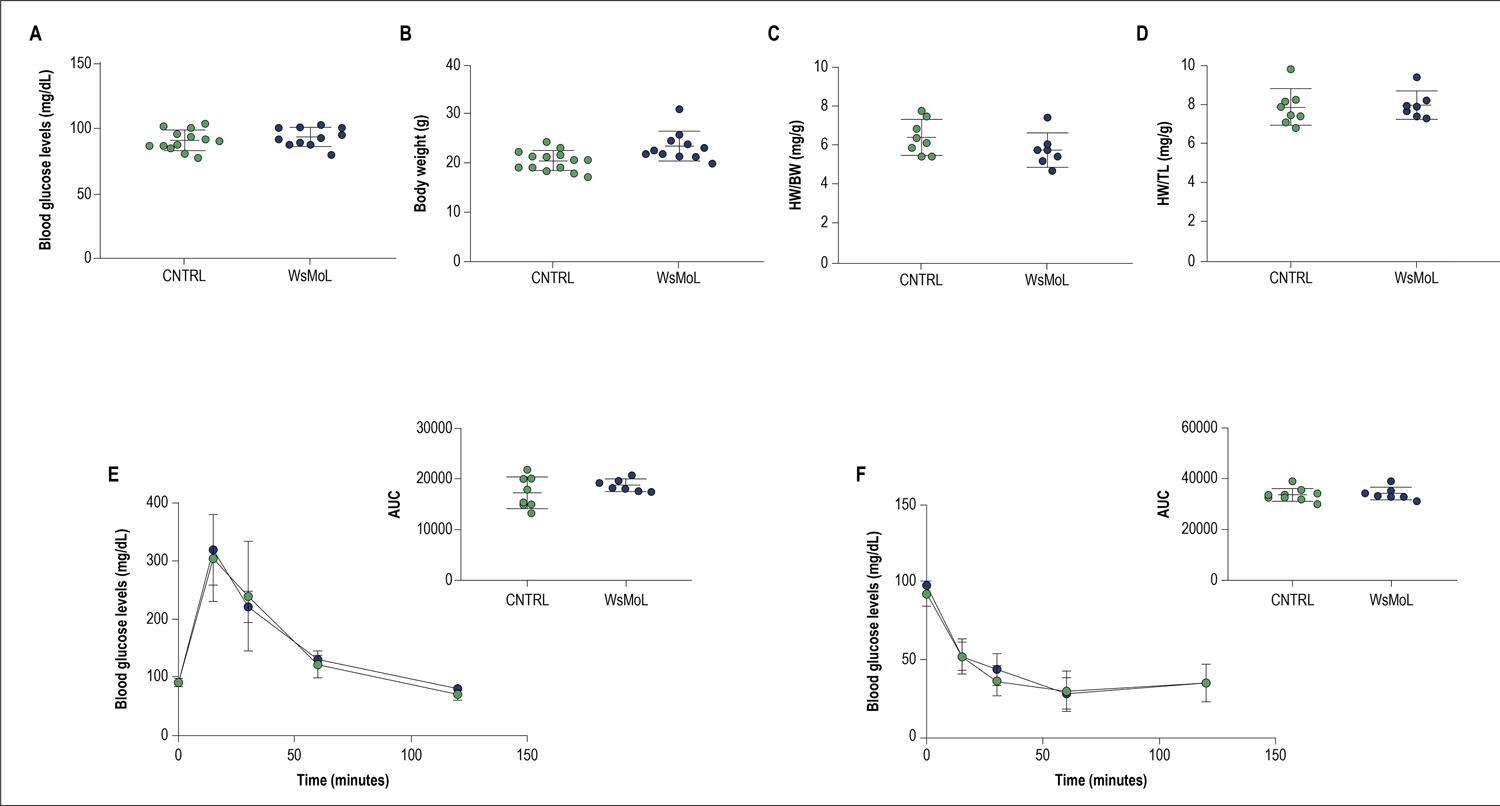
The treatment with WSMoL did not induce changes in blood glucose levels or body weight in comparison with control group. Moreover, the heart weight/body weight and heart weight/tibia length ratios were similar in both groups. Lectin ingestion also did not modify glucose tolerance or insulin resistance. No alterations were observed in electrocardiographic parameters or cardiac action potential duration. The heart of mice from the control and WSMoL groups showed preserved left ventricular function. Furthermore, WSMoL did not induce changes in mitochondrial function (in all cases, p > 0.05).

Conclusions

The administration of WSMoL demonstrated a cardiac safety profile. These results contribute to the safety evaluation of using M. oleifera seeds to treat water, since this lectin is present in the preparation employed by some populations to this end. (Arq Bras Cardiol. 2020; [online].ahead print, PP.0-0)

  • Carbohydrates
  • Heart
  • Mice
  • Moringa Oleífera (WSMoL), Lectins, Glycosides
  • Water Security
Read Full Article
Creative Commons Attribution (CC BY) Creative Commons license
13/03/2020 DOI: 10.36660/abc.20190071 Views 1
ABC
Editorial

The Impact Of Exercise On Inflammation, Oxidative Stress And Remodelling In Cardiac Muscle

Fernando Mendes et al. Diana Martins

Aging is naturally connected with a decline, in some if not all physiological functions, namely loss of bone mass density (BMD) and strength associated with the loss of muscle mass.–

This muscle loss happens mainly due to an imbalance between muscle protein synthesis and muscle protein breakdown. The increase of catabolic factors such as oxidative stress and inflammation contribute significantly to the above process. Nevertheless, the weakening of strength and muscle loss is not linear, occurring differently in all sexes. Other factors such as a decline in hormonal levels due to menopause phenomenon are thought to be also implicated in this process. In fact, some authors proposed that, in females, an accelerated loss of muscle mass and strength arises at an earlier age than in males, around the time of menopause. A good body of evidence supports that the decline in muscle mass may be in line with the estrogen decrease that typifies menopausal years.

[…]

  • collagen
  • Coronary Artery Disease
  • Dyslipidemias
  • Exercise
  • Inflammation
  • Menopause
  • Mice
  • Oxidative Stress
  • Physical activity
Read Full Article
Creative Commons Attribution (CC BY) Creative Commons license
10/02/2020 DOI: 10.36660/abc.20190735 Views 1
Figure 1
ABC
Original Article

Effects of Physical Training on the Myocardium of Oxariectomized LDLr Knockout Mice: MMP 2/9, Collagen I/III, Inflammation and Oxidative Stress

Ledimar Brianezi et al. Elisabete Ornelas Flávia de Sousa Gehrke Fernando Luiz Affonso Fonseca … Beatriz da Costa Aguiar Alves Luiz Vinicius de Alcantara Sousa Jessica Souza Laura Beatriz Mesiano Maifrino

Abstract

Background:

The emergence of coronary heart disease is increased with menopause, physical inactivity and with dyslipidemia. Physical training is known to promote the improvement of cardiovascular functions.

Objective:

To investigate the effects of aerobic physical training on the left ventricle in ovariectomized LDL knockout mice.

Methods:

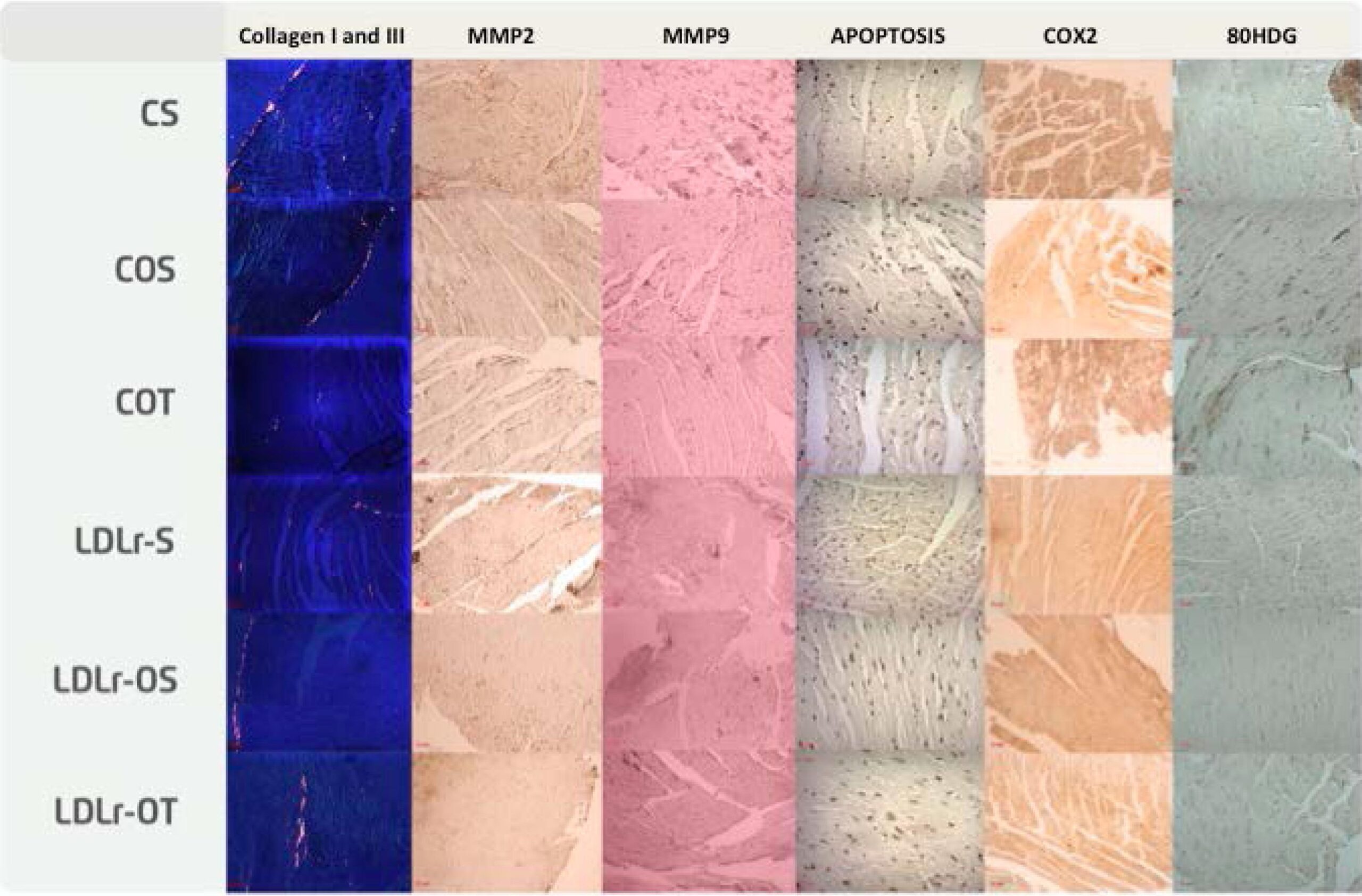
Thirty animals were divided into 6 groups (n = 5): Sedentary non-ovariectomized control; Sedentary ovariectomized control; Trained ovariectomized control; Sedentary non-ovariectomized LDL-knockout, sedentary ovariectomized LDL-knockout and trained ovariectomized LDL-knockout. We analyzed the average parameters of apparent density of collagen fibers types I and III, and metalloproteinase type 2 and type 9, were considered significant p < 0.05.

Results:

The results showed that the proposed exercise protocol altered the volume of type I collagen fibers, altered collagen remodeling parameters (MMP-2), and also reduced the 8-hydroxy-2’-deoxyguanosine (8OHdG) oxidative stress parameter.

Conclusion:

Moderate intensity aerobic training acts on collagen fiber volume, on collagen remodeling with the reduction of oxidative stress in the left ventricles of ovariectomized LDL-knockout mice.

  • collagen
  • Coronary Artery Disease
  • Dyslipidemias
  • Exercise
  • Inflammation
  • Menopause
  • Mice
  • Motor Activity
  • Oxidative Stress
Read Full Article
Creative Commons Attribution (CC BY) Creative Commons license
21/10/2019 DOI: 10.5935/abc.20190223 Views 1
ABC
Editorial

Cardioprotective Effects of Resistance Training on Obesity

Marcelo Diarcadia Mariano Cezar et al. Luana Urbano Pagan Ricardo Luiz Damatto Aline Lima Mariana Janini Gomes

Obesity is characterized as a complex metabolic disorder and is associated with several complications such as cardiovascular diseases, diabetes, renal dysfunction, liver dysfunction and cancer, resulting in impairment of quality of life.

The pathogenesis of obesity has a multifactorial origin and the oxidative stress may play an important role. Studies on animals and cell culture have reported how oxidative stress can contribute to the development of obesity, causing increased preadipocytes proliferation, adipocyte differentiation, and size of mature adipocytes, resulting in increased production of pro-inflammatory cytokines such as tumor necrosis factor alpha (TNF-α).,

[…]

  • Cardiovascular Diseases, mortality
  • Diabetes Mellitus
  • Diet, High-fat
  • Exercise
  • Hypertension
  • Mice
  • Obesity/complications
  • Quality of life
Read Full Article
Creative Commons Attribution (CC BY) Creative Commons license
06/06/2019 DOI: 10.5935/abc.20190085
Figure 1
ABC
Original Article

Resistance Exercise Modulates Oxidative Stress Parameters and TNF-α Content in the Heart of Mice with Diet-Induced Obesity

Pauline Souza Effting et al. Stella M. S. Brescianini Helen R. Sorato Bruna Barros Fernandes … Giulia dos S. Pedroso Fidelis Paulo Roberto L. da Silva Paulo César L. Silveira Renata T. Nesi Rolando B. Ceddia Ricardo A. Pinho

Abstract

Background:

Obesity can be characterized by low-grade chronic inflammation and is associated with an excesso production of reactive oxygen species, factors that contribute to coronary heart disease and other cardiomyopathies.

Objective:

To verify the effects of resistance exercise training on oxidative stress and inflammatory parameters on mice with obesity induced by a high-fat diet (HFD).

Methods:

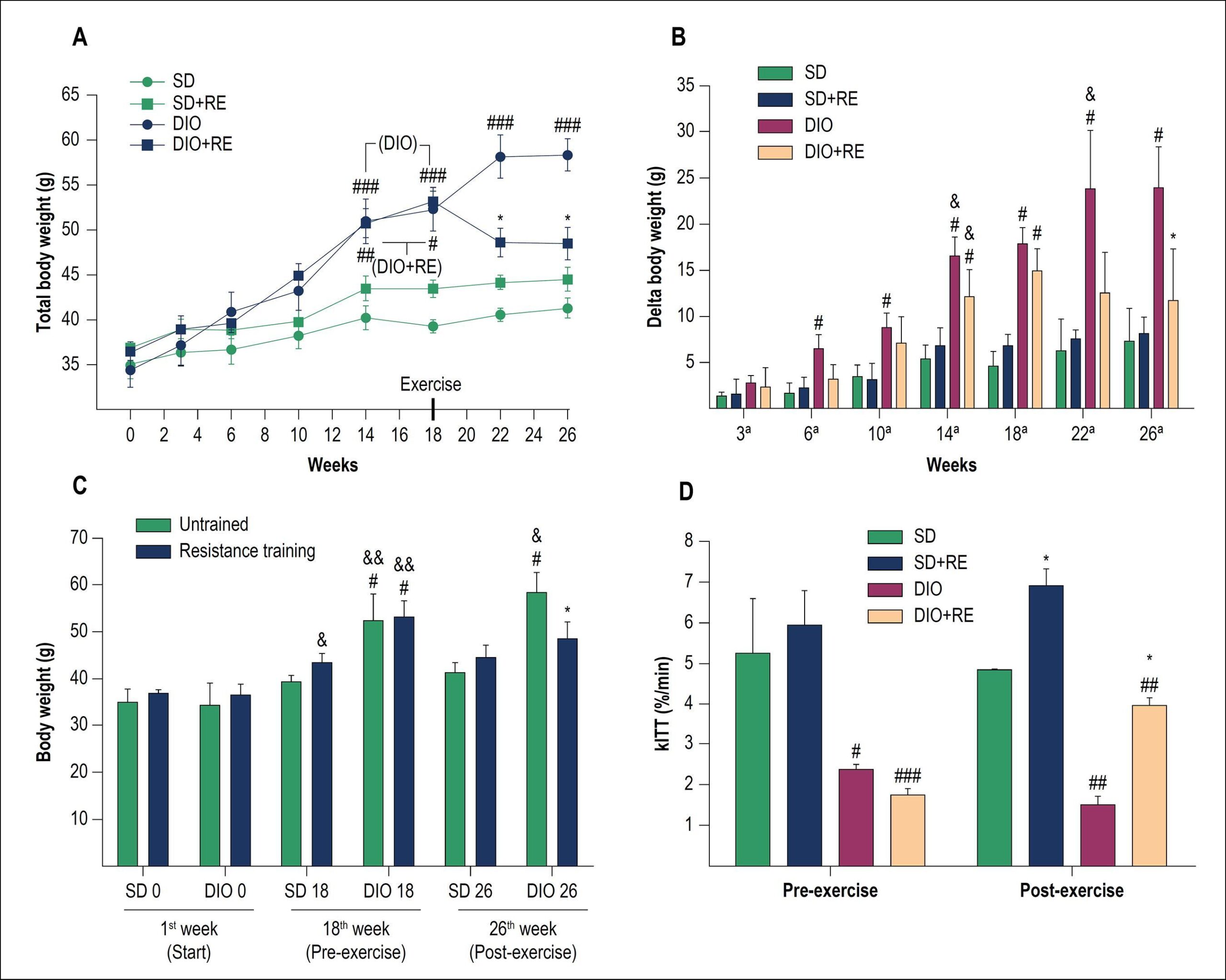
24 Swiss mice were divided into 4 groups: standard diet (SD), SD + resistance exercise (SD + RE), diet-induced obesity (DIO), DIO + RE. The animals were fed SD or HFD for 26 weeks and performed resistance exercises in the last 8 weeks of the study. The insulin tolerance test (ITT) and body weight monitoring were performed to assess the clinical parameters. Oxidative stress and inflammation parameters were evaluated in the cardiac tissue. Data were expressed by mean and standard deviation (p < 0.05).

Results:

The DIO group had a significant increase in reactive oxygen species levels and lipid peroxidation with reduction after exercise. Superoxide dismutase and the glutathione system showed no significant changes in DIO animals, with an increase in SD + RE. Only catalase activity decreased with both diet and exercise influence. There was an increase in tumor necrosis factor-alpha (TNF-α) in the DIO group, characterizing a possible inflammatory condition, with a decrease when exposed to resistance training (DIO+RE).

Conclusion:

The DIO resulted in a redox imbalance in cardiac tissue, but the RE was able to modulate these parameters, as well as to control the increase in TNF-α levels.

  • Diet, High-fat
  • Exercise
  • Mice
  • Obesity
  • Oxidative Stress
Read Full Article
Creative Commons Attribution (CC BY) Creative Commons license
25/04/2019 DOI: 10.5935/abc.20190072 Views 1
Figure 1
IJCS
Original Article

Effect of Short-Term Inhalation of The Herbicide 2,4D on Cardiac Remodeling: Morphological Aspects

Ana Lucia Ribeiro Negrão et al. Bianca de Oliveira Mariana de Godoy Gonçalves Thaoan Bruno Mariano … Tais Fernanda da Silva Oliveira Ana Karênina Dias Almeida Sabela Renata Calciolari Rossi e Silva Raíssa de Oliveira Mantovani Gisele Alborghetti Nai Francis Lopes Pacagnelli

Abstract

Background:

Brazil is the worldwide leader in the long-term use of pesticides and herbicides. This compromises the health of handlers by causing harmful neurological, respiratory, and cardiovascular changes. The herbicide 2.4D has been shown to cause cardiac overload with subsequent pathological remodeling.

Objective:

To analyze the cardiac morphological repercussions on the left ventricle (LV) of mice submitted to nebulization by the herbicide 2.4D.

Methods:

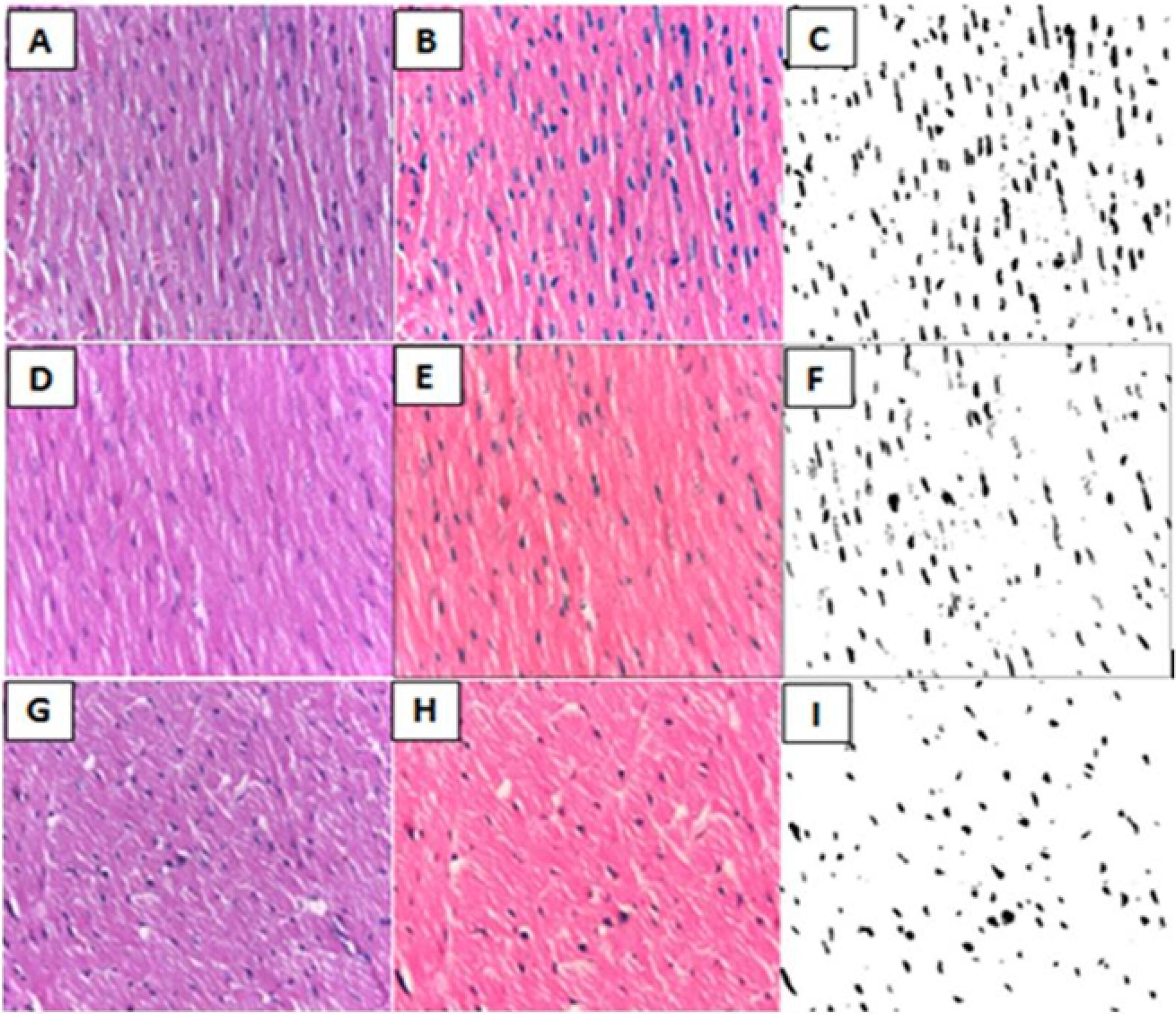
Fifteen mice were divided into three groups: control group (CG; n = 5) exposed to nebulization with sodium chloride solution; low concentration group (LCG; n = 5) exposed to nebulization of the herbicide 2.4D with 3.71 x 10⁻³ grams; and high concentration group (HCG; n = 5) exposed to nebulization of the herbicide 2.4D with 9.28 x 10⁻³ grams for 15 minutes. The fractal dimension analysis was performed through the box-counting method. Later, the ImageJ program was used to calculate the fractal dimension of each group. To evaluate cardiac remodeling, histological slides were prepared and stained with Hematoxylin-Eosin (HE). Fifty areas of cardiomyocytes were analyzed per animal. The comparisons between groups were performed by ANOVA One-Way with Tukey’s posttest (p < 0.05).

Results:

There was no change in fractal dimension values between the CG = 1.37 ± 0.02, LCG = 1.33 ± 0.04 and the HCG = 1.33 ± 0.07 groups. However, cardiac hypertrophy occurred in the HCG = 303.9 ± 38.80 µm(2) when compared to the CG group = 236.9 ± 61.71 µm(2) (p = 0.034).

Conclusion:

The herbicide 2.4D used for 72 hours did not promote cardiotoxicity when evaluated by fractal dimension. However, cardiomyocyte hypertrophy was observed in the LV.

  • Agrochemicals
  • Herbicides/adverse effects
  • Hypertrophy,Left Ventricular
  • Mice
  • Neurologic Manifestations
  • Pesticides/adverse effects
  • Respiratory Tract Diseases
Read Full Article
Creative Commons Attribution (CC BY) Creative Commons license
07/03/2019 DOI: 10.5935/2359-4802.20190014
Figure 1
IJCS
Original Article

Effect of Mild Aerobic Exercise in Atrial Granules of Mice with Chronic Chagas Disease

Roberto Ferraboli et al. Elisabete De Marco Ornelas Fernando Luiz Affonso Fonseca Glaucia Luciano da Veiga … Clever Gomes Cardoso Mara Rubia Marques Laura Beatriz Mesiano Maifrino

Abstract

Background:

Chagas disease presents in different clinical forms, ranging from asymptomatic to acute, with destruction of heart cells and a possibility of death. In the chronic phase, the parasites can cause serious injuries to different tissues.

Objectives:

Our objective was to study the effects of physical exercise (swimming) in atrial granules and components of cardiomyocytes in mice with chronic Chagas disease.

Methods:

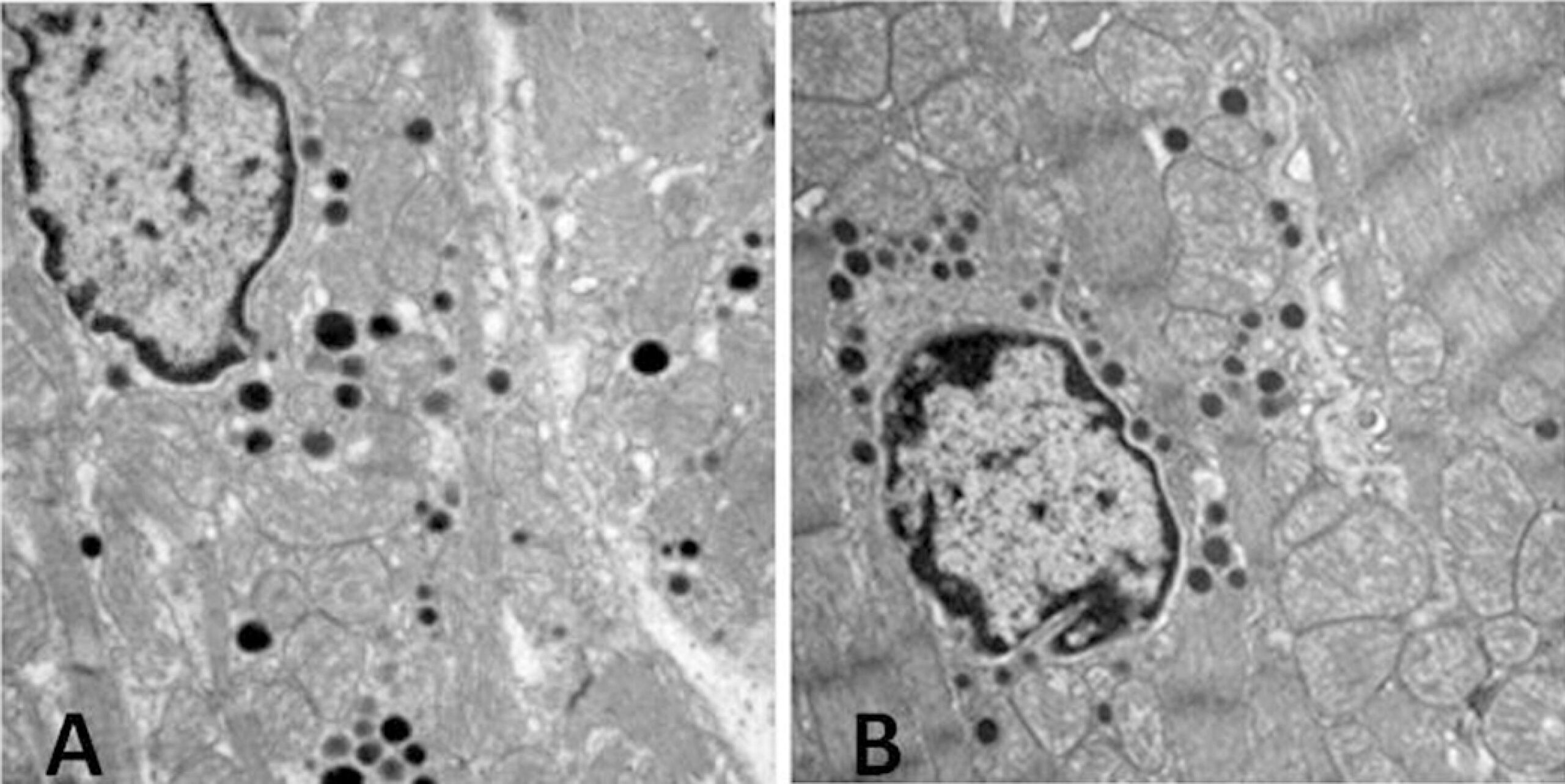
In total, 20 male mice were divided into four different groups: untrained control (UC), trained control (TC), untrained infected (UI), and trained infected (TI). In the UI and TI groups, 1,000 forms of Trypanosoma cruzi (Y strain) were inoculated intraperitoneally. After 40 days of infection and proof of chronic phase, the exercise protocol began. The UC and UI groups performed exercise for 10 min/day, and the TC and TI groups followed a training protocol five times a week for 30 minutes during 8 weeks. Ultrathin sections were subjected to morphometric and stereological analyses using electron photomicrographs (x15000) obtained by transmission electron microscopy.

Results:

The TI group showed the lowest percentage of small granules (58%), while the UI group presented 80% of these granules. The volume density of the Golgi complex and myofibrils in the TI group were reduced compared with those in the UI group, while the parameters of atrial granules and mitochondria increased.

Conclusion:

Our results suggest that mild physical exercise changes the morphological and morphometric parameters of granules and organelles in the cardiac atrium of mice infected with T. cruzi, and produces moderate beneficial effects on the cardiovascular system.

  • Atrial Natriuretic Factor
  • Chagas disease
  • Exercise
  • Mice
Read Full Article
Creative Commons Attribution (CC BY) Creative Commons license
23/08/2018 DOI: 10.5935/2359-4802.20180060
Figure 1
ABC
Original Article

Moderate Continuous Aerobic Exercise Training Improves Cardiomyocyte Contractility in Β1 Adrenergic Receptor Knockout Mice

Aurora Corrêa Rodrigues et al. Antônio José Natali Daise Nunes Queiroz da Cunha Alexandre Jayme Lopes Dantas Costa … Anselmo Gomes de Moura Miguel Araújo Carneiro-Júnior Leonardo Bonato Félix Patrícia Chakur Brum Thales Nicolau Prímola-Gomes

Abstract

Background:

The lack of cardiac β1-adrenergic receptors (β1-AR) negatively affects the regulation of both cardiac inotropy and lusitropy, leading, in the long term, to heart failure (HF). Moderate-intensity aerobic exercise (MCAE) is recommended as an adjunctive therapy for patients with HF.

Objective:

We tested the effects of MCAE on the contractile properties of left ventricular (LV) myocytes from β1 adrenergic receptor knockout (β1ARKO) mice.

Methods:

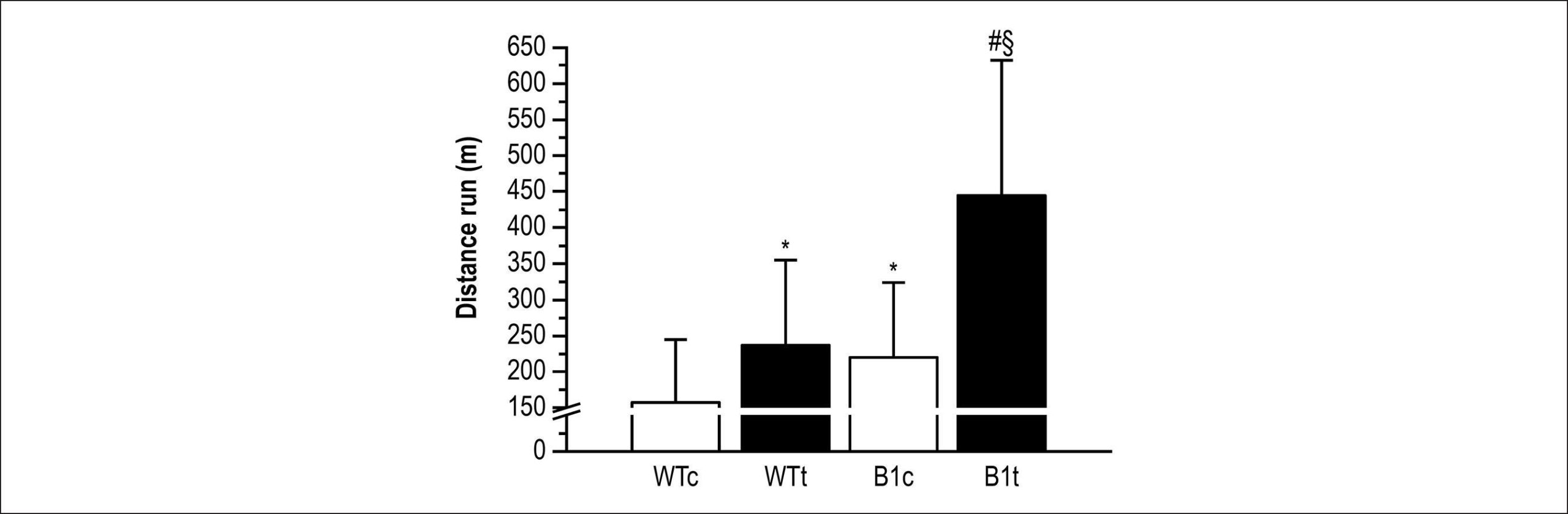
Four- to five-month-old male wild type (WT) and β1ARKO mice were divided into groups: WT control (WTc) and trained (WTt); and β1ARKO control (β1ARKOc) and trained (β1ARKOt). Animals from trained groups were submitted to a MCAE regimen (60 min/day; 60% of maximal speed, 5 days/week) on a treadmill, for 8 weeks. P ≤ 0.05 was considered significant in all comparisons.

Results:

The β1ARKO and exercised mice exhibited a higher (p < 0.05) running capacity than WT and sedentary ones, respectively. The β1ARKO mice showed higher body (BW), heart (HW) and left ventricle (LVW) weights, as well as the HW/BW and LVW/BW than WT mice. However, the MCAE did not affect these parameters. Left ventricular myocytes from β1ARKO mice showed increased (p < 0.05) amplitude and velocities of contraction and relaxation than those from WT. In addition, MCAE increased (p < 0.05) amplitude and velocities of contraction and relaxation in β1ARKO mice.

Conclusion:

MCAE improves myocyte contractility in the left ventricle of β1ARKO mice. This is evidence to support the therapeutic value of this type of exercise training in the treatment of heart diseases involving β1-AR desensitization or reduction.

  • Adrenergic beta 1 Receptor Antagonists
  • Exercise
  • Heart Failure
  • Mice
  • Myocardial Contraction
  • Myocytes, Cardiac
Read Full Article
Creative Commons Attribution (CC BY) Creative Commons license
19/02/2018 DOI: 10.5935/abc.20180025 Views 1
Figure 1
IJCS
Original Article

Rescue Therapy with Nifurtimox and Dipyridamole for Severe Acute Chagas Myocarditis with Congestive Heart Failure in NMRI Albino Mice

Daniela Yustiz Aparicio et al. María González-Hernández Greybis Hernández-Forero María Guédez-Ortiz … Sonia Santeliz Loredana Goncalves Rafael Bonfante Cabarcas

Abstract

Background:

Chagas disease is a global health problem; therefore, the development of new therapeutic protocols is necessary. Our group recently demonstrated that nifurtimox associated with dipyridamole has curative effects in mice with acute Chagas disease. In this study, we assess the effect of this therapeutic protocol in chagasic mice with heart failure.

Objective:

To evaluate whether nifurtimox and dipyridamole are useful to rescue mice with severe acute chagasic myocarditis with heart failure.

Methods:

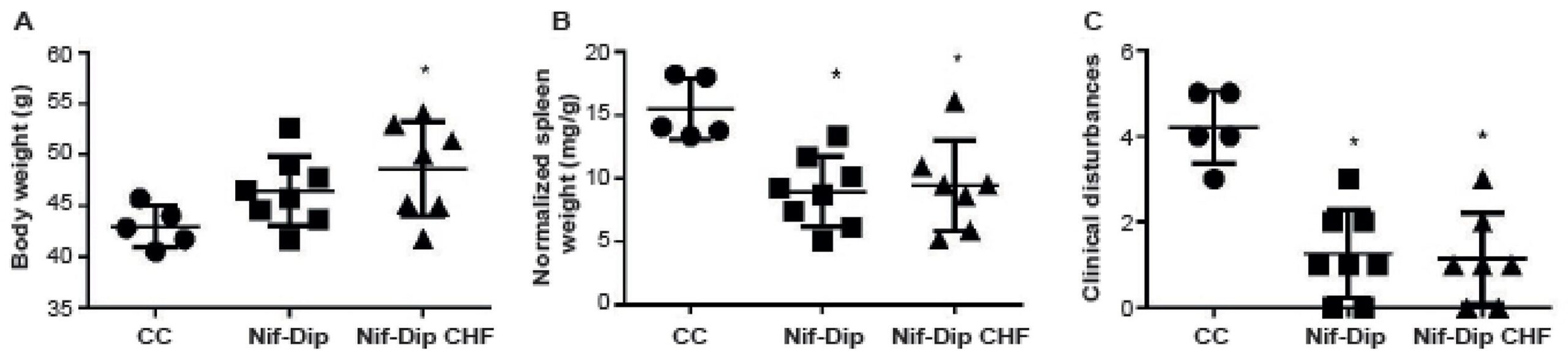
42 mice with acute chagasic myocarditis and congestive heart failure were divided into three groups: control chagas (n = 11), Nif-Dip treated with nifurtimox and dipyridamole (n = 14) and Nif-Dip-heart failure treated with nifurtimox and dipyridamole associated with digoxin, furosemide, and captopril (n = 17). Nifurtimox and dipyridamole doses were 40 and 30 mg/kg/day, respectively, for 6 weeks. Mice underwent clinical, electrocardiographic, hemoparasitological and histopathological assessments.

Results:

Lower mortality in Nif-Dip (28.57%; n = 4) compared to control chagas (54.54%; n = 6) and Nif-Dip-heart failure (52.9%; n = 9) was observed. Clinically, nifurtimox and dipyridamole-treated mice increased body weight and improved heart failure without splenomegaly. In these groups, parasitemia and tissue parasites were eradicated; fibrosis, myocytolysis, inflammatory cell infiltrate and mast cells decreased. Repolarization disorders, prolonged QRS and QT intervals, increase of S wave amplitude and atrioventricular dissociation were reversed by the treatment.

Conclusion:

Nifurtimox with dipyridamole can rescue NMRI mice from severe acute chagas disease, as nifurtimox showed trypanocidal activity and dipyridamole potentiated its effect. Dipyridamole would be useful in chagasic heart failure.

  • Chagas Cardiomyopathy
  • Chagas disease
  • Dipyridamole
  • Heart Failure
  • Mice
  • Nifurtimox
Read Full Article
Creative Commons Attribution (CC BY) Creative Commons license
01/01/2017 DOI: 10.5935/2359-4802.20170033
Chart 1
ABC
Artigo Original

Gene expression related to oxidative stress in the heart of mice after intestinal ischemia

Frederico Somaio Neto et al. Adauto Tsutomu Ikejiri Paulo Roberto Bertoletto José Carlos Bertoletto Chaves … Roberto Teruya Djalma José Fagundes Murched Omar Taha

BACKGROUND:

Intestinal ischemia-reperfusion is a frequent clinical event associated to injury in distant organs, especially the heart.

OBJECTIVE:

To investigate the gene expression of oxidative stress and antioxidant defense in the heart of inbred mice subjected to intestinal ischemia and reperfusion (IR).

METHODS:

Twelve mice (C57BL / 6) were assigned to: IR Group (GIR) with 60 minutes of superior mesenteric artery occlusion followed by 60 minutes of reperfusion; Control Group (CG) which underwent anesthesia and laparotomy without IR procedure and was observed for 120 minutes. Intestine and heart samples were processed using the RT-qPCR / Reverse transcriptase-quantitative Polymerase Chain Reaction method for the gene expression of 84 genes related to oxidative stress and oxidative defense (Student’s “t” test, p < 0.05).

RESULTS:

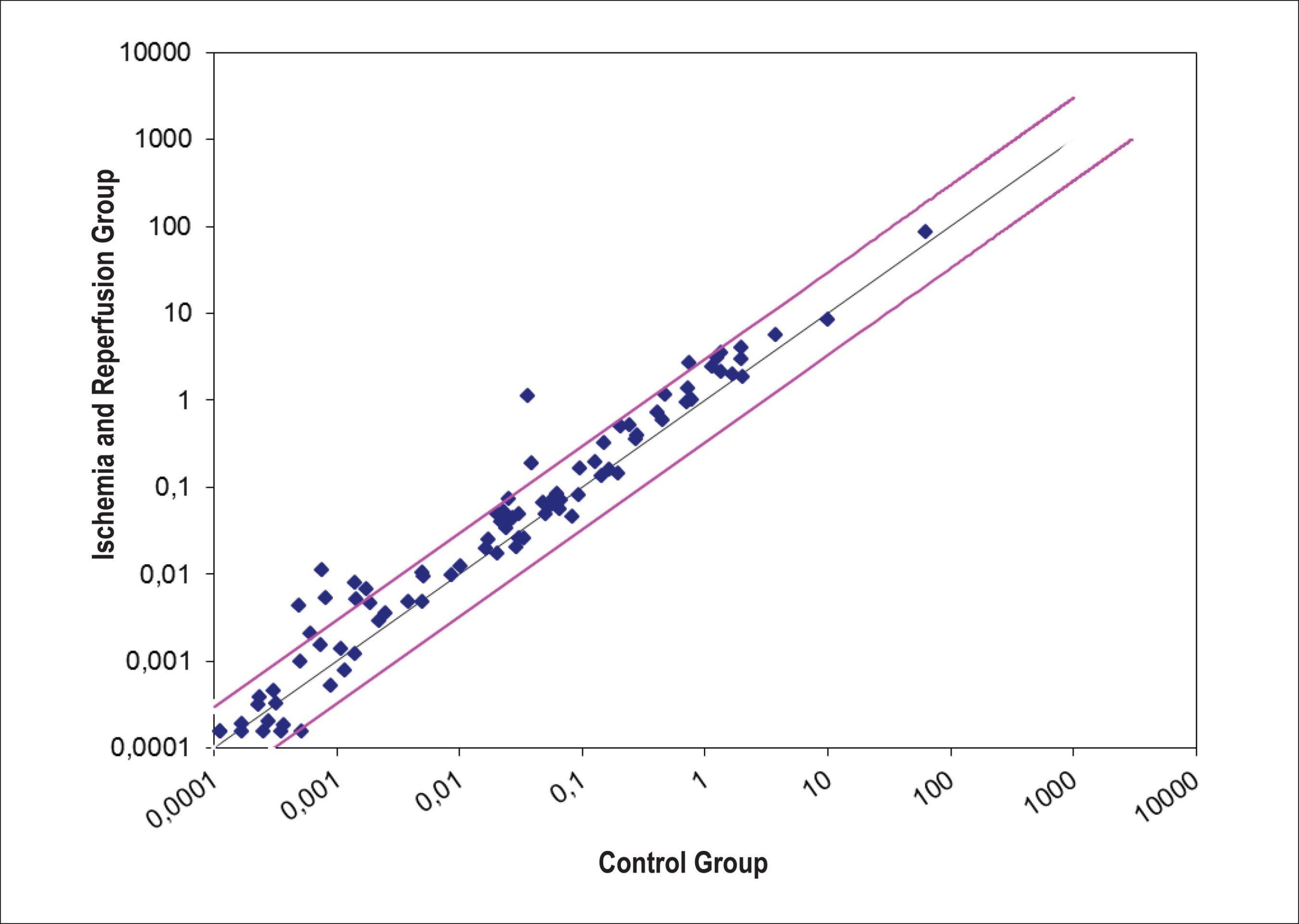
The intestinal tissue (GIR) was noted to have an up-regulation of 65 genes (74.71%) in comparison to normal tissue (CG), and 37 genes (44.04%) were hyper-expressed (greater than three times the threshold allowed by the algorithm). Regarding the remote effects of intestinal I/R in cardiac tissue an up-regulation of 28 genes (33.33%) was seen, but only eight genes (9.52%) were hyper-expressed three times above threshold. Four (7.14%) of these eight genes were expressed in both intestinal and cardiac tissues. Cardiomyocytes with smaller and pyknotic nuclei, rich in heterochromatin with rare nucleoli, indicating cardiac distress, were observed in the GIR.

CONCLUSION:

Intestinal I/R caused a statistically significant over expression of 8 genes associated with oxidative stress in remote myocardial tissue.

  • Gene Expression
  • Intestines / pathology
  • Mice
  • Oxidative Stress
Read Full Article
Creative Commons Attribution (CC BY) Creative Commons license
14/12/2013 DOI: 10.5935/abc.20130240 Views 2
Etanercept induces low QRS voltage and autonomic dysfunction in mice with experimental Chagas disease
ABC
Artigo Original

Etanercept induces low QRS voltage and autonomic dysfunction in mice with experimental Chagas disease

Héctor Rodríguez-Angulo et al. Oscar García Endher Castillo Edward Cardenas … Juan Marques Alfredo Mijares

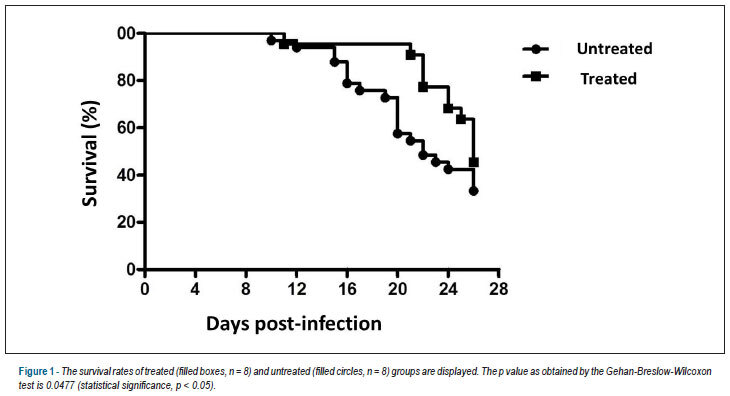
BACKGROUND: Chagas disease is a tropical parasitic disease caused by the flagellate protozoan Trypanosoma cruzi. Chagasic cardiomyopathy is characterized by disorders of autonomic regulation and action potential conduction in the acute and chronic phases of infection. Although tumor necrosis factor alpha (TNF-α) has been linked to cardiomyopathy in experimental models and in patients with Chagas disease, other reports suggest that TNF-α may exert anti-parasitic actions during the acute phase of infection. OBJECTIVES: This study aimed to determine the effects of a soluble TNF-α agonist, etanercept, on electrocardiographic parameters in the acute phase of experimental infection with Trypanosoma cruzi. METHODS: Electrocardiograms were obtained from untreated infected mice and infected mice who were treated with etanercept 7 days after infection. ECG wave and heart rate variability parameters were determined using Chart for Windows. RESULTS: Etanercept treatment resulted in a low QRS voltage and decreased heart rate variability compared with no treatment. However, the treated mice exhibited a delay in the fall of the survival curve during the acute phase. CONCLUSION: The results of this study suggest that although etanercept treatment promotes survival in mice infected with a virulent T. cruzi strain, TNF-α blockade generates a low voltage complex and autonomic dysfunction during the acute phase of infection. These findings indicate that mortality during the acute phase can be attributed to a systemic inflammatory response rather than cardiac dysfunction.)

  • Chagas disease
  • Etanercept
  • Immunoglobulin G
  • Mice
  • Nervous System
Read Full Article
Creative Commons Attribution (CC BY) Creative Commons license
23/07/2013 DOI: 10.5935/abc.20130149
The oxidative response of mouse hearts is modulated by genetic background
ABC
Artigo Original

The oxidative response of mouse hearts is modulated by genetic background

Marco Aurélio Santos-Silva et al. Akinori Cardozo Nagato Eduardo Tavares Lima Trajano Jackson Nogueira Alves … Ana Carla Balthar Bandeira Luís Cristóvão Porto Frank Silva Bezerra

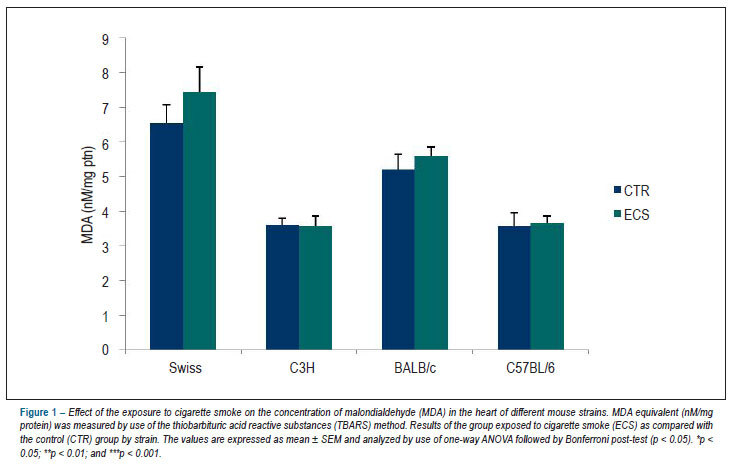
BACKGROUND: Smoking plays an important role in cardiovascular diseases. However, the reasons why some individuals develop those diseases and others do not remain to be explained. OBJECTIVE: This study aimed at assessing the redox profile of the heart of different mouse strains after exposure to cigarette smoke. METHODS: Male mice of the Swiss (n = 10), C3H (n = 10), BALB/c (n = 10) and C57BL/6 (n = 10) strains were exposed to cigarette smoke (12 cigarettes/day), while their respective controls (n = 10) were exposed to ambient air for 60 days. After being euthanized, their heart was removed for biochemical analyses. RESULTS: Although the malondialdehyde content did not increase in any of the groups, catalase activity decreased in the Swiss (p < 0.05) and BALB/c (p < 0.05) strain mice as compared with their respective control groups, while myeloperoxidase decreased in the C3H (p < 0.05) and C57BL/6 (p < 0.001) strain mice as compared with their respective control groups. The reduced glutathione content decreased in the Swiss, C3H, C57BL/6 (p < 0.05) and BALB/c (p < 0,001) strain mice as compared with their respective control groups. Regarding reduced glutathione content, an increase was observed in the Swiss strain mice (p < 0.05), while a decrease was observed in the C3H (p < 0.05) and BALB/c (p < 0.001) strain mice as compared with their respective control groups. The reduced glutathione/reduced glutathione ratio showed a reduction in the Swiss and C57BL/6 (p < 0.05) strain mice as compared with their respective control groups. CONCLUSIONS: The genetic background of mice can influence the antioxidant response after exposure to cigarette smoke and seems to be a determinant factor for redox imbalance in Swiss and C57BL/6 strain mice. Understanding antioxidant responses and genetic background of C3H and BALB/c strain mice might provide important information regarding cardiac resistance to cigarette smoke.

  • Genetic Enhancement
  • Mice
  • Oxidative Stress
  • Smoke
  • Tobacco
Read Full Article
Creative Commons Attribution (CC BY) Creative Commons license
11/03/2013 DOI: 10.5935/abc.20130029
Exercise tolerance in rats with aortic stenosis and ventricular diastolic and/or systolic dysfunction
ABC
Original Article

Exercise tolerance in rats with aortic stenosis and ventricular diastolic and/or systolic dysfunction

Olga Castro Mendes et al. Mario Mateus Sugizaki Dijon Salomé Campos Ricardo Luiz Damatto … André Soares Leopoldo Ana Paula Lima-Leopoldo Vilmar Baldissera Carlos Roberto Padovani Katashi Okoshi Antonio Carlos Cicogna

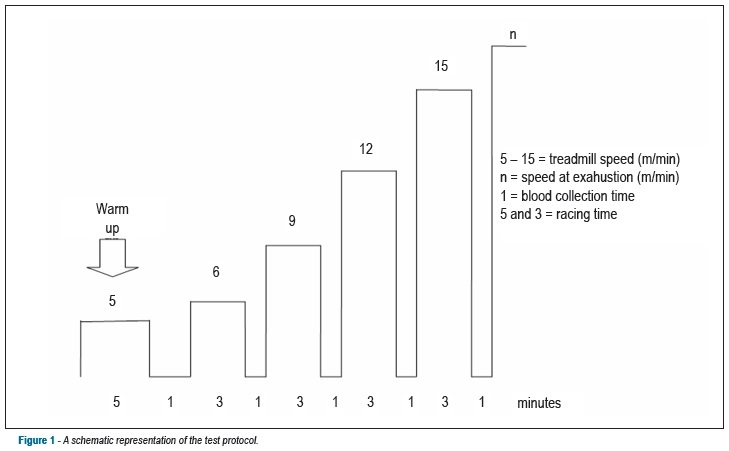
BACKGROUND: Physical stress tolerance (ST) is a measurement of cardiorespiratory fitness. Aerobic capacity is reduced in heart failure (HF) although there is no data available on this parameter in animals with ventricular dysfunction and no signs of HF. OBJECTIVE: Evaluate ST in rats with ventricular diastolic dysfunction isolated or associated with systolic dysfunction induced by ascending aortic stenosis (AoS). METHODS: Young male Wistar rats (20-30 days old), divided in: control group (CG, n=11) and AoSG group, (n=12). Animals were assessed at 6 and 18 weeks after AoS surgery. Treadmill exercise test was until exhaustion and evaluated treadmill speed and lactate concentration [LAC] at lactate threshold, treadmill speed and [LAC] at exhaustion, and total testing time. RESULTS: Echocardiography data revealed remodeling of the left atrium and left ventricular concentric hypertrophy at 6 and 18 weeks. Endocardial fractional shortening was greater in AoSG than CG at 6 and 18 weeks. Midwall fractional shortening was greater in AoSG than in CG only 6 week. Cardiac index was similar in CG and AoSG at 6 and 18 weeks and decreased between from 6 to 18 weeks in both groups. The E wave to A wave ratio was greater in CG than in AoSG at both periods and did not change in both groups between week 6 and 18. Treadmill stress testing parameters were similar in both groups at 6 or 18 weeks. CONCLUSION: Although AoS promotes isolated diastolic dysfunction or associated with systolic dysfunction at 6 or 18 weeks, it is not sufficient to modify physical stress tolerance.

  • Aortic Valve Stenosis
  • Exercise
  • Mice
  • Ventricular Dysfunction
Read Full Article
Creative Commons Attribution (CC BY) Creative Commons license
30/11/2012 DOI: 10.1590/S0066-782X2012005000112 Views 1
Effect of dry coffee residues fermented with Monascus ruber on the metabolism of Apo E mice
ABC
Artigo Original

Effect of dry coffee residues fermented with Monascus ruber on the metabolism of Apo E mice

Larissa Froede Brito et al. Lívia Dias de Queirós Maria do Carmo Gouveia Peluzio Sônia Machado Rocha Ribeiro … Sérgio Luis Pinto da Matta José Humberto de Queiroz

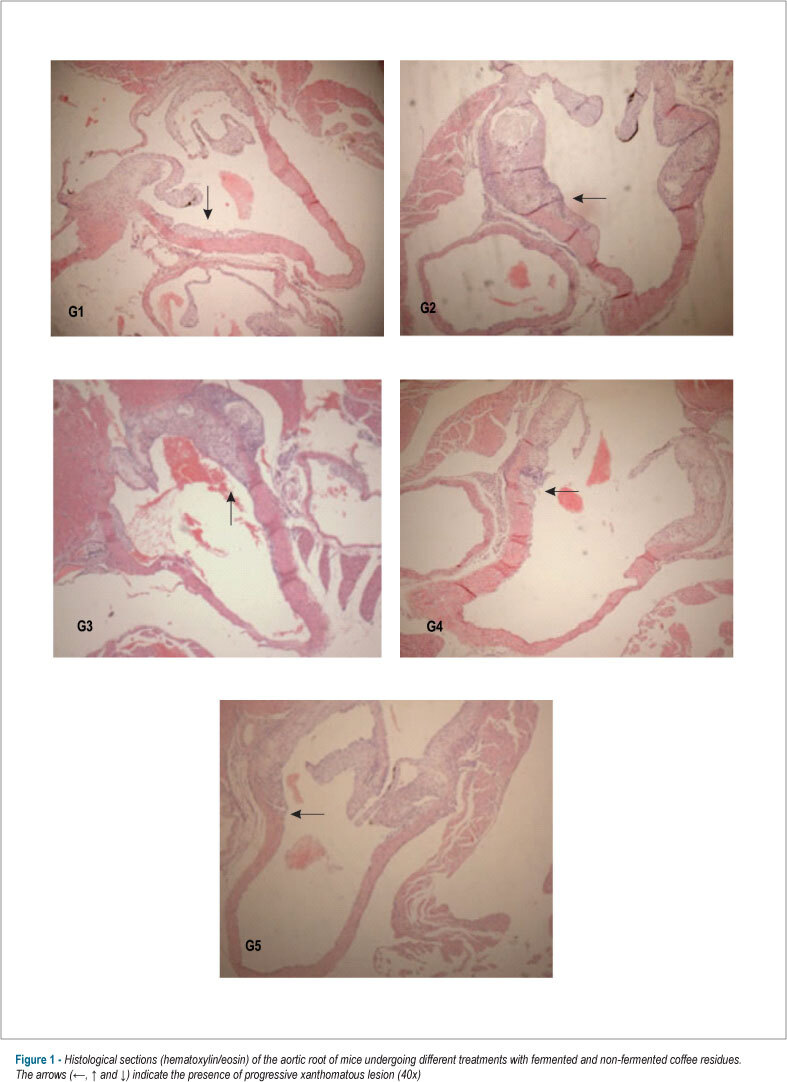
BACKGROUND: Atherosclerosis is a chronic inflammatory disease of multifactorial origin, which occurs in response to endothelial injury. The fungus Monascus ruber has hypocholesterolemic activity, and the polyphenols present in coffee residue have an antioxidant activity and can help prevent cardiovascular diseases. Coffee residue has a significant amount of fermentable sugars, being an adequate substrate for growing fungi. OBJECTIVE: The objective of this study was to assess the effect of dry coffee residue fermented with Monascus ruber on the lipid metabolism of ApoE knockout mice. METHODS: The biological assay was performed with 30 ApoE knockout mice, divided into five groups and undergoing different treatments. The phytochemical prospection and quantification of phenolic compounds of the fermented and non-fermented coffee residues were performed. The sera of the animals were analyzed by using enzyme kits, and the aortic tissue was embedded in paraffin and stained with hematoxylin and eosin to undergo histopathological analysis. RESULTS: Comparing with the control group, the group receiving 2% non-fermented coffee residue showed a reduction of 42% in the serum levels of triacylglycerols and of approximately 41% in VLDL-c. The groups receiving 10% non-fermented coffee residue and 2% fermented coffee residue showed reductions in the lesion areas of 10.5% and 15.4%, respectively, as compared with the control group. The fermented coffee residue showed a higher content of phenolic compounds as compared with the non-fermented coffee residue. CONCLUSION: The present study showed that coffee residue fermentation has a potentially beneficial effect on cardiovascular diseases, especially atherosclerosis.

  • Atherosclerosis
  • coffee
  • knockout
  • Mice
  • monascus
Read Full Article
Creative Commons Attribution (CC BY) Creative Commons license
13/07/2012 DOI: 10.1590/S0066-782X2012005000068
Myocardial remodeling after large infarcts in rat converts post rest-potentiation in force decay
ABC
Artigo Original

Myocardial remodeling after large infarcts in rat converts post rest-potentiation in force decay

Danilo Sales Bocalini et al. Leonardo dos Santos Ednei Luiz Antonio Alexandra Alberta dos Santos … Ana Paula Davel Luciana V. Rossoni Dalto Valentim Vassalo Paulo José Ferreira Tucci

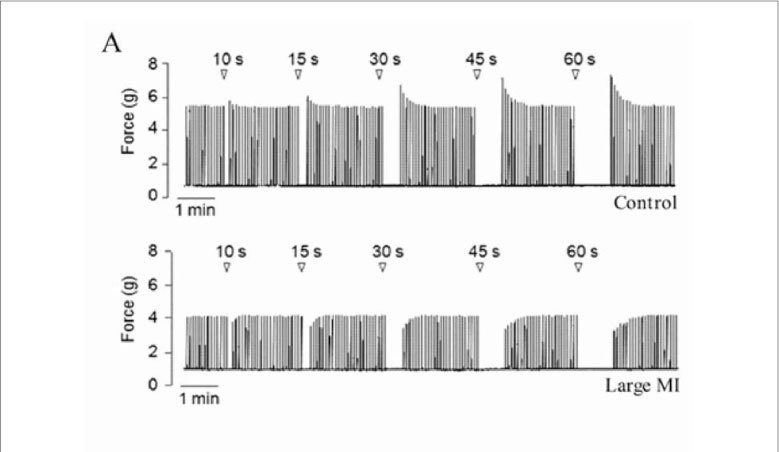
BACKGROUND: Post-rest contraction (PRC) of cardiac muscle provides indirect information about the intracellular calcium handling. OBJECTIVE: Our aim was to study the behavior of PRC, and its underlying mechanisms, in rats with myocardial infarction. METHODS: Six weeks after coronary occlusion, the contractility of papillary muscles (PM) obtained from sham-operated (C, n=17), moderate infarcted (MMI, n=10) and large infarcted (LMI, n=14) rats was evaluated, following rest intervals of 10 to 60 seconds before and after incubation with lithium chloride (Li+) substituting sodium chloride or ryanodine (Ry). Protein expression of SR Ca(2+)-ATPase (SERCA2), Na+/Ca2+ exchanger (NCX), phospholamban (PLB) and phospho-Ser(16)-PLB were analyzed by Western blotting. RESULTS: MMI exhibited reduced PRC potentiation when compared to C. Opposing the normal potentiation for C, post-rest decays of force were observed in LMI muscles. In addition, Ry blocked PRC decay or potentiation observed in LMI and C; Li+ inhibited NCX and converted PRC decay to potentiation in LMI. Although MMI and LMI presented decreased SERCA2 (72±7% and 47±9% of Control, respectively) and phospho-Ser16-PLB (75±5% and 46±11%, respectively) protein expression, overexpression of NCX (175±20%) was only observed in LMI muscles. CONCLUSION: Our results showed, for the first time ever, that myocardial remodeling after MI in rats may change the regular potentiation to post-rest decay by affecting myocyte Ca(2+) handling proteins.

  • Mice
  • muscle relaxation
  • Muscle Strength
  • Myocardial Infarction
  • Ventricular Remodeling
Read Full Article
Creative Commons Attribution (CC BY) Creative Commons license
16/02/2012 DOI: 10.1590/S0066-782X2012005000016 Views 1
Association of physical training with beta-blockers in heart failure in mice
ABC
Artigo Original

Association of physical training with beta-blockers in heart failure in mice

Andréa Somolanji Vanzelli et al. Alessandra Medeiros Raquel de Assis Sirvente Vera Maria Cury Salemi … Charles Mady Patricia Chakur Brum

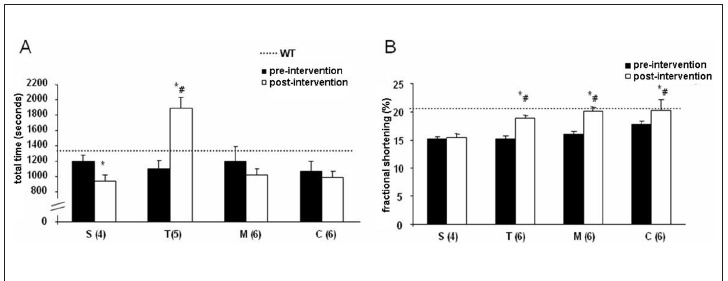
BACKGROUND: Currently there are several types of interventions for the treatment of heart failure (HF). Among these are beta-blocker therapy (BB) and physical training (PT). However, the effects of the combination of these therapies are poorly studied. OBJECTIVE: To investigate the effects of BB treatment with metoprolol (M) and carvedilol (C) associated with PT in mice with HF. METHODS: We used a genetic model of sympathetic hyperactivity-induced heart failure in mice. Initially, we divided the HF animals into three groups: sedentary (S); trained (T); treated with M (138 mg/kg) (M); or C (65 mg/kg) (C). In the second part, we divided the groups into three subgroups: sedentary (S); trained and treated with M (TM); and trained and treated with C (CT). The PT consisted of aerobic training on a treadmill for 8 weeks. Exercise tolerance was assessed by maximal graded test, and fractional shortening (FS) was assessed by echocardiography. Cardiomyocyte diameter and collagen volume fraction were evaluated by histological analysis. Data were compared by one way ANOVA and post hoc Duncan test. The significance level was set at p < 0.05. RESULTS: As to FS and cardiac remodeling, we found that, in isolation, T, M, and C showed an improvement of the variables analyzed. As to therapy combination, after the intervention period, we observed an increase in exercise tolerance in MT and CT (43.0% and 33.0% respectively). There was also a reduction in cardiomyocyte diameter (10.0% and 9.0% respectively) and in collagen volume fraction (52.0% and 63.0%) after the intervention. However, only CT significantly improved FS. CONCLUSION: The association of PT with M or C therapies provided benefits on cardiac function and remodeling in HF mice.

  • b-blockers
  • Exercise
  • Heart Failure
  • Mice
  • Sympathetic Nervous System
  • Training
Read Full Article
Creative Commons Attribution (CC BY) Creative Commons license
30/07/2010 DOI: 10.1590/S0066-782X2010005000098 Views 1

How to cite this article

EndNote RIS

Electronic Document Format (Vancouver)

Carvalho KFS, Ferreira AAM, Barbosa NC, Alves JV, Costa RM. Atorvastatin Attenuates Vascular Remodeling in Mice with Metabolic Syndrome. Arquivos Brasileiros de Cardiologia 2021;117(4):737-4.

Electronic Document Format (ABNT)

Carvalho, Karine Ferreira da Silva; Ferreira, Amanda Araújo Marques; Barbosa, Nayara Carvalho; Alves, Juliano Vilela; Costa, Rafael Menezes da. Atorvastatin Attenuates Vascular Remodeling in Mice with Metabolic Syndrome. Arquivos Brasileiros de Cardiologia, v. 117, n. 4, p. 737-747, Jun. 2021.

Electronic Document Format (APA)

Carvalho, K. F. S., Ferreira, A. A. M., Barbosa, N. C., Alves, J. V., & Costa, R. M. (2021). Atorvastatin Attenuates Vascular Remodeling in Mice with Metabolic Syndrome. Arquivos Brasileiros de Cardiologia, 117(4), 737-747.

Electronic Document Format (ISO)

Carvalho, Karine Ferreira da Silva and Ferreira, Amanda Araújo Marques and Barbosa, Nayara Carvalho and Alves, Juliano Vilela and Costa, Rafael Menezes da. Atorvastatin Attenuates Vascular Remodeling in Mice with Metabolic Syndrome. Arquivos Brasileiros de Cardiologia [online]. 2021, vol. 117, n. 4, [cited 2026-10-14], pp. 737-747. Available from: <https://journals.cardiol.br/en/article/atorvastatin-attenuates-vascular-remodeling-in-mice-with-metabolic-syndrome/>. ISSN 0066-782X

EndNote RIS

Electronic Document Format (Vancouver)

Yurre AR, Silva JDF, Torres MKS, Martins EL, Ramos IP, Silva WSFL, Sarpa JS, et al. Evaluation of the Cardiac Effects of a Water-Soluble Lectin (Wsmol) from Moringa Oleifera Seeds. Arquivos Brasileiros de Cardiologia 2020;114(6):1029-37.

Electronic Document Format (ABNT)

Yurre, Ainhoa Rodríguez de; Silva, José Dayvid Ferreira da; Torres, Marília Kalinne da Silva; Martins, Eduarda Lopes; Ramos, Isalira Peroba; Silva, Wênio Sandoval Filho Lima da; Sarpa, Jéssica da Silva; Guedes, Caio César da Silva; Napoleão, Thiago Henrique; Coelho, Luana Cassandra Breitenbach Barroso; Paiva, Patrícia Maria Guedes; Medei, Emiliano. Evaluation of the Cardiac Effects of a Water-Soluble Lectin (Wsmol) from Moringa Oleifera Seeds. Arquivos Brasileiros de Cardiologia, v. 114, n. 6, p. 1029-1037, Mar. 2020.

Electronic Document Format (APA)

Yurre, A. R. , Silva, J. D. F. , Torres, M. K. S., Martins, E. L., Ramos, I. P., Silva, W. S. F. L. , Sarpa, J. S., Guedes, C. C. S., Napoleão, T. H., Coelho, L. C. B. B., Paiva, P. M. G., & Medei, E. (2020). Evaluation of the Cardiac Effects of a Water-Soluble Lectin (Wsmol) from Moringa Oleifera Seeds. Arquivos Brasileiros de Cardiologia, 114(6), 1029-1037.

Electronic Document Format (ISO)

Yurre, Ainhoa Rodríguez de and Silva, José Dayvid Ferreira da and Torres, Marília Kalinne da Silva and Martins, Eduarda Lopes and Ramos, Isalira Peroba and Silva, Wênio Sandoval Filho Lima da and Sarpa, Jéssica da Silva and Guedes, Caio César da Silva and Napoleão, Thiago Henrique and Coelho, Luana Cassandra Breitenbach Barroso and Paiva, Patrícia Maria Guedes and Medei, Emiliano. Evaluation of the Cardiac Effects of a Water-Soluble Lectin (Wsmol) from Moringa Oleifera Seeds. Arquivos Brasileiros de Cardiologia [online]. 2020, vol. 114, n. 6, [cited 2026-10-14], pp. 1029-1037. Available from: <https://journals.cardiol.br/en/article/evaluation-of-the-cardiac-effects-of-a-water-soluble-lectin-wsmol-from-moringa-oleifera-seeds/>. ISSN 0066-782X

EndNote RIS

Electronic Document Format (Vancouver)

Mendes F, Martins D. The Impact Of Exercise On Inflammation, Oxidative Stress And Remodelling In Cardiac Muscle. Arquivos Brasileiros de Cardiologia 2020;114(1):106-8.

Electronic Document Format (ABNT)

Mendes, Fernando; Martins, Diana. The Impact Of Exercise On Inflammation, Oxidative Stress And Remodelling In Cardiac Muscle. Arquivos Brasileiros de Cardiologia, v. 114, n. 1, p. 106-108, Feb. 2020.

Electronic Document Format (APA)

Mendes, F., & Martins, D. (2020). The Impact Of Exercise On Inflammation, Oxidative Stress And Remodelling In Cardiac Muscle. Arquivos Brasileiros de Cardiologia, 114(1), 106-108.

Electronic Document Format (ISO)

Mendes, Fernando and Martins, Diana. The Impact Of Exercise On Inflammation, Oxidative Stress And Remodelling In Cardiac Muscle. Arquivos Brasileiros de Cardiologia [online]. 2020, vol. 114, n. 1, [cited 2026-10-14], pp. 106-108. Available from: <https://journals.cardiol.br/en/article/the-impact-of-exercise-on-inflammation-oxidative-stress-and-remodelling-in-cardiac-muscle/>. ISSN 0066-782X

EndNote RIS

Electronic Document Format (Vancouver)

Brianezi L, Ornelas E, Gehrke FS, Fonseca FLA, Alves BCA, Sousa LVA, Souza J, et al. Effects of Physical Training on the Myocardium of Oxariectomized LDLr Knockout Mice: MMP 2/9, Collagen I/III, Inflammation and Oxidative Stress. Arquivos Brasileiros de Cardiologia 2019;114(1):100-5.

Electronic Document Format (ABNT)

Brianezi, Ledimar; Ornelas, Elisabete; Gehrke, Flávia de Sousa; Fonseca, Fernando Luiz Affonso; Alves, Beatriz da Costa Aguiar; Sousa, Luiz Vinicius de Alcantara; Souza, Jessica; Maifrino, Laura Beatriz Mesiano. Effects of Physical Training on the Myocardium of Oxariectomized LDLr Knockout Mice: MMP 2/9, Collagen I/III, Inflammation and Oxidative Stress. Arquivos Brasileiros de Cardiologia, v. 114, n. 1, p. 100-105, Oct. 2019.

Electronic Document Format (APA)

Brianezi, L., Ornelas, E., Gehrke, F. S., Fonseca, F. L. A., Alves, B. C. A., Sousa, L. V. A., Souza, J., & Maifrino, L. B. M. (2019). Effects of Physical Training on the Myocardium of Oxariectomized LDLr Knockout Mice: MMP 2/9, Collagen I/III, Inflammation and Oxidative Stress. Arquivos Brasileiros de Cardiologia, 114(1), 100-105.

Electronic Document Format (ISO)

Brianezi, Ledimar and Ornelas, Elisabete and Gehrke, Flávia de Sousa and Fonseca, Fernando Luiz Affonso and Alves, Beatriz da Costa Aguiar and Sousa, Luiz Vinicius de Alcantara and Souza, Jessica and Maifrino, Laura Beatriz Mesiano. Effects of Physical Training on the Myocardium of Oxariectomized LDLr Knockout Mice: MMP 2/9, Collagen I/III, Inflammation and Oxidative Stress. Arquivos Brasileiros de Cardiologia [online]. 2019, vol. 114, n. 1, [cited 2026-10-14], pp. 100-105. Available from: <https://journals.cardiol.br/en/article/effects-of-physical-training-on-the-myocardium-of-oxariectomized-ldlr-knockout-mice-mmp-2-9-collagen-i-iii-inflammation-and-oxidative-stress/>. ISSN 0066-782X

EndNote RIS

Electronic Document Format (Vancouver)

Cezar MDM, Pagan LU, Damatto RL, Lima A, Gomes MJ. Cardioprotective Effects of Resistance Training on Obesity. Arquivos Brasileiros de Cardiologia 2019;112(5):553-4.

Electronic Document Format (ABNT)

Cezar, Marcelo Diarcadia Mariano; Pagan, Luana Urbano; Damatto, Ricardo Luiz; Lima, Aline; Gomes, Mariana Janini. Cardioprotective Effects of Resistance Training on Obesity. Arquivos Brasileiros de Cardiologia, v. 112, n. 5, p. 553-554, Jun. 2019.

Electronic Document Format (APA)

Cezar, M. D. M., Pagan, L. U., Damatto, R. L., Lima, A., & Gomes, M. J. (2019). Cardioprotective Effects of Resistance Training on Obesity. Arquivos Brasileiros de Cardiologia, 112(5), 553-554.

Electronic Document Format (ISO)

Cezar, Marcelo Diarcadia Mariano and Pagan, Luana Urbano and Damatto, Ricardo Luiz and Lima, Aline and Gomes, Mariana Janini. Cardioprotective Effects of Resistance Training on Obesity. Arquivos Brasileiros de Cardiologia [online]. 2019, vol. 112, n. 5, [cited 2026-10-14], pp. 553-554. Available from: <https://journals.cardiol.br/en/article/cardioprotective-effects-of-resistance-training-on-obesity/>. ISSN 0066-782X

EndNote RIS

Electronic Document Format (Vancouver)

Effting PS, Brescianini SMS, Sorato HR, Fernandes BB, Fidelis GSP, Silva PRL, Silveira PCL, et al. Resistance Exercise Modulates Oxidative Stress Parameters and TNF-α Content in the Heart of Mice with Diet-Induced Obesity. Arquivos Brasileiros de Cardiologia 2019;112(5):545-52.

Electronic Document Format (ABNT)

Effting, Pauline Souza; Brescianini, Stella M. S.; Sorato, Helen R.; Fernandes, Bruna Barros; Fidelis, Giulia dos S. Pedroso; Silva, Paulo Roberto L. da; Silveira, Paulo César L.; Nesi, Renata T.; Ceddia, Rolando B.; Pinho, Ricardo A.. Resistance Exercise Modulates Oxidative Stress Parameters and TNF-α Content in the Heart of Mice with Diet-Induced Obesity. Arquivos Brasileiros de Cardiologia, v. 112, n. 5, p. 545-552, Apr. 2019.

Electronic Document Format (APA)

Effting, P. S., Brescianini, S. M. S., Sorato, H. R., Fernandes, B. B., Fidelis, G. S. P., Silva, P. R. L. , Silveira, P. C. L., Nesi, R. T., Ceddia, R. B., & Pinho, R. A. (2019). Resistance Exercise Modulates Oxidative Stress Parameters and TNF-α Content in the Heart of Mice with Diet-Induced Obesity. Arquivos Brasileiros de Cardiologia, 112(5), 545-552.

Electronic Document Format (ISO)

Effting, Pauline Souza and Brescianini, Stella M. S. and Sorato, Helen R. and Fernandes, Bruna Barros and Fidelis, Giulia dos S. Pedroso and Silva, Paulo Roberto L. da and Silveira, Paulo César L. and Nesi, Renata T. and Ceddia, Rolando B. and Pinho, Ricardo A.. Resistance Exercise Modulates Oxidative Stress Parameters and TNF-α Content in the Heart of Mice with Diet-Induced Obesity. Arquivos Brasileiros de Cardiologia [online]. 2019, vol. 112, n. 5, [cited 2026-10-14], pp. 545-552. Available from: <https://journals.cardiol.br/en/article/resistance-exercise-modulates-oxidative-stress-parameters-and-tnf-%ce%b1-content-in-the-heart-of-mice-with-diet-induced-obesity/>. ISSN 0066-782X

EndNote RIS

Electronic Document Format (Vancouver)

Negrão ALR, Oliveira B, Gonçalves MG, Mariano TB, Oliveira TFS, Sabela AKDA, Silva RCR, et al. Effect of Short-Term Inhalation of The Herbicide 2,4D on Cardiac Remodeling: Morphological Aspects. International Journal of Cardiovascular Sciences 2019;32(3):247-52.

Electronic Document Format (ABNT)

Negrão, Ana Lucia Ribeiro; Oliveira, Bianca de; Gonçalves, Mariana de Godoy; Mariano, Thaoan Bruno; Oliveira, Tais Fernanda da Silva; Sabela, Ana Karênina Dias Almeida; Silva, Renata Calciolari Rossi e; Mantovani, Raíssa de Oliveira; Nai, Gisele Alborghetti; Pacagnelli, Francis Lopes. Effect of Short-Term Inhalation of The Herbicide 2,4D on Cardiac Remodeling: Morphological Aspects. International Journal of Cardiovascular Sciences, v. 32, n. 3, p. 247-252, Mar. 2019.

Electronic Document Format (APA)

Negrão, A. L. R., Oliveira, B. , Gonçalves, M. G., Mariano, T. B., Oliveira, T. F. S., Sabela, A. K. D. A., Silva, R. C. R. , Mantovani, R. O., Nai, G. A., & Pacagnelli, F. L. (2019). Effect of Short-Term Inhalation of The Herbicide 2,4D on Cardiac Remodeling: Morphological Aspects. International Journal of Cardiovascular Sciences, 32(3), 247-252.

Electronic Document Format (ISO)

Negrão, Ana Lucia Ribeiro and Oliveira, Bianca de and Gonçalves, Mariana de Godoy and Mariano, Thaoan Bruno and Oliveira, Tais Fernanda da Silva and Sabela, Ana Karênina Dias Almeida and Silva, Renata Calciolari Rossi e and Mantovani, Raíssa de Oliveira and Nai, Gisele Alborghetti and Pacagnelli, Francis Lopes. Effect of Short-Term Inhalation of The Herbicide 2,4D on Cardiac Remodeling: Morphological Aspects. International Journal of Cardiovascular Sciences [online]. 2019, vol. 32, n. 3, [cited 2026-10-14], pp. 247-252. Available from: <https://journals.cardiol.br/en/article/effect-of-short-term-inhalation-of-the-herbicide-24d-on-cardiac-remodeling-morphological-aspects/>. ISSN 2359-4802

EndNote RIS

Electronic Document Format (Vancouver)

Ferraboli R, Ornelas EDM, Fonseca FLA, Veiga GL, Cardoso CG, Marques MR, Maifrino LBM, et al. Effect of Mild Aerobic Exercise in Atrial Granules of Mice with Chronic Chagas Disease. International Journal of Cardiovascular Sciences 2018;31(6):585-93.

Electronic Document Format (ABNT)

Ferraboli, Roberto; Ornelas, Elisabete De Marco; Fonseca, Fernando Luiz Affonso; Veiga, Glaucia Luciano da; Cardoso, Clever Gomes; Marques, Mara Rubia; Maifrino, Laura Beatriz Mesiano. Effect of Mild Aerobic Exercise in Atrial Granules of Mice with Chronic Chagas Disease. International Journal of Cardiovascular Sciences, v. 31, n. 6, p. 585-593, Aug. 2018.

Electronic Document Format (APA)

Ferraboli, R., Ornelas, E. D. M., Fonseca, F. L. A., Veiga, G. L. , Cardoso, C. G., Marques, M. R., & Maifrino, L. B. M. (2018). Effect of Mild Aerobic Exercise in Atrial Granules of Mice with Chronic Chagas Disease. International Journal of Cardiovascular Sciences, 31(6), 585-593.

Electronic Document Format (ISO)

Ferraboli, Roberto and Ornelas, Elisabete De Marco and Fonseca, Fernando Luiz Affonso and Veiga, Glaucia Luciano da and Cardoso, Clever Gomes and Marques, Mara Rubia and Maifrino, Laura Beatriz Mesiano. Effect of Mild Aerobic Exercise in Atrial Granules of Mice with Chronic Chagas Disease. International Journal of Cardiovascular Sciences [online]. 2018, vol. 31, n. 6, [cited 2026-10-14], pp. 585-593. Available from: <https://journals.cardiol.br/en/article/effect-of-mild-aerobic-exercise-in-atrial-granules-of-mice-with-chronic-chagas-disease/>. ISSN 2359-4802

EndNote RIS

Electronic Document Format (Vancouver)

Rodrigues AC, Natali AJ, Cunha DNQ, Costa AJLD, Moura AG, Carneiro-Júnior MA, Félix LB, et al. Moderate Continuous Aerobic Exercise Training Improves Cardiomyocyte Contractility in Β1 Adrenergic Receptor Knockout Mice. Arquivos Brasileiros de Cardiologia 2018;110(3):256-62.

Electronic Document Format (ABNT)

Rodrigues, Aurora Corrêa; Natali, Antônio José; Cunha, Daise Nunes Queiroz da; Costa, Alexandre Jayme Lopes Dantas; Moura, Anselmo Gomes de; Carneiro-Júnior, Miguel Araújo; Félix, Leonardo Bonato; Brum, Patrícia Chakur; Prímola-Gomes, Thales Nicolau. Moderate Continuous Aerobic Exercise Training Improves Cardiomyocyte Contractility in Β1 Adrenergic Receptor Knockout Mice. Arquivos Brasileiros de Cardiologia, v. 110, n. 3, p. 256-262, Feb. 2018.

Electronic Document Format (APA)

Rodrigues, A. C., Natali, A. J., Cunha, D. N. Q. , Costa, A. J. L. D., Moura, A. G. , Carneiro-Júnior, M. A., Félix, L. B., Brum, P. C., & Prímola-Gomes, T. N. (2018). Moderate Continuous Aerobic Exercise Training Improves Cardiomyocyte Contractility in Β1 Adrenergic Receptor Knockout Mice. Arquivos Brasileiros de Cardiologia, 110(3), 256-262.

Electronic Document Format (ISO)

Rodrigues, Aurora Corrêa and Natali, Antônio José and Cunha, Daise Nunes Queiroz da and Costa, Alexandre Jayme Lopes Dantas and Moura, Anselmo Gomes de and Carneiro-Júnior, Miguel Araújo and Félix, Leonardo Bonato and Brum, Patrícia Chakur and Prímola-Gomes, Thales Nicolau. Moderate Continuous Aerobic Exercise Training Improves Cardiomyocyte Contractility in Β1 Adrenergic Receptor Knockout Mice. Arquivos Brasileiros de Cardiologia [online]. 2018, vol. 110, n. 3, [cited 2026-10-14], pp. 256-262. Available from: <https://journals.cardiol.br/en/article/moderate-continuous-aerobic-exercise-training-improves-cardiomyocyte-contractility-in-%ce%b21-adrenergic-receptor-knockout-mice/>. ISSN 0066-782X

EndNote RIS

Electronic Document Format (Vancouver)

Aparicio DY, González-Hernández M, Hernández-Forero G, Guédez-Ortiz M, Santeliz S, Goncalves L, Cabarcas RB, et al. Rescue Therapy with Nifurtimox and Dipyridamole for Severe Acute Chagas Myocarditis with Congestive Heart Failure in NMRI Albino Mice. International Journal of Cardiovascular Sciences 2017;30(2):145-56.

Electronic Document Format (ABNT)

Aparicio, Daniela Yustiz; González-Hernández, María; Hernández-Forero, Greybis; Guédez-Ortiz, María; Santeliz, Sonia; Goncalves, Loredana; Cabarcas, Rafael Bonfante. Rescue Therapy with Nifurtimox and Dipyridamole for Severe Acute Chagas Myocarditis with Congestive Heart Failure in NMRI Albino Mice. International Journal of Cardiovascular Sciences, v. 30, n. 2, p. 145-156, Dec. 2016.

Electronic Document Format (APA)

Aparicio, D. Y., González-Hernández, M., Hernández-Forero, G., Guédez-Ortiz, M., Santeliz, S., Goncalves, L., & Cabarcas, R. B. (2017). Rescue Therapy with Nifurtimox and Dipyridamole for Severe Acute Chagas Myocarditis with Congestive Heart Failure in NMRI Albino Mice. International Journal of Cardiovascular Sciences, 30(2), 145-156.

Electronic Document Format (ISO)

Aparicio, Daniela Yustiz and González-Hernández, María and Hernández-Forero, Greybis and Guédez-Ortiz, María and Santeliz, Sonia and Goncalves, Loredana and Cabarcas, Rafael Bonfante. Rescue Therapy with Nifurtimox and Dipyridamole for Severe Acute Chagas Myocarditis with Congestive Heart Failure in NMRI Albino Mice. International Journal of Cardiovascular Sciences [online]. 2017, vol. 30, n. 2, [cited 2026-10-14], pp. 145-156. Available from: <https://journals.cardiol.br/en/article/rescue-therapy-with-nifurtimox-and-dipyridamole-for-severe-acute-chagas-myocarditis-with-congestive-heart-failure-in-nmri-albino-mice/>. ISSN 2359-4802

EndNote RIS

Electronic Document Format (Vancouver)

Somaio Neto F, Ikejiri AT, Bertoletto PR, Chaves JCB, Teruya R, Fagundes DJ, Taha MO, et al. Gene expression related to oxidative stress in the heart of mice after intestinal ischemia. Arquivos Brasileiros de Cardiologia 2013;102(2):165-74.

Electronic Document Format (ABNT)

Somaio Neto, Frederico; Ikejiri, Adauto Tsutomu; Bertoletto, Paulo Roberto; Chaves, José Carlos Bertoletto; Teruya, Roberto; Fagundes, Djalma José; Taha, Murched Omar. Gene expression related to oxidative stress in the heart of mice after intestinal ischemia. Arquivos Brasileiros de Cardiologia, v. 102, n. 2, p. 165-174, Dec. 2013.

Electronic Document Format (APA)

Somaio Neto, F., Ikejiri, A. T., Bertoletto, P. R., Chaves, J. C. B., Teruya, R., Fagundes, D. J., & Taha, M. O. (2013). Gene expression related to oxidative stress in the heart of mice after intestinal ischemia. Arquivos Brasileiros de Cardiologia, 102(2), 165-174.

Electronic Document Format (ISO)

Somaio Neto, Frederico and Ikejiri, Adauto Tsutomu and Bertoletto, Paulo Roberto and Chaves, José Carlos Bertoletto and Teruya, Roberto and Fagundes, Djalma José and Taha, Murched Omar. Gene expression related to oxidative stress in the heart of mice after intestinal ischemia. Arquivos Brasileiros de Cardiologia [online]. 2013, vol. 102, n. 2, [cited 2026-10-14], pp. 165-174. Available from: <https://journals.cardiol.br/en/article/gene-expression-related-to-oxidative-stress-in-the-heart-of-mice-after-intestinal-ischemia/>. ISSN 0066-782X

EndNote RIS

Electronic Document Format (Vancouver)

Rodríguez-Angulo H, García O, Castillo E, Cardenas E, Marques J, Mijares A. Etanercept induces low QRS voltage and autonomic dysfunction in mice with experimental Chagas disease. Arquivos Brasileiros de Cardiologia 2013;101(3):205-10.

Electronic Document Format (ABNT)

Rodríguez-Angulo, Héctor; García, Oscar; Castillo, Endher; Cardenas, Edward; Marques, Juan; Mijares, Alfredo. Etanercept induces low QRS voltage and autonomic dysfunction in mice with experimental Chagas disease. Arquivos Brasileiros de Cardiologia, v. 101, n. 3, p. 205-210, Jul. 2013.

Electronic Document Format (APA)

Rodríguez-Angulo, H., García, O., Castillo, E., Cardenas, E., Marques, J., & Mijares, A. (2013). Etanercept induces low QRS voltage and autonomic dysfunction in mice with experimental Chagas disease. Arquivos Brasileiros de Cardiologia, 101(3), 205-210.

Electronic Document Format (ISO)

Rodríguez-Angulo, Héctor and García, Oscar and Castillo, Endher and Cardenas, Edward and Marques, Juan and Mijares, Alfredo. Etanercept induces low QRS voltage and autonomic dysfunction in mice with experimental Chagas disease. Arquivos Brasileiros de Cardiologia [online]. 2013, vol. 101, n. 3, [cited 2026-10-14], pp. 205-210. Available from: <https://journals.cardiol.br/en/article/etanercept-induces-low-qrs-voltage-and-autonomic-dysfunction-in-mice-with-experimental-chagas-disease/>. ISSN 0066-782X

EndNote RIS

Electronic Document Format (Vancouver)

Santos-Silva MA, Nagato AC, Trajano ETL, Alves JN, Bandeira ACB, Porto LC, Bezerra FS, et al. The oxidative response of mouse hearts is modulated by genetic background. Arquivos Brasileiros de Cardiologia 2013;100(2):157-63.

Electronic Document Format (ABNT)

Santos-Silva, Marco Aurélio; Nagato, Akinori Cardozo; Trajano, Eduardo Tavares Lima; Alves, Jackson Nogueira; Bandeira, Ana Carla Balthar; Porto, Luís Cristóvão; Bezerra, Frank Silva. The oxidative response of mouse hearts is modulated by genetic background. Arquivos Brasileiros de Cardiologia, v. 100, n. 2, p. 157-163, Mar. 2013.

Electronic Document Format (APA)

Santos-Silva, M. A., Nagato, A. C., Trajano, E. T. L., Alves, J. N., Bandeira, A. C. B., Porto, L. C., & Bezerra, F. S. (2013). The oxidative response of mouse hearts is modulated by genetic background. Arquivos Brasileiros de Cardiologia, 100(2), 157-163.

Electronic Document Format (ISO)

Santos-Silva, Marco Aurélio and Nagato, Akinori Cardozo and Trajano, Eduardo Tavares Lima and Alves, Jackson Nogueira and Bandeira, Ana Carla Balthar and Porto, Luís Cristóvão and Bezerra, Frank Silva. The oxidative response of mouse hearts is modulated by genetic background. Arquivos Brasileiros de Cardiologia [online]. 2013, vol. 100, n. 2, [cited 2026-10-14], pp. 157-163. Available from: <https://journals.cardiol.br/en/article/the-oxidative-response-of-mouse-hearts-is-modulated-by-genetic-background/>. ISSN 0066-782X

EndNote RIS

Electronic Document Format (Vancouver)

Mendes OC, Sugizaki MM, Campos DS, Damatto RL, Leopoldo AS, Lima-Leopoldo AP, Baldissera V, et al. Exercise tolerance in rats with aortic stenosis and ventricular diastolic and/or systolic dysfunction. Arquivos Brasileiros de Cardiologia 2012;100(1):44-51.

Electronic Document Format (ABNT)

Mendes, Olga Castro; Sugizaki, Mario Mateus; Campos, Dijon Salomé; Damatto, Ricardo Luiz; Leopoldo, André Soares; Lima-Leopoldo, Ana Paula; Baldissera, Vilmar; Padovani, Carlos Roberto; Okoshi, Katashi; Cicogna, Antonio Carlos. Exercise tolerance in rats with aortic stenosis and ventricular diastolic and/or systolic dysfunction. Arquivos Brasileiros de Cardiologia, v. 100, n. 1, p. 44-51, Nov. 2012.

Electronic Document Format (APA)

Mendes, O. C., Sugizaki, M. M., Campos, D. S., Damatto, R. L., Leopoldo, A. S., Lima-Leopoldo, A. P., Baldissera, V., Padovani, C. R., Okoshi, K., & Cicogna, A. C. (2012). Exercise tolerance in rats with aortic stenosis and ventricular diastolic and/or systolic dysfunction. Arquivos Brasileiros de Cardiologia, 100(1), 44-51.

Electronic Document Format (ISO)

Mendes, Olga Castro and Sugizaki, Mario Mateus and Campos, Dijon Salomé and Damatto, Ricardo Luiz and Leopoldo, André Soares and Lima-Leopoldo, Ana Paula and Baldissera, Vilmar and Padovani, Carlos Roberto and Okoshi, Katashi and Cicogna, Antonio Carlos. Exercise tolerance in rats with aortic stenosis and ventricular diastolic and/or systolic dysfunction. Arquivos Brasileiros de Cardiologia [online]. 2012, vol. 100, n. 1, [cited 2026-10-14], pp. 44-51. Available from: <https://journals.cardiol.br/en/article/exercise-tolerance-in-rats-with-aortic-stenosis-and-ventricular-diastolic-and-or-systolic-dysfunction/>. ISSN 0066-782X

EndNote RIS

Electronic Document Format (Vancouver)

Brito LF, Queirós LD, Peluzio MCG, Ribeiro SMR, Matta SLP, Queiroz JH. Effect of dry coffee residues fermented with Monascus ruber on the metabolism of Apo E mice. Arquivos Brasileiros de Cardiologia 2012;99(2):747-54.

Electronic Document Format (ABNT)

Brito, Larissa Froede; Queirós, Lívia Dias de; Peluzio, Maria do Carmo Gouveia; Ribeiro, Sônia Machado Rocha; Matta, Sérgio Luis Pinto da; Queiroz, José Humberto de. Effect of dry coffee residues fermented with Monascus ruber on the metabolism of Apo E mice. Arquivos Brasileiros de Cardiologia, v. 99, n. 2, p. 747-754, Jul. 2012.

Electronic Document Format (APA)

Brito, L. F., Queirós, L. D. , Peluzio, M. C. G., Ribeiro, S. M. R., Matta, S. L. P. , & Queiroz, J. H. (2012). Effect of dry coffee residues fermented with Monascus ruber on the metabolism of Apo E mice. Arquivos Brasileiros de Cardiologia, 99(2), 747-754.

Electronic Document Format (ISO)

Brito, Larissa Froede and Queirós, Lívia Dias de and Peluzio, Maria do Carmo Gouveia and Ribeiro, Sônia Machado Rocha and Matta, Sérgio Luis Pinto da and Queiroz, José Humberto de. Effect of dry coffee residues fermented with Monascus ruber on the metabolism of Apo E mice. Arquivos Brasileiros de Cardiologia [online]. 2012, vol. 99, n. 2, [cited 2026-10-14], pp. 747-754. Available from: <https://journals.cardiol.br/en/article/effect-of-dry-coffee-residues-fermented-with-monascus-ruber-on-the-metabolism-of-apo-e-mice/>. ISSN 0066-782X

EndNote RIS

Electronic Document Format (Vancouver)

Bocalini DS, Santos L, Antonio EL, Santos AA, Davel AP, Rossoni LV, Vassalo DV, et al. Myocardial remodeling after large infarcts in rat converts post rest-potentiation in force decay. Arquivos Brasileiros de Cardiologia 2012;98(3):243-51.

Electronic Document Format (ABNT)

Bocalini, Danilo Sales; Santos, Leonardo dos; Antonio, Ednei Luiz; Santos, Alexandra Alberta dos; Davel, Ana Paula; Rossoni, Luciana V.; Vassalo, Dalto Valentim; Tucci, Paulo José Ferreira. Myocardial remodeling after large infarcts in rat converts post rest-potentiation in force decay. Arquivos Brasileiros de Cardiologia, v. 98, n. 3, p. 243-251, Feb. 2012.

Electronic Document Format (APA)

Bocalini, D. S., Santos, L. , Antonio, E. L., Santos, A. A. , Davel, A. P., Rossoni, L. V., Vassalo, D. V., & Tucci, P. J. F. (2012). Myocardial remodeling after large infarcts in rat converts post rest-potentiation in force decay. Arquivos Brasileiros de Cardiologia, 98(3), 243-251.

Electronic Document Format (ISO)

Bocalini, Danilo Sales and Santos, Leonardo dos and Antonio, Ednei Luiz and Santos, Alexandra Alberta dos and Davel, Ana Paula and Rossoni, Luciana V. and Vassalo, Dalto Valentim and Tucci, Paulo José Ferreira. Myocardial remodeling after large infarcts in rat converts post rest-potentiation in force decay. Arquivos Brasileiros de Cardiologia [online]. 2012, vol. 98, n. 3, [cited 2026-10-14], pp. 243-251. Available from: <https://journals.cardiol.br/en/article/myocardial-remodeling-after-large-infarcts-in-rat-converts-post-rest-potentiation-in-force-decay/>. ISSN 0066-782X

EndNote RIS

Electronic Document Format (Vancouver)

Vanzelli AS, Medeiros A, Sirvente RA, Salemi VMC, Mady C, Brum PC. Association of physical training with beta-blockers in heart failure in mice. Arquivos Brasileiros de Cardiologia 2010;95(3):373-80.

Electronic Document Format (ABNT)

Vanzelli, Andréa Somolanji; Medeiros, Alessandra; Sirvente, Raquel de Assis; Salemi, Vera Maria Cury; Mady, Charles; Brum, Patricia Chakur. Association of physical training with beta-blockers in heart failure in mice. Arquivos Brasileiros de Cardiologia, v. 95, n. 3, p. 373-380, Jul. 2010.

Electronic Document Format (APA)

Vanzelli, A. S., Medeiros, A., Sirvente, R. A., Salemi, V. M. C., Mady, C., & Brum, P. C. (2010). Association of physical training with beta-blockers in heart failure in mice. Arquivos Brasileiros de Cardiologia, 95(3), 373-380.

Electronic Document Format (ISO)

Vanzelli, Andréa Somolanji and Medeiros, Alessandra and Sirvente, Raquel de Assis and Salemi, Vera Maria Cury and Mady, Charles and Brum, Patricia Chakur. Association of physical training with beta-blockers in heart failure in mice. Arquivos Brasileiros de Cardiologia [online]. 2010, vol. 95, n. 3, [cited 2026-10-14], pp. 373-380. Available from: <https://journals.cardiol.br/en/article/association-of-physical-training-with-beta-blockers-in-heart-failure-in-mice/>. ISSN 0066-782X

  • About ABC Family
  • Internal Regulation
  • Editorial Board
  • Brazilian Society of Cardiology (SBC)

Issues

SBC Guidelines

  • Videos
  • Podcasts
  • News