ABC Family Arquivos Brasileiros de Cardiologia International Journal of Cardiovascular Sciences ABC Heart Failure & Cardiomyopathy ABC Imagem Cardiovascular
Português English
ABC Family
Português English
  • About
    • About ABC Family
    • Internal Regulation
    • Editorial Board
    • Brazilian Society of Cardiology (SBC)
  • Issues
  • SBC Guidelines
  • Content
    • Videos
    • Podcasts
    • News
  • About
    • About ABC Family
    • Internal Regulation
    • Editorial Board
    • Brazilian Society of Cardiology (SBC)
  • Issues
  • SBC Guidelines
  • Content
    • Videos
    • Podcasts
    • News

ABC Family

  • ABC Family
  • Arquivos Brasileiros de Cardiologia
  • International Journal of Cardiovascular Sciences
  • ABC Heart Failure & Cardiomyopathy
  • ABC Imagem Cardiovascular
Search in

No content found.

Journals
Ordering
Article types
Others

  1. Home
  2. Keyword: Blood Platelets
The Role of Platelets in Long COVID Development: A Literature Review
IJCS
Review Article

The Role of Platelets in Long COVID Development: A Literature Review

Gabriel Ferreira Lima et al. Lucas Miossi Amanda Gonçalves Jesus Silva Olivia Barros Pedreira Novais Fernanda Carla Ferreira Brito

Abstract

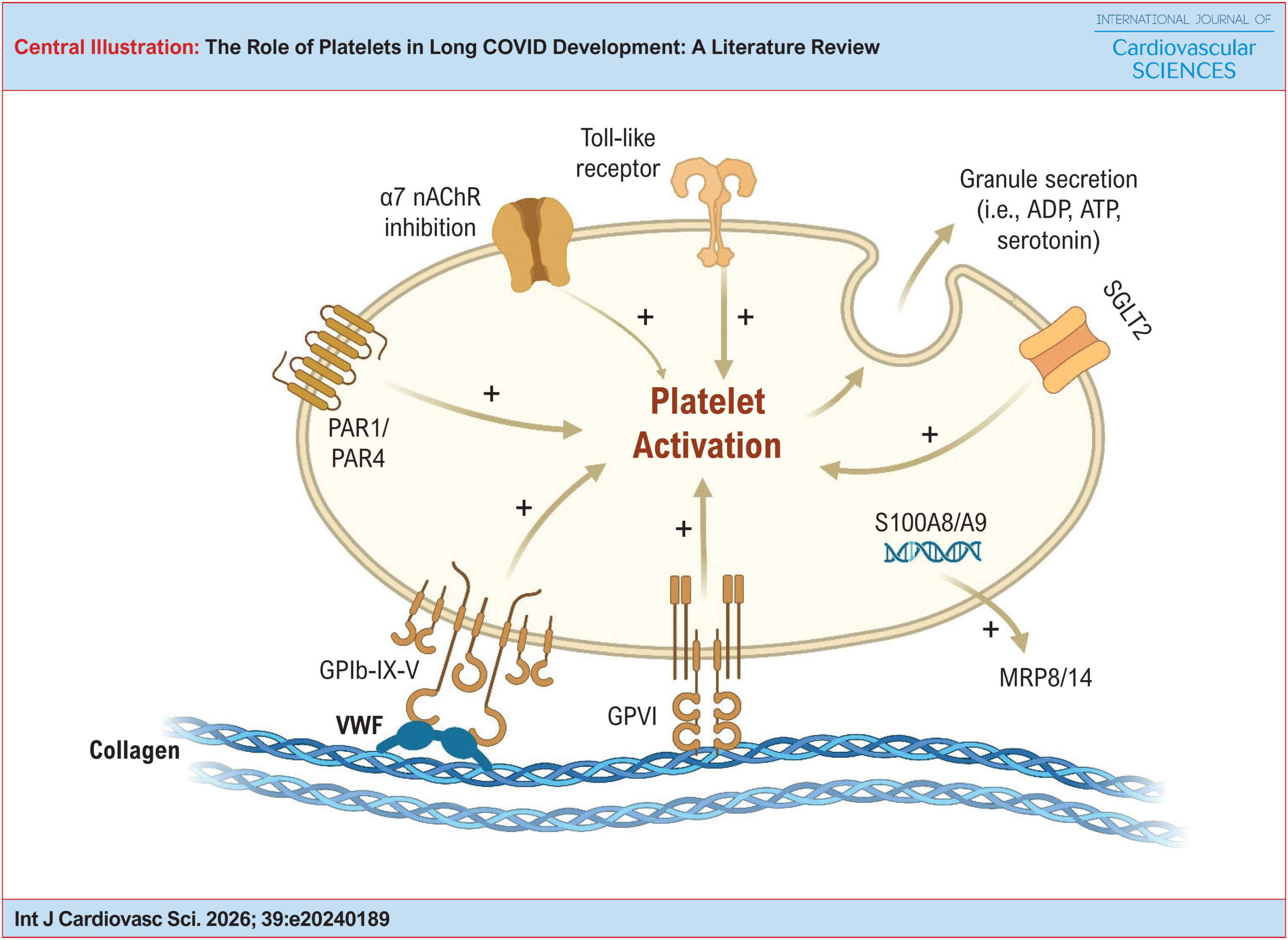
At its peak during the pandemic, coronavirus disease 2019 profoundly impacted global populations and introduced numerous post-infection complications, collectively referred to as long coronavirus disease. The mechanisms underlying the syndrome’s chronicity are multifaceted; however, a notable aspect of long coronavirus disease pathophysiology is its intricate association with platelets. The chronic inflammatory response triggered by severe acute respiratory syndrome coronavirus 2 is closely related to platelet activity, wherein inflammatory molecules bind to specific platelet receptors, inducing the release of platelet granules containing procoagulant and proinflammatory molecules. Consequently, there is a marked elevation in coagulation-related proteins, fostering the development of abnormal microthrombi and a dysfunctional fibrinolytic system. All these changes are indicative of an imbalance in coagulation regulation. Therefore, investigating pharmacological targets linked to this process is crucial for syndrome management, aiming to enhance the quality of life for affected individuals. This review aimed to highlight the importance of platelet function and activity in the pathophysiology of long coronavirus disease, as well as to identify molecular targets directly related to long coronavirus disease or coronavirus disease 2019–related disturbances in platelet homeostasis.
  • Blood Platelets
  • Inflammation
  • Post-Acute COVID-19 Syndrome
  • SARS-CoV-2
  • Thrombosis
Read Full Article
Creative Commons Attribution (CC BY) Creative Commons license
01/06/2026 DOI: 10.36660/ijcs.20240189
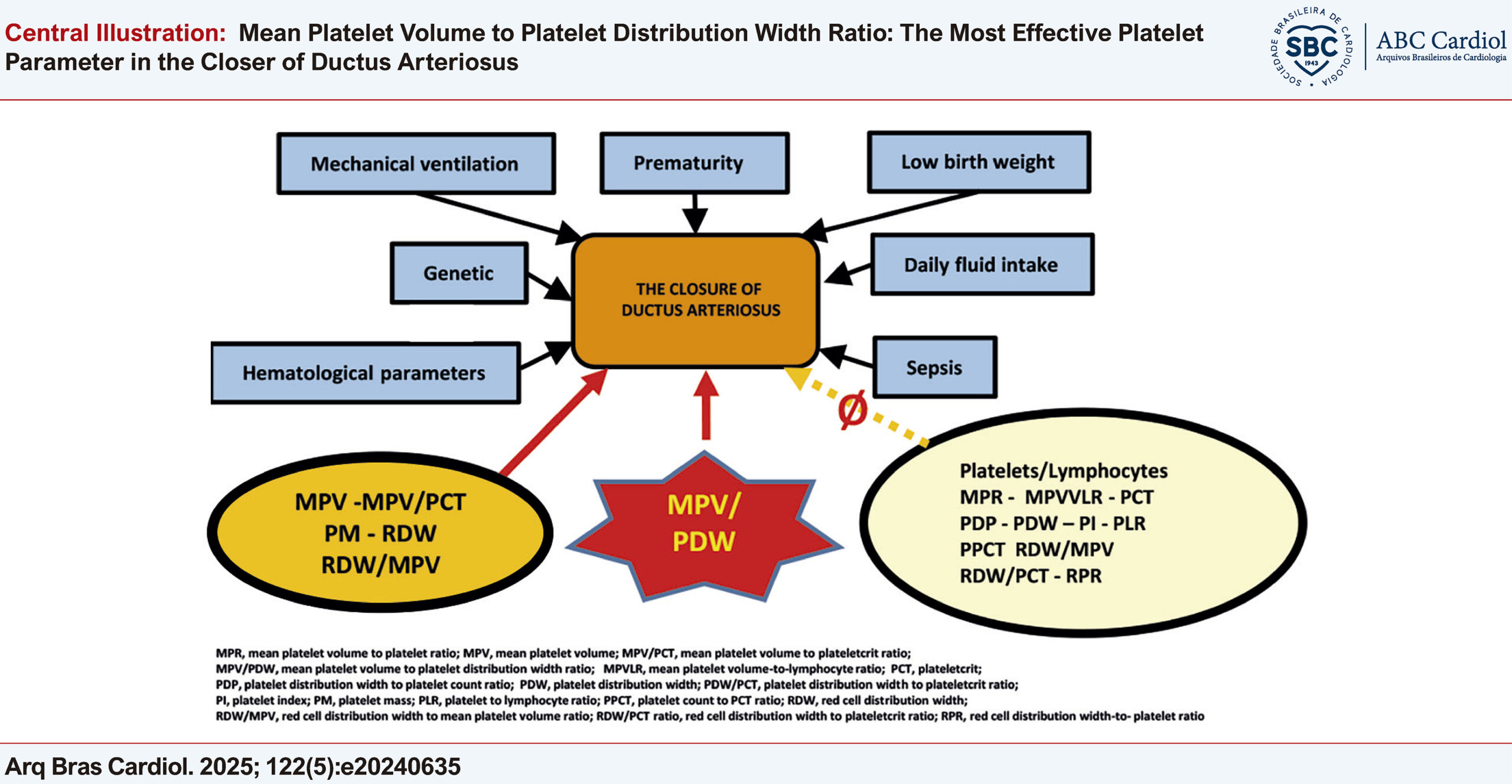
Mean Platelet Volume to Platelet Distribution Width Ratio: The Most Effective Platelet Parameter in the Closer of Ductus Arteriosus
ABC
Original Article

Mean Platelet Volume to Platelet Distribution Width Ratio: The Most Effective Platelet Parameter in the Closer of Ductus Arteriosus

Ufuk Cakir et al. Cuneyt Tayman

Abstract

Background

The role of platelets and platelet indices in the closure of the ductus arteriosus in premature infants is still controversial. We aimed to determine whether the platelet count and all platelet-related indices are effective on the closer of patent ductus arteriosus (PDA).

Objectives

Demographic characteristics, prematurity morbidities, and platelet indices were compared between groups with and without hemodynamically significant PDA (hsPDA).

Methods

Data of premature infants with a gestational age of <30 weeks were evaluated retrospectively. All platelet-related data were recorded from the complete blood count in the first 24 hours of all patients. The statistical analysis was performed on the obtained data. A p-value of <0.05 was considered statistically significant.

Results

A total of 1151 patients were included in the study, including 426 patients in the hsPDA group and 725 patients in the non-hsPDA group. Platelet parameters mean platelet volume (MPV), MPV/ plateletcrit (PCT), MPV/ platelet distribution width (PDW), platelet mass (PM), red cell distribution width (RDW) values were found to be significantly lower in the hsPDA group compared to the non-hsPDA group (p<0.001, p<0.001, p<0.001, p=0.015, and p<0.001, respectively). MPV/PDW ratio with the highest AUC value (0.748) was found to be the most valuable parameter in estimating the closer of PDA.

Conclusions

The MPV/PDW ratio was found to be the most valuable parameter for the prediction of hsPDA among all platelet indices.

  • Blood Platelets
  • Mean Platelet Volume
  • patent ductus arteriosus
  • Premature Infant
Read Full Article
Creative Commons Attribution (CC BY) Creative Commons license
09/05/2025 DOI: 10.36660/abc.20240635i Views 1
IJCS
Editorial

Platelet Distribution Width: A New Prognostic Marker for Patients with Acute Coronary Syndrome?

Angelo Roncalli Ramalho Sampaio

The study by Polat et al. published in the International Journal of Cardiovascular Sciences explored the association between platelet distribution width (PDW) and the severity and extent of coronary artery disease (CAD) in patients with acute coronary syndrome (ACS). This retrospective study involved a comprehensive analysis of clinical, angiographic, and laboratory data obtained from a consecutive cohort of 1043 patients diagnosed with ACS, stratified into two groups based on PDW values (> 11.8 fL and ≤ 11.8 fL), with the aim of investigating the association of PDW levels with the clinical severity and extent of CAD in patients diagnosed with ACS.

GRACE (Global Registry of Acute Coronary Events) score, SYNTAX score, TIMI flow grade, thrombosis grades of culprit lesions, and neutrophil-lymphocyte ratio (NLR) were calculated in patients. The associations of these with PDW were also examined.

[…]

  • Acute coronary syndrome
  • Blood Platelets
  • Coronary Artery Disease
Read Full Article
Creative Commons Attribution (CC BY) Creative Commons license
11/04/2025 DOI: 10.36660/ijcs.20250021 Views 1
Figure 1
IJCS
Original Article

Platelet Distribution Width as a Marker for Severity and Extent of Coronary Artery Disease in Acute Coronary Syndrome

Fuat Polat et al. Zeynettin Kaya Atakan Yanikoğlu

Abstract

Background

Previous studies have demonstrated an association between larger platelet volume and coronary thrombus formation in acute coronary syndrome (ACS).

Objectives

We aimed to investigate the association of platelet distribution width (PDW) levels with both the clinical severity and the extent of coronary artery disease (CAD) in patients diagnosed with ACS.

Methods

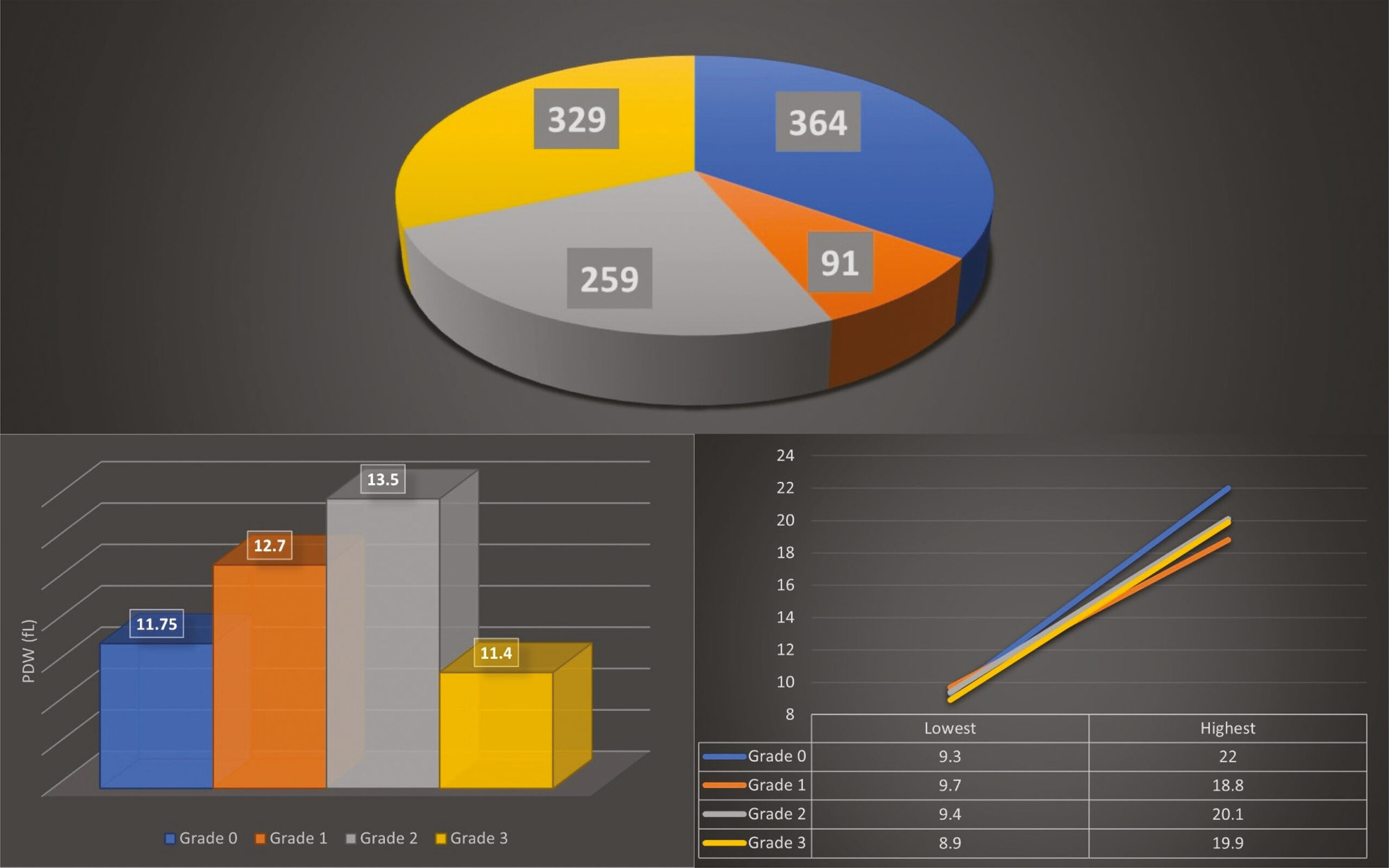
A retrospective evaluation was conducted on 1043 consecutive patients diagnosed with ACS. Patients were stratified into two groups based on their PDW values: group 1 (PDW > 11.8 fL) and group 2 (PDW ≤ 11.8 fL). For each patient, Global Registry of Acute Coronary Events (GRACE) score, SYNTAX score, Thrombolysis in Myocardial Infarction (TIMI) flow grade, thrombus grades of culprit lesions, and neutrophil–lymphocyte ratio (NLR) were calculated, and their associations with PDW were examined.

Results

The mean age of the patients was 60.1 ± 12.4 years, with the majority being male (78.5%). The mean PDW was 11.8 fL (range: 8.9 to 22.0). Patients in group 1 exhibited higher NLR (3.21 versus 2.13, p < 0.05) and higher GRACE scores (139 versus 126, p < 0.05) compared to group 2. Group 1 patients also showed lower TIMI flow grades (0 and 1). A positive correlation was observed between PDW and GRACE score (R: 0.304, p = 0.01), but not with the SYNTAX score.

Conclusion

Elevated PDW levels in patients with ACS were associated with more severe disease, as indicated by higher GRACE scores and reduced TIMI flow grades.

  • Acute coronary syndrome
  • Blood Platelets
  • Coronary Artery Disease
Read Full Article
Creative Commons Attribution (CC BY) Creative Commons license
03/03/2025 DOI: 10.36660/ijcs.20240055
ABC
Editorial

Reduction in Platelet Activation: A Potential Mechanistic Link between Regular Exercise and Its Benefits for Coronary Artery Disease

Christina Grüne de Souza e Silva

Exercise-based cardiac rehabilitation (CR) leads to significant reductions in mortality and risk for adverse cardiovascular events in coronary artery disease (CAD) patients., As a result, exercise-based CR is currently a Class 1A intervention for secondary prevention in CAD. However, despite considerable research efforts in the past several decades, the multidimensional mechanisms associated with the cardioprotective effects of regular exercise are still not fully elucidated.

On the other hand, increased platelet activity has been increasingly recognized as a key player in the pathogenesis and progression of atherosclerosis. Through the release of cytokines and chemokines, activated platelets mediate the recruitment of leukocytes to the vascular endothelium, favoring not only plaque rupture and thrombosis, but also contributing to the early steps of atherosclerosis and the later stages of atheroprogression.

[…]

  • Blood Platelets
  • Cardiovascular Diseases
  • Coronary Artery Disease
  • Exercise
  • Physical activity
  • Rehabilitation
Read Full Article
Creative Commons Attribution (CC BY) Creative Commons license
23/04/2021 DOI: 10.36660/abc.20201198
Figure 1
ABC
Original Article

Exercise-Based Cardiac Rehabilitation Has a Strong Relationship with Mean Platelet Volume Reduction

İsmet Durmuş et al. Ezgi Kalaycıoğlu Mustafa Çetin Hanife Baykal Şahin Tuncay Kırış

Abstract

Background

Mean platelet volume (MPV), which is a simple measure of platelet activation, has recently become an interesting topic in cardiovascular research. Exercise-based cardiac rehabilitation (CR) is a comprehensive intervention that decreases mortality-morbidity in patients with coronary artery disease (CAD). Studies on the effects of exercise on platelet activation have yielded conflicting results.

Objective

The purpose of this study was to determine the effect of an exercise-based CR programs on MPV in patients with stable CAD.

Methods

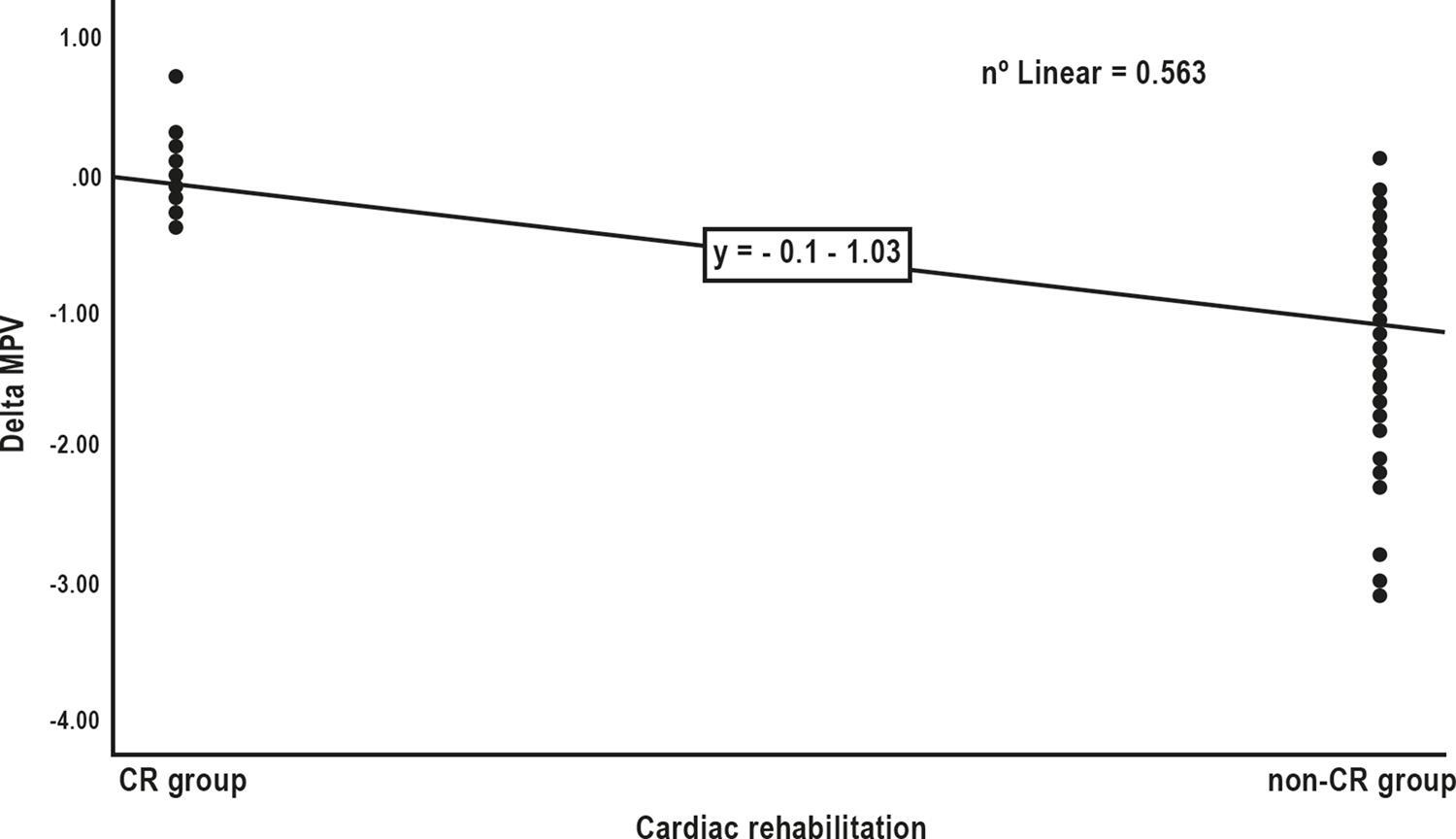
The sample was composed of 300 consecutive stable CAD patients. The patients were divided into two groups: CR group (n = 97) and non-CR group (n = 203). Blood analysis was performed. Point-Biserial correlation measures were performed to show correlation between MPV change and CR. A p value of <0.05 was considered statistically significant.

Results

The decrease in MPV was greater in the CR group than in the non-CR group [(-1.10(-1.40-(-0.90)) vs. (-0.10 (-2.00-0.00)); p< 0.001]. ΔMPV had a positive correlation with Δ neutrophil (r = 0.326, p < 0.001), ΔTG (r = 0.439, p < 0.001), ΔLDL-c (r = 0.478, p < 0.001), ΔWBC (r = 0.412, p < 0.001), and ΔCRP (r = 0.572, p < 0.001). A significant correlation was found between ΔMPV% and CR (r=0.750, p<0.001).

Conclusions

We were able to show that exercise-based CR has a strong relationship with MPV reduction in patients with CAD. We consider that decreased platelet activation with exercise-based CR might play an important role in reducing thrombotic risk in patients with stable CAD. (Arq Bras Cardiol. 2020; [online].ahead print, PP.0-0)

  • Blood Platelets
  • Cardiac Rehabilitation
  • Coronary Artery Disease
  • Echocardiography/methods
  • Exercise
  • Mean Platelet Volume
  • Physical activity
Read Full Article
Creative Commons Attribution (CC BY) Creative Commons license
08/02/2021 DOI: 10.36660/abc.20190514
ABC
Editorial

The Search for New Prognosis Markers for Coronary Artery Disease

Filipe Welson Leal Pereira et al. Sergio Alberto Rupp de Paiva

There is growing evidence that platelets play a key role in vascular atherothrombosis associated with endothelium and inflammation. Platelet activation leads to abnormalities in the surface glycoprotein expression of these cells, with subsequent aggregation and degranulation, which greatly contribute to thrombus formation. Corroborating these facts, the role played by antiplatelet agents in the treatment of atherosclerotic vascular disease is of note. In this context, a study by Ding et al. shows the association between hematological parameters, with emphasis on leukocyte and platelet indicators, and stable coronary artery disease (SCAD). The authors evaluated platelet count, total platelet mass, mean platelet volume (MPV), platelet amplitude and white blood cell and neutrophil counts of 34 patients diagnosed with SCAD and compared two groups: 50 healthy patients (control) and 31 patients with acute myocardial infarction (AMI). The diagnostic criteria used for SCAD were those established by the European Society of Cardiology guidelines from 2013. The authors mainly highlighted the association between higher values of MPV and the presence of SCAD compared with the control group.

Some previous studies have outlined the relationship between MPV and the presence of cardiovascular risk factors or acute myocardial infarction., The findings are not always consistent. In a systematic review of 2010, evaluating 16 cross-sectional studies, 14 presented a positive association between higher MPV values in patients with AMI compared with groups without AMI. The association between high platelet volume value and coronary artery disease (CAD) was also shown in another meta-analysis on this matter in 2014. In this last systematic review, the authors found that patients with MPV values greater than 7.3 were more likely to present CAD than those with lower values. On the other hand, Wada et al. found an association between lower MPV values and the presence of stable CAD.

[…]

  • Acute Coronary Syndrome, Biomarkers
  • Blood Platelets
  • Platelet Aggregation
  • Prognosis
Read Full Article
Creative Commons Attribution (CC BY) Creative Commons license
15/07/2019 DOI: 10.5935/abc.20190098
Figure 1
ABC
Review Article

A Meta-Analysis of Circulating Microvesicles in Patients with Myocardial Infarction

Zhida Wang et al. Wang Cai Shaolan Hu Yufei Xia … Yao Wang Qi Zhang Liming Chen

Abstract

Background:

Cell-derived microvesicles (MVs) are vesicles released from activated or apoptotic cells. However, the levels of MVs in myocardial infarction have been found inconsistent in researches.

Objective:

To assess the association between MVs and myocardial infarction by conducting a meta-analysis.

Methods:

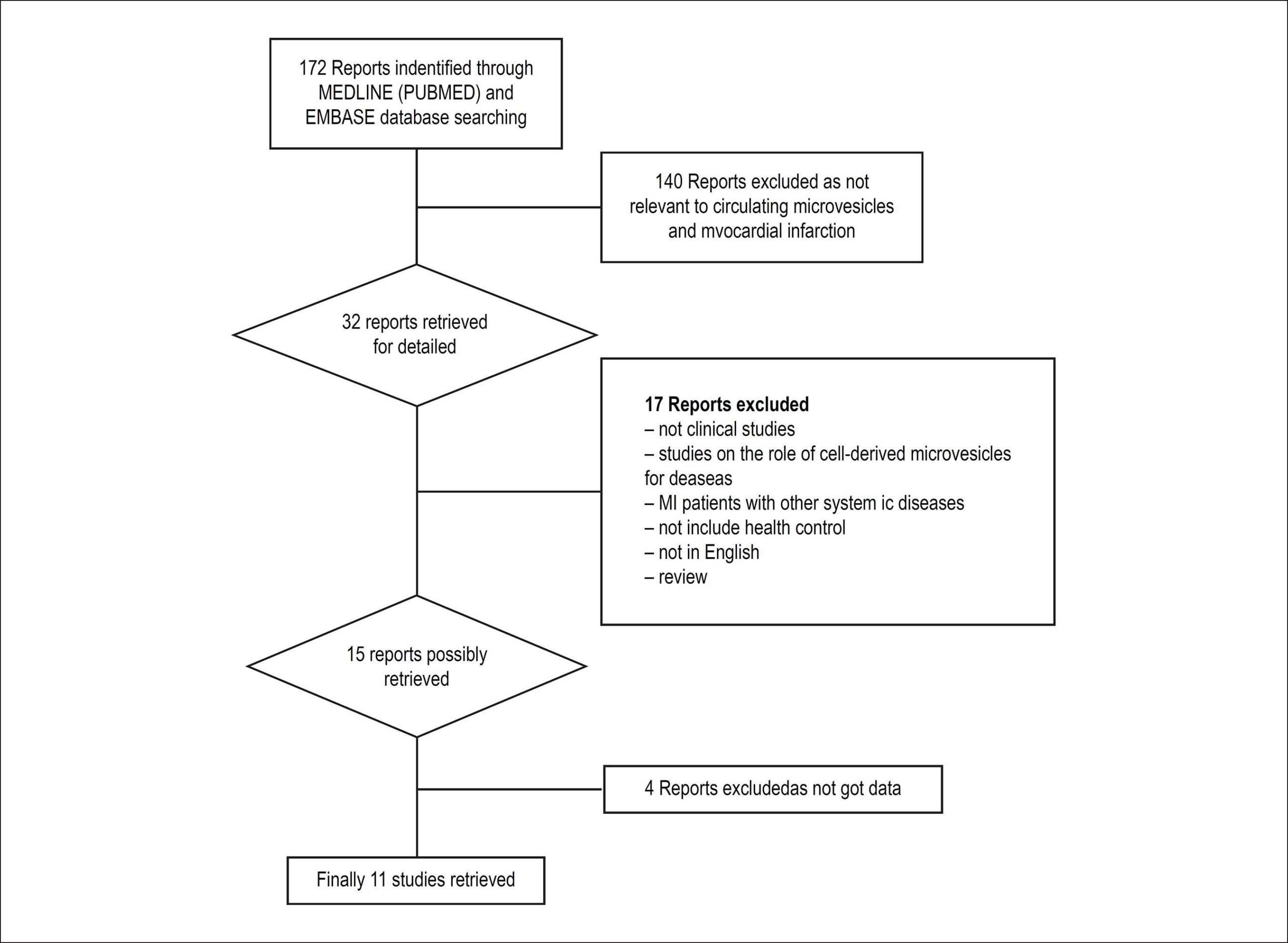
A systematic literature search on PubMed, Embase, Cochran, Google Scholar electronic database was conducted. Comparison of the MVs levels between myocardial infarction patients and healthy persons were included in our study. Standard Mean Difference (SMD) and 95% confidence interval (CI) in groups were calculated and meta-analyzed.

Results:

11 studies with a total of 436 participants were included. Compared with the health persons, AMVs [SMD = 3.65, 95% CI (1.03, 6.27)], PMVs [SMD = 2.88, 95% CI (1.82, 3.93),] and EMVs [SMD = 2.73, 95% CI (1.13, 4.34)], levels were higher in patients with myocardial infarction. However, LMVs levels [SMD = 0.73, 95% CI (-0.57, 2.03)] were not changed significantly in patients with myocardial infarction.

Conclusions:

AMVs, PMVs and EMVs might be potential biomarkers for myocardial infarction.

  • Annexion A5
  • Biomarkers
  • Blood Platelets
  • Cell-Derived Microparticles
  • Endothelium
  • Leukocytes
  • Myocardiaol Infarction
Read Full Article
Creative Commons Attribution (CC BY) Creative Commons license
10/07/2017 DOI: 10.5935/abc.20170102
The importance of the interaction between leukocyte integrin Mac-1 and platelet glycoprotein Ib-a for leukocyte recruitment by platelets and for the inflammatory response to vascular injury
ABC
Artigo Original

The importance of the interaction between leukocyte integrin Mac-1 and platelet glycoprotein Ib-a for leukocyte recruitment by platelets and for the inflammatory response to vascular injury

Alexandre C. Zago et al. Daniel I. Simon Yunmei Wang Masashi Sakuma … Zhiping Chen Kevin Croce Valentin Ustinov Can Shi Eulógio E. Martinez Filho

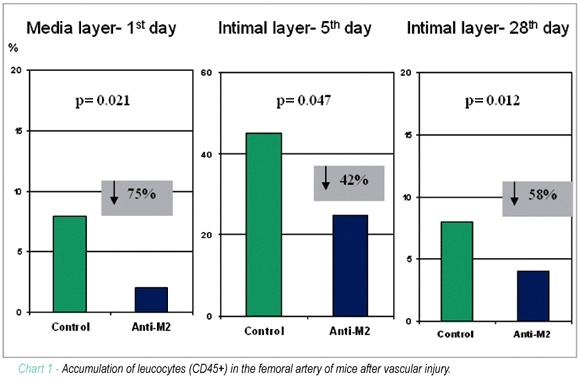
OBJECTIVE: To assess the importance of the interaction between leukocyte integrin Mac-1 (a Mb 2) and platelet glycoprotein (GP) Ib-a for leukocyte recruitment after vascular injury and the effect of the neutralization of the Mac-1-GPIba interaction on cell proliferation and the neointimal hyperplasia triggered by the vascular injury. METHODS: A peptide called M2 or anti-M2 antibody was developed to block the Mac-1-GPIba interaction. This peptide was injected and compared to a control-peptide in C57B1/6J mice submitted to vascular injury of the femoral artery with a guide wire. One, five or 28 days after the vascular injury, the femoral arteries were removed for morphometric and immunohistochemical analyses. RESULTS: The blocking of the Mac-1-GPIba interaction promoted a statistically significant reduction in the number of leukocytes in the neointimal layer on the first day after the vascular injury (control: 7.9±5.0% of the cell total versus anti-M2: 2.0±1.6%, p=0.021), as well as determined a statistically significant decrease in leukocyte accumulation in the neointimal layer on days 5 and 28 (control: 42.3±12.9% versus anti-M2: 24.6±10.8%, p=0.047 and control: 7.9±3.0% versus anti-M2: 3.3±1.3%, p=0.012; respectively). Cell proliferation in the neointimal layer of the vessel five days post-injury was reduced with the blocking of the Mac-1-GPIba interaction (control: 5.0±2.9% of the cell total versus anti-M2: 1.8±0.5%; p=0.043), along with a significant decrease in cell proliferation in the vessel neointimal layer 28 days post-injury (control: 3.8±1.7% versus anti-M2: 2.0±1.2%; p=0.047). The blocking of the Mac-1-GPIba interaction also determined a statistically significant decrease of the intimal thickening 28 days post-injury (control: 10,395±3,549 µm² versus anti-M2: 4,561±4,915 µm²; p=0.012). CONCLUSION: Leukocyte recruitment after a vascular injury depends on the Mac-1-GPIba interaction and the neutralization of this interaction inhibits cell proliferation and neointimal formation.

  • Blood Platelets
  • Cell adhesion molecules
  • Coronary Restenosis
  • Inflammation
  • Leukocytes
Read Full Article
Creative Commons Attribution (CC BY) Creative Commons license
22/02/2008 DOI: 10.1590/S0066-782X2008000100009

How to cite this article

EndNote RIS

Electronic Document Format (Vancouver)

Lima GF, Miossi L, Silva AGJ, Novais OBP, Brito FCF. The Role of Platelets in Long COVID Development: A Literature Review. International Journal of Cardiovascular Sciences 2026;39:e20240189.

Electronic Document Format (ABNT)

Lima, Gabriel Ferreira; Miossi, Lucas; Silva, Amanda Gonçalves Jesus; Novais, Olivia Barros Pedreira; Brito, Fernanda Carla Ferreira. The Role of Platelets in Long COVID Development: A Literature Review. International Journal of Cardiovascular Sciences, v. 39, e20240189, May. 2026.

Electronic Document Format (APA)

Lima, G. F., Miossi, L., Silva, A. G. J., Novais, O. B. P., & Brito, F. C. F. (2026). The Role of Platelets in Long COVID Development: A Literature Review. International Journal of Cardiovascular Sciences, 39, e20240189.

Electronic Document Format (ISO)

Lima, Gabriel Ferreira and Miossi, Lucas and Silva, Amanda Gonçalves Jesus and Novais, Olivia Barros Pedreira and Brito, Fernanda Carla Ferreira. The Role of Platelets in Long COVID Development: A Literature Review. International Journal of Cardiovascular Sciences [online]. 2026, vol. 39, [cited 2026-10-14], e20240189. Available from: <https://journals.cardiol.br/en/article/the-role-of-platelets-in-long-covid-development-a-literature-review/>. ISSN 2359-4802

EndNote RIS

Electronic Document Format (Vancouver)

Cakir U, Tayman C. Mean Platelet Volume to Platelet Distribution Width Ratio: The Most Effective Platelet Parameter in the Closer of Ductus Arteriosus. Arquivos Brasileiros de Cardiologia 2025;122(5):e20240635.

Electronic Document Format (ABNT)

Cakir, Ufuk; Tayman, Cuneyt. Mean Platelet Volume to Platelet Distribution Width Ratio: The Most Effective Platelet Parameter in the Closer of Ductus Arteriosus. Arquivos Brasileiros de Cardiologia, v. 122, n. 5, e20240635, May. 2025.

Electronic Document Format (APA)

Cakir, U., & Tayman, C. (2025). Mean Platelet Volume to Platelet Distribution Width Ratio: The Most Effective Platelet Parameter in the Closer of Ductus Arteriosus. Arquivos Brasileiros de Cardiologia, 122(5), e20240635.

Electronic Document Format (ISO)

Cakir, Ufuk and Tayman, Cuneyt. Mean Platelet Volume to Platelet Distribution Width Ratio: The Most Effective Platelet Parameter in the Closer of Ductus Arteriosus. Arquivos Brasileiros de Cardiologia [online]. 2025, vol. 122, n. 5, [cited 2026-10-14], e20240635. Available from: <https://journals.cardiol.br/en/article/mean-platelet-volume-to-platelet-distribution-width-ratio-the-most-effective-platelet-parameter-in-the-closer-of-ductus-arteriosus/>. ISSN 0066-782X

EndNote RIS

Electronic Document Format (Vancouver)

Sampaio ARR. Platelet Distribution Width: A New Prognostic Marker for Patients with Acute Coronary Syndrome?. International Journal of Cardiovascular Sciences 2025;38:e20250021.

Electronic Document Format (ABNT)

Sampaio, Angelo Roncalli Ramalho. Platelet Distribution Width: A New Prognostic Marker for Patients with Acute Coronary Syndrome?. International Journal of Cardiovascular Sciences, v. 38, e20250021, Apr. 2025.

Electronic Document Format (APA)

Sampaio, A. R. R. (2025). Platelet Distribution Width: A New Prognostic Marker for Patients with Acute Coronary Syndrome?. International Journal of Cardiovascular Sciences, 38, e20250021.

Electronic Document Format (ISO)

Sampaio, Angelo Roncalli Ramalho. Platelet Distribution Width: A New Prognostic Marker for Patients with Acute Coronary Syndrome?. International Journal of Cardiovascular Sciences [online]. 2025, vol. 38, [cited 2026-10-14], e20250021. Available from: <https://journals.cardiol.br/en/article/platelet-distribution-width-a-new-prognostic-marker-for-patients-with-acute-coronary-syndrome/>. ISSN 2359-4802

EndNote RIS

Electronic Document Format (Vancouver)

Polat F, Kaya Z, Yanikoğlu A. Platelet Distribution Width as a Marker for Severity and Extent of Coronary Artery Disease in Acute Coronary Syndrome. International Journal of Cardiovascular Sciences 2025;38:e20240055.

Electronic Document Format (ABNT)

Polat, Fuat; Kaya, Zeynettin; Yanikoğlu, Atakan. Platelet Distribution Width as a Marker for Severity and Extent of Coronary Artery Disease in Acute Coronary Syndrome. International Journal of Cardiovascular Sciences, v. 38, e20240055, Mar. 2025.

Electronic Document Format (APA)

Polat, F., Kaya, Z., & Yanikoğlu, A. (2025). Platelet Distribution Width as a Marker for Severity and Extent of Coronary Artery Disease in Acute Coronary Syndrome. International Journal of Cardiovascular Sciences, 38, e20240055.

Electronic Document Format (ISO)

Polat, Fuat and Kaya, Zeynettin and Yanikoğlu, Atakan. Platelet Distribution Width as a Marker for Severity and Extent of Coronary Artery Disease in Acute Coronary Syndrome. International Journal of Cardiovascular Sciences [online]. 2025, vol. 38, [cited 2026-10-14], e20240055. Available from: <https://journals.cardiol.br/en/article/platelet-distribution-width-as-a-marker-for-severity-and-extent-of-coronary-artery-disease-in-acute-coronary-syndrome/>. ISSN 2359-4802

EndNote RIS

Electronic Document Format (Vancouver)

Silva CGS. Reduction in Platelet Activation: A Potential Mechanistic Link between Regular Exercise and Its Benefits for Coronary Artery Disease. Arquivos Brasileiros de Cardiologia 2021;116(3):441-2.

Electronic Document Format (ABNT)

Silva, Christina Grüne de Souza e. Reduction in Platelet Activation: A Potential Mechanistic Link between Regular Exercise and Its Benefits for Coronary Artery Disease. Arquivos Brasileiros de Cardiologia, v. 116, n. 3, p. 441-442, Apr. 2021.

Electronic Document Format (APA)

Silva, C. G. S. (2021). Reduction in Platelet Activation: A Potential Mechanistic Link between Regular Exercise and Its Benefits for Coronary Artery Disease. Arquivos Brasileiros de Cardiologia, 116(3), 441-442.

Electronic Document Format (ISO)

Silva, Christina Grüne de Souza e. Reduction in Platelet Activation: A Potential Mechanistic Link between Regular Exercise and Its Benefits for Coronary Artery Disease. Arquivos Brasileiros de Cardiologia [online]. 2021, vol. 116, n. 3, [cited 2026-10-14], pp. 441-442. Available from: <https://journals.cardiol.br/en/article/reduction-in-platelet-activation-a-potential-mechanistic-link-between-regular-exercise-and-its-benefits-for-coronary-artery-disease/>. ISSN 0066-782X

EndNote RIS

Electronic Document Format (Vancouver)

Durmuş , Kalaycıoğlu E, Çetin M, Şahin HB, Kırış T. Exercise-Based Cardiac Rehabilitation Has a Strong Relationship with Mean Platelet Volume Reduction. Arquivos Brasileiros de Cardiologia 2021;116(3):434-40.

Electronic Document Format (ABNT)

Durmuş, İsmet; Kalaycıoğlu, Ezgi; Çetin, Mustafa; Şahin, Hanife Baykal; Kırış, Tuncay. Exercise-Based Cardiac Rehabilitation Has a Strong Relationship with Mean Platelet Volume Reduction. Arquivos Brasileiros de Cardiologia, v. 116, n. 3, p. 434-440, Feb. 2021.

Electronic Document Format (APA)

Durmuş, , Kalaycıoğlu, E., Çetin, M., Şahin, H. B., & Kırış, T. (2021). Exercise-Based Cardiac Rehabilitation Has a Strong Relationship with Mean Platelet Volume Reduction. Arquivos Brasileiros de Cardiologia, 116(3), 434-440.

Electronic Document Format (ISO)

Durmuş, İsmet and Kalaycıoğlu, Ezgi and Çetin, Mustafa and Şahin, Hanife Baykal and Kırış, Tuncay. Exercise-Based Cardiac Rehabilitation Has a Strong Relationship with Mean Platelet Volume Reduction. Arquivos Brasileiros de Cardiologia [online]. 2021, vol. 116, n. 3, [cited 2026-10-14], pp. 434-440. Available from: <https://journals.cardiol.br/en/article/exercise-based-cardiac-rehabilitation-has-a-strong-relationship-with-mean-platelet-volume-reduction/>. ISSN 0066-782X

EndNote RIS

Electronic Document Format (Vancouver)

Pereira FWL, Paiva SAR. The Search for New Prognosis Markers for Coronary Artery Disease. Arquivos Brasileiros de Cardiologia 2019;112(6):720.

Electronic Document Format (ABNT)

Pereira, Filipe Welson Leal; Paiva, Sergio Alberto Rupp de. The Search for New Prognosis Markers for Coronary Artery Disease. Arquivos Brasileiros de Cardiologia, v. 112, n. 6, p. 720-720, Jul. 2019.

Electronic Document Format (APA)

Pereira, F. W. L., & Paiva, S. A. R. (2019). The Search for New Prognosis Markers for Coronary Artery Disease. Arquivos Brasileiros de Cardiologia, 112(6), 720-720.

Electronic Document Format (ISO)

Pereira, Filipe Welson Leal and Paiva, Sergio Alberto Rupp de. The Search for New Prognosis Markers for Coronary Artery Disease. Arquivos Brasileiros de Cardiologia [online]. 2019, vol. 112, n. 6, [cited 2026-10-14], pp. 720-720. Available from: <https://journals.cardiol.br/en/article/the-search-for-new-prognosis-markers-for-coronary-artery-disease/>. ISSN 0066-782X

EndNote RIS

Electronic Document Format (Vancouver)

Wang Z, Cai W, Hu S, Xia Y, Wang Y, Zhang Q, Chen L, et al. A Meta-Analysis of Circulating Microvesicles in Patients with Myocardial Infarction. Arquivos Brasileiros de Cardiologia 2017;109(2):156-64.

Electronic Document Format (ABNT)

Wang, Zhida; Cai, Wang; Hu, Shaolan; Xia, Yufei; Wang, Yao; Zhang, Qi; Chen, Liming. A Meta-Analysis of Circulating Microvesicles in Patients with Myocardial Infarction. Arquivos Brasileiros de Cardiologia, v. 109, n. 2, p. 156-164, Jul. 2017.

Electronic Document Format (APA)

Wang, Z., Cai, W., Hu, S., Xia, Y., Wang, Y., Zhang, Q., & Chen, L. (2017). A Meta-Analysis of Circulating Microvesicles in Patients with Myocardial Infarction. Arquivos Brasileiros de Cardiologia, 109(2), 156-164.

Electronic Document Format (ISO)

Wang, Zhida and Cai, Wang and Hu, Shaolan and Xia, Yufei and Wang, Yao and Zhang, Qi and Chen, Liming. A Meta-Analysis of Circulating Microvesicles in Patients with Myocardial Infarction. Arquivos Brasileiros de Cardiologia [online]. 2017, vol. 109, n. 2, [cited 2026-10-14], pp. 156-164. Available from: <https://journals.cardiol.br/en/article/a-meta-analysis-of-circulating-microvesicles-in-patients-with-myocardial-infarction/>. ISSN 0066-782X

EndNote RIS

Electronic Document Format (Vancouver)

Zago AC, Simon DI, Wang Y, Sakuma M, Chen Z, Croce K, Ustinov V, et al. The importance of the interaction between leukocyte integrin Mac-1 and platelet glycoprotein Ib-a for leukocyte recruitment by platelets and for the inflammatory response to vascular injury. Arquivos Brasileiros de Cardiologia 2008;90(1):54-63.

Electronic Document Format (ABNT)

Zago, Alexandre C.; Simon, Daniel I.; Wang, Yunmei; Sakuma, Masashi; Chen, Zhiping; Croce, Kevin; Ustinov, Valentin; Shi, Can; Martinez Filho, Eulógio E.. The importance of the interaction between leukocyte integrin Mac-1 and platelet glycoprotein Ib-a for leukocyte recruitment by platelets and for the inflammatory response to vascular injury. Arquivos Brasileiros de Cardiologia, v. 90, n. 1, p. 54-63, Feb. 2008.

Electronic Document Format (APA)

Zago, A. C., Simon, D. I., Wang, Y., Sakuma, M., Chen, Z., Croce, K., Ustinov, V., Shi, C., & Martinez Filho, E. E. (2008). The importance of the interaction between leukocyte integrin Mac-1 and platelet glycoprotein Ib-a for leukocyte recruitment by platelets and for the inflammatory response to vascular injury. Arquivos Brasileiros de Cardiologia, 90(1), 54-63.

Electronic Document Format (ISO)

Zago, Alexandre C. and Simon, Daniel I. and Wang, Yunmei and Sakuma, Masashi and Chen, Zhiping and Croce, Kevin and Ustinov, Valentin and Shi, Can and Martinez Filho, Eulógio E.. The importance of the interaction between leukocyte integrin Mac-1 and platelet glycoprotein Ib-a for leukocyte recruitment by platelets and for the inflammatory response to vascular injury. Arquivos Brasileiros de Cardiologia [online]. 2008, vol. 90, n. 1, [cited 2026-10-14], pp. 54-63. Available from: <https://journals.cardiol.br/article/the-importance-of-the-interaction-between-leukocyte-integrin-mac-1-and-platelet-glycoprotein-ib-a-for-leukocyte-recruitment-by-platelets-and-for-the-inflammatory-response-to-vascular-injury/>. ISSN 0066-782X

  • About ABC Family
  • Internal Regulation
  • Editorial Board
  • Brazilian Society of Cardiology (SBC)

Issues

SBC Guidelines

  • Videos
  • Podcasts
  • News