ABC Family Arquivos Brasileiros de Cardiologia International Journal of Cardiovascular Sciences ABC Heart Failure & Cardiomyopathy ABC Imagem Cardiovascular
Português English
ABC Family
Português English
  • About
    • About ABC Family
    • Internal Regulation
    • Editorial Board
    • Brazilian Society of Cardiology (SBC)
  • Issues
  • SBC Guidelines
  • Content
    • Videos
    • Podcasts
    • News
  • About
    • About ABC Family
    • Internal Regulation
    • Editorial Board
    • Brazilian Society of Cardiology (SBC)
  • Issues
  • SBC Guidelines
  • Content
    • Videos
    • Podcasts
    • News

ABC Family

  • ABC Family
  • Arquivos Brasileiros de Cardiologia
  • International Journal of Cardiovascular Sciences
  • ABC Heart Failure & Cardiomyopathy
  • ABC Imagem Cardiovascular
Search in

No content found.

Journals
Ordering
Article types
Others

  1. Home
  2. Keyword: Kidney, Diseases
ABC
Letter to the Editor

Beyond Contrast Volume: Patient-Related Determinants and Methodological Considerations in Contrast-Induced Nephropathy

Ömer Faruk Yilmaz et al. Yusuf Ziya Şener

Dear Editor,

We read with great interest the article by Freitas et al. , entitled “Impact of Contrast Volume Used After Percutaneous Coronary Procedures in Patients at Risk for Contrast-Induced Nephropathy“. By evaluating the interaction between contrast type and volume through a post hoc analysis, the authors addressed a clinically relevant question in a high-risk population managed with contemporary preventive strategies, providing a valuable contribution to the literature.

[…]

  • Contrast Media
  • Kidney, Diseases
  • Percutaneous Coronary Intervention
Read Full Article
Creative Commons Attribution (CC BY) Creative Commons license
20/07/2026 DOI: 10.36660/abc.20260111i Views 2
ABC
Letter to the Editor

Volume-Independent Renal Injury: Why Contrast-Induced Nephropathy Can Occur Even at Ultra-Low Contrast Doses

Fahri Çakan

Dear Editor,

I reviewed with great interest the article titled “Impact of Contrast Volume Used After Percutaneous Coronary Procedures in Patients at Risk for Contrast-Induced Nephropathy,” authored by Freitas et al. This post-hoc subgroup analysis, designed to assess contrast-induced nephropathy (CIN) risk management, provides clinically valuable data on the interaction between contrast type and volume, particularly in high-risk patient populations (n=2,268).

[…]

  • Acute Kidney Injury
  • Contrast Media
  • Kidney, Diseases
  • Percutaneous Coronary Intervention
Read Full Article
Creative Commons Attribution (CC BY) Creative Commons license
01/06/2026 DOI: 10.36660/abc.20260016i Views 1
Impact of Contrast Volume Used After Percutaneous Coronary Procedures in Patients at Risk for Contrast-Induced Nephropathy
ABC
Original Article

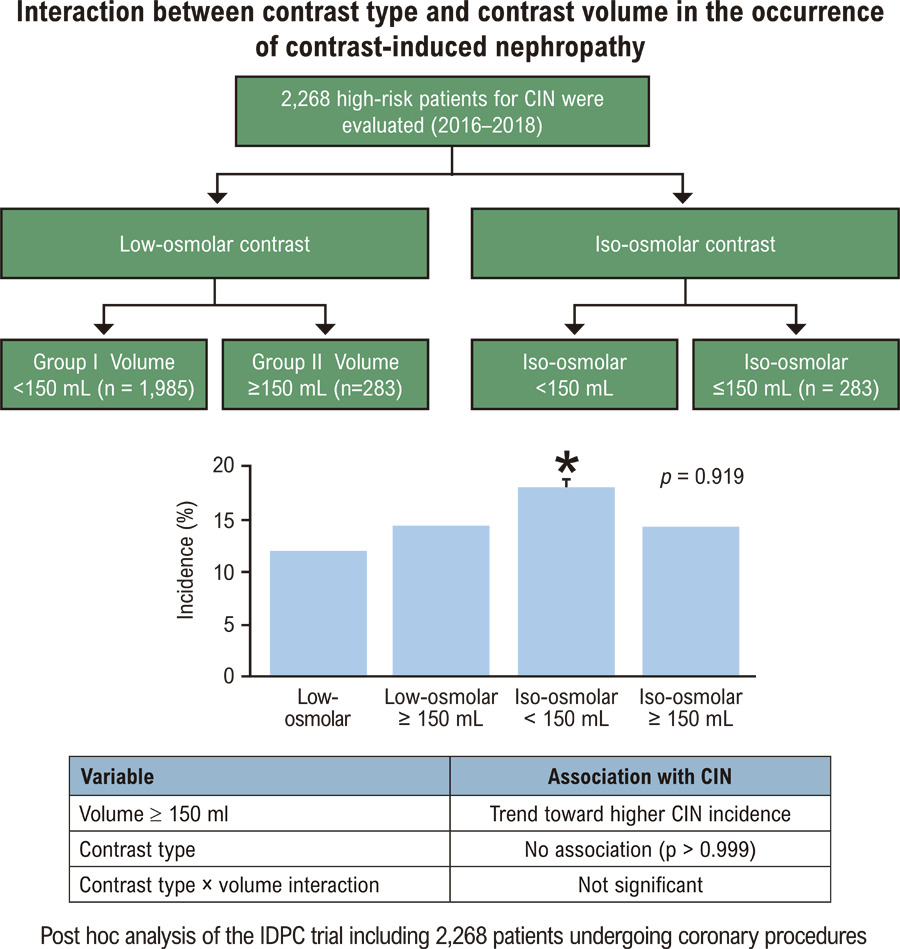
Impact of Contrast Volume Used After Percutaneous Coronary Procedures in Patients at Risk for Contrast-Induced Nephropathy

Rafaela Andrade Penalva Freitas et al. Luiz Fernando Leite Tanajura Amanda Guerra M. R Sousa Fausto Feres José Ribamar Costa

Abstract

Background

Contrast-induced nephropathy (CIN) is a common complication following angiographic procedures, potentially related to the volume of contrast agent administered. However, it is unclear whether the type of contrast also influences its occurrence.

Objective

To evaluate the interaction between contrast volume and contrast type (iso-osmolar vs low-osmolar) in the development of CIN.

Methods

A post hoc subanalysis was performed on patients undergoing diagnostic or therapeutic coronary procedures who were randomized 1:1 to receive low-osmolar or iso-osmolar contrast media. The overall sample (n = 2,268) was stratified by contrast volume: Group I (< 150 mL; n = 1,985) and Group II (≥ 150 mL; n = 283), and groups were compared by contrast type. The primary endpoint was CIN at 48- and 96-hours post-procedure. CIN was defined as a ≥ 25% or ≥ 0.5 mg/dL increase in serum creatinine from baseline at 48 hours. The effects of contrast type and volume were tested with logistic regression including an interaction term, adjusted for acute coronary syndrome, ventricular dysfunction, baseline creatinine, sex, and age (p < 0.05).

Results

We included 2,268 consecutive patients; two-thirds were male; hypertension was present in 85%, diabetes in 52%, and chronic kidney disease in 31%. Mean contrast volume was 75.3 ± 28.0 mL in Group I and 188.6 ± 46.9 mL in Group II. The incidence of CIN was higher with greater volume (14.8% vs 17.7%) but not statistically significant (adjusted odds ratio = 1.25; 95% CI = 0.89-1.73; p = 0.191). The model with the interaction term showed no evidence of an interaction between the type of contrast and volume (p > 0.999).

Conclusion

The type of contrast was not associated with CIN, even among patients exposed to higher contrast volumes.

  • Contrast Media
  • Kidney, Diseases
  • Percutaneous Coronary Intervention
Read Full Article
Creative Commons Attribution (CC BY) Creative Commons license
23/01/2026 DOI: 10.36660/abc.20250270i Views 2
ABC
Editorial

Inflammation and Contrast-Induced Nephropathy: The Emerging Role of the Glucose-to-Lymphocyte Ratio

Rafaela Andrade Penalva Freitas

The interplay between systemic inflammation, glucose metabolism, and cardiovascular outcomes has been extensively explored in the literature, with significant implications for clinical practice. The article titled “Association between Glucose/lymphocytes Ratio and ContrastInduced Acute Kidney Injury in Patients with Myocardial Infarction without Diabetes Mellitus” provides a valuable contribution by investigating the glucose-to-lymphocyte ratio (GLR) as an independent predictor of contrast-induced acute kidney injury (CI-AKI) in patients with ST-elevation myocardial infarction (STEMI) undergoing primary percutaneous coronary intervention (PCI). This editorial examines the study’s findings, contextualizes their significance, and discusses clinical implications and future research.

CI-AKI is a significant iatrogenic complication following procedures involving iodinated contrast media, with reported incidence rates ranging from 5% to 20% in STEMI populations. This condition is associated with worse outcomes, including higher mortality and progression to chronic kidney disease., Factors such as systemic inflammation and metabolic stress, often exacerbated in the context of acute myocardial infarction (AMI), play critical roles in the pathogenesis of CI-AKI., The study introduces the GLR as a composite biomarker that integrates information on glucose metabolism and inflammatory response, offering an innovative approach to risk stratification.

[…]

  • Inflammation
  • Kidney, Diseases
  • Myocardial Infarction
Read Full Article
Creative Commons Attribution (CC BY) Creative Commons license
19/09/2025 DOI: 10.36660/abc.20250424i Views 1
ABC
Editorial

Arterial Stiffness and Chronic Kidney Disease Prediction

Sayuri Inuzuka et al. Weimar Kunz Sebba Barroso

The kidney and the cardiovascular system have a functional connection, and this interaction has received increasing attention. Arterial stiffness is often associated with chronic kidney disease (CKD), and both conditions can aggravate each other, generating and increasing the risk of cardiovascular events and mortality. There is a two-way path between arterial stiffness and renal dysfunction. Increased arterial stiffness and the dysfunctional endothelium activate cytokines that favors thrombotic events, and dendritic cells and lymphocytes enhance the synthesis of pro-atherogenic cytokines. The vascular inflammation amplified by CKD stimulates vessel stiffening by proliferation of the vascular smooth muscle cells and fibrosis.

Thus, to attempt to answer the dilemma of which came first, the study by Cândido et al. investigated the relationship between arterial stiffening by carotid-femoral pulse wave velocity (cfPWV) and CKD. This longitudinal study followed up 11,647 participants of the ELSA-Brasil study for 4 years. The researchers concluded that higher cfPWV increased the chances of CKD in 42% and suggested that among normotensive, non-diabetic participants, this effect was even more pronounced, indicating that arterial stiffness could be a significant risk factor for CKD independent of these conditions.

[…]

  • Arterial Stiffness
  • Endothelium
  • Hypertension
  • Kidney, Diseases
  • Risk Factors
Read Full Article
Creative Commons Attribution (CC BY) Creative Commons license
04/03/2024 DOI: 10.36660/abc.20230779 Views 1
ABC
Editorial

What Is the Role of Kidney Injury Biomarkers in Contrast-Induced Nephropaty?

Pedro Pimenta de Mello Spineti

Contrast-induced acute kidney injury (CI-AKI) is a potential severe complication in the use of iodinated radiological contrast media and is associated with higher rates of morbidity and mortality and increased length of hospital stay in patients undergoing cardiac catheterization. Its incidence is variable in the literature according to the criteria used for its diagnosis. The CI-AKI definition most often used in clinical trials is an increase in serum creatinine (Cr) levels of 0.5 mg/dl or 25% over baseline within 72 h after exposure to contrast medium.

However, Cr has a number of limitations as a marker of renal function. Its serum level is influenced by external factors such as sex, age, skin color, weight and muscle mass. It underestimates renal function in women, in the elderly or in underweight individuals. Its variation overestimates renal damage in individuals with previous kidney failure. Another important limitation is the fact that Cr rises only after 24 h of an acute kidney injury, being considered a “slow marker” of acute kidney injury. ,

[…]

  • Acute Kidney Injury
  • Biomarkers
  • Cardiac Catheterization
  • Contrast Media
  • Creatinine
  • Kidney, Diseases
  • Lipocalin 2
Read Full Article
Creative Commons Attribution (CC BY) Creative Commons license
14/06/2021 DOI: 10.36660/abc.20210433
Figure 1
ABC
Review Article

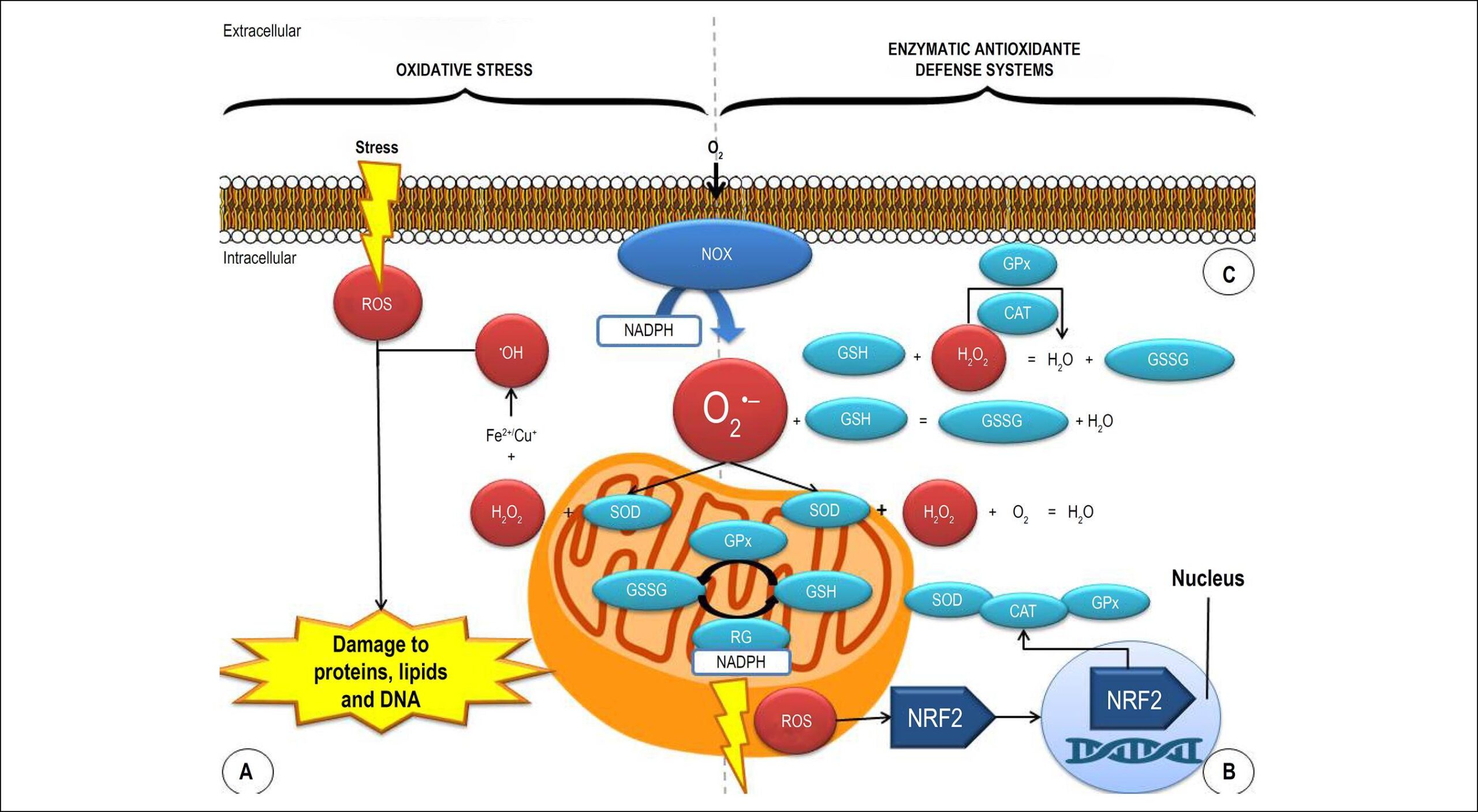
Kidney Disease in Diabetes Mellitus: Cross-Linking between Hyperglycemia, Redox Imbalance and Inflammation

Rayne Gomes Amorim et al. Glaucevane da Silva Guedes Sandra Mary Lima Vasconcelos Juliana Célia de Farias Santos

Abstract

Chronic hyperglycemia is the key point of macro- and microvascular complications associated with diabetes mellitus. Excess glucose is responsible for inducing redox imbalance and both systemic and intrarenal inflammation, playing a critical role in the pathogenesis of diabetic kidney disease, which is currently the leading cause of dialysis in the world. The pathogenesis of the disease is complex, multifactorial and not fully elucidated; many factors and mechanisms are involved in the development, progression and clinical outcomes of the disease. Despite the disparate mechanisms involved in renal damage related to diabetes mellitus, the metabolic mechanisms involving oxidative/inflammatory pathways are widely accepted. The is clear evidence that a chronic hyperglycemic state triggers oxidative stress and inflammation mediated by altered metabolic pathways in a self-perpetuating cycle, promoting progression of cell injury and of end-stage renal disease. The present study presents an update on metabolic pathways that involve redox imbalance and inflammation induced by chronic exposure to hyperglycemia in the pathogenesis of diabetic kidney disease.

  • Diabetes Mellitus/complications
  • Inflammation
  • Kidney, Diseases
  • Oxidation-Reduction
  • Oxidative Stress
  • renal dialysis
Read Full Article
Creative Commons Attribution (CC BY) Creative Commons license
06/06/2019 DOI: 10.5935/abc.20190077 Views 1
ABC
Artigo Original

Cystatin C, CRP, log TG/HDLc and metabolic syndrome are associated with microalbuminuria in hypertension

Rafaela do Socorro Souza e Silva Moura et al. Daniel França Vasconcelos Eduardo Freitas Flavio José Dutra de Moura … Tânia Torres Rosa Joel Paulo Russomano Veiga

Background:

In patients with systemic hypertension, microalbuminuria is a marker of endothelial damage and is associated with an increased risk for cardiovascular disease.

Objective:

To determine the factors that may lead to the occurrence of microalbuminuria in hypertensive patients with serum creatinine lower than 1.5 mg/dL.

Methods:

This cross-sectional study included 133 Brazilians with essential hypertension followed up at a hypertension outpatient clinic. Those with serum creatinine higher than 1.5 mg/dL, as well as those with diabetes mellitus, were excluded. Systolic and diastolic blood pressures were measured, and body mass index (BMI) and GFR estimated by using the CKD-EPI formula were calculated. The serum levels of the following were assessed: CysC, creatinine, total cholesterol, HDL cholesterol, LDL cholesterol, triglycerides, C-reactive protein (CRP) and fasting glucose. Microalbuminuria was determined in 24-hour urine. Hypertensive patients were classified according to the presence of one or more criteria for metabolic syndrome.

Results:

In a multiple regression analysis, the serum levels of CysC and CRP, the atherogenic index log TG/HDLc and the presence of three or more criteria for metabolic syndrome were positively correlated with microalbuminuria (r2: 0.277, p < 0.05).

Conclusion:

CysC, CRP, log TG/HDLc, and the presence of three or more criteria for metabolic syndrome, regardless of serum creatinine, were associated with microalbuminuria, an early marker of kidney damage and cardiovascular risk in patients with essential hypertension.

  • albuminuria
  • Hypertension
  • Kidney, Diseases
  • Metabolic Syndrome X
Read Full Article
Creative Commons Attribution (CC BY) Creative Commons license
25/10/2013 DOI: 10.5935/abc.20130210
ABC
Artigo Original

Renal dysfunction and inflammatory markers in hypertensive patients seen in a university hospital

Fátima Lúcia Machado Braga et al. Ilma Kruze Grande de Arruda Alcides da Silva Diniz Poliana Coelho Cabral … Maria da Conceição Chaves de Lemos Marcus Davis Machado Braga Hilton de Castro Chaves Júnior

BACKGROUND: Today, chronic kidney diseases represent a great challenge to public health as regards the acquisition of knowledge to support interventions that can slow the progression of renal function loss. OBJECTIVE: To analyze the magnitude of the renal function deficit in hypertensive adult patients and its relationship with the following inflammatory markers: high-sensitivity C reactive protein, erythrocyte sedimentation rate, and neutrophil/lymphocyte ratio. METHODS: Cross-sectional study including 1,273 adult hypertensive patients of both genders, of whom 1,052 had renal function deficit, and 221 had no deficit, as diagnosed by the Modification of Diet in Renal Disease equation. The odds ratio (OR) and the prevalence ratio (PR) were used to determine the probability of the occurrence of inflammatory activity in renal disease. RESULTS: Renal function deficit was diagnosed in 82.6% of the patients assessed, and most of the sample (70.8%) was classified as in stage 2 of chronic kidney disease. In the regression model, metabolic syndrome (PRadjusted = 1.09 [95%CI: 1.04-1.14]), high-sensitivity C reactive protein (PRadjusted = 1.54 [95%CI: 1.40-1.69]) and erythrocyte sedimentation rate (PRadjusted = 1.20 [95%CI: 1.12-1.28]) remained independently associated with the renal function deficit. However, considering the individuals classified as in stage 2 of renal function deficit, the chance of abnormalities in inflammatory markers were OR = 10.25 (95%CI: 7.00-15.05) for high-sensitivity C reactive protein, OR = 8.50 (95%CI: 5.70-12.71) for neutrophil/lymphocyte ratio, and OR = 7.18 (95%CI: 4.87-10.61) for erythrocyte sedimentation rate. CONCLUSION: The results show an association of inflammatory activity and metabolic syndrome with renal function deficit.

  • Hypertension
  • Inflammation
  • Kidney, Diseases
  • Metabolic Syndrome
Read Full Article
Creative Commons Attribution (CC BY) Creative Commons license
14/05/2013 DOI: 10.5935/abc.20130102 Views 1
Peripheral artery disease and kidney function in hypertensive patients
ABC
Artigo Original

Peripheral artery disease and kidney function in hypertensive patients

Carolina Sarmento et al. Telmo Pereira João Maldonado Jorge Conde

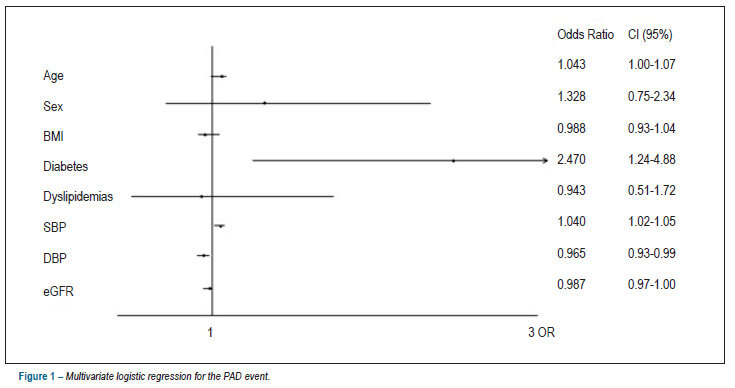
BACKGROUND: Patients with peripheral arterial disease (PAD) have a high risk of developing cardiovascular events. There is a high prevalence of PAD in individuals with kidney disease and both are important risk factors for cardiovascular events. OBJECTIVE: The aim of this study was to investigate the association between PAD and renal function in hypertensive patients. METHODS: The sample consisted of 909 individuals with arterial hypertension. The presence of PAD was evaluated using the ankle-brachial index (ABI) method and renal function was assessed based on the estimated glomerular filtration rate (eGFR). The subjects were divided into groups, according to abnormal (ABI < 0.9) and normal ABI (ABI 0.9-1.4). RESULTS: The percentage of subjects with abnormal ABI was 8%. In the group of individuals with abnormal ABI, prevalence of CKD was 23.4%, compared to a prevalence of 11.2% in patients with normal ABI. Multivariable logistic regression analysis, after adjusting the model to the conventional cardiovascular risk factors, identified a statistically significant and independent effect of eGFR on the likelihood of developing PAD, with an OR of 0.987 (CI: 0.97-1.00). CONCLUSION: An independent association between PAD and chronic kidney disease was observed in the present study. Therefore, the combination of an accurate diagnosis of kidney disease and routine ABI evaluation could constitute a more efficient means to identify subclinical PAD, allowing individuals to benefit from early interventions, aiming at reducing cardiovascular risk.

  • Hypertension
  • Kidney, Diseases
  • Peripheral Arterial Disease
Read Full Article
Creative Commons Attribution (CC BY) Creative Commons license
02/04/2013 DOI: 10.5935/abc.20130052 Views 1
ABC
Artigo Original

Hydration with sodium bicarbonate does not prevent contrast nephropathy: a multicenter clinical trial

Vitor O. Gomes et al. Ricardo Lasevitch Valter C. Lima Fábio S. Brito Jr. … Juan Carlos Perez-Alva Bruno Moulin Airton Arruda Denise Oliveira Paulo Caramori

BACKGROUND: Radiographic contrast media exposition can cause acute renal function impairment. There is limited and conflicting evidence that hydration with sodium bicarbonate prevents contrast-induced nephropathy (CIN) in patients undergoing cardiac catheterization. OBJECTIVE: The present study was aimed at determining whether sodium bicarbonate is superior to hydration with saline to prevent nephropathy in patients at risk undergoing cardiac catheterization. METHODS: Three hundred and one patients undergoing coronary angiography or percutaneous coronary intervention with serum creatinine > 1.2mg/dL or glomerular filtration rate (GFR) < 50ml/min were randomized to receive hydration with sodium bicarbonate starting 1 hour before the procedure and 6 hours after the procedure, or hydration with 0.9% saline. CIN was defined as an increase of 0.5mg/dL in creatinine in 48h RESULTS: Eighteen patients (5.9%) developed contrast induced nephropathy: 9 patients in the bicarbonate group (6.1%) and 9 patients in the saline group (6.0%), p = 0.97. The change in serum creatinine was similar in both groups, 0.01 ± 0.26 mg/dL in the bicarbonate group and 0.01 ± 0.35 mg/dL in the saline group, p = 0.9. No statistical difference was observed between the change in glomerular filtration rate (0.89 ± 9 ml/min vs. 2.29 ± 10 ml/min, p = 0.2 bicarbonate group and saline group, respectively). CONCLUSION: Hydration with sodium bicarbonate was not superior to saline to prevent contrast media induced nephropathy in patients at risk undergoing cardiac catheterization.

  • Clinical Trial
  • Coronary Angiography
  • fluid therapy
  • Kidney, Diseases
  • sodium bicarbonate
Read Full Article
Creative Commons Attribution (CC BY) Creative Commons license
27/11/2012 DOI: 10.1590/S0066-782X2012005000108
Study of echocardiographic alterations in the first six months after kidney transplantation
ABC
Artigo Original

Study of echocardiographic alterations in the first six months after kidney transplantation

Francival Leite de Souza et al. Karenn Barros Bezerra Andréa Rodrigues Sousa Teresa Cristina Alves Ferreira … Maria Inês Gomes Oliveira Giovanna Parada Martins Fernando Alberto Costa Cardoso Silva Alcione Miranda Santos Natalino Salgado Filho

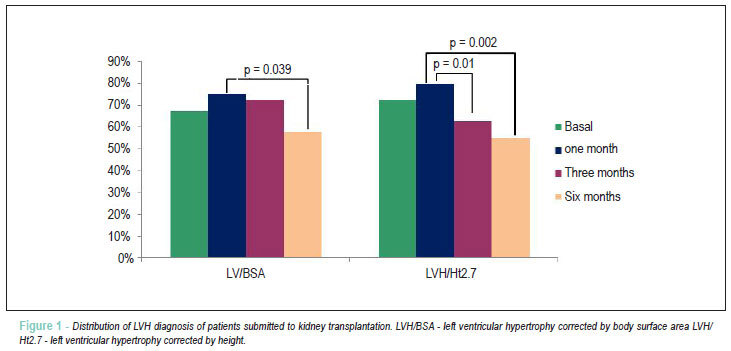
BACKGROUND: Cardiac disorders are very common in individuals with chronic kidney disease and are associated with morbimortality. OBJECTIVE: To evaluate cardiac alterations after kidney transplantation. METHODS: We prospectively evaluated 40 patients with chronic kidney disease, immediately before and one month, three months and six months after kidney transplantation, using tissue Doppler echocardiographic study. The left ventricular mass, systolic and diastolic function parameters were analyzed. RESULTS: The mean age was 31.6 years and 40% of patients were female. We observed a reduction in left ventricular diastolic diameter (52.23 to 49.95 mm, p = 0.021) and LV mass index (131.48 to 113.039 g/m2, p = 0.002) after kidney transplantation. The mean E/e’ decreased in the third and sixth months after kidney transplantation, when compared to basal values (8.13 and 7.85 vs. 9.79, p <0.05). The ejection fraction increased from the first month after kidney transplantation compared to basal assessment (69.72% vs. 65.68%, p <0.05). The prevalence of diastolic dysfunction decreased 43% during the evaluated period. The basal ejection fraction and mean E/e' were associated with reduced LV mass index after kidney transplantation. The LV mass index at baseline, female sex and decrease in serum phosphorus were associated with a reduction in the mean E/e ' ratio after kidney transplantation. CONCLUSION: Kidney transplantation resulted in significant alterations in Doppler echocardiographic parameters of LV mass, systolic and diastolic function in patients with chronic kidney disease.

  • Chronic
  • Echocardiography, Doppler
  • Kidney Failure
  • Kidney Transplantation
  • Kidney, Diseases
Read Full Article
Creative Commons Attribution (CC BY) Creative Commons license
26/04/2012 DOI: 10.1590/S0066-782X2012005000040
Ventricular hypertrophy and cardiovascular mortality in hemodialysis patients with low educational level
ABC
Artigo Original

Ventricular hypertrophy and cardiovascular mortality in hemodialysis patients with low educational level

Rosana dos Santos e Silva Martin et al. Luis Cuadrado Martin Roberto Jorge da Silva Franco Pasqual Barretti … Jacqueline Costa Teixeira Caramori João Henrique Castro Aline de Araújo Antunes Silméia Garcia Zanati-Basan Beatriz Bojikian Matsubara Antônio Sérgio Martins

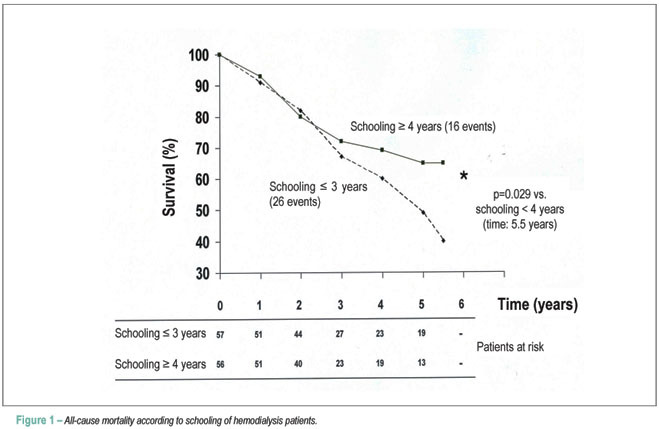
BACKGROUND: Left ventricular hypertrophy is a strong predictor of mortality in chronic kidney patients. A previous study of our group has shown that chronic kidney patients with low educational level has more severe ventricular hypertrophy. OBJECTIVE: To extend a previous study and to assess whether left ventricular hypertrophy can explain the association between schooling and cardiovascular mortality in hemodialysis patients. METHODS: This study assessed 113 patients from January 2005 to March 2008 and followed them up until October 2010. Survival curves were built to compare all-cause and cardiovascular mortality of patients with up to three years of schooling (median schooling) and those with schooling of four years and over. Cox multiple models were built and adjusted to confounding variables. RESULTS: Association between educational level and ventricular hypertrophy was observed. Statistical difference in all-cause and cardiovascular mortality between the different educational levels was observed at 5.5 years of follow-up. In the Cox model, ventricular hypertrophy and C-reactive protein associated with all-cause and cardiovascular mortality. The etiology of kidney failure associated with all-cause mortality, and creatinine associated with cardiovascular mortality. The association between educational level and mortality lost statistical significance in the adjusted model. CONCLUSION: The results of this study confirm those of a previous study. In addition, they show that the higher cardiovascular mortality observed in patients with low educational level can be explained by risk factors of biochemical and cardiac morphological origin.

  • Hypertrophy Left Ventricular
  • Kidney, Diseases
  • renal dialysis
  • underachievement
Read Full Article
Creative Commons Attribution (CC BY) Creative Commons license
06/01/2012 DOI: 10.1590/S0066-782X2012005000004
Microalbuminuria is an independent prognostic marker in patients with chronic heart failure
ABC
Artigo Original

Microalbuminuria is an independent prognostic marker in patients with chronic heart failure

Humberto Villacorta et al. Paula de Vilhena Ferradaes Evandro Tinoco Mesquita Antônio Cláudio Lucas da Nóbrega

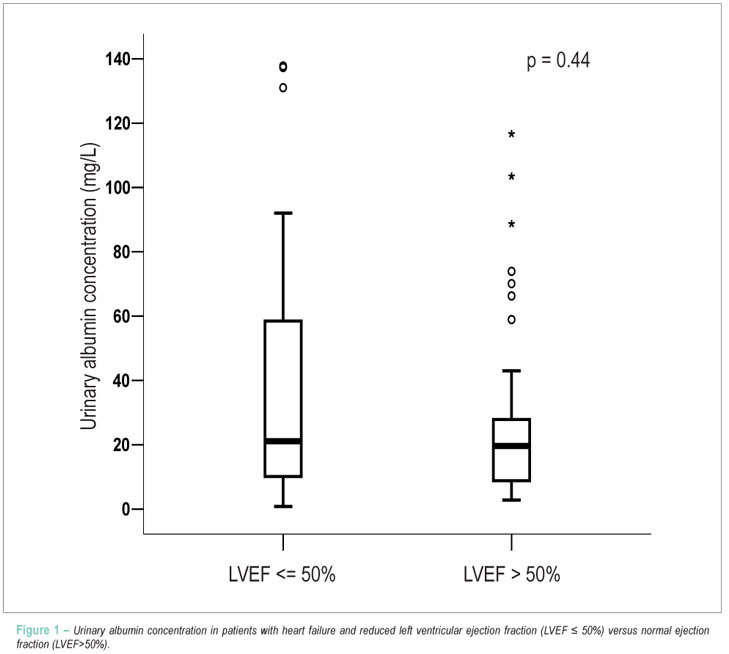
BACKGROUND: Microalbuminuria has been described as a risk factor for progressive cardiovascular and renal diseases. Little is known about its prognostic value in patients (pts) with established heart failure (HF). OBJECTIVE: To assess the role of microalbuminuria as a prognostic marker in patients with chronic HF receiving standard medication. METHODS: From January 2008 through September 2009, 92 pts with chronic HF, were prospectively included. Mean age was 63.7±12.2 and 37 (40.7%) were male. Mean left ventricular ejection fraction (LVEF) was 52.5±17.5%. Pts under dialysis were excluded. Urinary albumin concentration (UAC) was determined in first morning spot sample of urine. Time to first event (HF hospitalization, emergency department visit for HF or cardiovascular death) was defined as endpoint. Mean follow-up was 11±6.1 months. RESULTS: At the time of inclusion in the study, 38 (41.3%) pts had microalbuminuria and no patient had overt albuminuria. Pts with microalbuminuria had lower left ventricular ejection fraction than the rest of the individuals (47.9±18.5 vs 54.5±17.7%, p=0.08). UAC was higher in patients with events (median 59.8 vs 18 mg/L, p=0.0005). Event-free survival was lower in pts with microalbuminuria as compared with normoalbuminuria (p<0.0001). Independent variables related to cardiac events were UAC (p<0.0001, hazard ratio=1.02, 95% CI=1.01 to 1.03 per 1-U increase of UAC), and previous myocardial infarction (p=0.025, HR=3.11, 95% CI=1.15 to 8.41). CONCLUSION: Microalbuminuria is an independent prognostic marker in pts with chronic HF. Pts with microalbuminuria had a trend for lower LVEF.

  • albuminuria
  • Heart Failure
  • Kidney, Diseases
  • Prognosis
Read Full Article
Creative Commons Attribution (CC BY) Creative Commons license
13/12/2011 DOI: 10.1590/S0066-782X2011005000120
Is there an association between non-steroidal anti-inflammatory drugs and contrast nephropathy?
ABC
Artigo Original

Is there an association between non-steroidal anti-inflammatory drugs and contrast nephropathy?

Luciano Passamani Diogo et al. David Saitovitch Michelle Biehl Laura Fuchs Bahlis … Maria Claudia Guterres Cinthia Fonseca O'Keeffe Gustavo Franco Carvalhal Paulo Ricardo Avancini Caramori

BACKGROUND: The association between the use of nonsteroidal anti-inflammatory drugs (NSAIDs) and acute or chronic renal failure is well documented, but evidence of such association between NSAIDs and Contrast-Induced Nephropathies (CIN) is not found in the indexed literature. OBJECTIVE: To evaluate the possible association between NSAIDs and CIN. METHODS: In a cohort study, through clinical interviews of patients that underwent cardiac catheterization, we analyzed the use of NSAIDs and its association with the development of CIN, through alterations in serum creatinine or glomerular filtration rate in 48 or 72 hours. RESULTS: From July 2005 to July 2006, 236 patients were enrolled in the study, of which 29 were later excluded. The incidence of CIN was 10.37% (20 of 207) and 42% of the patients were using NSAIDs until the moment of the evaluation. There was no association between the use of NSAIDs and the development of CIN with OR of 1.293 95% CI (0.46-4.2). The study detected known risk factors for the development of CIN, such as diabetes with OR of 2.77 95%CI (1.05-7.47) and chronic renal failure with OR 3.48 95%CI (1.1-11.07). A protective action of saline solution hydrationis also suggested, with OR of 0.166 95%CI (0.03-0.92). CONCLUSION: Based on the data obtained, we conclude that there was no association between CIN and previous use of NSAIDs, at least with an OR higher then 2.85, which our sample detected.

  • Anti-inflammatory agents, non-steroid
  • Kidney, Diseases
  • Risk Factors
Read Full Article
Creative Commons Attribution (CC BY) Creative Commons license
12/11/2010 DOI: 10.1590/S0066-782X2010005000145
Glomerular filtration and associated factors in hypertensive individuals treated at primary care level
ABC
Artigo Original

Glomerular filtration and associated factors in hypertensive individuals treated at primary care level

Ana Karina Teixeira da Cunha França et al. Alcione Miranda dos Santos Isabela Leal Calado Elisângela Milhomem dos Santos … Poliana Coelho Cabral João Victor Leal Salgado Noemia Perli Goldraich Natalino Salgado Filho

BACKGROUND: In Brazil, arterial hypertension (AH) constitutes one of the main risk factors for chronic kidney disease (CKD). The monitoring of glomerular filtration (GF) is recommended for the assessment of kidney function in hypertensive individuals, as GF decrease precedes symptom onset. OBJECTIVE: To assess GF and its associated factors in hypertensive individuals. METHODS: A cross-sectional study was carried out from January to June 2008 in 297 individuals with arterial hypertension (AH) with or without diabetes mellitus (DM), treated at a primary care facility in the city of São Luís, Maranhão. Patients older than 20 years and of both sexes were included in the study. Sociodemographic and nutritional status data, GF rate and microalbuminuria levels in 24-hour urine were assessed, as well as blood pressure, glucose and serum creatinine levels and a lipidogram. RESULTS: Mean age was 60.6 × 11.5 years, with a predominance of the female sex (75.1%), overweight/obesity (65.0%) and large waist circumference (60.6%). The prevalence of GF 65 years, which remained after adjustment. For the AH group with DM, there was an association between reduced GF and age > 65 years, smoking habit and obesity. However, after the adjustment, age and smoking habit remained as associated factors. CONCLUSION: In these patients, the prevalence of GF 65 years and smoking habit were shown to be factors associated to GF. This reinforces the need to systematically evaluate GF in hypertensive individuals, aiming at the secondary prevention of chronic kidney disease.

  • Diet Therapy
  • Disease Prevention
  • food analysis
  • Hypertension
  • hypertension, renovascular
  • Kidney, Diseases
Read Full Article
Creative Commons Attribution (CC BY) Creative Commons license
02/04/2010 DOI: 10.1590/S0066-782X2010005000021
Prevalence and prognostic impact of diastolic dysfunction in patients with chronic kidney disease on hemodialysis
ABC
Artigo Original

Prevalence and prognostic impact of diastolic dysfunction in patients with chronic kidney disease on hemodialysis

Silvio H. Barberato et al. Sérgio G. E. Bucharles Admar M. Sousa Costantino O. Costantini … Costantino R. F. Costantini Roberto Pecoits-Filho

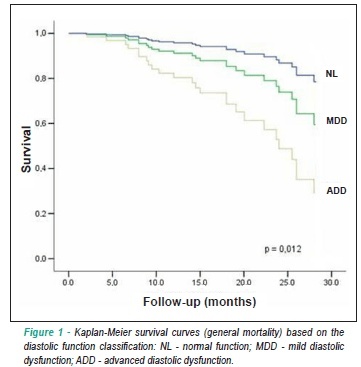
BACKGROUND: Diastolic dysfunction (DD) is frequent in patients on hemodialysis (HD), but its impact on the clinical evolution is yet to be established. OBJECTIVE: To evaluate the prevalence and prognostic impact of left ventricular (LV) advanced diastolic dysfunction (ADD) in patients on hemodialysis. METHODS: The echocardiograms were performed during the first year of HD therapy, in patients with sinus rhythm, with no evidence of cardiovascular disease, excluding those with significant valvopathy or pericardial effusion. The combined assessment of the Doppler echocardiographic data classified the diastolic dysfunction as: 1) normal diastolic function; 2) mild DD (relaxation alteration) and 3) ADD (pseudonormalization and restrictive flow pattern). The assessed outcomes were general mortality and cardiovascular events. RESULTS: A total of 129 patients (78 males), aged 52 ± 16 years, with a DD prevalence of 73% (50% with mild DD and 23% with ADD) were included in the study. The group with ADD was older (p < 0.01) and presented higher systolic (p < 0.01) and diastolic BP (p = 0.043), LV mass (p < 0.01), left atrial volume index (p < 0.01) and number of diabetic patients (p = 0.019), as well as lower ejection fraction (EF) (p < 0.01). After 17 ± 7 months, the general mortality was significantly higher in individuals with ADD, when compared to those with normal function and mild DD (p = 0.012, log rank test). At Cox multivariate analysis, ADD was predictive of cardiovascular events (hazard ratio 2.2; confidence interval: 1.1-4.3; p = 0.021) after adjusted for age, gender, diabetes, LV mass and EF. CONCLUSION: The subclinical ADD was identified in approximately 25% of the patients undergoing hemodialysis and had a prognostic impact, regardless of other clinical and echocardiographic data.

  • Kidney, Diseases
  • renal dialysis
  • Ventricular Dysfunction, Left
Read Full Article
Creative Commons Attribution (CC BY) Creative Commons license
26/03/2010 DOI: 10.1590/S0066-782X2010005000016 Views 1
ABC
Artigo Original

Electrocardiography in the diagnosis of ventricular hypertrophy in patients with chronic renal disease

Francisco de Assis Costa et al. Ivan Romero Rivera Mirian Lira Castro de Vasconcelos André Falcão Pedrosa Costa … Rui Manoel dos Santos Póvoa Maria Tereza Nogueira Bombig Bráulio Luna Filho Valter Correia de Lima

BACKGROUND: Left ventricular hypertrophy (LVH) is an independent predictor of cardiovascular risk, and its characterization and prevalence in chronic renal disease (CRD) should be further studied. OBJECTIVE: To establish the diagnosis of LVH in patients with stage-5 CRD using six different electrocardiographic criteria, and to correlate them with left ventricular mass index (LVMI) as obtained by echocardiography. METHODS: Cross-sectional study including 100 patients (58 men and 42 women, mean age 46.2 ± 14.0 years) with CRD of all causes undergoing hemodialysis (HD) for at least six months. Electrocardiography (ECG) and echocardiography were performed in all patients, always up to one hour after the end of the HD sessions. RESULTS: LVH was detected in 83 patients (83%), of whom 56 (67.4%) had the concentric pattern and 27 (32.6%) the eccentric pattern of LVH. Diagnostic sensitivity, specificity and accuracy of all the electrocardiographic methods studied were higher than 50%. Using Pearson’s linear correlation for LVMI, only the Sokolow-Lyon voltage criterion did not show a > 0.50 coefficient. Calculation of the likelihood ratio, in turn, showed that ECG has a discriminatory power for the diagnosis of LVH in the population studied, with emphasis on the Cornell-product and Romhilt-Estes criteria. No correlation was observed between LVMI and QTc and QTc dispersion. CONCLUSION: ECG is a useful, efficient, and highly reproducible method for the diagnosis of LVH in HD patients. In this population, the Cornell-product proved to be the most reliable criterion for the detection of LVH.

  • Echocardiography
  • Electrocardiography
  • Hypertrophy Left Ventricular
  • Kidney, Diseases
  • renal dialysis
Read Full Article
Creative Commons Attribution (CC BY) Creative Commons license
24/11/2009 DOI: 10.1590/S0066-782X2009001000011 Views 1

How to cite this article

EndNote RIS

Electronic Document Format (Vancouver)

Yilmaz F, Şener YZ. Beyond Contrast Volume: Patient-Related Determinants and Methodological Considerations in Contrast-Induced Nephropathy. Arquivos Brasileiros de Cardiologia 2026;123(5):e20260111.

Electronic Document Format (ABNT)

Yilmaz, Ömer Faruk; Şener, Yusuf Ziya. Beyond Contrast Volume: Patient-Related Determinants and Methodological Considerations in Contrast-Induced Nephropathy. Arquivos Brasileiros de Cardiologia, v. 123, n. 5, e20260111, Jul. 2026.

Electronic Document Format (APA)

Yilmaz, F., & Şener, Y. Z. (2026). Beyond Contrast Volume: Patient-Related Determinants and Methodological Considerations in Contrast-Induced Nephropathy. Arquivos Brasileiros de Cardiologia, 123(5), e20260111.

Electronic Document Format (ISO)

Yilmaz, Ömer Faruk and Şener, Yusuf Ziya. Beyond Contrast Volume: Patient-Related Determinants and Methodological Considerations in Contrast-Induced Nephropathy. Arquivos Brasileiros de Cardiologia [online]. 2026, vol. 123, n. 5, [cited 2026-10-14], e20260111. Available from: <https://journals.cardiol.br/en/article/beyond-contrast-volume-patient-related-determinants-and-methodological-considerations-in-contrast-induced-nephropathy/>. ISSN 0066-782X

EndNote RIS

Electronic Document Format (Vancouver)

Çakan F. Volume-Independent Renal Injury: Why Contrast-Induced Nephropathy Can Occur Even at Ultra-Low Contrast Doses. Arquivos Brasileiros de Cardiologia 2026;123(4):e20260016.

Electronic Document Format (ABNT)

Çakan, Fahri. Volume-Independent Renal Injury: Why Contrast-Induced Nephropathy Can Occur Even at Ultra-Low Contrast Doses. Arquivos Brasileiros de Cardiologia, v. 123, n. 4, e20260016, May. 2026.

Electronic Document Format (APA)

Çakan, F. (2026). Volume-Independent Renal Injury: Why Contrast-Induced Nephropathy Can Occur Even at Ultra-Low Contrast Doses. Arquivos Brasileiros de Cardiologia, 123(4), e20260016.

Electronic Document Format (ISO)

Çakan, Fahri. Volume-Independent Renal Injury: Why Contrast-Induced Nephropathy Can Occur Even at Ultra-Low Contrast Doses. Arquivos Brasileiros de Cardiologia [online]. 2026, vol. 123, n. 4, [cited 2026-10-14], e20260016. Available from: <https://journals.cardiol.br/en/article/volume-independent-renal-injury-why-contrast-induced-nephropathy-can-occur-even-at-ultra-low-contrast-doses/>. ISSN 0066-782X

EndNote RIS

Electronic Document Format (Vancouver)

Freitas RAP, Tanajura LFL, Sousa AGMR, Feres F, Costa JR. Impact of Contrast Volume Used After Percutaneous Coronary Procedures in Patients at Risk for Contrast-Induced Nephropathy. Arquivos Brasileiros de Cardiologia 2026;122(12):e20250270.

Electronic Document Format (ABNT)

Freitas, Rafaela Andrade Penalva; Tanajura, Luiz Fernando Leite; Sousa, Amanda Guerra M. R; Feres, Fausto; Costa, José Ribamar. Impact of Contrast Volume Used After Percutaneous Coronary Procedures in Patients at Risk for Contrast-Induced Nephropathy. Arquivos Brasileiros de Cardiologia, v. 122, n. 12, e20250270, Jan. 2026.

Electronic Document Format (APA)

Freitas, R. A. P., Tanajura, L. F. L., Sousa, A. G. M. R., Feres, F., & Costa, J. R. (2026). Impact of Contrast Volume Used After Percutaneous Coronary Procedures in Patients at Risk for Contrast-Induced Nephropathy. Arquivos Brasileiros de Cardiologia, 122(12), e20250270.

Electronic Document Format (ISO)

Freitas, Rafaela Andrade Penalva and Tanajura, Luiz Fernando Leite and Sousa, Amanda Guerra M. R and Feres, Fausto and Costa, José Ribamar. Impact of Contrast Volume Used After Percutaneous Coronary Procedures in Patients at Risk for Contrast-Induced Nephropathy. Arquivos Brasileiros de Cardiologia [online]. 2026, vol. 122, n. 12, [cited 2026-10-14], e20250270. Available from: <https://journals.cardiol.br/en/article/impact-of-contrast-volume-used-after-percutaneous-coronary-procedures-in-patients-at-risk-for-contrast-induced-nephropathy/>. ISSN 0066-782X

EndNote RIS

Electronic Document Format (Vancouver)

Freitas RAP. Inflammation and Contrast-Induced Nephropathy: The Emerging Role of the Glucose-to-Lymphocyte Ratio. Arquivos Brasileiros de Cardiologia 2025;122(8):e20250424.

Electronic Document Format (ABNT)

Freitas, Rafaela Andrade Penalva. Inflammation and Contrast-Induced Nephropathy: The Emerging Role of the Glucose-to-Lymphocyte Ratio. Arquivos Brasileiros de Cardiologia, v. 122, n. 8, e20250424, Sep. 2025.

Electronic Document Format (APA)

Freitas, R. A. P. (2025). Inflammation and Contrast-Induced Nephropathy: The Emerging Role of the Glucose-to-Lymphocyte Ratio. Arquivos Brasileiros de Cardiologia, 122(8), e20250424.

Electronic Document Format (ISO)

Freitas, Rafaela Andrade Penalva. Inflammation and Contrast-Induced Nephropathy: The Emerging Role of the Glucose-to-Lymphocyte Ratio. Arquivos Brasileiros de Cardiologia [online]. 2025, vol. 122, n. 8, [cited 2026-10-14], e20250424. Available from: <https://journals.cardiol.br/en/article/inflammation-and-contrast-induced-nephropathy-the-emerging-role-of-the-glucose-to-lymphocyte-ratio/>. ISSN 0066-782X

EndNote RIS

Electronic Document Format (Vancouver)

Inuzuka S, Barroso WKS. Arterial Stiffness and Chronic Kidney Disease Prediction. Arquivos Brasileiros de Cardiologia 2024;120(12):e20230779.

Electronic Document Format (ABNT)

Inuzuka, Sayuri; Barroso, Weimar Kunz Sebba. Arterial Stiffness and Chronic Kidney Disease Prediction. Arquivos Brasileiros de Cardiologia, v. 120, n. 12, e20230779, Mar. 2024.

Electronic Document Format (APA)

Inuzuka, S., & Barroso, W. K. S. (2024). Arterial Stiffness and Chronic Kidney Disease Prediction. Arquivos Brasileiros de Cardiologia, 120(12), e20230779.

Electronic Document Format (ISO)

Inuzuka, Sayuri and Barroso, Weimar Kunz Sebba. Arterial Stiffness and Chronic Kidney Disease Prediction. Arquivos Brasileiros de Cardiologia [online]. 2024, vol. 120, n. 12, [cited 2026-10-14], e20230779. Available from: <https://journals.cardiol.br/en/article/arterial-stiffness-and-chronic-kidney-disease-prediction/>. ISSN 0066-782X

EndNote RIS

Electronic Document Format (Vancouver)

Spineti PPM. What Is the Role of Kidney Injury Biomarkers in Contrast-Induced Nephropaty?. Arquivos Brasileiros de Cardiologia 2021;116(6):1057-8.

Electronic Document Format (ABNT)

Spineti, Pedro Pimenta de Mello. What Is the Role of Kidney Injury Biomarkers in Contrast-Induced Nephropaty?. Arquivos Brasileiros de Cardiologia, v. 116, n. 6, p. 1057-1058, Jun. 2021.

Electronic Document Format (APA)

Spineti, P. P. M. (2021). What Is the Role of Kidney Injury Biomarkers in Contrast-Induced Nephropaty?. Arquivos Brasileiros de Cardiologia, 116(6), 1057-1058.

Electronic Document Format (ISO)

Spineti, Pedro Pimenta de Mello. What Is the Role of Kidney Injury Biomarkers in Contrast-Induced Nephropaty?. Arquivos Brasileiros de Cardiologia [online]. 2021, vol. 116, n. 6, [cited 2026-10-14], pp. 1057-1058. Available from: <https://journals.cardiol.br/en/article/what-is-the-role-of-kidney-injury-biomarkers-in-contrast-induced-nephropaty/>. ISSN 0066-782X

EndNote RIS

Electronic Document Format (Vancouver)

Amorim RG, Guedes GS, Vasconcelos SML, Santos JCF. Kidney Disease in Diabetes Mellitus: Cross-Linking between Hyperglycemia, Redox Imbalance and Inflammation. Arquivos Brasileiros de Cardiologia 2019;112(5):577-8.

Electronic Document Format (ABNT)

Amorim, Rayne Gomes; Guedes, Glaucevane da Silva; Vasconcelos, Sandra Mary Lima; Santos, Juliana Célia de Farias. Kidney Disease in Diabetes Mellitus: Cross-Linking between Hyperglycemia, Redox Imbalance and Inflammation. Arquivos Brasileiros de Cardiologia, v. 112, n. 5, p. 577-587, Jun. 2019.

Electronic Document Format (APA)

Amorim, R. G., Guedes, G. S., Vasconcelos, S. M. L., & Santos, J. C. F. (2019). Kidney Disease in Diabetes Mellitus: Cross-Linking between Hyperglycemia, Redox Imbalance and Inflammation. Arquivos Brasileiros de Cardiologia, 112(5), 577-587.

Electronic Document Format (ISO)

Amorim, Rayne Gomes and Guedes, Glaucevane da Silva and Vasconcelos, Sandra Mary Lima and Santos, Juliana Célia de Farias. Kidney Disease in Diabetes Mellitus: Cross-Linking between Hyperglycemia, Redox Imbalance and Inflammation. Arquivos Brasileiros de Cardiologia [online]. 2019, vol. 112, n. 5, [cited 2026-10-14], pp. 577-587. Available from: <https://journals.cardiol.br/en/article/kidney-disease-in-diabetes-mellitus-cross-linking-between-hyperglycemia-redox-imbalance-and-inflammation/>. ISSN 0066-782X

EndNote RIS

Electronic Document Format (Vancouver)

Moura RSSS, Vasconcelos DF, Freitas E, Moura FJD, Rosa TT, Veiga JPR. Cystatin C, CRP, log TG/HDLc and metabolic syndrome are associated with microalbuminuria in hypertension. Arquivos Brasileiros de Cardiologia 2013;102(1):54-9.

Electronic Document Format (ABNT)

Moura, Rafaela do Socorro Souza e Silva; Vasconcelos, Daniel França; Freitas, Eduardo; Moura, Flavio José Dutra de; Rosa, Tânia Torres; Veiga, Joel Paulo Russomano. Cystatin C, CRP, log TG/HDLc and metabolic syndrome are associated with microalbuminuria in hypertension. Arquivos Brasileiros de Cardiologia, v. 102, n. 1, p. 54-59, Oct. 2013.

Electronic Document Format (APA)

Moura, R. S. S. S., Vasconcelos, D. F., Freitas, E., Moura, F. J. D. , Rosa, T. T., & Veiga, J. P. R. (2013). Cystatin C, CRP, log TG/HDLc and metabolic syndrome are associated with microalbuminuria in hypertension. Arquivos Brasileiros de Cardiologia, 102(1), 54-59.

Electronic Document Format (ISO)

Moura, Rafaela do Socorro Souza e Silva and Vasconcelos, Daniel França and Freitas, Eduardo and Moura, Flavio José Dutra de and Rosa, Tânia Torres and Veiga, Joel Paulo Russomano. Cystatin C, CRP, log TG/HDLc and metabolic syndrome are associated with microalbuminuria in hypertension. Arquivos Brasileiros de Cardiologia [online]. 2013, vol. 102, n. 1, [cited 2026-10-14], pp. 54-59. Available from: <https://journals.cardiol.br/en/article/cystatin-c-crp-log-tg-hdlc-and-metabolic-syndrome-are-associated-with-microalbuminuria-in-hypertension/>. ISSN 0066-782X

EndNote RIS

Electronic Document Format (Vancouver)

Braga FLM, Arruda IKG, Diniz AS, Cabral PC, Lemos MCC, Braga MDM, Chaves Júnior HC, et al. Renal dysfunction and inflammatory markers in hypertensive patients seen in a university hospital. Arquivos Brasileiros de Cardiologia 2013;100(6):538-45.

Electronic Document Format (ABNT)

Braga, Fátima Lúcia Machado; Arruda, Ilma Kruze Grande de; Diniz, Alcides da Silva; Cabral, Poliana Coelho; Lemos, Maria da Conceição Chaves de; Braga, Marcus Davis Machado; Chaves Júnior, Hilton de Castro. Renal dysfunction and inflammatory markers in hypertensive patients seen in a university hospital. Arquivos Brasileiros de Cardiologia, v. 100, n. 6, p. 538-545, May. 2013.

Electronic Document Format (APA)

Braga, F. L. M., Arruda, I. K. G. , Diniz, A. S., Cabral, P. C., Lemos, M. C. C. , Braga, M. D. M., & Chaves Júnior, H. C. (2013). Renal dysfunction and inflammatory markers in hypertensive patients seen in a university hospital. Arquivos Brasileiros de Cardiologia, 100(6), 538-545.

Electronic Document Format (ISO)

Braga, Fátima Lúcia Machado and Arruda, Ilma Kruze Grande de and Diniz, Alcides da Silva and Cabral, Poliana Coelho and Lemos, Maria da Conceição Chaves de and Braga, Marcus Davis Machado and Chaves Júnior, Hilton de Castro. Renal dysfunction and inflammatory markers in hypertensive patients seen in a university hospital. Arquivos Brasileiros de Cardiologia [online]. 2013, vol. 100, n. 6, [cited 2026-10-14], pp. 538-545. Available from: <https://journals.cardiol.br/en/article/renal-dysfunction-and-inflammatory-markers-in-hypertensive-patients-seen-in-a-university-hospital/>. ISSN 0066-782X

EndNote RIS

Electronic Document Format (Vancouver)

Sarmento C, Pereira T, Maldonado J, Conde J. Peripheral artery disease and kidney function in hypertensive patients. Arquivos Brasileiros de Cardiologia 2013;100(4):362-7.

Electronic Document Format (ABNT)

Sarmento, Carolina; Pereira, Telmo; Maldonado, João; Conde, Jorge. Peripheral artery disease and kidney function in hypertensive patients. Arquivos Brasileiros de Cardiologia, v. 100, n. 4, p. 362-367, Apr. 2013.

Electronic Document Format (APA)

Sarmento, C., Pereira, T., Maldonado, J., & Conde, J. (2013). Peripheral artery disease and kidney function in hypertensive patients. Arquivos Brasileiros de Cardiologia, 100(4), 362-367.

Electronic Document Format (ISO)

Sarmento, Carolina and Pereira, Telmo and Maldonado, João and Conde, Jorge. Peripheral artery disease and kidney function in hypertensive patients. Arquivos Brasileiros de Cardiologia [online]. 2013, vol. 100, n. 4, [cited 2026-10-14], pp. 362-367. Available from: <https://journals.cardiol.br/en/article/peripheral-artery-disease-and-kidney-function-in-hypertensive-patients/>. ISSN 0066-782X

EndNote RIS

Electronic Document Format (Vancouver)

Gomes VO, Lasevitch R, Lima VC, Brito Jr. FS, Perez-Alva JC, Moulin B, Arruda A, et al. Hydration with sodium bicarbonate does not prevent contrast nephropathy: a multicenter clinical trial. Arquivos Brasileiros de Cardiologia 2012;99(6):1129-34.

Electronic Document Format (ABNT)

Gomes, Vitor O.; Lasevitch, Ricardo; Lima, Valter C.; Brito Jr., Fábio S.; Perez-Alva, Juan Carlos; Moulin, Bruno; Arruda, Airton; Oliveira, Denise; Caramori, Paulo. Hydration with sodium bicarbonate does not prevent contrast nephropathy: a multicenter clinical trial. Arquivos Brasileiros de Cardiologia, v. 99, n. 6, p. 1129-1134, Nov. 2012.

Electronic Document Format (APA)

Gomes, V. O., Lasevitch, R., Lima, V. C., Brito Jr., F. S., Perez-Alva, J. C., Moulin, B., Arruda, A., Oliveira, D., & Caramori, P. (2012). Hydration with sodium bicarbonate does not prevent contrast nephropathy: a multicenter clinical trial. Arquivos Brasileiros de Cardiologia, 99(6), 1129-1134.

Electronic Document Format (ISO)

Gomes, Vitor O. and Lasevitch, Ricardo and Lima, Valter C. and Brito Jr., Fábio S. and Perez-Alva, Juan Carlos and Moulin, Bruno and Arruda, Airton and Oliveira, Denise and Caramori, Paulo. Hydration with sodium bicarbonate does not prevent contrast nephropathy: a multicenter clinical trial. Arquivos Brasileiros de Cardiologia [online]. 2012, vol. 99, n. 6, [cited 2026-10-14], pp. 1129-1134. Available from: <https://journals.cardiol.br/en/article/hydration-with-sodium-bicarbonate-does-not-prevent-contrast-nephropathy-a-multicenter-clinical-trial/>. ISSN 0066-782X

EndNote RIS

Electronic Document Format (Vancouver)

Souza FL, Bezerra KB, Sousa AR, Ferreira TCA, Oliveira MIG, Martins GP, Silva FACC, et al. Study of echocardiographic alterations in the first six months after kidney transplantation. Arquivos Brasileiros de Cardiologia 2012;98(6):505-13.

Electronic Document Format (ABNT)

Souza, Francival Leite de; Bezerra, Karenn Barros; Sousa, Andréa Rodrigues; Ferreira, Teresa Cristina Alves; Oliveira, Maria Inês Gomes; Martins, Giovanna Parada; Silva, Fernando Alberto Costa Cardoso; Santos, Alcione Miranda; Salgado Filho, Natalino. Study of echocardiographic alterations in the first six months after kidney transplantation. Arquivos Brasileiros de Cardiologia, v. 98, n. 6, p. 505-513, Apr. 2012.

Electronic Document Format (APA)

Souza, F. L. , Bezerra, K. B., Sousa, A. R., Ferreira, T. C. A., Oliveira, M. I. G., Martins, G. P., Silva, F. A. C. C., Santos, A. M., & Salgado Filho, N. (2012). Study of echocardiographic alterations in the first six months after kidney transplantation. Arquivos Brasileiros de Cardiologia, 98(6), 505-513.

Electronic Document Format (ISO)

Souza, Francival Leite de and Bezerra, Karenn Barros and Sousa, Andréa Rodrigues and Ferreira, Teresa Cristina Alves and Oliveira, Maria Inês Gomes and Martins, Giovanna Parada and Silva, Fernando Alberto Costa Cardoso and Santos, Alcione Miranda and Salgado Filho, Natalino. Study of echocardiographic alterations in the first six months after kidney transplantation. Arquivos Brasileiros de Cardiologia [online]. 2012, vol. 98, n. 6, [cited 2026-10-14], pp. 505-513. Available from: <https://journals.cardiol.br/en/article/study-of-echocardiographic-alterations-in-the-first-six-months-after-kidney-transplantation/>. ISSN 0066-782X

EndNote RIS

Electronic Document Format (Vancouver)

Martin RSS, Martin LC, Franco RJS, Barretti P, Caramori JCT, Castro JH, Antunes AA, et al. Ventricular hypertrophy and cardiovascular mortality in hemodialysis patients with low educational level. Arquivos Brasileiros de Cardiologia 2012;98(1):52-61.

Electronic Document Format (ABNT)

Martin, Rosana dos Santos e Silva; Martin, Luis Cuadrado; Franco, Roberto Jorge da Silva; Barretti, Pasqual; Caramori, Jacqueline Costa Teixeira; Castro, João Henrique; Antunes, Aline de Araújo; Zanati-Basan, Silméia Garcia; Matsubara, Beatriz Bojikian; Martins, Antônio Sérgio. Ventricular hypertrophy and cardiovascular mortality in hemodialysis patients with low educational level. Arquivos Brasileiros de Cardiologia, v. 98, n. 1, p. 52-61, Jan. 2012.

Electronic Document Format (APA)

Martin, R. S. S., Martin, L. C., Franco, R. J. S., Barretti, P., Caramori, J. C. T., Castro, J. H., Antunes, A. A., Zanati-Basan, S. G., Matsubara, B. B., & Martins, A. S. (2012). Ventricular hypertrophy and cardiovascular mortality in hemodialysis patients with low educational level. Arquivos Brasileiros de Cardiologia, 98(1), 52-61.

Electronic Document Format (ISO)

Martin, Rosana dos Santos e Silva and Martin, Luis Cuadrado and Franco, Roberto Jorge da Silva and Barretti, Pasqual and Caramori, Jacqueline Costa Teixeira and Castro, João Henrique and Antunes, Aline de Araújo and Zanati-Basan, Silméia Garcia and Matsubara, Beatriz Bojikian and Martins, Antônio Sérgio. Ventricular hypertrophy and cardiovascular mortality in hemodialysis patients with low educational level. Arquivos Brasileiros de Cardiologia [online]. 2012, vol. 98, n. 1, [cited 2026-10-14], pp. 52-61. Available from: <https://journals.cardiol.br/en/article/ventricular-hypertrophy-and-cardiovascular-mortality-in-hemodialysis-patients-with-low-educational-level/>. ISSN 0066-782X

EndNote RIS

Electronic Document Format (Vancouver)

Villacorta H, Ferradaes PV, Mesquita ET, Nóbrega ACL. Microalbuminuria is an independent prognostic marker in patients with chronic heart failure. Arquivos Brasileiros de Cardiologia 2011;98(1):62-9.

Electronic Document Format (ABNT)

Villacorta, Humberto; Ferradaes, Paula de Vilhena; Mesquita, Evandro Tinoco; Nóbrega, Antônio Cláudio Lucas da. Microalbuminuria is an independent prognostic marker in patients with chronic heart failure. Arquivos Brasileiros de Cardiologia, v. 98, n. 1, p. 62-69, Dec. 2011.

Electronic Document Format (APA)

Villacorta, H., Ferradaes, P. V., Mesquita, E. T., & Nóbrega, A. C. L. (2011). Microalbuminuria is an independent prognostic marker in patients with chronic heart failure. Arquivos Brasileiros de Cardiologia, 98(1), 62-69.

Electronic Document Format (ISO)

Villacorta, Humberto and Ferradaes, Paula de Vilhena and Mesquita, Evandro Tinoco and Nóbrega, Antônio Cláudio Lucas da. Microalbuminuria is an independent prognostic marker in patients with chronic heart failure. Arquivos Brasileiros de Cardiologia [online]. 2011, vol. 98, n. 1, [cited 2026-10-14], pp. 62-69. Available from: <https://journals.cardiol.br/en/article/microalbuminuria-is-an-independent-prognostic-marker-in-patients-with-chronic-heart-failure/>. ISSN 0066-782X

EndNote RIS

Electronic Document Format (Vancouver)

Diogo LP, Saitovitch D, Biehl M, Bahlis LF, Guterres MC, O’Keeffe CF, Carvalhal GF, et al. Is there an association between non-steroidal anti-inflammatory drugs and contrast nephropathy?. Arquivos Brasileiros de Cardiologia 2010;95(6):726-31.

Electronic Document Format (ABNT)

Diogo, Luciano Passamani; Saitovitch, David; Biehl, Michelle; Bahlis, Laura Fuchs; Guterres, Maria Claudia; O’Keeffe, Cinthia Fonseca; Carvalhal, Gustavo Franco; Caramori, Paulo Ricardo Avancini. Is there an association between non-steroidal anti-inflammatory drugs and contrast nephropathy?. Arquivos Brasileiros de Cardiologia, v. 95, n. 6, p. 726-731, Nov. 2010.

Electronic Document Format (APA)

Diogo, L. P., Saitovitch, D., Biehl, M., Bahlis, L. F., Guterres, M. C., O’Keeffe, C. F., Carvalhal, G. F., & Caramori, P. R. A. (2010). Is there an association between non-steroidal anti-inflammatory drugs and contrast nephropathy?. Arquivos Brasileiros de Cardiologia, 95(6), 726-731.

Electronic Document Format (ISO)

Diogo, Luciano Passamani and Saitovitch, David and Biehl, Michelle and Bahlis, Laura Fuchs and Guterres, Maria Claudia and O’Keeffe, Cinthia Fonseca and Carvalhal, Gustavo Franco and Caramori, Paulo Ricardo Avancini. Is there an association between non-steroidal anti-inflammatory drugs and contrast nephropathy?. Arquivos Brasileiros de Cardiologia [online]. 2010, vol. 95, n. 6, [cited 2026-10-14], pp. 726-731. Available from: <https://journals.cardiol.br/en/article/is-there-an-association-between-non-steroidal-anti-inflammatory-drugs-and-contrast-nephropathy/>. ISSN 0066-782X

EndNote RIS

Electronic Document Format (Vancouver)

França AKTC, Santos AM, Calado IL, Santos EM, Cabral PC, Salgado JVL, Goldraich NP, et al. Glomerular filtration and associated factors in hypertensive individuals treated at primary care level. Arquivos Brasileiros de Cardiologia 2010;94(6):779-87.

Electronic Document Format (ABNT)

França, Ana Karina Teixeira da Cunha; Santos, Alcione Miranda dos; Calado, Isabela Leal; Santos, Elisângela Milhomem dos; Cabral, Poliana Coelho; Salgado, João Victor Leal; Goldraich, Noemia Perli; Salgado Filho, Natalino. Glomerular filtration and associated factors in hypertensive individuals treated at primary care level. Arquivos Brasileiros de Cardiologia, v. 94, n. 6, p. 779-787, Apr. 2010.

Electronic Document Format (APA)

França, A. K. T. C., Santos, A. M. , Calado, I. L., Santos, E. M. , Cabral, P. C., Salgado, J. V. L., Goldraich, N. P., & Salgado Filho, N. (2010). Glomerular filtration and associated factors in hypertensive individuals treated at primary care level. Arquivos Brasileiros de Cardiologia, 94(6), 779-787.

Electronic Document Format (ISO)

França, Ana Karina Teixeira da Cunha and Santos, Alcione Miranda dos and Calado, Isabela Leal and Santos, Elisângela Milhomem dos and Cabral, Poliana Coelho and Salgado, João Victor Leal and Goldraich, Noemia Perli and Salgado Filho, Natalino. Glomerular filtration and associated factors in hypertensive individuals treated at primary care level. Arquivos Brasileiros de Cardiologia [online]. 2010, vol. 94, n. 6, [cited 2026-10-14], pp. 779-787. Available from: <https://journals.cardiol.br/en/article/glomerular-filtration-and-associated-factors-in-hypertensive-individuals-treated-at-primary-care-level/>. ISSN 0066-782X

EndNote RIS

Electronic Document Format (Vancouver)

Barberato SH, Bucharles SGE, Sousa AM, Costantini CO, Costantini CRF, Pecoits-Filho R. Prevalence and prognostic impact of diastolic dysfunction in patients with chronic kidney disease on hemodialysis. Arquivos Brasileiros de Cardiologia 2010;94(4):457-62.

Electronic Document Format (ABNT)

Barberato, Silvio H.; Bucharles, Sérgio G. E.; Sousa, Admar M.; Costantini, Costantino O.; Costantini, Costantino R. F.; Pecoits-Filho, Roberto. Prevalence and prognostic impact of diastolic dysfunction in patients with chronic kidney disease on hemodialysis. Arquivos Brasileiros de Cardiologia, v. 94, n. 4, p. 457-462, Mar. 2010.

Electronic Document Format (APA)

Barberato, S. H., Bucharles, S. G. E., Sousa, A. M., Costantini, C. O., Costantini, C. R. F., & Pecoits-Filho, R. (2010). Prevalence and prognostic impact of diastolic dysfunction in patients with chronic kidney disease on hemodialysis. Arquivos Brasileiros de Cardiologia, 94(4), 457-462.

Electronic Document Format (ISO)

Barberato, Silvio H. and Bucharles, Sérgio G. E. and Sousa, Admar M. and Costantini, Costantino O. and Costantini, Costantino R. F. and Pecoits-Filho, Roberto. Prevalence and prognostic impact of diastolic dysfunction in patients with chronic kidney disease on hemodialysis. Arquivos Brasileiros de Cardiologia [online]. 2010, vol. 94, n. 4, [cited 2026-10-14], pp. 457-462. Available from: <https://journals.cardiol.br/en/article/prevalence-and-prognostic-impact-of-diastolic-dysfunction-in-patients-with-chronic-kidney-disease-on-hemodialysis/>. ISSN 0066-782X

EndNote RIS

Electronic Document Format (Vancouver)

Costa FA, Rivera IR, Vasconcelos MLC, Costa AFP, Póvoa RMS, Bombig MTN, Luna Filho B, et al. Electrocardiography in the diagnosis of ventricular hypertrophy in patients with chronic renal disease. Arquivos Brasileiros de Cardiologia 2009;93(4):380-6.

Electronic Document Format (ABNT)

Costa, Francisco de Assis; Rivera, Ivan Romero; Vasconcelos, Mirian Lira Castro de; Costa, André Falcão Pedrosa; Póvoa, Rui Manoel dos Santos; Bombig, Maria Tereza Nogueira; Luna Filho, Bráulio; Lima, Valter Correia de. Electrocardiography in the diagnosis of ventricular hypertrophy in patients with chronic renal disease. Arquivos Brasileiros de Cardiologia, v. 93, n. 4, p. 380-386, Nov. 2009.

Electronic Document Format (APA)

Costa, F. A., Rivera, I. R., Vasconcelos, M. L. C. , Costa, A. F. P., Póvoa, R. M. S., Bombig, M. T. N., Luna Filho, B., & Lima, V. C. (2009). Electrocardiography in the diagnosis of ventricular hypertrophy in patients with chronic renal disease. Arquivos Brasileiros de Cardiologia, 93(4), 380-386.

Electronic Document Format (ISO)

Costa, Francisco de Assis and Rivera, Ivan Romero and Vasconcelos, Mirian Lira Castro de and Costa, André Falcão Pedrosa and Póvoa, Rui Manoel dos Santos and Bombig, Maria Tereza Nogueira and Luna Filho, Bráulio and Lima, Valter Correia de. Electrocardiography in the diagnosis of ventricular hypertrophy in patients with chronic renal disease. Arquivos Brasileiros de Cardiologia [online]. 2009, vol. 93, n. 4, [cited 2026-10-14], pp. 380-386. Available from: <https://journals.cardiol.br/en/article/electrocardiography-in-the-diagnosis-of-ventricular-hypertrophy-in-patients-with-chronic-renal-disease/>. ISSN 0066-782X

  • About ABC Family
  • Internal Regulation
  • Editorial Board
  • Brazilian Society of Cardiology (SBC)

Issues

SBC Guidelines

  • Videos
  • Podcasts
  • News