ABC Family Arquivos Brasileiros de Cardiologia International Journal of Cardiovascular Sciences ABC Heart Failure & Cardiomyopathy ABC Imagem Cardiovascular
Português English
ABC Family
Português English
  • About
    • About ABC Family
    • Internal Regulation
    • Editorial Board
    • Brazilian Society of Cardiology (SBC)
  • Issues
  • SBC Guidelines
  • Content
    • Videos
    • Podcasts
    • News
  • About
    • About ABC Family
    • Internal Regulation
    • Editorial Board
    • Brazilian Society of Cardiology (SBC)
  • Issues
  • SBC Guidelines
  • Content
    • Videos
    • Podcasts
    • News

ABC Family

  • ABC Family
  • Arquivos Brasileiros de Cardiologia
  • International Journal of Cardiovascular Sciences
  • ABC Heart Failure & Cardiomyopathy
  • ABC Imagem Cardiovascular
Search in

No content found.

Journals
Ordering
Article types
Others

  1. Home
  2. Keyword: Sirolimus
Figure 1
ABC
Editorial

Small Vessels, Big Decisions

José Airton de Arruda et al. José de Ribamar Costa Junior

Percutaneous coronary intervention (PCI) in small-caliber vessels remains one of the most challenging scenarios in contemporary interventional cardiology.

Historically, a small vessel was considered to be one with a diameter ≤2.75 mm. With the technological evolution of devices and the greater refinement of interventional techniques, this concept has been progressively redefined. In contemporary practice, small vessels are standardized as those with a diameter <2.5 mm, while very small or extremely small vessels often include segments <2.25 mm.,

[…]

  • Coronary Restenosis
  • Coronary Vessels
  • Drug-Eluting Stents
  • Percutaneous Coronary Intervention
  • Sirolimus
Read Full Article
Creative Commons Attribution (CC BY) Creative Commons license
01/06/2026 DOI: 10.36660/abc.20260207i Views 2
Registry of Percutaneous Coronary Interventions in Very Small-Caliber Vessels: Analysis of a Sirolimus-Eluting Stent and Other Contemporary Drug-Eluting Stents
ABC
Original Article

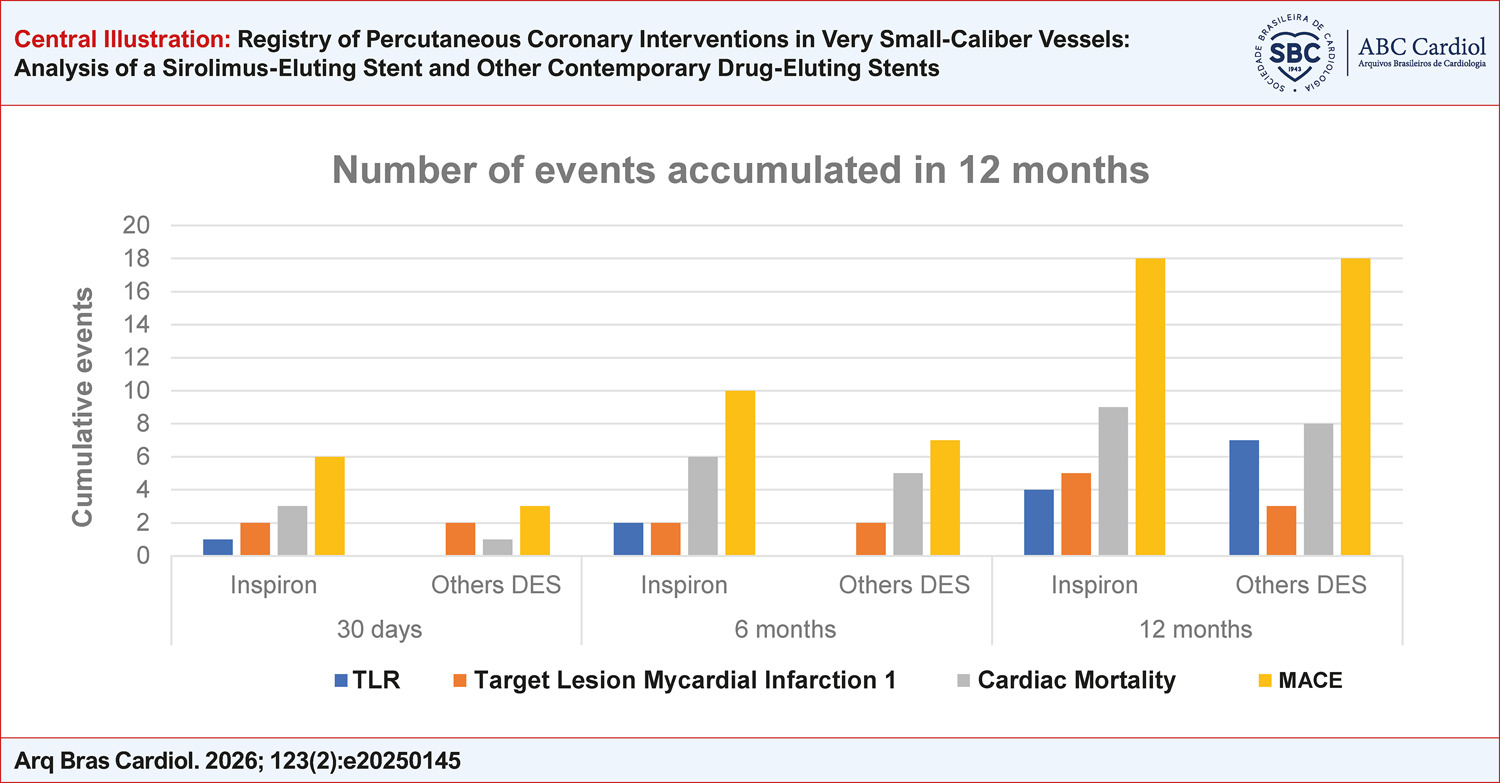
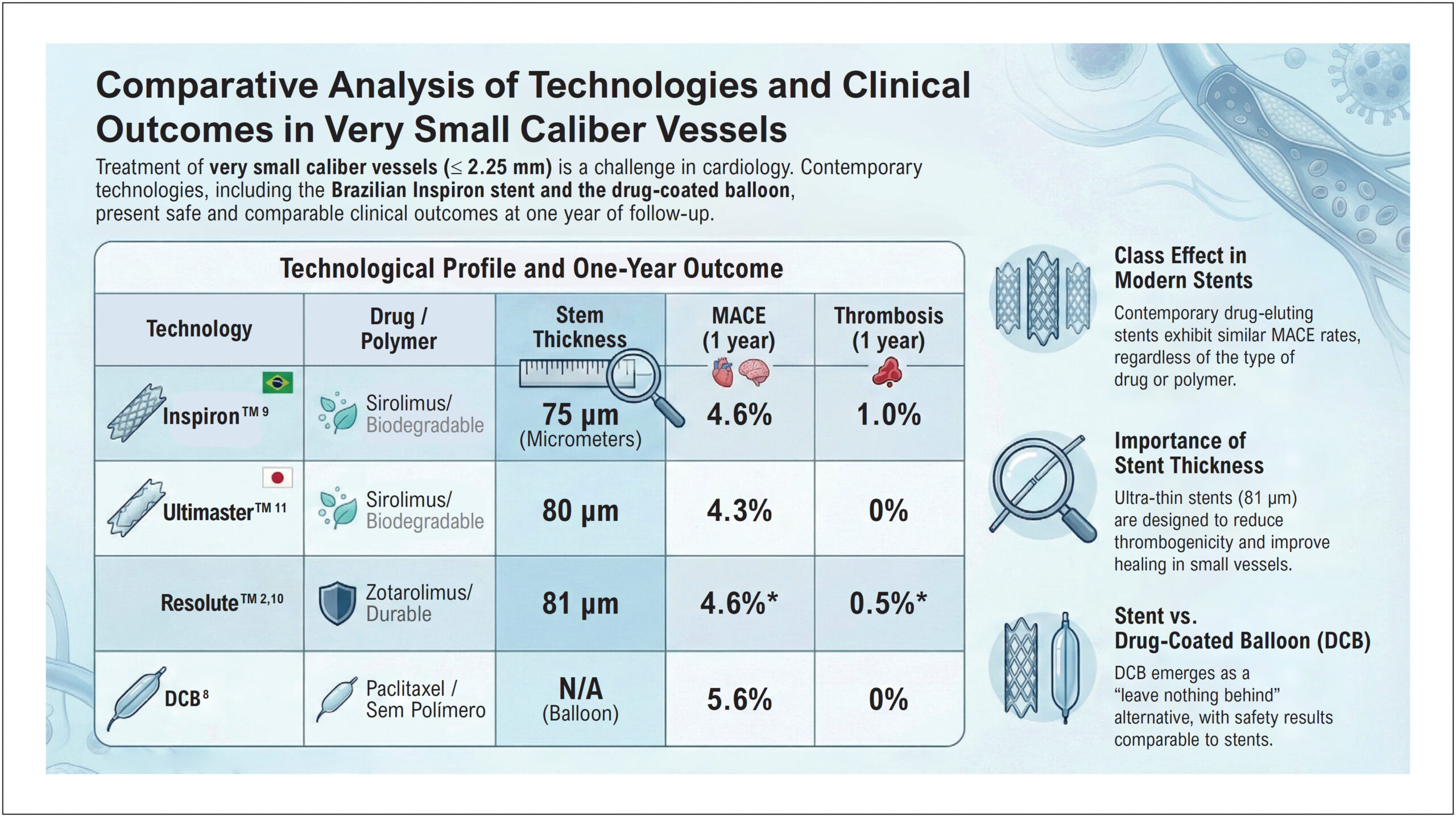
Registry of Percutaneous Coronary Interventions in Very Small-Caliber Vessels: Analysis of a Sirolimus-Eluting Stent and Other Contemporary Drug-Eluting Stents

João Vitor Slaviero et al. André Luiz Langer Manica Rogério Eduardo Gomes Sarmento Leite Eduarda Paiva Borsa … Marcia Moura Schmidt Rodrigo Campos Ogando Julia Kurtz Teixeira Raphael Boesche Guimarães Alexandre Damiani Azmus Carlos A. M. Gottschall

Abstract

Background

Percutaneous coronary intervention (PCI) in very small-caliber vessels (≤2.25 mm) presents technical challenges and is associated with poorer outcomes compared to larger vessels. The Inspiron® stent, a drug-eluting stent (DES) manufactured in Brazil, has been evaluated in multiple studies; however, data on its performance in vessels smaller than 2.5 mm are lacking.

Objectives

This study aimed to evaluate the clinical outcomes of PCI using DES in very small-caliber vessels and to compare the Inspiron® stent with other contemporary DES platforms. The primary endpoint was major adverse cardiac events (MACE), defined as cardiac death, target lesion myocardial infarction, and clinically driven target lesion revascularization.

Methods

We conducted an observational study including a consecutive sample at a Brazilian reference center from 2017 to 2021. Outcomes were assessed in-hospital, at 30 days, 6 months, and 12 months, using a 5% threshold for statistical significance.

Results

A total of 783 DES were implanted: 47% Inspiron® and 46.8% other DES. The mean patient age was 64.7 ± 11 years; 61% were male, and 42% had diabetes mellitus. At 12 months, the overall MACE rate was 4.54% (36/793), with no difference between groups (Inspiron®: 4.6% vs. other DES: 4.6%; p=1.000). Individual endpoints and stent thrombosis rates were also similar (4 [1.0%] vs. 2 [0.5%]; p=0.868).

Conclusion

our findings show that the Inspiron® stent has acceptable safety and efficacy and provides comparable 12-month clinical outcomes to other contemporary DES in very small-caliber coronary vessels.

  • Coronary Artery Disease
  • Drug-Eluting Stents
  • Percutaneous Coronary Intervention
  • Sirolimus
Read Full Article
Creative Commons Attribution (CC BY) Creative Commons license
16/03/2026 DOI: 10.36660/abc.20250145i Views 2
Figure 1
ABC
Original Article

Rapamycin Combined with α-Cyanoacrylate Contributes to Inhibiting Intimal Hyperplasia in Rat Models

Jianjun Ge

Abstract

Background:

Vein graft restenosis has an adverse impact on bridge vessel circulation and patient prognosis after coronary artery bypass grafting.

Objectives:

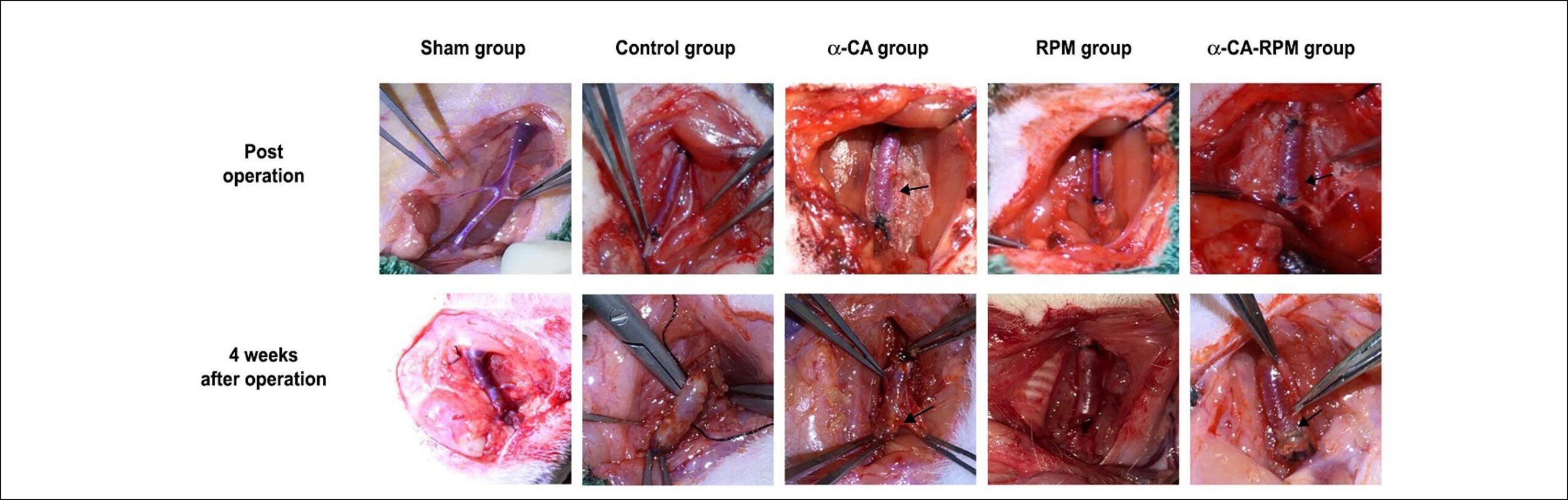
We used the extravascular supporter α-cyanoacrylate (α-CA), the local application rapamycin/sirolimus (RPM), and a combination of the two (α-CA-RPM) in rat models of autogenous vein graft to stimulate vein graft change. The aim of our study was to observe the effect of α-CA, RPM, and α-CA-RPM on vein hyperplasia.

Methods:

Fifty healthy Sprague Dawley (SD) rats were randomized into the following 5 groups: sham, control, α-CA, RPM, and α-CA-RPM. Operating procedure as subsequently described was used to build models of grafted rat jugular vein on carotid artery on one side. The level of endothelin-1 (ET-1) was determined by enzyme-linked immunosorbent assay (ELISA). Grafted veins were observed via naked eye 4 weeks later; fresh veins were observed via microscope and image-processing software in hematoxylin-eosin (HE) staining and immunohistochemistry after having been fixed and stored” (i.e. First they were fixed and stored, and second they were observed); α-Smooth Muscle Actin (αSMA) and von Willebrand factor (vWF) were measured with reverse transcription-polymerase chain reaction (RT-PCR). Comparisons were made with single-factor analysis of variance and Fisher’s least significant difference test, with p < 0.05 considered significant.

Results:

We found that intimal thickness of the α-CA, RPM, and α-CA-RPM groups was lower than that of the control group (p < 0.01), and the thickness of the α-CA-RPM group was notably lower than that of the α-CA and RPM groups (p < 0.05).

Conclusion:

RPM combined with α-CA contributes to inhibiting intimal hyperplasia in rat models and is more effective for vascular patency than individual use of either α-CA or RPM.

  • Cyanocrylates
  • Graft Occlusion, Vascular
  • Hyperplasia
  • Myocardial Revascularization/surgery
  • Rats
  • Sirolimus
  • Vascular Patency
Read Full Article
Creative Commons Attribution (CC BY) Creative Commons license
17/12/2018 DOI: 10.5935/abc.20180247 Views 1
Figure 1
IJCS
Case Report

Sirolimus-Eluting Balloon Treatment of Distal Internal Mammary Artery Anastomosis: Optical Coherence Tomography Findings

Marcos Garcia-Guimarães et al. Ramón Maruri-Sanchez Javier Cuesta Fernando Rivero … Teresa Bastante Fernando Alfonso

Drug-eluting balloons (DEB) represent an interesting alternative to current generation drug-eluting stents (DES) in selected anatomic scenarios, such as in-stent restenosis, small-vessel disease and bifurcation lesions, where the systematic implantation of DES may result less appealing., In particular, lesions located at the distal anastomosis of a bypass graft (an artificially created bifurcation) constitute a unique anatomic setting, where DEB may overcome some inherent limitations of DES resulting from the implantation of a metallic platform throughout the bypass graft into and across the native distal vessel.

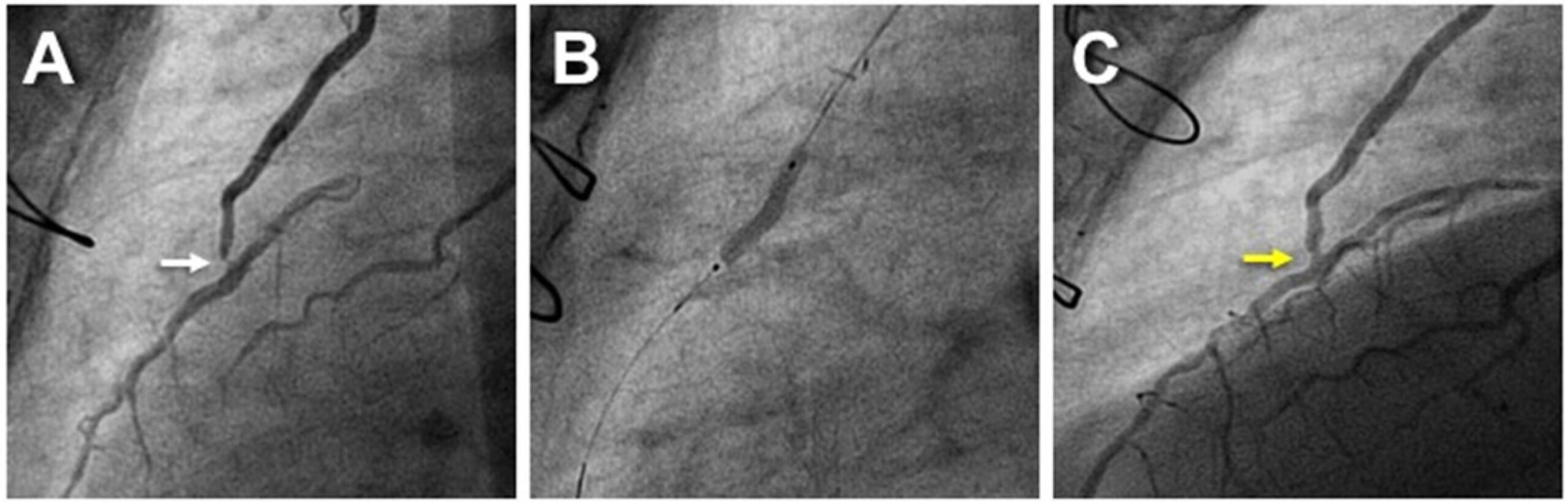
Herein we present, to the best of our knowledge, the first report of the treatment of a lesion located at the distal anastomosis of a left internal mammary artery (LIMA) to the left anterior descending coronary artery (LAD) with a novel sirolimus-DEB. Interestingly, optical coherence tomography (OCT) findings proved to be of major value to guide the procedure.

[…]

  • Angioplasty, Balloon, Coronary/methods
  • Coronary Artery Disease/diagnosis
  • Drug-Eluting Stents
  • Sirolimus
  • Treatment Outcome
Read Full Article
Creative Commons Attribution (CC BY) Creative Commons license
01/01/2018 DOI: 10.5935/2359-4802.20180040 Views 1
Figure 1
ABC
Artigo Original

Preclinical Study of a Biodegradable Polymer-based Stent with Abluminal Sirolimus Release

Celso Kiyochi Takimura et al. Carlos Augusto Homem M. Campos Pedro Henrique Magualhães Craveiro Melo Julliana Carvalho Campos … Paulo Sampaio Gutierrez Thiago Francisco Costa Borges Luciano Curado Spero Penha Morato Francisco Rafael Martins Laurindo Pedro Alves Lemos Neto

Background:

Bioabsorbable polymer stents with drug elution only on the abluminal surface may be safer than durable polymer drug-eluting stents.

Objective:

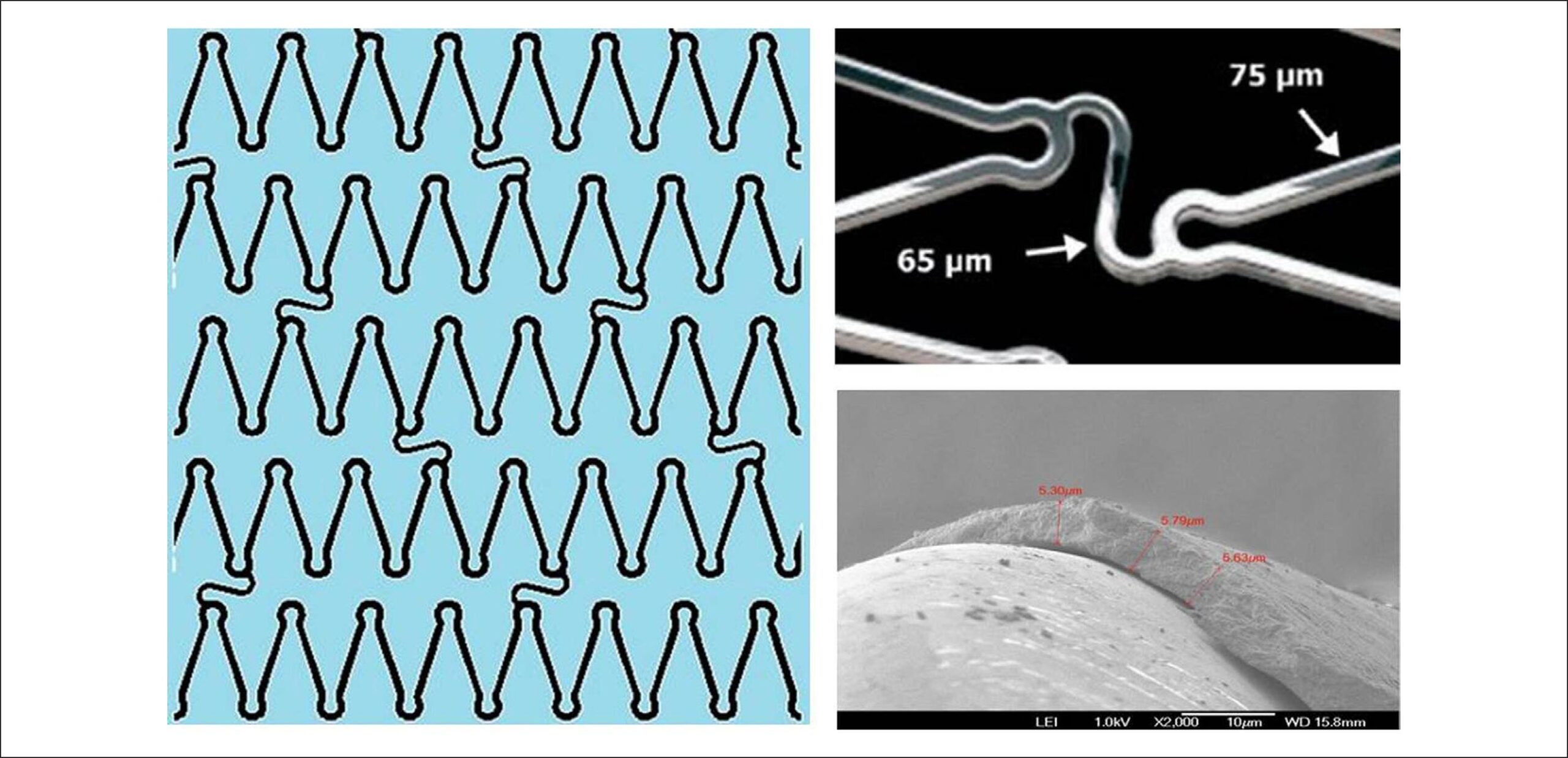
To report the experimental findings with the Inspiron(tm) stent – a bioabsorbable polymer-coated stent with sirolimus release from the abluminal surface only, recently approved for clinical use.

Methods:

45 stents were implanted in the coronary arteries of 15 pigs. On day 28 after implantation, angiographic, intracoronary ultrasonographic and histomorphological data were collected. Five groups were analyzed: Group I (nine bare-metal stents); Group II (nine coated with bioabsorbable polymer on the luminal and abluminal surfaces); Group III (eight stents coated with bioabsorbable polymer on the abluminal surface); Group IV (nine stents with bioabsorbable polymer and sirolimus on the luminal and abluminal surfaces); and Group V (ten stents with bioabsorbable polymer and sirolimus only on the abluminal surface).

Results:

The following results were observed for Groups I, II, III, IV and V, respectively: percentage stenosis of 29 ± 20; 36 ± 14; 33 ± 19; 22 ± 13 and 26 ± 15 (p = 0.443); late lumen loss (in mm) of 1.02 ± 0.60; 1.24 ± 0.48; 1.11 ± 0.54; 0.72 ± 0.44 and 0.78 ± 0.39 (p = 0.253); neointimal area (in mm )) of 2.60 ± 1.99; 2.74 ± 1.51; 2.74 ± 1.30; 1.30 ± 1.14 and 0.97 ± 0.84 (p = 0.001; Groups IV and V versus Groups I, II and III); and percentage neointimal area of 35 ± 25; 38 ± 18; 39 ± 19; 19 ± 18 and 15 ± 12 (p = 0.001; Groups IV and V versus Groups I, II and III). Injury and inflammation scores were low and with no differences between the groups.

Conclusion:

The Inspiron(tm) stent proved to be safe and was able to significantly inhibit the neointimal hyperplasia observed on day 28 after implantation in porcine coronary arteries.

  • Drug-Eluting Stents
  • Epidemiology
  • Experimental
  • Sirolimus
Read Full Article
Creative Commons Attribution (CC BY) Creative Commons license
17/04/2014 DOI: 10.5935/abc.20140044 Views 1
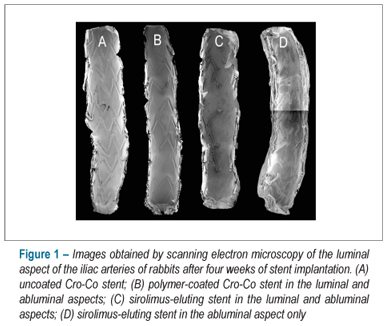
Assessment of stent strut endothelialization in iliac arteries of rabbits
ABC
Artigo Original

Assessment of stent strut endothelialization in iliac arteries of rabbits

Celso Kiyochi Takimura et al. Ii-sei Watanabe Francisco Rafael Martins Laurindo Paulo Sampaio Gutierrez … Vera Demarchi Aiello Spero Penha Morato Pedro Alves Lemos Neto

BACKGROUND: Fast post-implantation stent endothelialization is desirable for theoretically reducing the possibility of stent thrombosis. OBJECTIVE: To evaluate the extent of sirolimus-eluting stent strut endothelialization (delivered from the luminal and abluminal aspects or abluminal aspect only) in the iliac arteries of rabbits. METHODS: The iliac arteries of 10 rabbits were implanted with four sirolimus-eluting stents in the luminal and abluminal aspects, three sirolimus-eluting stents in the abluminal aspect, six polymer-coated stents, and four uncoated stents. After four weeks, the rabbits were euthanized and scanning electron microscopy was performed to quantify the area of exposed stent strut as well as the percentage of endothelialization. RESULTS: The area (mean ± SD) (mm²) of exposed uncoated stent struts, polymer-coated stents, sirulimus-eluting stent in the abluminal and luminal aspects and sirolimus-eluting stent in the abluminal aspect was 0.12 ± 0.08, 0.09 ± 0.12, 0.60 ± 0.67 and 0.05 ± 0.04, respectively (p = 0.120). The percentage of endothelialization (mean ± SD) (%) of uncoated stents, polymer-coated stents, sirolimus-eluting stents in the luminal and abluminal aspects and sirolimus-eluting stents in the abluminal aspect was 99 ± 01, 99 ± 0. 97 ± 03 and 99 ± 0, respectively (p = 0.133). CONCLUSION: After four weeks of implantation in the iliac arteries of rabbits, both the sirolimus-eluting stents in the luminal plus abluminal aspects and those in the abluminal aspect only showed stent strut endothelialization rates similar to those of the other types of non-drug eluting stents.

  • Arteries
  • Drug-Eluting Stents
  • electron
  • microscopy
  • scanning
  • Sirolimus
Read Full Article
Creative Commons Attribution (CC BY) Creative Commons license
16/11/2012 DOI: 10.1590/S0066-782X2012005000103 Views 1
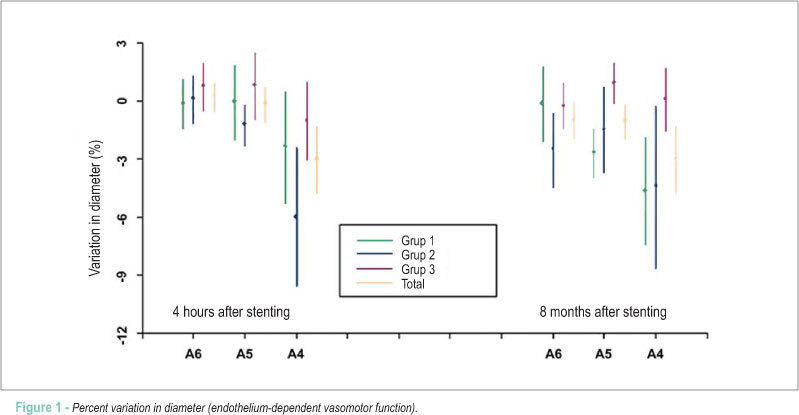
Impact of stenting and oral sirolimus on endothelium-dependent and independent coronary vasomotion
ABC
Artigo Original

Impact of stenting and oral sirolimus on endothelium-dependent and independent coronary vasomotion

Rósley Weber Alvarenga Fernandes et al. João Miguel Dantas Dinaldo Cavalcanti Oliveira Hiram Grando Bezerra … Fabio Sandoli Brito Jr. Valter C. Lima

BACKGROUND: There is no consensus regarding the impact of stenting on long-term endothelial function. There have been reports of increased endothelial dysfunction with sirolimus-eluting stents as compared to bare metal stenting (BMS). OBJECTIVE: This study aims to assess the impact of BMS and the effect of oral sirolimus on endothelial function. METHODS: Forty-five patients were randomized into three groups: BMS + high-dose oral sirolimus (initial dose of 15 mg, followed by 6 mg/day for four weeks); BMS + low-dose sirolimus (6 mg followed by 2 mg daily for four weeks); and BMS without sirolimus. Changes in vasoconstriction or vasodilation in a 15 mm segment starting at the distal stent end in response to acetylcholine and nitroglycerin were assessed by quantitative angiography. RESULTS: The groups had similar angiographic characteristics. The percent variation in diameter in response to acetylcholine was similar in all groups at the two time points (p = 0.469). Four hours after stenting, the target segment presented an endothelial dysfunction that was maintained after eight months in all groups. In all groups, endothelium-independent vasomotion in response to nitroglycerin was similar at four hours and eight months, with increased target segment diameter after nitroglycerin infusion (p = 0.001). CONCLUSION: The endothelial dysfunction was similarly present at the 15 mm segment distal to the treated segment, at 4 hours and 8 months after stenting. Sirolimus administered orally during 4 weeks to prevent restenosis did not affect the status of endothelium-dependent and independent vasomotion.

  • Coronary Vessels
  • Endothelium
  • Sirolimus
  • Stents
Read Full Article
Creative Commons Attribution (CC BY) Creative Commons license
08/03/2012 DOI: 10.1590/S0066-782X2012005000022
ABC
Artigo Original

Rationale and design for the PAINT randomized trial

Pedro A. Lemos et al. Bruno Moulin Marco A. Perin Ludmilla A.R.R. Oliveira … J. Airton Arruda Valter C. Lima Antonio A.G. Lima Paulo R.A. Caramori Cesar R. Medeiros Mauricio R. Barbosa Fabio S. Brito Jr Expedito E. Ribeiro Eulógio E. Martinez

BACKGROUND: We describe the rationale and design for the “PercutAneous INTervention with biodegradable-polymer based paclitaxel-eluting or sirolimus-eluting versus bare stents for de novo coronary lesions – PAINT trial”. OBJECTIVES: To evaluate two novel formulations of paclitaxel-eluting stent and the sirolimus-eluting stent against a stent with the same metallic structure but without polymer coating or drug elution. METHODS: The PAINT is a multicenter 3-arm randomized trial, conducted in Brazilian tertiary institutions, which included 275 patients allocated for the InfinniumR paclitaxel-eluting stent, the SupralimusR sirolimus-eluting stent or the Milennium MatrixR bare metal stent in a 2:2:1 ratio. Patients had de novo coronary lesions in native vessels with a diameter between 2.5 and 3.5 mm, amenable for treatment with a single stent of 29 mm or less in length. The primary objetive was to compare the in-stent late loss at 9 months of both paclitaxel- and sirolimus-eluting versus the late loss of control bare metal stents. Important secondary objectives included the comparison in outcomes between sirolimus and paclitaxel stents, as well as the analysis of the incidence of major adverse cardiac events. RESULTS AND CONCLUSIONS: The PAINT trial had a unique design that allowed for the evaluation of the safety and efficacy profiles of two novel drug-eluting stent formulations, with a biodegradable-polymer carrier and releasing paclitaxel or sirolimus, which were compared against a bare metal stent (primary objective). As the drug-eluting stents differed by the drug, but were identical otherwise, the trial also allowed the comparison of the anti-restenosis effects of sirolimus versus paclitaxel (secondary objective).

  • Coronary Restenosis
  • Drug-Eluting Stents
  • Multicenter Study
  • Paclitaxel
  • Sirolimus
Read Full Article
Creative Commons Attribution (CC BY) Creative Commons license
05/05/2010 DOI: 10.1590/S0066-782X2009001200006 Views 1
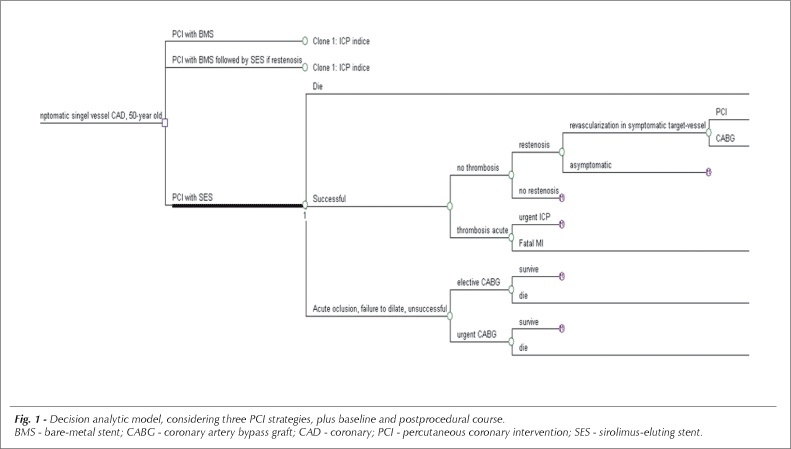
Cost-effectiveness of sirolimus-eluting stents in percutaneous coronary interventions in Brazil
ABC
Artigo Original

Cost-effectiveness of sirolimus-eluting stents in percutaneous coronary interventions in Brazil

Carisi Anne Polanczyk et al. Marco V. Wainstein Jorge Pinto Ribeiro

OBJECTIVES: To compare the cost-effectiveness ratios of sirolimus-eluting stents (SES) with bare-metal stents (BMS) under two perspectives: the “supplementary medical system” (health plans and private patients) and the public health (SUS) system. METHODS: A decision-analytic model using three different therapeutic strategies for coronary lesions: percutaneous coronary intervention (PCI) with BMS; with SES; or with BMS followed by SES to treat symptomatic restenosis. Study endpoints were one-year event-free survival and life expectancy. Decision trees were constructed using the results of published registries and clinical trials. RESULTS: One-year restenosis-free survival was 92.7% with SES and 78.8% with BMS. Estimated life expectancy was very similar for all the strategies, ranging from 18.5 to 19 years. Under a nonpublic perspective, the cost difference in the first year between BMS and SES was R$3,816, with an incremental cost-effectiveness ratio of R$27,403 per event avoided in one year. Under the SUS perspective, the cost per event avoided in one year was R$47,529. In the sensitivity analysis, probability of restenosis, risk reduction expected with SES, the price of the stent and cost of treating restenosis were all important predictors. In the Monte Carlo simulation, data per years of life saved showed very high cost-effectiveness ratios. CONCLUSION: In the Brazilian model, the cost-effectiveness ratios for SES were elevated. The use of SES was more favorable for patients with high risk of restenosis, as it is associated with elevated costs in restenosis management of and under a nonpublic perspective.

  • Angioplasty transluminal percutaneous coronary
  • National Health System (BR)
  • pharmacologic stents
  • Sirolimus
  • Stents
Read Full Article
Creative Commons Attribution (CC BY) Creative Commons license
24/05/2007 DOI: 10.1590/S0066-782X2007000400017 Views 1
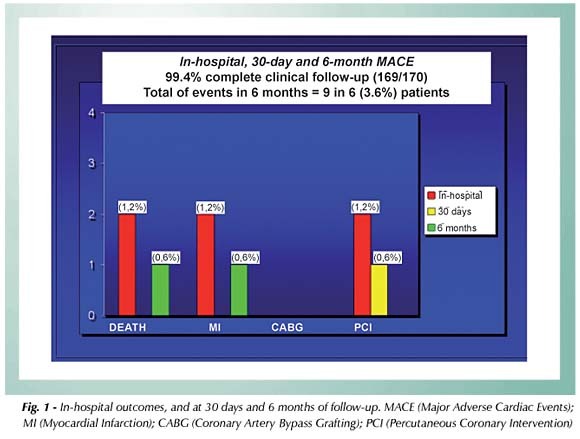
Proximal left anterior descending coronary artery revascularization with drug-eluting stents
ABC
Artigo Original

Proximal left anterior descending coronary artery revascularization with drug-eluting stents

Jorge Humberto Guardado et al. Raúl Moreno João Costa Maria J. Perez-Viscayno … Luís Segura Fernando Alfonso Rosana Hernández Javier Escaned Camiño Bañuelos Carlos Macaya

OBJECTIVE: To assess the clinical prognosis of patients with coronary artery diseases undergoing percutaneous revascularization with drug-eluting stent implantation in the proximal left anterior descending coronary artery. METHODS: One hundred and seventy consecutive patients with mean age of 65 years, 49 of them females (29%), undergoing implantation of at least one drug-eluting stent in our medical center. The total number of drug-eluting stents implanted was 189, of which 115 (61%) were sirolimus-eluting (CYPHER TM) and 74 (39%) were paclitaxel-eluting stents (TAXUS TM). In 100 (60%) of the cases, multivessel coronary artery disease was present. In 61 (36%) patients another coronary artery segment was treated in addition to the proximal left anterior descending coronary artery. The mean clinical follow-up period was 11 ± 5 months, and angiographic controls were performed between 6 and 9 months. The final endpoint was a composite of death, acute myocardial infarction and need for reintervention on the anterior descending. The secondary endpoint included the occurrence of restenosis, need for reintervention on the proximal segment of the left anterior descending and stent thrombosis. RESULTS: The procedure achieved immediate angiographic success in all patients. Two deaths, two acute myocardial infarctions, and two percutaneous coronary reinterventions due to stent thrombosis were recorded during in-hospital stay. At the sixth month of follow-up, an additional cardiac death and three myocardial infarctions were observed; three repeat revascularization procedures were required. Up to the end of the follow-up, three additional deaths, three myocardial infarctions and eight revascularization procedures of the anterior descending, two of them surgical, were verified. Survival free from major adverse cardiac events was 91%. Cardiac mortality was 3%. Binary restenosis in the proximal segment of the left anterior descending coronary artery was 4.1%. Target vessel revascularization-free survival was 94%. No cases of late stent thrombosis were observed. CONCLUSION: Percutaneous revascularization of the proximal left anterior descending coronary artery with implantation of drug-eluting stents is a safe and very efficient therapeutic strategy in the short and long terms.

  • Angioplasty
  • Paclitaxel
  • percutaneous coronary
  • Sirolimus
  • stent
  • transluminal
Read Full Article
Creative Commons Attribution (CC BY) Creative Commons license
20/03/2007 DOI: 10.1590/S0066-782X2007000200005

How to cite this article

EndNote RIS

Electronic Document Format (Vancouver)

Arruda JA, Costa Junior JR. Small Vessels, Big Decisions. Arquivos Brasileiros de Cardiologia 2026;123(2):e20260207.

Electronic Document Format (ABNT)

Arruda, José Airton de; Costa Junior, José de Ribamar. Small Vessels, Big Decisions. Arquivos Brasileiros de Cardiologia, v. 123, n. 2, e20260207, May. 2026.

Electronic Document Format (APA)

Arruda, J. A. , & Costa Junior, J. R. (2026). Small Vessels, Big Decisions. Arquivos Brasileiros de Cardiologia, 123(2), e20260207.

Electronic Document Format (ISO)

Arruda, José Airton de and Costa Junior, José de Ribamar. Small Vessels, Big Decisions. Arquivos Brasileiros de Cardiologia [online]. 2026, vol. 123, n. 2, [cited 2026-10-14], e20260207. Available from: <https://journals.cardiol.br/en/article/small-vessels-big-decisions/>. ISSN 0066-782X

EndNote RIS

Electronic Document Format (Vancouver)

Slaviero JV, Manica ALL, Leite REGS, Borsa EP, Schmidt MM, Ogando RC, Teixeira JK, et al. Registry of Percutaneous Coronary Interventions in Very Small-Caliber Vessels: Analysis of a Sirolimus-Eluting Stent and Other Contemporary Drug-Eluting Stents. Arquivos Brasileiros de Cardiologia 2026;123(2):e20250145.

Electronic Document Format (ABNT)

Slaviero, João Vitor; Manica, André Luiz Langer; Leite, Rogério Eduardo Gomes Sarmento; Borsa, Eduarda Paiva; Schmidt, Marcia Moura; Ogando, Rodrigo Campos; Teixeira, Julia Kurtz; Guimarães, Raphael Boesche; Azmus, Alexandre Damiani; Gottschall, Carlos A. M.. Registry of Percutaneous Coronary Interventions in Very Small-Caliber Vessels: Analysis of a Sirolimus-Eluting Stent and Other Contemporary Drug-Eluting Stents. Arquivos Brasileiros de Cardiologia, v. 123, n. 2, e20250145, Mar. 2026.

Electronic Document Format (APA)

Slaviero, J. V., Manica, A. L. L., Leite, R. E. G. S., Borsa, E. P., Schmidt, M. M., Ogando, R. C., Teixeira, J. K., Guimarães, R. B., Azmus, A. D., & Gottschall, C. A. M. (2026). Registry of Percutaneous Coronary Interventions in Very Small-Caliber Vessels: Analysis of a Sirolimus-Eluting Stent and Other Contemporary Drug-Eluting Stents. Arquivos Brasileiros de Cardiologia, 123(2), e20250145.

Electronic Document Format (ISO)

Slaviero, João Vitor and Manica, André Luiz Langer and Leite, Rogério Eduardo Gomes Sarmento and Borsa, Eduarda Paiva and Schmidt, Marcia Moura and Ogando, Rodrigo Campos and Teixeira, Julia Kurtz and Guimarães, Raphael Boesche and Azmus, Alexandre Damiani and Gottschall, Carlos A. M.. Registry of Percutaneous Coronary Interventions in Very Small-Caliber Vessels: Analysis of a Sirolimus-Eluting Stent and Other Contemporary Drug-Eluting Stents. Arquivos Brasileiros de Cardiologia [online]. 2026, vol. 123, n. 2, [cited 2026-10-14], e20250145. Available from: <https://journals.cardiol.br/en/article/registry-of-percutaneous-coronary-interventions-in-very-small-caliber-vessels-analysis-of-a-sirolimus-eluting-stent-and-other-contemporary-drug-eluting-stents/>. ISSN 0066-782X

EndNote RIS

Electronic Document Format (Vancouver)

Ge J. Rapamycin Combined with α-Cyanoacrylate Contributes to Inhibiting Intimal Hyperplasia in Rat Models. Arquivos Brasileiros de Cardiologia 2018;112(1):3-10.

Electronic Document Format (ABNT)

Ge, Jianjun. Rapamycin Combined with α-Cyanoacrylate Contributes to Inhibiting Intimal Hyperplasia in Rat Models. Arquivos Brasileiros de Cardiologia, v. 112, n. 1, p. 3-10, Dec. 2018.

Electronic Document Format (APA)

Ge, J. (2018). Rapamycin Combined with α-Cyanoacrylate Contributes to Inhibiting Intimal Hyperplasia in Rat Models. Arquivos Brasileiros de Cardiologia, 112(1), 3-10.

Electronic Document Format (ISO)

Ge, Jianjun. Rapamycin Combined with α-Cyanoacrylate Contributes to Inhibiting Intimal Hyperplasia in Rat Models. Arquivos Brasileiros de Cardiologia [online]. 2018, vol. 112, n. 1, [cited 2026-10-14], pp. 3-10. Available from: <https://journals.cardiol.br/en/article/rapamycin-combined-with-%ce%b1-cyanoacrylate-contributes-to-inhibiting-intimal-hyperplasia-in-rat-models/>. ISSN 0066-782X

EndNote RIS

Electronic Document Format (Vancouver)

Garcia-Guimarães M, Maruri-Sanchez R, Cuesta J, Rivero F, Bastante T, Alfonso F. Sirolimus-Eluting Balloon Treatment of Distal Internal Mammary Artery Anastomosis: Optical Coherence Tomography Findings. International Journal of Cardiovascular Sciences 2018;31(4):454-6.

Electronic Document Format (ABNT)

Garcia-Guimarães, Marcos; Maruri-Sanchez, Ramón; Cuesta, Javier; Rivero, Fernando; Bastante, Teresa; Alfonso, Fernando. Sirolimus-Eluting Balloon Treatment of Distal Internal Mammary Artery Anastomosis: Optical Coherence Tomography Findings. International Journal of Cardiovascular Sciences, v. 31, n. 4, p. 454-456, Dec. 2017.

Electronic Document Format (APA)

Garcia-Guimarães, M., Maruri-Sanchez, R., Cuesta, J., Rivero, F., Bastante, T., & Alfonso, F. (2018). Sirolimus-Eluting Balloon Treatment of Distal Internal Mammary Artery Anastomosis: Optical Coherence Tomography Findings. International Journal of Cardiovascular Sciences, 31(4), 454-456.

Electronic Document Format (ISO)

Garcia-Guimarães, Marcos and Maruri-Sanchez, Ramón and Cuesta, Javier and Rivero, Fernando and Bastante, Teresa and Alfonso, Fernando. Sirolimus-Eluting Balloon Treatment of Distal Internal Mammary Artery Anastomosis: Optical Coherence Tomography Findings. International Journal of Cardiovascular Sciences [online]. 2018, vol. 31, n. 4, [cited 2026-10-14], pp. 454-456. Available from: <https://journals.cardiol.br/en/article/sirolimus-eluting-balloon-treatment-of-distal-internal-mammary-artery-anastomosis-optical-coherence-tomography-findings/>. ISSN 2359-4802

EndNote RIS

Electronic Document Format (Vancouver)

Takimura CK, Campos CAHM, Melo PHMC, Campos JC, Gutierrez PS, Borges TFC, Curado L, et al. Preclinical Study of a Biodegradable Polymer-based Stent with Abluminal Sirolimus Release. Arquivos Brasileiros de Cardiologia 2014;102(5):432-40.

Electronic Document Format (ABNT)

Takimura, Celso Kiyochi; Campos, Carlos Augusto Homem M.; Melo, Pedro Henrique Magualhães Craveiro; Campos, Julliana Carvalho; Gutierrez, Paulo Sampaio; Borges, Thiago Francisco Costa; Curado, Luciano; Morato, Spero Penha; Laurindo, Francisco Rafael Martins; Lemos Neto, Pedro Alves. Preclinical Study of a Biodegradable Polymer-based Stent with Abluminal Sirolimus Release. Arquivos Brasileiros de Cardiologia, v. 102, n. 5, p. 432-440, Apr. 2014.

Electronic Document Format (APA)

Takimura, C. K., Campos, C. A. H. M., Melo, P. H. M. C., Campos, J. C., Gutierrez, P. S., Borges, T. F. C., Curado, L., Morato, S. P., Laurindo, F. R. M., & Lemos Neto, P. A. (2014). Preclinical Study of a Biodegradable Polymer-based Stent with Abluminal Sirolimus Release. Arquivos Brasileiros de Cardiologia, 102(5), 432-440.

Electronic Document Format (ISO)

Takimura, Celso Kiyochi and Campos, Carlos Augusto Homem M. and Melo, Pedro Henrique Magualhães Craveiro and Campos, Julliana Carvalho and Gutierrez, Paulo Sampaio and Borges, Thiago Francisco Costa and Curado, Luciano and Morato, Spero Penha and Laurindo, Francisco Rafael Martins and Lemos Neto, Pedro Alves. Preclinical Study of a Biodegradable Polymer-based Stent with Abluminal Sirolimus Release. Arquivos Brasileiros de Cardiologia [online]. 2014, vol. 102, n. 5, [cited 2026-10-14], pp. 432-440. Available from: <https://journals.cardiol.br/en/article/preclinical-study-of-a-biodegradable-polymer-based-stent-with-abluminal-sirolimus-release/>. ISSN 0066-782X

EndNote RIS

Electronic Document Format (Vancouver)

Takimura CK, Watanabe I, Laurindo FRM, Gutierrez PS, Aiello VD, Morato SP, Lemos Neto PA, et al. Assessment of stent strut endothelialization in iliac arteries of rabbits. Arquivos Brasileiros de Cardiologia 2012;99(6):1123-8.

Electronic Document Format (ABNT)

Takimura, Celso Kiyochi; Watanabe, Ii-sei; Laurindo, Francisco Rafael Martins; Gutierrez, Paulo Sampaio; Aiello, Vera Demarchi; Morato, Spero Penha; Lemos Neto, Pedro Alves. Assessment of stent strut endothelialization in iliac arteries of rabbits. Arquivos Brasileiros de Cardiologia, v. 99, n. 6, p. 1123-1128, Nov. 2012.

Electronic Document Format (APA)

Takimura, C. K., Watanabe, I., Laurindo, F. R. M., Gutierrez, P. S., Aiello, V. D., Morato, S. P., & Lemos Neto, P. A. (2012). Assessment of stent strut endothelialization in iliac arteries of rabbits. Arquivos Brasileiros de Cardiologia, 99(6), 1123-1128.

Electronic Document Format (ISO)

Takimura, Celso Kiyochi and Watanabe, Ii-sei and Laurindo, Francisco Rafael Martins and Gutierrez, Paulo Sampaio and Aiello, Vera Demarchi and Morato, Spero Penha and Lemos Neto, Pedro Alves. Assessment of stent strut endothelialization in iliac arteries of rabbits. Arquivos Brasileiros de Cardiologia [online]. 2012, vol. 99, n. 6, [cited 2026-10-14], pp. 1123-1128. Available from: <https://journals.cardiol.br/en/article/assessment-of-stent-strut-endothelialization-in-iliac-arteries-of-rabbits/>. ISSN 0066-782X

EndNote RIS

Electronic Document Format (Vancouver)

Fernandes RWA, Dantas JM, Oliveira DC, Bezerra HG, Brito Jr. FS, Lima VC. Impact of stenting and oral sirolimus on endothelium-dependent and independent coronary vasomotion. Arquivos Brasileiros de Cardiologia 2012;98(4):290-9.

Electronic Document Format (ABNT)

Fernandes, Rósley Weber Alvarenga; Dantas, João Miguel; Oliveira, Dinaldo Cavalcanti; Bezerra, Hiram Grando; Brito Jr., Fabio Sandoli; Lima, Valter C.. Impact of stenting and oral sirolimus on endothelium-dependent and independent coronary vasomotion. Arquivos Brasileiros de Cardiologia, v. 98, n. 4, p. 290-299, Mar. 2012.

Electronic Document Format (APA)

Fernandes, R. W. A., Dantas, J. M., Oliveira, D. C., Bezerra, H. G., Brito Jr., F. S., & Lima, V. C. (2012). Impact of stenting and oral sirolimus on endothelium-dependent and independent coronary vasomotion. Arquivos Brasileiros de Cardiologia, 98(4), 290-299.

Electronic Document Format (ISO)

Fernandes, Rósley Weber Alvarenga and Dantas, João Miguel and Oliveira, Dinaldo Cavalcanti and Bezerra, Hiram Grando and Brito Jr., Fabio Sandoli and Lima, Valter C.. Impact of stenting and oral sirolimus on endothelium-dependent and independent coronary vasomotion. Arquivos Brasileiros de Cardiologia [online]. 2012, vol. 98, n. 4, [cited 2026-10-14], pp. 290-299. Available from: <https://journals.cardiol.br/en/article/impact-of-stenting-and-oral-sirolimus-on-endothelium-dependent-and-independent-coronary-vasomotion/>. ISSN 0066-782X

EndNote RIS

Electronic Document Format (Vancouver)

Lemos PA, Moulin B, Perin MA, Oliveira LA, Arruda JA, Lima VC, Lima AA, et al. Rationale and design for the PAINT randomized trial. Arquivos Brasileiros de Cardiologia 2010;93(6):590-7.

Electronic Document Format (ABNT)

Lemos, Pedro A.; Moulin, Bruno; Perin, Marco A.; Oliveira, Ludmilla A.R.R.; Arruda, J. Airton; Lima, Valter C.; Lima, Antonio A.G.; Caramori, Paulo R.A.; Medeiros, Cesar R.; Barbosa, Mauricio R.; Brito Jr, Fabio S.; Ribeiro, Expedito E.; Martinez, Eulógio E.. Rationale and design for the PAINT randomized trial. Arquivos Brasileiros de Cardiologia, v. 93, n. 6, p. 590-597, May. 2010.

Electronic Document Format (APA)

Lemos, P. A., Moulin, B., Perin, M. A., Oliveira, L. A., Arruda, J. A., Lima, V. C., Lima, A. A., Caramori, P. R., Medeiros, C. R., Barbosa, M. R., Brito Jr, F. S., Ribeiro, E. E., & Martinez, E. E. (2010). Rationale and design for the PAINT randomized trial. Arquivos Brasileiros de Cardiologia, 93(6), 590-597.

Electronic Document Format (ISO)

Lemos, Pedro A. and Moulin, Bruno and Perin, Marco A. and Oliveira, Ludmilla A.R.R. and Arruda, J. Airton and Lima, Valter C. and Lima, Antonio A.G. and Caramori, Paulo R.A. and Medeiros, Cesar R. and Barbosa, Mauricio R. and Brito Jr, Fabio S. and Ribeiro, Expedito E. and Martinez, Eulógio E.. Rationale and design for the PAINT randomized trial. Arquivos Brasileiros de Cardiologia [online]. 2010, vol. 93, n. 6, [cited 2026-10-14], pp. 590-597. Available from: <https://journals.cardiol.br/en/article/rationale-and-design-for-the-paint-randomized-trial/>. ISSN 0066-782X

EndNote RIS

Electronic Document Format (Vancouver)

Polanczyk CA, Wainstein MV, Ribeiro JP. Cost-effectiveness of sirolimus-eluting stents in percutaneous coronary interventions in Brazil. Arquivos Brasileiros de Cardiologia 2007;88(4):464-7.

Electronic Document Format (ABNT)

Polanczyk, Carisi Anne; Wainstein, Marco V.; Ribeiro, Jorge Pinto. Cost-effectiveness of sirolimus-eluting stents in percutaneous coronary interventions in Brazil. Arquivos Brasileiros de Cardiologia, v. 88, n. 4, p. 464-474, May. 2007.

Electronic Document Format (APA)

Polanczyk, C. A., Wainstein, M. V., & Ribeiro, J. P. (2007). Cost-effectiveness of sirolimus-eluting stents in percutaneous coronary interventions in Brazil. Arquivos Brasileiros de Cardiologia, 88(4), 464-474.

Electronic Document Format (ISO)

Polanczyk, Carisi Anne and Wainstein, Marco V. and Ribeiro, Jorge Pinto. Cost-effectiveness of sirolimus-eluting stents in percutaneous coronary interventions in Brazil. Arquivos Brasileiros de Cardiologia [online]. 2007, vol. 88, n. 4, [cited 2026-10-14], pp. 464-474. Available from: <https://journals.cardiol.br/en/article/cost-effectiveness-of-sirolimus-eluting-stents-in-percutaneous-coronary-interventions-in-brazil/>. ISSN 0066-782X

EndNote RIS

Electronic Document Format (Vancouver)

Guardado JH, Moreno R, Costa J, Perez-Viscayno MJ, Segura L, Alfonso F, Hernández R, et al. Proximal left anterior descending coronary artery revascularization with drug-eluting stents. Arquivos Brasileiros de Cardiologia 2007;88(2):159-66.

Electronic Document Format (ABNT)

Guardado, Jorge Humberto; Moreno, Raúl; Costa, João; Perez-Viscayno, Maria J.; Segura, Luís; Alfonso, Fernando; Hernández, Rosana; Escaned, Javier; Bañuelos, Camiño; Macaya, Carlos. Proximal left anterior descending coronary artery revascularization with drug-eluting stents. Arquivos Brasileiros de Cardiologia, v. 88, n. 2, p. 159-166, Mar. 2007.

Electronic Document Format (APA)

Guardado, J. H., Moreno, R., Costa, J., Perez-Viscayno, M. J., Segura, L., Alfonso, F., Hernández, R., Escaned, J., Bañuelos, C., & Macaya, C. (2007). Proximal left anterior descending coronary artery revascularization with drug-eluting stents. Arquivos Brasileiros de Cardiologia, 88(2), 159-166.

Electronic Document Format (ISO)

Guardado, Jorge Humberto and Moreno, Raúl and Costa, João and Perez-Viscayno, Maria J. and Segura, Luís and Alfonso, Fernando and Hernández, Rosana and Escaned, Javier and Bañuelos, Camiño and Macaya, Carlos. Proximal left anterior descending coronary artery revascularization with drug-eluting stents. Arquivos Brasileiros de Cardiologia [online]. 2007, vol. 88, n. 2, [cited 2026-10-14], pp. 159-166. Available from: <https://journals.cardiol.br/en/article/proximal-left-anterior-descending-coronary-artery-revascularization-with-drug-eluting-stents/>. ISSN 0066-782X

  • About ABC Family
  • Internal Regulation
  • Editorial Board
  • Brazilian Society of Cardiology (SBC)

Issues

SBC Guidelines

  • Videos
  • Podcasts
  • News