| ABC
ABC Family Arquivos Brasileiros de Cardiologia International Journal of Cardiovascular Sciences ABC Heart Failure & Cardiomyopathy ABC Imagem Cardiovascular
Português English
ABC Family | ABC
Português English
  • About
    • About the Journal
    • Internal Regulation
    • Editors Section
    • Editorial Board
    • History
    • SBC Award
  • Instructions to Authors
    • Guidelines for Publication
    • Editorial Policy
    • Ethics Policy
    • Policy on the Use of Artificial Intelligence
    • Mandatory Publication Form
    • Publication Fee
  • Issues
  • SBC Guidelines
  • Abstracts
    • How to Publish an Abstract Supplement?
    • Supplements from the Brazilian Congress of Cardiology
  • About
    • About the Journal
    • Internal Regulation
    • Editors Section
    • Editorial Board
    • History
    • SBC Award
  • Instructions to Authors
    • Guidelines for Publication
    • Editorial Policy
    • Ethics Policy
    • Policy on the Use of Artificial Intelligence
    • Mandatory Publication Form
    • Publication Fee
  • Issues
  • SBC Guidelines
  • Abstracts
    • How to Publish an Abstract Supplement?
    • Supplements from the Brazilian Congress of Cardiology

ABC Family

  • ABC Family
  • Arquivos Brasileiros de Cardiologia
  • International Journal of Cardiovascular Sciences
  • ABC Heart Failure & Cardiomyopathy
  • ABC Imagem Cardiovascular
Search in

No content found.

Journals
Ordering
Article types
Others

  1. Home
  2. ABC
  3. Issues
  4. 2019, Volume 113, Number 2
Editorial

Does the Mean Platelet Volume Decrease in the Presence of Coronary Artery Fistula?

Henrique Trombini Pinesi et al. Roberto Rocha C. V. Giraldez

It has long been known that platelet activation is involved in the genesis of several cardiovascular diseases, especially acute coronary syndromes and other atherosclerotic diseases. Studies carried out in the 1970s already showed that the endothelial lesion was capable of triggering a cascade of inflammatory events leading to platelet activation and consequent vascular thrombosis.

Activated platelets have a larger size due to their increased enzymatic and metabolic activity. These observations led to a series of studies that evaluated the correlation between mean platelet volume (MVP) and cardiovascular disease. Most of these studies found a positive correlation between these variables, with a higher risk of ischemic events in patients with higher MPV., These studies were replicated in several different situations, with similar results. Despite this, they have never been tested in large clinical trials as part of the decision-making. Therefore, there is no robust evidence to use MPV or even more complex platelet activity tests in daily clinical practice as a cardiovascular risk factor up to the present time.,

[…]
  • Acute coronary syndrome
  • Coronary Angiography
  • Inflammation
  • Mean Platelet Volume
  • Platelet Activation/genetic
Read Full Article
Creative Commons Attribution (CC BY) Creative Commons license
02/09/2019 DOI: 10.5935/abc.20190154
Editorial

Healthcare Utilization and Costs Reduction after Radiofrequency Ablation for Atrial Fibrillation in the Brazilian Private Healthcare System

Alvaro Sarabanda

Atrial fibrillation (AF) is the most common cardiac arrhythmia, constituting an important public health problem and leading to excessive spending on health care worldwide., It has important repercussions in clinical practice, associated with an increased risk of stroke, development of heart failure, cognitive alterations, decreased quality of life and increased risk of death.

It is estimated that in the American adult population the incidence of AF will increase from 1.2 million cases per year in 2010 to 2.6 million in 2030 and, in the same period, its prevalence will increase from 5.2 million to 12 million people. In Brazil, AF estimates are less accurate. However, a recent epidemiological study with the Brazilian population reported a prevalence of AF of about 1.8% in the general population. However, considering the aging of the population in middle-income countries such as Brazil, the prevalence of AF in our country is likely to increase in the near future.

[…]

  • Arrhythmias Cardiac
  • Arrhytmias/drug therapy
  • Atrial Fibrillation
  • Radiofrequency Ablation/methods
Read Full Article
Creative Commons Attribution (CC BY) Creative Commons license
02/09/2019 DOI: 10.5935/abc.20190148
Erratum

Erratum

March issue of 2019, vol. 112(3), pages 326-368

In the “The Brazilian Society of Cardiology and Brazilian Society of Exercise and Sports Medicine Updated Guidelines for Sports and Exercise Cardiology – 2019”, the following names have been omitted from the publication: Japy Angelini Oliveira Filho, associate editor and fifth name in the authorship, from the Universidade Federal de São Paulo (UNIFESP); Antonio Claudio Lucas da Nobrega, from the Universidade Federal Fluminense; Luiz Gustavo Marin Emed, from the Hospital Cardiológico Costantini; and Roberto Vital, from the Comitê Paralímpico Brasileiro (CPB) and Universidade Federal do Rio Grande Do Norte (UFRN), inserted at the end of the authorship, in this order, and their respective institutions.

[…]

Read Full Article
Creative Commons Attribution (CC BY) Creative Commons license
02/09/2019 DOI: 10.5935/abc.20190170
Editorial

The Lack of Nutritional Counseling during Hospitalization

Luiza Antoniazzi

During the nutritional follow-up of hospitalized individuals, the nutritionist has as activities to perform the diagnosis, dietary prescription, supervise the distribution of the diets and evaluate their acceptance, and also perform nutritional counseling so that these individuals understand how a standard specific diet may be more appropriate taking into account their diagnoses and nutritional status. The number of nutritionists issued by Resolution 600 of 2018 of the Federal Council of Nutritionists is 1 professional every 15 beds of high complexity and every 30 beds of medium complexity.

Lima et al. evaluated in an article published in this edition whether nutritional counseling was performed in the hospital environment for patients with Acute Myocardial Infarction (AMI) and the quality of this orientation. The authors found that 57.6% of the individuals hospitalized in the public network and 70.3% private hospitals, both in Sergipe, Brazil, had received in-hospital nutritional counseling.

[…]

  • Dietetics
  • Healthy Diet
  • Hospitalization
  • Inpatients
  • Risk reduction Behavior
Read Full Article
Creative Commons Attribution (CC BY) Creative Commons license
02/09/2019 DOI: 10.5935/abc.20190172 Views 1
Editorial

Psoriasis and Cardiovascular Disease: Lesion Beyond the Skin

Bruno Cesar Bacchiega

Interesting to find an article that apparently belongs to the dermatology field in a cardiology journal. Why read about psoriasis? A disease that, for several years, many colleagues regarded as eminently skin-related and of benign course, especially in its plaque form. As it happens, epidemiological studies, and an international registry revealed that the risk of cardiovascular (CV) events increased approximately 50% in the group of psoriatic individuals compared to the general population, markedly in younger patients. How to explain this situation? Systemic inflammation seems to be the “missing link” between CV diseases, neoplasms, and chronic systemic inflammatory diseases (e.g., psoriasis or rheumatoid arthritis).

The interest of cardiology in this interdisciplinary theme is not new. In the past two decades, the understanding of atherosclerosis as a systemic vascular inflammatory disease and that sustained systemic inflammatory activity accelerates its physiopathological mechanisms has been consolidated. In 2003, Sattar et al. used rheumatoid arthritis as a physiopathological model to systematize the process of accelerated atherosclerosis. Systemic inflammation would increase the hepatic synthesis of C-reactive protein (CRP), induce lipolysis with the release of free fatty acids, and intensify insulin resistance and oxidation of low-density lipoproteins (LDL), culminating in endothelial dysfunction associated with increased expression of adhesion molecules and accelerating the atherosclerotic disease. In 2011, Boehnck et al. coined the term “psoriatic march” to describe possible mechanisms that could justify the increase in CV events in the physiopathological model of psoriasis. As expected, the foundation and steps of the process are extremely similar to those found in rheumatoid arthritis. The sustained systemic inflammation caused by psoriasis would increase the synthesis of CRP, vascular endothelial growth factor (VEGF), P-selectin, resistin, and leptin. Such proteins would be involved in raising insulin resistance, which ultimately would intensify the endothelial dysfunction and stimulate the expression of adhesion molecules. These steps reveal the importance of the subclinical atherosclerotic phase (endothelial dysfunction, vascular stiffness, and overexpression of vascular adhesion molecules) and biomarkers (CRP, leptin, and resistin) in this physiopathological process. In the article that prompted this short editorial, the authors compared arterial stiffness with pulse wave velocity (PWV), carotid intima-media thickness (IMT), metabolic syndrome data, and CRP levels in a cohort of psoriatic individuals and volunteers. The results reported were statistically significant and corroborated the hypothesis that psoriatic patients with intense disease activity are more prone to have metabolic syndrome, elevated CRP, and signs of subclinical atherosclerosis (increased IMT and arterial stiffness) compared to the control group.

[…]

  • Atherosclerosis
  • Cardiovascular Diseases
  • Inflammation
  • Risk Factors
  • Systemic Atherosclerotic Disease
Read Full Article
Creative Commons Attribution (CC BY) Creative Commons license
02/09/2019 DOI: 10.5935/abc.20190153
Figure 1
Editorial

Overweight, the Cardiovascular Risk of the Century

Paulo César B. Veiga Jardim

The challenge of the century: overweight

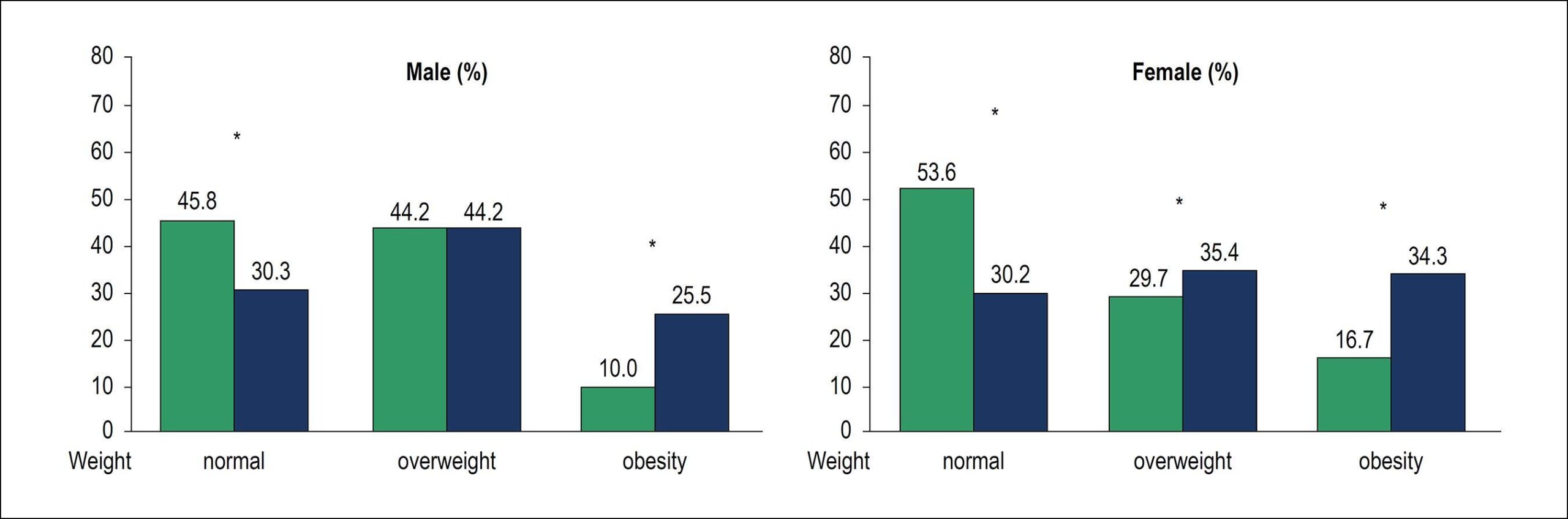
Published studies have shown that, worldwide, over the past 50 years, the population has increased in weight. A 2014 publication reported that between 1980 and 2013 individuals had an increase in body mass index above 25 kg/m2, which classifies them as overweight, from 28.8% to 36.9% among men and 29.8% to 38.0% among women. Worse than that, children and adolescents also had weight gain both in developed countries where, in 2013, 23.8% of boys and 22.6% of girls were overweight or obese, and in developing countries, where 12.9% of boys and 13.4% of girls were also overweight.

In 2016, another publication that evaluated the period from 1975 to 2014 also showed that obesity increased from 3.2% to 10.8% among men and from 6.4% to 14.9% among women. These studies estimate that if this trend continues, in 2025, the prevalence of obesity around the world will be greater than 18% among men and 21% among women.

[…]

  • Cardiovascular Diseases
  • Feeding Behavior/trends
  • Indicators of Morbidity and Mortality
  • Obesity
  • Overweight
  • Prevention & Control
  • Risk Factors
Read Full Article
Creative Commons Attribution (CC BY) Creative Commons license
02/09/2019 DOI: 10.5935/abc.20190171 Views 2
Editorial

Biomarkers in Heart Failure

Pedro Pimenta de Mello Spineti

The World Health Organization defines biomarker as any substance, structure, or process that can be measured in the body or its products and influences or predicts the incidence or outcome of a disease.Biomarkers can serve multiple purposes: diagnostic, disease staging, prognostic and prediction and monitoring of responses to an intervention.

A useful biomarker should allow repeated and accurate measurements with a rapid turnaround time at a reasonable cost, should provide information that is not already available from careful clinical assessment and its performance should be superior to other available tests, and should assist decision making and enhance clinical care.

[…]

  • Biomarkers
  • Diabetes Mellitus
  • Heart Failure
  • Hypertension
  • Lipoproteins
Read Full Article
Creative Commons Attribution (CC BY) Creative Commons license
02/09/2019 DOI: 10.5935/abc.20190167
Editorial

Global Longitudinal Strain or Measurement of Ejection Fraction: Which Method is Better in Stratifying Patients with Heart Failure?

Filipe Ferrari et al. Willian Roberto Menegazzo

Heart failure (HF) is a complex syndrome that has a poor prognosis and a stigma of high mortality. The current prevalence estimated in the United States is six million cases, with a predicted incidence of another two million patients until 2030. Brazil, specifically, had more than 26 thousand deaths by HF in 2012 and approximately 230 thousand hospitalizations attributed to this disease.

The main HF symptoms include progressive dyspnea, fatigue, exercise intolerance, and signs of volume overload, reducing the functional capacity and quality of life of patients and greatly increasing the risk of morbidity and mortality. In this regard, a peak oxygen consumption (maxVO2), on average, approximately 50% lower is not uncommon in HF patients when compared to healthy individuals paired by variables such as age and gender. The cardiopulmonary exercise testing (CPET) is a method widely used and trusted in this scenario, with a consistent role in risk stratification of HF patients and various variables obtained with consolidated prognostic value. MaxVO2 is an important marker of one-year mortality, surpassing ejection fraction and pulmonary capillary wedge pressure, used as Class I to define candidates for heart transplantation. Other prognostic markers obtained from CPET that proved to be important in this population include the measurement of ventilatory efficiency through the VE/VCO2 slope, regular ventilation, oxygen uptake efficiency slope (OUES), heart rate recovery (HRR) in the first minute, chronotropic competence, and partial pressure of carbon dioxide at rest (PetCO2).,

[…]

  • Echocardiography/methods
  • Heart Failure
  • Myocardial Contraction
  • Myocardial Stunning
  • Stroke Volume: Strain
  • Systolic
Read Full Article
Creative Commons Attribution (CC BY) Creative Commons license
02/09/2019 DOI: 10.5935/abc.20190151 Views 1
Figure 1
Review Article

Importance of Genetic Testing in Dilated Cardiomyopathy: Applications and Challenges in Clinical Practice

Arsonval Lamounier Júnior et al. Filipe Ferrari Renato Max Luiz Eduardo Fonteles Ritt Ricardo Stein

Abstract

Dilated cardiomyopathy (DCM) is a clinical syndrome characterized by left ventricular dilatation and contractile dysfunction. It is the most common cause of heart failure in young adults. The advent of next-generation sequencing has contributed to the discovery of a large amount of genomic data related to DCM. Mutations involving genes that encode cytoskeletal proteins, the sarcomere, and ion channels account for approximately 40% of cases previously classified as idiopathic DCM. In this scenario, geneticists and cardiovascular genetics specialists have begun to work together, building knowledge and establishing more accurate diagnoses. However, proper interpretation of genetic results is essential and multidisciplinary teams dedicated to the management and analysis of the obtained information should be considered. In this review, we approach genetic factors associated with DCM and their prognostic relevance and discuss how the use of genetic testing, when well recommended, can help cardiologists in the decision-making process.

  • Cardiomyopathy, Dilated/genetics
  • Genetic Testing/methods
  • Heart Failure
  • Heart Transplantation
  • Ventricular Dysfunction, Left
Read Full Article
Creative Commons Attribution (CC BY) Creative Commons license
02/09/2019 DOI: 10.5935/abc.20190144
Editorial

New Method Improves the Evaluation of Subclinical Left Ventricular Dysfunction in Type 2 Diabetes Mellitus

Lutfu Askin et al. Okan Tanrıverdi Hakan Tibilli Serdar Turkmen

Tei et al. firstly described the myocardial performance index (MPI), which is showing both systolic and diastolic functions of the left ventricle. As a prognostic marker increased MPI has been shown to be an independent predictor of mortality and morbidity in various diseases such as myocardial infarction, hypertension, diabetes, and heart failure., Askin et al. showed that left ventricular (LV) diastolic and systolic functions were negatively affected in prediabetic patients. In addition, MPI can also be used in the assessment of abnormal cardiac function parameters in prediabetic patients. Furthermore, the most prominent feature of our method is that it can be obtained in a short period of time with easily available equipment. It is important to identify subclinical left ventricular diastolic dysfunction (LVDD) for clinical prevention before significant LVDD occurs. For this purpose, MPI is used to identify subclinical LVD in type 2 diabetes mellitus (DM).

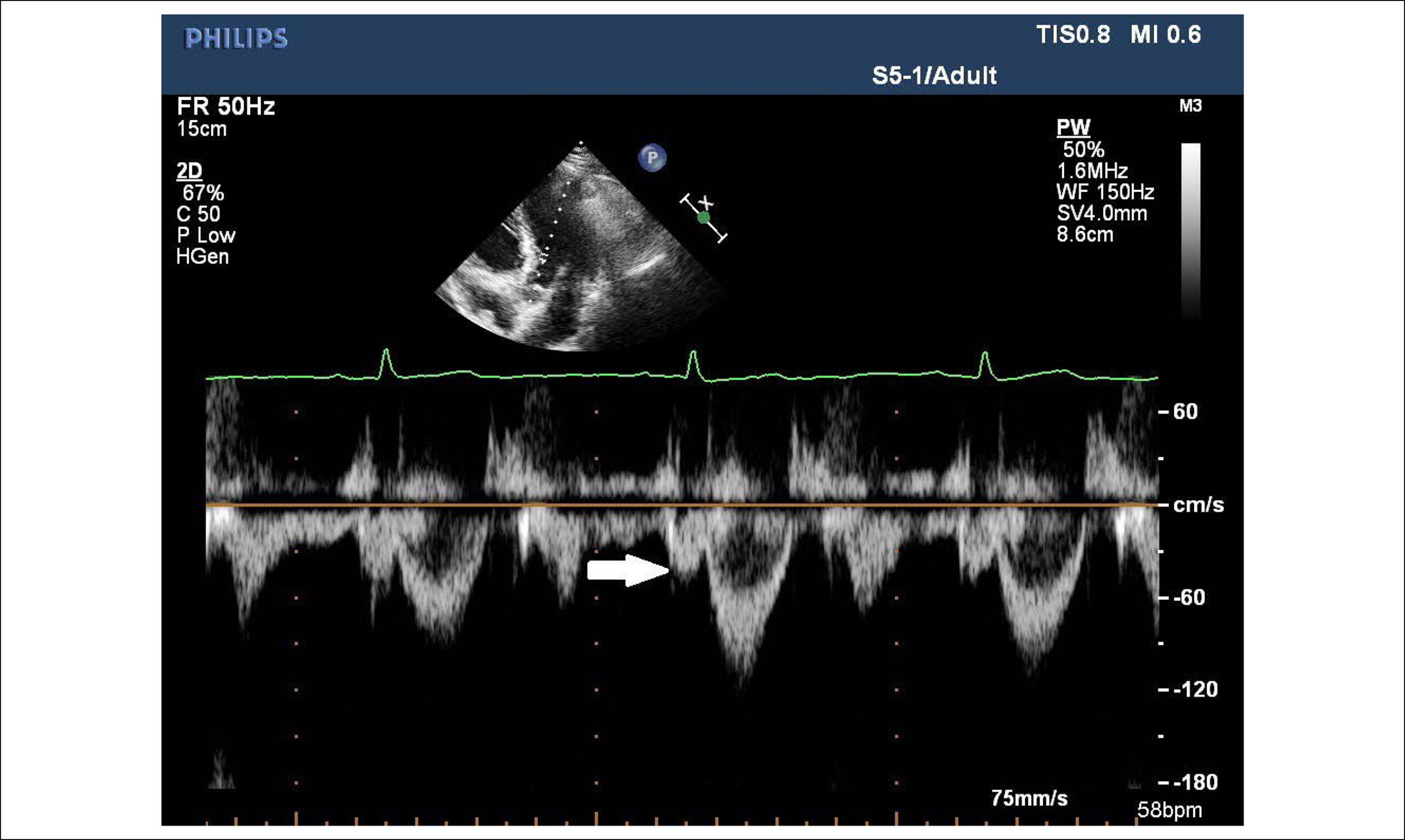
Presystolic wave (PSW) measurement is obtained via doppler examination of LV outflow tract (LVOT)., Kul et al. found that the PSW is associated with subclinical LVDD in patients with type 2 diabetes. PSW is an easily measurable echocardiographic parameter obtained in late diastole and can predict subclinical left ventricular dysfunction in patients with type 2 diabetes. Possible causes of PSW formation are impaired LV compliance and increased LV stiffness, which are also leading causes of PSW in diabetic patients among others. Furthermore, the relationship between PSW and LVDD has been proven.

[…]

  • Antioxidants/pharmacology
  • Apoptosis/drug effects
  • Diabetes Mellitus
  • Dyastole
  • Heart Failure
  • Myocardial
  • Reactive Oxygen Species
  • Systole
Read Full Article
Creative Commons Attribution (CC BY) Creative Commons license
02/09/2019 DOI: 10.5935/abc.20190164 Views 2
Figure 1
Case Report

Exertional Rhabdomyolysis after Military Training Paralleled by Systemic Microvascular Dysfunction and Plasma Cytokine Increase: A Case Report

Flavio Pereira et al. Roger de Moraes Diogo Bavel Andrea Rocha de Lorenzo Eduardo Tibirica

Introduction

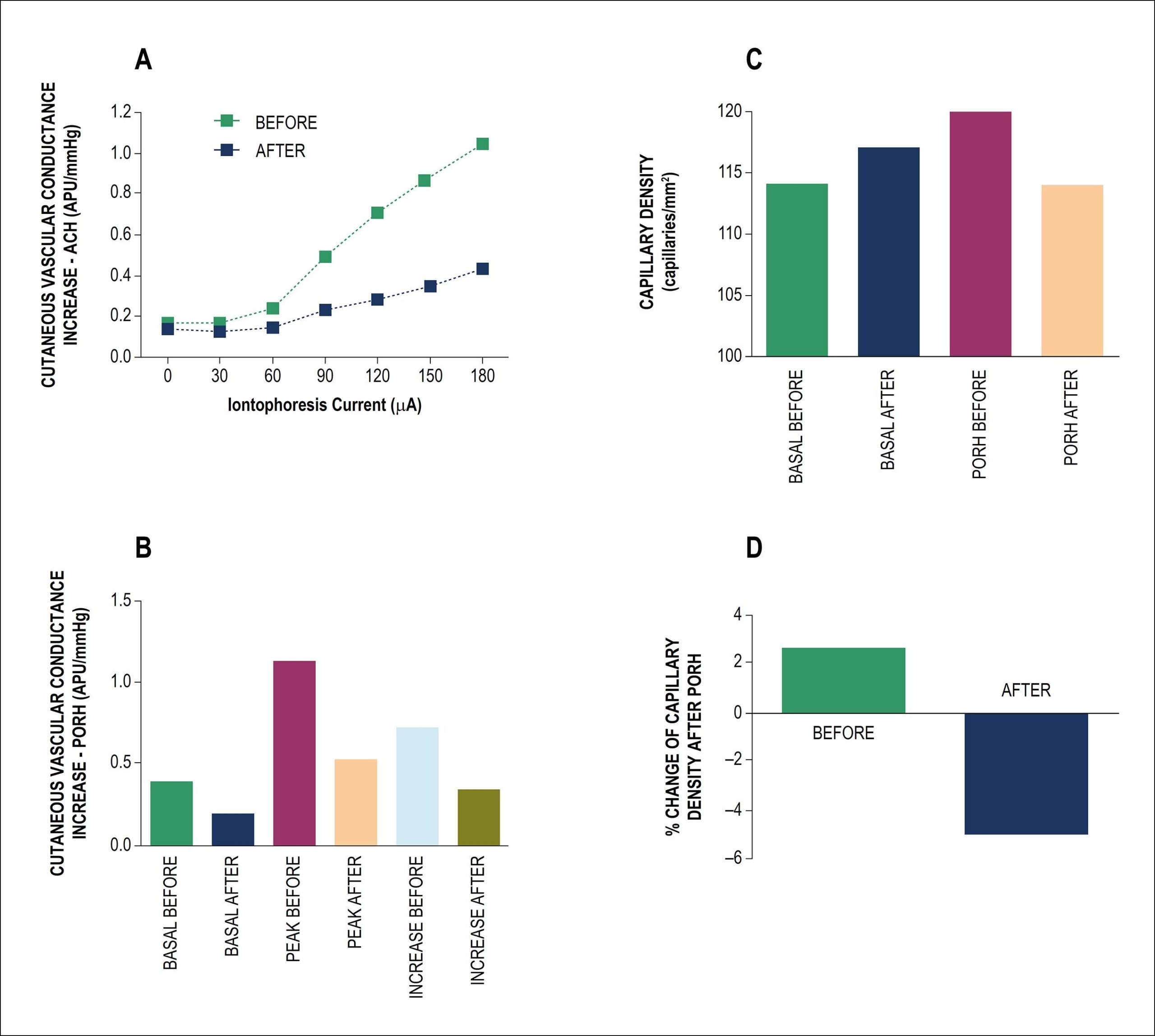
Exertional rhabdomyolysis (ER) is diagnosed by the presence of intense muscular pain and sudden elevation of total plasma levels of the enzyme creatine kinase (CK), with or without myoglobinuria, is closely associated with acute fatigue during exercise, as well to the associated risk of acute renal injury, disseminated intravascular coagulation, cardiac arrhythmias, and electrolyte disturbances.

ER is highly prevalent in military training, particularly when performed in adverse climatic conditions, and many cases progress rapidly to acute, life-threatening renal failure. Moreover, it is estimated that about one-third of the cases of ER involve young male afro-descendants with low physical conditioning and extreme dehydration, occurring during summer military training courses. In those situations, clinically healthy young subjects are submitted to strenuous exercise routines performed with combat uniforms and equipment and without adequate hydration possibilities.

[…]

Read Full Article
Creative Commons Attribution (CC BY) Creative Commons license
02/09/2019 DOI: 10.5935/abc.20190165
Editorial

Continuous Non-Invasive Cardiac Output: Myth or Reality

João Manoel Rossi Neto

Cardiac output (CO) is an important cardiovascular system function parameter. Changes in cardiac function are commonly observed as a response to physical training and pharmacological interventions. Unfortunately, the methods for assessing CO are invasive, leading to well-known complications and considered inconvenient in daily practice. For this reason, the search for new noninvasive methods that can accurately detect CO at rest, at physical exertion or as a response to a clinical intervention has become desirable in academic and non-academic circles. The ideal method for measuring CO at rest and during exercise should be noninvasive, safe, reproducible and inexpensive.

The Cardiopulmonary Exercise Testing (CPT) is recommended in the evaluation of cardiorespiratory fitness and exercise tolerance in athletes, the general population and in patients. Briefly, CO and systolic volume can be estimated during CPT through measured VO2. In 2001, Williams et al. were the first ones to integrate CPT with non-invasive measures of CO using rebreathing (RB) of carbon dioxide, but the technique was quickly abandoned due to its difficulty and inaccuracy. Another non-invasive method is thoracic electrical bioimpedance (TEB), first described in 1966 by Kubicek et al., which measures thoracic resistance as a result of changes in blood velocity during the cardiac cycle and uses an algorithm to calculate the CO.

[…]

  • Breathing Exercise
  • Cardiac Ouput
  • Electric
  • Impedance
  • Interventions
  • Pharmacological
Read Full Article
Creative Commons Attribution (CC BY) Creative Commons license
02/09/2019 DOI: 10.5935/abc.20190163
Editorial

Group Means and Inter-Individual Analysis in Post-exercise Hypotension: Effects of Citrulline Malate Oral Supplementation

Leandro C. Brito

Hypertension is pointed out as one of the most aggressive risk factor for cardiovascular morbidity and mortality, since it is directly associated with nearly 8 million obits per year related to cardiovascular diseases such as cardiac arrest or stroke. Hypertensives with low levels of physical activity present higher risk of cardiovascular morbidity and mortality even when receiving anti-hypertensive medication. The regular practice of exercise, mainly aerobic exercises, is highly recommended due to its hypotensive effect. Actually, a single session of exercise is already able to promote a sustained reduction of blood pressure, this phenomenon is called post-exercise hypotension (PEH).–

Kenney and Seals were the first to term the most accepted version of PEH as a phenomenon – It is the decrease of systolic and/or diastolic blood pressure after an acute session of exercise to below a control value followed by no clinical hypotensive symptom. PEH has been faced as a clinically relevant tool, mainly due to its known magnitude and for lasting many hours. In this context, a meta-analysis including 65 studies recently showed reductions of blood pressure averaging from 6/4 mmHg for systolic/diastolic after aerobic exercise session, while hour-to-hour analysis reported a decrease for 16 hours.

[…]

  • Blood Pressure
  • Cardiovascular Diseases
  • Citrulline
  • Exercise
  • Hypertension
  • Mortality & Morbidity
  • Post-Exercise Hypotension
Read Full Article
Creative Commons Attribution (CC BY) Creative Commons license
02/09/2019 DOI: 10.5935/abc.20190152
Gender Equity in Healthcare: An Issue of Justice or Need?
Letter to the Editor

Gender Equity in Healthcare: An Issue of Justice or Need?

Viviana Guzzo Lemke

With great interest on the topic, we read the article “The Profile of the Brazilian Cardiologist – A Sample of the Members of the Brazilian Society of Cardiology”, by Faganello et al., where the professional and personal characteristics of Brazilian cardiologists are reported. The significant gender differences were highlighted in the mini-editorial “Profile of Brazilian Cardiologists: A look on Female Leadership in Cardiology and Stress – Challenges for the Next Decade” by Mesquita et al., where peculiarities such as payment and the small number of women in Cardiology are analyzed according to an intriguing point of view.

These articles resonate with the “Women’s Letter” by Oliveira et al., a document based on current objectives, which require long-term efforts and structural changes in the medical culture, especially regarding the participation of women in executive positions in medical specialty societies and healthcare-related government bodies.

[…]

  • Cardiologists
  • Gender Identity
  • Interventionals
  • Leadership
  • Medicine/trends
  • Women
Read Full Article
Creative Commons Attribution (CC BY) Creative Commons license
02/09/2019 DOI: 10.5935/abc.20190168 Views 1
Figure 1
Anatomopathological Correlation

Case 4/2019 – 26-Year-Old Man with Congenital Chagas Disease and Heart Transplantation

Henrique Trombini Pinesi et al. Tânia Mara Varejão Strabelli Vera Demarchi Aiello

Clinical aspects

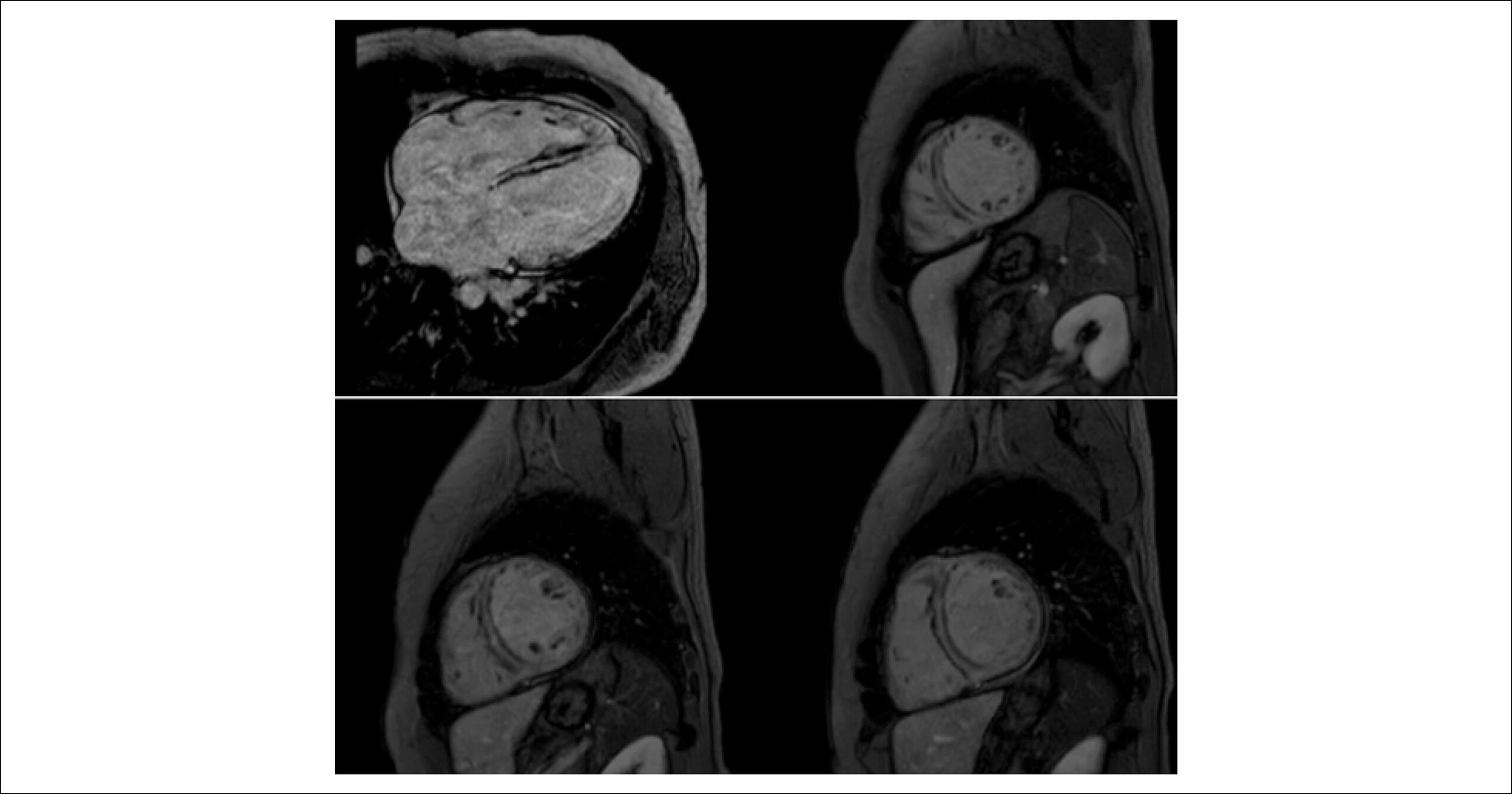
Chagas’ disease was first described by Brazilian physician and scientist Carlos Chagas in 1909. This multifaceted disease is caused by the protozoan Trypanosoma cruzi, which can be transmitted in different ways. Vector transmission through hematophagous insects is the most classic one, although it has declined in importance in recent years with measures to control the vector population. Transfusion transmission, as well as vector transmission, have shown a drastic reduction in the last decades, and no cases have been reported in Brazil for years. In contrast, there was an increase in reports of oral transmission. This form of contagion was little known but gained importance, with several descriptions of micro-epidemic events in the country, especially related to the consumption of açai berry. The development of the acute phase of the disease is more common in the oral transmission. In the context of controlling the main forms of contagion, vertical transmission has become relevant.

The World Health Organization (WHO) estimates there are approximately 8 million individuals infected with Chagas disease worldwide, with an annual mortality of 10,000 people due to disease complications. Most of these cases are found in Latin America, and Brazil is the country with the majority of infected individuals (approximately 4.6 million individuals). The decrease in transmission was accompanied by a reduction in mortality, estimated in 2007 to be 2.78 deaths/year for every 10,000 inhabitants. Another change in the disease epidemiology in recent years has been the increase in cases in non-endemic regions, such as the USA and Europe, which has contributed to the increased attention given by the international scientific community to Chagas’ disease.

[…]

  • Chagas Cardiomyopathy
  • Diagnosis Imaging
  • Heart Defects, Congenital
  • Heart Failure
  • Heart Transplantation
Read Full Article
Creative Commons Attribution (CC BY) Creative Commons license
02/09/2019 DOI: 10.5935/abc.20190162 Views 1
Figure 1
Original Article

Presystolic Wave is Associated with Subclinical Left Ventricular Dysfunction Assessed by Myocardial Performance Index in Type 2 Diabetes Mellitus

Selim Kul et al. İhsan Dursun Semiha Ayhan Muhammet Rasit Sayin … Özge Üçüncü Nilgün Esen Bülbül Ahmet Hakan Ateş Ali Rıza Akyüz

Abstract

Background:

Myocardial performance index (MPI), demonstrates both systolic and diastolic functions of the left ventricle. Presystolic wave (PSW) is frequently detected on Doppler examination of the left ventricular outflow tract and possible mechanism of PSW is impaired LV compliance and left ventricular stiffness.

Objective:

To investigate the relationship between PSW and MPI in type 2 diabetic patients.

Method:

A total of 129 type 2 diabetic patients were included in this study. Patients were divided into two groups according to the presence of PSW on Doppler echocardiography. There were 90 patients (38 male, mean age 57.77 ± 10.91 years) in the PSW-positive group and 39 patients (13 male; mean age: 55.31 ± 11.29 years) in the PSW-negative group. The p values of < 0.05 were considered statistically significant.

Results:

MPI was higher in PSW- positive group (0.63 ± 0.17vs 0.52 ± 0.13, p < 0.001). In addition, subclinical left ventricle dysfunction (LVD) was higher in the PSW- positive group (p = 0.029). Univariate analysis showed that the presence of PSW associated with abnormal MPI (p = 0.031). Pearson correlation analysis showed that PSW velocity correlated with MPI (r: 0.286, p = 0.006).

Conclusion:

Presence of the PSW on Doppler examination was associated with subclinical LV dysfunction in patients with DM type 2. This easy-to-perform echocardiographic parameter may be related to subclinical LVD among patients with type 2 DM.

  • Diabetes Mellitus, Type 2
  • Heart Failure
  • Heart/physiopathology
  • Risk Factors
  • Ventricular Dysfunction,Left
Read Full Article
Creative Commons Attribution (CC BY) Creative Commons license
29/07/2019 DOI: 10.5935/abc.20190134 Views 1
Figure 1
Original Article

Healthcare Utilization and Costs Reduction after Radiofrequency Ablation For Atrial Fibrillation in the Brazilian Private Healthcare System

Eduardo Benchimol Saad et al. Daiane Oliveira Tayar Rodrigo Antonini Ribeiro Silvio Mauro Junqueira Jr. … Priscila Andrade Andre d'Avila

Abstract

Background:

Atrial fibrillation (AF) is the most common arrhythmia worldwide, with significantly associated hospitalizations. Considering its growing incidence, the AF related economic burden to healthcare systems is increasing. Healthcare expenditures might be substantially reduced after AF radiofrequency ablation (AFRA).

Objective:

To compare resource utilization and costs before and after AFRA in a cohort of patients from the Brazilian private healthcare system.

Methods:

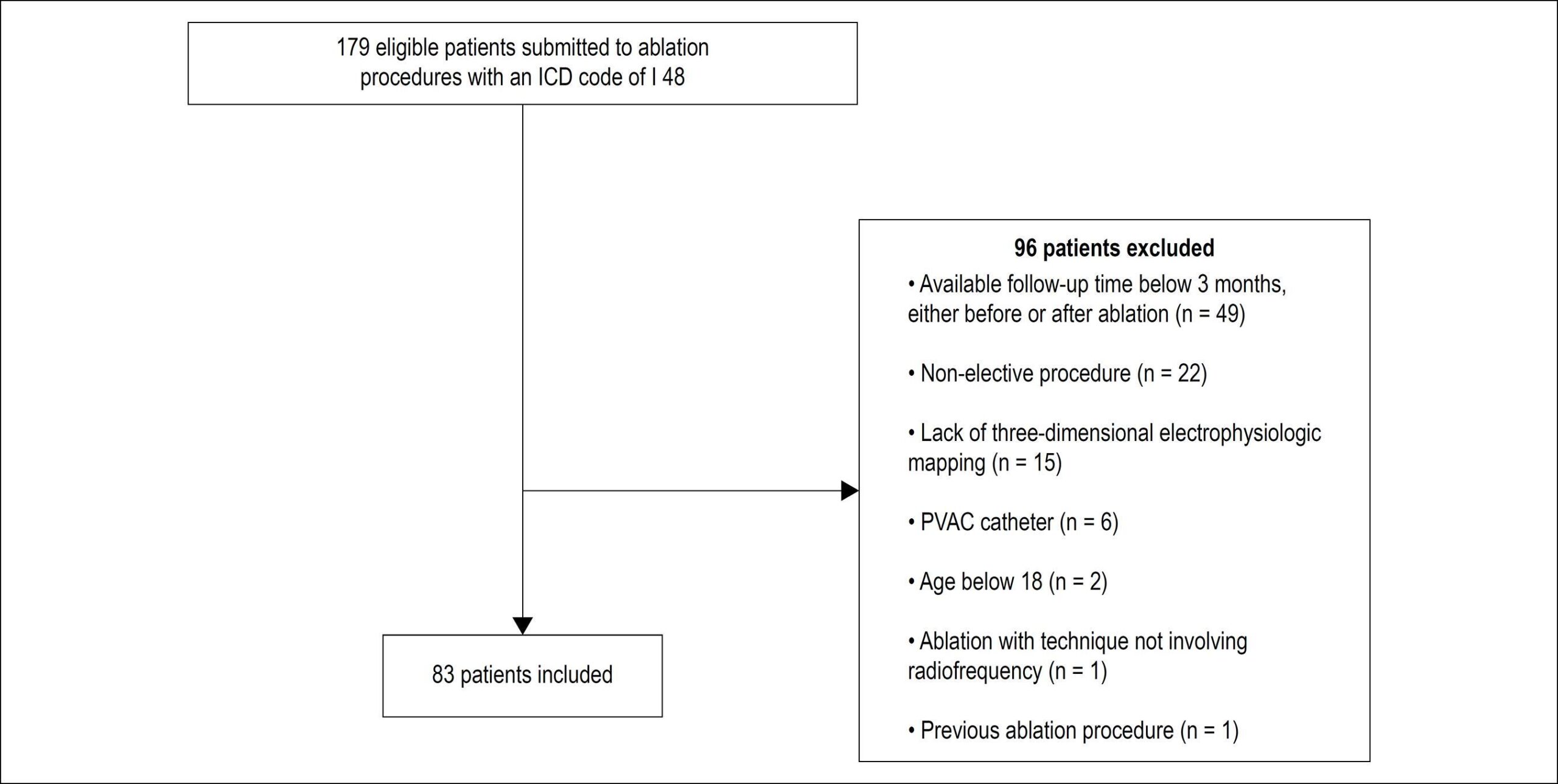
We conducted a retrospective cohort study, based on patients’ billing information from an administrative database. Eighty-three adult patients who had an AFRA procedure between 2014 and 2015 were included. Healthcare resource utilization related to cardiovascular causes, including ambulatory and hospital care, as well as its costs, were analyzed. A p-value of less than 0.05 was considered statistically significant.

Results:

Mean follow-up was 14.7 ± 7.1 and 10.7 ± 5.4 months before and after AFRA, respectively. The 1-year AF recurrence-free rate was 83.6%. Before AFRA, median monthly total costs were Brazilian Reais (BRL) 286 (interquartile range [IQR]: 137-766), which decreased by 63.5% (p = 0.001) after the procedure, to BRL 104 (IQR: 57-232). Costs were reduced both in the emergency (by 58.6%, p < 0.001) and outpatient settings (by 56%, p < 0.001); there were no significant differences in the outpatient visits, inpatient elective admissions and elective admission costs before and after AFRA. The monthly median emergency department visits were reduced (p < 0.001).

Conclusion:

In this cohort, overall healthcare costs were reduced by 63.5%. A longer follow-up could be useful to evaluate if long-term cost reduction is maintained.

  • Arrhythmias Cardiacs
  • Atrial Fibrillation
  • Care Costs/trends
  • Catheter Ablation
  • Hospital Costs
  • Hospitalization
Read Full Article
Creative Commons Attribution (CC BY) Creative Commons license
29/07/2019 DOI: 10.5935/abc.20190139 Views 2
Figura 1
Viewpoint

Update on Coronary Angiography-Based Physiology Technologies

Alexandre Hideo-Kajita et al. Hector M. Garcia-Garcia Evan Shlofmitz Carlos M. Campos

Computational fluid dynamics

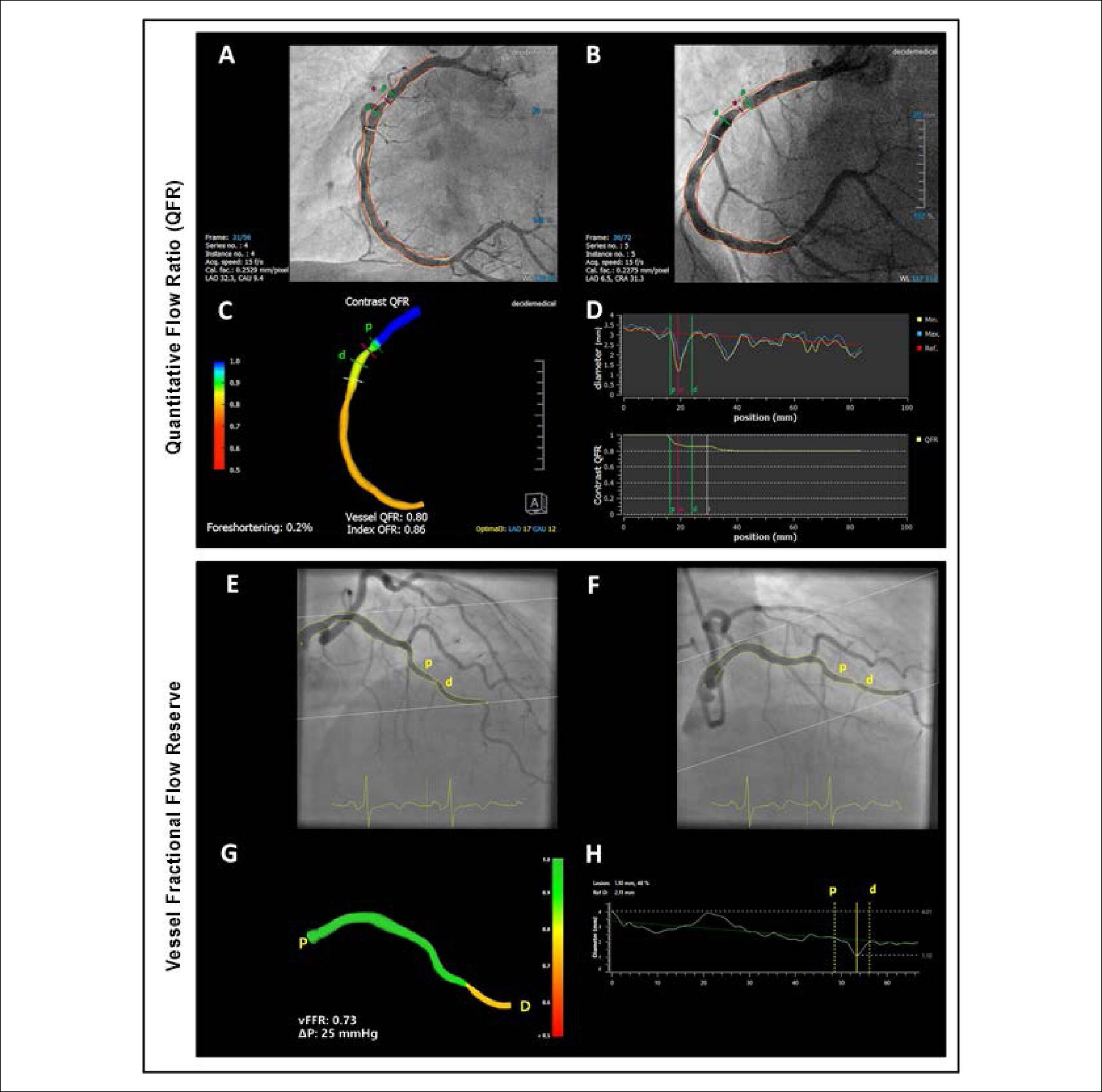
The basis for CFD is derived from Navier-Stokes equations, a mathematical generalization of Euler’s flow of incompressible and frictionless fluids equation. In its current state, CFD now can compensate for 3 dimensionality and interactions in the non-perfect cylindrical shape of the coronary arteries. However, due to intrinsic cardiovascular physiology particularities, CFD cannot compensate for pulsatile blood flow effects; physiologic differences of coronary blood flow velocity in the proximal vs. distal segments of the vessel; and predictable loss of energy over a diseased vessel.– Moreover, CFD still cannot address the high complexity interactions in vessel geometry that may lead to a chaotic vortex or turbulence formation and more importantly, the trans-lesional pressure drop.,

There are significant differences in the complex rheological properties of blood and normal blood flow along the coronary artery tree branches by itself that are not taken into account in these models. This includes the Newtonian versus Non-Newtonian fluid properties of blood that depend on the vessel diameter, the presence of a bifurcation, and slow blood flow shear stress effects (e.g. the non-Newtonian fluid property in that context). CFD simulation generalizes the differences of Newtonian and Non-Newtonian fluids properties by the assumption that large vessels can be approximated to a Newtonian fluid property with constant viscosity., Therefore, these data provide a consistent explanation of why these methods were not standardized to evaluate severe stenosis or antegrade blood flow in small vessels.

[…]

  • Angina, Stable
  • Coronary Angiography
  • Coronary Artery Disease/physiopathology
  • Fractional Flow Reserve, Myocardial
  • Percutaneous Coronary Intervention
  • Software/trends
Read Full Article
Creative Commons Attribution (CC BY) Creative Commons license
29/07/2019 DOI: 10.5935/abc.20190140
Original Article

Cardiovascular Risk in Psoriasis Patients: Clinical, Functional and Morphological Parameters

Angélica Navarro de Oliveira et al. Marcela M. Simões Ricardo Simões Marcus Vinicius Bolivar Malachias Bruno Almeida Rezende

Abstract

Background:

Psoriasis correlates with metabolic disorders, early atheromatosis and increased cardiovascular risk.

Objectives:

To assess markers of cardiovascular disease in psoriatic patients.

Methods:

Cross-sectional, observational study involving 11 psoriatic participants and 33 controls. Anthropometric, biochemical, hemodynamic and imaging parameters were evaluated. Arterial stiffness was assessed by oscillometric measurement of the brachial artery. Intima-media thickness (IMT) and left ventricular diastolic function were assessed by Doppler echography and echocardiography. Between-group comparisons of numerical variables were performed by the Student’s t-test or Wilcoxon Mann-Whitney test for independent samples. Significance level was set at 5%.

Results:

Psoriatic patients showed increased pulse wave velocity (PWV) (9.1 ± 1.8 vs 8.0 ± 2 m/s, p = 0.033), IMT of the left common carotid artery (p = 0.018) and a higher percentage of patients above the 75th percentile according to the ELSA table when compared with controls (54.5 vs 18.2%, p = 0.045). Psoriatic patients also showed an increase in peripheral/central systolic blood pressure (137.1 ± 13.2 vs 122.3 ± 11.6 mmHg, p = 0.004)/(127 ± 13 vs 112.5 ± 10.4 mmHg, p = 0.005), peripheral/central diastolic blood pressure (89.9 ± 8.9 vs 82.2 ± 8, p = 0.022)/(91 ± 9.3 vs 82.2 ± 8.3, p = 0.014), total cholesterol (252 ± 43.5 vs 198 ± 39.8 mg/dL, p < 0.001), LDL cholesterol (167 ± 24 vs 118 ± 40.8 mg/dL, p < 0.001) and C-reactive protein (7.6 ± 35.4 vs 1 ± 1.2 mg/L p < 0.001) compared with controls.

Conclusion:

Psoriasis patients show increased PWV, IMT, peripheral and central blood pressures, and serum cholesterol and C-reactive protein levels, denoting a higher cardiovascular risk.

  • Arterial Stiffness
  • Brachial Artery
  • Cardiovascular Diseases
  • Hypercholesterolemia
  • Hypertension
  • Oscillometry/mehods
  • psoriasis
Read Full Article
Creative Commons Attribution (CC BY) Creative Commons license
18/07/2019 DOI: 10.5935/abc.20190123
Figure 1
Original Article

Quality of Intra-Hospital Nutritional Counseling in Patients with STEMI in the Public and Private Health Networks of Sergipe: The VICTIM Register

Ticiane Clair Remacre Munareto Lima et al. Danielle Góes da Silva Ikaro Daniel de Carvalho Barreto Jussiely Cunha Oliveira … Laís Costa Souza Oliveira Larissa Andreline Maia Arcelino Jeferson Cunha Oliveira Antônio Carlos Sobral Sousa José Augusto Soares Barreto Filho

Abstract

Background:

Having appropriate dietary habits is part of the recommendations after ST-Elevation Myocardial Infarction (STEMI), however, the quality of intra-hospital nutritional counselling in the different health services has been minimally explored.

Objective:

To evaluate the quality of intra-hospital nutritional counselling among patients with STEMI in the public and private health systems in Sergipe.

Methods:

A cross-sectional, with data from the Via Crucis for the Treatment of Myocardial Infarction (VICTIM) Register, conducted from April to November of 2017, with individuals aged ≥ 18 years diagnosed with STEMI, in one public health service hospital and three private hospitals. The occurrence and quality of nutritional counselling were analyzed based on current guidelines and the administration of questionnaires. A significance level of 0.05 was adopted.

Results:

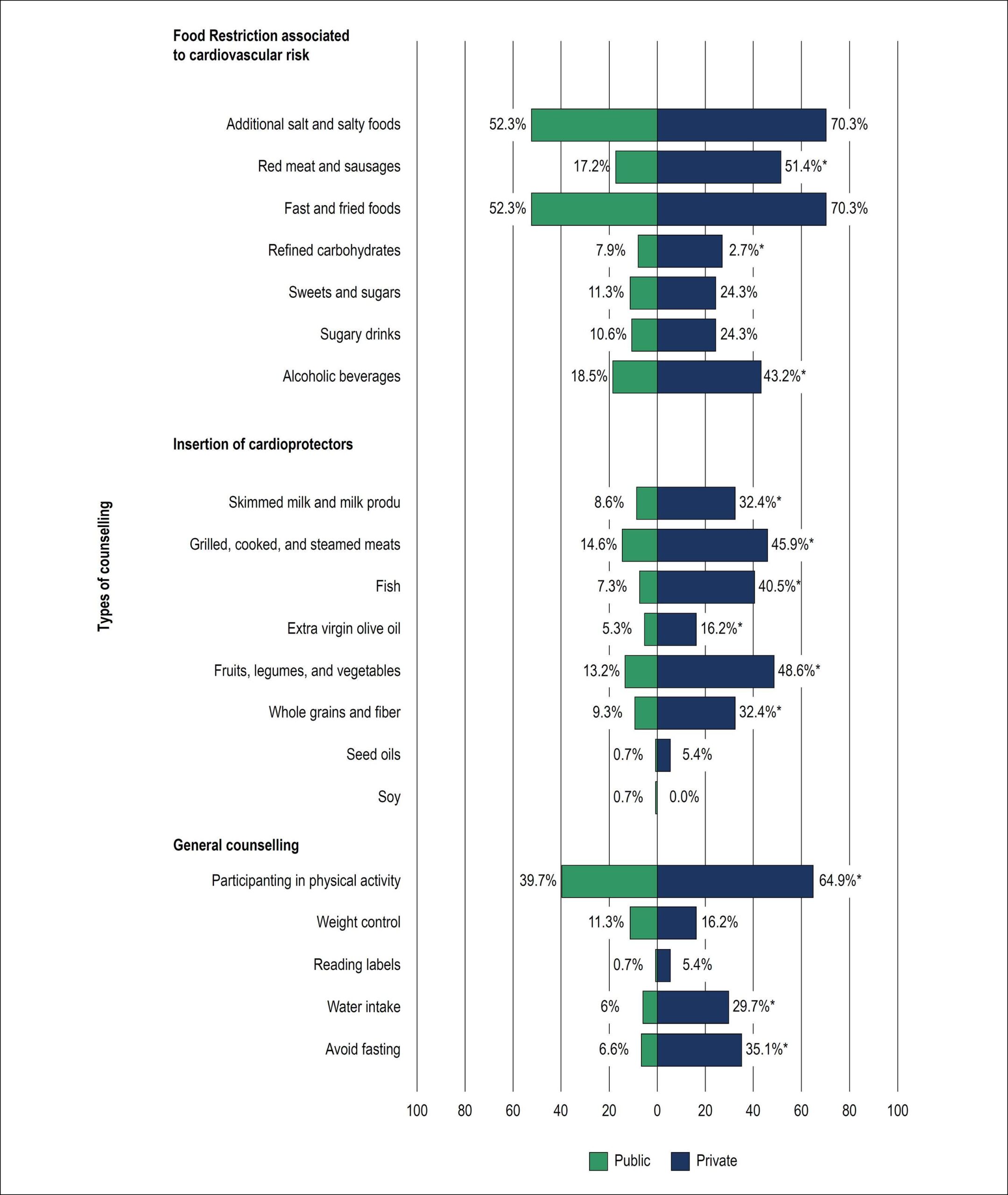
A total of 188 patients were analyzed; 80.3% were from the public health service facility. Among the interviewees, 57.6% of the public health service, and 70.3% of the private hospital patients received intra-hospital nutritional counselling (p = 0.191). The documentation of this practice, in medical records, was lower in the public service (2.6% vs. 37.8%, p < 0.001). A predominance of restrictive orientations was found in the public and private sectors, mainly regarding salt and fat, 52.3% and 70.3% respectively (p = 0.064). Patients from the private service were more counselling to introduce of cardioprotective foods, mainly fruit, vegetable/legume consumption (48.6% vs. 13.2%, p < 0.001). Among those who received counselling, nutritional knowledge was higher in the private sector (68.2% vs. 26.3%, p < 0.001).

Conclusion:

The intra-hospital nutritional counselling provided to patients with STEMI, in Sergipe, still presents poor quality in both services, especially in the public health system.

  • Health Education/methods
  • Healthcare Disparities
  • Healthy Diet
  • Hospitals, Private
  • Hospitals,Public
  • Nutritional Support
  • Risk reduction Behavior
  • ST Elevation Myocardial Infarction
Read Full Article
Creative Commons Attribution (CC BY) Creative Commons license
18/07/2019 DOI: 10.5935/abc.20190124 Views 1
Figure 1
Original Article

High Level of Lipoprotein(a) as Predictor for Recurrent Heart Failure in Patients with Chronic Heart Failure: a Cohort Study

Jianlong Yan et al. Yanbin Pan Junhui Xiao Wenxue Ma … Li Li Mingjiang Zhong Haiquan Long Fanliang Kong Wenming Shao

Abstract

Background:

Elevated plasma levels of Lipoprotein(a) [Lp(a)] are recognized as a significant risk factor for atherosclerotic vascular disease. However, there are limited data regarding association between Lp(a) and recurrent heart failure (HF) in patients with chronic HF caused by coronary heart disease (CHD).

Objective:

Elevated levels of Lp(a) might have a prognostic impact on recurrent HF in patients with chronic HF caused by CHD.

Methods:

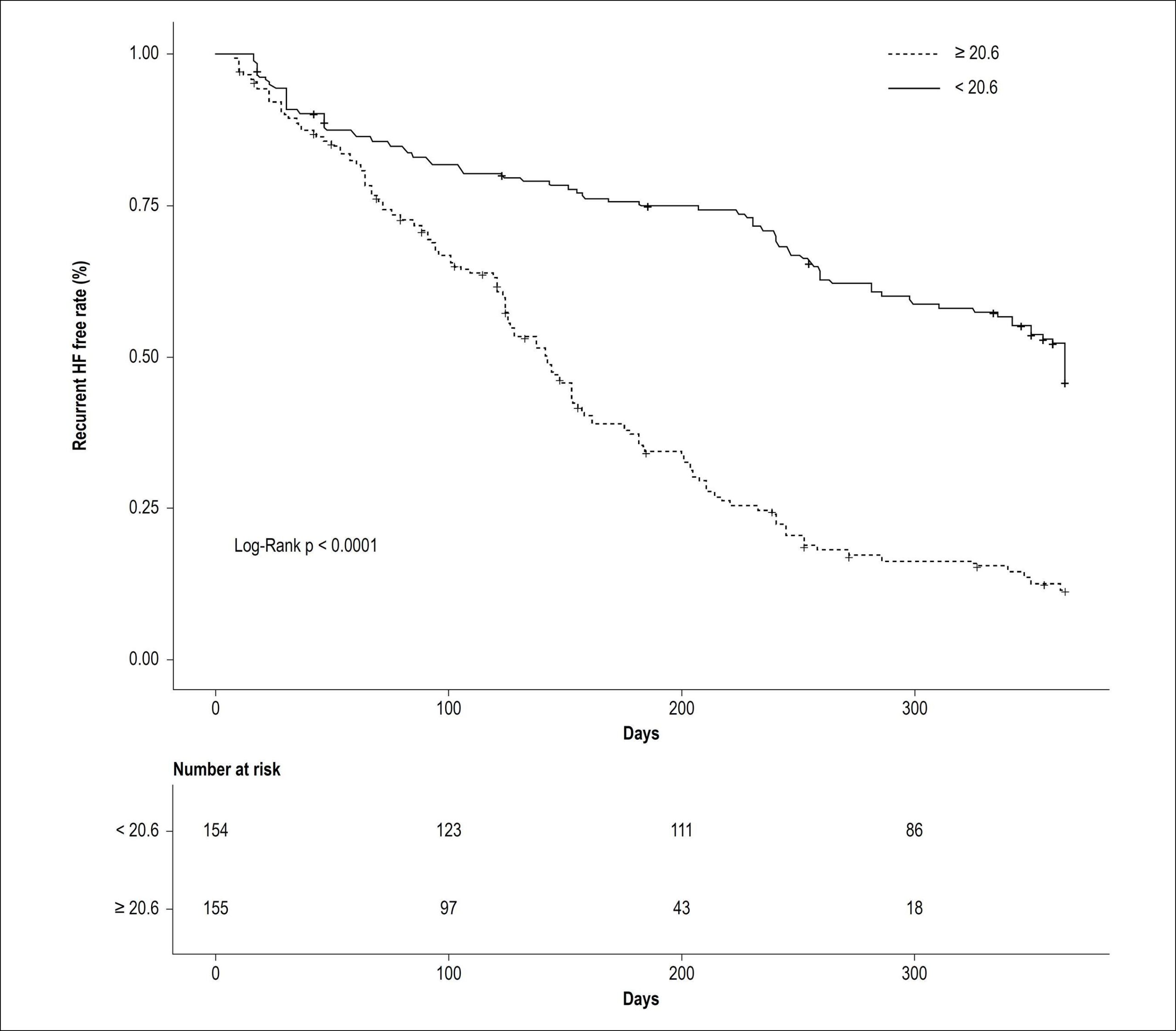
A total of 309 patients with chronic HF caused by CHD were consecutively enrolled in this study. The patients were divided into 2 groups according to whether Lp(a) levels were above or below the median level for the entire cohort (20.6 mg/dL): the high Lp(a) group (n = 155) and the low Lp(a) group (n = 154). A 2-sided p < 0.05 was statistically considered significant.

Results:

During the median follow-up period of 186 days, 31 cases out of a total of 309 patients (10.03%) could not be reached during follow-up. A Kaplan-Meier analysis demonstrated that patients with higher Lp(a) levels had a higher incidence of recurrent HF than those with lower Lp(a) levels (log-rank < 0.0001). A multivariate Cox regression analysis revealed that Lp(a) levels were independently correlated with the incidence of recurrent HF after adjustment of potential confounders (hazard ratio: 2.720, 95 % confidence interval: 1.730-4.277, p < 0.0001).

Conclusions:

In Chinese patients with chronic HF caused by CHD, elevated levels of Lp(a) are independently associated with recurrent HF.

  • Apolipoproteins
  • Cohort Studies
  • Coronary Artery Disease
  • Diabetes Mellitus
  • Echocardiography/methods
  • Heart Failure
  • Hypertension
  • Lipoproteins
Read Full Article
Creative Commons Attribution (CC BY) Creative Commons license
18/07/2019 DOI: 10.5935/abc.20190120
Figure 1
Original Article

Global Longitudinal Strain Predicts Poor Functional Capacity in Patients with Systolic Heart Failure

Rafael José Coelho Maia et al. Simone Cristina Soares Brandão Jéssica Leite Giordano Bruno Parente … Filipe Pinheiro Bruna Thays Santana Araújo Maria Inês Remígio Aguiar Sílvia Marinho Martins Daniella Cunha Brandão Armele Dornelas de Andrade

Abstract

Background:

Left ventricular global longitudinal strain value (GLS) can predict functional capacity in patients with preserved left ventricular ejection fraction (LVEF) heart failure (HF) and to assess prognosis in reduced LVEF HF.

Objetive:

Correlate GLS with parameters of Cardiopulmonary Exercise Test (CPET) and to assess if they could predict systolic HF patients that are more appropriated to be referred to heart transplantation according to CPET criteria.

Methods:

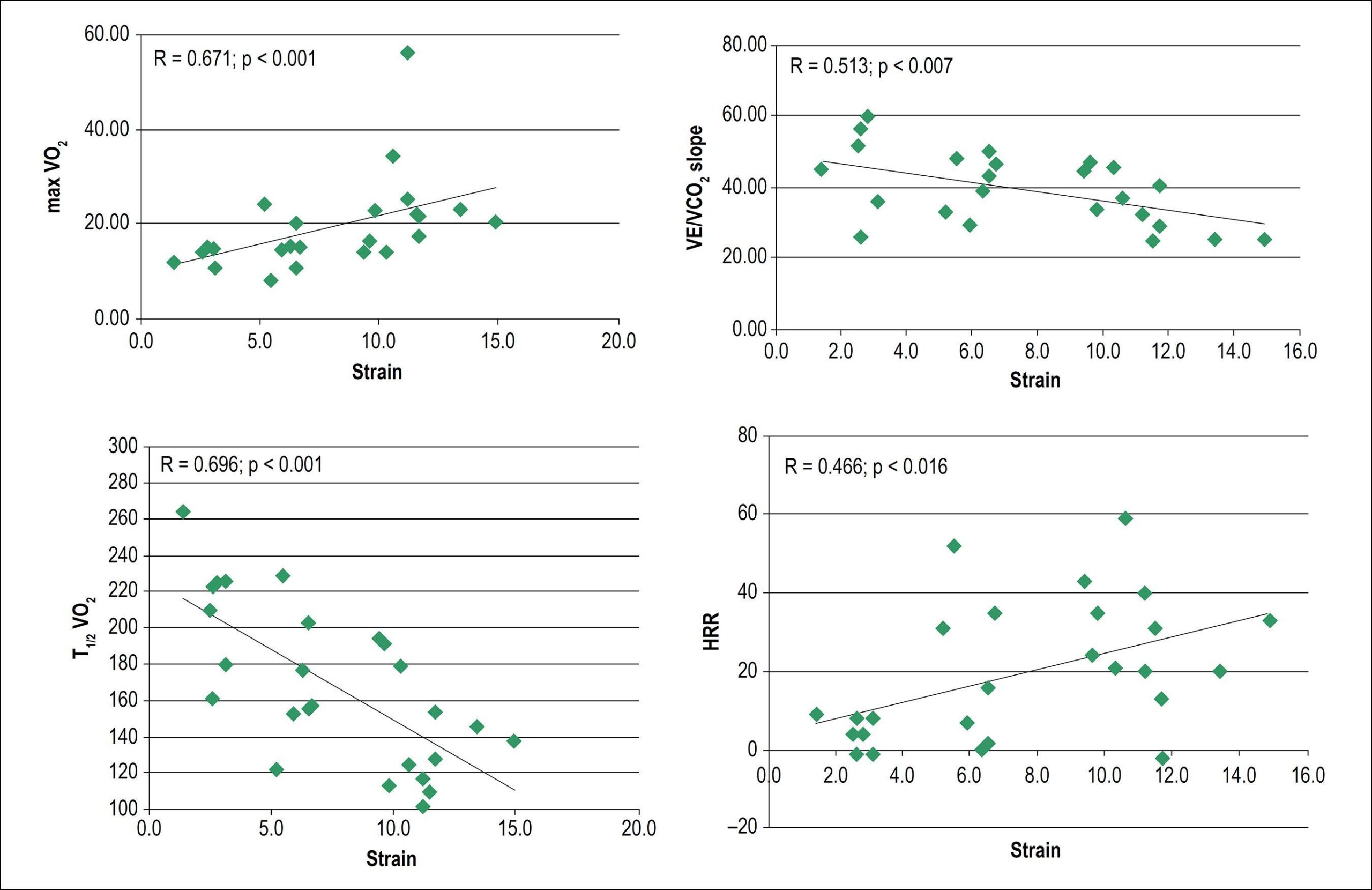
Systolic HF patients with LVEF < 45%, NYHA functional class II and III, underwent prospectively CPET and echocardiography with strain analysis. LVEF and GLS were correlated with the following CPET variables: maxVO2, VE/VCO2 slope, heart rate reduction during the first minute of recovery (HRR) and time needed to reduce maxVO2 in 50% after physical exercise (T1/2VO2). ROC curve analysis of GLS to predict VO2 < 14 mL/kg/min and VE/VCO2 slope > 35 (heart transplantation’s criteria) was performed.

Results:

Twenty six patients were selected (age, 47 ± 12 years, 58% men, mean LVEF = 28 ± 8%). LVEF correlated only with maxVO2 and T1/2VO2. GLS correlated to all CPET variables (maxVO2: r = 0.671, p = 0.001; VE/VCO2 slope: r = -0.513, p = 0.007; HRR: r = 0.466, p = 0.016, and T1/2VO2: r = -0.696, p = 0.001). GLS area under the ROC curve to predict heart transplantation’s criteria was 0.88 (sensitivity 75%, specificity 83%) for a cut-off value of -5.7%, p = 0.03.

Conclusion:

GLS was significantly associated with all functional CPET parameters. It could classify HF patients according to the functional capacity and may stratify which patients have a poor prognosis and therefore to deserve more differentiated treatment, such as heart transplantation.

  • Echocardiography, Doppler/methods
  • Heart Failure
  • Longitudinal Strain
  • Torsion Abnormality
  • Torsion, Mechanical
  • Ventricular Dysfunction, Left
Read Full Article
Creative Commons Attribution (CC BY) Creative Commons license
18/07/2019 DOI: 10.5935/abc.20190119
Figure 1
Original Article

Test-Retest Reliability of Non-Invasive Cardiac Output Measurement during Exercise in Healthy Volunteers in Daily Clinical Routine

Michael Thomas Coll Barroso et al. Matthias Wilhelm Hoppe Philip Boehme Thomas Krahn … Christian Kiefer Frank Kramer Thomas Mondritzki Phillipe Pirez Wilfried Dinh

Abstract

Background:

Thoracic bioreactance (TB), a noninvasive method for the measurement of cardiac output (CO), shows good test-retest reliability in healthy adults examined under research and resting conditions.

Objective:

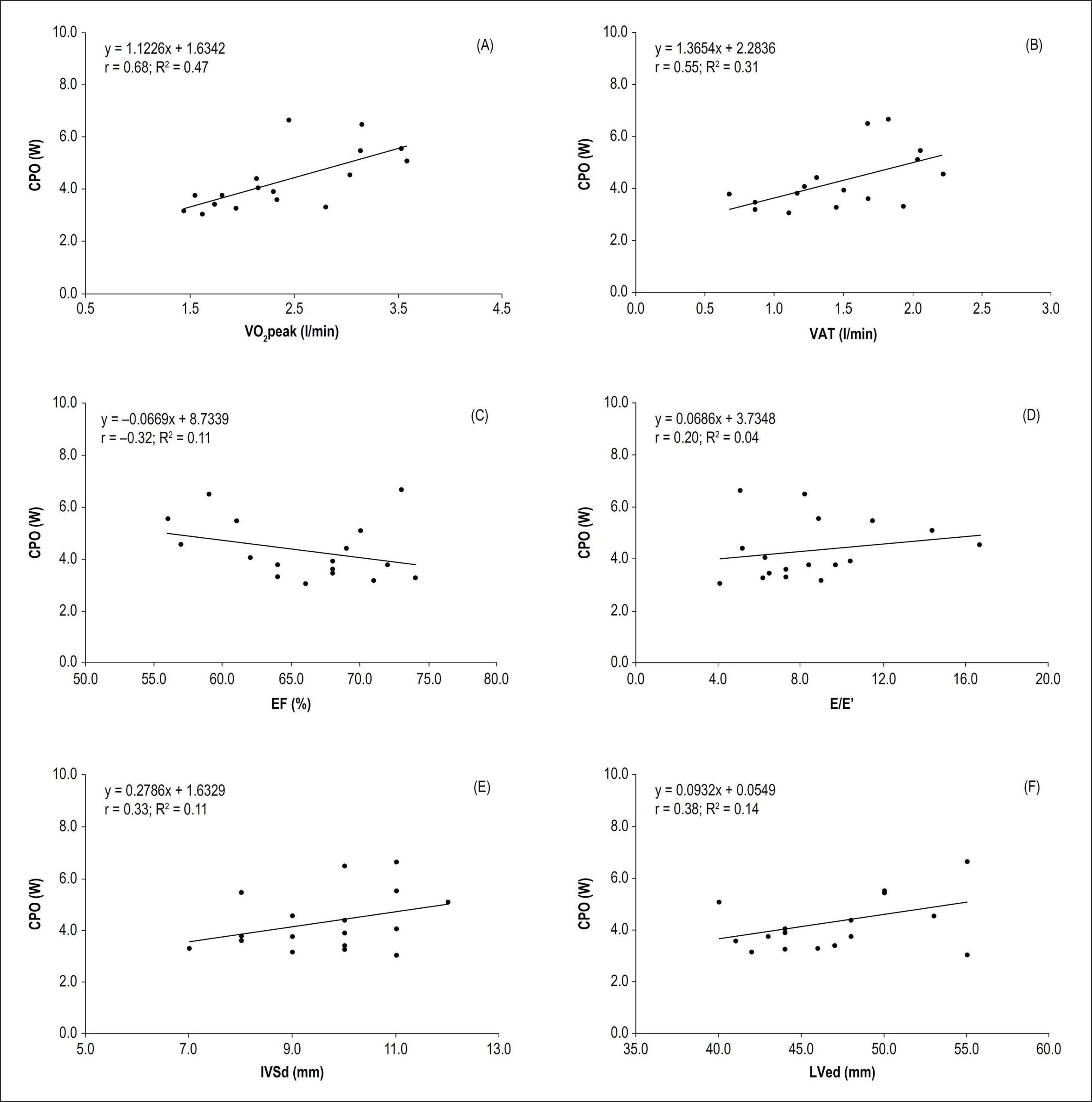
In this study, we evaluate the test-retest reliability of CO and cardiac power (CPO) output assessment during exercise assessed by TB in healthy adults under routine clinical conditions.

Methods:

25 test persons performed a symptom-limited graded cycling test in an outpatient office on two different days separated by one week. Cardiorespiratory (power output, VO2peak) and hemodynamic parameters (heart rate, stroke volume, CO, mean arterial pressure, CPO) were measured at rest and continuously under exercise using a spiroergometric system and bioreactance cardiograph (NICOM, Cheetah Medical).

Results:

After 8 participants were excluded due to measurement errors (outliers), there was no systematic bias in all parameters under all conditions (effect size: 0.2-0.6). We found that all noninvasively measured CO showed acceptable test-retest-reliability (intraclass correlation coefficient: 0.59-0.98; typical error: 0.3-1.8). Moreover, peak CPO showed better reliability (intraclass correlation coefficient: 0.80-0.85; effect size: 0.9-1.1) then the TB CO, thanks only to the superior reliability of MAP (intraclass correlation coefficient: 0.59-0.98; effect size: 0.3-1.8).

Conclusion:

Our findings preclude the clinical use of TB in healthy subject population when outliers are not identified.

  • Adult
  • Cardiac Output
  • Cardiography, Impedance/methods
  • Echocardiography/methods
  • Exercise
  • Exercise Test/methods
  • Reproducibility of Results
Read Full Article
Creative Commons Attribution (CC BY) Creative Commons license
10/07/2019 DOI: 10.5935/abc.20190116
Figure 1
Original Article

Inter-Individual Responses to Citrulline Malate Oral Supplementation on Post-Exercise Hypotension in Hypertensives: A 24-Hour Analysis

Juliano Casonatto et al. Daniel Massaharu Enokida Kamila Grandolfi

Abstract

Background:

Studies have persuasively demonstrated that citrulline has a key role in the arginine-nitric oxide system, increasing nitric oxide bioavailability, an important mediator of peripheral vasodilation.

Objective:

To analyze the inter-individual post-exercise hypotension responsiveness following acute citrulline supplementation in hypertensives.

Methods:

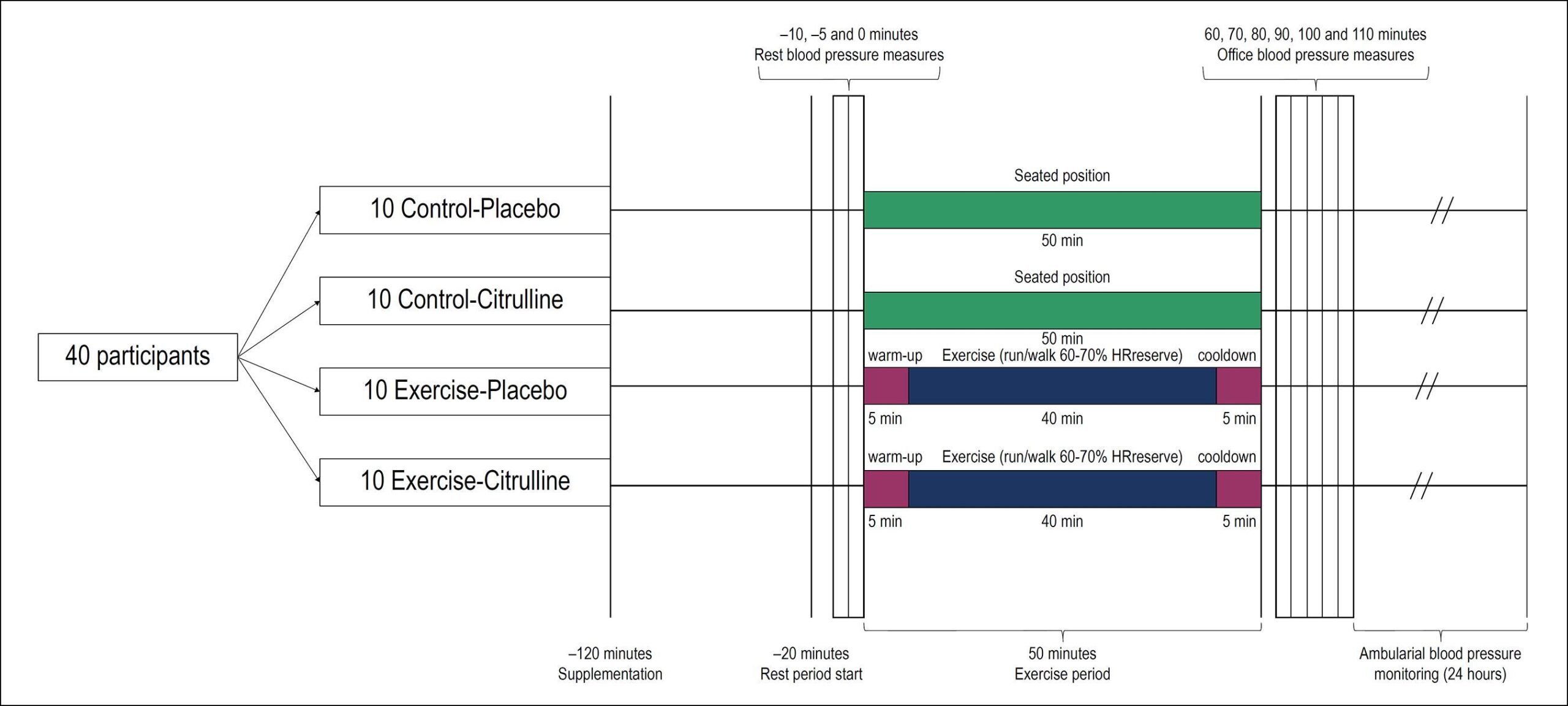
Forty hypertensives were randomly assigned to one of the four experimental groups (control-placebo, control-citrulline, exercise-placebo, and exercise-citrulline). They ingested placebo or citrulline malate [CM] (6 grams). During the exercise session, individuals performed 40 minutes of walking/running on a treadmill at 60-70% of HR reserve. For the control session, the individuals remained seated at rest for 40 minutes. Office blood pressure (BP) was taken every 10 minutes until completing 60 minutes after the experimental session. The ambulatory BP device was programmed to take the readings every 20 minutes (awake time) and every 30 minutes (sleep time) over the course of 24 hours of monitoring. Statistical significance was defined as p < 0.05.

Results:

Unlike the other experimental groups, there were no “non-responders” in the exercise/citrulline (EC) for “awake” (systolic and diastolic BP) and “24 hours” (diastolic BP). The effect sizes were more consistent in the EC for systolic and diastolic ambulatorial BP response. The effects were “large” (> 0.8) for “awake”, “asleep”, and “24 hours” only in the EC for diastolic BP.

Conclusion:

CM supplementation can increase the post-exercise hypotensive effects in hypertensives. In addition, the prevalence of non-responders is lower when associated with aerobic exercise and CM supplementation.

  • Amino Acids
  • Blood Pressure Monitoring, Ambulatory
  • Citruline
  • Dietary Supplements
  • Exercise
  • Hypertension
  • Nitric Oxide
Read Full Article
Creative Commons Attribution (CC BY) Creative Commons license
10/07/2019 DOI: 10.5935/abc.20190115

How to cite this article

EndNote RIS

Electronic Document Format (Vancouver)

Pinesi HT, Giraldez RRCV. Does the Mean Platelet Volume Decrease in the Presence of Coronary Artery Fistula?. Arquivos Brasileiros de Cardiologia 2019;113(2):272-3.

Electronic Document Format (ABNT)

Pinesi, Henrique Trombini; Giraldez, Roberto Rocha C. V.. Does the Mean Platelet Volume Decrease in the Presence of Coronary Artery Fistula?. Arquivos Brasileiros de Cardiologia, v. 113, n. 2, p. 272-273, Sep. 2019.

Electronic Document Format (APA)

Pinesi, H. T., & Giraldez, R. R. C. V. (2019). Does the Mean Platelet Volume Decrease in the Presence of Coronary Artery Fistula?. Arquivos Brasileiros de Cardiologia, 113(2), 272-273.

Electronic Document Format (ISO)

Pinesi, Henrique Trombini and Giraldez, Roberto Rocha C. V.. Does the Mean Platelet Volume Decrease in the Presence of Coronary Artery Fistula?. Arquivos Brasileiros de Cardiologia [online]. 2019, vol. 113, n. 2, [cited 2026-10-14], pp. 272-273. Available from: <https://journals.cardiol.br/en/article/does-the-mean-platelet-volume-decrease-in-the-presence-of-coronary-artery-fistula/>. ISSN 0066-782X

EndNote RIS

Electronic Document Format (Vancouver)

Sarabanda A. Healthcare Utilization and Costs Reduction after Radiofrequency Ablation for Atrial Fibrillation in the Brazilian Private Healthcare System. Arquivos Brasileiros de Cardiologia 2019;113(2):258-9.

Electronic Document Format (ABNT)

Sarabanda, Alvaro. Healthcare Utilization and Costs Reduction after Radiofrequency Ablation for Atrial Fibrillation in the Brazilian Private Healthcare System. Arquivos Brasileiros de Cardiologia, v. 113, n. 2, p. 258-259, Sep. 2019.

Electronic Document Format (APA)

Sarabanda, A. (2019). Healthcare Utilization and Costs Reduction after Radiofrequency Ablation for Atrial Fibrillation in the Brazilian Private Healthcare System. Arquivos Brasileiros de Cardiologia, 113(2), 258-259.

Electronic Document Format (ISO)

Sarabanda, Alvaro. Healthcare Utilization and Costs Reduction after Radiofrequency Ablation for Atrial Fibrillation in the Brazilian Private Healthcare System. Arquivos Brasileiros de Cardiologia [online]. 2019, vol. 113, n. 2, [cited 2026-10-14], pp. 258-259. Available from: <https://journals.cardiol.br/en/article/healthcare-utilization-and-costs-reduction-after-radiofrequency-ablation-for-atrial-fibrillation-in-the-brazilian-private-healthcare-system-2/>. ISSN 0066-782X

EndNote RIS

Electronic Document Format (Vancouver)

. Erratum. Arquivos Brasileiros de Cardiologia 2019;113(2):300.

Electronic Document Format (ABNT)

. Erratum. Arquivos Brasileiros de Cardiologia, v. 113, n. 2, p. 300-300, Sep. 2019.

Electronic Document Format (APA)

(2019). Erratum. Arquivos Brasileiros de Cardiologia, 113(2), 300-300.

Electronic Document Format (ISO)

. Erratum. Arquivos Brasileiros de Cardiologia [online]. 2019, vol. 113, n. 2, [cited 2026-10-14], pp. 300-300. Available from: <https://journals.cardiol.br/en/article/erratum-18/>. ISSN 0066-782X

EndNote RIS

Electronic Document Format (Vancouver)

Antoniazzi L. The Lack of Nutritional Counseling during Hospitalization. Arquivos Brasileiros de Cardiologia 2019;113(2):270-1.

Electronic Document Format (ABNT)

Antoniazzi, Luiza. The Lack of Nutritional Counseling during Hospitalization. Arquivos Brasileiros de Cardiologia, v. 113, n. 2, p. 270-271, Sep. 2019.

Electronic Document Format (APA)

Antoniazzi, L. (2019). The Lack of Nutritional Counseling during Hospitalization. Arquivos Brasileiros de Cardiologia, 113(2), 270-271.

Electronic Document Format (ISO)

Antoniazzi, Luiza. The Lack of Nutritional Counseling during Hospitalization. Arquivos Brasileiros de Cardiologia [online]. 2019, vol. 113, n. 2, [cited 2026-10-14], pp. 270-271. Available from: <https://journals.cardiol.br/en/article/the-lack-of-nutritional-counseling-during-hospitalization/>. ISSN 0066-782X

EndNote RIS

Electronic Document Format (Vancouver)

Bacchiega BC. Psoriasis and Cardiovascular Disease: Lesion Beyond the Skin. Arquivos Brasileiros de Cardiologia 2019;113(2):250-1.

Electronic Document Format (ABNT)

Bacchiega, Bruno Cesar. Psoriasis and Cardiovascular Disease: Lesion Beyond the Skin. Arquivos Brasileiros de Cardiologia, v. 113, n. 2, p. 250-251, Sep. 2019.

Electronic Document Format (APA)

Bacchiega, B. C. (2019). Psoriasis and Cardiovascular Disease: Lesion Beyond the Skin. Arquivos Brasileiros de Cardiologia, 113(2), 250-251.

Electronic Document Format (ISO)

Bacchiega, Bruno Cesar. Psoriasis and Cardiovascular Disease: Lesion Beyond the Skin. Arquivos Brasileiros de Cardiologia [online]. 2019, vol. 113, n. 2, [cited 2026-10-14], pp. 250-251. Available from: <https://journals.cardiol.br/en/article/psoriasis-and-cardiovascular-disease-lesion-beyond-the-skin/>. ISSN 0066-782X

EndNote RIS

Electronic Document Format (Vancouver)

Jardim PCBV. Overweight, the Cardiovascular Risk of the Century. Arquivos Brasileiros de Cardiologia 2019;113(2):185-7.

Electronic Document Format (ABNT)

Jardim, Paulo César B. Veiga. Overweight, the Cardiovascular Risk of the Century. Arquivos Brasileiros de Cardiologia, v. 113, n. 2, p. 185-187, Sep. 2019.

Electronic Document Format (APA)

Jardim, P. C. B. V. (2019). Overweight, the Cardiovascular Risk of the Century. Arquivos Brasileiros de Cardiologia, 113(2), 185-187.

Electronic Document Format (ISO)

Jardim, Paulo César B. Veiga. Overweight, the Cardiovascular Risk of the Century. Arquivos Brasileiros de Cardiologia [online]. 2019, vol. 113, n. 2, [cited 2026-10-14], pp. 185-187. Available from: <https://journals.cardiol.br/en/article/overweight-the-cardiovascular-risk-of-the-century/>. ISSN 0066-782X

EndNote RIS

Electronic Document Format (Vancouver)

Spineti PPM. Biomarkers in Heart Failure. Arquivos Brasileiros de Cardiologia 2019;113(2):205-6.

Electronic Document Format (ABNT)

Spineti, Pedro Pimenta de Mello. Biomarkers in Heart Failure. Arquivos Brasileiros de Cardiologia, v. 113, n. 2, p. 205-206, Sep. 2019.

Electronic Document Format (APA)

Spineti, P. P. M. (2019). Biomarkers in Heart Failure. Arquivos Brasileiros de Cardiologia, 113(2), 205-206.

Electronic Document Format (ISO)

Spineti, Pedro Pimenta de Mello. Biomarkers in Heart Failure. Arquivos Brasileiros de Cardiologia [online]. 2019, vol. 113, n. 2, [cited 2026-10-14], pp. 205-206. Available from: <https://journals.cardiol.br/en/article/biomarkers-in-heart-failure/>. ISSN 0066-782X

EndNote RIS

Electronic Document Format (Vancouver)

Ferrari F, Menegazzo WR. Global Longitudinal Strain or Measurement of Ejection Fraction: Which Method is Better in Stratifying Patients with Heart Failure?. Arquivos Brasileiros de Cardiologia 2019;113(2):195-6.

Electronic Document Format (ABNT)

Ferrari, Filipe; Menegazzo, Willian Roberto. Global Longitudinal Strain or Measurement of Ejection Fraction: Which Method is Better in Stratifying Patients with Heart Failure?. Arquivos Brasileiros de Cardiologia, v. 113, n. 2, p. 195-196, Sep. 2019.

Electronic Document Format (APA)

Ferrari, F., & Menegazzo, W. R. (2019). Global Longitudinal Strain or Measurement of Ejection Fraction: Which Method is Better in Stratifying Patients with Heart Failure?. Arquivos Brasileiros de Cardiologia, 113(2), 195-196.

Electronic Document Format (ISO)

Ferrari, Filipe and Menegazzo, Willian Roberto. Global Longitudinal Strain or Measurement of Ejection Fraction: Which Method is Better in Stratifying Patients with Heart Failure?. Arquivos Brasileiros de Cardiologia [online]. 2019, vol. 113, n. 2, [cited 2026-10-14], pp. 195-196. Available from: <https://journals.cardiol.br/en/article/global-longitudinal-strain-or-measurement-of-ejection-fraction-which-method-is-better-in-stratifying-patients-with-heart-failure/>. ISSN 0066-782X

EndNote RIS

Electronic Document Format (Vancouver)

Lamounier Júnior A, Ferrari F, Max R, Ritt LEF, Stein R. Importance of Genetic Testing in Dilated Cardiomyopathy: Applications and Challenges in Clinical Practice. Arquivos Brasileiros de Cardiologia 2019;113(2):274-81.

Electronic Document Format (ABNT)

Lamounier Júnior, Arsonval; Ferrari, Filipe; Max, Renato; Ritt, Luiz Eduardo Fonteles; Stein, Ricardo. Importance of Genetic Testing in Dilated Cardiomyopathy: Applications and Challenges in Clinical Practice. Arquivos Brasileiros de Cardiologia, v. 113, n. 2, p. 274-281, Sep. 2019.

Electronic Document Format (APA)

Lamounier Júnior, A., Ferrari, F., Max, R., Ritt, L. E. F., & Stein, R. (2019). Importance of Genetic Testing in Dilated Cardiomyopathy: Applications and Challenges in Clinical Practice. Arquivos Brasileiros de Cardiologia, 113(2), 274-281.

Electronic Document Format (ISO)

Lamounier Júnior, Arsonval and Ferrari, Filipe and Max, Renato and Ritt, Luiz Eduardo Fonteles and Stein, Ricardo. Importance of Genetic Testing in Dilated Cardiomyopathy: Applications and Challenges in Clinical Practice. Arquivos Brasileiros de Cardiologia [online]. 2019, vol. 113, n. 2, [cited 2026-10-14], pp. 274-281. Available from: <https://journals.cardiol.br/en/article/importance-of-genetic-testing-in-dilated-cardiomyopathy-applications-and-challenges-in-clinical-practice/>. ISSN 0066-782X

EndNote RIS

Electronic Document Format (Vancouver)

Askin L, Tanrıverdi O, Tibilli H, Turkmen S. New Method Improves the Evaluation of Subclinical Left Ventricular Dysfunction in Type 2 Diabetes Mellitus. Arquivos Brasileiros de Cardiologia 2019;113(2):216-7.

Electronic Document Format (ABNT)

Askin, Lutfu; Tanrıverdi, Okan; Tibilli, Hakan; Turkmen, Serdar. New Method Improves the Evaluation of Subclinical Left Ventricular Dysfunction in Type 2 Diabetes Mellitus. Arquivos Brasileiros de Cardiologia, v. 113, n. 2, p. 216-217, Sep. 2019.

Electronic Document Format (APA)

Askin, L., Tanrıverdi, O., Tibilli, H., & Turkmen, S. (2019). New Method Improves the Evaluation of Subclinical Left Ventricular Dysfunction in Type 2 Diabetes Mellitus. Arquivos Brasileiros de Cardiologia, 113(2), 216-217.

Electronic Document Format (ISO)

Askin, Lutfu and Tanrıverdi, Okan and Tibilli, Hakan and Turkmen, Serdar. New Method Improves the Evaluation of Subclinical Left Ventricular Dysfunction in Type 2 Diabetes Mellitus. Arquivos Brasileiros de Cardiologia [online]. 2019, vol. 113, n. 2, [cited 2026-10-14], pp. 216-217. Available from: <https://journals.cardiol.br/en/article/new-method-improves-the-evaluation-of-subclinical-left-ventricular-dysfunction-in-type-2-diabetes-mellitus/>. ISSN 0066-782X

EndNote RIS

Electronic Document Format (Vancouver)

Pereira F, Moraes R, Bavel D, Lorenzo AR, Tibirica E. Exertional Rhabdomyolysis after Military Training Paralleled by Systemic Microvascular Dysfunction and Plasma Cytokine Increase: A Case Report. Arquivos Brasileiros de Cardiologia 2019;113(2):294-8.

Electronic Document Format (ABNT)

Pereira, Flavio; Moraes, Roger de; Bavel, Diogo; Lorenzo, Andrea Rocha de; Tibirica, Eduardo. Exertional Rhabdomyolysis after Military Training Paralleled by Systemic Microvascular Dysfunction and Plasma Cytokine Increase: A Case Report. Arquivos Brasileiros de Cardiologia, v. 113, n. 2, p. 294-298, Sep. 2019.

Electronic Document Format (APA)

Pereira, F., Moraes, R. , Bavel, D., Lorenzo, A. R. , & Tibirica, E. (2019). Exertional Rhabdomyolysis after Military Training Paralleled by Systemic Microvascular Dysfunction and Plasma Cytokine Increase: A Case Report. Arquivos Brasileiros de Cardiologia, 113(2), 294-298.

Electronic Document Format (ISO)

Pereira, Flavio and Moraes, Roger de and Bavel, Diogo and Lorenzo, Andrea Rocha de and Tibirica, Eduardo. Exertional Rhabdomyolysis after Military Training Paralleled by Systemic Microvascular Dysfunction and Plasma Cytokine Increase: A Case Report. Arquivos Brasileiros de Cardiologia [online]. 2019, vol. 113, n. 2, [cited 2026-10-14], pp. 294-298. Available from: <https://journals.cardiol.br/en/article/exertional-rhabdomyolysis-after-military-training-paralleled-by-systemic-microvascular-dysfunction-and-plasma-cytokine-increase-a-case-report/>. ISSN 0066-782X

EndNote RIS

Electronic Document Format (Vancouver)

Rossi Neto JM. Continuous Non-Invasive Cardiac Output: Myth or Reality. Arquivos Brasileiros de Cardiologia 2019;113(2):240-1.

Electronic Document Format (ABNT)

Rossi Neto, João Manoel. Continuous Non-Invasive Cardiac Output: Myth or Reality. Arquivos Brasileiros de Cardiologia, v. 113, n. 2, p. 240-241, Sep. 2019.

Electronic Document Format (APA)

Rossi Neto, J. M. (2019). Continuous Non-Invasive Cardiac Output: Myth or Reality. Arquivos Brasileiros de Cardiologia, 113(2), 240-241.

Electronic Document Format (ISO)

Rossi Neto, João Manoel. Continuous Non-Invasive Cardiac Output: Myth or Reality. Arquivos Brasileiros de Cardiologia [online]. 2019, vol. 113, n. 2, [cited 2026-10-14], pp. 240-241. Available from: <https://journals.cardiol.br/en/article/continuous-non-invasive-cardiac-output-myth-or-reality/>. ISSN 0066-782X

EndNote RIS

Electronic Document Format (Vancouver)

Brito LC. Group Means and Inter-Individual Analysis in Post-exercise Hypotension: Effects of Citrulline Malate Oral Supplementation. Arquivos Brasileiros de Cardiologia 2019;113(2):229-30.

Electronic Document Format (ABNT)

Brito, Leandro C.. Group Means and Inter-Individual Analysis in Post-exercise Hypotension: Effects of Citrulline Malate Oral Supplementation. Arquivos Brasileiros de Cardiologia, v. 113, n. 2, p. 229-230, Sep. 2019.

Electronic Document Format (APA)

Brito, L. C. (2019). Group Means and Inter-Individual Analysis in Post-exercise Hypotension: Effects of Citrulline Malate Oral Supplementation. Arquivos Brasileiros de Cardiologia, 113(2), 229-230.

Electronic Document Format (ISO)

Brito, Leandro C.. Group Means and Inter-Individual Analysis in Post-exercise Hypotension: Effects of Citrulline Malate Oral Supplementation. Arquivos Brasileiros de Cardiologia [online]. 2019, vol. 113, n. 2, [cited 2026-10-14], pp. 229-230. Available from: <https://journals.cardiol.br/en/article/group-means-and-inter-individual-analysis-in-post-exercise-hypotension-effects-of-citrulline-malate-oral-supplementation/>. ISSN 0066-782X

EndNote RIS

Electronic Document Format (Vancouver)

Lemke VG. Gender Equity in Healthcare: An Issue of Justice or Need?. Arquivos Brasileiros de Cardiologia 2019;113(2):299.

Electronic Document Format (ABNT)

Lemke, Viviana Guzzo. Gender Equity in Healthcare: An Issue of Justice or Need?. Arquivos Brasileiros de Cardiologia, v. 113, n. 2, p. 299-299, Sep. 2019.

Electronic Document Format (APA)

Lemke, V. G. (2019). Gender Equity in Healthcare: An Issue of Justice or Need?. Arquivos Brasileiros de Cardiologia, 113(2), 299-299.

Electronic Document Format (ISO)

Lemke, Viviana Guzzo. Gender Equity in Healthcare: An Issue of Justice or Need?. Arquivos Brasileiros de Cardiologia [online]. 2019, vol. 113, n. 2, [cited 2026-10-14], pp. 299-299. Available from: <https://journals.cardiol.br/en/article/gender-equity-in-healthcare-an-issue-of-justice-or-need/>. ISSN 0066-782X

EndNote RIS

Electronic Document Format (Vancouver)

Pinesi HT, Strabelli TMV, Aiello VD. Case 4/2019 – 26-Year-Old Man with Congenital Chagas Disease and Heart Transplantation. Arquivos Brasileiros de Cardiologia 2019;113(2):286-93.

Electronic Document Format (ABNT)

Pinesi, Henrique Trombini; Strabelli, Tânia Mara Varejão; Aiello, Vera Demarchi. Case 4/2019 – 26-Year-Old Man with Congenital Chagas Disease and Heart Transplantation. Arquivos Brasileiros de Cardiologia, v. 113, n. 2, p. 286-293, Sep. 2019.

Electronic Document Format (APA)

Pinesi, H. T., Strabelli, T. M. V., & Aiello, V. D. (2019). Case 4/2019 – 26-Year-Old Man with Congenital Chagas Disease and Heart Transplantation. Arquivos Brasileiros de Cardiologia, 113(2), 286-293.

Electronic Document Format (ISO)

Pinesi, Henrique Trombini and Strabelli, Tânia Mara Varejão and Aiello, Vera Demarchi. Case 4/2019 – 26-Year-Old Man with Congenital Chagas Disease and Heart Transplantation. Arquivos Brasileiros de Cardiologia [online]. 2019, vol. 113, n. 2, [cited 2026-10-14], pp. 286-293. Available from: <https://journals.cardiol.br/en/article/case-4-2019-26-year-old-man-with-congenital-chagas-disease-and-heart-transplantation/>. ISSN 0066-782X

EndNote RIS

Electronic Document Format (Vancouver)

Kul S, Dursun , Ayhan S, Sayin MR, Üçüncü , Bülbül NE, Ateş AH, et al. Presystolic Wave is Associated with Subclinical Left Ventricular Dysfunction Assessed by Myocardial Performance Index in Type 2 Diabetes Mellitus. Arquivos Brasileiros de Cardiologia 2019;113(2):207-15.

Electronic Document Format (ABNT)

Kul, Selim; Dursun, İhsan; Ayhan, Semiha; Sayin, Muhammet Rasit; Üçüncü, Özge; Bülbül, Nilgün Esen; Ateş, Ahmet Hakan; Akyüz, Ali Rıza. Presystolic Wave is Associated with Subclinical Left Ventricular Dysfunction Assessed by Myocardial Performance Index in Type 2 Diabetes Mellitus. Arquivos Brasileiros de Cardiologia, v. 113, n. 2, p. 207-215, Jul. 2019.

Electronic Document Format (APA)

Kul, S., Dursun, , Ayhan, S., Sayin, M. R., Üçüncü, , Bülbül, N. E., Ateş, A. H., & Akyüz, A. R. (2019). Presystolic Wave is Associated with Subclinical Left Ventricular Dysfunction Assessed by Myocardial Performance Index in Type 2 Diabetes Mellitus. Arquivos Brasileiros de Cardiologia, 113(2), 207-215.

Electronic Document Format (ISO)

Kul, Selim and Dursun, İhsan and Ayhan, Semiha and Sayin, Muhammet Rasit and Üçüncü, Özge and Bülbül, Nilgün Esen and Ateş, Ahmet Hakan and Akyüz, Ali Rıza. Presystolic Wave is Associated with Subclinical Left Ventricular Dysfunction Assessed by Myocardial Performance Index in Type 2 Diabetes Mellitus. Arquivos Brasileiros de Cardiologia [online]. 2019, vol. 113, n. 2, [cited 2026-10-14], pp. 207-215. Available from: <https://journals.cardiol.br/en/article/presystolic-wave-is-associated-with-subclinical-left-ventricular-dysfunction-assessed-by-myocardial-performance-index-in-type-2-diabetes-mellitus/>. ISSN 0066-782X

EndNote RIS

Electronic Document Format (Vancouver)

Saad EB, Tayar DO, Ribeiro RA, Junqueira Jr. SM, Andrade P, d’Avila A. Healthcare Utilization and Costs Reduction after Radiofrequency Ablation For Atrial Fibrillation in the Brazilian Private Healthcare System. Arquivos Brasileiros de Cardiologia 2019;113(2):252-7.

Electronic Document Format (ABNT)

Saad, Eduardo Benchimol; Tayar, Daiane Oliveira; Ribeiro, Rodrigo Antonini; Junqueira Jr., Silvio Mauro; Andrade, Priscila; d’Avila, Andre. Healthcare Utilization and Costs Reduction after Radiofrequency Ablation For Atrial Fibrillation in the Brazilian Private Healthcare System. Arquivos Brasileiros de Cardiologia, v. 113, n. 2, p. 252-257, Jul. 2019.

Electronic Document Format (APA)

Saad, E. B., Tayar, D. O., Ribeiro, R. A., Junqueira Jr., S. M., Andrade, P., & d’Avila, A. (2019). Healthcare Utilization and Costs Reduction after Radiofrequency Ablation For Atrial Fibrillation in the Brazilian Private Healthcare System. Arquivos Brasileiros de Cardiologia, 113(2), 252-257.

Electronic Document Format (ISO)

Saad, Eduardo Benchimol and Tayar, Daiane Oliveira and Ribeiro, Rodrigo Antonini and Junqueira Jr., Silvio Mauro and Andrade, Priscila and d’Avila, Andre. Healthcare Utilization and Costs Reduction after Radiofrequency Ablation For Atrial Fibrillation in the Brazilian Private Healthcare System. Arquivos Brasileiros de Cardiologia [online]. 2019, vol. 113, n. 2, [cited 2026-10-14], pp. 252-257. Available from: <https://journals.cardiol.br/en/article/healthcare-utilization-and-costs-reduction-after-radiofrequency-ablation-for-atrial-fibrillation-in-the-brazilian-private-healthcare-system/>. ISSN 0066-782X

EndNote RIS

Electronic Document Format (Vancouver)

Hideo-Kajita A, Garcia-Garcia HM, Shlofmitz E, Campos CM. Update on Coronary Angiography-Based Physiology Technologies. Arquivos Brasileiros de Cardiologia 2019;113(2):282-5.

Electronic Document Format (ABNT)

Hideo-Kajita, Alexandre; Garcia-Garcia, Hector M.; Shlofmitz, Evan; Campos, Carlos M.. Update on Coronary Angiography-Based Physiology Technologies. Arquivos Brasileiros de Cardiologia, v. 113, n. 2, p. 282-285, Jul. 2019.

Electronic Document Format (APA)

Hideo-Kajita, A., Garcia-Garcia, H. M., Shlofmitz, E., & Campos, C. M. (2019). Update on Coronary Angiography-Based Physiology Technologies. Arquivos Brasileiros de Cardiologia, 113(2), 282-285.

Electronic Document Format (ISO)

Hideo-Kajita, Alexandre and Garcia-Garcia, Hector M. and Shlofmitz, Evan and Campos, Carlos M.. Update on Coronary Angiography-Based Physiology Technologies. Arquivos Brasileiros de Cardiologia [online]. 2019, vol. 113, n. 2, [cited 2026-10-14], pp. 282-285. Available from: <https://journals.cardiol.br/en/article/update-on-coronary-angiography-based-physiology-technologies/>. ISSN 0066-782X

EndNote RIS

Electronic Document Format (Vancouver)

Oliveira AN, Simões MM, Simões R, Malachias MVB, Rezende BA. Cardiovascular Risk in Psoriasis Patients: Clinical, Functional and Morphological Parameters. Arquivos Brasileiros de Cardiologia 2019;113(2):242-9.

Electronic Document Format (ABNT)

Oliveira, Angélica Navarro de; Simões, Marcela M.; Simões, Ricardo; Malachias, Marcus Vinicius Bolivar; Rezende, Bruno Almeida. Cardiovascular Risk in Psoriasis Patients: Clinical, Functional and Morphological Parameters. Arquivos Brasileiros de Cardiologia, v. 113, n. 2, p. 242-249, Jul. 2019.

Electronic Document Format (APA)

Oliveira, A. N. , Simões, M. M., Simões, R., Malachias, M. V. B., & Rezende, B. A. (2019). Cardiovascular Risk in Psoriasis Patients: Clinical, Functional and Morphological Parameters. Arquivos Brasileiros de Cardiologia, 113(2), 242-249.

Electronic Document Format (ISO)

Oliveira, Angélica Navarro de and Simões, Marcela M. and Simões, Ricardo and Malachias, Marcus Vinicius Bolivar and Rezende, Bruno Almeida. Cardiovascular Risk in Psoriasis Patients: Clinical, Functional and Morphological Parameters. Arquivos Brasileiros de Cardiologia [online]. 2019, vol. 113, n. 2, [cited 2026-10-14], pp. 242-249. Available from: <https://journals.cardiol.br/en/article/cardiovascular-risk-in-psoriasis-patients-clinical-functional-and-morphological-parameters/>. ISSN 0066-782X

EndNote RIS

Electronic Document Format (Vancouver)

Lima TCRM, Silva DG, Barreto IDC, Oliveira JC, Oliveira LCS, Arcelino LAM, Oliveira JC, et al. Quality of Intra-Hospital Nutritional Counseling in Patients with STEMI in the Public and Private Health Networks of Sergipe: The VICTIM Register. Arquivos Brasileiros de Cardiologia 2019;113(2):260-9.

Electronic Document Format (ABNT)

Lima, Ticiane Clair Remacre Munareto; Silva, Danielle Góes da; Barreto, Ikaro Daniel de Carvalho; Oliveira, Jussiely Cunha; Oliveira, Laís Costa Souza; Arcelino, Larissa Andreline Maia; Oliveira, Jeferson Cunha; Sousa, Antônio Carlos Sobral; Barreto Filho, José Augusto Soares. Quality of Intra-Hospital Nutritional Counseling in Patients with STEMI in the Public and Private Health Networks of Sergipe: The VICTIM Register. Arquivos Brasileiros de Cardiologia, v. 113, n. 2, p. 260-269, Jul. 2019.

Electronic Document Format (APA)

Lima, T. C. R. M., Silva, D. G. , Barreto, I. D. C., Oliveira, J. C., Oliveira, L. C. S., Arcelino, L. A. M., Oliveira, J. C., Sousa, A. C. S., & Barreto Filho, J. A. S. (2019). Quality of Intra-Hospital Nutritional Counseling in Patients with STEMI in the Public and Private Health Networks of Sergipe: The VICTIM Register. Arquivos Brasileiros de Cardiologia, 113(2), 260-269.

Electronic Document Format (ISO)

Lima, Ticiane Clair Remacre Munareto and Silva, Danielle Góes da and Barreto, Ikaro Daniel de Carvalho and Oliveira, Jussiely Cunha and Oliveira, Laís Costa Souza and Arcelino, Larissa Andreline Maia and Oliveira, Jeferson Cunha and Sousa, Antônio Carlos Sobral and Barreto Filho, José Augusto Soares. Quality of Intra-Hospital Nutritional Counseling in Patients with STEMI in the Public and Private Health Networks of Sergipe: The VICTIM Register. Arquivos Brasileiros de Cardiologia [online]. 2019, vol. 113, n. 2, [cited 2026-10-14], pp. 260-269. Available from: <https://journals.cardiol.br/en/article/quality-of-intra-hospital-nutritional-counseling-in-patients-with-stemi-in-the-public-and-private-health-networks-of-sergipe-the-victim-register/>. ISSN 0066-782X

EndNote RIS

Electronic Document Format (Vancouver)

Yan J, Pan Y, Xiao J, Ma W, Li , Zhong M, Long H, et al. High Level of Lipoprotein(a) as Predictor for Recurrent Heart Failure in Patients with Chronic Heart Failure: a Cohort Study. Arquivos Brasileiros de Cardiologia 2019;113(2):197-204.

Electronic Document Format (ABNT)

Yan, Jianlong; Pan, Yanbin; Xiao, Junhui; Ma, Wenxue; Li, ; Zhong, Mingjiang; Long, Haiquan; Kong, Fanliang; Shao, Wenming. High Level of Lipoprotein(a) as Predictor for Recurrent Heart Failure in Patients with Chronic Heart Failure: a Cohort Study. Arquivos Brasileiros de Cardiologia, v. 113, n. 2, p. 197-204, Jul. 2019.

Electronic Document Format (APA)

Yan, J., Pan, Y., Xiao, J., Ma, W., Li, , Zhong, M., Long, H., Kong, F., & Shao, W. (2019). High Level of Lipoprotein(a) as Predictor for Recurrent Heart Failure in Patients with Chronic Heart Failure: a Cohort Study. Arquivos Brasileiros de Cardiologia, 113(2), 197-204.

Electronic Document Format (ISO)

Yan, Jianlong and Pan, Yanbin and Xiao, Junhui and Ma, Wenxue and Li and Zhong, Mingjiang and Long, Haiquan and Kong, Fanliang and Shao, Wenming. High Level of Lipoprotein(a) as Predictor for Recurrent Heart Failure in Patients with Chronic Heart Failure: a Cohort Study. Arquivos Brasileiros de Cardiologia [online]. 2019, vol. 113, n. 2, [cited 2026-10-14], pp. 197-204. Available from: <https://journals.cardiol.br/en/article/high-level-of-lipoproteina-as-predictor-for-recurrent-heart-failure-in-patients-with-chronic-heart-failure-a-cohort-study/>. ISSN 0066-782X

EndNote RIS

Electronic Document Format (Vancouver)

Maia RJC, Brandão SCS, Leite J, Parente GB, Pinheiro F, Araújo BTS, Aguiar MIR, et al. Global Longitudinal Strain Predicts Poor Functional Capacity in Patients with Systolic Heart Failure. Arquivos Brasileiros de Cardiologia 2019;113(2):188-94.

Electronic Document Format (ABNT)

Maia, Rafael José Coelho; Brandão, Simone Cristina Soares; Leite, Jéssica; Parente, Giordano Bruno; Pinheiro, Filipe; Araújo, Bruna Thays Santana; Aguiar, Maria Inês Remígio; Martins, Sílvia Marinho; Brandão, Daniella Cunha; Andrade, Armele Dornelas de. Global Longitudinal Strain Predicts Poor Functional Capacity in Patients with Systolic Heart Failure. Arquivos Brasileiros de Cardiologia, v. 113, n. 2, p. 188-194, Jul. 2019.

Electronic Document Format (APA)

Maia, R. J. C., Brandão, S. C. S., Leite, J., Parente, G. B., Pinheiro, F., Araújo, B. T. S., Aguiar, M. I. R., Martins, S. M., Brandão, D. C., & Andrade, A. D. (2019). Global Longitudinal Strain Predicts Poor Functional Capacity in Patients with Systolic Heart Failure. Arquivos Brasileiros de Cardiologia, 113(2), 188-194.

Electronic Document Format (ISO)

Maia, Rafael José Coelho and Brandão, Simone Cristina Soares and Leite, Jéssica and Parente, Giordano Bruno and Pinheiro, Filipe and Araújo, Bruna Thays Santana and Aguiar, Maria Inês Remígio and Martins, Sílvia Marinho and Brandão, Daniella Cunha and Andrade, Armele Dornelas de. Global Longitudinal Strain Predicts Poor Functional Capacity in Patients with Systolic Heart Failure. Arquivos Brasileiros de Cardiologia [online]. 2019, vol. 113, n. 2, [cited 2026-10-14], pp. 188-194. Available from: <https://journals.cardiol.br/en/article/global-longitudinal-strain-predicts-poor-functional-capacity-in-patients-with-systolic-heart-failure/>. ISSN 0066-782X

EndNote RIS

Electronic Document Format (Vancouver)

Barroso MTC, Hoppe MW, Boehme P, Krahn T, Kiefer C, Kramer F, Mondritzki T, et al. Test-Retest Reliability of Non-Invasive Cardiac Output Measurement during Exercise in Healthy Volunteers in Daily Clinical Routine. Arquivos Brasileiros de Cardiologia 2019;113(2):231-9.

Electronic Document Format (ABNT)

Barroso, Michael Thomas Coll; Hoppe, Matthias Wilhelm; Boehme, Philip; Krahn, Thomas; Kiefer, Christian; Kramer, Frank; Mondritzki, Thomas; Pirez, Phillipe; Dinh, Wilfried. Test-Retest Reliability of Non-Invasive Cardiac Output Measurement during Exercise in Healthy Volunteers in Daily Clinical Routine. Arquivos Brasileiros de Cardiologia, v. 113, n. 2, p. 231-239, Jul. 2019.

Electronic Document Format (APA)

Barroso, M. T. C., Hoppe, M. W., Boehme, P., Krahn, T., Kiefer, C., Kramer, F., Mondritzki, T., Pirez, P., & Dinh, W. (2019). Test-Retest Reliability of Non-Invasive Cardiac Output Measurement during Exercise in Healthy Volunteers in Daily Clinical Routine. Arquivos Brasileiros de Cardiologia, 113(2), 231-239.

Electronic Document Format (ISO)

Barroso, Michael Thomas Coll and Hoppe, Matthias Wilhelm and Boehme, Philip and Krahn, Thomas and Kiefer, Christian and Kramer, Frank and Mondritzki, Thomas and Pirez, Phillipe and Dinh, Wilfried. Test-Retest Reliability of Non-Invasive Cardiac Output Measurement during Exercise in Healthy Volunteers in Daily Clinical Routine. Arquivos Brasileiros de Cardiologia [online]. 2019, vol. 113, n. 2, [cited 2026-10-14], pp. 231-239. Available from: <https://journals.cardiol.br/en/article/test-retest-reliability-of-non-invasive-cardiac-output-measurement-during-exercise-in-healthy-volunteers-in-daily-clinical-routine/>. ISSN 0066-782X

EndNote RIS

Electronic Document Format (Vancouver)

Casonatto J, Enokida DM, Grandolfi K. Inter-Individual Responses to Citrulline Malate Oral Supplementation on Post-Exercise Hypotension in Hypertensives: A 24-Hour Analysis. Arquivos Brasileiros de Cardiologia 2019;113(2):218-2.

Electronic Document Format (ABNT)

Casonatto, Juliano; Enokida, Daniel Massaharu; Grandolfi, Kamila. Inter-Individual Responses to Citrulline Malate Oral Supplementation on Post-Exercise Hypotension in Hypertensives: A 24-Hour Analysis. Arquivos Brasileiros de Cardiologia, v. 113, n. 2, p. 218-228, Jul. 2019.

Electronic Document Format (APA)

Casonatto, J., Enokida, D. M., & Grandolfi, K. (2019). Inter-Individual Responses to Citrulline Malate Oral Supplementation on Post-Exercise Hypotension in Hypertensives: A 24-Hour Analysis. Arquivos Brasileiros de Cardiologia, 113(2), 218-228.

Electronic Document Format (ISO)

Casonatto, Juliano and Enokida, Daniel Massaharu and Grandolfi, Kamila. Inter-Individual Responses to Citrulline Malate Oral Supplementation on Post-Exercise Hypotension in Hypertensives: A 24-Hour Analysis. Arquivos Brasileiros de Cardiologia [online]. 2019, vol. 113, n. 2, [cited 2026-10-14], pp. 218-228. Available from: <https://journals.cardiol.br/en/article/inter-individual-responses-to-citrulline-malate-oral-supplementation-on-post-exercise-hypotension-in-hypertensives-a-24-hour-analysis/>. ISSN 0066-782X

Sede – Rio de Janeiro
Av. Marechal Câmara, 160
3º andar – Sala: 330 – Centro
Rio de Janeiro – CEP: 20020-907
Tel.: (55 +21) 3478-2700
ou (21) 99386-3961
E-mail: revista@cardiol.br

Sede – São Paulo
Alameda Santos, 705 – 11º andar
Cerqueira César | São Paulo
CEP: 01419-001
Tel.: (55 +11) 3411-5500
E-mail: revista@cardiol.br

  • About the Journal
  • Internal Regulation
  • Editors Section
  • Editorial Board
  • History
  • SBC Award

  • Guidelines for Publication
  • Editorial Policy
  • Ethics Policy
  • Policy on the Use of Artificial Intelligence
  • Mandatory Publication Form
  • Publication Fee

Issues

SBC Guidelines

  • How to Publish an Abstract Supplement?
  • Supplements from the Brazilian Congress of Cardiology